Zinnias are bright and beautiful flowers that also serve as a shelter for honey bees.
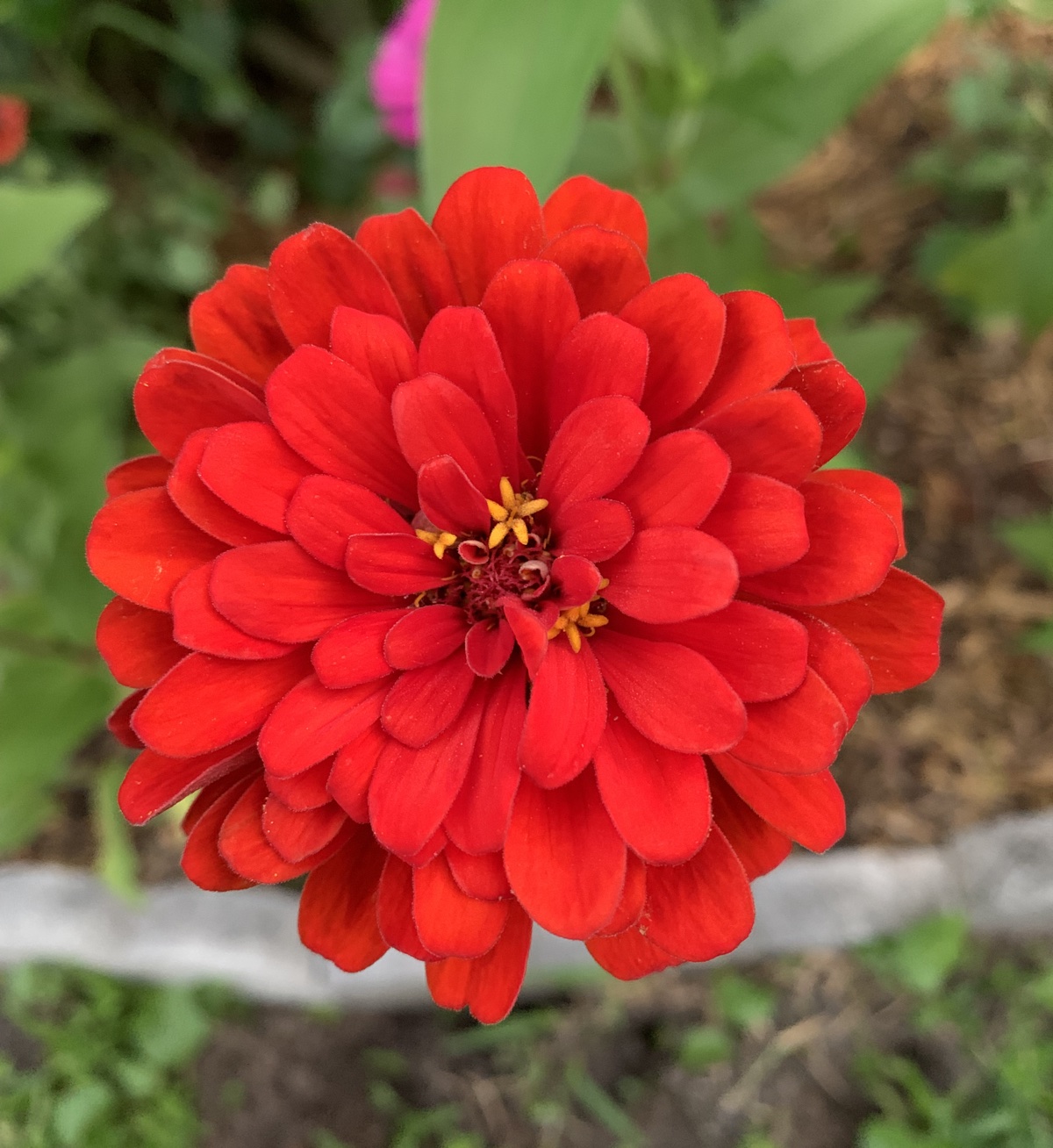
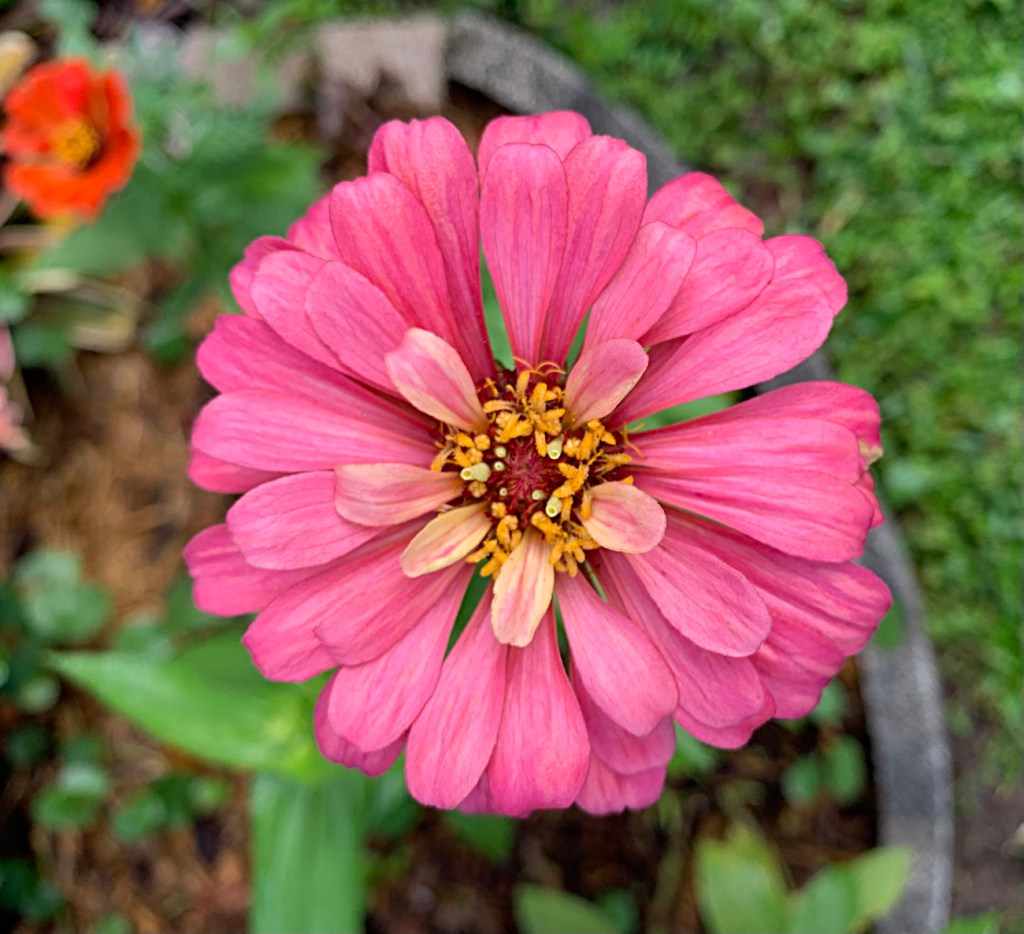
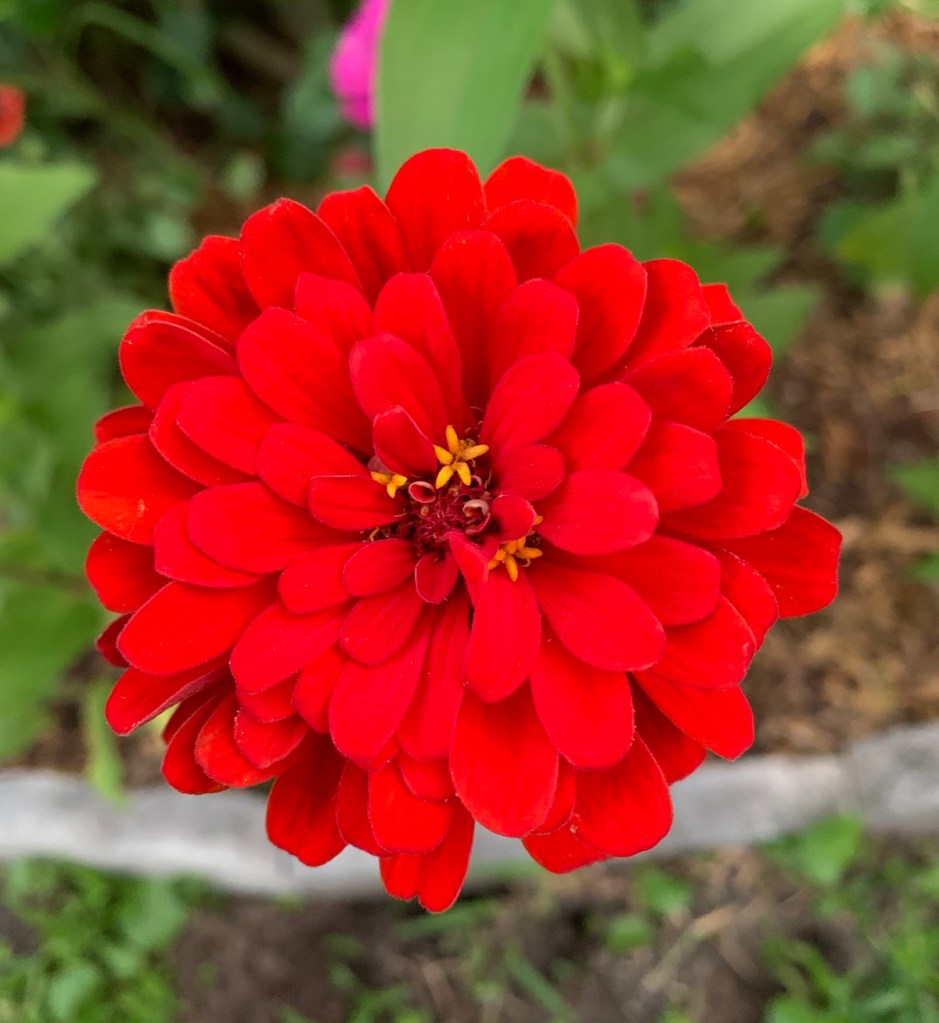
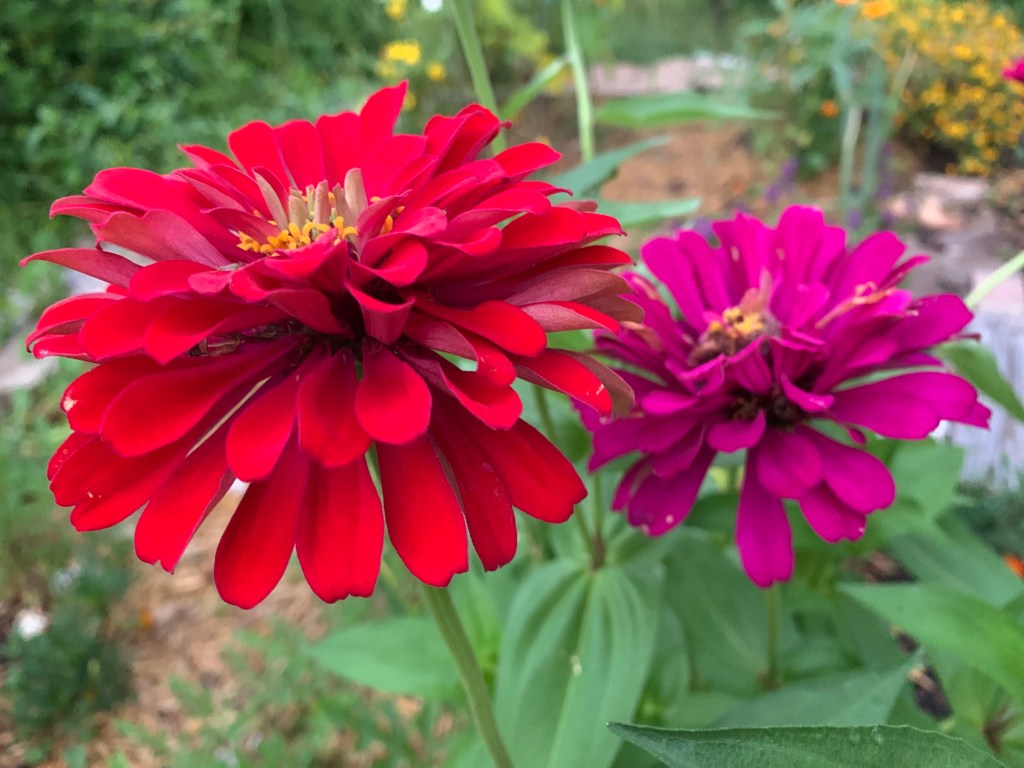
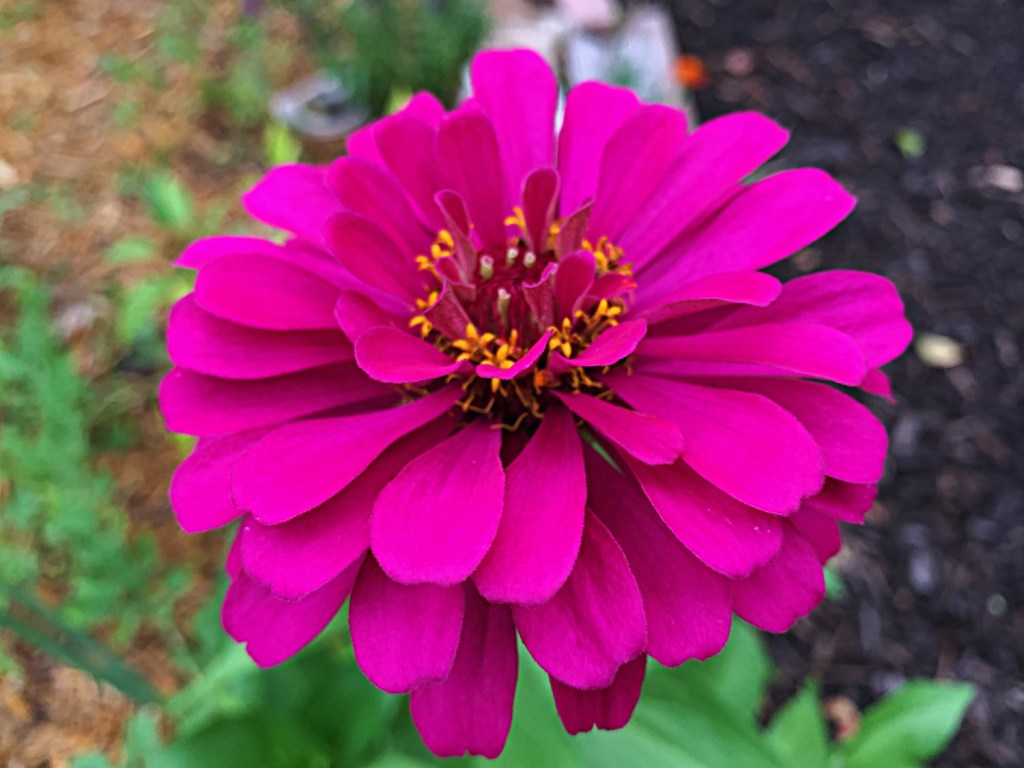
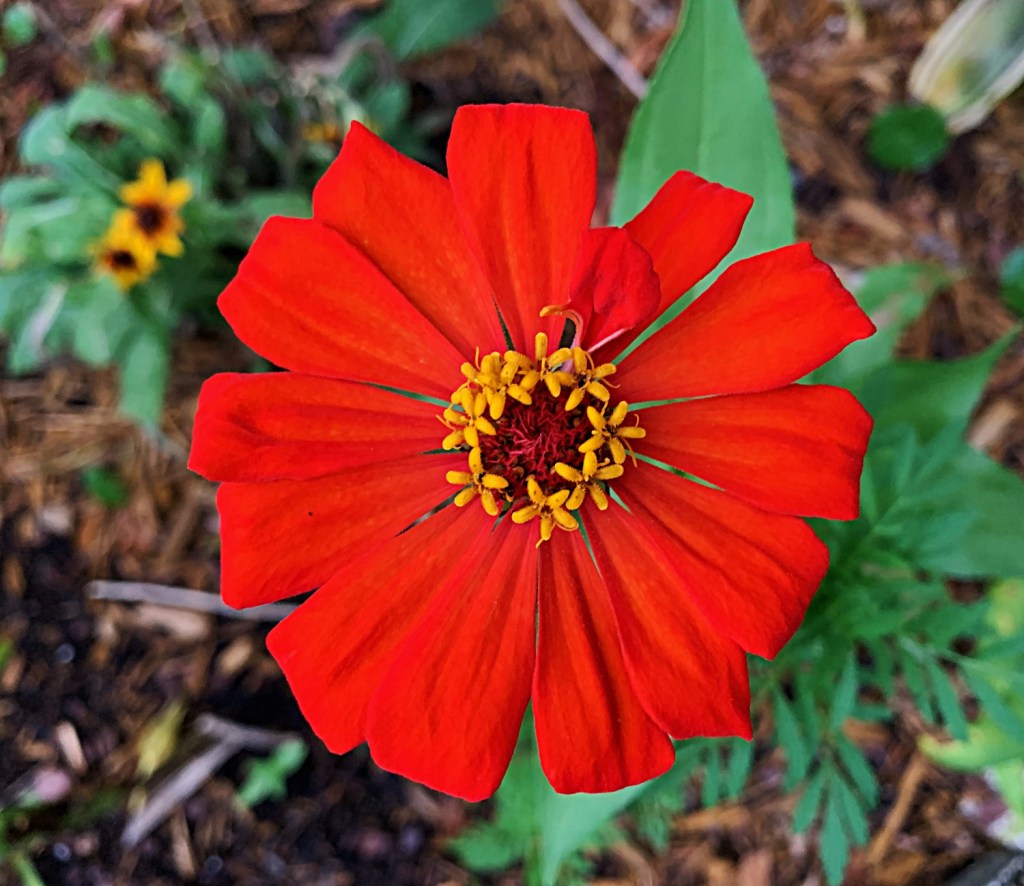
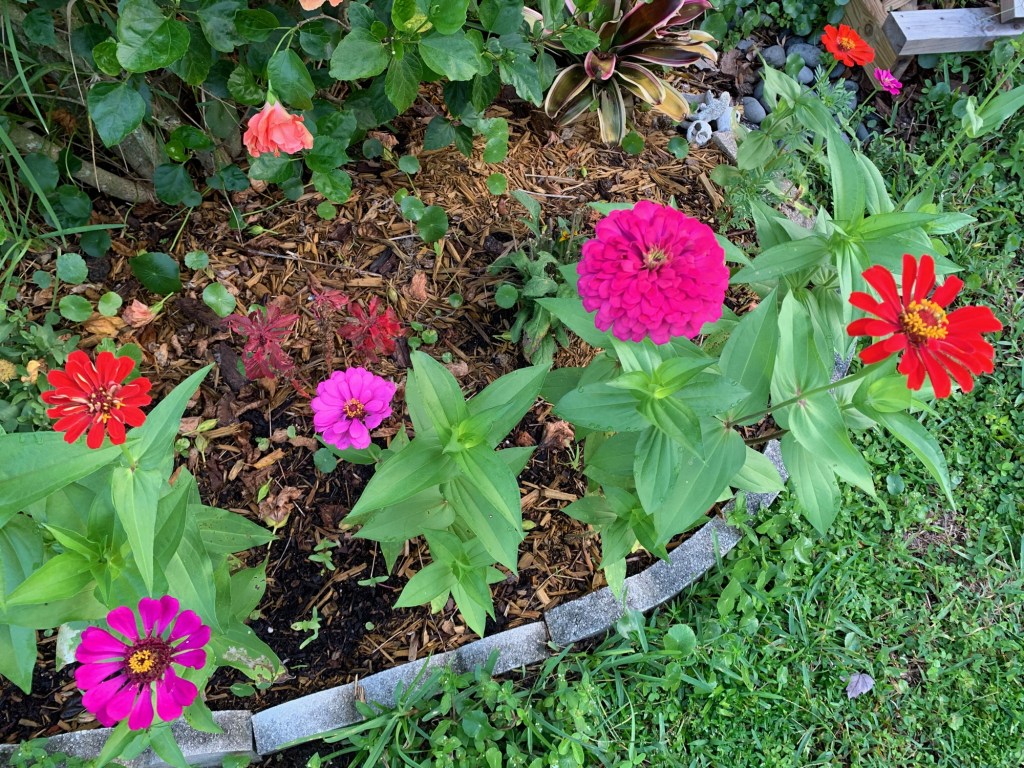
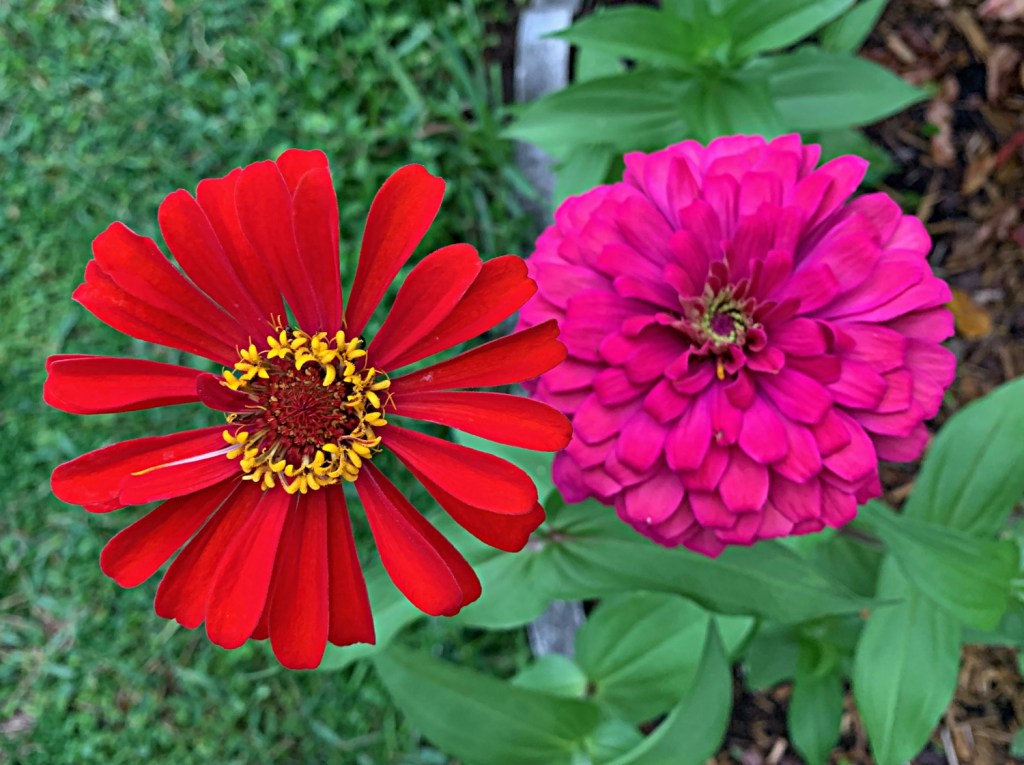
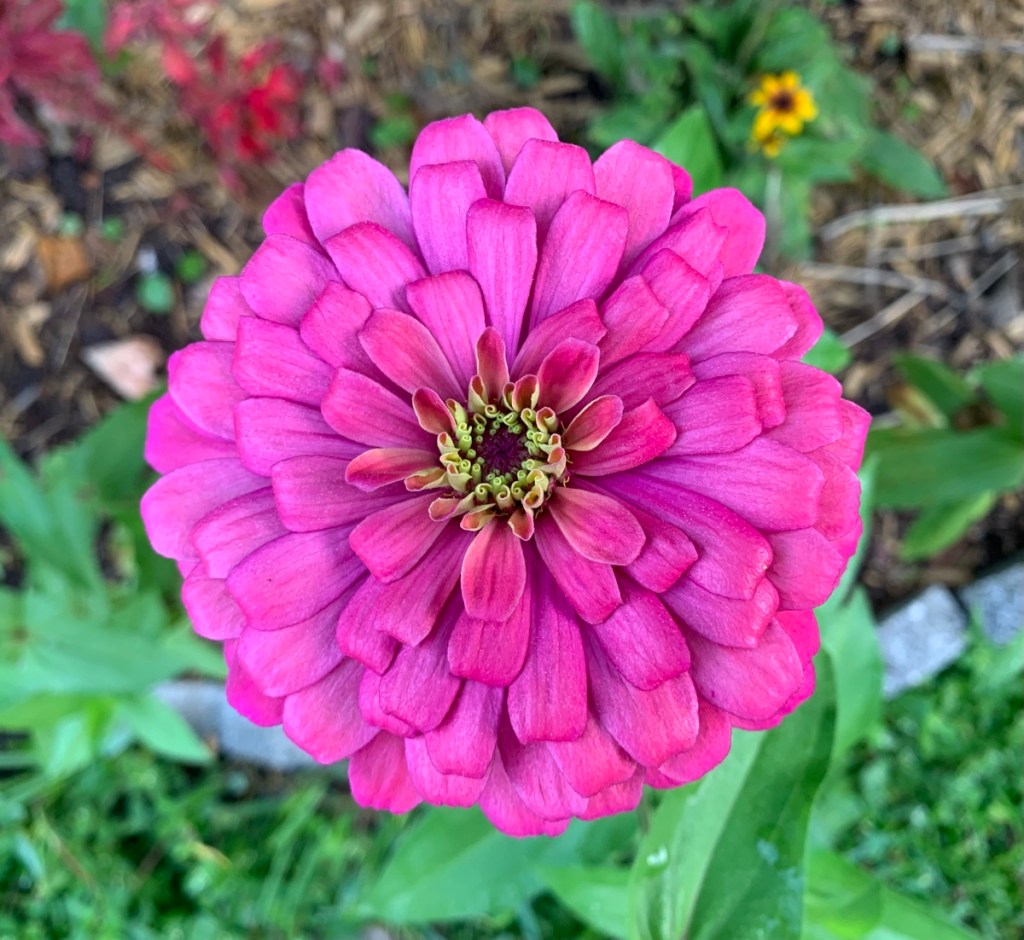
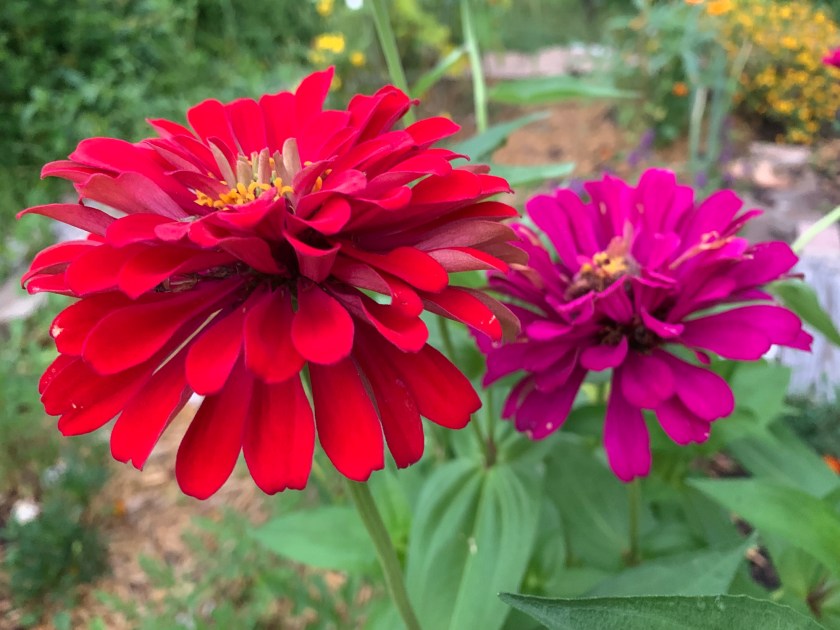
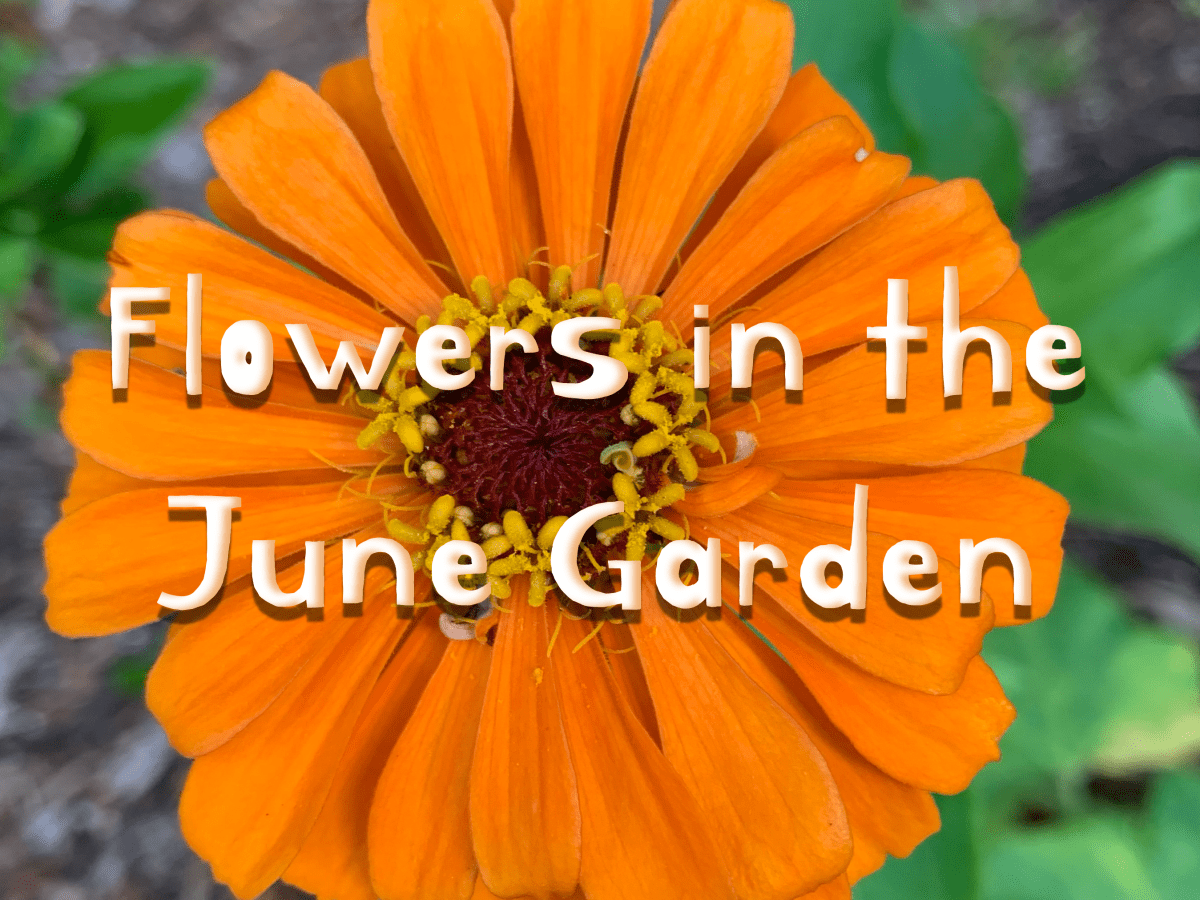
This summer I am growing zinnias from seeds. I’ve come to love seeing the new blooms pop out in this mix. Their colors have been stunningly bright. Some blooms have a more flattened appearance and others are very puffy and full.
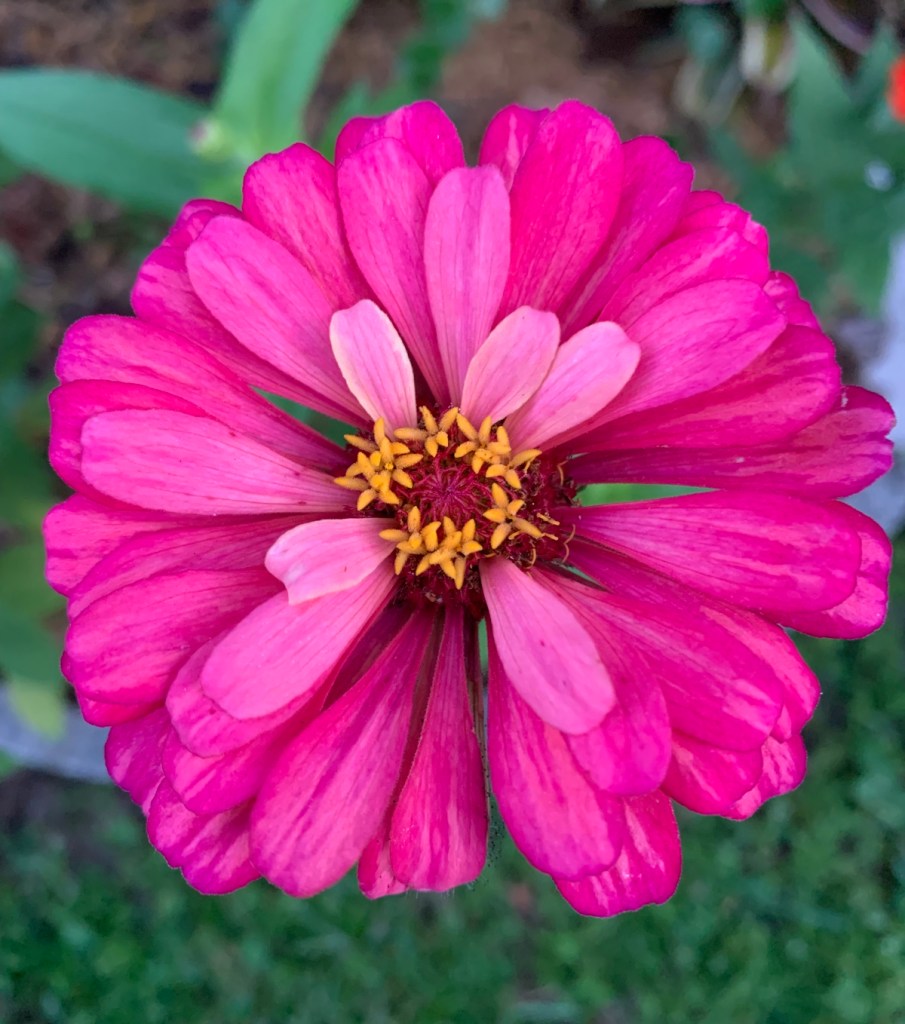
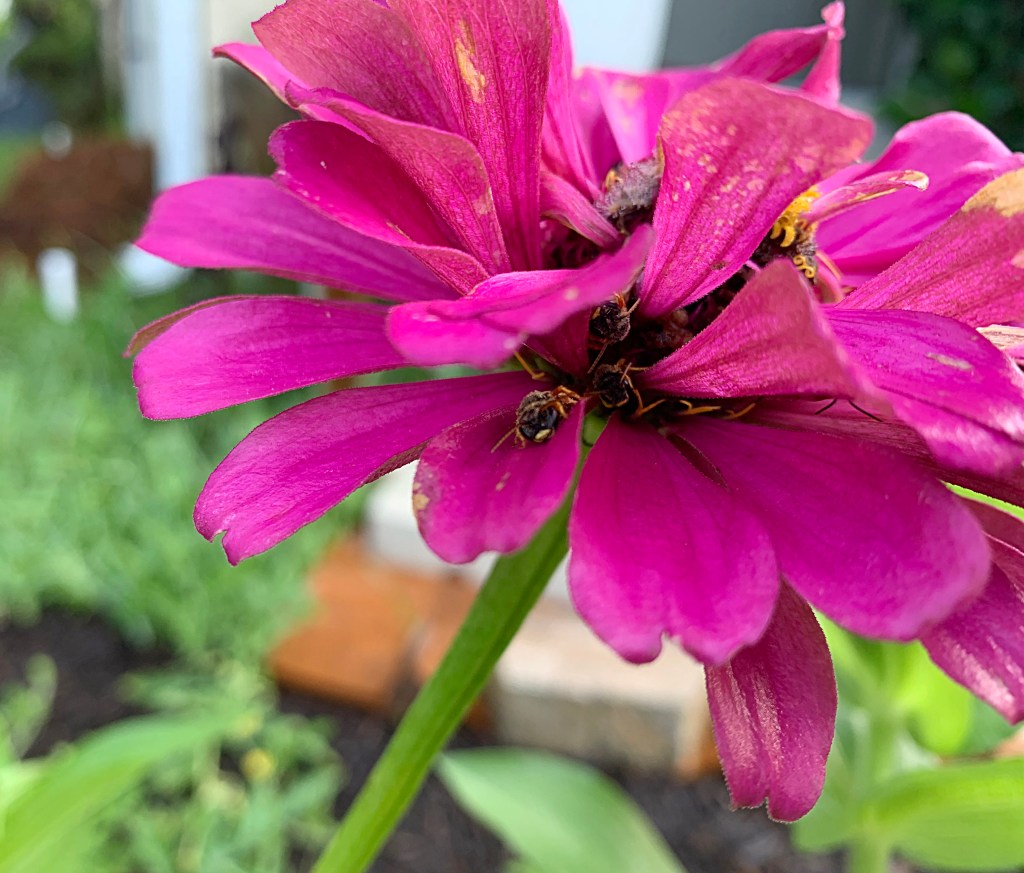
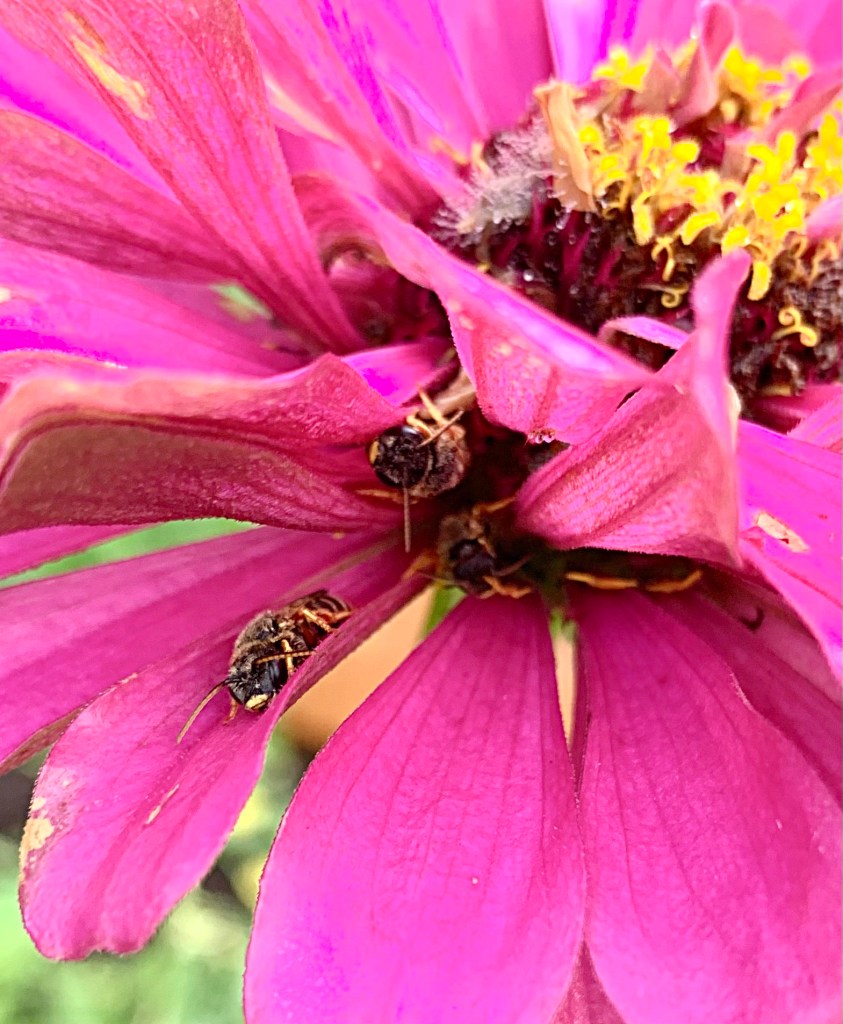
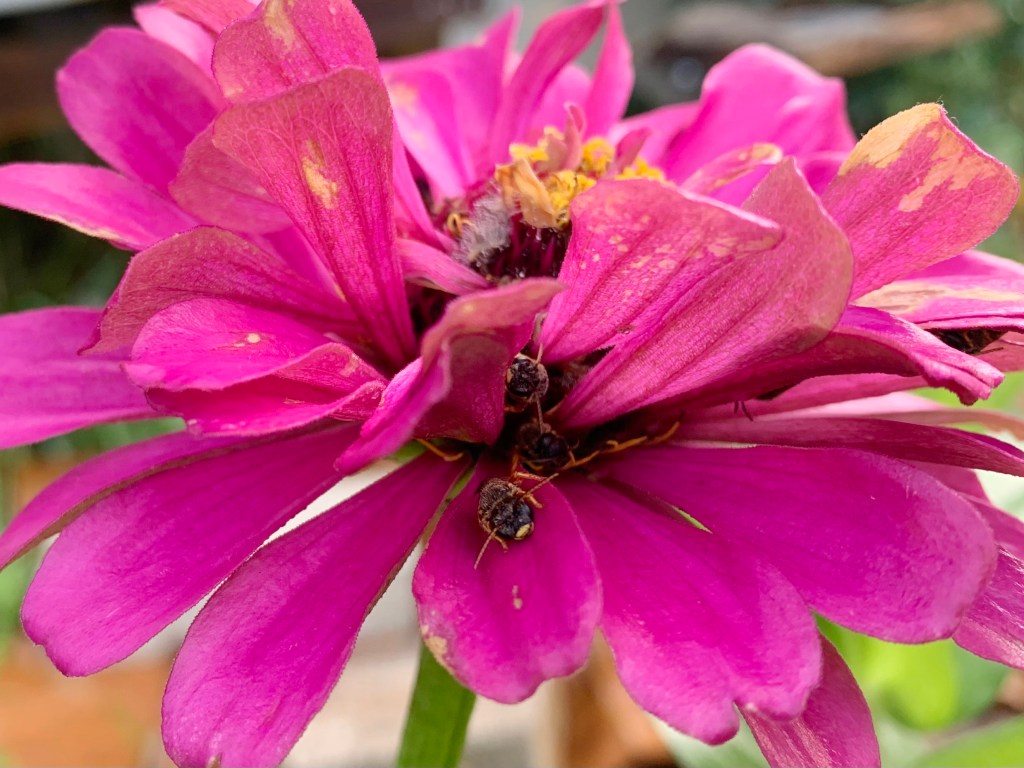
The petals of the zinnia also serve as a shelter for sleeping bees. Each morning I see them tucked among the pink petals of this one flower.
This magenta zinnia, which has a fading bloom, seems to be a favorite for little bees. They look like honey bees, and they crawl way up under the petals toward the center of the flower. I counted four bees, but I believe there were more.
Bees inside the petals
I’ve also caught tiny tree frogs in the petals, but they hop away as soon as I get close.
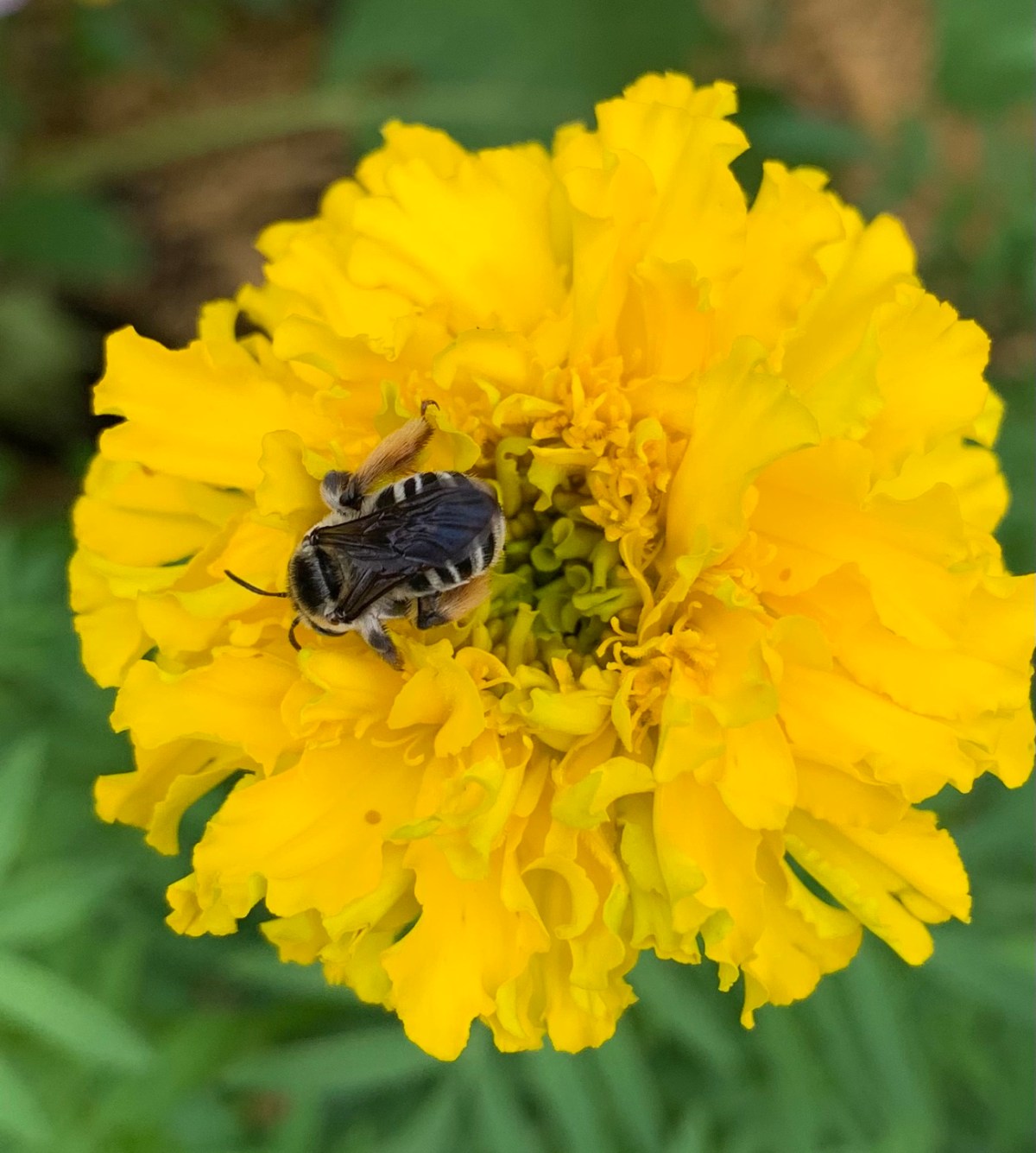
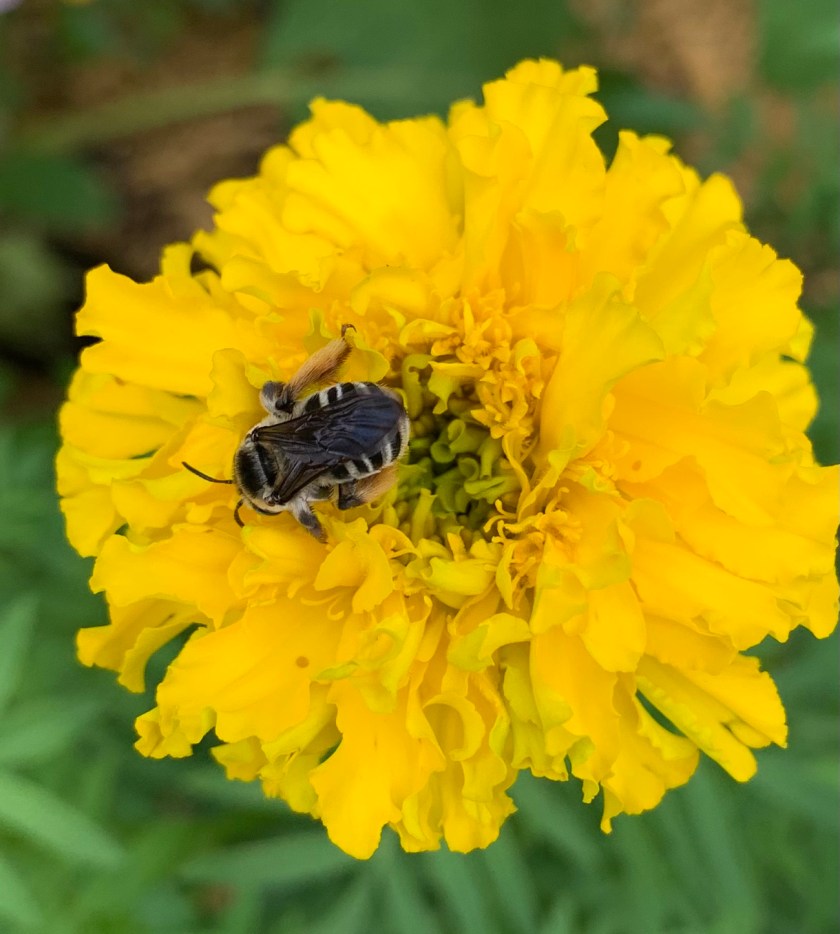
Zinnias are not the only flowers that make tired bees happy. I’ve seen them within the curl of marigold flowers too. We get accustomed to watching bees gather nectar and usually never think about where they go when they need to rest. Why, a zinnia hotel, of course!
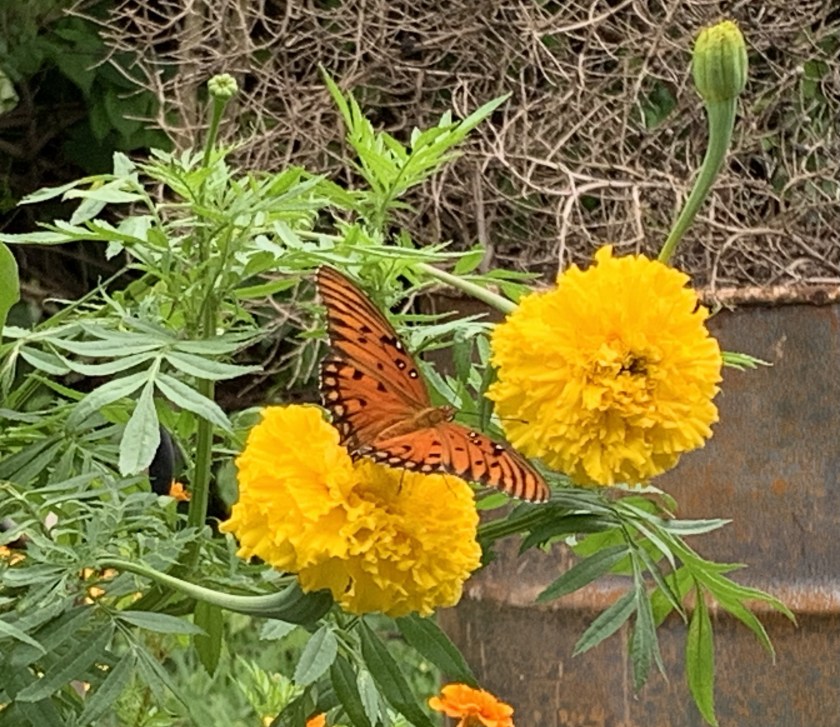
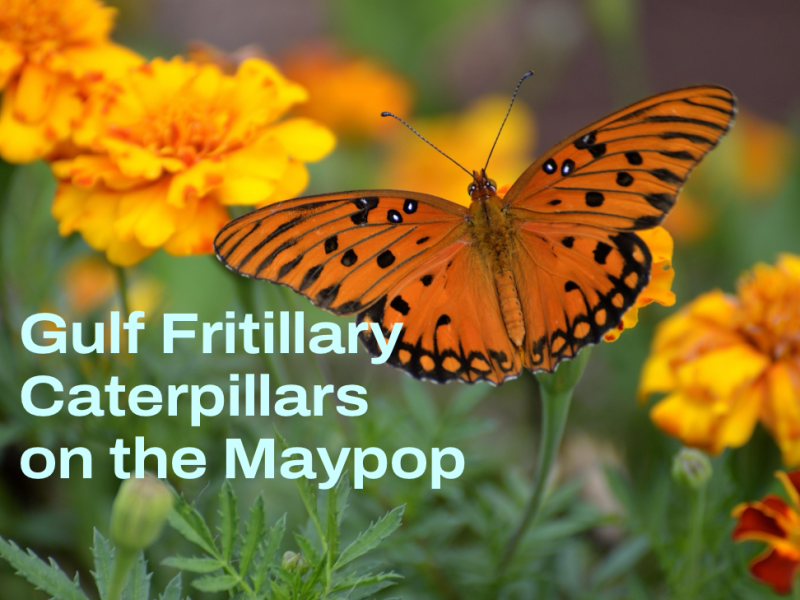
If you live in the southern US, that pretty, mostly orange butterfly in the yard may be the Gulf Fritillary.
I’ve seen pretty orange butterflies in the yard and never knew their names. It is the Gulf Fritillary butterfly and is seen in the southern US. My daughter in New Hampshire is getting into identifying her local butterflies so I took pictures of this one to show her.
Gulf Fritillary butterfly
Generally, trying to photograph moving creatures is something I don’t even attempt, but this beautiful butterfly was hanging around the flowers for so long that I figured I’d try.
When I sent the photo, my daughter did not recognize it – no surprise since she will probably never see one in New England. I had to search to identify its name. According to this page at the Butterfly Hobbyist they are abundant in Florida and Mexico.
The Gulf Fritillary especially likes Passionflowers, or Passion vines, which is where they prefer to lay eggs. But in the butterfly stage they visit many types of flowers. This one seemed to enjoy the marigolds.
Planting things that flower to attract bees to the garden.
We all want to feed the bees by having bee-loving flowers in the yard. But another good reason to have the bees come to your plants is to entice them to pollinate the vegetables growing in your garden. I would not be eating eggplant, tomatoes or watermelon (soon!) from my garden without the bees coming to pollinate the flowers.
If you are wondering which flowers to plant to attract bees, I know the feeling. The general answer is to simply plant things that will flower, and that includes vegetables and herbs. I have an excellent link that goes to the UF site, at the bottom of this page, for Florida residents who want to start planting for pollinators.
Bees like open type flowers that contain pollen. They also have flower color preferences. Read on…
All photos on this page are my own of bees visiting plants in my yard
Herbs
Don’t overlook herbs, which are quite simple to grow, when it comes to having flowers in the yard.
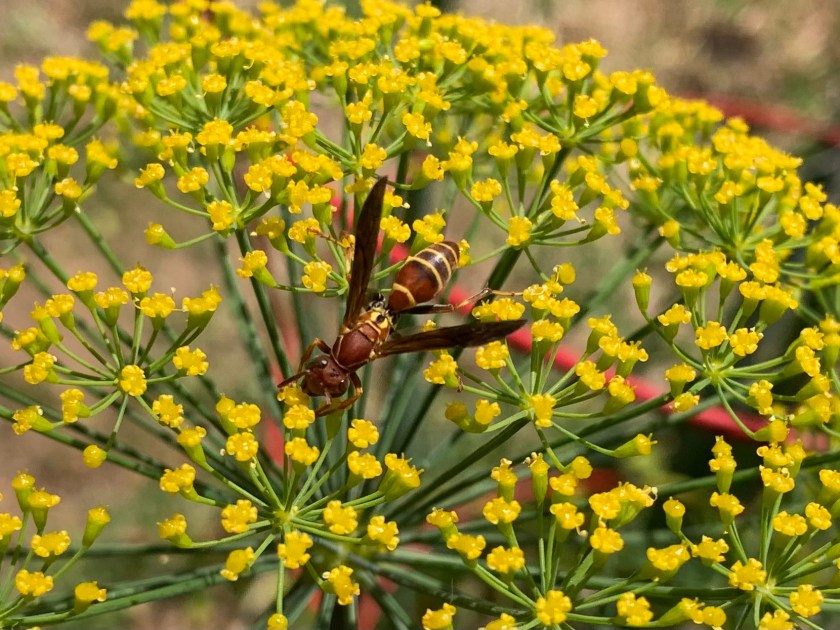
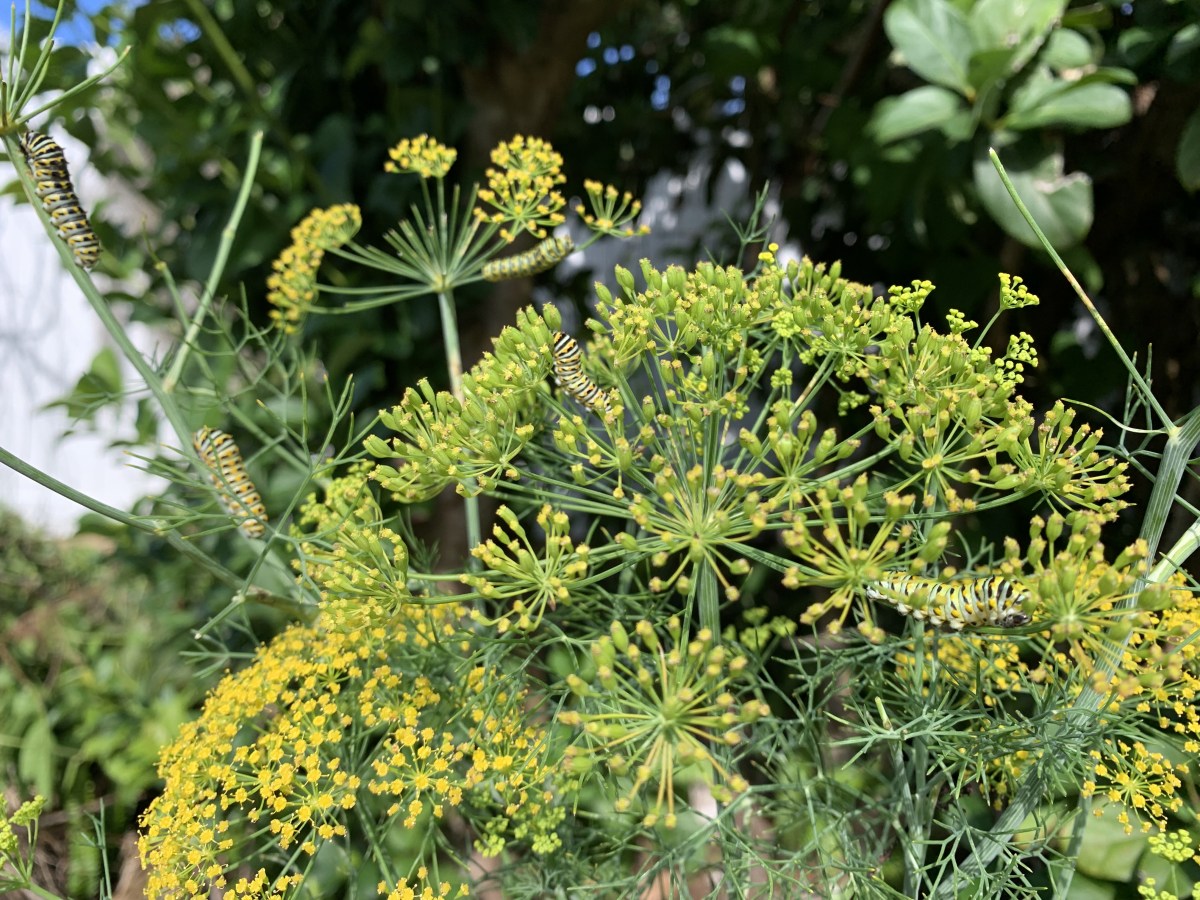
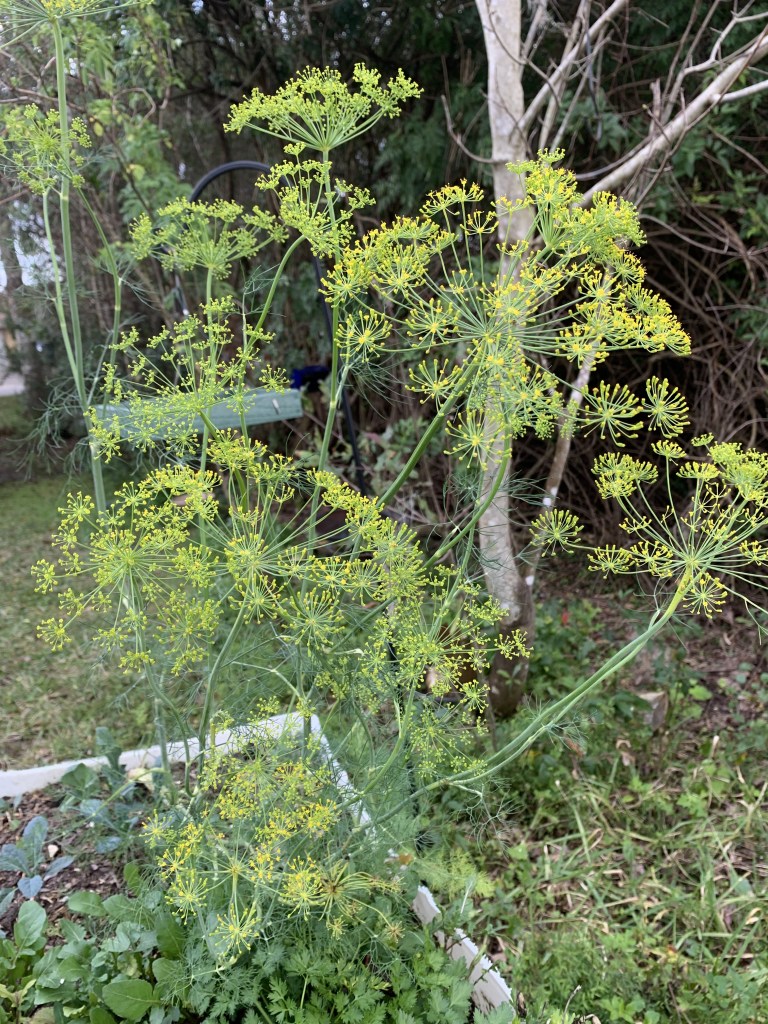
Dill is an excellent choice for the yard because it has big yellow flowers that do attract all kinds of things. Once the flowers are done, you will have a head full of seeds. Dill is easy to grow and needs very little attention. It also serves as a nursery for black swallowtail larvae. Fennel is very similar and just as good.
Dill flower
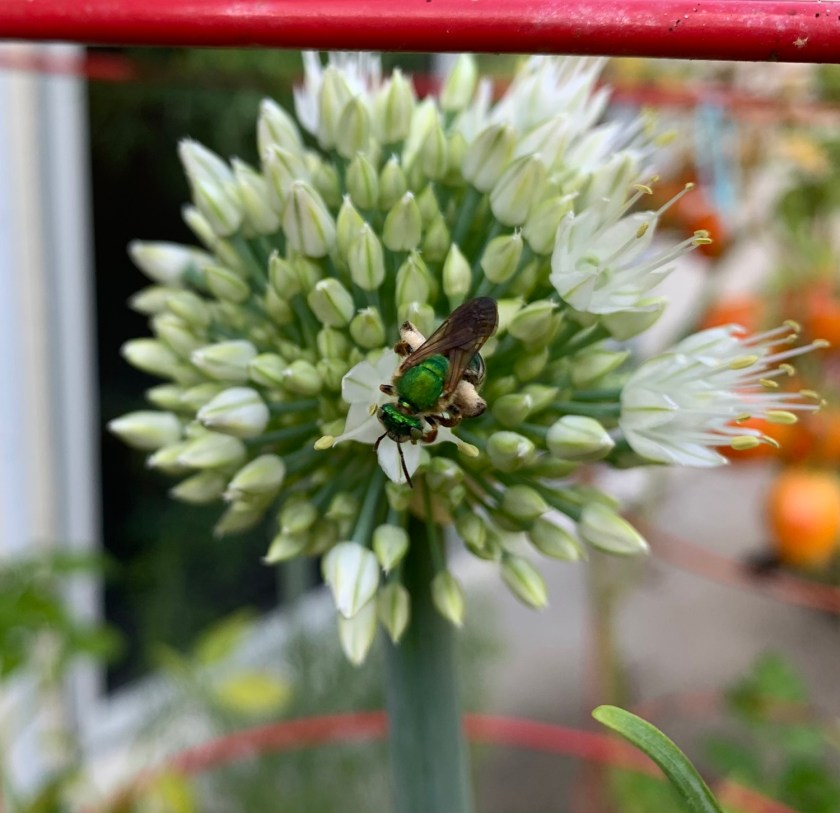
Onion flower
Spiderwort
Naturally Growing “Weeds”
Spiderwort (the purple flower above) is everywhere near me, and it easily invades the yard. It is tough to remove because it grows in clumps, but the purple flowers are loved by insects. If you already have it, maybe let some grow around the vegetable garden.
We also have a lot of the white flowering weeds and many other things growing at the edge of the lawn. I’ve noticed how the naturally occurring growth is a big attractor. So why are we always removing it?
The green bee on the scallion flower (above) is probably the Sweat Bee, which is a common Florida green bee. I’m no bee expert and I am guessing. The striped bee on the dill is a paper wasp.
Rudbeckia For Garden Beauty and Bee Happiness
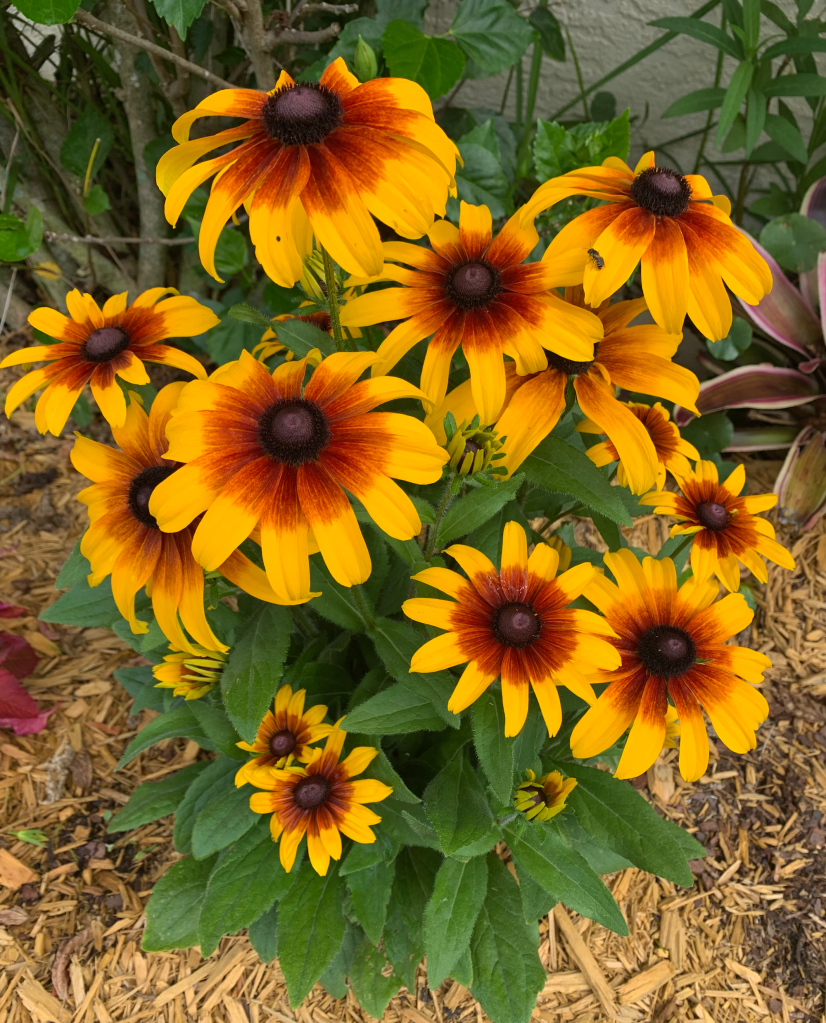
The “Rising Sun” Rudbeckia plant (aka black-eyed Susan) began small with only a few flowers and now it has twenty, with more buds opening! I love this plant. And the bees like it too. There is a little bee crawling on a yellow petal in the photo below. I also found one sleeping on one of the big petals. The flowers are long-lasting. I need to find out how to propagate this plant. This one came from Lindley’s Nursery in New Smyrna Beach.
Rudbeckia
While shopping at the plant nursery, I’m drawn to plants that already have bees all over them. It doesn’t mean that bees will immediately come to the same plant in my yard, but at least I know it’s possible. It can take a while for the bees to appear when the yard has been relatively bare of flowering things.
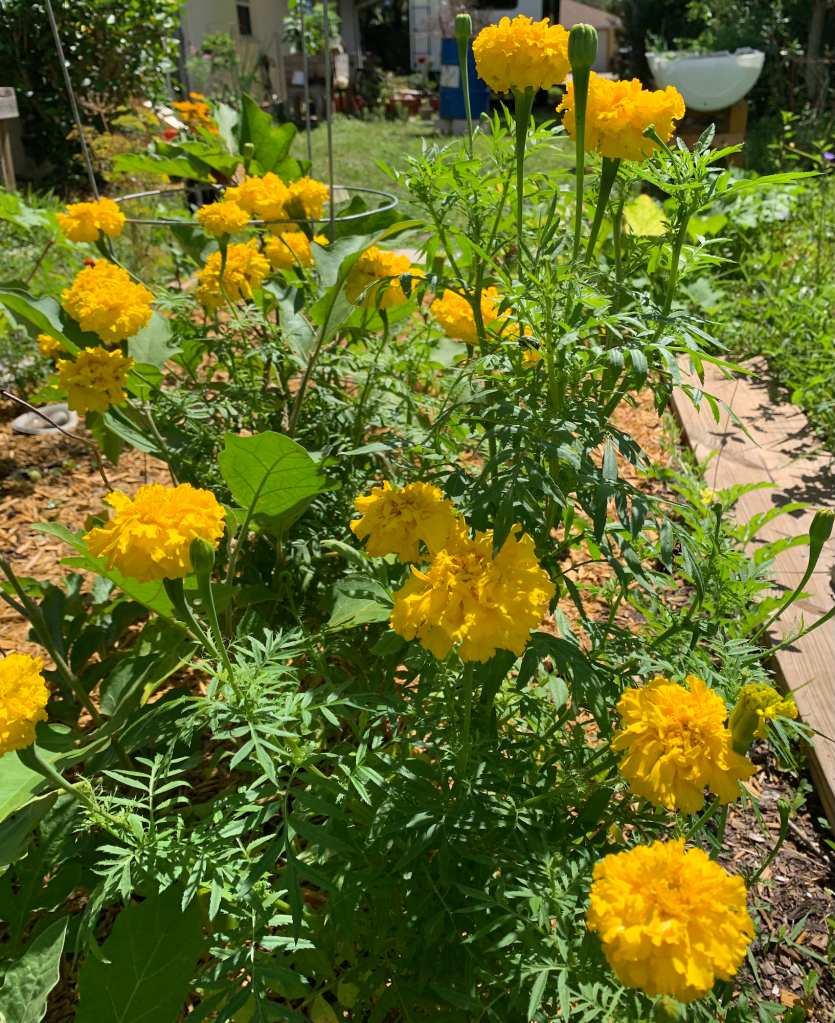
Last Spring I bought Marigold seeds and had quite a few flowers growing. I saved the seeds and planted them in my vegetable garden (and elsewhere) to have these beauties spring up. Marigolds are not big attractors, but I do see bees and butterflies on them. They are better known for their usefulness in keeping garden pests away – and that includes mosquitoes.
Yellow marigolds grown from saved seeds
A bee on my yellow marigold
This pink flower is blooming on a Cosmos plant grown from seeds saved last season. I wish I had more of these growing in the landscape.
What Florida Bees Need
The University of Florida IFAS Gardening Solutions page “Gardening For Bees” has a wealth of information. Florida has a lot of bee species and some (29) that are only found here.
I learned that to keep bees happy year round, my yard should have at least three plants flowering at all times! This should not be difficult when trees, shrubs, weeds, and vegetable flowers are included. And of course we are talking about organic gardening where no pesticides are used.
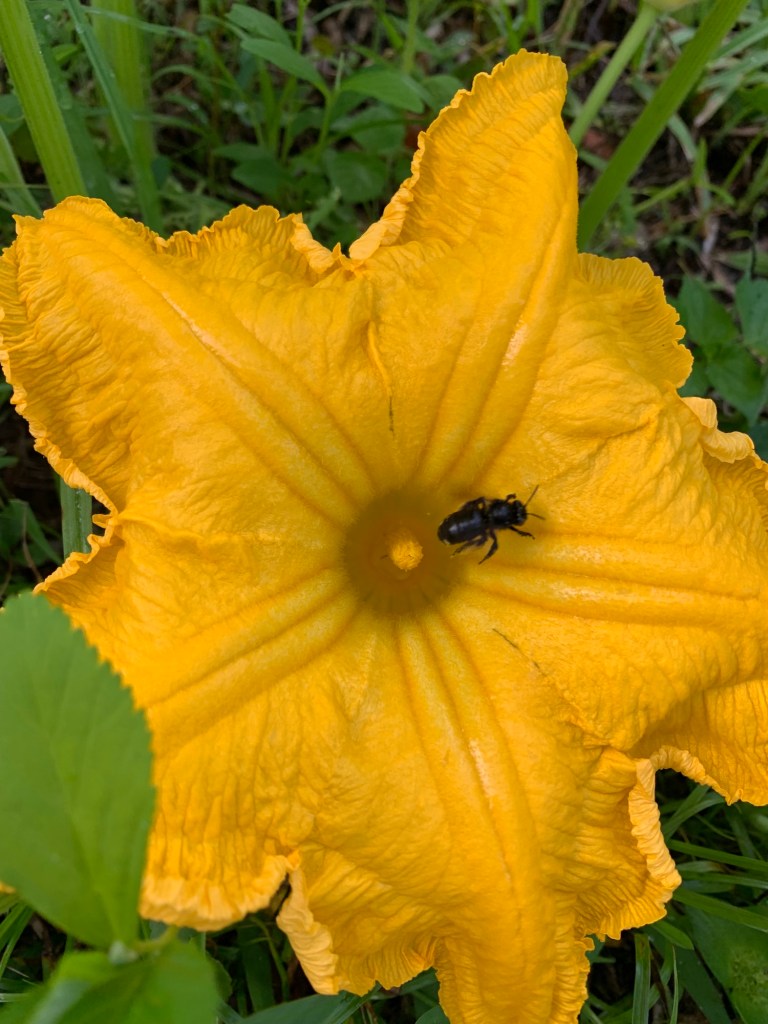
Bee on the Seminole pumpkin flower
According to the section about choosing plants to attract bees, the Florida article notes that bees prefer specific flower colors. Yellow, white, blue and purple flowers are best for attracting bees. This makes sense when you think about vegetables – yellow flowers on tomatoes, watermelon and squash, with white flowers on peppers, blueberries, and onions. You will notice that most of my “bees on flowers” photos on this page are yellow!
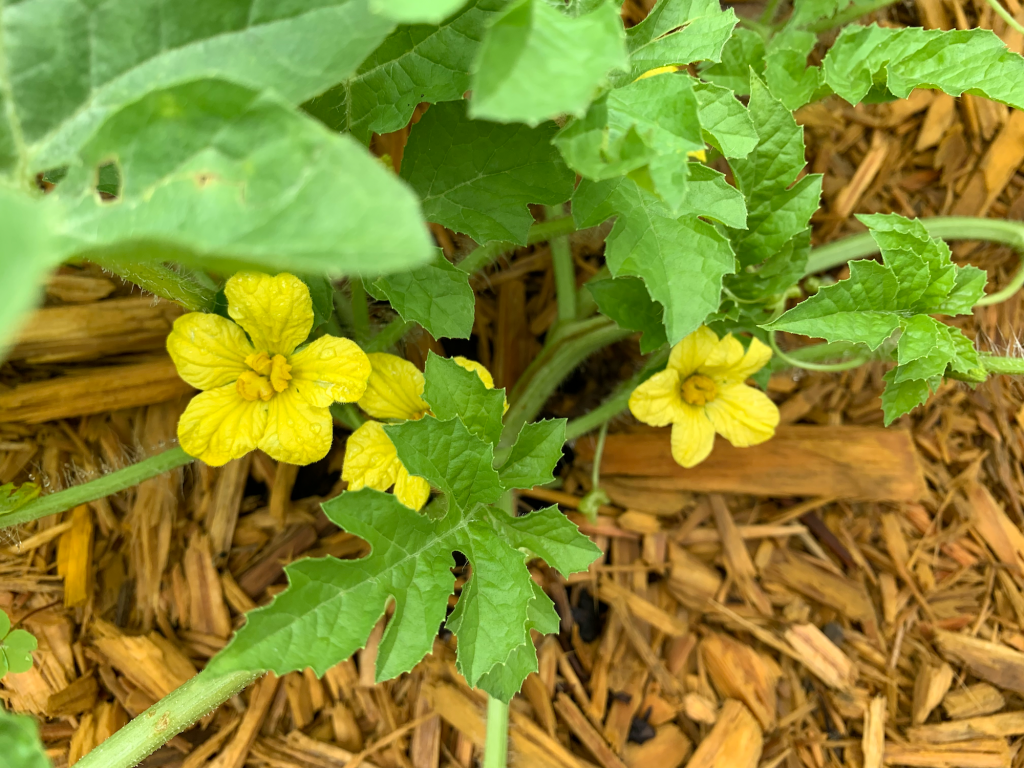
Each morning I can hear bees buzzing among the watermelon vines in search of the little yellow flowers. I do have a few watermelons growing on each of the vines, so the bees are doing their job. They are too quick and busy for me to get a photo!
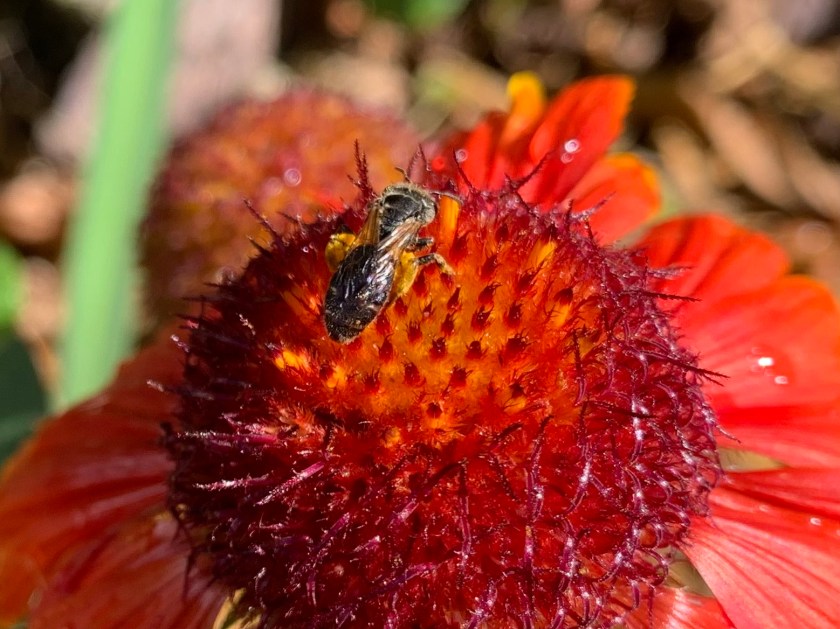
This little bee was having a rest on top of the puffy red-orange Gaillardia flower. He was not moving which helped me get this close up shot. According to the UF gardening site, bees can’t see red! What does this bright, puffy flower look like to the bee then?
Bee on the Gaillardia
I am only just beginning to fill my yard with pollinator plants. See the link below for more ideas.
I’m also learning about the plants and flowering weeds already growing nearby. My new philosophy is to let some of those weeds grow, like the prolific Richardia ground cover shown below.
Richardia Scabra ground cover with little white flowers that bees love.
When I look at all these bee photos, which were taken over the past months in my yard, I’m amazed at the different varieties of bees. I need to begin paying closer attention as my flower offerings increase. There is always more to learn.
One of the most fun things about gardening is seeing the changes day by day. Each morning I go out and check on things. I look for what is growing, what is being eaten, and what new bugs have arrived.
The caterpillars on the dill were doing great, until the cardinals spotted them. Those cardinals have eagle eyes and will pick off bugs and worms in no time.
Water Source For Bugs
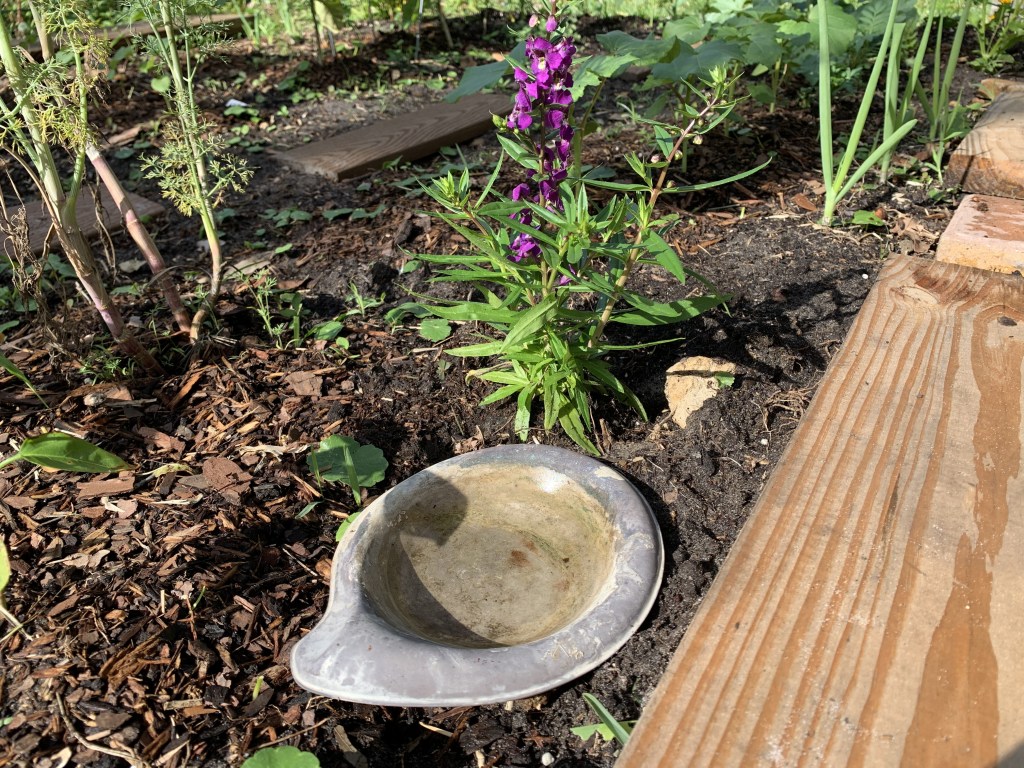
Small bugs and butterflies appreciate a water source that is shallow. Leaving little containers around the garden can help them find water.
Cats in the Garden
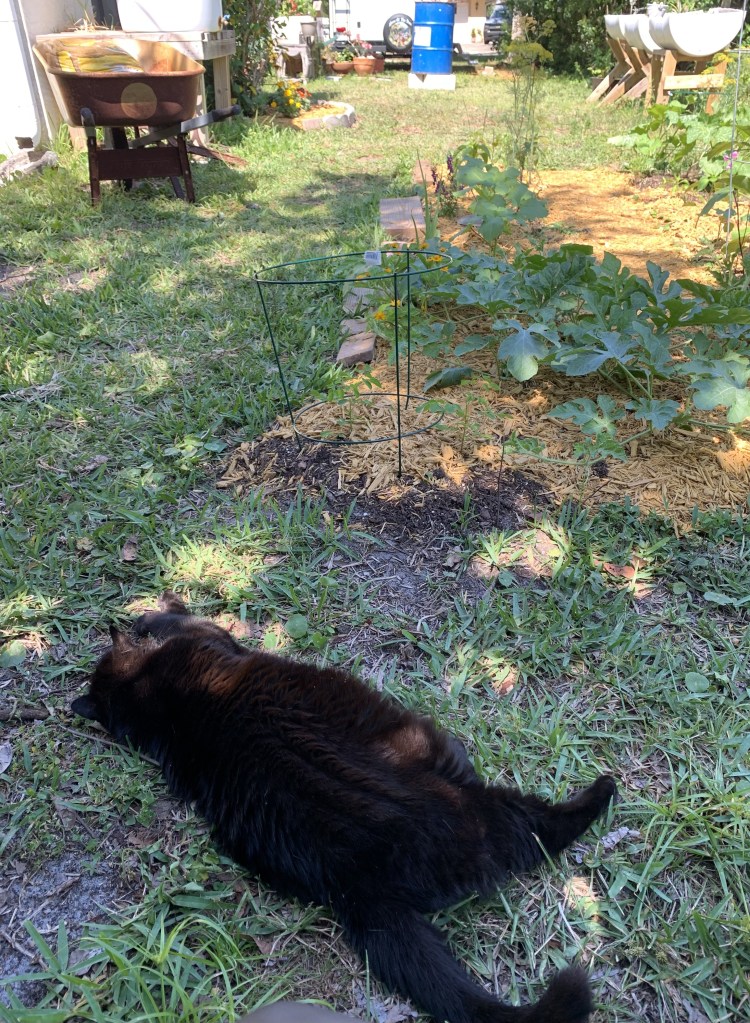
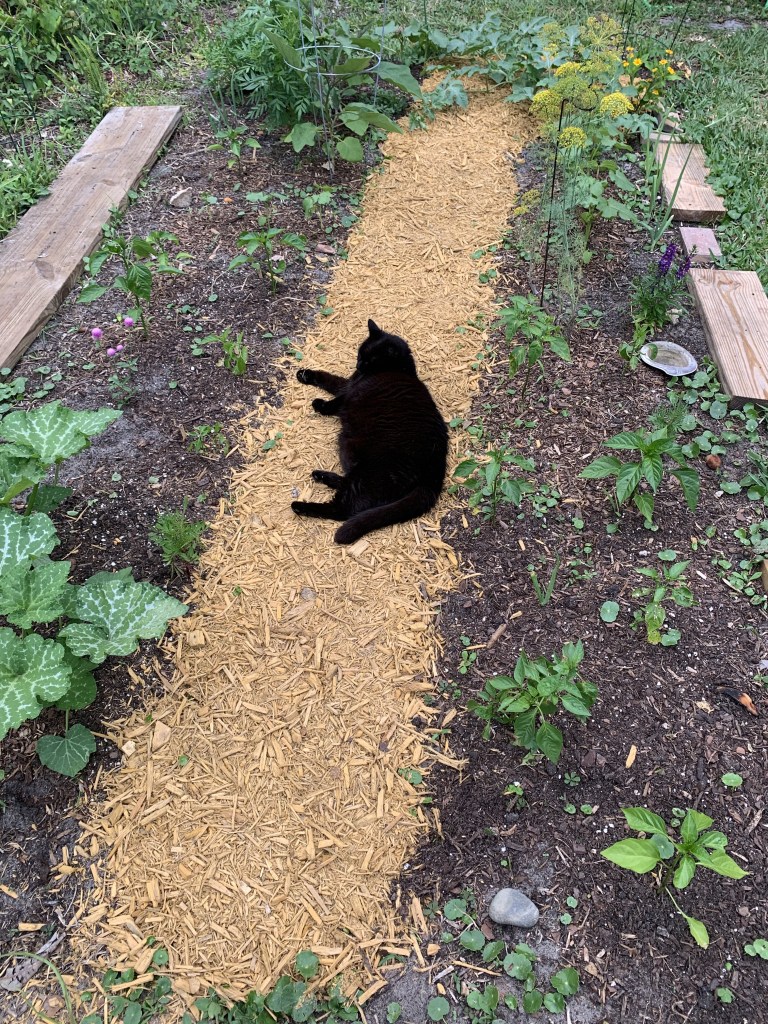
My cat Skittle loves to walk among the garden growth. She will sleep on the garden path and follows me when I go out to check on things.
Worms will multiply if they are supplied with good things to eat in the dirt. Create a worm box to get started.
One thing about worms is that they are particular about where they live. If you can create an area that appeals to them, they will multiply readily. I’ve watched it happen.
I’m not into growing worms artificially indoors in a bin, and it’s not necessary. Keep them outside in their element, but also keep them enclosed so they can be found. Once you have bunches, move them elsewhere to improve another area of soil.
Grow Box Worm House
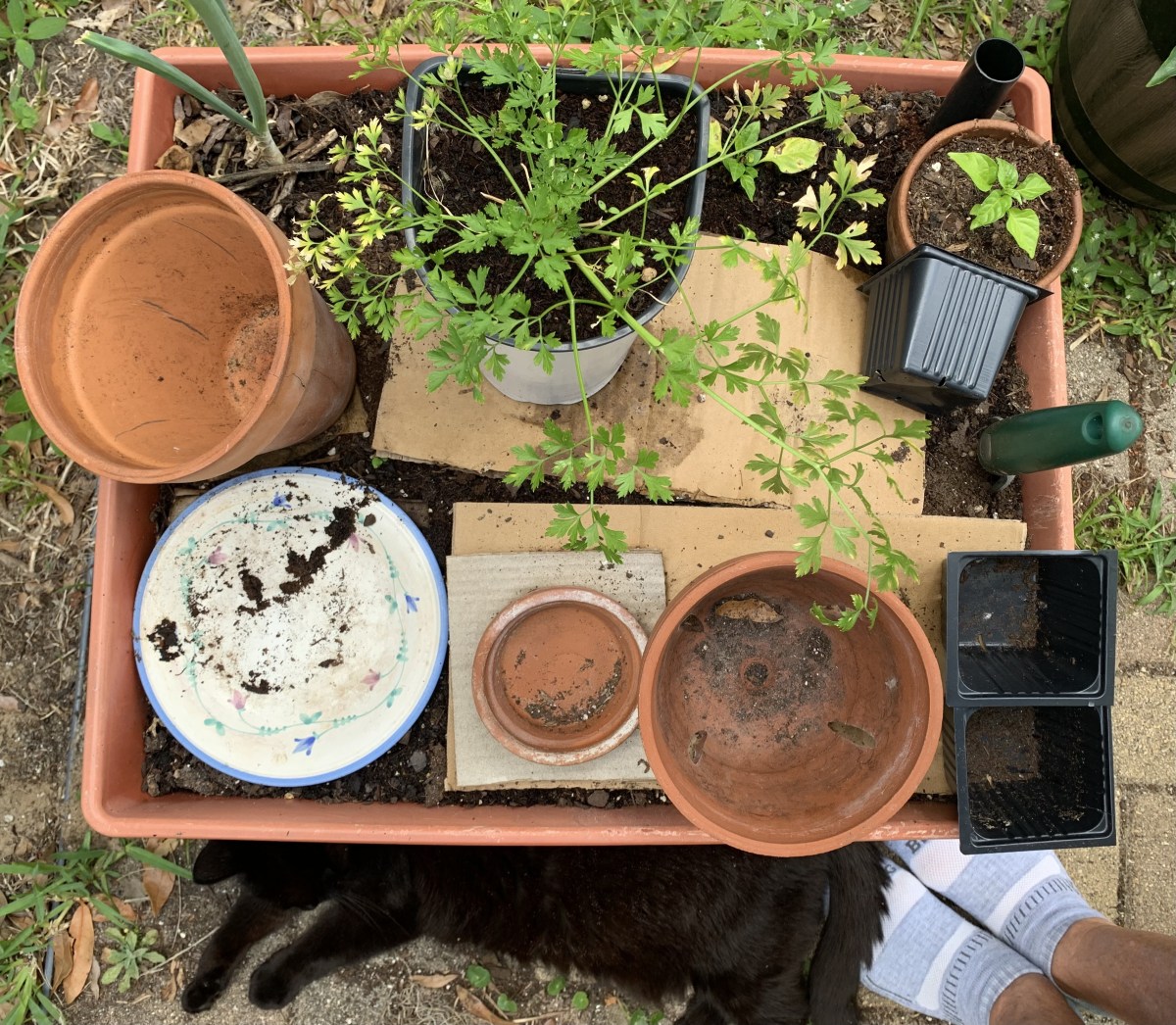
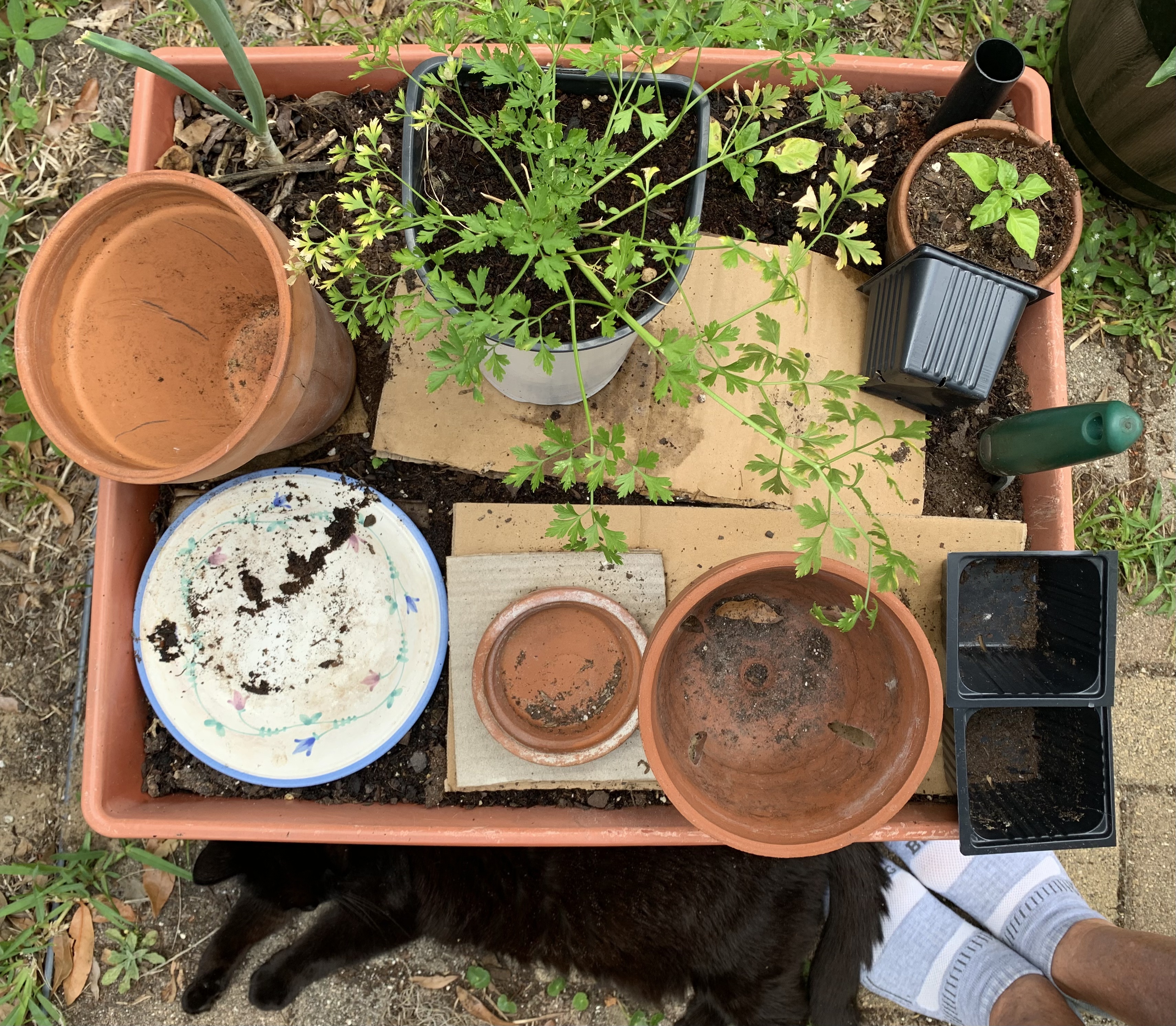
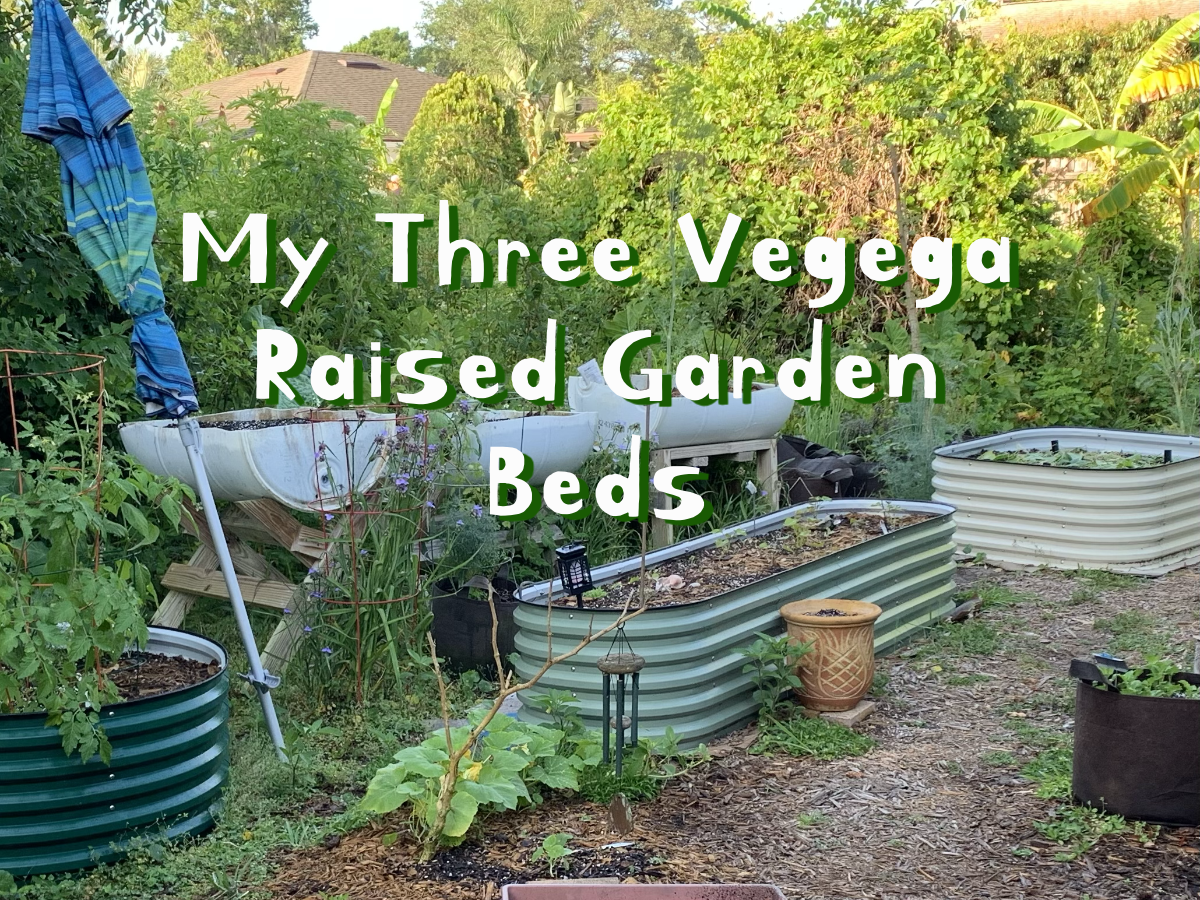
Now that I have a few grow boxes set up in the yard (similar to the Earth Boxes on this Amazon page – this is an affiliate link), I don’t use them all for planting. This one is currently my worm house. It’s also where I mix soil for small pots when I plant seeds.
Important to know…
This type of box has wheels, which allows it to sit up off the ground. You need some way to keep pots and boxes elevated so fire ants won’t set up house in your bed! I had a large pot – shown to the right in the photo below – which became filled with ants because they came up from underground directly into the pot. Now my pots always sit on a saucer, cardboard, bricks, or something so the ants are deterred.
To get started with any grow box or raised bed, you need dirt. We bought bags of dirt from Home Depot to begin, but now buy our dirt, compost and mulch from The Yard Shop in Edgewater.
Direct Composting
The dirt needs good stuff added so plants will grow, but this also feeds worms. It can take a while to make your dirt worm ready. Worms eat organic matter and each morning I would put my coffee grounds into my gardens. Eggshells were saved and crushed, and banana peels or old bananas were added to the dirt in my grow boxes. I did not have a compost area at the time so anything leftover from fruit and veggies went into my grow boxes. (Not onions – worms don’t like them.)
Plants were also added, along with organic fertilizer. Worms like roots. This is one reason you should cut off old plants and not pull them out, removing their roots. Have you ever dug up a patch of grass and discovered worms among the grass roots?
Adding Worms From the Surroundings
Adding worms to the dirt means going out and finding worms. It’s not that easy here because there are few worms to be found in a Florida lawn. I dug at the edge of the yard where natural growth and unbothered, wild plantings were growing. I found a few worms near an old tree stump that was decaying and moved them to the boxes.
Truthfully, I only found a few worms. Each time I came across an earthworm, I collected it for the boxes. I had no idea if they would live.
Oh Ya… We Have Worms!
When I finally had more grow boxes and other homemade boxes for my plants, I began to transplant.
While my plants were growing, apparently the worms were too! It was impossible to tell because until then, I had not dug in the grow box dirt.
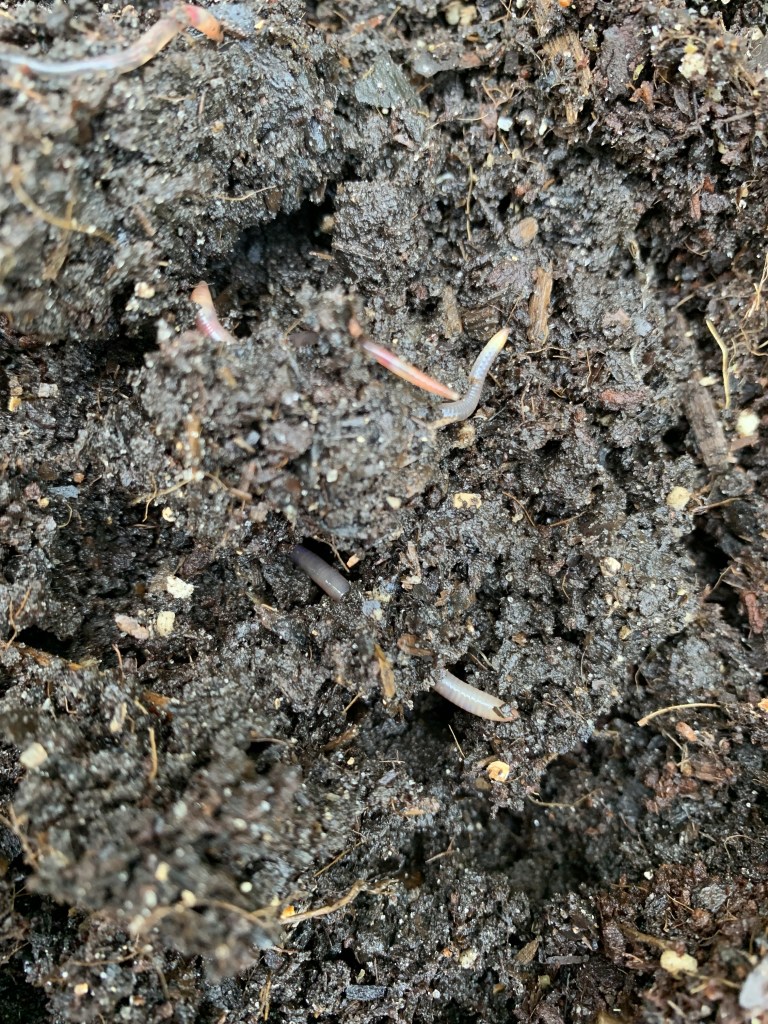
Happily I saw loads of worms of all sizes. This box is stuffed full of wonderful earthworms. I’ve been moving them to other places for fresh, yummy dirt to enjoy.
Keep the Dirt Covered
I noticed that if I set a pot or saucer on top of the dirt, when I lifted it there would be worms ducking back down into the soil. The covering makes the soil cooler, which is important.
Creating Good Soil
It takes a while to have good garden soil. You may buy dirt, compost and organic things to mix together for dirt, but only nature can create the best, real soil. Eventually our diligent attempts can create good dirt, but it does take time. Manmade is never the same, or as good, as what Mother Nature has created over time. If we are careful, we can come close enough to grow some food to eat while providing a healthy environment where all kinds of life can flourish.
Butterflies are dropping their eggs, and some of my vegetable plants are looking much better, now that February in Florida has arrived.
Spring comes early in Florida. February is a good time to check the garden for signs of butterfly eggs and newly hatched caterpillars.
Swallowtails Laying Eggs
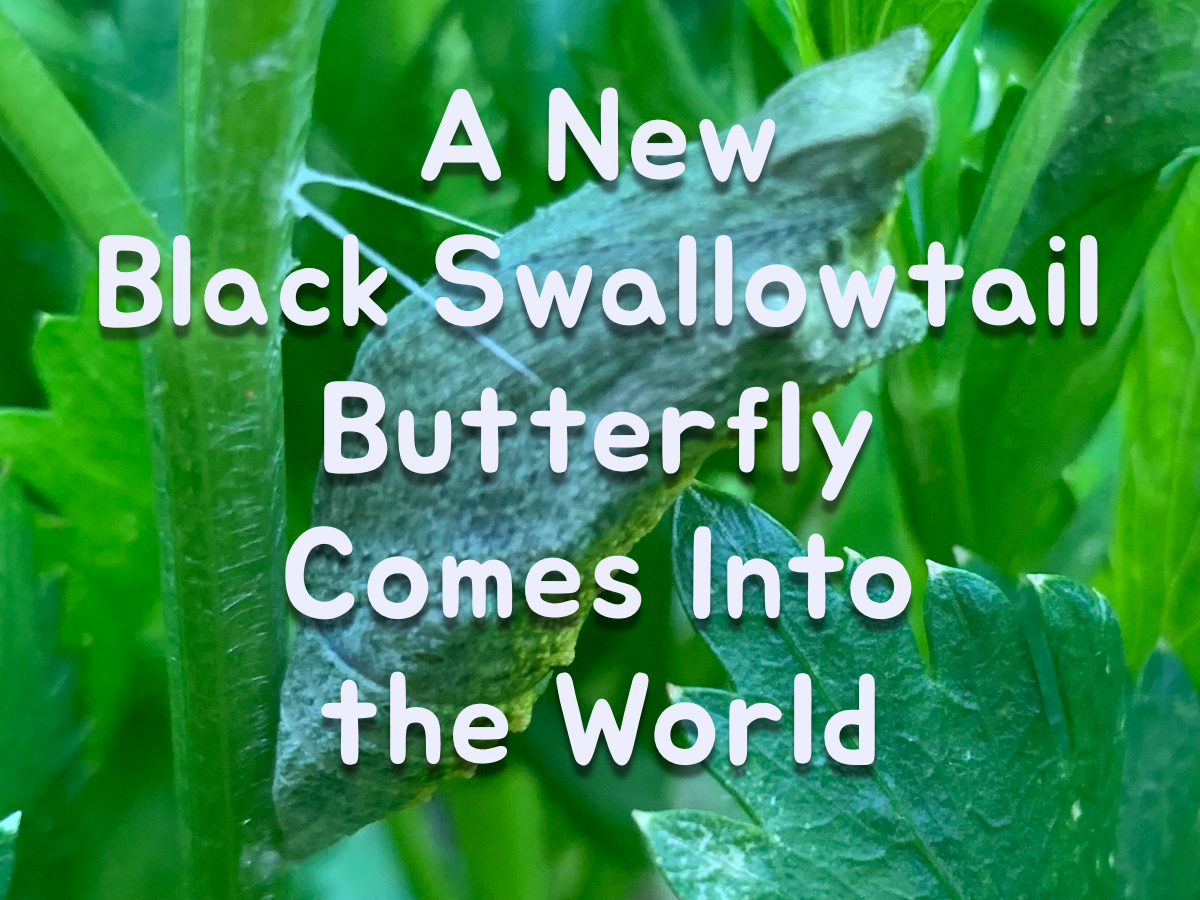
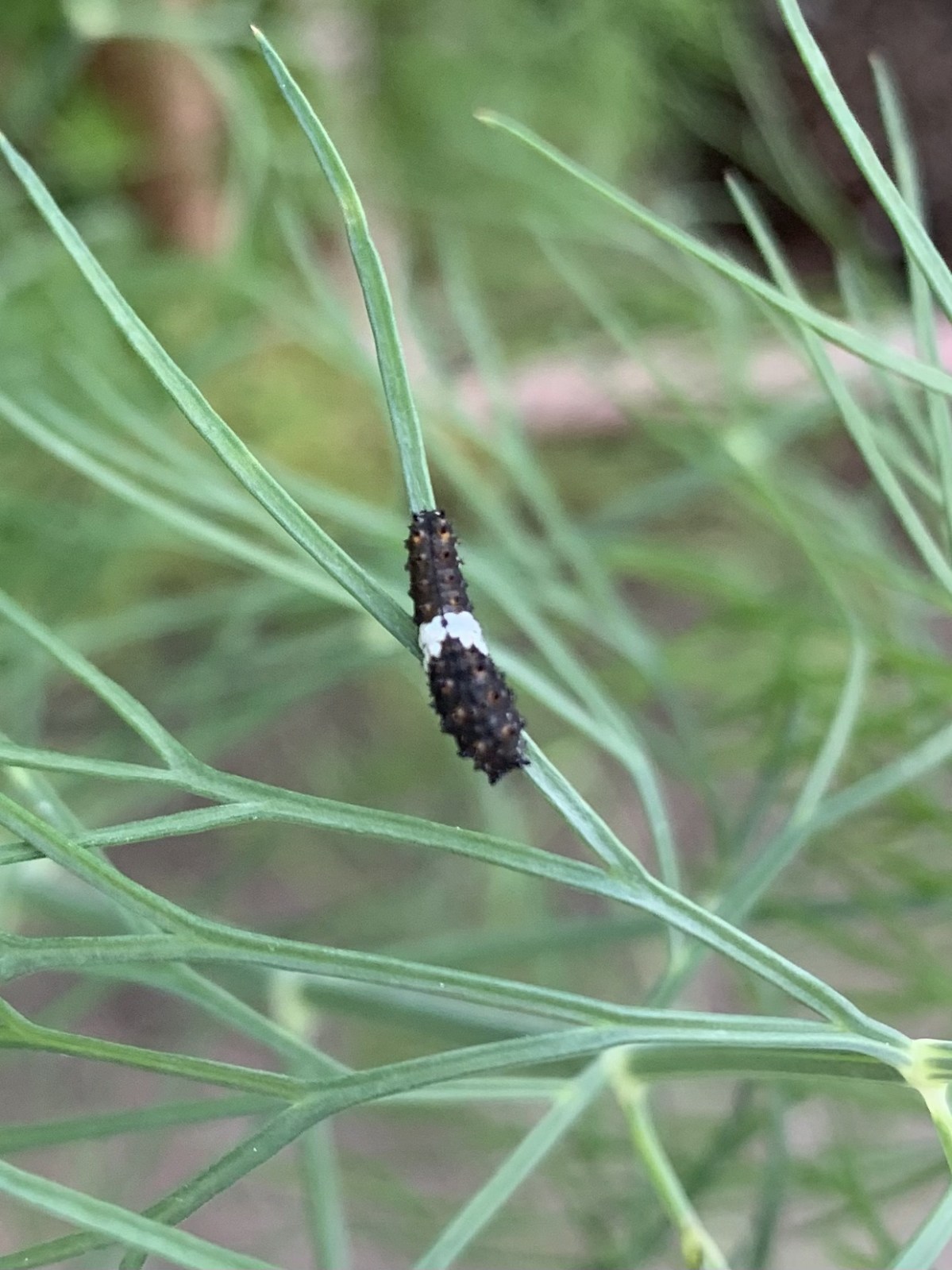
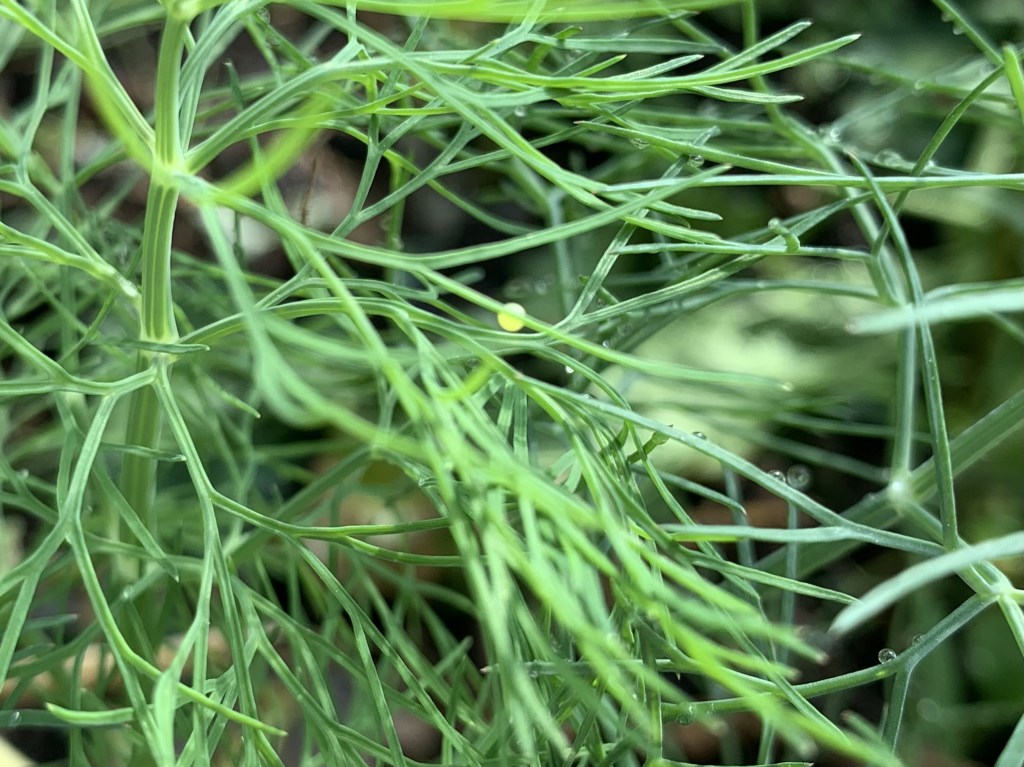
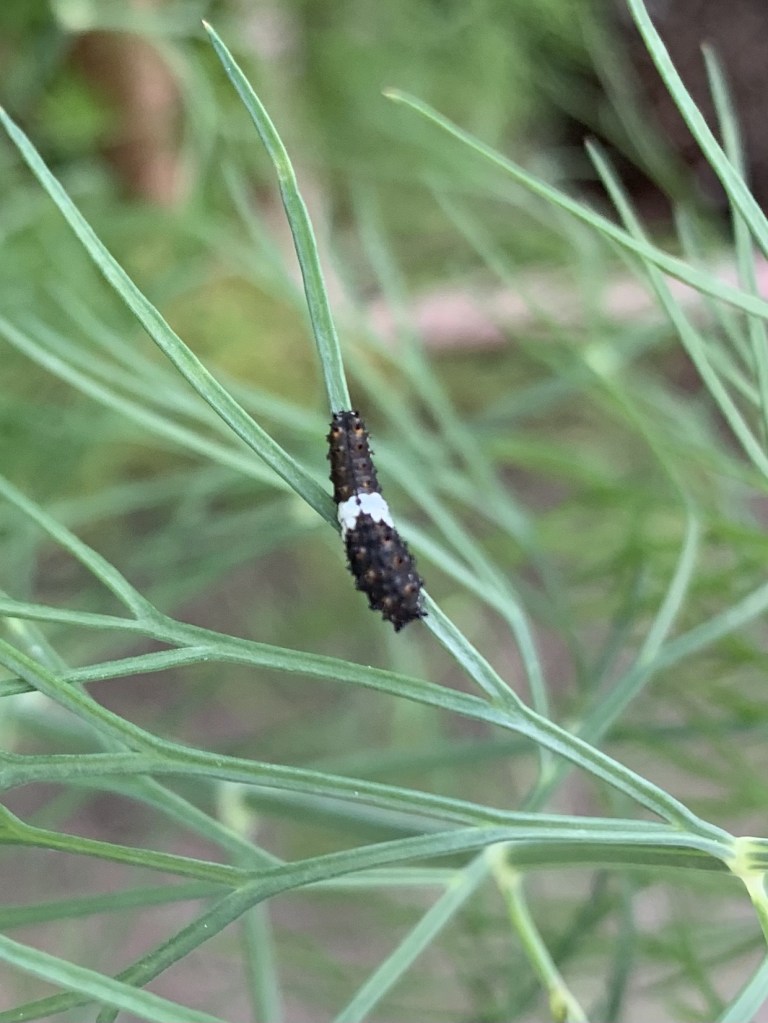
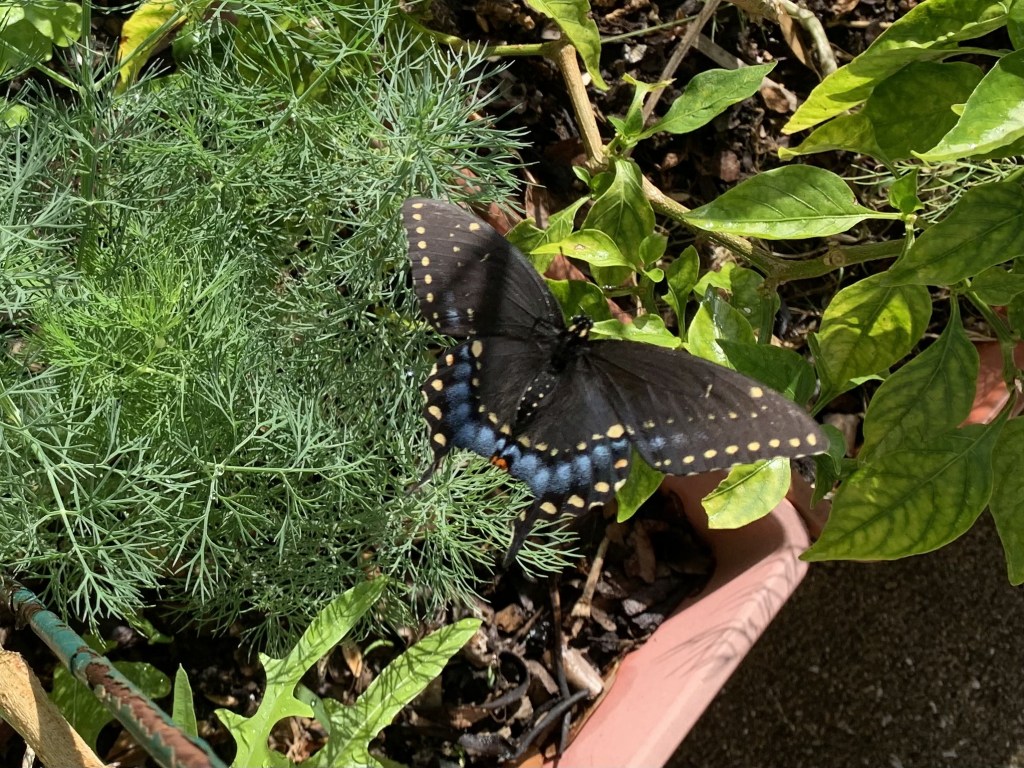
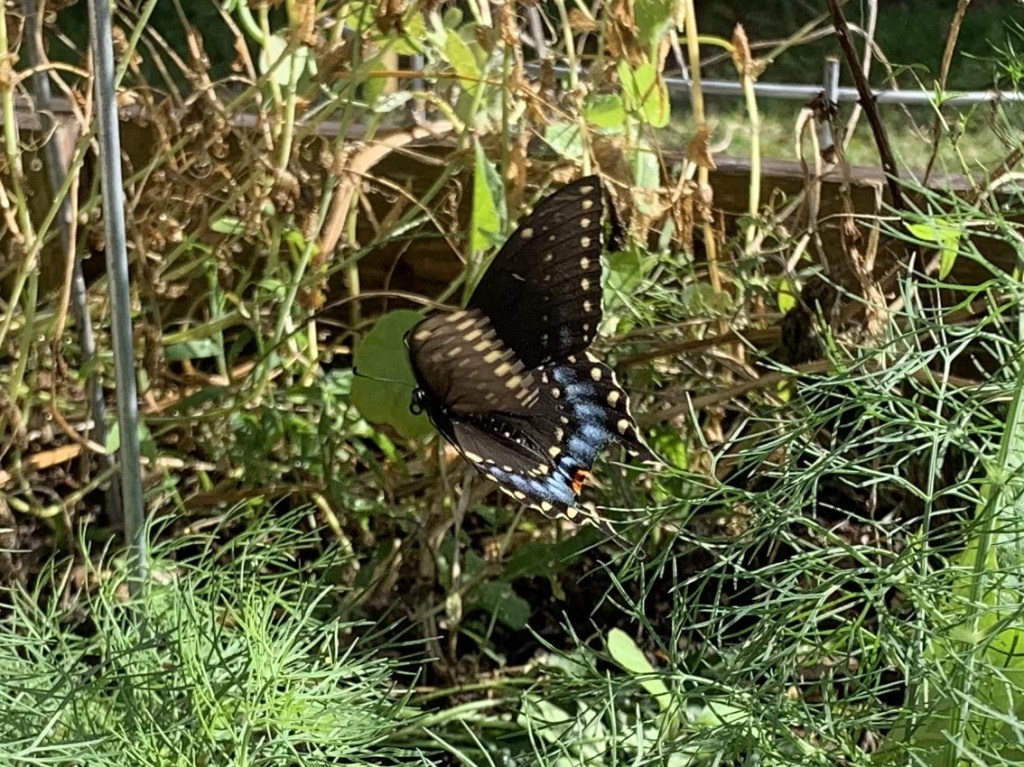
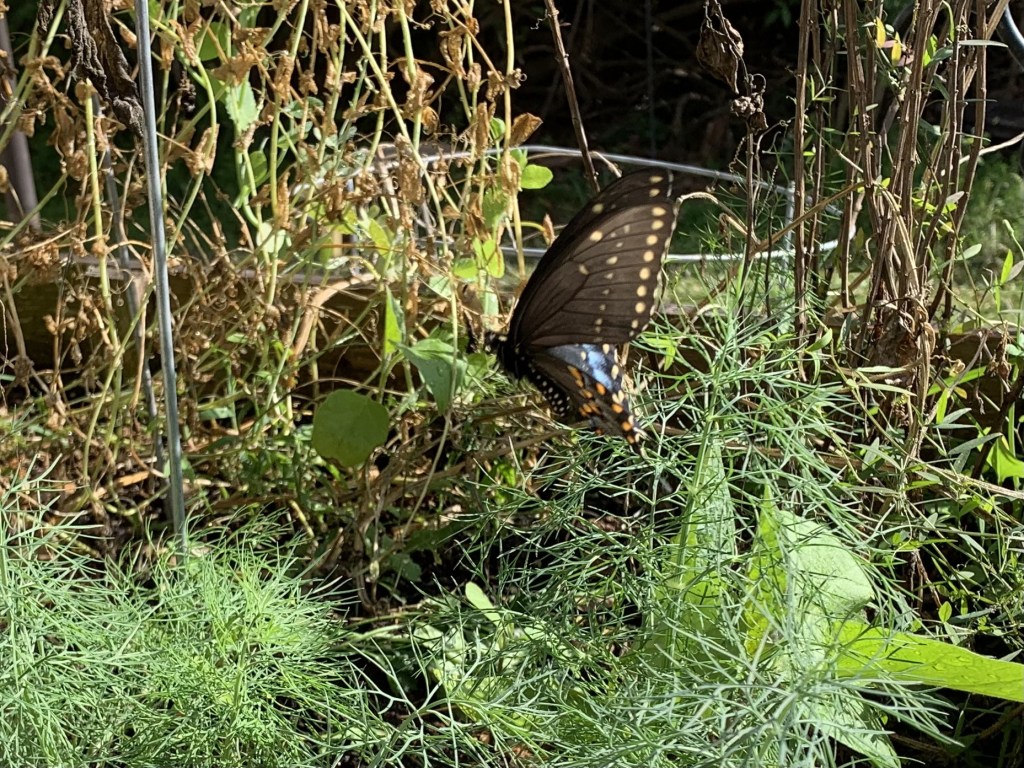
I noticed the black swallowtail butterfly laying her eggs all over my little dill plants. Now the black caterpillars are crawling around, eating and growing.
A tiny egg on dillThe swallowtail caterpillar
Every day I looked to make sure I could see all three.
Monarch Caterpillars
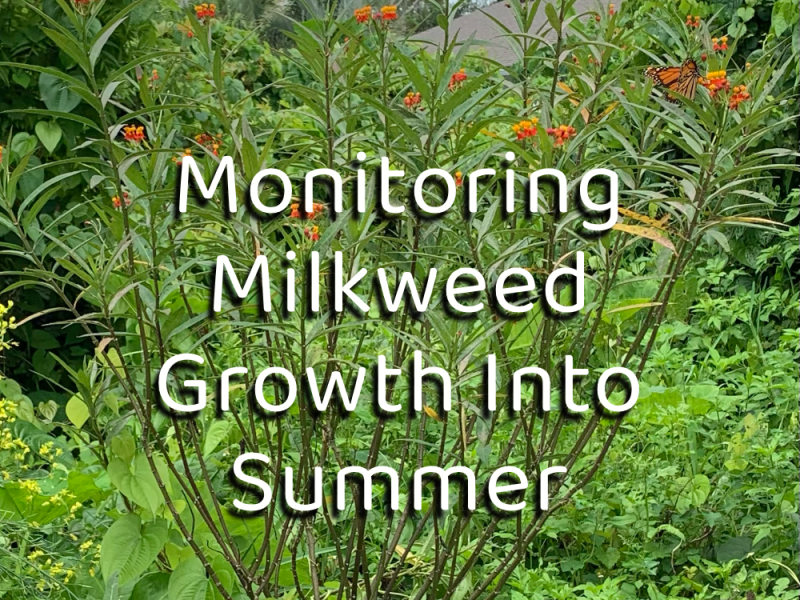
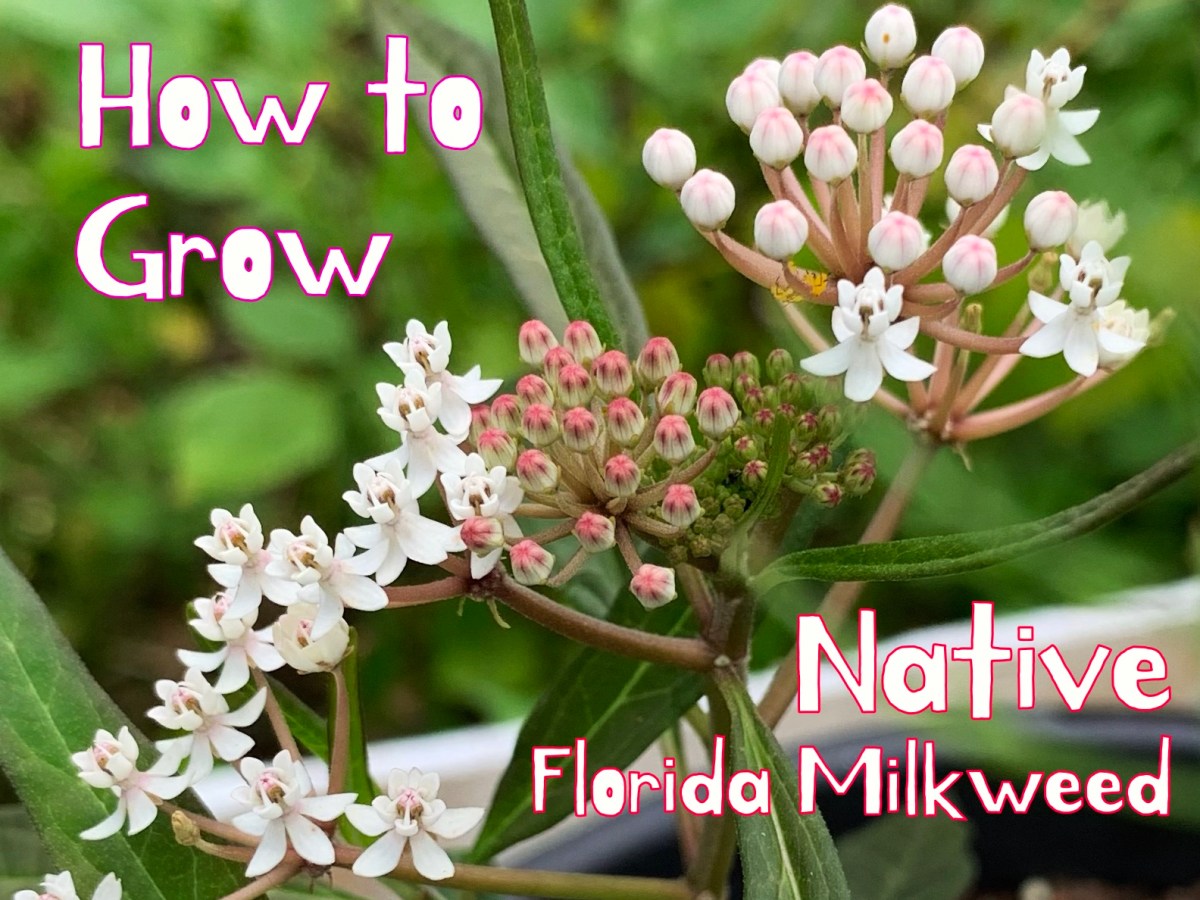
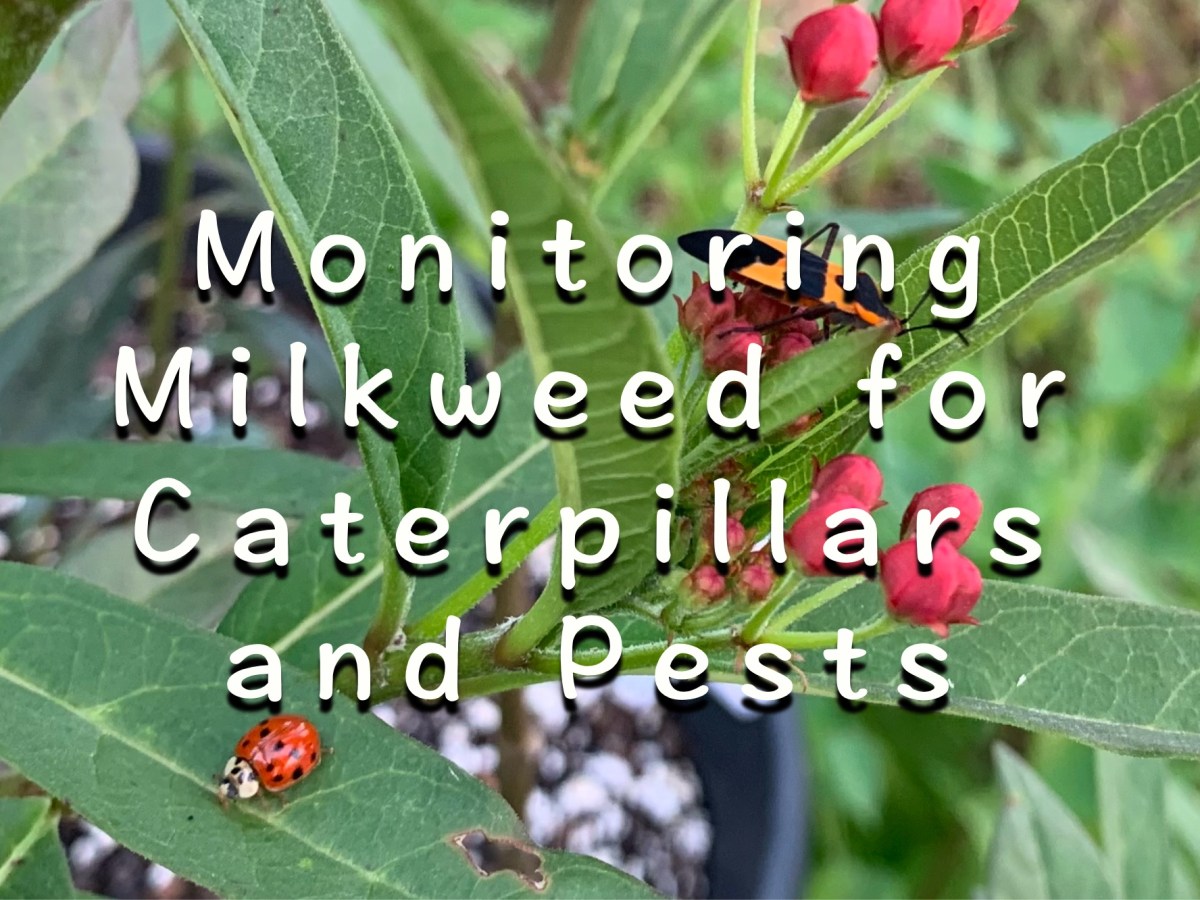
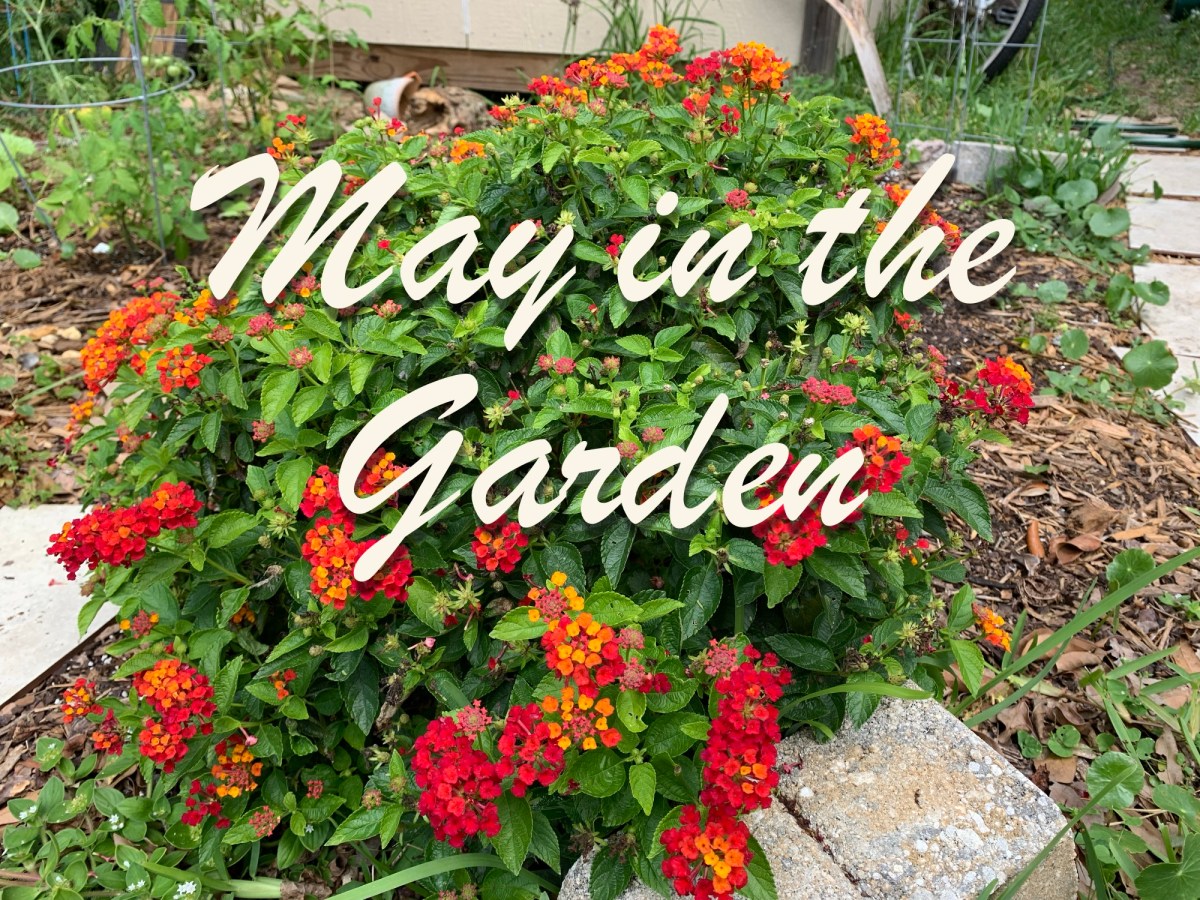
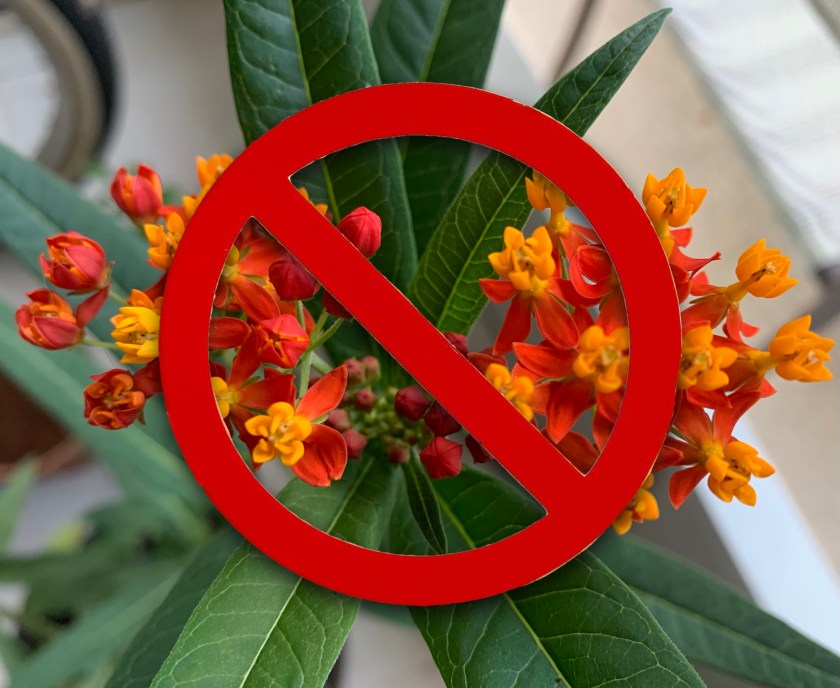
I’ve recently discovered how bad it is to have the wrong type of milkweed growing in the yard. I have removed all of my tropical milkweed. It looks like the photo below – with red and yellow-orange flowers – and please plant native milkweed instead.
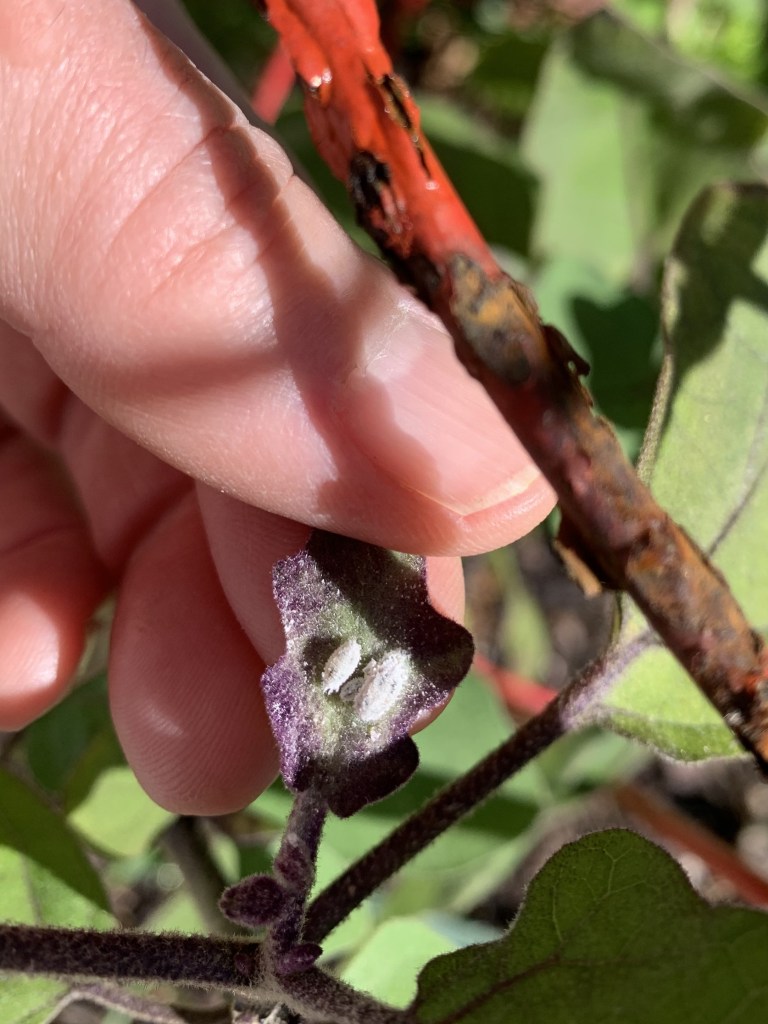
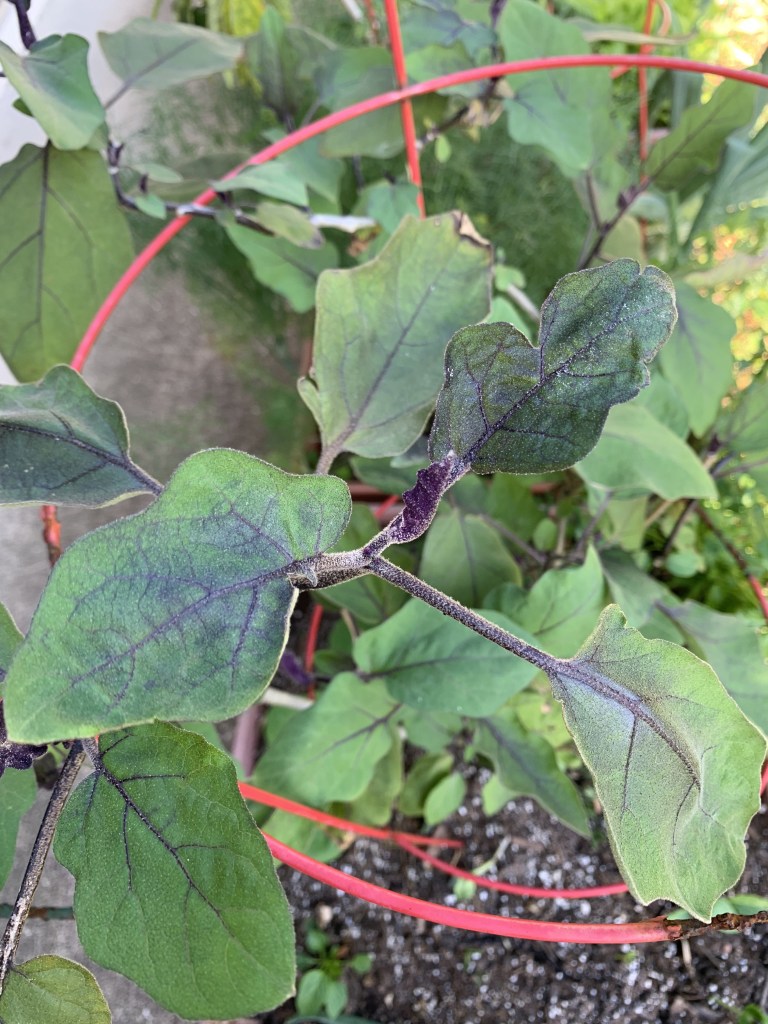
That’s about it for the creatures, except for the unwanted white bugs. I hand-picked / squashed a bunch of these that were hiding in the tiny new growth on my eggplant. I’m not sure what they are, but probably some kind of aphid.
Vegetables That Love February
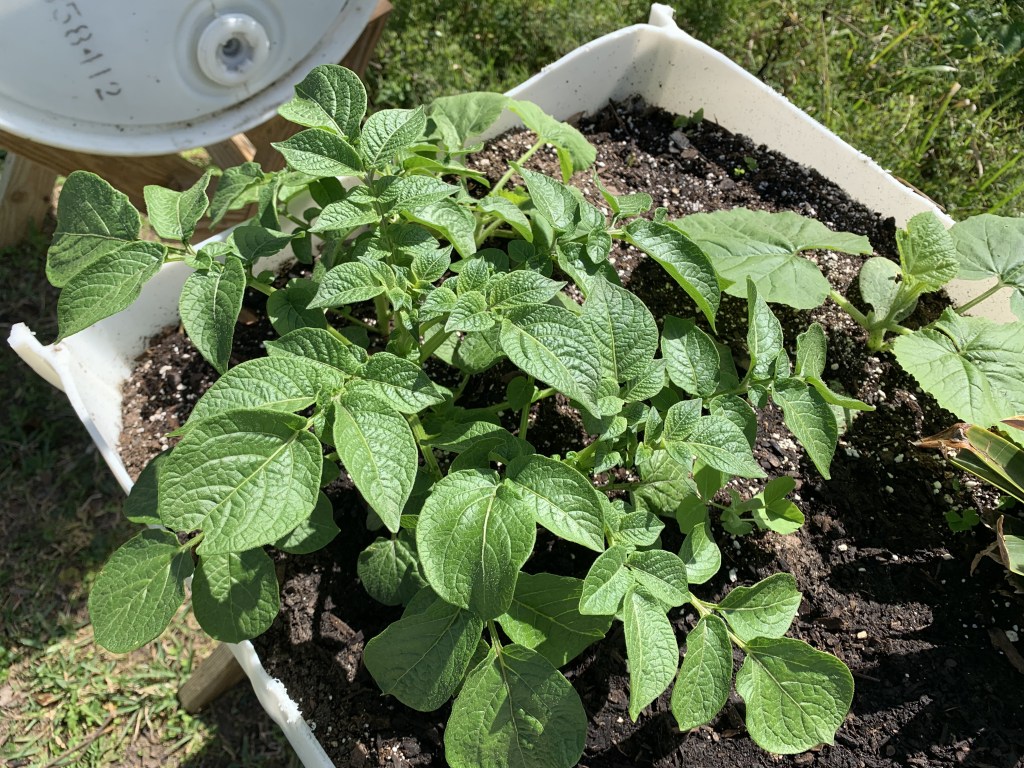
Many of these vegetables were planted late last Fall. They survived the winter and are now beginning to love the warmer nights and not-too-hot days. I like February temperatures also. The humidity is lower and the days are sometimes hot, but bearable. A bit like a summer days in the north.
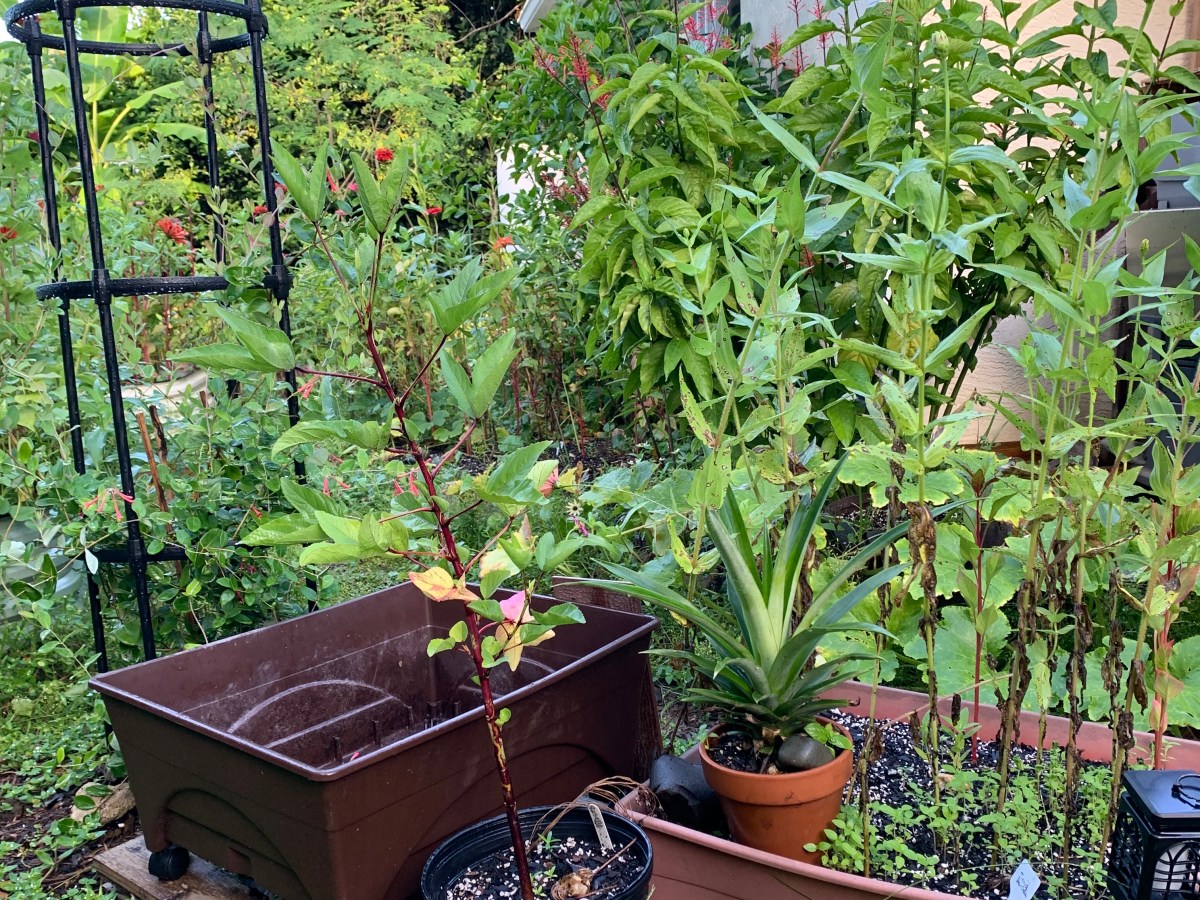
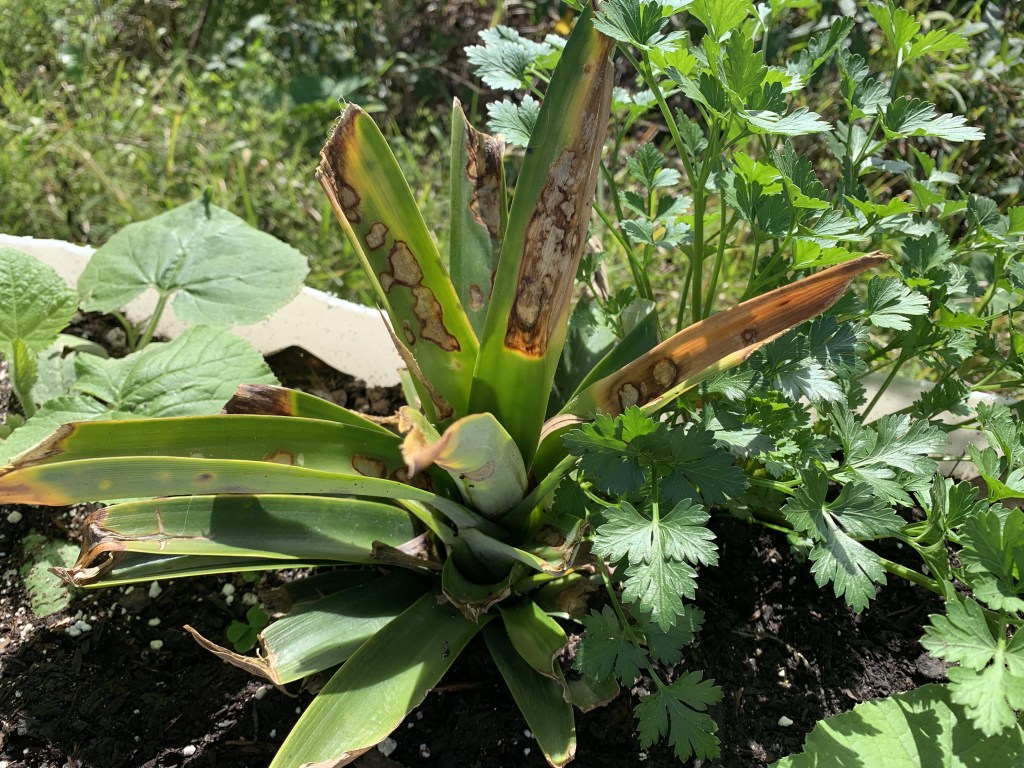
The pineapple had a lot of brown leaves. I had to cover some of these gardens when the temps dropped to near, or below, freezing.
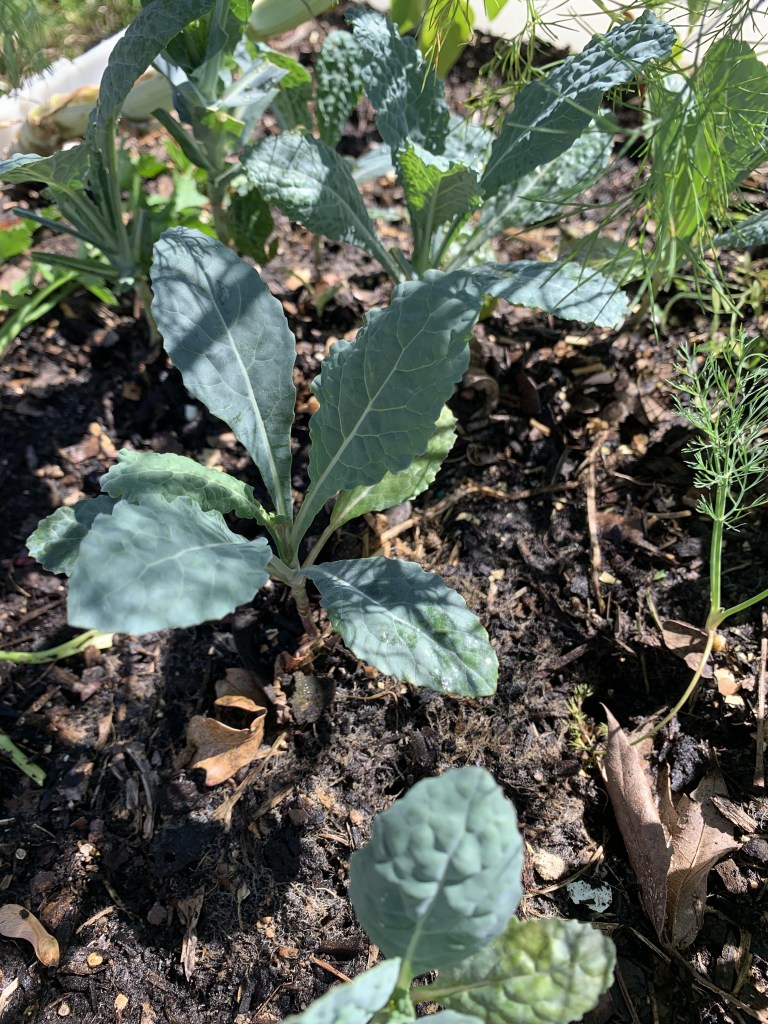
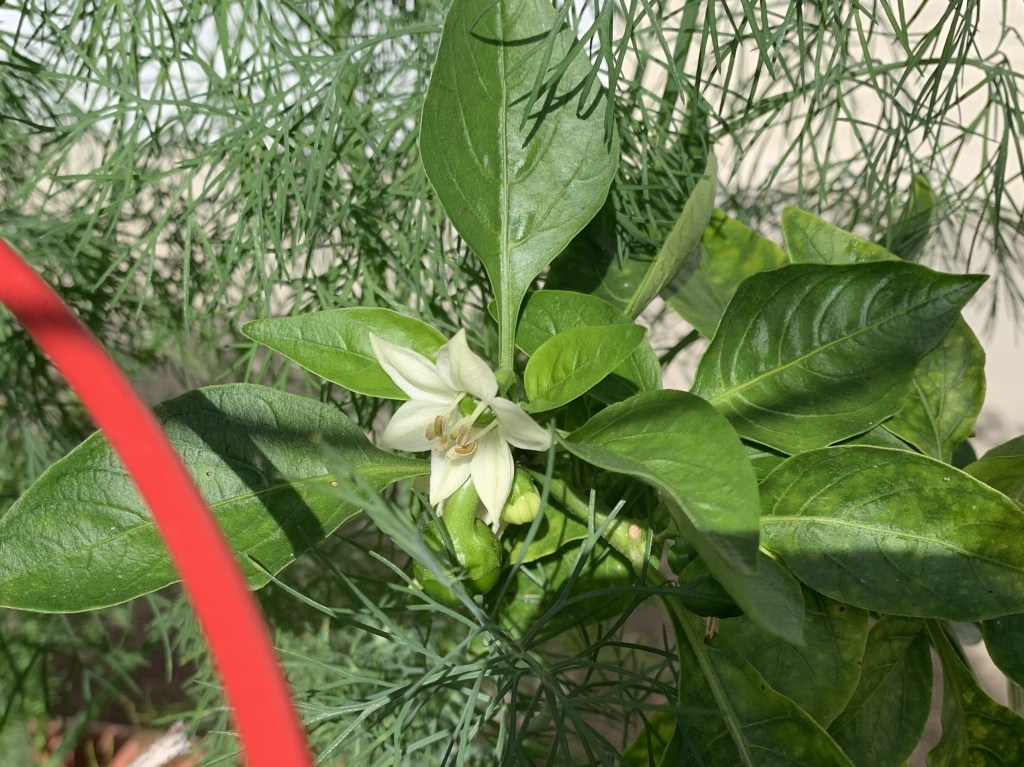
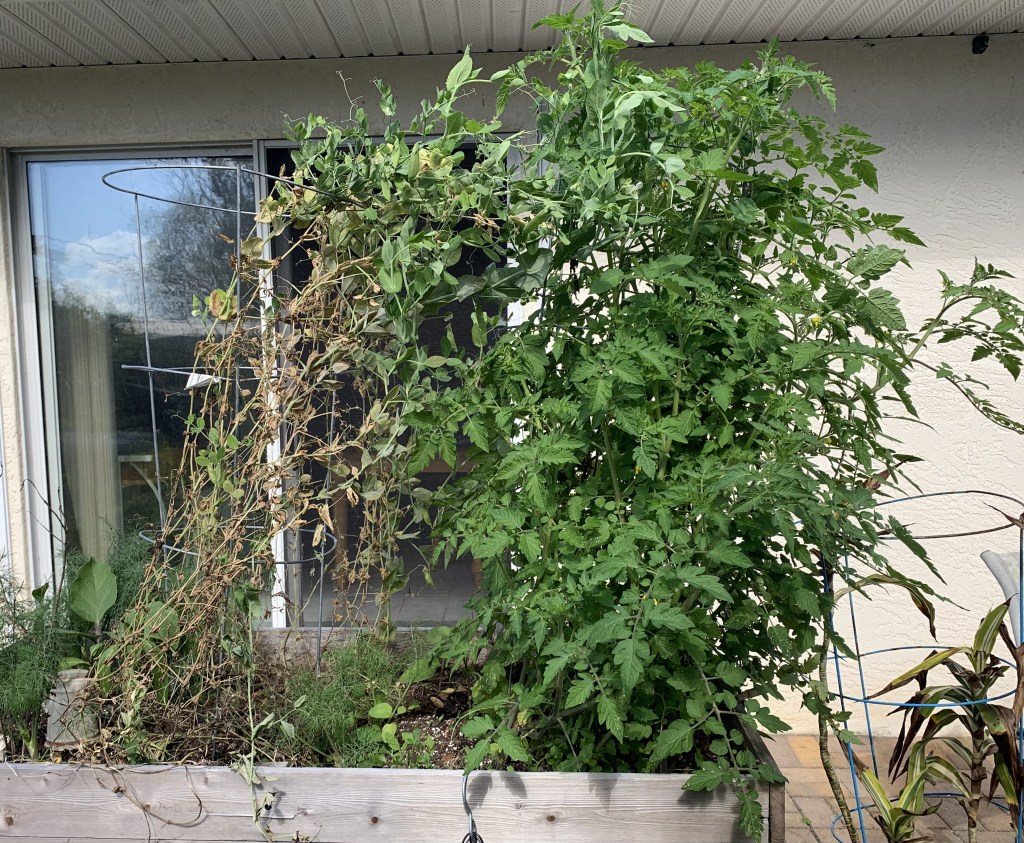
The plants themselves are looking much better, but I’m not getting to eat from them. I have picked a few cherry tomatoes, a hot pepper here and there, and had some kale chips, which I made from my kale. I use the parsley and dill to cook, but all my basil died.
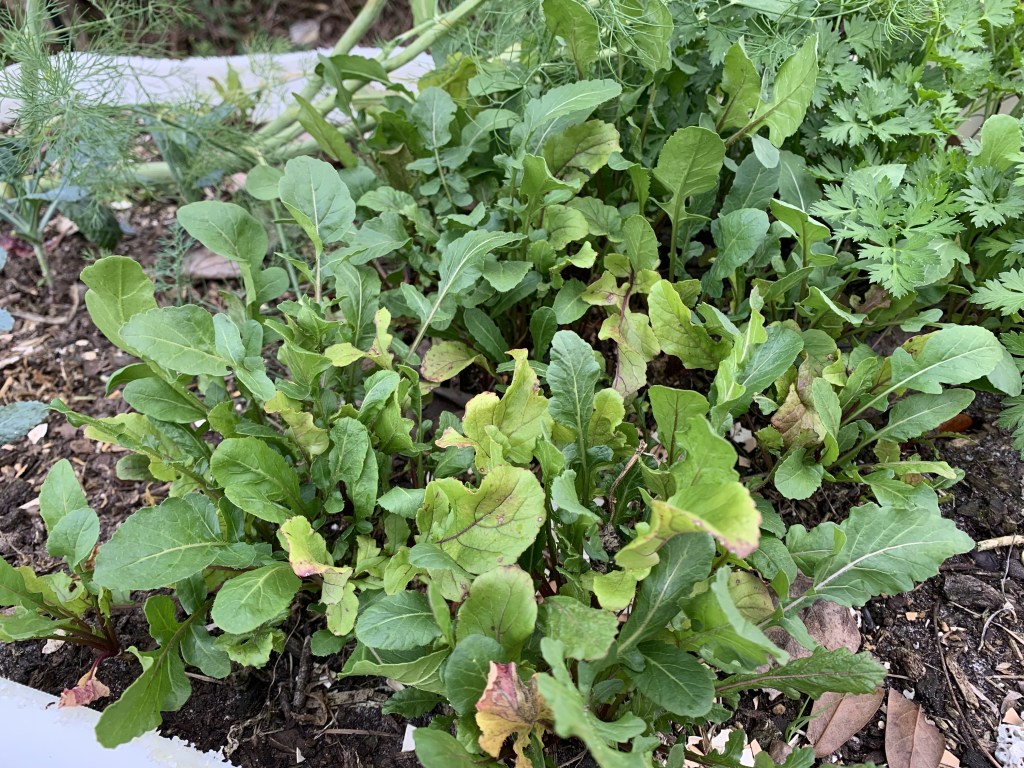
It won’t be long before the weather is too hot for the gardens to do well. I’m letting my lettuce to go seed so I can plant more next Fall. I do expect to continue to get peppers and also some eggplant soon.
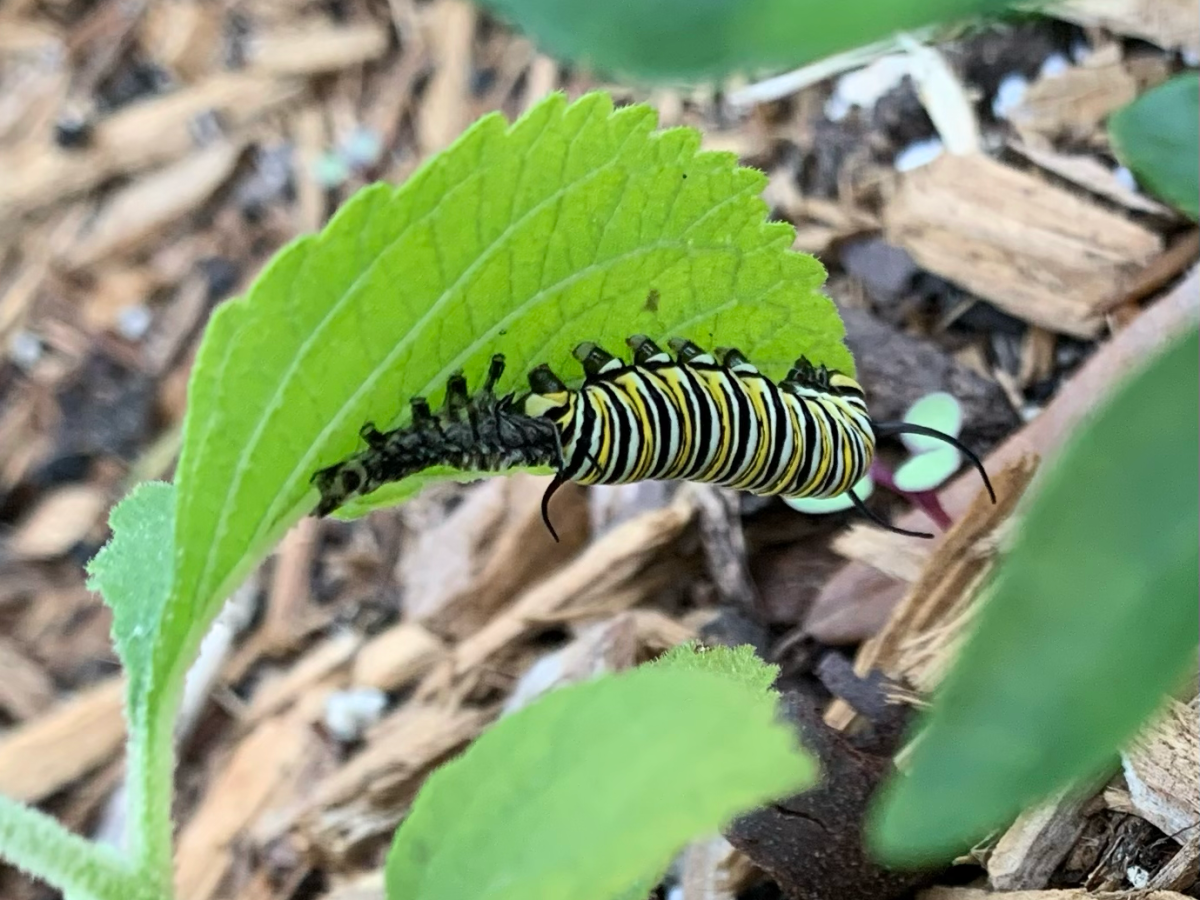
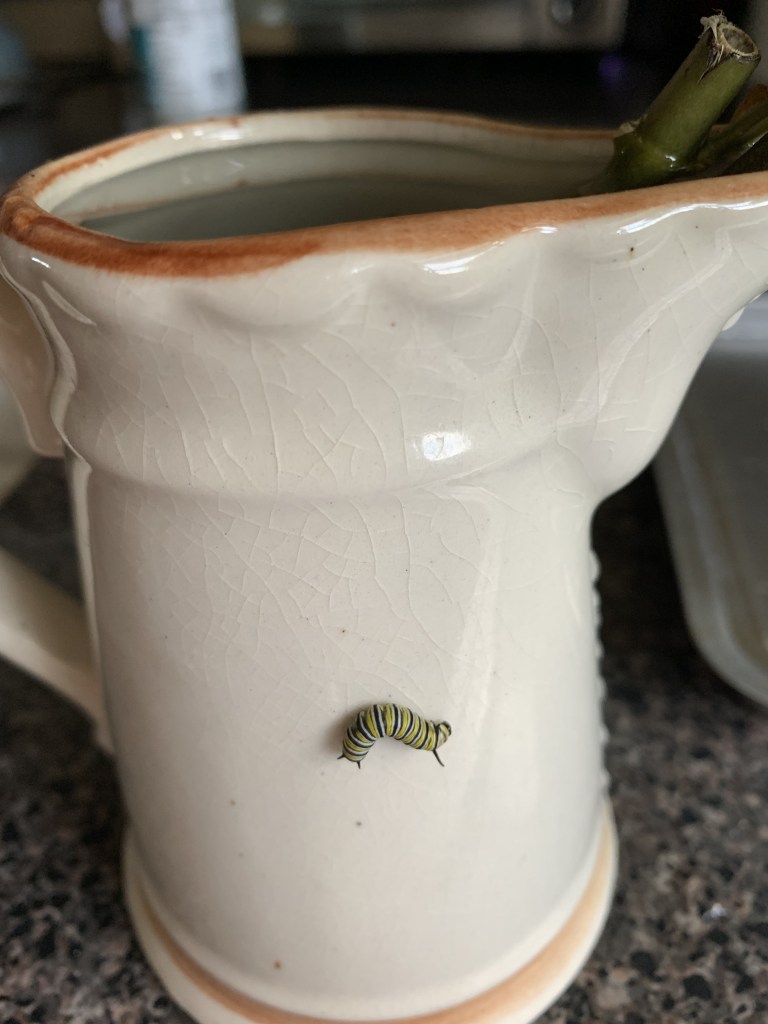
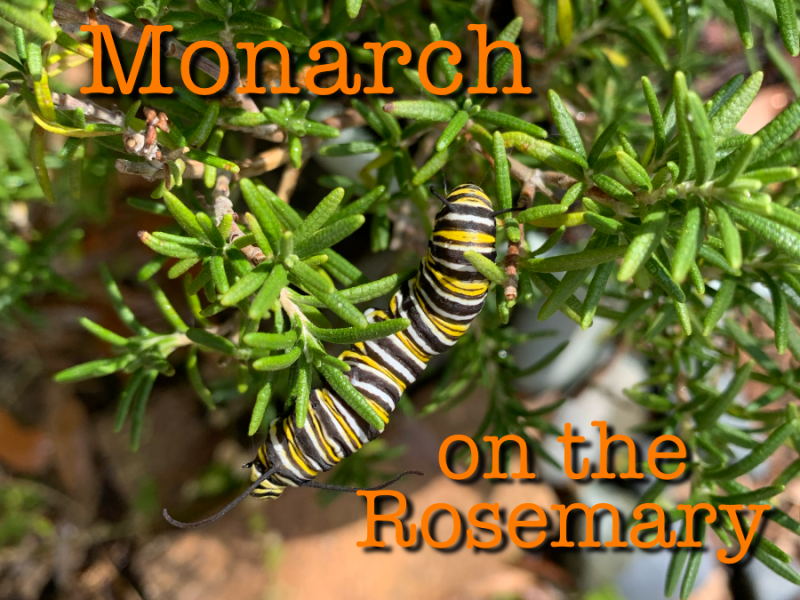
It is not usual to see a Monarch caterpillar on a Rosemary plant. Monarchs like Milkweed. But this one had a purpose, and had traveled quite a long way to be there.

















 Hydrangeas Blue