Early Spring In My New England Garden

Here are some pictures of what is growing in my New England garden this time of year. April is early Spring and planting anything outdoors that is susceptible to frost, in this area, is not advised until at least late May. These are the perennials that are blooming or just beginning to grow.

Did you know that chives will come back each year?  I’ve already used some in my cooking, and the clump is looking good already.  I need to get parsley soon.  That has become one of my favorites for the garden, and it can take the cold.

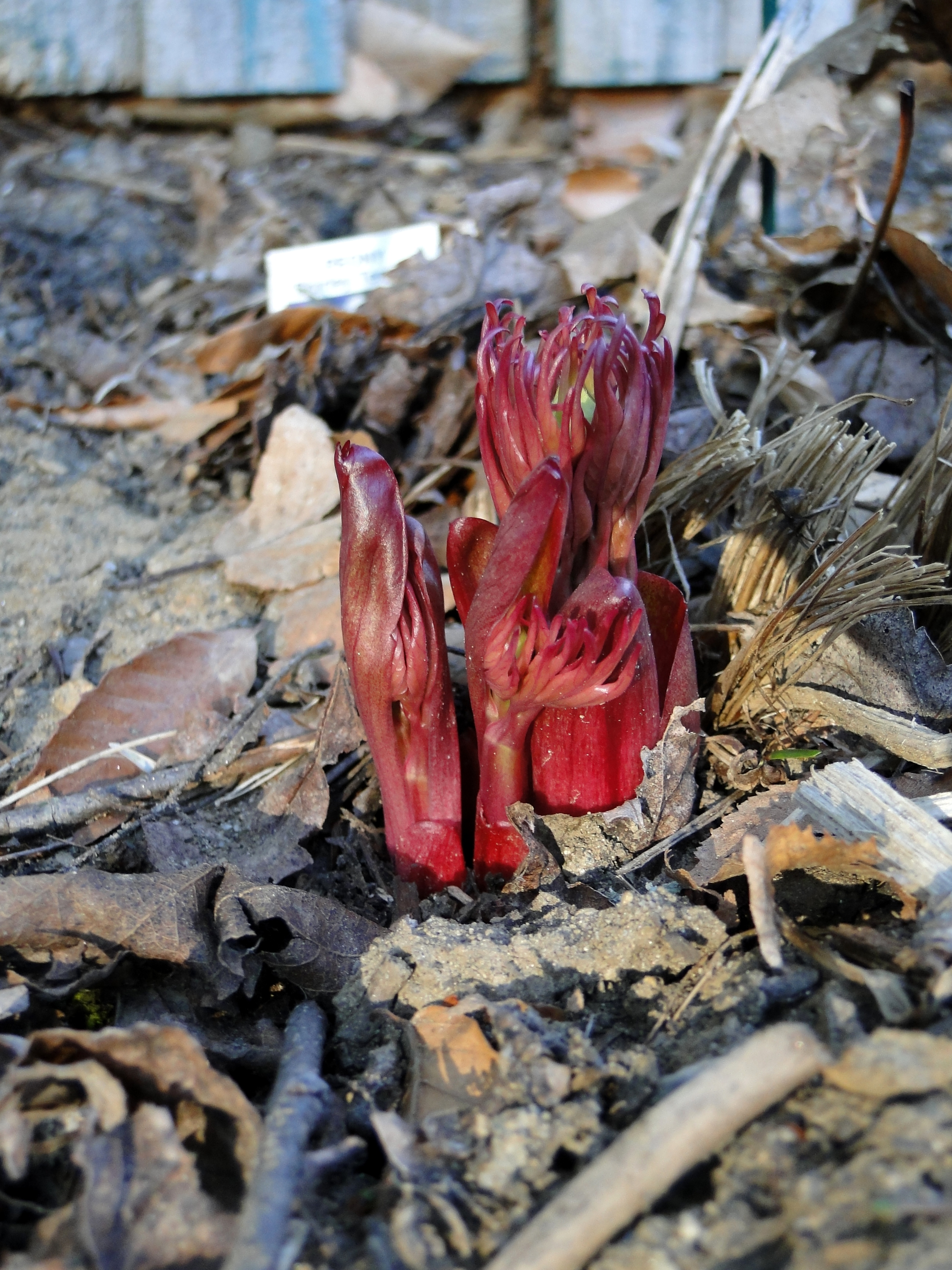
The peonies and bleeding hearts are sending up shoots and the hostas are just pushing through the ground.  The Coral Bells kept many of it’s leaves and new ones are growing from the center.
Not much is happening with my hydrangeas yet, but the macrophyllas seem to be starting with leaves and growth more so than the paniculatas.
I had wanted this to be a slide show, but as usual, I can’t figure out how to make that happen. It seems that even though I use WordPress for most all my blogs, each theme works differently and I can’t see a slide show option for this one.
So enjoy the big photos instead.

lenton rose bush
Lenton Rose
chives
chives
Peony
Peony
perennial coral bells
Coral Bells
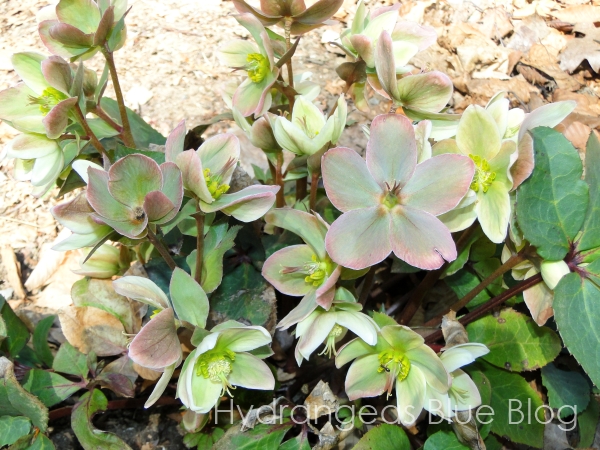
early spring flowers
Spring Promise “Emma”

I have some Blue Flower Pictures at a previous post.

Spring Surprise – A New Little Hydrangea Plant!

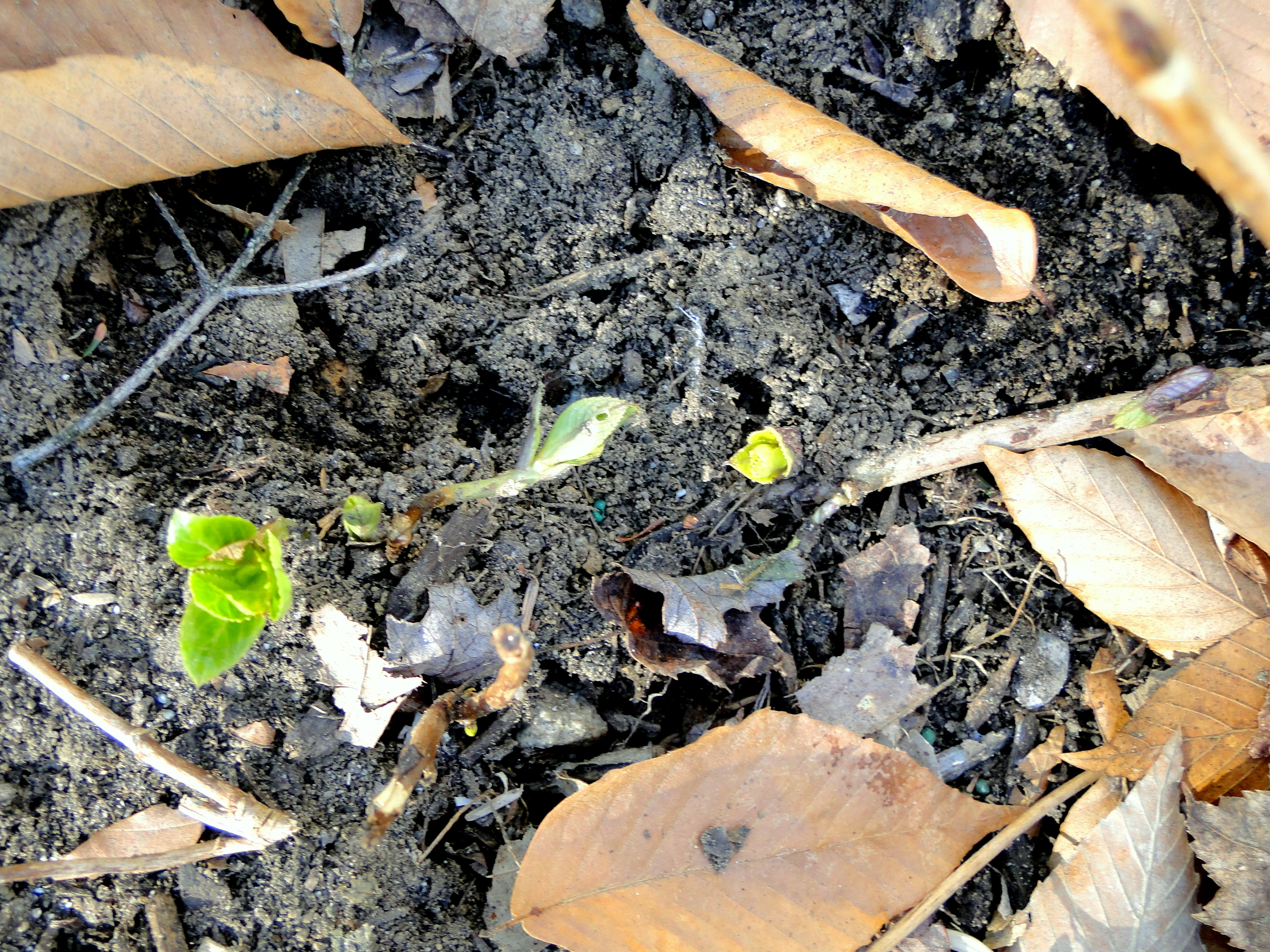
As I uncovered the leaves from the base of the Blushing Bride hydrangea, I found that a couple of the branches had formed roots which will be new plants!  This form of ‘root layering’ or ‘ground layering’ is a great way to start a new shrub from an established one.

little hydrangea offshoot
Rooted Hydrangea Branch

It’s bare and spindly looking stems are curving out from the center and then upward and at least two of them were touching the ground enough to form roots. Now, new growth is showing beyond the roots which means I will have a couple of new little baby hydrangea plants!
I have propagated hydrangeas this way before, back when I lived in my rental house. I had found a rooted stem with big leaves and a flower that was growing separate from the main bush, so I dug it up and planted it near the front steps. You can read about how I did it on my Propagating Hydrangeas page about root layering.
So for now I will let the babies grow – attached to the main plant – until they get larger. I’ll probably dig them up in the Fall and find them a place to grow on their own.  I love to find free ways to landscape.  Isn’t that exciting?

The First Flowers of Spring: Helloborus “Emma” Picture

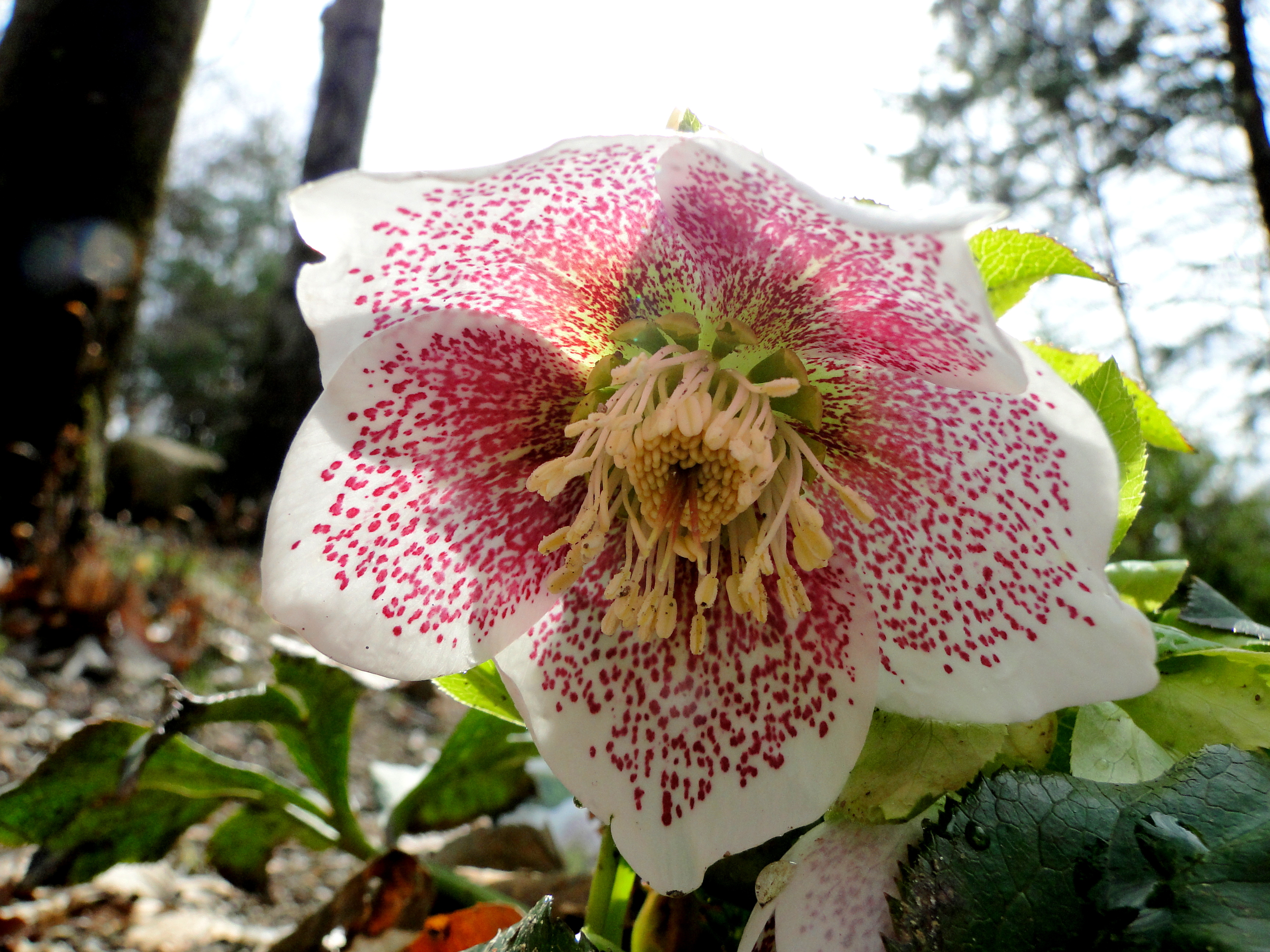
early spring flowers
Spring Promise “Emma”

I have never grown a helleborus in my yard until this year. I bought two of this type of perennial last fall and put them out front.   I was looking for plants that like shade and these were in the shade lovers section at the nursery.

It’s late April as I write this and both the Lenton Rose and Spring Promise (pictured) have numerous flowers. The blooms tend to droop and face downward but the leaves stayed on all winter long! I did have to trim a few of the dead leaves to clean it up, but they do seem to be very hardy.

This one called “Emma” has such pretty flowers and the other one I planted has more greenish blooms. I’m glad I have added these to my landscape. It’s nice to go outside so early in the season up here in New England and see flowers! Not even my tulips have bloomed yet.

Hydrangea Clean Up: Trimming The Dead Ends

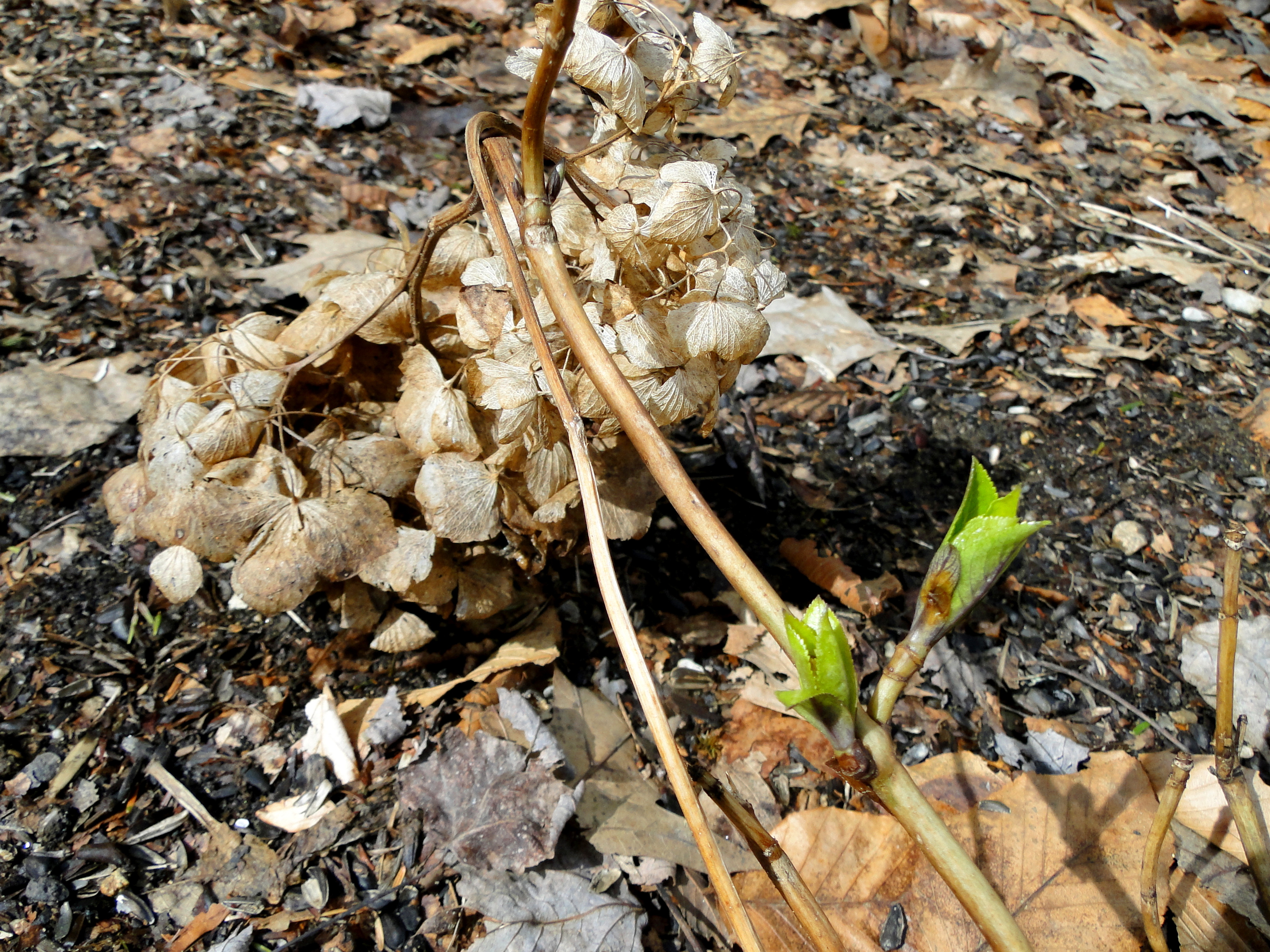
hydrangea growth in spring
Growth on Old Wood

Now that the hydrangeas have sprung back from the weight of the snow, I realize I have some trimming and pruning to do. I leave the dead flowers on the stalks over winter, but now they need to be removed. Some branches are broken, but I know that they will fill in quickly with new growth.

Some hydrangeas bloom on new growth so you don’t want to trim those in Spring, or you may be cutting off the blooms. Some bloom on old wood – the stems that were there last year. And some will bloom on both.

This is my “Endless Summer”, a small shrub that I planted last Spring and it bloomed profusely even though it never grew very large.  This year I expect it will grow larger and lots of blue flowers.  The dead flowers are still showing at the end of the stalks and I will be cutting them off.

Hydrangeas That Grow in Zone 5

Cold hardy hydrangeas are not hard to find as most varieties survive very cold winters.

Hydrangea quercifolia - Oakleaf hydrangea
Hydrangea quercifolia – Oakleaf hydrangea (Photo credit: Wikipedia)

I’ve been looking for a new hydrangea to add to my yard and that means it will have to thrive in zone five.  I live in the Monadnock Region of southern New Hampshire and that is Zone 5, or 5a, to be more specific.  These are cold hardy hydrangeas, and luckily most varieties of hydrangea can take the extreme cold.

I can tell you (and show you) what I have presently growing in my yard, and these types are found frequently in my area of the country.

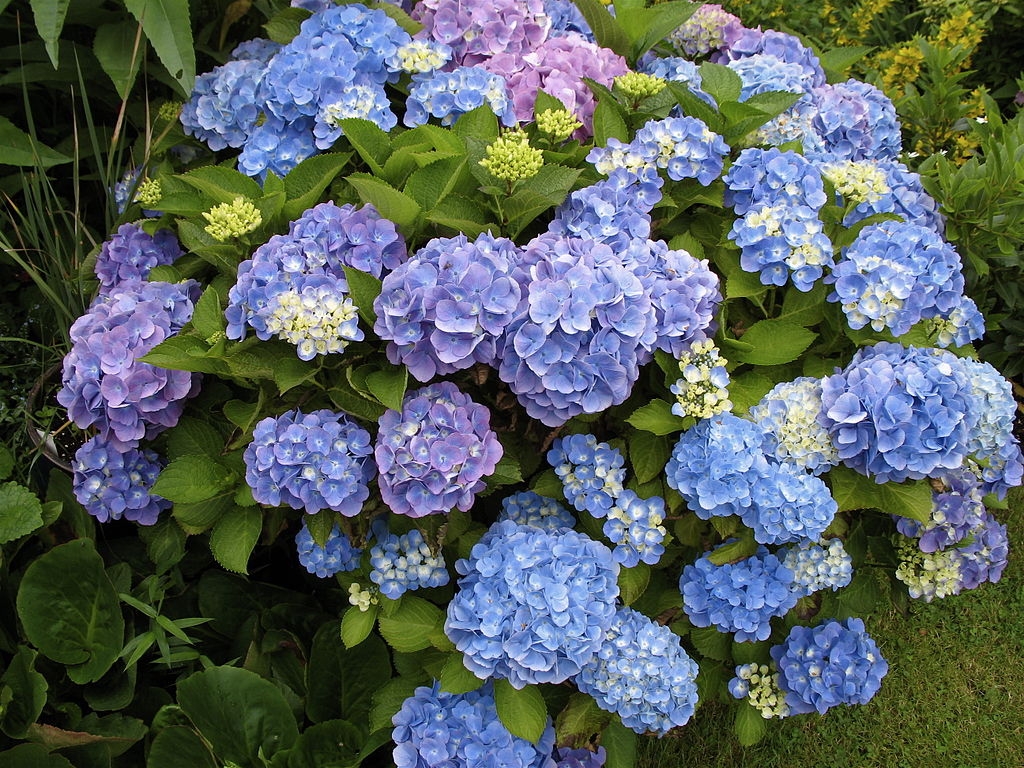
The Endless Summer Blue macrophylla (rounded flowers) variety is popular for it’s beautiful blue flowers.  As you can see in the photo below, this type can grow flowers in shades of pink, purple and blue all on one shrub!  Gorgeous.

See more photos.

blue hydrangea flowers
Endless Summer will be blue if the soil is acidic

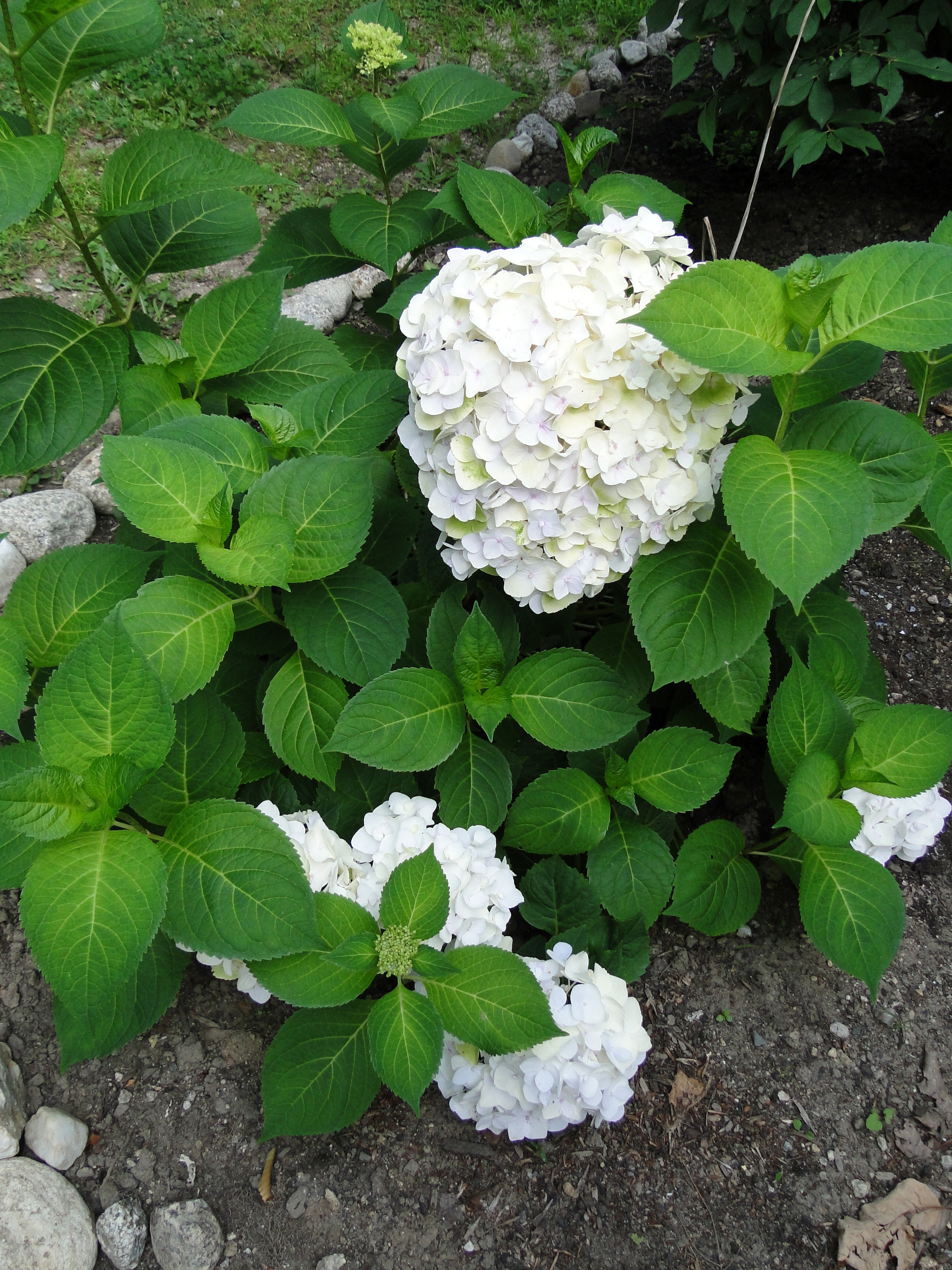
More types of hydrangeas I’ve grown in my New Hampshire yard with much success include the “Blushing Bride” which is also an Endless Summer variety.

white hydrangeas
The Blushing Bride begins white and changes to pink and green

Also, Pinky Winky and  Pee Gee (Paniculata grandiflora), and many others will grown in the north.  In fact hydrangeas seem to enjoy cold more than heat.  The Endless Summer types tend to wilt in the hot sun, even if they have plenty of water.

My best advice is to shop in local stores and nurseries in spring and see what they are selling.  Most likely the types for sale will do well in your climate zone.  Also, you can view a comprehensive list of Hydrangea types and their grow zones on Dave’s Garden site.

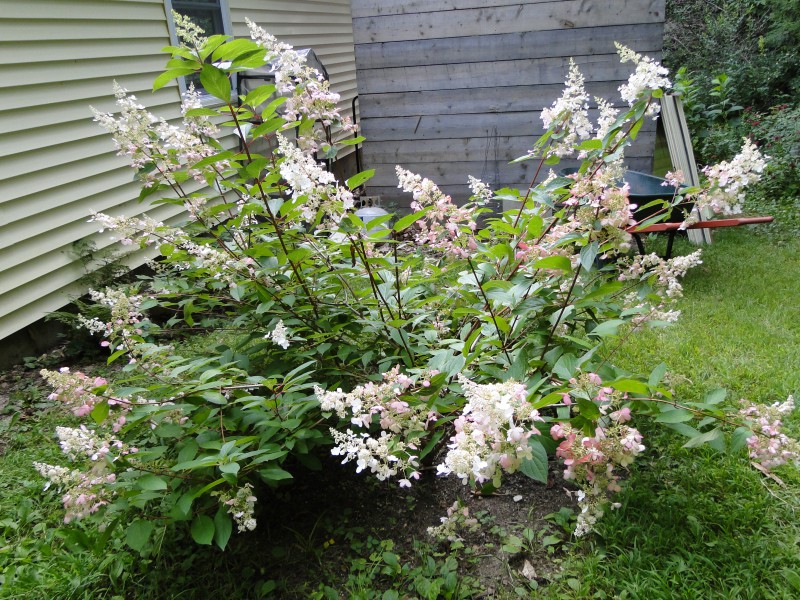
hydrangea paniculata pinky winky
Pinky Winky, paniculata variety (3 year old plant)


One warning about planting the Pinky Winky (which is one of my favorites, and is featured at the top of this page, in pink) is that deer will eat it.  One side of my shrub was always chewed down where the deer passed through my yard!  It also attracts bees, so maybe keep it away from patios and outside sitting areas.  But it is very easy to care for, and it produces gorgeous flowers. So please don’t let that stop you from including one in your landscape.

My Three Favorite Perennials For Shade

white astilbe
White Astilbe – Shade Lover

It’s not easy to grow a shade garden.  Some hydrangeas will do well in shade, but I am not talking about those here.  This post is about the smaller perennials that can fill a shade garden.  The flower variety of shade loving plants is limited even more than the plants that are available.  Most things that will grow under trees or in gardens that are on the shady side of a house are pretty dull looking in my opinion.  I love a garden with variety, so I am always on the lookout for something new to plant in the yard and I’m always thrilled to find a nice looking, shade loving shrub.

Still, I revert back to my favorite three basic choices when buying for the shade.

#1. Bleeding Heart –  This is an amazing plant.  It is so delicate that it breaks easily, yet sends out long leafy stalks with loads of little, heart-shaped flowers that dangle from the greenery.  It seems so fragile, yet each year it survives the icy cold winters underground and grows back in Spring.

#2. Astilbe  – I think this is a favorite of many when it comes to planting for shade.  I am new to growing this plant, but I plan to have many of them in my garden under the trees.  They have tall feathery flowers in white, red and pink and their leaves can vary from color to color.

#3.  Hostas – Of course.  Who has a shade garden without including hostas?  Last year I planted a variety of hostas in my large, front yard garden.  It’s too early in the season to see them sprouting yet, but I look forward to watching them get larger and larger.  Hostas are mainly grown for the leaf coloring and size, even though they do send up tall shoots with tiny flowers on them.

This little one I found last year at the local nursery is called “Mouse Ear”.

mouse ear hosta
Mouse Ear Hosta