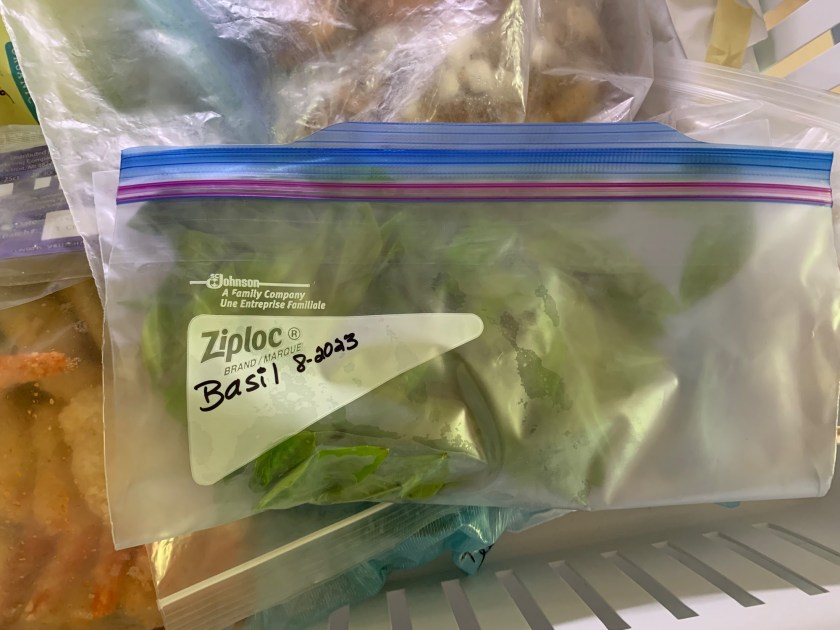
How to save fresh garden basil, by freezing the leaves, to use later.
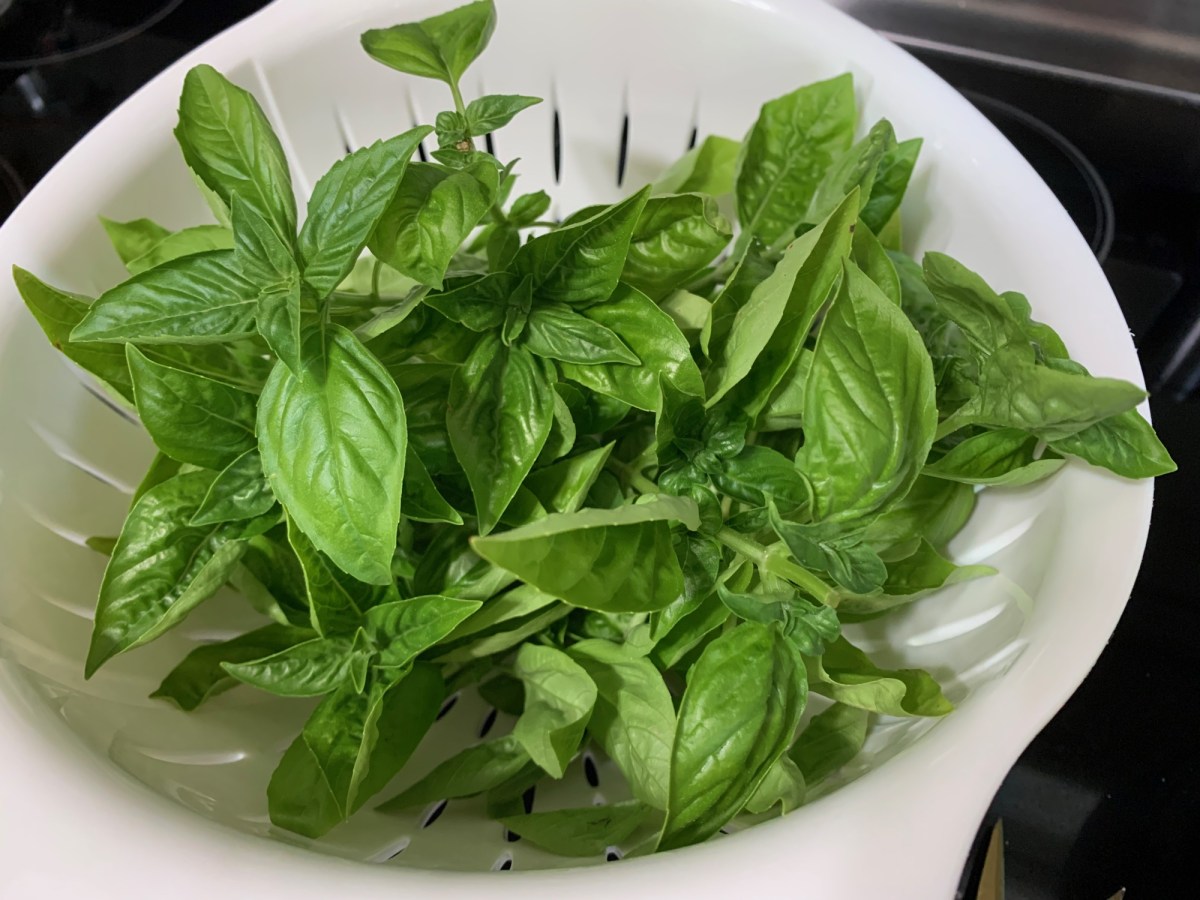
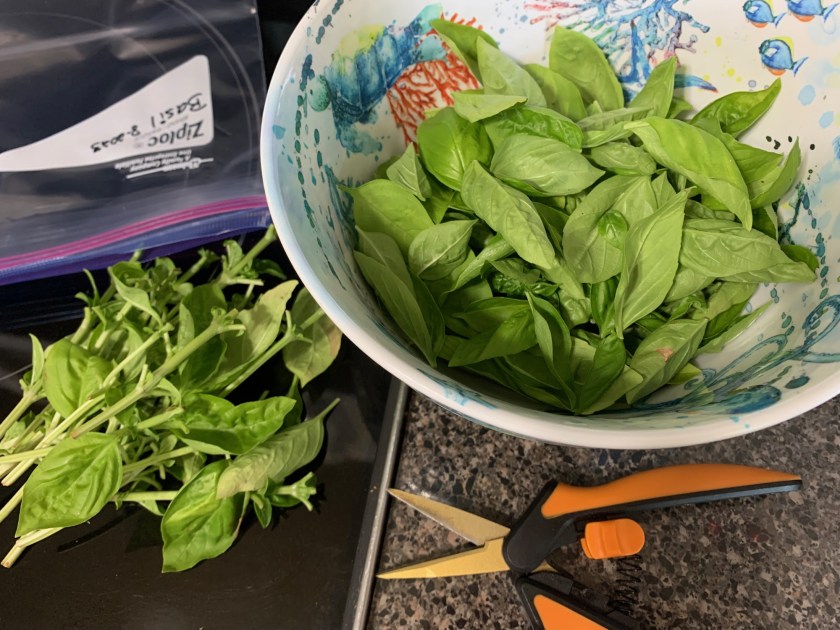
I should have picked my fresh basil for freezing a few weeks ago. It does not look as good now, but I found a great video (link below) about how to freeze fresh basil, so I went into the garden and picked some.
I didn’t have as much basil to freeze as the woman in the video, and I put it into a gallon size freezer bag, instead of quart. But, now I can add more to the bag as I pick it.
The leftover stems went into my compost bin.
I love to have frozen veggies to add to my beef and chicken broth when I make it.
The Seminole pumpkin is perfect for us Florida gardeners as they are native. This is my first year growing them.
I had high hopes for growing the Seminole pumpkin. After all, it’s a Florida native. I had watched videos where people told of their bounty of pumpkins. The vines filled their yards and pumpkins were everywhere. For me, this was not the case.
My yard is small and the garden area is even smaller so I planted the seeds in one little section near the side of an empty, overgrown lot.
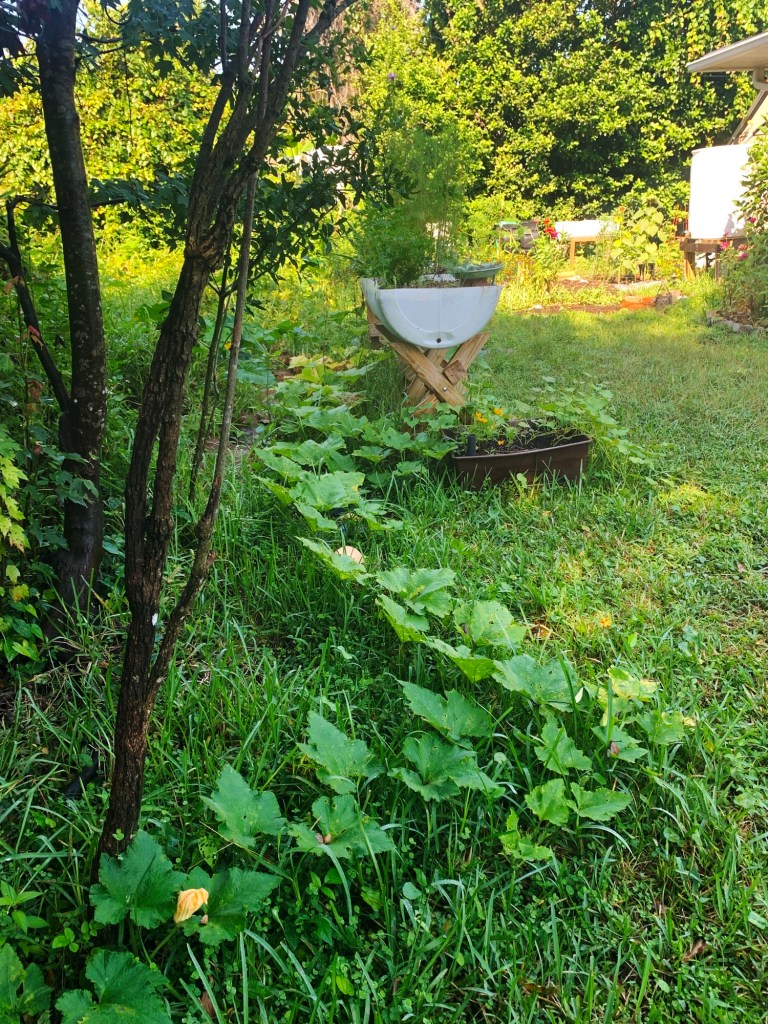
I had pumpkin vines trailing down the entire side of my yard, but only one pumpkin growing. Others began, but then dropped off the vine. It was disappointing. Maybe I planted too late in the season.
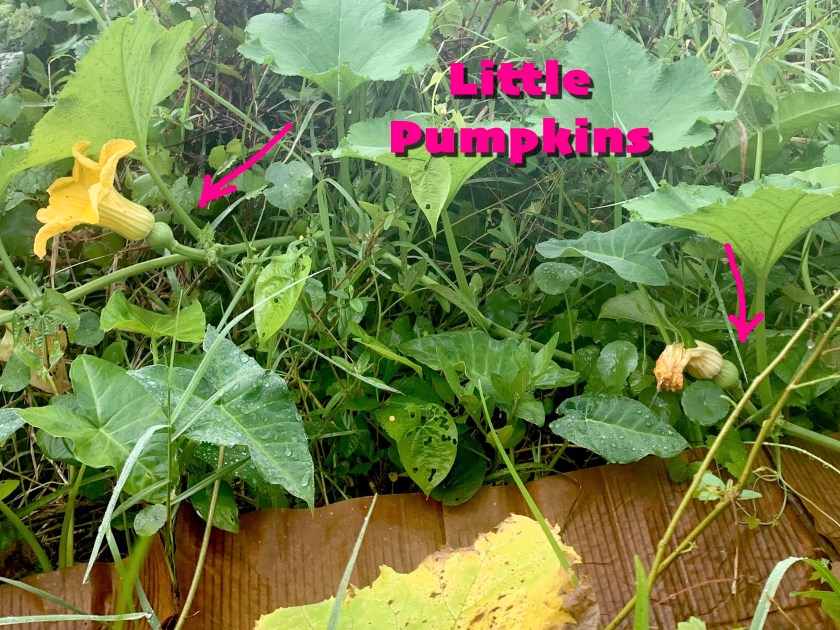
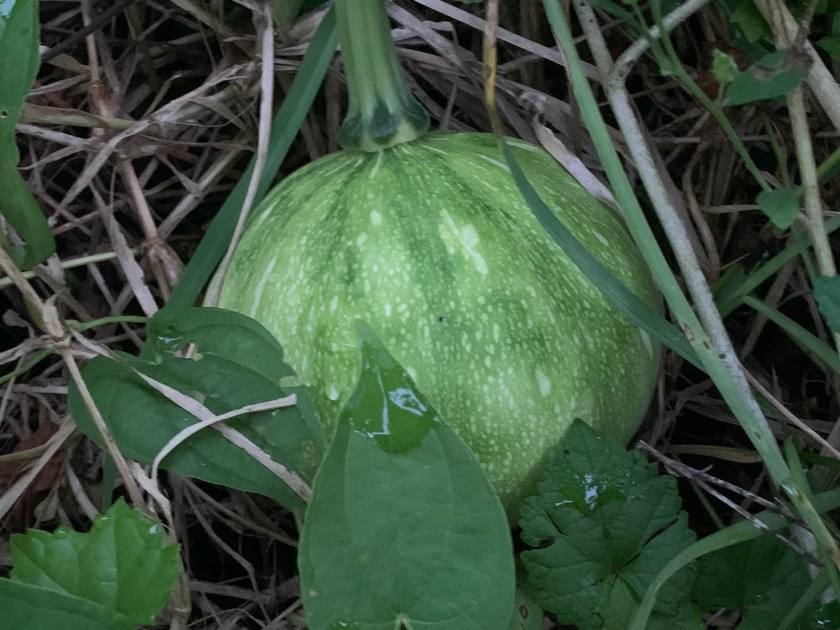
This new vine was headed off into the wilderness and it had two little pumpkins growing. Sadly, one of them did not make it. The other one is doing well.
New baby pumpkins
Of the two pumpkins shown above, only the one on the left continued to grow. So now I will have two pumpkins total by the end of summer.
New little Seminole pumpkin
Planting and Growing
I planted my pumpkin seeds – purchased from The Urban Harvest – in pots, then transplanted two plants to the garden. I could have planted sooner, but my garden was not ready.
Later I transplanted Seminole pumpkin plants, started from seeds in pots, into the ground, and they did not grow well. So, next time I’ll put seeds directly into the ground.
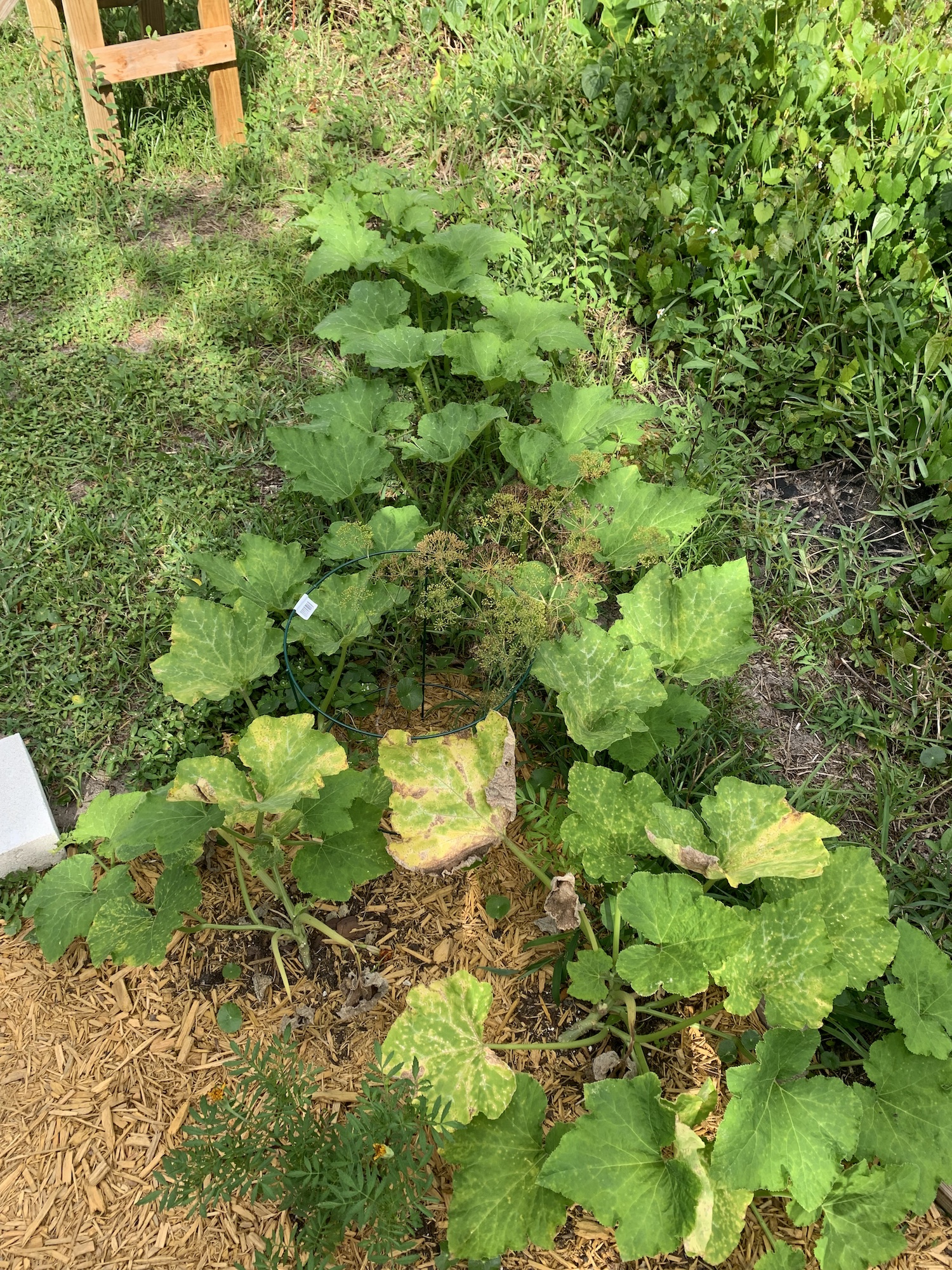
From my limited experience I have noticed: All the leaves near the place the seeds came up have turned yellow and dropped off.
The vines are easy to direct. I have all my vines coming down the edge of the yard. The vines will root into the ground along the way!
Seminole Pumpkin on the vine
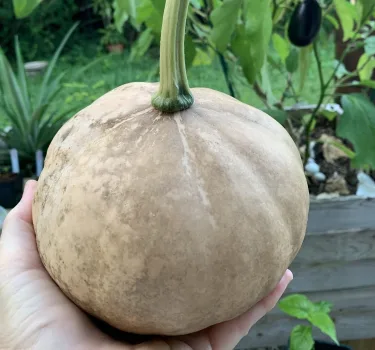
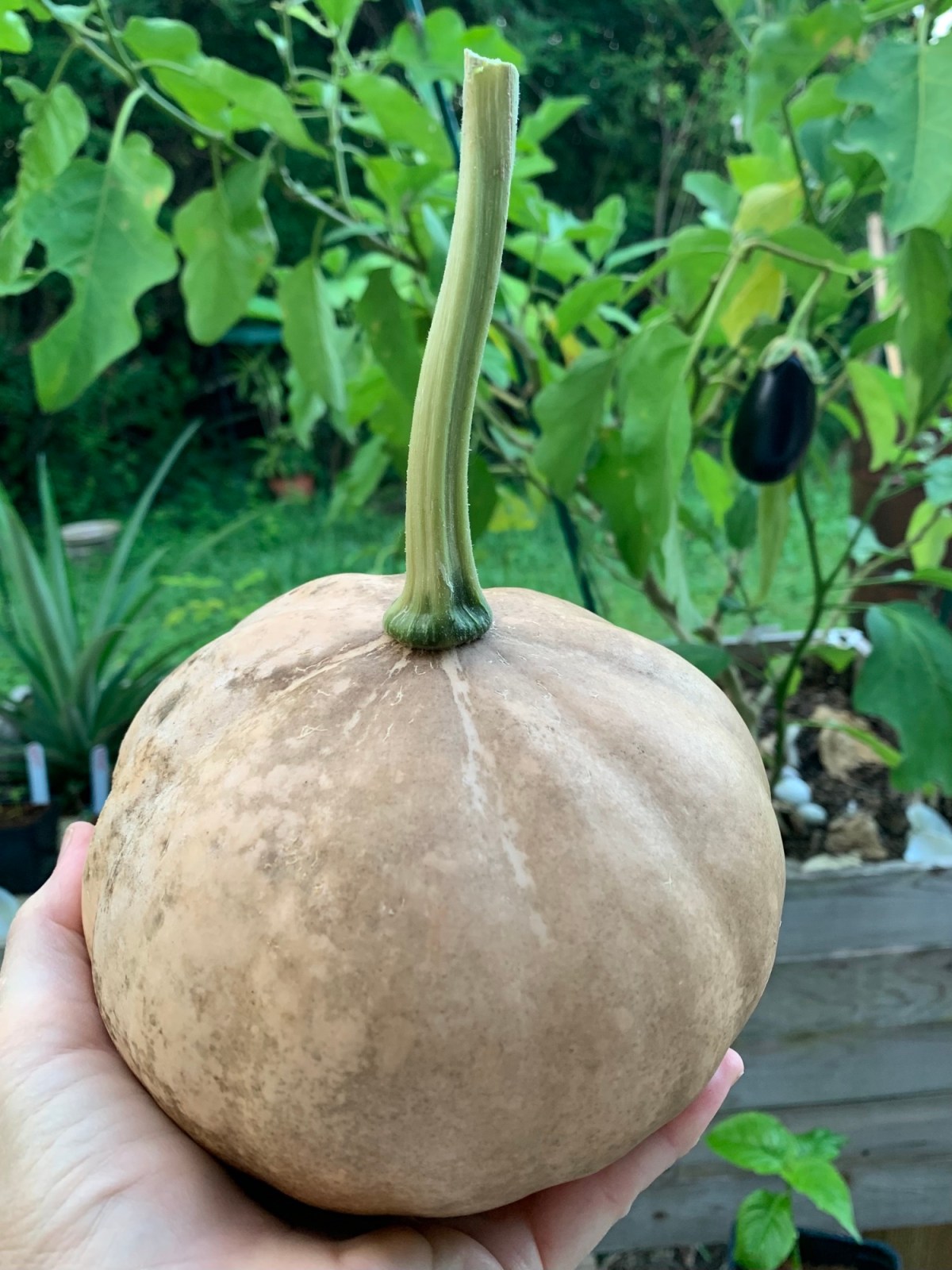
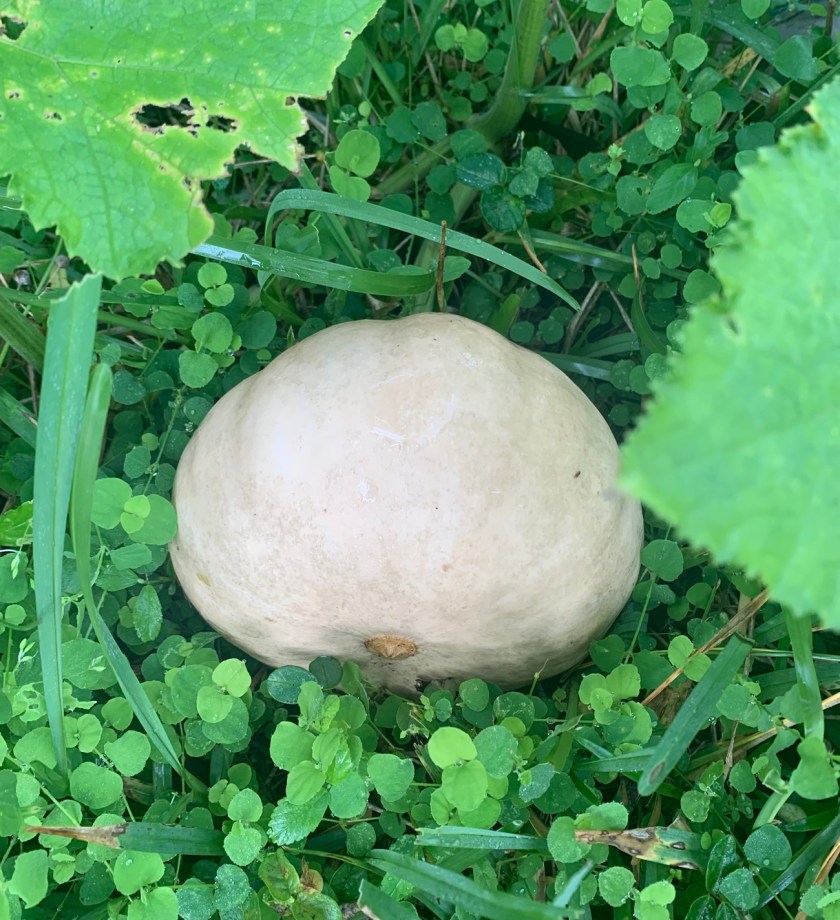
I’m watching this pumpkin grow and was wondering when I should cut it off the vine. Apparently the stem will turn brown and begin to die, then cut the pumpkin leaving a long stem (see more info in the link below). This type of pumpkin can be stored for months – even up to a year – if conditions are right.
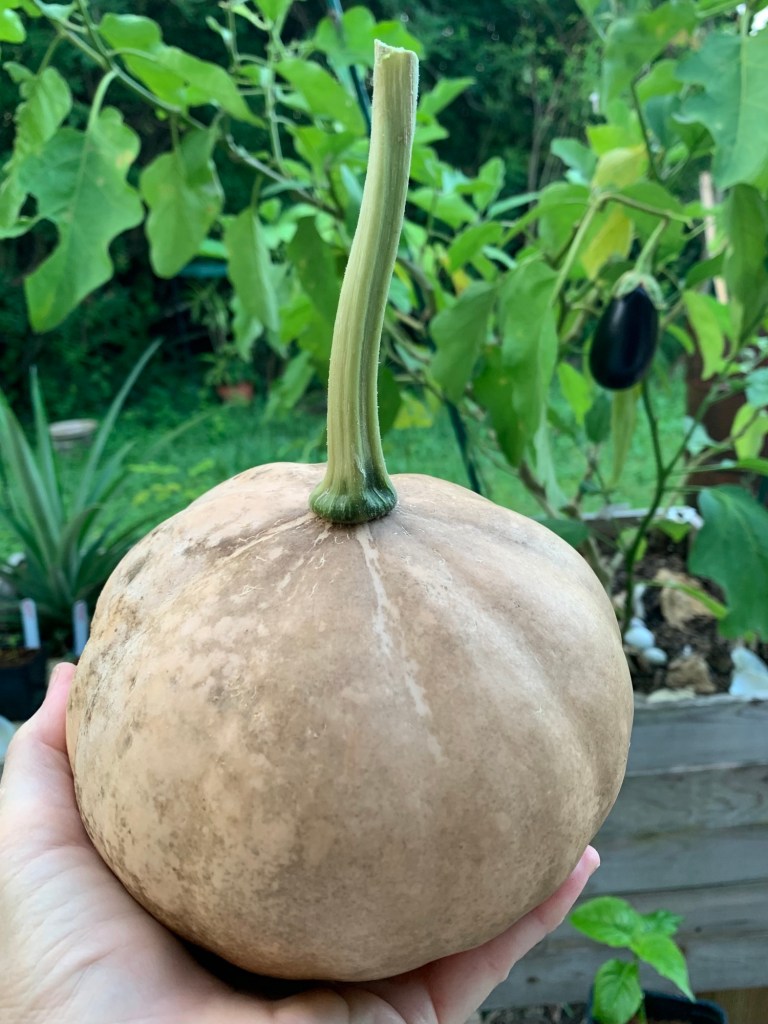
On August 25th I cut the pumpkin from the vine. It has been growing for months and I figured it must be ready. I left a nice long stem, as was suggested by someone doing a video.
Picked the pumpkin
I was hoping to have numerous pumpkins from these two plants, but it looks like I will have only two.
If you have a small yard, like I do, maybe consider planting near the edge of the property and direct the vines along the perimeter. I’ll definitely plant more Seminole Pumpkins in Spring.
From a barren yard to gardens being dug, I’m learning to be a successful Florida gardener.
In 2016 my son and I bought a house in Florida near the east coast. It is a modest home with a small yard. At the time, on both sides we had natural habitats in uncleared lots.
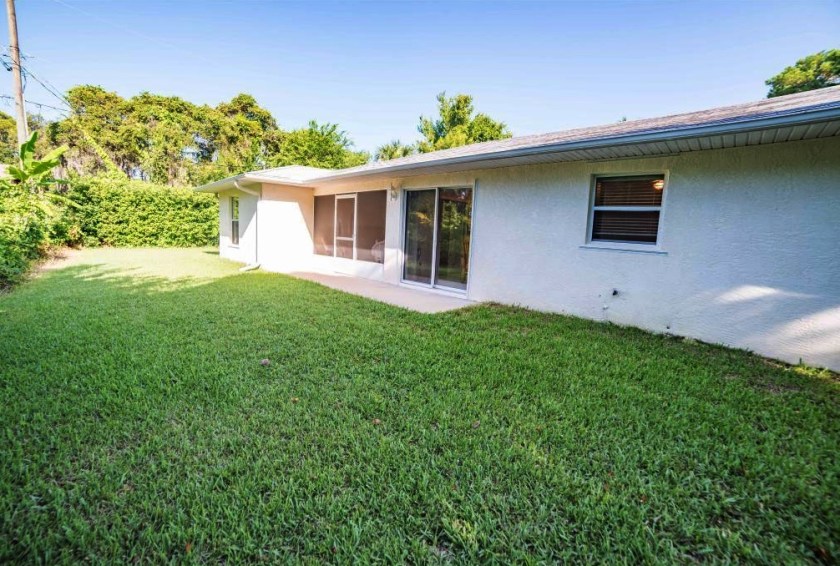
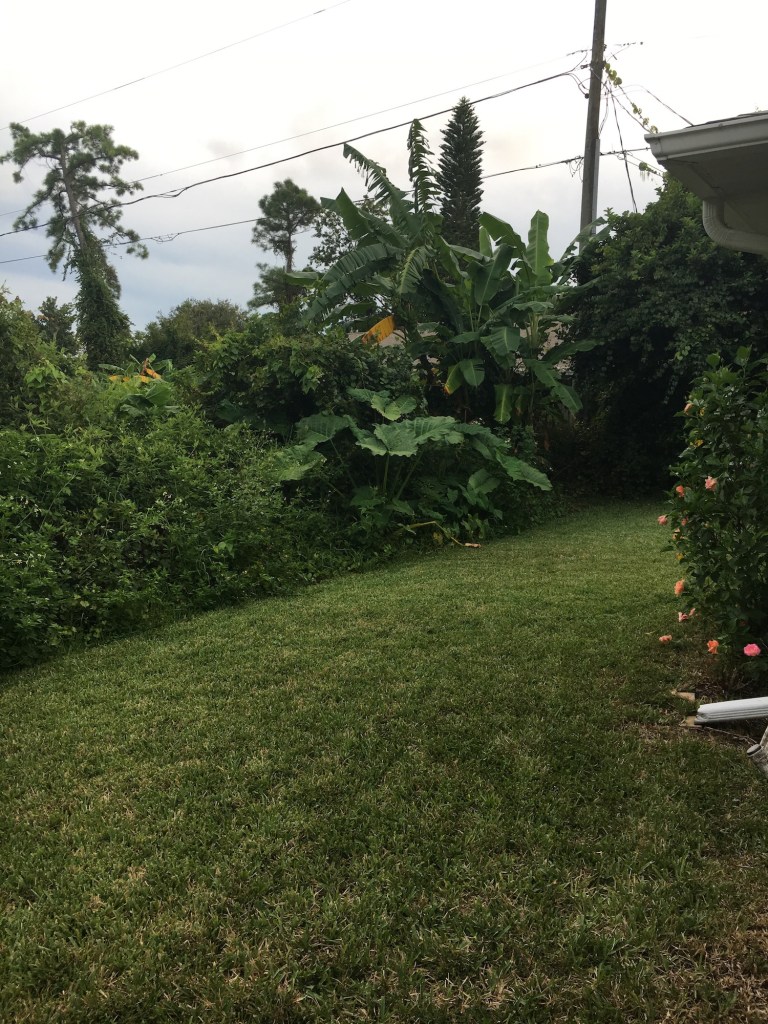
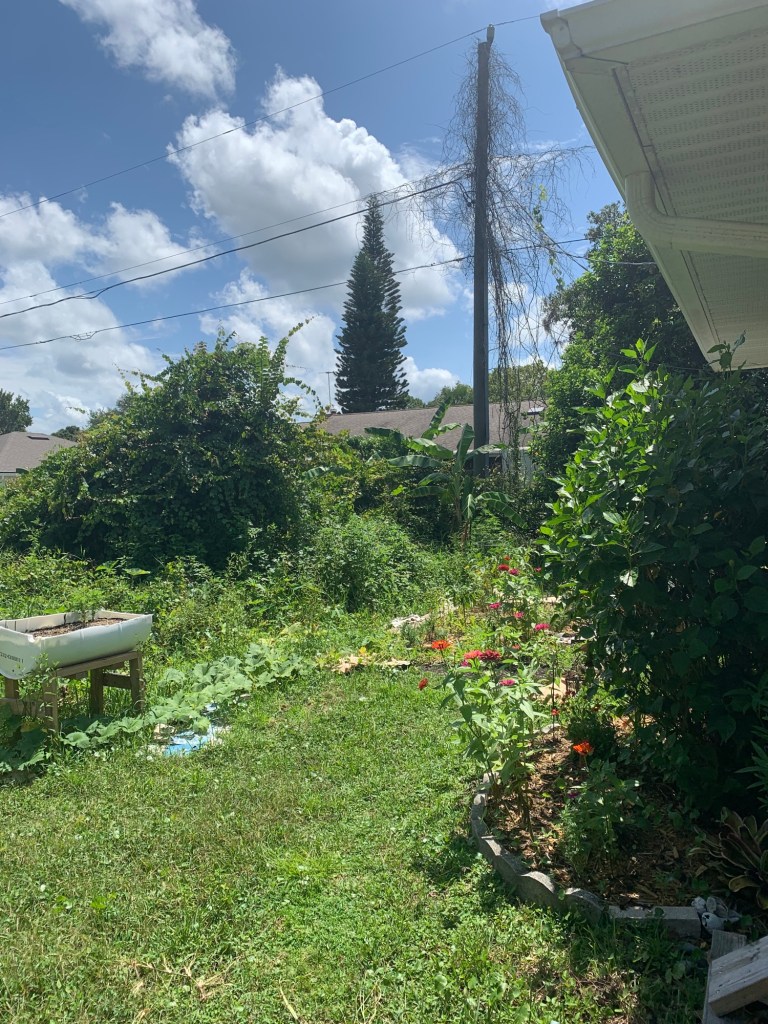
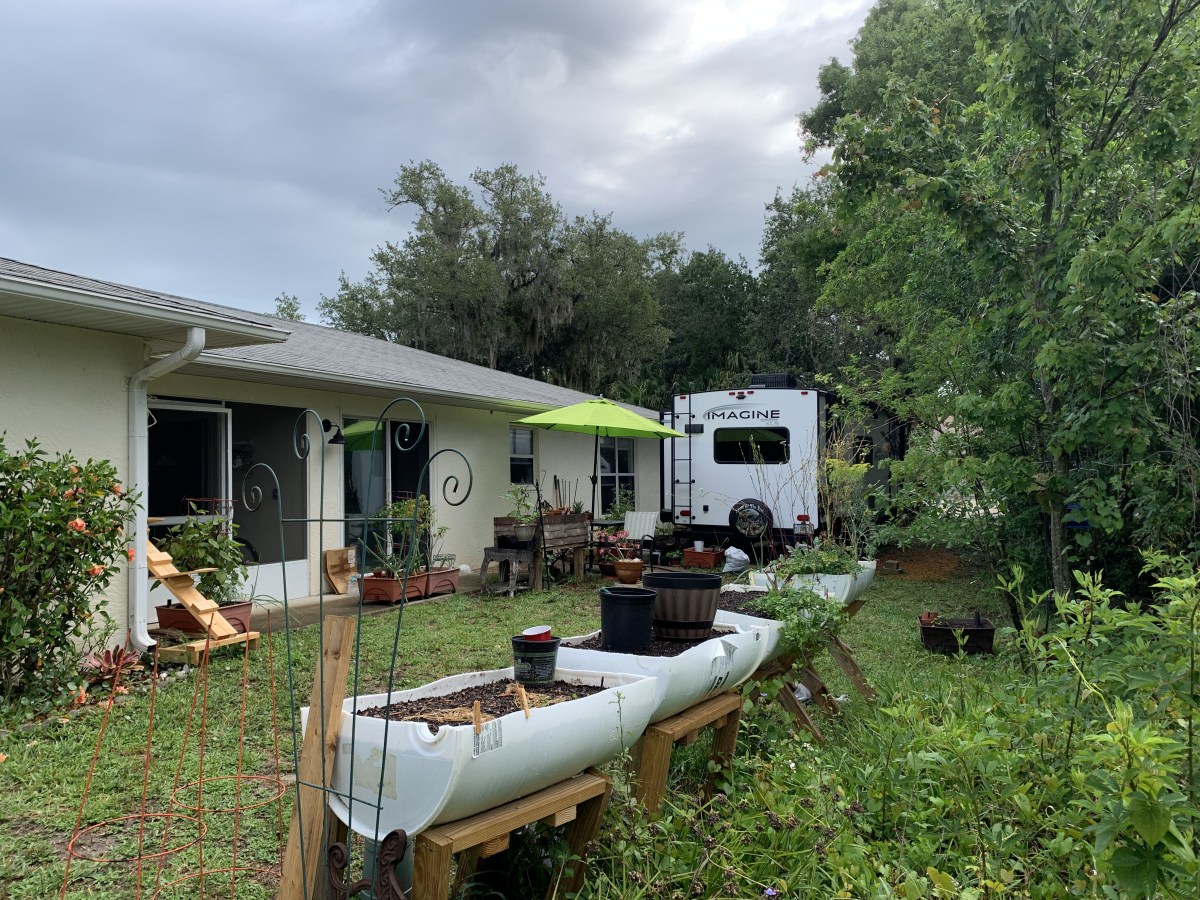
Here’s a photo of the backyard that was posted on the listing, and then nearly 7 years later.
House backyard in 2016
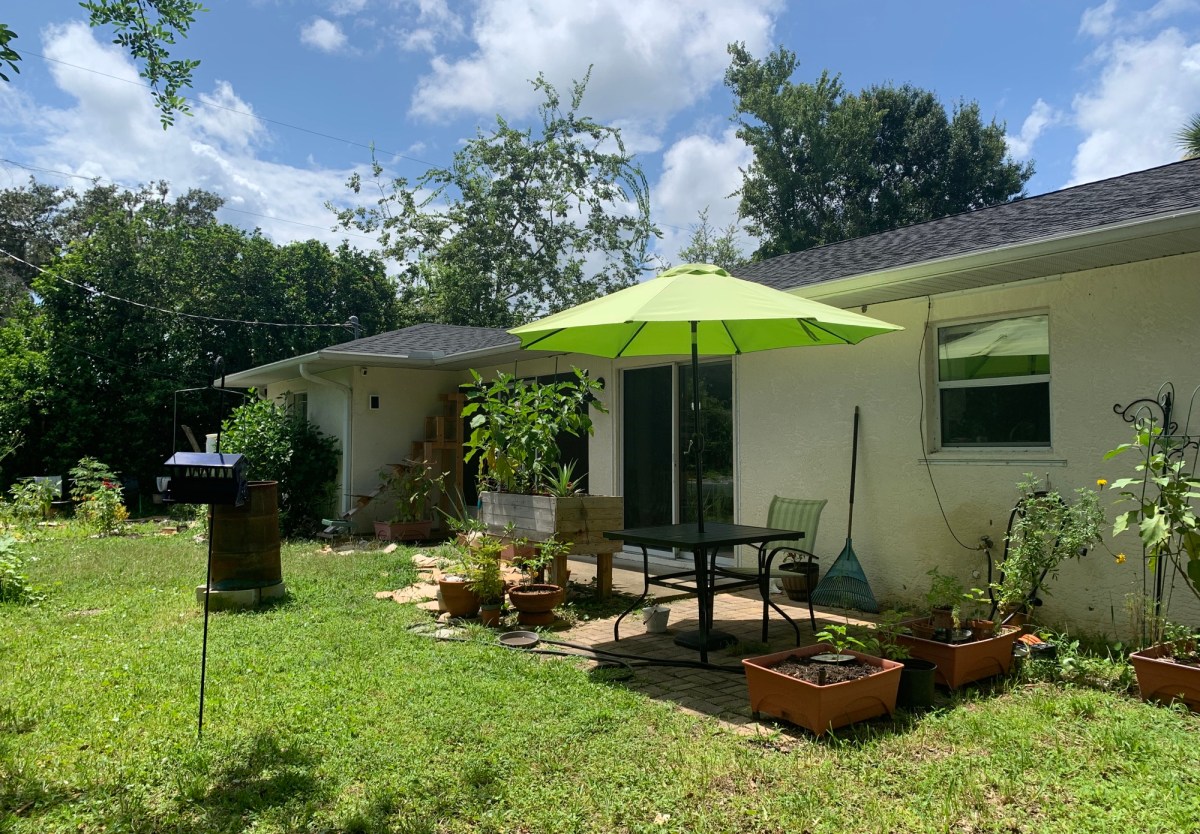
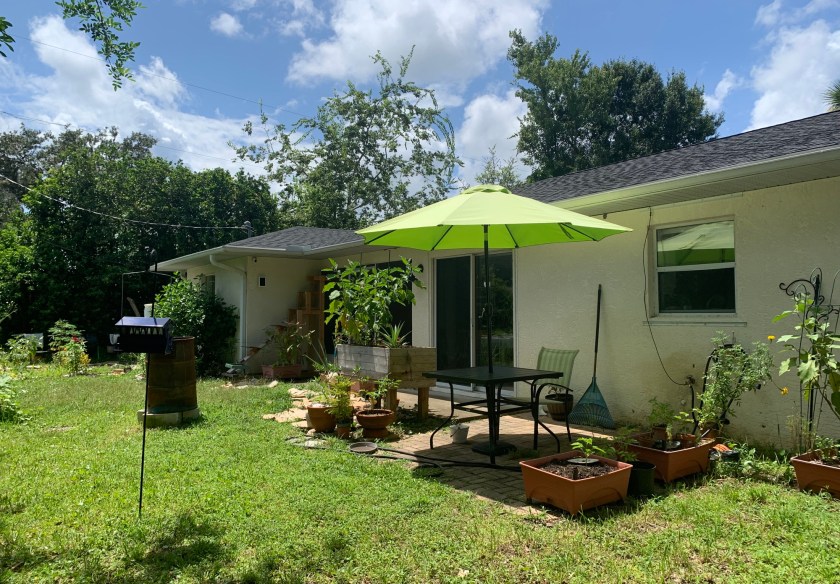
Our backyard, August 2023
Our house sits lengthwise with the garage at the front, so this “backyard” area in the photos is really on the southern side of the house.
This photo from 2018 shows the big banana trees and elephant ear plants in the back corner. Also the yard is mostly grass and not weeds. You can see the hibiscus planted near the house.
Our back corner of the yard looks a bit more open thanks to the numerous hurricanes that have come through since we moved in. The tall pine was taken down when a new house was built.
Yard 2018Yard 2023
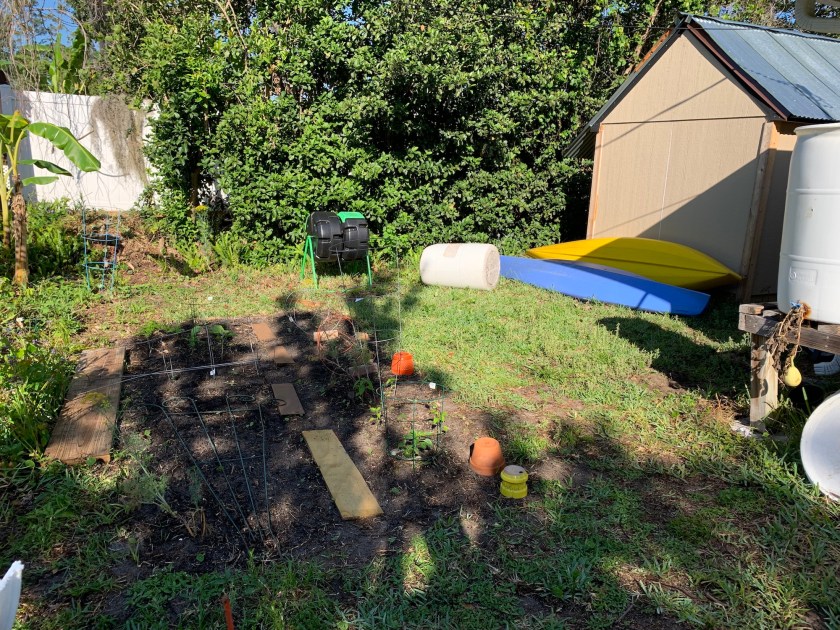
In 2023 I decided to create some gardens and began digging up the grass. I’d been container gardening, but I’ve always believed that plants do better in the ground.
I bought a rototiller and had my son till up a patch of ground. I removed the grass and some pieces of cement that were buried and began to get the dirt ready for growing vegetables.
I have a Hot Frog tumbling composter which I’d been using for about a year to make compost.
2023 -Changing from grass to garden area
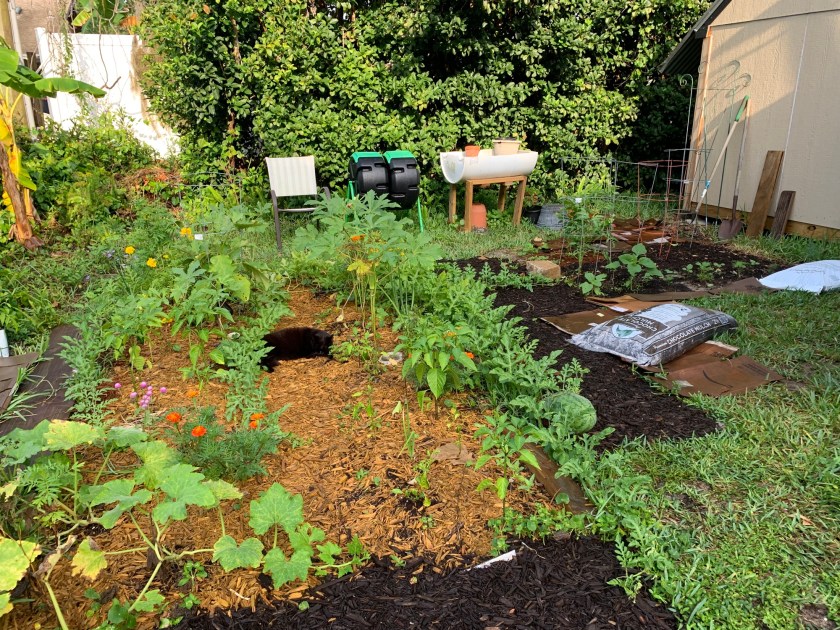
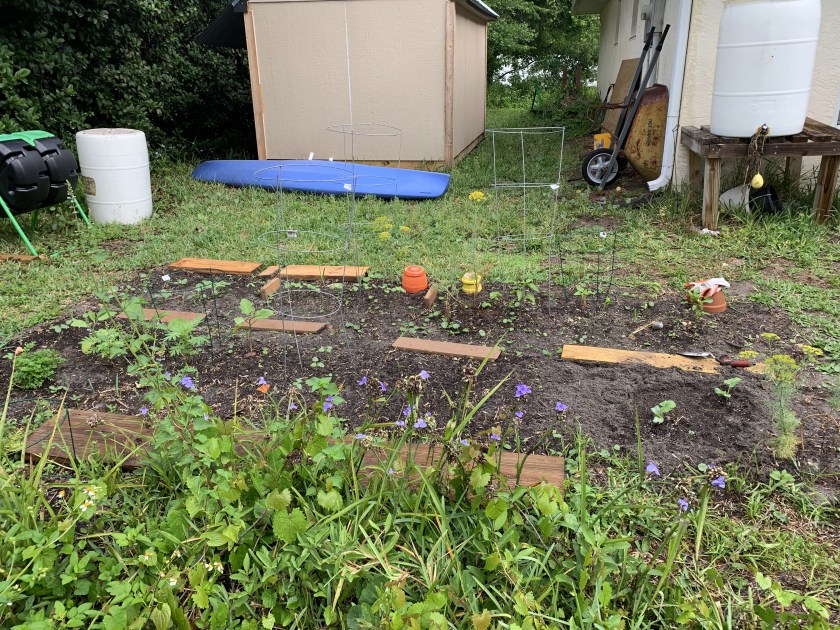
When my watermelon, peppers, okra, pumpkin, and eggplant began growing so well, I expanded to another smaller garden next to the shed. Because it was June, and summer is tough for growing vegetables in Florida, I planted cucumbers (Suyo Long), one tomato plant, and more okra (the rest of the seeds from the packet).
This is also where I planted the blueberry bush I bought at the Farmer’s Market on a whim.
June garden extension
Gardening is an ongoing experiment. There is always something to do and / or see while walking through the garden. Each morning I pull weeds until the mosquitoes find me.
I’m keeping track of what grows well in this summer heat, and am already thinking about Fall planting.
It’s July and gardening in Florida has slowed, but some things are obvious wins and some are fails.
My first time seriously trying to grow vegetables and annuals through a Florida summer. I’ve purchase plants and seeds, and transplanted seedlings. A lot of work has gone into my garden area. Some things have done very well, and others are fails and best to be forgotten!
Some things I am still up in the air about.
First, The Wins
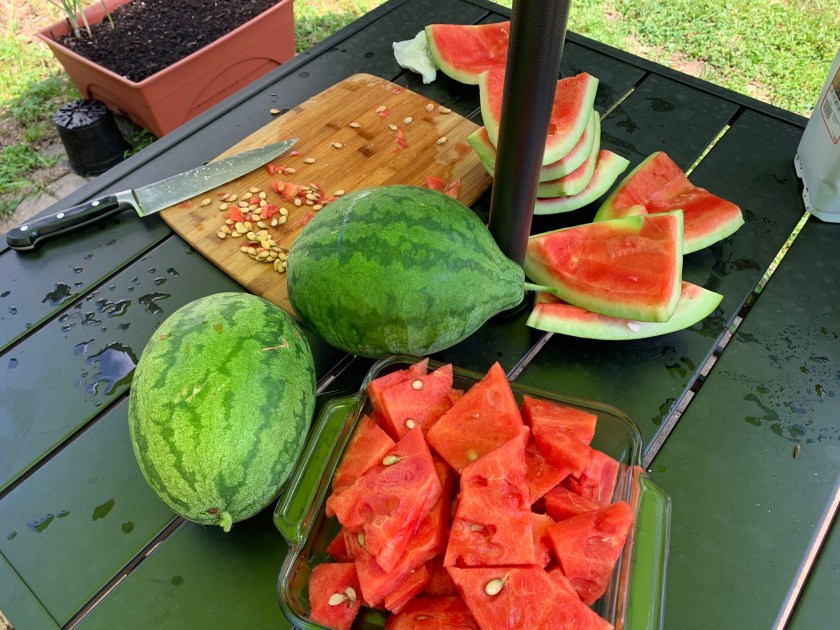
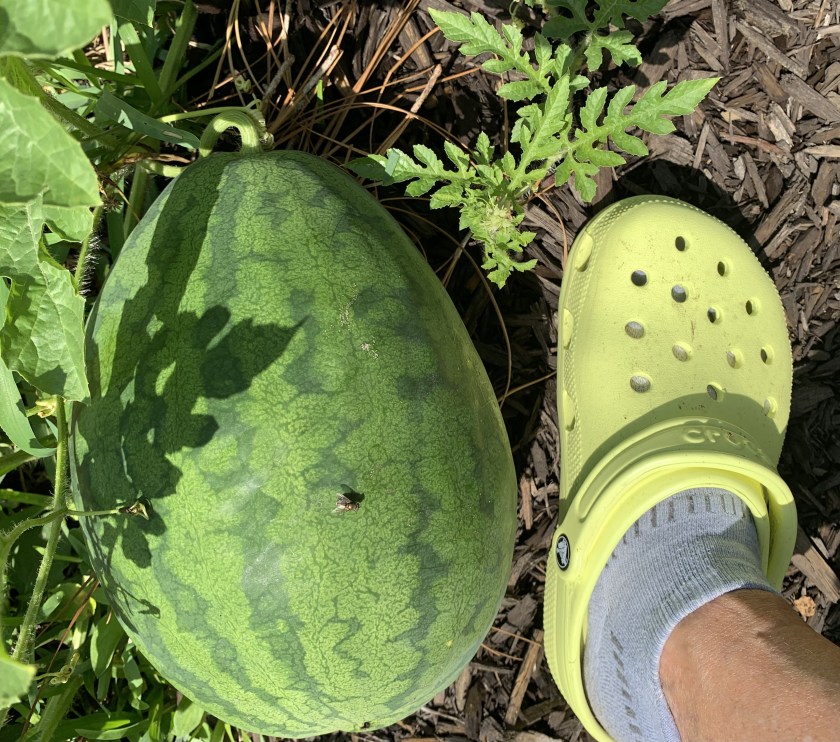
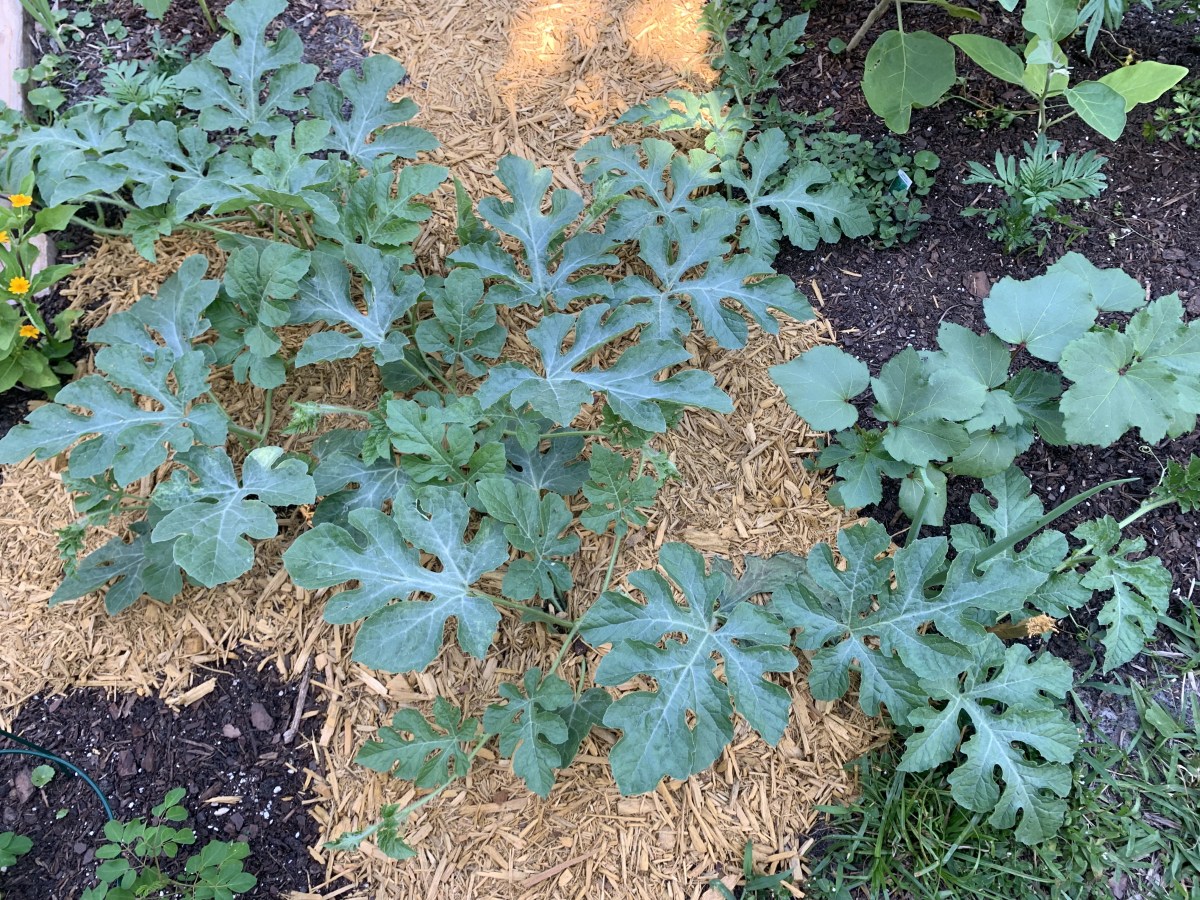
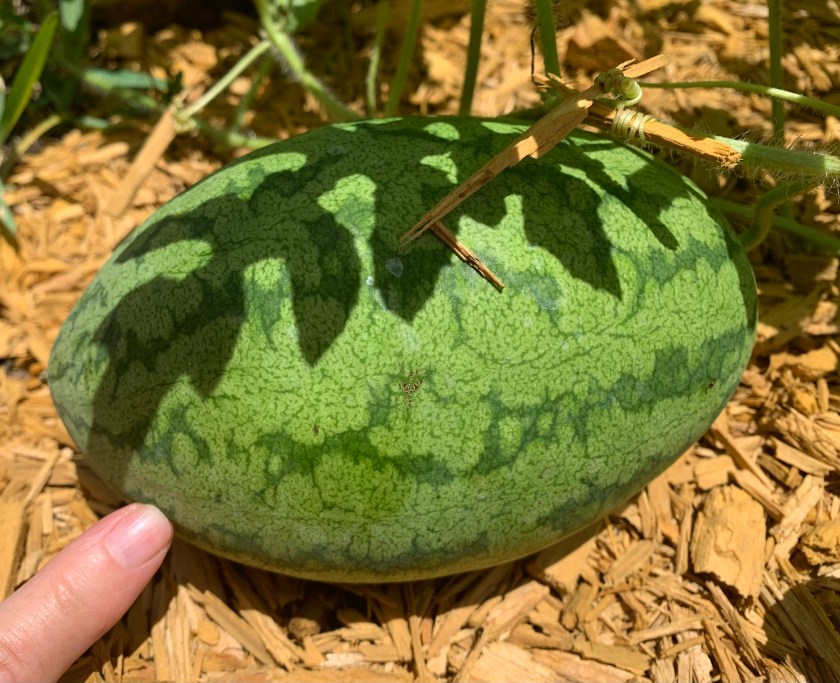
Watermelon is at the top of my list for wins. I have harvested three, edible melons. They grew from direct planting and I would have had four, except that the raccoons got one. The vines had no problems, even though I wished I’d had more space for them. These were Strawberry Watermelons which are good for growing in southern locations.
Watermelon
I picked the melons the end of June, and now, mid-July, I have another tiny melon on one of the old vines. Also, new vines are sprouting from the original, so I’ll see what happens.
Garden watermelon
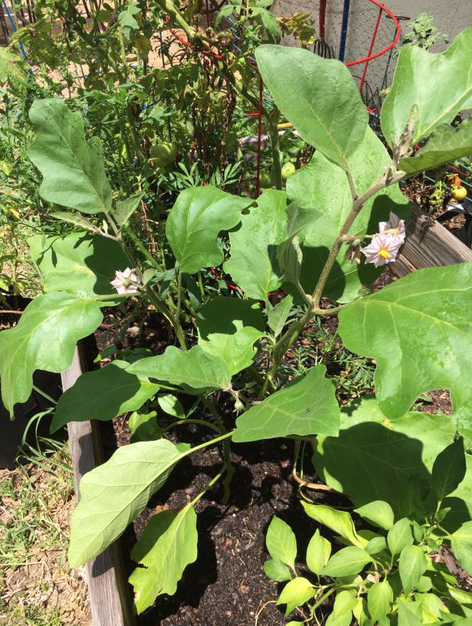
Eggplant
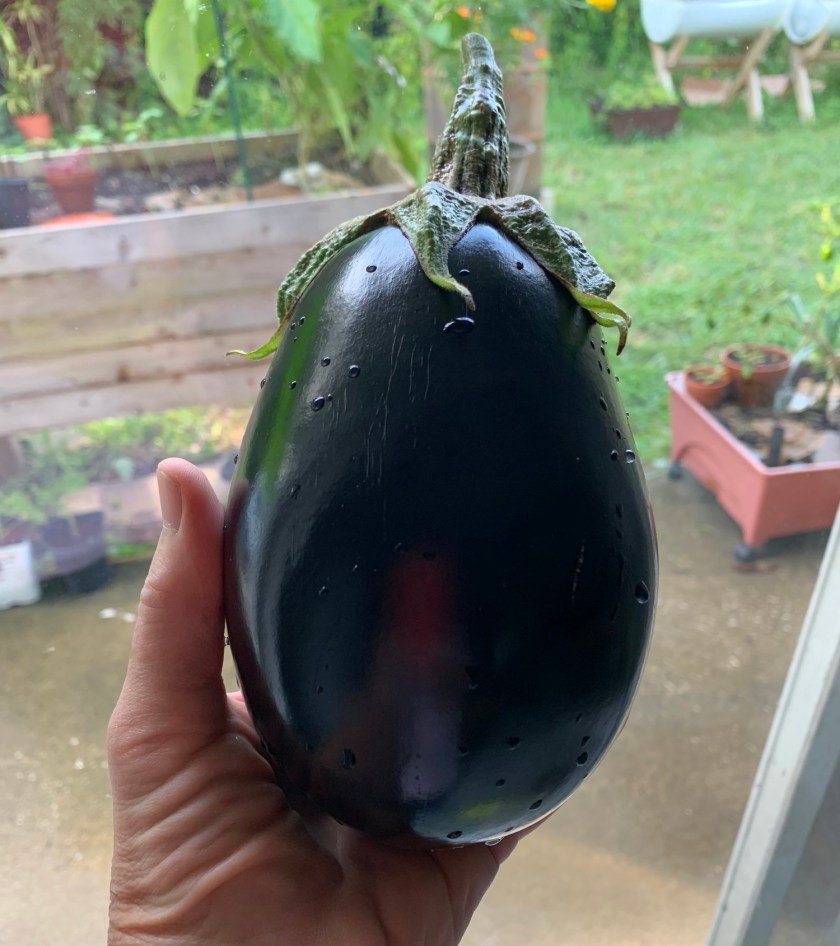
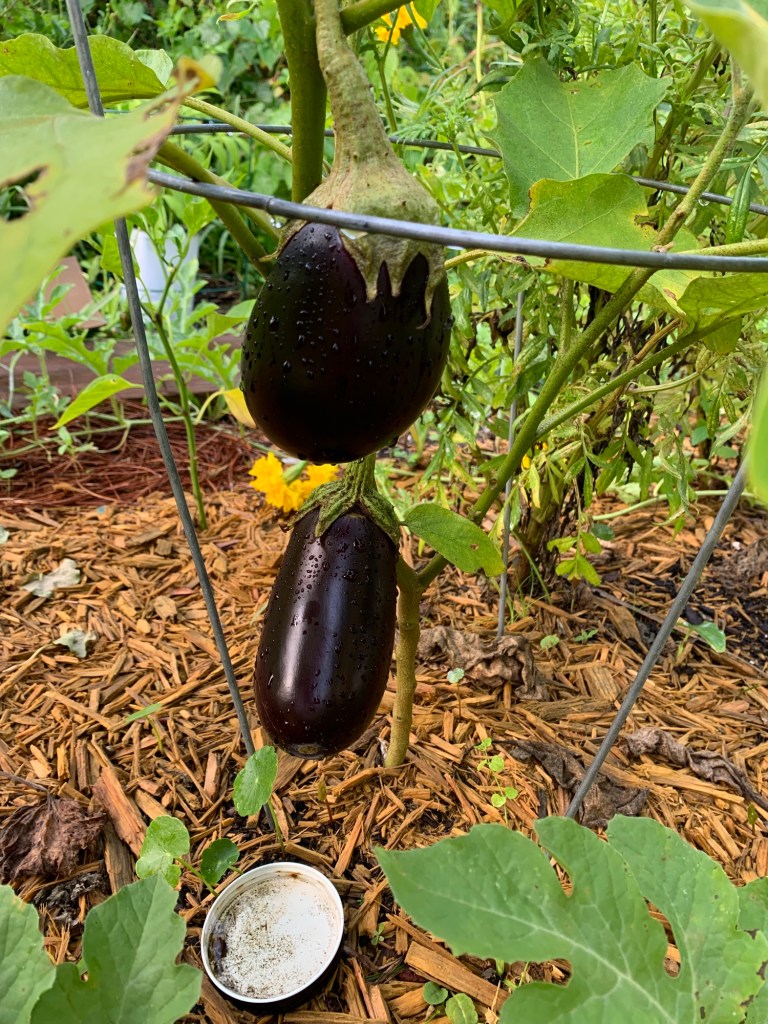
I’ve grown eggplant for a few years now. I had one plant that grew and grew and seldom ever gave me eggplants to eat! Eventually I cut it down. Now I have about five plants growing in various locations and have been eating eggplant regularly.
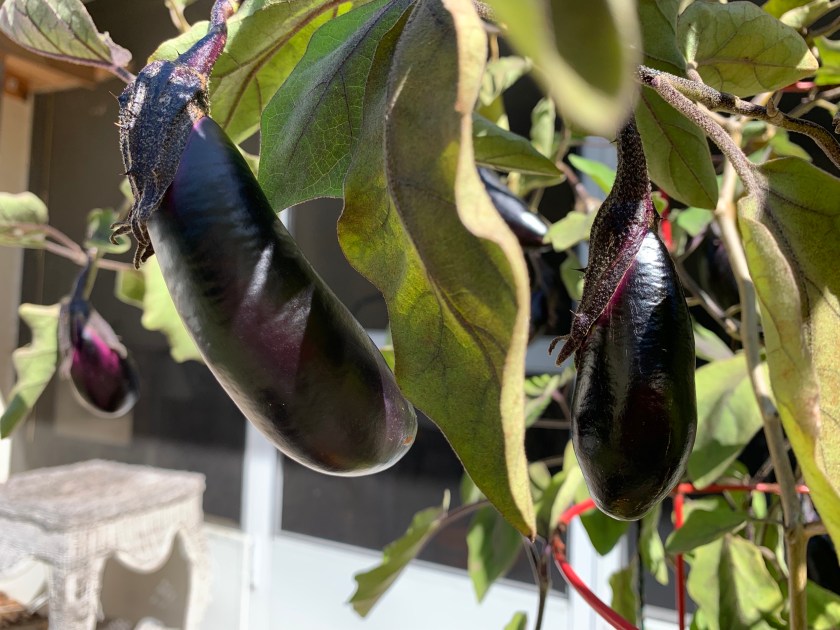
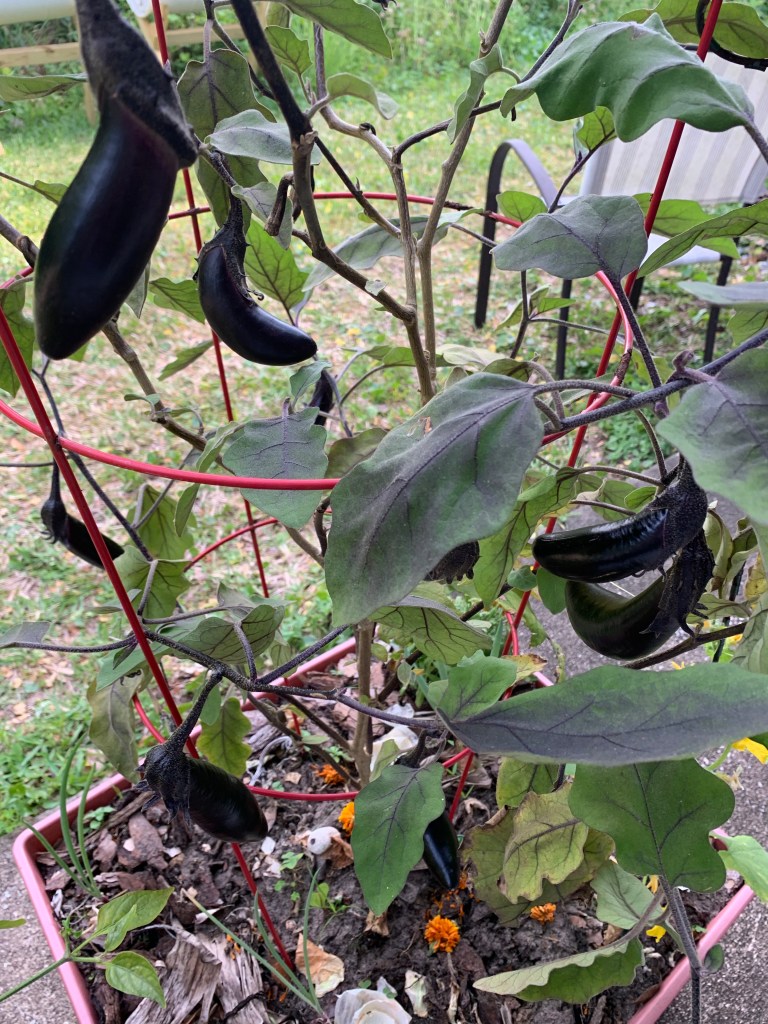
The small, Japanese eggplants are eaten fried in a pan. The larger eggplants are usually baked. *By the end of July, eggplants have pretty much stopped producing.
Eggplants
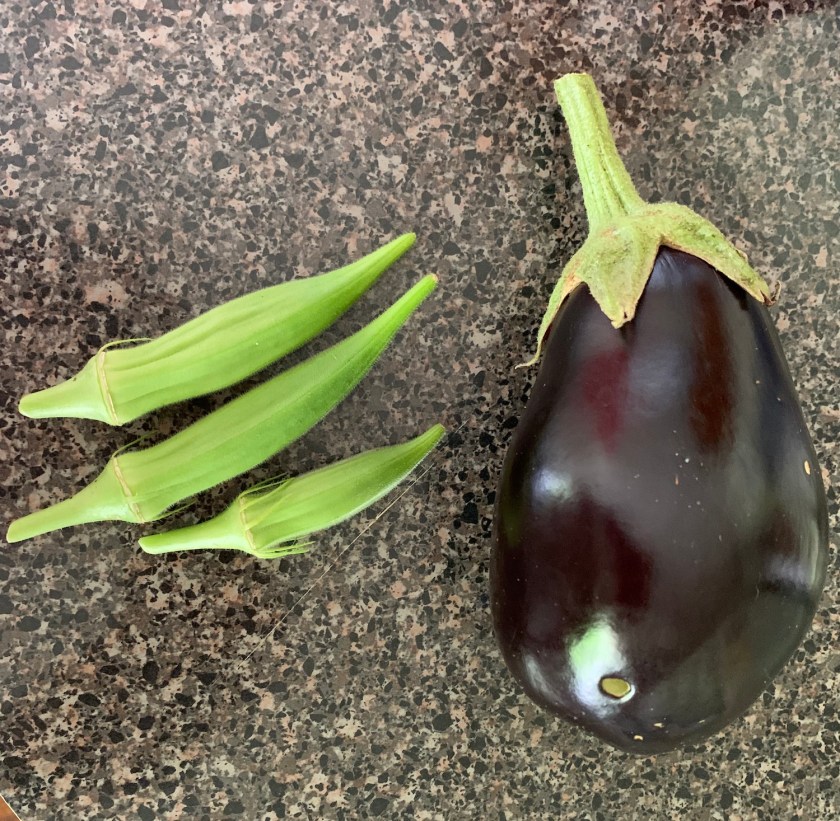
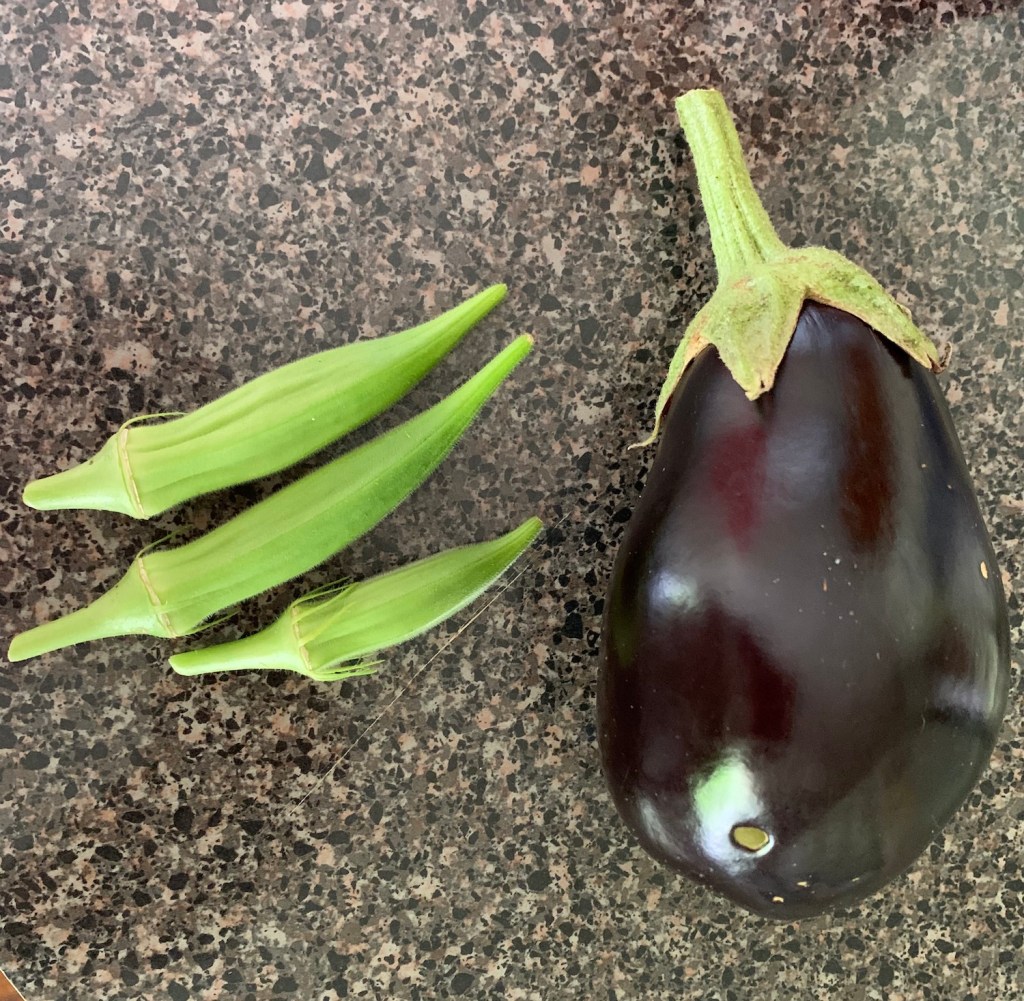
Okra and eggplant
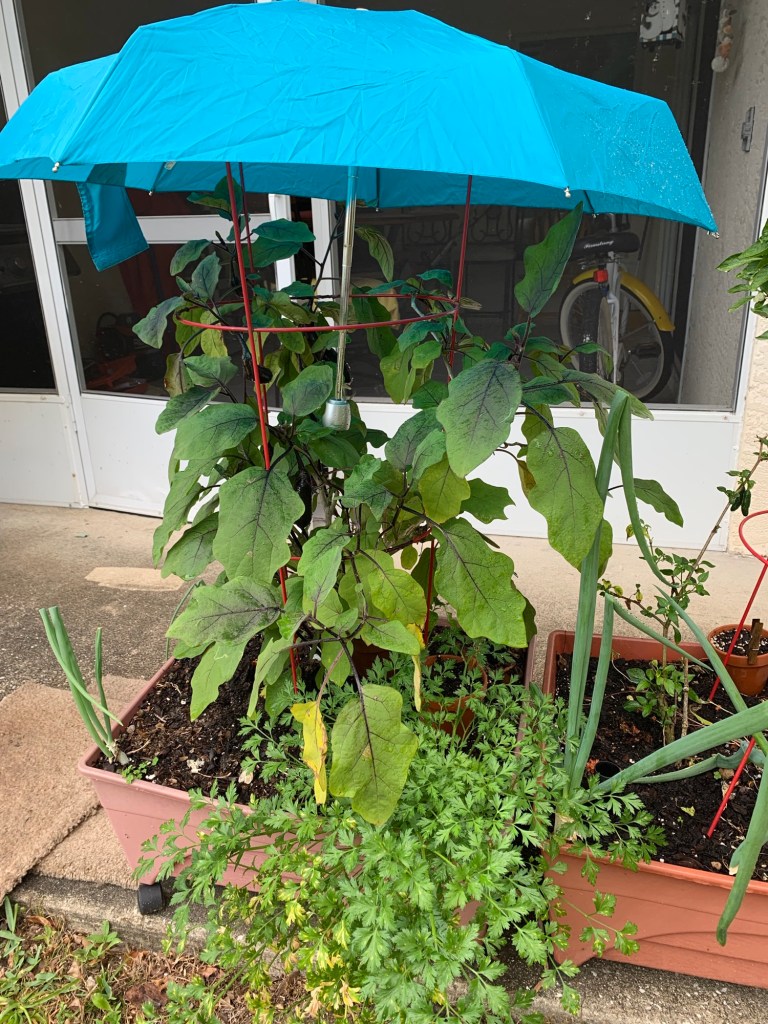
Shade for the eggplant
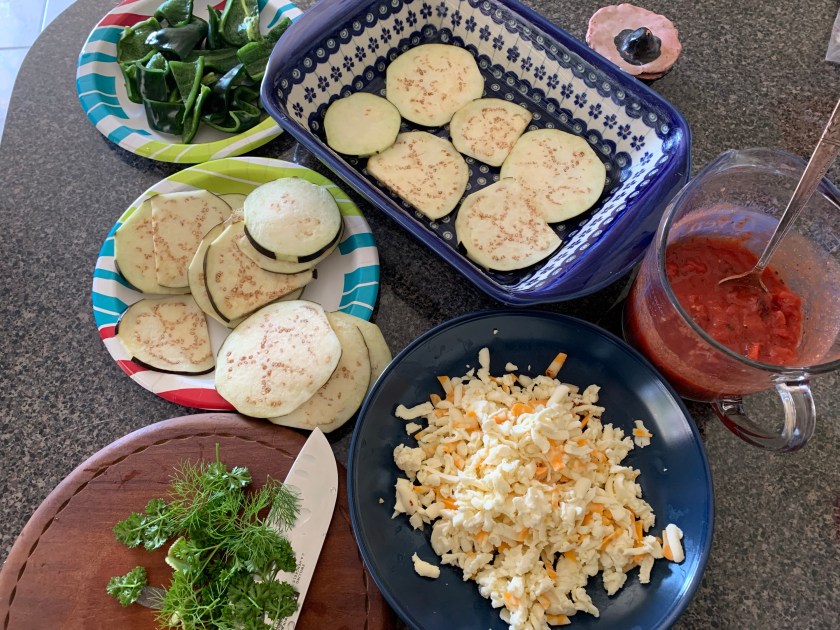
Layering the casserole
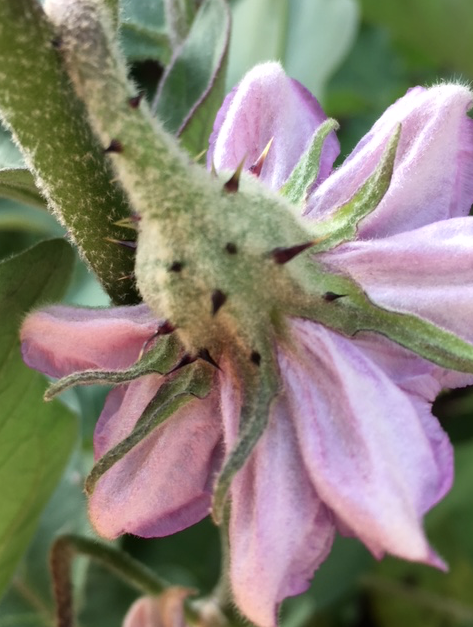
Spikes on eggplant flower
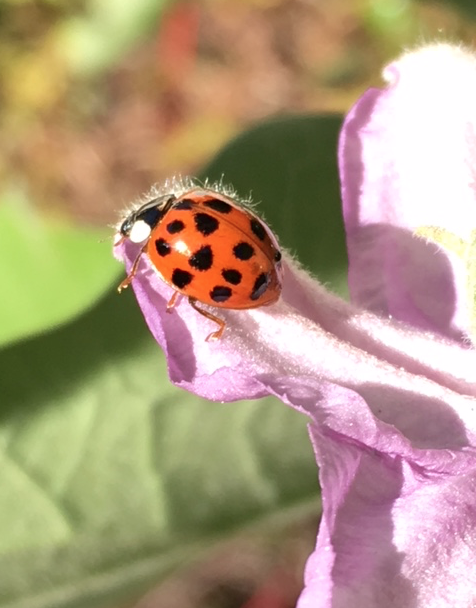
Lady Bug on Eggplant Flower
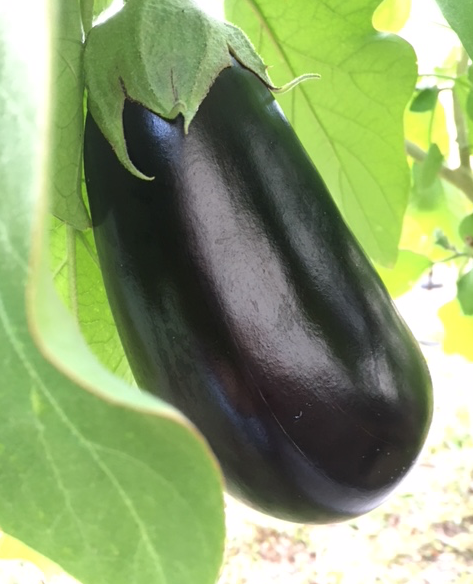
My eggplant!
Eggplant
Okra
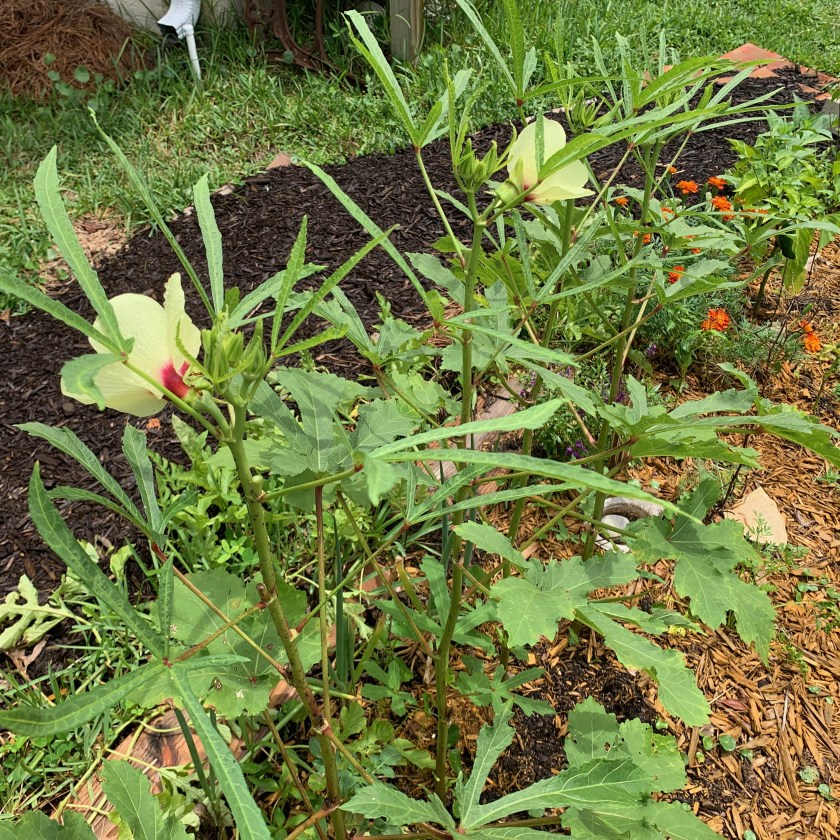
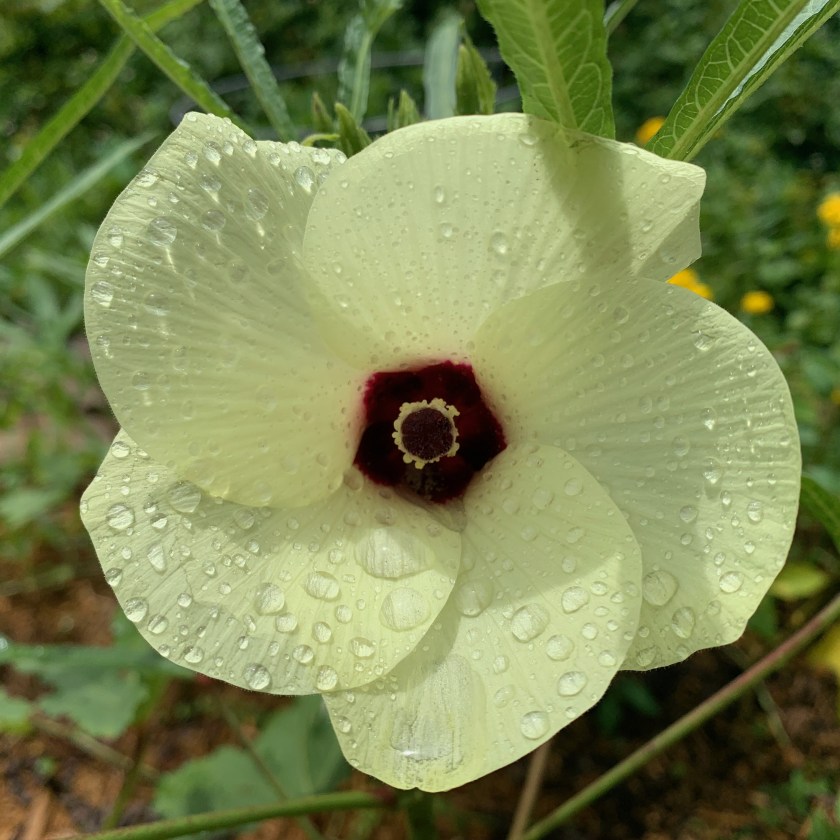
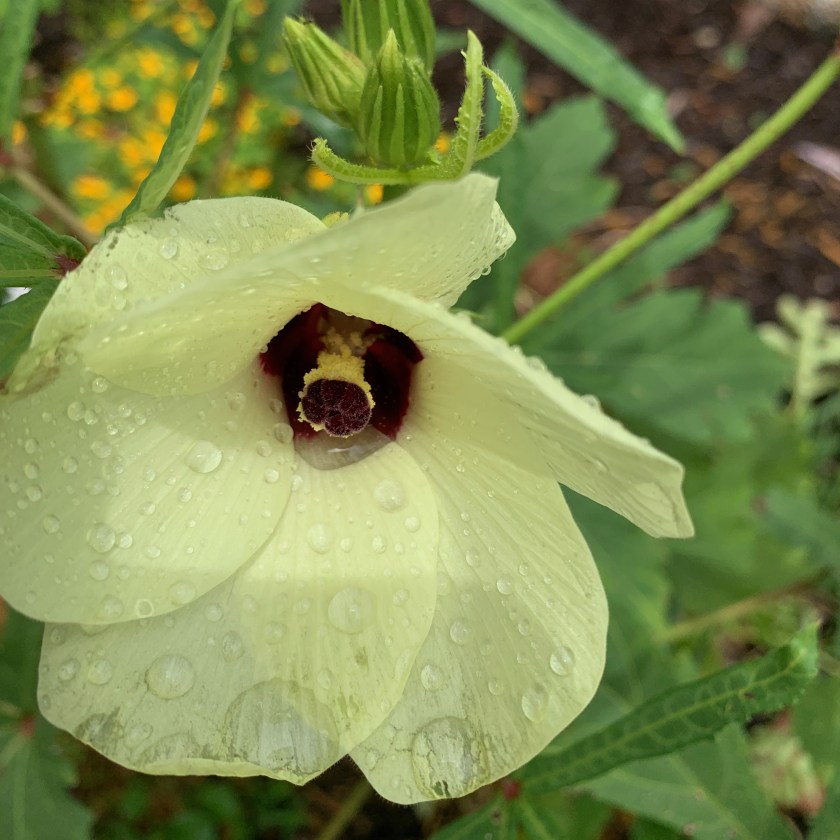
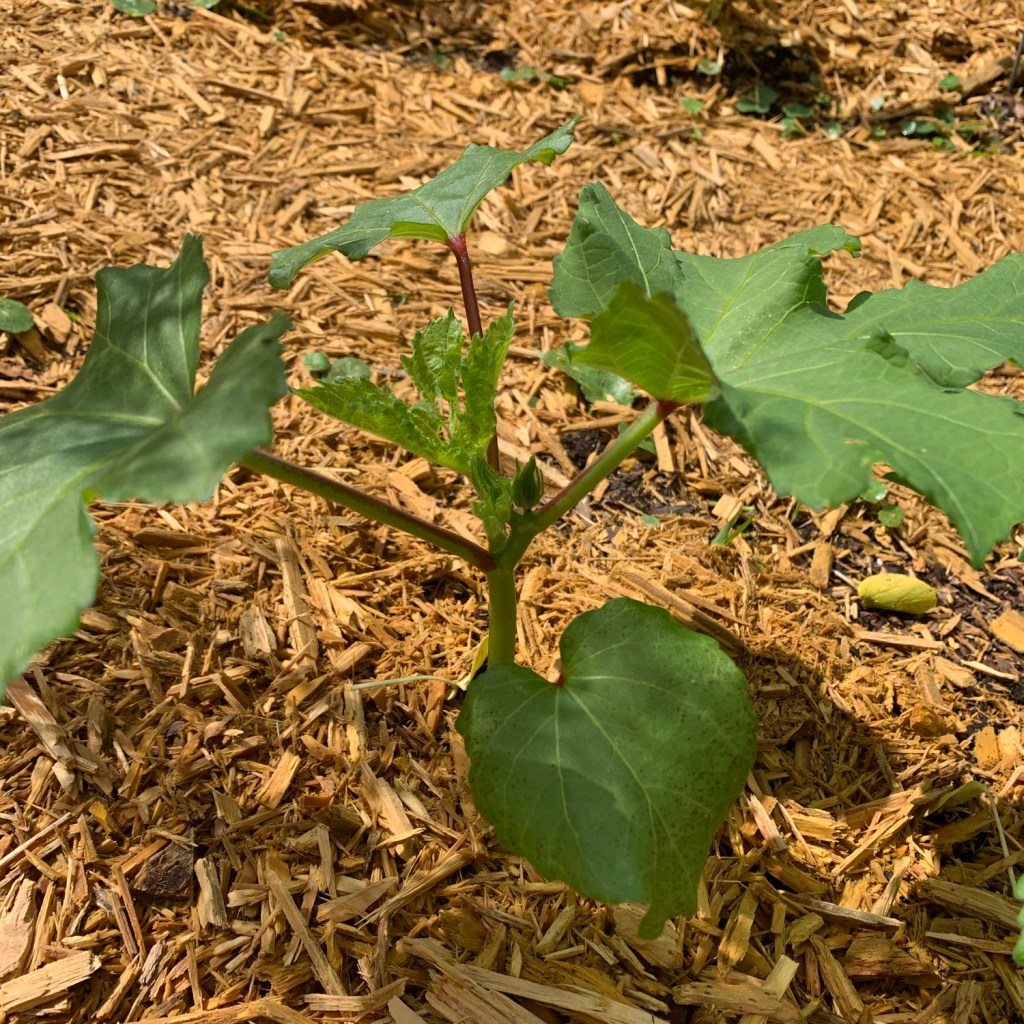
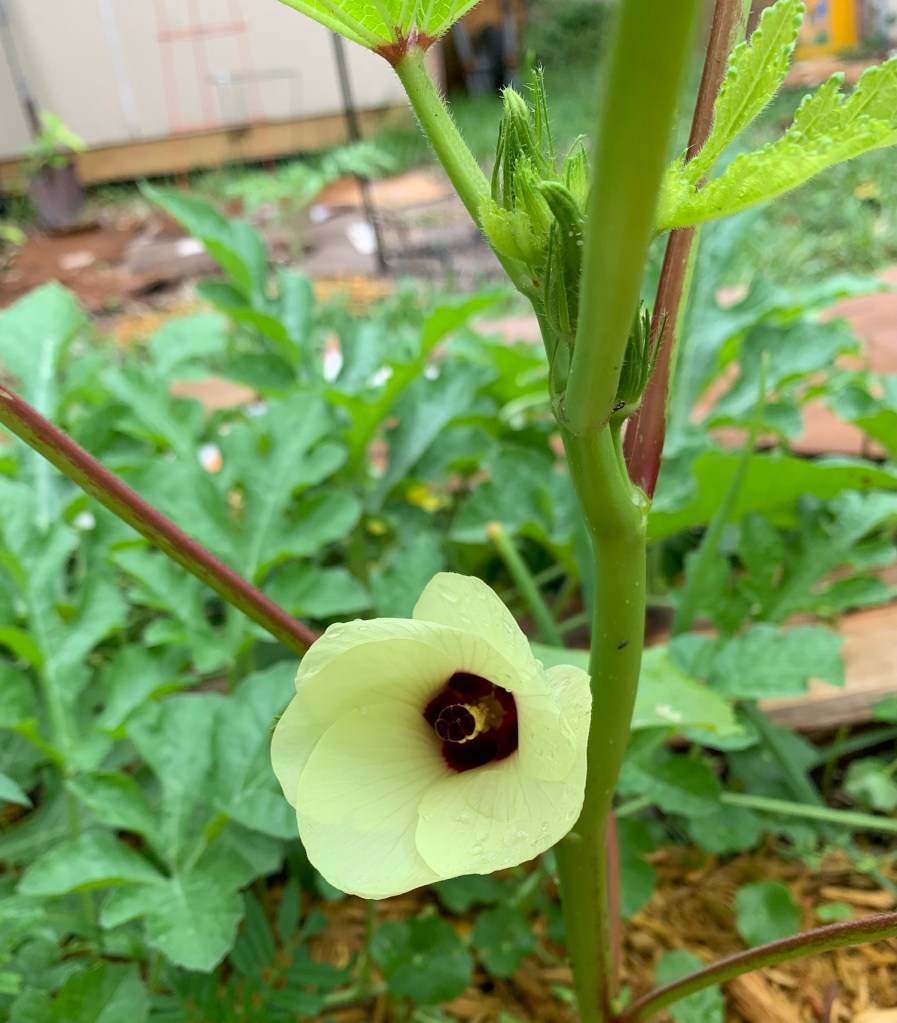
I planted okra seeds into the garden and then thinned them once they began to grow. They grew fast, have had no problems, and are hardy. The flowers are very pretty, but don’t seem to attract butterflies or bees. The problem is, I’ve discovered I don’t really like okra!
I was picking a few okras a day and slicing them to fry and eat with lunch. But the slimy, sticky okra just turns me off.🤮. I want to grow food I like, and I don’t like okra. I’ve begun cutting the plants down to add to the composter. But, I’m letting a few okra pods get big and dry out for seeds. A friend wants them.
Okra plants
Okra flower
Okra and eggplant
Moringa Trees Looking Good
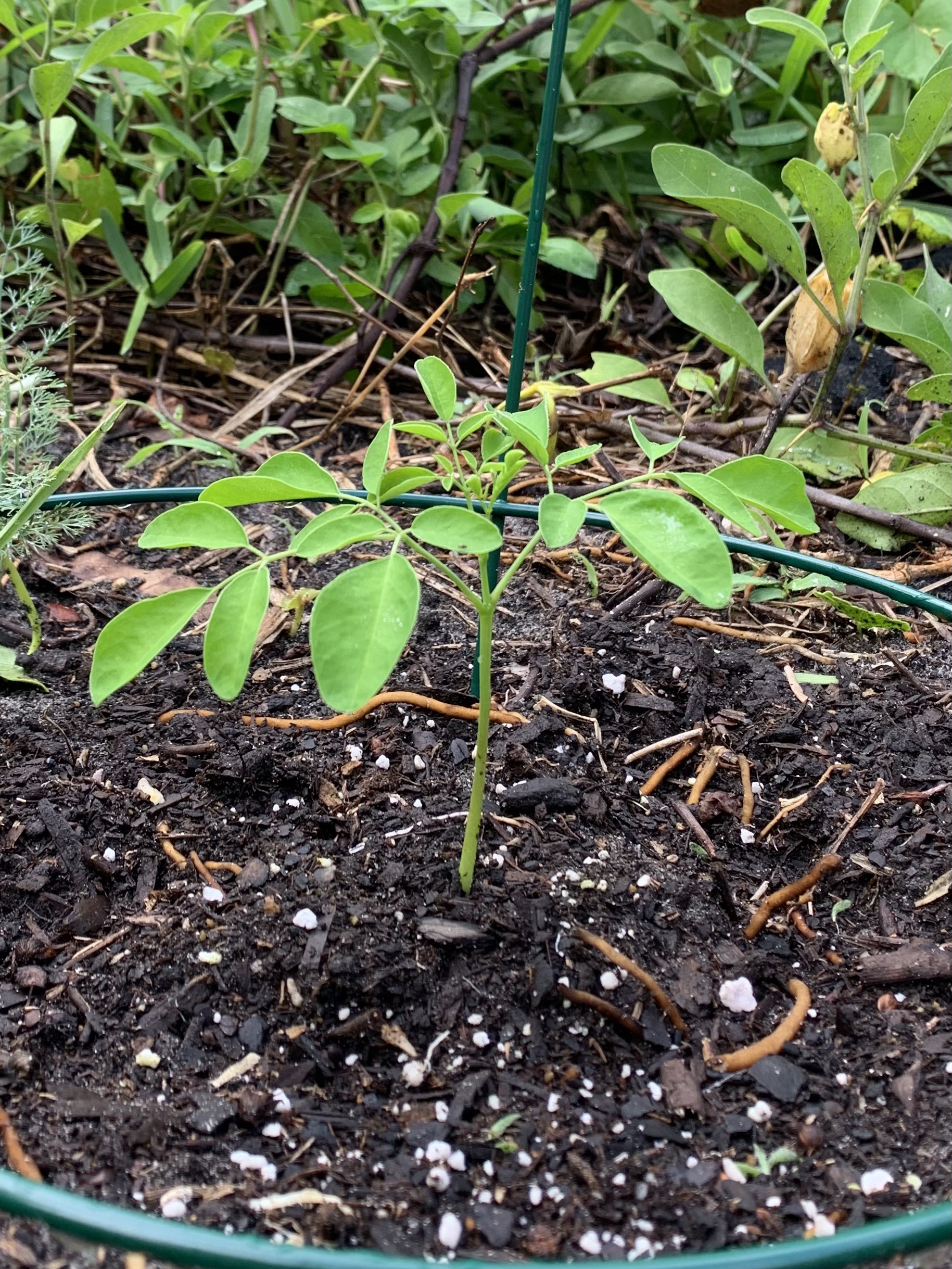
Two Moringa trees grown from seed are planted in the back corner of the garden and look good. I love their lacy leaves.
The Moringa is growing well
Flowering plants – Good and Bad
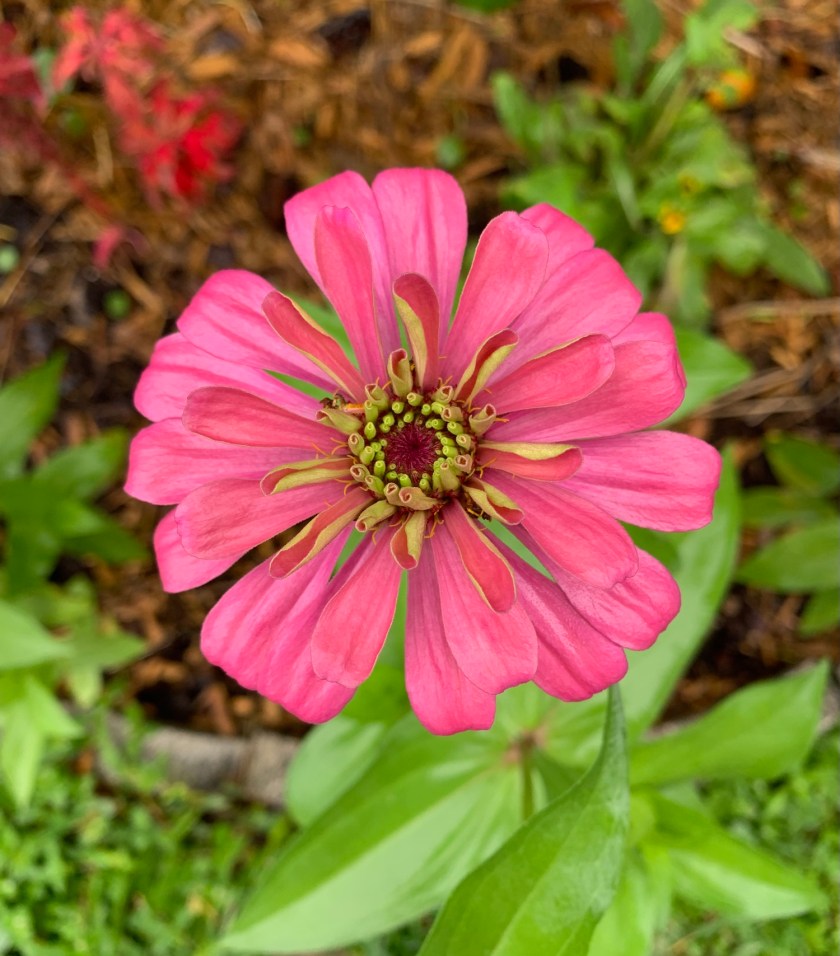
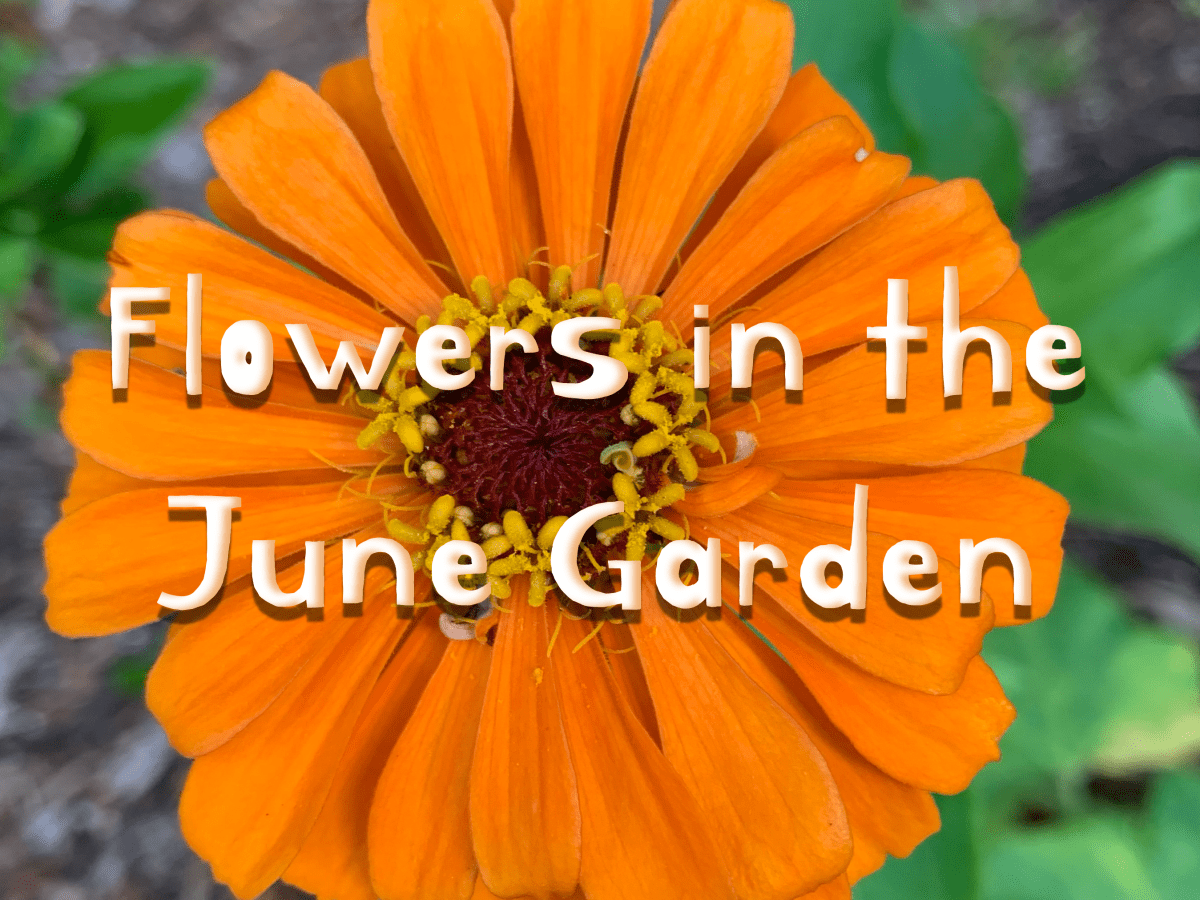
Zinnia
New cosmos from original yellow
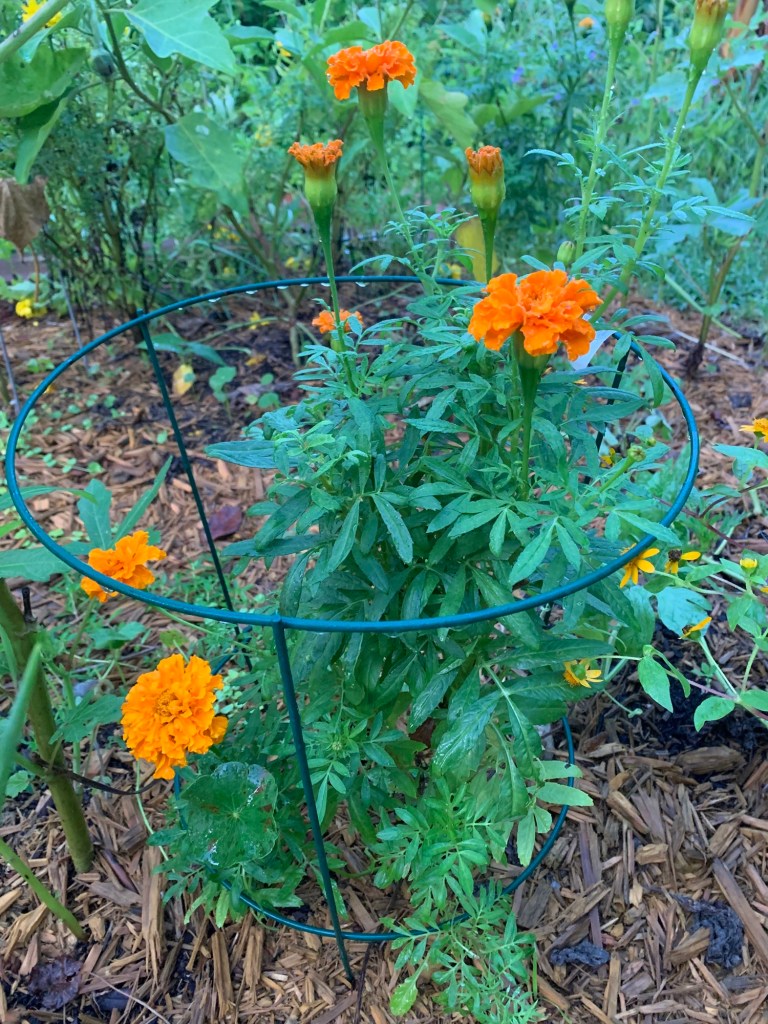
New to the yard this year are the yellow cosmos, zinnias, Rudbeckia, Gaillardia, seashell cosmos, nasturtiums, and Amaranth. Marigolds also grew again, and they are always dependable, but *did begin to fall over and split by July.
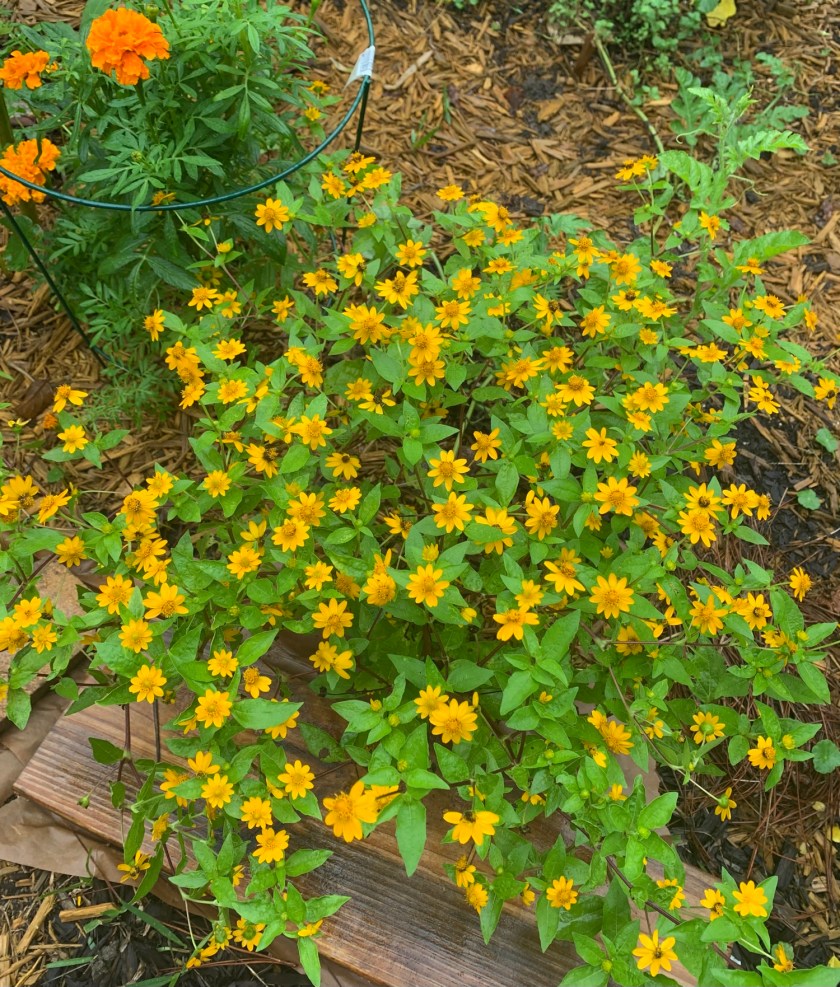
Melapodium
A delightful reader of this blog was kind enough to tell me the name of the yellow-flowering plant above. It is a Melapodium, and it grows well in hot climates.
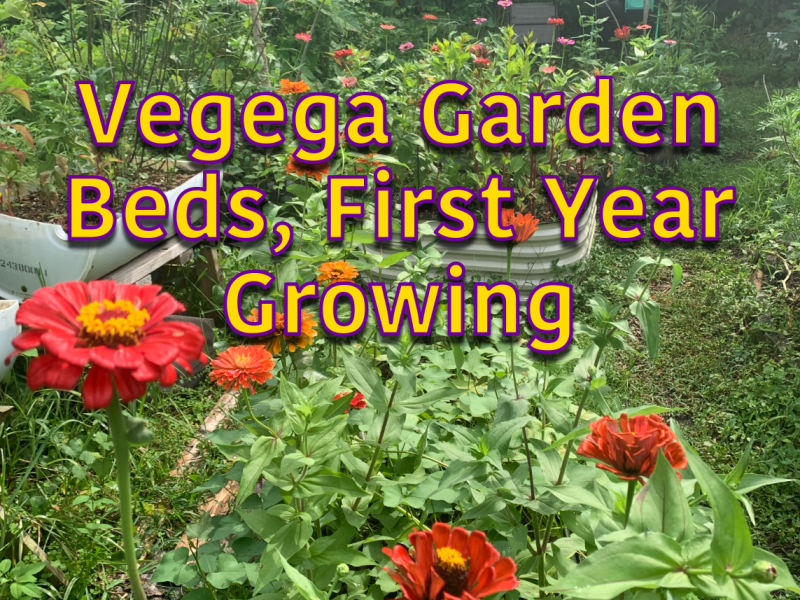
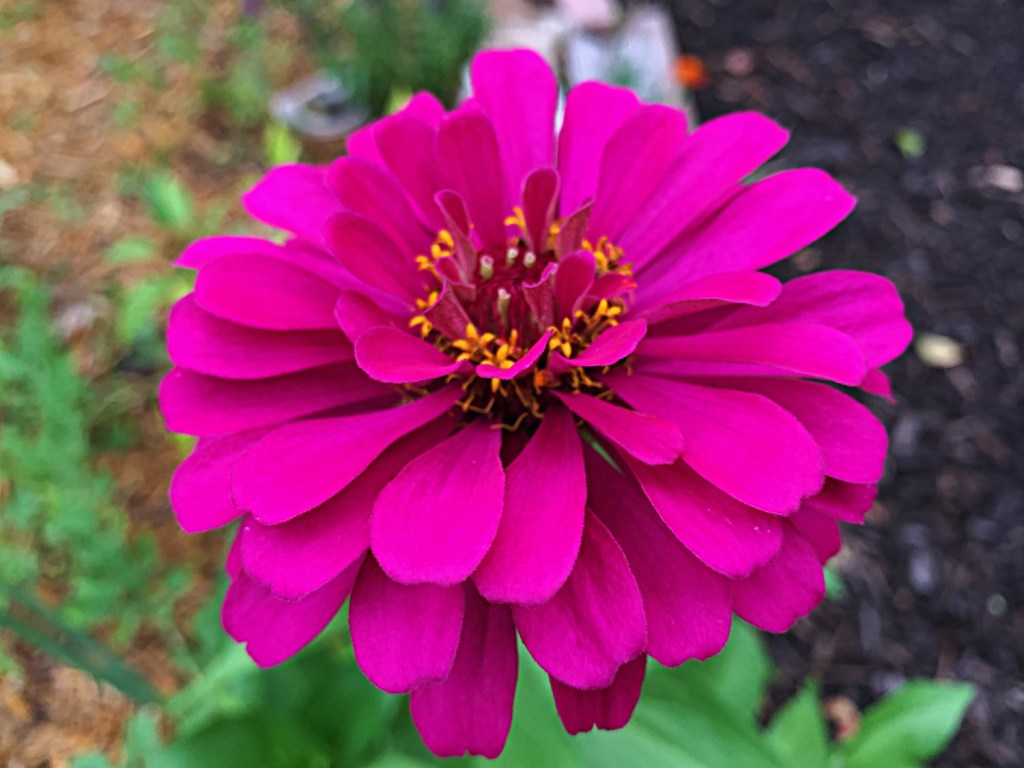
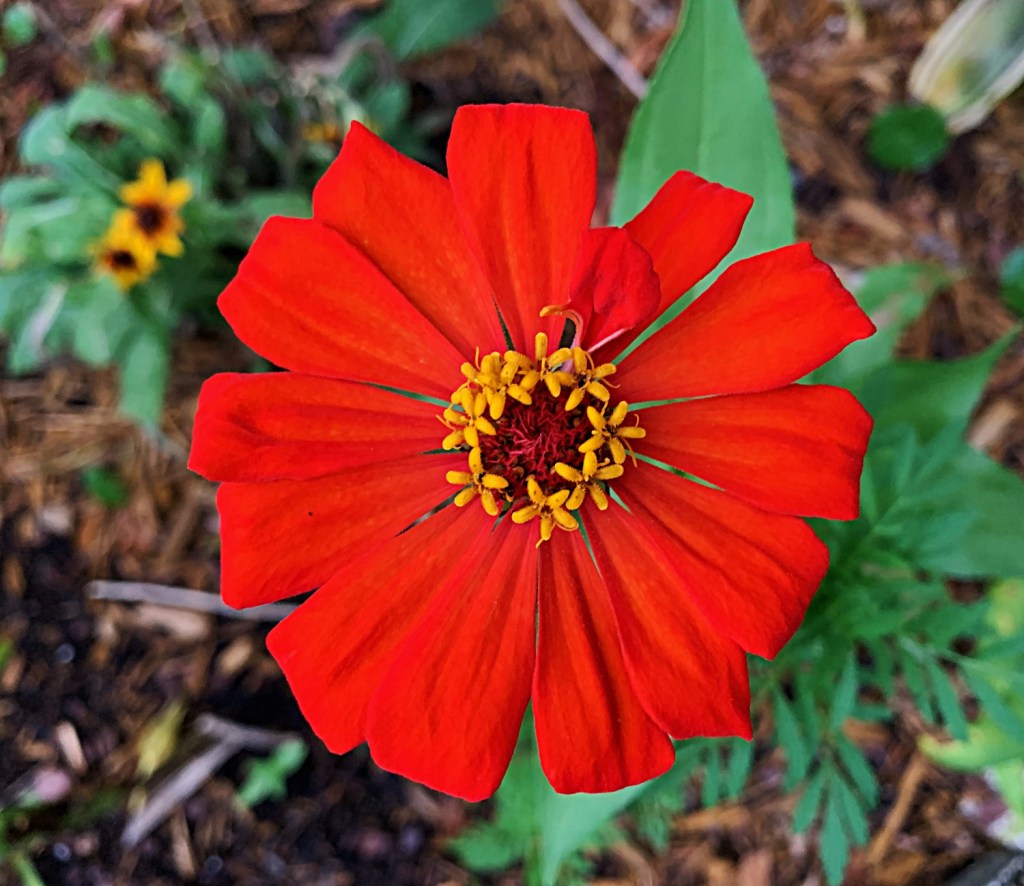
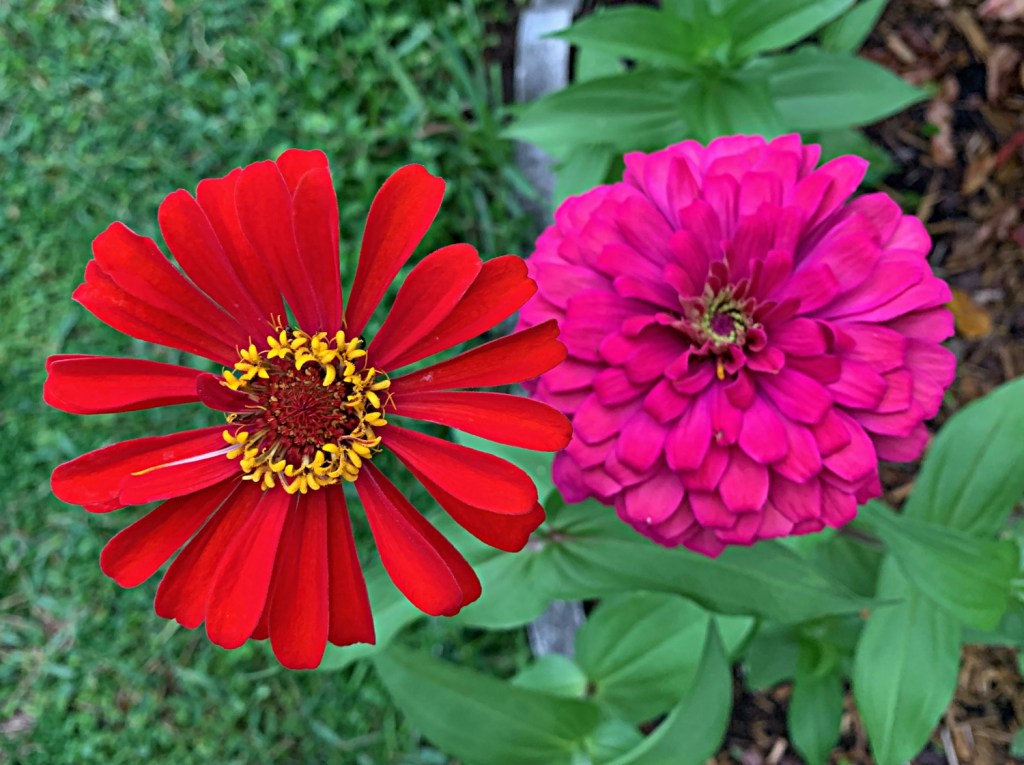
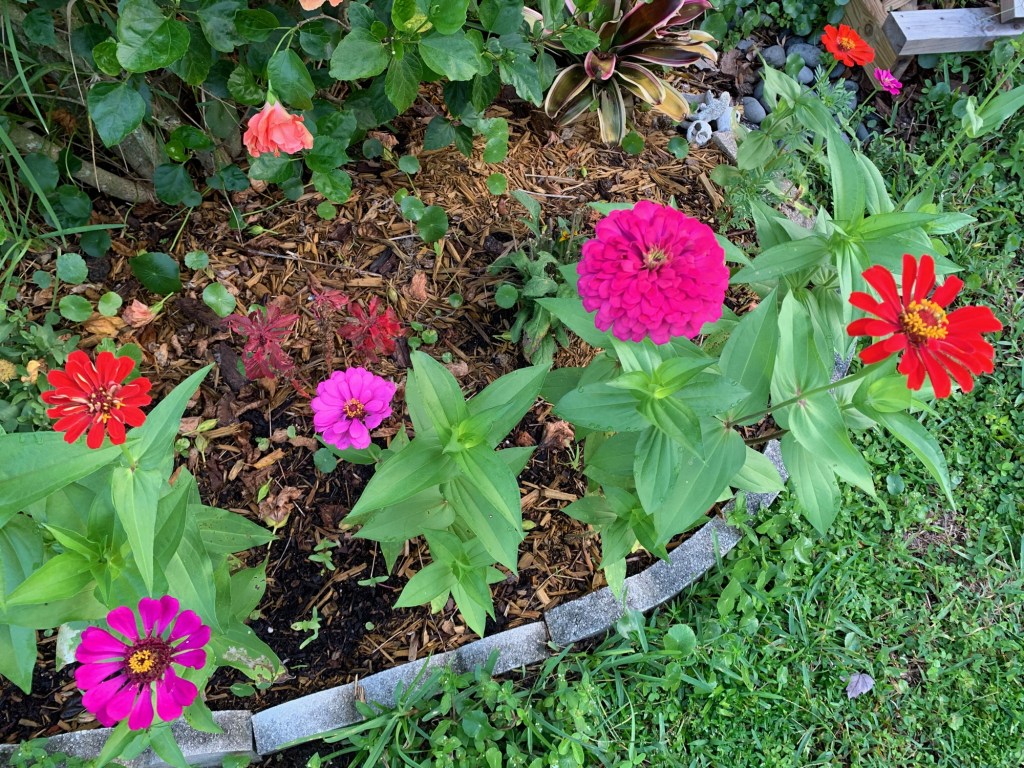
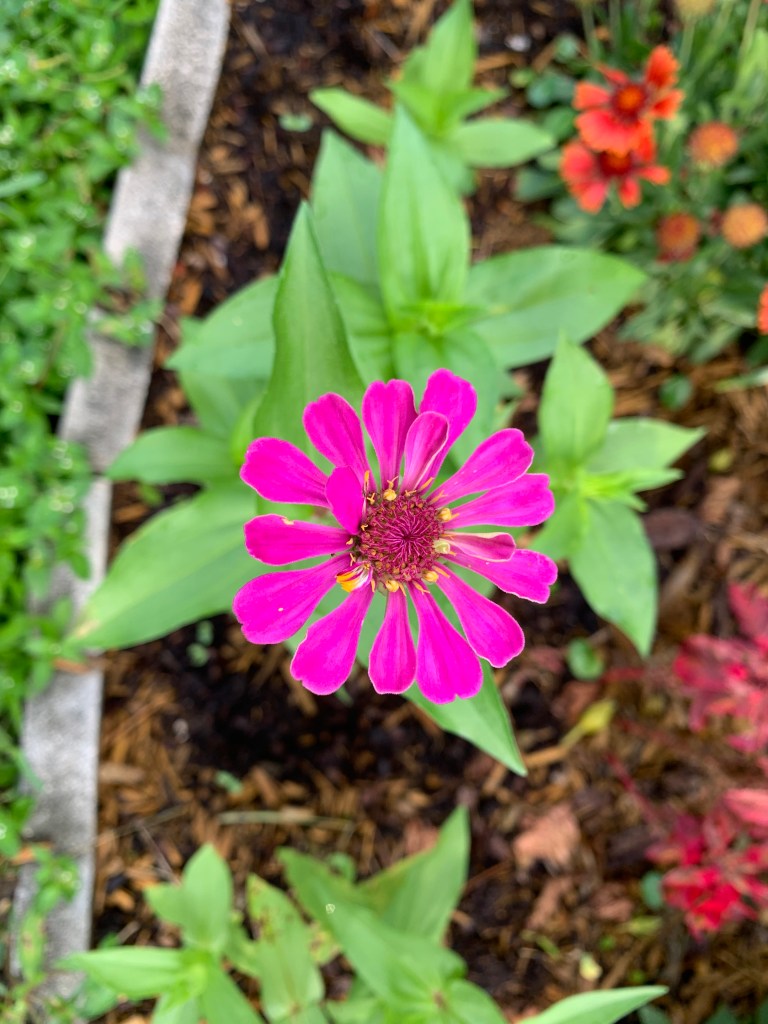
Of all of these flowers, the Zinnias are an absolute win.
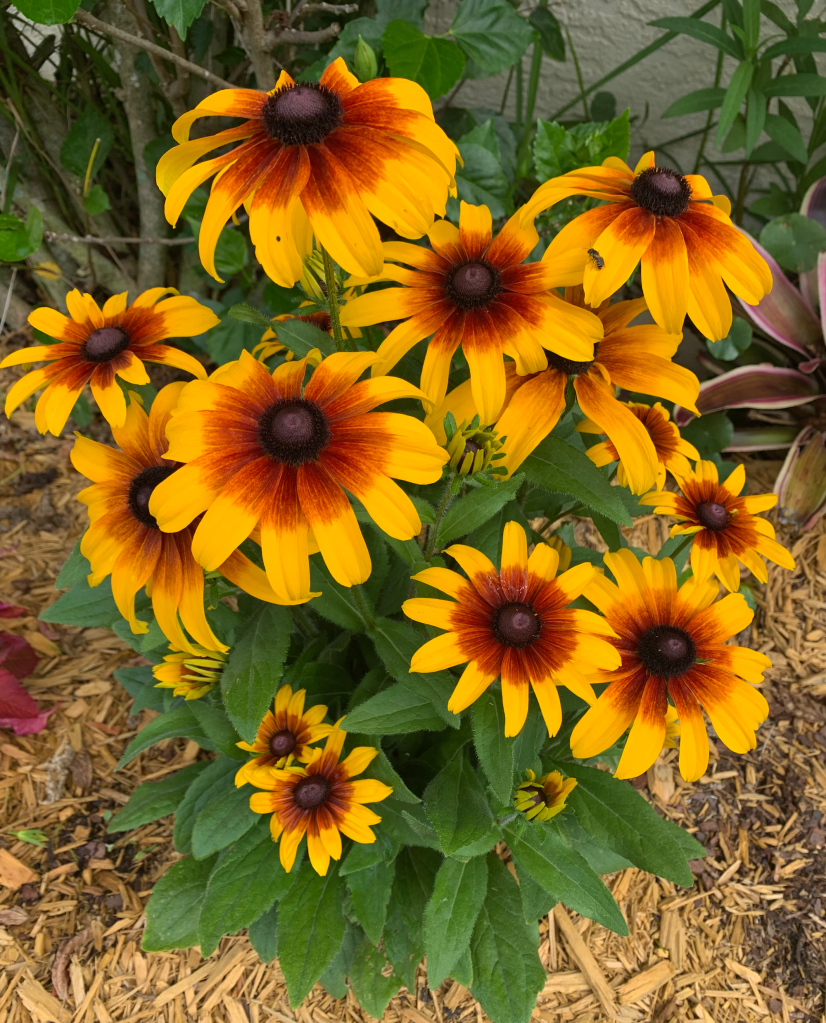
Rudbeckia did great for a while, but the heat brought bugs and I had to cut the plant way down.
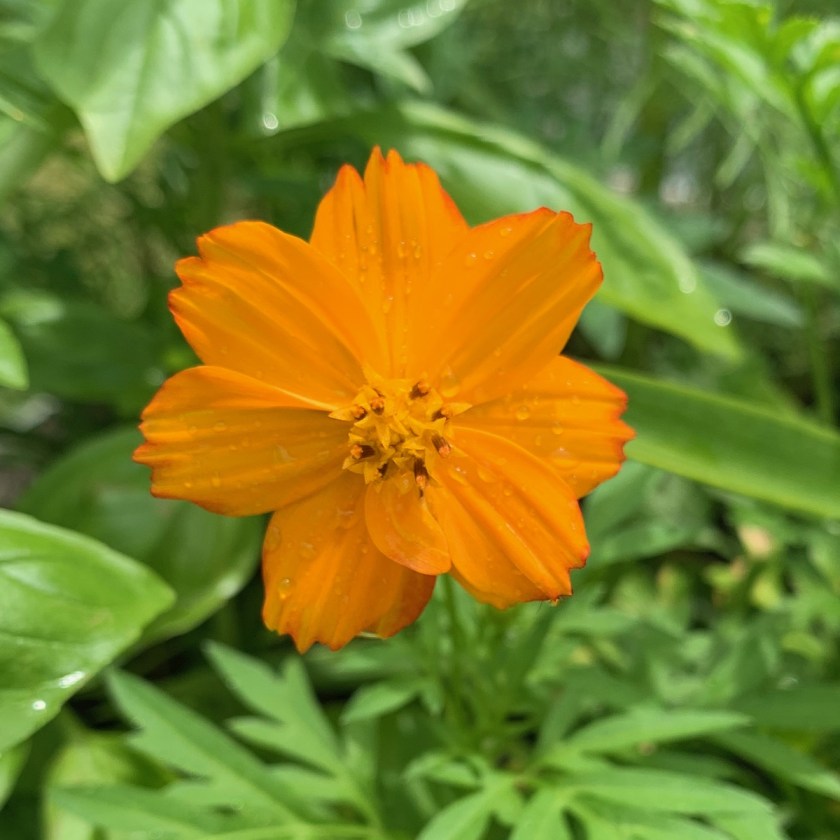
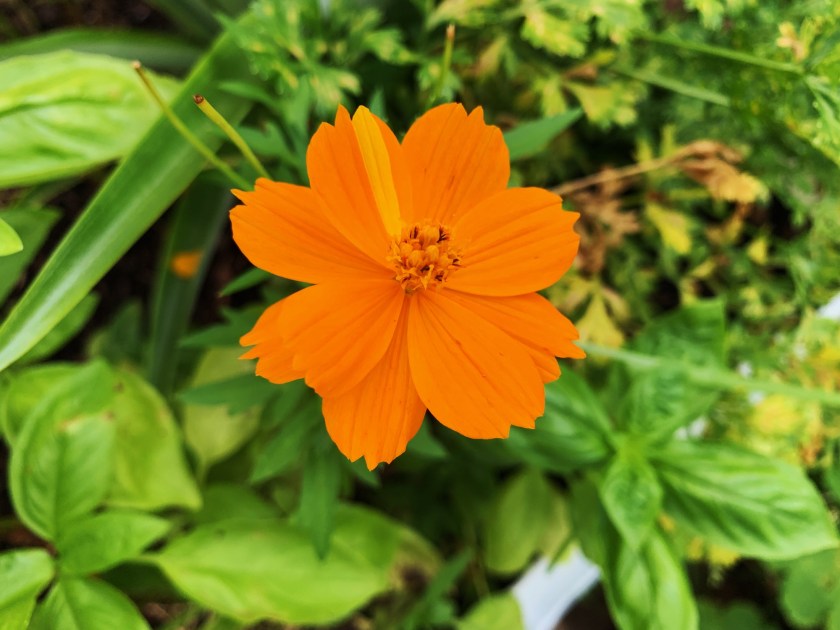
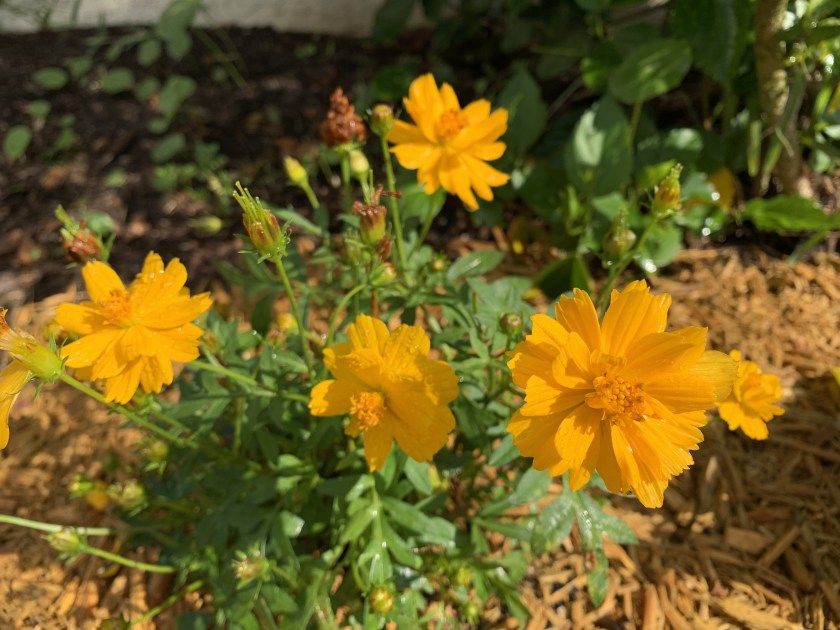
The yellow cosmos, which has very different leaves from the frilly leaved cosmos, didn’t do well, but the seeds I collected from it, and threw into other gardens, grew great! So, maybe the original plant was not in a good spot. Now I have lots of new little plants growing. One of them is producing orange flowers. This flower has a remnant of its original yellow as a stripe on one petal. See the original plant in the slide show below.
Orange flower, from yellow plant seeds
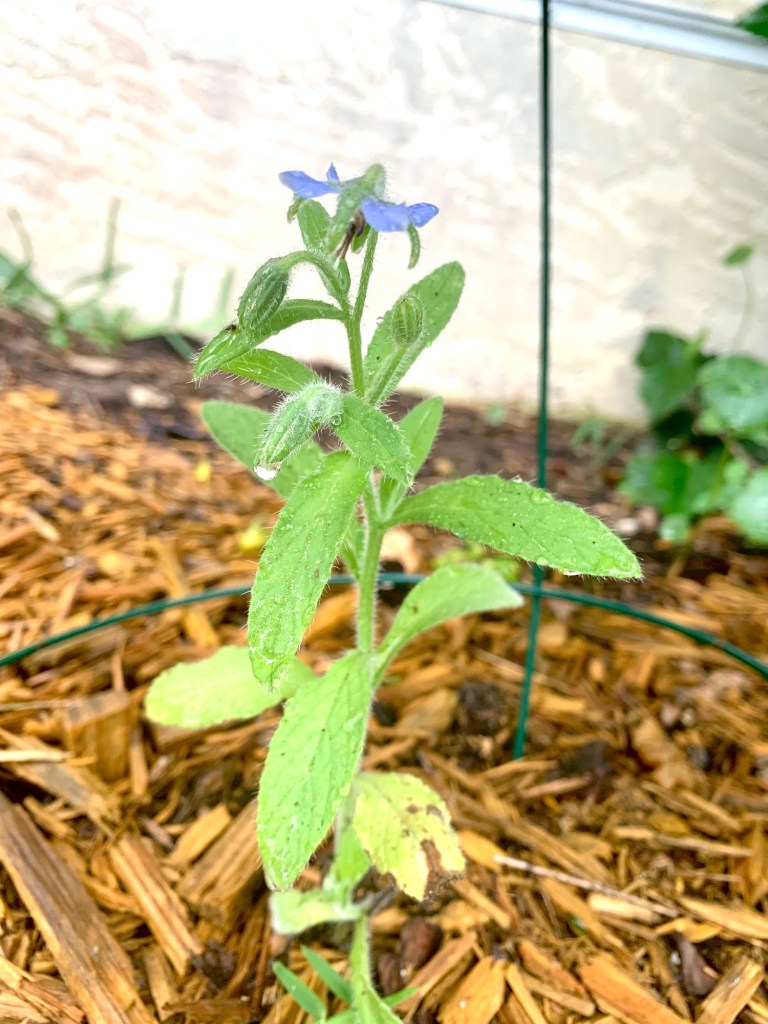
Borage hates the sun and heat, so I have covered it. Nasturtiums did horrible. Amaranth has done nothing, so I’m not sure yet if it’s a win or fail.
Rudbeckia began great, then had to be cut back
Zinnia
Zinnia
Yellow cosmos – original plant
Seed from yellow cosmos
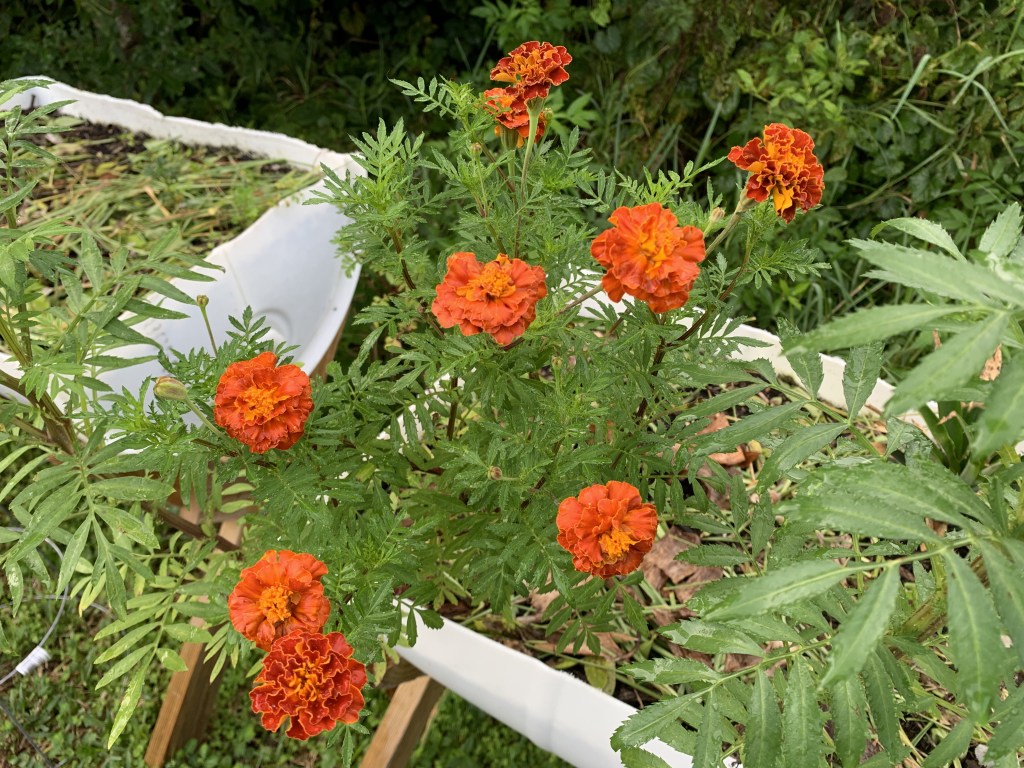
Marigolds doing great
Borage is not happy
Unknown
Now For the Fails
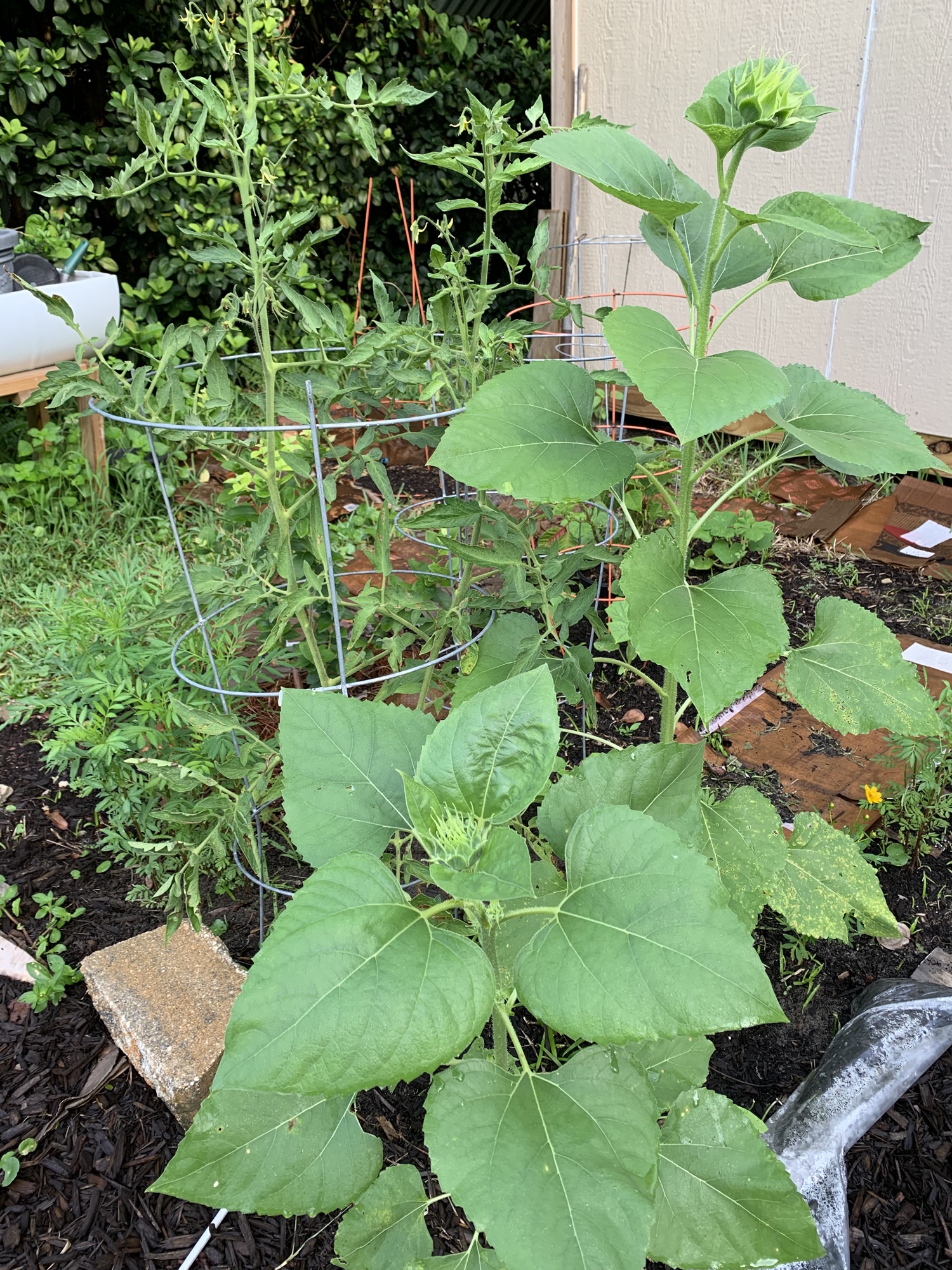
My vegetable fails for summer were tomatoes and Swiss chard. I had grown a bunch of cherry tomatoes, but really wanted big tomatoes. I KNOW they don’t like the extreme heat. But, I had one plant already growing so I planted it. The plant is looking great, but no fruit is forming. I’m going to let it grow and maybe it will get tomatoes in a couple of months.
Here’s the tomato plant behind a couple of sunflowers. Tomatoes are suppose to be planted in February here, I believe. That way they are all done by the time the real heat arrives.
Volunteer sunflowers
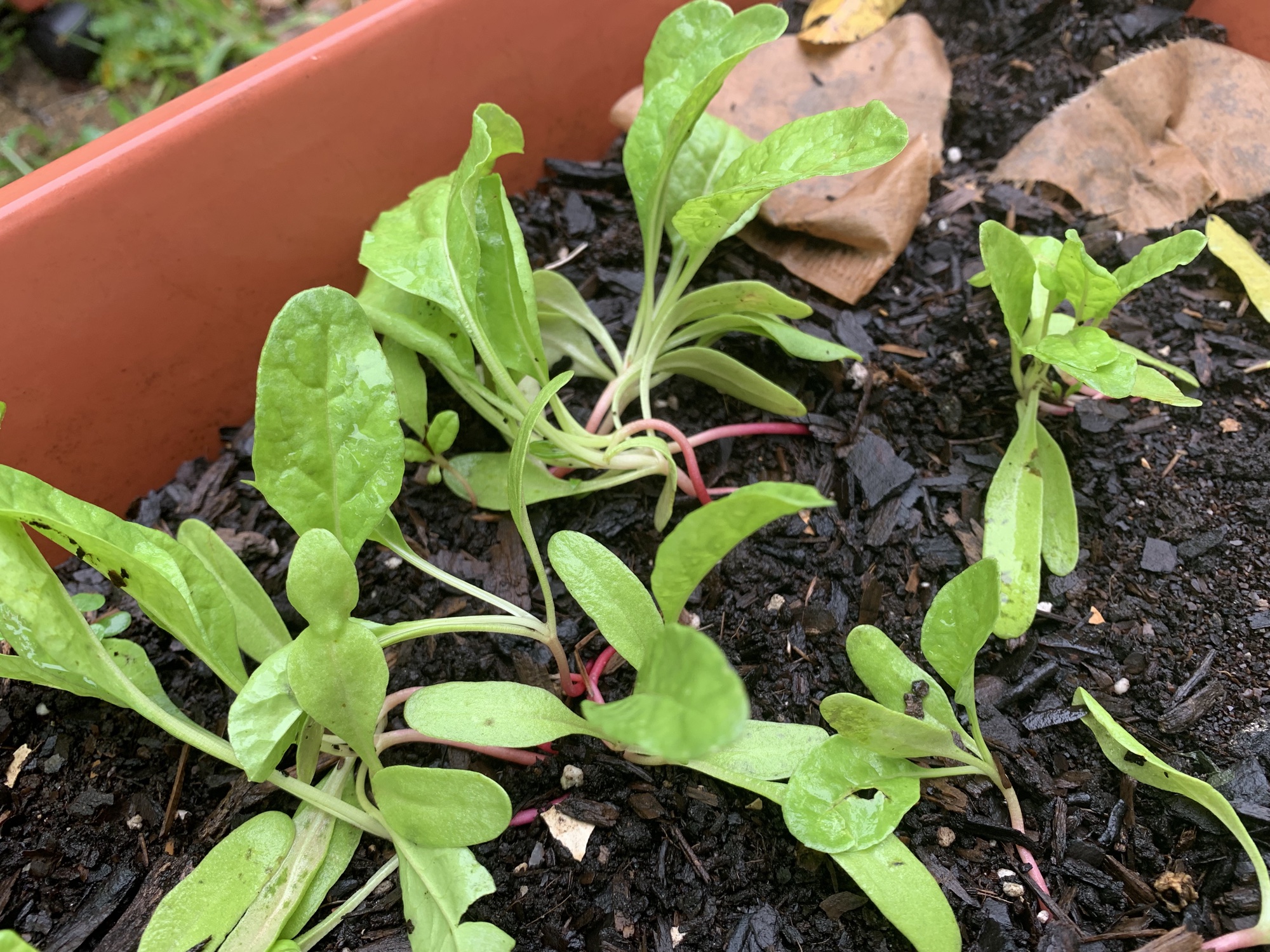
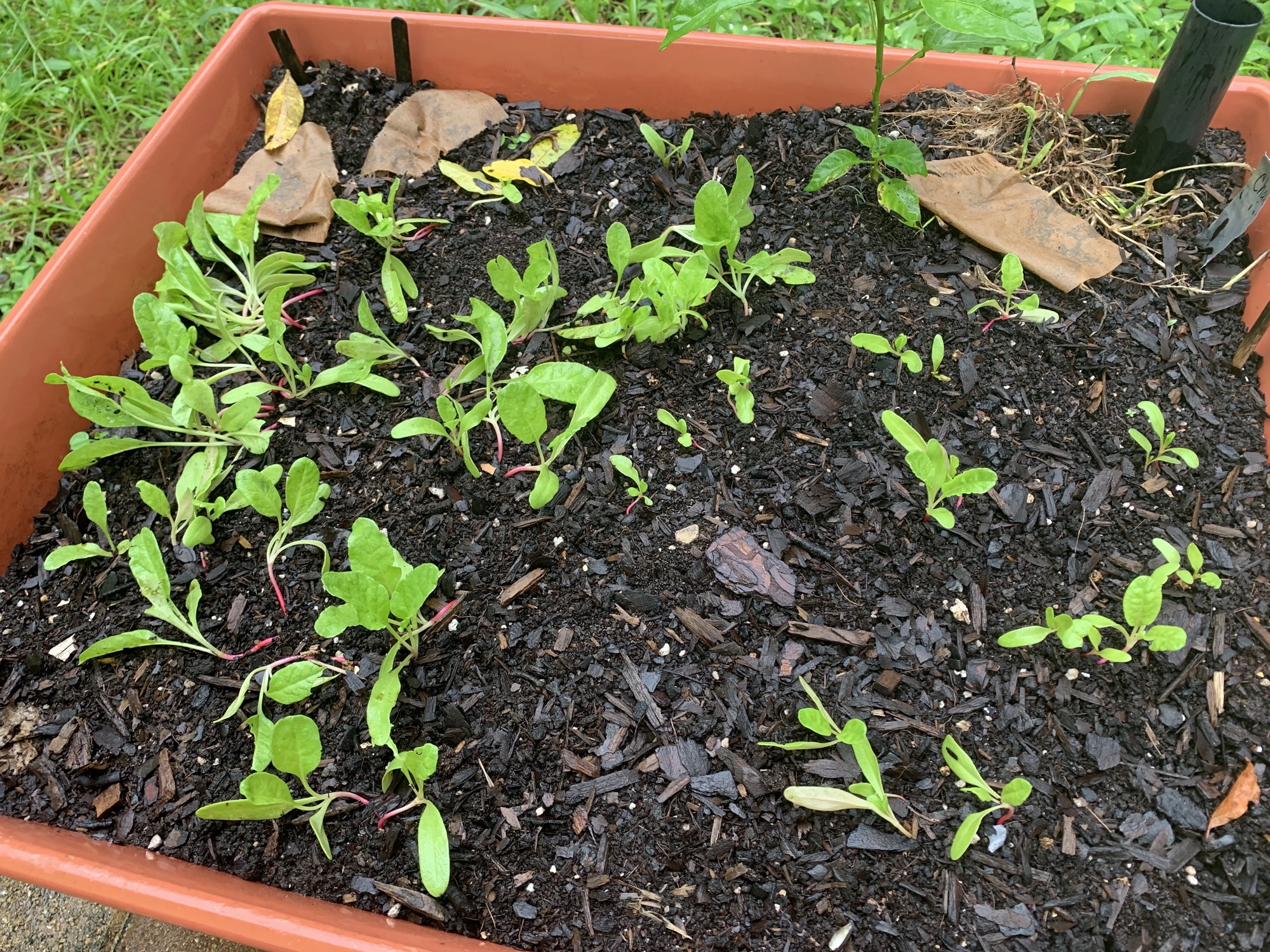
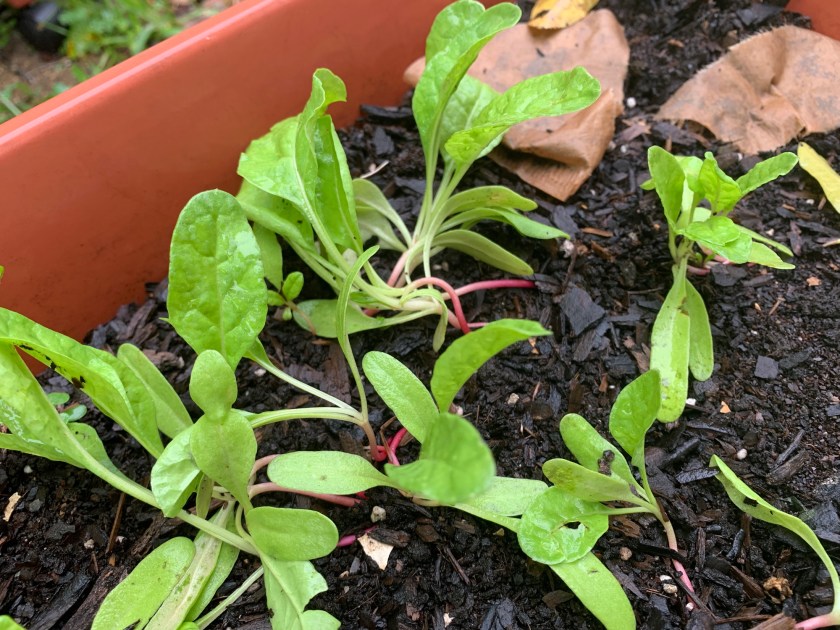
swiss chard
Fordhook chard
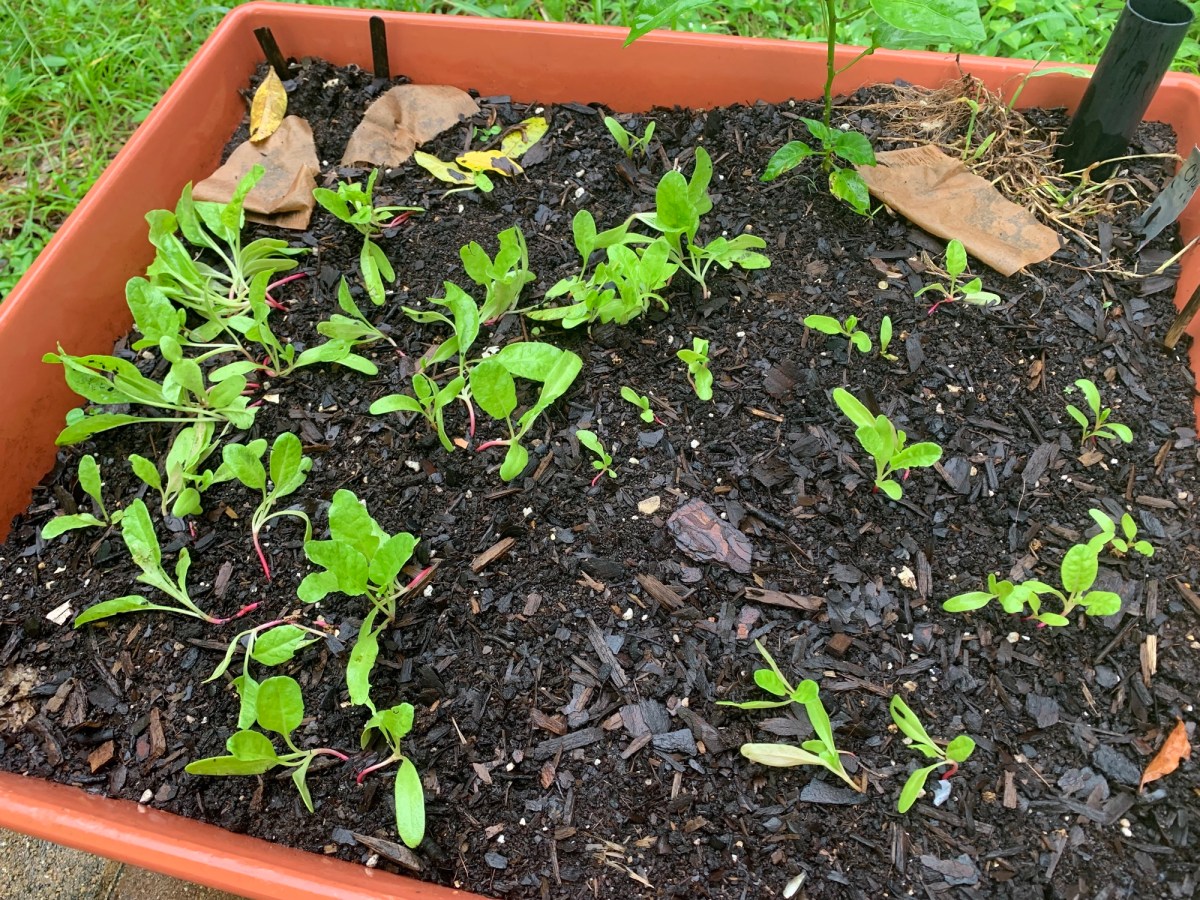
I planted Swiss Chard twice, in two different varieties and they fall over and don’t grow.
Growing seeds from the Urban Harvest has been a rewarding experience. My small backyard vegetable garden is off to a great start.
This is a quick review of my experience with the Urban Harvest. This company is located on the western coast of Florida. Elise is the woman who does videos about growing vegetables in this hot Florida climate. I have linked to one of her videos below. She also has a beautiful website with information and seeds for sale. I am so happy to have found her, and very much appreciate her good advice about gardening.
I’m just getting started with my backyard vegetable garden, but so far I’m impressed with the growth from the seeds I bought.
Growing From Seed
Whenever you use seeds to begin a garden, it’s a guess as to how many seeds will actually grow. I’ve had very good luck with my seeds from The Urban Harvest. Everything has grown really well.
If you live in the St. Pete area of Florida (west coast), this company also sells living plants. See more at the Urban Harvest website.
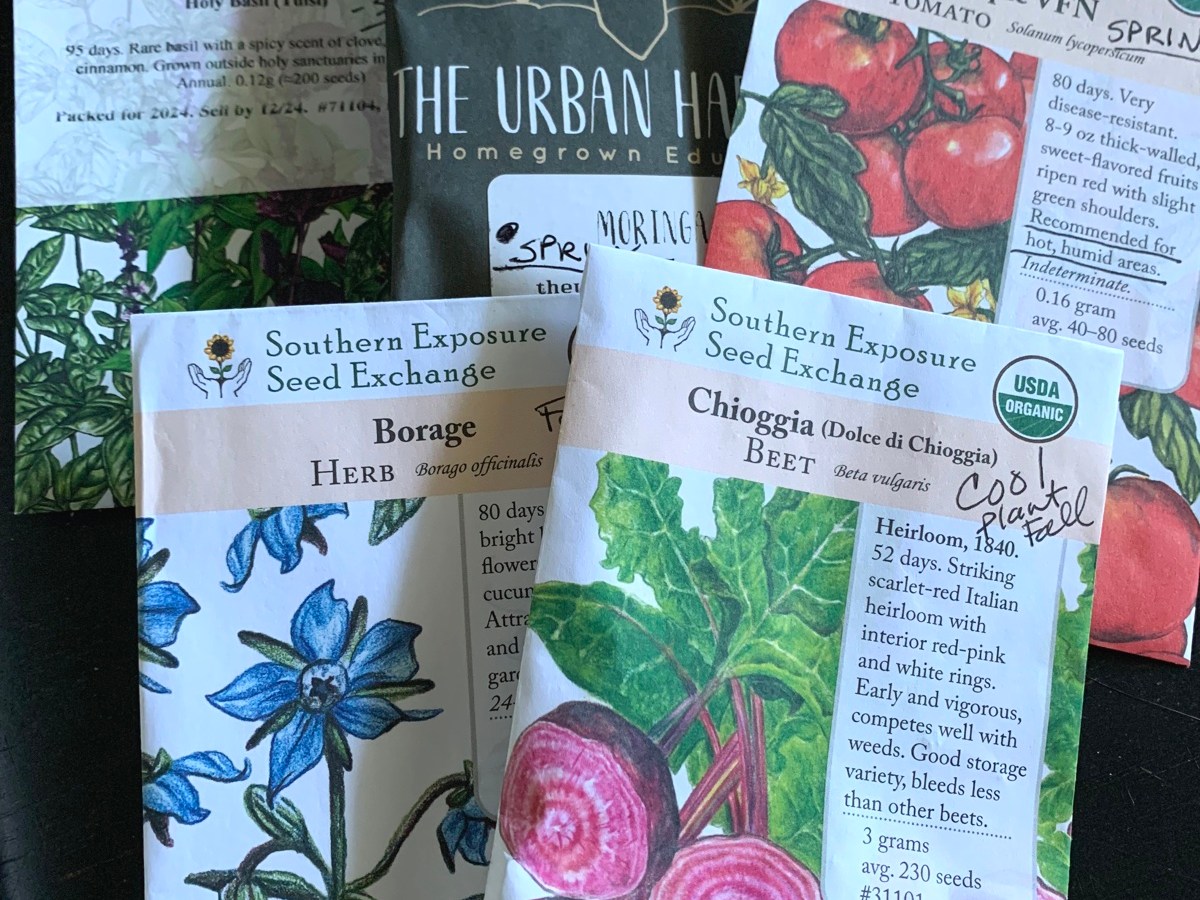
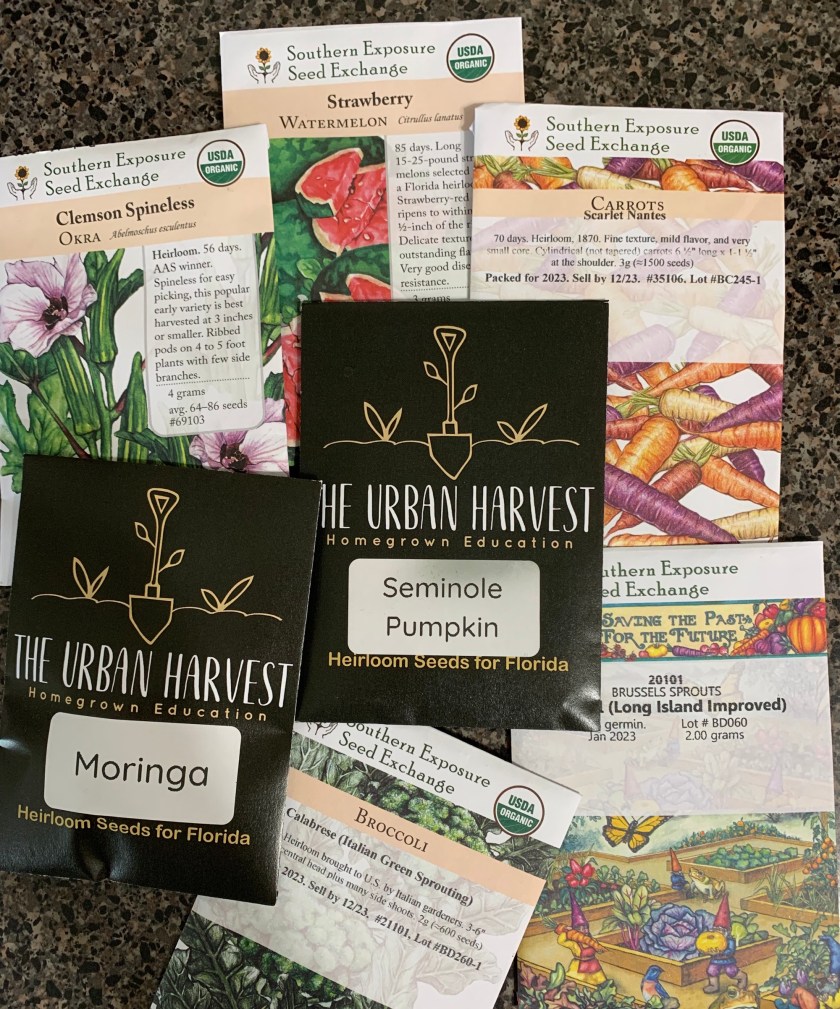
Seeds from Urban Harvest
Seed packets cost around $3.00 and all the packets above came from The Urban Harvest even though only two packets contain their label. Shipping was fast. I received a thank you e-mail. In my opinion, customer service is great!
My seeds arrived in April, so I only planted what could handle the summer heat. (The carrots, broccoli and Brussels sprouts will wait until Fall.)
The watermelon and okra were put directly into the ground on April 8th. Of the 12 watermelon seeds I planted, 9 came up. I have thinned them to four plants. I simply don’t have a lot of space for them. (I should have thinned them to 2!)
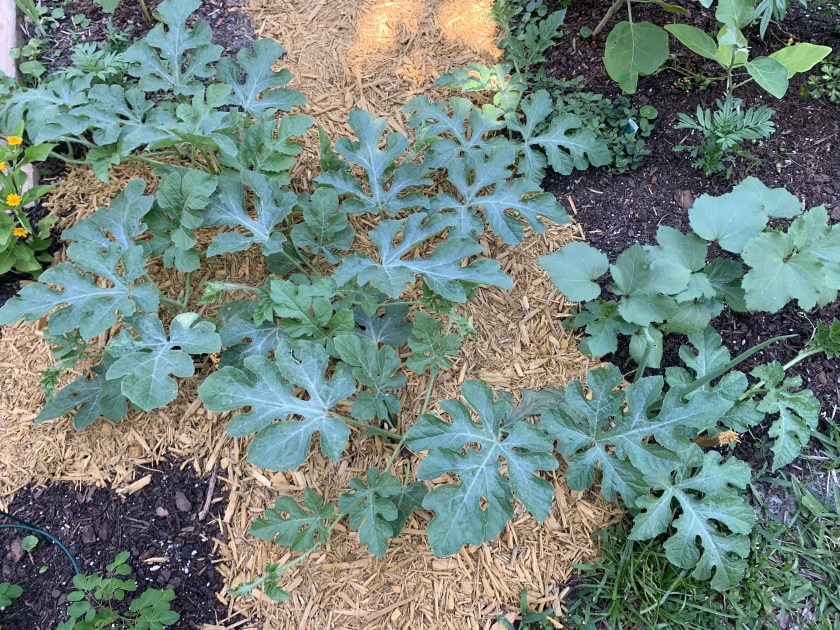
Watermelon plants day 34
My largest watermelon – June 4th
Okra
Almost all of the okra seeds sprouted. I transplanted a few of the seeds when thinning the rows, and I don’t suggest doing that. Those transplanted okra plants are not growing as well as the ones I left alone!
Okra
Okra flower
I’ve never grown, or eaten okra so I only planted three short rows. On May 25th I was picking some okra!
Seminole Pumpkin
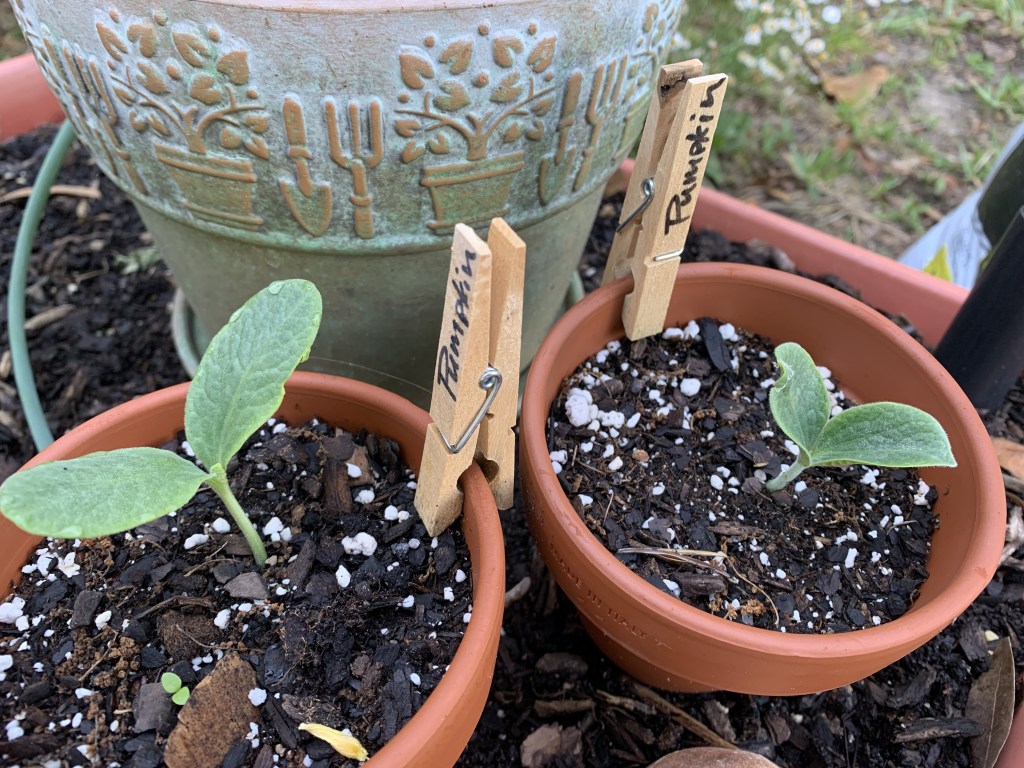
On April 8th I put the pumpkin seeds into pots.
Here are the pumpkin seedlings at growing day 10.
Pumpkin seedlings – day 10
Pumpkins into ground and doing well.
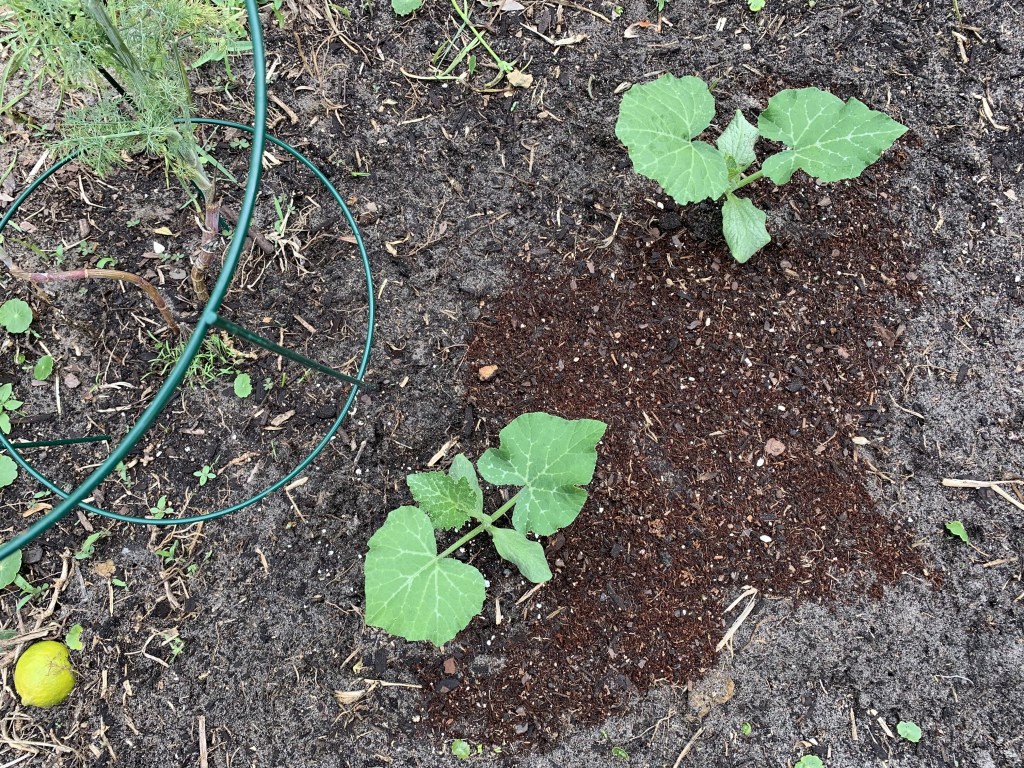
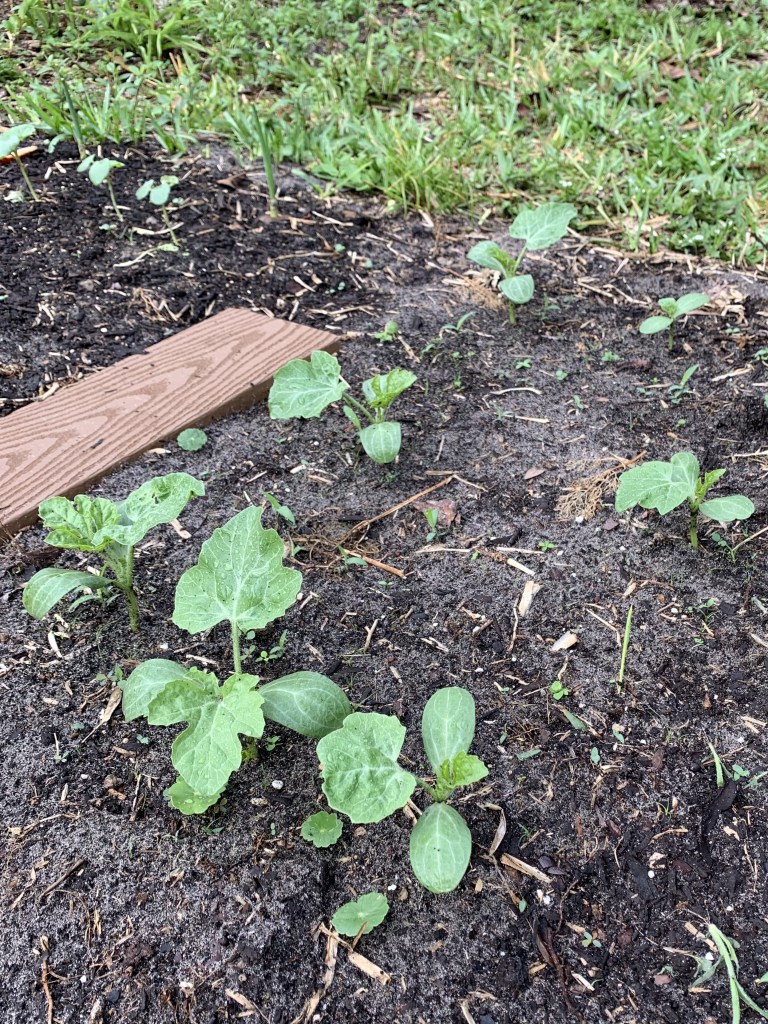
Now the pumpkins have been growing in the ground since about April 29th. Today is May 12th so these two pumpkin plants are a little over a month old (photo below) from the time I first planted the seeds.
May 12th Seminole Pumpkin plants in the garden
Right now the pumpkin plants are growing upward and I hope they will trail off to the edge of the yard once they get going. I am very excited about these native Florida pumpkins! Search YouTube if you want to see how big the vines grow. They can even grow up through trees and produce hanging pumpkins!
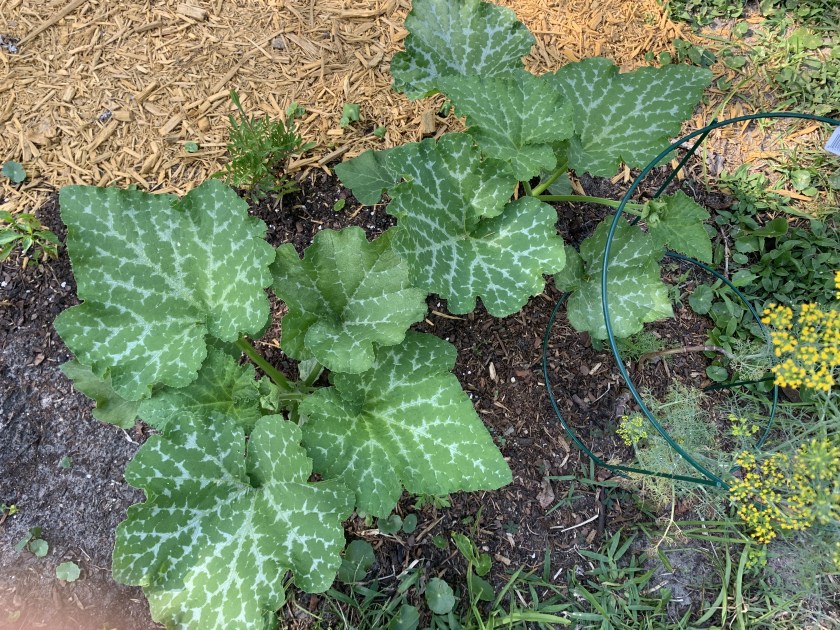
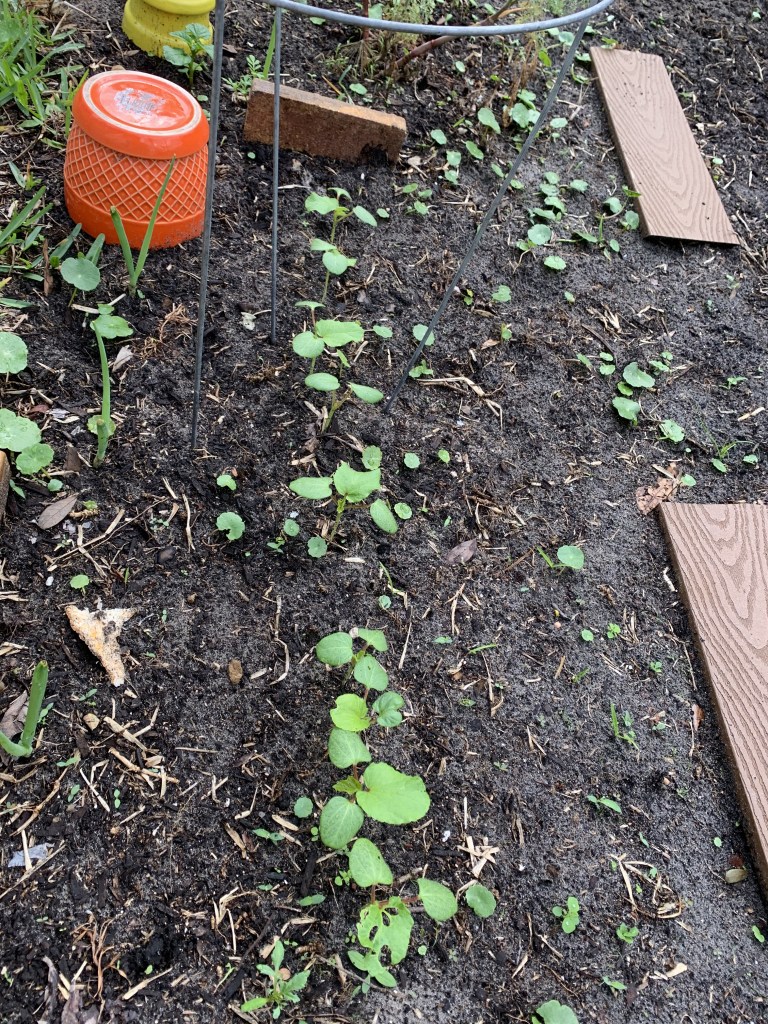
Update on the Seminole Pumpkin: Vines are long (June 4th), but no flowers yet. Leaves are turning yellow and I don’t know why. I’ve trained the vines to follow the edge of the yard.
Seminole Pumpkins
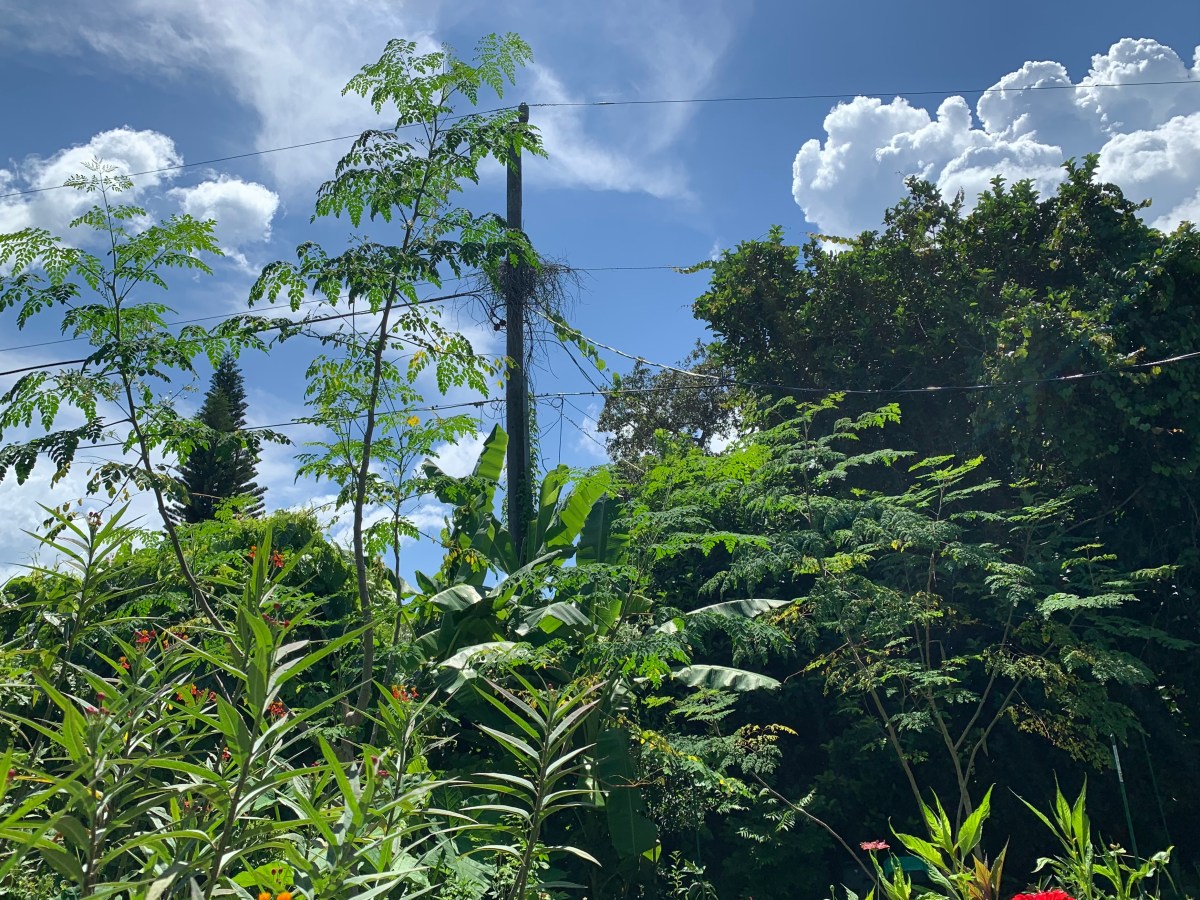
Moringa
I was totally unfamiliar with the Moringa tree. The Urban Harvest sells Moringa seeds and I have a three growing in the yard, and one in a small pot. All seeds that were begun in pots sprouted, whereas the ones I put directly into the ground did not.
I wish I had more space and knew more about their growth habits, height and so on. This will be an experiment. Right now I have three planted and growing, but they are small.
Elise of The Urban Harvest has a few videos where she mentions growing the Moringa tree. See one here: Three Tropical Survival Foods You Must Plant in Florida. She has loads of videos that cover all kinds of things to do with Florida gardening. I’ve already learned so much.
Moringa
The Moringa trees are also growing more slowly than I expected. They look good and I guess it will take a while for them to become truly tree-like.
Garden Progress
Creating a garden from a grassy space in Florida takes some work. There are many vines and deep roots to remove from all the natural invasion from the lot next door. Then I am left with sand which must be amended for growing.
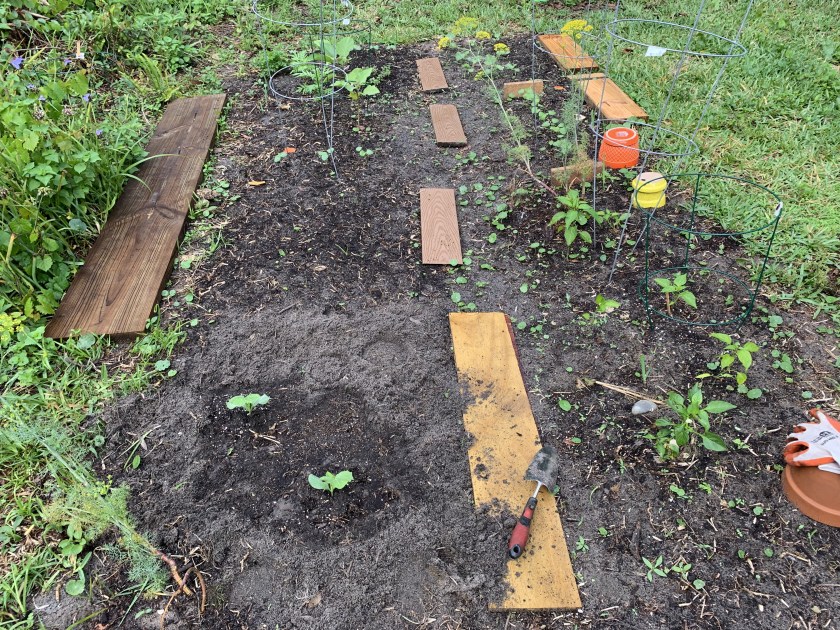
In the photo below, I have removed the grass, added compost, planted seeds and seedlings (and added more compost and fertilizer) and watered each morning. From here I will add mulch to conserve moisture and keep the ground cooler. Summer is nearly here and it is already too hot after 9:00am for me to do much gardening.
I ordered a second batch of seeds from The Urban Harvest and will definitely buy more at a later date. I highly recommend this helpful place if you are a Florida vegetable gardener.
My garden before the mulch
All plants are organic, and she promotes sustainable and eco friendly gardening practices. Again, how to find information:
Planting a garden, year two, from saved seeds. Everything growing in my small backyard vegetable garden was begun from my own seeds and seedlings.
As of the end of April, my backyard garden is nearly full of little vegetable plants. Today I added two pumpkin plants after they grew from seeds in little pots.
The eggplant plants have been growing in garden boxes near the house and were transplanted into this garden. They came from seeds I saved from the eggplants.
April vegetable garden
Vegetables I am Growing This Summer
In the garden I have okra (purchased seeds) that was planted as seeds. I’ve never grown (or eaten) okra, so this is new. I’m finding that okra plants are pretty hardy. Some animal dug up some of the seedlings and I replanted them and they are doing fine! Soon I will thin the row by cutting off the okra I want to remove.
The watermelon (seeds I purchased) is beginning to take off, and I will choose only a few of the best plants to keep.
Also in the garden: Hot peppers (from seeds I saved). I have planted one poblano, a couple jalapeños and one Habanero. We have more seedlings in pots, but I am running out of space.
Also growing are eggplants, watermelon, okra, pumpkin, dill, and marigolds. Everything started from seeds. Most plants grew up in pots and were transplanted, but the okra and watermelon were put directly into the dirt.
watermelonA row of okra
I’m already planning a couple more gardens in the small yard. I’ll be moving the kayaks and white barrels to dig up that area for my “winter” garden. It’s an area that gets a lot of sun.
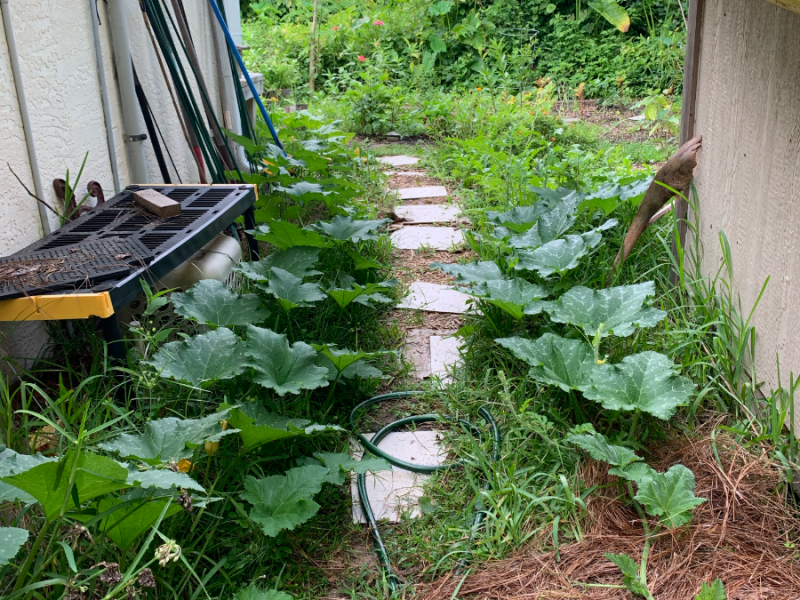
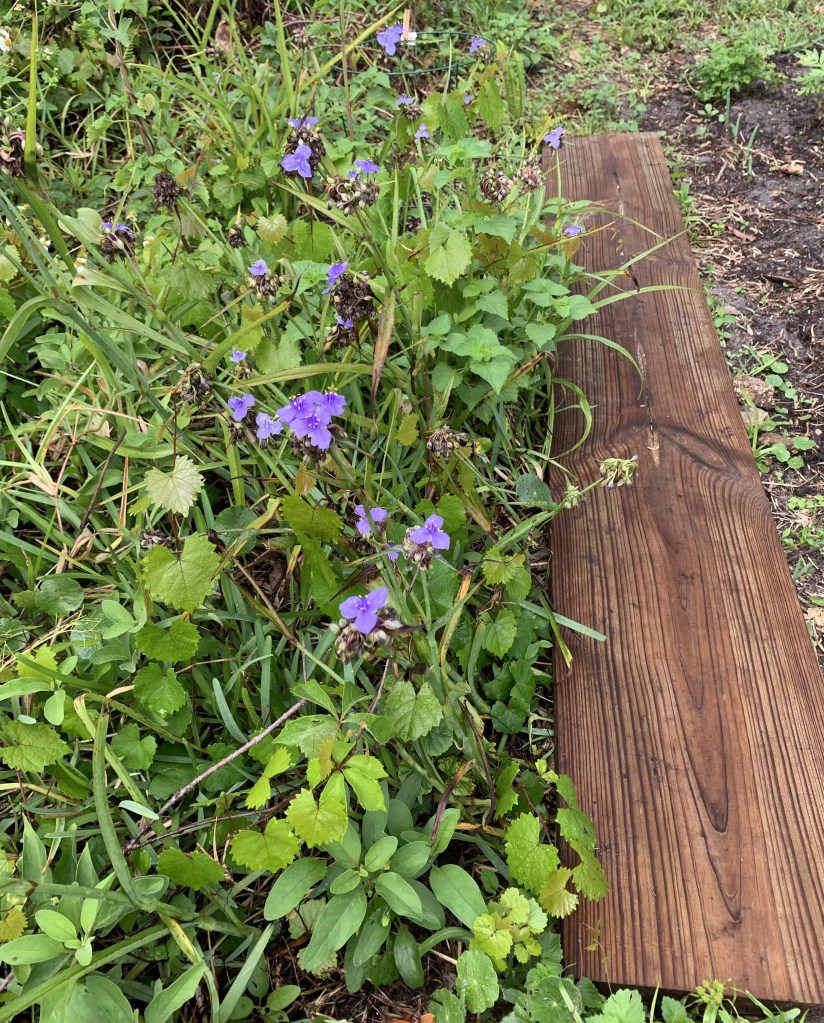
The picture below is of the edge of my garden where I put a board to walk on. I’m hoping it will help keep all those weeds out from the edge of the yard.
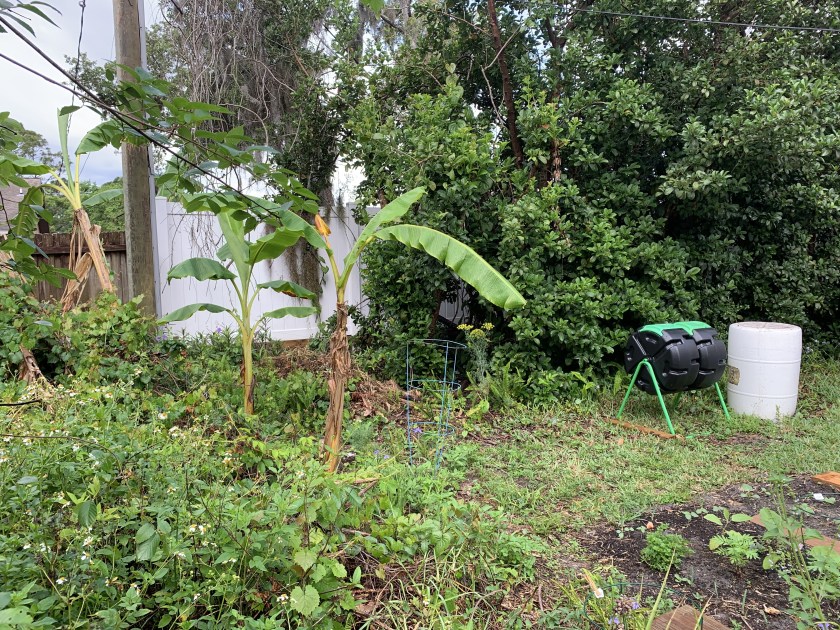
I am standing in the lot next door to take this photo (below). The back corner of my yard contains a few banana trees which I did not plant. They moved in from the back of the empty lot next door. Each year a big banana tree would have a bunch of bananas, grow a couple of new baby trees, and then die. The baby trees kept moving this way and are now in my yard.
Back corner of the yard
Saving Seeds
By saving seeds from your own (and sometimes store bought) vegetables and flowers (marigolds in my case), you will always be able to re-plant your favorites. And it saves money, obviously.
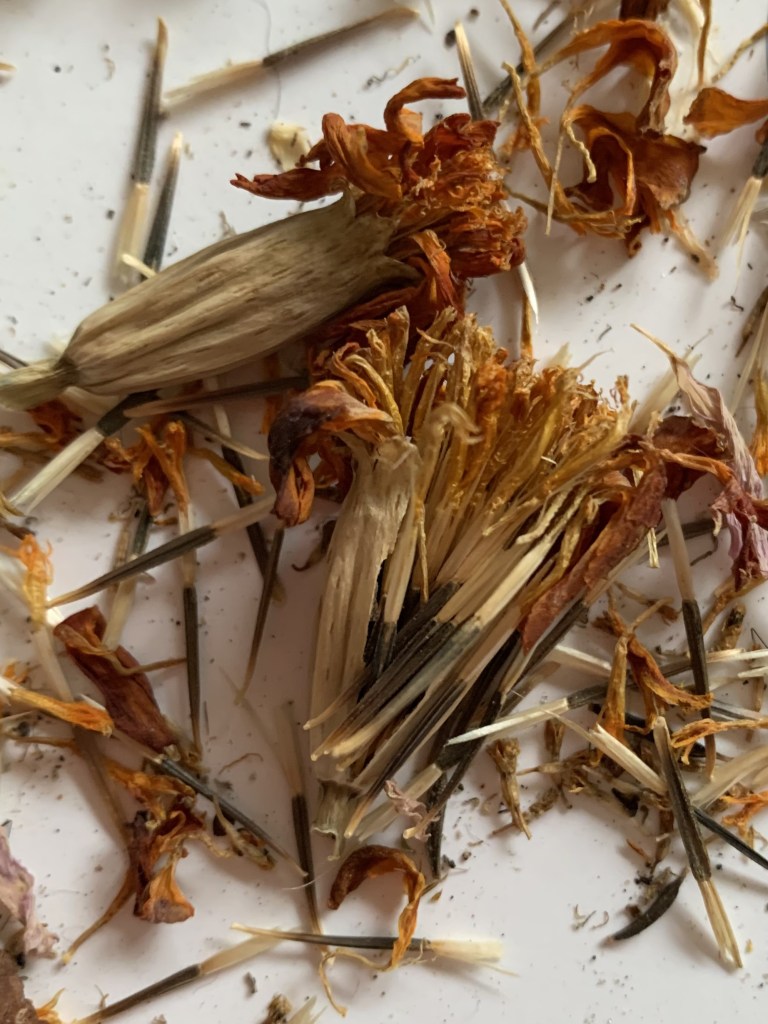
Marigolds are very useful in the garden as bad bug deterrents. To make sure you have plenty for the following year – or all season long here in Florida – snap the old flower heads off and save them.
After a while they will dry out and all the seeds are inside. Every flower contains many seeds, so I sprinkle them generously all around the garden.
Not every seed will root, and they can be thinned.
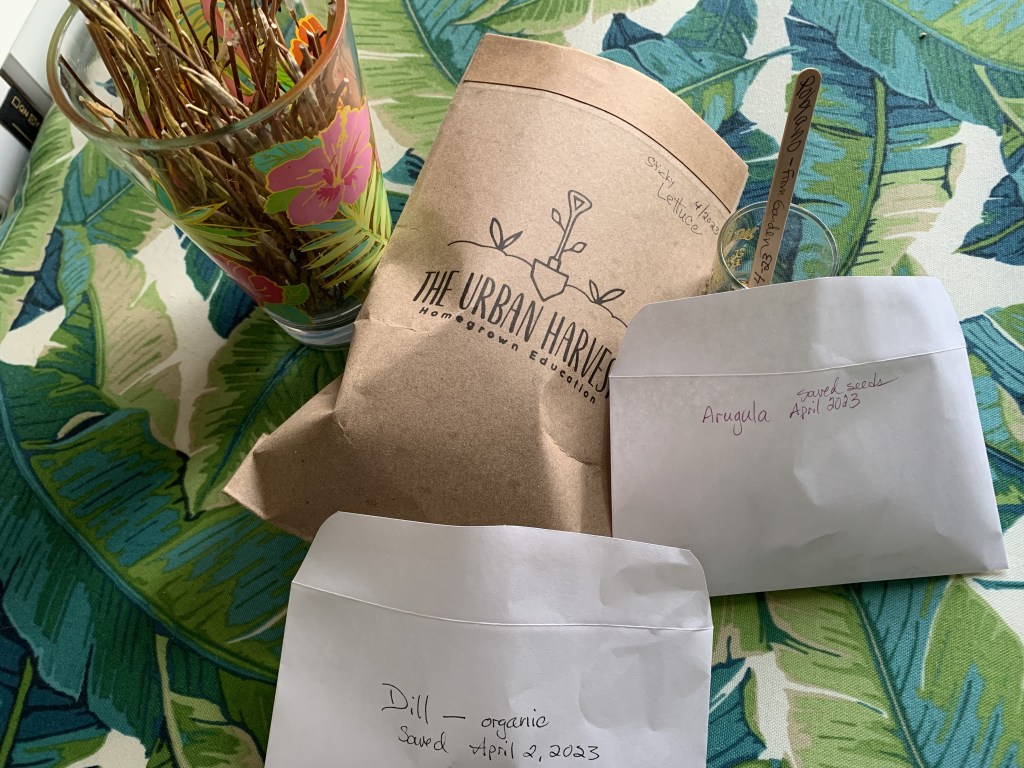
To save vegetable seeds, simply do that. When you cut a pepper, eggplant, tomato, etc., cut out some seeds to dry. I put them on a plate. Seeds must dry out to store. Don’t put them into a closed bag or bottle. An envelope or paper bag works, and don’t forget to label with type of seed and the date.
Because of the humidity here, I store my seeds inside and not on the porch.
Saving seeds – arugula stems and seeds, dill, lettuce and pepper
The Seed Garden Beginnings
Although every vegetable and flower in the garden began from seeds, I did have to first buy a few packets. Last year I began all my seeds in saved eggshells – and I do not recommend this. I purchased Dill and Marigolds as seeds and started them last year. Both plants are prolific seed providers.
So all my purchased and saved seeds have carried over to this year.
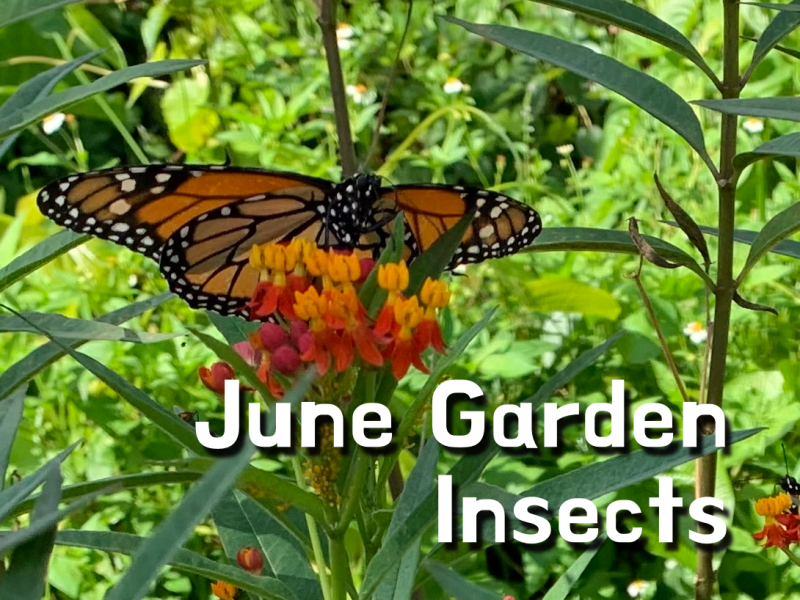
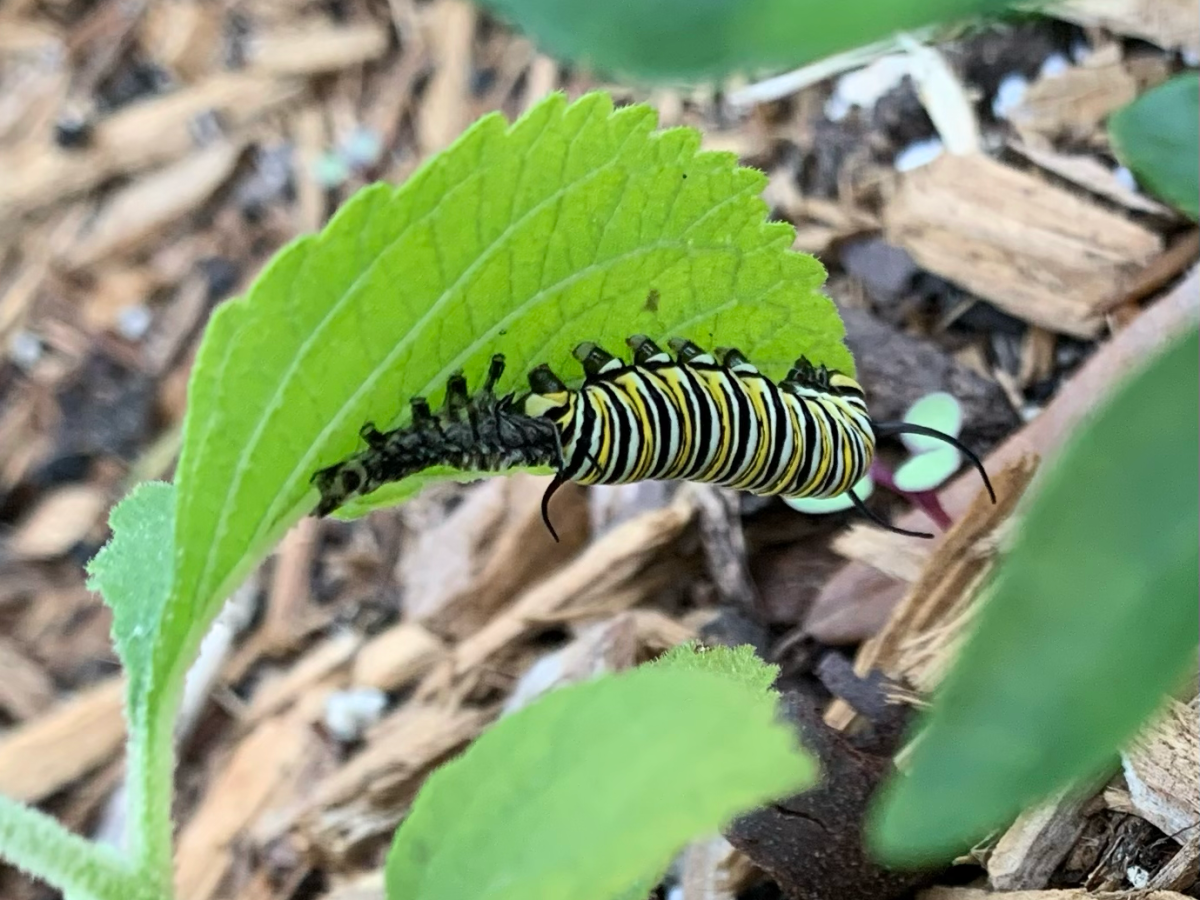
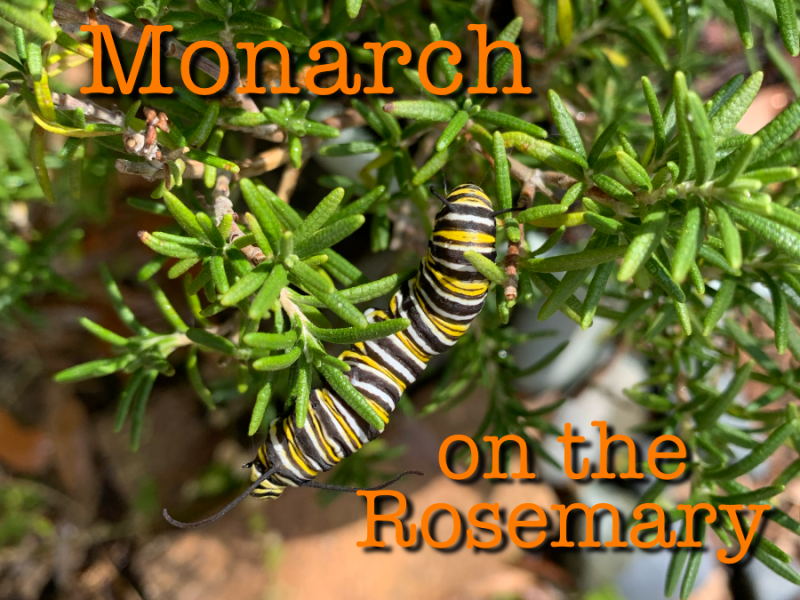
It is not usual to see a Monarch caterpillar on a Rosemary plant. Monarchs like Milkweed. But this one had a purpose, and had traveled quite a long way to be…











 Hydrangeas Blue