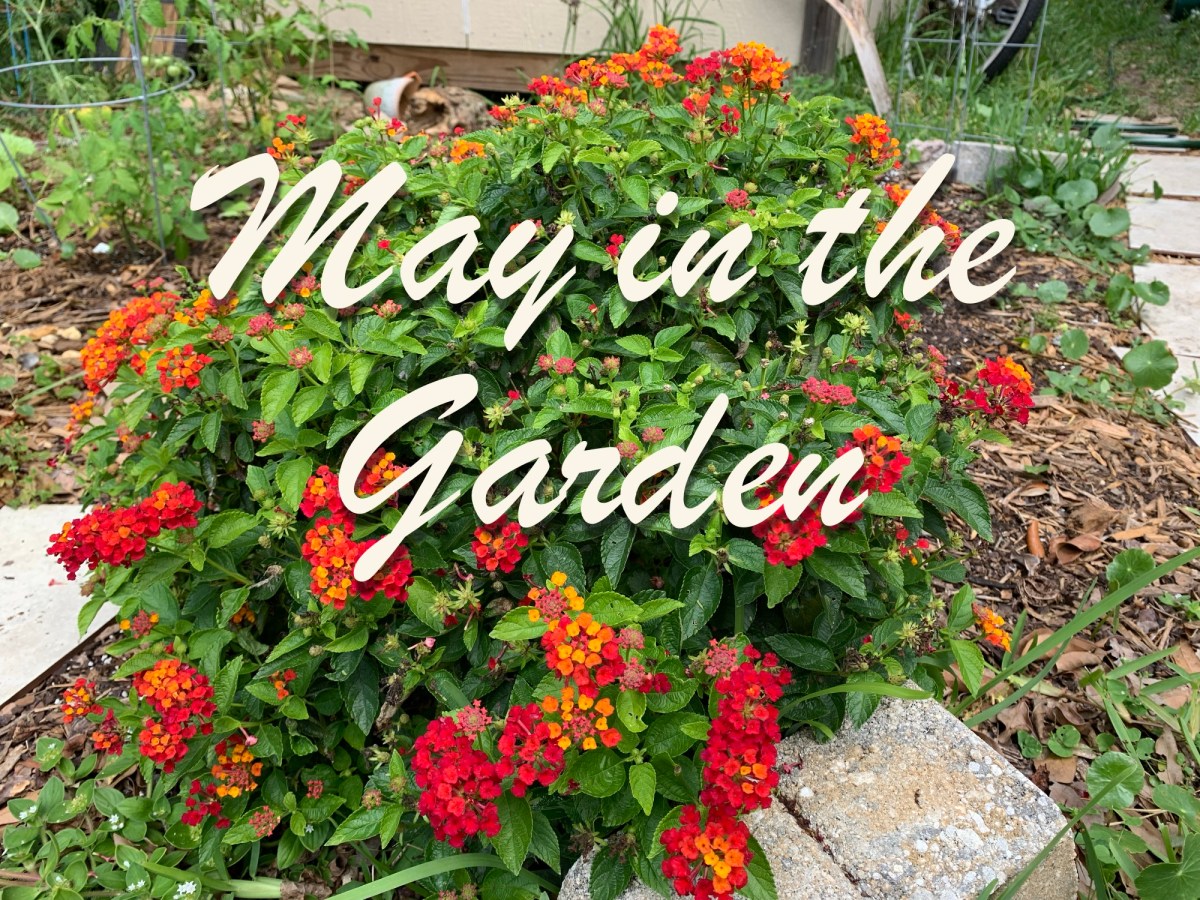
May in the garden is mostly about finalizing the switch from winter crops to summer. This quick post shows photos of some of what I have growing at this time.
Now that May is here, the super hot weather is not far behind. Hopefully it will also begin to rain occasionally! My garden beds are mostly planted.
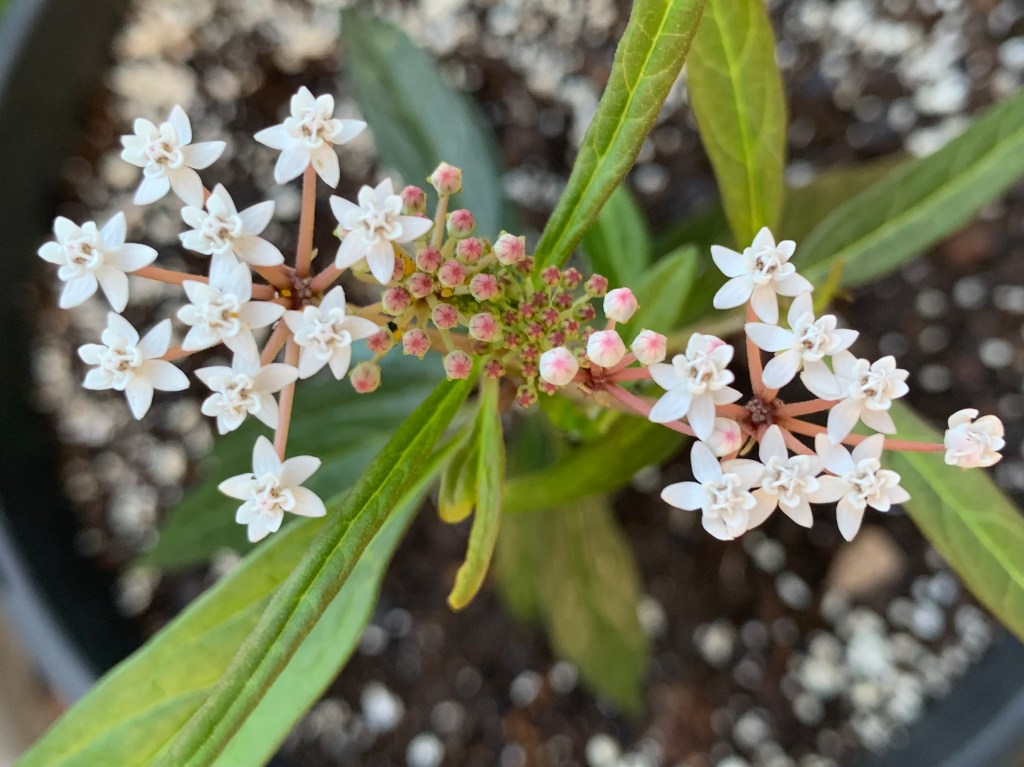
I’ve been on a milkweed growing kick, so I have lots of little pots going. I do not love having to monitor tiny pots, and the smallest seedlings will stay on the porch. More about my milkweed later.
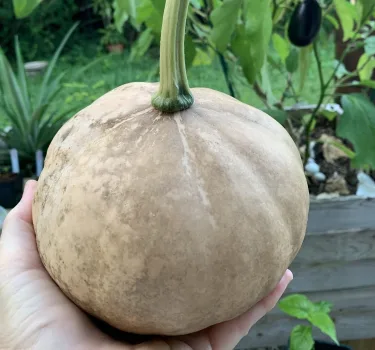
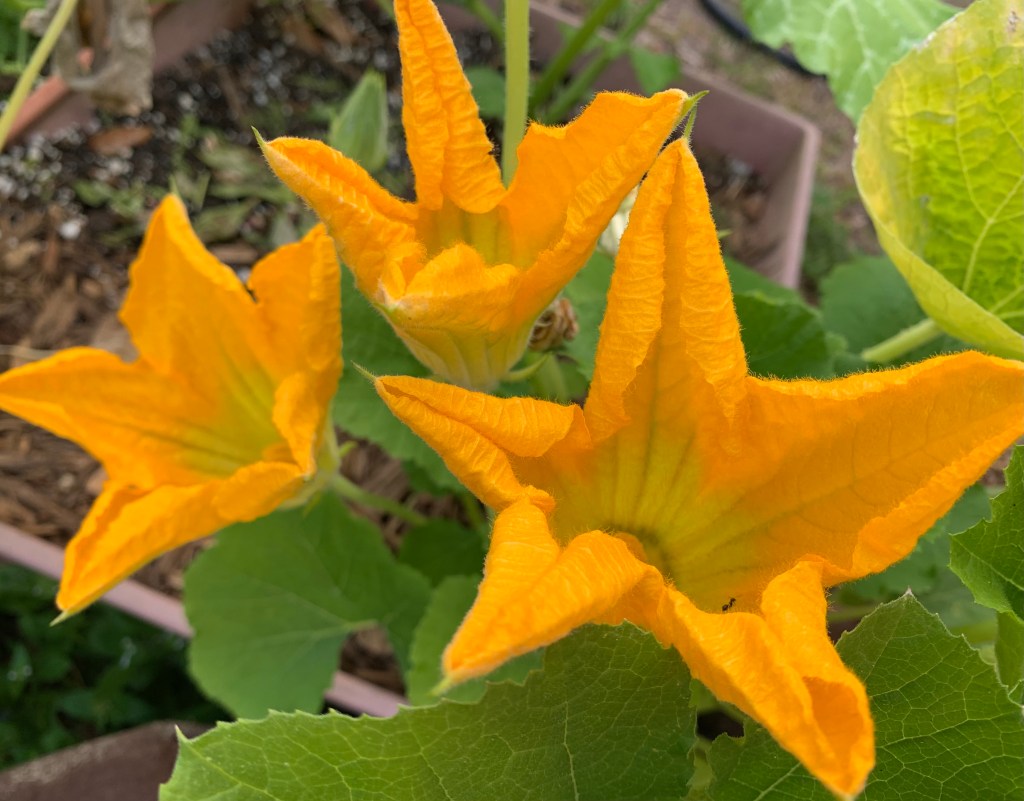
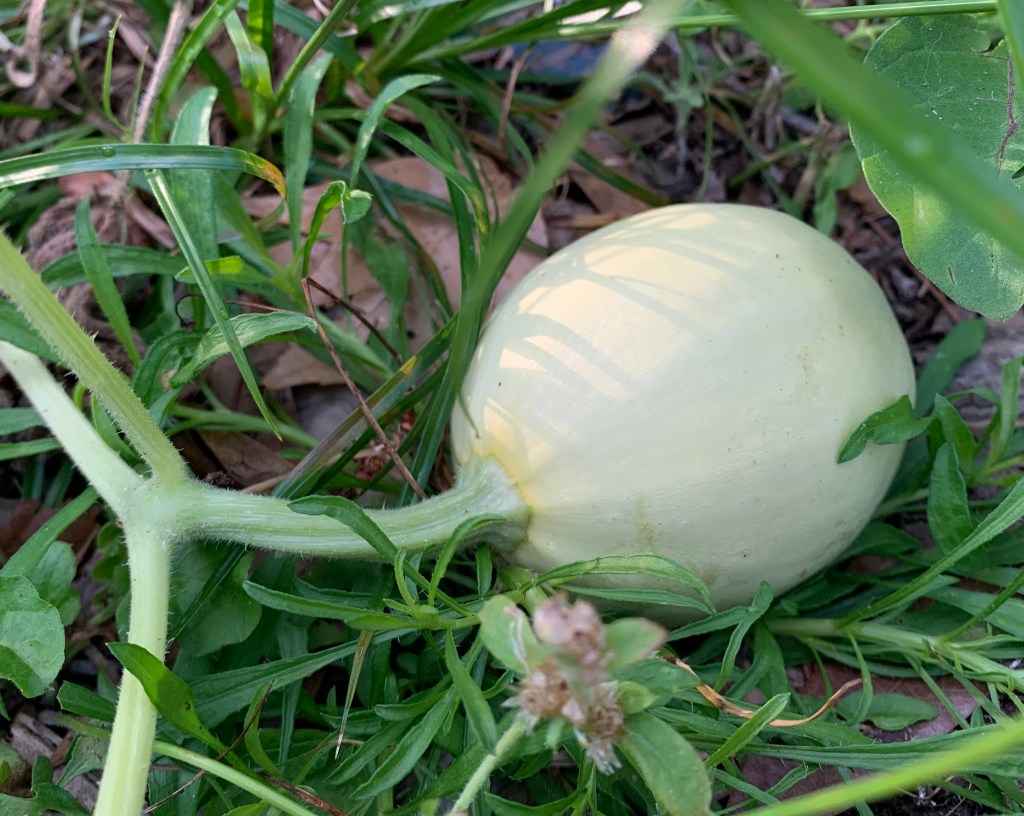
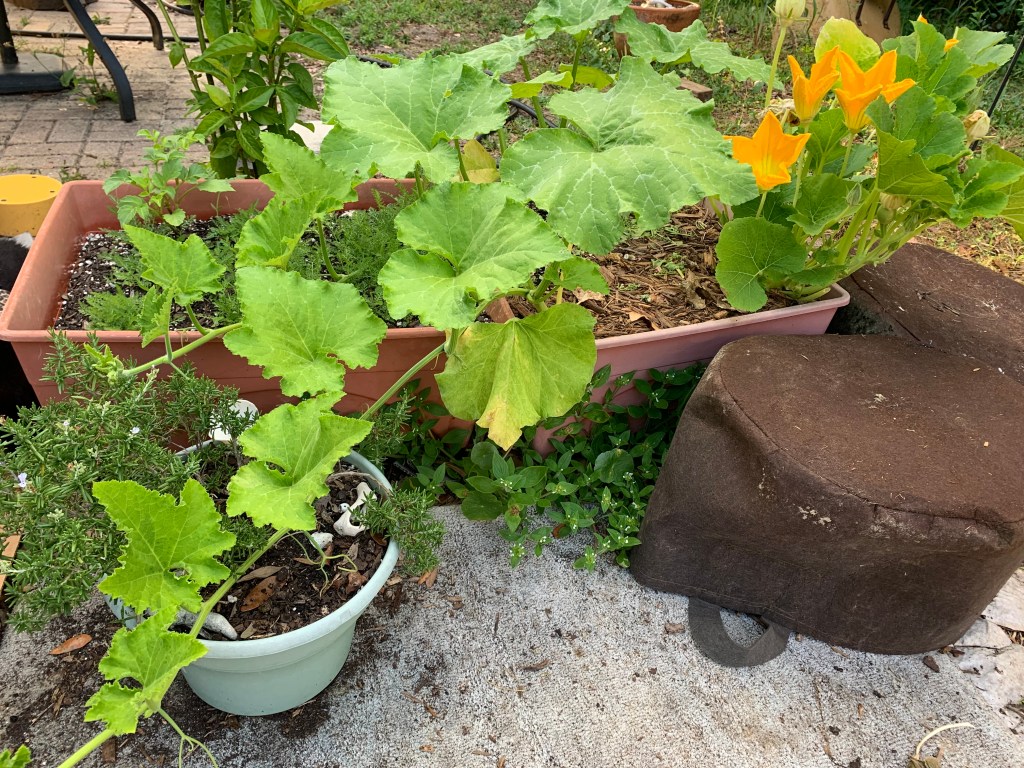
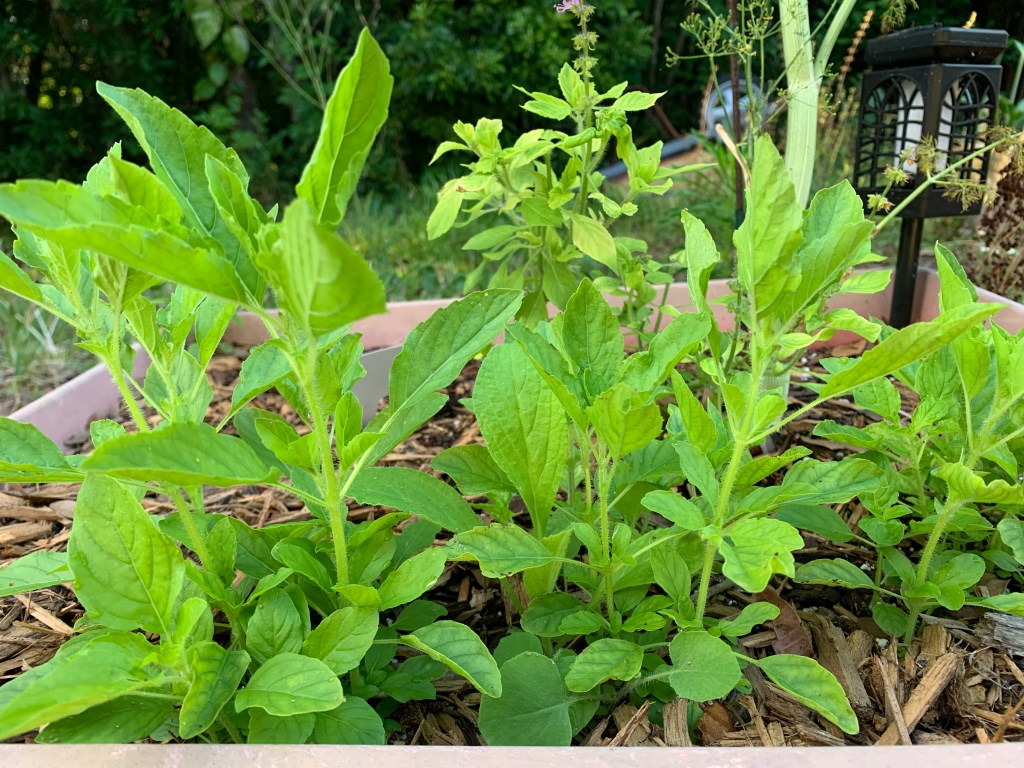
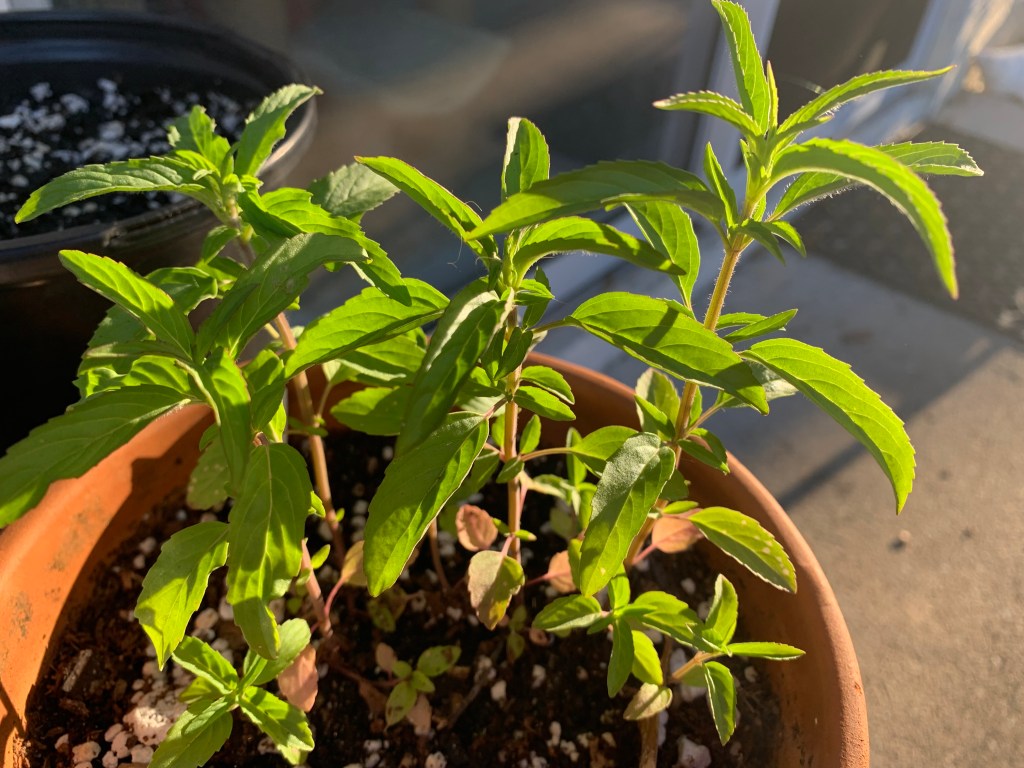
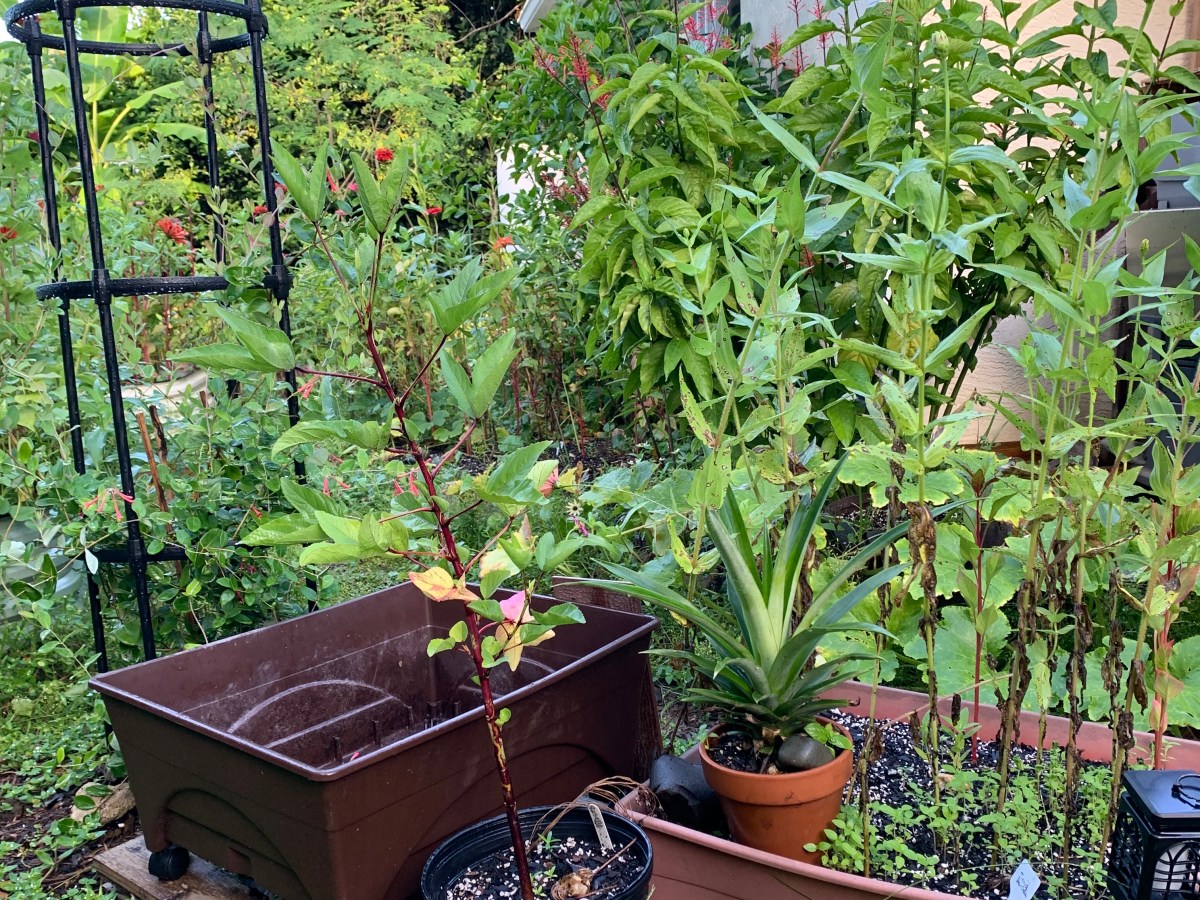
For now, the Seminole pumpkins are growing vines. I have a random (spaghetti?) squash that came up. However, the vine doesn’t look great. My winter basil is still growing, with Tulsi Holy basil seeds sprouting for summer.
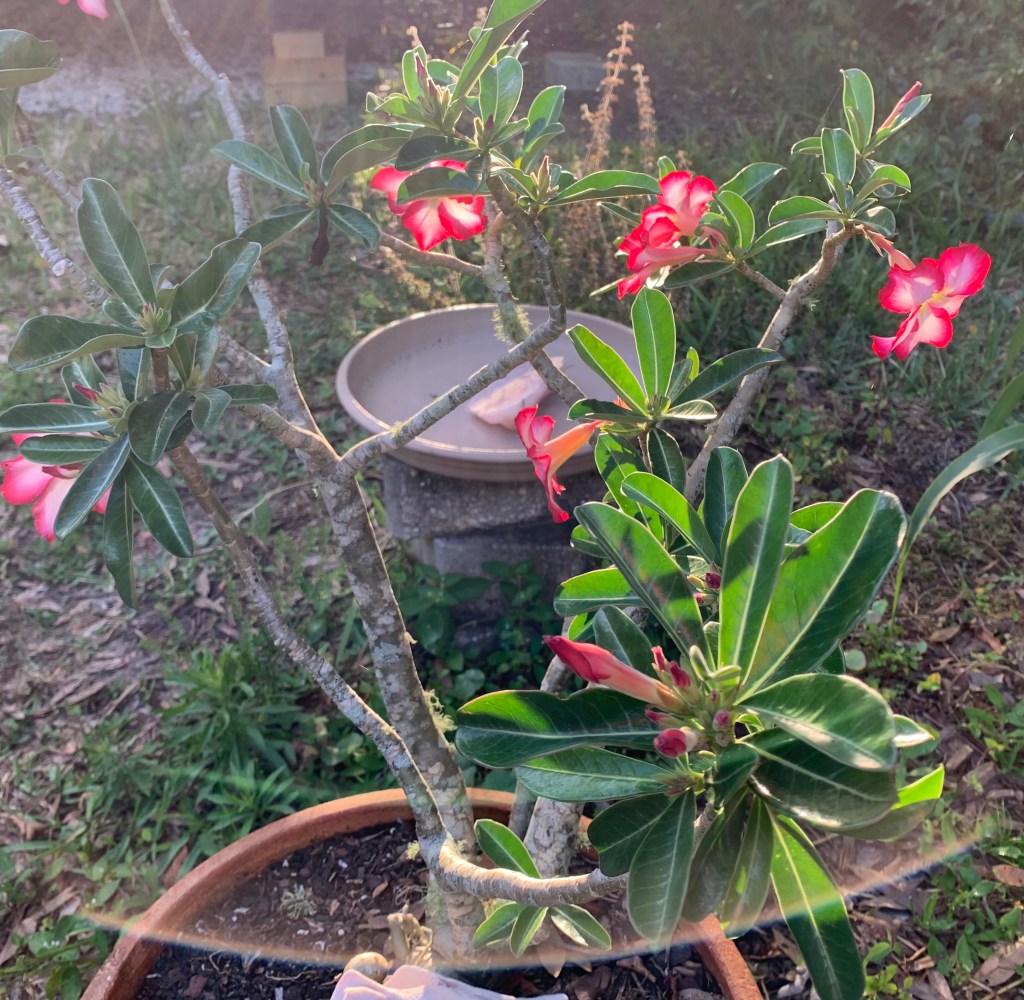
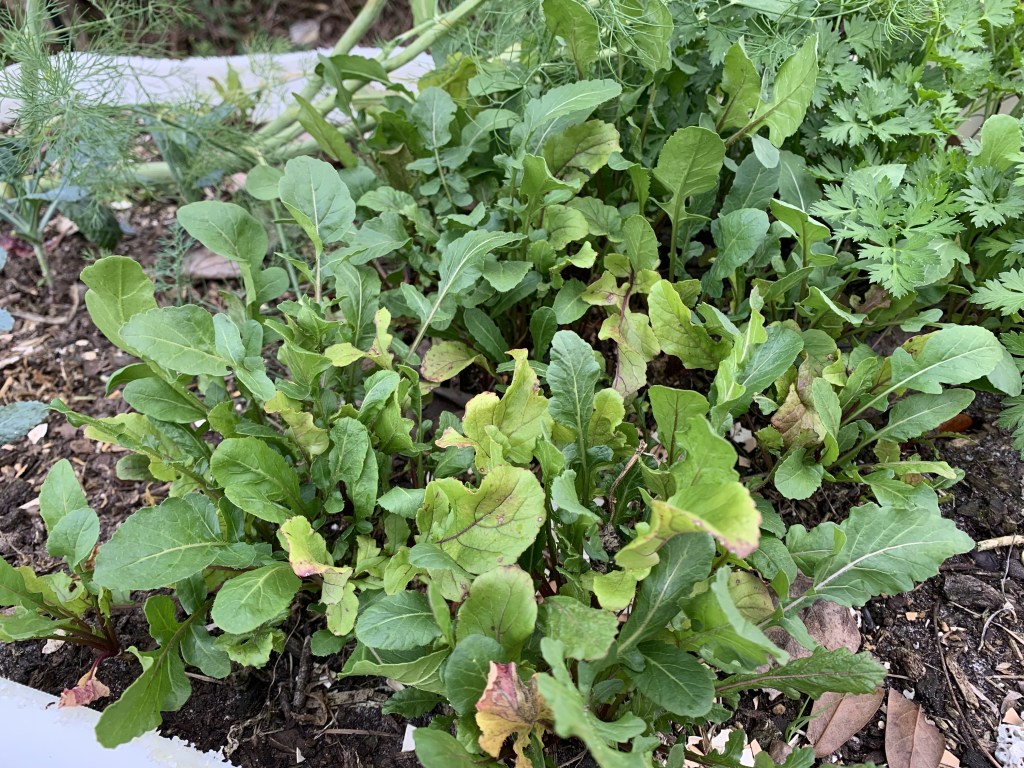
Pumpkin flowersSpaghetti squash? Random volunteerSeminole pumpkinHoly Basil, TulsiDesert Rose
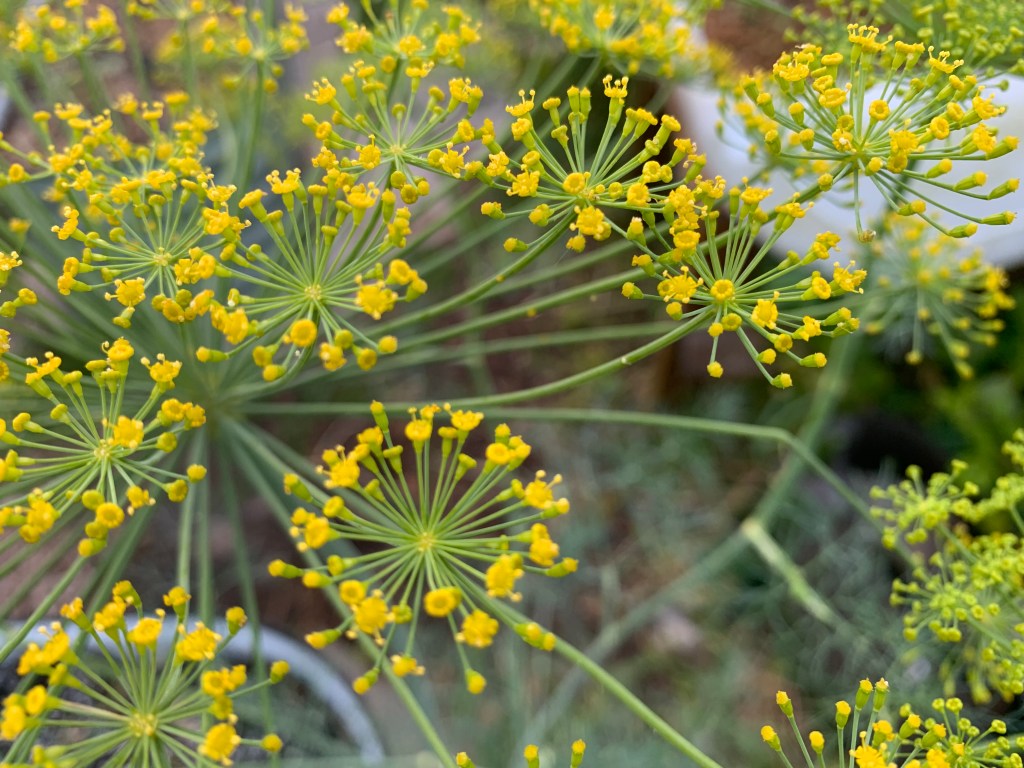
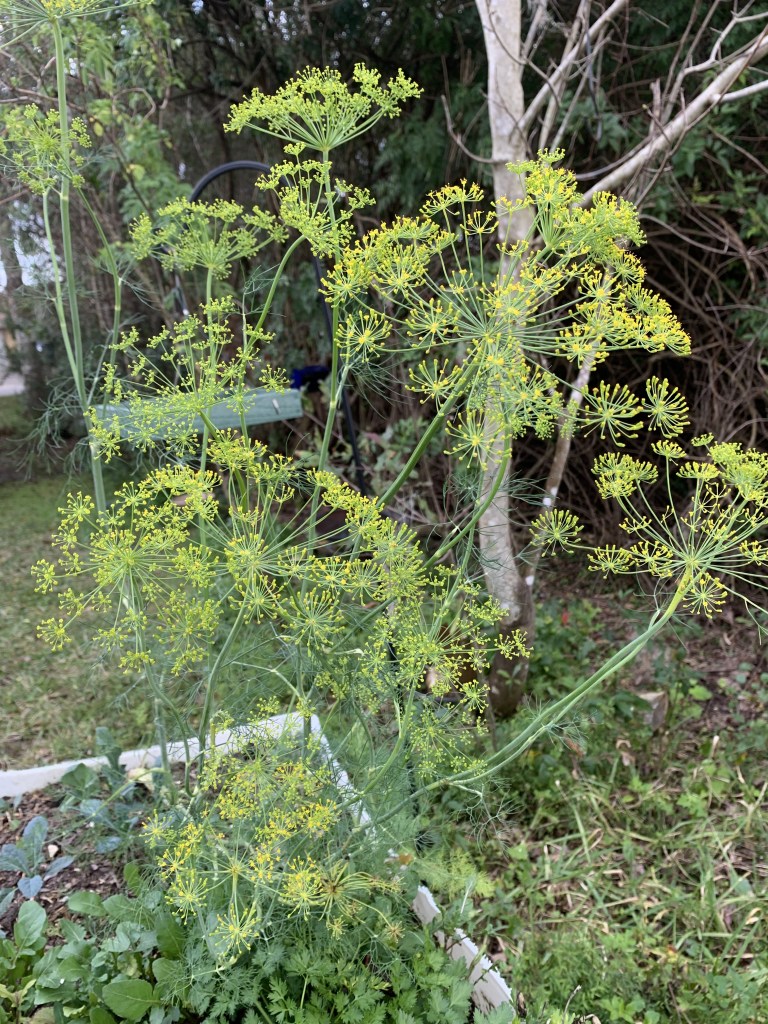
The Desert Rose has come back from the dead (dormant really), to give a pretty display of bright pink flowers. The dill plants are everywhere, and most are flowering, but some have already gone to seed. I’m hoping for black swallowtail butterflies to show up soon.
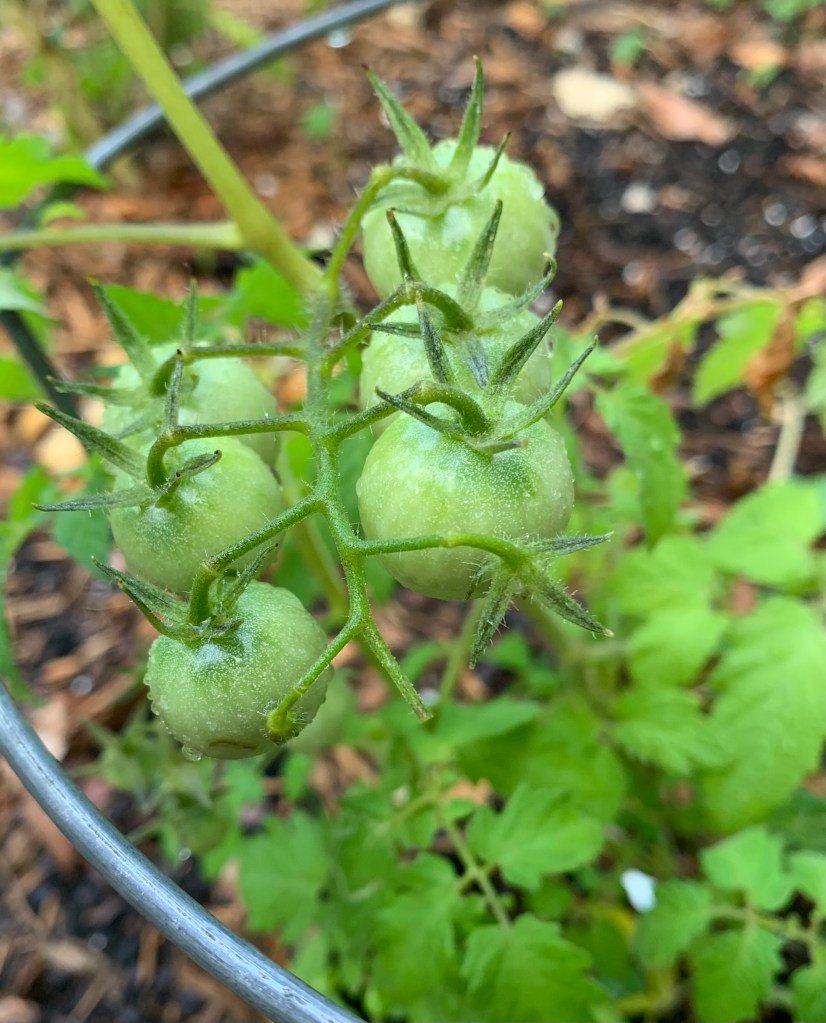
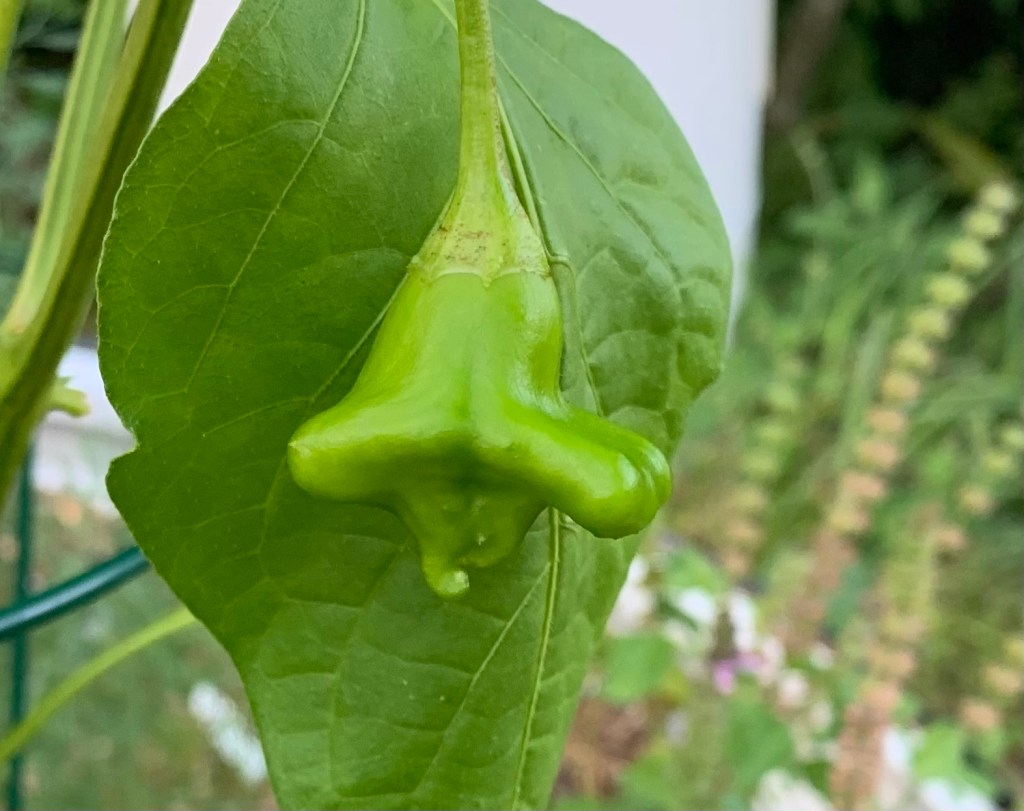
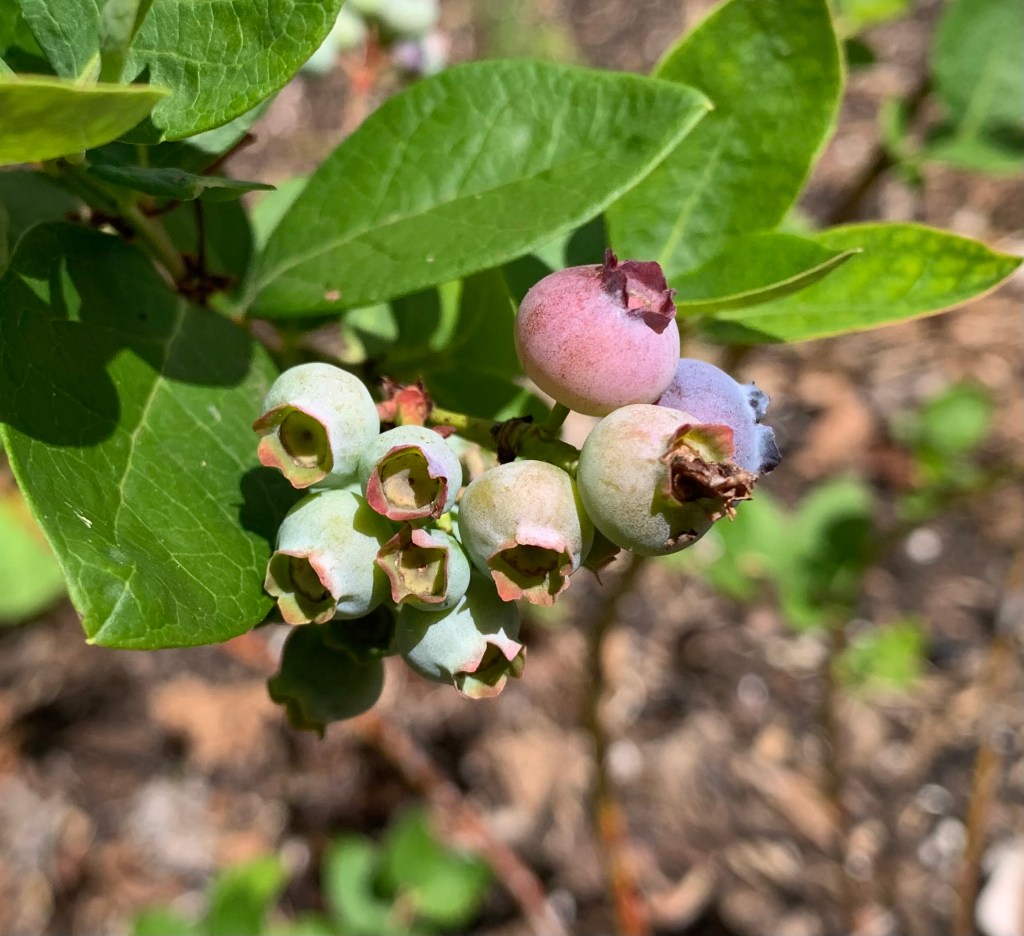
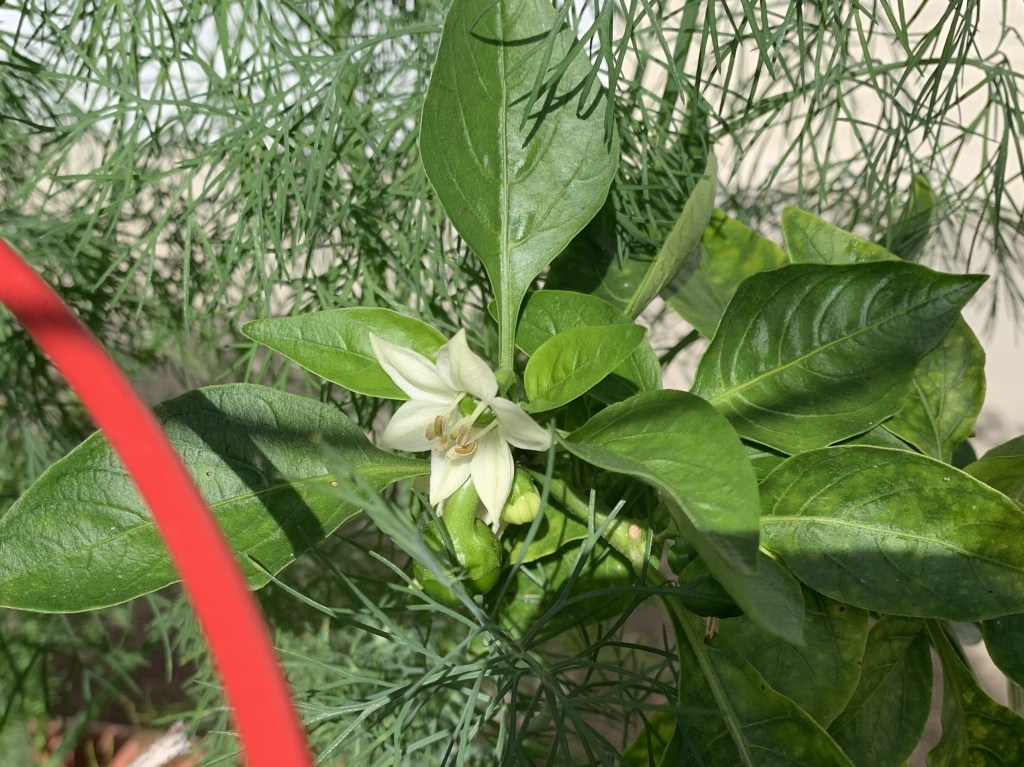
I ate three blueberries on May first! And more blueberries are on the one and only plant. I’m eating a few banana peppers, and waiting for the Ubatuba pepper to turn red. The cherry tomatoes are ready randomly, so I get a few here and there. I was finally able to grow an Everglades cherry tomato plant from seed.
No water is falling from the sky, so every morning I am out keeping the plants alive. The sun is very hot during the day and things dry out fast.
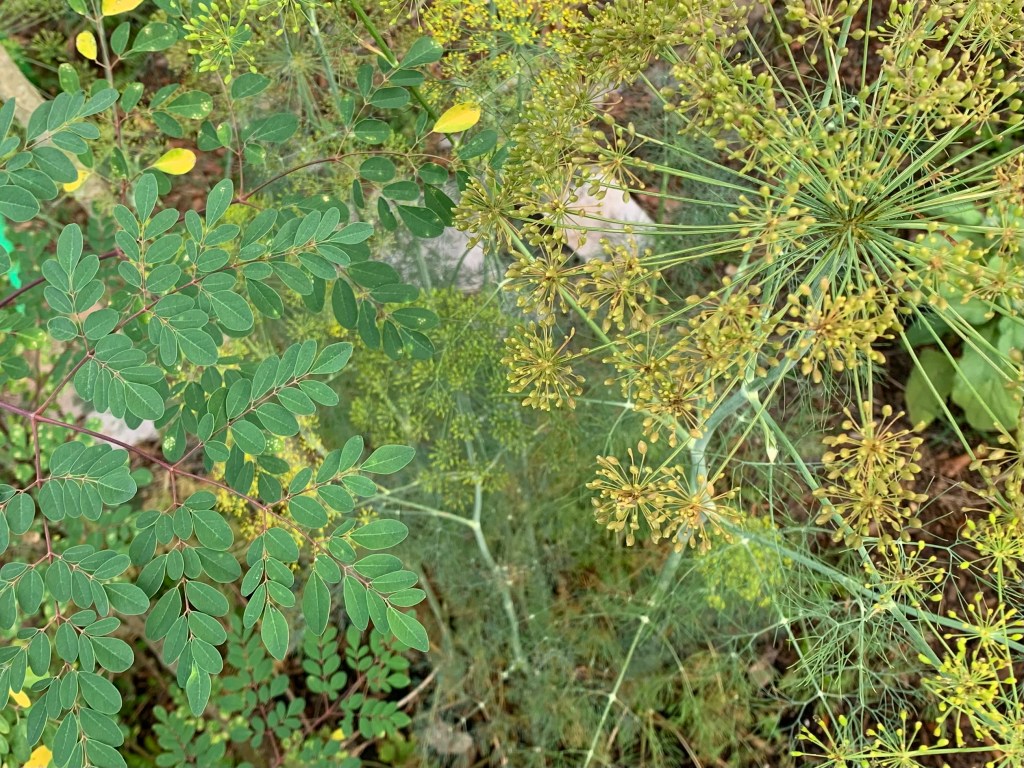
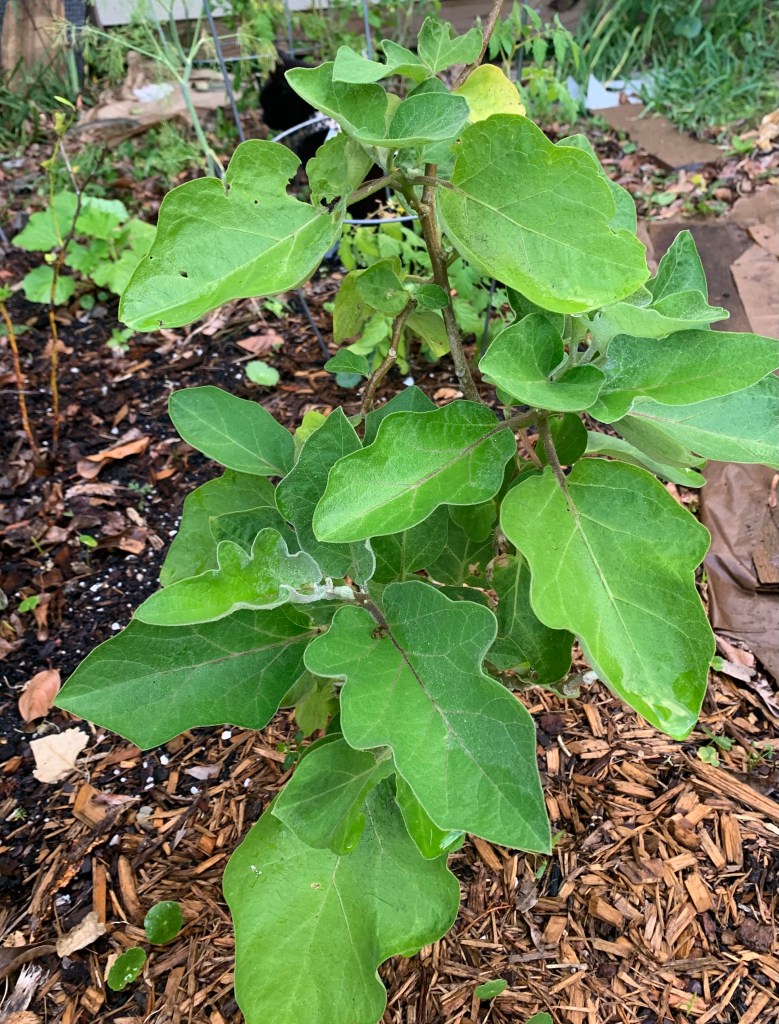
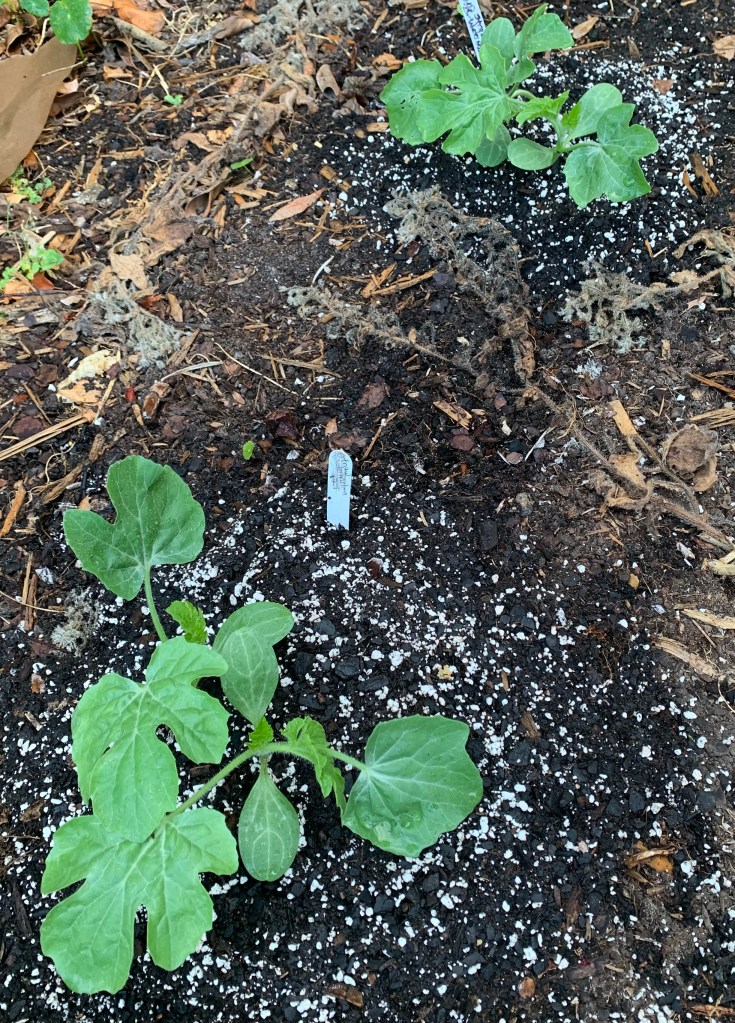
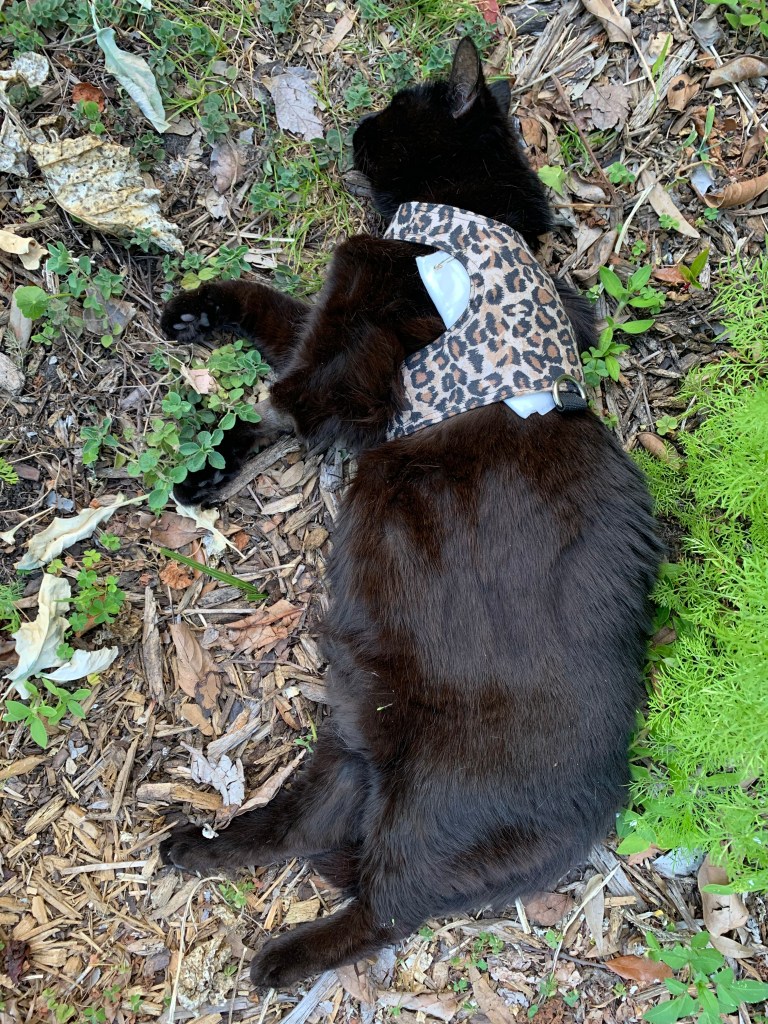
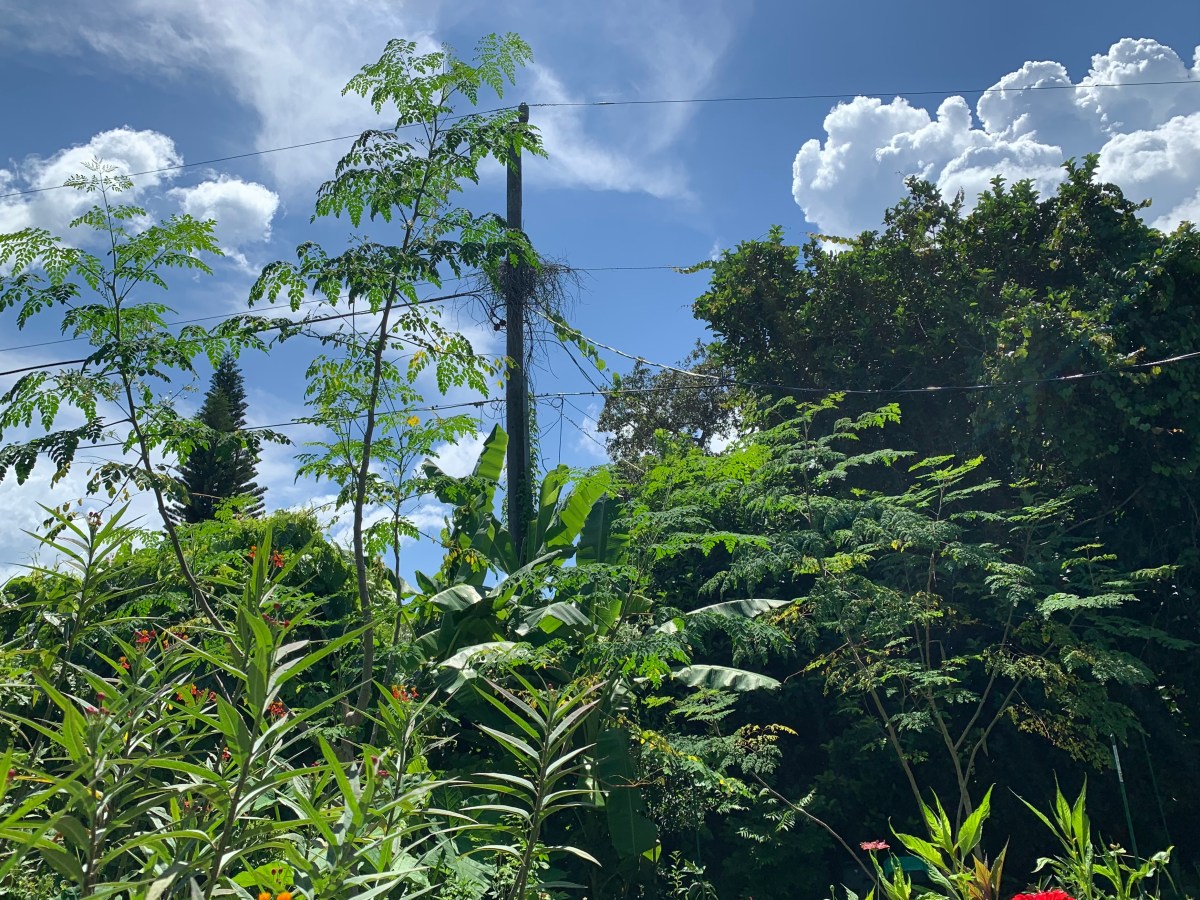
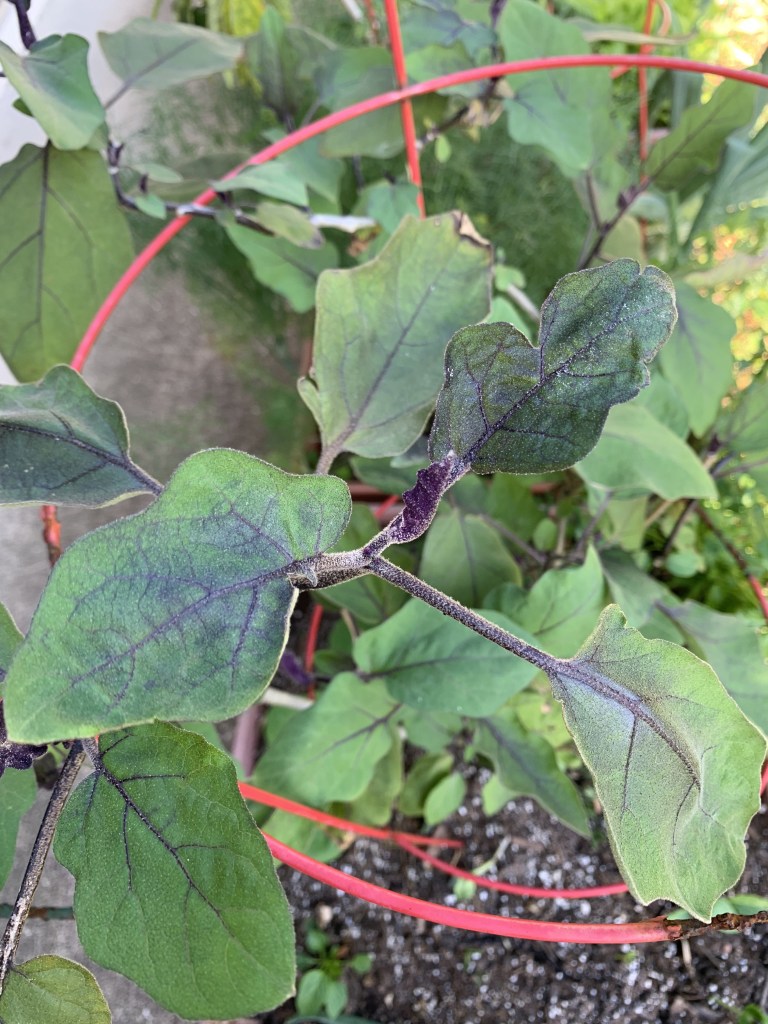
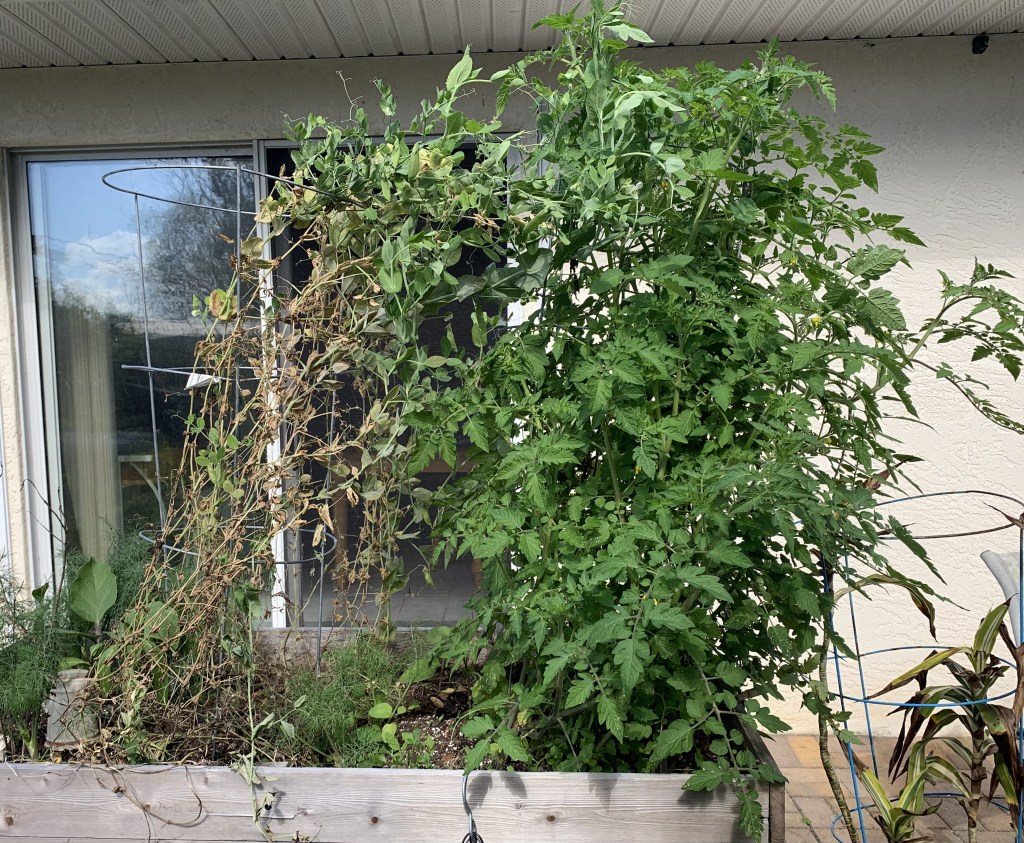
Moringa and dillEggplantWatermelonSkittle after surgery – lounging in the garden
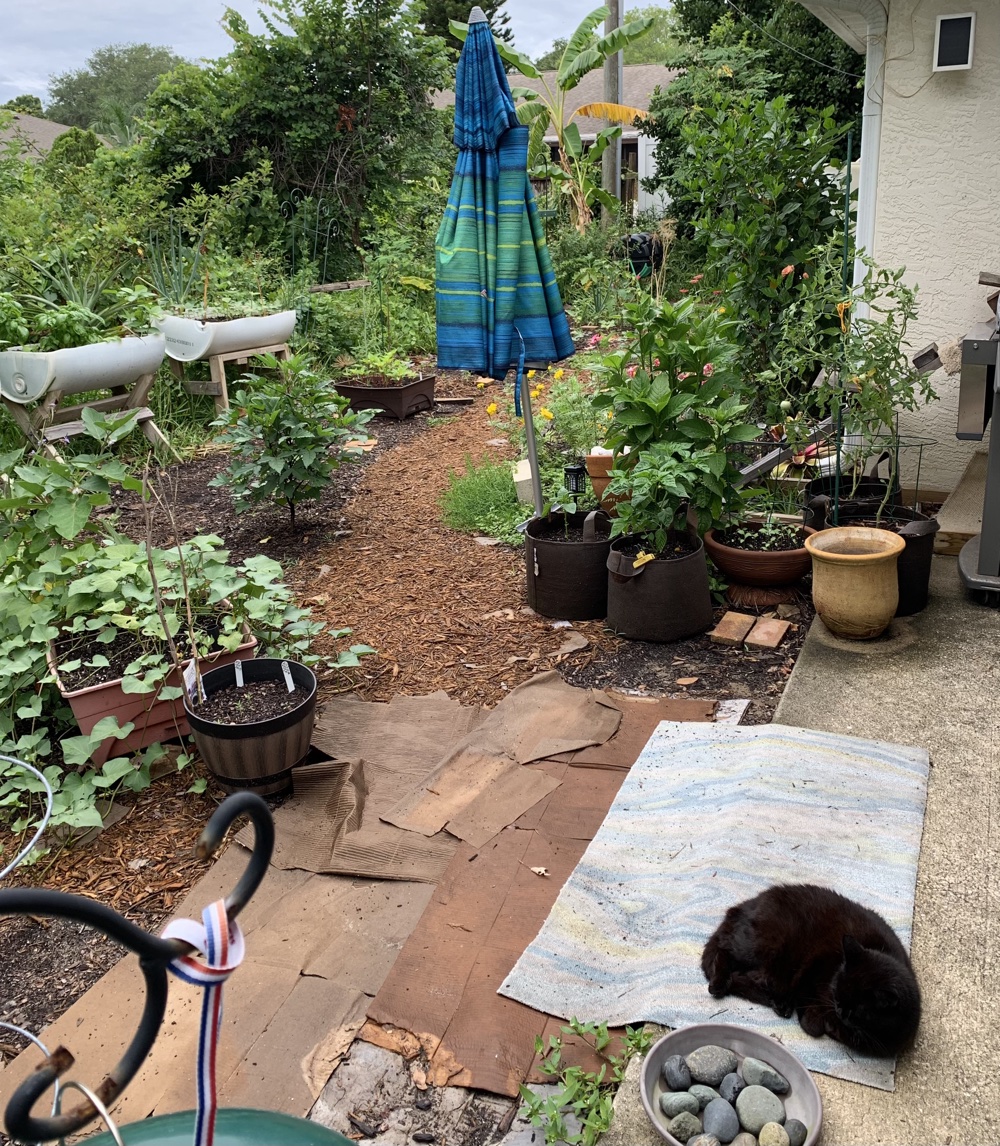
My cat had to have a growth removed from her back and now she is in recovery mode. Nothing stops her from wanting to be outside. The photo above shows her in one of her happiest places. In the garden path, with her nose in the oregano.
If you are in Florida, I hope your garden is in full summer mode. If you are just coming out of a long winter in the north, you will be planting soon.
My Florida vegetable garden journey began in 2021. Here’s what I’ve accomplished in the past three years.
Once I chose to go into the backyard, and begin seriously growing vegetables, I realized I had a lot to learn. I also needed a lot more space.
Summer 2021
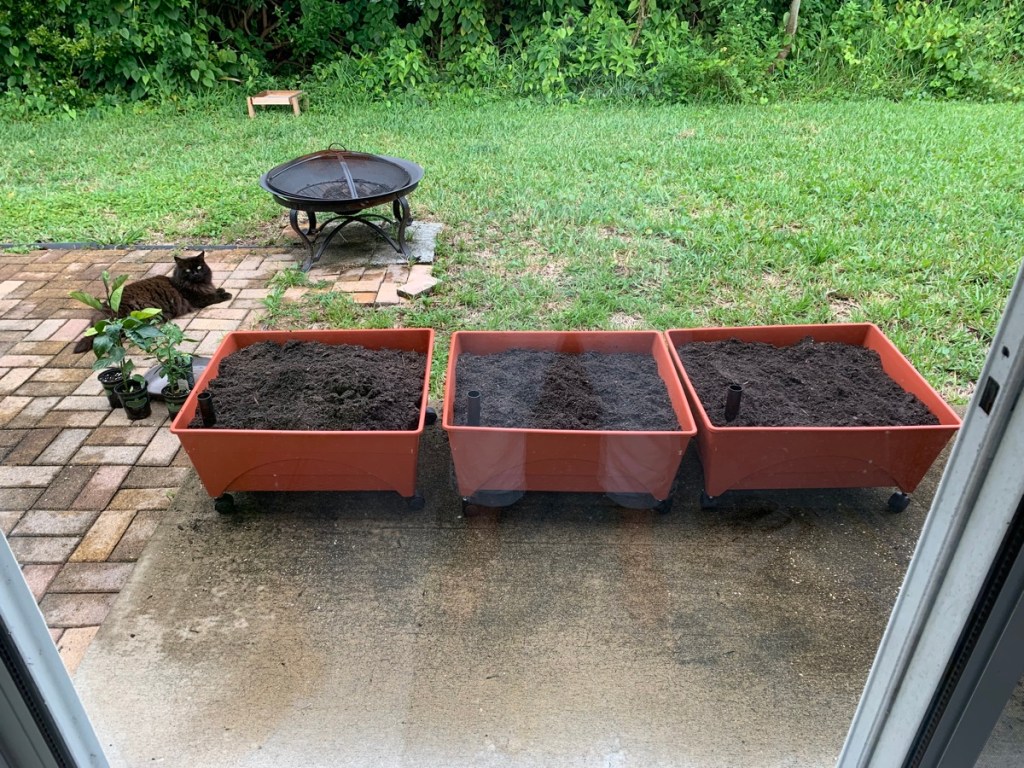
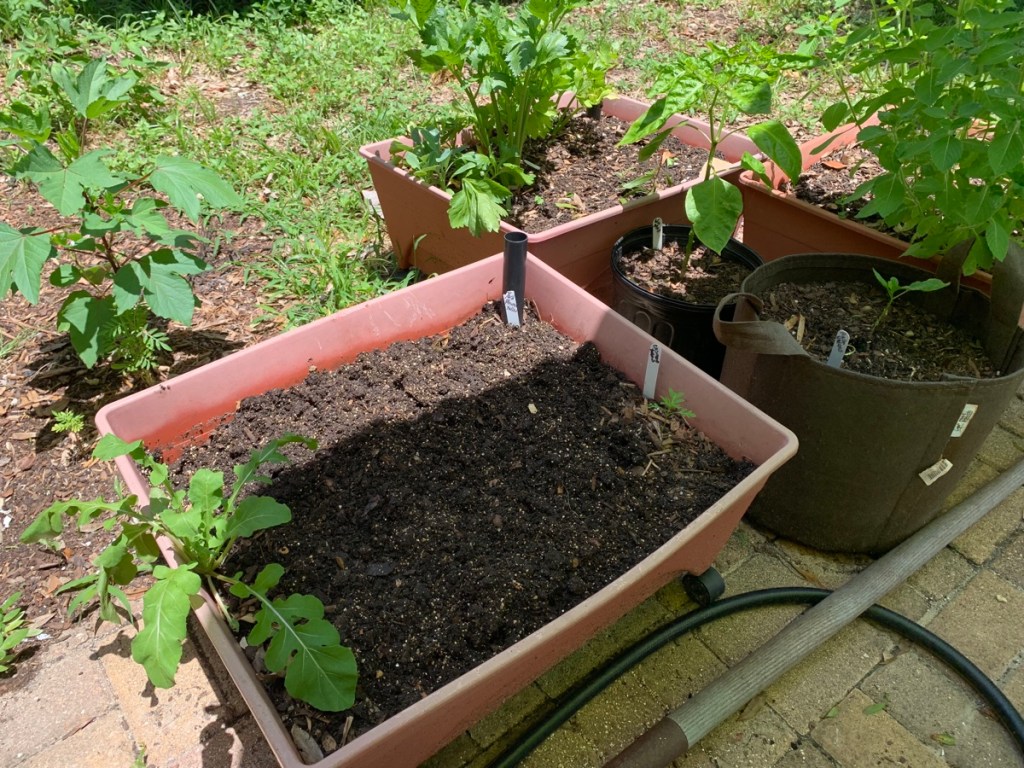
I learned to garden in New England. When I moved back to Florida I hoped to be able to grow some vegetables at least. In the summer of 2021 I purchased three, red-orange grow boxes and put them on the back patio.
These boxes have a tube in the corner and watering is supposed to be done through the tube. The idea is to pour water into the tube and water the roots. I also water from the top.
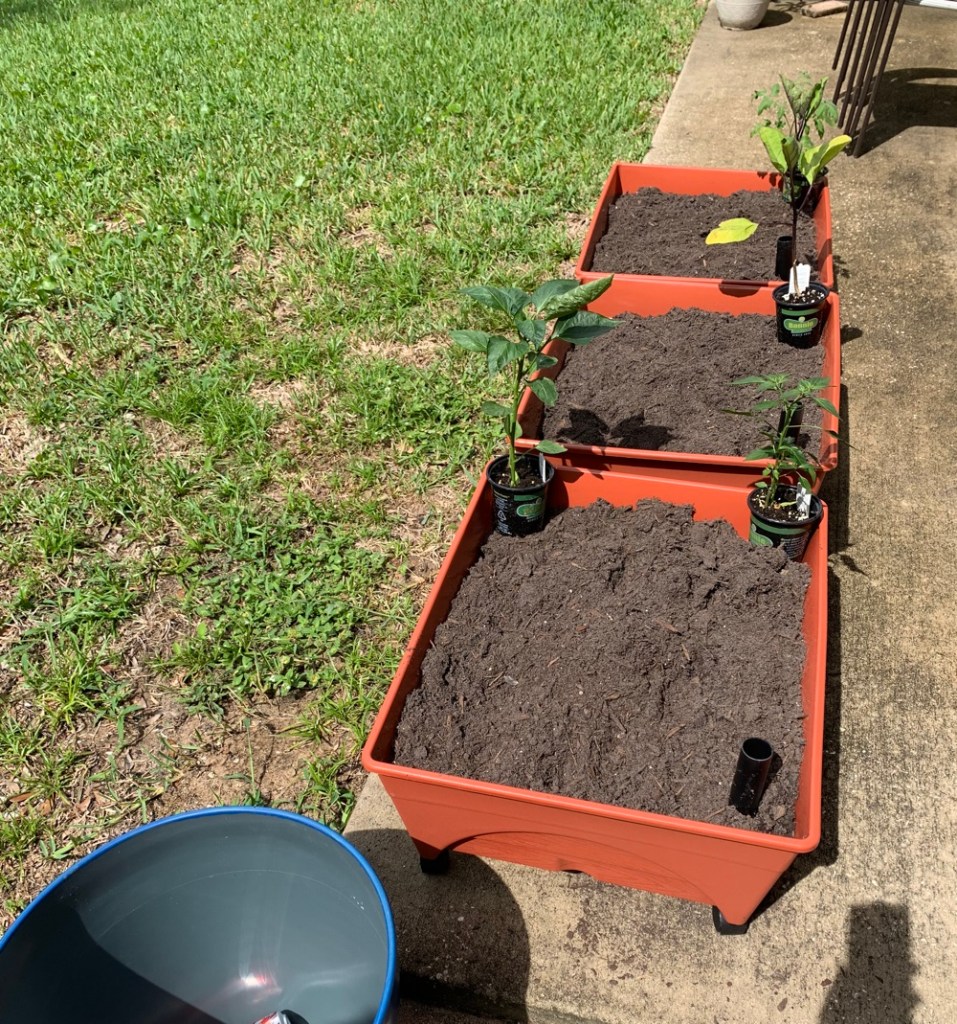
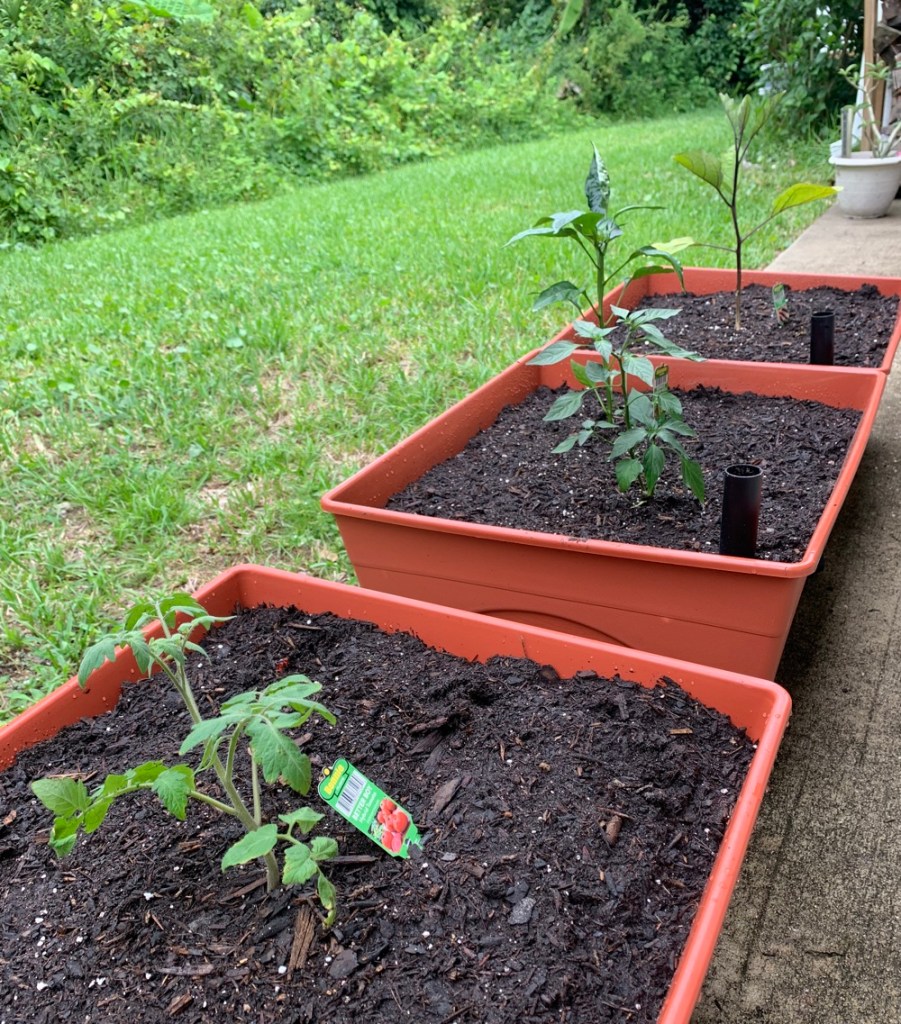
Garden grow boxesNew grow boxesTomato, pepper and eggplant
I bought my boxes at Home Depot and they are similar to this style available at Amazon: Emsco Group Bountiful Harvest Raised Grow Box (paid link). They have rolling castors so moving the box on a patio is pretty easy.
Grow Box as Seed Nursery
One issue I have with these grow boxes is that they are not very deep. The lower area of the pot is reserved for water to accumulate, so they are more shallow than they appear. These pots are perfect for starting seeds. Once the seedlings are big enough, they can be transplanted to bigger pots, or into the ground.
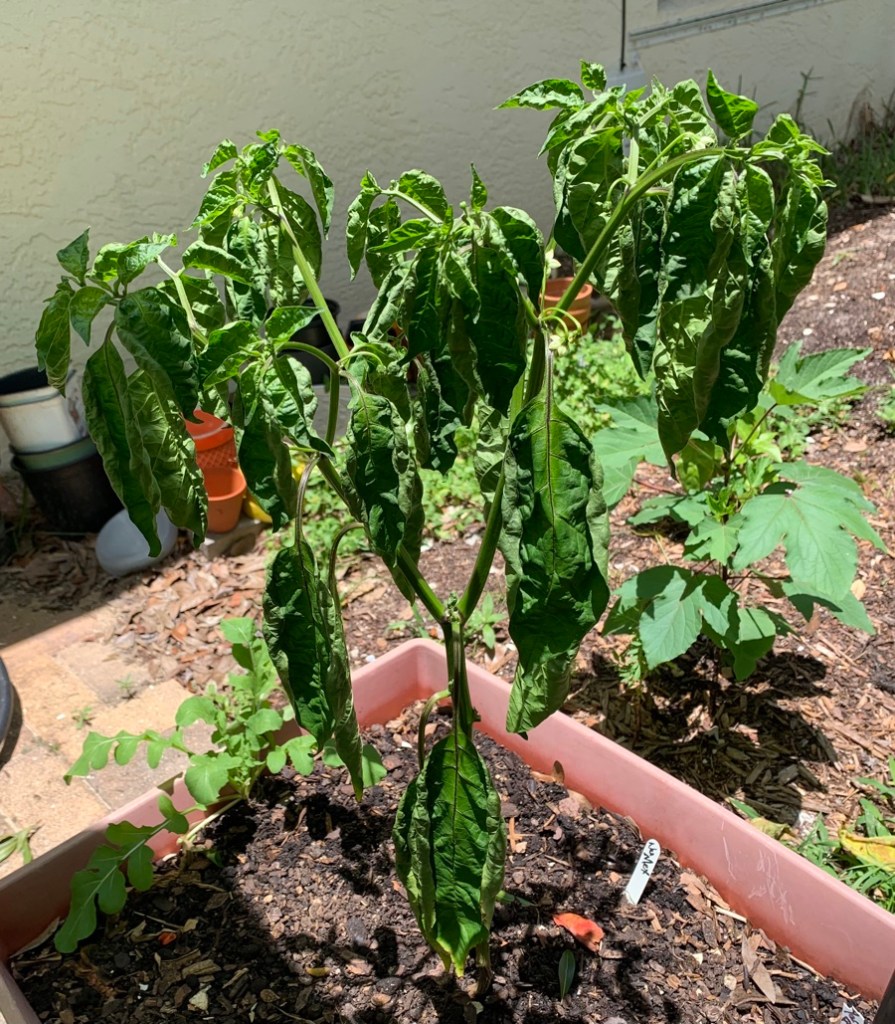
These grow boxes work well, but they do have a flaw. Because there are holes, dirt can be washed down into the bottom area which should be for water only. Once that fills up, and the box can’t drain, roots become soggy and plants die. This happened to my NuMex pepper plant.
NuMex in troubleGrow boxes have a flaw
To avoid the problem of dirt sifting down into the bottom, I clean all dirt out of the box, remove the panel with the holes, and drill holes in the box bottom. A layer of mulch and stones will work for drainage. Now the box is more like a big plastic pot.
Spring 2022
I actually grew a few peppers in 2021. I was so stunned to find that peppers (and other things, like eggplant) would continue to live for years here! Eventually they don’t do very well, but I knew this climate was going to be a challenge.
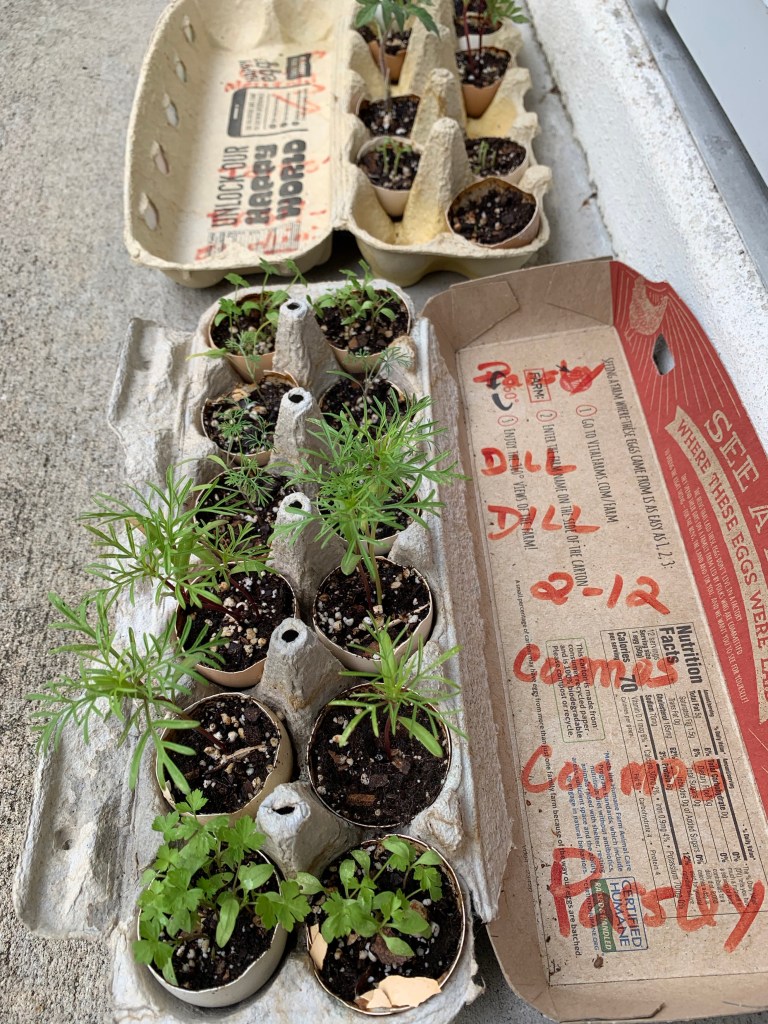
In 2022 I tried starting seeds in egg shells. It was a fail. Not worth the effort. In fact, starting seeds in small pots is not easy, and frankly, a waste of time.
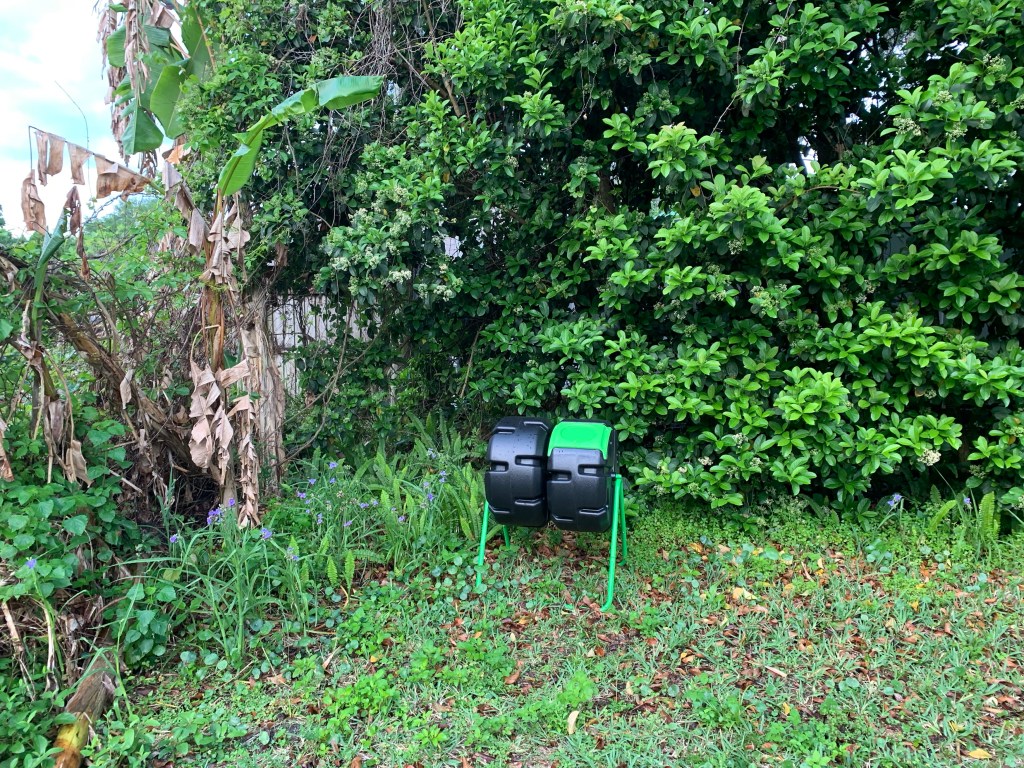
This was the year I began to compost. I bought the Hot Frog composter (which I am still using).
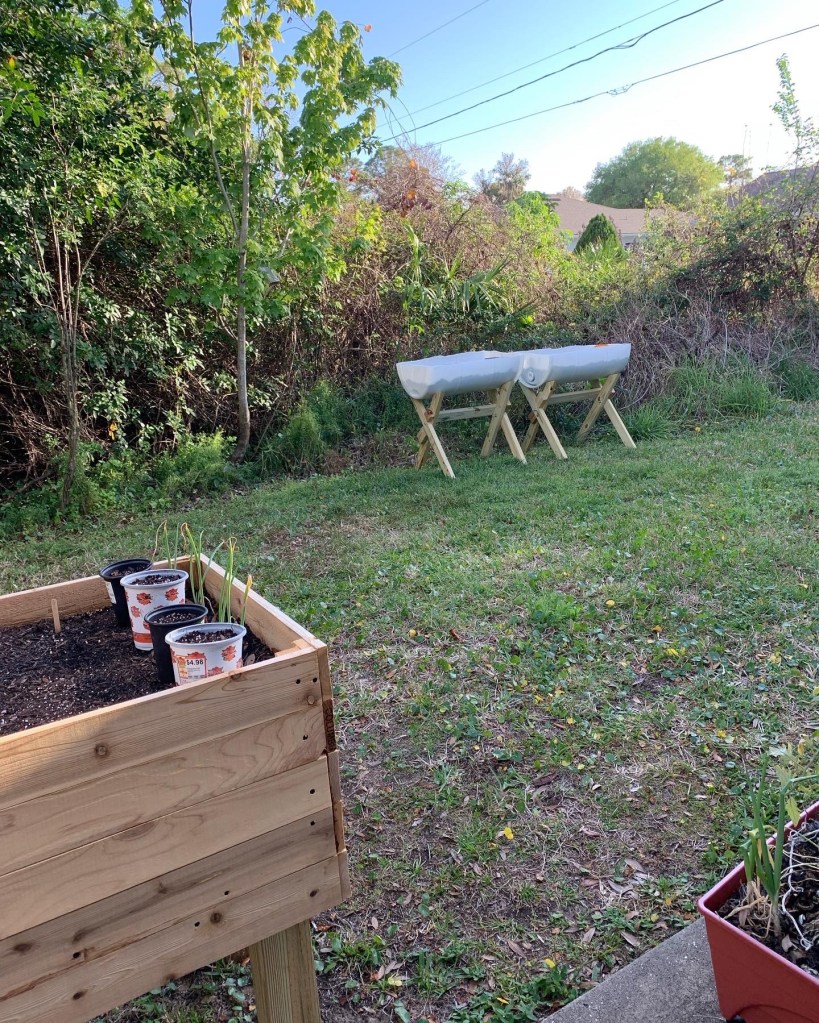
My son built a few raised beds from wood and white barrels he got from work. I still had nothing growing in the ground.
I now have a garden back here.Not worth the effort.New raised beds in 2022
First in-ground Garden Area, 2023
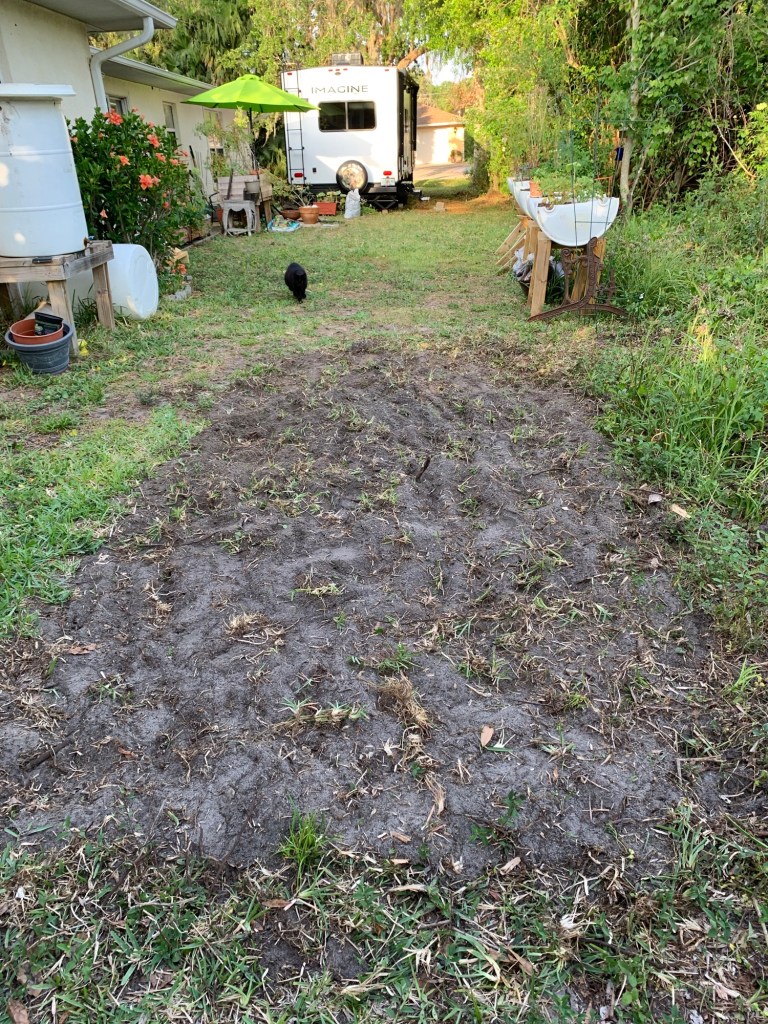
March of 2023 was when I decided to till the lawn and create some in-ground gardens for vegetables. I bought a rototiller and made a little area of dirt. After that, I began to use cardboard to kill the grass and create more gardens.
Cardboard takes longer, but it keeps all the good grass and topsoil undisturbed. It simply dies from being covered and becomes part of the soil.
To plant over cardboard that is not completely decomposed, use a hand fork and chop the cardboard and earth. Add amendments, and plant.
First garden space
Summer 2024
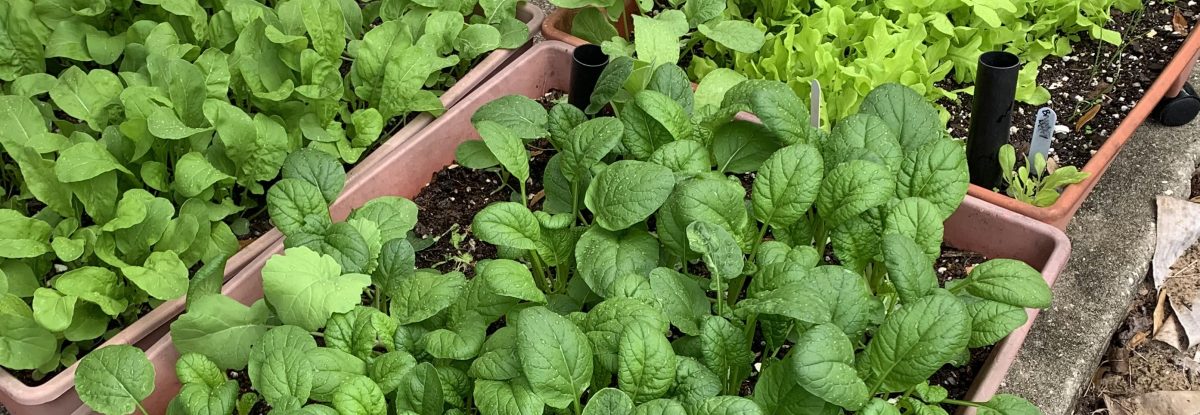
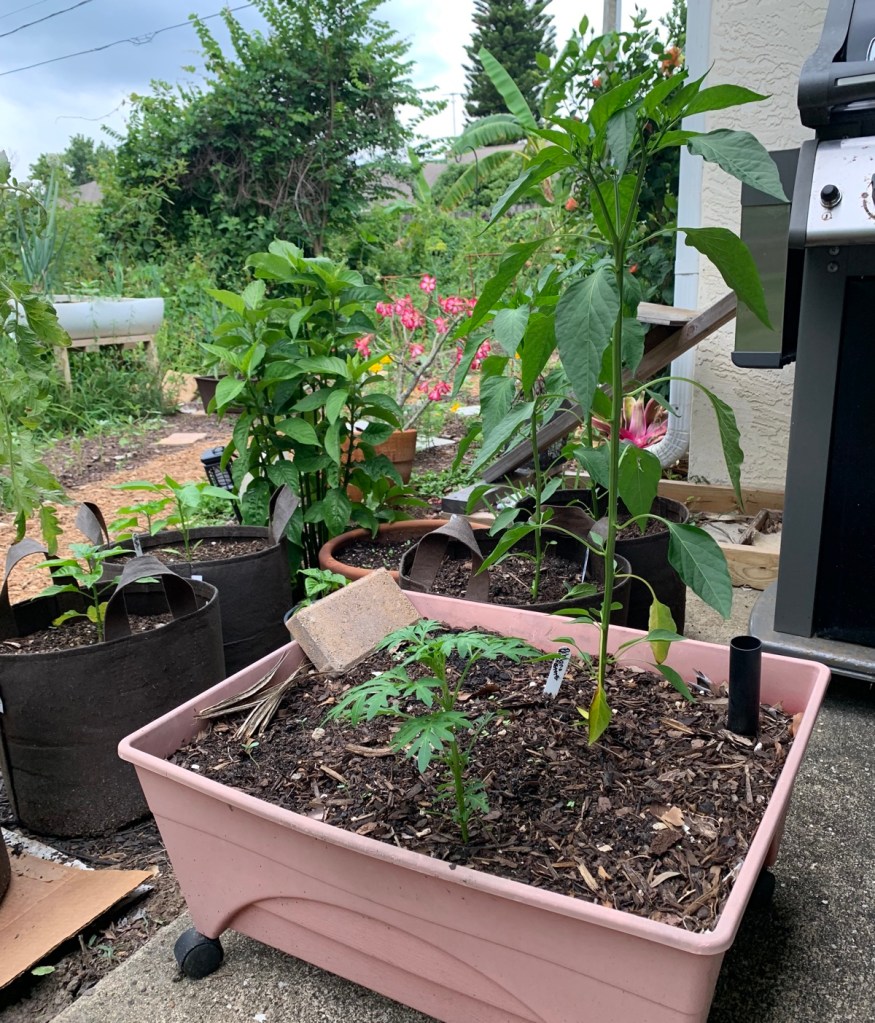
I still use the red grow boxes, although they have faded to pink over the years. These grow boxes are best for growing vegetables that have shallow roots. I now have seven boxes. They are perfect for growing onions, half-long carrots, and greens. I use them as seed starters too.
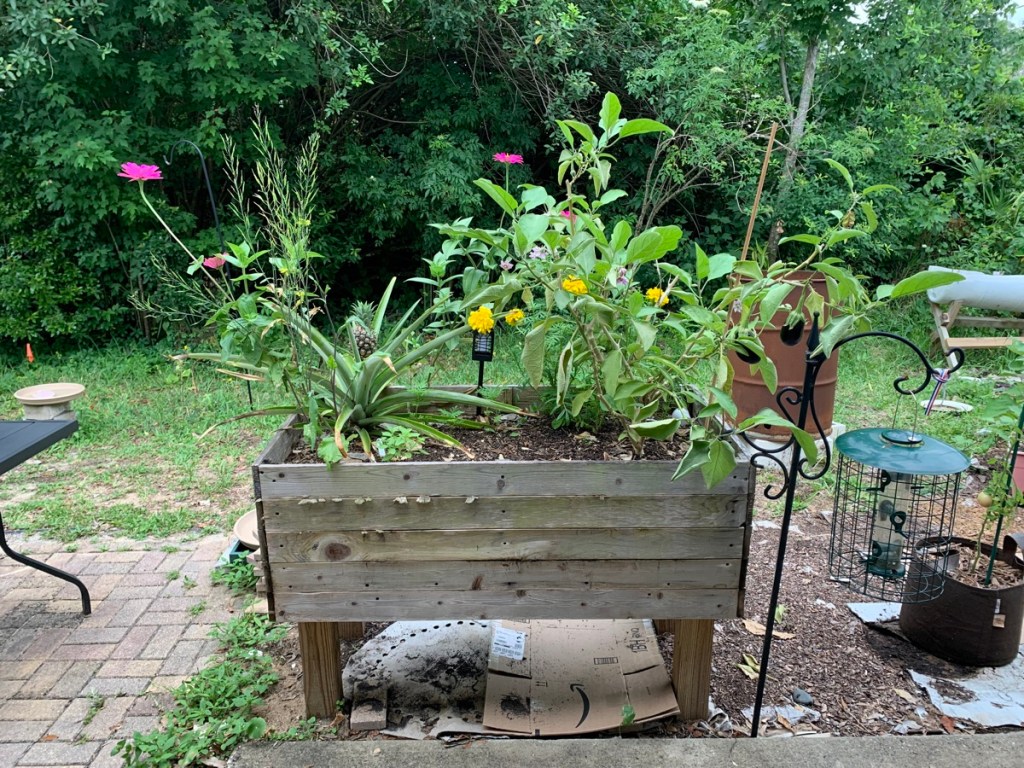
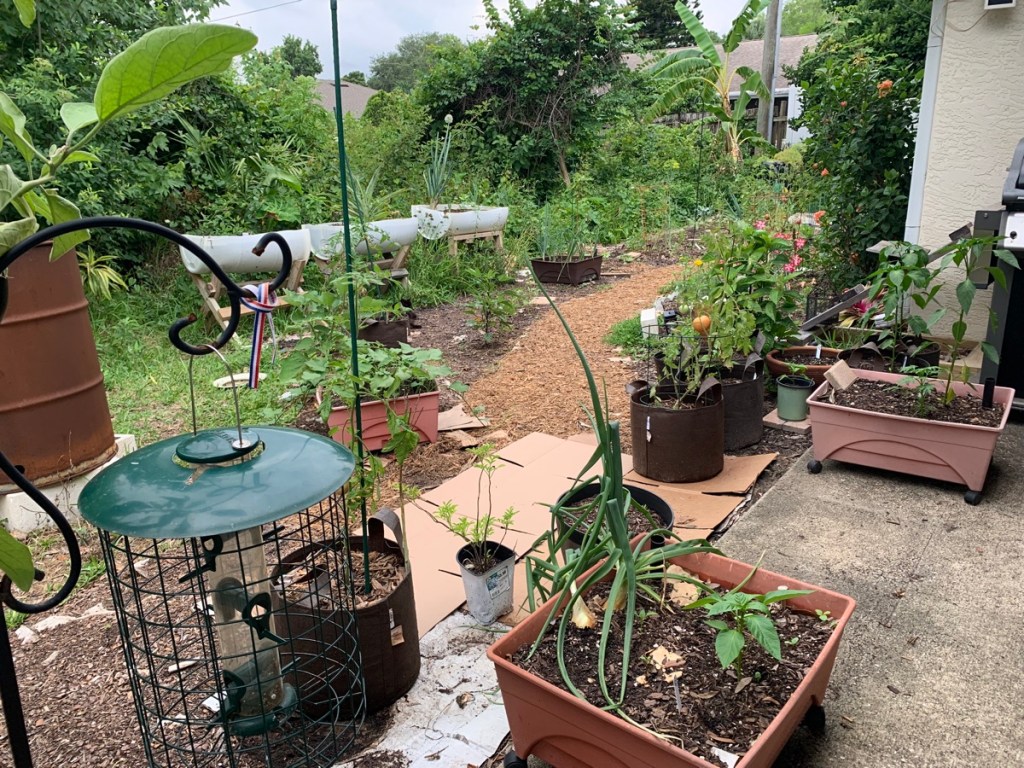
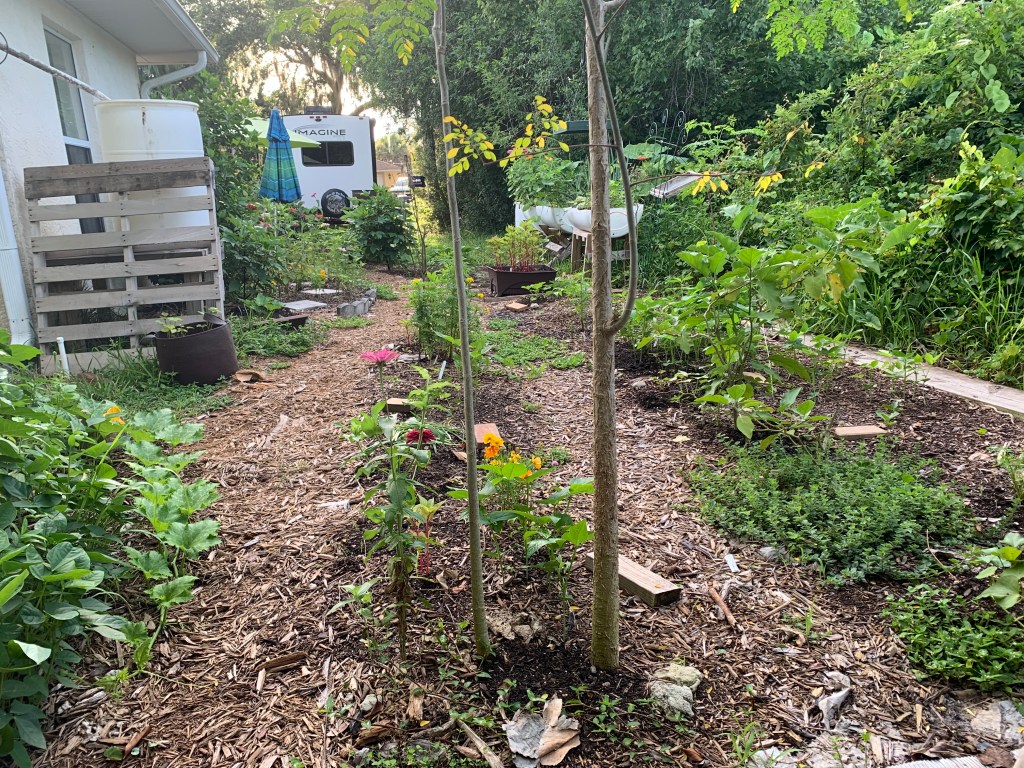
Wood raised bedFaded boxMay 2024June morning in the garden
Now, I am beginning to feel pretty confident about which crops to grow. I’m still in the experimental stage with some things. Gardening is an ongoing learning adventure!
See how I planted a little flower garden in my Florida yard.
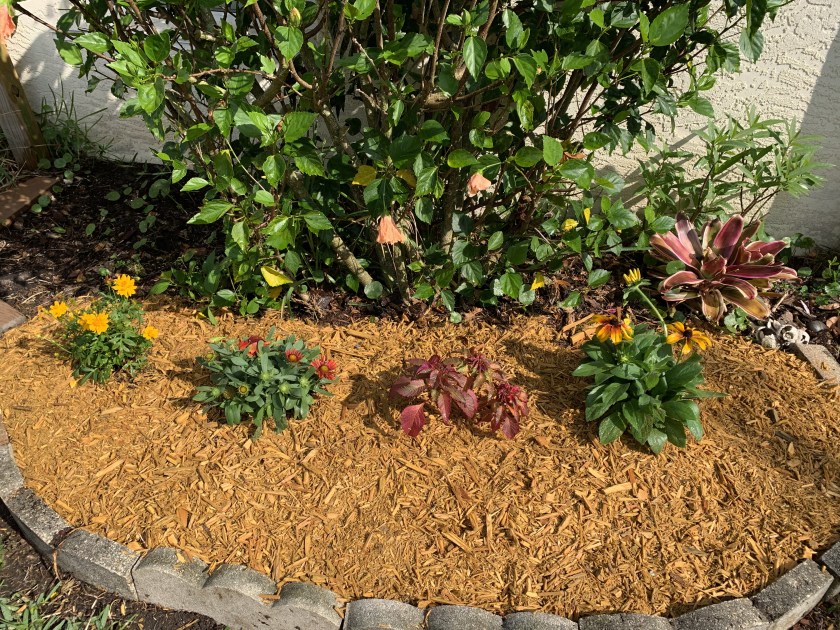
My son took me to Lindley’s Nursery in New Smyrna Beach the other day and I picked up some flowering plants for the yard. (More about Lindley’s further down the page.)
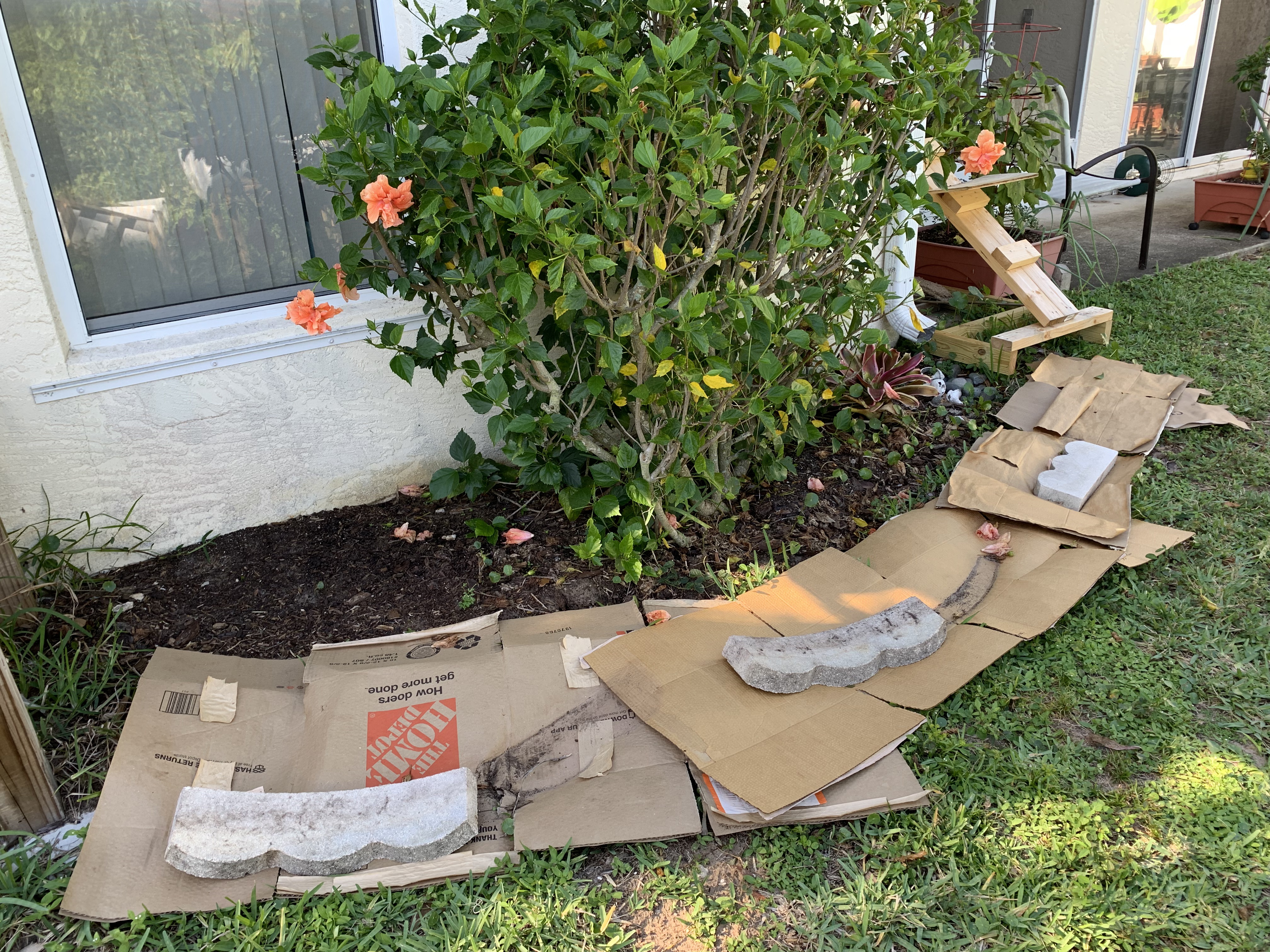
I’ve been saving cardboard boxes to use as grass killers in the yard. It is not that easy to kill Florida grass and weeds, but this type of thing works very well in New Hampshire! Haha… I’m not there, I’m here, so we used the rototiller.
Step Two
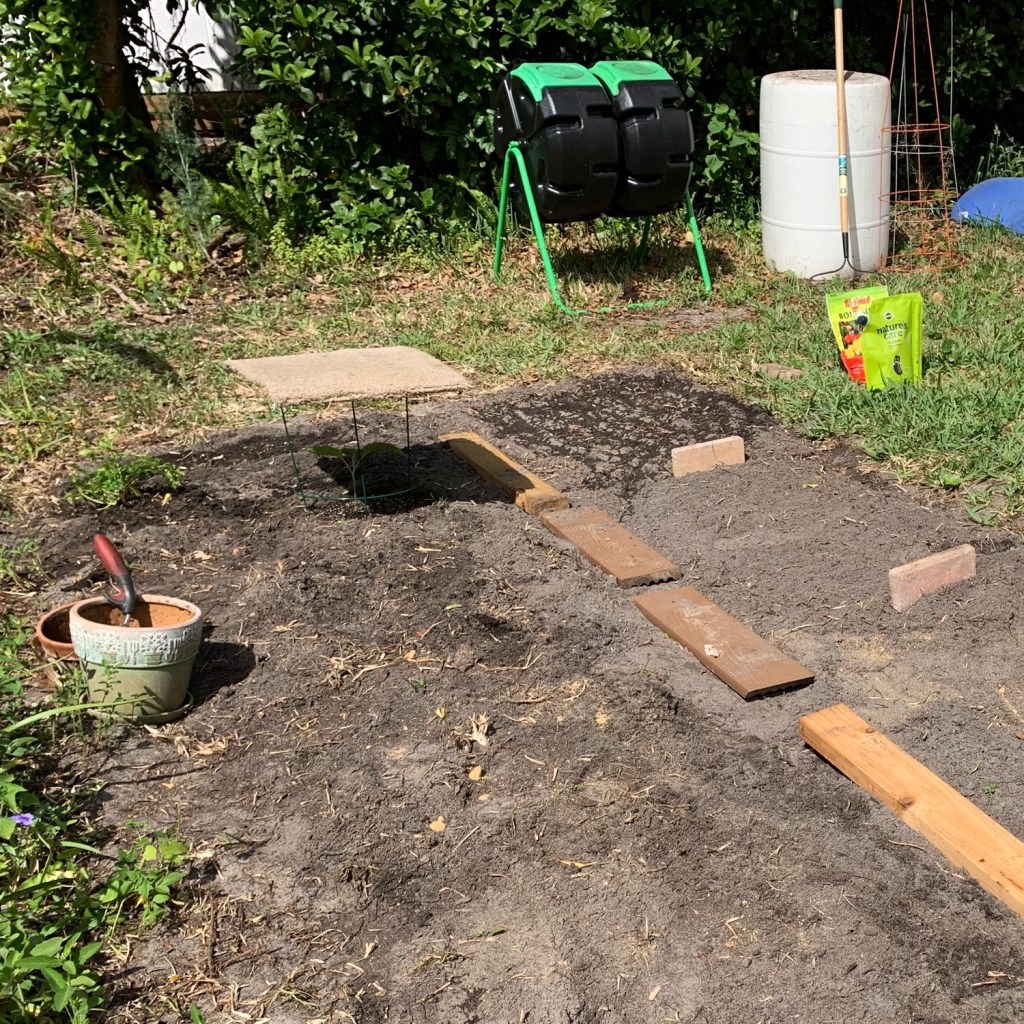
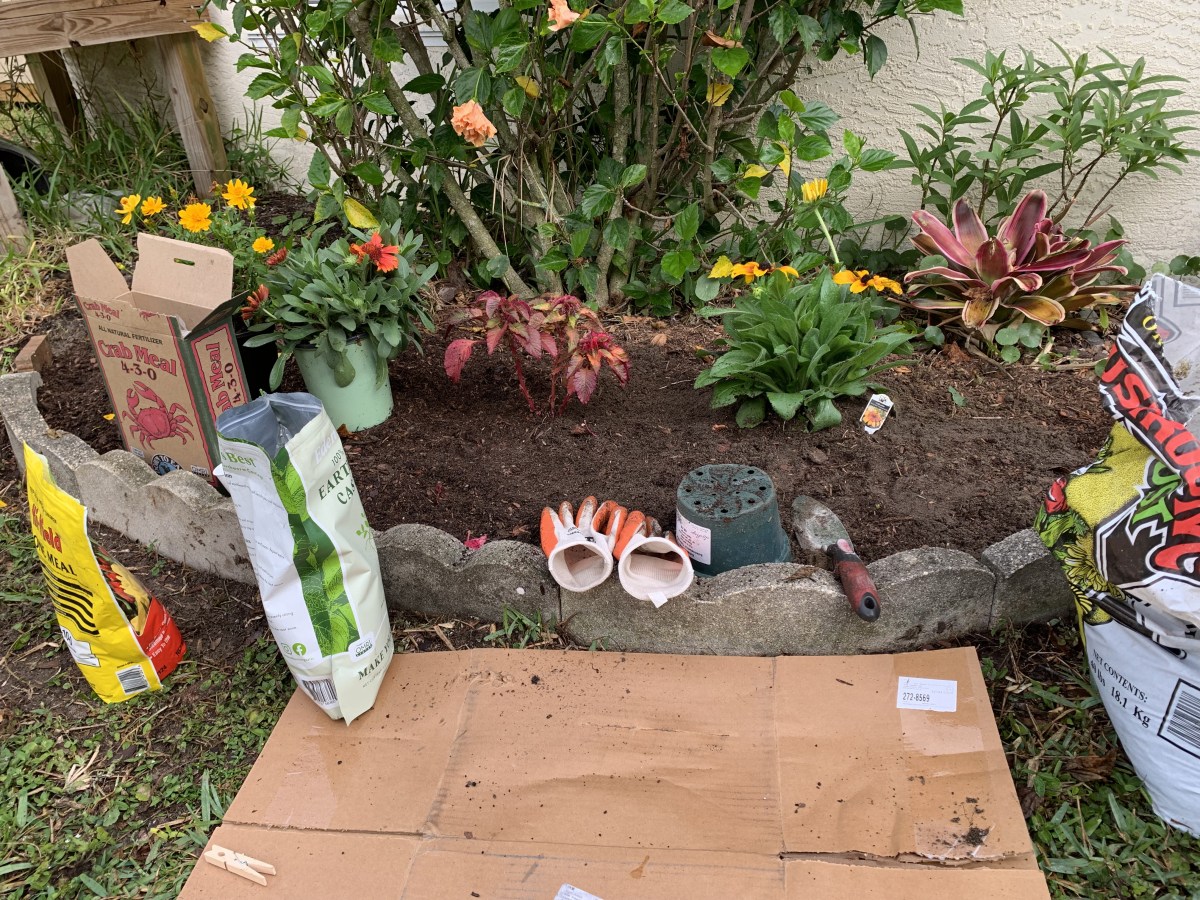
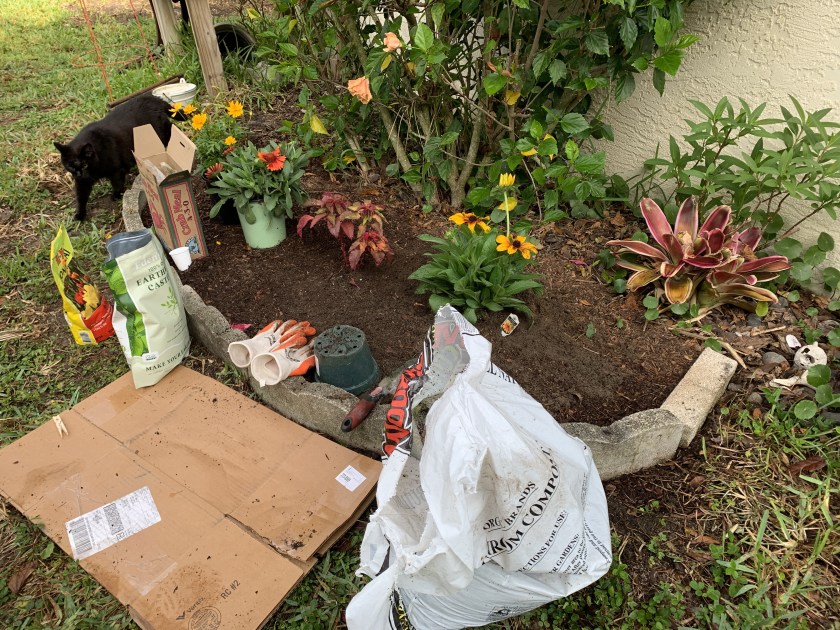
Dig up the grass, roots, and dollar weed (ugh) and pull it all out. (There is no way to remove all the dollar weed.) This leaves a sandy “dirt” to which I added a bag of store bought soil. (We buy our dirt, compost, and mulch from The Yard Shop in New Smyrna.)
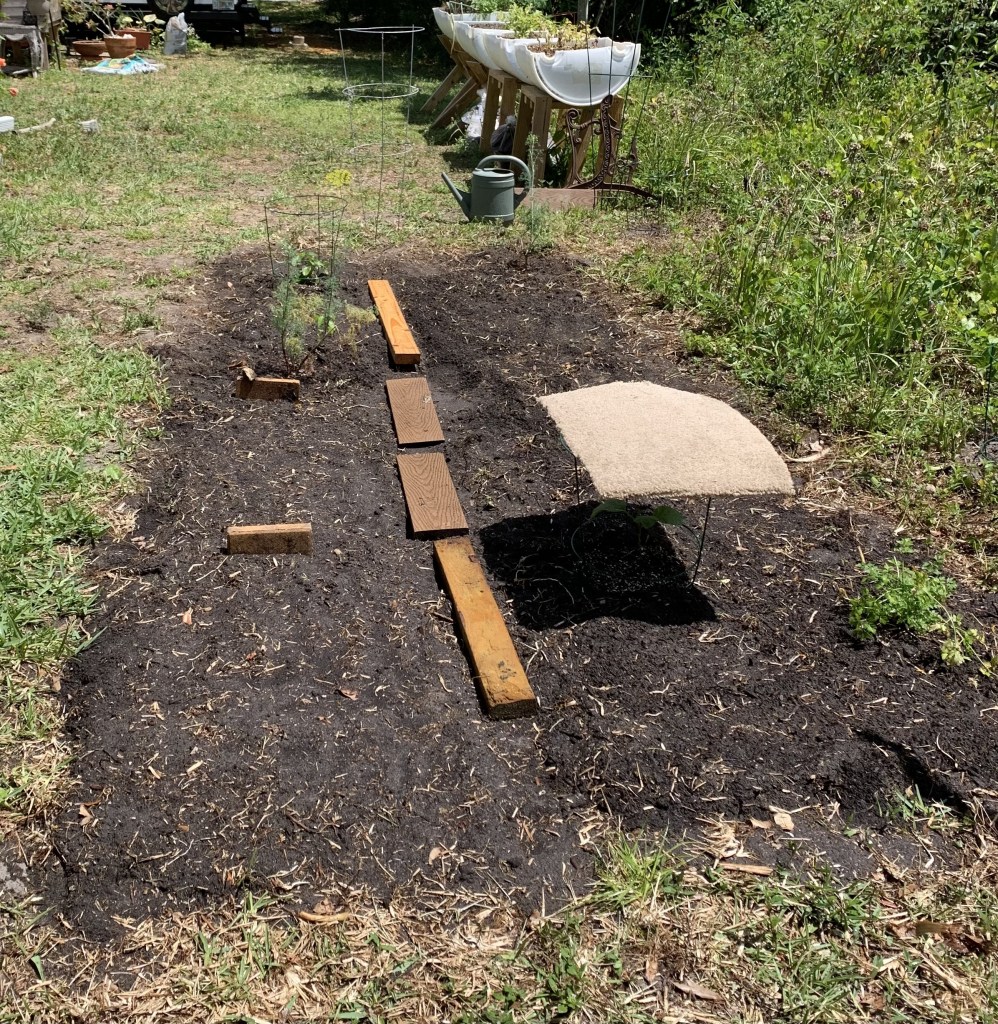
Nearly done with the garden
Plant the Shrubbery
I had four plants to put into the space and I planted them back a bit to leave room for something in the front. Also, I’m not sure how big they will become. I used a piece of the cardboard to kneel on while planting.
These plants came from Lindley’s Nursery in New Smyrna Beach. I was so impressed with the upgrades they had done to the place since my last visit (quite a white ago). I would have stayed longer because the grounds were beautiful and they had so many wonderful plants, but I was with my son who was not into plant shopping.
I grabbed some flowering things that seemed to attract bees (if the bees are on the plants while shopping, it’s a good indication!). All the Florida native plant names totally left my head, but I will probably go back at a later date to find more plants. They did not have any native milkweed because I asked. It was sold out – and there was no sign – so I’m not sure which type they were selling. I hope it was not the tropical milkweed.
The digging began early in the morning to beat the sun. I have until around 9:00am until this area becomes sunny. I did have to finish with the mulch and do the watering in the sun, but at least the digging was finished.
Finished!
Planting Tips
For each plant I added to the garden, I included some bone meal, crab meal, earthworm castings, and compost. All these things should help improve the soil and keep the plants happy for now. I used these amendments because I had them, but bone meal only would have been fine for now. (All links are Amazon affiliate links.)
A couple of the plants were very root bound, so I disturbed the roots by pulling them a bit to keep them from being tight. This helps them to grow outward instead of round and round like they had to do in the pot.
All the soil amendments I mentioned above were mixed with the ground soil once the plant was in its place. After planting, each plant was soaked with water, and once the mulch was added, I watered them all again.
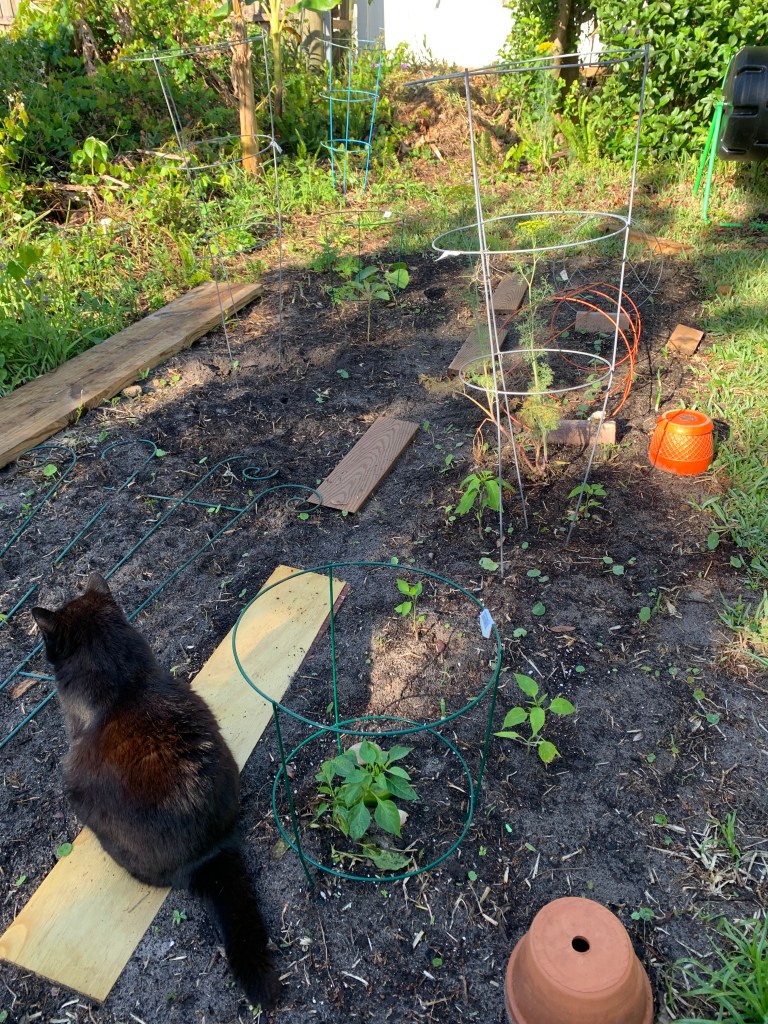
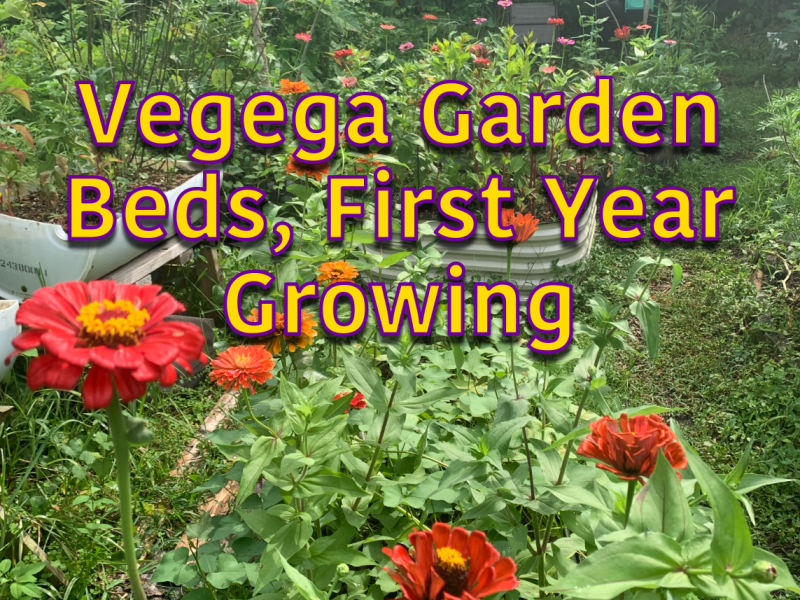
Planting a garden, year two, from saved seeds. Everything growing in my small backyard vegetable garden was begun from my own seeds and seedlings.
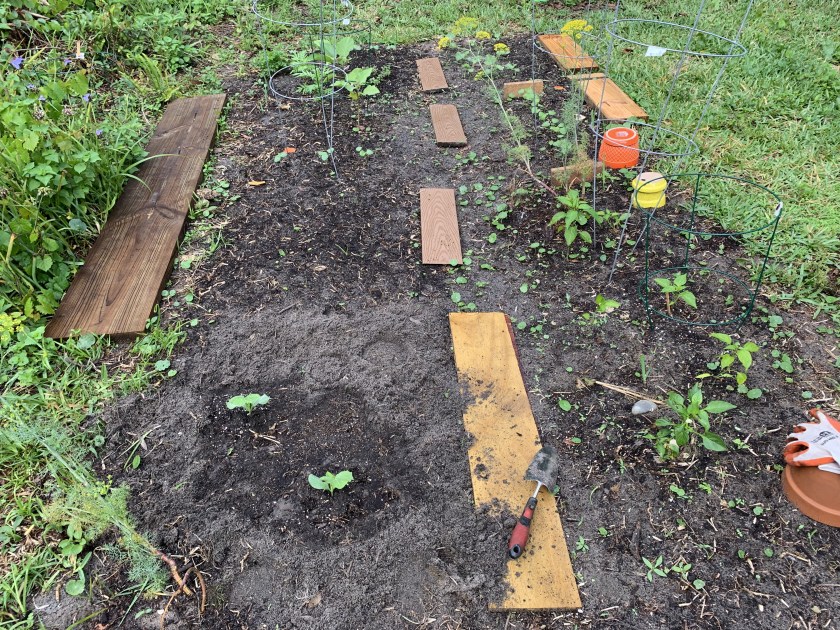
As of the end of April, my backyard garden is nearly full of little vegetable plants. Today I added two pumpkin plants after they grew from seeds in little pots.
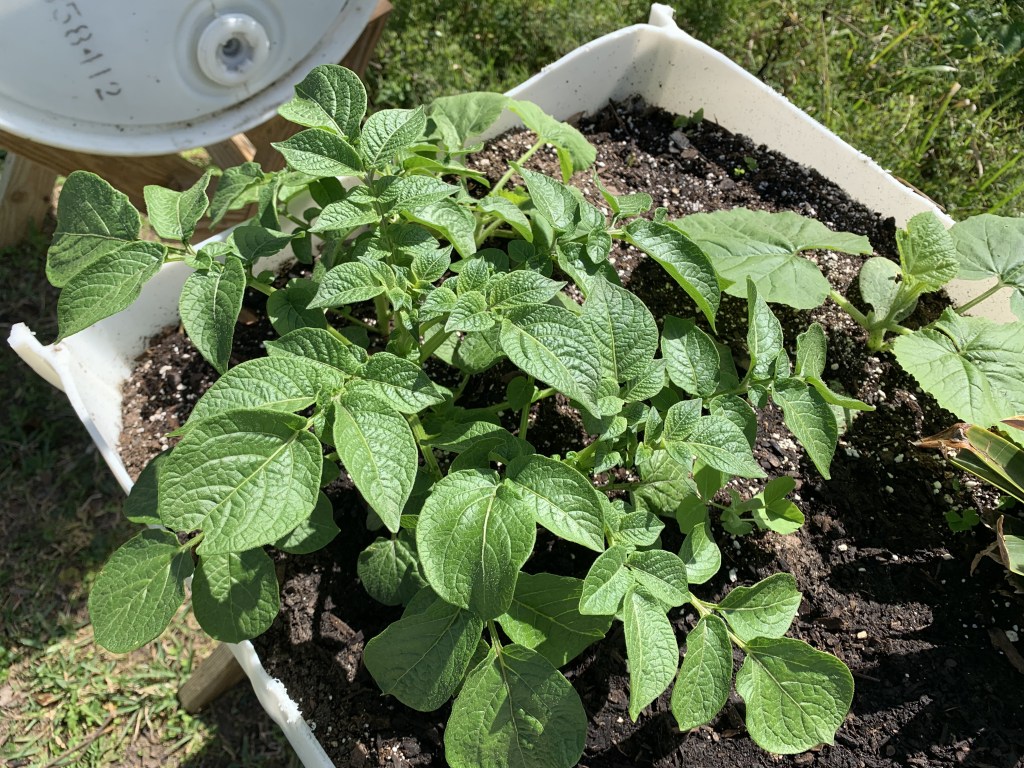
The eggplant plants have been growing in garden boxes near the house and were transplanted into this garden. They came from seeds I saved from the eggplants.
April vegetable garden
Vegetables I am Growing This Summer
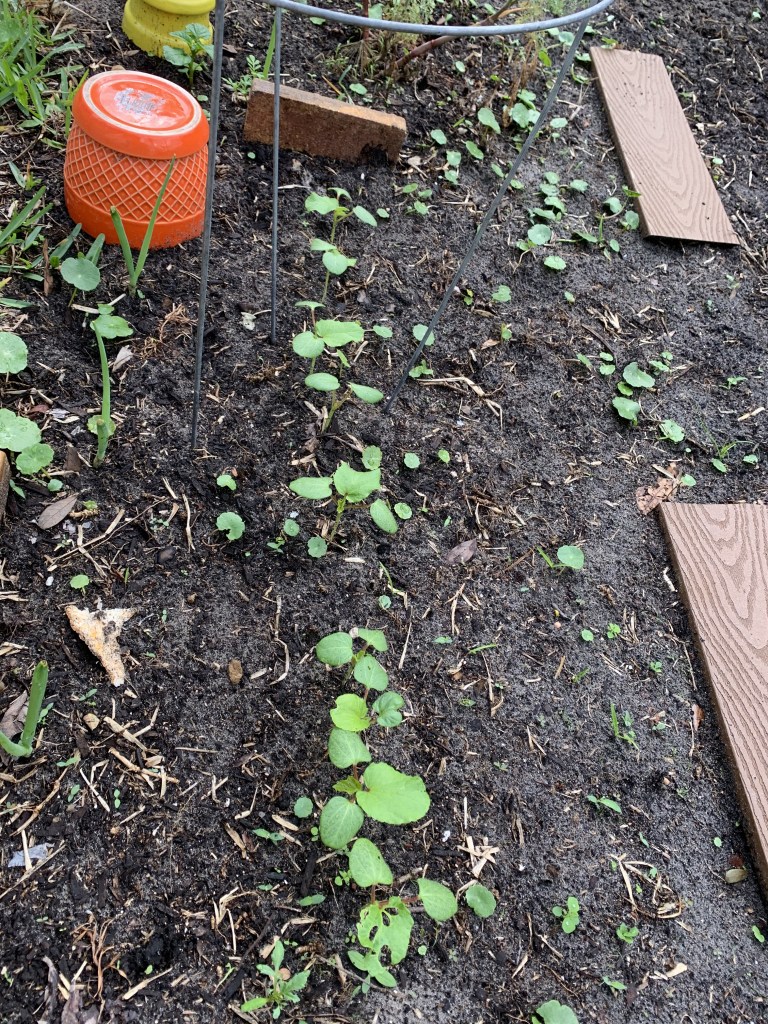
In the garden I have okra (purchased seeds) that was planted as seeds. I’ve never grown (or eaten) okra, so this is new. I’m finding that okra plants are pretty hardy. Some animal dug up some of the seedlings and I replanted them and they are doing fine! Soon I will thin the row by cutting off the okra I want to remove.
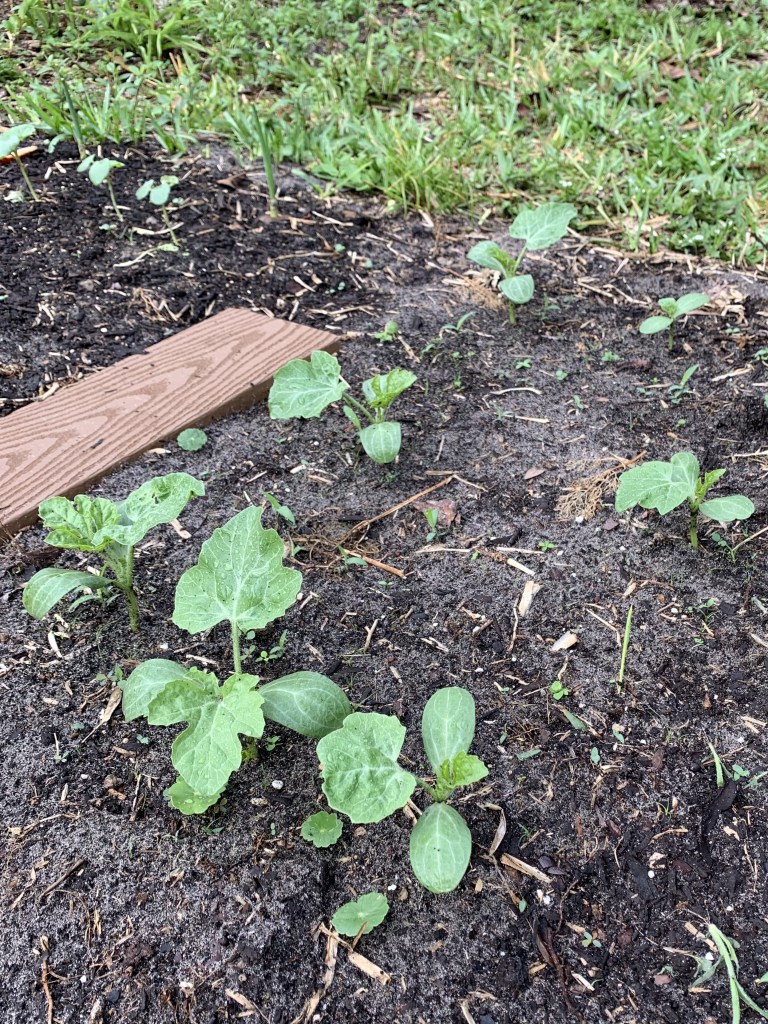
The watermelon (seeds I purchased) is beginning to take off, and I will choose only a few of the best plants to keep.
Also in the garden: Hot peppers (from seeds I saved). I have planted one poblano, a couple jalapeños and one Habanero. We have more seedlings in pots, but I am running out of space.
Also growing are eggplants, watermelon, okra, pumpkin, dill, and marigolds. Everything started from seeds. Most plants grew up in pots and were transplanted, but the okra and watermelon were put directly into the dirt.
watermelonA row of okra
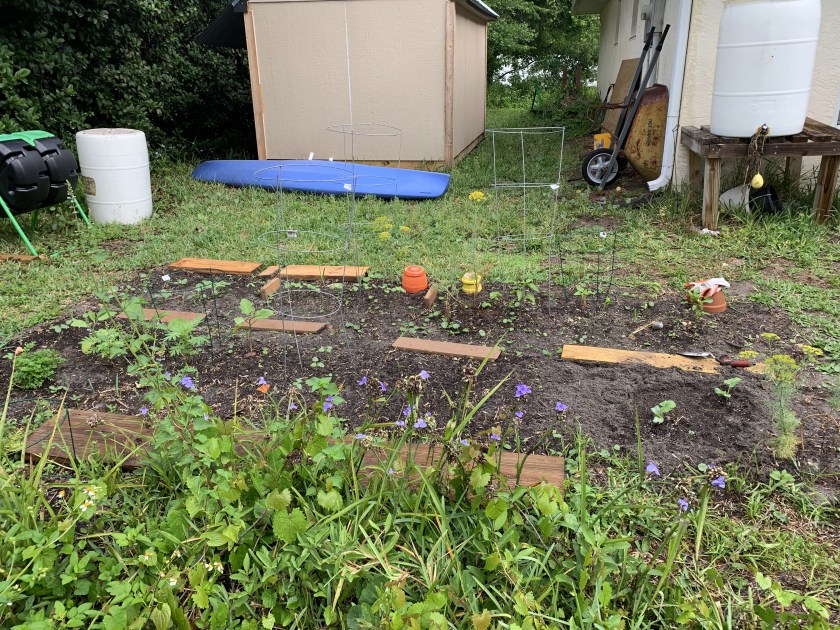
I’m already planning a couple more gardens in the small yard. I’ll be moving the kayaks and white barrels to dig up that area for my “winter” garden. It’s an area that gets a lot of sun.
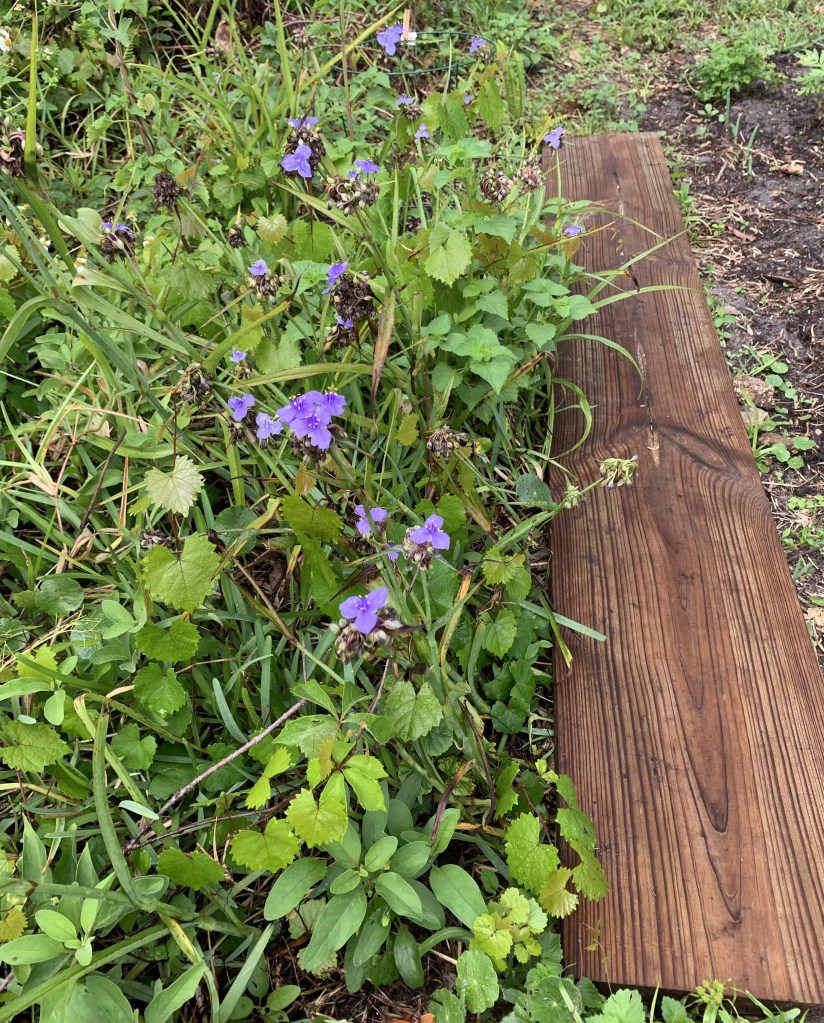
The picture below is of the edge of my garden where I put a board to walk on. I’m hoping it will help keep all those weeds out from the edge of the yard.
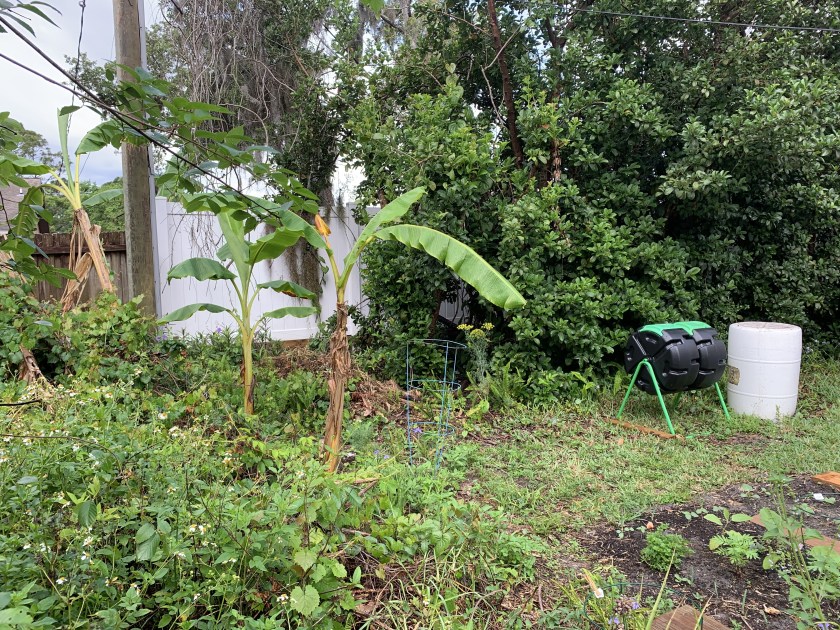
I am standing in the lot next door to take this photo (below). The back corner of my yard contains a few banana trees which I did not plant. They moved in from the back of the empty lot next door. Each year a big banana tree would have a bunch of bananas, grow a couple of new baby trees, and then die. The baby trees kept moving this way and are now in my yard.
Back corner of the yard
Saving Seeds
By saving seeds from your own (and sometimes store bought) vegetables and flowers (marigolds in my case), you will always be able to re-plant your favorites. And it saves money, obviously.
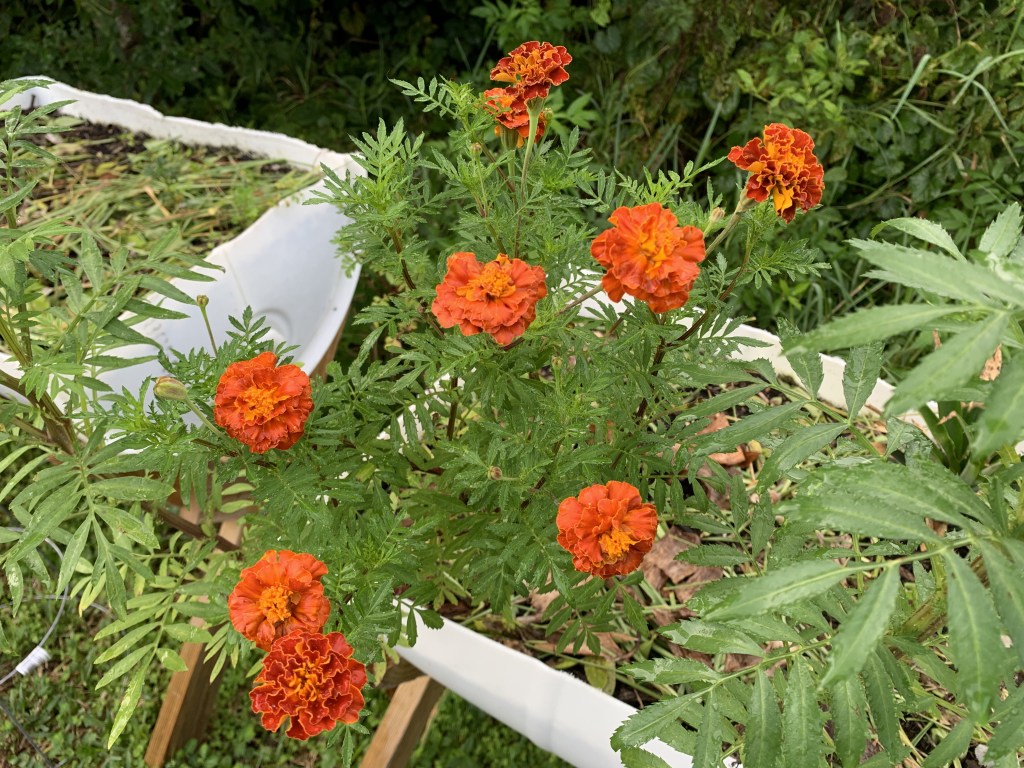
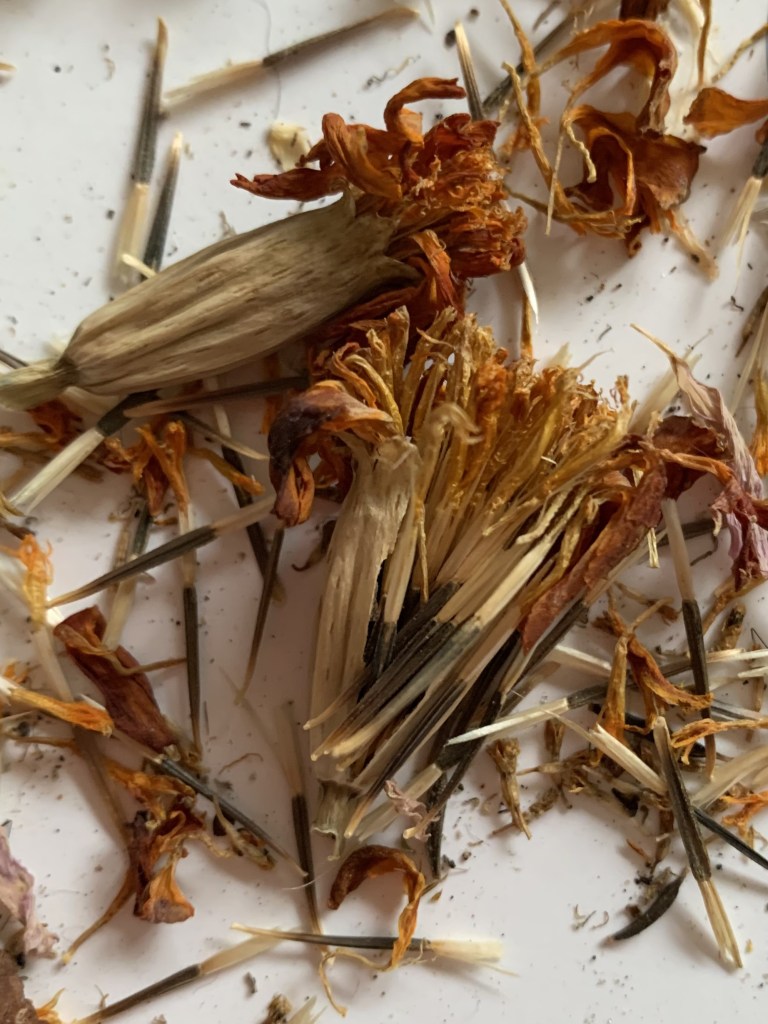
Marigolds are very useful in the garden as bad bug deterrents. To make sure you have plenty for the following year – or all season long here in Florida – snap the old flower heads off and save them.
After a while they will dry out and all the seeds are inside. Every flower contains many seeds, so I sprinkle them generously all around the garden.
Not every seed will root, and they can be thinned.
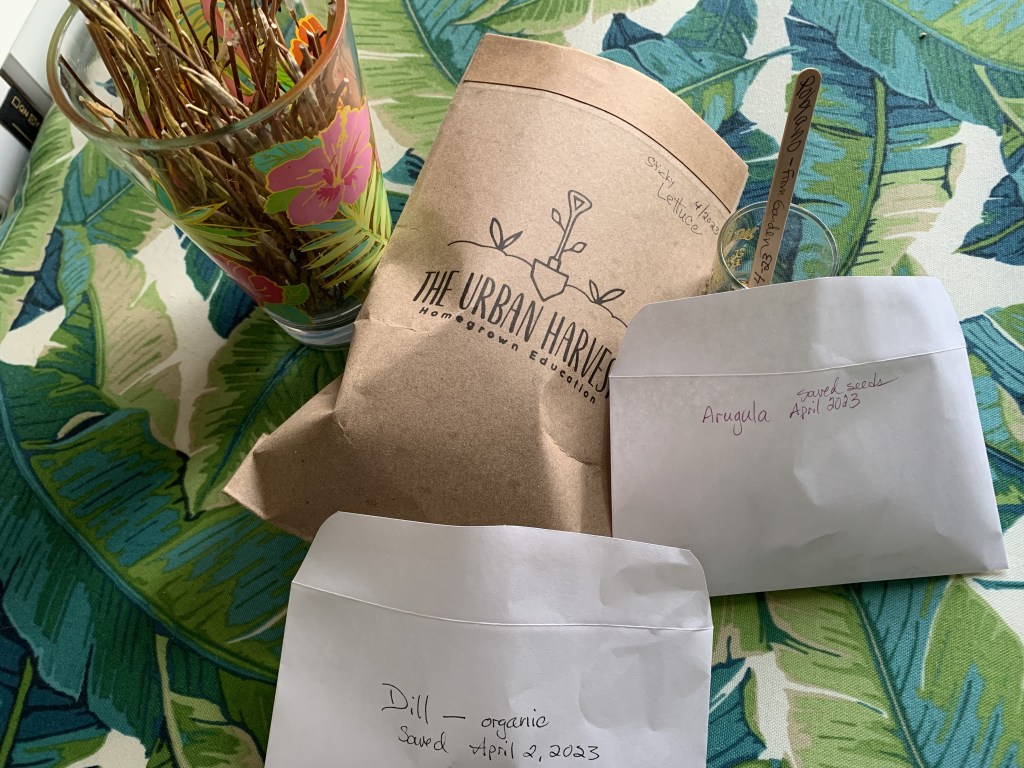
To save vegetable seeds, simply do that. When you cut a pepper, eggplant, tomato, etc., cut out some seeds to dry. I put them on a plate. Seeds must dry out to store. Don’t put them into a closed bag or bottle. An envelope or paper bag works, and don’t forget to label with type of seed and the date.
Because of the humidity here, I store my seeds inside and not on the porch.
Saving seeds – arugula stems and seeds, dill, lettuce and pepper
The Seed Garden Beginnings
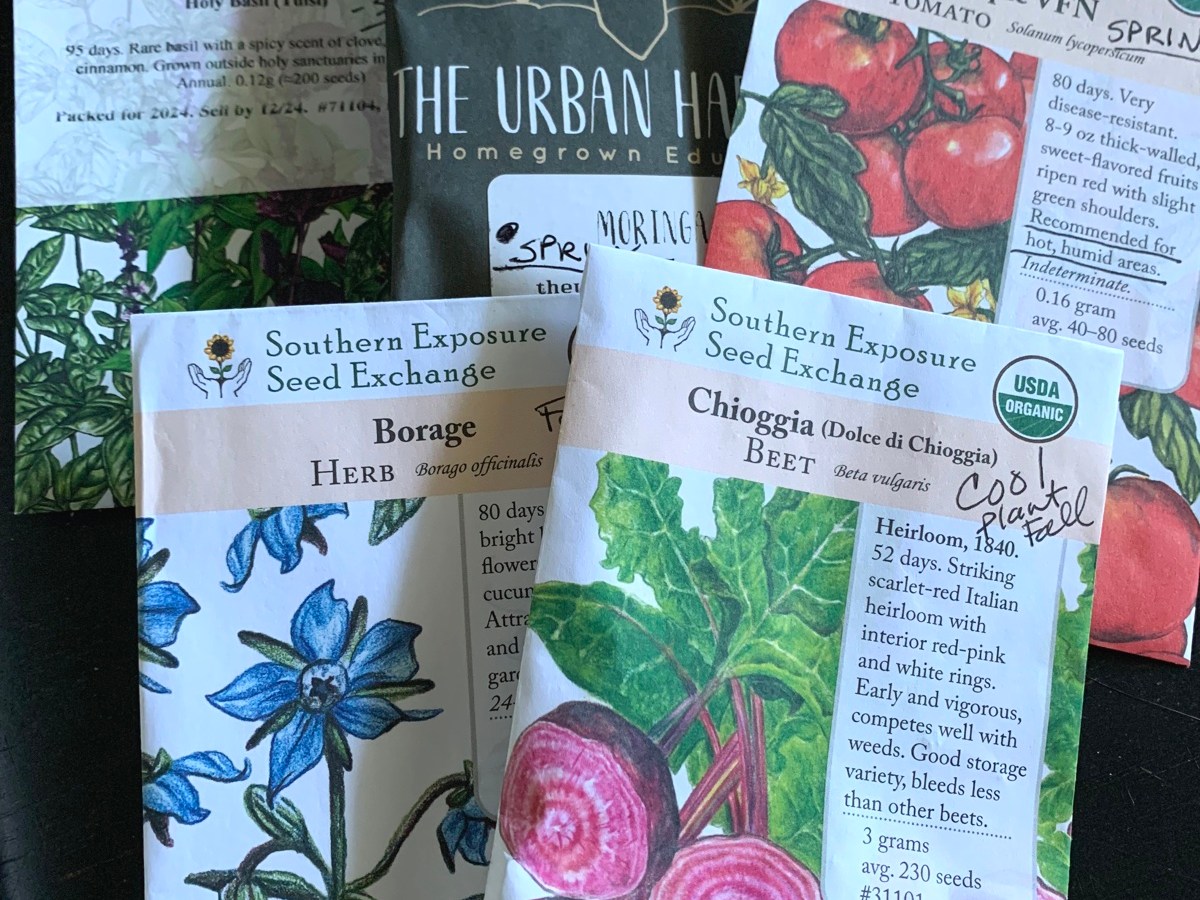
Although every vegetable and flower in the garden began from seeds, I did have to first buy a few packets. Last year I began all my seeds in saved eggshells – and I do not recommend this. I purchased Dill and Marigolds as seeds and started them last year. Both plants are prolific seed providers.
So all my purchased and saved seeds have carried over to this year.
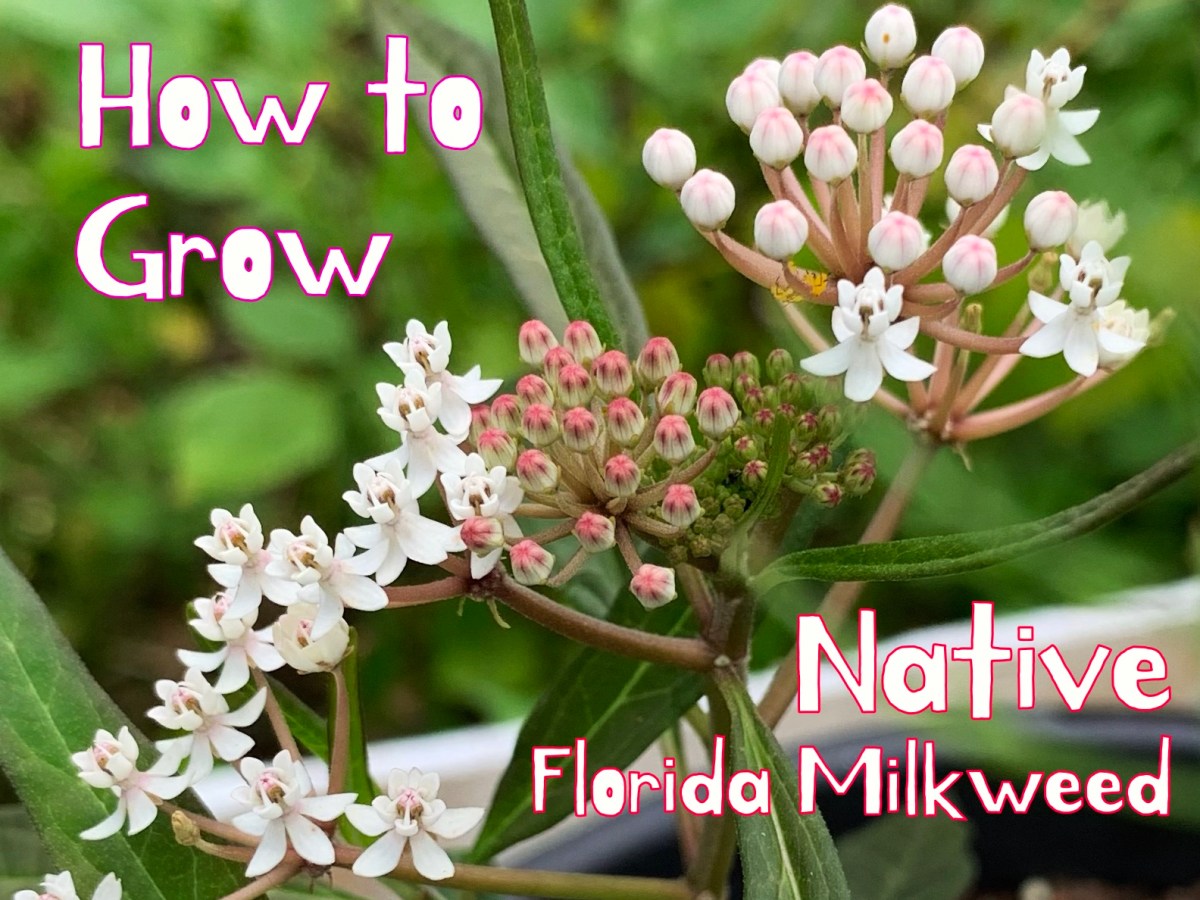
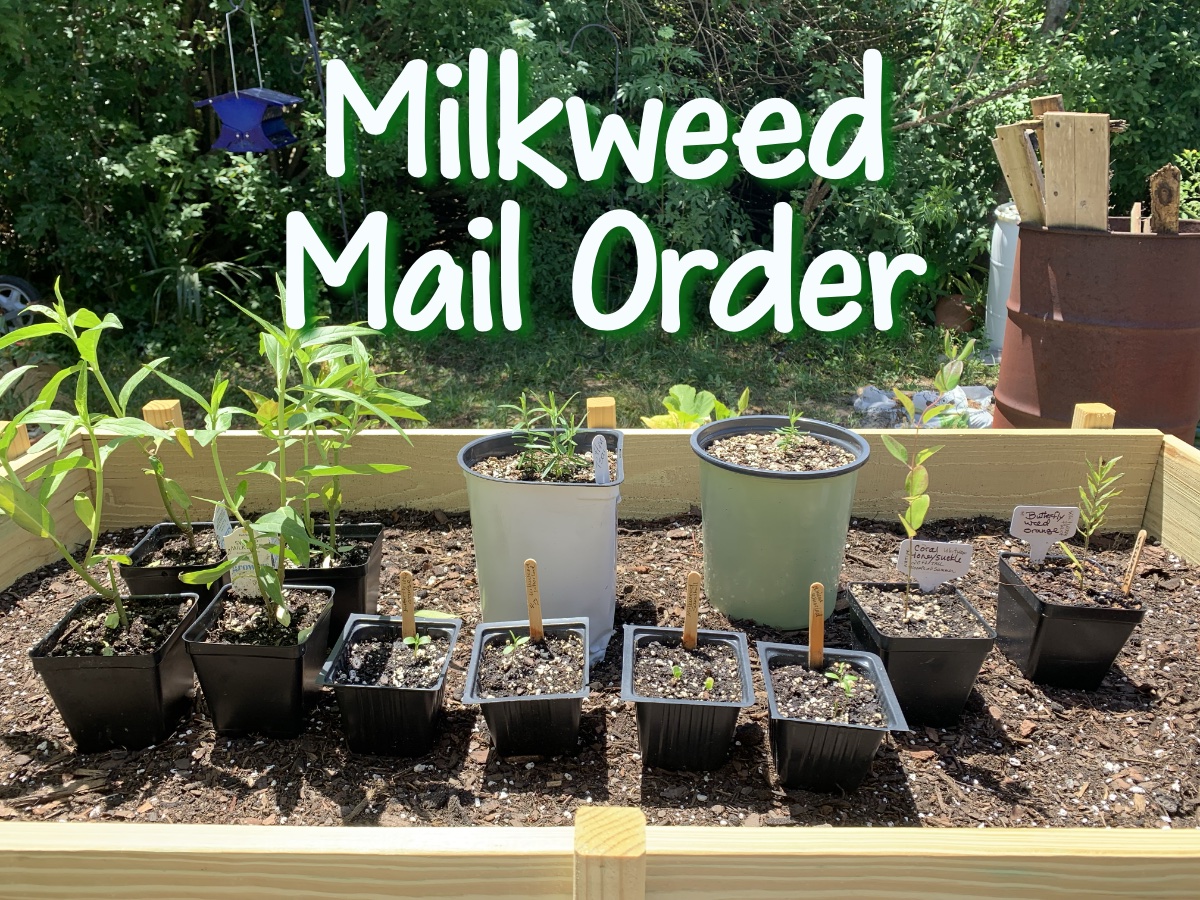
I’ve found a good place to buy milkweed plants online. Ordering plants online can be expensive, so the plants that arrive should be in great shape. Read my review of Whitwam…
May in the garden is mostly about finalizing the switch from winter crops to summer. This quick post shows photos of some of what I have growing at this time.
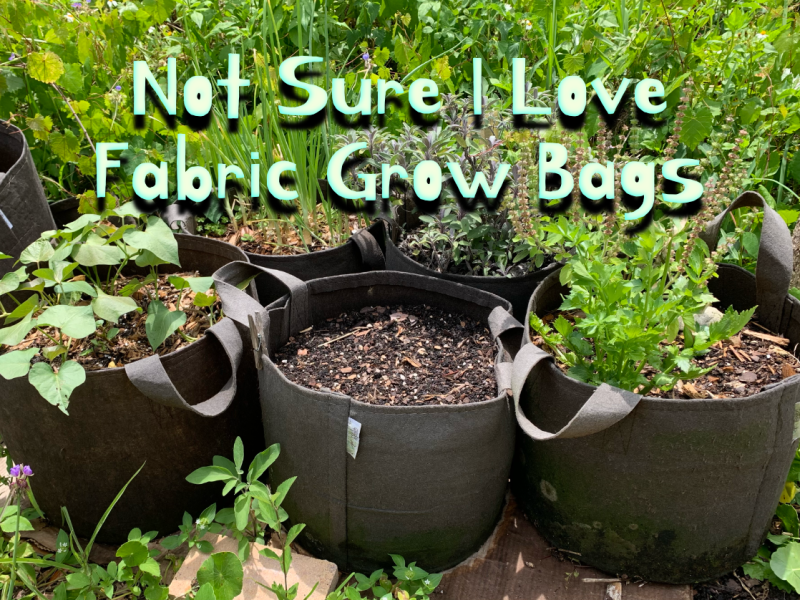
Rethinking my use of fabric grow bags. The Florida climate dries out the plants too fast. Certain shallow root vegetables, grown during winter, might be the answer.
Butterflies are dropping their eggs, and some of my vegetable plants are looking much better, now that February in Florida has arrived.
Spring comes early in Florida. February is a good time to check the garden for signs of butterfly eggs and newly hatched caterpillars.
Swallowtails Laying Eggs
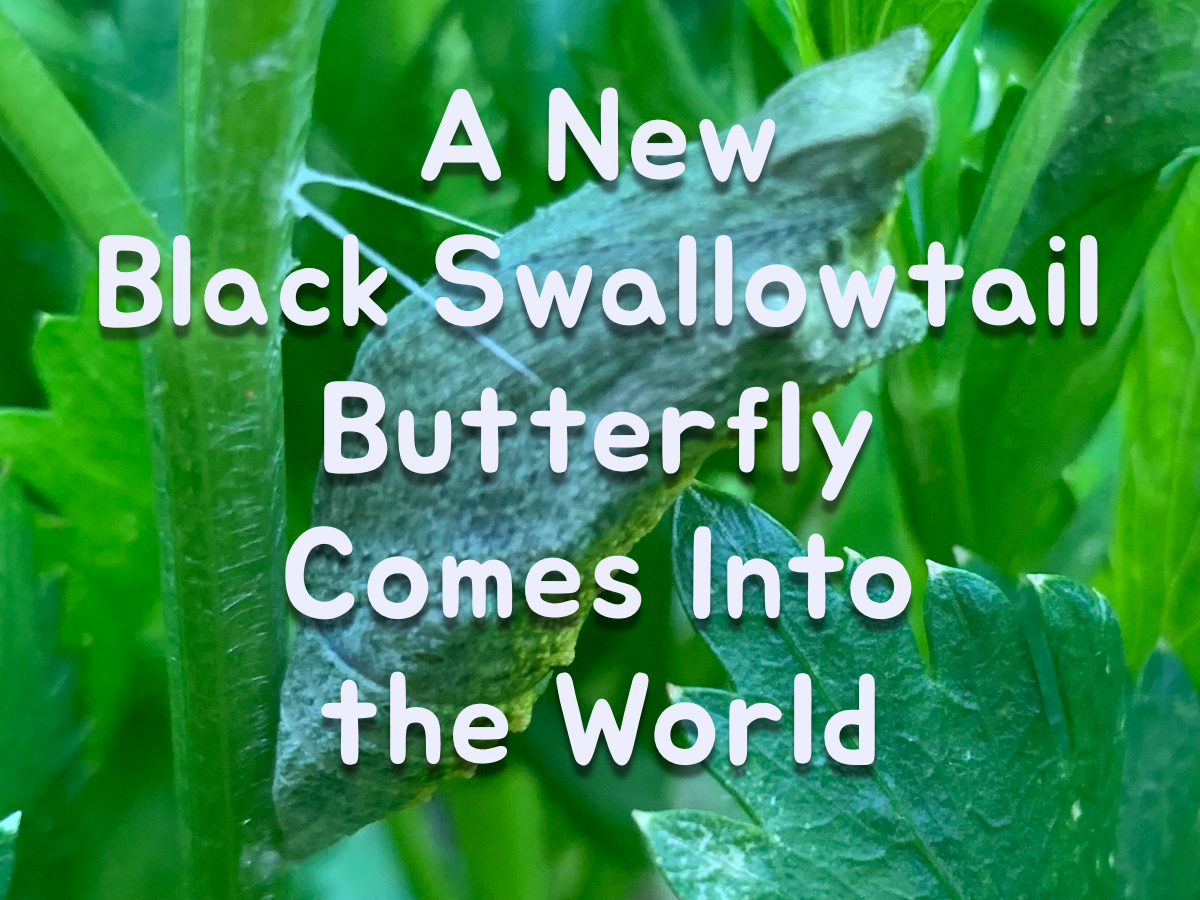
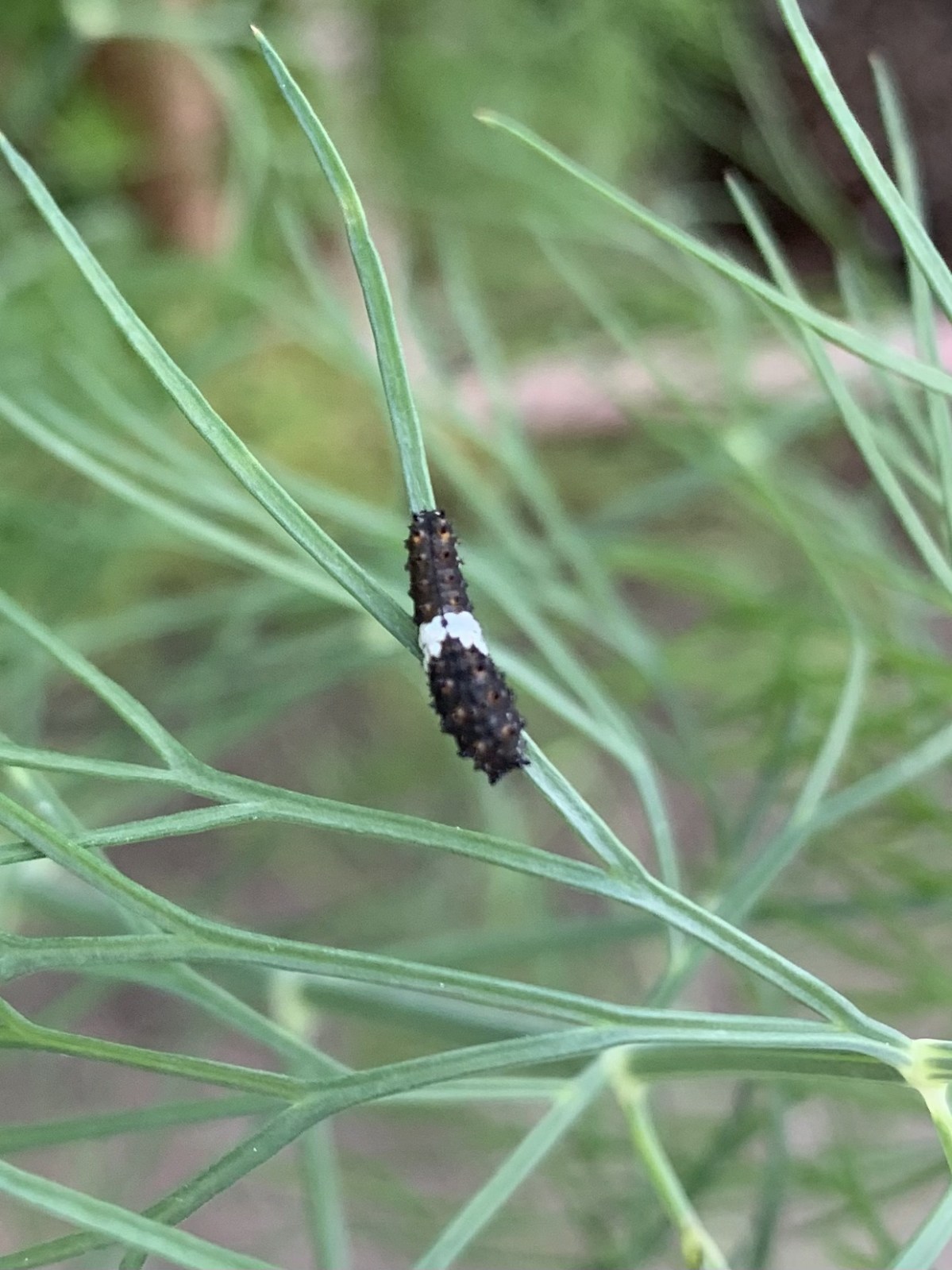
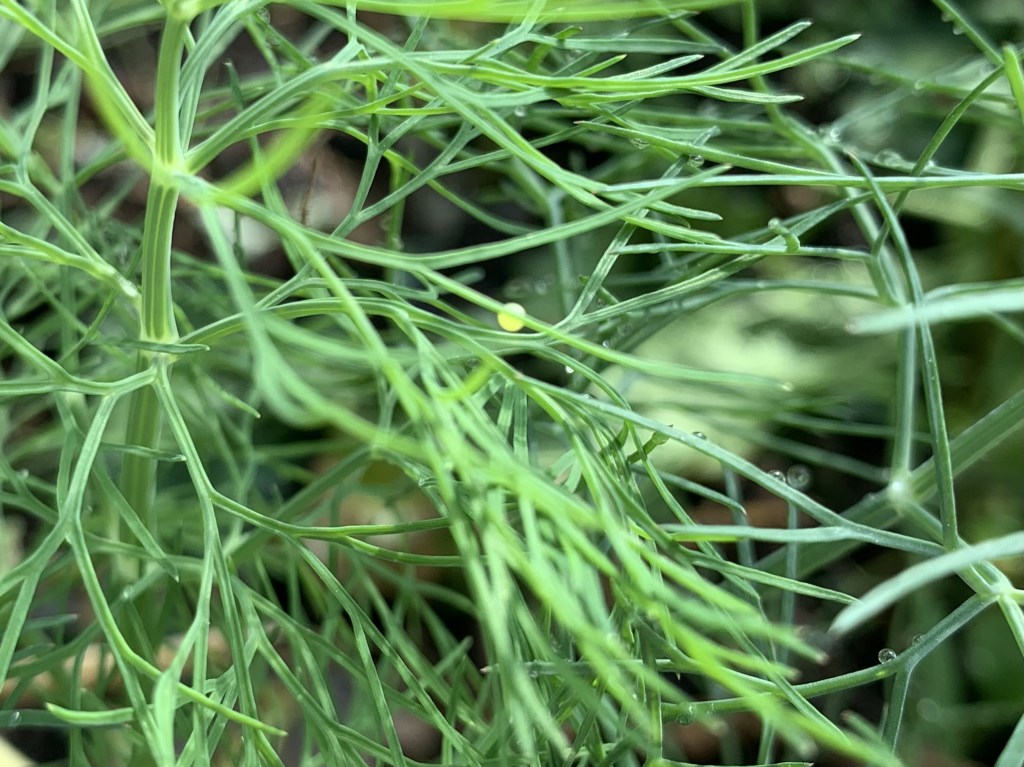
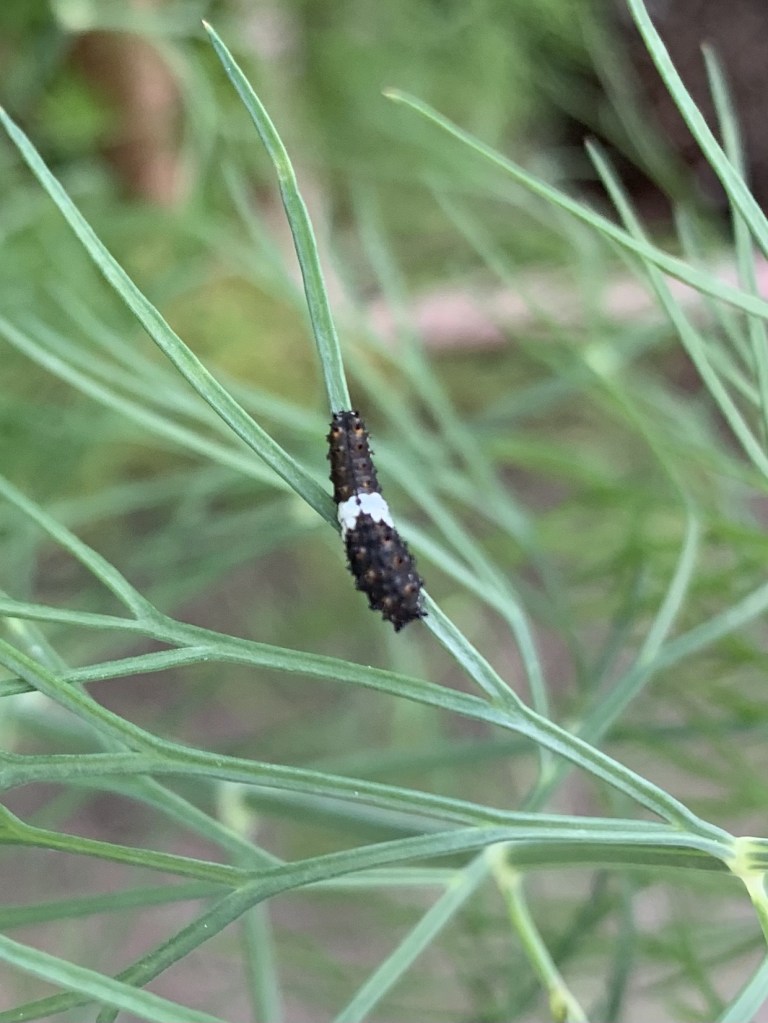
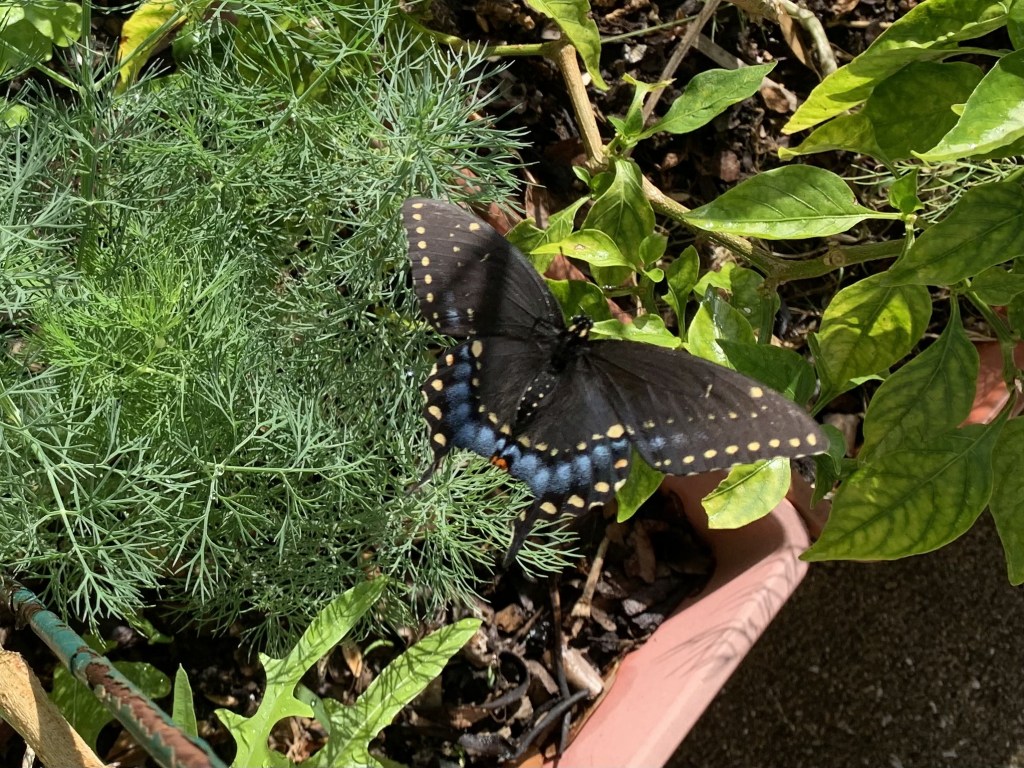
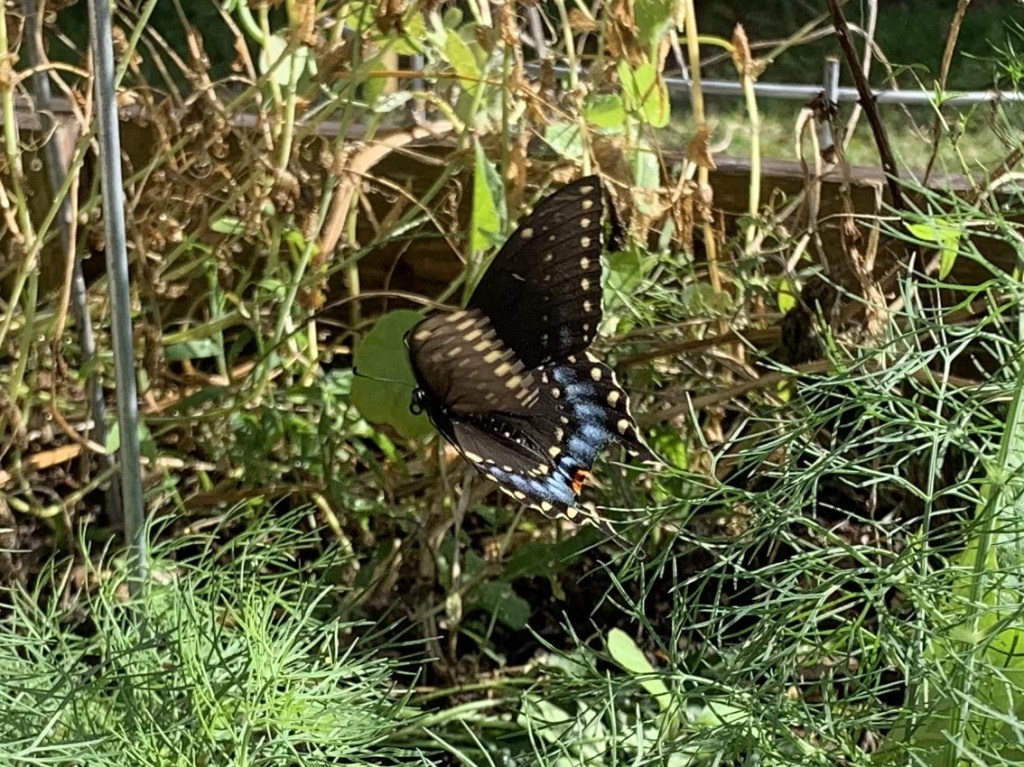
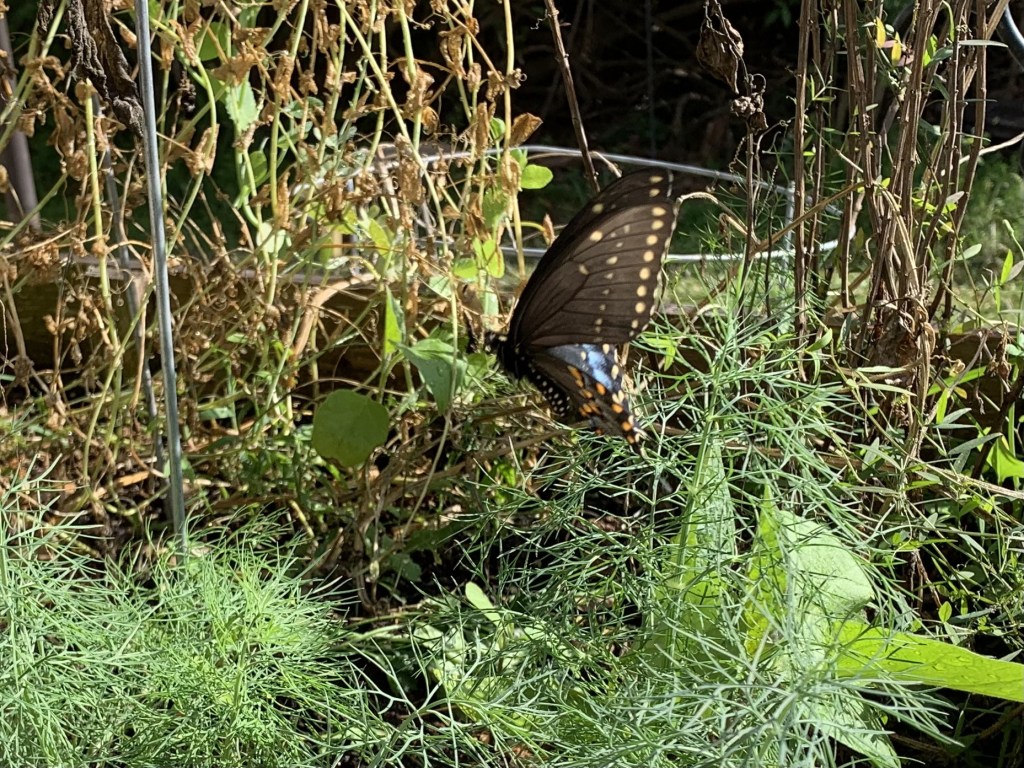
I noticed the black swallowtail butterfly laying her eggs all over my little dill plants. Now the black caterpillars are crawling around, eating and growing.
A tiny egg on dillThe swallowtail caterpillar
Every day I looked to make sure I could see all three.
Monarch Caterpillars
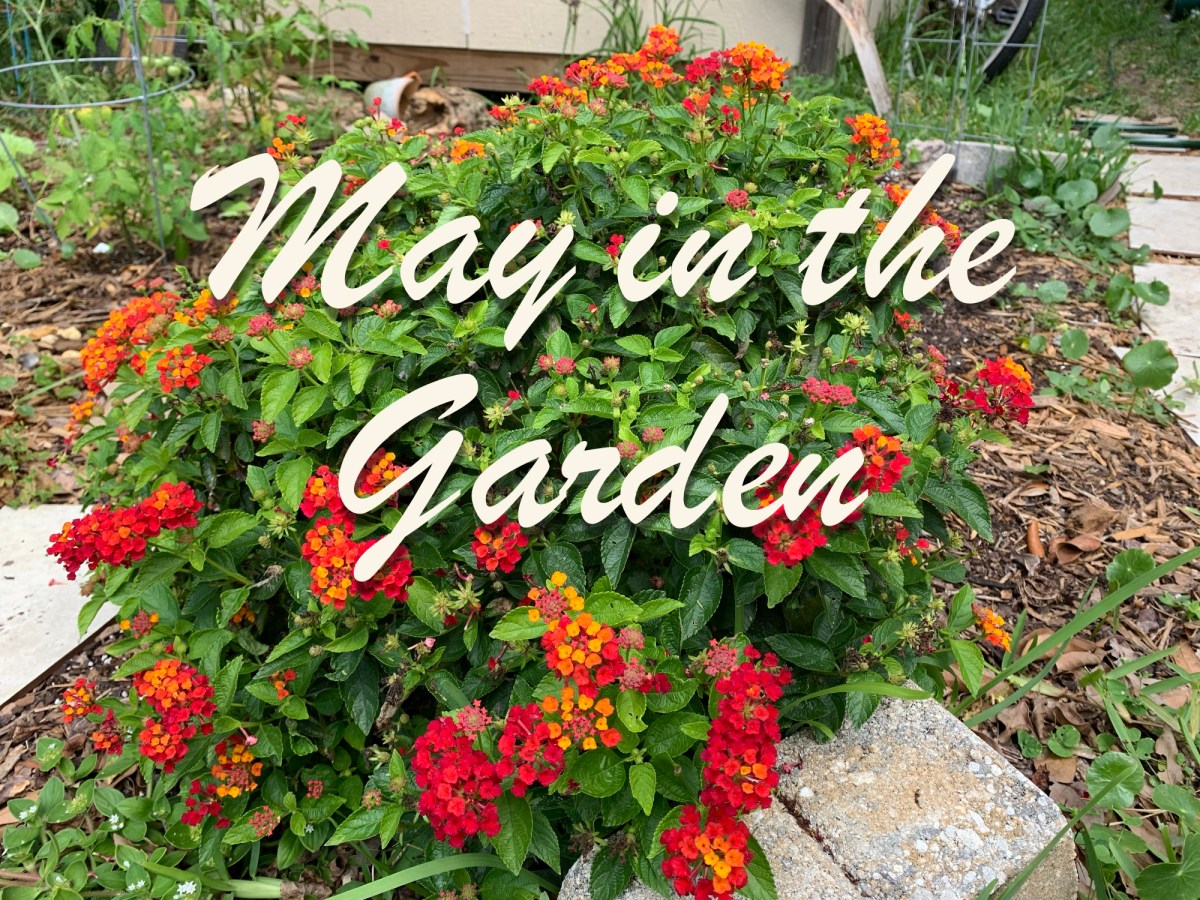
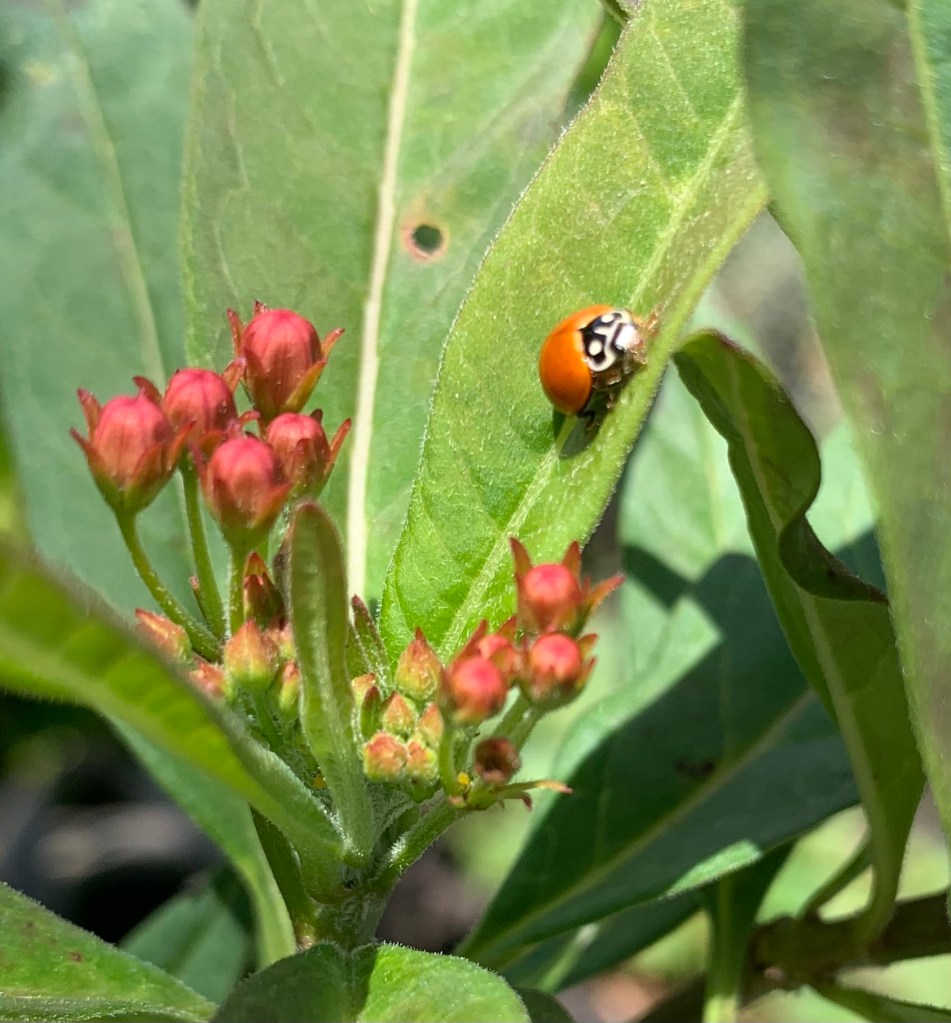
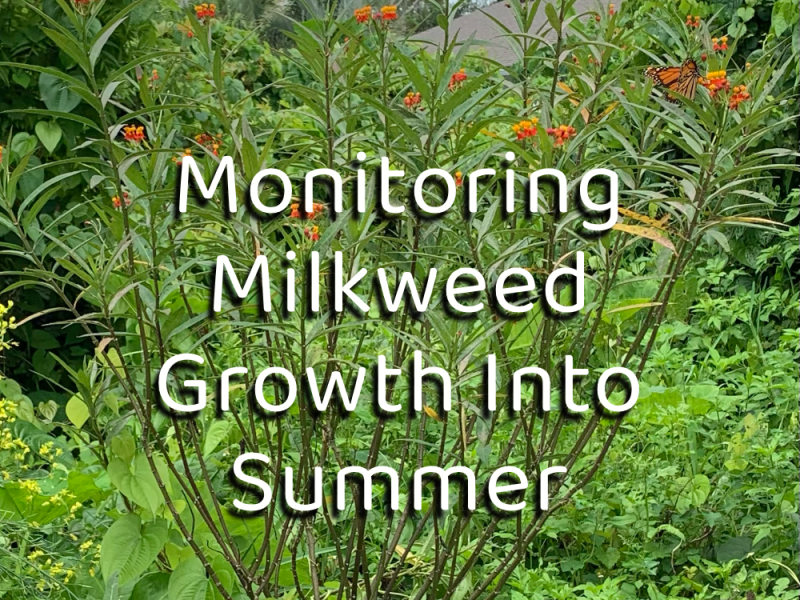
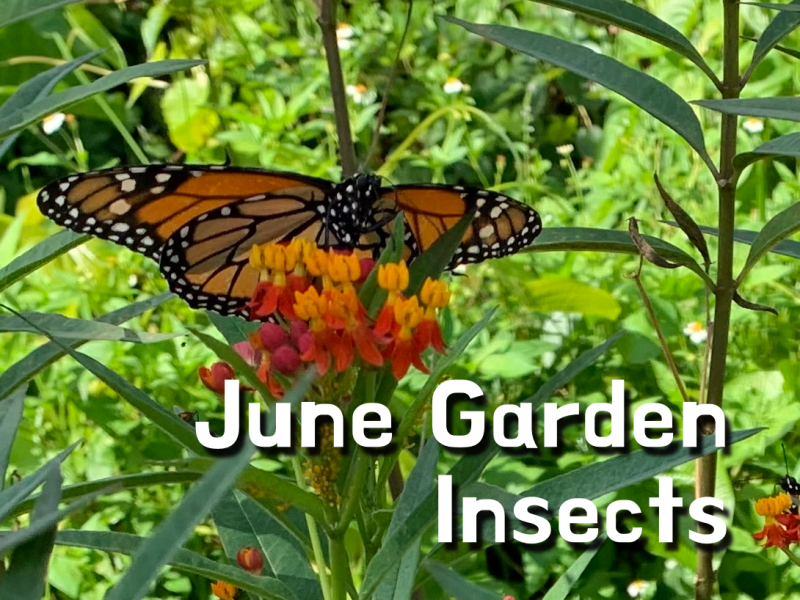
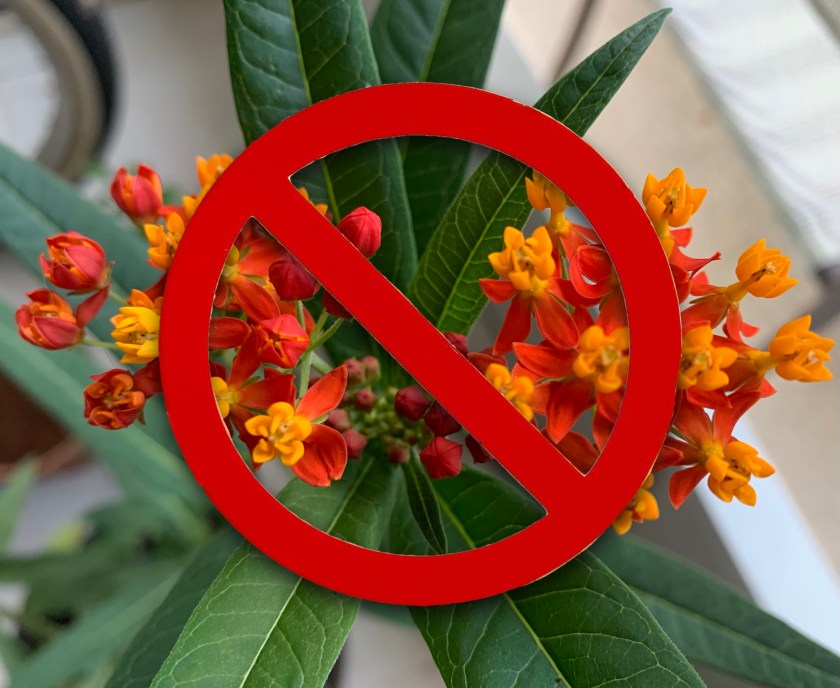
I’ve recently discovered how bad it is to have the wrong type of milkweed growing in the yard. I have removed all of my tropical milkweed. It looks like the photo below – with red and yellow-orange flowers – and please plant native milkweed instead.
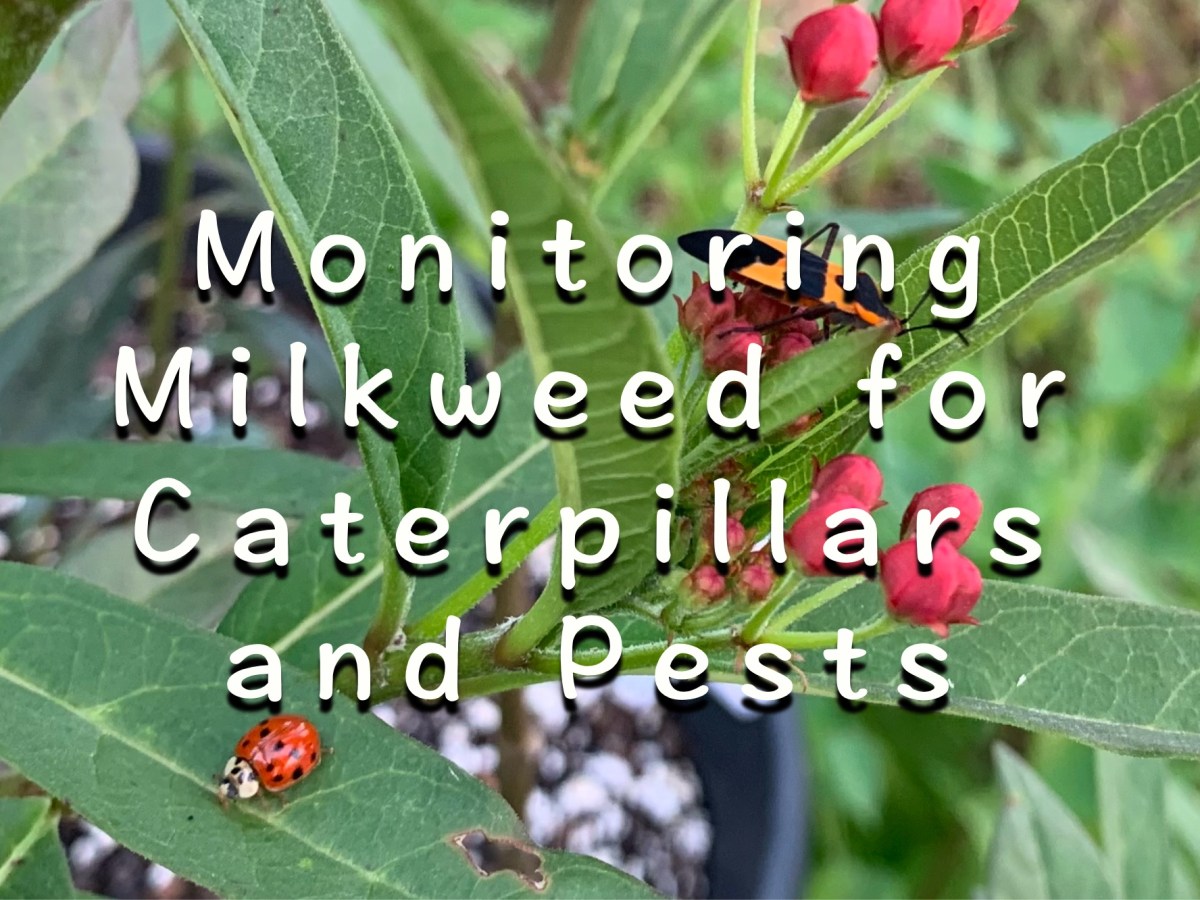
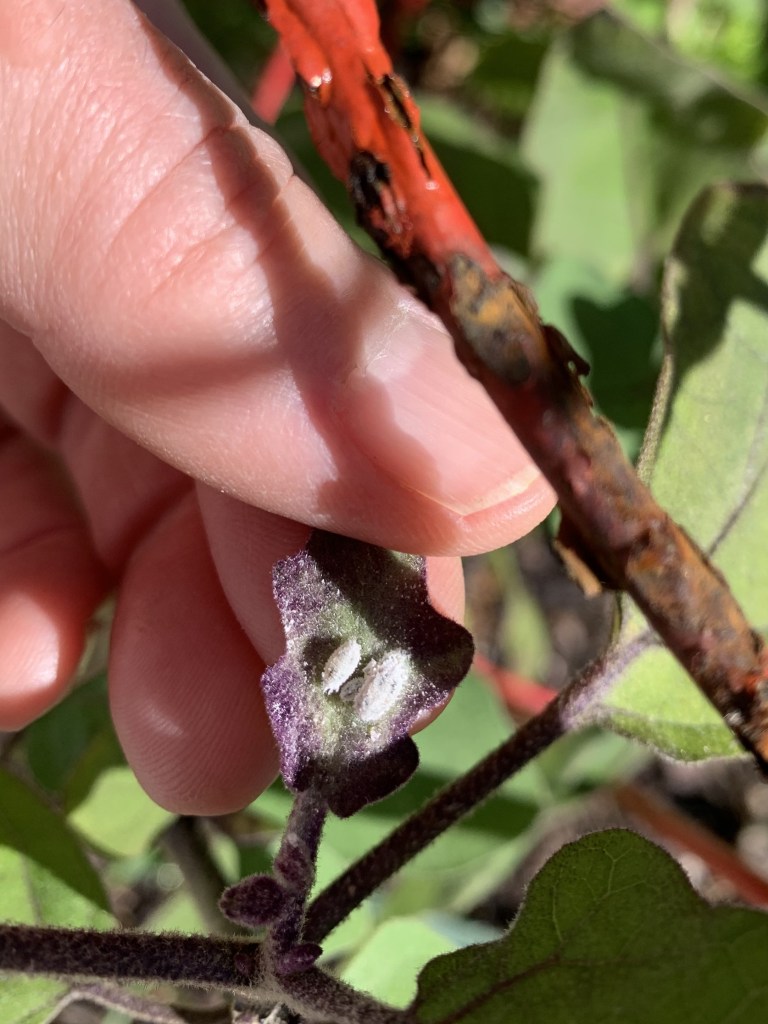
That’s about it for the creatures, except for the unwanted white bugs. I hand-picked / squashed a bunch of these that were hiding in the tiny new growth on my eggplant. I’m not sure what they are, but probably some kind of aphid.
Vegetables That Love February
Many of these vegetables were planted late last Fall. They survived the winter and are now beginning to love the warmer nights and not-too-hot days. I like February temperatures also. The humidity is lower and the days are sometimes hot, but bearable. A bit like a summer days in the north.
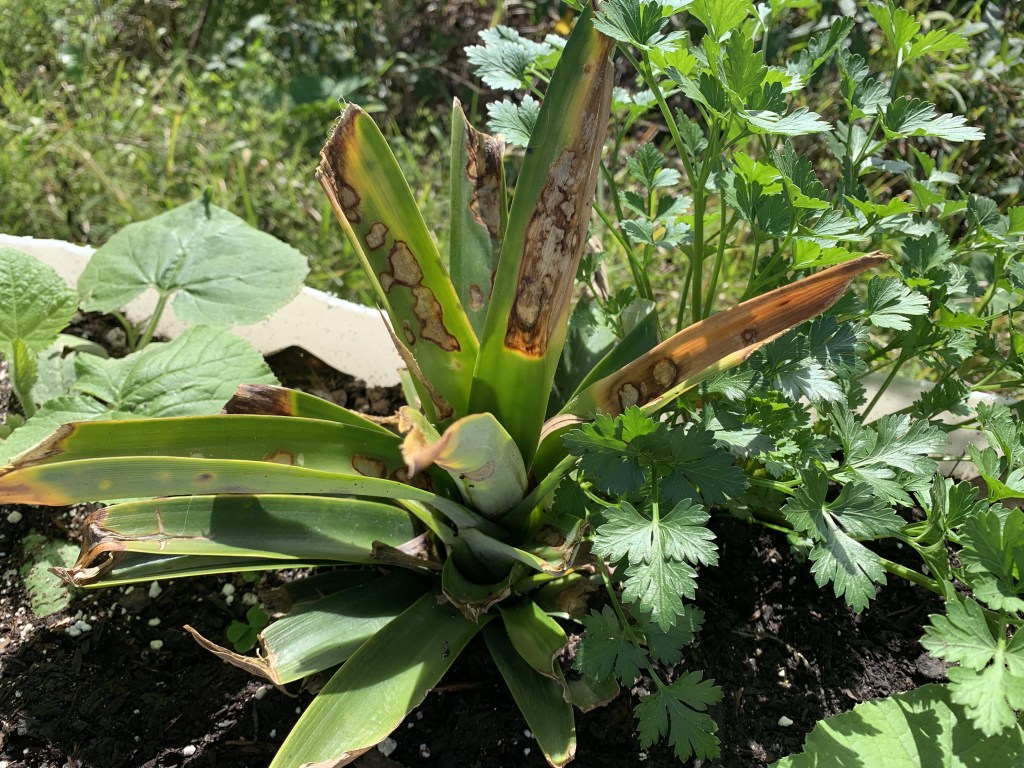
The pineapple had a lot of brown leaves. I had to cover some of these gardens when the temps dropped to near, or below, freezing.
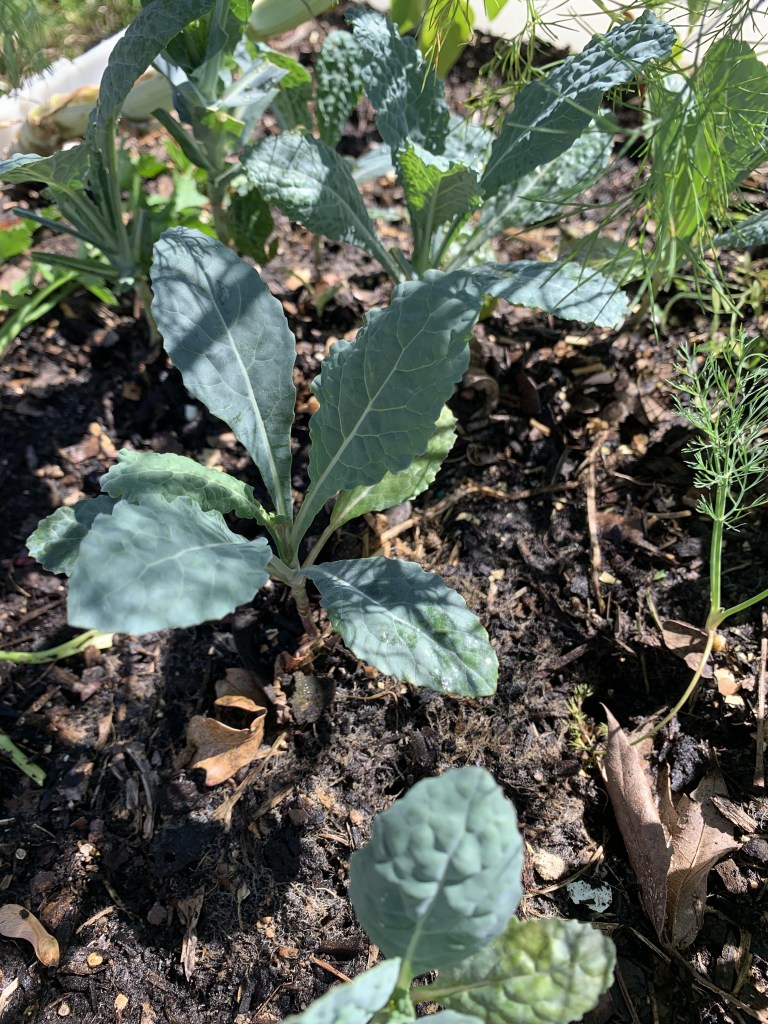
The plants themselves are looking much better, but I’m not getting to eat from them. I have picked a few cherry tomatoes, a hot pepper here and there, and had some kale chips, which I made from my kale. I use the parsley and dill to cook, but all my basil died.
It won’t be long before the weather is too hot for the gardens to do well. I’m letting my lettuce to go seed so I can plant more next Fall. I do expect to continue to get peppers and also some eggplant soon.
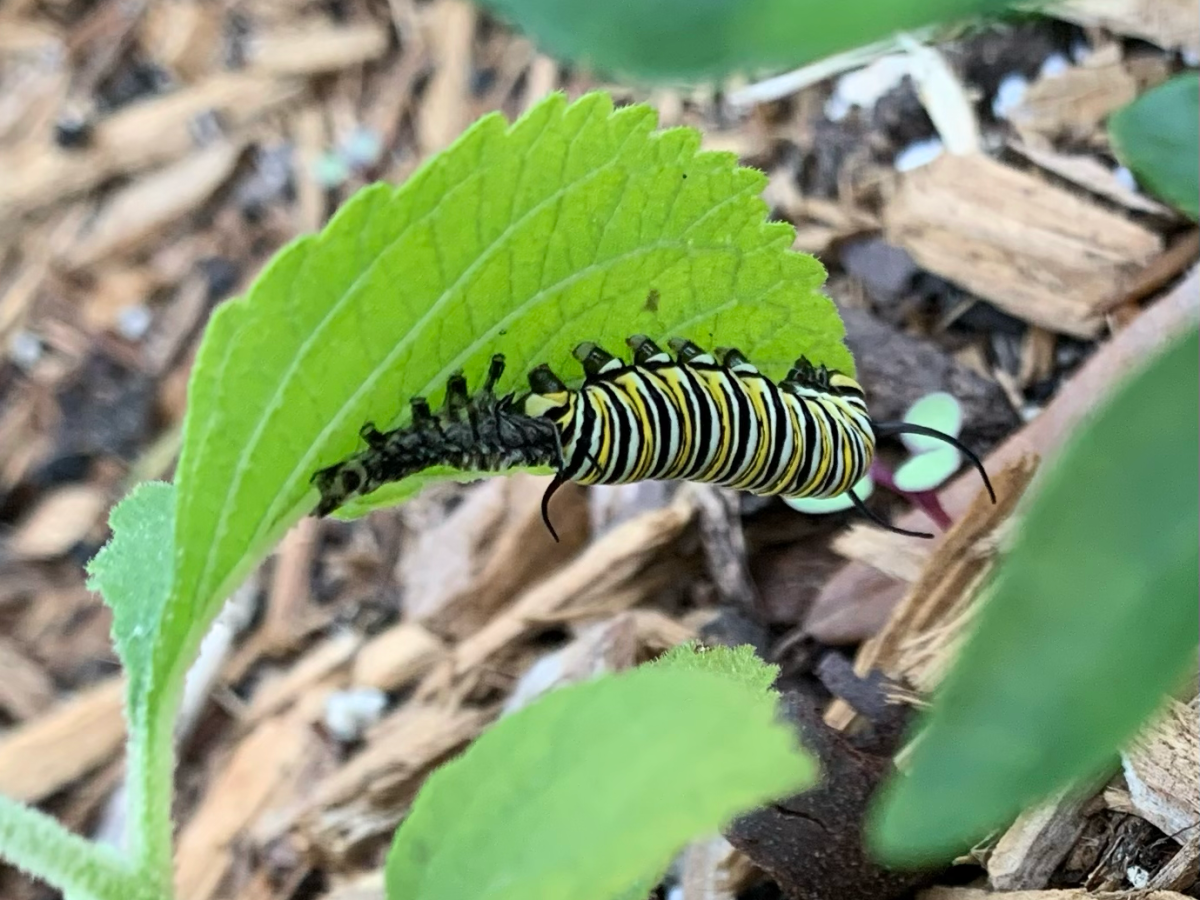
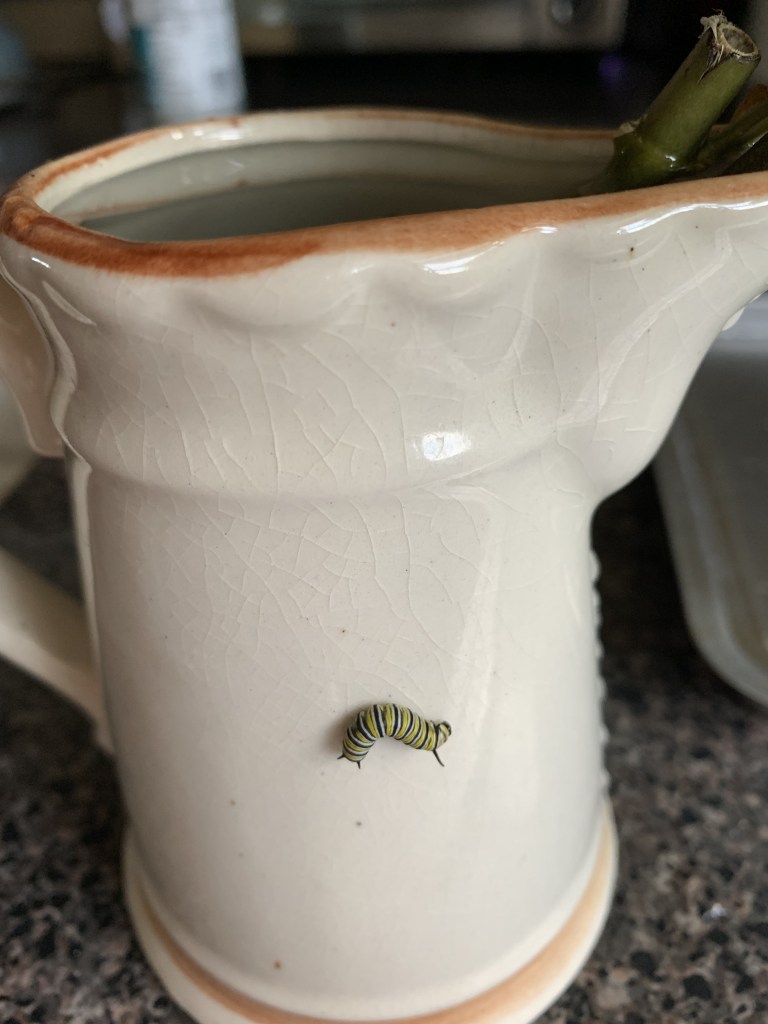
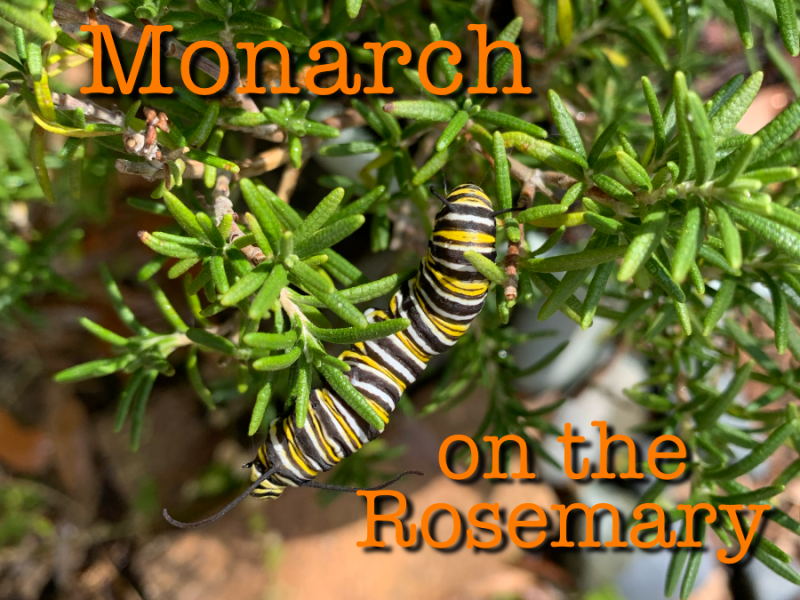
It is not usual to see a Monarch caterpillar on a Rosemary plant. Monarchs like Milkweed. But this one had a purpose, and had traveled quite a long way to be there.
It’s January and now that the weather here in Florida is cooler, working in the yard has become a priority.
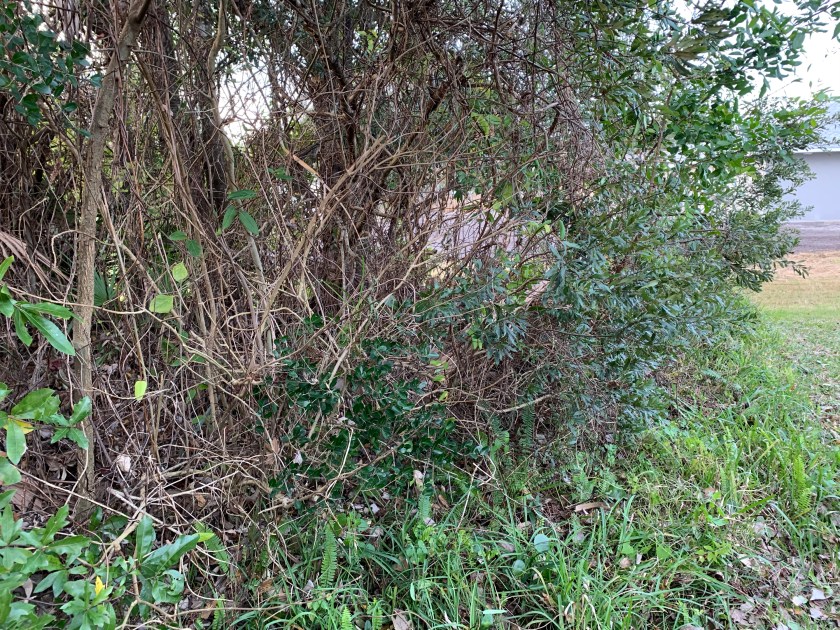
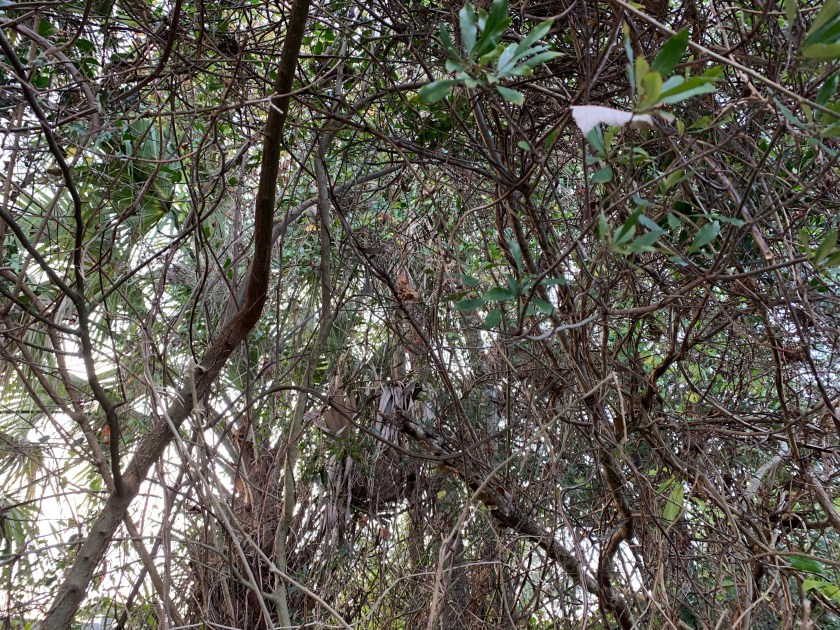
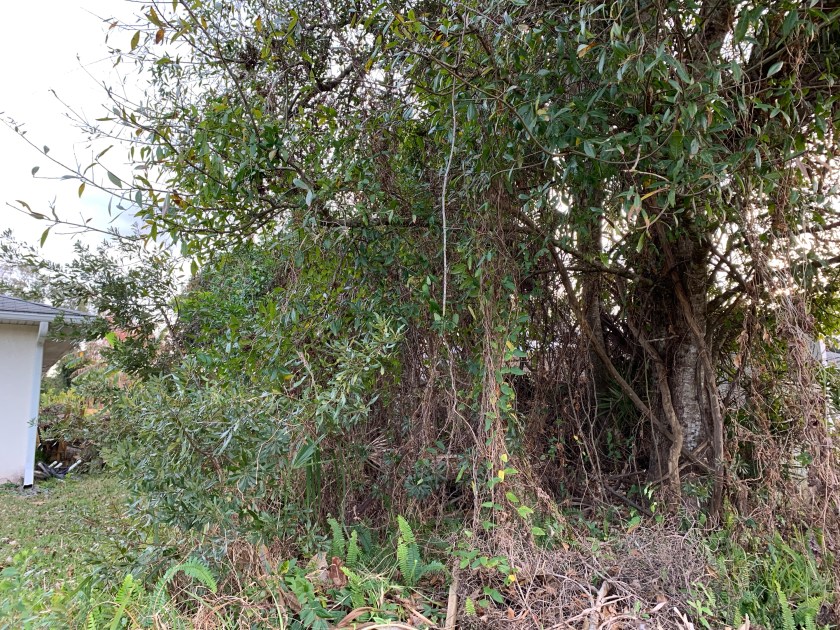
Yesterday I began to tear out vines from the back corner to see what type of trees and shrubs could be saved. The vines are everywhere and they grow up into the trees covering branches and bending small trees down.
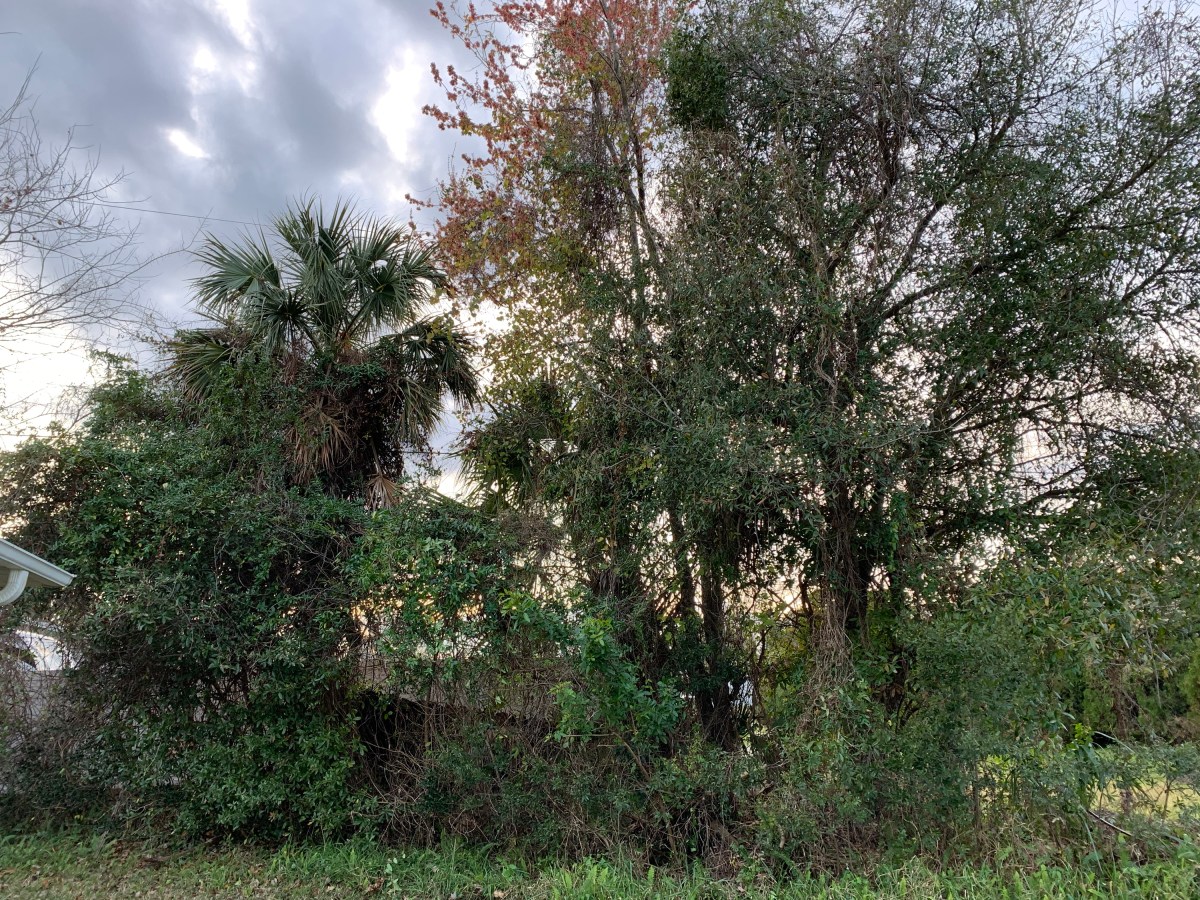
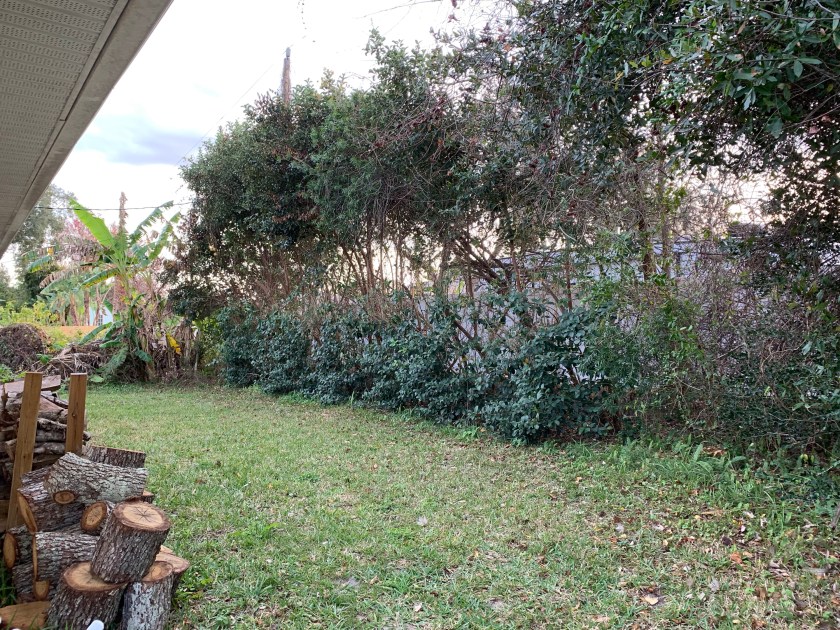
Overgrown and neglected area of the yard
This little area of our small yard has been used to toss palm fronds and yard debris ever since we moved in. I never really knew for sure where our actual lot line was. Piles of dead branches and palm leaves can become a haven for small animals so I’ll have to be careful when cleaning up.
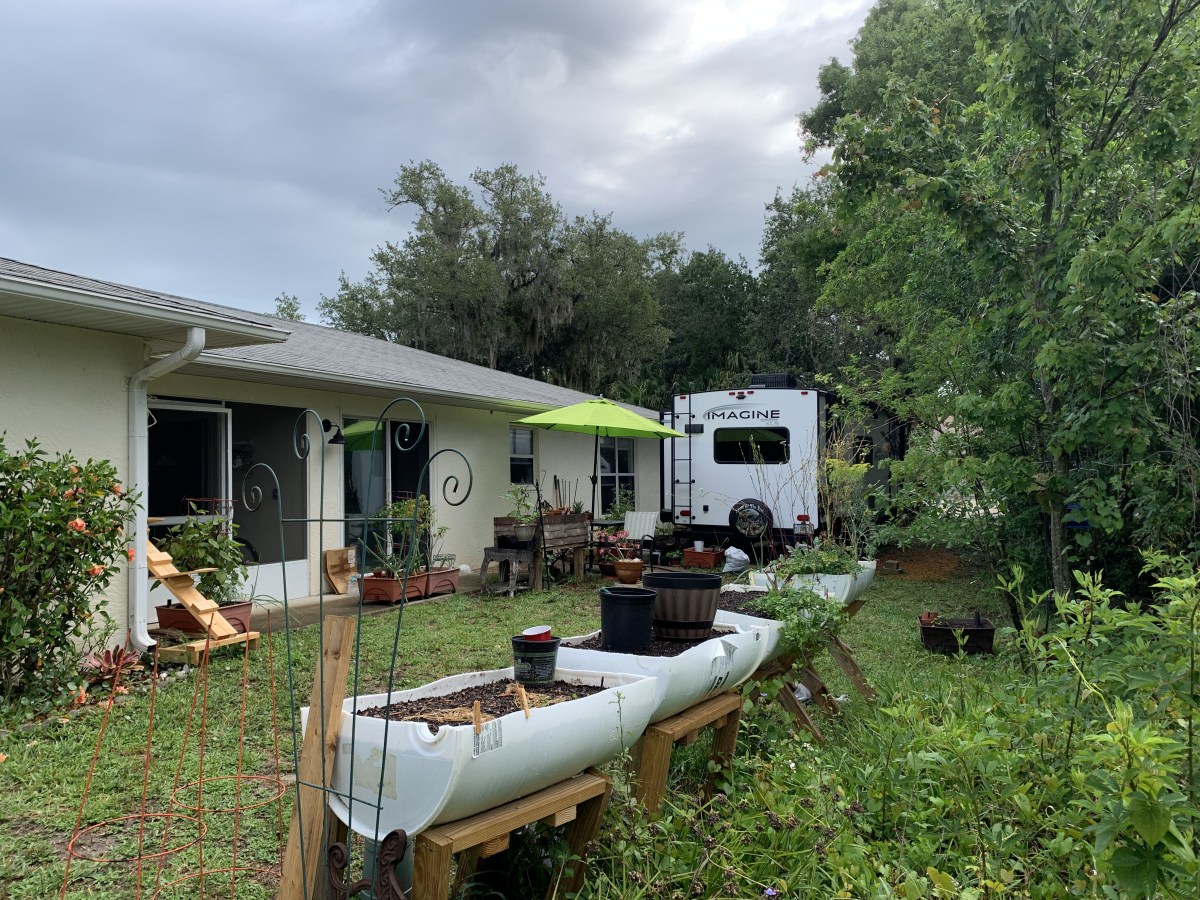
Backyard lot line with neighbor’s white fence and travel trailer just beyond our hedges.
When the people behind us did some landscaping to move a big travel trailer behind their house, they tore out all the vegetation (on their side) which divides our properties. It opened up the view a lot, but they also put up a fence which required a survey and finding the lot lines.
Location of new garden area
Now that I can see the markers back here for our property line, I can better decide what to do with this area of the yard. First thing is to clean up the unwanted vines which are entwined all up in the trees.
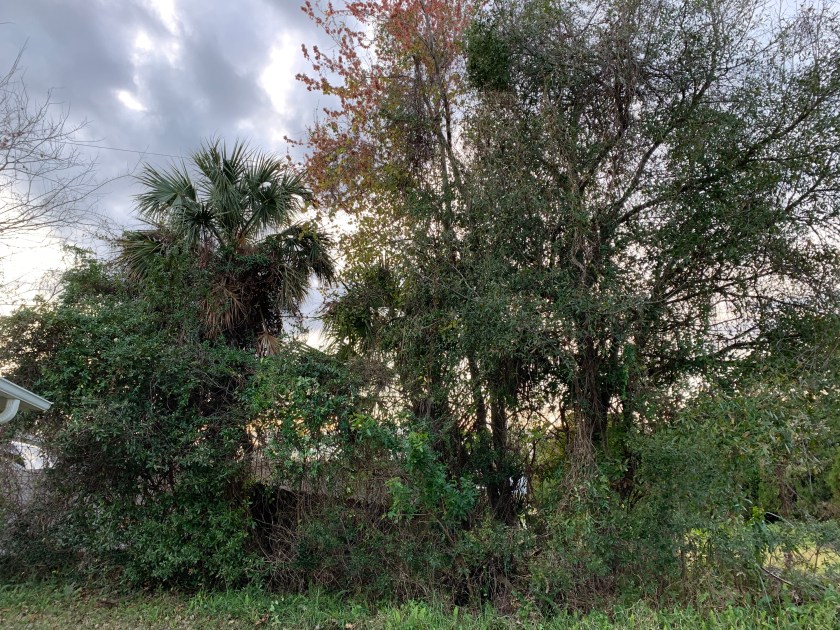
Vines strangle the trees
Within my property line there is a large oak, tall palmetto, and another tall tree I can’t identify – it is red now, in January so maybe a red maple??? There are also smaller trees growing beneath a ton of vines. Many ferns act as ground cover in the area. I want to leave it as natural as possible while making it neater.
Yard cleanup
Yesterday I began pulling out the vines and tall grasses to uncover some growth. I don’t really know my Florida trees, so I’ll have to do a bit of investigating to identify what’s back there. I’ve begun a page listing photos of the trees, vines and shrubs to identify.
The University of Florida site also has lists of shrubs, and other ways to enhance a Florida yard for wildlife. I want this new garden area to be bird, butterfly and bee friendly. I will plant Florida native plants that attract our native wildlife.
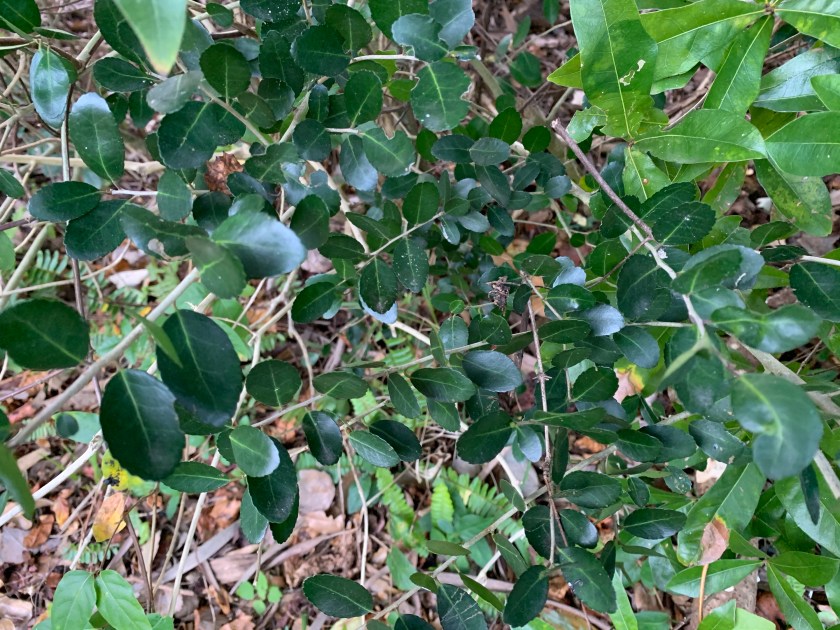
Unknown bush / tree – what i this???
I filled my two trash barrels with yard debris that won’t be picked up until Wednesday. Then, I will fill them again. I now have two additional piles of vines to drag down to the road.
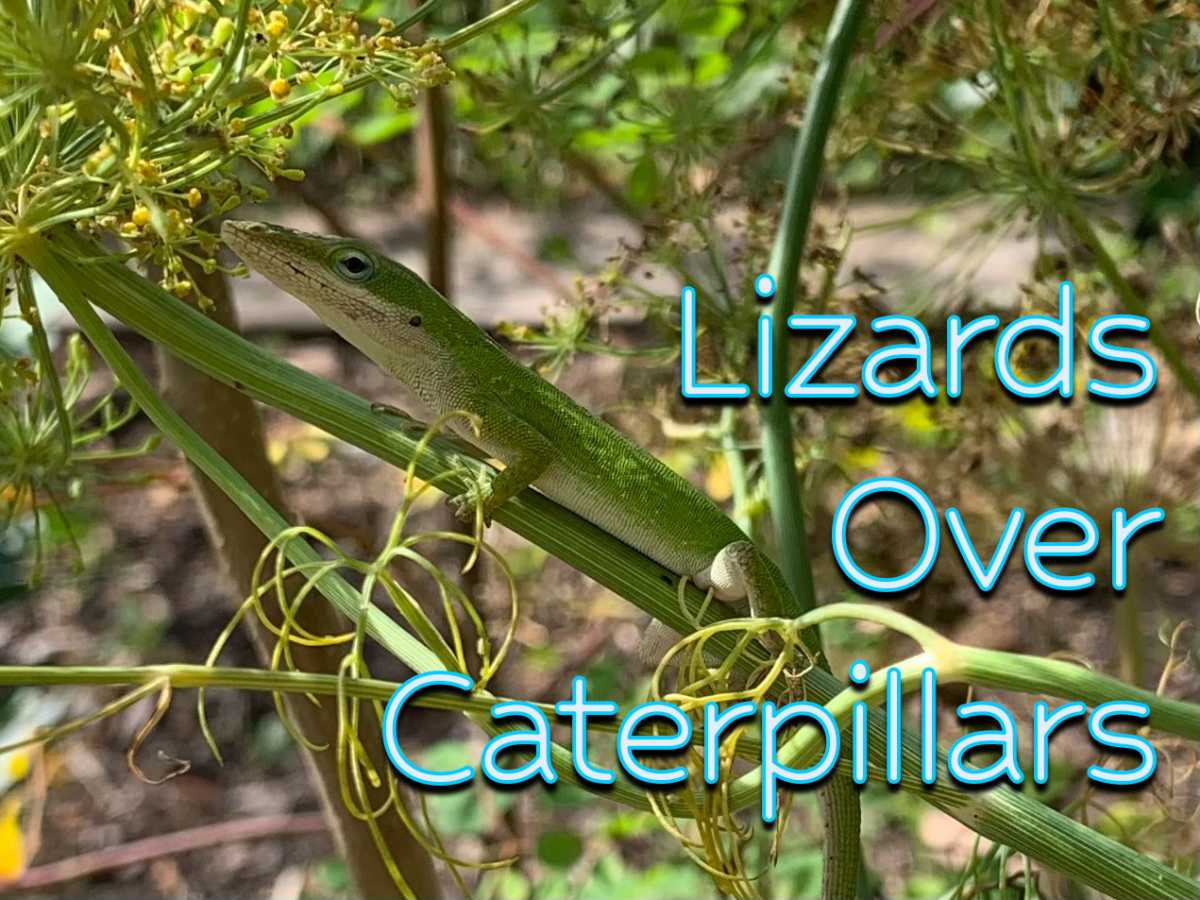
I used to be very nervous working in my Florida yard – the yard from long ago. Back then, there were loads of snakes – some poisonous – but now most wild animals have lost their wilderness and I never see that type of thing these days. In the 4 plus years I’ve lived in this neighborhood I’ve seen three snakes. I rarely see a green lizard, and a turtle shows up now and then – not a gopher tortoise, but a water type turtle.
The worst thing I might encounter these days is fire ants hidden down in the tall grass.
I don’t like where I live, but I’ve decided to make the best of it. Cleaning up a little section of the yard will be a nice thing.









 Hydrangeas Blue