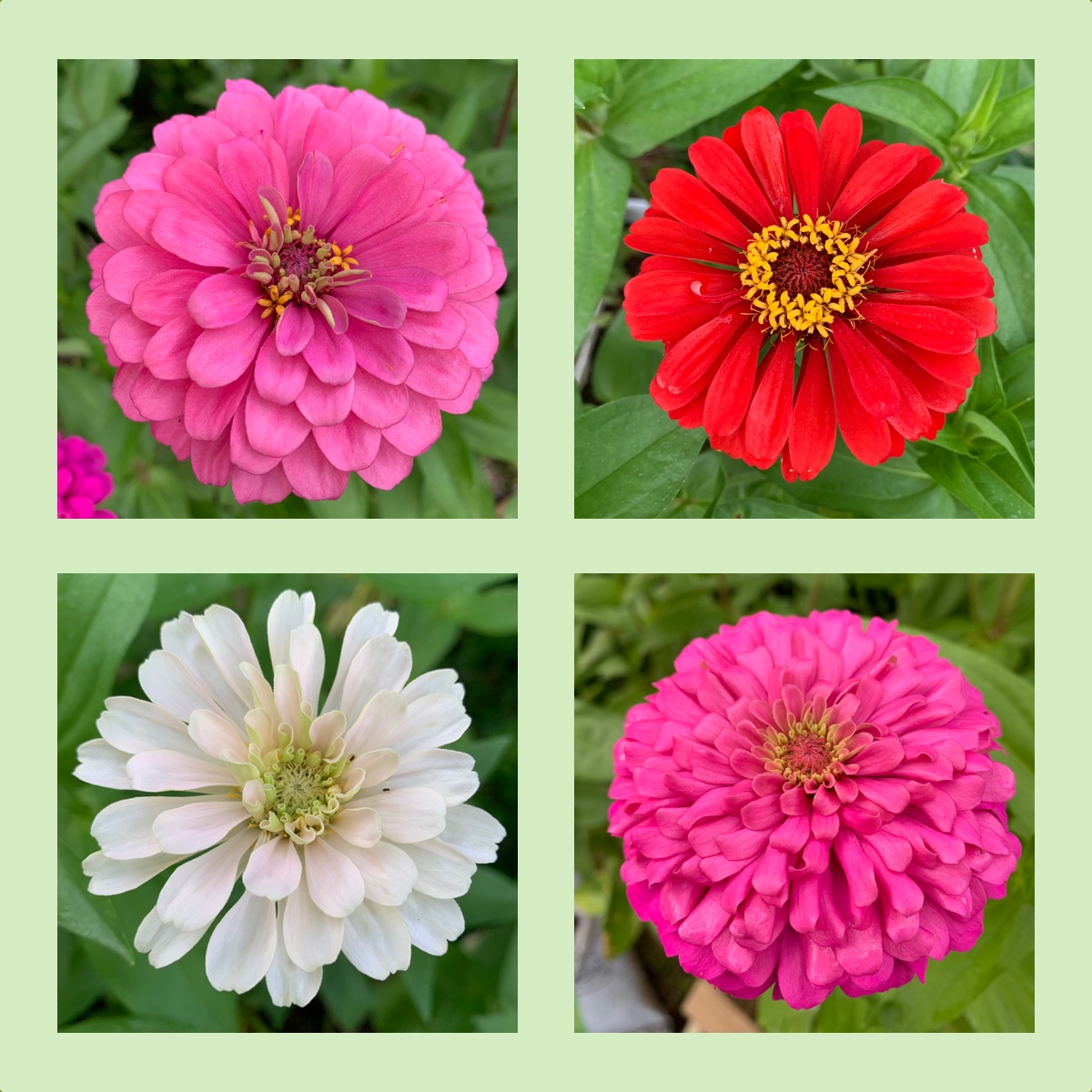
More Zinnia Love

I’ve really been touting the benefits of zinnias recently and I can’t seem to stop!
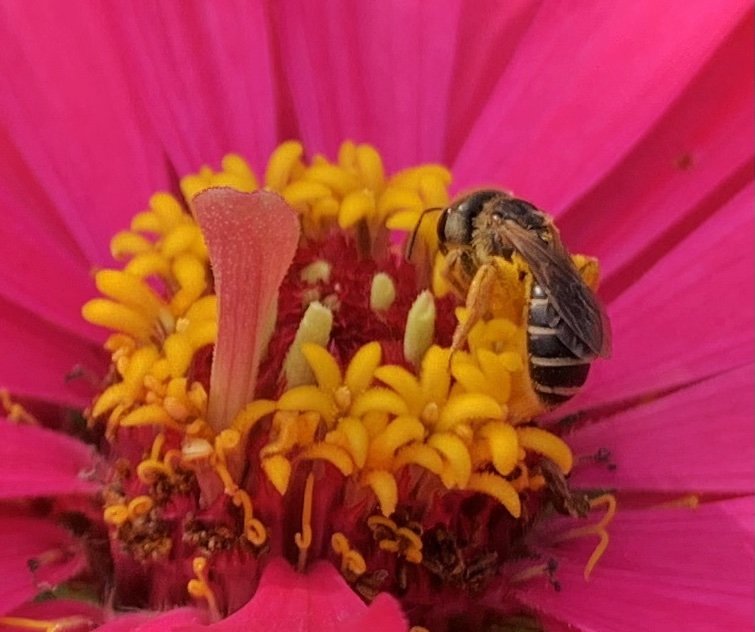
bee on flower
Bee in center of hot pink Zinnia

Each morning I check on the garden. The iPhone is in my pocket because usually there is something to photograph.

Sometimes the little armadillo waddles through the garden, or maybe a turtle will come up out of the woods. And there is always activity around the zinnias.
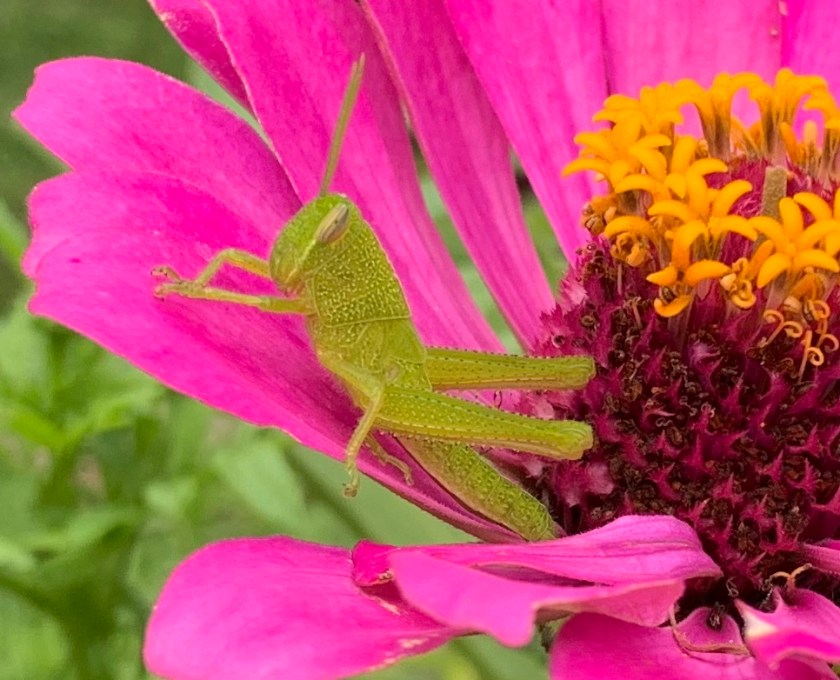
grasshopper on zinnia

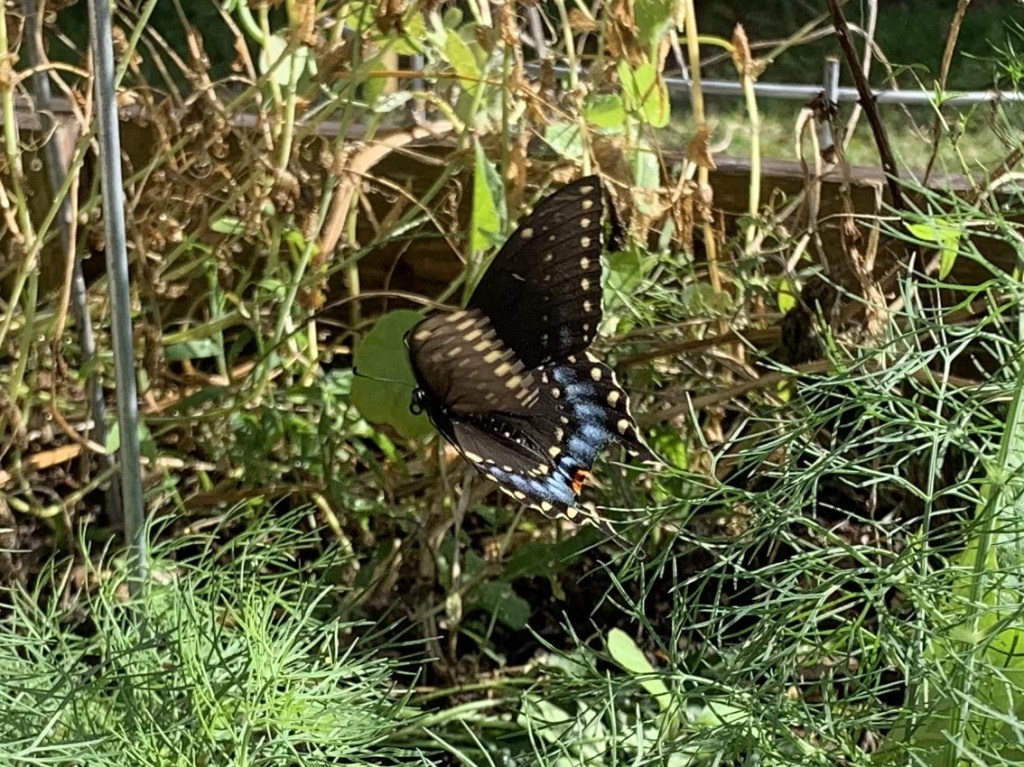
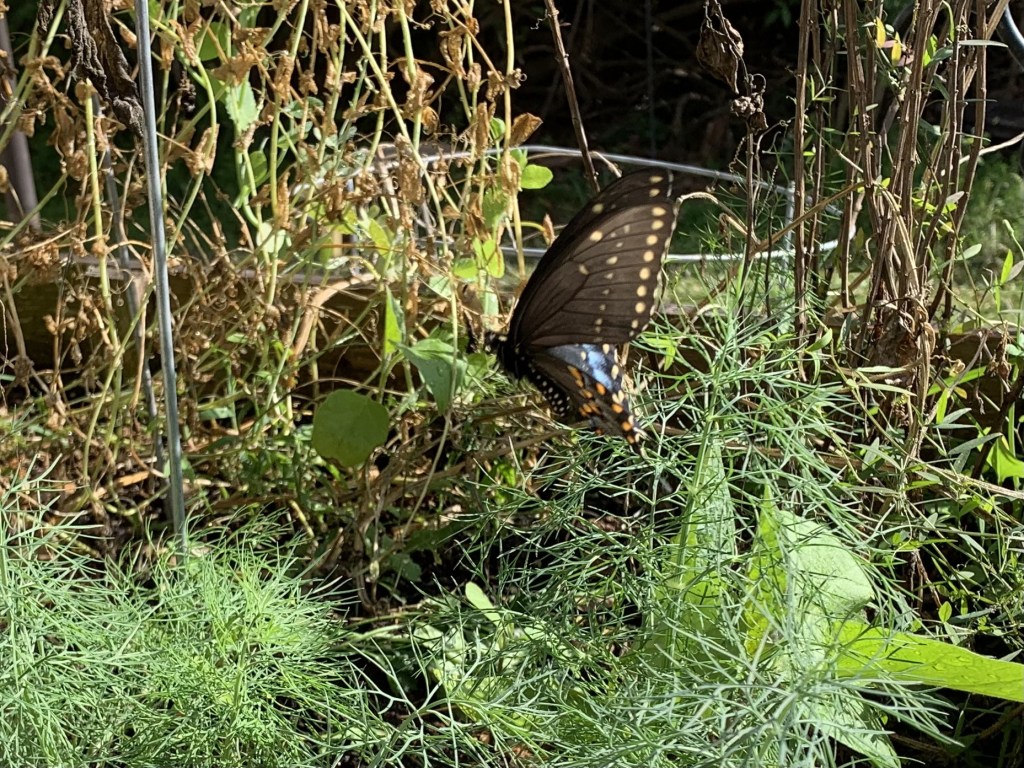
One afternoon I watched the amazing Giant Swallowtail butterfly wander from one zinnia patch to the next. I tried to get some decent photos but he was continuously flying and wouldn’t let me get too close. That orange zinnia was his favorite.
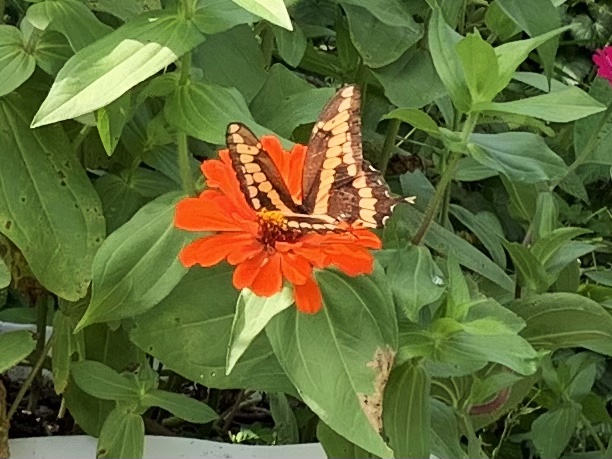
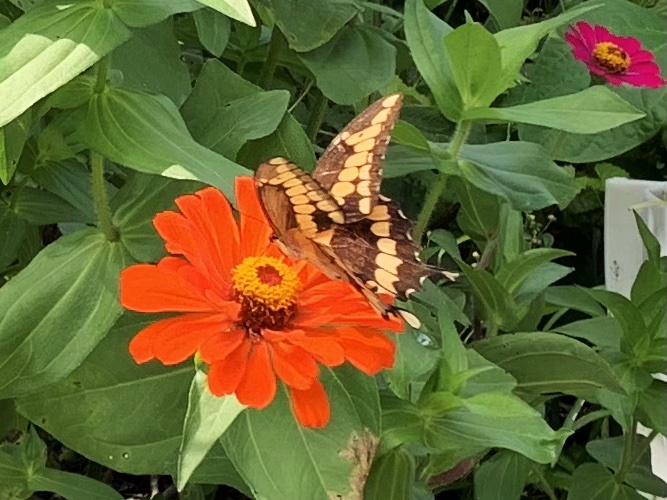
The photos don’t do him justice. This is a butterfly that is larger than most I see, but his wings are also floppy, for lack of a better word.

I found this video which will show you the swallowtail flying (very beginning of video), which is exactly what I saw, but couldn’t capture. This woman goes on to mention a bunch of plants that will attract them. The wild lime tree sounds perfect, if only I had a decent size yard.

Check out this video by a woman in Alabama who raises Giant Swallowtails when she finds them on her citrus trees. I’m not sure why she doesn’t just let them live on the tree, but I guess some people enjoy raising them. Her garden is stunning! I need some citrus trees.
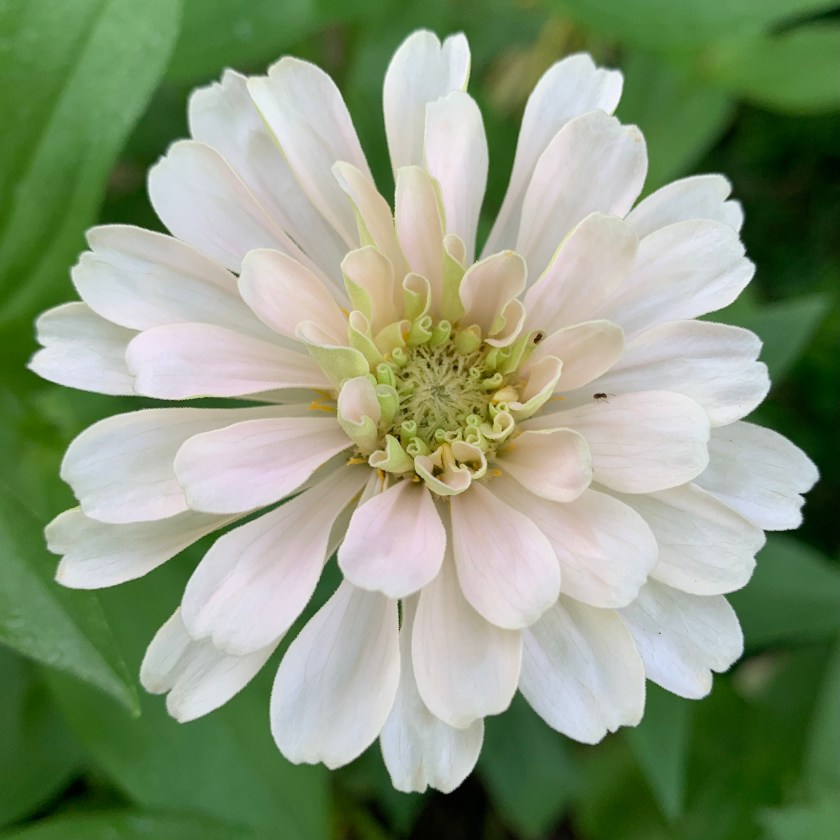
white zinnia flower
White zinnia, or very pale pink

The brightly colored zinnias are the ones that attract everything, but now I have a whitish zinnia! It is lovely.

Each day, very early or very late (it’s July in Florida!), I sit for a bit in the garden and just observe. It’s when I see a hummingbird flitting over the zinnia patch and drinking!
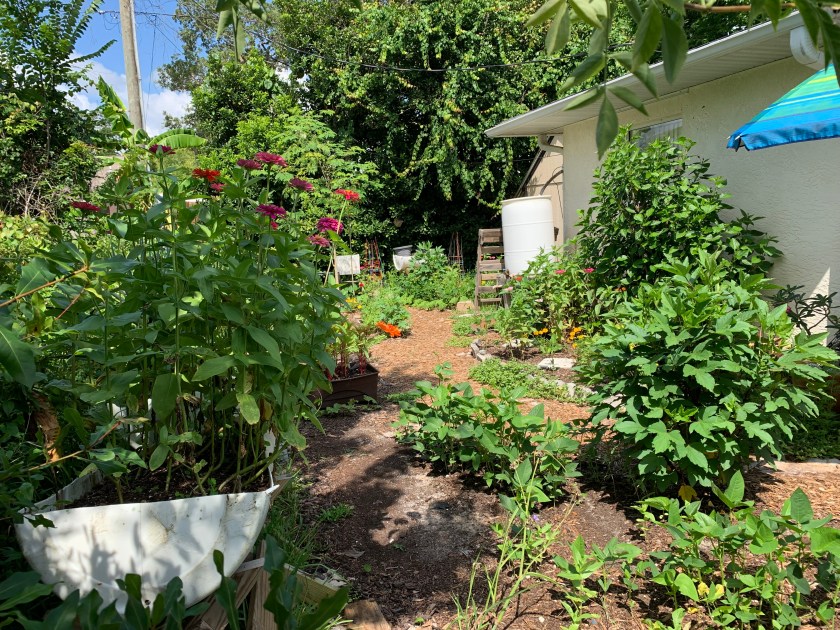
garden

The flower and vegetable garden at the side / back of my house is very small. I can sit in one spot and see most of it.

I hope you can find time in your busy life to sit still and observe what is happening in your yard. If nothing is happening, maybe consider hanging a bird feeder, or planting some flowers. Currently, there is a blue jay family that comes for seed and water each day. The babies are noisy.

I don’t like where I live, but I’ve made it more tolerable by creating this space that is alive with nature.

My Yard Before the Gardens! Boring…

Below is a photo of how this area looked when we moved in! Some people like this nice, neat, grass look, but I find it depressing and certainly boring!

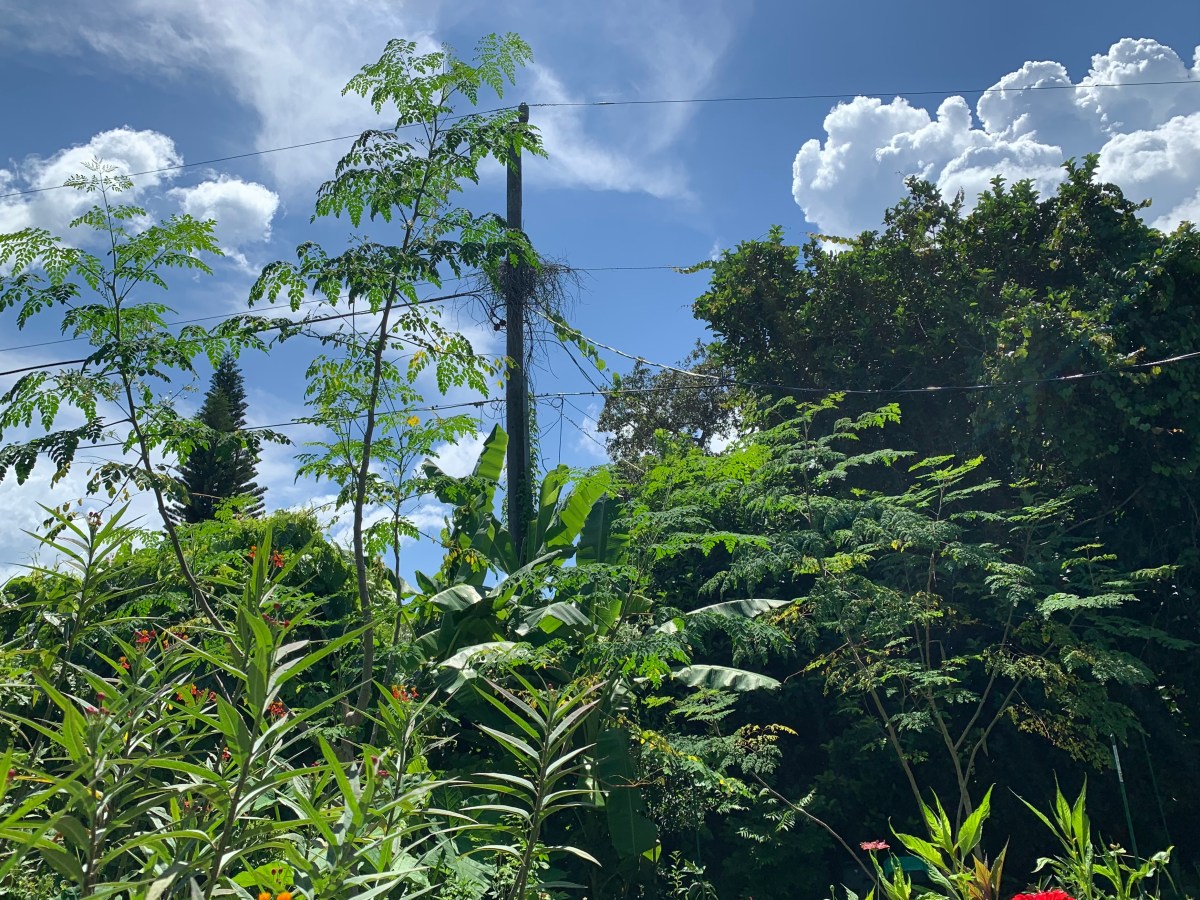
I’m sure the grass was sprayed regularly for bugs, like most people do around here. Nothing interesting at all was growing on this lot. Only the banana trees in the back corner gave this space any interest. And I think they came from the people behind us.

Florida house backyard
House backyard in 2016

Dead Zinnia Bouquet

As the zinnias get old, I pick them and bring them in. These fading zinnias will go into my seed saving box once they look completely horrible. They are no longer perfect, but I can enjoy them nonetheless. I leave the flowers growing outside for as along as possible for the butterflies and bees. I only cut them when there are plenty more blooms to feed the bugs.
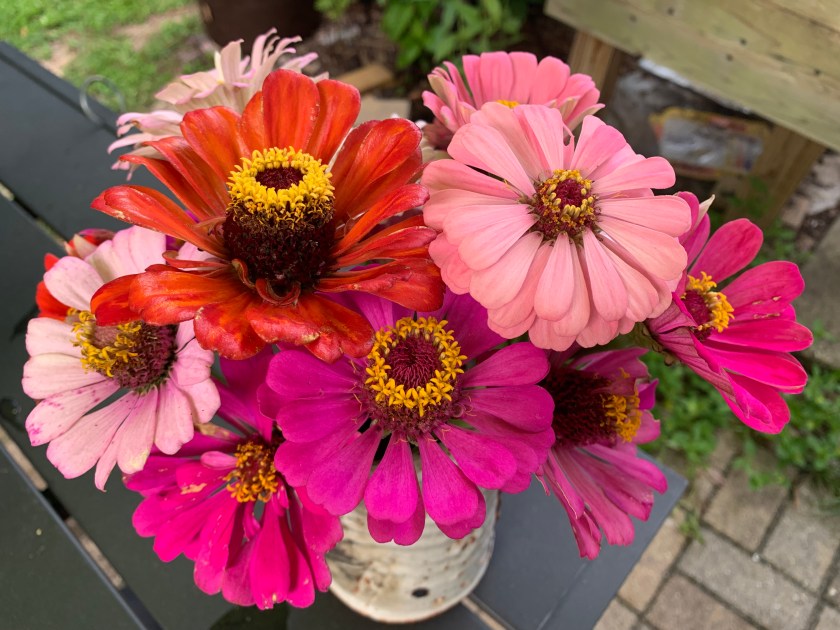
dead zinnia bouquet


Read on…

Something went wrong. Please refresh the page and/or try again.

What’s Happening in the February Garden?

Butterflies are dropping their eggs, and some of my vegetable plants are looking much better, now that February in Florida has arrived.

Spring comes early in Florida. February is a good time to check the garden for signs of butterfly eggs and newly hatched caterpillars.

Swallowtails Laying Eggs

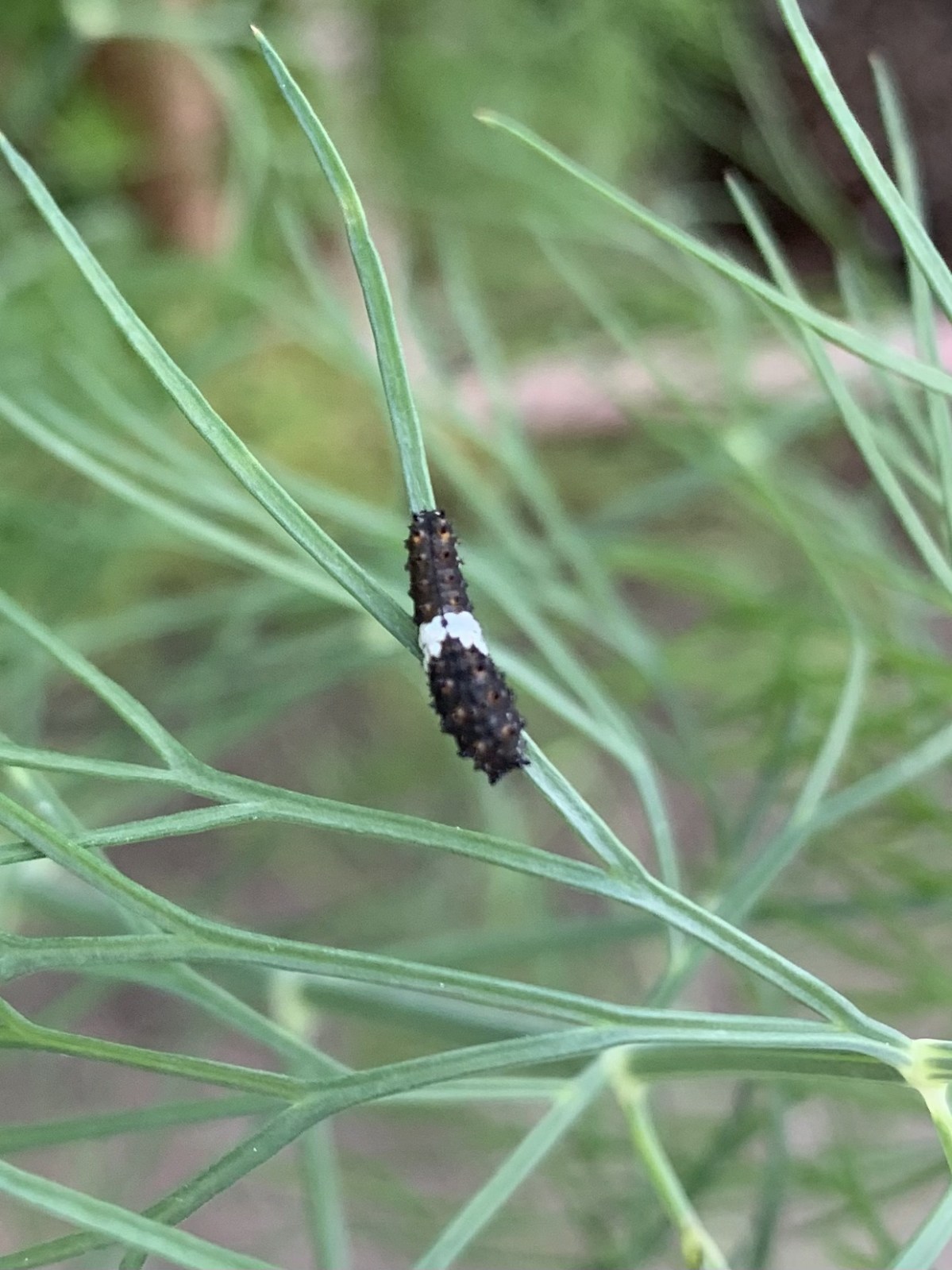
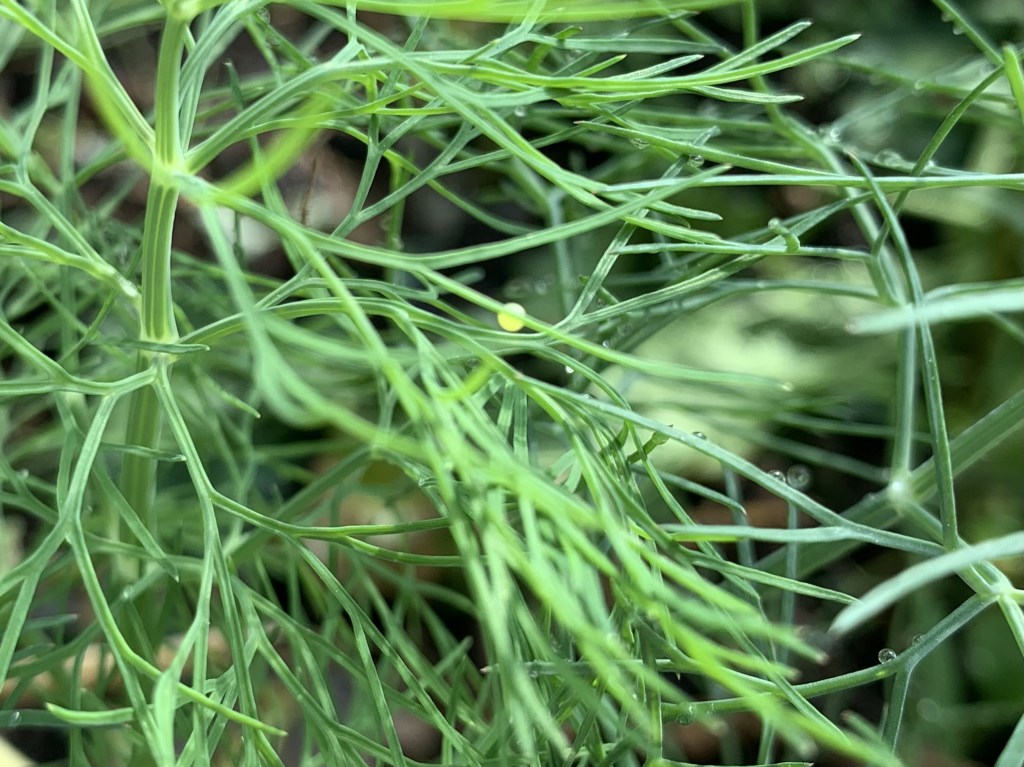
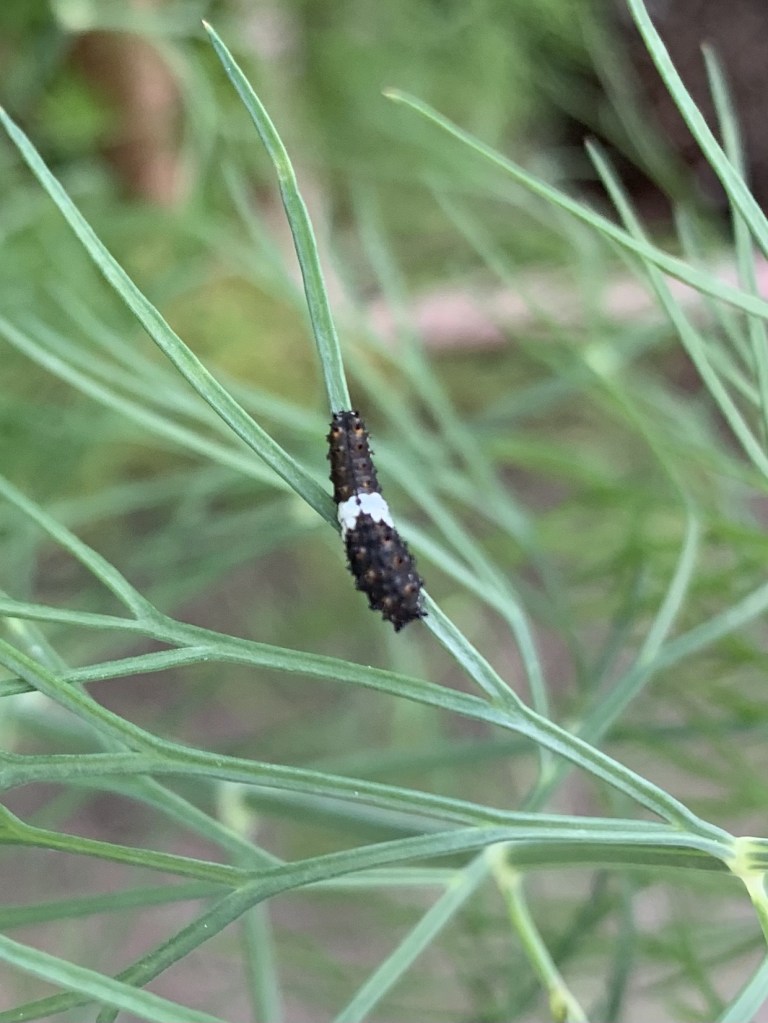
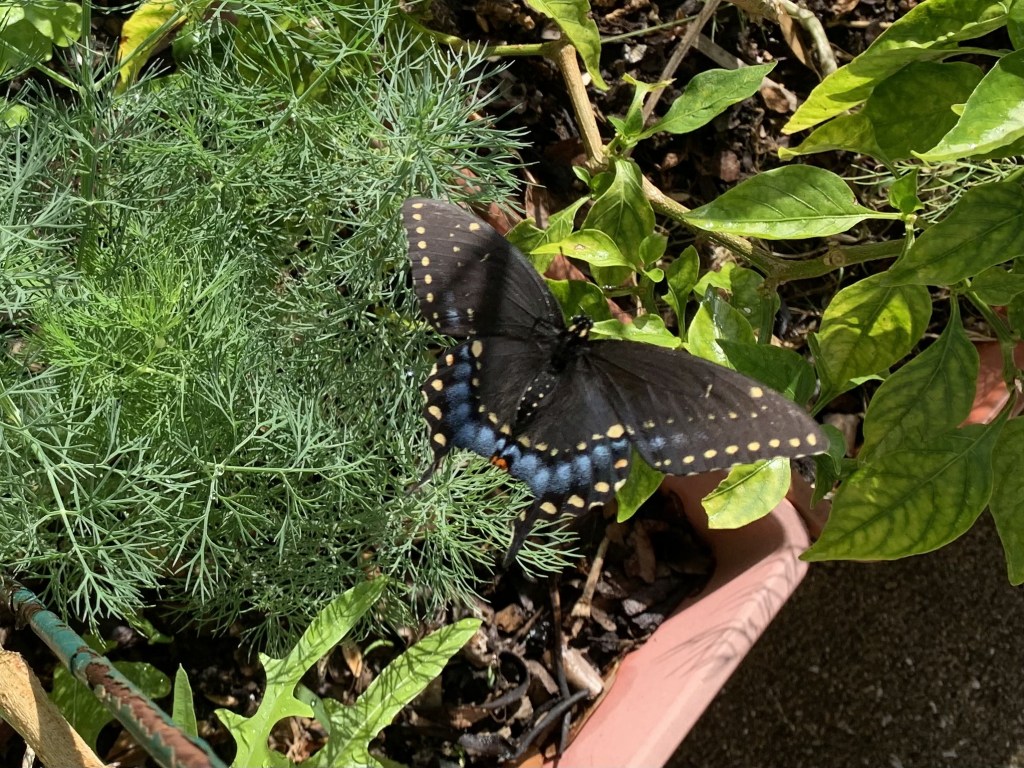
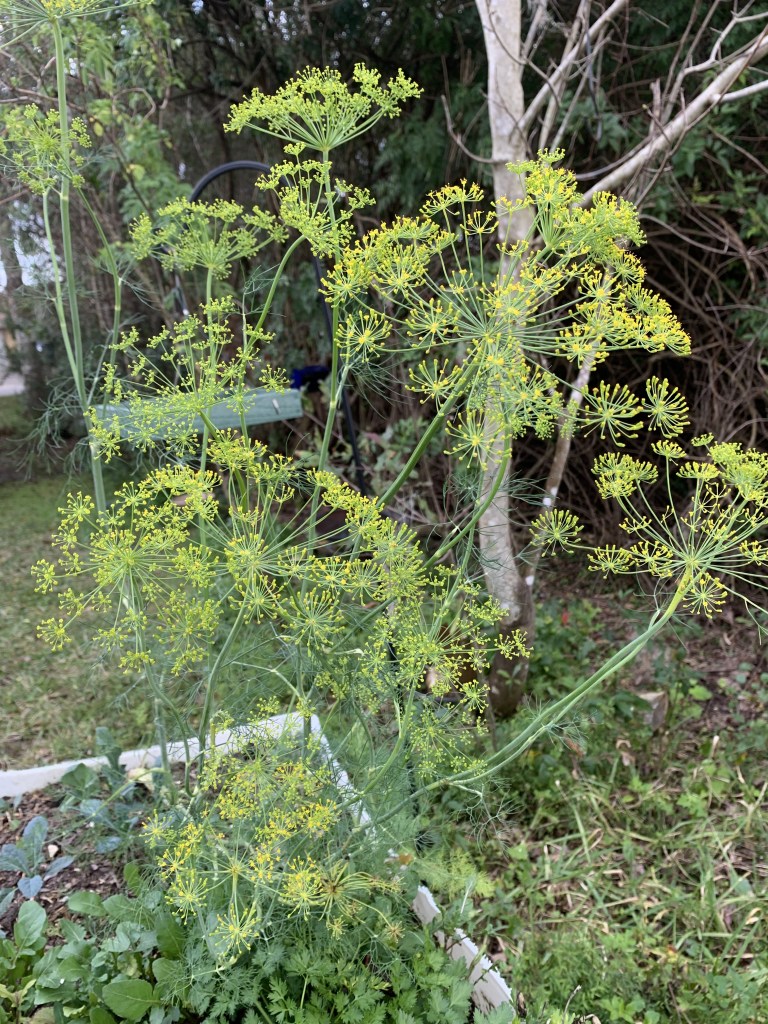
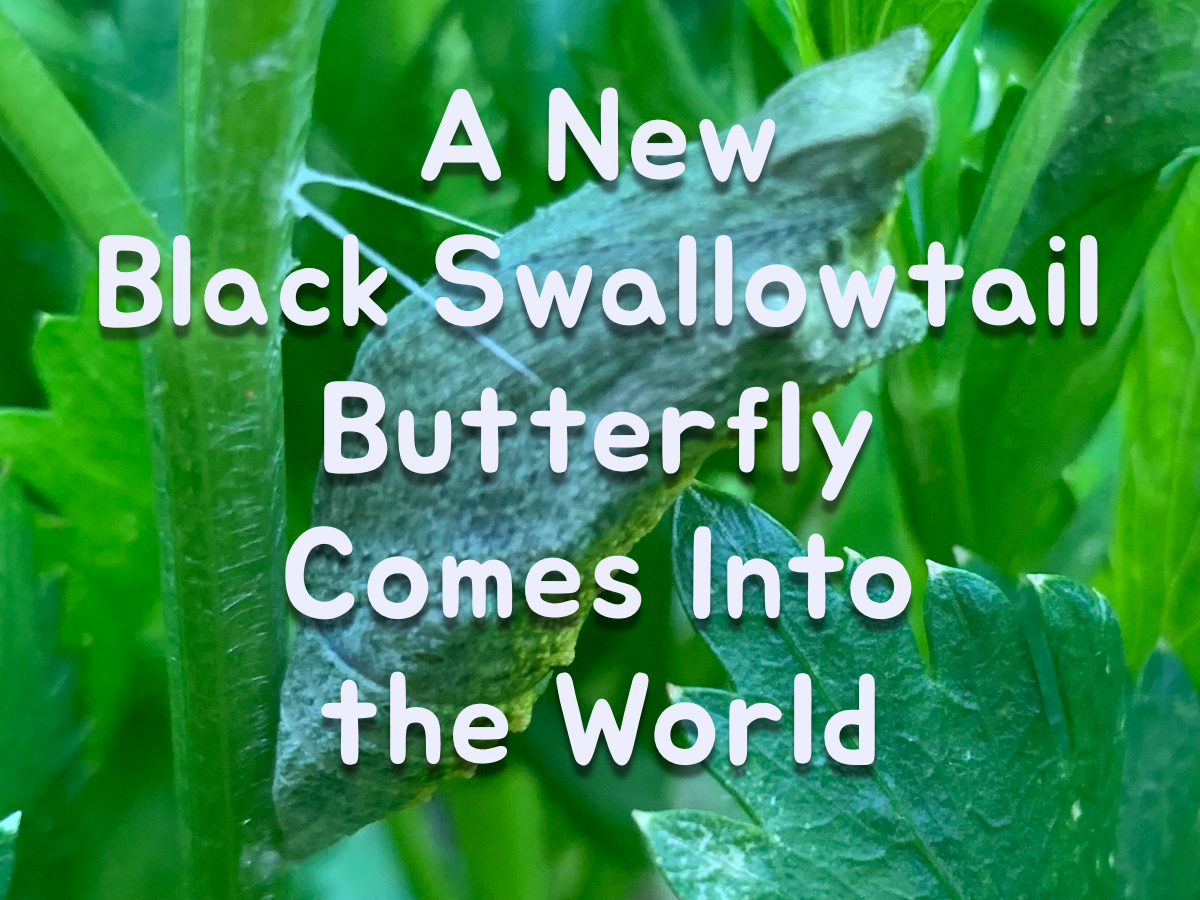
I noticed the black swallowtail butterfly laying her eggs all over my little dill plants. Now the black caterpillars are crawling around, eating and growing.

Every day I looked to make sure I could see all three.

Monarch Caterpillars

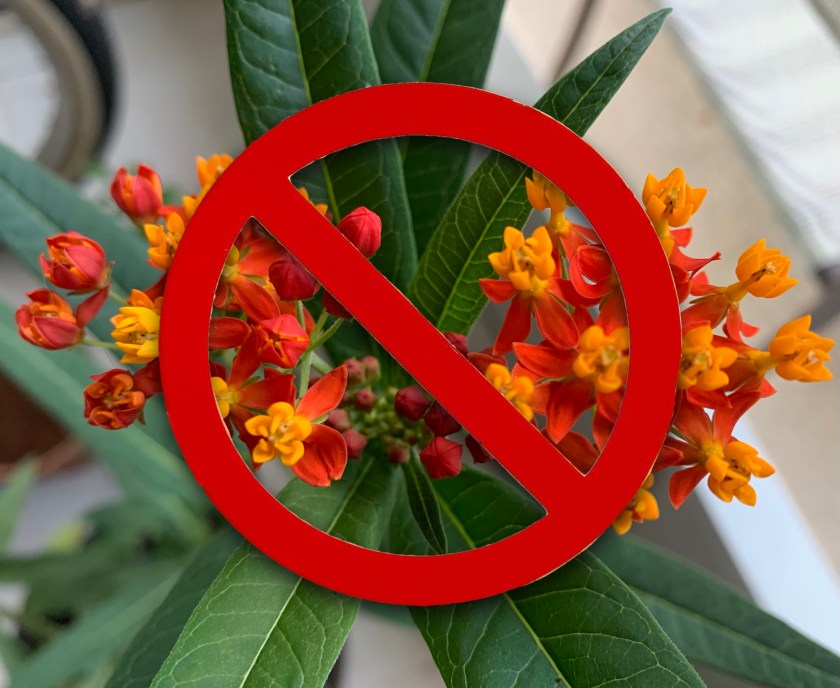
I’ve recently discovered how bad it is to have the wrong type of milkweed growing in the yard. I have removed all of my tropical milkweed. It looks like the photo below – with red and yellow-orange flowers – and please plant native milkweed instead.

no to tropical milkweed

Read About the Monarch Story, and the Reasons to Plant Correctly

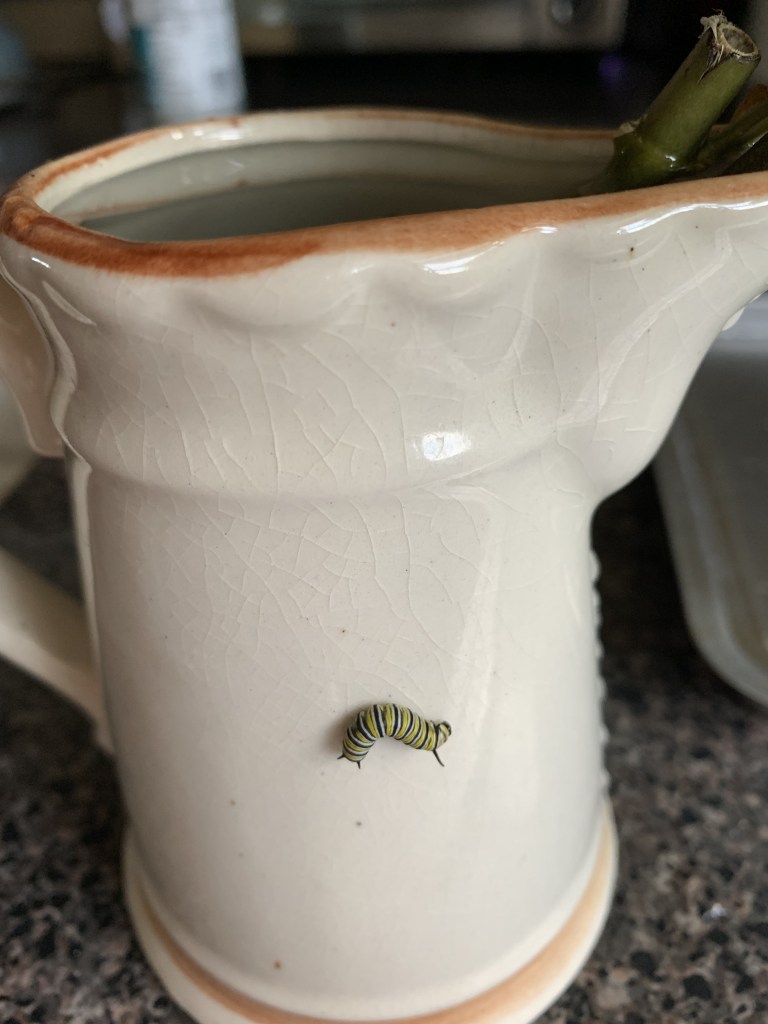
lost caterpillar

Pests

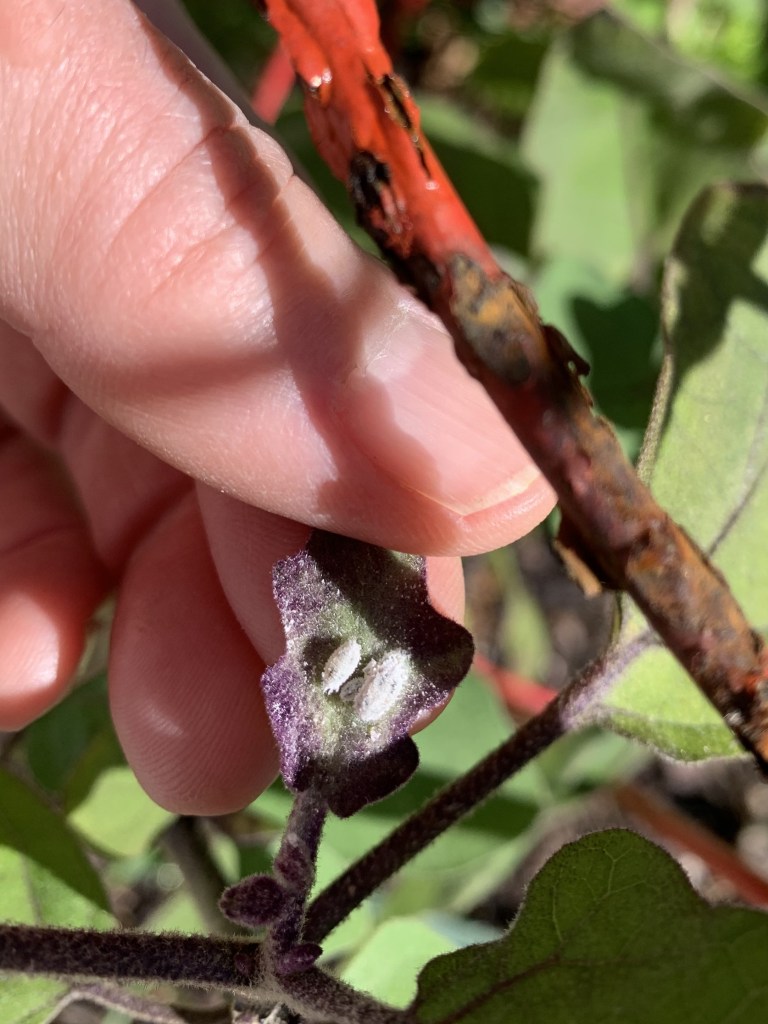
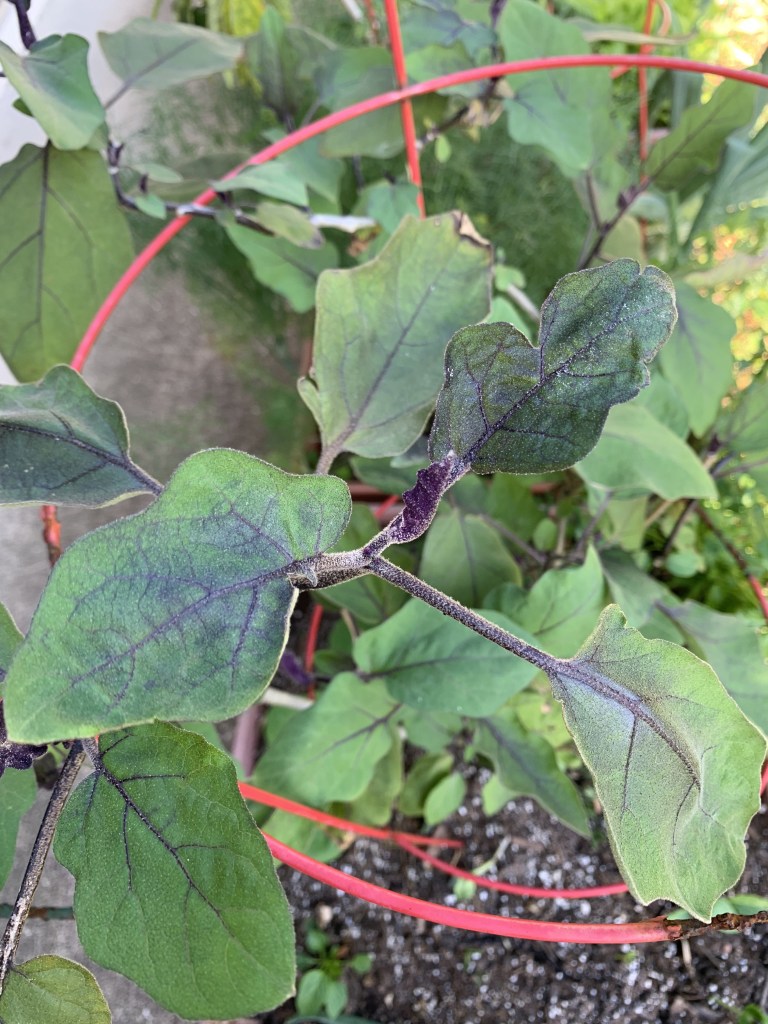
That’s about it for the creatures, except for the unwanted white bugs. I hand-picked / squashed a bunch of these that were hiding in the tiny new growth on my eggplant. I’m not sure what they are, but probably some kind of aphid.

white aphids

Vegetables That Love February

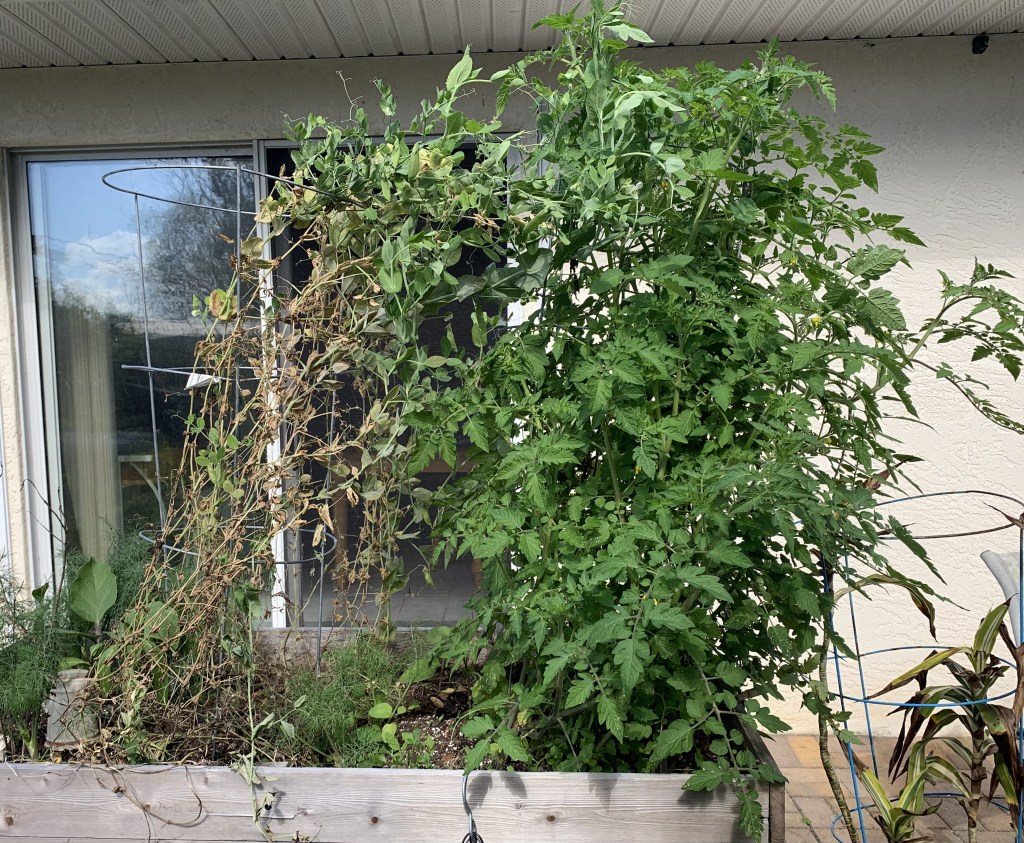
Many of these vegetables were planted late last Fall. They survived the winter and are now beginning to love the warmer nights and not-too-hot days. I like February temperatures also. The humidity is lower and the days are sometimes hot, but bearable. A bit like a summer days in the north.

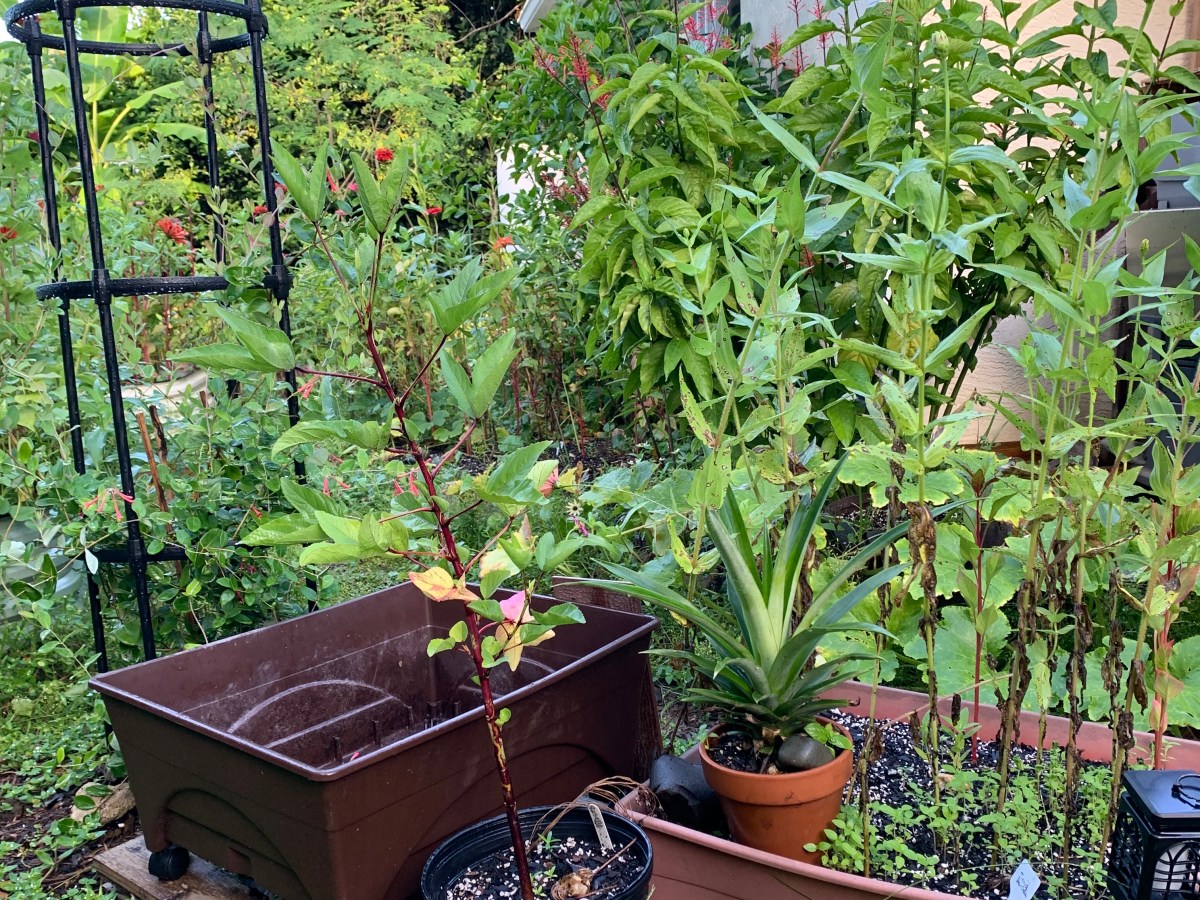
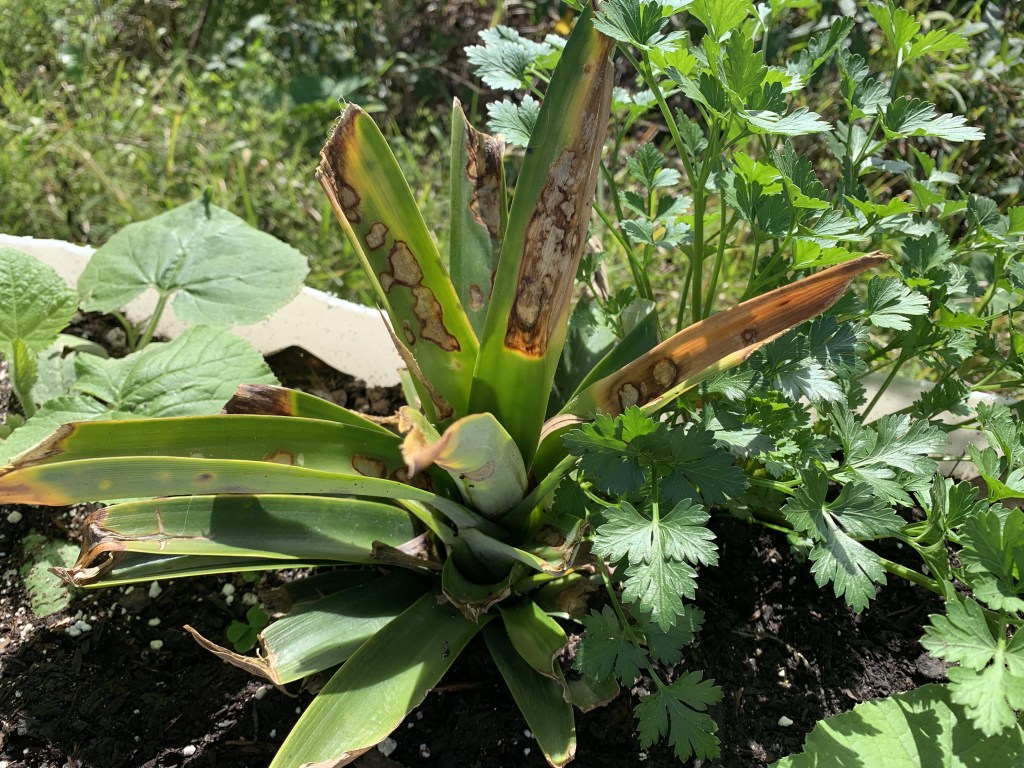
The pineapple had a lot of brown leaves. I had to cover some of these gardens when the temps dropped to near, or below, freezing.

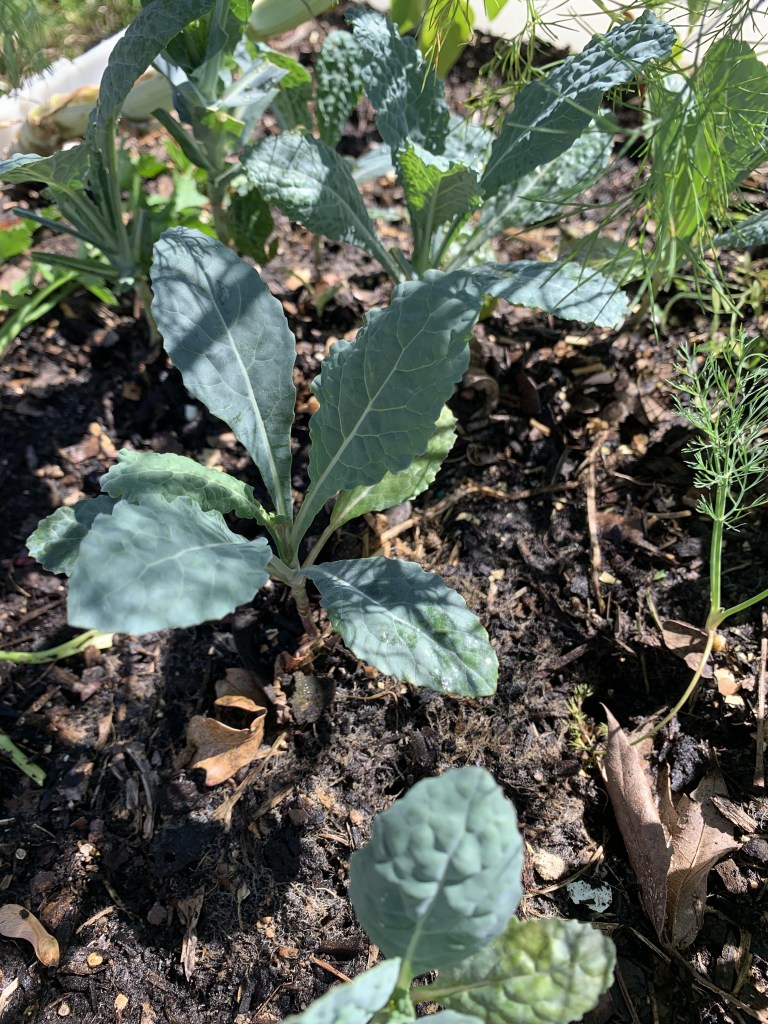
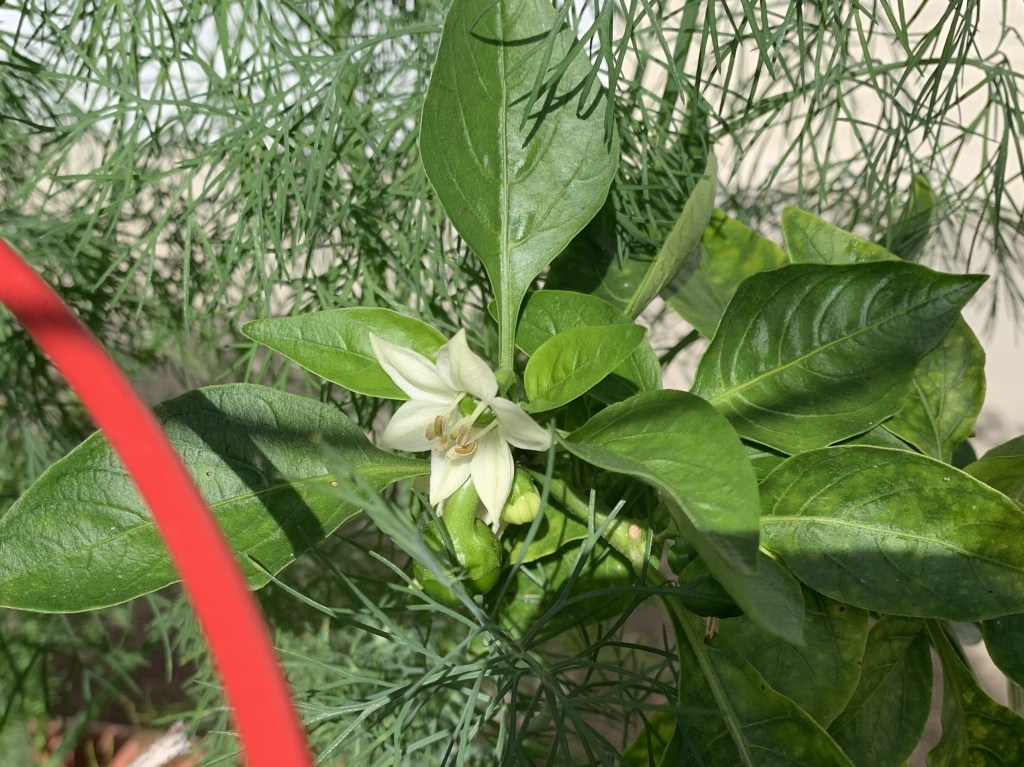
The plants themselves are looking much better, but I’m not getting to eat from them. I have picked a few cherry tomatoes, a hot pepper here and there, and had some kale chips, which I made from my kale. I use the parsley and dill to cook, but all my basil died.

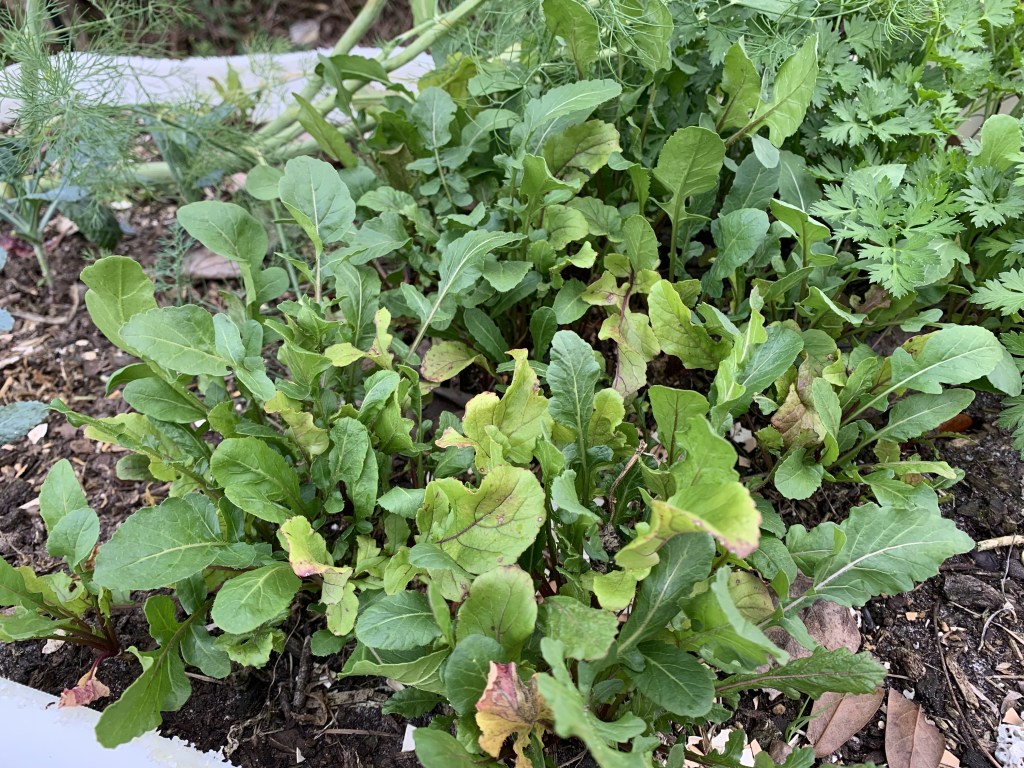
It won’t be long before the weather is too hot for the gardens to do well. I’m letting my lettuce to go seed so I can plant more next Fall. I do expect to continue to get peppers and also some eggplant soon.

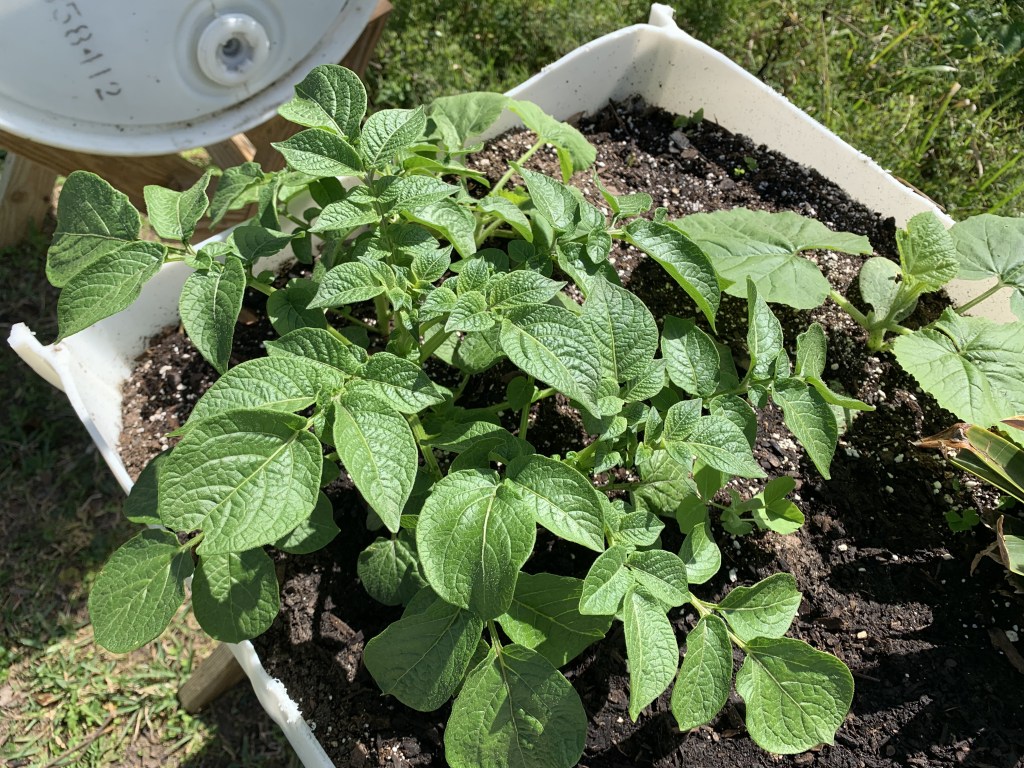
Mid-summer Update on the Vegega Raised Beds

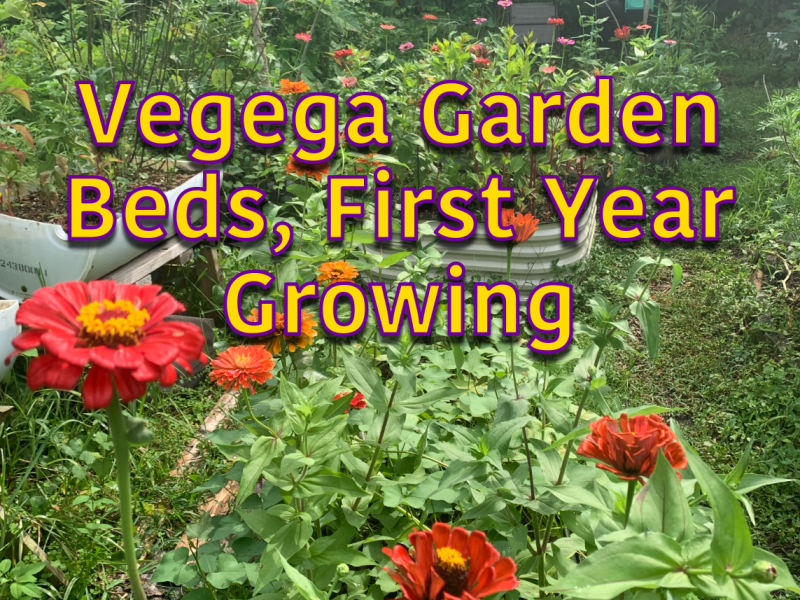
It’s mid-summer and here in my Florida backyard I have mostly flowers growing. I’ve used my three Vegega raised beds to hold some things and some are doing better than others. More amendments for Fall will be needed.

The Return of the Turd Bug

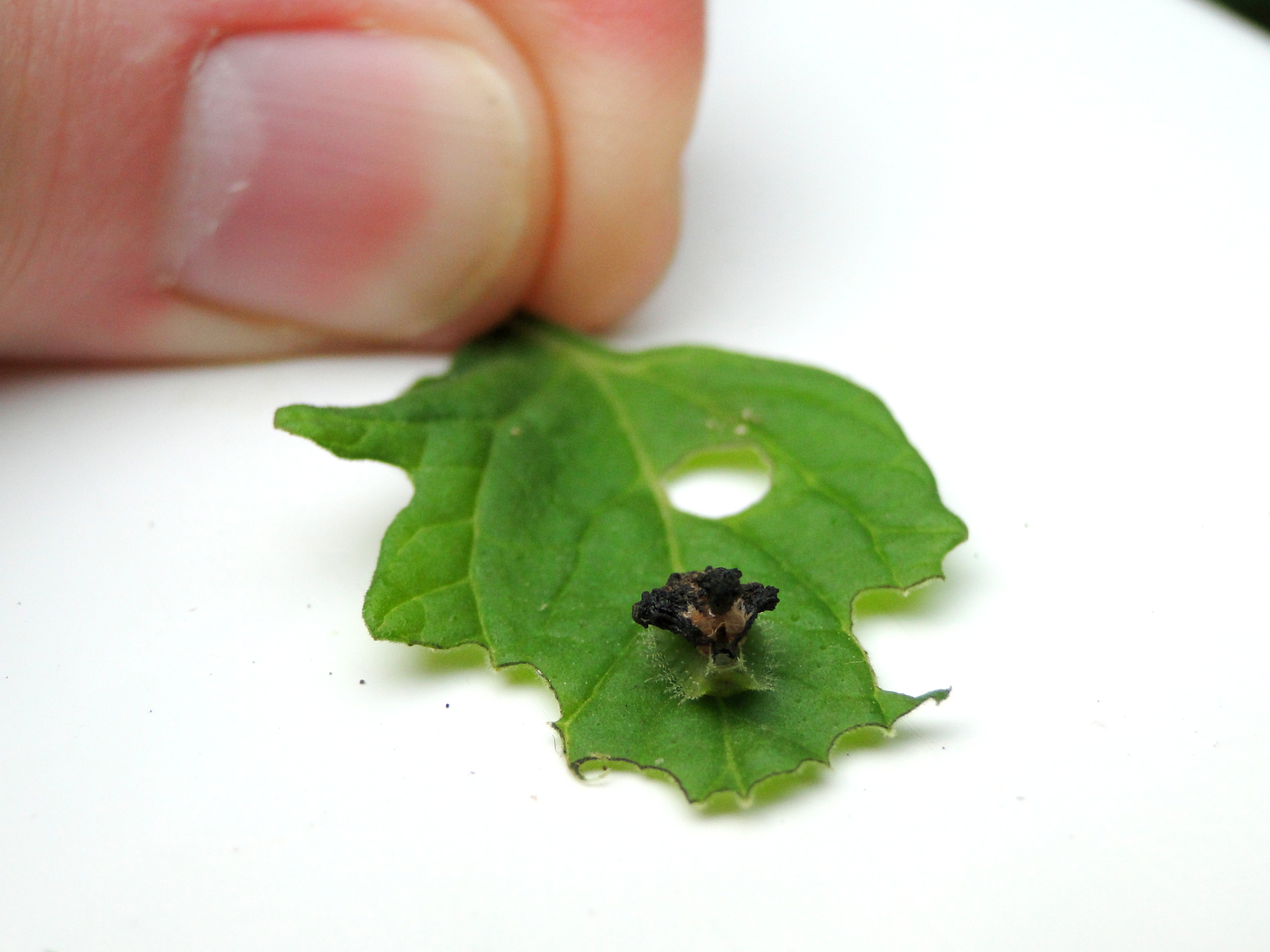
Bug on tomato leaf
Turd Bug

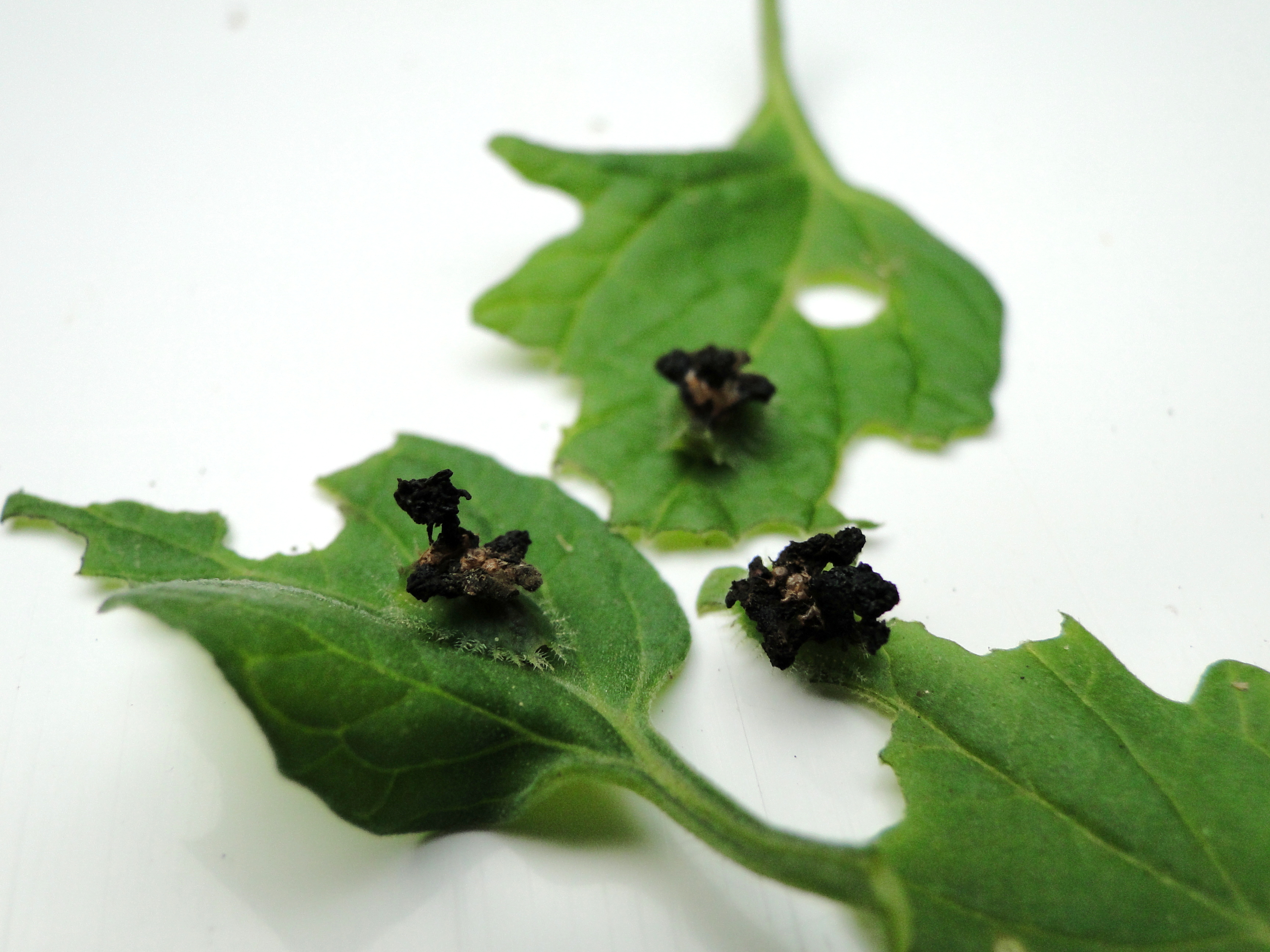
Last summer I had a bug show up on my tomato plants that looked like a little bird turd. I have never before seen one like this. I’m always on the lookout for the worms that grow gigantic and can strip a tomato plant down to stems only, but when I first saw this little bug I dismissed it as bird poop.

Then I saw more of them so I looked closer. They are hard-shelled and I only found them on the tomatoes. So far this year I have found one on the potato plant. None of my tomatoes are in the ground yet. They do eat the leaves, but can be picked off easy enough. They fly if you mess with them, like little lady bugs.

On my New England blog I had mentioned this turd bug and a reader left a message telling me what it is. Look up the clavate tortoise beetle and you’ll see it is one and the same.  That page says, “this species appears to prefer plants of the family Solanaceae” which means…what?  Okay… I looked it up.  Wikipedia says it’s the nightshade family which does include potato, tomato and eggplant.

My tomato plants go into the ground this weekend and I’ll be keeping an eye out for the turd bug.

Must be the larva I got a photo of.
DSC02015