Five Florida Summer Crops That Need Little to No Attention

Here are five crops that can be planted in a Florida garden over summer. They will grow without much attention, and that keeps you out of the heat.

Gardening in Florida is different to say the least. Summer is hell here. It is simply unbearable to be outdoors. If I get outside before the sun hits the little patch of yard that is my garden, I can bear it for a very short time. The humidity is killer.

However, I love to grow things. I’ve come to realize that there are a few crops that can grow during a Florida summer and they need no attention. That means you can stay indoors during dry spells. Watering every morning won’t be necessary.

Sweet Potatoes

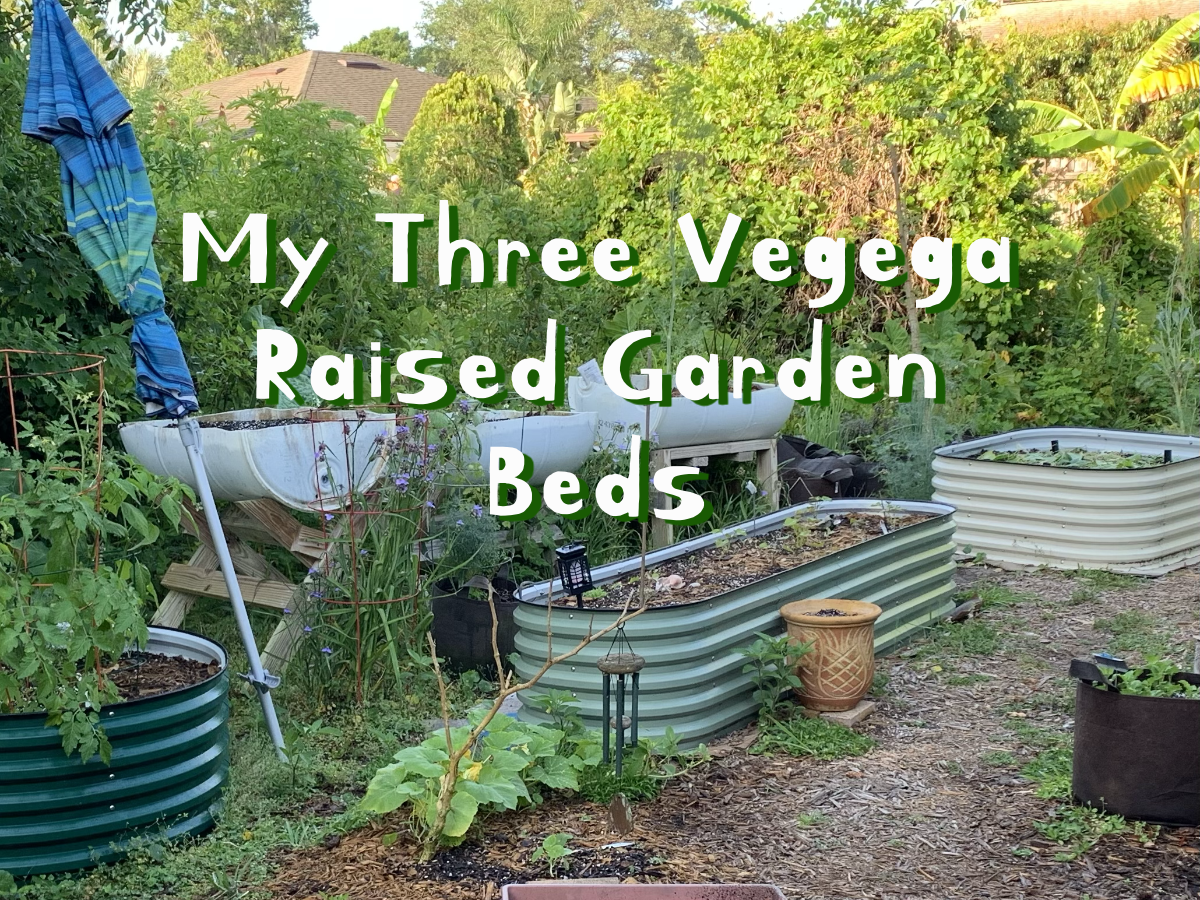
Find a good place in the yard, that can be dug up easily, and plant sweet potato slips. This coming Spring I will be ordering purple sweet potato slips. I plan to plant them in one of my Vegega raised beds once again. I found that digging them up was tough, but I don’t really have any other place to grow them.

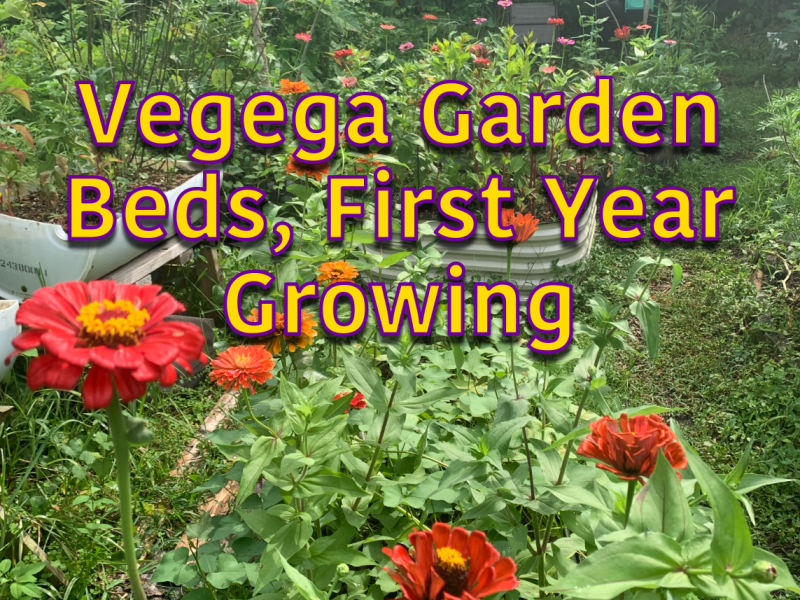
This past summer I filled the long bed with sweet potatoes and zinnias. The vines got all tangled in the flowers, so I won’t do that again! The potatoes won’t be dug until the end of summer, or beginning of Fall, but the leaves can be used in salads all summer long.
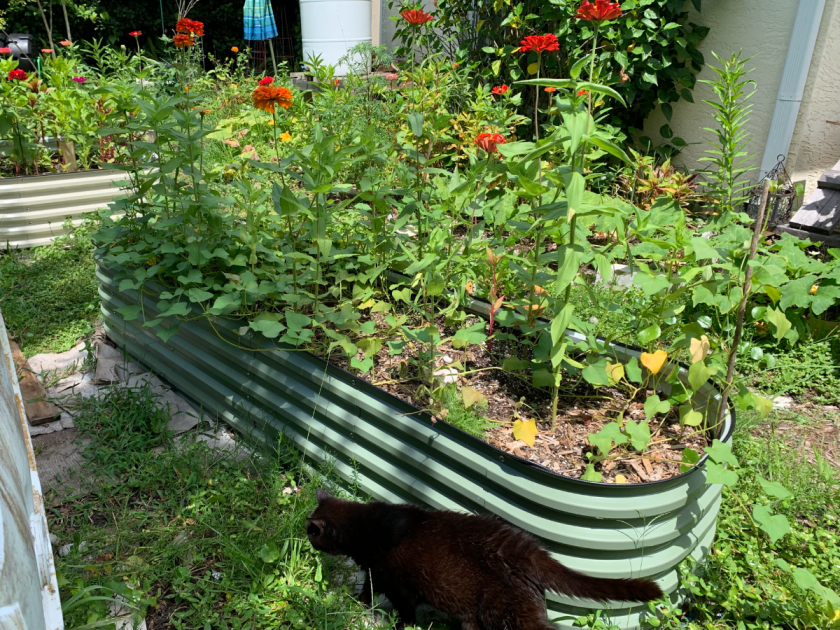
Vegega metal raised bed, oblong shape
My long oval raised garden bed made of metal, with sweet potatoes and zinnias growing.

Roselle

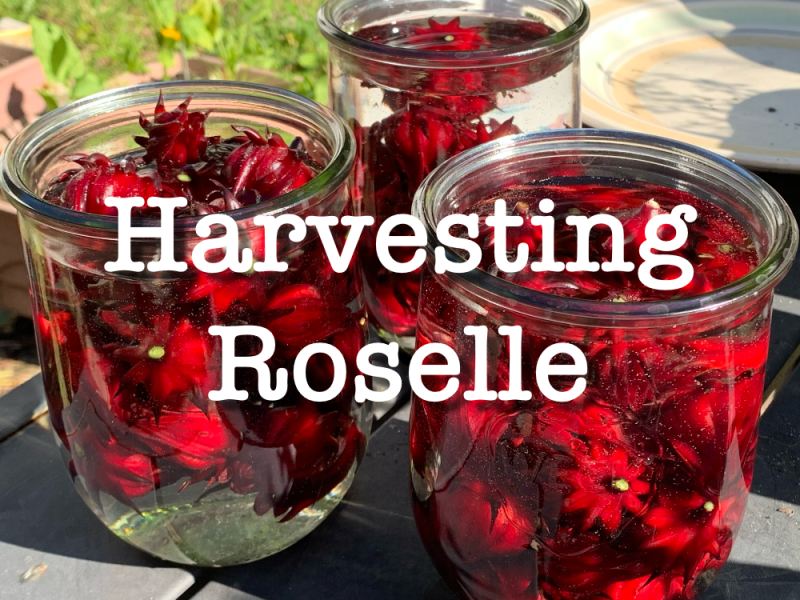
Roselle plants create calyxes (sp?) that can be used to make tea. The plants will grow from seed, and take off by mid-summer. Each plant grows into a wide bush, so make sure you have space for them. One or two plants will give you a lot of little red tea leaves to save by Fall.

Be aware that these shrubs are not strong. We had a storm come through and it broke the Roselle you see in the photo below.
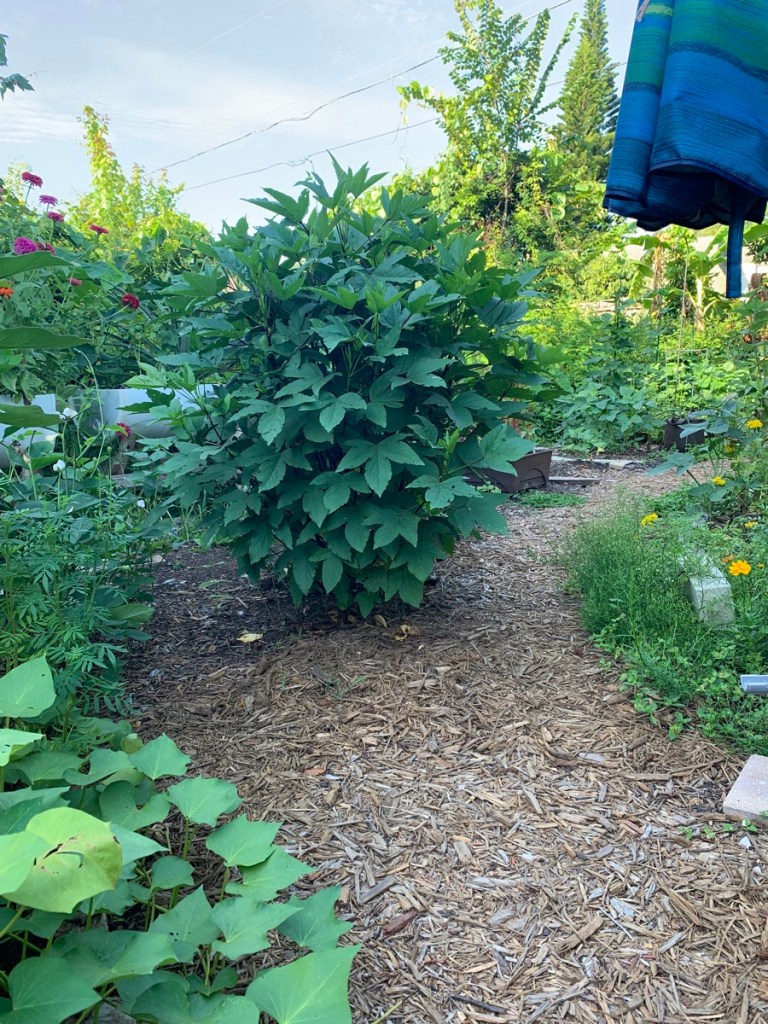
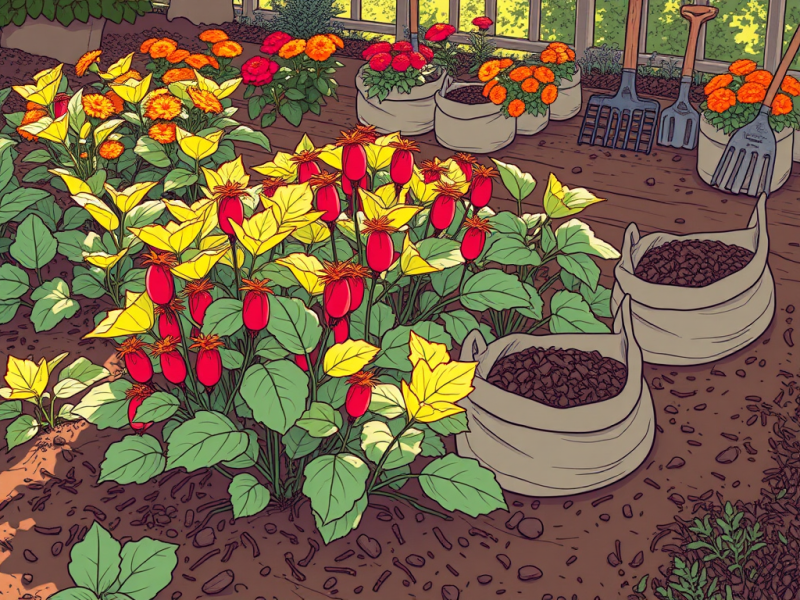
mulch path in garden around a wide roselle plant
Roselle bush in 2024

Okra (Yuk.. but…)

I grew okra the first year I had a garden. I’d never grown or eaten okra so I wanted to try it. And what a pretty plant! The good news is that it grows like mad. The bad news (for me) is that it is simply disgusting to eat. If you like this vegetable, and live in the south, grow it.

I’ve recently been getting into fermenting vegetables. Supposedly fermenting okra, for at least 4 months, will remove the slimy texture. I may try it.
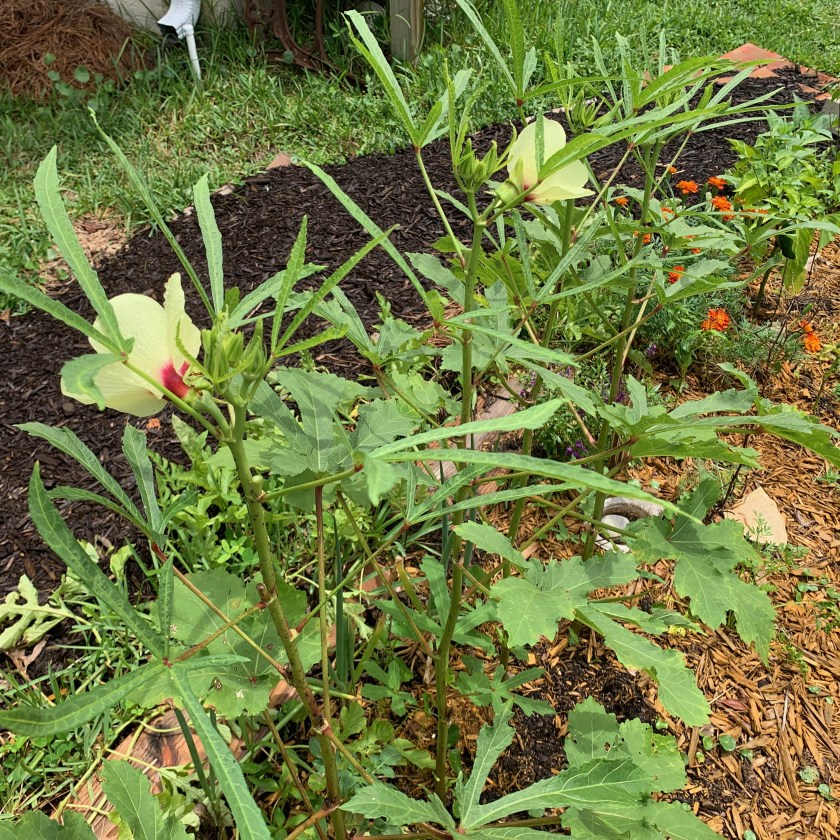
okra growing in the garden
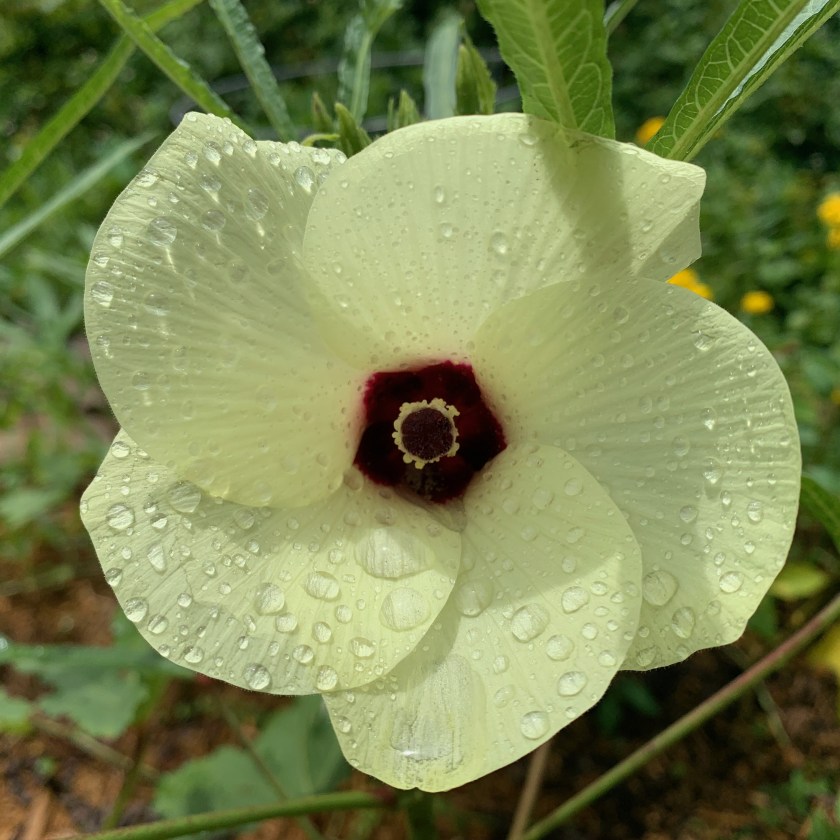
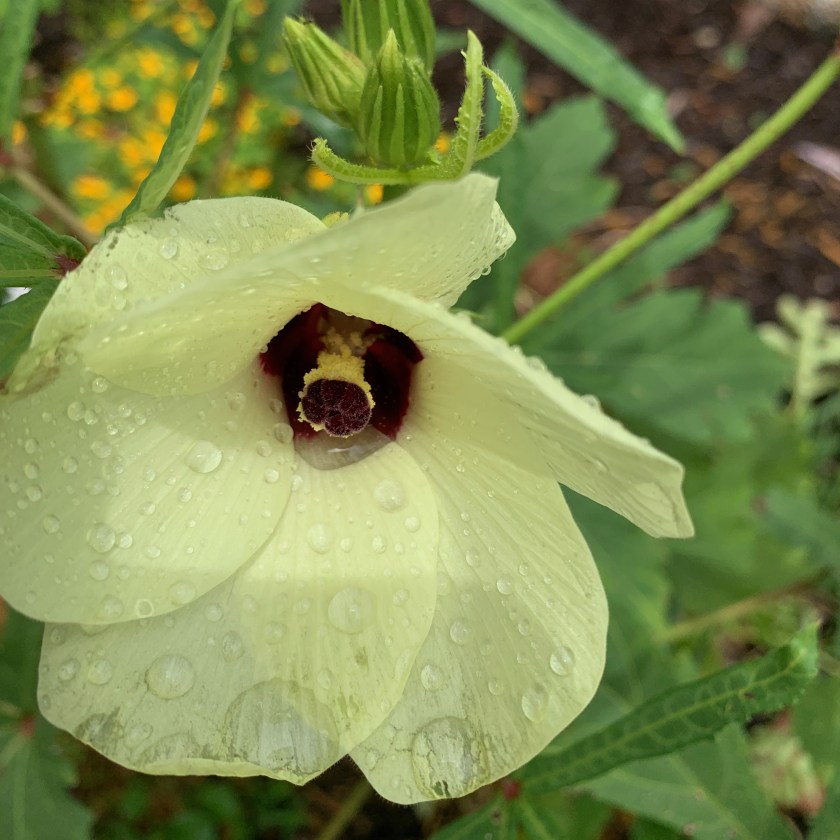
Okra plants have such pretty flowers

Basil – Specifically Tulsi, or Holy Basil

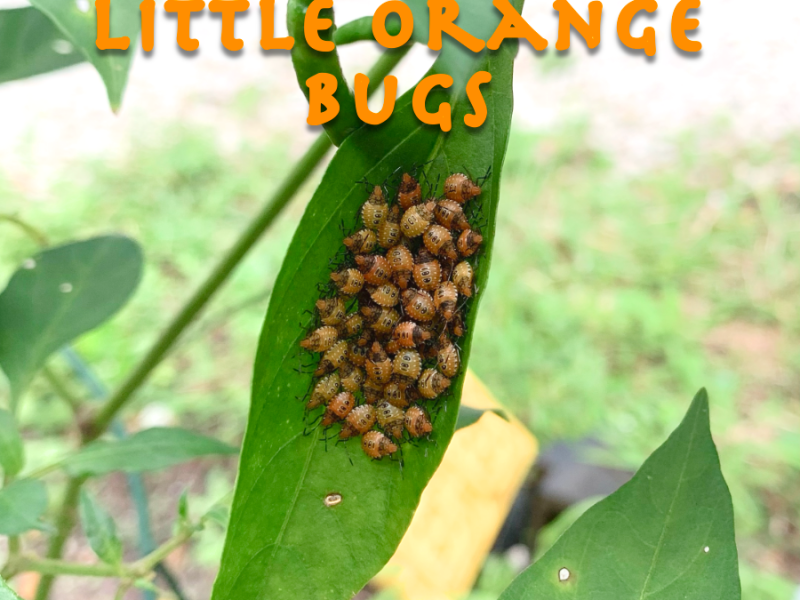
Basil is tough to grow here in Florida. But once I began to grow Tulsi, or Holy Basil, it simply grew. I didn’t have to work at it, and now it is popping up all over the yard. The only trouble I have is that in Fall the little bugs (aphids?) hit the new growth and I have to remove it. But this basil can take the heat – especially in a shady location. I use it a lot, in cooking, salads, and tea brewing.
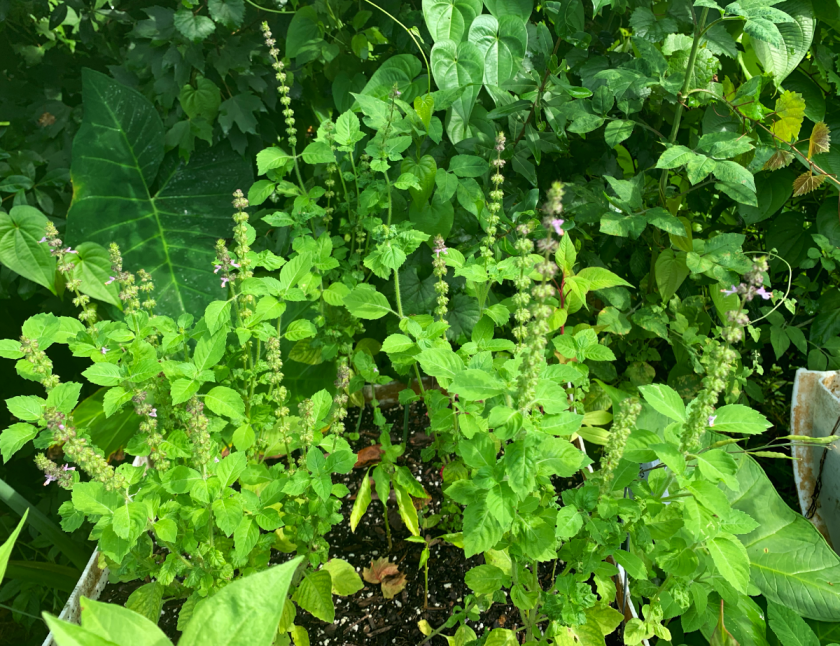
holy basil growing in the garden
Holy basil in my yard

Cowpeas

These are dried beans and they come in many varieties. I grow them as a cover crop and not to eat. For this reason I plant them and forget it. Cover crops keep the soil good by shading it and putting nitrogen back in (like green beans). I look at it as a way to feed the empty areas in the garden.

The first year my cowpeas grew so tall that I put stakes up for them to wrap around. I saved some of the dried pods for planting the beans (they are like beans, not peas) but have never eaten any. If you want to save the seeds, bring the brown pods inside to dry before they get moldy from the humidity.

This past summer I only grew a few cowpeas and they stayed fairly small. The flowers attract bees, but the bean pods attract ants. Watering is unnecessary. When the stalks are ready to be cut down, they make a great addition to the compost pile.
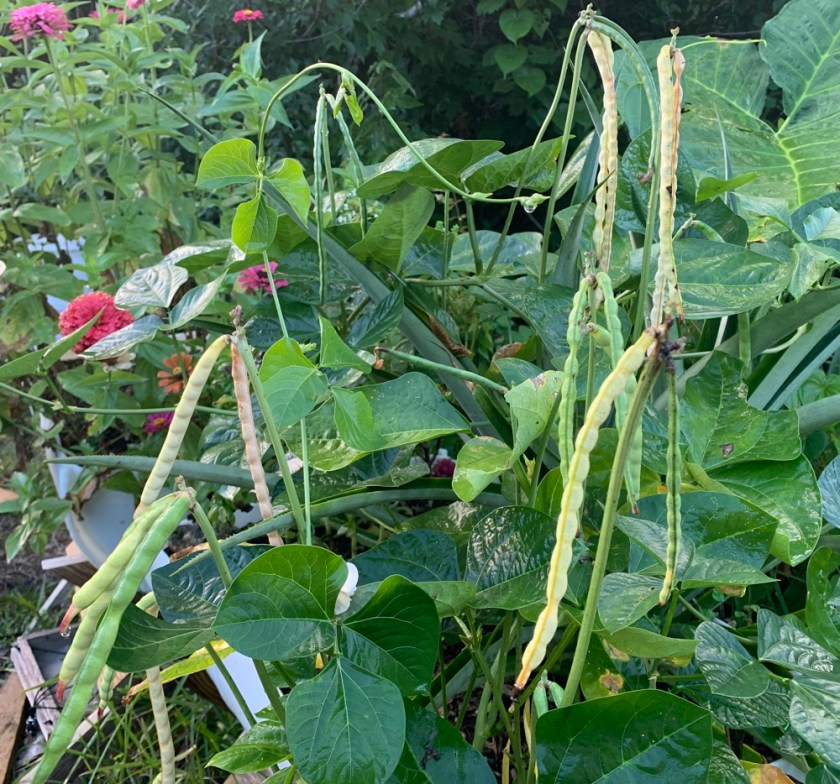
cowpea pods on the plant

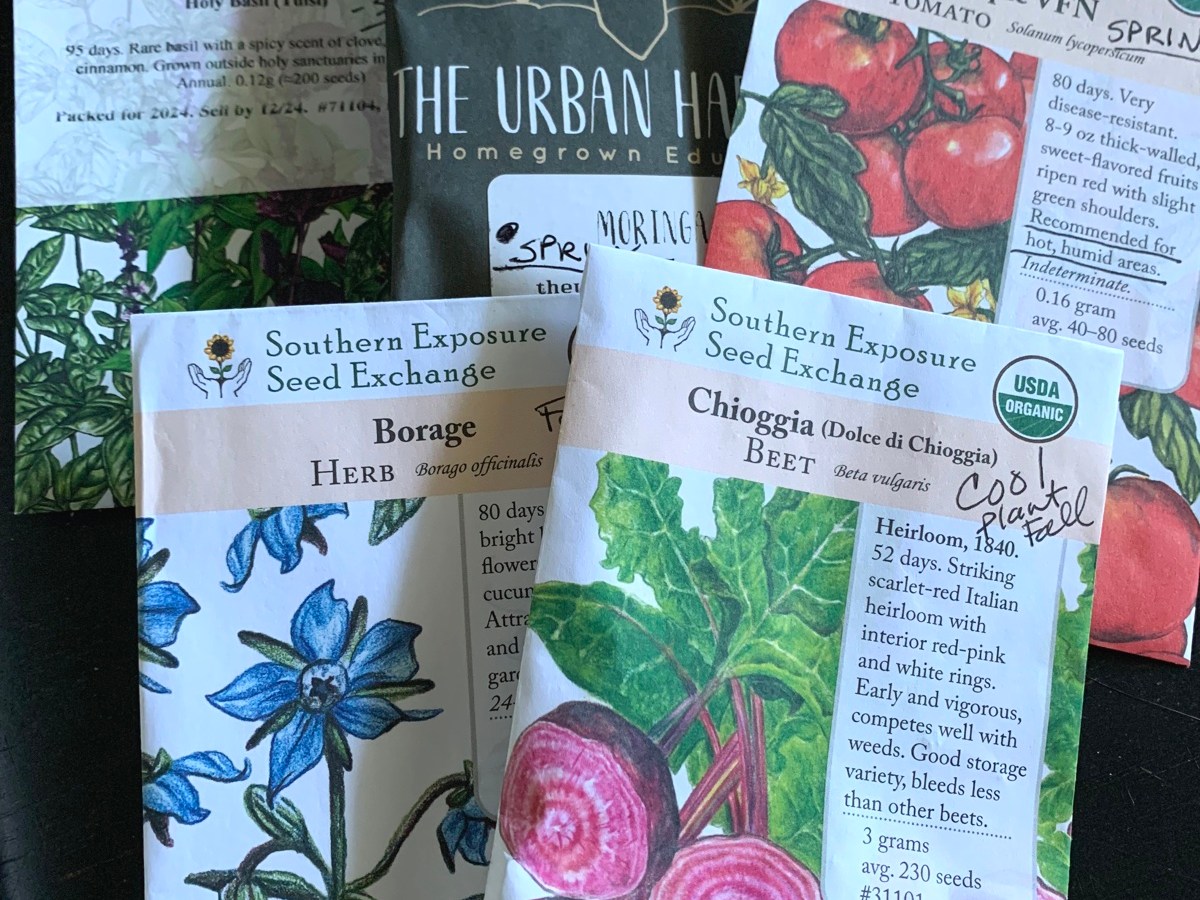
Plan and Buy Seeds in Advance

Everything I grow is started from seeds. The sweet potatoes are an exception as they grow from slips, or little cuttings. I like to plant directly in the ground, or raised beds, or buckets, because I detest little tiny pots! Seeds are cheap. Yes, it takes longer to grow from seed, but we have a long season here in Florida.

Places I buy seeds:

Just remember that all you plant and grow in summer must be cut down and removed for the Fall planting. Some things, like herbs (the basil), can be left to grow where it is. The basil will re-seed itself, so watch for little plants popping up nearby.

It’s not like you will have plates of delicious food to eat from these crops, but it’s always fun to watch things grow. Meanwhile you will be feeding insects that enjoy the flowers.

divider seedlings plants
More stories from the backyard

Good News From the Garden, A New Butterfly is In the World!

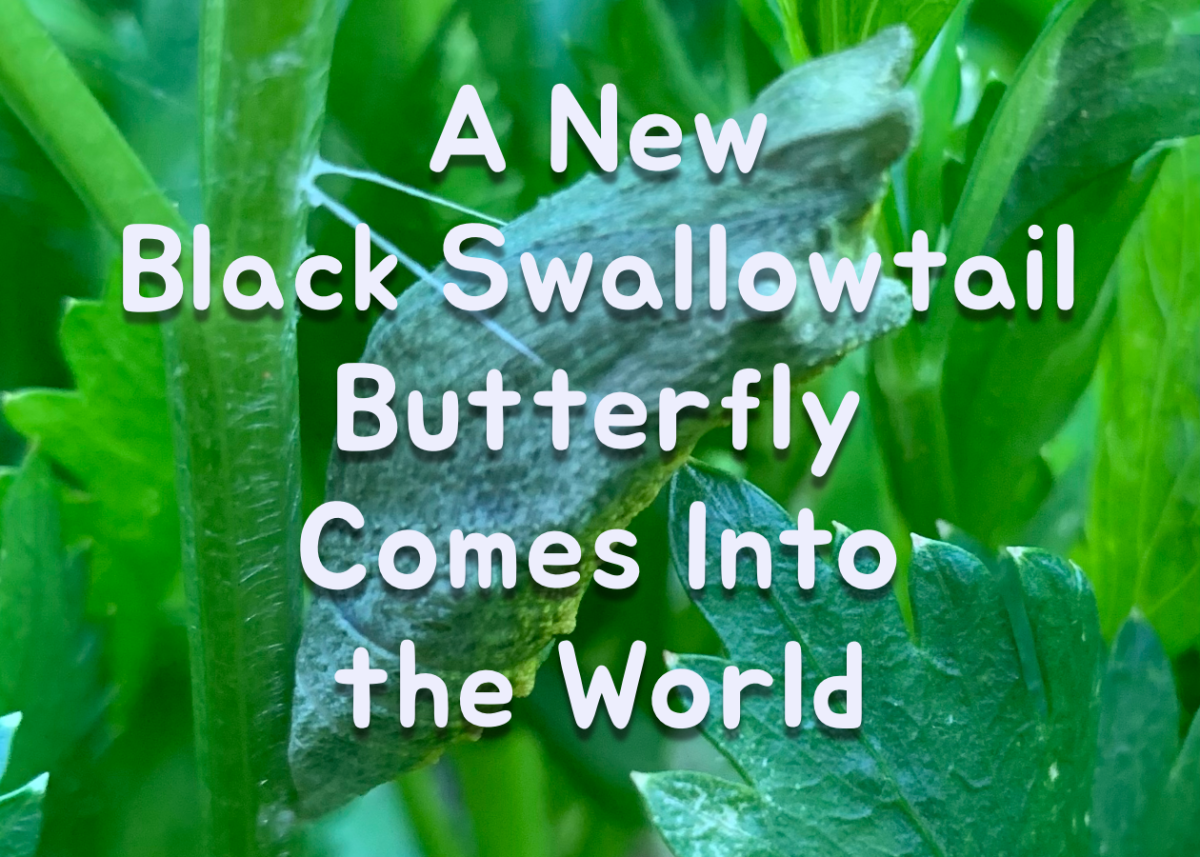
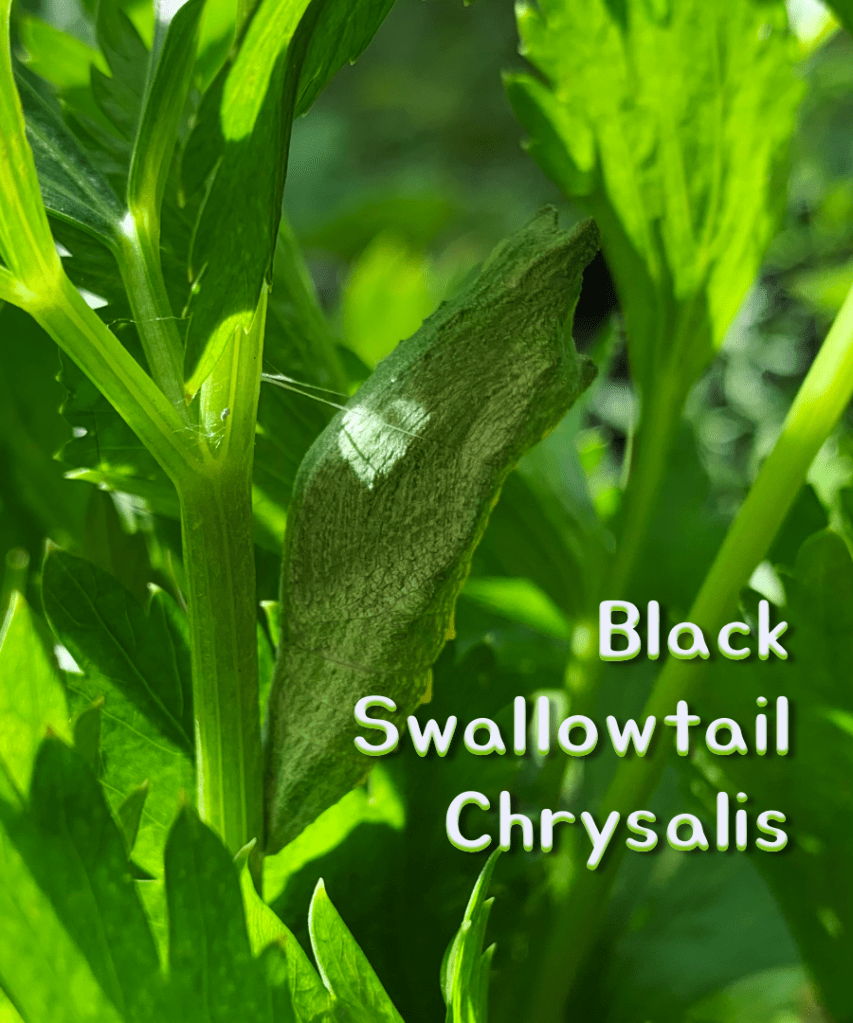
Finally, a caterpillar makes it into a chrysalis and then becomes a gorgeous Black Swallowtail butterfly.

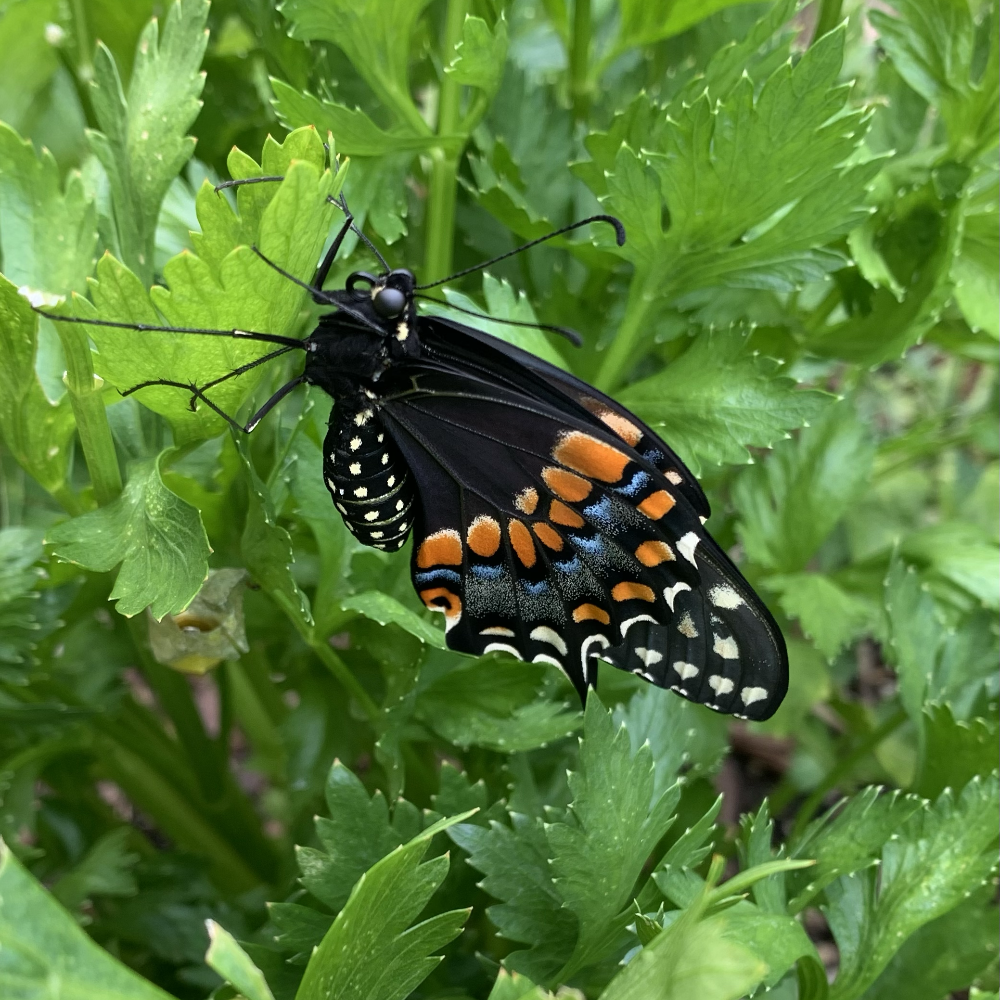
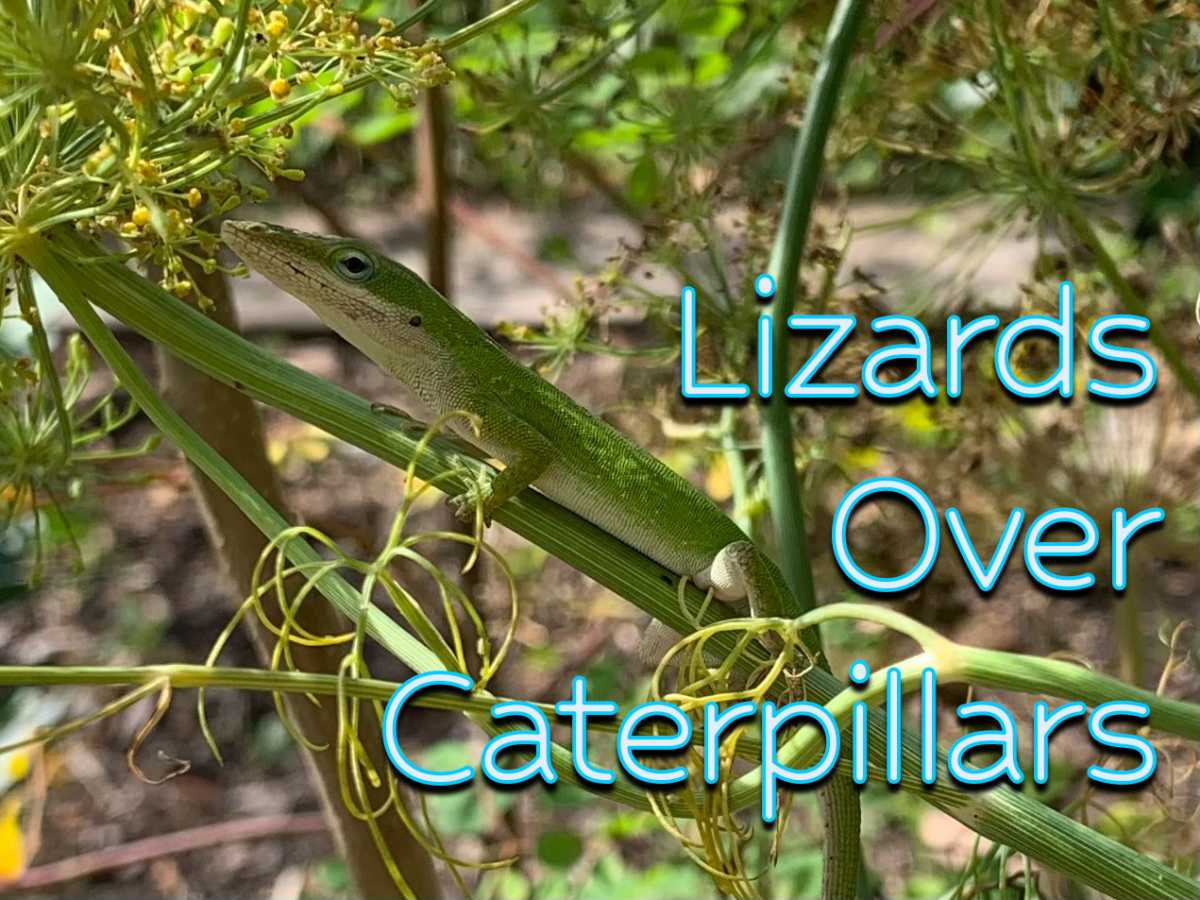
Although I am not having much luck with caterpillars surviving in my yard (thanks to the numerous lizards), I do have one that made it. A new Black Swallowtail butterfly has survived to fly away! And he was sneaky about it.

My yard is not a friendly place for caterpillars, but it is for butterflies. All my Zinnias are much loved by lots of flying critters.

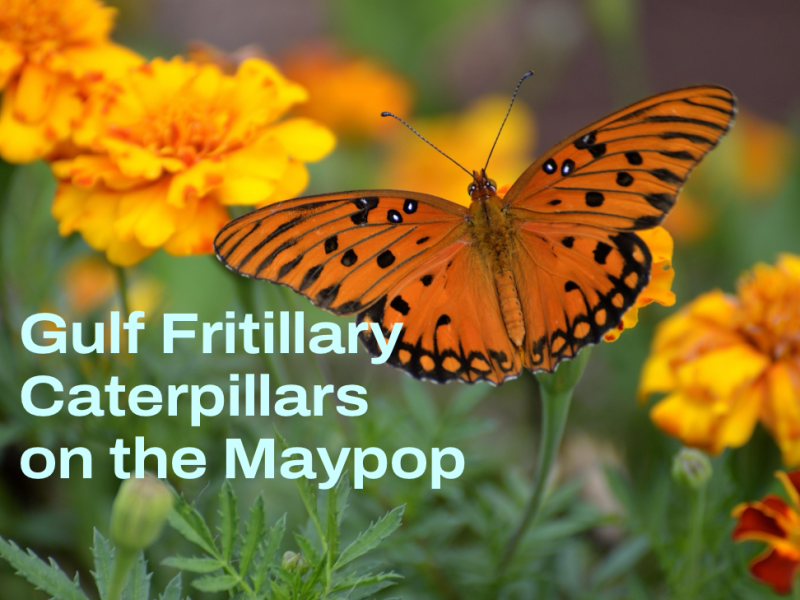
The Monarch butterfly is still flying around, and I’ve seen many Monarch caterpillars, but no new butterflies. Also, the Gulf Fritillary has put caterpillars onto my Passionflower vine.

Occasionally I would see the Black Swallowtail butterfly in the yard, but I have nothing growing for it, or so I thought.

The Black Swallowtail’s Favorite Plants

I know the Black Swallowtail will lay eggs on parsley, dill and fennel. Apparently also carrot and Queen Anne’s Lace (not in Florida). It’s not the season for carrots here. Only fennel will grow for me during summer. I have a few fennel plants in the front garden, but lizards eat every caterpillar that shows up. The dill has long been gone, and parsley is impossible to grow, even in winter. (For a list of host plants in Florida, see this page at askIFAS)

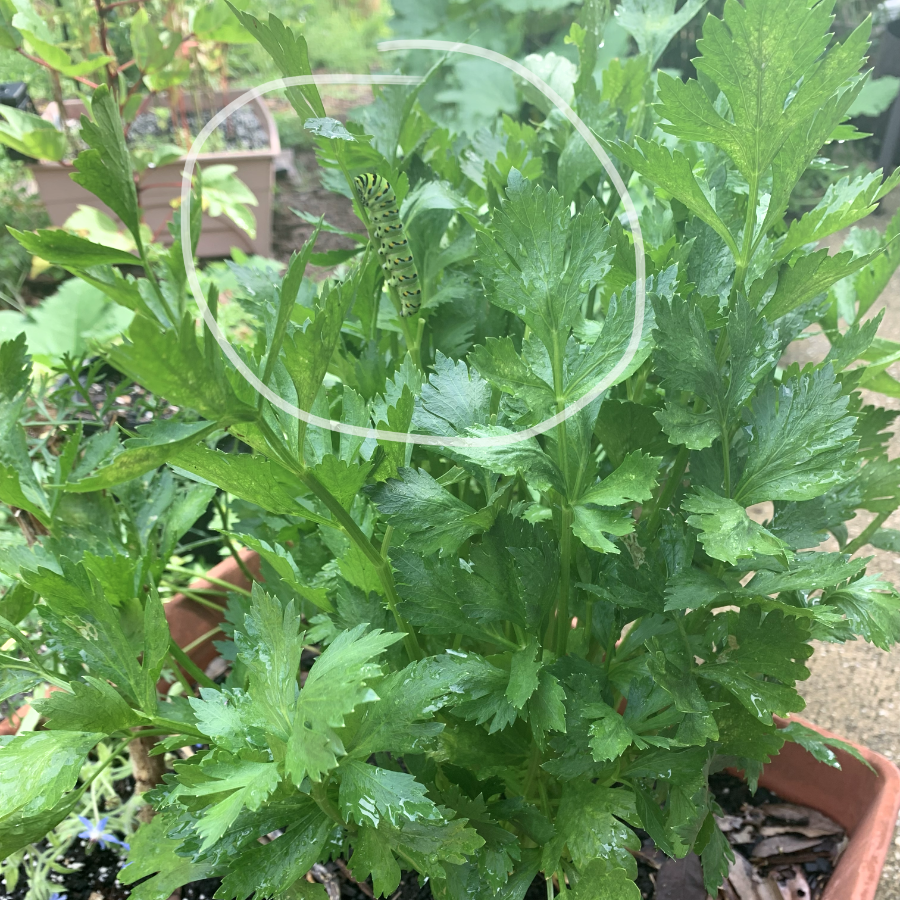
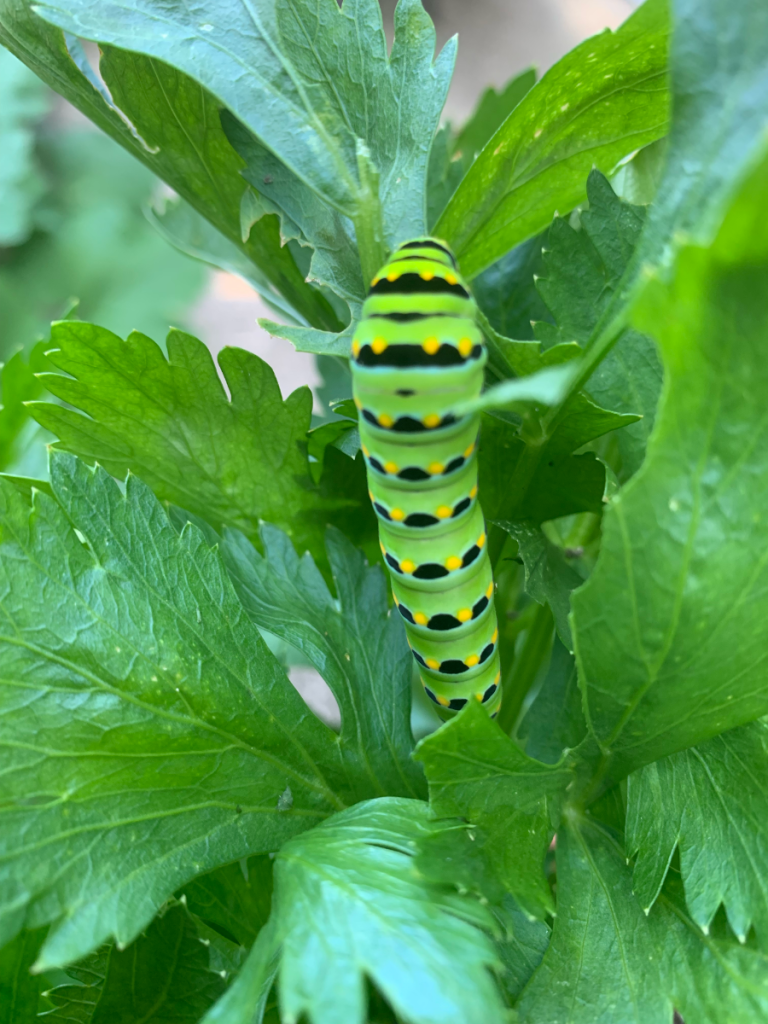
But I do have a big celery plant in one of my grow boxes. I started it from a store bought bunch of celery. This is where I found the Black Swallowtail caterpillar. What a surprise! He was already pretty big when I first saw him.

On July 21st I first saw the caterpillar. He was happily munching away down in the center of this bunch of celery.

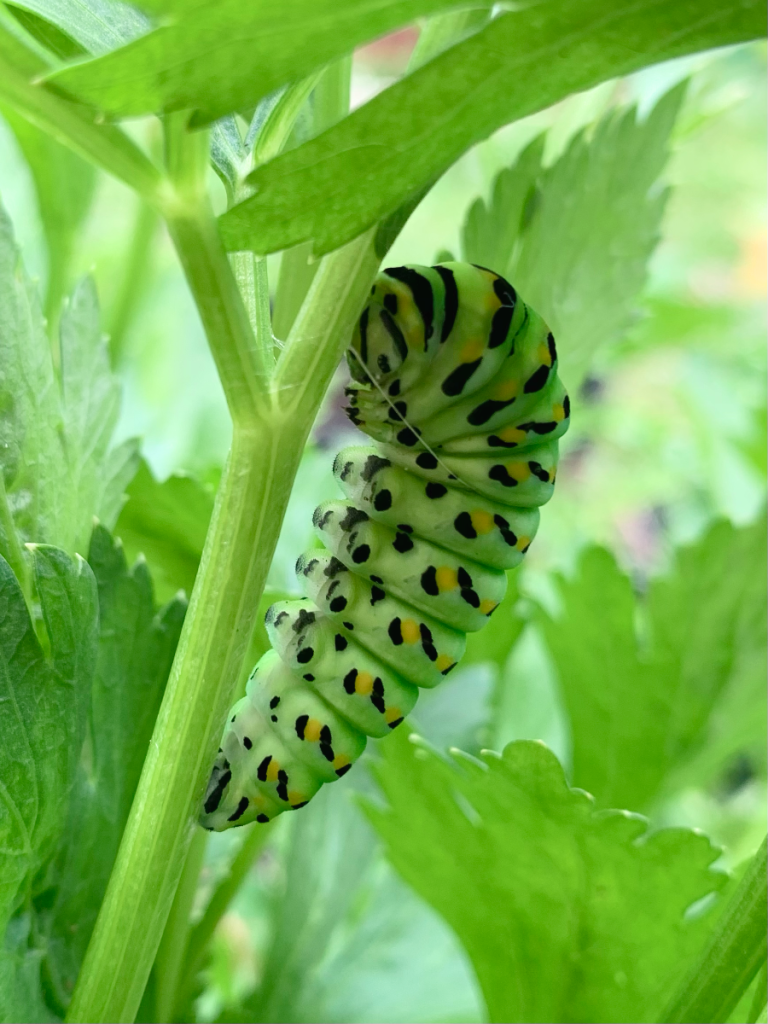
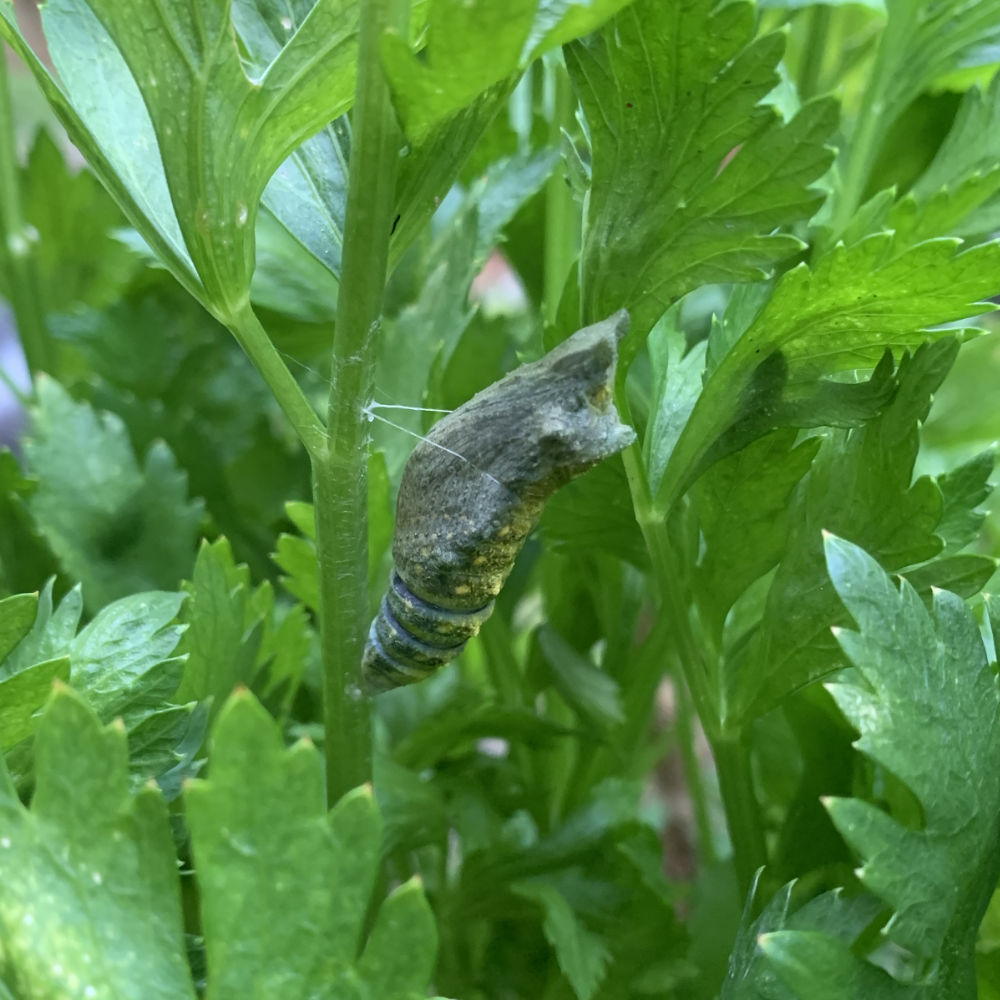
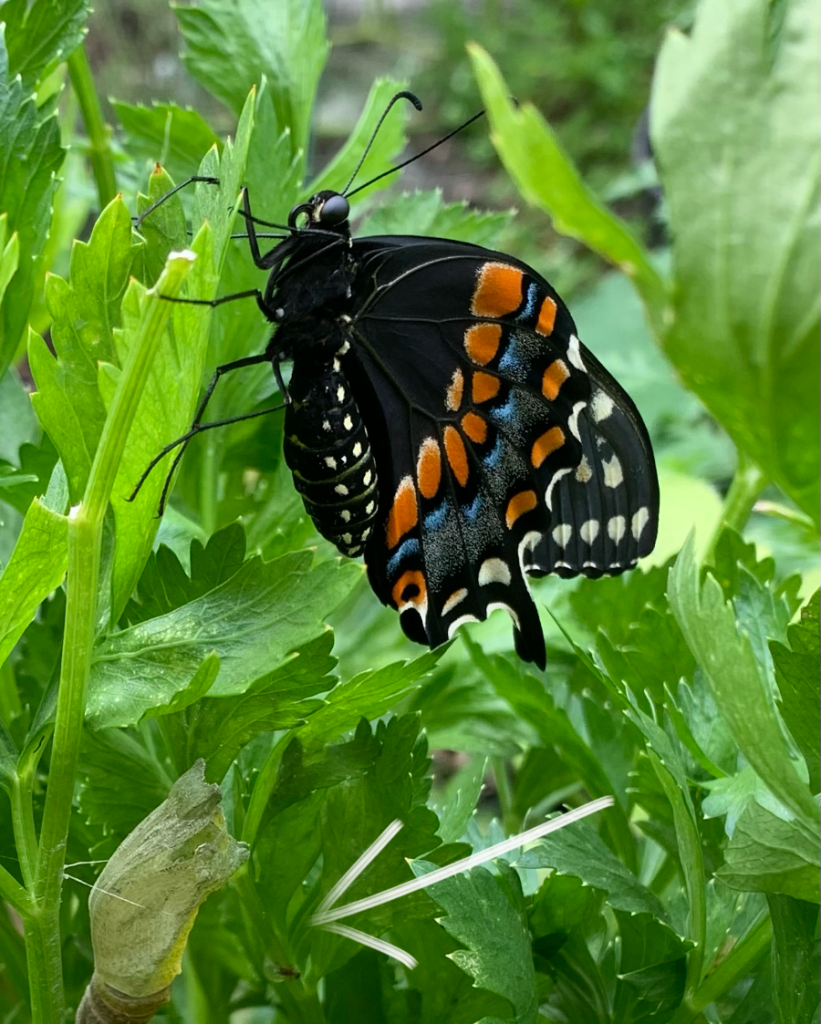
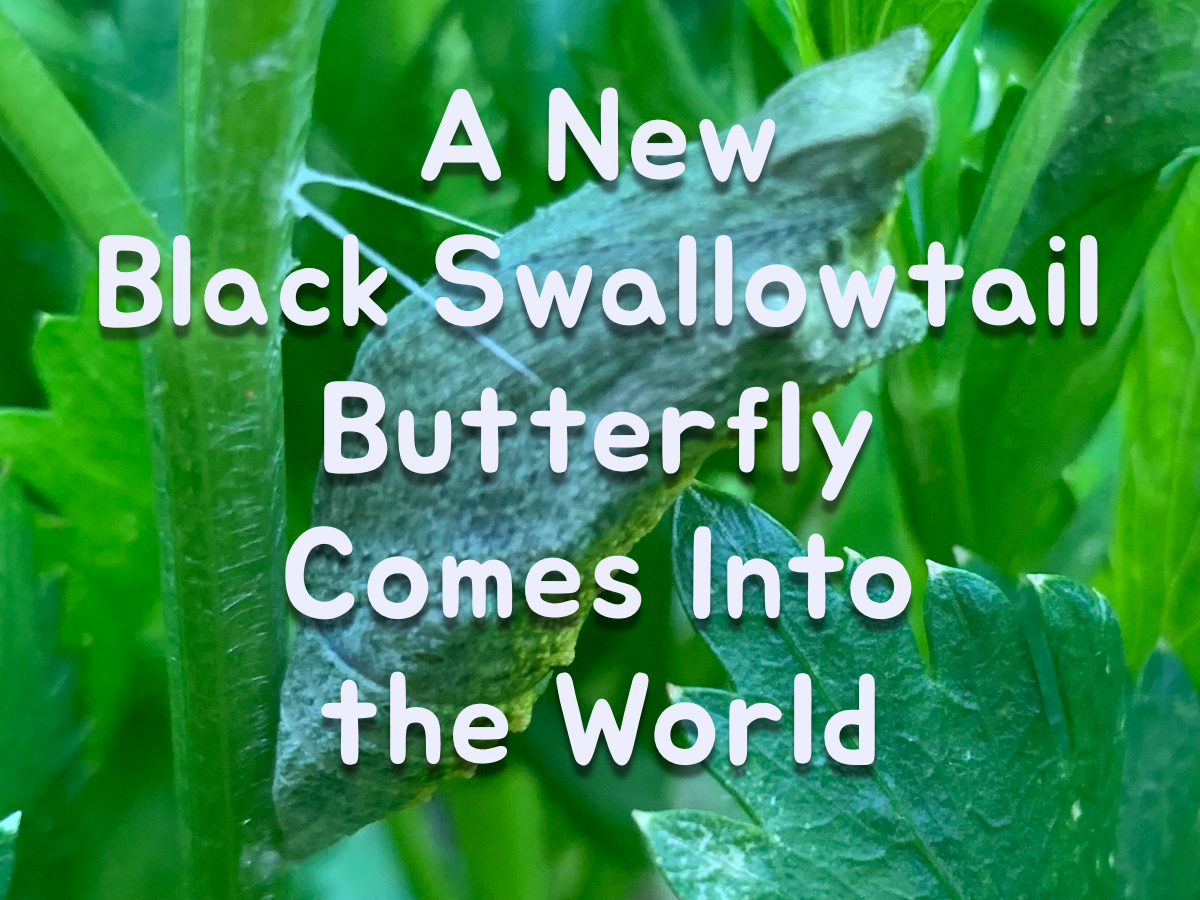
On the 23rd, I saw him curling up and attaching to one of the stalks. The next day, his chrysalis was made. Ten days later, he emerged into the world!

Caterpillar is done eating and in the position to pupate.
Cool huh?

Numbering the Days to Emergence

Back when I watched the chrysalis of the Monarch, it took many days before the butterfly emerged. I figured this one would take a while too, and it took 10 days before I saw the butterfly. On day nine, the chrysalis had darkened noticeably. I knew he / she was about to come into the world!

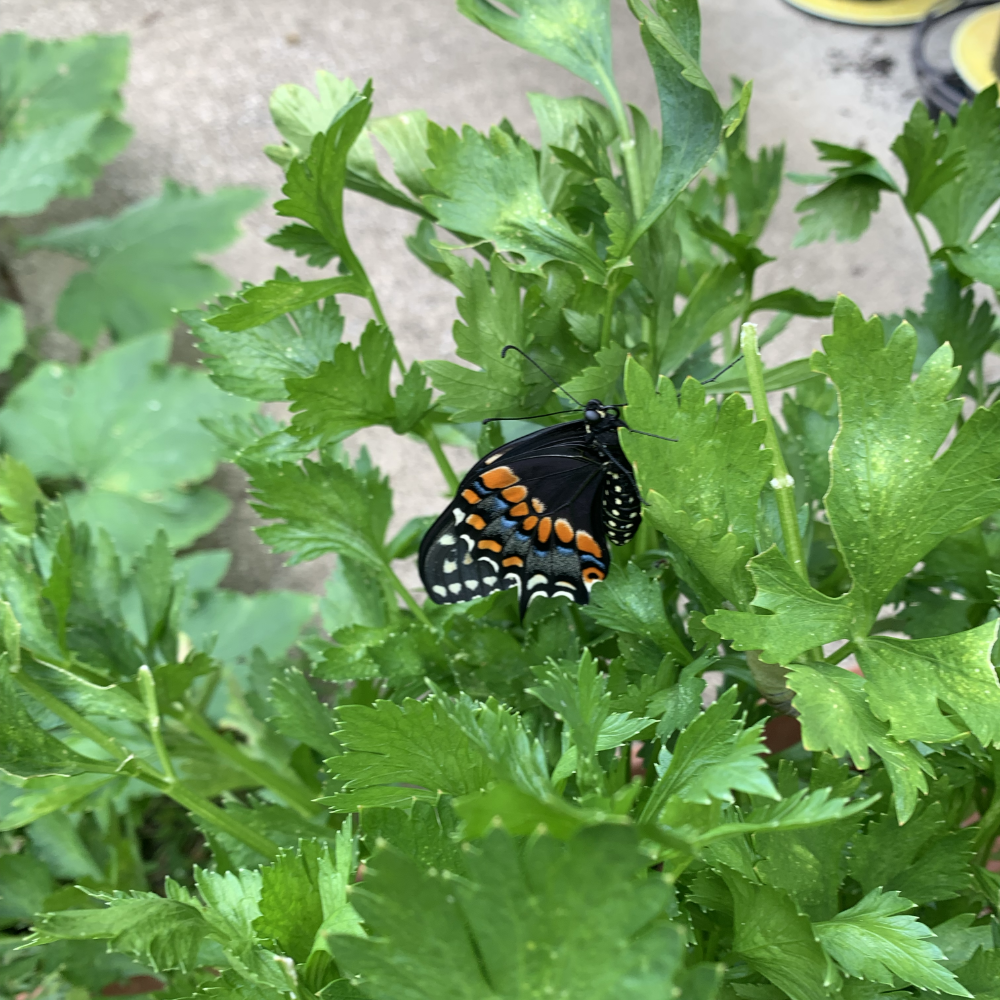
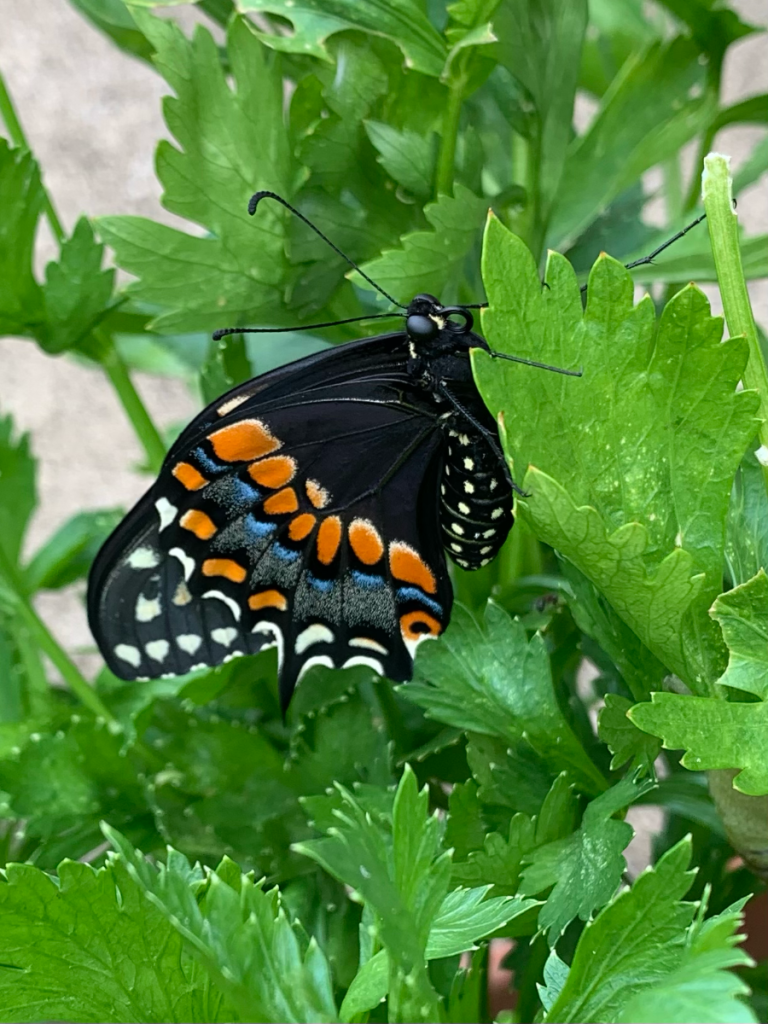
If the weather had been nice, I would have pulled up a chair and drank my coffee next to the celery plant that morning. But it’s way too hot for that. So, I did some inside stuff, and kept checking on it. Around 9:30am I went out and there he was! Sitting on a celery stalk in all his glory! Such a beauty.

I’m not sure if it is a male or female, maybe someone reading this will know. The colors were absolutely stunning!

I thought he might hang around for a while after coming out. The Monarch butterfly had taken hours to fly away. But, I went on the porch to check on some plants and was only away for about 2 minutes. When I went back outside he was completely gone! I missed it!

I walked around the yard to see if he had landed someplace close by, but I never saw him anywhere.

A Black Swallowtail From the Top

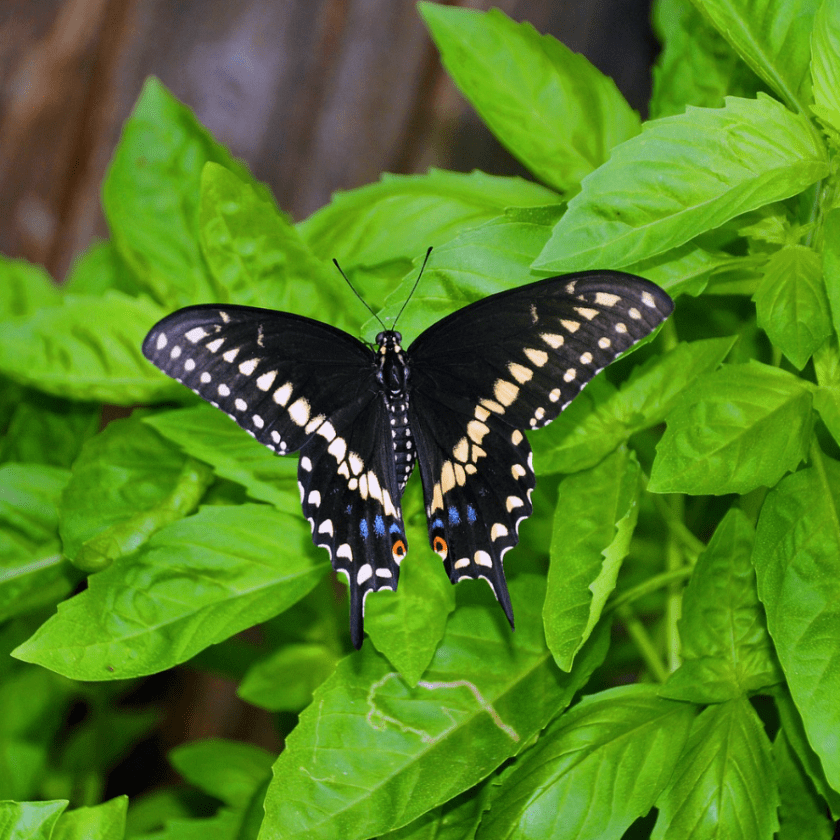
Only the closed wings were available for me to view. I believe from the top this one would have looked something like the photo below, which is not my photo.

Find more good info about the Swallowtails at the University of Wisconsin site

black swallowtail butterfly from the top
Photo courtesy of anselmo7511 at Pixabay.

Before this butterfly “hatched”, I had a black swallowtail laying eggs on the celery and a nearby carrot type plant. Those eggs seem to have disappeared. Or, maybe they are tiny caterpillars hiding down in the celery. I will continue to check.

The fact that my cat Skittle mostly hangs around this area might be why the lizards let this guy get to this stage. Whatever the reason, it made me happy!

Are you following caterpillars and butterflies in your summer yard? I’d love to hear about it.

butterfly divider flowers

More garden happenings

Yay, It’s Time to Cook the Garden Beets!

A simply and healthy way to use beets from the backyard garden. Use the whole beet to get all the nutrition they offer.

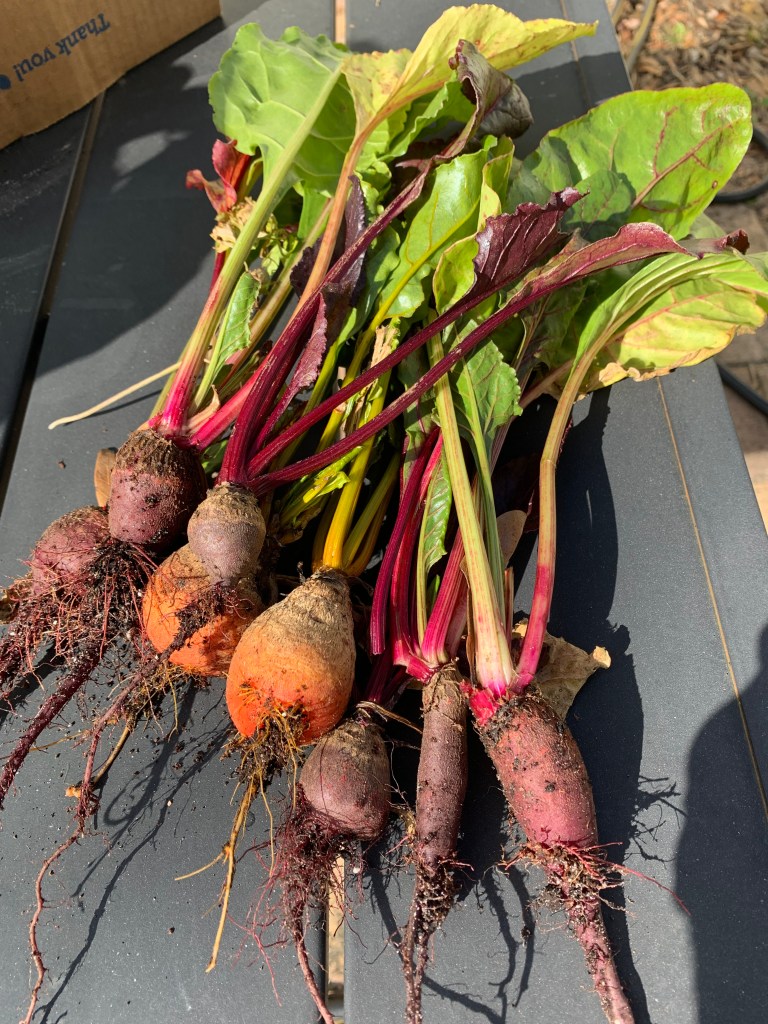
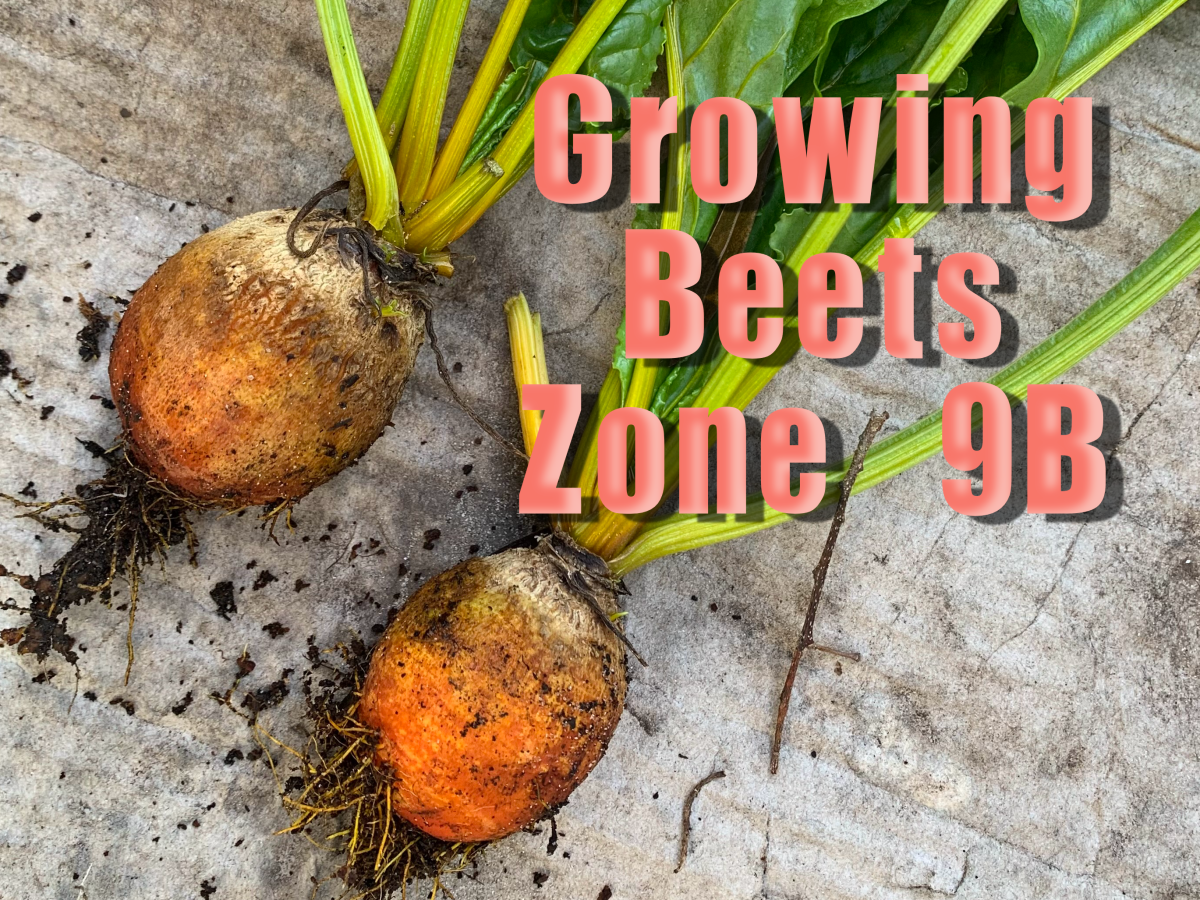
I am becoming very impatient with my beets. They were planted back in September and it is now January. The tops are beginning to break off so I decided to pull some of the bigger ones. Haha… they are not very big.

I love beets, and have had a bit more success growing them this year. Even the small beets can be eaten, along with the green tops.

beets pulled from garden grow box
Fresh pulled beets

The beets are small. The Golden variety grew larger than the red. I had tags in the beds to differentiate the red varieties (Detroit red and Lutz), but they have disappeared. I blame the raccoons who love to mess with my things. I wanted to know which ones grew best, but I think the Golden are the winner!

If you are curious about the healthy benefits of eating beets (and especially fresh from the yard!), read this page at Heart.org.

Easy Peasy – Simply Boil Them

There are many ways to cook beets. From boiled to roasted, you can find many recipes online. I immensely dislike all the pop up ads on cooking websites, so I cooked my beets the way I always do. Simply boil them in good water. I always save my vegetable cooking water.

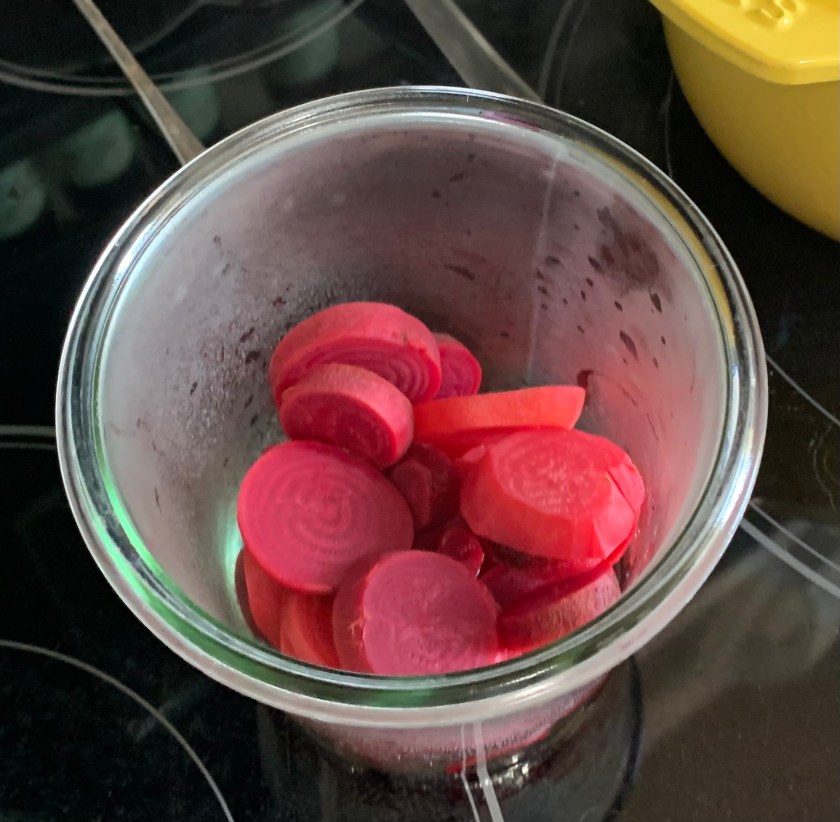
To cook the beets I cut off the tops and roots. Then, I scrubbed them with a brush under water. I did not peel them, except for the really dried up areas around the top. After that, I thinly sliced them. After boiling in water for about 30 minutes they were tender. Freeze or use the water leftover!

I didn’t get many, and the yellow ones turned red, but they are good. There is nothing like fresh picked garden vegetables.

sliced cooked beets in a jar
Cooked beets

The beet greens were rinsed and finely chopped. The beets, greens and red water will be part of the slow cooker soup I am making tomorrow.

More beets are still growing in the yard and I’ll leave them to get larger. I don’t need the dirt space this time of year. Our Central Florida January has been pretty cold so far.

More small backyard gardening stories

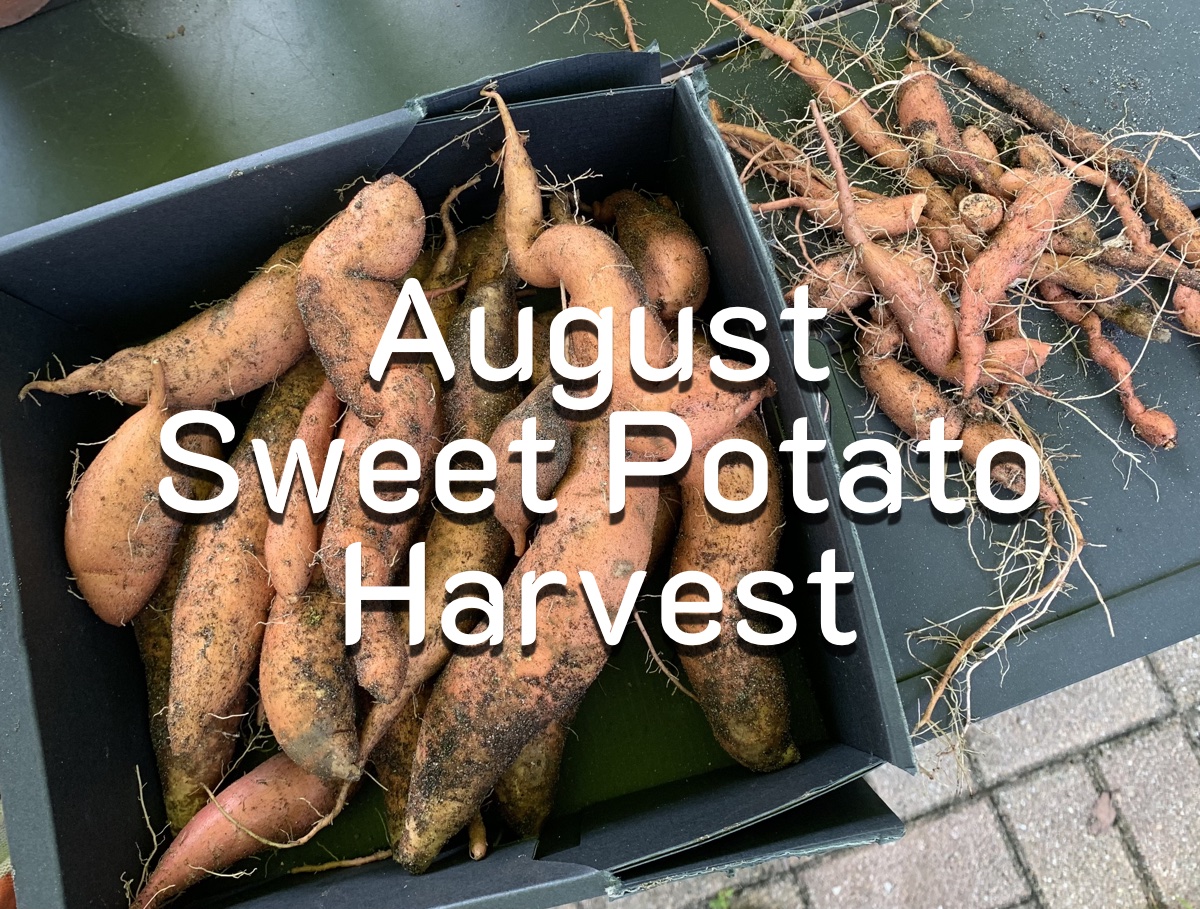
Sweet Potato Harvest in August

My sweet potato plant was ready to dig and I got a funny-looking, but excellent harvest.

Sweet potato slips were ordered and planted in my Florida yard this past April. I’ve read that they should be ready in 90 to 100 days. It’s August, and time to check for a crop.

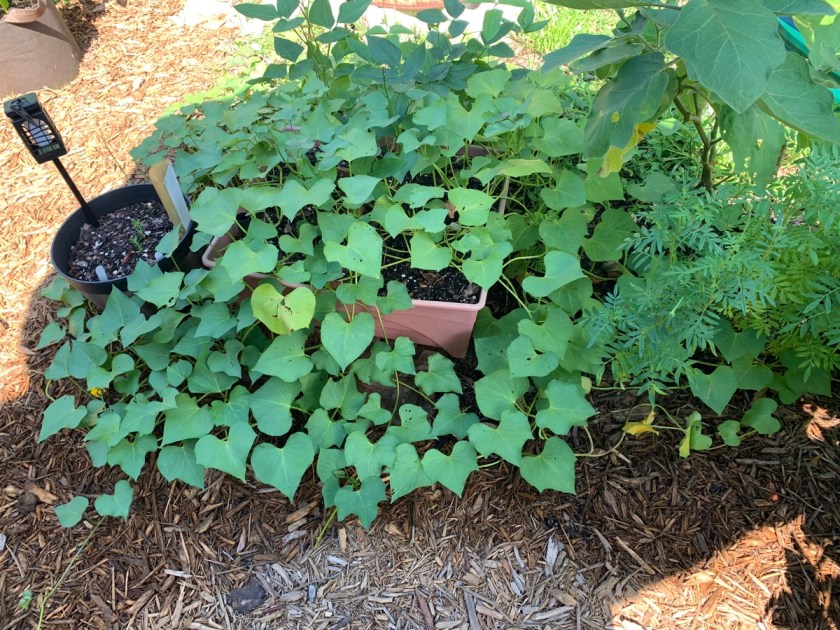
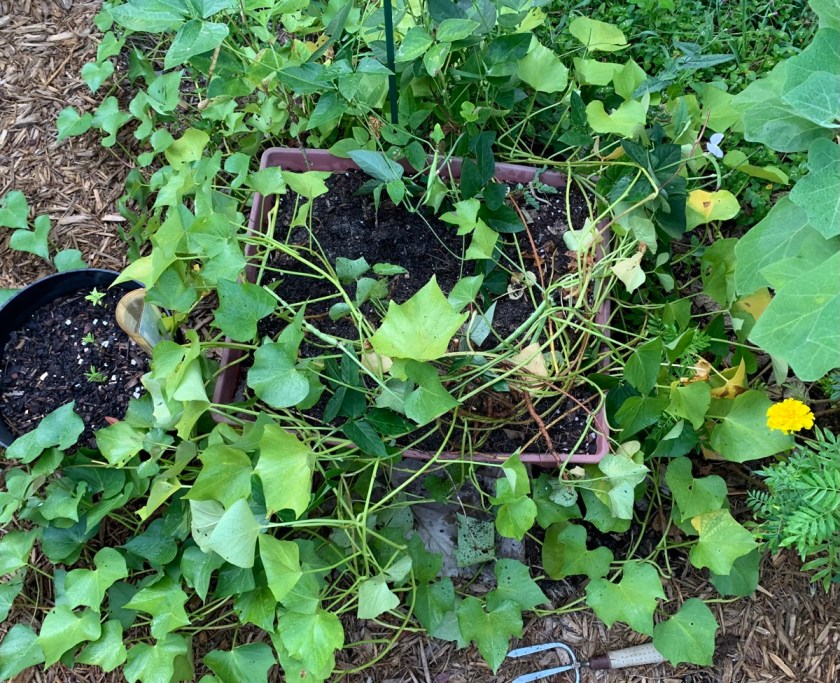
One of the 12 slips, received back in April, was planted in a grow box. That plant did great! It had many vines sprawling everywhere all around the ground. I was able to eat the leaves in my salads as well. None of the other sweet potato plants, planted in the ground at the same time, look this nice.

Grow box – 1 slip planted
sweet potato vines
Grow box with sweet potato plant

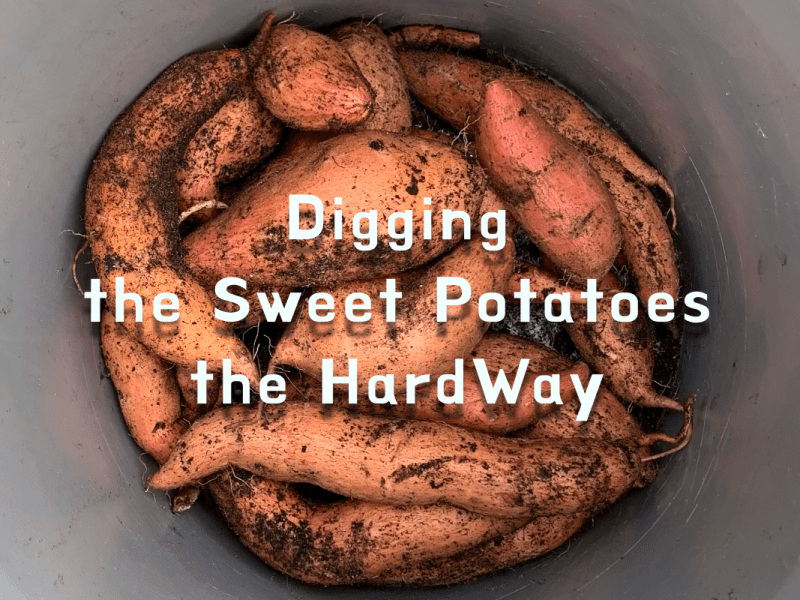
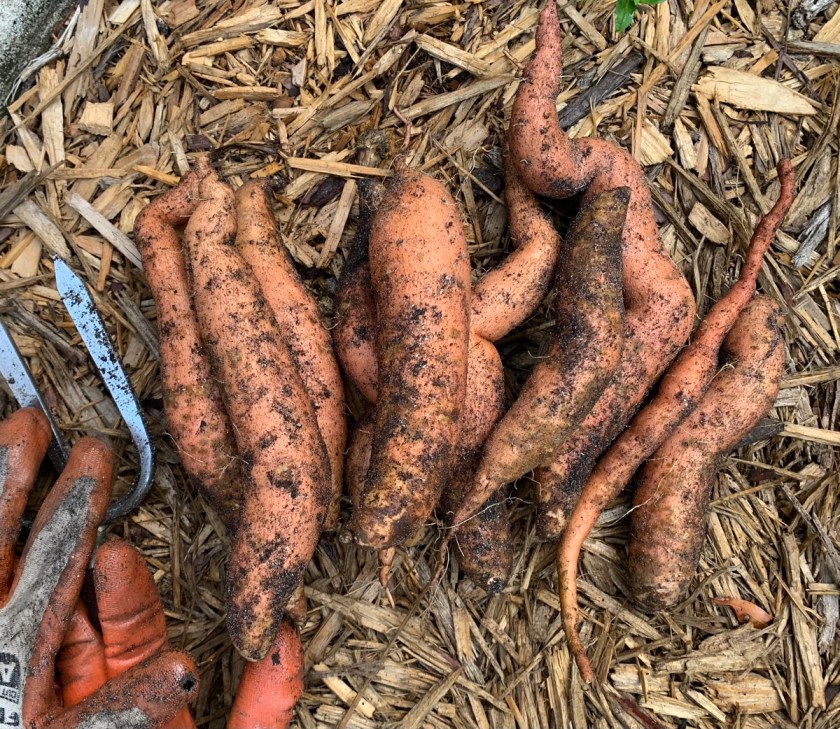
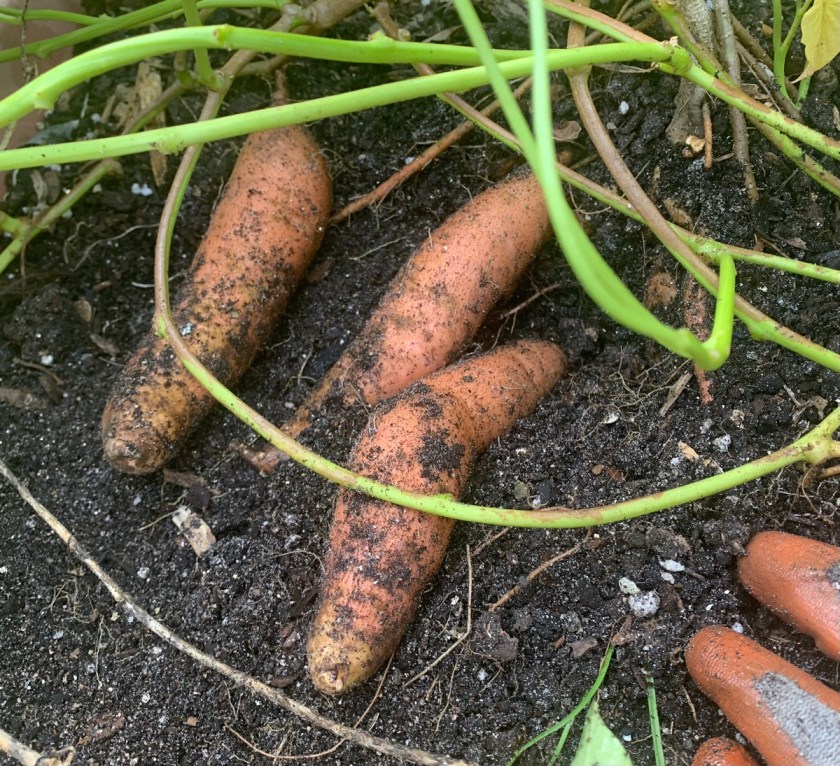
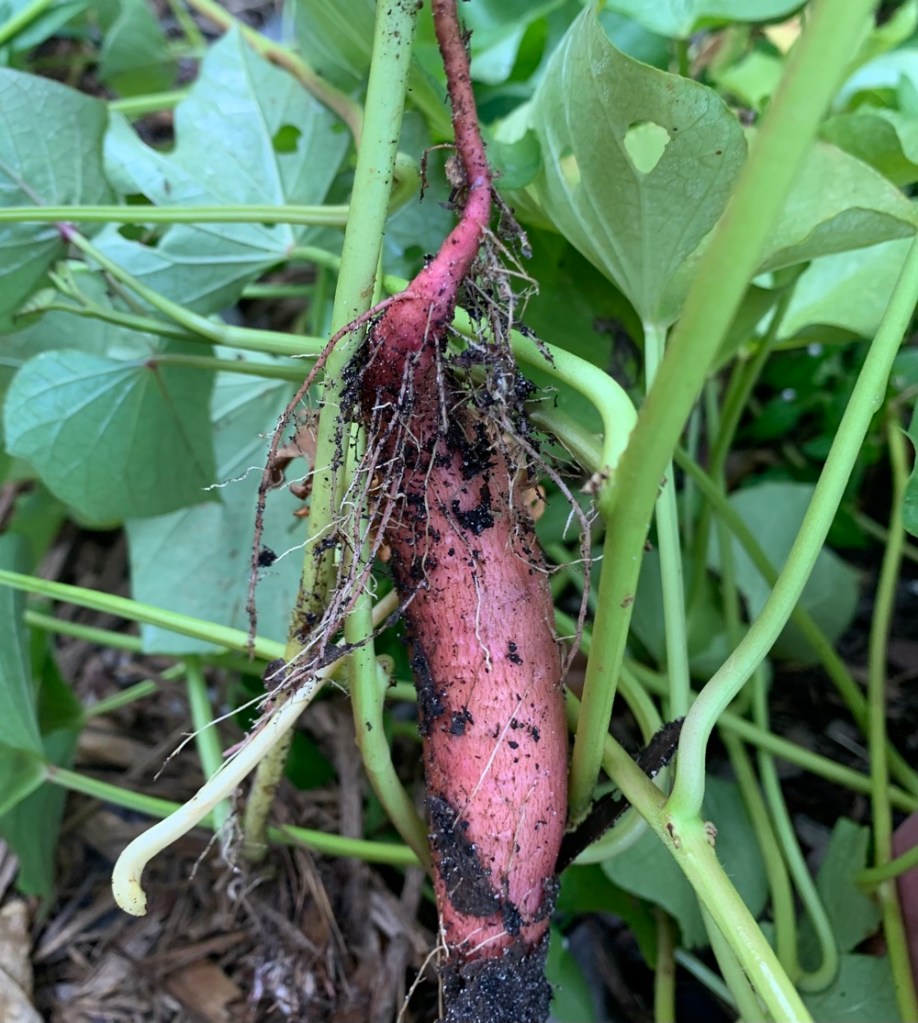
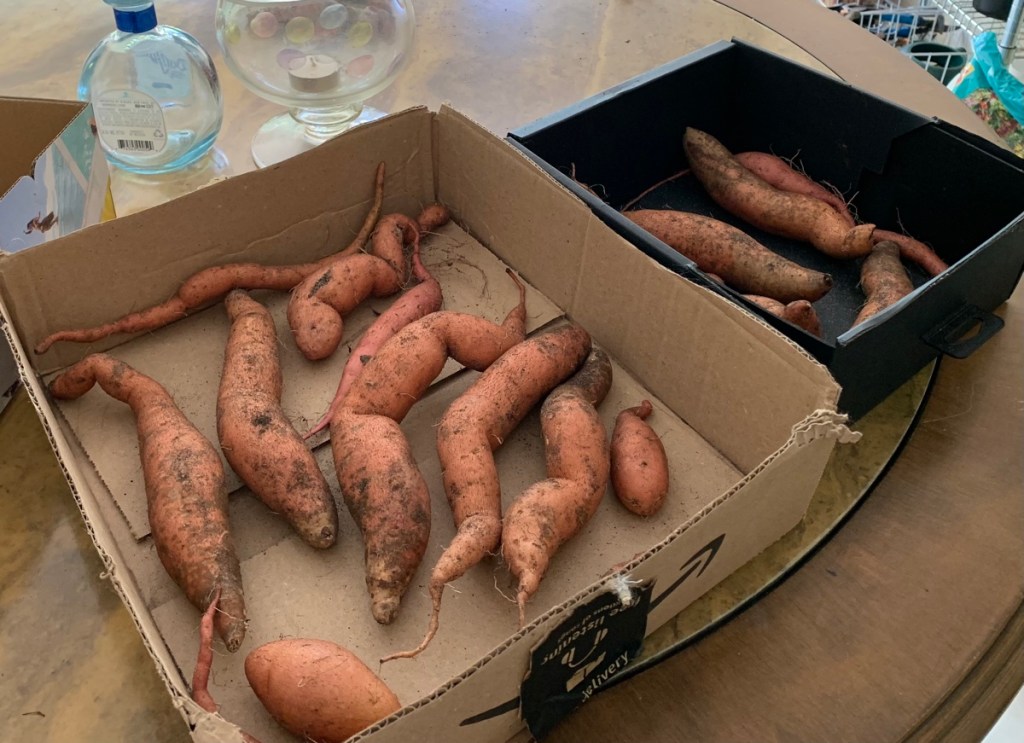
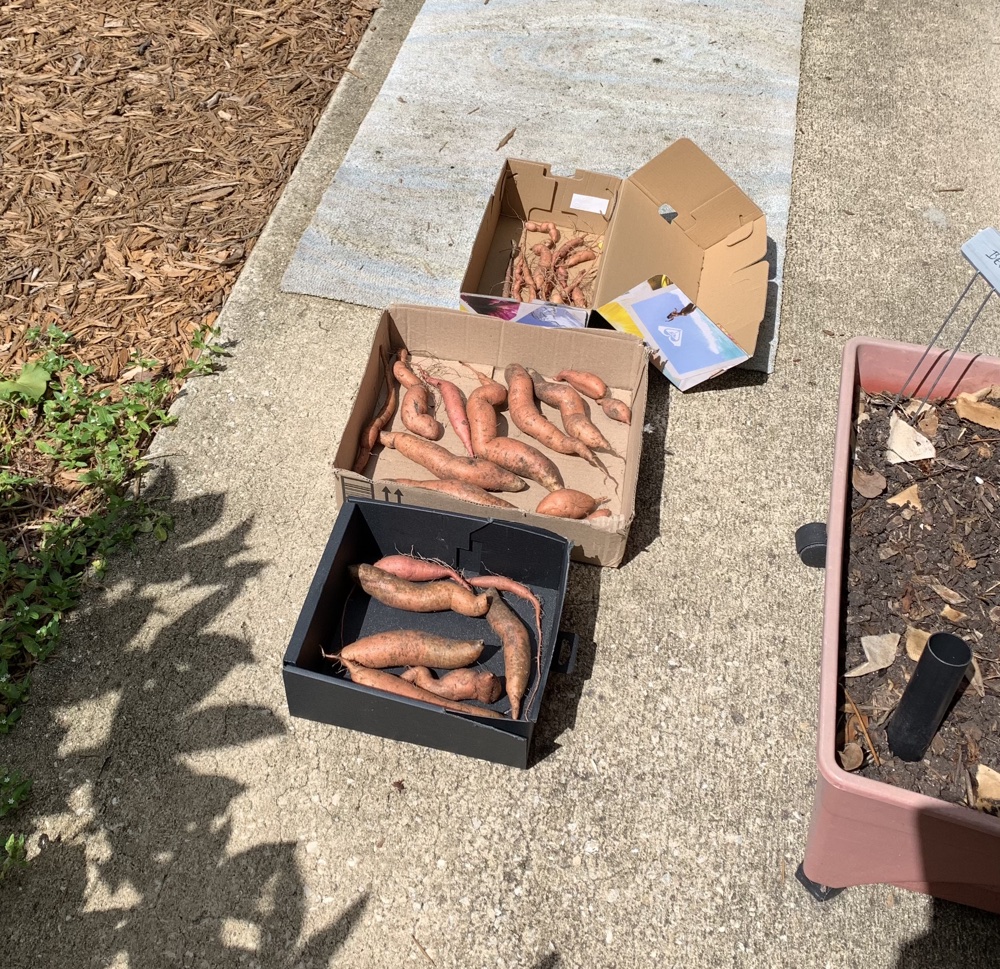
Today, August 2, and it’s been over 100 days. I decided to dig and see if the potatoes were ready. The sweet potatoes (Beauregard variety) I harvested are not huge, but slim and long. I think they will be delicious!

The crooked ones formed because of the box. They were a bit packed in. This was not the ideal location to grow, but I’m happy with the amount that grew.

sweet potato harvest
Sweet potato harvest!
digging sweet potatoes

The Dig

It is exciting to have a harvest that comes from underground. Gardeners are unable to really see what is growing until it’s time to dig.

I loosened the soil and reached in with my hands and found the biggest potatoes just under where the slip was planted.

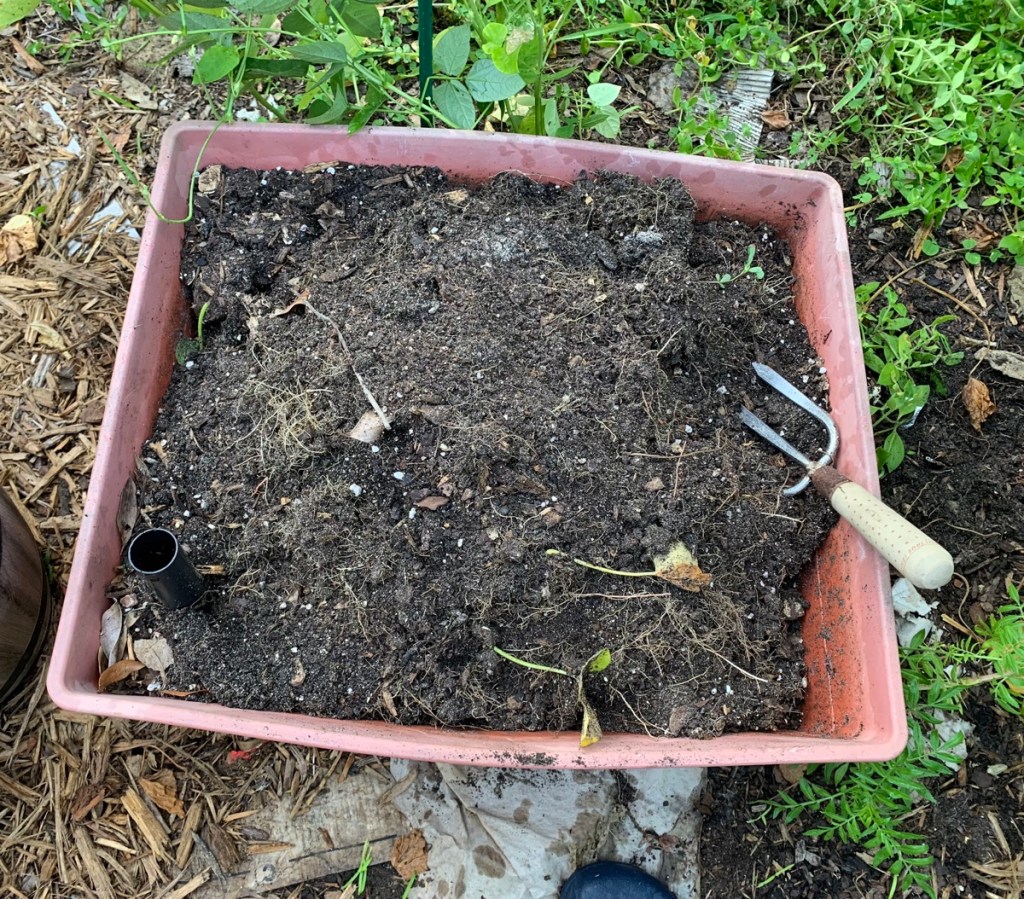
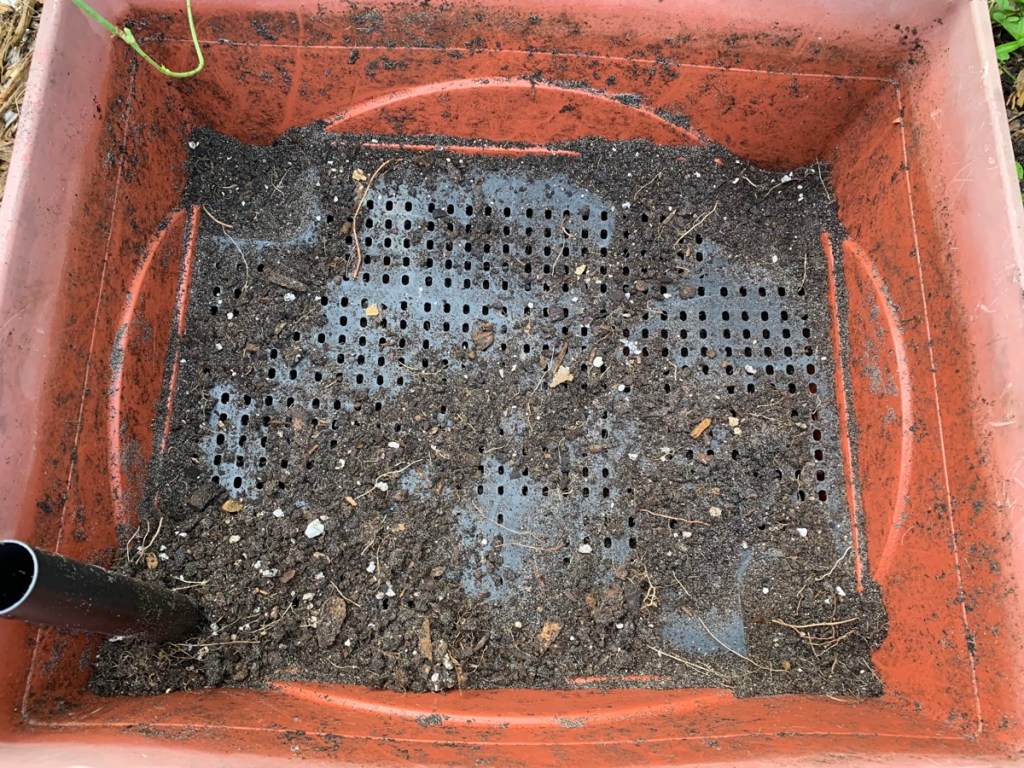
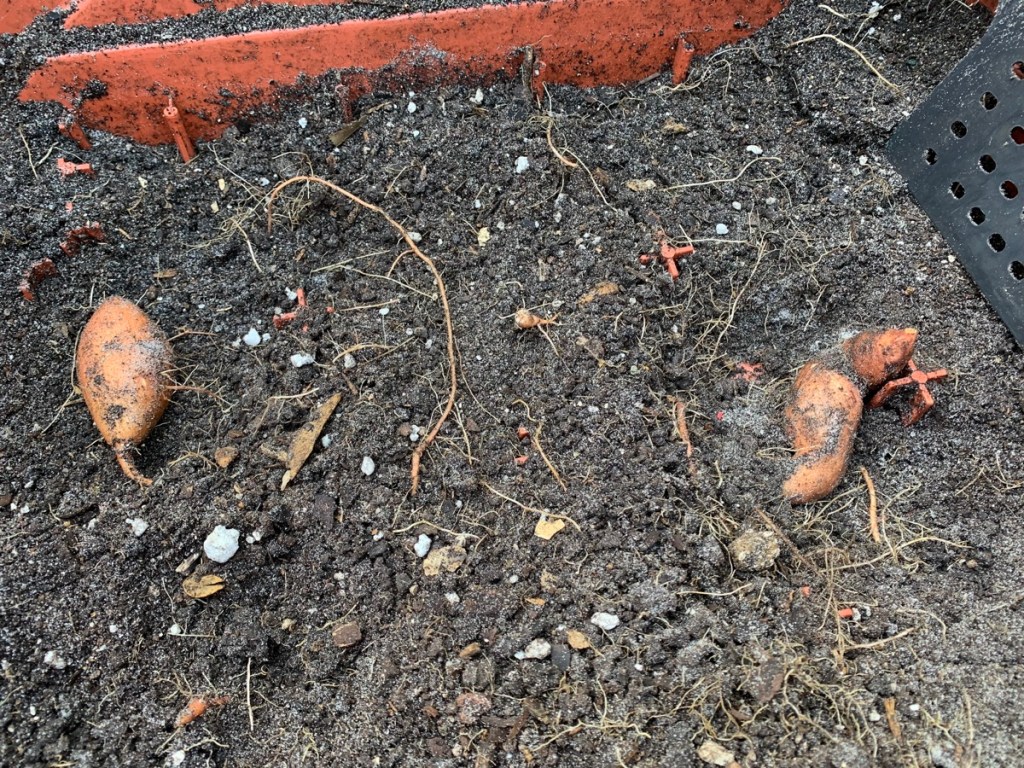
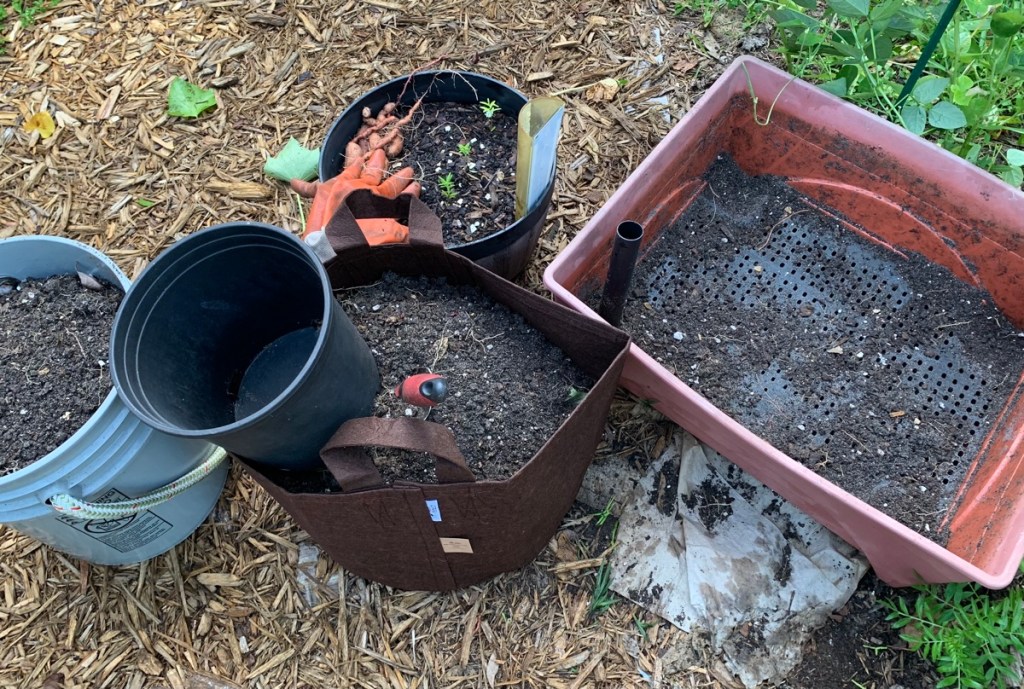
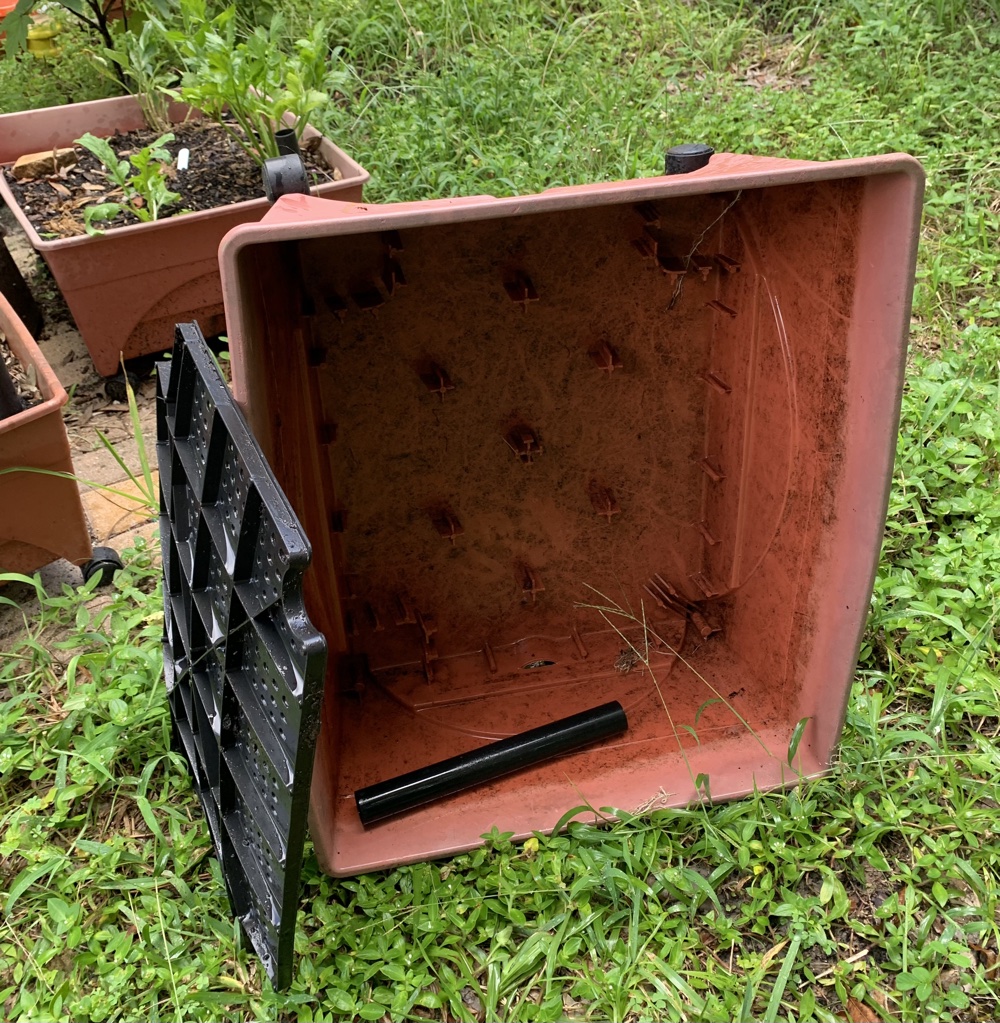
The grow box was emptied of dirt, which was full of roots – and more sweet potatoes! When I pulled up the black drain piece, I found three more potatoes at the bottom.

While pulling up the vines, many had rooted in the ground. I found a few more small potatoes while doing that. I’m emptying the box to create a better system for drainage. It also needs new dirt and amendments for whatever is planted next.

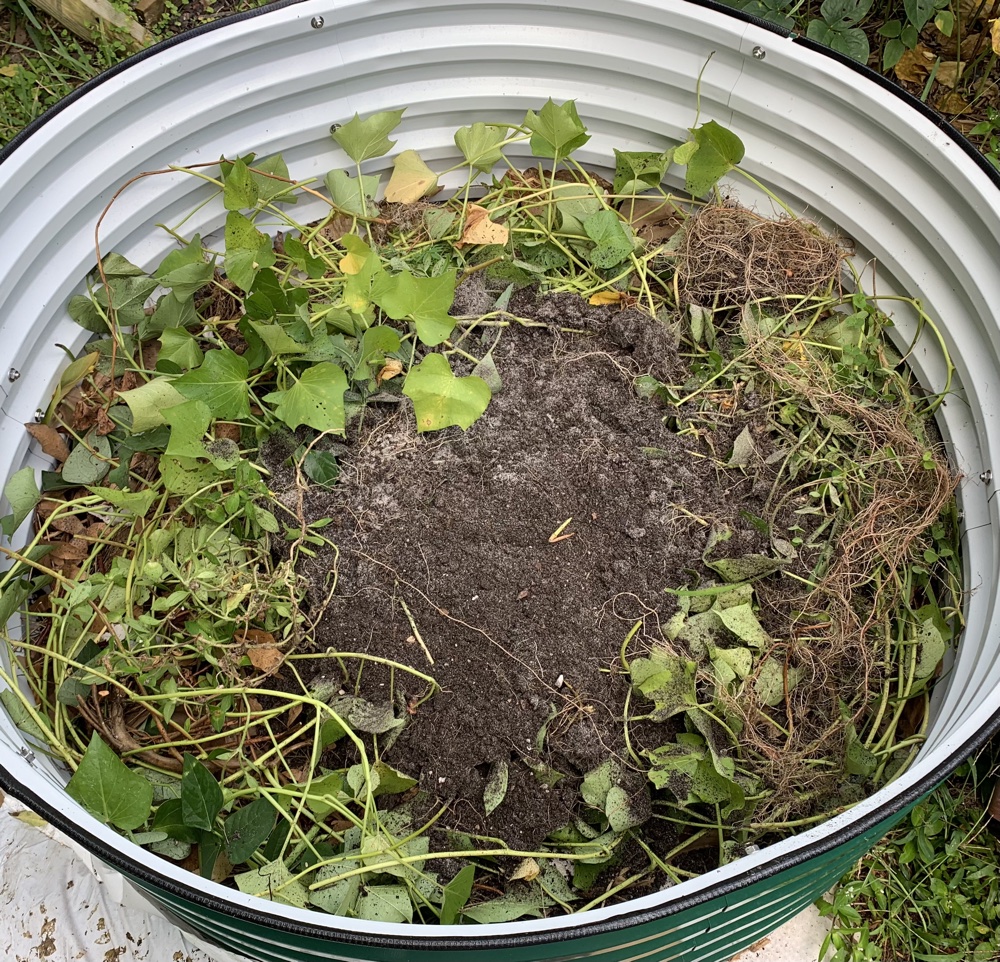
All the vines went into my Vegega raised bed. I’m using it as a compost pile until I can get some dirt. All these nice vines will help fill it.

Buying Sweet Potato Slips to Plant

Sweet potatoes grow from slips, which are little plants that are set into the ground. Nurseries grow them and ship them out when it’s time to plant in your location.

This past year I ordered from Annies Heirloom Seeds. I did not know when the plants would arrive. Minimum order was 12 slips, which I really didn’t have space for. Of course with my luck, they arrived right before I left for vacation for 2 weeks! I had company and then I flew north. I barely had time to get them into the ground, and a few I didn’t.

It was hot and rain-free while I was away – of course – and I couldn’t care for the little seedlings like I should have. Currently, I have only 7 more plants growing. They need longer to form the potatoes, so I’ll check them later in the season.

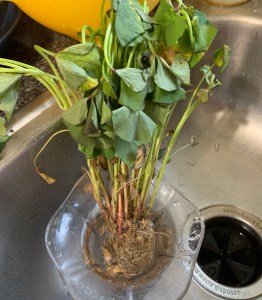
sweet potato slips are wilted when they arrive.

I plan to buy my sweet potato slips from SESE in December, which is when pre-ordering begins. I like that I can get only 6 slips instead of the 12 (minimum) at Annies. They ship to various locations when it’s time to plant and ship from mid-May to June. I plan to have some good beds or ground areas ready by then. This next year, I will be ready!

Curing Sweet Potatoes

I had to search for info on curing the potatoes and found it at Southern Exposure Seed Exchange. They have a page full of information, if you are wondering about how to care for slips, plant, grow, harvest and cure sweet potatoes.

They need heat, and they grow very well here in Florida, so northerners probably can’t grow them. I’d like to know.

I look forward to eating these potatoes. The garden is not giving me many crops in this heat, so finally having food is awesome!

butterfly divider flowers
More Stories From the Blog

Fall Garden: Growing Hon Tsai Tai Flower Broccoli

Experimenting with growing Hon Tsai Tai Flowering broccoli during fall and winter here in Central Florida.

I’d never heard of Hon Tsai broccoli until I saw it mentioned by Elise Pickett of The Urban Harvest. Now, I can’t find the location of that mention, but here is what I am doing.

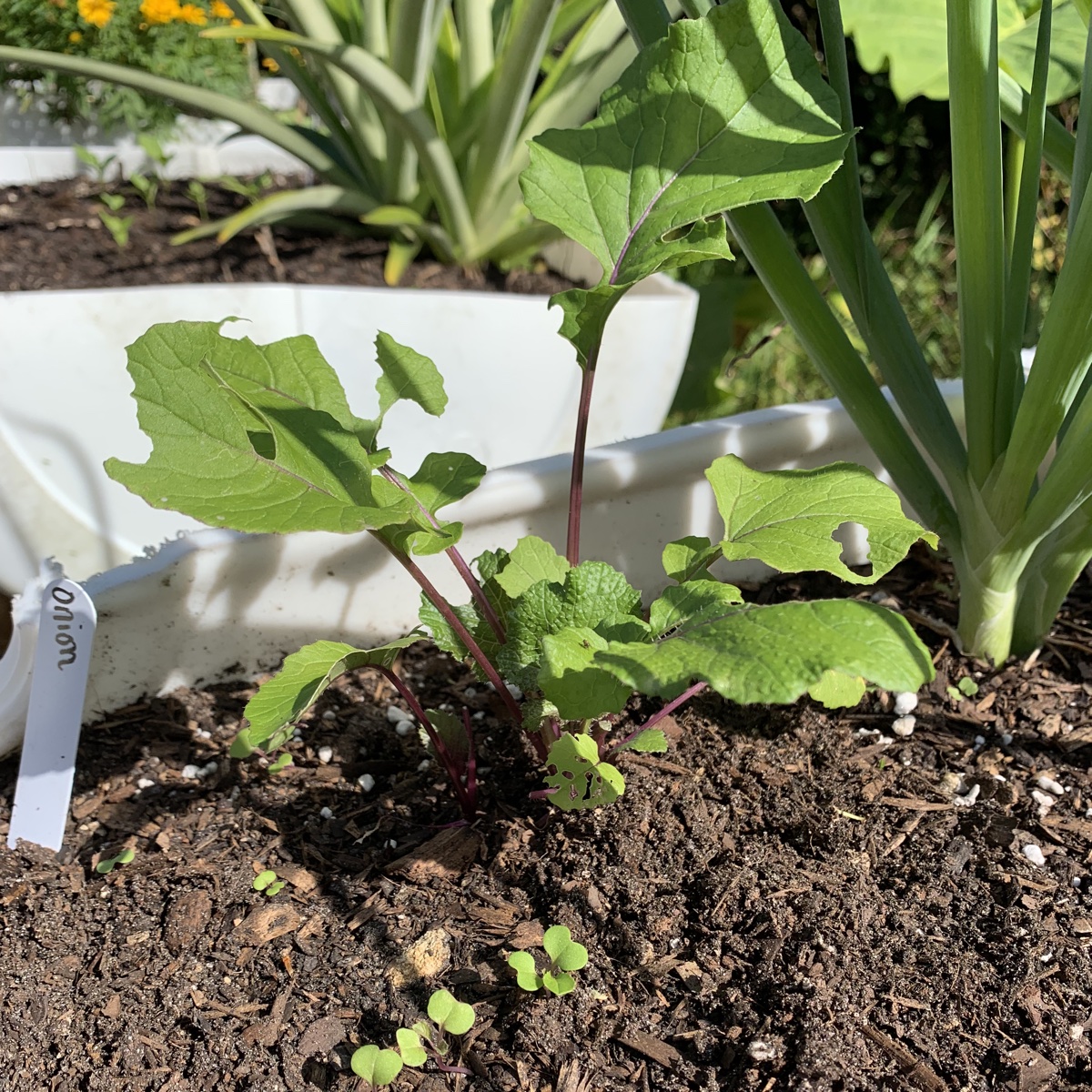
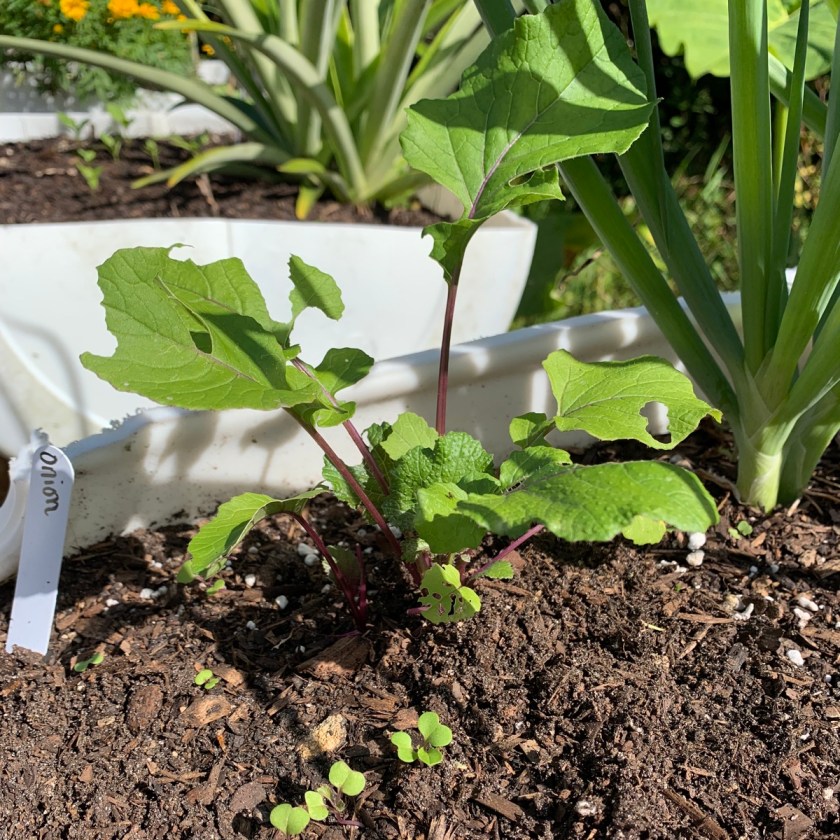
I bought a packet of her seeds and planted a few in pots in September. Just a few weeks ago I transplanted the two seedlings into a raised bed (October 4th). More seeds were added and have now sprouted. The early starts are much bigger. Some of the leaves have been chewed by something that I can’t see.

Hon Tsai Broccoli
Hon Tsai broccoli

Info on Hon Tsai Tai Broccoli

I love broccoli, and I’m not sure if the normal stuff can be grown here (planted in Fall also, but have only leaves to eat), but I’m trying to grow this type from Heirloom seeds. It will not look anything like “normal” broccoli though. I’ll take it for the fresh greens and make a stir fry. 

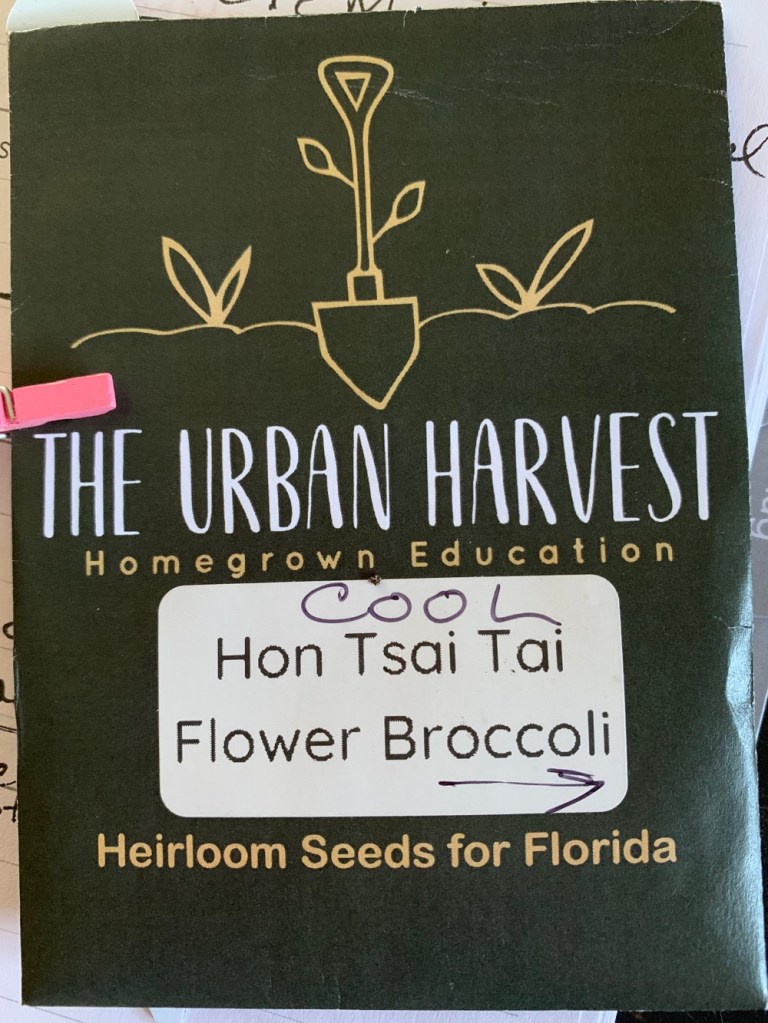
The packet of seeds, which came from The Urban Harvest, doesn’t have any information – the back of this packet is plain white. I have made notes about the Hon Tsai but I have no idea where I got the information! I’ve searched and searched. I think it was an Urban Harvest video, but I can’t find it.

Hon Tsai broccoli seed packet

Here is what I will share from the notes written on the back of my seed packet. This link goes to the page to buy the item at The Urban Harvest. There is some information on that page.

Another site, High Mowing, has information about the Hon Tsai Tai Flowering broccoli they sell. Information on Hon Tsai Flowering Broccoli. The goal is to have leafy shoots with unopened flower buds that can be eaten.

This type of broccoli is a cool weather crop. Articles online mention that temps should be in the 70’s and below. Here’s the thing – seeds need warmth to germinate and in general seedlings like it warmish. A Florida fall season can be very hot at times. It can also be cold overnight as we get into November and December.  Right now, we are still getting hot days (it was 80 today on Oct. 20th).

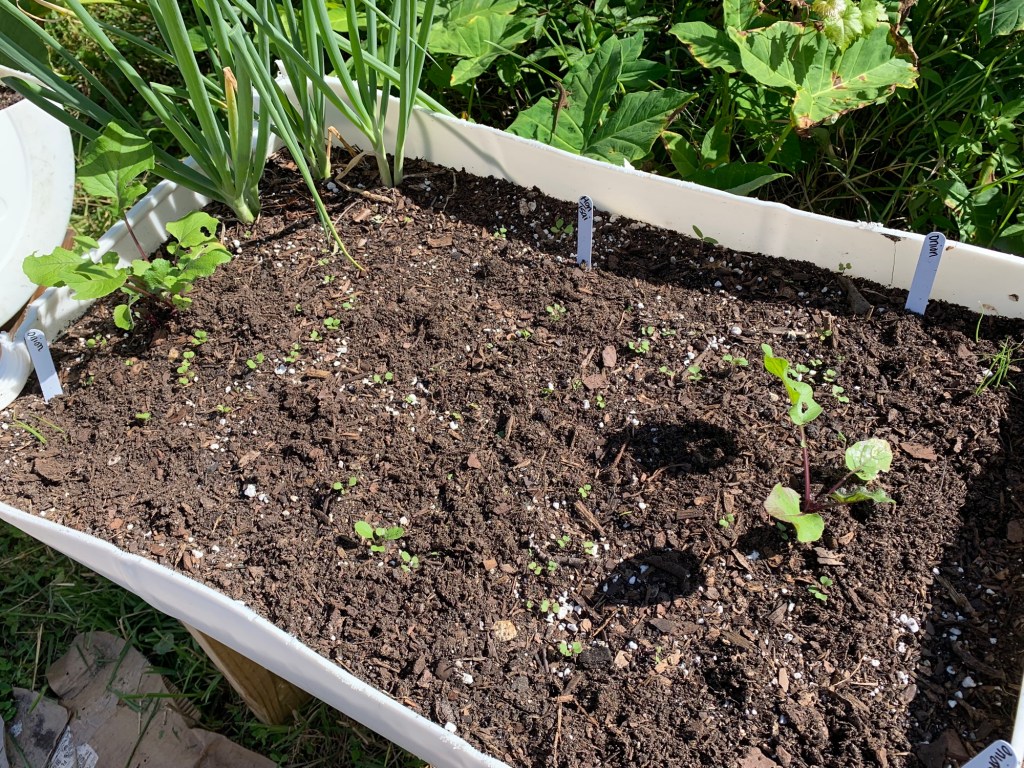
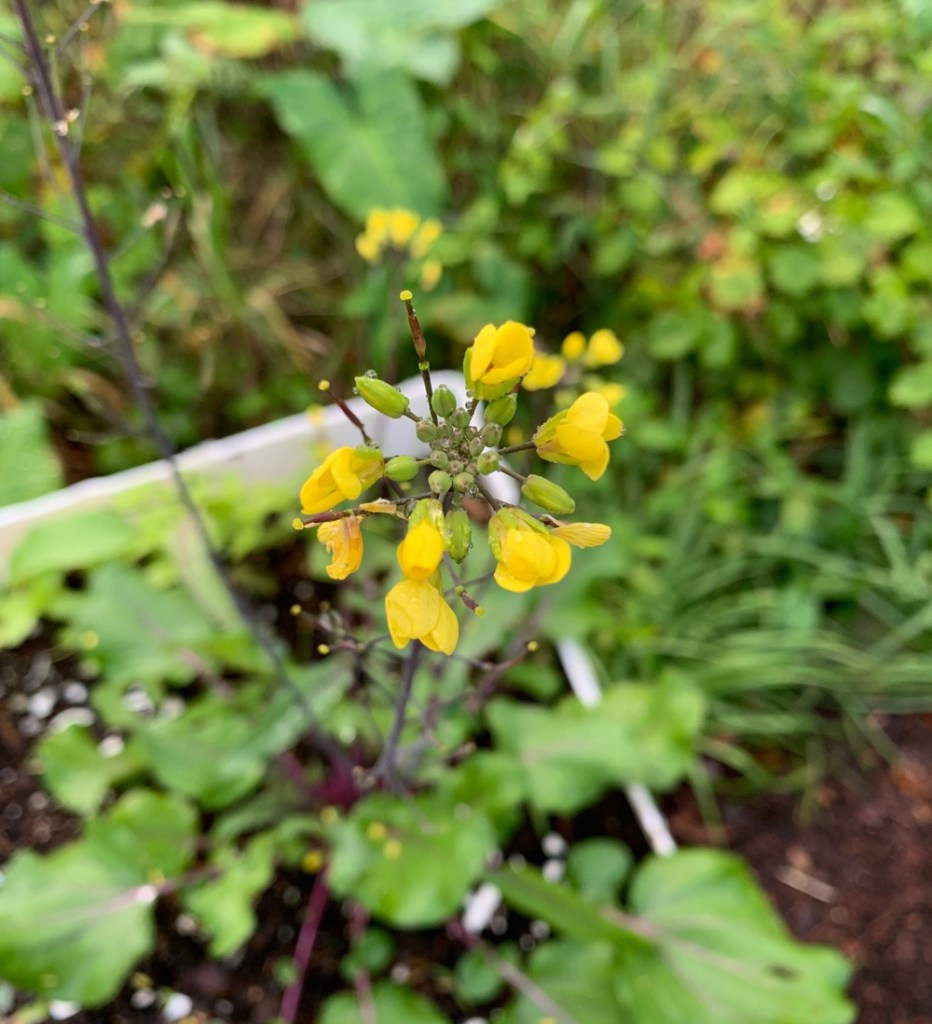
 * I ended up replanting this bed (pictures below) with kale and Texas Early Grano onions. I did keep one Hon Tsai broccoli plant and it turned out to have some beautiful flowers.

In closing, I’ve decided to grow the Hon Tsai broccoli again next Fall, but I will put it into the ground gardens. I’ll start it from seeds in pots, in September – because those plants did the best. Although I have been eating the leaves, they are not a favorite food. The flowers are fragrant and pretty and I wouldn’t mind having those growing all over the ground.


Videos For Growing Greens in Florida

Here is a list of videos that might give Florida gardeners an idea of what to plant during our winter months. It’s a bit tough to decide what to grow and when because our winters can be hot, and very cold. We can get freezes – at least where I am. If things are growing, they might need covering on very cold nights. Save up those old sheets and buy some clothespins!

Growing Bulb Onions

I can easily grow chives / scallions – those thin green stalks, but actual onions were thought to be impossible to grow here.

Then I saw a post on Instagram by a local farmer who successfully grew onions. They were planted in Fall and harvested before summer. The Texas Early Grano (link above) is the type mentioned. So I immediately bought some seeds.

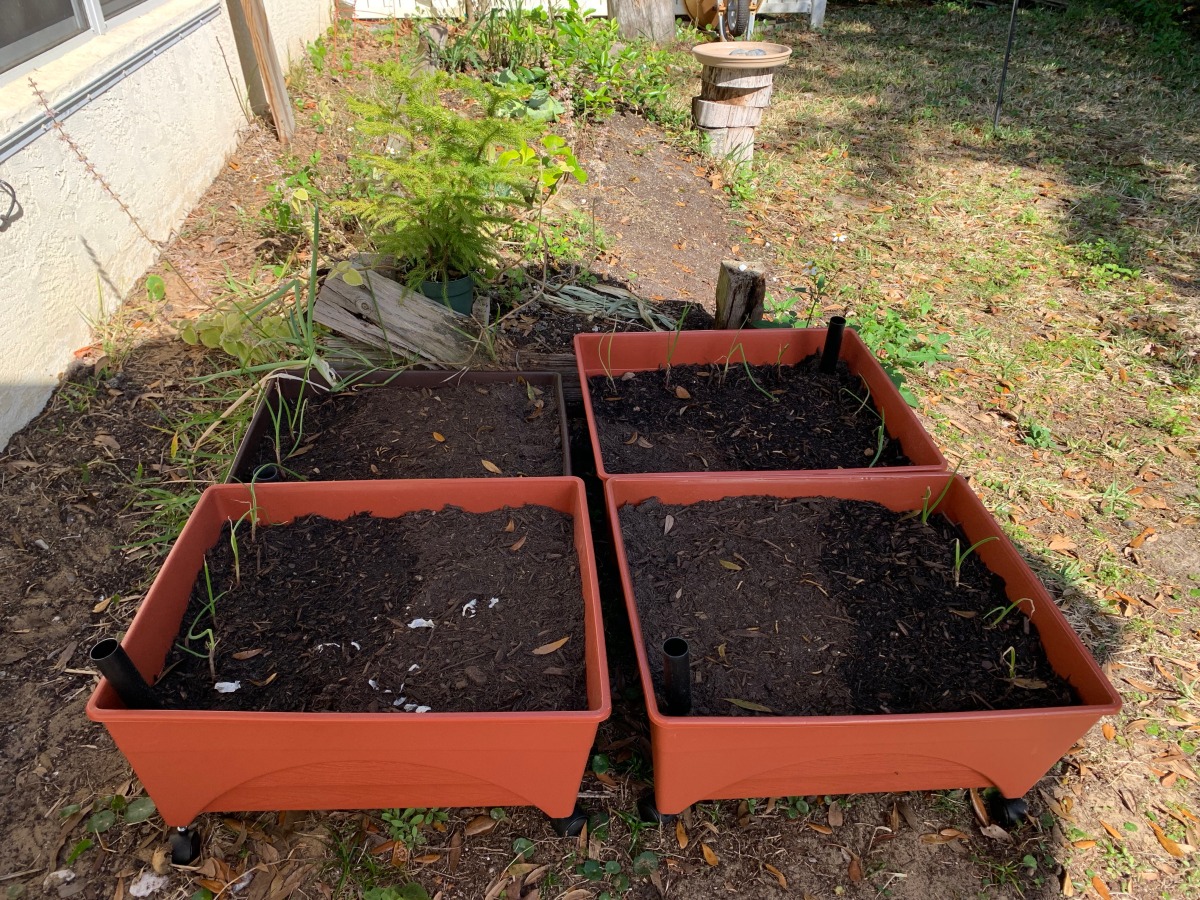
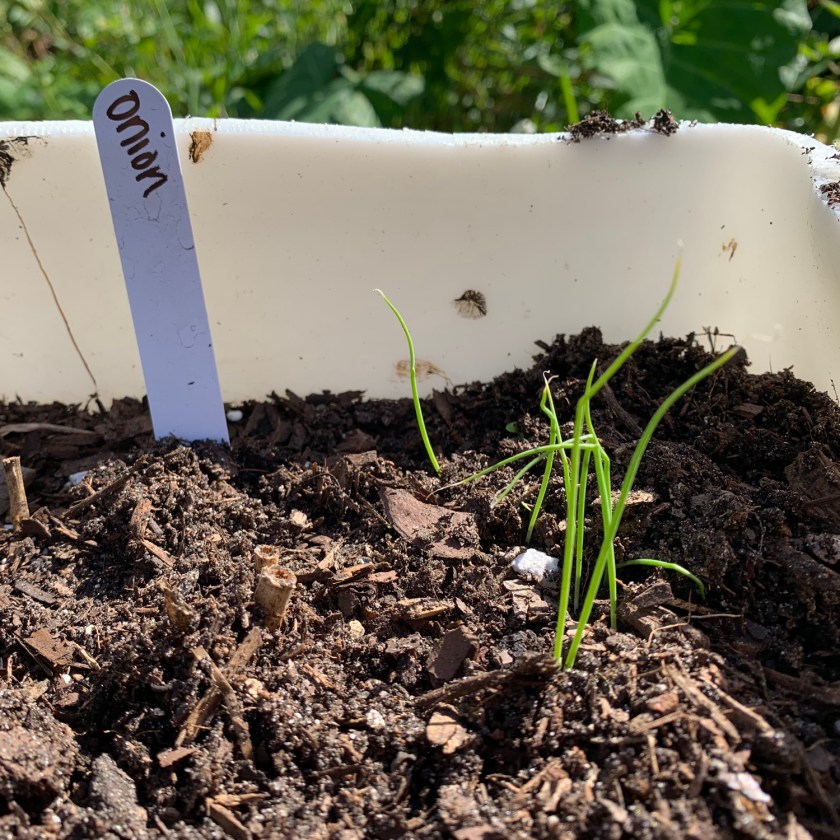
I now have onions coming up all over the place. Onions take up very little space. I don’t have much space, so my onion seeds are tucked in all over the place. I really hope to have some slicing onions by next Spring.

growing onions
Texas Grano onion sprouts

Here’s What Else is Happening in My Yard

Wins and Fails This Summer in the Garden

It’s July and gardening in Florida has slowed, but some things are obvious wins and some are fails.

My first time seriously trying to grow vegetables and annuals through a Florida summer. I’ve purchase plants and seeds, and transplanted seedlings. A lot of work has gone into my garden area. Some things have done very well, and others are fails and best to be forgotten!

Some things I am still up in the air about.

First, The Wins

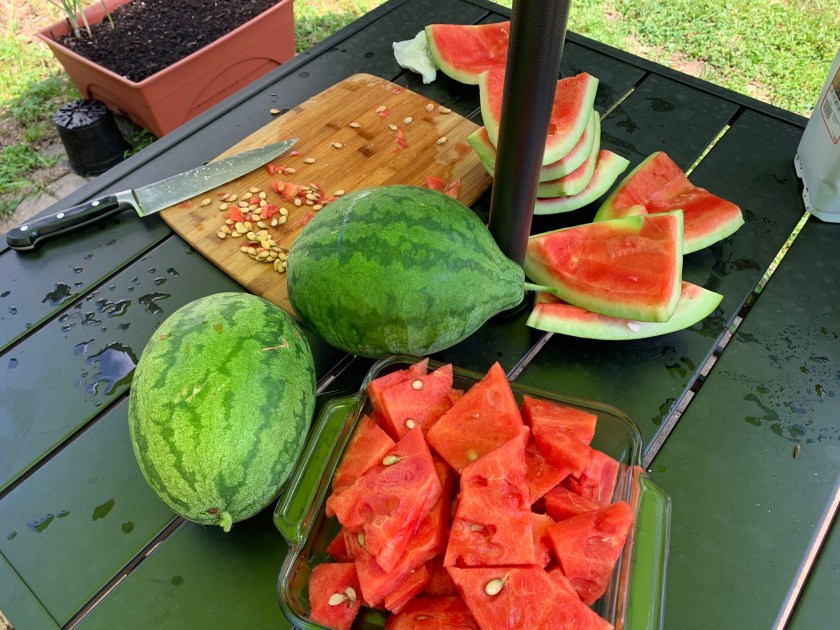
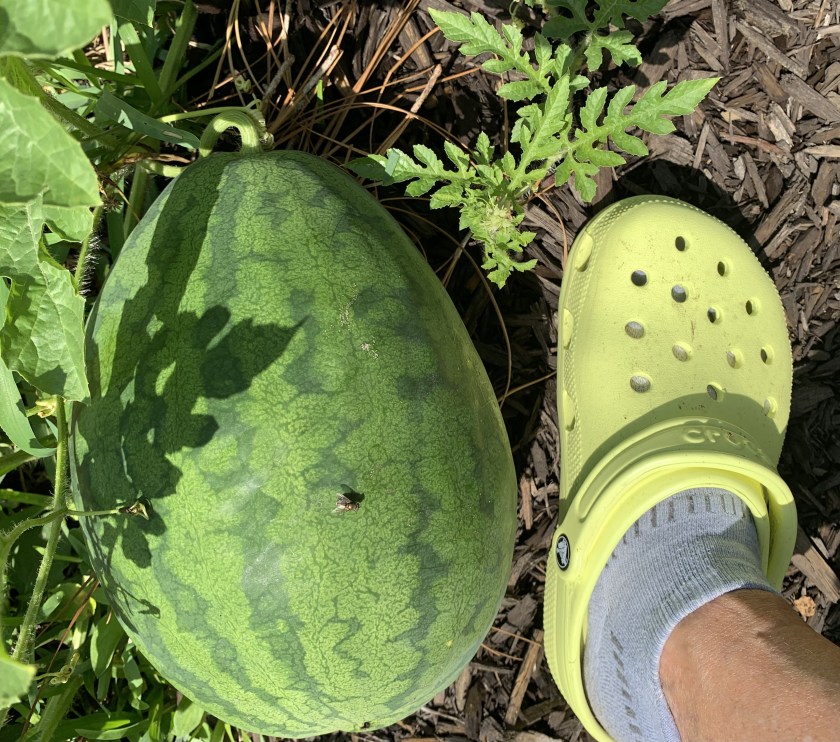
Watermelon is at the top of my list for wins. I have harvested three, edible melons. They grew from direct planting and I would have had four, except that the raccoons got one. The vines had no problems, even though I wished I’d had more space for them. These were Strawberry Watermelons which are good for growing in southern locations.

Watermelon

I picked the melons the end of June, and now, mid-July, I have another tiny melon on one of the old vines. Also, new vines are sprouting from the original, so I’ll see what happens.

watermelon preparation outside
watermelon next to foot
Garden watermelon

Eggplant

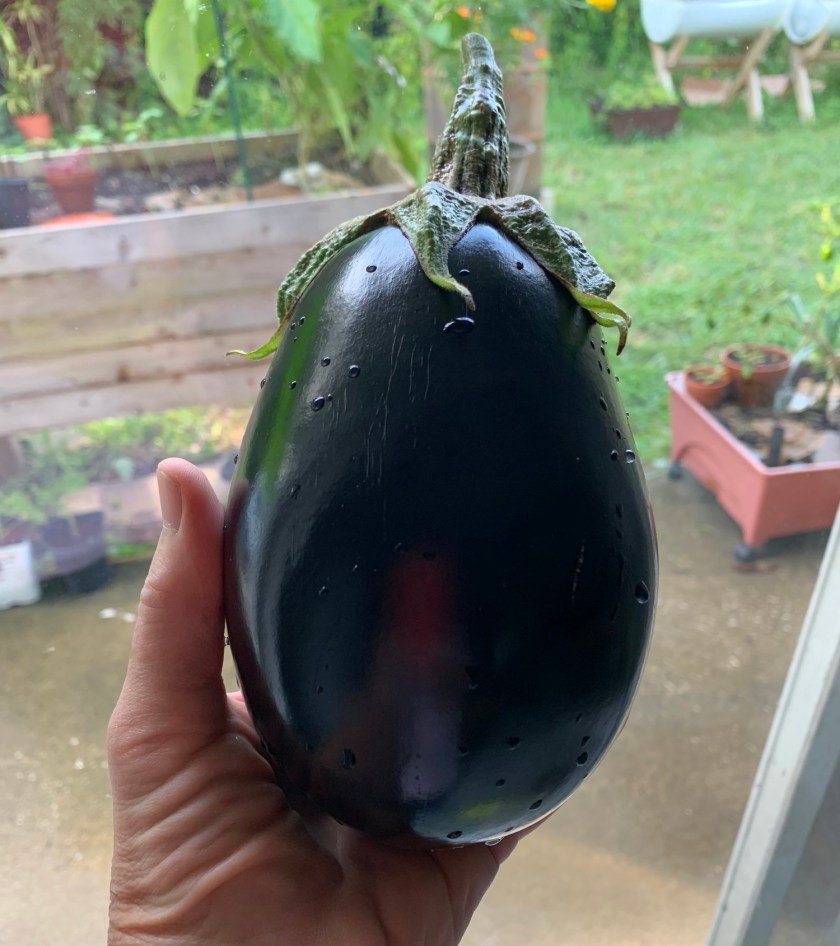
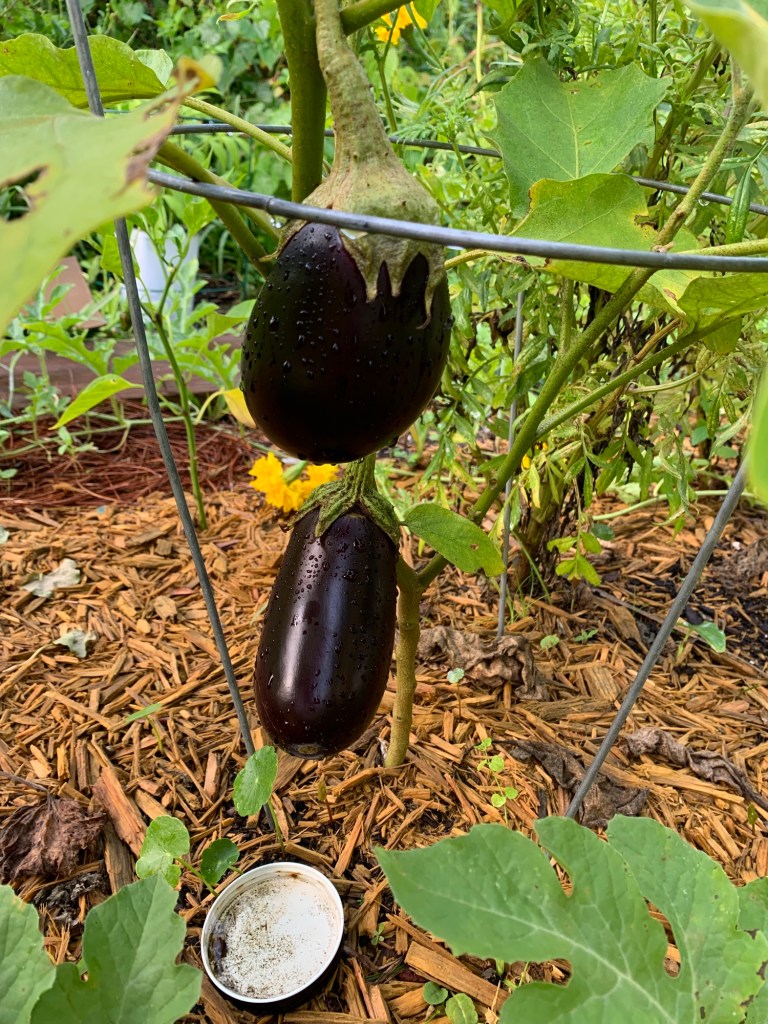
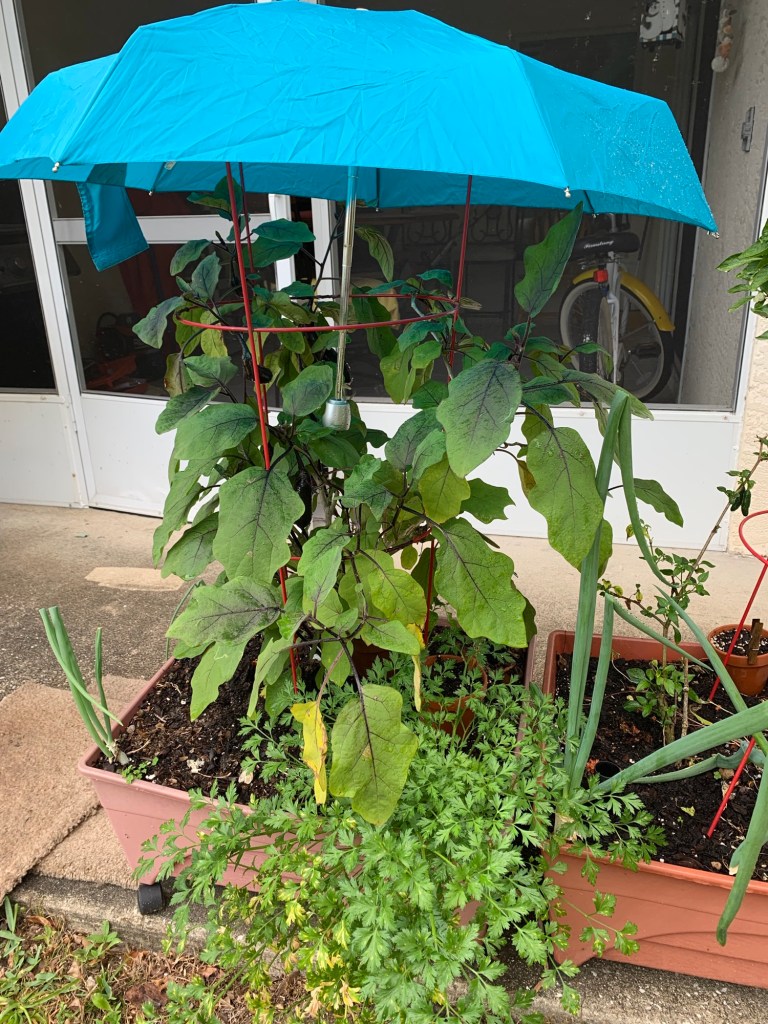
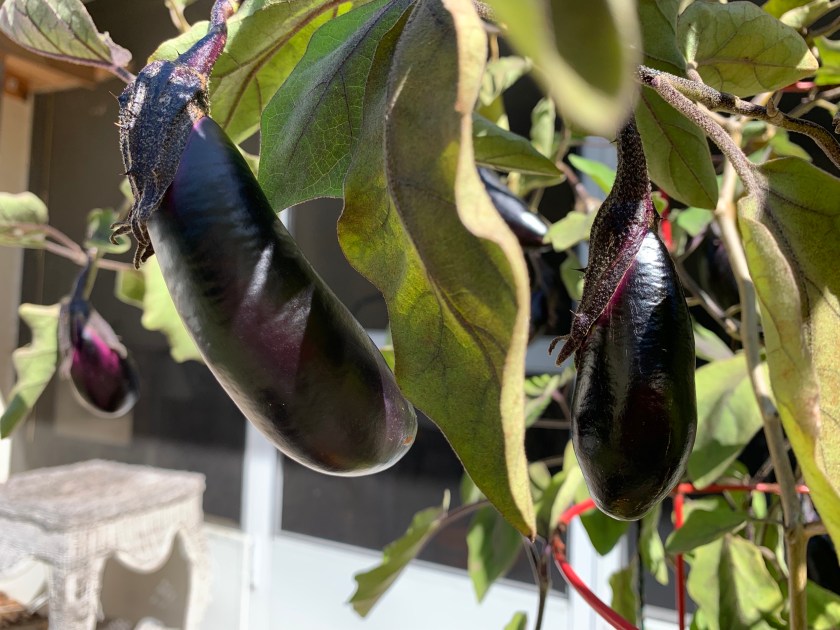
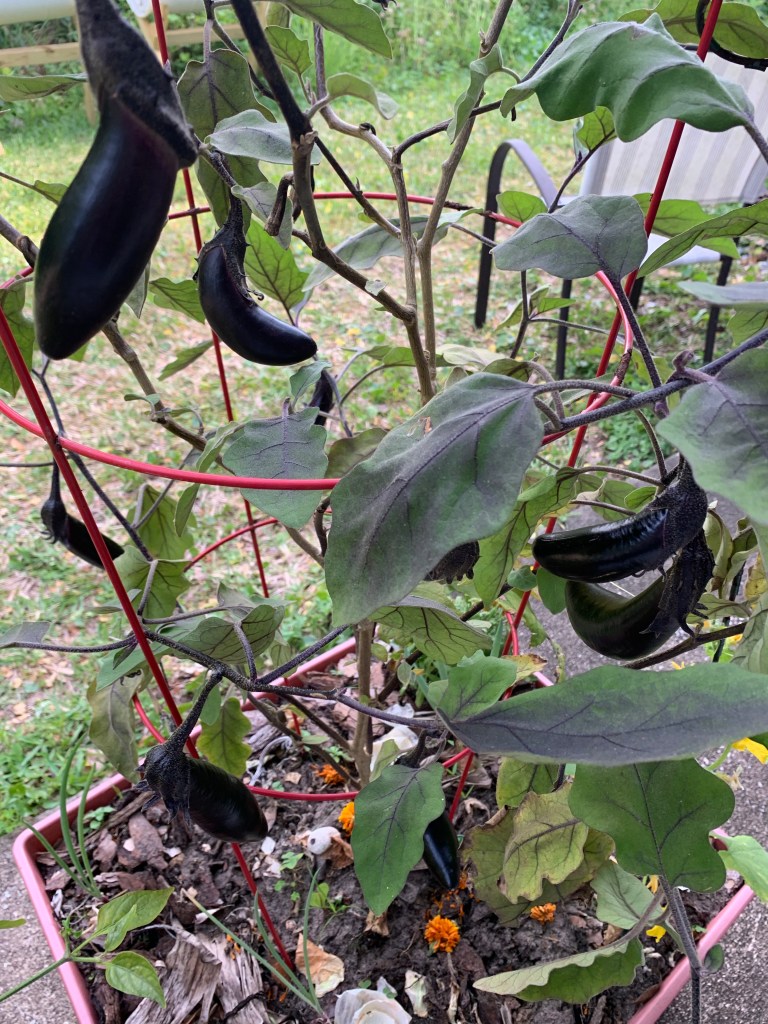
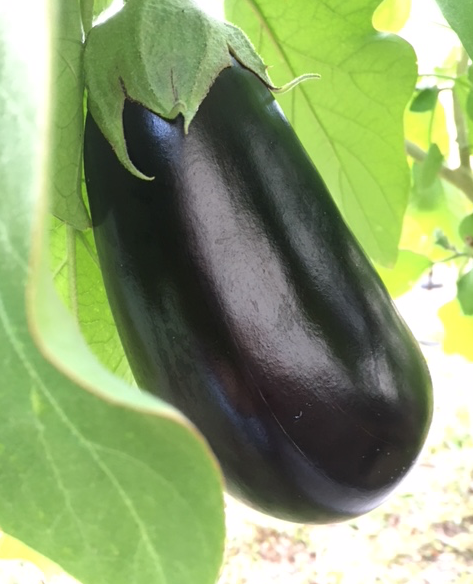
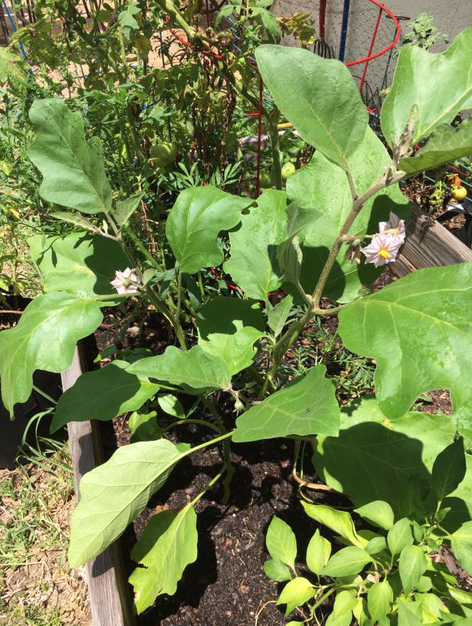
I’ve grown eggplant for a few years now. I had one plant that grew and grew and seldom ever gave me eggplants to eat! Eventually I cut it down. Now I have about five plants growing in various locations and have been eating eggplant regularly.

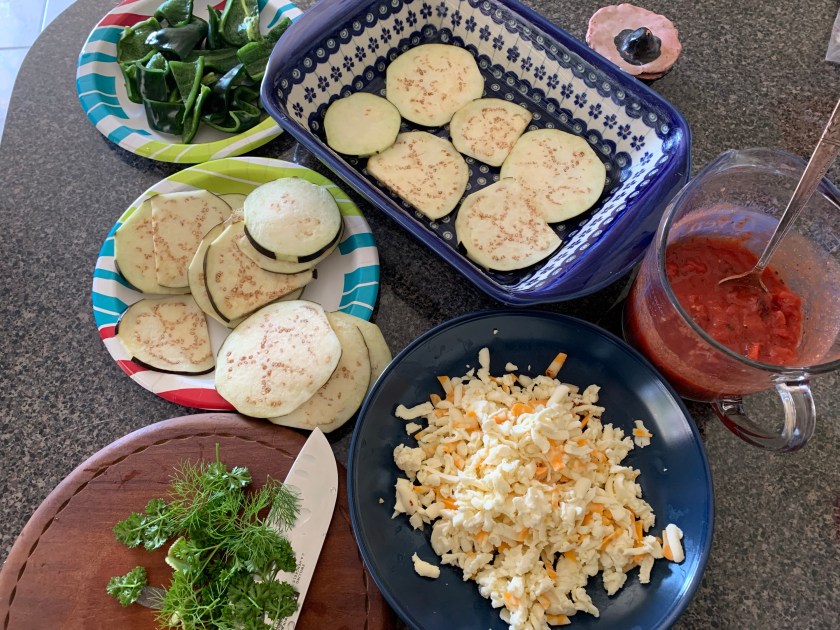
The small, Japanese eggplants are eaten fried in a pan. The larger eggplants are usually baked. *By the end of July, eggplants have pretty much stopped producing.

  • eggplant courgette
  • Eggplants growing
  • Okra and eggplant
  • eggplant umbrella shade
  • Japanese eggplant growing
  • Japanese eggplant plant
  • baking keto eggplant casserole meal dish recipe
  • eggplant flower
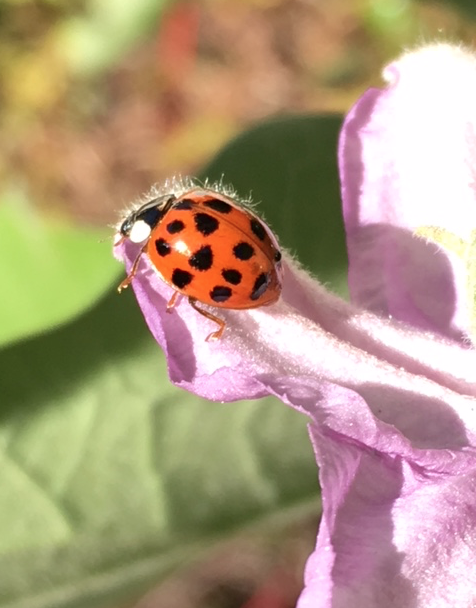
  • macro lady bug beetle on purple eggplant flower
  • Eggplant growing
  • eggplant

Okra

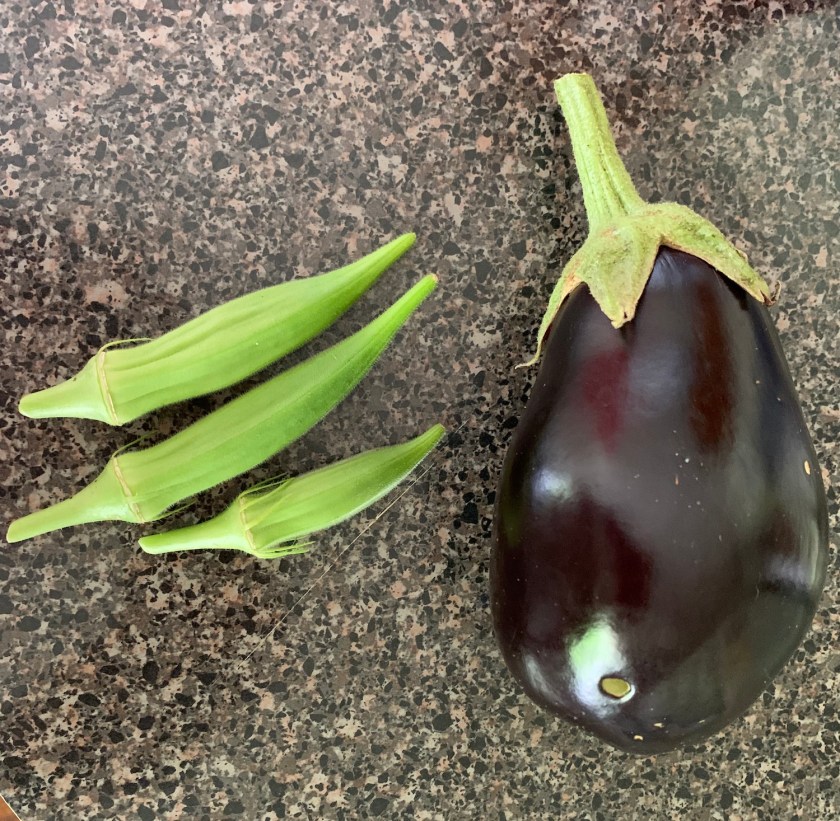
I planted okra seeds into the garden and then thinned them once they began to grow. They grew fast, have had no problems, and are hardy. The flowers are very pretty, but don’t seem to attract butterflies or bees. The problem is, I’ve discovered I don’t really like okra!

I was picking a few okras a day and slicing them to fry and eat with lunch. But the slimy, sticky okra just turns me off.🤮. I want to grow food I like, and I don’t like okra. I’ve begun cutting the plants down to add to the composter. But, I’m letting a few okra pods get big and dry out for seeds. A friend wants them.

  • Okra and eggplant

Moringa Trees Looking Good

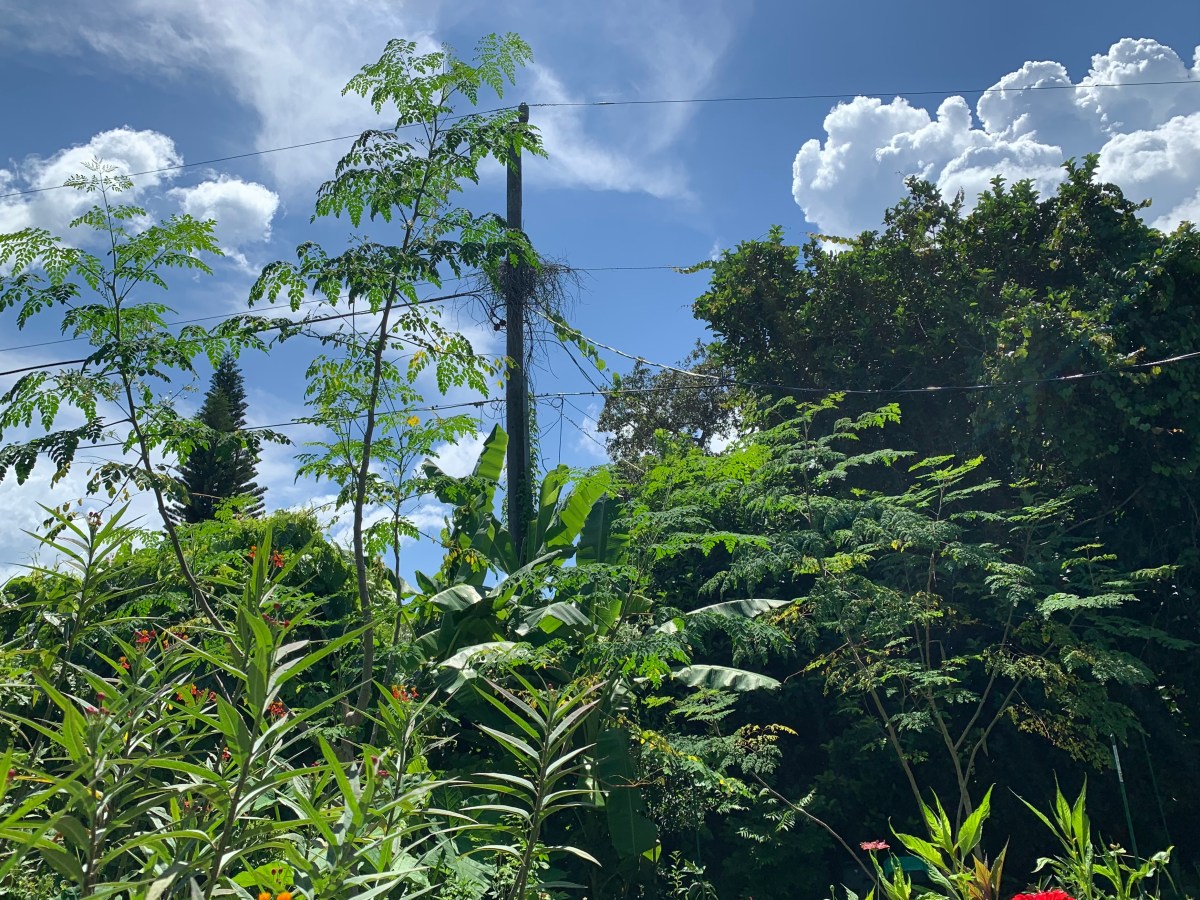
Two Moringa trees grown from seed are planted in the back corner of the garden and look good. I love their lacy leaves.

Moringa tree small
The Moringa is growing well

Flowering plants – Good and Bad

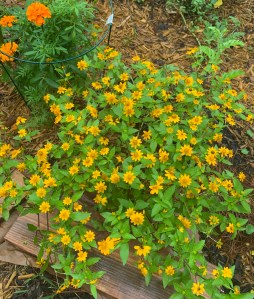
Tiny yellow flowers on plant
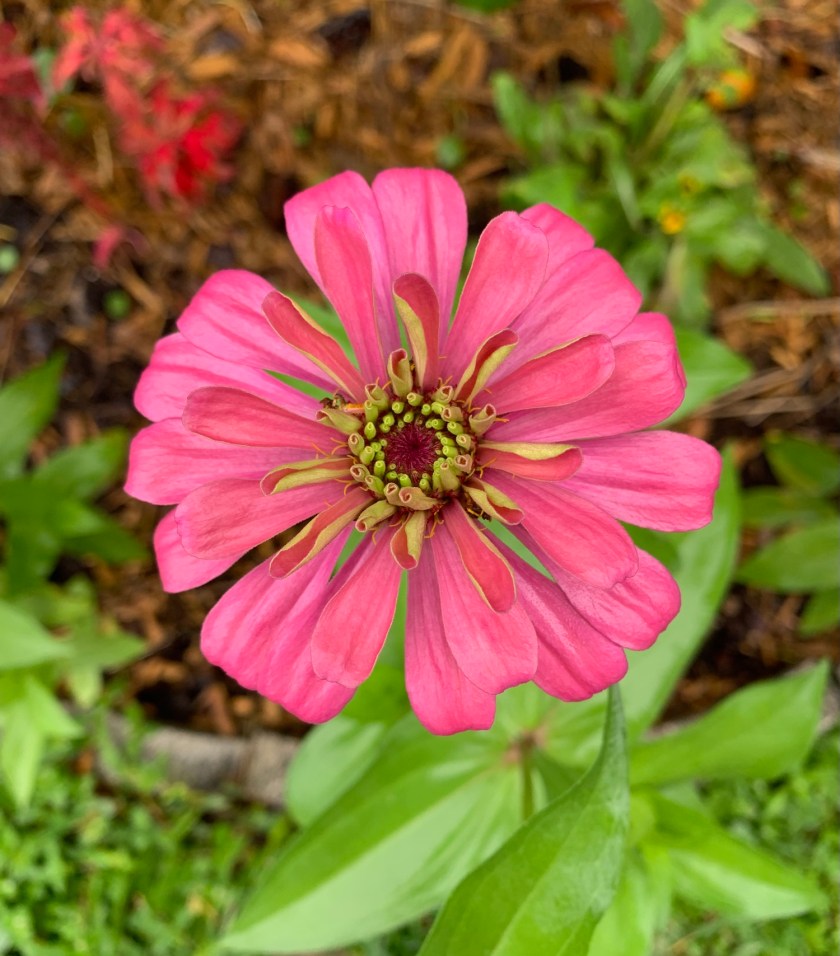
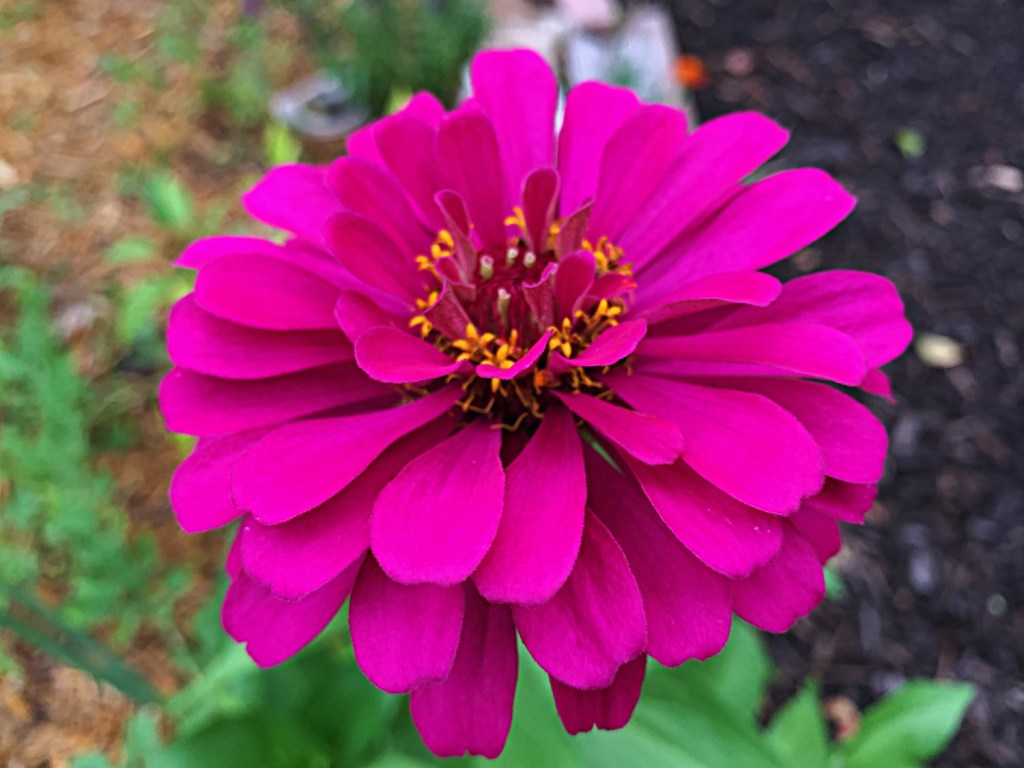
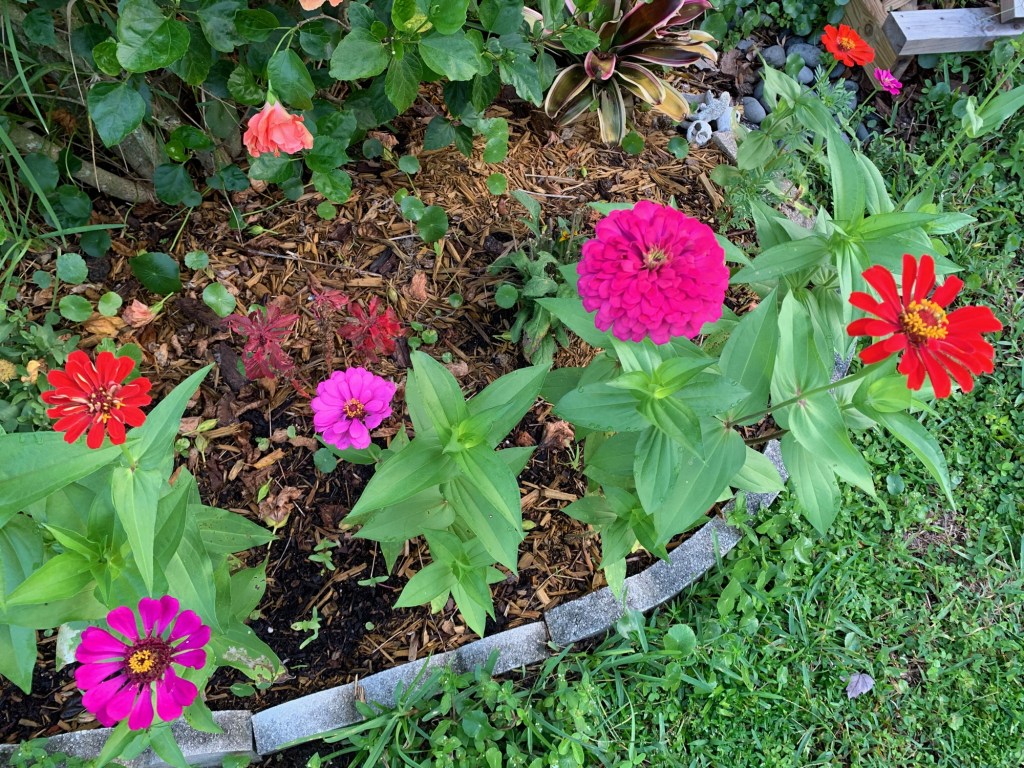
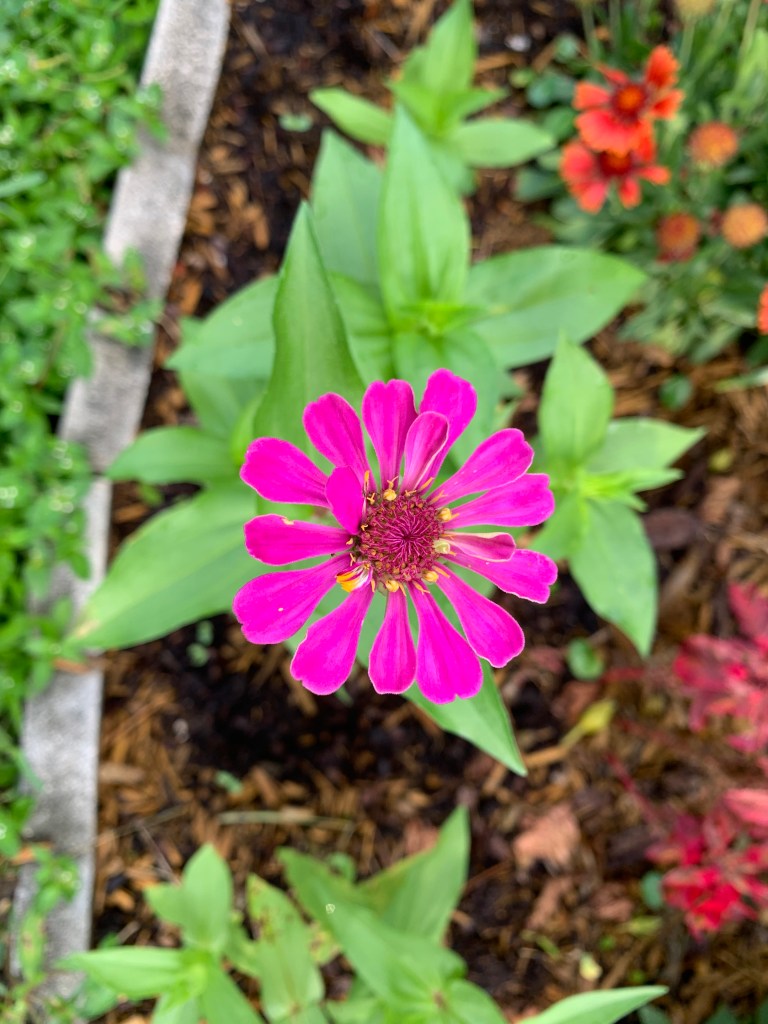
Pink zinnia flower
Zinnia
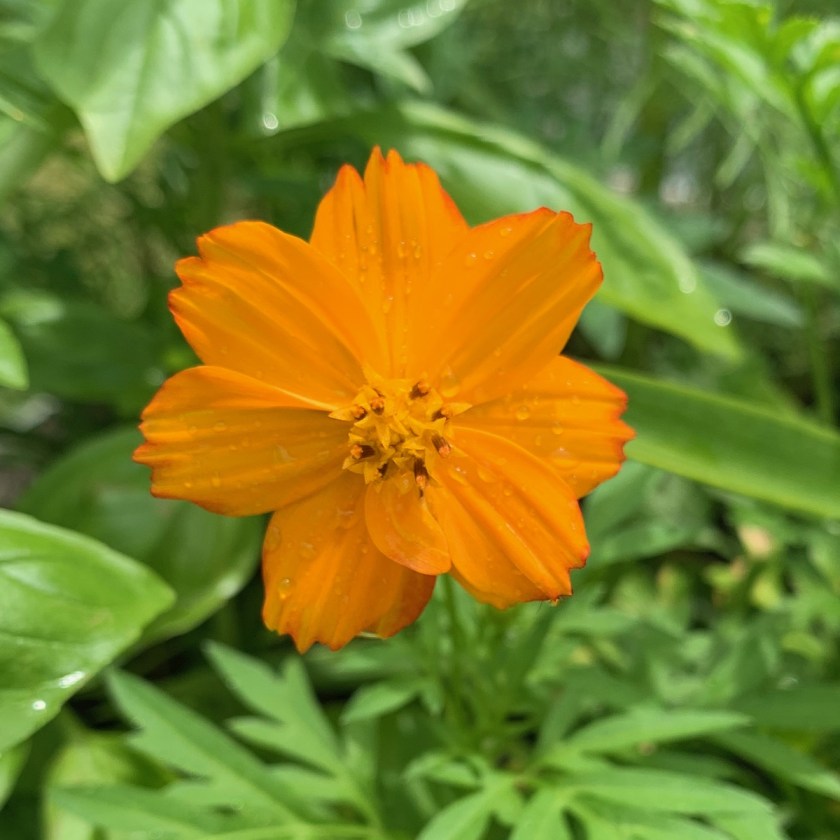
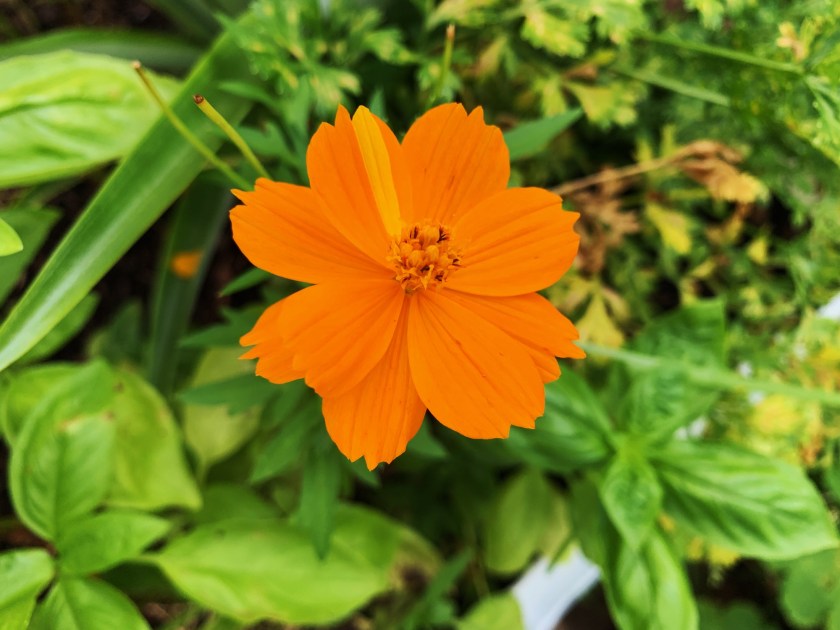
orange cosmos
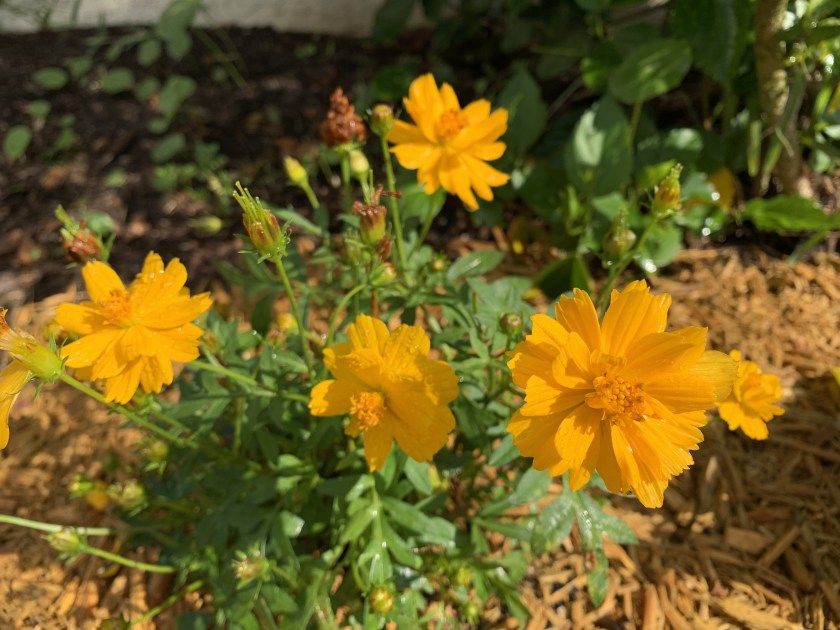
New cosmos from original yellow

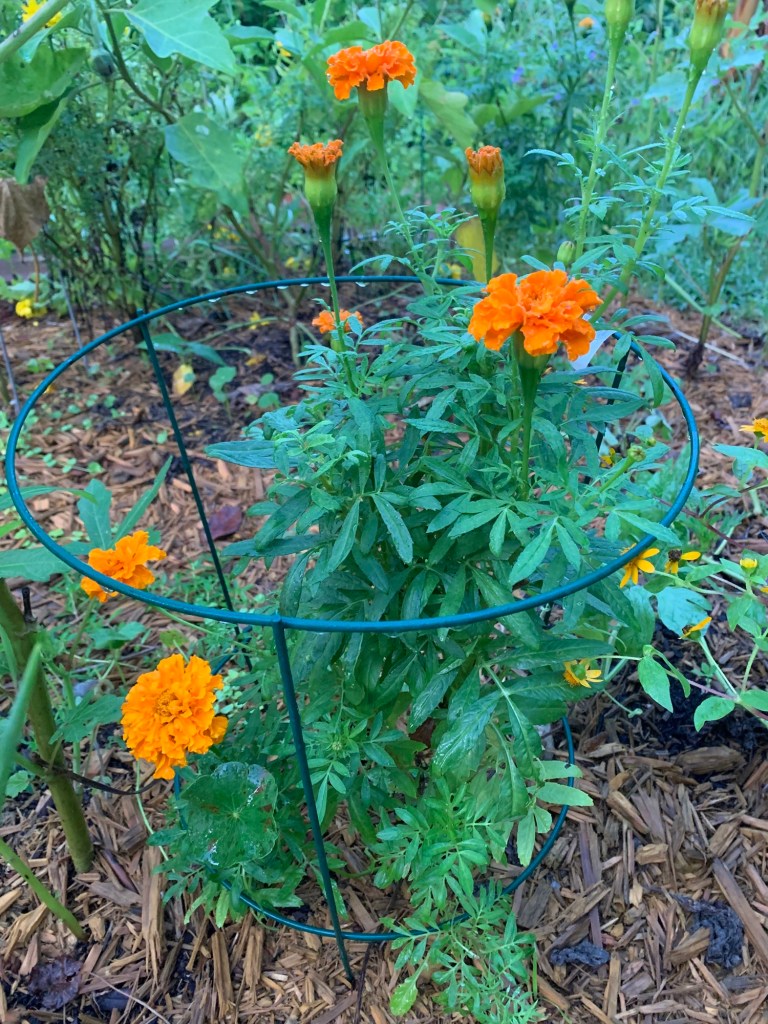
New to the yard this year are the yellow cosmos, zinnias, Rudbeckia, Gaillardia, seashell cosmos, nasturtiums, and Amaranth. Marigolds also grew again, and they are always dependable, but *did begin to fall over and split by July.

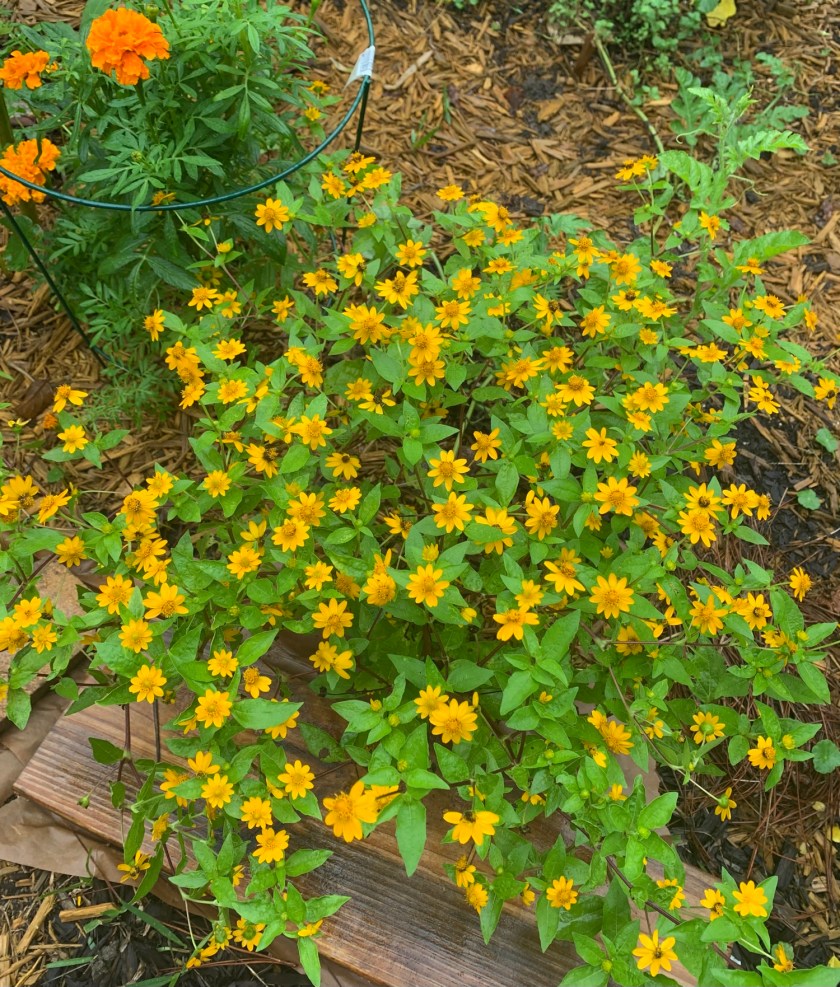
Tiny yellow flowers on plant
Melapodium

A delightful reader of this blog was kind enough to tell me the name of the yellow-flowering plant above. It is a Melapodium, and it grows well in hot climates.

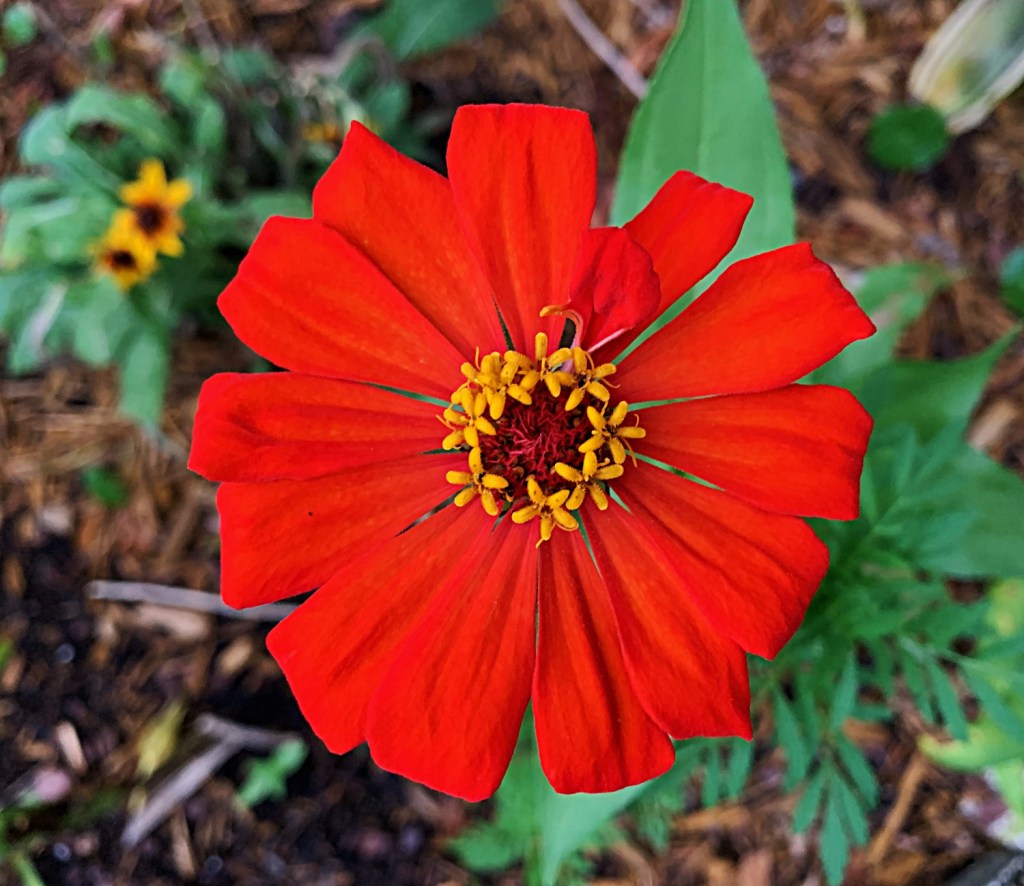
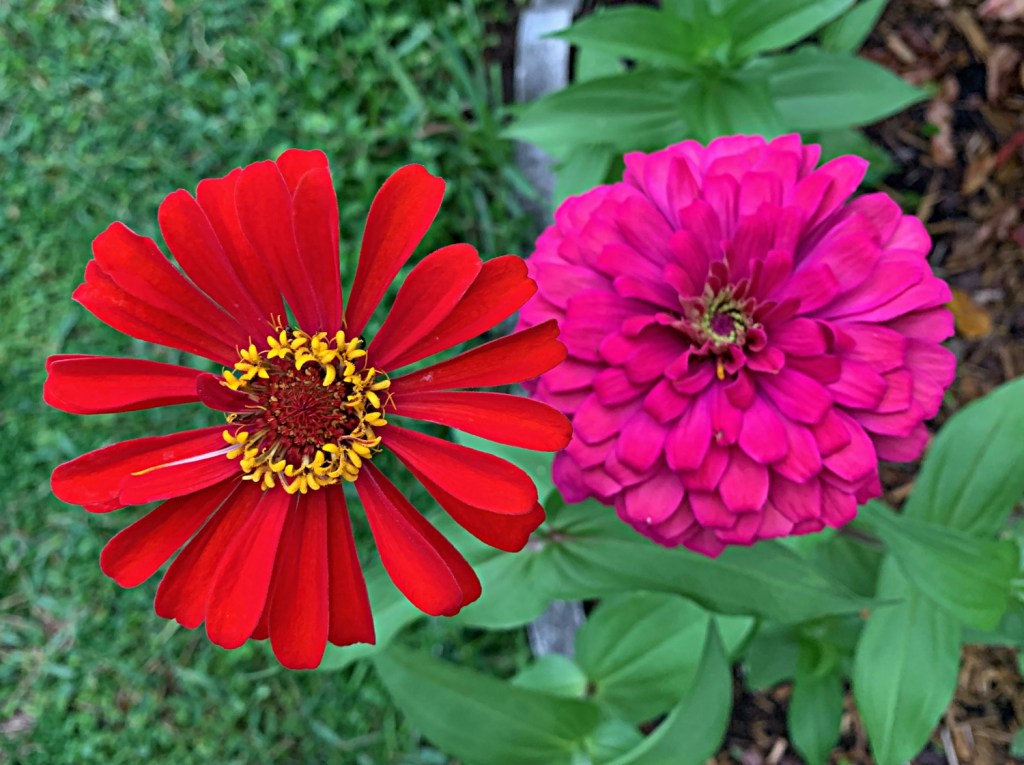
Of all of these flowers, the Zinnias are an absolute win.

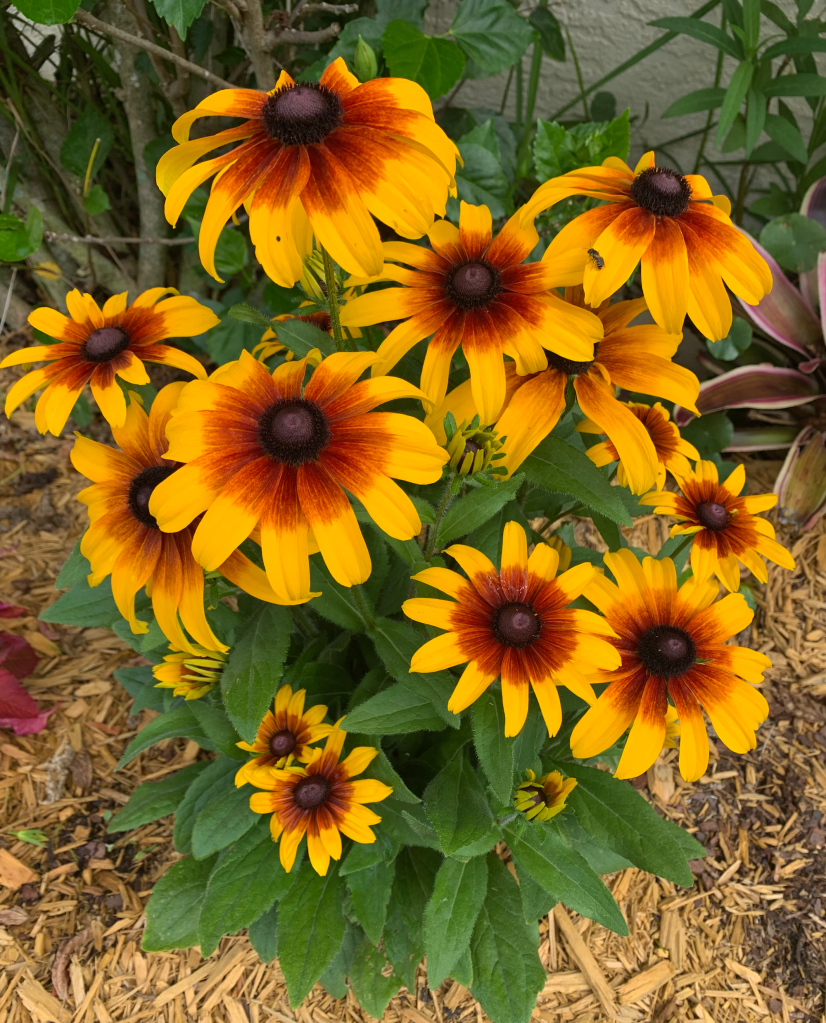
Rudbeckia did great for a while, but the heat brought bugs and I had to cut the plant way down.

The yellow cosmos, which has very different leaves from the frilly leaved cosmos, didn’t do well, but the seeds I collected from it, and threw into other gardens, grew great! So, maybe the original plant was not in a good spot. Now I have lots of new little plants growing. One of them is producing orange flowers. This flower has a remnant of its original yellow as a stripe on one petal. See the original plant in the slide show below.

orange cosmos flower
Orange flower, from yellow plant seeds

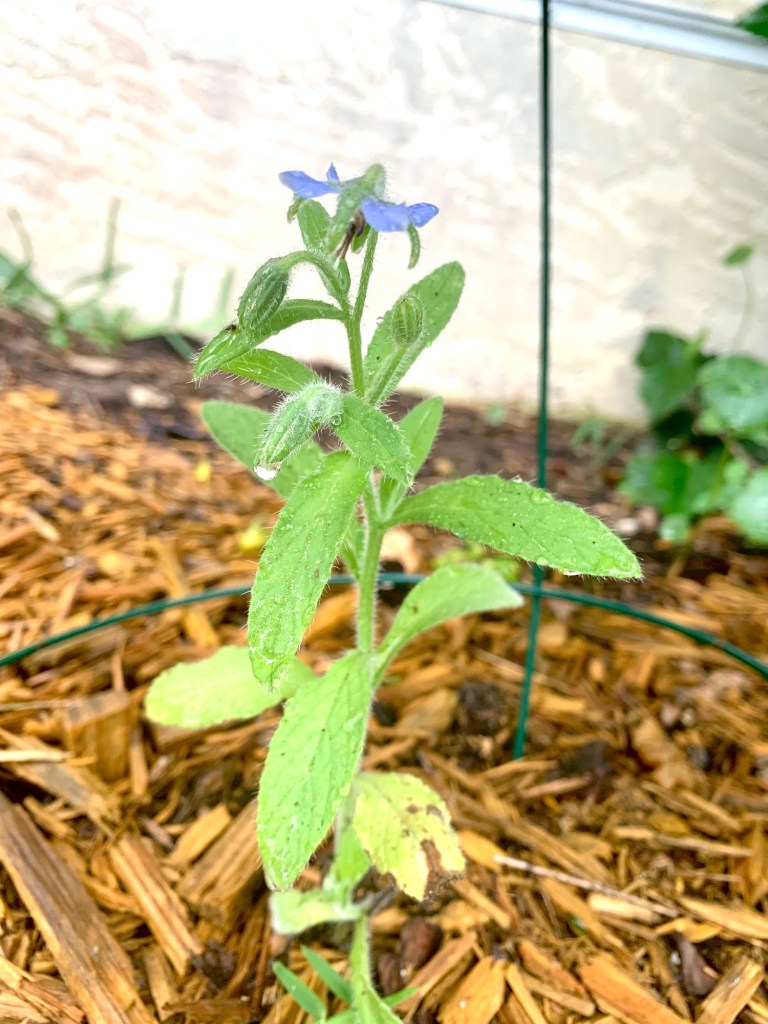
Borage hates the sun and heat, so I have covered it. Nasturtiums did horrible. Amaranth has done nothing, so I’m not sure yet if it’s a win or fail.

  • rudbeckia or black-eyed-susan
  • Zinnia
  • Pink zinnia flower
  • yellow cosmos plant
  • orange cosmos
  • Short cage for flowering plants
  • Borage
  • Tiny yellow flowers on plant

Now For the Fails

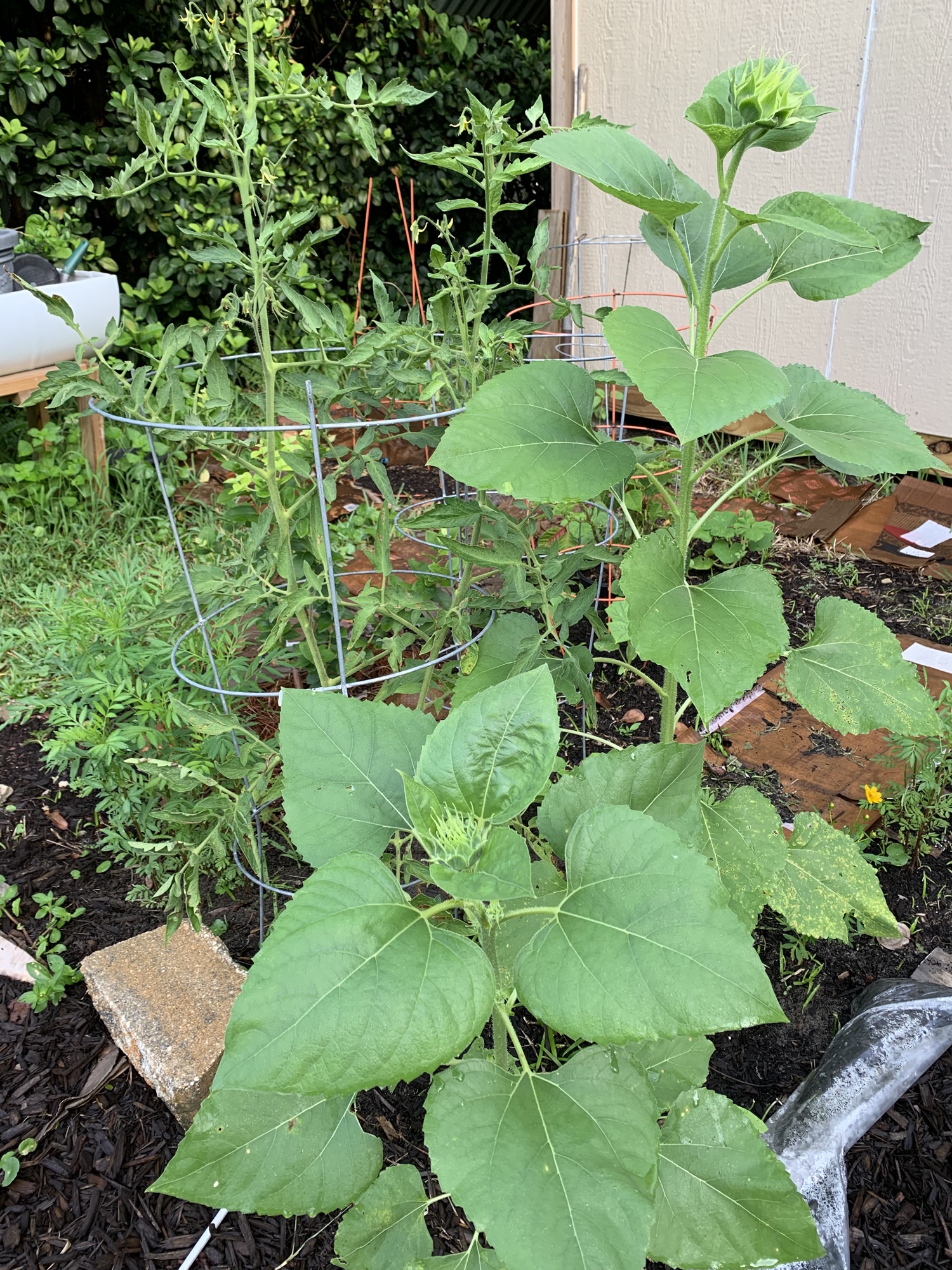
My vegetable fails for summer were tomatoes and Swiss chard. I had grown a bunch of cherry tomatoes, but really wanted big tomatoes. I KNOW they don’t like the extreme heat. But, I had one plant already growing so I planted it. The plant is looking great, but no fruit is forming. I’m going to let it grow and maybe it will get tomatoes in a couple of months.

Here’s the tomato plant behind a couple of sunflowers. Tomatoes are suppose to be planted in February here, I believe. That way they are all done by the time the real heat arrives.
  • volunteer sunflowers

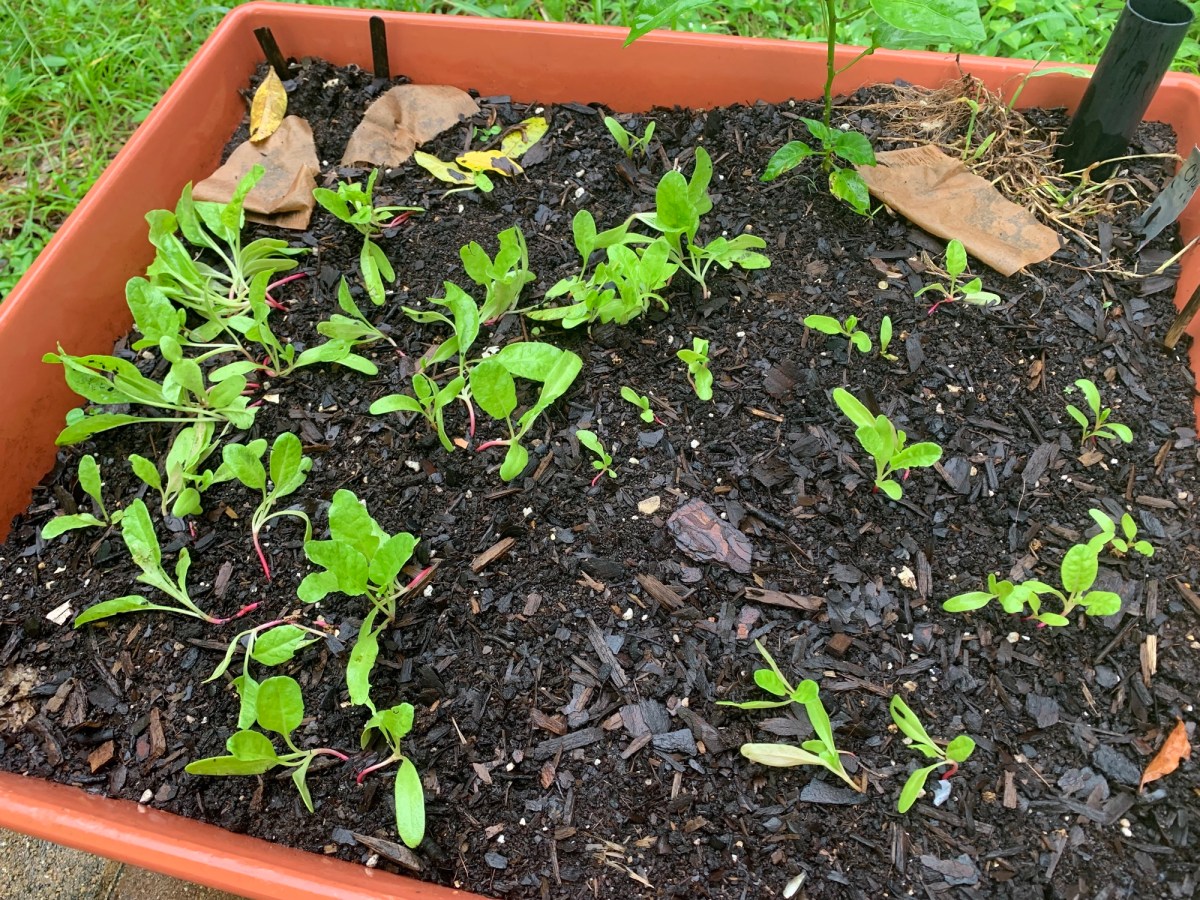
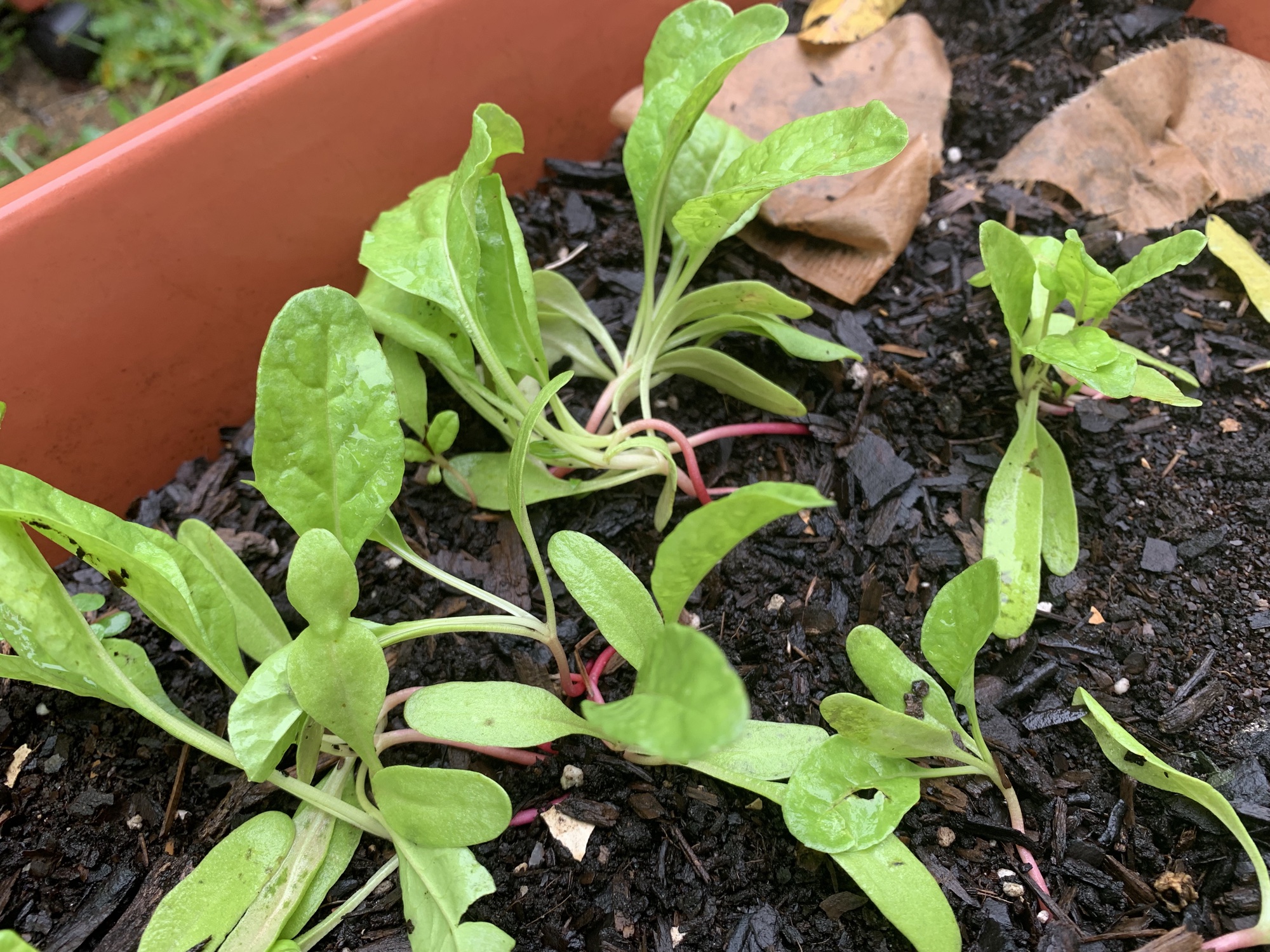
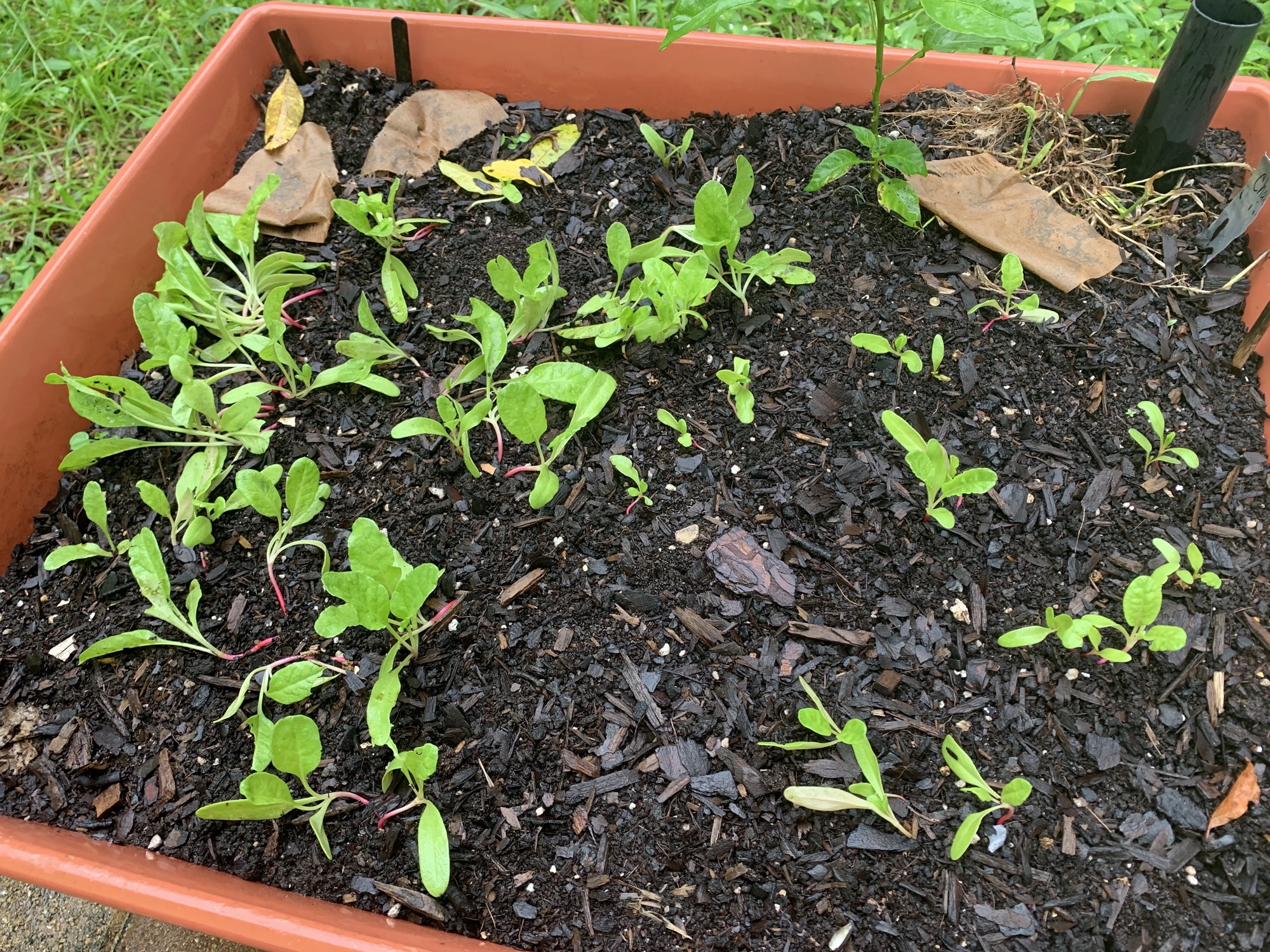
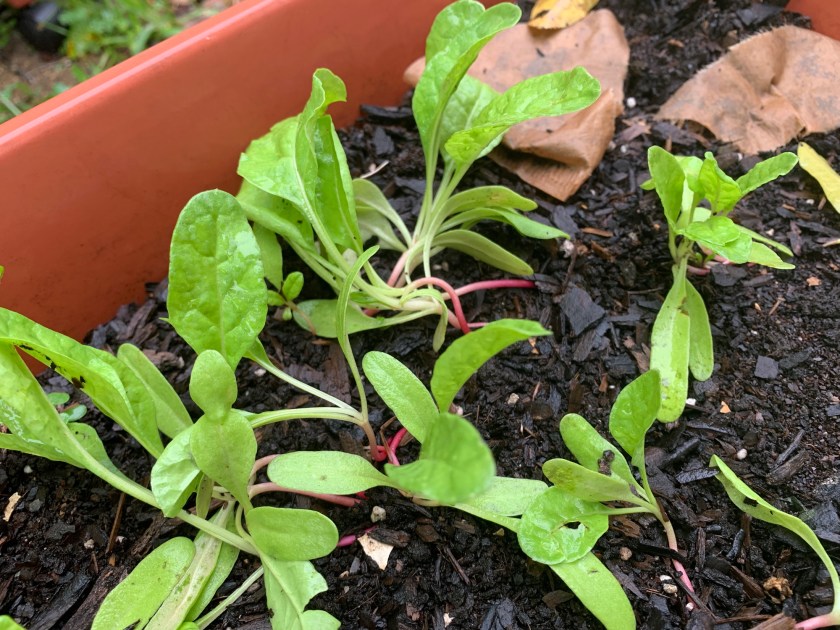
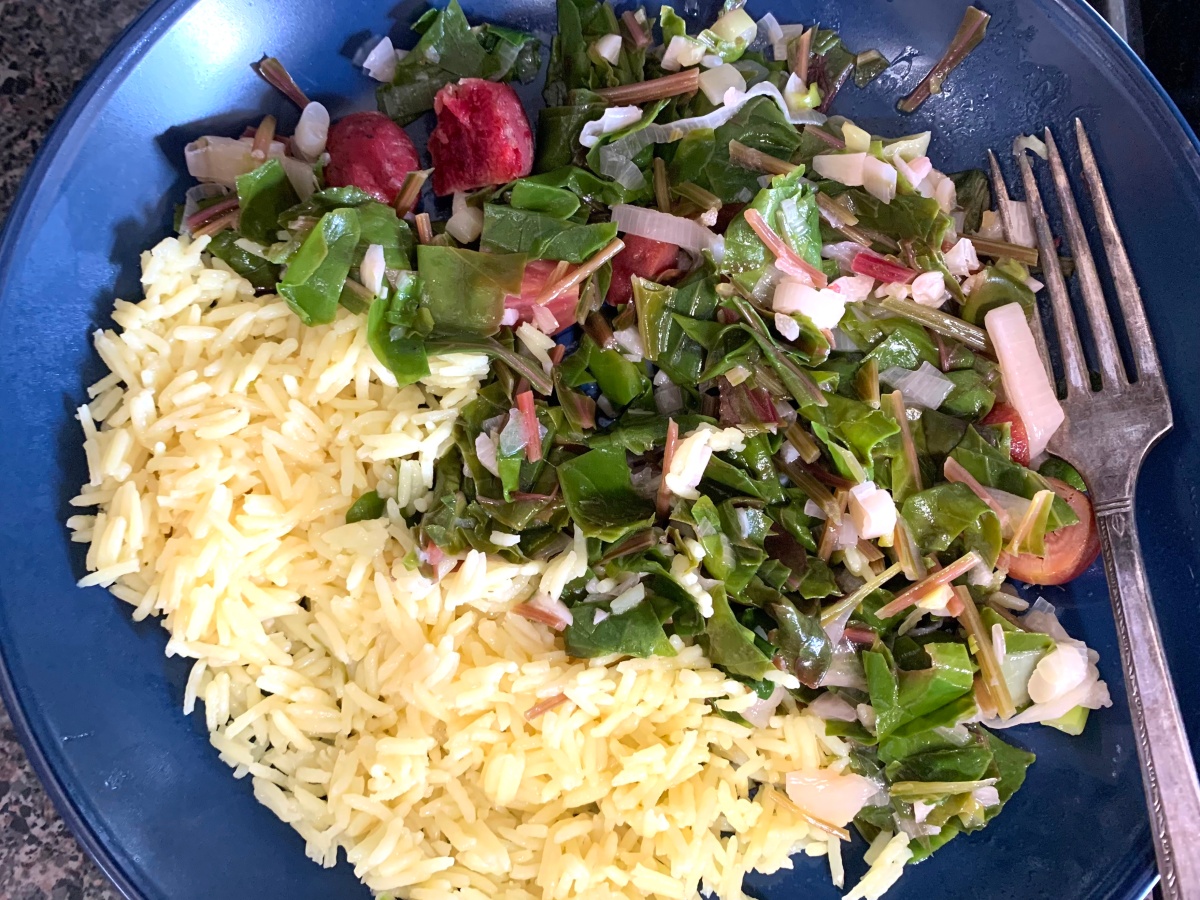
I planted Swiss Chard twice, in two different varieties and they fall over and don’t grow.
swiss chard

Happy Gardening!

black cat garden yard

More from the blog: