Pretty Flowers in the June Garden

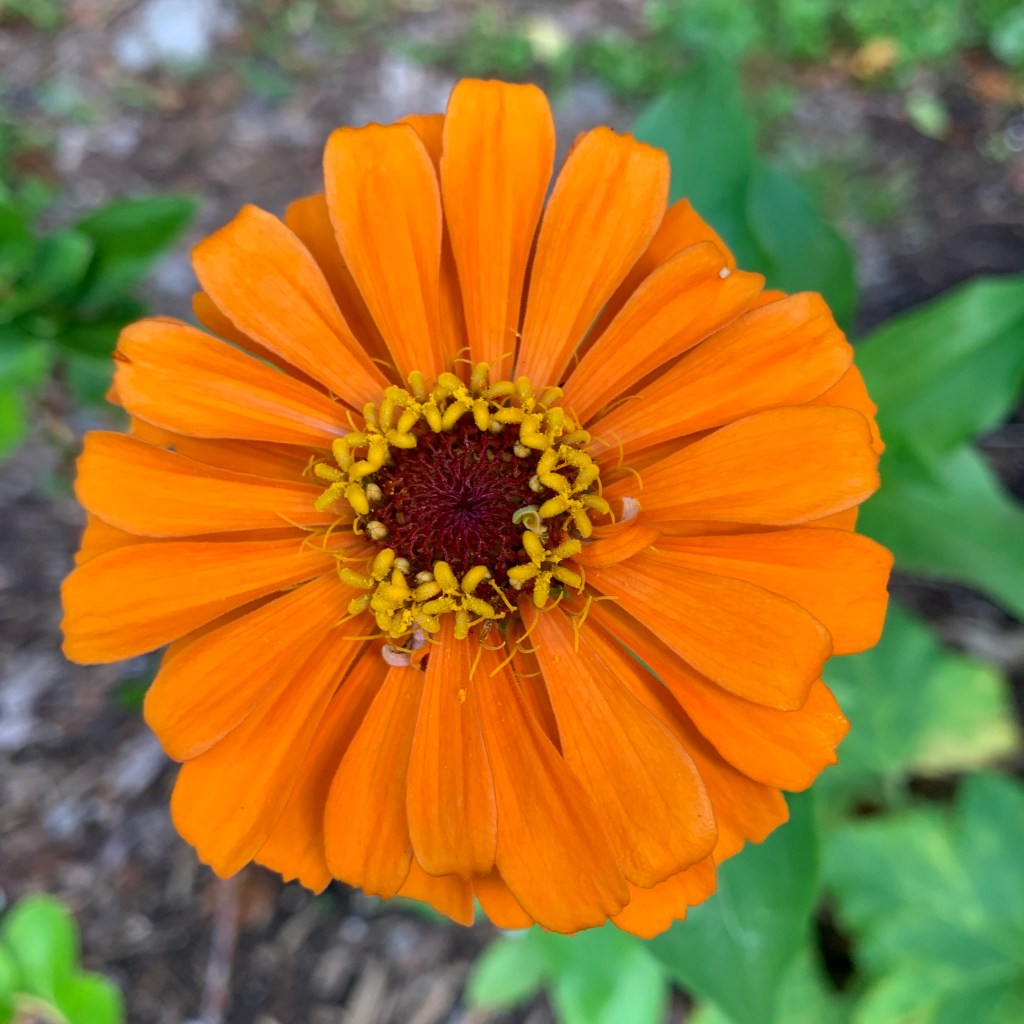
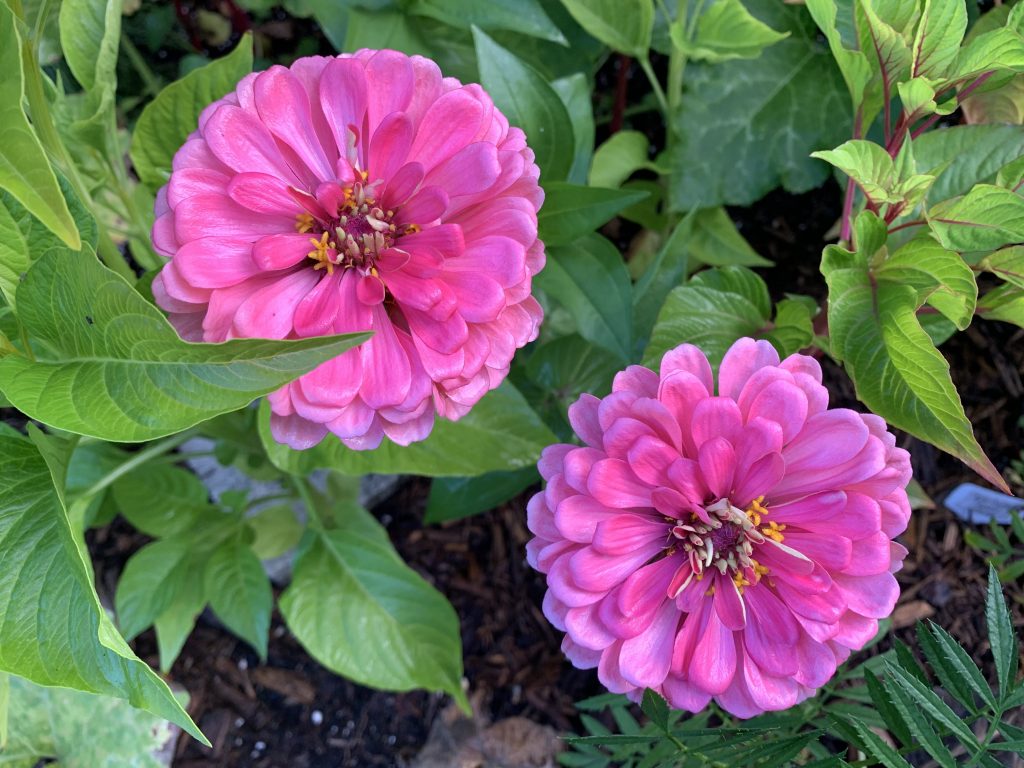
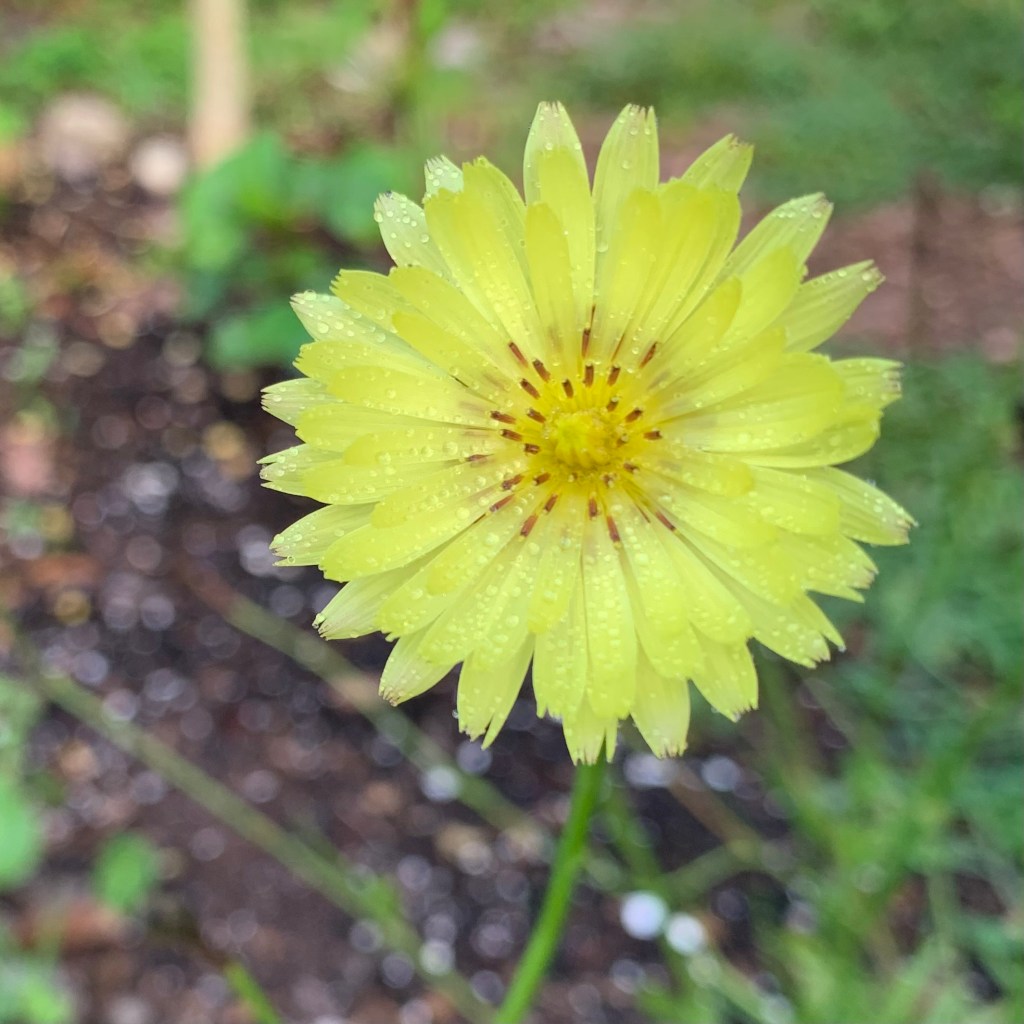
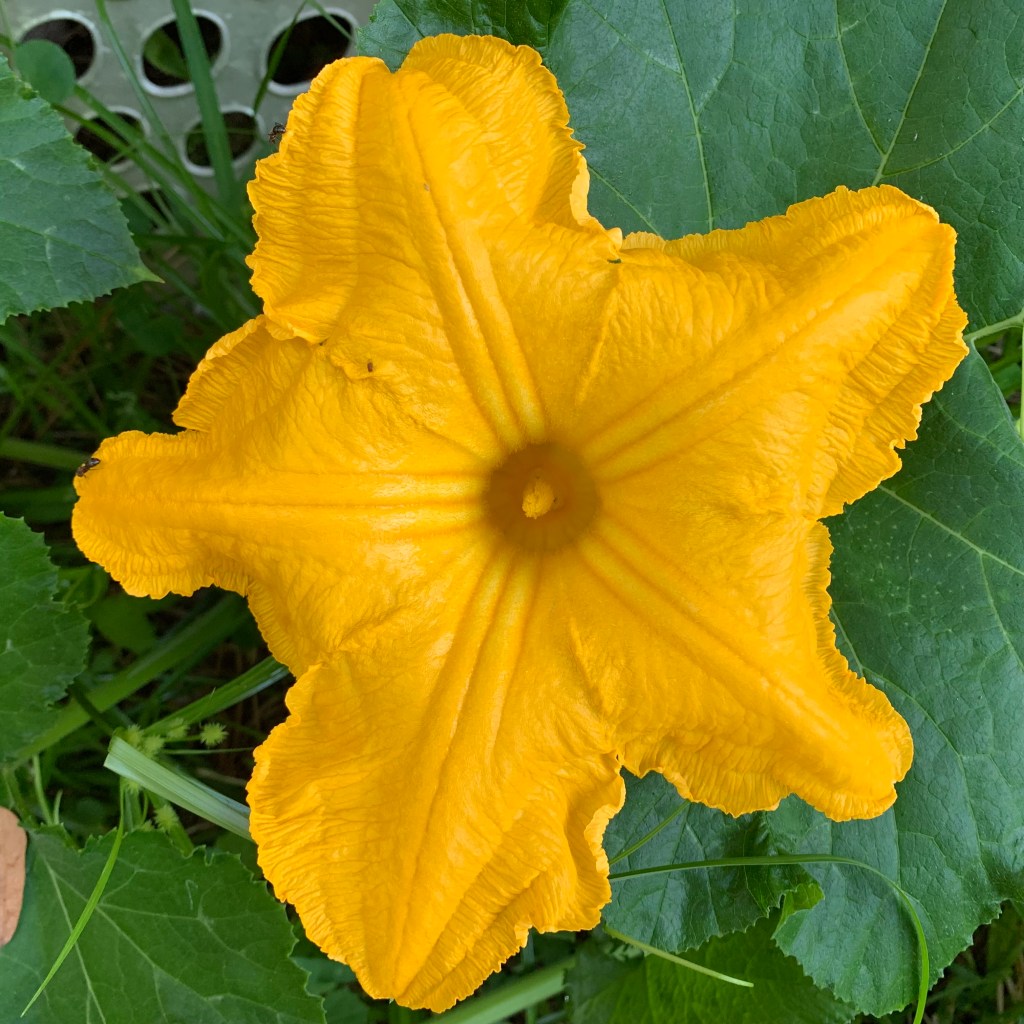
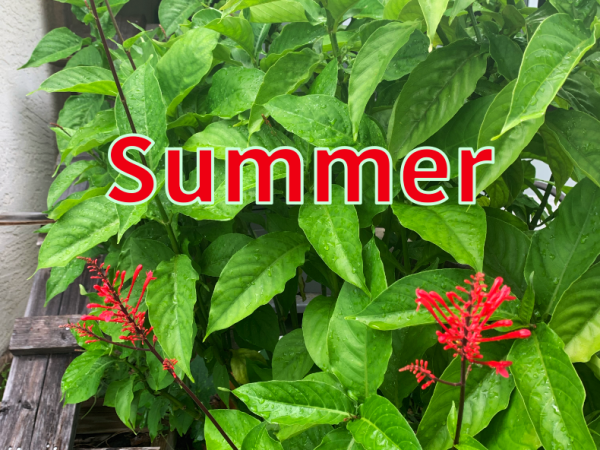
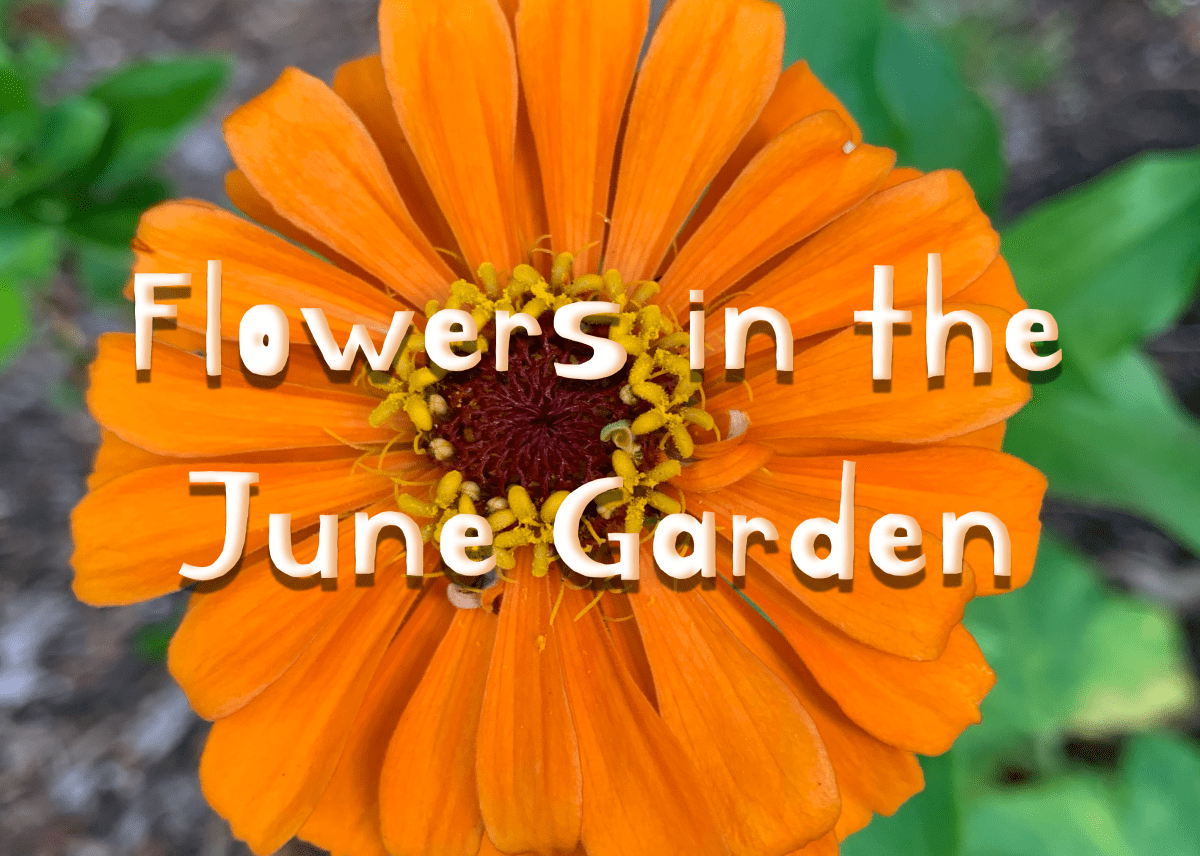
Lots of flowers are beginning to bloom in June. Here in central Florida we have a jump on growing, but look forward to growth just the same.

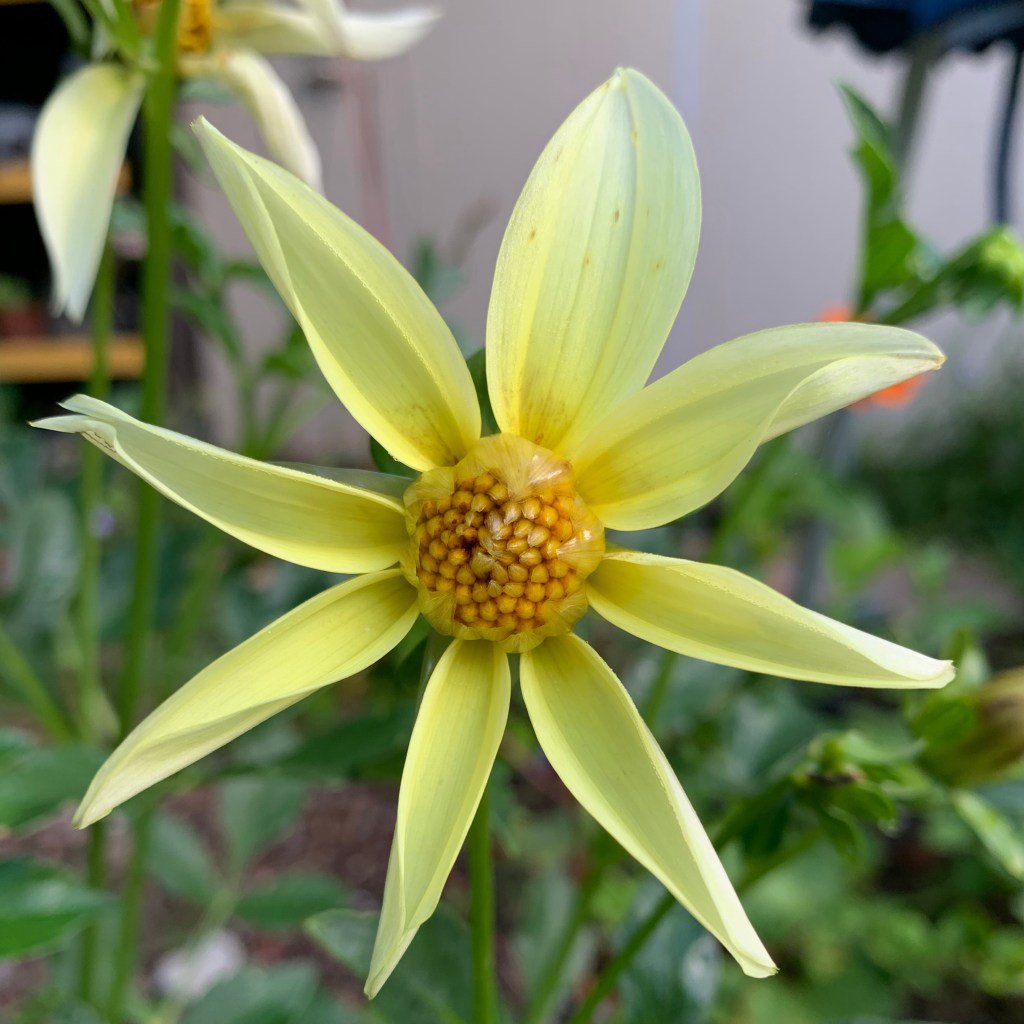
I love to photograph flowers. They make an excellent subject. Who doesn’t like viewing the delicate intricacies, fantastic shapes, and stunning colors of flowers. They don’t move so photography is simple! LOVE.
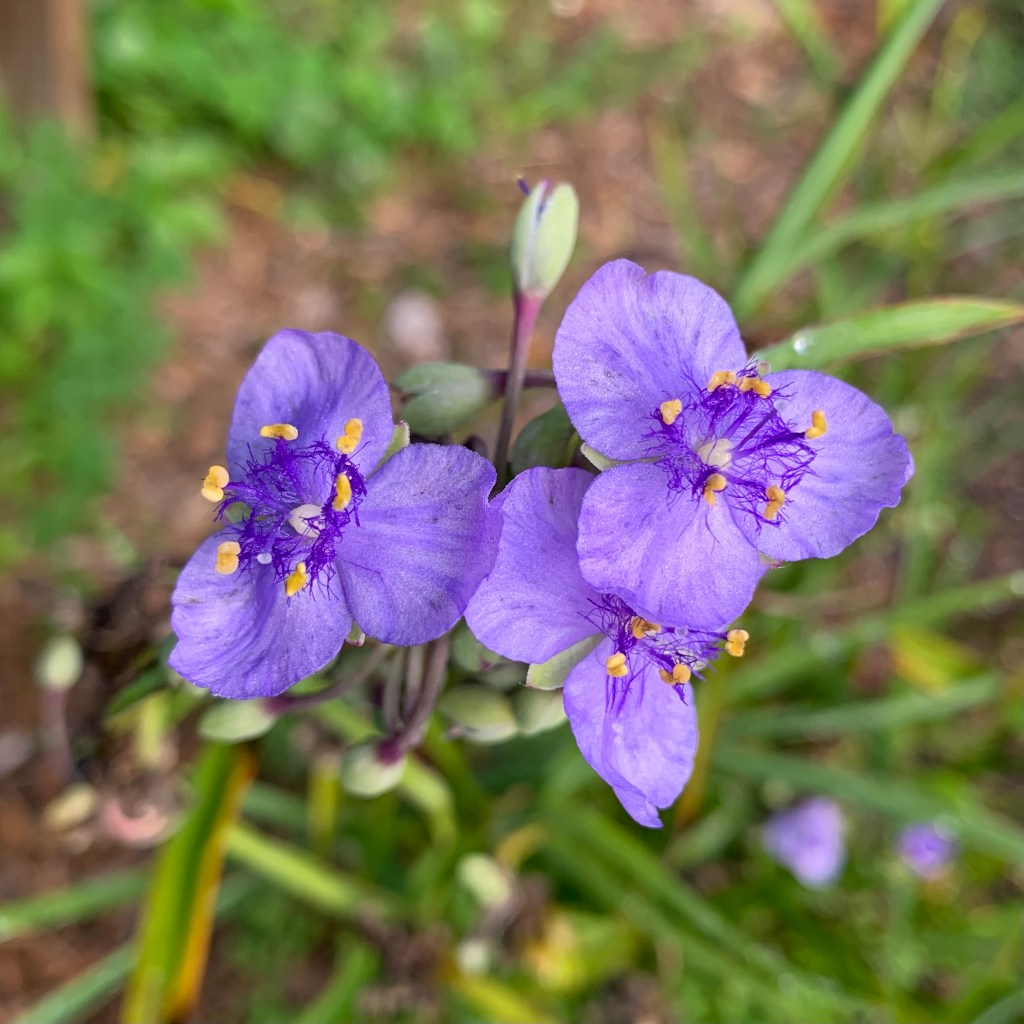
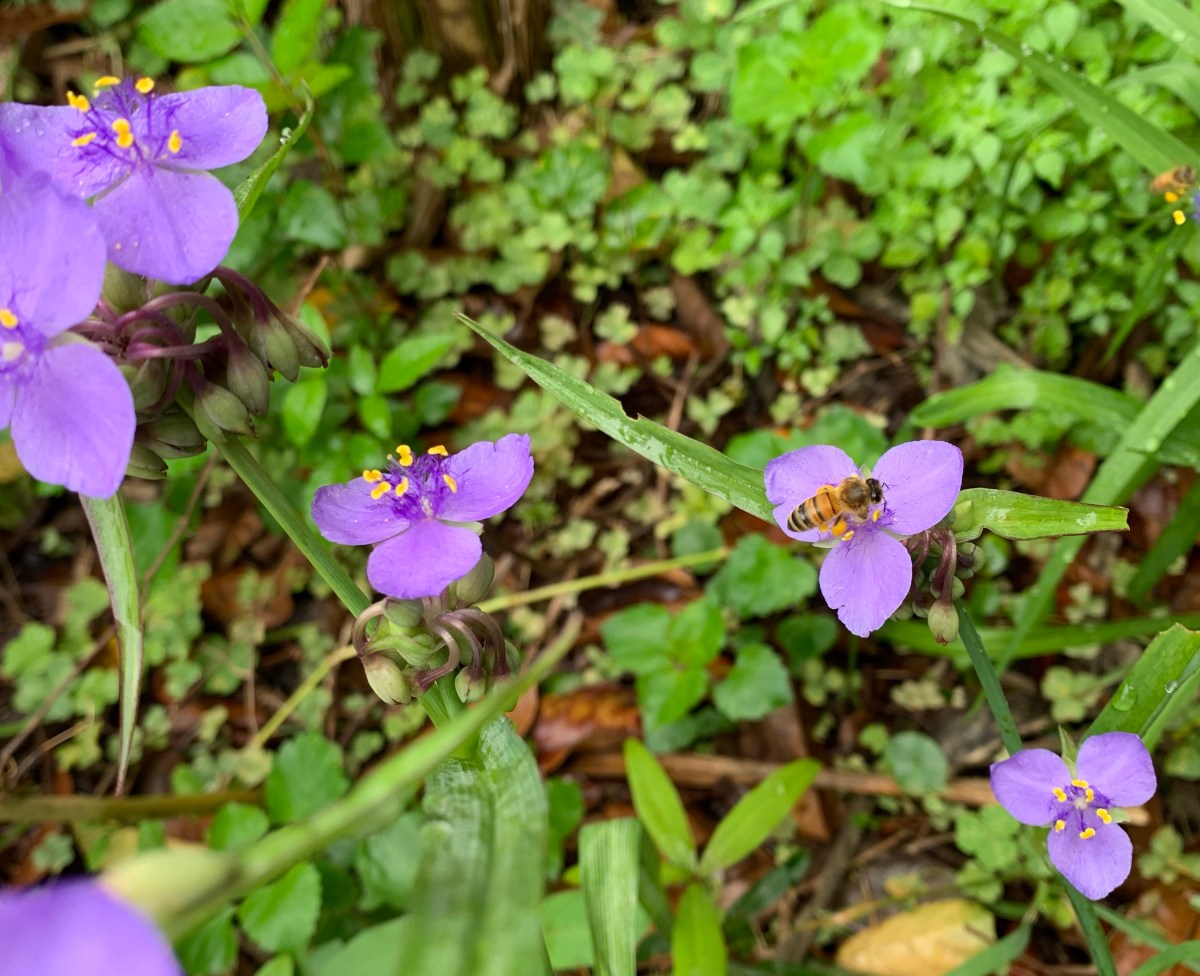
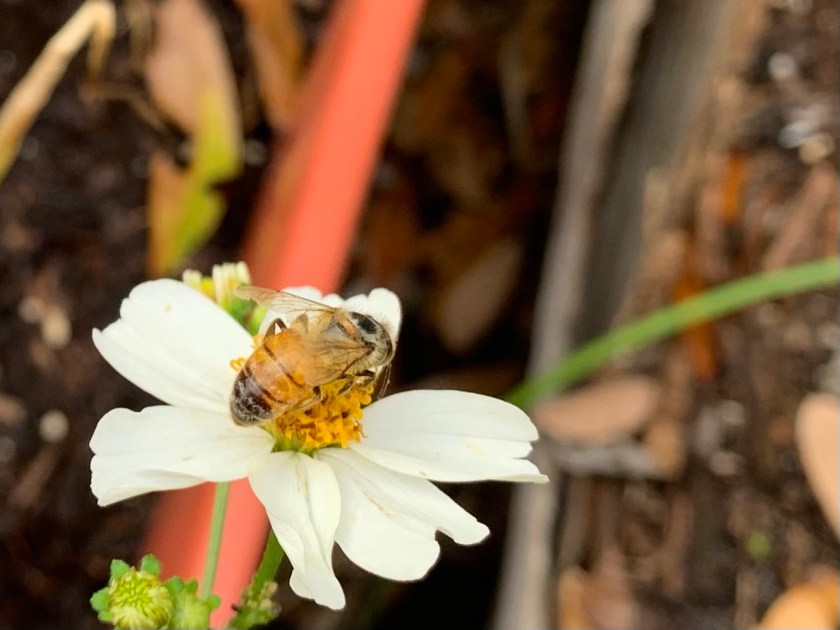
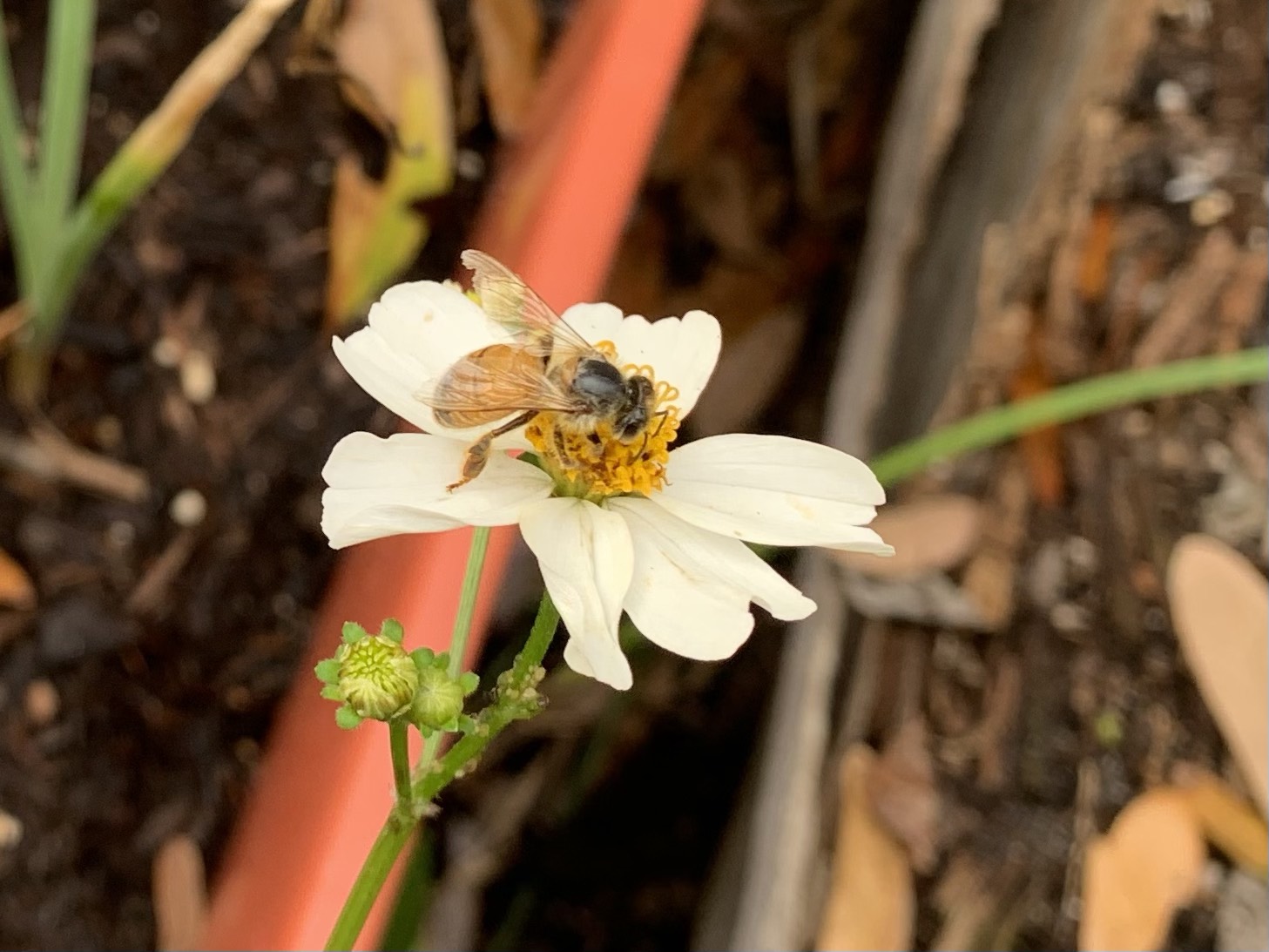
So…. from all the flowers above, I see bees visiting most often the Spiderwort. I’ve let some clumps of Spiderwort grow randomly around the garden. Each morning when I water, I hear and see bumblebees visiting the purple flowers.

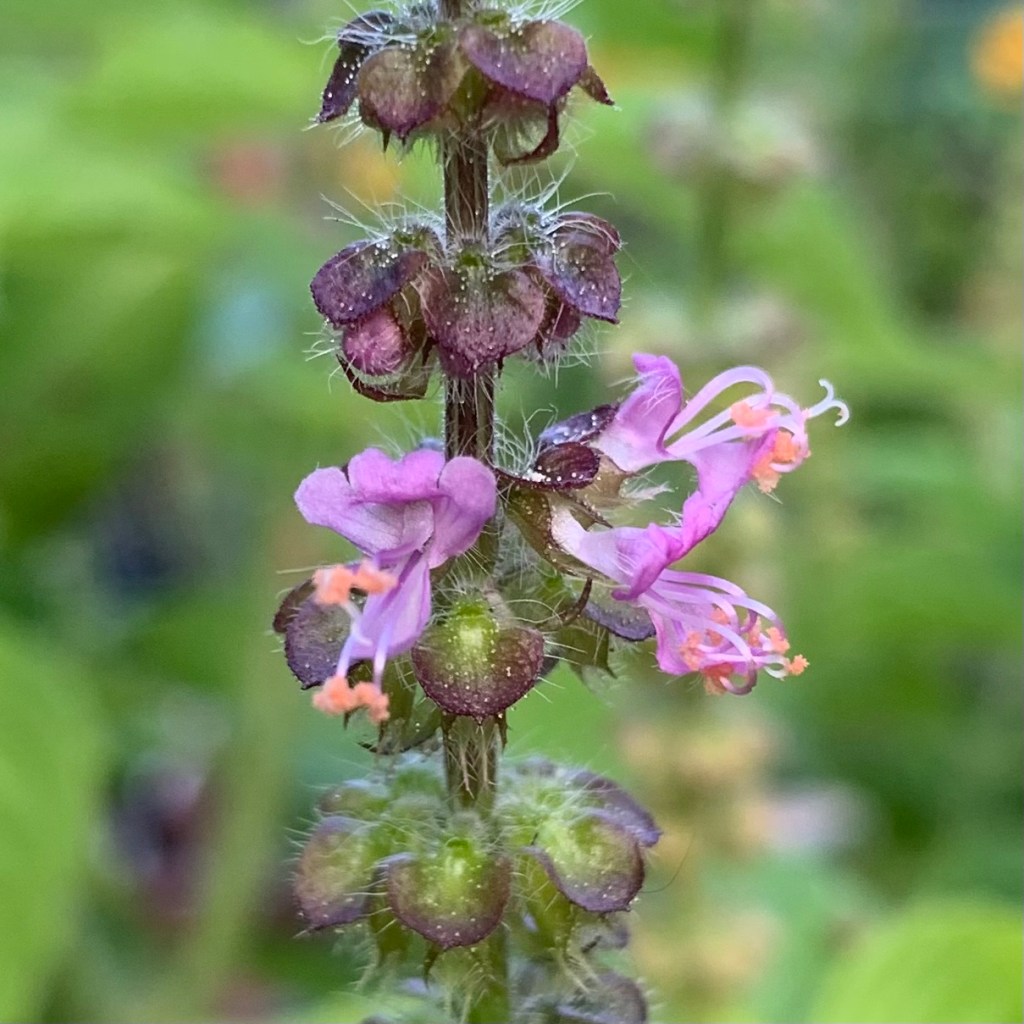
Another favorite is the purple Holy Basil, also called Tatsoi. Those flowers come out on tall spikes and the flowers are very tiny. But the bumblebees love them!

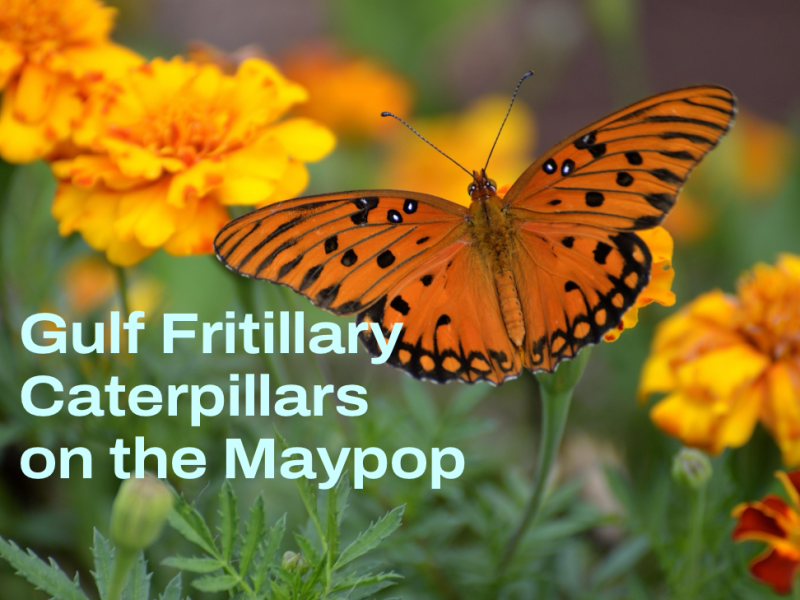
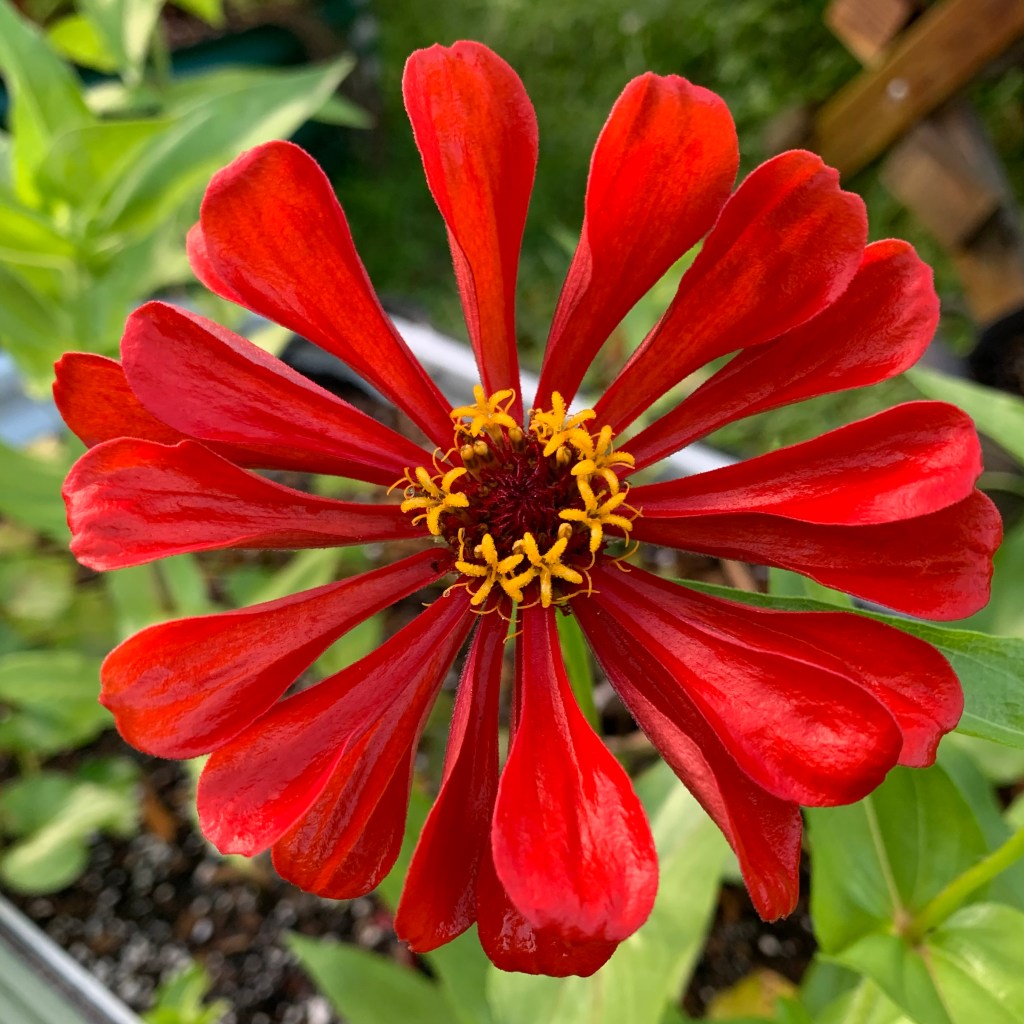
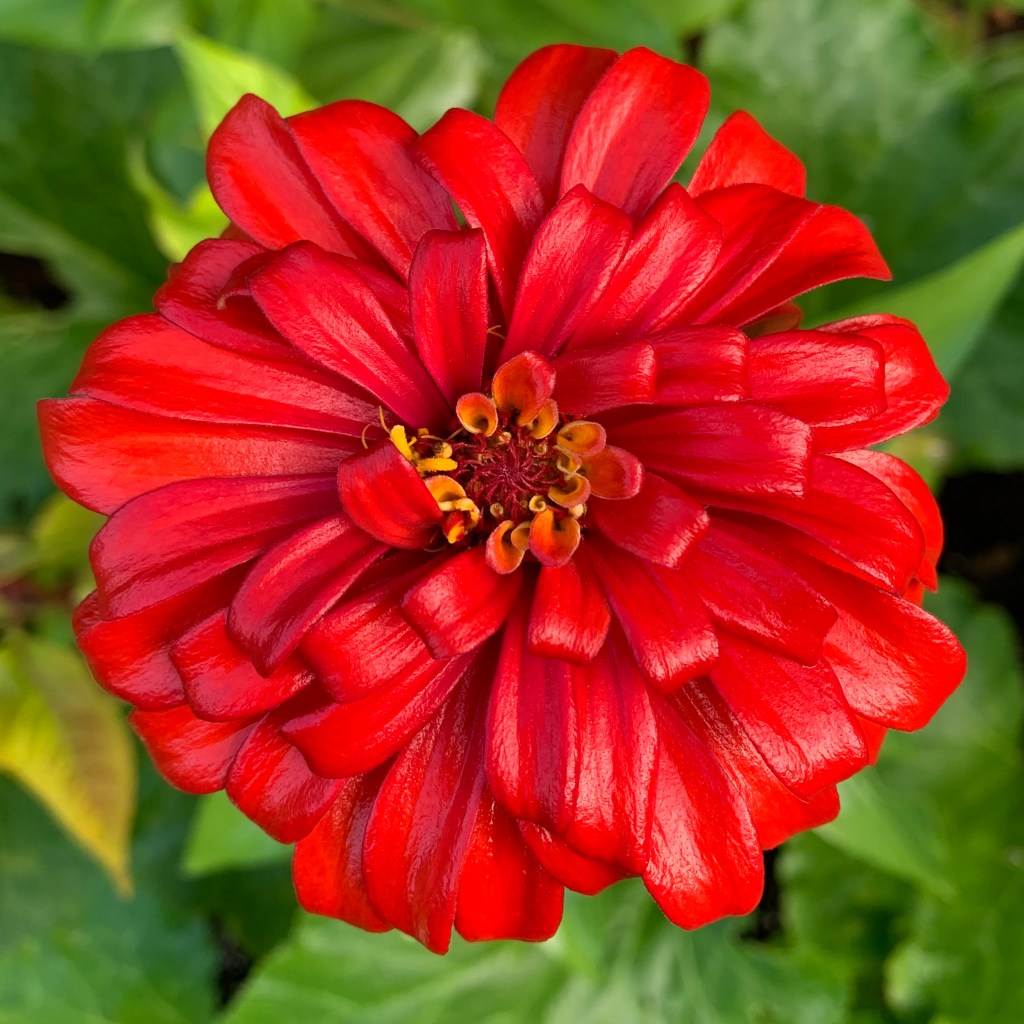
Butterflies usually visit the beautiful zinnias, but I have not had many butterflies. The occasional Gulf Fritillary has been spotted, and a few Zebra longwings, but honestly not many at all.

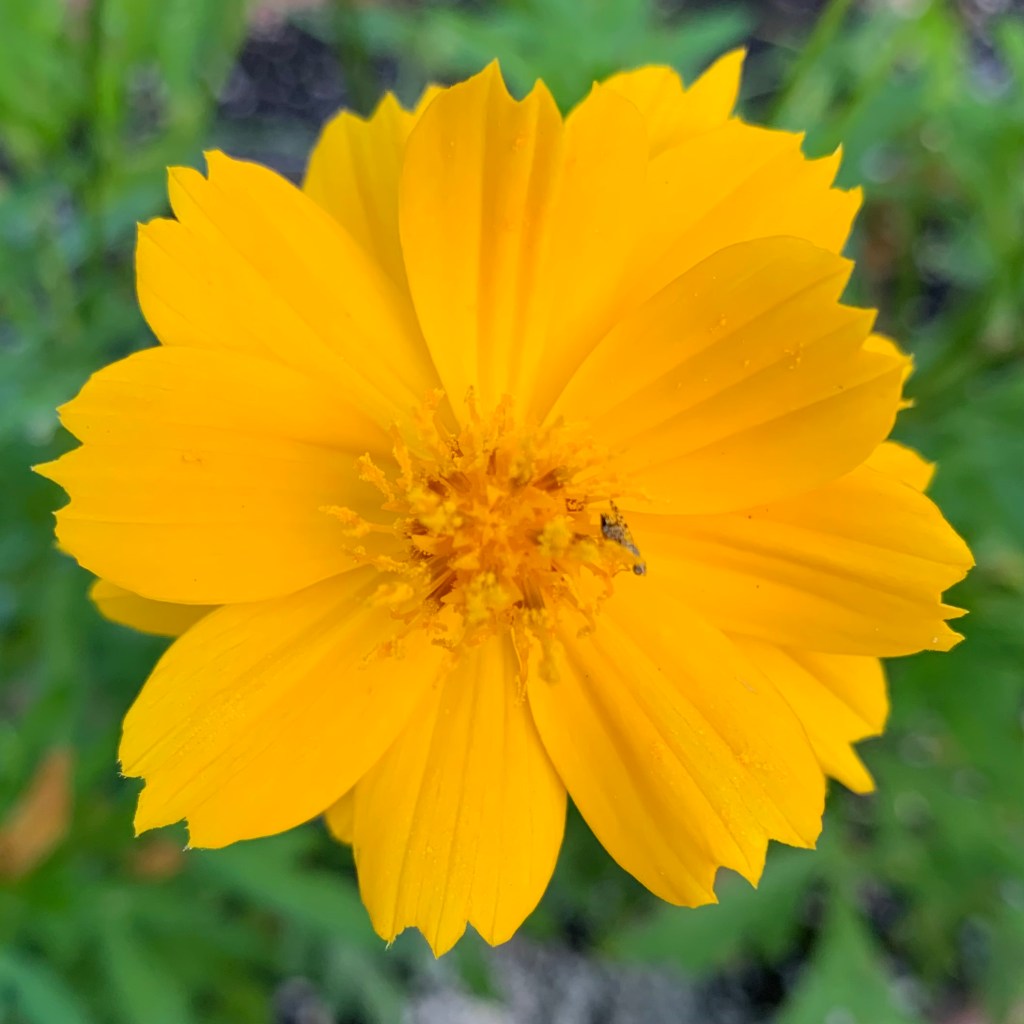
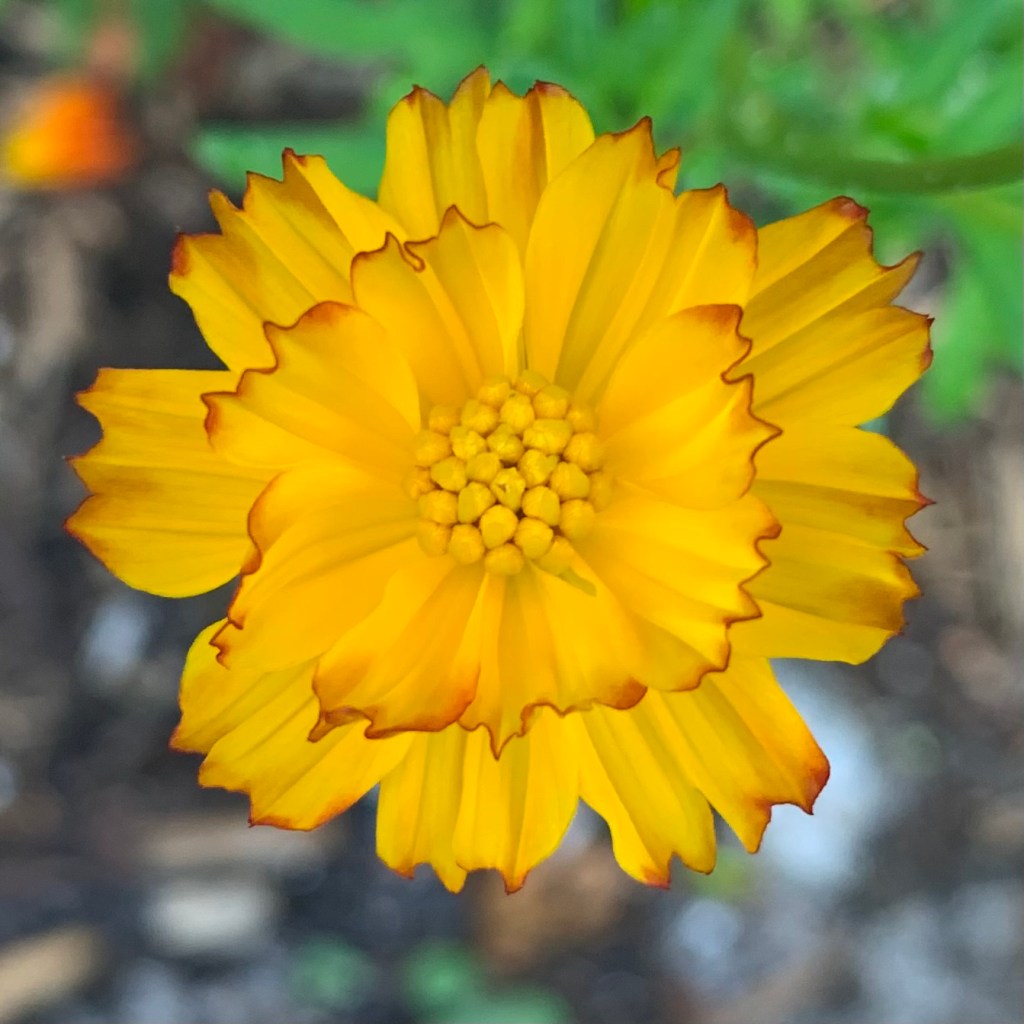
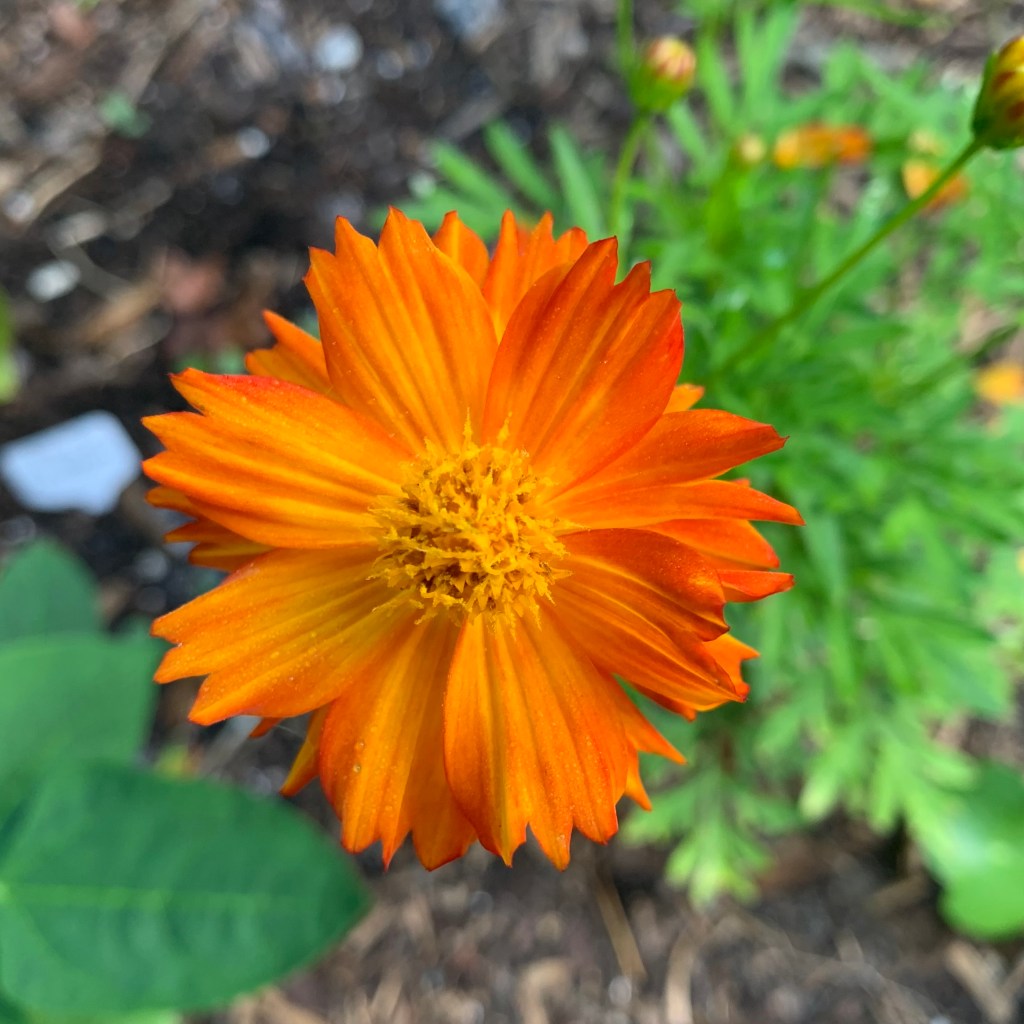
The Cosmos are not like the cosmos I grew in New Hampshire. These are small plants and not leggy like the northern plants. All of the cosmos growing in my yard came from saved seeds. I bought one plant and saved the seeds that I continue to plant in the yard. I like not knowing if the flowers will be yellow or orange, or a combination.

From the Front Yard

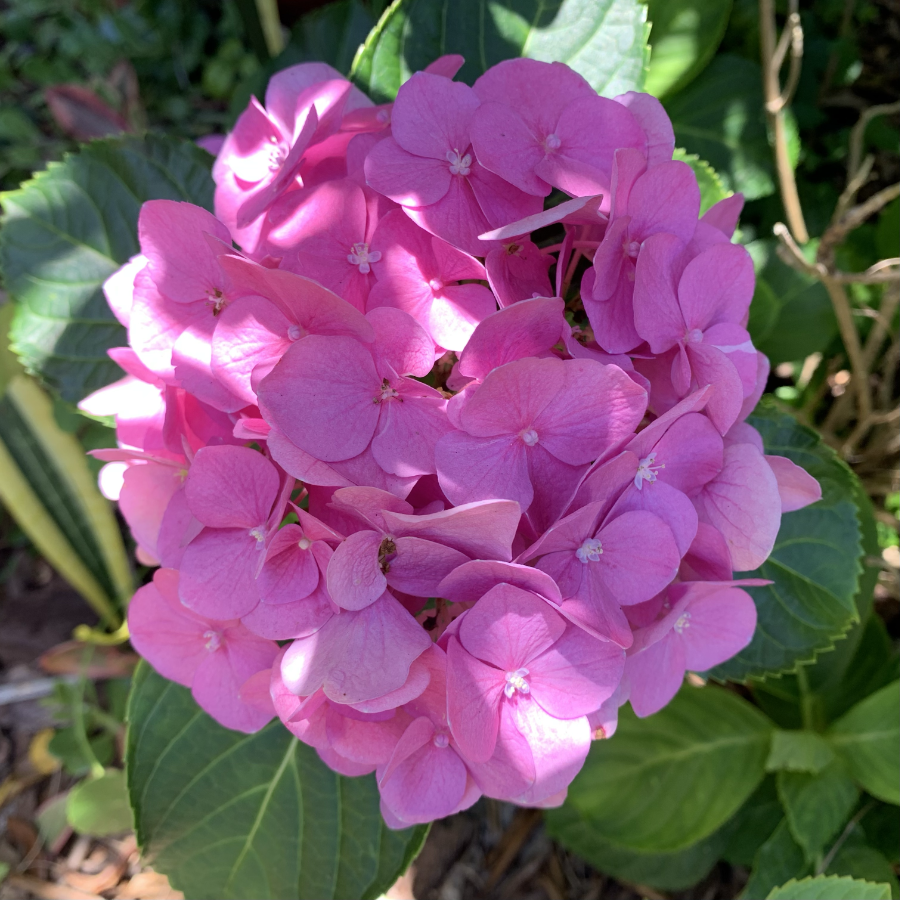
I rarely pay much attention to what is growing in my front yard. My focus is on the vegetable garden and flowers planted there. But, my hydrangea plant is blooming with big pink flowers.

Hydrangeas are the reason I began this blog. Many years ago, I lived in New England and grew many types of hydrangeas. I photographed the blue ones especially, and created this blog to share hydrangea info.

A few years ago, I decided to see what a hydrangea bush would do in my Florida yard. And here it is, still growing and flowering. I pay almost no attention to it. The bush is still small, but I believe it is surviving because it is constantly in the shade of a very large shrub.
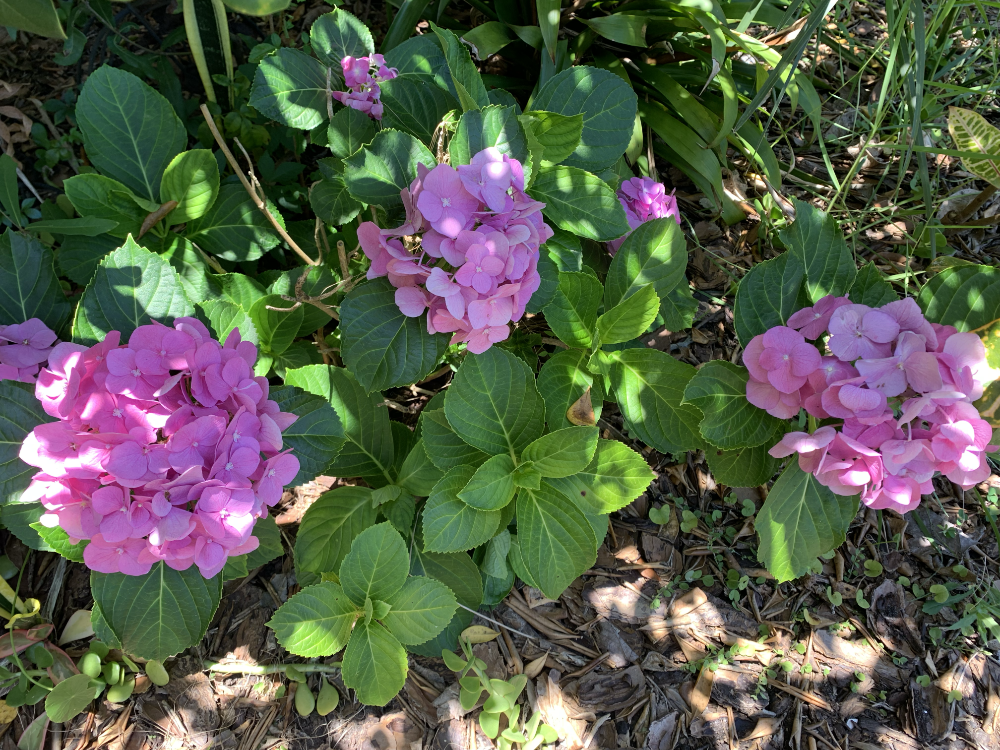
I bought the hydrangea in May one year. That’s when you might be able to find the plants. Big box stores get them out on display for Mother’s Day. When I bought this one, it was blue, or purple-blue. The gorgeous blues I had on my New Hampshire hydrangea bushes can’t really be replicated by making the soil acidic. I believe that the pretty light blue is just natural, and comes from the earth.

More to read on this blog:

Something went wrong. Please refresh the page and/or try again.

Yellow Flowering Weed: Walter’s Groundcherry

Putting a name to this yellow flowering weed in my landscape. Walter’s ground cherry is an interesting little plant.

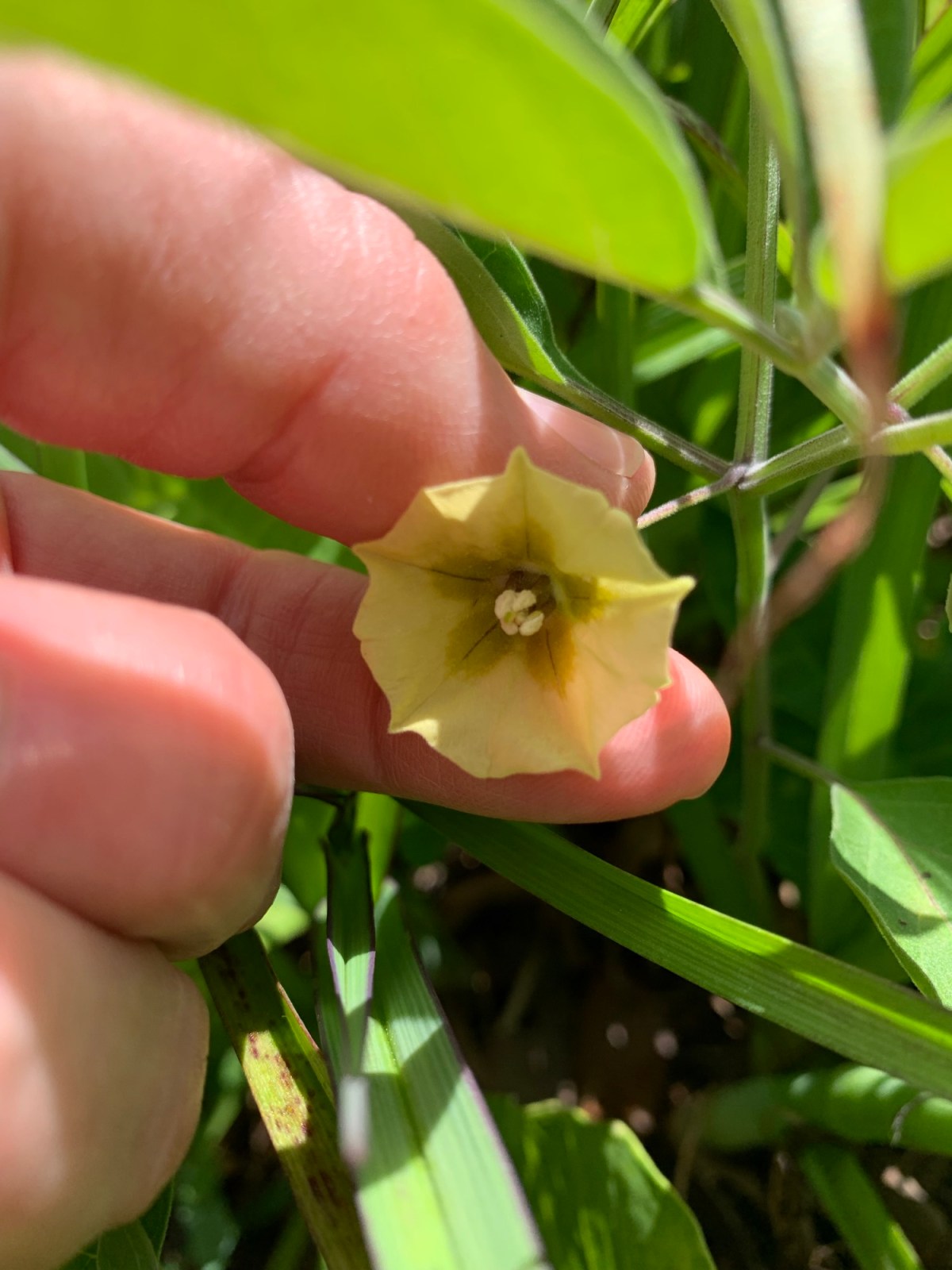
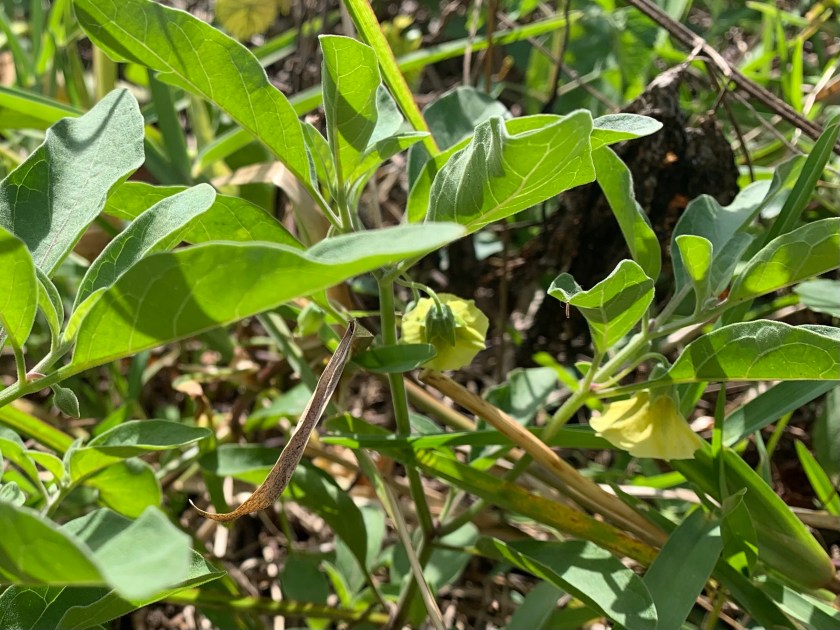
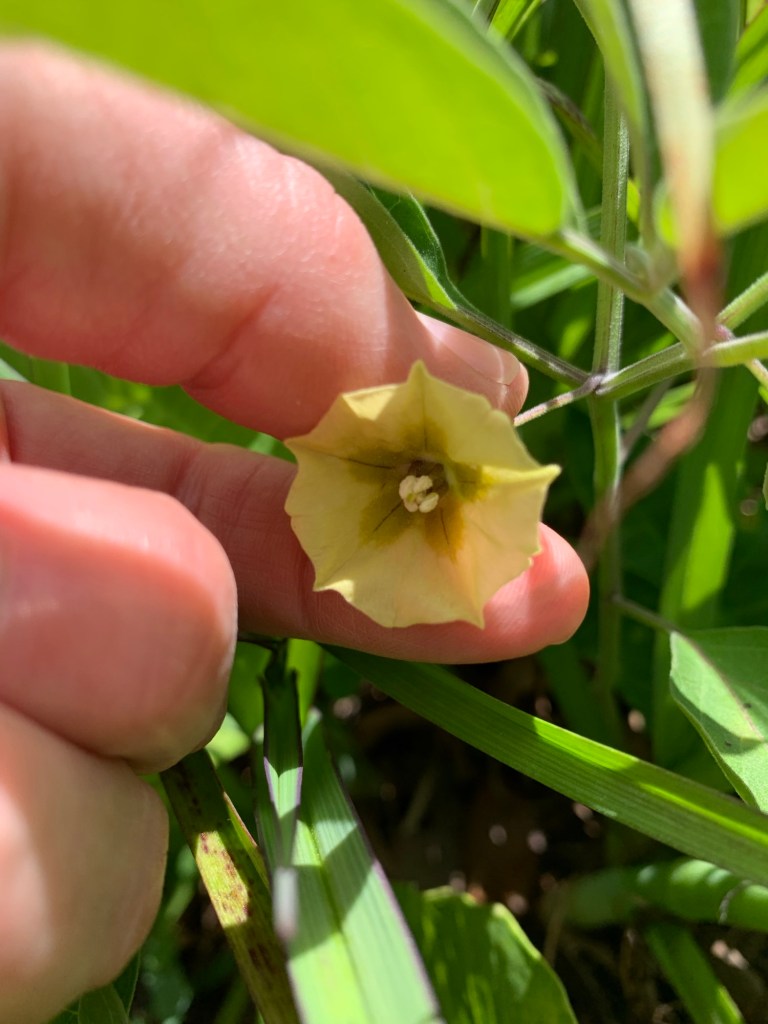
While clearing out some weeds that are encroaching into the backyard, I kept coming across this little plant with fuzzy leaves and yellow flowers.

I’ve identified it as Walter’s Groundcherry.

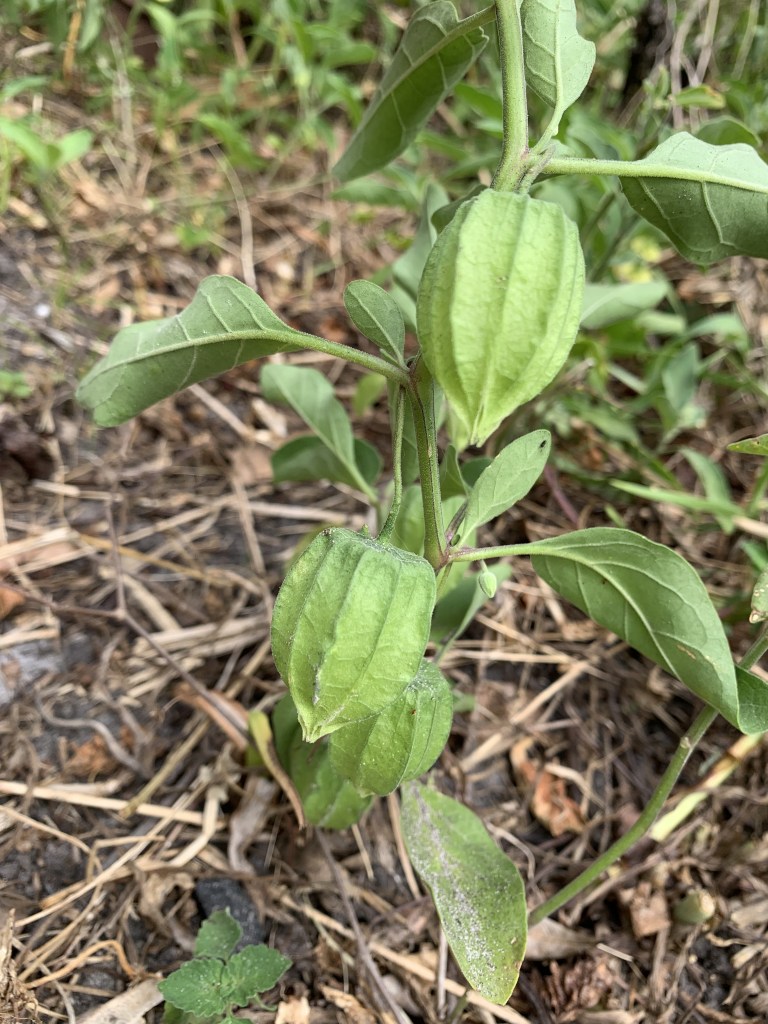
Walter’s ground cherry plant

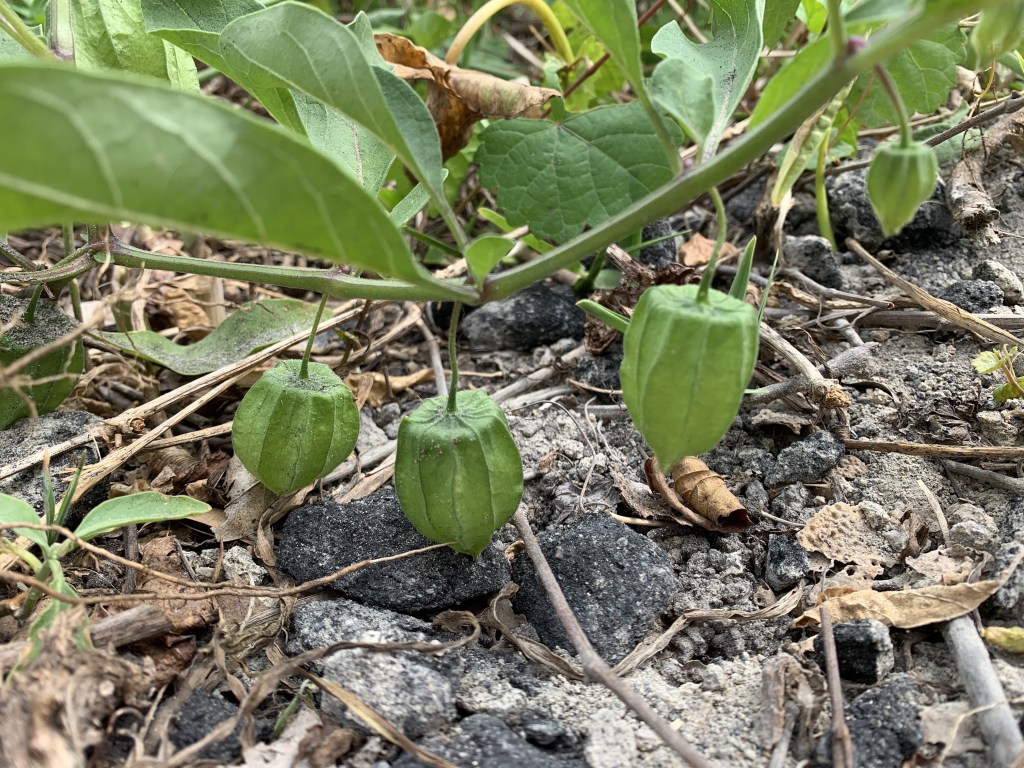
The little yellow flowers hang downward, as do the pods that form that will hold the fruit. I’m still learning about this plant that apparently has been growing next to the lawn since I moved in.

Recently, with the addition of more raised garden beds, I’ve been in the yard tending to the plants. Also we are tilling up a place for an in-ground garden. That will make the yard considerably smaller, which is fine. The yard is mostly weeds anyway.

Walter’s ground cherry flower

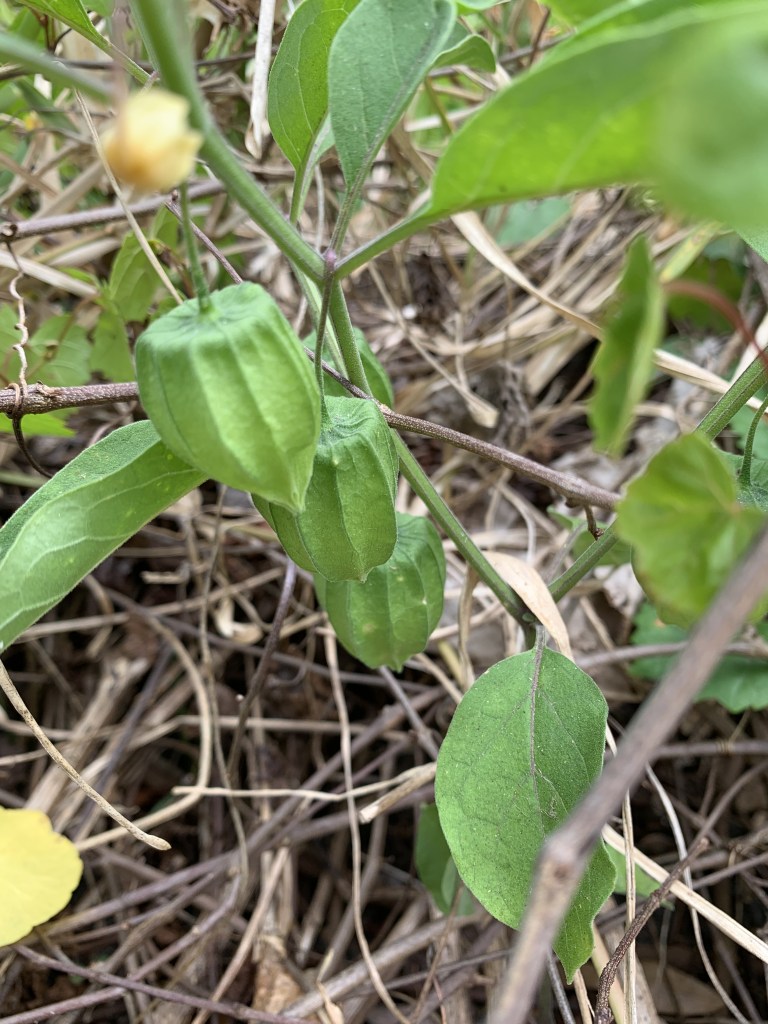
The photo below shows a couple of the little pods forming where the “cherry” will grow.

According to this article at Wild South Florida, The little ripe fruit is edible – the key is that it must be ripe. I’m not into eating wild things, but I always think it’s good to know, just in case.

Stages of the “cherry”

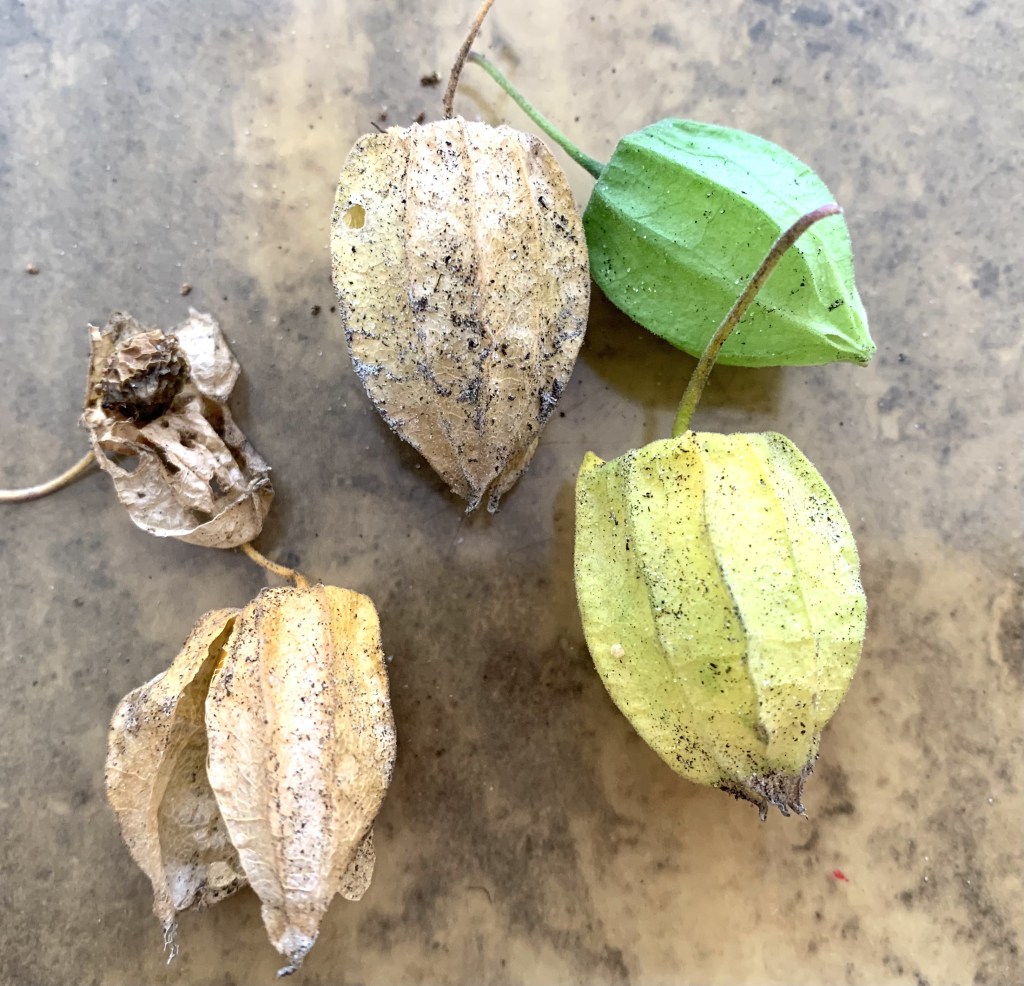
The little lanterns go from green to yellowish to dried up tan in color. I kept waiting to see the “cherry” but the husks remained closed.

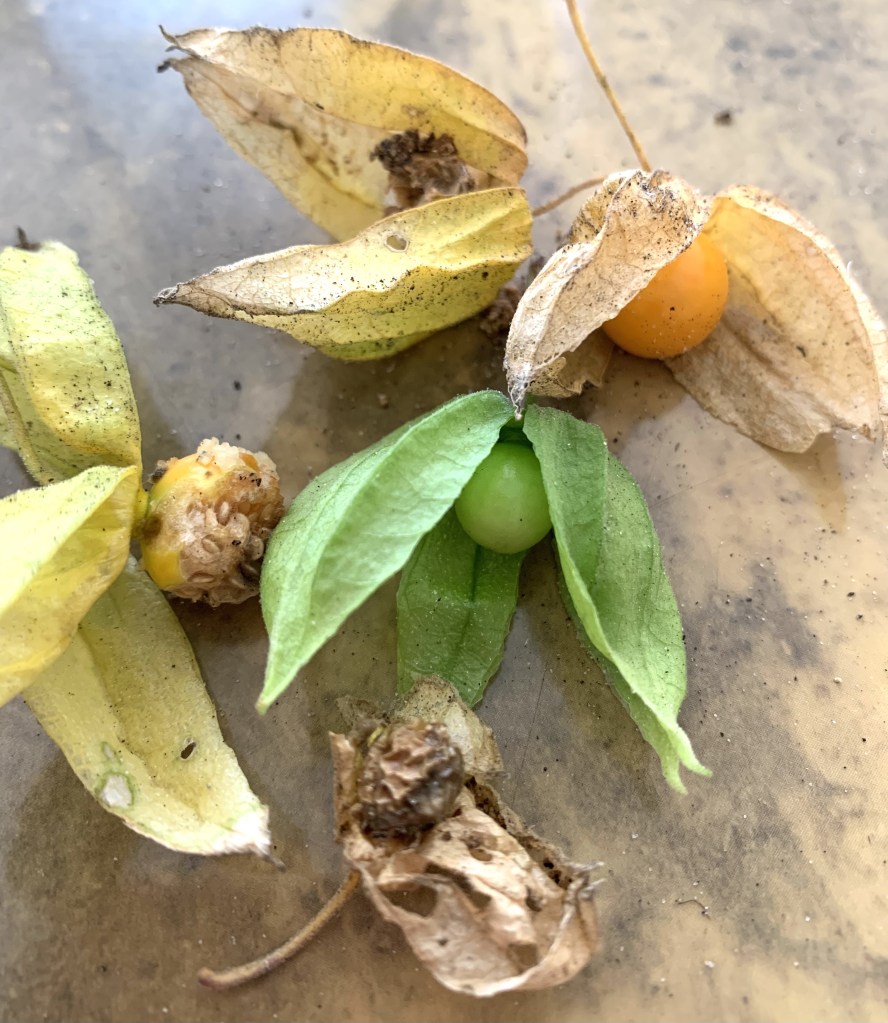
Today I picked four lanterns in various stages and opened them up. From what I’ve read – and I am not sure, and wouldn’t take the chance – the bright orange fruit is said to be edible. However, the green cherry and all the husks are toxic! I won’t go near anything that is toxic, so I’d never put this in my mouth. But I was curious about the inside.

The green cherry is unripe. The yellow / orange seems to be in the ripe stage. Then another orange berry is partially turning to seed. The last two are very dried and gone to seed.

I’ll continue to clear out the weeds, but will leave some of the ground-cherry. It’s good to know what is growing and what to pull out and what might be kept. This little plant is bothering no one. The flowers attract bees and some wildlife enjoys eating the cherries.


Keep reading the blog….

My First Moringa Tree Drumstick Bean

Two Moringa trees are growing in my backyard. I’m in Central Florida and the trees grow great all summer, but slow down the remainder of the year. Hurricanes, or strong wind, will knock these trees over. I had…

Mid-summer Update on the Vegega Raised Beds

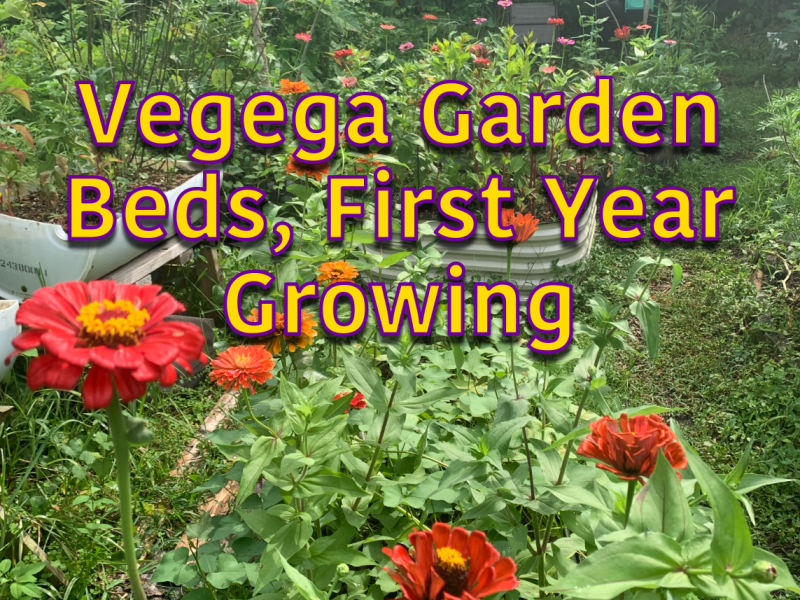
It’s mid-summer and here in my Florida backyard I have mostly flowers growing. I’ve used my three Vegega raised beds to hold some things and some are doing better than others. More amendments for Fall will be needed.

One Summer Morning

July is nearing an end and the garden is teeming with living things.

Sometimes We Should Keep The Weeds

Flowering weeds can attract lots of beneficial bugs to the yard.

Florida homeowners are more likely than most to hire a lawn care service. The extreme heat is one of the main reasons, but the weeds and bugs are also at the top of the list, I’m sure.

Because we never get an actual winter here in the Sunshine State, things grow and grow. Some plants die back when the weather is colder than normal, but for the most part everything comes back quickly.

When I say “lawn care” I mean not only the brave souls who mow and weed-eat in this hot and humid climate, but the ones who spray insecticides to kill everything unwanted. Everyone needs to keep the growth down, but many homeowners also have their yards sprayed with chemicals to kill the bugs and weeds.

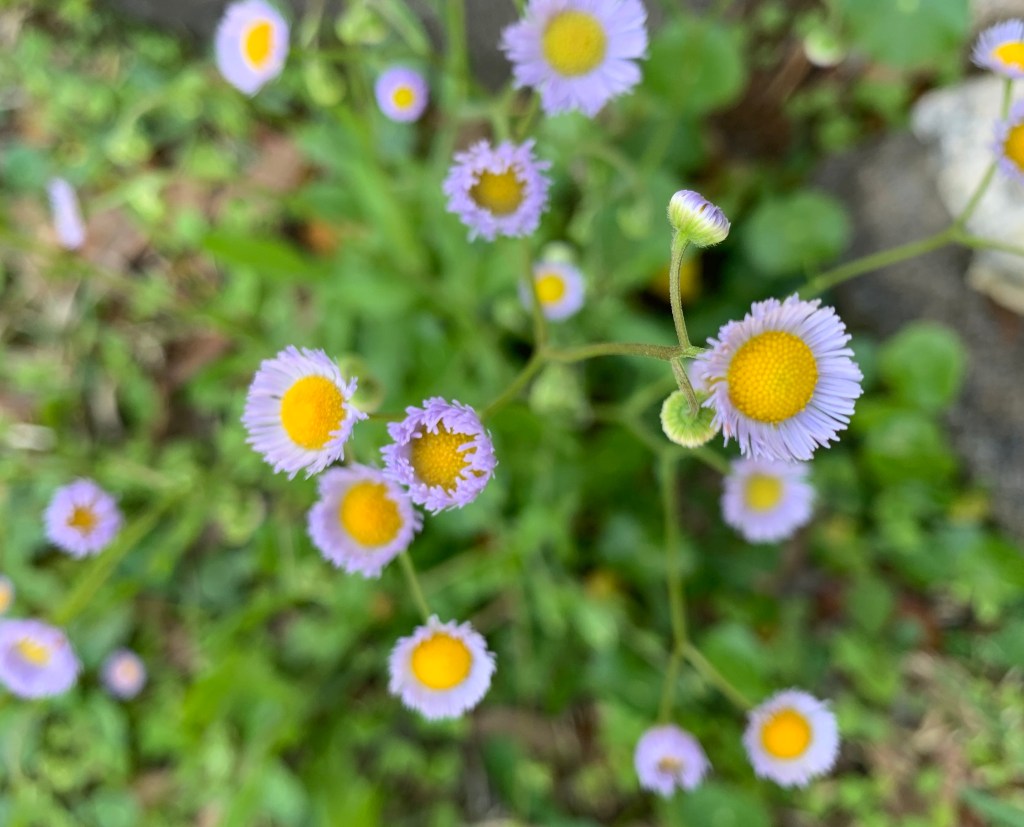
Daisy Fleabane – attracts pollinators

This tiny flower is growing in my lawn which hasn’t been cut in a while. I might dig it up and transplant it to the backyard garden.

Daisy fleabane flowers are light lavender with big yellow centers, or can be white
Daisy Fleabane

Weeds For the Bees and Butterflies

Often weeds are something that have been around for a long time in the area where we live. They are native and should not be totally eradicated, in my opinion.

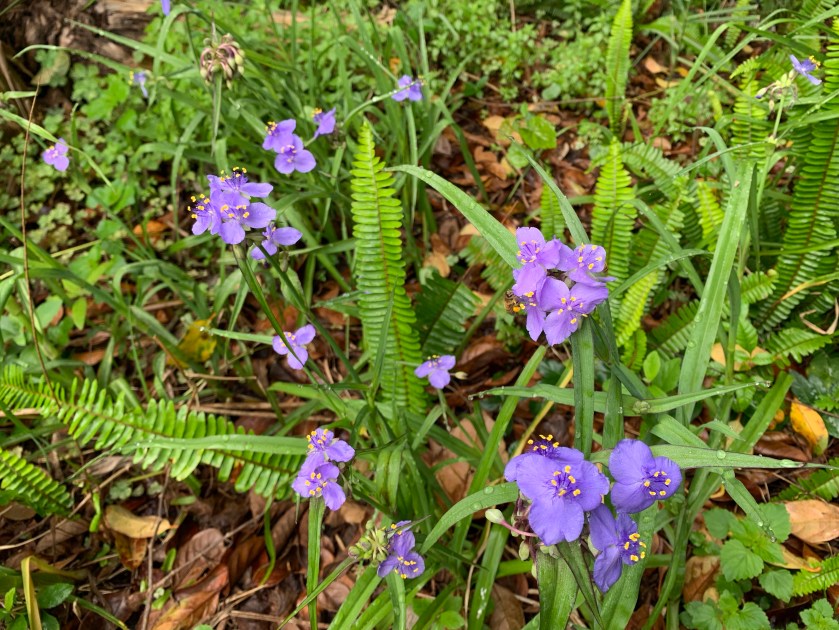
The purple flowering Spiderwort is considered a nuisance, and for good reason – it spreads like mad. It has pretty flowers, but grows in clumps that are nearly impossible to pull up from the lawn. It springs up all over, if the grass is not cut often. That means in the winter months when growth is slower gives this weed time to find places in the lawn to sprout. By March, the Spiderwort is blooming everywhere in the morning, but closes up as the day wears on. It attracts many honey bees.

Spiderwort

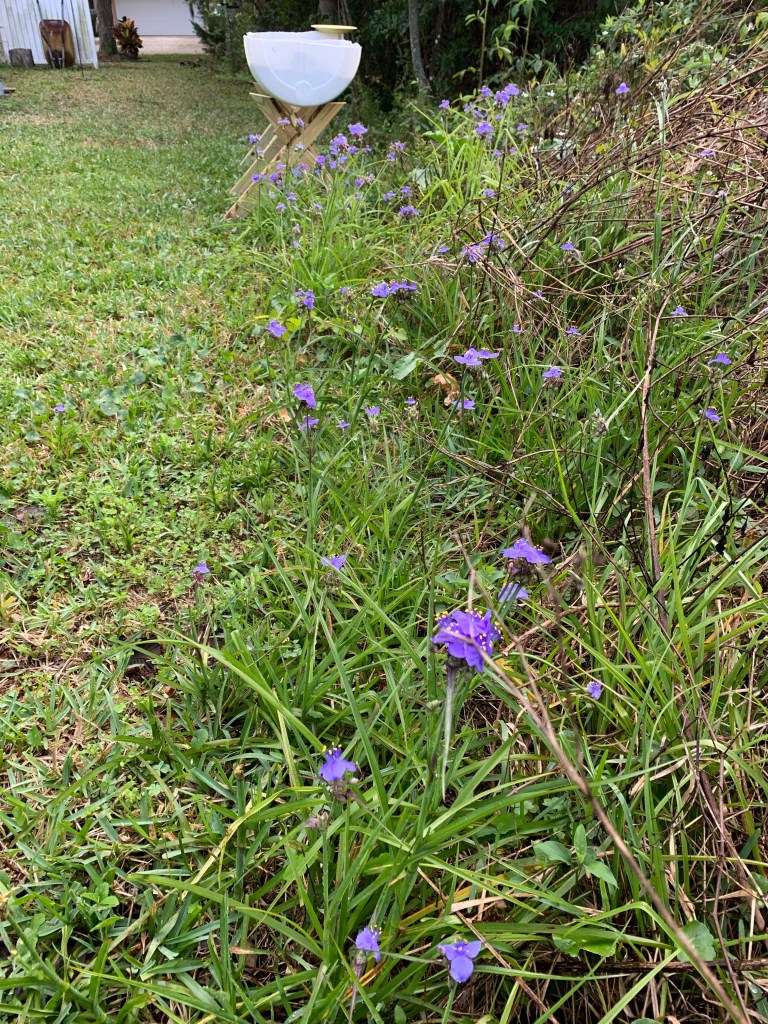
Spiderwort grows all along the edge of my yard. I do find it in the lawn as well and it is difficult to remove once it has rooted. If left to grow, it will become big clusters of flowers with long, grass-like leaves.

Although it is a nuisance to anyone trying to keep a pristine landscape, the flowers attract beneficial honeybees and other “good” bugs.

Spiderwort weed grows along edge of yard

White Flowering Spanish Needle

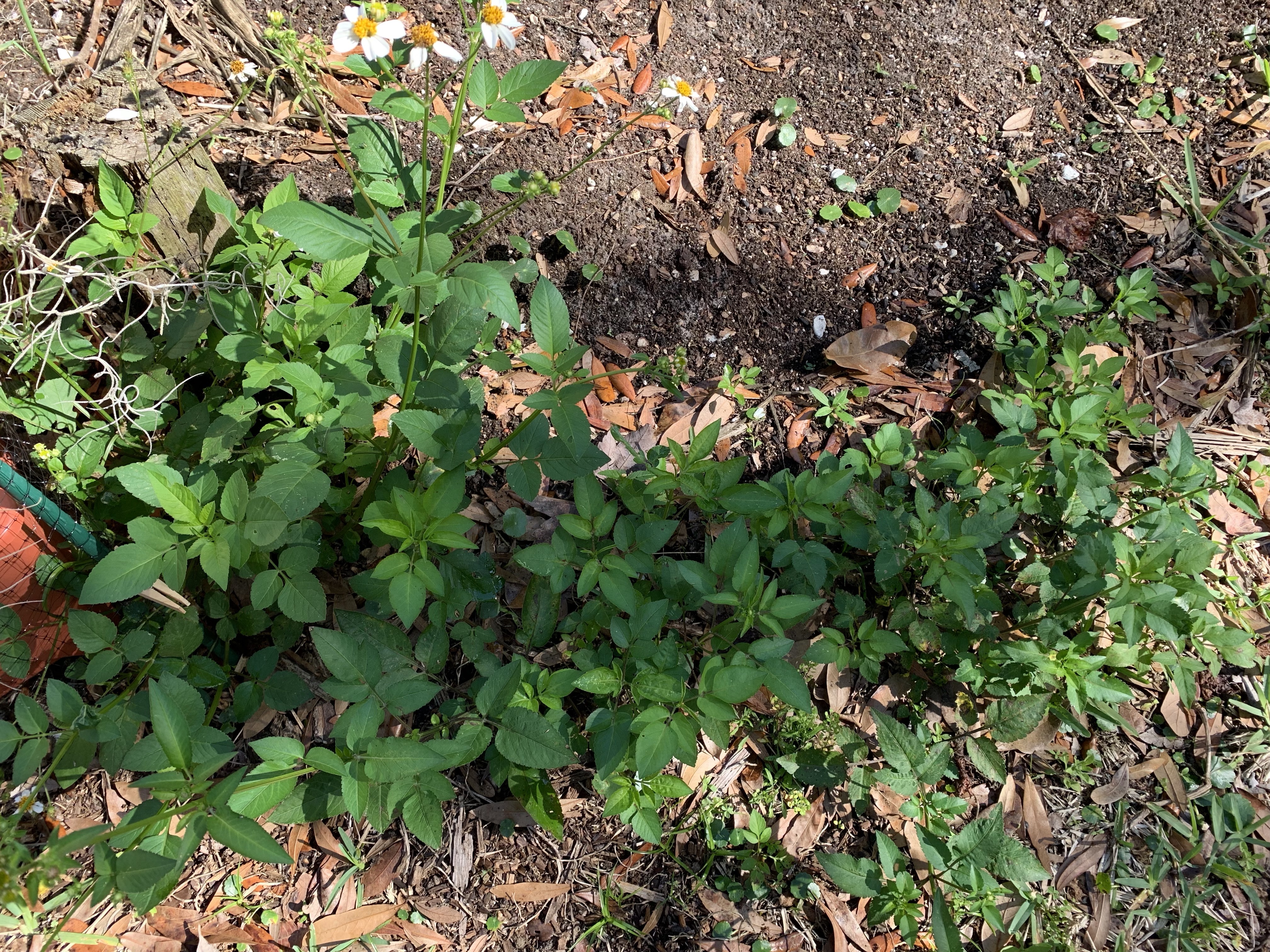
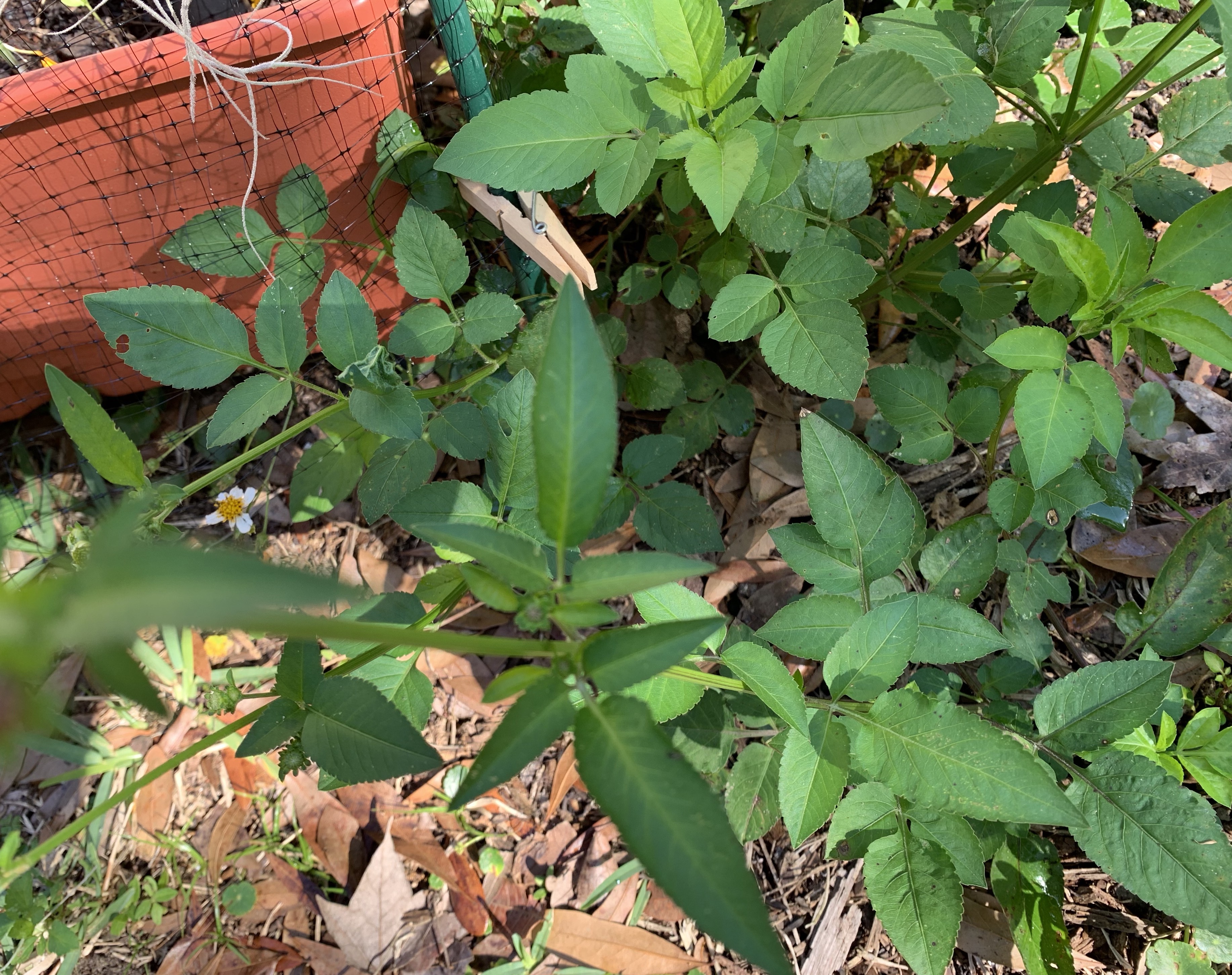
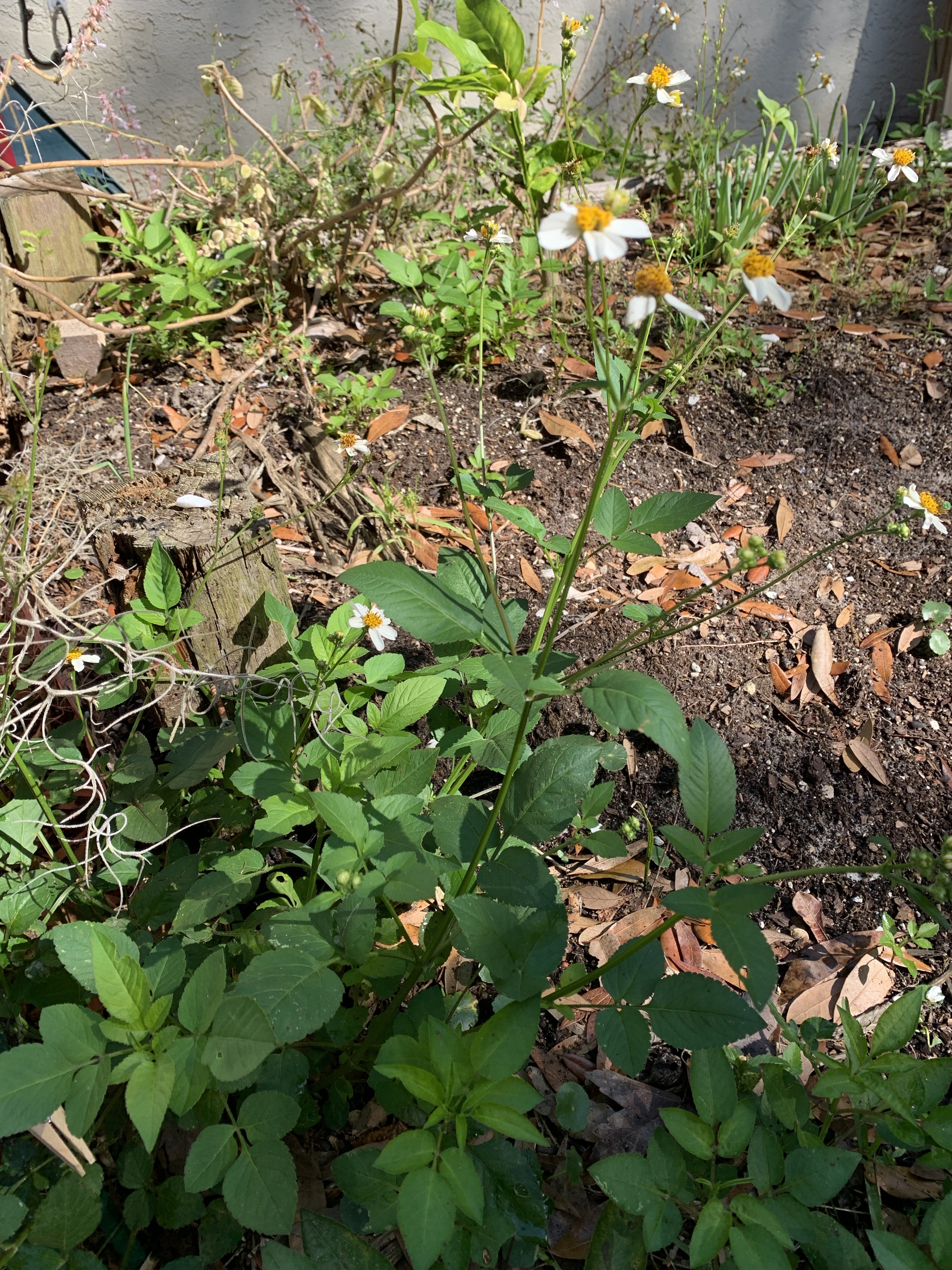
I never knew the name of this white flowering weed. It grew all along the property edge and began springing up in my old raised vegetable bed. I let it grow and it got large. When I decided to remove it, I had to dig it out.

There were plenty more Spanish Needle plants and I have left a few around the garden edges. Now that I can recognize the leaves, I can pull the plant up when it is small. Otherwise, it will take a shovel to get the roots.

More on this blog

Something went wrong. Please refresh the page and/or try again.