Surprising Success: Growing Dahlias from Seeds in Florida

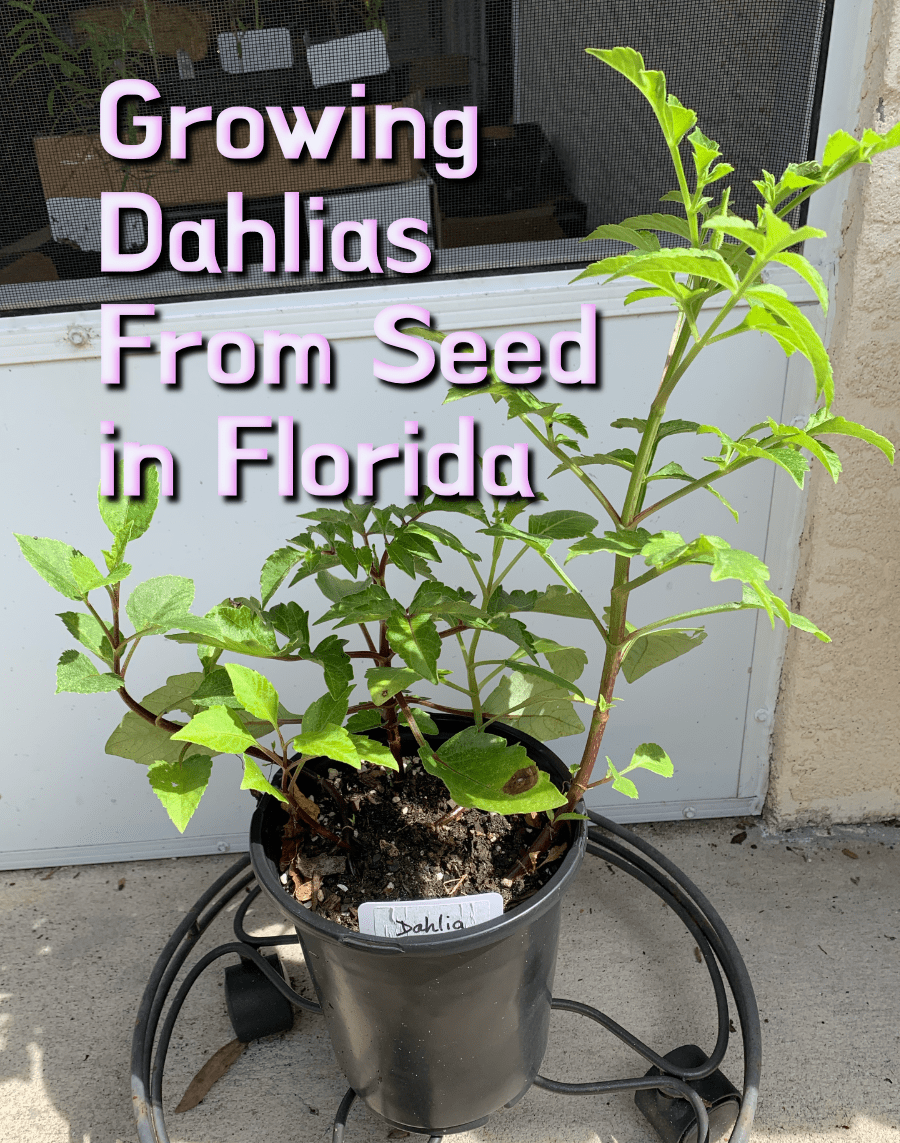
When my daughter gifted me a packet of Dahlia seeds, I had little hope that the plants would grow. I often feel that way about “normal” things trying to grow in this jungle. I live in zone 9b.

My daughter was a little bit obsessed with the Floret flower farm. It was (is?) a show on one of the networks, and focused on a young couple who began a huge flower farm in Washington state.

Their farm is impressive, and they have turned it into a thriving flower business. From what I can tell, the husband is behind the scenes doing all the heavy lifting, while his wife, Erin, does the social stuff, writing of books, and poses for photos. Photography of her holding humongous bouquets appears to be their trademark.
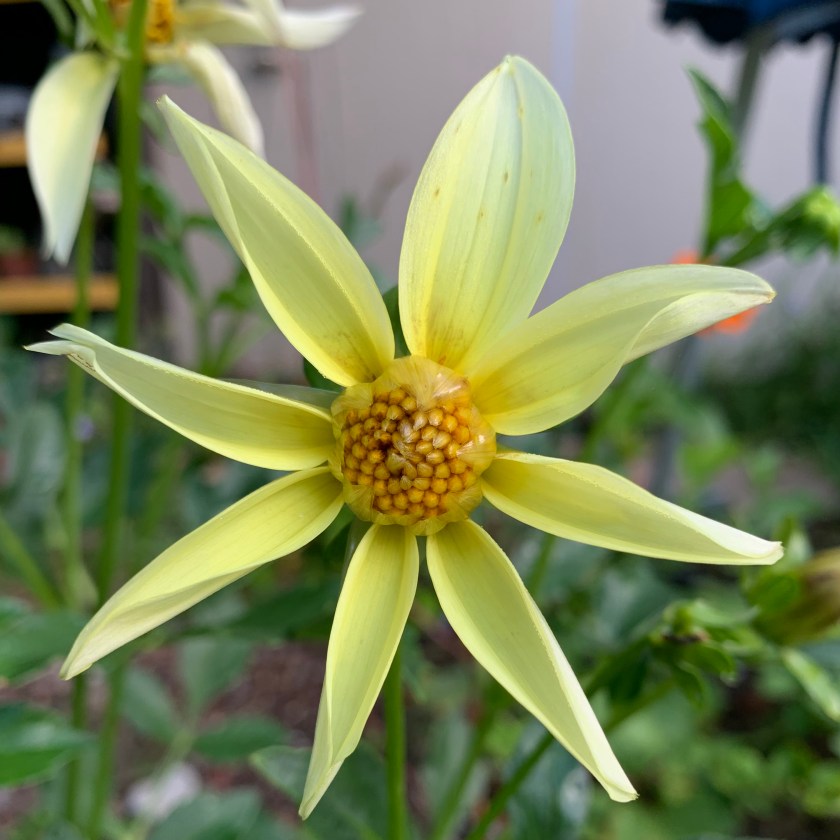
pale yellow dahlia flower like a star
My Dahlia has pale yellow flowers

Growing From Dahlia Seeds, Year One

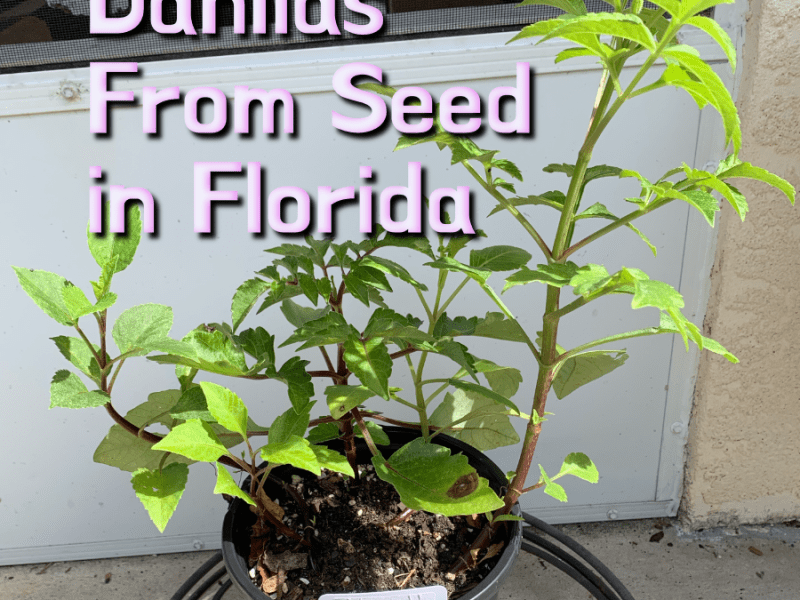
I put the dahlia seeds into a shallow clay pot. I’d never grown dahlias, and had no idea how to do it. I’d always heard that dahlias were tough to grow. Between that and the fact that the seeds came from Washington, I honestly did not think anything would happen.

When I lived in New Hampshire a local farm sold them out of the greenhouse. Greenhouse plants generally mean they like it warm. But I bought a dahlia plant and put it in my yard. It died. This added to my doubts.

The Floret seeds came with a little booklet full of information about growing Dahlias, Zinnias, and Celosia. These three were the seed types my daughter sent. Floret also has a whole page online about How to Grow Dahlias From Seed.

So the first year my seeds became small, scraggly dahlia plants. They grew about 4-5 inches tall in the shallow pot. When the season was over I pulled them up. They had some tubers at the bottom. Surprise, surprise!

In the booklet that came with the seeds, Erin (the writer) said that she stores her tubers in a cool place in ziplock bags. I was not going to bother with that. All I had was possibly the fridge for storage. So I yanked out the little plants with their tubers and tossed them into the compost barrel. I know, I am awful.

Unexpected Dahlia Plants, Year Two

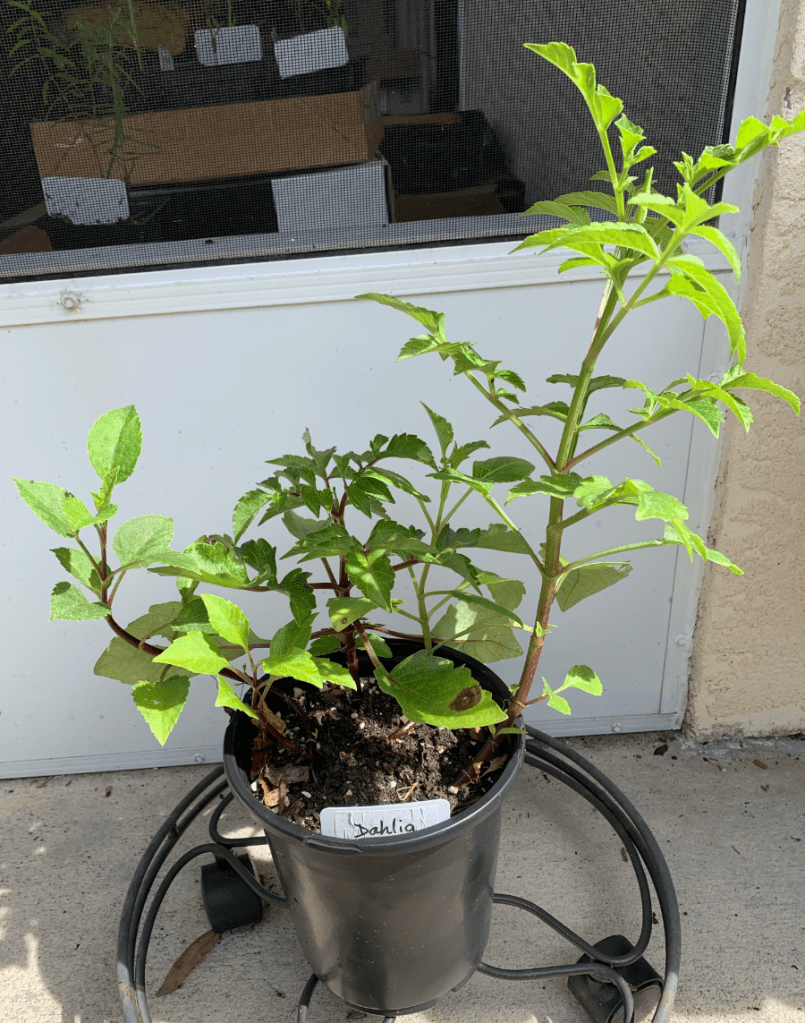
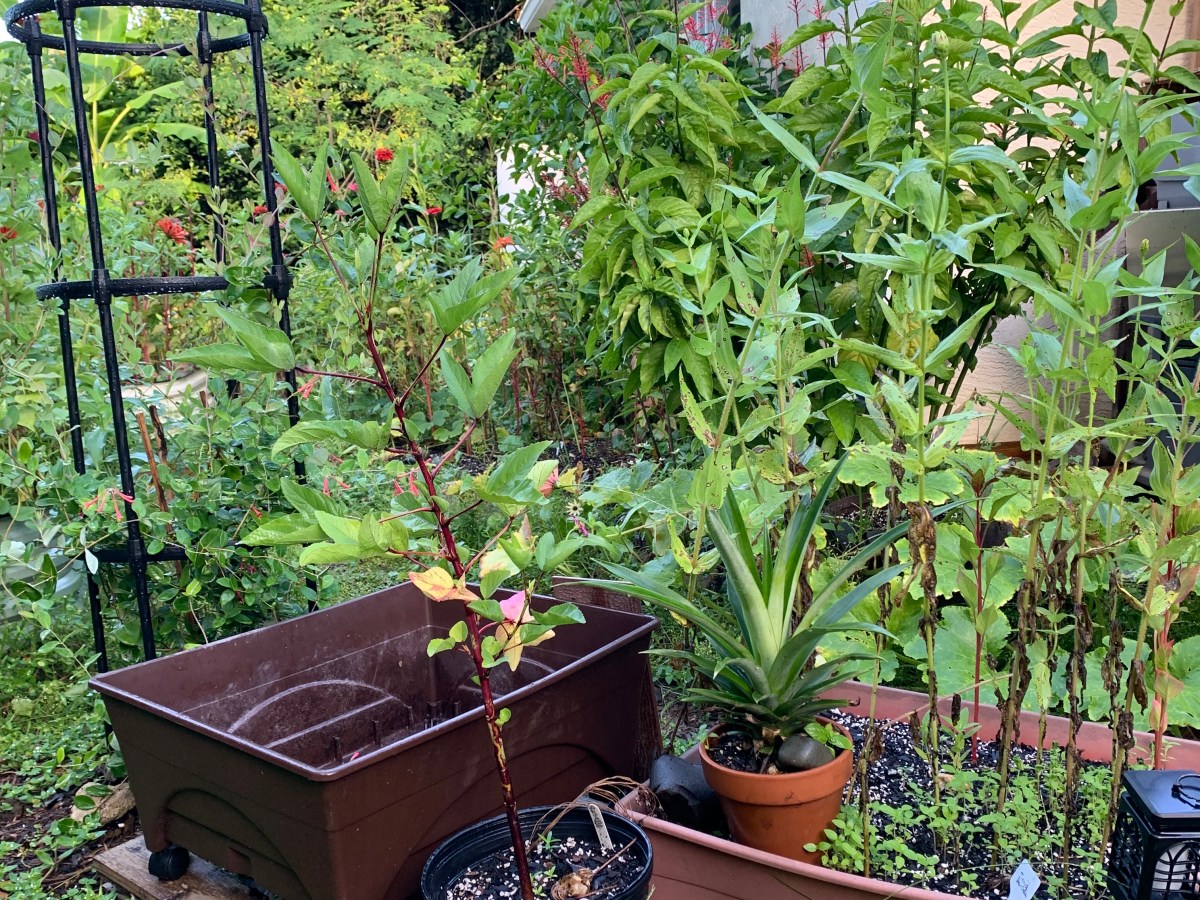
After months went by and I grew my “winter” crops here in Florida, it was time to ready the gardens for Spring growing. As I dug through the dirt in my compost bin, I found the dahlia tubers just laying at the side! They still looked okay, and I figured I’d just put them into the ground for the heck of it. And they grew. I never even marked where they were planted and now I am only guessing about some of them. Like the photo in the center below. I’m pretty sure it’s a Dahlia.
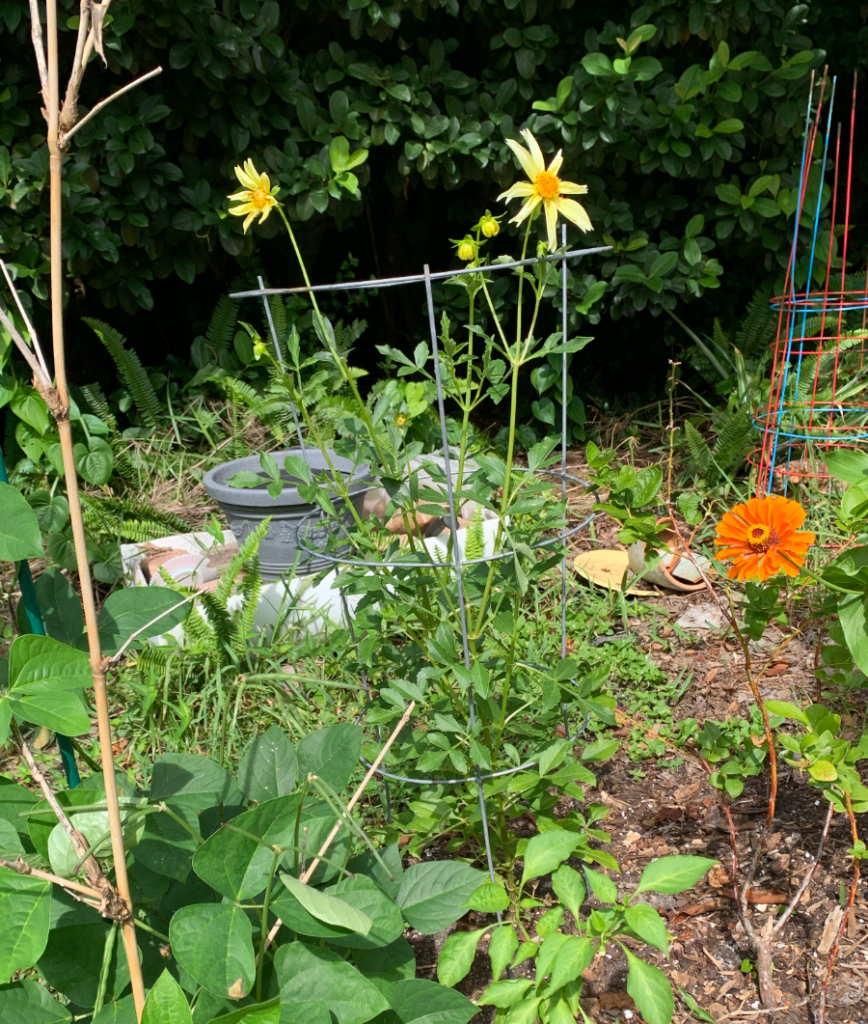
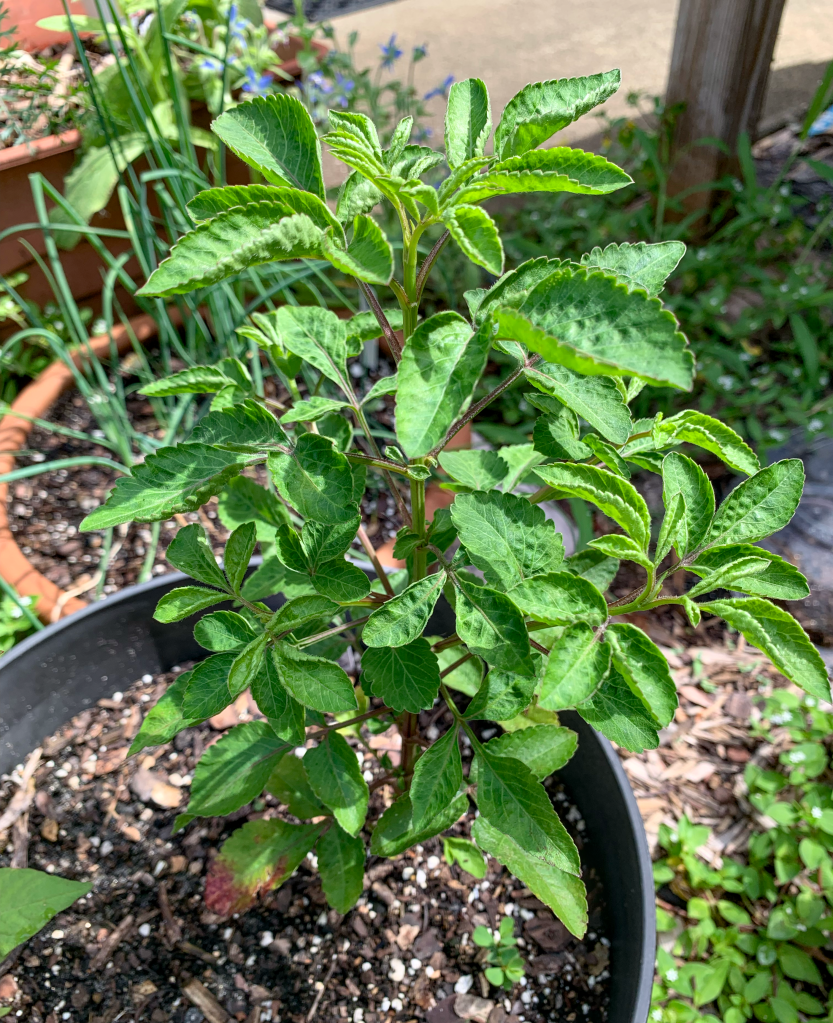
I now have some pretty nice dahlia plants growing! One is tall, and flowering with pale yellow flowers. I had expected the fluffy type bloom, but got this star shaped flower.

Year two, growing the tubers, is working out much better. I plan to leave the plants growing in the ground and see what happens over winter. If they go dormant and need temperatures that are not freezing, the plants should be okay. The ones in pots might just need transplanting to larger pots until next year. It is very hot to be gardening in July.

Flower Books From Floret

Amazon sells books all about the Floret flower farm (paid link). If nothing else, they are full of beautiful photos. Her books will show you how to grow, harvest, save seeds, and make arrangements from the flowers you grow. I do not have any of her books, and personally, I am not interested. I do not cut my measly little selection of flowers to make floral arrangements. I leave the flowers for the bees and butterflies.

Remember that the books are written by a woman who has a huge area of space, with greenhouses, and lots of help. Also, she lives in Washington, which is about as far (in the US) from Florida as it gets.

My Other Floret Flower Seeds

Along with the Dahlia seeds, I also received Zinnia and Celosia seeds. I grew the Zinnias and they were unimpressive. The colors were a pale blush pink. Zinnias, in my opinion, should be bold in color. I love my deep reds, bright oranges, and stunning pinks. I did not save any Floret zinnia seeds. This year I planted from my own saved seeds, and bought a few others.
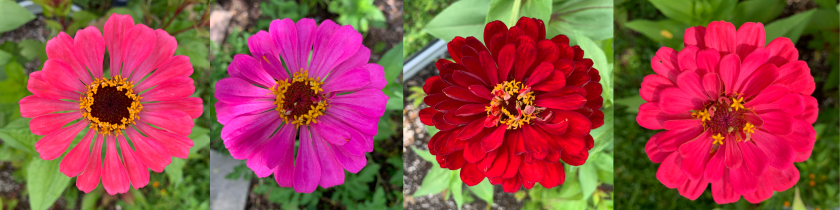
four zinnia flowers border divider image
Zinnias in my 2025 garden

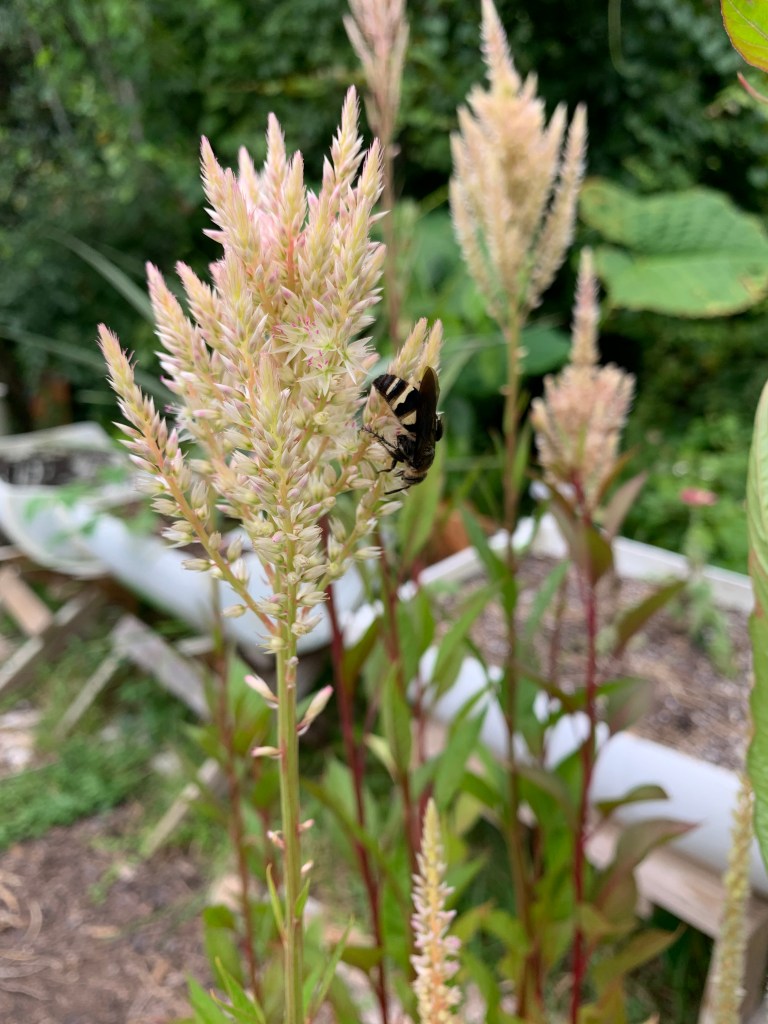
However, the Celosia were another story! Holy cow, these things are prolific. Celosia is another plant I was totally unfamiliar with, and let me tell you, they are beasts! Apparently they love the Florida climate and the bees LOVE the fluffy flowers. I will be writing a page about them soon.
In Conclusion

The secret to successfully growing things is this: Toss seeds somewhere, ignore them, treat them badly, expect nothing, and see spectacular results. (I am only partly kidding.)

Thanks for reading. Feel free to leave a story about your growing adventures in the comments.
Something went wrong. Please refresh the page and/or try again.

So Happy With My Pepper Plants!

I probably shouldn’t say this out loud, but I am very happy with the way my pepper plants are growing! I have yet to pick a pepper, but my fingers are crossed.

Peppers are a vegetable I would LOVE to have growing in my yard. I like them sweet or hot, and preferably would have both types to choose from. I use peppers quite a bit in my cooking, but currently I have to buy them at the store.

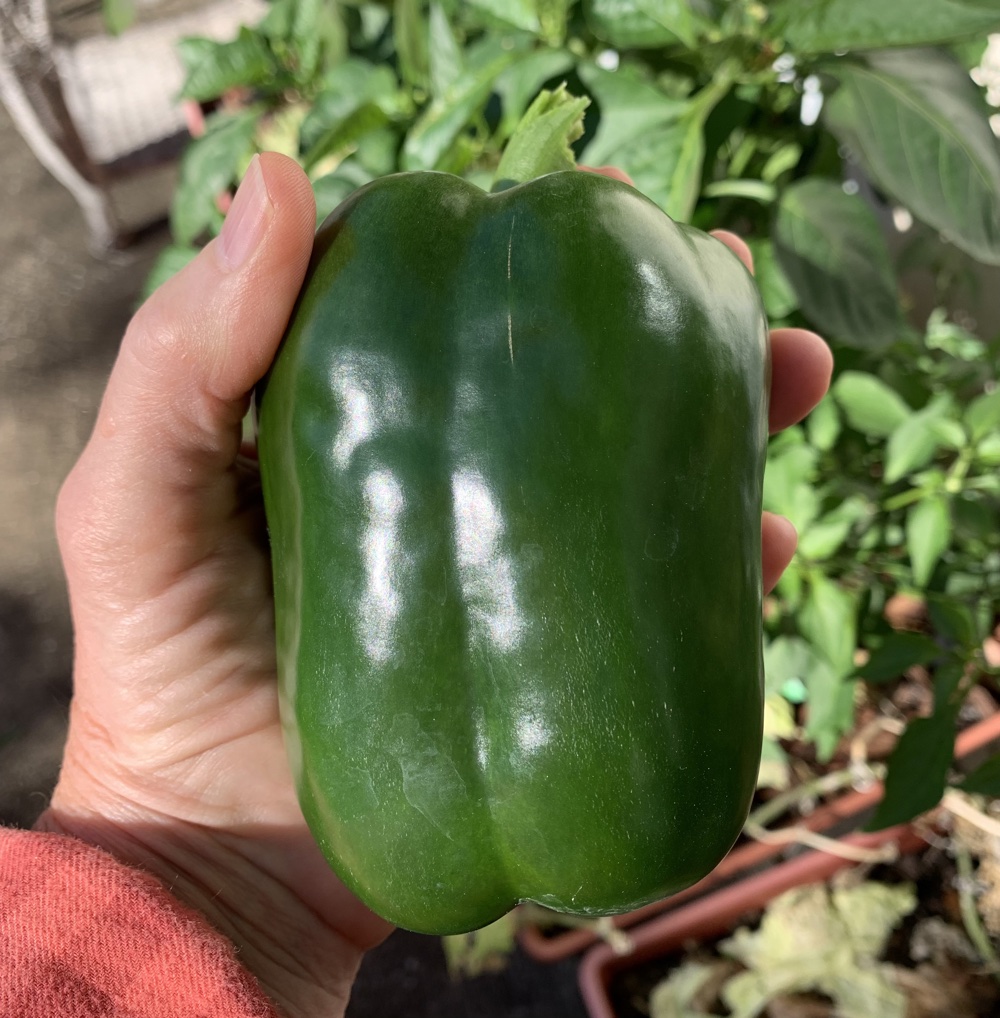
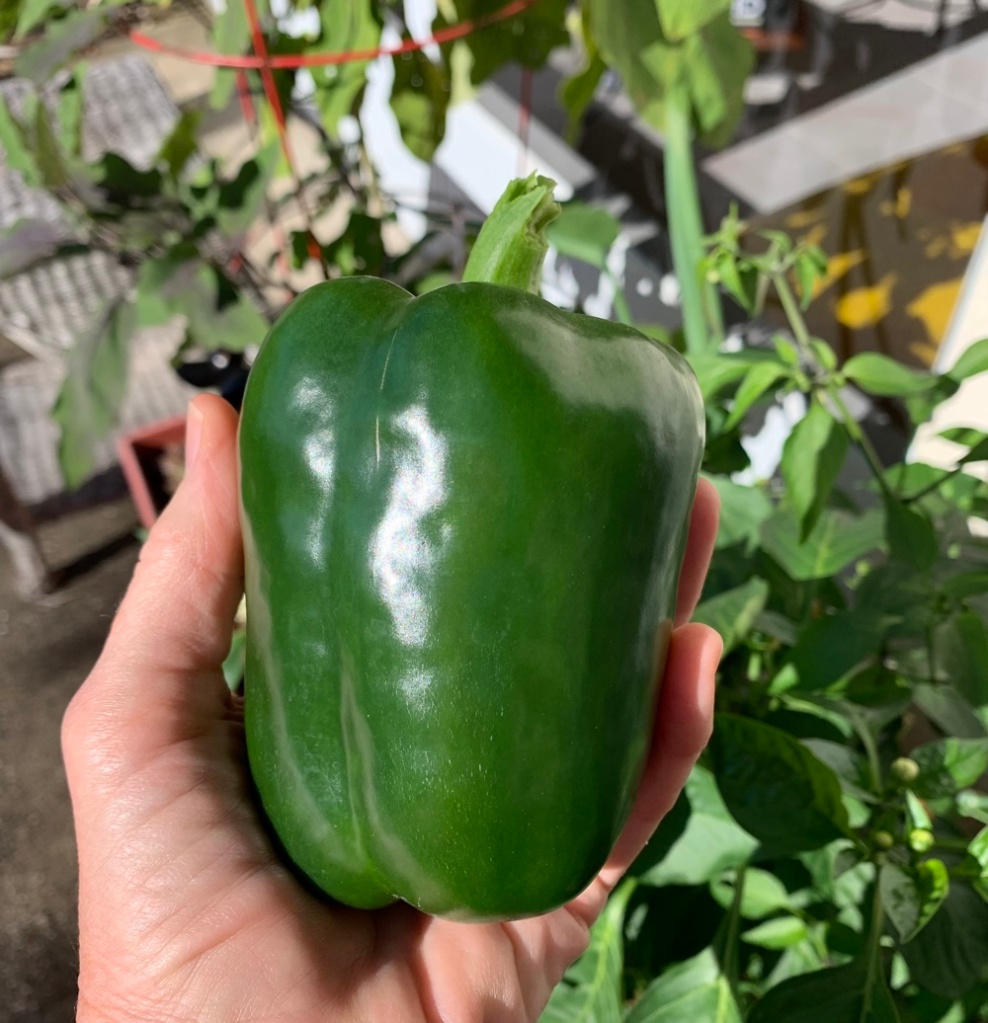
You’d think that in this hot climate peppers would grow like mad. In fact, I’ve had bell pepper plants (photos below) that lasted for a few years. But getting a good plant started, and have it grow lovely peppers, can be a challenge.

I still don’t have a car, so the best way for me to grow peppers is to order seeds. Also, most stores / nurseries around here don’t offer the types of pepper I want to grow. If you can buy seedlings to grow, of a variety that works for our climate, that is the way to go. Seeds take forever to turn into lovely plants.

How I Grow Peppers From Seed Successfully

The way to be successful growing peppers, is to plant seeds outside in grow boxes. Plant lots of seeds because most of them may not grow.

Once the little pepper plants grow big enough, separate them by transplanting so each plant has space to grow big. Make sure all soil is full of good nutrients.

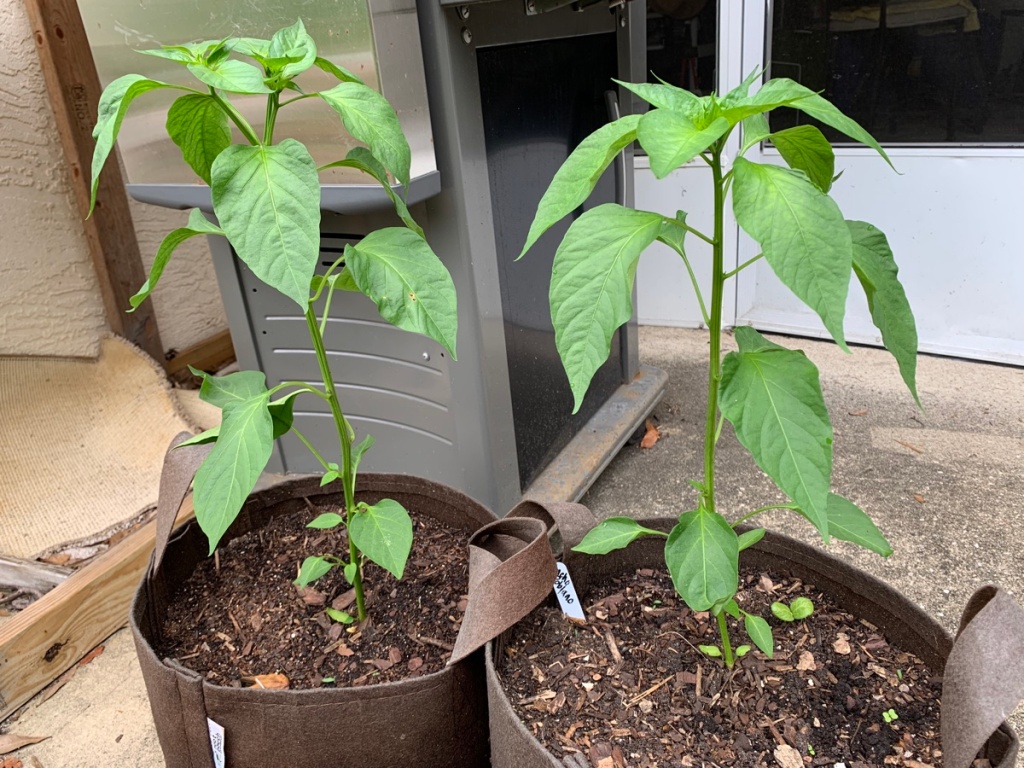
The Ancho poblano pepper plants, shown below, were started from seed in the red (faded to pink) grow box. I left one plant in the box and the other two were each given their own fabric pot. I love the flavor, which is not extremely hot when eaten green. I really hope these pepper plants grow well.

These plants were quite tall when I transplanted them because I had been away for two weeks. Usually I would transplant sooner.

*Update on the poblano: Suddenly the two plants in the grow bags drooped horribly. they ended up dying. I still have the one in the square box.

Aji Dulce and Suave NuMex

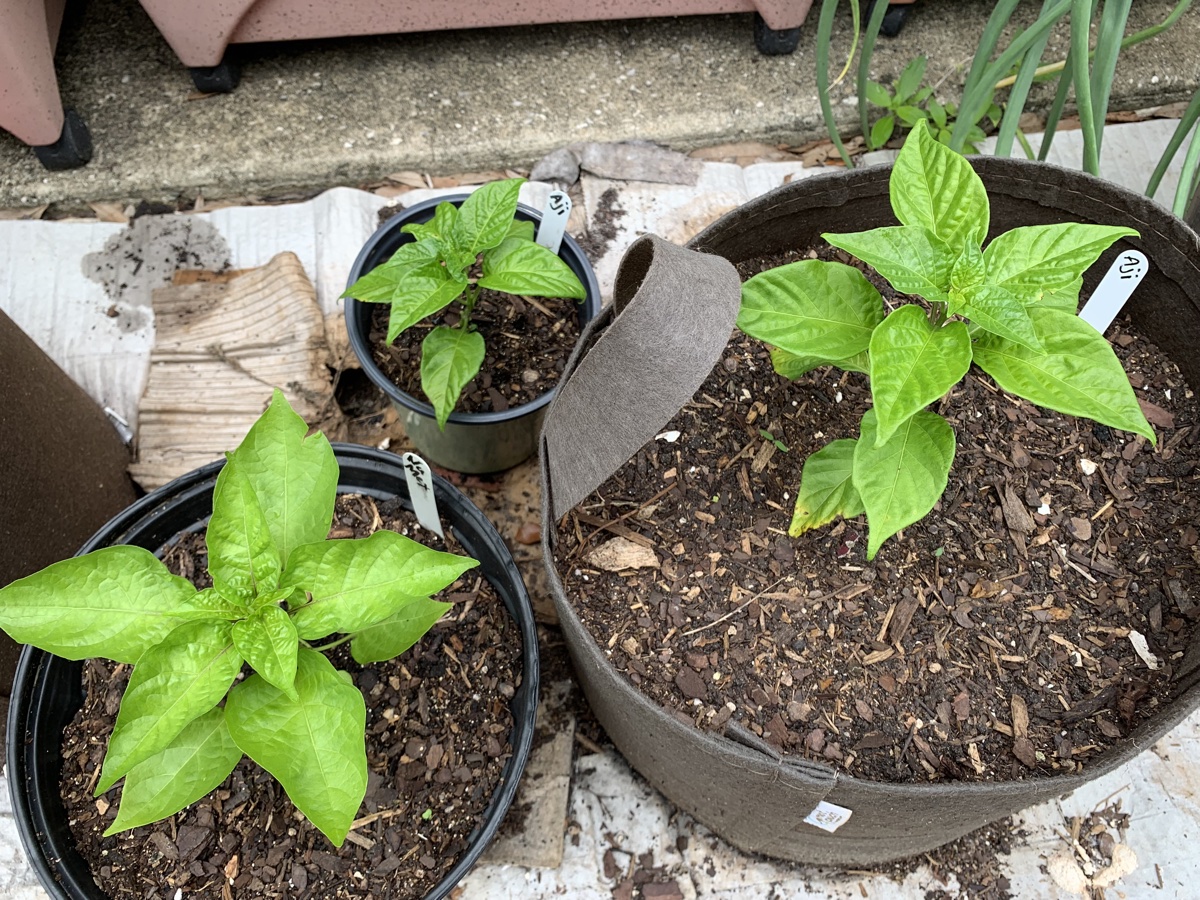
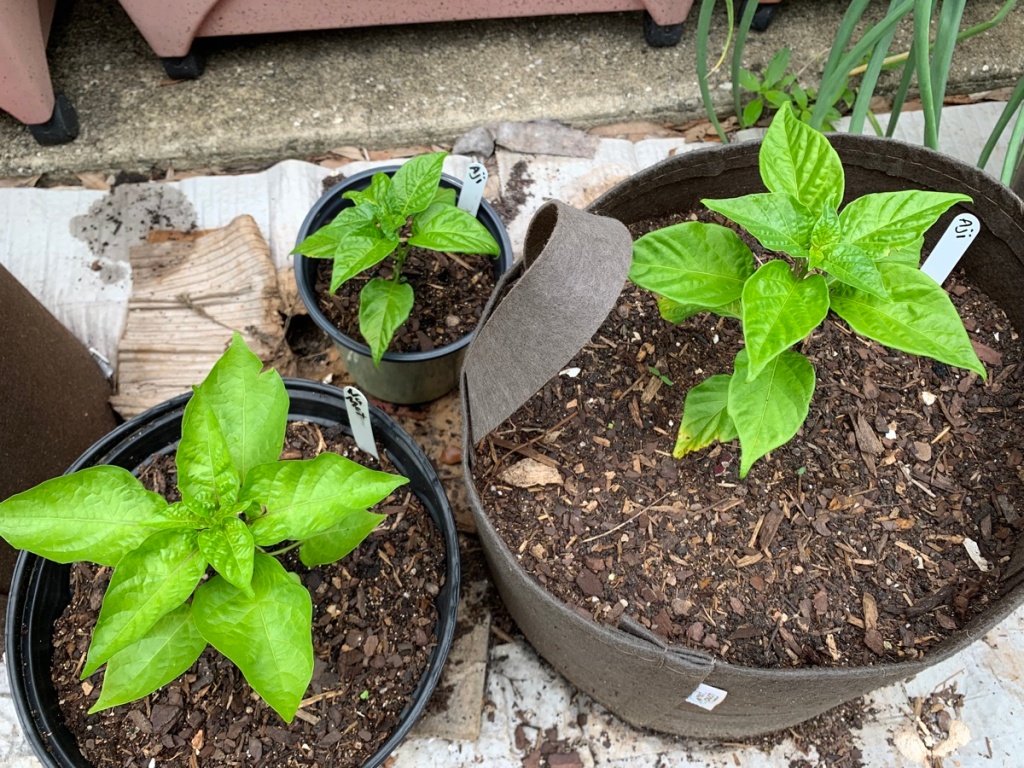
The Aji Dulce plants were growing side by side in a small pot. I didn’t know if they would separate well, but both plants are doing great. I think the trick is to let them get a good root system established before separating.

The Nu Mex variety (below) were also growing in a red box. Once they were big enough, I transplanted one to a plastic pot, leaving the other in the red box.

Be sure to mark the plants in some way because pepper plants can look a lot alike. Both of these varieties will have peppers that resemble a habanero, but they don’t have the heat.

Carolina Wonder Bell

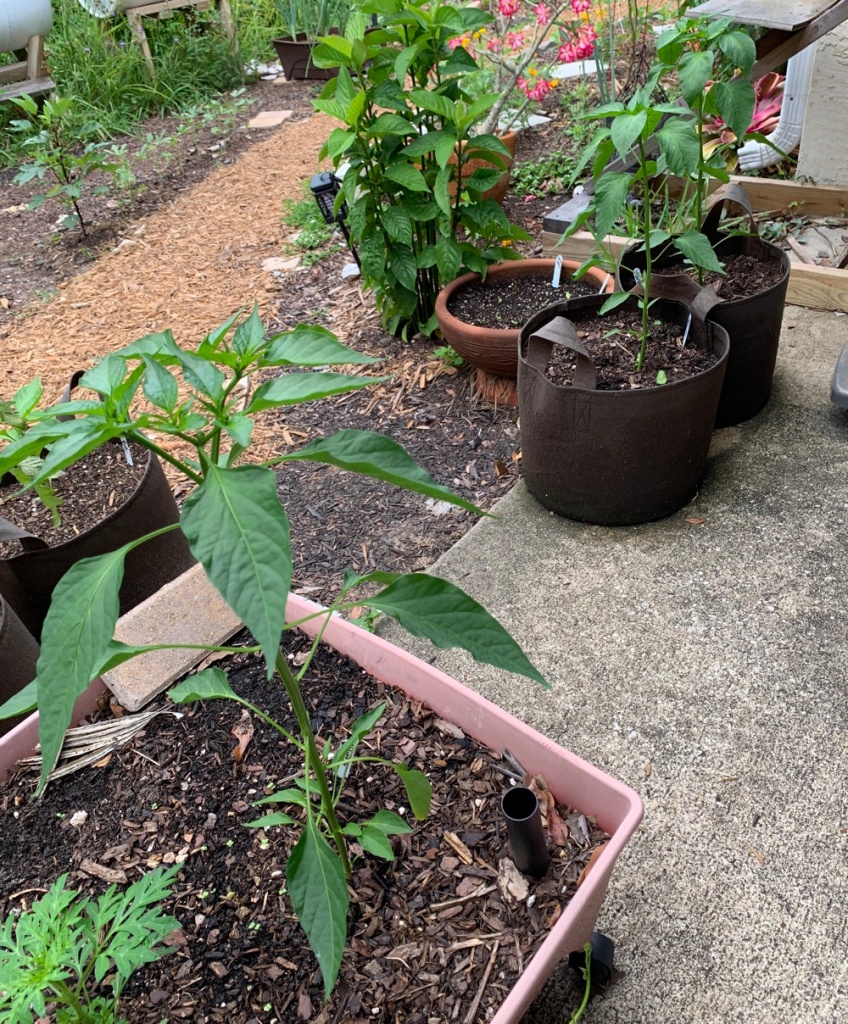
As an example of what I do, see the box in the photo below. It contains Carolina Wonder Bell pepper plants. I had two larger plants in this box and transplanted one to a big pot. There are still two tiny seedlings coming along (circled), which I will also transplant when they grow up. The remaining plant will stay in this box to continue to grow.

Carolina Wonder Bell pepper plants

Don’t Bother With Starting Plants in Small Pots

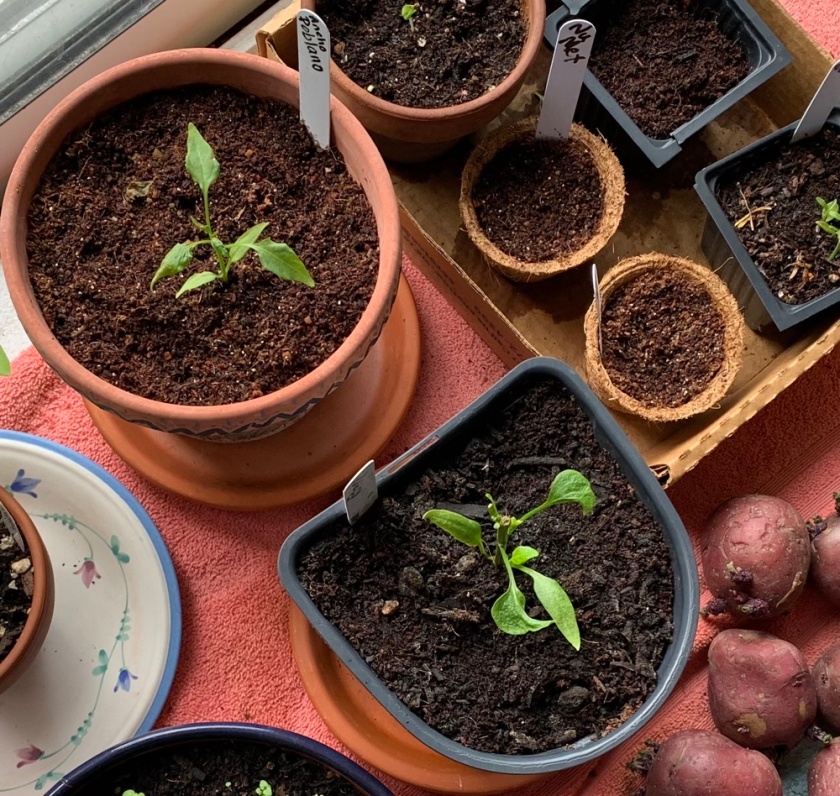
I’ve found that growing peppers from seed can be difficult. The seeds germinate, and the pepper begins to grow and then, just when I think it will be fine, the thing curls up and dies. This was my experience over the “winter” when I planted seeds in little pots.

Plants do best when growing outdoors. Some people may disagree, but I have little luck with starting seeds and caring for seedlings properly. They have proven this to me by getting bugs and dying. Or, they die once they go outside. In fact the only seedlings that are now growing in the yard, and doing very well, are the Roselle hibiscus.

pepper plants grown from seed
Pepper seedlings are not looking good over winter.

In Florida, we have only a few months (central Florida) where a frost, or freeze, happens. December through February are the usual months to worry about. We can also get very warm days in these months. To be sure the little seedlings won’t freeze, planting outside should take place in March.

Grow Peppers For the South

In our hot and humid Florida climate, certain types of pepper do better than others. This year I have planted all three varieties mentioned on this page and they seem to be doing well, so far.

But take into consideration that I sprinkled seeds all over these boxes and ended up with only a couple of good pepper plants from each variety! But, let’s face it, how many pepper plants does one person need? If these all do well, and give me peppers, I will be more than pleased.

More Tips and Tricks For Pepper Success

  • Pepper plants can continue to grow for a few years in zone 9b. I had a bell pepper that remained outside all winter and survived! But if the plant is in a movable pot, or fabric bag (paid link to Amazon), it can come inside during cold spells.
  • Peppers in pots can also be moved into shade if the sun becomes too much in mid-summer. Right now, most of my peppers are in locations that get afternoon shade. (I put up a beach umbrella for them too.)
  • Pots will hold nutrients and fertilizer better than the ground.
  • Pots help keep critters (raccoons and armadillos) from digging up plants.
  • Give them nutrients. Epsom salts (paid link to Amazon) give peppers and tomatoes the magnesium that they need. I also mix bone meal, kelp meal, blood meal, worm castings, vermiculite, compost, and whatever else I have, into the soil.
  • For more information about growing Florida peppers, view this Video by the Urban Harvest.

More stories on the blog…

Something went wrong. Please refresh the page and/or try again.