One Summer Morning

July is nearing an end and the garden is teeming with living things.

July is nearly over. Hard to believe, but I’m glad. It’s not a fun month here in Central Florida. Not that what’s coming is any better. The Hurricane months are the worst. Soon we’ll be watching those storms that build off the African coast and wonder where they will go.

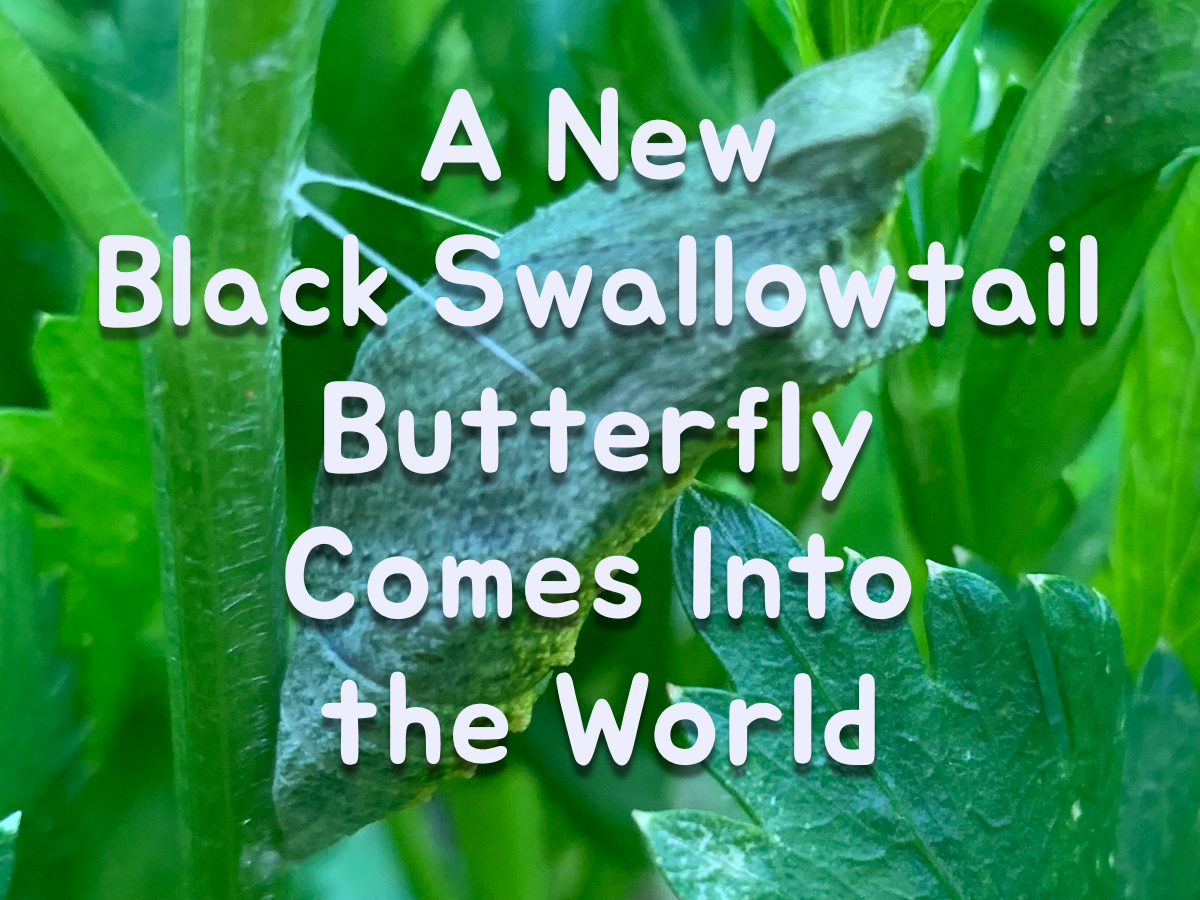
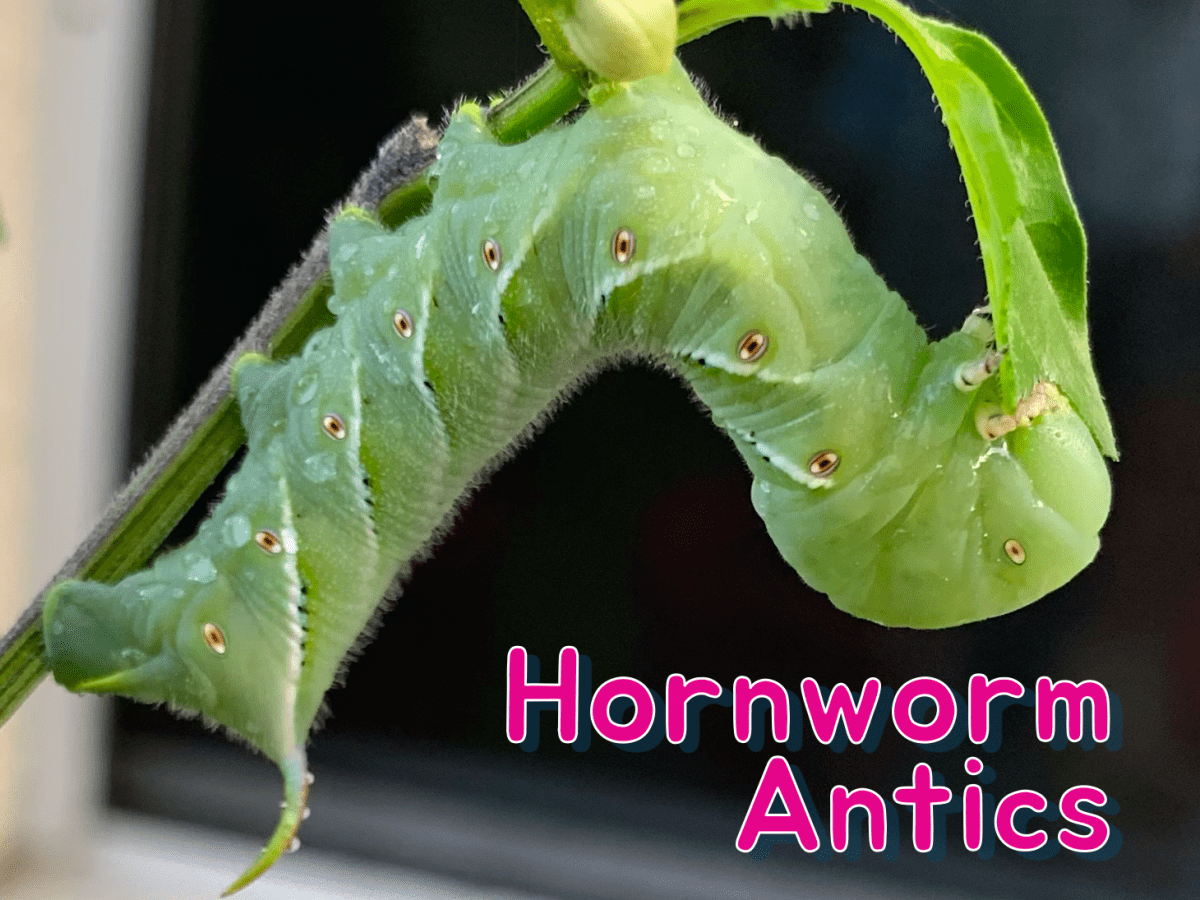
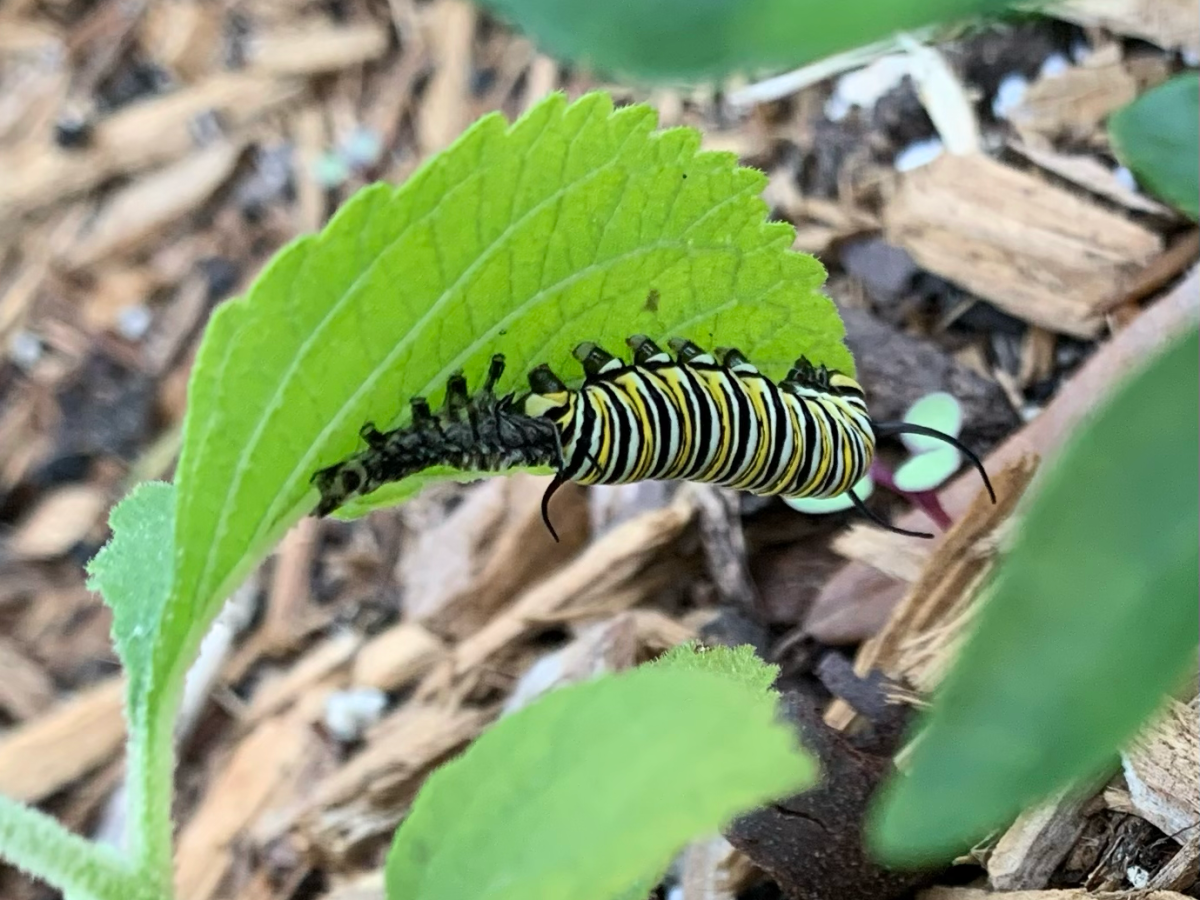
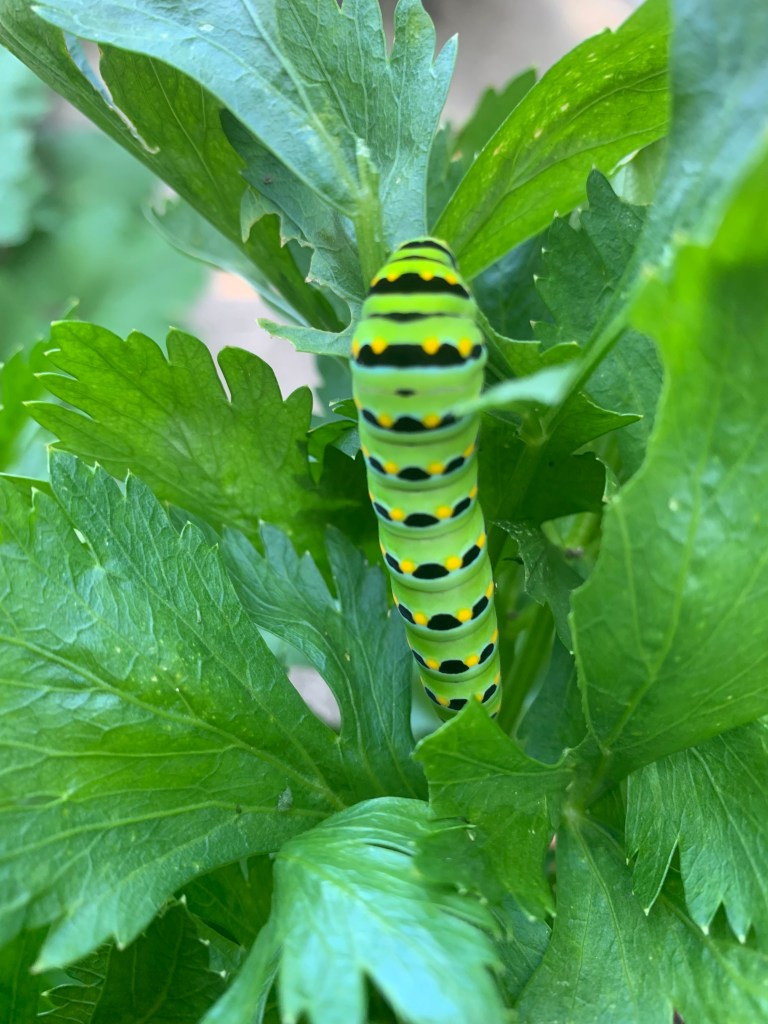
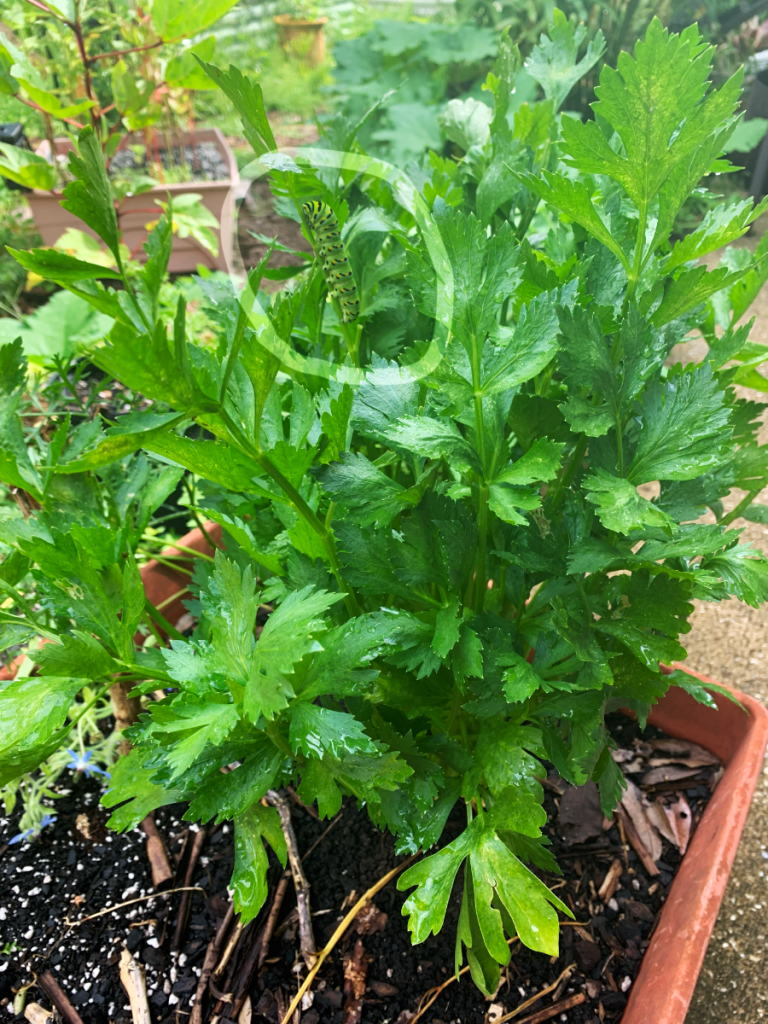
But, that fun is for the future. Today I discovered a big Swallowtail caterpillar on my celery plant! Swallowtails need dill, fennel, parsley and apparently celery for their caterpillars. The dill was gone back in May, and I can’t seem to grow parsley – especially not in summer. I have some fennel out front, and checked for caterpillars, and found none. I didn’t realize my celery would attract swallowtails.

This big guy was just there! I had not seen him while he chewed and grew, down in the center of the stalks. All day I went outside to check on him. I’m certain he will disappear.

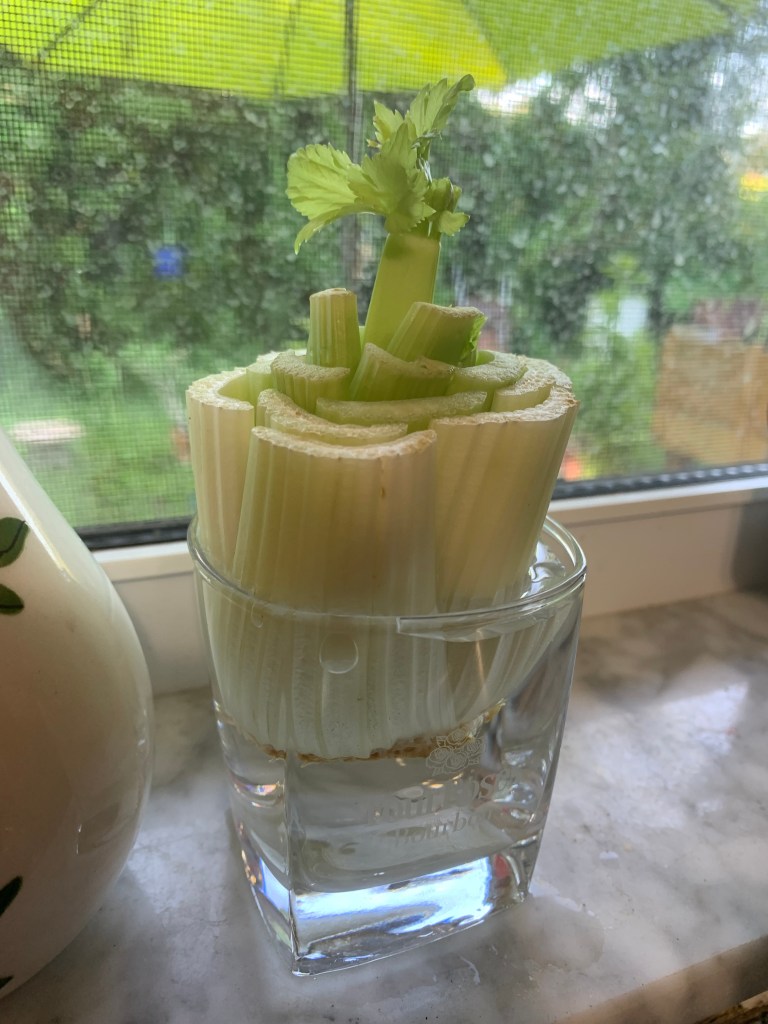
The celery grew from a stalk that came from the grocery store. Today, I am starting another celery plant in a glass on my windowsill. It is very easy to grow.
Watermelon

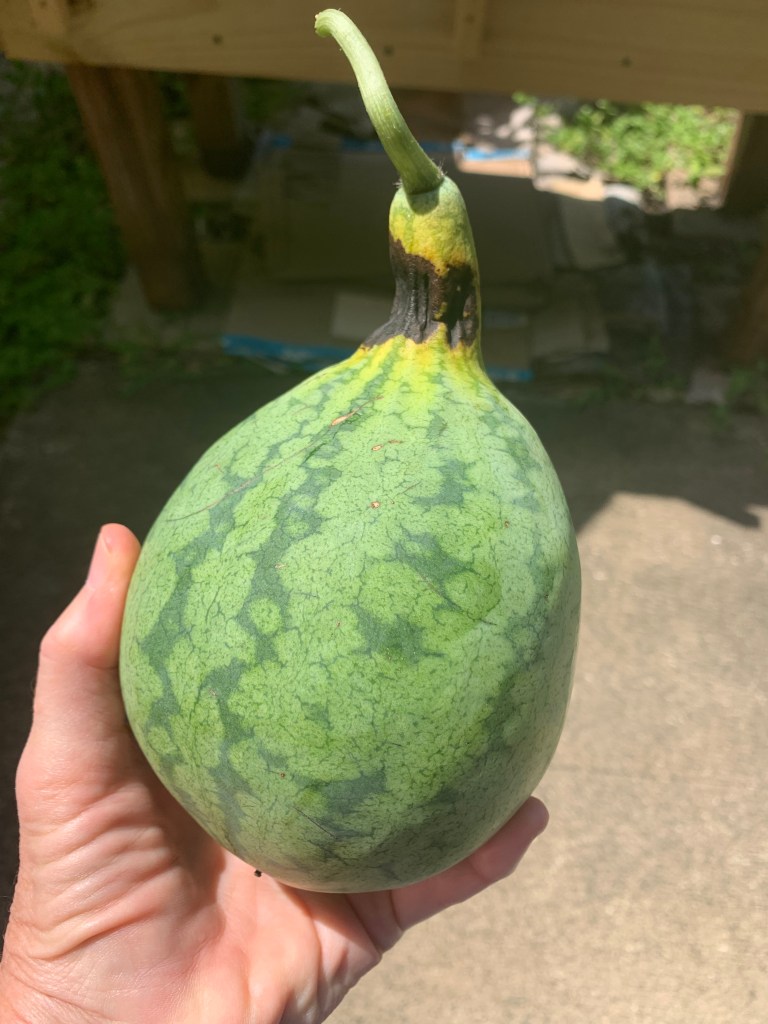
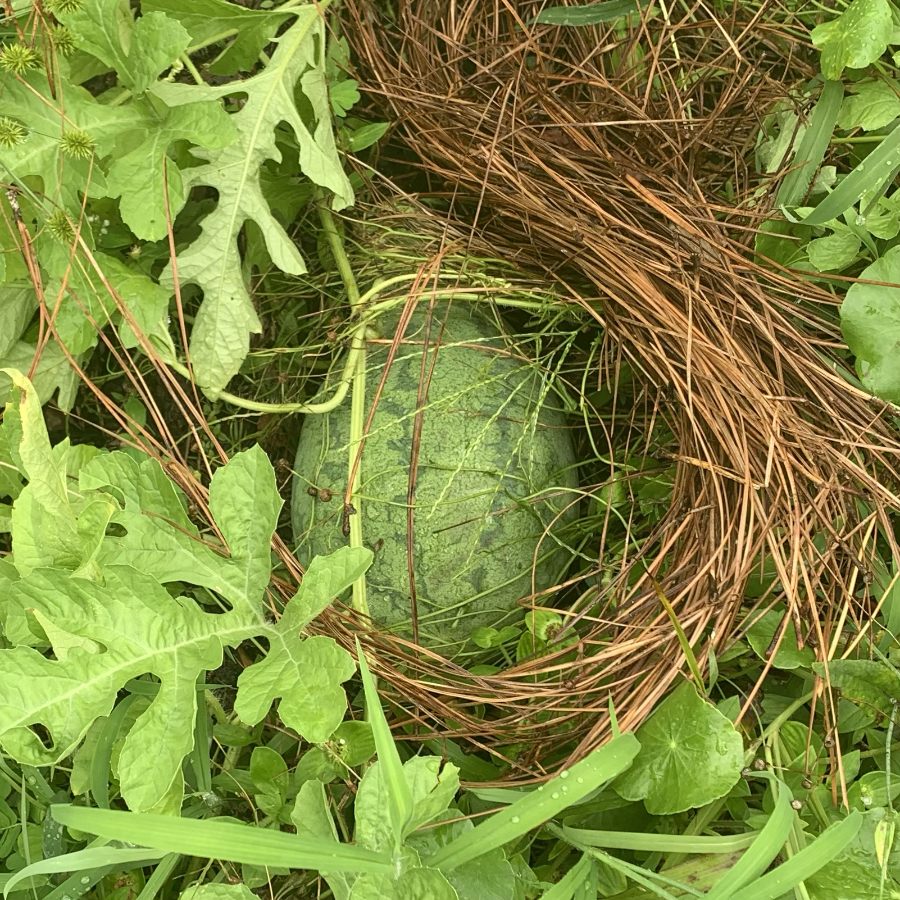
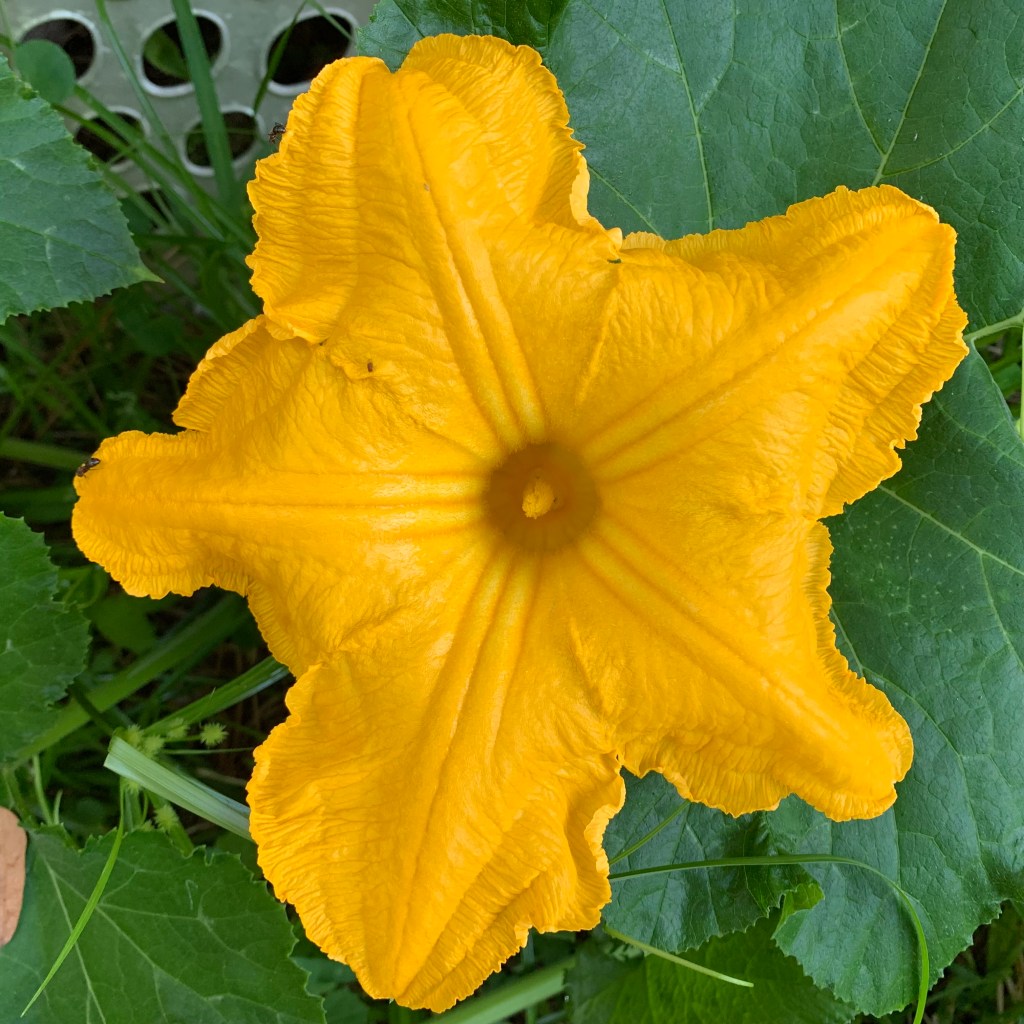
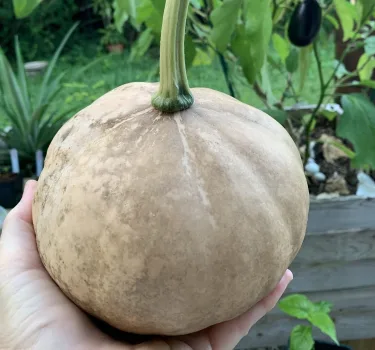
I had to pick my watermelon because the stem area was beginning to rot, for some reason. But, I also discovered watermelon #2 hidden under the vines. I covered it with pine needles to try to keep the raccoons away. I like to kid myself that I can outsmart them.
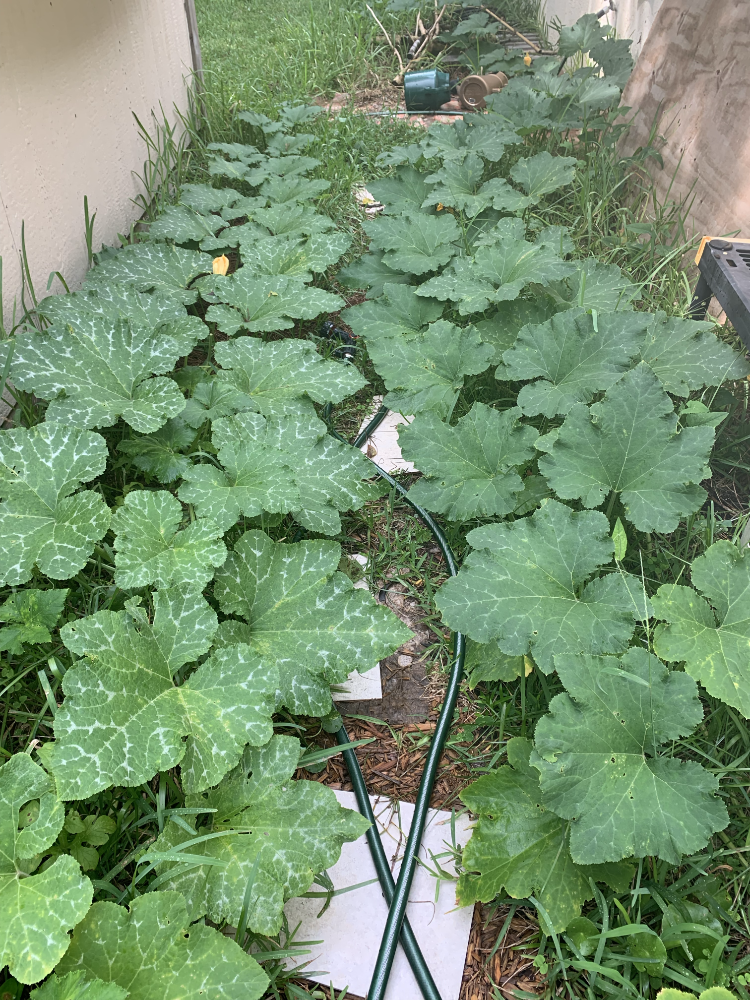
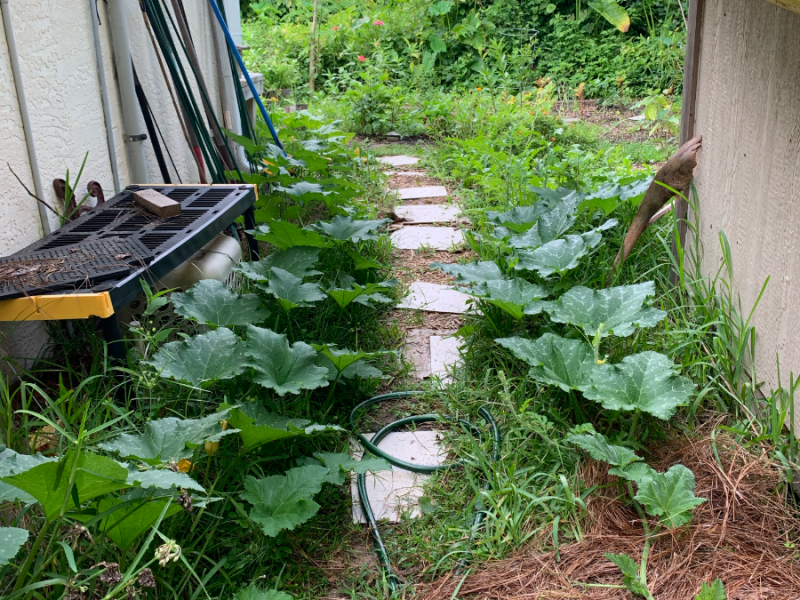
The pumpkin vines (first year) have nearly covered my walkway. I can’t easily move the hose so have to leave it in the middle.

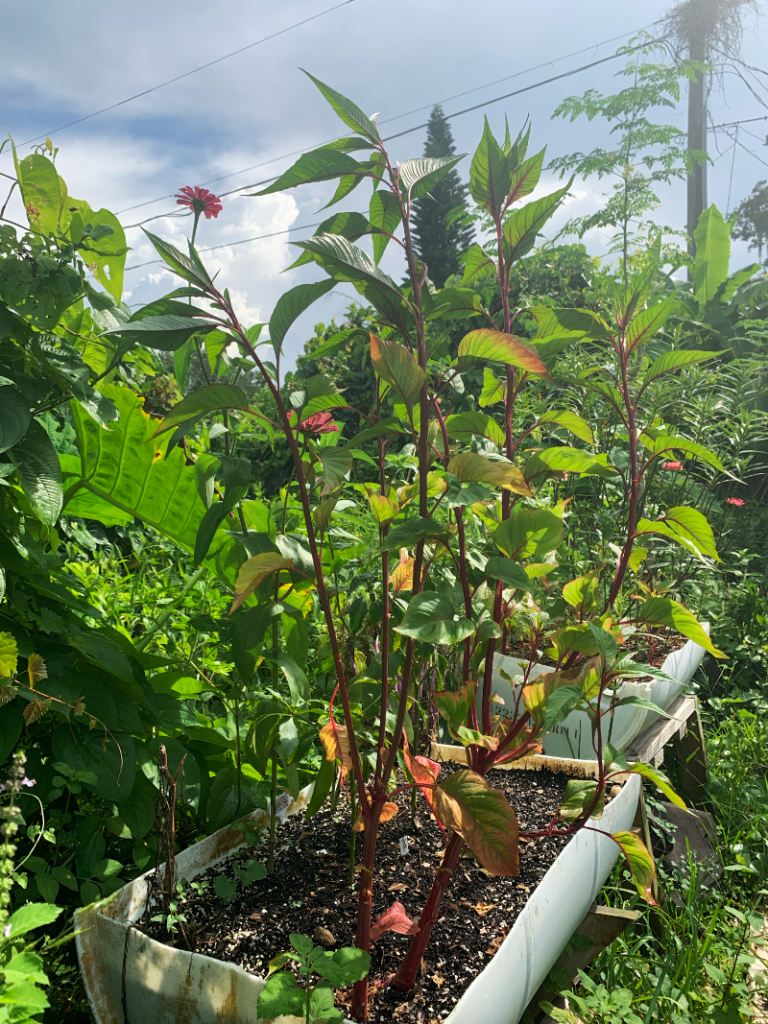
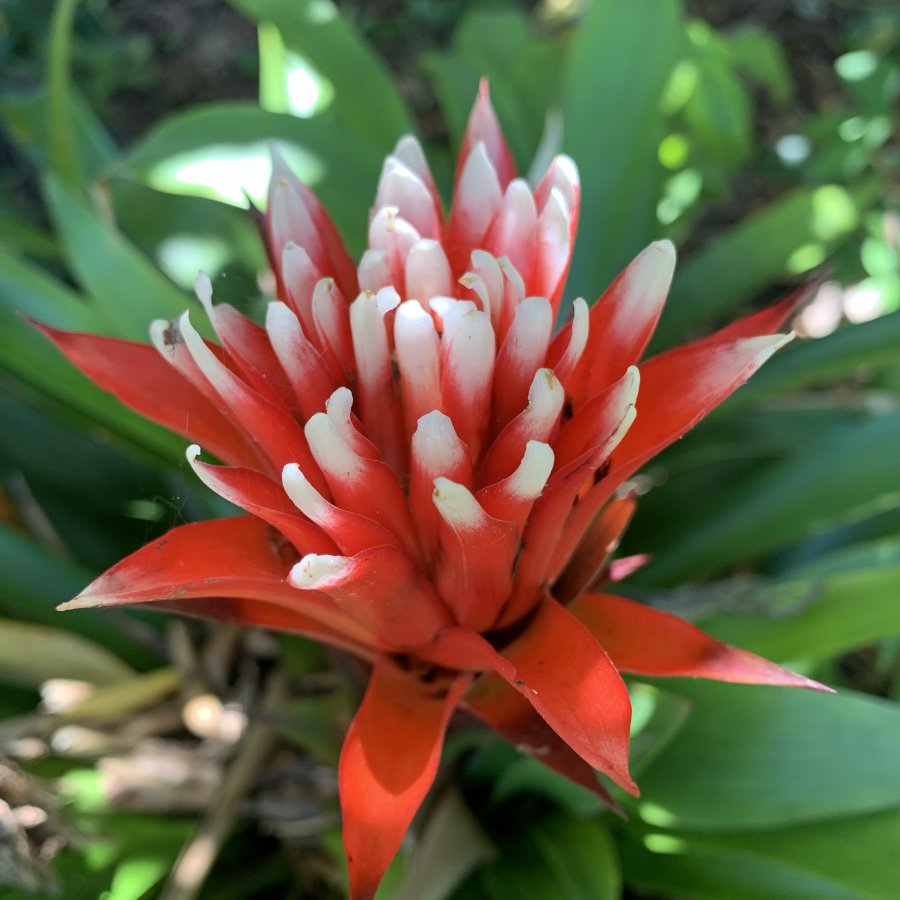
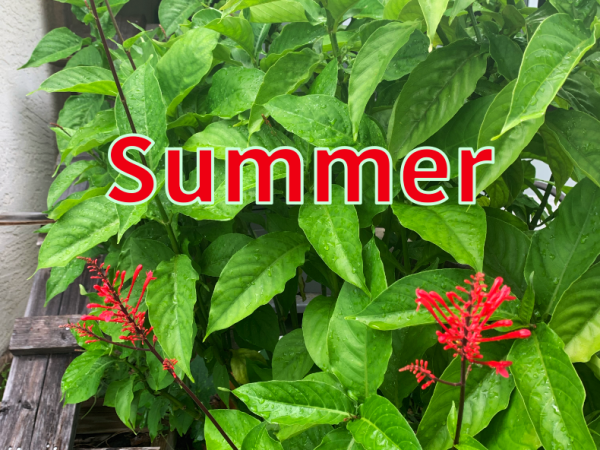
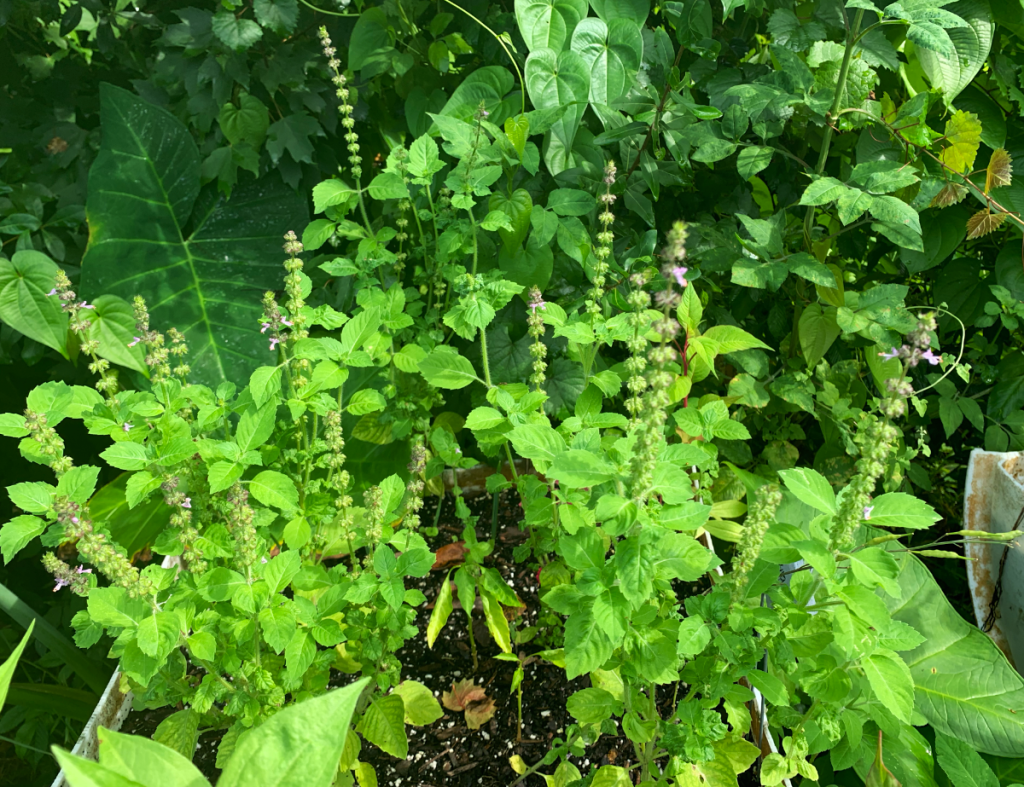
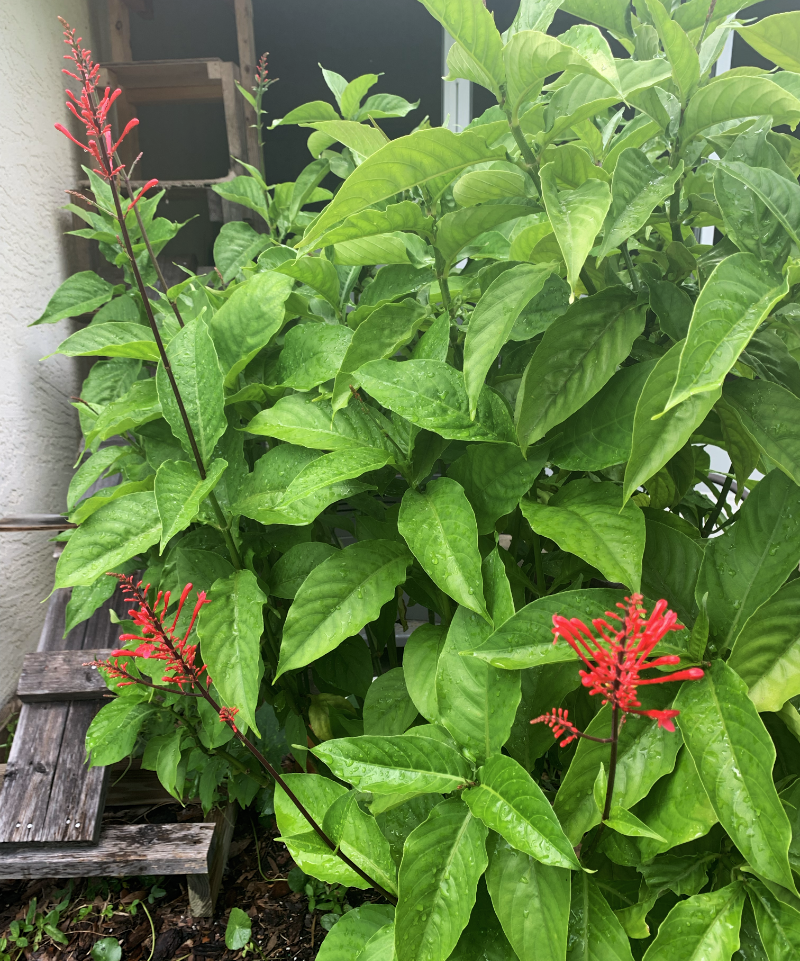
The Holy basil is growing and I’m using it regularly. Firespike flowers are coming out and that will keep the hummingbird happy. The celosia plants are getting tall and should be flowering soon.
Oh The Zinnias!

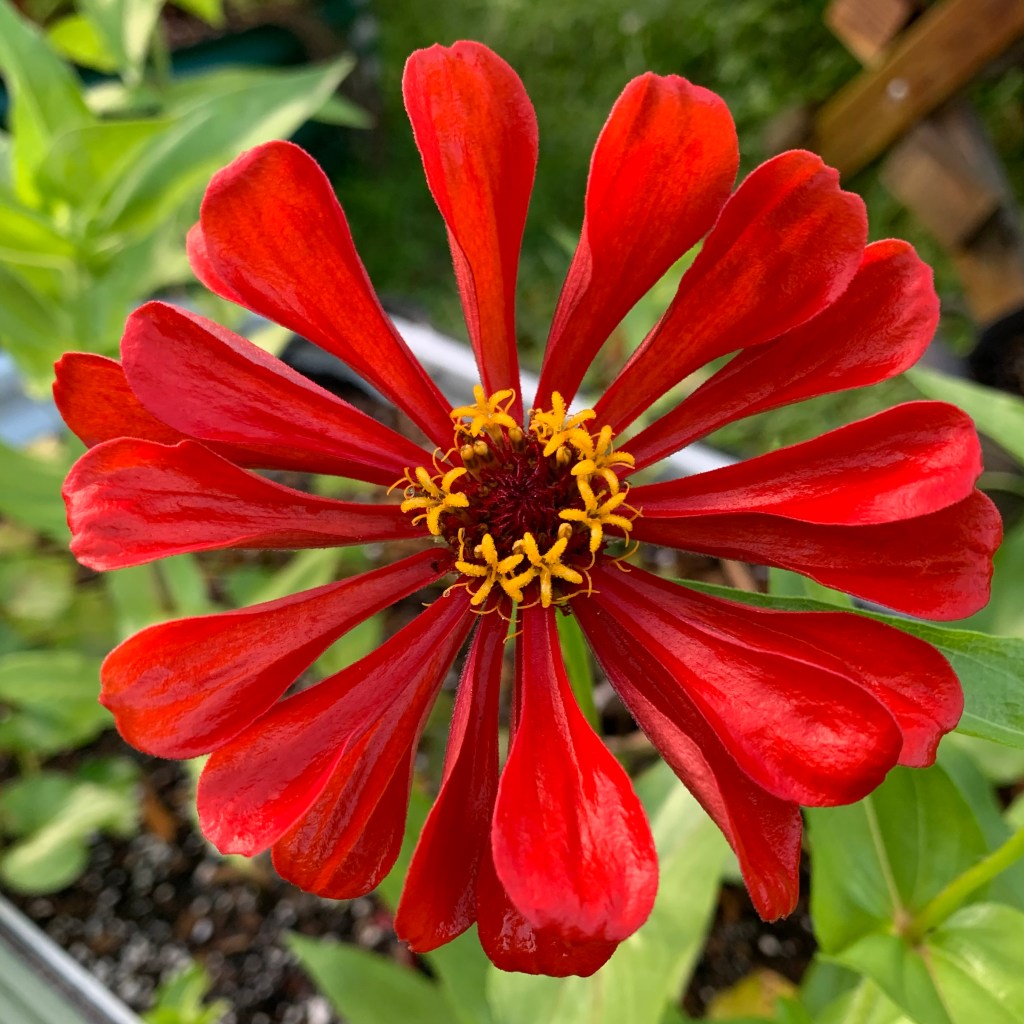
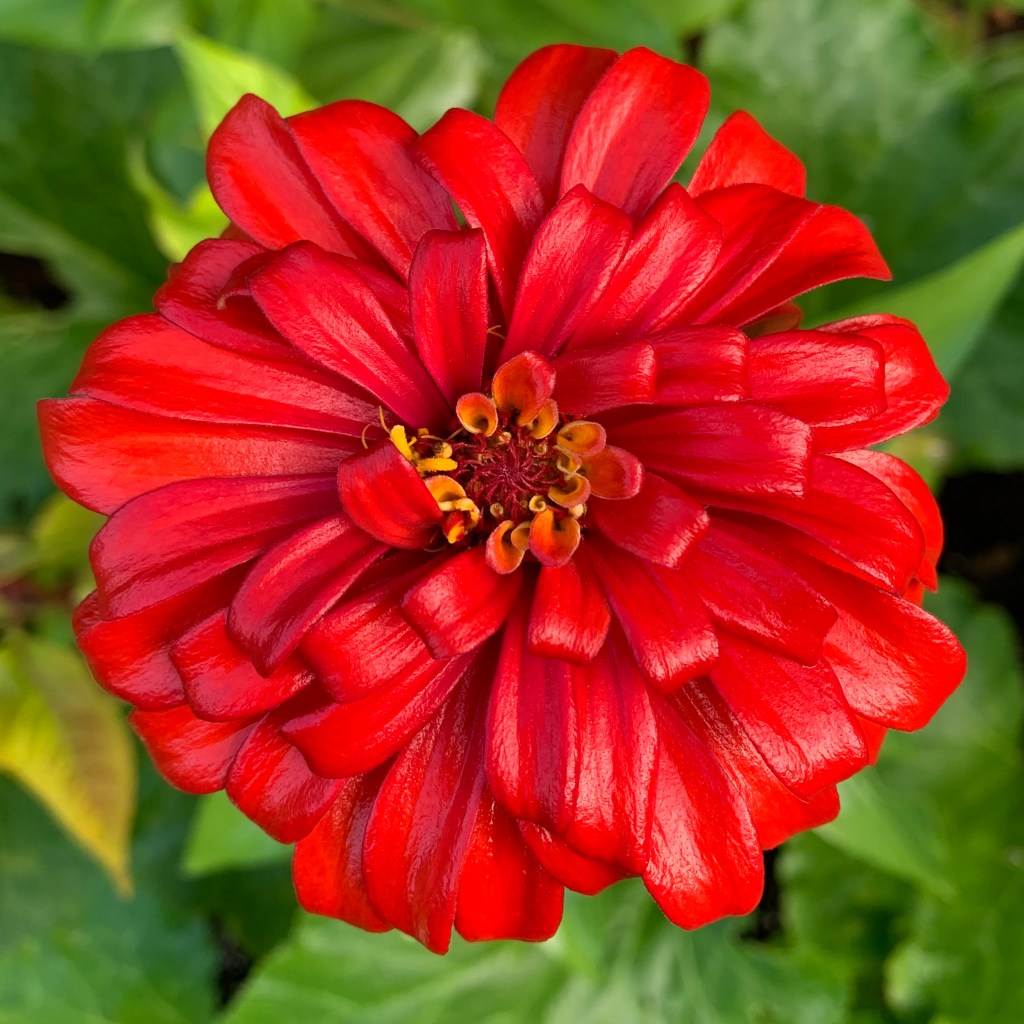
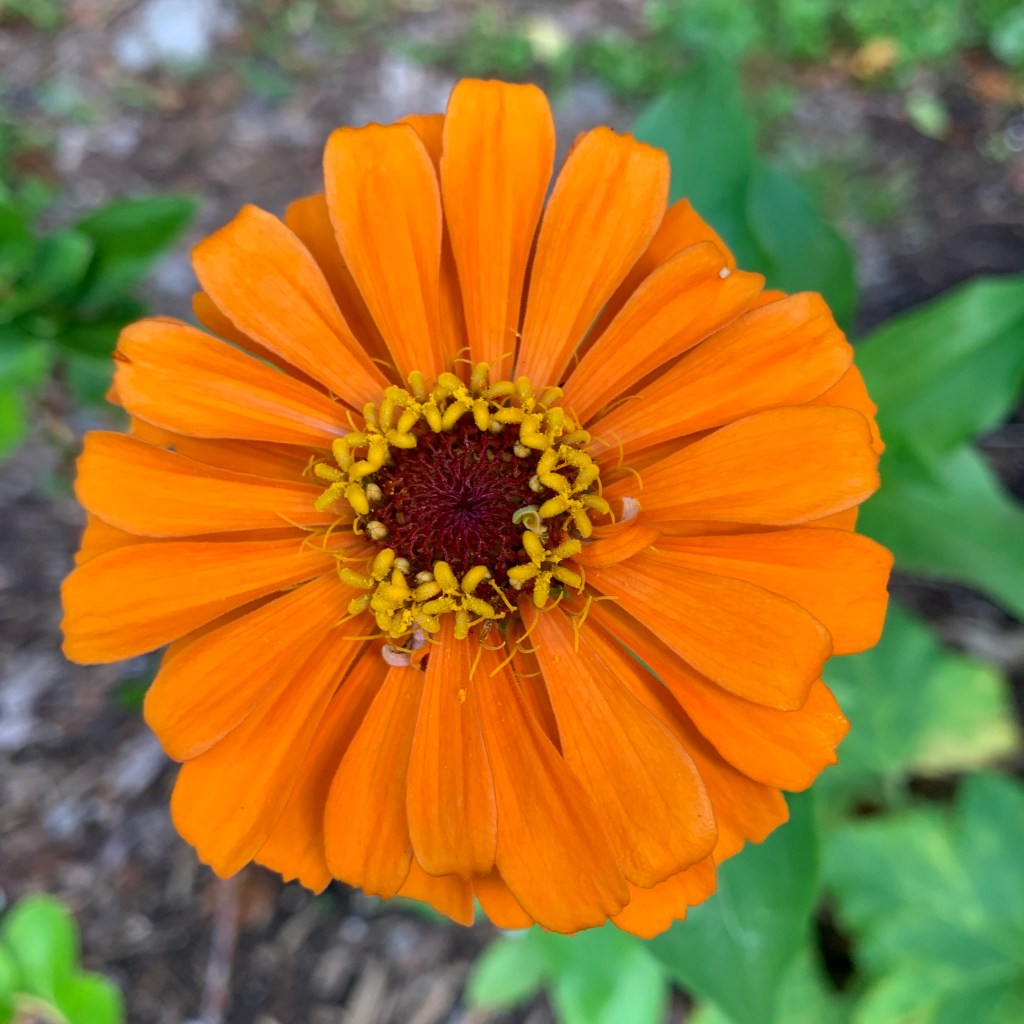
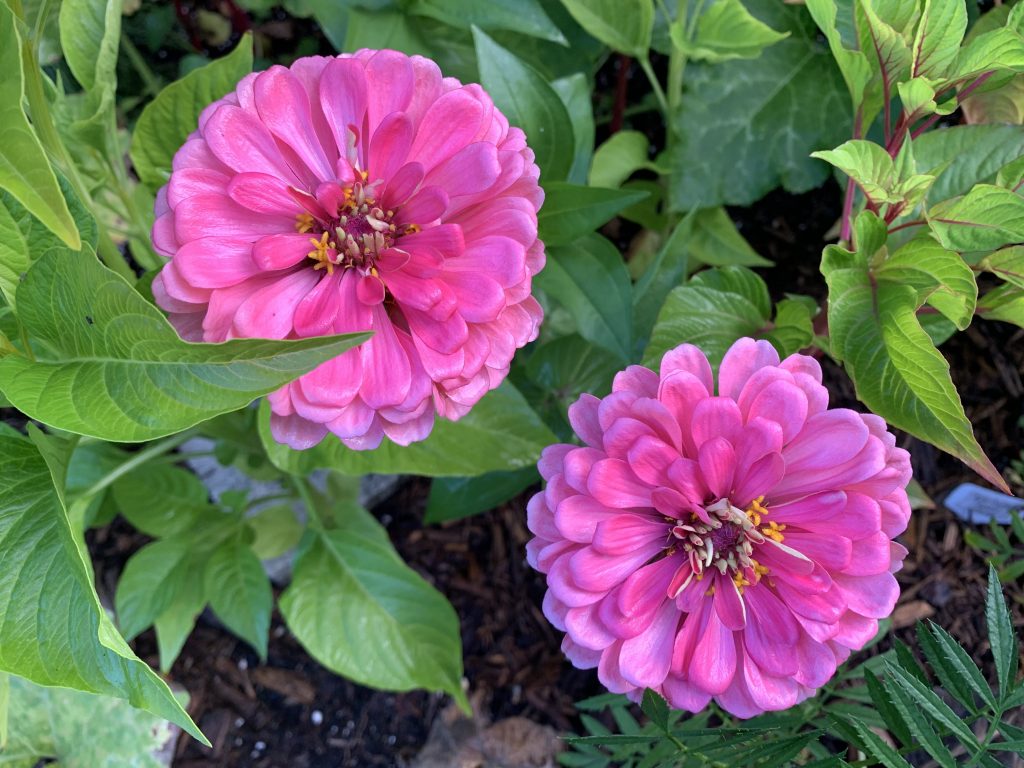
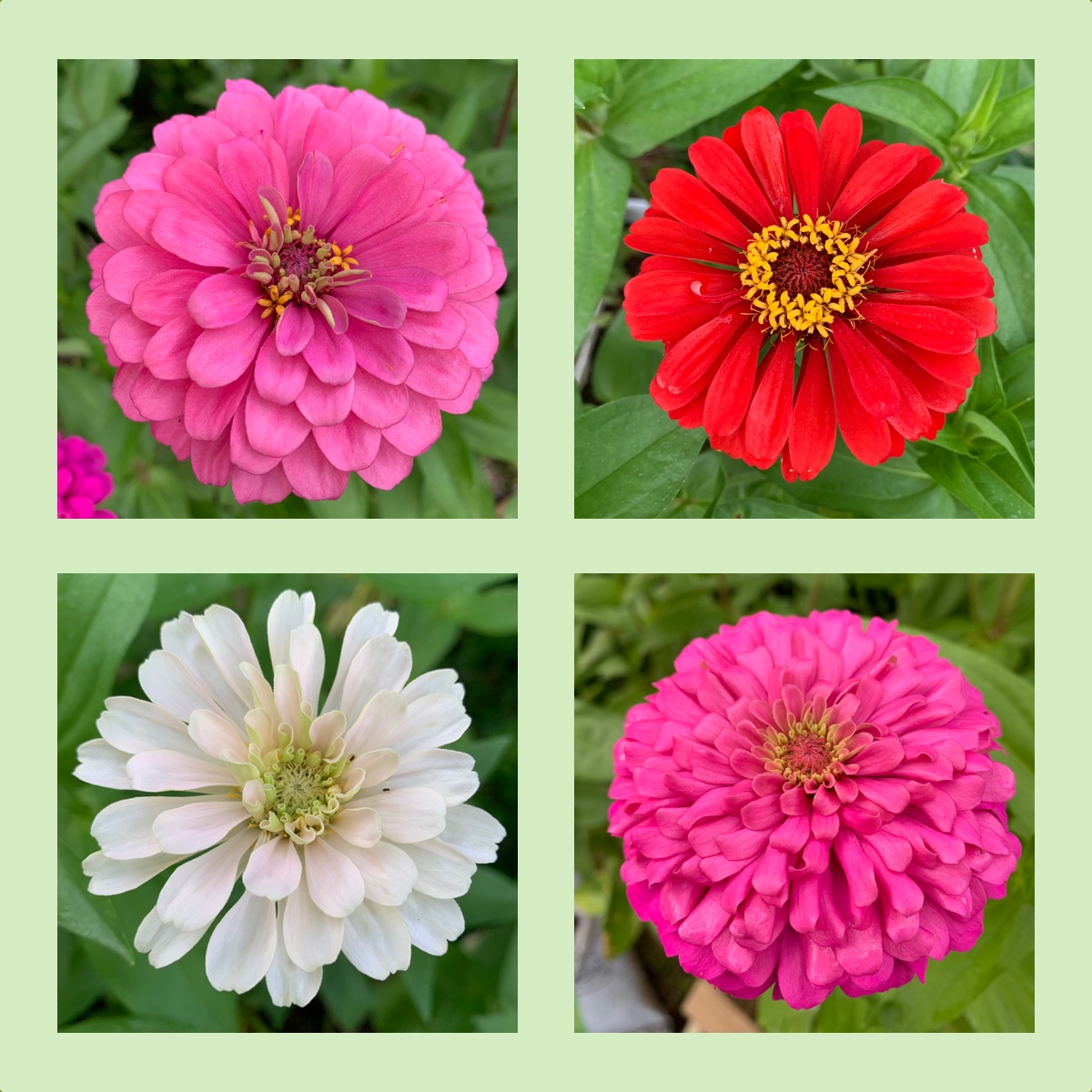
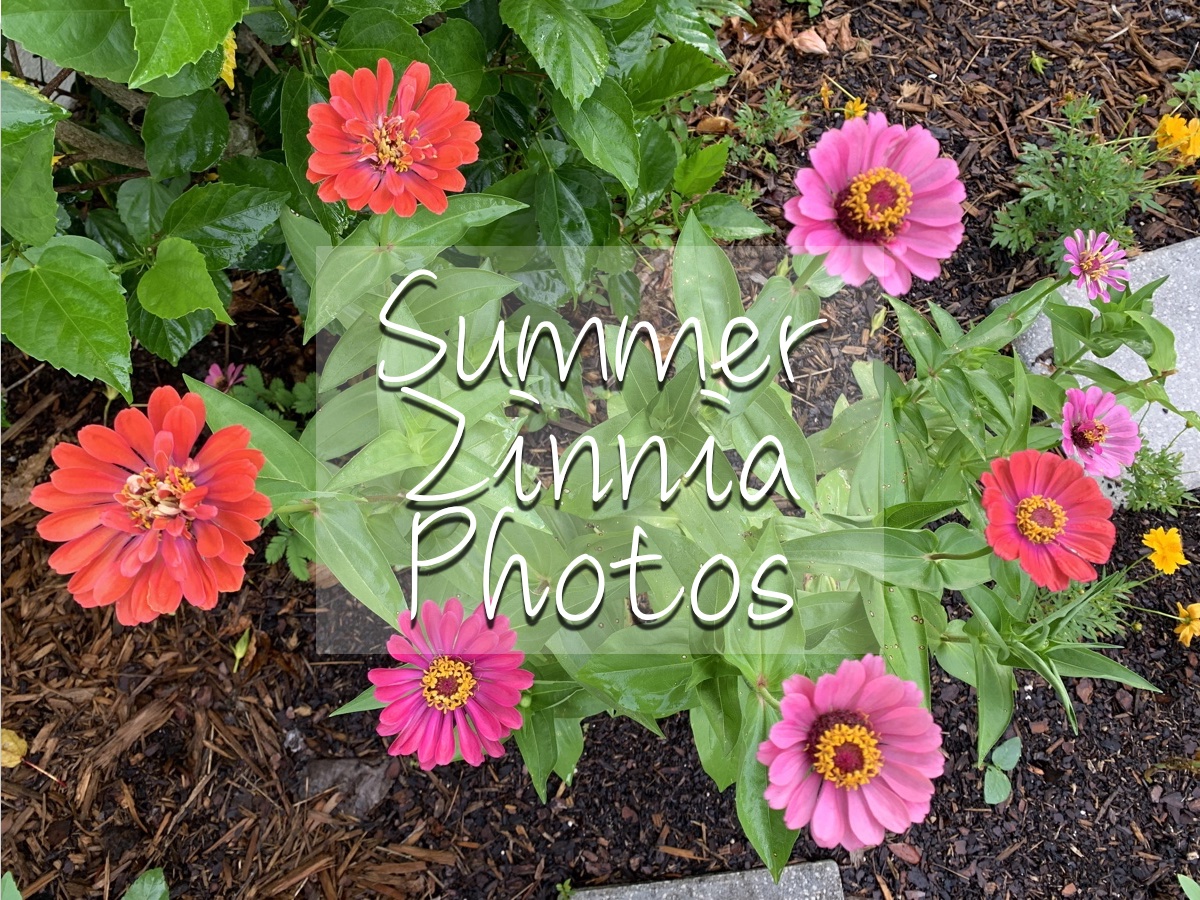
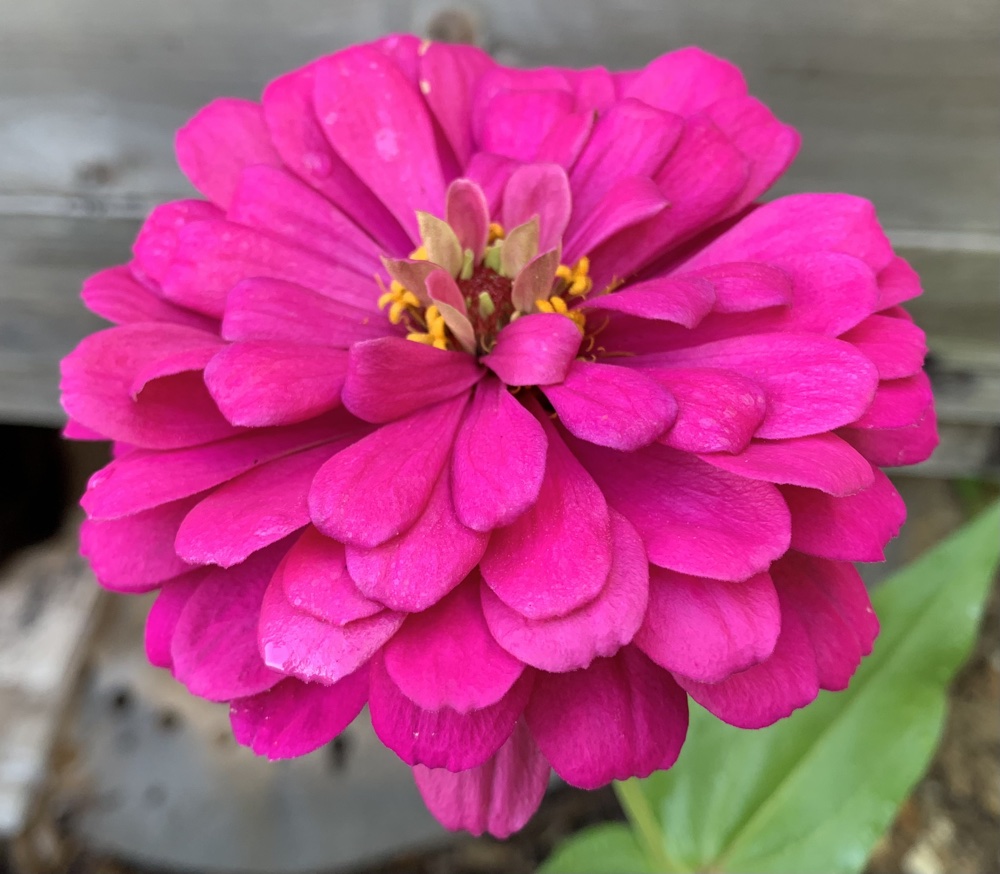
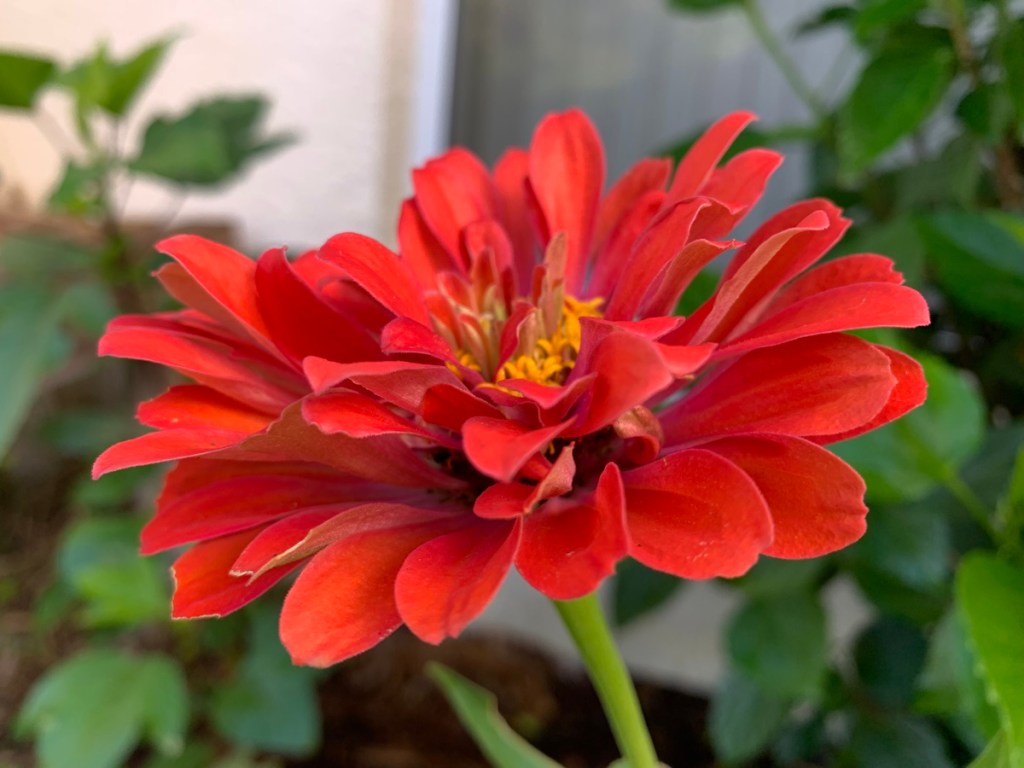
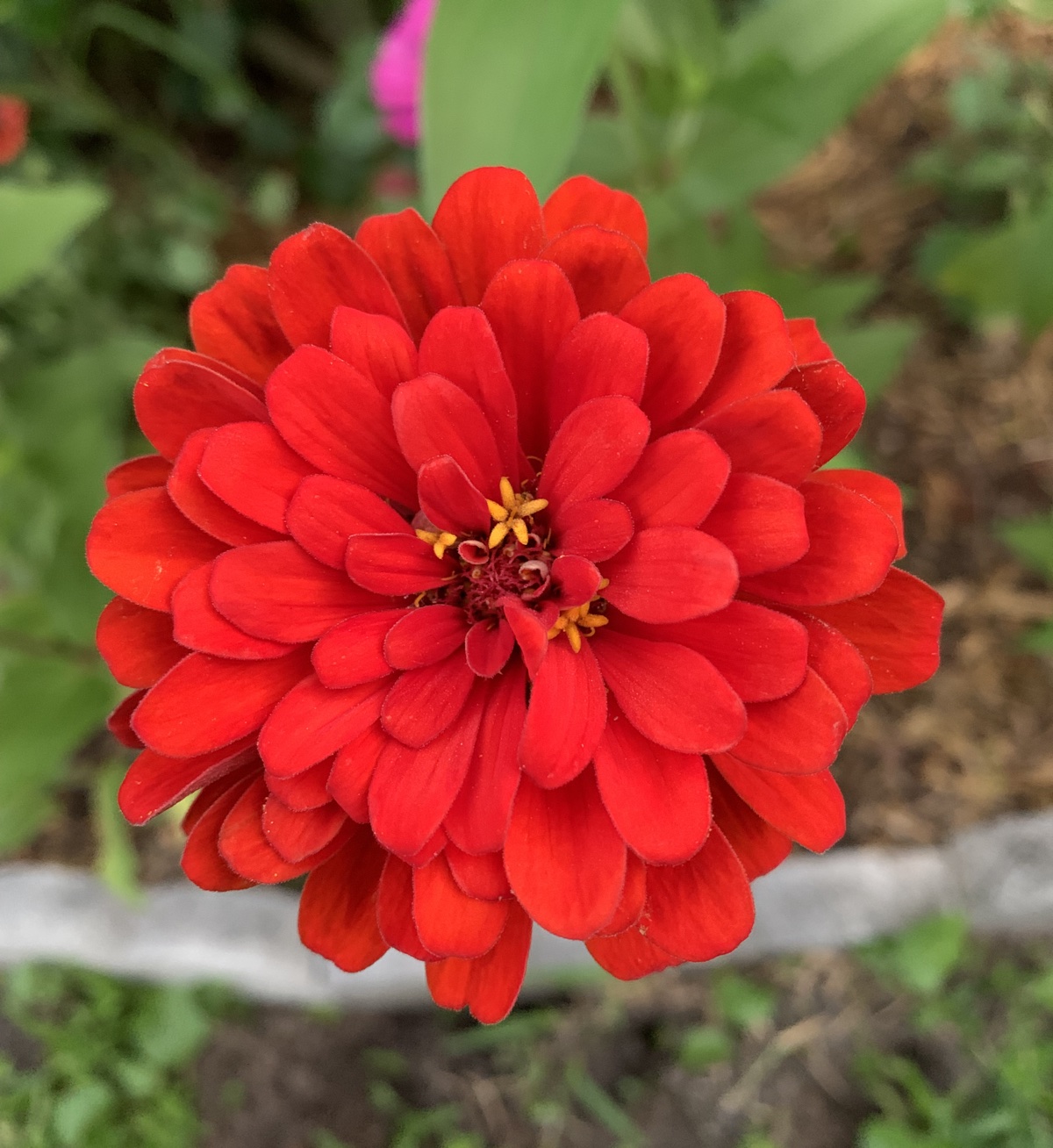
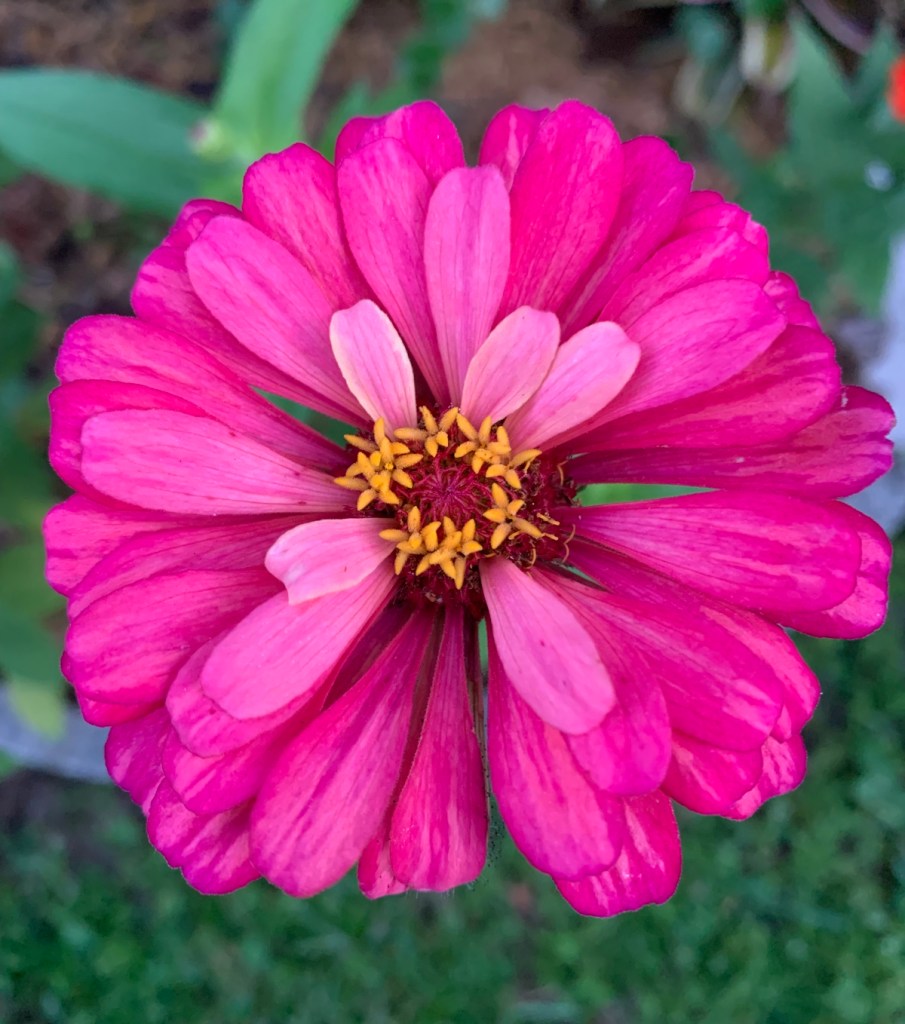
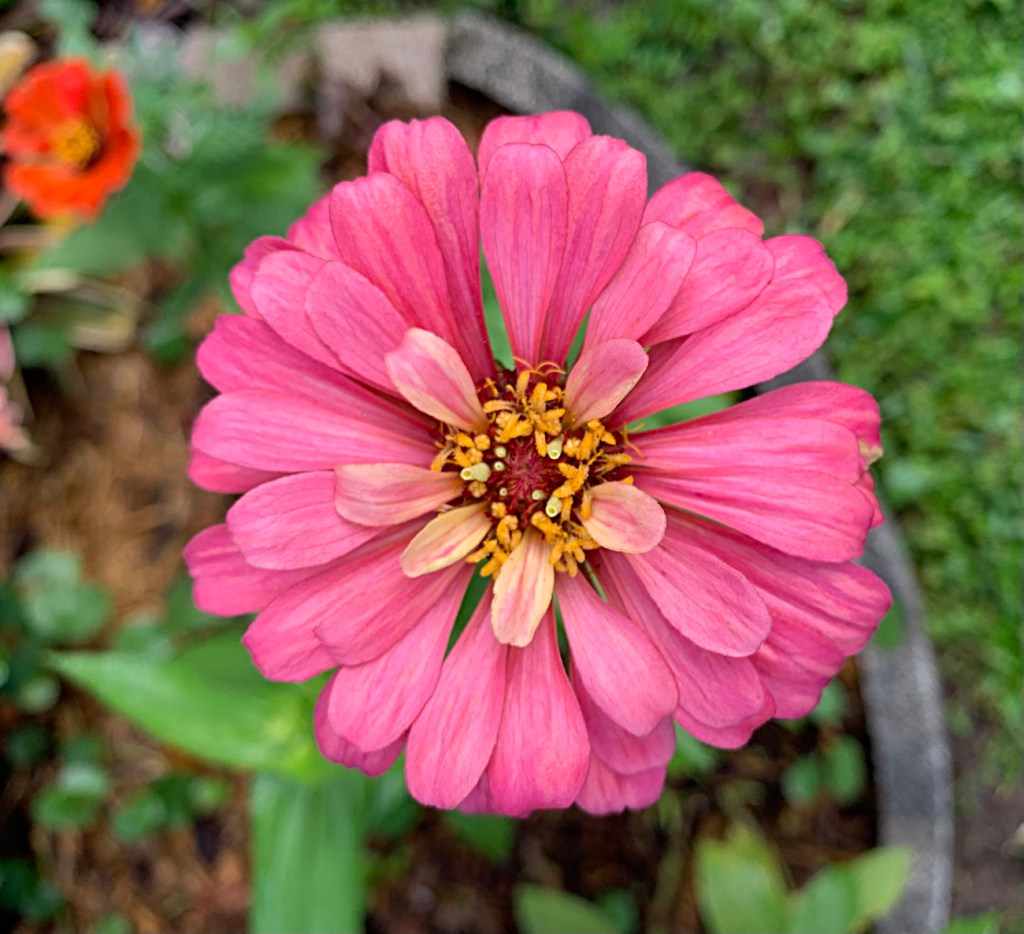
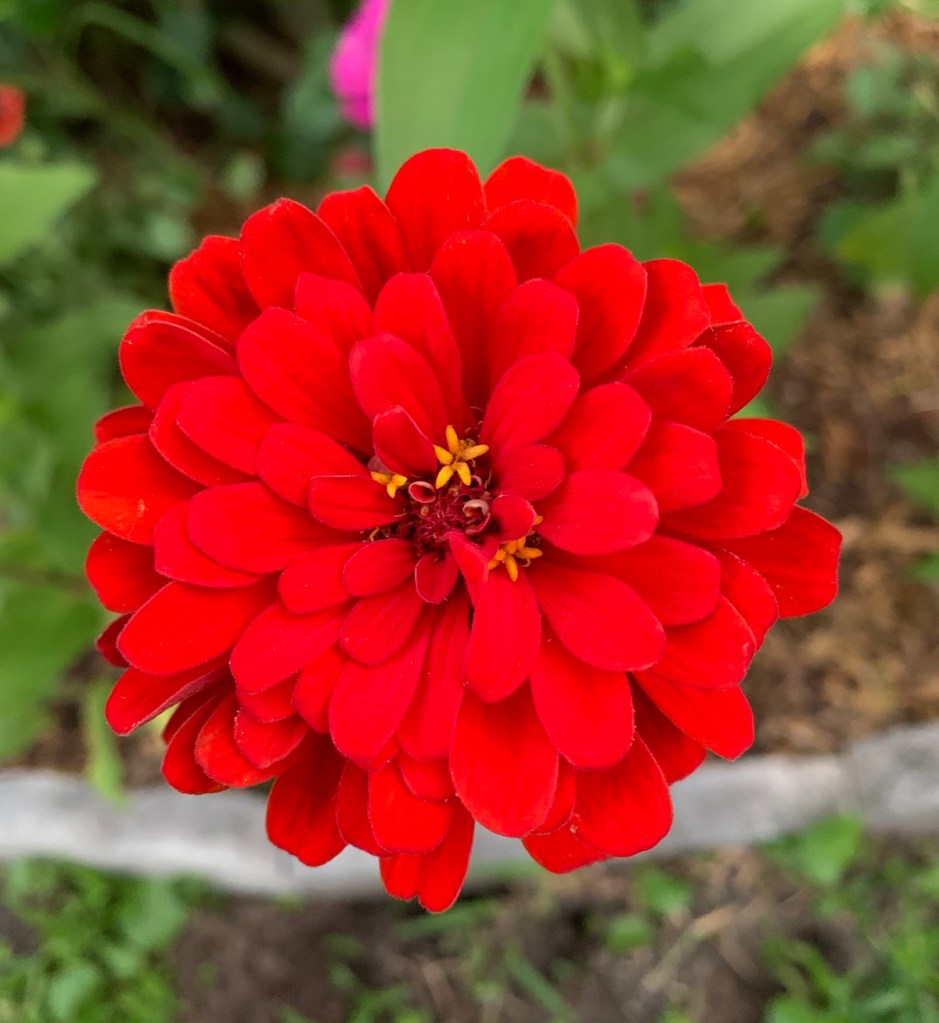
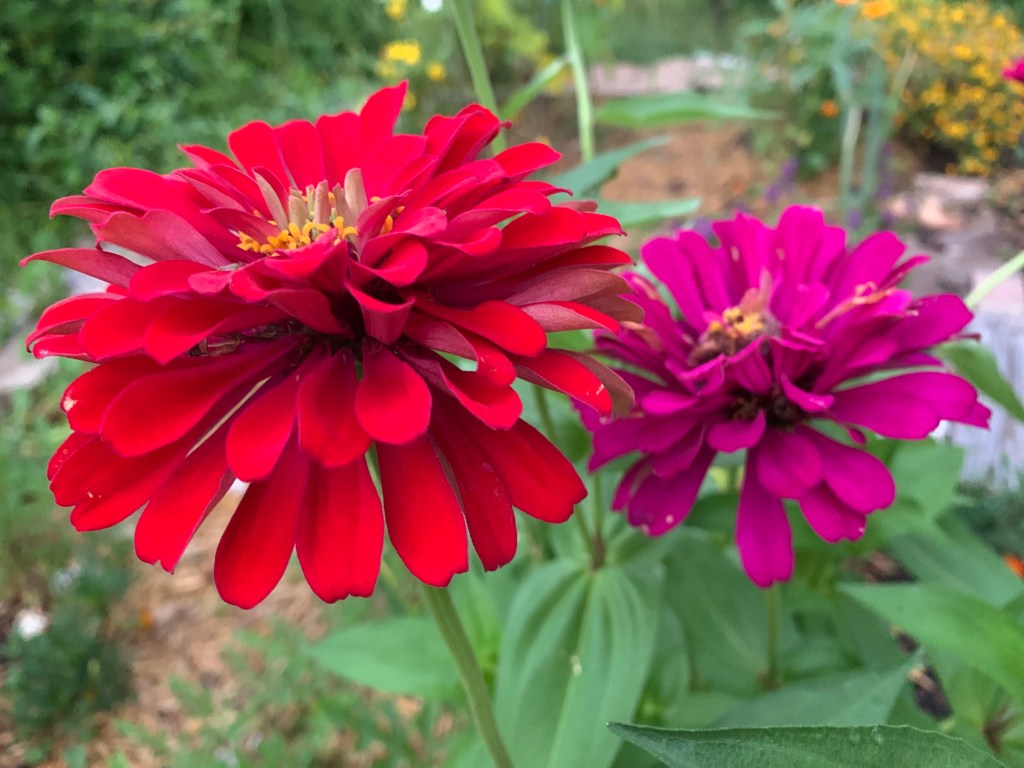
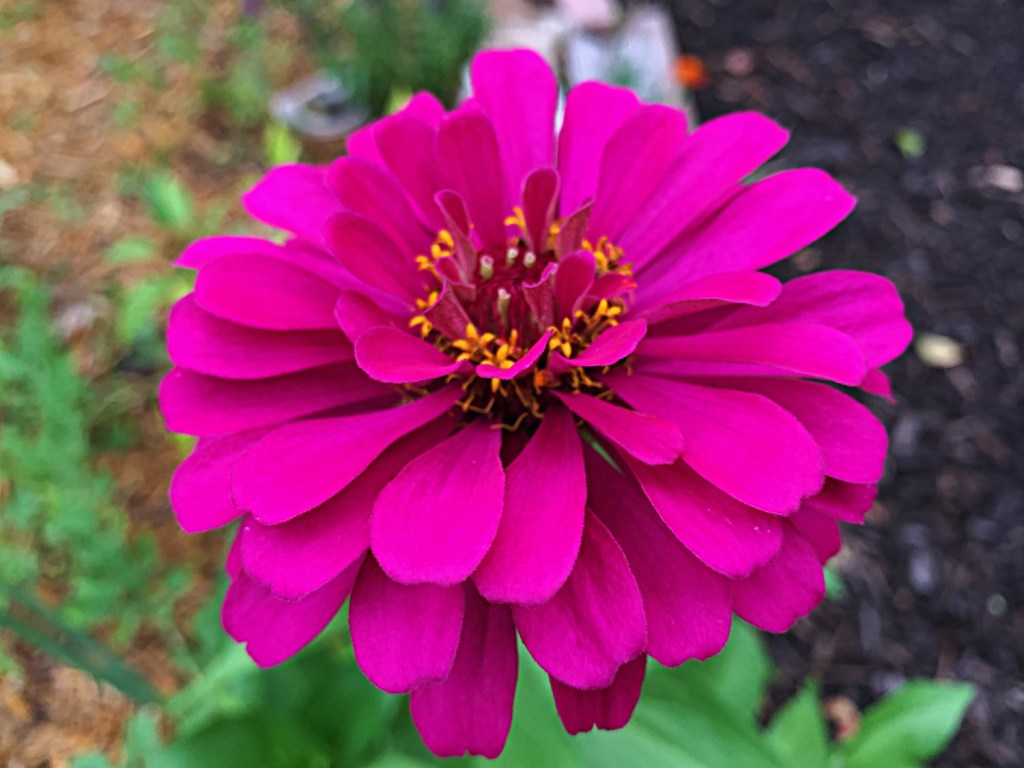
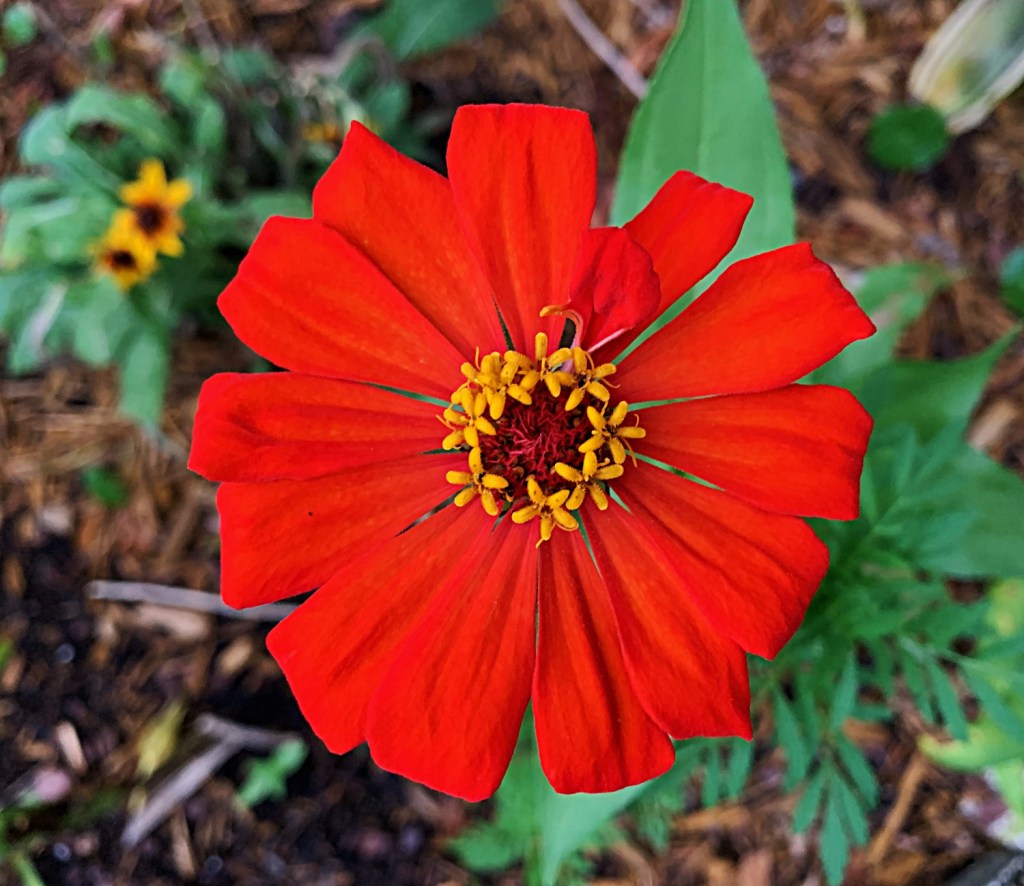
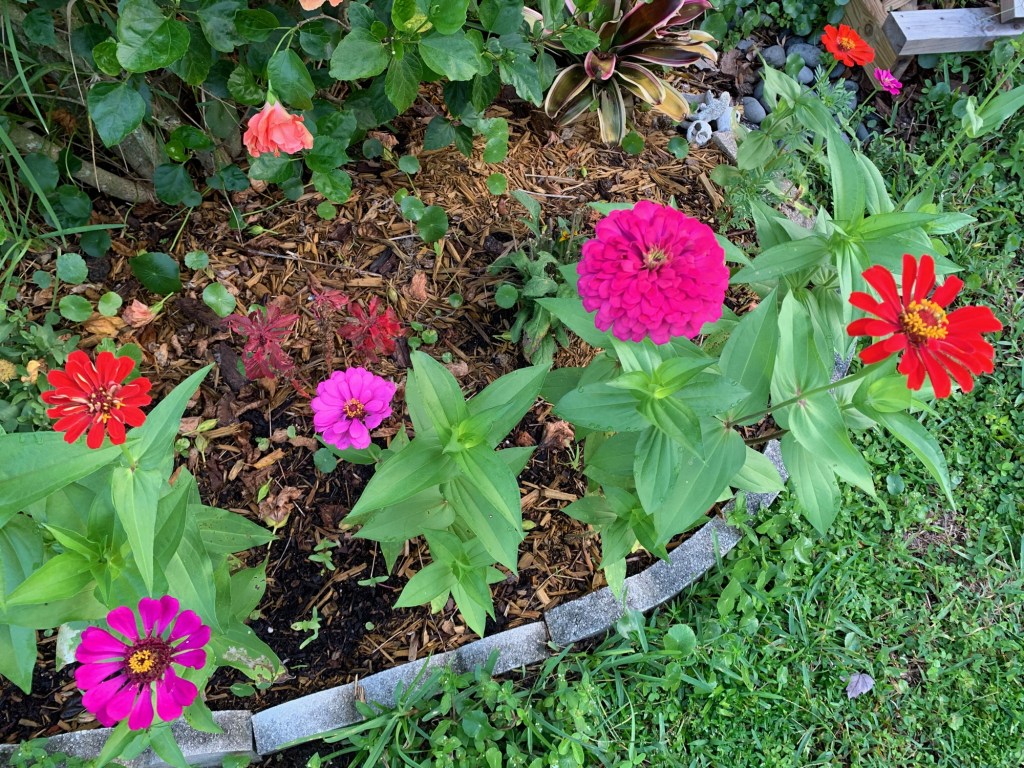
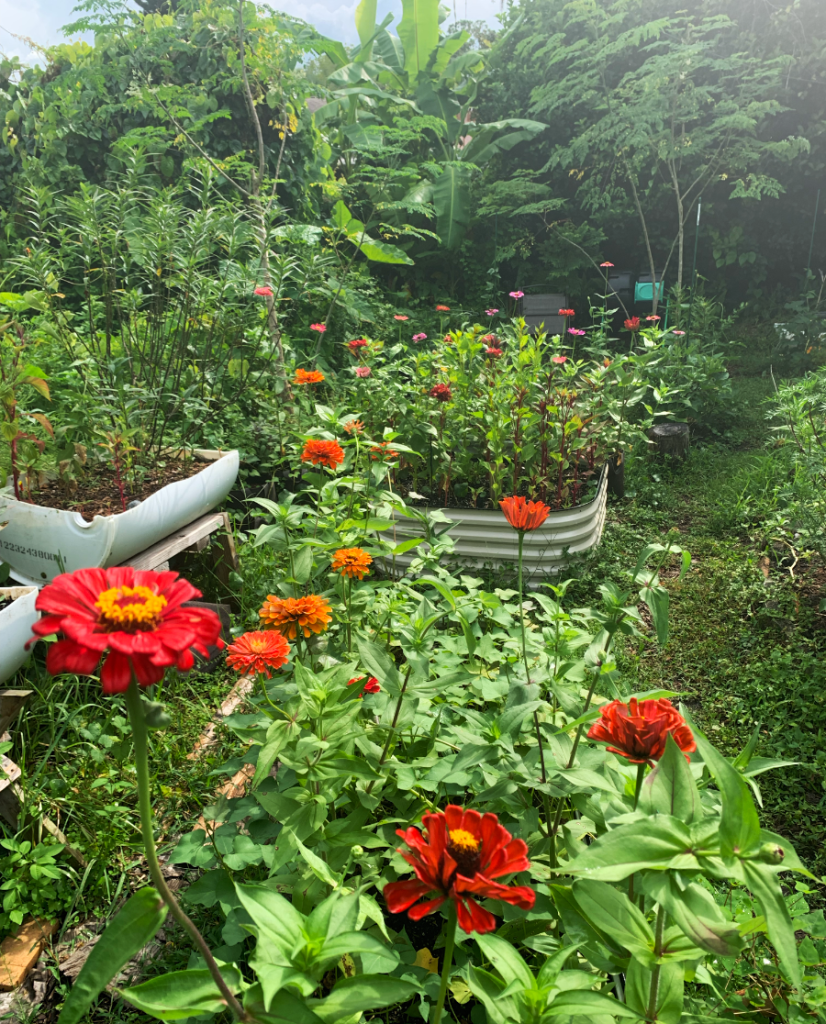
My garden is full of beautiful Zinnias. I look at each one when I inspect things. I can’t stop photographing them. I only began growing zinnias a couple of years ago, but they have become a favorite. I’ve decided to make dividers for this blog using all my zinnia photos.

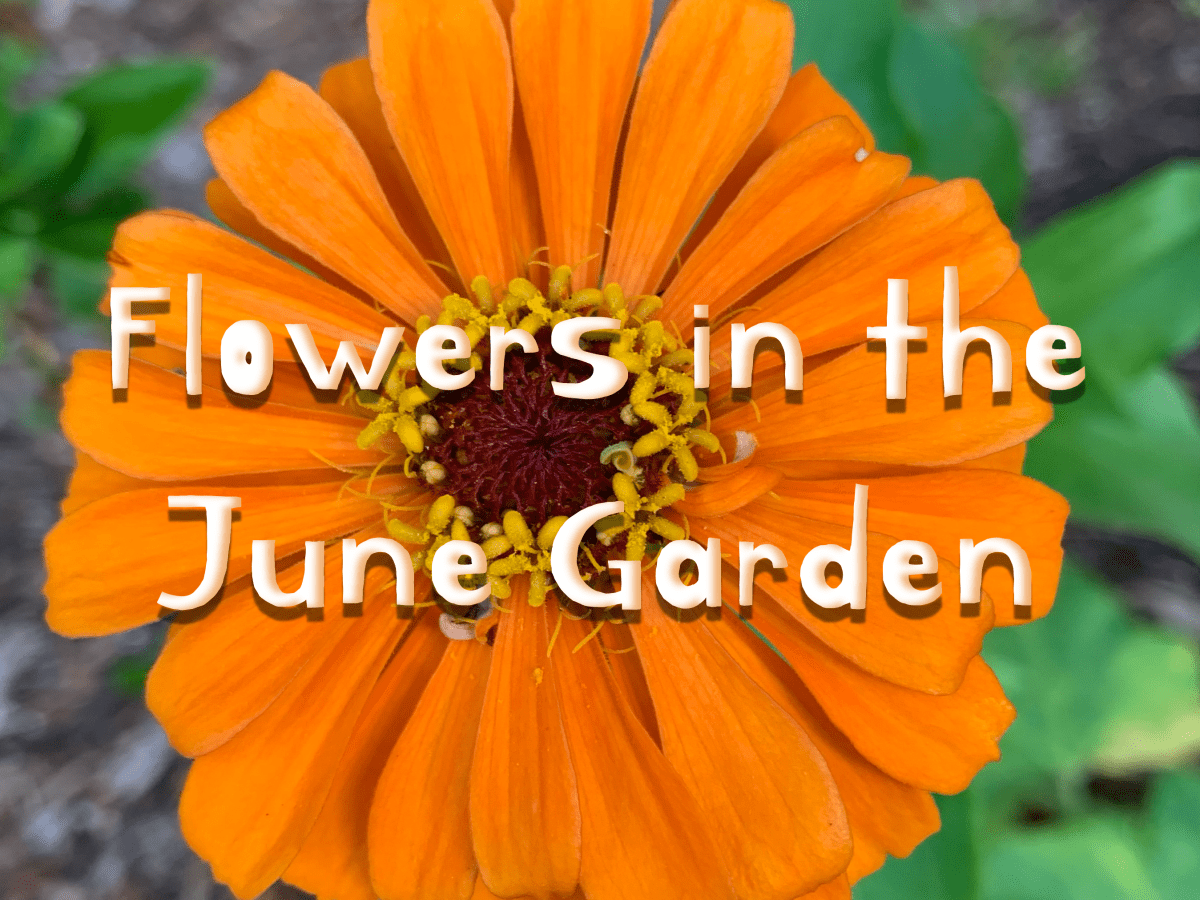
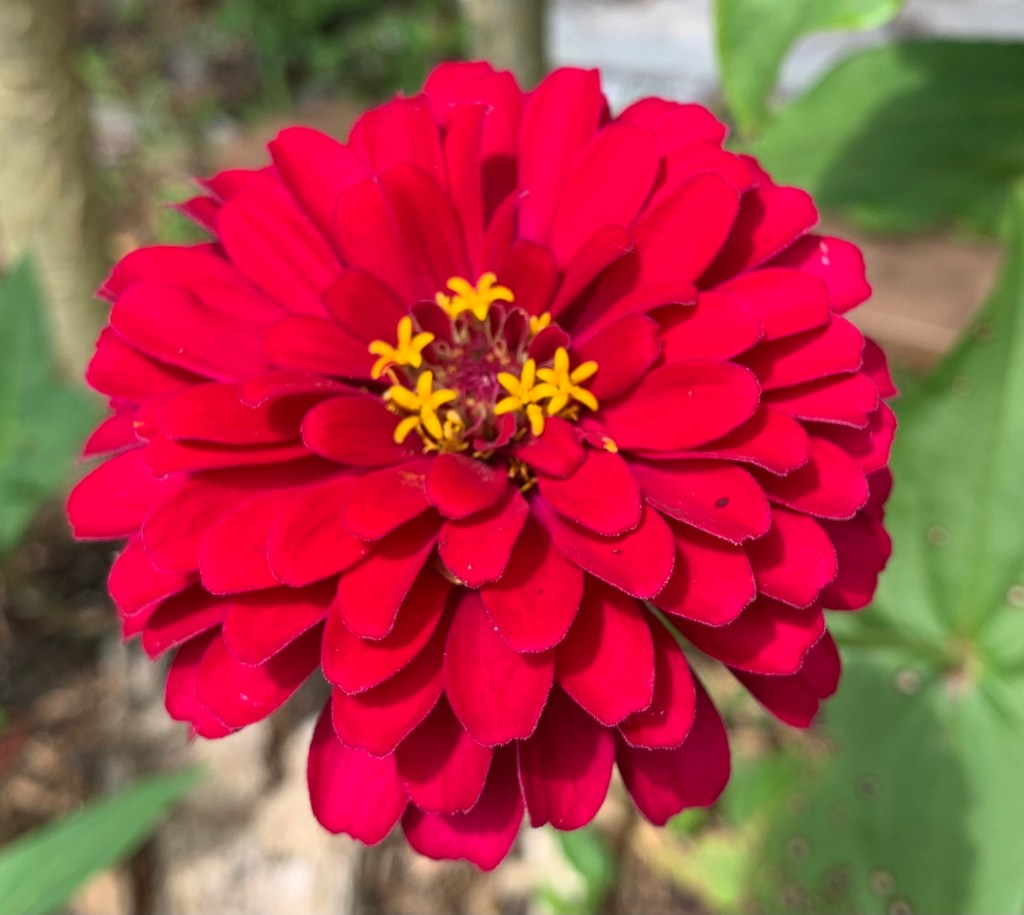
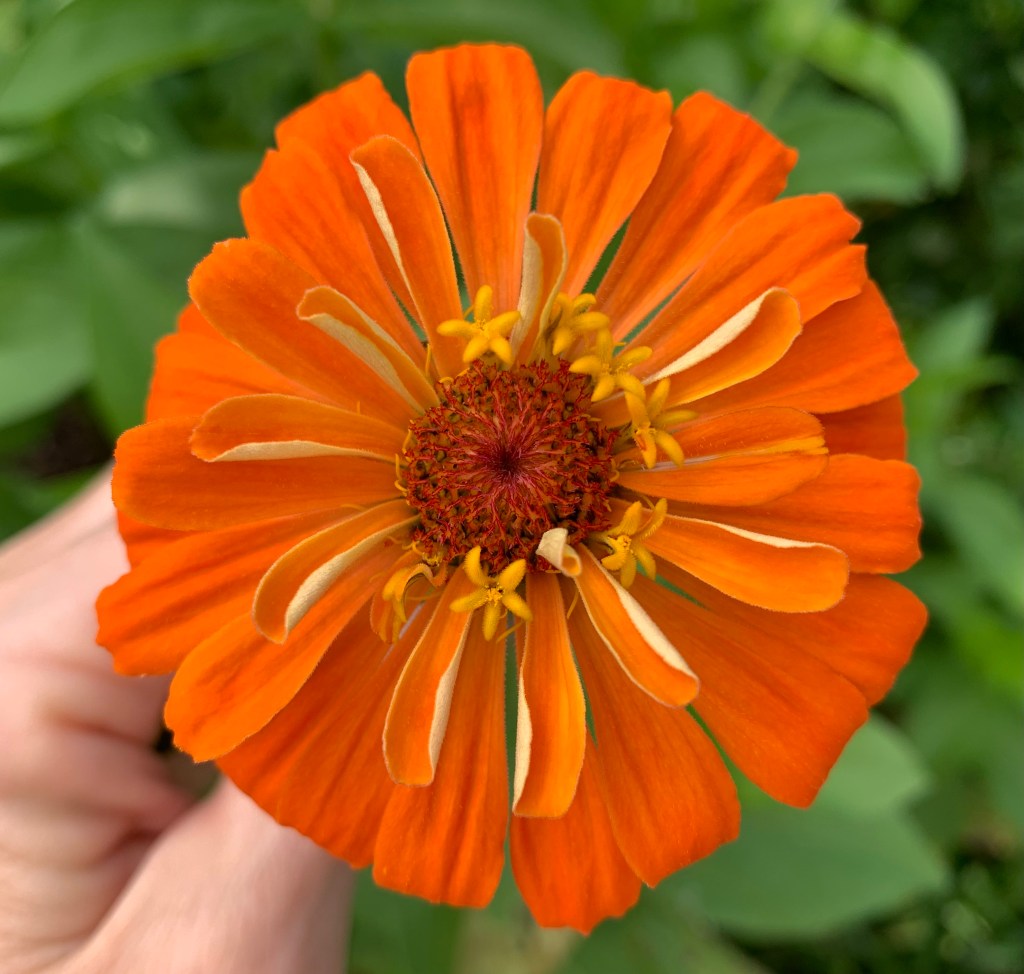
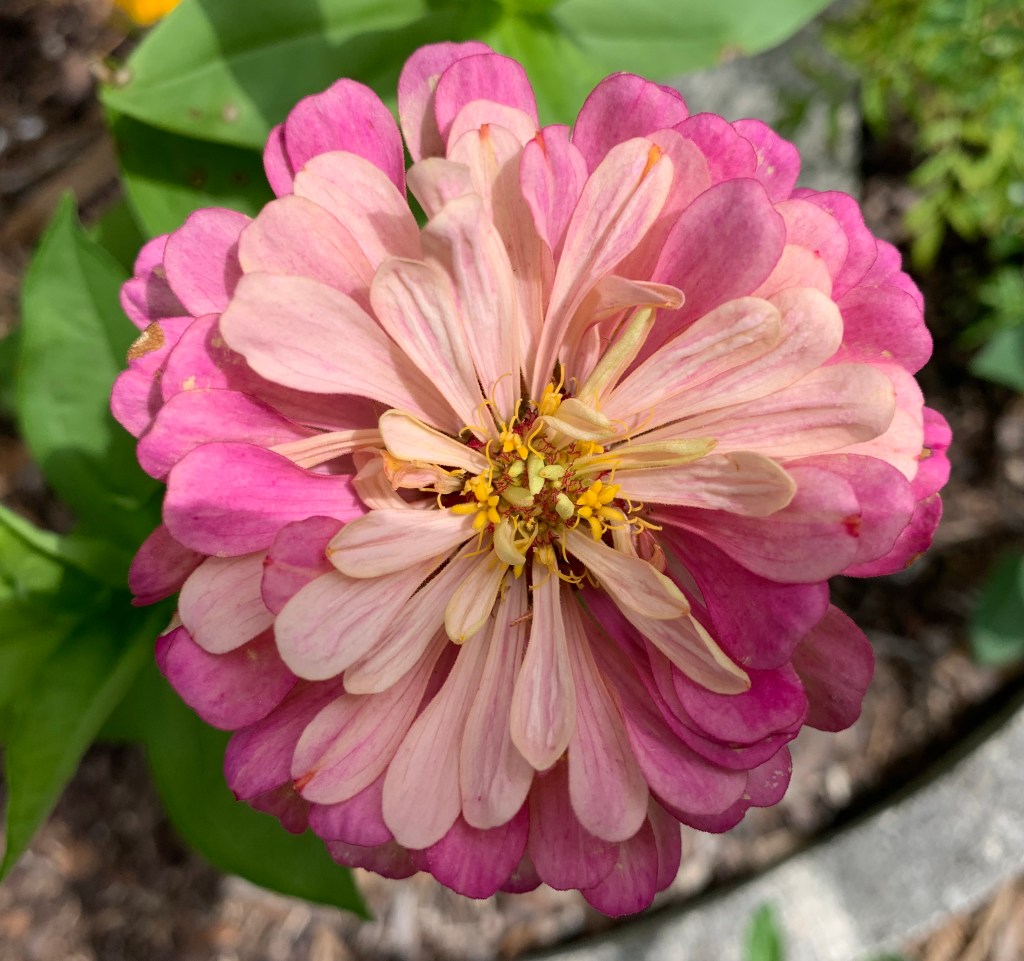
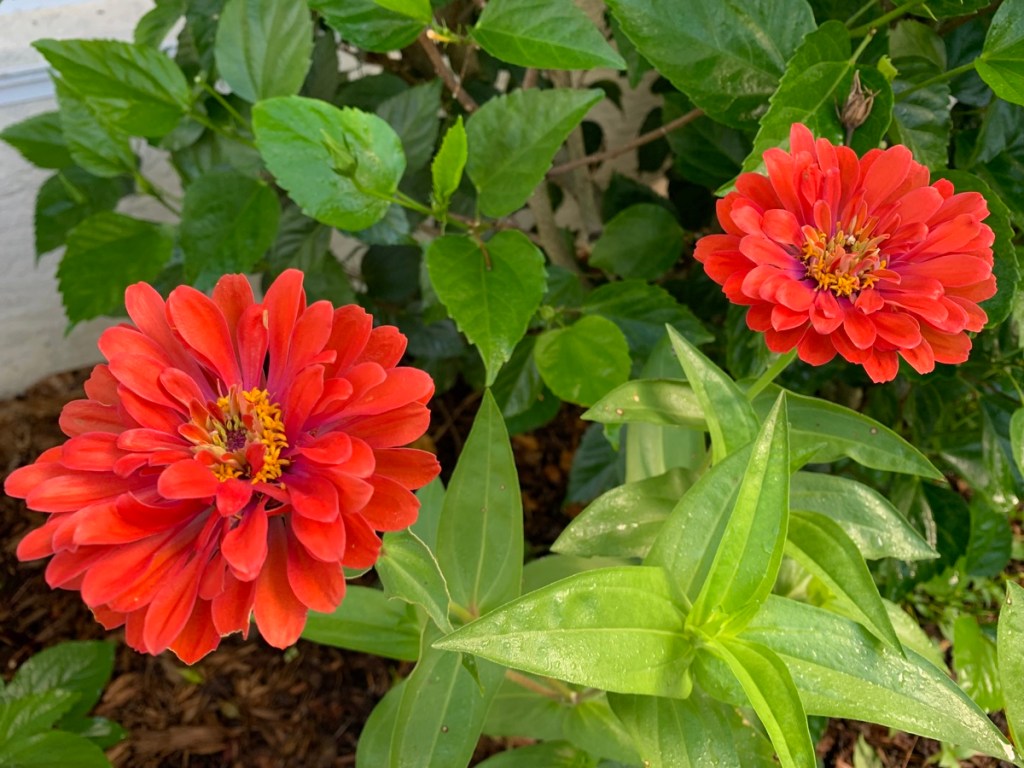
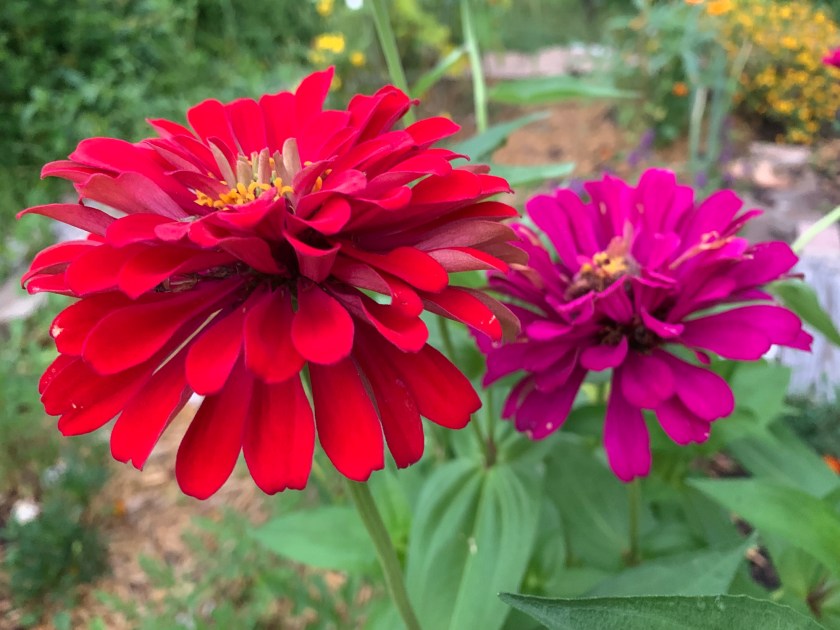
This year I have lots of reds, pinks, and gorgeous orange. I have only one yellow, so I’ll be sure to save it. Honestly, I am saving many Zinnia flower heads. Some have grown from saved seeds, but many I planted from newly purchased seeds.
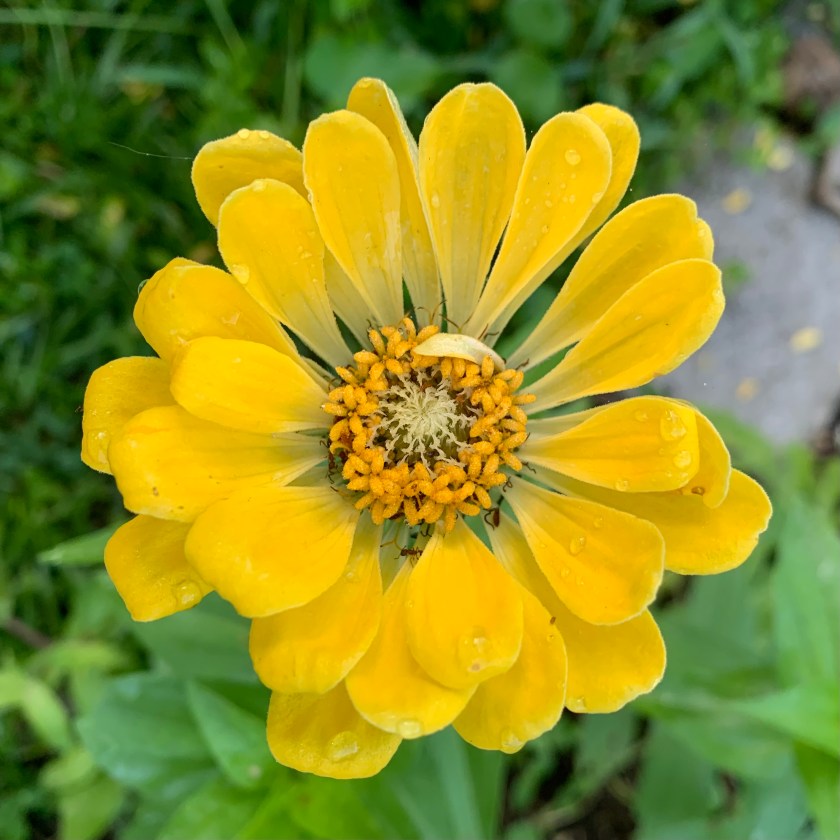
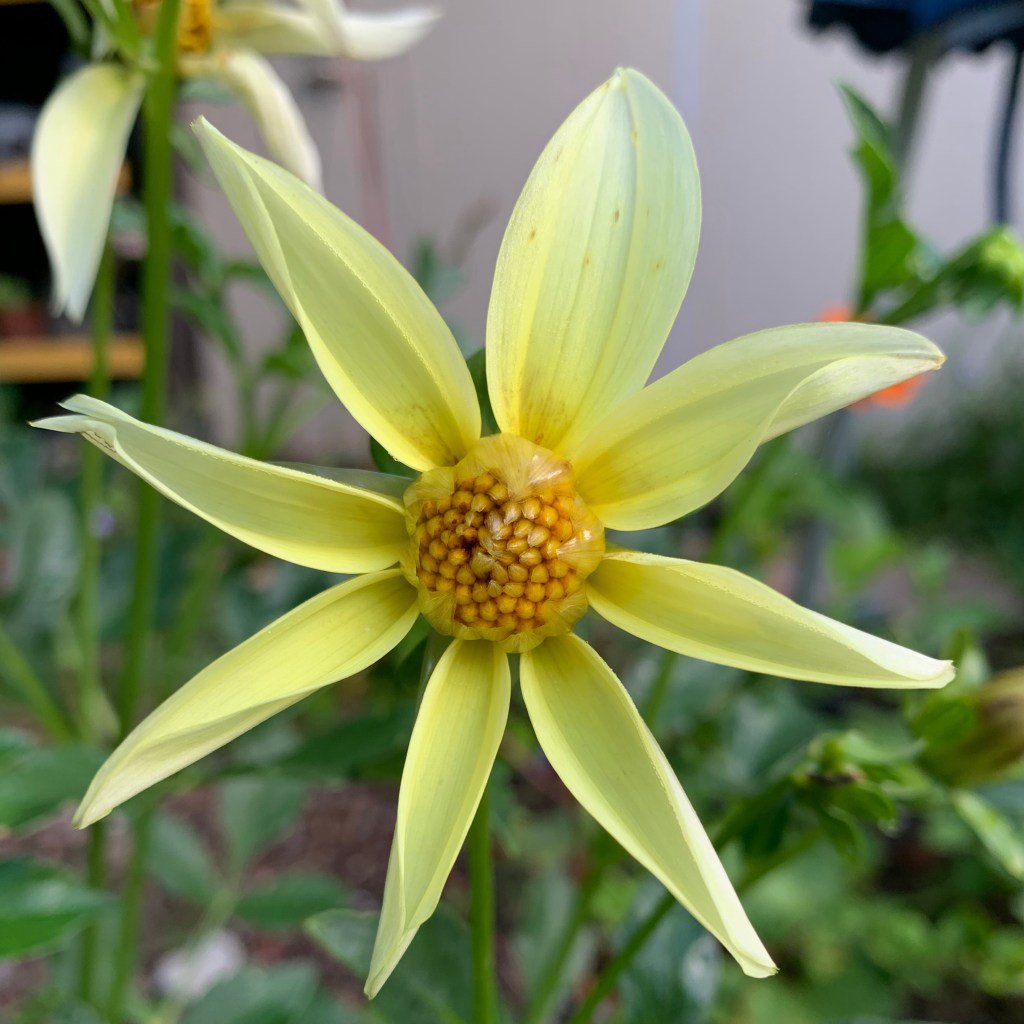
yellow zinnia
Only one plant is yellow.

Skittle

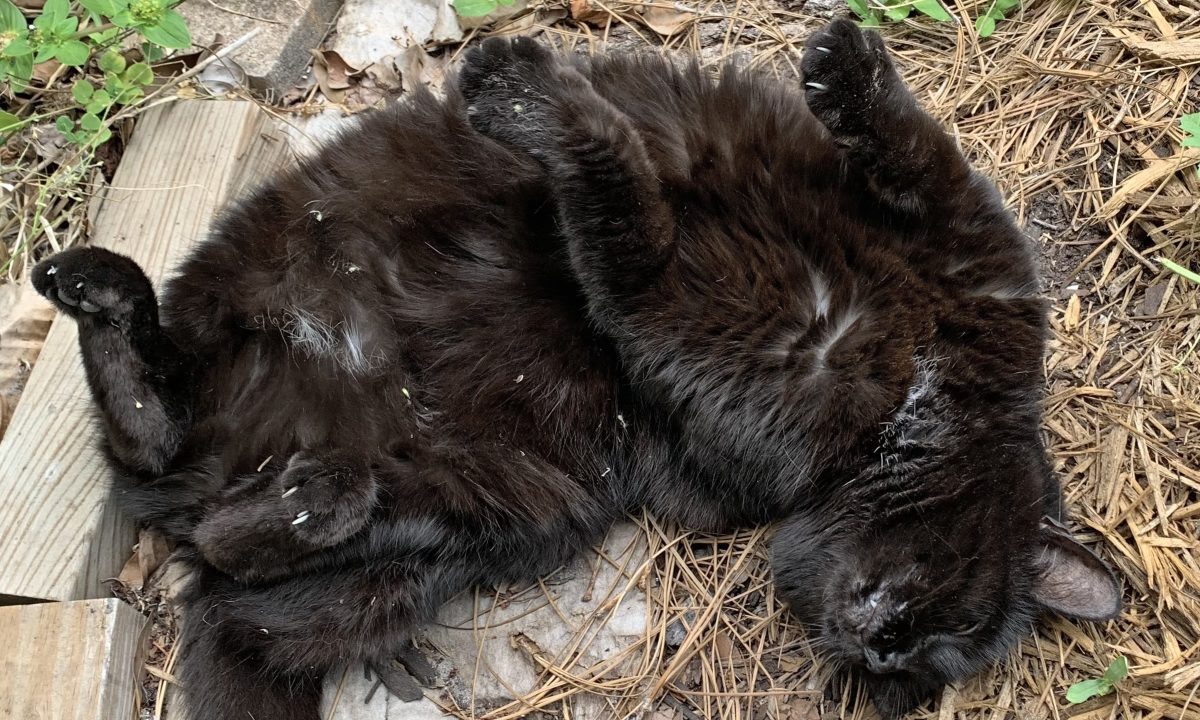
Skittle the cat has always been my shadow in the garden. She very much enjoys it when I inspect things. I can’t spend much time out there with her now because of the horrendous heat. She seems to love it. As long as she can find an uncomfortable looking place to sleep, she is happy.
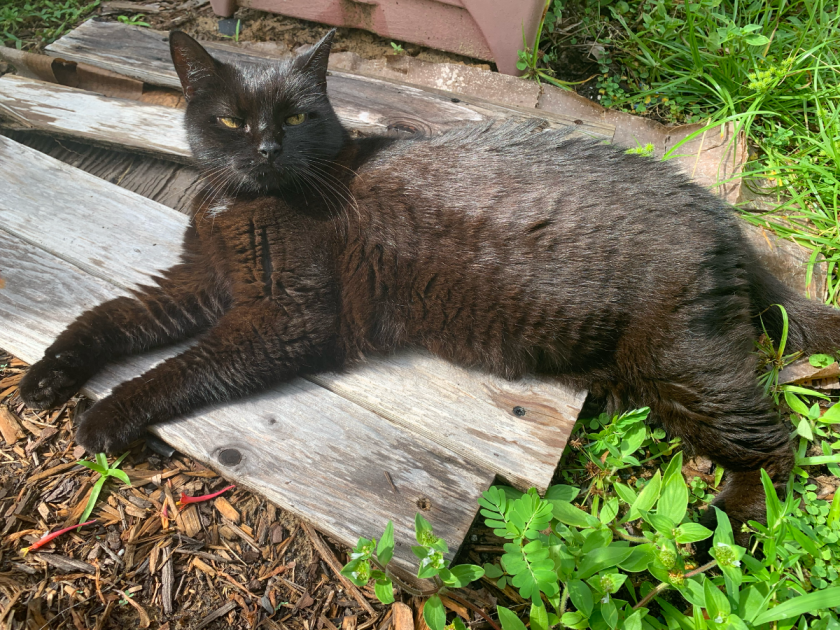
Skittle

I’m mostly quite happy as I look through the garden. Occasionally I get depressed at the lack of food, but there is always the grocery store. Good thing.

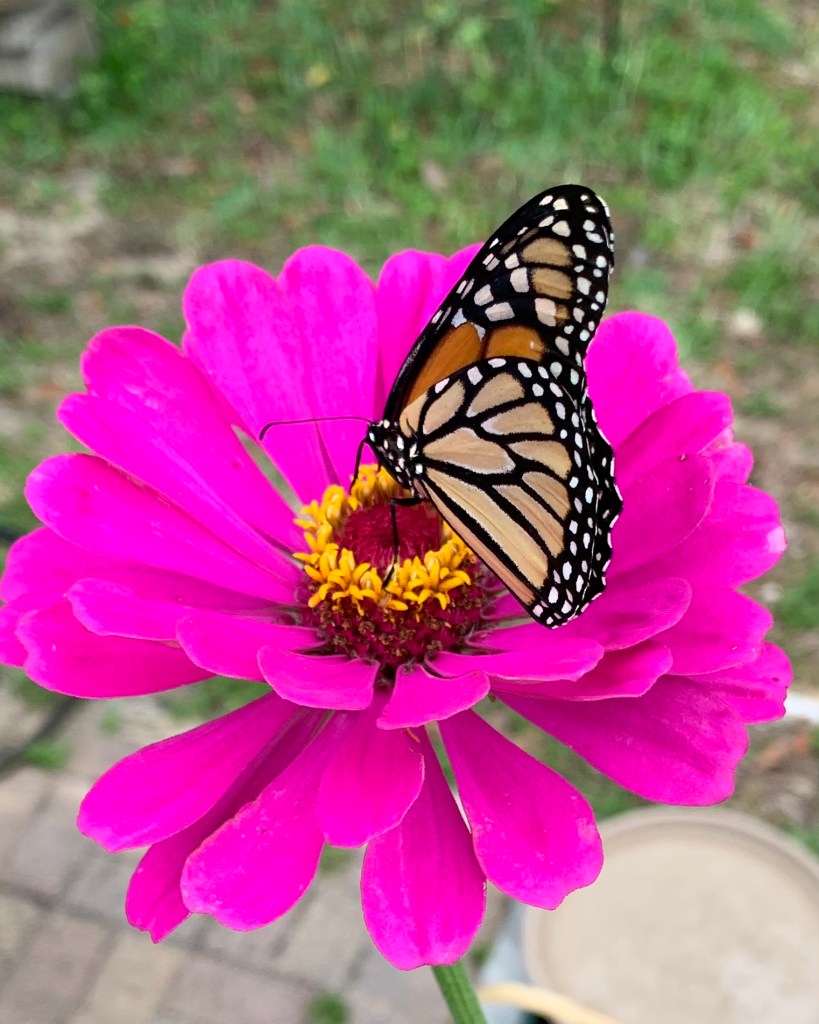
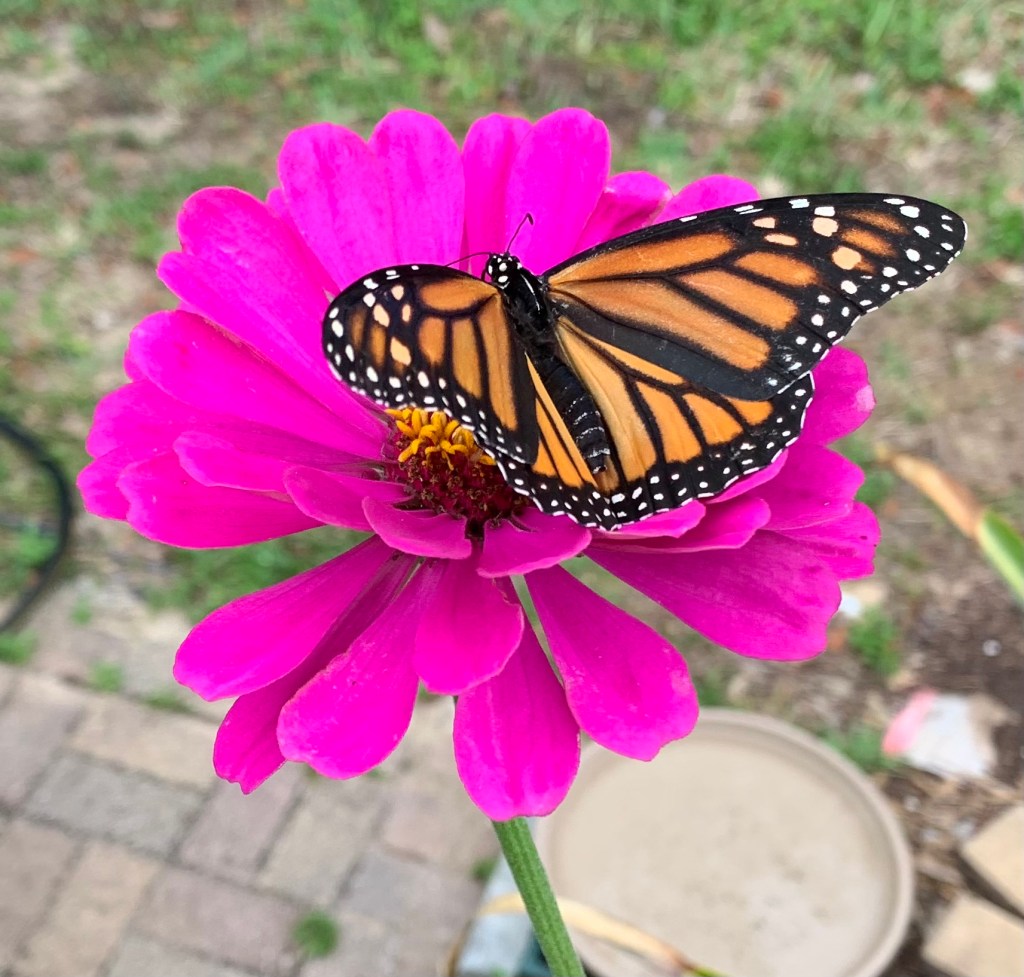
The Monarch butterflies are still fluttering each day. They usually show up around 9:00am. They land on the zinnias frequently. Their tropical milkweed is not flowering now, but soon the swamp milkweed will be.
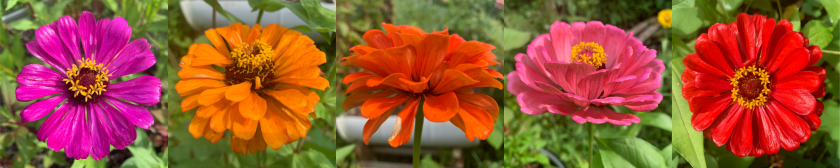
zinnias divider

Thank you for reading.

Something went wrong. Please refresh the page and/or try again.

Pretty Flowers in the June Garden

Lots of flowers are beginning to bloom in June. Here in central Florida we have a jump on growing, but look forward to growth just the same.

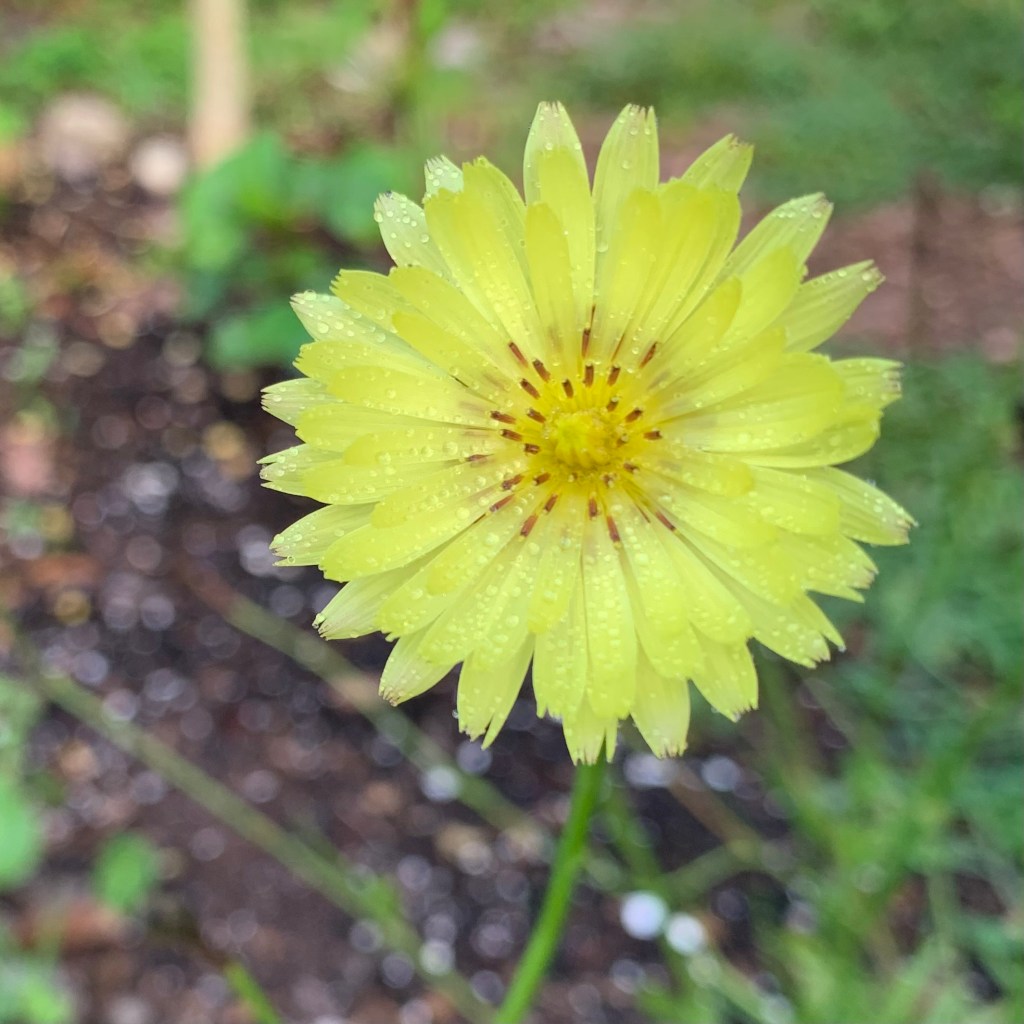
I love to photograph flowers. They make an excellent subject. Who doesn’t like viewing the delicate intricacies, fantastic shapes, and stunning colors of flowers. They don’t move so photography is simple! LOVE.


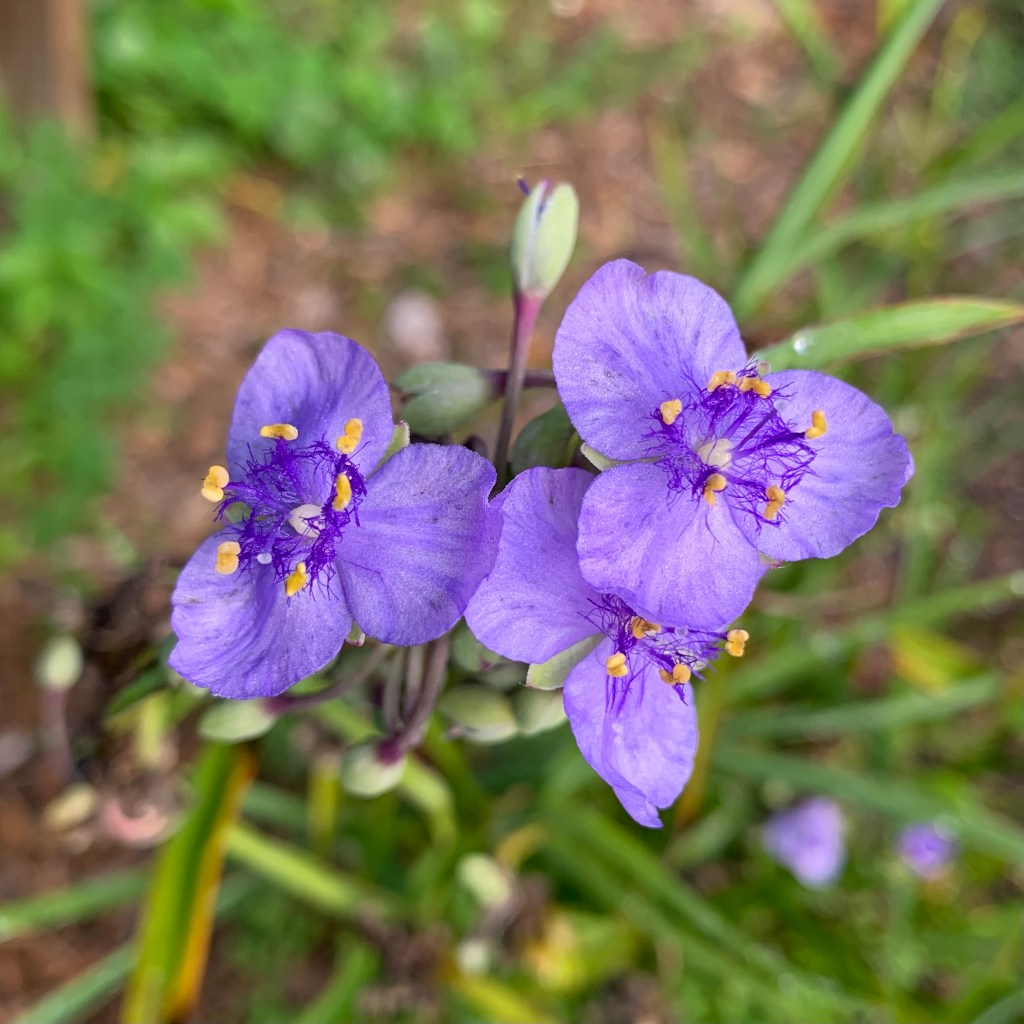
So…. from all the flowers above, I see bees visiting most often the Spiderwort. I’ve let some clumps of Spiderwort grow randomly around the garden. Each morning when I water, I hear and see bumblebees visiting the purple flowers.

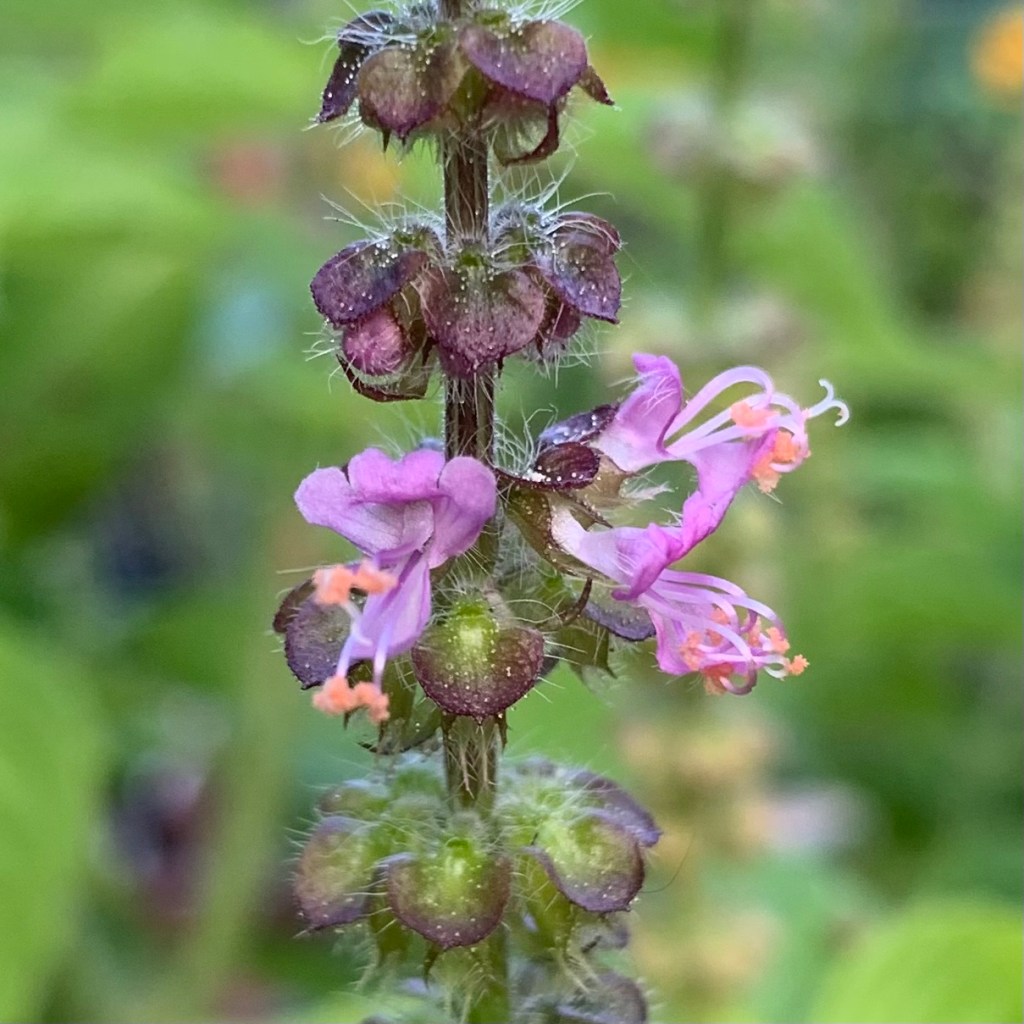
Another favorite is the purple Holy Basil, also called Tatsoi. Those flowers come out on tall spikes and the flowers are very tiny. But the bumblebees love them!

Butterflies usually visit the beautiful zinnias, but I have not had many butterflies. The occasional Gulf Fritillary has been spotted, and a few Zebra longwings, but honestly not many at all.

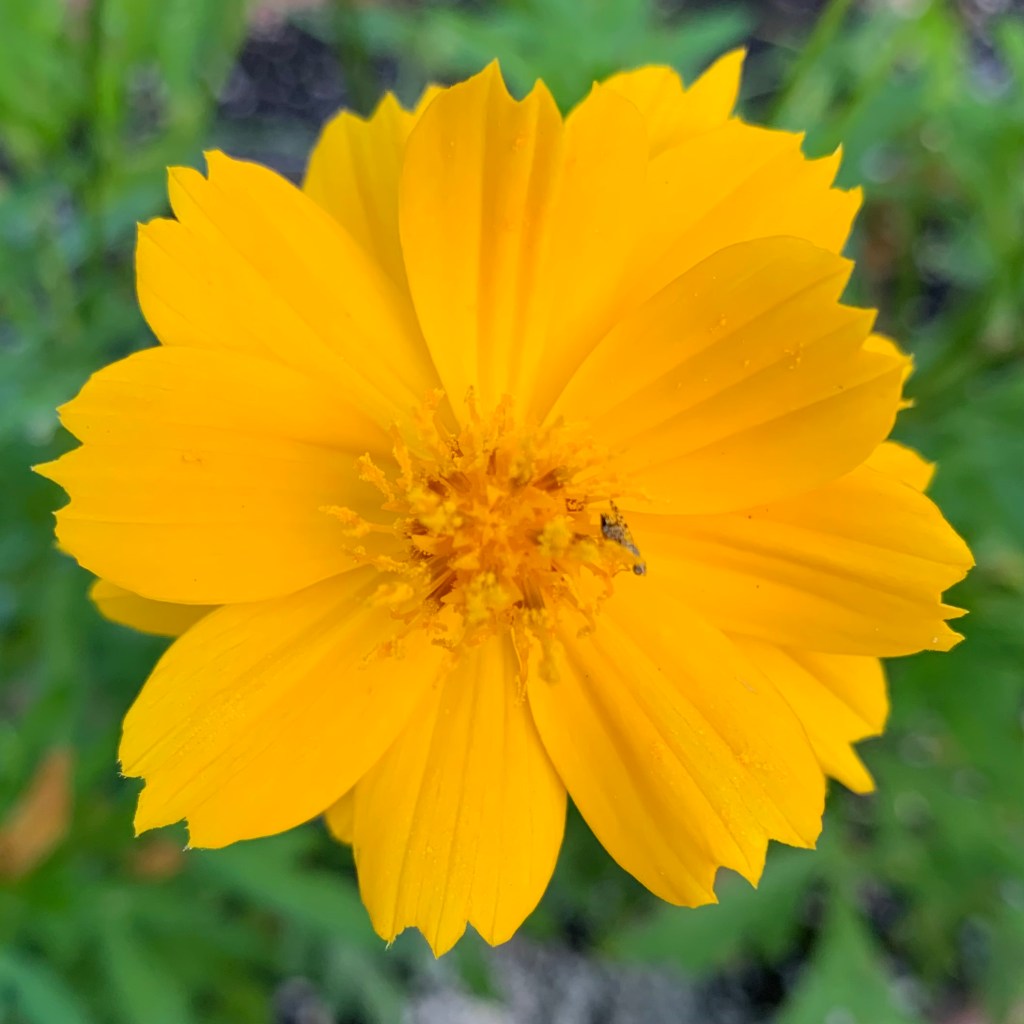
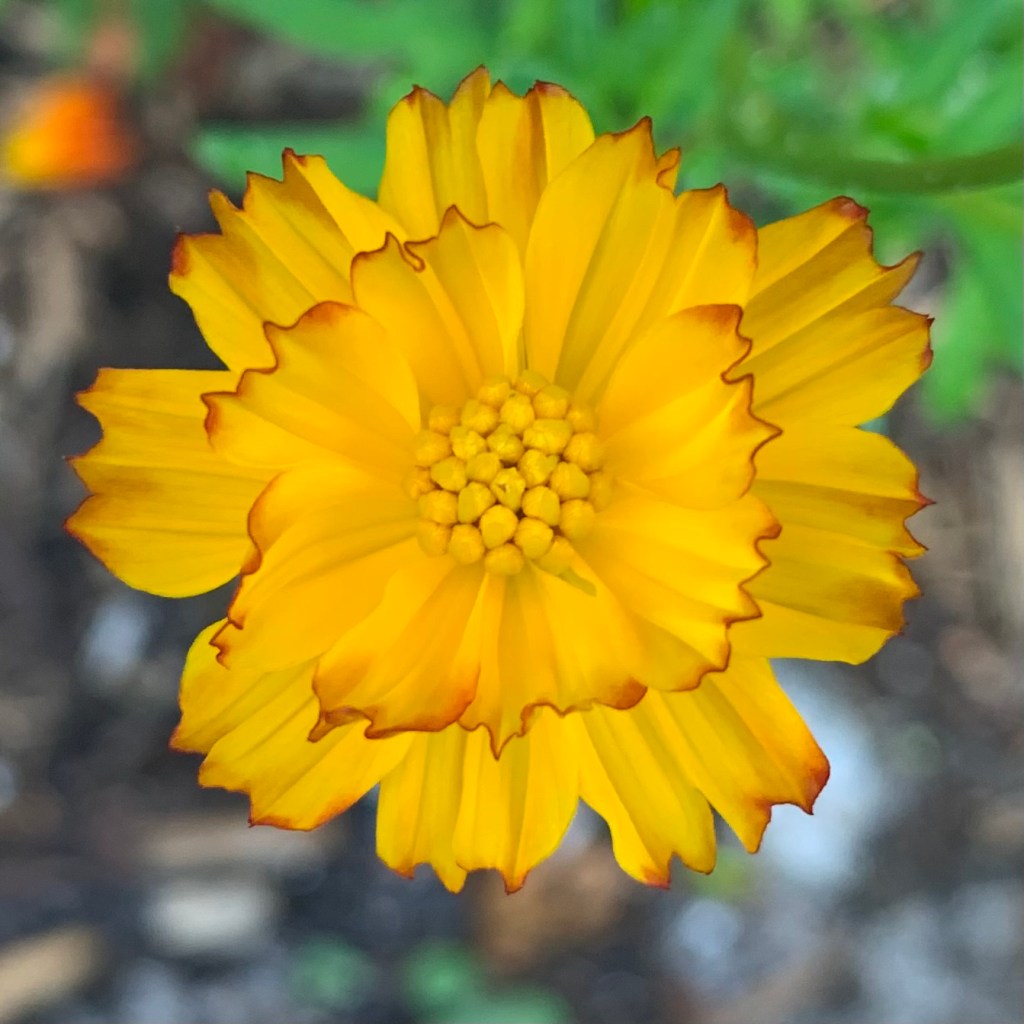
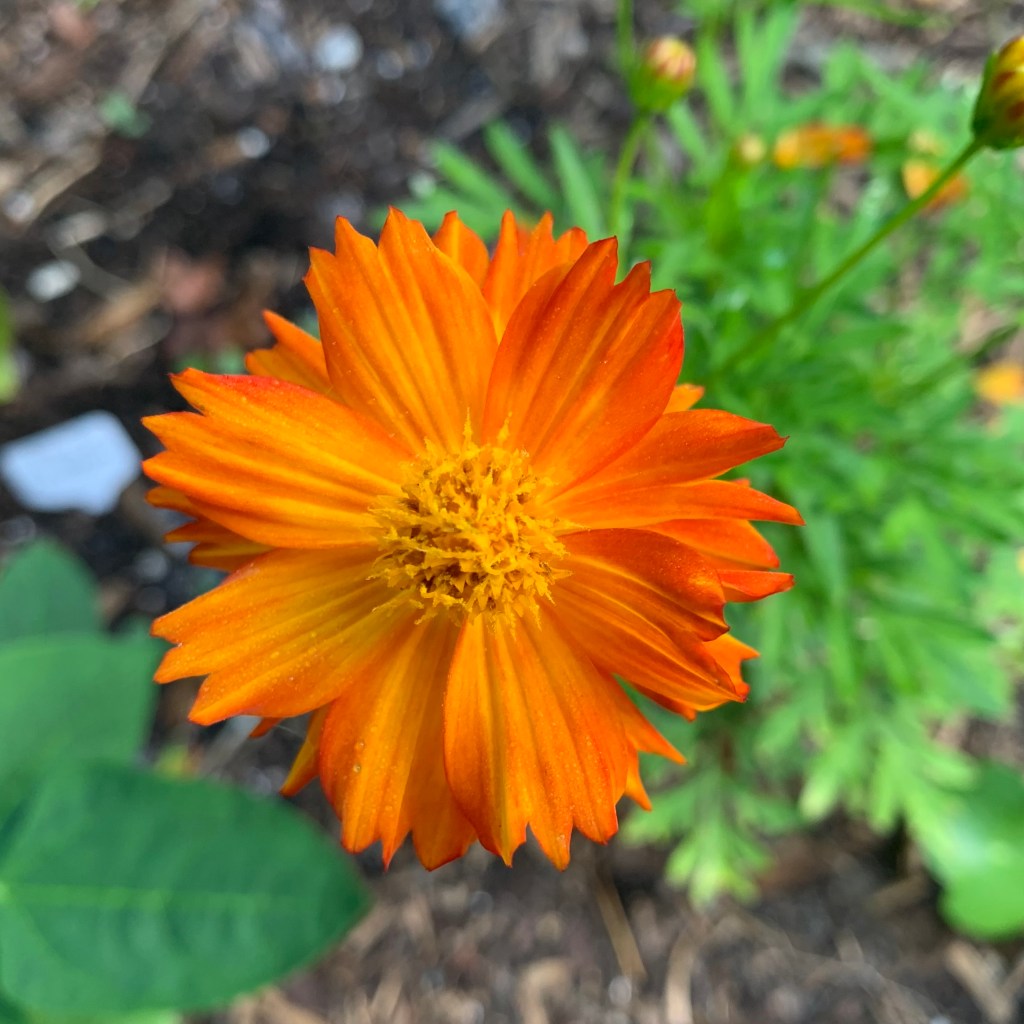
The Cosmos are not like the cosmos I grew in New Hampshire. These are small plants and not leggy like the northern plants. All of the cosmos growing in my yard came from saved seeds. I bought one plant and saved the seeds that I continue to plant in the yard. I like not knowing if the flowers will be yellow or orange, or a combination.

From the Front Yard

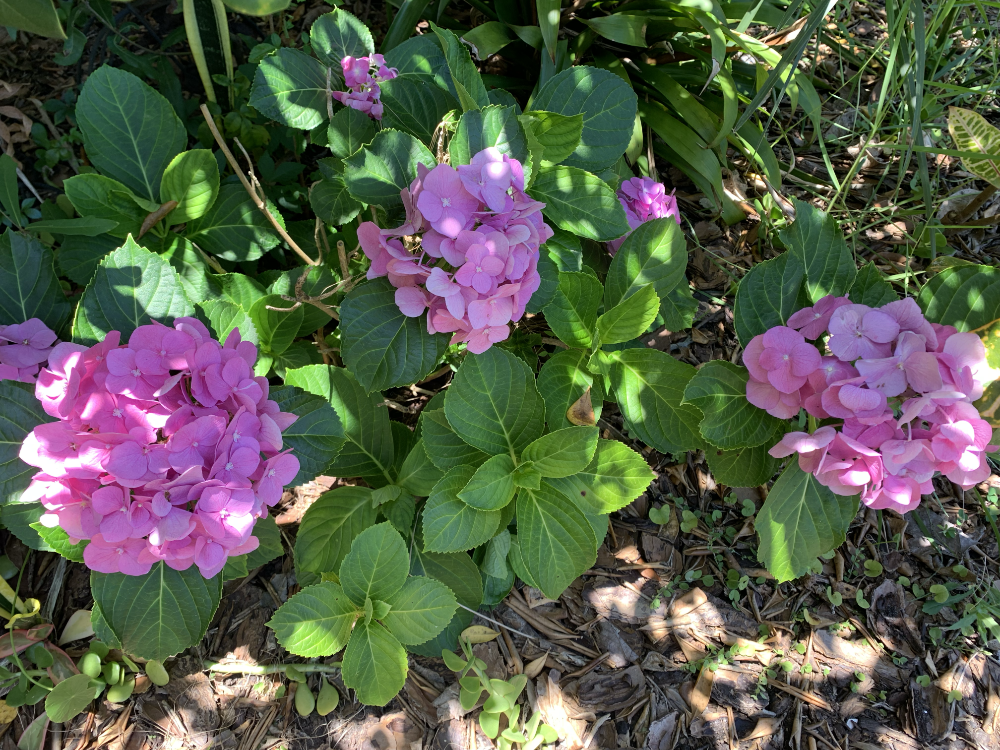
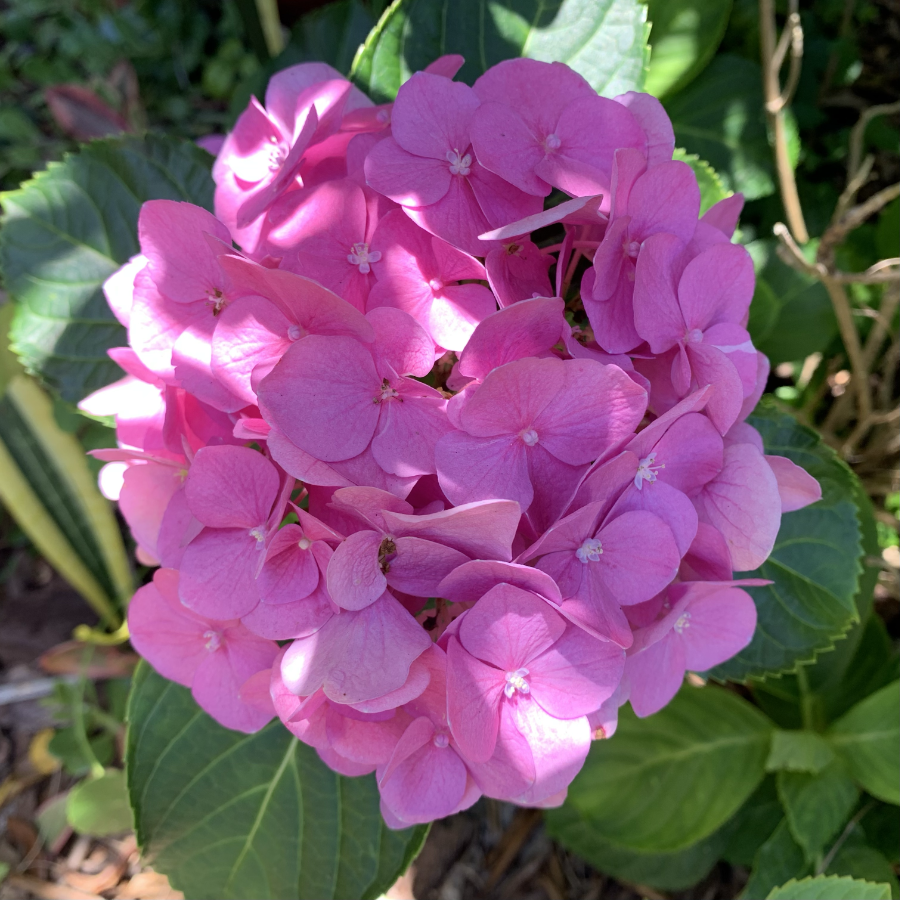
I rarely pay much attention to what is growing in my front yard. My focus is on the vegetable garden and flowers planted there. But, my hydrangea plant is blooming with big pink flowers.

Hydrangeas are the reason I began this blog. Many years ago, I lived in New England and grew many types of hydrangeas. I photographed the blue ones especially, and created this blog to share hydrangea info.

A few years ago, I decided to see what a hydrangea bush would do in my Florida yard. And here it is, still growing and flowering. I pay almost no attention to it. The bush is still small, but I believe it is surviving because it is constantly in the shade of a very large shrub.

I bought the hydrangea in May one year. That’s when you might be able to find the plants. Big box stores get them out on display for Mother’s Day. When I bought this one, it was blue, or purple-blue. The gorgeous blues I had on my New Hampshire hydrangea bushes can’t really be replicated by making the soil acidic. I believe that the pretty light blue is just natural, and comes from the earth.

More to read on this blog:

Something went wrong. Please refresh the page and/or try again.
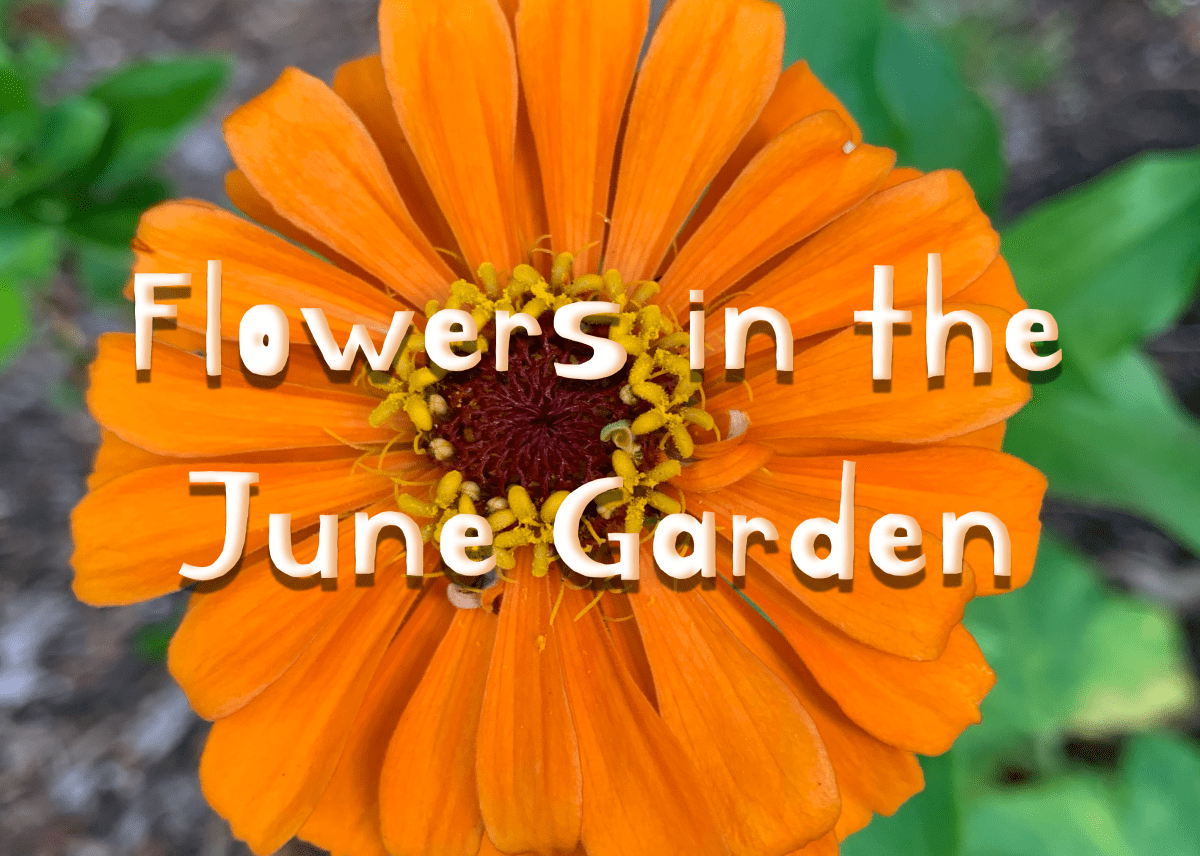
More Zinnia Love

I’ve really been touting the benefits of zinnias recently and I can’t seem to stop!

bee on flower
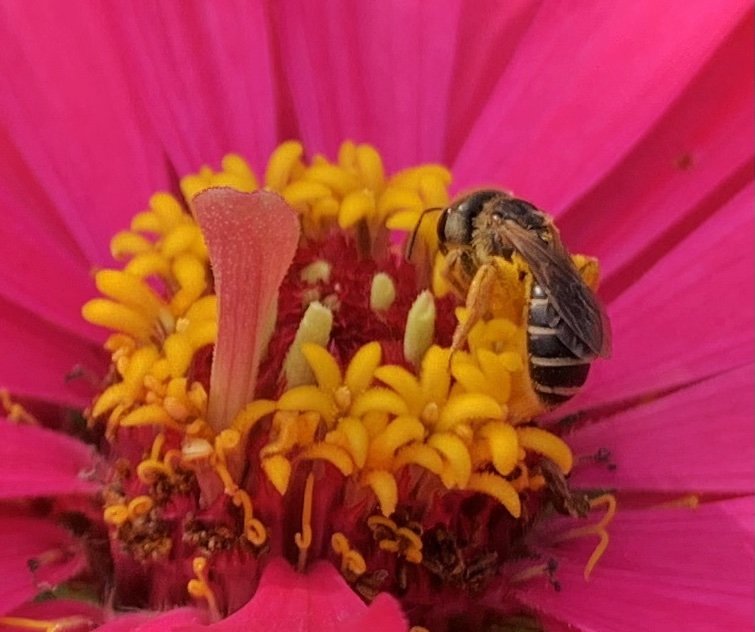
Bee in center of hot pink Zinnia

Each morning I check on the garden. The iPhone is in my pocket because usually there is something to photograph.

Sometimes the little armadillo waddles through the garden, or maybe a turtle will come up out of the woods. And there is always activity around the zinnias.

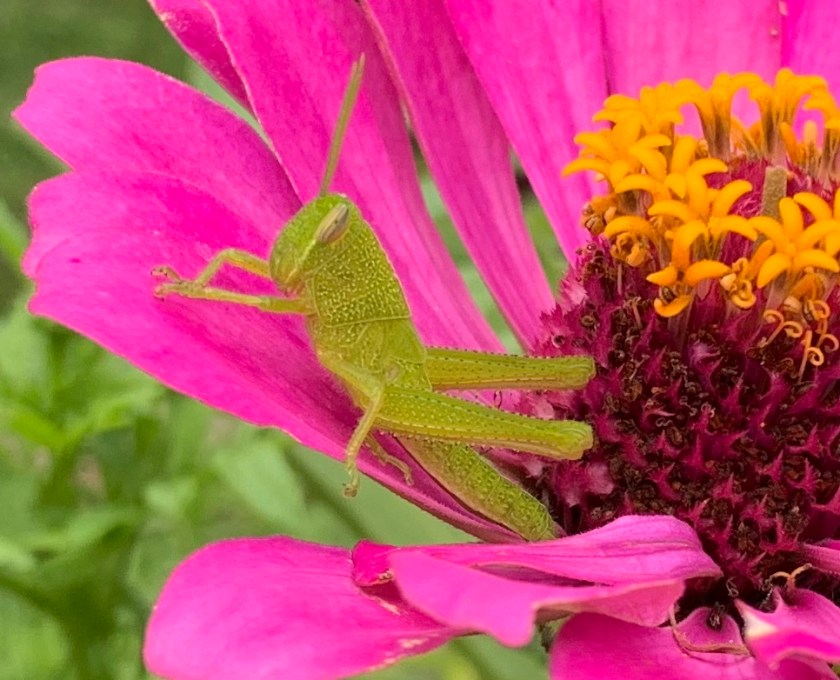
grasshopper on zinnia

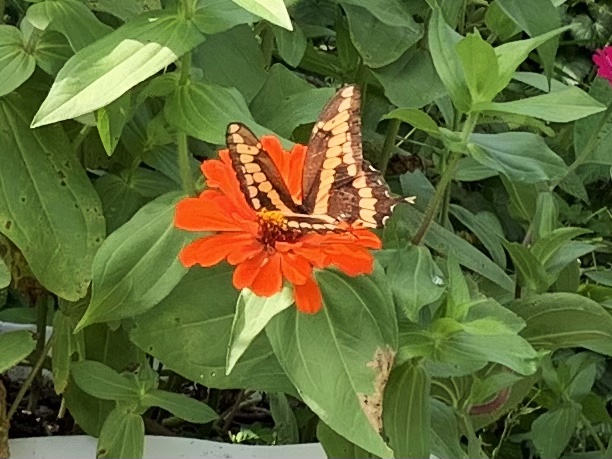
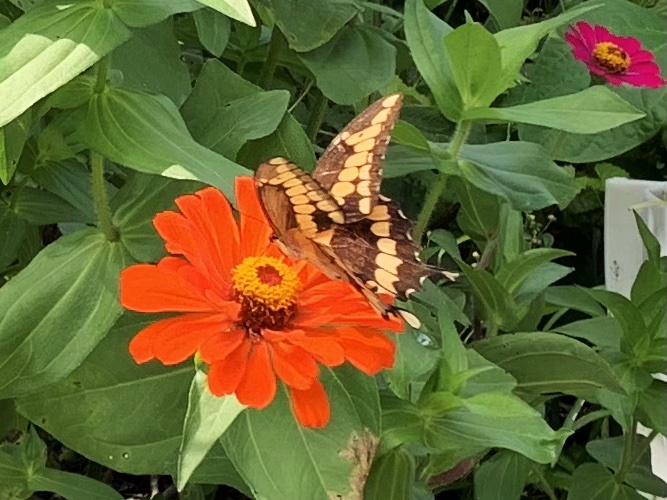
One afternoon I watched the amazing Giant Swallowtail butterfly wander from one zinnia patch to the next. I tried to get some decent photos but he was continuously flying and wouldn’t let me get too close. That orange zinnia was his favorite.

The photos don’t do him justice. This is a butterfly that is larger than most I see, but his wings are also floppy, for lack of a better word.

I found this video which will show you the swallowtail flying (very beginning of video), which is exactly what I saw, but couldn’t capture. This woman goes on to mention a bunch of plants that will attract them. The wild lime tree sounds perfect, if only I had a decent size yard.

Check out this video by a woman in Alabama who raises Giant Swallowtails when she finds them on her citrus trees. I’m not sure why she doesn’t just let them live on the tree, but I guess some people enjoy raising them. Her garden is stunning! I need some citrus trees.

white zinnia flower
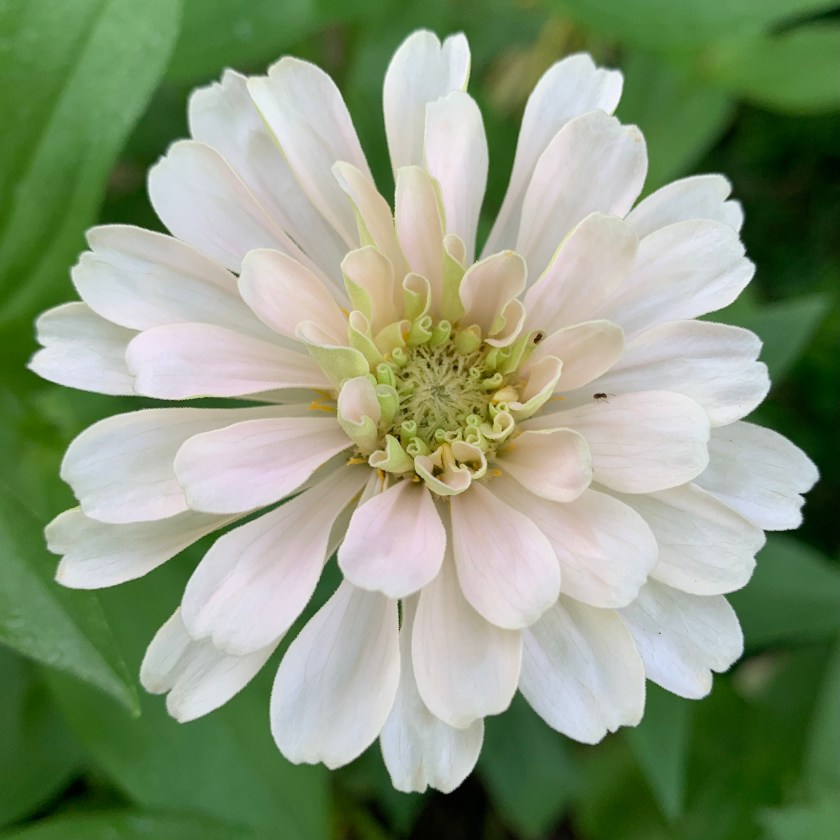
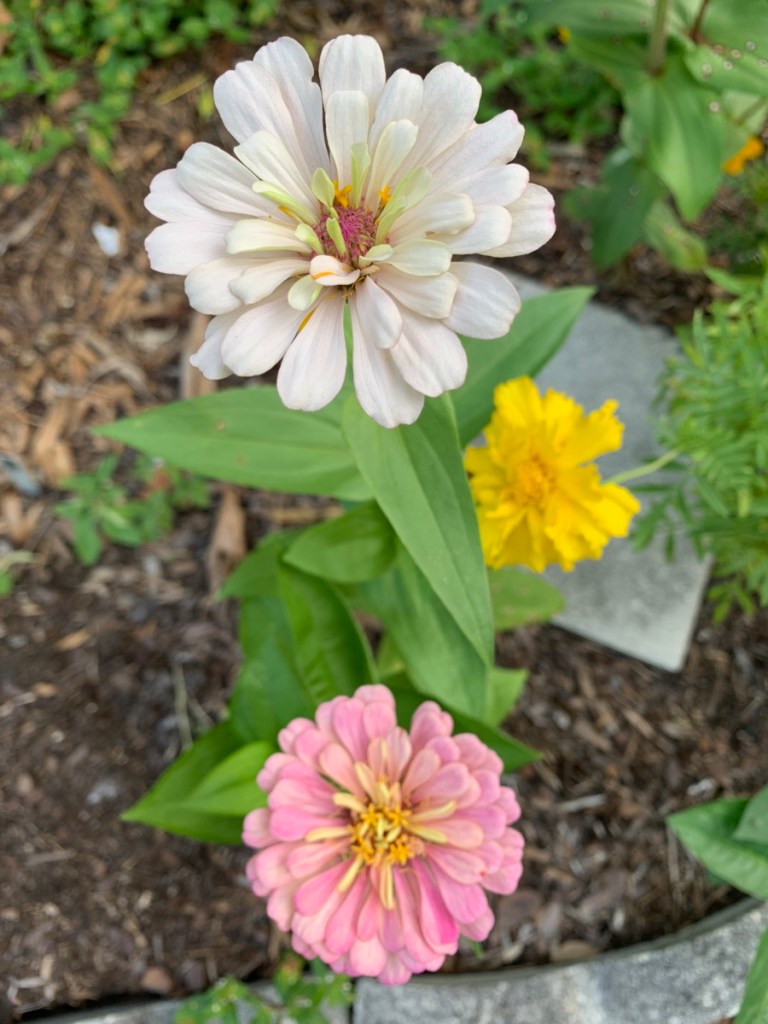
White zinnia, or very pale pink

The brightly colored zinnias are the ones that attract everything, but now I have a whitish zinnia! It is lovely.

Each day, very early or very late (it’s July in Florida!), I sit for a bit in the garden and just observe. It’s when I see a hummingbird flitting over the zinnia patch and drinking!

garden

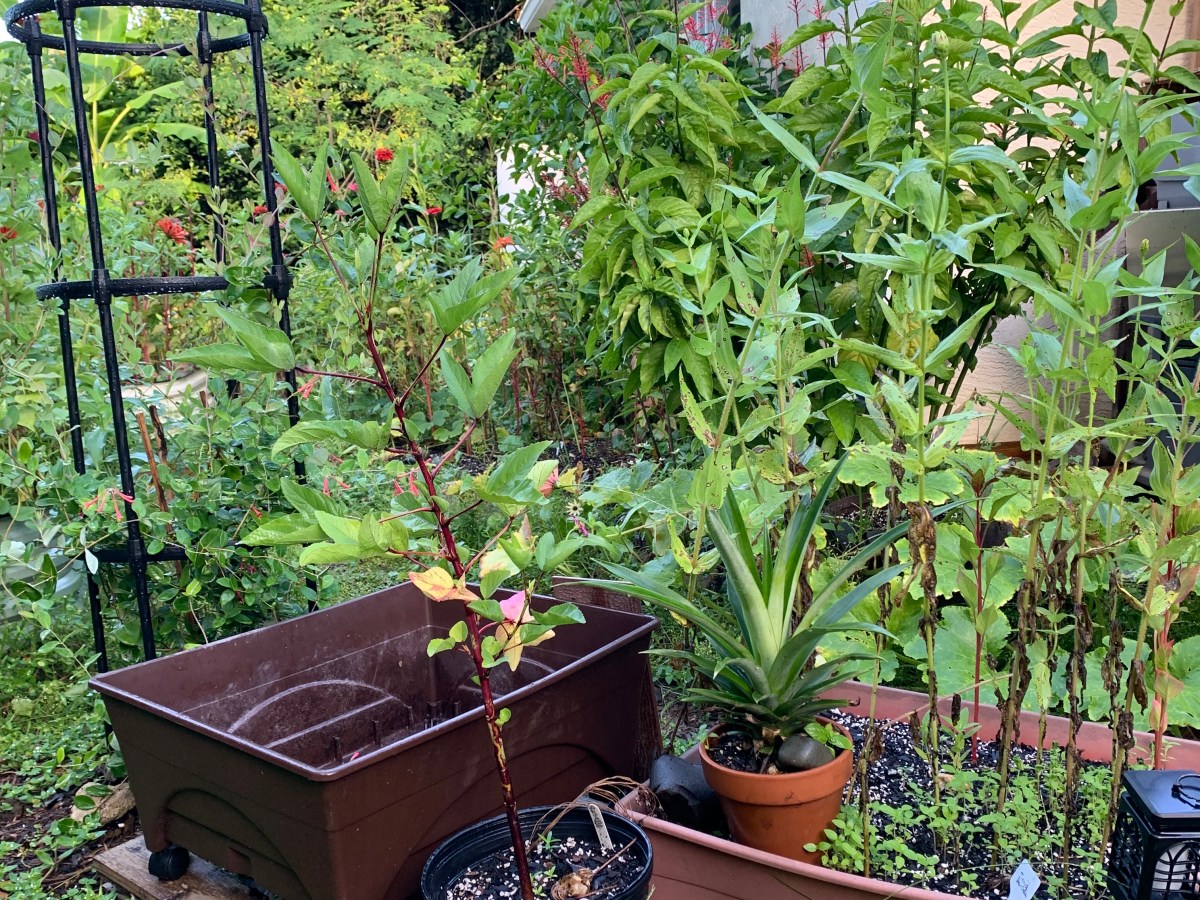
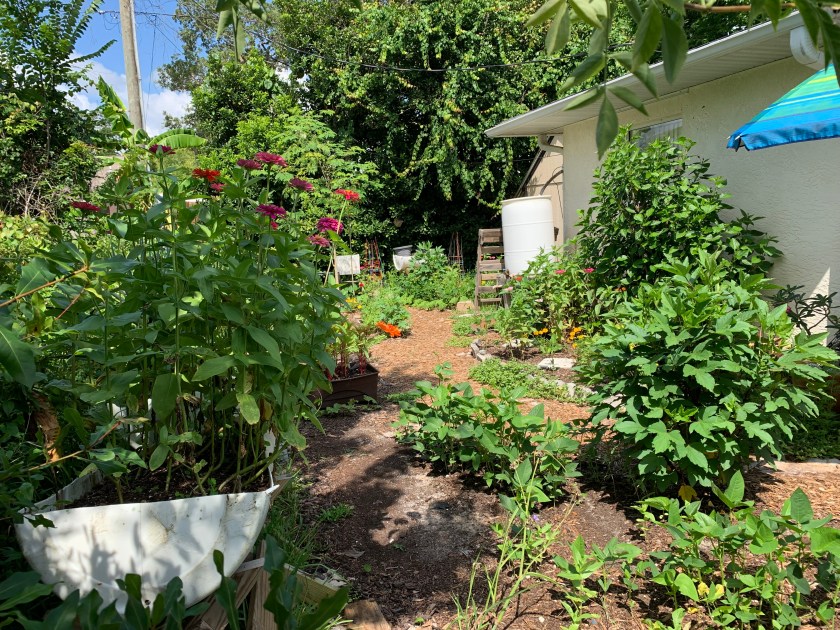
The flower and vegetable garden at the side / back of my house is very small. I can sit in one spot and see most of it.

I hope you can find time in your busy life to sit still and observe what is happening in your yard. If nothing is happening, maybe consider hanging a bird feeder, or planting some flowers. Currently, there is a blue jay family that comes for seed and water each day. The babies are noisy.

I don’t like where I live, but I’ve made it more tolerable by creating this space that is alive with nature.

My Yard Before the Gardens! Boring…

Below is a photo of how this area looked when we moved in! Some people like this nice, neat, grass look, but I find it depressing and certainly boring!

I’m sure the grass was sprayed regularly for bugs, like most people do around here. Nothing interesting at all was growing on this lot. Only the banana trees in the back corner gave this space any interest. And I think they came from the people behind us.

Florida house backyard
House backyard in 2016

Dead Zinnia Bouquet

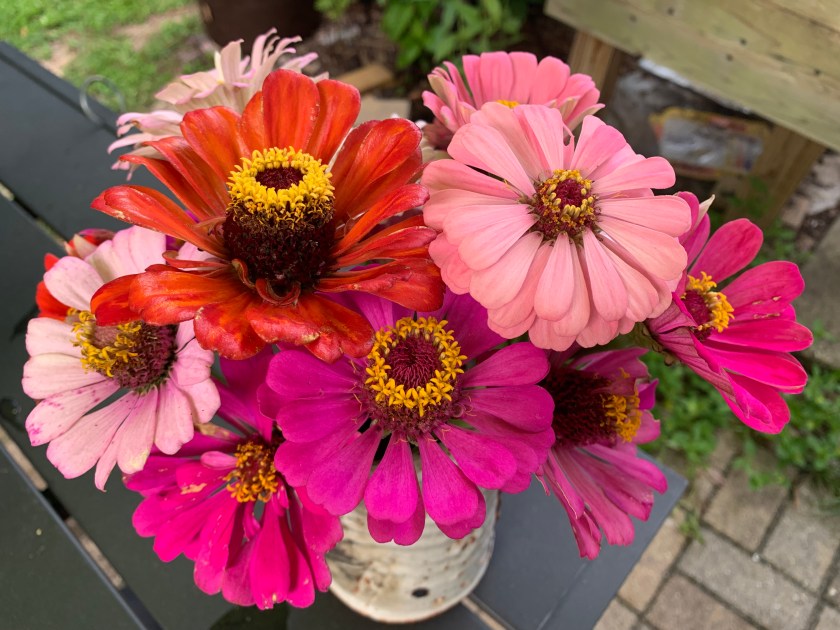
As the zinnias get old, I pick them and bring them in. These fading zinnias will go into my seed saving box once they look completely horrible. They are no longer perfect, but I can enjoy them nonetheless. I leave the flowers growing outside for as along as possible for the butterflies and bees. I only cut them when there are plenty more blooms to feed the bugs.
dead zinnia bouquet


Read on…

Photos of My Summer Zinnias

Zinnias are some of the brightest flowers that can be added to the garden. Bees and butterflies use them for food, and even a place to sleep. The flowers are long lasting and the seeds are easy to save.
Last year (2023) I grew zinnias for the first time. I’m not sure why I never grew them before in Florida, but I’ll always grow them from now on.

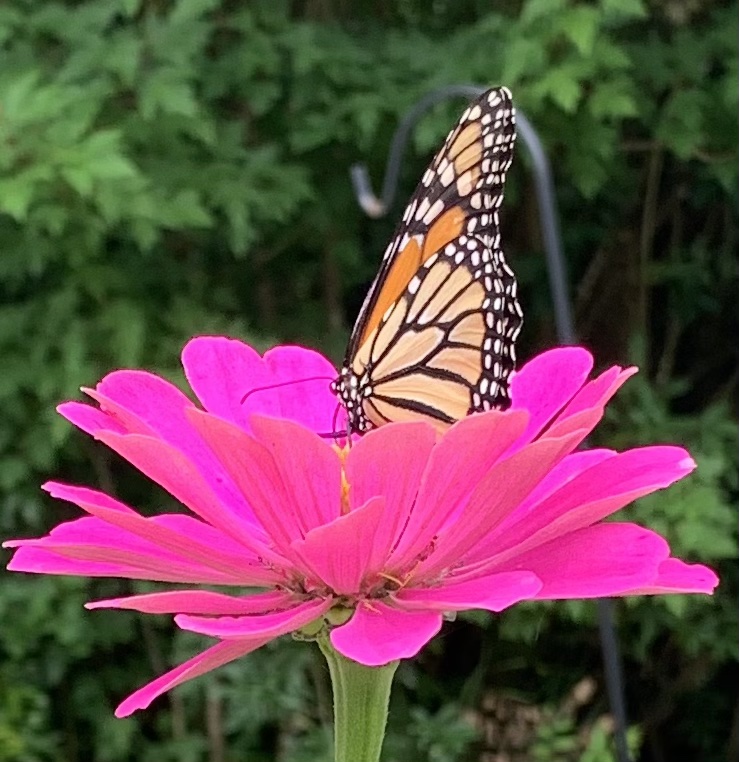
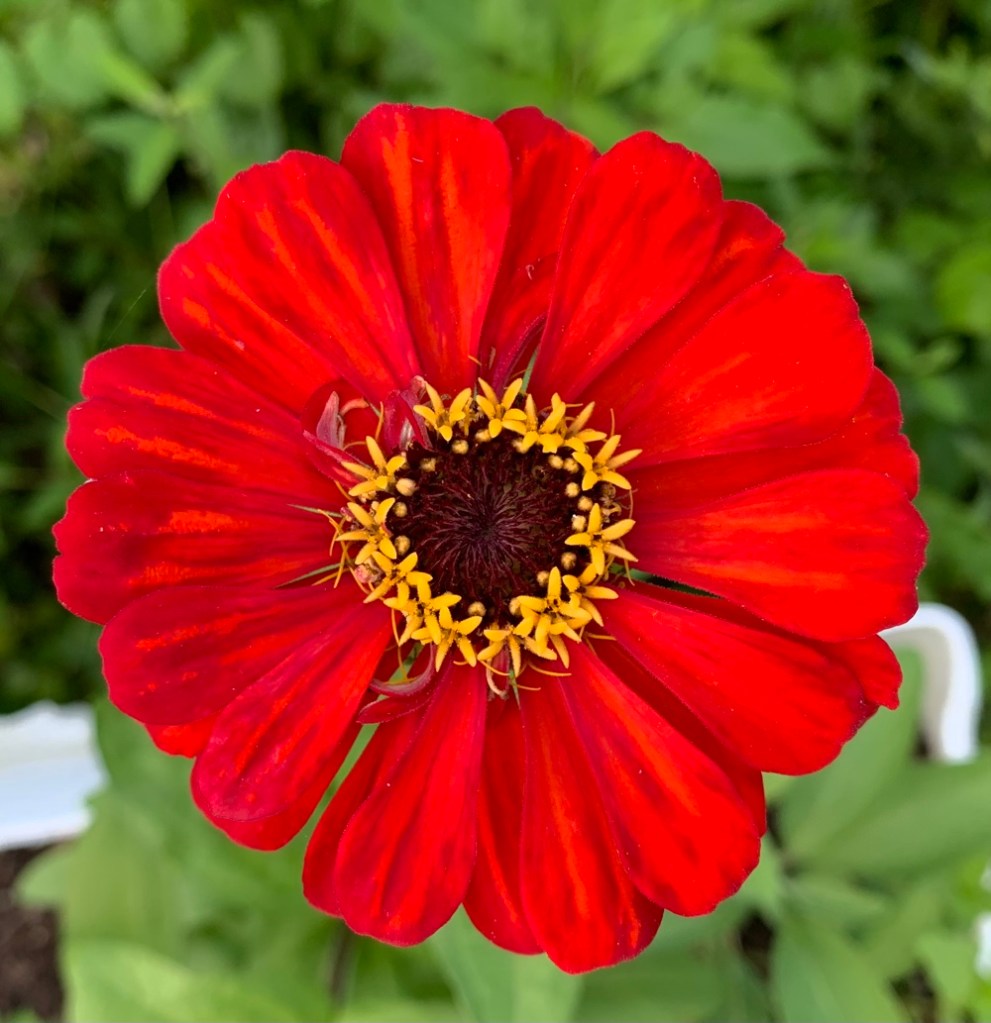
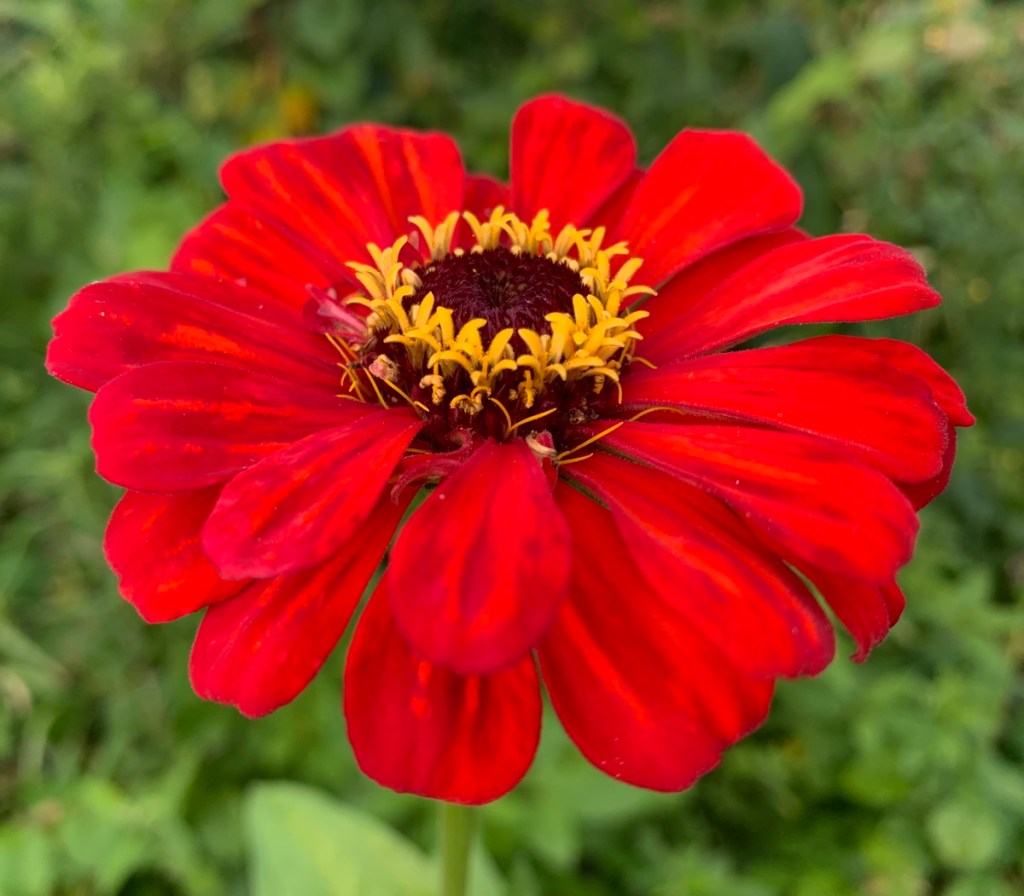
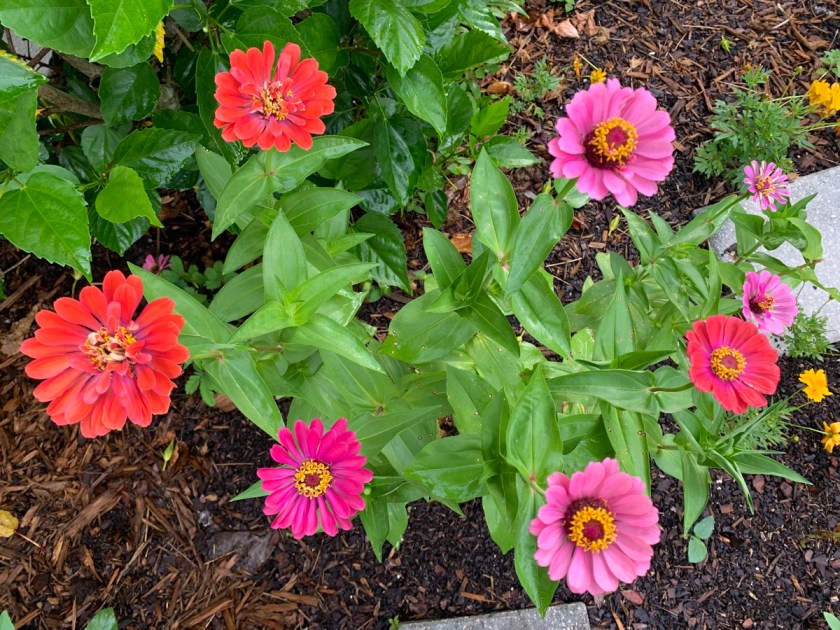
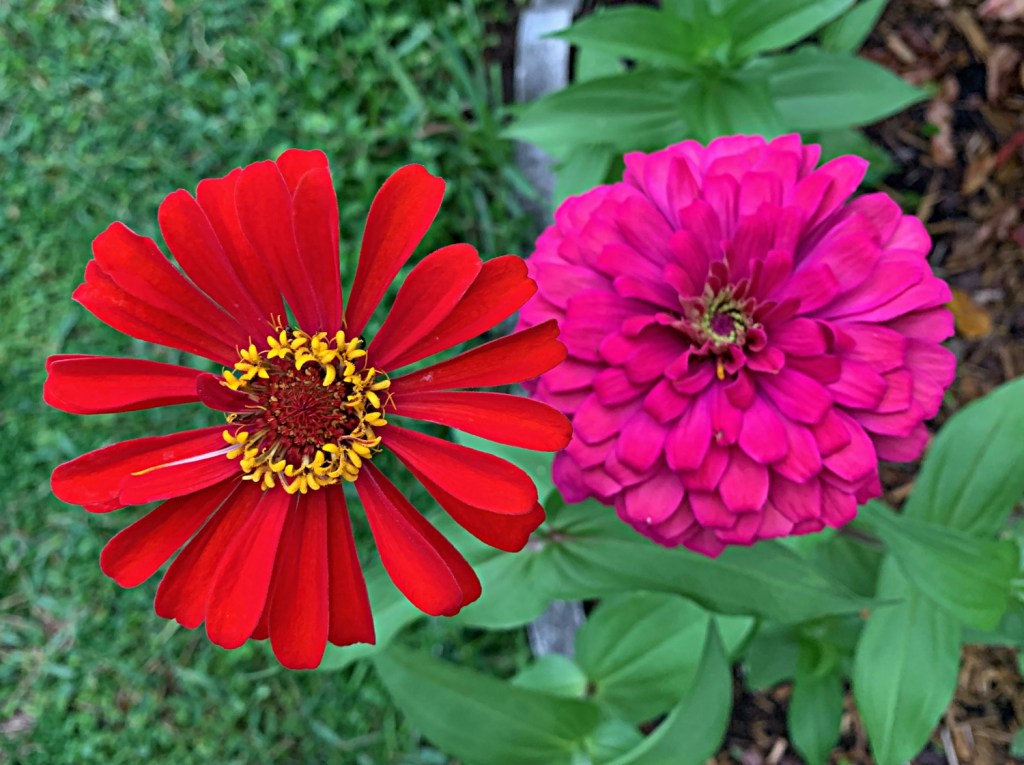
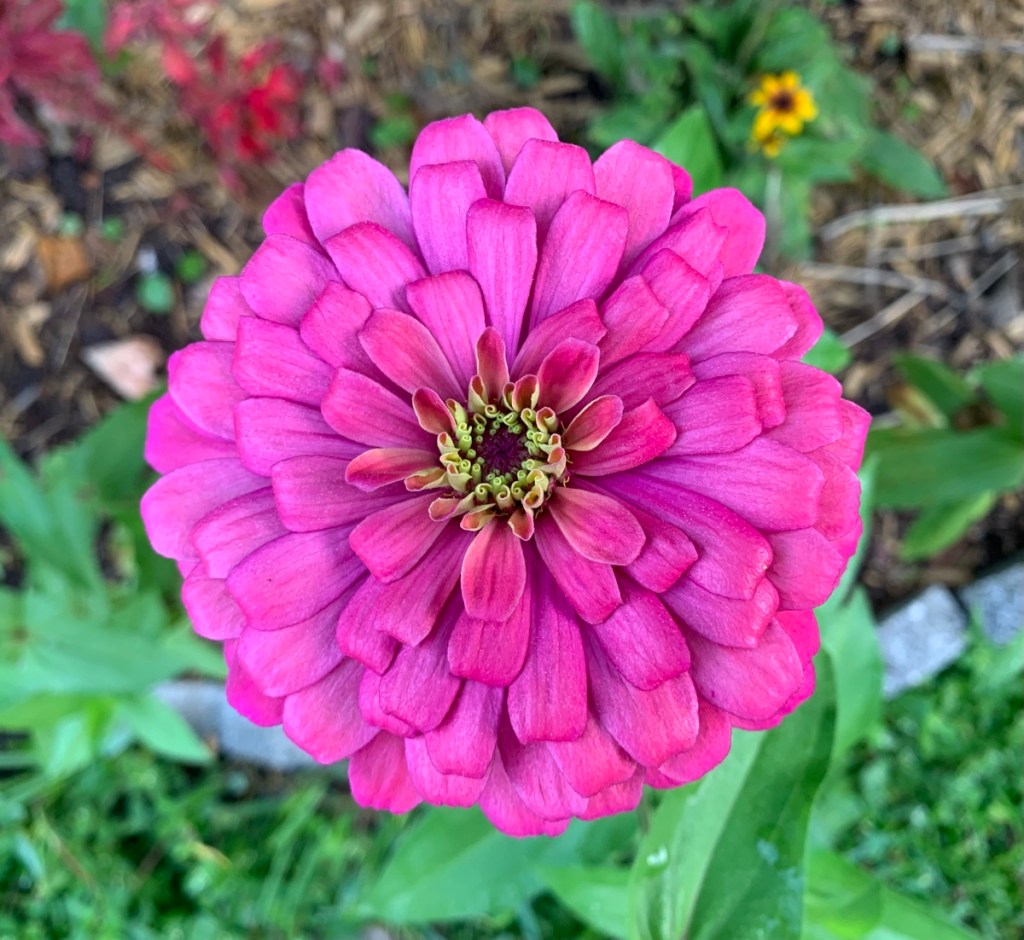
Look at the colors! The reds are so bright, and the orange is so true. The hot pinks are incredible, and the butterfly thinks so too! I think it is a Monarch.

The bees and butterflies especially love the Zinnias with those yellow centers. It’s where they eat and gather pollen.

A Zinnia flower will change day by day as the petals open and the center grows. They are quite long lasting also.

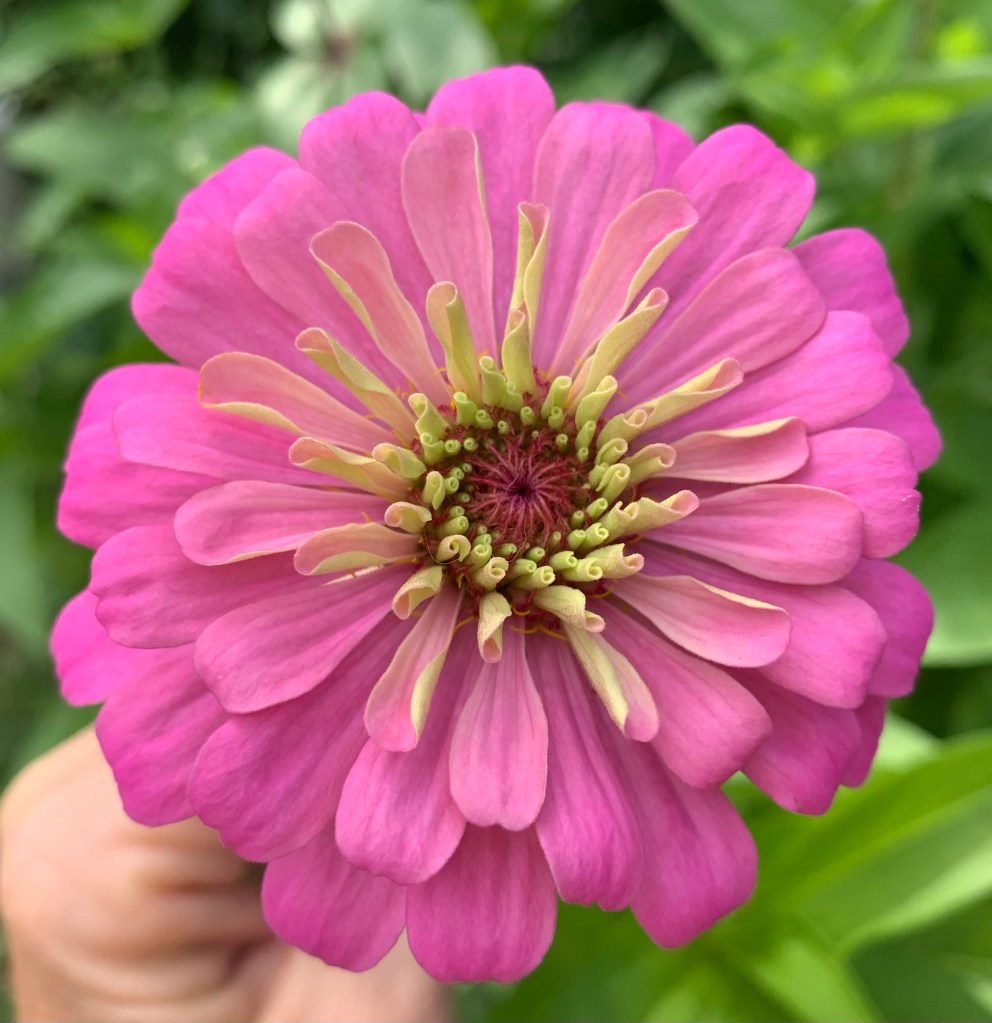
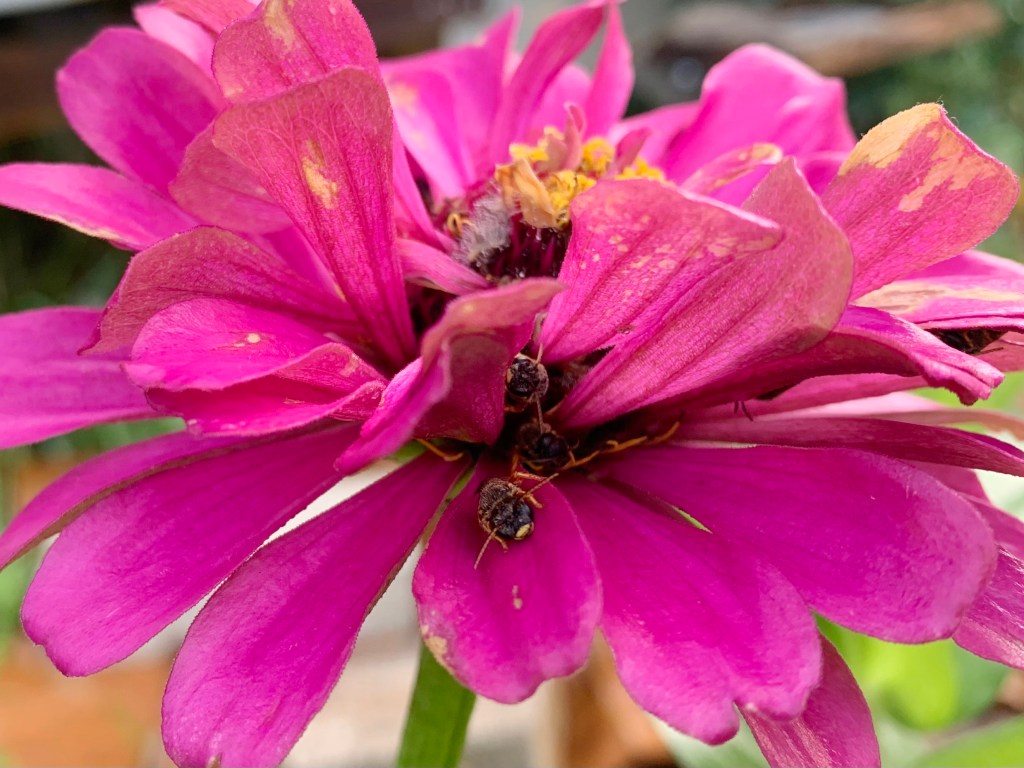
I’m partial to the flowers with lots of petals that create layers. Sometimes I find a bee nestled inside those petals. What a fun place to sleep.

Save the Seeds

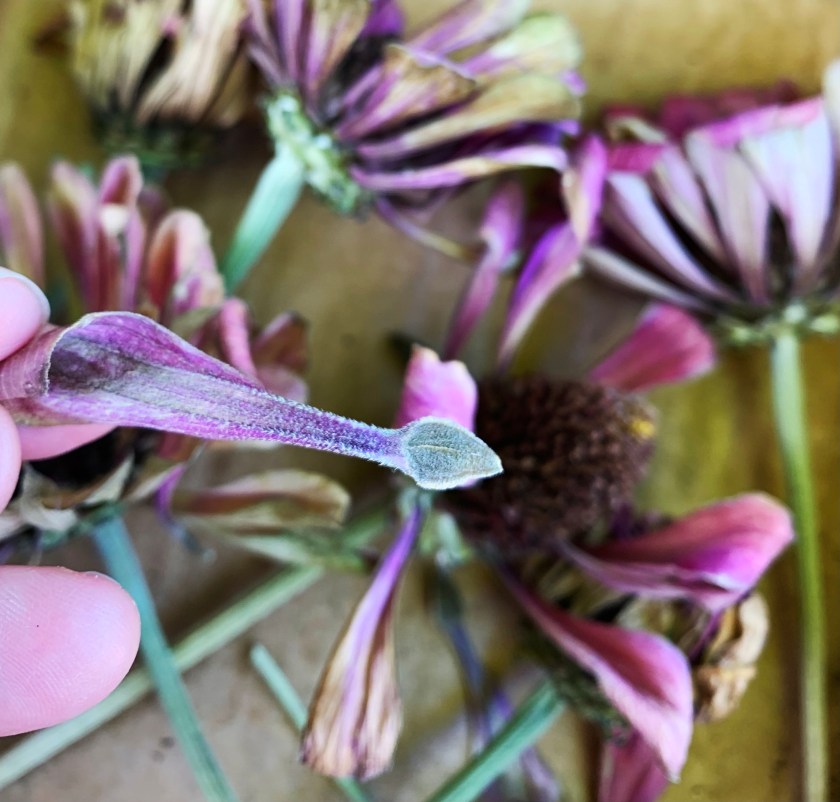
Zinnias are direct sow, so put the big seeds right into the dirt. Saving Zinnia seeds is also easy. Each petal has a seed at the end. I cut off the flower heads when they seem to be gone by and drying out, and place them into a box to dry further. I will be writing a separate post about saving the seeds, but that is pretty much it.

Zinnia seed and petal
Zinnia seed

I leave the flowers whole, but usually they become so dry that the petals fall out. Sometimes I can still see the color of the original flower. Every photo you see on this page (except the Florets) came from seeds I saved from last year’s flowers.

I also read at the UF/IFAS extension that the flowers with few rows of petals should be tossed! What? Why? I disagree.

Zinnia Disease

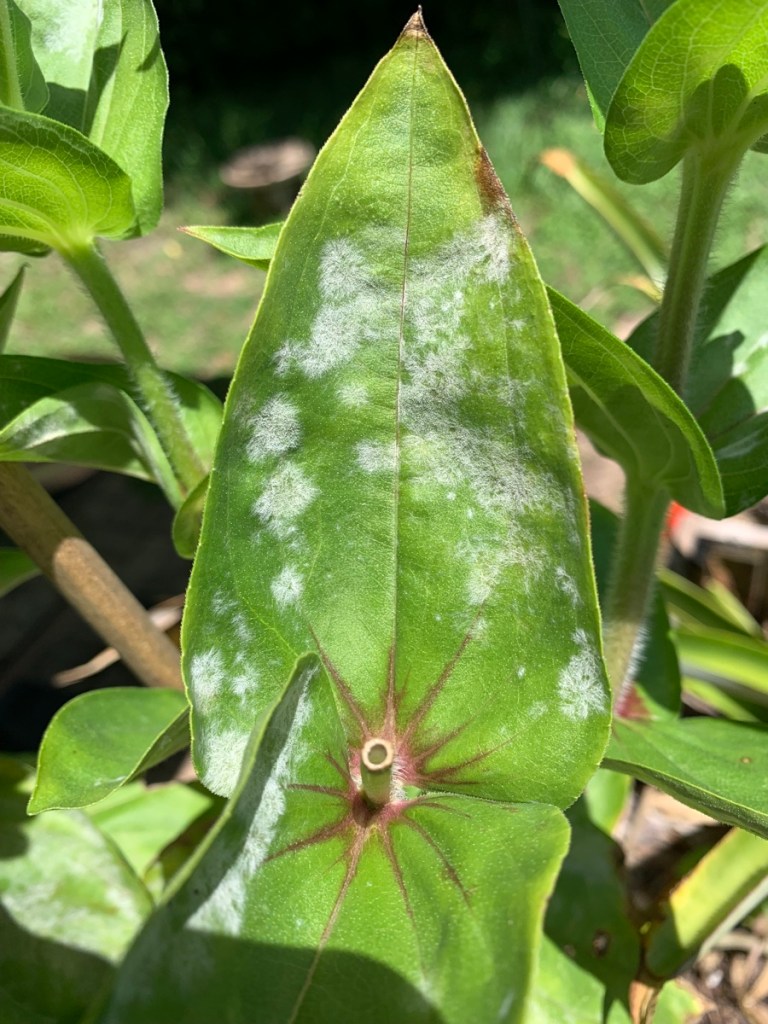
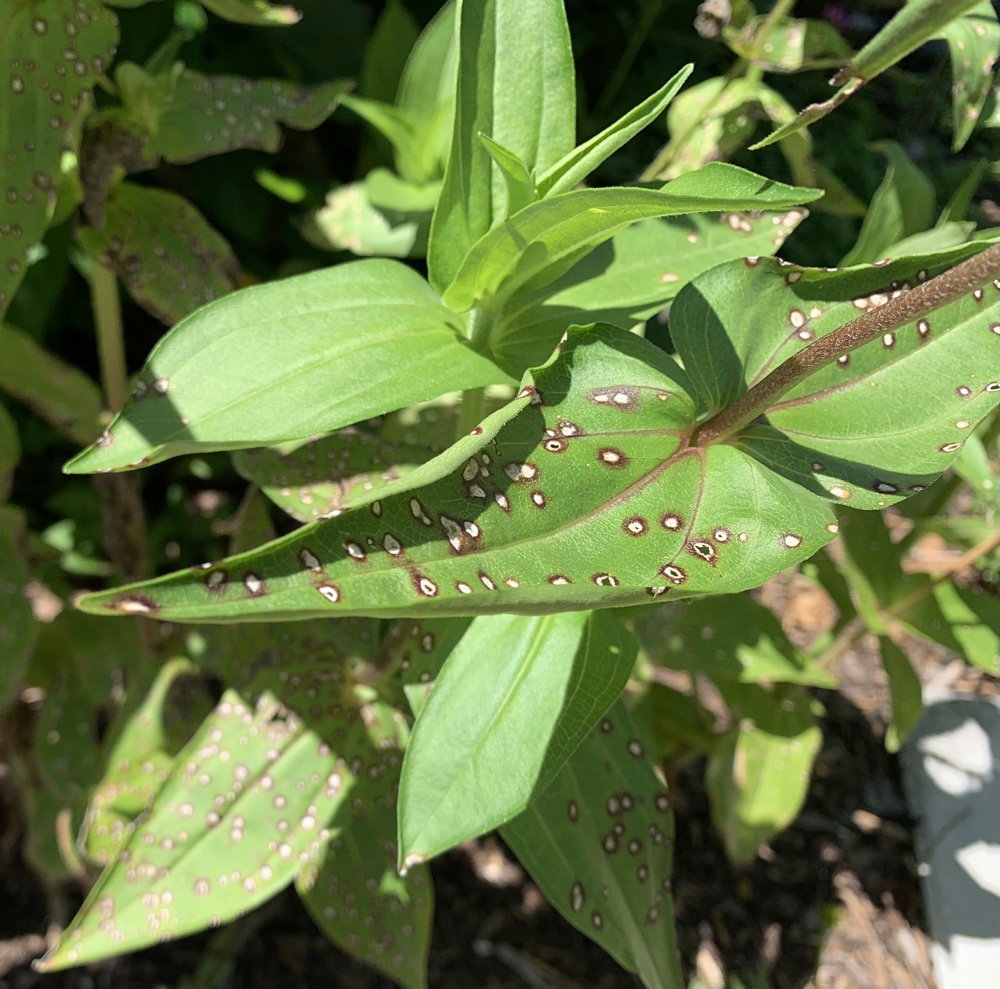
This year I learned that Zinnias can get a spotted leaf disease called bacterial leaf spot. And sure enough, most of mine had it. They can also get powdery mildew on the leaves. (Pegplant’s page lists some varieties that are mildew resistant.)

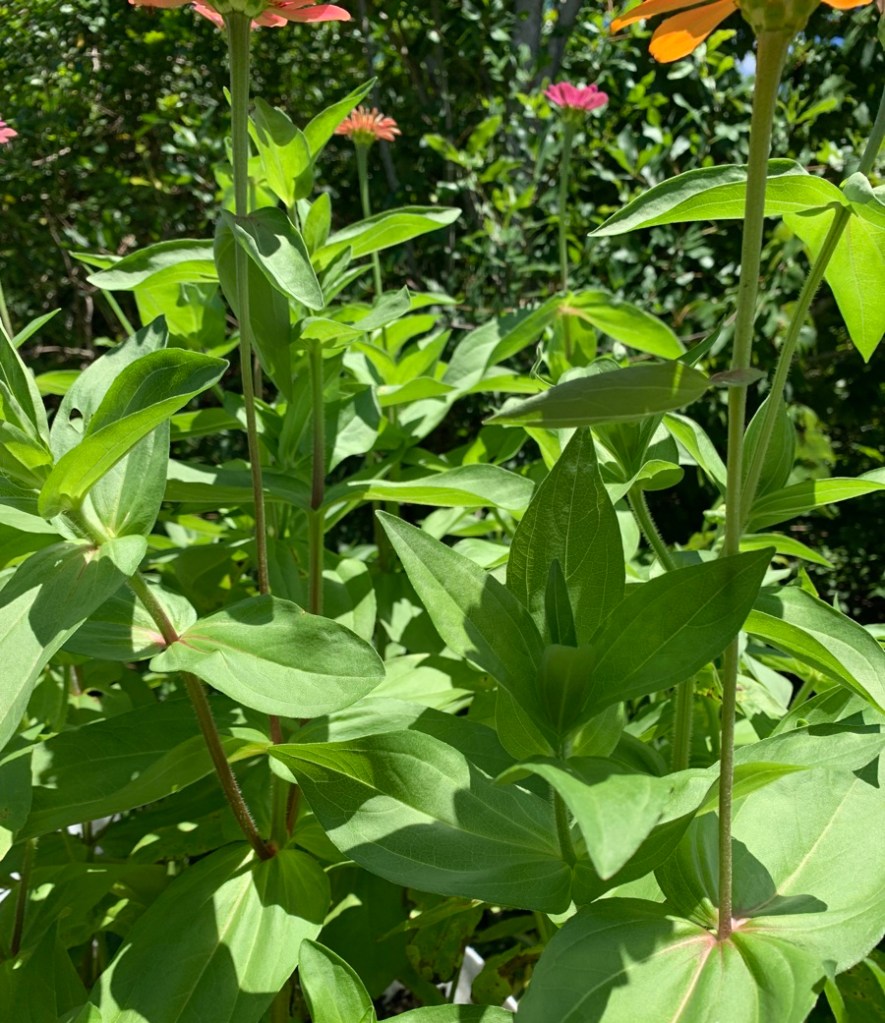
One way to help prevent both problems, is to give them space to grow. Air flow helps, but I live in a very humid place, so I’m not sure these things can be avoided. Overhead watering is a no-no for these flowers also.

Zinnia Varieties Less Susceptible to Disease

I can’t remember where I saw this information, but I wrote it down. This list is the varieties of Zinnia that supposedly are less susceptible to disease. The Southern Exposure Seed Exchange has the Marylandica variety (also called Zahara), but it’s currently out of stock. It has small, white, daisy-like flowers.

  • angustifolia
  • marylandica
  • crystal
  • star (bright?)
  • profusion

The varieties to avoid, for disease, are “elegans” and “heageana“, which seem to be the most likely available! I think all of mine are Zinnia elegans.

I found some Zinnia marylandica seeds at a shop on Etsy and will give them a try.

zinnia garden

I hope you are having a wonderful summer. If you love to grow Zinnias, I’d love to hear about them.

More stories from the backyard…

Beautiful Zinnia Flowers Are Useful to Bees

Zinnias are bright and beautiful flowers that also serve as a shelter for honey bees.

This summer I am growing zinnias from seeds. I’ve come to love seeing the new blooms pop out in this mix. Their colors have been stunningly bright. Some blooms have a more flattened appearance and others are very puffy and full.

I grew these from seeds that were planted a few months ago in my new little flower garden.

Zinnias Growing in My Yard

I have done nothing to these photos, the colors are exactly as they really are!

The Perfect Flowers for Sleeping Bees

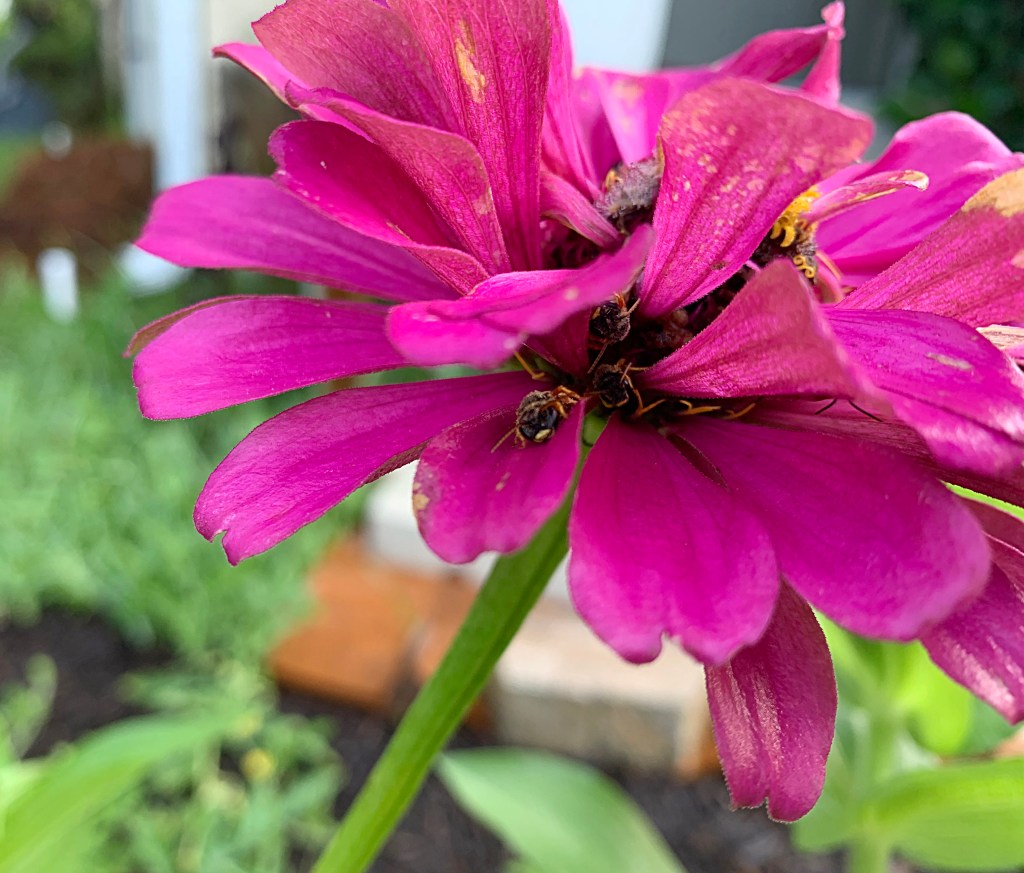
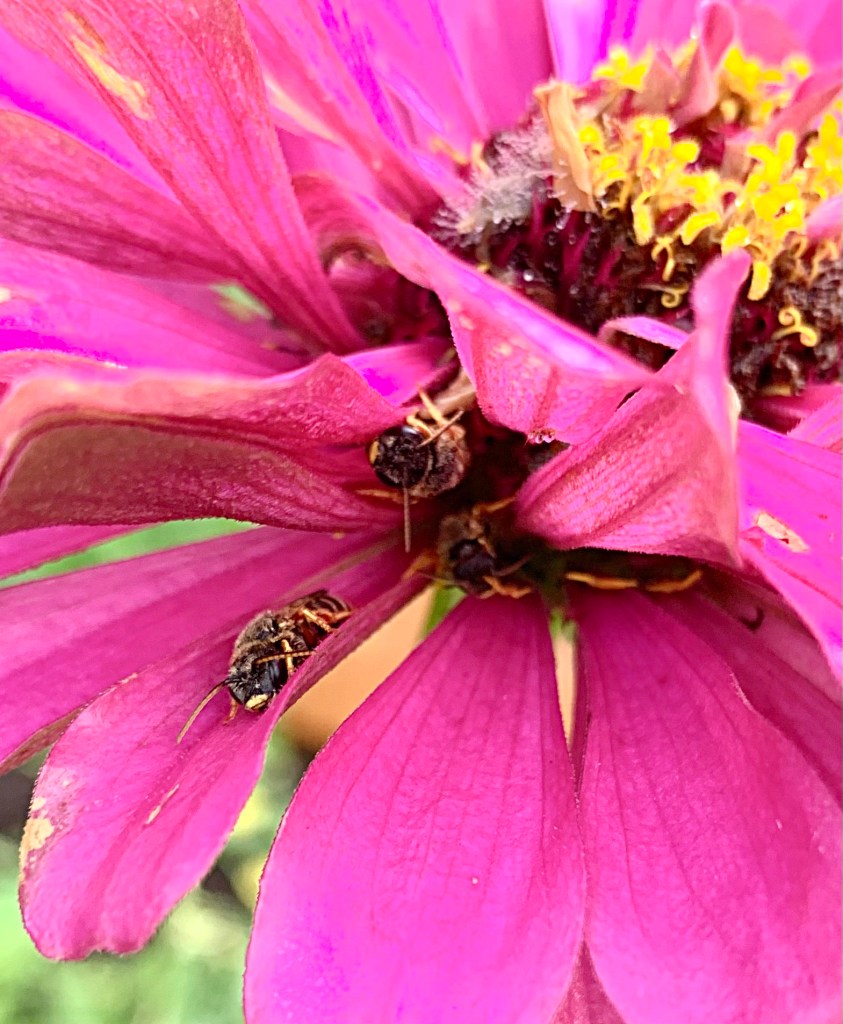
The petals of the zinnia also serve as a shelter for sleeping bees. Each morning I see them tucked among the pink petals of this one flower.

This magenta zinnia, which has a fading bloom, seems to be a favorite for little bees. They look like honey bees, and they crawl way up under the petals toward the center of the flower. I counted four bees, but I believe there were more.

I’ve also caught tiny tree frogs in the petals, but they hop away as soon as I get close.

Zinnias are not the only flowers that make tired bees happy. I’ve seen them within the curl of marigold flowers too. We get accustomed to watching bees gather nectar and usually never think about where they go when they need to rest. Why, a zinnia hotel, of course!

Zinnias
The pink flower is the bee’s favorite

Keep reading…

Something went wrong. Please refresh the page and/or try again.