Yellow Flowering Weed: Walter’s Groundcherry

Putting a name to this yellow flowering weed in my landscape. Walter’s ground cherry is an interesting little plant.

While clearing out some weeds that are encroaching into the backyard, I kept coming across this little plant with fuzzy leaves and yellow flowers.

I’ve identified it as Walter’s Groundcherry.
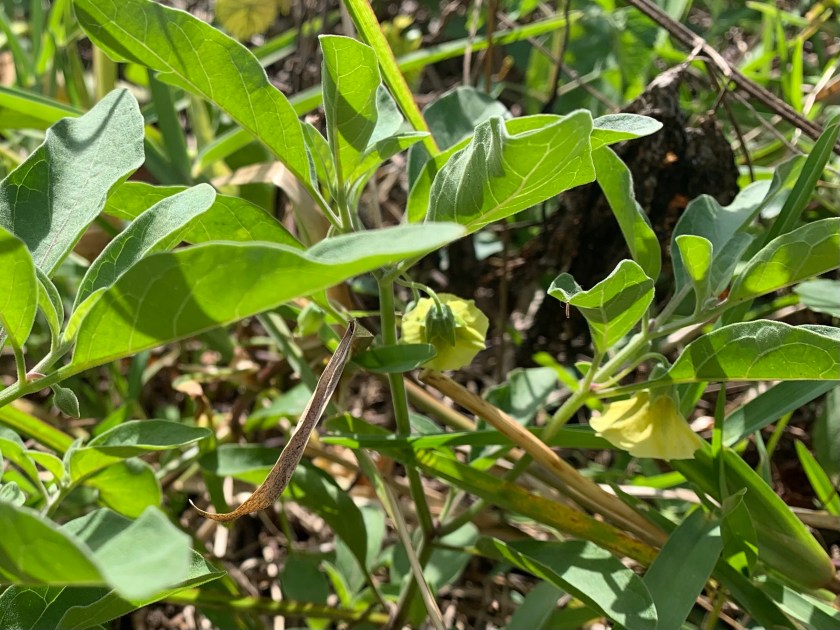
Walter’s ground cherry plant

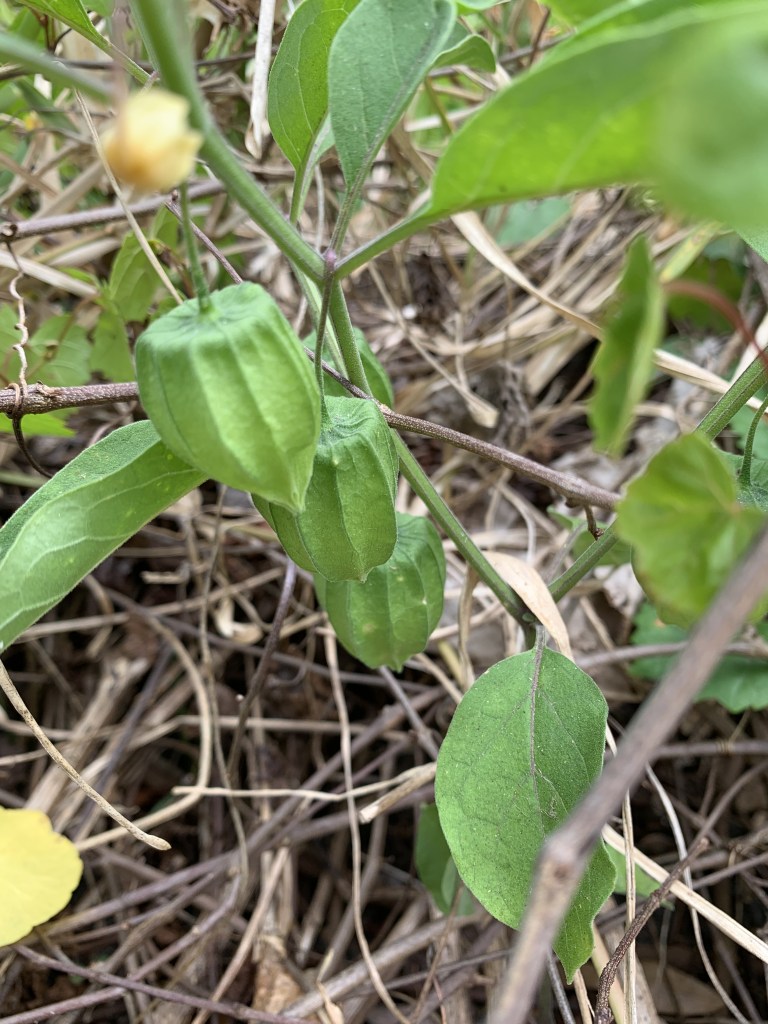
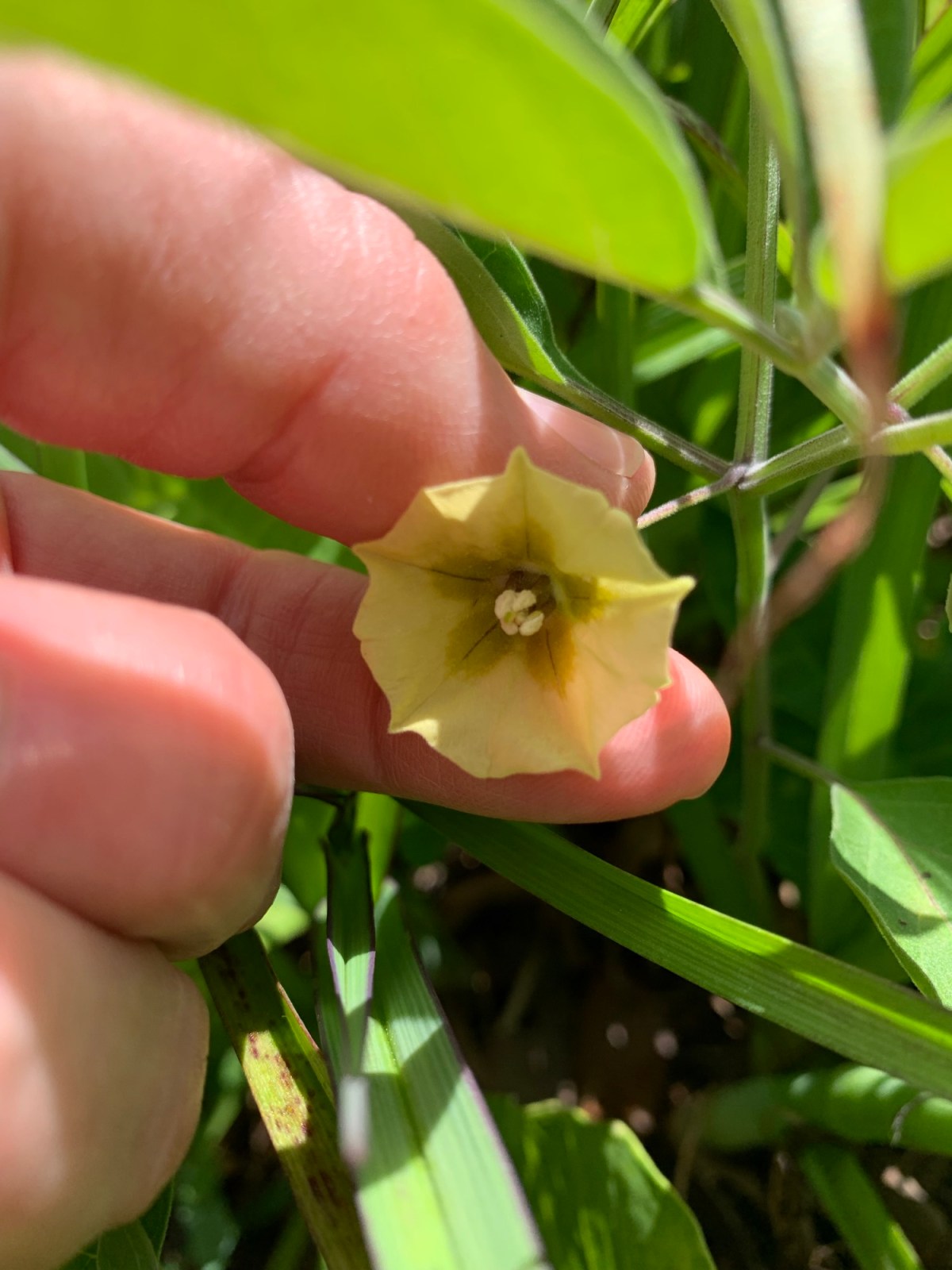
The little yellow flowers hang downward, as do the pods that form that will hold the fruit. I’m still learning about this plant that apparently has been growing next to the lawn since I moved in.

Recently, with the addition of more raised garden beds, I’ve been in the yard tending to the plants. Also we are tilling up a place for an in-ground garden. That will make the yard considerably smaller, which is fine. The yard is mostly weeds anyway.
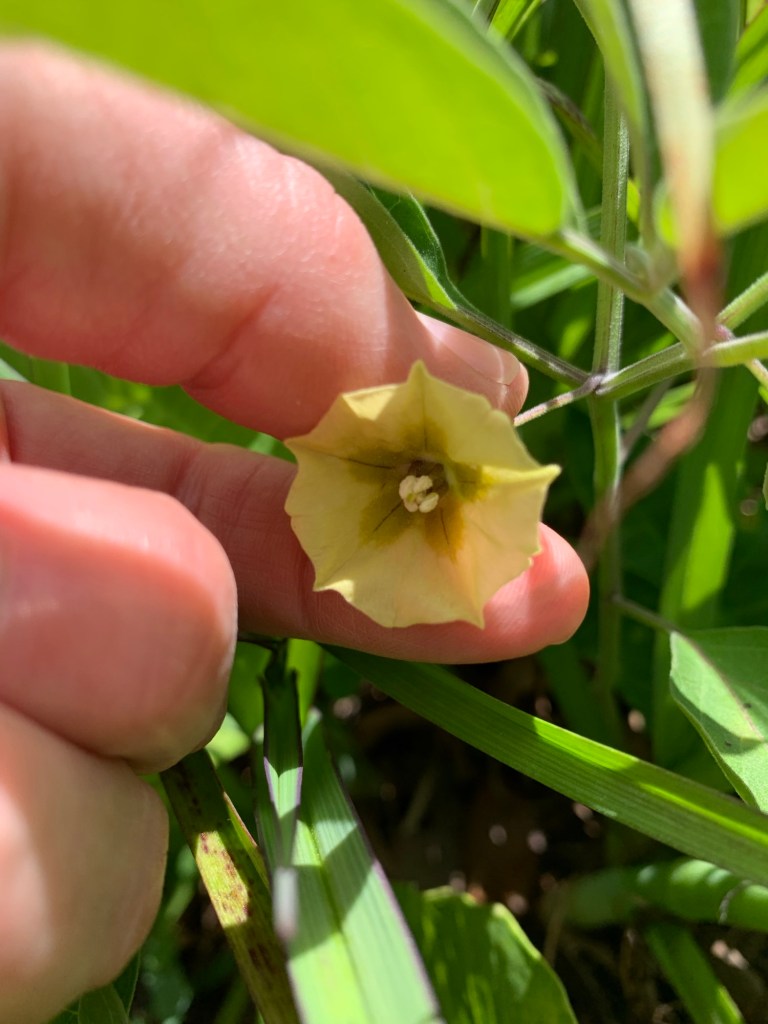
Walter’s ground cherry flower

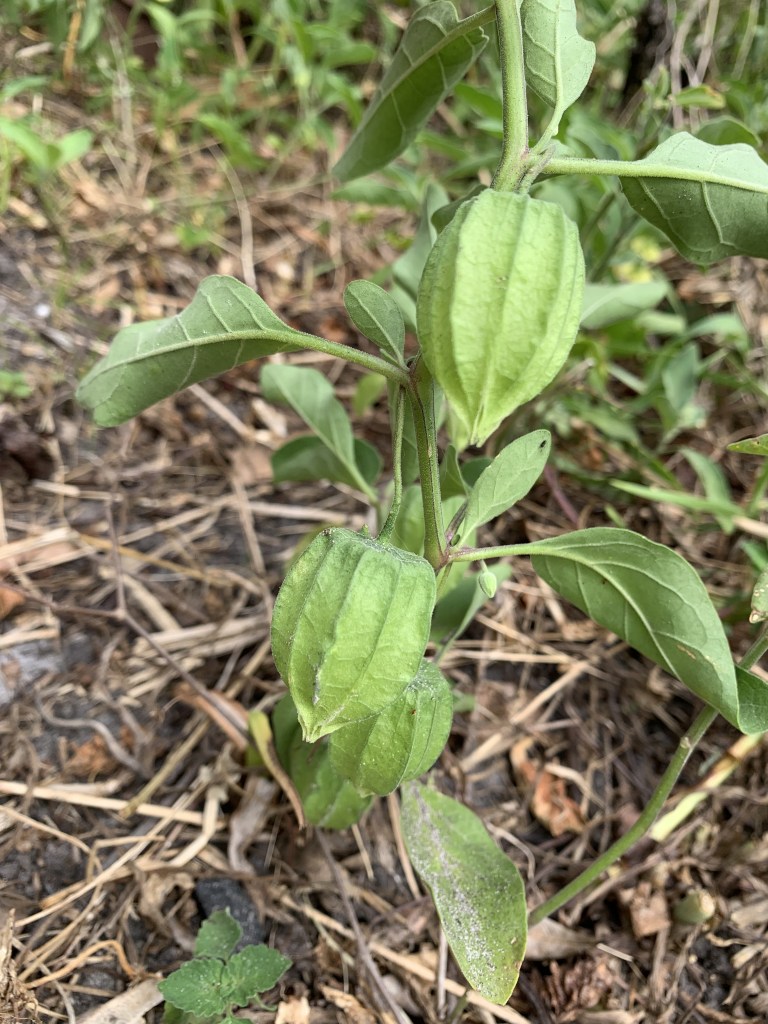
The photo below shows a couple of the little pods forming where the “cherry” will grow.
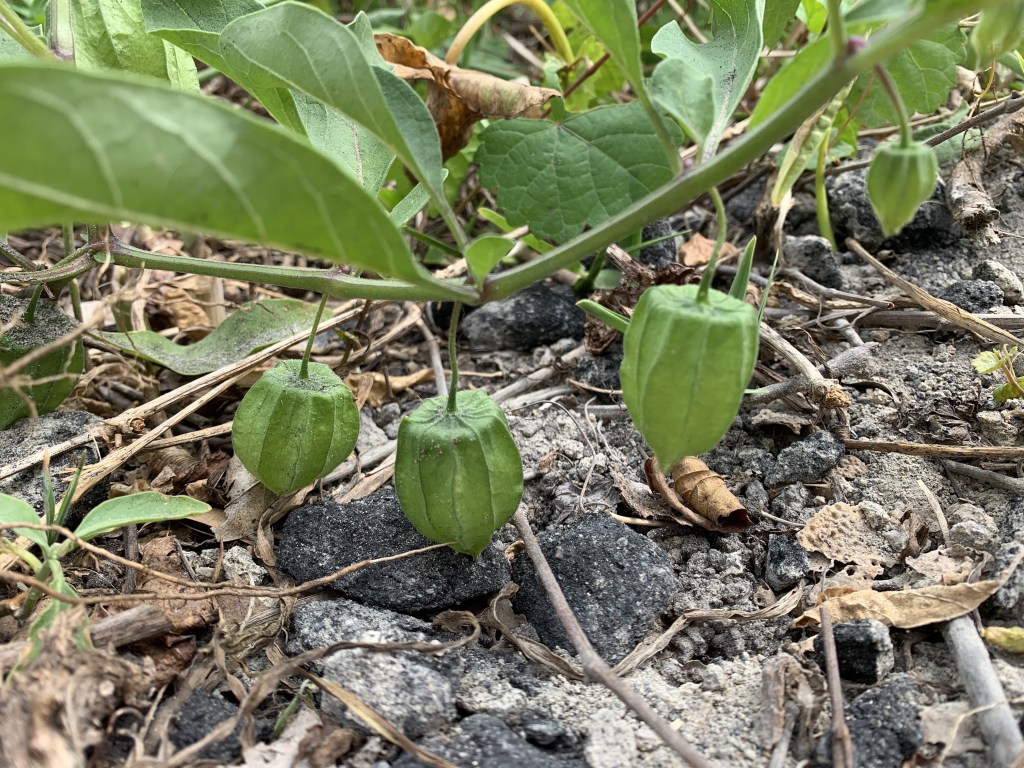
According to this article at Wild South Florida, The little ripe fruit is edible – the key is that it must be ripe. I’m not into eating wild things, but I always think it’s good to know, just in case.

Stages of the “cherry”

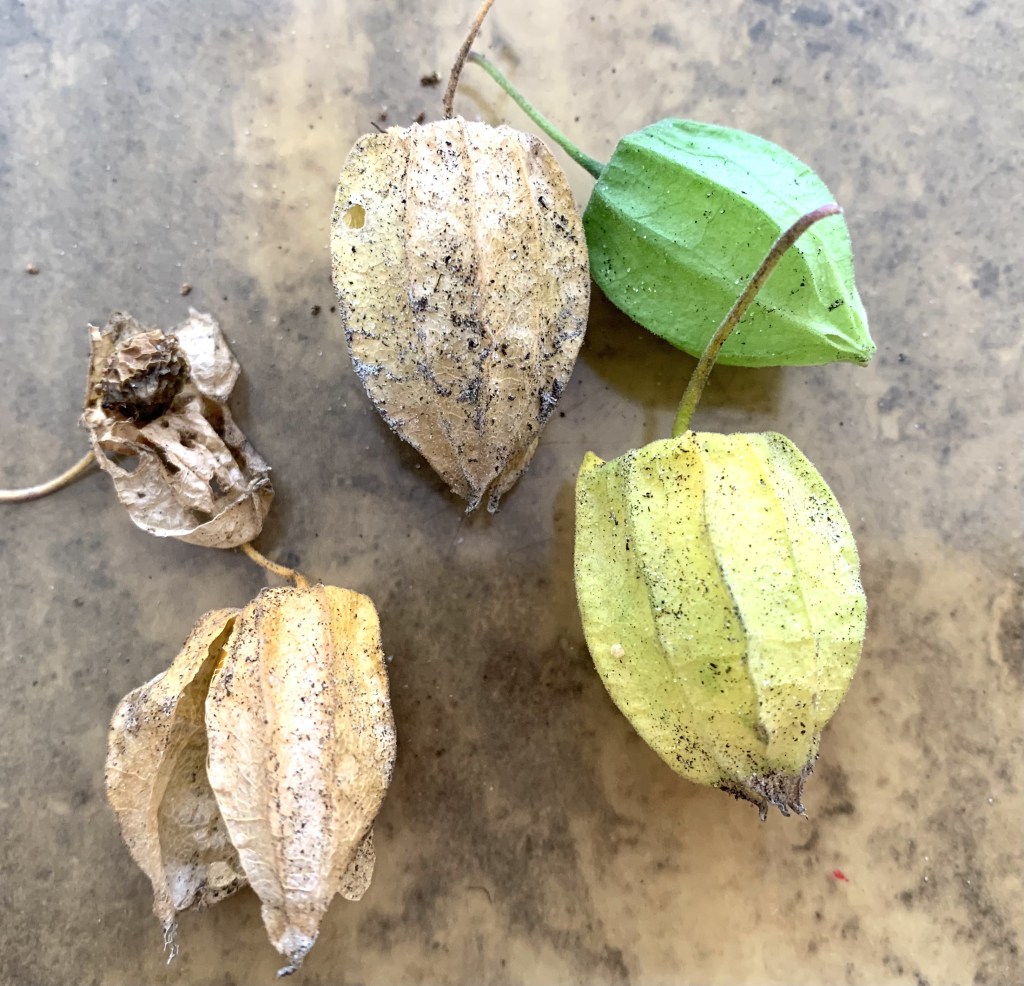
The little lanterns go from green to yellowish to dried up tan in color. I kept waiting to see the “cherry” but the husks remained closed.

Today I picked four lanterns in various stages and opened them up. From what I’ve read – and I am not sure, and wouldn’t take the chance – the bright orange fruit is said to be edible. However, the green cherry and all the husks are toxic! I won’t go near anything that is toxic, so I’d never put this in my mouth. But I was curious about the inside.

The green cherry is unripe. The yellow / orange seems to be in the ripe stage. Then another orange berry is partially turning to seed. The last two are very dried and gone to seed.
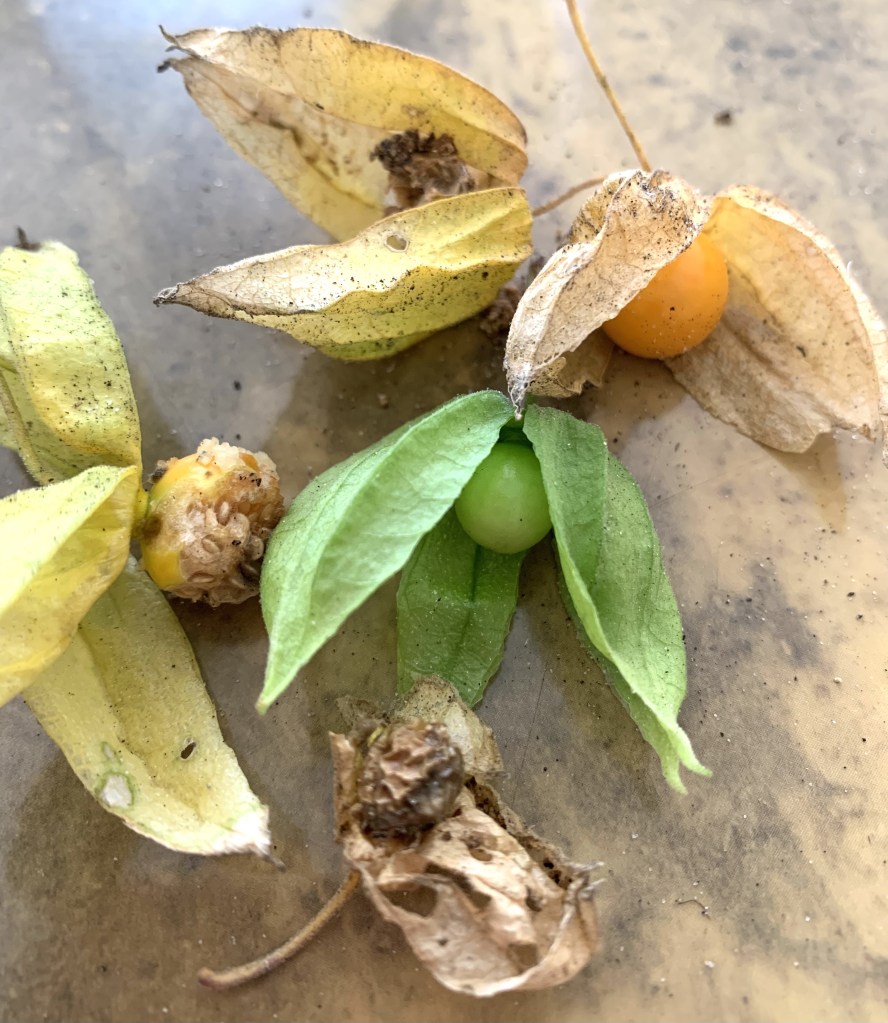
I’ll continue to clear out the weeds, but will leave some of the ground-cherry. It’s good to know what is growing and what to pull out and what might be kept. This little plant is bothering no one. The flowers attract bees and some wildlife enjoys eating the cherries.


Keep reading the blog….

So Long For Now

I’ve given it a lot of thought and I really don’t have time to continue writing on this blog. Or, maybe I should say I’m cutting way back. My efforts need to go into starting a new online…
Fall Gardening is Underway

Here I have a photo of my Fall garden. It is hard to tell what is growing, and honestly not much in the way of food just yet. The seeds have all been planted except for Kale and…
Saving Seeds: Lettuce and Arugula

How to go about saving seeds from lettuce and arugula plants.

Gardening in Florida is still a new thing for me. Even though I have lived here in Florida for many years, I never had a vegetable garden until recently. Typical tropical plants and flowers I understand, but I never had time to try to grow crops like lettuce and arugula.

Finally, I think I am beginning to get the hang of it. I realize I can’t grow what I used to grow in New Hampshire’s short summers. I’ve tried to grow cucumbers and squash without luck. Maybe the seeds were bad, I don’t know. This is such a different climate. Everything is backwards as far as planting seasons.

Lettuce and arugula (and kale) like cooler temps. I planted those seeds in Fall. They have done well over the winter months, even with Christmas temperatures in the 20’s.

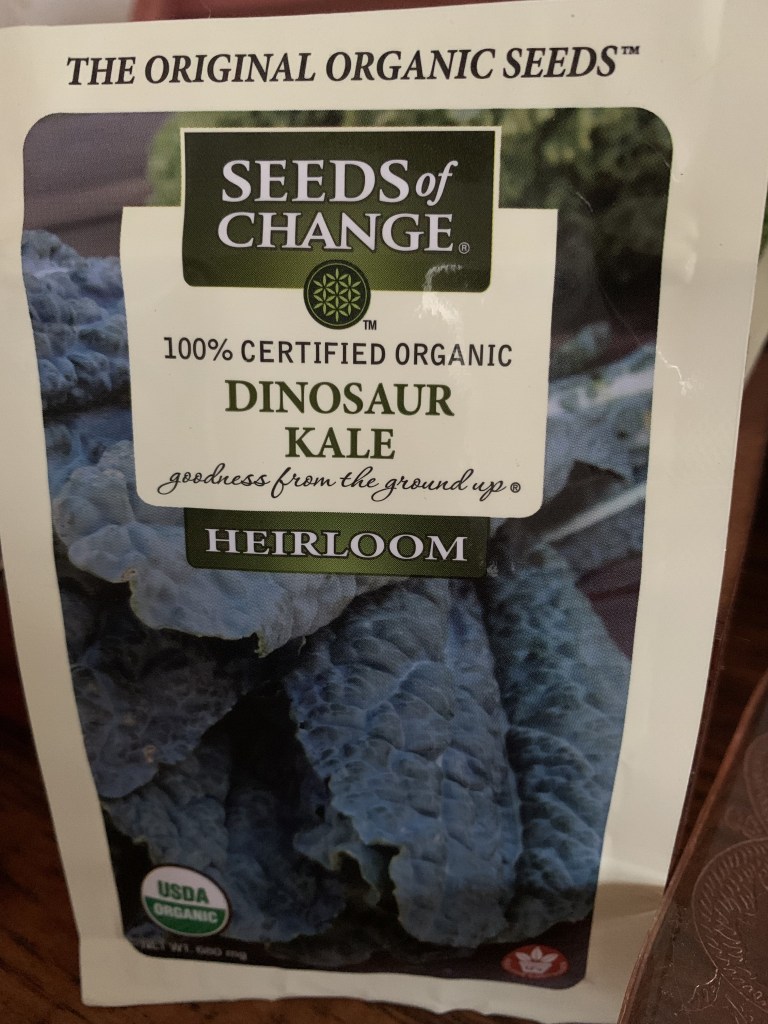
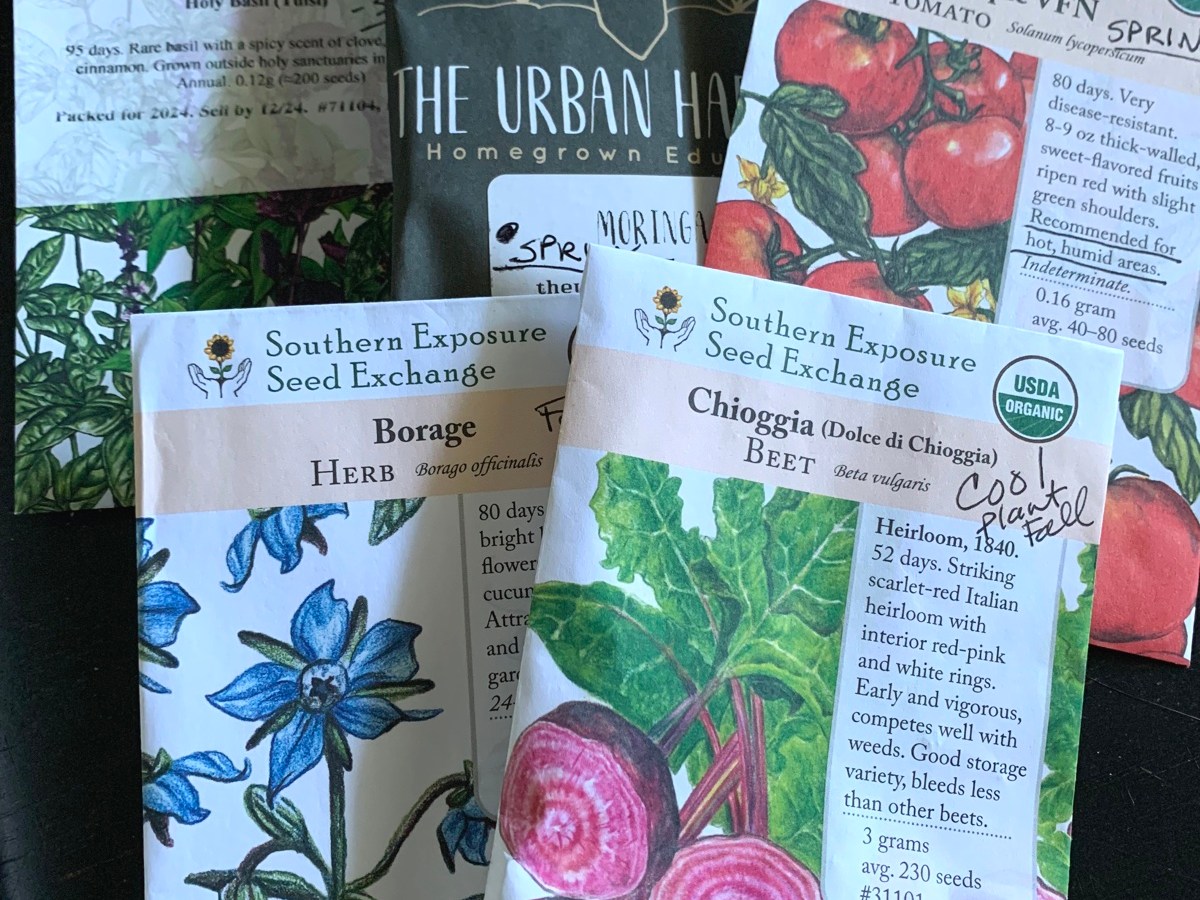
Now it’s time to save the seeds. My plants began from a company called Seeds of Change. I bought the seeds at my local Home Depot. The seeds are certified organic, and nearly everything I planted has done very well. I absolutely recommend this brand of seeds.

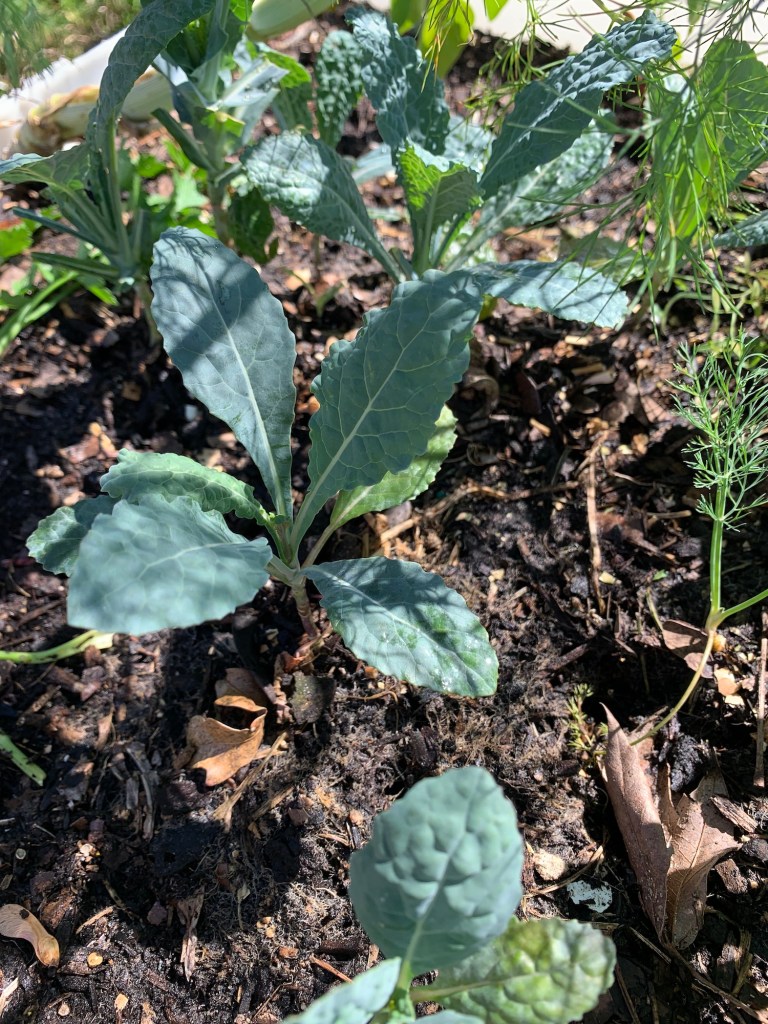
kale seeds organic

Collecting Seeds From Lettuce

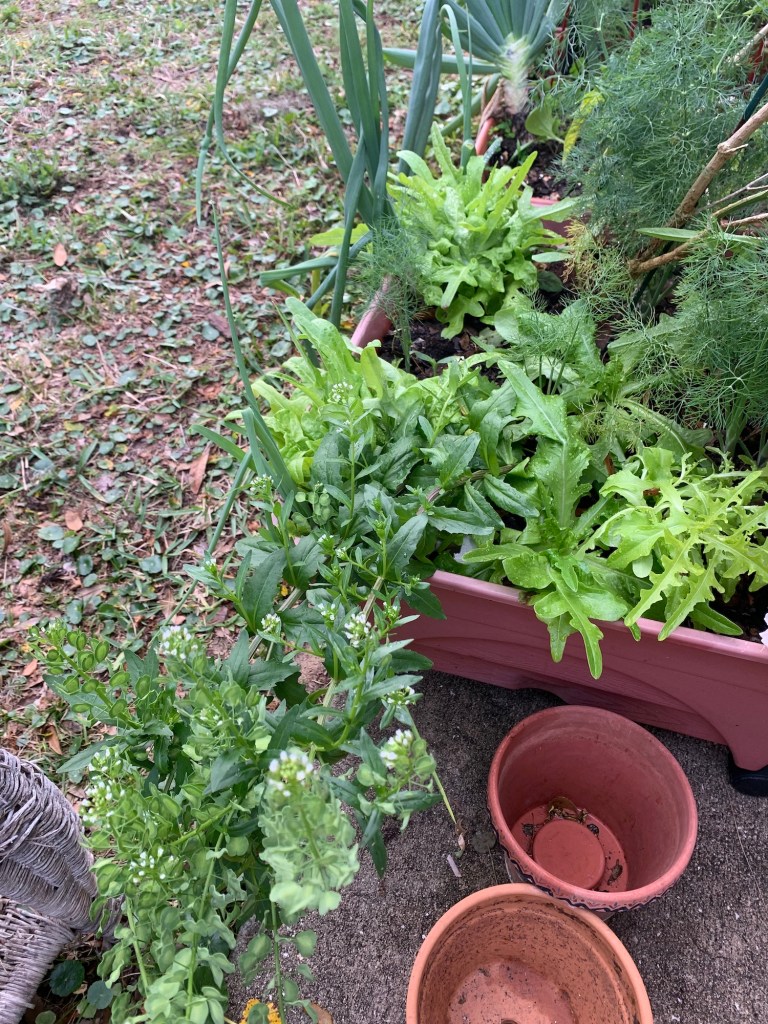
The lettuce was planted in with some peppers so I didn’t have much space. I wasn’t too hopeful for it to do well. But it did! I never ate any because it was bitter, but I have collected the seeds to try again next season. I’ll have to save space for a lettuce garden.


Now that it is March, the hot weather is on the way, so I want to let my greens go to seed so I can collect those seeds. I’ll save them inside the house to plant in the Fall.

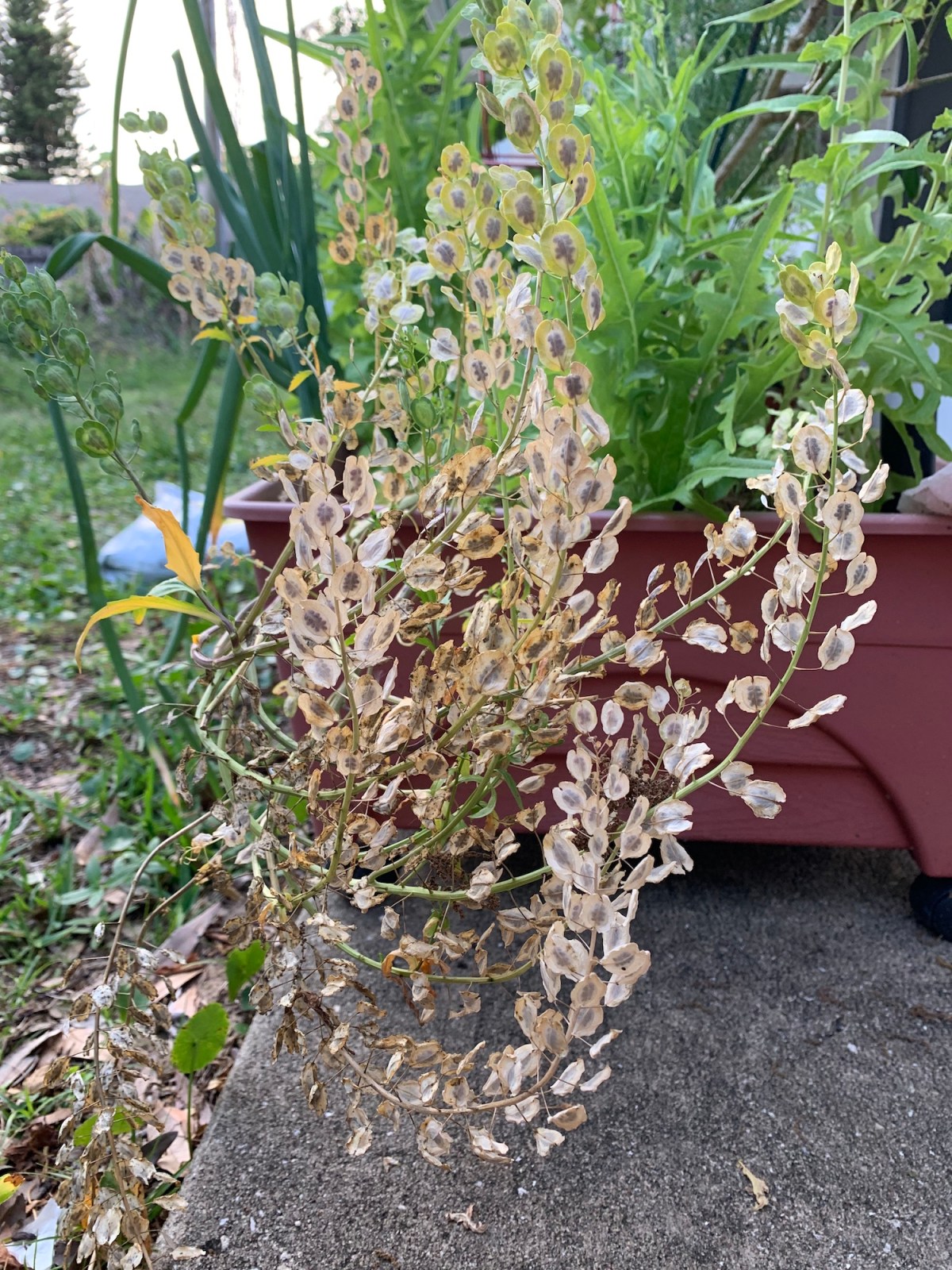
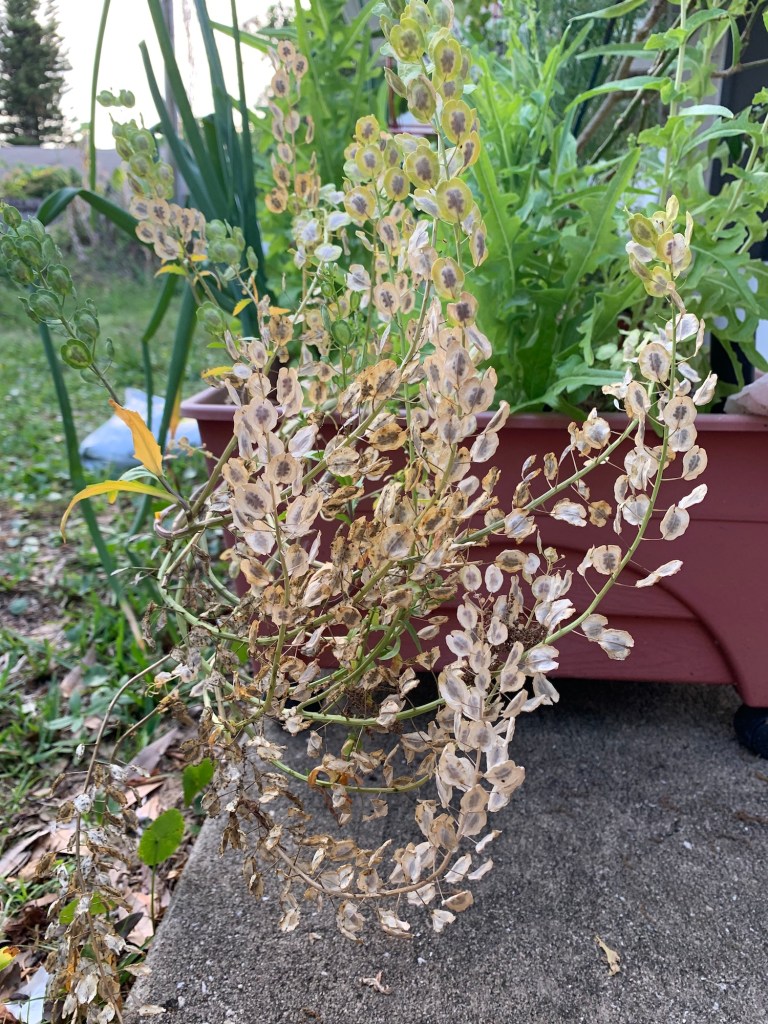
I’ve never had luck growing lettuce so this was a complete surprise. My lettuce was a mix, so I am not sure which types these were. But one of the plants sent off this long shoot which ended up hanging over the side of the garden bed.

The green leaves ended up dying back and the stems became full of seed pods!

The spiky, thin stems each held dried pods holding little black seeds! I have collected a bunch of them.

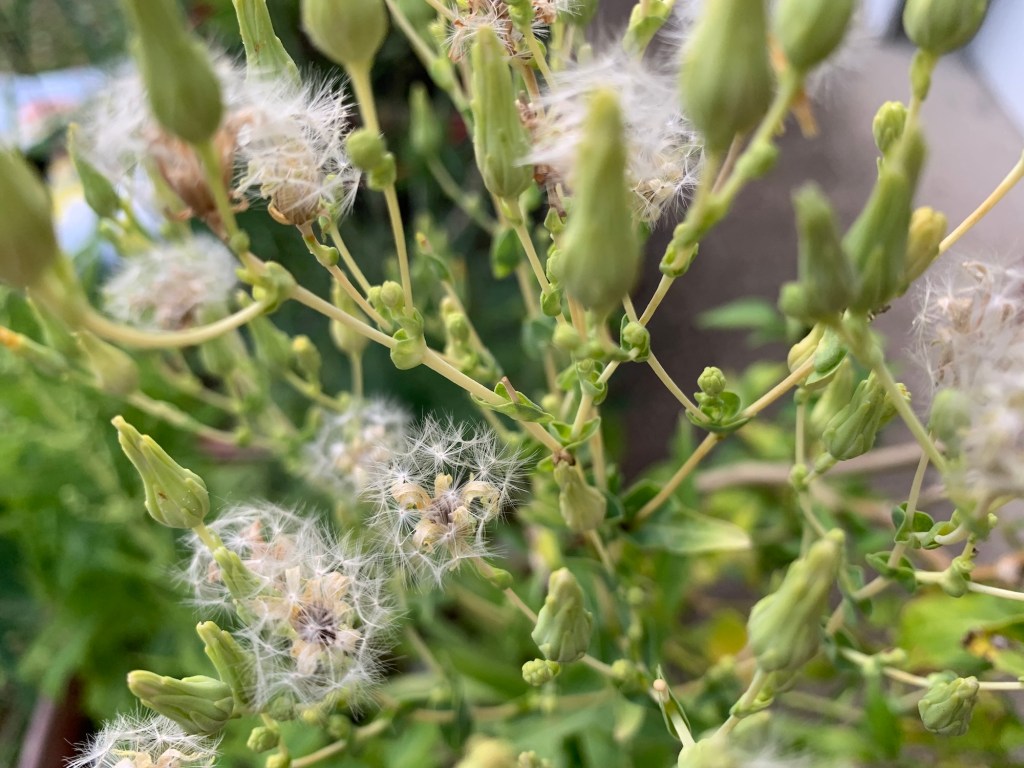
I’ve also collected seeds from a flowering lettuce stem that produced dandelion type heads. Once the weather gets cool again, I will plant them and see what happens.

Collecting Arugula Seeds

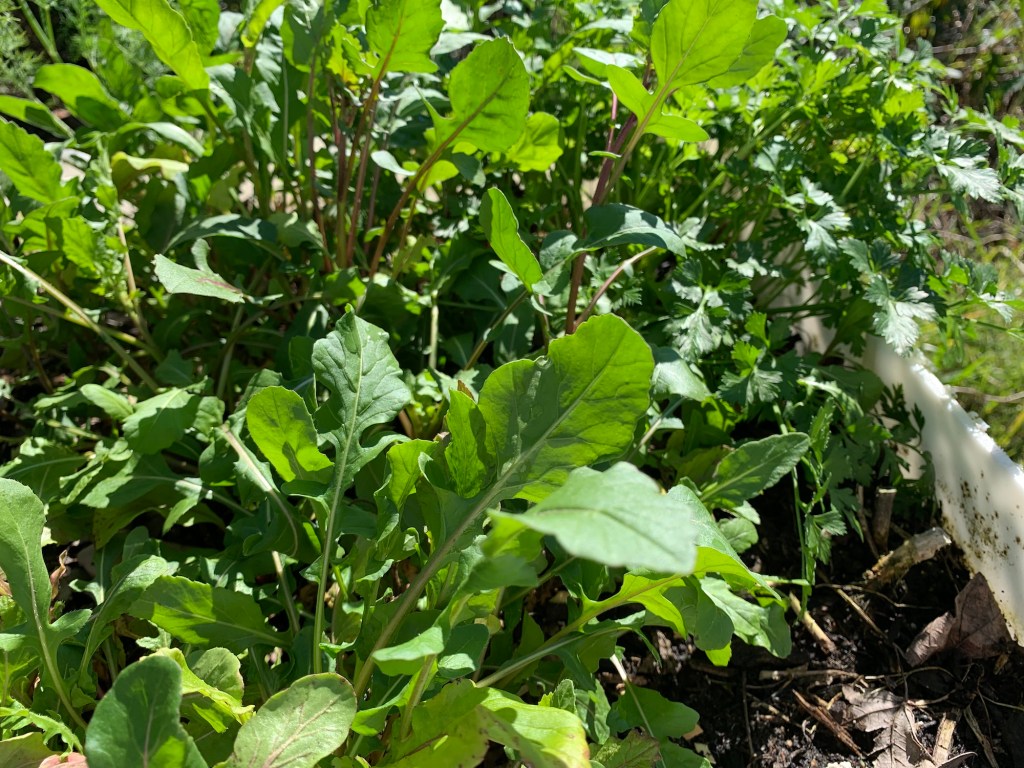
I’m sorry to say that I am unfamiliar with arugula. I tried some of the leaves, which are peppery and really good, but without something to mix them with, I rarely ate them.

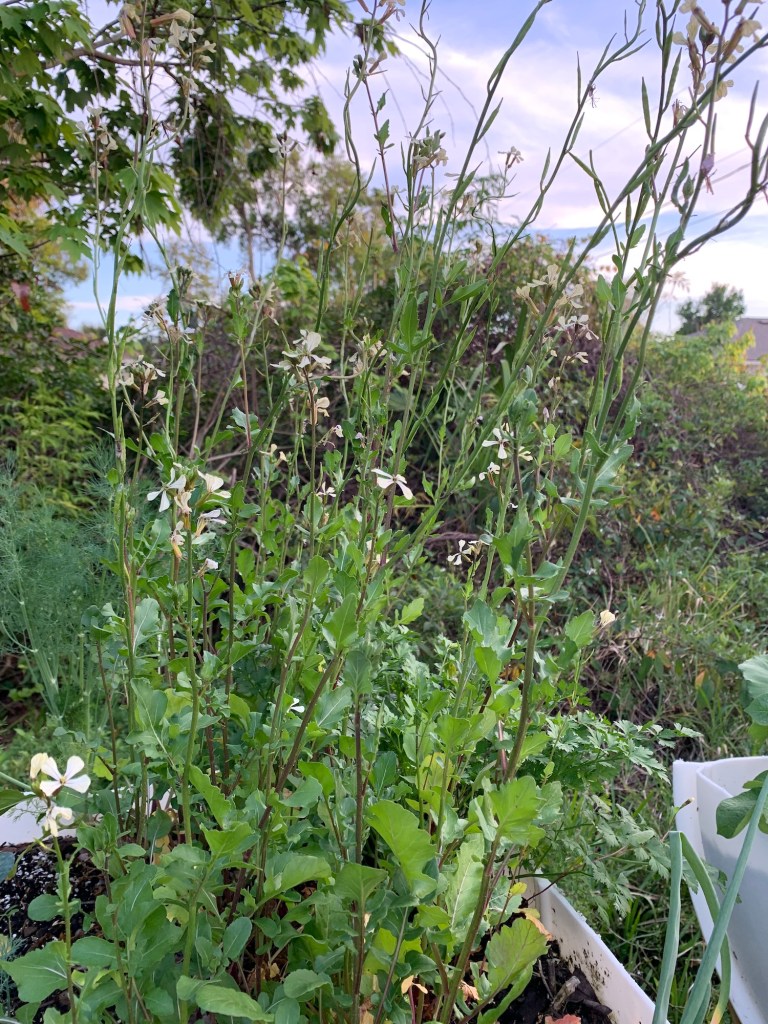
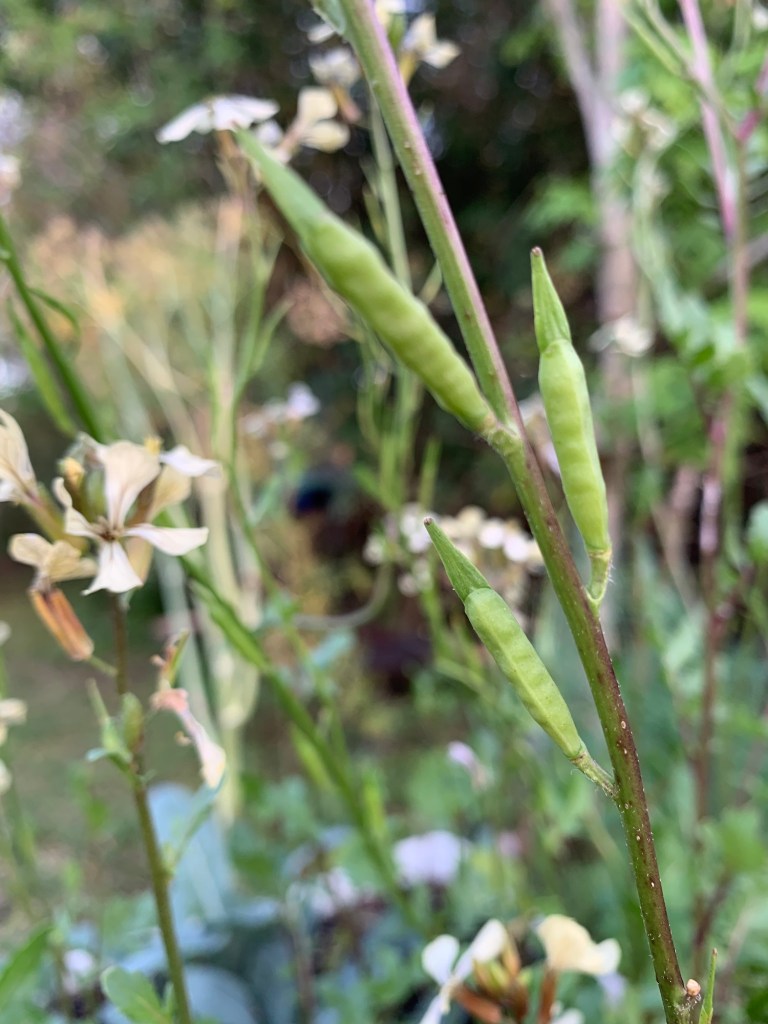
Now I am letting the flowers grow to get the seeds. I didn’t realize that the stems hold the pods that will dry out and give me seeds, until I noticed them!

I’ve seen honey bees and many other insects on the arugula flowers. Even if you don’t use your greens or other herbs and vegetables, let them grow and create flowers to help the insects. Also, the stalks dry out to become useful sticks. I used those to direct my watermelon vines where I wanted them to go!

How to Save Seeds

In general, plants will “go to seed” once the growing season is done. Also called “bolting” it means the energy of the plant goes into making seeds to continue the vegetable / herb. Lots of flowers have seeds in the dead flower head and can be saved that way.

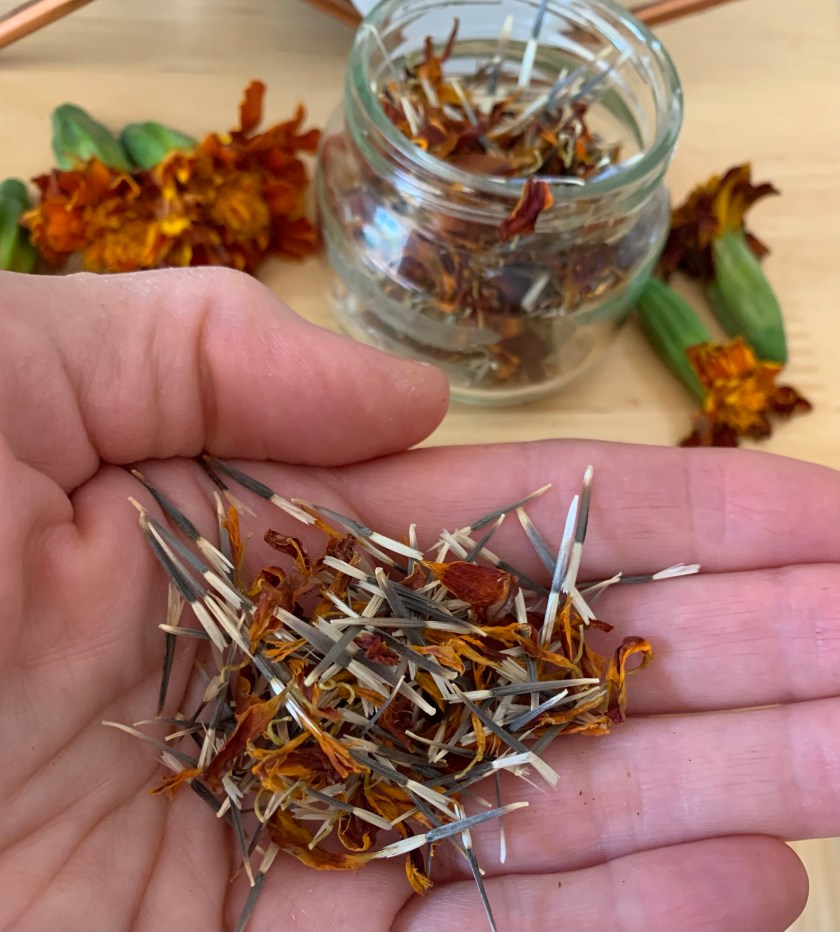
marigold seeds
Marigold seeds

Left alone, the seeds will dry, fall to the ground, and self-seed next time. But we can let the seeds dry and then collect them to plant.

The only trouble is, that plants may create seeds in different ways. Some seeds come from the “fruit”, like tomatoes, cucumbers and squash. Others “go to seed” and create seeds from flowers or pods.

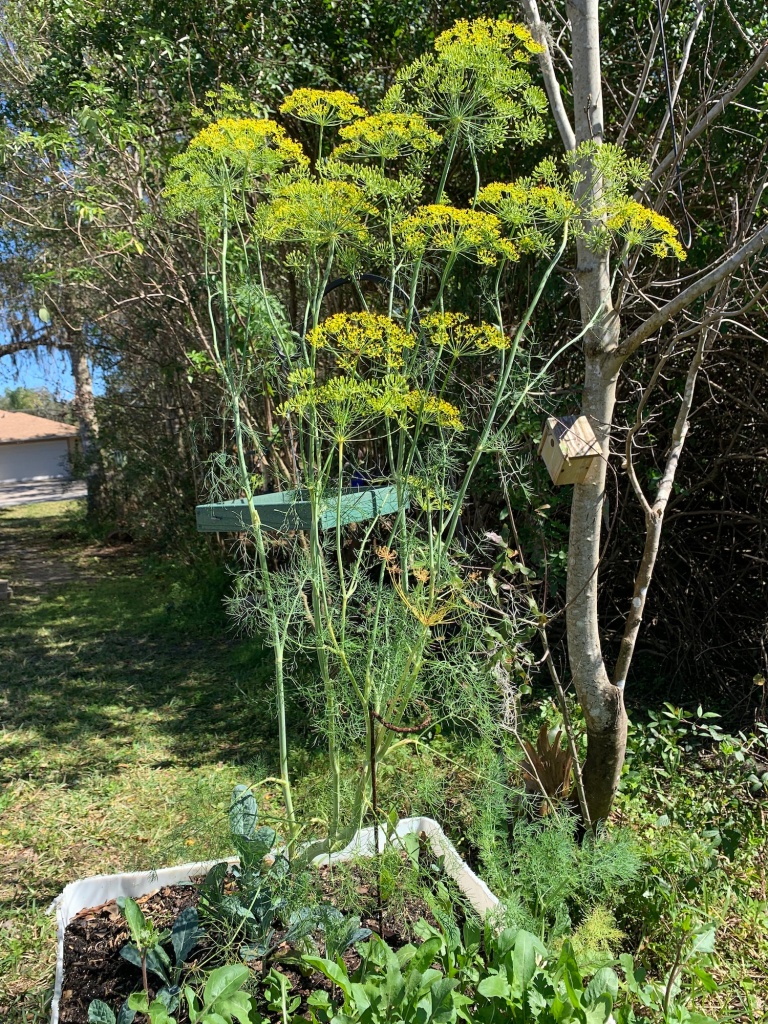
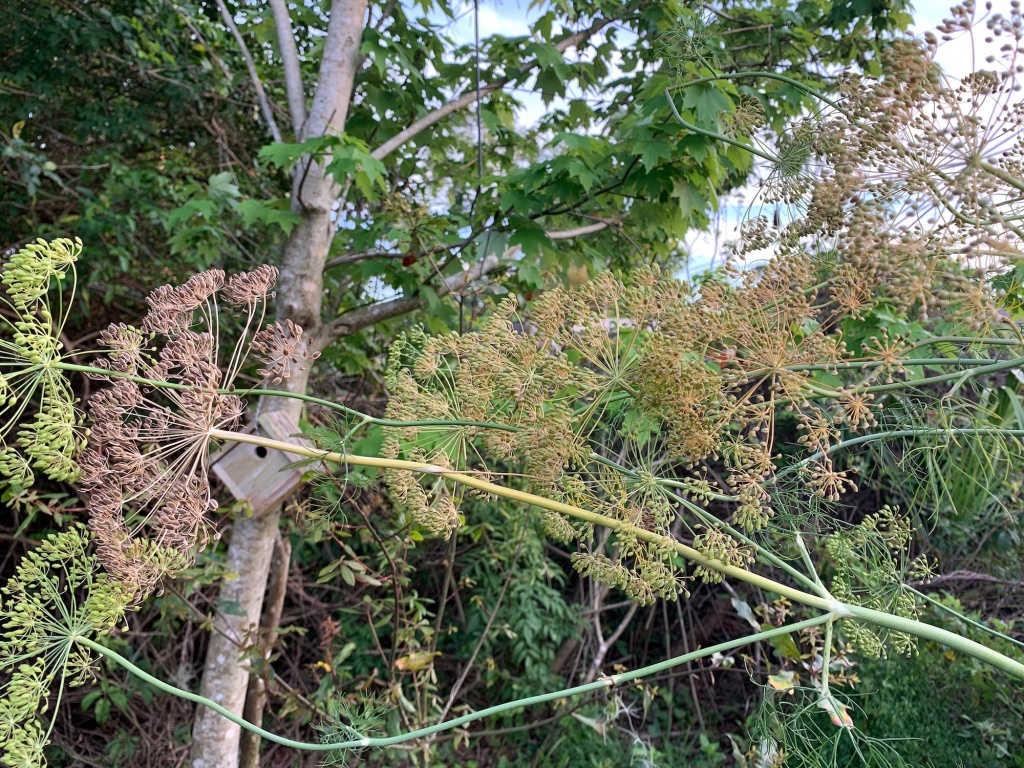
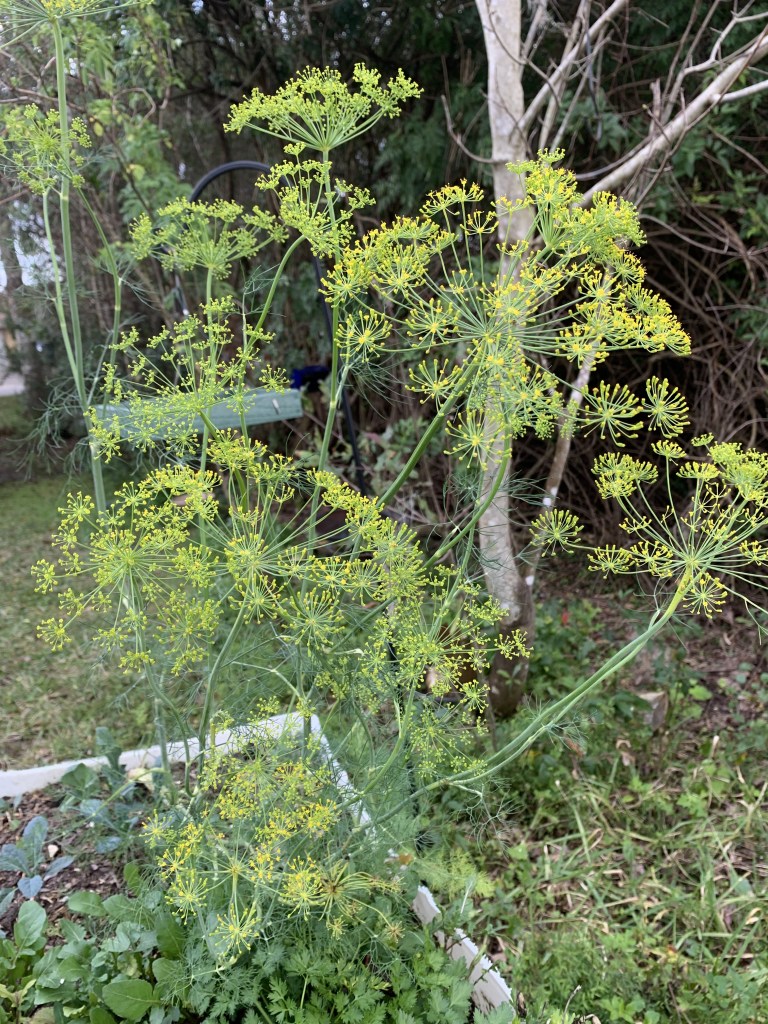
Here is a photo of the dill plant that produced beautiful flowers that turned into hundreds of seeds.

Dill flower heads turned to seeds

I ended up with too many dill plants. I dug them up and put them all around the edge of the yard. They are very hardy and don’t need much attention. I love dill and fennel (they are very similar looking) because their flowers attract beneficial insects. I do collect the leafy parts to chop and use when cooking.

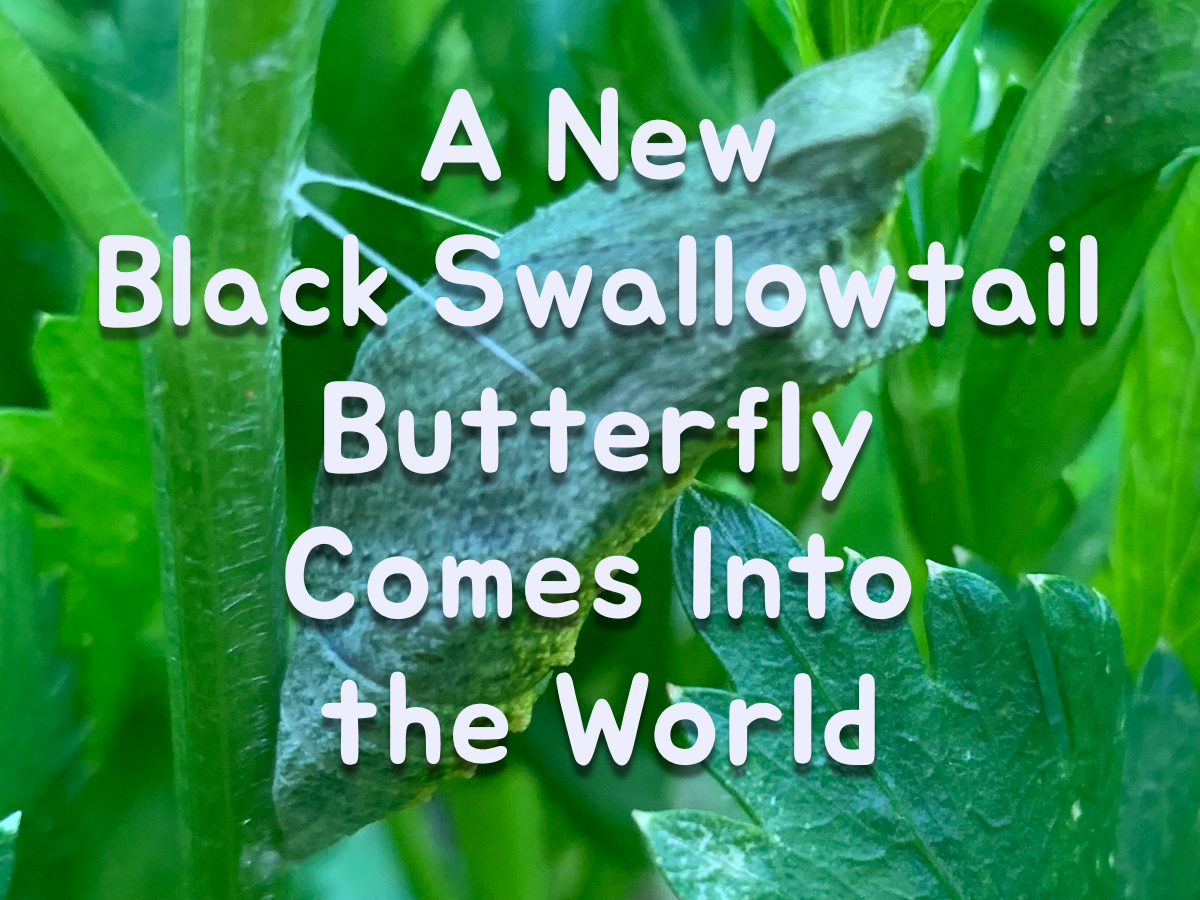
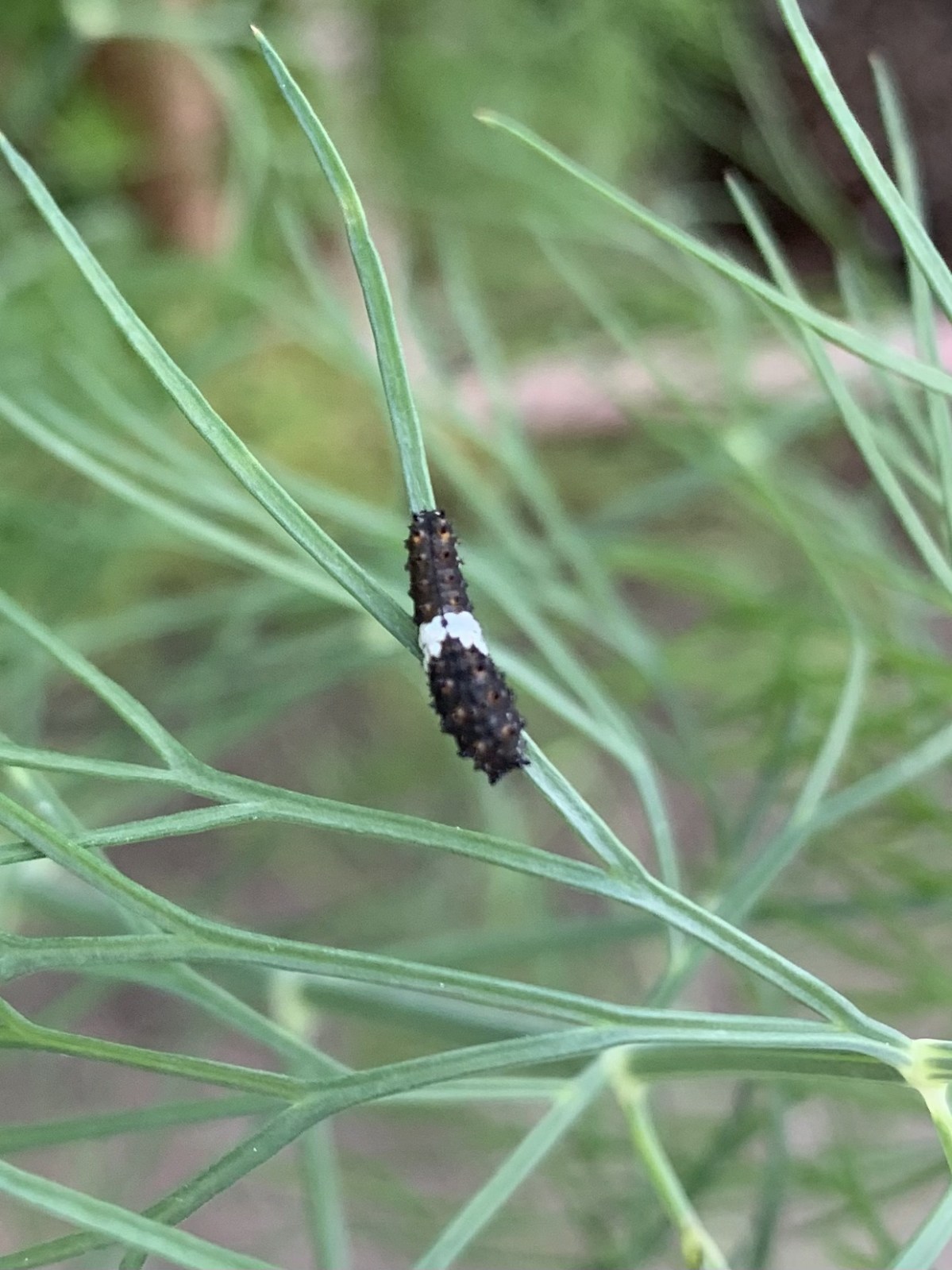
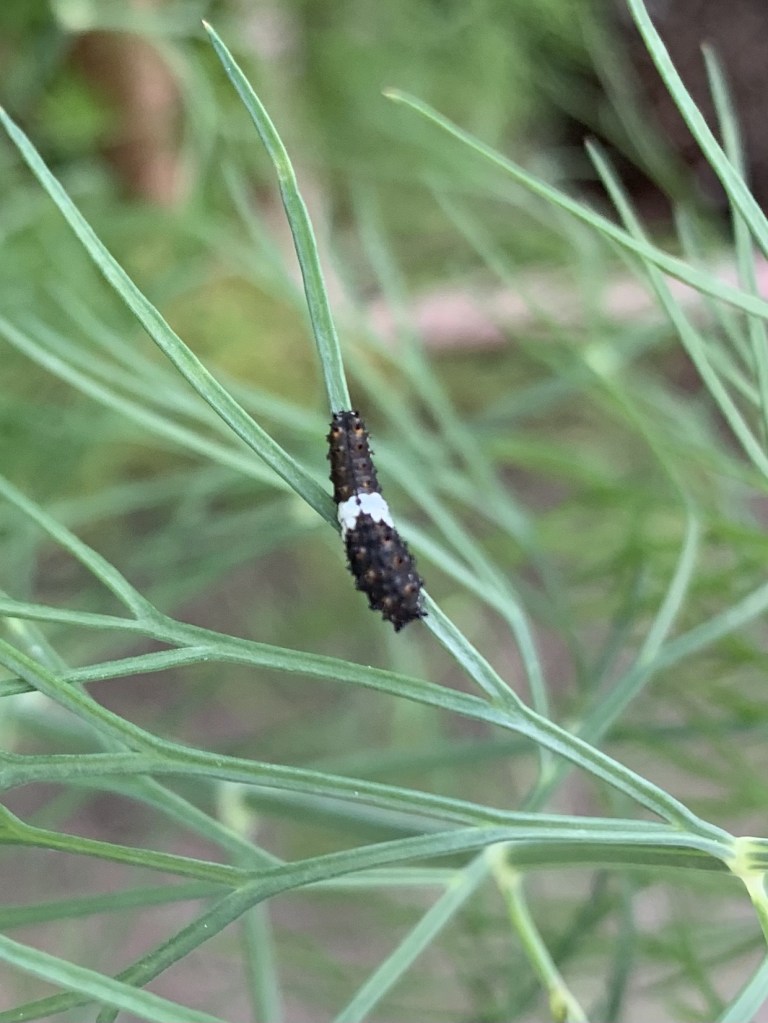
Dill and fennel are also host to swallowtail butterfly larvae. The caterpillars feed on the plant and are then eaten by cardinals – in my yard. If you are lucky, some will create cocoons and a new butterfly. Either way, the caterpillars are useful.

More garden stories for you

Cold Weather in Florida

Florida does get cold weather and since plants are usually in the midst of growing, they must be covered or brought indoors to survive.

One of the things I dislike about living in Florida is the freezing temperatures in winter. If plants are growing outside in your yard, and in pots, they may need to be covered to survive the cold night.

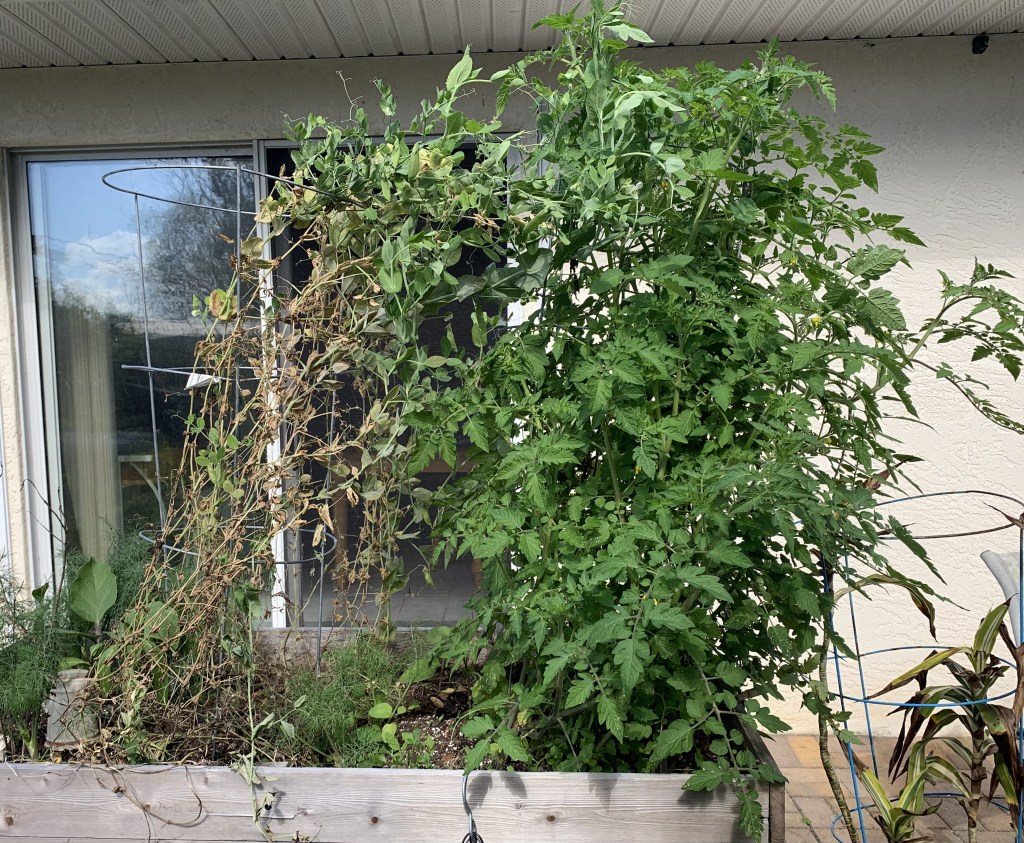
I had tomatoes, squash and peppers growing. Also one large eggplant plant and some small ones. I was not as worried about the peas and parsley as those things like cool weather.

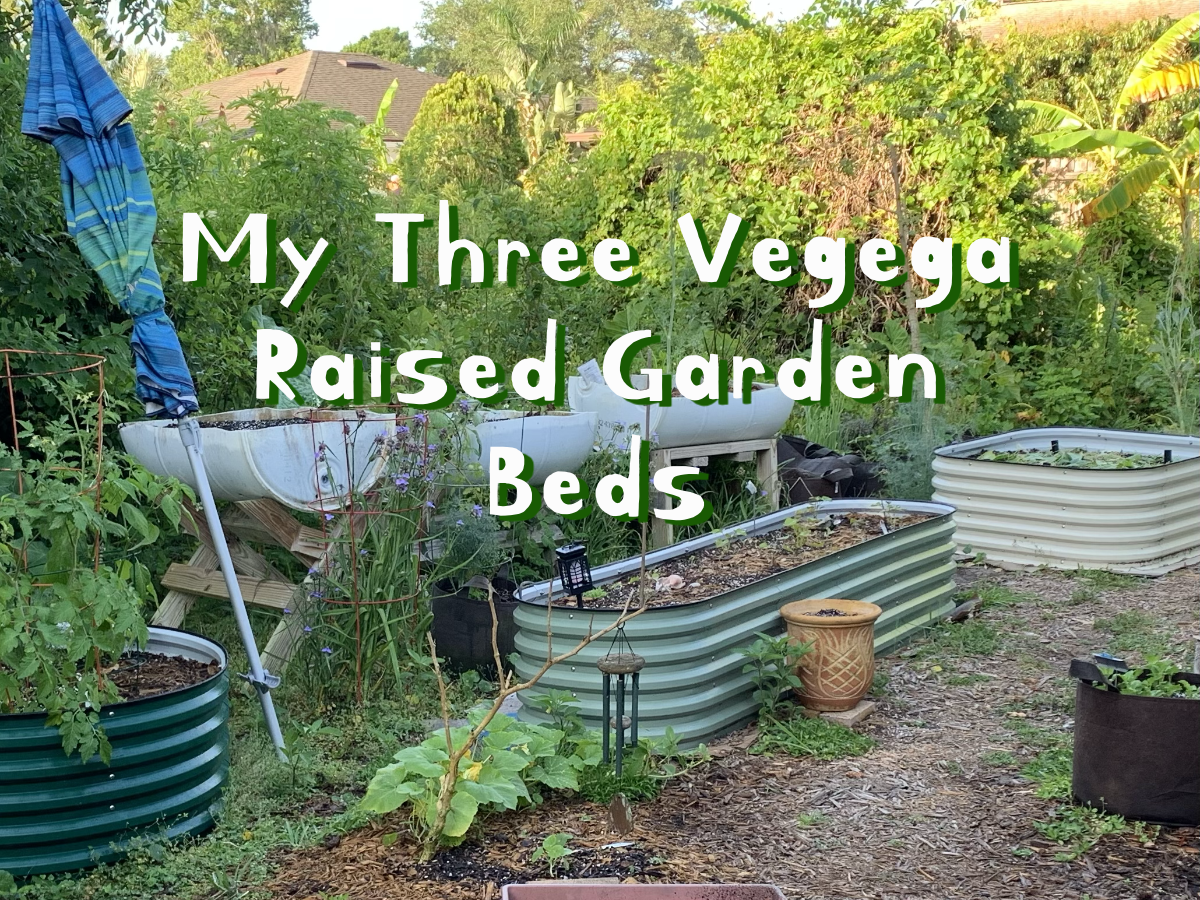
My vegetables are in raised beds.

My basil is pretty dead, even though I covered it along with everything else.

The good news is that I still have some basil seeds and have planted those for this new growing season.

Christmas was the long stretch of cold weather. Since then we’ve had heat and some coolness, but nothing too bad. As I am posting this, it is March and there should not be any more freezing temps.

One Summer Morning

July is nearing an end and the garden is teeming with living things.

Hydrangea Art and Photography For the Home

The beautiful hydrangea flower is featured on these items for the home.

When I lived in New Hampshire and grew hydrangeas in my yard, I took a lot of photos with my camera. Throughout the growing season I enjoyed seeing the changes that took place in the hydrangea gardens.

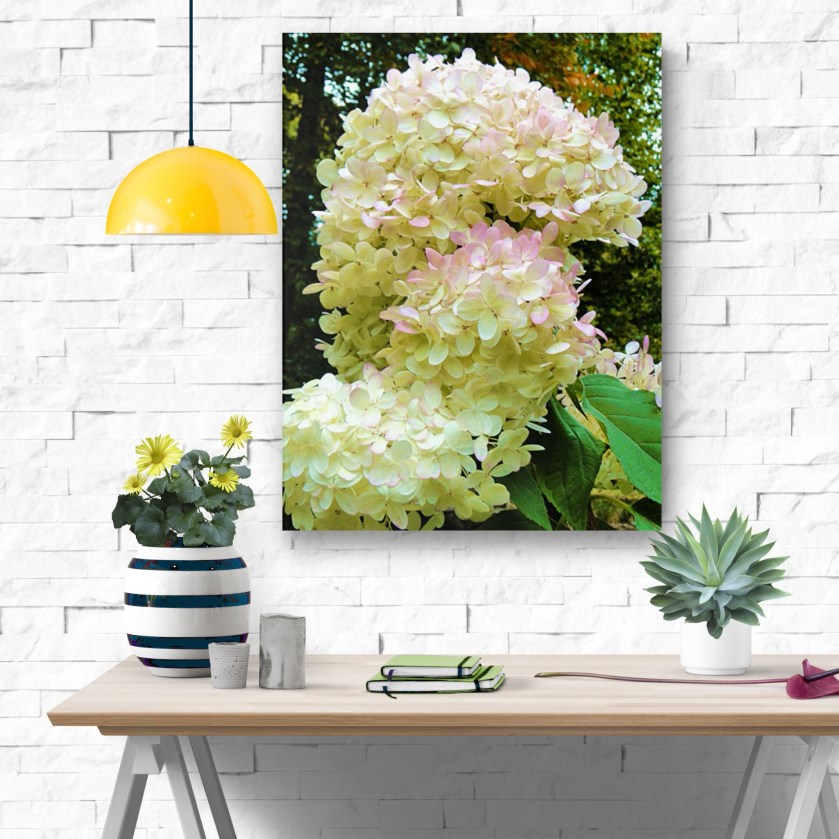
The Limelight Hydrangea Acrylic Print

I planted two Limelight hydrangea bushes right by my front door. They had the most beautiful, big blooms! As the seasons changed and Fall approached, the white flowers, that were tinted with green, began to turn pink.

I have found a few good photos of that Limelight shrub and this is one of the photos. This one is printed on acrylic. I bought an acrylic poster from Zazzle for my daughter this Christmas and was very impressed by the quality. It also arrived VERY well wrapped for safe shipping.

This acrylic hydrangea art is 24 x 36 inches. More sizes are available – choose 20×30 or 10×14. The image represented below is approximate to give an idea of the large size offered.

This image can also be purchased on a foam core board, which is much cheaper.

Limelight hydrangea photography print for the wall.  Shown on durable acrylic, with cream and pale pink petals on fluffy heads.

Click on the images to see more about options and pricing.

Blue Hydrangeas

Blue hydrangea flowers are so popular that I began an entire online store dedicated to them. See BlueHyd at Zazzle for the full collection of stationery, gifts, and home decor.

Here are a few blue hydrangea photography images placed on art for the wall. Most have size selections and can be purchased on various materials, including poster paper, metal, wood, and acrylic. Most images can be transferred to your choice of medium.

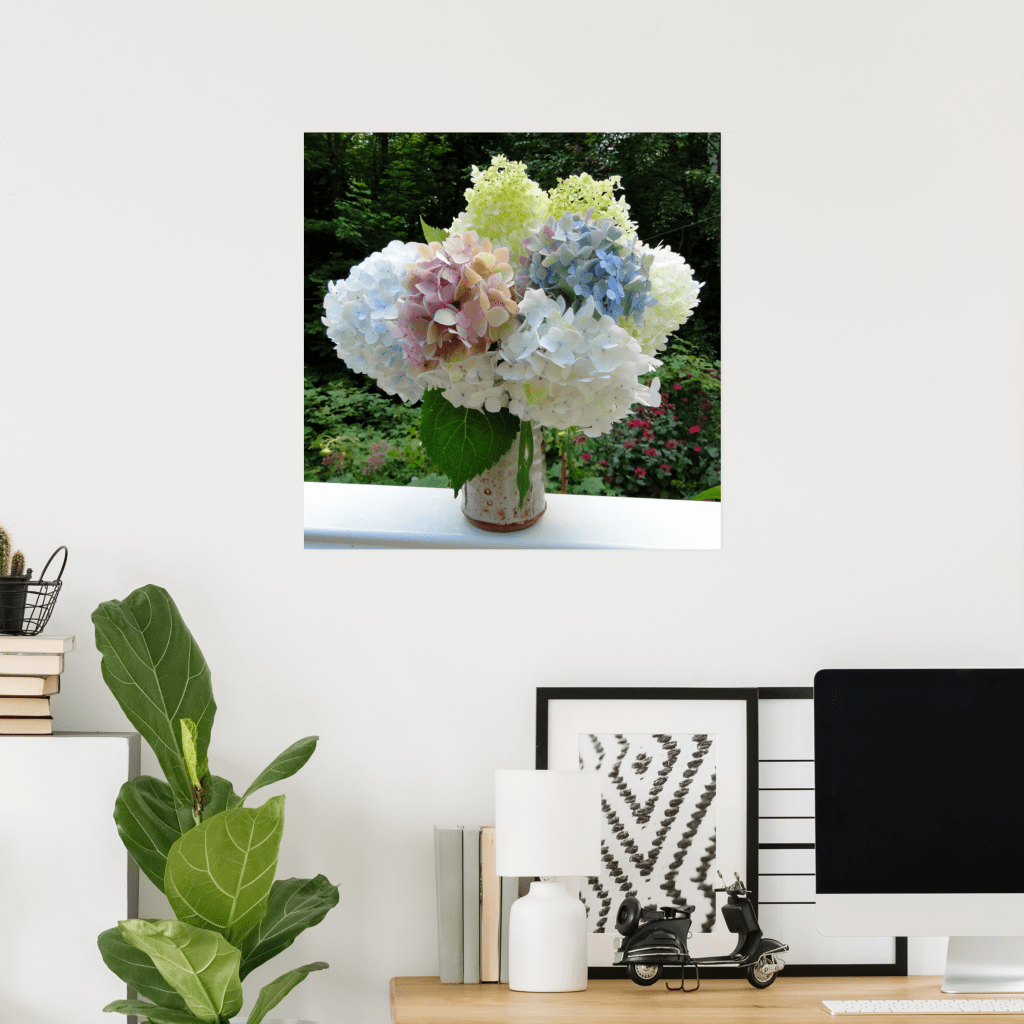
Hydrangea flowers in a vase poster.  Size 24 inches square, white, pink and blue hydrangea blooms overflow in a ceramic vase.

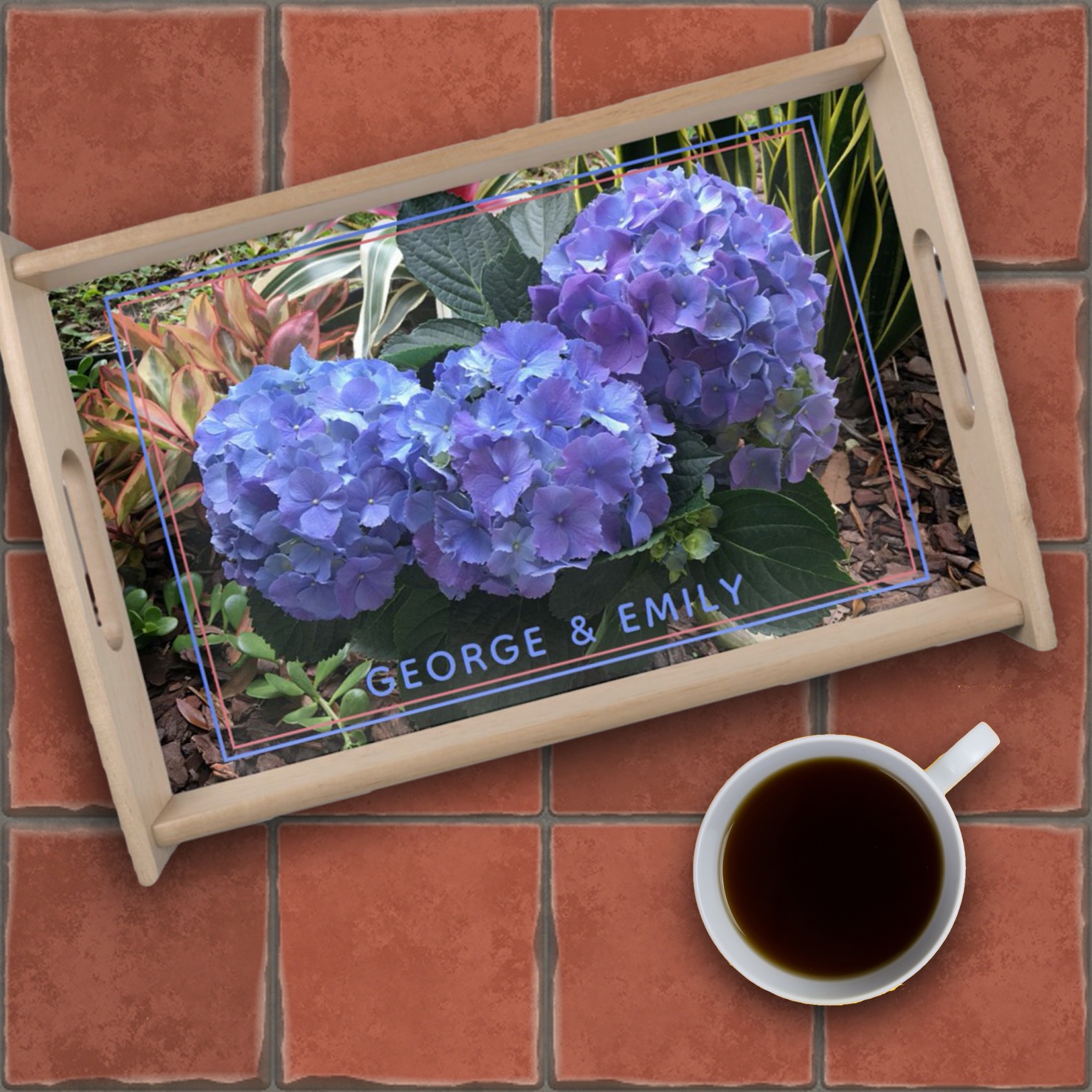
Wooden trays come in two sizes and can be customized with text along the bottom.

Blue hydrangea flowers wooden tray
Custom tray

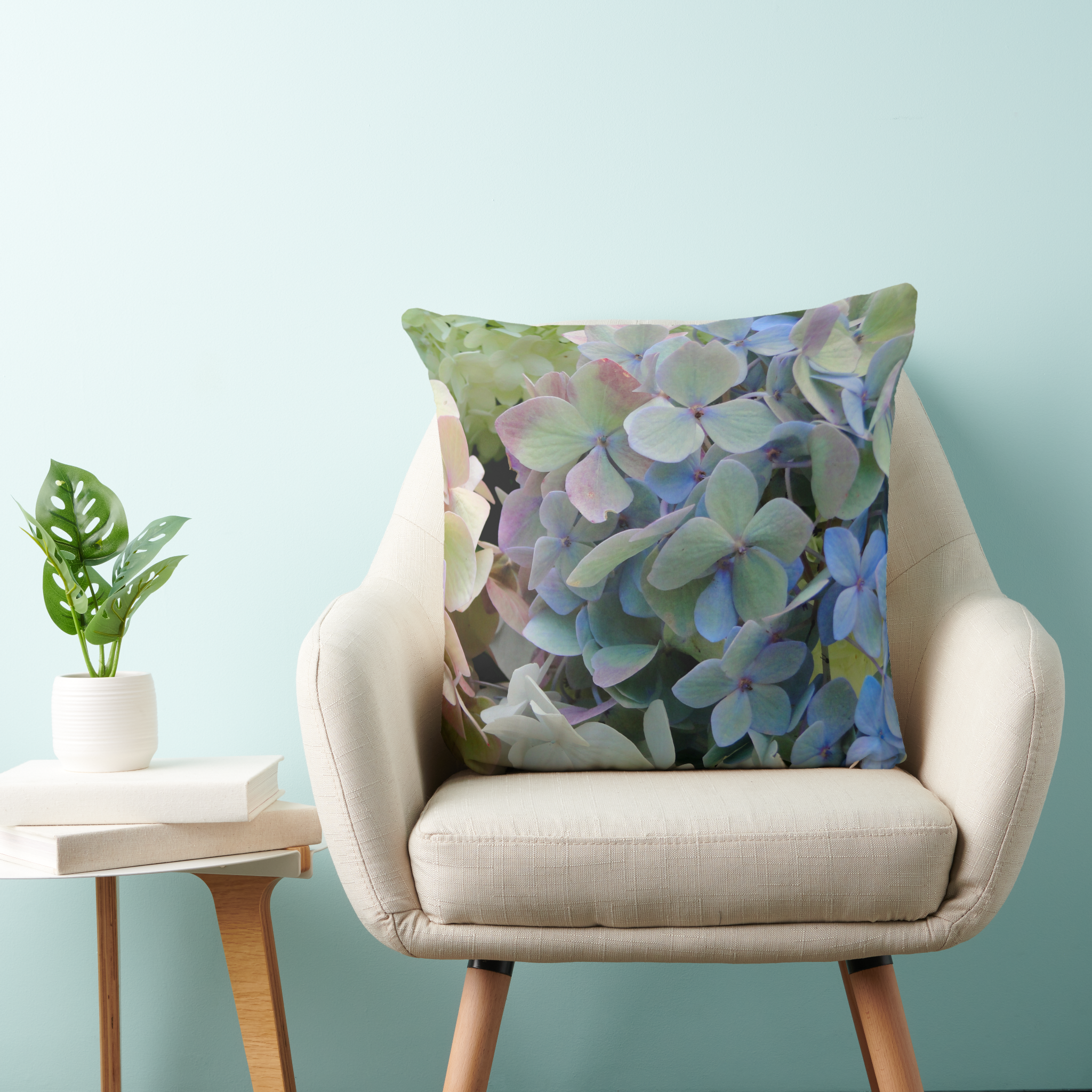
Pillows are good sellers in my store, with square or round options. Fabric selections include polyester or cotton. Choose to have a zipper for easy cleaning, or not. They also come with an outdoor option where the fabric is treated to resist mildew and UV rays.

The blue hydrangea pillow below features end of season colors, when the blue petals begin to turn pretty shades of green. The back has a different hydrangea image that includes pink flowers.

Blue hydrangea flowers throw pillow
Square throw pillow with blue hydrangea flowers

Stories From the Blog

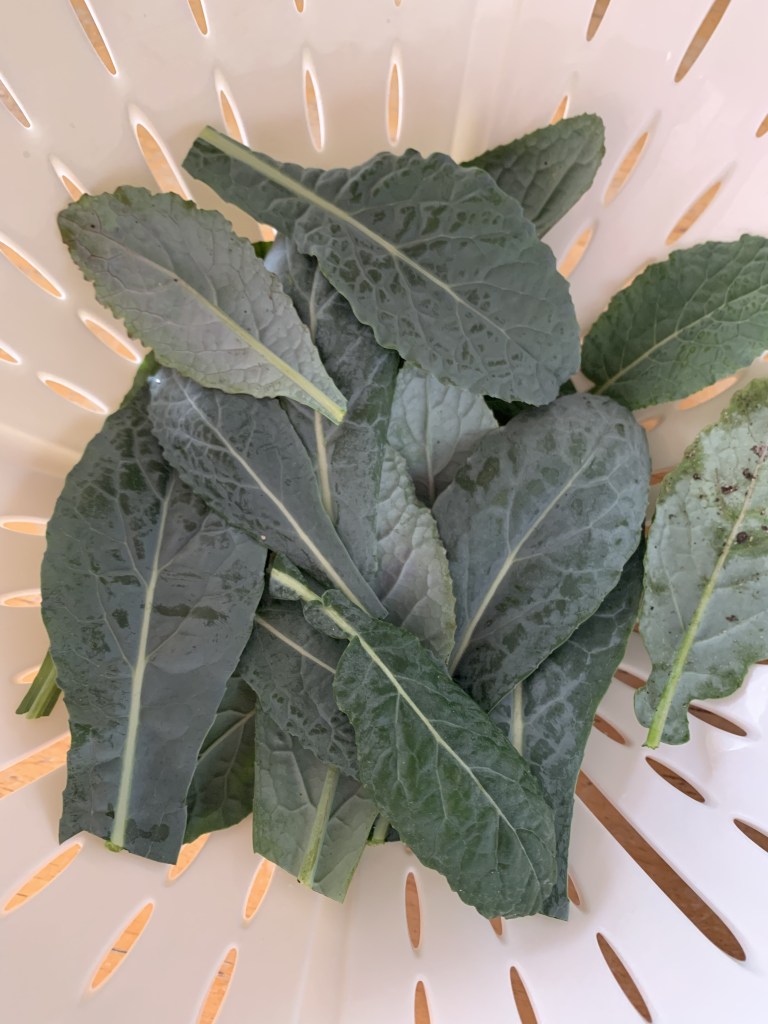
Fresh Dinosaur Kale Chips

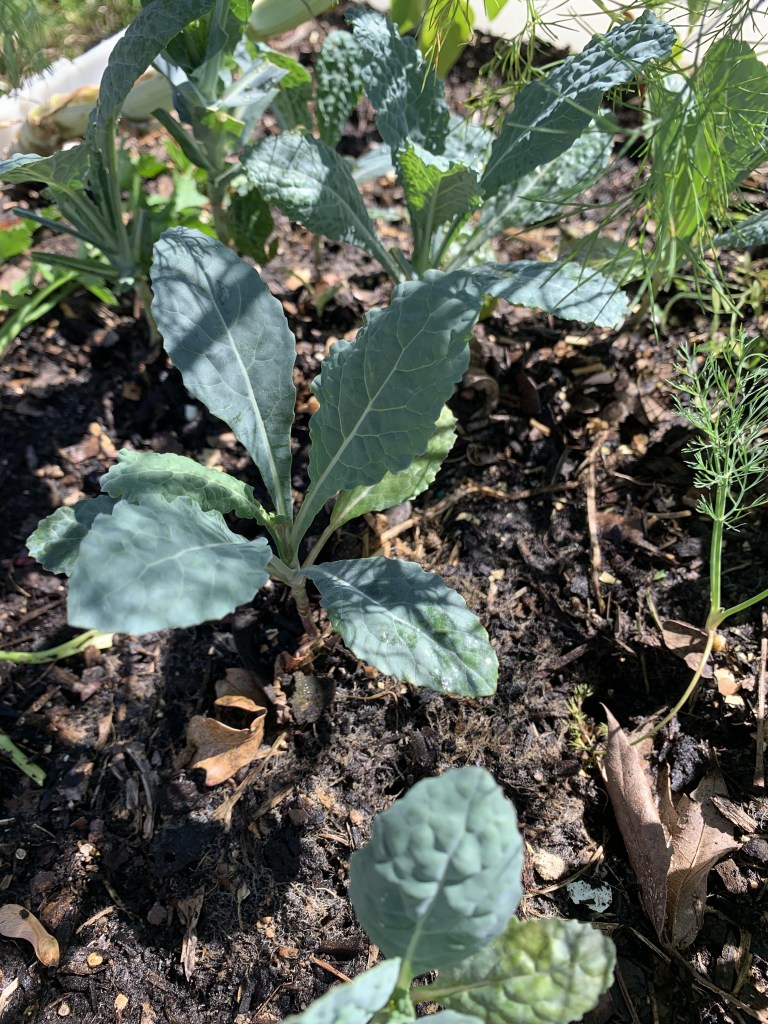
Kale grew in the garden over our very short Florida winter. Now the heat is already here, so I am using the leaves and hoping for seed pods.

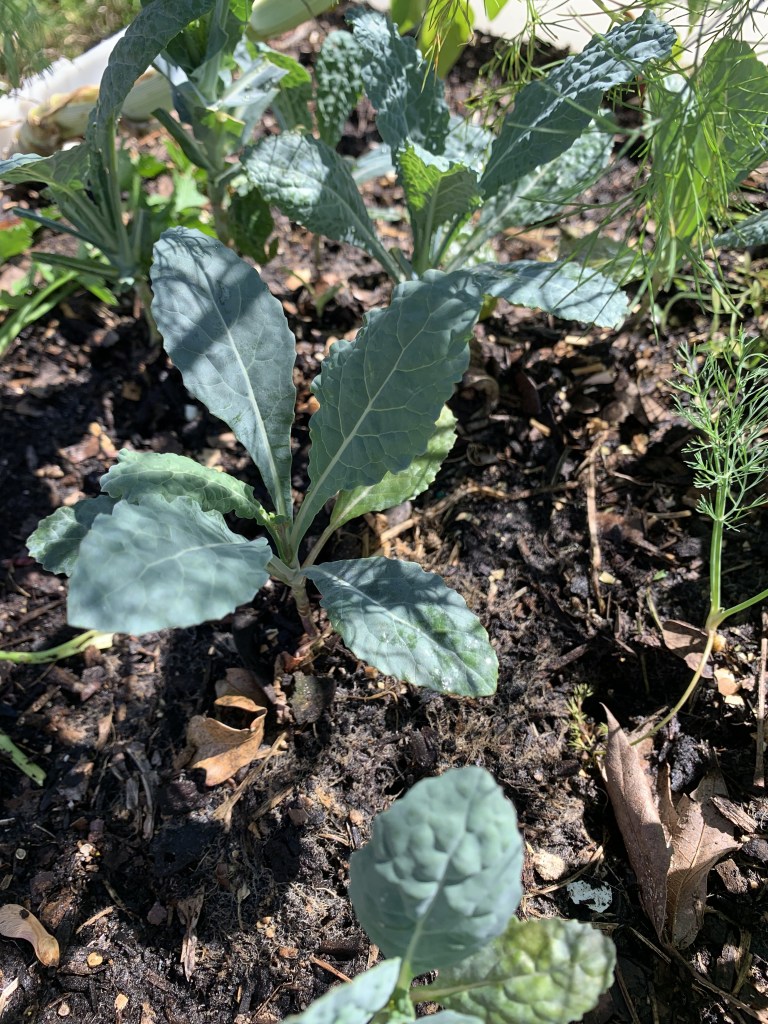
Last fall I planted organic kale seeds. Kale is a vegetable that does well in cold weather.

kale seeds organic

Now that “winter” is here, I am picking kale leaves to make chips. My leaves are not very big, but hot weather is already here, so I need to make use of the kale.

Kale
Dinosaur Kale

I eat kale because it is healthy and not necessarily because I love it. The two ways I use kale are either blended up for a smoothie, or baked in the oven to make chips.

On this day, I made chips.

garden kale
Kale for chips

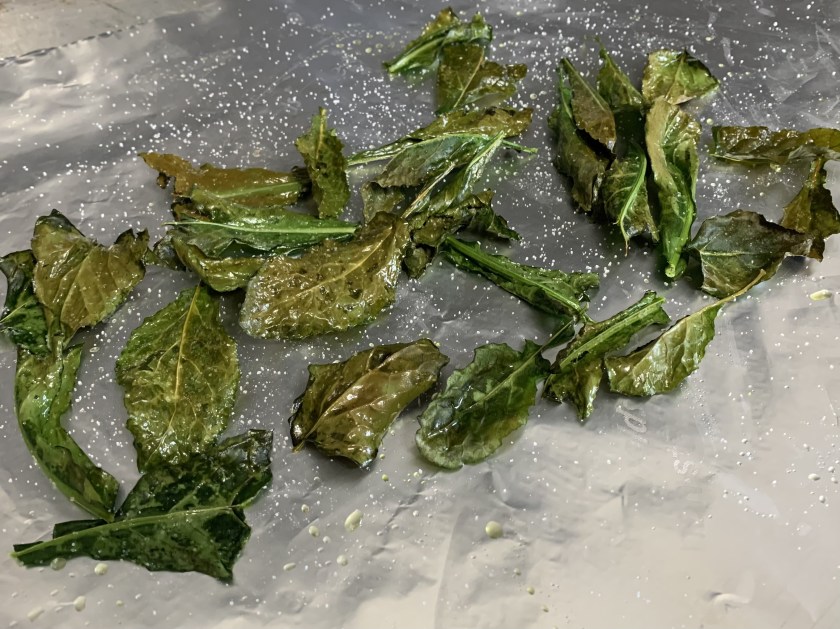
Kale chips are very easy to make. Cut the leaves, wash, pat to dry a little, drizzle olive oil over the leaves. Use your hands to rub the oil all over the leaves and then place them on a sheet for baking.

Bake for a short time, checking often, and moving them / turning over as needed. Oven not too hot – I think around 325? Once they crisp up, they are done. Add salt and eat!

kale chips
In the process of making kale chips

I’m waiting for my kale plants to give me some seeds to use for next year. I’m not sure how that happens, so I am watching for a flower to form. Apparently then there should be seed pods.

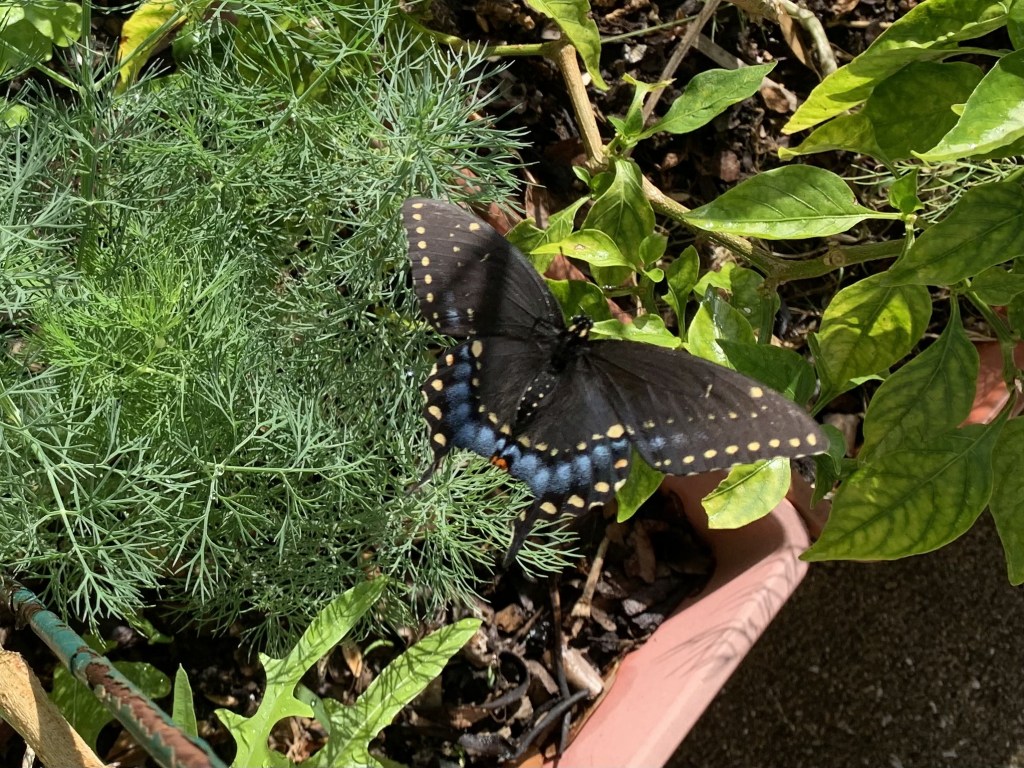
My dill from seeds also did quite well. I ended up with more dill than I have room for in the garden. The black swallowtail butterfly loved it to and deposited her eggs everywhere. I had loads of caterpillars, but they all ended up being food for the cardinals! Such is life.


What’s Happening in the February Garden?

Butterflies are dropping their eggs, and some of my vegetable plants are looking much better, now that February in Florida has arrived.

Spring comes early in Florida. February is a good time to check the garden for signs of butterfly eggs and newly hatched caterpillars.

Swallowtails Laying Eggs

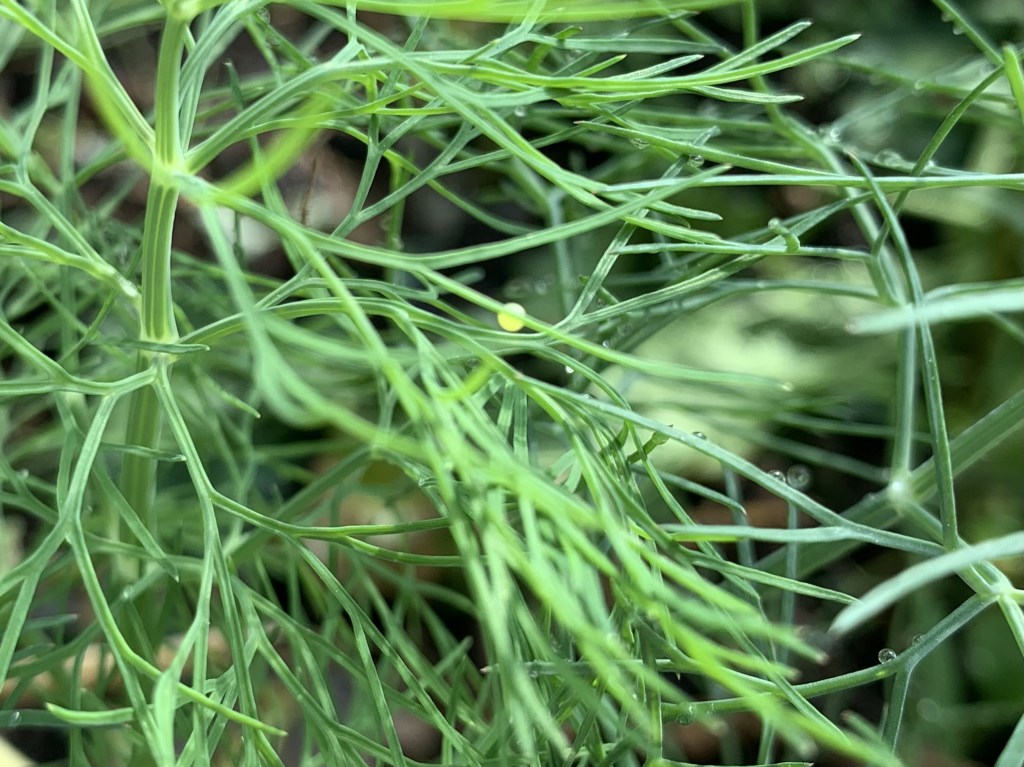
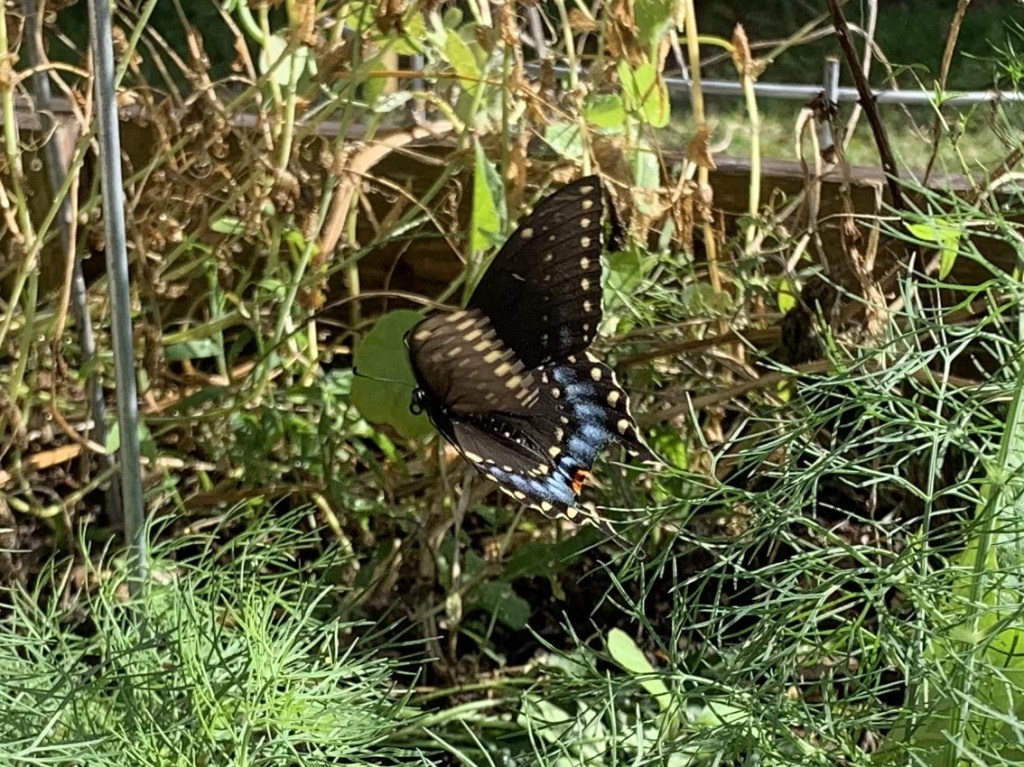
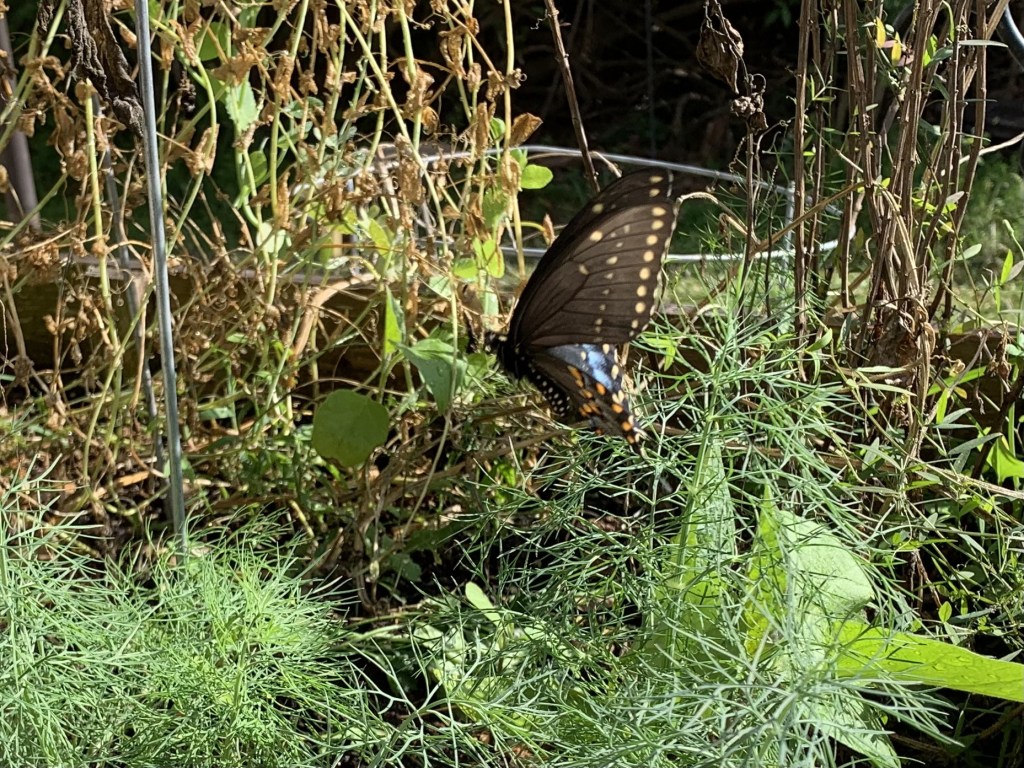
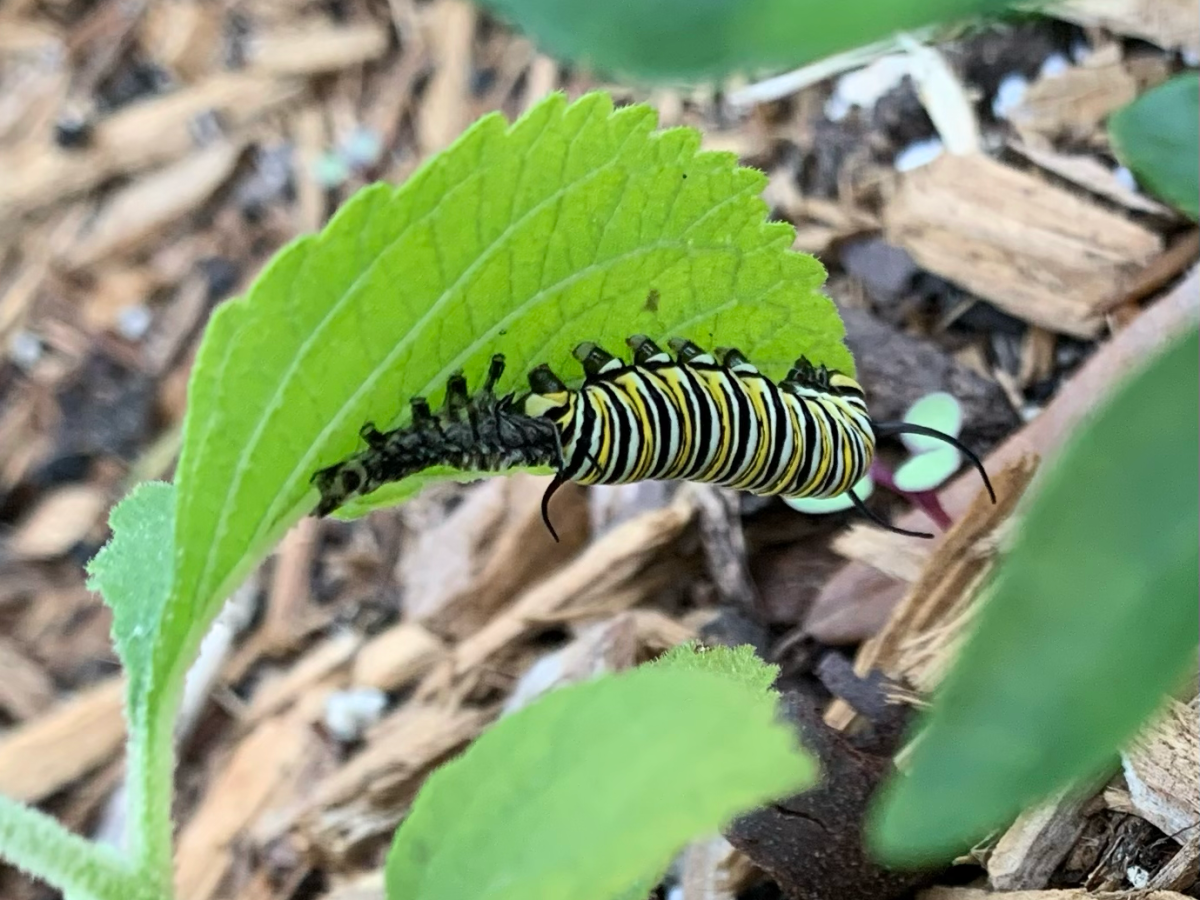
I noticed the black swallowtail butterfly laying her eggs all over my little dill plants. Now the black caterpillars are crawling around, eating and growing.

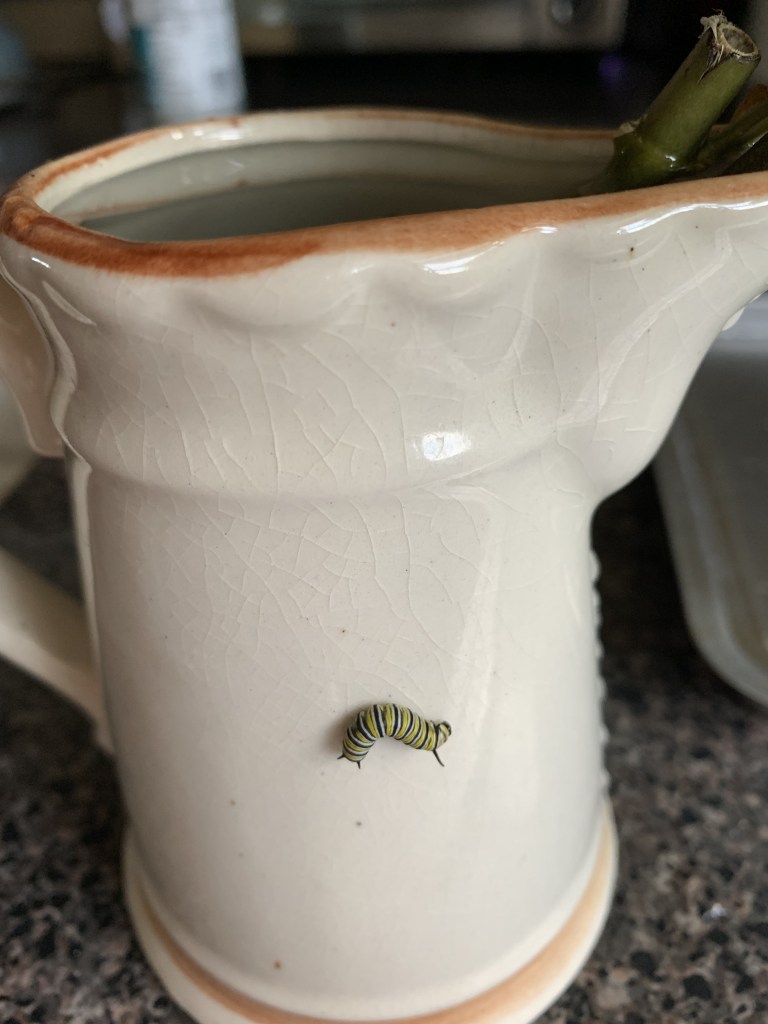
Every day I looked to make sure I could see all three.

Monarch Caterpillars

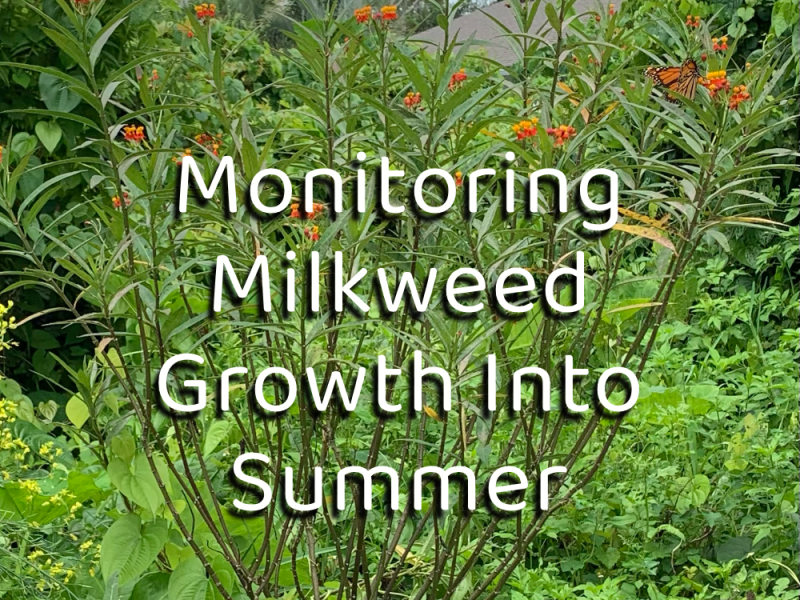
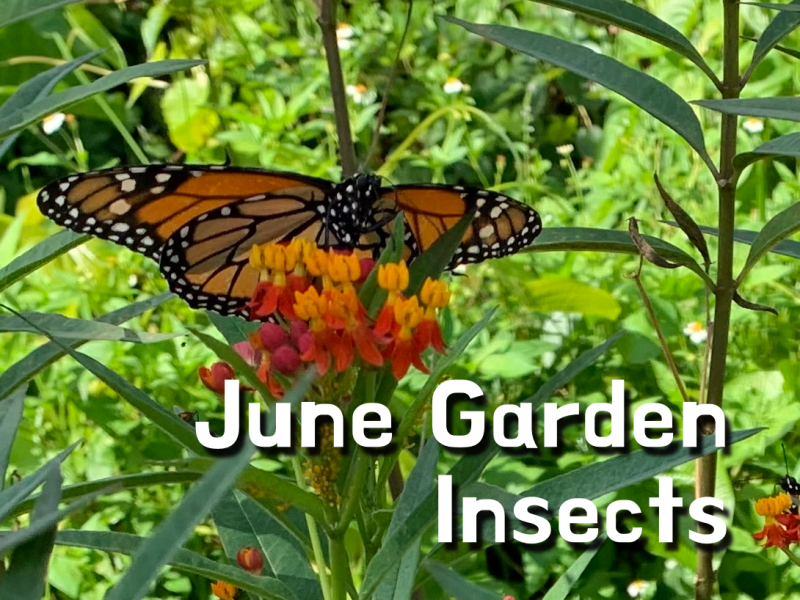
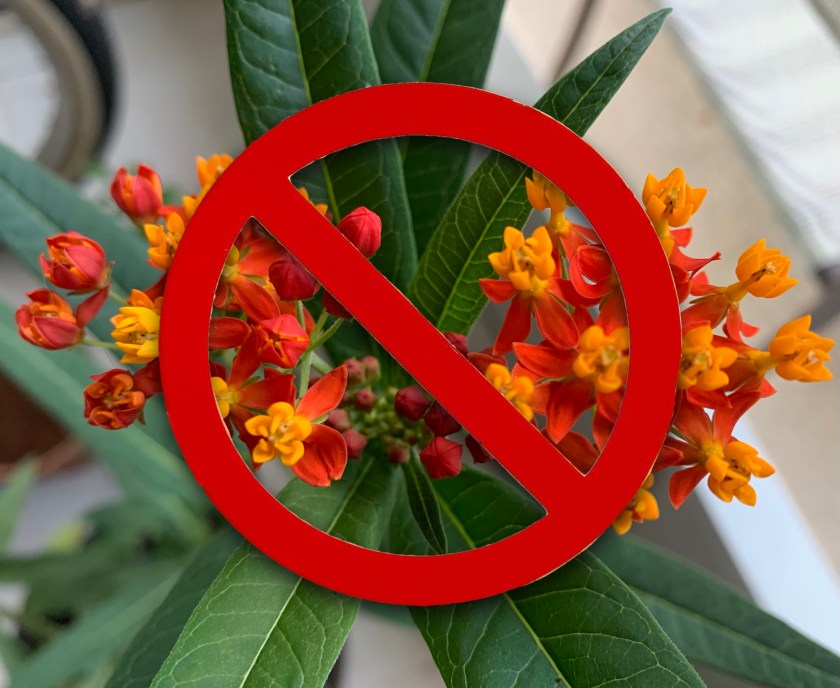
I’ve recently discovered how bad it is to have the wrong type of milkweed growing in the yard. I have removed all of my tropical milkweed. It looks like the photo below – with red and yellow-orange flowers – and please plant native milkweed instead.

no to tropical milkweed

Read About the Monarch Story, and the Reasons to Plant Correctly

lost caterpillar

Pests

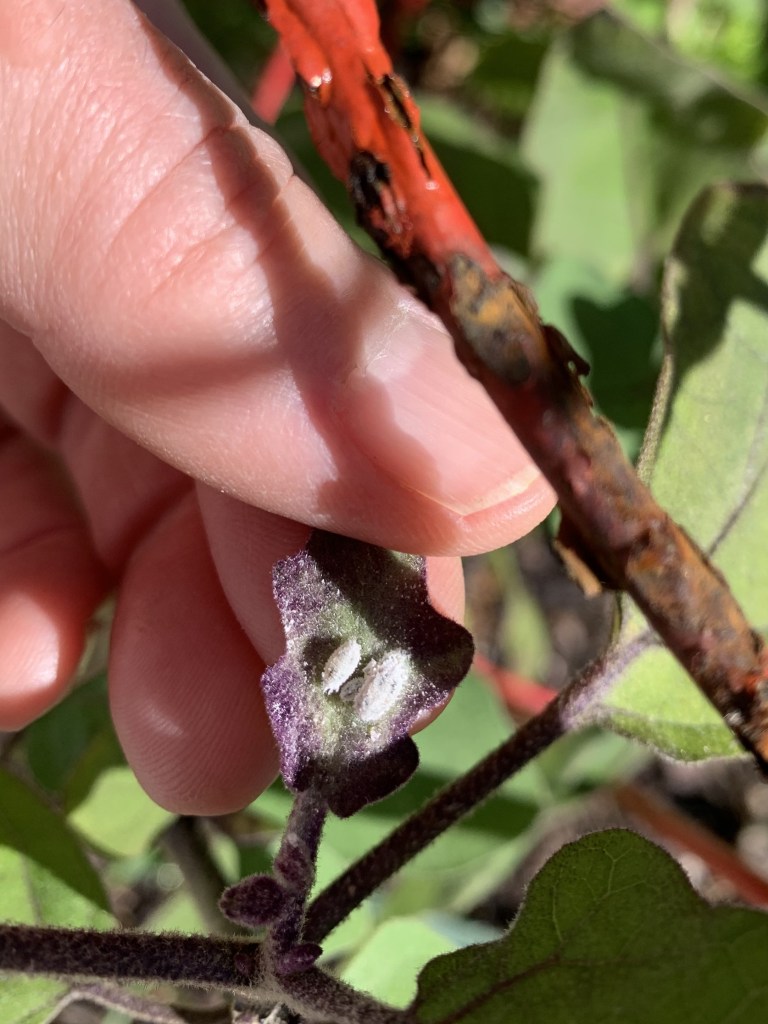
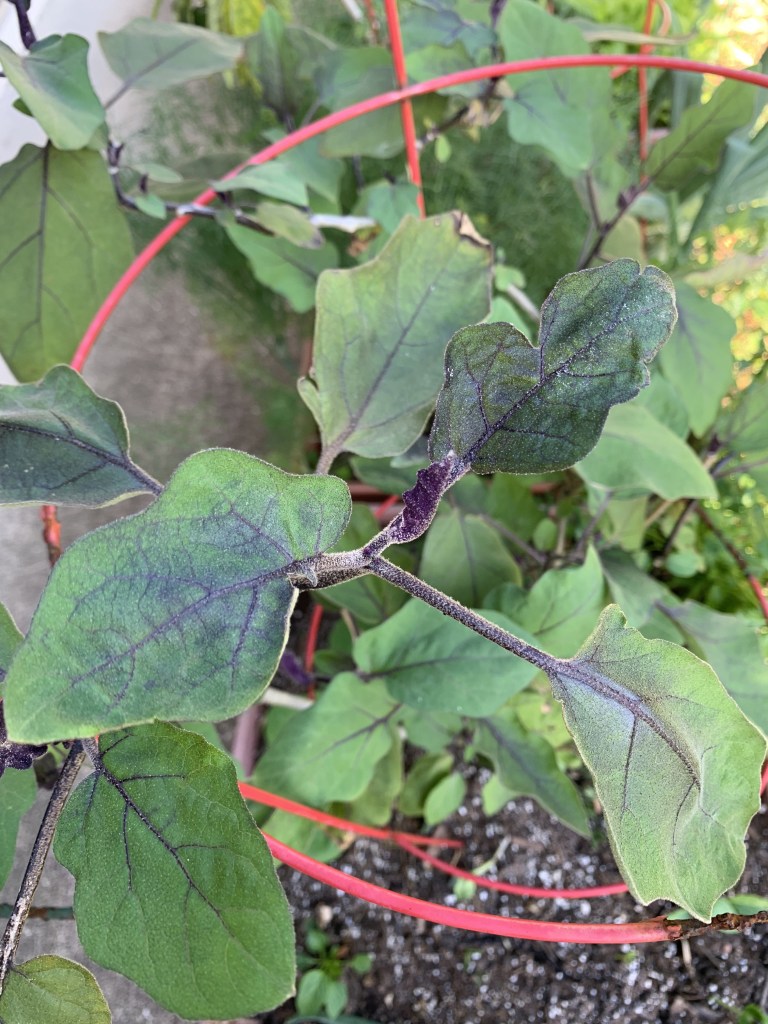
That’s about it for the creatures, except for the unwanted white bugs. I hand-picked / squashed a bunch of these that were hiding in the tiny new growth on my eggplant. I’m not sure what they are, but probably some kind of aphid.
white aphids

Vegetables That Love February

Many of these vegetables were planted late last Fall. They survived the winter and are now beginning to love the warmer nights and not-too-hot days. I like February temperatures also. The humidity is lower and the days are sometimes hot, but bearable. A bit like a summer days in the north.

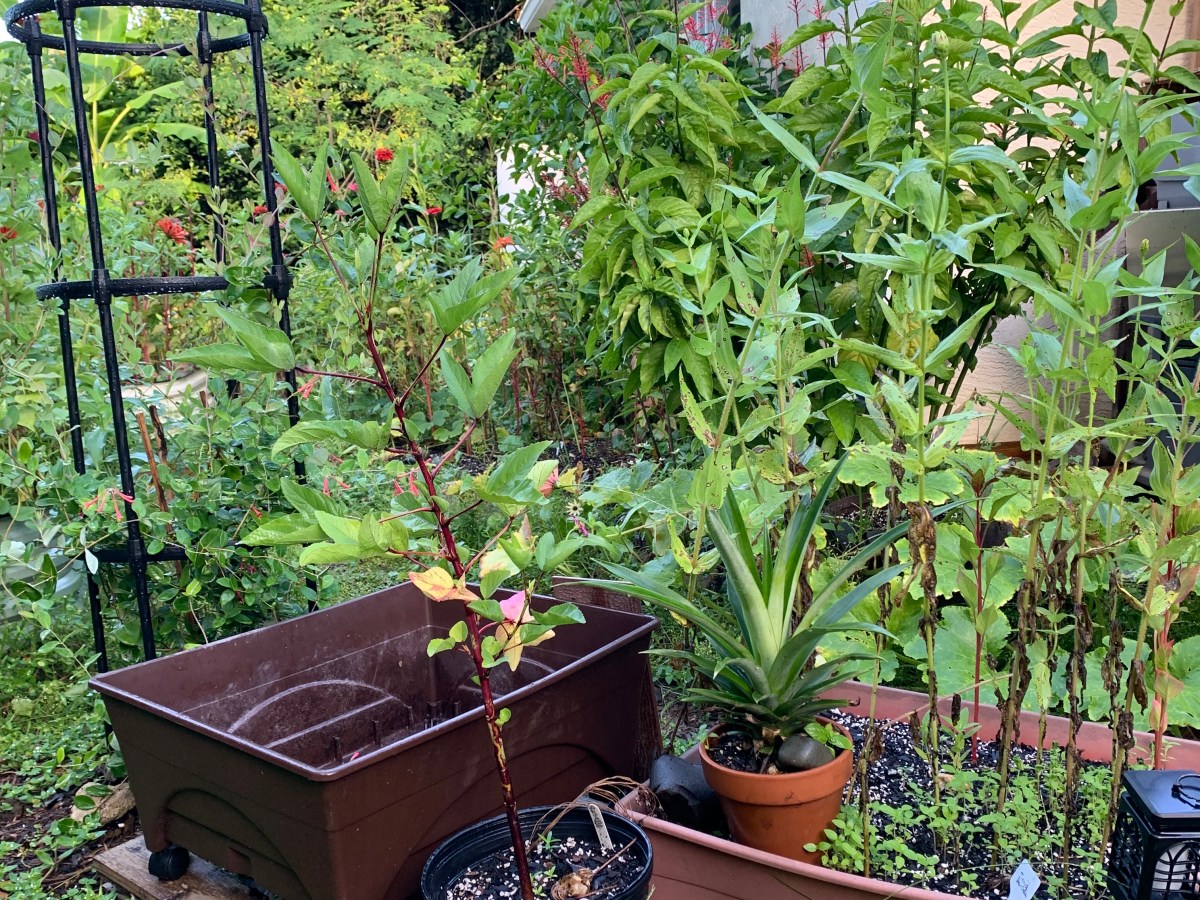
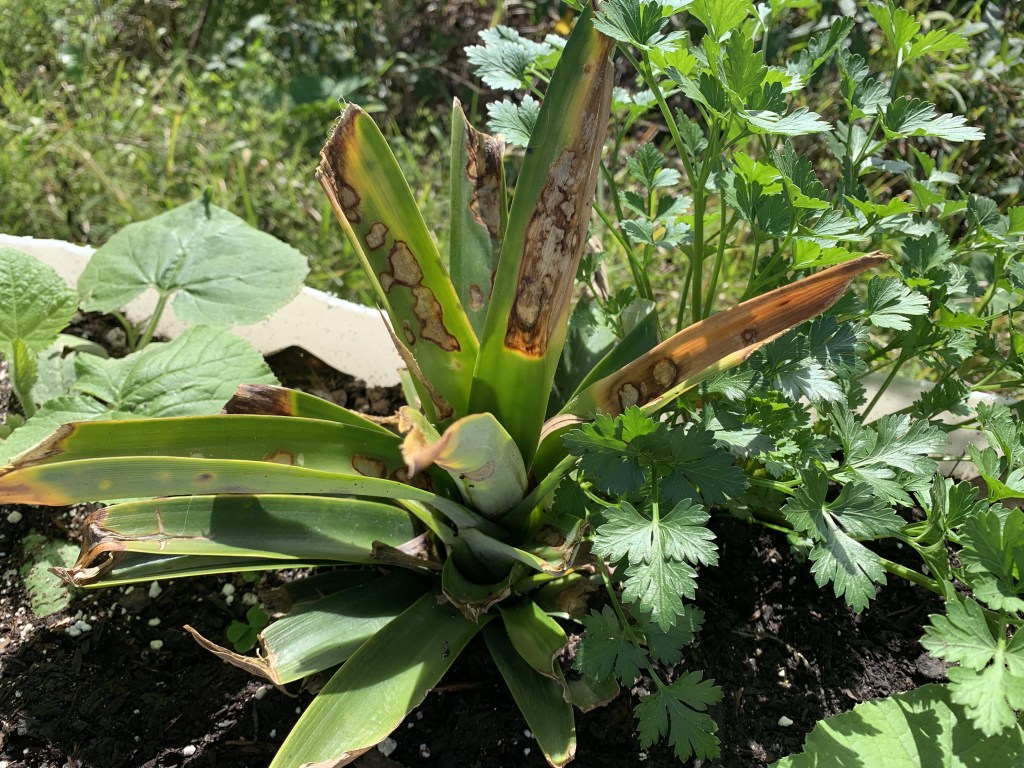
The pineapple had a lot of brown leaves. I had to cover some of these gardens when the temps dropped to near, or below, freezing.

The plants themselves are looking much better, but I’m not getting to eat from them. I have picked a few cherry tomatoes, a hot pepper here and there, and had some kale chips, which I made from my kale. I use the parsley and dill to cook, but all my basil died.

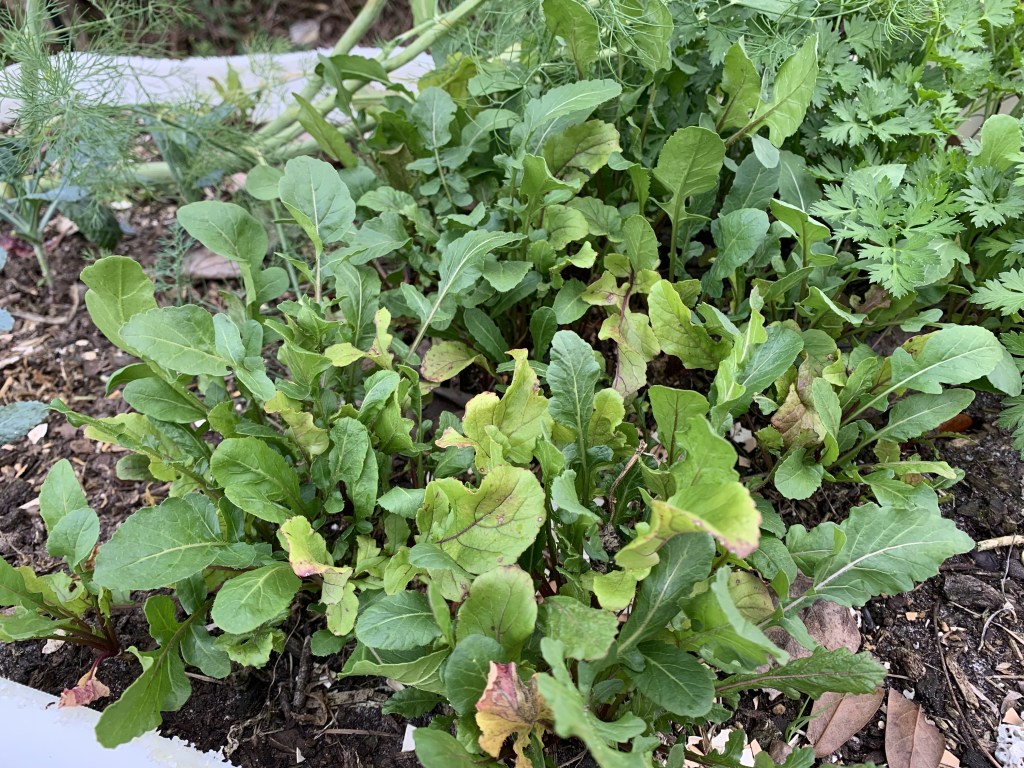
It won’t be long before the weather is too hot for the gardens to do well. I’m letting my lettuce to go seed so I can plant more next Fall. I do expect to continue to get peppers and also some eggplant soon.