Give Shrubs Plenty of Space

Our Home / Virginia Creeper
Image by bill barber via Flickr

Any time you add a new shrub or tree to the landscape, it needs to be planted in an area where it will have all it needs to thrive, including plenty of space to spread out.

How many times have you seen a yard with huge plantings covering the front of the house.  Windows might be blocked or walkways overgrown so badly that it makes you wonder why on earth those big plants were put there.  The simple answer is that the size of the plantings were not taken into consideration.

When you come home from the nursery, most likely you will be carrying a fairly small and manageable bush.  It may be difficult to imagine that one day it will be 4 feet wide, but if that is what the tag says (or your research), then you must plan accordingly. Before you leave the plant stand, ask someone if you aren’t sure what you are buying. There is always the internet too.

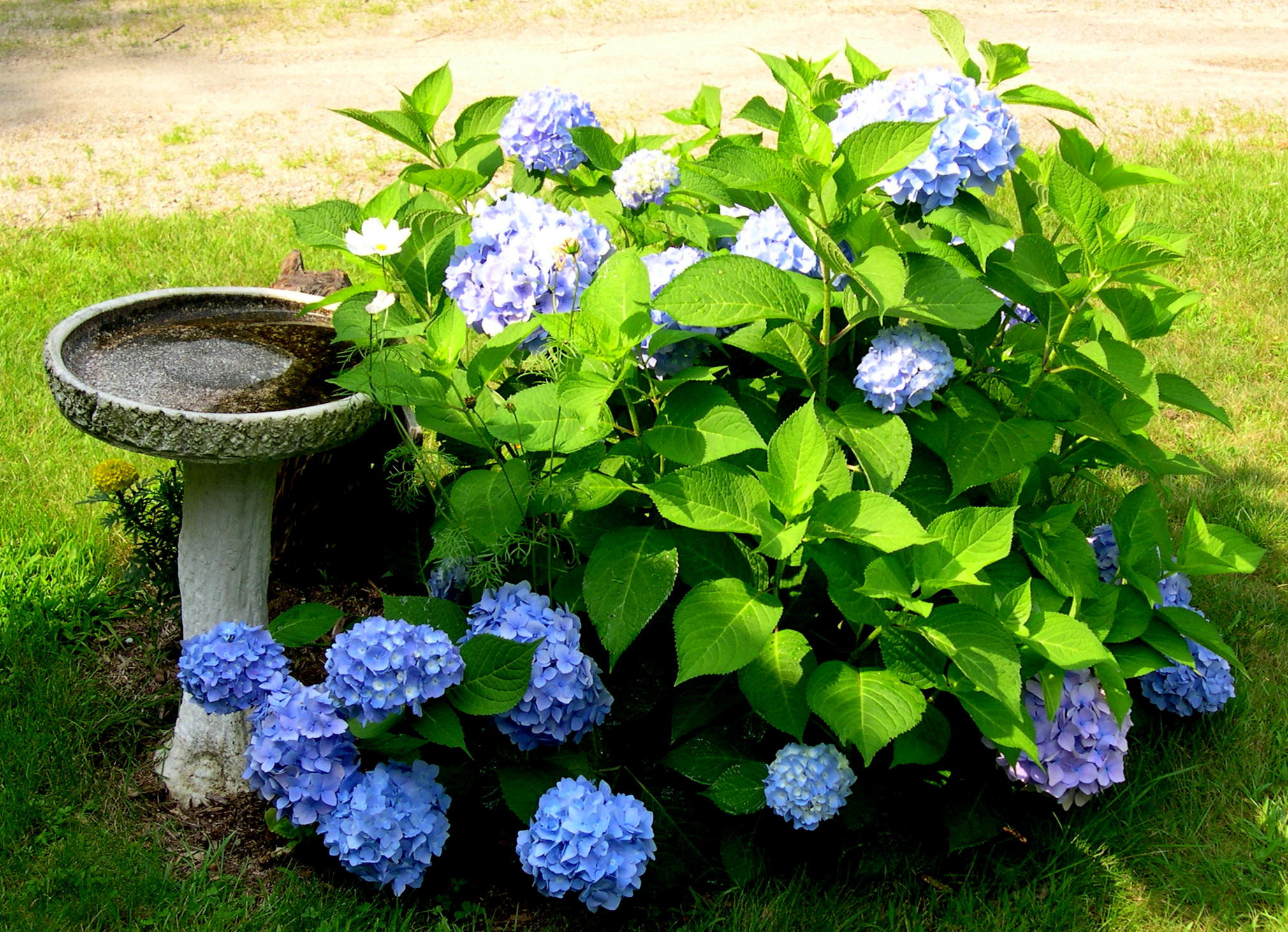
No amount of trimming will help if your hydrangea shrub is too close to the house. The natural beauty will be hindered if it can’t grown the way it was meant to. In fact planting near a foundation is a bad idea anyway, so find a nice sunny spot in the yard to put your hydrangea and make sure that you have a hose that will reach it for those dry days.

There are many types of hydrangeas and for the most part you can plan on them growing at least 3-4 feet in all directions, but chick on the type you want to grow to be sure because some will grow much larger.

Know the Secret to Decorating With Cut Hydrangeas

Hydrangea and lily bouquet
A Bright Arrangement of Garden Flowers

I always wondered if there was a secret to keeping hydrangea flowers fresh once they’ve been cut from the bush.  It seemed that sometimes my flowers would last a few days, but usually they would wilt quickly once I added them to a vase.

Hydrangeas have a sticky substance in the stem and once they are cut the goo blocks the stem and it can’t suck up the water as needed.  To keep hydrangeas fresh and make them last, if you are cutting them yourself, you must have a vase or bucket of water handy to put them in instantly when making the cuttings. Once you have your cuttings, take them inside and move the flowers from the bucket / vase to another container of HOT water and leave them for 10 minutes. This clears the inside of all that sticky stuff so the water will be able to travel up to the bloom. I have done this successfully and my hydrangeas did then last for days afterward.

If you are planning to use hydrangeas to decorate tables or as a centerpiece for a special event, be sure to cut them, and use the hot water method described above, as close to the event time as possible. If you have room in the refrigerator, keep them cool (in water) until needed.

If the bouquet is for decorating your home, be sure to change the water each day to keep the bouquet fresh.

Recent Blog Posts

Hydrangeas Have Long Lasting Blooms

Blue flowers on a hydrangea shrub
Pretty Shades of Blue

One of the reasons I love hydrangeas, is the fact that the blooms last a long time.  Hydrangeas will grow in many areas of the country (U.S.) but they don’t like extreme heat and that is probably why I never saw a single hydrangea when I lived in Florida.  In fact I never knew much about them until I had beautiful bunches of bright blue flowers on the one growing in the front yard of my rental house.  That was when I knew that one day I would have one or ten bushes growing in my own yard some day.

If this was my own yard, I would have a yard journal full of notes from the previous year, but I don’t so I’ll have to say that the hydrangeas begin blooming as soon as they can. Usually in April enough of the snow has melted that I can at least see the bush, but so far this year all I see is small sections of two of the tallest stalks sticking up through the snow. But once the nice weather arrives, the plants waste no time in shooting forth leaves, new growth and buds.

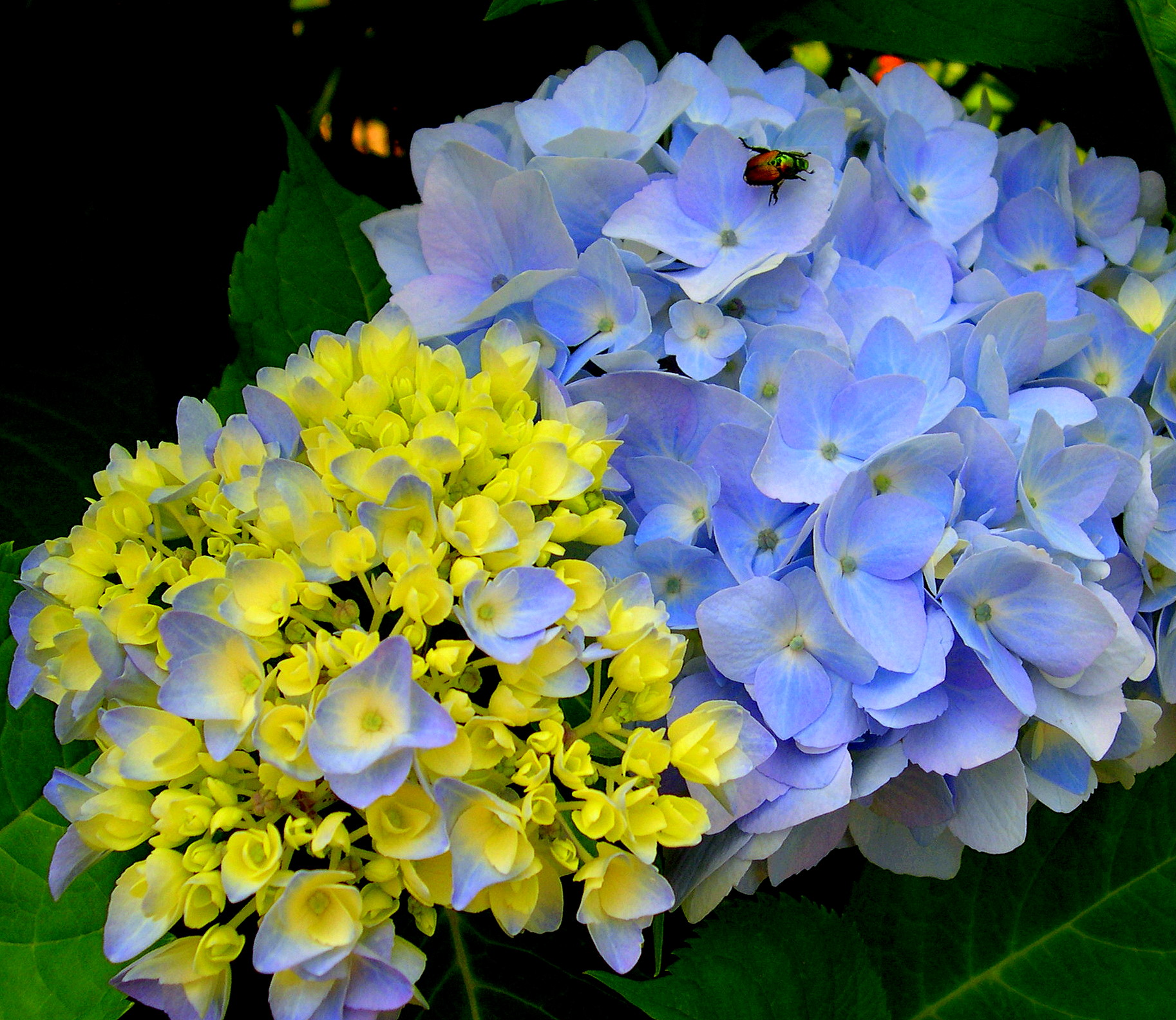
Blue hydrangea flower and bud
Photo taken mid-July

The buds are beautiful, the blooms are beautiful, and even as the blooms fade and change colors, they are beautiful. In my area of New England the buds have appeared and are opening by June and the big flowers are popping out color during July and August. The photo above was taken in mid-July of 2009 which was my first summer living here. That was the year that the flowers were a bright and beautiful blue color.

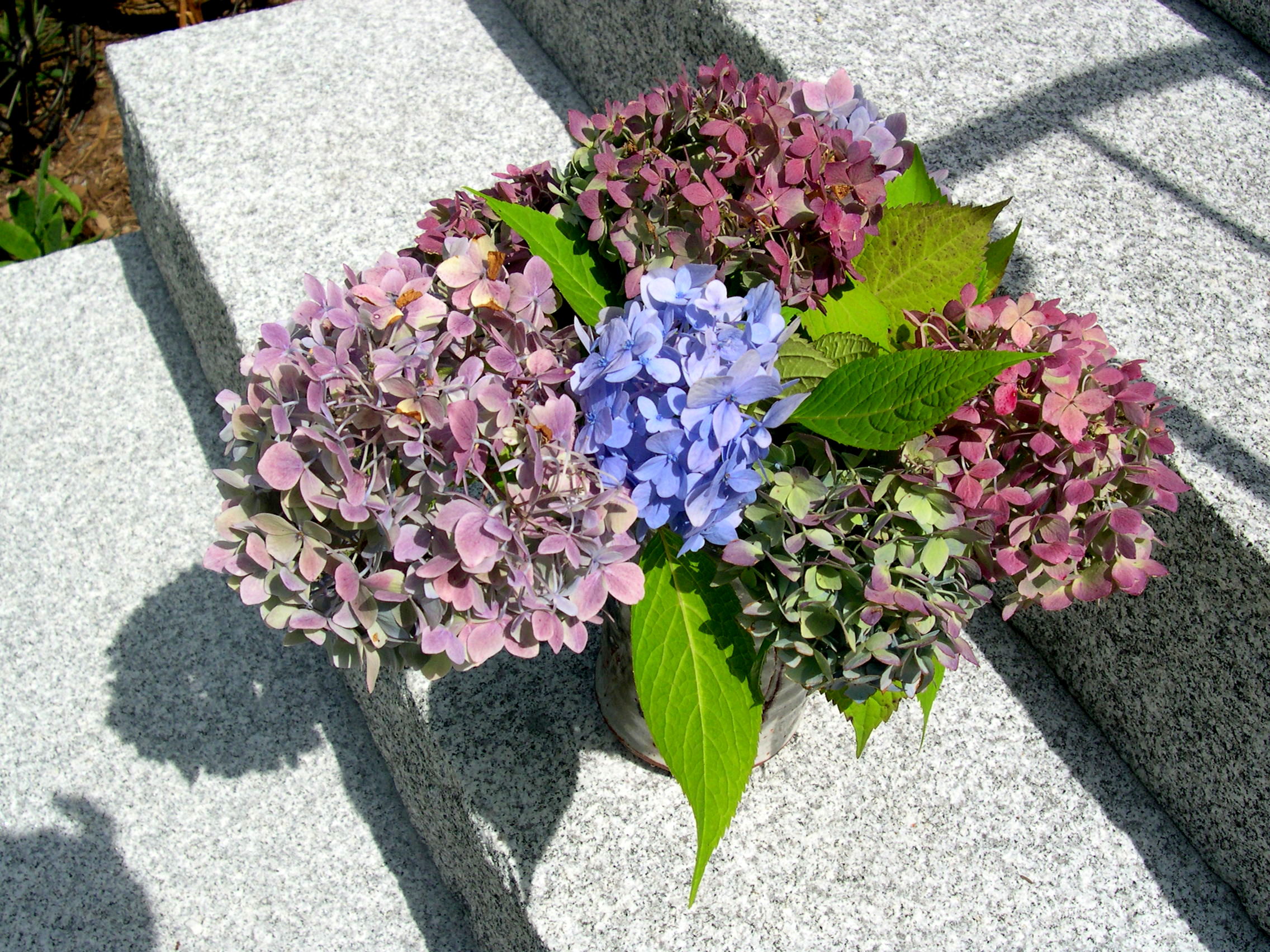
Cut flower bouquet of hydrangeas
Late summer bouquet

By mid-to-late August the flowers have changed color and make interesting cut flower arrangements. The photo below was taken the end of last summer (2010) and as you can see they contain a variety of blues and purples.

Top 5 Reasons To Grow Hydrangeas

Hydrangeas in front of the Office de Tourisme ...
Image via Wikipedia

If you are contemplating buying something new this year for the flower garden and thinking about a hydrangea, here are my top, five reasons for choosing to add a hydrangea (or 2 or 3) to the landscape.

  1. Easy to care for:  Plant them correctly and hydrangeas will thrive and grow into large plants loaded with blooms.  Add fertilizer occasionally and make sure they get enough water in the heat of summer, and that’s about it.
  2. Hardy:  Many types grow well in cold climates and withstand being buried under a pile of snow for months.
  3. Flower variety:  Flower color can be blue, pink or white and often many shades in between.  I love the light greenish color that appears on mine late in the summer.  One plant can have a variety of lovely color and they are…
  4. Long blooming:  The flowers of the hydrangea begin as pretty little buds and open to gorgeous round or elongated blooms made up of smaller petals which can last for months.  As the flowers age they can turn interesting colors or stay on the stem until they become…
  5. Beautiful dried flowers:  Some types of hydrangea will dry up beautifully right on the stems, or cut them and dry them yourself using a variety of methods.  I hang mine up-side down.

Ground Work Will Pay Off

Summer Cottage Garden print
Garden Flowers

The non-glamorous part of yard work is the ground work.

You didn’t know there was a glamorous side to yard work?  To me the glamorous – aka “fun”- is in finding a gorgeous new plant at the nursery that I know will look perfect in just the spot I am thinking of.  It’s the moment when I pick up the little ( or big ) bucket that holds a small version of what will one day be a lovely, mature shrub.   I know that it will end up living a long life in my yard, giving me years of enjoyment, while I tend to it and watch it grow.  Others who pass by or visit will most likely enjoy it too.  I look forward to digging the hole, carefully setting it in and then it will be my glamorous addition to the yard.

Back to the ground work.  Although this area of gardening is not my favorite it is so important that it can’t be overlooked.  The dirt must be ready for those plants you wish to have grow for many years.

If the garden is being created from lawn, dig it up with a pitchfork (ouch) or buy (rent) a rototiller.  Buy an inexpensive soil test kit , or test meter, and test the soil in your garden for acidity.  Knowing if the soil is too acidic or too alkaline will give you the opportunity to amend it if that needs to be done for growing happy plants.  Any soil that is too much one way or the other inhibits the plants’ ability to use nutrients from the soil for good growth.  No matter how much you water and care for your plant, if it simply can’t use those nutrients, it will not flourish.

Decide what you want to grow and amend the soil to accommodate those plants.  If the soil tests at mid-level (6.5-7.0 pH), then you are fine.  I like to grow a variety of flowering shrubs and annuals, but if you are planning a rose garden, you should make sure the all-over soil is right to grow them.  Hydrangeas, along with Rhododendrons and Azaleas like acid soil (a pH of 5.0 – 5.8) and in the northeast where I live, the soil tends to be acidic.

Any local garden shop will be able to help you find the right amendments and read the packaging for how and when to use them.  I always add bonemeal to the garden in the Spring and a little in the hole of new plantings, because it helps build strong roots.

About Me

This is how the blog began and also how it has changed over the years. The writing began in New Hampshire and now has shifted to Florida.

The first part of this blog was written when I lived in New Hampshire. It was a hard time, and then a good time. Even though I had been born in New England and lived there into my early twenties, I hadn’t owned my own home.

For most of my adult life I have lived in central Florida. I moved here in 1979 with my son. I got married and had three more kids who were raised in Florida until 2005 when we moved to New Hampshire.

After eleven tumultuous years, I could no longer afford to live in New England. My second oldest son stayed in Florida when we moved. When I moved back south, he and I decided to share a house and split the costs.

So, the early blog posts cover my time learning about life in New Hampshire. More recent posts are about my time here in Florida and learning to garden all over again for this climate.

I really miss this yard.

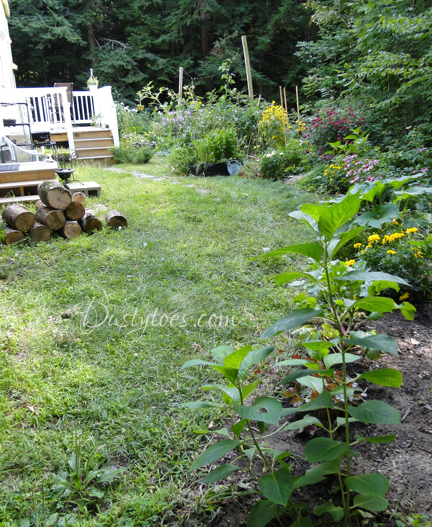
backyard garden
My New Hampshire backyard

I was not good about tagging and categorizing photos and posts when I began writing, but here are some photos I kept of New Hampshire.

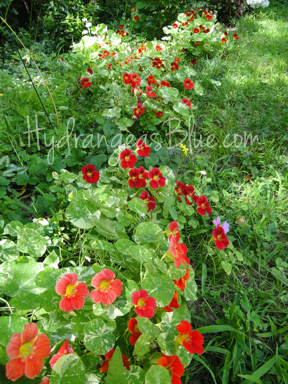
nasturtium flowers
Alaska Nasturtiums grown from seeds

Now I live in growing zone 9b where everything is different! If you are a Floridian who wants to learn how to grow your own food, please follow me and we can learn together.

Thanks for reading. ~ Pam