Surprising Success: Growing Dahlias from Seeds in Florida

When my daughter gifted me a packet of Dahlia seeds, I had little hope that the plants would grow. I often feel that way about “normal” things trying to grow in this jungle. I live in zone 9b.

My daughter was a little bit obsessed with the Floret flower farm. It was (is?) a show on one of the networks, and focused on a young couple who began a huge flower farm in Washington state.

Their farm is impressive, and they have turned it into a thriving flower business. From what I can tell, the husband is behind the scenes doing all the heavy lifting, while his wife, Erin, does the social stuff, writing of books, and poses for photos. Photography of her holding humongous bouquets appears to be their trademark.
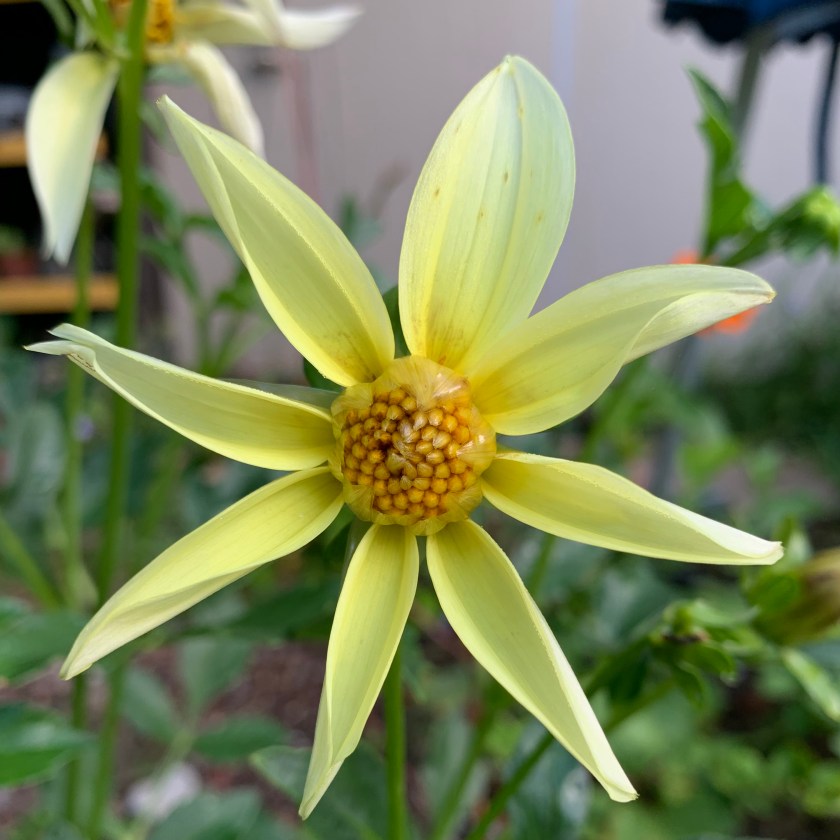
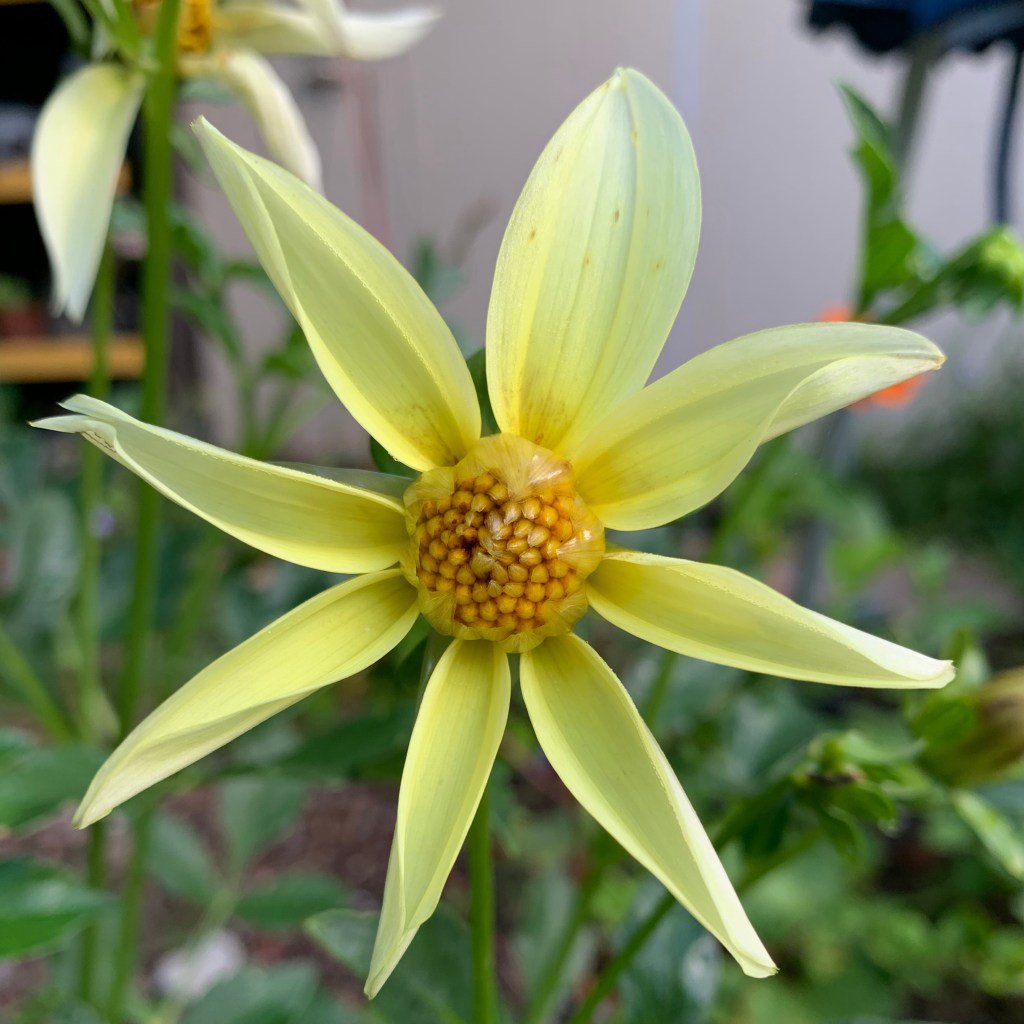
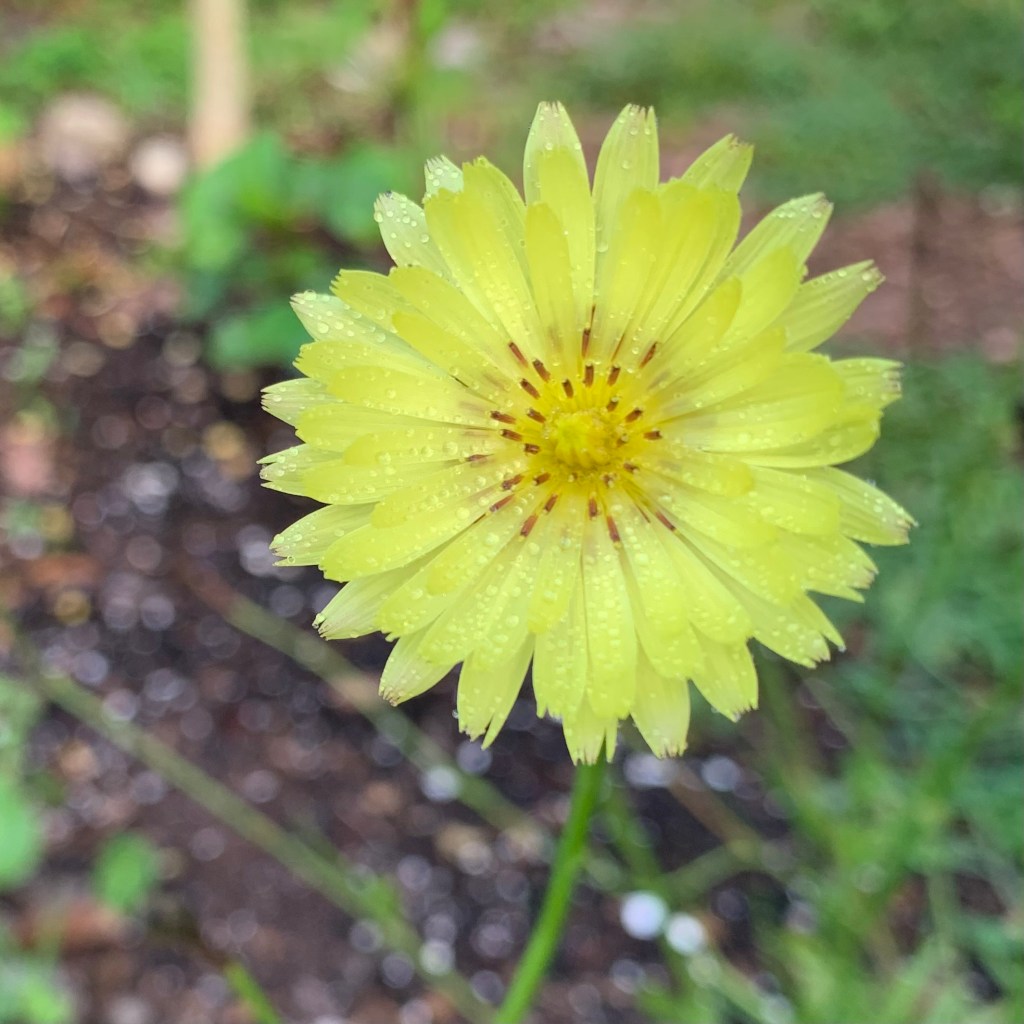
pale yellow dahlia flower like a star
My Dahlia has pale yellow flowers

Growing From Dahlia Seeds, Year One

I put the dahlia seeds into a shallow clay pot. I’d never grown dahlias, and had no idea how to do it. I’d always heard that dahlias were tough to grow. Between that and the fact that the seeds came from Washington, I honestly did not think anything would happen.

When I lived in New Hampshire a local farm sold them out of the greenhouse. Greenhouse plants generally mean they like it warm. But I bought a dahlia plant and put it in my yard. It died. This added to my doubts.

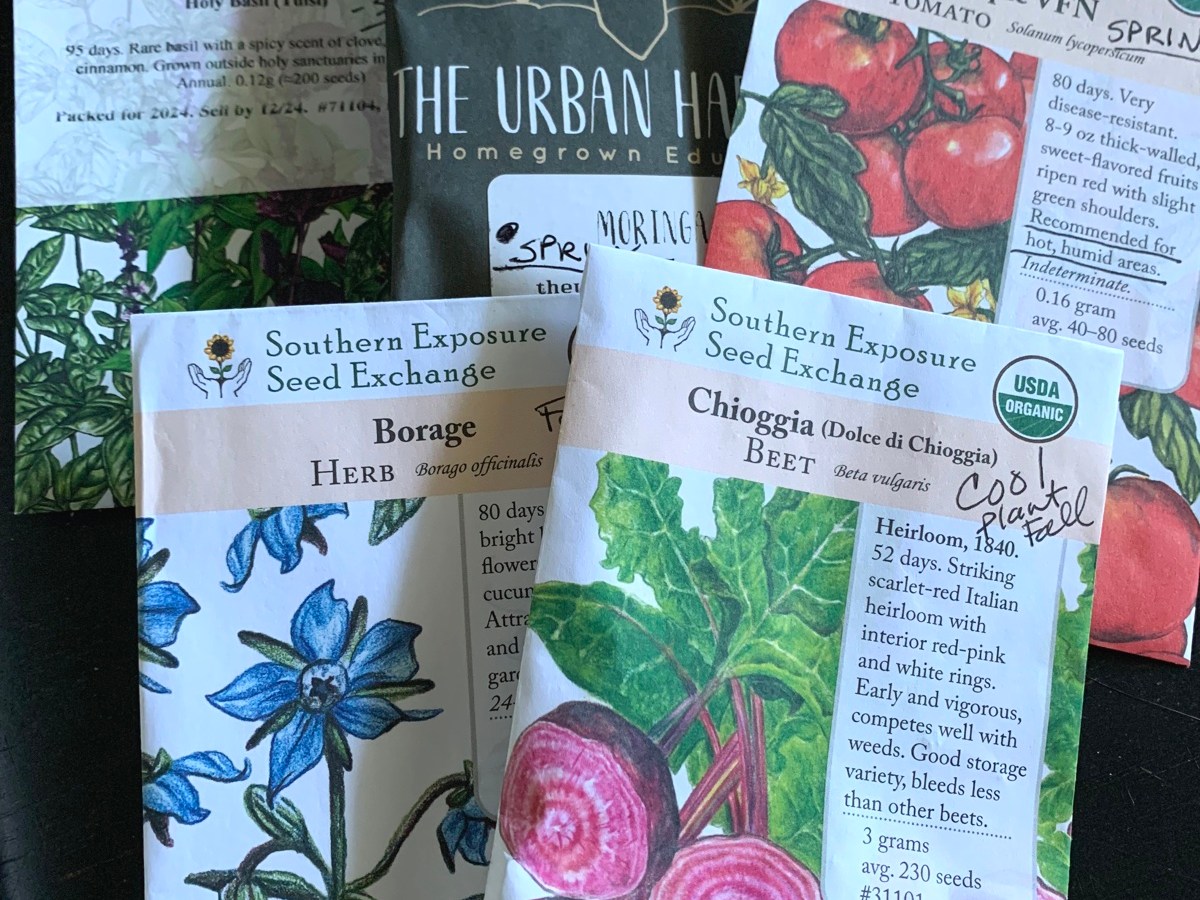
The Floret seeds came with a little booklet full of information about growing Dahlias, Zinnias, and Celosia. These three were the seed types my daughter sent. Floret also has a whole page online about How to Grow Dahlias From Seed.

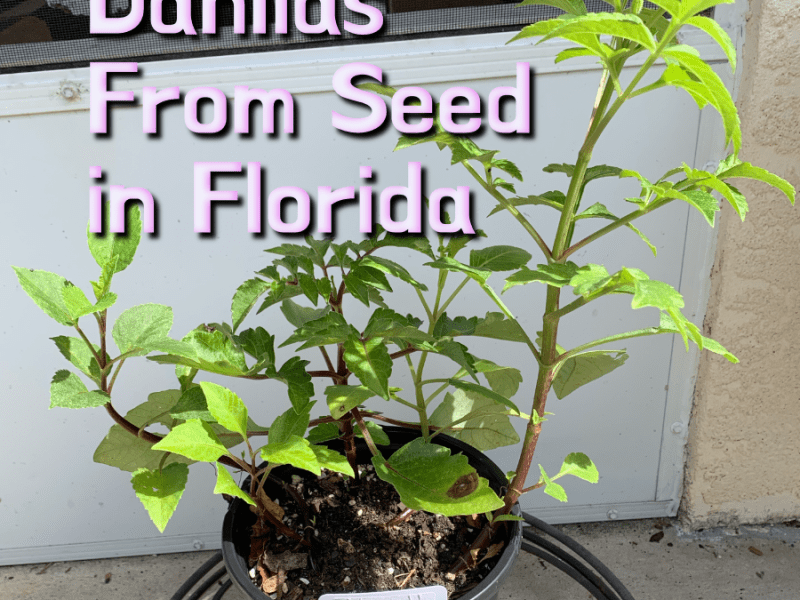
So the first year my seeds became small, scraggly dahlia plants. They grew about 4-5 inches tall in the shallow pot. When the season was over I pulled them up. They had some tubers at the bottom. Surprise, surprise!

In the booklet that came with the seeds, Erin (the writer) said that she stores her tubers in a cool place in ziplock bags. I was not going to bother with that. All I had was possibly the fridge for storage. So I yanked out the little plants with their tubers and tossed them into the compost barrel. I know, I am awful.

Unexpected Dahlia Plants, Year Two

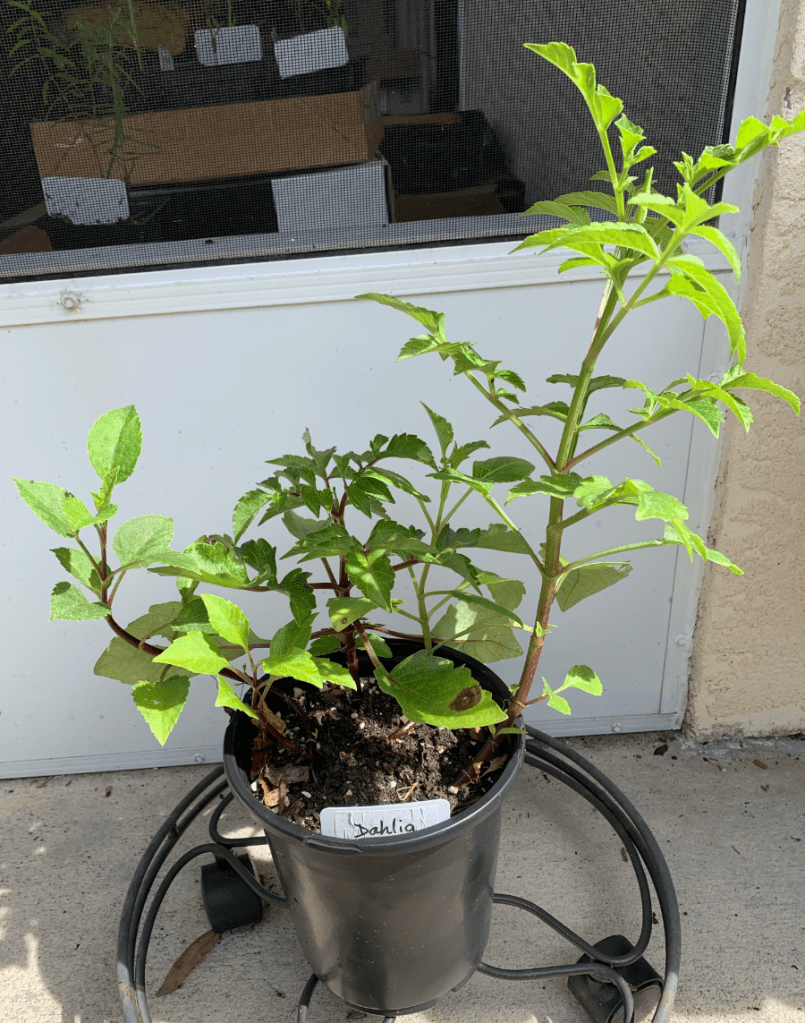
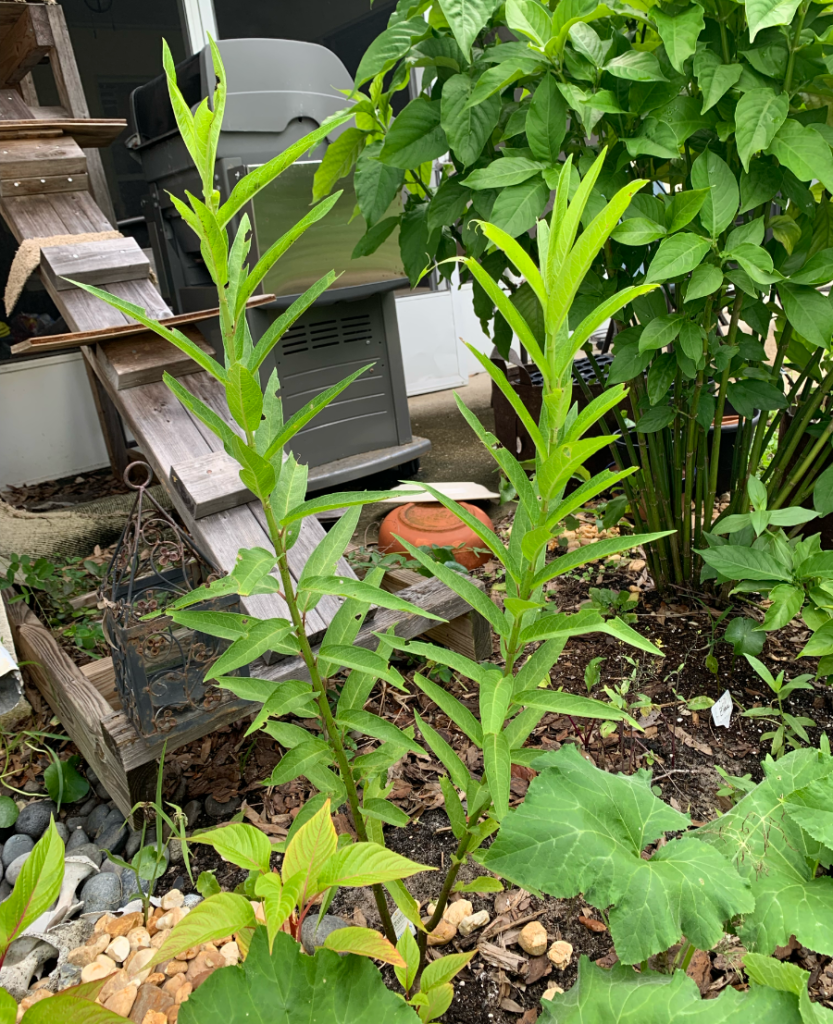
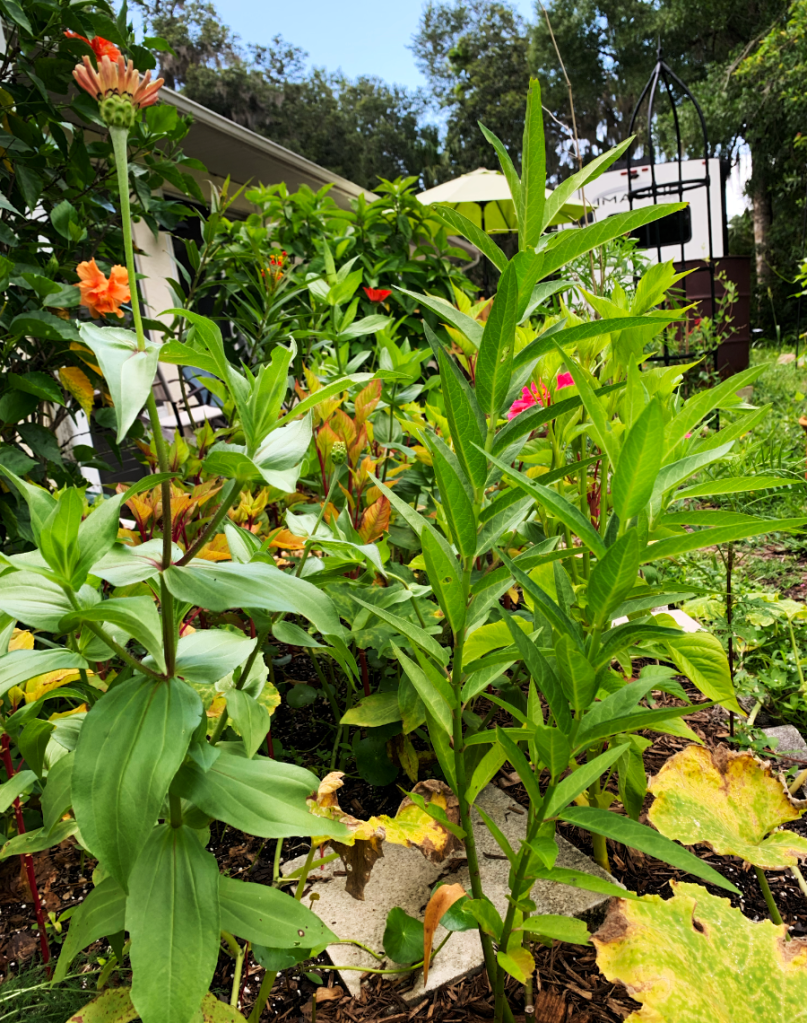
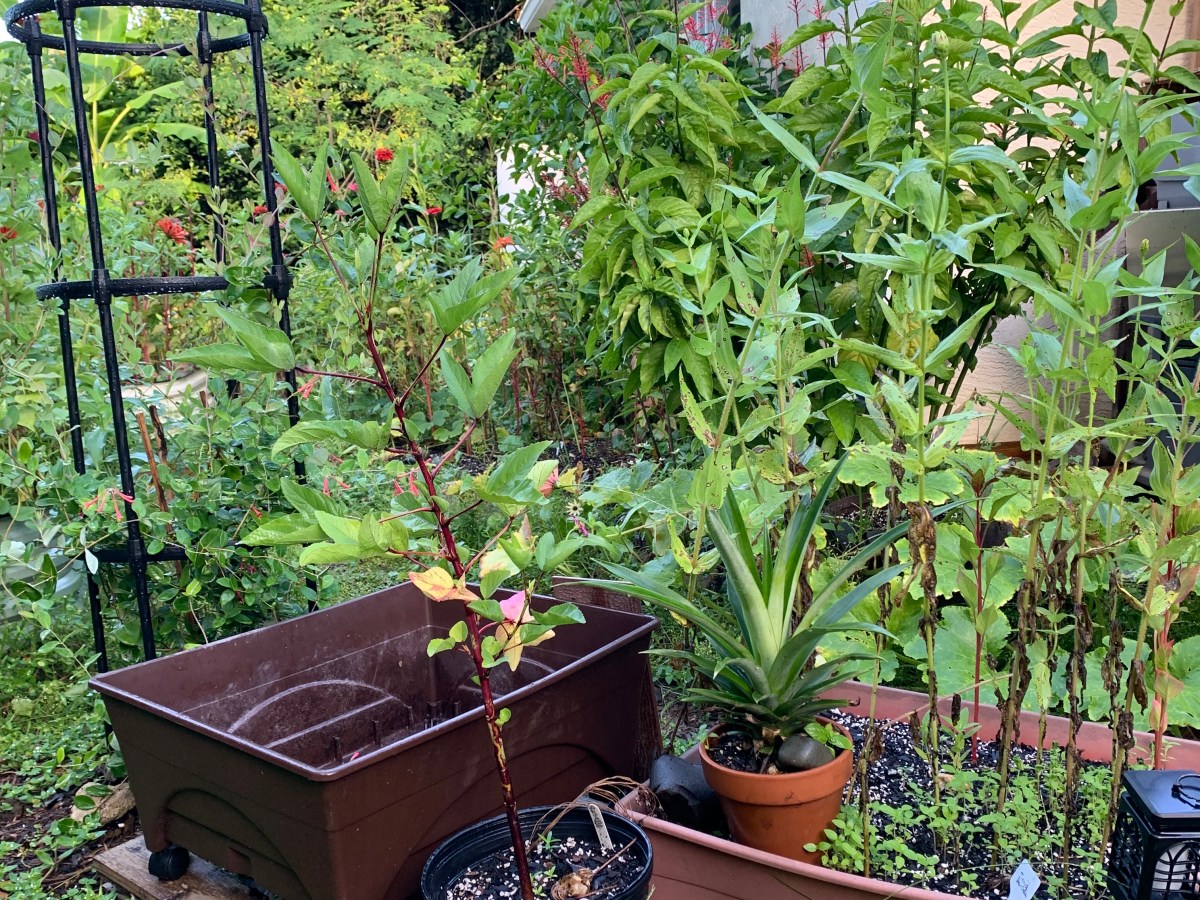
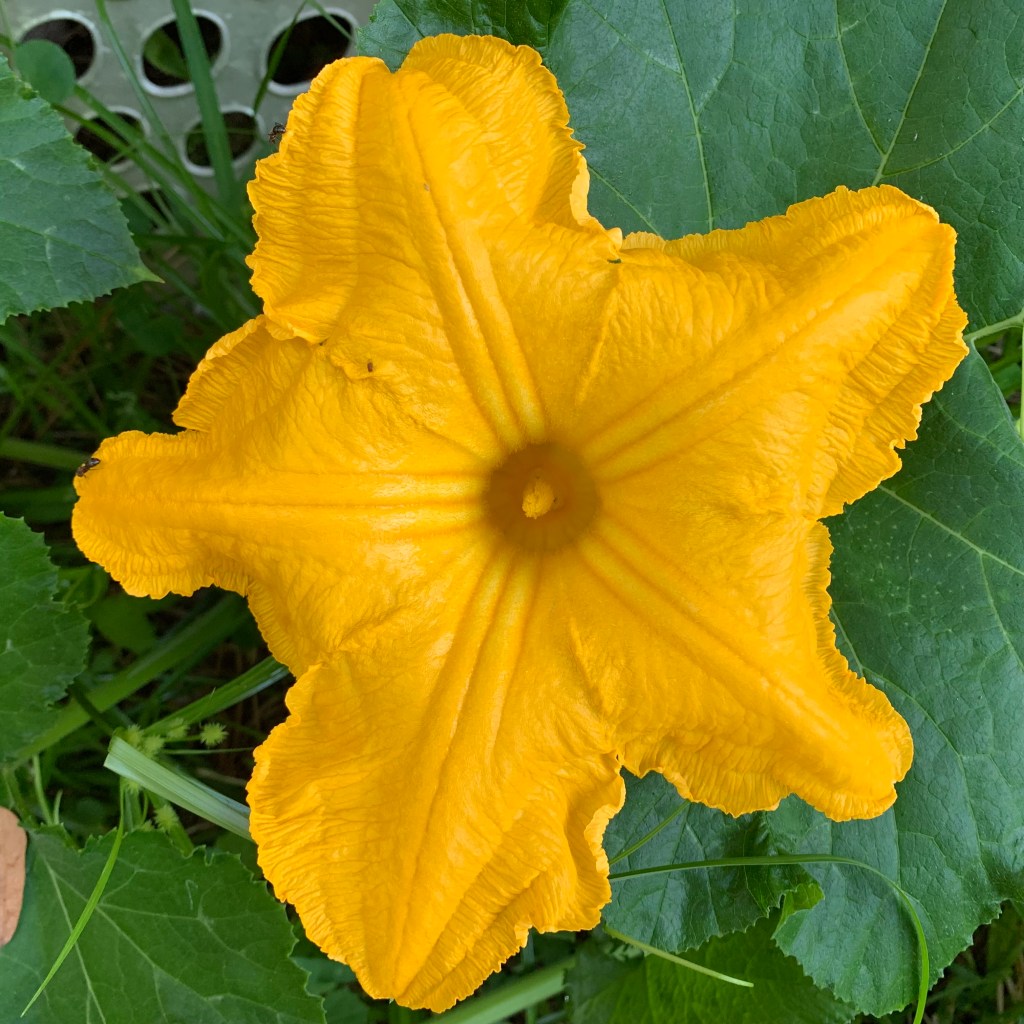
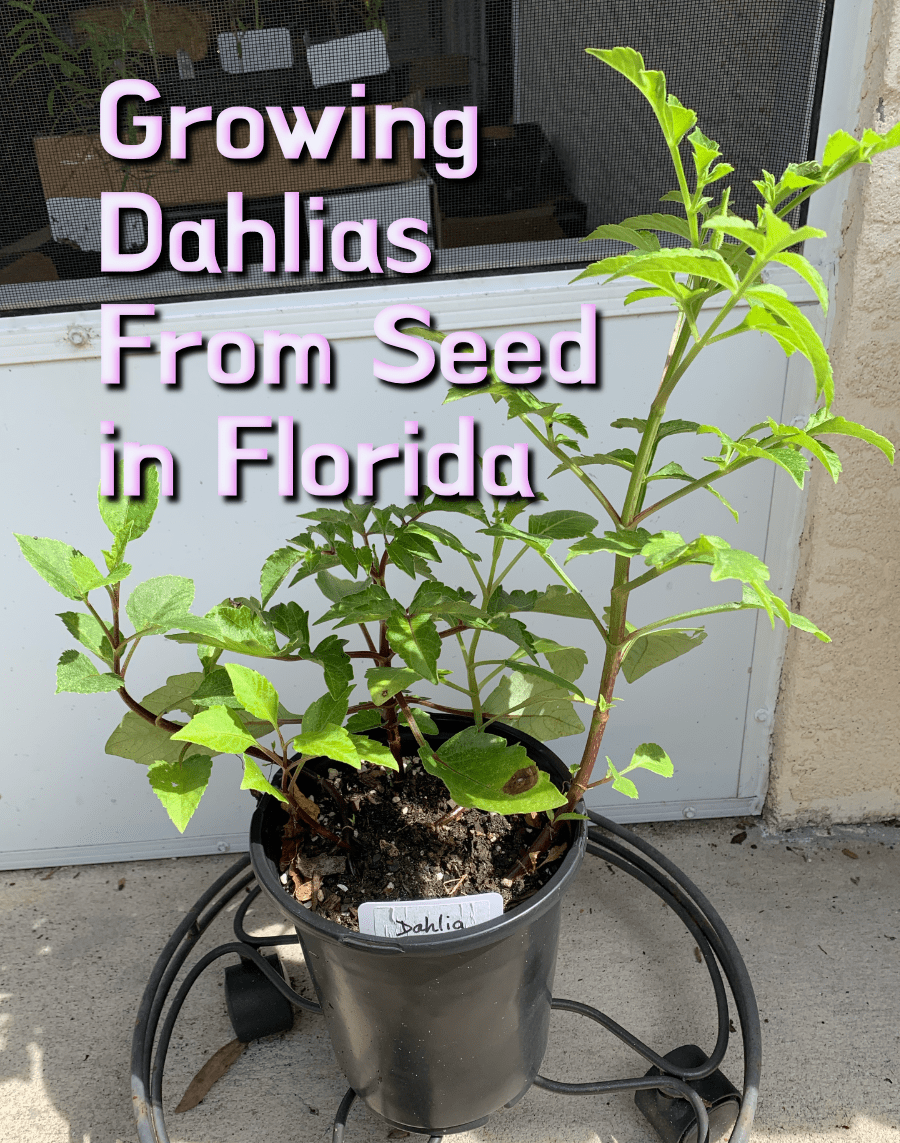
After months went by and I grew my “winter” crops here in Florida, it was time to ready the gardens for Spring growing. As I dug through the dirt in my compost bin, I found the dahlia tubers just laying at the side! They still looked okay, and I figured I’d just put them into the ground for the heck of it. And they grew. I never even marked where they were planted and now I am only guessing about some of them. Like the photo in the center below. I’m pretty sure it’s a Dahlia.
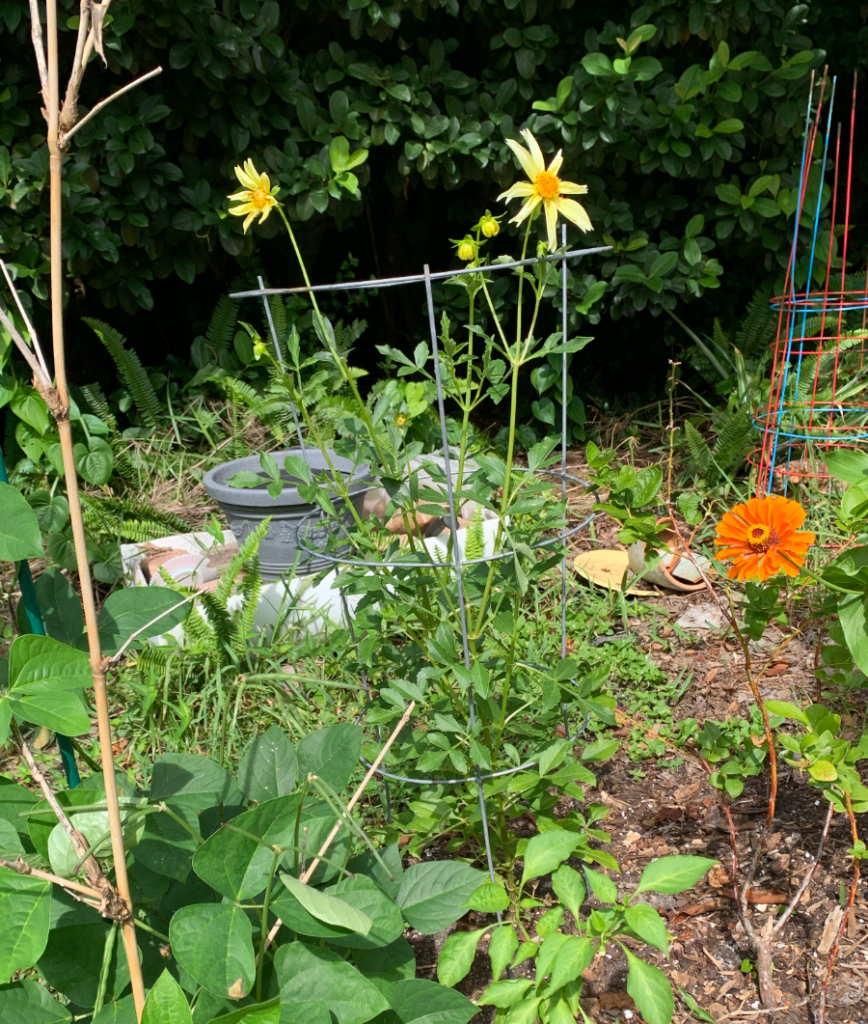
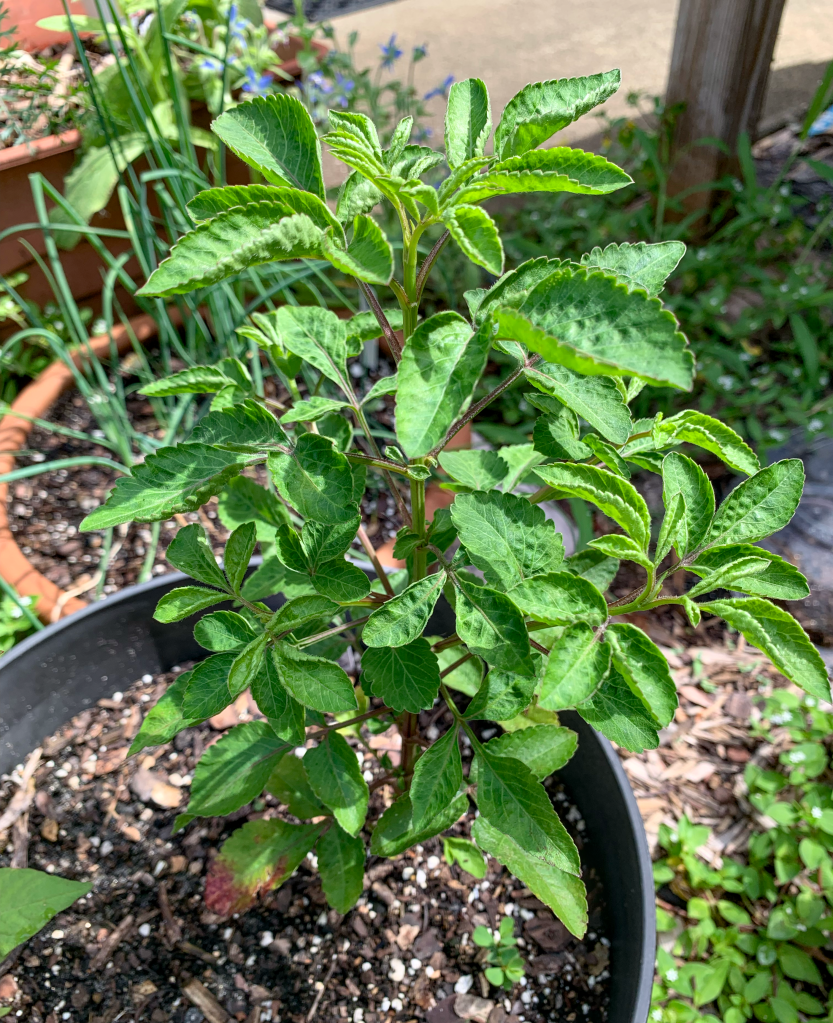
I now have some pretty nice dahlia plants growing! One is tall, and flowering with pale yellow flowers. I had expected the fluffy type bloom, but got this star shaped flower.

Year two, growing the tubers, is working out much better. I plan to leave the plants growing in the ground and see what happens over winter. If they go dormant and need temperatures that are not freezing, the plants should be okay. The ones in pots might just need transplanting to larger pots until next year. It is very hot to be gardening in July.

Flower Books From Floret

Amazon sells books all about the Floret flower farm (paid link). If nothing else, they are full of beautiful photos. Her books will show you how to grow, harvest, save seeds, and make arrangements from the flowers you grow. I do not have any of her books, and personally, I am not interested. I do not cut my measly little selection of flowers to make floral arrangements. I leave the flowers for the bees and butterflies.

Remember that the books are written by a woman who has a huge area of space, with greenhouses, and lots of help. Also, she lives in Washington, which is about as far (in the US) from Florida as it gets.

My Other Floret Flower Seeds

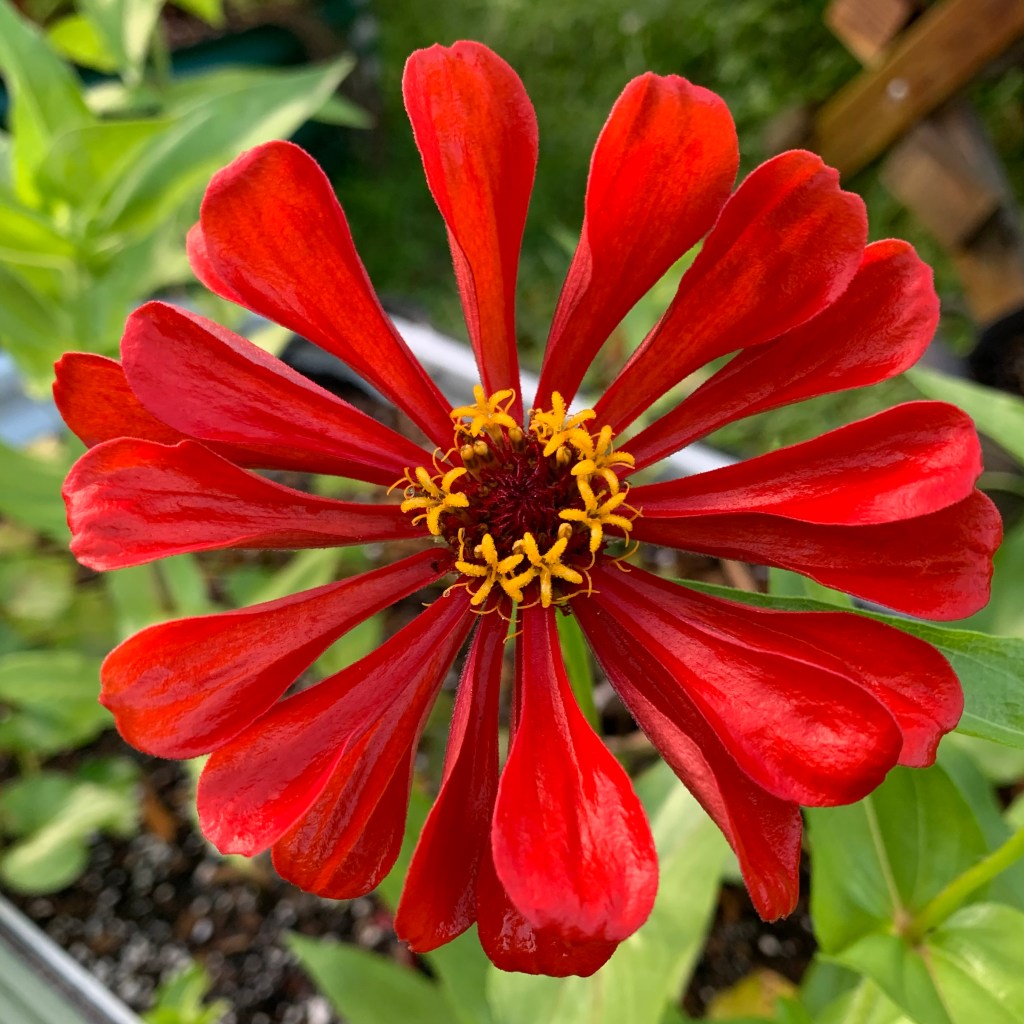
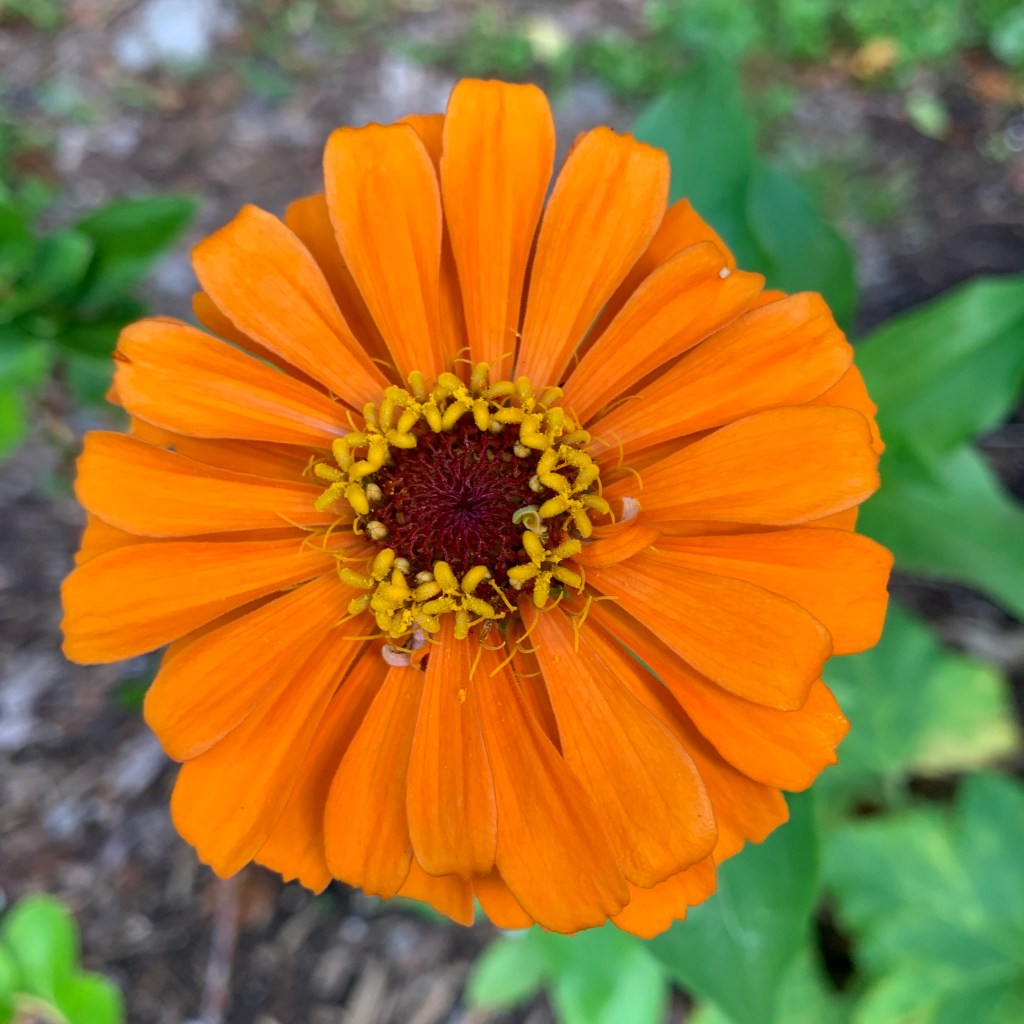
Along with the Dahlia seeds, I also received Zinnia and Celosia seeds. I grew the Zinnias and they were unimpressive. The colors were a pale blush pink. Zinnias, in my opinion, should be bold in color. I love my deep reds, bright oranges, and stunning pinks. I did not save any Floret zinnia seeds. This year I planted from my own saved seeds, and bought a few others.
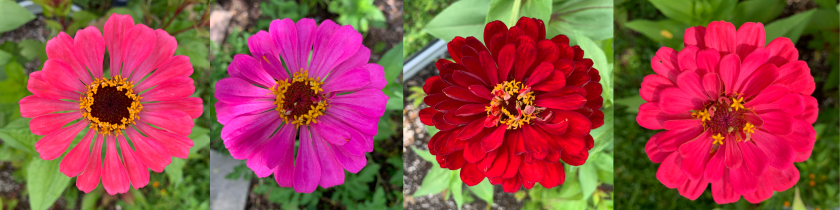
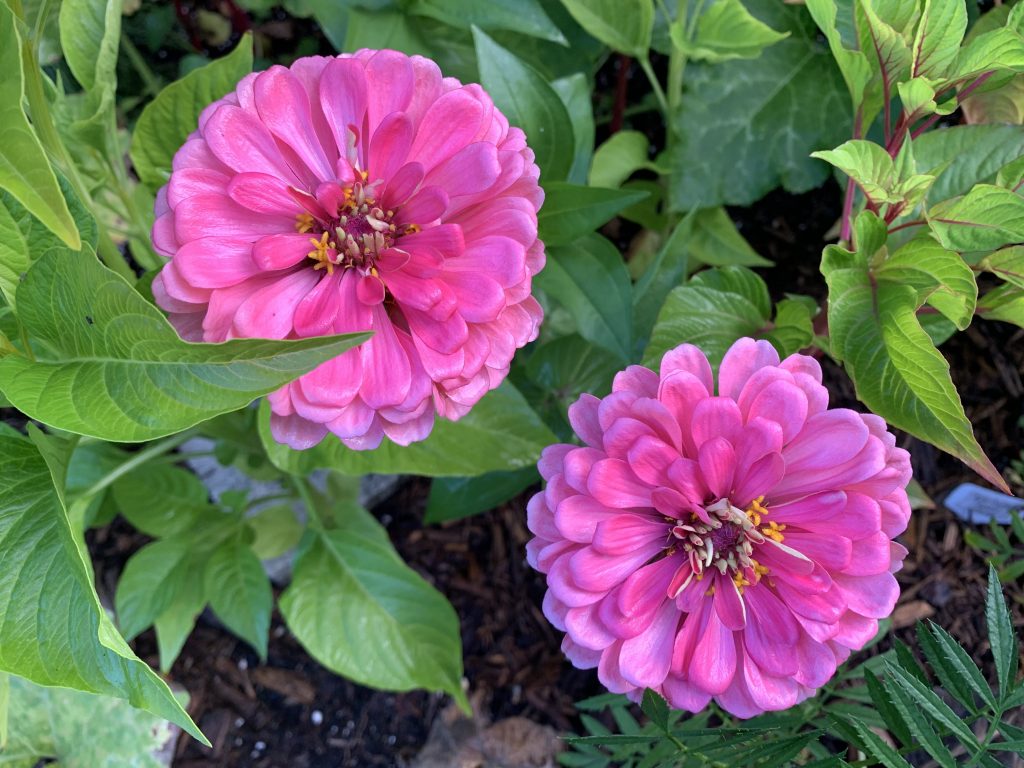
four zinnia flowers border divider image
Zinnias in my 2025 garden

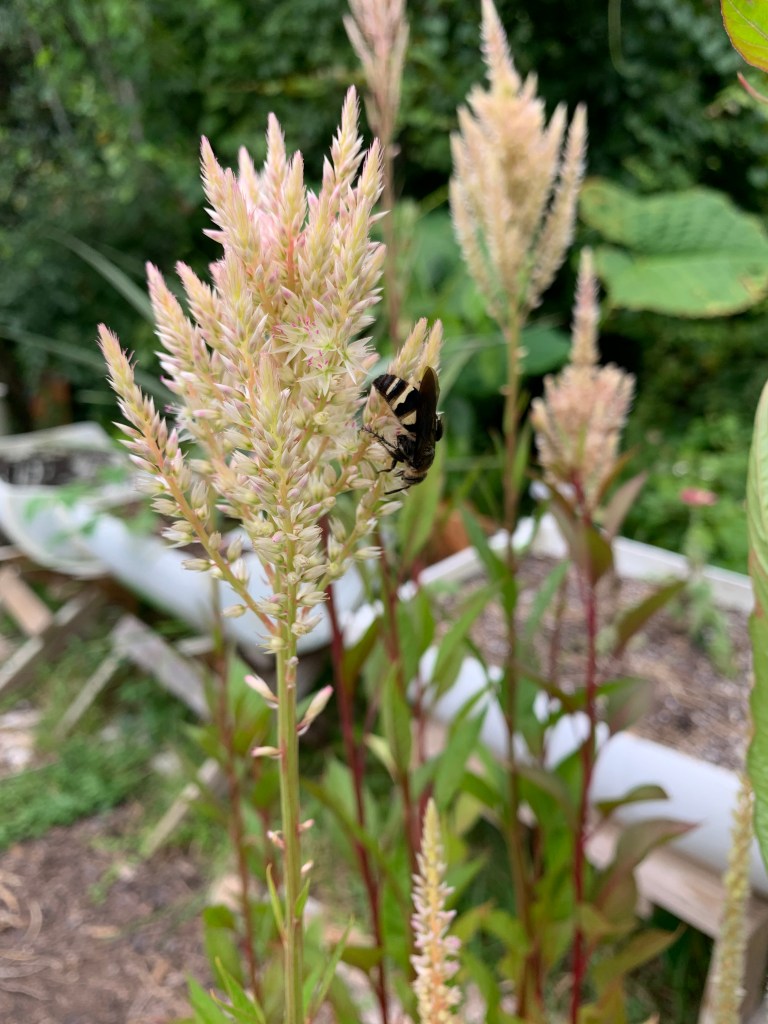
However, the Celosia were another story! Holy cow, these things are prolific. Celosia is another plant I was totally unfamiliar with, and let me tell you, they are beasts! Apparently they love the Florida climate and the bees LOVE the fluffy flowers. I will be writing a page about them soon.
In Conclusion

The secret to successfully growing things is this: Toss seeds somewhere, ignore them, treat them badly, expect nothing, and see spectacular results. (I am only partly kidding.)

Thanks for reading. Feel free to leave a story about your growing adventures in the comments.
Something went wrong. Please refresh the page and/or try again.

Monitoring Native Milkweed Growth For Florida’s Monarchs

I began filling my yard with various types of native milkweed this year. Here is an update on how they are doing, and which I prefer so far.

After I watched a new Monarch butterfly adapt to his new wings and fly away, I made the decision to get myself more Milkweed. So, I planted seeds, bought a few plants, and mail-ordered others. Now we are into the hot month of July. I’ve been monitoring the growth of all varieties. Here is my update.

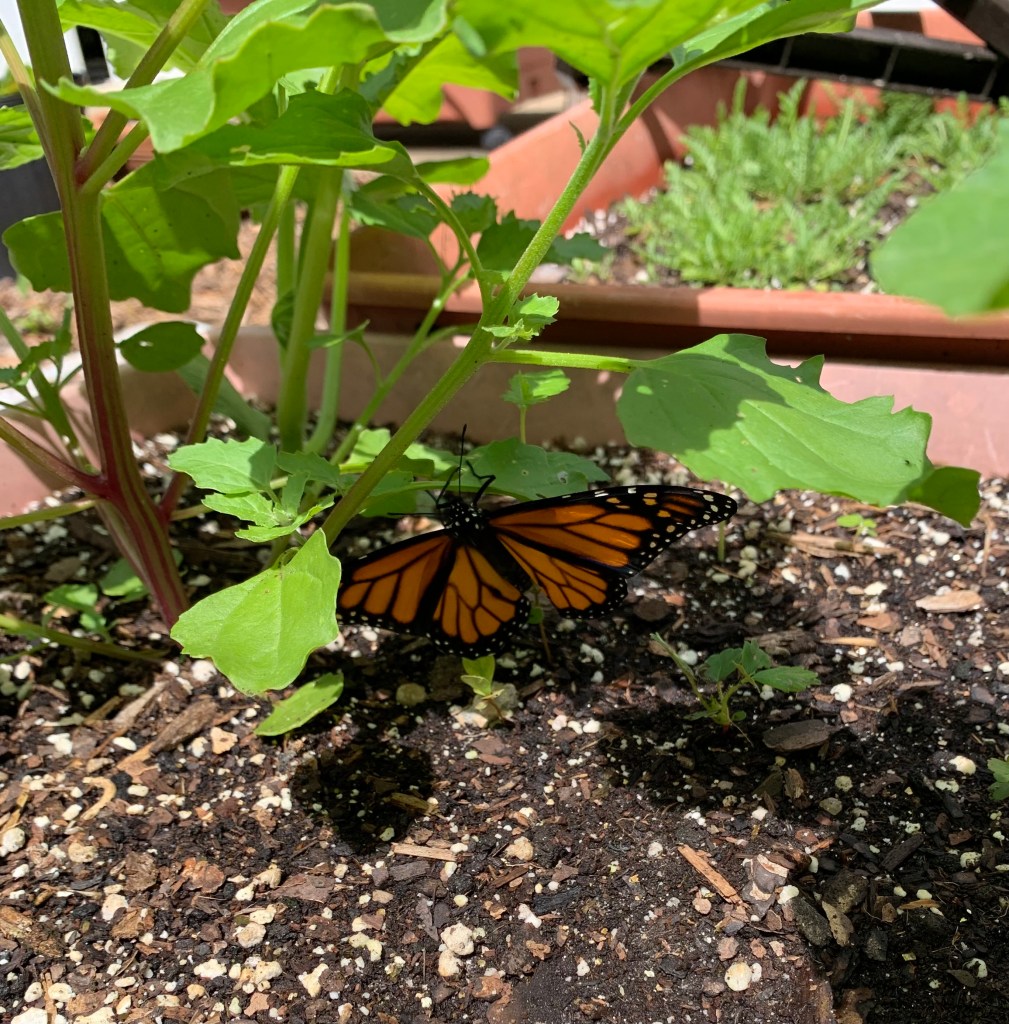
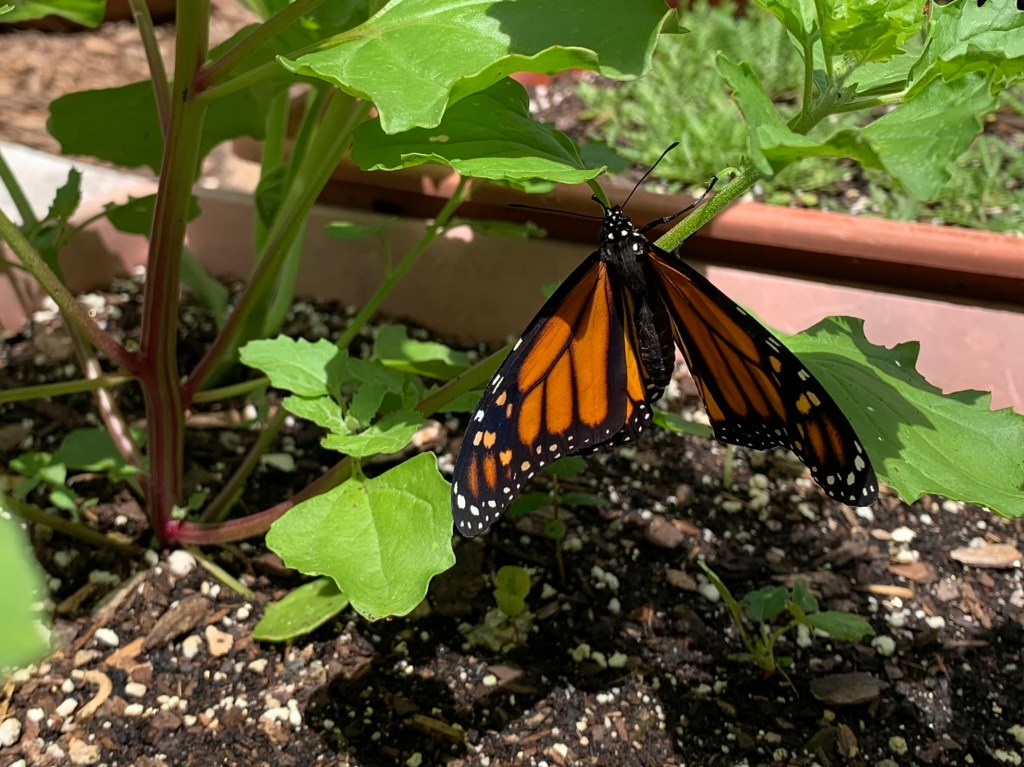
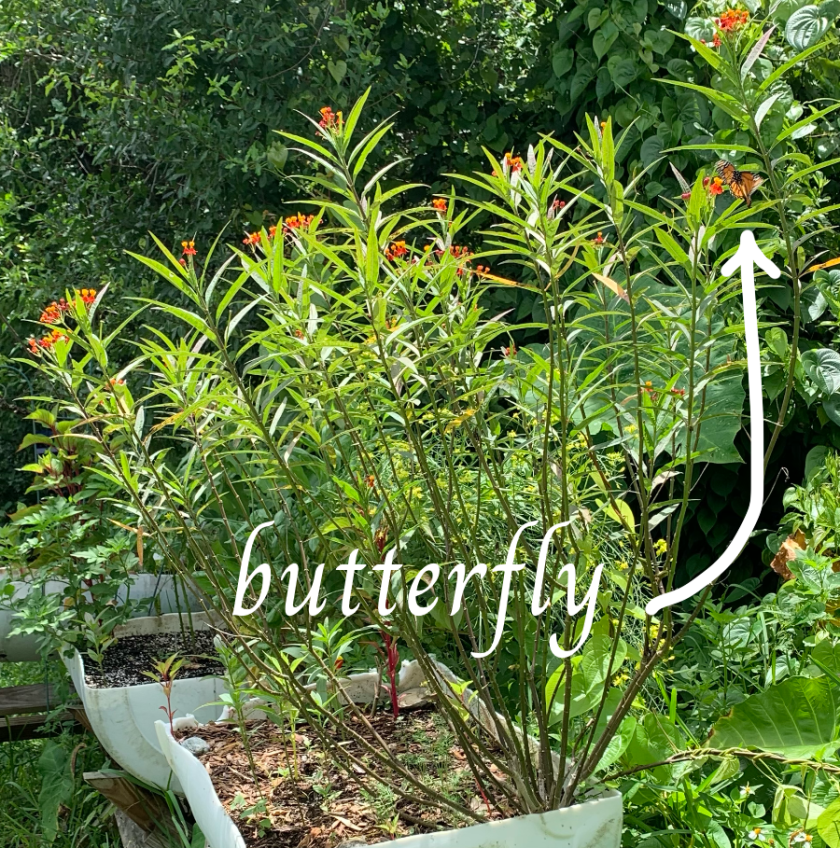
This is the butterfly that emerged from the chrysalis on my Rosemary plant. Most photos were of the closed wings and I only got these two of the bright orange side.

Update: The Milkweed Plants

Milkweed plants can be found locally. At the Farmer’s Market I found lots of the tropical variety. This is not native to Florida, but it grows great here. A few years ago I didn’t know any better and bought two of these plants. They were tall and healthy looking. Then, I read that tropical milkweed is bad for Monarchs!

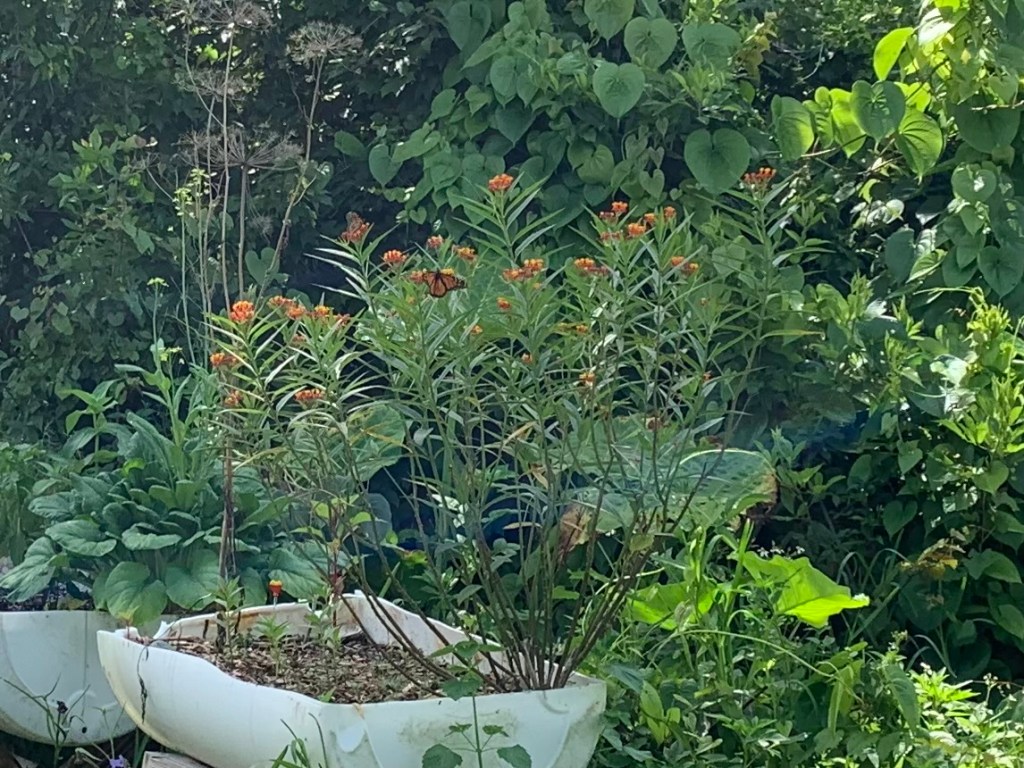
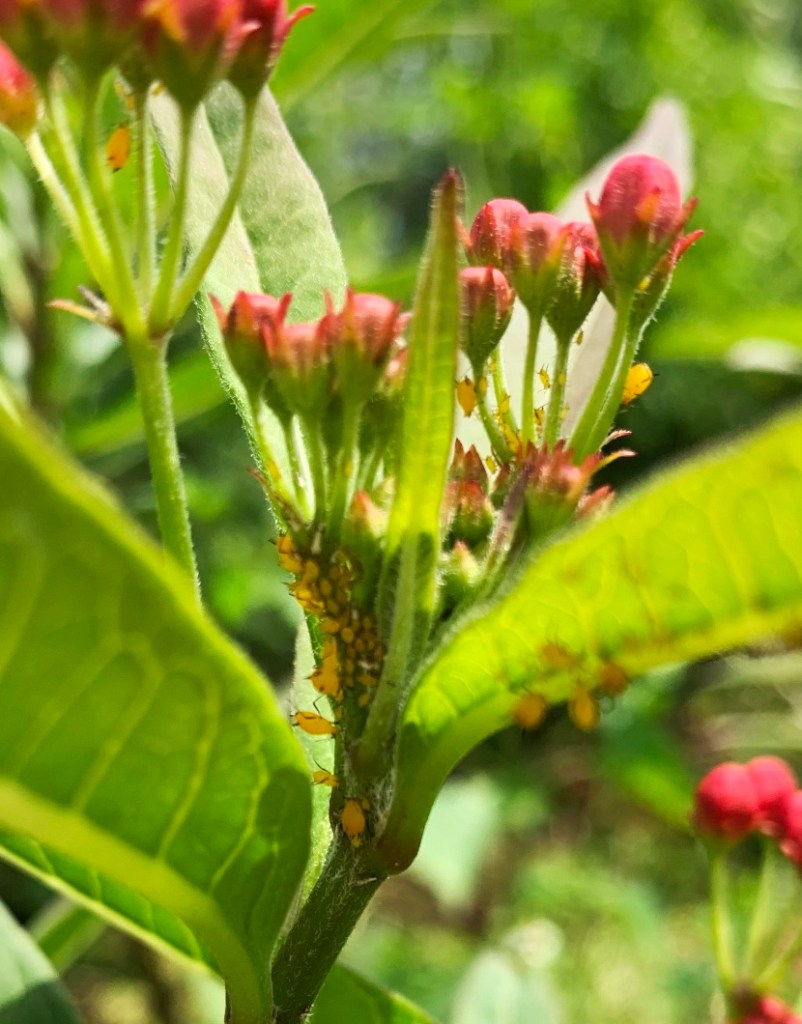
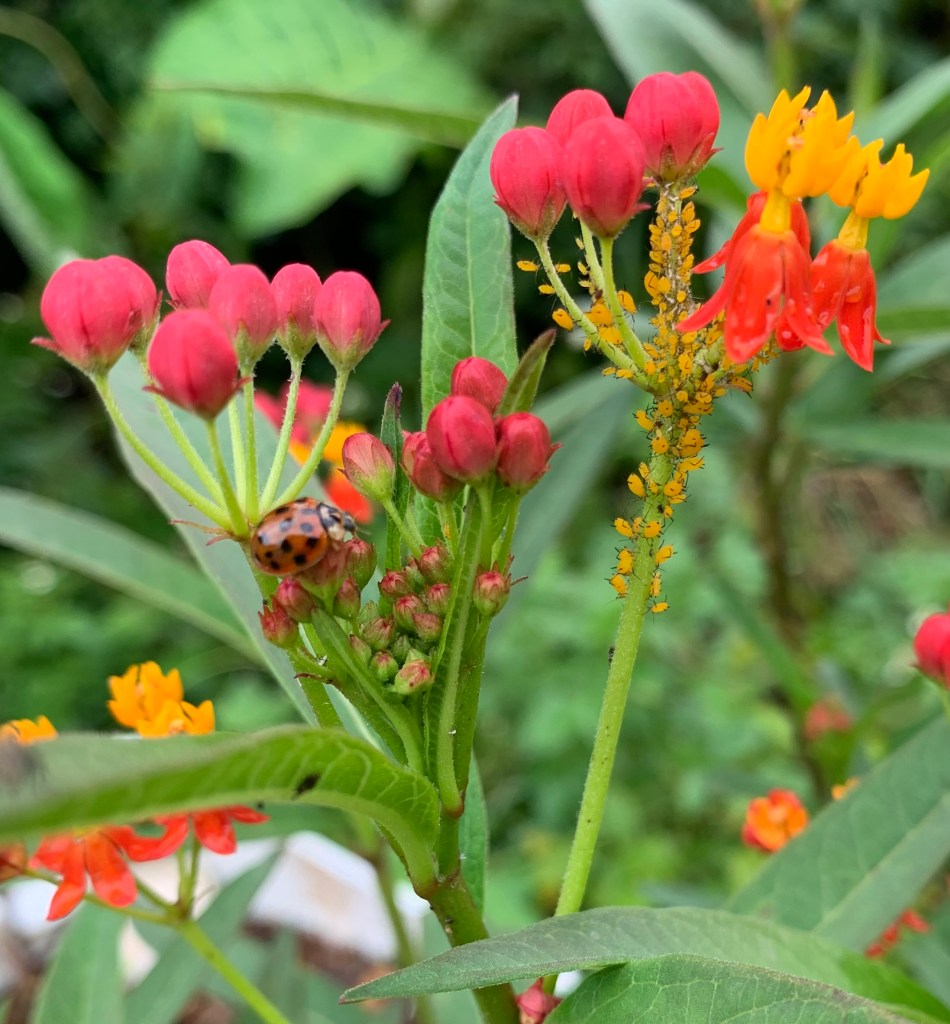
Even though I paid good money for those plants, I never planted them and they went into the compost pile. Somehow some of the seeds took root and I have two tropical milkweed plants in the yard. One is very large. Ever since it began to grow last year, it has been host to butterflies, caterpillars, the milkweed bug, aphids, and ladybugs. I’ve also read that maybe this type of milkweed is not so bad after all. It needs to be cut back in Fall, if you grow it.

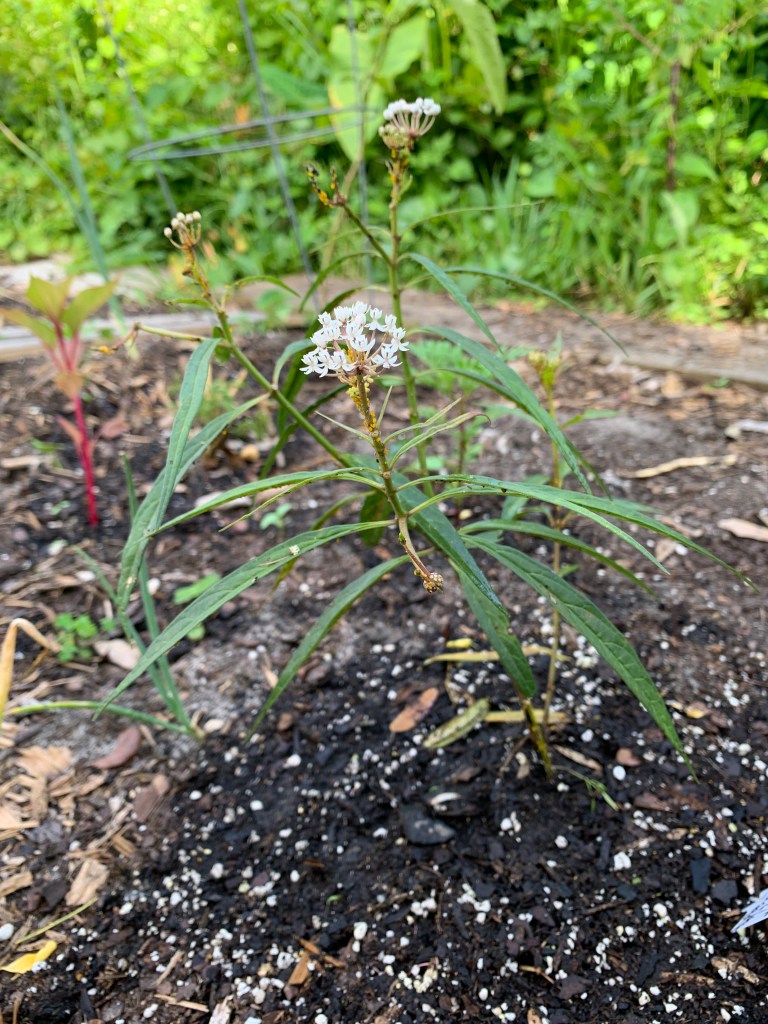
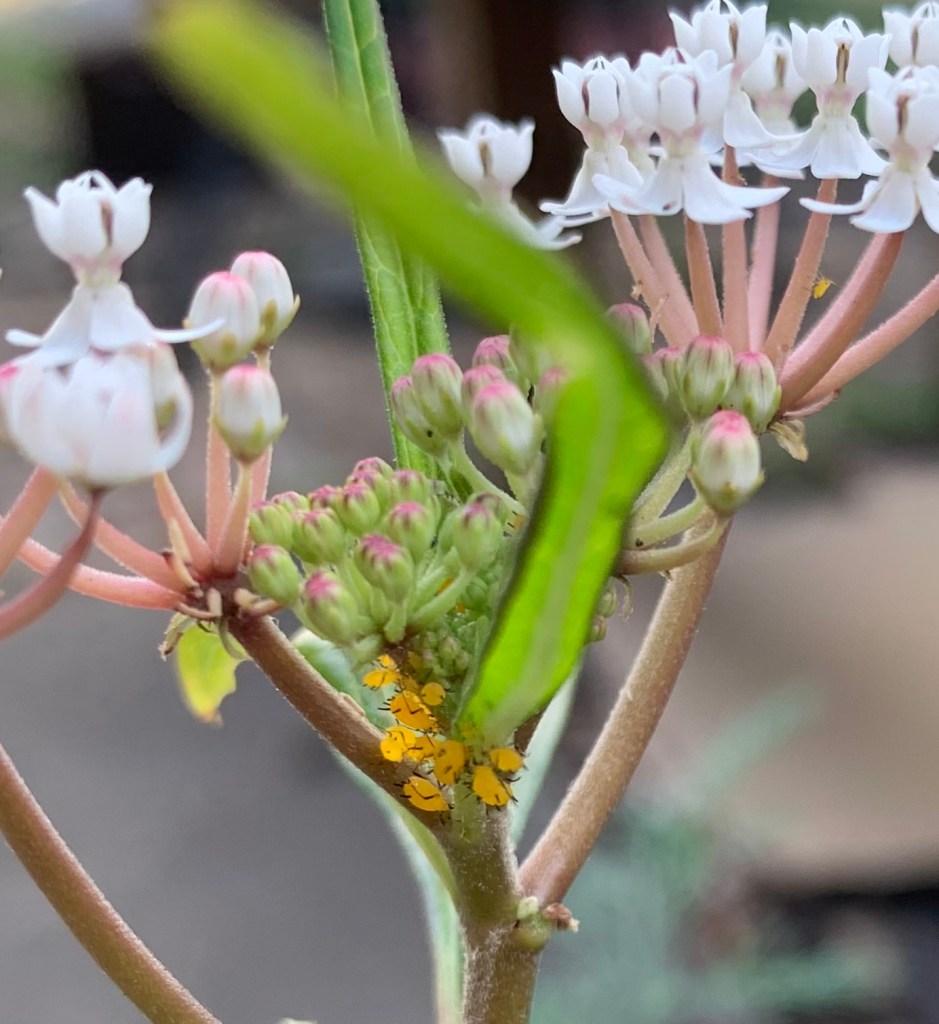
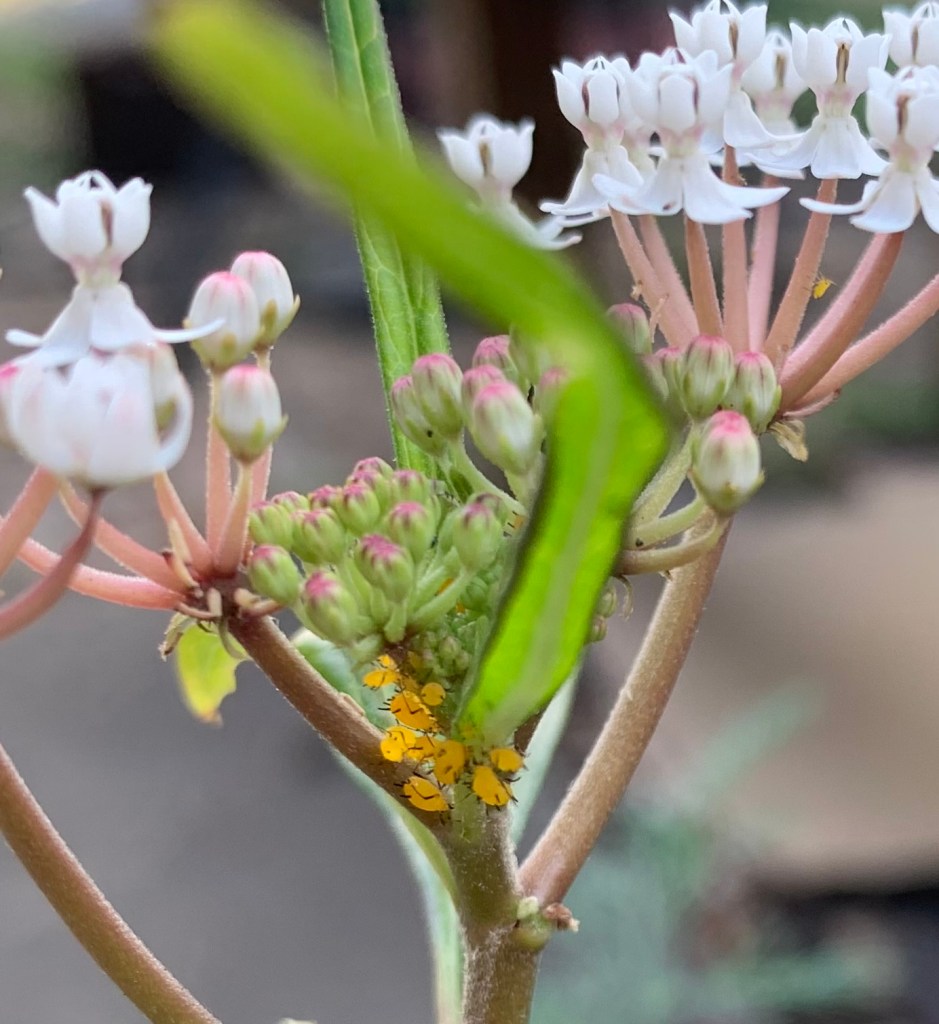
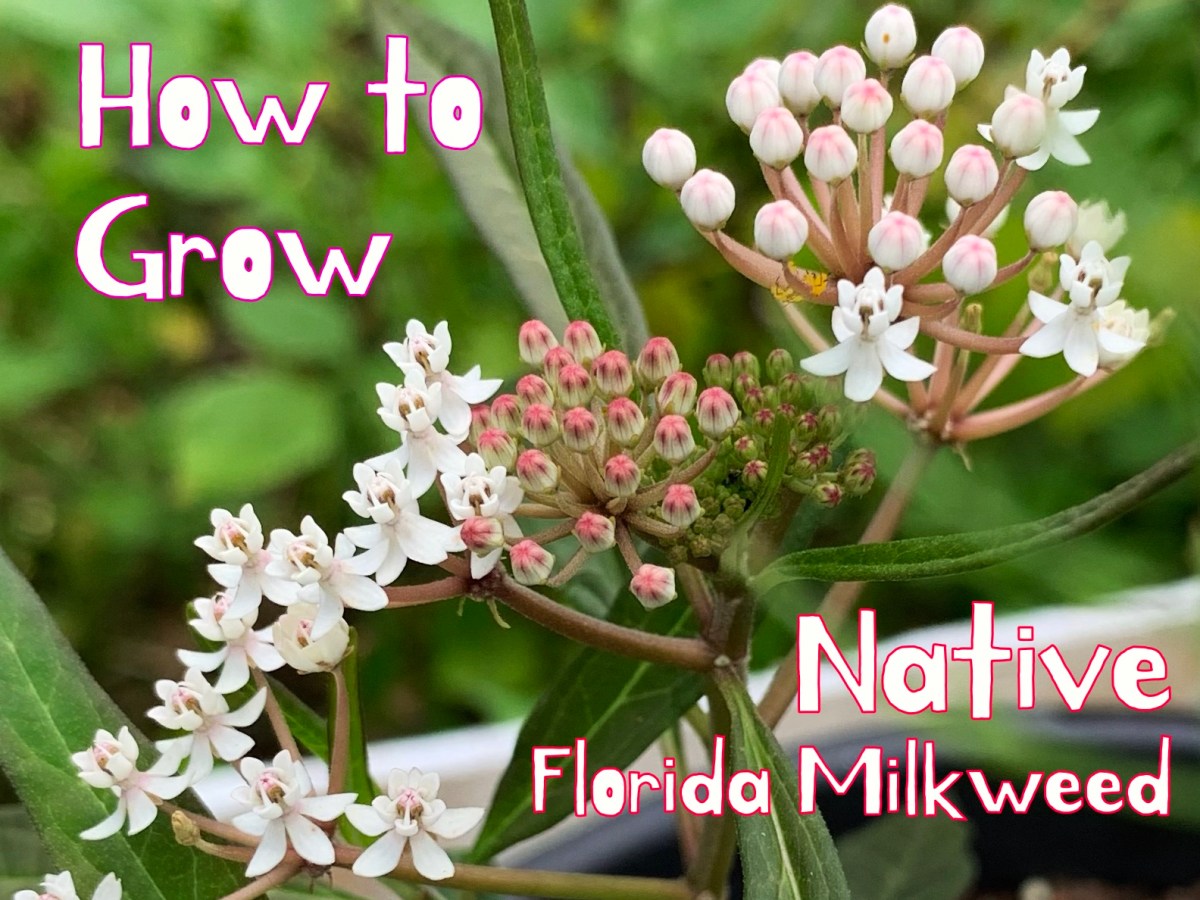
My local plant nursery also carries milkweed. I bought a white swamp variety (see photos below) and it’s now in the ground. At the nursery, many of the plants didn’t look too great. They were covered in aphids, but aphids love milkweed, so I can’t really blame the nursery.

Be sure to buy the milkweed early in the year to establish a good root system before winter when the native types go dormant.

Update: Milkweed Grown From Seed

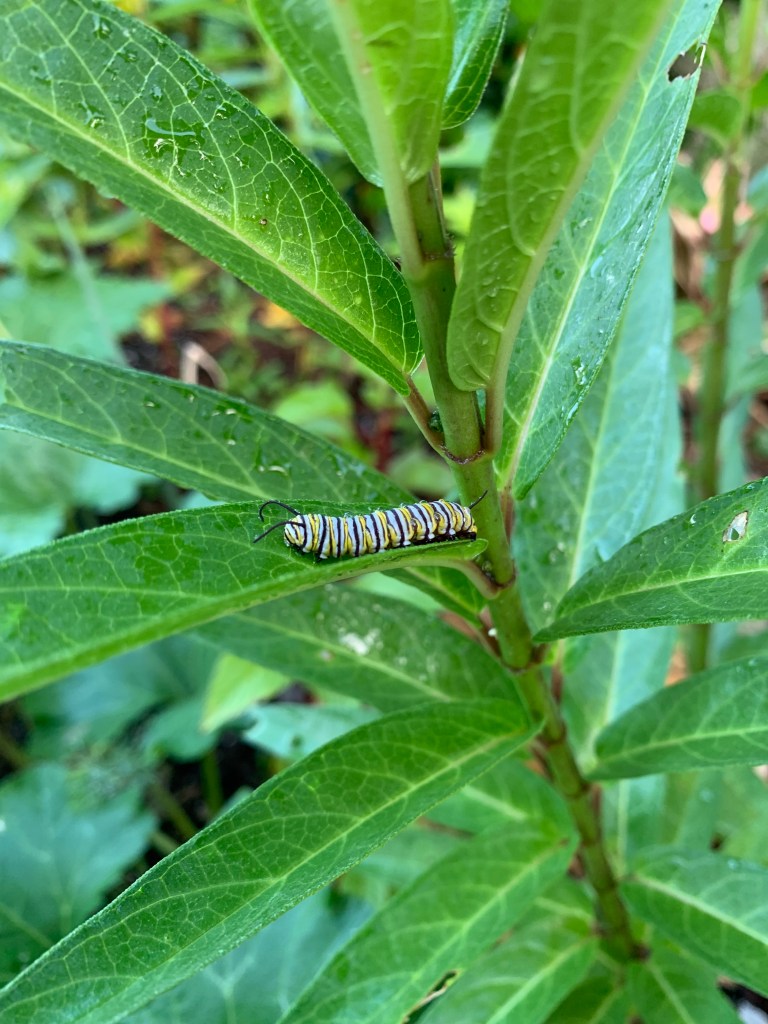
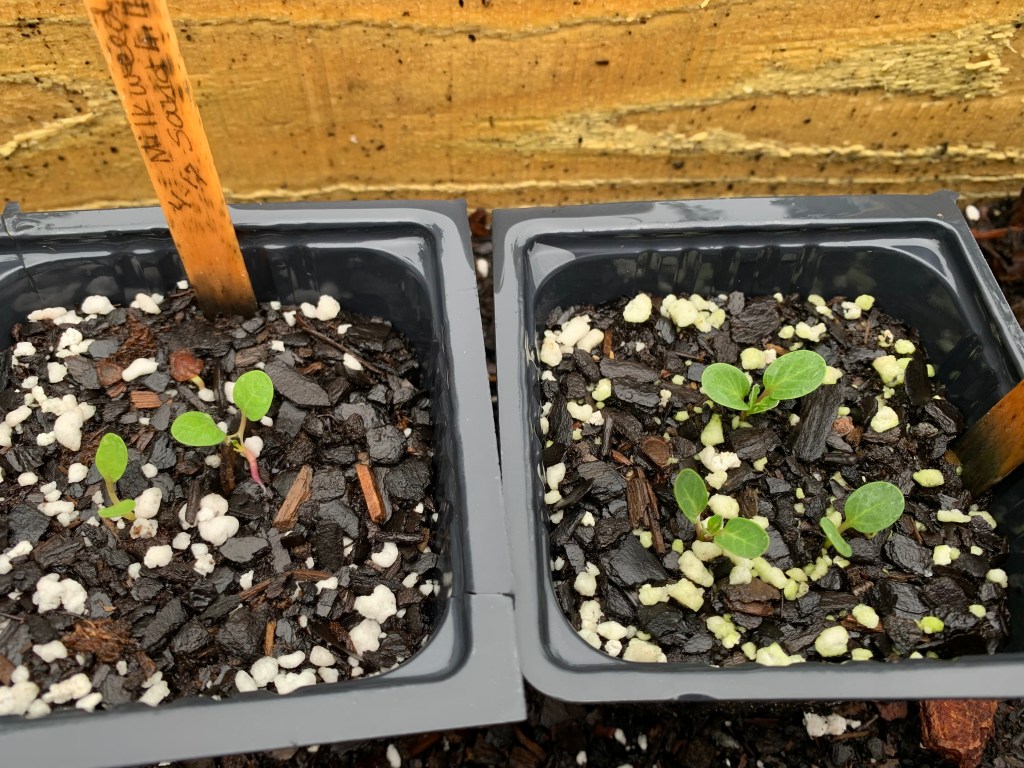
Most of the milkweed that I grew from seeds this year are still pretty small. I’ve had caterpillars on a few, which ate down the leaves. So, that didn’t help.

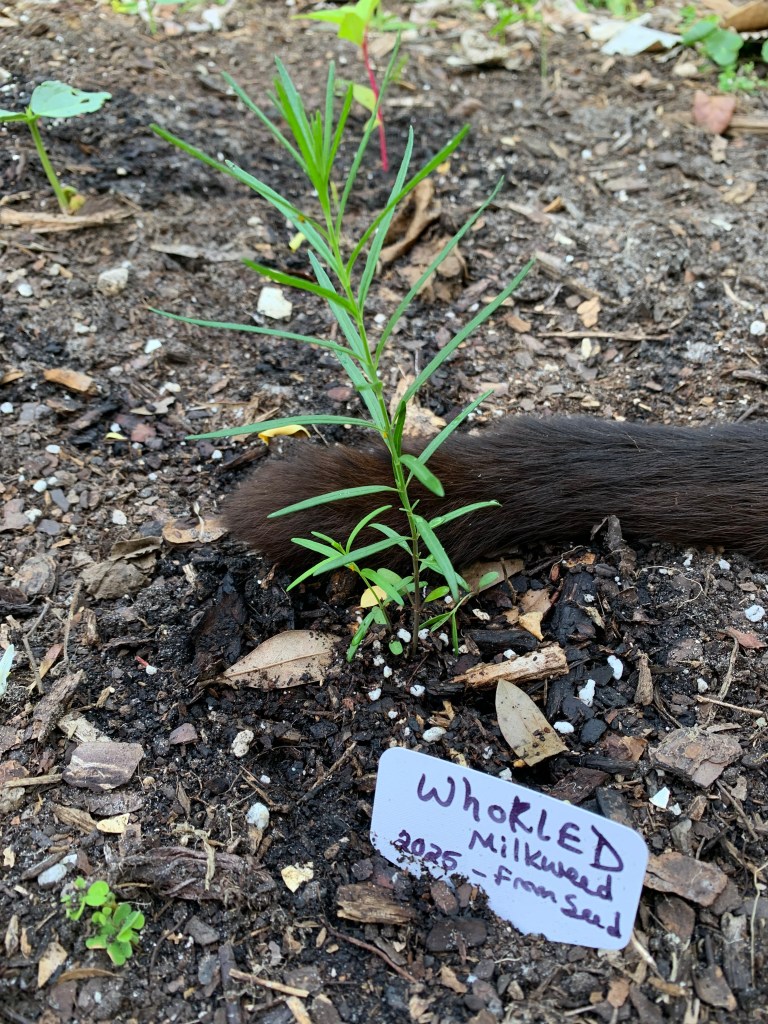
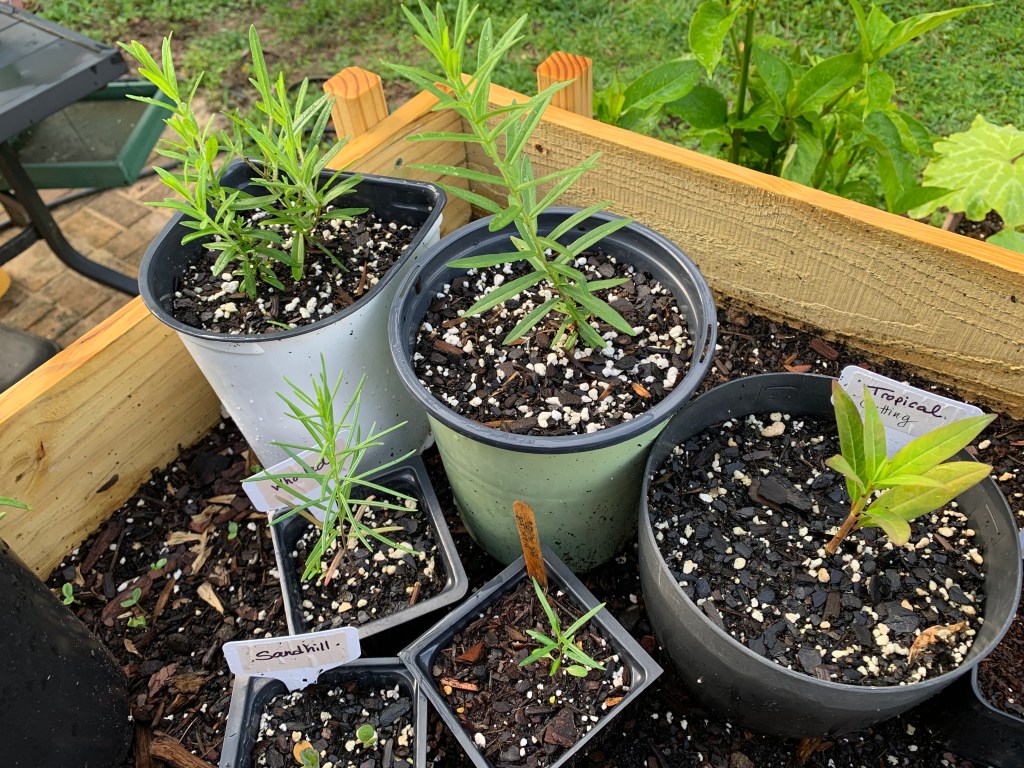
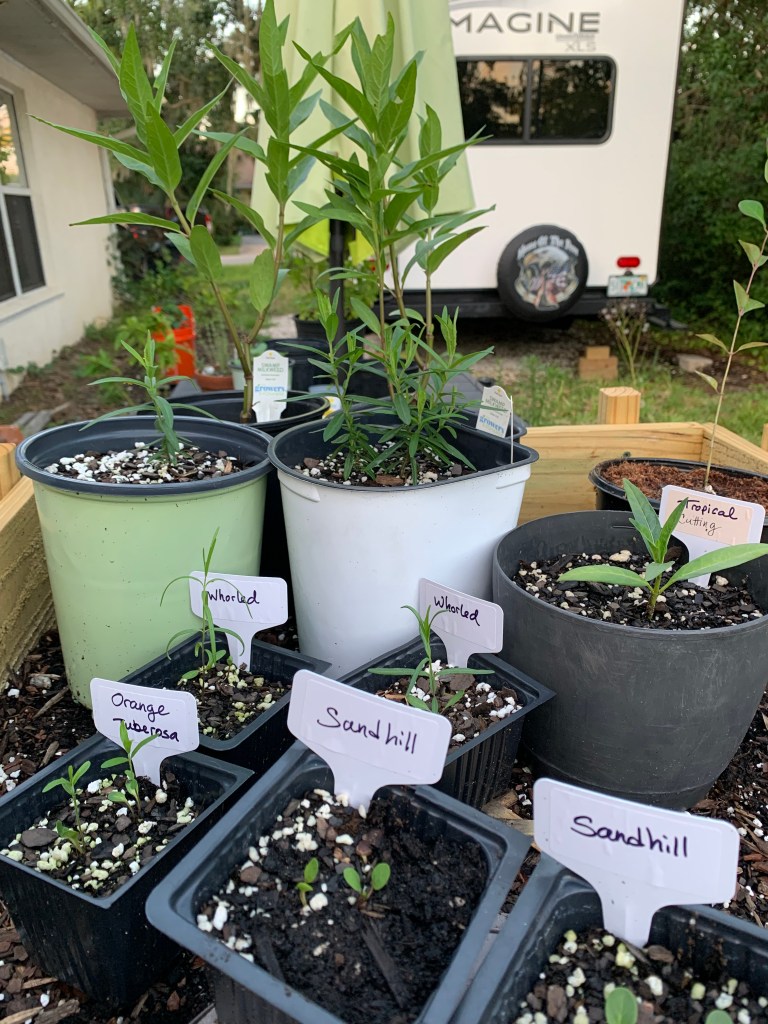
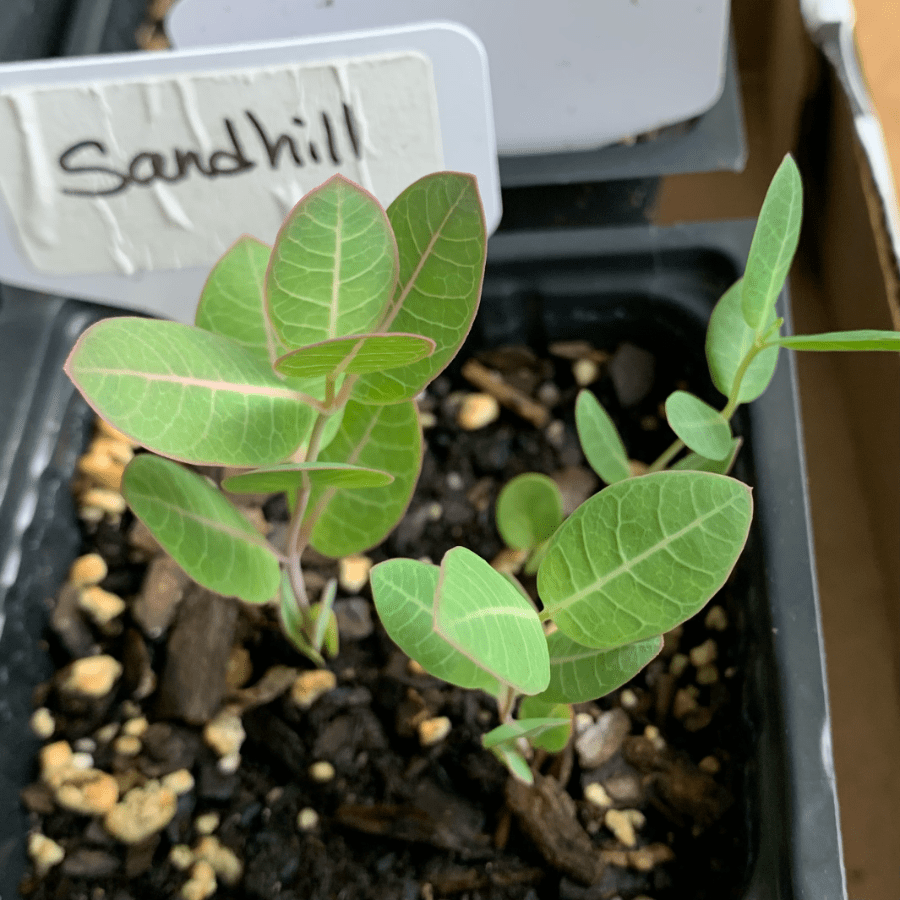
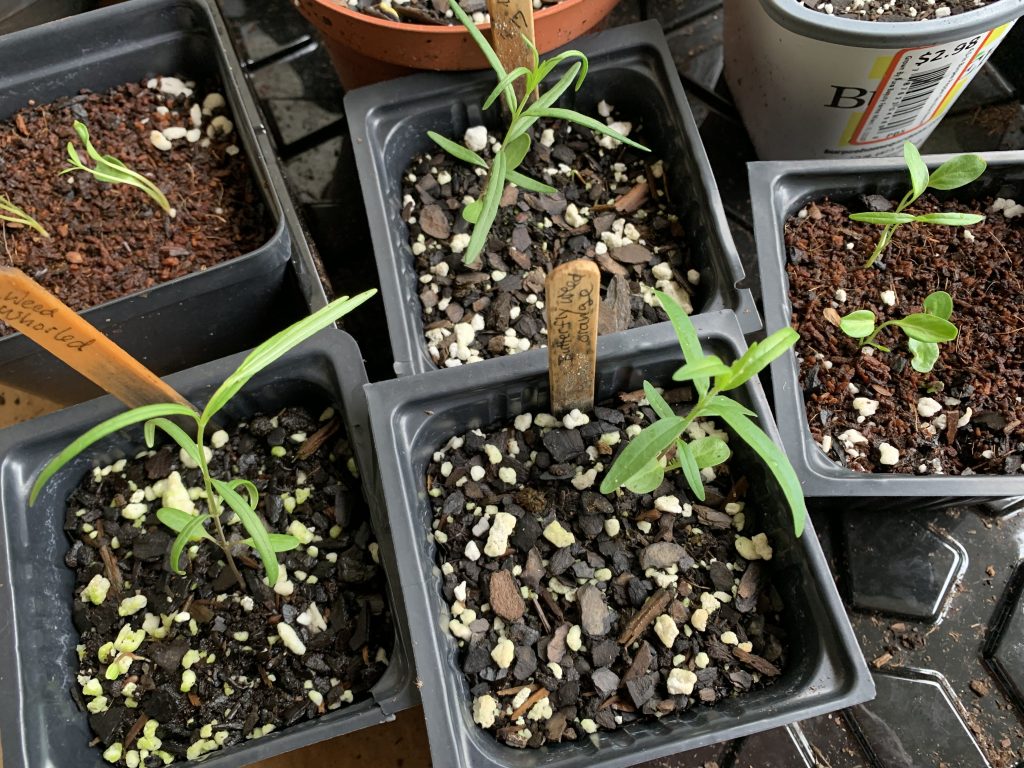
The varieties I grew from seed are; orange tuberosa (orange butterfly weed), sandhill, and whorled. They are all growing well, but slowly. I particularly love the thin leaves of the Whorled variety and look forward to seeing how it turns out.

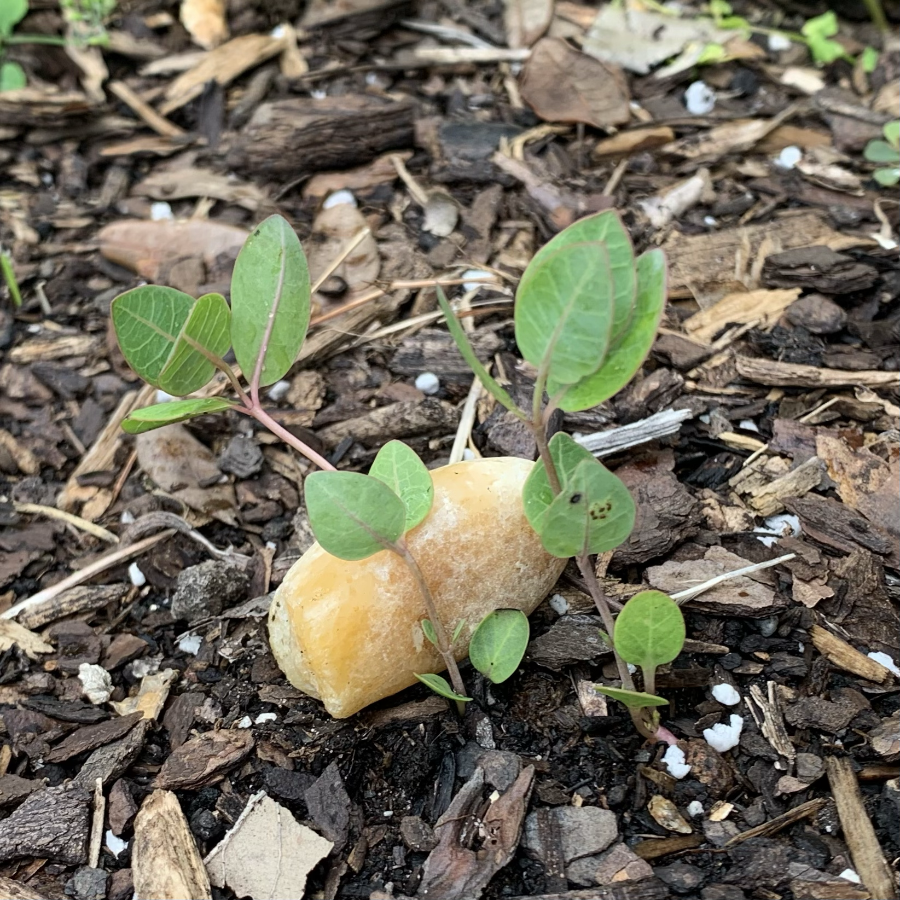
The Sandhill milkweed is growing very slowly. I only have two pots, and decided to put one into the ground.

Update: The Mail Order Milkweed

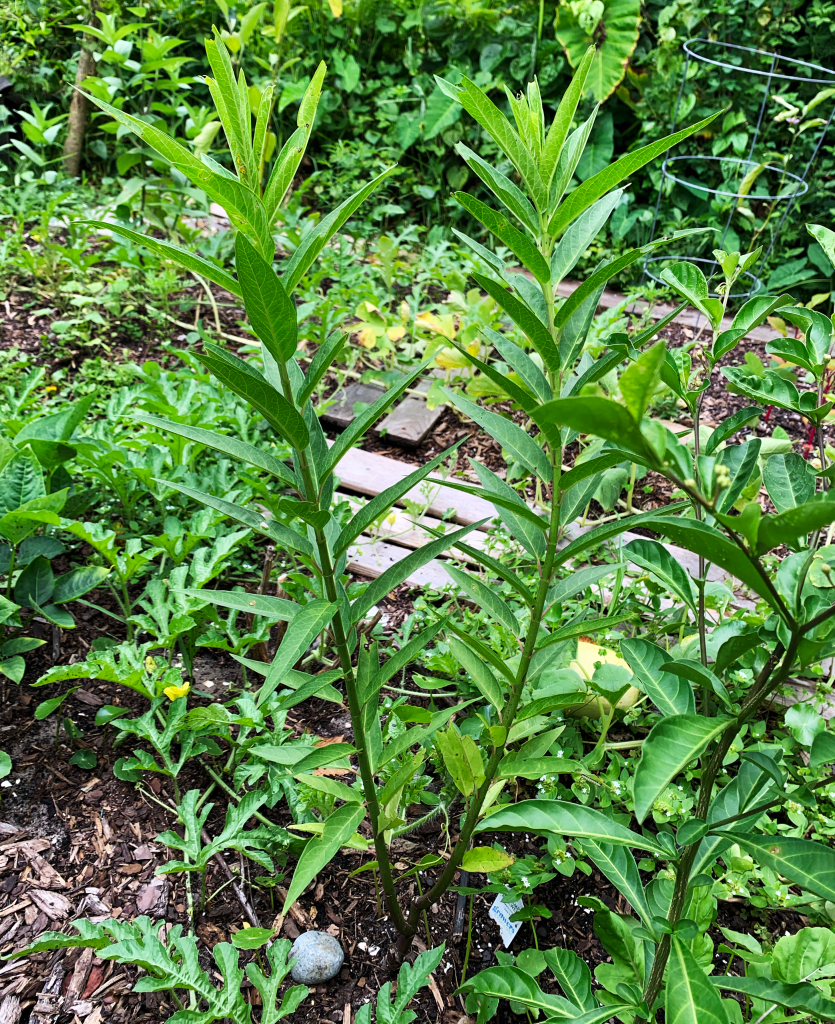
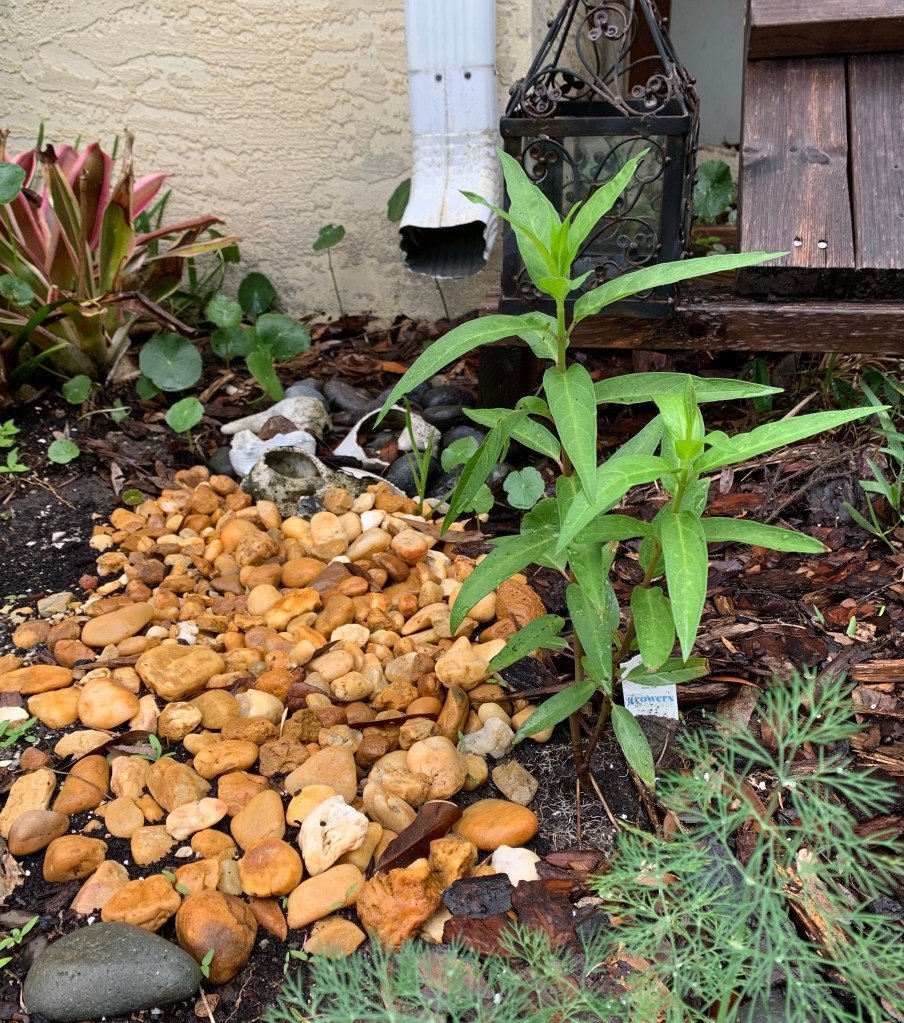
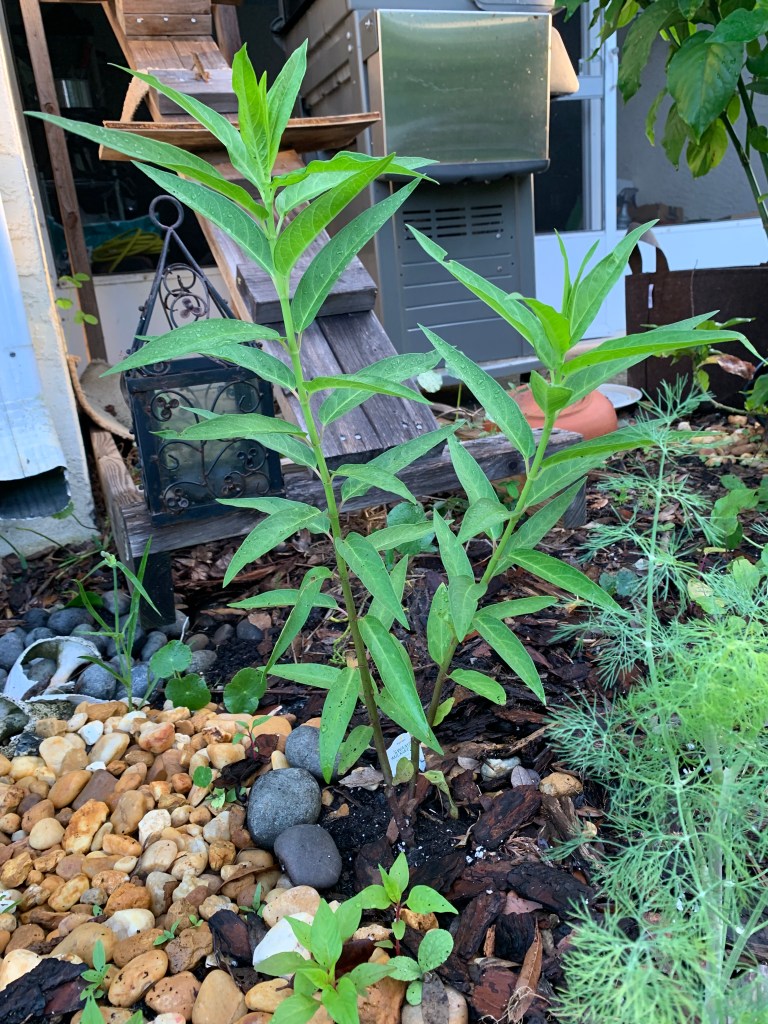
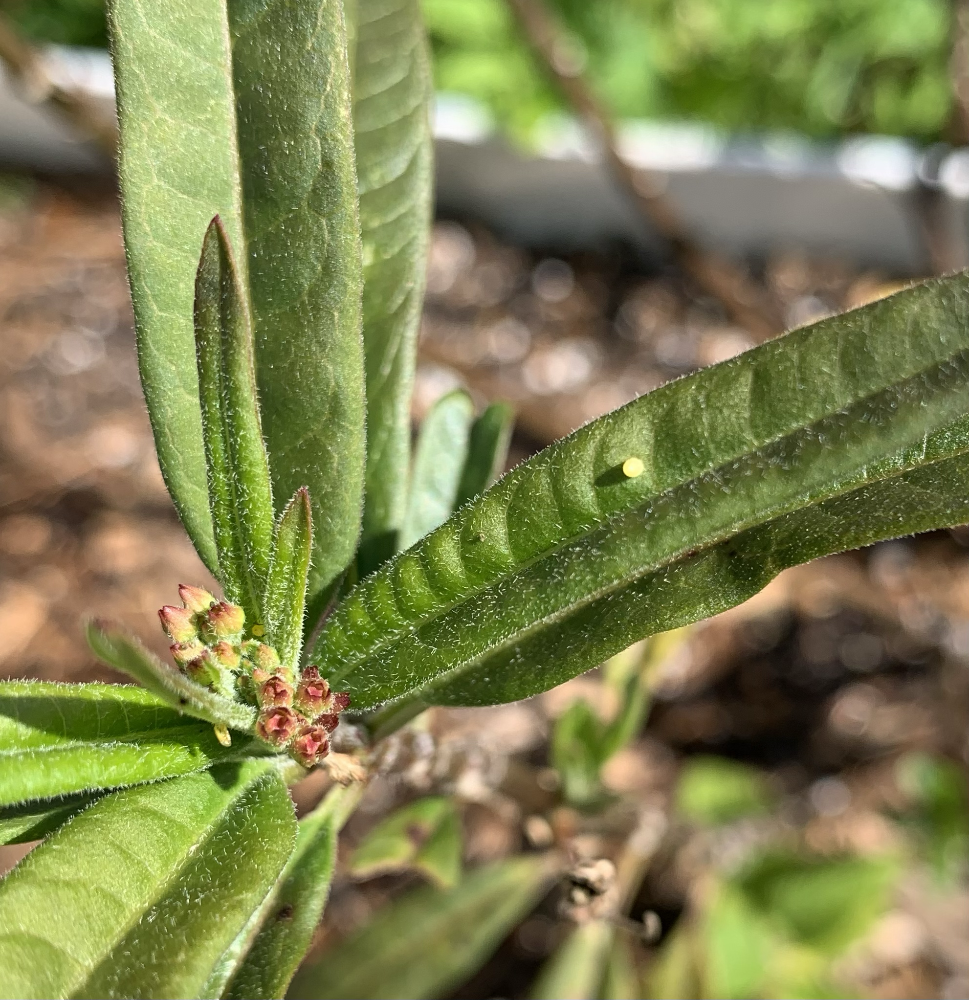
The four mail order swamp milkweed plants are quite large. I planted two in my hibiscus garden, one near the house downspout, and one in the back garden. None have flowers yet. I’ve seen the occasional caterpillar on them. One is now showing signs of blooming!

Milkweed Warnings

Milkweed tends to be poisonous. Anyone who has animals that might eat it, should consider this. It is toxic to livestock.

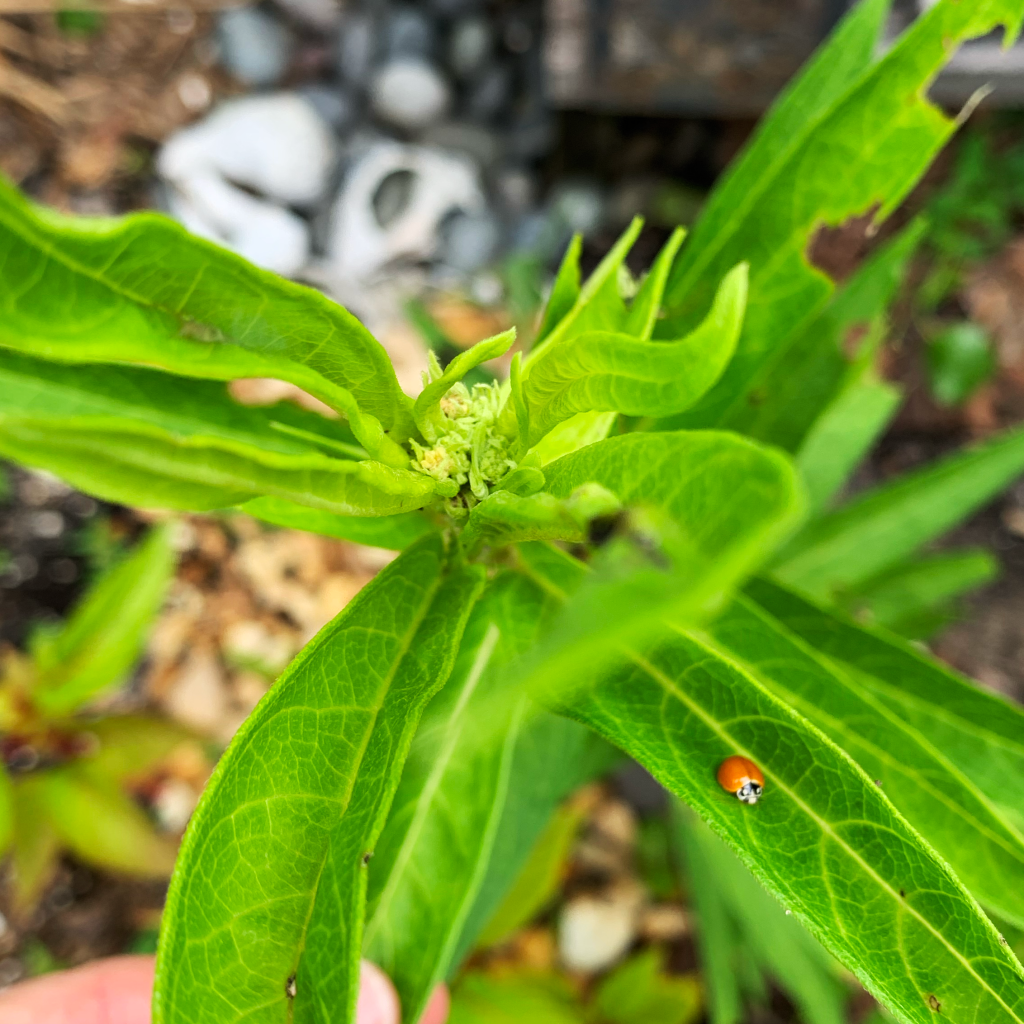
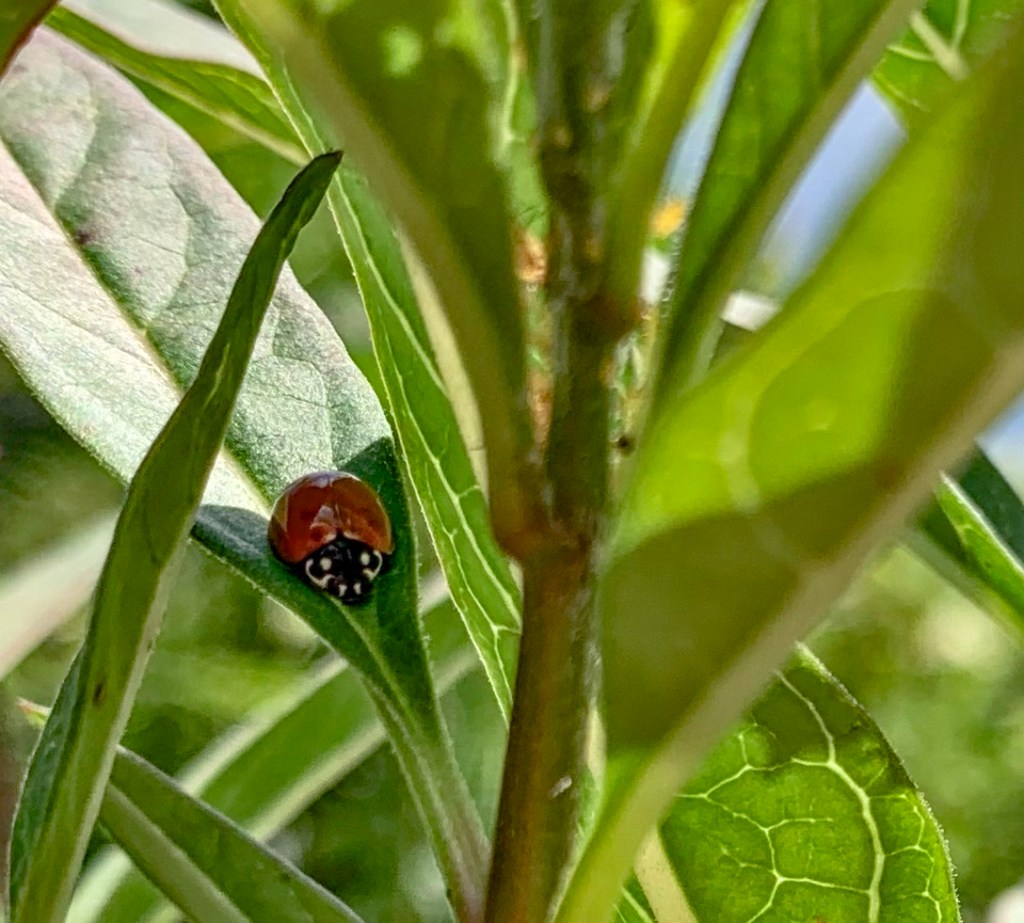
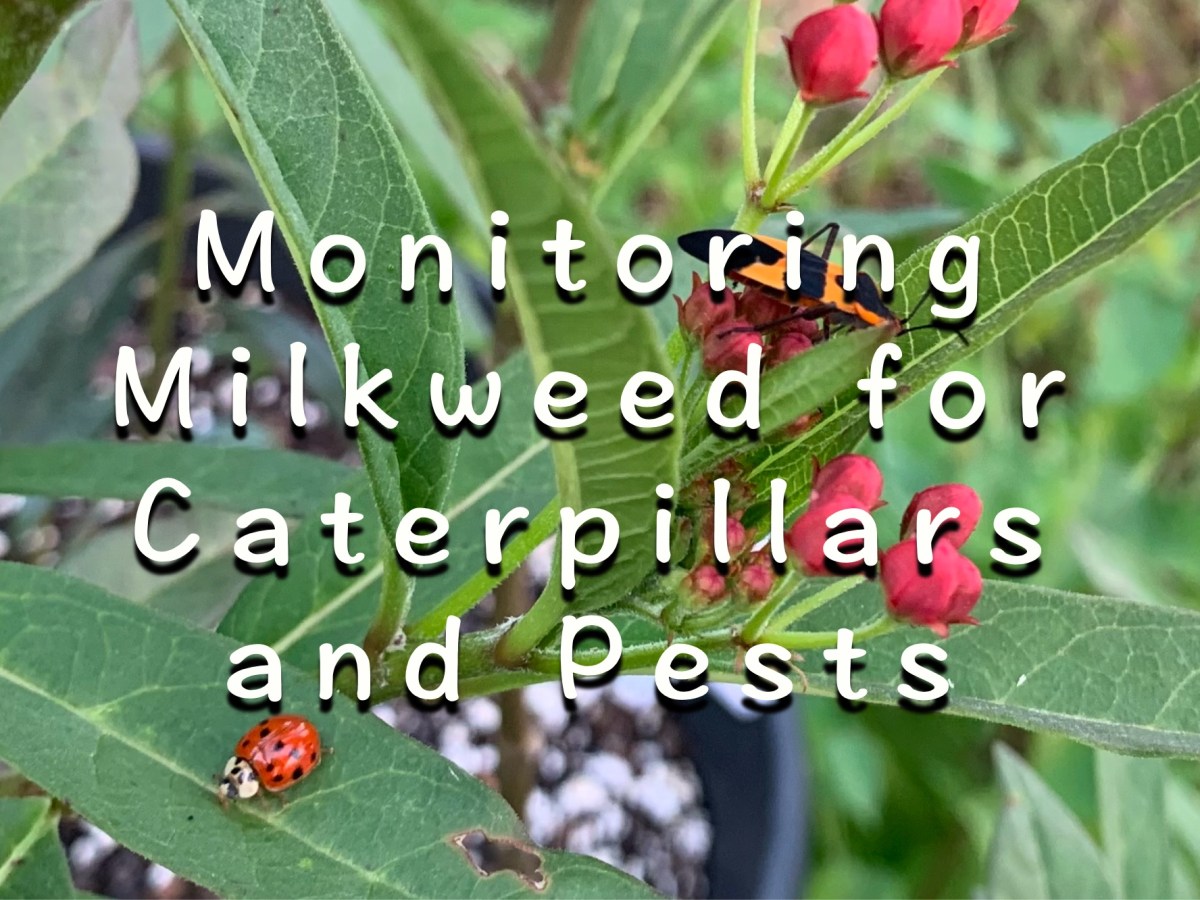
Milkweed is a magnet for aphids. This means that milkweed will also draw in the ladybugs. That’s a good thing! Whenever you see lots of aphids on the plants, don’t get too upset. Wait and see if they are taken care of by nature.

Advice on Buying

Now that I have grown native, Florida milkweed from seeds, mail-order and nursery plants, here are my thoughts on buying. If I had the space and wanted more milkweed, this is what I would do.

  • Buy from a local nursery, if they have native plants that look pretty good.
  • Order from The Grower’s Exchange. These are by far the best looking plants of all my native milkweed. The tropical milkweed plant is huge, but it is not native.
  • Order seeds for new varieties. The Sandhill and Whorled are pretty cool.
  • I wouldn’t bother again with the Orange Tuberosa. I’m not thrilled with these plants. They are leggy and saggy. Some have leaves that have turned brown, and that could be due to too much water. They like it dry. They are not fast growers (from seed), and not very good-looking. They might look a lot better by next year, if they survive. Maybe buying plants, and not starting from seed, would be the way to go with this one. I’m going to see what they do.
  • Won’s be buying any Tropical milkweed variety. I’ll manage the ones I have by cutting back in Fall. The milkweed bugs have taken care of removing the seed pods! I think they suck the juices out of the pods because every pod is gone.
Tropical milkweed flowering with monarch butterfly
Volunteer Tropical milkweed with Monarch butterfly

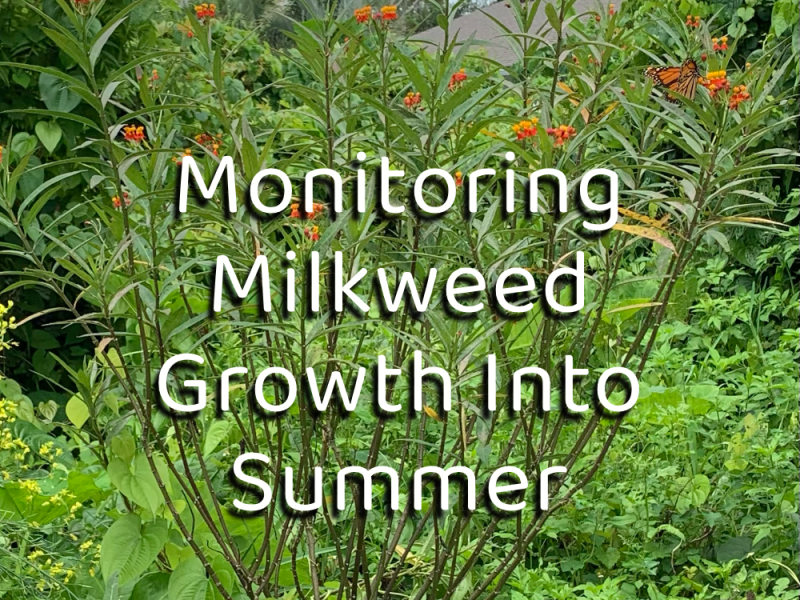
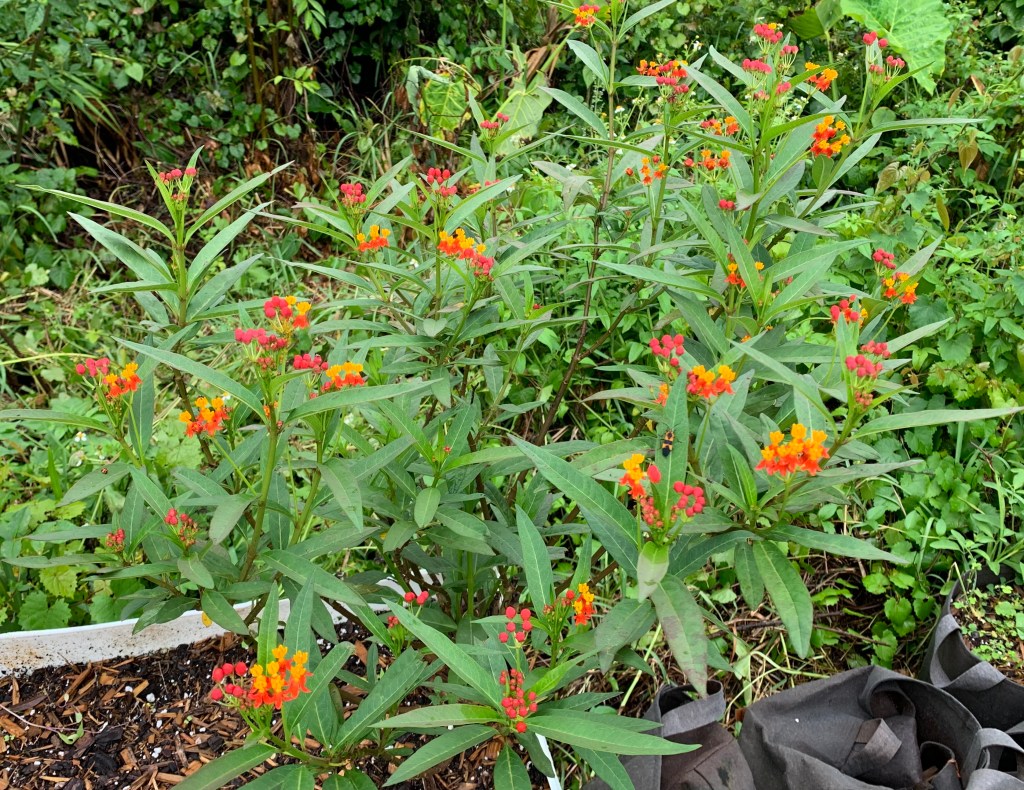
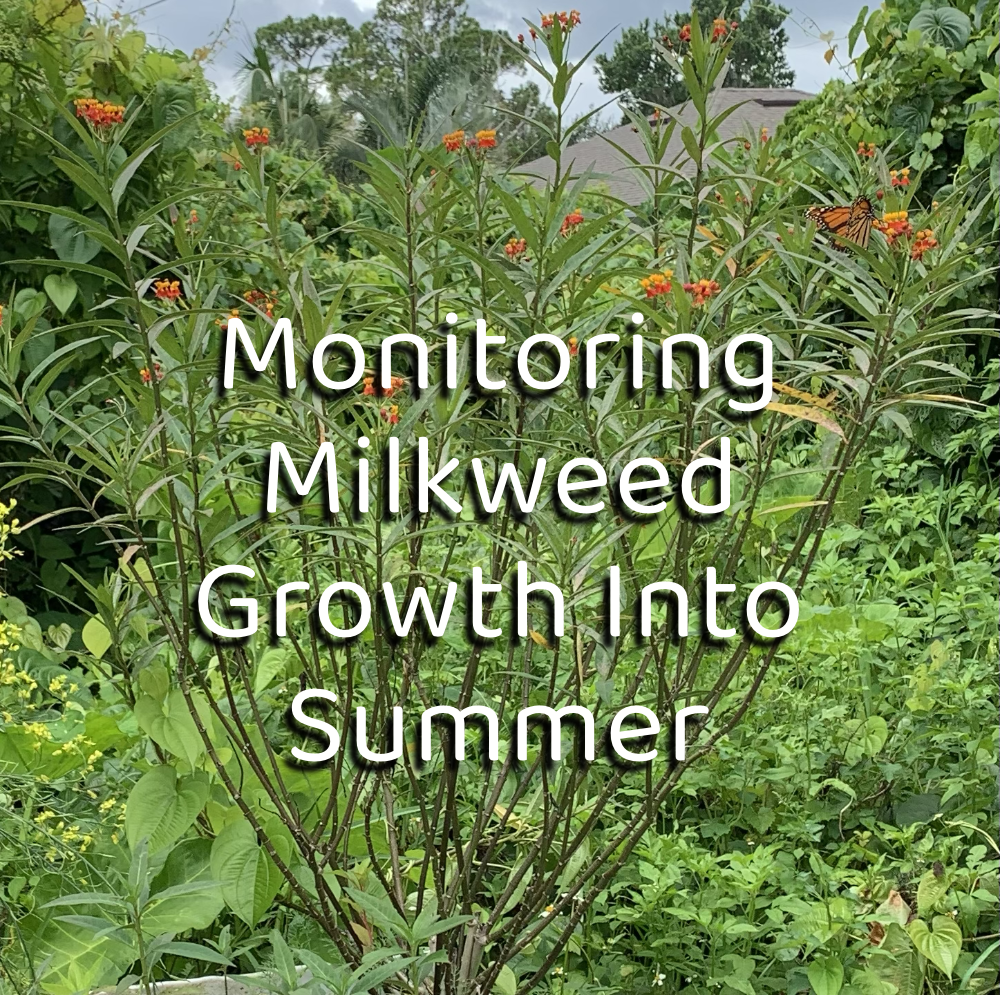
Don’t worry if you have some tropical milkweed in the yard. Recognize it by the two-colored flowers. Right now, it’s the only milkweed flowering in my yard. And the Monarchs are using it for food.


Pretty Flowers in the June Garden

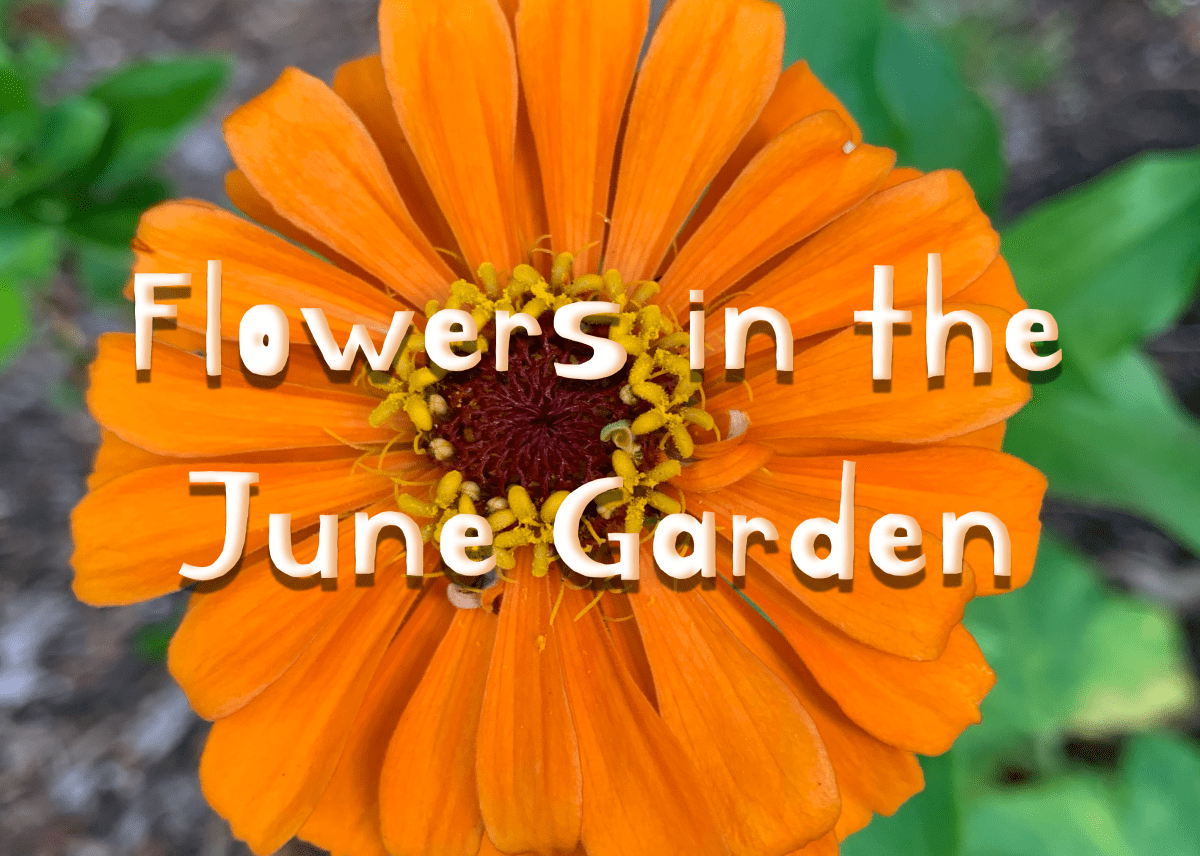
Lots of flowers are beginning to bloom in June. Here in central Florida we have a jump on growing, but look forward to growth just the same.

I love to photograph flowers. They make an excellent subject. Who doesn’t like viewing the delicate intricacies, fantastic shapes, and stunning colors of flowers. They don’t move so photography is simple! LOVE.


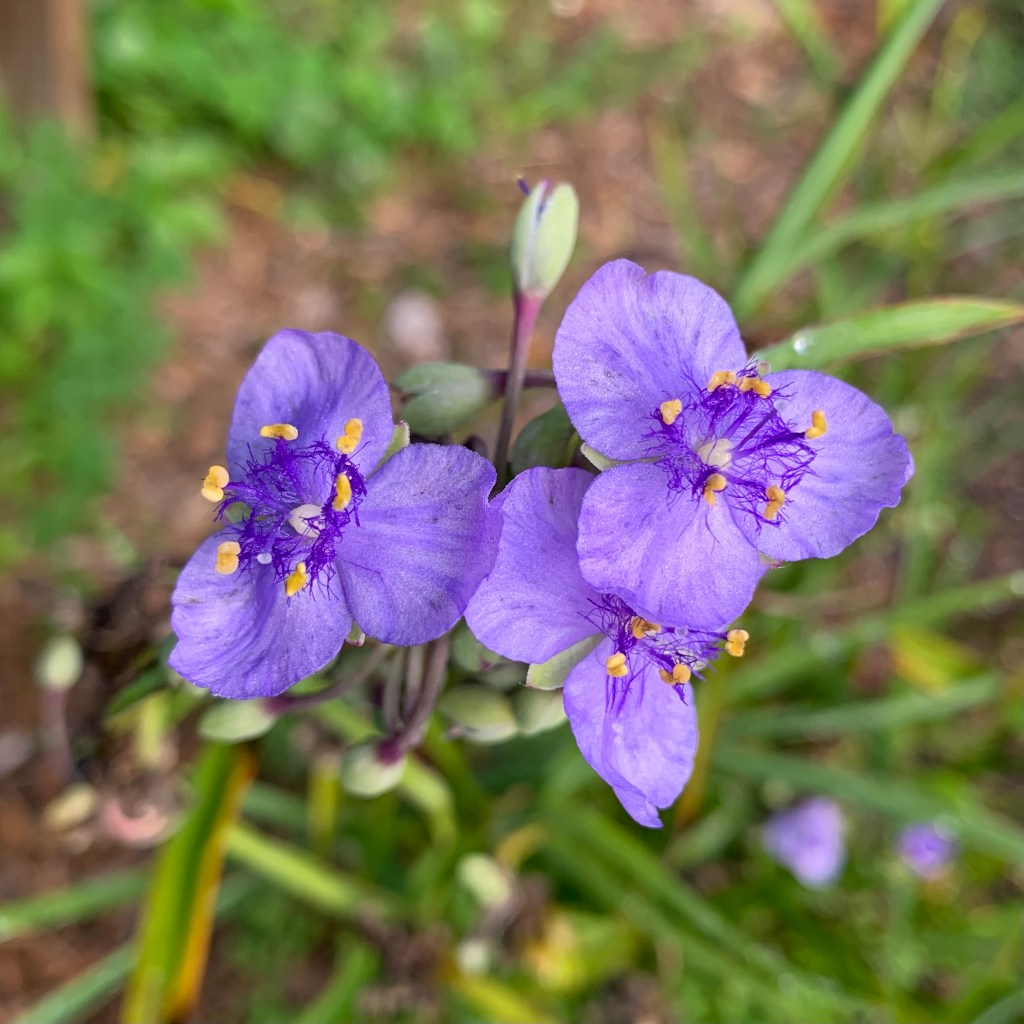
So…. from all the flowers above, I see bees visiting most often the Spiderwort. I’ve let some clumps of Spiderwort grow randomly around the garden. Each morning when I water, I hear and see bumblebees visiting the purple flowers.

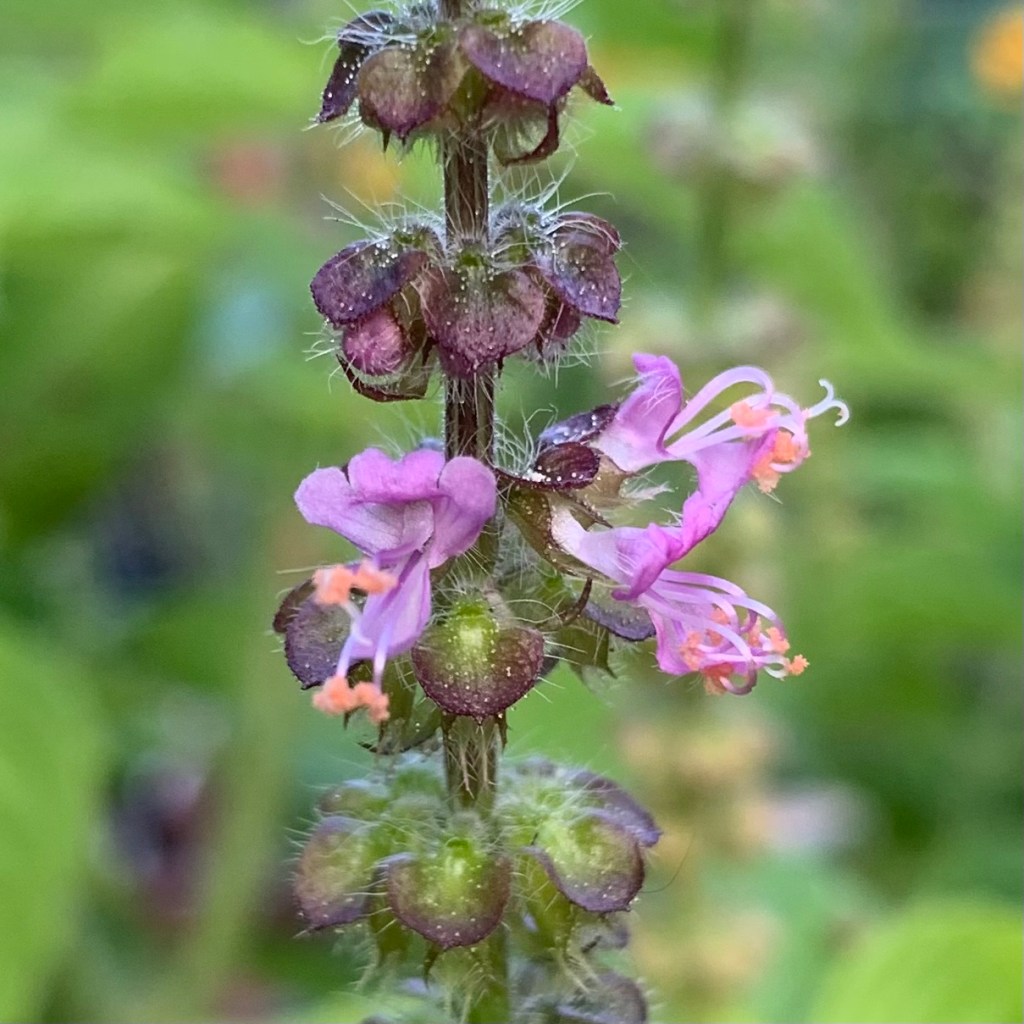
Another favorite is the purple Holy Basil, also called Tatsoi. Those flowers come out on tall spikes and the flowers are very tiny. But the bumblebees love them!

Butterflies usually visit the beautiful zinnias, but I have not had many butterflies. The occasional Gulf Fritillary has been spotted, and a few Zebra longwings, but honestly not many at all.

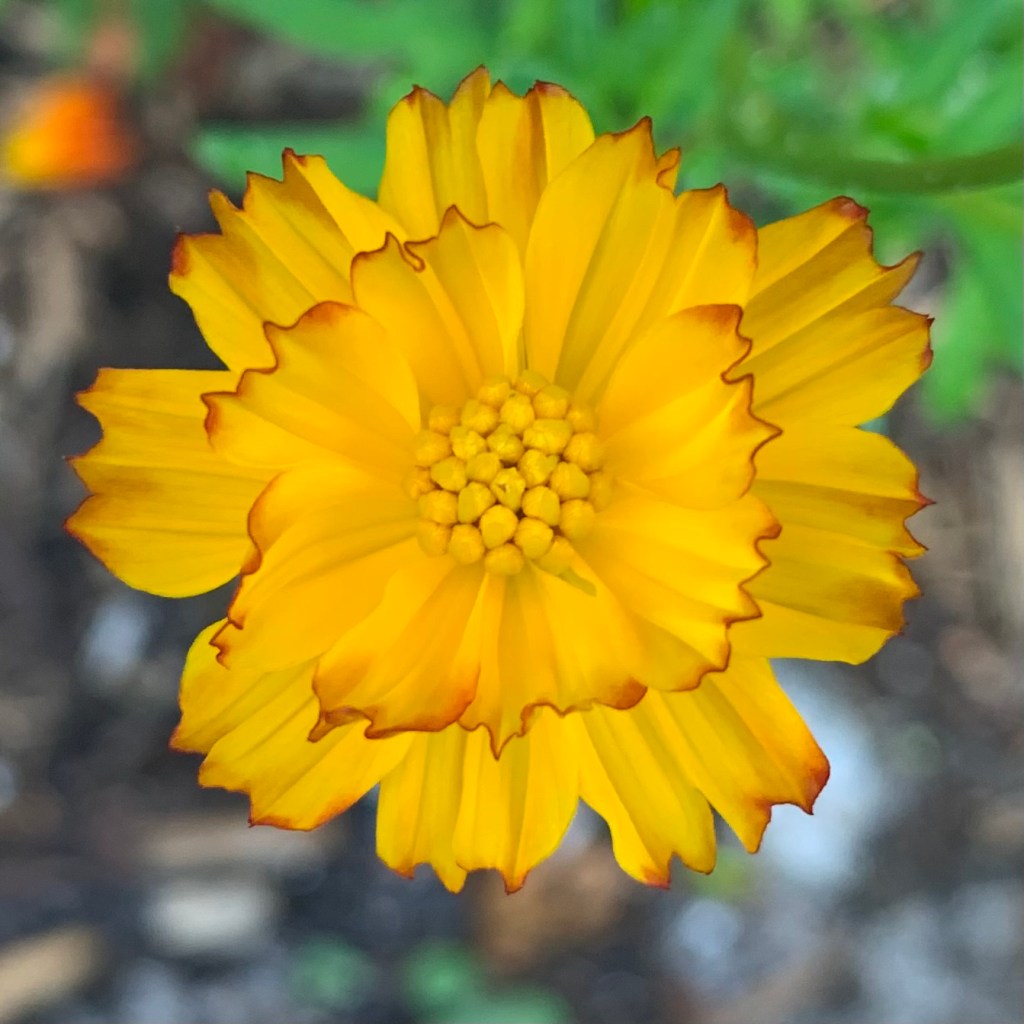
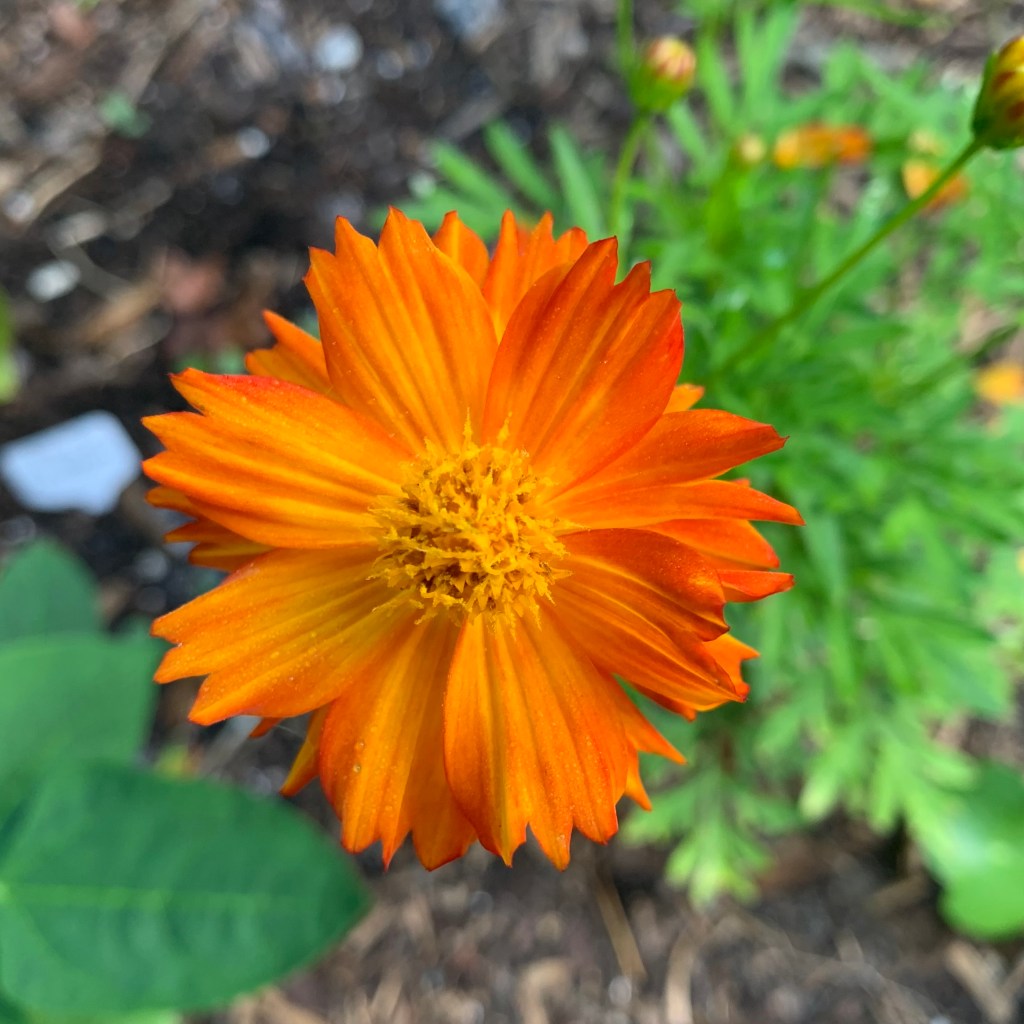
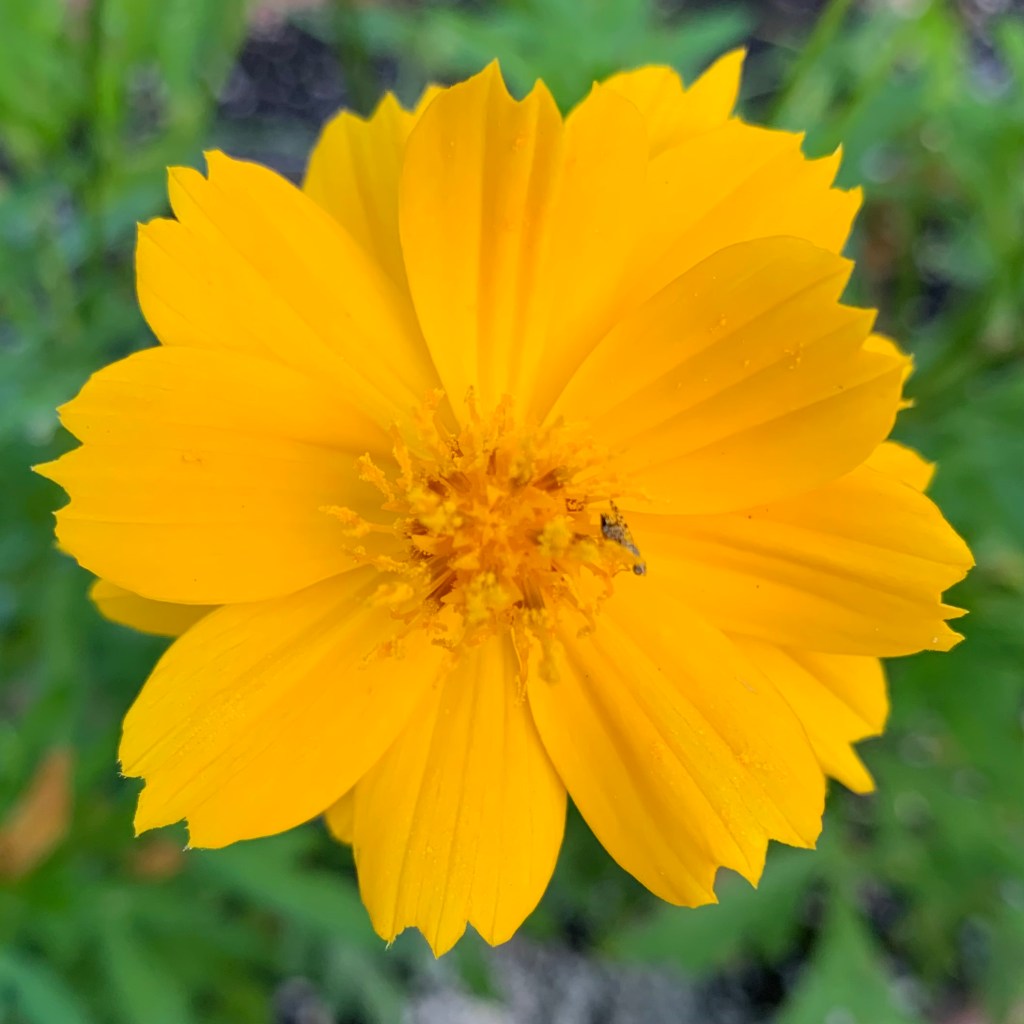
The Cosmos are not like the cosmos I grew in New Hampshire. These are small plants and not leggy like the northern plants. All of the cosmos growing in my yard came from saved seeds. I bought one plant and saved the seeds that I continue to plant in the yard. I like not knowing if the flowers will be yellow or orange, or a combination.

From the Front Yard

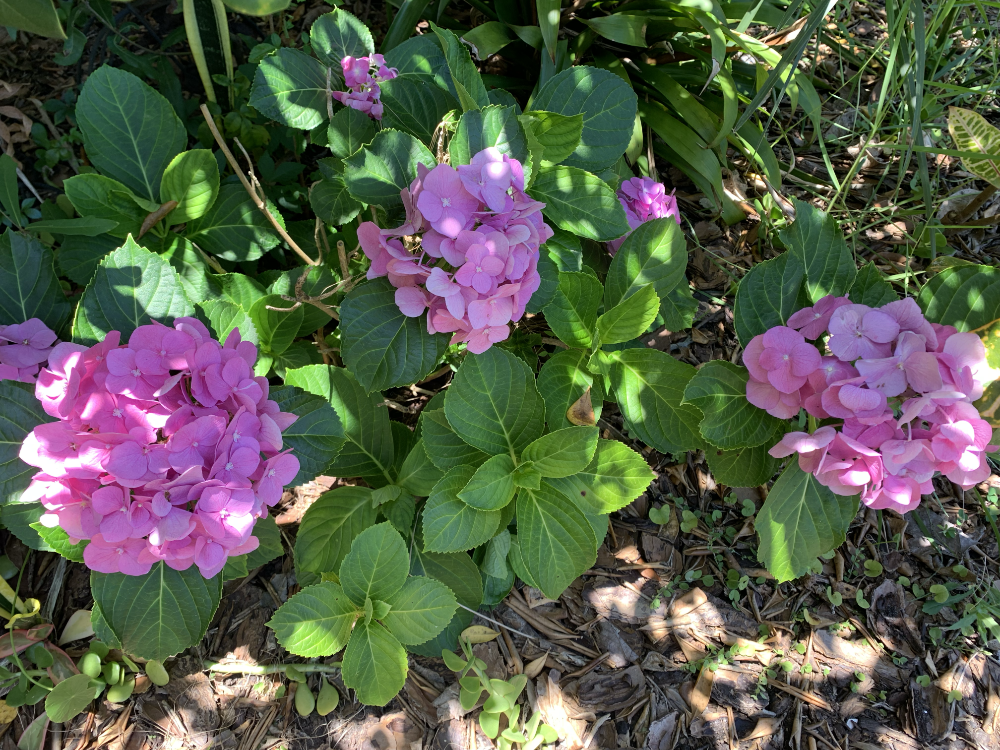
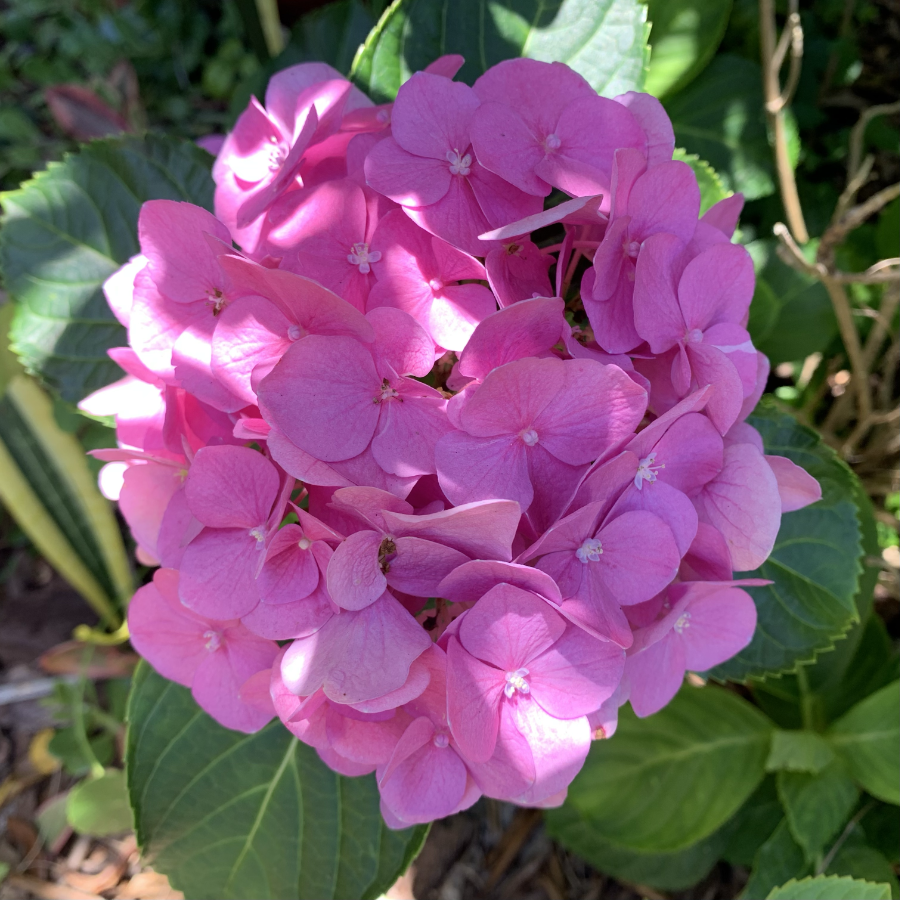
I rarely pay much attention to what is growing in my front yard. My focus is on the vegetable garden and flowers planted there. But, my hydrangea plant is blooming with big pink flowers.

Hydrangeas are the reason I began this blog. Many years ago, I lived in New England and grew many types of hydrangeas. I photographed the blue ones especially, and created this blog to share hydrangea info.

A few years ago, I decided to see what a hydrangea bush would do in my Florida yard. And here it is, still growing and flowering. I pay almost no attention to it. The bush is still small, but I believe it is surviving because it is constantly in the shade of a very large shrub.

I bought the hydrangea in May one year. That’s when you might be able to find the plants. Big box stores get them out on display for Mother’s Day. When I bought this one, it was blue, or purple-blue. The gorgeous blues I had on my New Hampshire hydrangea bushes can’t really be replicated by making the soil acidic. I believe that the pretty light blue is just natural, and comes from the earth.

More to read on this blog:

Something went wrong. Please refresh the page and/or try again.
How to Find and Successfully Grow Your Own Native Florida Milkweed

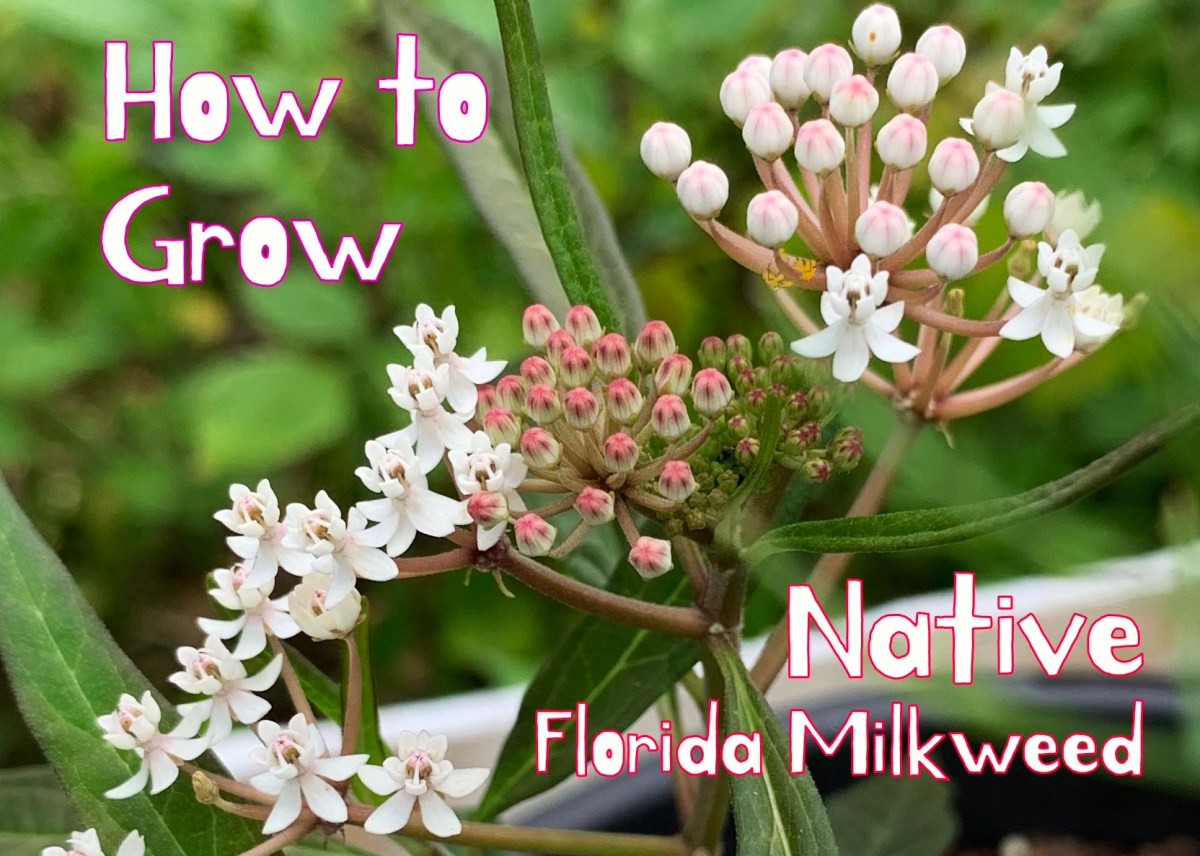
Native Florida milkweed plants can be hard to find. I am trying to grow some from seeds. Know how it grows, and what to do for seeds to flourish.

I’ve been trying to grow my own native Florida milkweed from seed. The trick is to learn as much as possible about milkweed plants. There are quite a few native Florida milkweed varieties. Some prefer dryer conditions, while others need to remain moist. Decide what will work best in the area you plan to put your milkweed plants.

In the wild, they will self seed alongside the parent plants, in a naturally perfect location. In my yard, I will need to mimic that for success.

My Milkweed Plant List – See the full list of Florida natives here.

This list includes milkweed I am attempting to grow from seed, or mail order. Milkweed likes sun, and most like it moist. I ordered these types to see what I could get to grow. I do not have a lot of space.

  • Asclepias tuberosa – orange butterflyweed / milkweed
  • Asclepias perennis – swamp milkweed, with white flowers
  • Asclepias incarnata – swamp milkweed, with pink flowers
  • Asclepias verticillata – whorled milkweed, blooms later into fall. Needs space for tubers to spread. Not as good for small gardens.
  • Asclepias humistrata – pinewoods, or sandhill – grows in sand, likes it dry. Must be in well-drained sandy ground.
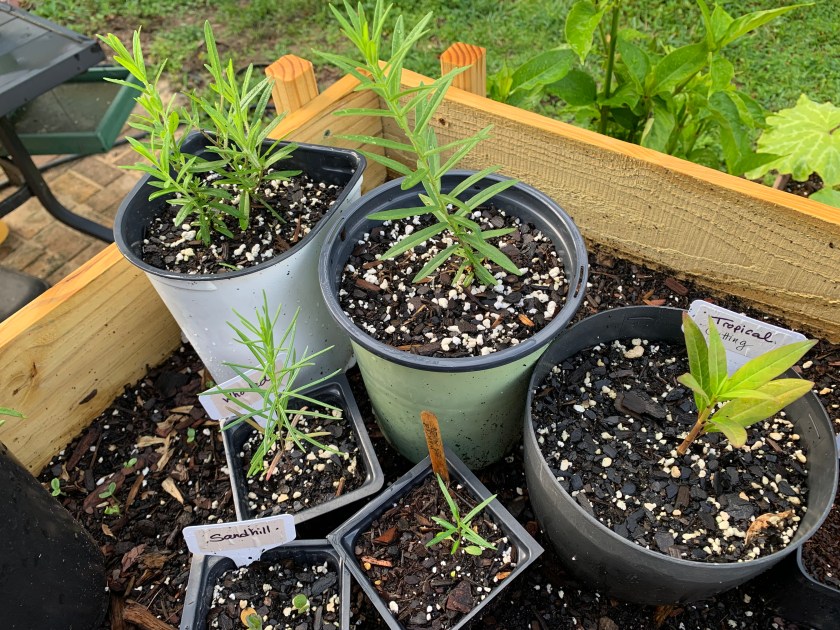
Milkweed varieties in pots
Tuberosa (orange butterfly weed), Whorled milkweed, Tropical and Sandhill.

Finding and Buying Milkweed Seeds and Plants

Where I live, it is nearly impossible to find native milkweed plants locally. And when I do find them, they are scraggly and not growing well. Often they are full of aphids.

For that reason I have turned to starting milkweed from seeds. Look for seeds from plants that are grown without the use of chemicals.

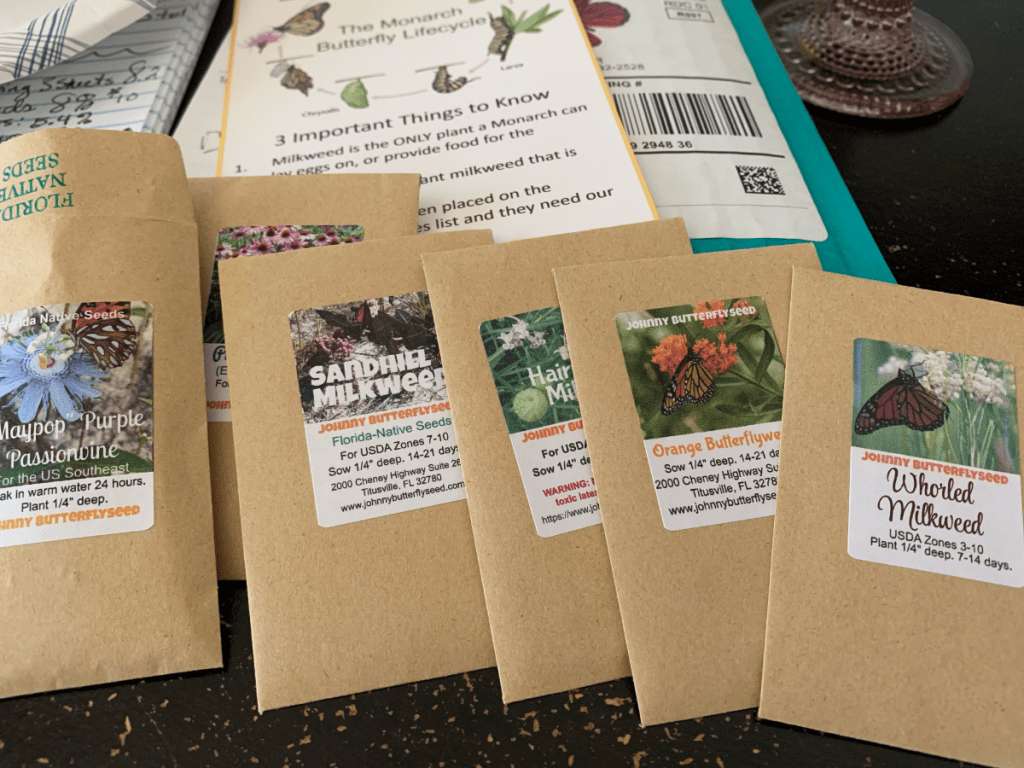
The seeds I bought have come from various sellers. When buying online, many reputable places have good information about growing each milkweed variety. Johnny Butterflyseed has a nice variety of seeds that come in little brown packets. I have a few pots of each variety planted.

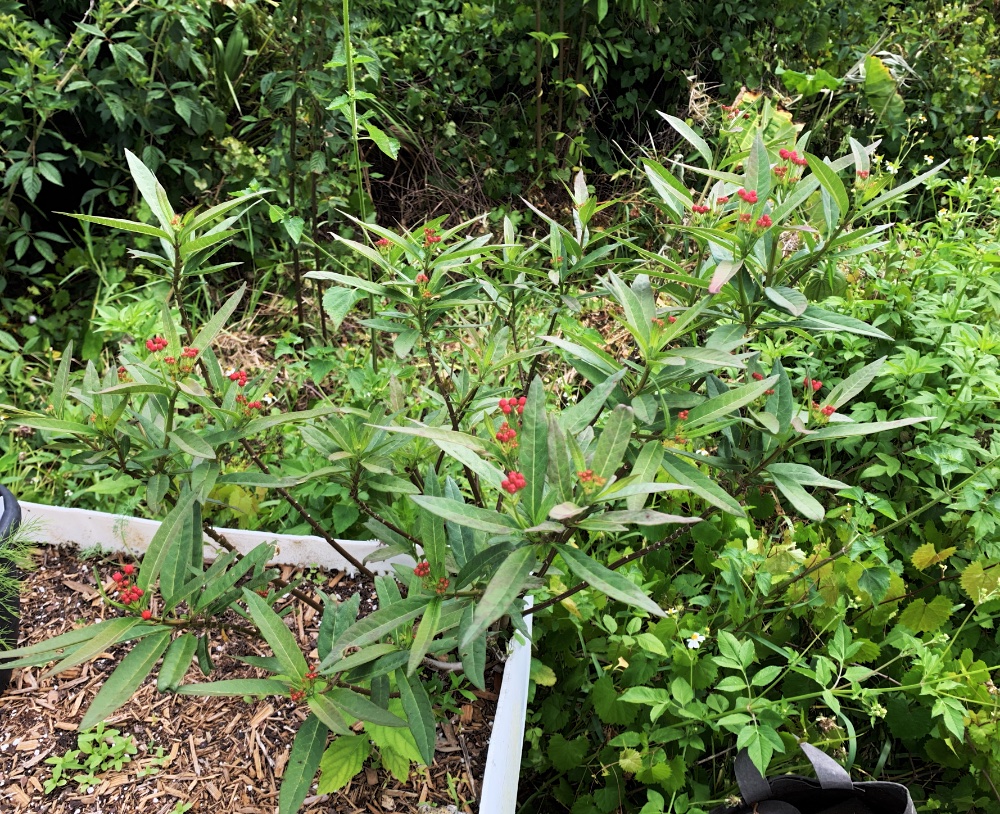
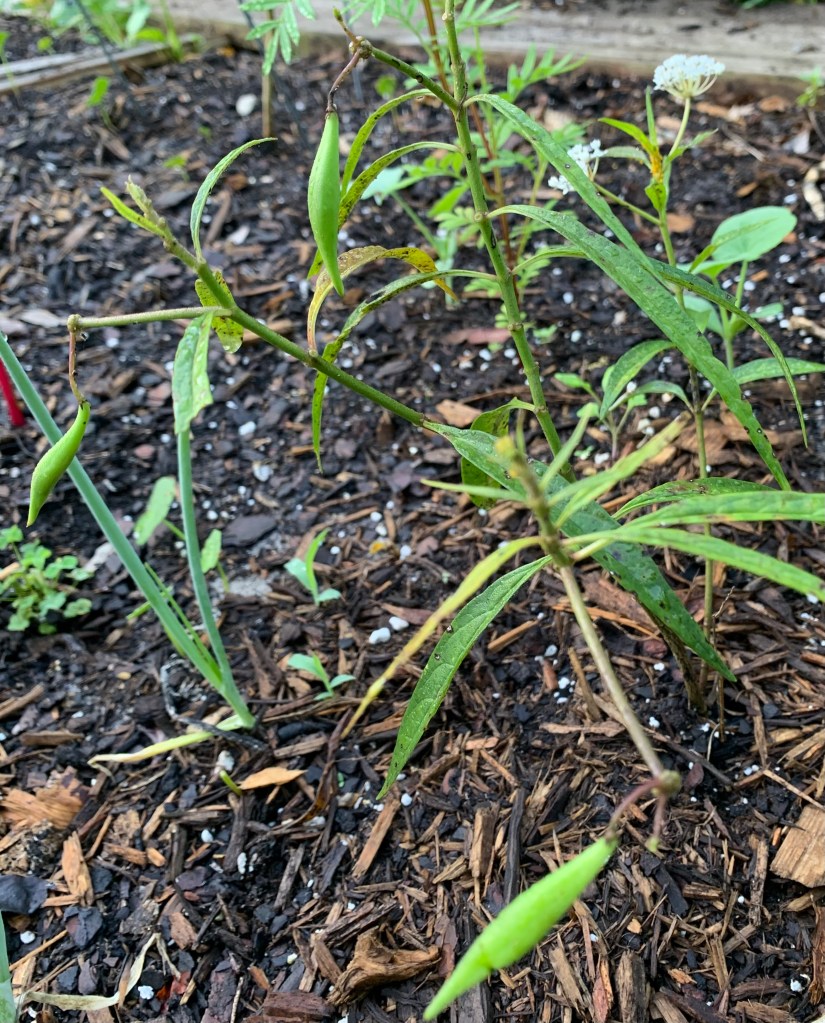
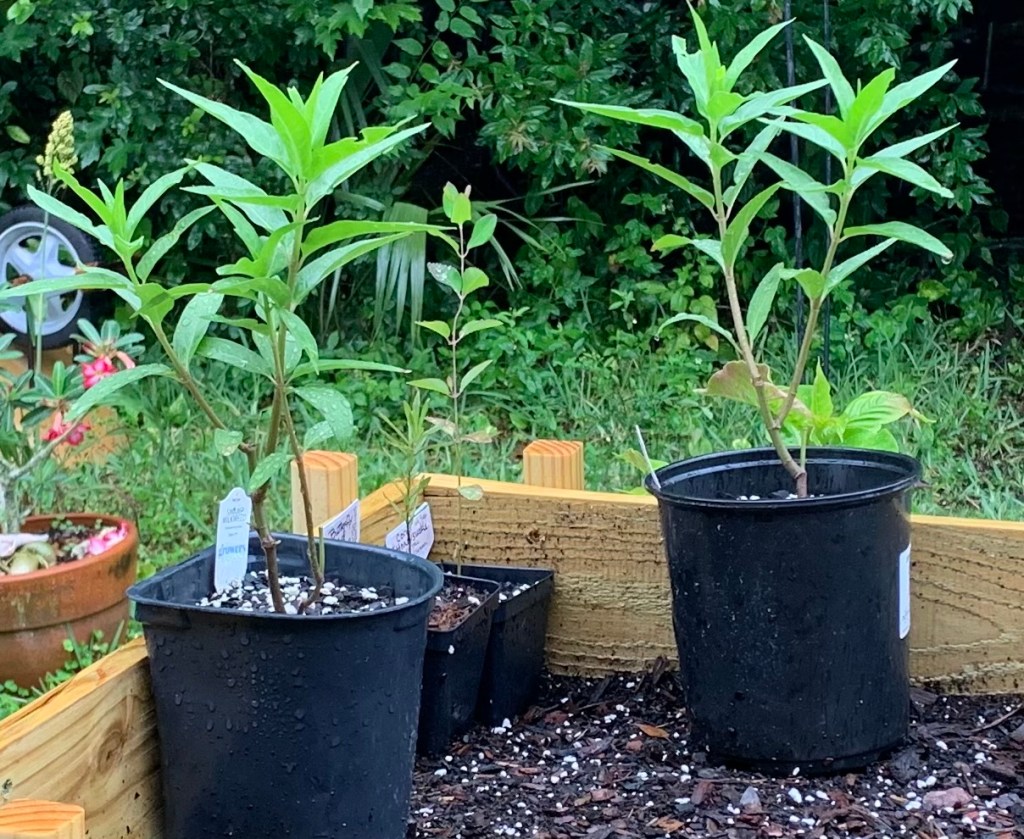
I ordered a few Swamp Milkweed seedlings online. Some of them look really nice, and two are already in the ground. Buying seedlings, or small plants online, can be expensive. There is no way to know what the plants condition will be when they arrive. Usually only a pot size is given, and not a plant size. Read about my experience with ordering live plants online here. I did find a place I would buy from again – The Grower’s Exchange. Look at the beautiful milkweed plants in the photos below that were mail order plants!

*UPdate, these four milkweed plants are now about 3 feet tall and doing very well.

Alternatively, see The Milkweed Man website for a list of Florida native plants, including milkweed. He does not ship, but if you live nearby (Spring Hill – directly west of Orlando near the coast), this looks like a great place to buy native plants.

How Milkweed Plants Grow

First of all, realize that native milkweed goes dormant in Fall / Winter, even in Florida. Tropical milkweed does not go dormant! Native varieties should be started from seed or purchased to plant, in spring and summer.

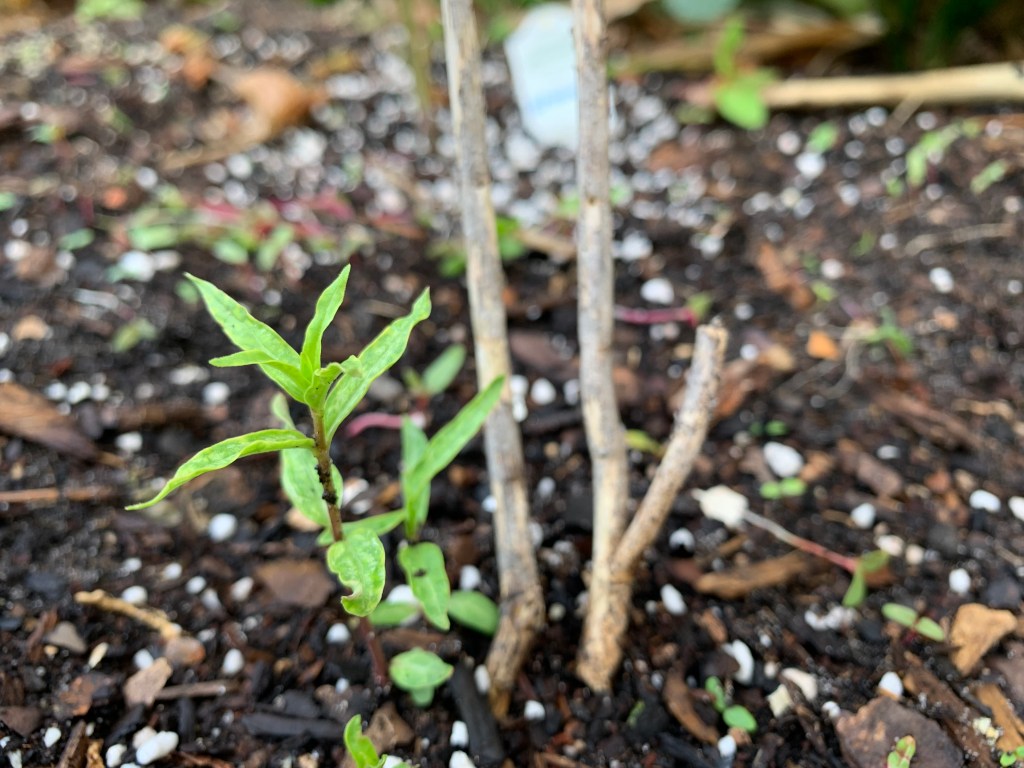
I learned this the hard way when I bought two plants late last year. They were basically sticks, covered in aphids. I thought they would be fine once planted, but they both seemed to die. They were actually going dormant for our Florida winter. Now, many months later, one of them is sprouting new growth! The other one didn’t make it. I should have waited and bought them in spring when they would be growing well.

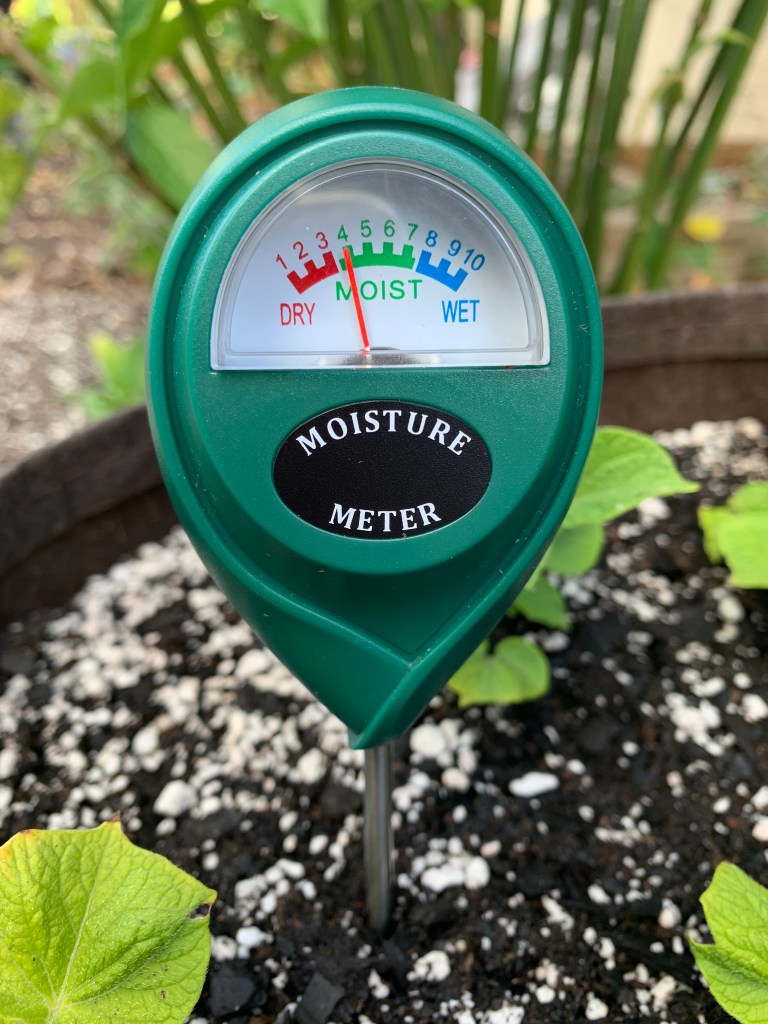
Milkweeds need water when they are young. Seedlings and small plants need lots of water (exception may be the Sandhill variety). Get yourself a simple soil water meter (paid link – see my meter above) and make sure the soil stays moist. As the plant matures, it will grow a long taproot that will help keep it going in times of drought.

Pick up the pots and look for emerging roots at the bottom. If little white roots are coming out, it is time to plant into a bigger pot, or in the ground.

Be aware that milkweed spreads by underground rhizomes as well as by seeds that come out of the pods.

Feeding Hungry Caterpillars

The milkweed you are most likely to come across when shopping for plants is not a Florida native. Once thought to be not good for Monarchs, now “they” are not so sure. Is it better to have the wrong milkweed and grow caterpillars and butterflies? Or have nothing for the butterflies to use.

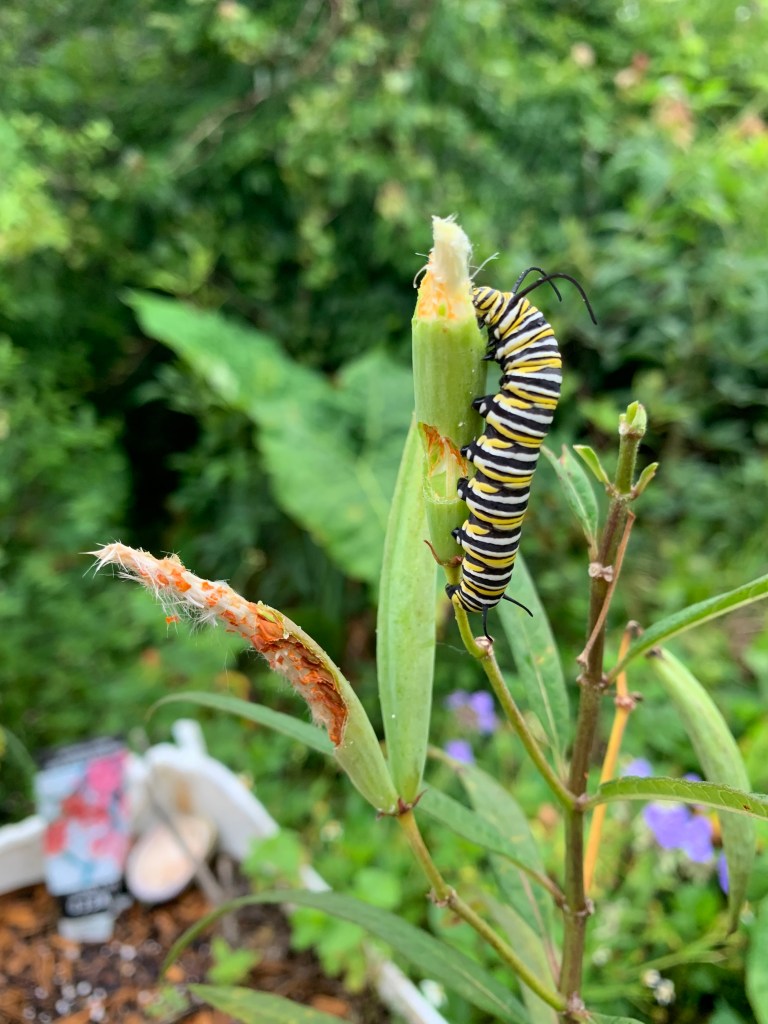
The tropical milkweed grows like mad. Consider growing one or two of this fast growing milkweed alongside the slower varieties. This is helpful when hungry Monarch caterpillars are munching away on the plant.

Monarchs and the Lizards – Just a Thought

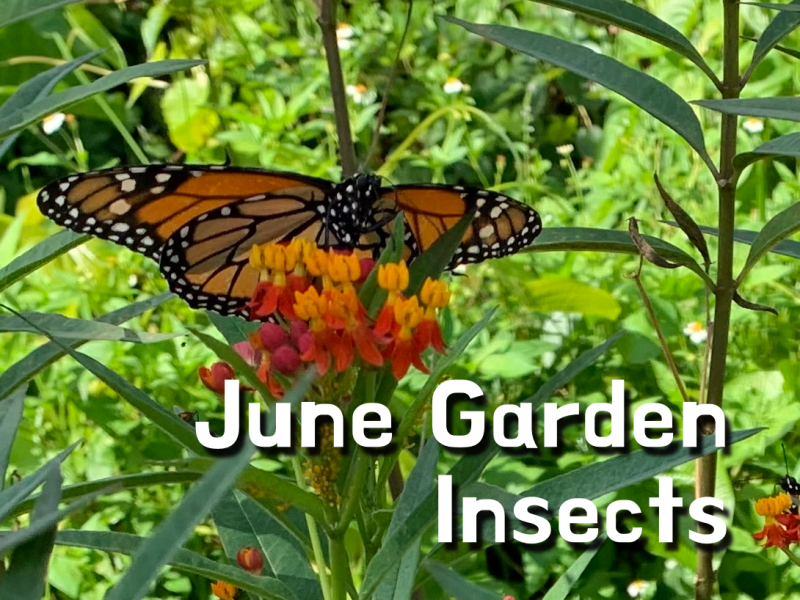
In March and April I had three Monarch butterflies appear in my yard. One I watched form a chrysalis, and saw him the day he hatched. Two more showed up in various locations, looking as if they were new to the world. Every day since then, I’ve had at least two Monarchs flying around every day. The highest number I saw all at once was four.

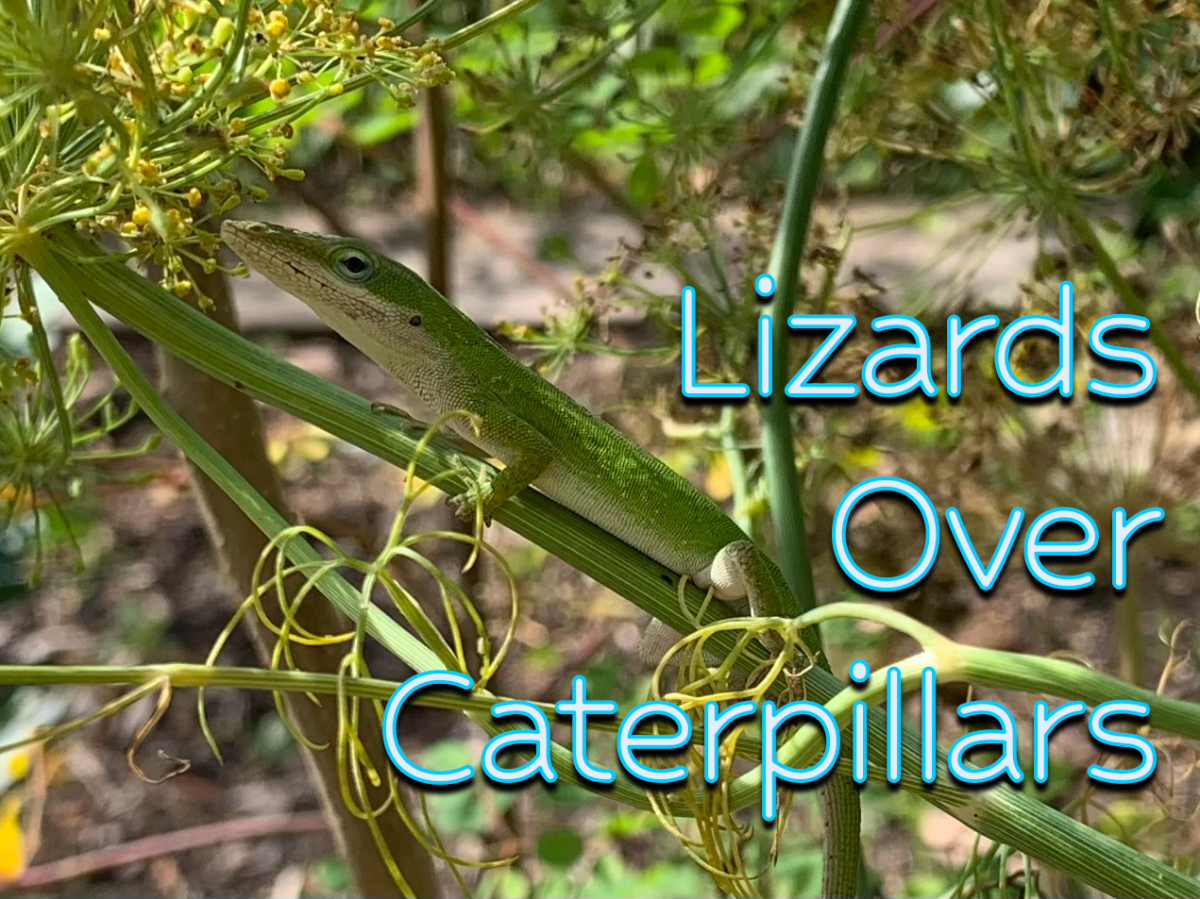
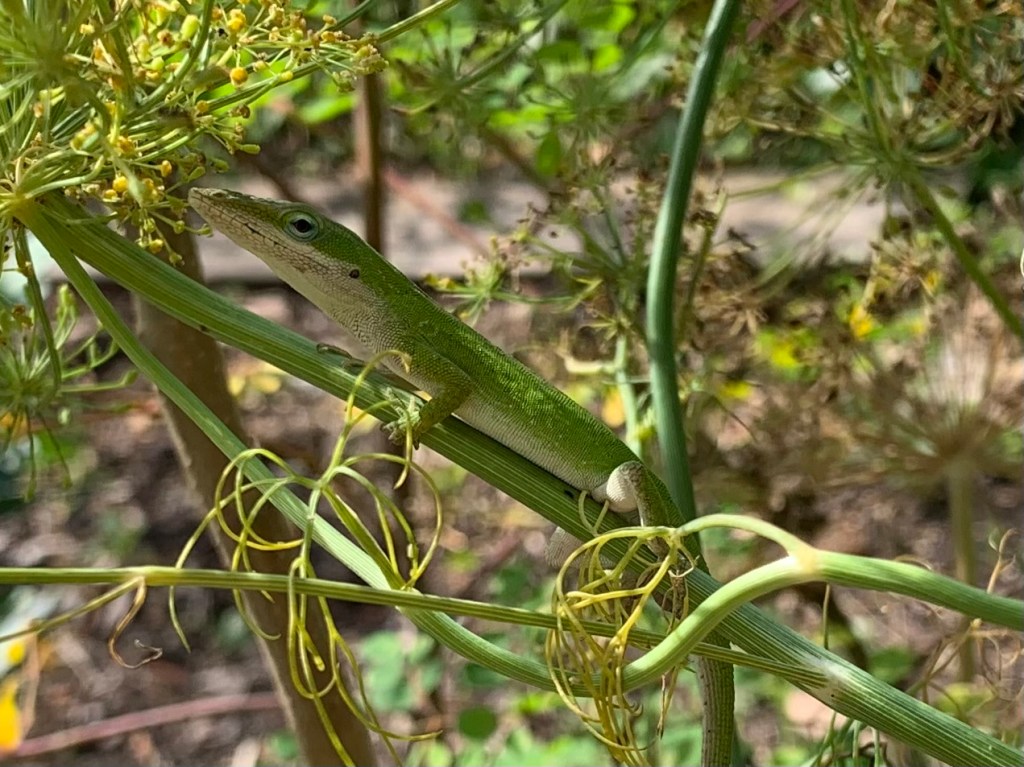
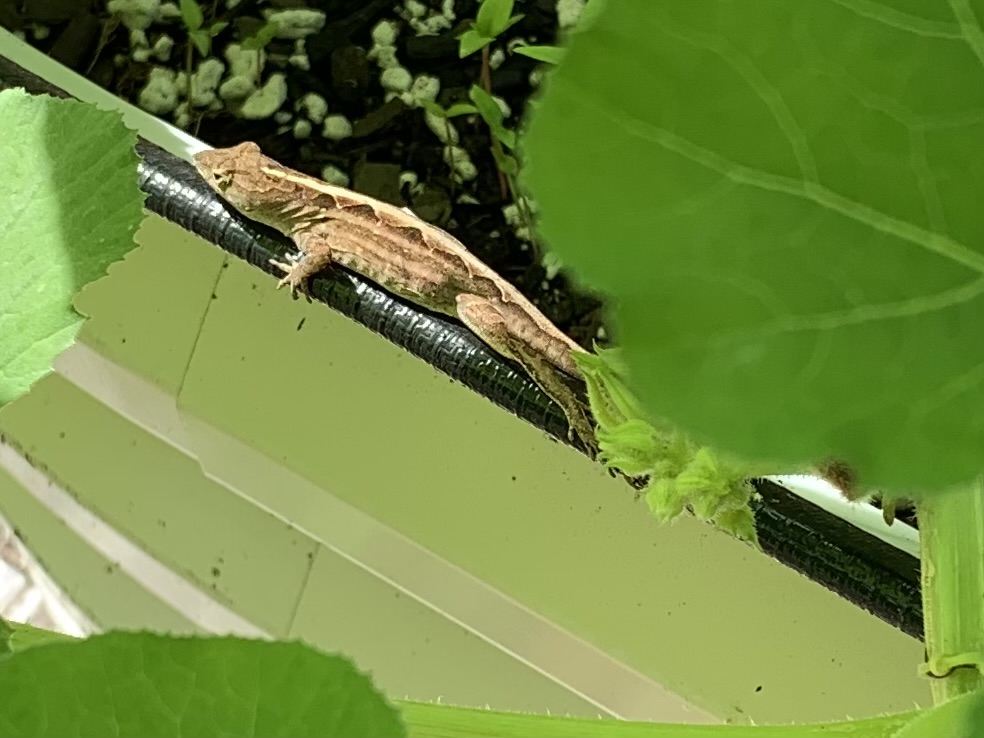
I’ve since had many more caterpillars, which suddenly disappear. Both native anoles and the invasive lizards will eat them! It could be that I saw the three Monarchs arrive only because there were fewer lizards to eat them in the colder months of March and April.

Milkweed is Meant to Grow Wild

Milkweed attracts aphids, and ladybugs love to eat aphids. This works very well in the wild, I would imagine, where lawns are not sprayed and things work together as they should. Wild areas are disappearing. Now, we have to grow milkweed in our gardens, and that can bring ladybugs.

I’ve been checking all my milkweed plants, large and small, every day. Nearly all of them have aphids. Aphids can be removed by hand – run your fingers down the leaf. Or, use a spray bottle and spray them off. Leave them alone on larger plants and wait for ladybugs to arrive and eat them! I’ve chosen to wait and see what happens. Sure enough, the ladybugs have arrived.

Later in June, I noticed that all aphids were gone from this plant. So were the ladybugs. In my opinion, don’t worry about the aphids.

To get milkweed plants started, they might need a lot of attention. Even the types that prefer to grow in dryer locations will need water at first. Growing from seed can be tricky. I’ll let you know how mine do.

blue butterflies divider

More stories from the backyard

Tomato Hornworms Also Like Hot Pepper Plants

If you are growing peppers, check often for the tomato hornworm. These caterpillars can eat a lot if unchecked.

Because I am not so great at pepper growing, I have never had to worry about the hornworm eating my peppers. I have had them on my tomatoes and eggplant.

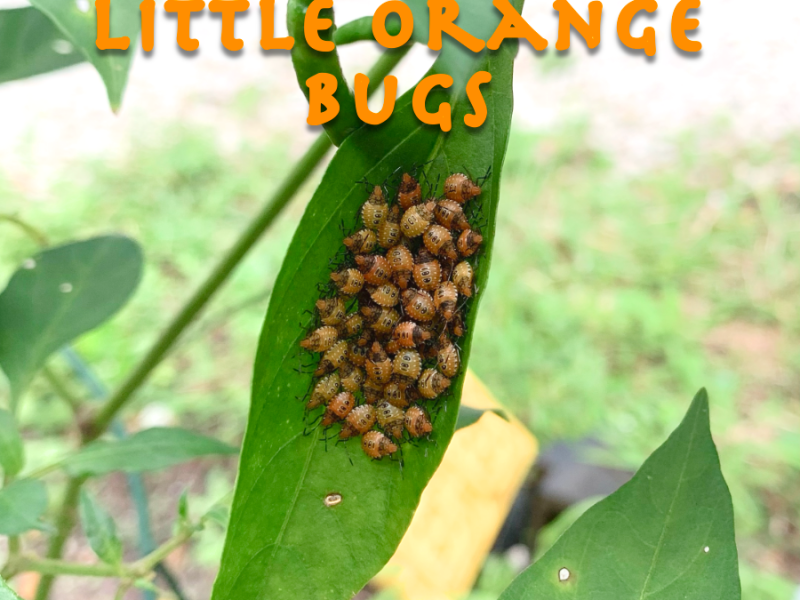
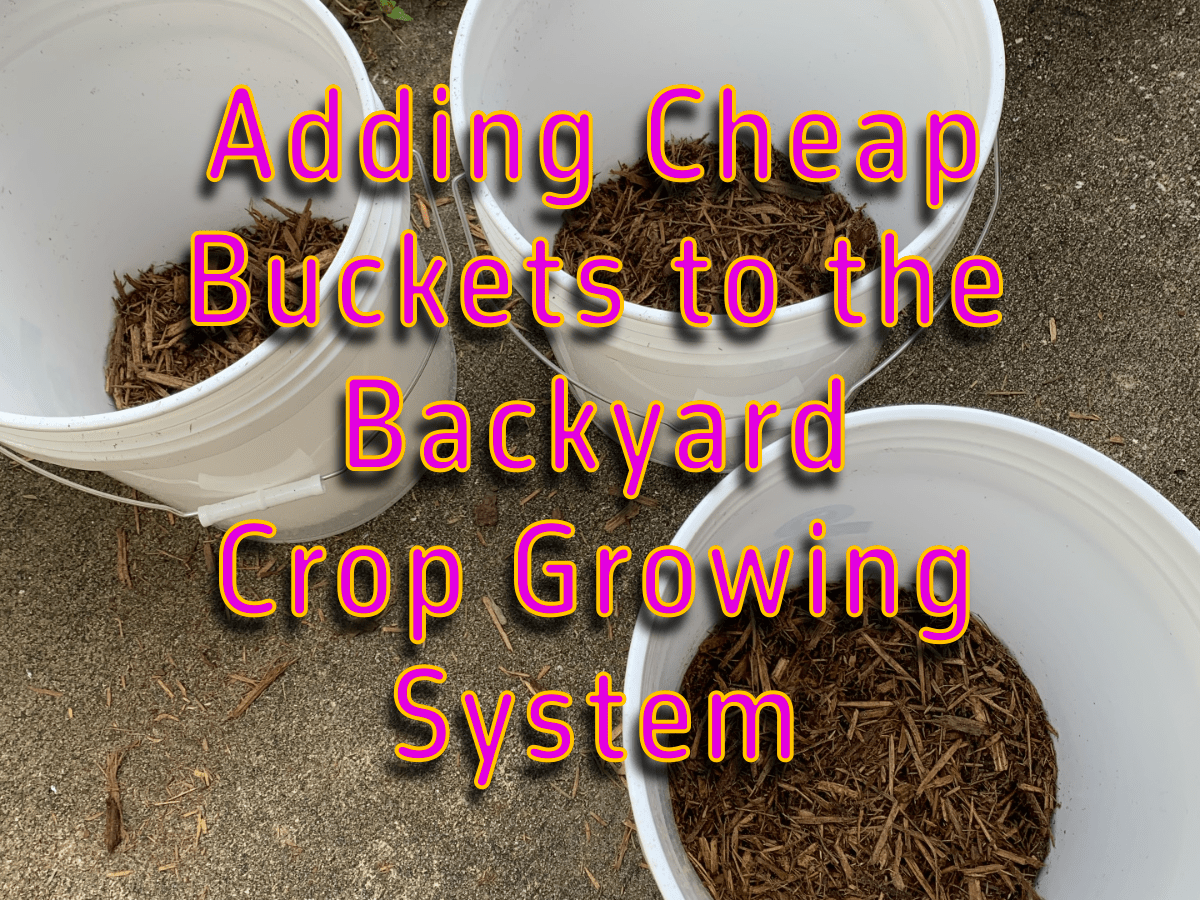
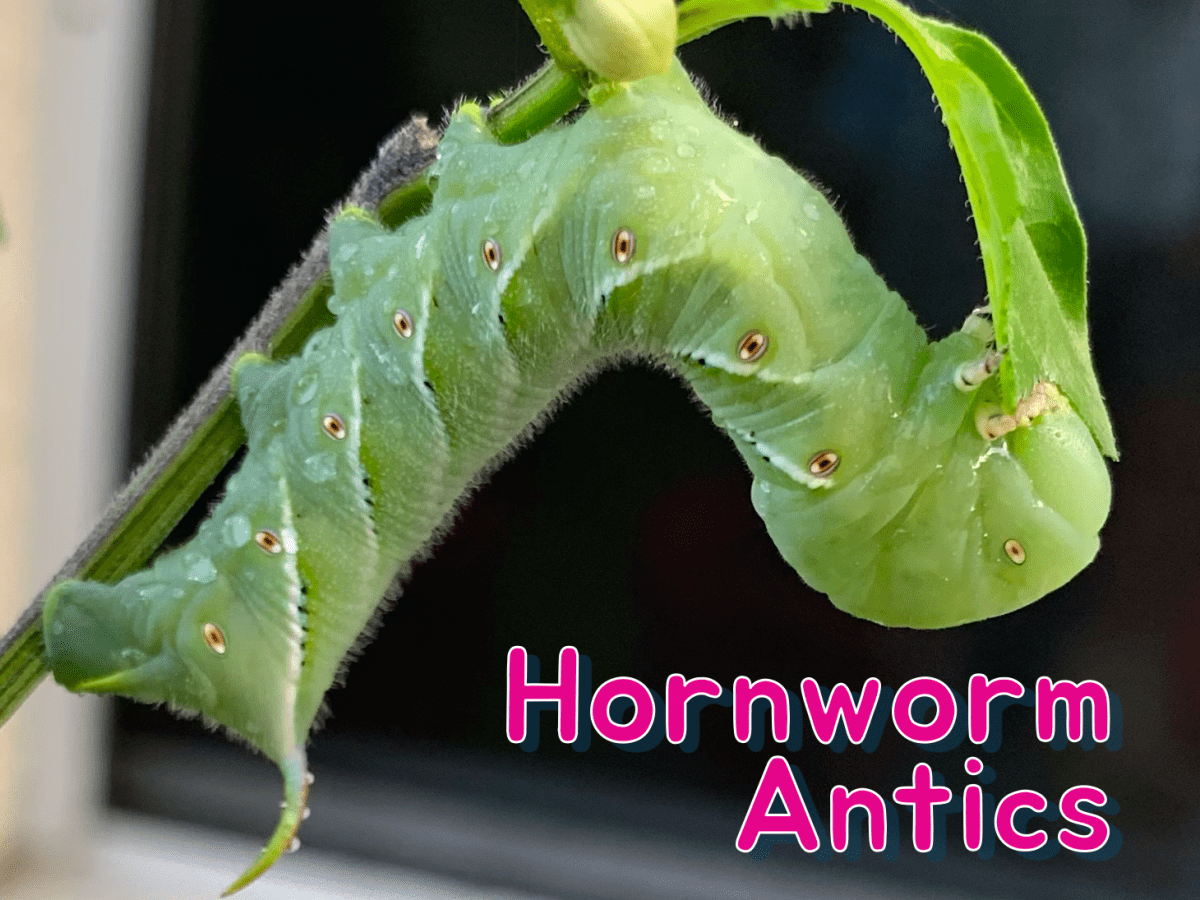
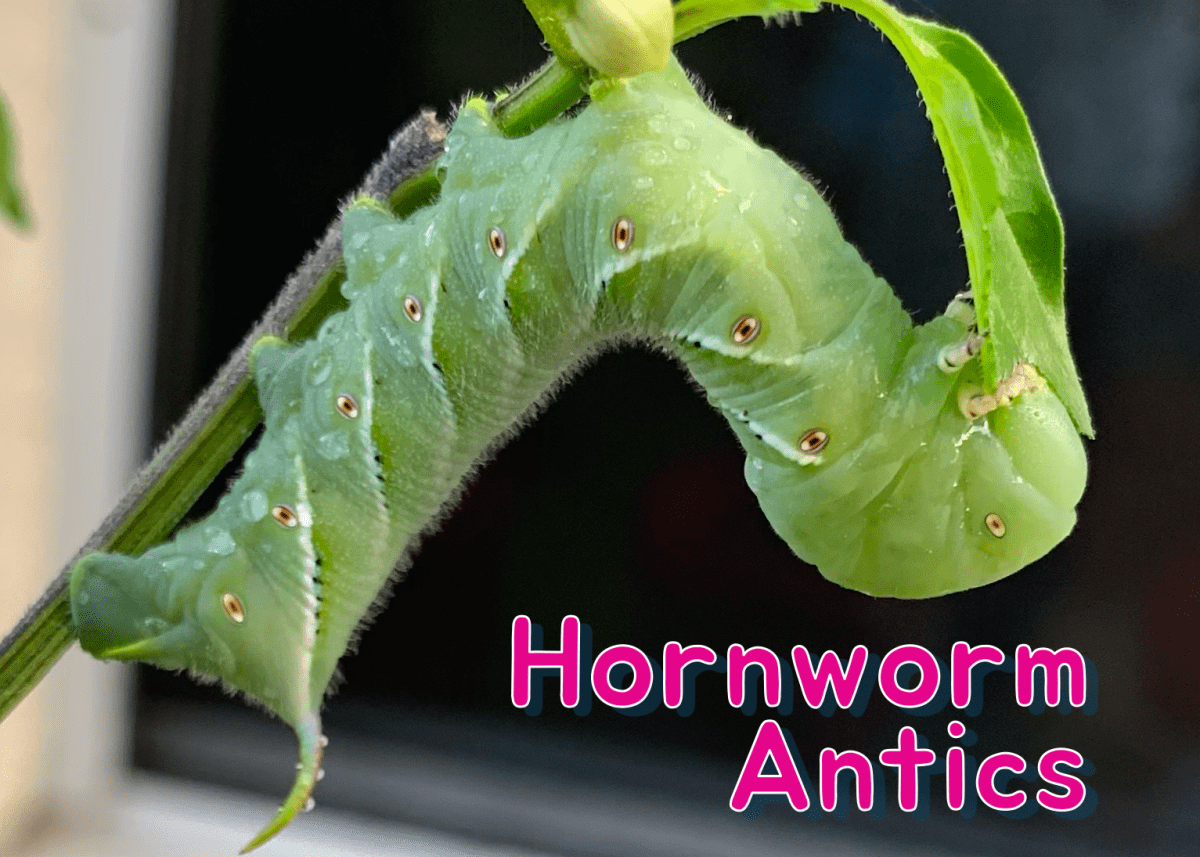
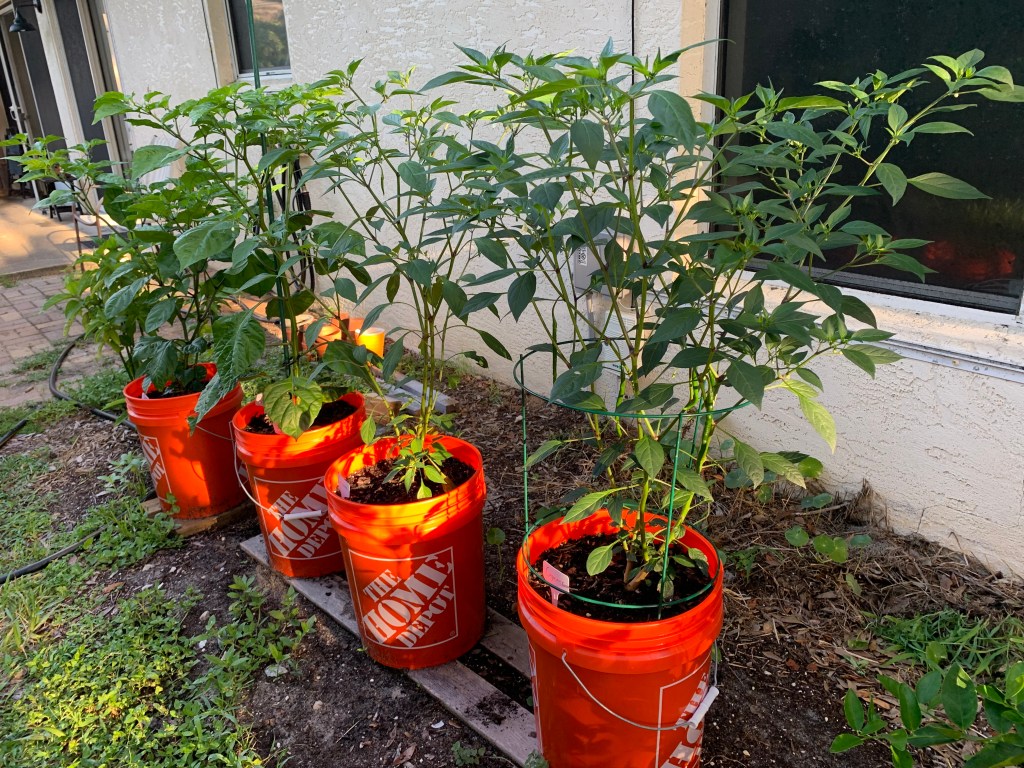
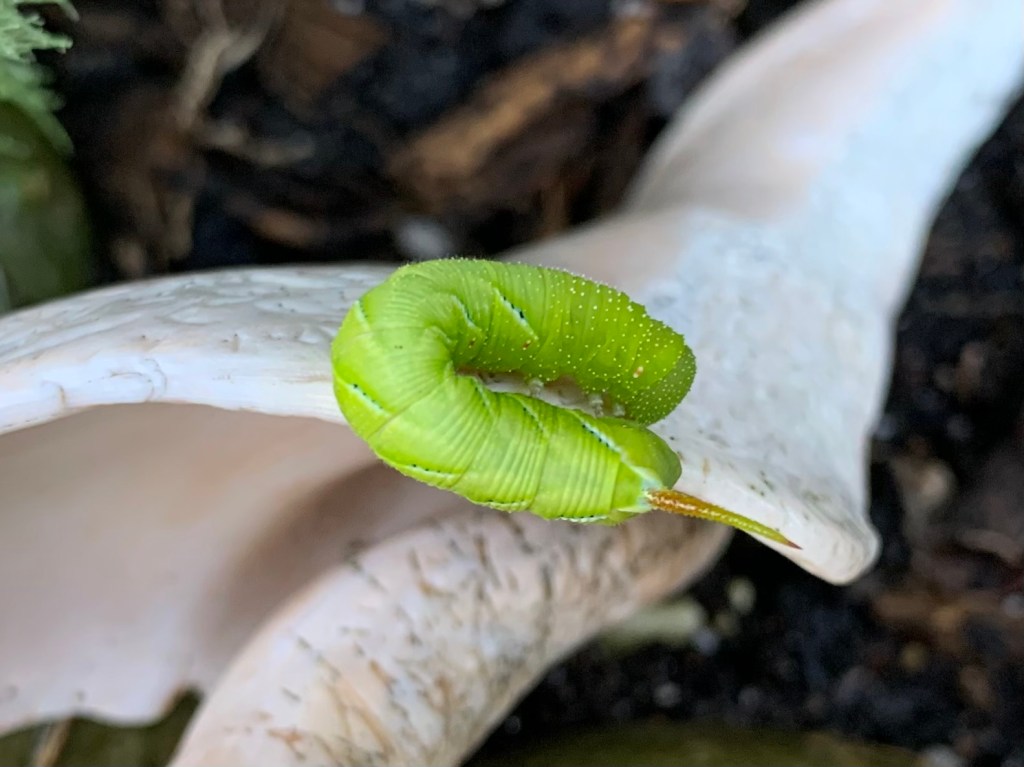
My son is growing some hot peppers in Home Depot buckets. This is where the hornworms are currently congregating. I’ve already picked off five of these squishy, green guys. And they really hang on!

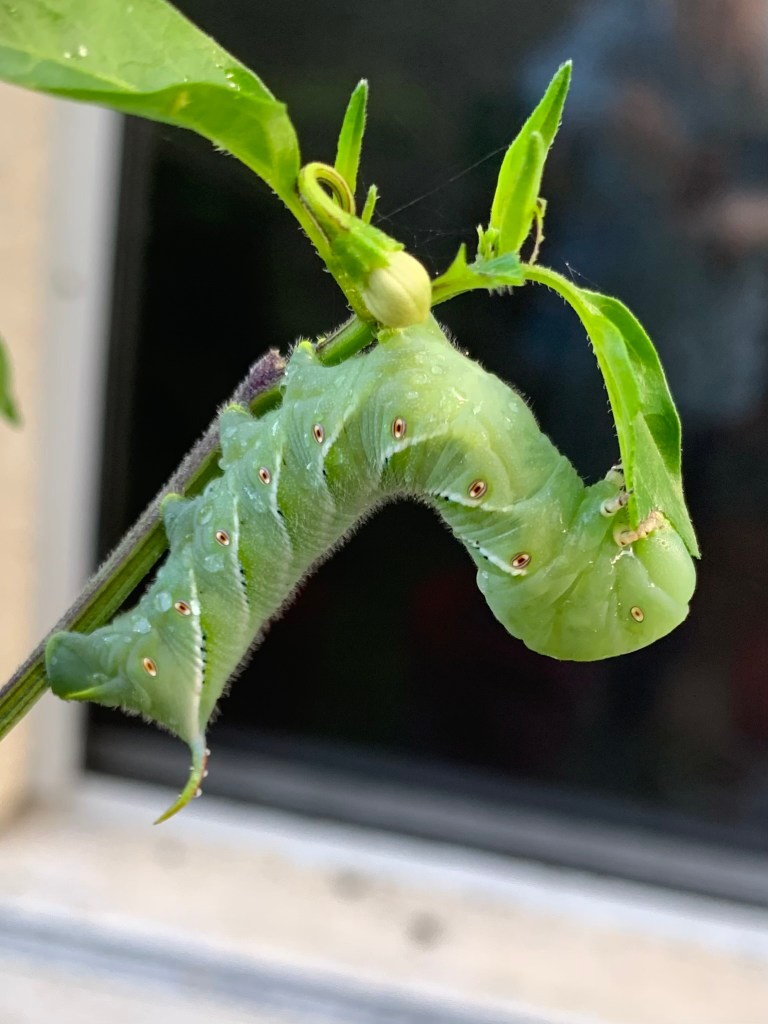
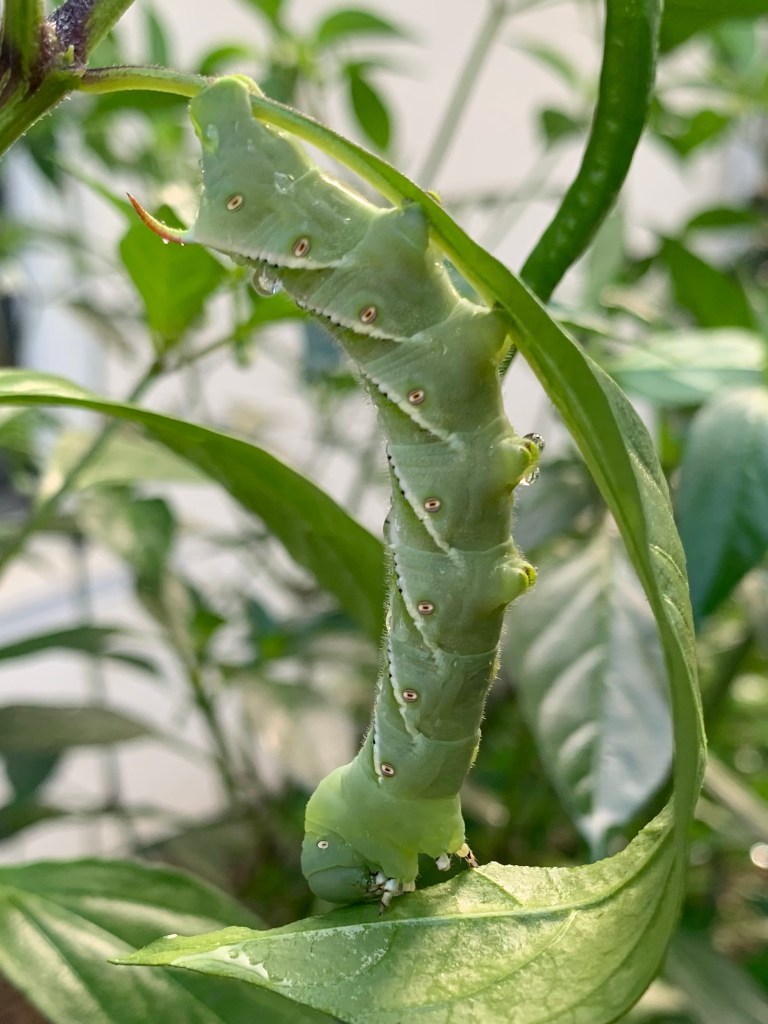
Personally, I think this is one of the coolest looking caterpillars. They can get very big, and they can eat a plant down to almost nothing.

Apparently, hot pepper plants don’t bother these guys. Both caterpillars in my photos are eating Cayenne pepper leaves, but I’ve picked some worms from the super hot Carolina Reaper as well.

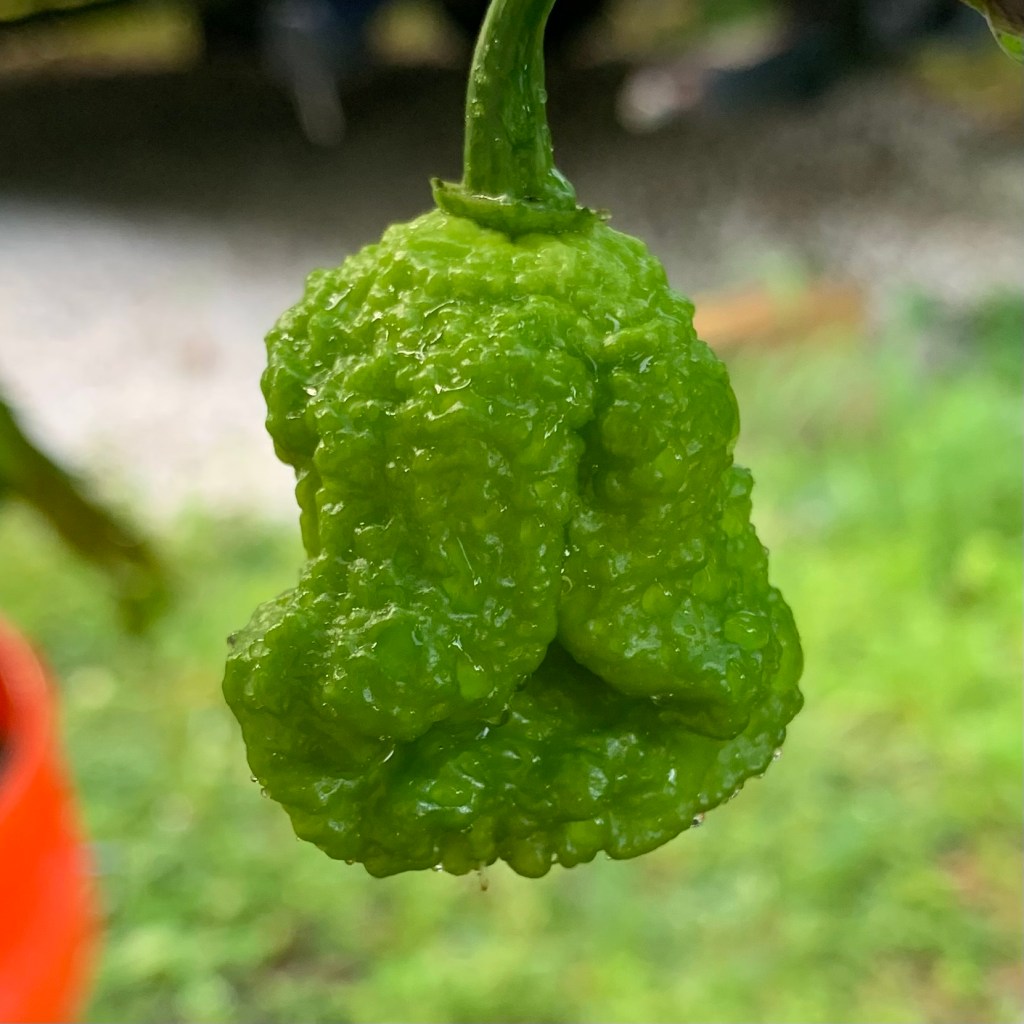
The Carolina Reaper is one of the hottest peppers out there. My son has one green pepper on the plant. It will be turning red before he will carefully pick it to make hot sauce. This pepper is sold by the PuckerButt Pepper Company and was created by Ed Currie. It registers between 1.6 – 2 million on the Scoville pepper heat scale. For example, a jalapeño is between 2,500 – 8,000.

Ed currently has one that is hotter called Pepper X.

We found these hot pepper plants for sale at the local Home Depot. My son is really into hot peppers, and the plants are all doing well. I look forward to using the cayenne peppers. With a Scoville rating of 30K – 50K, it’s about the hottest I can do.

If leaves are disappearing from your tomato, pepper, or eggplant, look for the hornworm. He is sometimes easiest spotted above a little pile of brown poop on a leaf.

Once I pull the hornworm off the host plant, I deposit it into the yard. That way birds can have a treat. He won’t die for nothing.


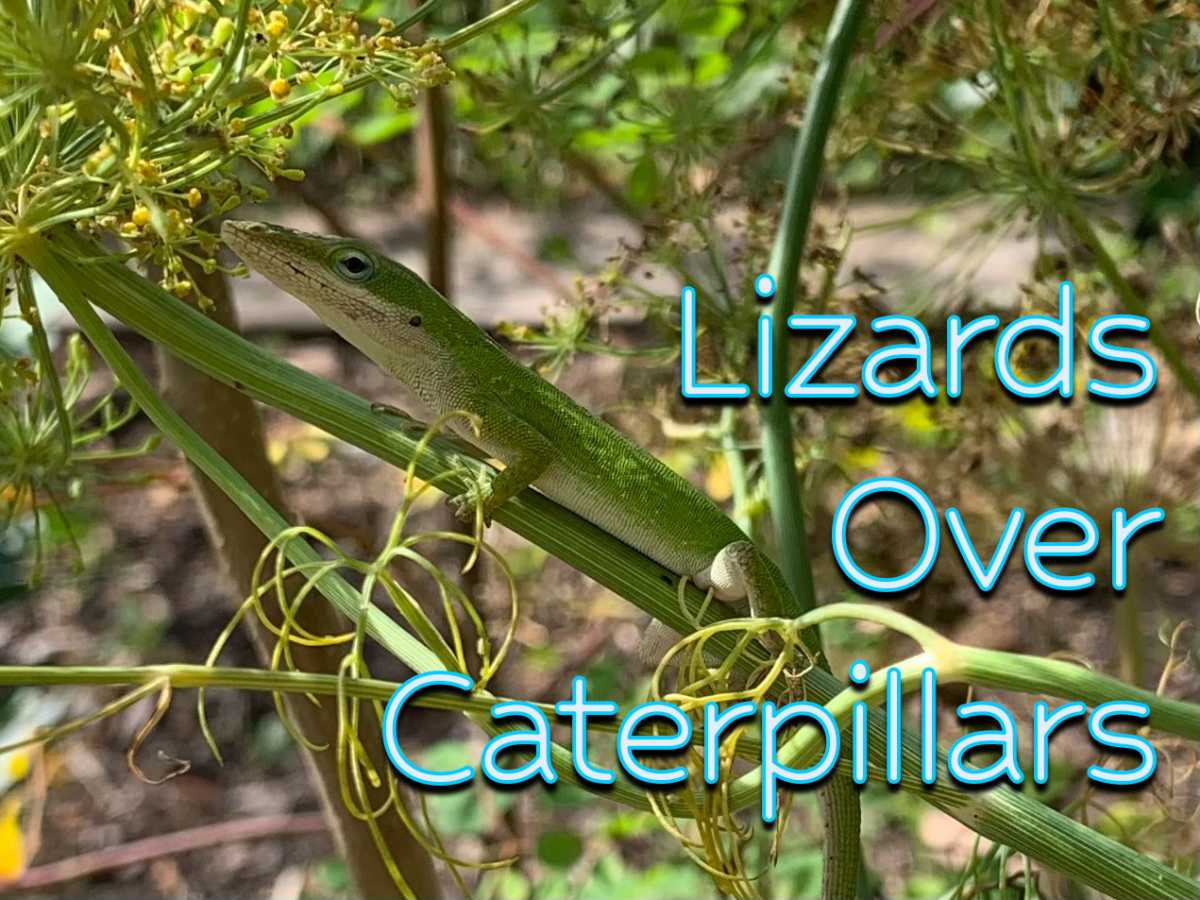
Lizards Over Caterpillars Cause a Lack of Florida Butterflies

With all the various types of lizards here in Florida, do Monarch caterpillars stand a much of a chance of becoming butterflies?

All I know is what I am seeing in my own little yard, but it’s not hopeful. I’ve seen many caterpillars form and munch on milkweed. They are not around for long, and I blame the abundance of lizards in my yard.

Nature is trying to adjust to all the invasive species, and honestly I think it is losing. Now, there are brown lizards which are invasive. Between those and the normal green anoles, the caterpillars don’t seem to stand a chance.

I’ve been growing and planting milkweed to feed the Monarchs but all I seem to be doing is providing food for lizards.

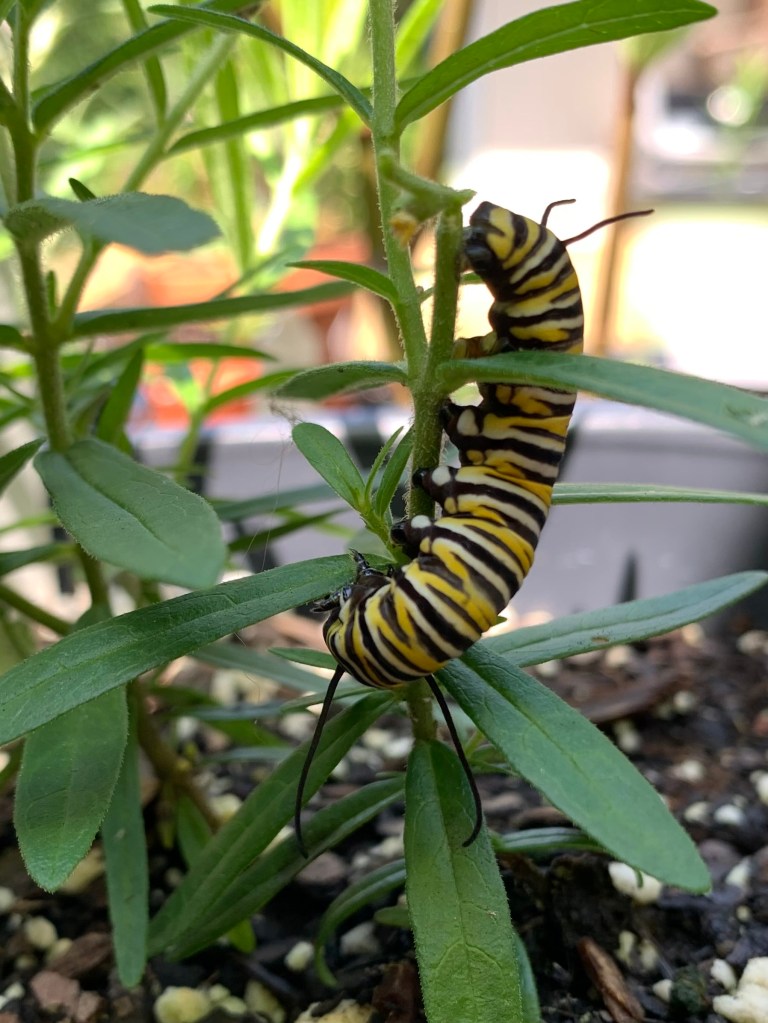
I’ve watched caterpillars crawl on the Milkweed. They get to various sizes and then they are simply gone.

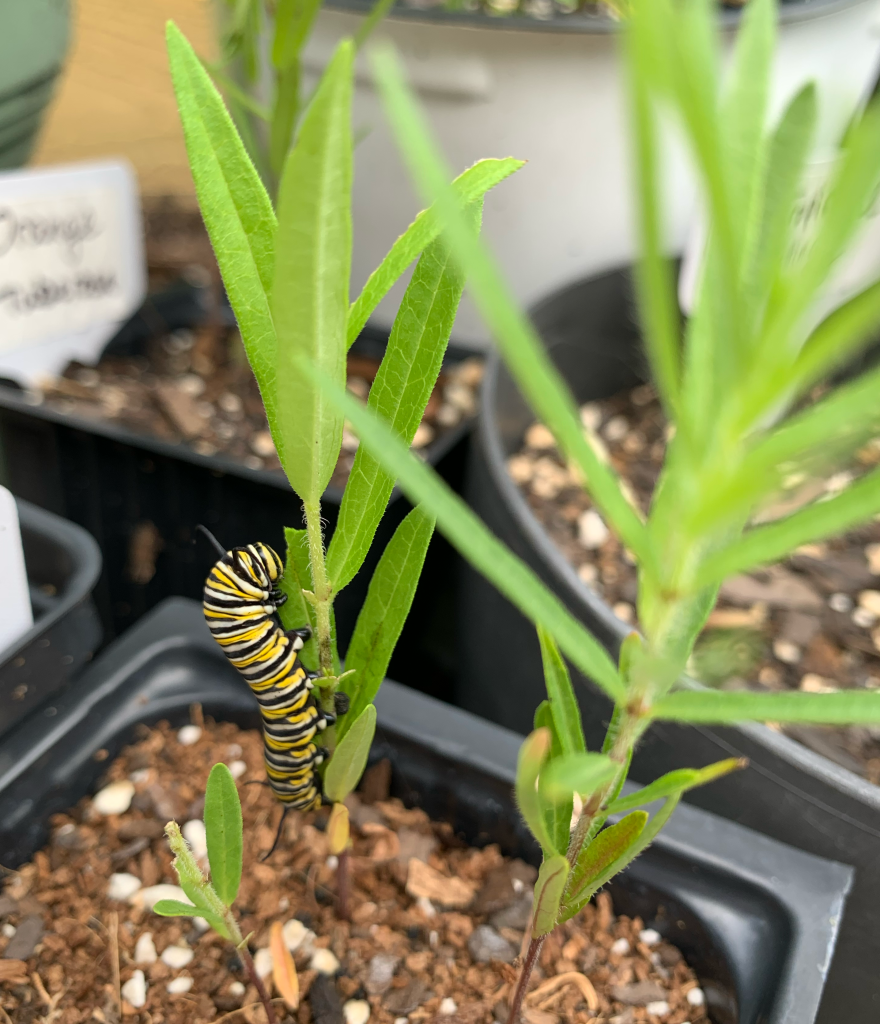
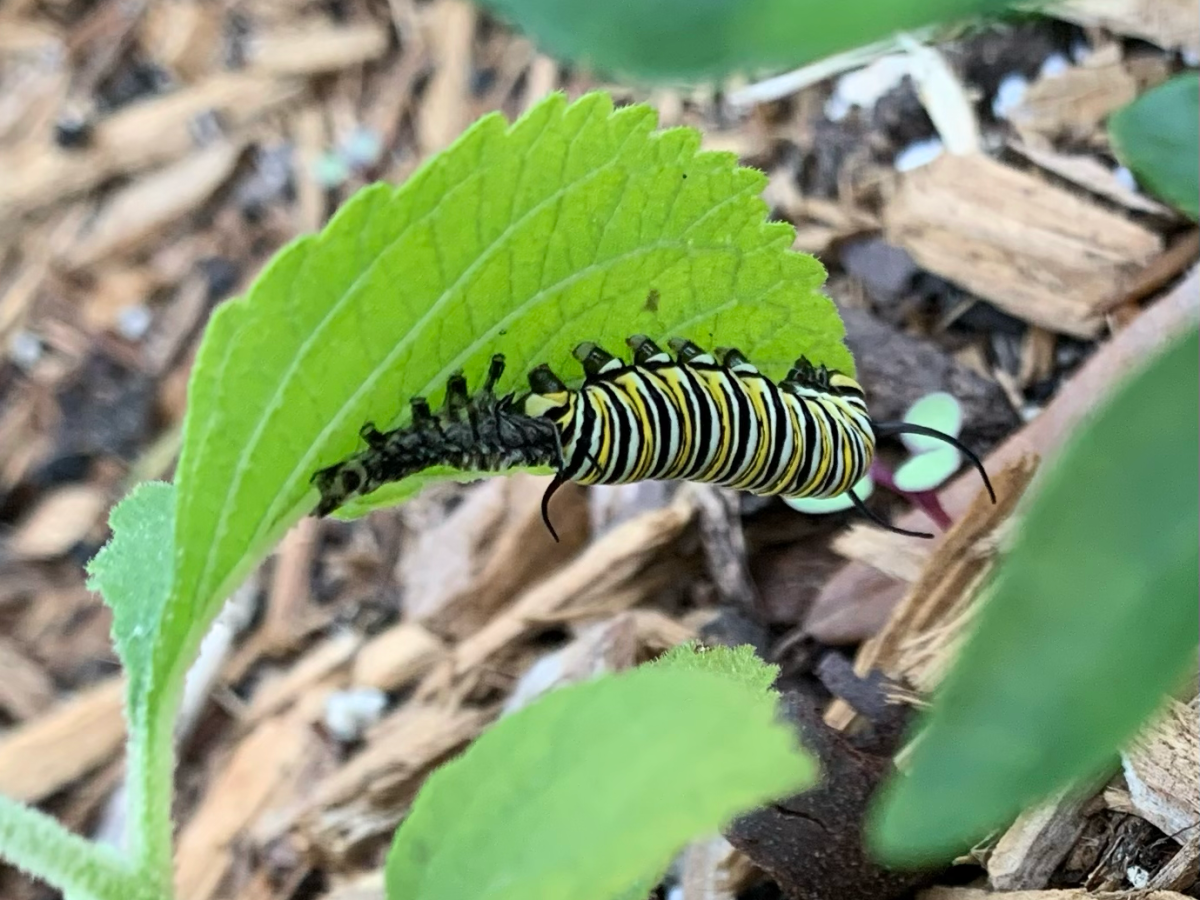
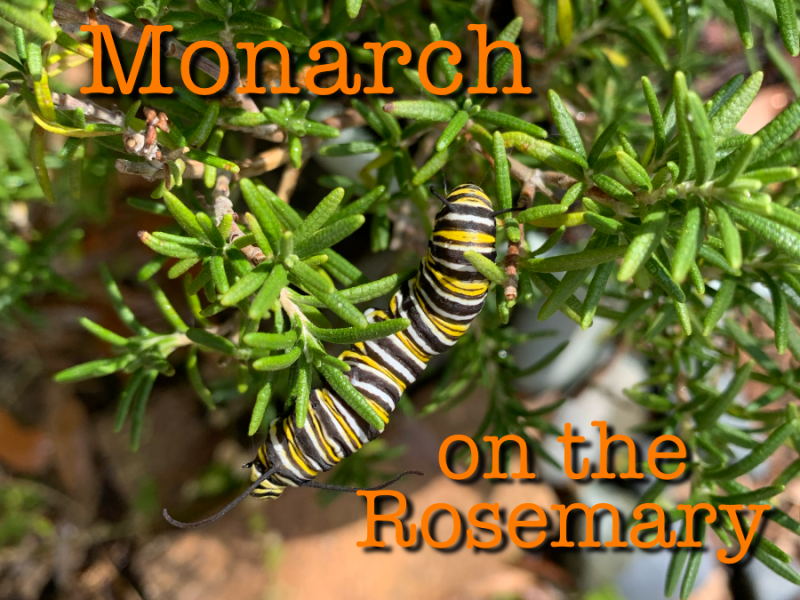
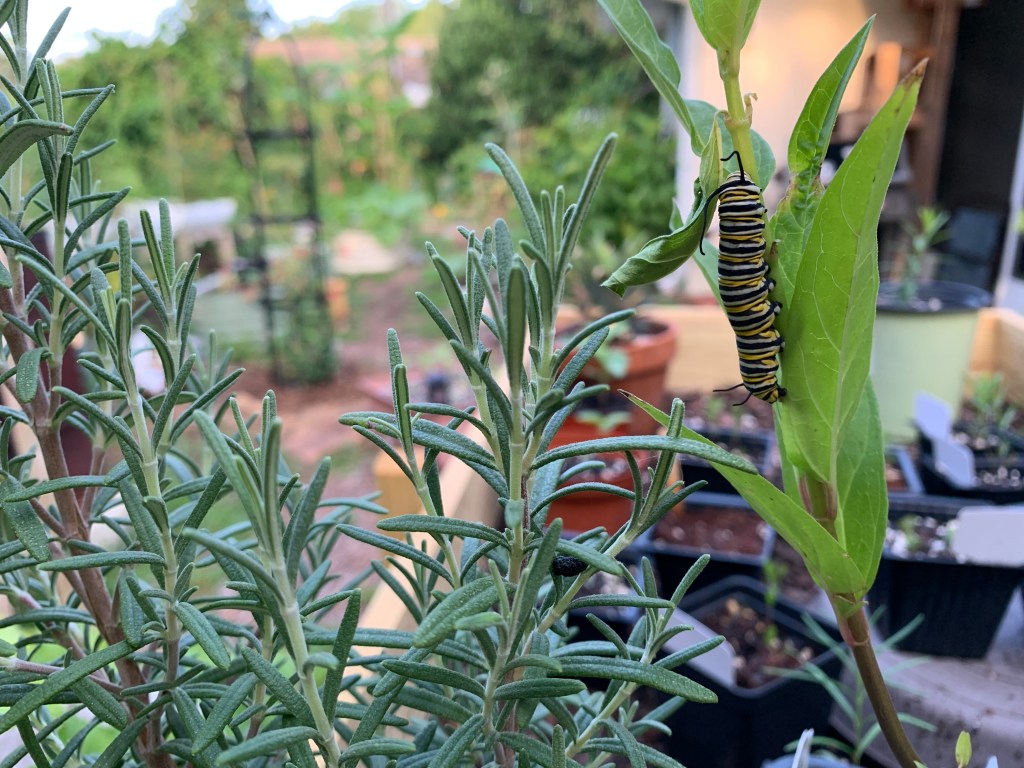
The whole time I watched this caterpillar grow he went from milkweed to the rosemary and back again. They seem to like hiding out in the rosemary. Back in April a caterpillar crossed my yard to build a chrysalis on the rosemary plant.
I was beginning to think that maybe this guy was big enough to survive. Finally, a yellow wasp came down and stung him and knocked him off the milkweed! He was happily chowing down on a leaf and I saw the wasp come in and pop him. He ended up crawling down the side of the pot. He was down there for a while, but the next time I looked, he was nowhere to be found.

Black Swallowtail Caterpillars

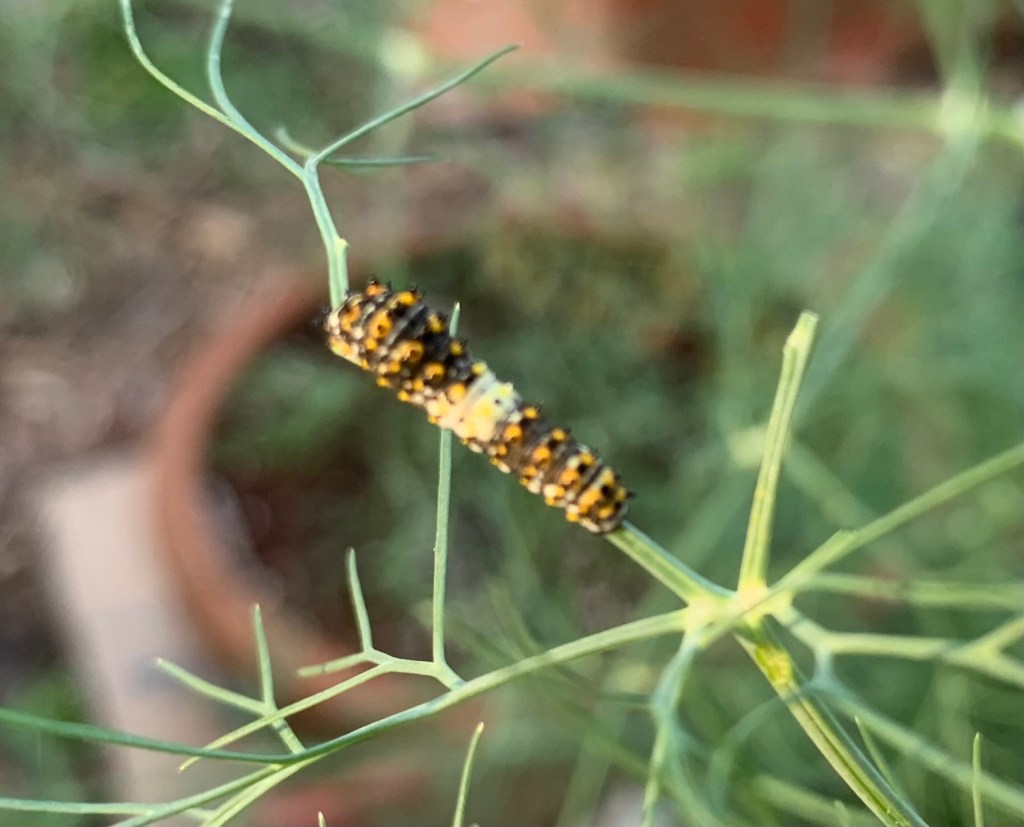
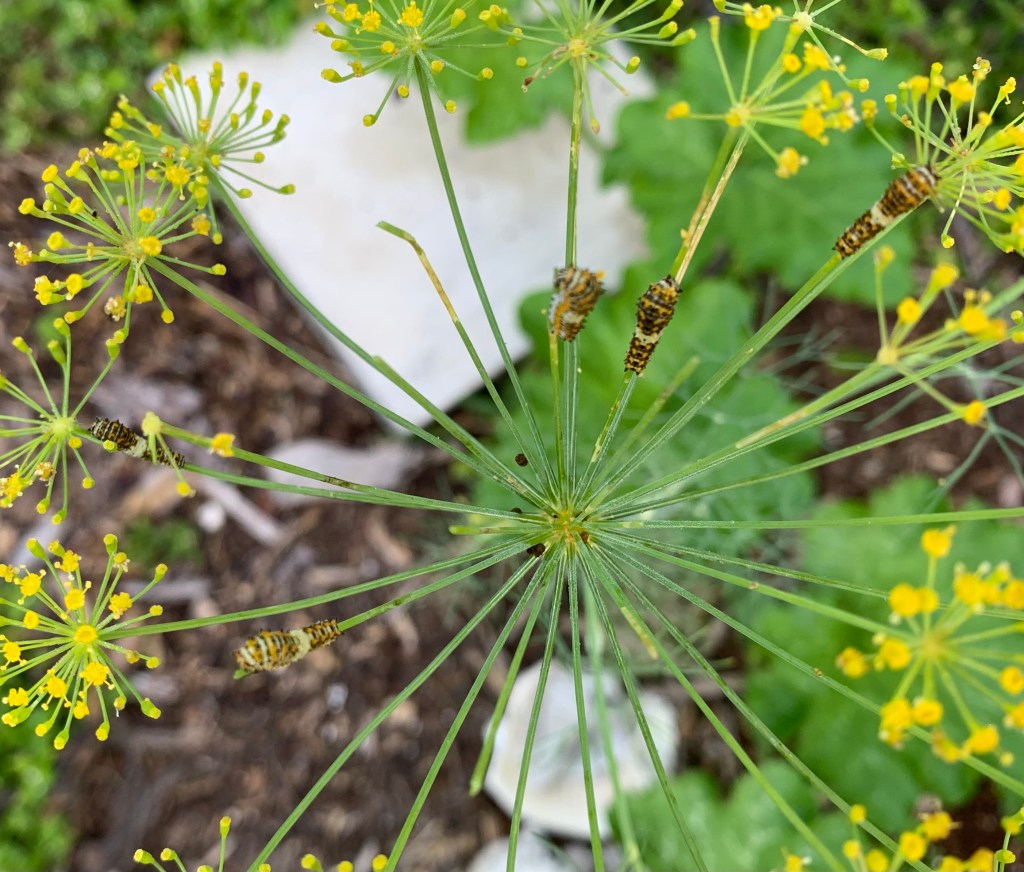
Little black swallowtail caterpillars were all over my dill plants. I snapped these photos one day in May. The next morning when I looked for them, the caterpillars were all gone.

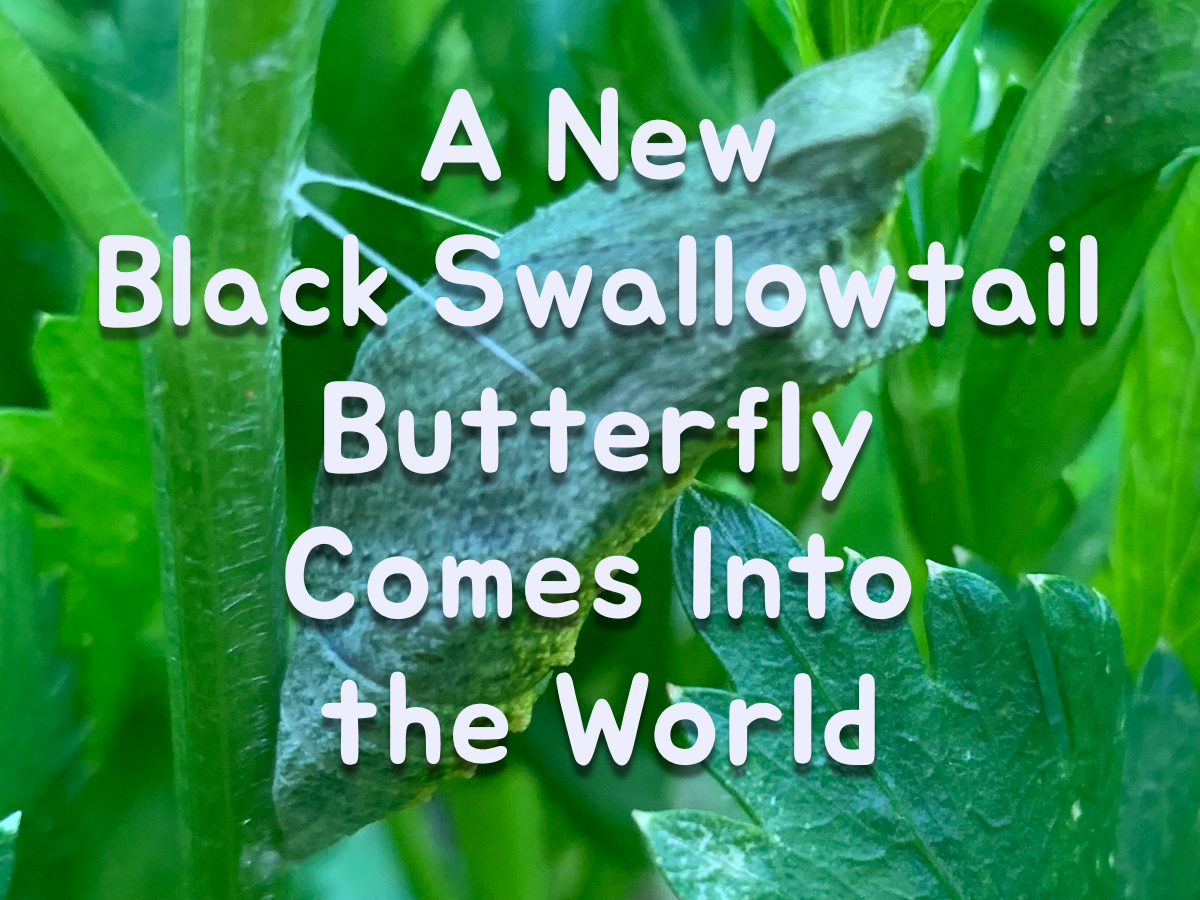
Although I think it’s unfair that no butterflies get a chance to form, it is not something I can change. Some people raise monarchs inside, but I am not about to do that. Many years ago I saw a black swallowtail butterfly emerge from a chrysalis. I had some parsley growing at the time. It is the only swallowtail I’ve seen make a chrysalis.

I can’t see everything, so maybe a lot of them do pupate. The Monarch caterpillars do tend to crawl to other plants and things. I’m only viewing them for a short time each day.

I do want to fill my yard with plants that accommodate butterflies and caterpillars. I can’t help what happens during their transformation. These plants also feed other critters. And the caterpillars are food for lizards and wasp babies I suppose. Who am I to say how it should go?
Thank you for reading.