
Deadheading Old Hydrangea Blooms: What Time of Year is Best?

dead spring hydrangea flower
dried hydrangea on stem

Last summer was the first time I planted my own hydrangea shrubs in the yard. I planted six shrubs which were a combination of the macrophylla and paniculata variety and had flowers that were blue, white, pink and somewhat green by summer’s end.
Because hydrangeas last so long on the bush, I just let them continue to change and fade and eventually dry out on their stems. I left them alone over the winter and some of the dried heads fell off, but some stayed attached until this spring.
So when is the best time to remove the flower heads? Unlike some other perennial and annul plants, the hydrangea does not need dead-heading to flourish. The dried flowers look just fine and even add some interest against the winter snow.
But, I have decided to remove the dead flowers next Fall. My shrubs are all quite small and the snow on the flowers tended to pull the stems down and bury the stalks under all that snow. With just the stems left on the shrub, the snow should not be able to do as much damage.
So that is my plan for the end of the growing season this year.

Finding The Right Climbing Hydrangea For My Yard

broken tree with tall trunk
Eye sore, tree trunk

As I’ve mentioned in a previous post, I have a big, unsightly tree trunk in my yard.  Instead of having it cut down I would like to use it to support a climbing shrub.  And what better climbing shrub to choose than a hydrangea.

Yes, hydrangeas will climb.  But don’t picture a tall vine covered with big blue flowers – that is not what the climbing type will look like.  In fact, I am quite unfamiliar with climbing hydrangeas, so I’ve had to do some research.

I live in planting Zone 5, or 5a, in southern New Hampshire (view the hardiness zone map).  Knowing your zone when searching for a new type of plant to purchase is a good idea.  The nursery I visit will only offer plants that will grow in my zone, but how will I know which one to buy if I don’t research them first.  I like to have an idea of what I am looking for when spending big amounts of money on a shrub that will (hopefully) last for many years.

Who knows, maybe I will only have one type to choose from when I visit the nursery.  The one that I keep seeing is the Petiolaris which has white flowers if grown in sunlight.  It is hardy into Zone 4 so it would obviously do well in my yard.  As with most hydrangeas, it will grow in shade, but may not bloom very profusely without sun.  I also may have a problem with it trying to cling to a relatively smooth tree trunk.  As I have said, it’s an experiment.  In reading about this type of climber, I will have to wait a couple of years for it to really take off and climb.

My Three Favorite Perennials For Shade

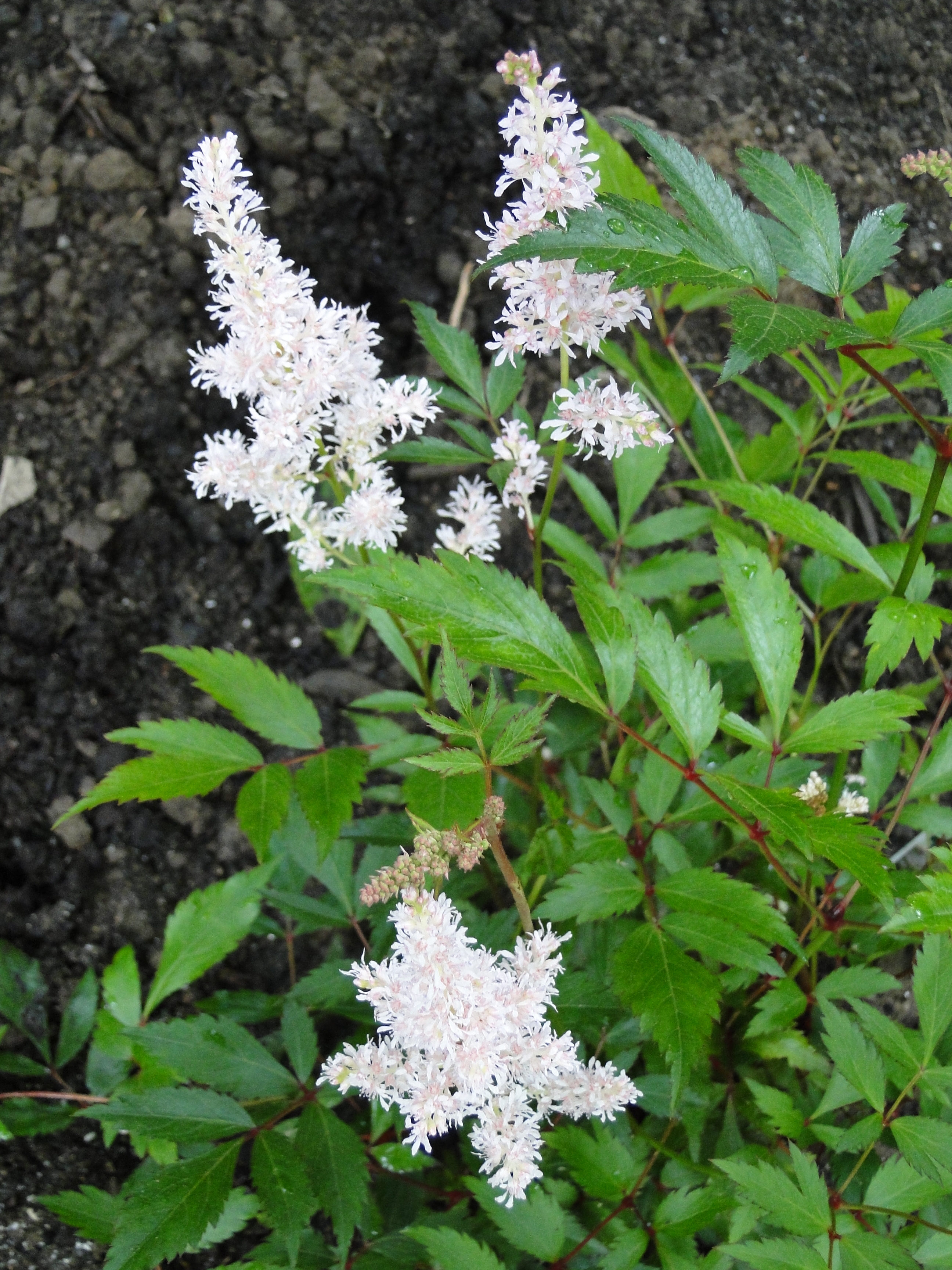
white astilbe
White Astilbe – Shade Lover

It’s not easy to grow a shade garden.  Some hydrangeas will do well in shade, but I am not talking about those here.  This post is about the smaller perennials that can fill a shade garden.  The flower variety of shade loving plants is limited even more than the plants that are available.  Most things that will grow under trees or in gardens that are on the shady side of a house are pretty dull looking in my opinion.  I love a garden with variety, so I am always on the lookout for something new to plant in the yard and I’m always thrilled to find a nice looking, shade loving shrub.

Still, I revert back to my favorite three basic choices when buying for the shade.

#1. Bleeding Heart –  This is an amazing plant.  It is so delicate that it breaks easily, yet sends out long leafy stalks with loads of little, heart-shaped flowers that dangle from the greenery.  It seems so fragile, yet each year it survives the icy cold winters underground and grows back in Spring.

#2. Astilbe  – I think this is a favorite of many when it comes to planting for shade.  I am new to growing this plant, but I plan to have many of them in my garden under the trees.  They have tall feathery flowers in white, red and pink and their leaves can vary from color to color.

#3.  Hostas – Of course.  Who has a shade garden without including hostas?  Last year I planted a variety of hostas in my large, front yard garden.  It’s too early in the season to see them sprouting yet, but I look forward to watching them get larger and larger.  Hostas are mainly grown for the leaf coloring and size, even though they do send up tall shoots with tiny flowers on them.

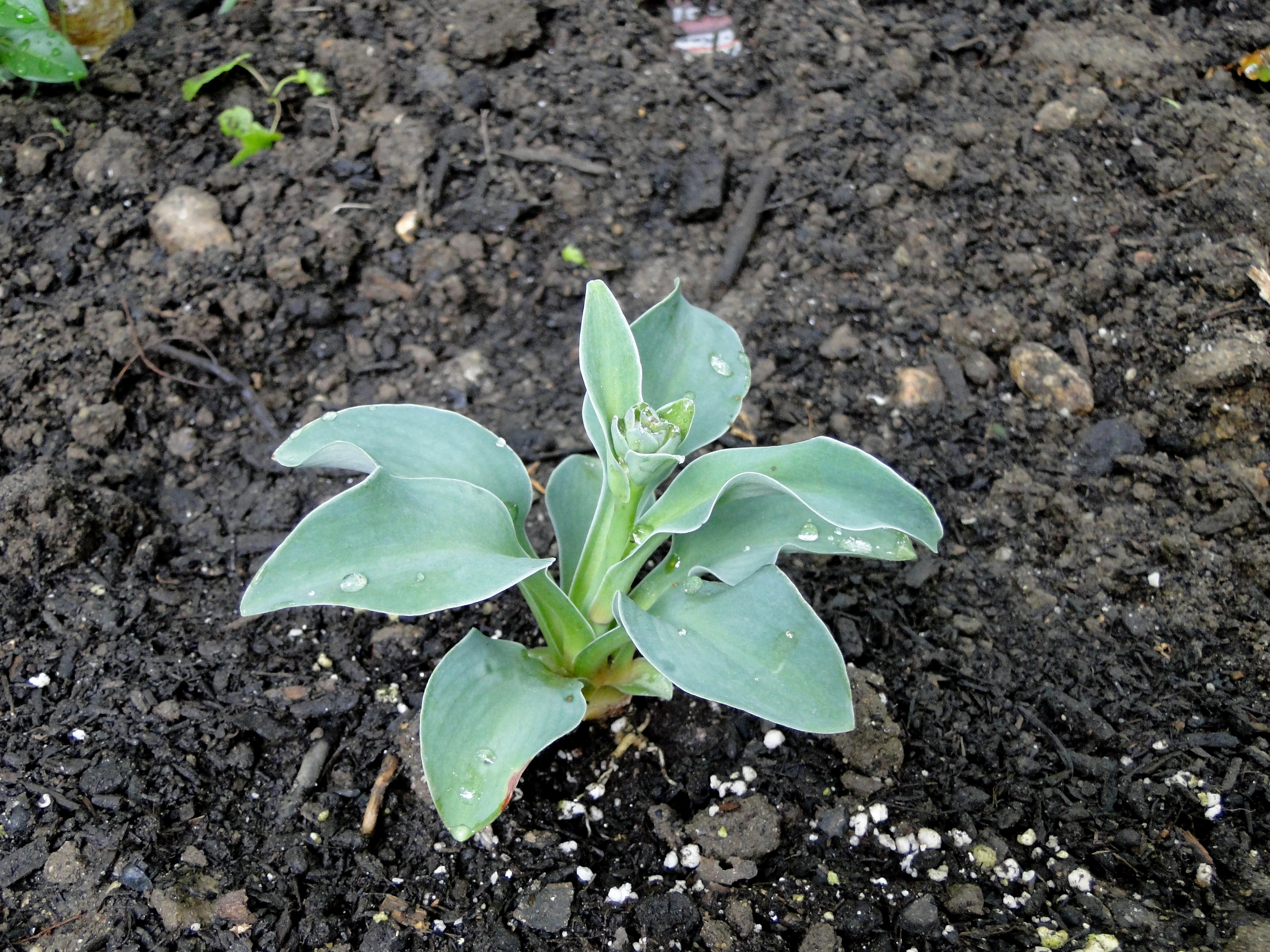
This little one I found last year at the local nursery is called “Mouse Ear”.

mouse ear hosta
Mouse Ear Hosta

Vertical Bottle Gardening For Those With Limited Space

nasturtiums in glass pot
Nasturtiums in pot

If you love to grow fresh veggies but have little space or time to keep up with a garden, you might want to experiment with vertical bottle gardening.  The idea of this type of garden is to grow vegetables in recycled plastic bottles that hang or are propped over each other.  This takes minimal expense since pots don’t have to be purchased, and takes up little space since your crops grow over the tops of each other.

The video on this page shows how a man has set up his vertical bottle garden in the window of his high-rise home.  The writer of the Experiments With Mini Vertical Container Gardening page has created a stackable garden that sets on the ground.  She has so far been successful in growing lettuce and Swiss chard and she promises to keep us up to date with her future bottle growing endeavors.  She included lots of her own photos too.

Mini gardens are very popular with busy, working people as well as those of us who simply don’t have the space, or sunny area to make a regular garden.   The vertical gardens are watered from the top with water moving downward to keep all the bottom areas moist which saves time.  Weeding would be next to nothing and if your garden is inside, like the one in the video, you won’t have a bug problem either.

As for me, my gardening will be done out in the yard.  I’ll be working this May to get the soil ready for planting and I also plan to build a raised bed myself using cinderblocks.  More on that to come.  I still have a yard full of snow!


A Beautiful Day Just Before Spring

green clover leaves
May you find a 4-leaf clover today!

Happy St. Paddy’s Day to all and I hope you will be enjoying beautiful weather like we will here in the northeastern U.S..  It’s early yet, but clouds will be giving way to sun and warmth which has me wondering what to do that will get me outdoors.

It’s too early to garden, and I spent one afternoon last week raking up the dirt that the plow guy dug up from my lawn.  I’ve  also rounded up the broken branches that littered the front yard, so I’m wondering what sort of work I can do today.

There is always the chore of cutting back the wild blackberry briars that line the back hill, but I hate the thought of messing with those thorny shoots.

Maybe I will just take a hike.  I’ve been wanting to check out the trails at Miller State Park at Pack Monadnock, as it is just a few miles away.  This town also has an awesome bike / walking trail so I could do that.

I could visit a local garden center, but that will just make me want to buy stuff – and the IRS is taking all my money, so I can’t do that.  Gardening will have to wait – for months – but I think I might get some seedlings started indoors.  I know that all this sunshine will make me want to grow something.

A Garden to Play In

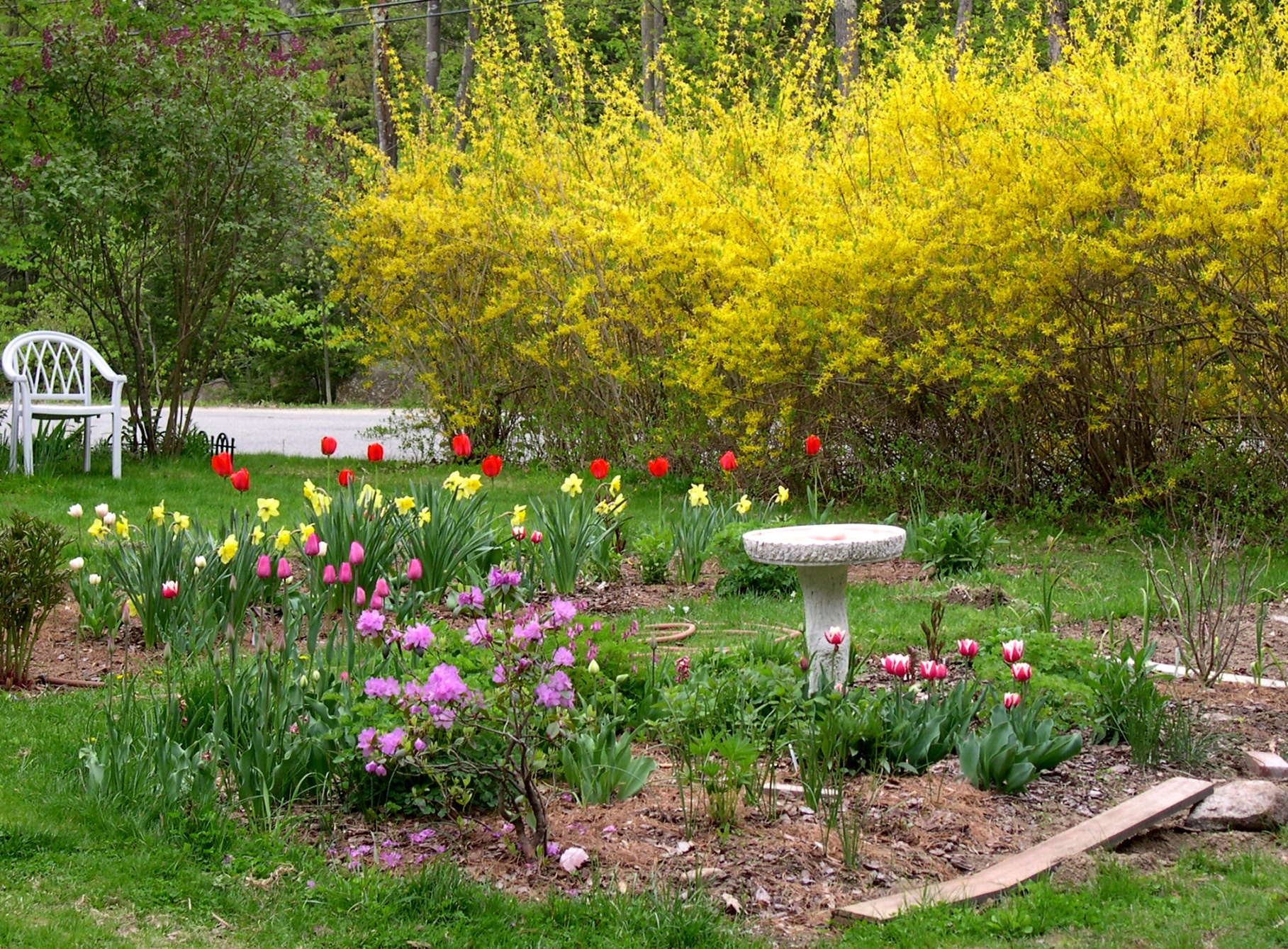
tulips and forsythia
A Garden to Play In

When we bought our northern home after moving to New Hampshire from Florida, I had the opportunity to learn a lot while tending my new garden. No more jasmine, crepe myrtles and camelias, I now had to learn about what grows in the north. Fortunately my yard was full of beauty. We moved into the house in May and already the forsythia and tulips were mostly gone by, but the following year I saw the full splendor of what we had in the yard. (My photo here.)

During that next summer (unexpectedly, my last one living there) I added to the plants and learned what many of them were.  The tulips and daffodils were planted in the asparagus garden and yes, I enjoyed fresh asparagus throughout the summer.  I added a bird bath and some feeders and enjoyed seeing the same types of northern birds I had grown up with come to eat.

That yard was a healthy combination of plants and wildlife.  Continue reading “A Garden to Play In”