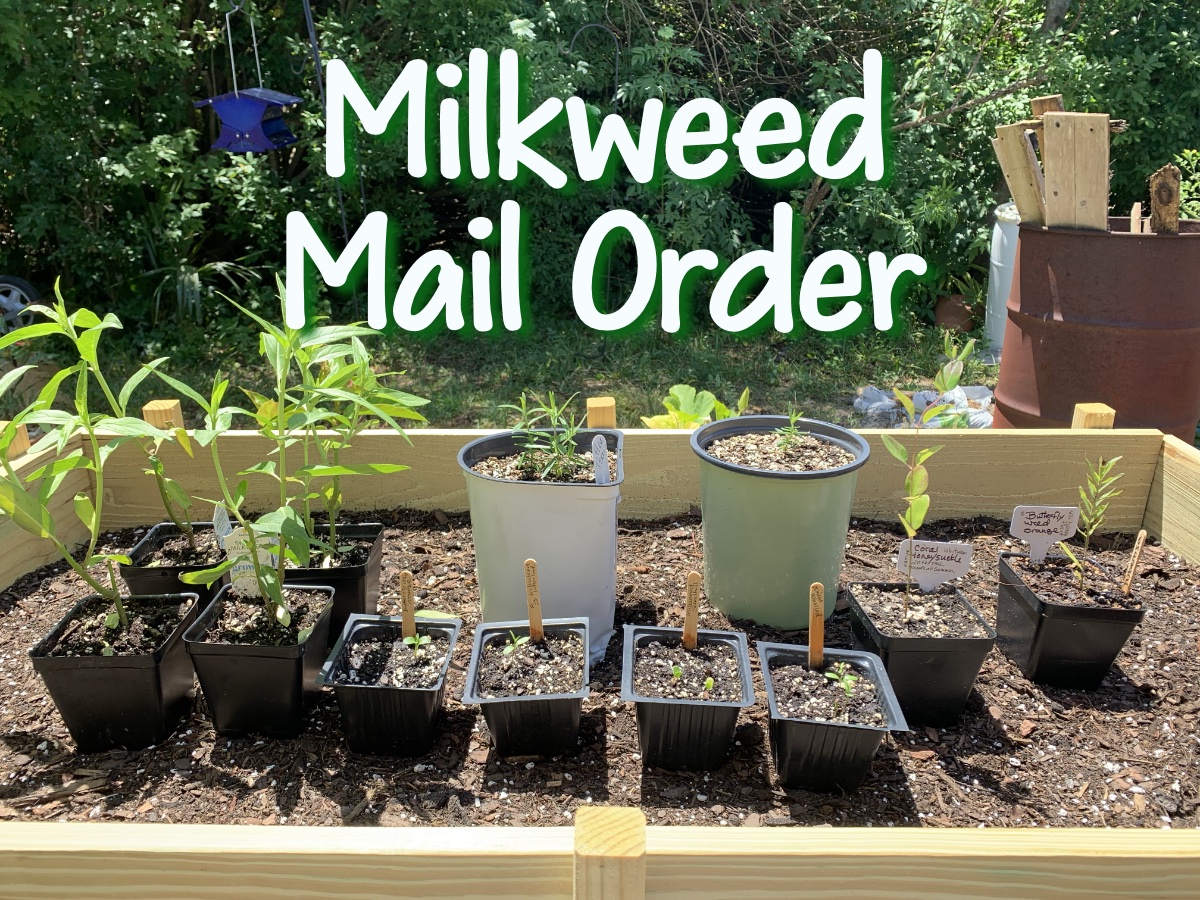
Mail Order Native Florida Milkweed Seedlings Review

I’ve found a good place to buy milkweed plants online. Ordering plants online can be expensive, so the plants that arrive should be in great shape. Read my review of Whitwam Organics and The Growers Exchange.

I need to get this recorded because I found a mail order company that sends nice plants. Here I am comparing the two companies that mailed me milkweed plants. The Growers Exchange and Whitwam Organics were the two I chose.

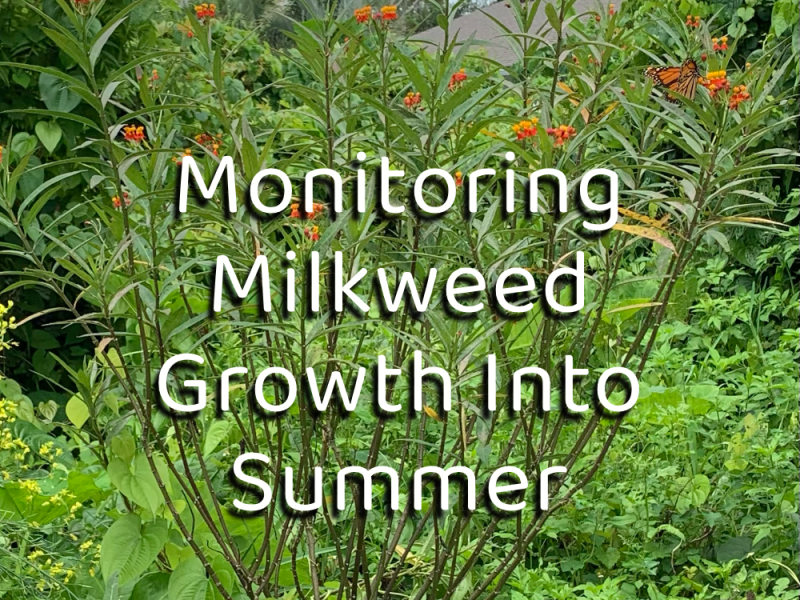
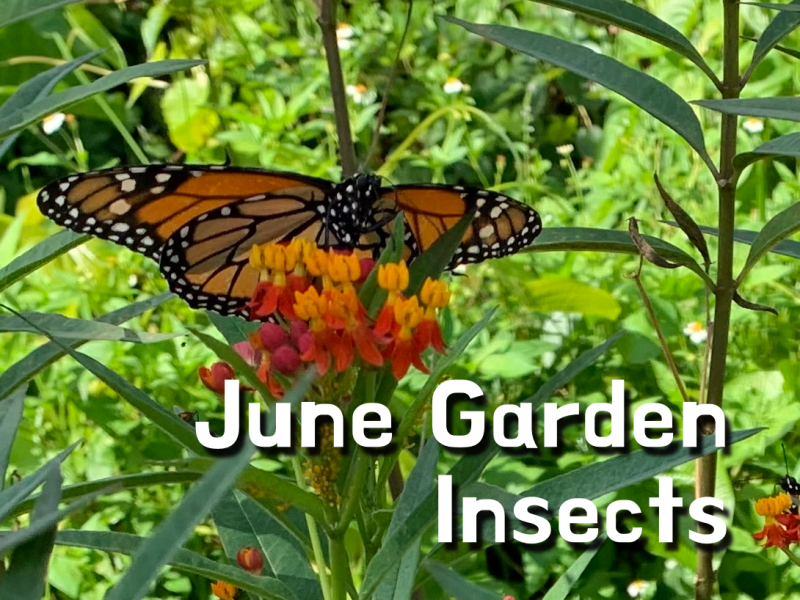
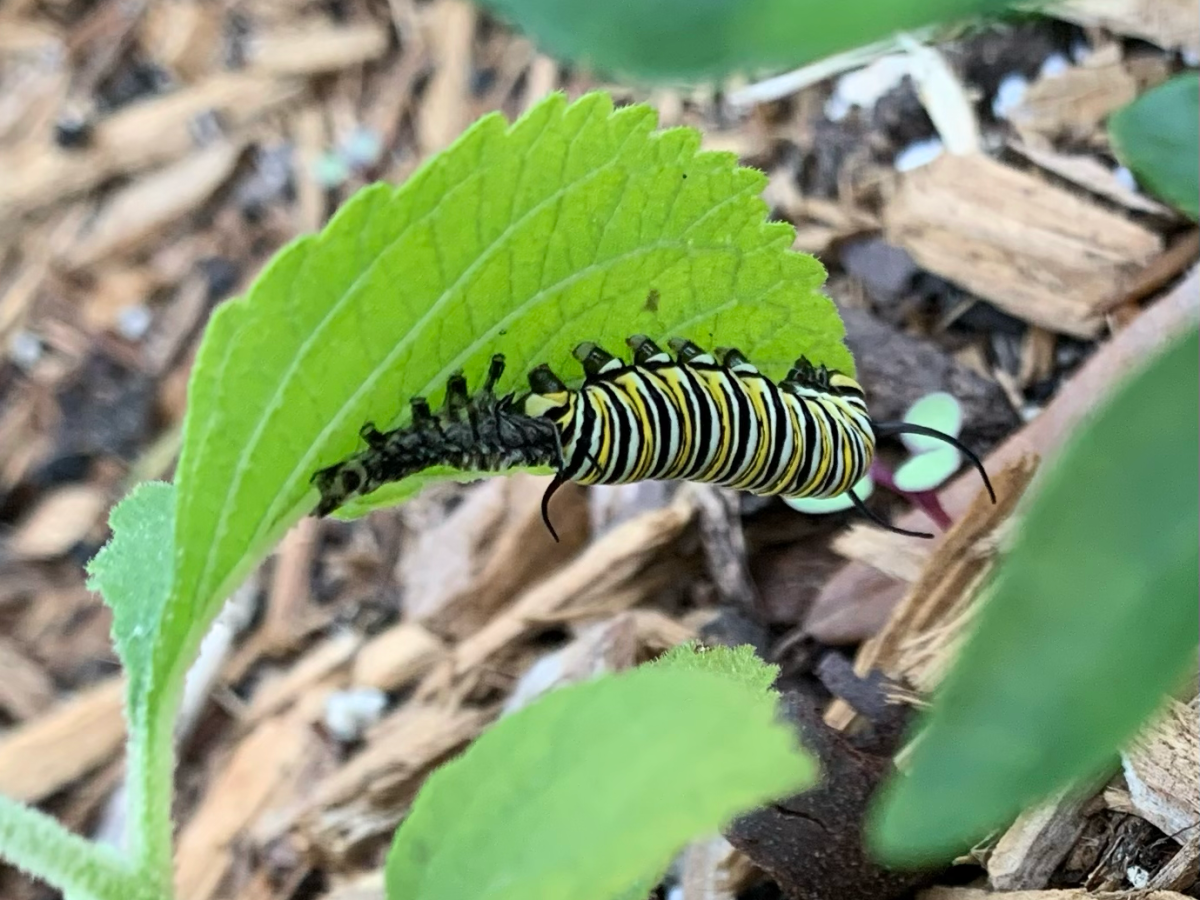
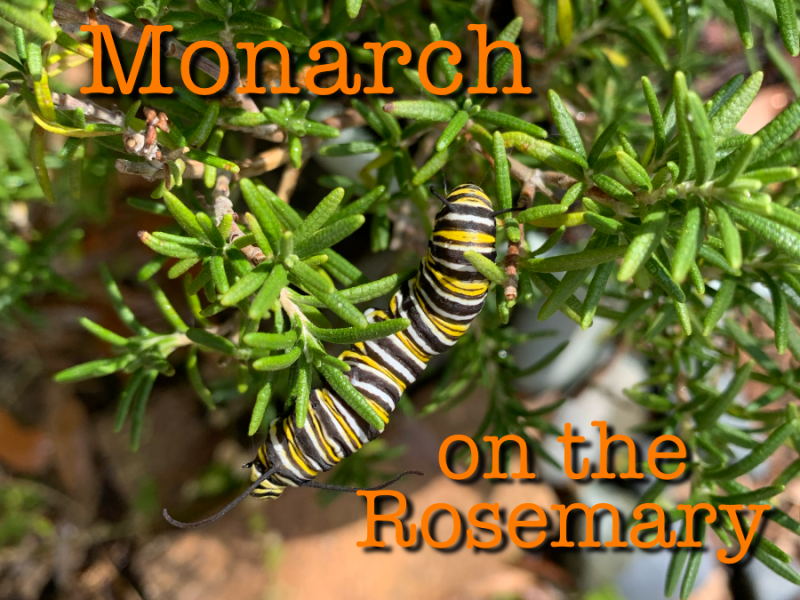
After my butterflies came out, I see all three of the Monarchs flying around the garden every day! The only milkweed currently available for them is the tropical type, and one small, blooming white Swamp Milkweed.
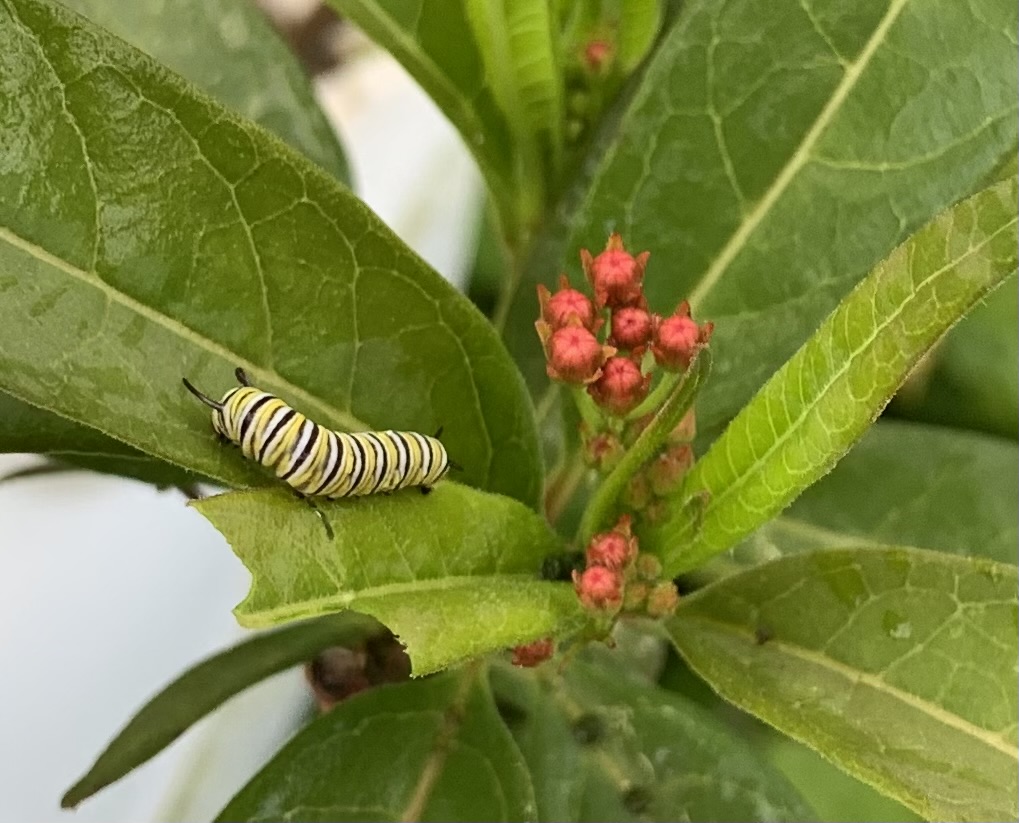
The more milkweed in the yard, the better chance for caterpillars to have enough food. At one time I believed that the Tropical milkweed was bad, but that may not be altogether true. Read more at the link.

The Need for More Milkweed

I ordered some seeds from Johnny Butterfly Seed. Those are popping up in small pots and beginning to grow nicely. Growing from seed can take a while. I wanted plants.

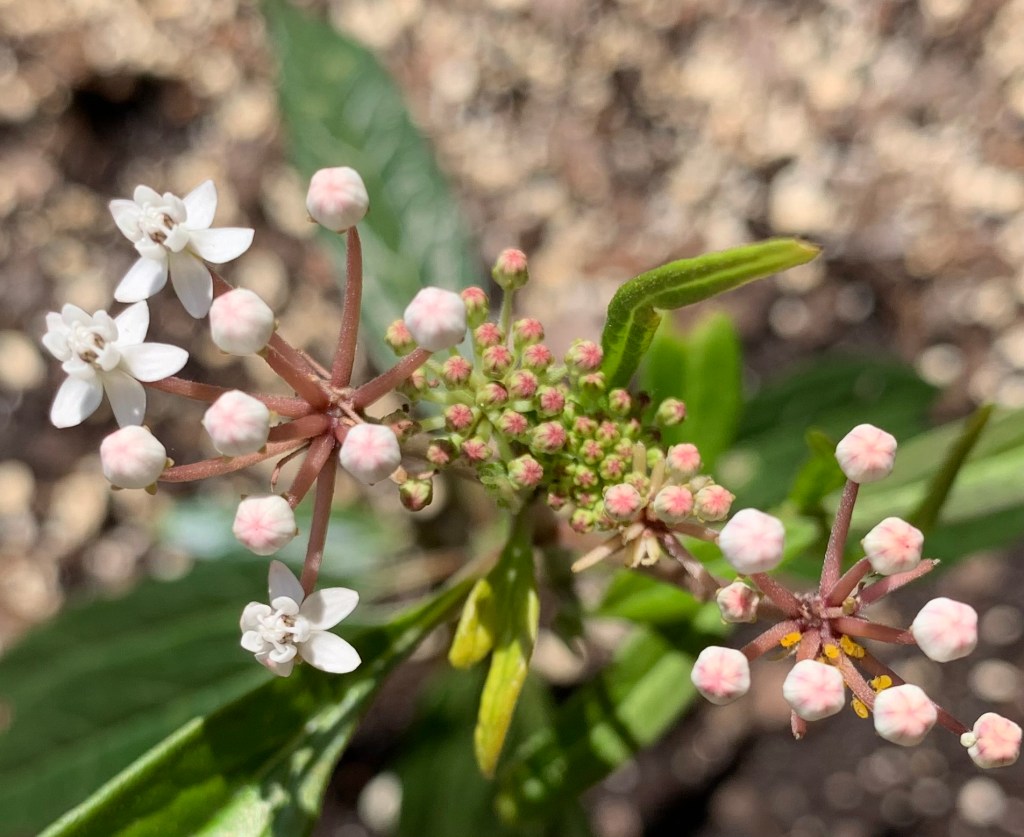
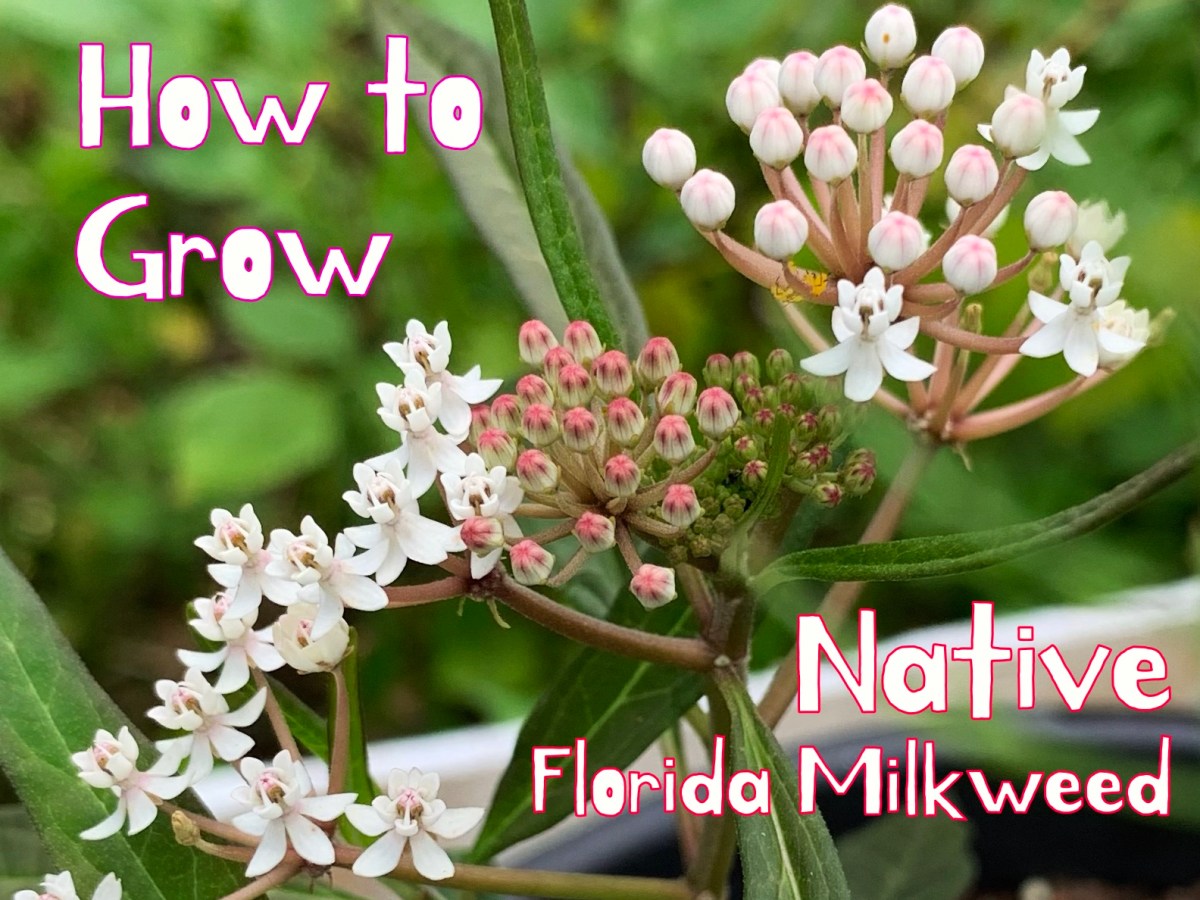
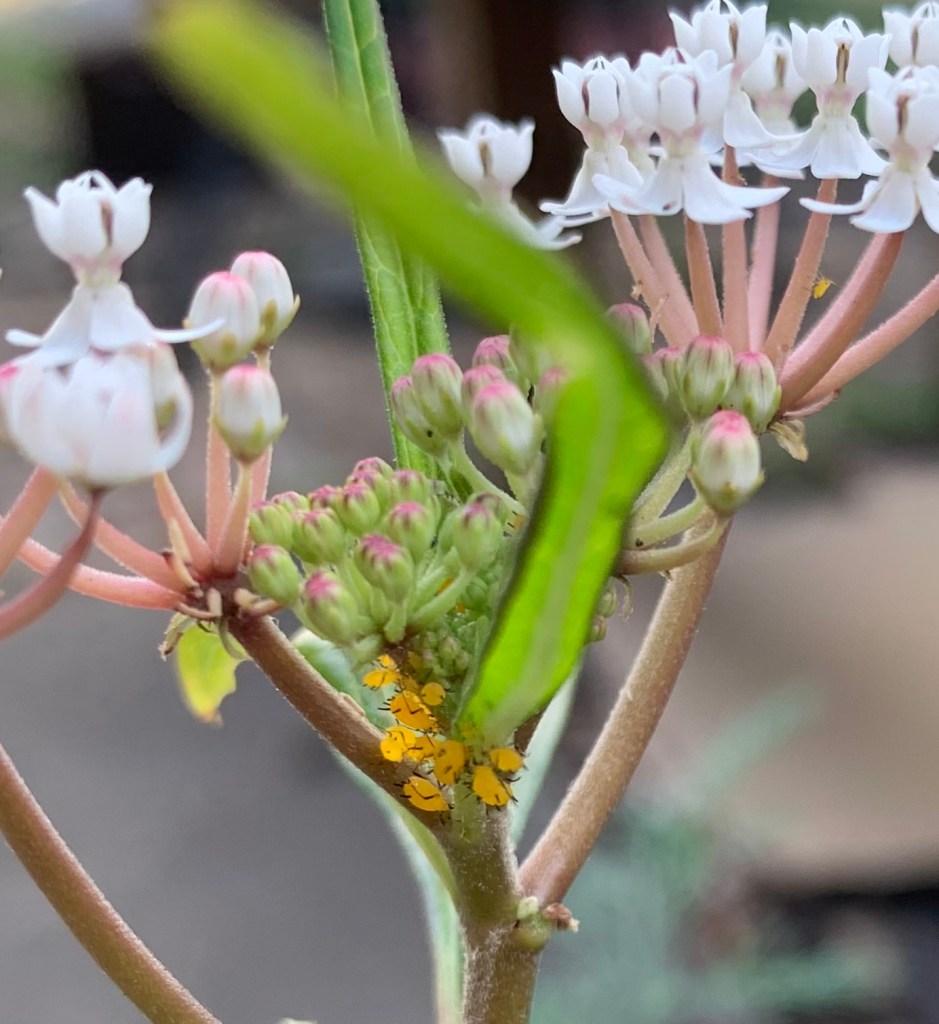
You may be wondering why I don’t buy local milkweed at a nursery. Well, for one it’s hard to find, and when I do see native varieties, the plants are not in good shape. The white flowering milkweed, in my first photos on this page, came from a local nursery. I bought the best looking milkweed plant and it was around $10. It’s looking good, but growing very slowly. I have no idea if it was grown organically, without chemicals. So, I began the online search for pesticide free plants.

Whitwam Organics

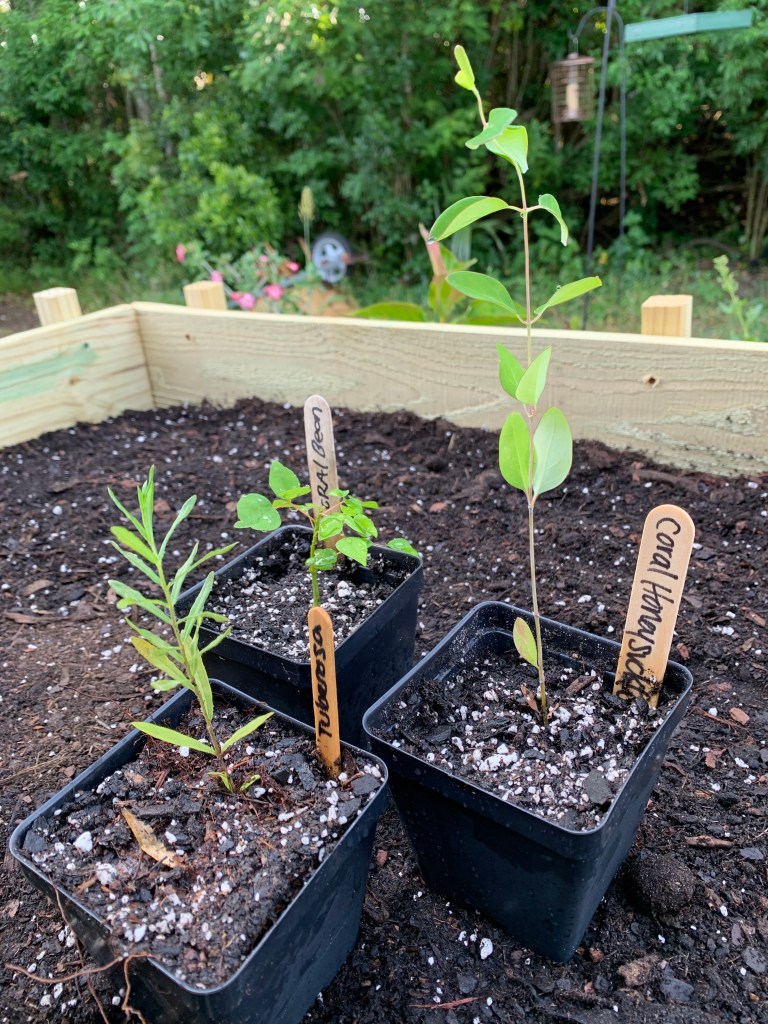
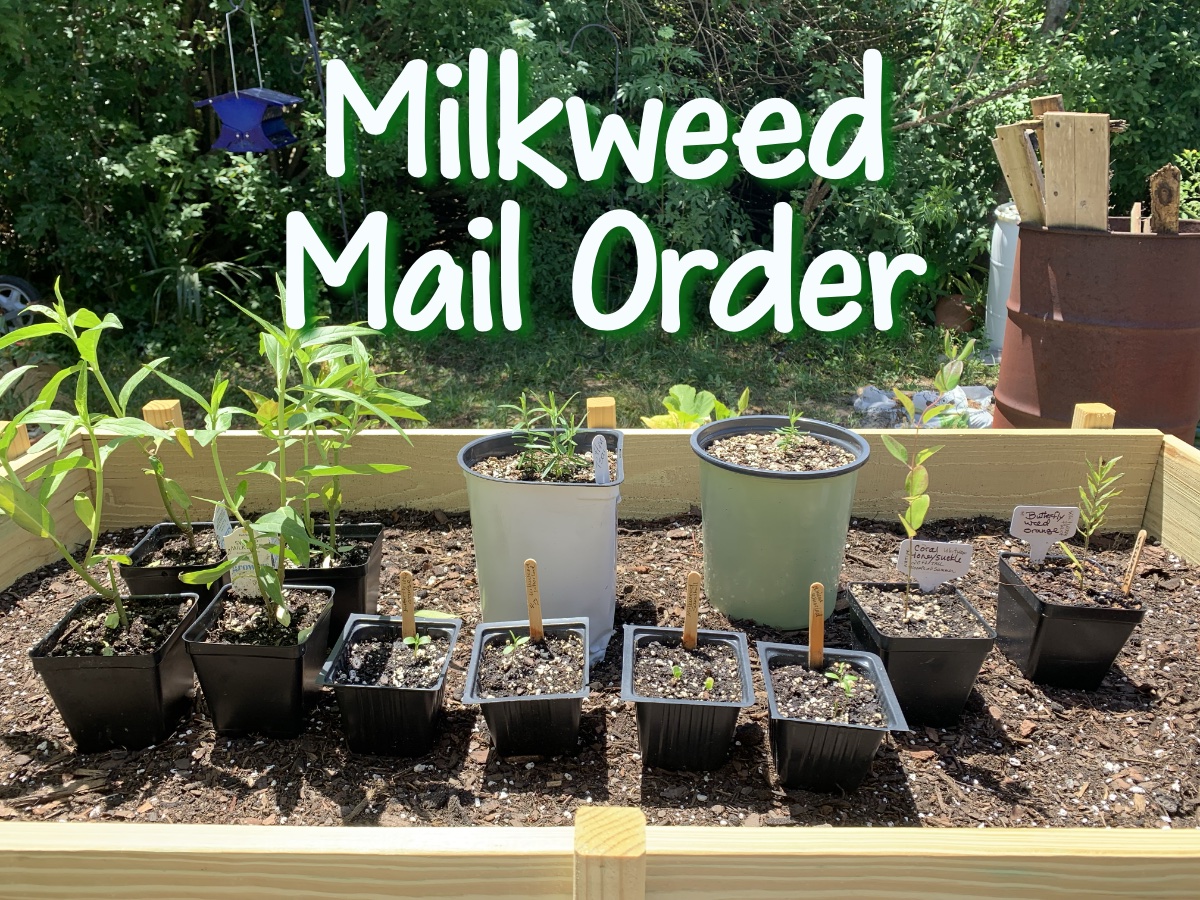
This post is about my order of live plants from two places. The first plants arrived from Whitwam Organics. They e-mailed a notice about delivery, and the plants ended up at my door at 8:00 at night! I suppose I can’t blame the company for the late delivery, but unboxing live plants at that hour really ticked me off. The plants are; a Coral Bean, Coral Honeysuckle, and Orange Butterflyweed (milkweed).
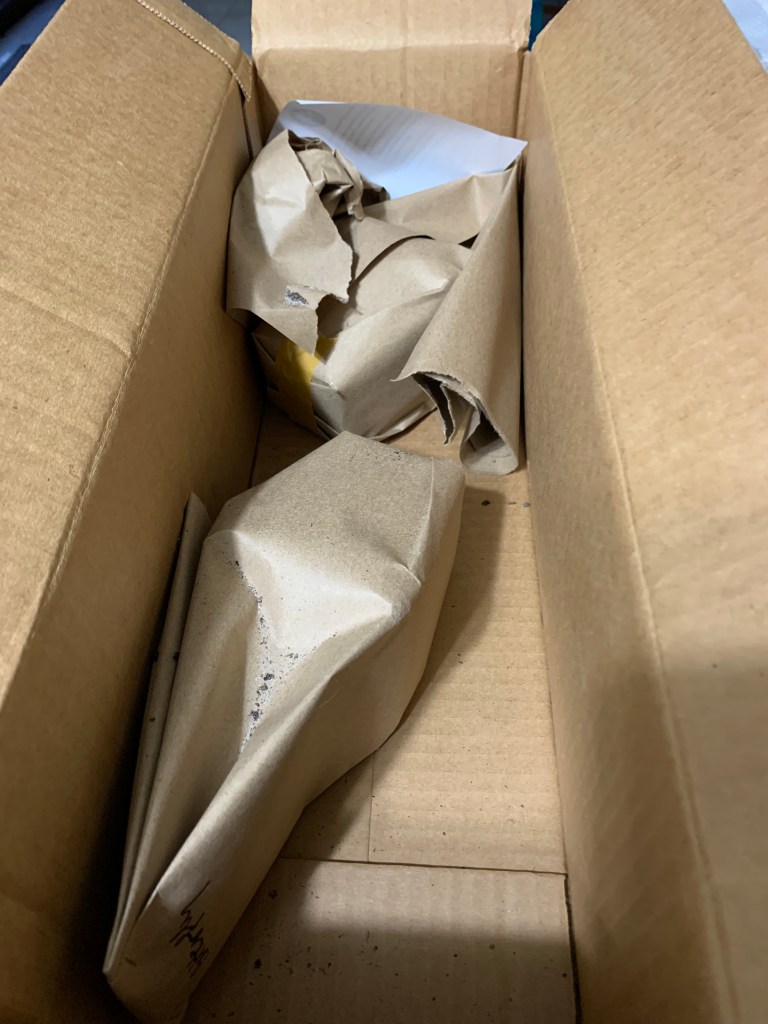
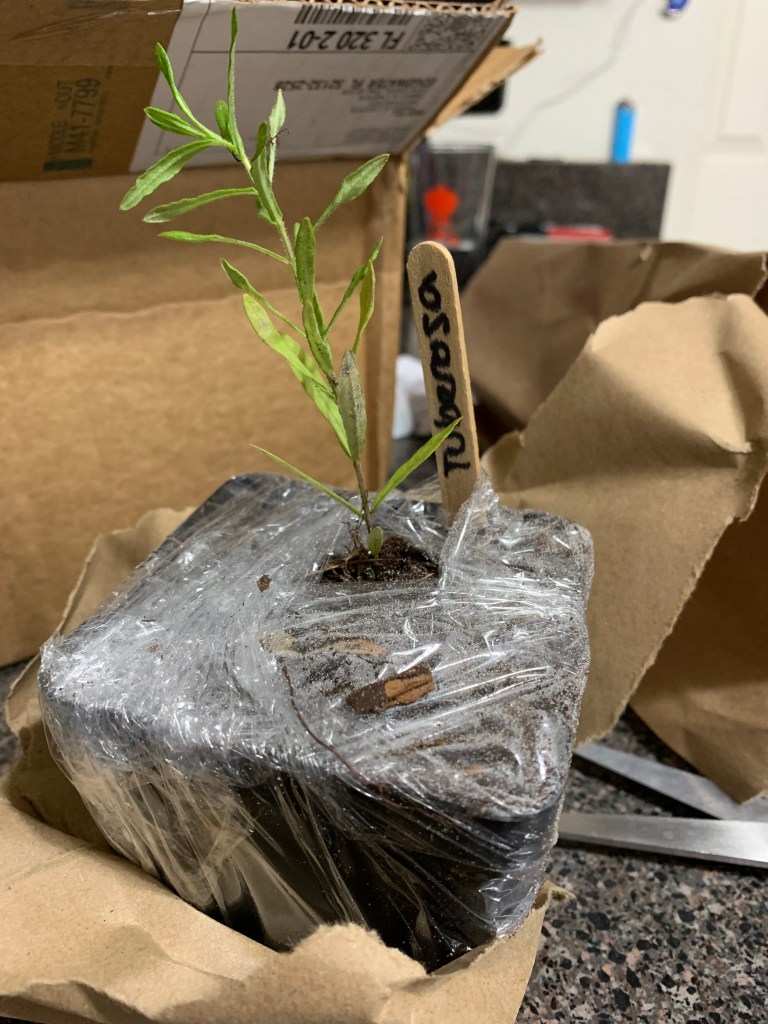
The Whitwam plants were unboxed in the house, until sand began to come out all over. I took them outback to finish and set them inside on the porch for overnight.

The photo above was taken the next day. The packing was sufficient, but nothing special. Plastic wrap mostly kept the soil in the pots and then the entire plant was closed up in a paper bag. The soil is more like Florida sand than potting soil. The dirt you see in the big photo is after I filled in what was lost when the dry sand poured out. All three plants look okay, but they are small. The Milkweed has lost a few leaves.

Cost: $42.57 which includes shipping and tax. Not really worth it IMO as these plants are very small.

green divider leaves long

Growers Exchange Milkweed Seedling Order

I ordered four Pink Swamp Milkweed from The Growers Exchange. These were not labeled organic, but the site says they do not use any chemicals when growing. The site offers lots of herbs and medicinal herbs, but they also have a few varieties of milkweed.

I was very impressed with the boxing and size of these milkweed. (This milkweed is a different variety than the one shown above from the other company.)

All four plants were wrapped around the pot to keep dirt in place. Each pot was tucked inside a cardboard divider which kept the pot in place during travel. The plants were so tall that the tops were bent over to fit. They straightened up completely within two days.
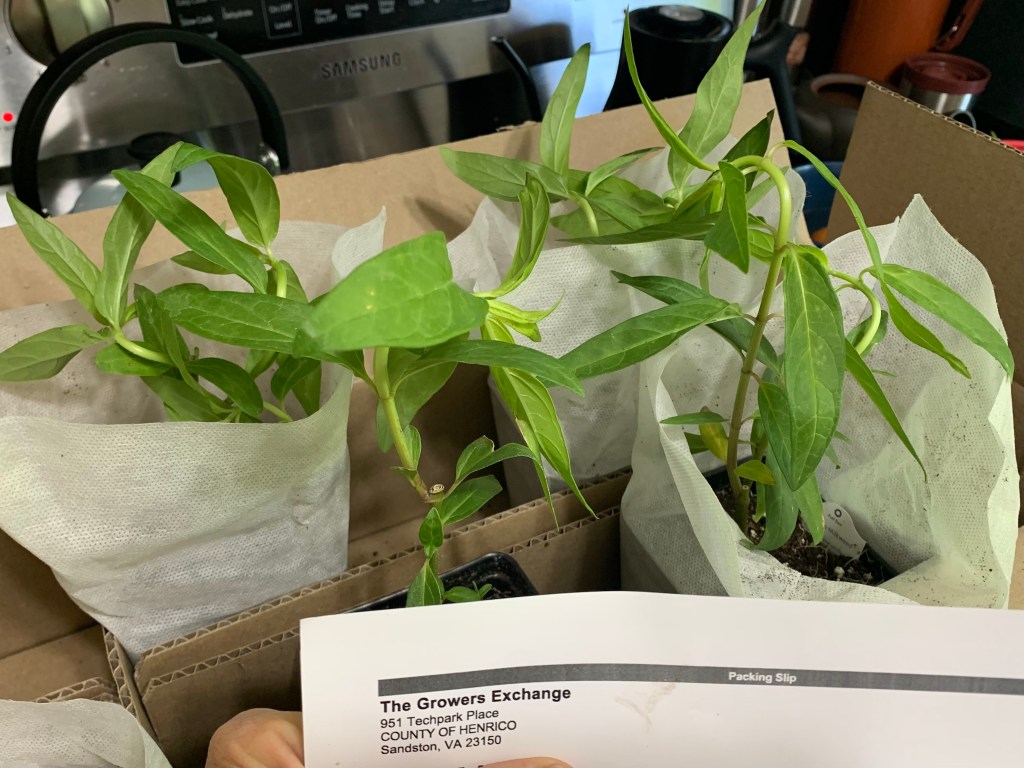
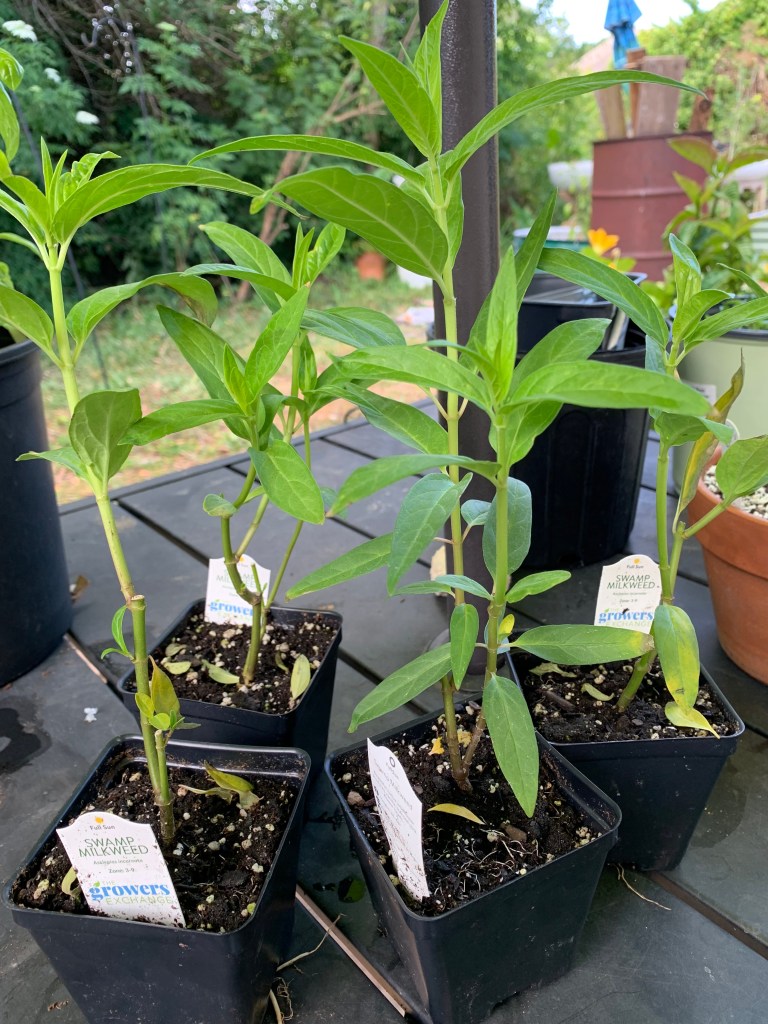
After unwrapping, I watered them, and set them on the porch, out of direct sun, for two days. After that they went outside for a couple of days. Now I have two in the ground, and two in larger pots.

Swamp milkweed likes it wet, which makes sense. Especially while it is setting roots, I want to keep it well watered. Our drought continues, which means I water every day.
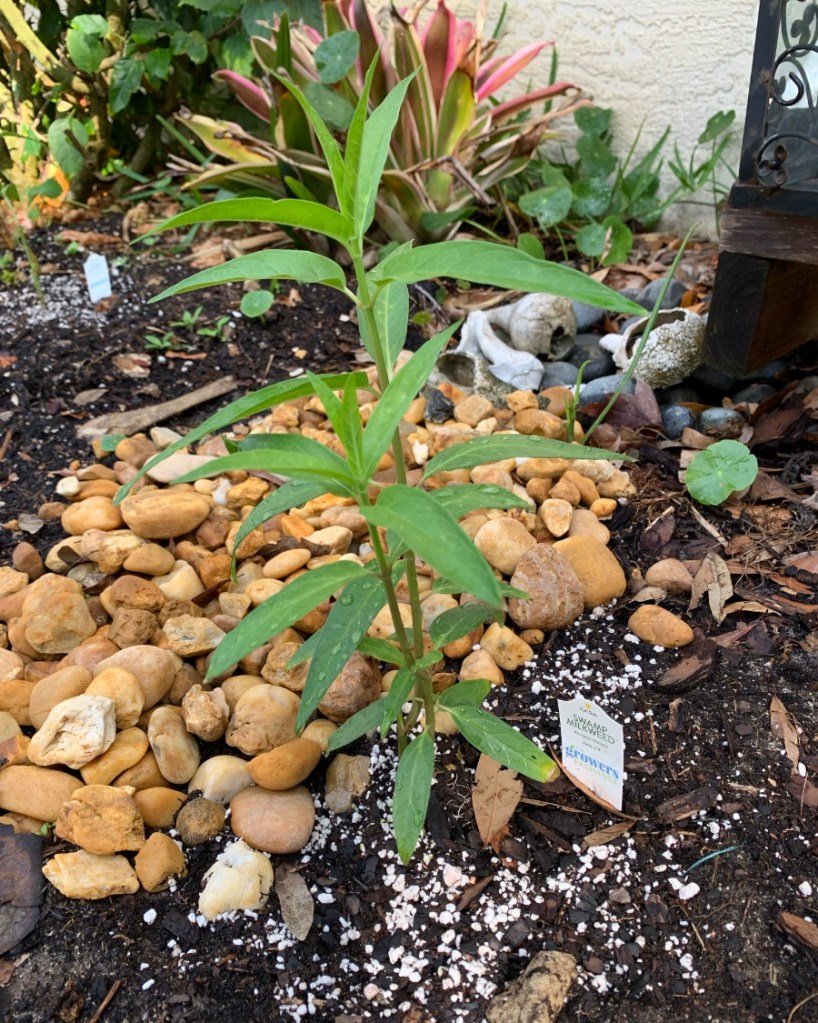
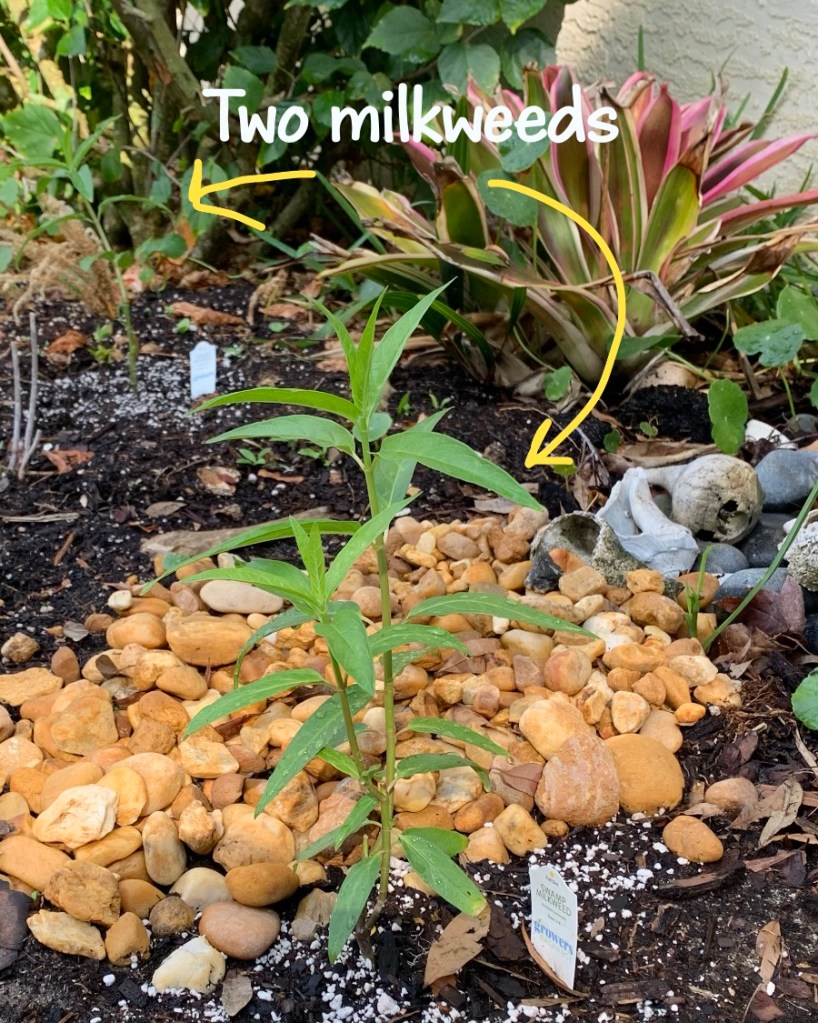
I am absolutely impressed with this milkweed plant order. They offered a discount of 20% (I think it was), and the total for these four plants, with $15 shipping was $50.89. The plants are healthy and large and I am happy. I’ve already seen lady bugs and the Monarch on these!

I’m considering having a herb garden in the future. I need to learn more about when to plant which herbs. The Growers Exchange might be my go-to shop for those.

How to Care for Live Plants

Both companies mentioned here has fairly quick shipping. I’d say the plants arrived in about a week’s time. Shipping also depends on the growing zone, and time of year. Each company has it’s own information.

I’ve pretty much mentioned on this page how I cared for the plants when they arrived, but here’s a recap. Unbox immediately. Check the soil and re-fill if necessary. Water them well! Here in Florida, do not set them out in the sun right away. Due to the stress of being packed and traveling for days, give them an easy life in the beginning. Give them light, but no direct sun. Keep them watered and watch for signs of disease.

Have you purchased native, organic (or chemical free) local milkweed – or other plants – online? Please leave us a comment on how it went.

butterfly divider flowers

Something went wrong. Please refresh the page and/or try again.

Borage Season is Here

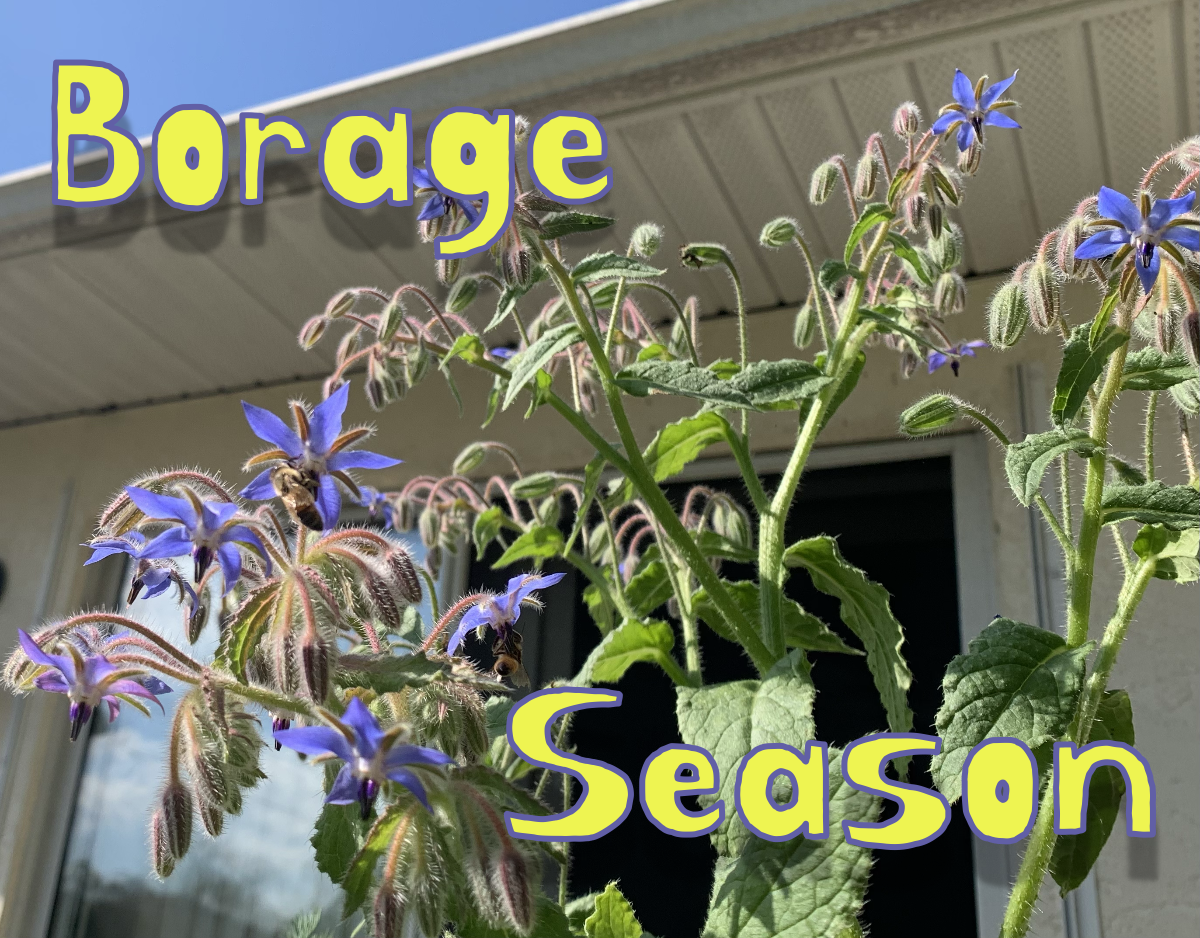
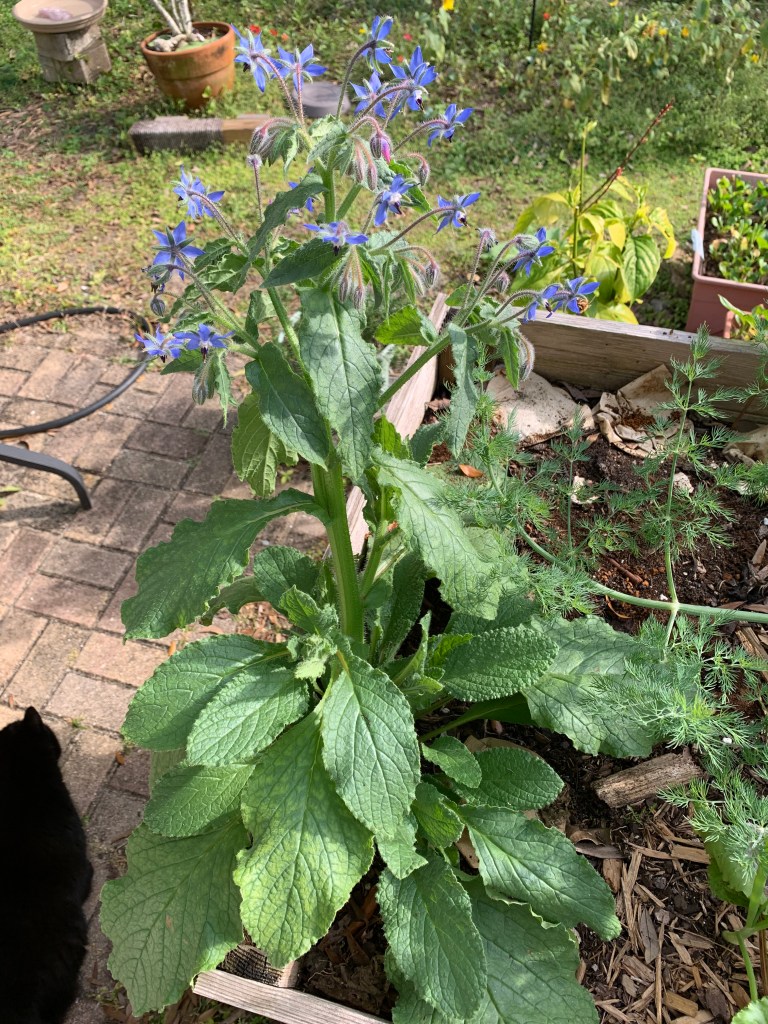
Florida gardeners can easily grow borage. The blue flowers add interest to any garden, and honey bees love them. The plant is short lived as it dislikes the heat.

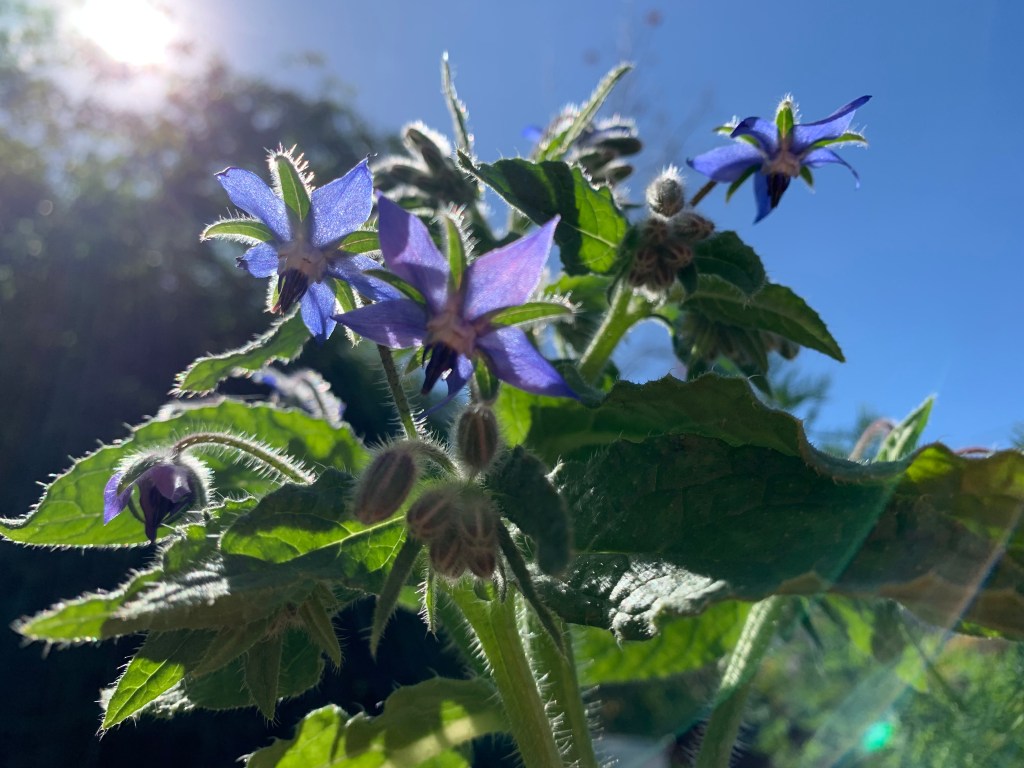
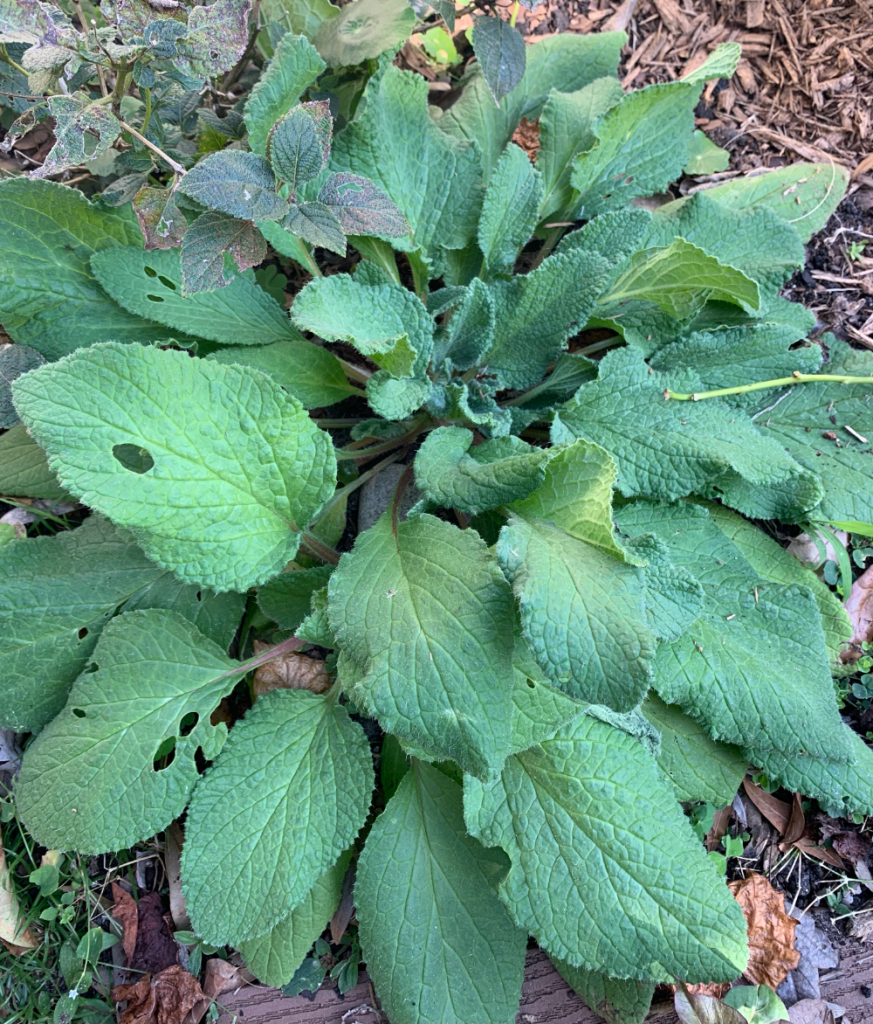
One of the things I love about a Florida winter is that the Borage will grow. Borage is a fuzzy-leafed, blue-flowering plant. Its leaves make a delicious tea. The little flowers are blue, or sometimes pink, and star-shaped. They can be used in salads and ice cubes.

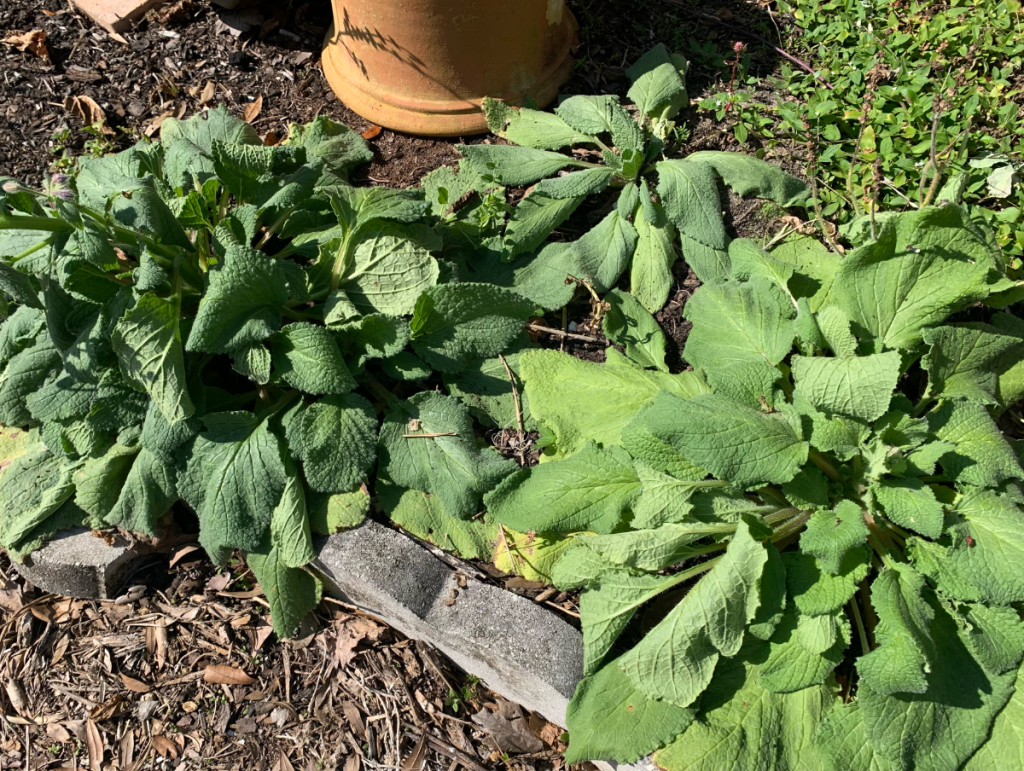
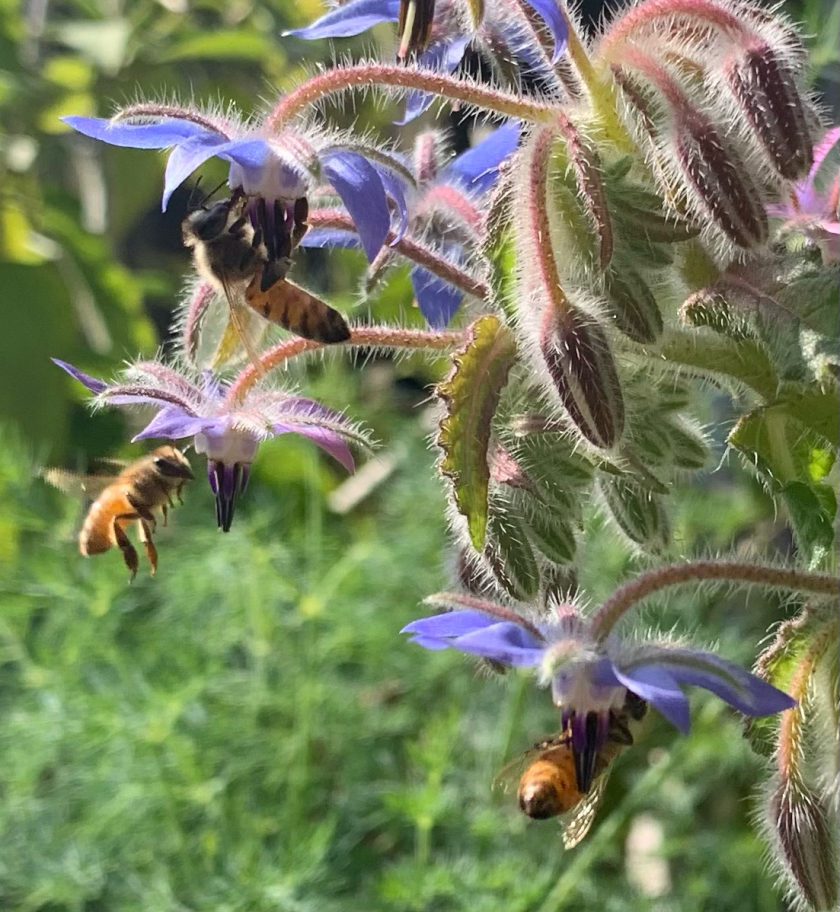
Saved borage seeds, from last winter, were planted in the yard this Fall. The borage really began to take off in January. Now, in February, it is getting leafy and some of the plants are showing off lots of flowers. The flowers attract honey bees.

(All photos on this page are my own and are not free to use.)

Borage likes the cool weather. It wilts in the sun on hot days. Soon I will be collecting some seeds from the early flowering plants.

At this time of year it can be cold or hot. We had a very cold January, but February has been very warm with temps near 80 during the day (in the sun).

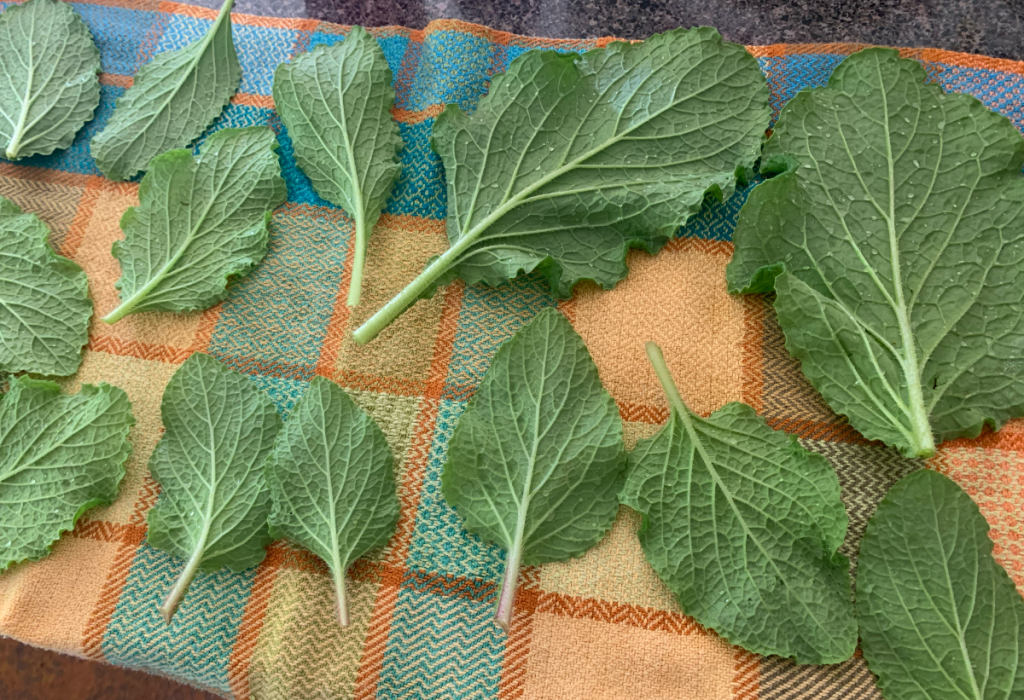
I have been picking, rinsing and drying borage leaves to freeze. The plants won’t last once the weather is consistently hot.

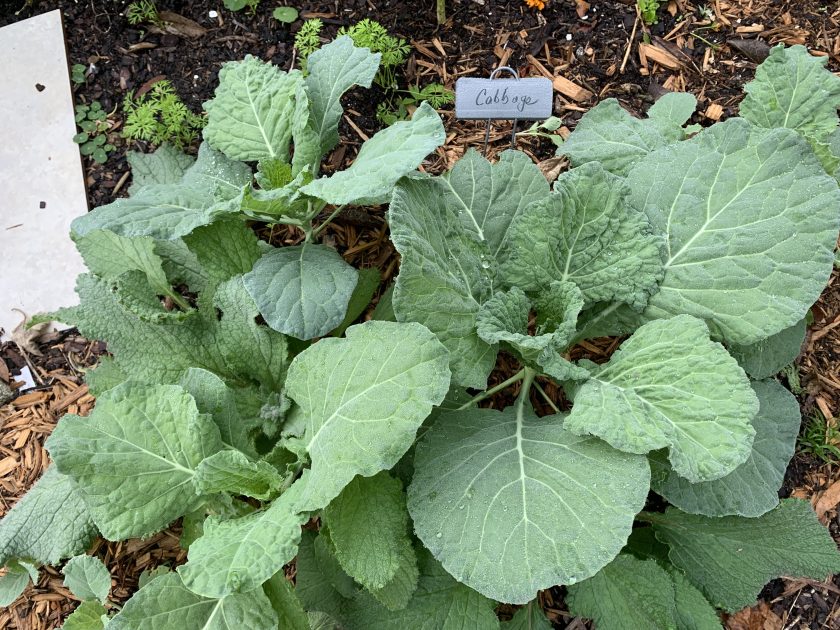
cabbage and borage

Borage can be grown among vegetables to keep unwanted pests away. The leaves are very hairy and prickly.

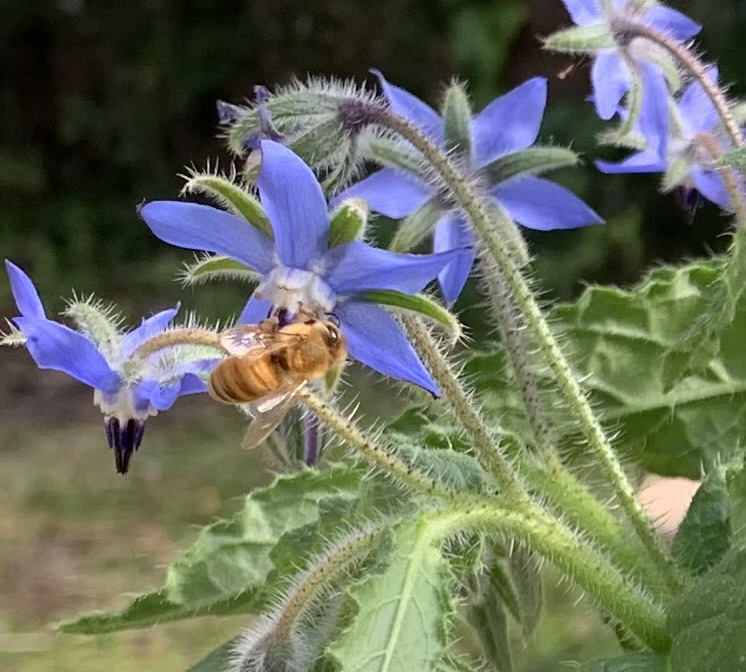
honey bees on borage flowers
Three bees visiting a flowering borage plant.

Borage is a medicinal herb (read more here). I pick the leaves fresh and make tea. The seeds are rather large and are easy to save, if they can be found before dropping from the pod.


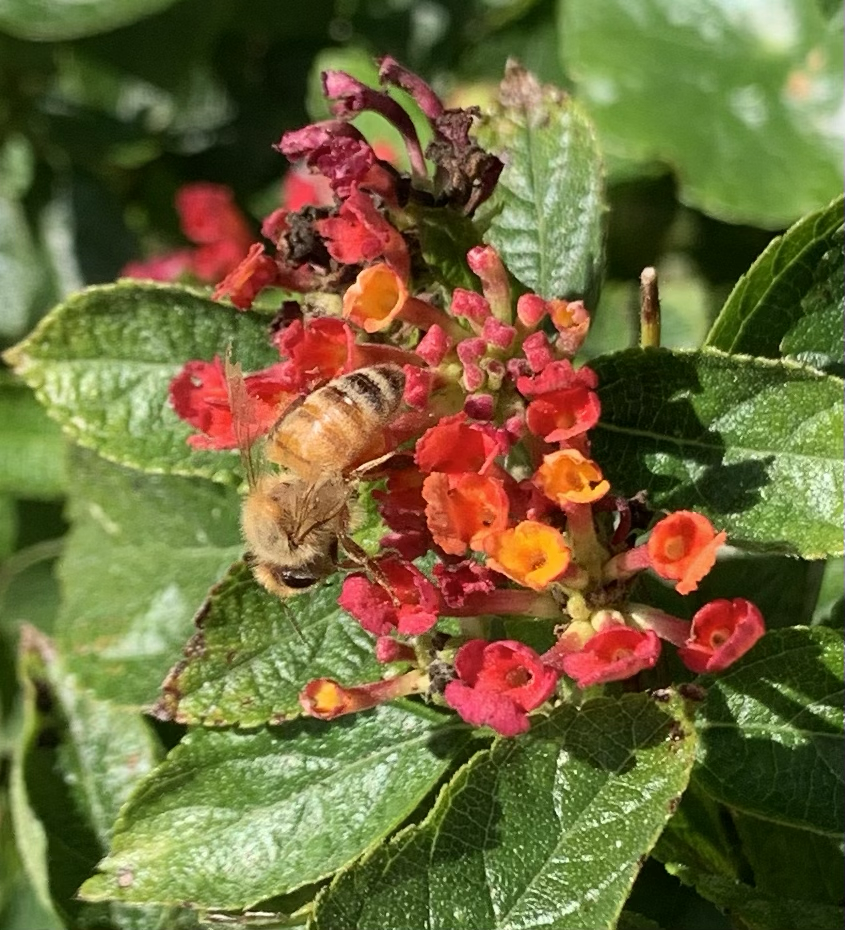
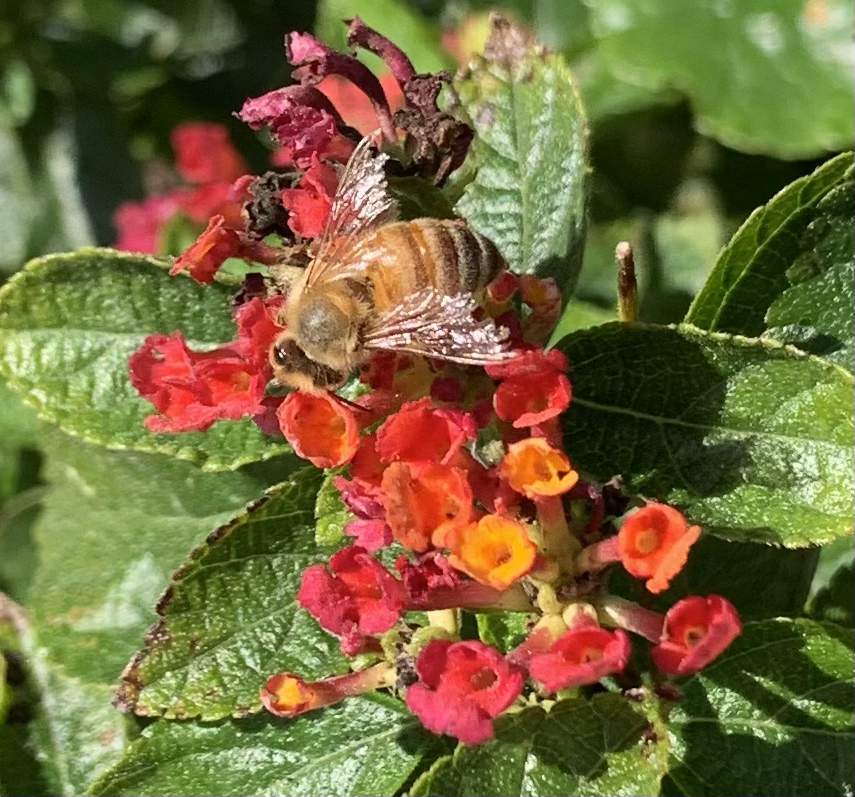
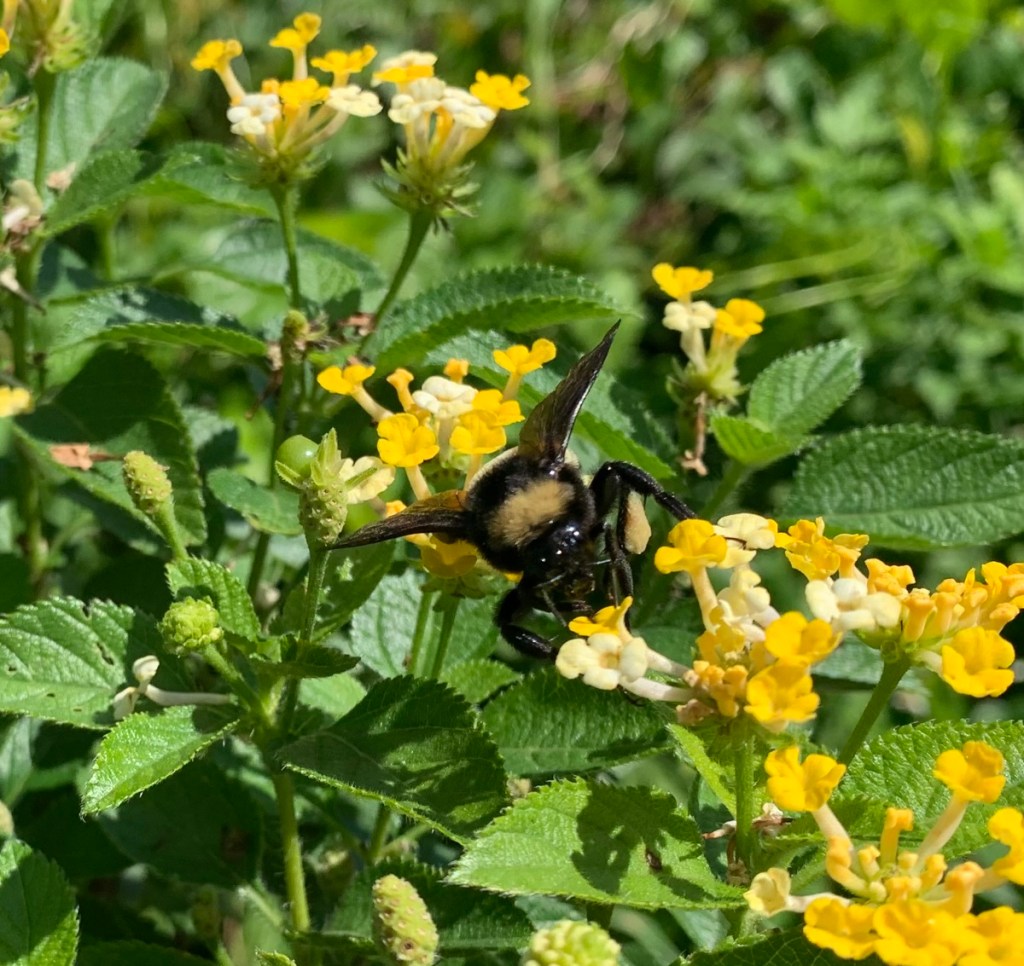
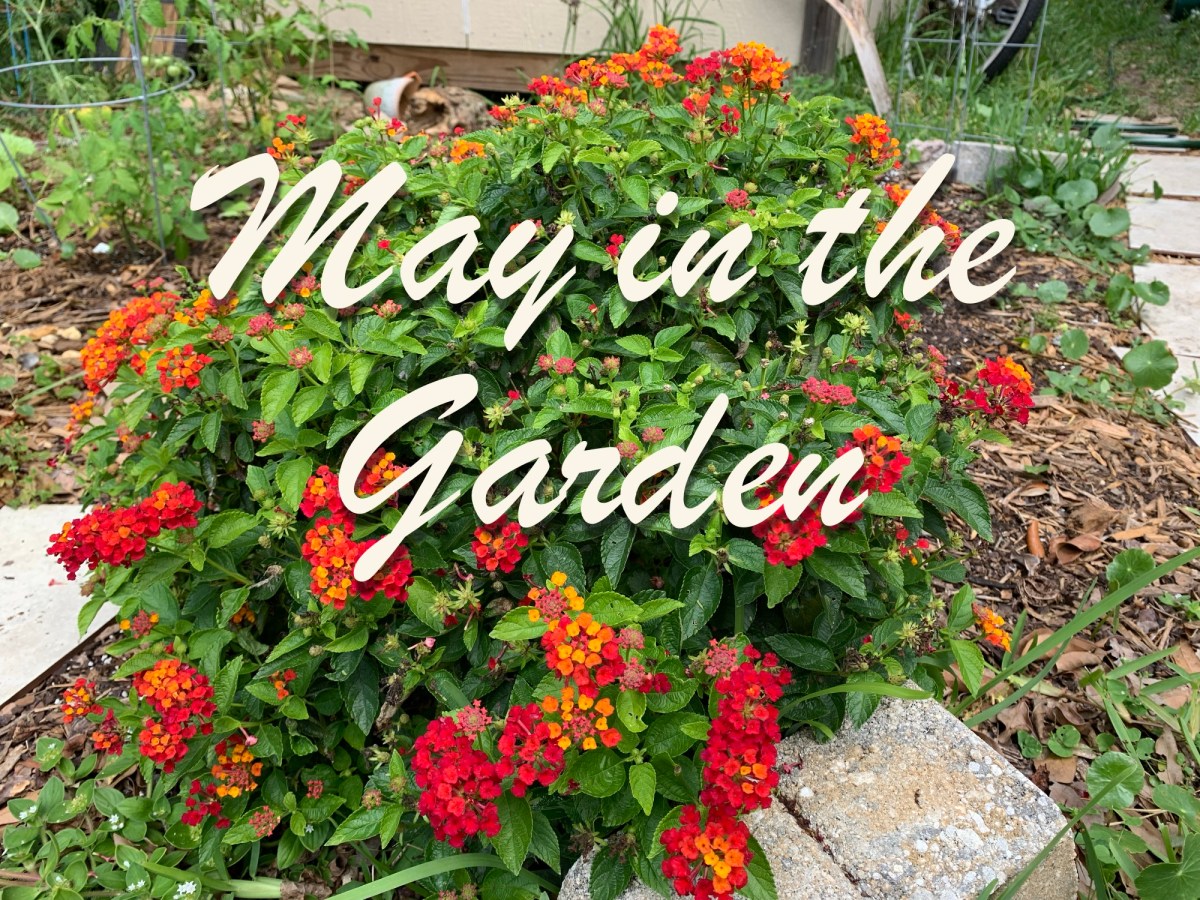
The bees are also on the newly flowering red Lantana. I planted this red one and two others (yellow and dark red) last year. This is the only one doing well. The Lantana will still grow and bloom in the heat. When the Borage has gone by, the bees will have other flowers to visit.

More Garden Stories

My newer posts are from my Florida gardening experiences. Any stories with snow were created when I lived in New Hampshire.

Colorful Blooming Plants for Bees, Butterflies, and Me

Filling the yard with blooming plants to feed the bees and butterflies can take time. Even though I don’t have many, the insects come.

My focus has been on growing vegetables in the yard, but now I am focused on adding blooming plants.

I still don’t have a car, so getting out is tough. My son took me to a local nursery and I used a gift card (from Christmas – it’s September!) to buy some flowers.

I gravitate to the bee covered flowering pots at the nursery, but once the plants are home, it’s a wait for my bees and butterflies to find the flowers.

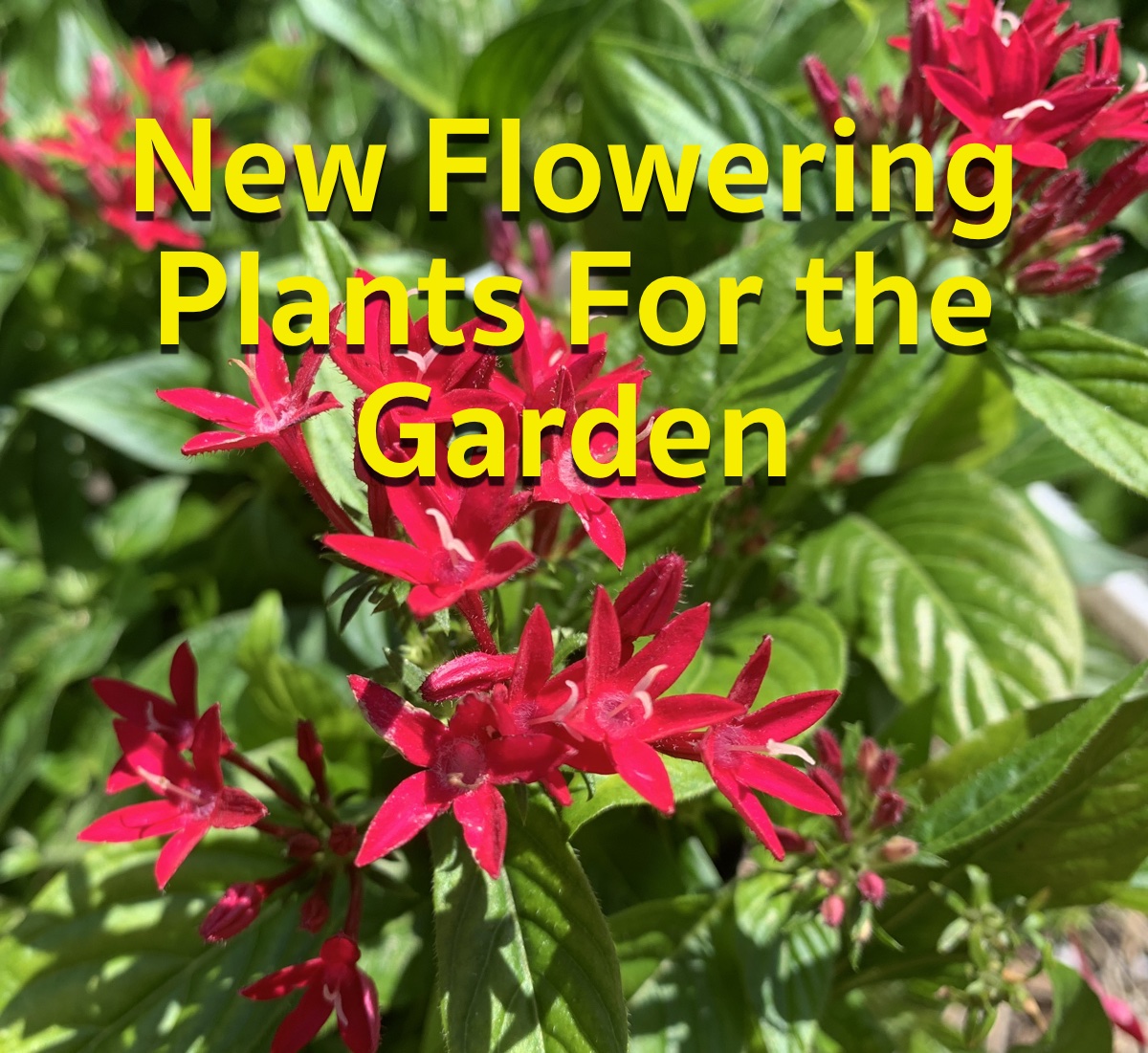
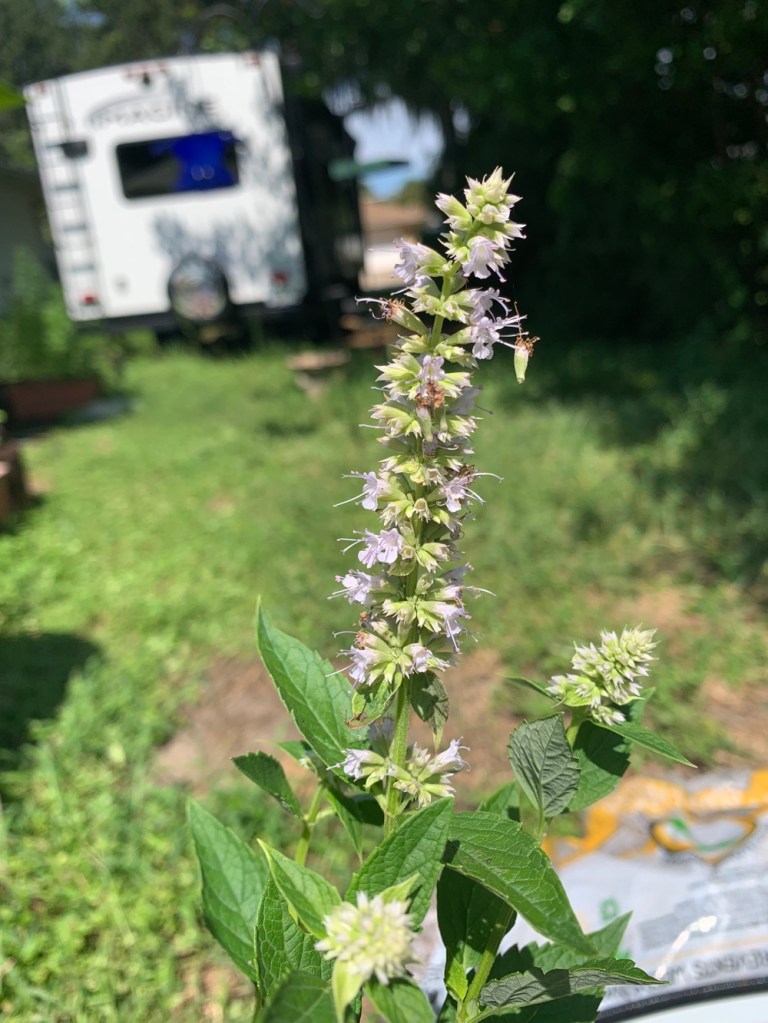
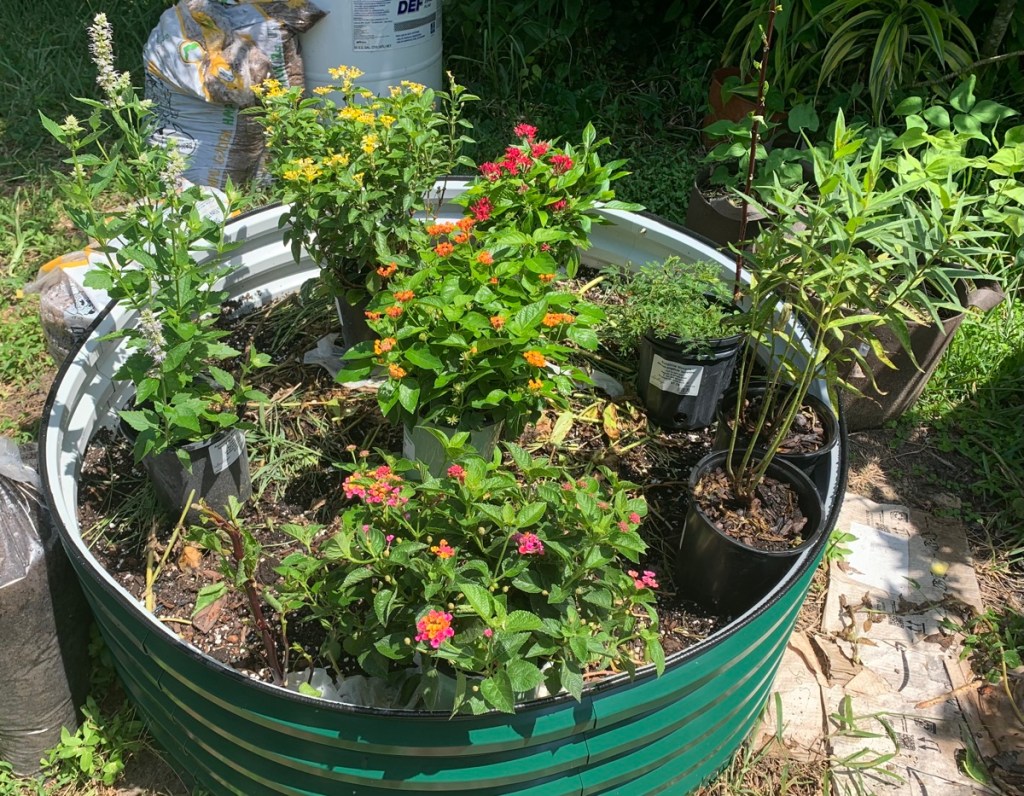
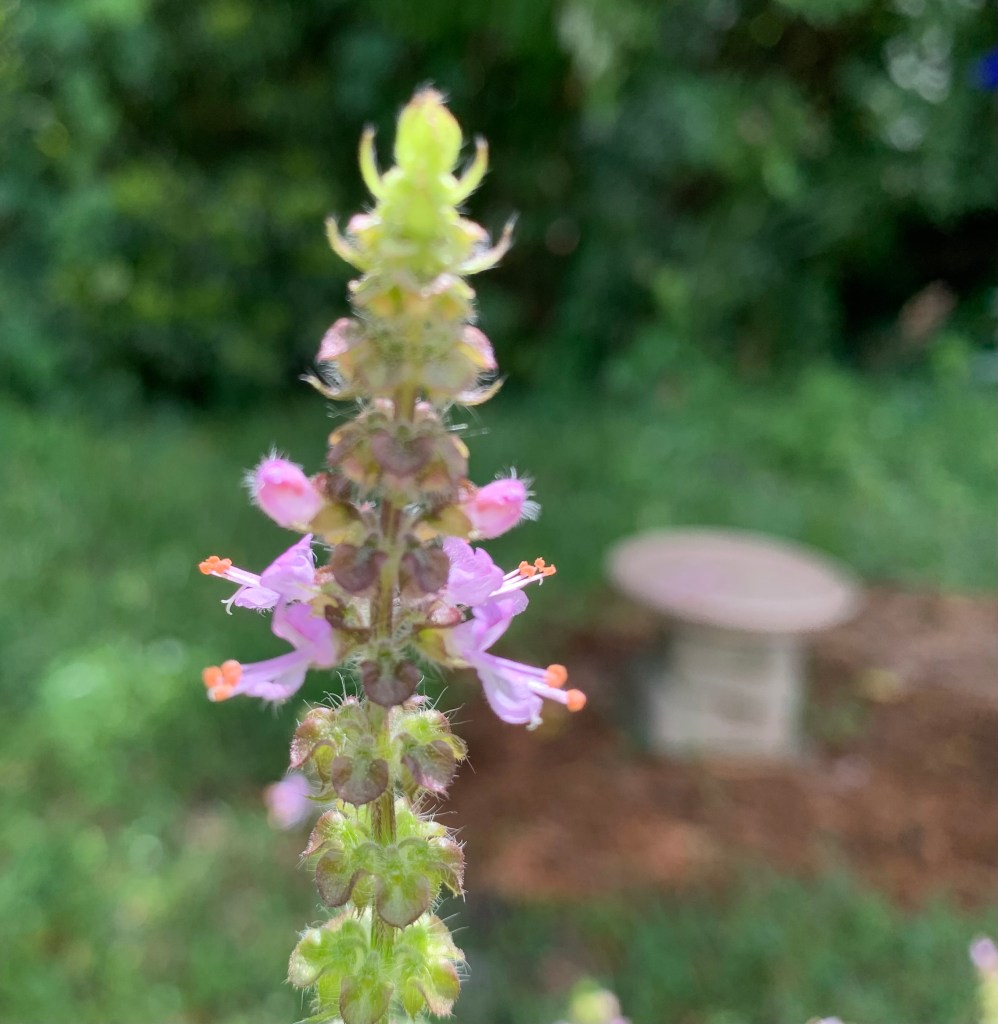
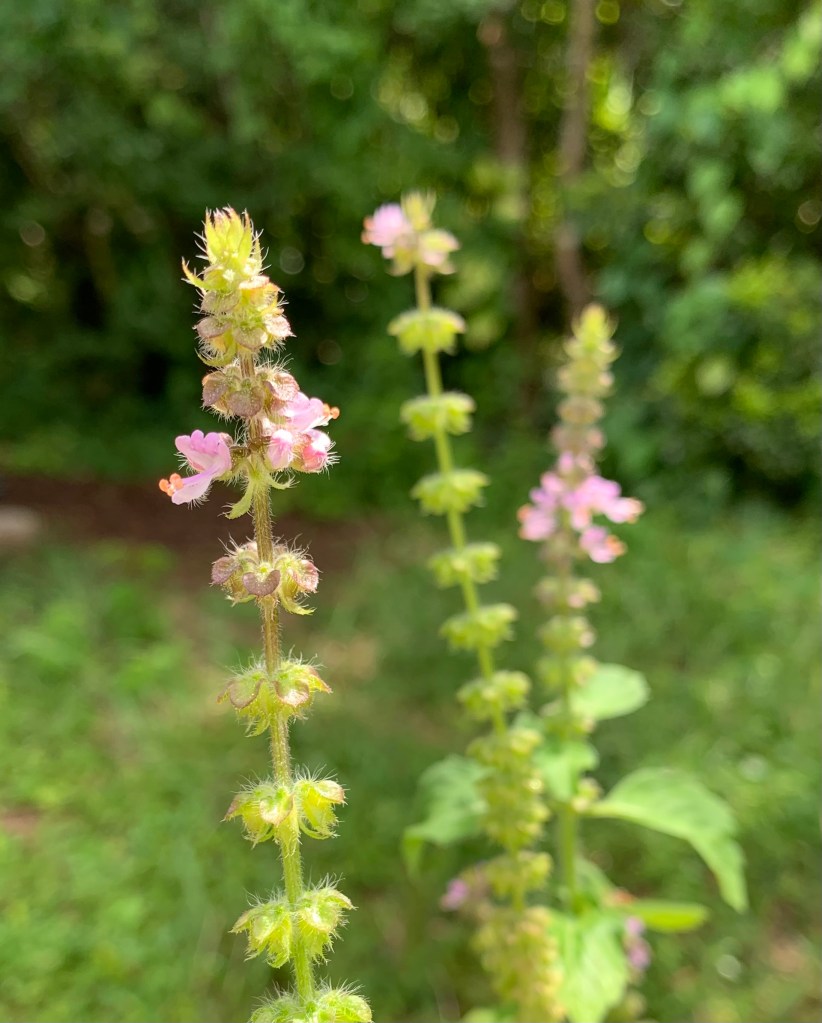
I chose red, orange, yellow and “blue” flowers. The bumblebees like small yellow flowers and tall spikes. They come every day to my Holy Basil (Tulsi) which has very tiny flowers (pictures below). However, some also like the big open pumpkin flowers. It’s best to have a variety.

The Following Morning

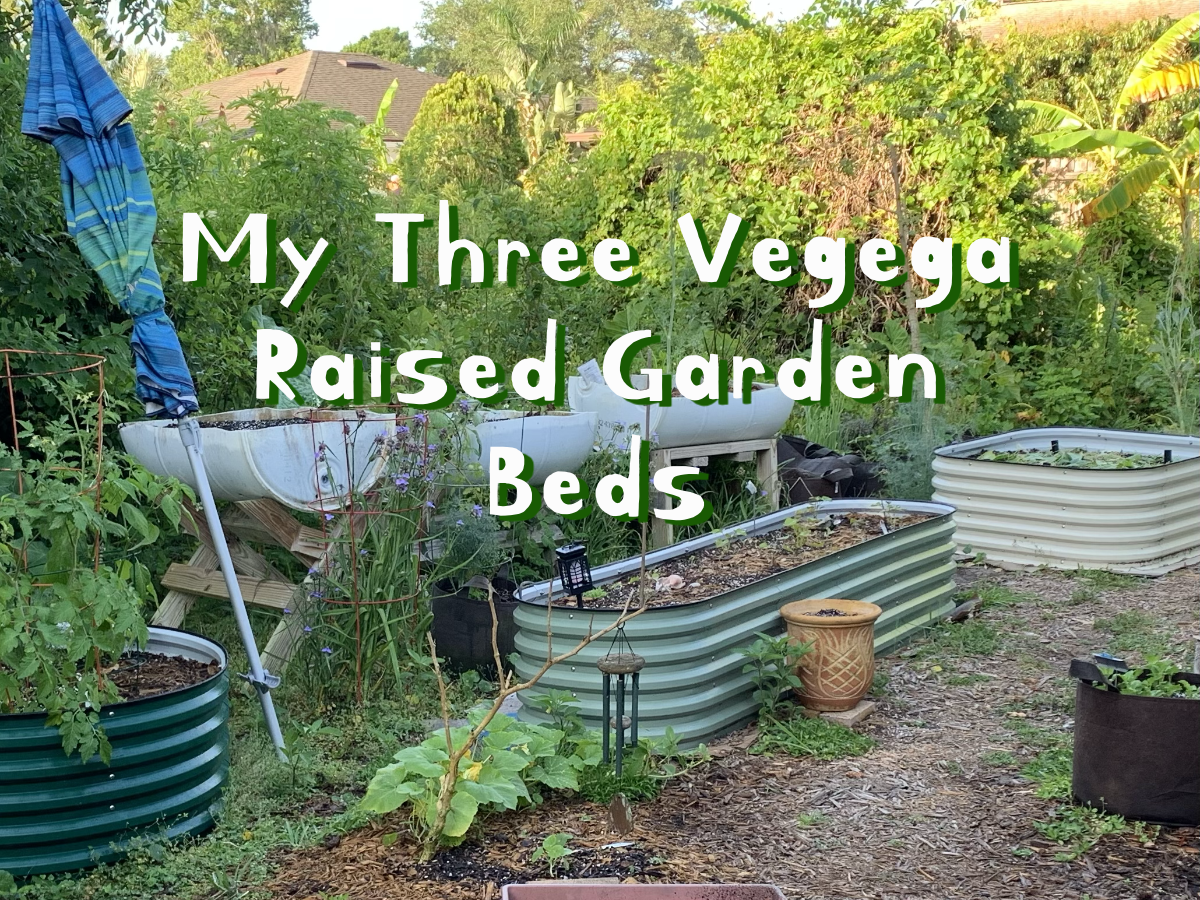
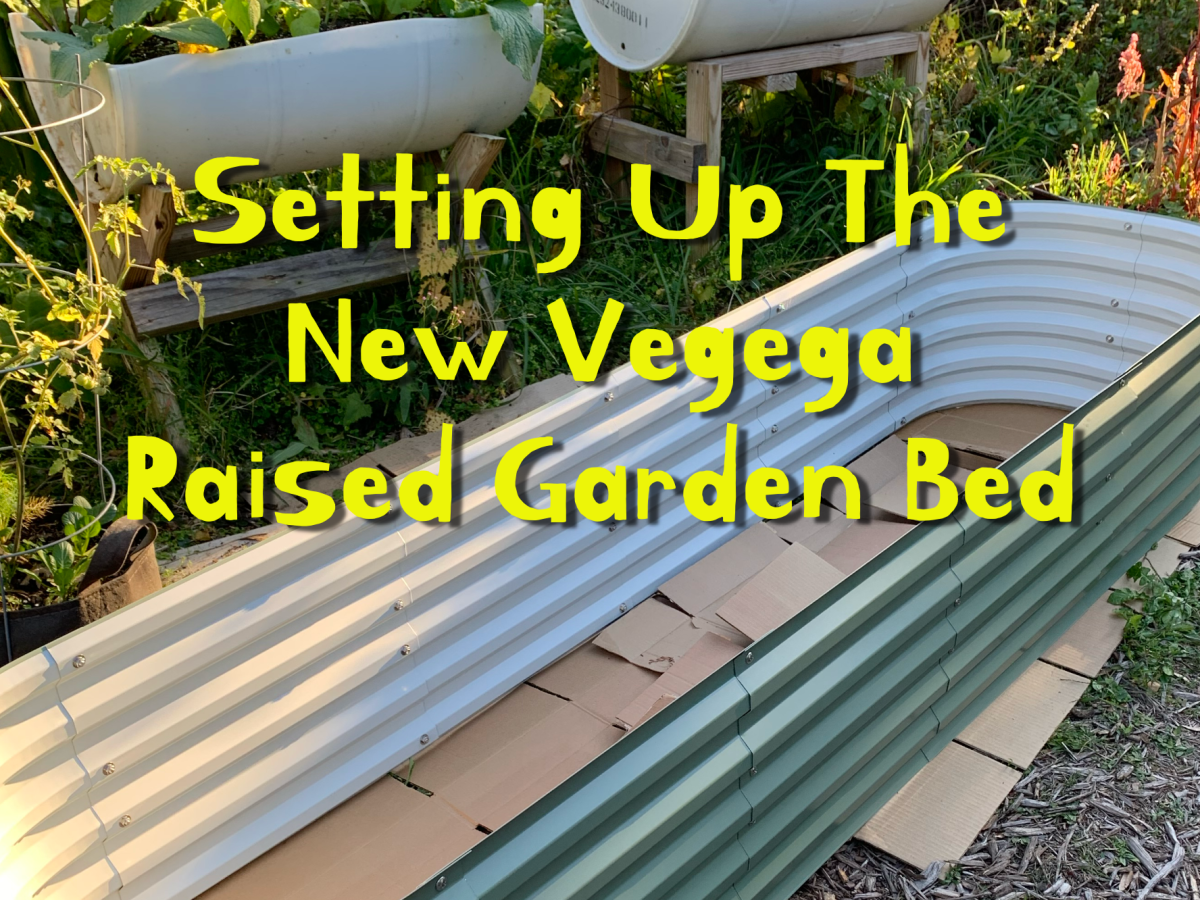
I get out into the garden as early as possible because of the heat. My goal this morning was to get the Vegega bed filled with dirt. I always scout out the gardens in the morning. When I went to the back area, I discovered that both recently planted plants- were torn completely up out of the ground!!!!!

The blue Agastache and yellow lantana were lying on the ground with their roots exposed! The big planting holes were empty. (I was too mad to take pictures.)

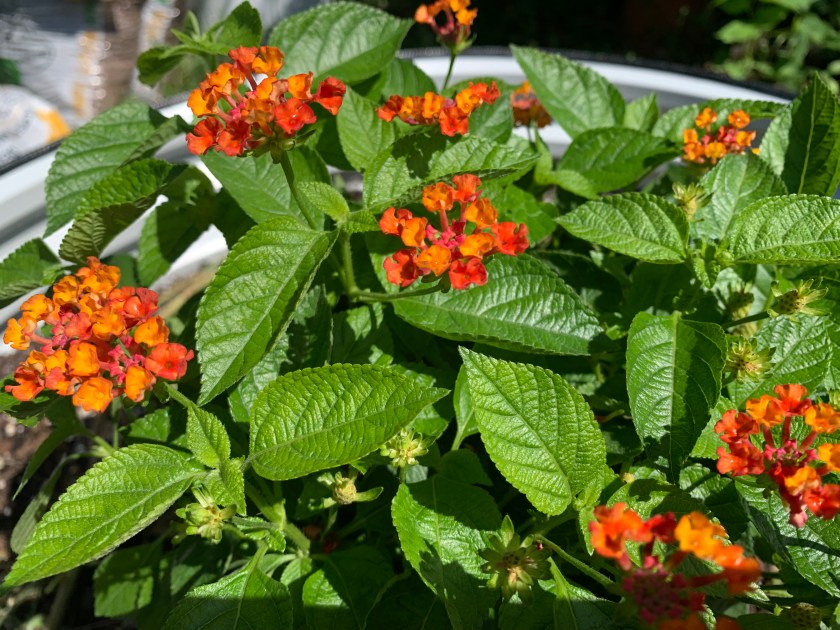
lantana
Red orange lantana plant

Re-planting and Moving On

The good news is that both re-planted plants are now doing fine. The yellow lantana has not bloomed again, but I’m sure it will. I had made the mistake of adding fish bone meal into the potting holes. I’m betting the raccoons smelled it, and dug to find the “fish”. The plants were simply in the way. Lesson learned.

Gardening means dealing with pests of all kinds. For me, the Raccoons cause the most trouble. They are often destructive without purpose – as far as I can tell. They steal tomatoes and rip holes in them, but don’t consume them! They pull peppers off the plants, and dig up seedlings. Last year they stole one of my watermelons off the vine.

In the meantime, here’s what else is blooming in the yard:

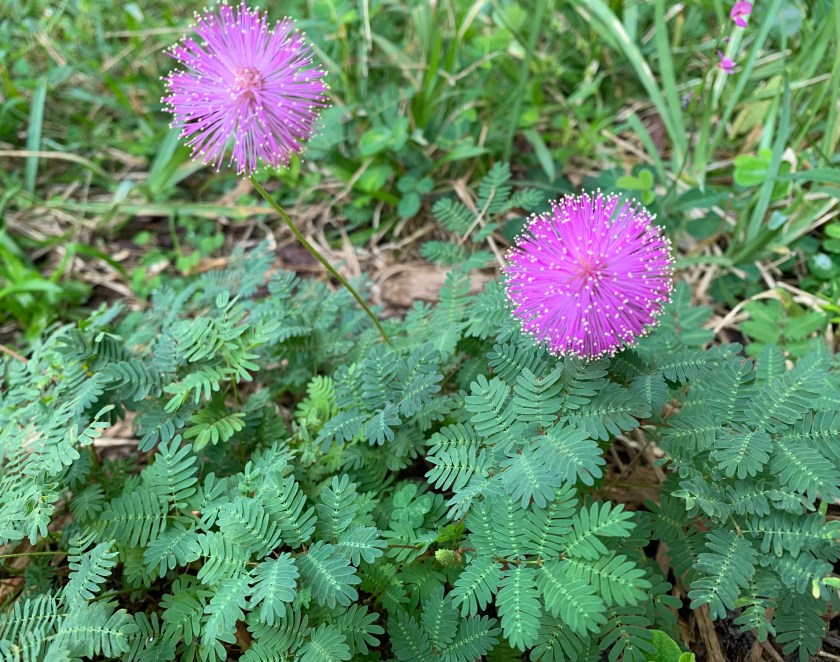
  • Sunshine Mimosa ground cover with powderpuff pink flowers
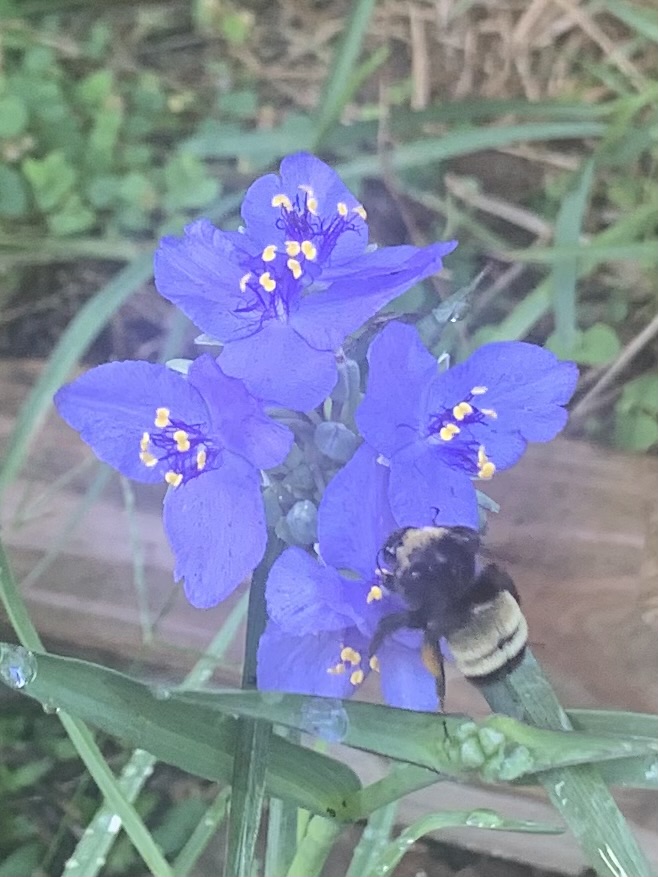
  • Spiderwort weed is a pretty blue
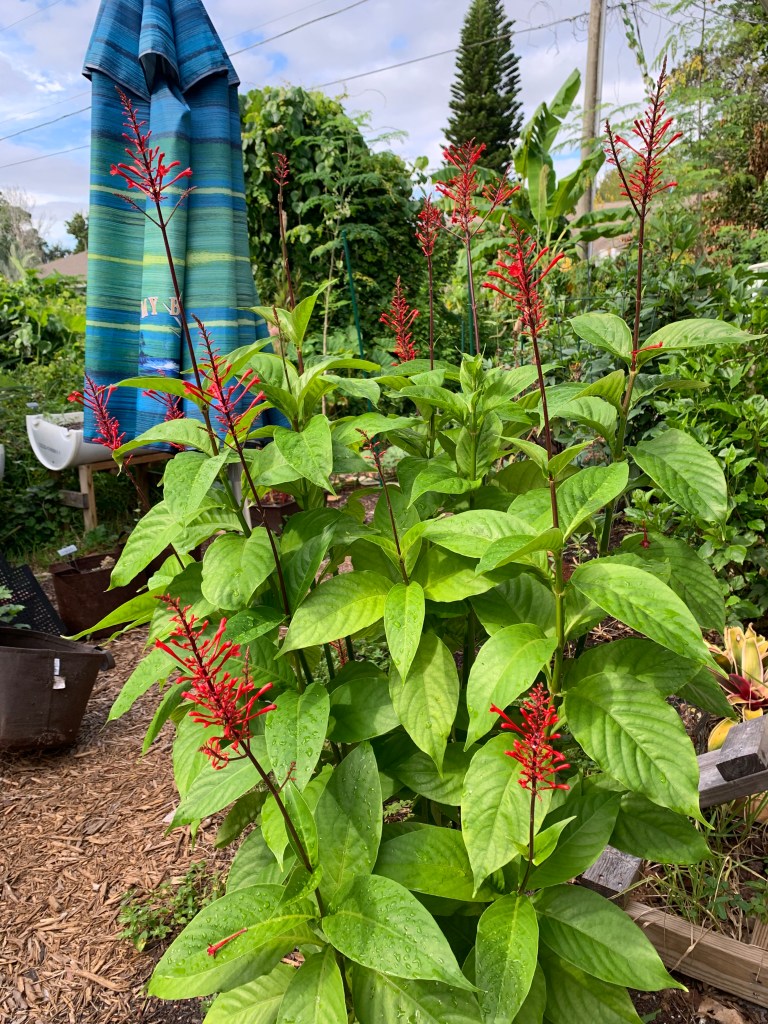
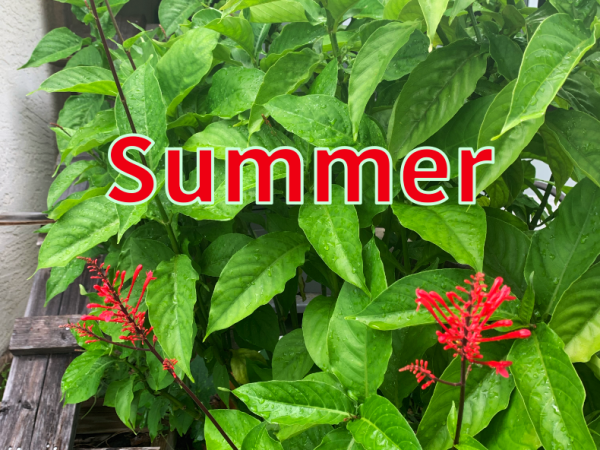
  • Firespike with tall red flowers
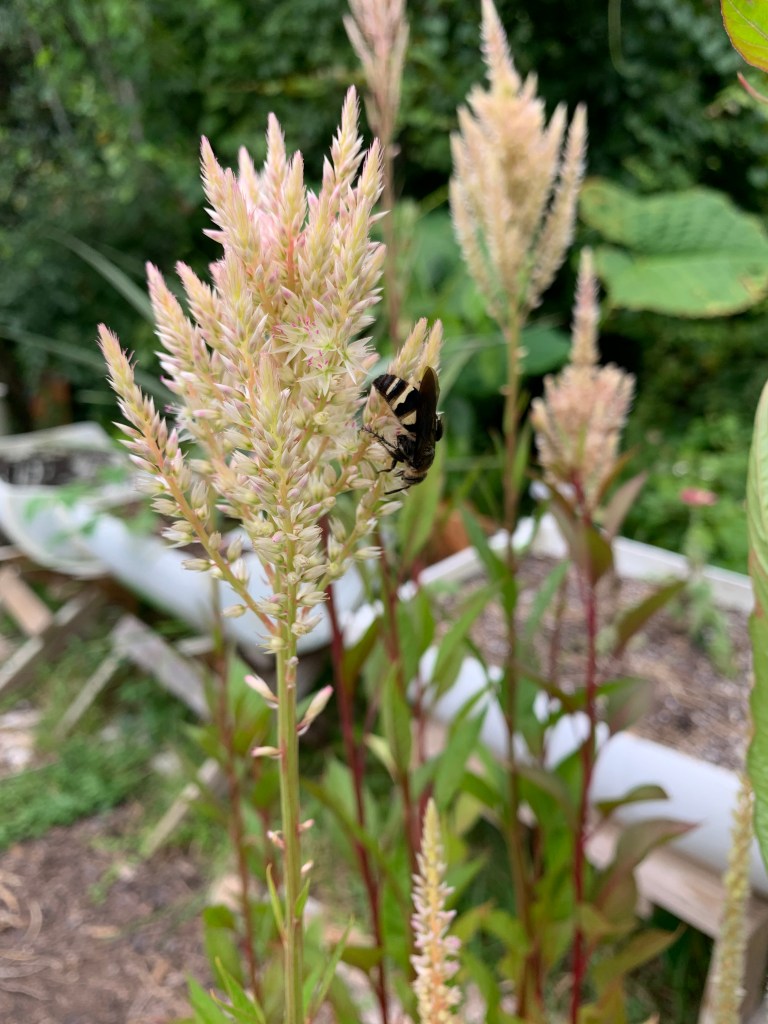
  • Celosia flowers

Thank you For reading

Pink Hydrangea Flower in My Florida Yard

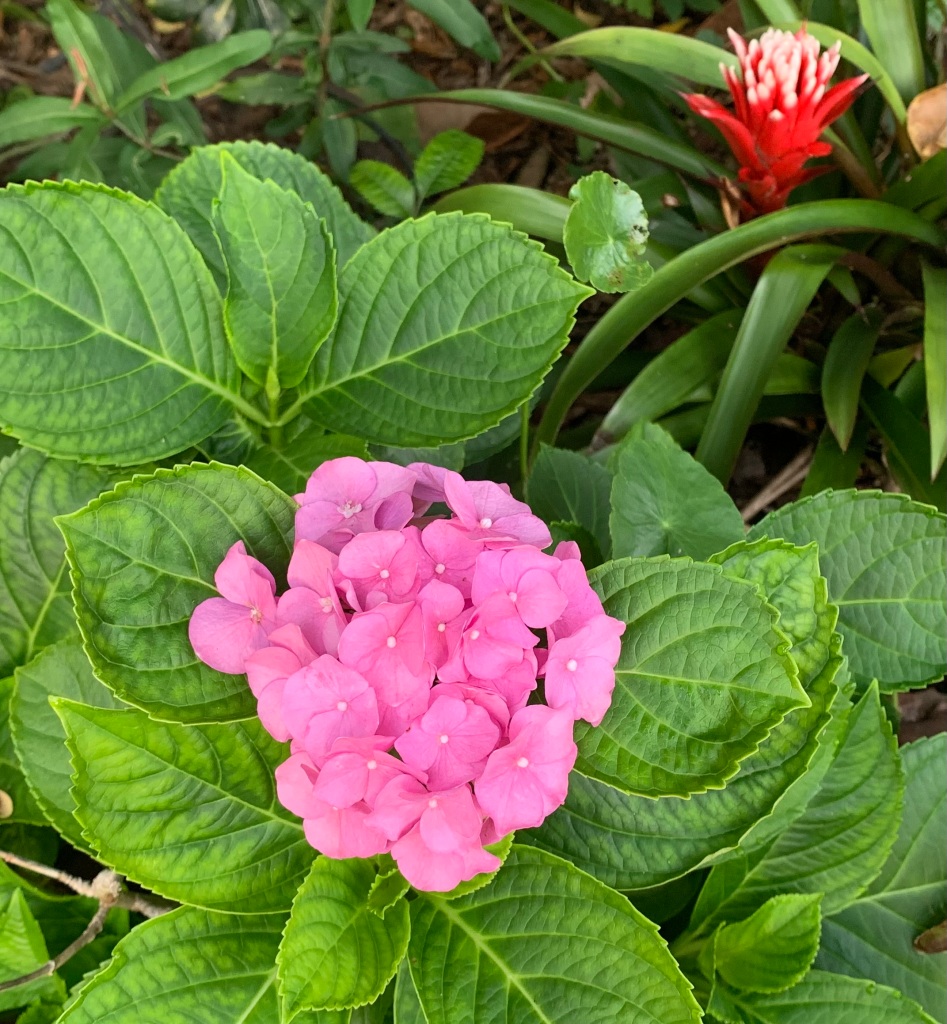
My little hydrangea shrub is blooming with one pink flower.

A quick little post to share a photo. My hydrangea is blooming and has one pink flower. I’ve mostly neglected this entire garden because I’ve focused on growing vegetables.

This garden is by the front door and is a bit overrun with dollar weed and other things. I haven’t done a thing here – no fertilizer, very little weeding, and occasional watering from the sprinkler system.

The bromeliad is also blooming, and it always reminds me of the friend who gifted it to me. 🙂

The sandy soil is alkaline in my yard so my hydrangeas will always be pink. This shrub had purple-blue flowers when I bought it – back in March, 2019. If I chose to add an acid fertilizer the flowers might become blue again. But, I don’t really care. I am happy the plant is still doing well after a few years, although it is not very large.
If you are wondering if hydrangeas will grow here in Florida, my answer would be yes. This plant is five years old now. It gets shade all day long.


More to read

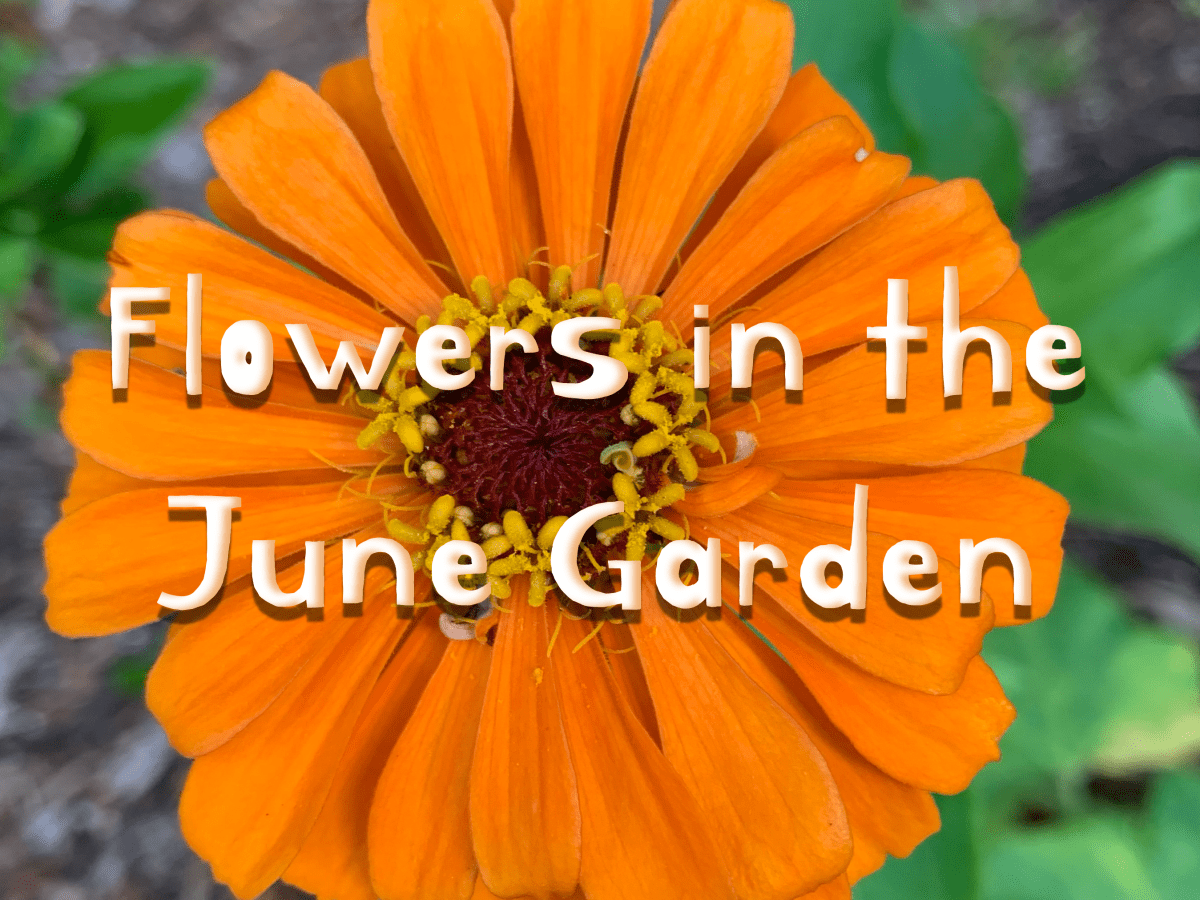
Pretty Flowers in the June Garden

Lots of flowers are beginning to bloom in June. Here in central Florida we have a jump on growing, but look forward to growth just the same.

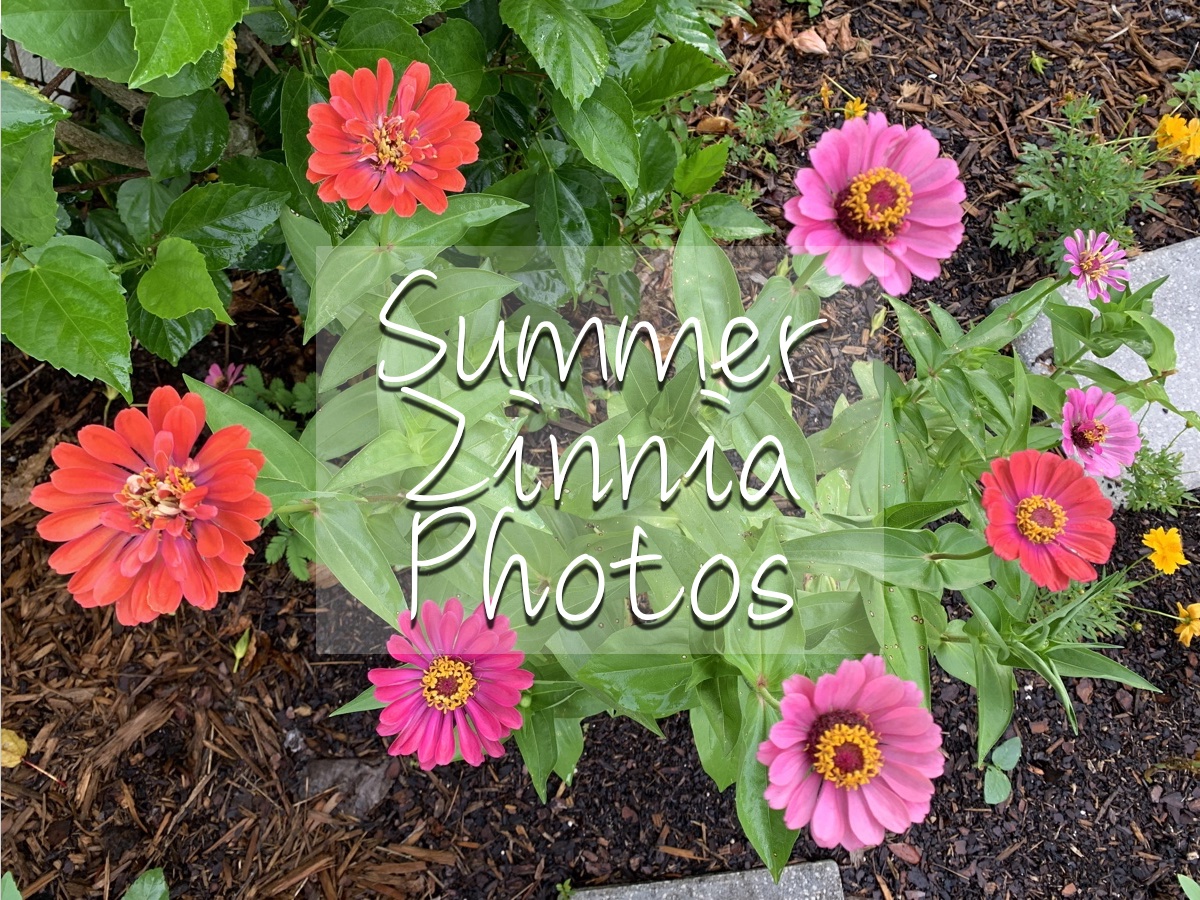
Photos of My Summer Zinnias

Zinnias are some of the brightest flowers that can be added to the garden. Bees and butterflies use them for food, and even a place to sleep. The flowers are long lasting and the seeds are easy to save.
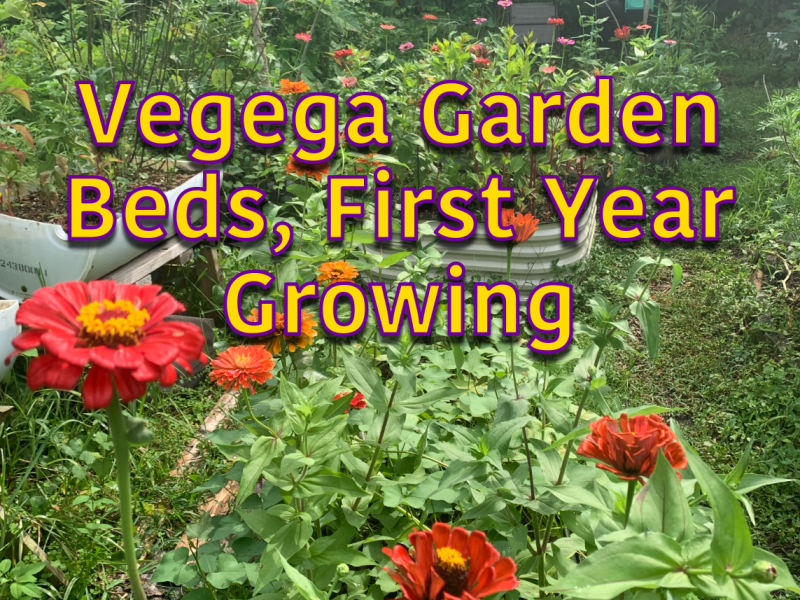
Last year (2023) I grew zinnias for the first time. I’m not sure why I never grew them before in Florida, but I’ll always grow them from now on.

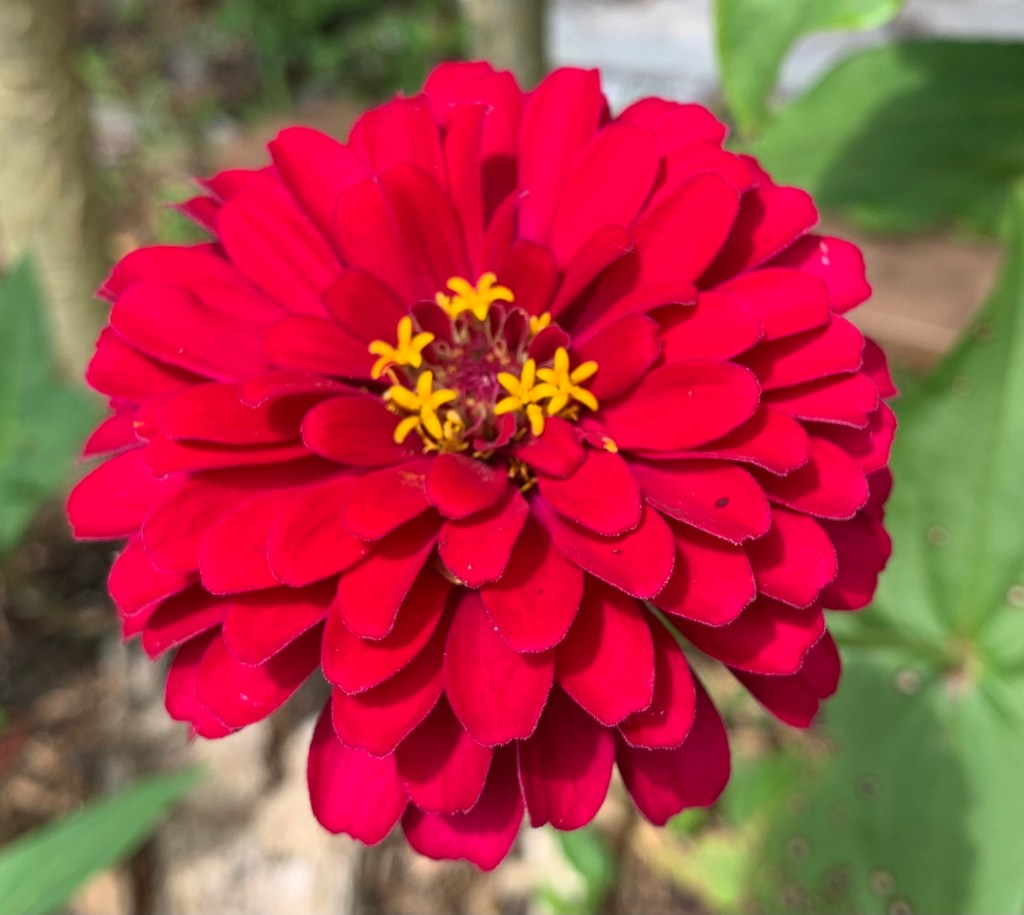
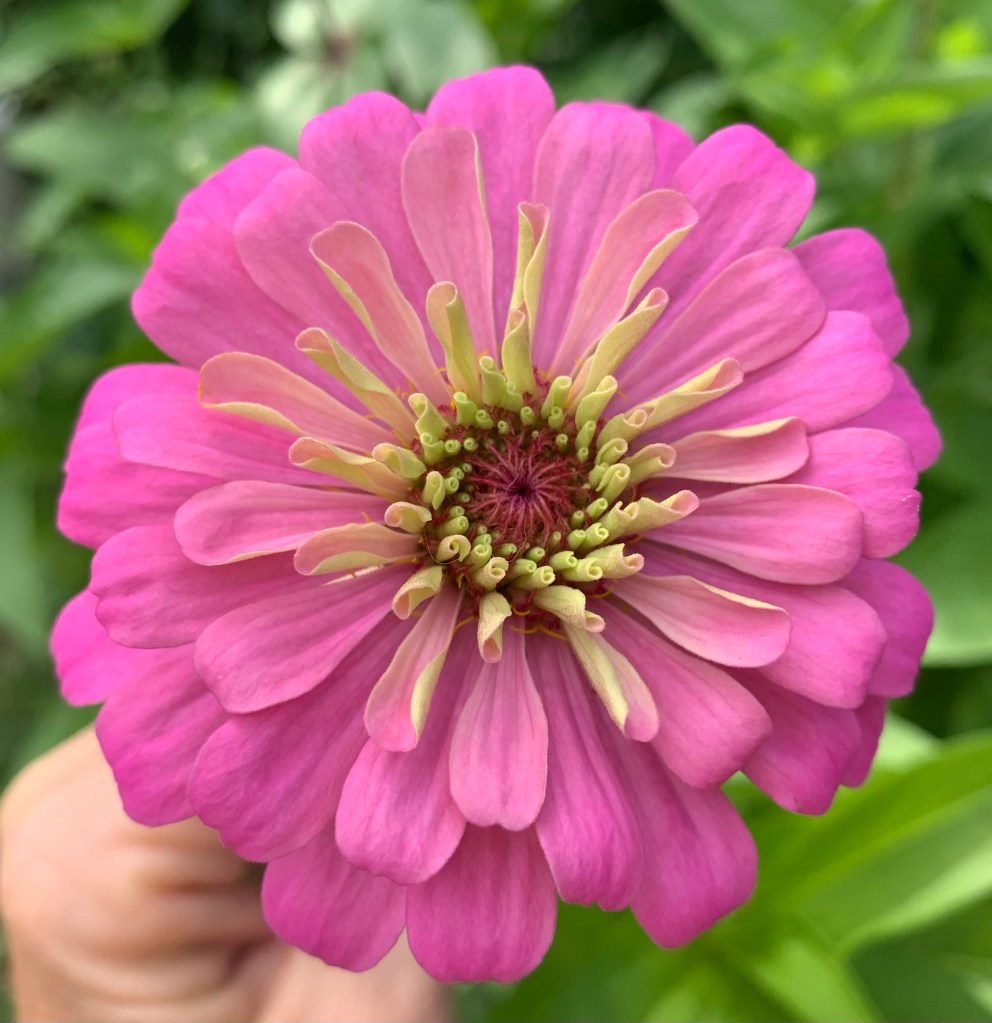
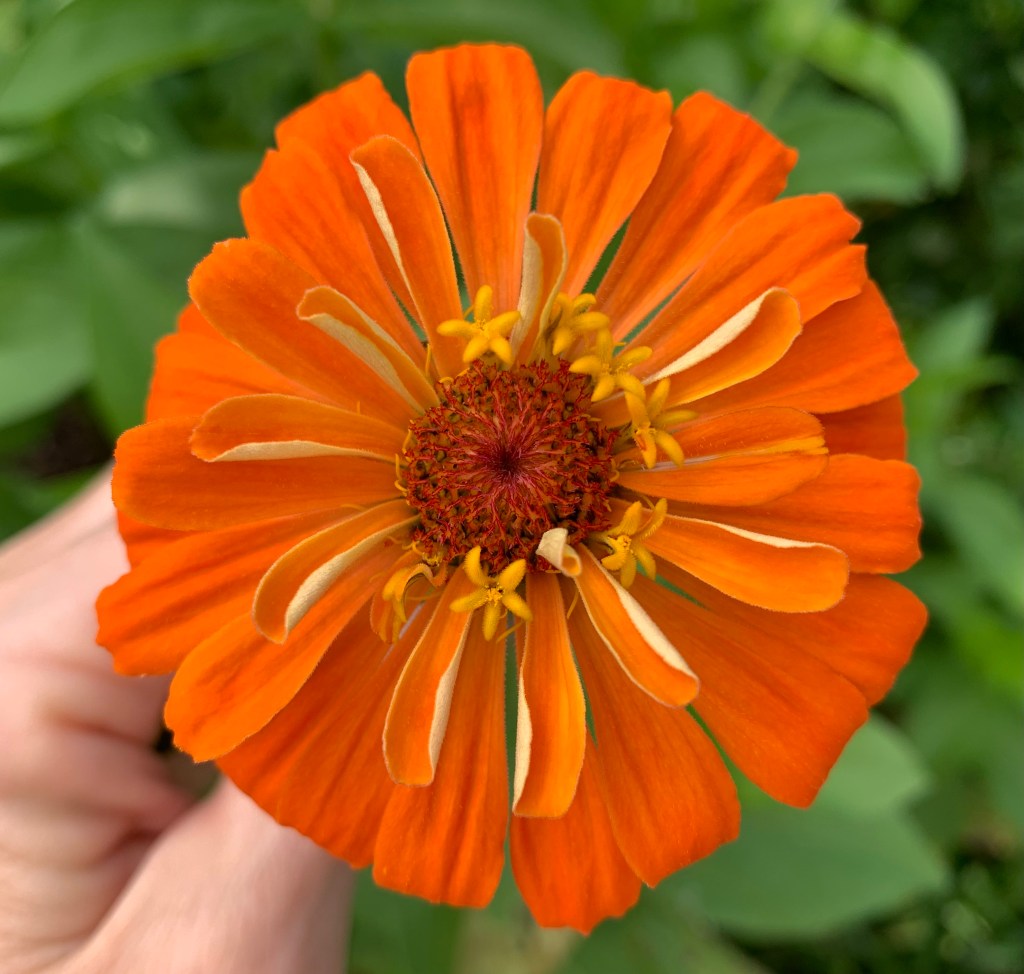
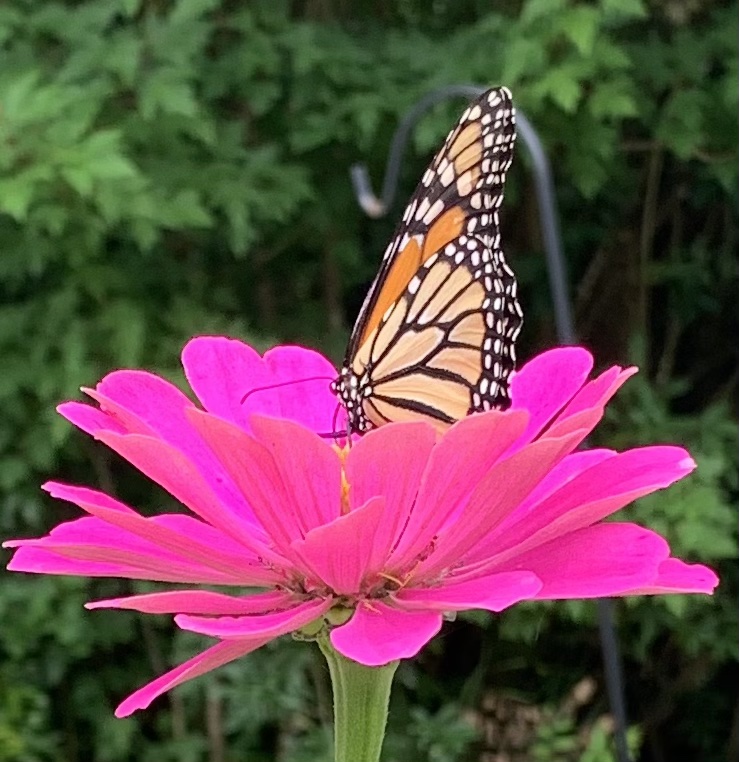
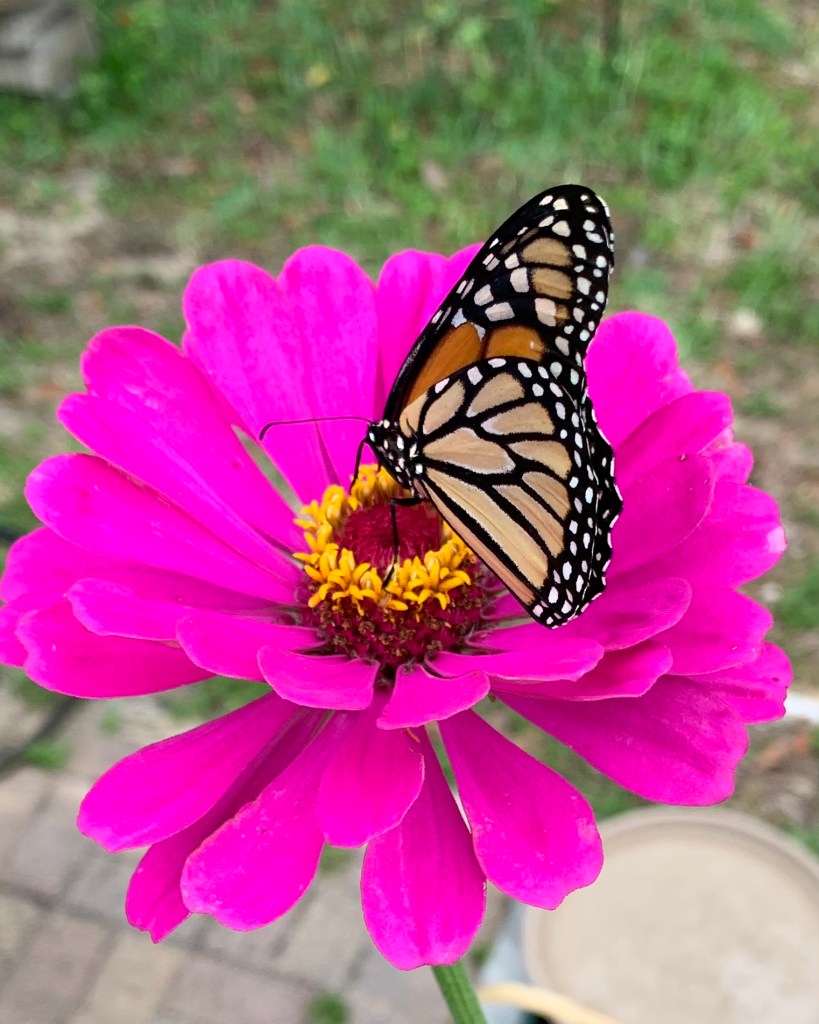
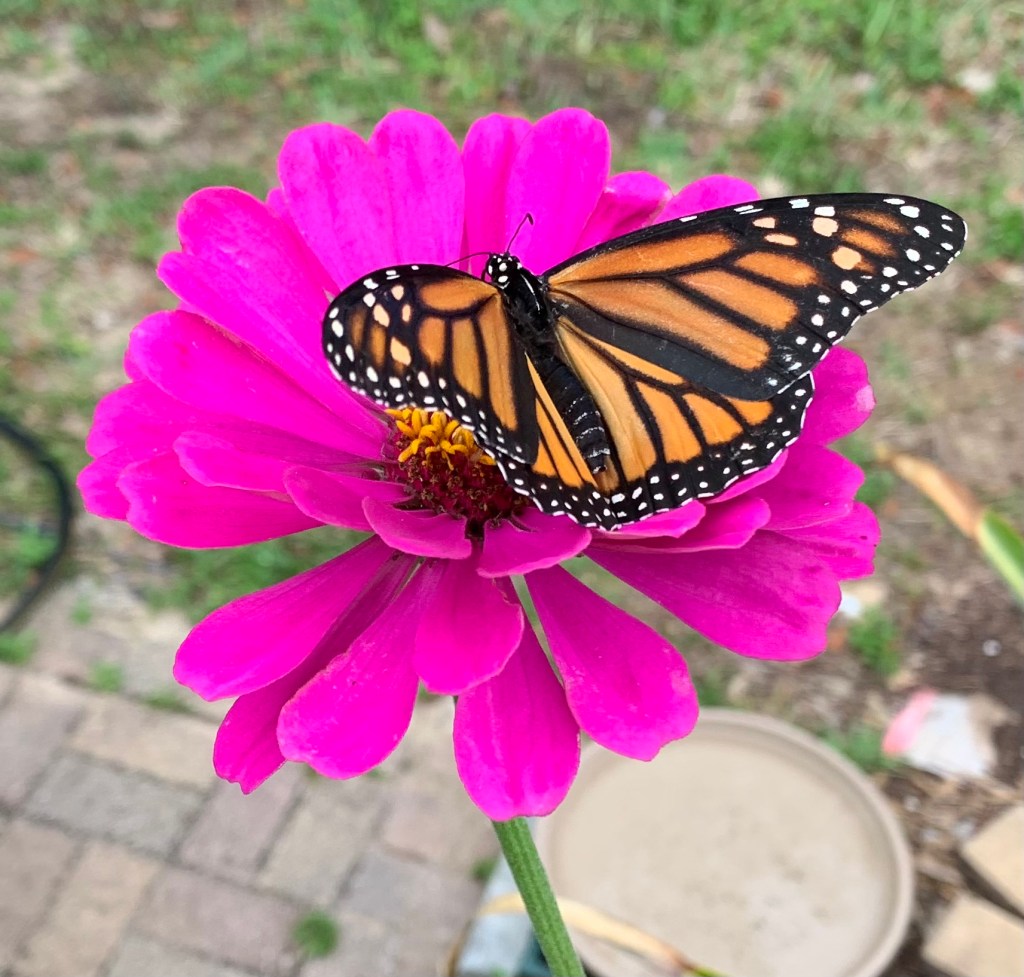
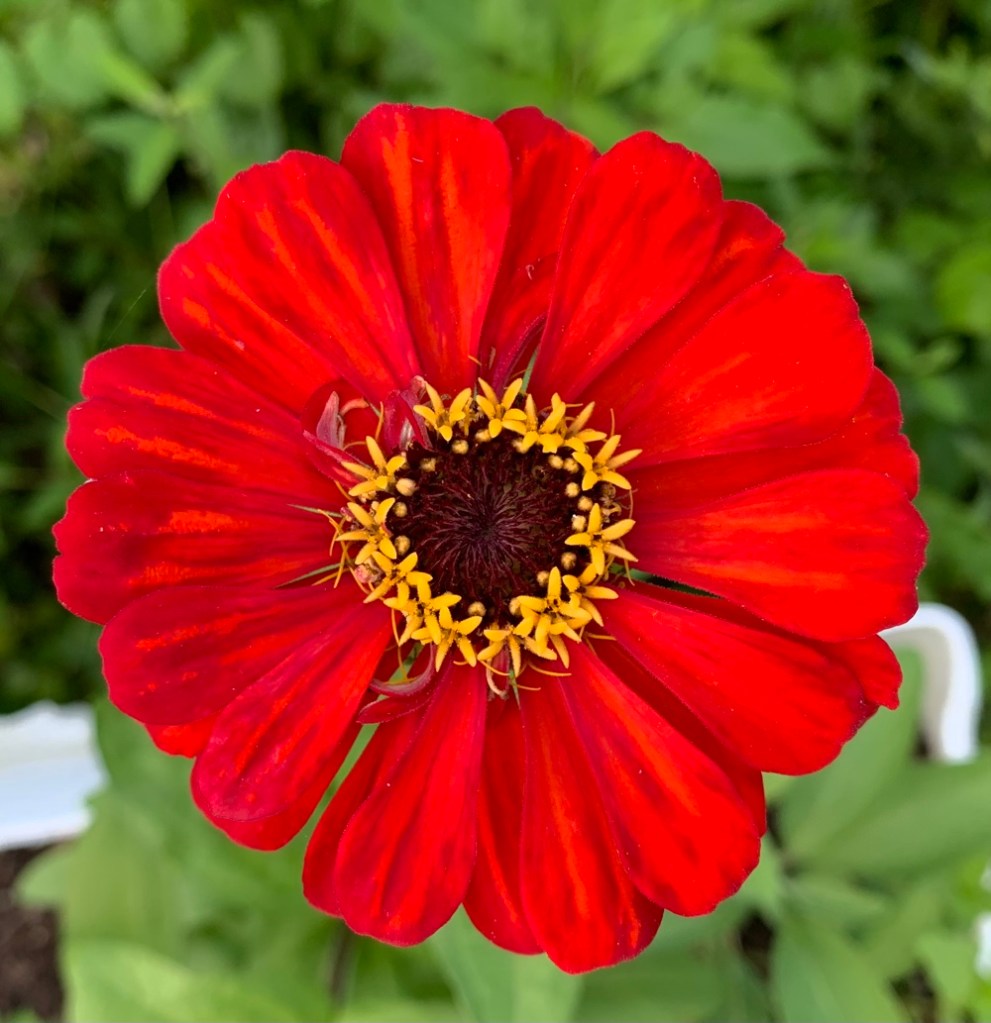
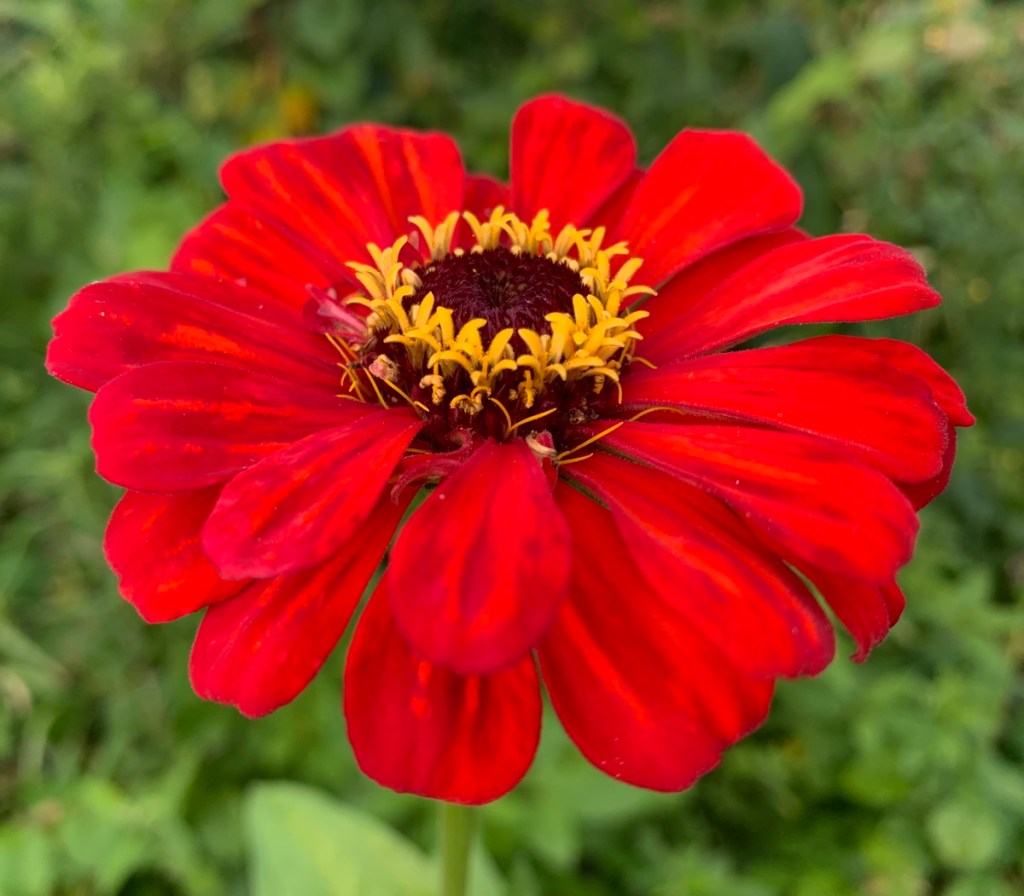
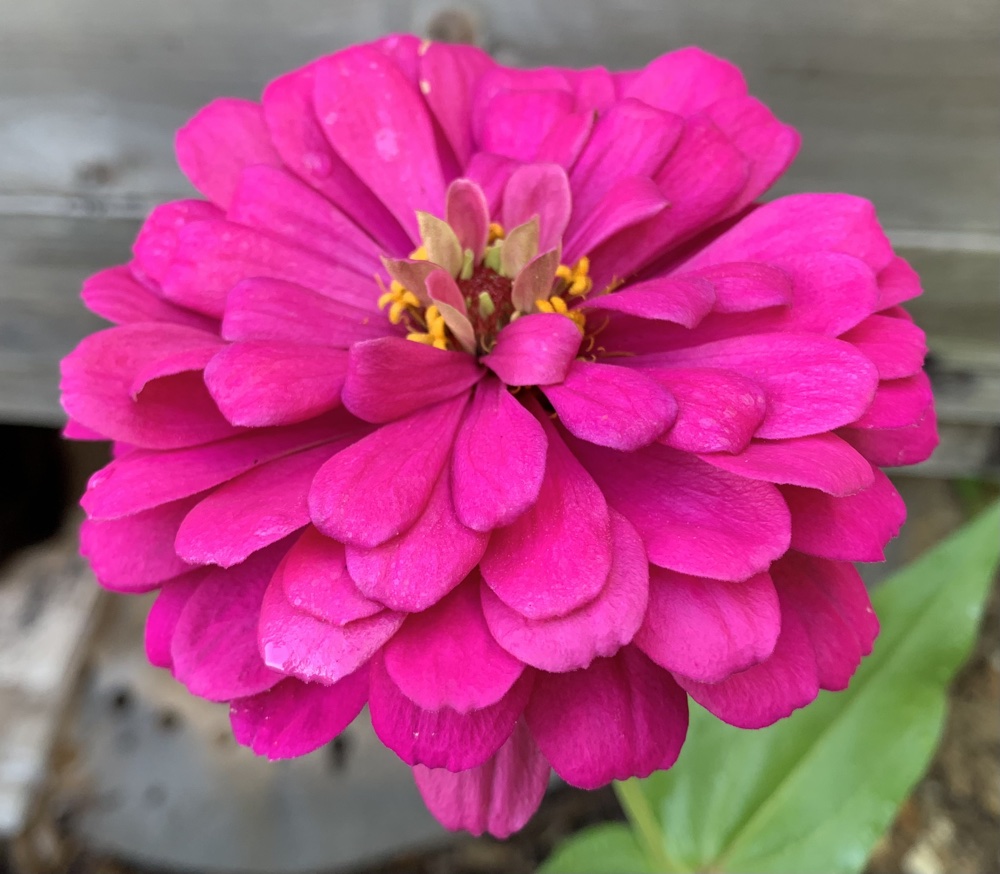
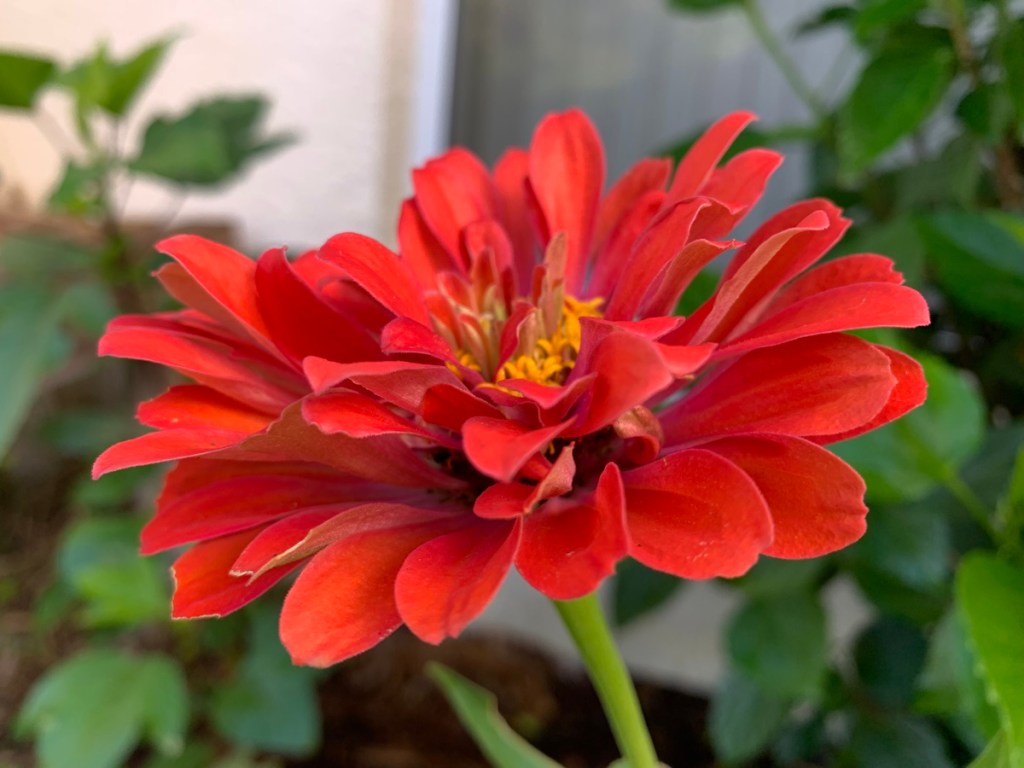
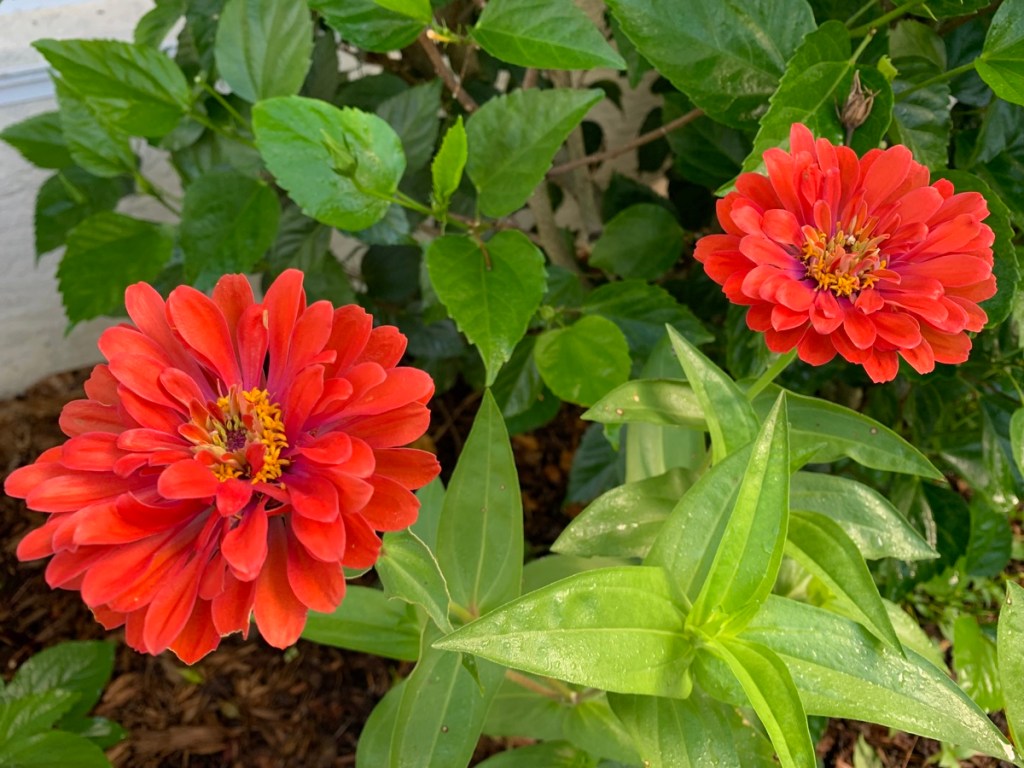
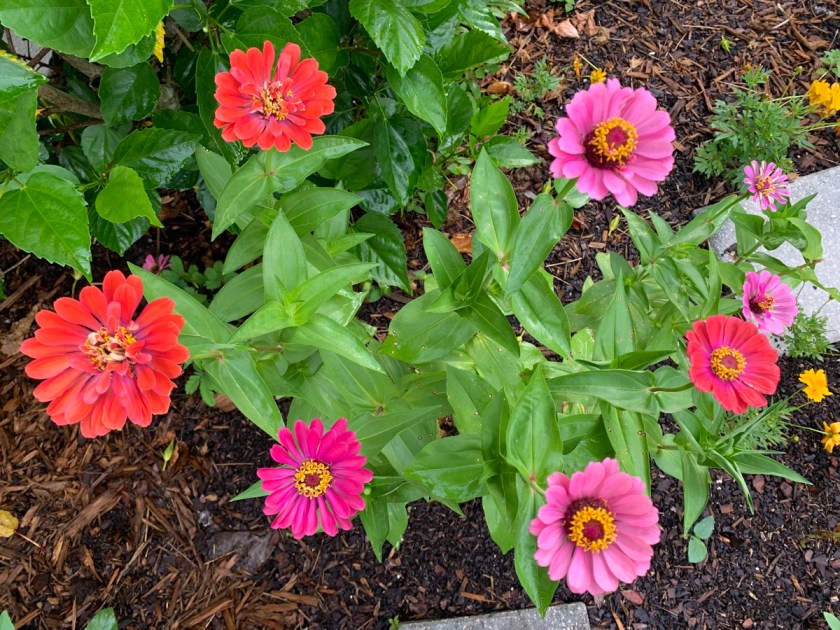
Look at the colors! The reds are so bright, and the orange is so true. The hot pinks are incredible, and the butterfly thinks so too! I think it is a Monarch.

The bees and butterflies especially love the Zinnias with those yellow centers. It’s where they eat and gather pollen.

A Zinnia flower will change day by day as the petals open and the center grows. They are quite long lasting also.

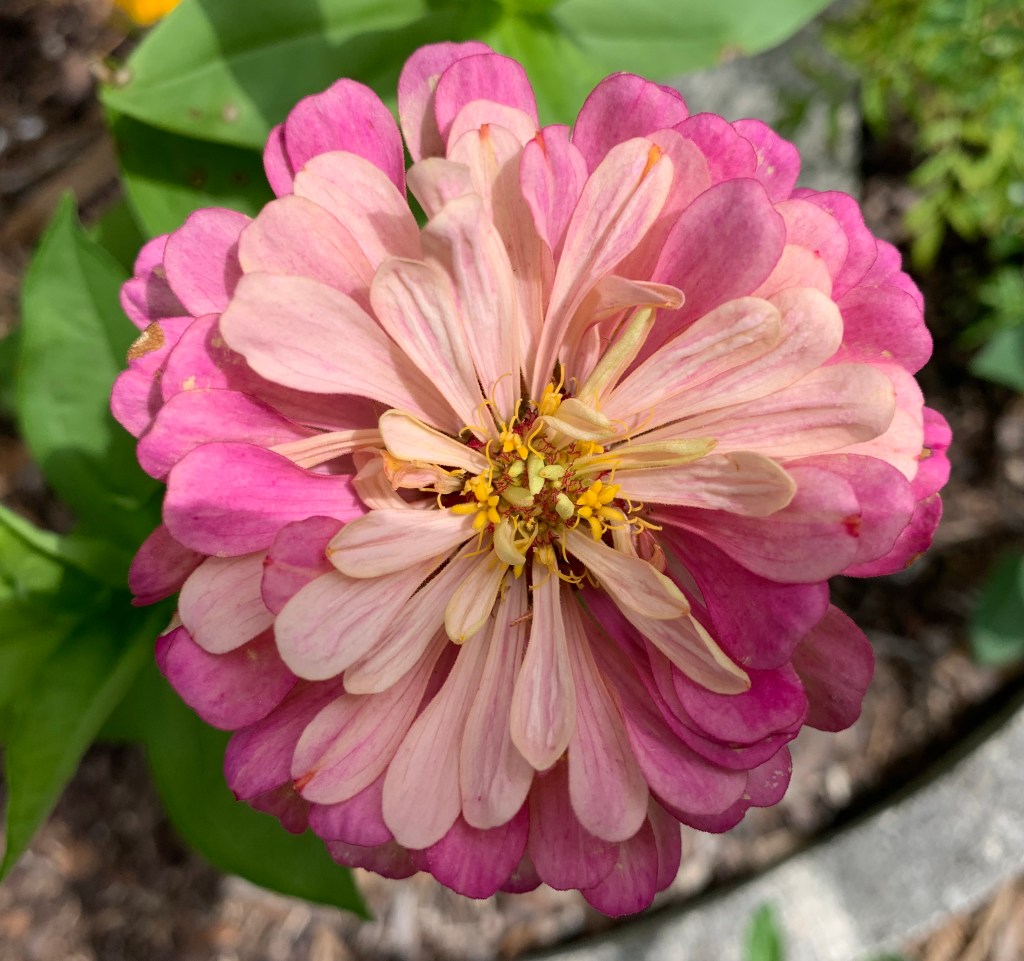
I’m partial to the flowers with lots of petals that create layers. Sometimes I find a bee nestled inside those petals. What a fun place to sleep.

Save the Seeds

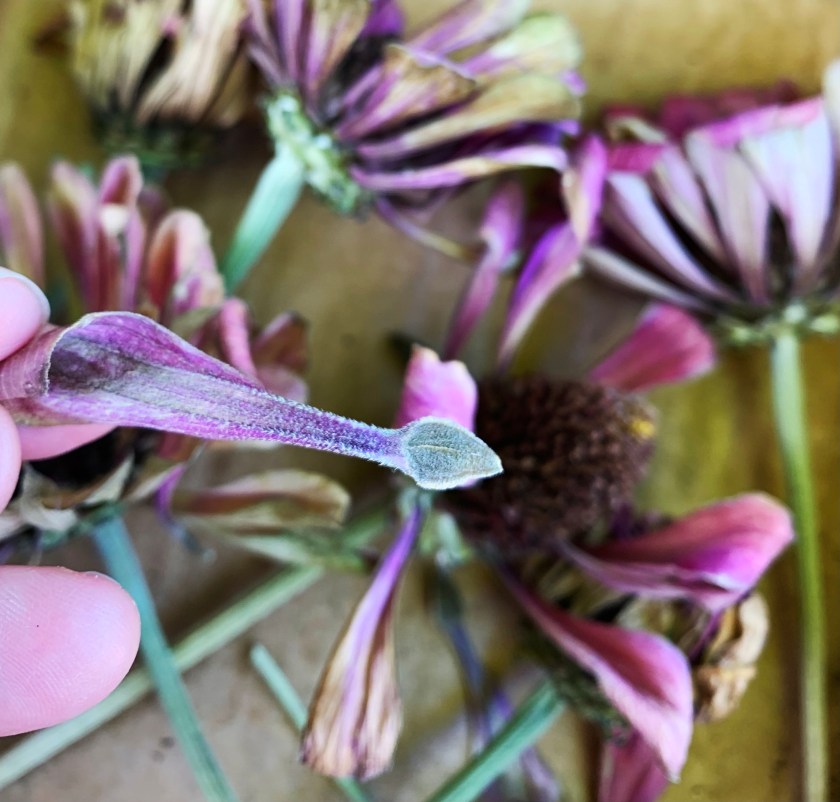
Zinnias are direct sow, so put the big seeds right into the dirt. Saving Zinnia seeds is also easy. Each petal has a seed at the end. I cut off the flower heads when they seem to be gone by and drying out, and place them into a box to dry further. I will be writing a separate post about saving the seeds, but that is pretty much it.

Zinnia seed and petal
Zinnia seed

I leave the flowers whole, but usually they become so dry that the petals fall out. Sometimes I can still see the color of the original flower. Every photo you see on this page (except the Florets) came from seeds I saved from last year’s flowers.

I also read at the UF/IFAS extension that the flowers with few rows of petals should be tossed! What? Why? I disagree.

Zinnia Disease

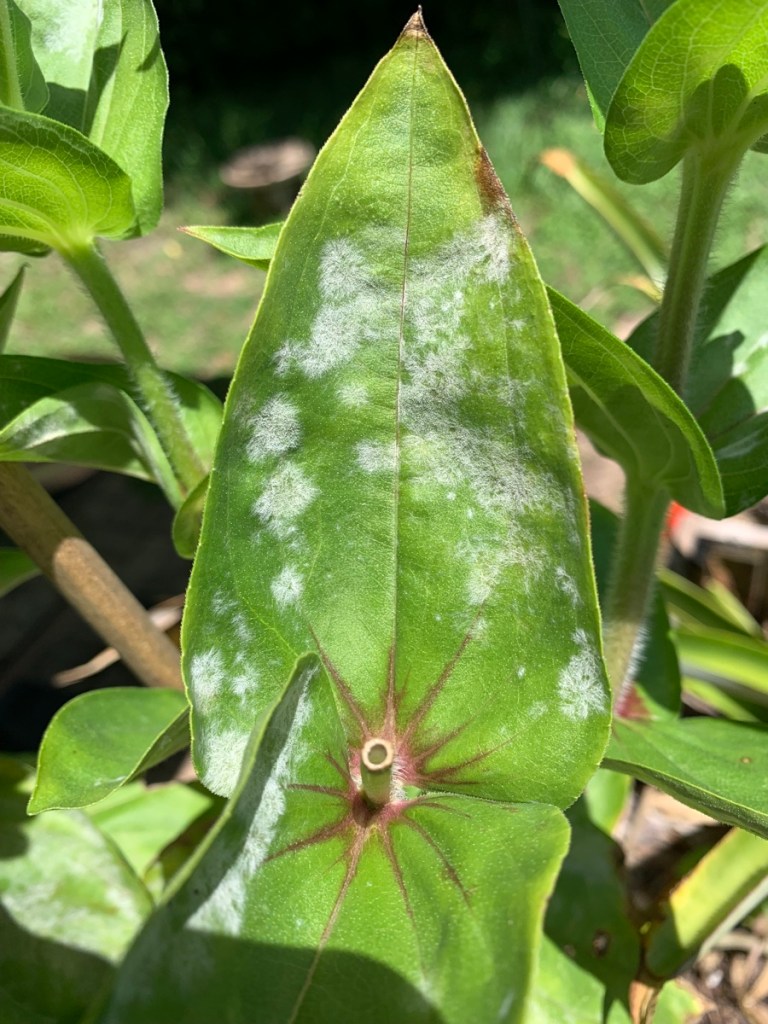
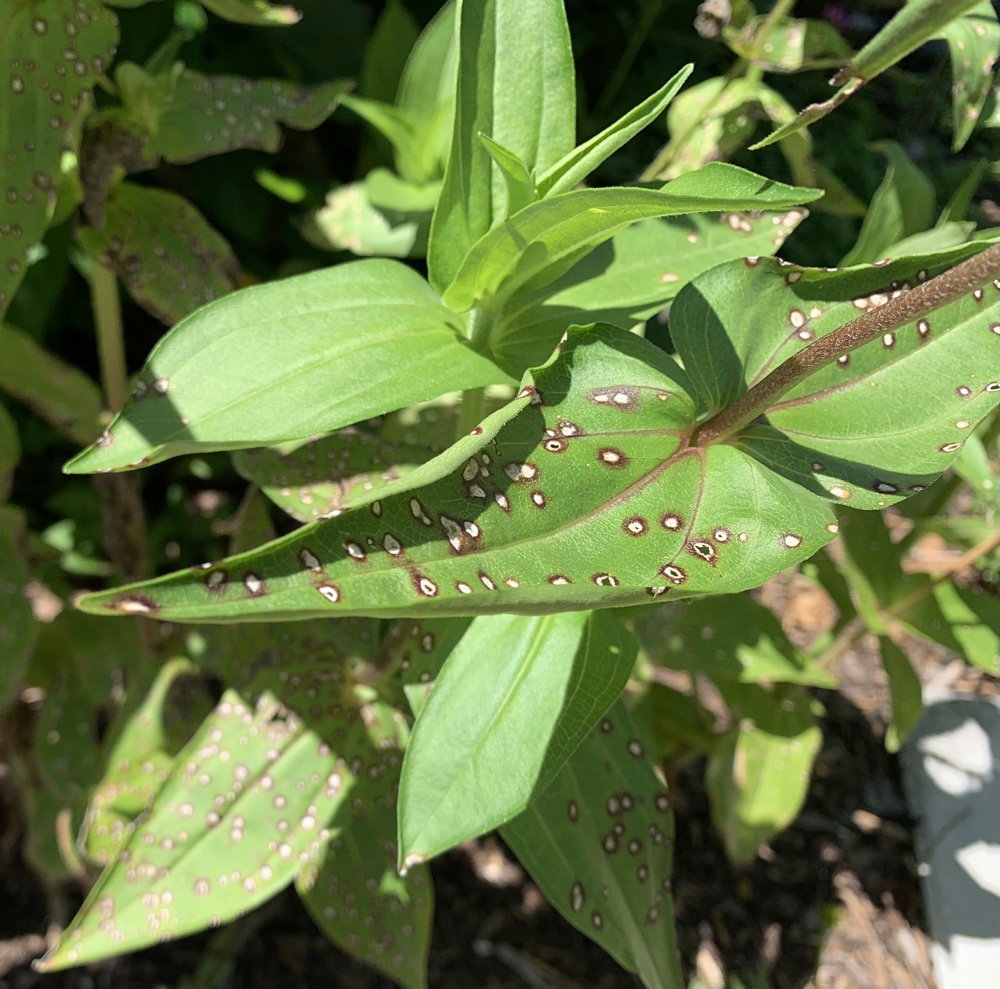
This year I learned that Zinnias can get a spotted leaf disease called bacterial leaf spot. And sure enough, most of mine had it. They can also get powdery mildew on the leaves. (Pegplant’s page lists some varieties that are mildew resistant.)

One way to help prevent both problems, is to give them space to grow. Air flow helps, but I live in a very humid place, so I’m not sure these things can be avoided. Overhead watering is a no-no for these flowers also.

Zinnia Varieties Less Susceptible to Disease

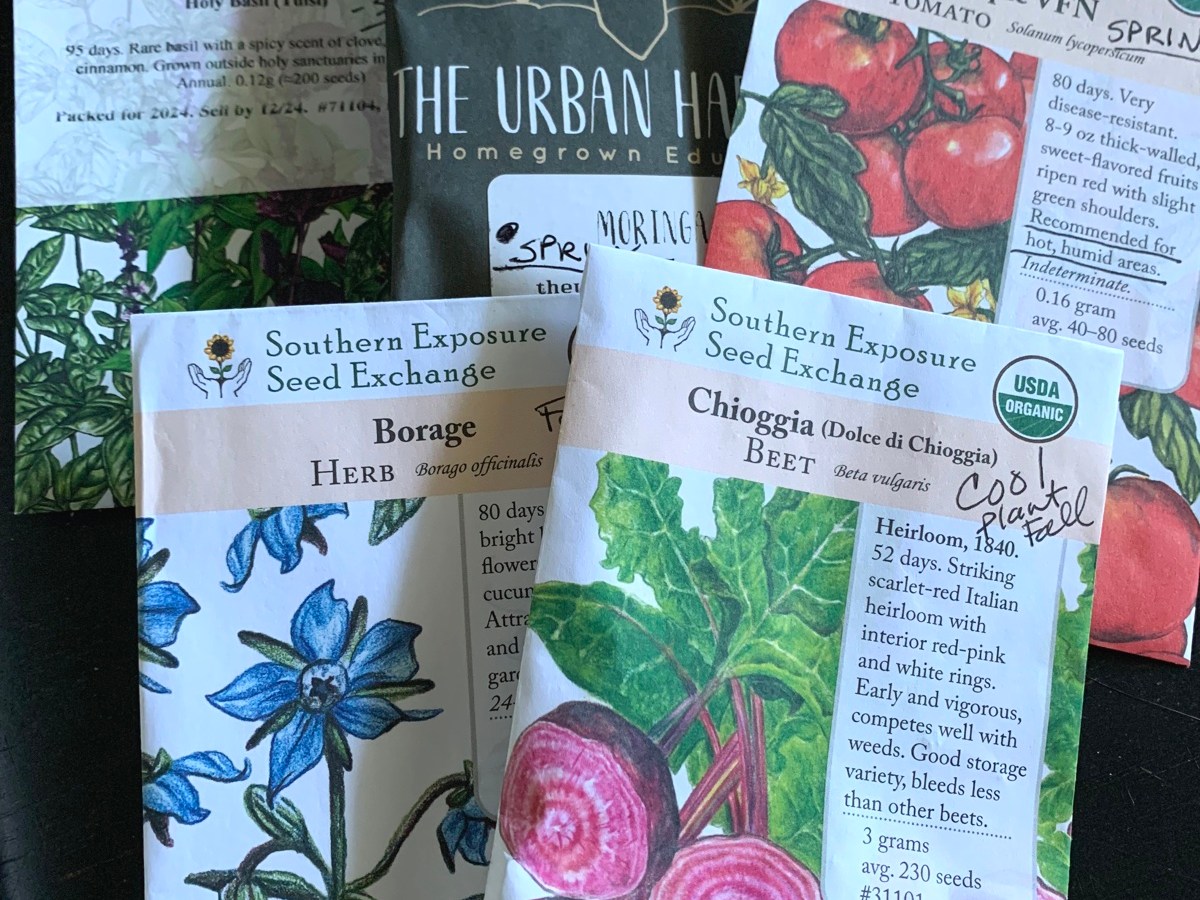
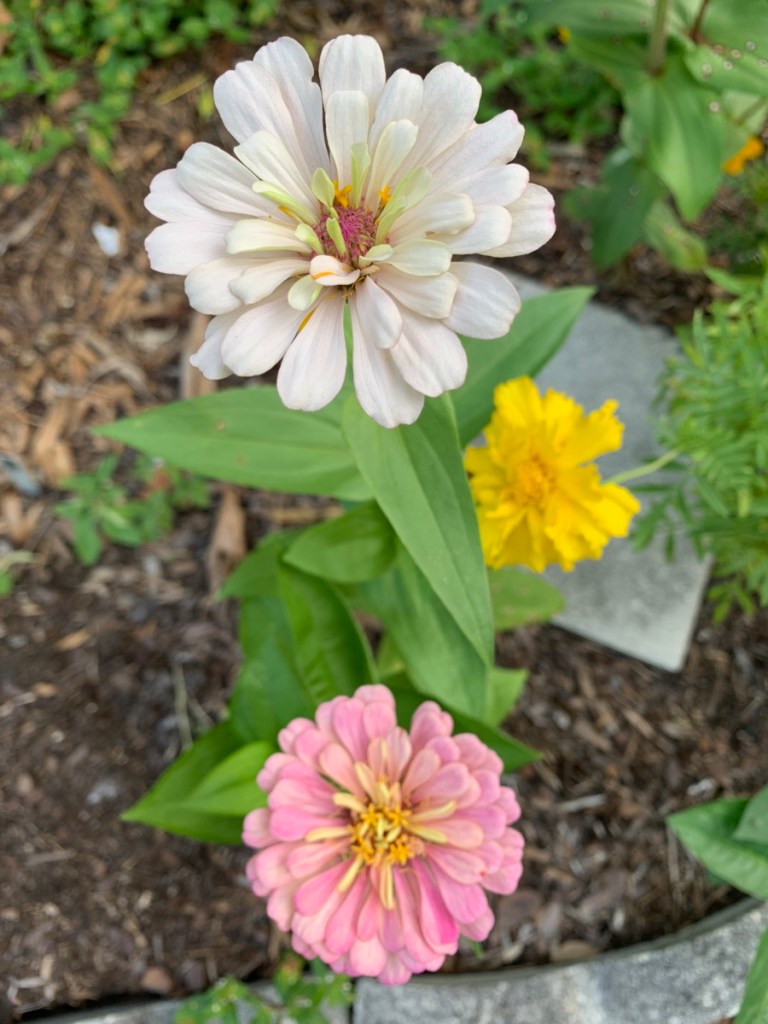
I can’t remember where I saw this information, but I wrote it down. This list is the varieties of Zinnia that supposedly are less susceptible to disease. The Southern Exposure Seed Exchange has the Marylandica variety (also called Zahara), but it’s currently out of stock. It has small, white, daisy-like flowers.

  • angustifolia
  • marylandica
  • crystal
  • star (bright?)
  • profusion

The varieties to avoid, for disease, are “elegans” and “heageana“, which seem to be the most likely available! I think all of mine are Zinnia elegans.

I found some Zinnia marylandica seeds at a shop on Etsy and will give them a try.

zinnia garden

I hope you are having a wonderful summer. If you love to grow Zinnias, I’d love to hear about them.

More stories from the backyard…

Mimosa Strigillosa, Sunshine, Powderpuff, and Thornless

Be careful when buying sunshine mimosa as a ground cover. I made the mistake of growing the type that has thorns on the stems!

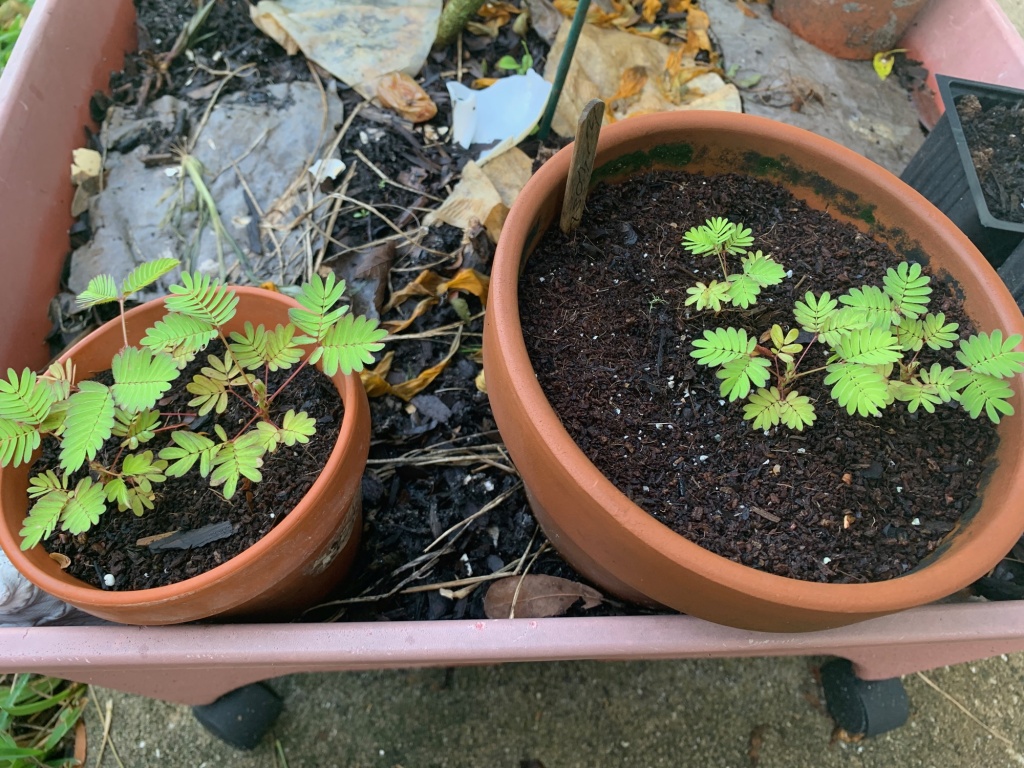
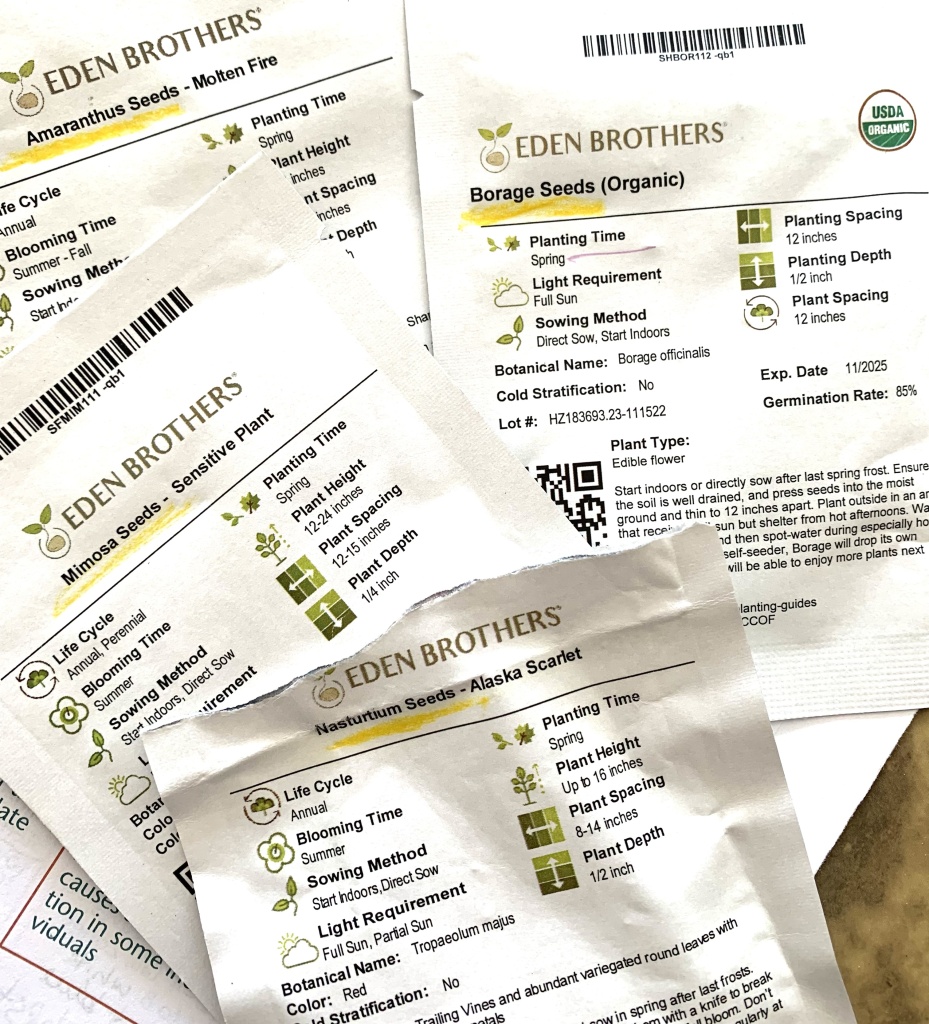
About a year ago I ordered Mimosa seeds. I did not realize there are different varieties of Mimosa and I got the “Sensitive Plant” or “Shameplant”. It is called Mimosa pudica.

What I wanted was the Sunshine Mimosa I had heard so much about. Plant it in the yard to replace grass and feed the insects. Brighten the landscape with pretty pink, puffy flowers. It does not have thorns.

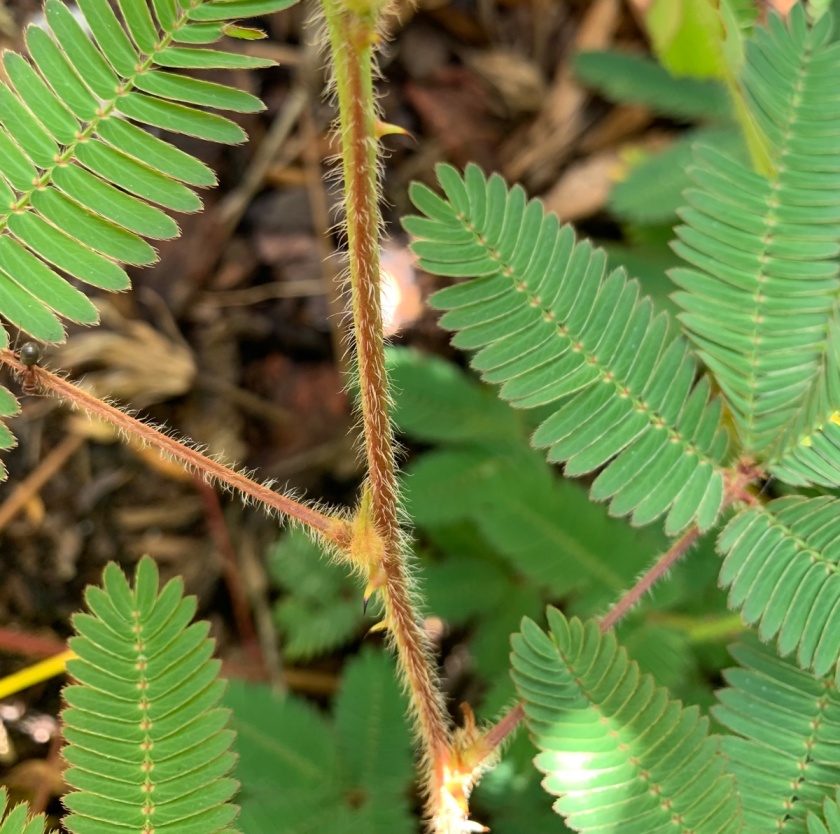
I made a big mistake when I ordered the wrong seeds. The seeds I grew became plants with thorns on the stems.

The One With Thorns

Once my mimosa seeds began to grow, I was so happy. Then, I noticed thorns on the stems. Because the Sunshine Mimosa is known as an excellent ground cover, I was baffled. No one would walk barefoot on this! Animals would hurt their feet as well. I thought I had been steered wrong.

I gave up on Mimosa.

Recently, I saw a post on Instagram by The Urban Harvest. The post was about alternative ground covers, including Sunshine Mimosa. I left a comment that it has thorns, and was quickly corrected. “Sunshine Mimosa does NOT have thorns”. Any they are correct!

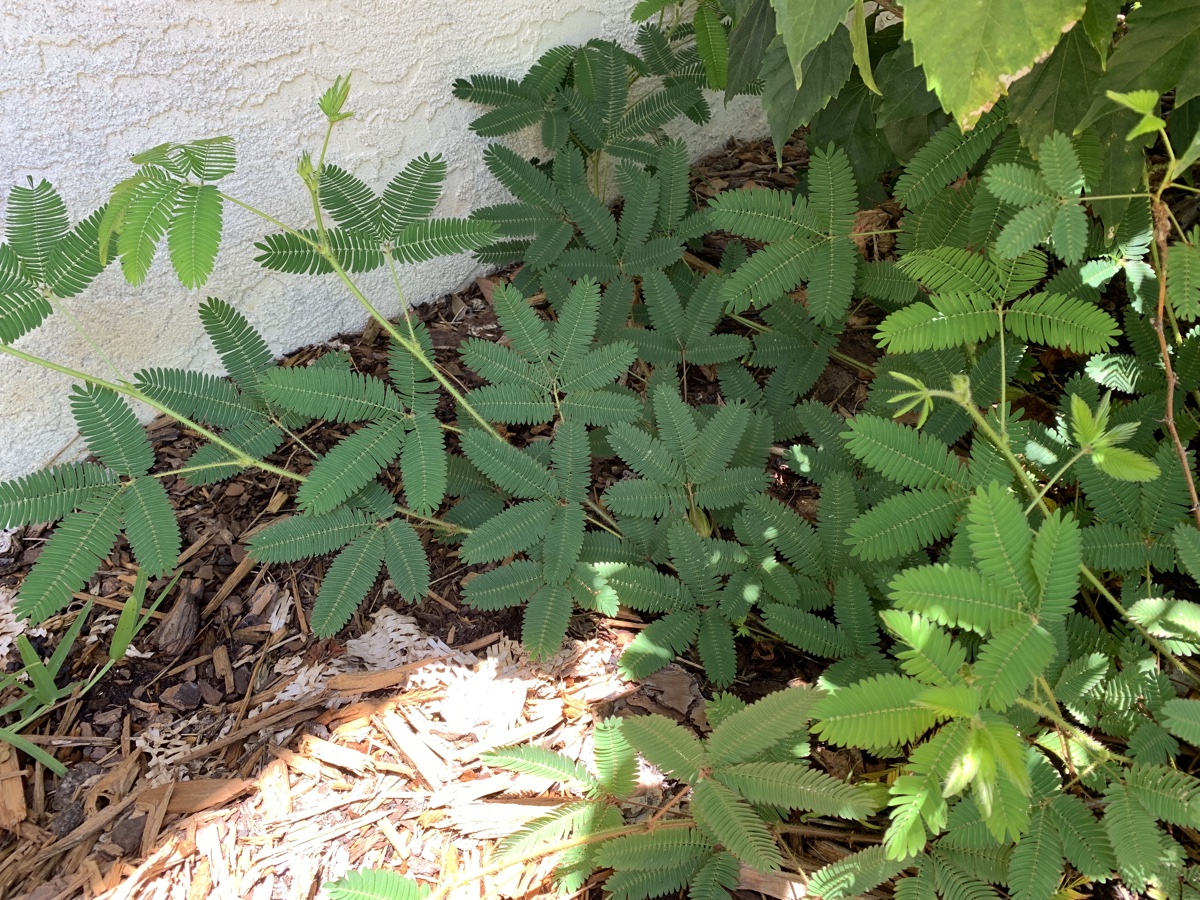
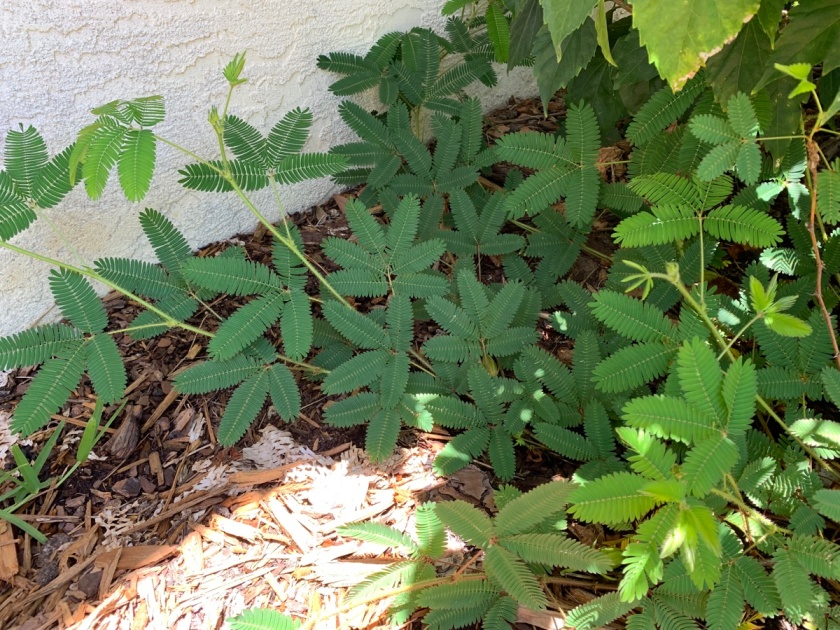
So what the heck did I have? I took this photo of the plant in my yard and discovered that it is a mimosa, but the wrong kind. See those thorns? I will probably rip this one out.

mimosa pudica thorns
the Wrong Mimosa

The Sunshine Mimosa is Mimosa strigillosa, or “Powderpuff” and is thornless – and N O T Mimosa quadrivalvis, or pudica. Be sure to know which type you are getting.

Be careful, because the different varieties look very much alike. They both get pink, puffy flowers and have leaves that close up when touched. Both types sprawl, but the thorny one grows taller.

The huge difference is that one has thorns, and the other can be used to replace your grassy yard with a blooming, soft, ground cover.

Where Can I Get a Sunshine Mimosa?

The trouble I had a year ago was that I wanted this ground cover for my yard. I looked for plants and seeds and found NONE. All I found was mimosa seeds from Eden Brothers and so I bought them, not realizing I’d ordered the incorrect type.

The info in the pink box comes from the Florida Wildflower Foundation website. And, YAY they have a link to a place to buy seeds…. but, guess what? No results.

All my favorite online places don’t have seeds. I get very frustrated when I live in Florida and yet have such trouble buying native plants.

I still can’t find Sunshine Mimosa seeds to buy.

I’ll be ripping up the one that has thorns. I don’t want my cats hurting their feet.

Mimosa plant with thorns
Mimosa with thorns

Garden blogging…