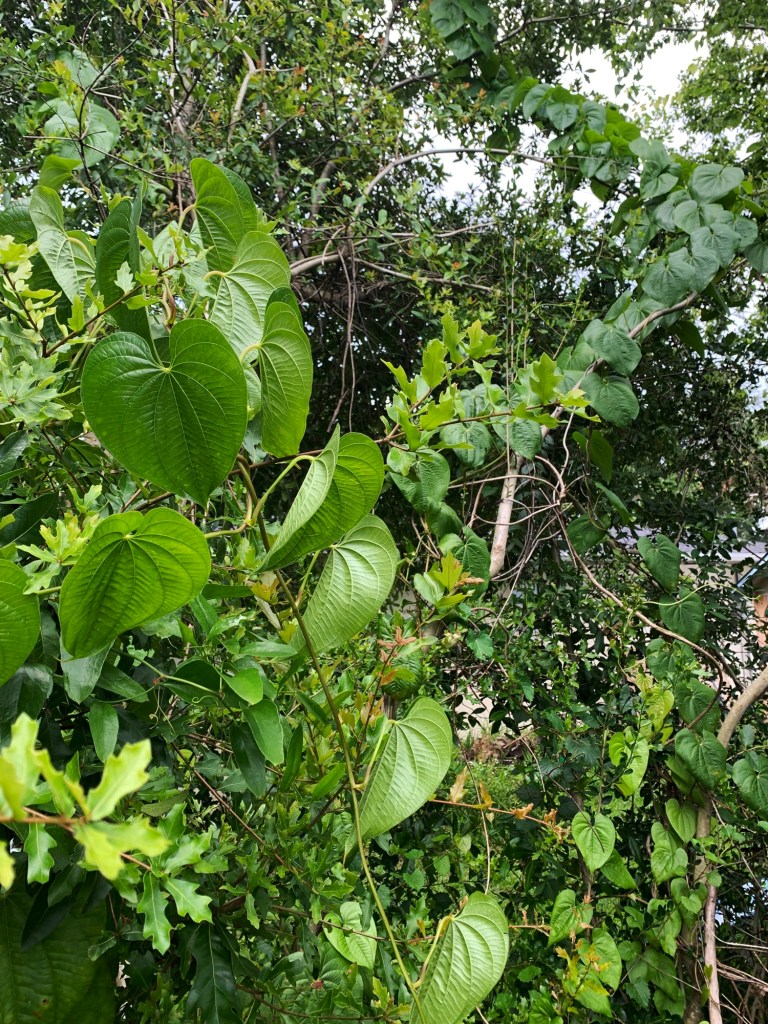
Found a new invasive plant called the Balsam pear.
Florida is full of invasive plant species and I’ve found yet another in my yard.
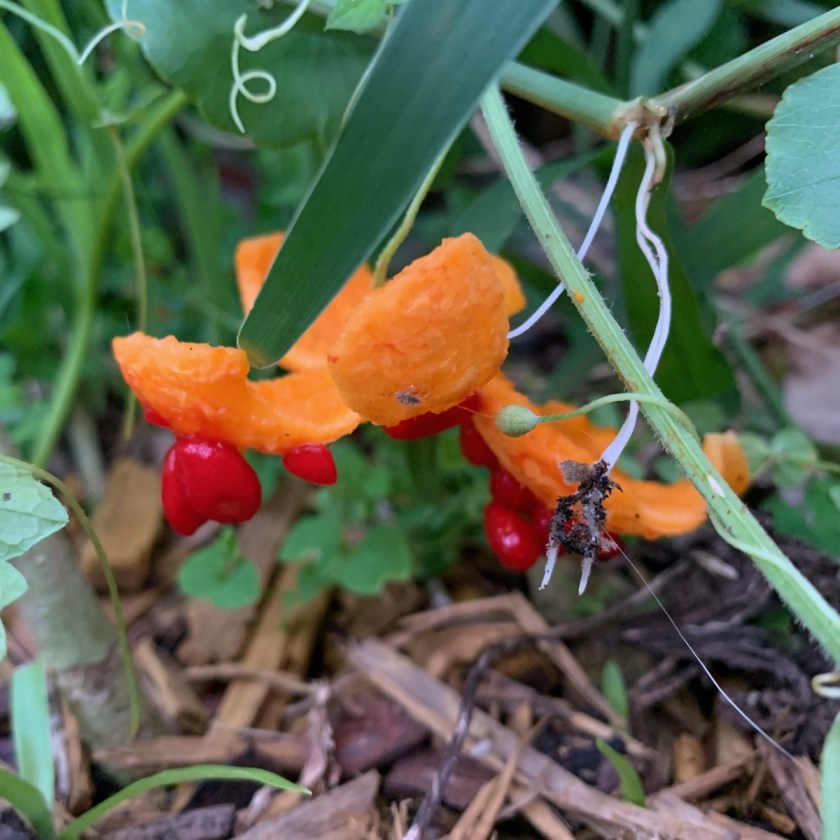
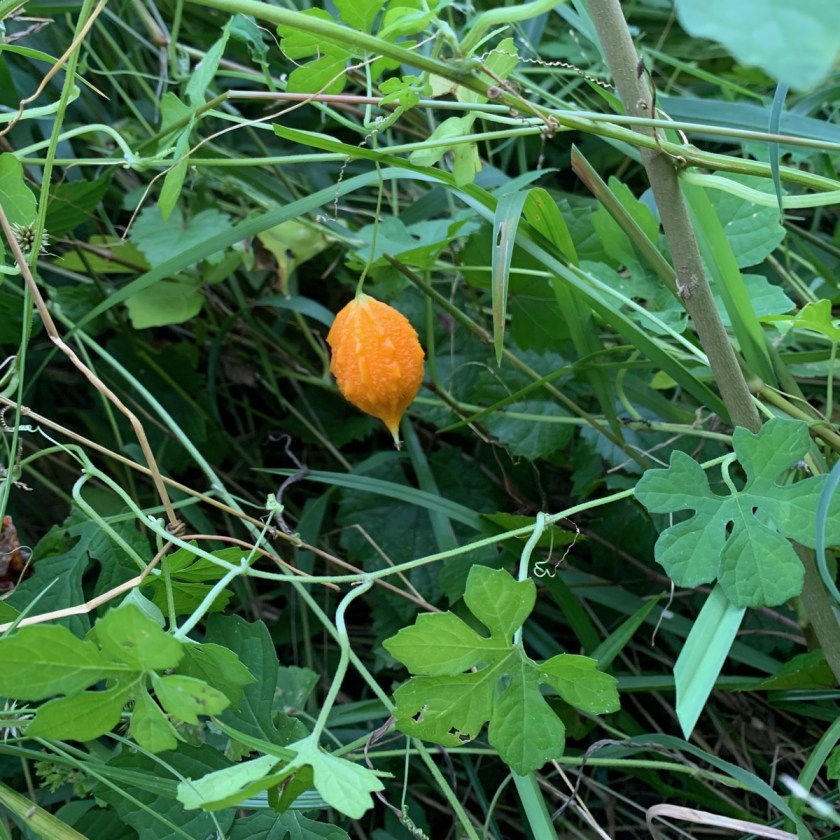
The green, leafy vine has tiny yellow flowers (which the bees love) and produces these globes that turn orange. After a couple of days the fruit opens and reveals big, red seeds.
Open to show red seeds
Balsam pear – invasive vine
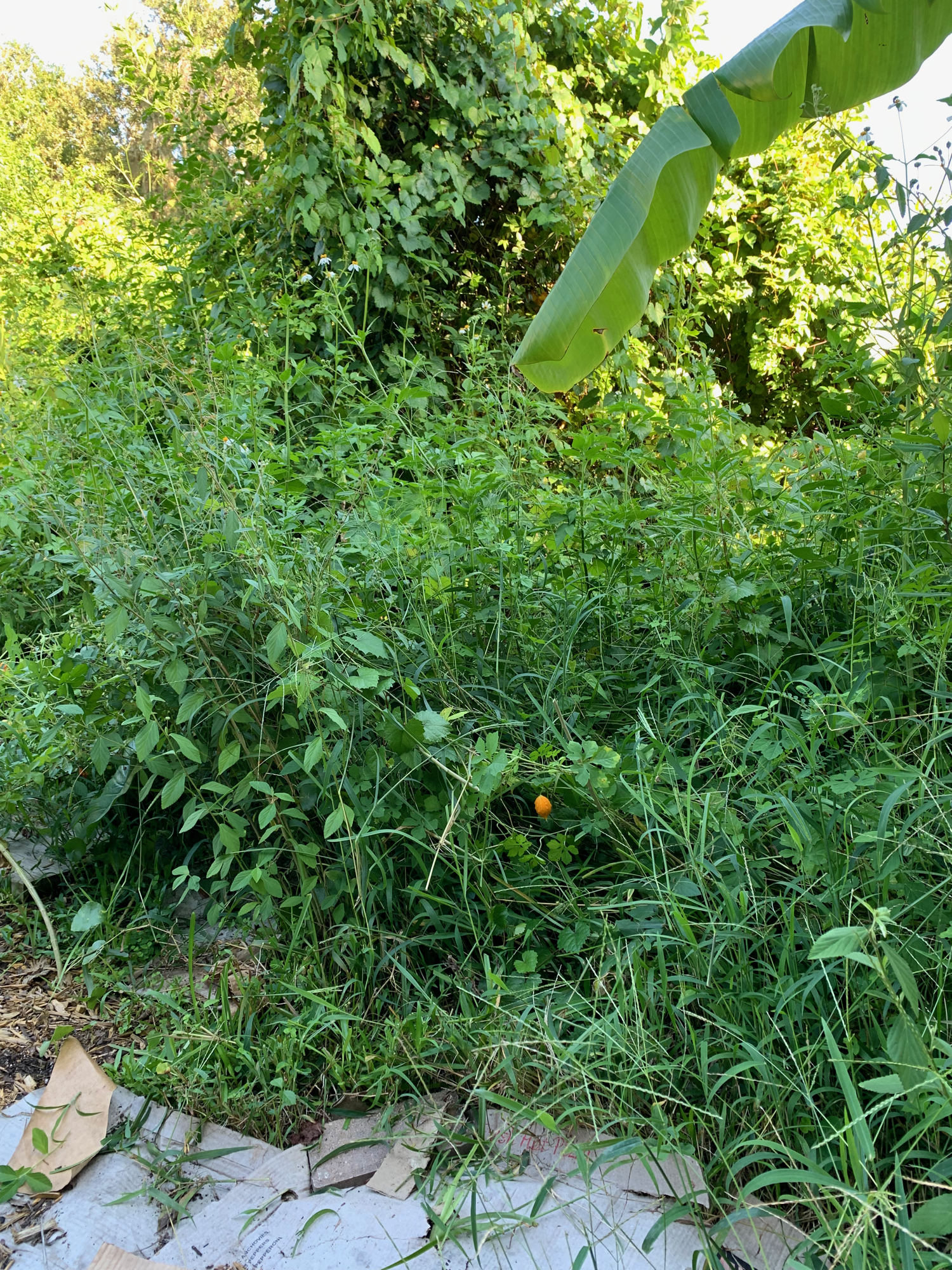
After a long, very hot summer, the vines, grasses and and plants in the vacant lot next door, have taken over. I bought a machete to cut the growth back some, but what we need is a good cold spell to kill everything back.
It is September now and still very hot. I don’t do much in the yard, but soon I will have loads to do and that includes ripping up the many vines.
Read more about the Balsam pear at the UF/IFAS site.
I’ve given it a lot of thought and I really don’t have time to continue writing on this blog. Or, maybe I should say I’m cutting way back. My efforts need to go into starting a new online business. My knitting blog gets a lot of views and that is where I need to write.…
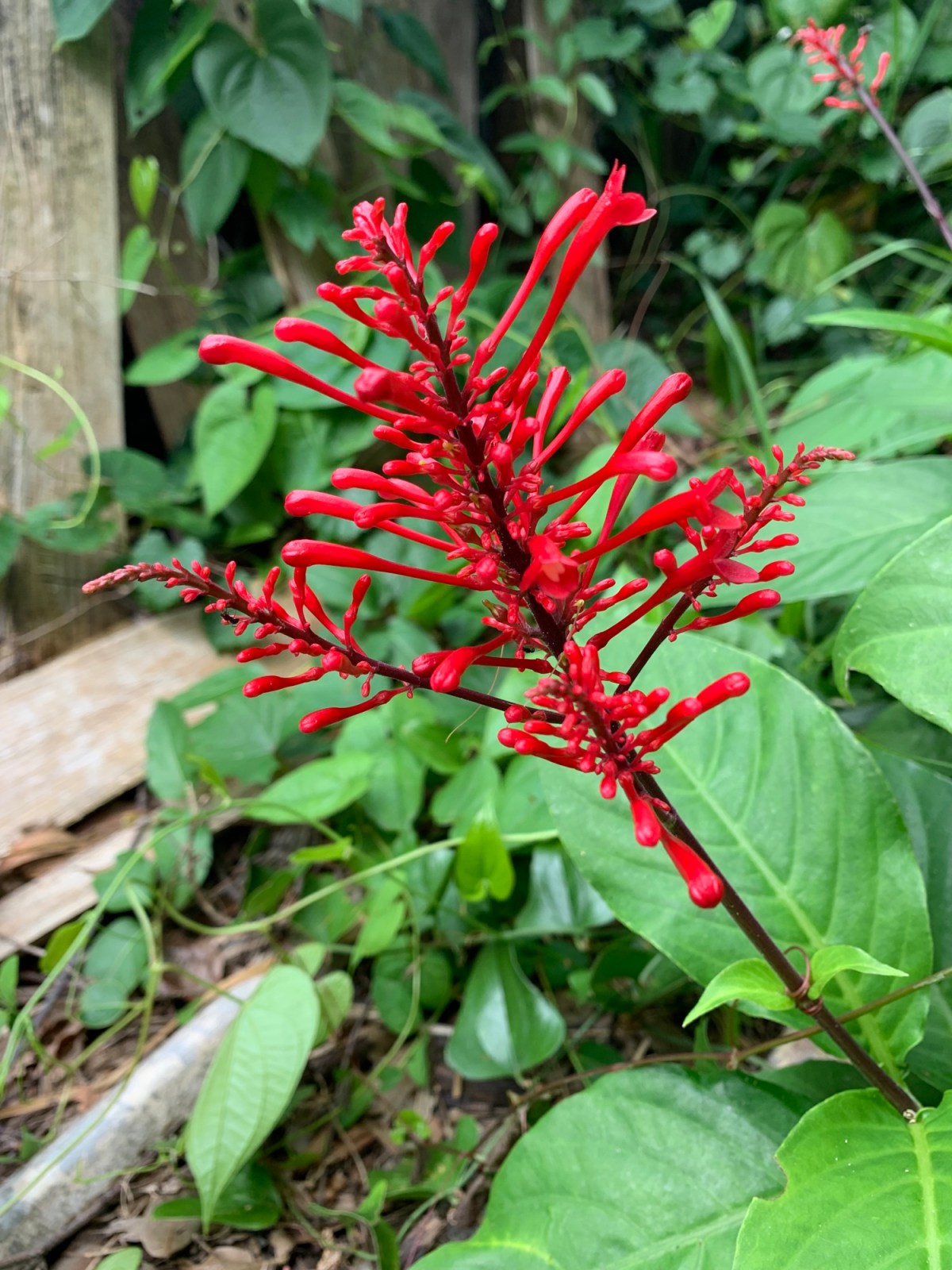
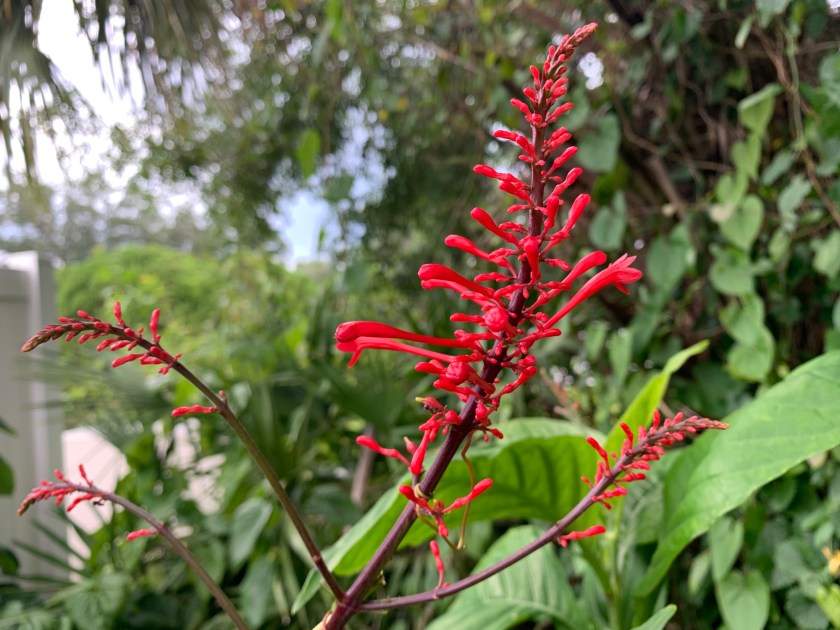
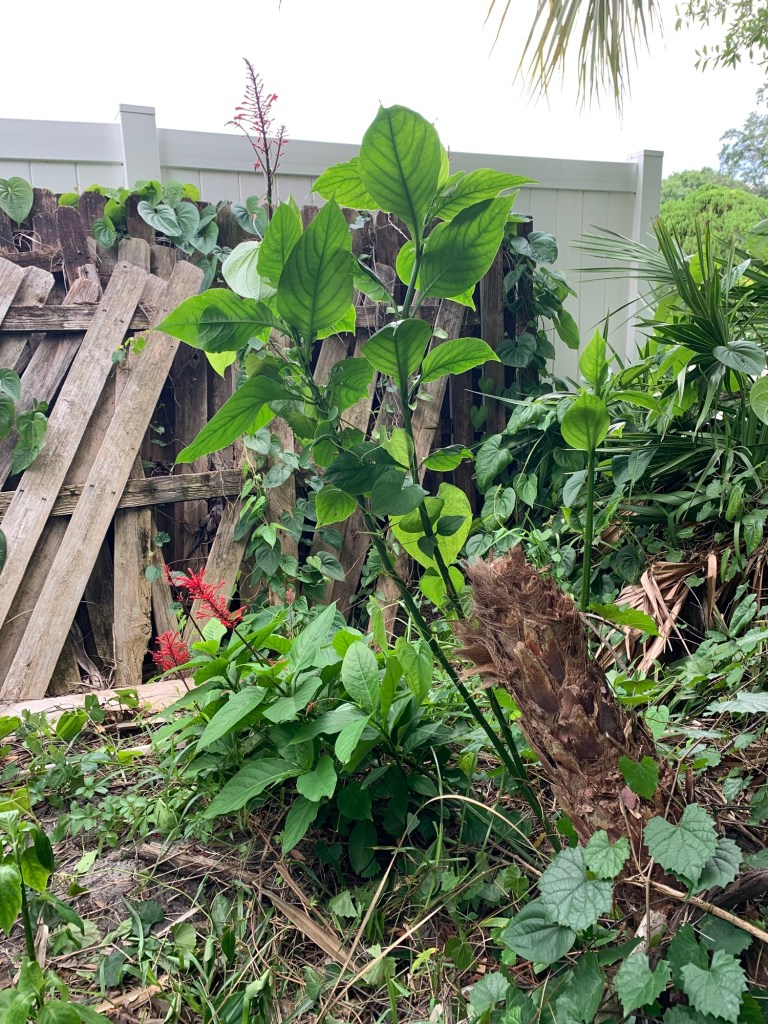
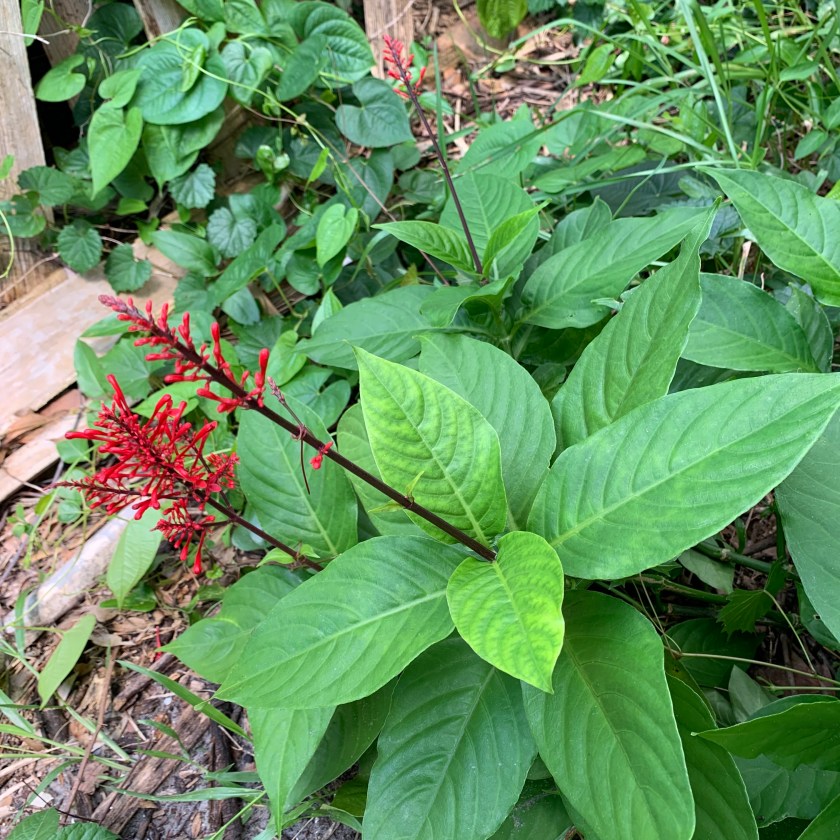
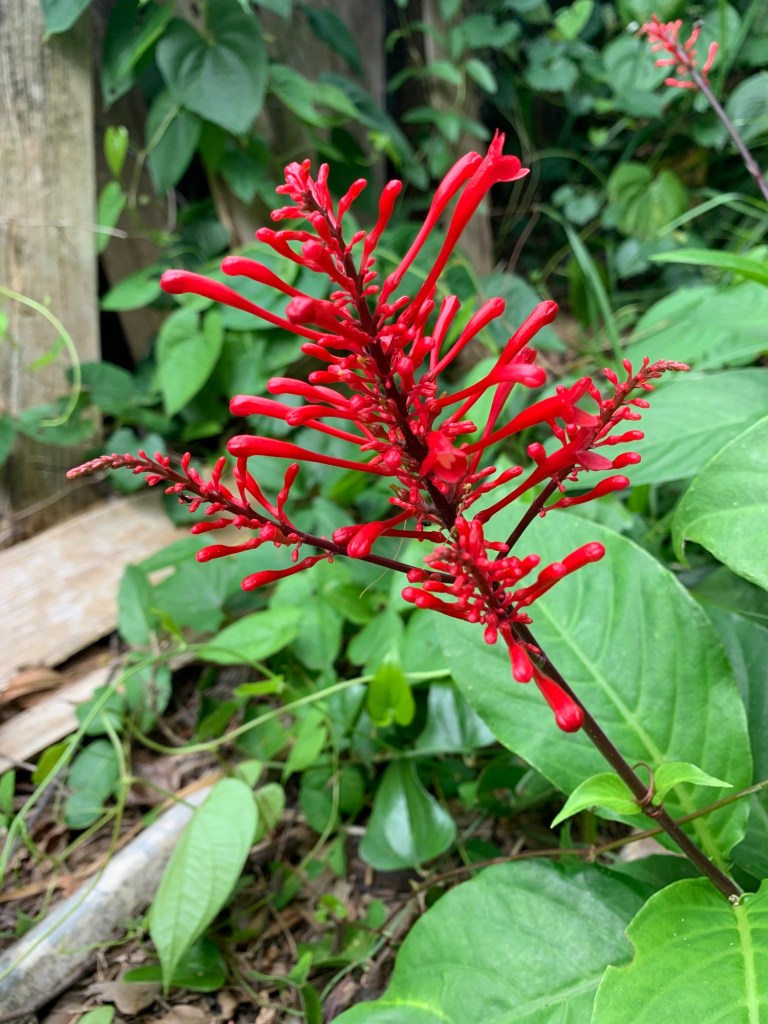
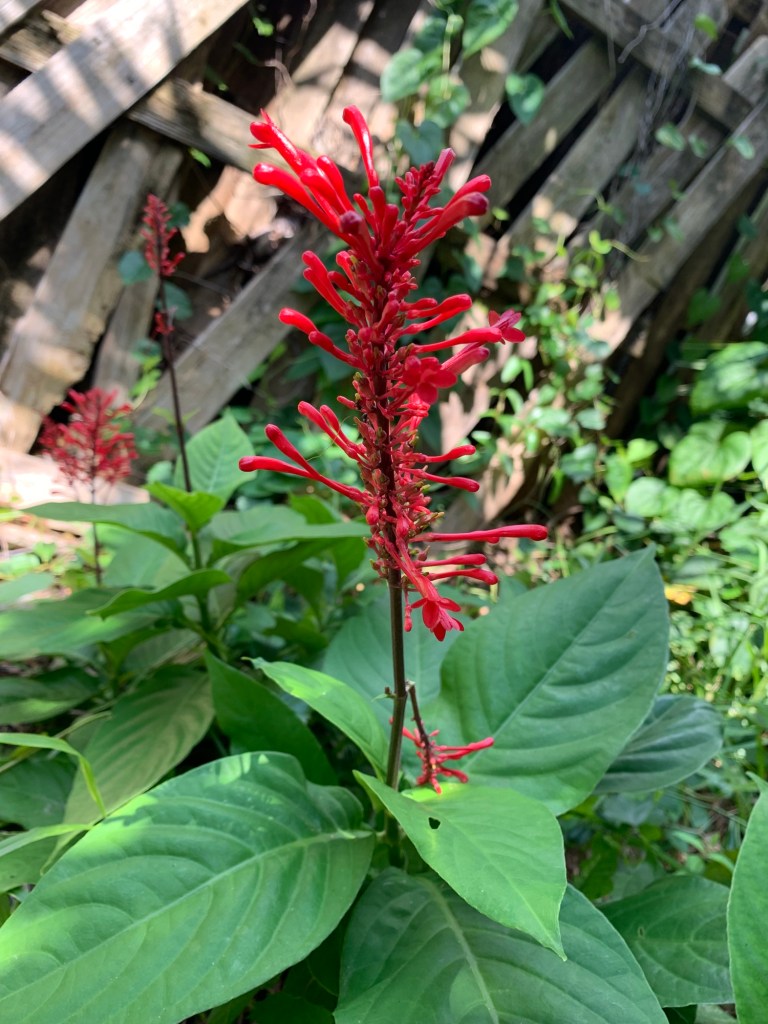
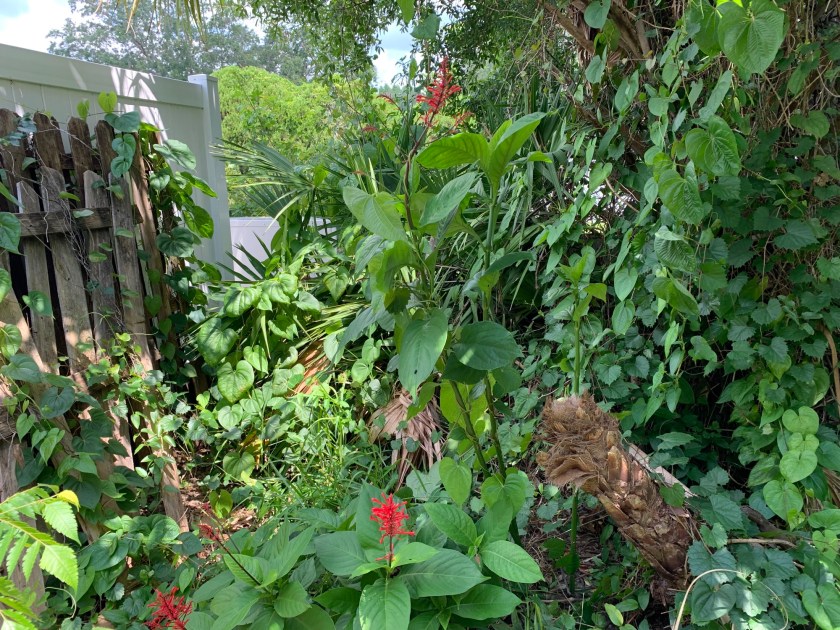
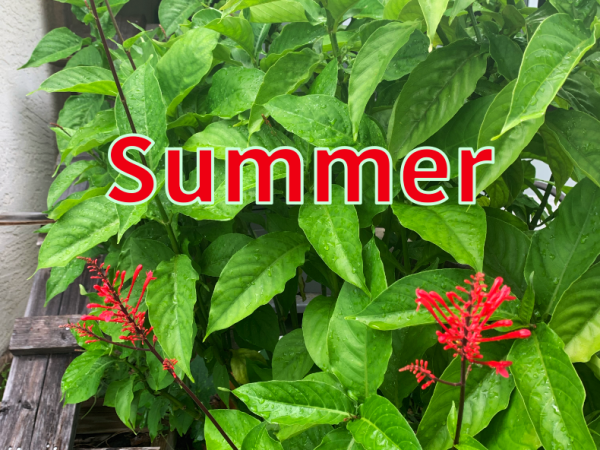
Because of it’s bright red flowers, I noticed a Firespike plant growing at the edge of my yard behind lots of wild growth.
It’s June and I am not spending much time in the yard because of the heat. I check the vegetable gardens and so some watering and weeding as needed, but try to be done by 8:00am.
The red flower caught my eye.
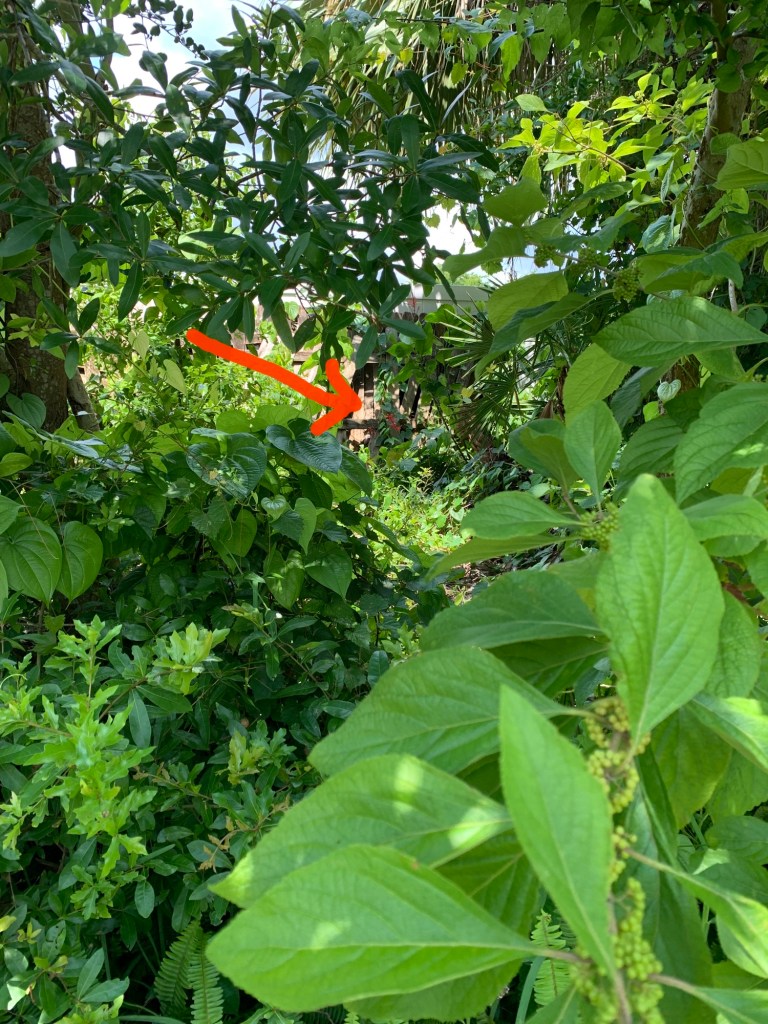
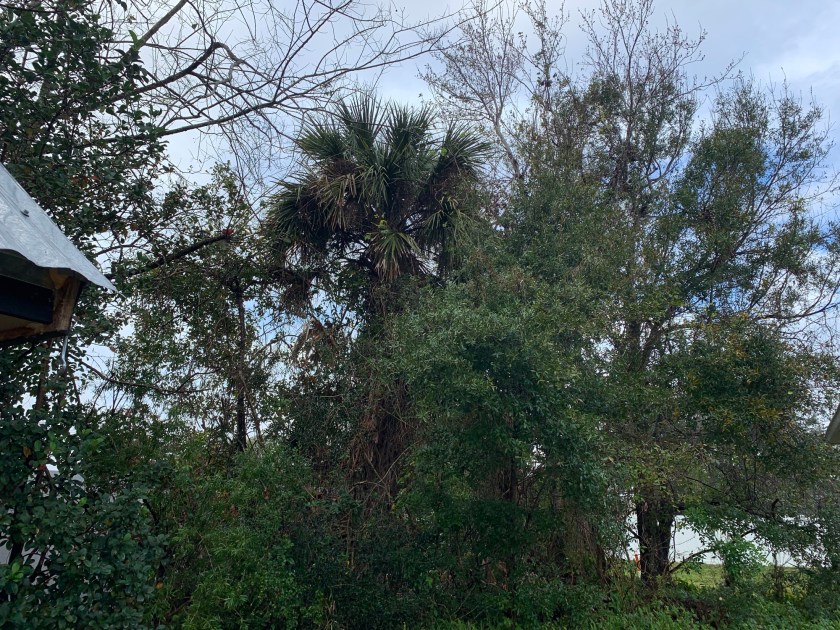
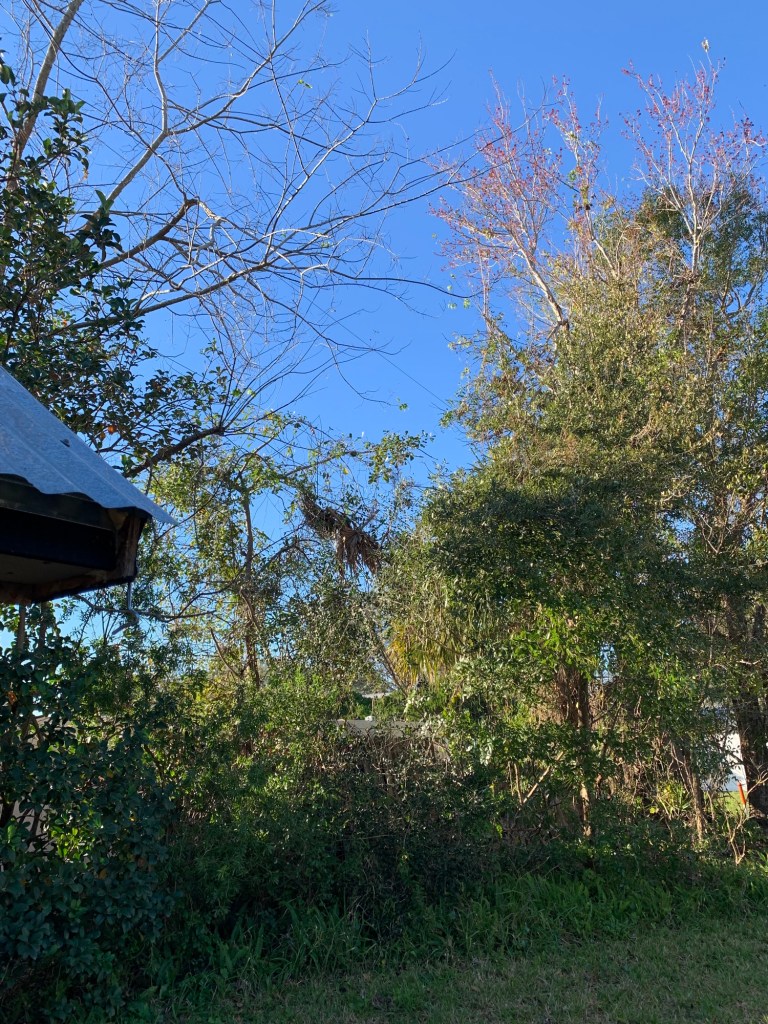
As I was walking past an overgrown area (where the Beautyberry Bush also grows), a bright red flower caught my eye. It was back along the fence line. We’d had a palm tree taken down by the power company because it was growing too close to the power lines – the power company insisted on removing it. The Firespike plant was found just to the right of that palm tree.
Palm tree growing too close to power lines and had to be removed
Palm tree taken down
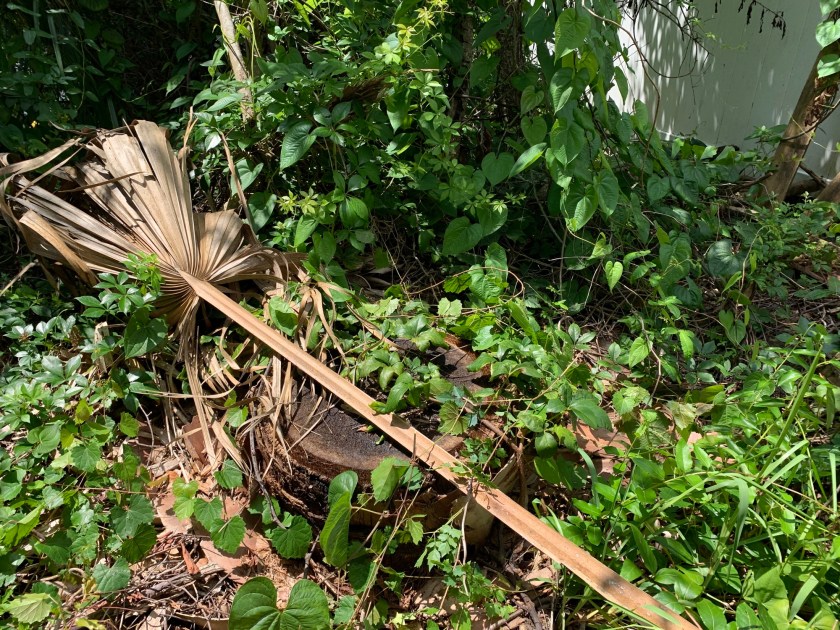
A sad reminder of an old palm tree
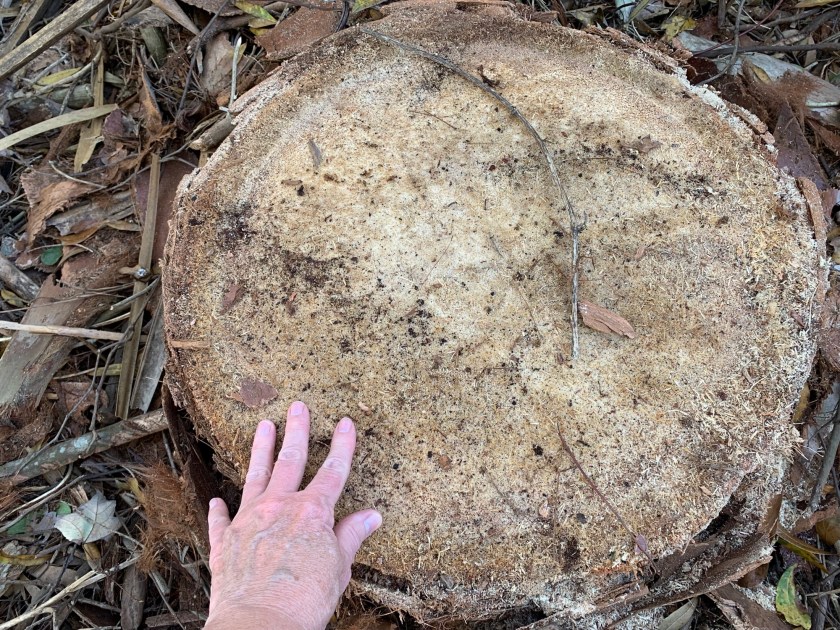
Palm stump now
I knew that with the palm gone, more sunlight would hit a previously shady area. I was hoping some of the small hidden trees would be able to grow better. I never thought I would eventually find a beautiful, red-flowering plant.
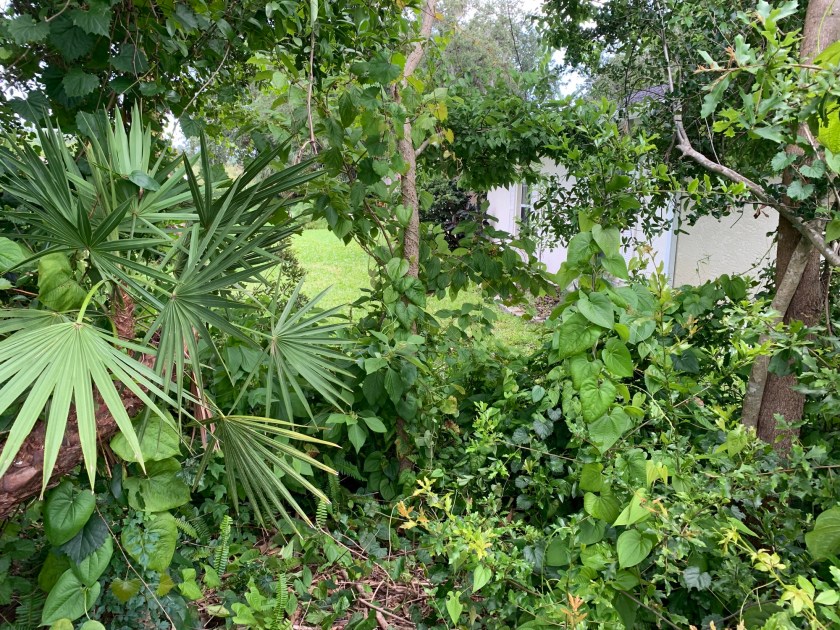
Walking through the growth meant keeping an eye out for bugs, spiders, snakes and fire ants. I had to cut and pull the vines out of the way. This is not the right time of year to be clearing growth, but I had to see what was growing back there.
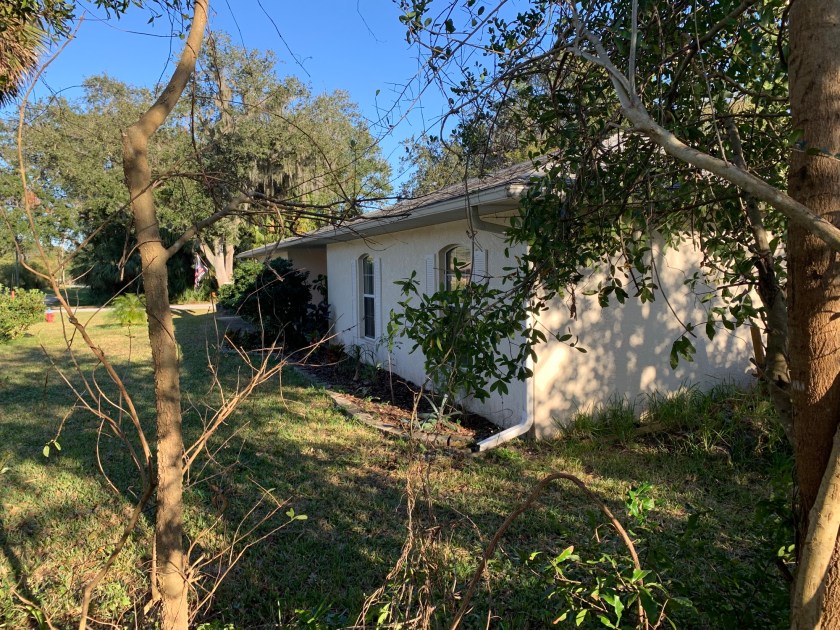
June vs. January House View From Woods
The neighbors behind us put up a new white fence, but they left the old one there! At least there is a fence, and we didn’t have to buy one.
When I got to the plant, I had no idea what it was. I had to cut off the vines that were attempting to strangle it. I took a photo and my iPhone plant identifier came up with this, “Odontonema cuspidatum, the mottled toothedthread, the Cardinal’s guard, or the firespike“.
Propagating the Firespike
At first, when I saw both tall and short flowering stems, I believed they might be separate plants. I was hoping to dig up a small plant and transplant it to my yard.
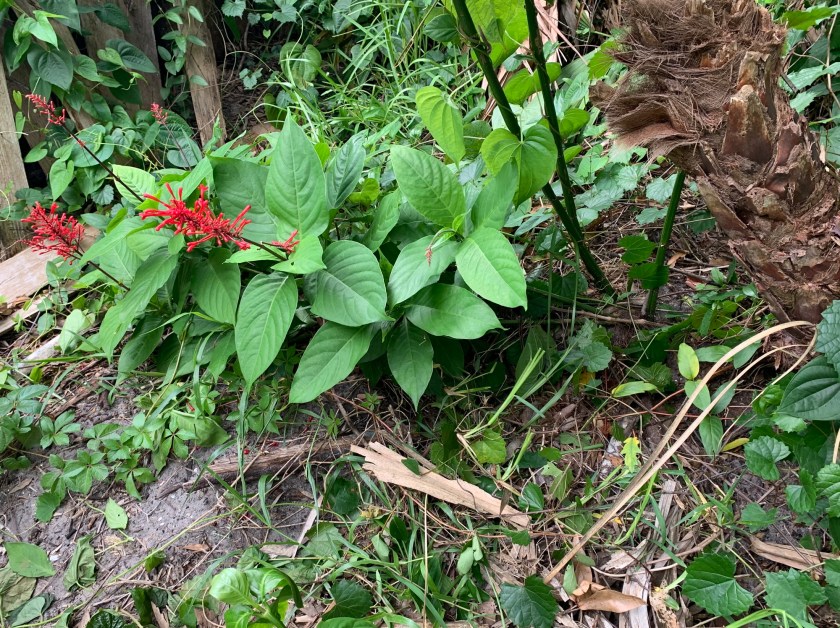
But those shorter looking plants were really just long stems laying on their side. This must be a very hardy plant to have thrived so long in tough conditions.
The Firespike plant
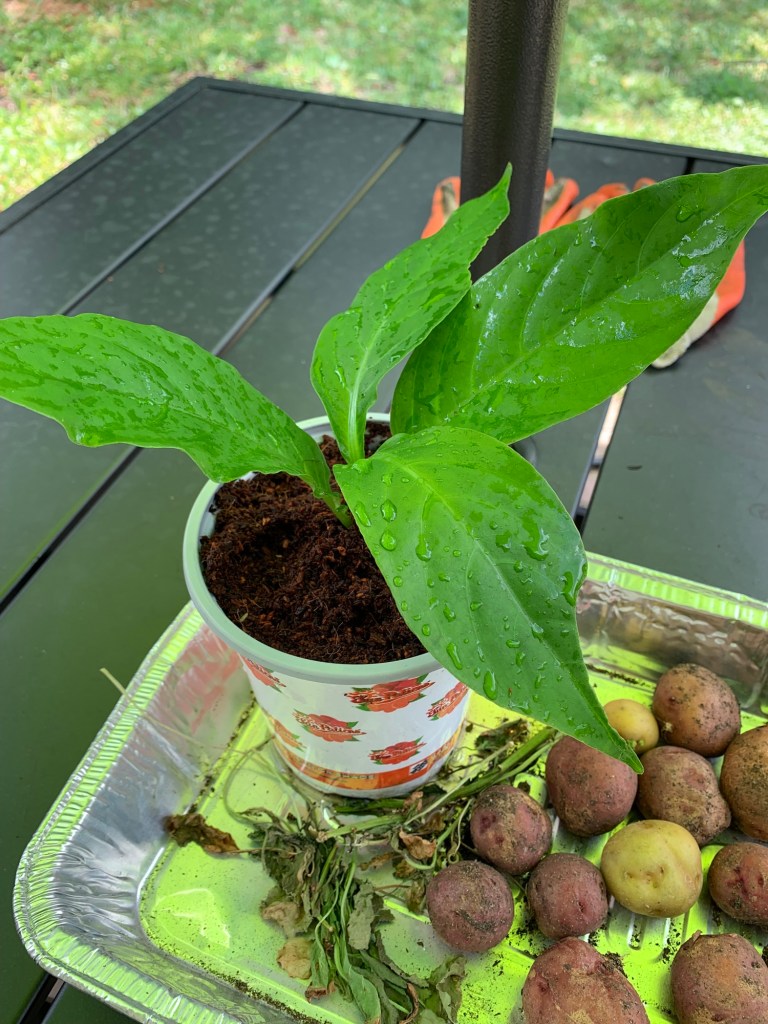
I took one cutting, of some new growth along one of the stems. Hopefully I will be able to propagate this beautiful shrub. If this cutting does well, I will take more. I put the stem into coconut coir. Updates to come.
Firespike cutting, hoping to propagate
Signs of Animals
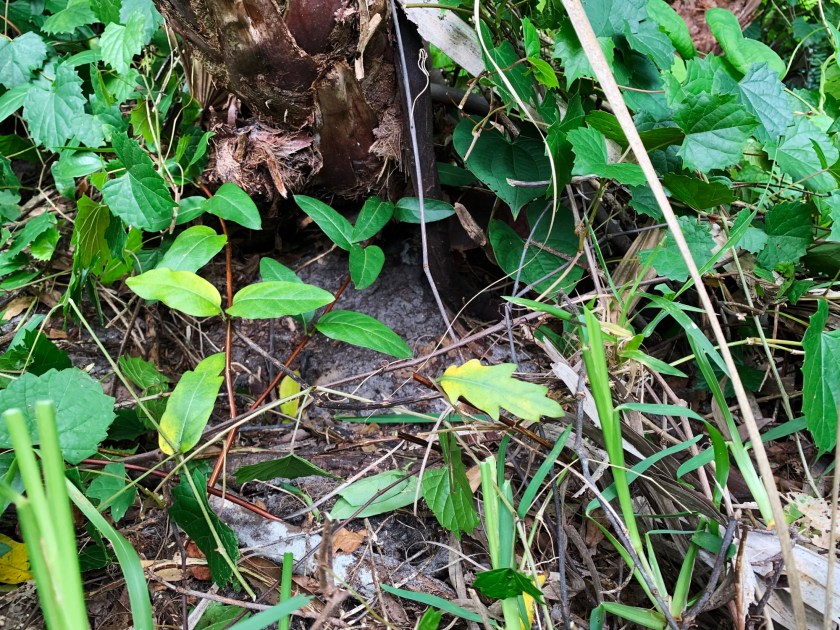
There was a pile of sand next to the Firespike and I thought it might be an ant hill. As I was taking photos of the Firespike I noticed a hole beneath the dead palm tree trunk just next to the plant. At some point an animal had pushed all that sand out to make a burrow for himself.
Animal burrow
Mound of dirt from burrow
If I had to guess, I would say it was an armadillo’s home. We used to see some little armadillos in the yard when we first moved here. Then, the two lots next door were cleared completely and I’m betting they lost their ability to survive. But, I can’t get started on that….
I didn’t see any signs of something being in that hole. It may have been hiding, or away at the time. Or the hole could be deserted.
The Vines
This is an area of my yard where the growth is crazy this time of year. Each winter, when the vines die back, I do some clean up here. Mostly I try to control the vine growth, which can overtake young trees and shrubs and pull them to the ground. Much of the Firespike was also wrapped up in vines.
There is also a shorter plant next to the Firespike and I think it is the same thing. I found this plant in the same area where the Beautyberry bush is growing. Now, I wonder if this part of the yard was once a flower garden.
I’m guessing that the Firespike is a hummingbird attractor!
Easily save marigold flower heads and collect the seeds to sow later.
Growing marigolds from seeds is pretty easy to do here in Florida. With our long stretches of warmth, ruined only by the months that are unbearably hot, seeds readily sprout. The seeds are easy to save in any climate, but they should be stored to use the following year if the growing season is short.
I began growing marigolds from small plants and seed packets that were purchased. Marigolds are easy to grow and don’t need much attention once they are established. Deadhead the dying flowers, which hold those wonderful seeds.
Saving Seeds
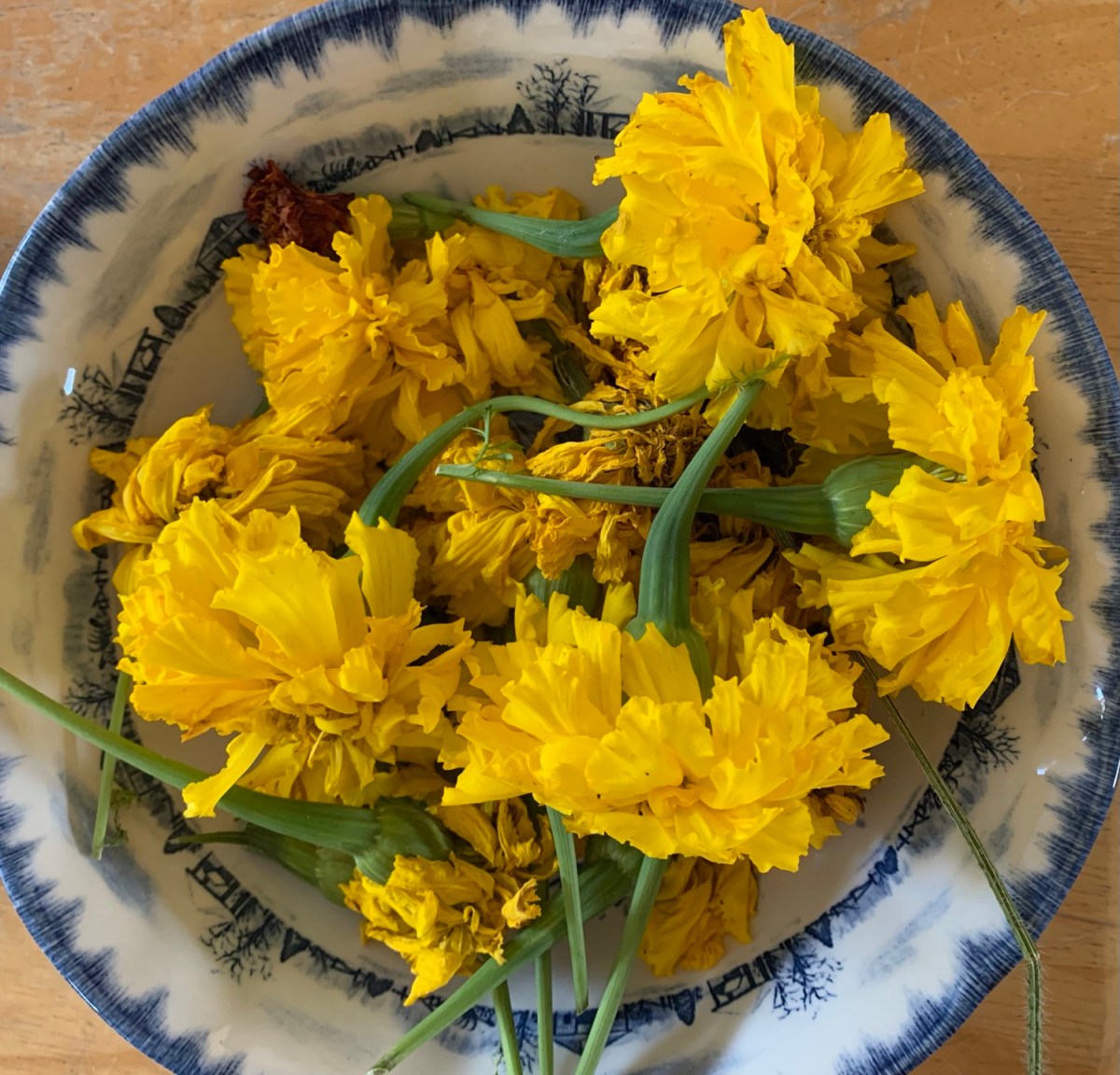
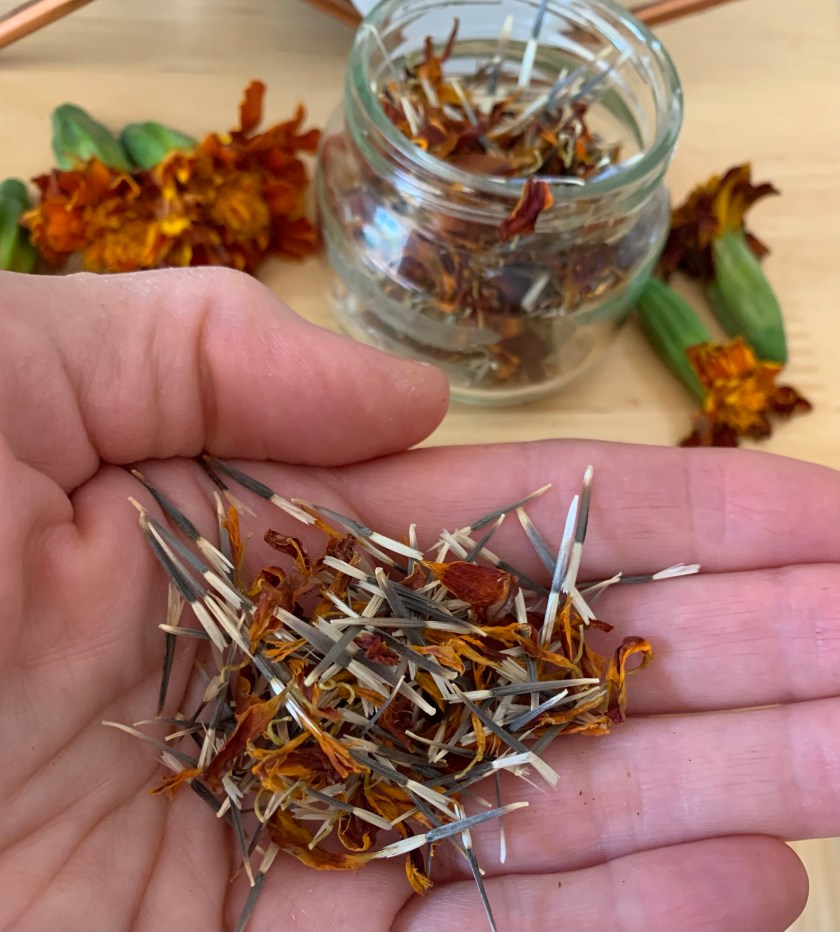
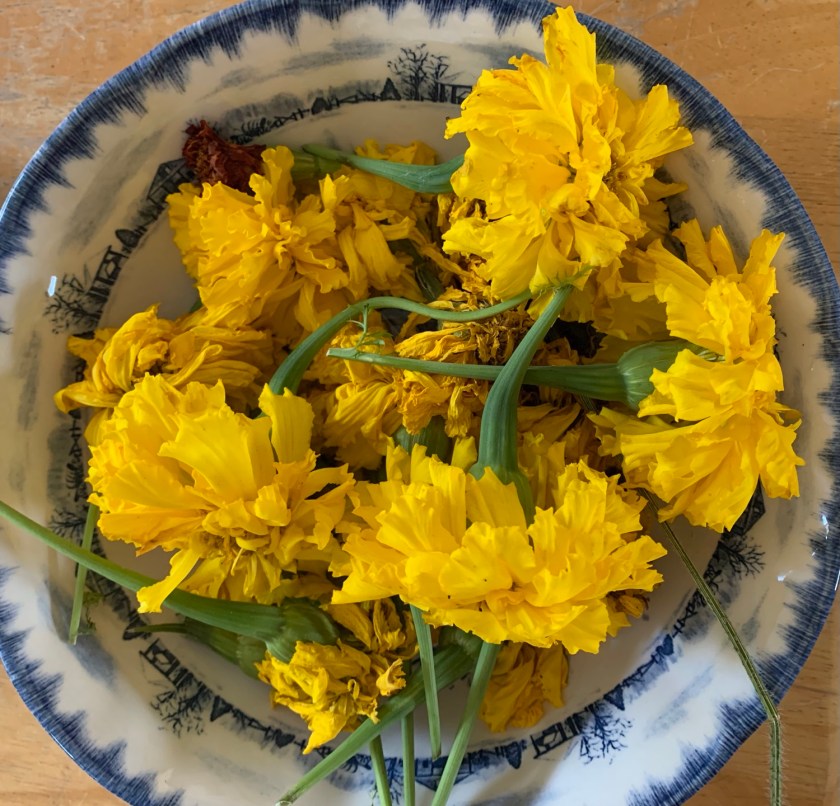
When the flower begins to die on the marigold plant, pop the head off and save it in an open container to dry out. Once the blossom has dried (or when you are ready to plant), peel it open and find the seeds.
You will end up with many seeds, but not all of them will grow. Overdo the sowing or thin the seedlings as needed. Each flower will give you a handful of seeds!
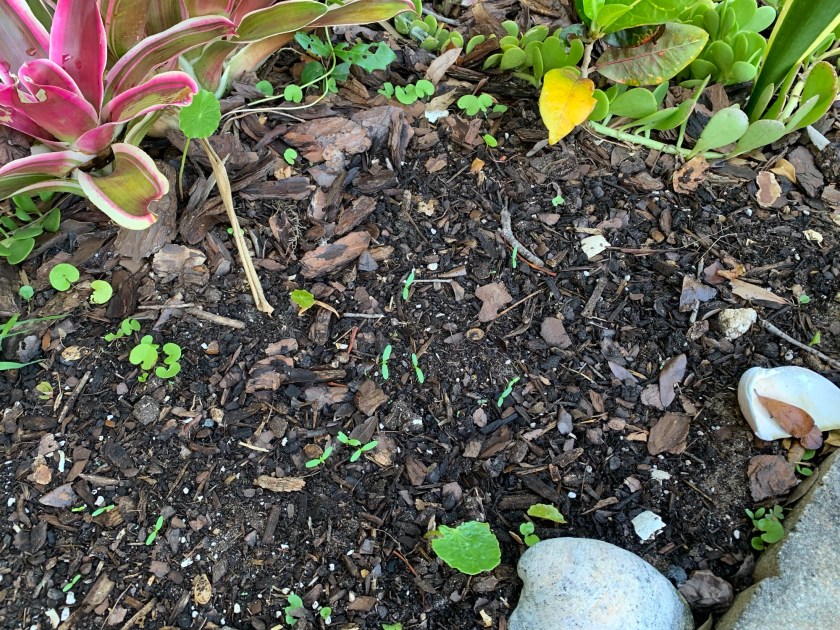
Find some dirt and spread the seeds, then cover with a bit of soil. Be sure to water often to get them started.
Marigold seeds in a little dirt space in the flower garden.
Last year I did not organize the marigold seeds and just planted them all over without really knowing which colors would end up where. The little petals will eventually dry up and fall off so if you want to keep the colors separate, put them in marked envelopes.
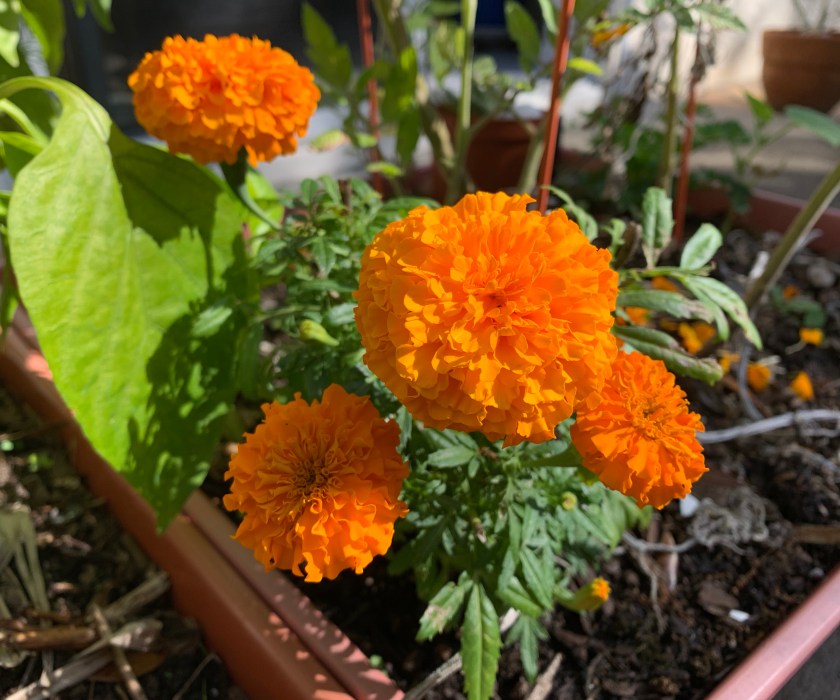
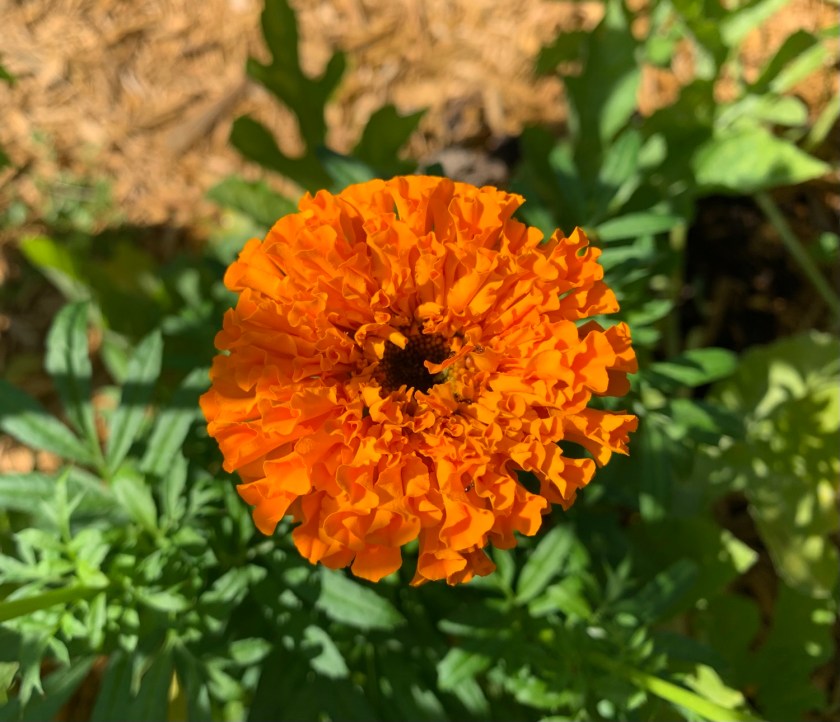
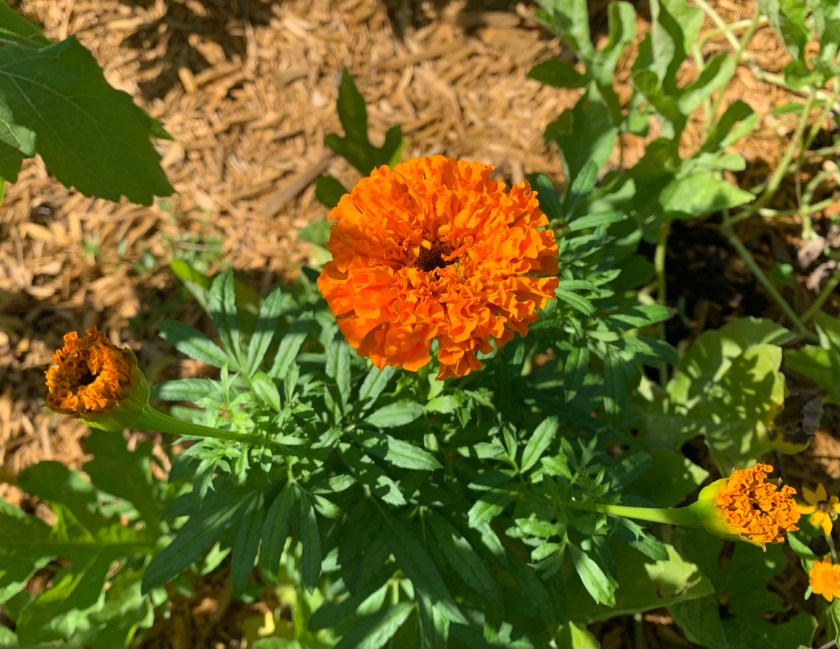
All Orange Marigolds
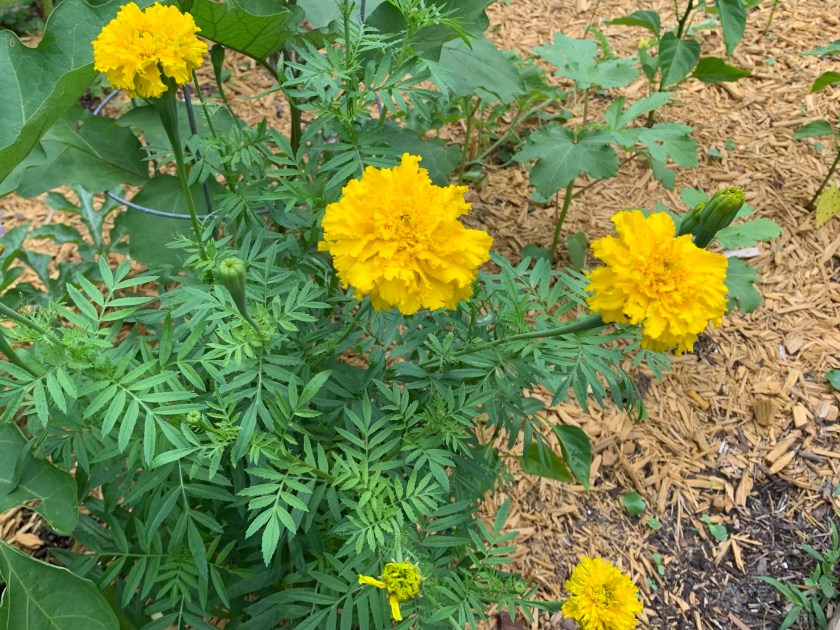
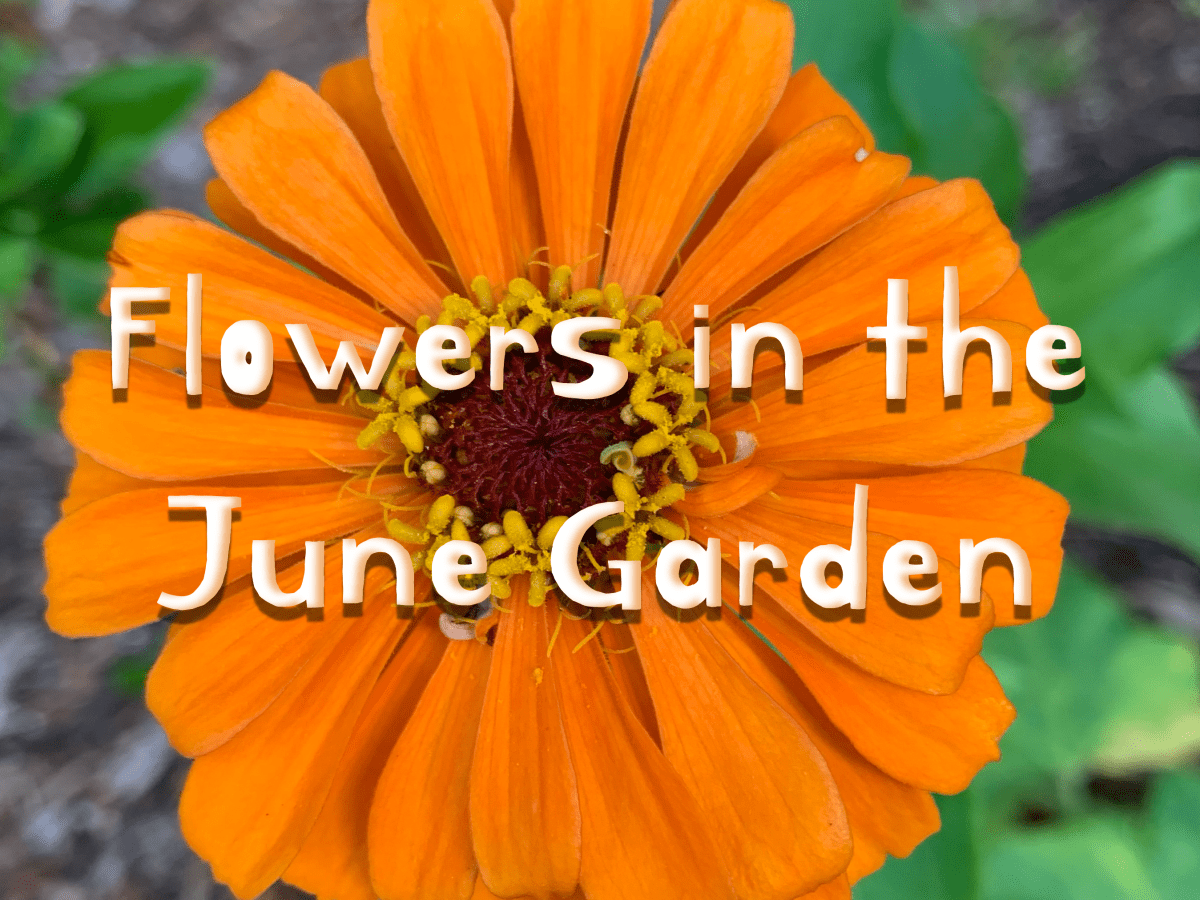
This orange “fluffy” flowering marigold began as a little plant from the store. It’s so pretty, I will definitely save all the seeds from it.
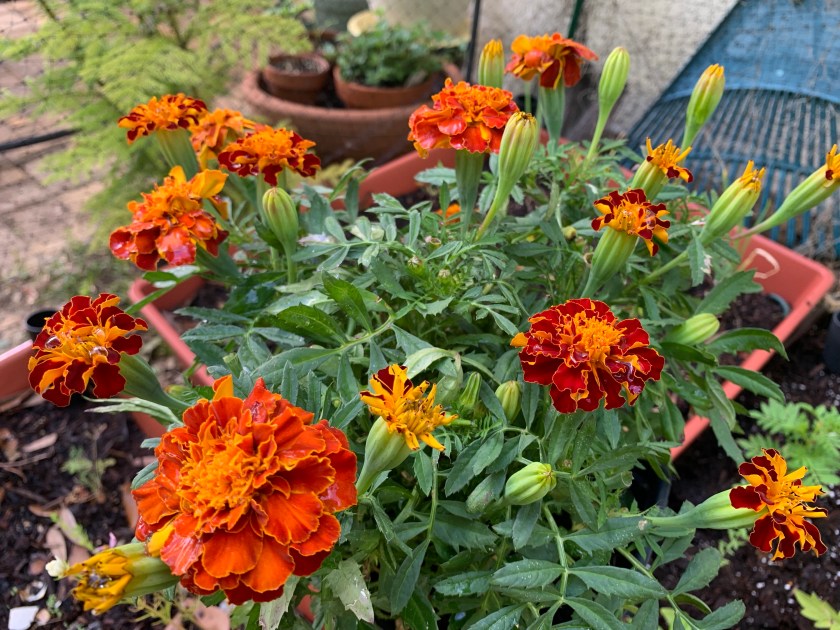
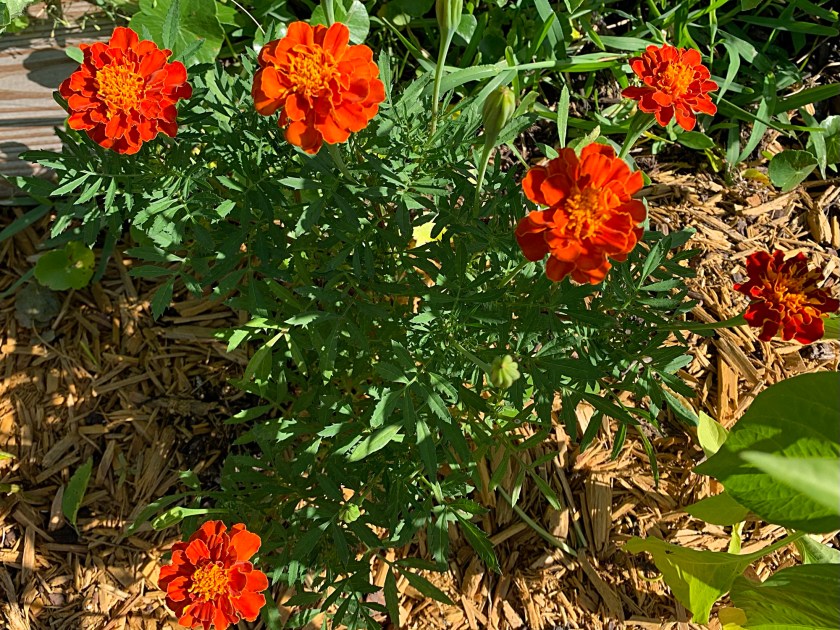
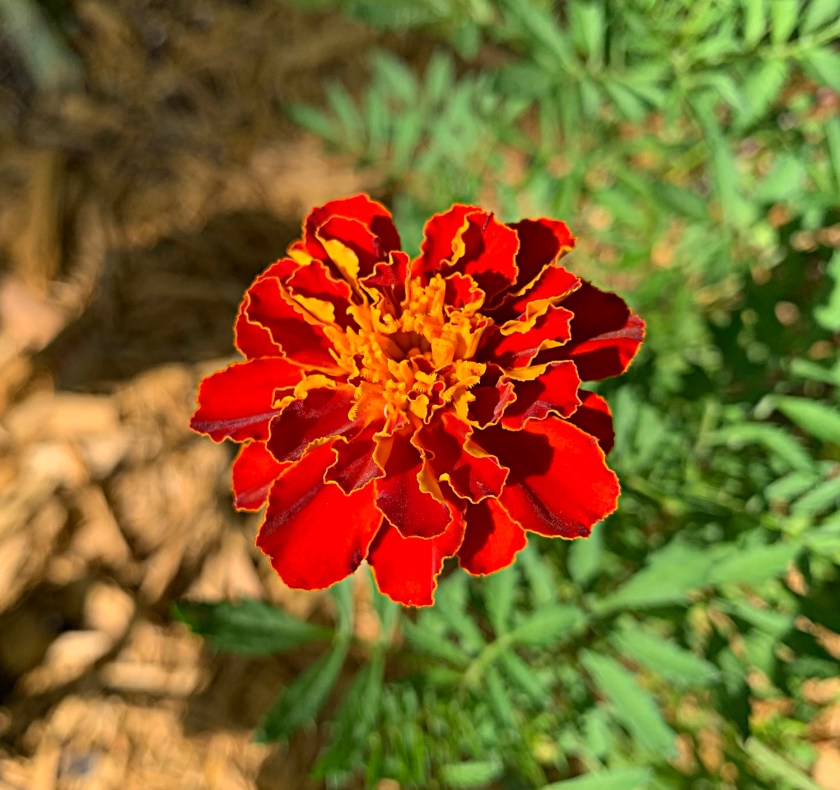
Red-orange Marigolds
This marigold has dark orange petals that can also look red. The center is more yellow. I have one plant growing in the garden from the seeds I saved.
Yellow Marigolds
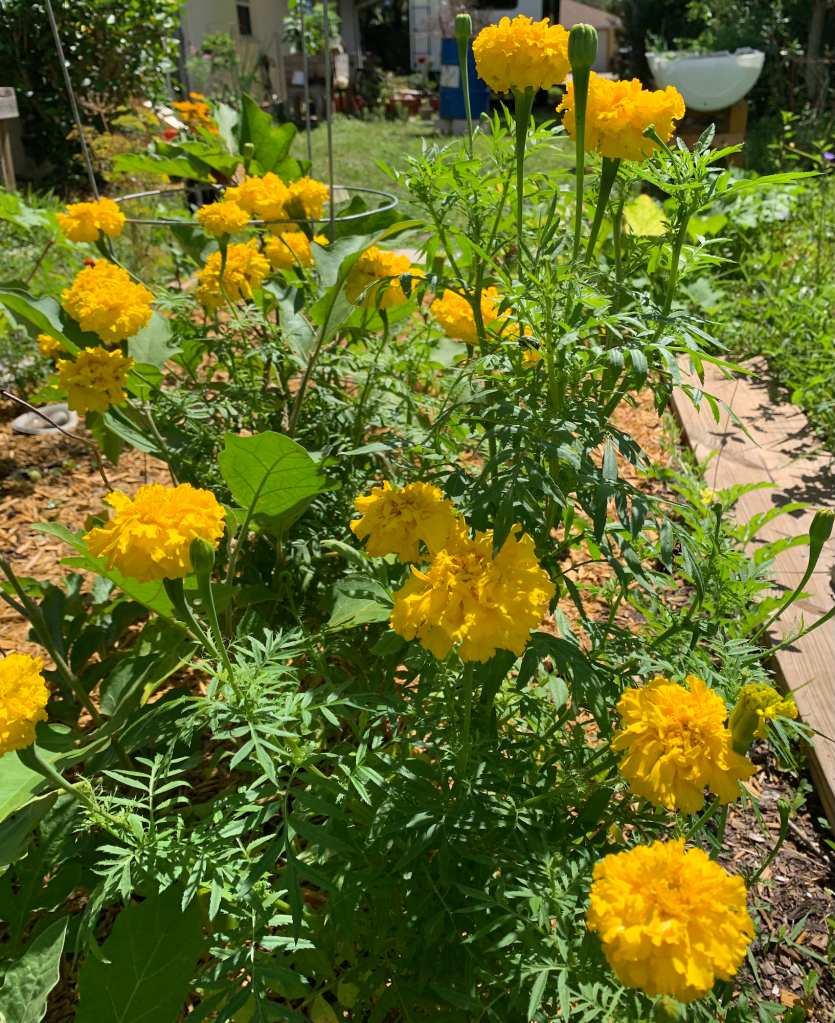
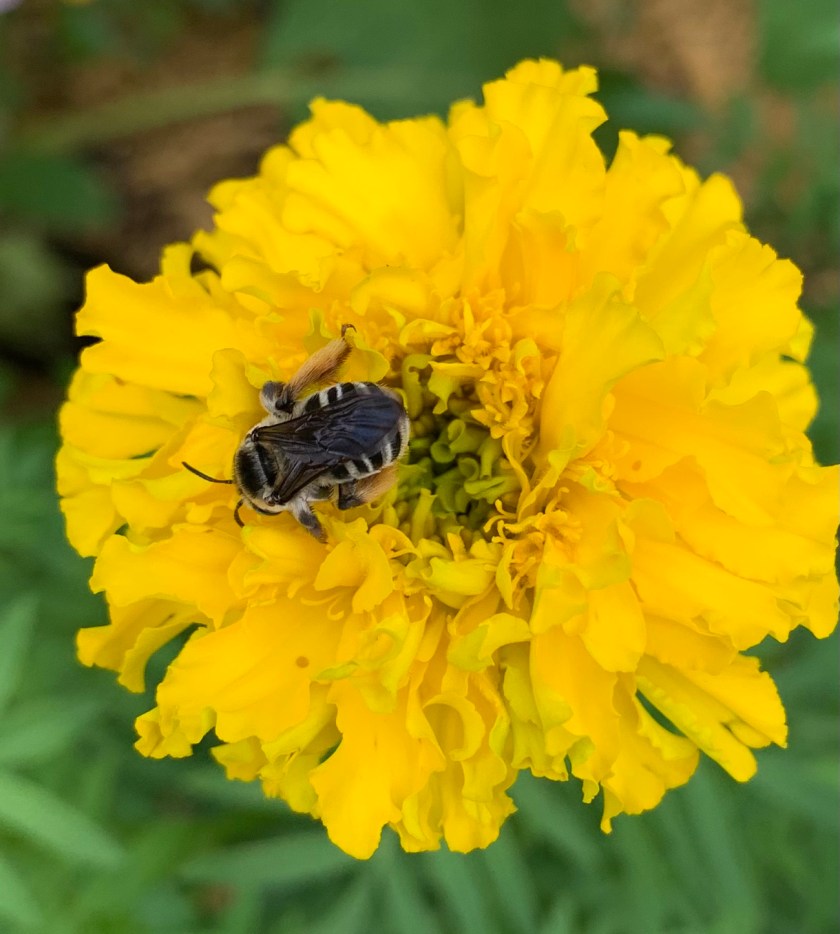
The yellow marigolds have attracted bees and butterflies. Marigold are good for repelling non-beneficial bugs and I always like to have them in the yard. Plus, they are pretty and quite easy (and cheap if you save the seeds) to grow.
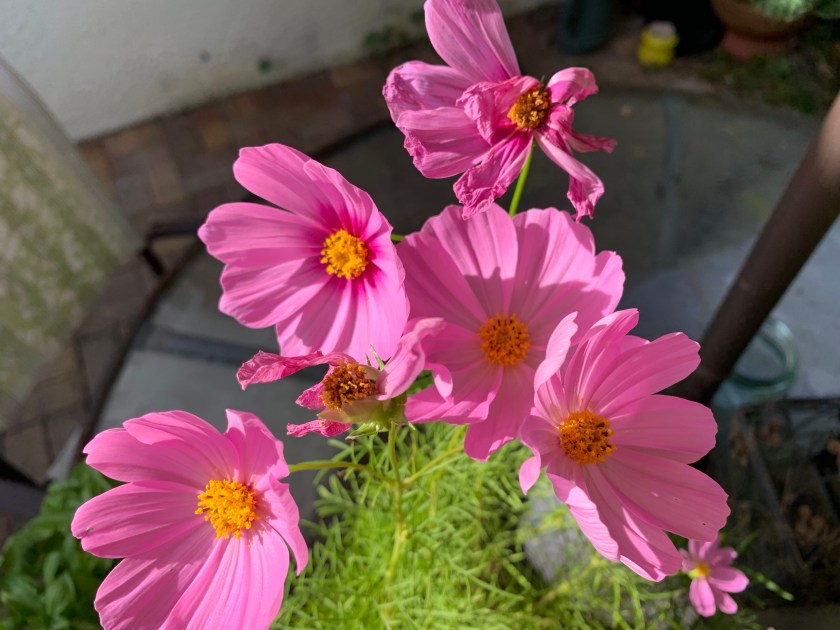
Marigolds are not the only flower seeds I save. This year I am growing Rudbeckia and Gaillardia and am looking into saving seeds from those plants too. Cosmos flowers also have seeds, which I save.
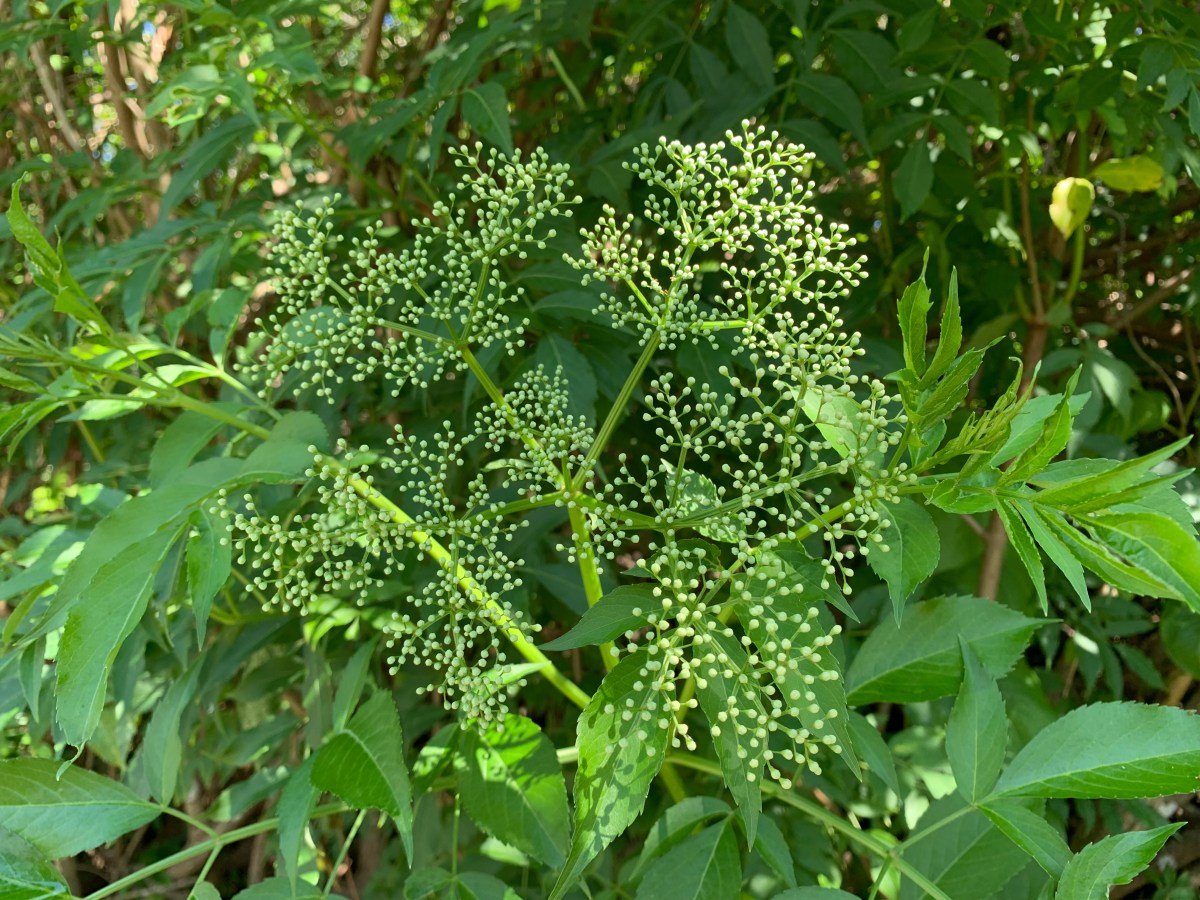
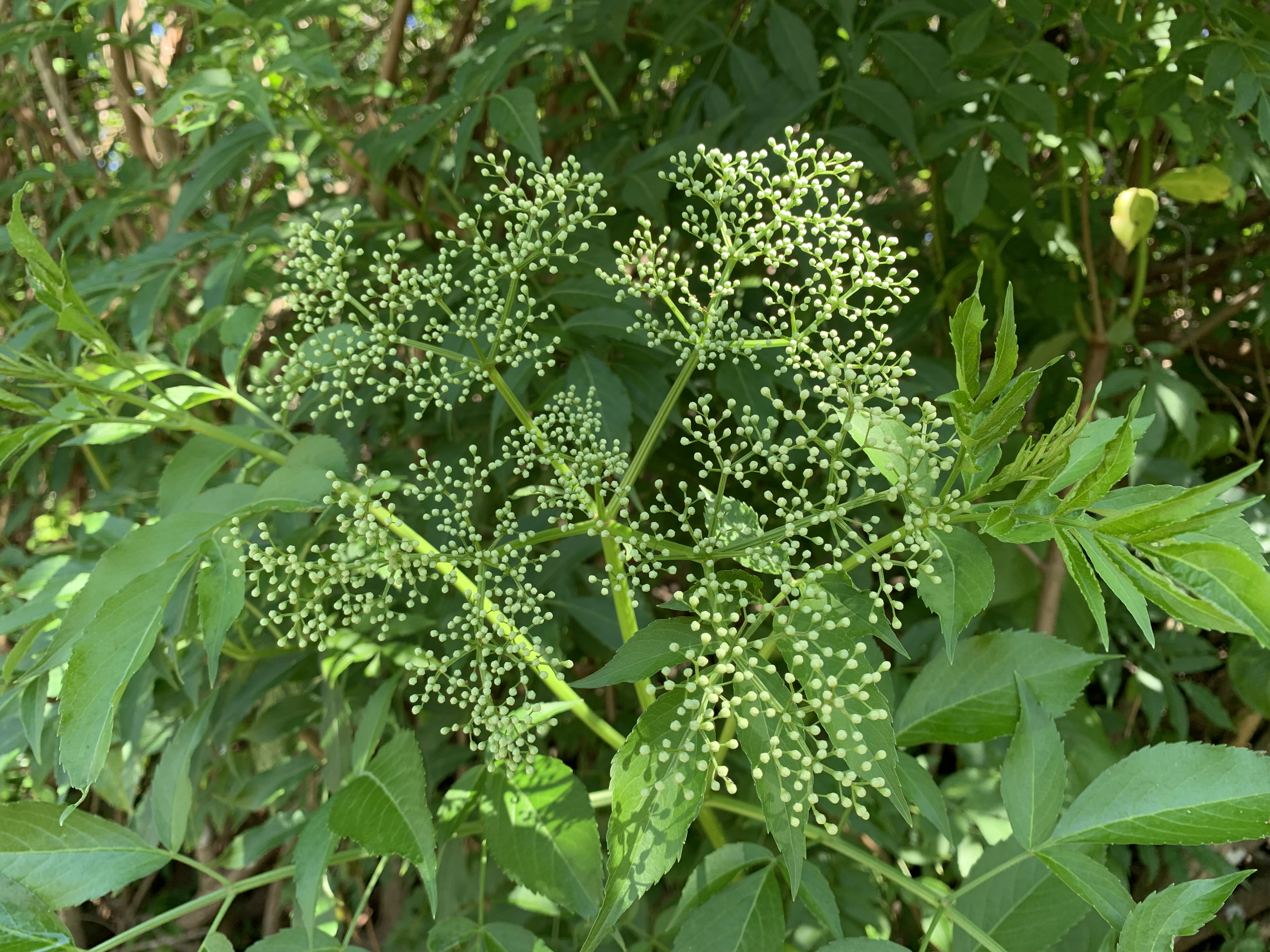
The elderberry plants are blooming their big white flowers in May.
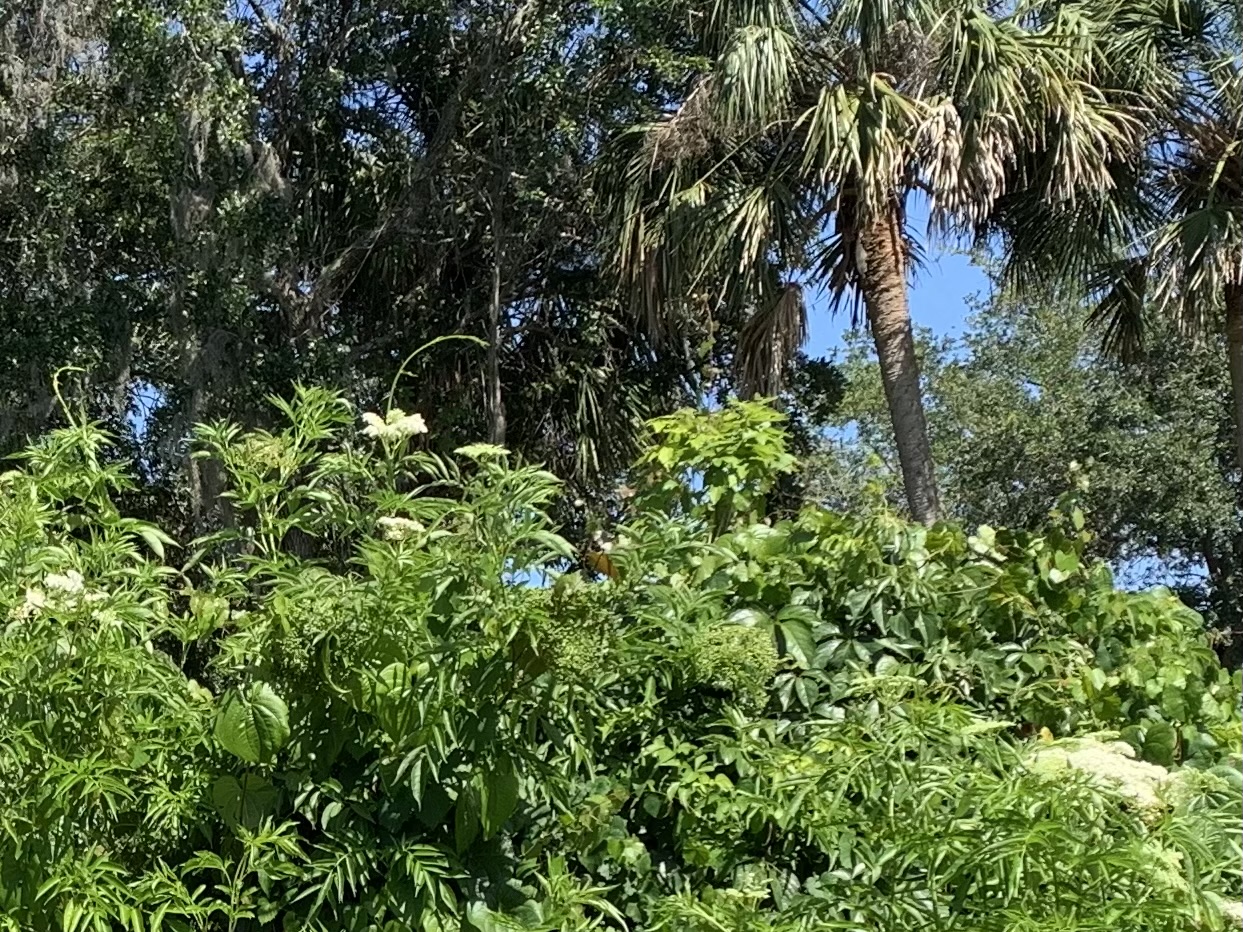
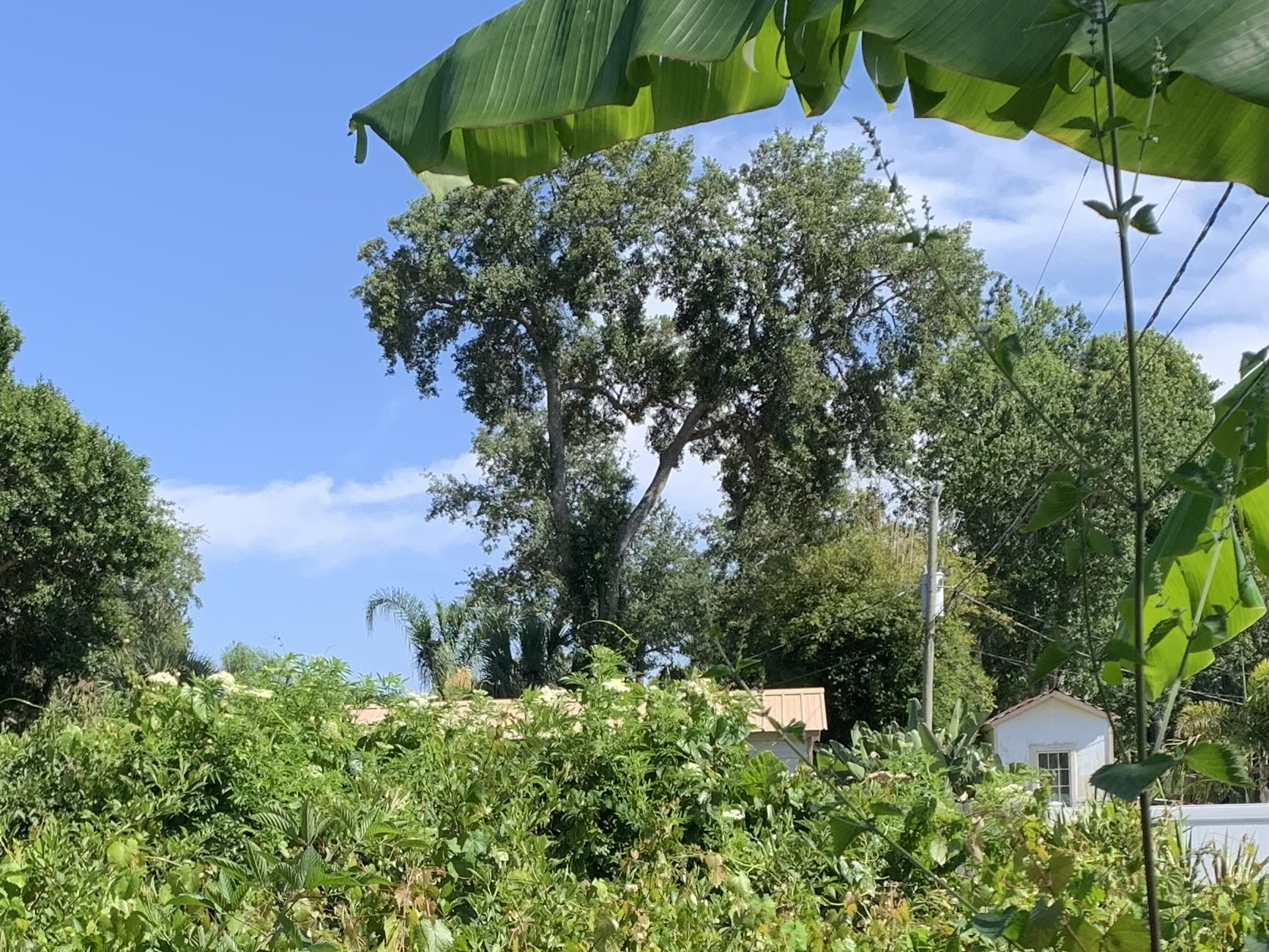
The lot next door is full of elderberry shrubs. Now they are all blooming and the white flowers are very noticeable.
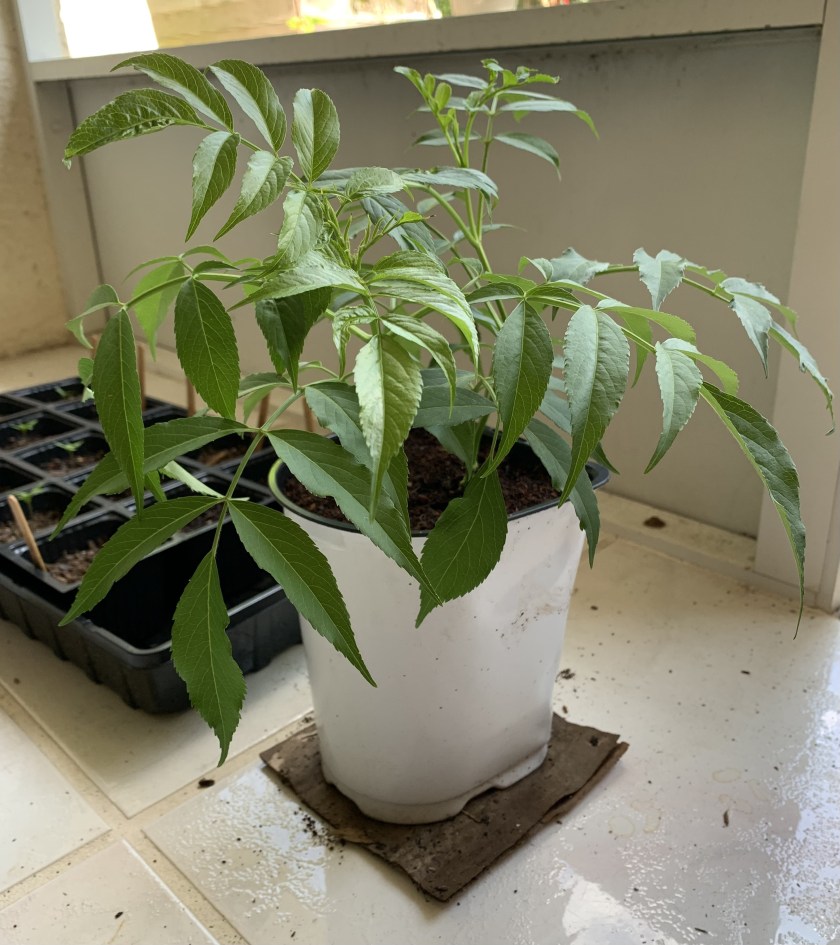
I took two longer cuttings from the elderberry that is next to my bird feeders. After they began to get roots while sitting in water, I put them into a tall pot.
They wilt quite a bit out in the sun, so they are growing on the porch for now.
I’ll need to find a good spot for this new plant. Maybe I will wait to plant it in Fall because it is very hot now.
The American Beautyberry bush is an unusual and large blooming perennial here in central Florida. I’m trying to propagate from seeds that come from the shrub in my yard.
I’m beginning this post well before it will actually be completed. My goal is to start Beautyberry plants from seeds.
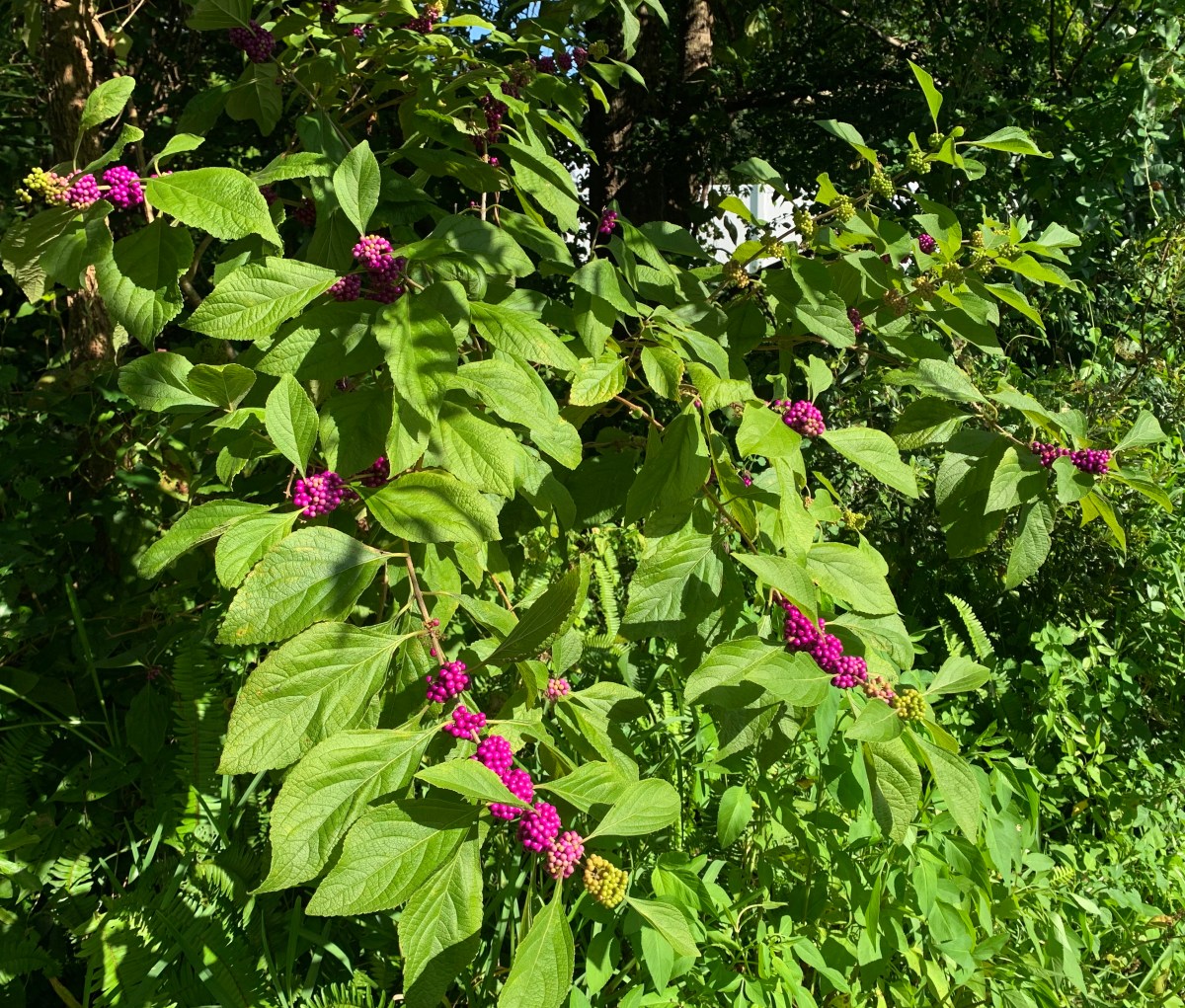
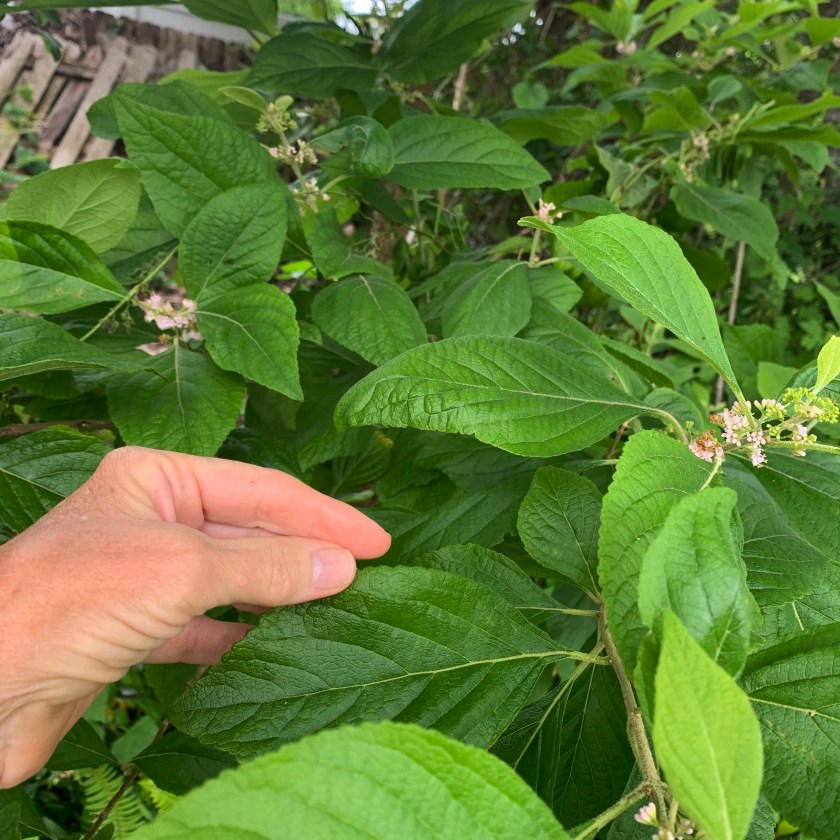
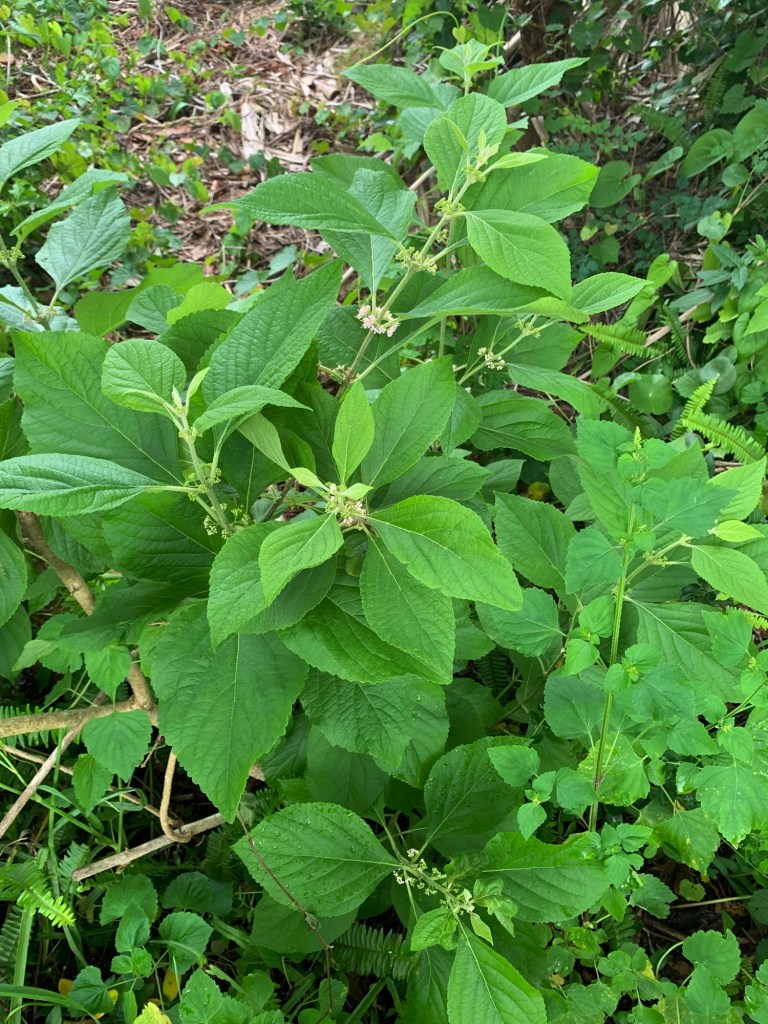
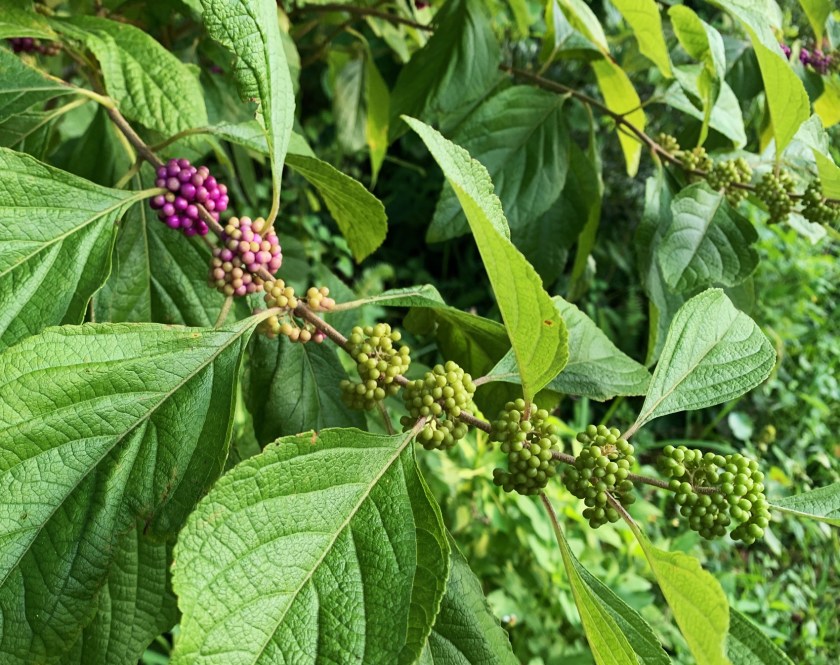
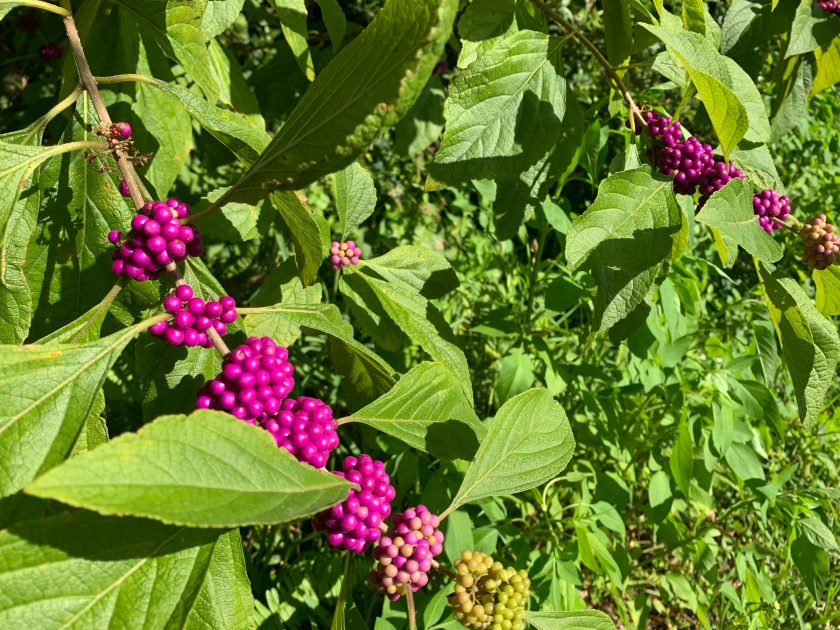
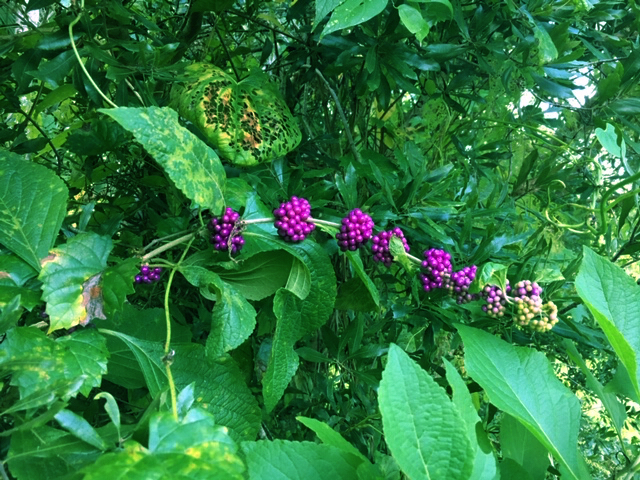
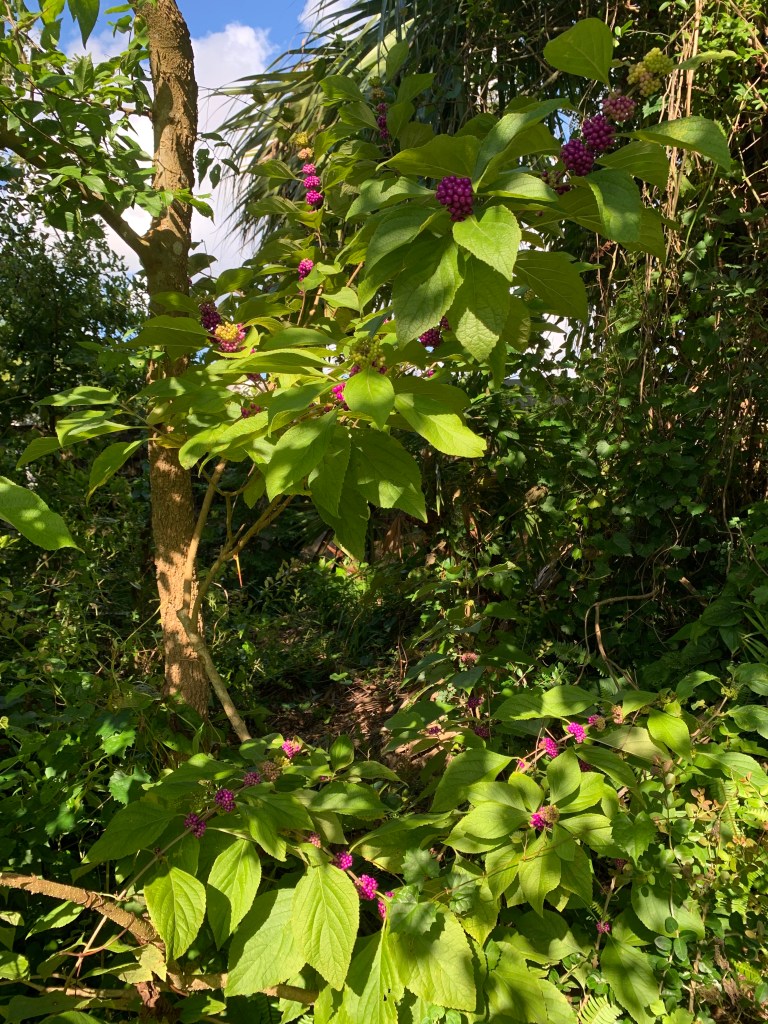
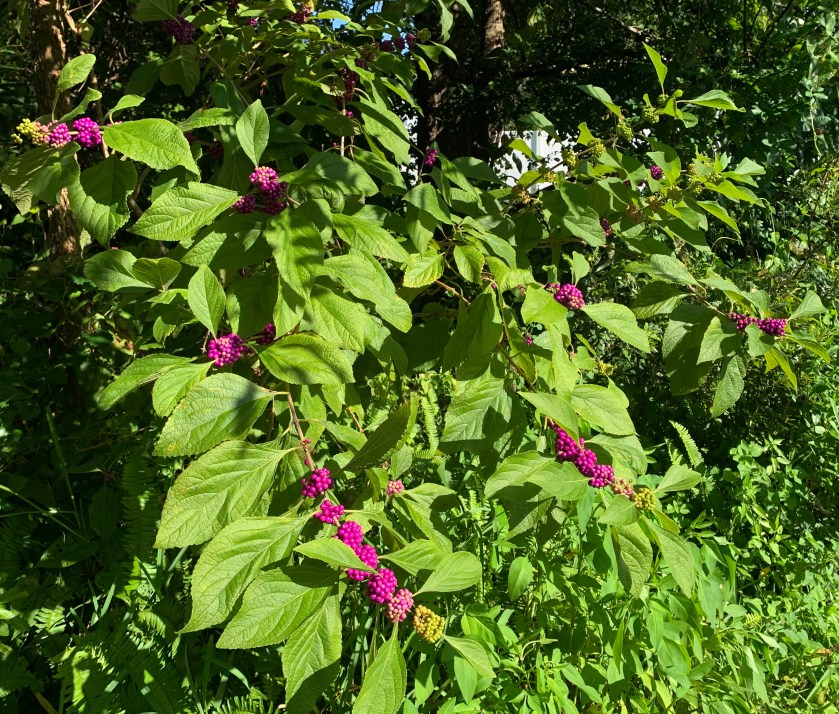
The Beautyberry bush, or American Beautyberry (Callicarpa americana) is a unique plant and I have two growing at the edge of my small Florida yard. I thought they were some sort of big weed until I saw the berries.
Backyard larger bushSide yard smaller bush
I have learned that it is a Florida native plant. It is easy to grow and needs no care. I have certainly done nothing to help these plants thrive. Both plants are growing among natural growth at the edge of the yard.
The Hidden Bush
On the lot next door, there is also a Beautyberry and an Elm tree side by side. However, both are covered in vines . The only reason I realized there is a beauty berry in that clump is that I went in to remove the vines (failed) and found new growth at the base of the bush.
This is not on my land, but I’d love to uncover them so they can grow correctly. In winter when the vines die, I will try again, unless the land is cleared by the owner before then.
New growth beneath the vine covered Beautyberry bush
A Natural Mosquito Repellant
The leaves are a bit fuzzy and I’ve read that they can be used to keep mosquitos away by rubbing them on the skin. I’ve tried this and it seems to work!
Timeline of Flowers to Berries
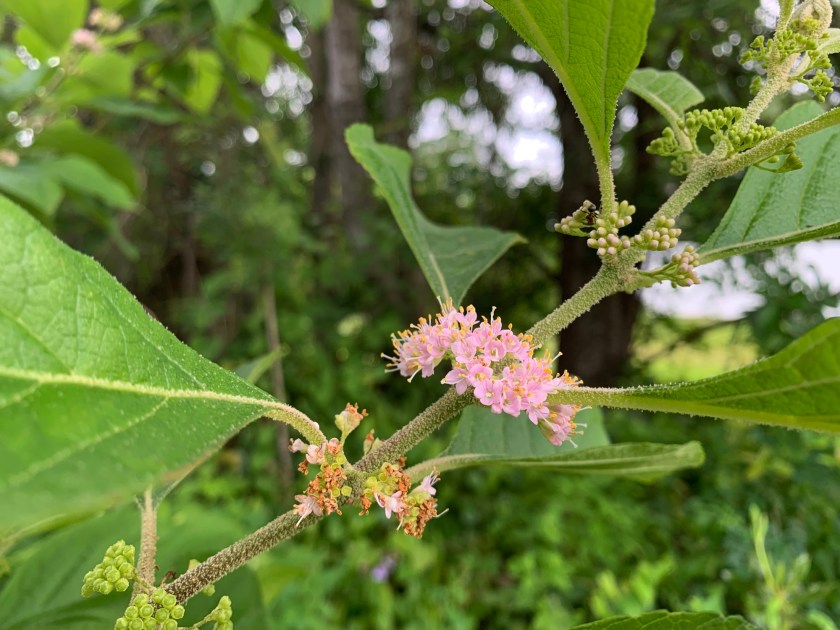
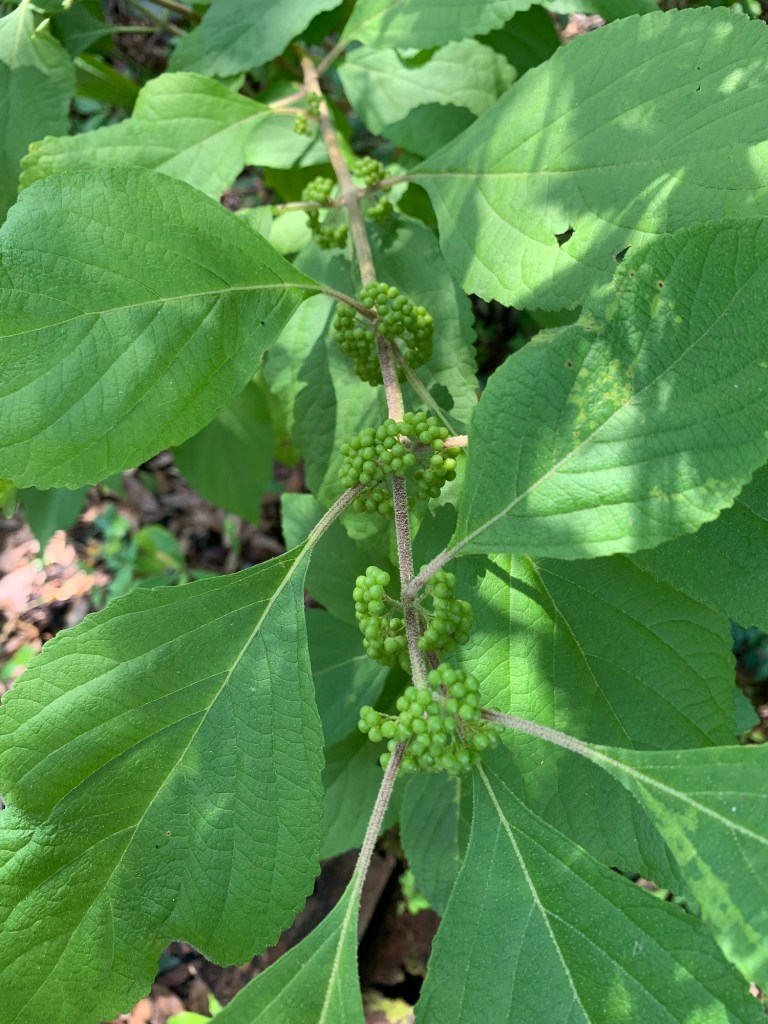
The little pink flowers begin to show up along the stems in May. By June, the flowers have become green berries. In July the berries begin to turn purple from the back of the stem toward the front.
May flowers on the Beautyberry bush
June
July berry stem on Beautyberry
August 3rd berries still turning purple
Birds love to eat the seeds and have therefore have helped this plant to spread. Because I have found another nice shrub (the Firespike) back behind this Beauty Berry, I suspect that this area of the yard was once a garden. It is overgrown with vines and weeds that are impossible to keep clear, but these nice, flowering shrubs have survived.
A Propagation Plan
Now, I know that this plant is hard to find, so I cherish the plants I already have. But, what if I could start new Beautyberries from the seeds?
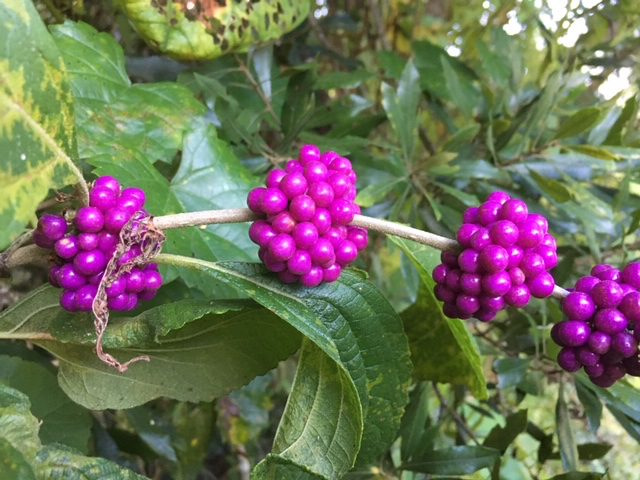
A striking stem of purple berries
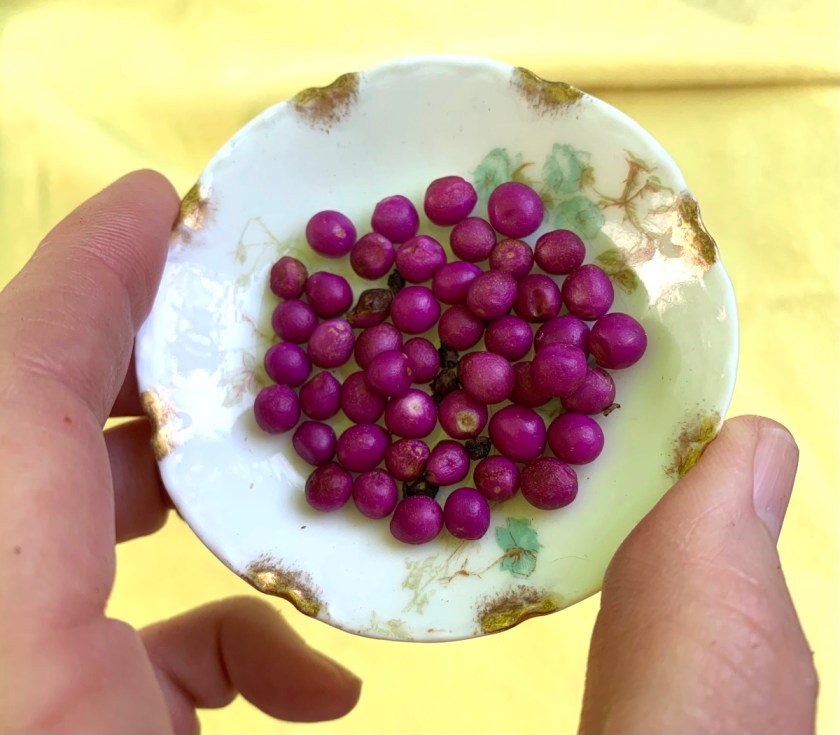
Collect the purple berries and find the seeds inside. Seeds form around the end of summer.
Let the seeds dry and then plant them in early spring.
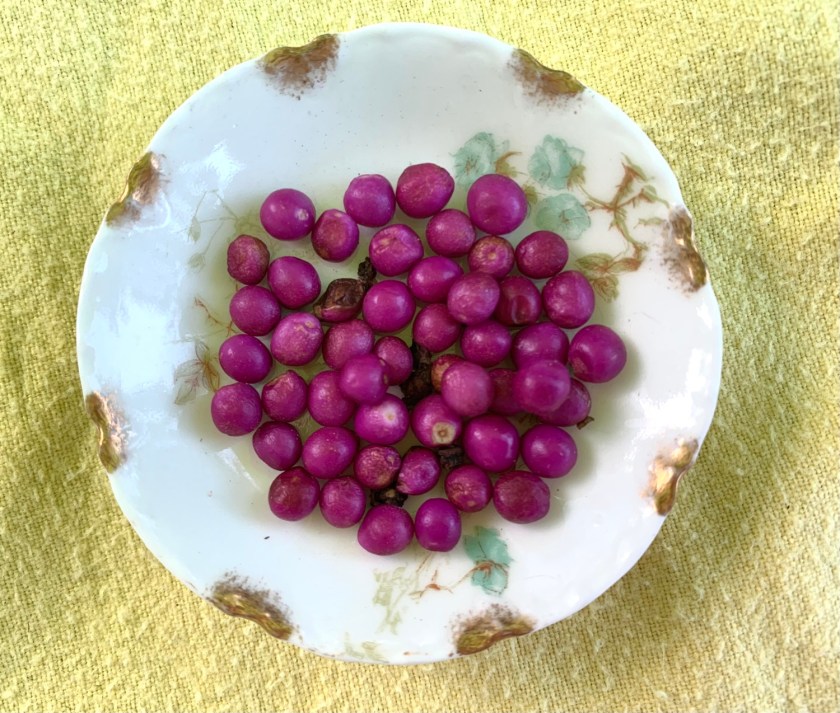
End of August collection of berries from the Beauty Berry Bush.
Beautyberry bush berries
This propagating from seed was a big FAIL for me. Nothing grew. I’ll just enjoy the plants that are already growing.
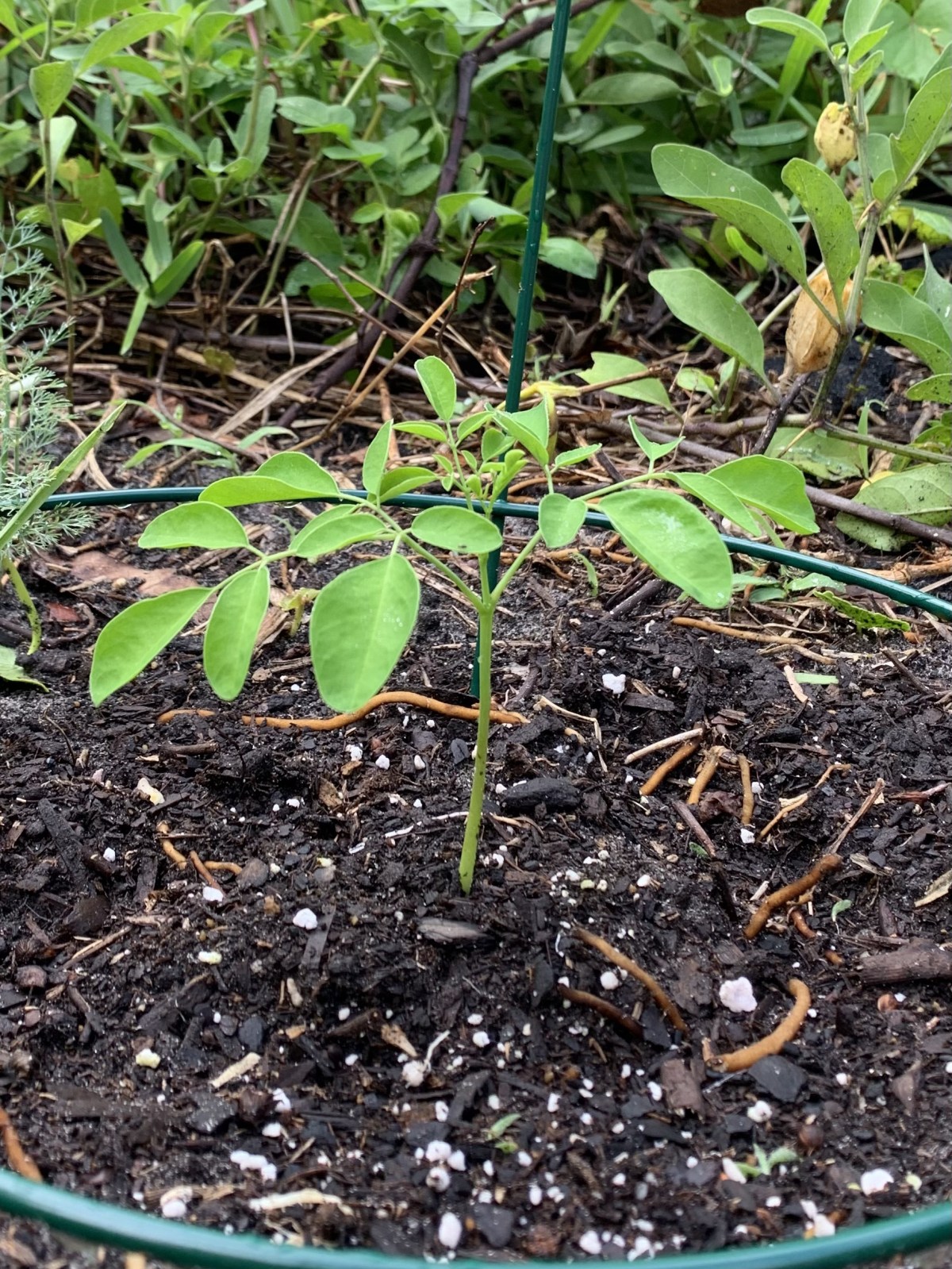
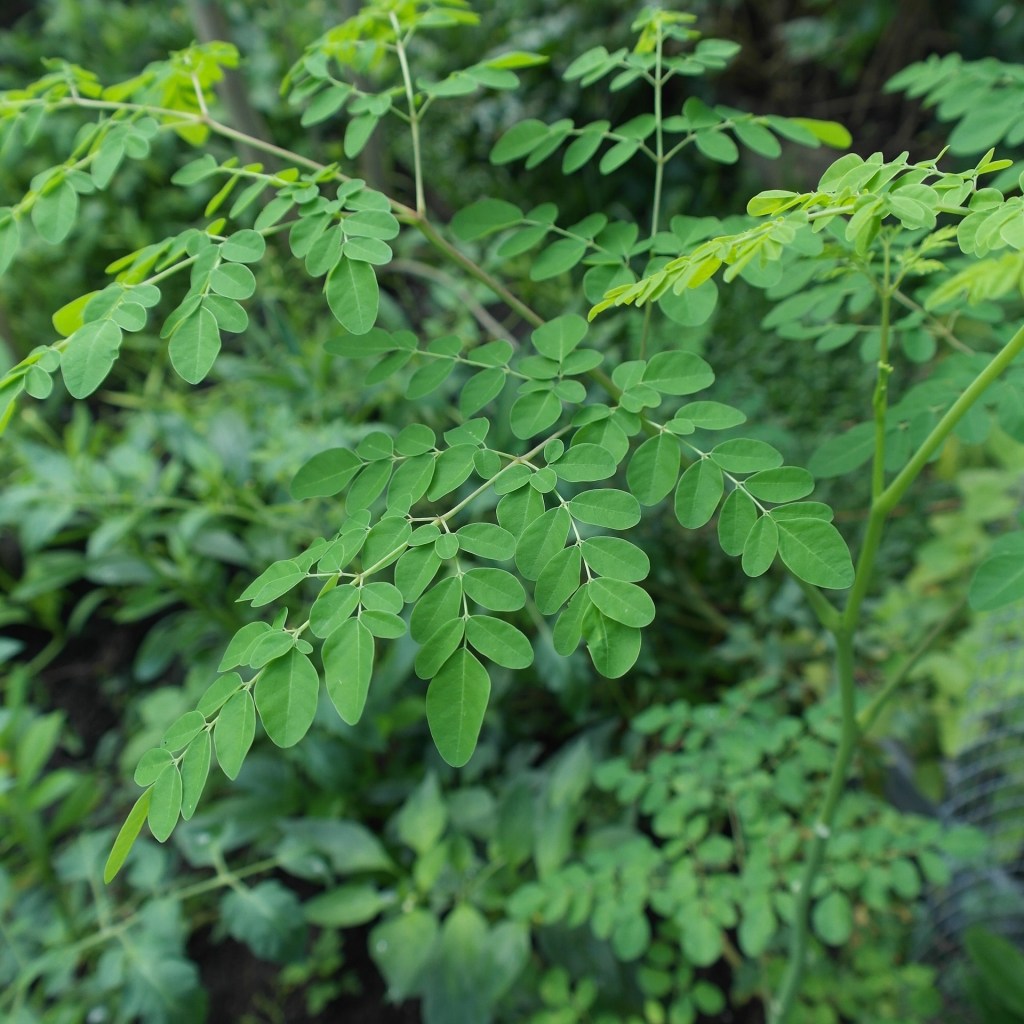
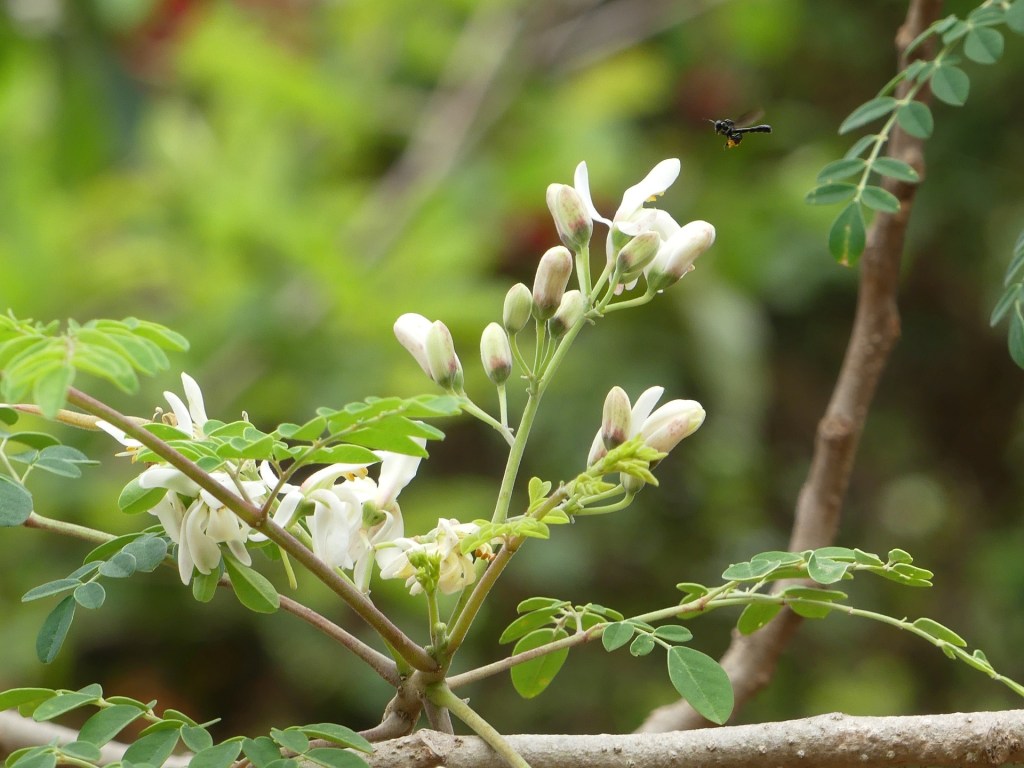
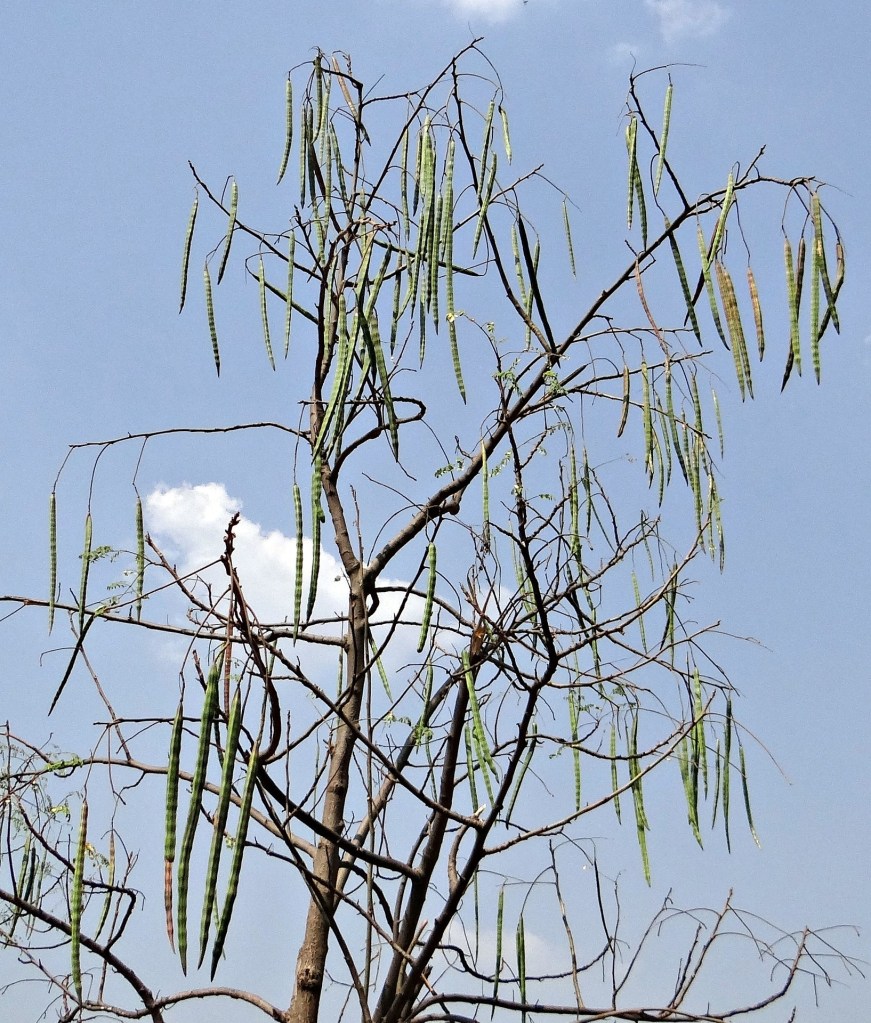
I’m getting to know about the Moringa tree, which is also known as the miracle tree because of its many health benefits. It should thrive in my yard and I just planted some seeds.
Just a few days ago I knew nothing about the Moringa Tree. After watching some videos about planting for central Florida, I decided the Moringa had to be added to my yard.
I’ve been discouraged by trying to grow vegetables here in Florida, and finally I realized that I need to plant differently. The Moringa contains lots of good healthy stuff and the leaves can be eaten right off the tree. I need it!
During my YouTube search, I came across the Urban Harvest channel. The woman in charge – Elise Pickett – lives on the west coast of Florida and has turned her yard into a beautiful food forest. (See the link to her channel below).
One of the plants she raved about was the Moringa tree. I can’t find that video right now because she has soooo many… and I still need to watch most of them. I’m in zone 9B and my research finds that the Moringa can grow in zones 8-10.
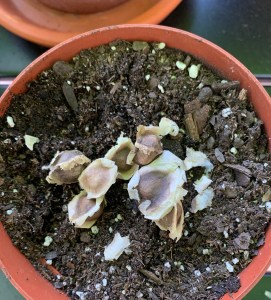
Seven Moringa seeds came in the packet
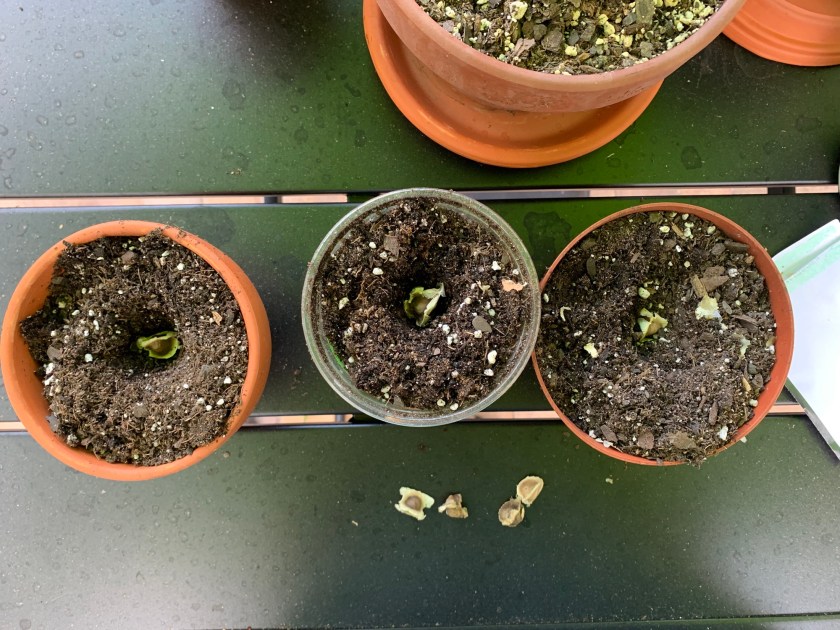
I planted them as is into three pots – one per pot. I also planted two seeds right in the ground, out in the side of the yard.
Later, when I came in to cool off, I found this video about how to plant the seeds. The gentleman suggests taking the outer layer off… Oh well, I’ll see what happens.
Planting Moringa seeds
The first Moringa seedling appeared ten days after planting. None of the others have sprouted yet. I also put one seed into the new coconut coir to see if it germinates faster.
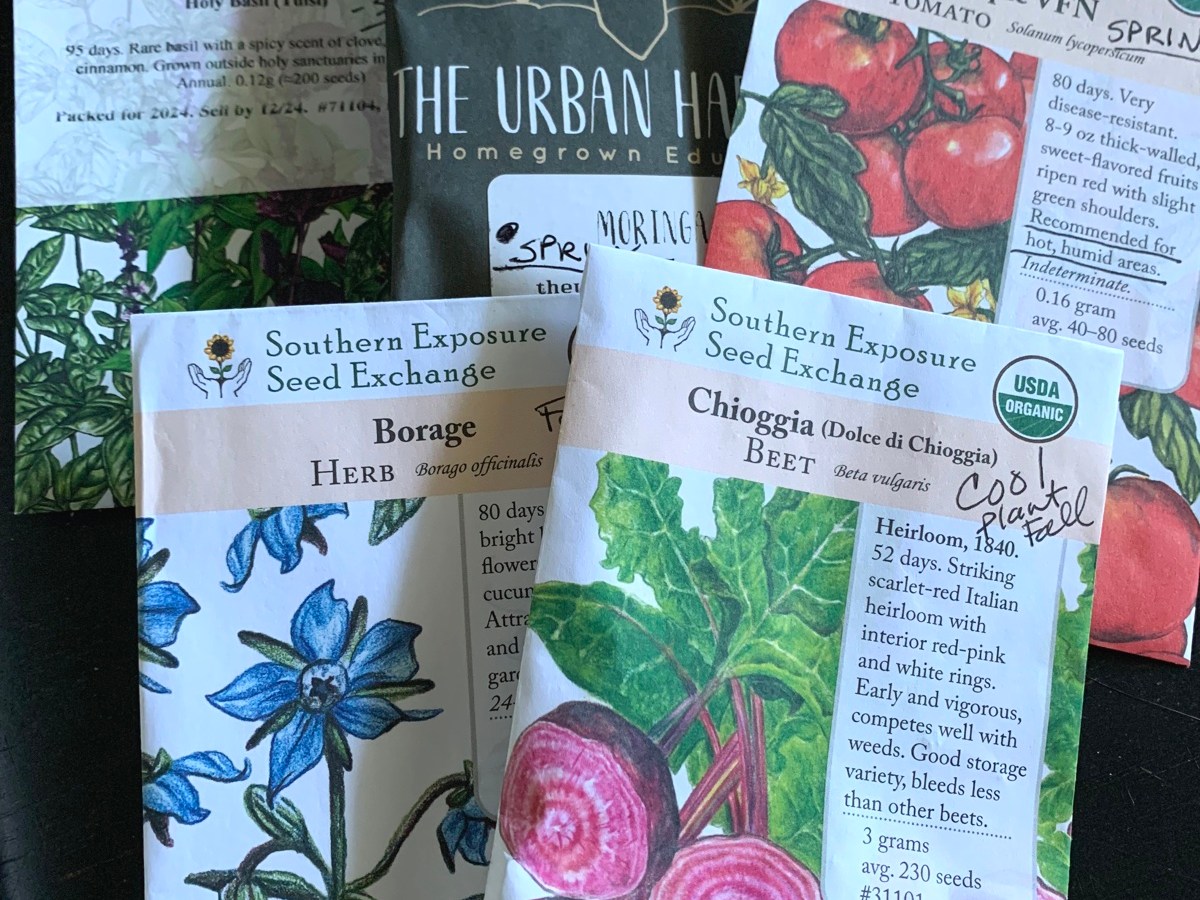
I ordered some seed packets from the Urban Harvest and got the seeds within a couple of days. It is April, which is leading us into the hotter months here. Not much likes to grow during summer, so I may wait to plant most of my seeds until Fall.











 Hydrangeas Blue