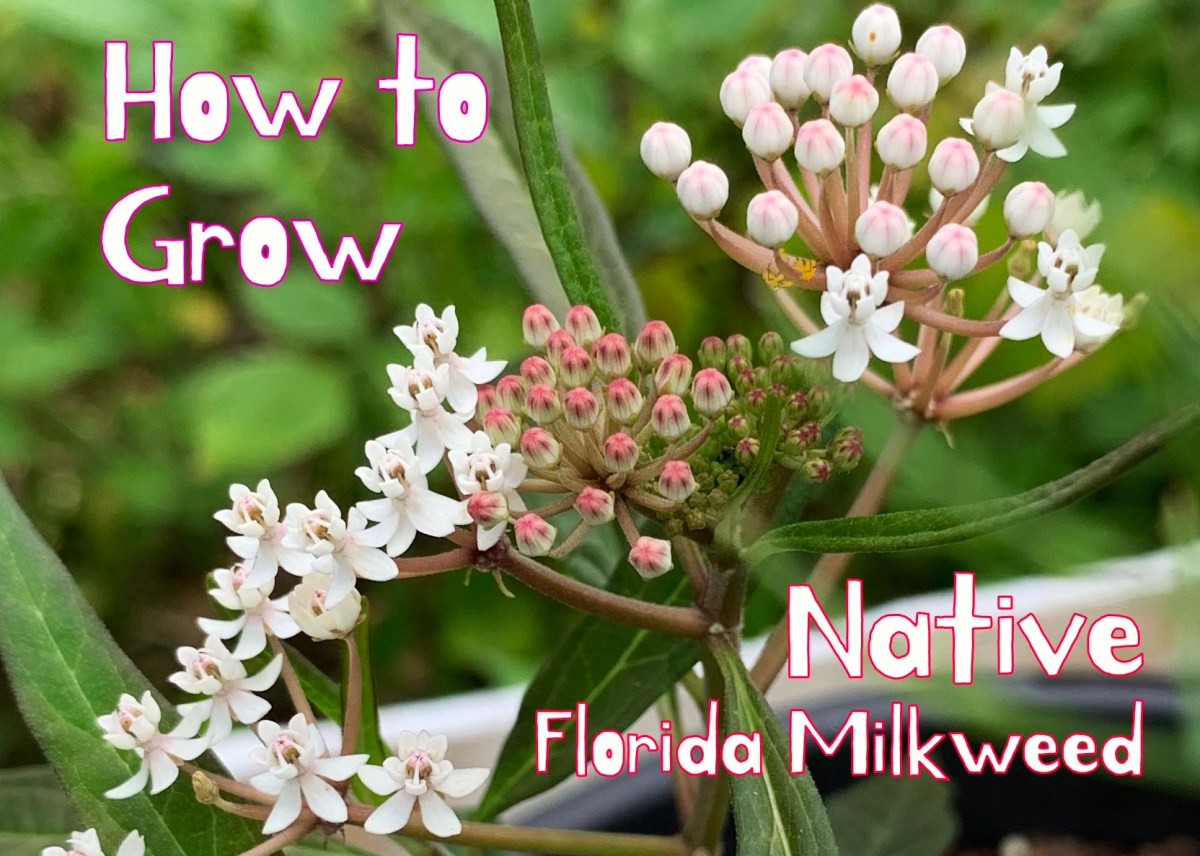
I’ve been trying to grow my own native Florida milkweed from seed. The trick is to learn as much as possible about milkweed plants. There are quite a few native Florida milkweed varieties. Some prefer dryer conditions, while others need to remain moist. Decide what will work best in the area you plan to put your milkweed plants.
In the wild, they will self seed alongside the parent plants, in a naturally perfect location. In my yard, I will need to mimic that for success.
My Milkweed Plant List – See the full list of Florida natives here.
This list includes milkweed I am attempting to grow from seed, or mail order. Milkweed likes sun, and most like it moist. I ordered these types to see what I could get to grow. I do not have a lot of space.
- Asclepias tuberosa – orange butterflyweed / milkweed
- Asclepias perennis – swamp milkweed, with white flowers
- Asclepias incarnata – swamp milkweed, with pink flowers
- Asclepias verticillata – whorled milkweed, blooms later into fall. Needs space for tubers to spread. Not as good for small gardens.
- Asclepias humistrata – pinewoods, or sandhill – grows in sand, likes it dry. Must be in well-drained sandy ground.
Finding and Buying Milkweed Seeds and Plants
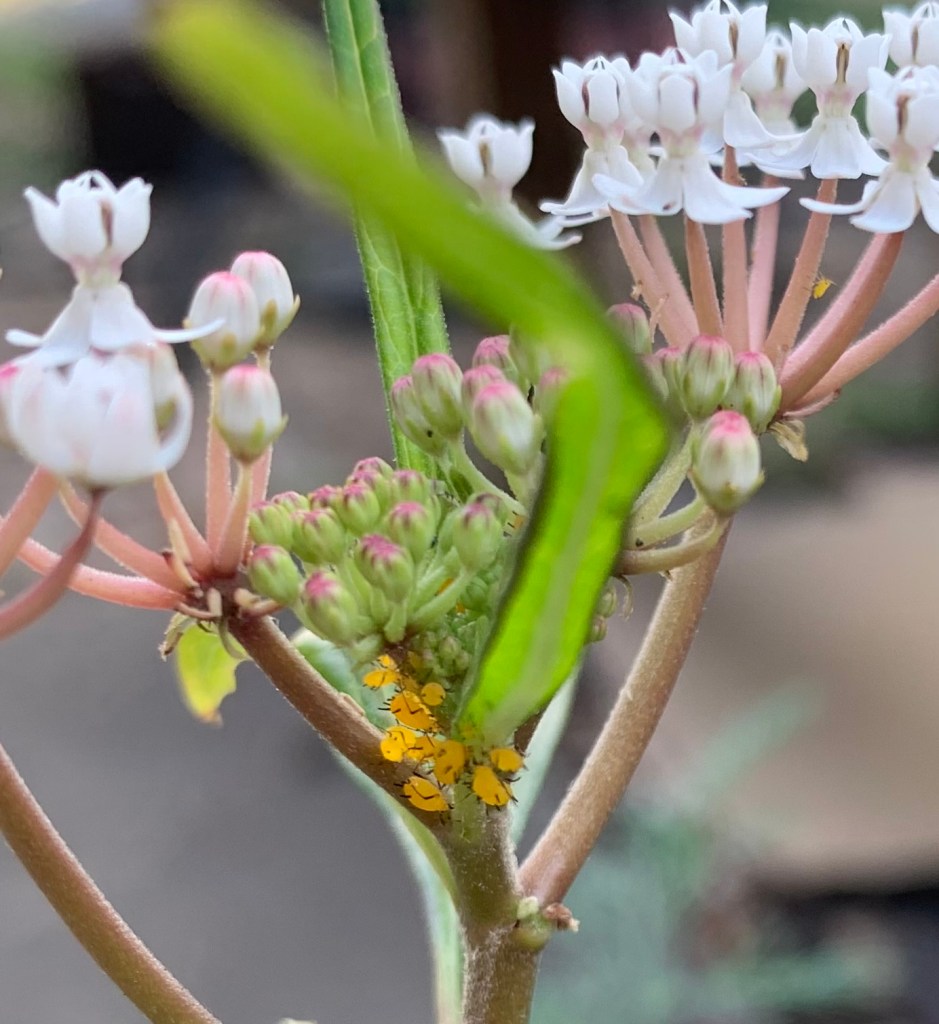
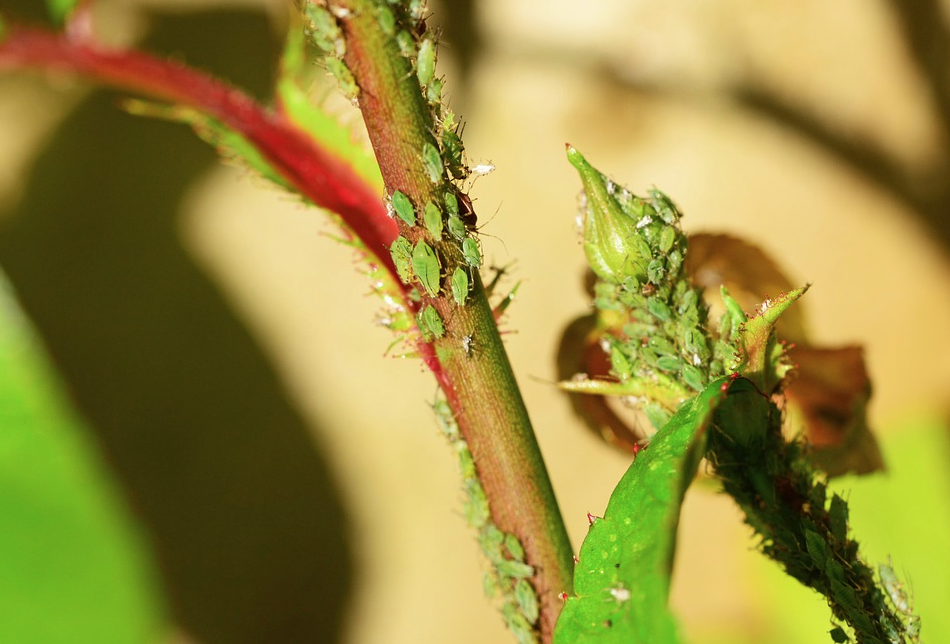
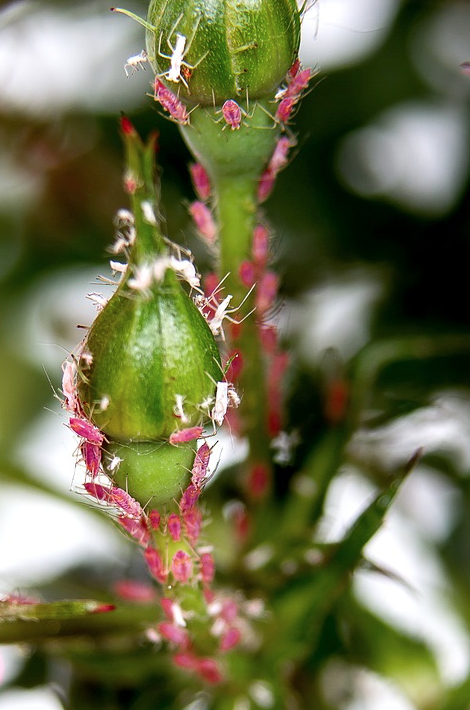
Where I live, it is nearly impossible to find native milkweed plants locally. And when I do find them, they are scraggly and not growing well. Often they are full of aphids.
For that reason I have turned to starting milkweed from seeds. Look for seeds from plants that are grown without the use of chemicals.
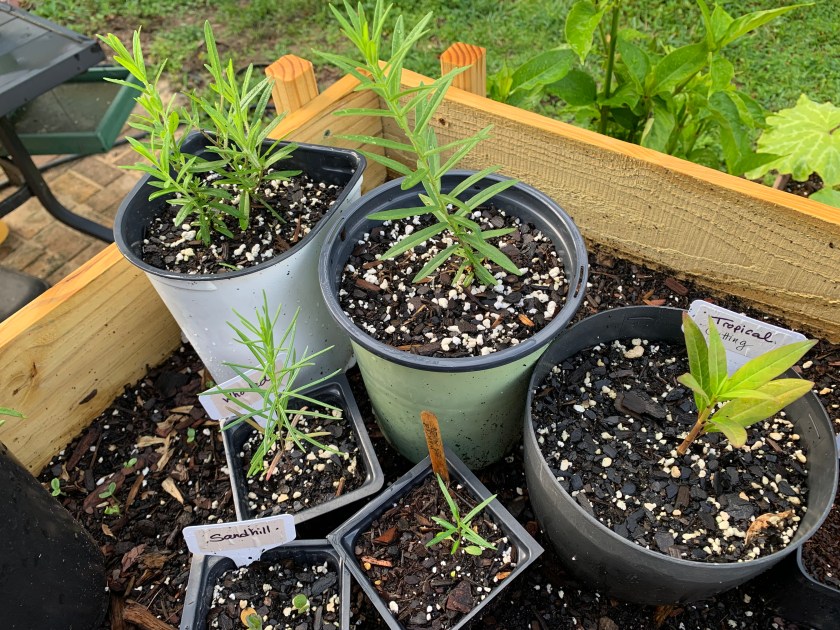
The seeds I bought have come from various sellers. When buying online, many reputable places have good information about growing each milkweed variety. Johnny Butterflyseed has a nice variety of seeds that come in little brown packets. I have a few pots of each variety planted.
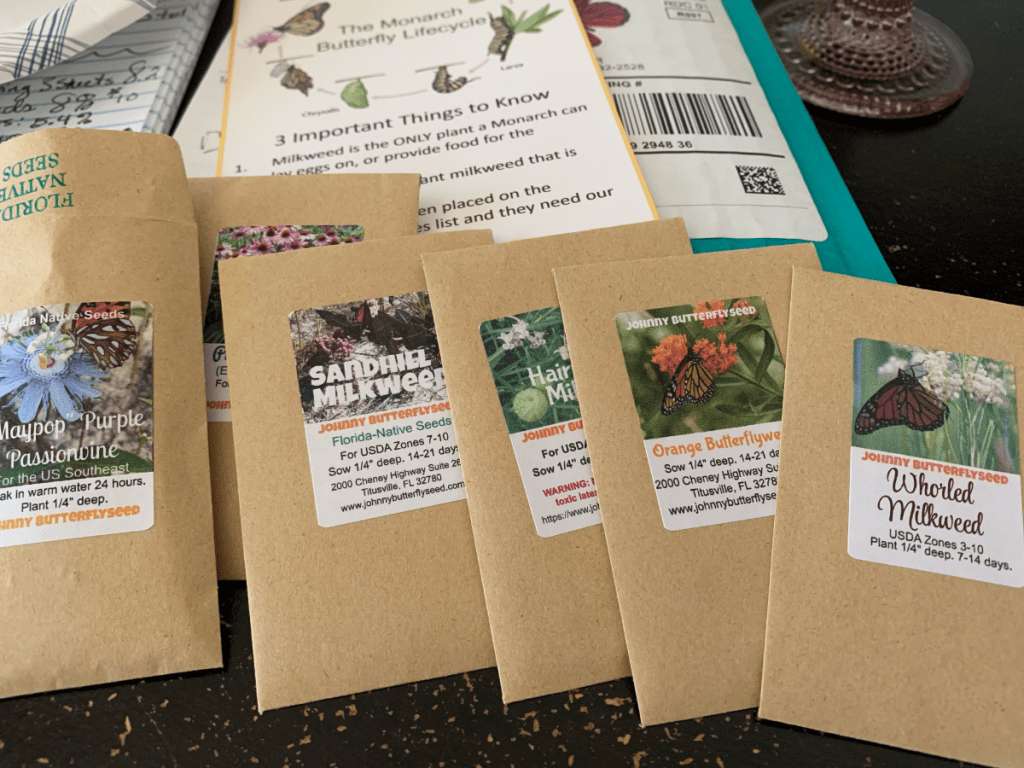
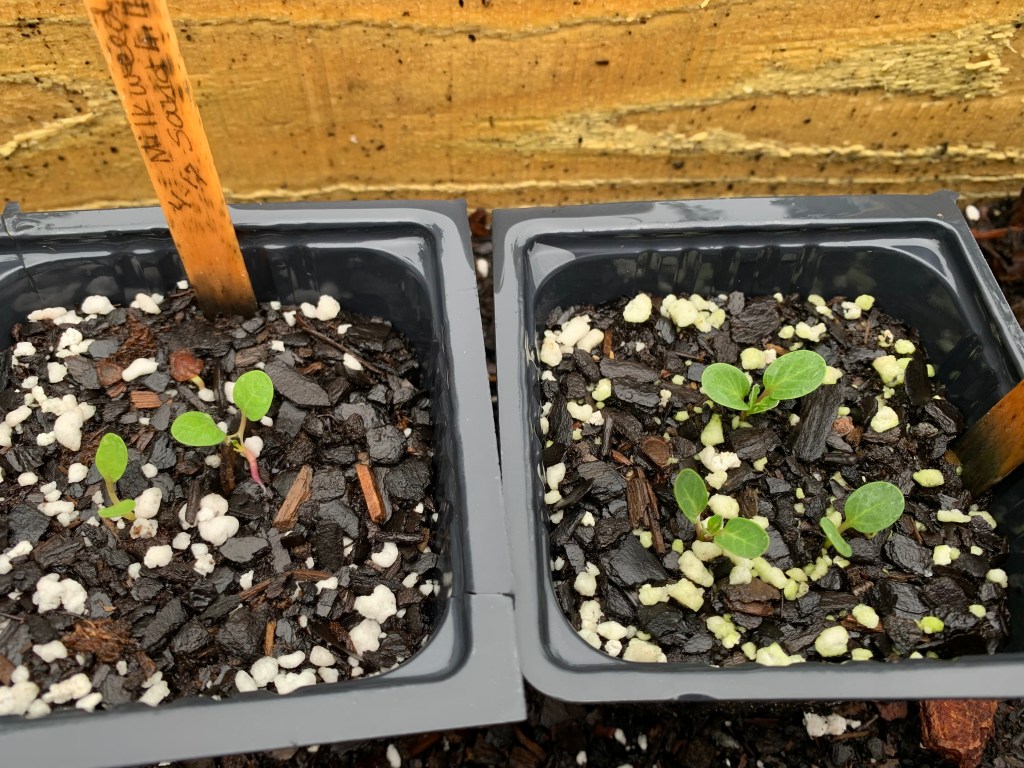
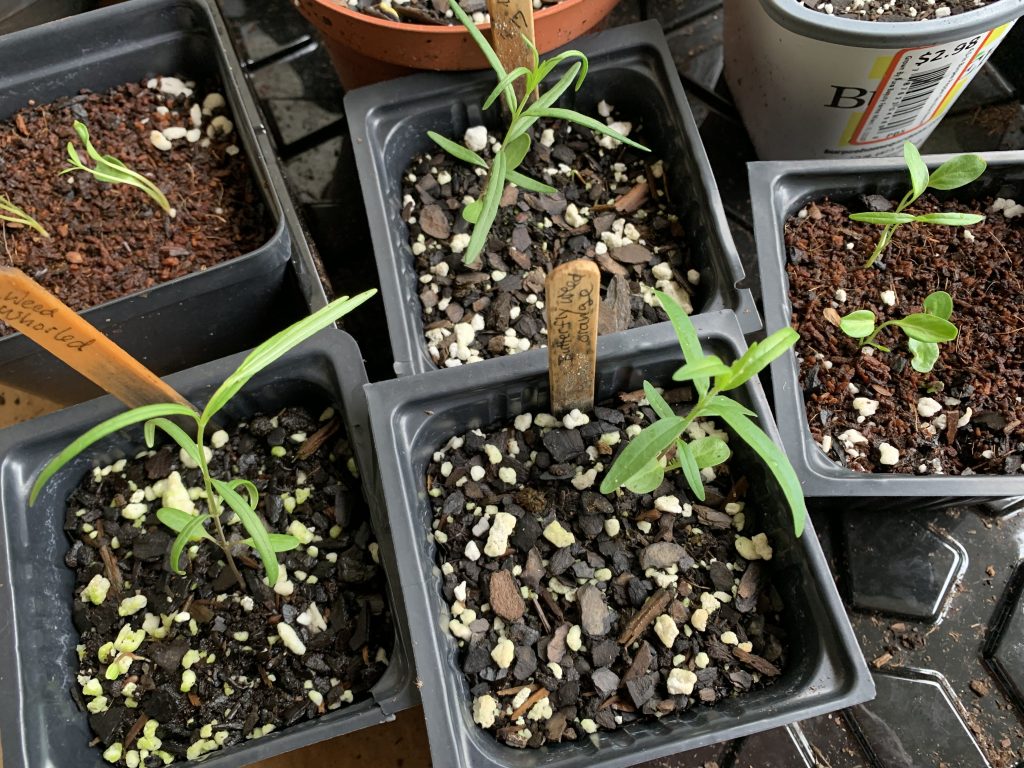
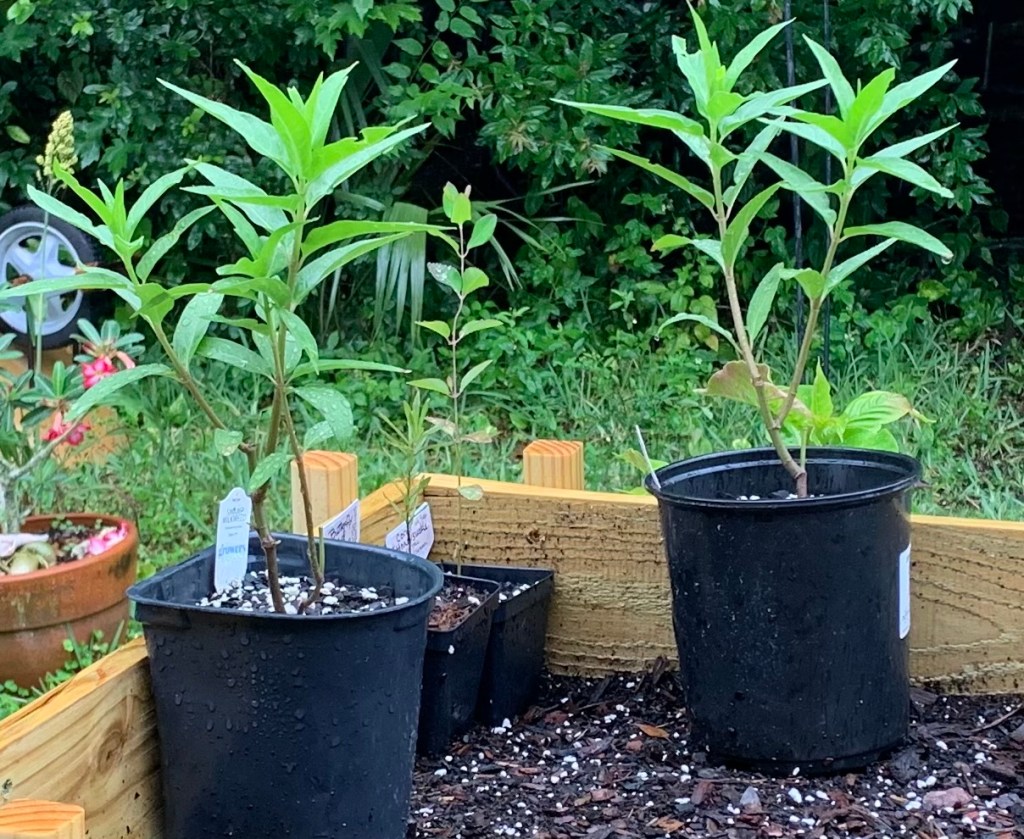
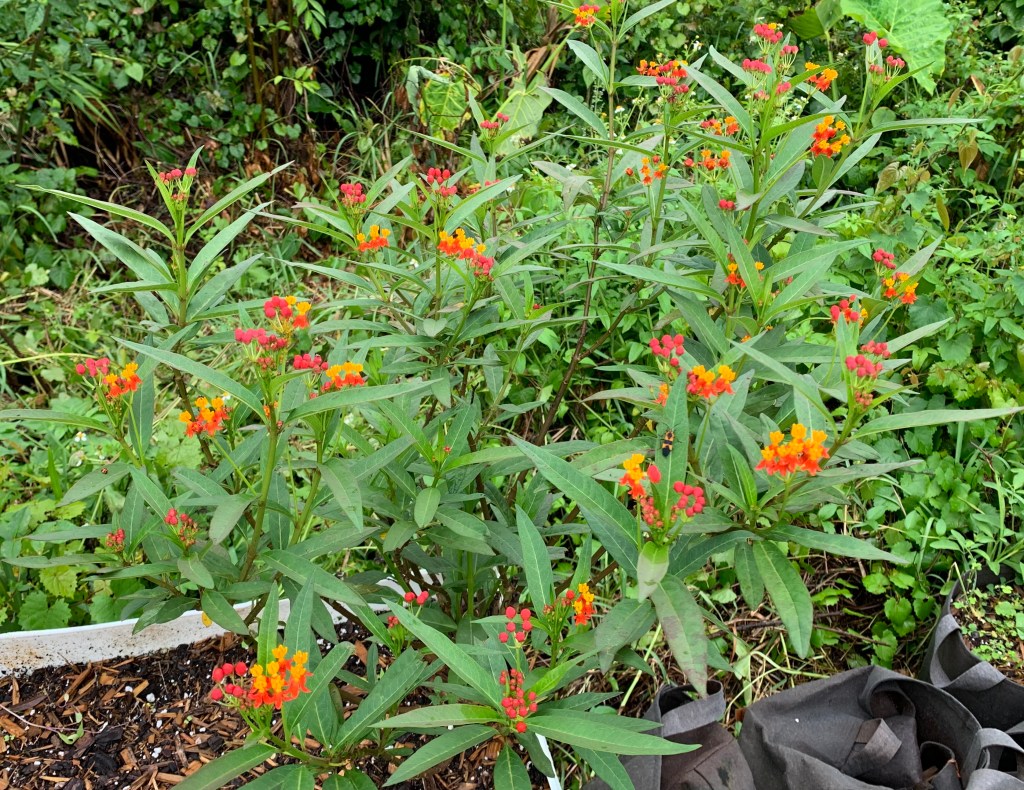
I ordered a few Swamp Milkweed seedlings online. Some of them look really nice, and two are already in the ground. Buying seedlings, or small plants online, can be expensive. There is no way to know what the plants condition will be when they arrive. Usually only a pot size is given, and not a plant size. Read about my experience with ordering live plants online here. I did find a place I would buy from again – The Grower’s Exchange. Look at the beautiful milkweed plants in the photos below that were mail order plants!
*UPdate, these four milkweed plants are now about 3 feet tall and doing very well.
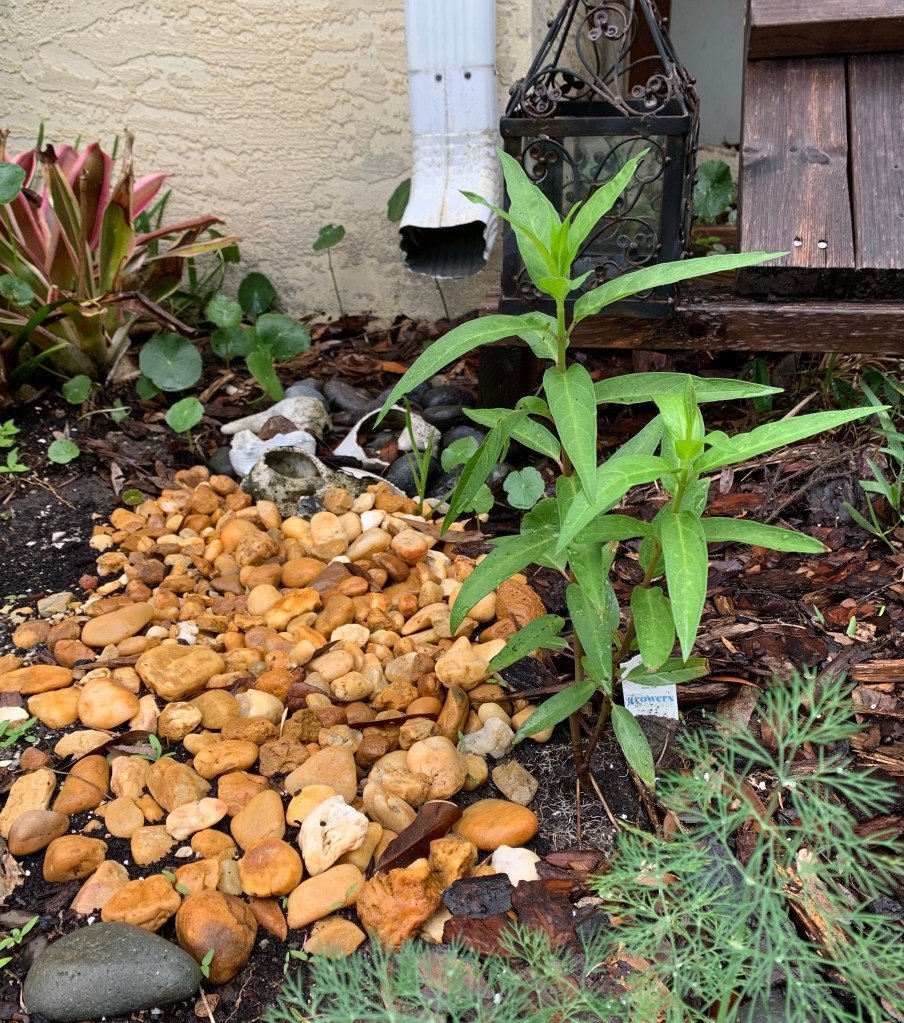
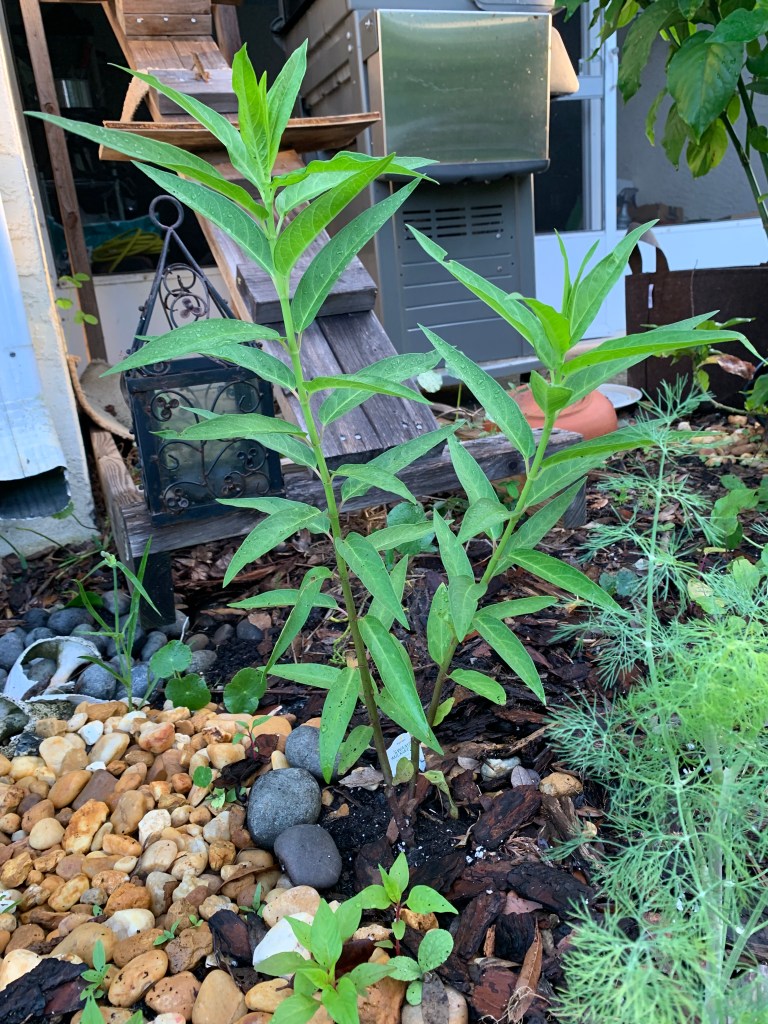
Alternatively, see The Milkweed Man website for a list of Florida native plants, including milkweed. He does not ship, but if you live nearby (Spring Hill – directly west of Orlando near the coast), this looks like a great place to buy native plants.
How Milkweed Plants Grow
First of all, realize that native milkweed goes dormant in Fall / Winter, even in Florida. Tropical milkweed does not go dormant! Native varieties should be started from seed or purchased to plant, in spring and summer.
I learned this the hard way when I bought two plants late last year. They were basically sticks, covered in aphids. I thought they would be fine once planted, but they both seemed to die. They were actually going dormant for our Florida winter. Now, many months later, one of them is sprouting new growth! The other one didn’t make it. I should have waited and bought them in spring when they would be growing well.
So here’s a hint: Buy milkweed and get it planted early – like spring to early summer. Give it a chance to establish roots before the dormant time arrives.
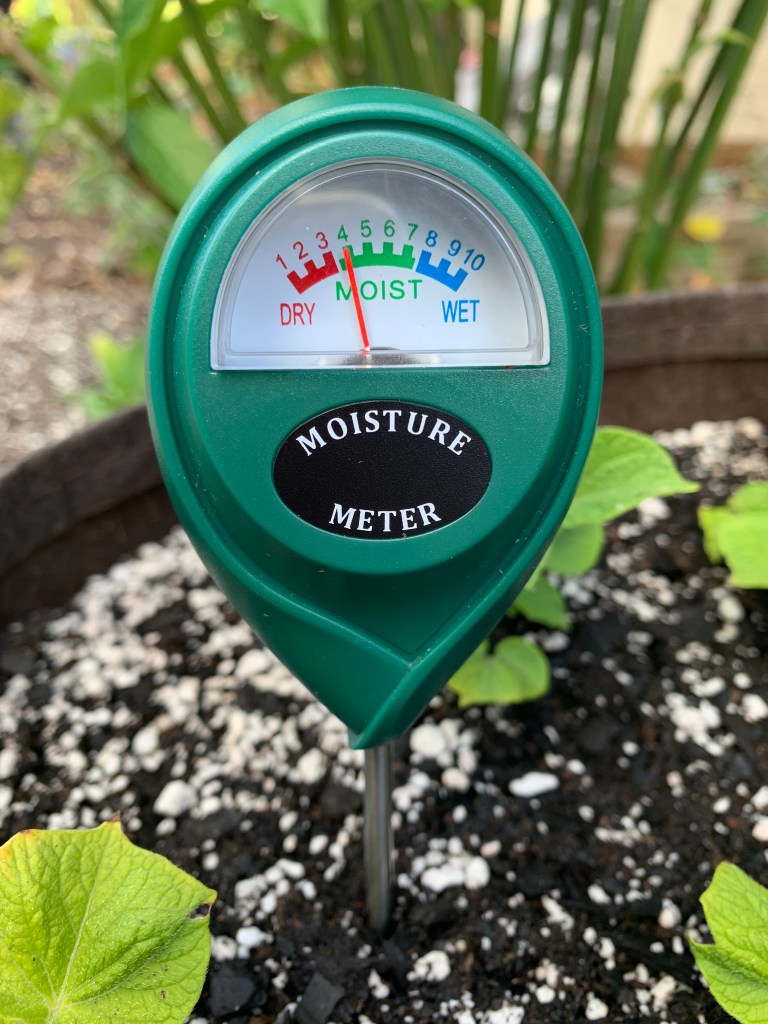
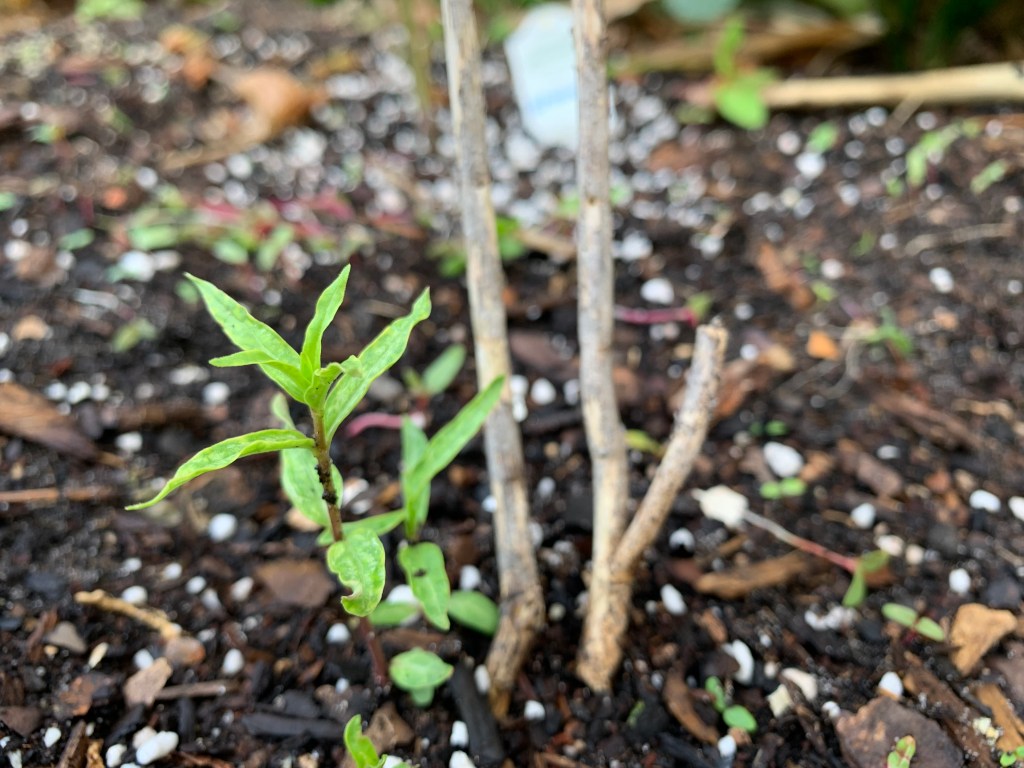
Milkweeds need water when they are young. Seedlings and small plants need lots of water (exception may be the Sandhill variety). Get yourself a simple soil water meter (paid link – see my meter above) and make sure the soil stays moist. As the plant matures, it will grow a long taproot that will help keep it going in times of drought.
Pick up the pots and look for emerging roots at the bottom. If little white roots are coming out, it is time to plant into a bigger pot, or in the ground.
Be aware that milkweed spreads by underground rhizomes as well as by seeds that come out of the pods.
Feeding Hungry Caterpillars
The milkweed you are most likely to come across when shopping for plants is not a Florida native. Once thought to be not good for Monarchs, now “they” are not so sure. Is it better to have the wrong milkweed and grow caterpillars and butterflies? Or have nothing for the butterflies to use.
The tropical milkweed grows like mad. Consider growing one or two of this fast growing milkweed alongside the slower varieties. This is helpful when hungry Monarch caterpillars are munching away on the plant.
Let Tropical milkweed grow until winter – cut it back by December and always remove any seed pods before they blow away.
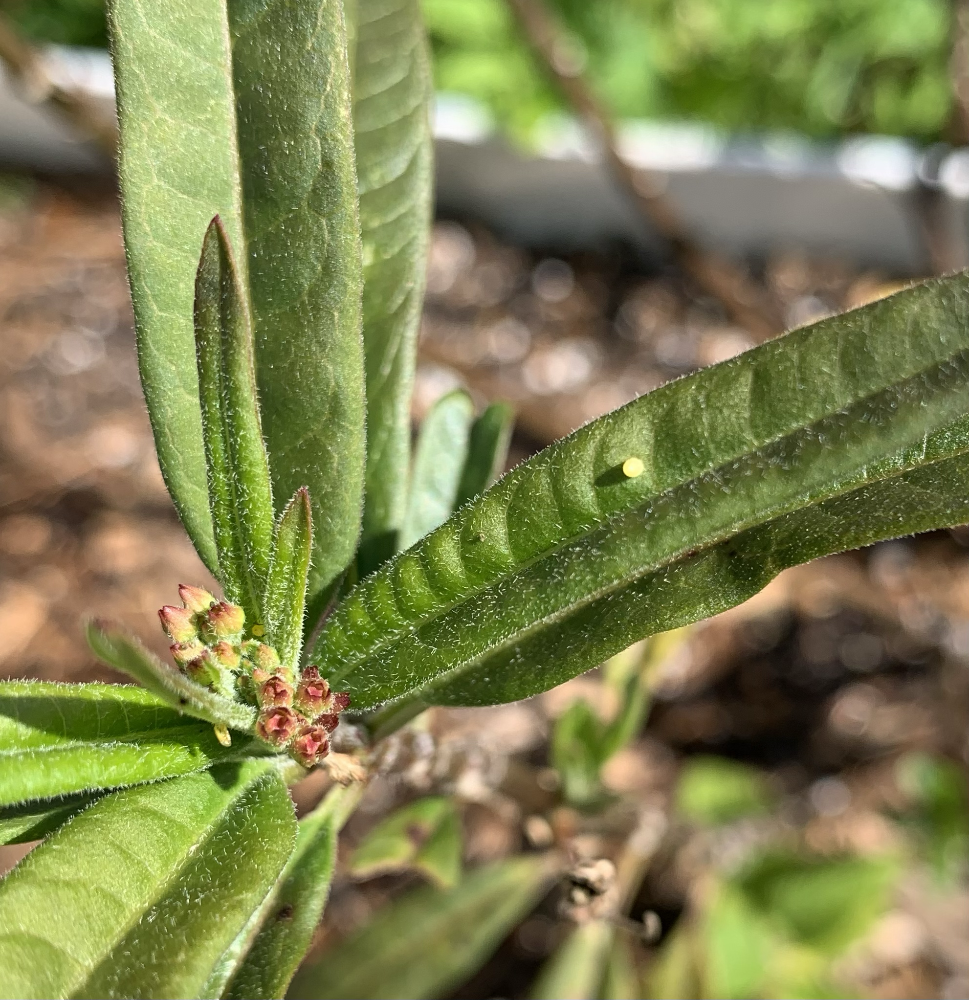
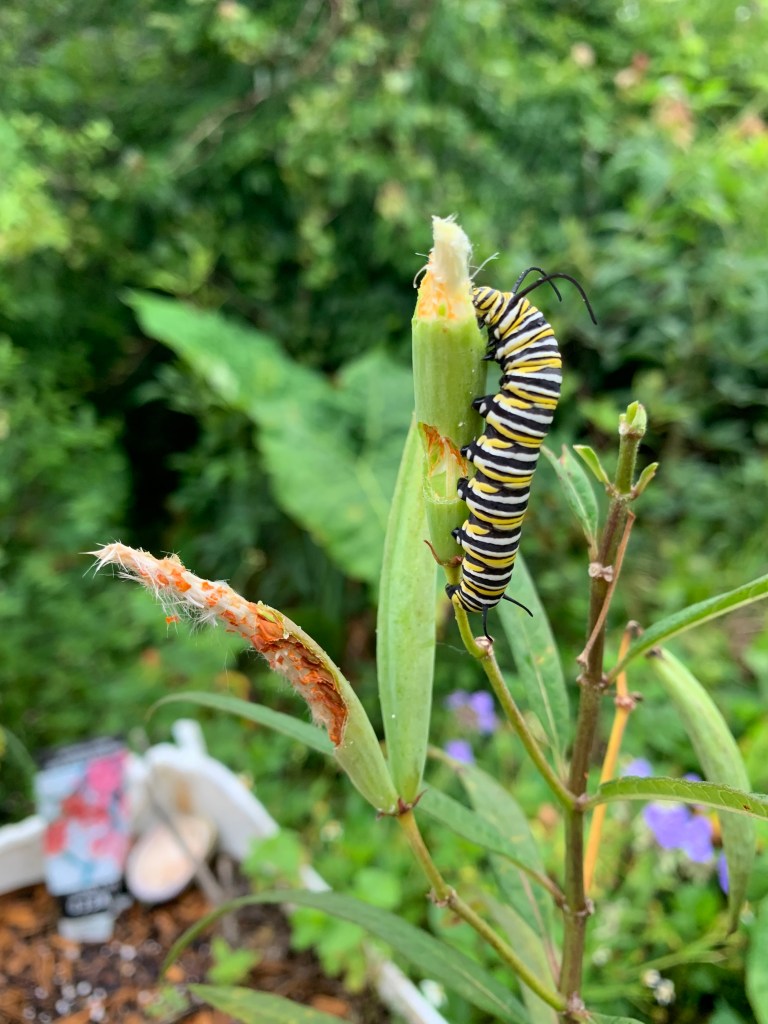
Monarchs and the Lizards – Just a Thought
In March and April I had three Monarch butterflies appear in my yard. One I watched form a chrysalis, and saw him the day he hatched. Two more showed up in various locations, looking as if they were new to the world. Every day since then, I’ve had at least two Monarchs flying around every day. The highest number I saw all at once was four.
I’ve since had many more caterpillars, which suddenly disappear. Both native anoles and the invasive lizards will eat them! It could be that I saw the three Monarchs arrive only because there were fewer lizards to eat them in the colder months of March and April.
Milkweed is Meant to Grow Wild
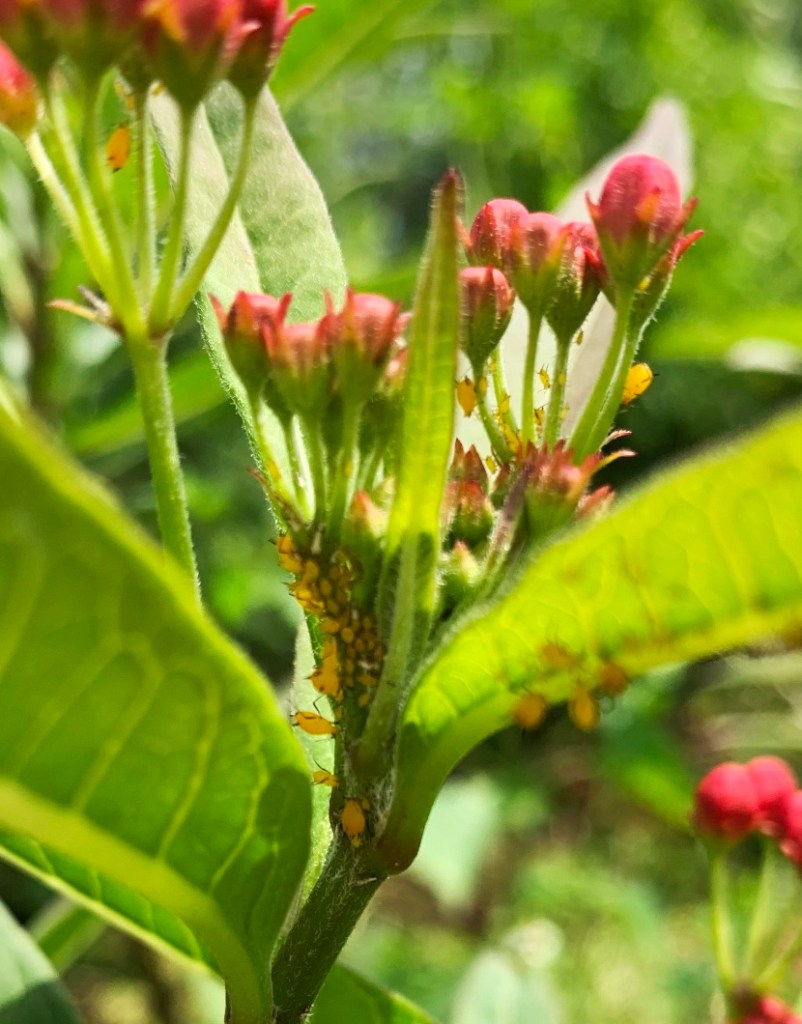
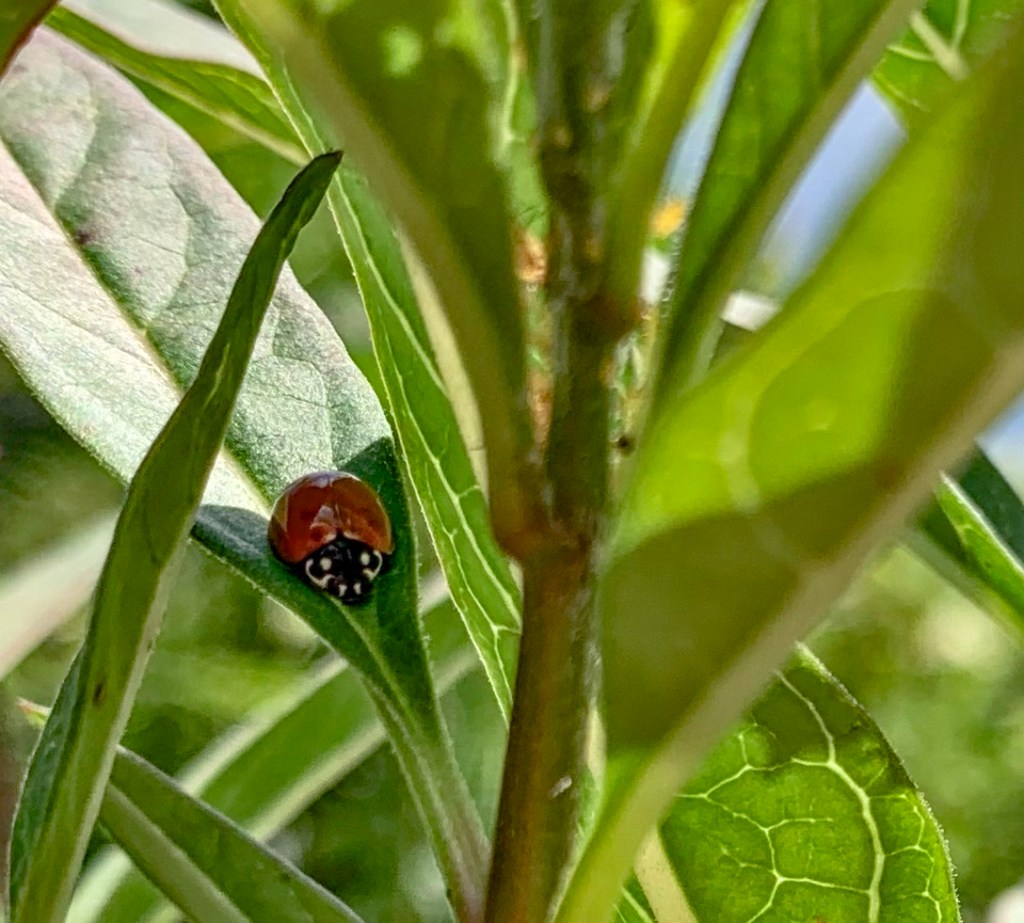
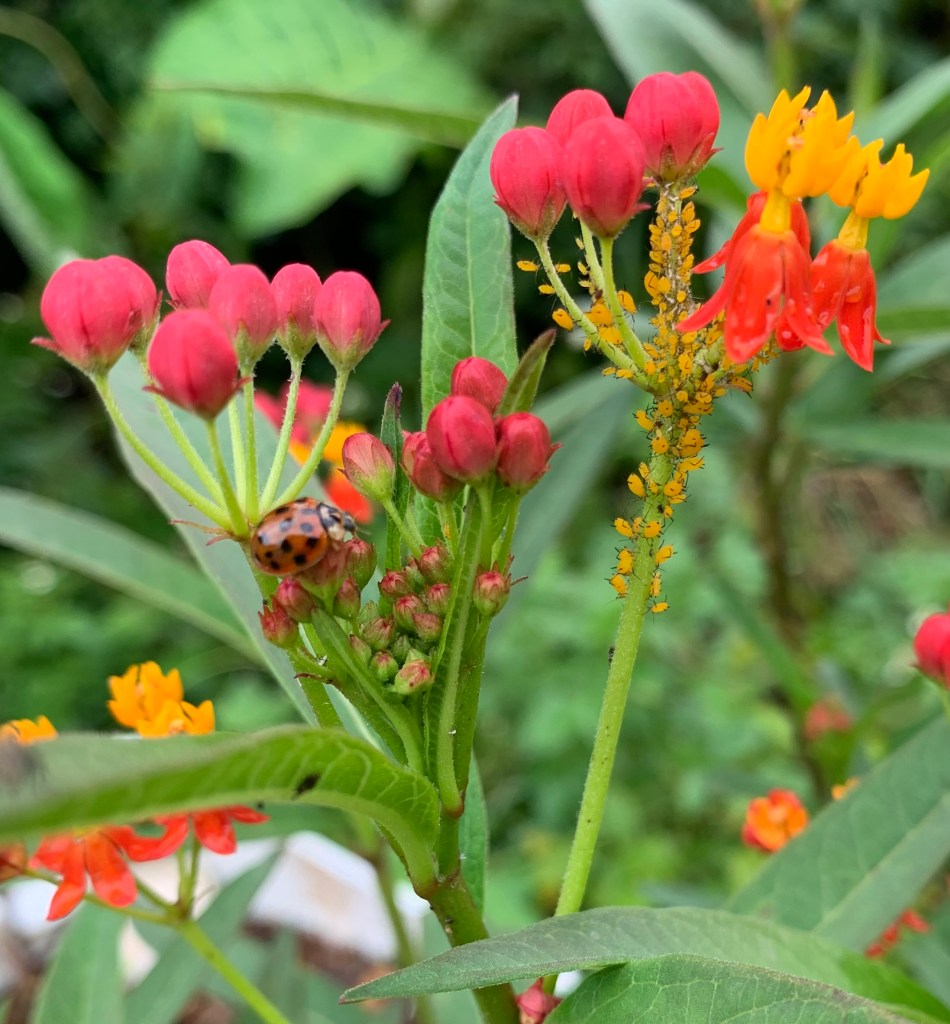
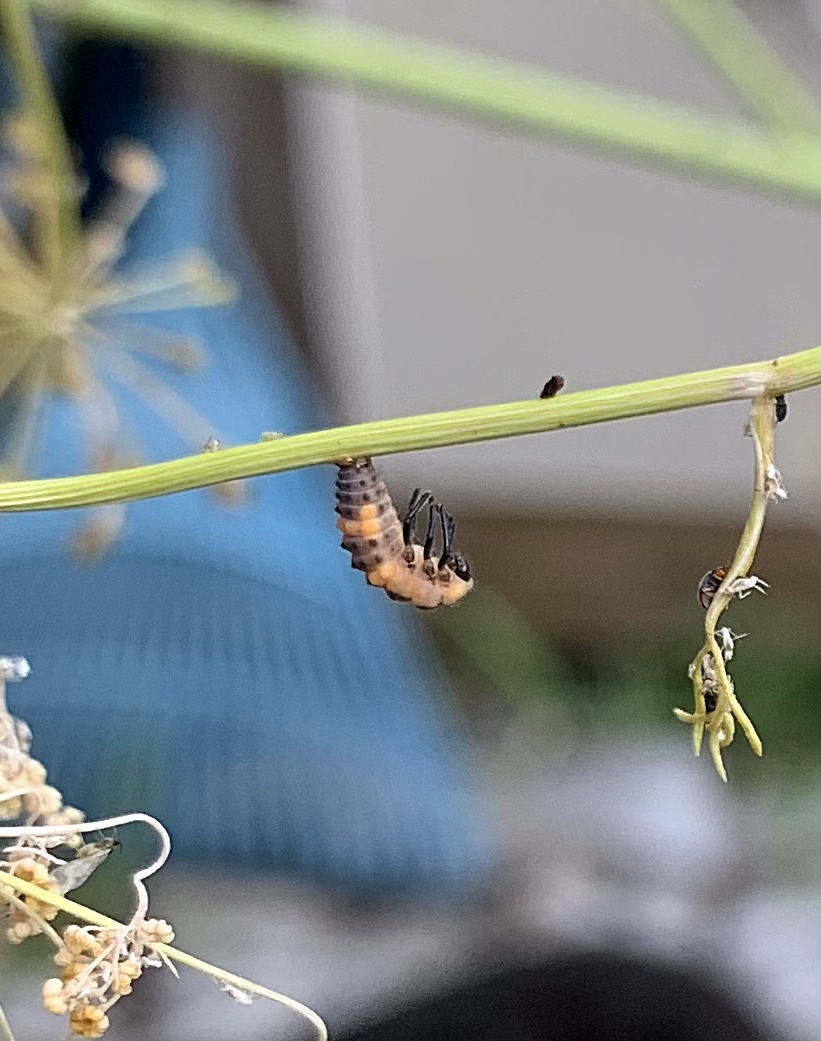
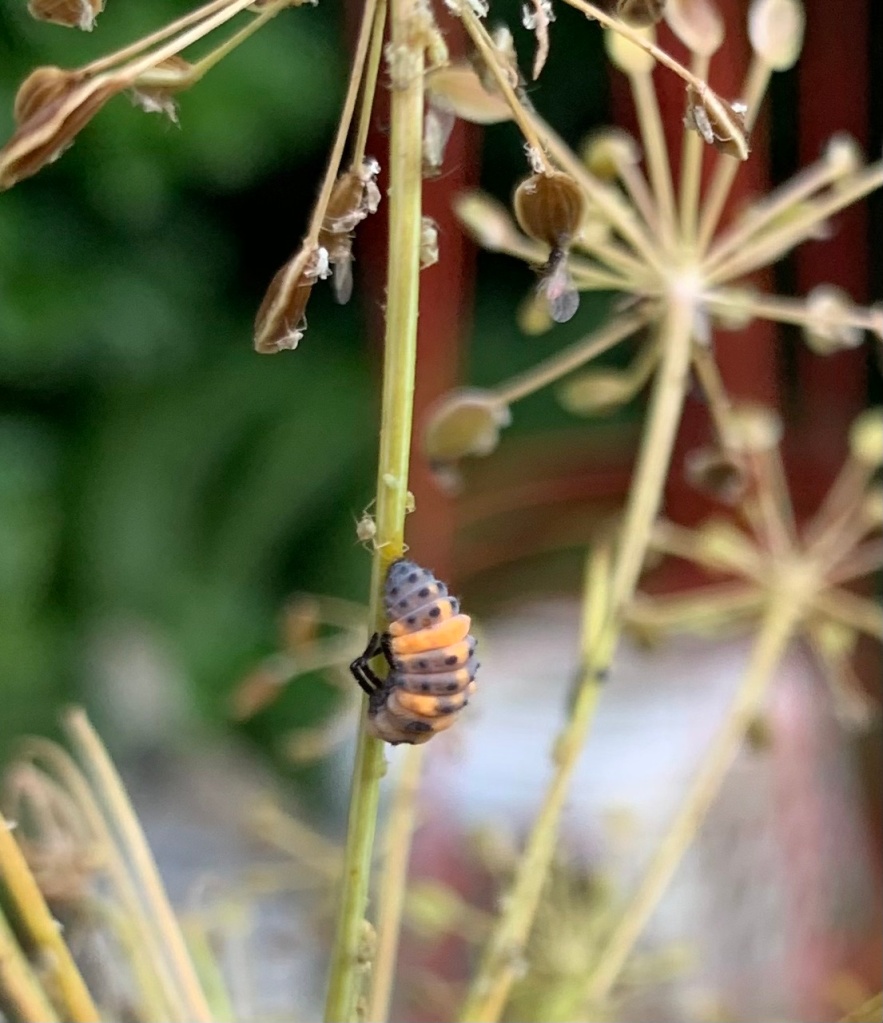
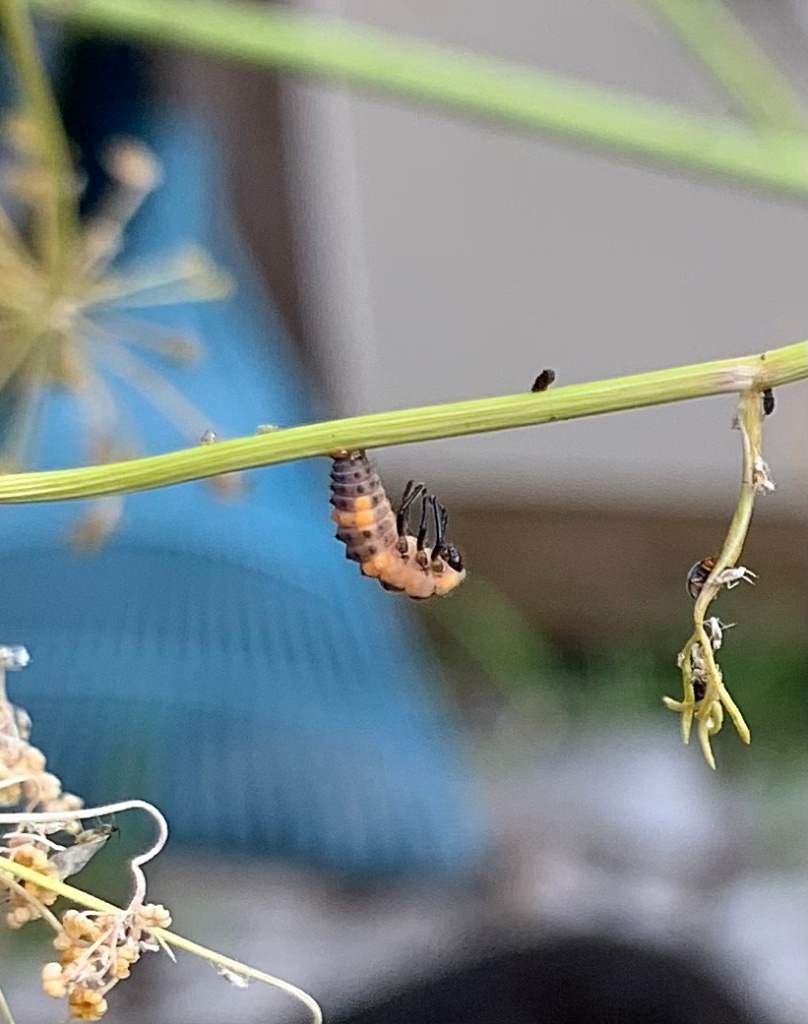
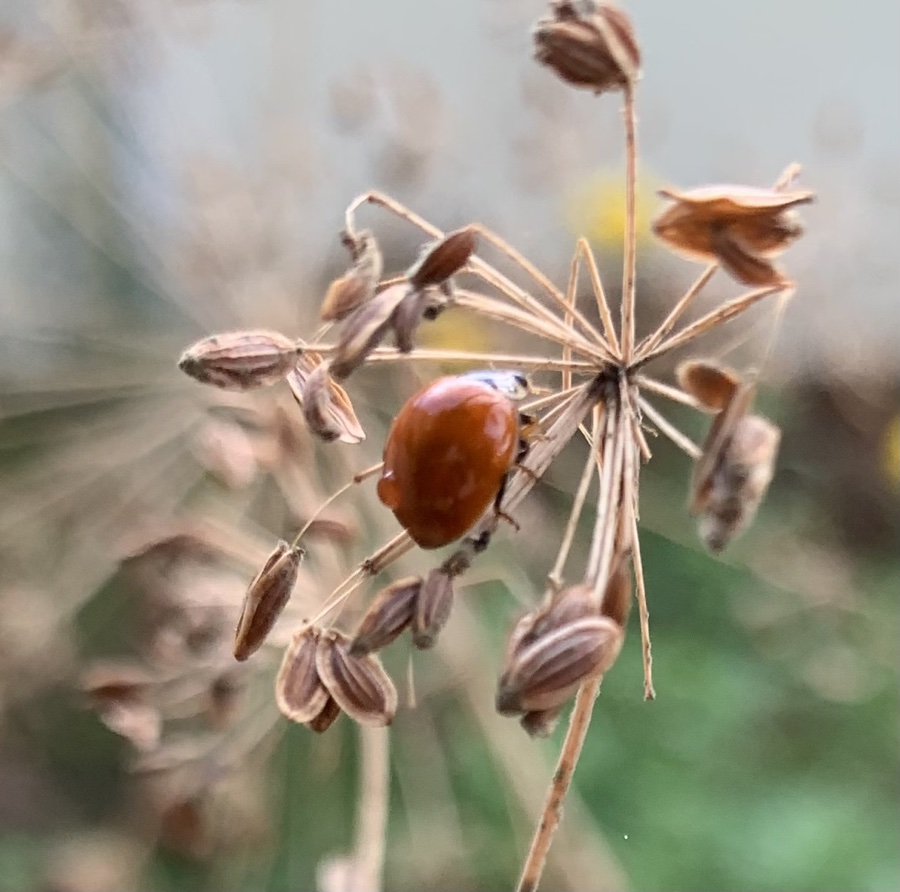
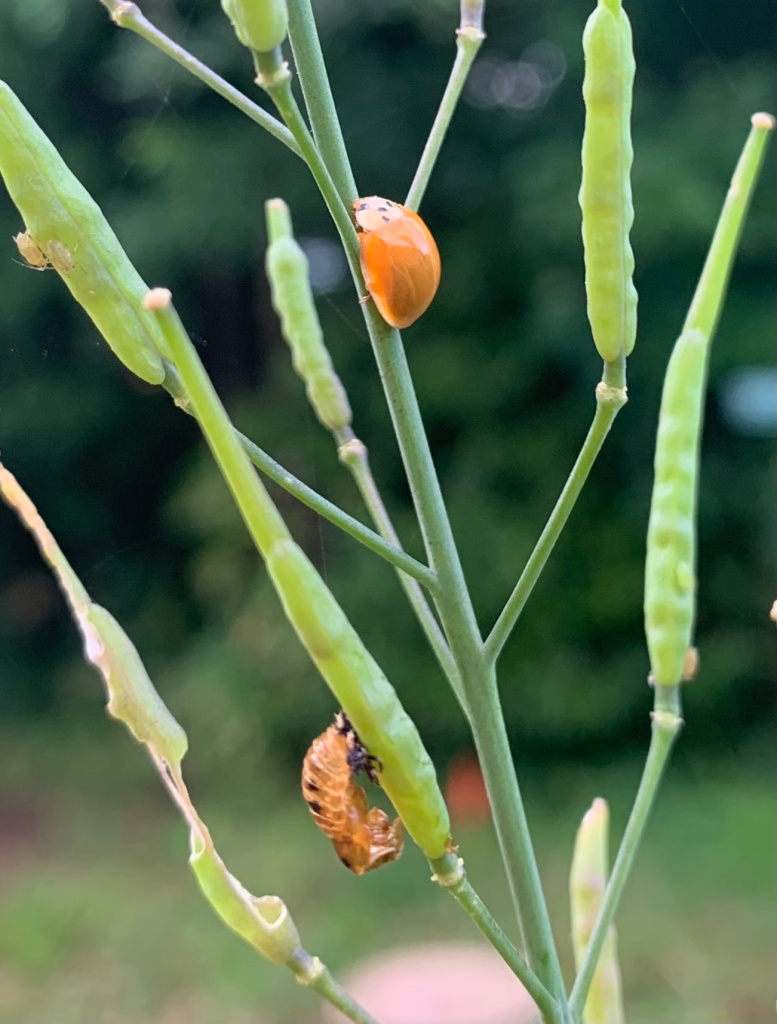
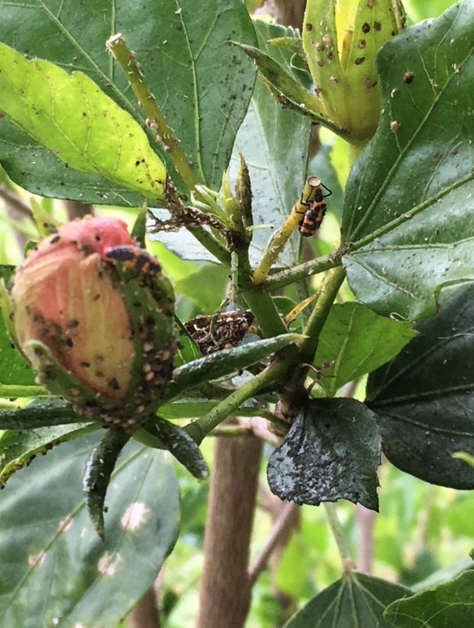
Milkweed attracts aphids, and ladybugs love to eat aphids. This works very well in the wild, I would imagine, where lawns are not sprayed and things work together as they should. Wild areas are disappearing. Now, we have to grow milkweed in our gardens, and that can bring ladybugs.
I’ve been checking all my milkweed plants, large and small, every day. Nearly all of them have aphids. Aphids can be removed by hand – run your fingers down the leaf. Or, use a spray bottle and spray them off. Leave them alone on larger plants and wait for ladybugs to arrive and eat them! I’ve chosen to wait and see what happens. Sure enough, the ladybugs have arrived.
Later in June, I noticed that all aphids were gone from this plant. So were the ladybugs. In my opinion, don’t worry about the aphids.
To get milkweed plants started, they might need a lot of attention. Even the types that prefer to grow in dryer locations will need water at first. Growing from seed can be tricky. I’ll let you know how mine do.

More stories from the backyard


Something went wrong. Please refresh the page and/or try again.


















 Hydrangeas Blue