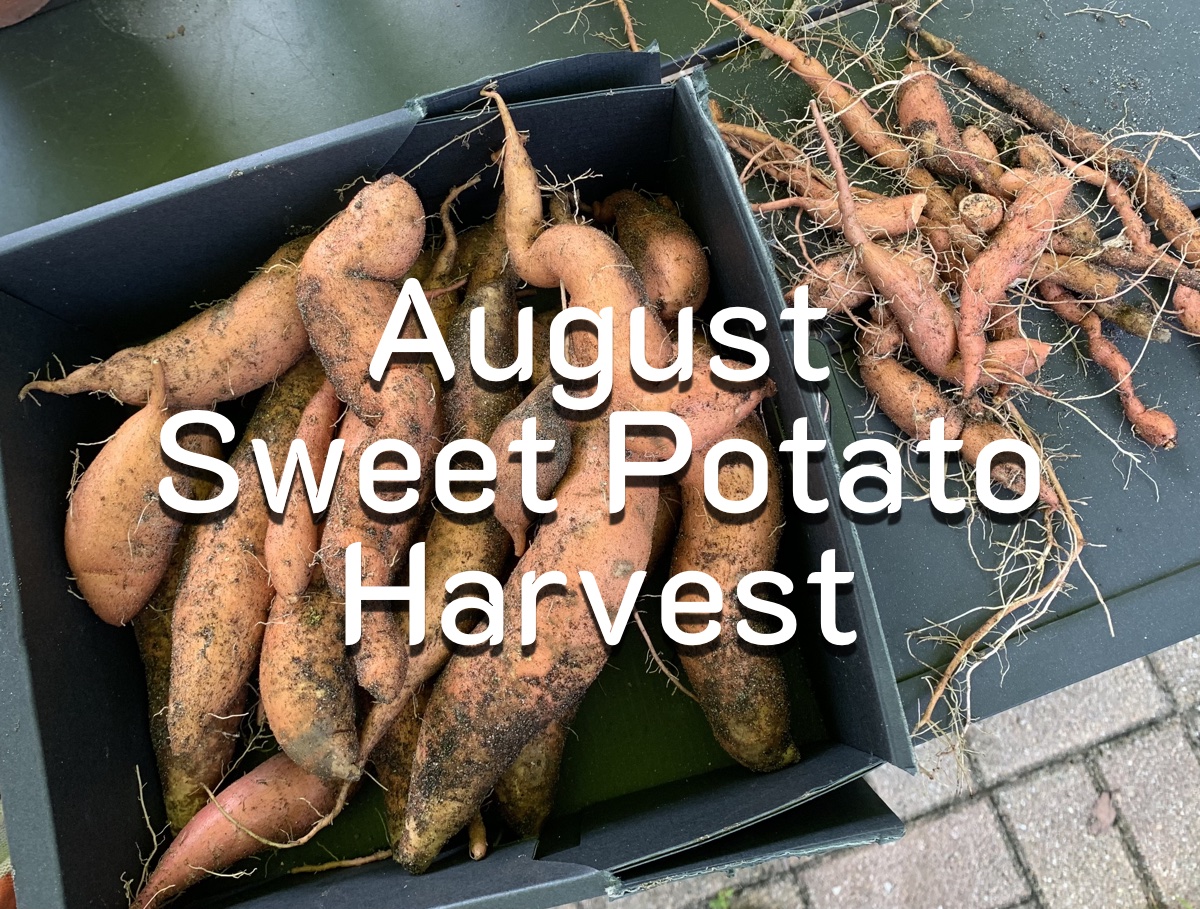
Sweet Potato Harvest in August

My sweet potato plant was ready to dig and I got a funny-looking, but excellent harvest.

Sweet potato slips were ordered and planted in my Florida yard this past April. I’ve read that they should be ready in 90 to 100 days. It’s August, and time to check for a crop.

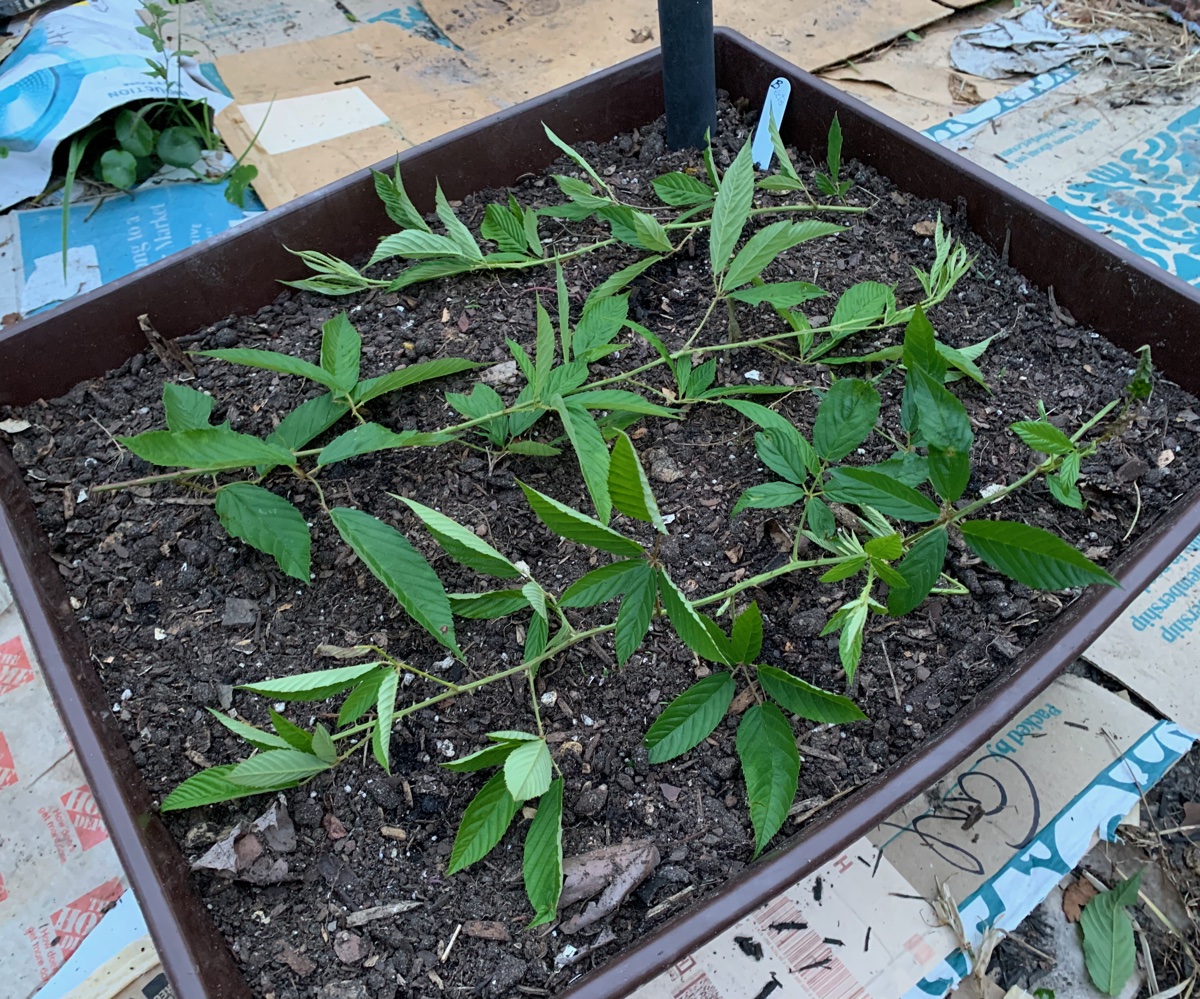
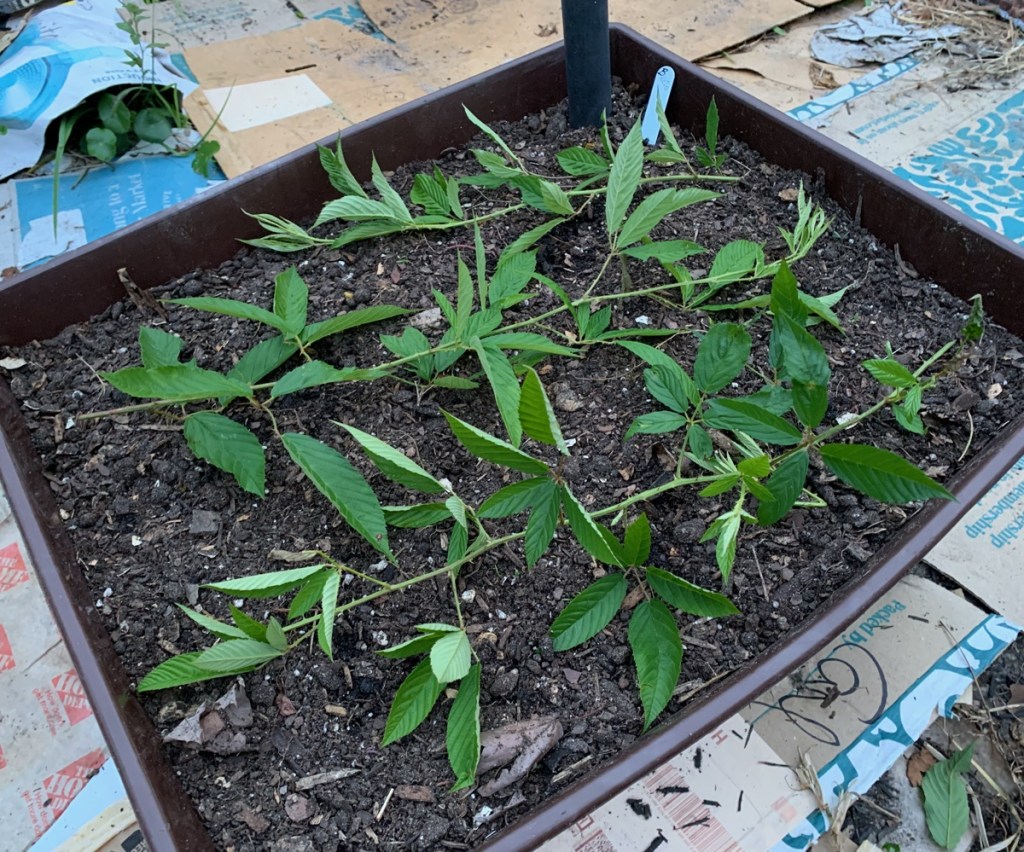
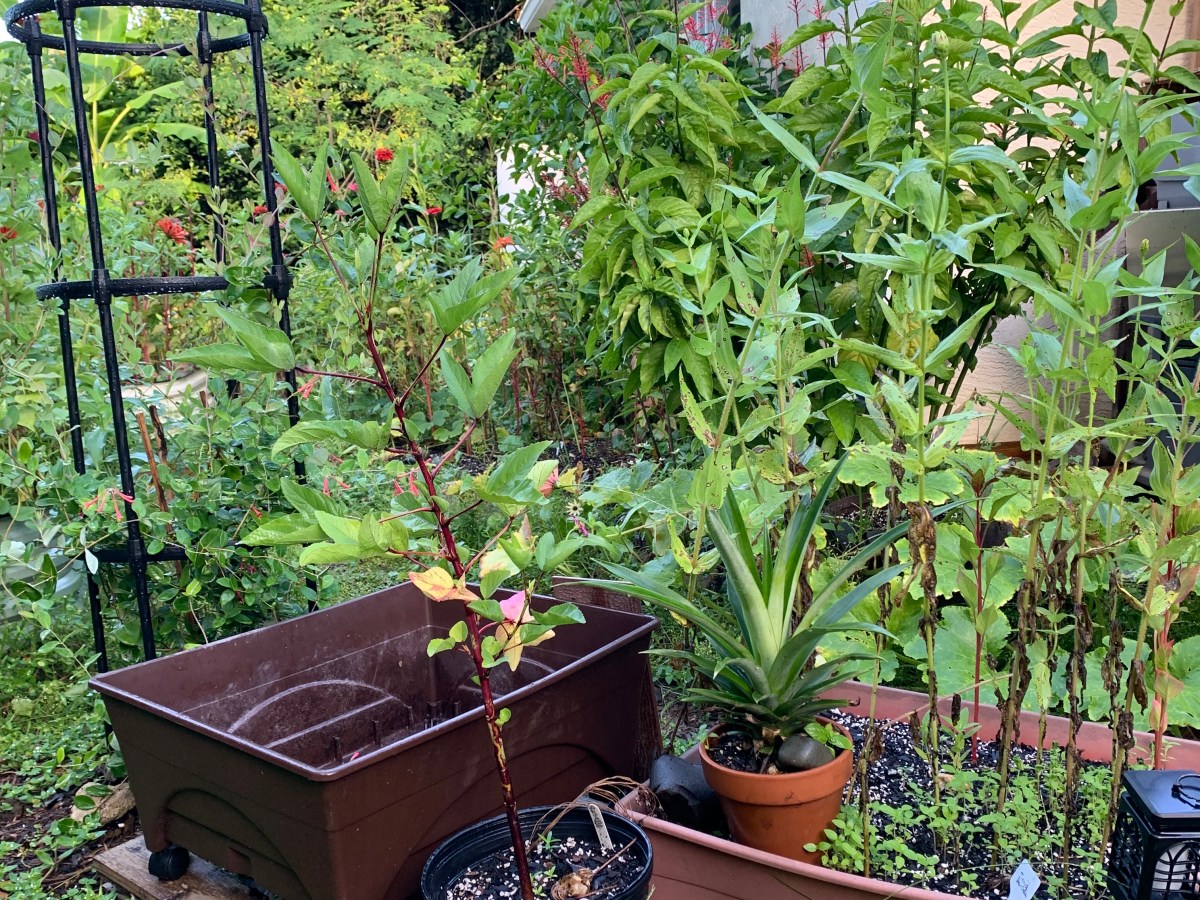
One of the 12 slips, received back in April, was planted in a grow box. That plant did great! It had many vines sprawling everywhere all around the ground. I was able to eat the leaves in my salads as well. None of the other sweet potato plants, planted in the ground at the same time, look this nice.
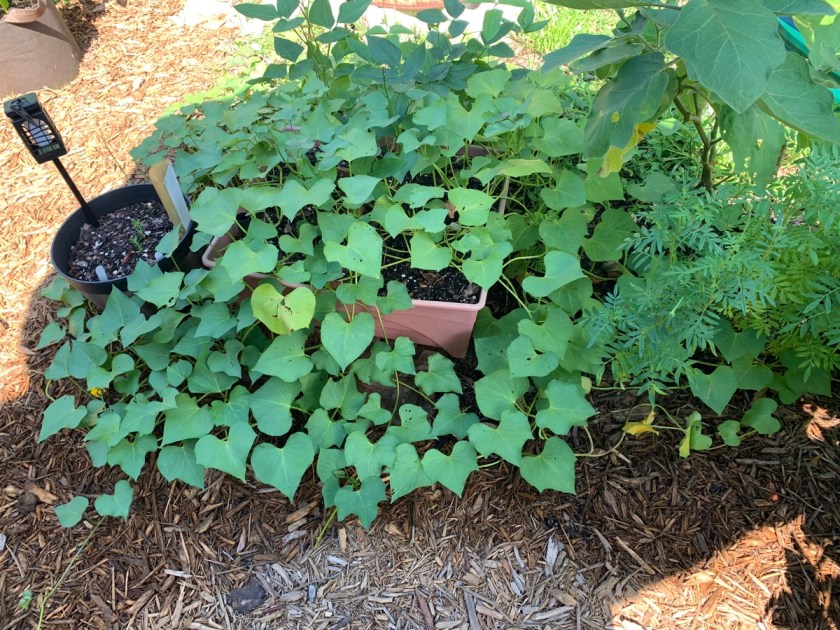
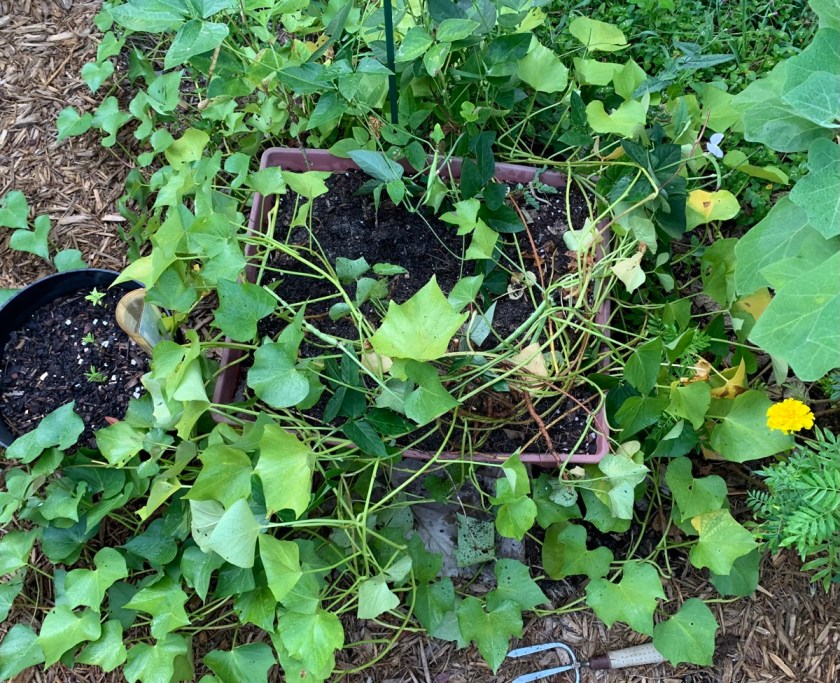
Grow box – 1 slip planted
sweet potato vines
Grow box with sweet potato plant

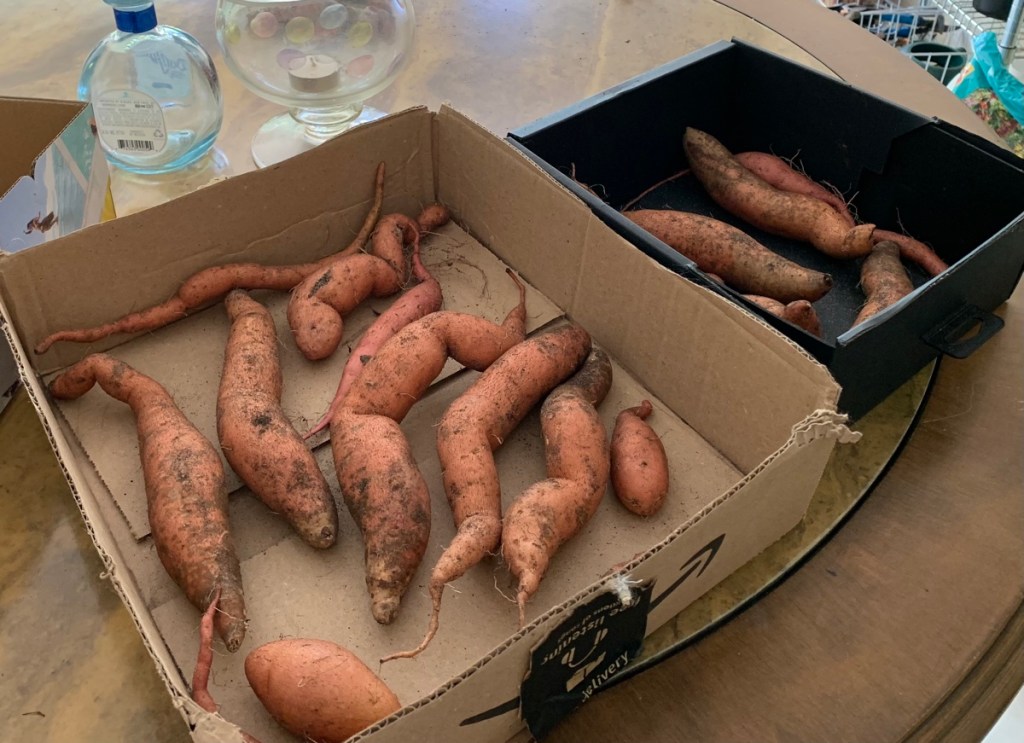
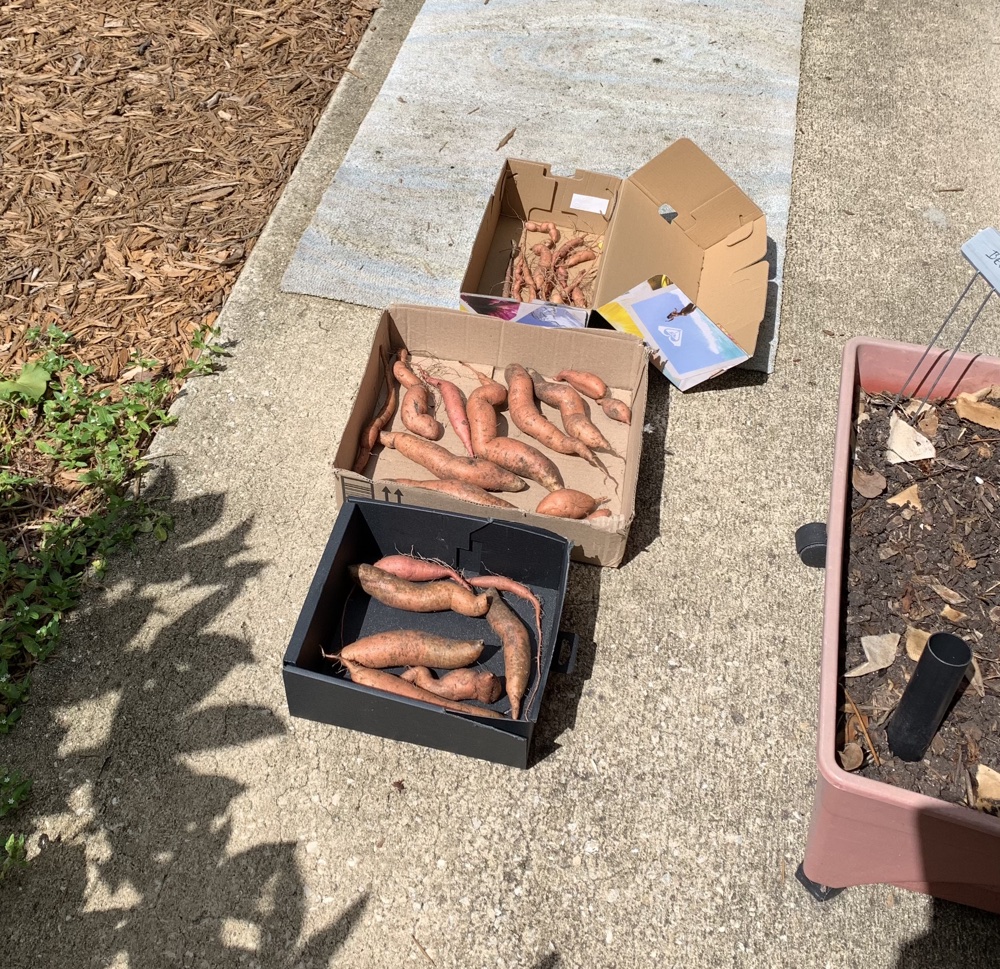
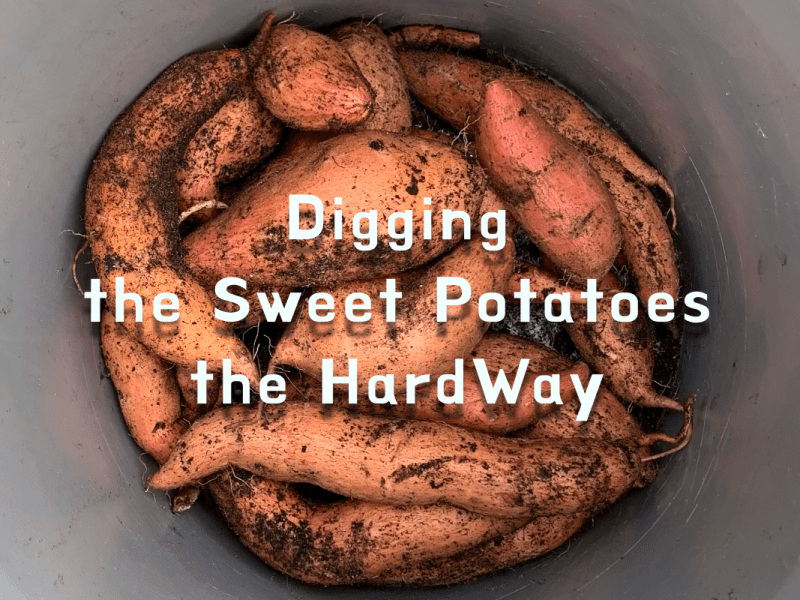
Today, August 2, and it’s been over 100 days. I decided to dig and see if the potatoes were ready. The sweet potatoes (Beauregard variety) I harvested are not huge, but slim and long. I think they will be delicious!

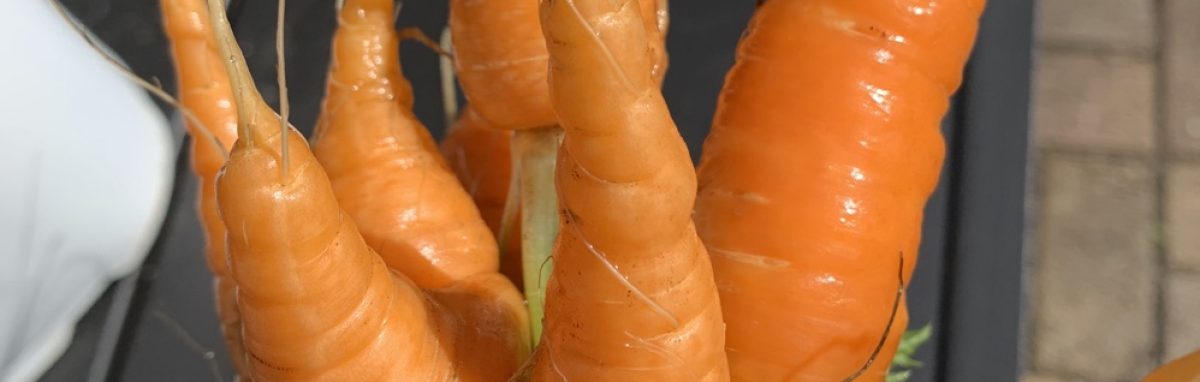
The crooked ones formed because of the box. They were a bit packed in. This was not the ideal location to grow, but I’m happy with the amount that grew.
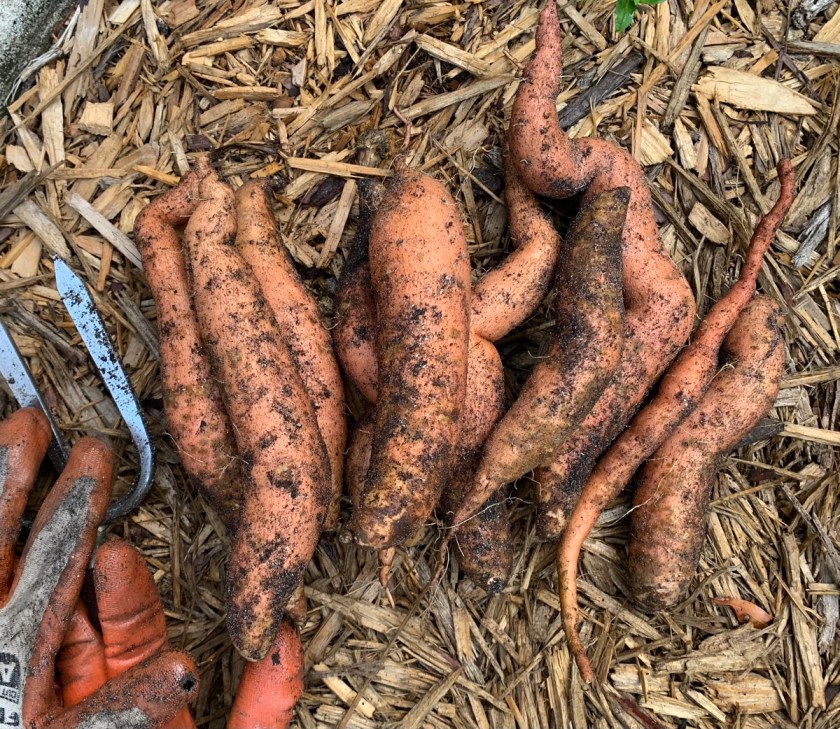
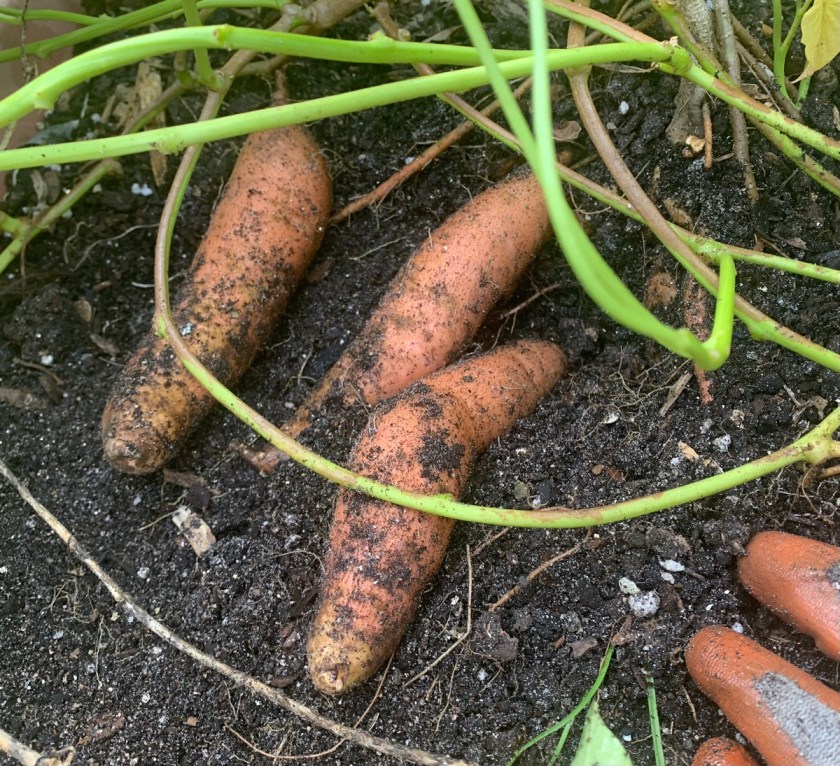
sweet potato harvest
Sweet potato harvest!
digging sweet potatoes

The Dig

It is exciting to have a harvest that comes from underground. Gardeners are unable to really see what is growing until it’s time to dig.

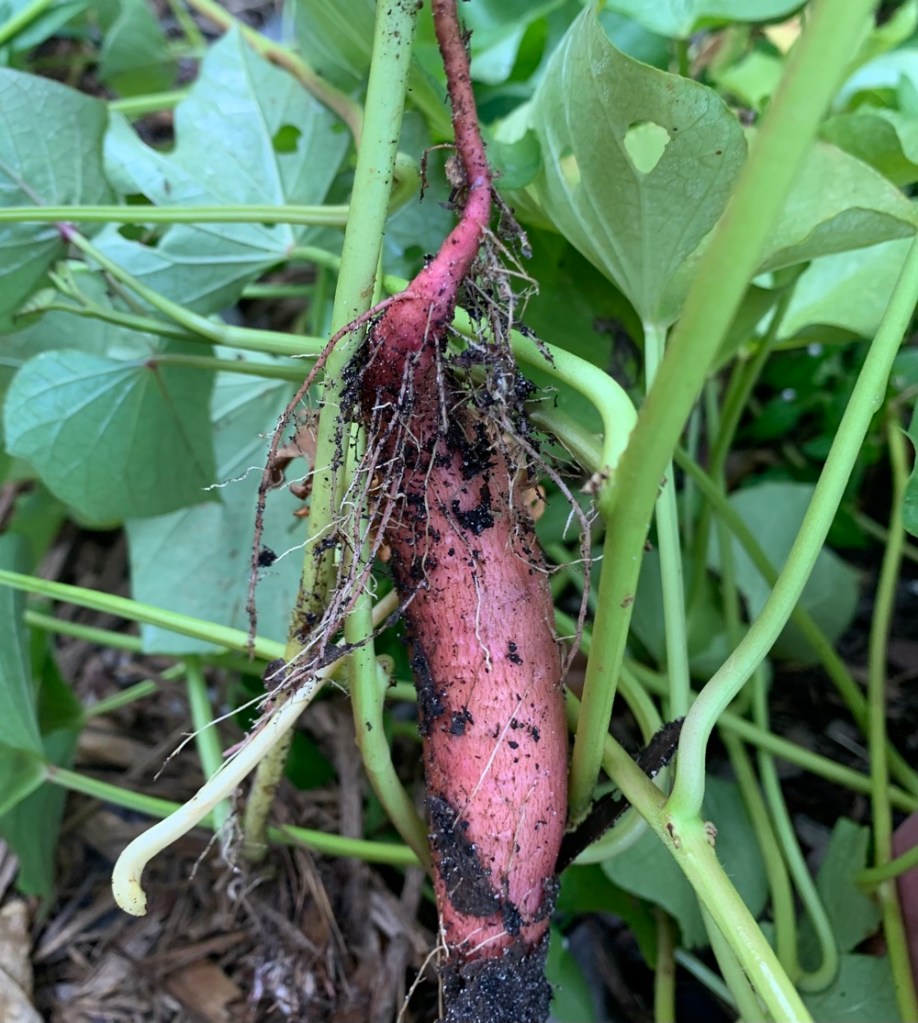
I loosened the soil and reached in with my hands and found the biggest potatoes just under where the slip was planted.
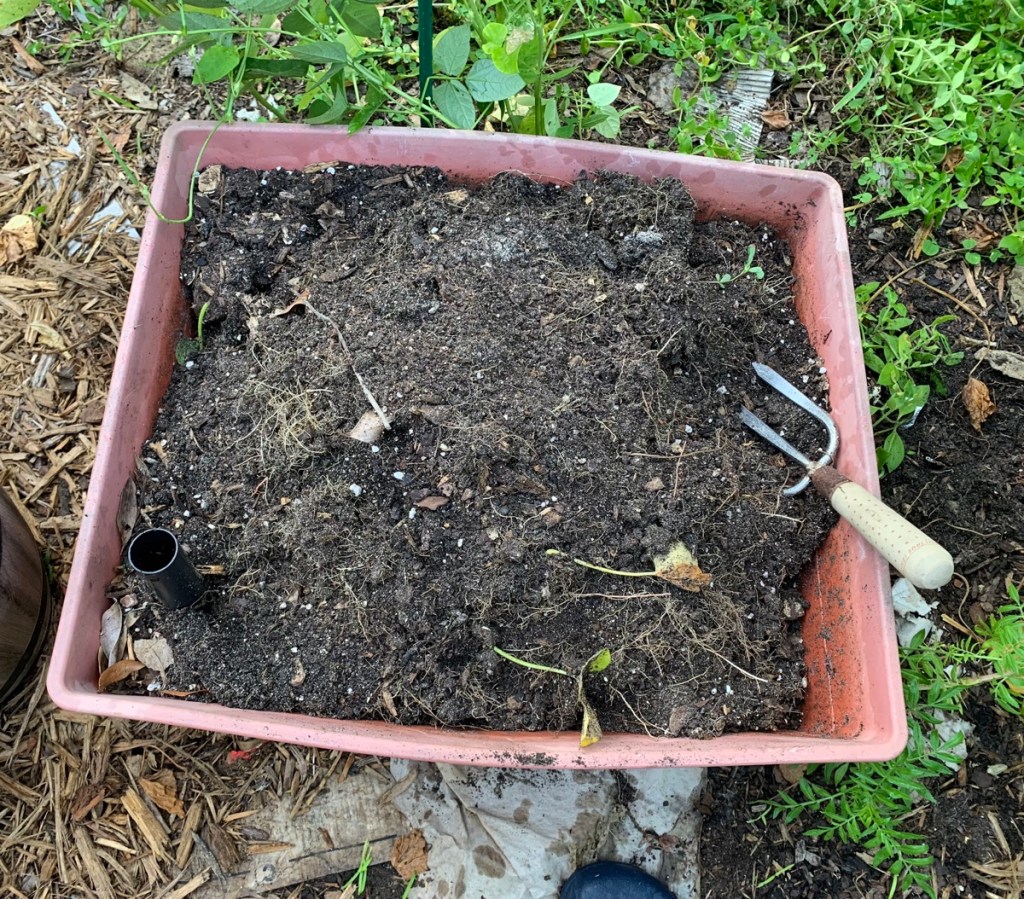
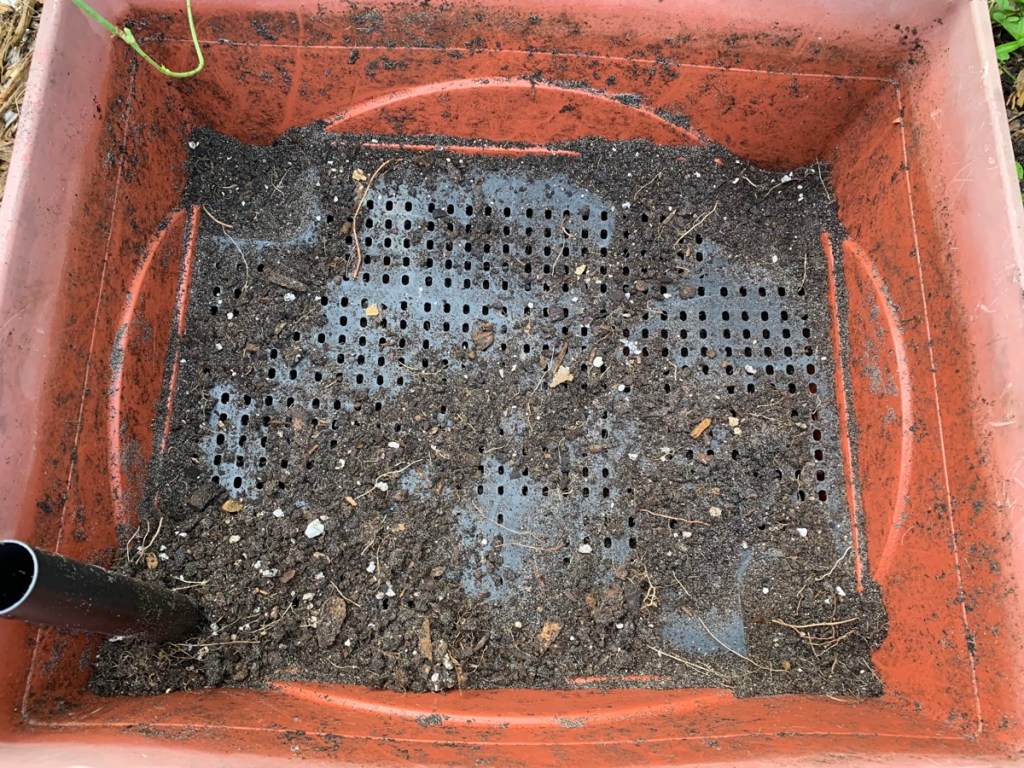
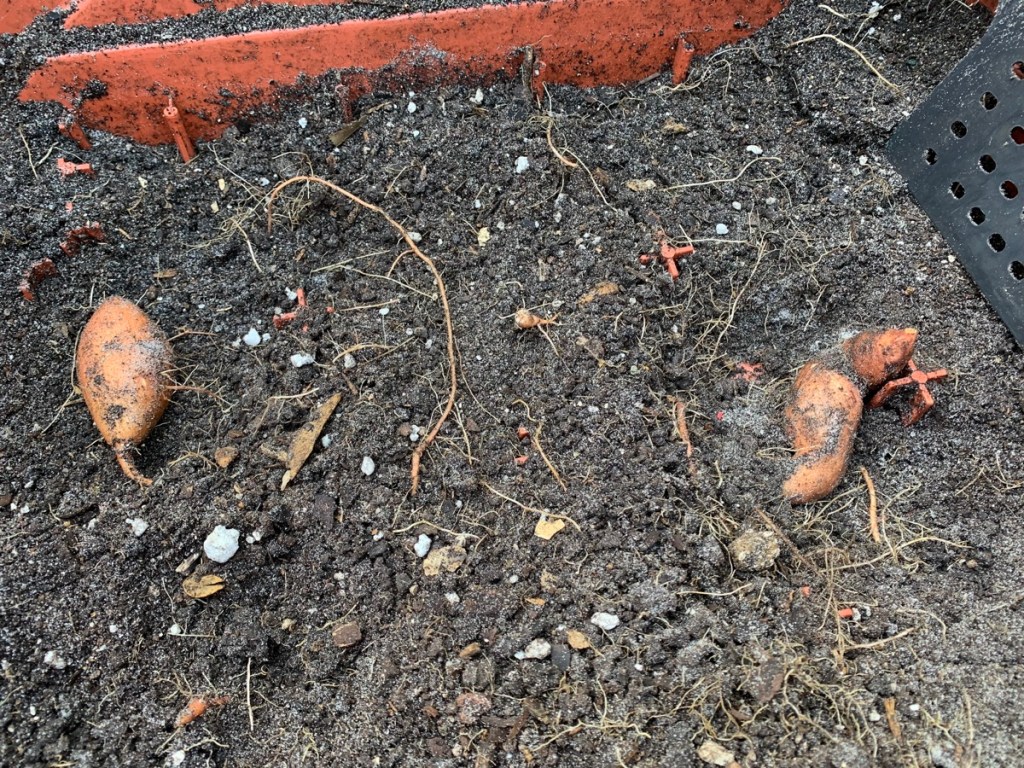
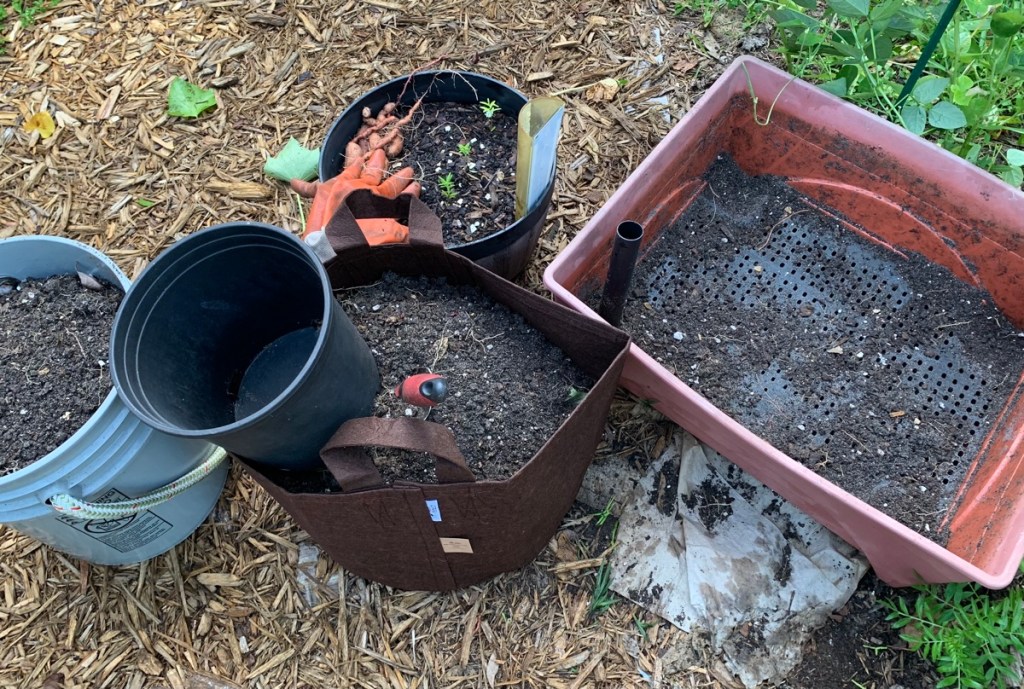
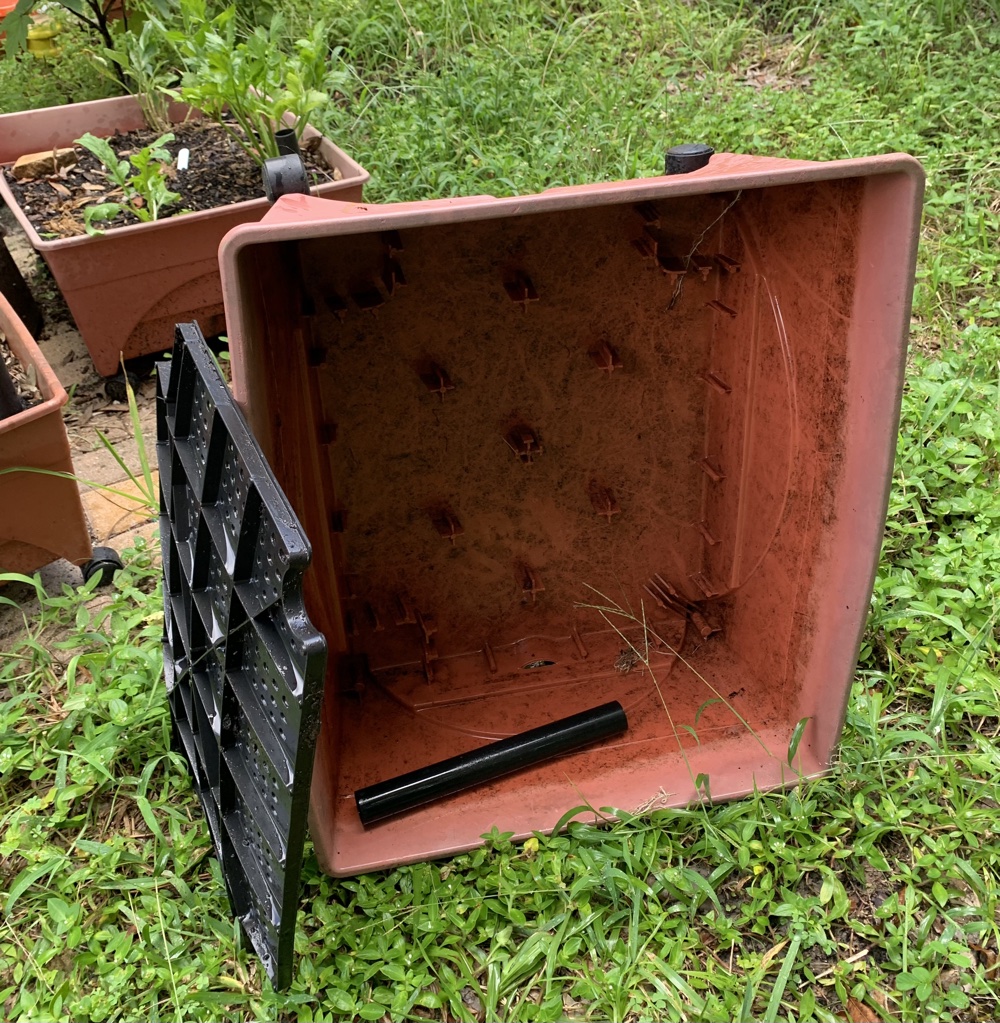
The grow box was emptied of dirt, which was full of roots – and more sweet potatoes! When I pulled up the black drain piece, I found three more potatoes at the bottom.

While pulling up the vines, many had rooted in the ground. I found a few more small potatoes while doing that. I’m emptying the box to create a better system for drainage. It also needs new dirt and amendments for whatever is planted next.

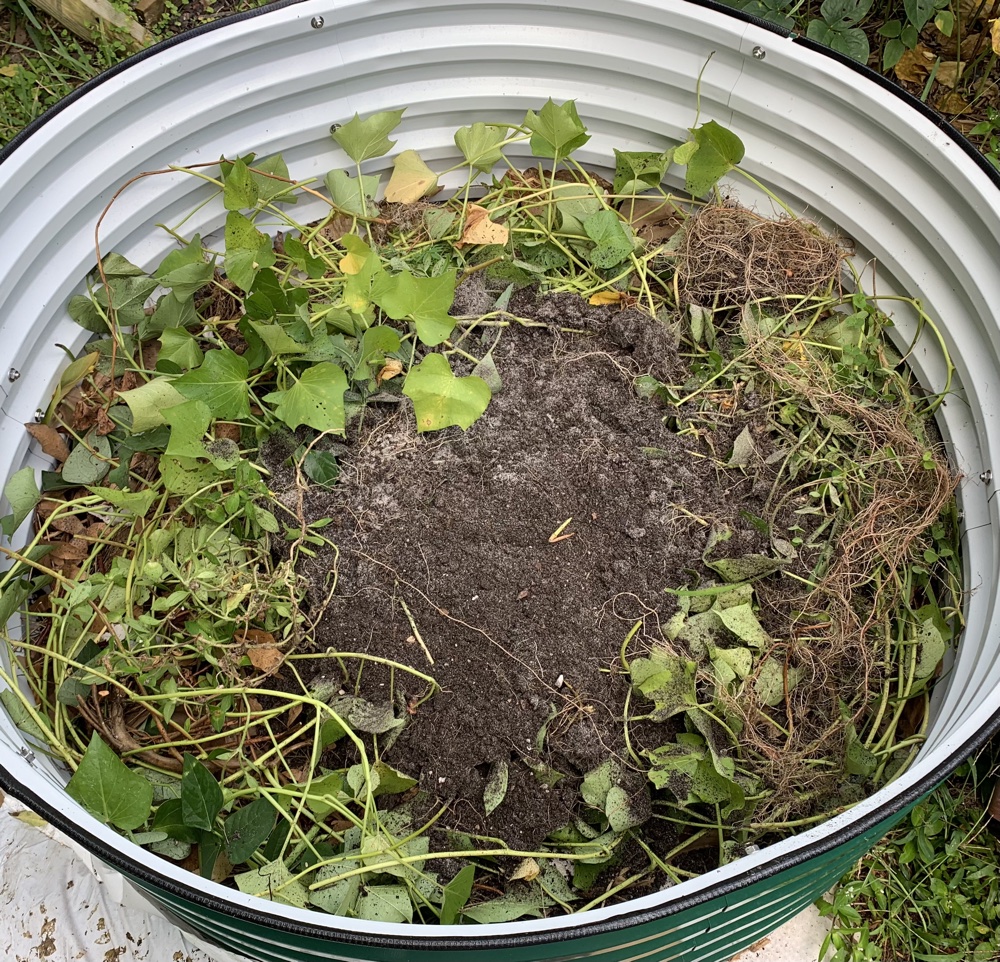
All the vines went into my Vegega raised bed. I’m using it as a compost pile until I can get some dirt. All these nice vines will help fill it.
Buying Sweet Potato Slips to Plant

Sweet potatoes grow from slips, which are little plants that are set into the ground. Nurseries grow them and ship them out when it’s time to plant in your location.

This past year I ordered from Annies Heirloom Seeds. I did not know when the plants would arrive. Minimum order was 12 slips, which I really didn’t have space for. Of course with my luck, they arrived right before I left for vacation for 2 weeks! I had company and then I flew north. I barely had time to get them into the ground, and a few I didn’t.

It was hot and rain-free while I was away – of course – and I couldn’t care for the little seedlings like I should have. Currently, I have only 7 more plants growing. They need longer to form the potatoes, so I’ll check them later in the season.
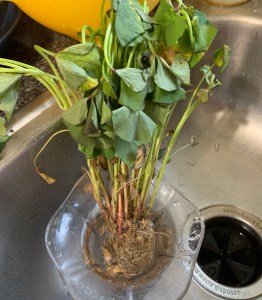
sweet potato slips are wilted when they arrive.

I plan to buy my sweet potato slips from SESE in December, which is when pre-ordering begins. I like that I can get only 6 slips instead of the 12 (minimum) at Annies. They ship to various locations when it’s time to plant and ship from mid-May to June. I plan to have some good beds or ground areas ready by then. This next year, I will be ready!

Curing Sweet Potatoes

I had to search for info on curing the potatoes and found it at Southern Exposure Seed Exchange. They have a page full of information, if you are wondering about how to care for slips, plant, grow, harvest and cure sweet potatoes.

They need heat, and they grow very well here in Florida, so northerners probably can’t grow them. I’d like to know.

I look forward to eating these potatoes. The garden is not giving me many crops in this heat, so finally having food is awesome!

butterfly divider flowers
More Stories From the Blog

Something went wrong. Please refresh the page and/or try again.

How Can I Prevent Digging in the Garden?

Wild animals can be a real nuisance in the vegetable patch. Here are some ideas that may help of keep the animal pests out of the garden.

As backyard gardeners, we face many obstacles to growing a nice little crop. From weather, to pests and soil problems, it sometimes feels like a full time job. My ongoing fight is in finding ways to prevent digging in the garden.

The Problems

Each morning when I go out to inspect the yard, I find the damage done overnight. Sometimes it’s not bad, and other times it’s a mess. 

My animal pests may be different from yours. I have southern pests that live in the neighborhood. My daughter in New Hampshire has a very hungry groundhog that eats her things. It seems that we all deal with something.

Raccoons

The raccoons are my biggest problem. The little bandits are unafraid and love to mess with everything. They arrive in groups and are like naughty little children who want to touch and destroy. They knock over my pots, play in the birdbath, pull up seedlings, pick vegetables, and steal things. I mistakenly left my water shoes outside to dry overnight and found one shoe at the edge of the woods. 

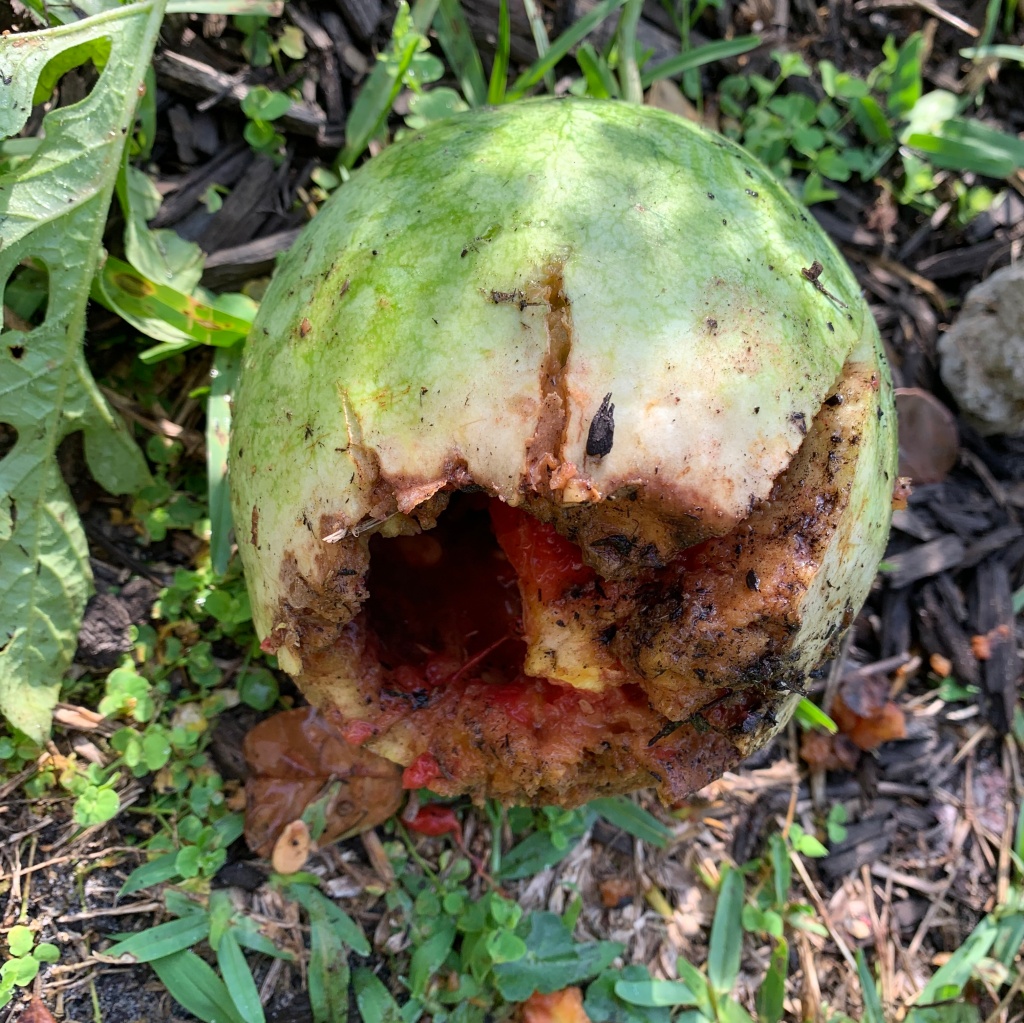
Last summer they managed to open this small watermelon. And they wait until the tomatoes are nice and red and get them just before I can! For that reason, I’ve begun growing tomatoes in fabric bags so I can drag them inside overnight.

Armadillos

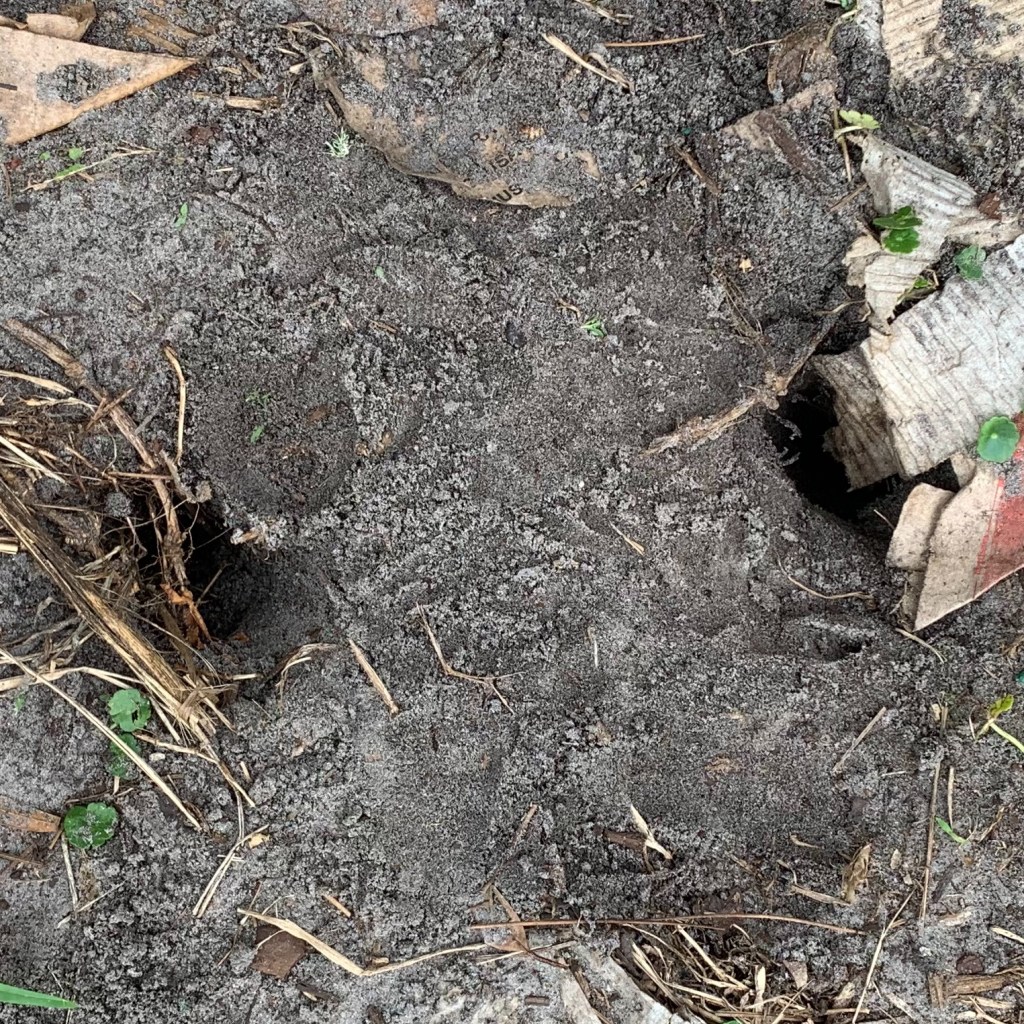
I also have armadillos and they dig deep small holes all over the place in search of bugs and food. Even though they can be destructive, they are less so than raccoons.

It helps to remember that animals are just doing their thing.  They are hungry, and are in search of some things that you might actually want gone from the yard, like roaches, spiders and grubs.

House Cats

My cats do go outside and they will try to do their business where there is nice dirt to dig. If I go outside with them in the morning, I can shoo them off the garden area. Neighborhood cats also come into the yard, but overall they leave the garden area alone. Cats are not nearly as destructive as my overnight visitors.

Solution: Block Access

I need to take preventative measures that will keep animals away in a humane way. I’ve considered putting up a fence, but raccoons will climb right over. Each problem area needs to be blocked. Fortunately my garden area is small.

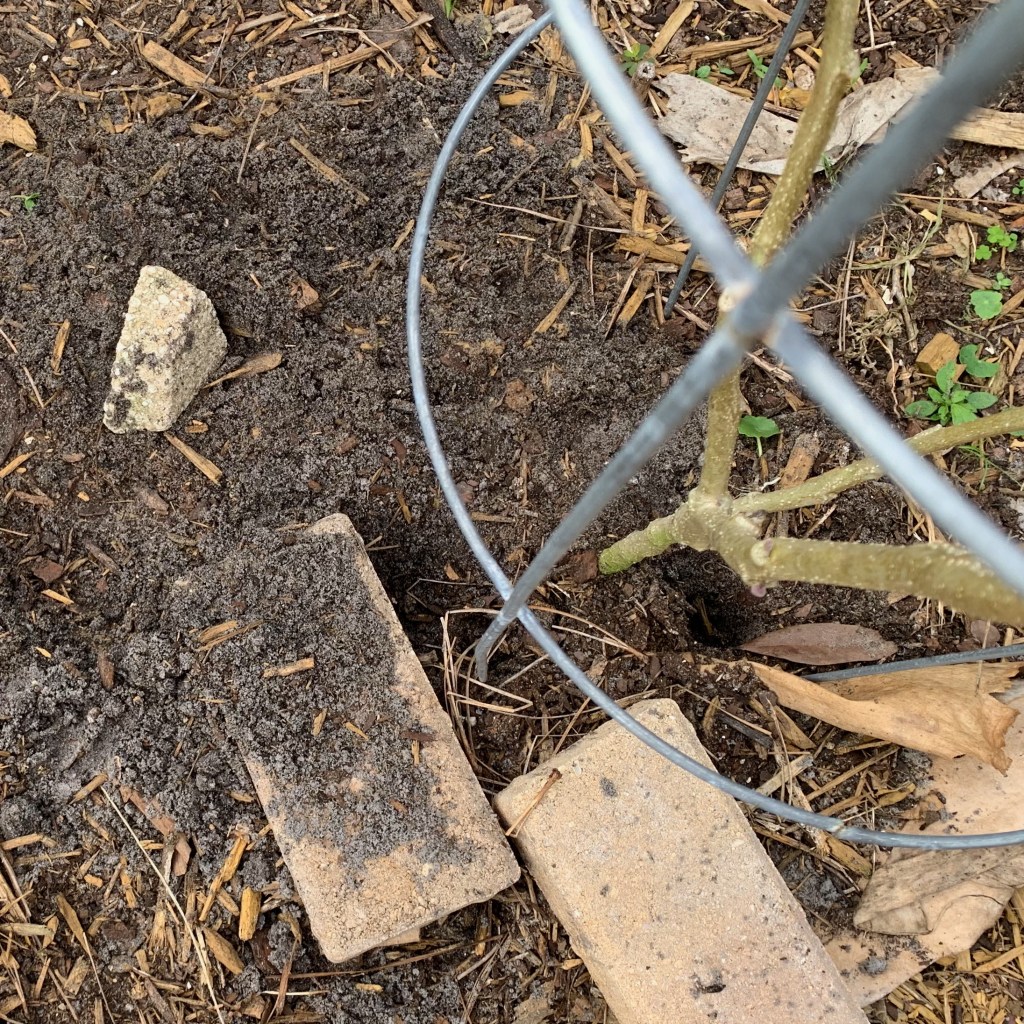
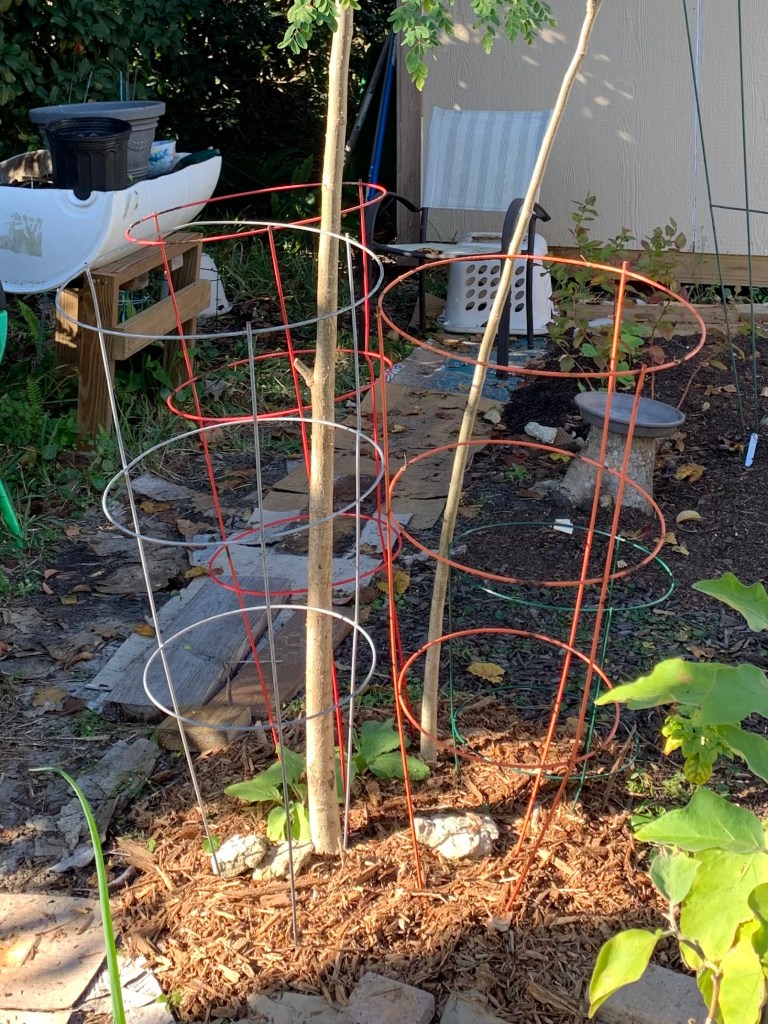
Tomato cages come in handy for blocking (somewhat) access to plants. It doesn’t always work, but it might be enough of a deterrent for some. 

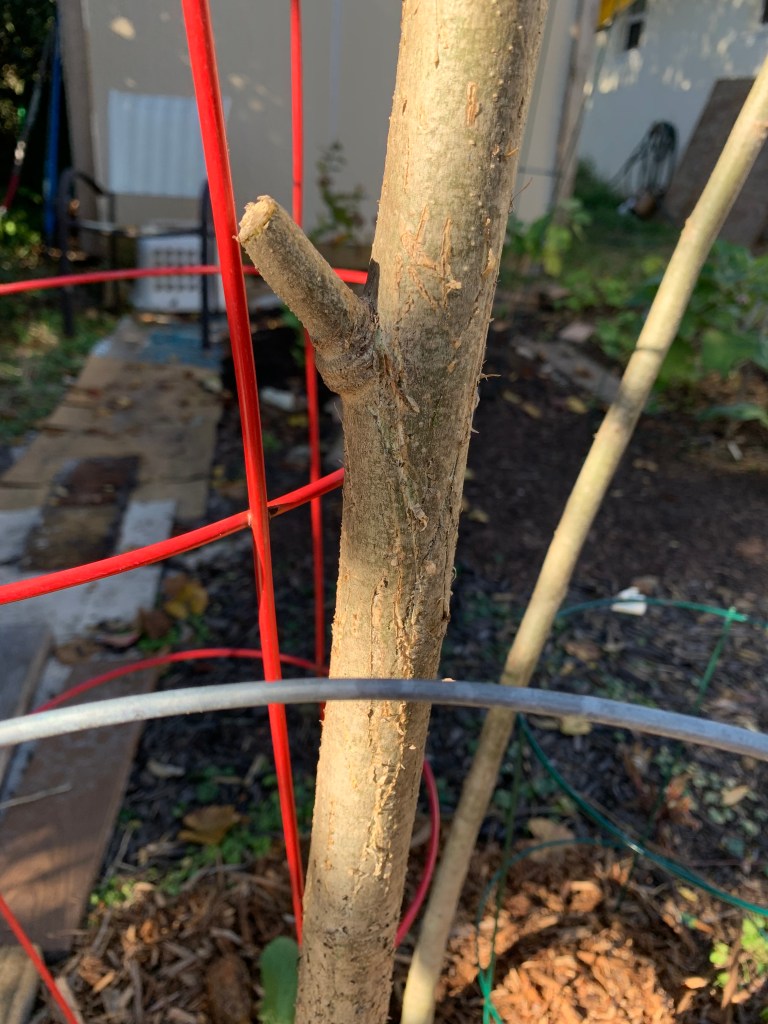
For instance, something is climbing my Moringa tree, and this is a new problem. Branches are broken off, and scratch marks are all up and down the trunk. I have cages all around the Moringa trunk to make climbing the tree more difficult. I hope this works.

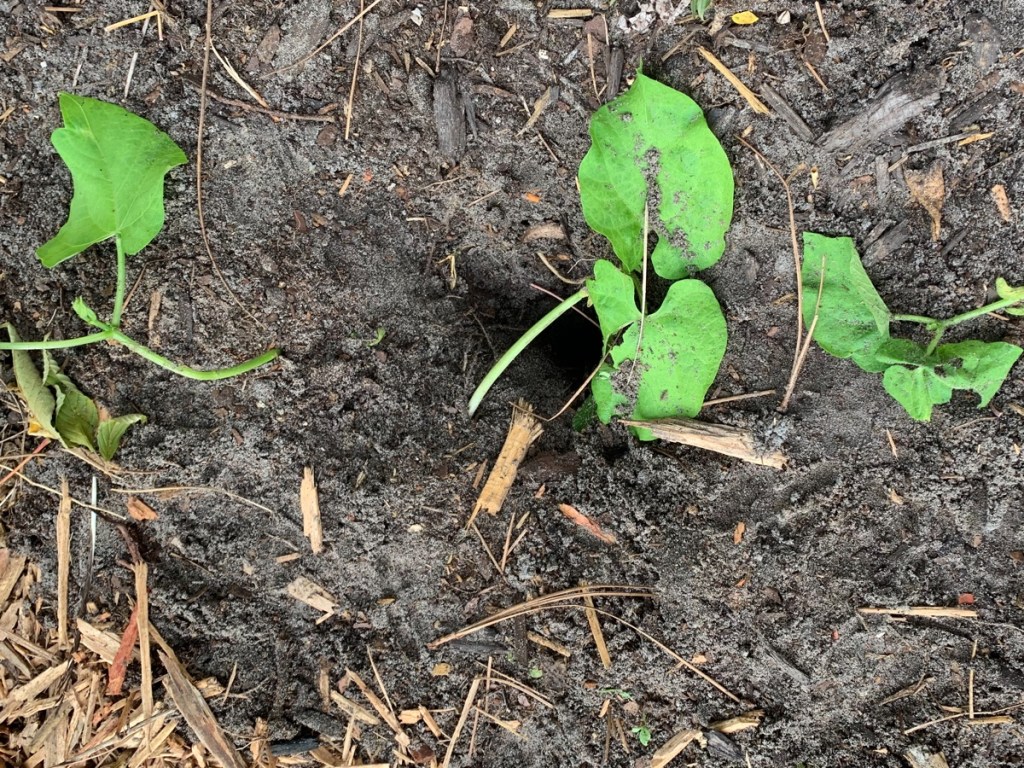
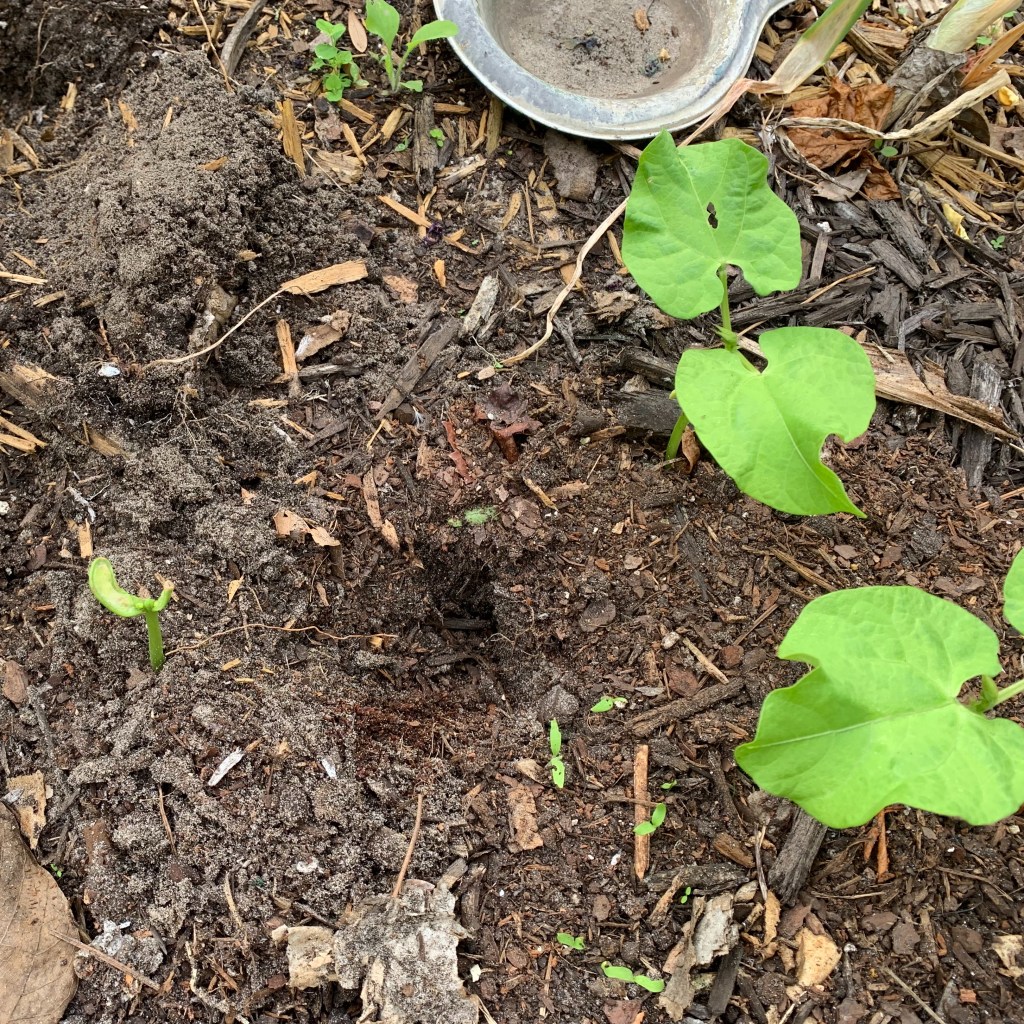
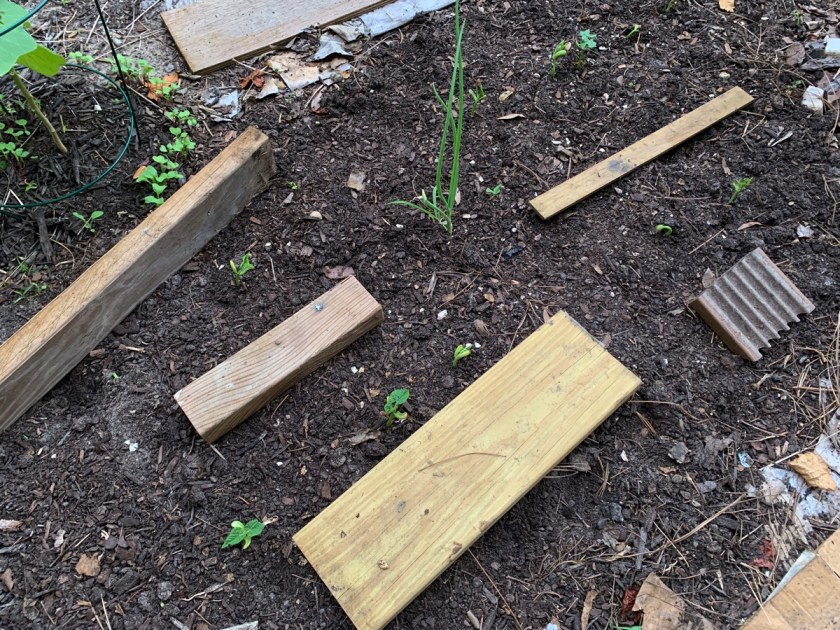
Large and small boards, wood scraps, placed randomly on the dirt could deter digging. Also use rocks if you have them. The photo below shows wood placed between my rows of beans. Doing this also helps to keep my cats from digging here.

wood boards as prevention for digging in vegetable garden area
Placing bits of wood to prevent digging

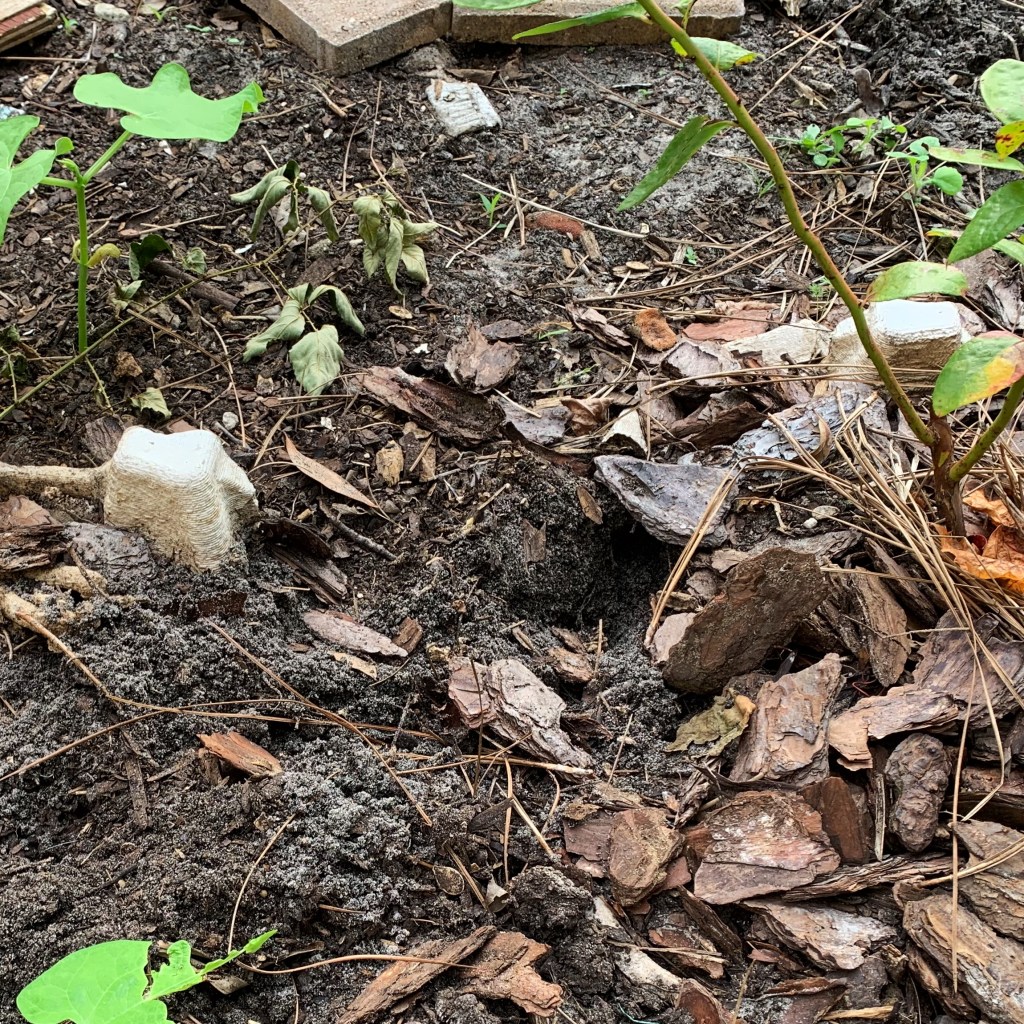
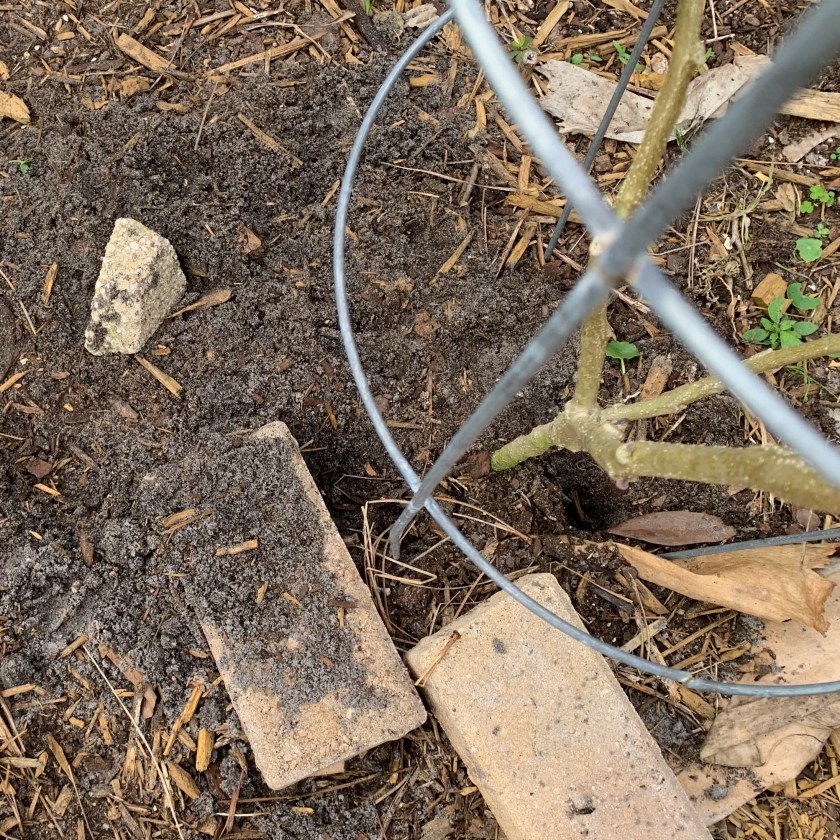
This does help I think, but does not keep hungry critters from moving the obstacles and then digging. The eggplant in my photo below got dug up even though I had made a base of bricks around the stem. The plant was fine.

holes dug around base of garden plants
Bricks as digging prevention – didn’t work here

Thorny Stems

Surround the vegetable plants with thorny stems, prickly vines and other things animals won’t want to touch.

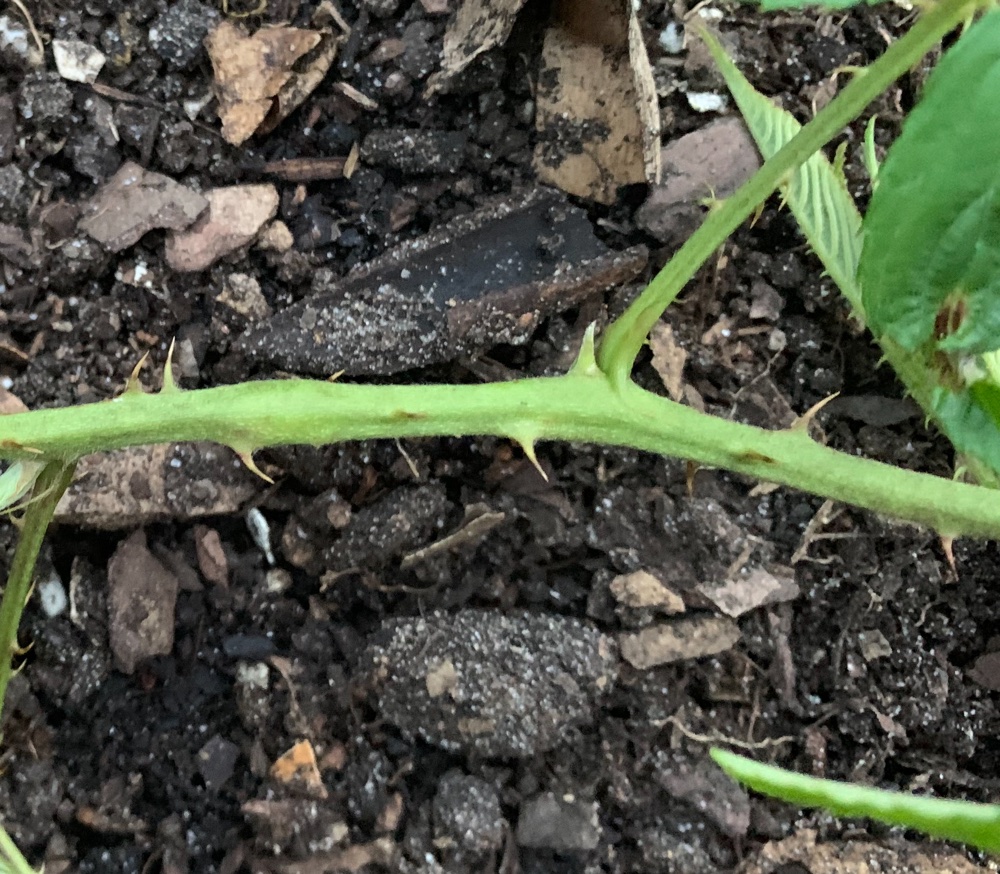
Along the edge of my property, which is next to an overgrown lot, there are wild plants growing that have very thorny stems. They are the Southern Dewberry. The vines are full of thorns which make them difficult to deal with if they invade the yard, but the flowers attract loads of bees and the fruit feeds wildlife. Now, the thorny stems, when placed over, or near, seedlings and planted beds, can also be used to deter raccoon paws.

I have put those thorns to good use by placing them over may beet seedlings. Eventually the dewberry stems die and turn brown, but stay thorny.

Store Bought Spikes

I’ve recently considered buying spiky mats to strategically use as protection. At first I thought of using upside down bathmats with grippers on the bottom. While searching Amazon, I found “cat repellent” mats (paid link) – actually a lot of options for this – to use inside and out. 

The item doesn’t have to be dangerous, just uncomfortable to touch or walk on. But, the raccoons could easily move these. Also they couldn’t be left down on top of the soil, so this option includes work and remembering to do it. I’m not sure this type of thing would work for my needs.

Raise the Garden Beds

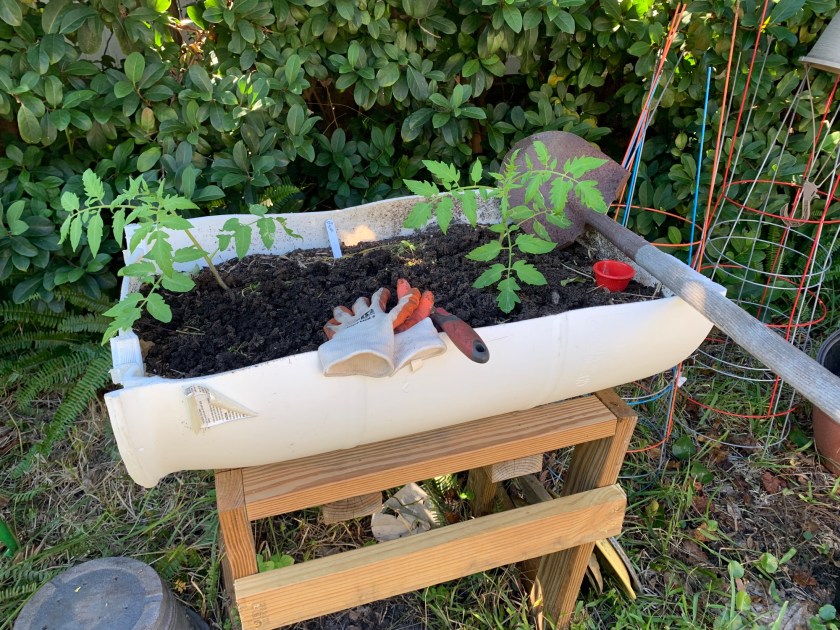
Possibly the best way to prevent animals from digging up seedlings and picking ripe tomatoes, is to plant in a container that is high up off the ground. My son brought home barrels and cut them in half to make tall, raised beds. He also made the wooden stands. 

But even these tall, white barrel boxes sometimes have footprints and signs of digging. Many night foragers are also climbers. Nothing and no place is safe, can we agree?

barrel raised garden bed with tomatoes growing
These tomato plants need more sun.

Scatter Natural Repellent Smells

You’ve probably heard about items that can be added to the garden, and plants, that might keep animal pests away. 

One is to make a hot pepper spray to coat plants. I’ve never done this because I hate sprayers. They work once and then no more. I have sprinkled Cayenne pepper and it has done nothing but turn the leaves brown. 

Moth balls are too gross to put near my food. 

BUT, TRY THIS: Citrus slices and peels can be a natural repellent to wildlife. Many animals apparently dislike oranges, lemons and limes. 

Image by Marijana from Pixabay

My Goal is to Deter and Not Remove

I am not trying to get rid of these animals. Some people use traps and take the animals far away to live in the wilderness. I actually feel sorry for all of the wildlife around me that has been pushed out of a natural environment by the clearing of land and building of houses.

Not only that, many homeowners choose to have companies come and spray chemicals all over their yards. They want pristine lawns and bug free grass. In doing so they are removing vital food from the food chain and depriving animals from finding the food they need to survive.

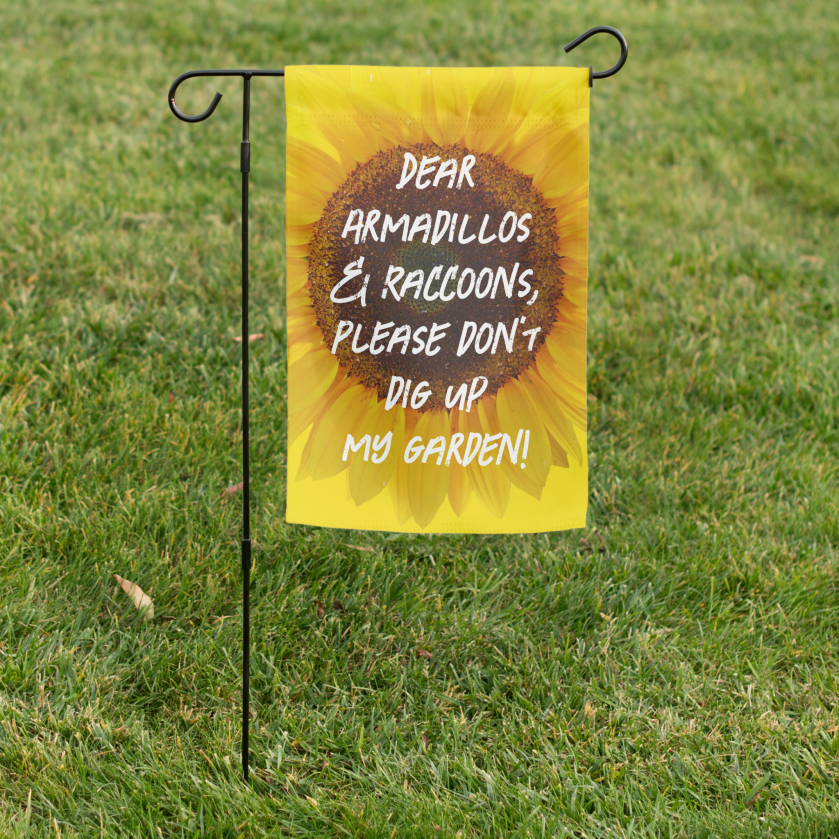
Raccoons and armadillos need to eat, just like we do, and I don’t mind sharing my yard with them. I am an organic gardener, and they can probably find food in my yard, which I am okay with. My goal is to steer them away from the garden area. Maybe it’s futile, and I know it will be ongoing. If only they could read, I’d put up a sign.

sunflowers funny garden sign for animal pests
Garden sign available for purchase in my store.

More garden stories: