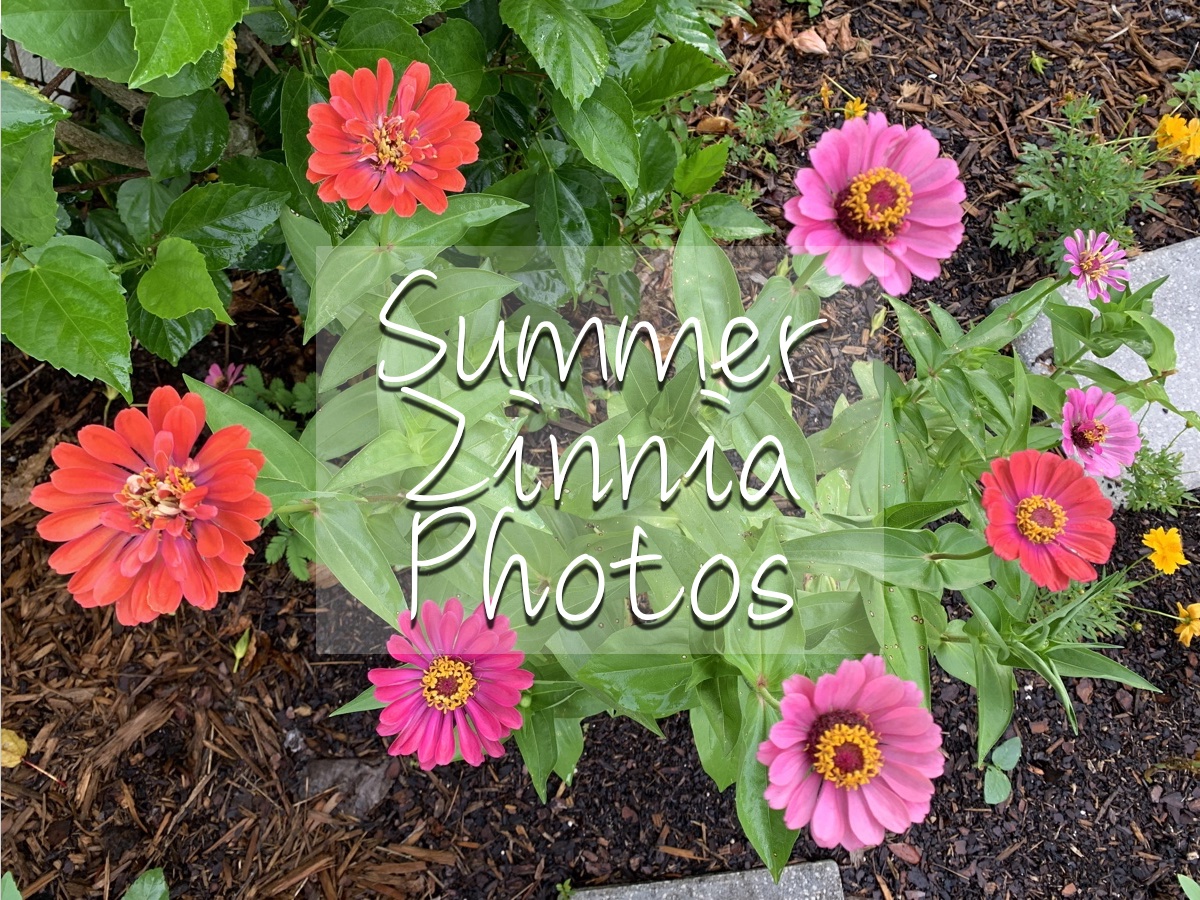
Photos of My Summer Zinnias

Zinnias are some of the brightest flowers that can be added to the garden. Bees and butterflies use them for food, and even a place to sleep. The flowers are long lasting and the seeds are easy to save.

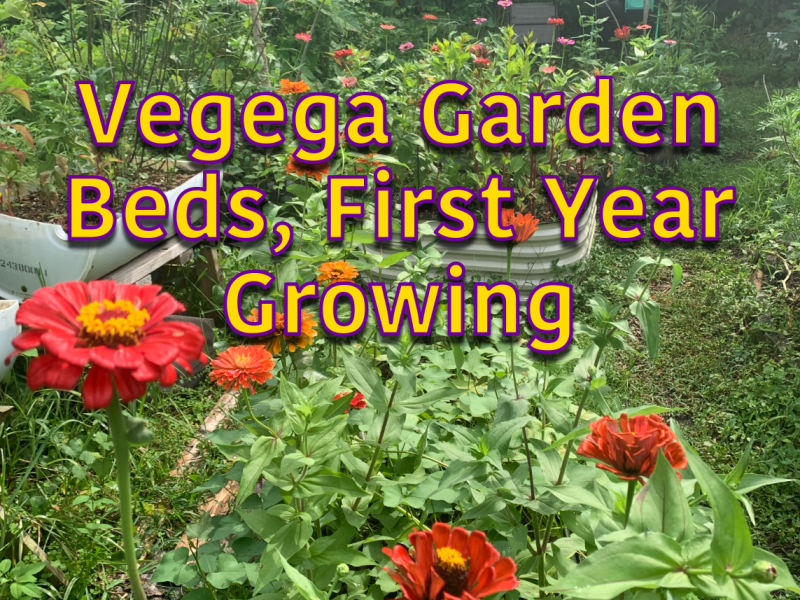
Last year (2023) I grew zinnias for the first time. I’m not sure why I never grew them before in Florida, but I’ll always grow them from now on.

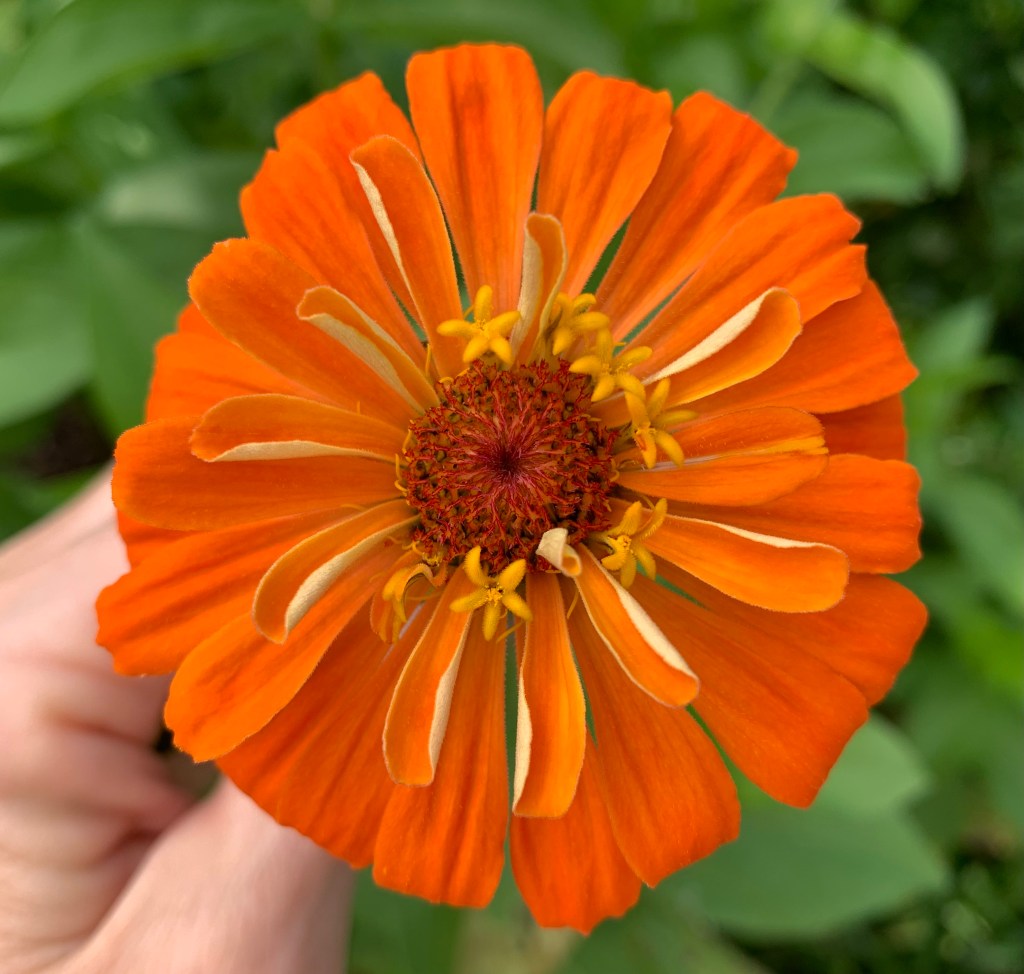
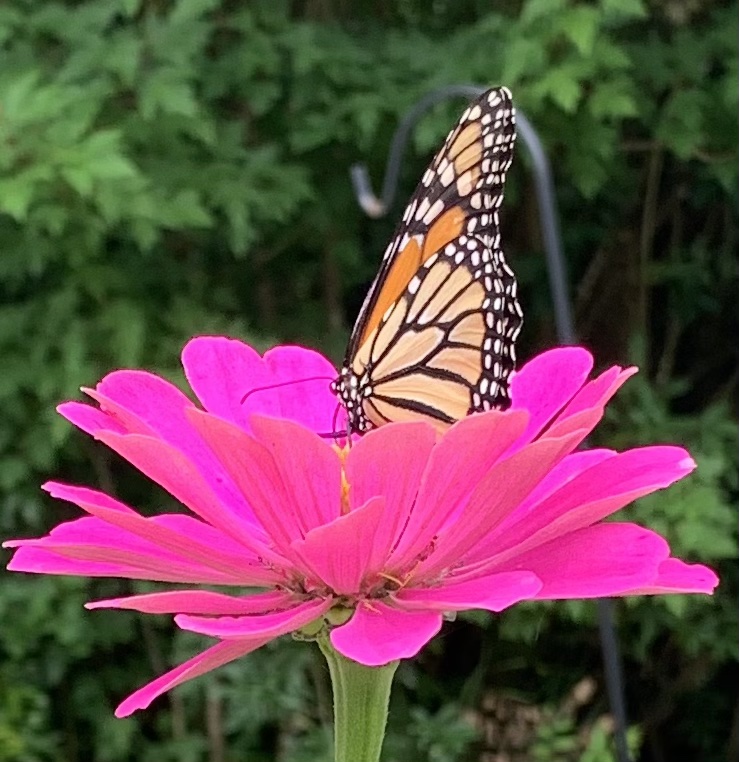
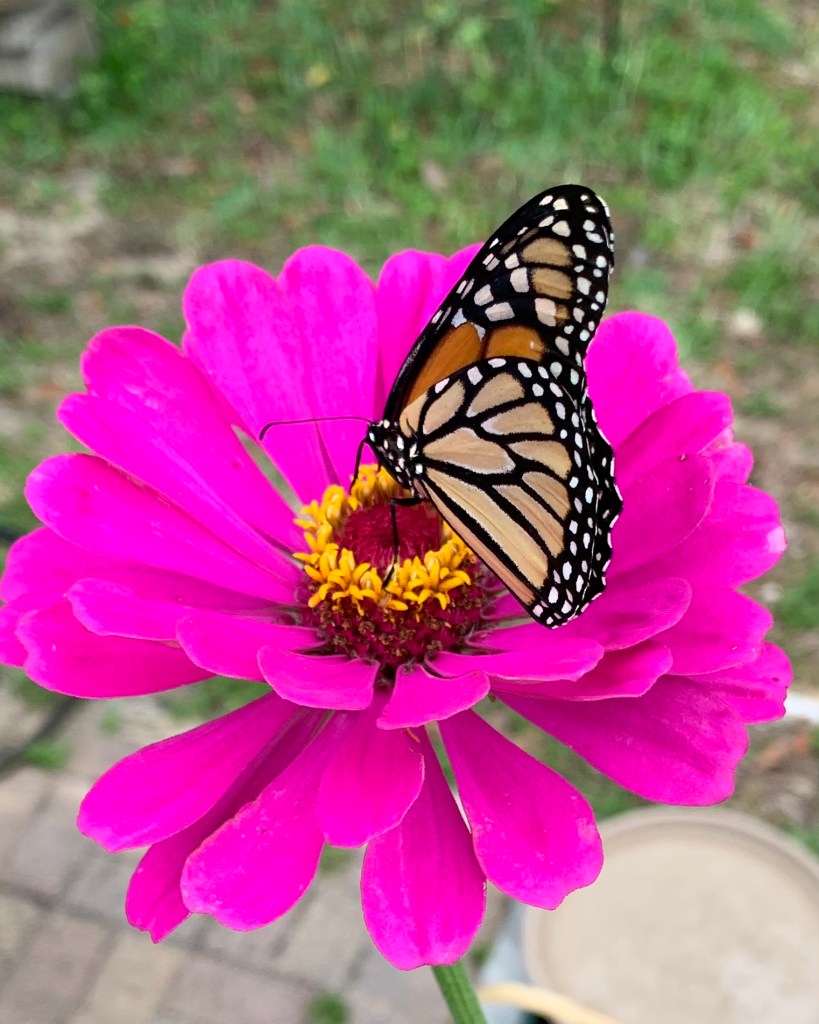
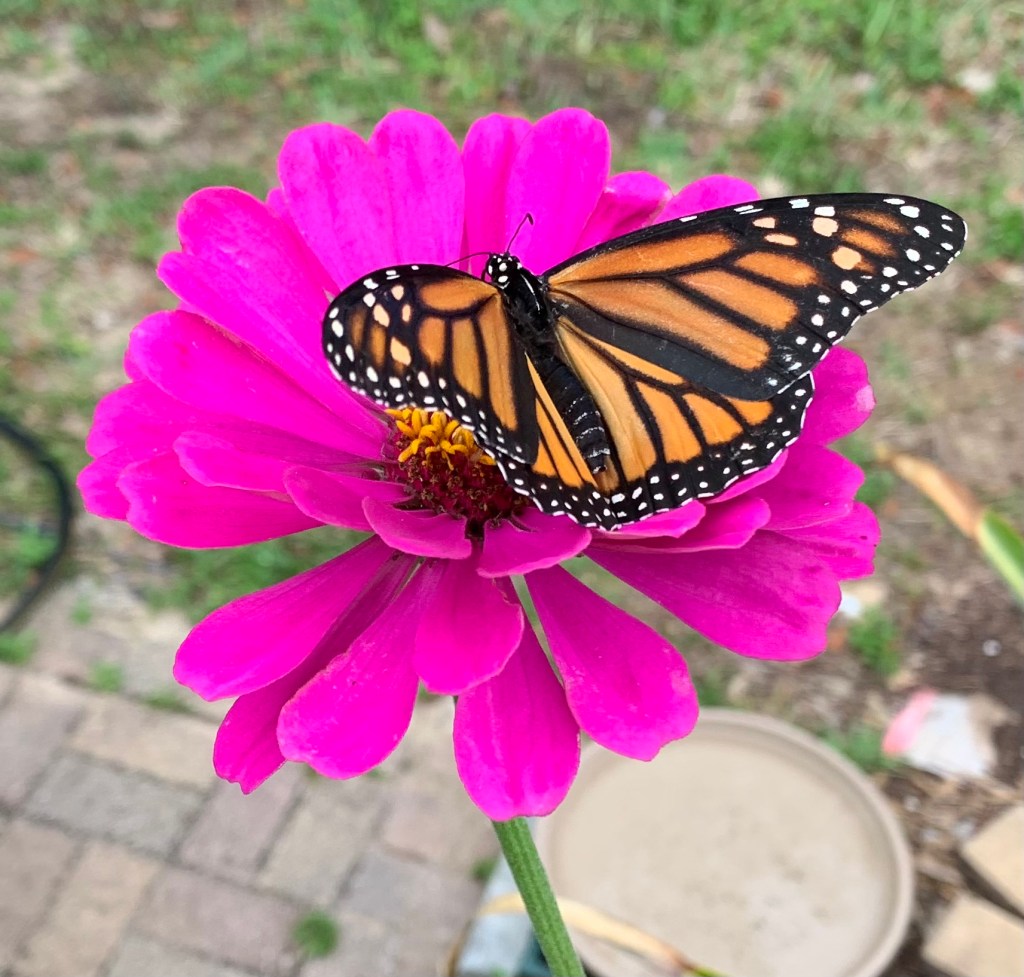
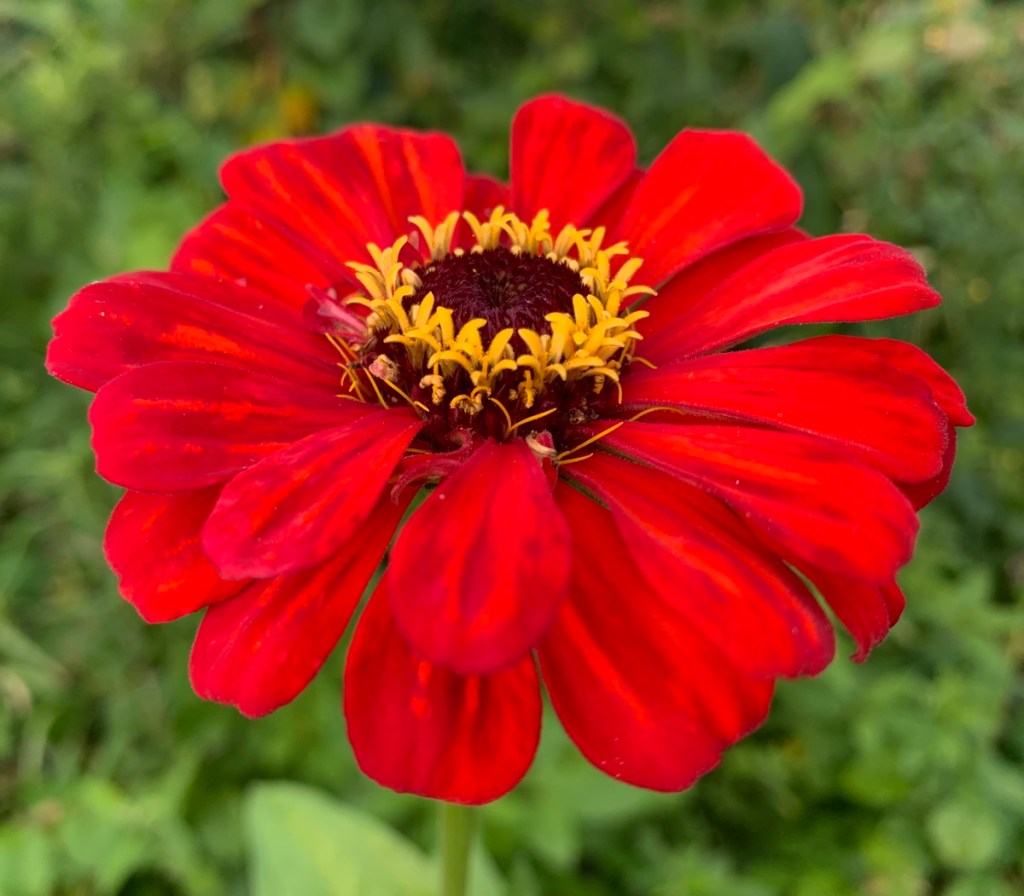
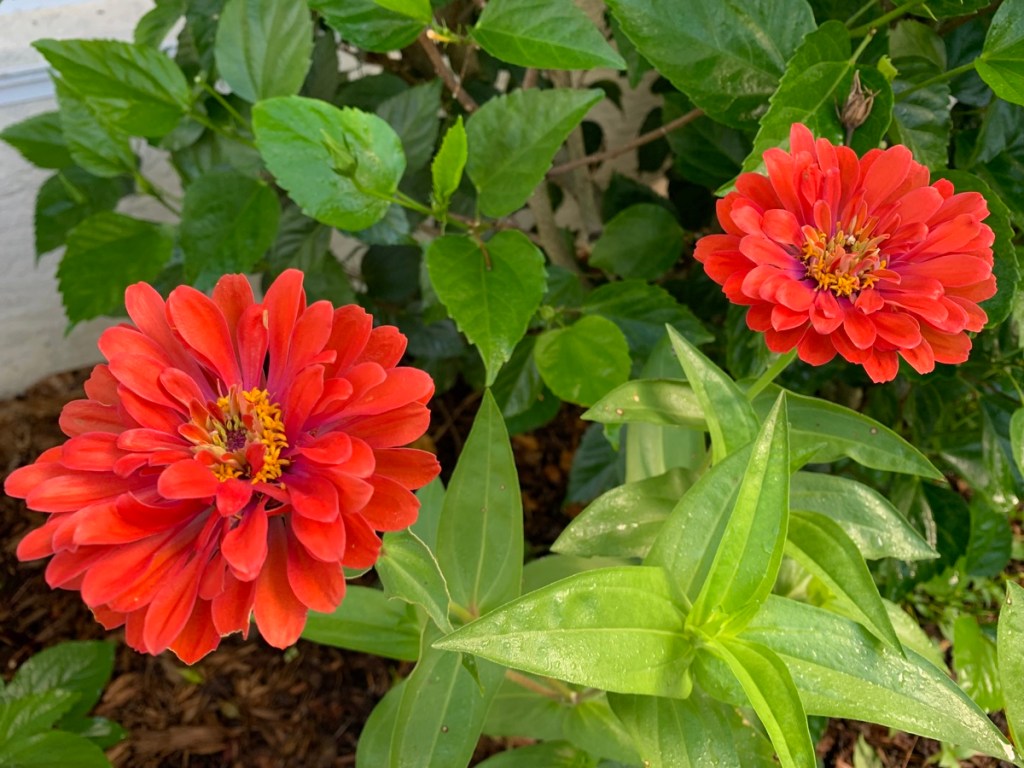
Look at the colors! The reds are so bright, and the orange is so true. The hot pinks are incredible, and the butterfly thinks so too! I think it is a Monarch.
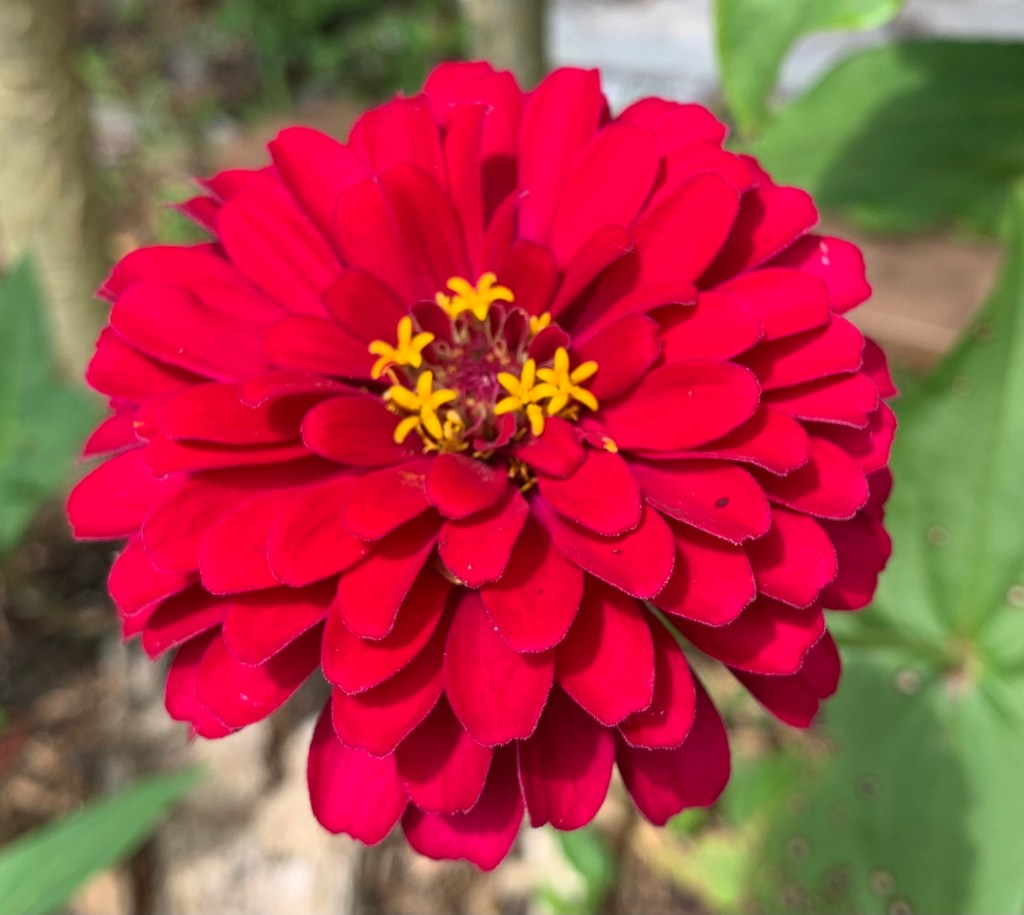
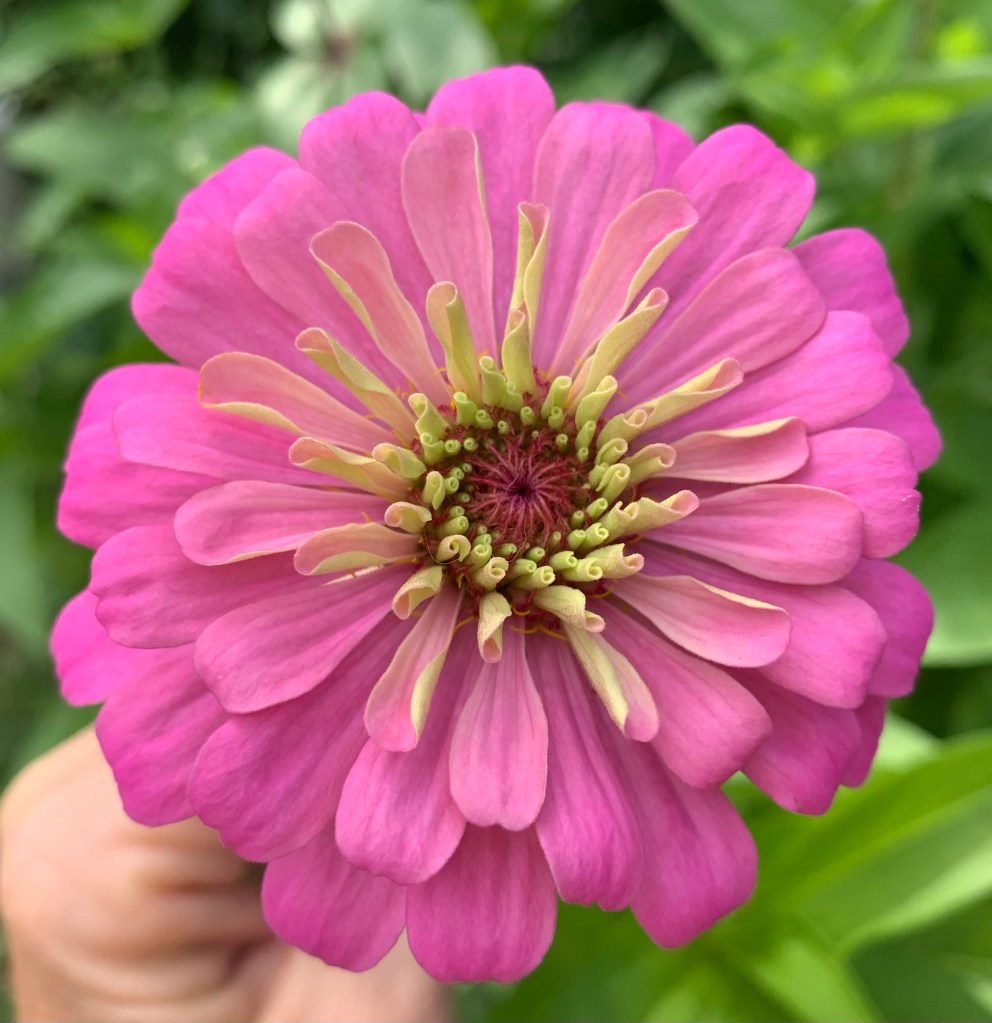
The bees and butterflies especially love the Zinnias with those yellow centers. It’s where they eat and gather pollen.

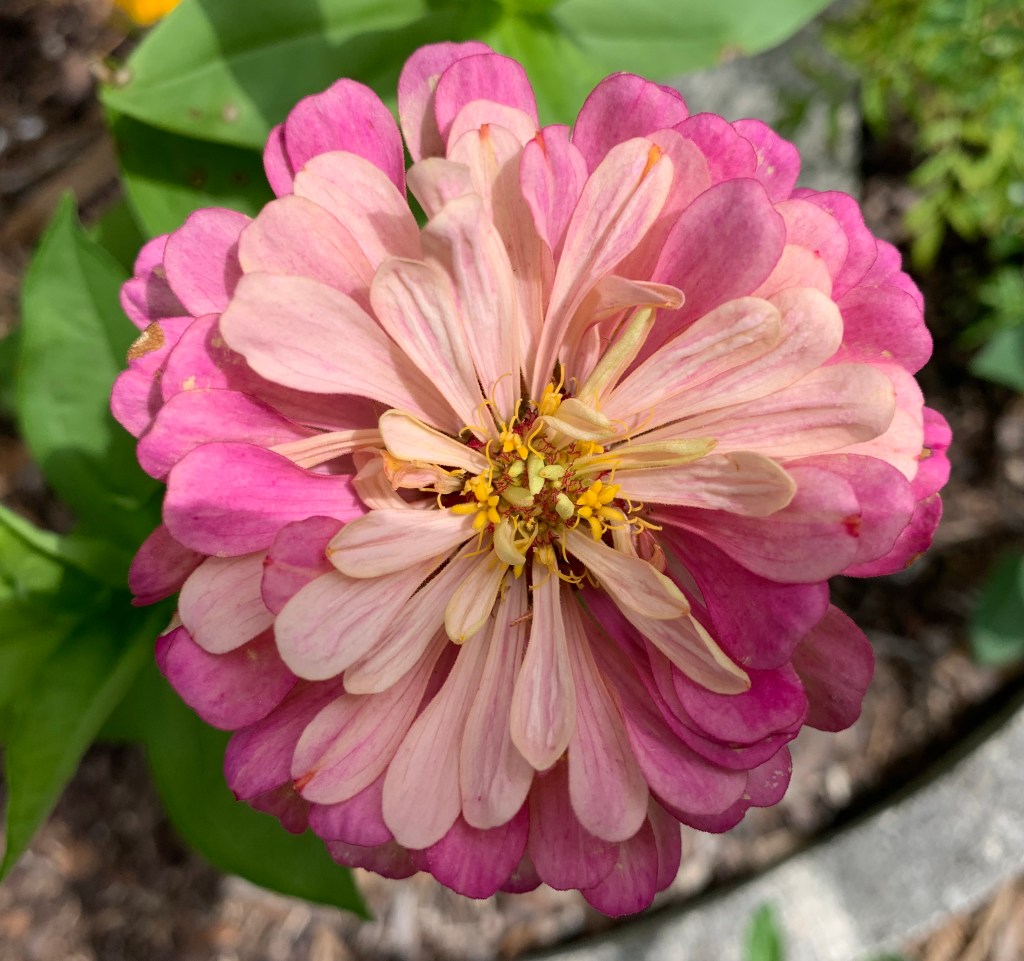
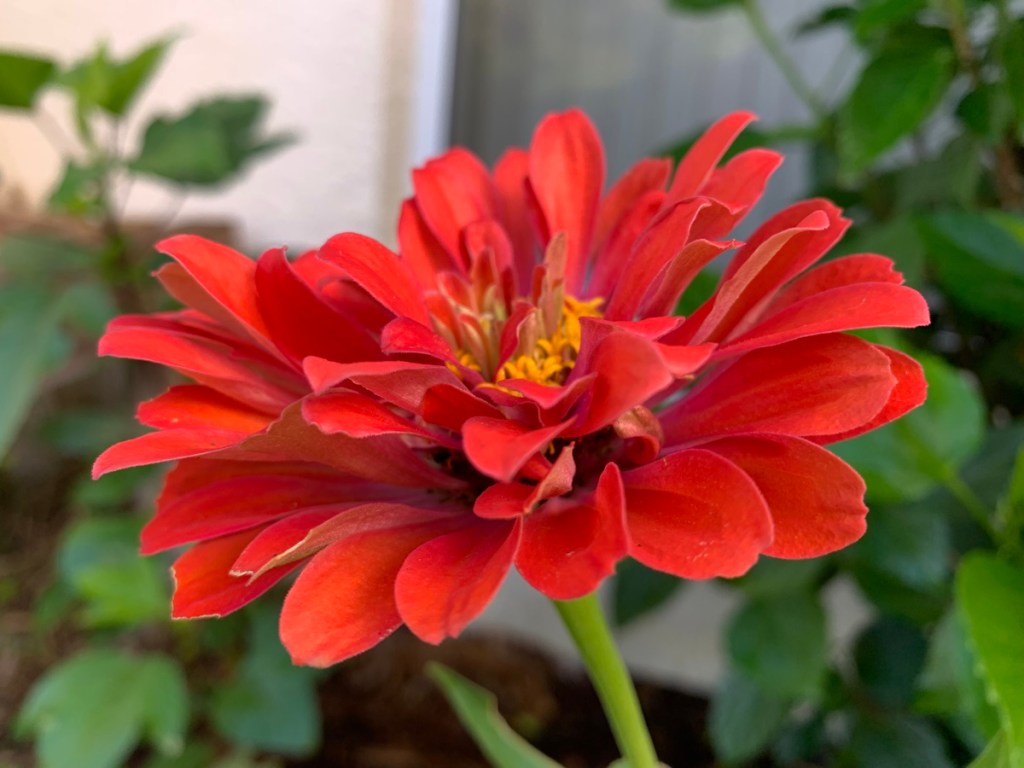
A Zinnia flower will change day by day as the petals open and the center grows. They are quite long lasting also.
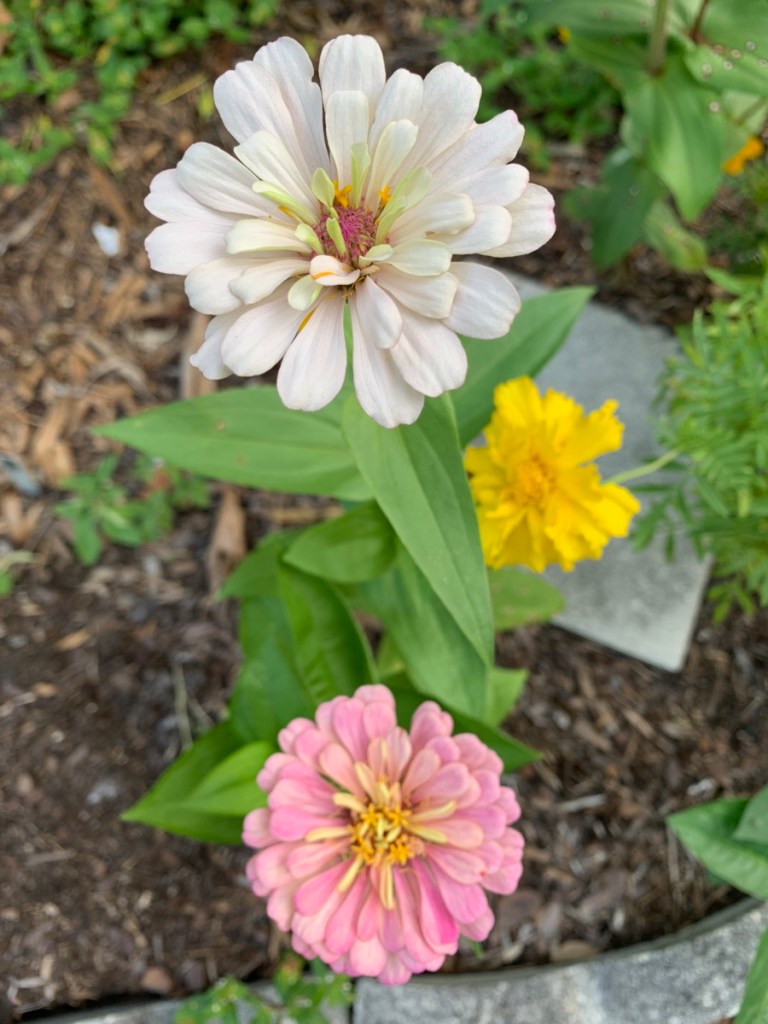
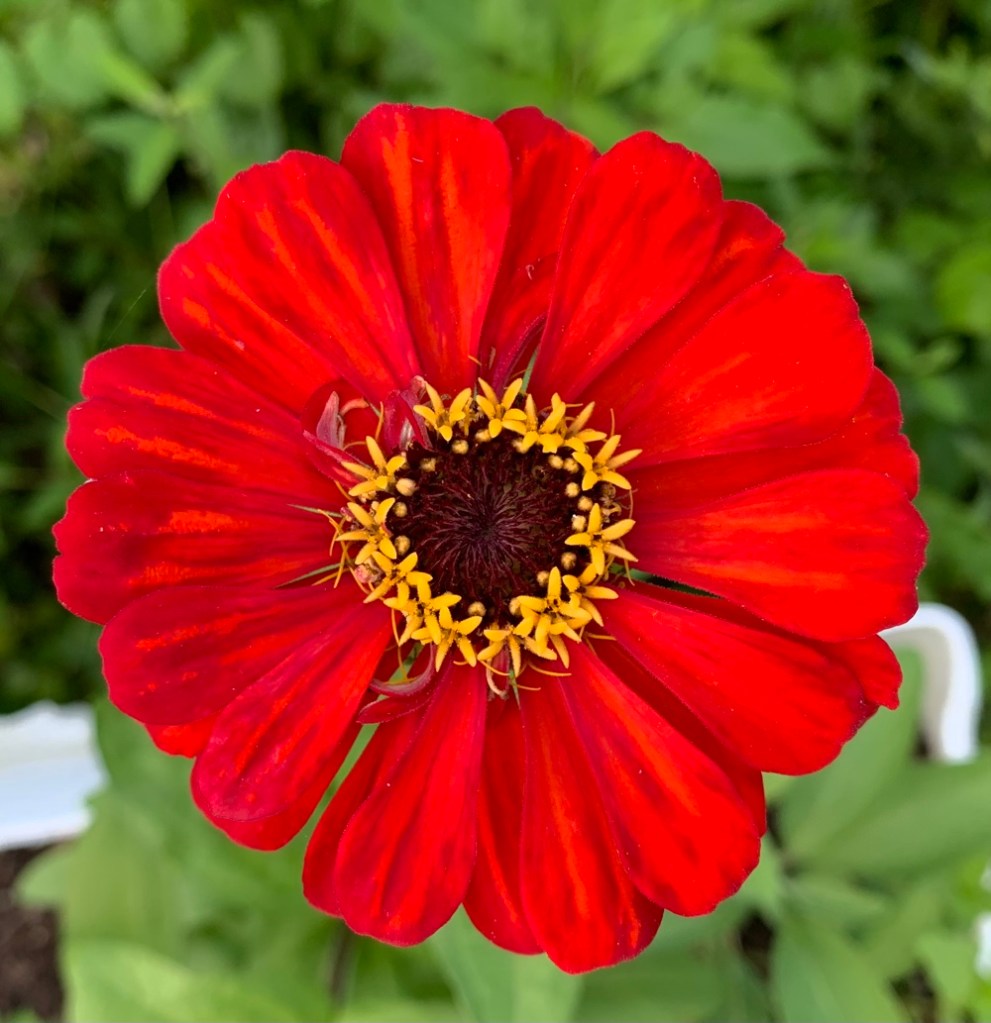
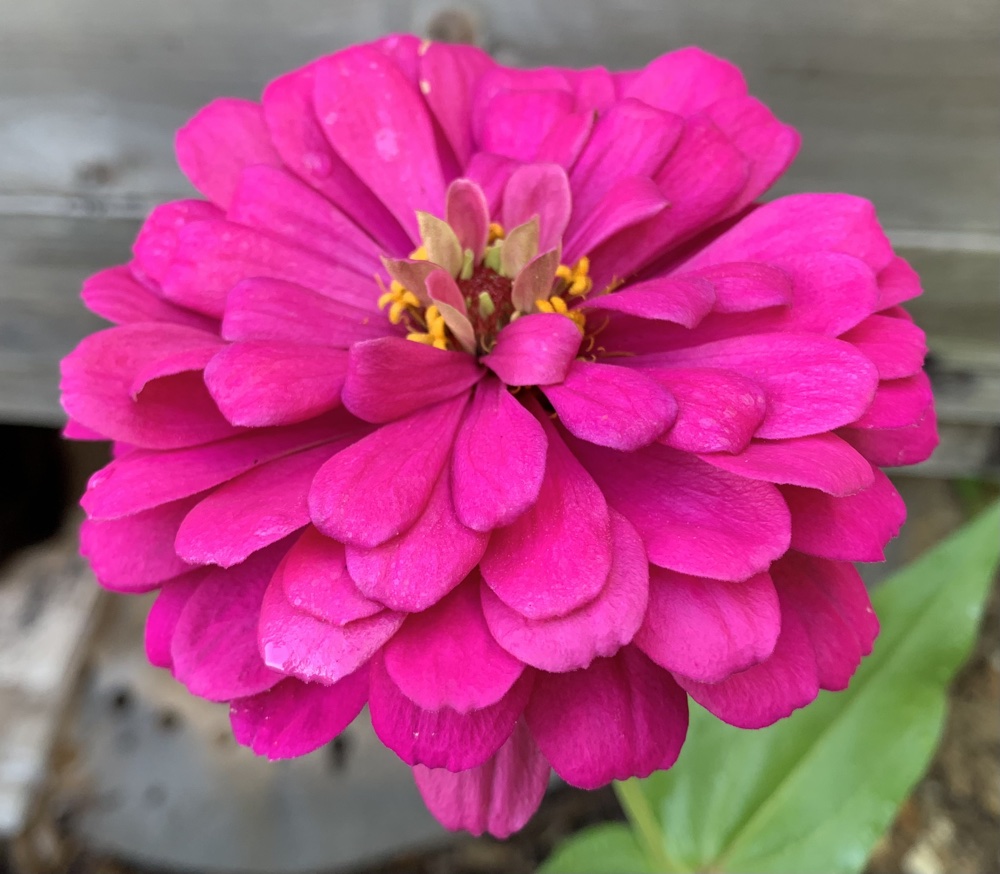
I’m partial to the flowers with lots of petals that create layers. Sometimes I find a bee nestled inside those petals. What a fun place to sleep.

Save the Seeds

Zinnias are direct sow, so put the big seeds right into the dirt. Saving Zinnia seeds is also easy. Each petal has a seed at the end. I cut off the flower heads when they seem to be gone by and drying out, and place them into a box to dry further. I will be writing a separate post about saving the seeds, but that is pretty much it.
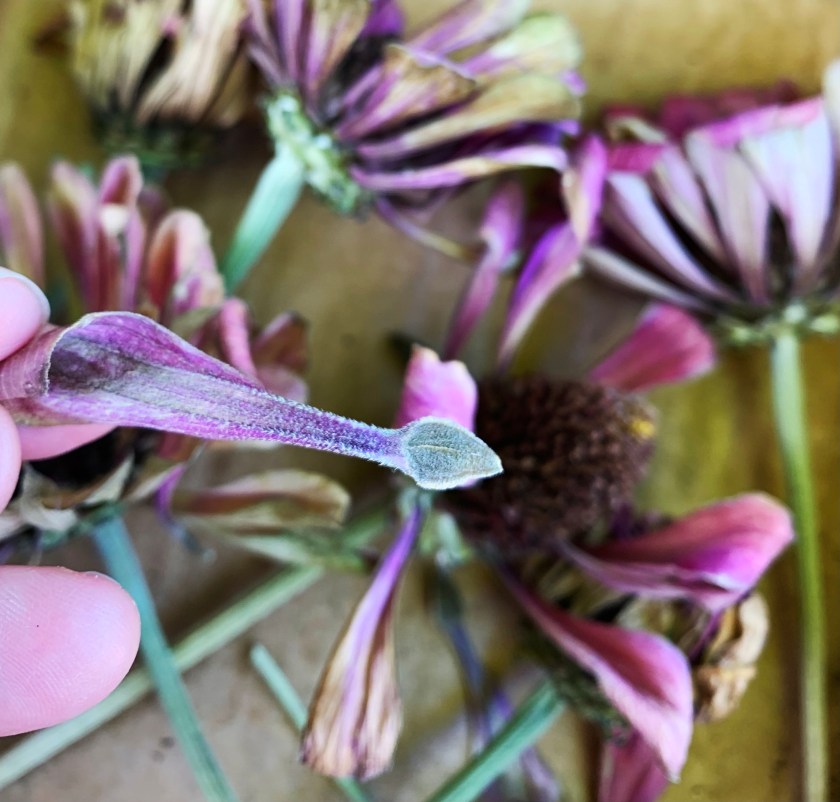
Zinnia seed and petal
Zinnia seed

I leave the flowers whole, but usually they become so dry that the petals fall out. Sometimes I can still see the color of the original flower. Every photo you see on this page (except the Florets) came from seeds I saved from last year’s flowers.

I also read at the UF/IFAS extension that the flowers with few rows of petals should be tossed! What? Why? I disagree.

Zinnia Disease

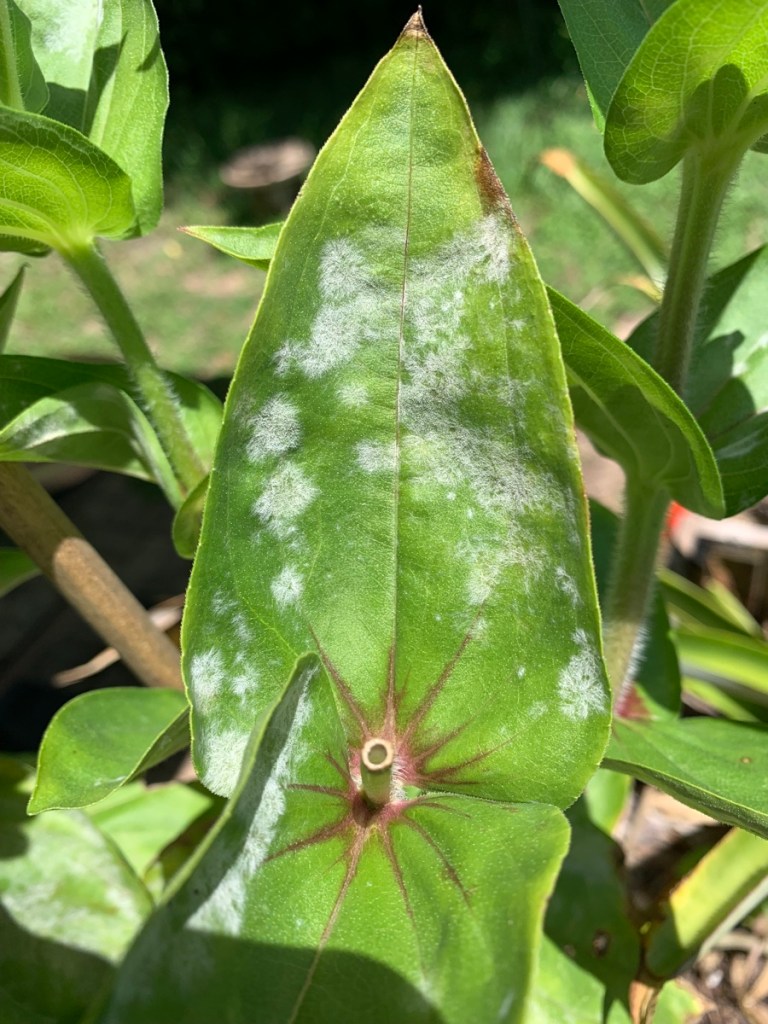
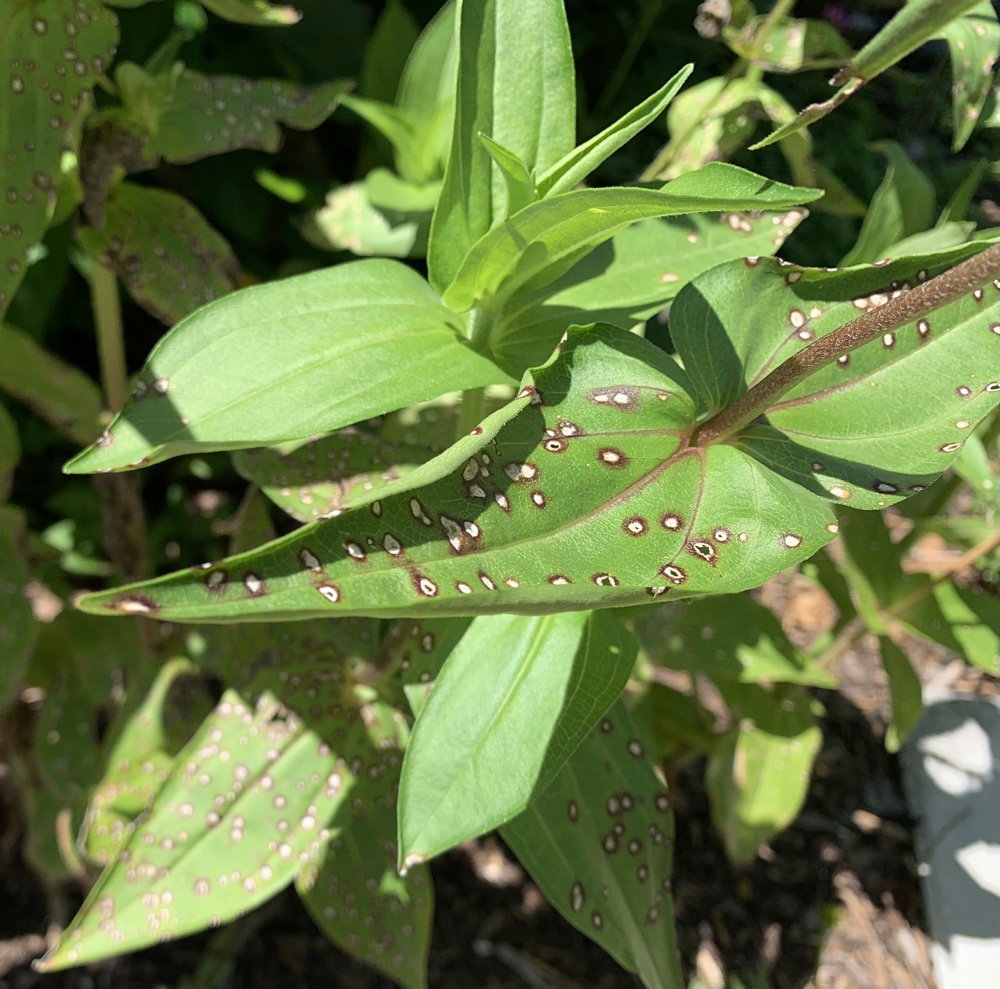
This year I learned that Zinnias can get a spotted leaf disease called bacterial leaf spot. And sure enough, most of mine had it. They can also get powdery mildew on the leaves. (Pegplant’s page lists some varieties that are mildew resistant.)

One way to help prevent both problems, is to give them space to grow. Air flow helps, but I live in a very humid place, so I’m not sure these things can be avoided. Overhead watering is a no-no for these flowers also.
Zinnia Varieties Less Susceptible to Disease

I can’t remember where I saw this information, but I wrote it down. This list is the varieties of Zinnia that supposedly are less susceptible to disease. The Southern Exposure Seed Exchange has the Marylandica variety (also called Zahara), but it’s currently out of stock. It has small, white, daisy-like flowers.

  • angustifolia
  • marylandica
  • crystal
  • star (bright?)
  • profusion

The varieties to avoid, for disease, are “elegans” and “heageana“, which seem to be the most likely available! I think all of mine are Zinnia elegans.

I found some Zinnia marylandica seeds at a shop on Etsy and will give them a try.
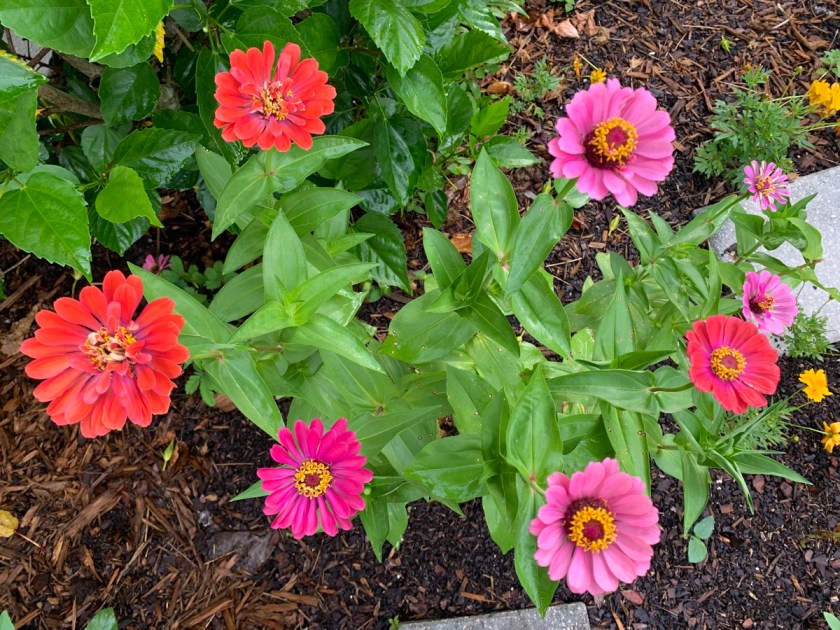
zinnia garden

I hope you are having a wonderful summer. If you love to grow Zinnias, I’d love to hear about them.

More stories from the backyard…

Something went wrong. Please refresh the page and/or try again.

Elderberry is Blooming

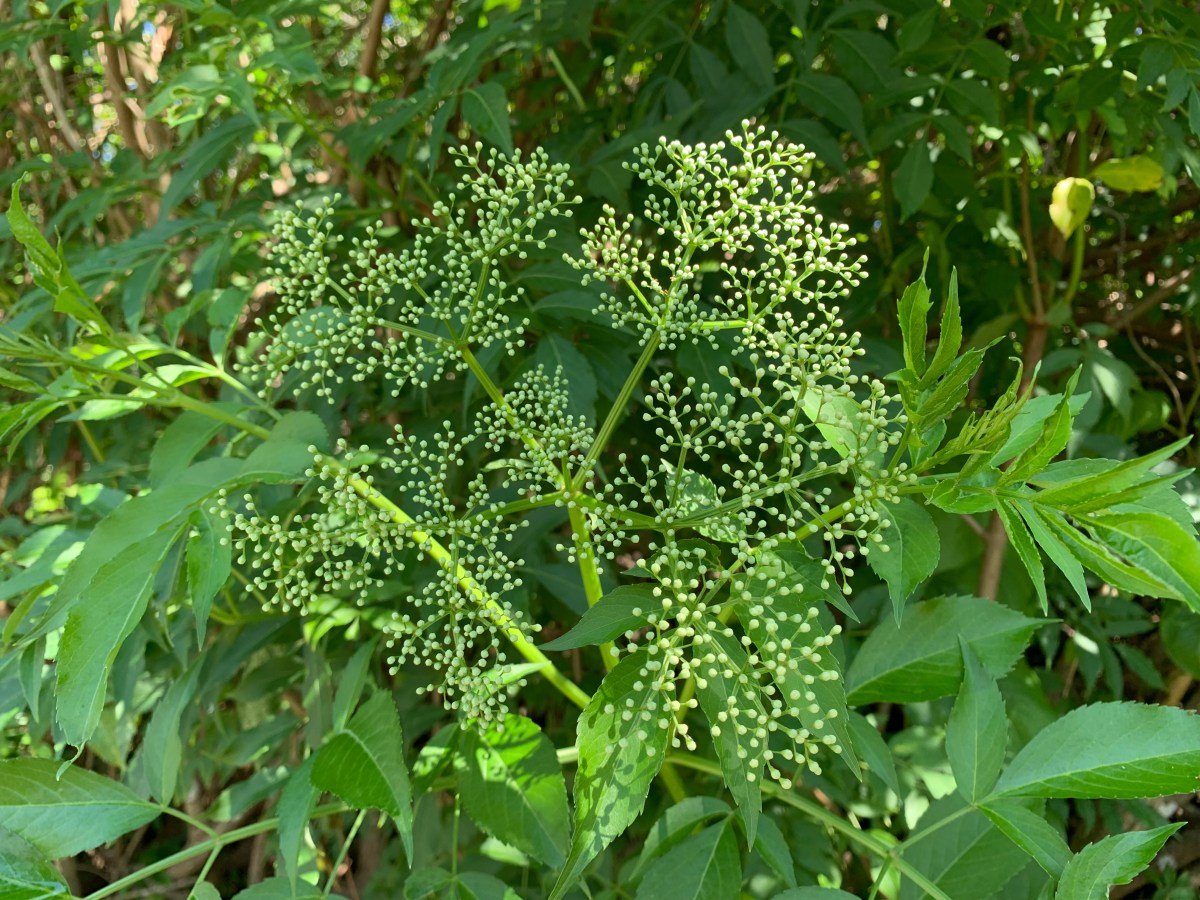
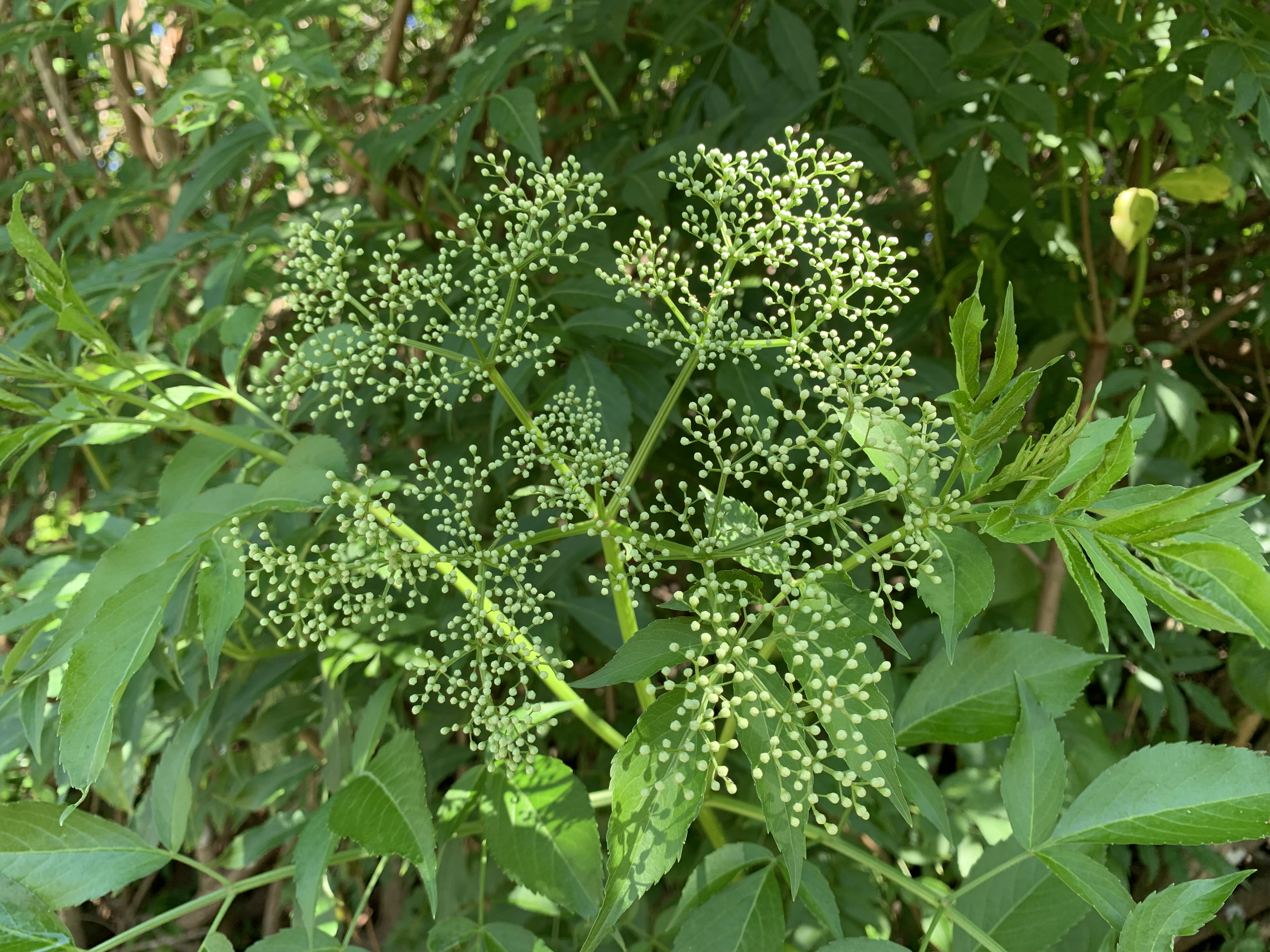
The elderberry plants are blooming their big white flowers in May.

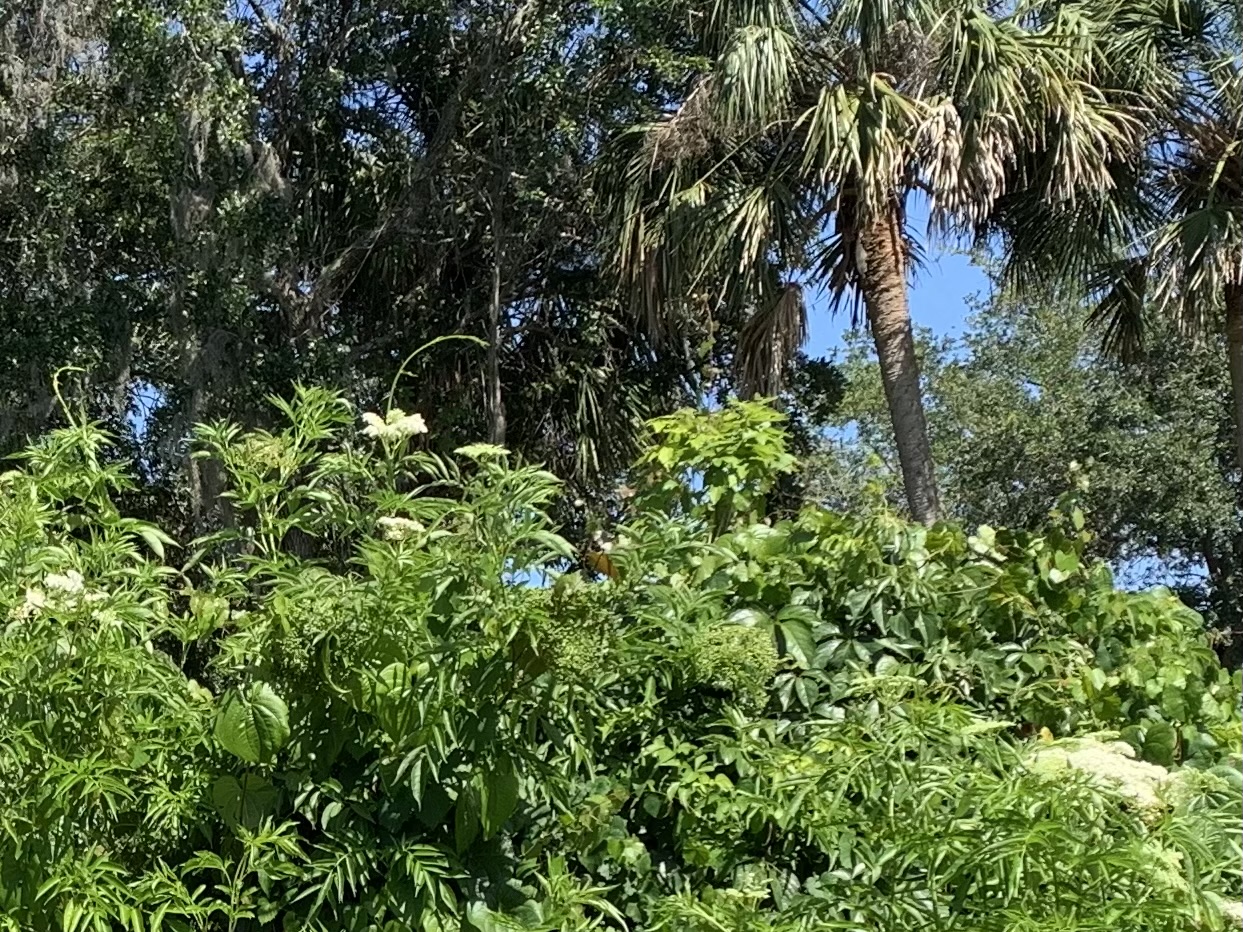
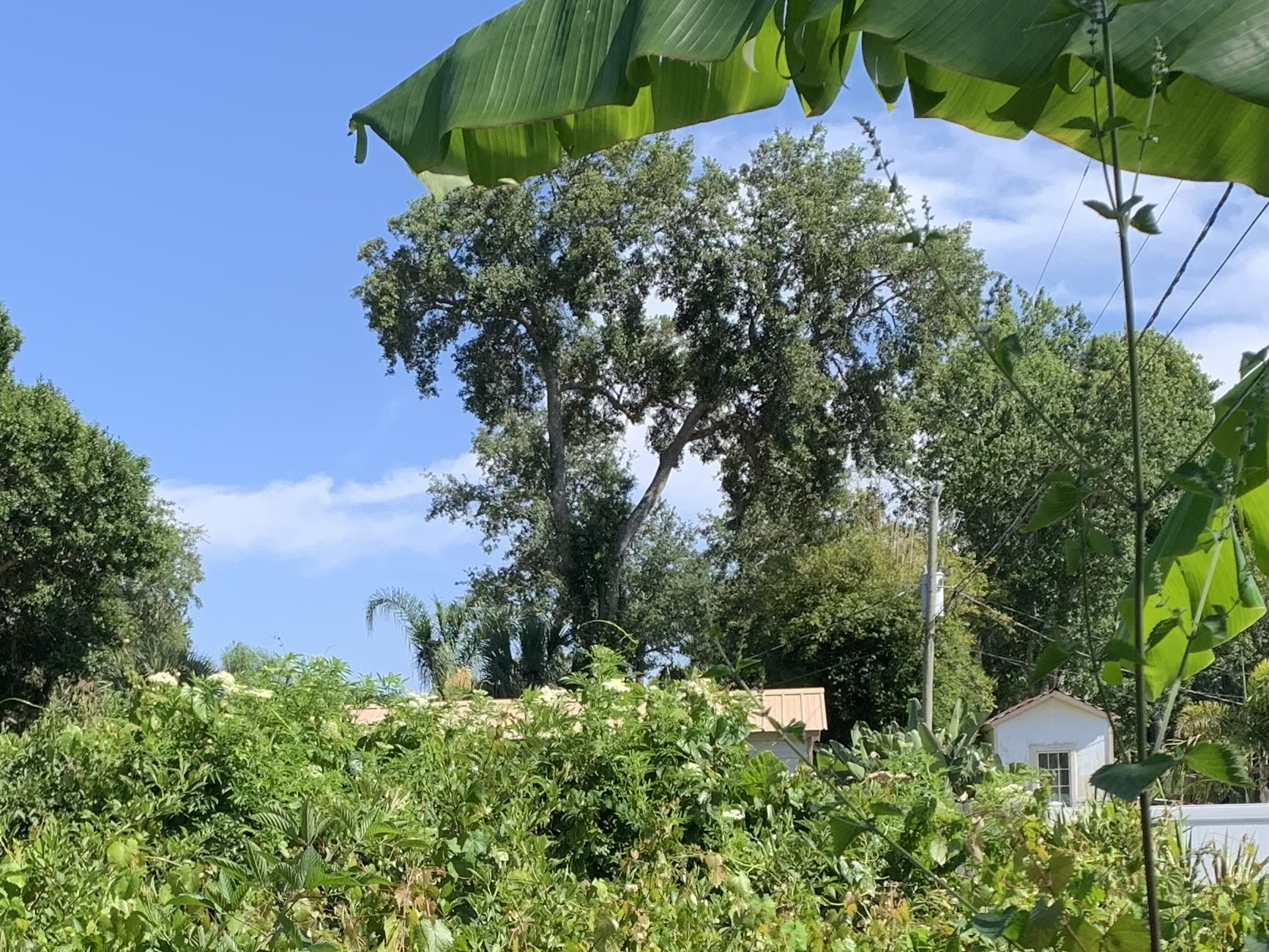
The lot next door is full of elderberry shrubs. Now they are all blooming and the white flowers are very noticeable.


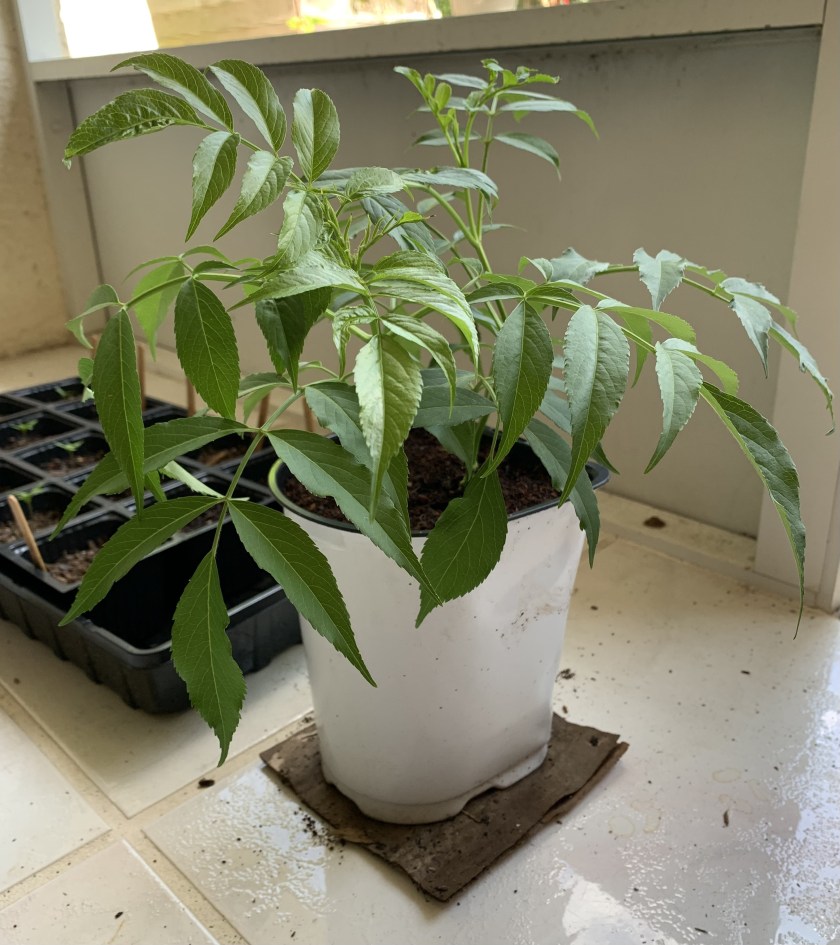
I took two longer cuttings from the elderberry that is next to my bird feeders. After they began to get roots while sitting in water, I put them into a tall pot.

They wilt quite a bit out in the sun, so they are growing on the porch for now.

I’ll need to find a good spot for this new plant. Maybe I will wait to plant it in Fall because it is very hot now.

rooting elderberry cuttings

Surprise Little Flower on Sweet Potato Vines

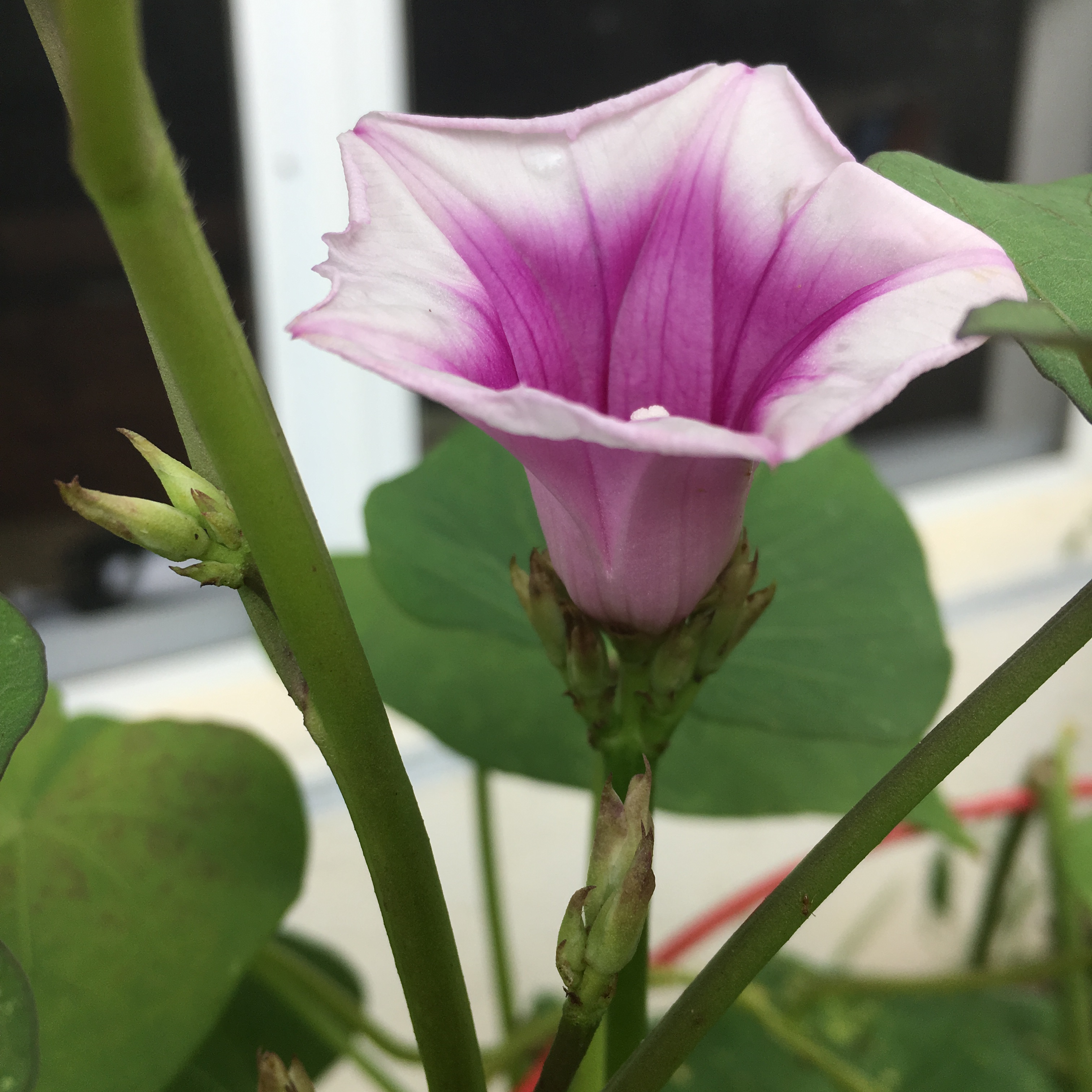
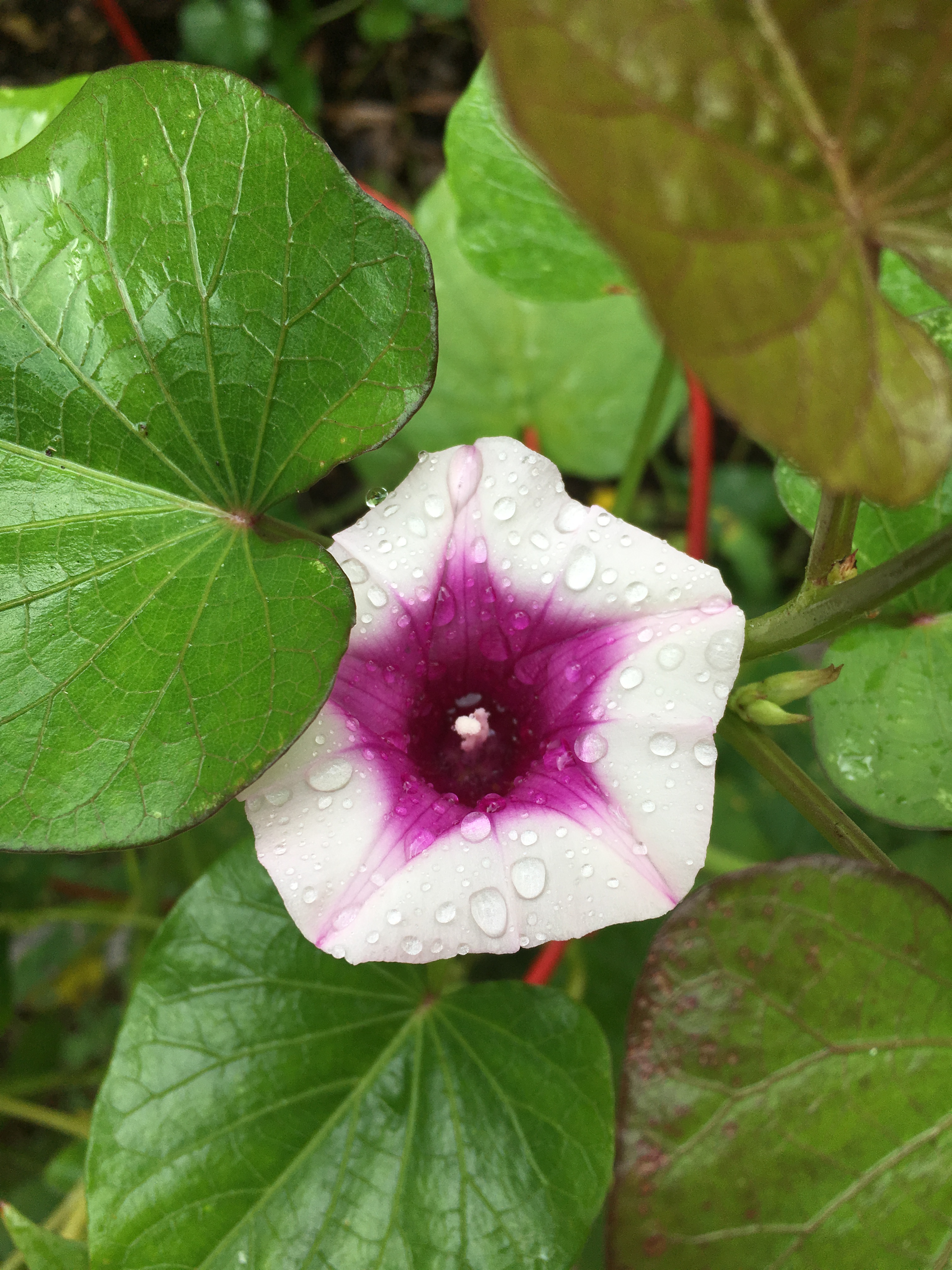
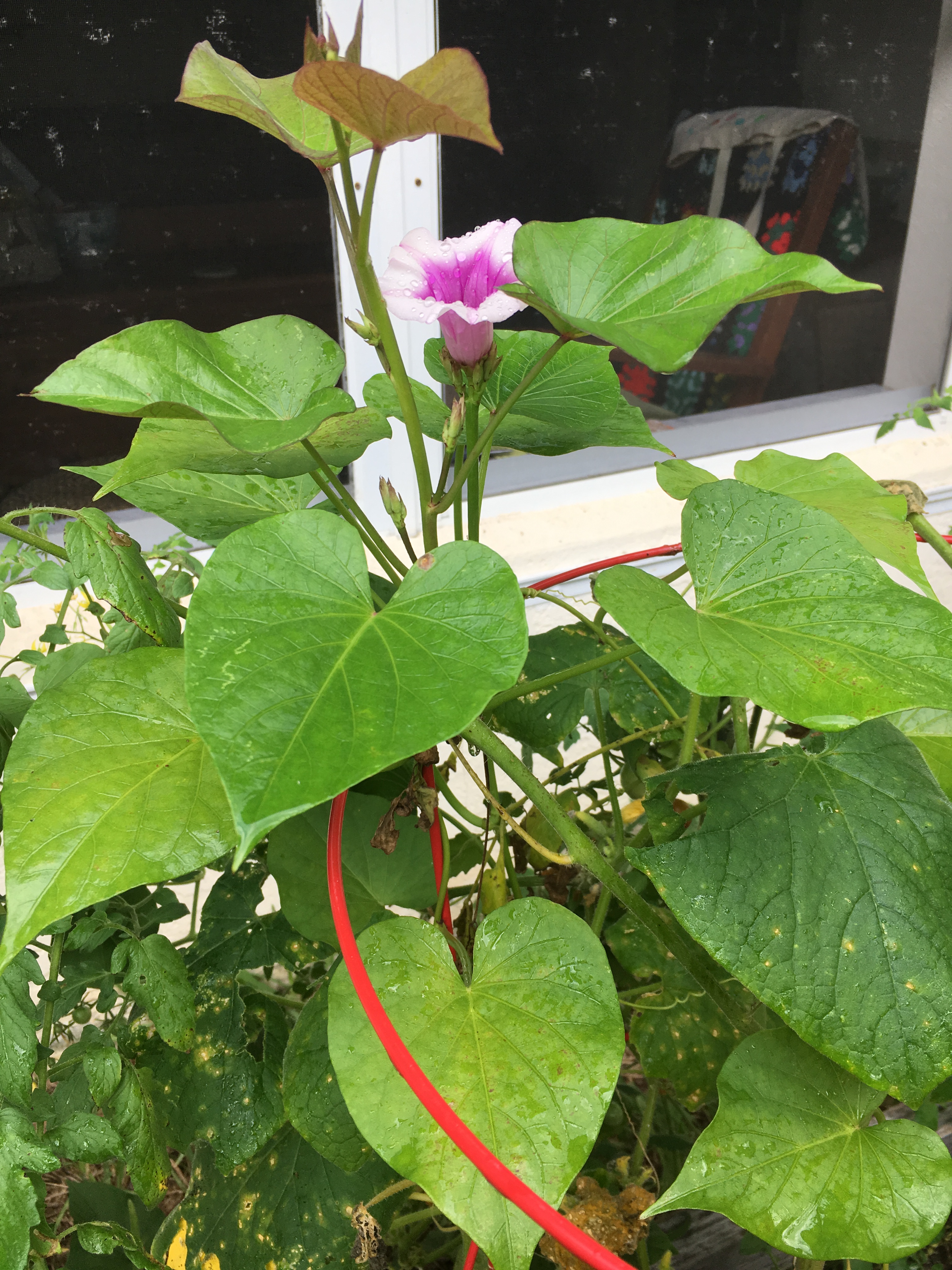
It’s November and my Florida vegetable garden is a bit of a mess. I don’t do much with it, but I look at it every day out my bedroom window. And today, I noticed a lavender-pink flower that was out of place. The outside color is about the same as the eggplant flowers, but this bloom was larger. It looked like it was on the trailing vine of the sweet potato plant.  And sure enough it was!

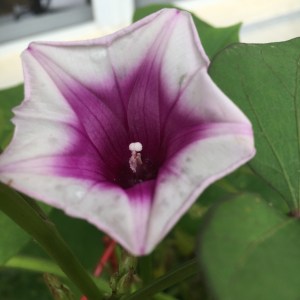
Lavender, pink and purple sweet potato flower
The inside of the flower is darker purple

sweet potato flower on vine
Sweet potato vines can flower!

Any day I can learn something new is a good day, in my opinion. And today I did. After neglecting my overgrown raised bed garden for months due to the heat, I am pleased to see new things happening in November.  Maybe a cool down was all it needed.

Sweet potato vines
Sweet potato vines trailing over the garden bed

After doing a quick search about flowering potato vines, I found an article at The Walden Effect which said flowers on potatoes were unusual. Then, I read comments from lots of people who have had flowers like mine. So whether it is uncommon or not, I don’t know. Maybe flowering sweet potatoes are only common in Florida, or other humid areas. It certainly looks like more flowers will be blooming on my vine. And yes, as someone mentioned, they do look like Morning Glories.

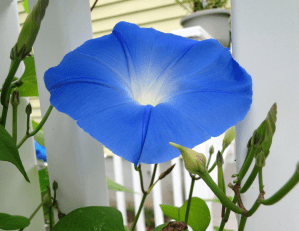
blue morning glory flower and buds
Blue morning glory flower and buds – my photo

At my house in New Hampshire I grew a big Morning Glory plant with blue flowers. The vine grew up the side of my deck railing, but the plant was frozen just as loads of buds were forming. I decided not to grow them again, but the blue flowers were gorgeous.  The buds were twirled around and unfolded like a mini umbrella.  You can see that in my photo above.

Getting Seeds From Sweet Potato Flowers

Another interesting sweet potato article talks about how sometimes the blossoms can turn into tomato-looking berries.  This is where the seeds will be.  I have never grown a sweet potato from seeds, only from tubers, or bits of old sweet potatoes with eyes.

sweet potato flower on vine
Potato vines climbing through tomato cages

I will watch and see what happens to the flowers, and if I get any of those seed pods.

IMG_6644

Update on Growing Eggplants That Survive Year Round

This year-round gardening with vegetables still blows my mind, but I have a few plants that have been in my garden for over a year now. Yes, they go dormant (and even look dead) when the cold weather moves into Florida, but they come back and produce even better the second time around.

Will they still be around next year? I have no idea. But this Spring season has been a great one for my bell pepper plant and now my eggplant is showing signs of producing as well.

In the Spring of 2017 I planted two eggplant plants. One was eaten up by a tomato worm and the other continued to grow and grow. It gave me no eggplants until well into the season. I finally got one. Only one. I tried the paintbrush pollination method but still nothing happened.

The plant got huge. I had to cut it back because it was taking over the garden bed. When the cold weather came, the entire plant turned brown and I thought that was it.  I’m used to plants dying and having to be planted in Spring.  When my vegetable plants don’t die, and instead begin to grow again, it amazes me.  I didn’t even know vegetables could do that.

dead eggplant
Eggplant plant turned brown during Florida winter.

However, at the base of the plant some greenery remained. As the weather warmed, more leaves and stems appeared.
Screen Shot 2018-05-09 at 5.55.53 PM
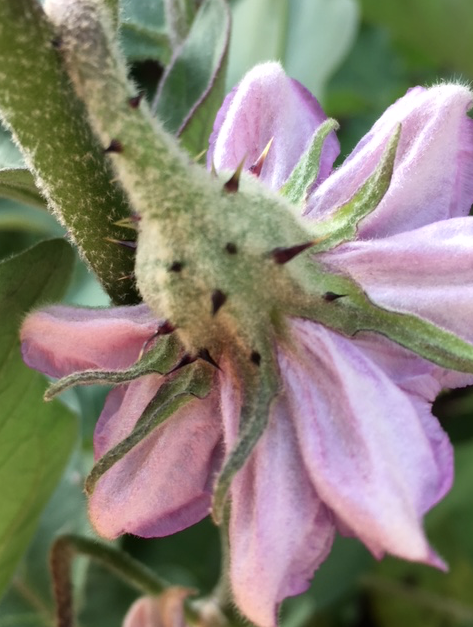
The plant is now large again, and getting lots of flowers, which contain spikes.

eggplant flower
Spikes on eggplant flower

As of now, May 2018, the plant has been flowering like crazy but again the eggplants themselves were missing. So the other day I pulled lots of the flowers off (that is when I noticed how spiky they were!). I don’t know if that is what the plant needed, but suddenly I now see a small eggplant. There are signs of maybe a couple more ready to pop out as well.

Too many flowers? I don’t know if that was a coincidence, but if your eggplants are not producing, try removing some of the buds.

little eggplant
A new eggplant growing on this plant in it’s second year

5 Free Pictures of Blue Hydrangeas

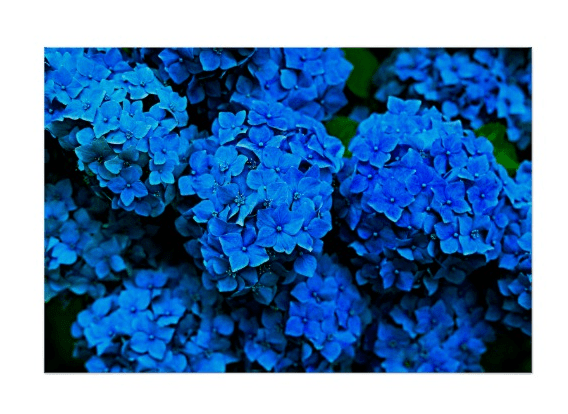
Because my blog is mainly about hydrangea plants and flowers, I thought I’d bring to attention some pictures of blue hydrangea flowers that are free to use as you please. Download any size on the Pixabay site  (click on the image to view the page at their site) and use on your blog, website, stationery, and printables. These pictures can also be used commercially, with no need to give credit to the photographer, or site. Of course they would love it if you do.
I’ll also do other colors like green, pink and white. (Coming soon.)  In a few months I should have some photos of my own to add.
Here you go.   Click the image if you can use it yourself.   Continue reading “5 Free Pictures of Blue Hydrangeas”

Hydrangeas and The Rainy, Cold Summer

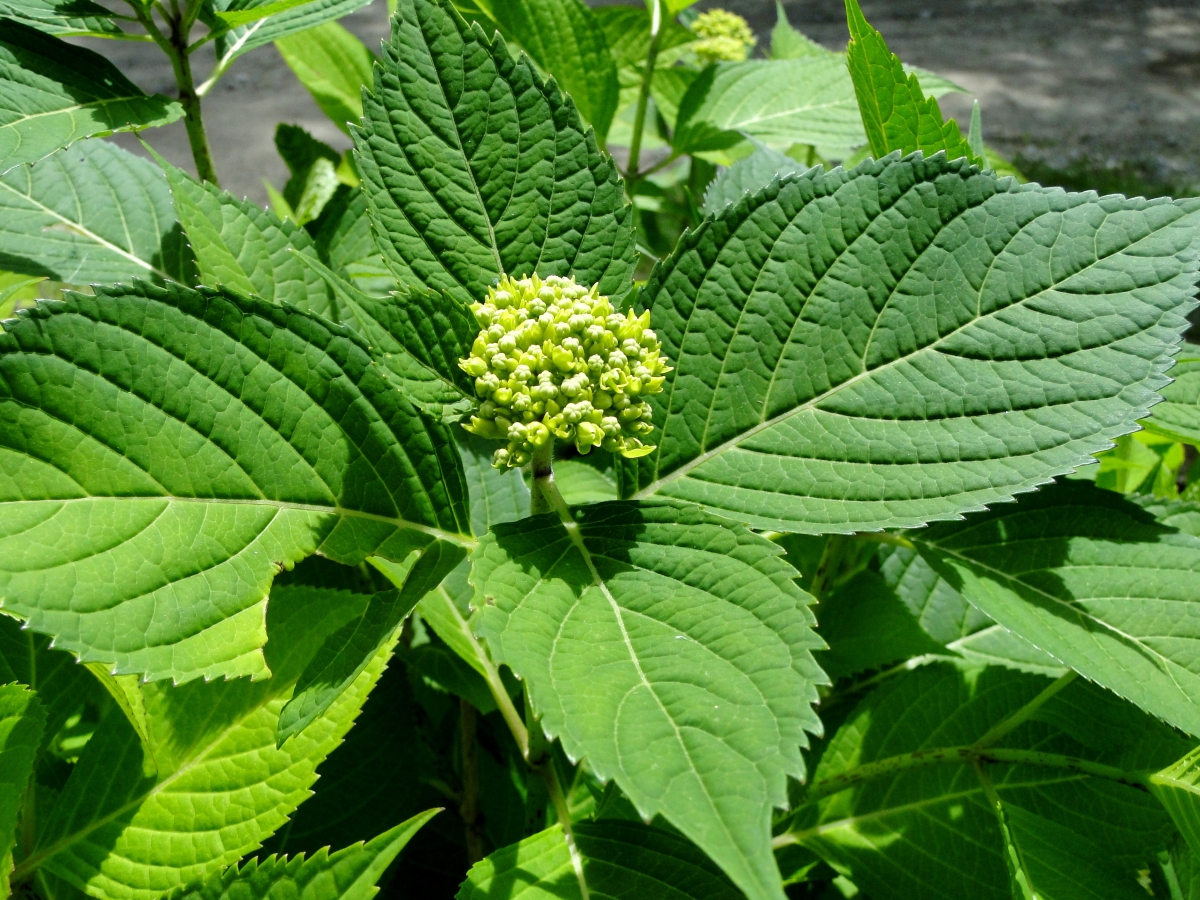
Hydrangea bud
End of June Hydrangea Bud

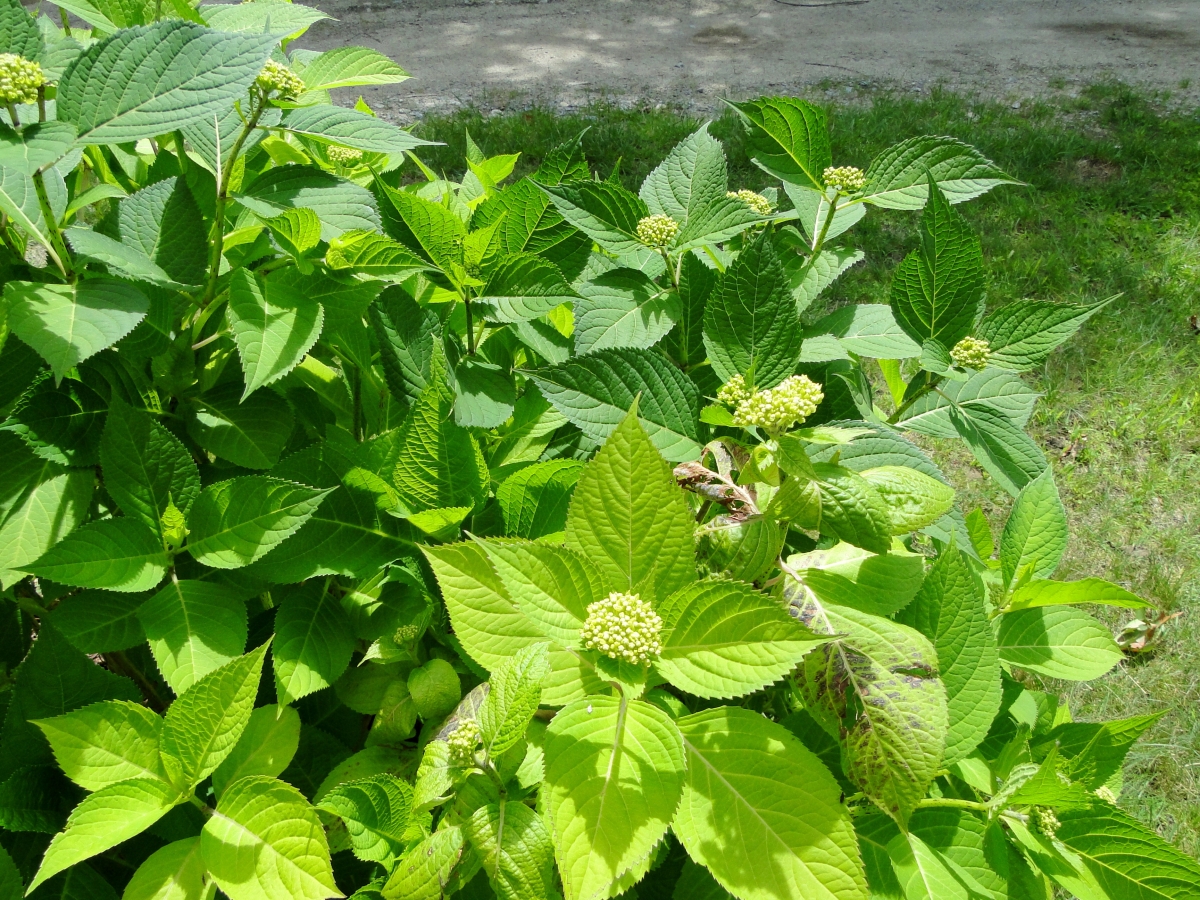
It’s the end of June and in southwestern New Hampshire the hydrangea in my yard is full of buds. The bush is very full this year since I didn’t do any cutting back, but the overall color is not the dark green of the leaves you see in this photo. In fact the bush seems to be divided with part of the stems showing off dark greenery and the rest showing a lighter, less healthy looking green.

The disadvantage I have where I live is that this yard is not mine. I live in a duplex and the owner lives next to me. She goes out and fertilizes with something – seaweed I think – and so I have to be careful of what I add to the plant. I usually just keep it watered and see what happens. Last year the blooms were not as nicely colored as the year before and the flowers were also smaller.

This year is also the first time I have seen browning of the leaves. You can see it in my photo below. So I had to check on diseases of hydrangeas and found that they can get spots on the leaves.  However, that site didn’t say why or what to do about them. The leaves in some places, look like something is eating them.

As I have said, it’s not my yard and not my plant, so I’m not worrying too much about it. My landlady is not much of a gardener so I doubt that she even notices or cares. I’ll keep an eye on it and see what happens, but it might have something to do with the fact that we are having a rainy and cold spring and summer season this year. In fact, I have hardly been outside!

I’m looking out for the flowers. I hope they open before I move in July.

hydrangea shrub with light and dark leaves
Dark and Light Leaves and Brown Spots