I’m Learning How to Grow Lilacs

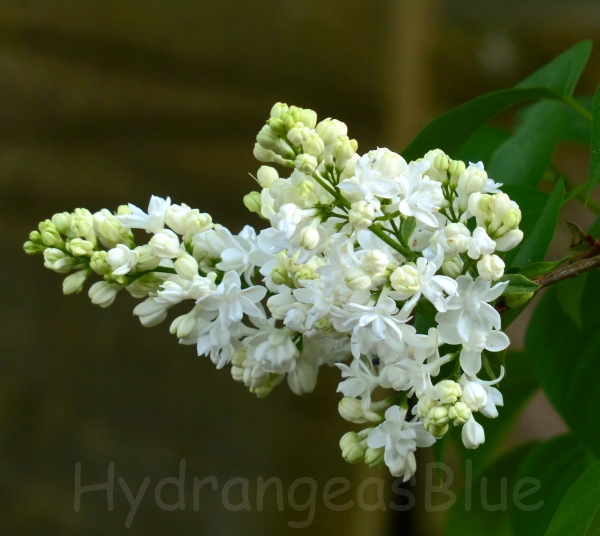
white lilac flowers

I look forward to seeing my hydrangeas grow and bloom this year, but first I will see the lilacs bloom. I don’t have very impressive lilac bushes, I will admit. The yard is very shady and I am not used to dealing with this type of plant. Lilacs don’t grow in Florida, where I lived for a long time. They thrive in US hardiness zones 3-7 and central Florida is in zone 9.

So I have been trying to help my Lilacs do better in the once-neglected yard of my newer house. The tall, gangly tree / bush at the corner of my house was tucked under a pine tree and hidden behind a piece of fence. Now the fence is gone, and so is the little pine. I’m hoping that now the lilac will get more sun and branch out and get bushy.

I know that it’s a good idea to trim off the flowers as they die and then leave the tree alone. Trimming too late will remove the blooms that set for the following year. Also do any pruning then too.

I recently learned something about pruning the suckers, or shoots that grow from the base of the shrub. I always thought I needed to remove them all so the main trunk would do better, but that is not so. I’ve read that only 2/3 of the suckers should be cut so the others can grow and fill in the shrub. I am going to try it.

My lilac flowers are dark purple. I don’t know if they are double blooms or not, but double bloom varieties are more fragrant. I counted a few big flowers at the top of my lilac tree last Spring. And although it didn’t have many, I could smell the fragrant flowers in that area of the yard. I don’t know if I should just buy a new bush and give up on the old one, or try to work with what I have.

Lavender, white, pink, purple and blue are the colors to be found among lilac varieties. President Lincoln is one of the popular blue flowering plants.

Ugly, But Free, A Raised Bed Garden Made of Cinder (Concrete) Blocks

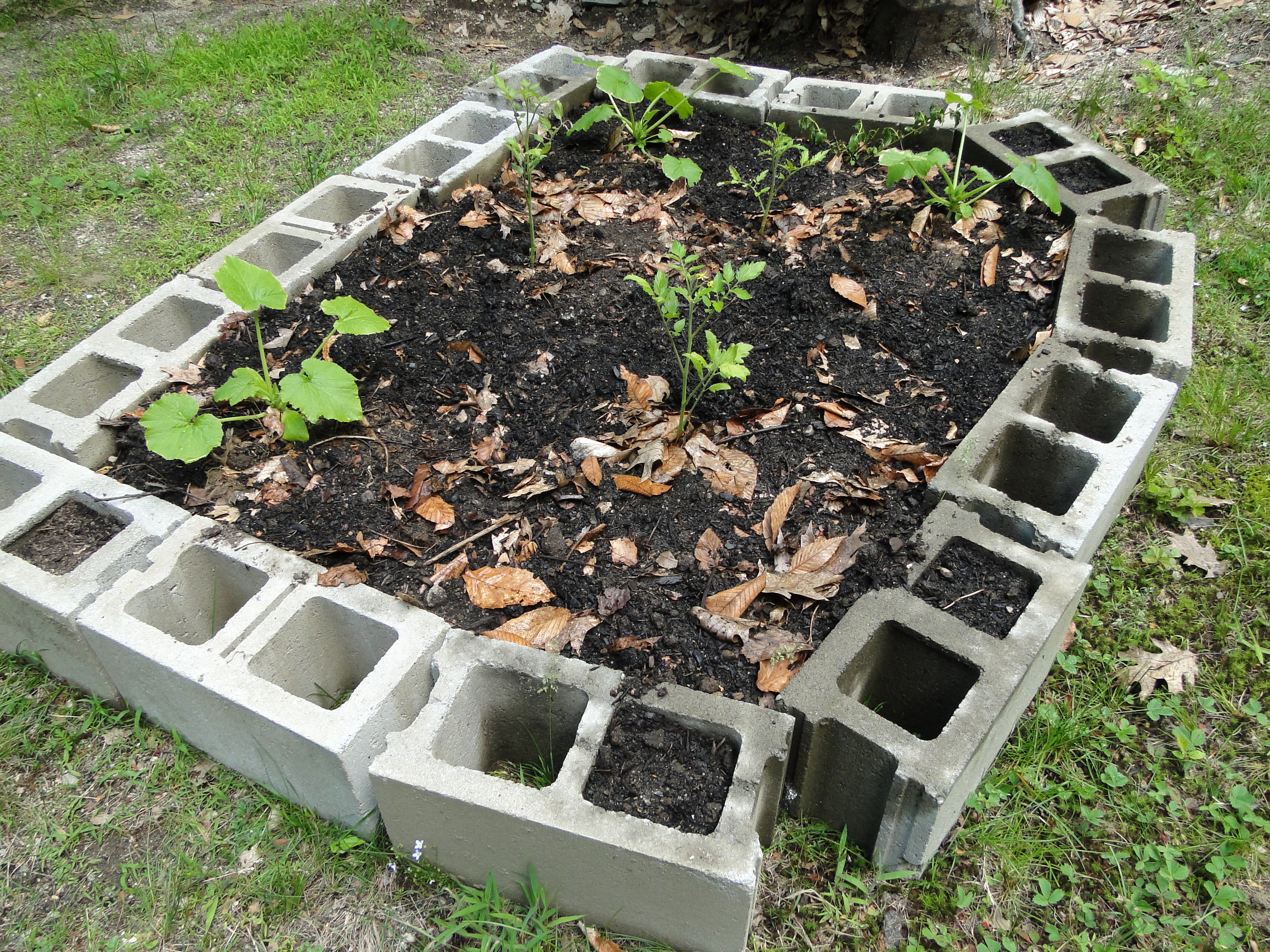
raised garden bed
Simple Raised Bed of Cinder-Blocks

Oh how I’d love to have the land in that picture I used! It’s not my yard. I don’t have a big sunny parcel of land. Because of that, it makes growing vegetables, in our short, New England growing season, tough to do. The sun is scarce in my yard, which is surrounded by tall pines and hardwood trees. My yard is also small. I’m always on the lookout for solutions to these problems so I can grow more crops.

This idea of making a raised bed from cinder-blocks is not mine. I saw it in the “Organic Gardening” book.  It looks ugly, but it was free to build because I already had the blocks.

When I came across an article in the magazine which showed five types of alternative raised beds, the concrete block one jumped out at me.  I could do this!

dsc07551
Shade is a problem when it comes to vegetable gardening in a small yard

The thought of having another sunny spot to grow vegetables stuck in my mind as winter carried on.  I would have to lug the blocks up a hill to my front yard because that was the sunny spot.  While I waited for the mud to dry up in spring, I watched the path of the sun to decide the best location for my new patch of dirt.

Once the garden loam was delivered, I enlisted my teenage son to help me move the blocks – those suckers are heavy! I used the wheelbarrow to fill the space with dirt and some compost, and then planted the rest a tomato and zucchini in there.  It’s not a huge garden, but it did give me some extra growing space.

dsc05427This was an experiment for me, and I’m not raised bed savvy.  It was a quick fix for lack of garden space and I did get vegetables to grow there.  Since then I have learned a bit more about raised bed gardening and am beginning a new raised bed garden (made of wood this time) in my Florida home.

An even easier idea is to buy fabric bags and use them as raised beds.  They work well for many types of vegetables.

Mother’s Day Gift: Fuchsia Hanging Basket

Even though I bought this fuchsia plant myself, my kids are going to chip in and pay for it as a belated Mother’s Day gift.  As each holiday comes around my kids ask what I want and I can’t ever say I want anything.  “Take me out to eat” is what I usually say.  Not cooking is the best gift I can think of.

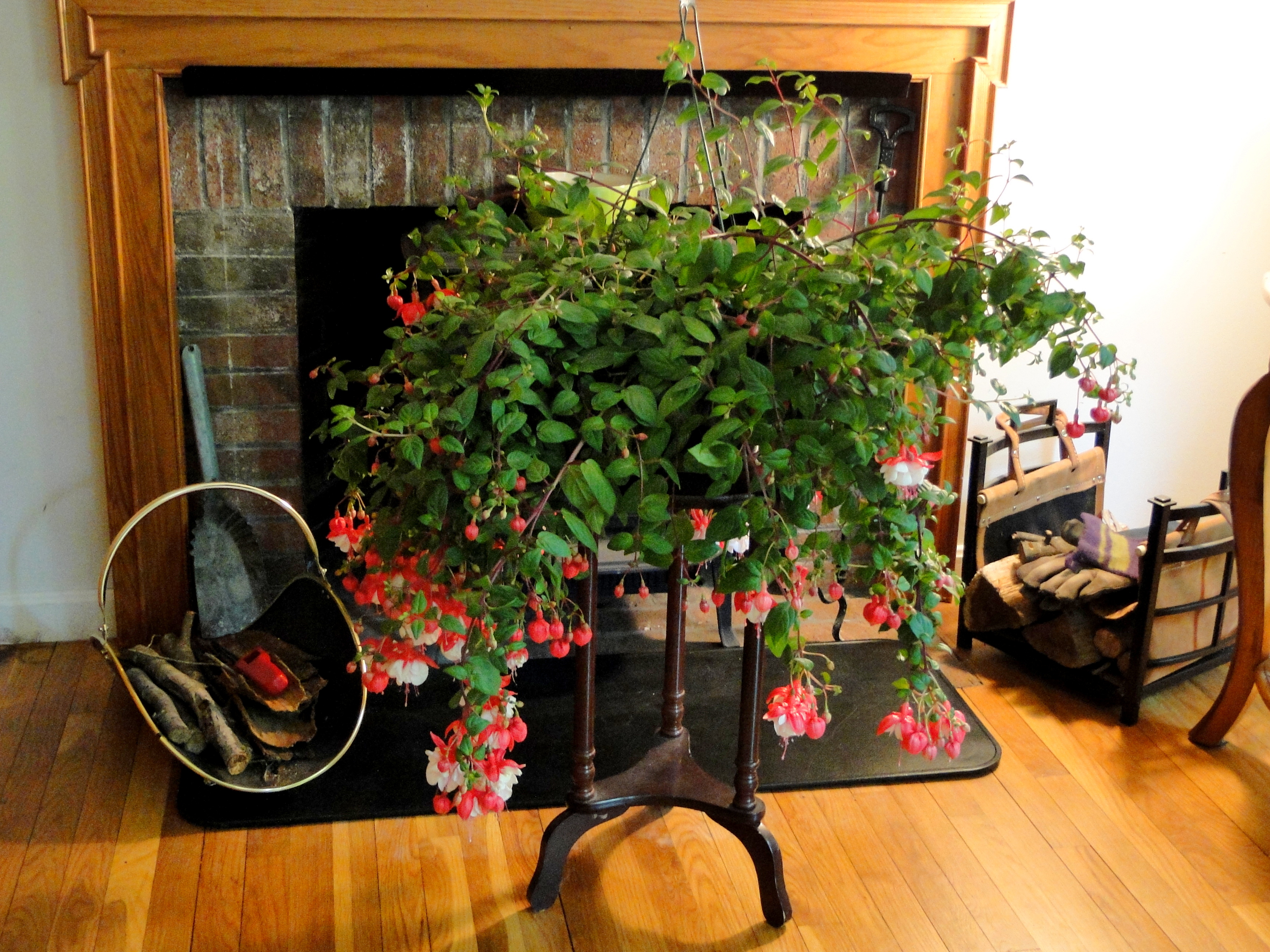
Pink and white fuchsia hanging plant
My New Fuchsia Plant

But I recently splurged on this new hanging basket.  I saw it on my gardening expedition to Wilton where the nursery had tons of them to choose from. Some had purple and pink flowers (love those too) and one type had long, white pointy flowers – very different. But I chose this huge, pink and white one.

The only problem is that it’s too cold outside to hang it so it’s inside on a little table. It will have a permanent home out front under the beech trees once we get some warm weather. May began with warmth, but suddenly we’ve had two nights of 30 degrees. In New England we can’t plan on warm weather until about June.

I also bought some small petunia and vinca plants to make my own hanging baskets, which I’ll be doing soon.

Early Spring In My New England Garden

Here are some pictures of what is growing in my New England garden this time of year. April is early Spring and planting anything outdoors that is susceptible to frost, in this area, is not advised until at least late May. These are the perennials that are blooming or just beginning to grow.

Did you know that chives will come back each year?  I’ve already used some in my cooking, and the clump is looking good already.  I need to get parsley soon.  That has become one of my favorites for the garden, and it can take the cold.

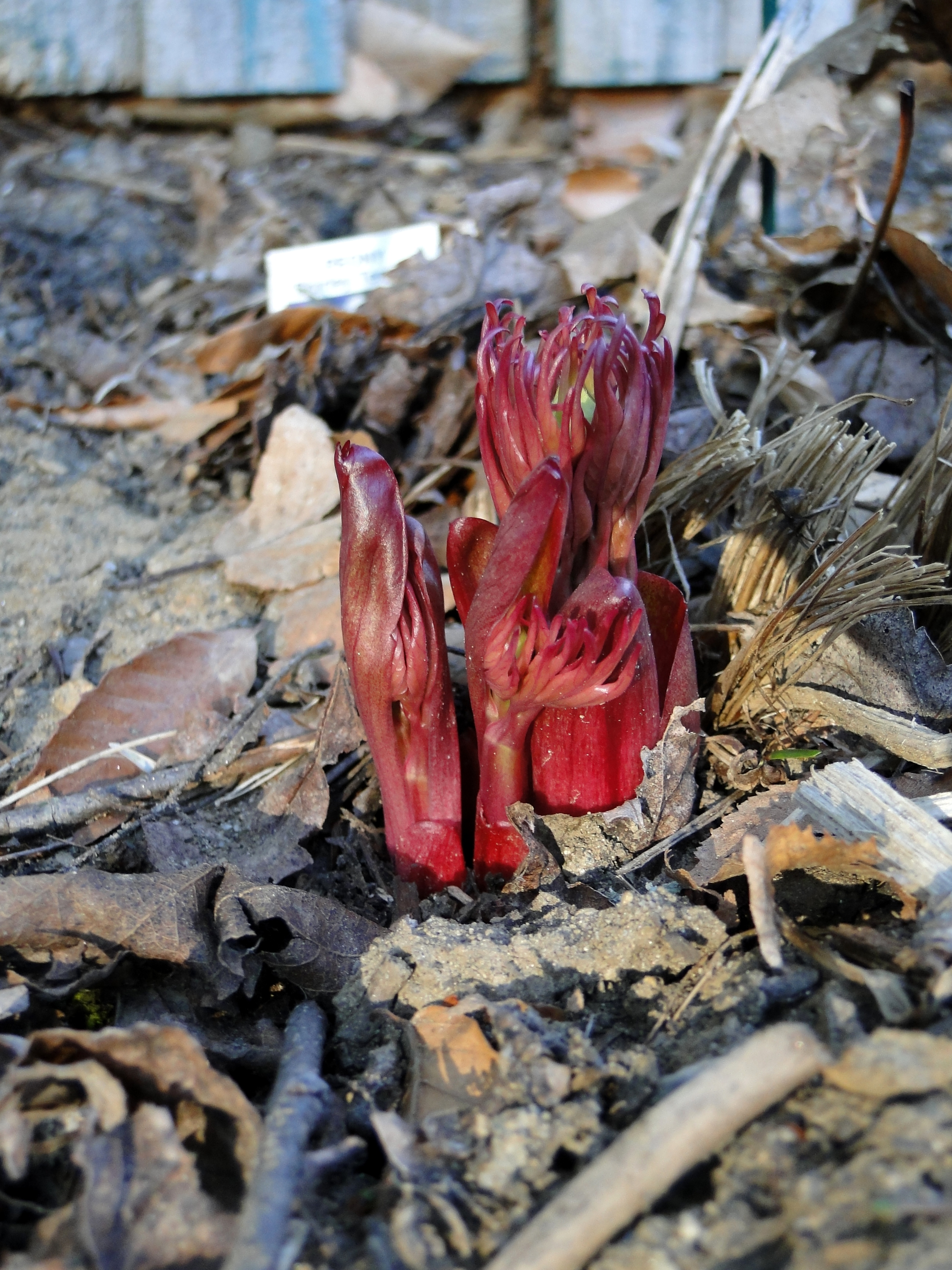
The peonies and bleeding hearts are sending up shoots and the hostas are just pushing through the ground.  The Coral Bells kept many of it’s leaves and new ones are growing from the center.
Not much is happening with my hydrangeas yet, but the macrophyllas seem to be starting with leaves and growth more so than the paniculatas.
I had wanted this to be a slide show, but as usual, I can’t figure out how to make that happen. It seems that even though I use WordPress for most all my blogs, each theme works differently and I can’t see a slide show option for this one.
So enjoy the big photos instead.

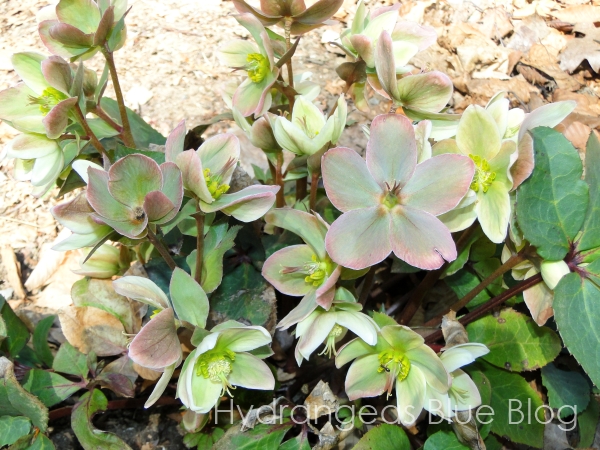
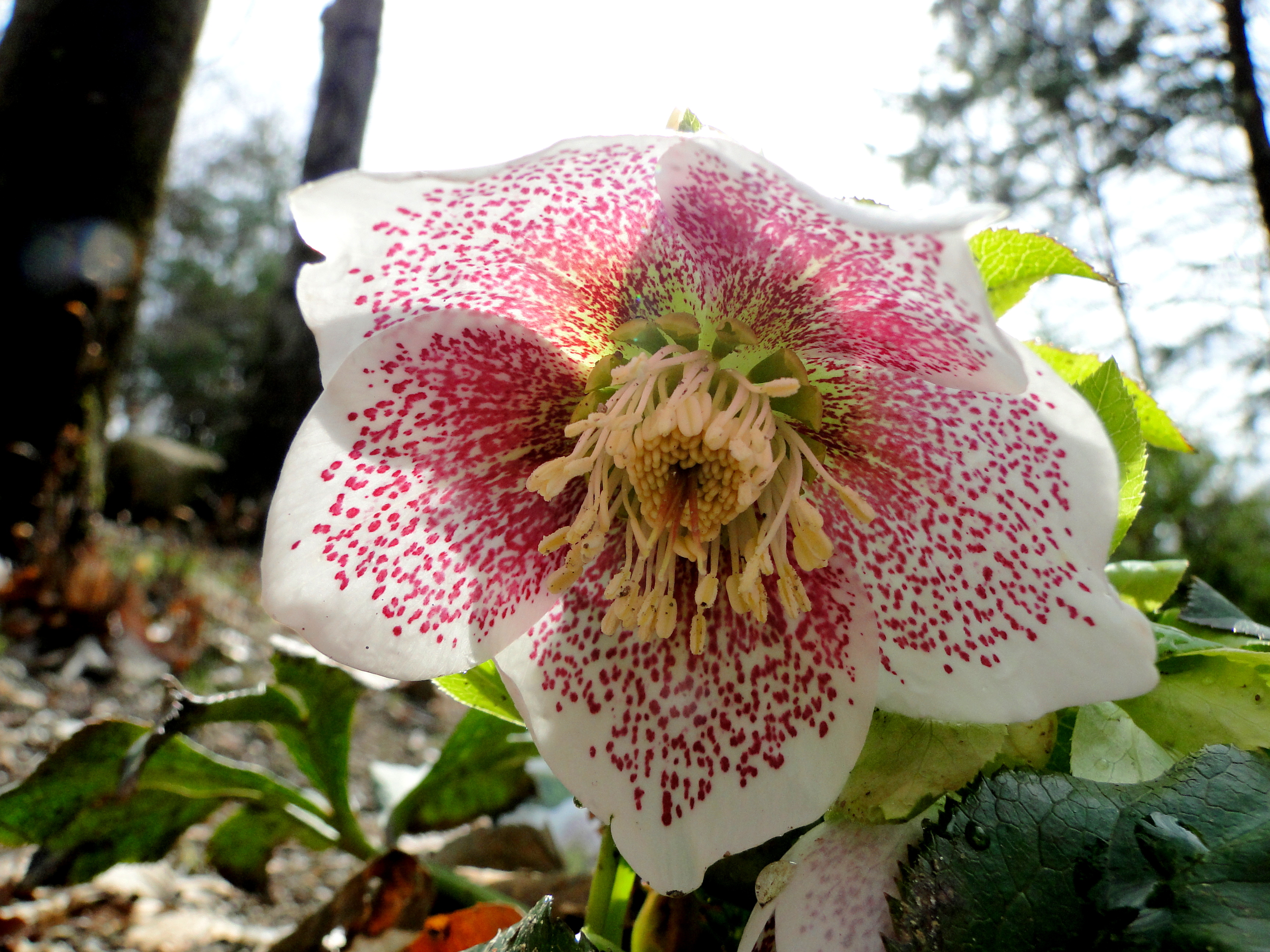
lenton rose bush
Lenton Rose

chives
chives

Peony
Peony

perennial coral bells
Coral Bells

early spring flowers
Spring Promise “Emma”

I have some Blue Flower Pictures at a previous post.

I’m Not a Big Fan of Springtime

Garden with some tulips and narcissus
Garden with some tulips and narcissus (Photo credit: Wikipedia)

I am not a big fan of Spring. When I lived in Florida our “spring” was one of the best times of year. In Florida, “Spring” is really not much different than any other time of year, it’s just not as hot as summer. We knew that the heat was coming back again shortly, so we relished the last of the nicer weather while we could.
Now that I live in the northeast, I find Springtime to be one of the most dismal times of the year. Continue reading “I’m Not a Big Fan of Springtime”

Finding The Right Climbing Hydrangea For My Yard

broken tree with tall trunk
Eye sore, tree trunk

As I’ve mentioned in a previous post, I have a big, unsightly tree trunk in my yard.  Instead of having it cut down I would like to use it to support a climbing shrub.  And what better climbing shrub to choose than a hydrangea.

Yes, hydrangeas will climb.  But don’t picture a tall vine covered with big blue flowers – that is not what the climbing type will look like.  In fact, I am quite unfamiliar with climbing hydrangeas, so I’ve had to do some research.

I live in planting Zone 5, or 5a, in southern New Hampshire (view the hardiness zone map).  Knowing your zone when searching for a new type of plant to purchase is a good idea.  The nursery I visit will only offer plants that will grow in my zone, but how will I know which one to buy if I don’t research them first.  I like to have an idea of what I am looking for when spending big amounts of money on a shrub that will (hopefully) last for many years.

Who knows, maybe I will only have one type to choose from when I visit the nursery.  The one that I keep seeing is the Petiolaris which has white flowers if grown in sunlight.  It is hardy into Zone 4 so it would obviously do well in my yard.  As with most hydrangeas, it will grow in shade, but may not bloom very profusely without sun.  I also may have a problem with it trying to cling to a relatively smooth tree trunk.  As I have said, it’s an experiment.  In reading about this type of climber, I will have to wait a couple of years for it to really take off and climb.