
Setting Up My Second Metal Raised Garden Bed

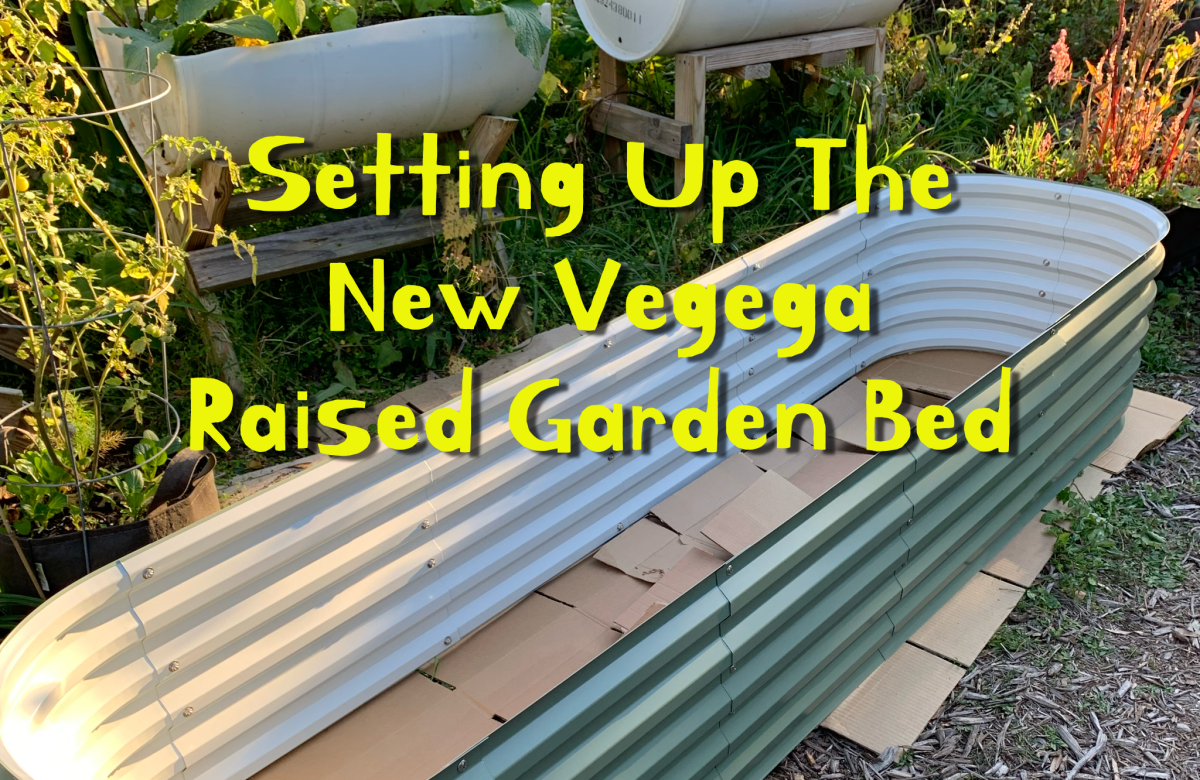
My new, long raised bed came from the Vegega company. It is 17 inches high and 8 feet long. This one has been a challenge to set up.

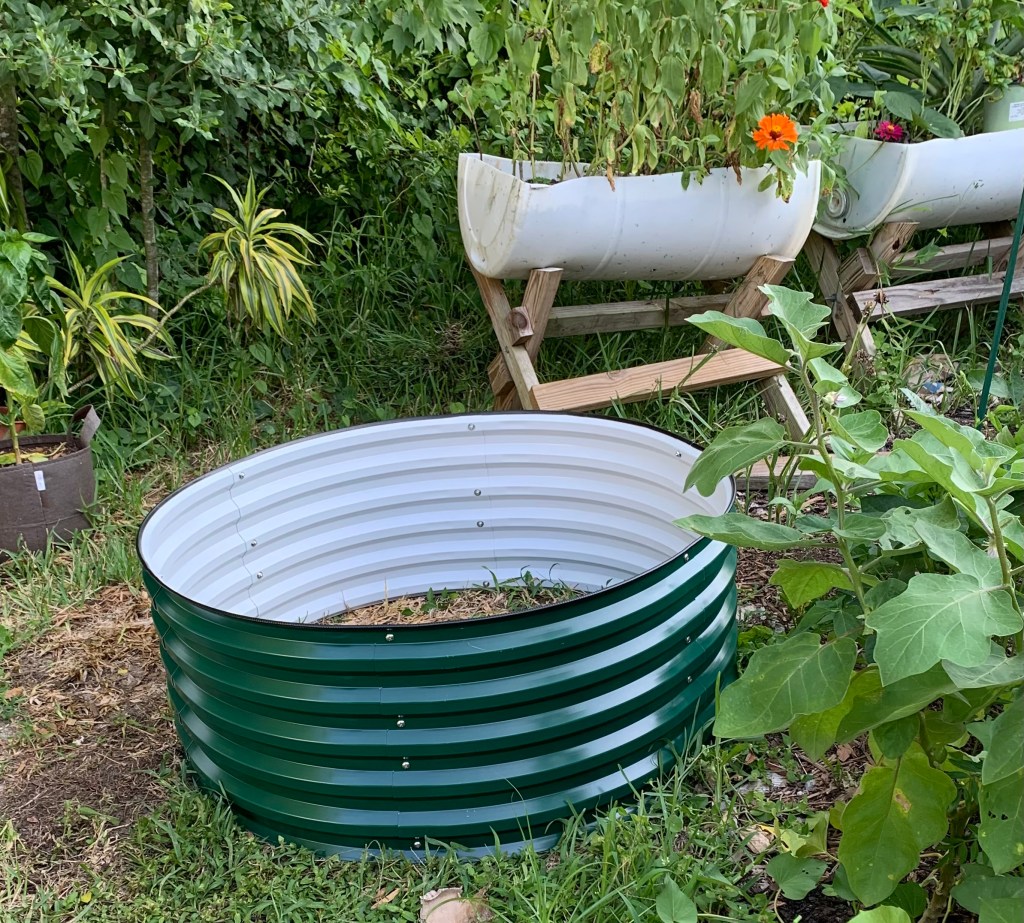
Today, and for days after, I have spent time putting together my Vegega raised garden bed. This is a metal, raised bed that is a long, skinny shape. The size is 8 feet long by 2 feet wide, and 17 inches high.

A while ago I bought a round bed and it was fairly easy and quick to put together. This new, larger bed was not nearly as easy. Having help, or better yet someone young, or a husband, to do it for you, would be ideal!
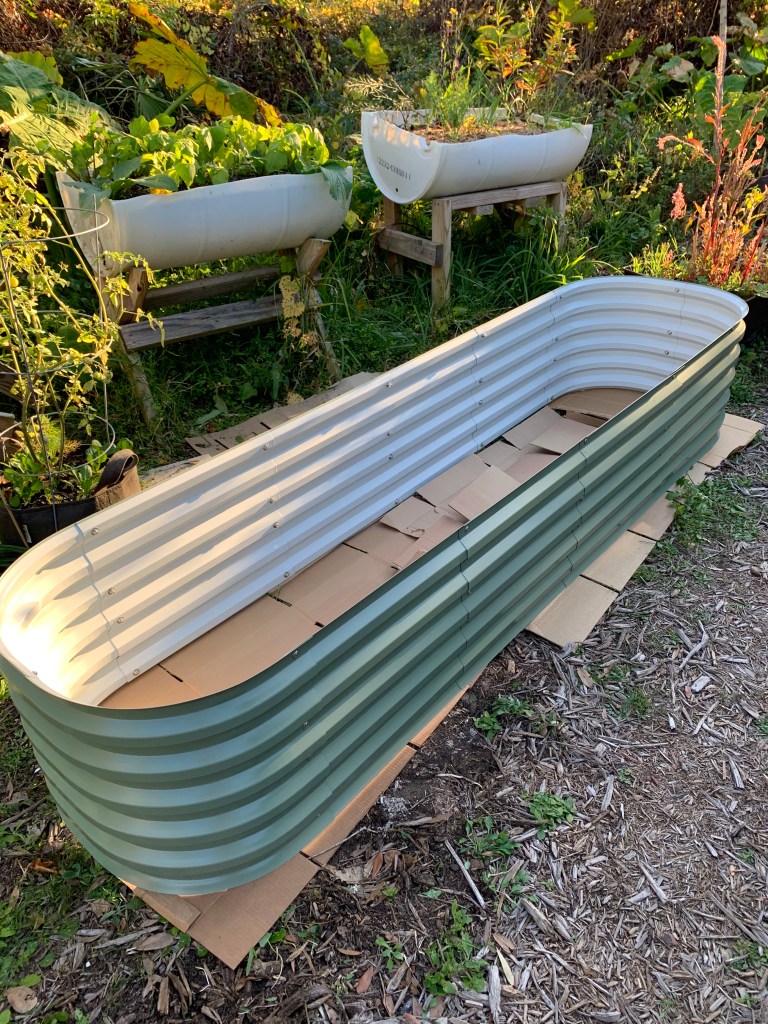
Vegega long garden bed made of metal.
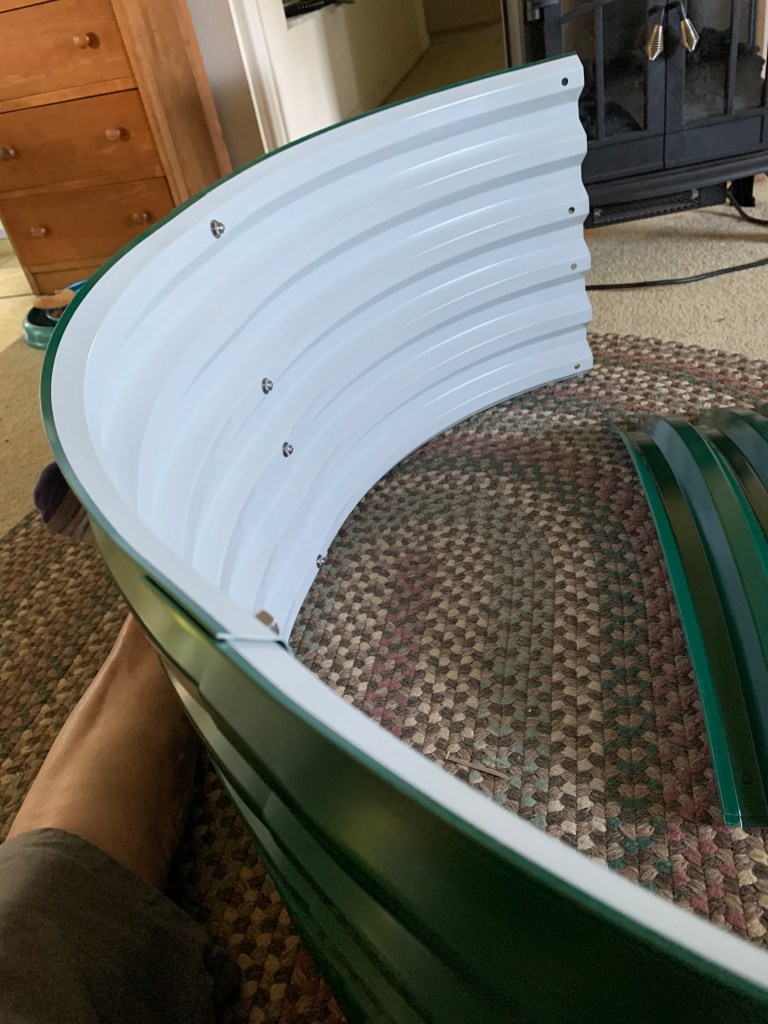
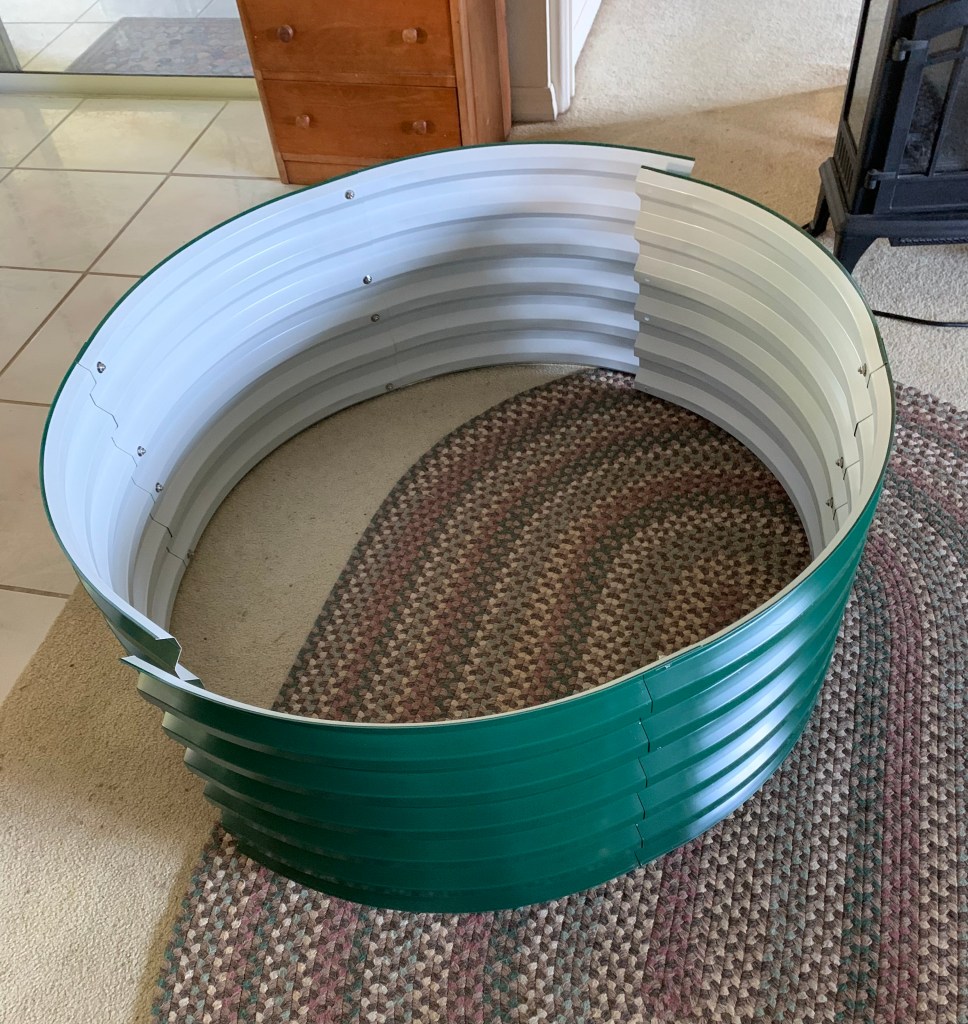
Pieces of the Vegega are up and loosely screwed together.

The round one went together fast. I did one half of the circle at a time, in the house. Then I assembled the two halves outside. I think I did it all in one day. The long bed took more effort because of it’s size and shape.

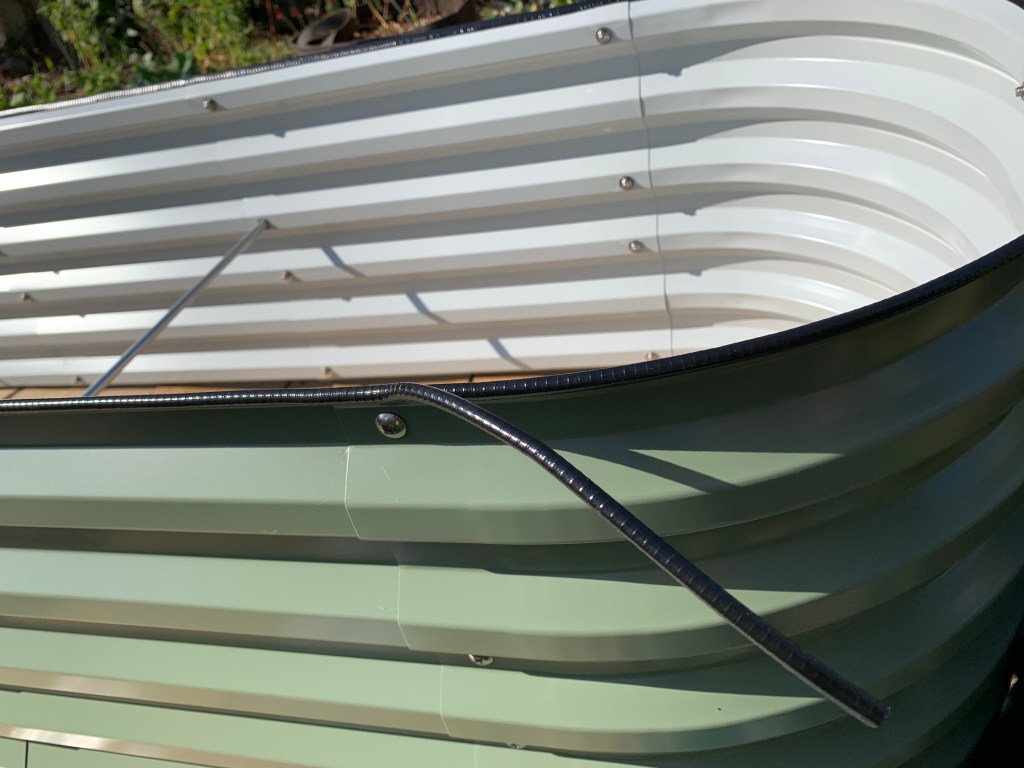
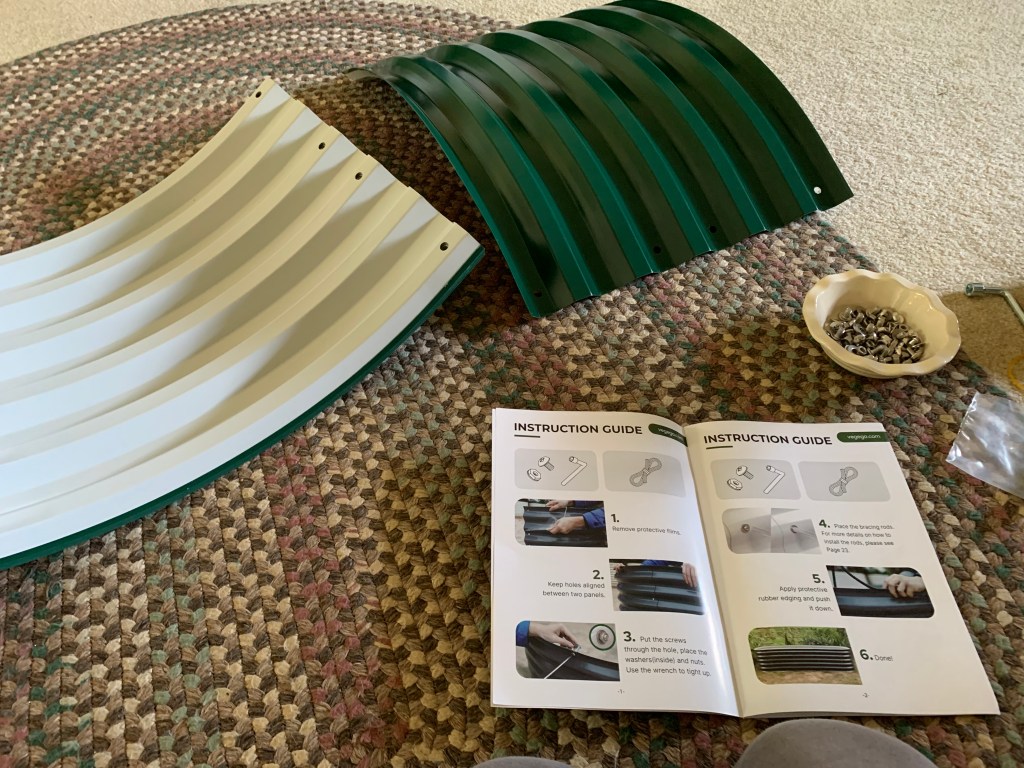
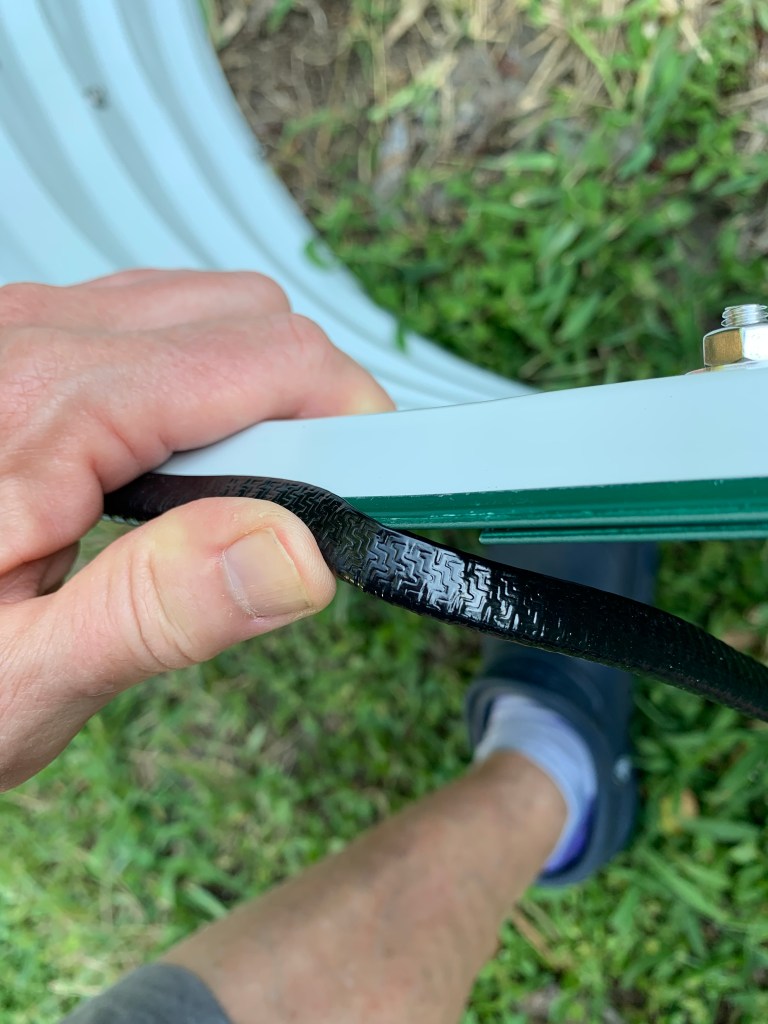
What is left to do? There are bars, to act as supports for the sides, that need to be placed. The directions are not great, but it appears they hook over the screws. – Nope, they take the place of the screws. A rubber edging needs to be applied all the way around to shield from sharp edges. I need to make sure it is fairly level, and then begin the filling.

The Beginning

I want my beds ready to plant by March. Time is passing. Not only do they (I have two) have to be set up and filled with dirt, there is prep work.

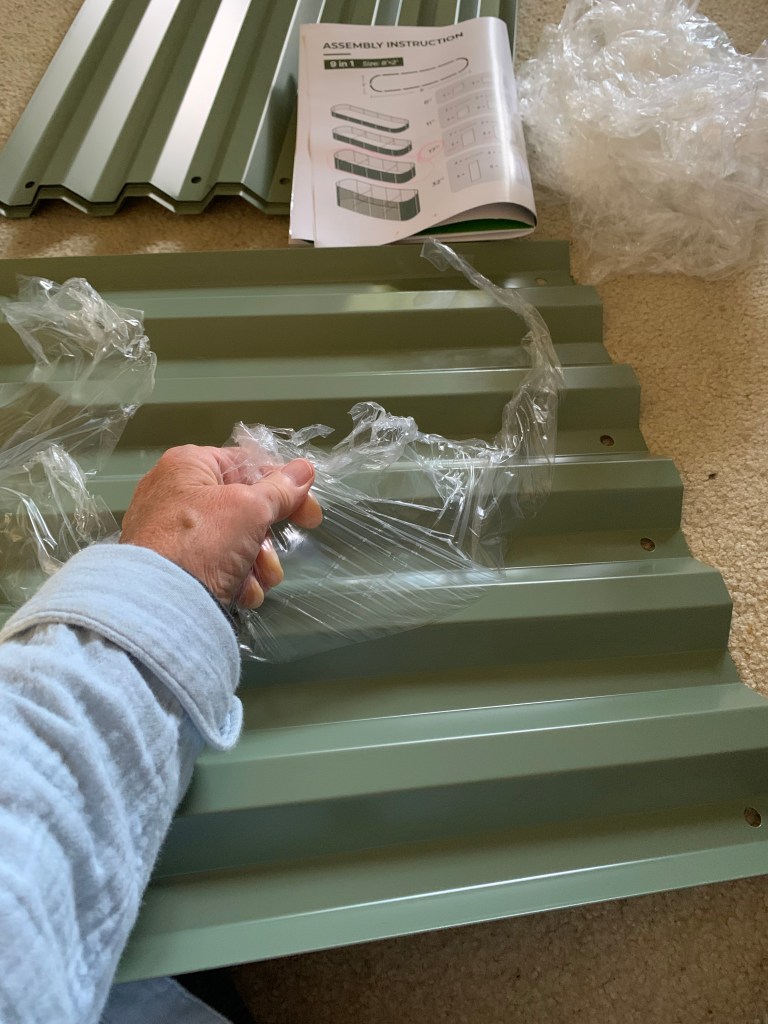
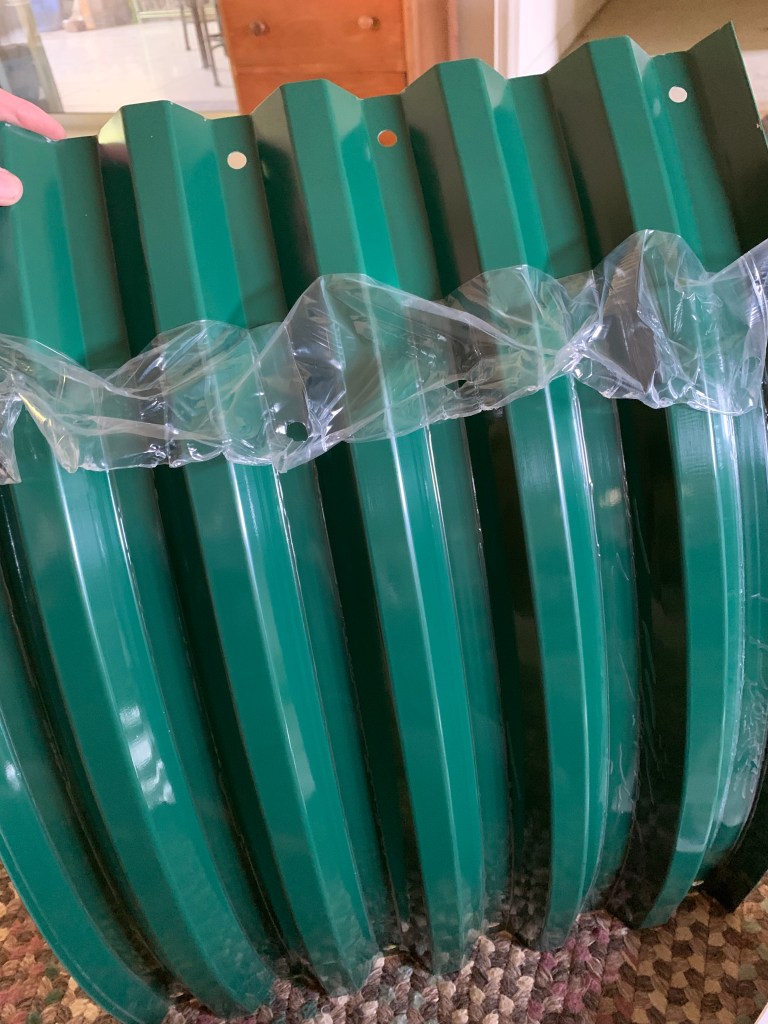
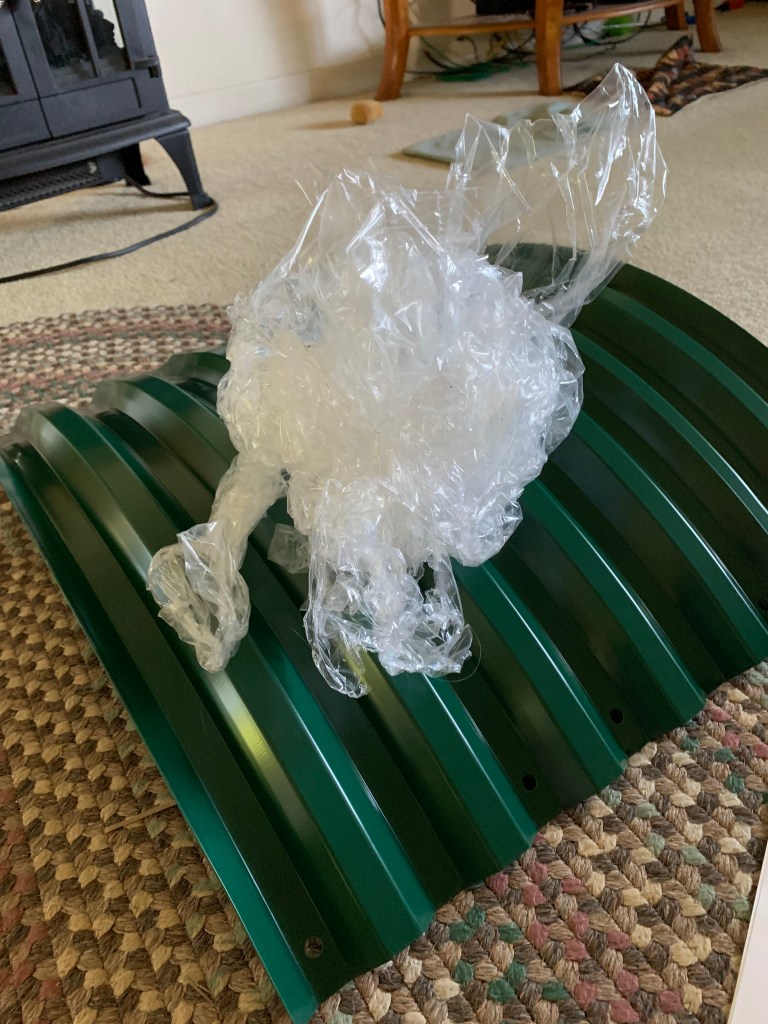
Each piece is coated. This bed has 12 pieces and the plastic coating needs to be removed from all of them. I did sit on the floor to peel all that coating off. This is almost the worst part. It comes off in one piece nicely, but there is lots of tugging to be done.
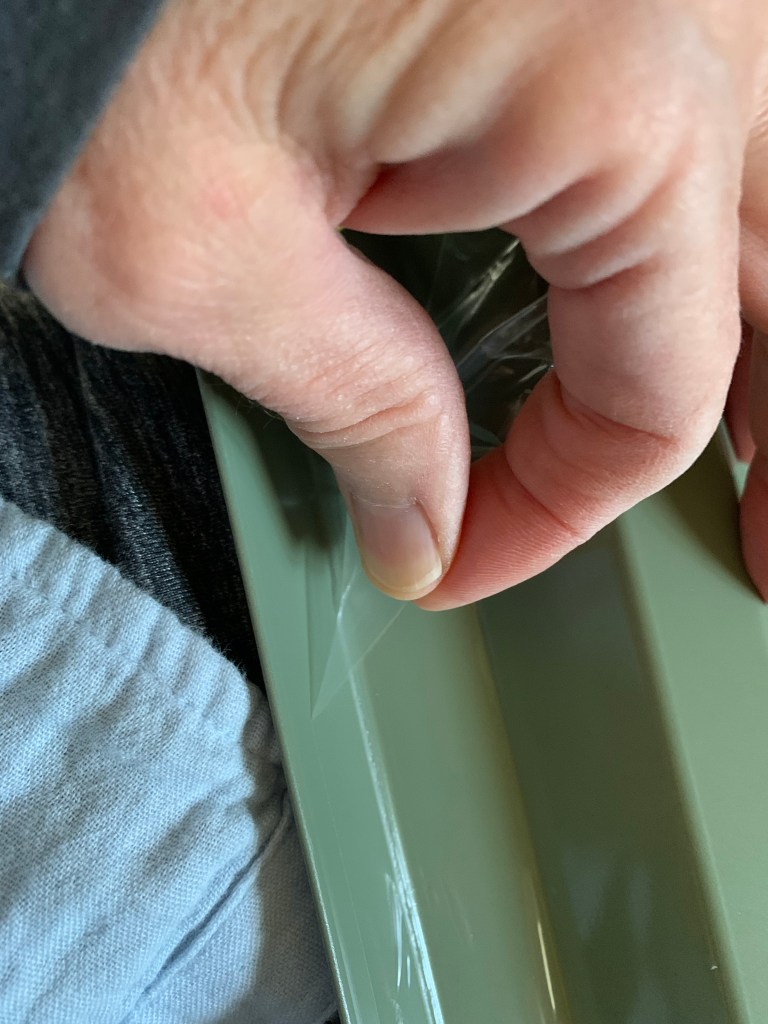
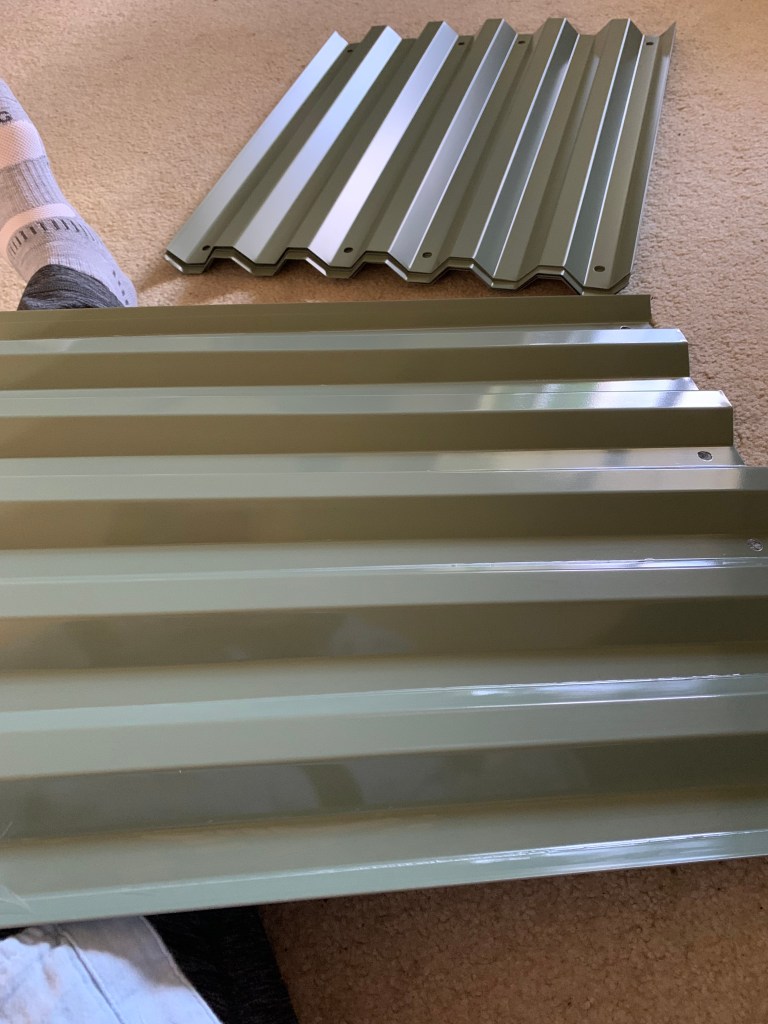
It took me 2 partial days to set up this bed, tighten the screws and add the two braces needed for this size. I did a few sections inside the house. I carried the sections out and attached them as I went.

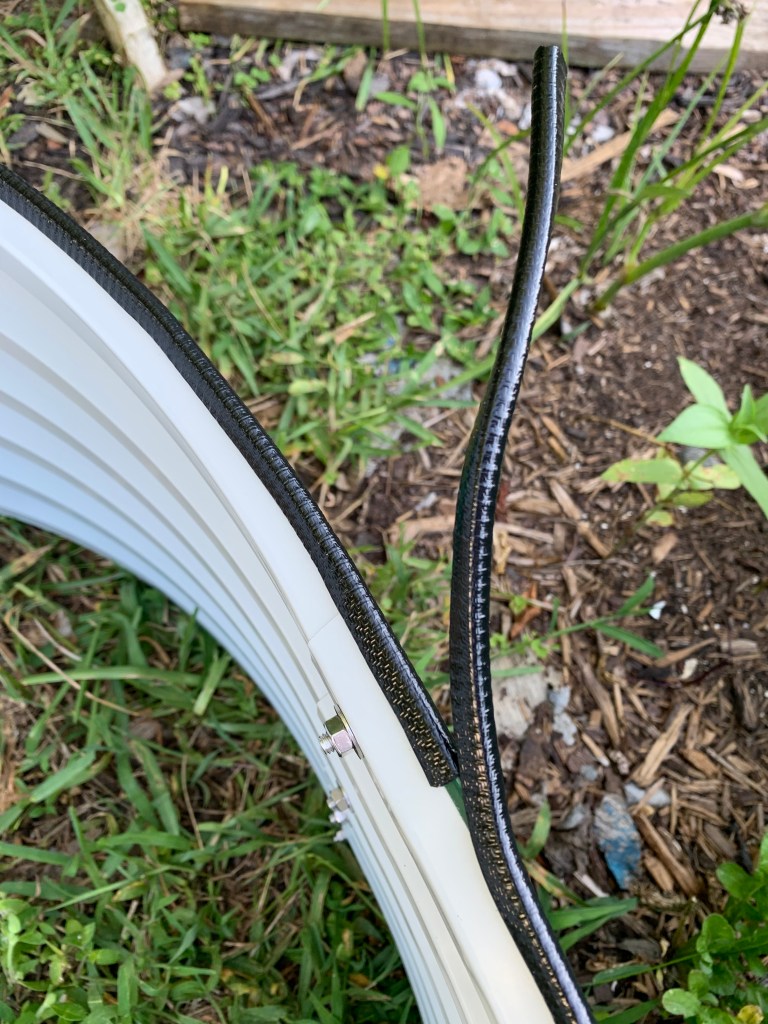
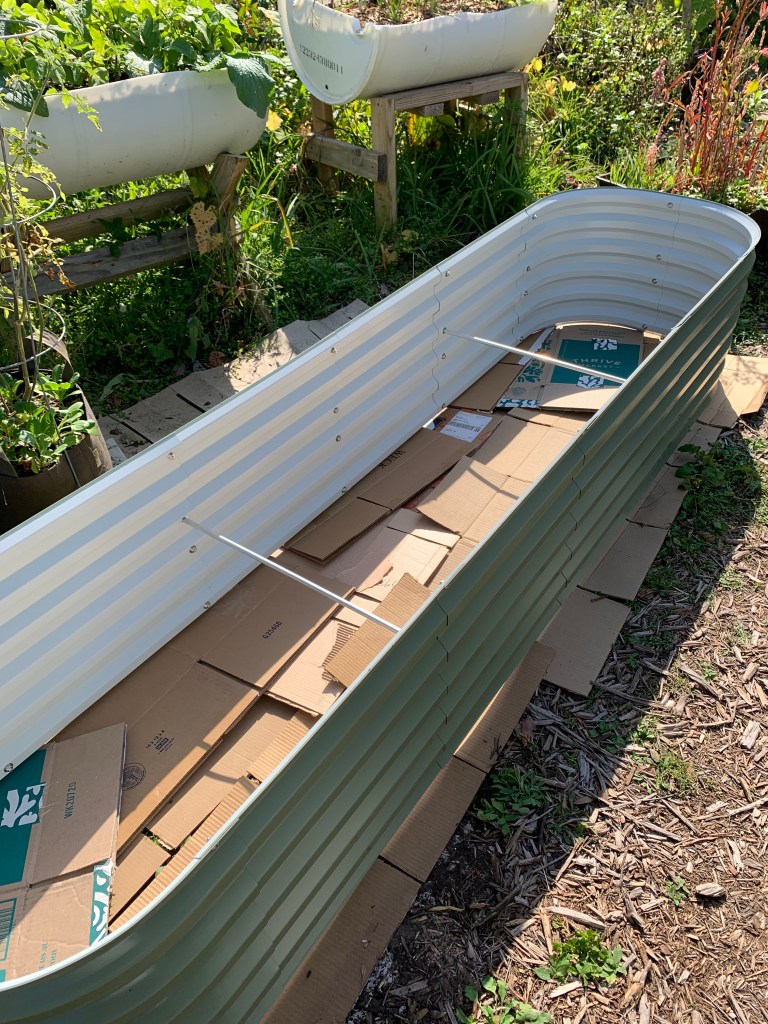
A few days later I added the support bars – of which there are no directions, except where to place them (image). They take the place of the nuts in two sections. After that, I tightened all the 1,000 screws. Just kidding, but seemed like it. The day was quite hot, and my new Vegega is directly in the sun.

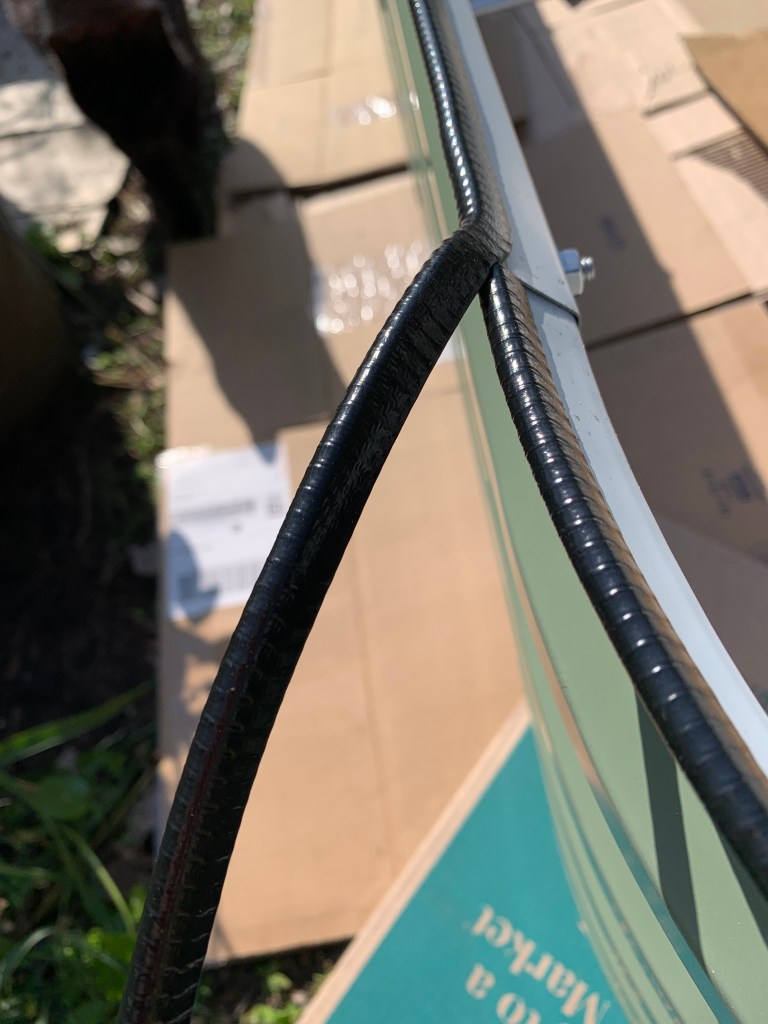
It took 7 minutes to put the black edging on (yup I timed it), and there was plenty of it with a bit leftover.

I feel like the round Vegega was a LOT easier to do. It’s smaller, was easier to set up and quicker to finish. I kept waiting for a good sale, but they never had one. Each bed is a different shape. The next one is 4×6 I think. Hopefully it is easy.

Screwing it together took a lot of bending over. I don’t have a real problem bending, but the angle to tighten the screws was awkward. Also, did I mention? It was hot.
Filling The Raised Bed

I’ve found that the easiest, and cheapest, way to fill a raised bed for planting is to use a variety of things. I want this bed ready to plant by March. I only have a few weeks.

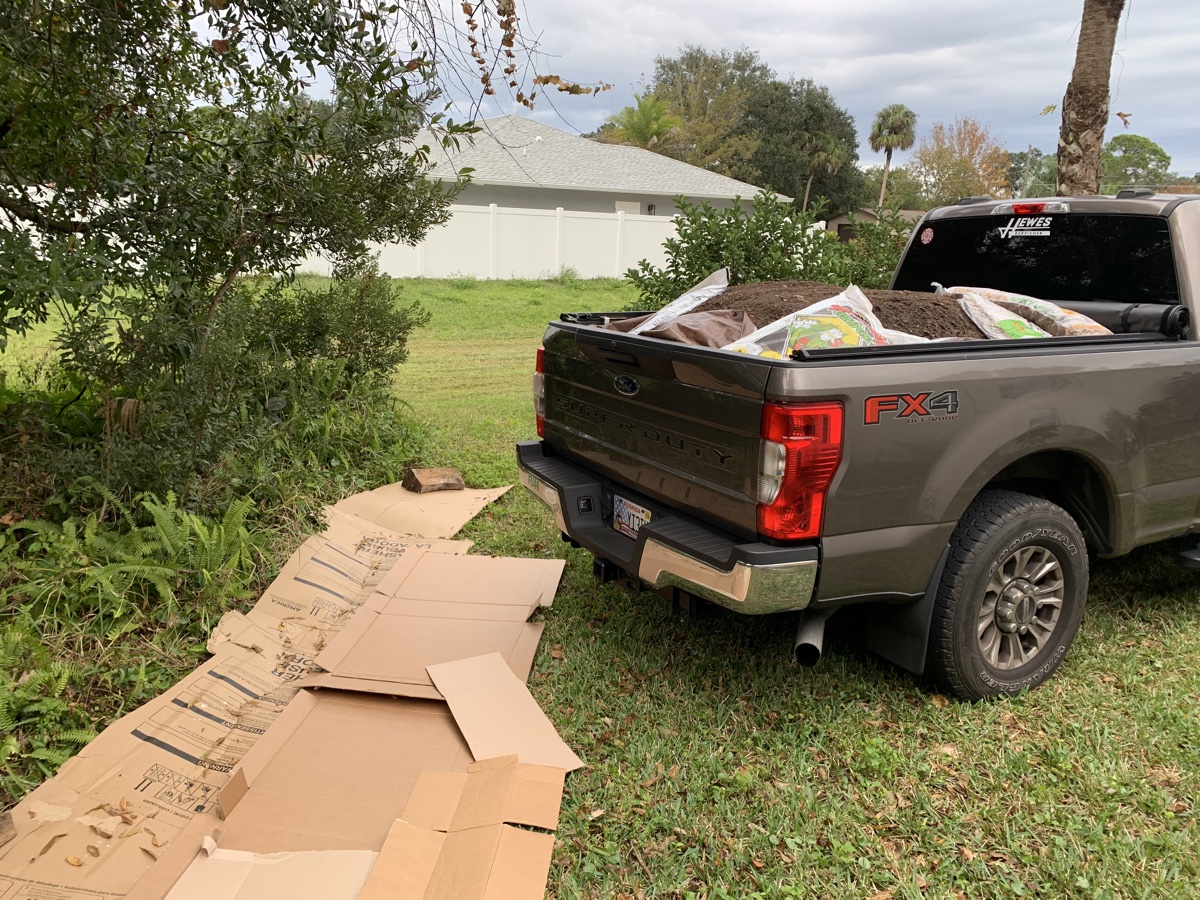
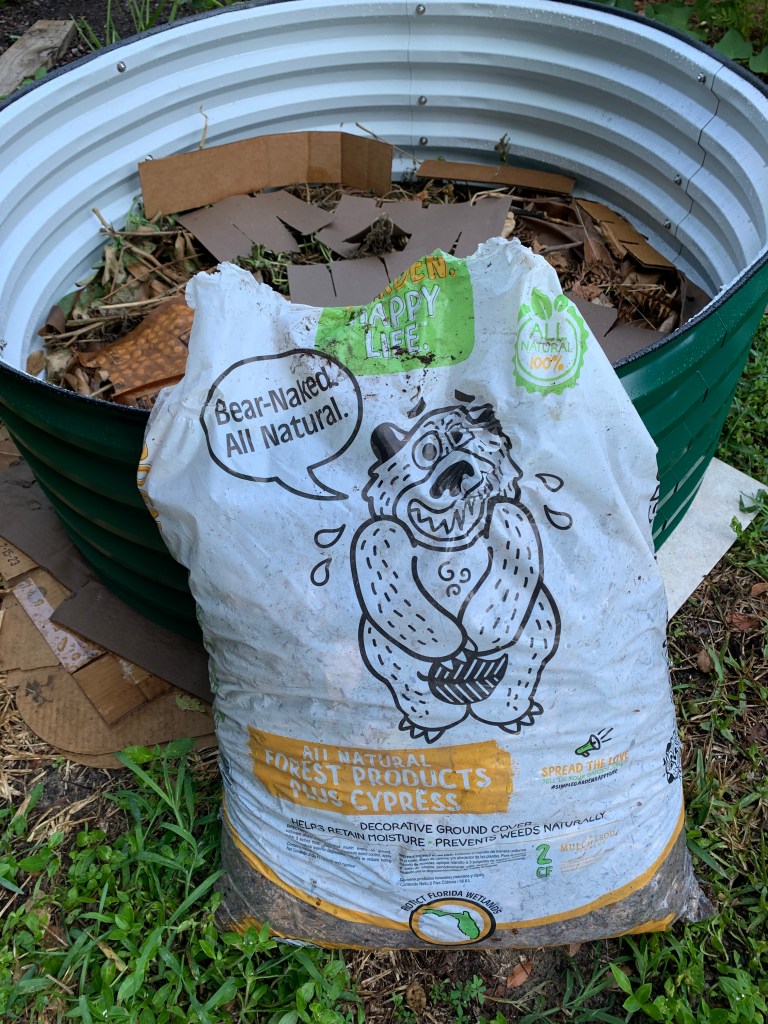
Cardboard boxes are something I save. They have been building up on my porch all summer. It is so hot that we don’t use the porch for much except storage, until the few winter months.

Cardboard works well to level the bed and fill the bottom. It is not there to keep weeds out! Weeds grow from the top, not 17 inches upward from the bottom. It amazes me that everyone puts black plastic under their beds to keep the weeds out! I like something compostable incase whatever I grow needs more root space beyond the depth of the bed. I didn’t do anything to the ground beneath the bed.

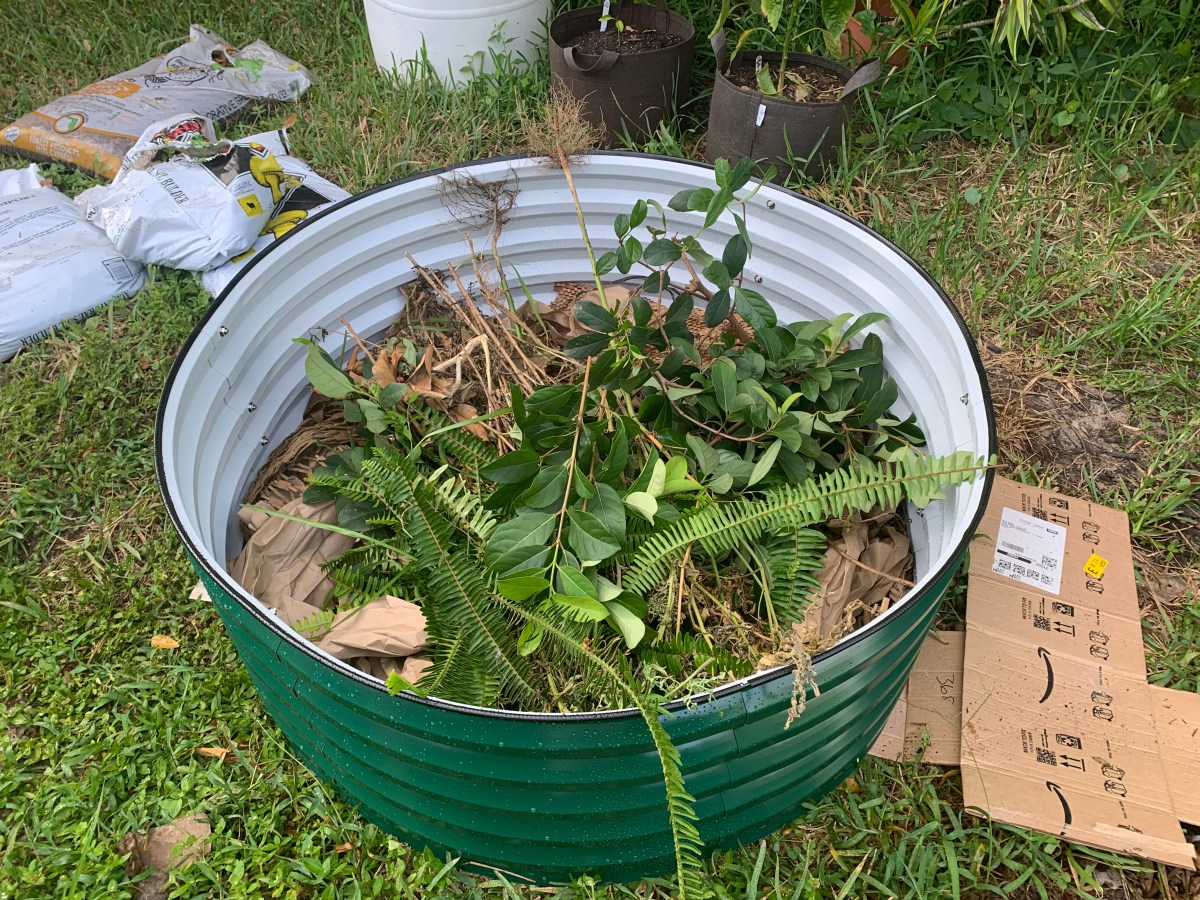
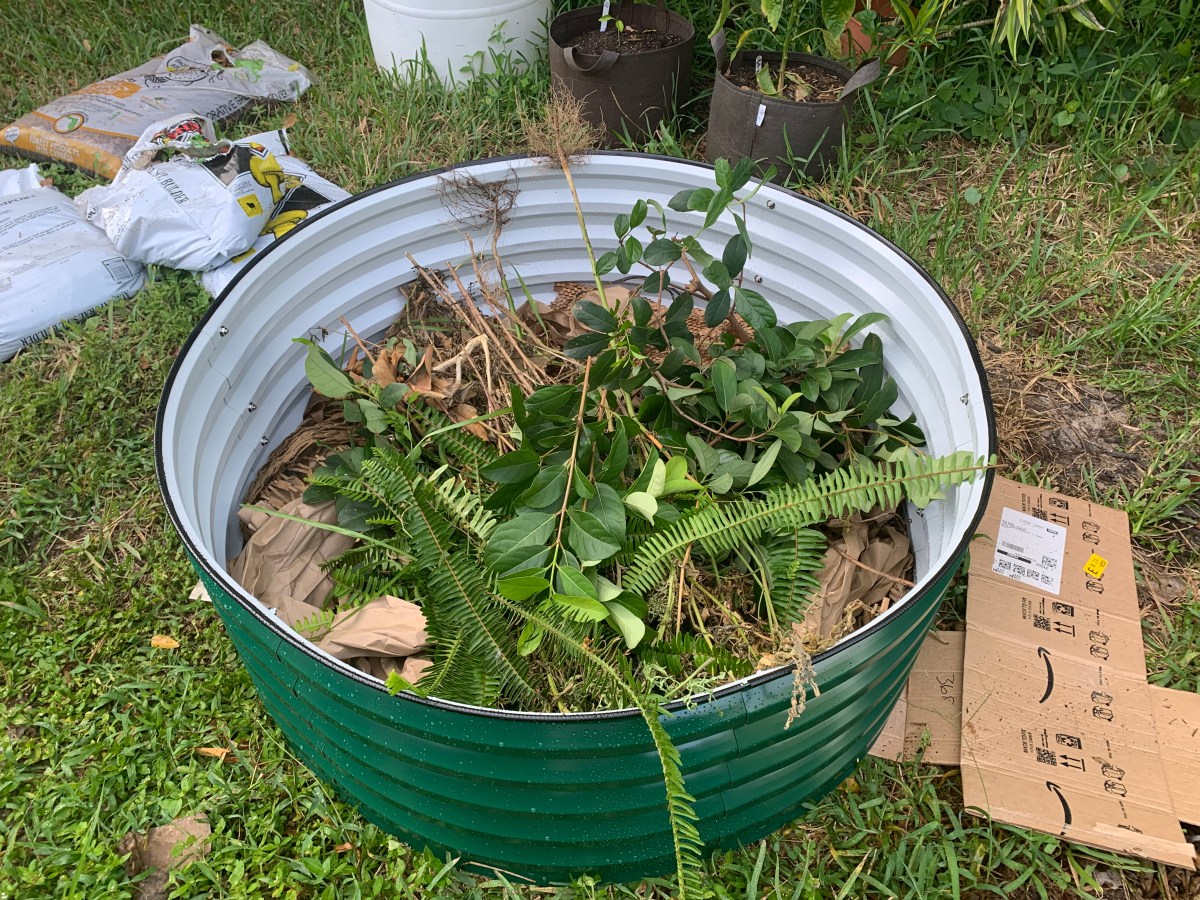
Next I added some paper filler that came in some deliveries. On top of that I added pine straw. The local Yard Shop only sells this and not regular straw. It will be flattened once the dirt is added. Pine is acidic, but it will be way down in the bottom and will eventually decompose.

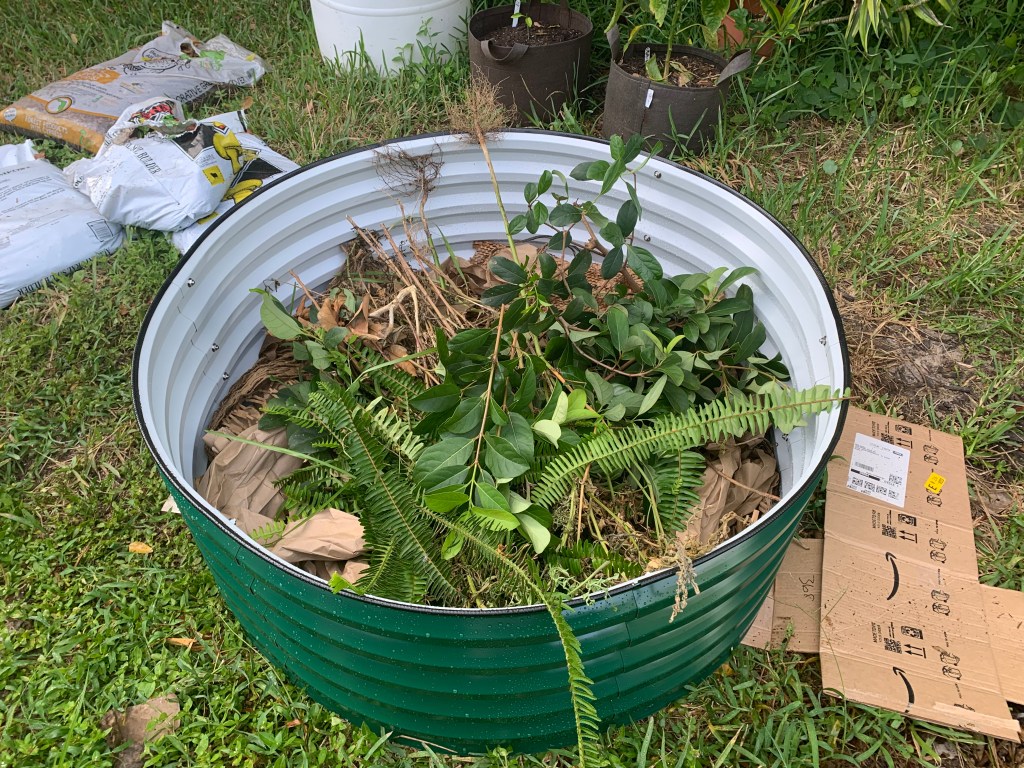
Cuttings from old vegetables, flowers, and shrubs are added next (nothing diseased). Sometimes I have dirt from a box or pot to throw in. I’ll be buying and adding more new dirt, along with fertilizer and homemade compost. I’ll mix the cuttings with all the other dirt to fill this bed. Some Perlite will be added to keep the dirt loose.
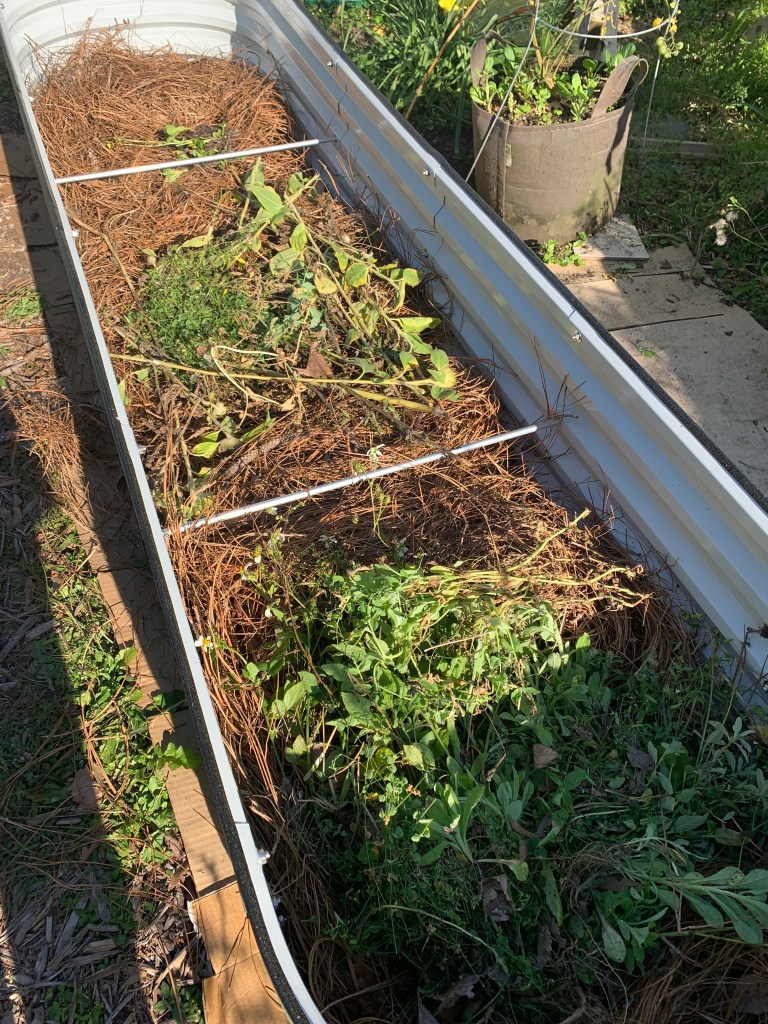
Vegega metal raised garden bed

All of this will compost over time. It will break down and become part of the bottom layer of soil.

Mid-February: Still adding dirt, compost and cuttings to this bed. It’s taking a lot to get this thing filled. I still have to buy more dirt. In the end, I will have a nice, big bed for planting.
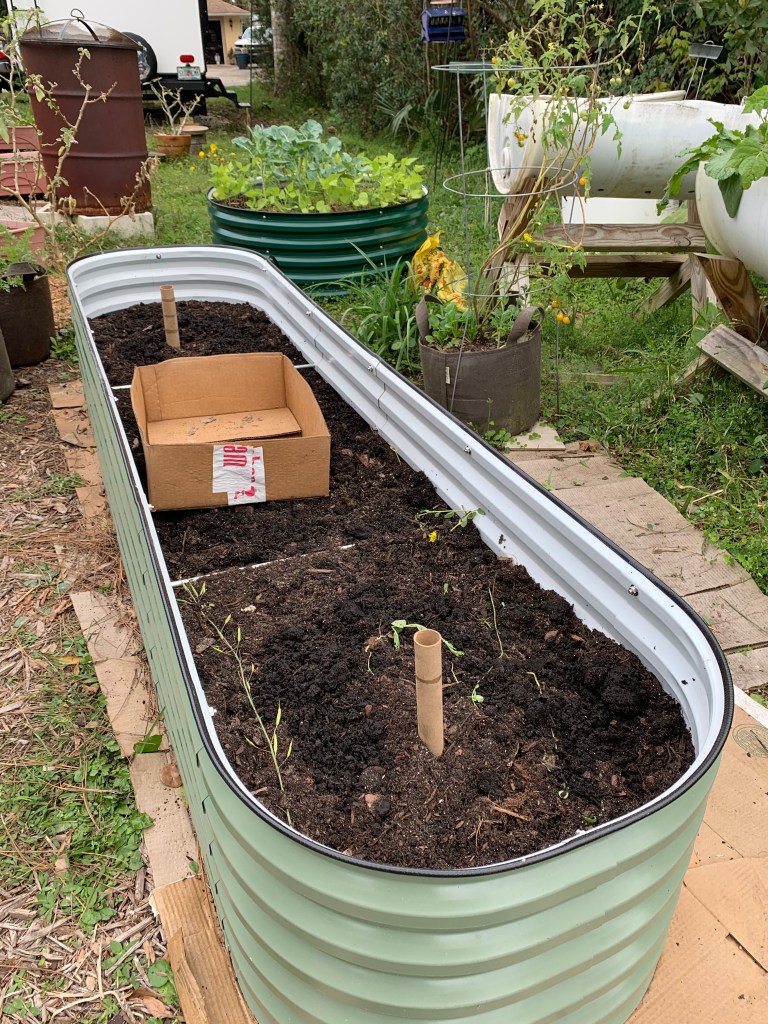
metal raised bed being filled with dirt

This metal bed is 17 inches tall, so most of what I grow in it will not have roots that deep.

Ideas For Planting in This Raised Bed

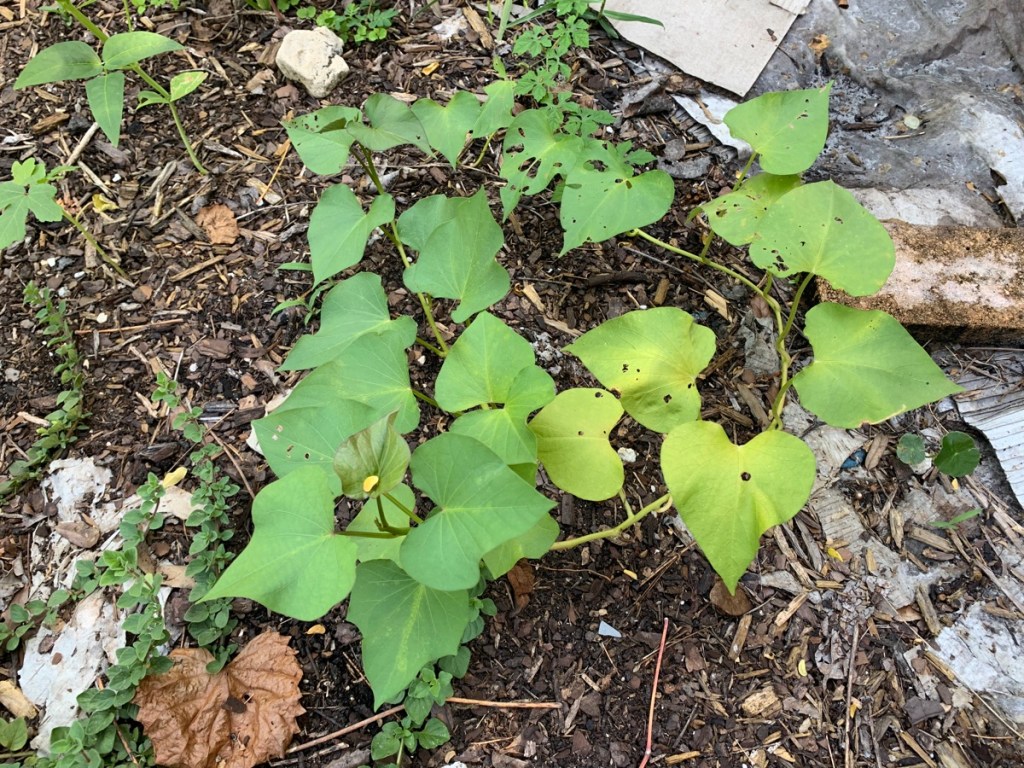
I have one idea for summer planting in this new raised bed. I will grow sweet potatoes. Maybe some Holy Basil plants will work next to the edge. Not much else grows in summer. At least nothing I would plant in this bed.
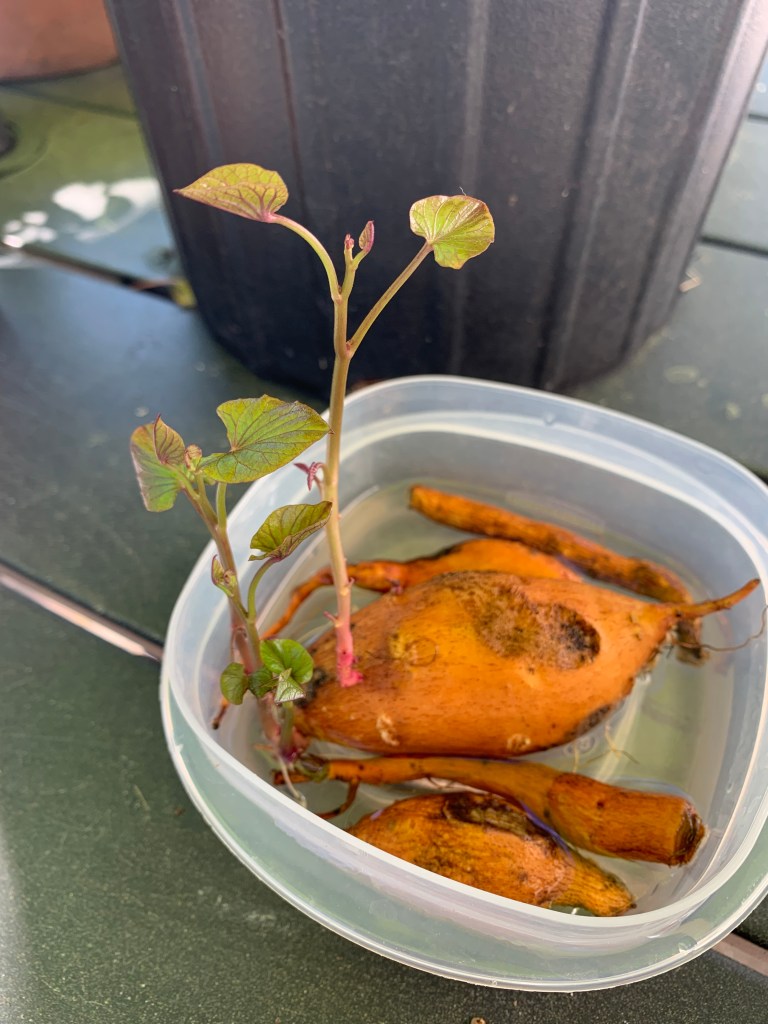
sweet potato sprouts

Next winter I will use this new bed for planting broccoli, onions, and carrots.
Keep Reading

Splurged and Bought a Metal Raised Garden Bed

I’ve wanted a permanent (not made from wood that rots), large raised garden bed for a while. Raised garden vegetables are easier to manage than in the ground planting. I have better luck in a bed usually. This metal, round Vegega bed seems perfect.

Every time I have searched for metal raised beds, they have seemed way too expensive for me to buy. A few hundred dollars for one bed is way out of my budget. I had no idea of the quality either, until I found a review of the Vegega brand.

At Wild Floridian, I found a nice video review, and she offered a discount code to use for buyers. Her video convinced me to look into this brand further. See the review Vegega bed video by Wild Floridian where she has had the bed for a year and compares it to another type she had problems with (not named).

When I browsed the Vegega site, I liked the bed shape options. They offer sets that can be shaped as you wish once the product arrives – called 9-in-one, 10-in-one. Some of the pretty light colors were not available when I shopped, so I chose dark green.

My yard is small, and I was not sure where I’d put my bed. The round shape seemed perfect and I chose the 17 inch depth. This is a perfect depth to grow all kinds of vegetables including the ones with longer root systems like tomatoes, watermelon, and pumpkin. At this point, I have no idea what will be planted in this bed, but I will not be restricted by depth.

Putting The Vegega Bed Together

Assembly of the garden bed was fairly easy. I did it by myself in the house (it’s hot here). I think I spent the most time removing the film that covers each section! Screwing the pieces together was very easy. I decided to complete each half of the circle so I could move it outside in two sections to complete the assembly.

Once the sides are all screwed together, a rubber strip is added to the top. This also was very easy to do, with plenty left over.

How I Am Filling My Raised Bed

I’ve read all about various ways to fill a garden bed. This is part of the expense, but it’s worth it to create a good environment for the vegetables to grow. I’m not in a hurry, as I won’t be using this bed for a few months.

I have cardboard, so I am using it to level the bed. I also have added packaging paper, along with cuttings from the shrubs, and mulch to begin the fill.

Don’t try to make your raised bed into a restrictive “container”. Leave the bottom open just in case roots want to expand. Also, think about water drainage. Everything I am adding here will eventually break down. Soon, the greenery will turn brown and decomposition will happen. All of this will become a layer of nutrients at the bottom of the bed.

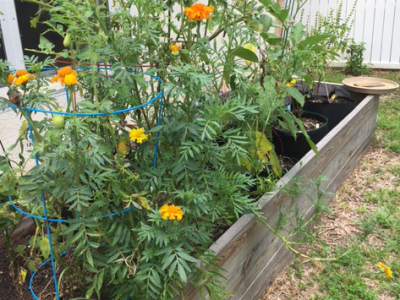
As my marigolds die, I will cut them off and add them here. The same with any other flowers. I’m growing cowpeas now, and some of those plants may end up as a layer.

*FYI: I read someplace that using rocks in the bottom for drainage may not be a good idea, especially if you want to move the bed later on. The rocks will have become part of the earth and will be difficult to move / remove.

My Reason For Wanting a Raised Bed

I want raised beds because it’s easier to add and keep nutrients in the soil. Whenever I compare similar plants that are in the ground, to the ones in the bed, the bed / grow box plants are always doing better.

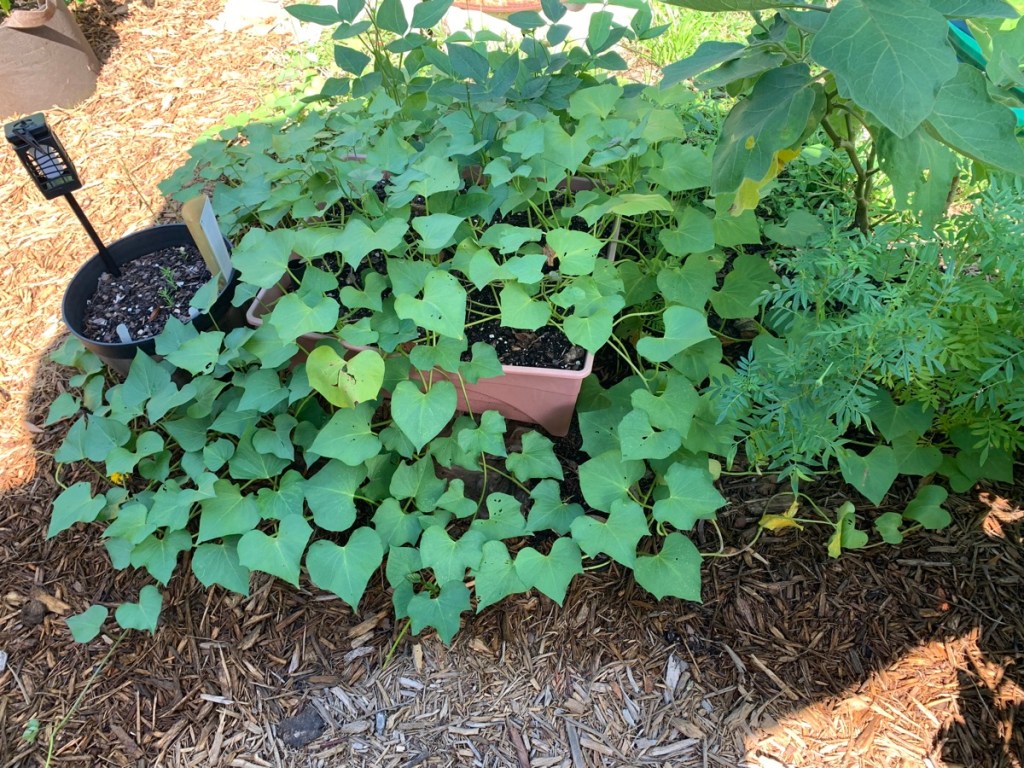
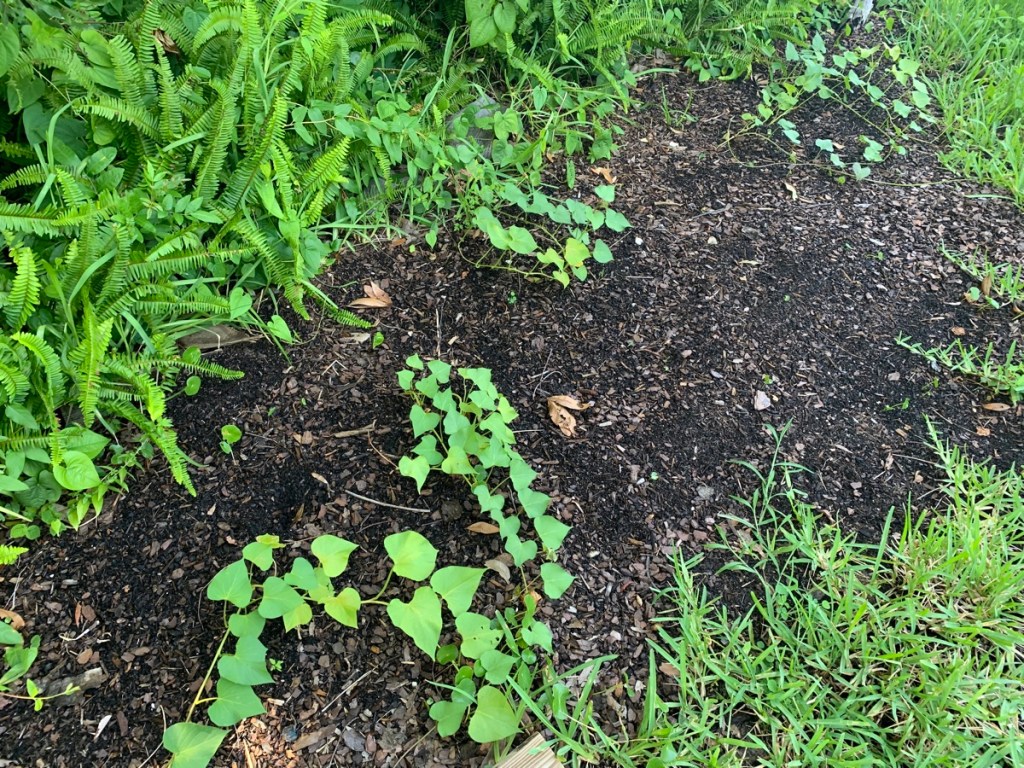
As an example, I bought and planted sweet potato slips just before my trip north. One slip went into a grow box (center) and others were planted randomly around the yard in the ground. The grow box sweet potato is going crazy with vines all over the place – even though that box is really not nearly deep enough. All the other sweet potatoes are much smaller. We’ll see in a few months if I get actual potatoes to compare.

Crop Ideas for a Round Raised Garden Bed

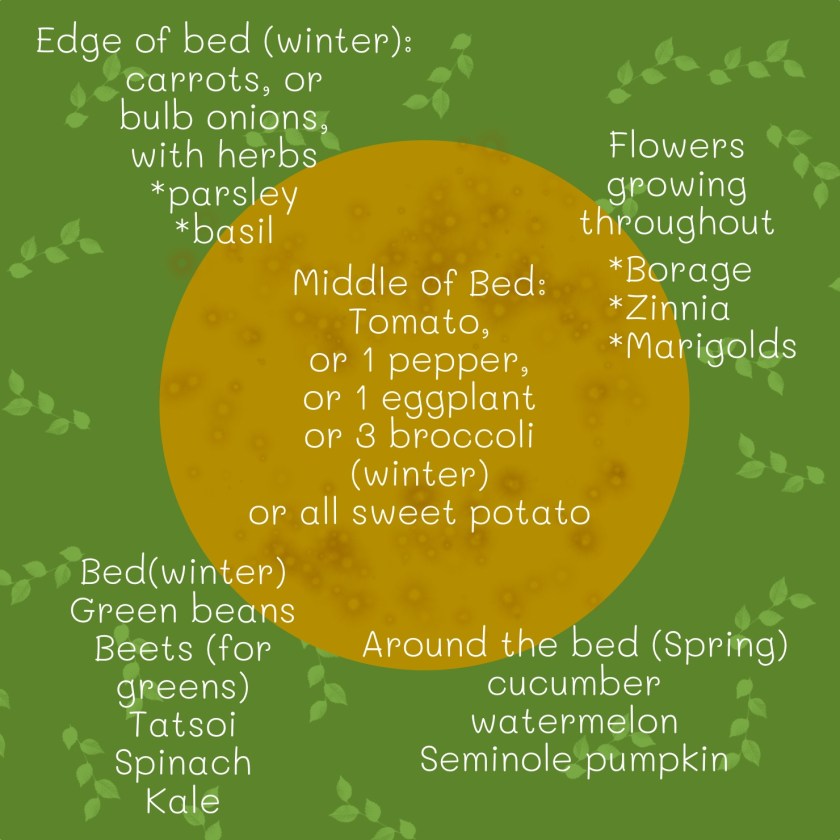
When considering what I have grown successfully (for the most part) I created this diagram with ideas for what to plant in my new, round raised garden bed.

That big circumference is perfect for root crops near the edge. I’m thinking carrots and bulb onions (garlic for you northerners). Both onions and carrots take months to mature. Putting them in as a border – out of the way – leaves space for bigger crops in the middle. I’m thinking of planting broccoli here this winter.

planting ideas for raised round bed
Planting ideas

Eventually I will be adding garden soil along with perlite for good drainage. Before I plant, I will mix in some other amendments such as bone meal. More to come about planting in this new space. I’m already thinking about buying one more bed in a rectangle shape.

All gardeners are invited to keep reading…