Found Some Bananas Growing in the Backyard

I only venture outdoors for about five minutes at a time these days because of the heat, but I do go out to get photos and check the vegetable garden.

Although the banana trees in the back corner of the yard were frozen this winter, they have come back and grown very tall.  In fact, one of them recently put off a shoot of bananas!
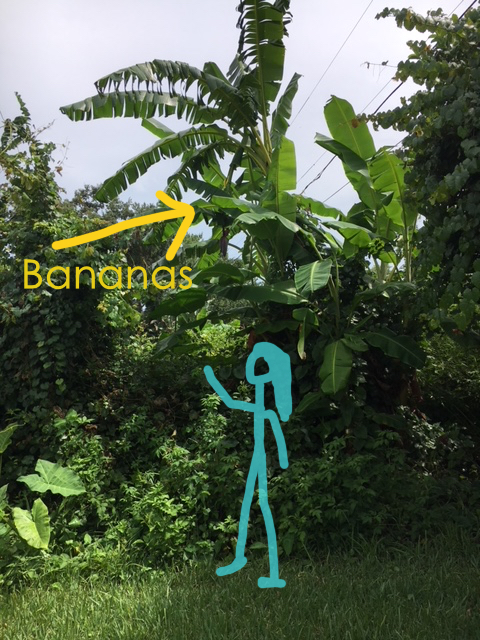
banana tree height
Height of tree and bunch of fruit – I am 5’5″ and can’t come close to reaching it. (That’s me in blue LOL)

I’ve had banana trees bear fruit before, but the bananas were never very good. Maybe we didn’t wait long enough to pick them. The only bananas I know about are the ones sitting on the grocery store end caps. So maybe it’s time to learn about those wild bunches of bananas.

How to Grow and Harvest Bananas – I Just Learned This!

All those little bumps along the stem above the bulb on the end (photo below) will become bananas!  This plant is just getting started.  The Dole video below mentions waiting 12-13 weeks after the bananas begin to grow before harvesting.  They cut theirs while they are green.

As the bananas fill in along that stem, they will get heavy (60 plus pounds!) and some trees need propping up. I don’t think I will be able to do that.  This tree, and other little ones around it, are in the bushes next to my yard and not in a “garden” area.  This bunch of bananas is on a tree that must be 15 feet tall (photo above).  Since I took this photo, the branch has elongated so more bananas can form along the stem.
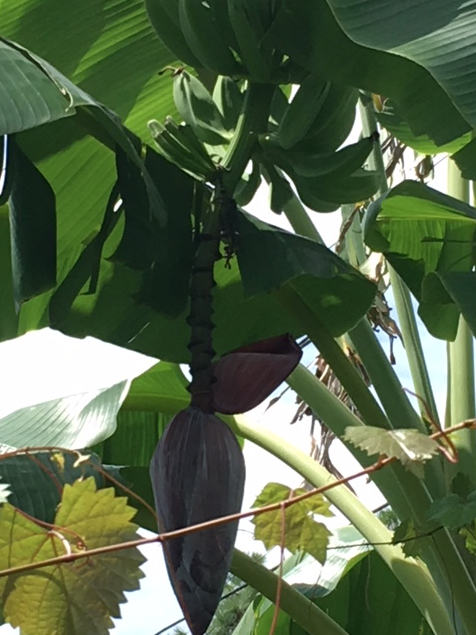
bananas on tree
Bananas on the tree

First, I want to say that I did not plant those banana trees. The house behind mine has a big garden area and they do have banana plants in their yard.  I’m guessing that the banana trees now growing on this side of their fence came from their yard. I have no idea what type of banana trees they are.

The University of Florida Gardening Solutions page says that because of sandy soil bananas need to be fertilized. No one has fertilized “my” banana trees.

Something I have learned is that once a tree produces bananas it is done. It will not produce any more. That is why bananas have off-shoots, or baby banana trees growing near the large one. The little ones will grow and do the same thing as the “mother” tree.

Growing Bananas Videos

In my search for growing bananas information I came across a couple of cool videos. The first one is nearly 30 minutes long and the grower is growing (and eating) “ice cream” bananas.

He makes a mistake by cutting of the 60 pound bunch of bananas thinking he can hold it in one hand – and drops it! Then, according to the comments below the video, he hangs the bunch the wrong way – I don’t know about that. Some viewers also left comments that cutting down the main tree is not necessary.

In the second video, which is about the Dole company and how they grow bananas, all the workers do is chop the leaves off the main plant and leave them on the ground to provide nutrients. They do not cut down the whole tree.

Dole company video – which I found to be interesting.

Potential Problems With Growing Bananas

A healthy banana tree can add interest to the yard, but when they turn brown, or begin to die and fall over, not so much.

Plant in an area where there is space for more “baby” plants to spring up. None of those banana trees in my photo were planted. They sprung up on their own.

The hurricanes – we’ve had two major ones come through within the two years I’ve lived in this house – the wind shredded the leaves of the trees to bits.

Then we had some very cold nights over the past winter which turned the trees brown.

Yet, here we are with very tall, lovely trees less than a year later, and one is growing bananas already. The trees bounce back quickly in this hot, tropical climate, but they can die way down.
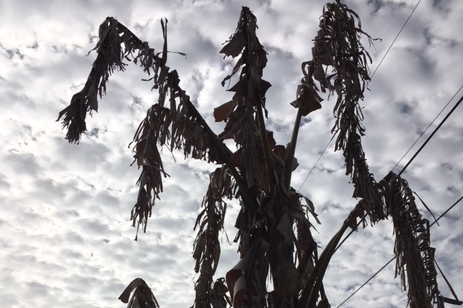
dead brown leaves plants after freeze
The same tree in winter this past year

Pictures of Bromeliads

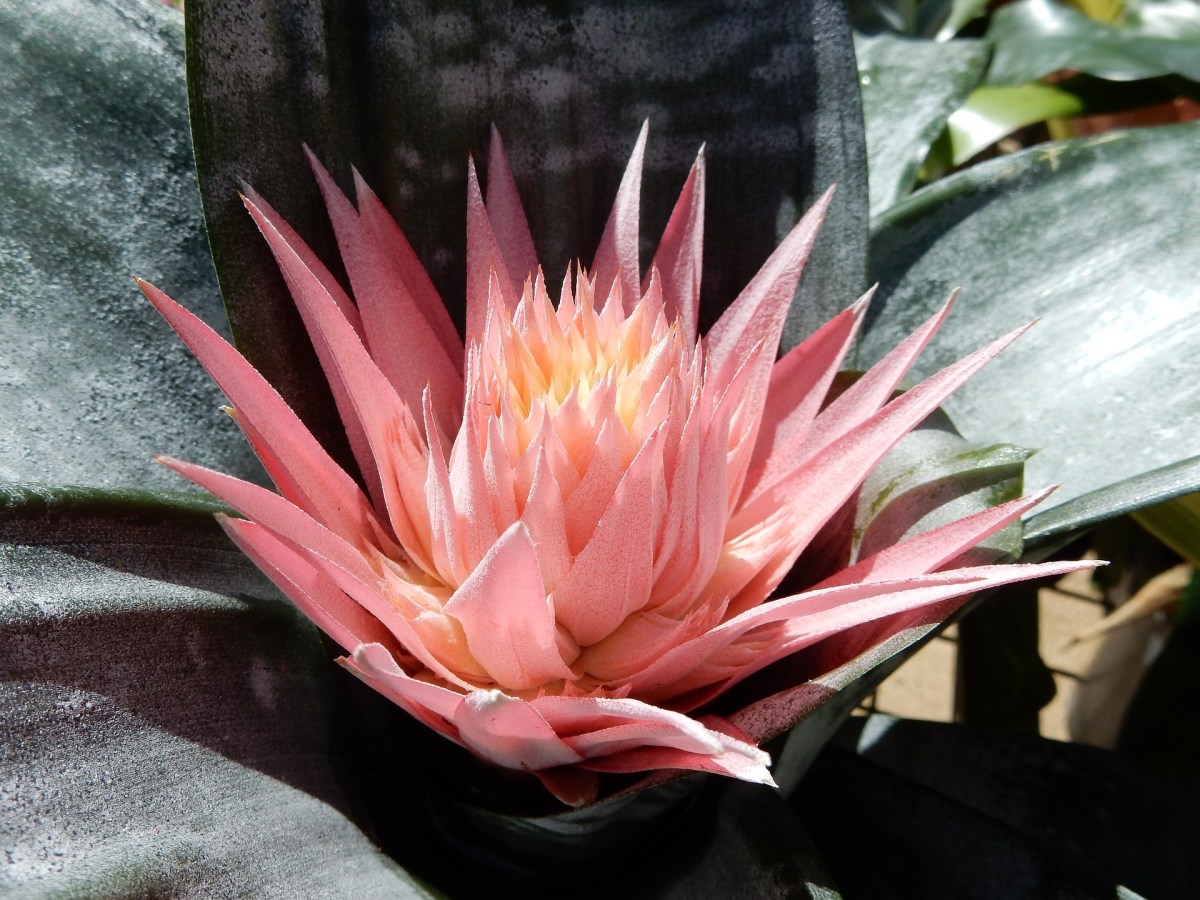
Pictures of bromeliads, which grow in the tropics. All photos are courtesy of the photographers of Pixabay, the home of free, public domain images.

Please scroll down for links to sites with information about growing bromeliads.


Places to find good information about growing bromeliads. Remember they are tropical plants which means they like sunlight (not necessarily sunshine), heat and humidity.

JoyUsGarden – Growing bromeliads indoors.

Home Guides – What to do after the flower has died.

Growing Bromeliads in the Yard – For those who live where temperatures rarely fall below freezing.

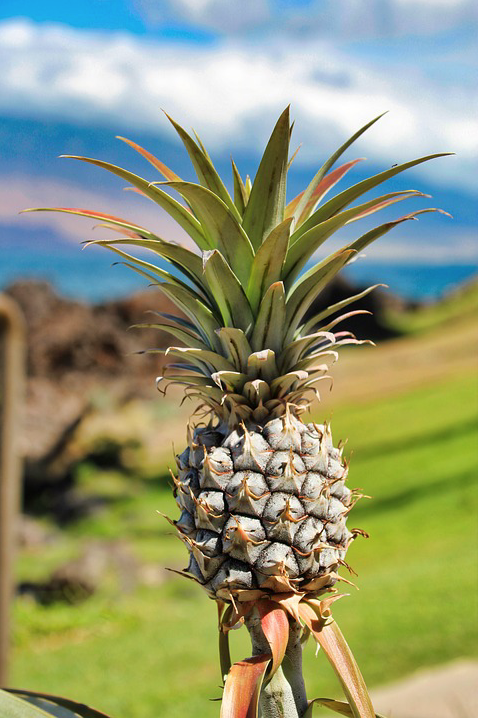
pineapple bromeliad
Pineapples are bromeliads

I’ve grown pineapples in my yard here in Florida, but it was many years ago. I remember that I simply planted the cut tops and after a couple of YEARS I got little pineapples.

Here is more information about Growing Pineapple Plants from The Spruce website.

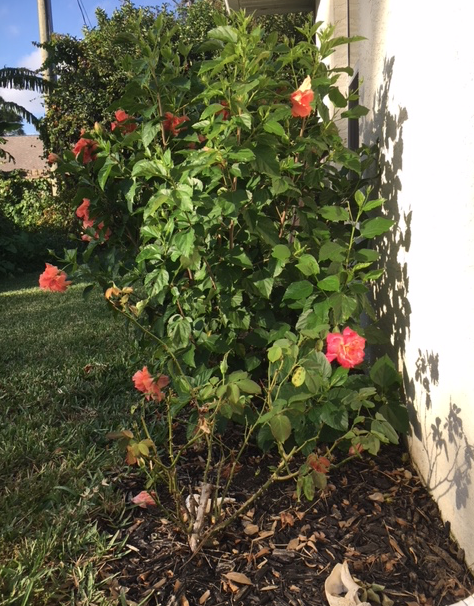
Must Plant More Fast Growing Tropical Hibiscus Plants

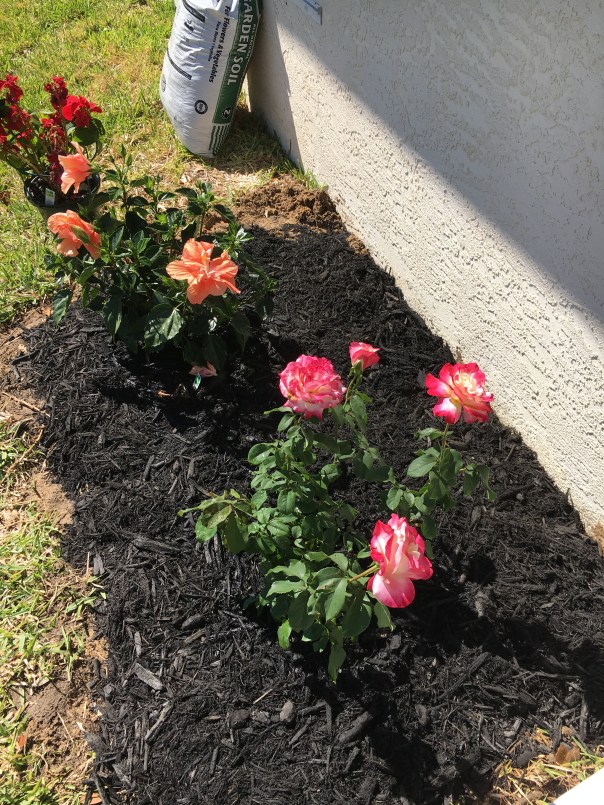
The photo below is of my orange hibiscus and rose bush after planting in my yard. This past April, 2017, I dug up a little patch of grass in the back yard to create a space for a colorful flower garden.

The pretty double-flower orange hibiscus is a typical plant to grow in Florida. I prefer the double type flower, and I thought the color was lovely.  You can see that it was a small plant.

hibiscus and rose bush
New Garden, Hibiscus and Rose Bush – April 2017

Roses are such a bother, but this one was pretty and I decided to try it. The rose bush looks awful now, but the hibiscus has grown like crazy.  This just goes to show that if you plant what likes to grow in the local climate it will flourish.

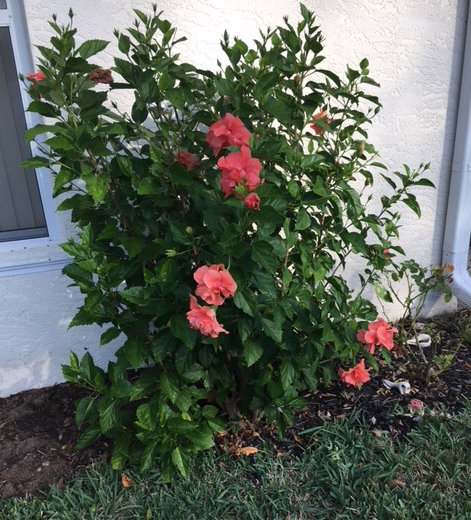
Here it is 7 months later.

orange hibiscus plant and rose bush
Hibiscus and Rose Bush in November 2017

The hibiscus plant was watered regularly after it was planted, as was the rose. There were some mites on the buds, so I picked off the buds and threw them away. I’ve noticed that sometimes there are still mites on the plant, but it is not affecting the growth. I never water it now and it is flourishing in the sunny spot by the house.

Screen Shot 2017-11-15 at 9.49.17 AM

Hibiscus are tropical plants and I fully expected it to survive quite well. I didn’t realize it would grow so fast.  It constantly buds and blooms and the leaves are nice and green.

All I do is occasionally pick off the bug infested buds and give it fish fertilizer and sprinkle some bone meal around the base for good root strength.

I have plans to plant more like this in the front yard. The wind blows from the front and it’s also more shady, so I don’t know if that will be a good location.

Something I’ve always enjoyed is watching my plants grow and change.  I once took photos of the Pinky Winky hydrangea in my New Hampshire yard for an entire blooming season to show the changes in the flowers from summer through fall.

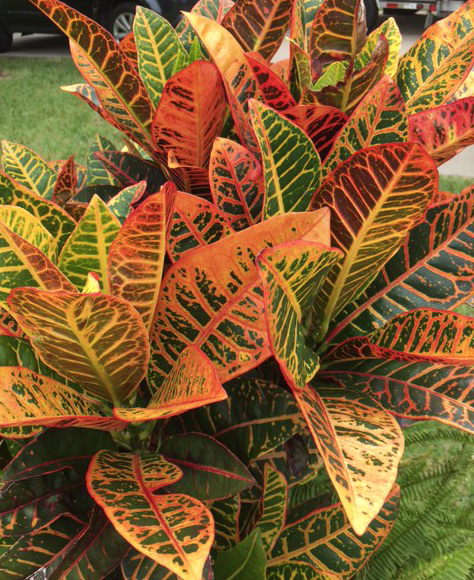
Pictures of Croton Leaves

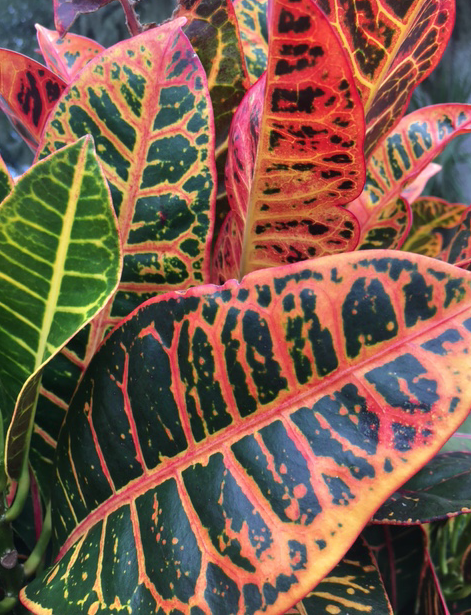
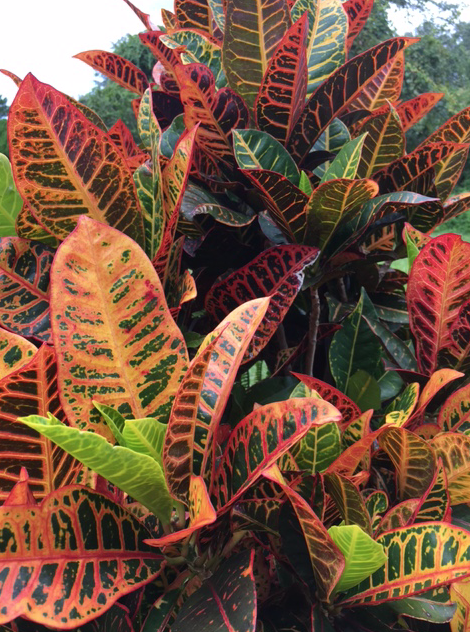
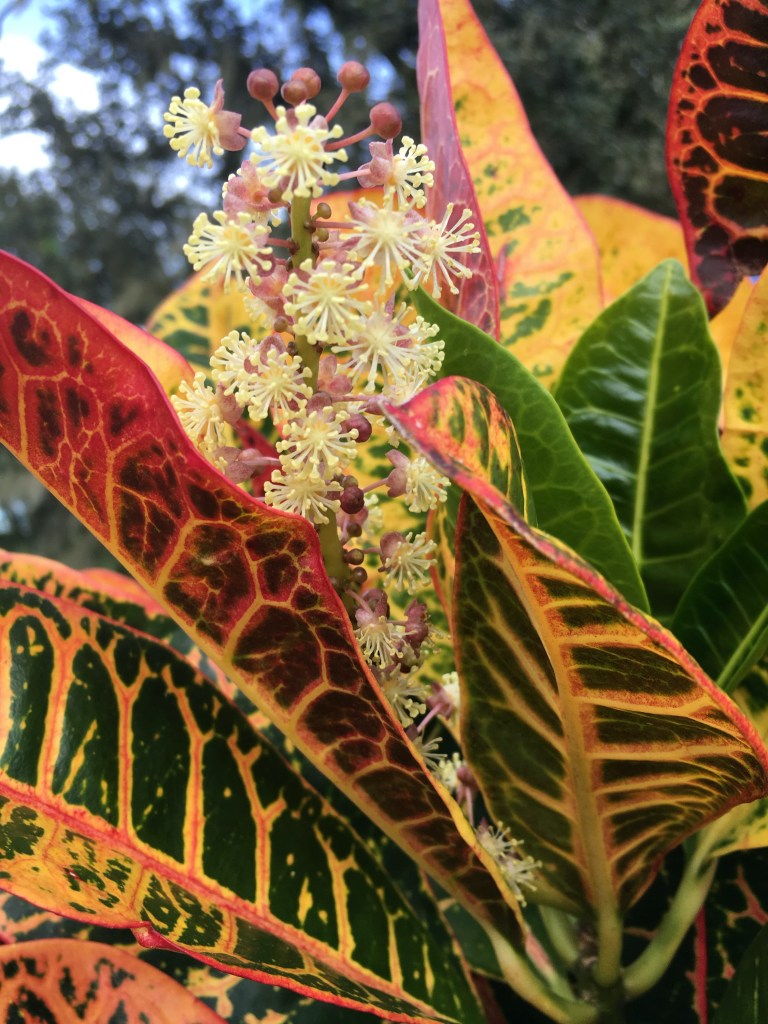
The leaves of the croton are really stunning.  They are as pretty as any flower, and come in such an array of colors, that they can brighten any landscape, as long as it’s subtropical.

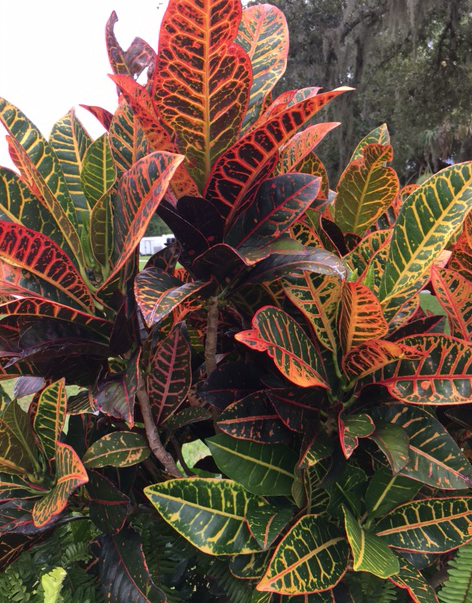
Crotons don’t handle cold well, with established, older plants handling it best.  I live in climate zone 9 and have this big croton plant in my yard.  I have no idea how long it’s been there, but I did not cover it at all last winter.

Then again, last winter in Florida was not all that cold.

colorful croton leaves
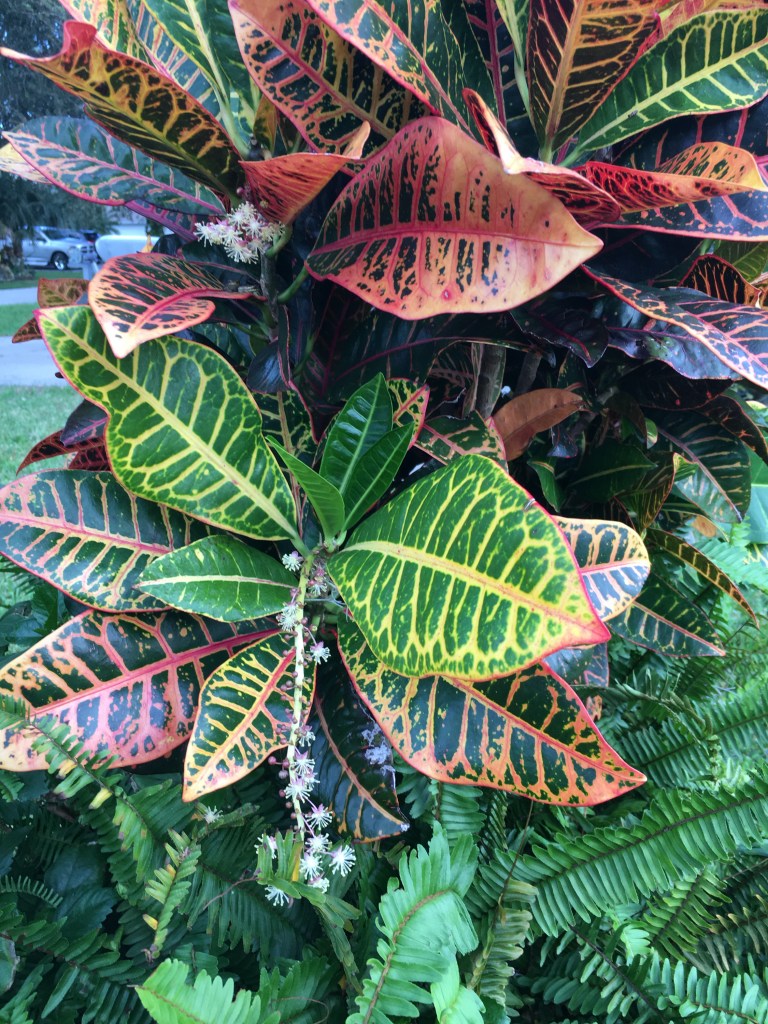
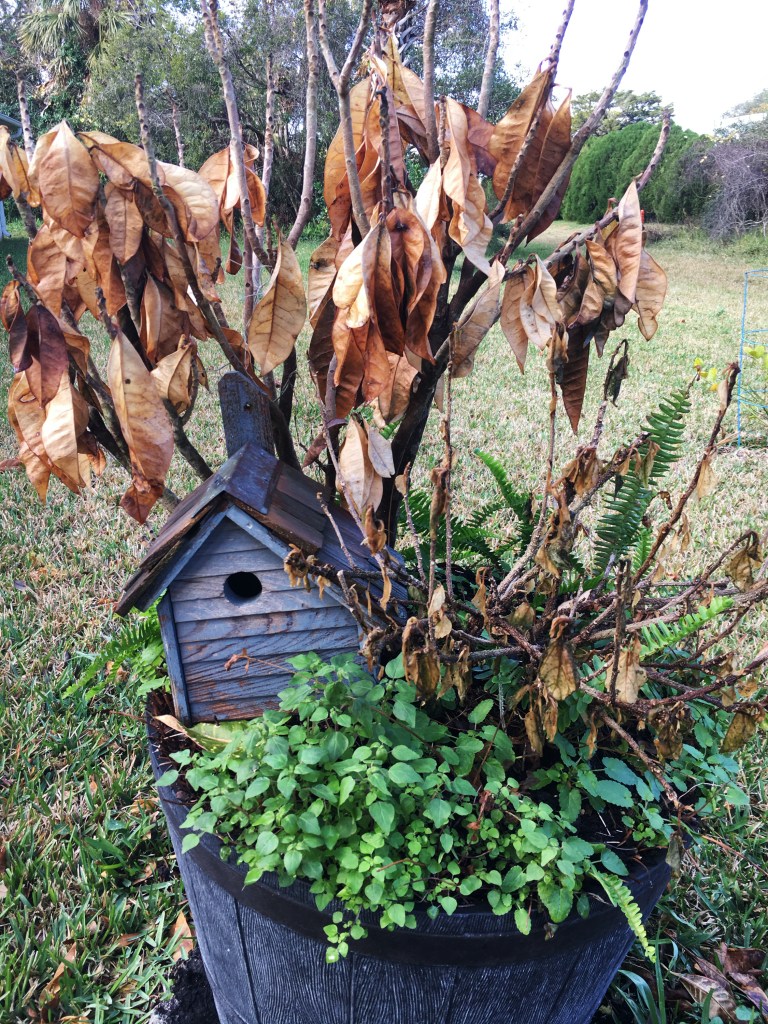
My croton is in a big pot with ferns and a red hibiscus bush… also a birdhouse is stuck within the branches.

Recently I went out in my yard and took some photos of the croton leaves and wanted to share them with you.

The croton is also easy to propagate.

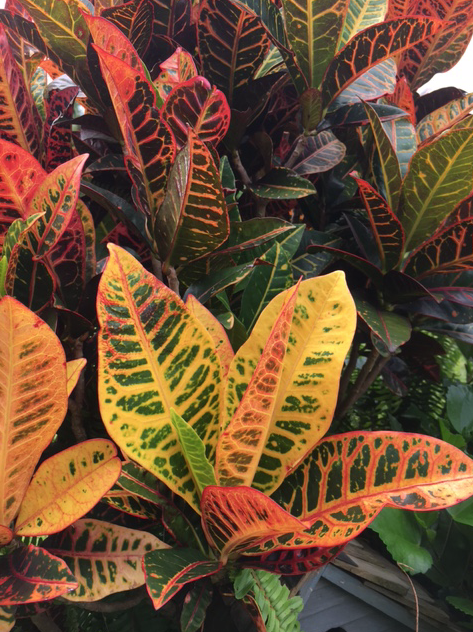
colorful croton leaves
The color combinations are so beautiful
colorful croton leaves
Pink leaves… where else can you see this?

If you are looking for brightly colored plants for your Florida, or tropical, landscape, check out the Cordyline plant and Caladium.

colorful croton leaves
The bright reds can become dark purple as the leaves age
colorful croton leaves
This croton has been growing for years, I imagine
colorful croton leaves
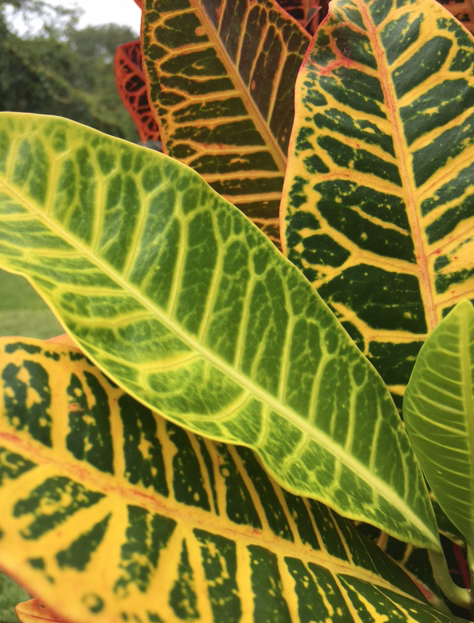
Even the yellow and green leaves are outstanding

For those of you who do not live in a warm climate, the croton can grow indoors. I’ve never done that, but you can search the internet for helpful advice on doing so.

Colorful croton plant with flowers
Croton with stems of flowers
Flowering croton plant

My big beautiful croton died over winter when we had exceptionally cold weather. But… I had taken cuttings and begun new plants so it lives on through it’s “babies”.

dead croton from winter freeze
Croton dead from winter freeze

How to Care For a Desert Rose Plant

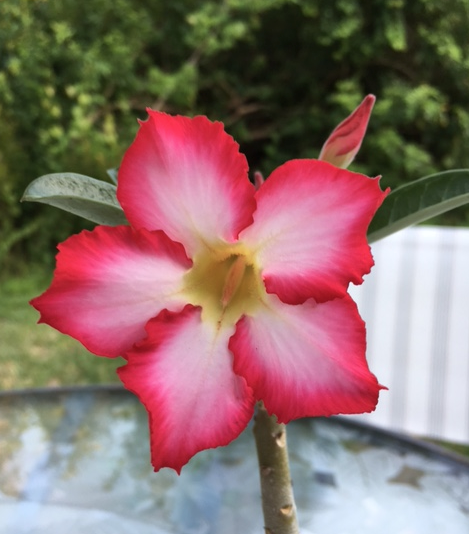
desert rose pink flowers
Desert Rose in Garden

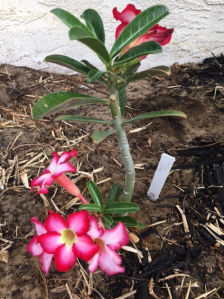
When I was given this flowering plant as a gift I was told it was a Plumeria. After seeing this same plant at the local Home Depot store, I discovered it was a Desert Rose. But before I knew what it was, I had taken it out of the original pot and put it into a sunny location in the backyard.

Sun is exactly what this flowering plant craves. But the word “desert” caused me to believe less water was better. The truth is that this plant did well with and without water.

Today I am watering it frequently, and it is thriving! So much for the “desert” title.

At the time I planted it, we were have a long dry spell here in Florida. The Desert Rose did well. I avoided watering it when I watered the hibiscus next to it, and the plant even sent out new buds, which you can see blooming at the bottom of the stalk.

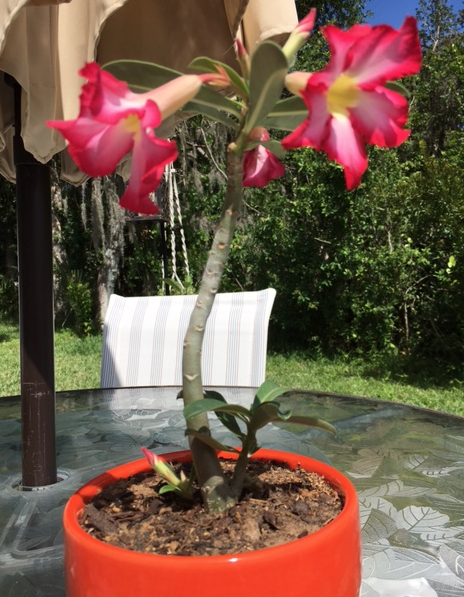
Florida is a tropical place, but some areas are more tropical than others.  I am in the central part of the state and it can get very cold (below freezing) here overnight in winter.  I was afraid the Rose would die, so I ended up digging it up and putting it into a (bright orange) pot.

pink desert rose in orange pot
Dug up and potted

The Secret to Growing a Desert Rose in Florida

Sunlight is most important, with plenty of heat. The plant can deal with lack of water (I’ve tried that), but it also loves a daily spray with the hose.

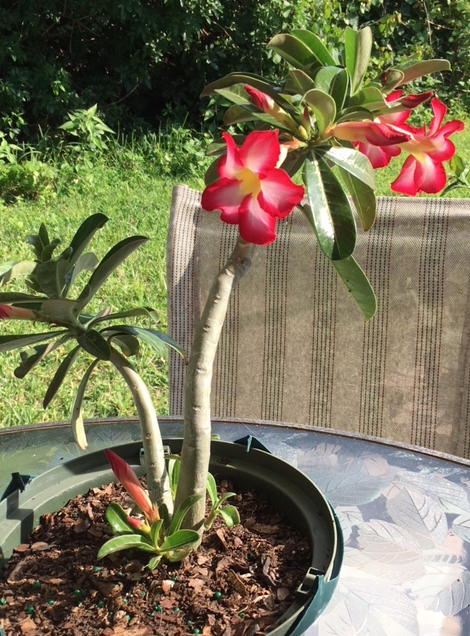
These plants develop a very thick “stem” or caudex (see them in the photo below).  This is the part that holds in the water to keep the plant thriving in drought conditions.  But apparently it does not need to grow in a desert to thrive.

Keep it in a pot so it can come inside when temperatures drop – some sites say below 60 degrees and others say 40. Just bring it inside when it gets cold to be safe.

Pictures of My Desert Rose and How It Has Grown

As I mentioned above, this plant was a gift to me shortly after I moved into my house in 2016. I’ve had the plant for nearly 2 years now.

After a period of dormancy during the winter, suddenly lots of buds began to show up.  New little leaves began to grow from the base of the stem. This was about the time when aphids were appearing on all my plants outside. A daily check, and I would spray the buggers off with the hose. I let the lady bugs take care of most of the aphids in my garden, but the Rose is not near the vegetables.

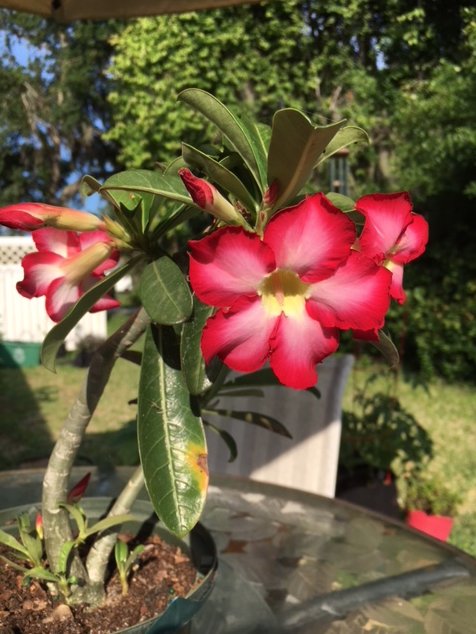
desert rose
Blooming Desert Rose, after winter
desert rose plant in pot
Give it sunshine!  It is slow growing.

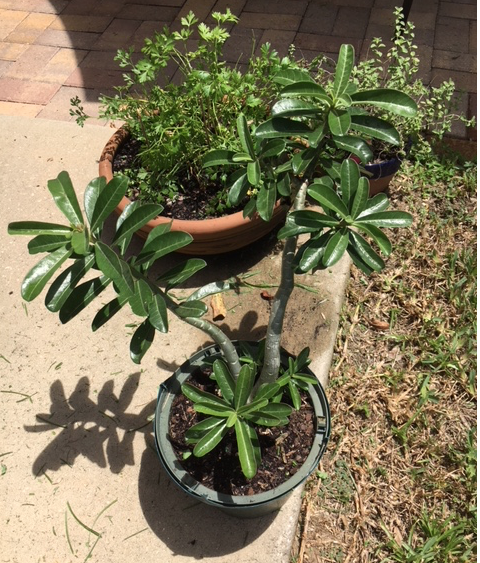
In the photo below, lots of greenery is showing on the plant, which has stopped blooming for now.  It will take this time to put effort into growing stems and leaves before it begins to flower again.
Right now I am not sure when that will be.  This plant flowers more than once a year, so I expect to see buds forming soon.

green leaves on desert rose
August 2018, glossy green leaves on my desert rose.  I spray it with the hose every day.

More Information About The Desert Rose

The Desert Rose is similar in appearance to the plumeria / frangipani tree and Oleander.  The unique aspect is the thick stems. The Oleander does grow in Florida, but I have not seen Plumeria trees. Maybe they will grow in the southern part of the state.  For more information about growing the desert rose elsewhere, read my friend’s article: Desert Rose Adenium Plant for Gardening and Bonsai.

Like the Oleander plant, the Rose contains poisonous sap.   It may not be a good choice as a houseplant for families with young kids for this reason.

The South Florida Plant Guide site has more info.

Wondering When my Persian Lime Tree Will Bear Fruit

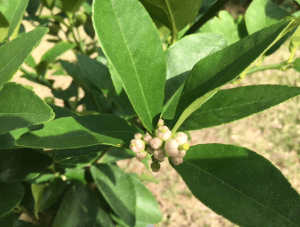
Persian lime buds
Buds on the Lime Tree

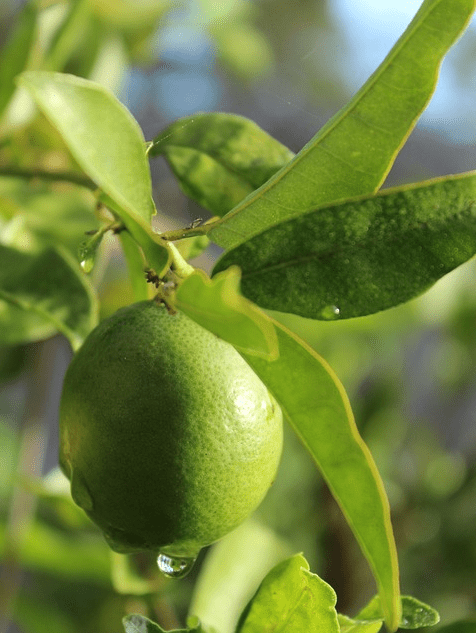
A few months ago I purchased a lemon tree and Persian lime tree from a local nursery. Both are blooming and beginning to bear fruit. I planted the lemon tree in the ground, but decided to keep the lime tree in the pot. I’m glad I wasn’t in a hurry to put them both in the ground, because the lemon tree is not doing as well as the lime.

The Meyer lemon began budding almost as soon as it was planted. The tree itself is very small, so I expected no fruit from it. Surprisingly, some of the lemons are now getting to a good size, but many have already fallen off. I gave it a sunny spot, but failed to realize the amount of wind the tree would receive. The lime is more sheltered from the strong wind, on the south side of the house, and also gets a lot of sun.   From what I’ve read, this is more to it’s liking.  

budding persian lime tree
Potted Persian Lime Tree

Also, the lime tree (photo above), which was never removed from it’s original pot, began to grow like mad! It has doubled in size in the past few months, and is just now blooming. Because of the size, I have some hope of picking limes in the not too distant future.  Fingers crossed! I’m holding of putting it into the ground because it’s growing very well where it is.

Because I am not familiar with growing either types of fruit, I searched online for Persian Lime Tree Care and found an article at the Gardening Know How site.  In fact they have many articles with growing and care information.  That being said, I always get my gardening information from more than one source – especially when reading online.  In fact, this article “How Long Does it Take to Grow Limes?” at the Home Guides site, gives a lot more useful information.  It tells me that fruit is harvested twice a year; May-June and November-December.  This is the information I wanted to find.

Online articles can be written by experts, or by people who really have no idea what they are talking about.  Some people write online simply to make money and are not all that interested in truthfulness.  I prefer to find information on a blog written by someone with first hand experience.  In other words, someone who cares enough to share what they know to be true.

At the present time, I am not a lime growing expert, but I hope to become one by growing them myself.  As time goes on I will share MY first hand experience, but for now, I must count on others for solid information.

I’ll be sure to post about eating my first home-grown lemons and limes!