New Vegetable Added to My Winter Growing List

Winter vegetables in my Florida backyard garden are mostly doing well. I’ve found that cabbage will be something to add to my planting list.

After gardening for only a few years, I’m still learning what grows best when. We can grow year round, but winter is a good time to grow the things that are normal. Carrots, onions, beets, broccoli and herbs do best in cooler weather. I’ve had success with all of these.

Cabbage

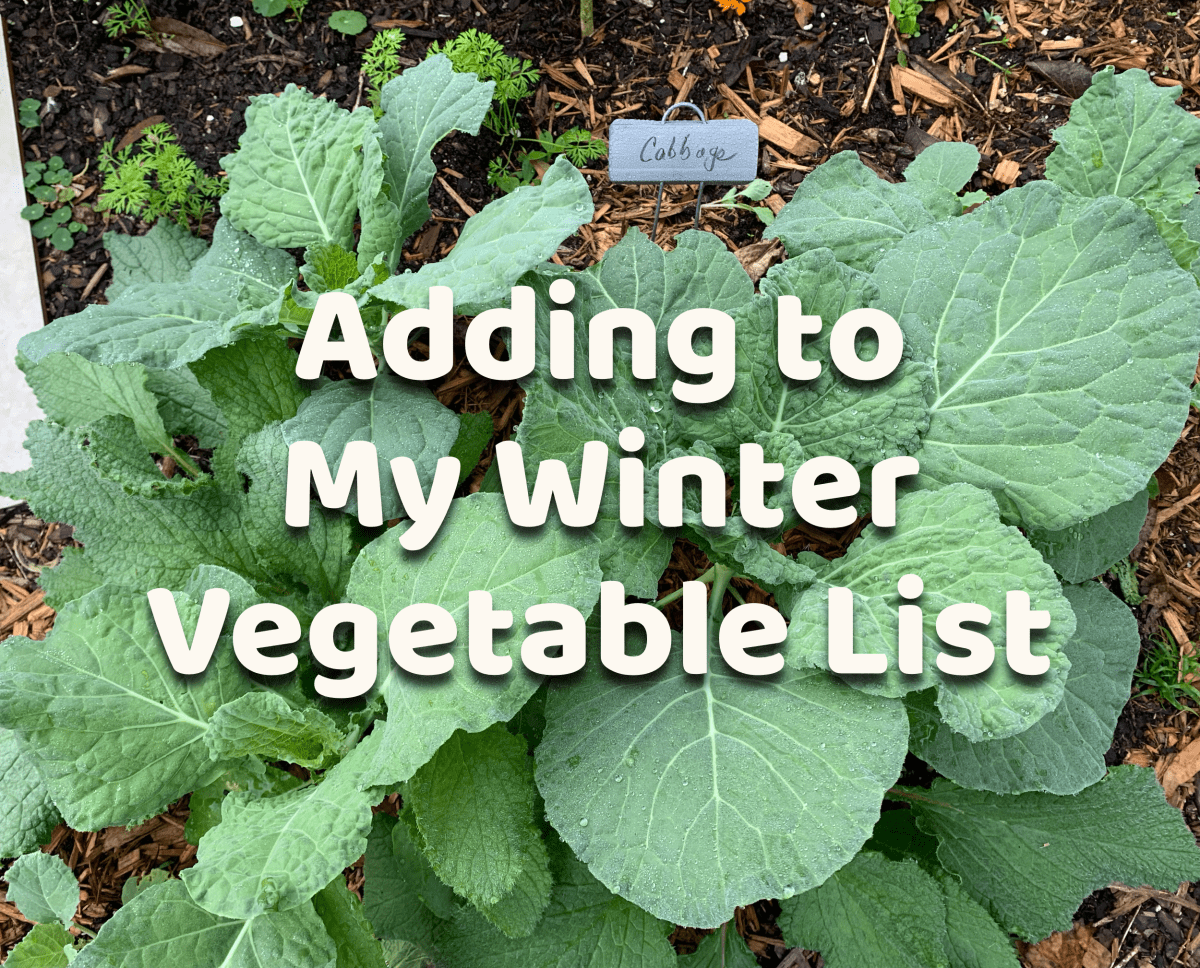
This year I planted a few cabbage seeds. I don’t have a lot of garden space, so I only grew a few. Now I am wishing I planted more! They took a long time to sprout. Once the cool air arrived, the big leaves began to show up. Now they are growing like mad. That is borage you may see amongst the cabbage leaves.

Next winter I will be adding more cabbage to my garden.
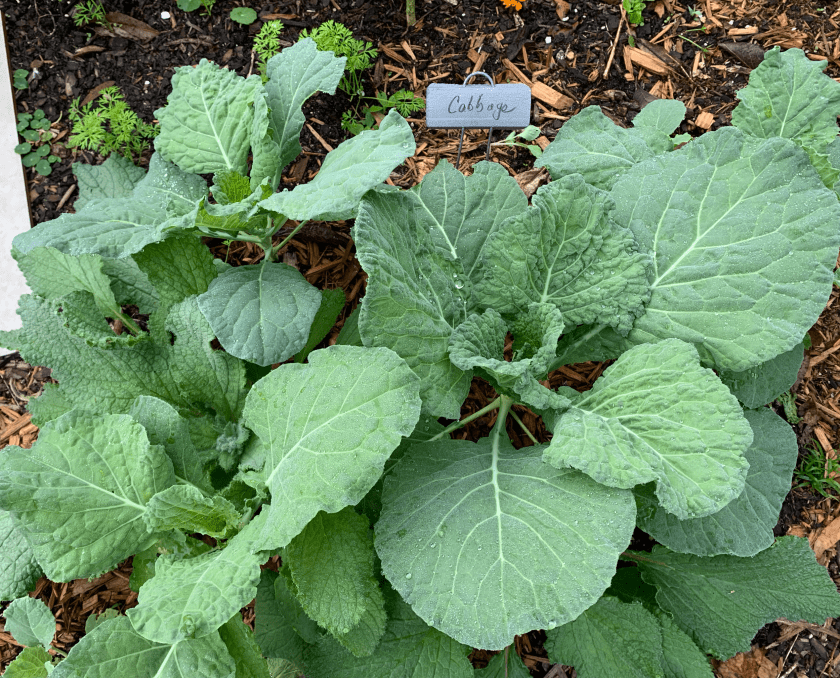
Cabbage and a few Borage leaves poking through

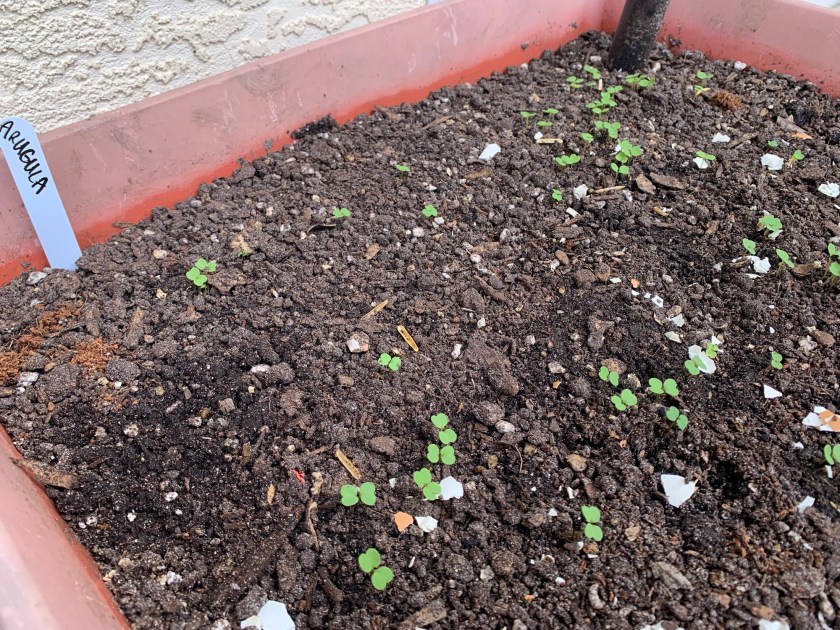
Although I had loads of Tatsoi and arugula last year, I’m struggling to grow it this year (photo below). I have been looking forward to having fresh greens, but I only have tiny little plants.

The Urban Harvest sells Tatsoi seeds and I didn’t get mine from them this year. I think they were sold out.
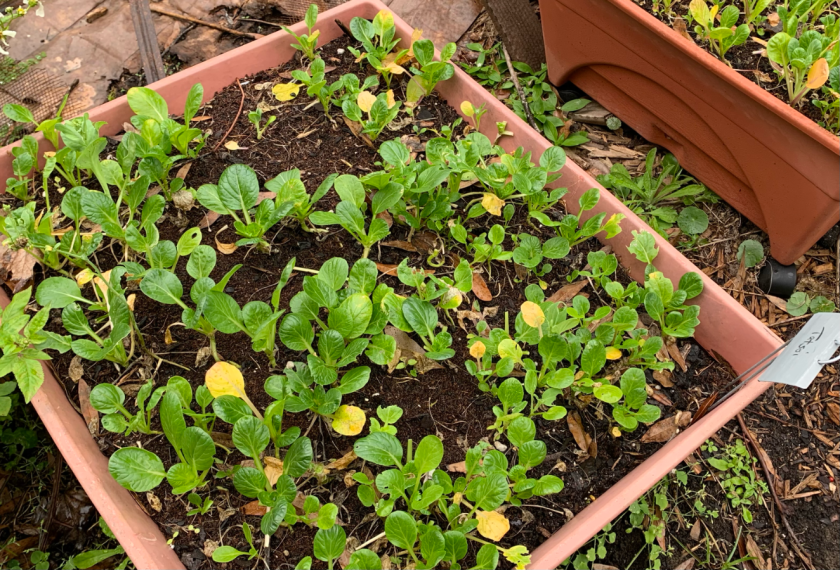
Small Tatsoi in grow box
Tatsoi greens

The Rest of It

Cherry Tomatoes

The Apricot cherry tomato plant is giving me a few tomatoes. I struggle to grow tomatoes so I’ll take what I can get. They are yellow, not red, but yummy.

Tomato plants may grow in summer here, but no tomatoes will form. This plant was begun in late summer from seed. It kept growing, in a fabric bag, and is now full of little tomatoes. I have one more cherry tomato plant I will put into the ground in February.
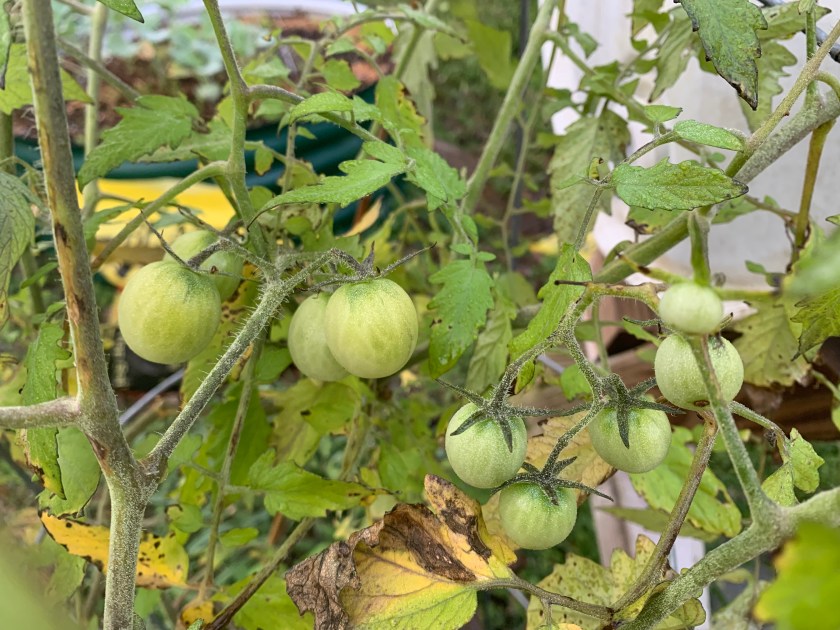
cherry tomatoes
Apricot cherry tomatoes

Squash and Zucchini

I am not fooled by this tiny squash and flower. Squash (of all kinds) and zucchini don’t amount to anything in my garden … ever. I won’t grow them any more. I threw some leftover seeds in just for fun. That little squash has since died.
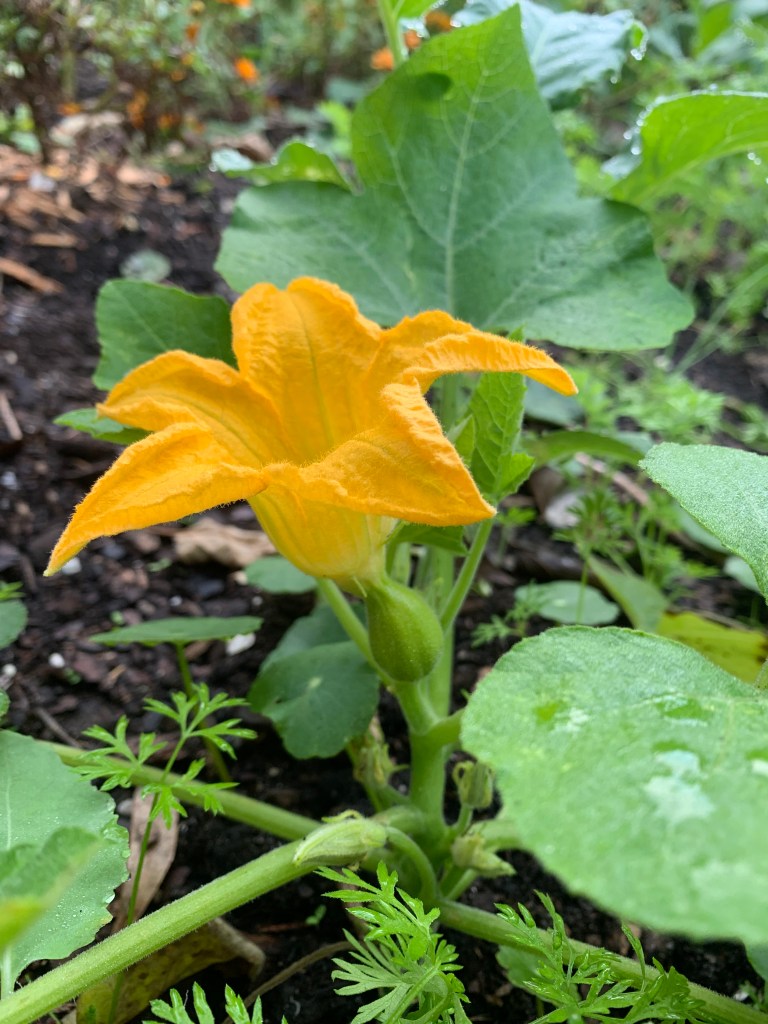
flowering squash plant

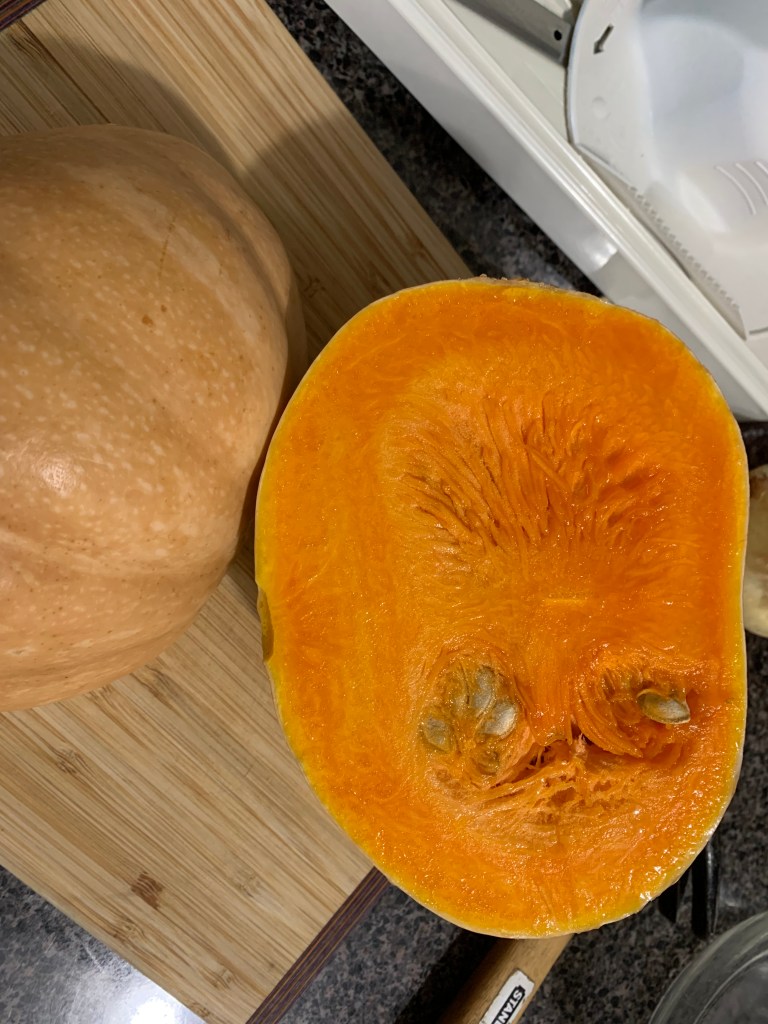
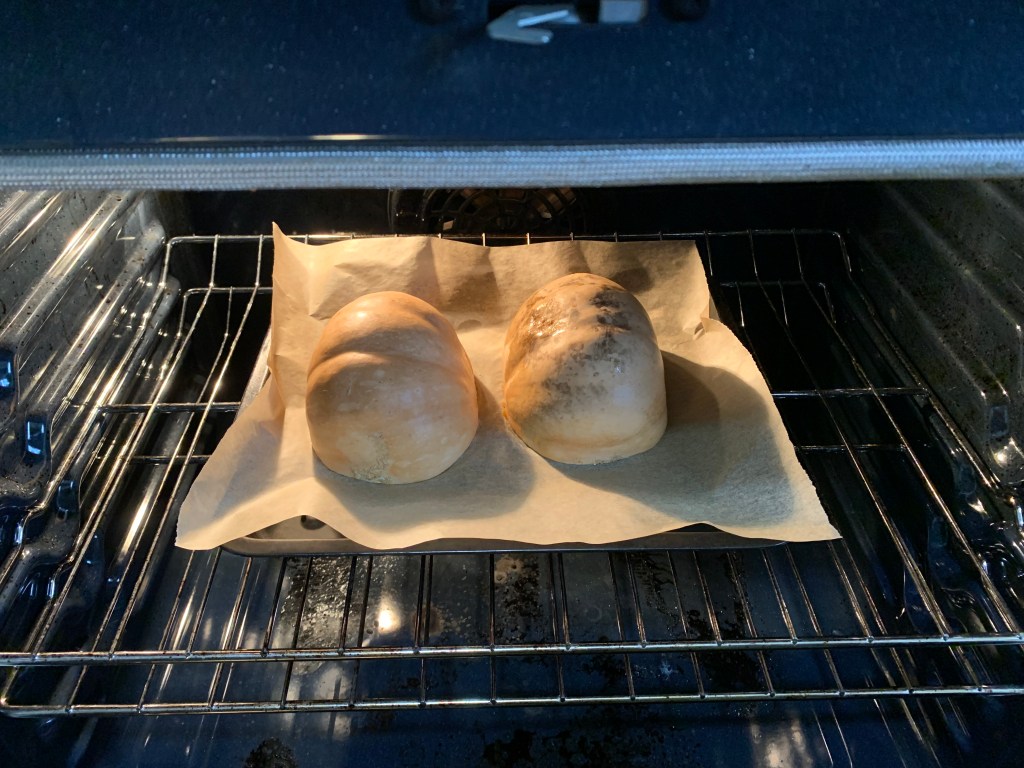
Seminole Pumpkin Replaces Squash

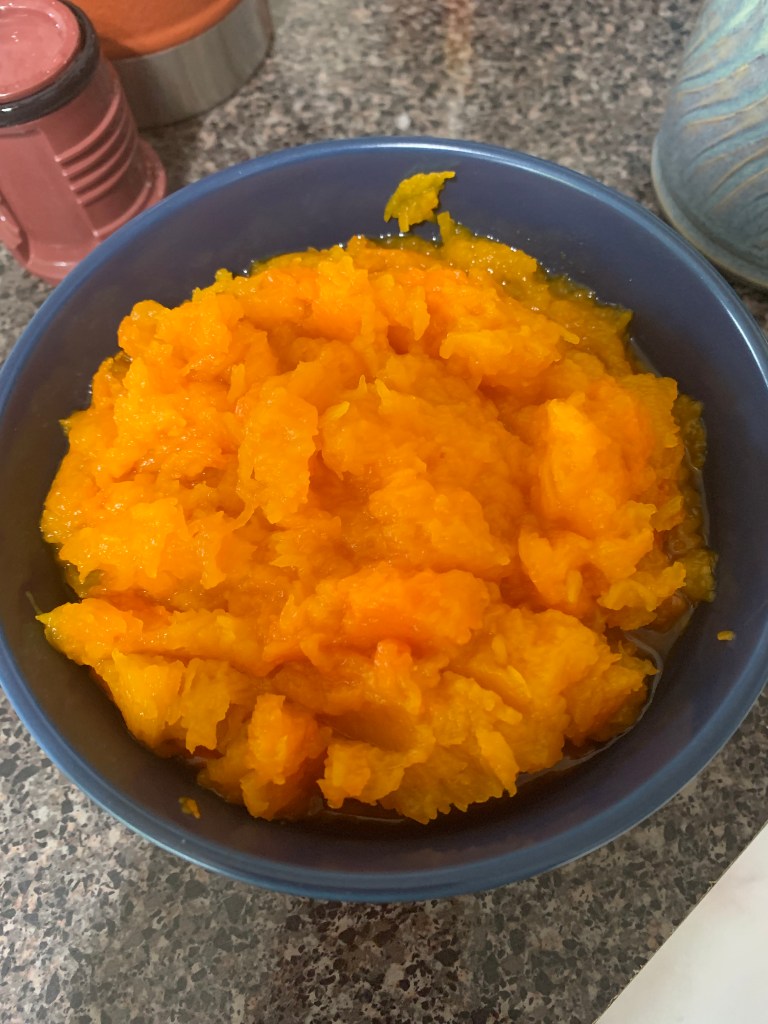
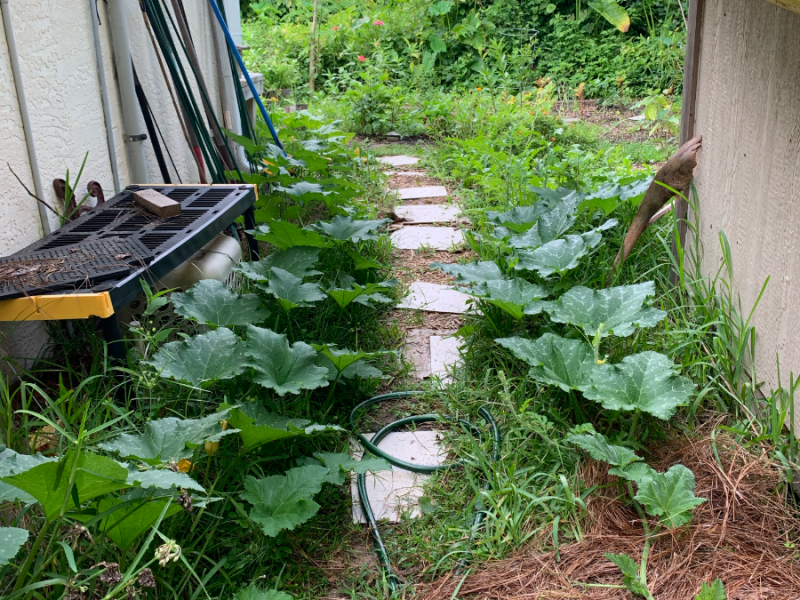
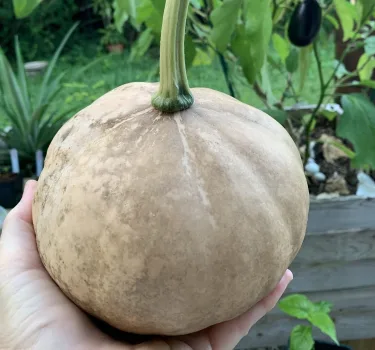
In my sub-tropical garden, the Seminole pumpkin replaces squash. I love orange vegetables and need them to help my old eyes. The Seminole pumpkin tastes a lot like a butternut squash.

Alas, I had only one to eat this year. That doesn’t mean I will give up. The vines are long, and they trail all over the yard but I don’t get many squash. I will definitely try for more of these this summer.
Loofah or Luffa

Loofah is a crop that is grown in summer here, I think. I planted seeds in summer and they did nothing. So, I took a chance and planted some seeds this Fall. One plant grew and I have one loofah on it. Supposedly, you can eat the young gourds as a replacement for zucchini. It doesn’t sound appealing.

The bees love the big, yellow flowers and it would be fun to have some dried loofah to use. See how to use homegrown loofah in this video. With any luck, I will have seeds from this one. I need a good trellis if I plant more.
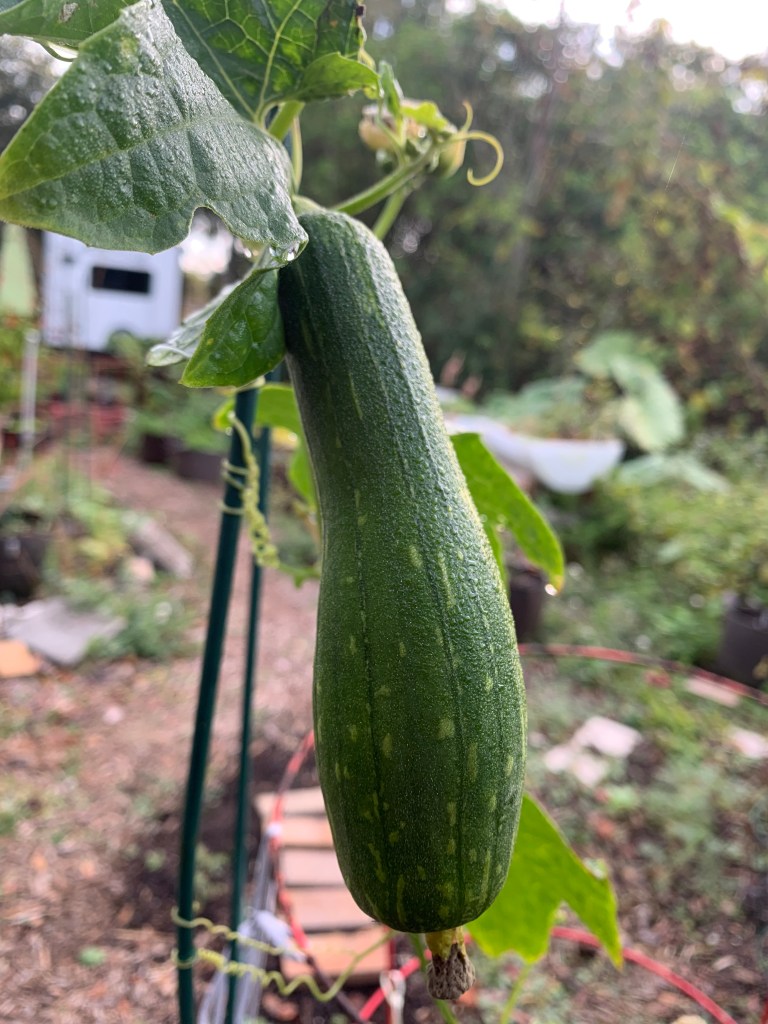
Loofah gourd on the vine
Loofah

Healthy Beets, Even If I Only Get Greens

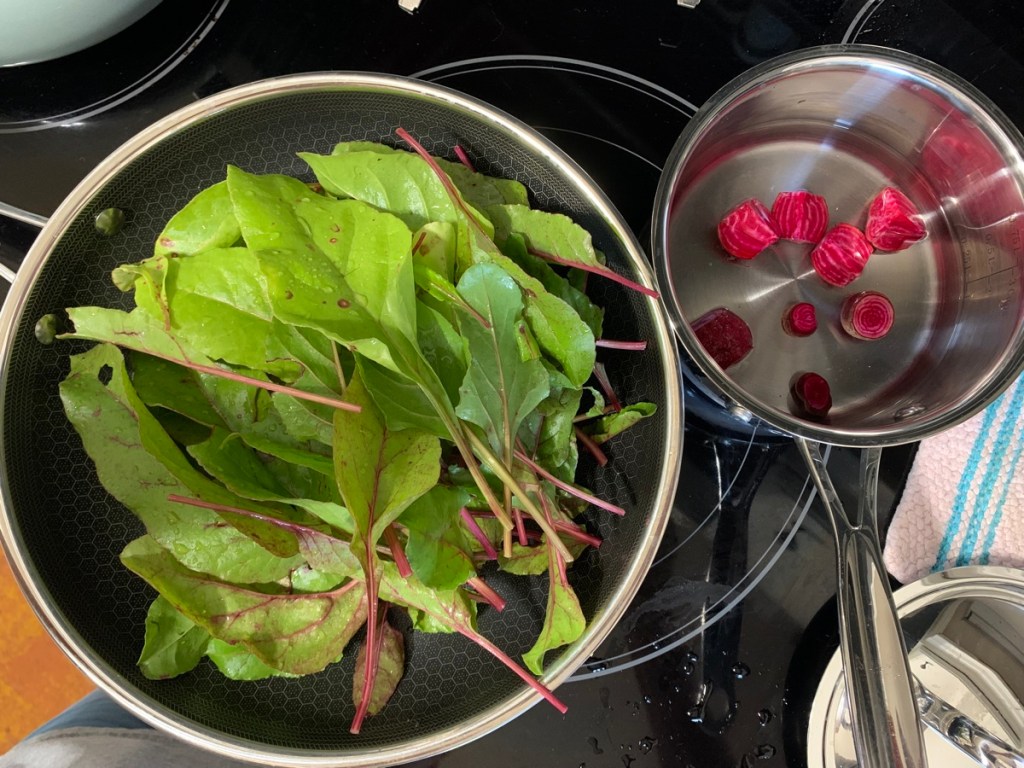
Beets grow very slowly but are worth the effort. They never get very big in my garden, or maybe I am too impatient. I love that I can use the greens as well as the root, so I will keep growing these. They are perfect for planting in a shallow grow box.
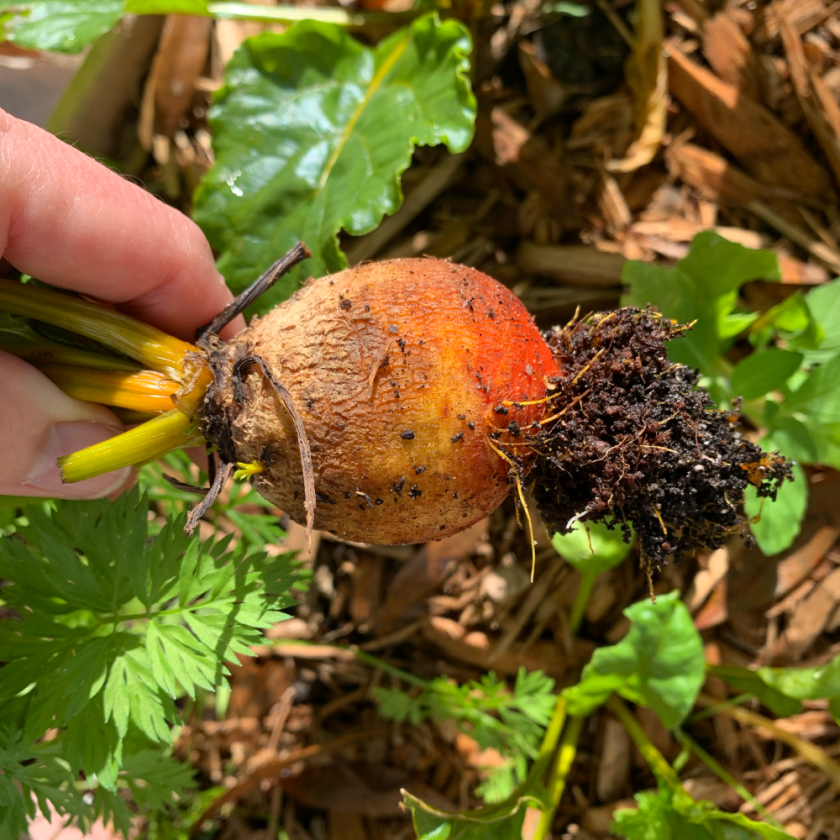
golden beets pulled up in garden
Golden beet

Looking Forward to Spring Planting

January has been a pretty cool, gloomy and windy month. We went camping for a few days in the beginning of the month and after that the weather went downhill.

We haven’t had any freezing temps yet, but it’s been dry. While the rest of the country is getting deep freezing temperatures and ice and snow, we are safe with temps in the 40’s for lows here. So far.

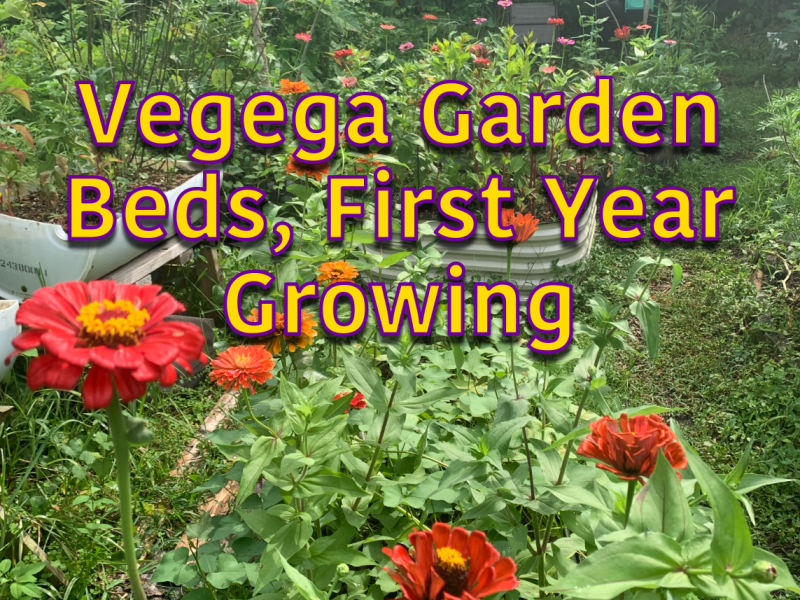
As most gardeners do, I am looking into the future and planning my Spring and summer planting. I have two Vegega metal raised beds to assemble. Then they need to be filled. I’ll have to get this done soon so I can plant seeds and seedlings. There is a lot of clean up and planting planning to do.
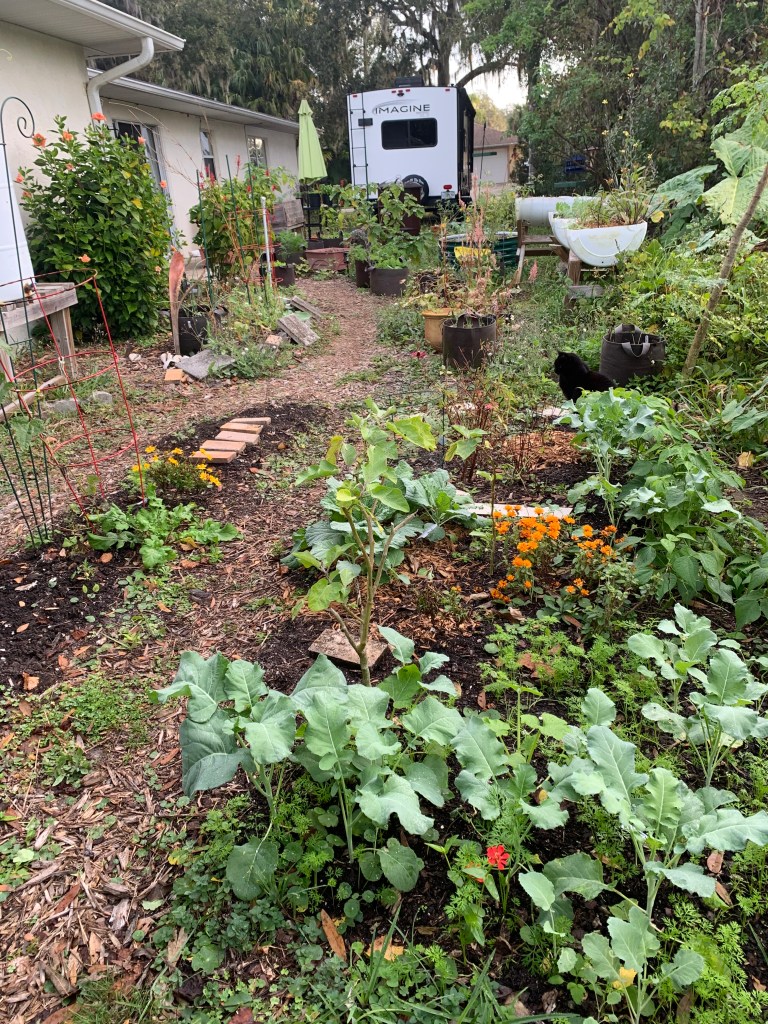
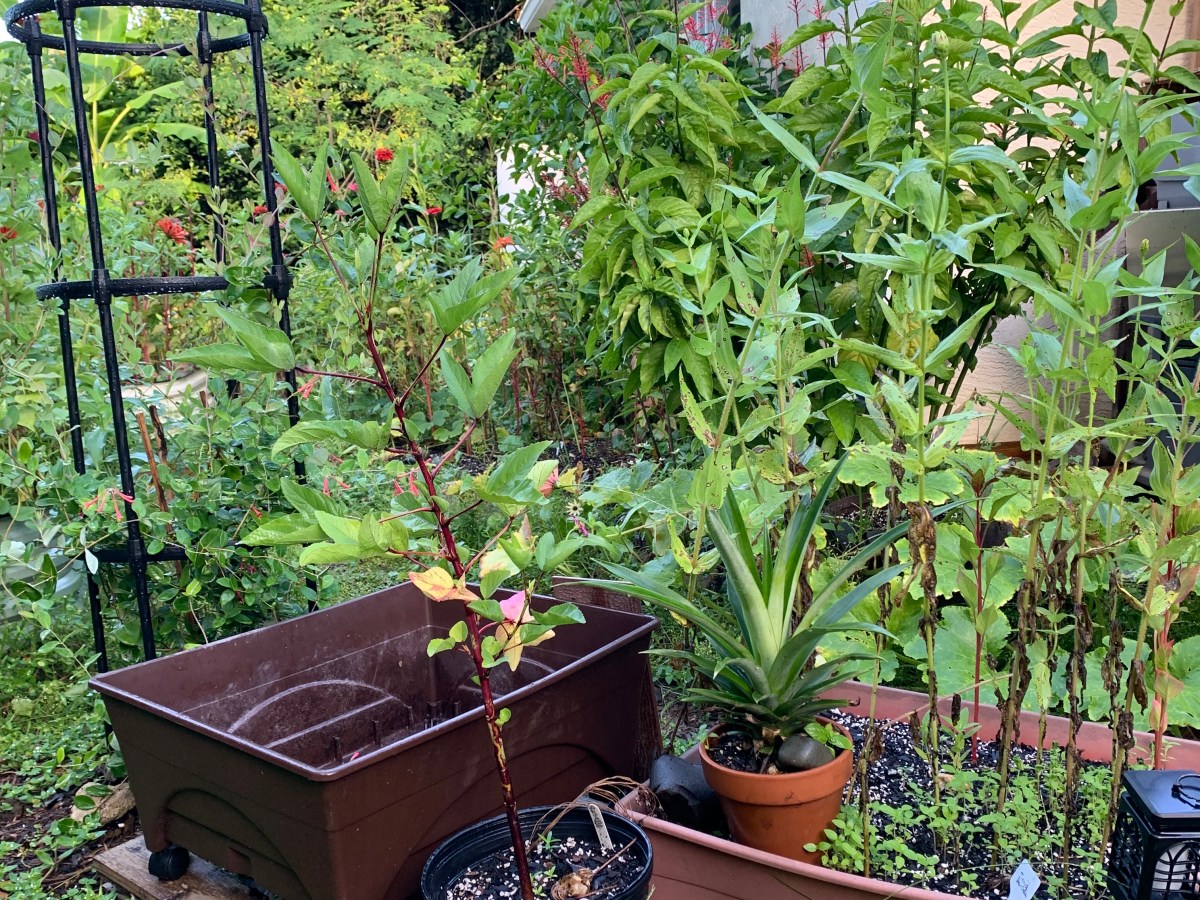
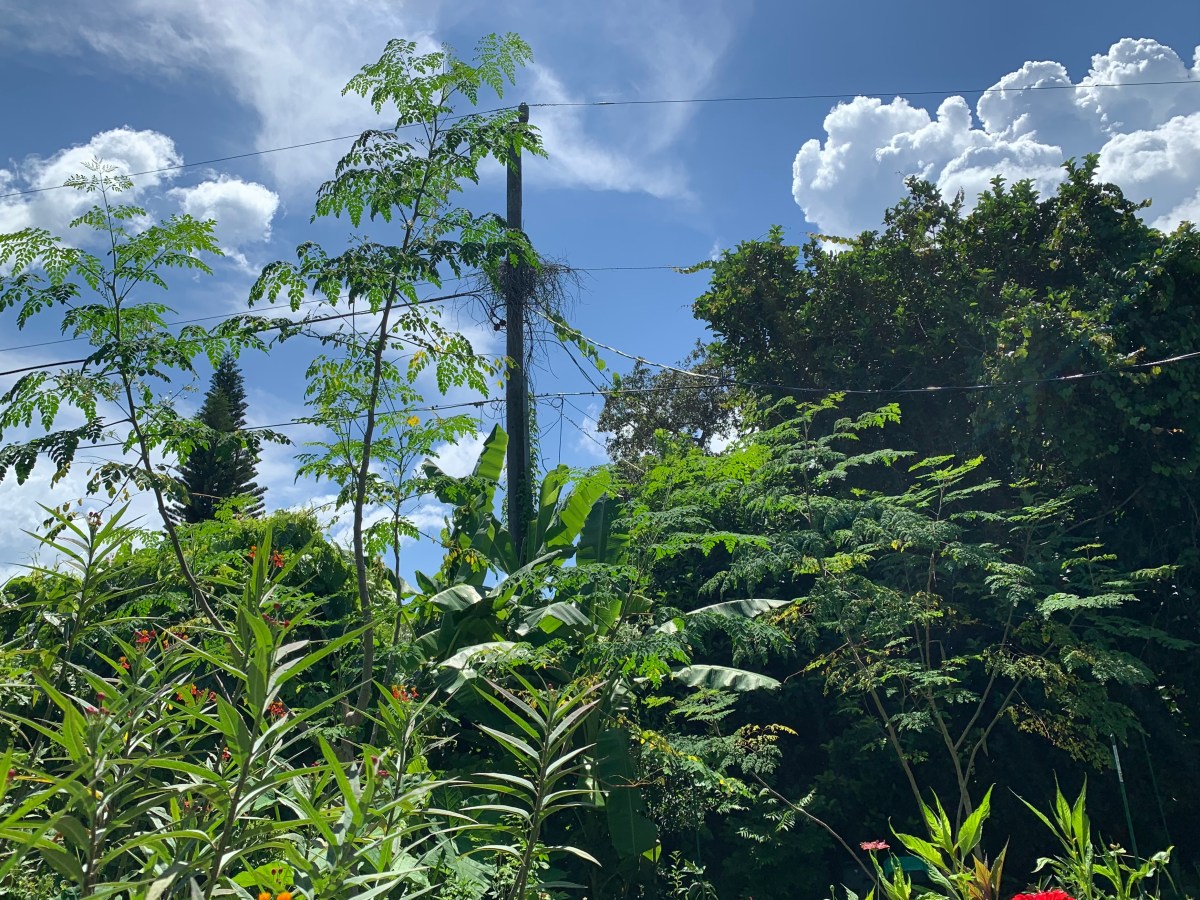
Florida backyard winter garden view
Winter garden & Skittle the Cat

Meanwhile the seeds I started a few months ago are growing – mostly. I’ll have a few things to put into the beds. First I need to harvest that broccoli.


green divider leaves long

Florida Winter Growing Success and Failures

After the long, sweltering summer, I was looking forward to planting crops for Fall and Winter. It has been fun, and definitely a learning adventure. Some crops have done very well and others are on my “maybe again” list.

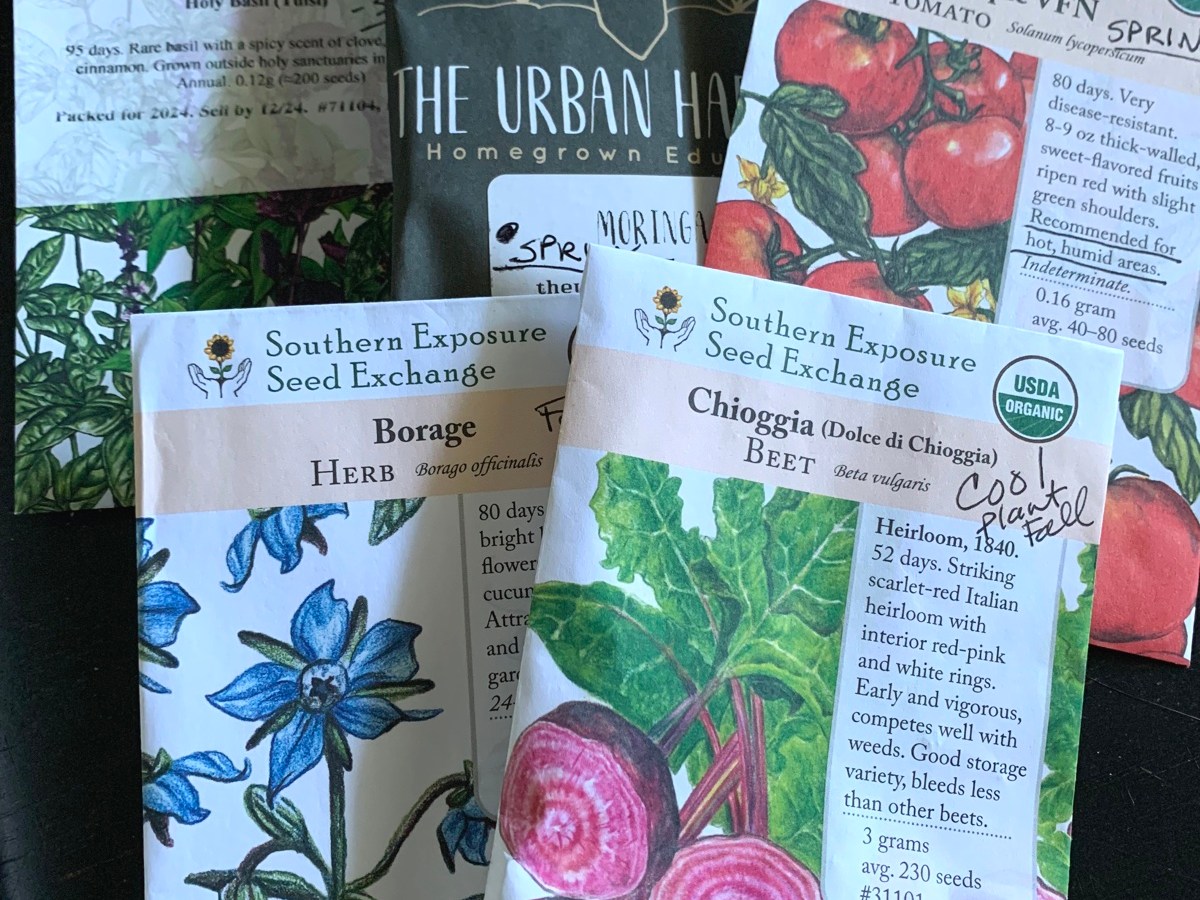
Most things were grown from seeds I purchased, either from The Urban Harvest, or Southern Exposure Seed Exchange (SESE). A few crops (and flowers) grew from my own saved seeds.

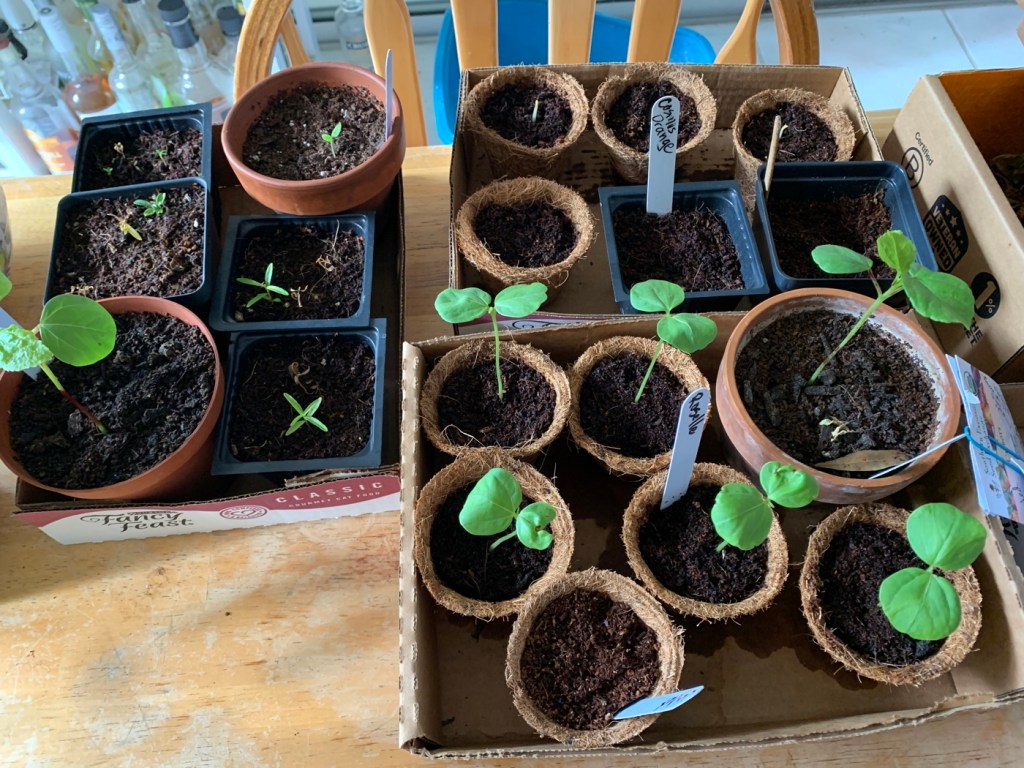
Growing plants from seed can be very annoying. There is lots of watering and moving into the sun / out of the sun. And lots of these little seedlings didn’t make it. I will NOT be growing plants in tiny pots again.

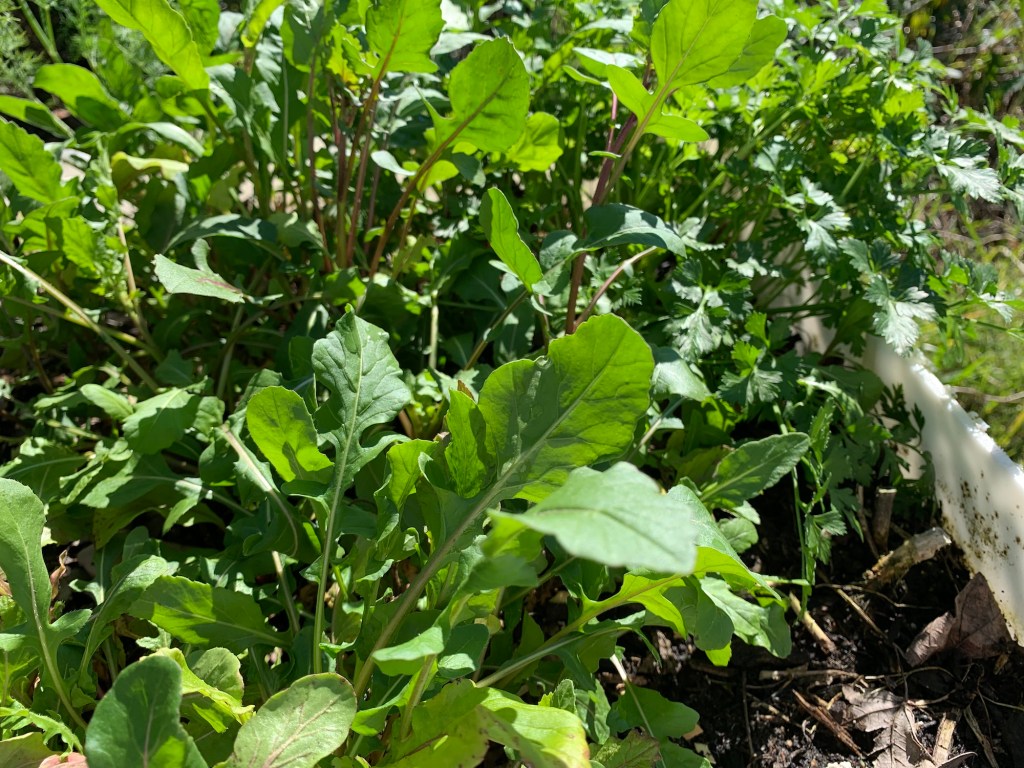
Arugula – Yes, Plant Again

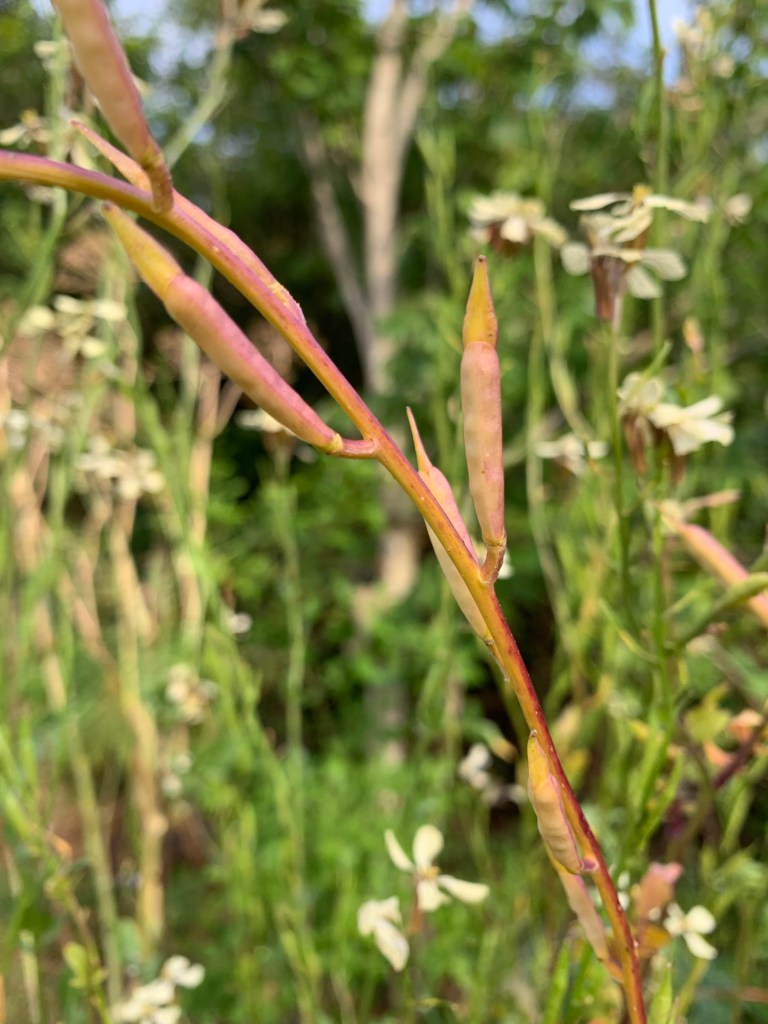
Last spring / summer I grew arugula for the first time. Not only were the leaves delicious, but I got to see how the seeds grow. Once the tall stalks dried, I picked the stalks and saved them indoors. Those seeds went into the ground in October.

The dried arugula stalks are so sturdy that they work as sticks. The flowers are also pretty, and good for attracting bees.

More Crops to Plant Again

My list of crops to plant again next Fall / Winter are:

  • Chijimisai – spinach (or mustard) grown from seed grew great and had wonderful dark green leaves. I never bothered to thin the seedlings and they all grew beautifully. I planted a new batch in February.
  • Green Beans – planted mid-October and had beans to eat by December. Got a few worms on the leaves, but for the most part they grew wonderfully. Contender beans have pink flowers. Blue Lake Bush have white. Contenders did the best!
  • Tomatoes – Even though I think tomatoes grow better in Spring here in Florida, Planting them in Fall has given me “suckers” to plant in pots for Spring. (More on that to come.)
  • Broccoli – I grew cauliflower, broccoli and brussel sprouts but only the broccoli did well. I boiled the leaves from all three, but only had a decent head of broccoli to eat.

These Didn’t Grow as Expected

  • Hon Tsai flowering broccoli was not a food I enjoyed. The two plants I started in a pot grew the best. The direct sow method didn’t seem to work as well. When the leaves were large enough to eat, I discovered I didn’t want to eat the stuff! I replaced the area with some kale seeds and onions. BUT… the bees love the yellow flowers that form on tall stalks. I’ll grow it again for that reason.
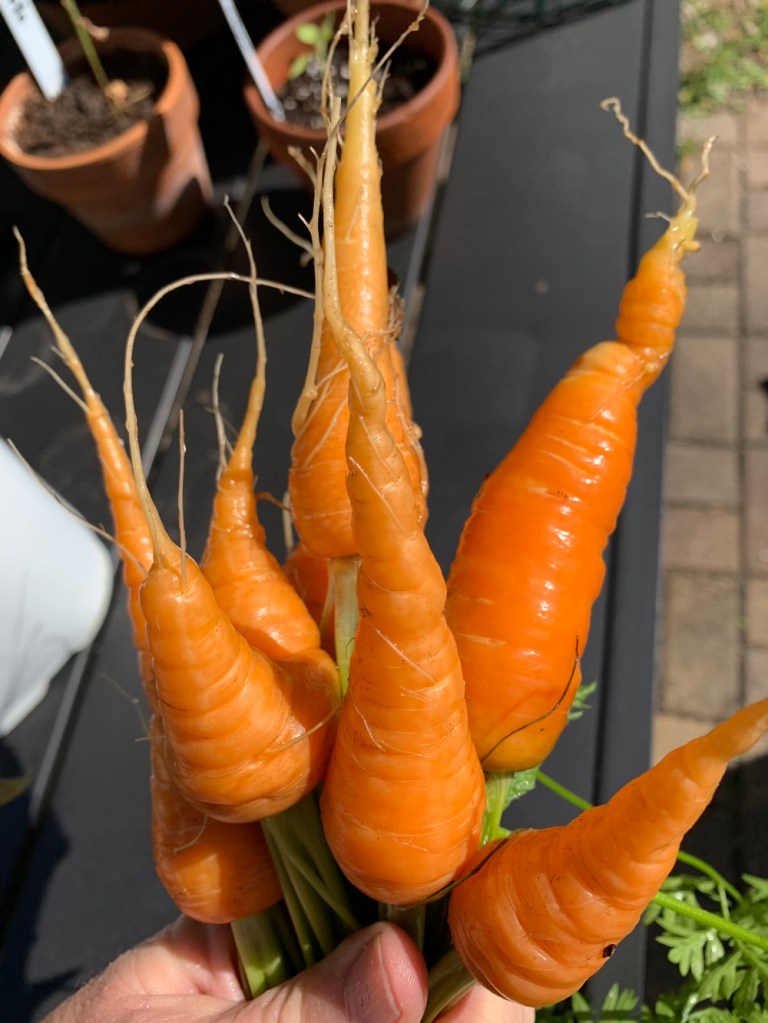
  • Carrots – I would love to be able to grow my own carrots but I have never (up north or down south) had any luck. After months (about 5) of waiting I finally had some carrots. In Feb. and March I was pulling carrots that were started back in October!
  • Beets – I love beets. The seeds were very slow growing and many of the little seedlings were lost along the way. They took a very long time to grow, taking up valuable space in my small amount of garden area. SO… I will grow them again, but for the greens.
  • Swiss Chard, Fordhook – I tried growing chard in Spring and it failed. So, I tried again in Fall, and it did not grow well. Not sure if I will try this one again.

Garden Growing Goals

Realistically, I would like to have some type of green growing in the backyard year round. I believe it is doable, but I need to figure out which ones work best for which season.

More stories from the garden…

Florida Gardening in February Cool Weather Crop Planting

I am new to this Florida vegetable growing thing, but today I decided to plant some cool weather crops.  Because my “garden” is made up of soil-filled fabric bags, I don’t have much space for planting.  But I will do what I can.  I’ve only lived here for a few months, so garden building is an ongoing process.

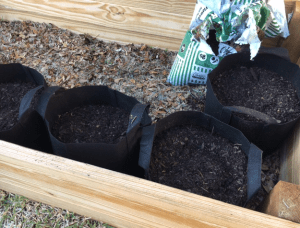
My son made me a raised garden bed a few weeks ago. Because I had used fabric pots when gardening in New Hampshire, I filled what I had with organic soil and placed them inside the wooden frame.
raised garden
Today I looked through my Florida Gardening book to see which crops could be planted in February. Cool weather crops are still cool weather crops, no matter where I live. But down here in the south, winter is the cool time instead of early spring and fall.

So I bought some seeds and today I planted carrots, potatoes, and bib lettuce. The carrots came in seed tape form, which I had never used. The potatoes came from my kitchen. I’ve been eating lettuce from the backyard but it’s getting old and tasting bitter, so I need a new batch.

Now potatoes are easy to grow, but I can never remember exactly how to do it. I should buy “seed potatoes” but I only have what came from the store. So I’m growing them. On the website Rodale’s Organic Life, I found an interesting paragraph about growing potatoes in a bag, like I am doing.

He says to put just a little soil in the bottom and then plant the potatoes. Cover with 3 inches of soil, and continually cover the growing potatoes with soil until the bag is full. I cut the sprouting potatoes I have, and put them near the bottom of my largest pot and covered them with organic soil. As they grow I guess I will cover them, leaving just a bit showing. I never grew potatoes this way, so it’s an experiment.

black fabric pots
7 Gallon Grow Pots Filled with Organic Soil

The pots I purchased are 7-Gallon size. I believe the ones I have from before must be 10-Gallon. The 7-Gallon bags have handles which is very handy if you plan to move your pots around. 

Update:  I used these pots for a year or two but discovered that they are too hot to use in Florida.  They are great for a northern climate though.

At the time I bought them, other sizes were also available. The 7-Gallon size was a little small for me, but it’s manageable when filled with dirt. Plants grow really well in this type of pot because air can get through to the roots from all sides, whereas in a plastic pot it cannot.

For more information about planting crops in your US Zone, I’ve come across this informative article at Porch.com: Gardening 101: Choosing the Right Plants for Your Zone.