More Zinnia Love

I’ve really been touting the benefits of zinnias recently and I can’t seem to stop!
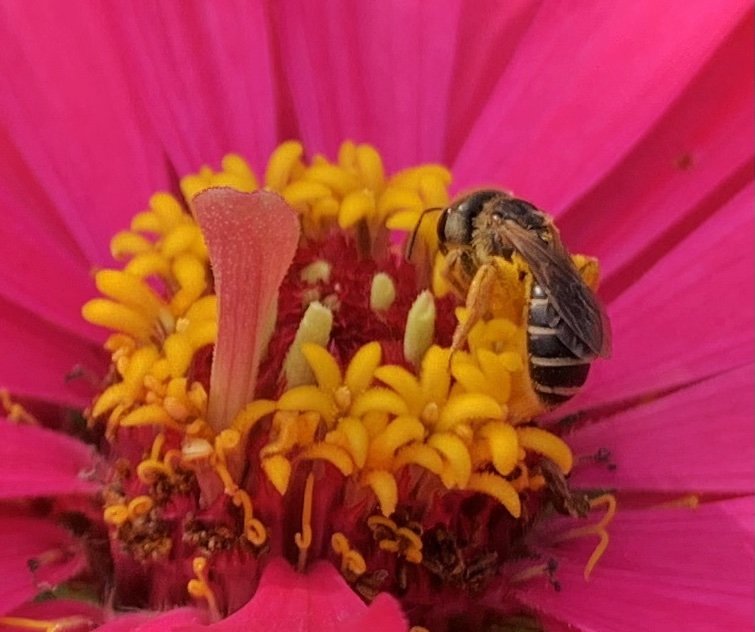
bee on flower
Bee in center of hot pink Zinnia

Each morning I check on the garden. The iPhone is in my pocket because usually there is something to photograph.

Sometimes the little armadillo waddles through the garden, or maybe a turtle will come up out of the woods. And there is always activity around the zinnias.
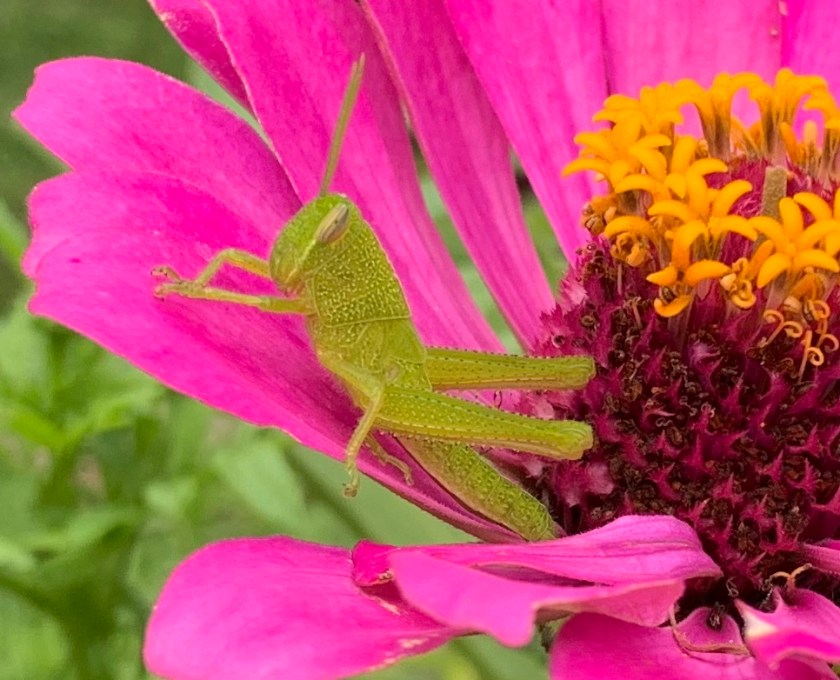
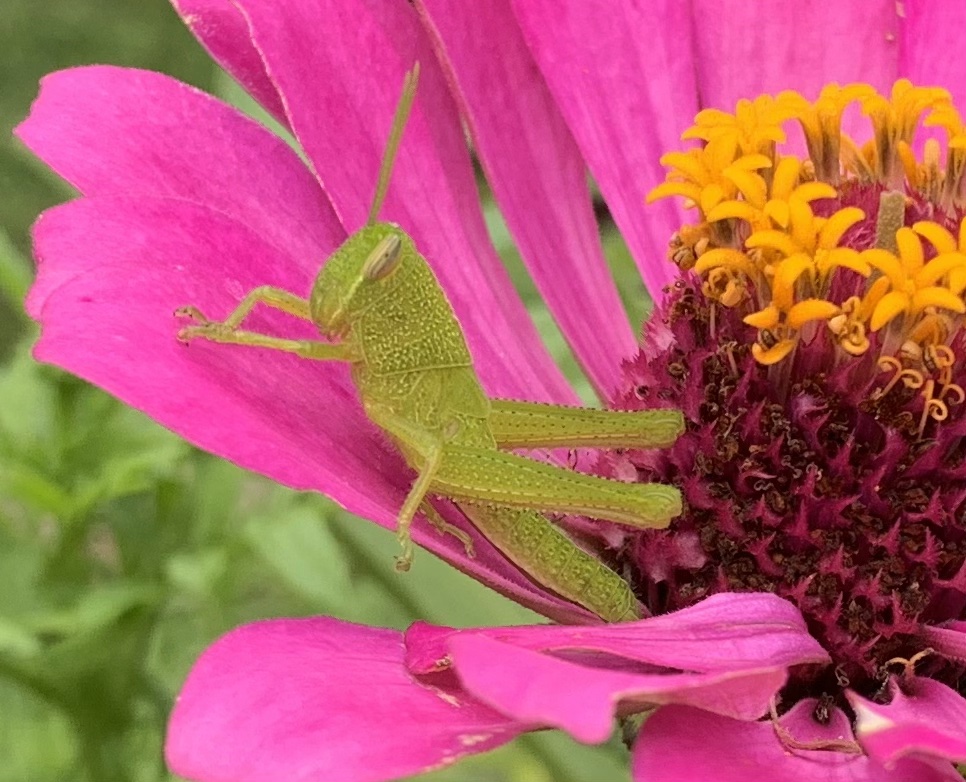
grasshopper on zinnia

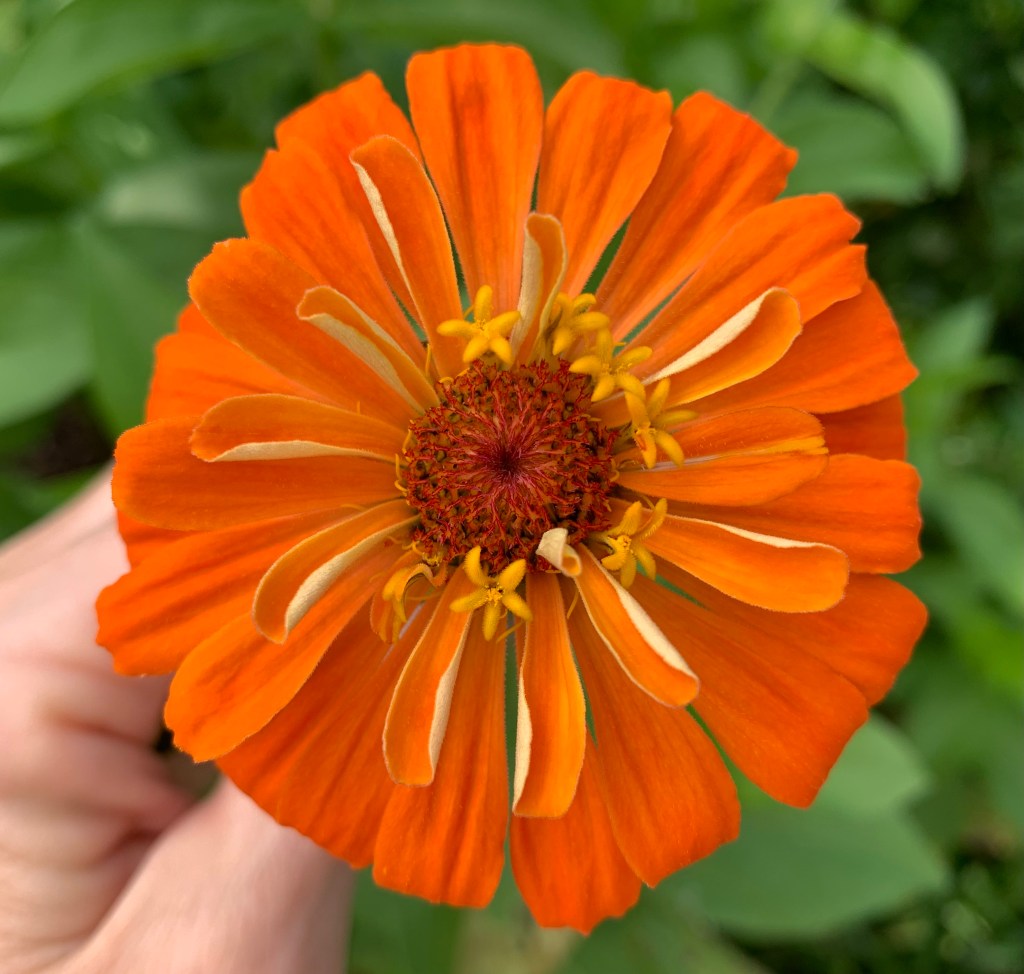
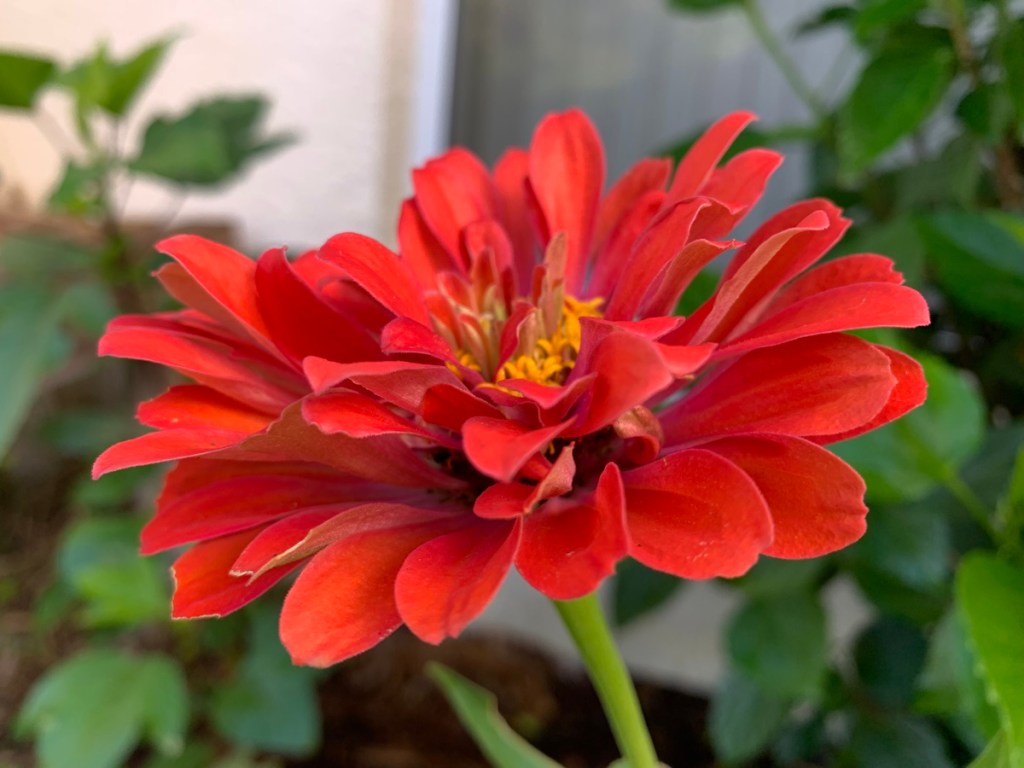
One afternoon I watched the amazing Giant Swallowtail butterfly wander from one zinnia patch to the next. I tried to get some decent photos but he was continuously flying and wouldn’t let me get too close. That orange zinnia was his favorite.
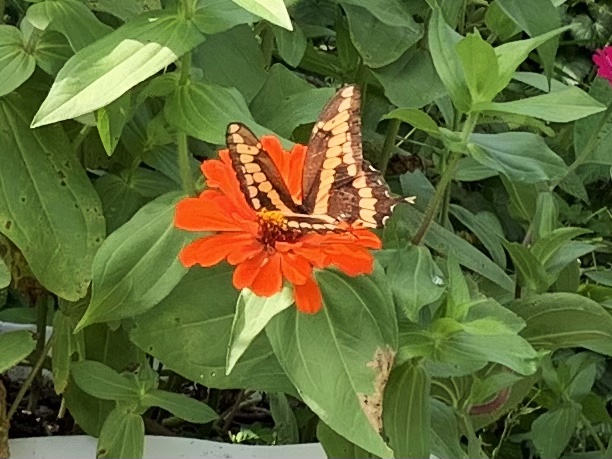
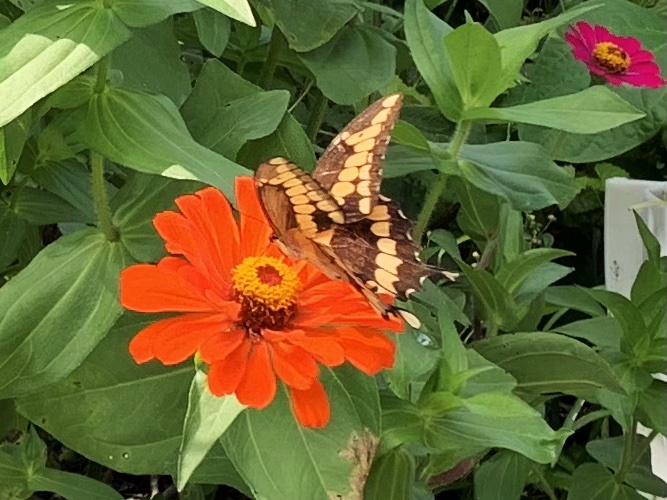
The photos don’t do him justice. This is a butterfly that is larger than most I see, but his wings are also floppy, for lack of a better word.

I found this video which will show you the swallowtail flying (very beginning of video), which is exactly what I saw, but couldn’t capture. This woman goes on to mention a bunch of plants that will attract them. The wild lime tree sounds perfect, if only I had a decent size yard.

Check out this video by a woman in Alabama who raises Giant Swallowtails when she finds them on her citrus trees. I’m not sure why she doesn’t just let them live on the tree, but I guess some people enjoy raising them. Her garden is stunning! I need some citrus trees.
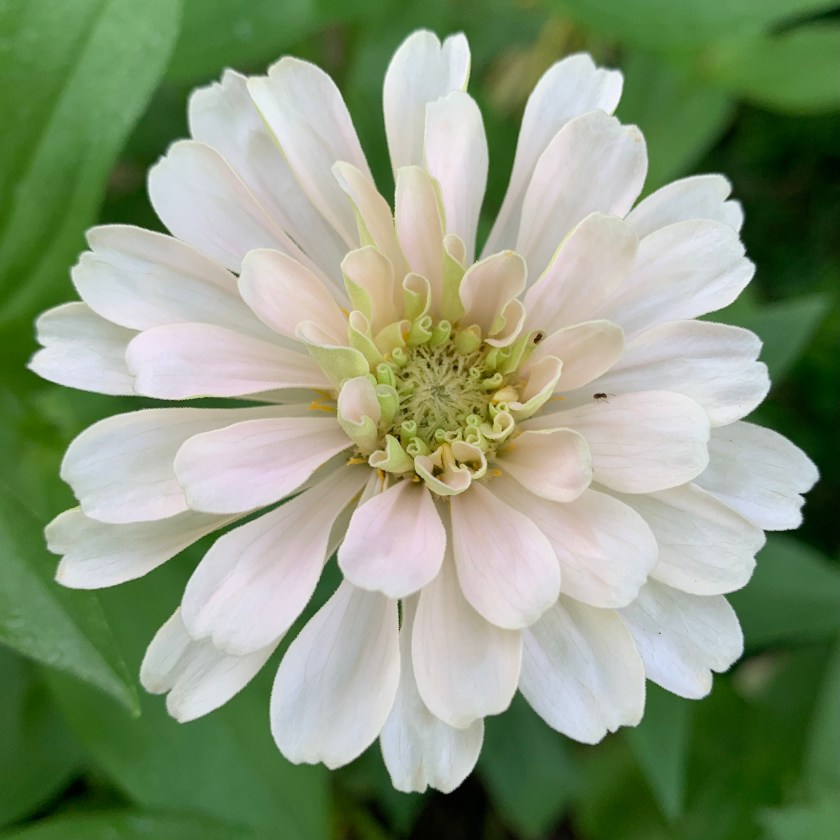
white zinnia flower
White zinnia, or very pale pink

The brightly colored zinnias are the ones that attract everything, but now I have a whitish zinnia! It is lovely.

Each day, very early or very late (it’s July in Florida!), I sit for a bit in the garden and just observe. It’s when I see a hummingbird flitting over the zinnia patch and drinking!
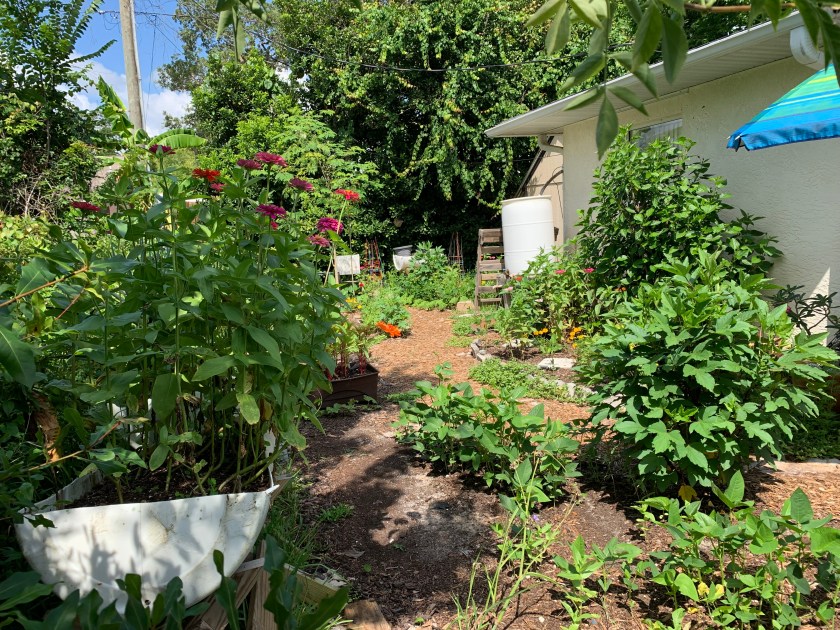
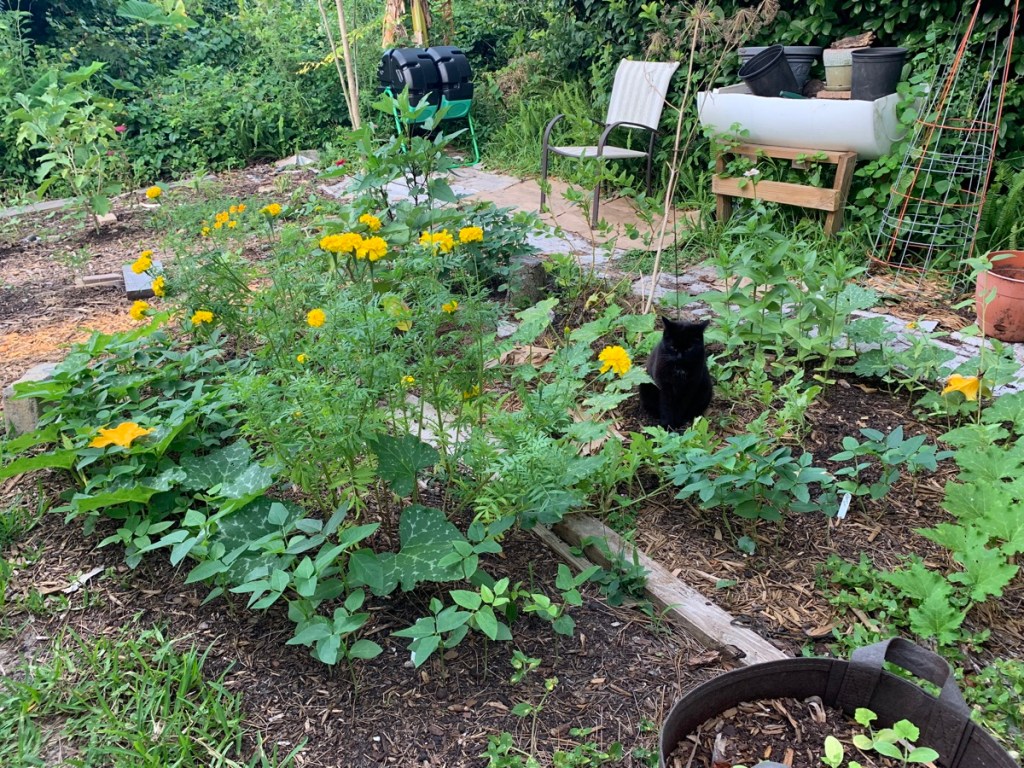
garden

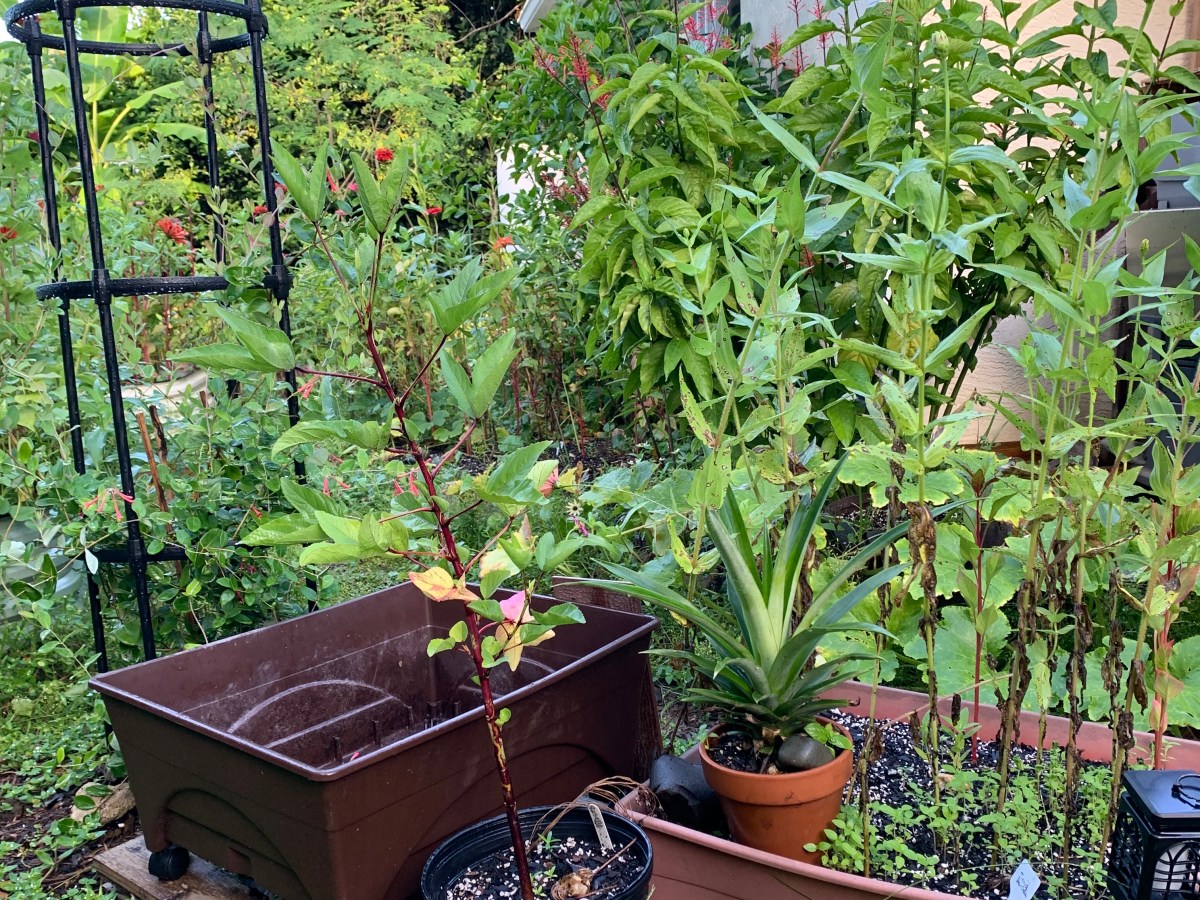
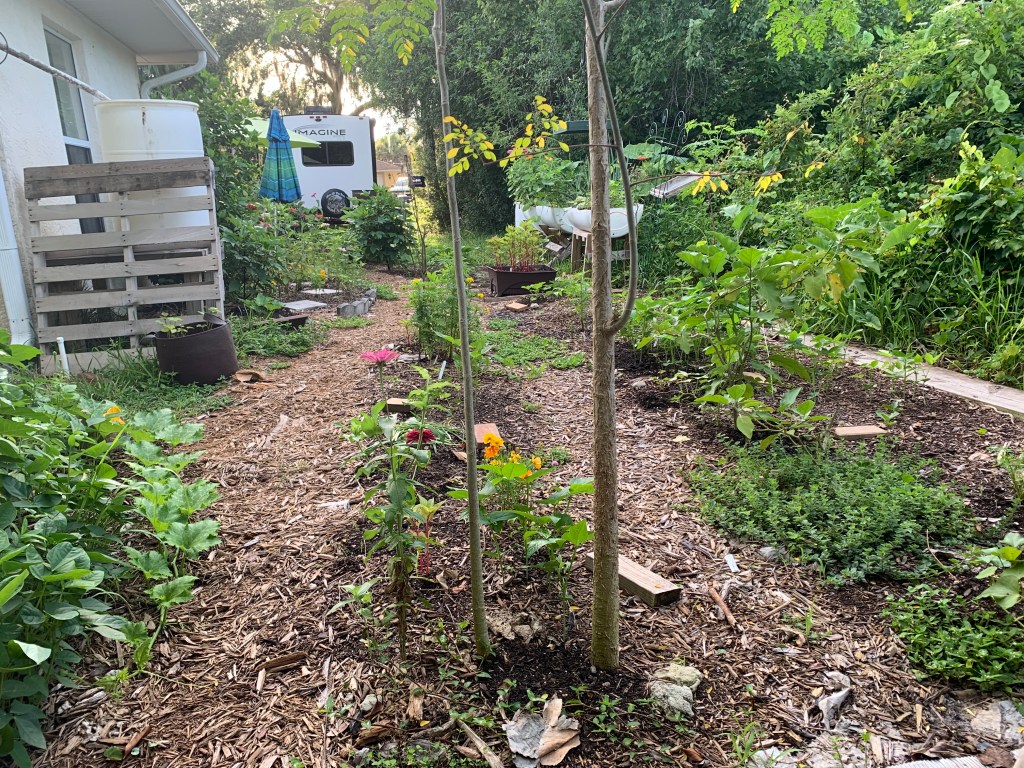
The flower and vegetable garden at the side / back of my house is very small. I can sit in one spot and see most of it.

I hope you can find time in your busy life to sit still and observe what is happening in your yard. If nothing is happening, maybe consider hanging a bird feeder, or planting some flowers. Currently, there is a blue jay family that comes for seed and water each day. The babies are noisy.

I don’t like where I live, but I’ve made it more tolerable by creating this space that is alive with nature.

My Yard Before the Gardens! Boring…

Below is a photo of how this area looked when we moved in! Some people like this nice, neat, grass look, but I find it depressing and certainly boring!

I’m sure the grass was sprayed regularly for bugs, like most people do around here. Nothing interesting at all was growing on this lot. Only the banana trees in the back corner gave this space any interest. And I think they came from the people behind us.
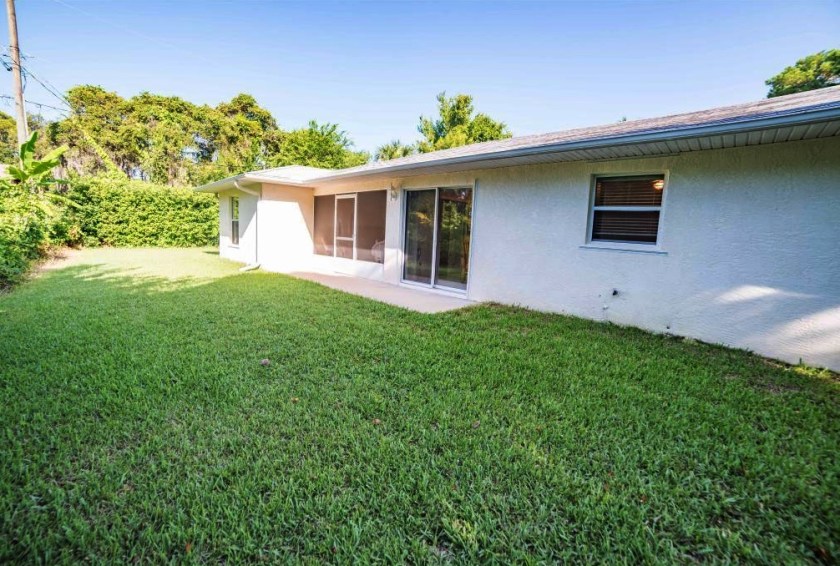
Florida house backyard
House backyard in 2016

Dead Zinnia Bouquet

As the zinnias get old, I pick them and bring them in. These fading zinnias will go into my seed saving box once they look completely horrible. They are no longer perfect, but I can enjoy them nonetheless. I leave the flowers growing outside for as along as possible for the butterflies and bees. I only cut them when there are plenty more blooms to feed the bugs.
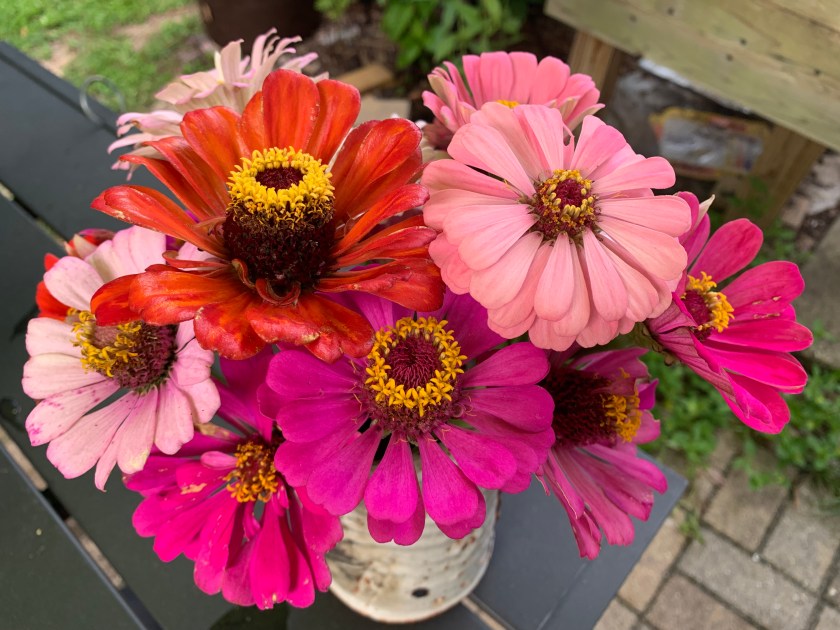
dead zinnia bouquet


Read on…

Something went wrong. Please refresh the page and/or try again.

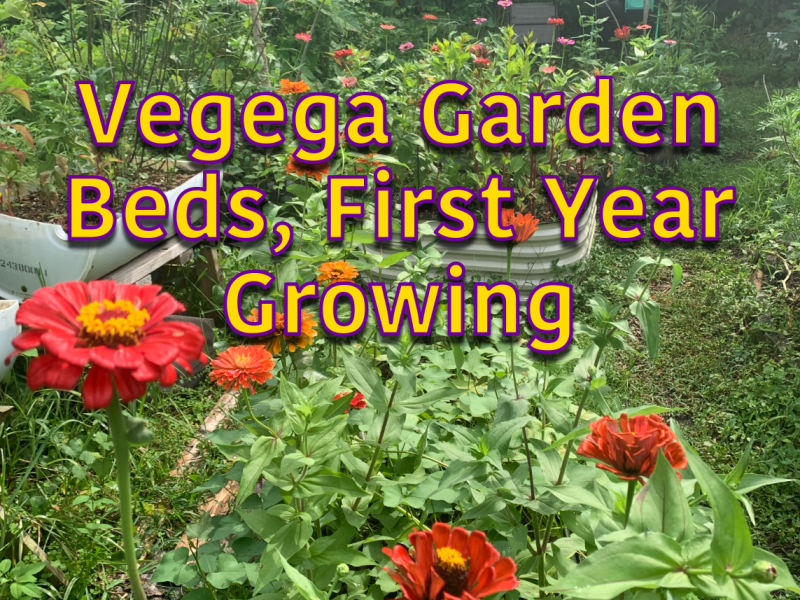
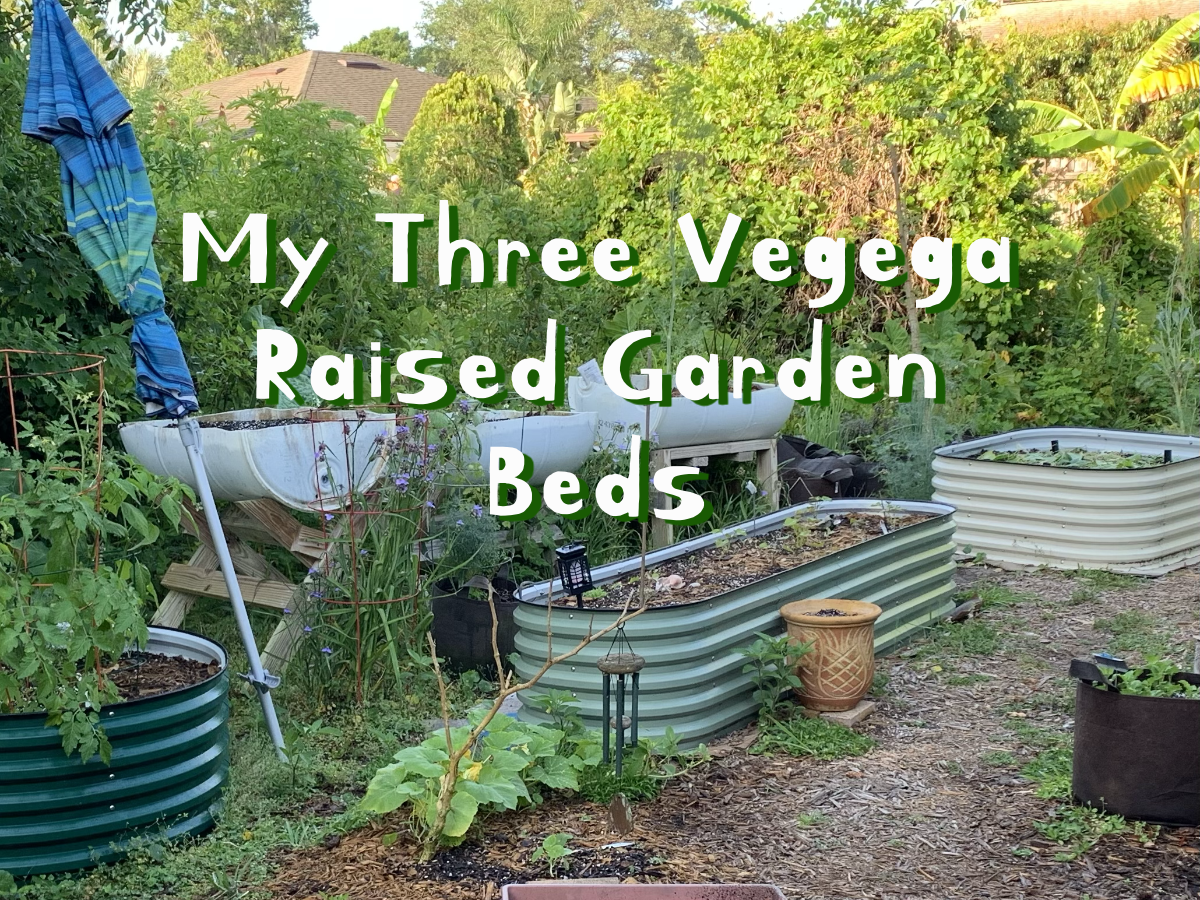
Splurged and Bought a Metal Raised Garden Bed

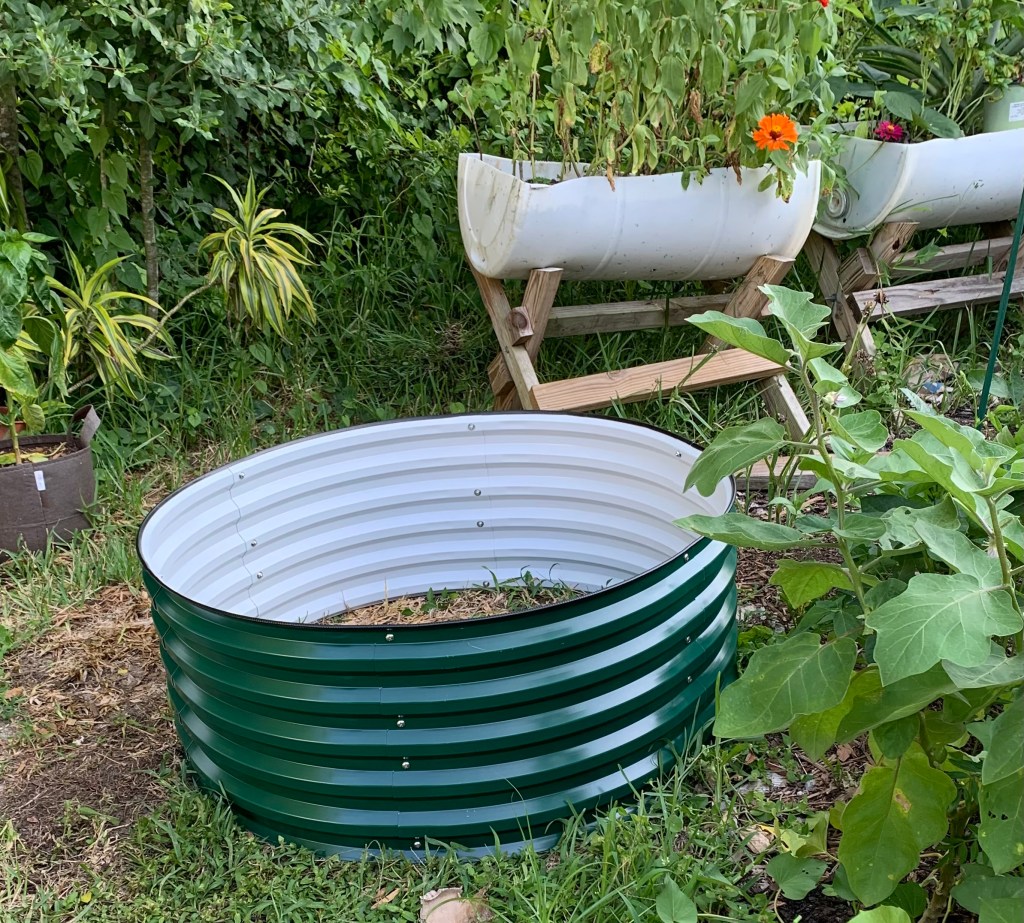
I’ve wanted a permanent (not made from wood that rots), large raised garden bed for a while. Raised garden vegetables are easier to manage than in the ground planting. I have better luck in a bed usually. This metal, round Vegega bed seems perfect.

Every time I have searched for metal raised beds, they have seemed way too expensive for me to buy. A few hundred dollars for one bed is way out of my budget. I had no idea of the quality either, until I found a review of the Vegega brand.

At Wild Floridian, I found a nice video review, and she offered a discount code to use for buyers. Her video convinced me to look into this brand further. See the review Vegega bed video by Wild Floridian where she has had the bed for a year and compares it to another type she had problems with (not named).

When I browsed the Vegega site, I liked the bed shape options. They offer sets that can be shaped as you wish once the product arrives – called 9-in-one, 10-in-one. Some of the pretty light colors were not available when I shopped, so I chose dark green.

My yard is small, and I was not sure where I’d put my bed. The round shape seemed perfect and I chose the 17 inch depth. This is a perfect depth to grow all kinds of vegetables including the ones with longer root systems like tomatoes, watermelon, and pumpkin. At this point, I have no idea what will be planted in this bed, but I will not be restricted by depth.

Putting The Vegega Bed Together

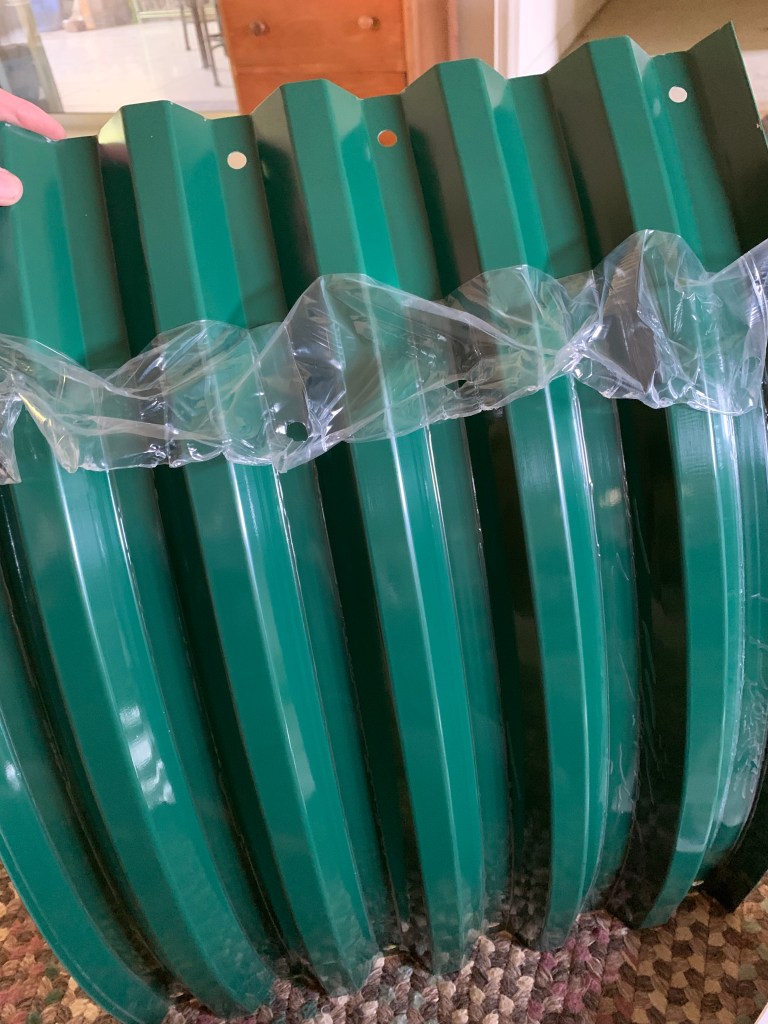
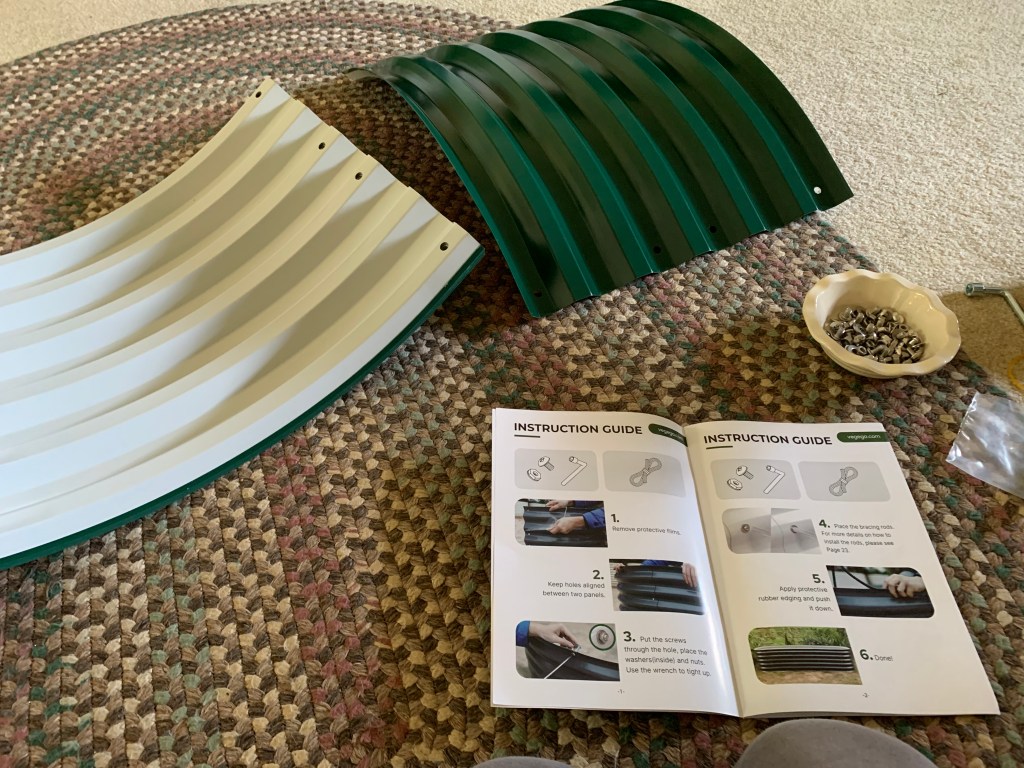
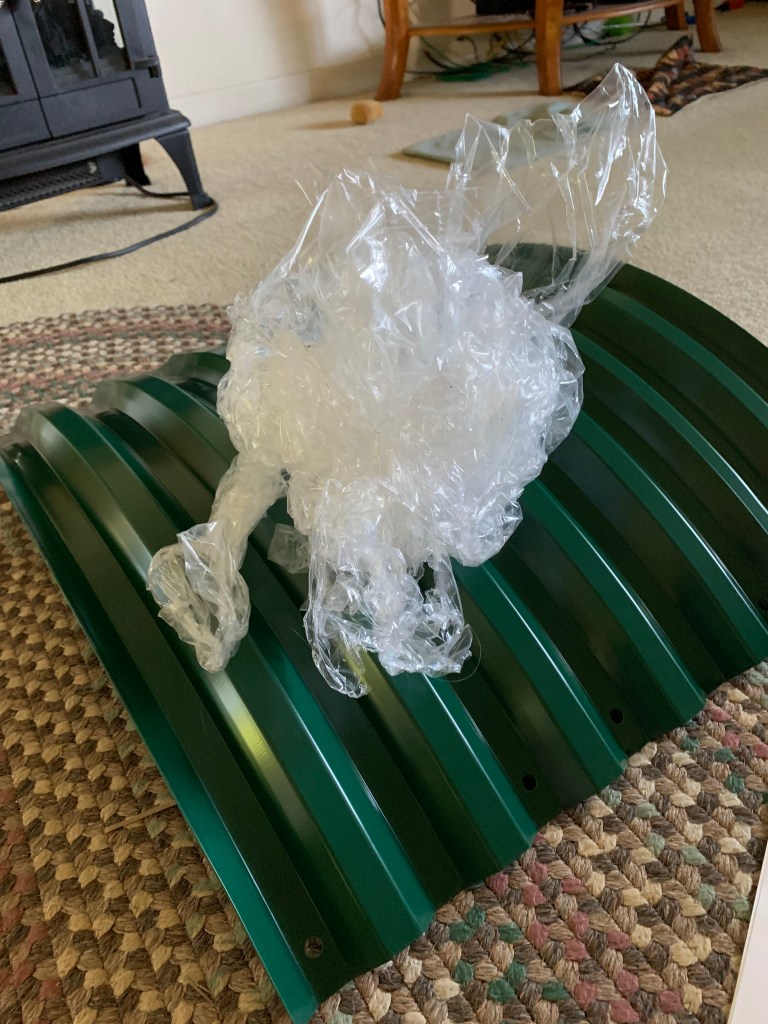
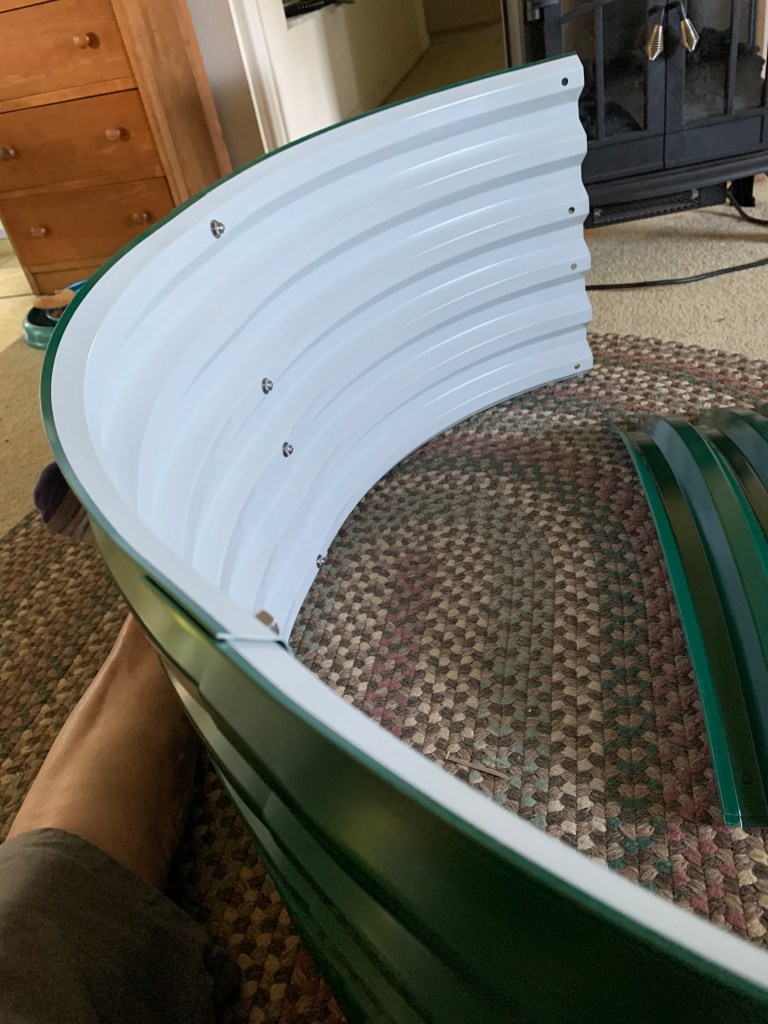
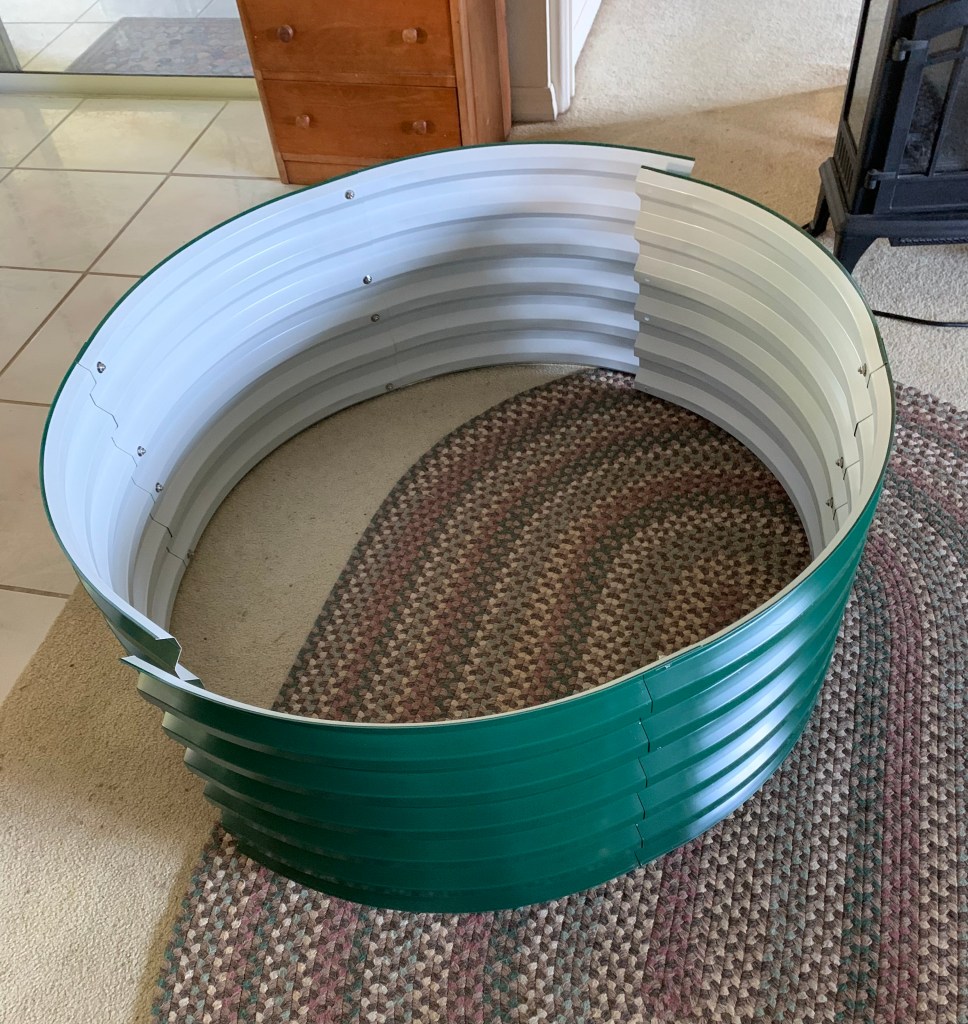
Assembly of the garden bed was fairly easy. I did it by myself in the house (it’s hot here). I think I spent the most time removing the film that covers each section! Screwing the pieces together was very easy. I decided to complete each half of the circle so I could move it outside in two sections to complete the assembly.

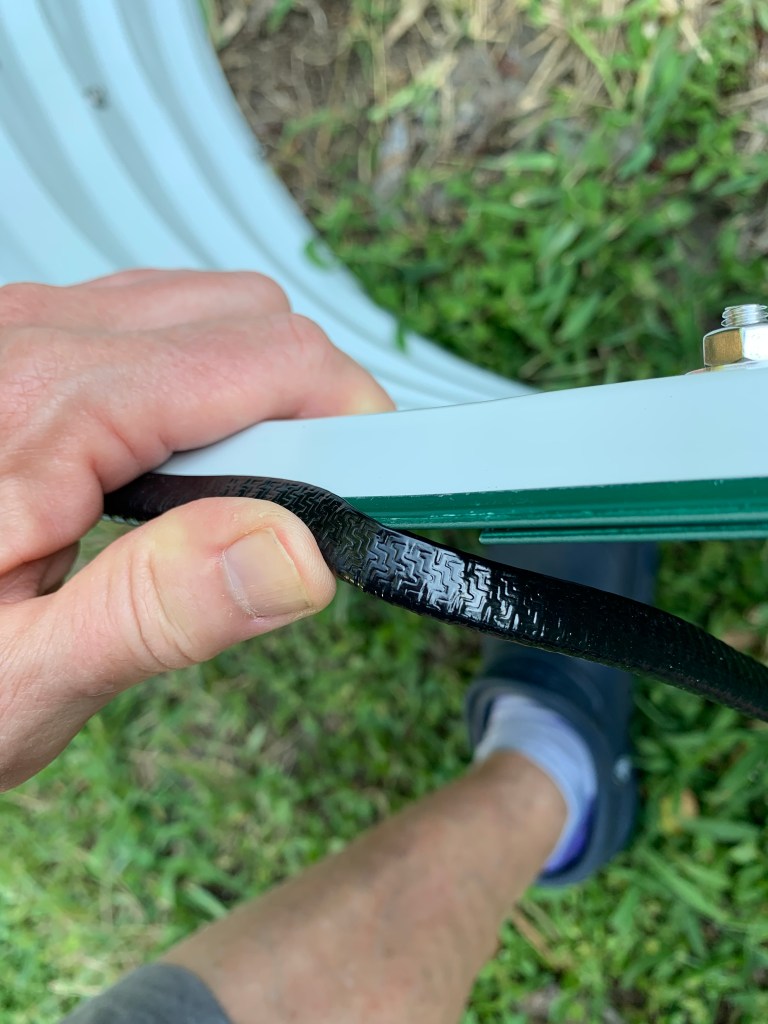
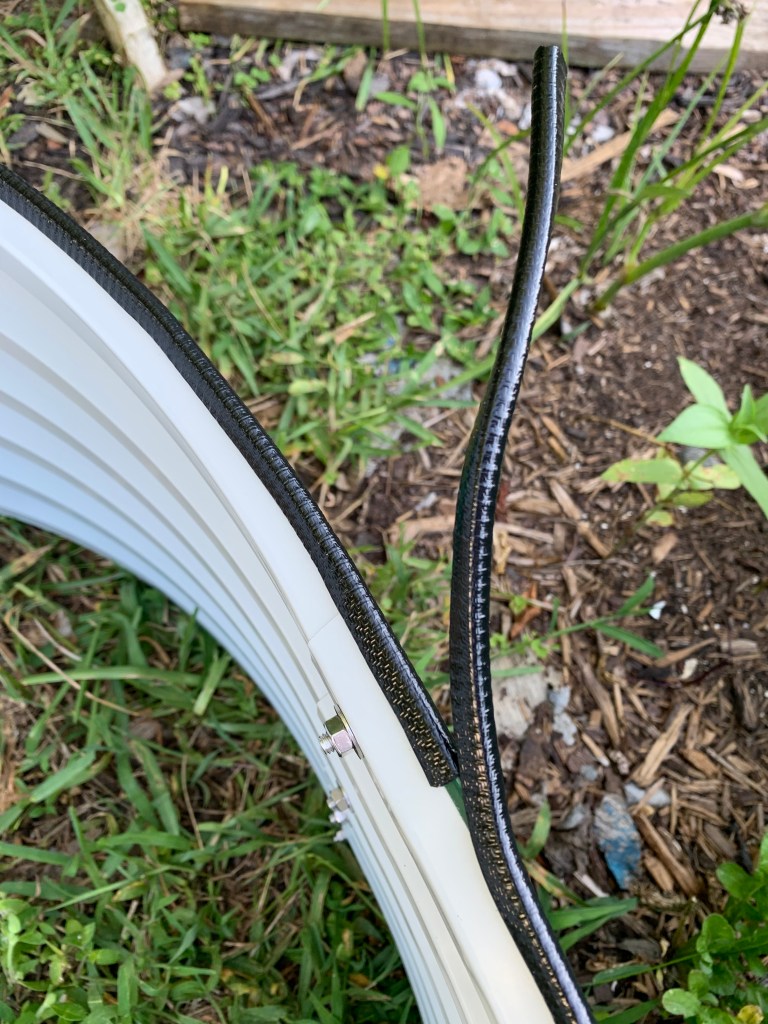
Once the sides are all screwed together, a rubber strip is added to the top. This also was very easy to do, with plenty left over.

How I Am Filling My Raised Bed

I’ve read all about various ways to fill a garden bed. This is part of the expense, but it’s worth it to create a good environment for the vegetables to grow. I’m not in a hurry, as I won’t be using this bed for a few months.

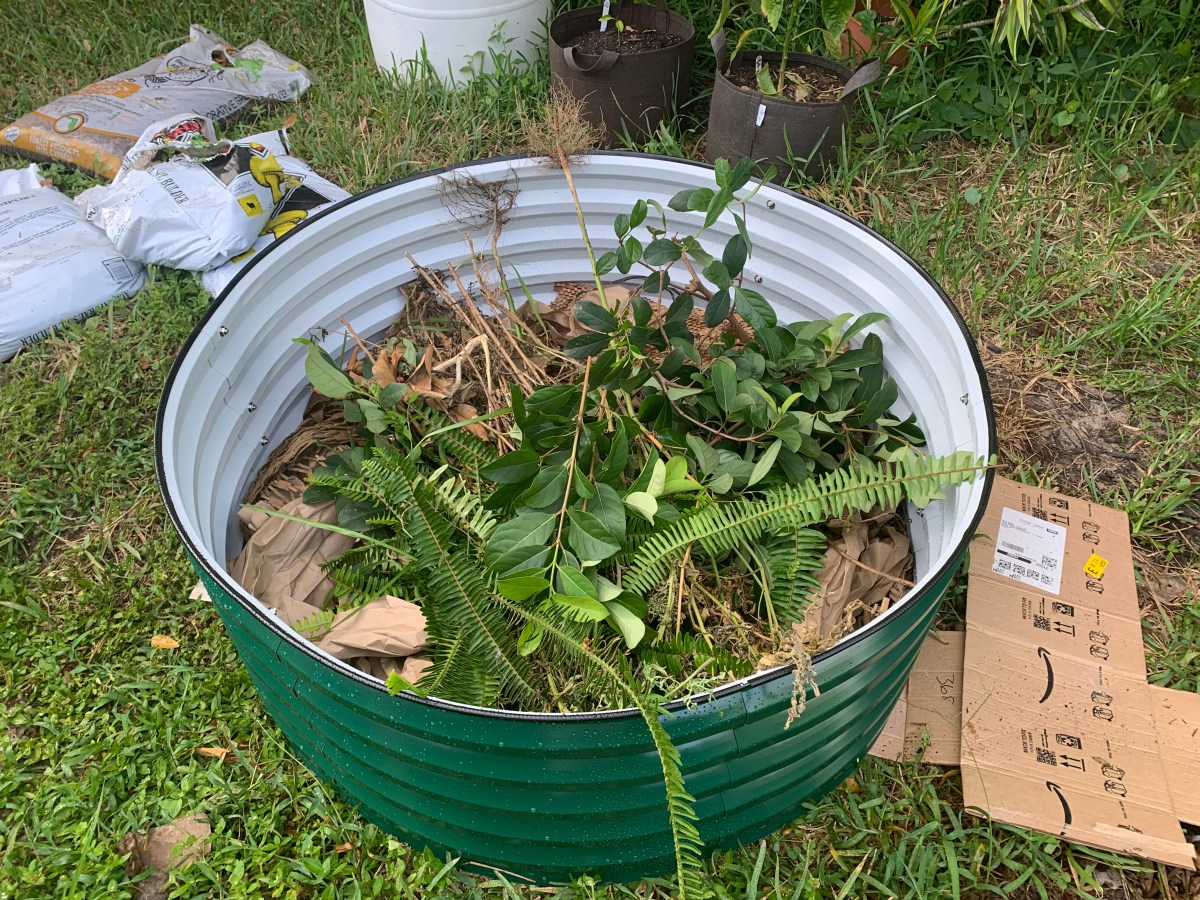
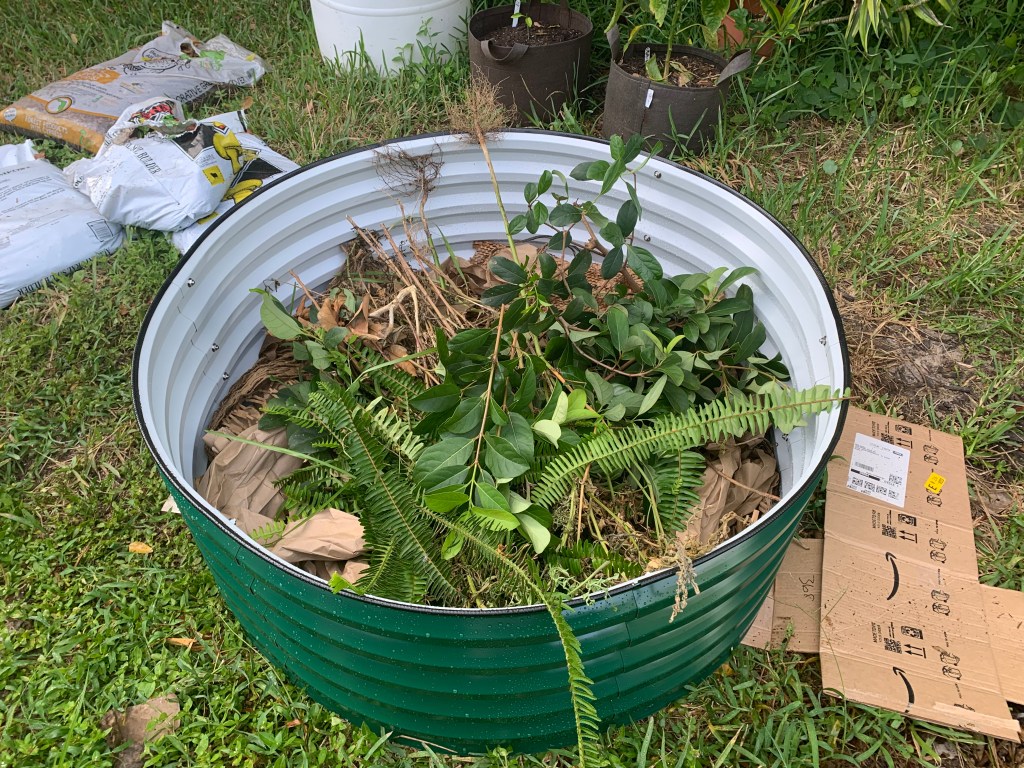
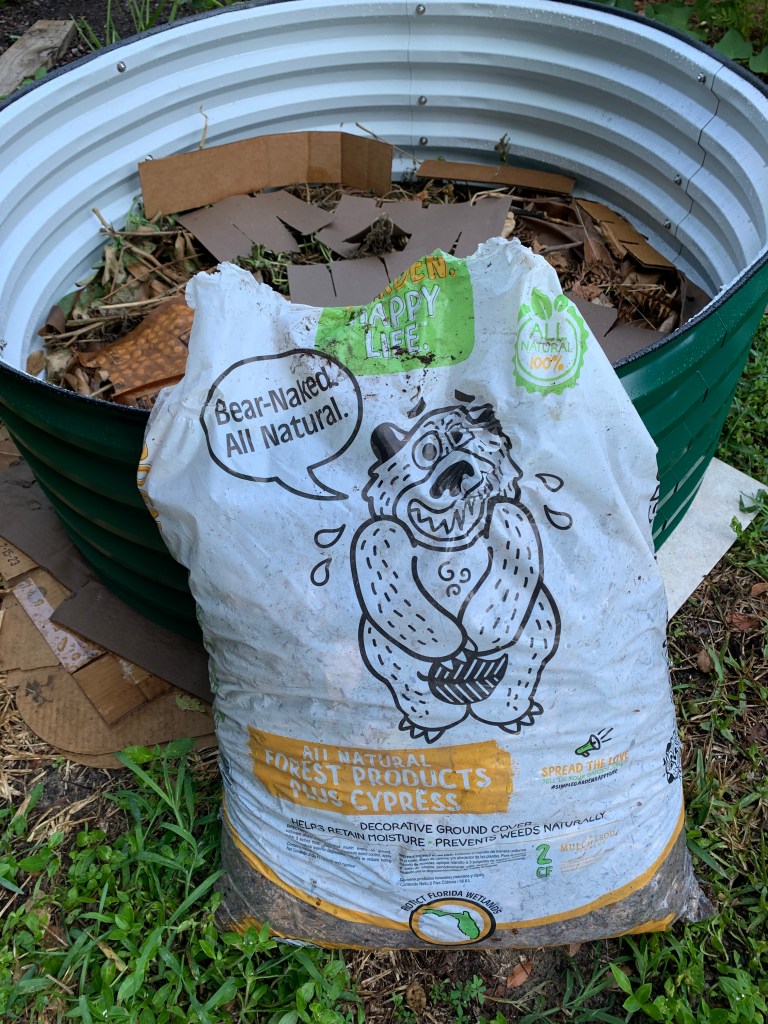
I have cardboard, so I am using it to level the bed. I also have added packaging paper, along with cuttings from the shrubs, and mulch to begin the fill.

Don’t try to make your raised bed into a restrictive “container”. Leave the bottom open just in case roots want to expand. Also, think about water drainage. Everything I am adding here will eventually break down. Soon, the greenery will turn brown and decomposition will happen. All of this will become a layer of nutrients at the bottom of the bed.

As my marigolds die, I will cut them off and add them here. The same with any other flowers. I’m growing cowpeas now, and some of those plants may end up as a layer.

*FYI: I read someplace that using rocks in the bottom for drainage may not be a good idea, especially if you want to move the bed later on. The rocks will have become part of the earth and will be difficult to move / remove.

My Reason For Wanting a Raised Bed

I want raised beds because it’s easier to add and keep nutrients in the soil. Whenever I compare similar plants that are in the ground, to the ones in the bed, the bed / grow box plants are always doing better.

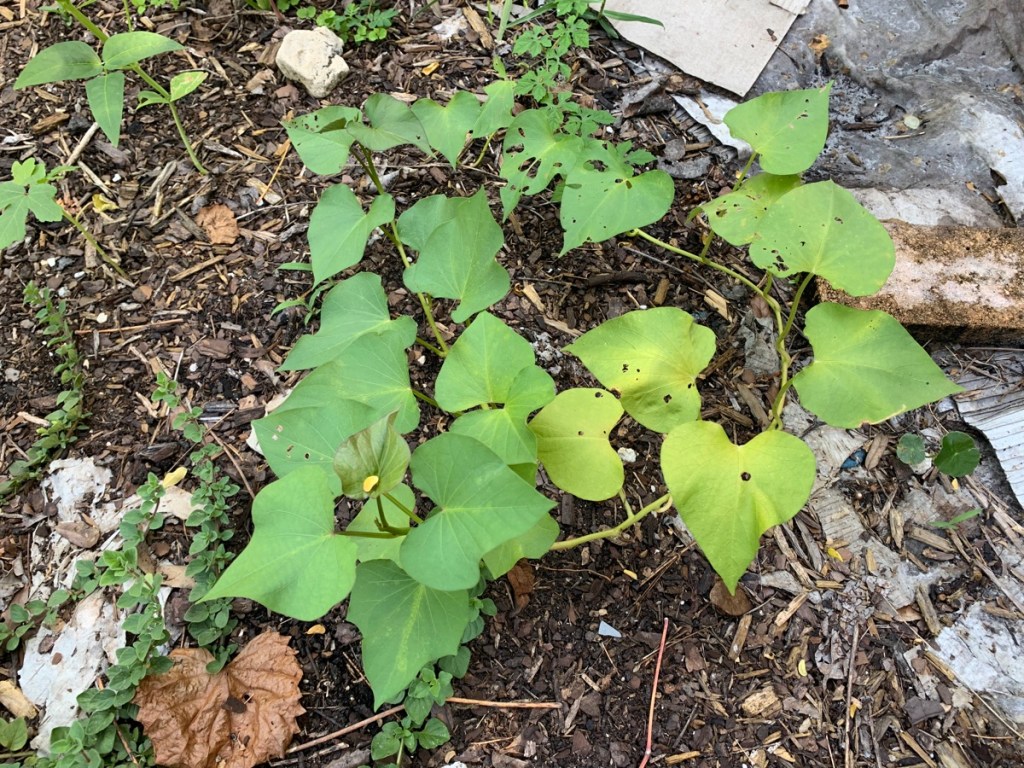
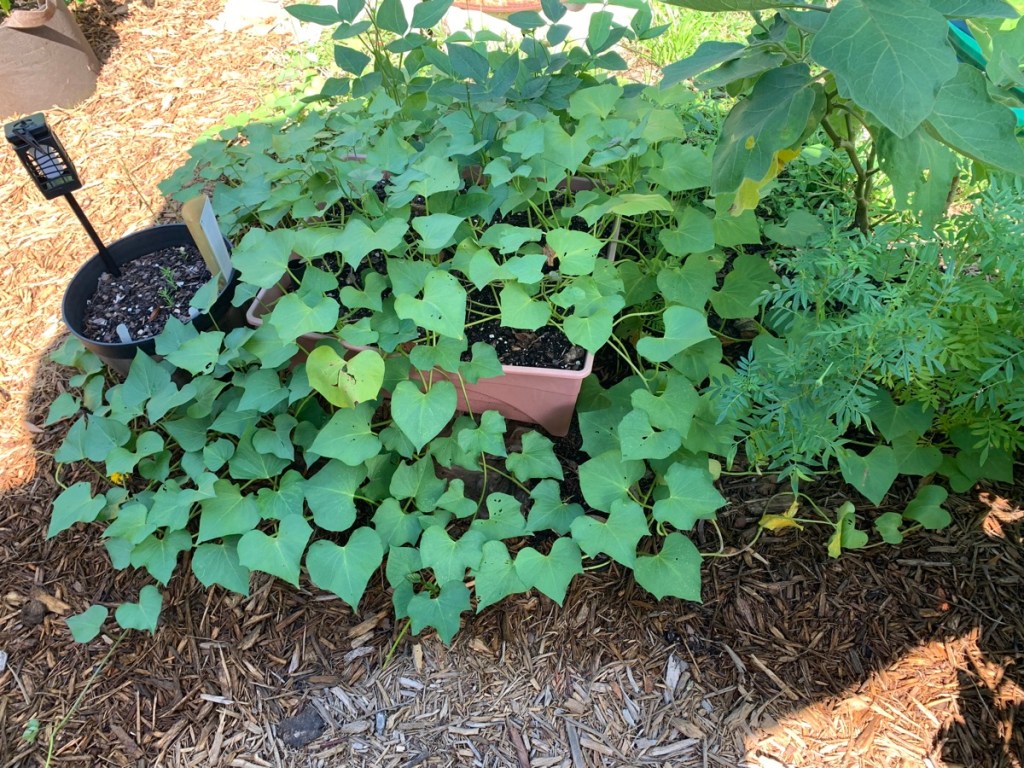
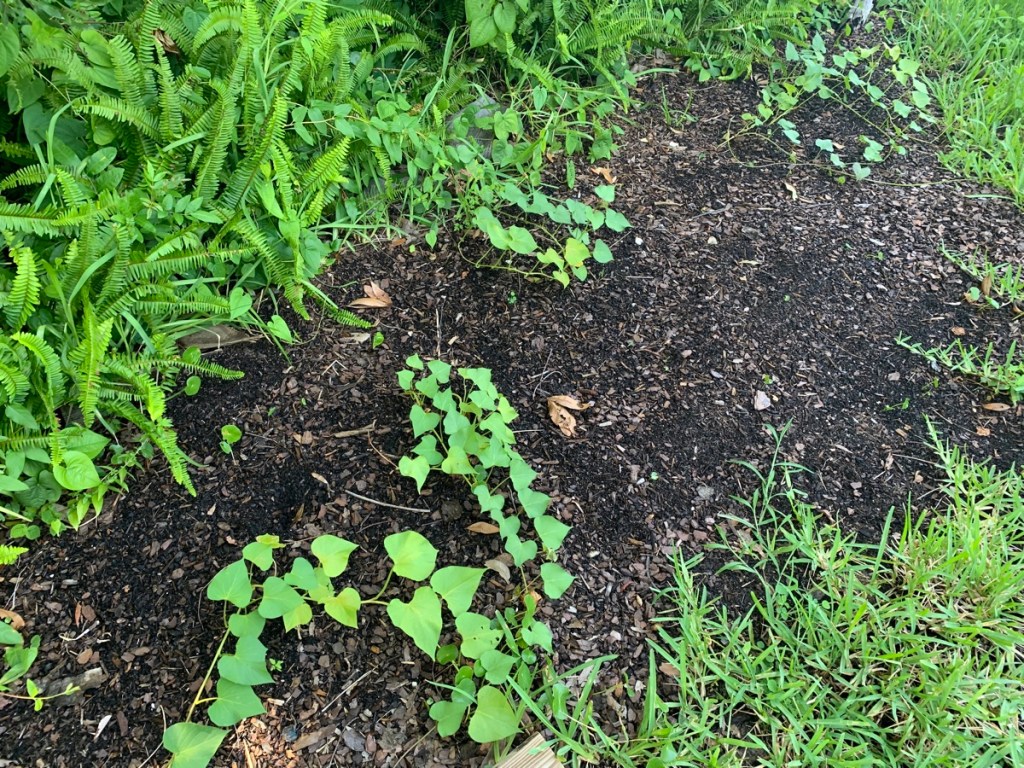
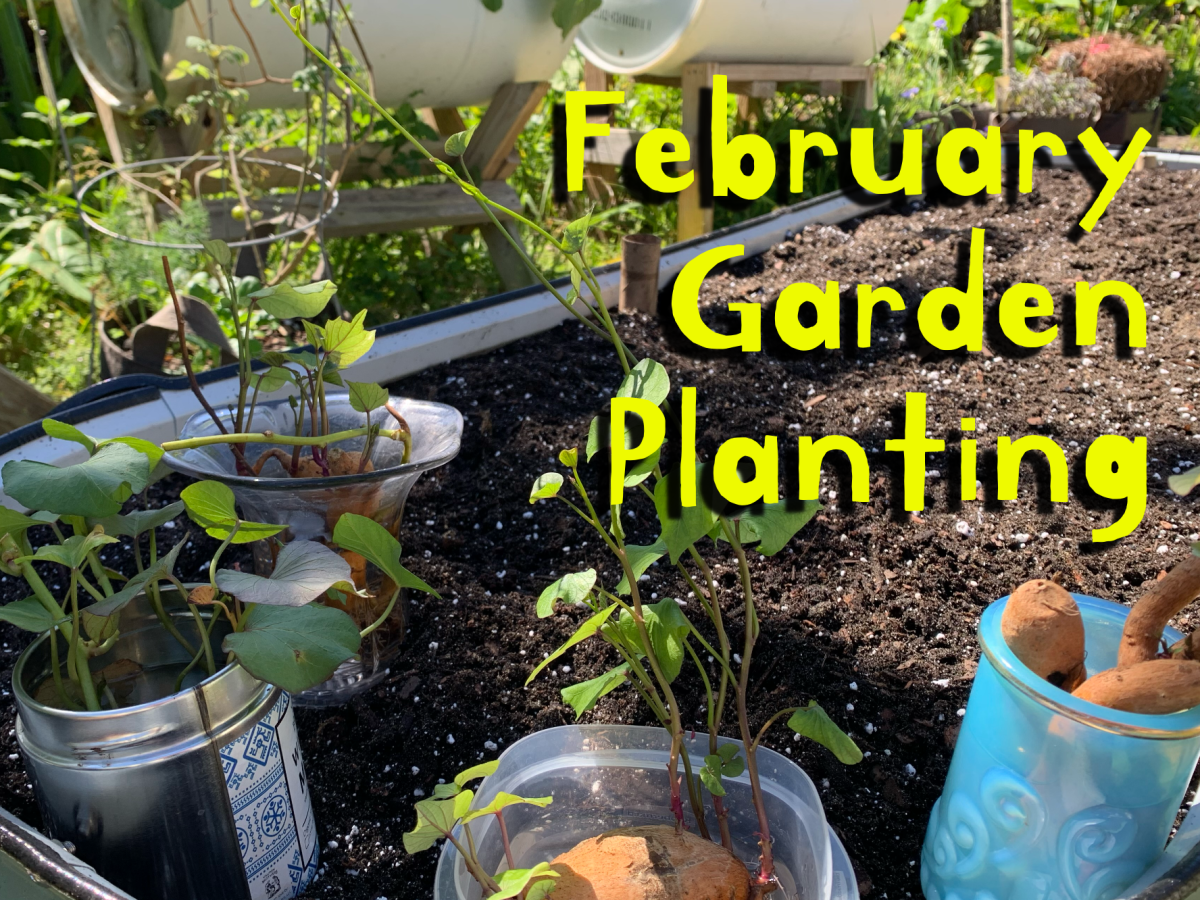
As an example, I bought and planted sweet potato slips just before my trip north. One slip went into a grow box (center) and others were planted randomly around the yard in the ground. The grow box sweet potato is going crazy with vines all over the place – even though that box is really not nearly deep enough. All the other sweet potatoes are much smaller. We’ll see in a few months if I get actual potatoes to compare.

Crop Ideas for a Round Raised Garden Bed

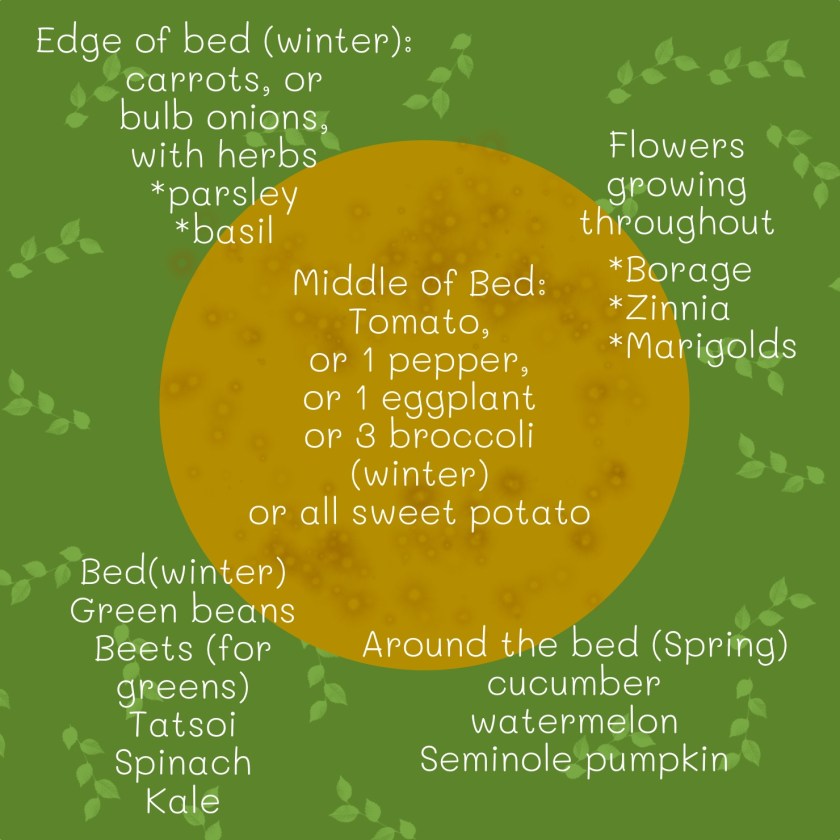
When considering what I have grown successfully (for the most part) I created this diagram with ideas for what to plant in my new, round raised garden bed.

That big circumference is perfect for root crops near the edge. I’m thinking carrots and bulb onions (garlic for you northerners). Both onions and carrots take months to mature. Putting them in as a border – out of the way – leaves space for bigger crops in the middle. I’m thinking of planting broccoli here this winter.

planting ideas for raised round bed
Planting ideas

Eventually I will be adding garden soil along with perlite for good drainage. Before I plant, I will mix in some other amendments such as bone meal. More to come about planting in this new space. I’m already thinking about buying one more bed in a rectangle shape.

All gardeners are invited to keep reading…

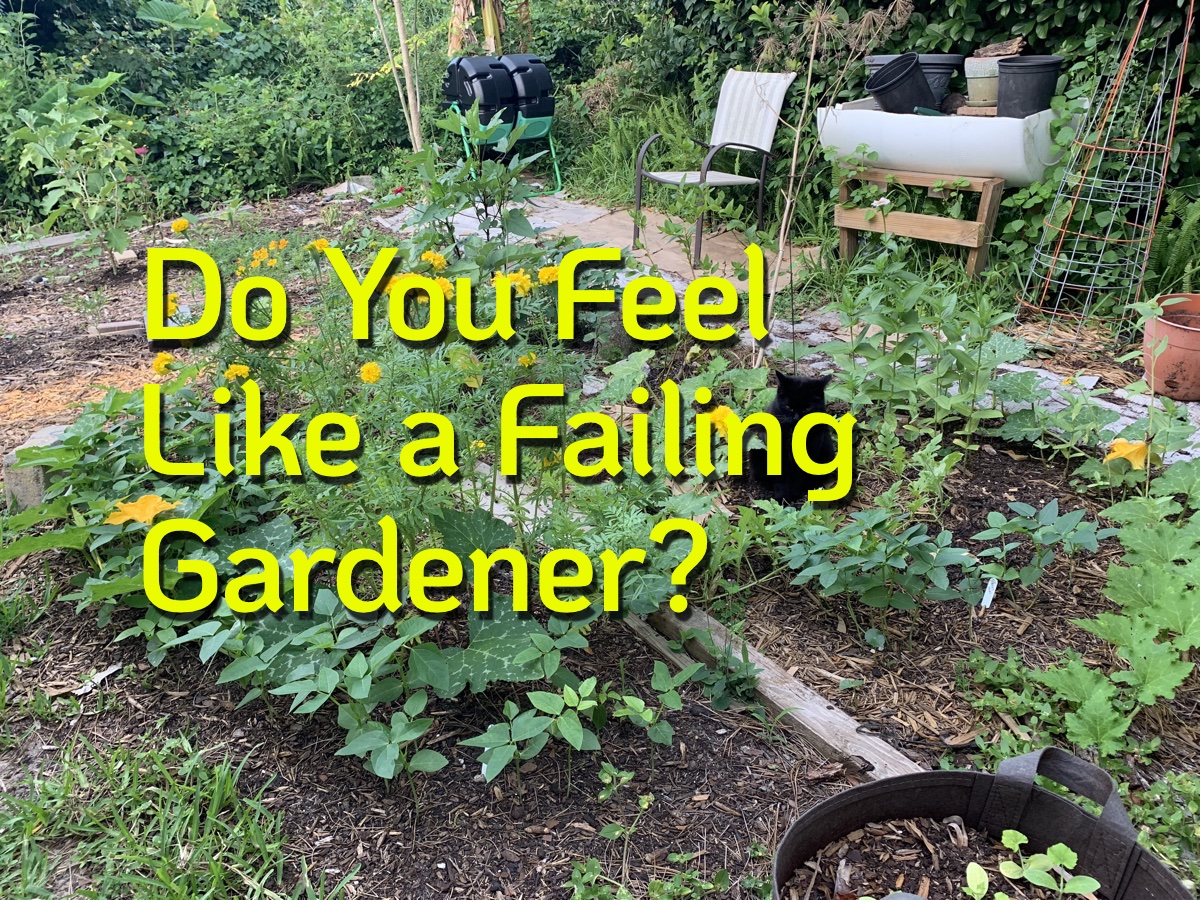
Do You Feel Like a Failing Gardener?

It is sometimes difficult not to feel like a failure when it comes to gardening. When we have high hopes, but the crops simply won’t grow, what then? Chin up, we are all on the journey together.

Summer is the time when gardeners like to brag about their gardens. Pictures are everywhere, on all social media sites, of gorgeous flowers, spacious and manicured backyards, fruit trees, lovely vegetables, perfect plants, and so on. It’s enough to be quite depressing.

If, like me, you sometimes feel like you are failing miserably at gardening, I’m here to remind you that most gardeners don’t share their failures! Every yard has some FAIL moments. And most importantly, we don’t all have the same advantages.

Problems With Peppers

As soon as I wrote a blog page about how happy I was with my pepper plants, they promptly began to die. No kidding. I pulled up my last Ancho poblano plant the other morning. One of the Nu Mex has also bit the dust, due to being stuck in a pot without correct drainage.

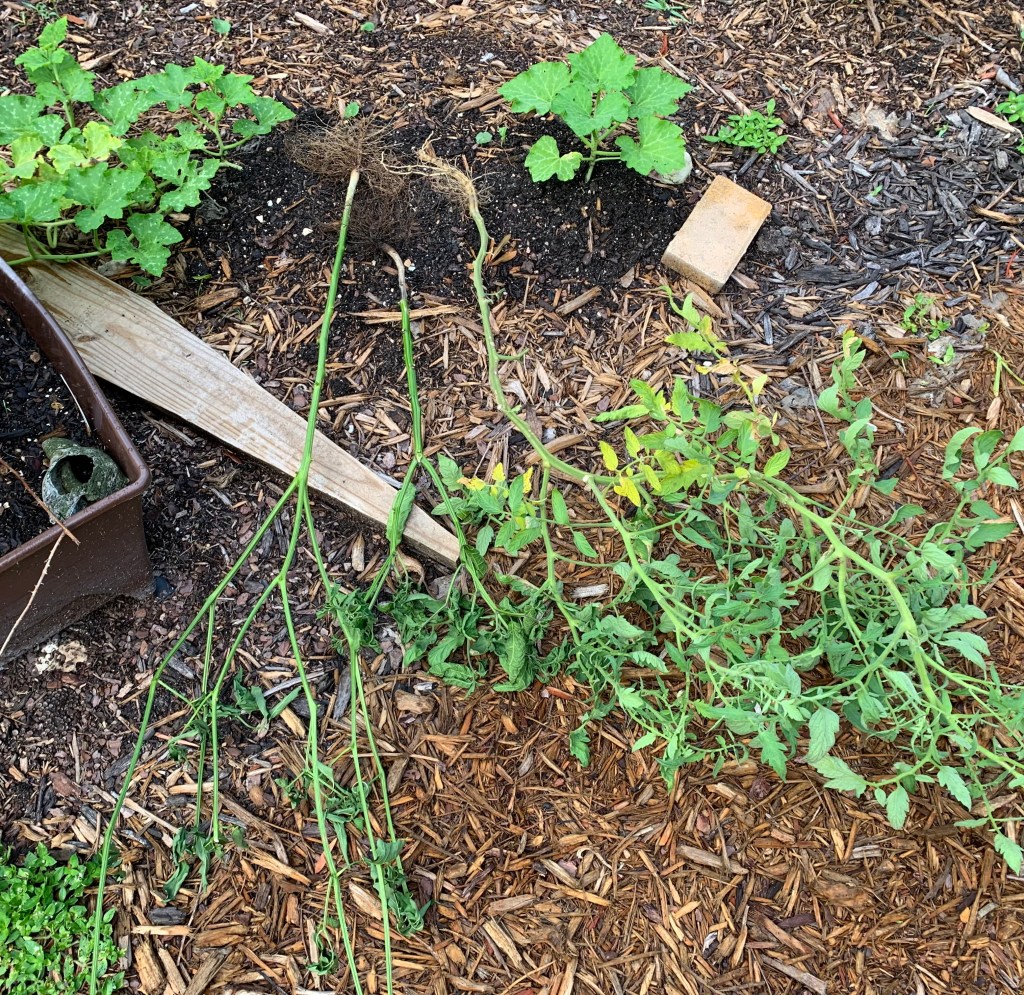
The two remaining green tomatoes on my last tomato plant refused to turn red, so I pulled that plant up too. Tomatoes don’t do well in Florida in summer. It was time to re-use the pot and get it ready to grow something else.

Let’s see, what else is currently failing in my garden? The Seminole pumpkin plants are doing almost nothing. Two of them have long vines, but not a single pumpkin. Are they growing too late into the season?

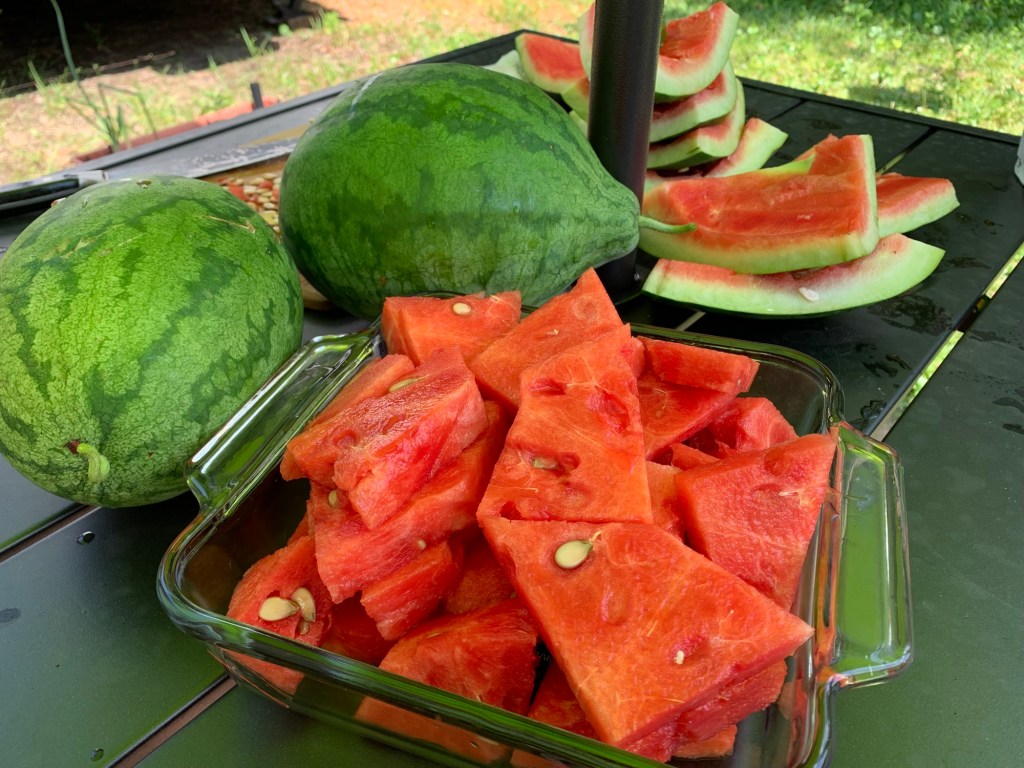
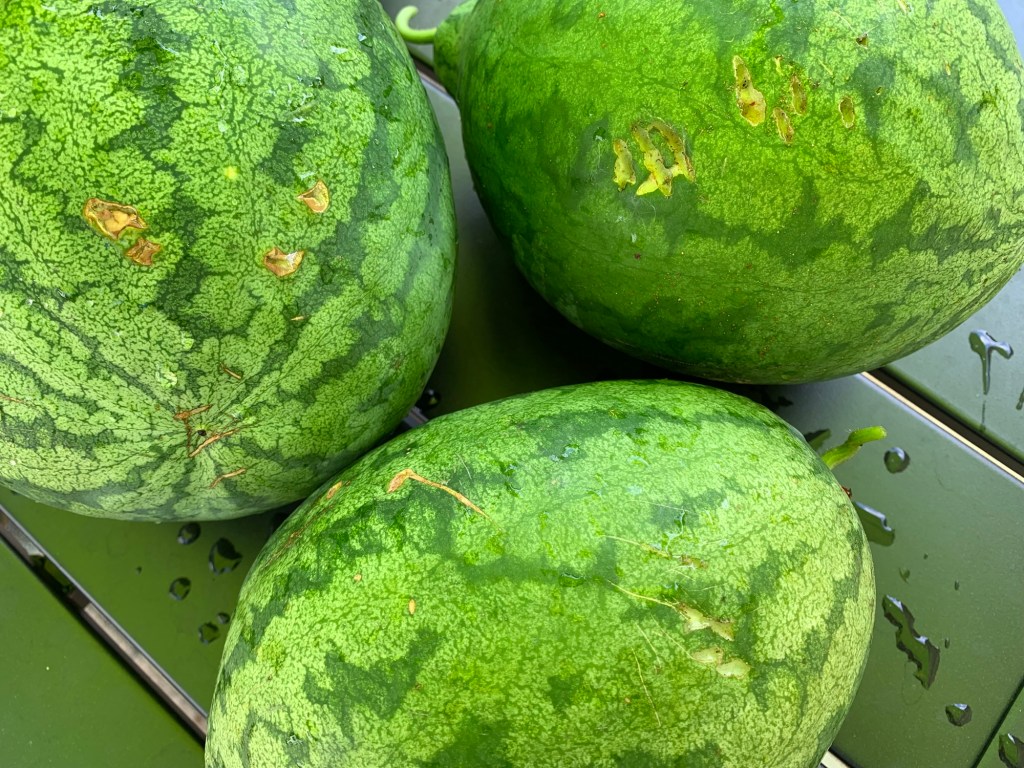
None of the watermelon plants look decent, and last year I ate three nice, delicious, watermelons!

Last Year…

What happened this time? I think I planted too late and then I was gone for 2 weeks. We’ve had a drought too.

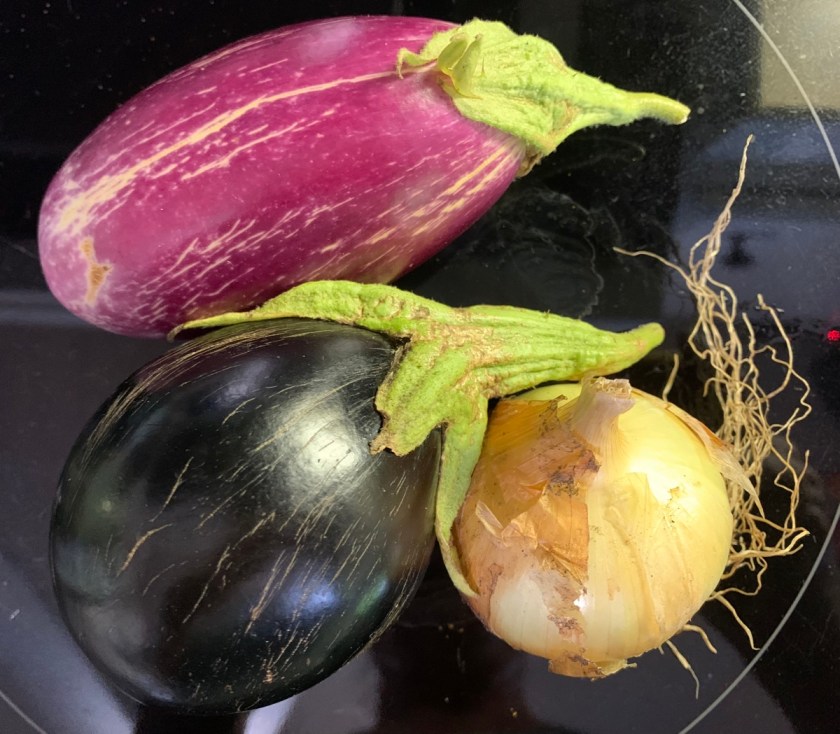
eggplant and onion
Rosita and purple eggplant, and onion from the garden

I kind of feel like a miserable failure. And looking at videos from other Florida gardeners is not helpful. Their crops are bountiful. Their plants look fabulous. Their gardens are organized, and producing, and the raised beds are filled with great compost.

I look at my failing crops and wonder how much more money I have to spend to get to the point where I have some good dirt for growing. But, I don’t garden to save money. I garden to have food from my yard.

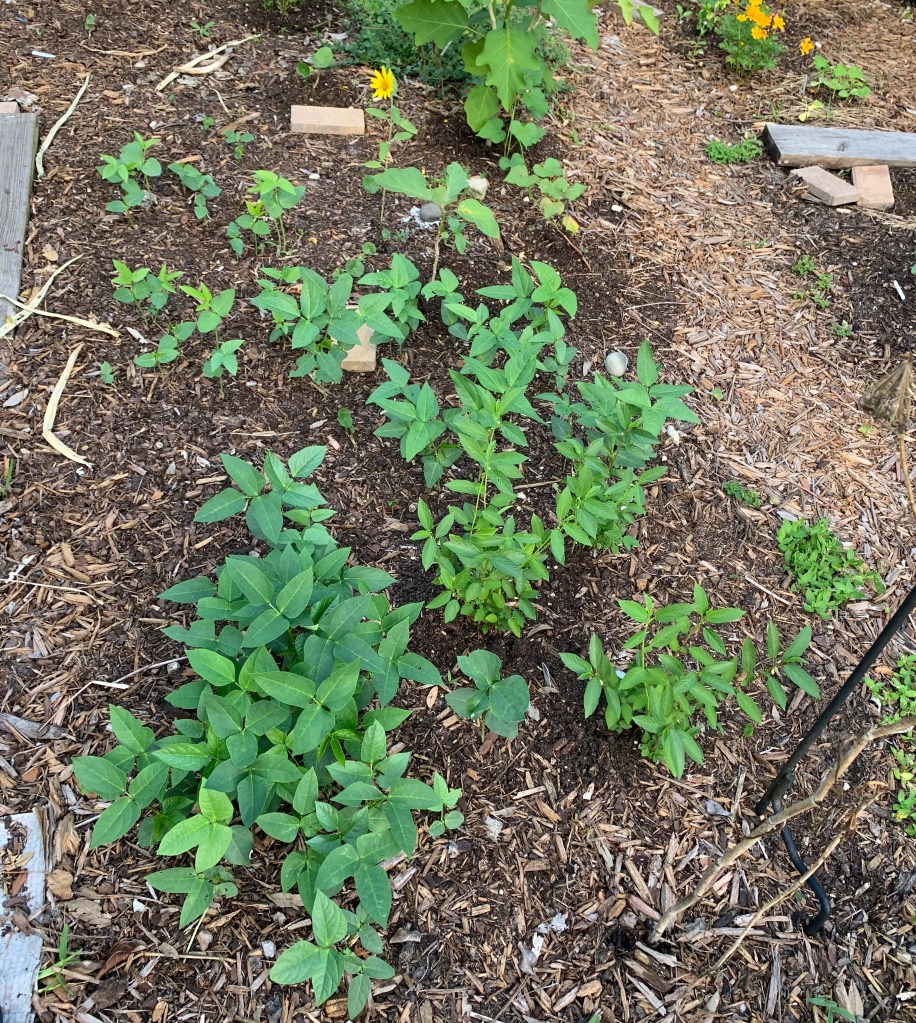
Right now I have a lot of “cowpeas” in the ground. They are (mostly) growing nicely. This will supposedly help my soil by adding nitrogen.

If you feel like me, that your yard is working against you, try looking on the bright side. All that stuff that is not growing can help build the compost pile!

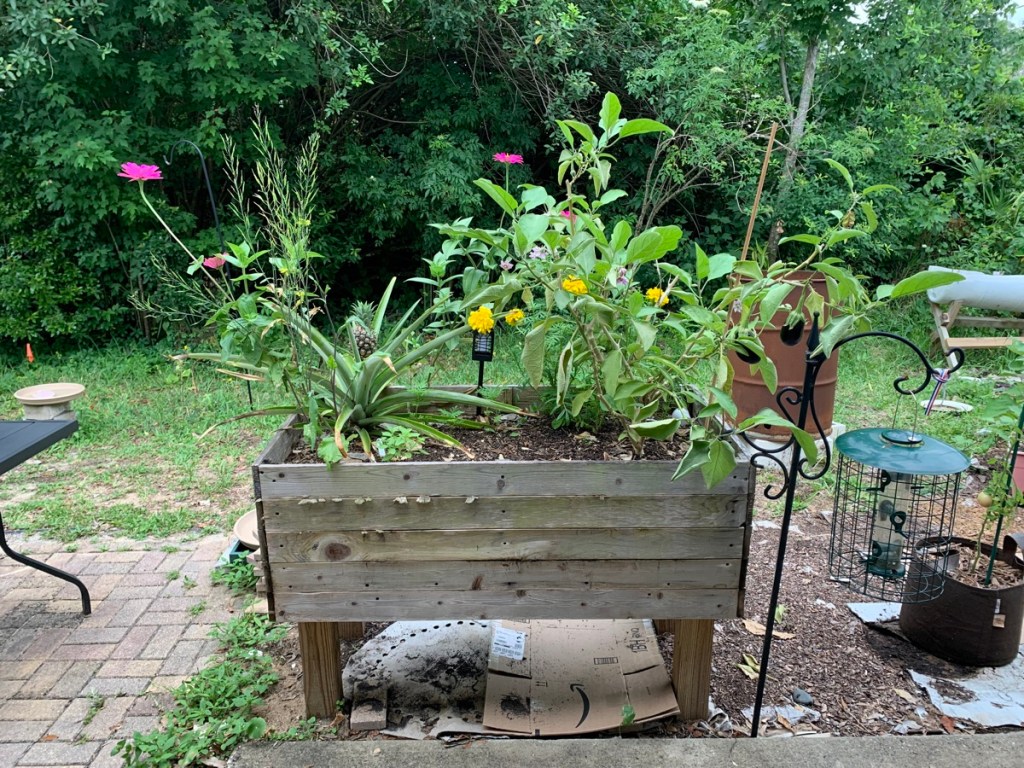
What is doing well in the yard? My flowers, specifically the Zinnias, are beautiful. My pineapple is growing. I see more butterflies, bees and hummingbirds than ever before.

When I get to see the little creatures that are enjoying the plants that came up from seeds I planted, I remember that I am on the right track.

Keep Reading

Pink Hydrangea Flower in My Florida Yard

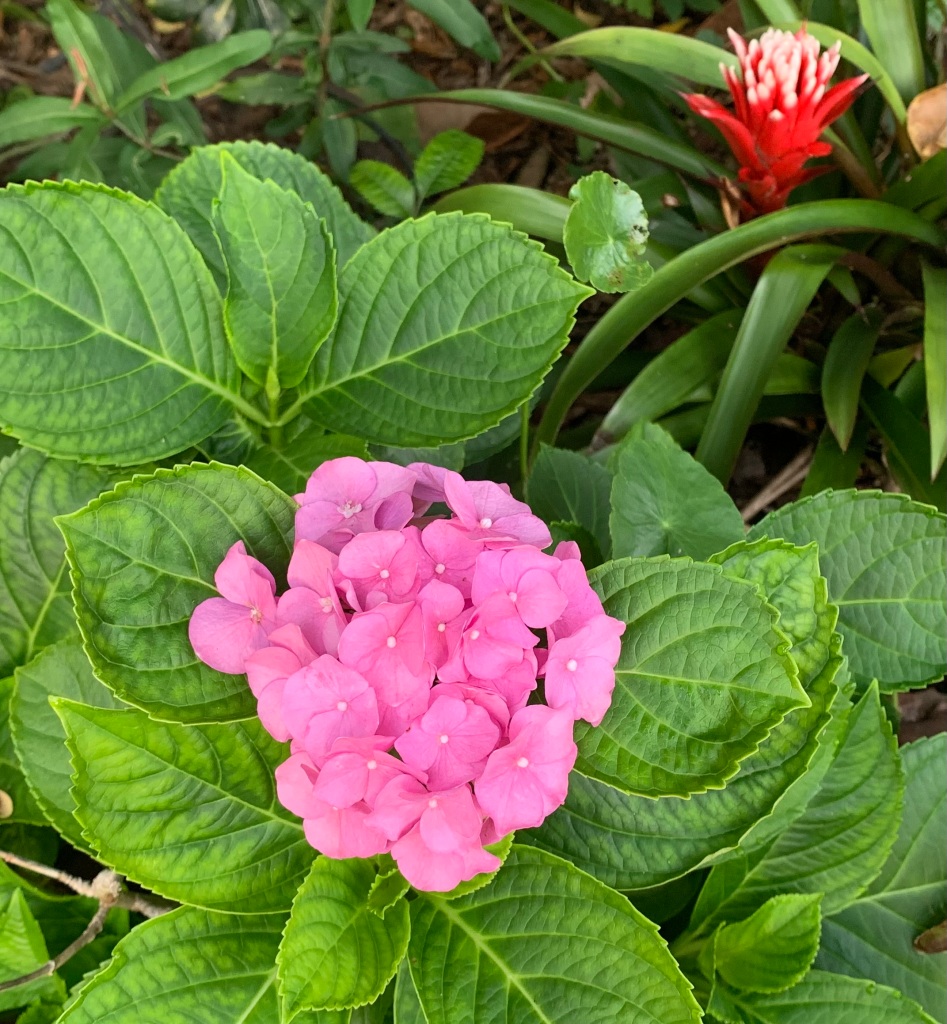
My little hydrangea shrub is blooming with one pink flower.

A quick little post to share a photo. My hydrangea is blooming and has one pink flower. I’ve mostly neglected this entire garden because I’ve focused on growing vegetables.

This garden is by the front door and is a bit overrun with dollar weed and other things. I haven’t done a thing here – no fertilizer, very little weeding, and occasional watering from the sprinkler system.

The bromeliad is also blooming, and it always reminds me of the friend who gifted it to me. 🙂

The sandy soil is alkaline in my yard so my hydrangeas will always be pink. This shrub had purple-blue flowers when I bought it – back in March, 2019. If I chose to add an acid fertilizer the flowers might become blue again. But, I don’t really care. I am happy the plant is still doing well after a few years, although it is not very large.
If you are wondering if hydrangeas will grow here in Florida, my answer would be yes. This plant is five years old now. It gets shade all day long.


More to read

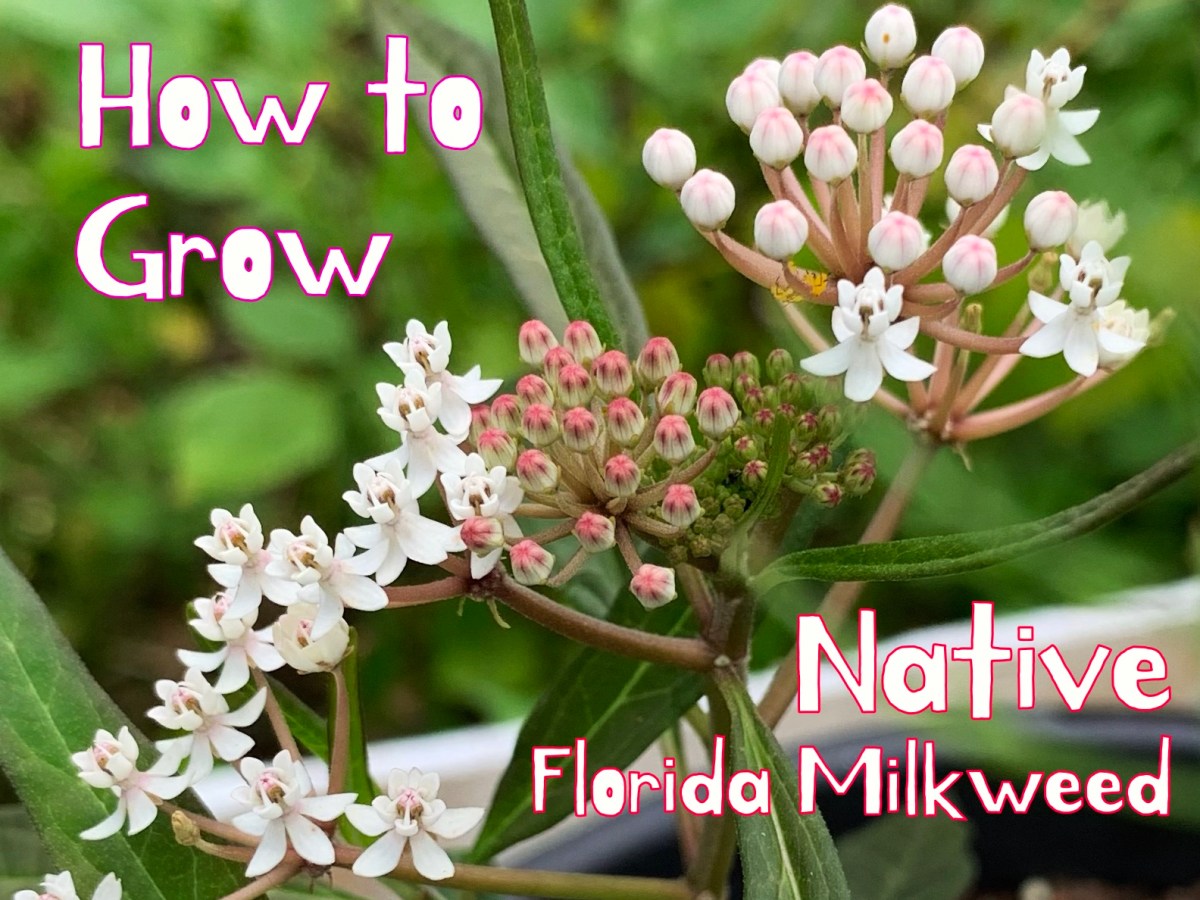
Mail Order Native Florida Milkweed Seedlings Review

I’ve found a good place to buy milkweed plants online. Ordering plants online can be expensive, so the plants that arrive should be in great shape. Read my review of Whitwam Organics and The Growers Exchange.

Expanding the Garden Over the Past Few Years

My Florida vegetable garden journey began in 2021. Here’s what I’ve accomplished in the past three years.

Once I chose to go into the backyard, and begin seriously growing vegetables, I realized I had a lot to learn. I also needed a lot more space.
Summer 2021

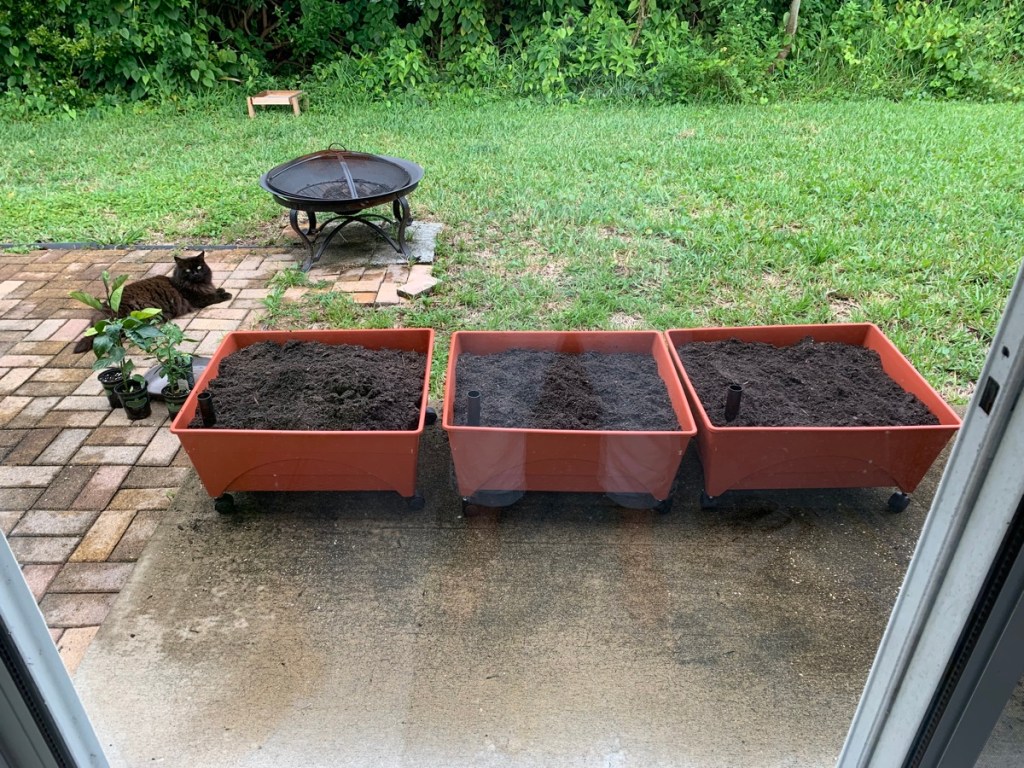
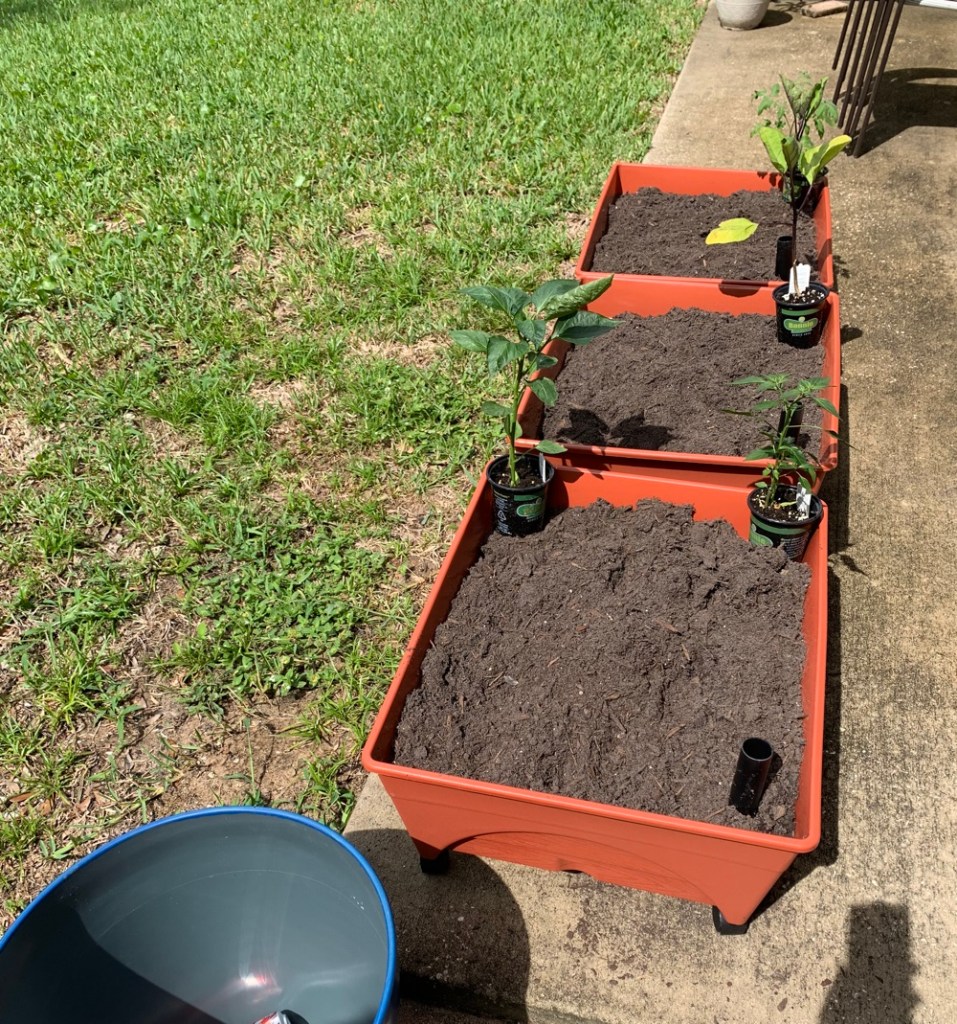
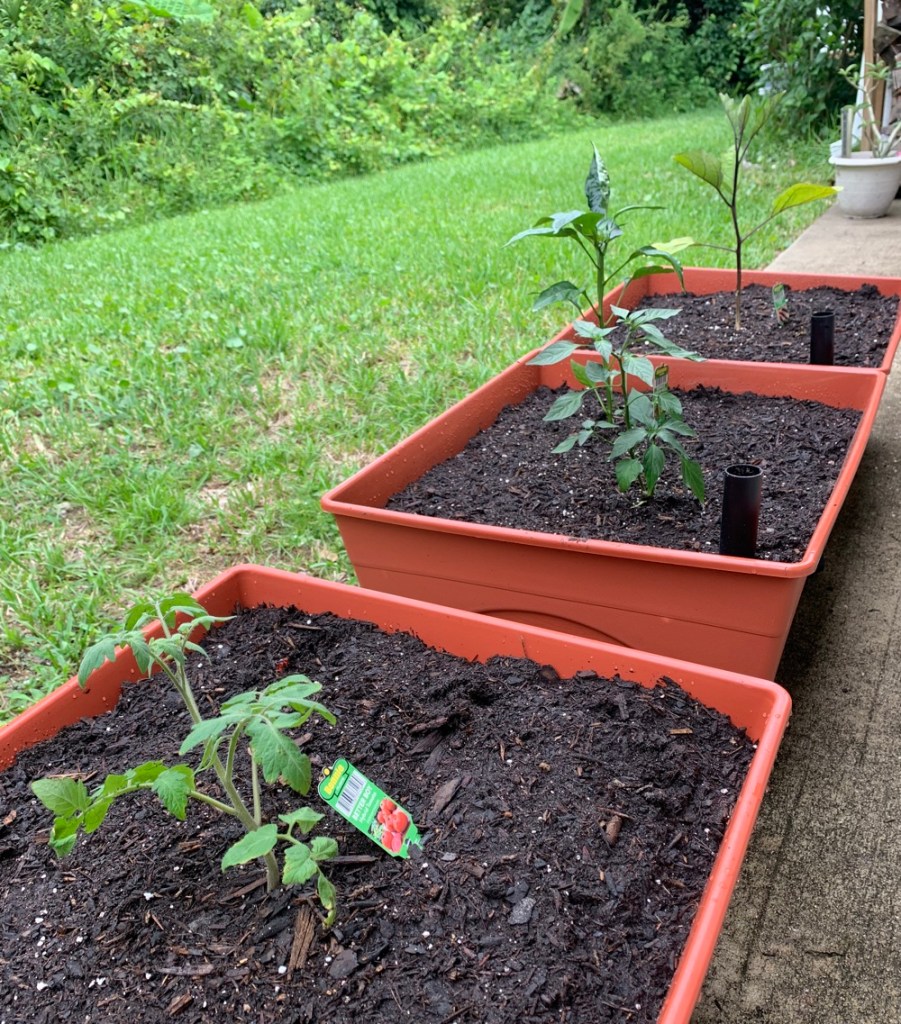
I learned to garden in New England. When I moved back to Florida I hoped to be able to grow some vegetables at least. In the summer of 2021 I purchased three, red-orange grow boxes and put them on the back patio.

These boxes have a tube in the corner and watering is supposed to be done through the tube. The idea is to pour water into the tube and water the roots. I also water from the top.

I bought my boxes at Home Depot and they are similar to this style available at Amazon: Emsco Group Bountiful Harvest Raised Grow Box (paid link). They have rolling castors so moving the box on a patio is pretty easy.

Grow Box as Seed Nursery

One issue I have with these grow boxes is that they are not very deep. The lower area of the pot is reserved for water to accumulate, so they are more shallow than they appear. These pots are perfect for starting seeds. Once the seedlings are big enough, they can be transplanted to bigger pots, or into the ground.

To avoid the problem of dirt sifting down into the bottom, I clean all dirt out of the box, remove the panel with the holes, and drill holes in the box bottom. A layer of mulch and stones will work for drainage. Now the box is more like a big plastic pot.

Spring 2022

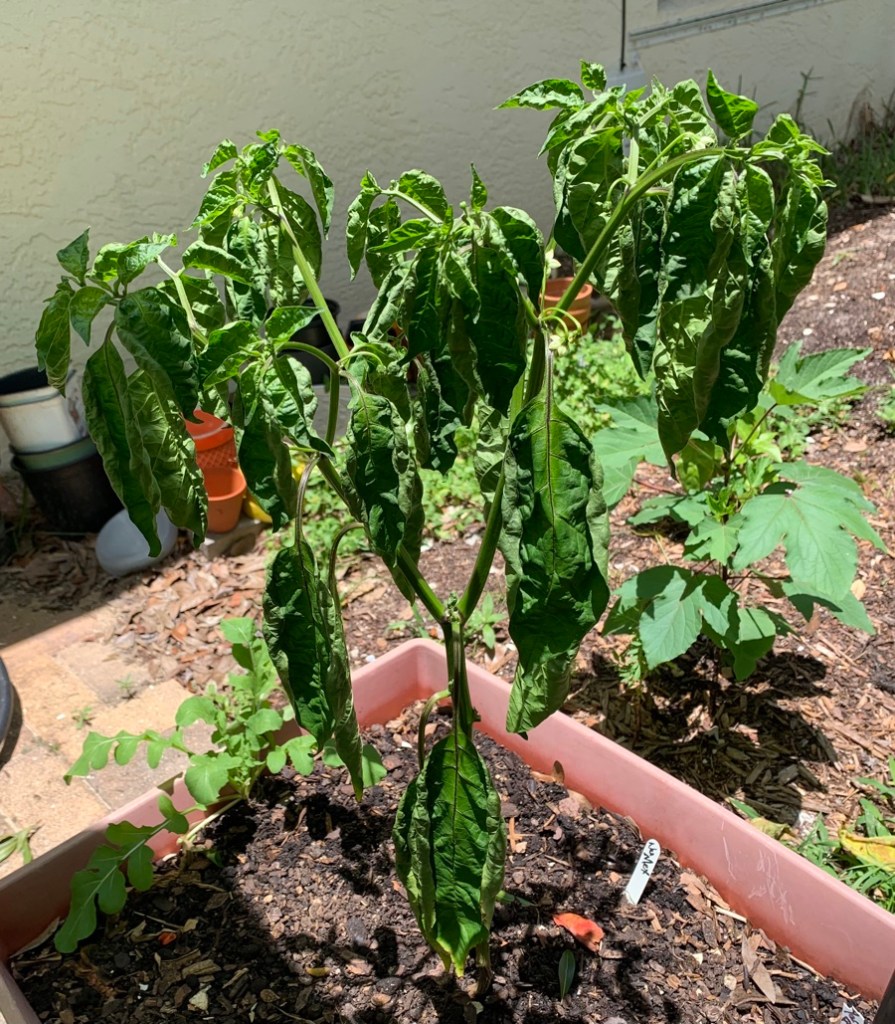
I actually grew a few peppers in 2021. I was so stunned to find that peppers (and other things, like eggplant) would continue to live for years here! Eventually they don’t do very well, but I knew this climate was going to be a challenge.

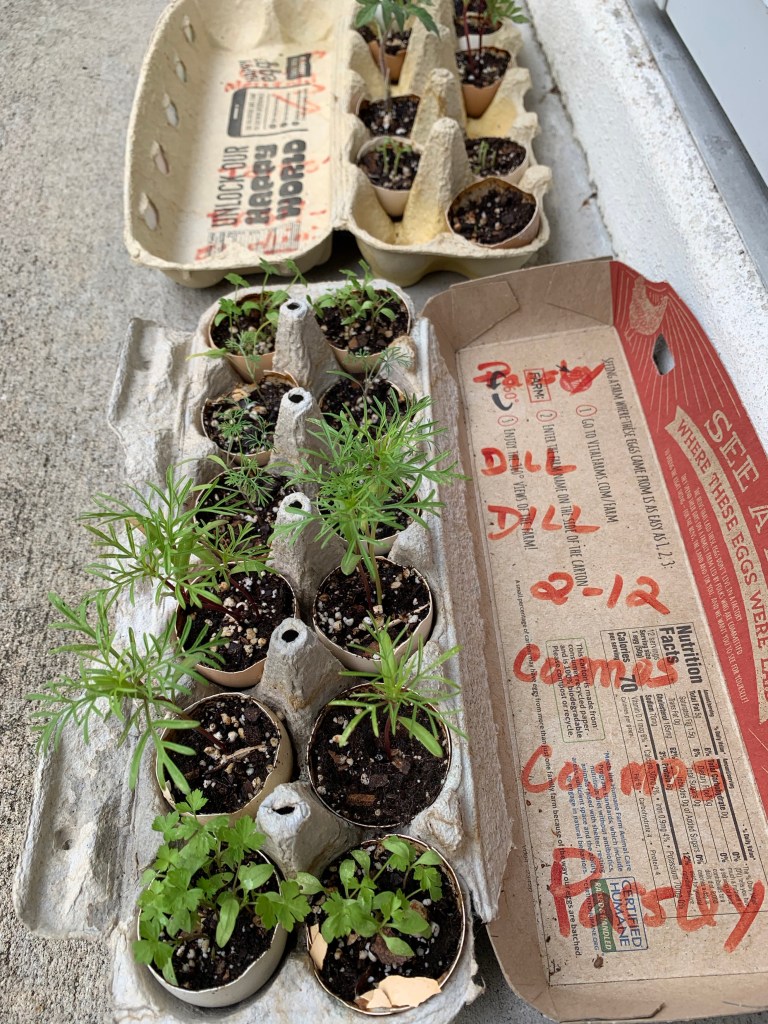
In 2022 I tried starting seeds in egg shells. It was a fail. Not worth the effort. In fact, starting seeds in small pots is not easy, and frankly, a waste of time.

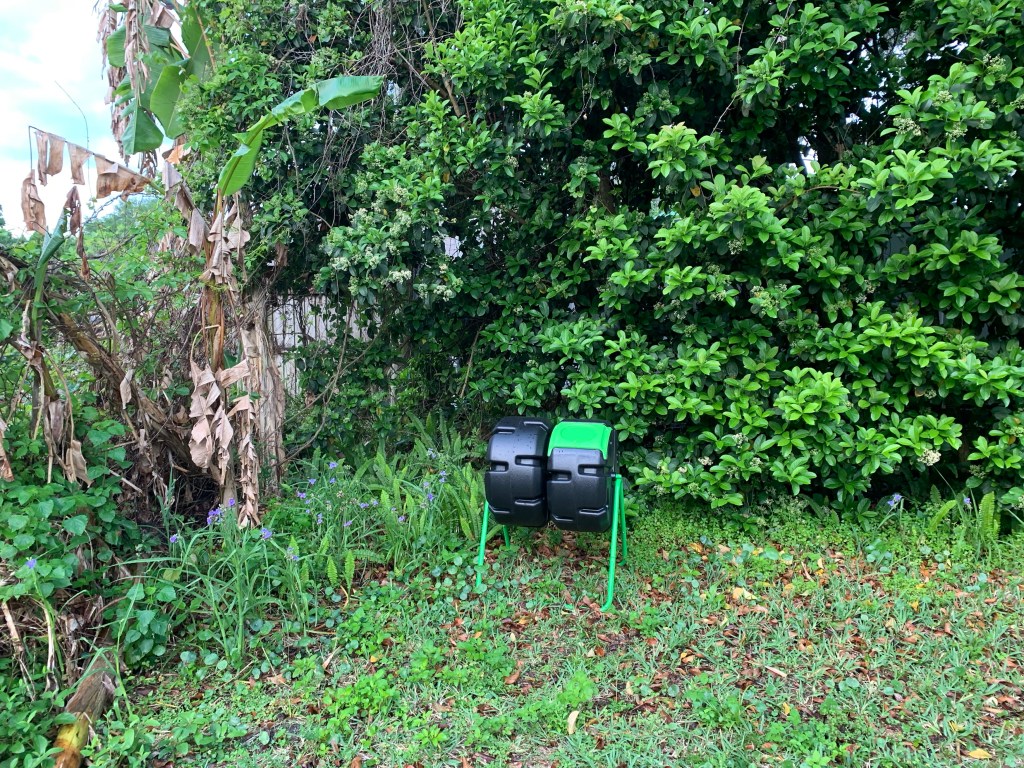
This was the year I began to compost. I bought the Hot Frog composter (which I am still using).

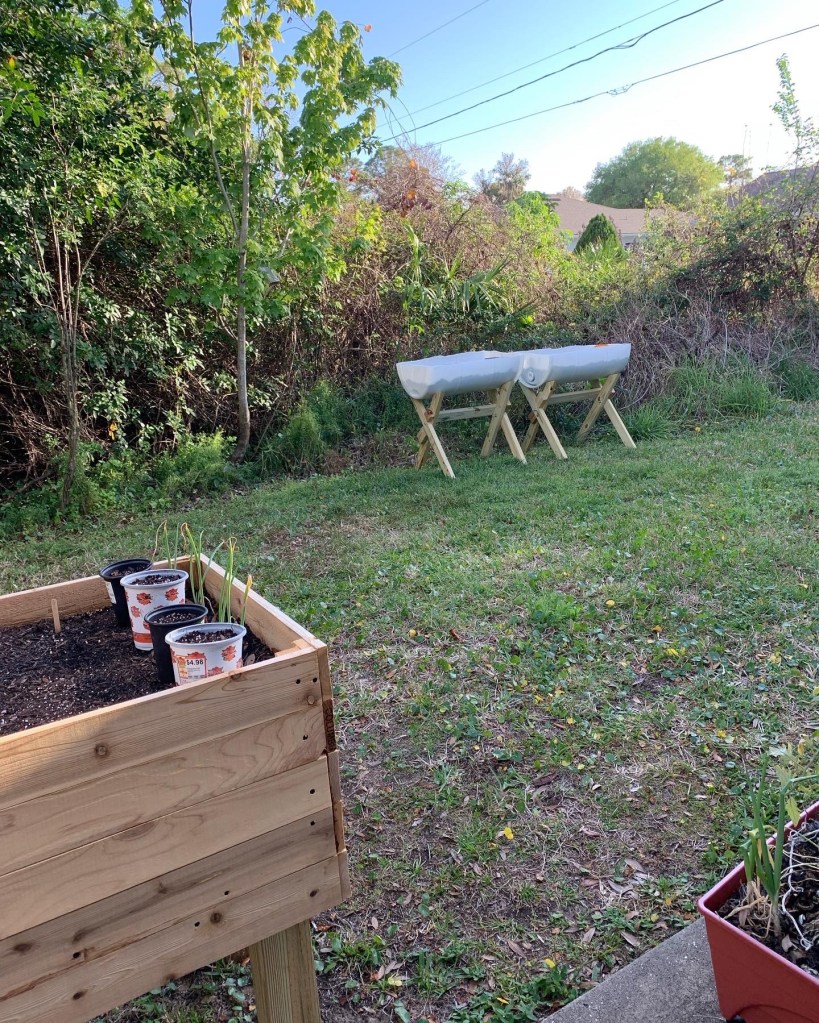
My son built a few raised beds from wood and white barrels he got from work. I still had nothing growing in the ground.

First in-ground Garden Area, 2023

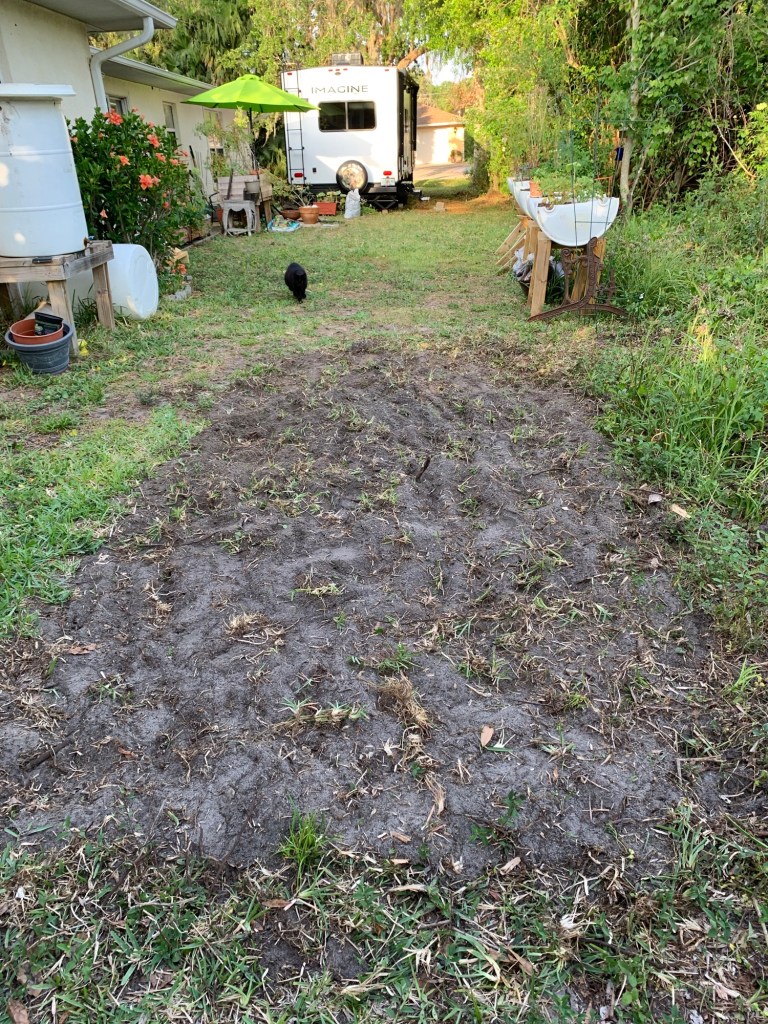
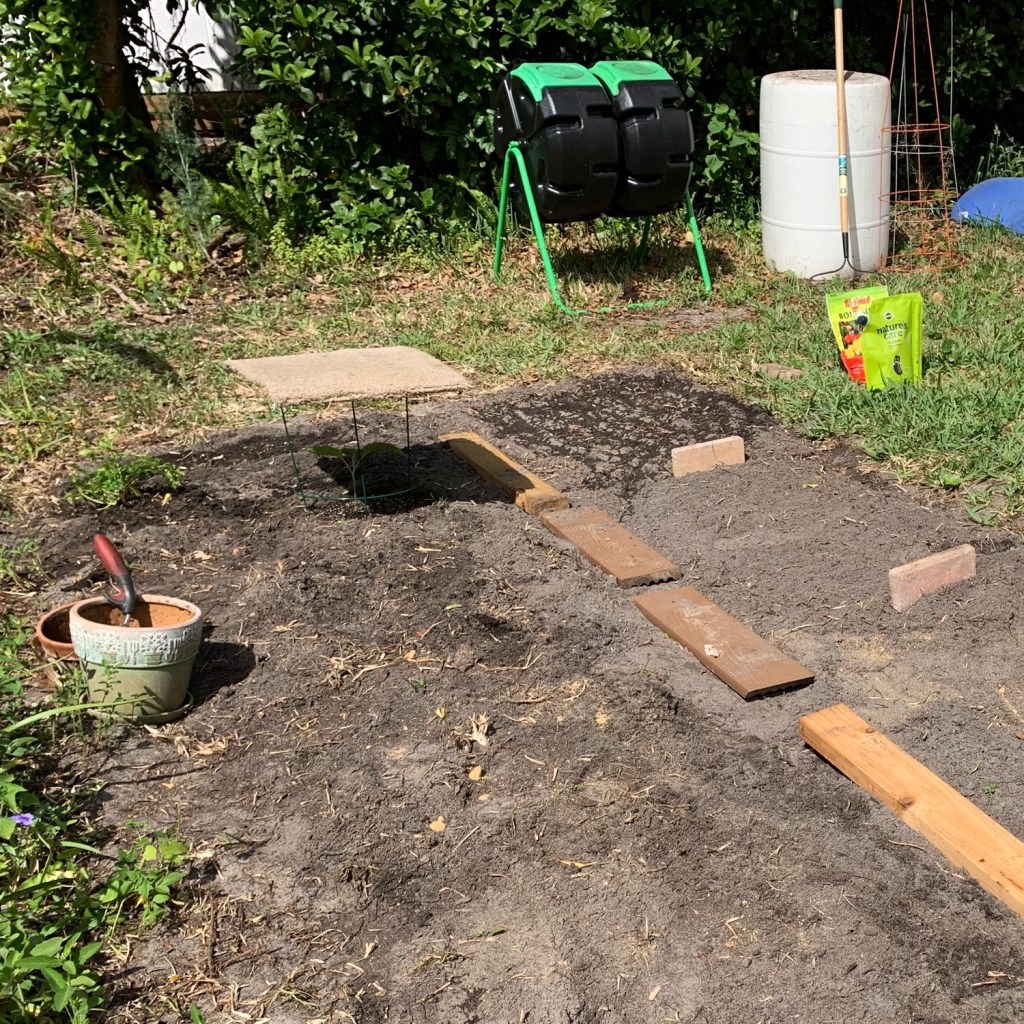
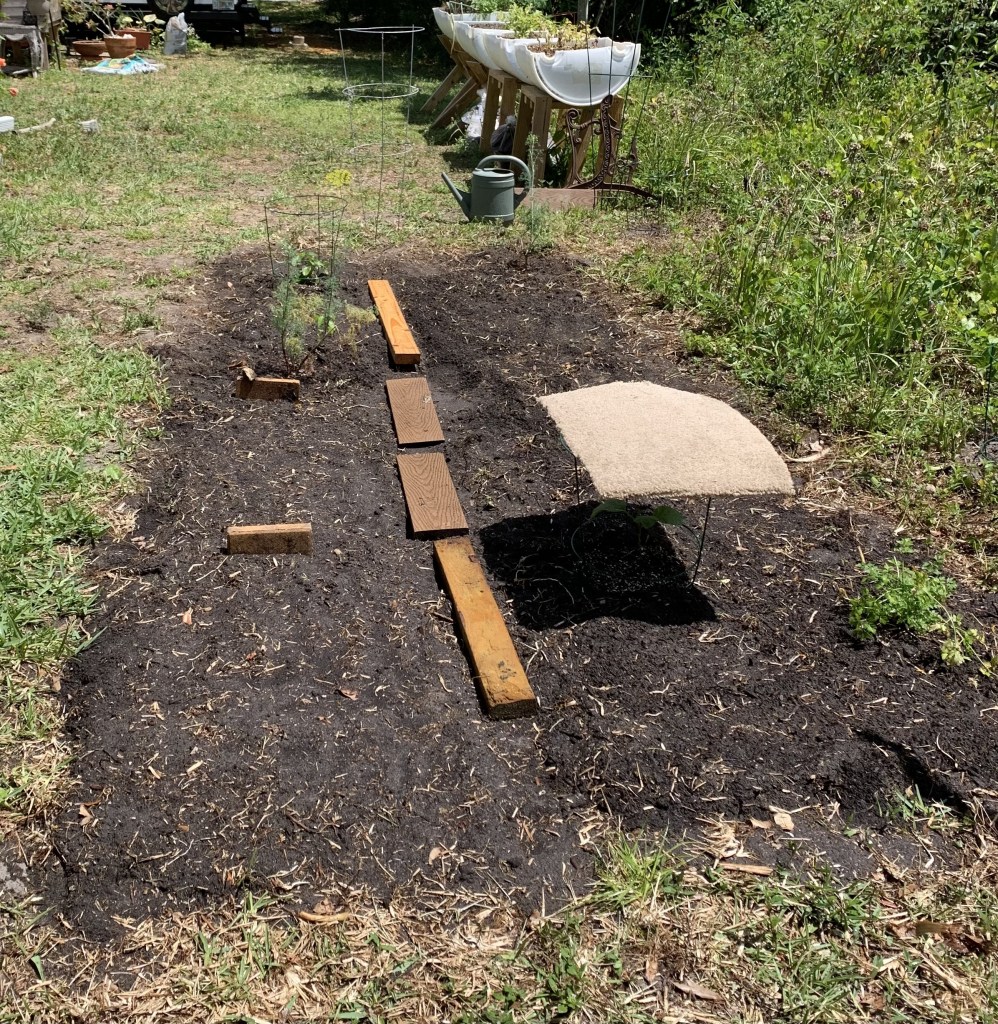
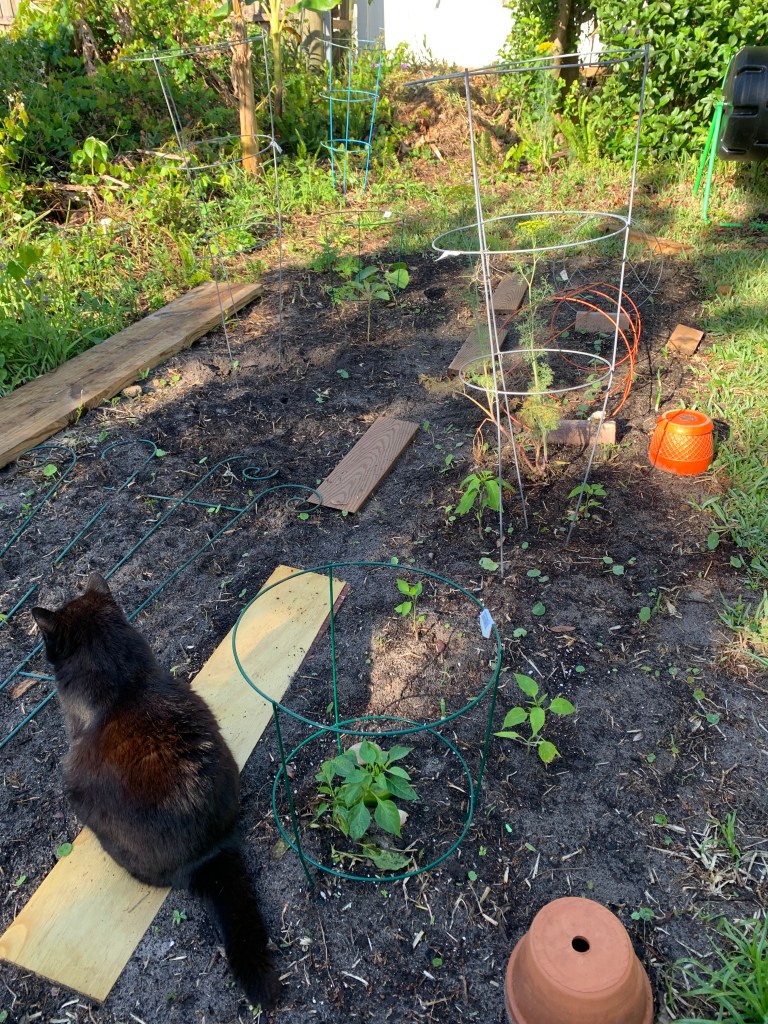
March of 2023 was when I decided to till the lawn and create some in-ground gardens for vegetables. I bought a rototiller and made a little area of dirt. After that, I began to use cardboard to kill the grass and create more gardens.

Cardboard takes longer, but it keeps all the good grass and topsoil undisturbed. It simply dies from being covered and becomes part of the soil.

To plant over cardboard that is not completely decomposed, use a hand fork and chop the cardboard and earth. Add amendments, and plant.

Summer 2024

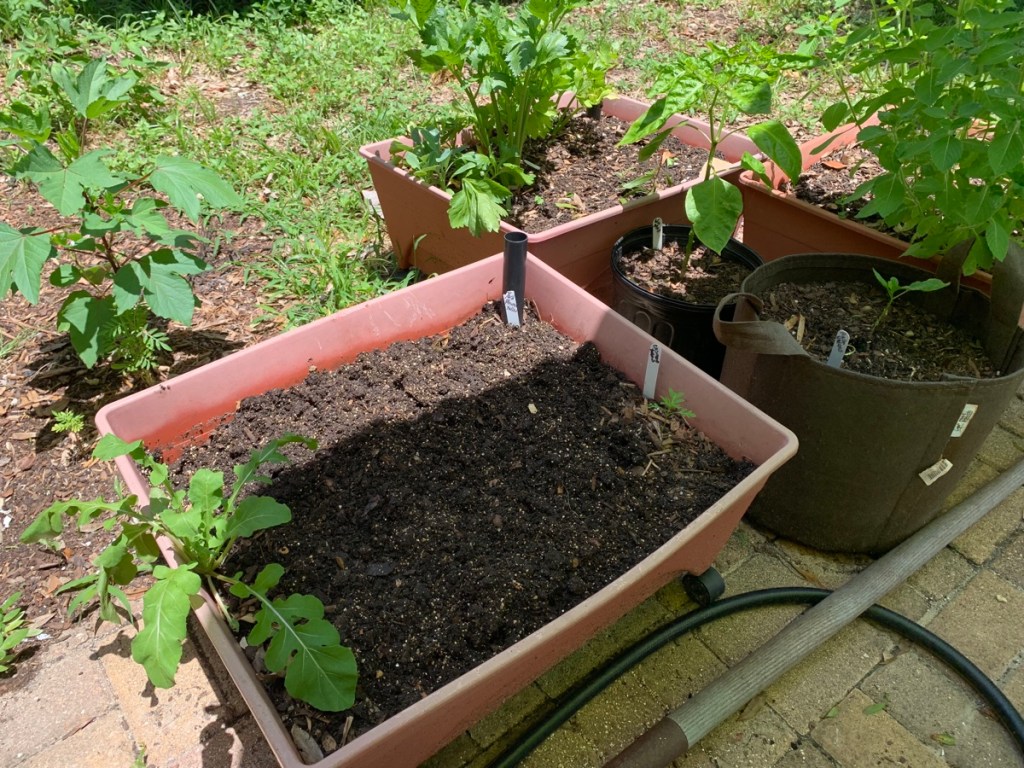
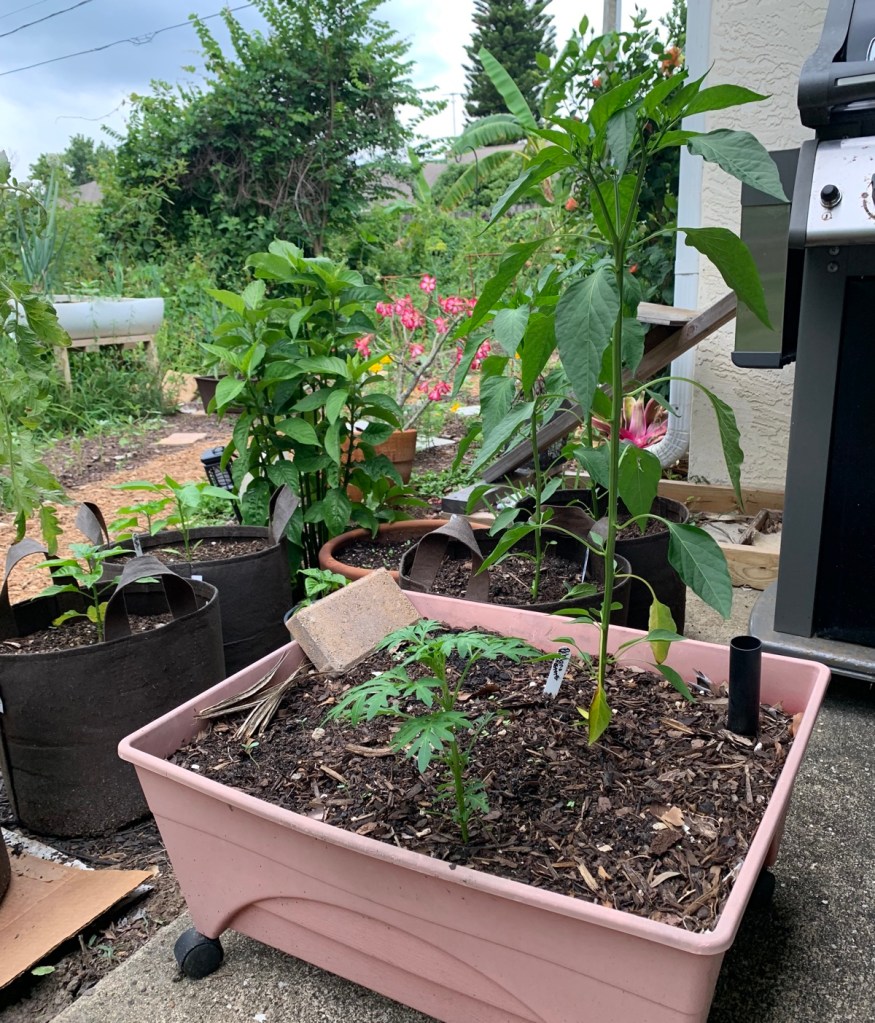
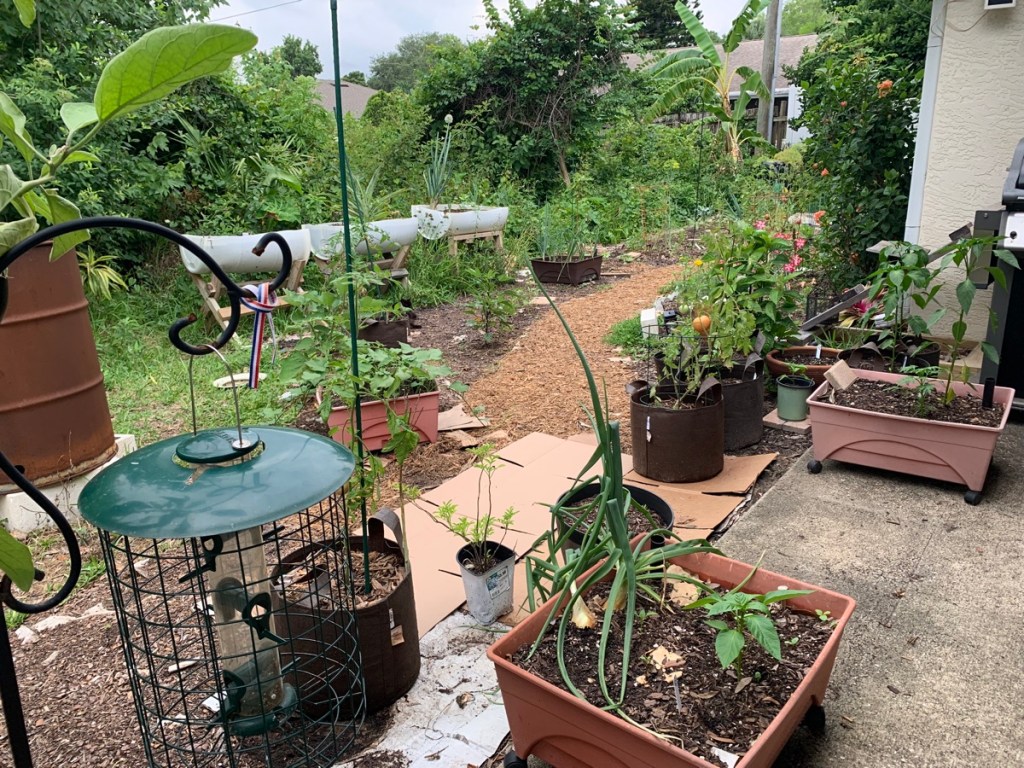
I still use the red grow boxes, although they have faded to pink over the years. These grow boxes are best for growing vegetables that have shallow roots. I now have seven boxes. They are perfect for growing onions, half-long carrots, and greens. I use them as seed starters too.

Now, I am beginning to feel pretty confident about which crops to grow. I’m still in the experimental stage with some things. Gardening is an ongoing learning adventure!

vegetable border
Keep on growing…

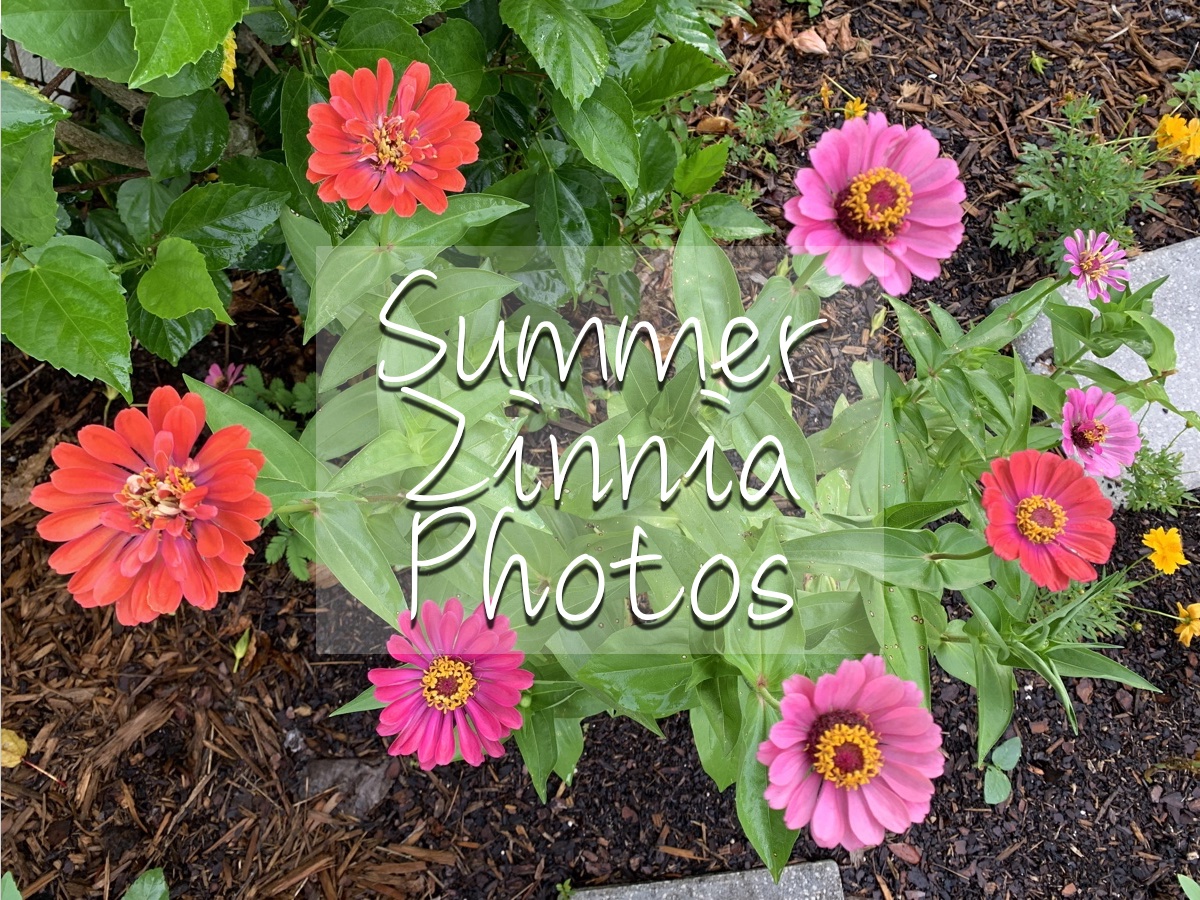
Photos of My Summer Zinnias

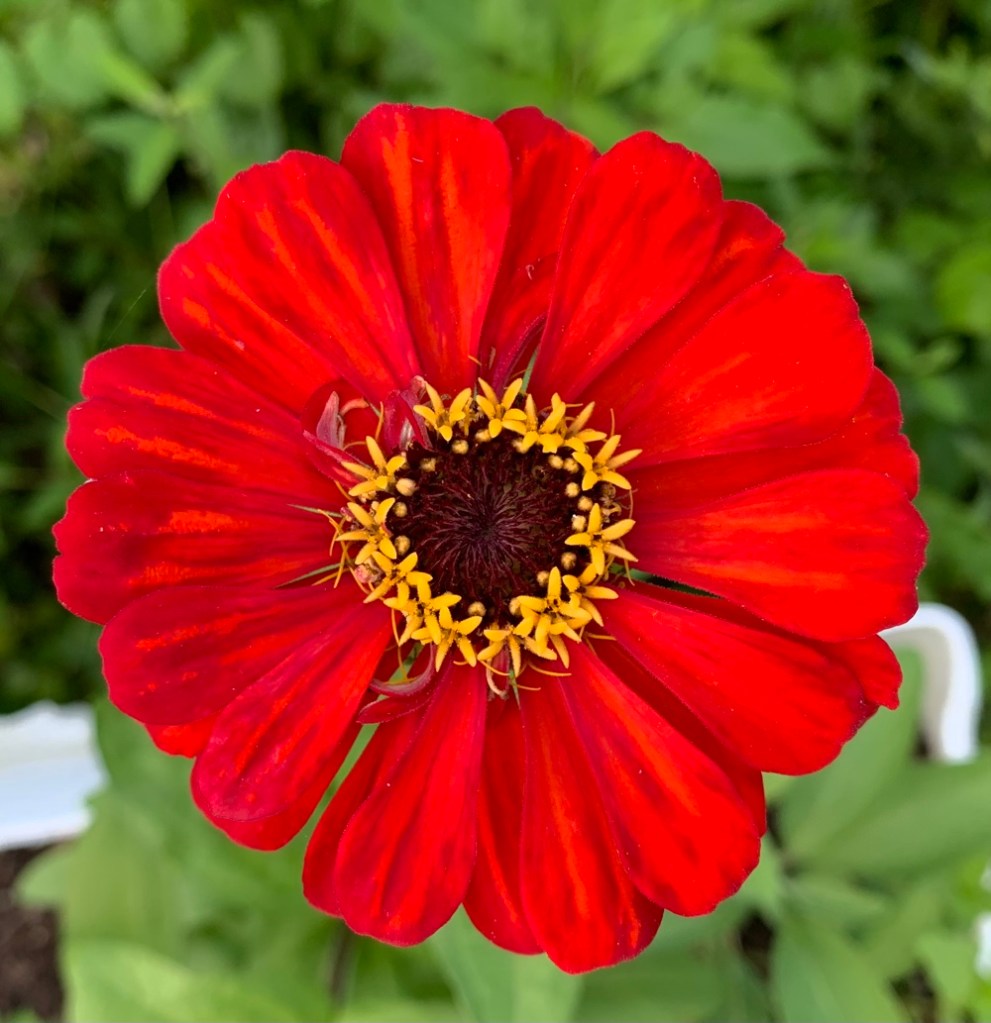
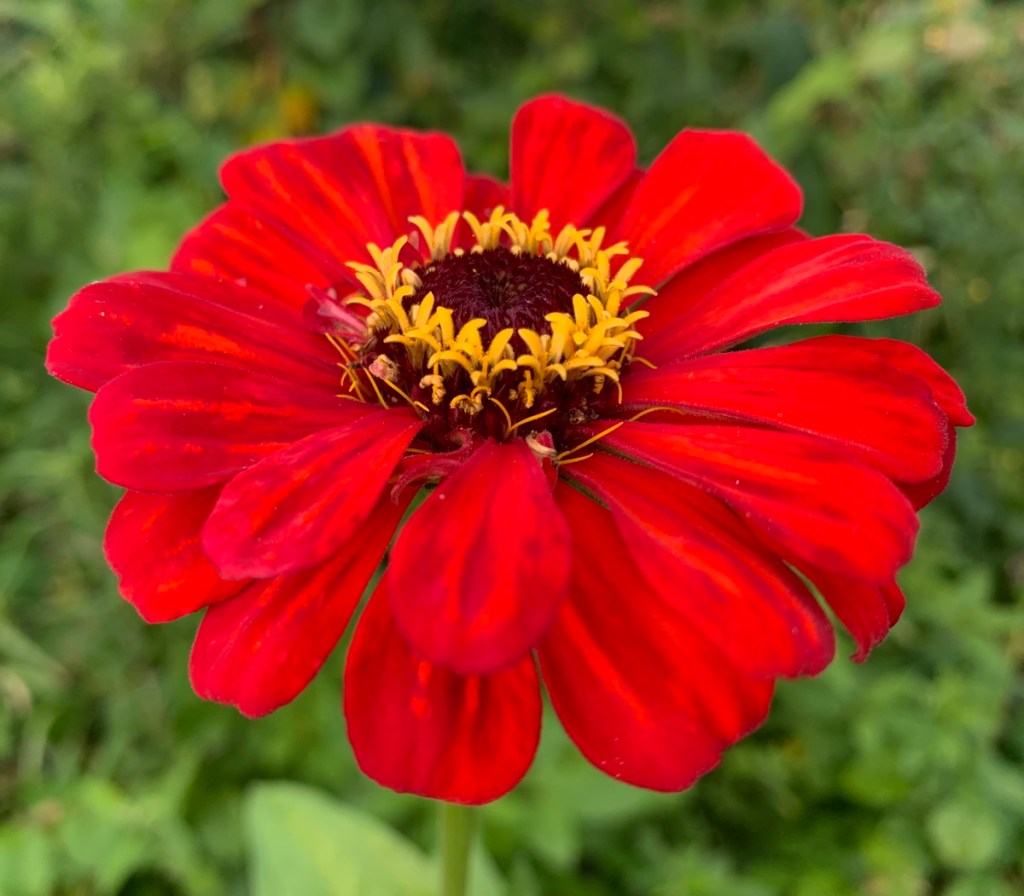
Zinnias are some of the brightest flowers that can be added to the garden. Bees and butterflies use them for food, and even a place to sleep. The flowers are long lasting and the seeds are easy to save.
Last year (2023) I grew zinnias for the first time. I’m not sure why I never grew them before in Florida, but I’ll always grow them from now on.

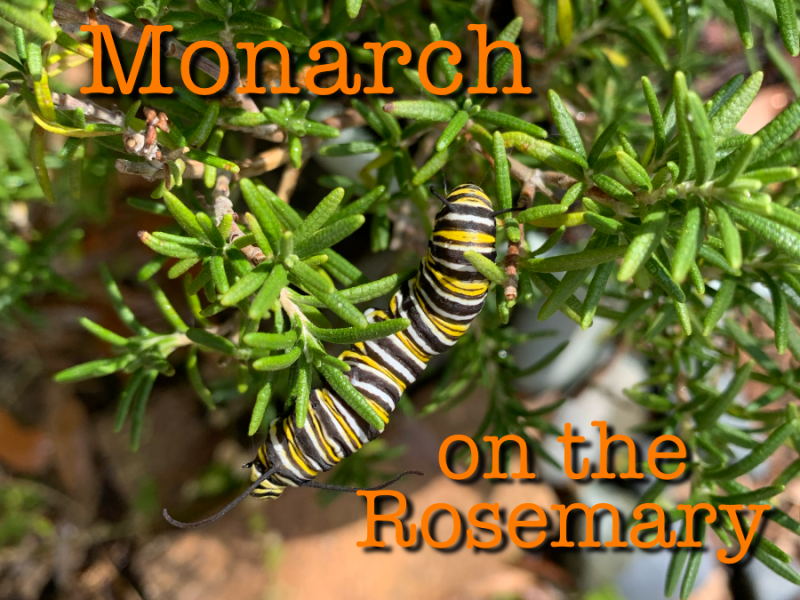
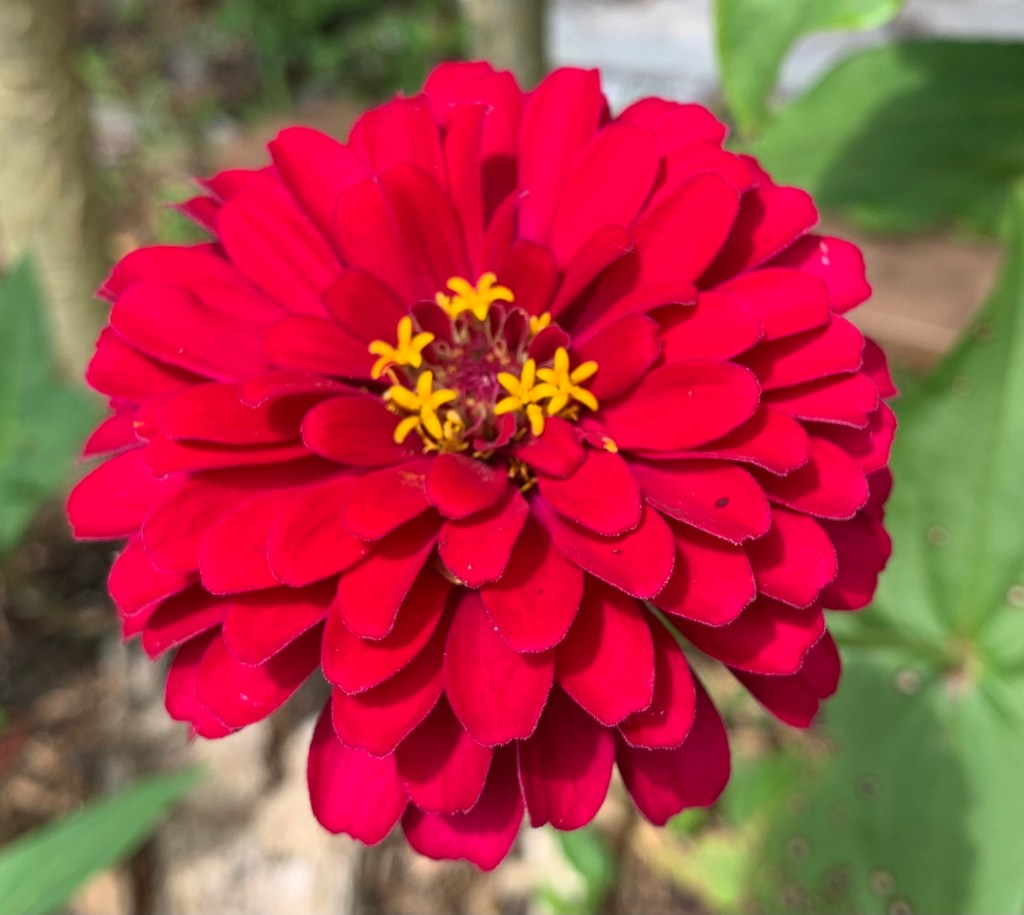
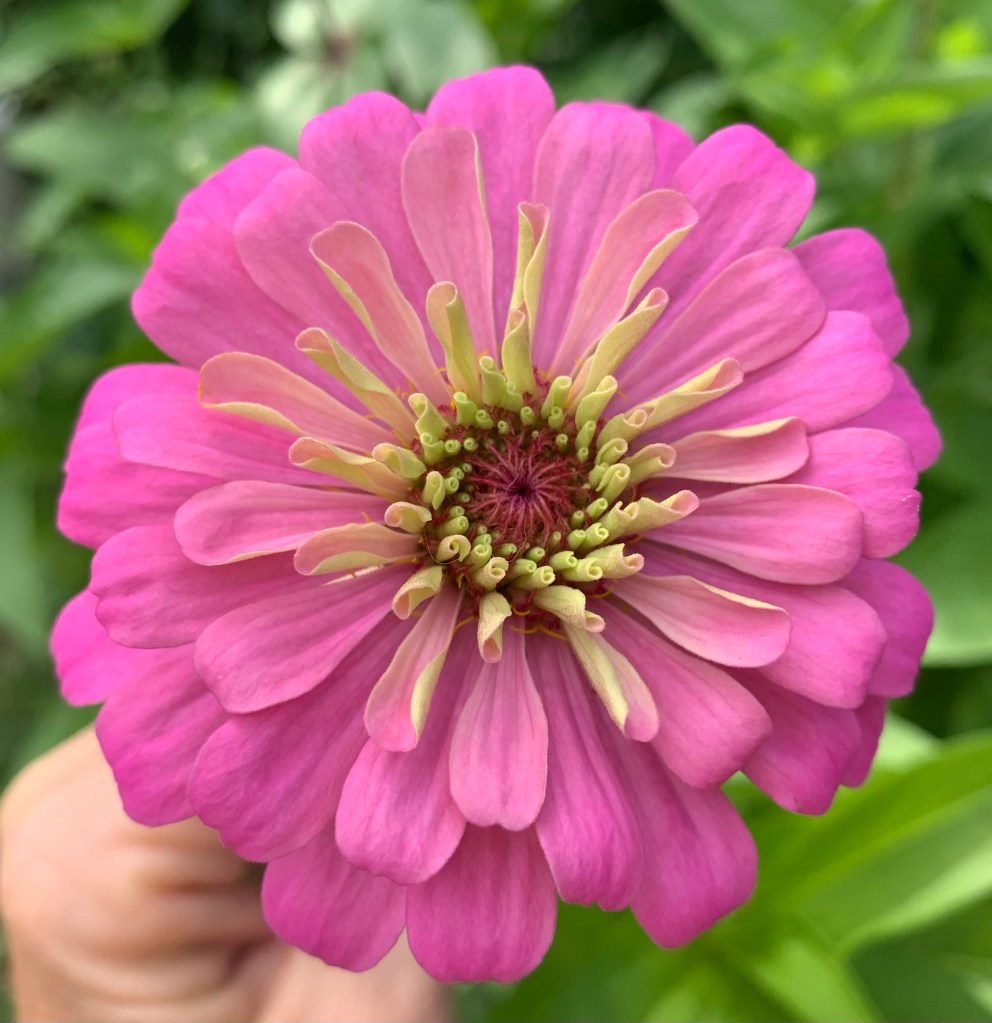
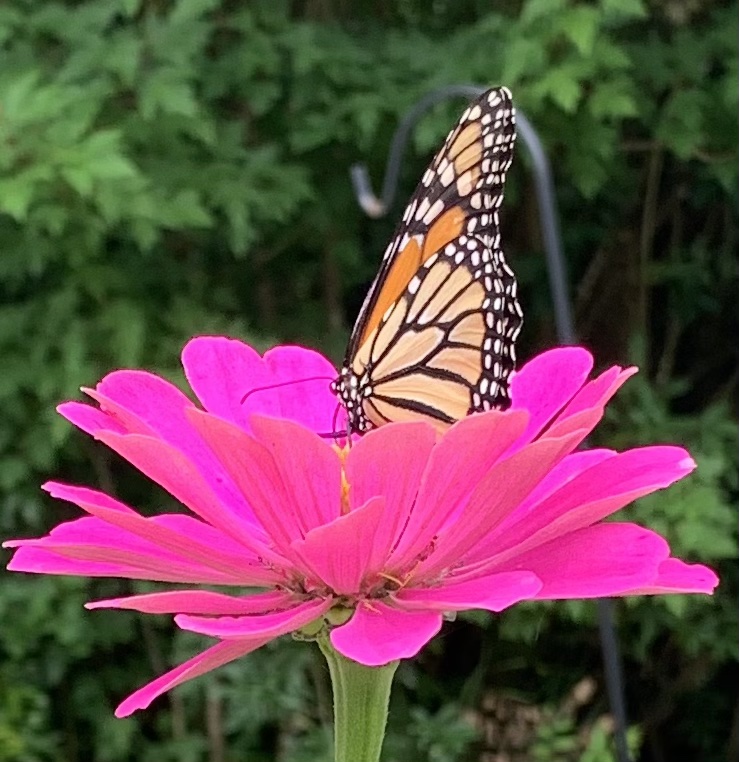
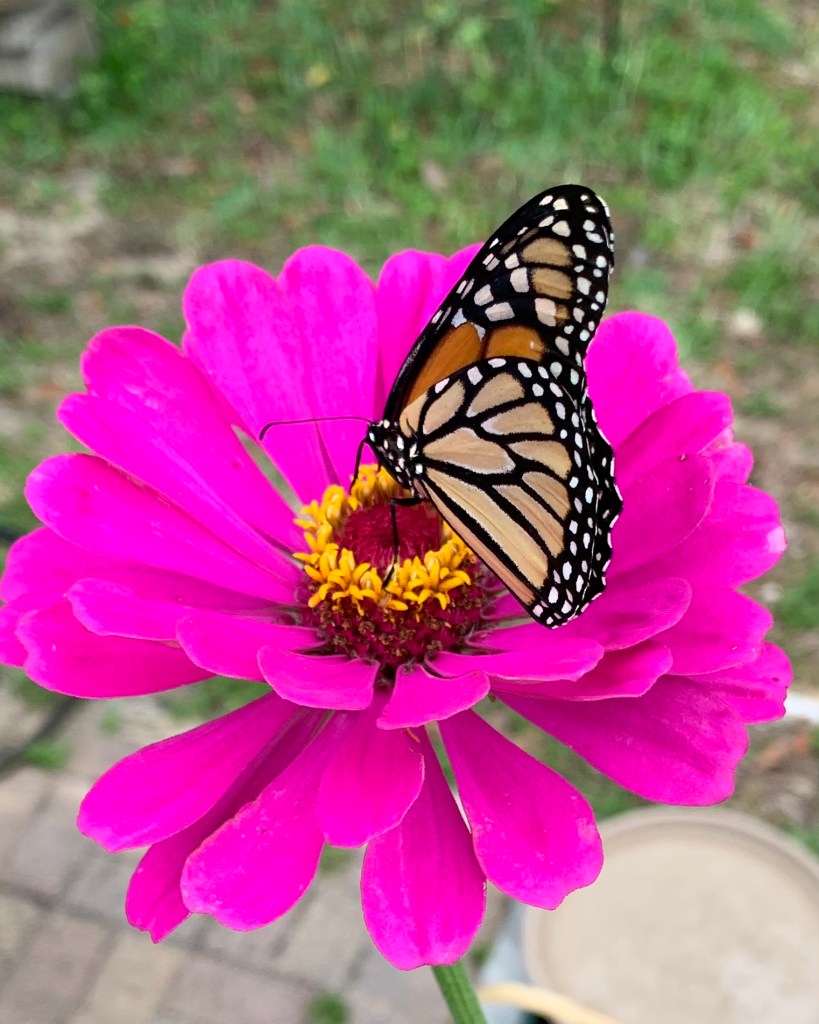
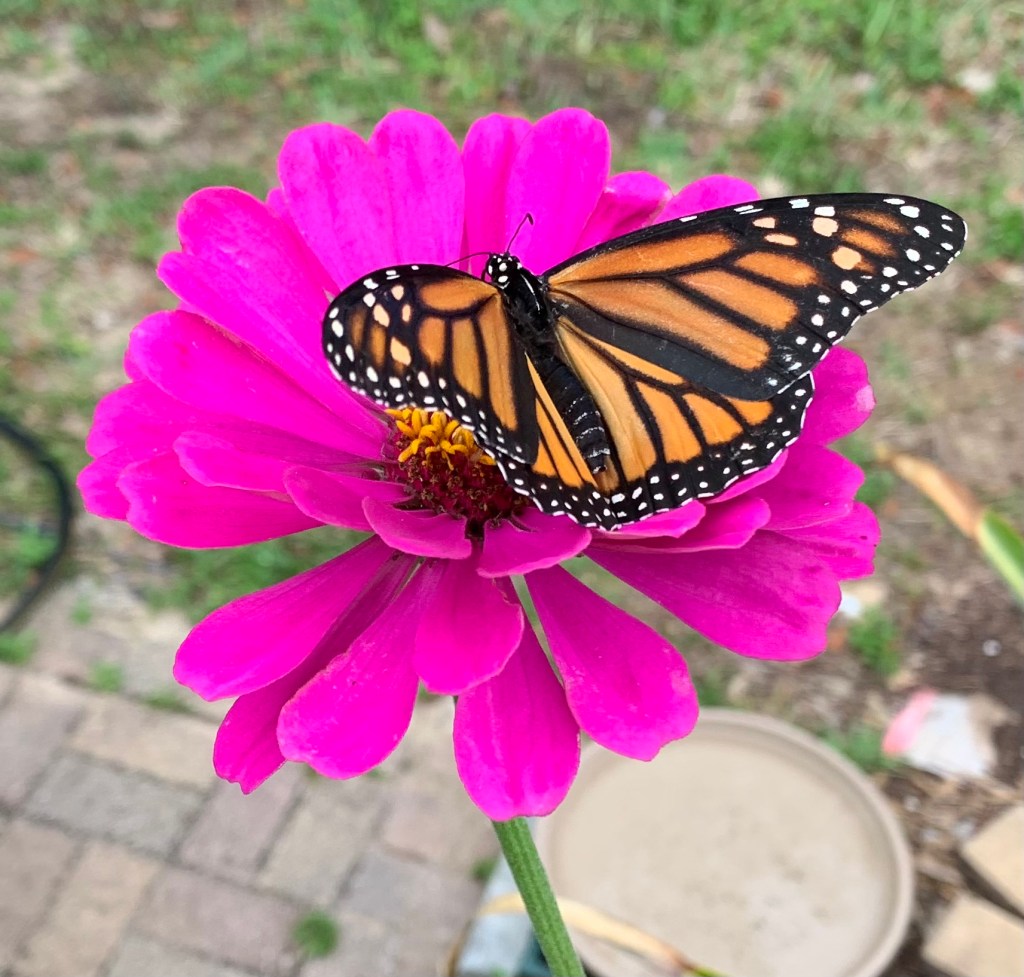
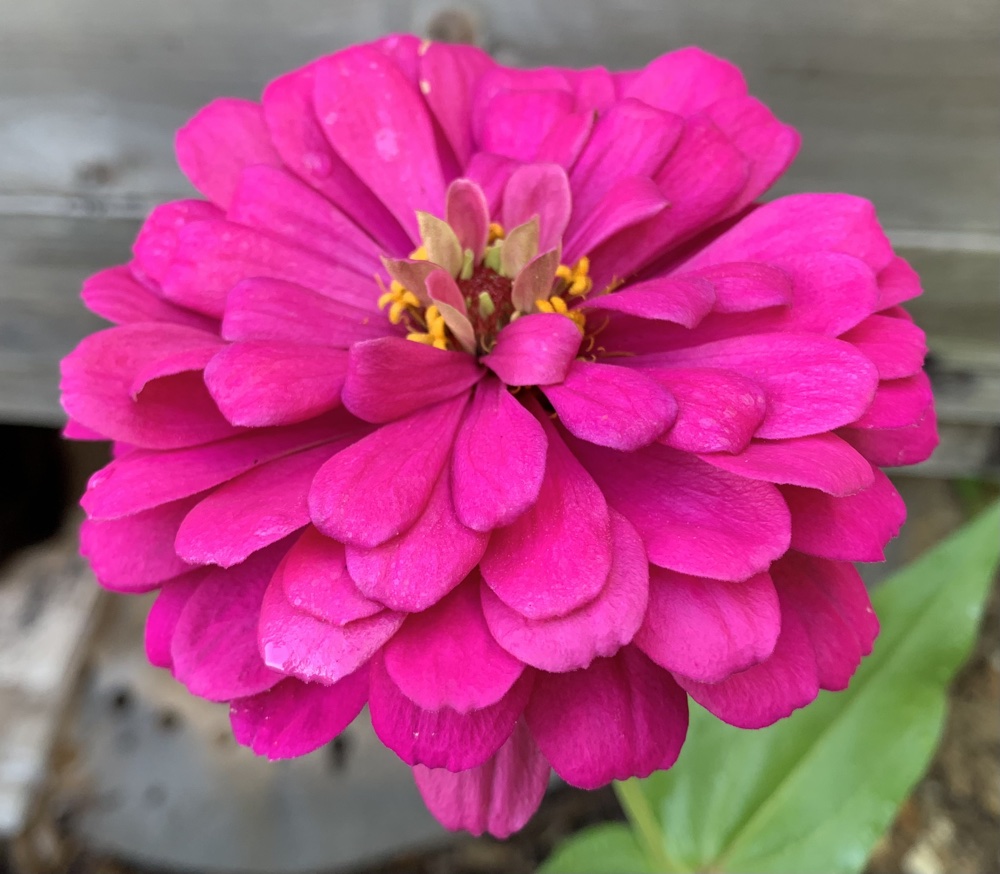
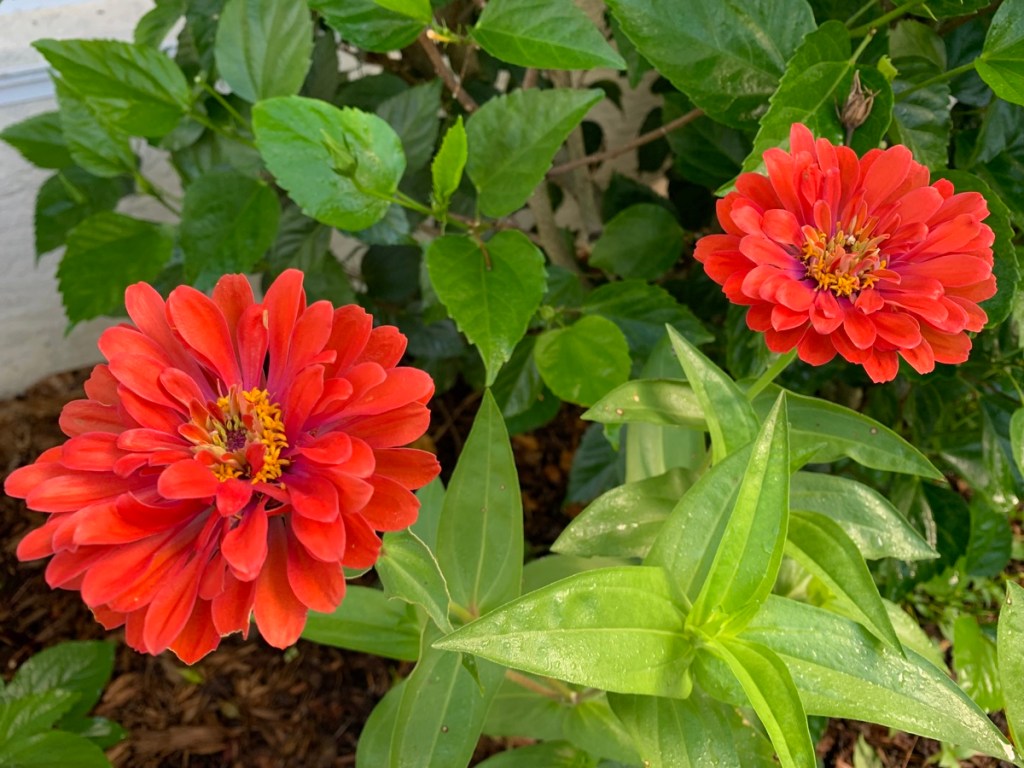
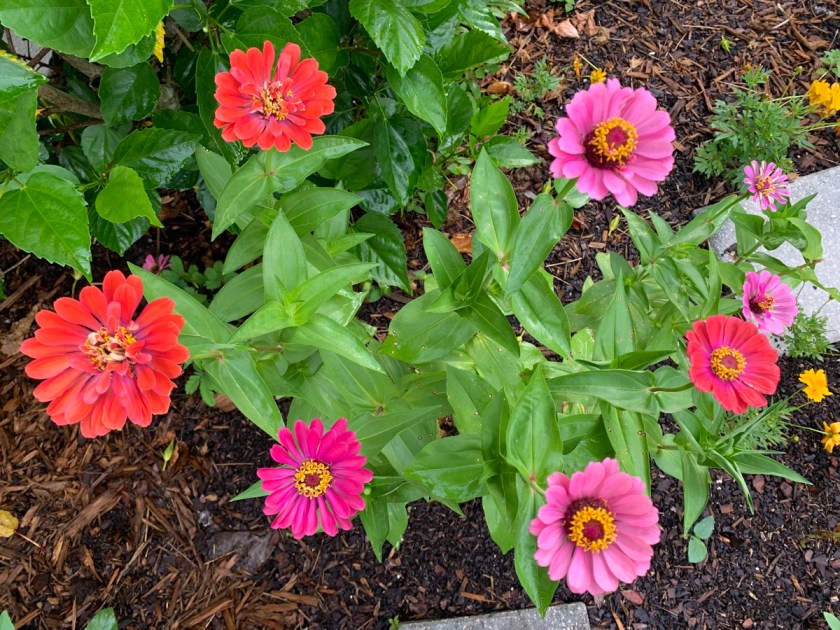
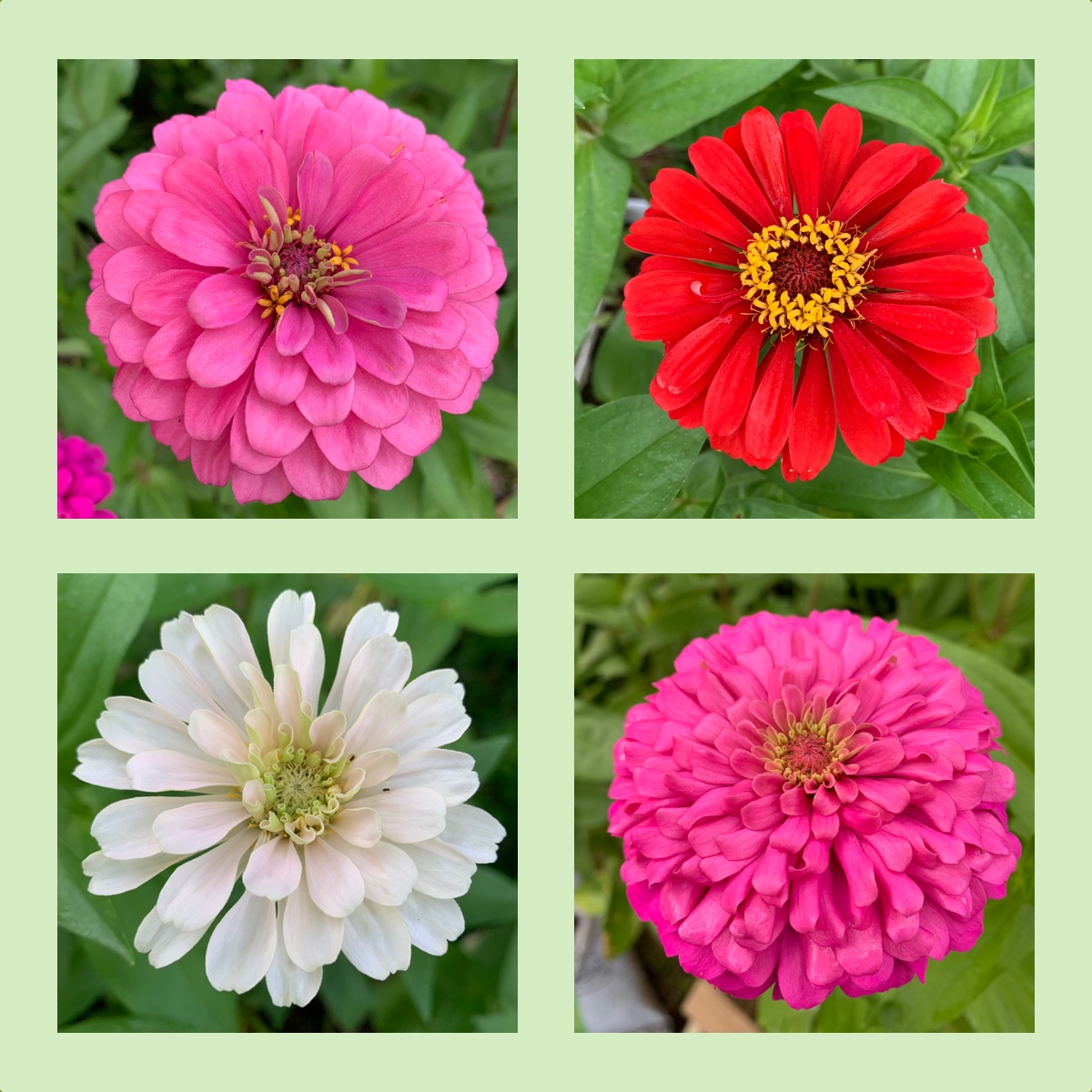
Look at the colors! The reds are so bright, and the orange is so true. The hot pinks are incredible, and the butterfly thinks so too! I think it is a Monarch.

The bees and butterflies especially love the Zinnias with those yellow centers. It’s where they eat and gather pollen.

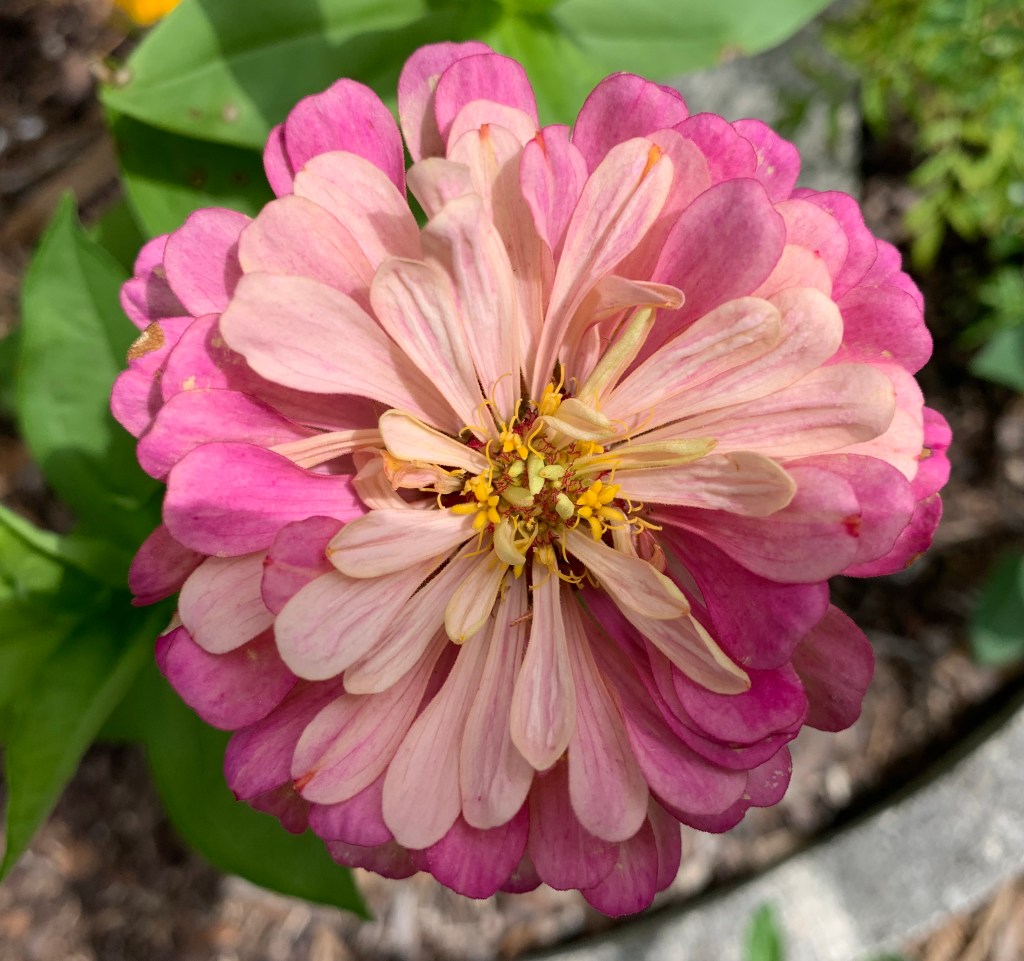
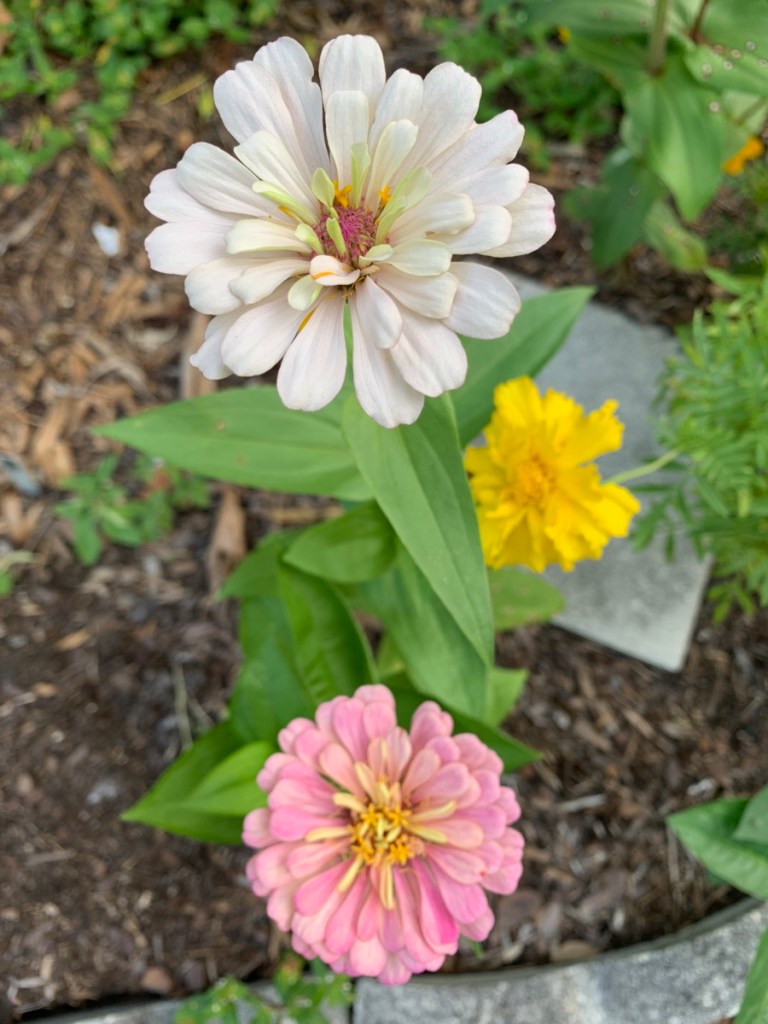
A Zinnia flower will change day by day as the petals open and the center grows. They are quite long lasting also.

I’m partial to the flowers with lots of petals that create layers. Sometimes I find a bee nestled inside those petals. What a fun place to sleep.

Save the Seeds

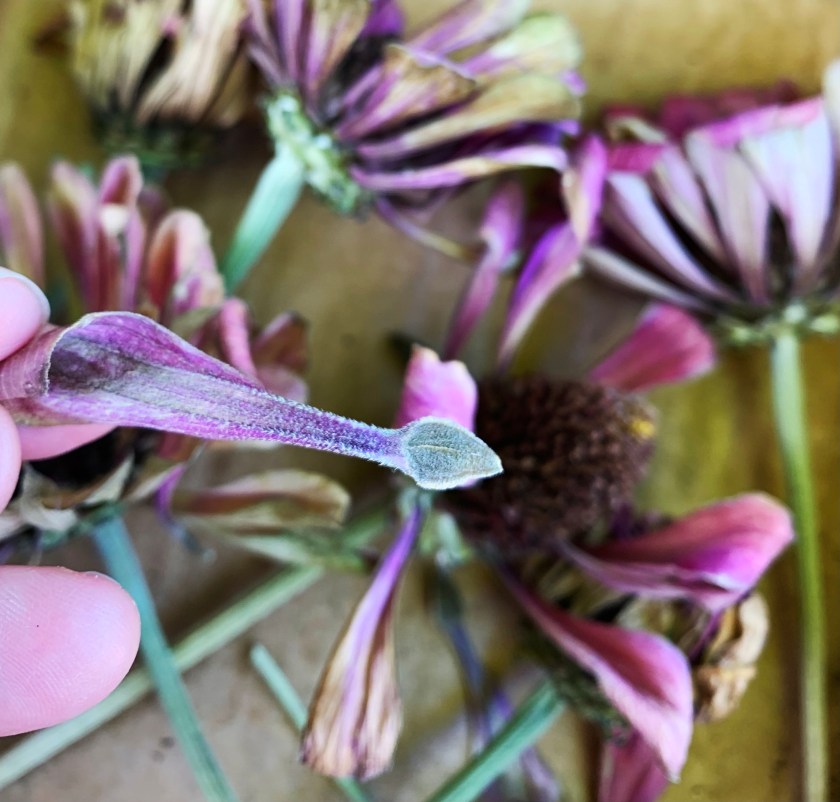
Zinnias are direct sow, so put the big seeds right into the dirt. Saving Zinnia seeds is also easy. Each petal has a seed at the end. I cut off the flower heads when they seem to be gone by and drying out, and place them into a box to dry further. I will be writing a separate post about saving the seeds, but that is pretty much it.

Zinnia seed and petal
Zinnia seed

I leave the flowers whole, but usually they become so dry that the petals fall out. Sometimes I can still see the color of the original flower. Every photo you see on this page (except the Florets) came from seeds I saved from last year’s flowers.

I also read at the UF/IFAS extension that the flowers with few rows of petals should be tossed! What? Why? I disagree.

Zinnia Disease

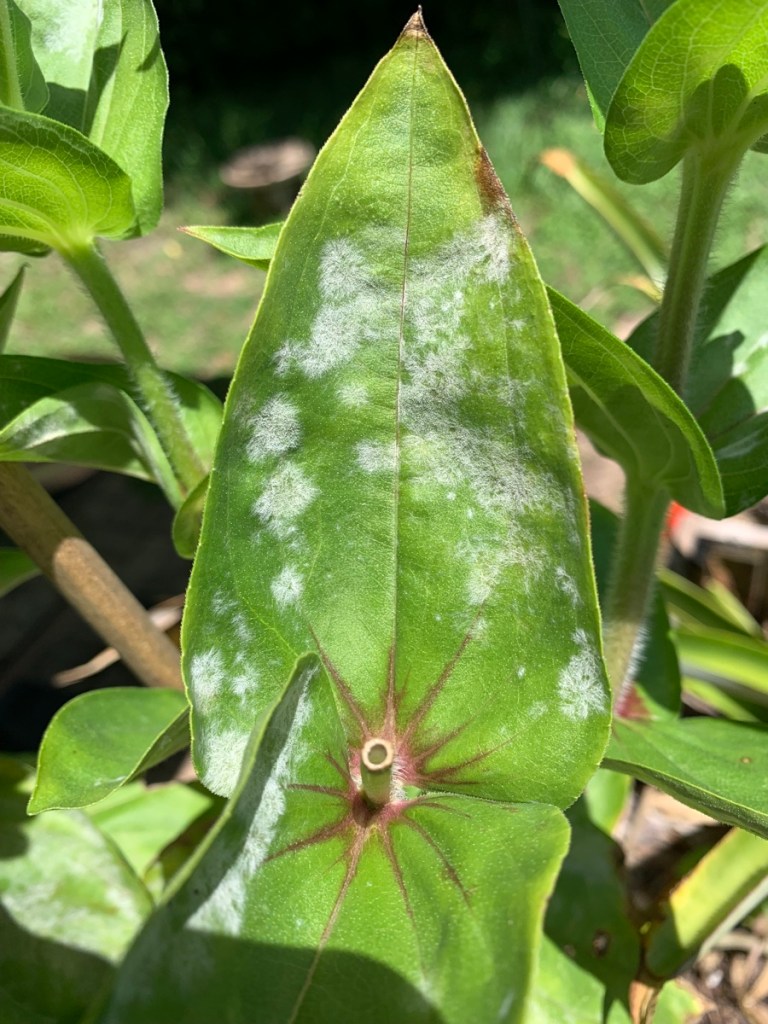
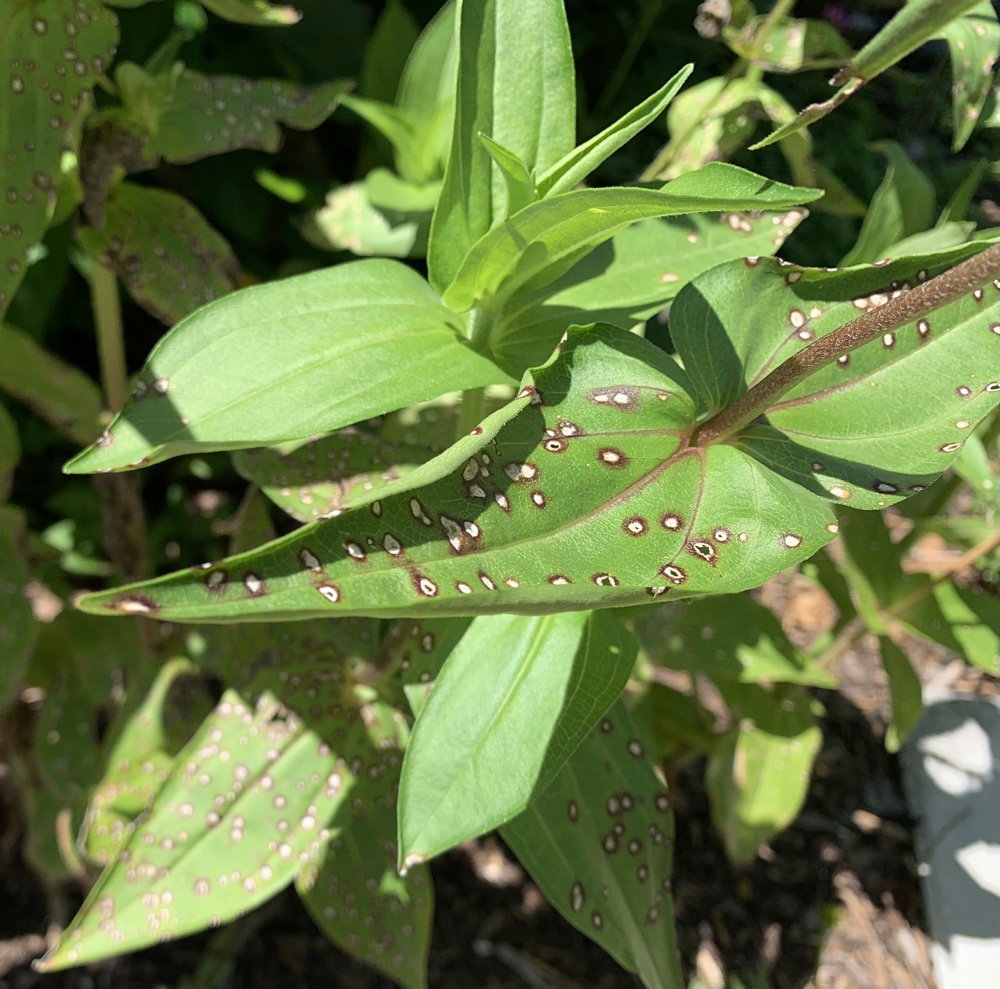
This year I learned that Zinnias can get a spotted leaf disease called bacterial leaf spot. And sure enough, most of mine had it. They can also get powdery mildew on the leaves. (Pegplant’s page lists some varieties that are mildew resistant.)

One way to help prevent both problems, is to give them space to grow. Air flow helps, but I live in a very humid place, so I’m not sure these things can be avoided. Overhead watering is a no-no for these flowers also.

Zinnia Varieties Less Susceptible to Disease

I can’t remember where I saw this information, but I wrote it down. This list is the varieties of Zinnia that supposedly are less susceptible to disease. The Southern Exposure Seed Exchange has the Marylandica variety (also called Zahara), but it’s currently out of stock. It has small, white, daisy-like flowers.

  • angustifolia
  • marylandica
  • crystal
  • star (bright?)
  • profusion

The varieties to avoid, for disease, are “elegans” and “heageana“, which seem to be the most likely available! I think all of mine are Zinnia elegans.

I found some Zinnia marylandica seeds at a shop on Etsy and will give them a try.

zinnia garden

I hope you are having a wonderful summer. If you love to grow Zinnias, I’d love to hear about them.

More stories from the backyard…