Backyard Surprise, A Hidden Firespike Plant

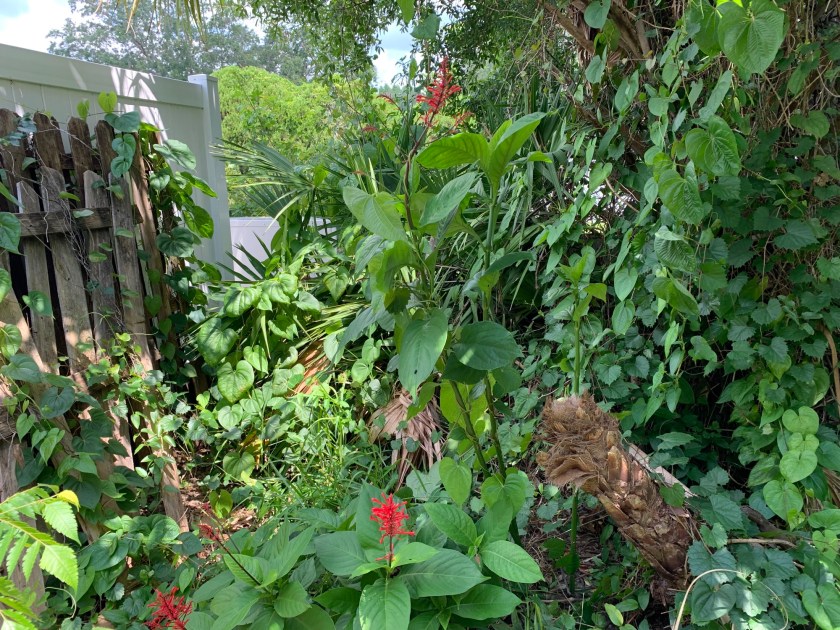
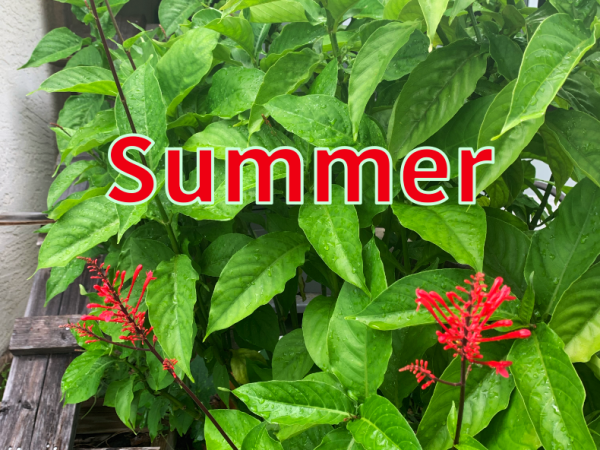
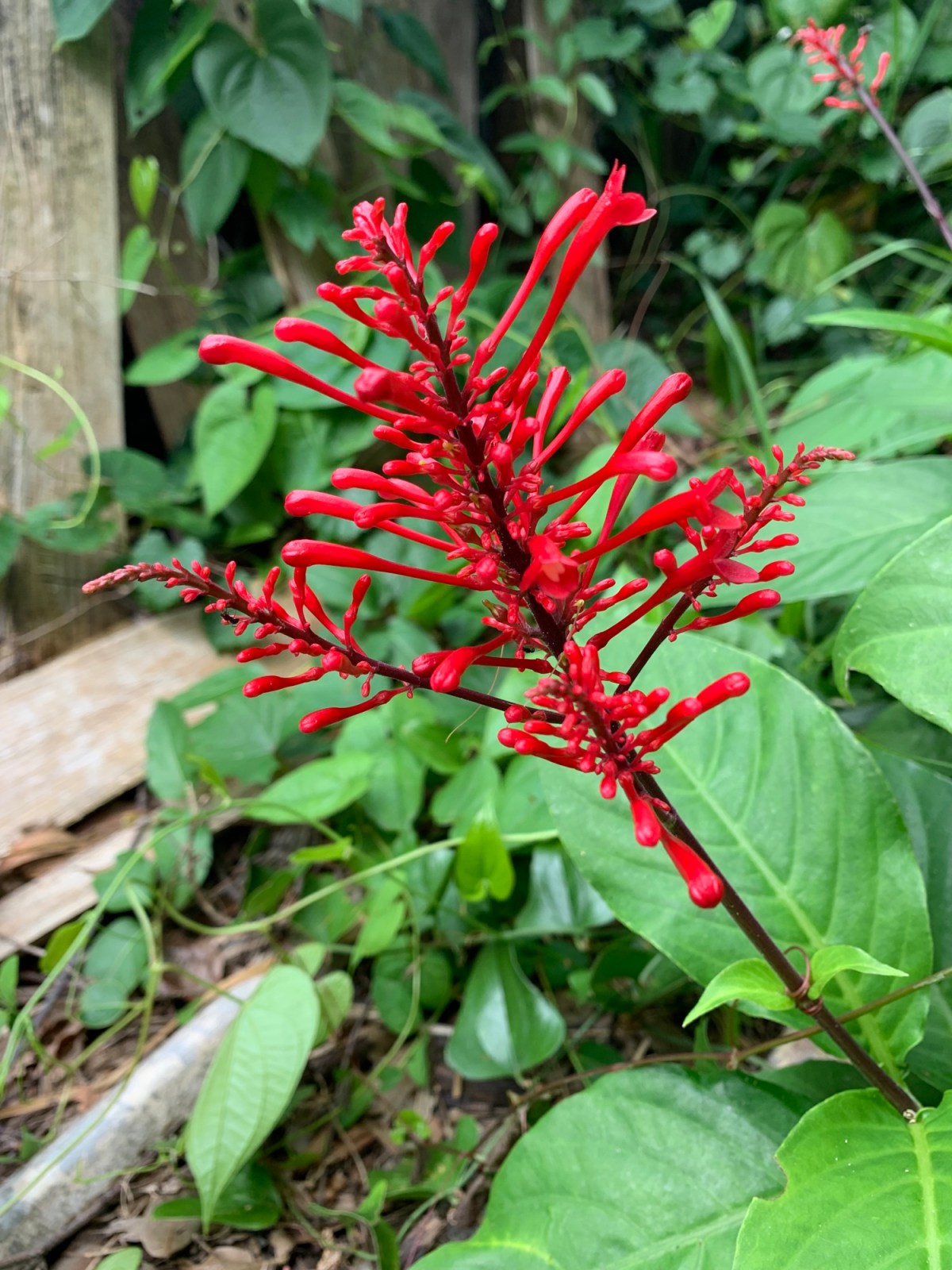
Because of it’s bright red flowers, I noticed a Firespike plant growing at the edge of my yard behind lots of wild growth.

It’s June and I am not spending much time in the yard because of the heat. I check the vegetable gardens and so some watering and weeding as needed, but try to be done by 8:00am.
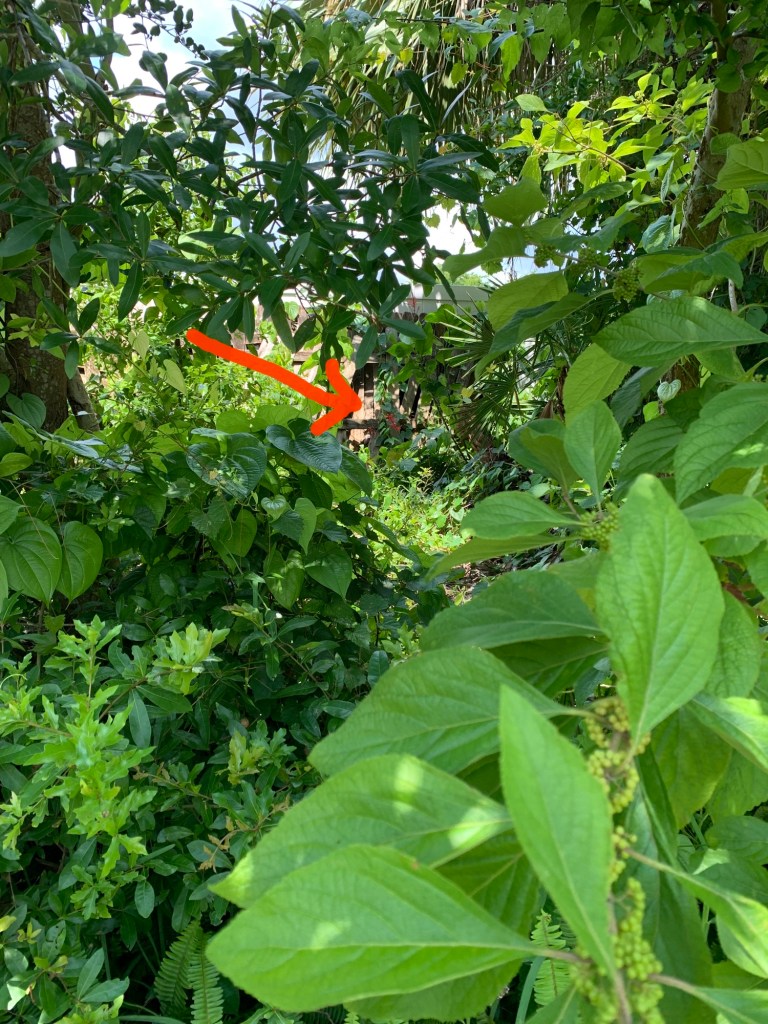
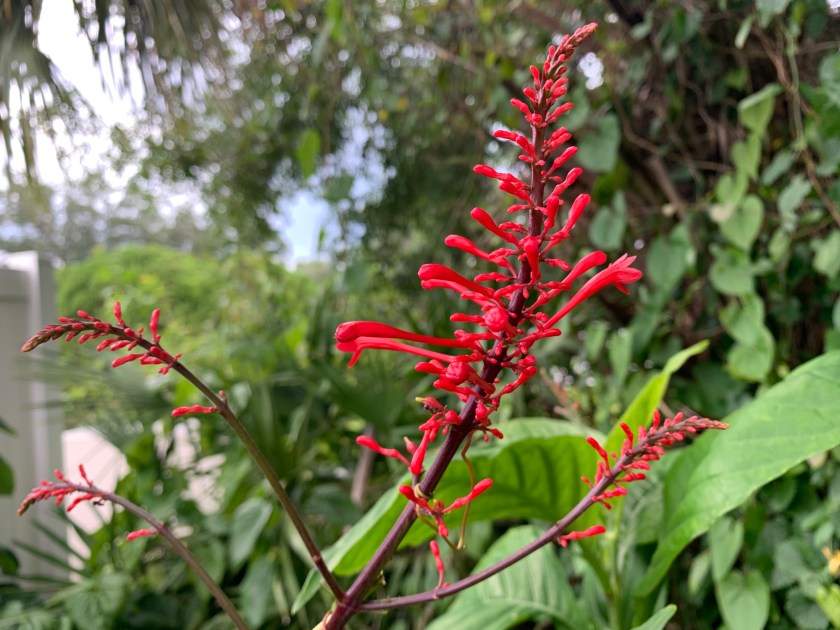
red flower in jungle growth
The red flower caught my eye.
Firespike flower

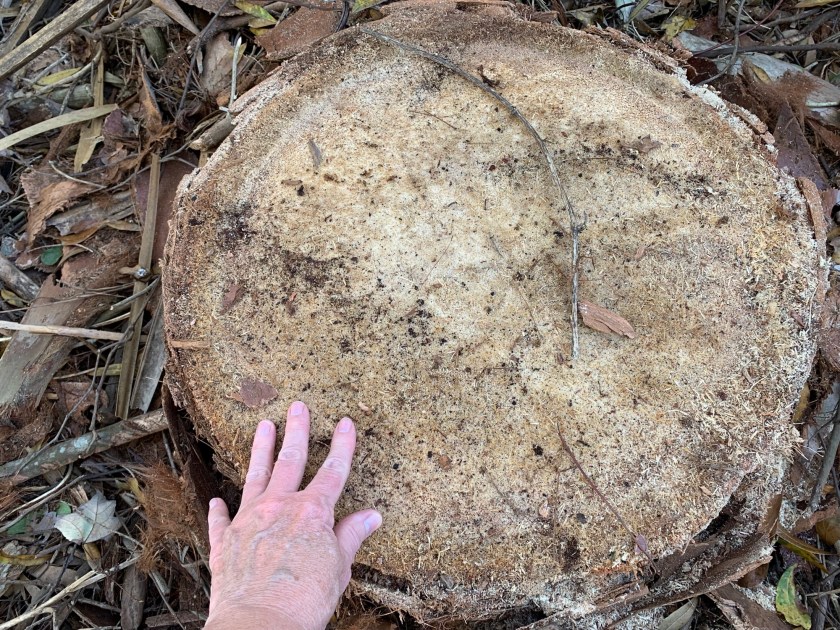
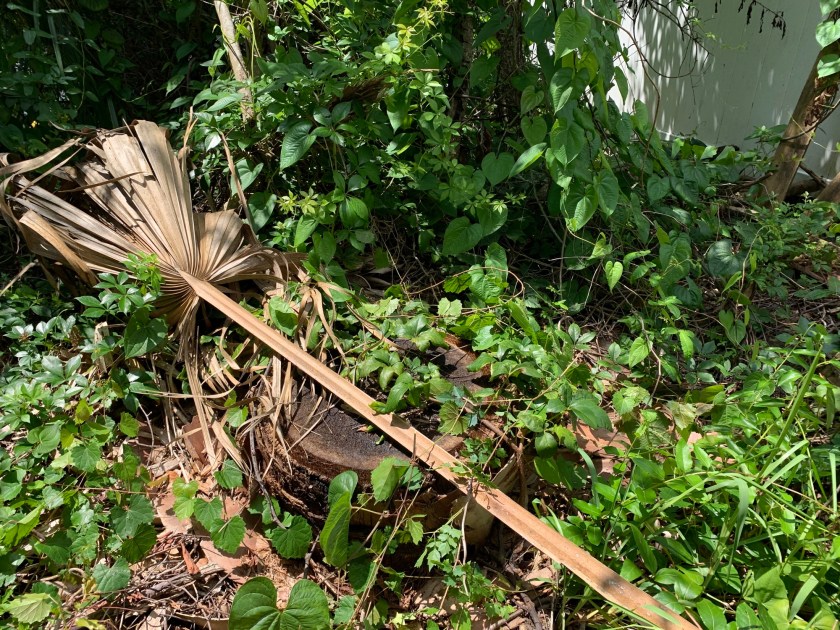
As I was walking past an overgrown area (where the Beautyberry Bush also grows), a bright red flower caught my eye. It was back along the fence line. We’d had a palm tree taken down by the power company because it was growing too close to the power lines – the power company insisted on removing it. The Firespike plant was found just to the right of that palm tree.
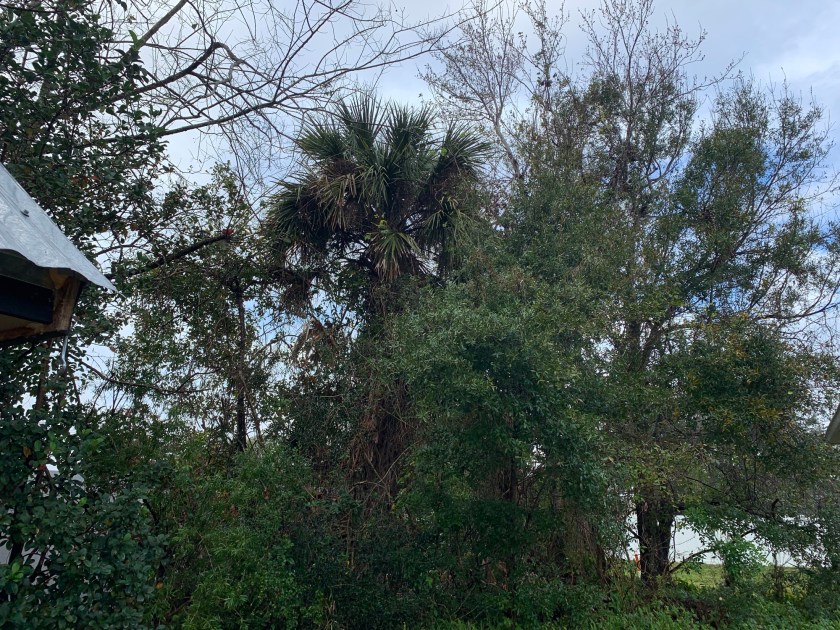
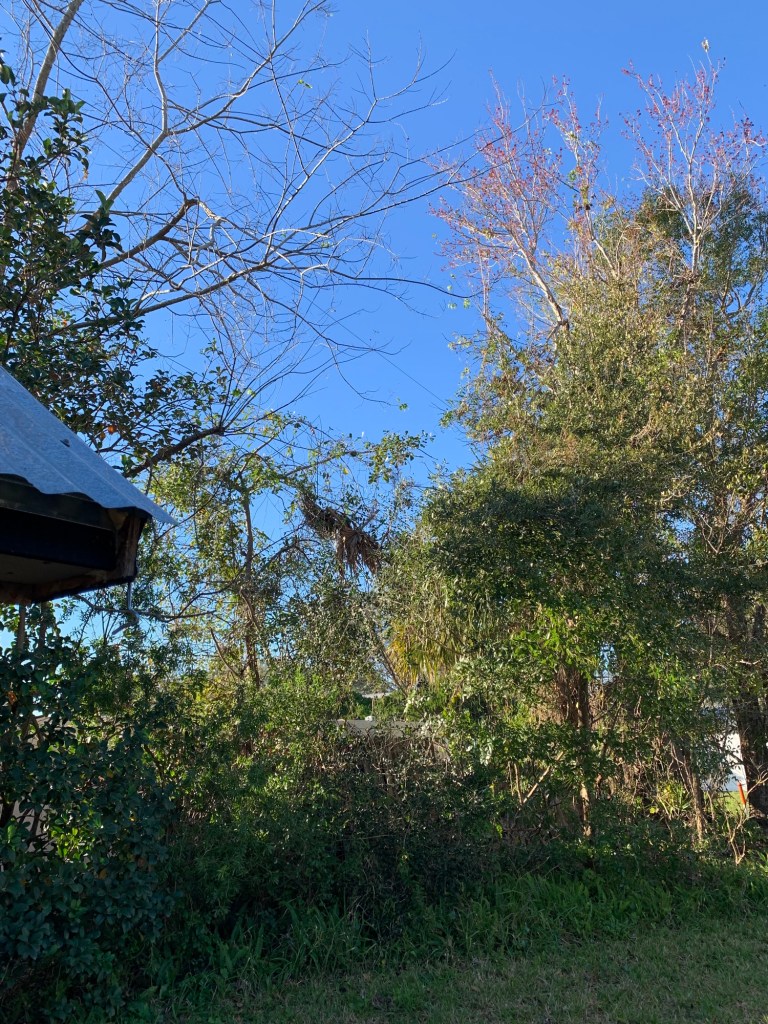
  • Palm tree
  • opening where palm tree grew
  • palm tree stump
  • palm tree stump

I knew that with the palm gone, more sunlight would hit a previously shady area. I was hoping some of the small hidden trees would be able to grow better. I never thought I would eventually find a beautiful, red-flowering plant.

Walking through the growth meant keeping an eye out for bugs, spiders, snakes and fire ants. I had to cut and pull the vines out of the way. This is not the right time of year to be clearing growth, but I had to see what was growing back there.

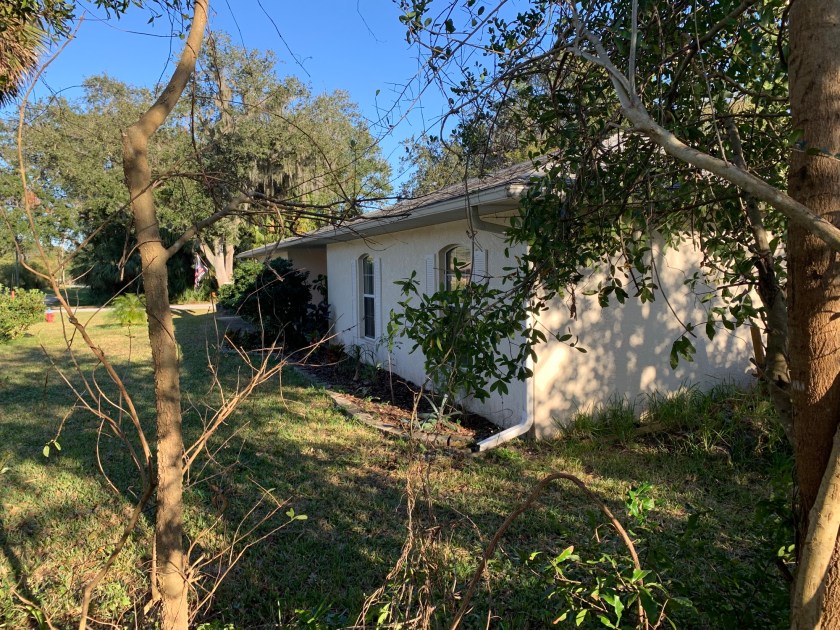
June vs. January House View From Woods
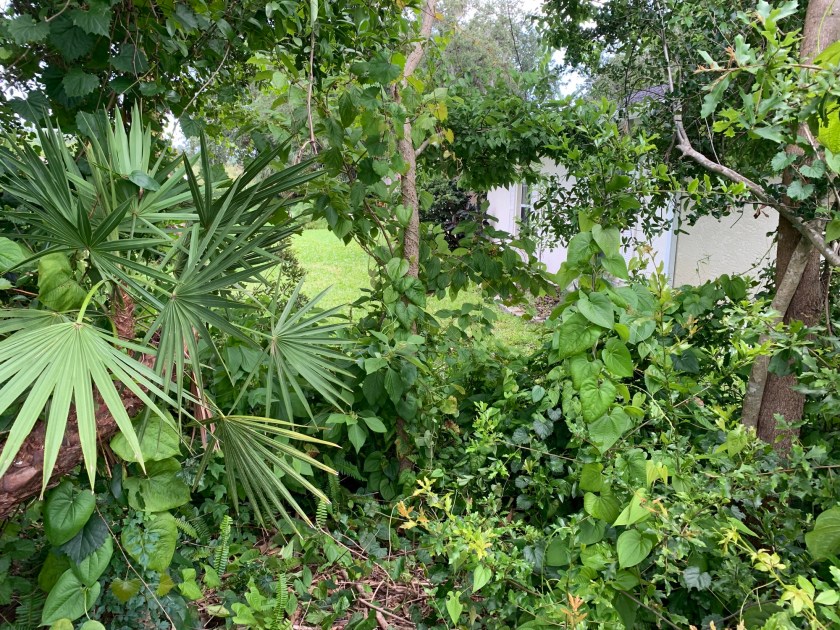
The neighbors behind us put up a new white fence, but they left the old one there! At least there is a fence, and we didn’t have to buy one.
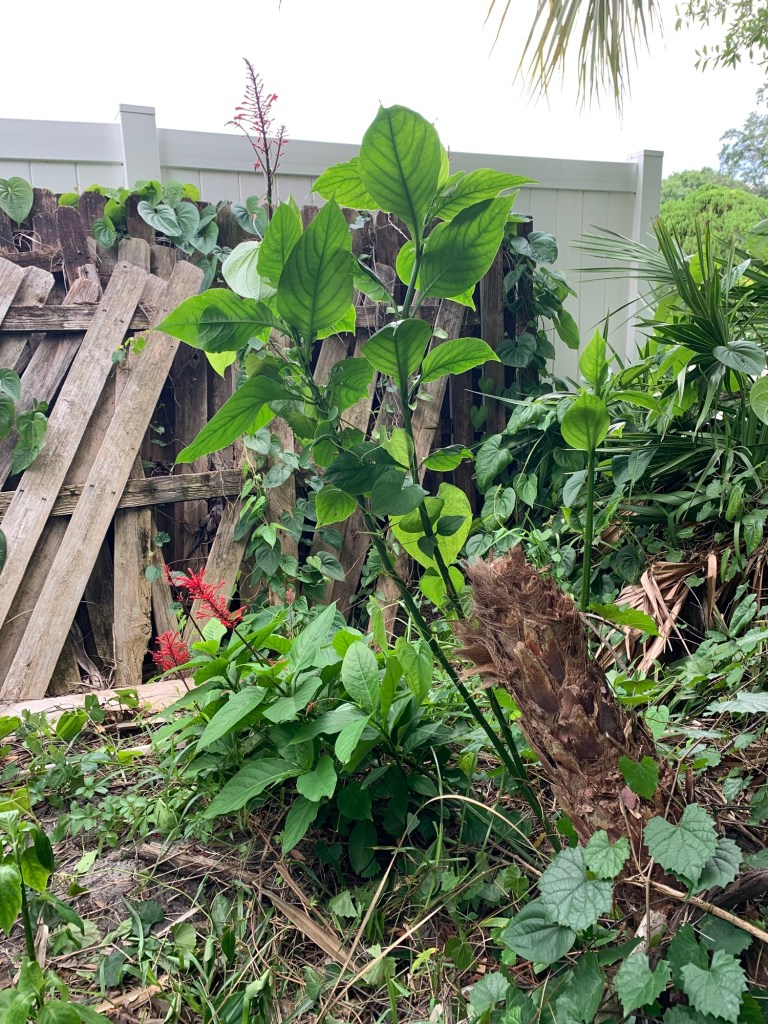
Firespike plant

When I got to the plant, I had no idea what it was. I had to cut off the vines that were attempting to strangle it. I took a photo and my iPhone plant identifier came up with this, “Odontonema cuspidatum, the mottled toothedthread, the Cardinal’s guard, or the firespike“.

Propagating the Firespike

At first, when I saw both tall and short flowering stems, I believed they might be separate plants. I was hoping to dig up a small plant and transplant it to my yard.

But those shorter looking plants were really just long stems laying on their side. This must be a very hardy plant to have thrived so long in tough conditions.
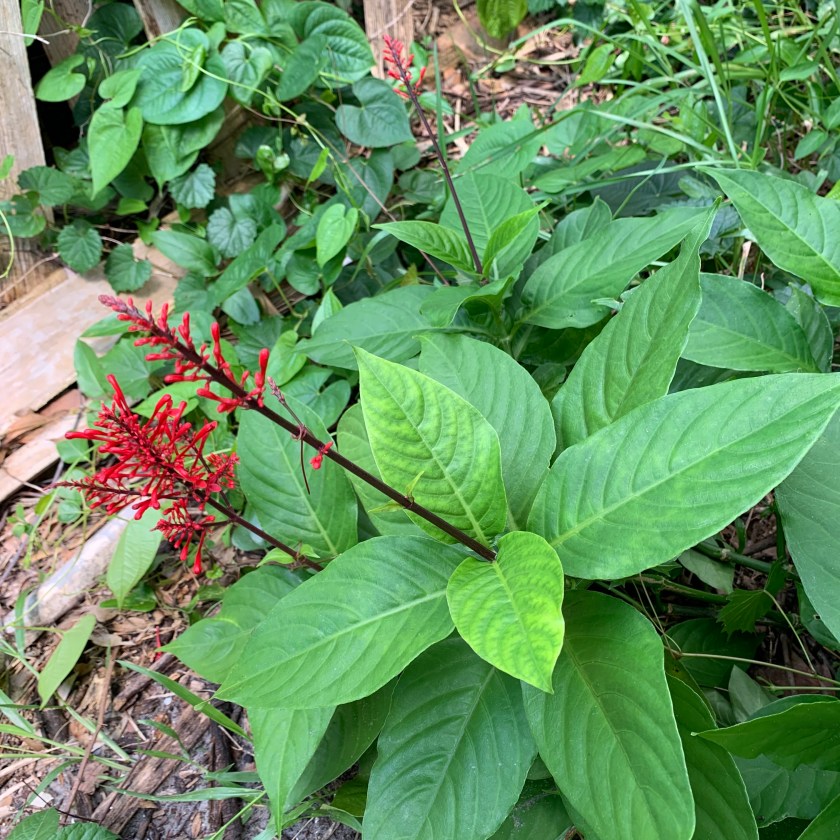
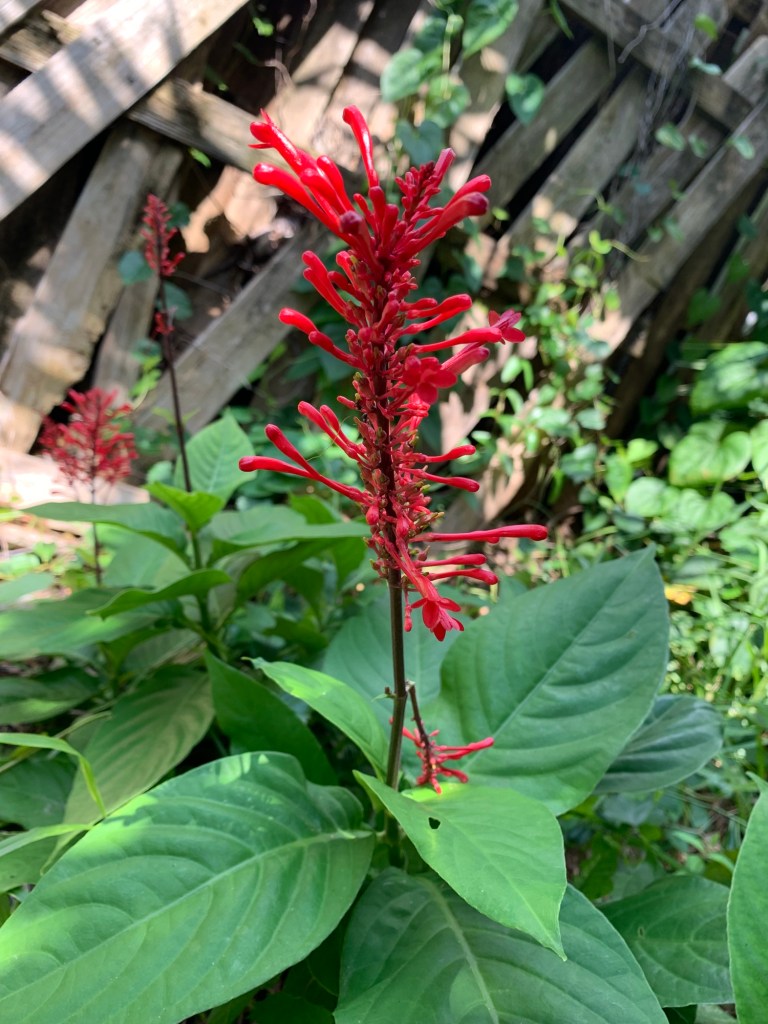
  • Firespike plant
  • Firespike flower
  • Firespike flower
  • Firespike flower
  • Firespike plant flowering

I took one cutting, of some new growth along one of the stems. Hopefully I will be able to propagate this beautiful shrub. If this cutting does well, I will take more. I put the stem into coconut coir. Updates to come.
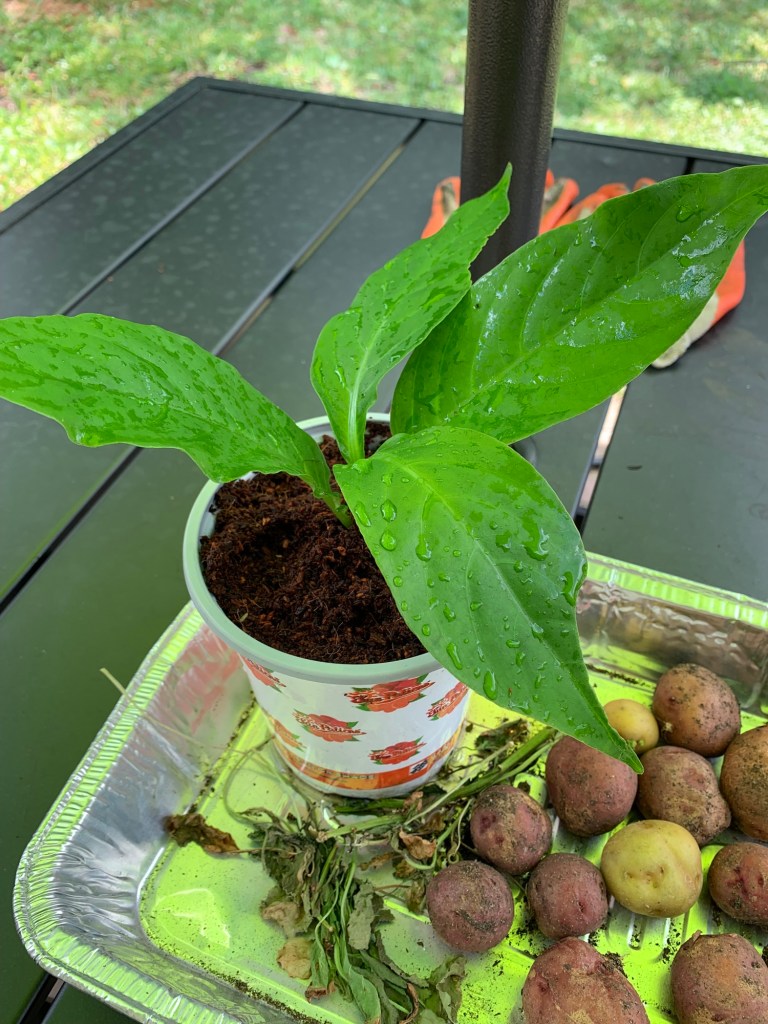
Cutting Firespike plant
Firespike cutting, hoping to propagate

Signs of Animals

There was a pile of sand next to the Firespike and I thought it might be an ant hill. As I was taking photos of the Firespike I noticed a hole beneath the dead palm tree trunk just next to the plant. At some point an animal had pushed all that sand out to make a burrow for himself.
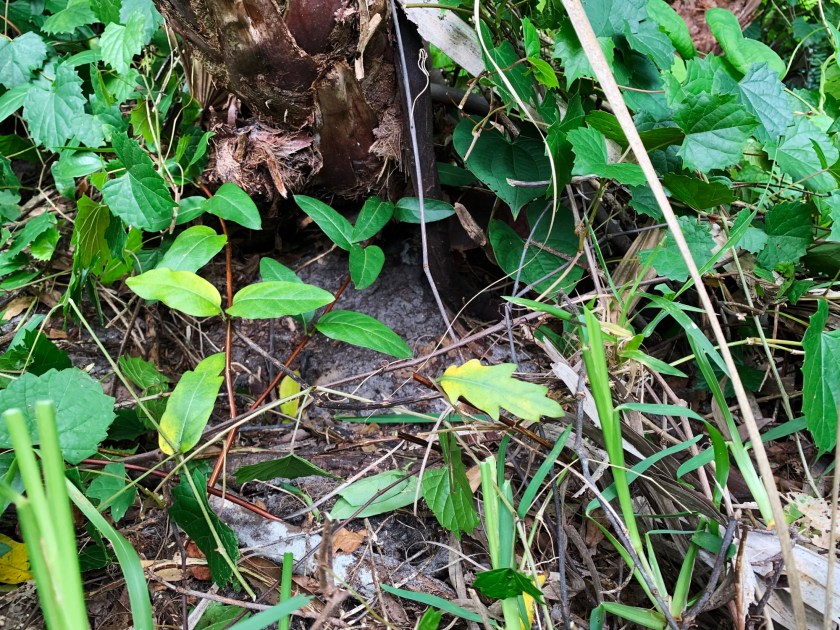
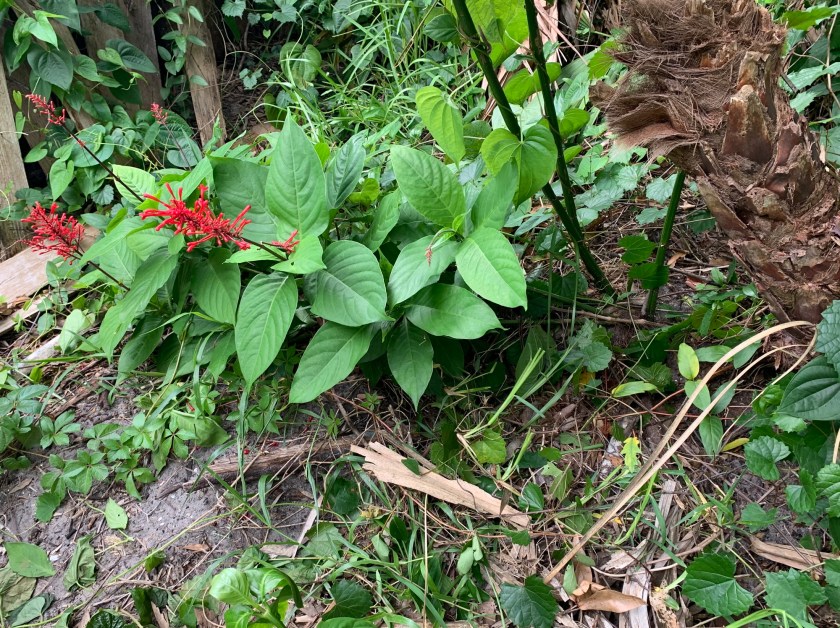
  • Wildlife burrow

If I had to guess, I would say it was an armadillo’s home. We used to see some little armadillos in the yard when we first moved here. Then, the two lots next door were cleared completely and I’m betting they lost their ability to survive. But, I can’t get started on that….

I didn’t see any signs of something being in that hole. It may have been hiding, or away at the time. Or the hole could be deserted.

The Vines

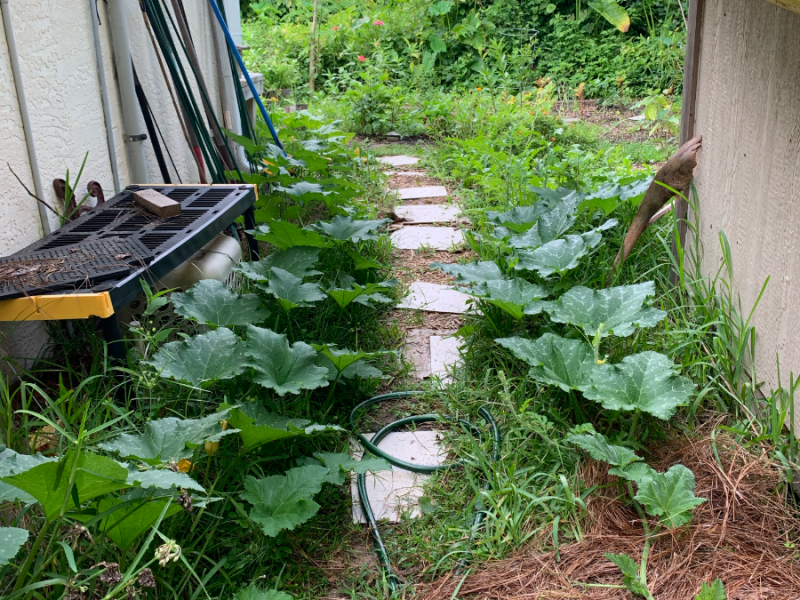
This is an area of my yard where the growth is crazy this time of year. Each winter, when the vines die back, I do some clean up here. Mostly I try to control the vine growth, which can overtake young trees and shrubs and pull them to the ground. Much of the Firespike was also wrapped up in vines.
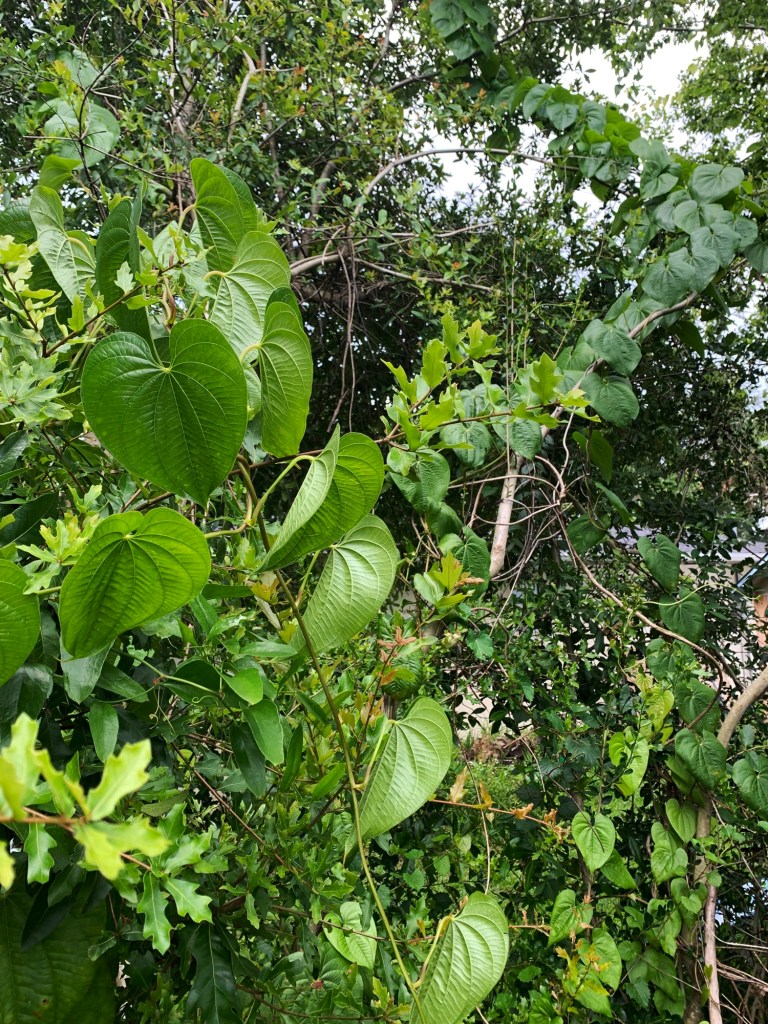
Florida vines taking over

There is also a shorter plant next to the Firespike and I think it is the same thing. I found this plant in the same area where the Beautyberry bush is growing. Now, I wonder if this part of the yard was once a flower garden.

I’m guessing that the Firespike is a hummingbird attractor!
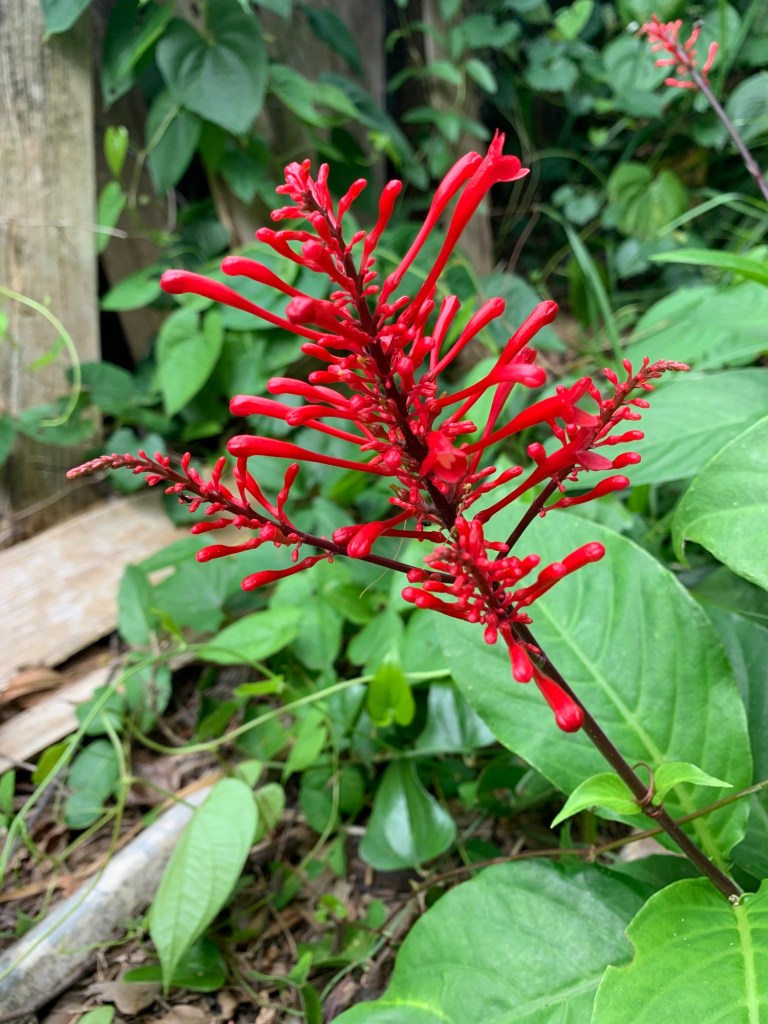
Firespike flower

UF IFAS Firespike Plant about page

Keep reading…

Orange Gulf Fritillary Butterfly

If you live in the southern US, that pretty, mostly orange butterfly in the yard may be the Gulf Fritillary.

I’ve seen pretty orange butterflies in the yard and never knew their names. It is the Gulf Fritillary butterfly and is seen in the southern US. My daughter in New Hampshire is getting into identifying her local butterflies so I took pictures of this one to show her.

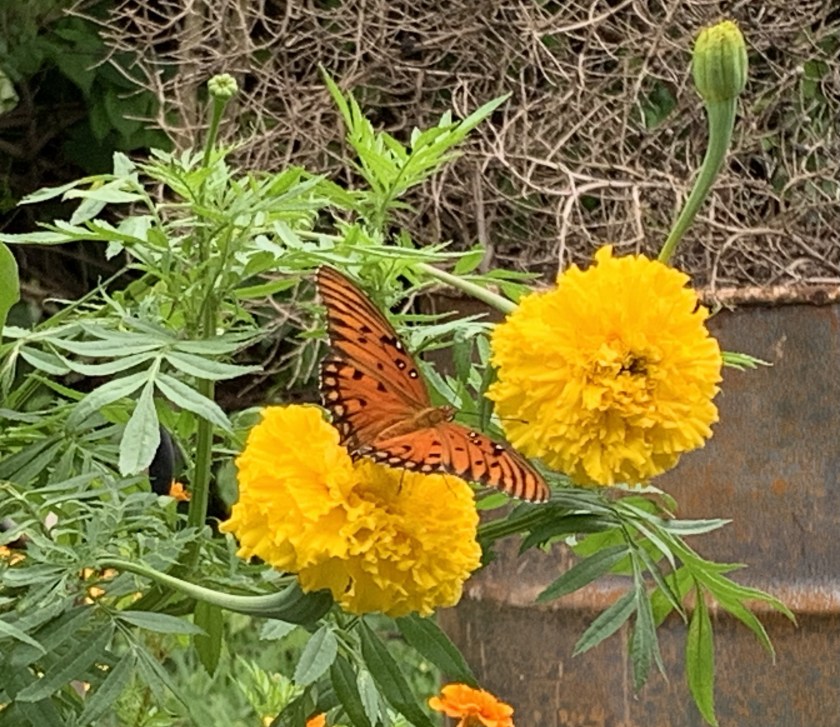
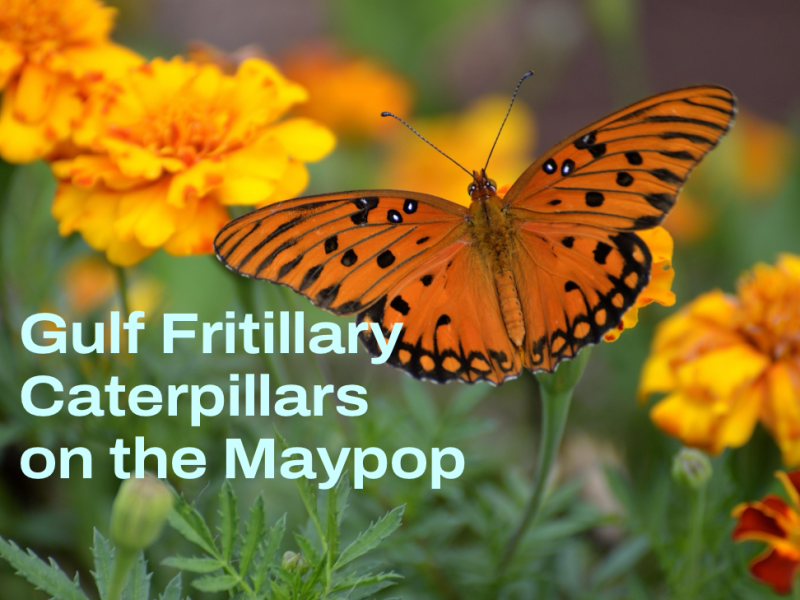
orange Gulf Fritillary butterfly
Gulf Fritillary butterfly

Generally, trying to photograph moving creatures is something I don’t even attempt, but this beautiful butterfly was hanging around the flowers for so long that I figured I’d try.

When I sent the photo, my daughter did not recognize it – no surprise since she will probably never see one in New England. I had to search to identify its name. According to this page at the Butterfly Hobbyist they are abundant in Florida and Mexico.

The Gulf Fritillary especially likes Passionflowers, or Passion vines, which is where they prefer to lay eggs. But in the butterfly stage they visit many types of flowers. This one seemed to enjoy the marigolds.

Gulf Fritillary butterfly
Gulf Fritillary butterfly on yellow marigolds

More stories from the garden

Growing Marigolds From Saved Seeds

Easily save marigold flower heads and collect the seeds to sow later.

Growing marigolds from seeds is pretty easy to do here in Florida. With our long stretches of warmth, ruined only by the months that are unbearably hot, seeds readily sprout. The seeds are easy to save in any climate, but they should be stored to use the following year if the growing season is short.

I began growing marigolds from small plants and seed packets that were purchased. Marigolds are easy to grow and don’t need much attention once they are established. Deadhead the dying flowers, which hold those wonderful seeds.

Saving Seeds

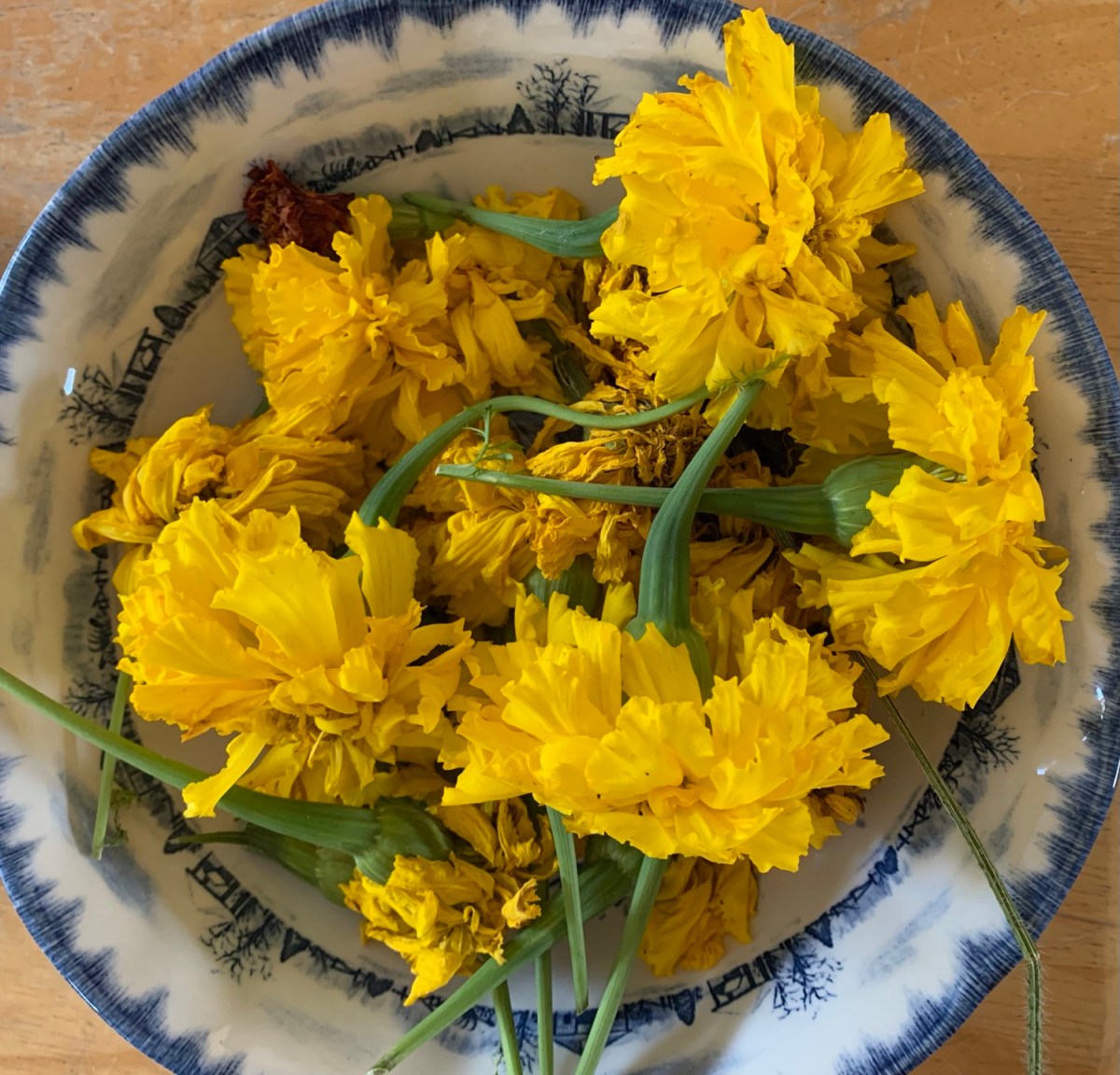
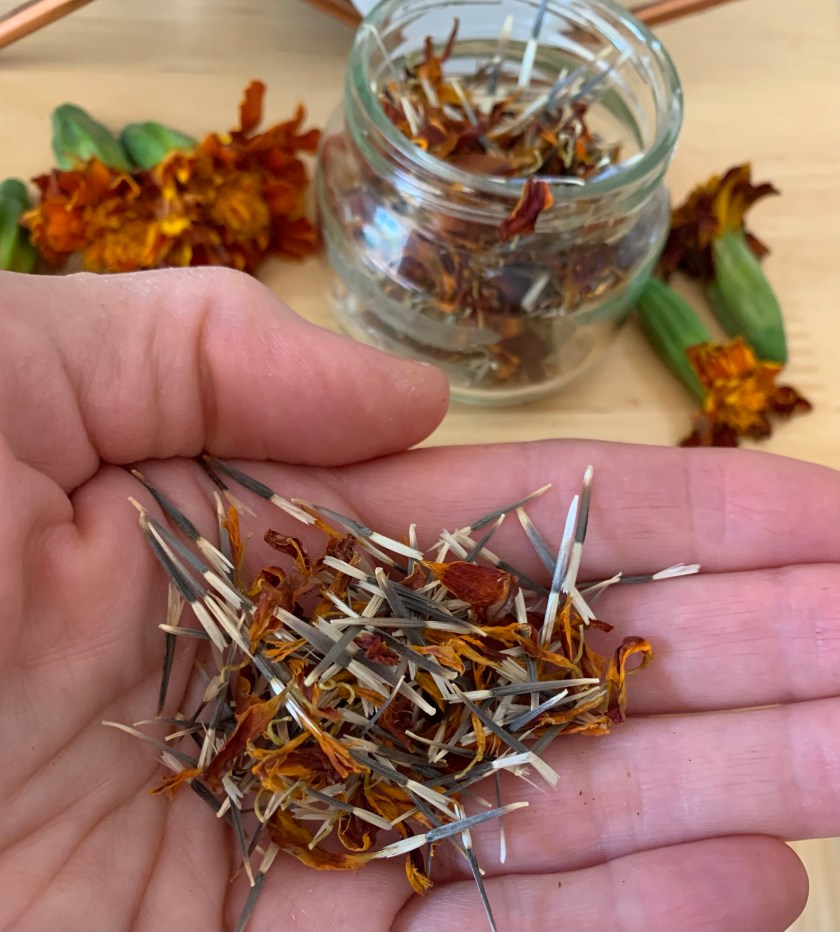
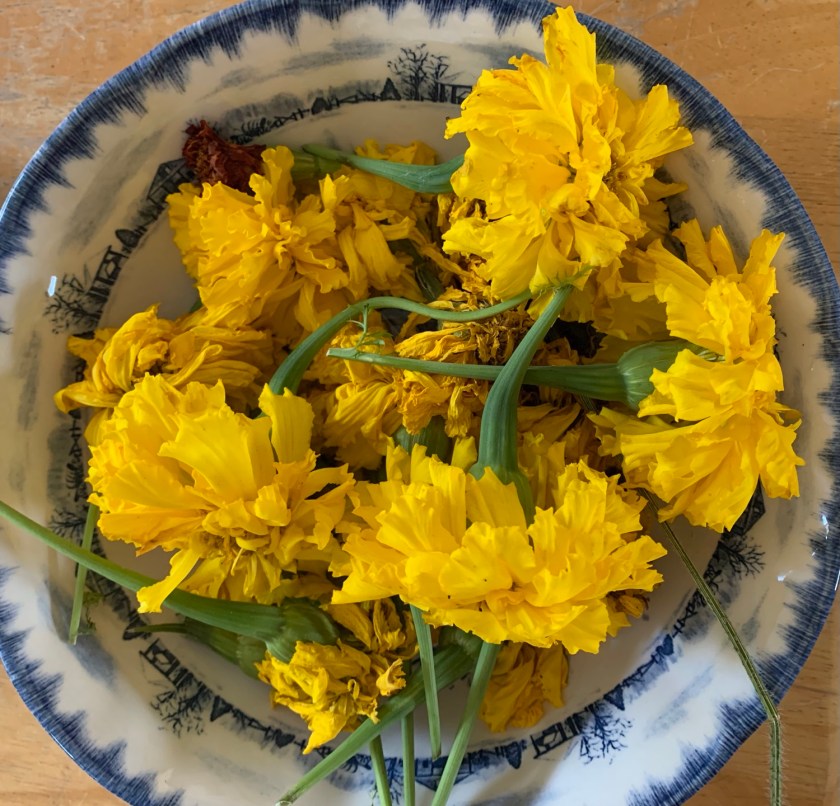
When the flower begins to die on the marigold plant, pop the head off and save it in an open container to dry out. Once the blossom has dried (or when you are ready to plant), peel it open and find the seeds.

You will end up with many seeds, but not all of them will grow. Overdo the sowing or thin the seedlings as needed. Each flower will give you a handful of seeds!

marigold seeds

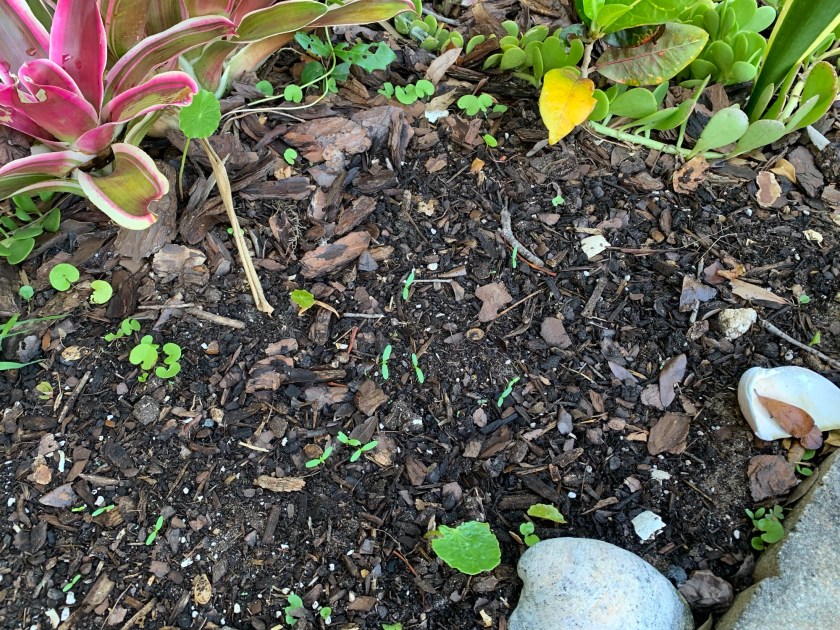
Find some dirt and spread the seeds, then cover with a bit of soil. Be sure to water often to get them started.

marigold seeds just sprouting
Marigold seeds in a little dirt space in the flower garden.

Last year I did not organize the marigold seeds and just planted them all over without really knowing which colors would end up where. The little petals will eventually dry up and fall off so if you want to keep the colors separate, put them in marked envelopes.

All Orange Marigolds

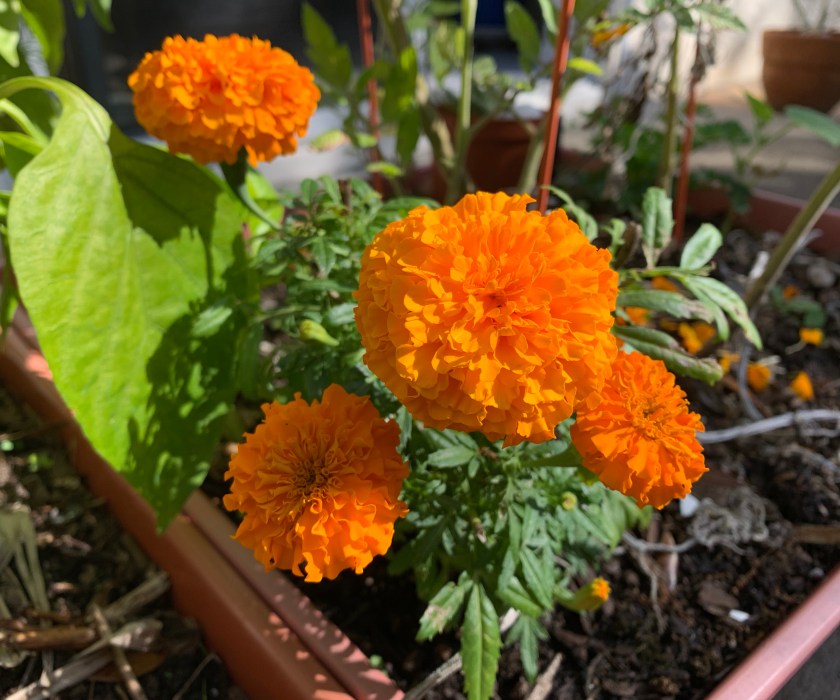
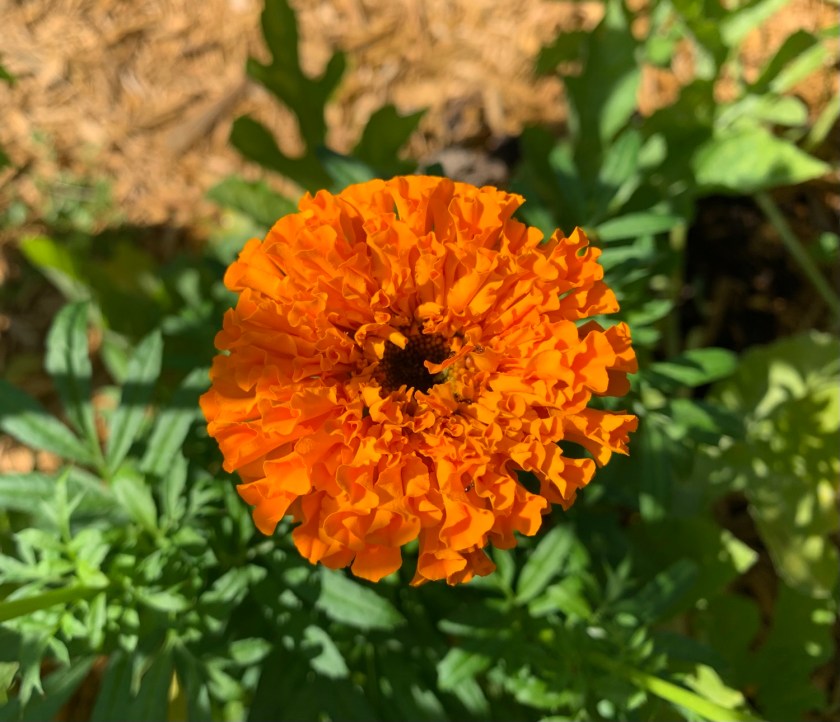
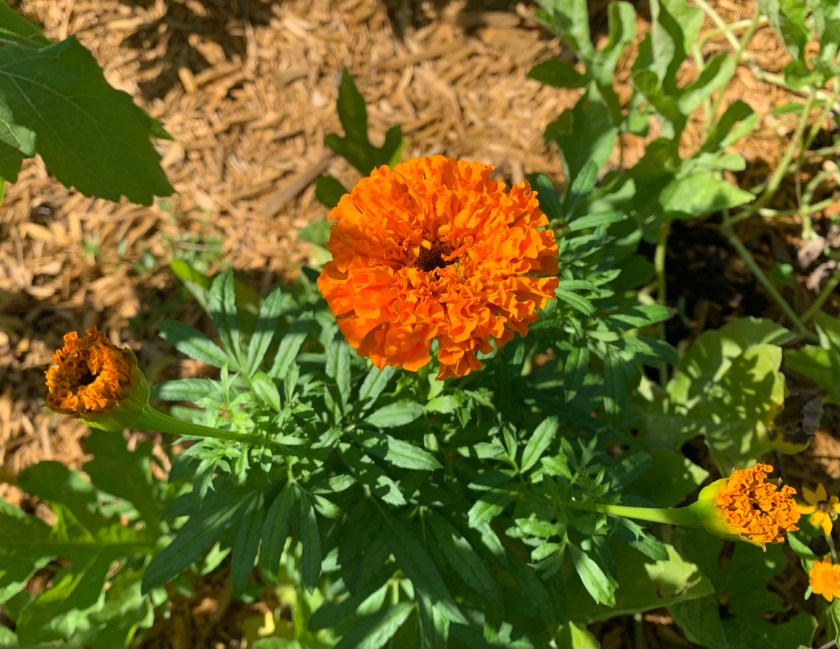
This orange “fluffy” flowering marigold began as a little plant from the store. It’s so pretty, I will definitely save all the seeds from it.

  • orange marigold
  • Fluffy orange marigold
  • orange marigold flowering plant

Red-orange Marigolds

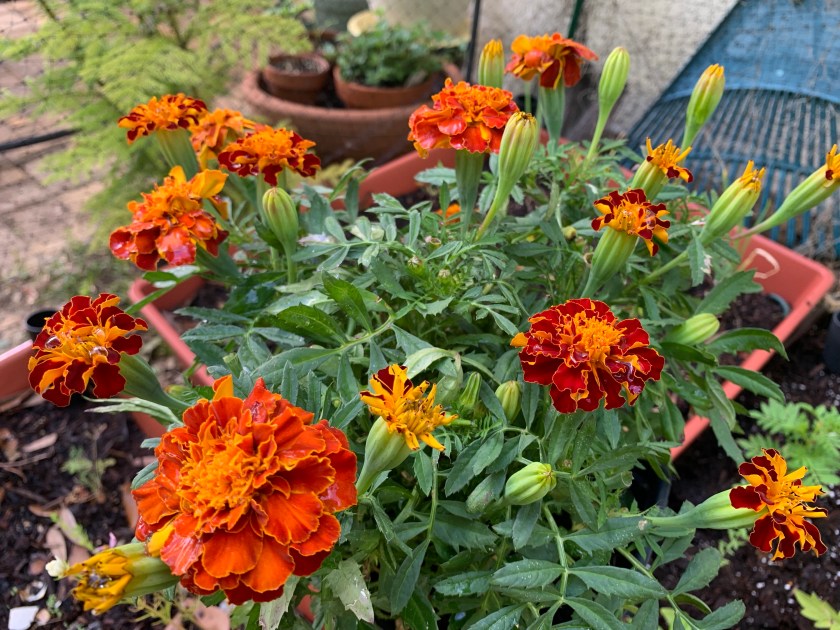
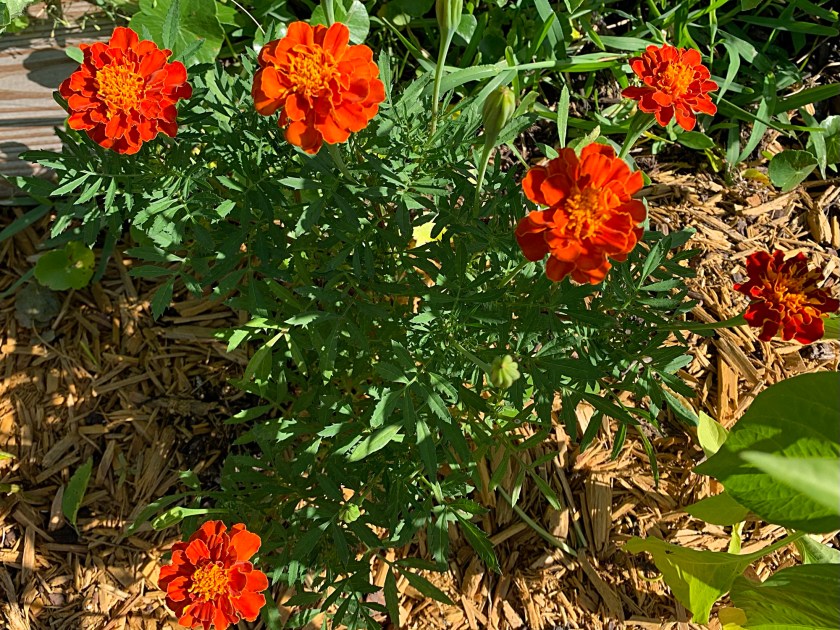
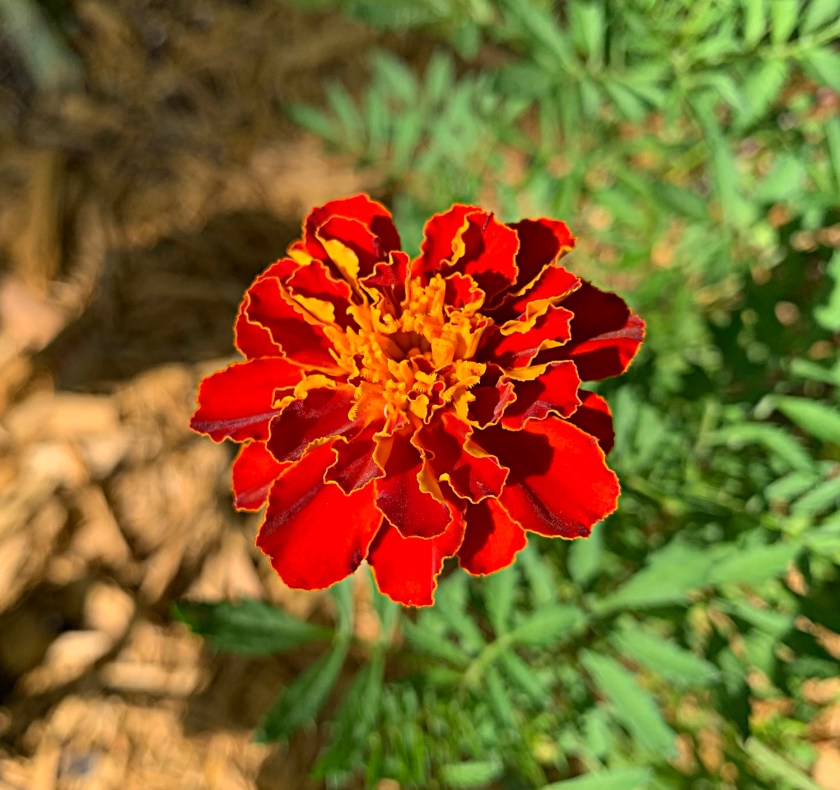
This marigold has dark orange petals that can also look red. The center is more yellow. I have one plant growing in the garden from the seeds I saved.

  • French marigold
  • dark orange marigold plant
  • Red-orange marigold flower

Yellow Marigolds

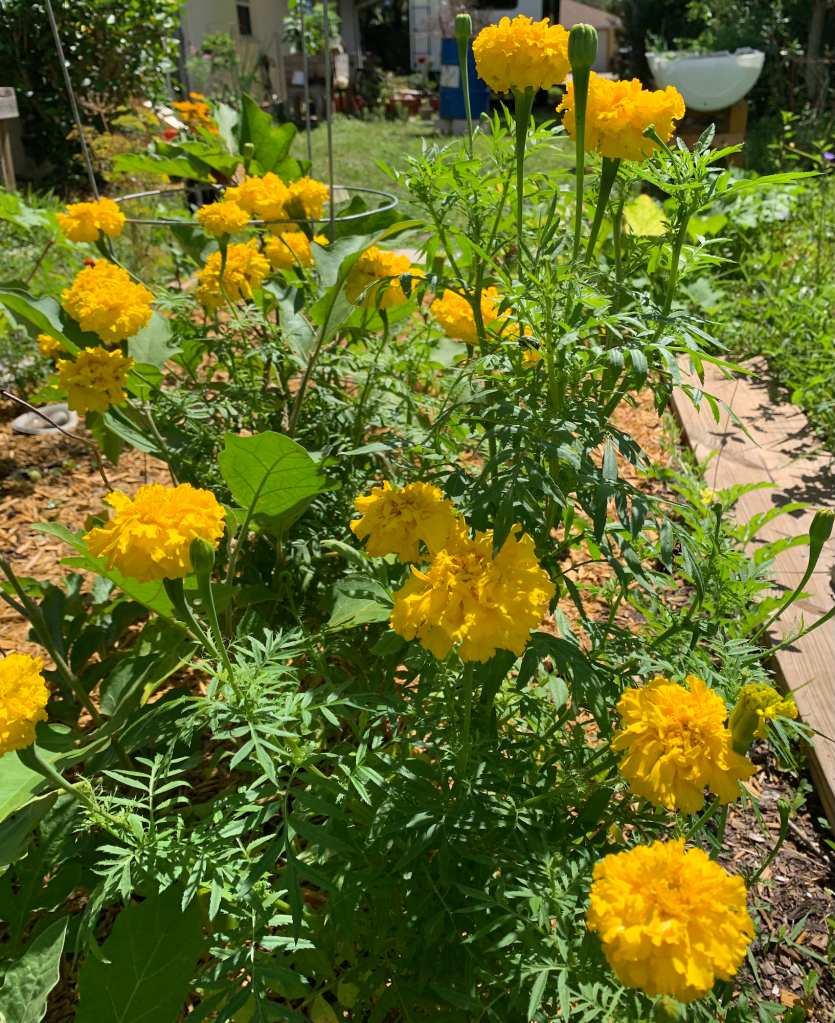
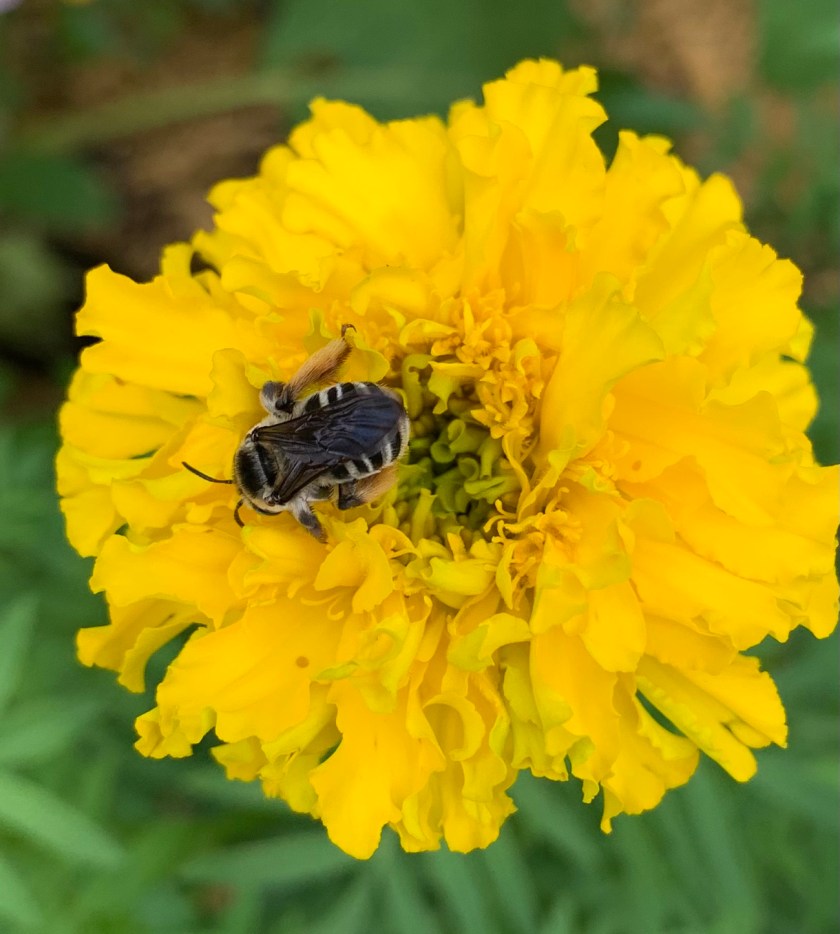
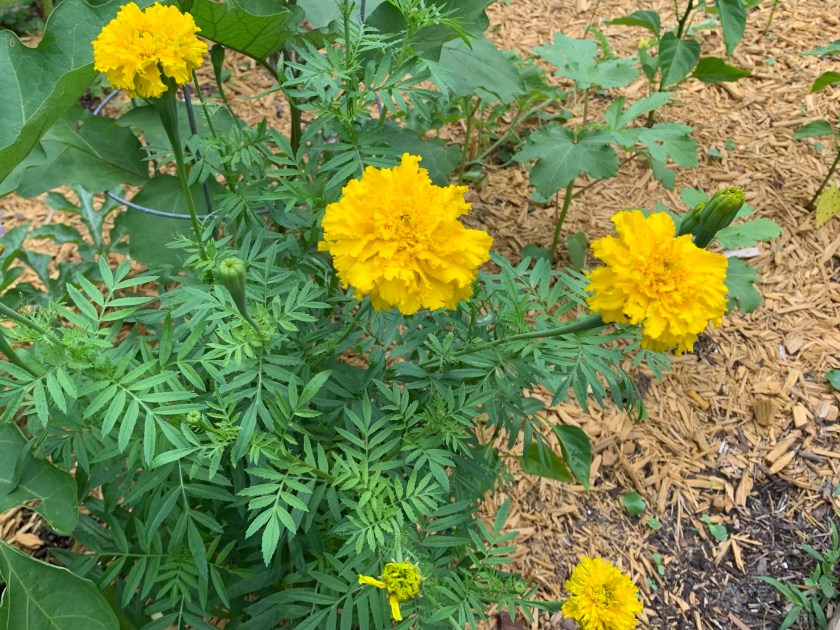
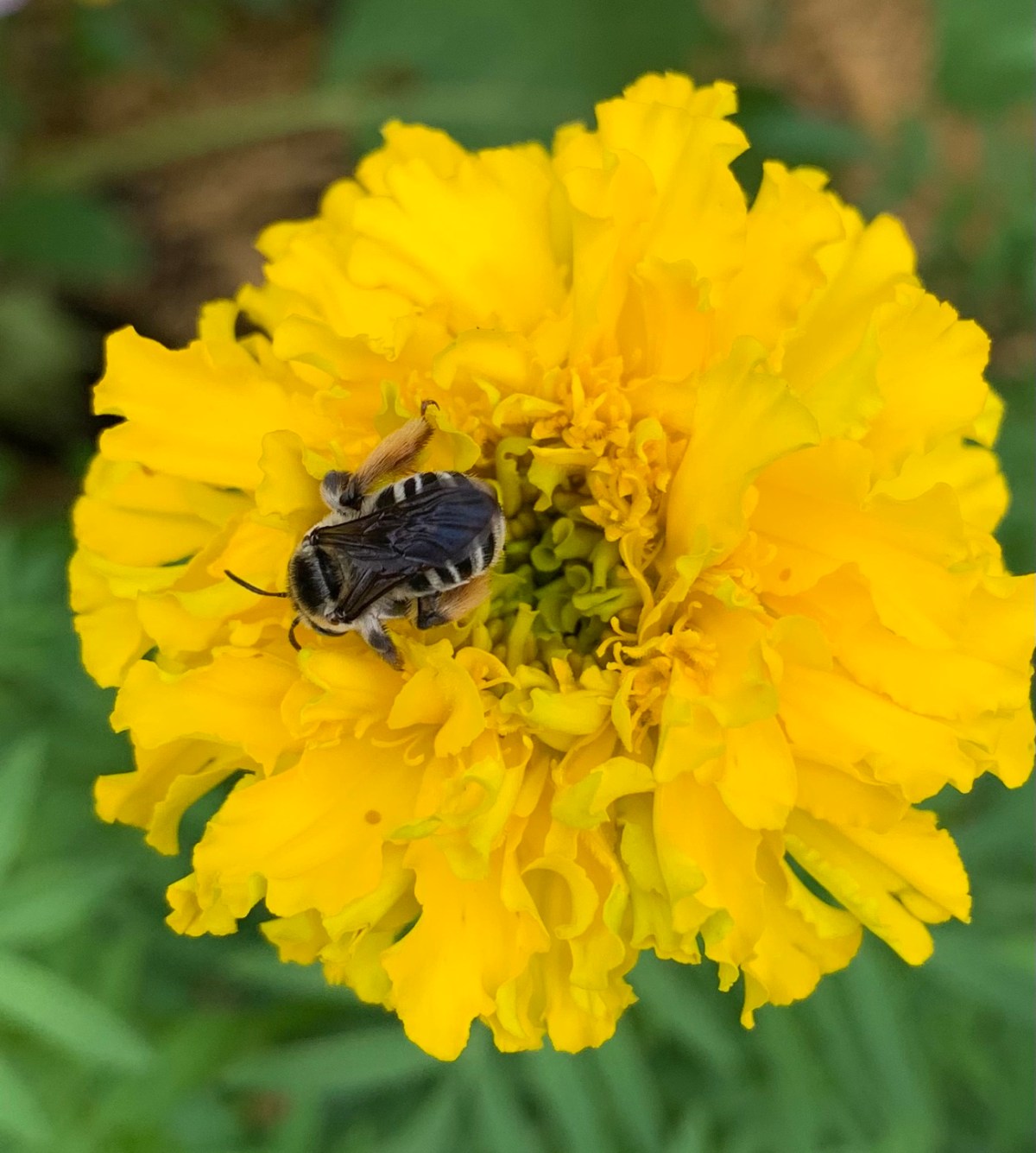
The yellow marigolds have attracted bees and butterflies. Marigold are good for repelling non-beneficial bugs and I always like to have them in the yard. Plus, they are pretty and quite easy (and cheap if you save the seeds) to grow.

  • Bee on yellow marigold
  • yellow marigolds
  • Saving yellow marigold flowers for seeds

Marigolds are not the only flower seeds I save. This year I am growing Rudbeckia and Gaillardia and am looking into saving seeds from those plants too. Cosmos flowers also have seeds, which I save.

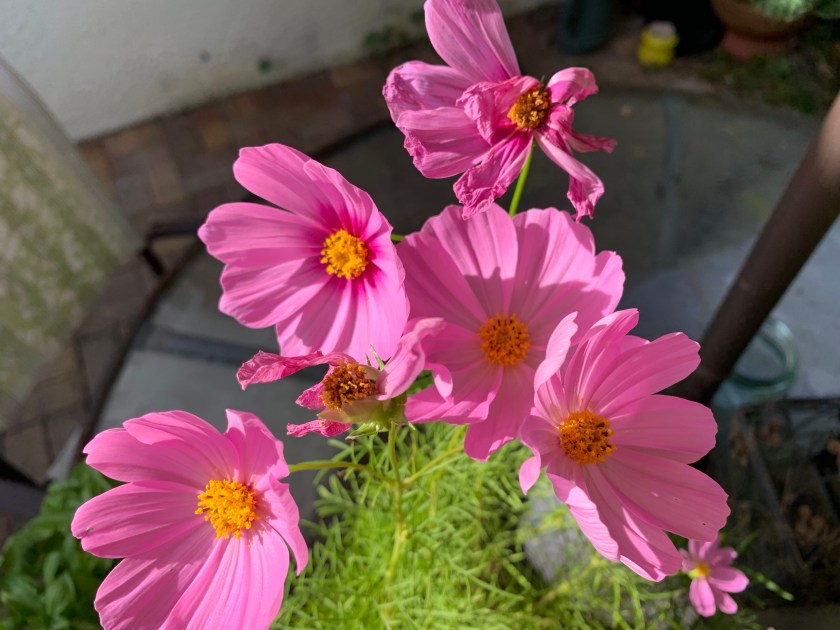
Pink cosmos have seeds in the center

Find more gardening stories here…

Watermelons Are Growing Big in June

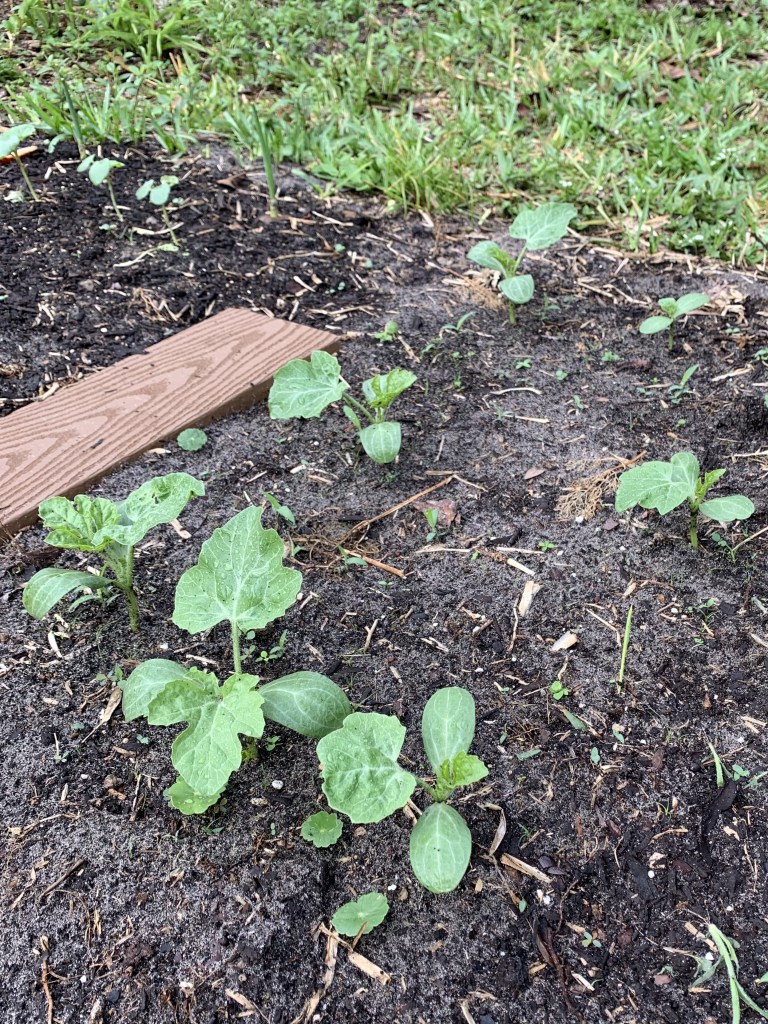
Today I took some photos of the watermelons growing in the backyard garden. I have four, and they are various sizes. These are the seedlings which were thinned once I chose the best to leave.

Watermelon seedlings
Watermelon seedlings – were thinned down to 4 plants
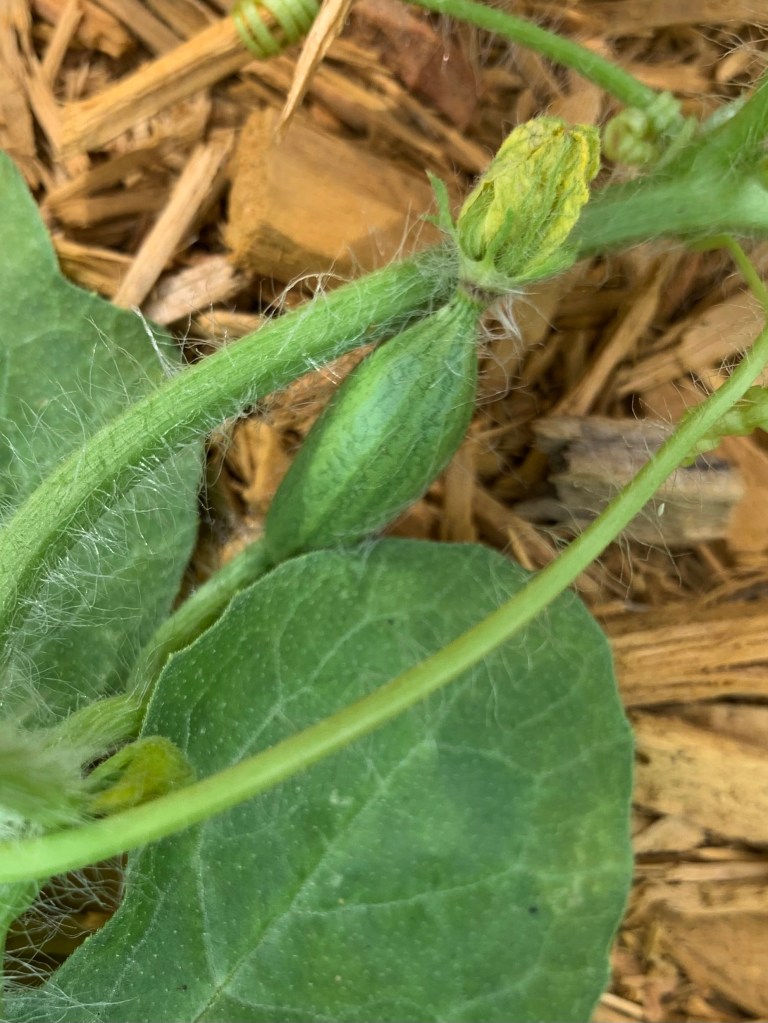
baby watermelon growing on the vine
Baby watermelon

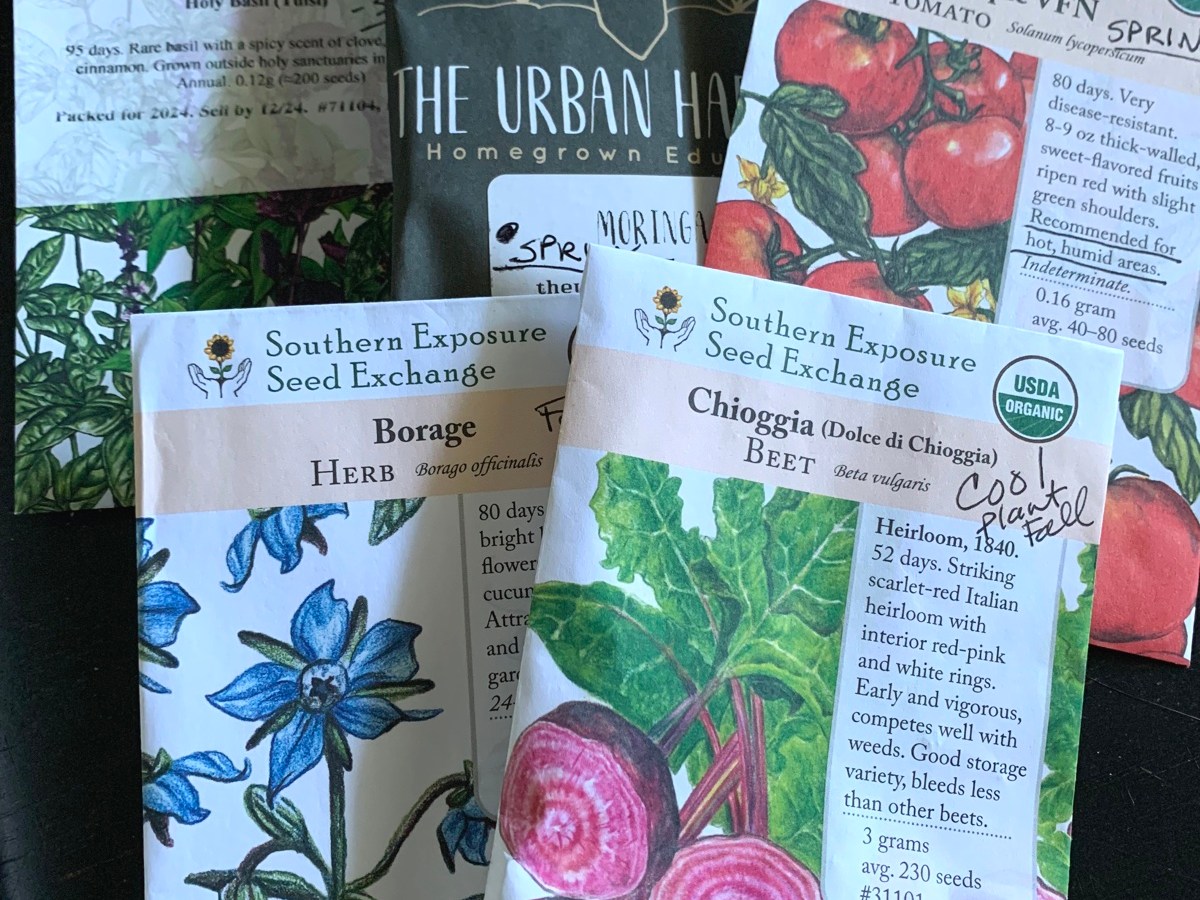
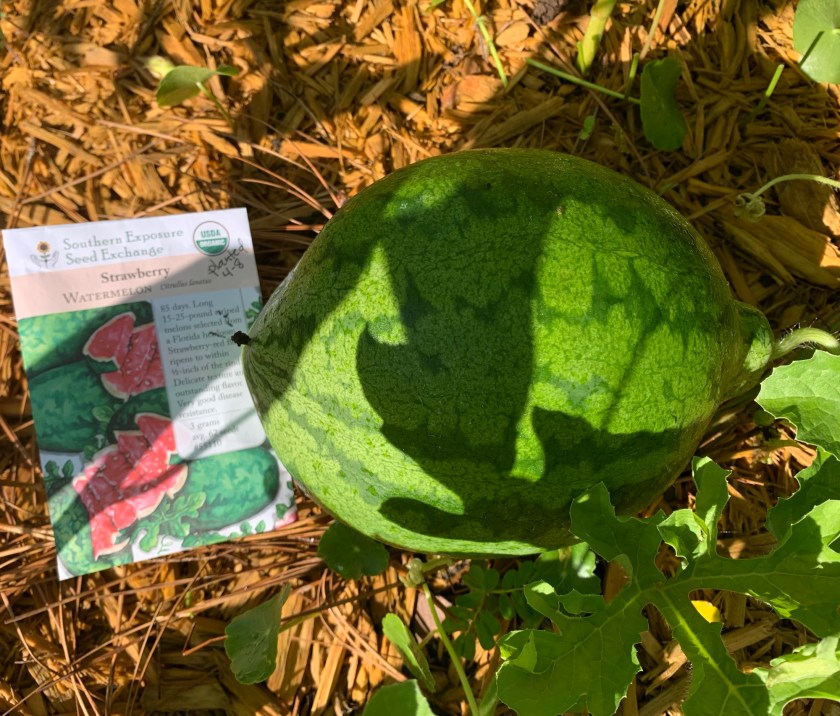
The watermelons grew from seeds I planted April 8th. I wrote the date on the seed packet. When ordering seeds from The Urban Harvest, a Florida based grower, some seeds, like these watermelons, came from Southern Exposure Seed Exchange.

watermelon in Florida garden
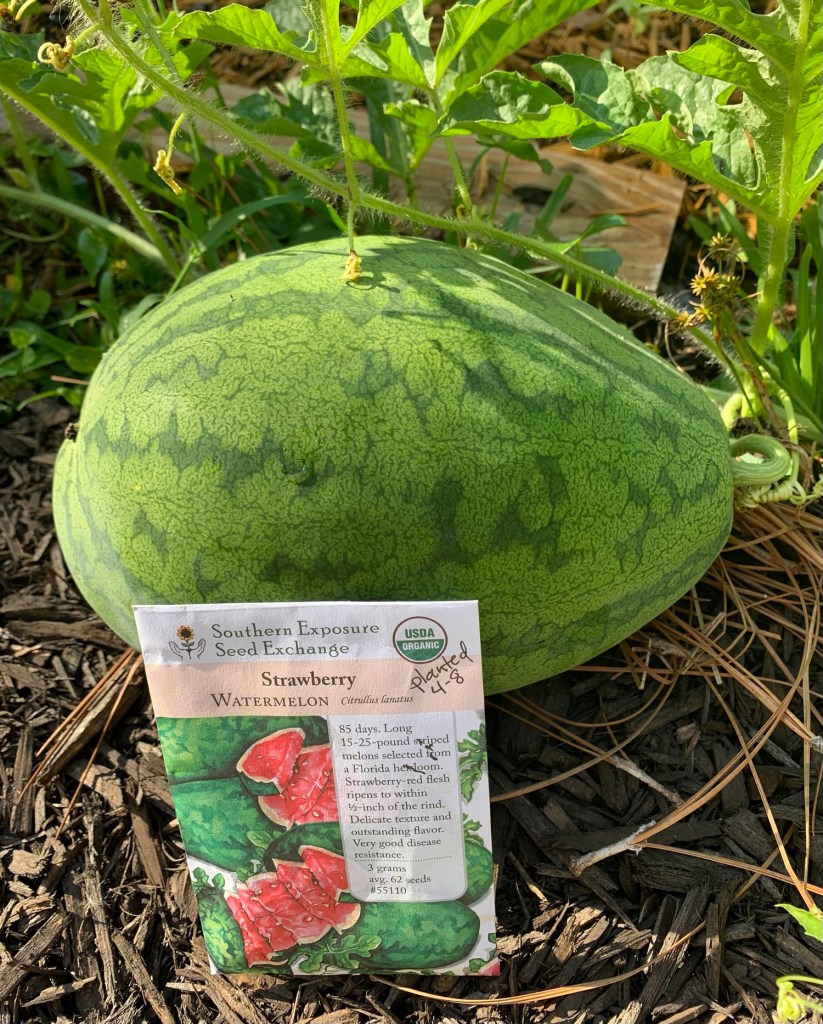
The first melon to grow

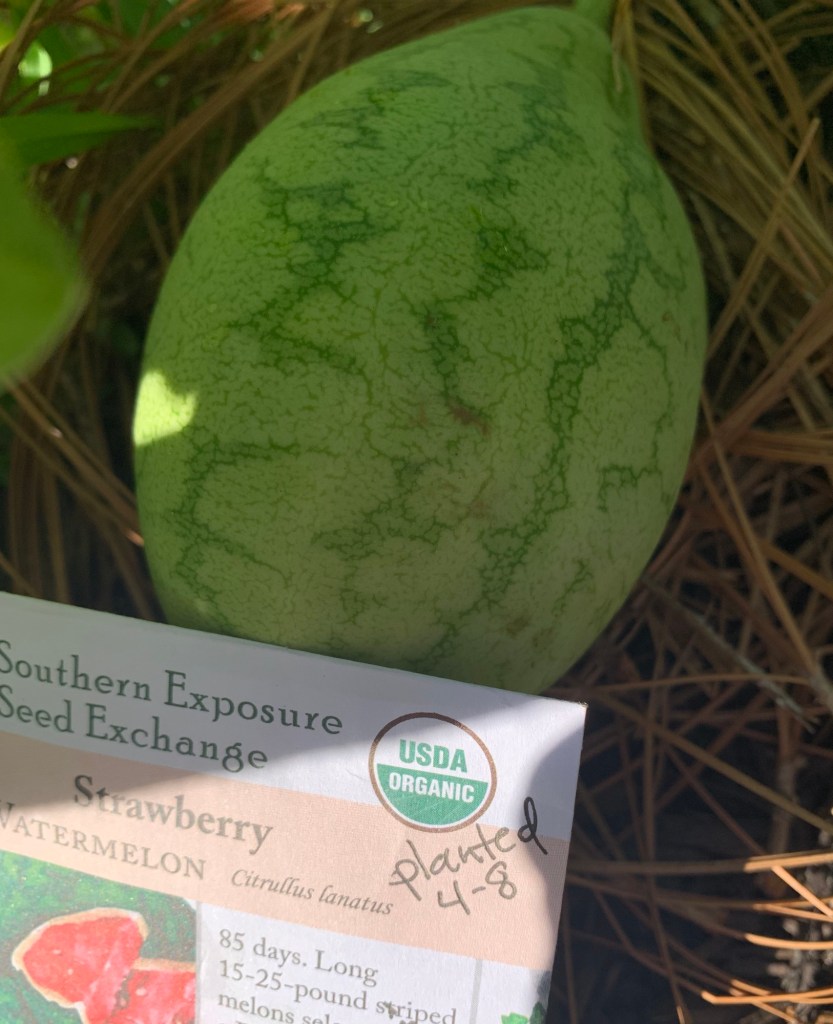
The seed packet was set next to each watermelon, for the photos, to help show the size. There is lots of good info on the packet too. And, I still have seeds, which I may pop into the ground around the yard. I don’t really have space for long trailing vines. And do start them directly in the ground (as the packet says). I had a couple of seeds in pots and they didn’t do well at all.

A couple of melons are pretty small still, but the other two are bigger, and I saw a baby on the vine today. I’m trying to train the vines to follow the garden edges. One vine was destroyed by the roofers who were all over the place when replacing our roof recently. Grrr…

Small watermelon in Florida garden

These are Strawberry Watermelons and the seeds came from The Urban Harvest / Southern Exposure Seed Exchange

The Southern Exposure Seed Exchange has a great website for anyone growing food in the southern part of the US. I really need to spend some time reading their pages. They have suggestions for growing successful crops in our humid and hot region.

The Urban Harvest will get your seed orders out quickly, and I’ve had great results with their seed packets as well (Moringa and Seminole Pumpkin). They also have wonderful videos and information for those of us beginning the Florida gardening journey. They are based in the Tampa area so the info is specifically for us Floridians.

small watermelon on vine

When is it time to pick my watermelon?

According to the back of the seed packet, the time to pick the watermelon is around day 85. I am at day 66 since planting, so maybe around the end of this month or the beginning of July. The Watermelon Growing Guide, at the Southern Exposure website, has great info.

If I’m lucky they will survive and grow, but I have my doubts. I’ve never grown watermelon before because the vine usually dies very quickly from that white moldy stuff vining vegetables get. The seed packet does say, “Very good disease resistance”. So far I am very impressed with the plants.

watermelon

Many vegetables and flowers I’ve planted are doing really well, but the weather is turning very hot now. This will be the test to see which things can stand the heat.

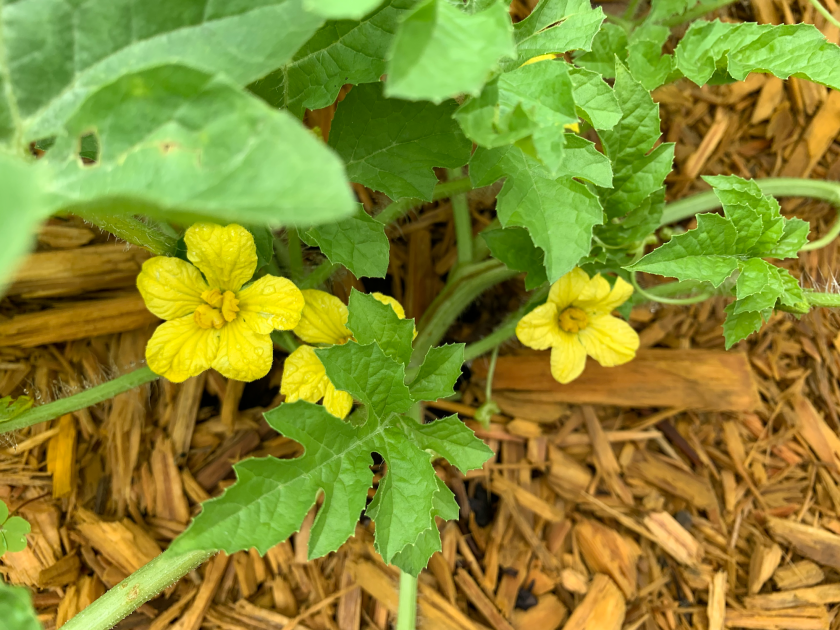
There were loads of little yellow flowers along the vines, but now I am not seeing as many.

My Little Garden

I began the garden this year, and it is an ongoing process. I am one person, in her sixties, so the going is slow. My son tilled the space and I have done everything else.

I love gardening, but never even thought to grow vegetables in this climate. Now, I am enjoying gardening again. Each day there is something new to see. I can put up with the mosquitoes, humidity and blazing sun for a short time, but it’s enough to get something accomplished each day.

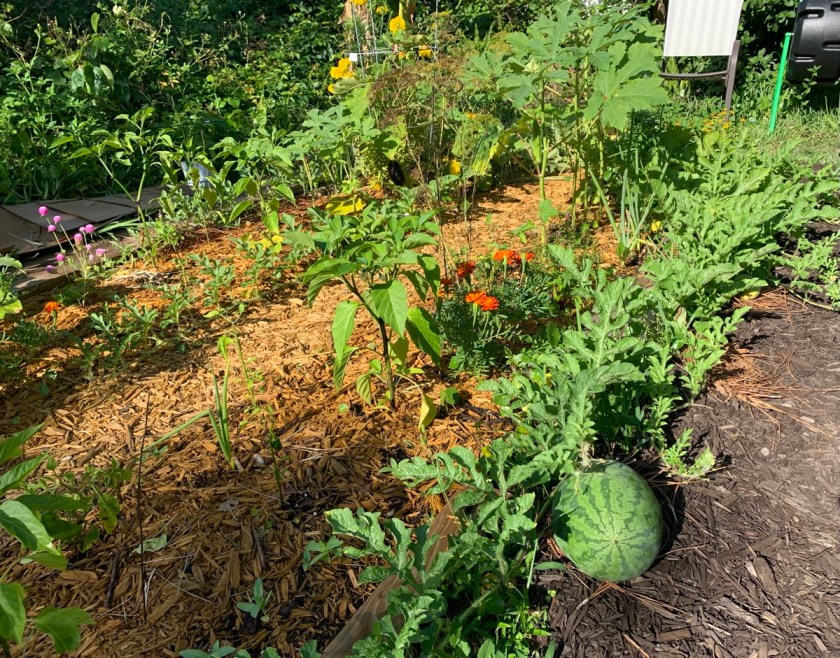
June garden with watermelon
June 14th garden photo – 2023
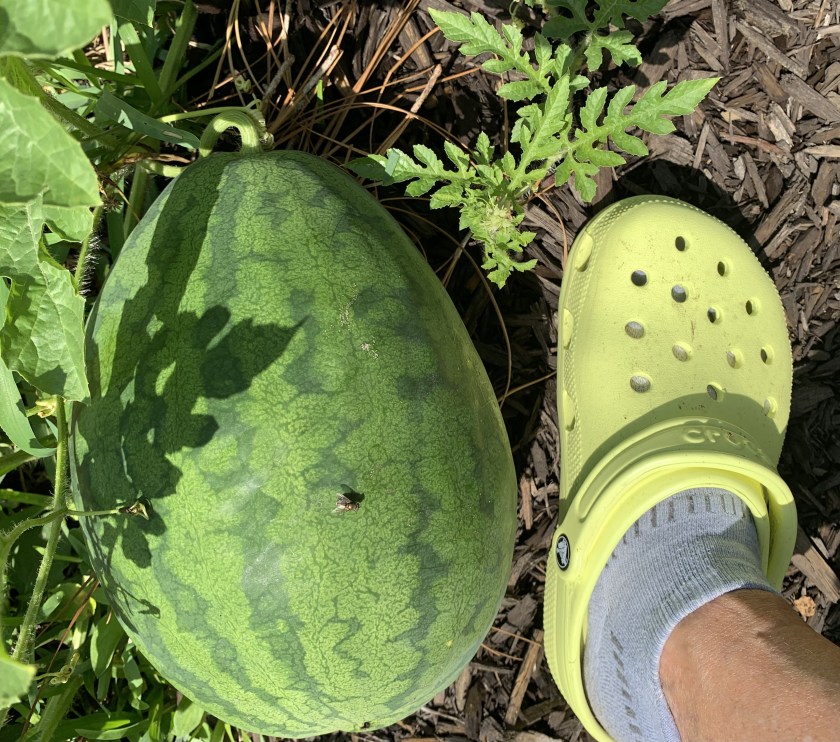
watermelon next to foot
Garden watermelon

The gardening stories continue…

How to Grow the Beautiful Rudbeckia

Growing the rudbeckia “Rising Sun” flowering perennial pollinator plant.

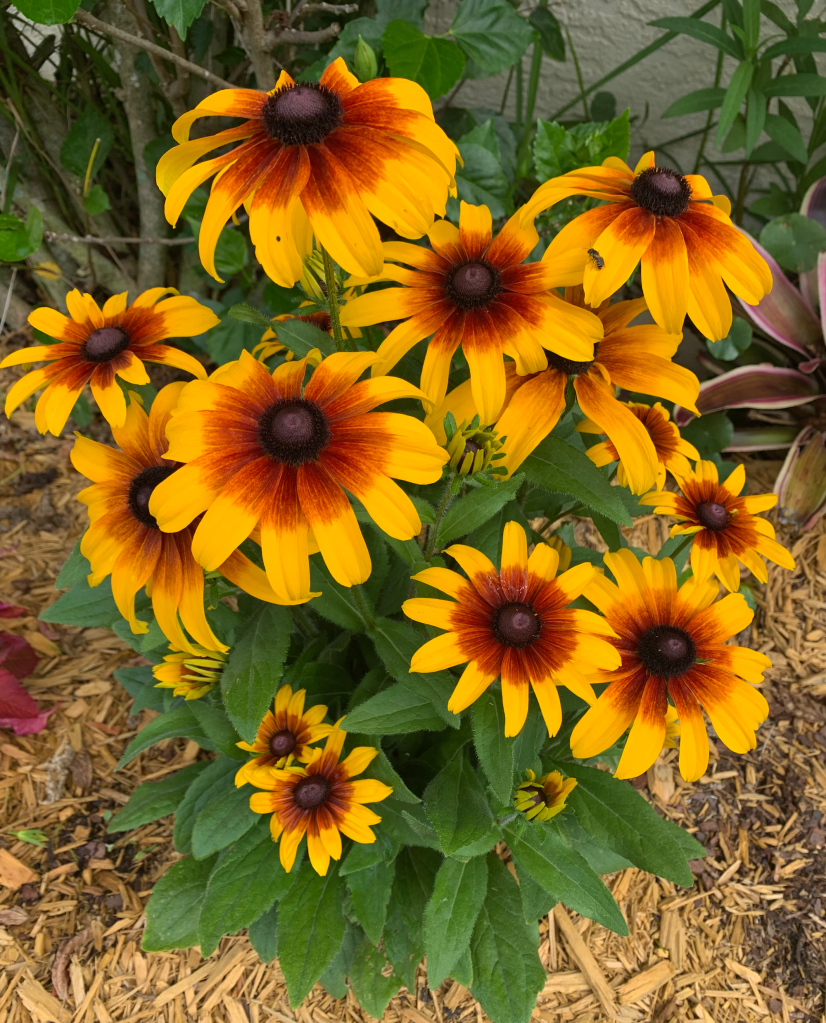
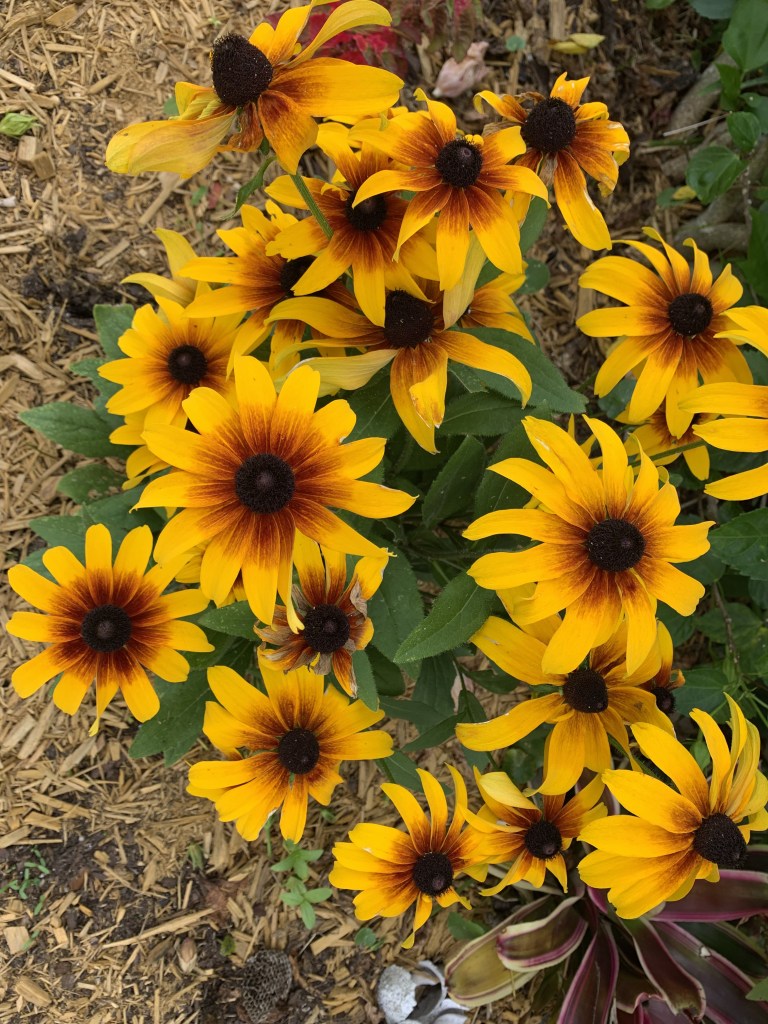
While dashing through the local nursery, I spotted this pretty yellow flowering plant. It was a Rudbeckia called “Rising Sun”. It had a couple of flowers and a few more buds. It went into my new little flower garden.

In a Nutshell

Rudbeckia is a perennial. It should be dug up and divided, once it is large, to propagate. It is easy to grow, after making sure it has plenty of water in the beginning. Grow in full sun, deadhead old flowers, and enjoy watching bees visit the flowers.

When planting, I added some bone meal and fish fertilizer along with compost to the hole. I do that generally for all transplants. I planted the new garden in May, so it was hot, but not horrible. I made sure to water the new plants every morning because we were getting no rain back then. I added mulch to help.

Flowering Rudbeckia plant
Rudbeckia plant

Because I went out every morning to water, it gave me the opportunity to view changes. It seemed to bloom with at least one new big yellow bloom each day! The plant grew and bloomed like mad, and is now just gorgeous.

Bees Love Rudbeckia

I was hoping to attract bees and butterflies and this plant is perfect. Each morning I see little bees crawling around the flowers. One day I saw a bee sleeping on one of the petals! He was resting or something because he was not moving, but he was not dead. On the photo above you can see a bee on one of the big flower’s petals.

Deadheading and Propagation

Rudbeckia needs to be deadheaded. As soon as I read this, I went out and cut off the old blooms. I brought them inside to see if I could get some seeds from the center when they dry fully. Deadheading helps the plant put energy into creating new blooms and not caring for the old, wilting ones. Many flowering plants benefit from this.

My Rudbeckia even survived us having a new roof installed. If you have ever gone through roof replacement, you know what a mess it makes. I was so worried about my garden and yard, but most things came through okay.

Rudbeckia spreads by rhizomes underground. In other words, when it gets too full, it can be dug up and split into two or more plants. This is one way to propagate. Every 4-5 years or so, or when the plant is really full and not growing as many flowers, it means it needs to be divided. This is similar to peonies. I remember doing just that to divide my beautiful peonies when I grew them in New Hampshire.

Also, apparently the rudbeckia can grow from seed. Each flower will drop little seeds from that center brown “eye”. So the flowers I cut will be saved to see if I can get seeds.

I would love to link to this info, but all the sites I visited had WAY too many ads! I won’t send my readers to them, but if you search for this info, you will find it elsewhere.

I’ve never grown the rudbeckia before, but I truly love it. At some point I will buy more of them to put into the landscape. This plant came from Lindley’s Nursery in New Smyrna Beach.

Keep reading my gardening stories…

Plant Flowering Things and Bees Will Come

Planting things that flower to attract bees to the garden.

We all want to feed the bees by having bee-loving flowers in the yard. But another good reason to have the bees come to your plants is to entice them to pollinate the vegetables growing in your garden. I would not be eating eggplant, tomatoes or watermelon (soon!) from my garden without the bees coming to pollinate the flowers.

watermelon growing on the vine in my garden.

If you are wondering which flowers to plant to attract bees, I know the feeling. The general answer is to simply plant things that will flower, and that includes vegetables and herbs. I have an excellent link that goes to the UF site, at the bottom of this page, for Florida residents who want to start planting for pollinators.

Bees like open type flowers that contain pollen. They also have flower color preferences. Read on…

All photos on this page are my own of bees visiting plants in my yard

Herbs

Don’t overlook herbs, which are quite simple to grow, when it comes to having flowers in the yard.

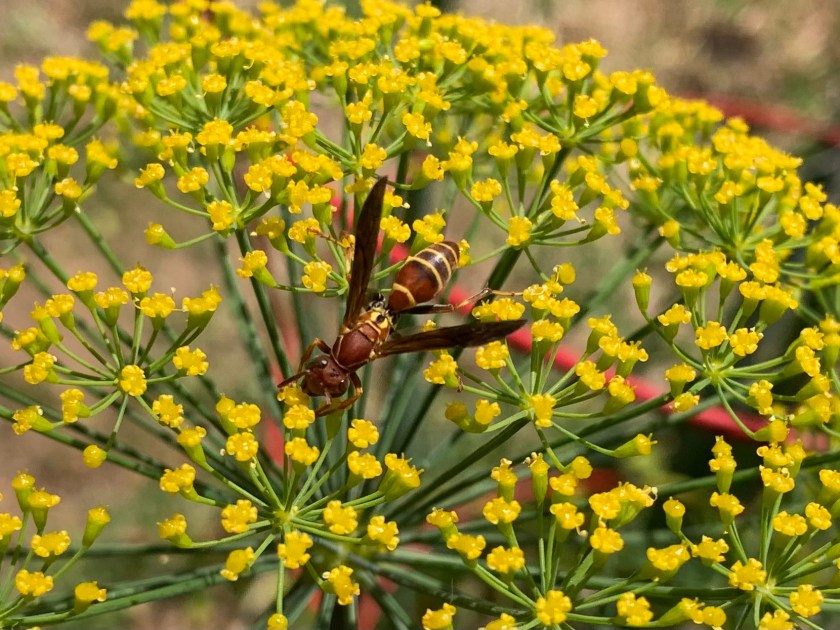
Dill is an excellent choice for the yard because it has big yellow flowers that do attract all kinds of things. Once the flowers are done, you will have a head full of seeds. Dill is easy to grow and needs very little attention. It also serves as a nursery for black swallowtail larvae. Fennel is very similar and just as good.

Naturally Growing “Weeds”

Spiderwort (the purple flower above) is everywhere near me, and it easily invades the yard. It is tough to remove because it grows in clumps, but the purple flowers are loved by insects. If you already have it, maybe let some grow around the vegetable garden.

We also have a lot of the white flowering weeds and many other things growing at the edge of the lawn. I’ve noticed how the naturally occurring growth is a big attractor. So why are we always removing it?

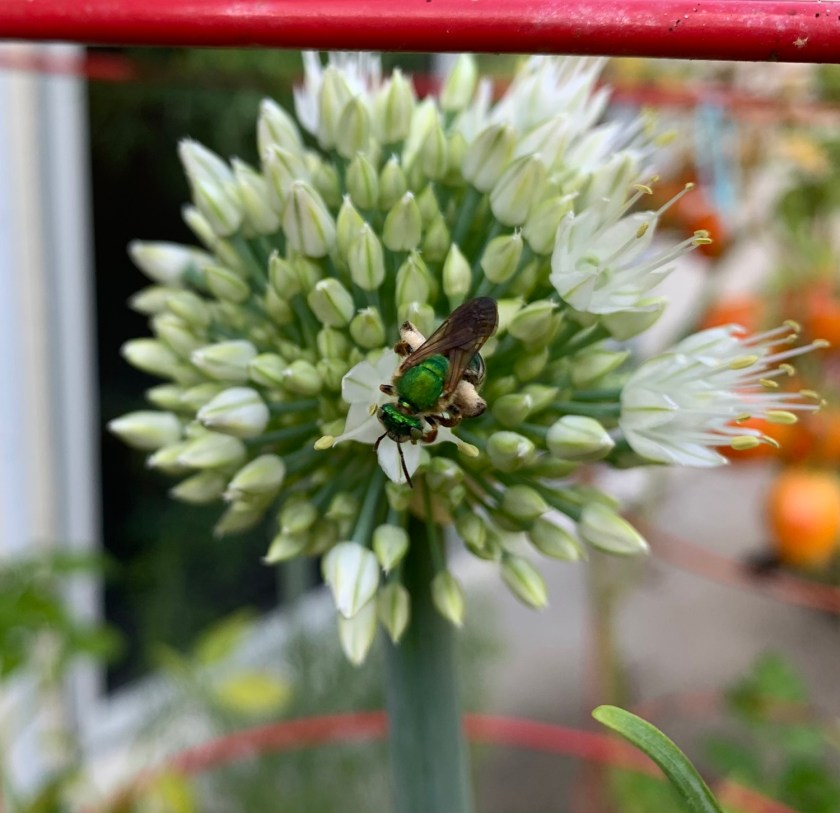
The green bee on the scallion flower (above) is probably the Sweat Bee, which is a common Florida green bee. I’m no bee expert and I am guessing. The striped bee on the dill is a paper wasp.

Rudbeckia For Garden Beauty and Bee Happiness

The “Rising Sun” Rudbeckia plant (aka black-eyed Susan) began small with only a few flowers and now it has twenty, with more buds opening! I love this plant. And the bees like it too. There is a little bee crawling on a yellow petal in the photo below. I also found one sleeping on one of the big petals. The flowers are long-lasting. I need to find out how to propagate this plant. This one came from Lindley’s Nursery in New Smyrna Beach.

Rudbeckia plant full of big yellow flowers that attract bees to the yard
Rudbeckia

While shopping at the plant nursery, I’m drawn to plants that already have bees all over them. It doesn’t mean that bees will immediately come to the same plant in my yard, but at least I know it’s possible. It can take a while for the bees to appear when the yard has been relatively bare of flowering things.

Last Spring I bought Marigold seeds and had quite a few flowers growing. I saved the seeds and planted them in my vegetable garden (and elsewhere) to have these beauties spring up. Marigolds are not big attractors, but I do see bees and butterflies on them. They are better known for their usefulness in keeping garden pests away – and that includes mosquitoes.

Yellow marigolds grown from saved seeds
Bee on yellow marigold
A bee on my yellow marigold

This pink flower is blooming on a Cosmos plant grown from seeds saved last season. I wish I had more of these growing in the landscape.

pink cosmos with bee

What Florida Bees Need

The University of Florida IFAS Gardening Solutions page “Gardening For Bees” has a wealth of information. Florida has a lot of bee species and some (29) that are only found here.

I learned that to keep bees happy year round, my yard should have at least three plants flowering at all times! This should not be difficult when trees, shrubs, weeds, and vegetable flowers are included. And of course we are talking about organic gardening where no pesticides are used.

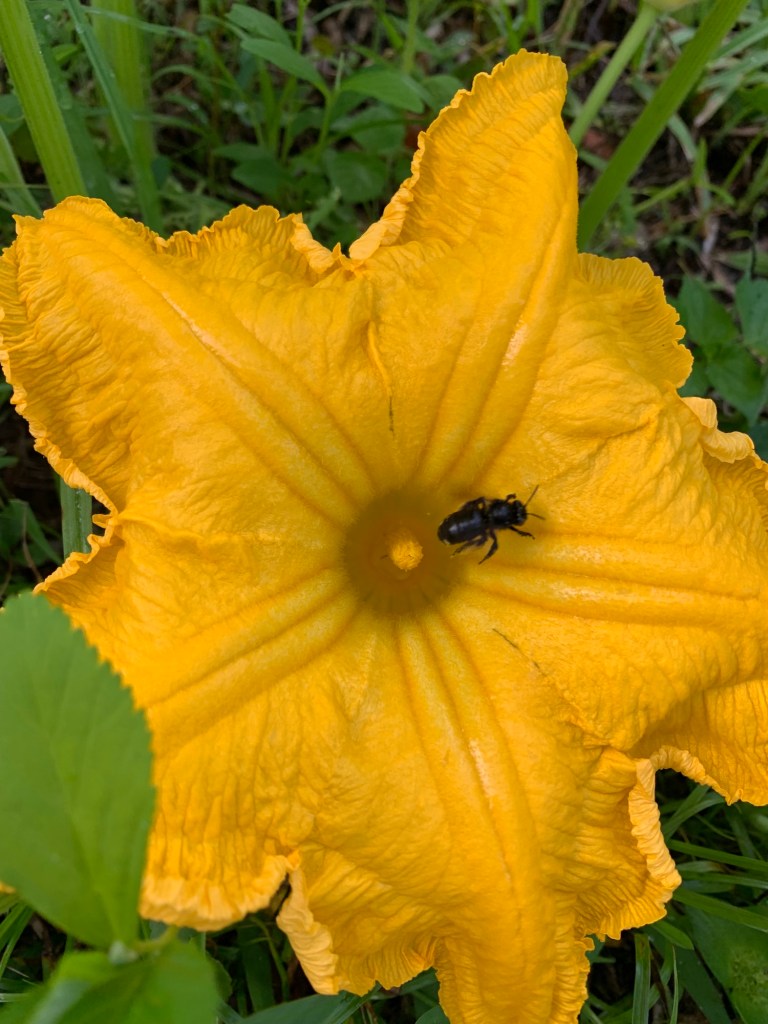
bee on pumpkin flower
Bee on the Seminole pumpkin flower

According to the section about choosing plants to attract bees, the Florida article notes that bees prefer specific flower colors. Yellow, white, blue and purple flowers are best for attracting bees. This makes sense when you think about vegetables – yellow flowers on tomatoes, watermelon and squash, with white flowers on peppers, blueberries, and onions. You will notice that most of my “bees on flowers” photos on this page are yellow!

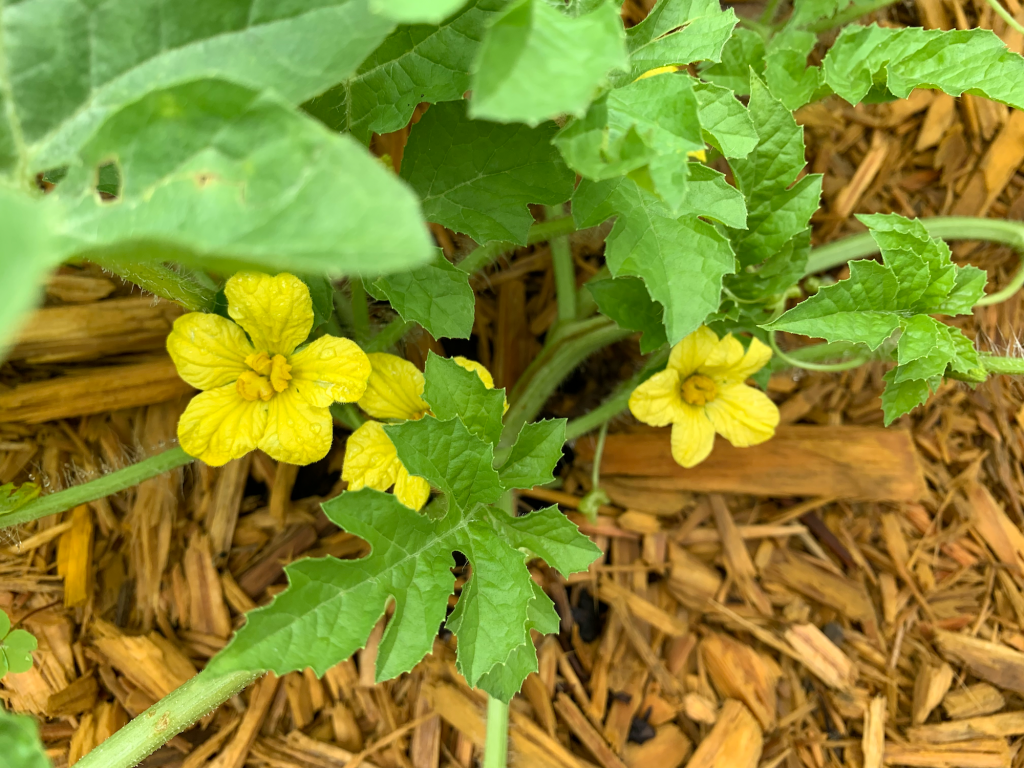
Each morning I can hear bees buzzing among the watermelon vines in search of the little yellow flowers. I do have a few watermelons growing on each of the vines, so the bees are doing their job. They are too quick and busy for me to get a photo!

Yellow flowers on watermelon vine

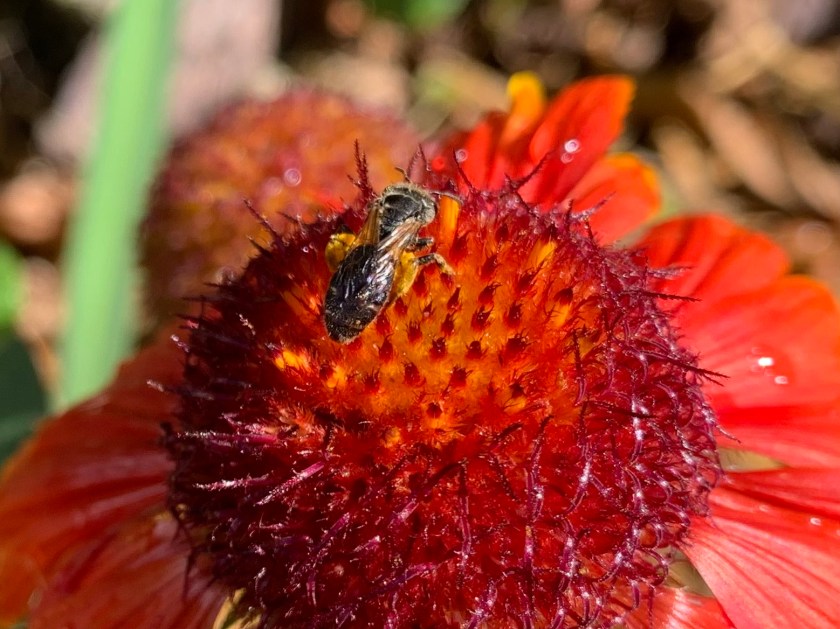
This little bee was having a rest on top of the puffy red-orange Gaillardia flower. He was not moving which helped me get this close up shot. According to the UF gardening site, bees can’t see red! What does this bright, puffy flower look like to the bee then?

Bee on red Gaillardia
Bee on the Gaillardia

I am only just beginning to fill my yard with pollinator plants. See the link below for more ideas.

I’m also learning about the plants and flowering weeds already growing nearby. My new philosophy is to let some of those weeds grow, like the prolific Richardia ground cover shown below.

Richardia Scabra ground cover
Richardia Scabra ground cover with little white flowers that bees love.

When I look at all these bee photos, which were taken over the past months in my yard, I’m amazed at the different varieties of bees. I need to begin paying closer attention as my flower offerings increase. There is always more to learn.

Perfect (Florida) Plants For Pollinators

Read more gardening stories here…