Picking Zucchini Every Day Now!

Freeze zucchini to preserve it for later, when there is too much to use fresh.

zucchini in the garden
Growing Zucchini

Anyone who grows their own zucchini knows that once those suckers begin to appear, it’s zucchini picking every day.

When I begin my vegetable garden in June, I include two squash plants, and one is always a zucchini. Usually I have yellow squash too, but this year both plants are zucchini. Within the past few days I’ve picked two zucchini each day. My neighbor gets some, but she lives alone and won’t need all that many.

Most people know to pick their squash when it’s medium size. Any zucchini that gets overlooked, and it’s easy to do, may end up the size of a small baseball bat. I found the one pictured below, stuck under the stems of the plant last year. It was a monster!
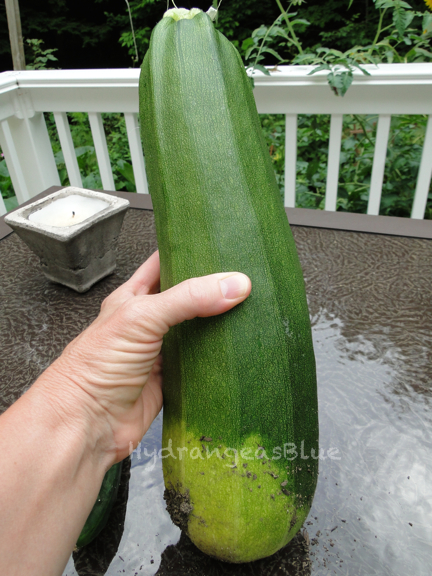
big overgrown zucchini

Usually I just slice and boil the veggies, as it’s the easiest way to eat them. Fried zucchini is really good also. And of course there is everyone’s favorite – zucchini bread. In fact, if you search online, you’ll find a numerous variety of recipes that use the green squash as an ingredient.

Unfortunately the zucchini comes in at the time when summer gets hot. It’s the time of year when I do not want to heat up the kitchen by baking bread.

With all that squash ready to use, the only other way to keep it fresh to use for a later time, is to freeze it. This is the first time I’ve frozen my excess zucchini, but I don’t know why I haven’t done it before.

It’s so wonderful to pick fresh ingredients from the backyard, but if they are picked and then sit around for days, the vitamins deteriorate, and you might as well have bought them from the store. Preserving them fresh is most important, so pick, shred, package and freeze the zucchini as soon as you pick them.

Pick, shred, put in freezer bags (with date and label – it will keep for 8 months from what I’ve read), and store to use at a later time. Bake that bread on a cool day, or add to a batch of homemade soup. How simple is that?

Dilemma: Bugs, Birds, Bears, and Cats

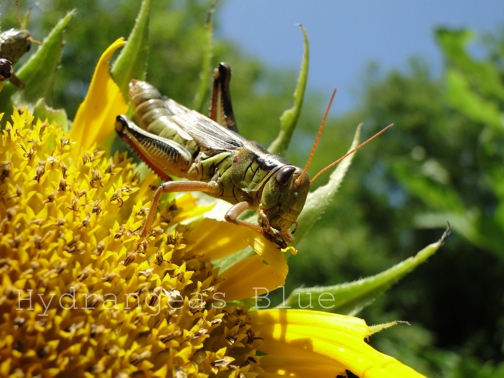
grasshopper eating a sunflowerThis is my garden dilemma:  I have a grasshopper infestation.  I need a natural way to get rid of the bugs, as I am an organic gardener.

Attract birds that will eat them, is my first thought, but I have cats that go outside.  If I feed birds in summer it’s only the hummingbirds.  My cats would never be able to catch one of them.  In fact, neither of my cats are big hunters, but I imagine that birds get nervous when they look down and see cats in the yard, so they move on.

If the birds do end up eating the grasshoppers, they will be down near ground level.   The grasshoppers are feasting on the leaves of many of my garden plants.  If I put out feeders, I feel like I am inviting birds to their death, because of the cats.

Summer bird-feeding can also attract black bears in my area.   Continue reading “Dilemma: Bugs, Birds, Bears, and Cats”

Organic Control of Grasshoppers in the Garden

I’m trying to control a grasshopper infestation in the garden.

grasshopper control
Grasshopper Pests

I have millions of grasshoppers in my garden.  They are chewing up the leaves on my parsley, sunflowers, oregano and pretty much everything.  Now they are eating the flower buds off the coreopsis which seems to be a favorite of theirs.

As I walk along the edge of my small garden area, they jump away from me in a wave of moving leaves.  There are a lot of them.

I am an organic gardener, so I’ve been searching for natural ways to get them to leave, or die.  The organic product (Semaspore Bait) that kills them, is best used when they are young, so I don’t know if mine are young enough.  Even a small container is quite expensive, and since I don’t know if it will work at this time, I’m hesitant.  I’ll look for it at Agway.

A post at Home Guides has given me some advice for keeping the pests off my leaves naturally.  I know that garlic spray works well for insect control, but I don’t want my herbs to taste like garlic.  I might use it on plant leaves I won’t be eating.

I am going to try the molasses in jars approach.  By mixing molasses with water, the sweet drink attracts grasshoppers.  I have lots of little canning jars which may work for this experiment.  The idea is to attract the grasshoppers to the liquid and then they drown.  I have to bury jars in the dirt and fill them halfway with the mixture.  I hope it doesn’t attract beneficial bugs as well.  I’ll keep an eye on it.

Since I have molasses, and lots of canning jars, I plan to get started on that right away.  I’ll let you know how it goes.  I might combine that with the garlic spray approach and between the two, I may have some success.  There is no way I can kill them all within the short span of summer.  I’d love to have more birds, toads, frogs and even snakes around to chow down on the little critters.  I’ve seen some toads, and even a frog.  But my cats tend to keep everything away.  I only feed hummingbirds in summer because of the bears in my area.  The smell of sunflower seeds can bring bears into the yard, and I’ve had them destroy my feeders when left out in summer.

grasshoppers eating rhubarb
Eating Rhubarb Leaves

Summer Blue Flowers on the Hydrangea

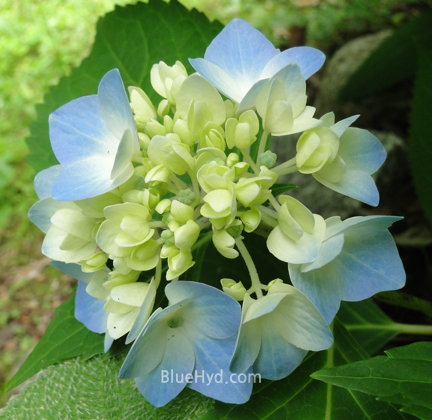
This years Endless Summer blue flowers are not impressive.

blue hydrangea flowerFinally I have a picture of my blue flowers on the Endless Summer hydrangea plant. It’s nothing too impressive I’m afraid. I don’t think my hydrangeas are getting enough sun to flower abundantly.

In fact, none of my hydrangeas in the front yard are producing many flowers. Usually by July I can see big flowers, as you can see in this post from July, 2013.

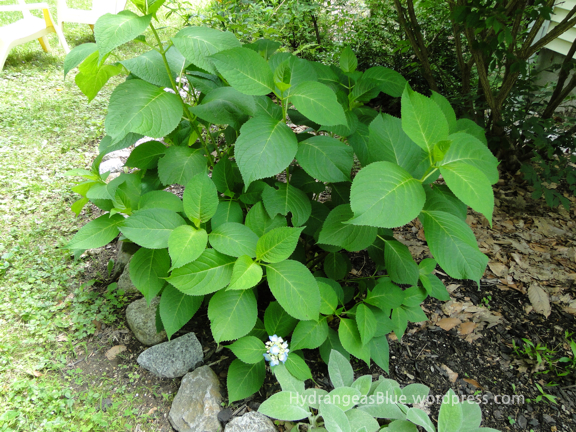
This summer – it’s July 12th now – I have two, very small, light blue flowers, one on each side of the plant, near the bottom.

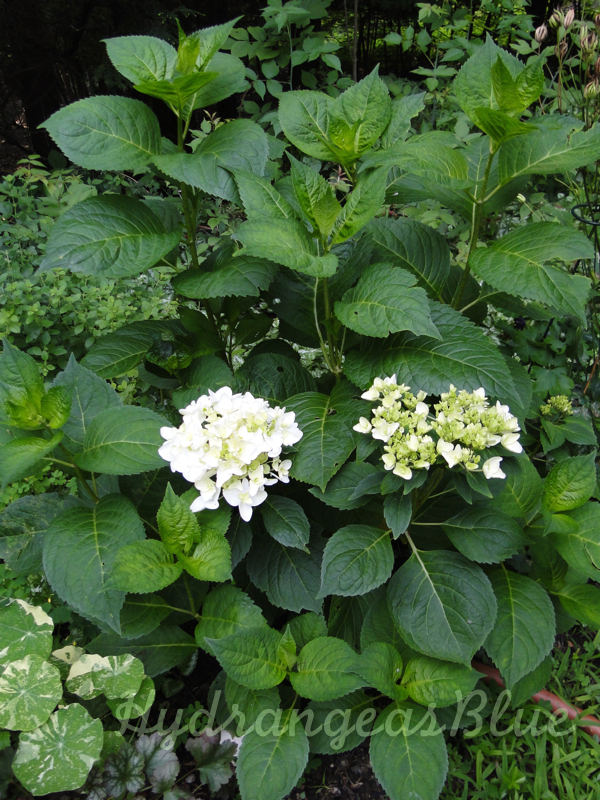
blue flowering hydrangea plant
July 2015- Endless Summer Hydrangea

I believe that the problem is that I have two large burning bush trees in the front that shade my gardens. The Burning Bush is suppose to be a bush, but this house was neglected before I bought it, and the bushes were allowed to grow huge. Although I cut them back when I moved in, they have since gotten out of control once again. It’s difficult for me to contain the thick stems as they can’t be cut easily. I’m considering taking drastic measures and using the chainsaw to cut them down. The thing is, I don’t use a chainsaw.

The blue flowers are pretty, but small. Lack of blooms usually means there is not enough sun. We also had a bad winter which I think has affected my perennials adversely also.

On the other hand, my propagated transplants of the Blushing Bride hydrangea are looking beautiful. One has two flowers on it, and both have gotten really large.

My Blushing Bride White Hydrangea Transplant- One Year Later

Year 2 for the Blushing Bride hydrangea that was propagated in 2014.

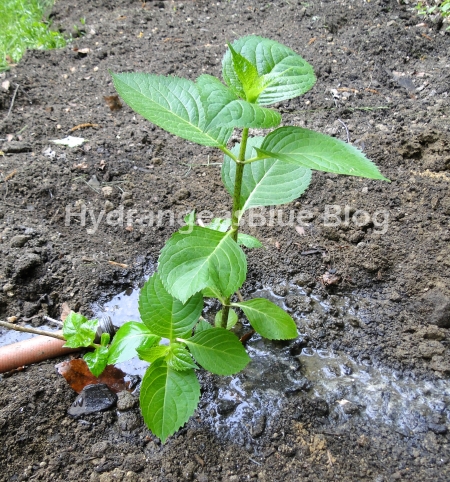
baby hydrangea bush
New plant #1

Last year I dug up two offshoots of my Blushing Bride hydrangea. The shrub was becoming large, and as the limbs hung down to the dirt, they became rooted. After letting them grow this way for a year, I cut them off from the main plant and dug them up.

I ended up with two nice size little hydrangea plants. Both were planted in my backyard last spring and they are looking good this year.

One in particular is doing very well and has two flowers. I had named it #1, and it was samller than the #2 plant, but it’s doing better. I think it gets more sun than the other one, which helps with flower production. That is it in the first image, taken last year after it was just planted in June.

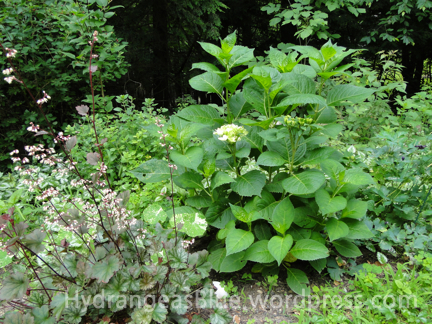
Below is how it looks in July this year – just one year later!

blushing bride hydrangea
Year 2 – new Blushing Bride

white hydrangea shrub

I’d love to transplant some new blue hydrangea bushes, but I can’t seem to get mine to grow enough to give me new baby plants. I’m also running low on space to plant perennials.

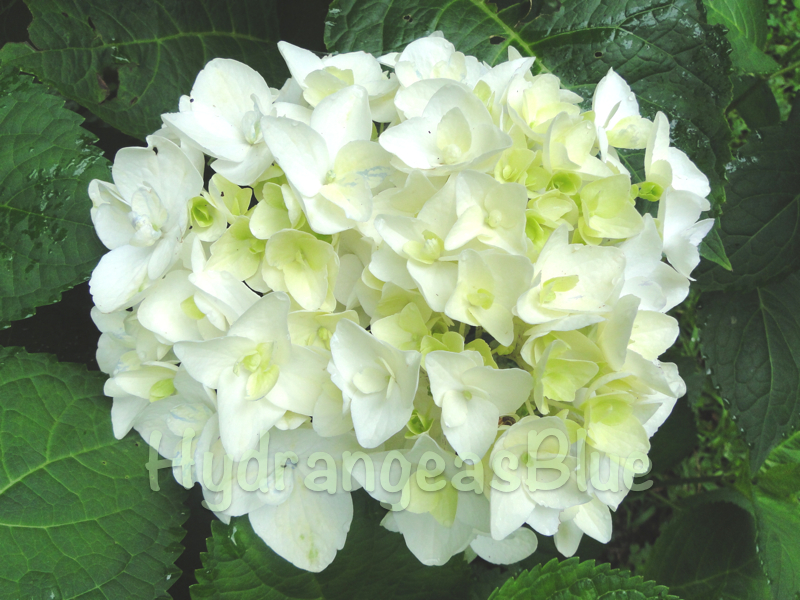
The blooms on my new plant are large and beautiful (picture below). In fact the original Blushing Bride plant has no blooms at all this year. The ‘baby’ looks better than it’s mom. It’s all in the location and sun exposure. Hydrangeas don’t need a lot of direct sunlight, but they do need a good measure to create flowers.

white hydrangea

When to Cut Garlic Scapes

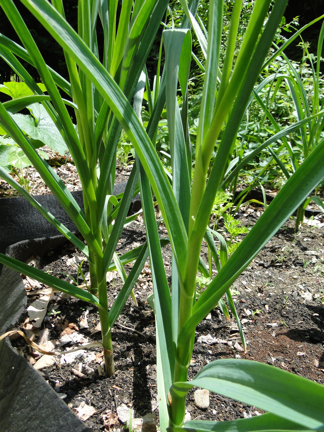
garlic plants
My Garlic Plants

When do I cut the garlic scapes? Obviously I am not a seasoned (successful?) gardener, or I would know the answer. I haven’t had much luck growing garlic, which seems so simple. So I had to look it up.

This year my garlic plants are growing so well. I am very pleased. I planted them back in October of 2014, and once the snow finally melted, they began to push through the soil. They are growing in a fabric, raised bed. It’s the first time I’ve planted them in a place other than the ground. I guess I won’t know for another month or so if the bulbs will be big, but I am hopeful.

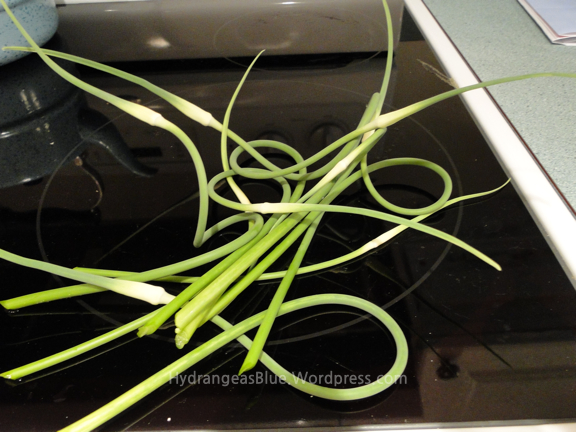
Now, at the end of June, I just noticed that some of the plants are producing scapes, which is the curly flower stalk.  I check on my garden every day, but suddenly there they were, green swirling stalks with white, pointy tips.
garlic scapes

I had to look it up, but Cedar Circle Farm said to cut them the end of June so production would go toward the bulb and not the flower. If you let it flower, seeds will form.  Do the seeds create more garlic plants the following year?  I think so, since I have continuous small garlic plants growing in bunches where I planted bulbs 2 years ago.

The same farm site has advice for what to do with those garlic scapes. Use them like garlic, and add to any dish you would add garlic to.  I only have a few, but I plan to use them in many ways in the upcoming days. Once fresh produce comes into the house I don’t like to let it sit around and lose nutrients.

I guess I’ll have to wait another month or more to dig up the garlic bulbs and then let them dry.  I use my little patio greenhouse to dry garlic.  I know they are supposed to dry in the sun, and they get sun, but in an enclosed area.  Once my greenhouse has done it’s job of holding my spring plants, I set it aside (off my tiny deck) to use for drying garlic.