A Messy Garden Can Be a Breeding Ground For Butterflies

My vegetable garden is failing, but that may be good for the beneficials and butterflies. By letting vegetables flower and go to seed, they might attract interesting creatures. I’m becoming familiar with the bugs that visit the garden and learning the good (beneficial) from the troublemakers. Nature is the way it is for a reason and I rarely like to interfere.

Because it’s tough to grow vegetables in Florida summer months, I’ve let my cherry tomato vines grow to produce only a few little tomatoes which mostly keep the cardinals happy. They pick through the skins to get the seeds! My fennel is once again tall and I’ve found that it has become a nursery for the Swallowtail butterfly.

Fennel Flowers Become A Swallowtail Butterfly Nursery
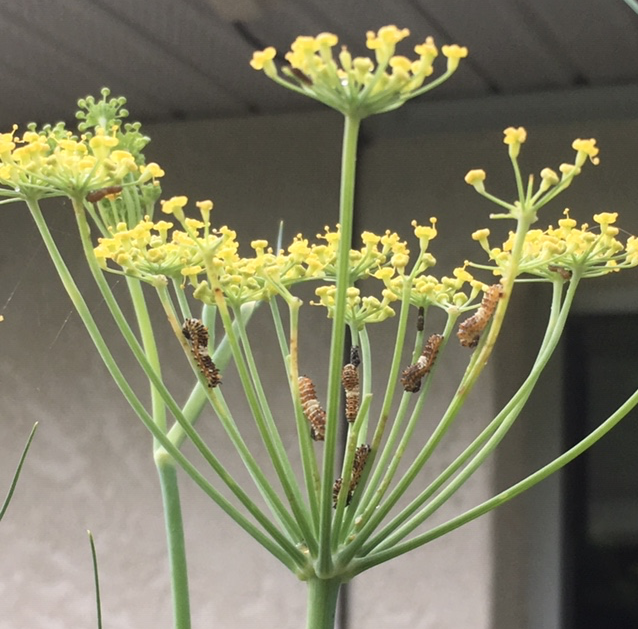
Swallowtail larvae on fennel flowers
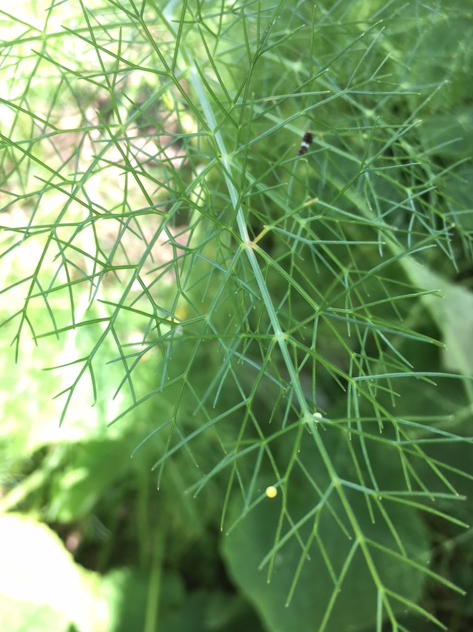
Many tiny worms on a fennel flower head

I’m not eating my fennel because it is often home to eggs and worms of the Black Swallowtail butterfly. I’ve seen the butterfly land to deposit eggs, but seldom spot the eggs.

As I scouted the plant (it’s taller than I am) for signs of worms, I noticed that the flower heads were full! Nearly every flowering part of the plant held larvae in some stage. And near the bottom of the plant I found one large caterpillar who has managed to avoid becoming bird food.

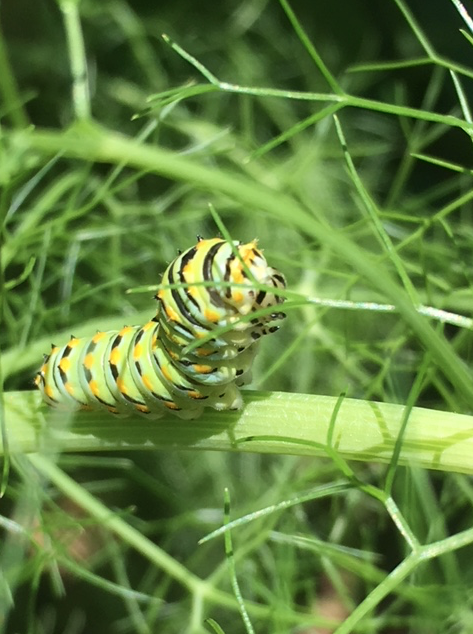
Swallowtail worm on fennel
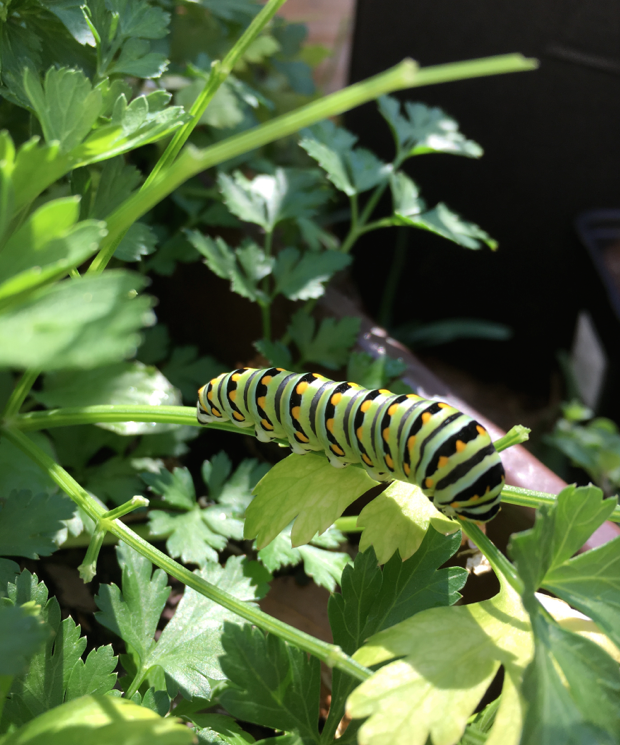
Parsley worm which will become a black swallowtail butterfly

It used to be that the Swallowtail would lay eggs on my parsley. I documented the stages of the Black Swallowtail, eggs through hatching, on a previous post. Now that I have begun to grow fennel, I think the butterfly likes using it better than the parsley to deposit her eggs. This could be due to the flowers and the large size of the plant.

Who doesn’t love a butterfly? They don’t live long lives, but serve a purpose as pollinators and as a meal for birds and lizards. I really hope to see the lifecycle of these little hatchlings continue.

Update on the caterpillars

I have read that these types of crawlers don’t appeal to birds, the cardinals say otherwise. Each day I found fewer and fewer caterpillars feeding on the fennel. I first counted nearly 50 worms! But the following day I saw only about half that number. Now I find NO caterpillars at all left on this plant!

Cardinals are the birds I see most in my garden and I have witnessed their cherry tomato thievery. They are also very good about cleaning out the bugs – including butterfly larvae. But, that is nature for you. I will see no new butterflies but the birds are very well fed.

Beneficials (and Baddies) I’ve Seen

Beneficials, or good bugs, will remove unwanted pests from the garden. A year or so ago I found many aphids on my squash, hibiscus, citrus and in other places. I also saw little black and red bugs. Because I didn’t recognize the bug I looked it up online. Come to find out it was ladybug larvae. It was there because of the aphids, which are it’s food.

My next-door neighbor recently told me that she was trying to kill “black and red bugs” in her garden. I warned her that they might be beneficial ladybugs.

You want beneficials in the yard and garden. They keep things in order naturally. If my neighbor kills her “black and red” bugs she will be doing more harm than good.

ladybug larvae
After larvae eats… attaches to leaf and curls up. It will change and become an aphid-eating ladybug!

With the internet close at hand, we can easily look up insects and find out which they are, harmful or beneficial. It’s worth knowing if you want harmony in the yard.

More beneficial bugs you may encounter are the Assassin bug (this one can sting a person), bees and butterflies (as pollinators), parasitic wasps, lacewings, and many more.

The truth is that we usually must see a problem before we see a beneficial. If the aphids (or other pests) are not present, neither will the good bugs come to stay.

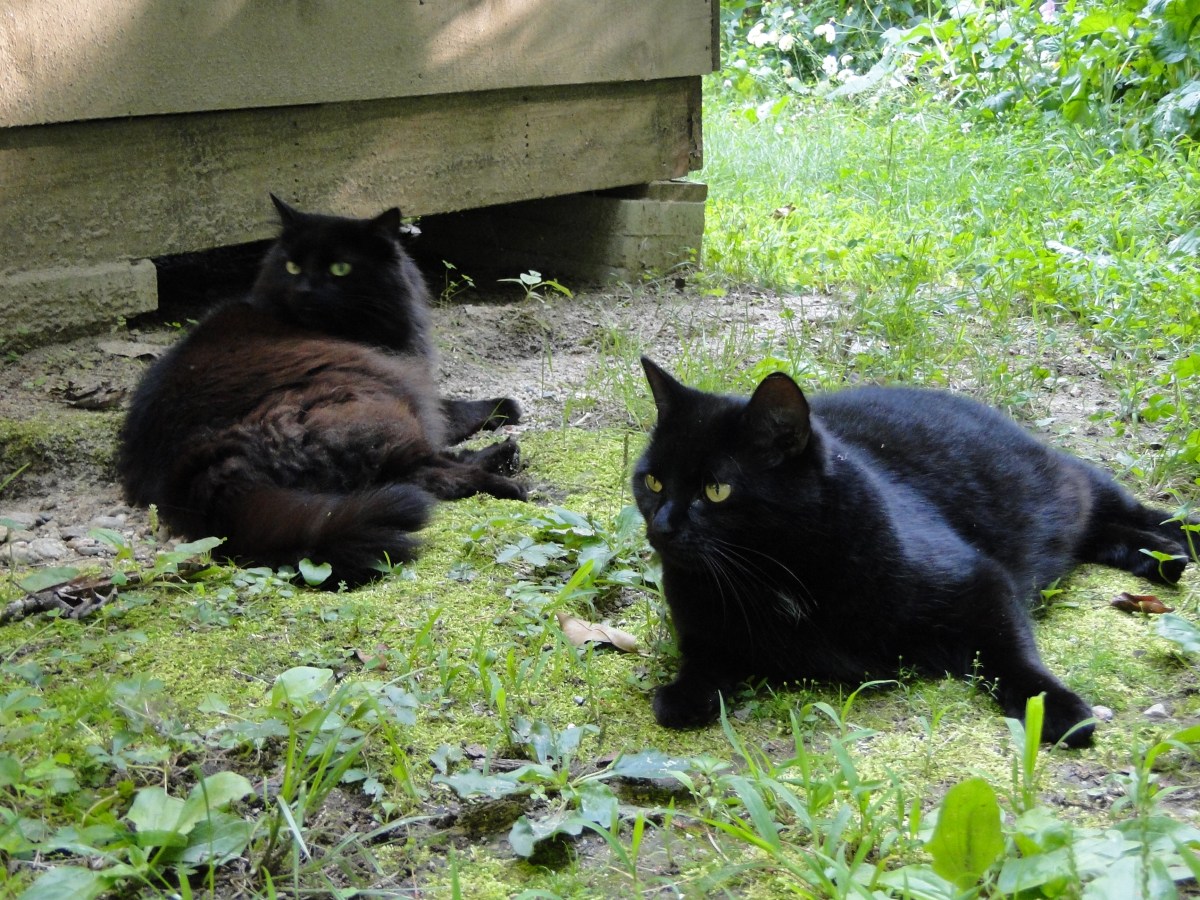
My Favorite Black Cat Photos of Skittle and Fontana

I take a lot of photos of my two black cats, Skittle and Fontana. Fontana has been living with me since 2010 when she and Richie (a crazy male cat who is now deceased) were adopted from a shelter in New Hampshire. Richie met an untimely end when he was killed by a fisher cat one early morning. Fisher cats are stocky, muscular beasts that hunt mostly at night so I kept my cats inside overnight.  Richie always wanted to go out very early in the morning to hunt and unfortunately a fisher cat was out hunting too.

You can see photos of Richie at my New England blog.  He had unique blotches of white on his face.

Fontana the Beauty

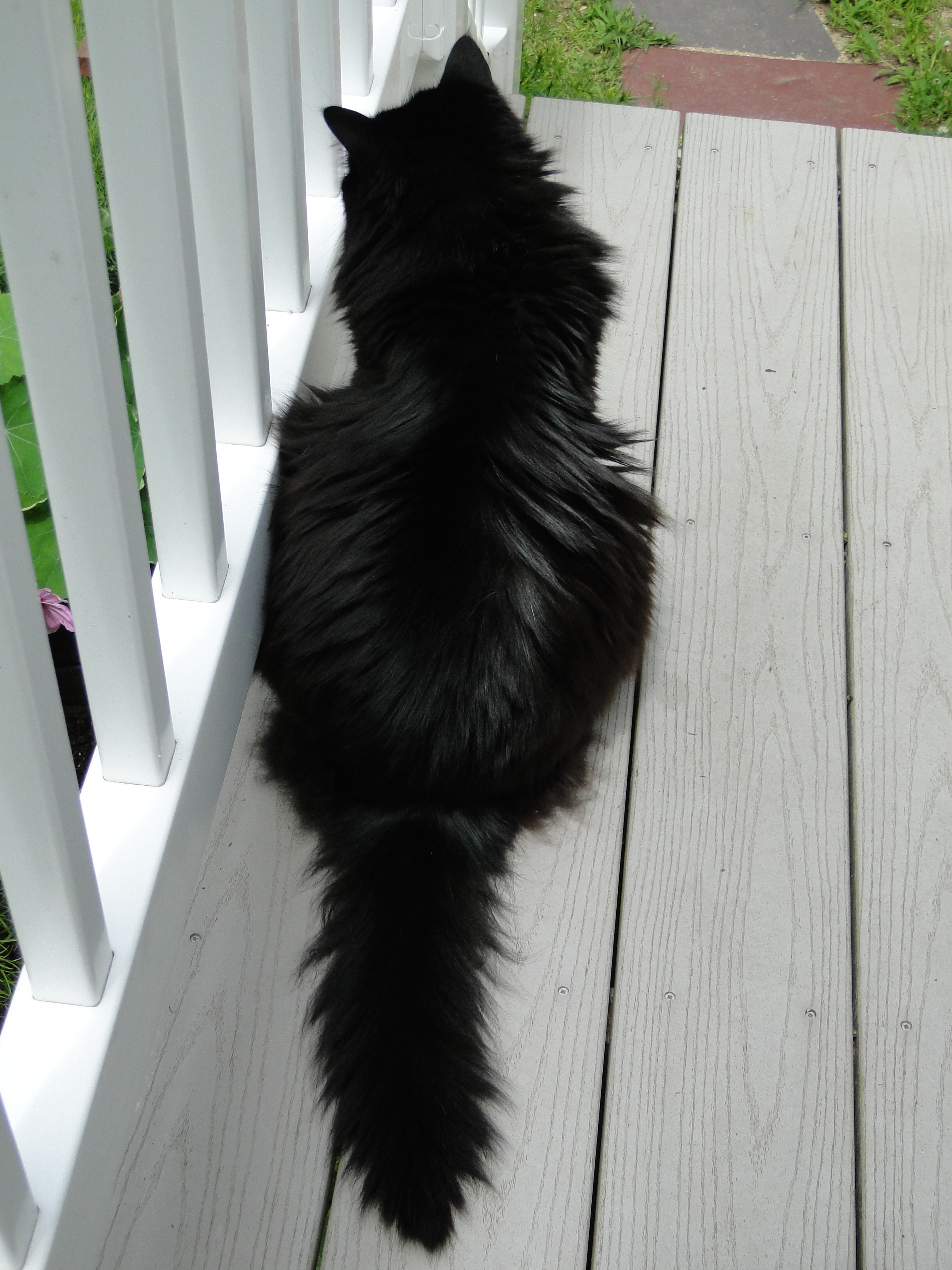
Whereas Richie was a hunter extraordinaire, Fontana was always one to sit and watch wildlife with big eyes and not try to kill everything that moves. She spent one night in my old house playing with a mouse in the kitchen, which she let get away to bother us another day.

DSC06424
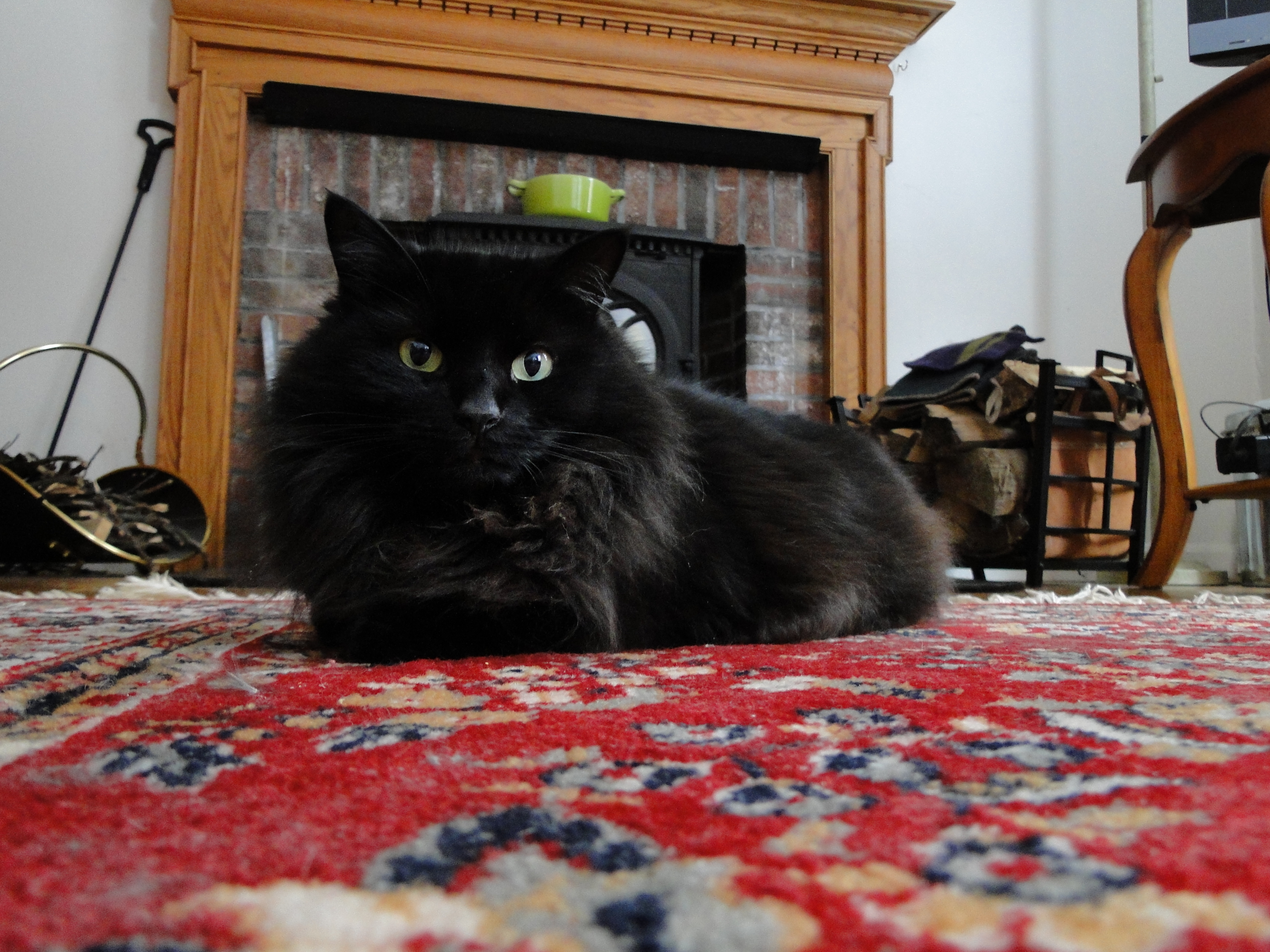
Fontana’s black coat

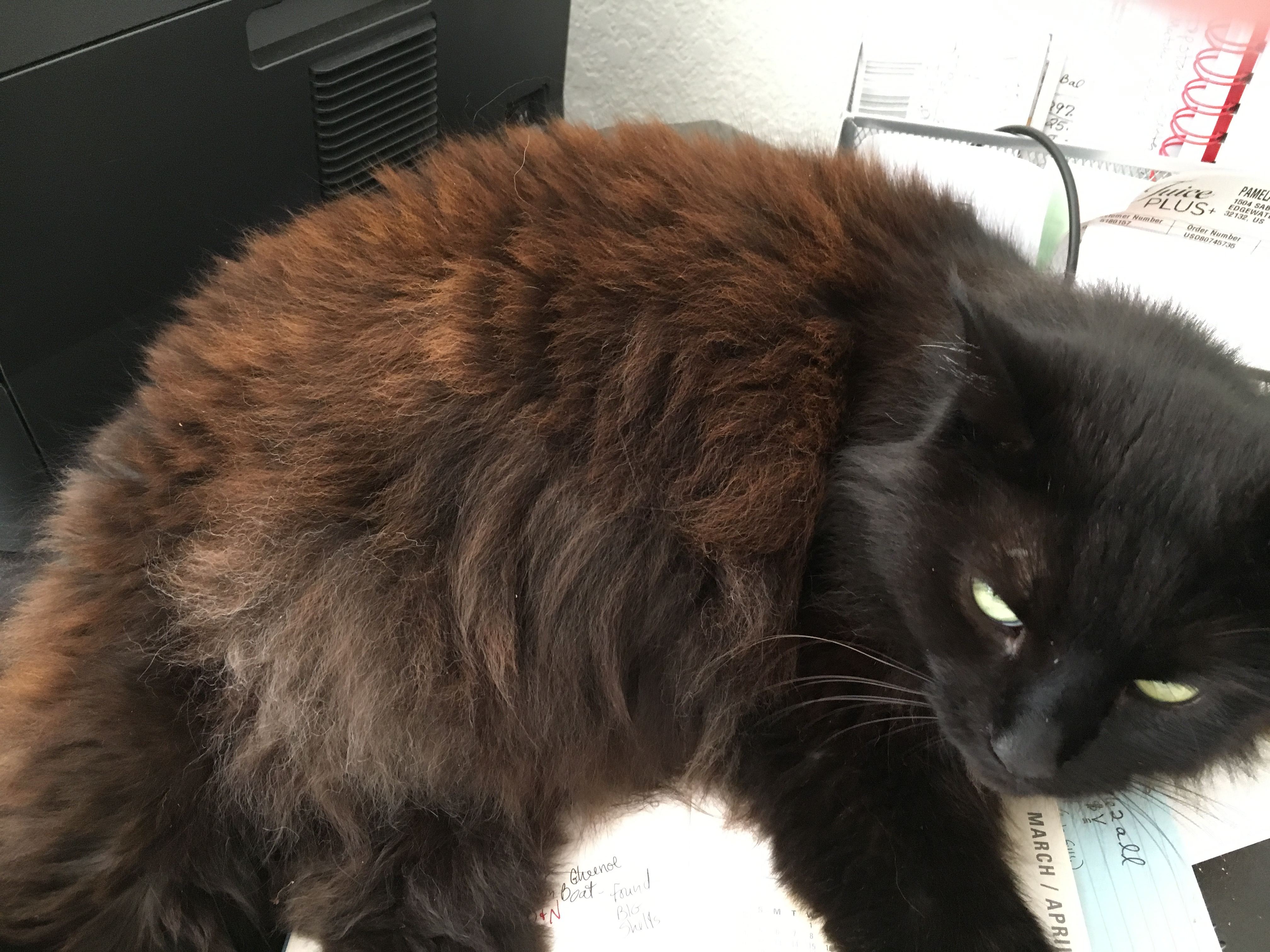
Fontana was, and is, a beautiful, medium long hair cat. Her fur was jet black, but now that she has spent lots of time outside in the Florida sun, she has turned chocolate brown.  Yup, she’s fading.

IMG_1592
Fontana’s fur has faded to brown in the Florida sun

Then, Along Came Skittle

Skittle became part of the family shortly after Richie had gone. My son and I went to the local shelter where a room held some free roaming kitties. The shelter manager told me to go in and visit with those cats and as I opened the door a little black cat bolted out into the main part of the shelter. We had to round her up and put her back.   My son decided that was the cat he wanted.  Of course, the troublemaker!

Her shelter name was “Love Bug” but before we left the parking lot my son said, “Lets call her Skittle”.   The name is perfect and she still does the “skittle out the door” maneuver very well.

Skittle is the kind of cat that makes her needs known one way or another. She drinks out of cups, knocks things off counters and tables, and races through the house to get attention. As soon as I go into the bathroom she is up on the counter wanting to drink from the faucet. She stays outside almost all day long, even in the terrible Florida heat. I am home and can let her in, but she prefers outdoors. She seems to be happier in this climate away from the snowy New England winters.

Cats are known to choose to sleep in some strange places.  Usually they choose a place that will bother the owner the most.  Right on a book that one is attempting to read, or on the desktop when one is trying to work.   The fact that Skittle thought the indoor woodpile would be a comfy place for a nap really confused me.  But she saw that I was using that wood to stoke the wood stove and probably decided she would be in the way.  It’s how her little mind works.
DSC06180
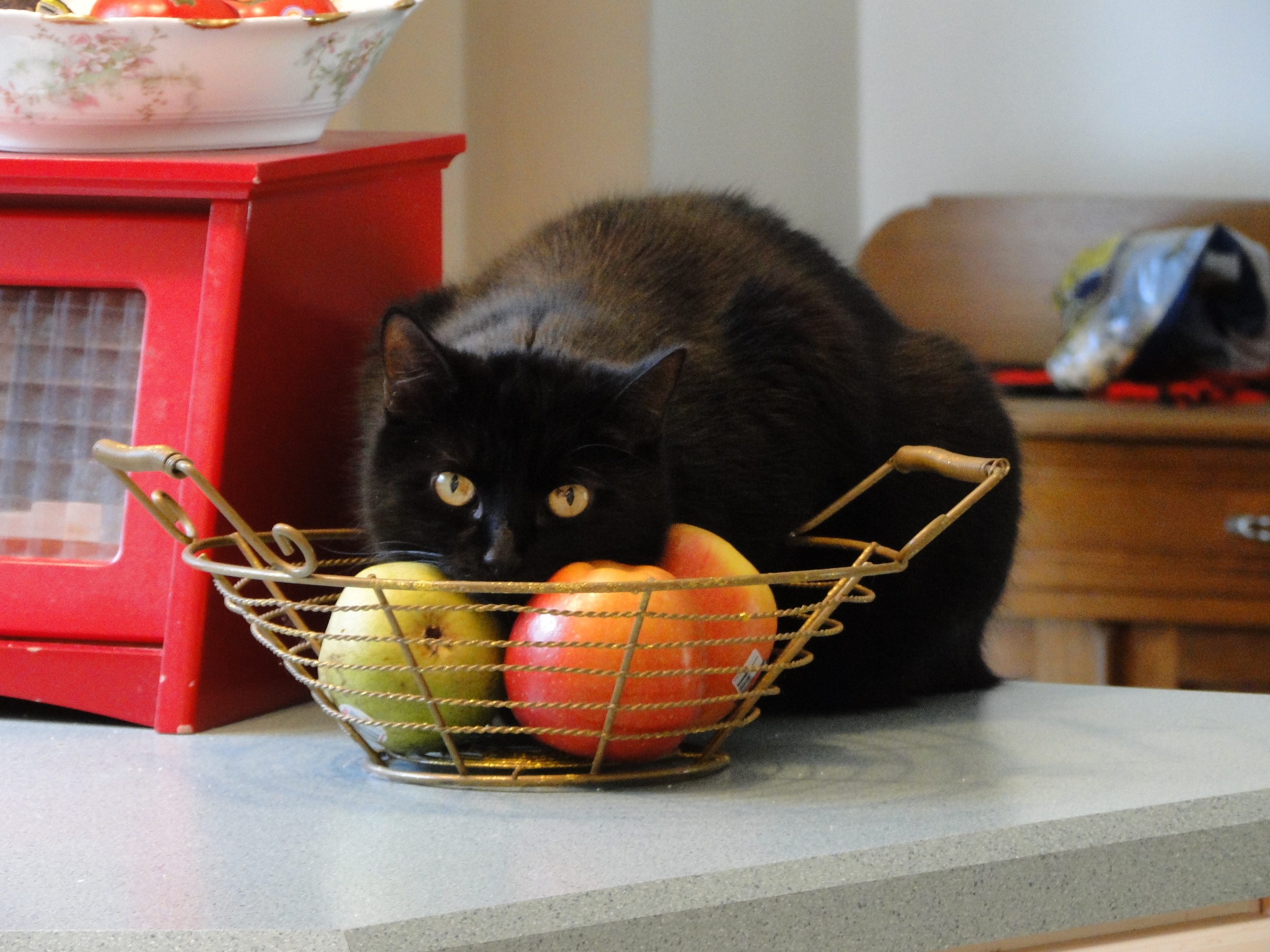
I have some great photos of skittle, but none as funny as when she plopped her head down onto the fruit in my fruit bowl and made herself comfortable.  Did she think I would want some fruit and having her head in the way would annoy me?  Probably.


In my New Hampshire home, Skittle had perfected the art of letting me know she was ready to come inside. She stood on the deck railing and pawed at the window in the kitchen making as much noise as possible.  If the railing had snow or ice she would simply climb to the top of the screen on the sliding glass door and hang there hoping to annoy me enough to open the door.

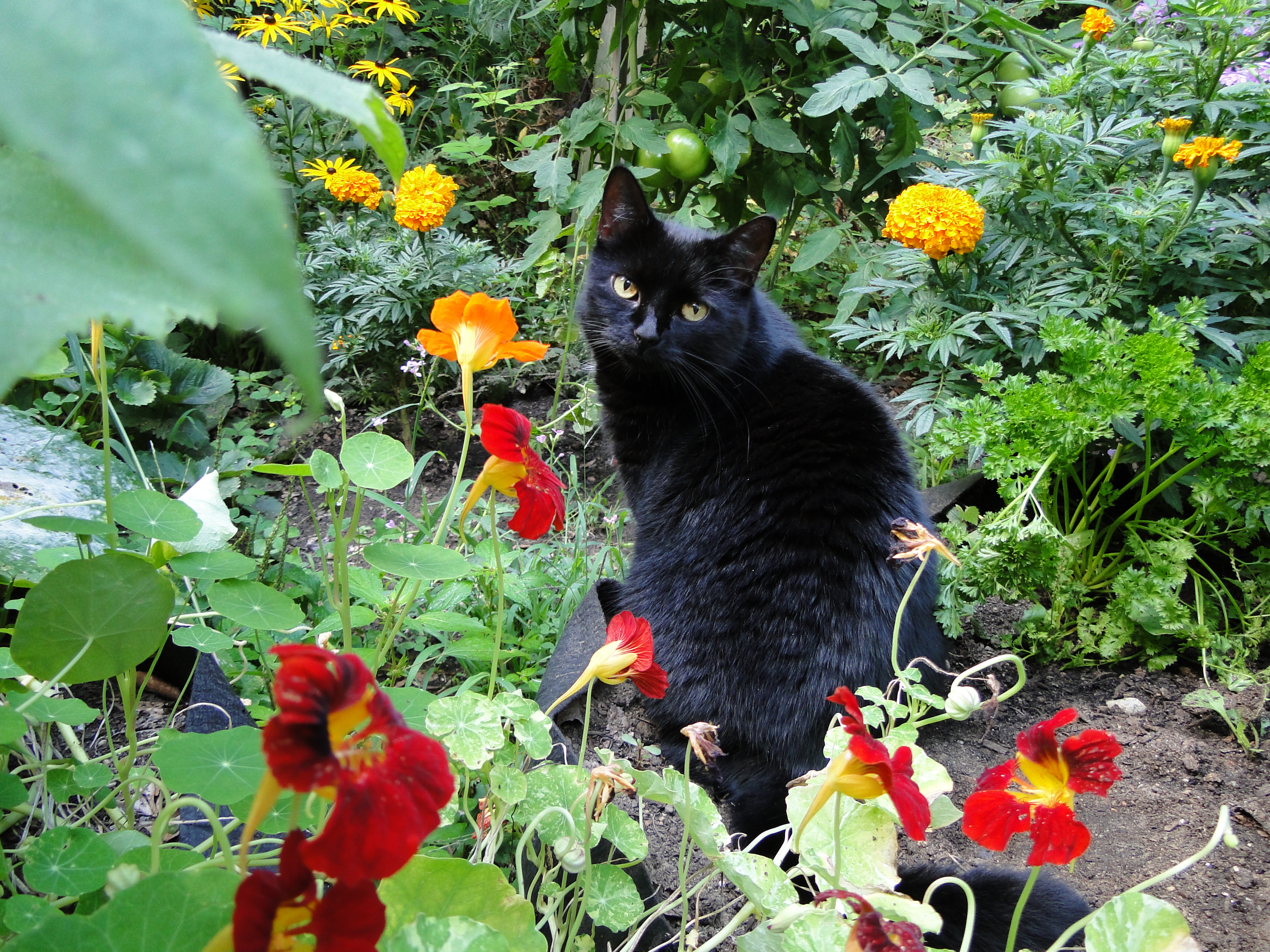
When winter ended in NH and I began to go outside to do my gardening, Skittle was always somewhere close by.  She loved to have my company in the yard.  The photo below is one of my very favorites and was taken on one of those gardening days.  It captures her typical look which seems to be saying, “Come on, what’s next?  Lets get to it.”  Skittle is always ready for an adventure.

DSC06775
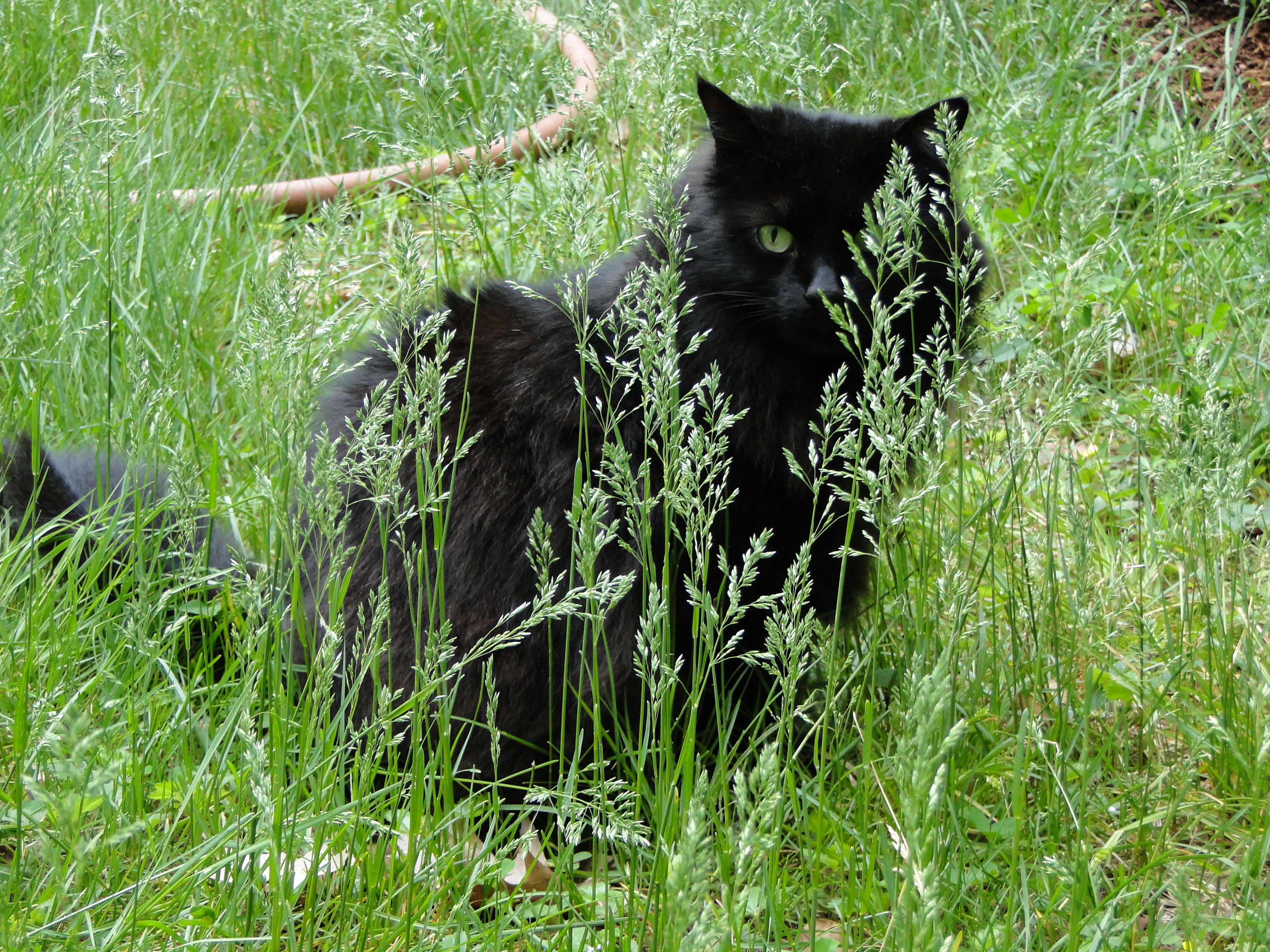
If I didn’t get around to mowing the grass as much as I should, the cats didn’t mind. They both like to “hide” in the greenery.

One of their favorite things to do was to walk with me in the woods behind the house.  I had a big backyard forest area with rocks, water and downed trees to climb.  I miss being outside with them.  In Florida, I don’t go out much and there are no fun places to explore in my yard.

DSC07610
Fontana in the grass

Just like siblings, cats can have radically different personalities. Anyone who doesn’t like cats probably hasn’t met a cat with the “right” personality match for them. Fontana and Skittle are very different from each other.

Skittle will sleep on my bed at night, but Fontana doesn’t.

Fontana will jump into my lap, but not Skittle.

Skittle comes when I call her, like a dog. Fontana usually ignores my calls.

Skittle catches lizards and then meows, while the poor thing dangles from her mouth, until I come see. Fontana ignores the lizards.

DSC06018
Fontana is a beauty

The cats are weird, funny, sweet or annoying and they’ve wormed their way into our hearts, as all pets do.

black cat
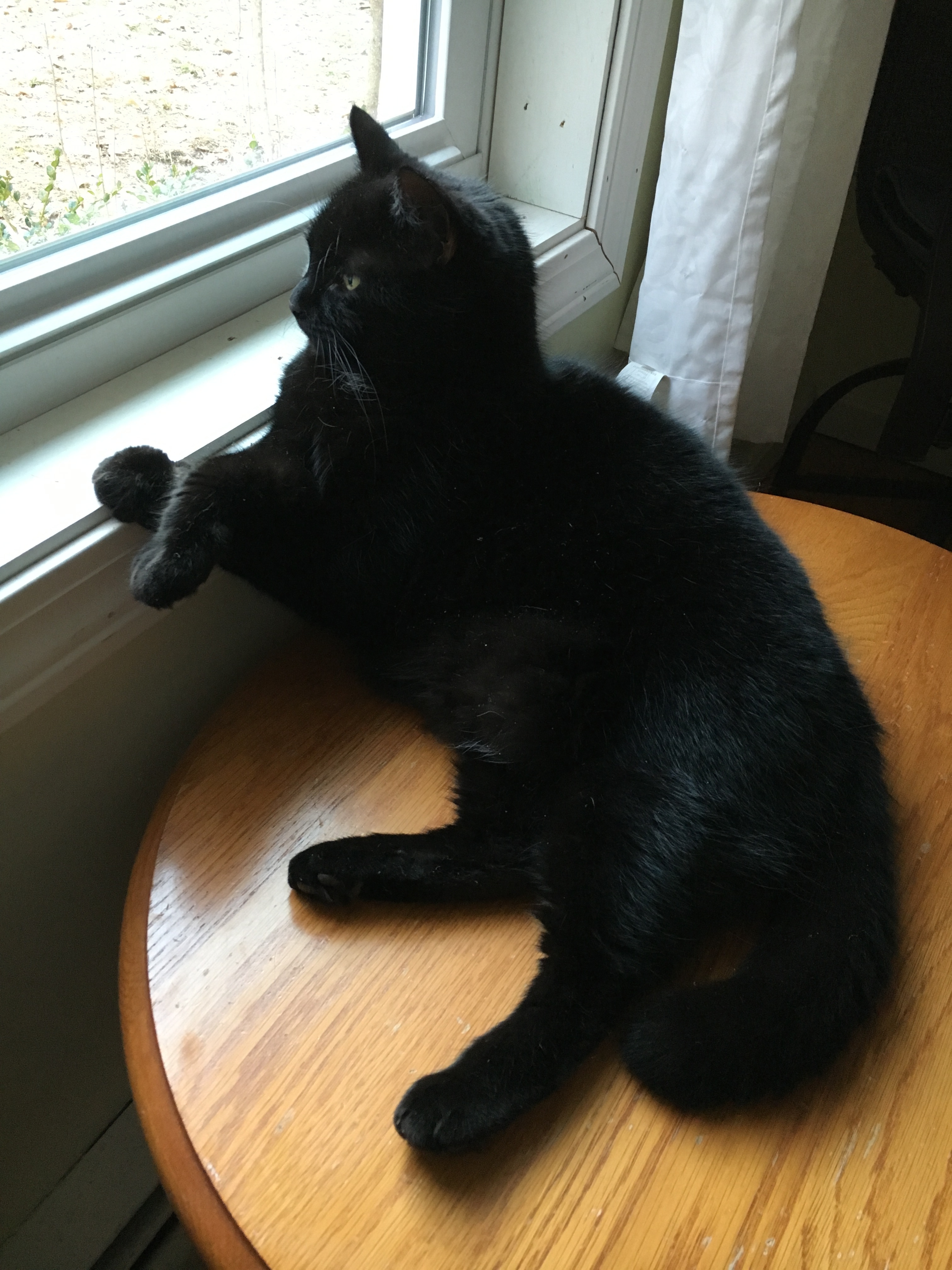
Window with a view

The Tiny Yellow Land Snail and Shell

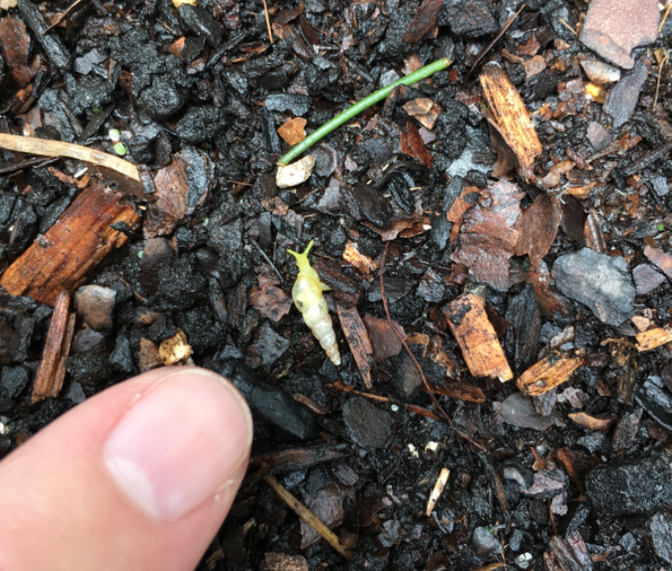
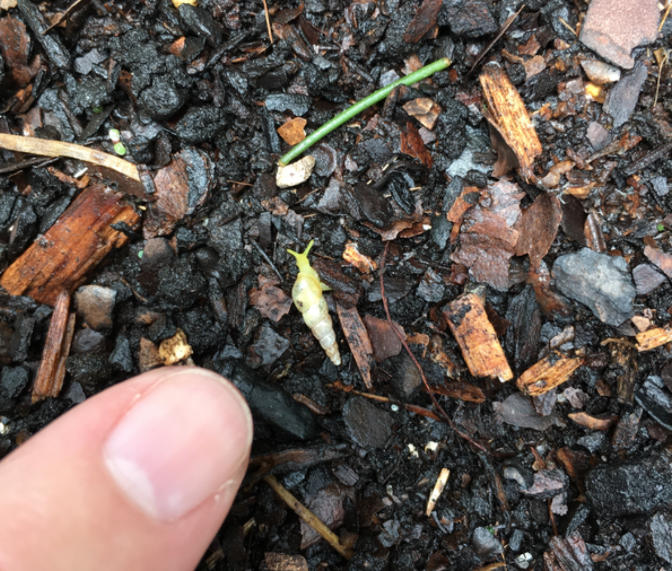
If you need more reasons than the obvious to grow vegetables organically, take a close look at the dirt in the garden bed.  As I was out taking photos of the numerous mushrooms growing all over the garden, I saw an interesting, elongated shell.  It looked like a mini version of the auger seashells I’ve found.  I picked it up and got a photo, of what I thought was a shell only.

tiny shell found in the garden
Shell found in the garden

I took the photo and put the shell back into the dirt. As I was photographing the mushrooms, I noticed that a bright yellow – chartreuse really – snail had come out of the shell and was moving around.  He was so cute and unique that I tried to get some good pictures to show how tiny he / she was.  I’m not sure I’ve ever seen a land snail with a shell like this one.

Although I searched the internet for a similar snail, I found none.  He is a mystery.  I keep thinking of my neighbors who cover their garden with black plastic in summer to kill all the nematodes.   I wonder if they think about all the other little critters they may be killing.
yellow garden snail

If you just love snails, and want to know more about them, read this page full of info at the Welcome Wildlife site called, “All About Land Snails“.

And if you love seashells, please visit my blog where I photograph and write about the seashells I collect in my part of Florida.  I am much more familiar with sea snails!

seashell blog
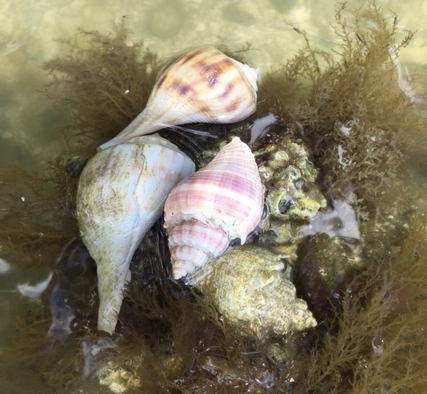
Shells I found while beach-combing from our boat on the ICW in Florida

Black Swallowtail Butterfly Eggs, Larvae and Worms

Finding the Swallowtail butterfly in it’s life stages in my garden

I’ve been watching as the Black Swallowtail butterfly flits around my vegetable garden laying eggs on the parsley and fennel. I took the camera out and got these photos. Everything looked good until the bees showed up!

In the first photo here you can see two eggs and one tiny black caterpillar.  In the second photo see a more mature caterpillar.  All these are currently found in my garden – all the stages.  Right now I don’t think there is a pupa or chrysalis. Earlier this year a green one formed on the lower stalk of the fennel. They seem to prefer fennel over the parsley, although they are also known as parsley worms.

swallowtail butterfly eggs and larvae
Swallowtail butterfly eggs and larvae in fennel leaf

Grow some fennel if you want to encourage the Swallowtail to visit your garden.  The worms will eat down the vegetables, so plant extra to allow them to feed.  Check for eggs and worms before picking herbs!


Screen Shot 2018-06-16 at 4.02.39 PM
Worm on the fennel

Screen Shot 2017-04-20 at 1.55.56 PM
Worm on parsley

The “parsley worm” is so pretty, and fun to watch. They will twist and reach for those strands of fennel. In fact I was watching one the other day, and decided to go inside and get my iPhone. By the time I got back out to the fennel, a wasp was eating the caterpillar! I took the video below as one wasp, or hornet or whatever it was, got kicked off the meal and another took over.
I was tempted to pull off my shoe and kill those bees, but it’s nature, so I controlled myself.

Between the hornets and the birds, it is quite amazing that any caterpillars get the chance to turn into a butterfly.

Screen Shot 2017-04-20 at 2.02.19 PM
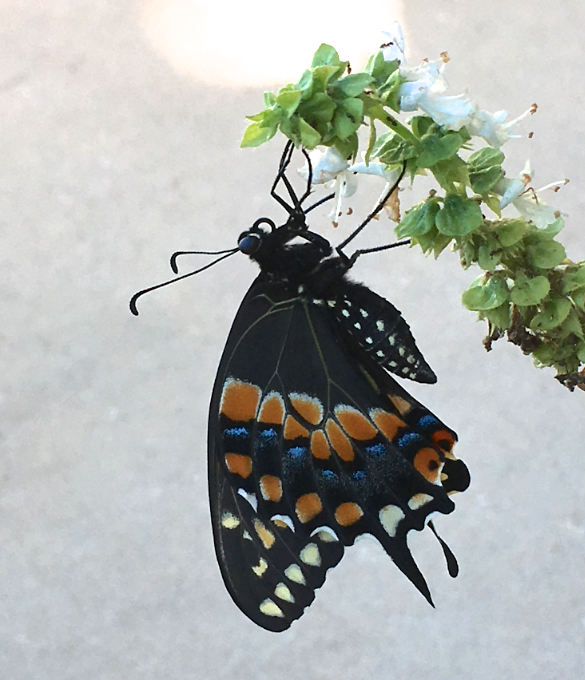
Newly hatched black Swallowtail on basil flowers

Screen Shot 2018-06-16 at 4.03.00 PM
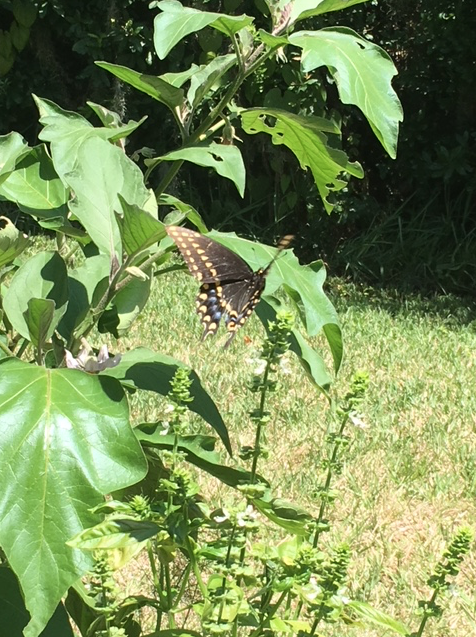
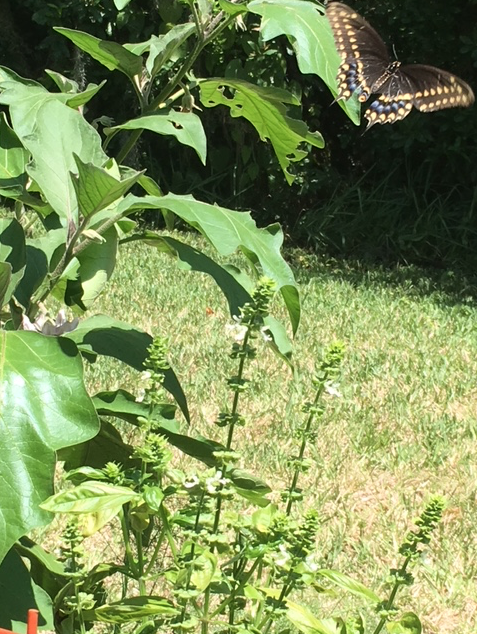
The Swallowtail butterfly hovers over my garden

And here she is, back at the garden laying eggs on the fennel and parsley. There you have it, the full cycle of the life of the Swallowtail, found in my backyard.
Screen Shot 2018-06-16 at 4.02.49 PM

For more great photos with life stages of the Swallowtail check out the post on Our Habitat Garden.

Cut Worms, Pill Bugs and Squash Vine Borers Invade My Space

My little garden has been growing like mad, but now the cut worms and other creatures are making a mess of it.

Cut Worms

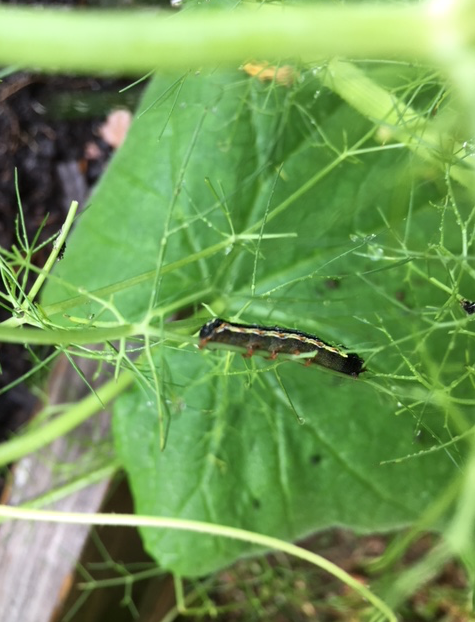
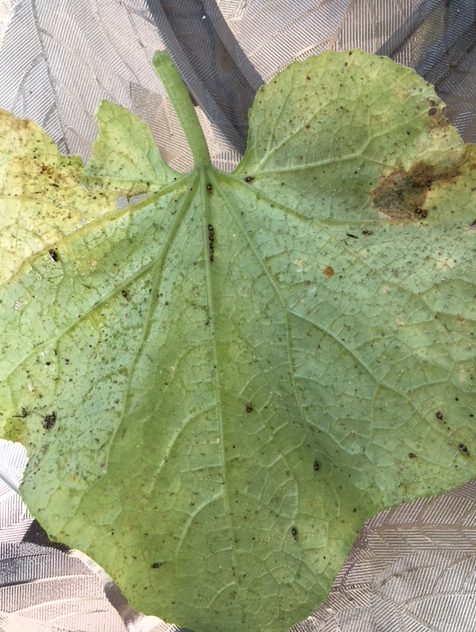
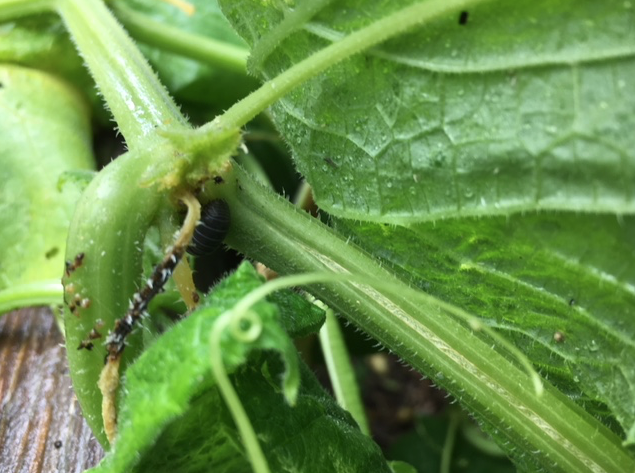
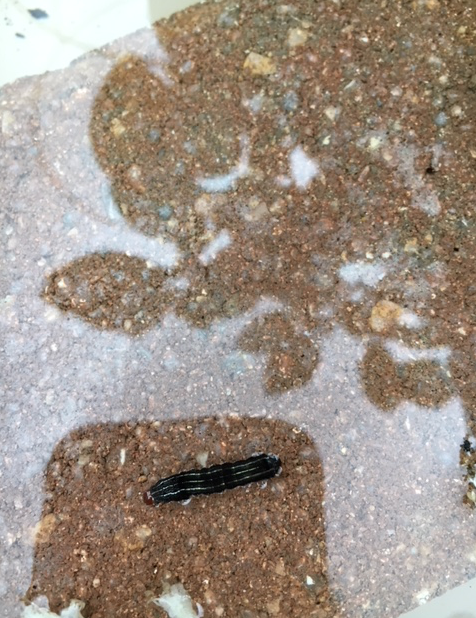
I’ve seen black worms eating leaves, and they are not picky which plant they attack. These are the cutworms – pictures below. Cutworms can also nip a new seedling at the base and kill the entire plant, but these are concentrating on the leaves.

Cutworm eating fennel

Screen Shot 2018-06-01 at 2.30.39 PM
Black spots are tiny worms

Screen Shot 2018-06-01 at 2.30.23 PM
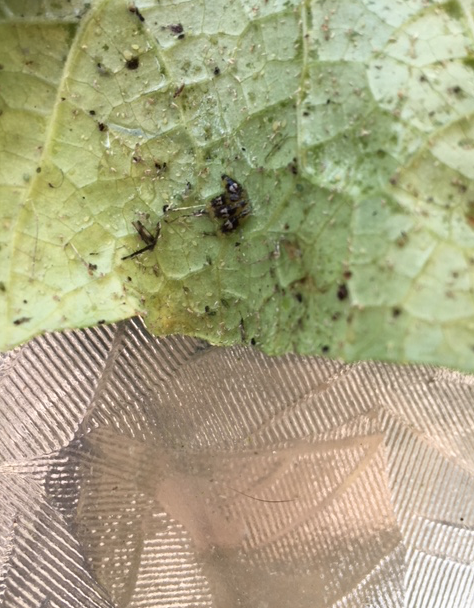
Small worms huddled together

Screen Shot 2018-06-01 at 2.30.32 PM
Tiny cutworms living underneath a cucumber leaf

It turns out getting rid of the cutworm is easier than getting rid of the other pest, the pill bug. I can pick the worms off the plants. The large ones are fairly easy to spot, and my garden is small. I plopped them into my tray bird feeder and the cardinals came and had a meal!

Pill Bugs

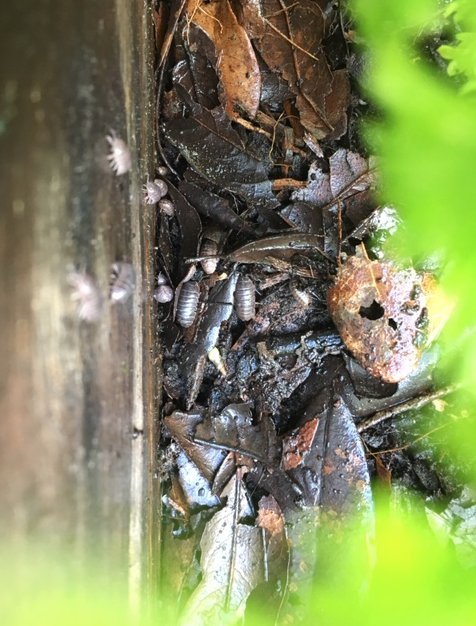
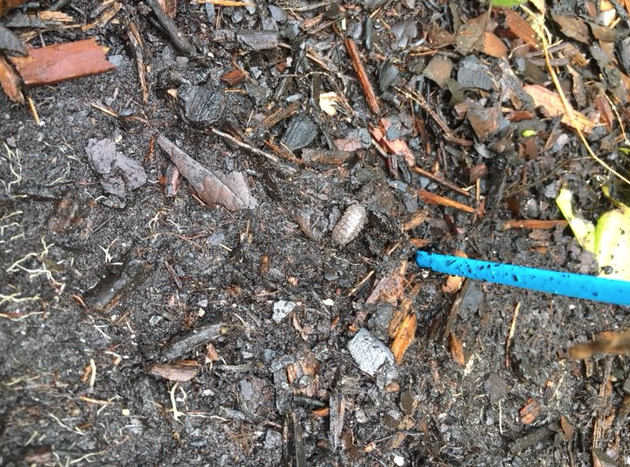
My other problem is all the tiny bugs, which I believe are Pill Bugs. They are everywhere from huddled along the wooden sides of the raised bed, to deep down under the soil. And I’ve found them munching on my cucumbers too.

At first I thought these were a form of the cutworm. These bugs range from tiny to fingernail size. I thought they were harmless, but have found them eating the vegetables, so they need to go.

Screen Shot 2018-06-01 at 2.51.52 PM
Along the inside edge of the raised bed

As I was inspecting the garden, I found colonies of the pill bug along the edges of the garden. Too many to pick off. And as I dig, I find more underground!

Screen Shot 2018-06-01 at 2.52.37 PM
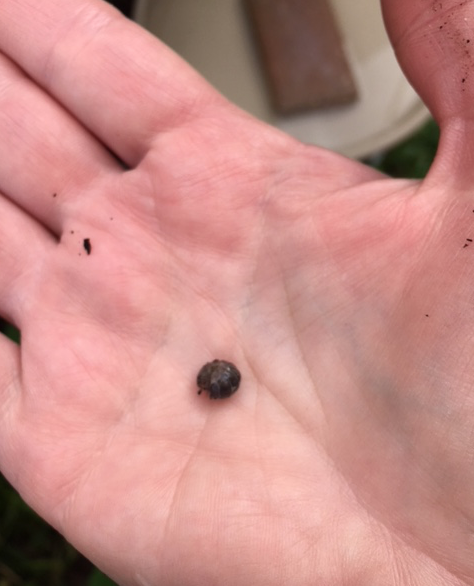
Single pill bug

I’m always looking for organic, natural ways to deter destructive bugs because I don’t use harmful sprays in my yard.

I read that the cutworm will eat corn meal and that will kill it. I’m hesitant to use cornmeal because of the raccoons that visit my yard each night.  I don’t want them digging through my garden because they smell corn!

One site suggested using Food Grade Diatomaceous Earth. I just happened to have some of that!  It’s made of crushed fossils which cut open bug that crawl across it which causes them to die.  I sprinkled it over the dirt in my garden paying attention to the edges.

Screen Shot 2018-06-01 at 2.52.28 PM
Pill bugs roll into a ball when disturbed

Screen Shot 2018-06-01 at 2.52.53 PM
Bug on the cuke – hard to see, but he’s there a little left of center.

Besides these two destructive pests, I’ve got worms boring into my cucumbers and summer squash. While I was outside dealing with these bugs, an orange wasp (it’s really a moth, but looks like a big bee) was buzzing around my garden. Come to find out it is a squash vine borer moth looking to lay it’s eggs in my garden!  The link has a photo of what those eggs look like.

The link above will give you lots of info about how to prevent the borer moth from laying it’s eggs all over the vegetables.

One idea is to use a Floating row cover.  If the moth can’t get to the crops, it can’t lay the eggs.

Another suggestion which I found to be a simple try is to place a yellow bowl of water in the garden to attract the moth and drown it.

Troubles With Worms in the May Vegetable Garden

I would ordinarily consider May to be the beginning of vegetable growing season, but already I am giving up on one of my tomato plants and the summer squash.  Worms are doing a number on everything else, and I am not sure it’s worth having a garden at this point.

Almost as soon as I planted the squash I had trouble with blossom end rot. I began watering less, and added a fertilizer with calcium.

I managed to pick two very small squash, but that is it. Other than those two, every squash that has grown, on both plants, has wizzled up and rotted. One squash plant has no flowers and no squash. The other has flowers and little squash, but all the squash are doing the same thing.

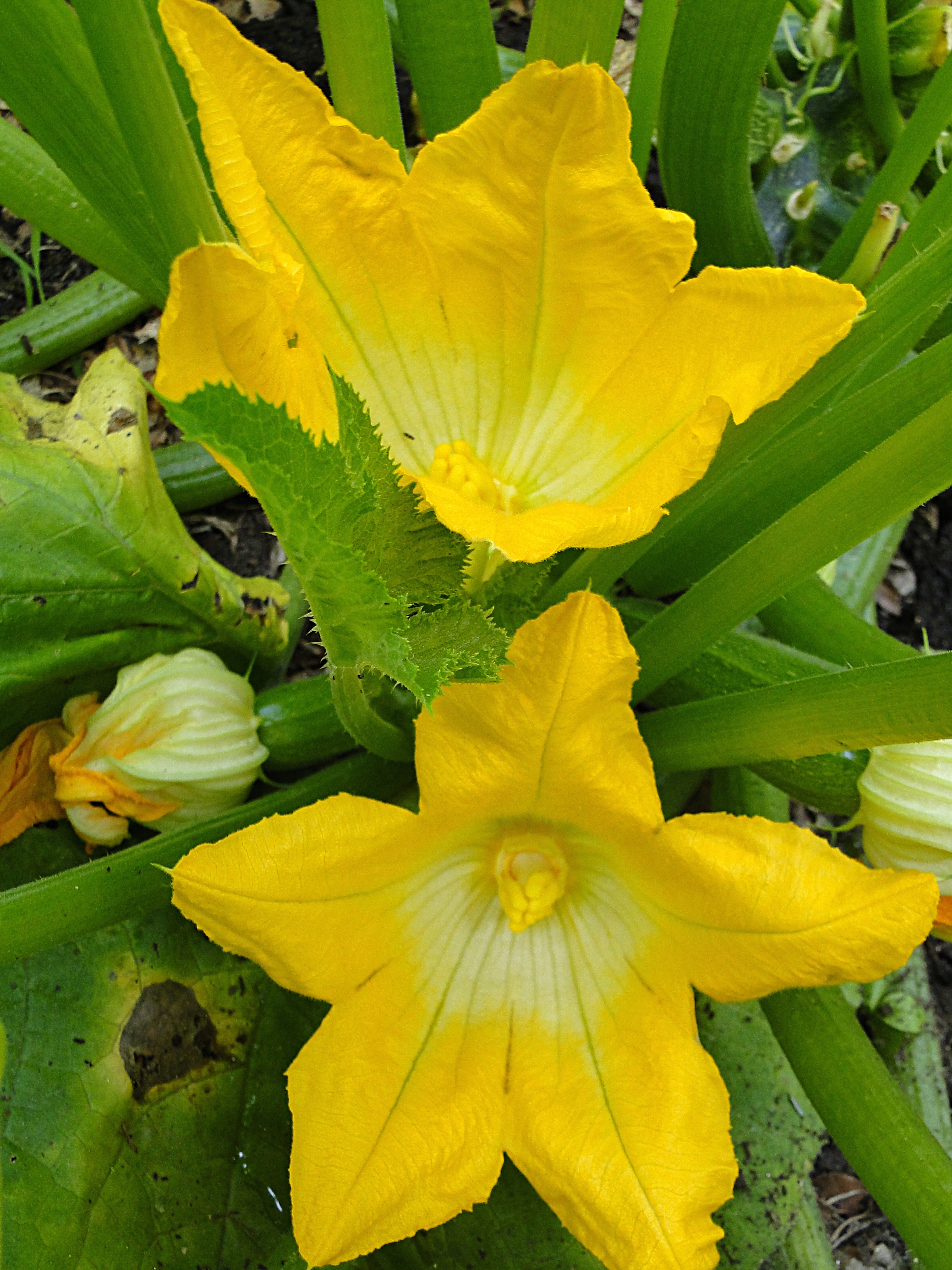
summer squash plant with yellow flowers
The summer squash began fine, then went downhill

I will be pulling up the plants and putting something else in the fabric bags. I do have zucchini seeds which I may try. Summer means fresh squash to me, and I hate that I can’t seem to grow it here.

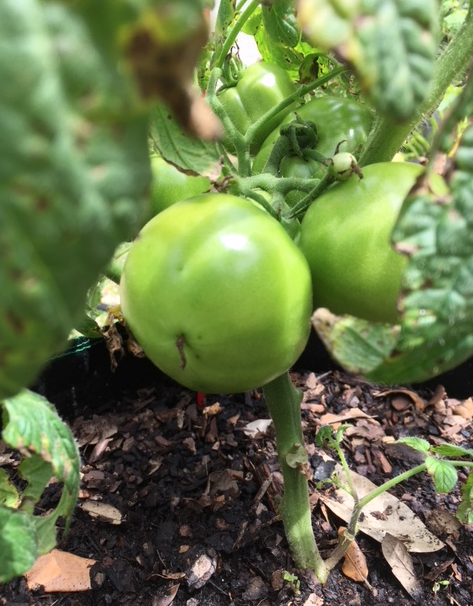
Tomatoes should be easy to grow here in Florida. Tomatoes like sun and lots of water. Of the two plants I bought, one is a “celebrity” which is still doing okay. Currently it has around 8 tomatoes growing.

The other plant didn’t even have a name, and that one has bit the dust. The leaves began to turn brown and then the green tomatoes are rotting and falling off the vine.

I’ve grown tomatoes for many years, and very successfully, in New Hampshire. Just one year I had a problem with late blight. I don’t have blight this time, but I don’t know what the issue is. Honestly, I think the plant may have simply been bad stock. I hate having to buy my vegetables from a big box store.

green tomatoes
This tomato plant turned brown and the tomatoes are rotting off the vine.

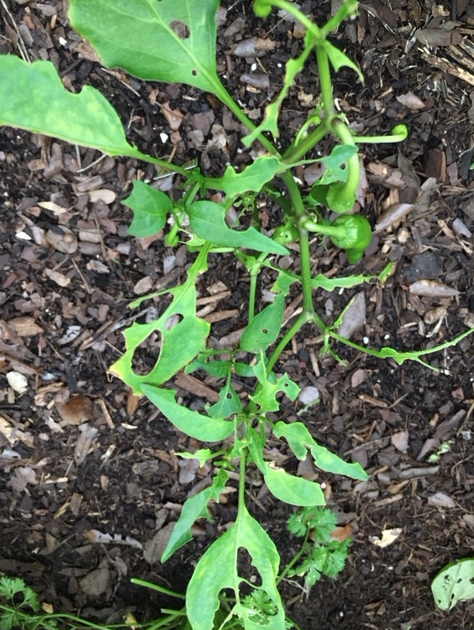
Also I have been overrun with cutworms. They are eating the leaves of nearly every plant I have in the garden. I started picking them off by hand, but many of the leaves are already chewed. Being more vigilant will help, I hope. It’s been very rainy, which keeps me inside. Garden pests can get out of control if they are not caught quickly.

These worms are eating everything from the cucumber leaves to the tomatoes, basil and pepper plants.  Cutworms can also cut off the new stems of seedlings.  I don’t have that problem.

cut worm
Cut worm that fell into the birdbath

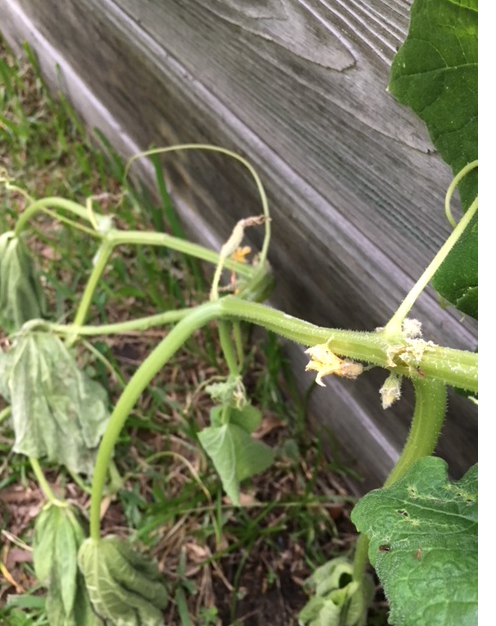
The squash and cucumbers have another kind of worm which bores into the vegetable and makes it mushy.  They also eat through the stems which makes the rest of the vine droop and die, like in my photo.  For more info on growing cucumbers and dealing with the pickleworm, read the post at the Central Florida Garden blog.  It seems there haven’t been too many newer posts, but I intend to search it for useful information.

Screen Shot 2018-05-31 at 5.21.42 PM

All in all, I am disappointed in my May garden.  The orange ruffle hibiscus still has fuzzy mites on the leaves even though I have sprayed and trimmed it way back.  I’ve seen this same circular white ring on the backs of some of my pepper plants.  That is all I need!  I didn’t have half these problems in the North.  No wonder I don’t see farms around here!

Hot pepper plant with chewed leaves