Hydrangeas That Grow in Zone 5

Cold hardy hydrangeas are not hard to find as most varieties survive very cold winters.

Hydrangea quercifolia - Oakleaf hydrangea
Hydrangea quercifolia – Oakleaf hydrangea (Photo credit: Wikipedia)

I’ve been looking for a new hydrangea to add to my yard and that means it will have to thrive in zone five.  I live in the Monadnock Region of southern New Hampshire and that is Zone 5, or 5a, to be more specific.  These are cold hardy hydrangeas, and luckily most varieties of hydrangea can take the extreme cold.

I can tell you (and show you) what I have presently growing in my yard, and these types are found frequently in my area of the country.

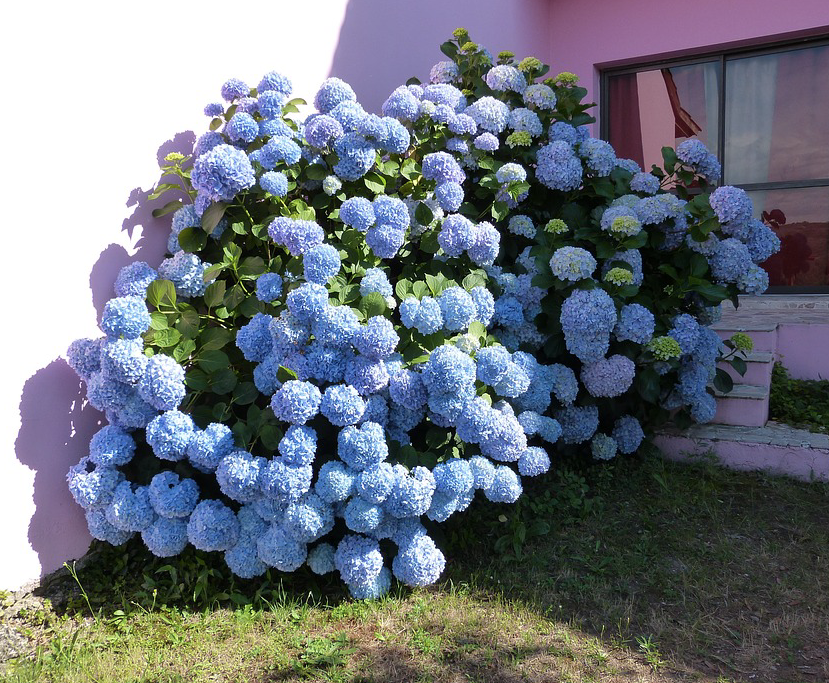
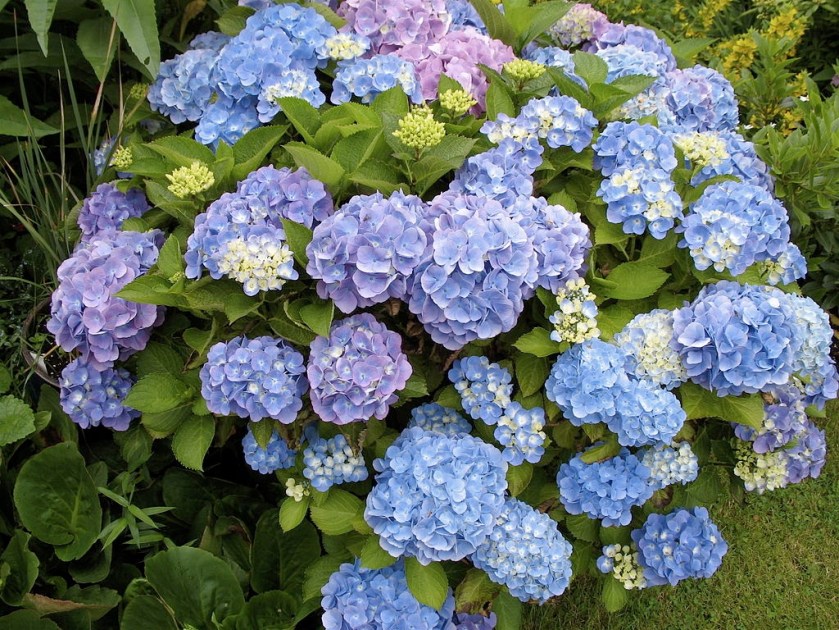
The Endless Summer Blue macrophylla (rounded flowers) variety is popular for it’s beautiful blue flowers.  As you can see in the photo below, this type can grow flowers in shades of pink, purple and blue all on one shrub!  Gorgeous.
See more photos.

blue hydrangea flowers
Endless Summer will be blue if the soil is acidic

More types of hydrangeas I’ve grown in my New Hampshire yard with much success include the “Blushing Bride” which is also an Endless Summer variety.
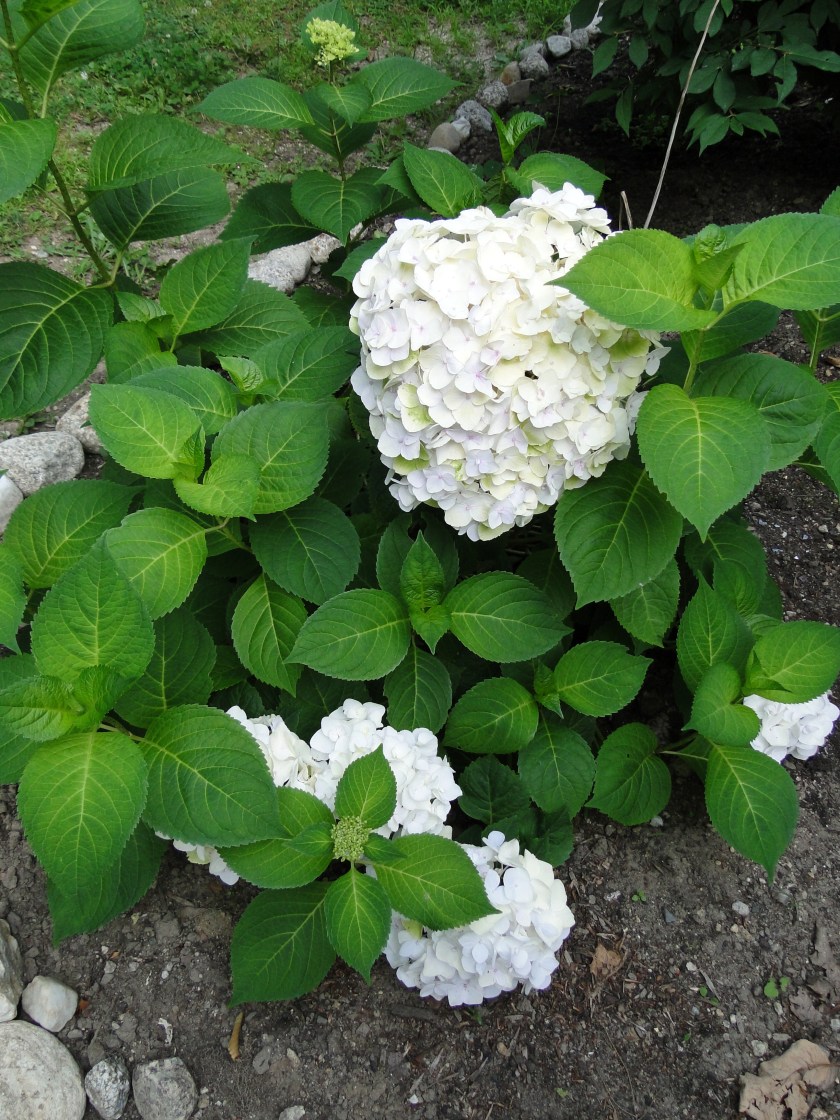
white hydrangeas
The Blushing Bride begins white and changes to pink and green

Also, Pinky Winky and  Pee Gee (Paniculata grandiflora), and many others will grown in the north.  In fact hydrangeas seem to enjoy cold more than heat.  The Endless Summer types tend to wilt in the hot sun, even if they have plenty of water.

My best advice is to shop in local stores and nurseries in spring and see what they are selling.  Most likely the types for sale will do well in your climate zone.  Also, you can view a comprehensive list of Hydrangea types and their grow zones on Dave’s Garden site.
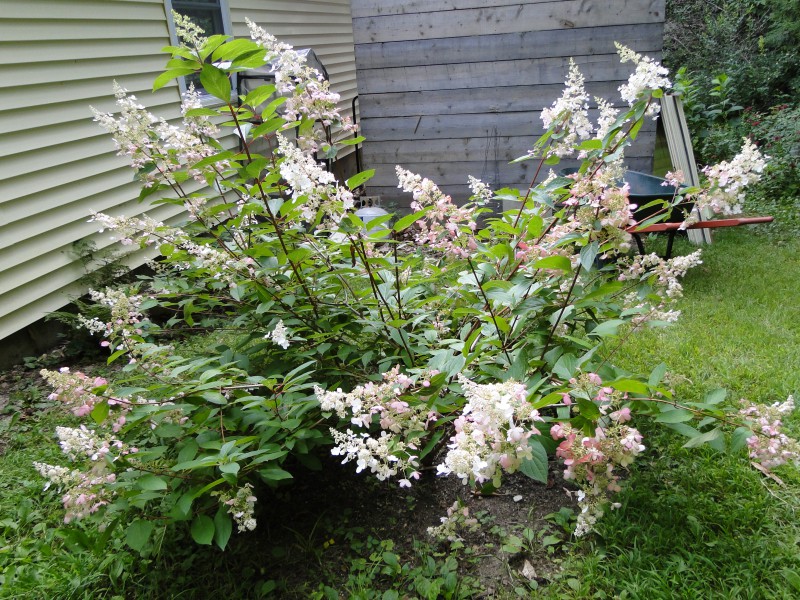
hydrangea paniculata pinky winky
Pinky Winky, paniculata variety (3 year old plant)


One warning about planting the Pinky Winky (which is one of my favorites, and is featured at the top of this page, in pink) is that deer will eat it.  One side of my shrub was always chewed down where the deer passed through my yard!  It also attracts bees, so maybe keep it away from patios and outside sitting areas.  But it is very easy to care for, and it produces gorgeous flowers. So please don’t let that stop you from including one in your landscape.

My Three Favorite Perennials For Shade

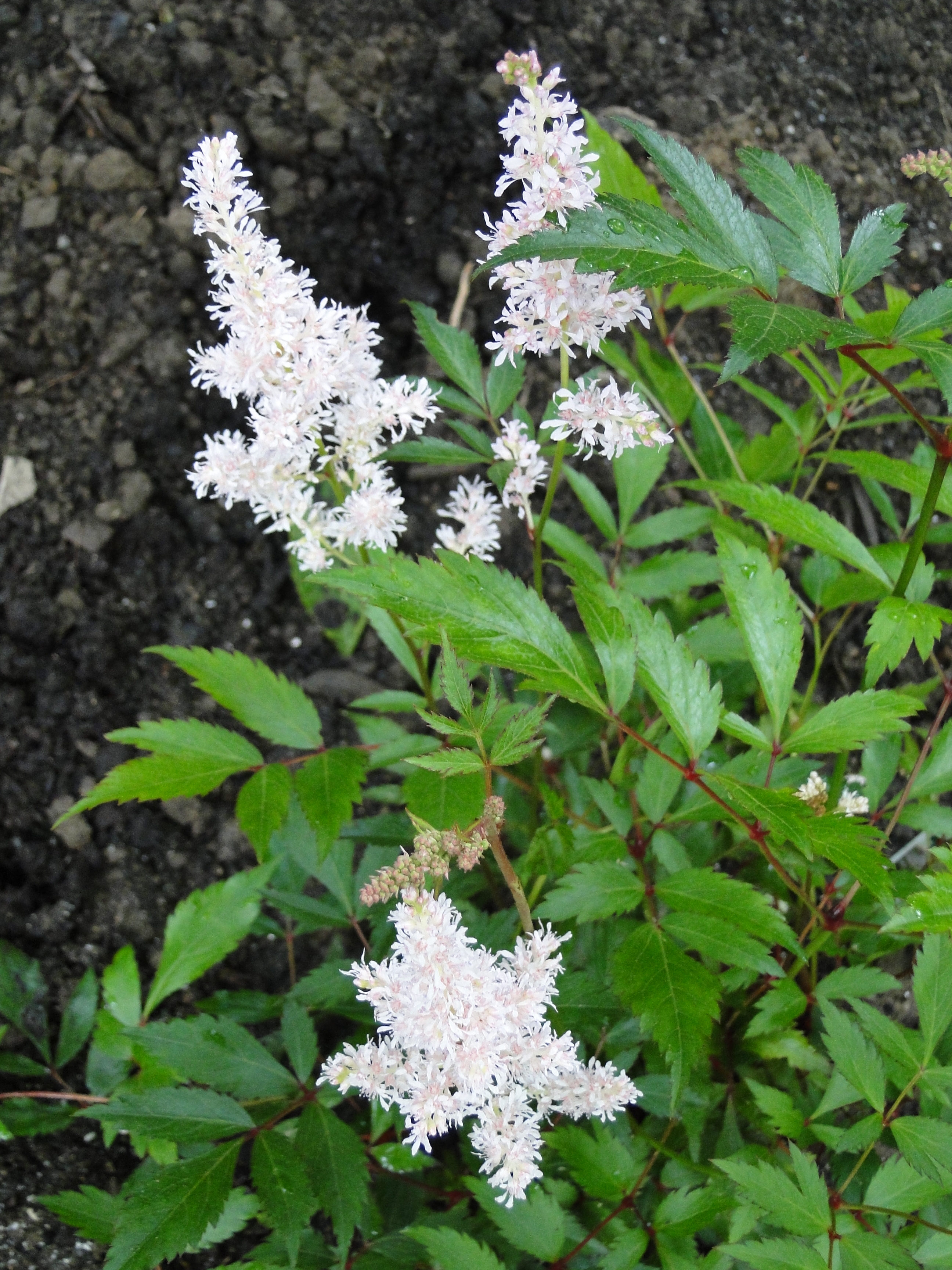
white astilbe
White Astilbe – Shade Lover

It’s not easy to grow a shade garden.  Some hydrangeas will do well in shade, but I am not talking about those here.  This post is about the smaller perennials that can fill a shade garden.  The flower variety of shade loving plants is limited even more than the plants that are available.  Most things that will grow under trees or in gardens that are on the shady side of a house are pretty dull looking in my opinion.  I love a garden with variety, so I am always on the lookout for something new to plant in the yard and I’m always thrilled to find a nice looking, shade loving shrub.

Still, I revert back to my favorite three basic choices when buying for the shade.

#1. Bleeding Heart –  This is an amazing plant.  It is so delicate that it breaks easily, yet sends out long leafy stalks with loads of little, heart-shaped flowers that dangle from the greenery.  It seems so fragile, yet each year it survives the icy cold winters underground and grows back in Spring.

#2. Astilbe  – I think this is a favorite of many when it comes to planting for shade.  I am new to growing this plant, but I plan to have many of them in my garden under the trees.  They have tall feathery flowers in white, red and pink and their leaves can vary from color to color.

#3.  Hostas – Of course.  Who has a shade garden without including hostas?  Last year I planted a variety of hostas in my large, front yard garden.  It’s too early in the season to see them sprouting yet, but I look forward to watching them get larger and larger.  Hostas are mainly grown for the leaf coloring and size, even though they do send up tall shoots with tiny flowers on them.

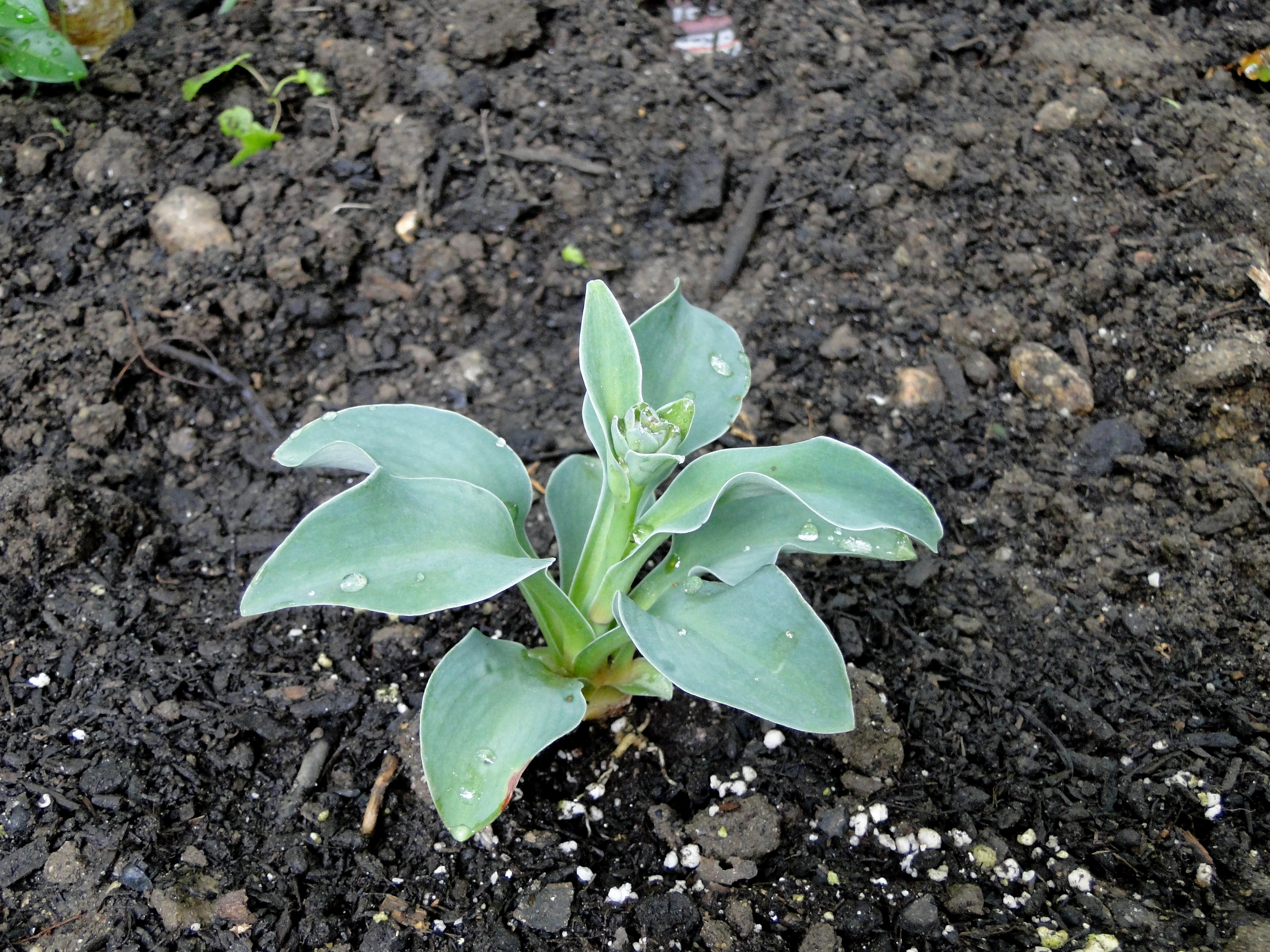
This little one I found last year at the local nursery is called “Mouse Ear”.

mouse ear hosta
Mouse Ear Hosta

Experimenting With A Climbing Hydrangea

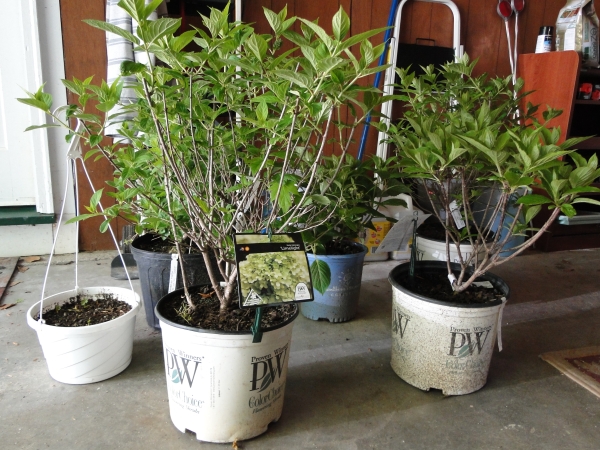
potted hydrangea plants
New Hydrangea Plants -bought in 2012

I don’t have a picture of one, but maybe one day I will – the climbing hydrangea will be something new to play with this summer.

From what I’ve read about the climbing hydrangea (and there are many types – and I am researching which one I may want), is that it is a hardy perennial and gets very large. Anyone wanting a climbing hydrangea will need a very sturdy structure for it to cling to.

I had never thought about trying to grow this type, but my new house has a tall, ugly tree trunk in the side yard. I can only guess that the tree broke off in our horrific ice storm a few years ago and left this part of the trunk standing. Fortunately the tree broke away from the house because it was one very big tree and parts of the top are laying in the woods near the base.

But, I think it may be a good spot to grow a climbing hydrangea. The area will get some sun, but not much and that is my main concern. If climbing hydrangeas need sun, it won’t see much until it begins to climb the tree.

I called a local nursery yesterday to ask if they have the climbing hydrangeas and they do! It’s the House By The Side of The Road in Wilton, NH and it’s the same place I bought my 6 new plants last Spring around Mother’s Day, which is a great time to shop for the newest selection of hydrangeas.

Mothers Day is The Time to Shop For Hydrangeas

Image

Finally — it’s hydrangea buying time – almost.  In May it seems that the stores and nurseries get their shipments of hydrangeas in just in time for Mother’s Day. So the weekend and week just before the holiday is an excellent time to shop for hydrangeas.

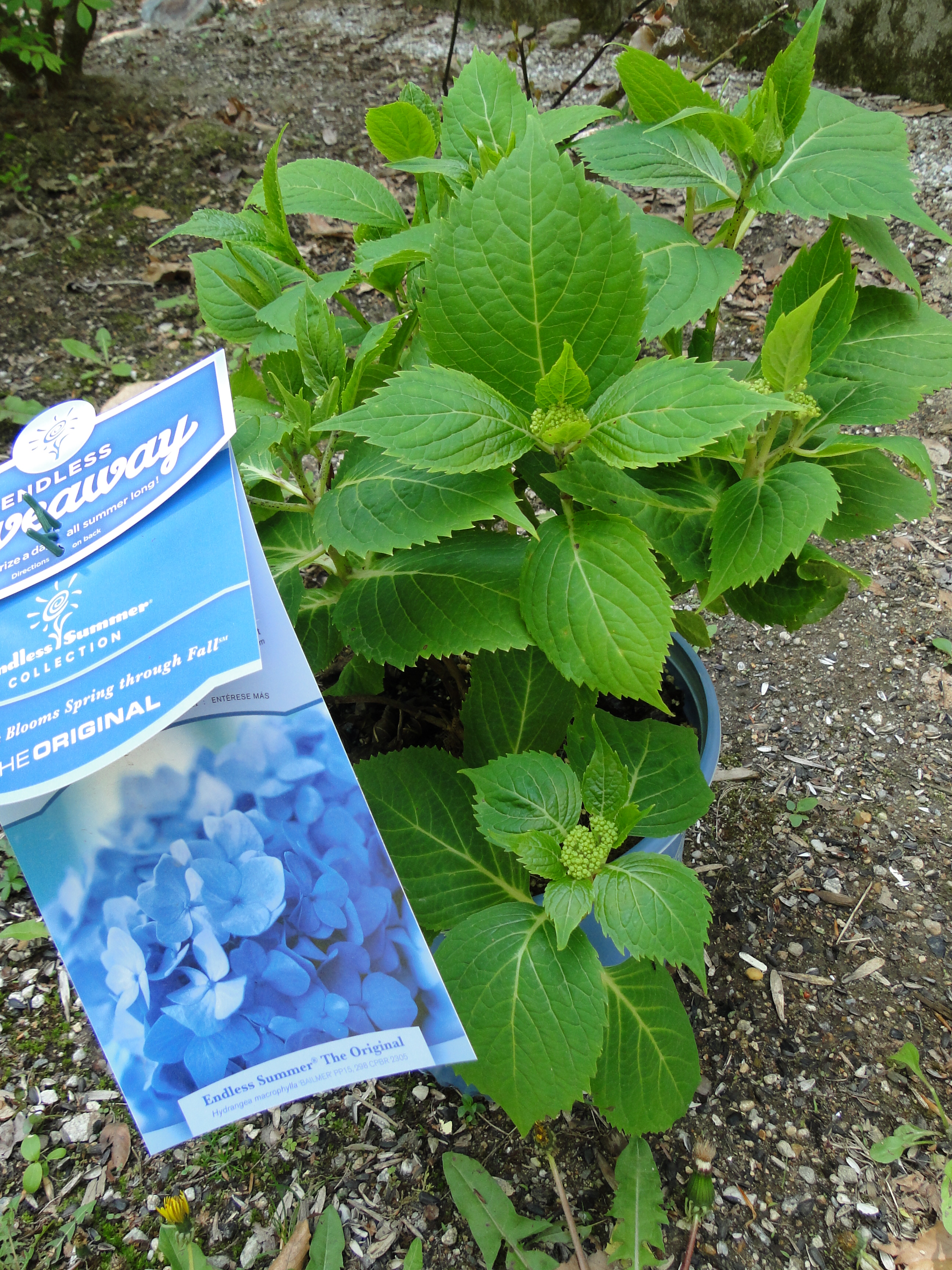
Last year was the first time I had bought the plants myself.  That’s the Endless Summer blue in my picture and it did give me some very pretty light blue flowers. My yard is still in desperate need of landscaping, but it should be in better shape this year once my plants come into bloom.   Last season I had hoped to find a variety of colors to choose from and I was not disappointed!

Last May I bought six hydrangea plants at The House By The Side of The Road in Wilton, New Hampshire and I only stopped there (at six) because my cart was full!

They offered a wide selection to choose from and all of them looked very lush and healthy.  I expected to pay a lot since hydrangeas are popular flowers, but the pricing was reasonable I thought and ranged from $29.99 to $36.99 each and they were large plants.

hydangeas in pots
Newly purchased hydrangeas in pots

I have a lot of shade in my yard, but fortunately hydrangeas can take the shade – as long as they do get some sun.  So this is the year I will see just how well they took to spending winter in my yard.

The Post-Winter Hydrangea Inspection

spring hydrangea
Bent and Broken Hydrangea Under the Snow

Today it was close to 60 degrees and I got outside to view my gardens – at least the areas that are snow free. Until I can get to the perennials I will have to blog about other gardening things – like starting some vegetable seeds, and buying loam and grass seed!

This blog is forgotten for most of the winter months because I live in New England and there is certainly no gardening going on in my yard at that time of year. I spend my time organizing my online stores and creating new wedding designs for Spring. When my business picks up in Spring and Summer, so does this blog readership, but I get motivated to make time to take photos and write because it’s what I love to do – garden!

I just took this picture today and it shows how my hydrangeas are still weighed down in places by packed snow. I’m happy to see that they are not totally destroyed and I think I may look into a cover for them for next winter. I’d like the A-frame wooden type. I also need nets to put over my Rhododendrons that will not be blooming at all thanks to the many hungry deer that snacked on them.

Hydrangeas are quite hardy and the branches tend to bend under the weight instead of breaking. I may do some trimming once they are uncovered. Any hydrangeas that bloom on old and new wood can be trimmed if needed.

Buying Blue Hydrangeas For the Landscape

When buying a blue hydrangea be sure your soil is acidic enough to keep it flowering blue.

Spring is coming, and if you are already dreaming of shopping for a great landscape perennial, a beautiful addition to any garden includes the bright blue flowers of the Mophead hydrangeas.
Often hydrangeas are at nurseries by the bucket load in spring, just in time for Mother’s Day.

Hydrangeas bloom in July and beyond (in northern climates), so that means most likely they will not have open blooms in May. You’ll have to trust the tag for the information as to the type and color of the flower.

Image

Macrophylla Varieties Have Color-changing Flowers

The trouble with trying to buy a blue hydrangea is that even if it is blue in it’s container it may change color in the ground.

pink and blue hydrangea flowers
Sometimes you’ll see both pink and blue flowers on the same bush (photo credit: Pixabay)

All blue flowering hydrangeas are of the macrophylla variety, sometimes called the mopheads. You’ve no doubt heard of the Nikko Blue and Endless Summer which can have blue flowers.   They are sold as blue-flowering, but if your soil is not acidic enough, the flowers will be more pink.

Potted plants are grown in special soil which is more controlled as to it’s alkaline and acidity levels. Yard dirt can vary widely in acidity.  In New England the soil tends to be acidic, so my blue hydrangeas truly bloomed blue.

Macrophylla Flowers Are Round, Paniculata Flowers Are Elongated

The flower color change can only happen with the macrophylla variety hydrangeas. The paniculatas – like my Pinky Winky – do not change color no matter what type of soil they grow in.

To guarantee a blue flowering shrub, first test your soil. Buy a do-it-yourself test kit to find out if your soil has the right acidity to create blue blooms.
A pH below 6 means you should have blue flowers. If it’s above 6, plan on pink ones.

If your soil is too alkaline to grow blue flowering hydrangeas, consider growing them in a big pot where you can control the soil’s pH and get the color you want.  This is tougher to do in the ground.

What to Add to Soil to Make it More Acidic

To get blue flowering hydrangeas a soil acidifier must be added to the ground. Something organic (I am an organic gardener) can be purchased. Carefully follow the directions, and add as often as the package recommends. Additions to the ground will not last. Rain will wash away the changes, so it must be done consistently.

Other natural ways to create acidic soil may not be enough to create blue flowers all the time, but you can try watering the plant with something acidic mixed with water. I used to pour pickle juice on my gardenia plants. Vinegar in water is another choice.  I’ve never done this to my hydrangeas, so you may want to look into it more.

Lime lowers Ph (you want a lower Ph for blue flowers) and Sulfer raises Ph.