Florida Winter Growing Success and Failures

After the long, sweltering summer, I was looking forward to planting crops for Fall and Winter. It has been fun, and definitely a learning adventure. Some crops have done very well and others are on my “maybe again” list.

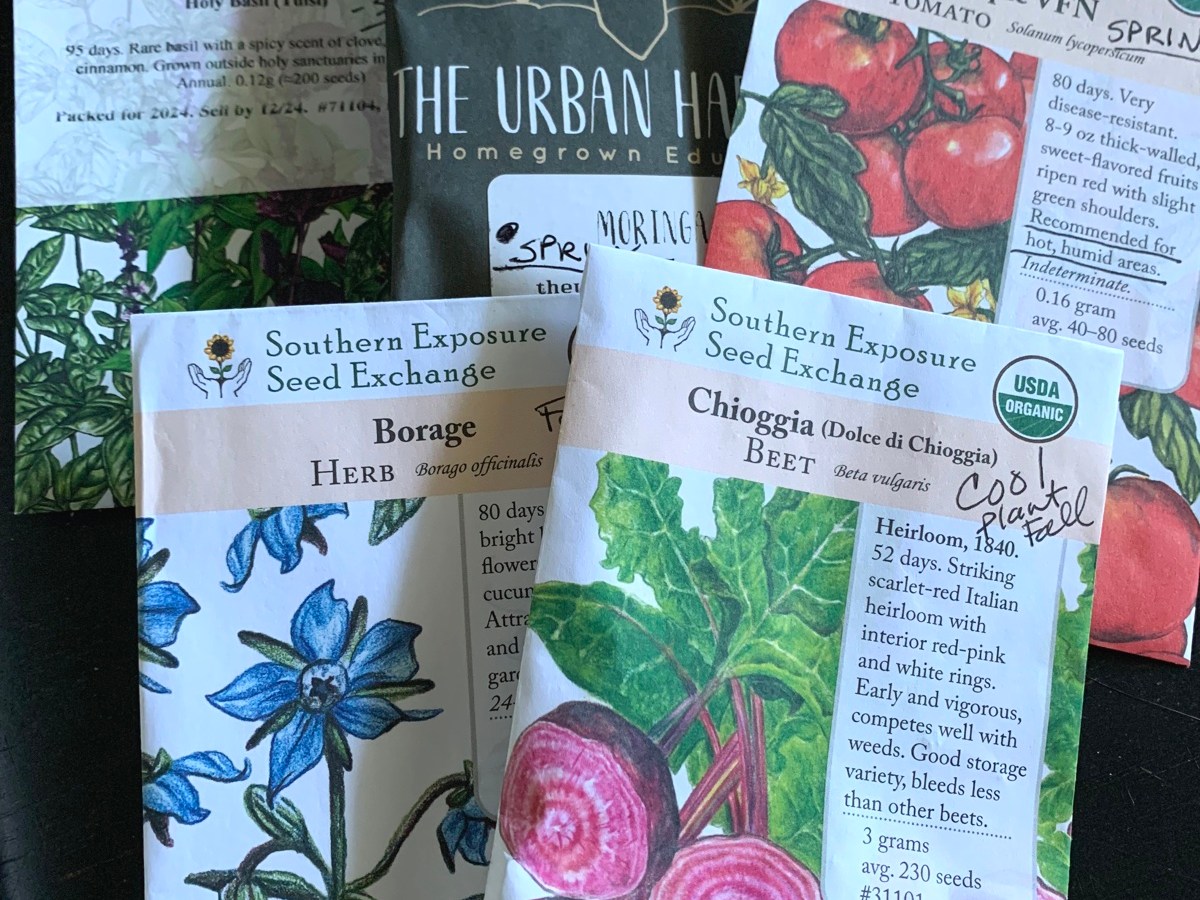
Most things were grown from seeds I purchased, either from The Urban Harvest, or Southern Exposure Seed Exchange (SESE). A few crops (and flowers) grew from my own saved seeds.
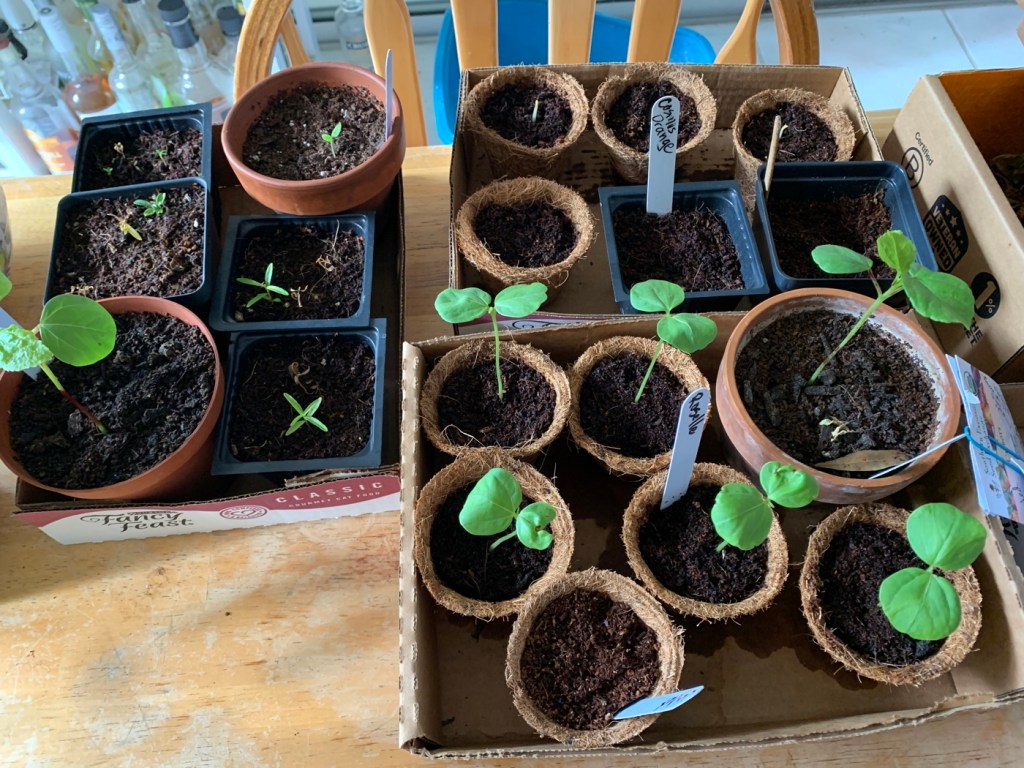
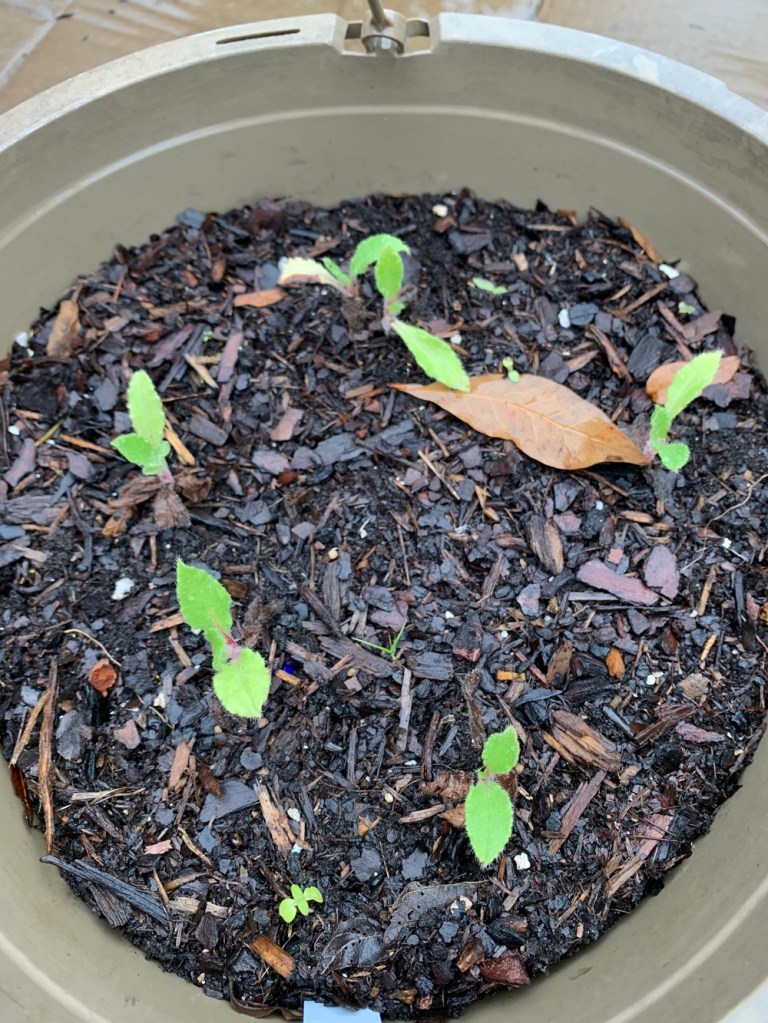
Growing plants from seed can be very annoying. There is lots of watering and moving into the sun / out of the sun. And lots of these little seedlings didn’t make it. I will NOT be growing plants in tiny pots again.

Arugula – Yes, Plant Again

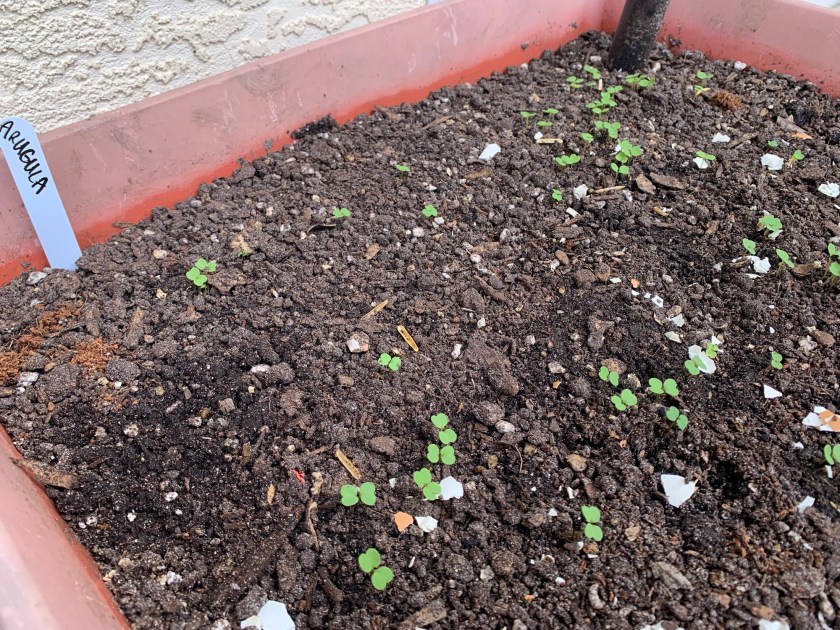
Last spring / summer I grew arugula for the first time. Not only were the leaves delicious, but I got to see how the seeds grow. Once the tall stalks dried, I picked the stalks and saved them indoors. Those seeds went into the ground in October.
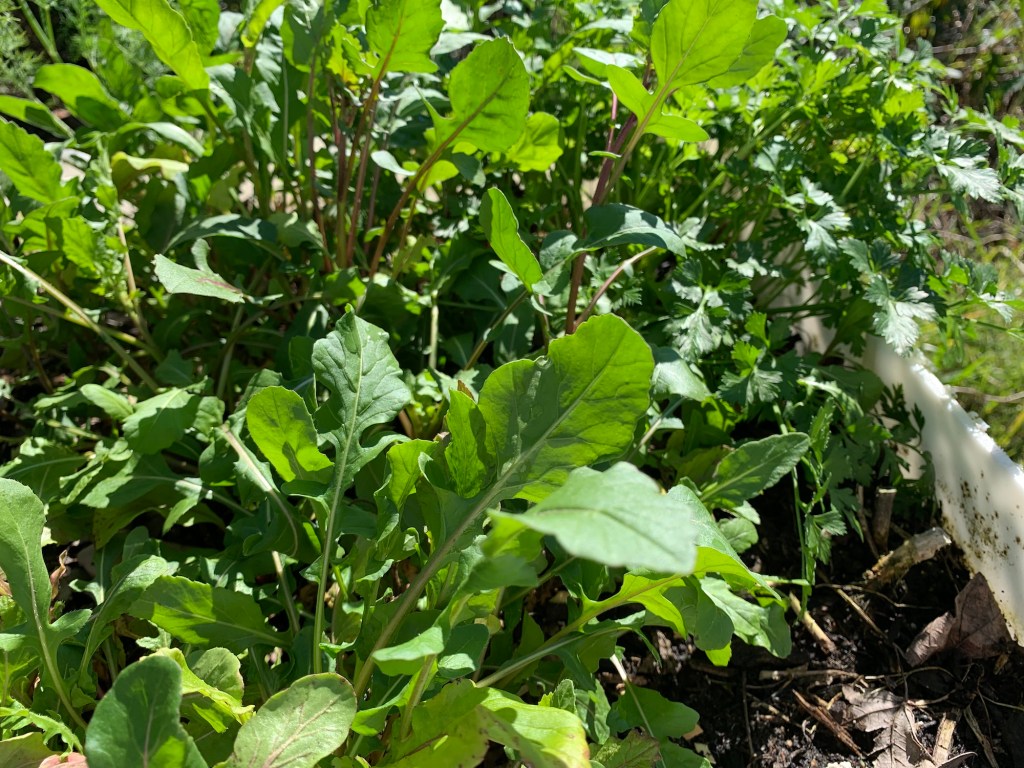
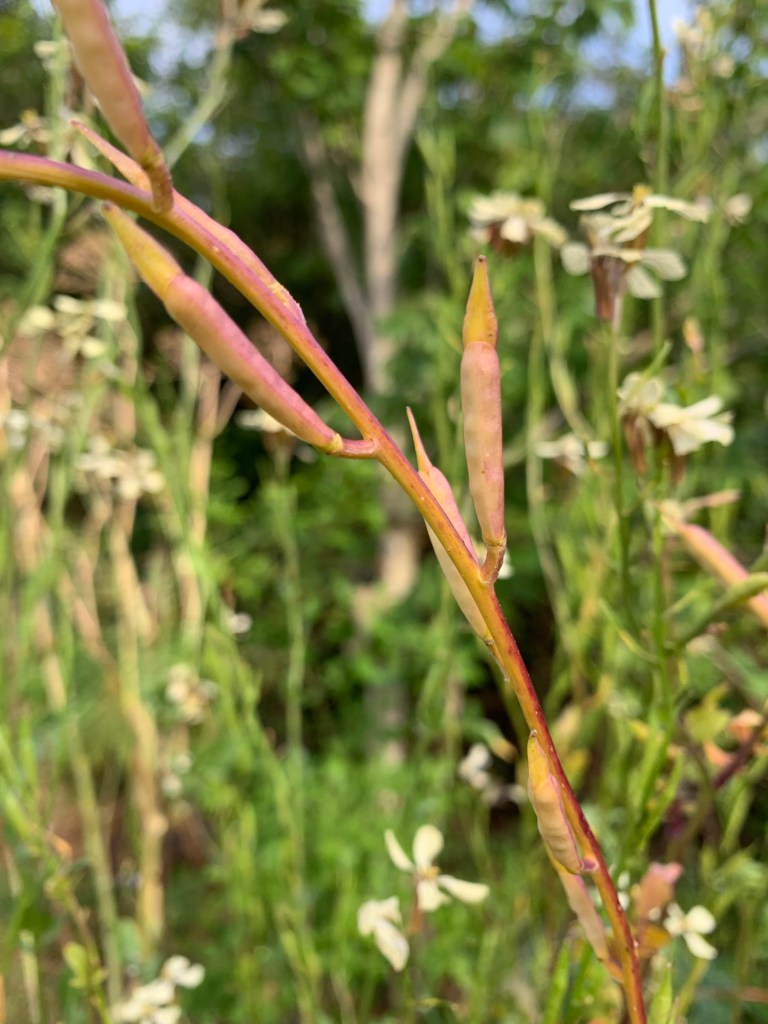
The dried arugula stalks are so sturdy that they work as sticks. The flowers are also pretty, and good for attracting bees.

More Crops to Plant Again

My list of crops to plant again next Fall / Winter are:

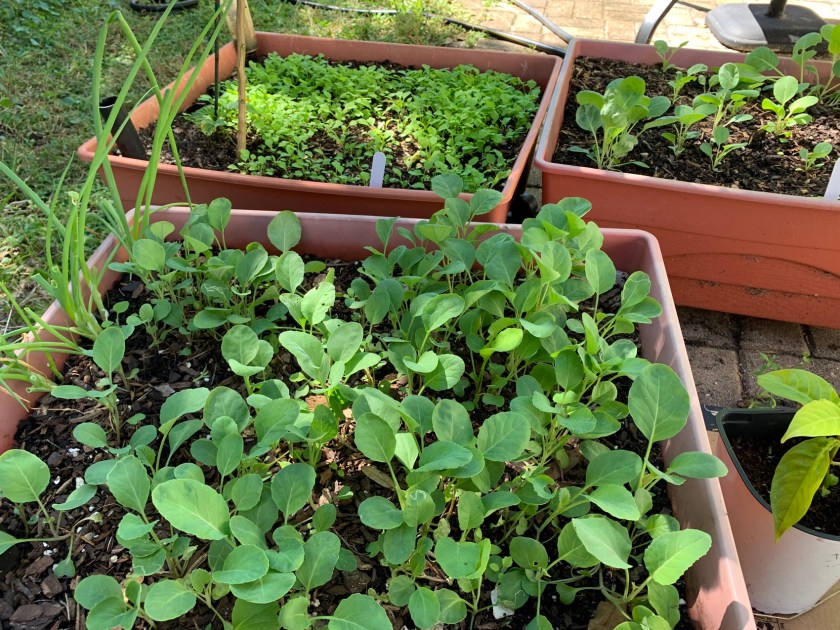
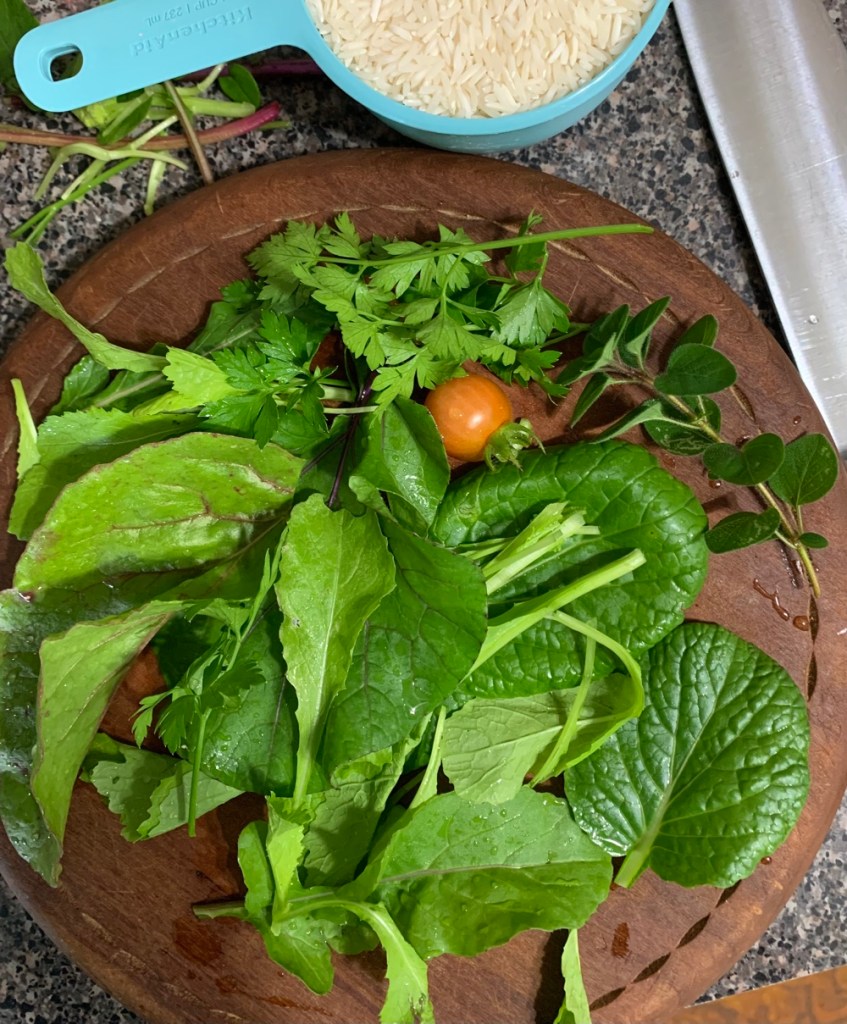
  • Chijimisai – spinach (or mustard) grown from seed grew great and had wonderful dark green leaves. I never bothered to thin the seedlings and they all grew beautifully. I planted a new batch in February.
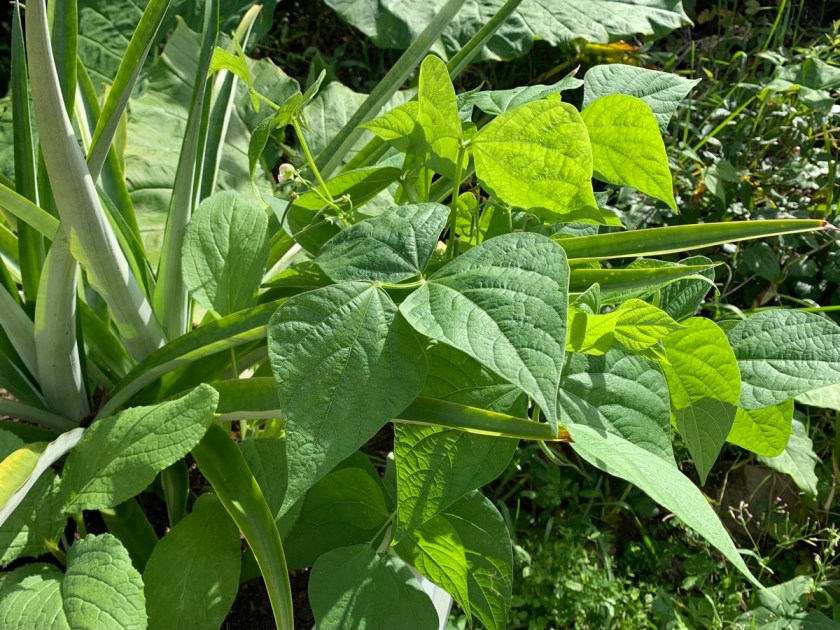
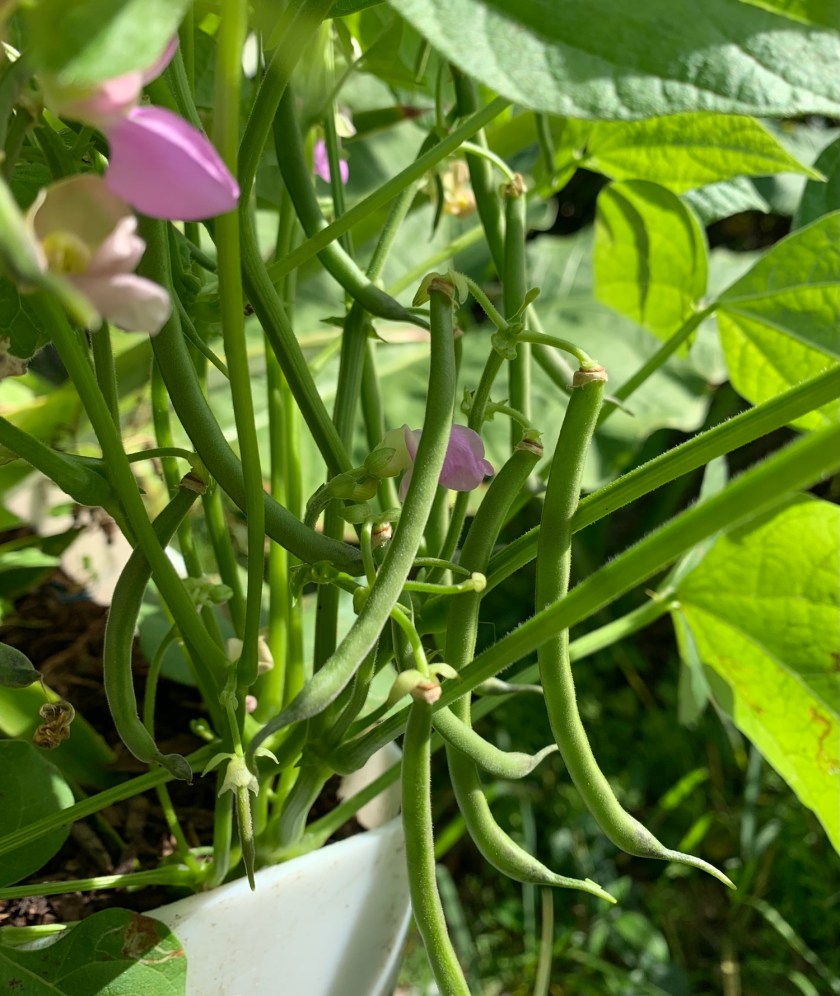
  • Green Beans – planted mid-October and had beans to eat by December. Got a few worms on the leaves, but for the most part they grew wonderfully. Contender beans have pink flowers. Blue Lake Bush have white. Contenders did the best!
  • Tomatoes – Even though I think tomatoes grow better in Spring here in Florida, Planting them in Fall has given me “suckers” to plant in pots for Spring. (More on that to come.)
  • Broccoli – I grew cauliflower, broccoli and brussel sprouts but only the broccoli did well. I boiled the leaves from all three, but only had a decent head of broccoli to eat.
These Didn’t Grow as Expected

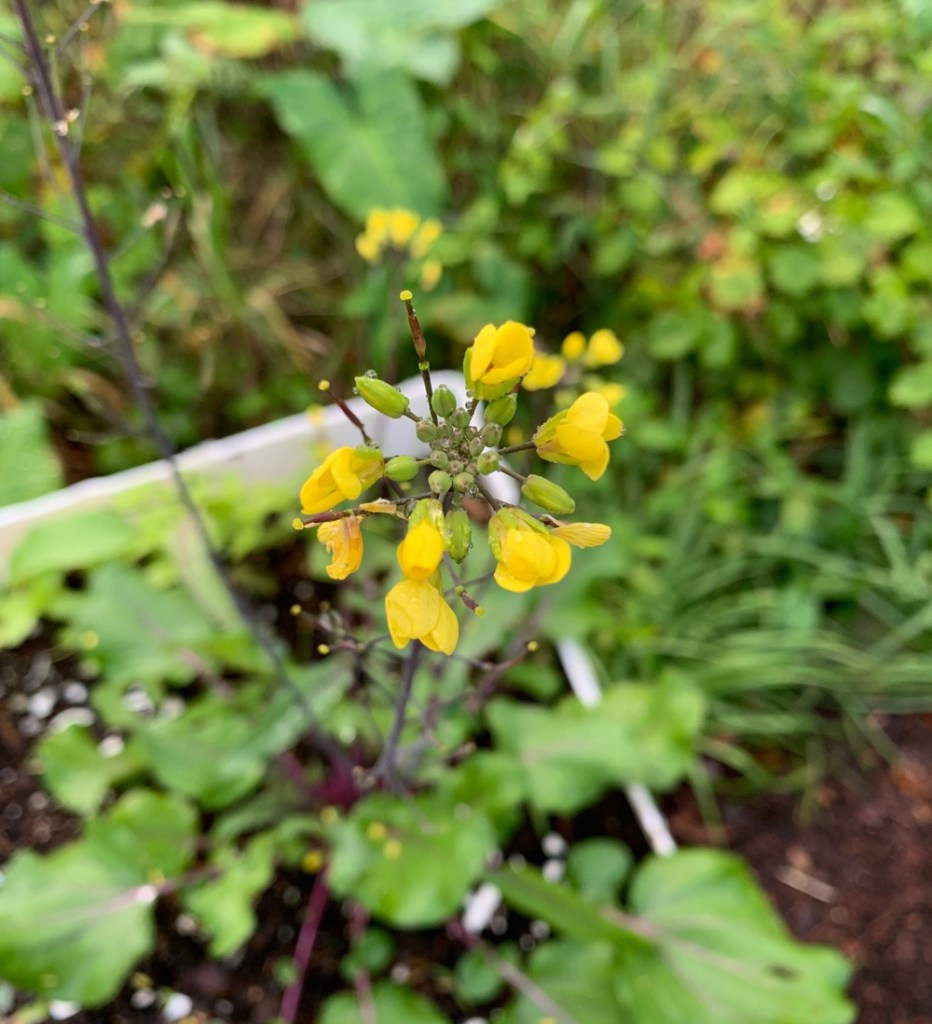
  • Hon Tsai flowering broccoli was not a food I enjoyed. The two plants I started in a pot grew the best. The direct sow method didn’t seem to work as well. When the leaves were large enough to eat, I discovered I didn’t want to eat the stuff! I replaced the area with some kale seeds and onions. BUT… the bees love the yellow flowers that form on tall stalks. I’ll grow it again for that reason.
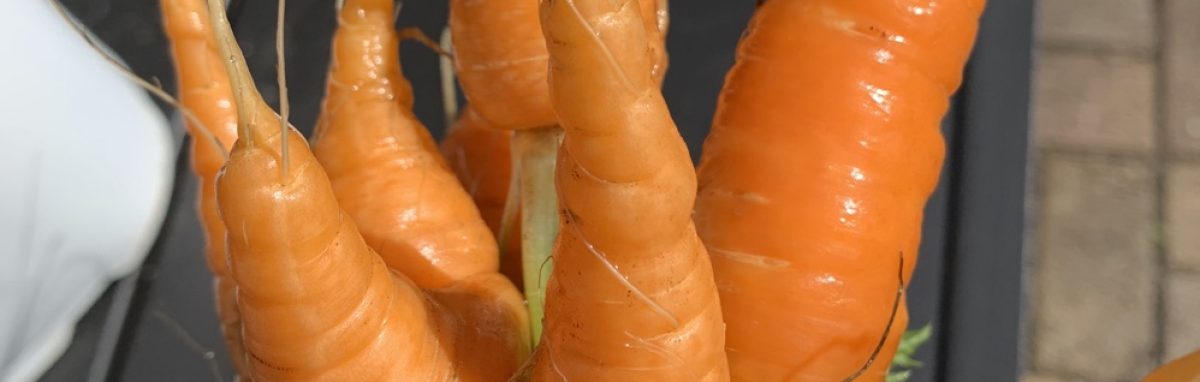
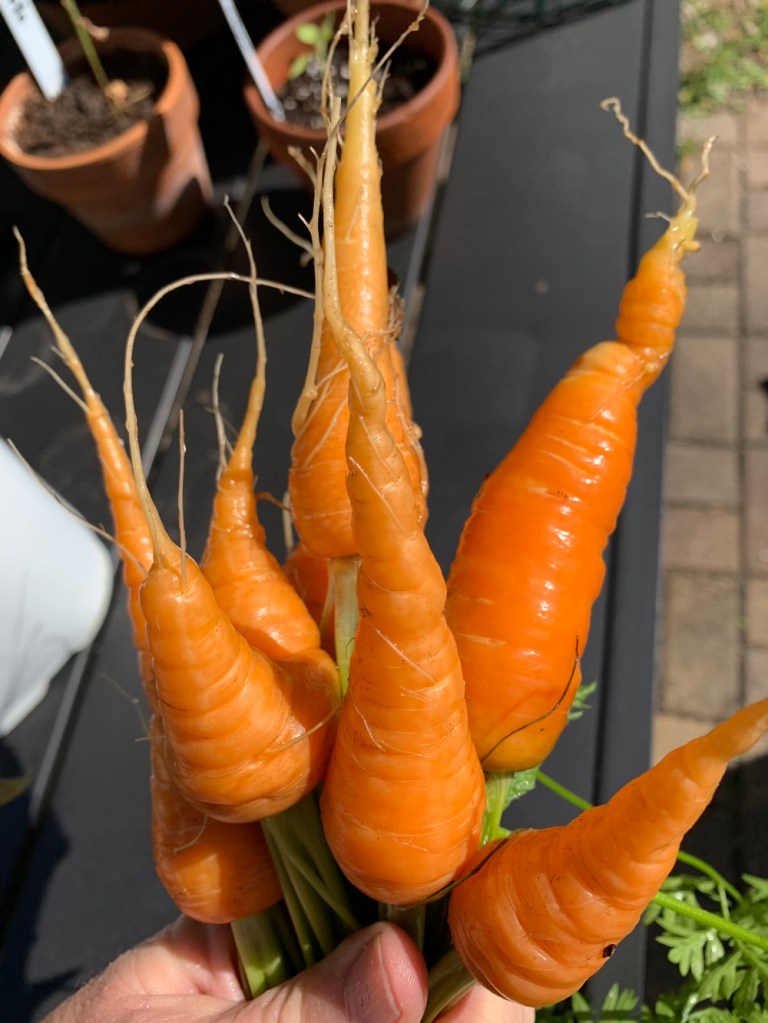
  • Carrots – I would love to be able to grow my own carrots but I have never (up north or down south) had any luck. After months (about 5) of waiting I finally had some carrots. In Feb. and March I was pulling carrots that were started back in October!
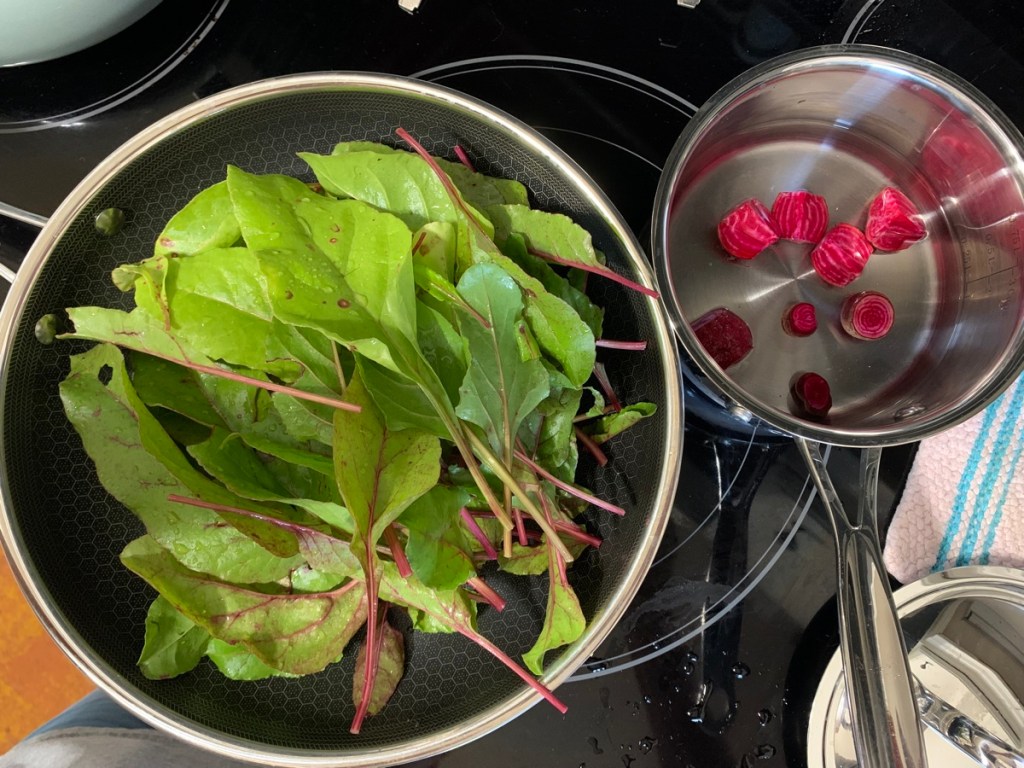
  • Beets – I love beets. The seeds were very slow growing and many of the little seedlings were lost along the way. They took a very long time to grow, taking up valuable space in my small amount of garden area. SO… I will grow them again, but for the greens.
  • Swiss Chard, Fordhook – I tried growing chard in Spring and it failed. So, I tried again in Fall, and it did not grow well. Not sure if I will try this one again.
Garden Growing Goals

Realistically, I would like to have some type of green growing in the backyard year round. I believe it is doable, but I need to figure out which ones work best for which season.

More stories from the garden…

Can Borage Grow in Florida?

This winter I have been experimenting with growing various herbs and vegetables.

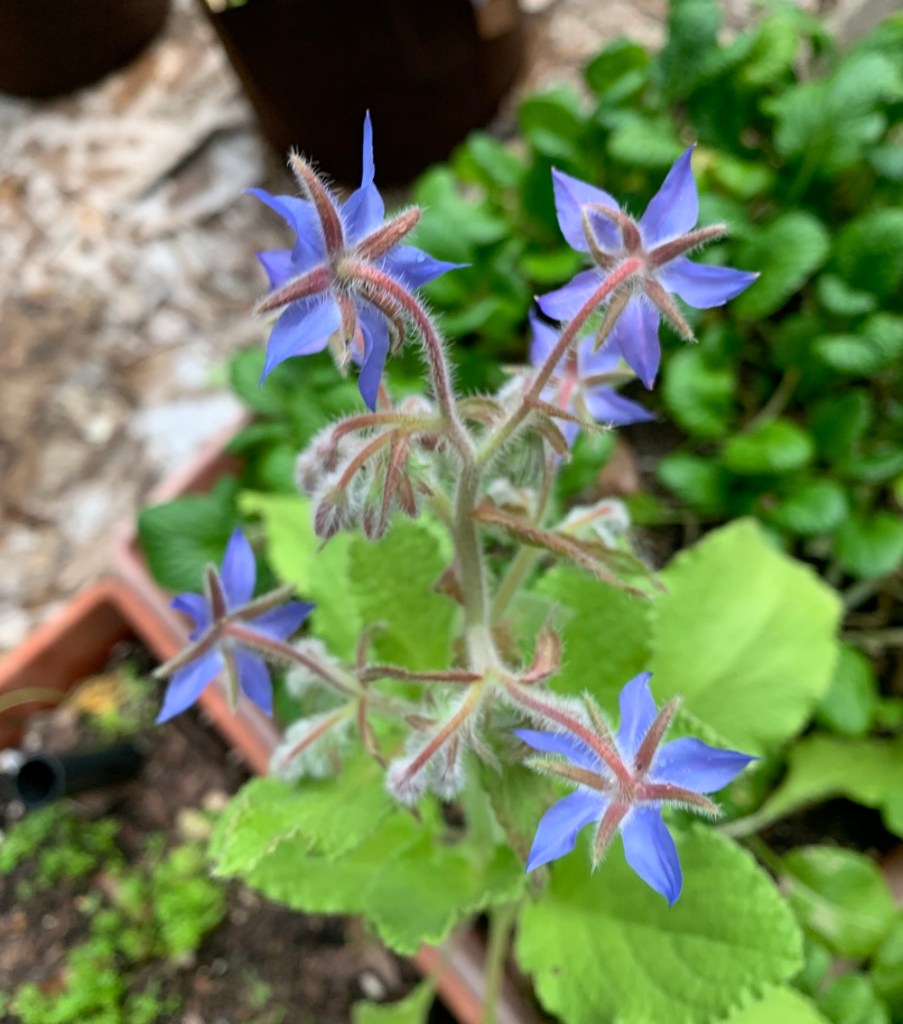
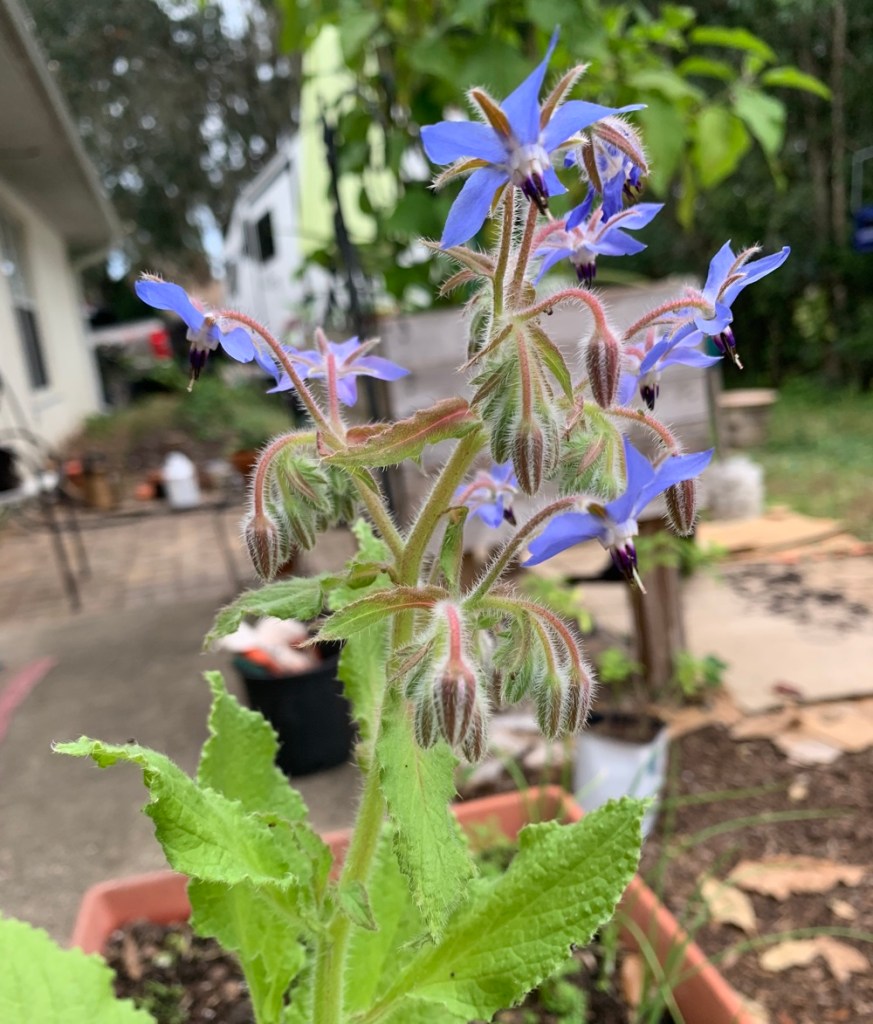
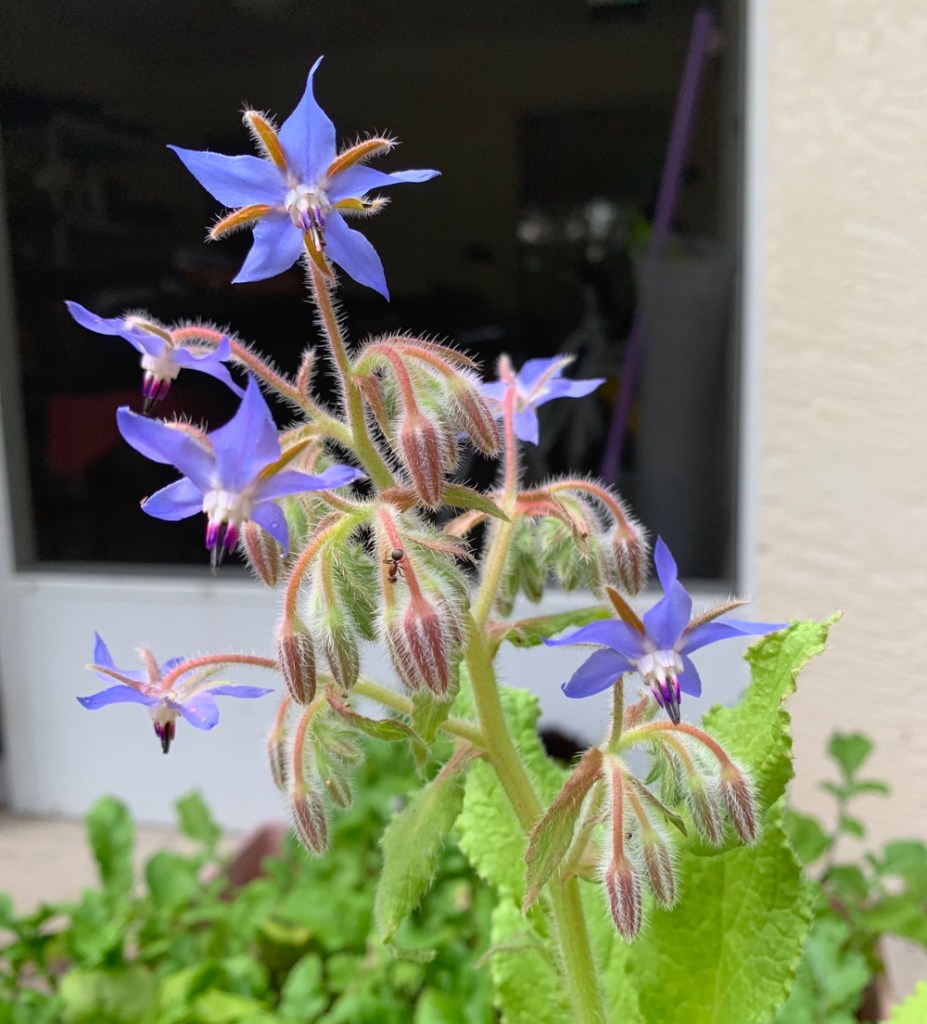
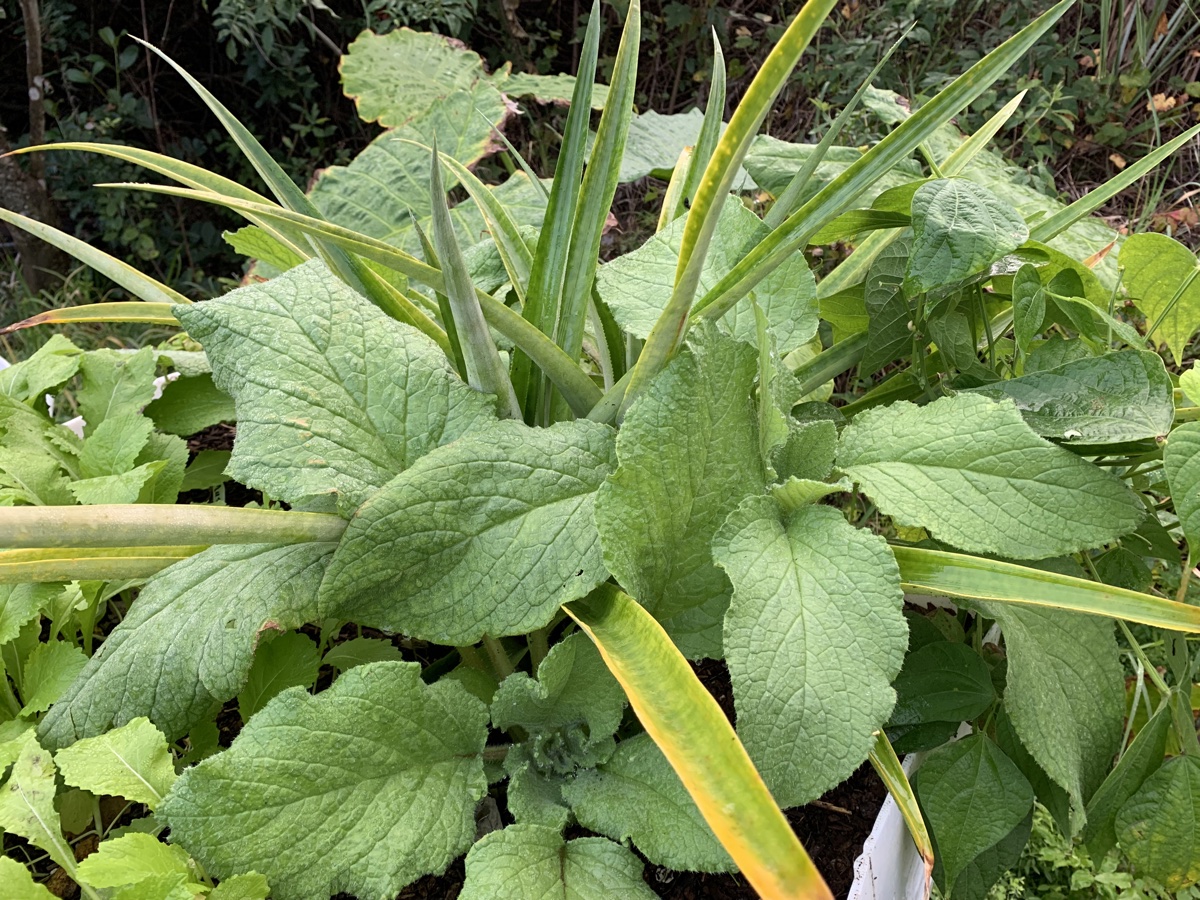
Borage is something I always loved in New Hampshire, but can borage grow in Florida? Well, yes and no. What I’ve found is that it will grow when the weather is nice and cool. 

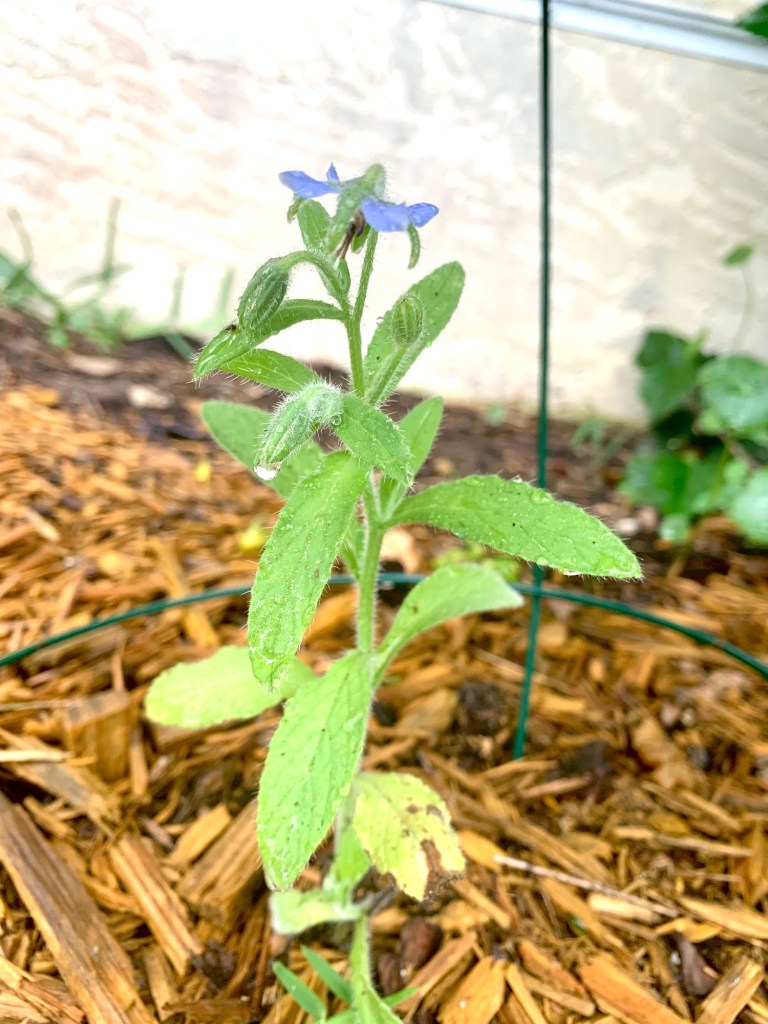
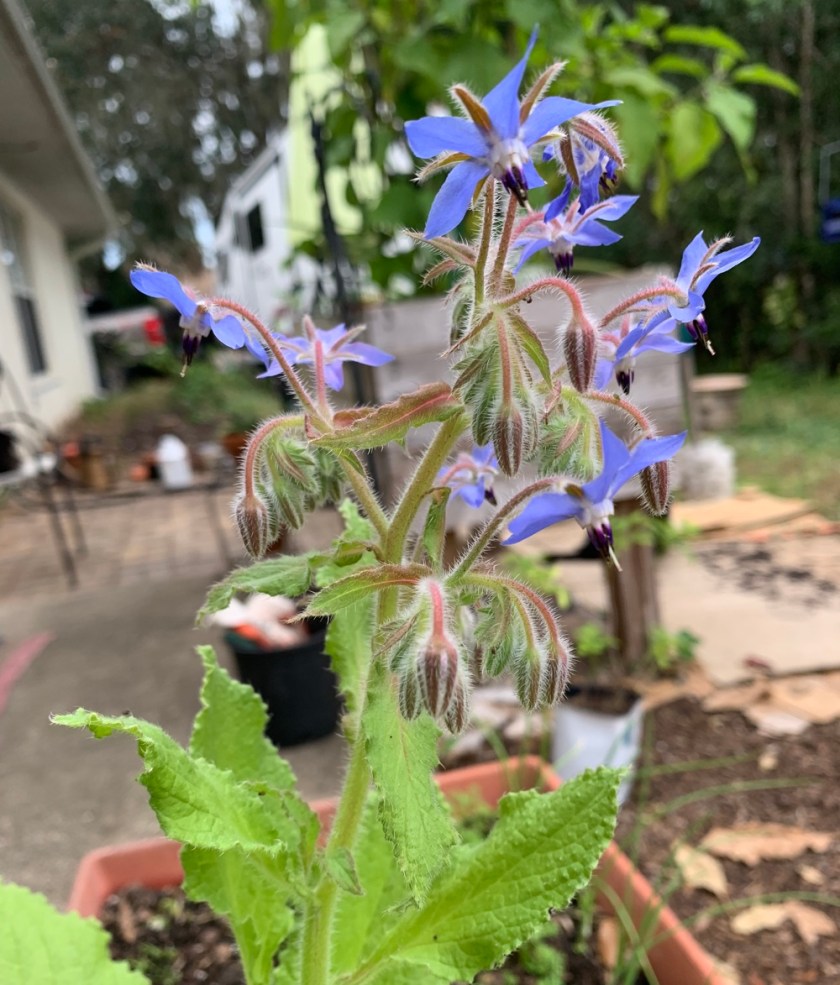
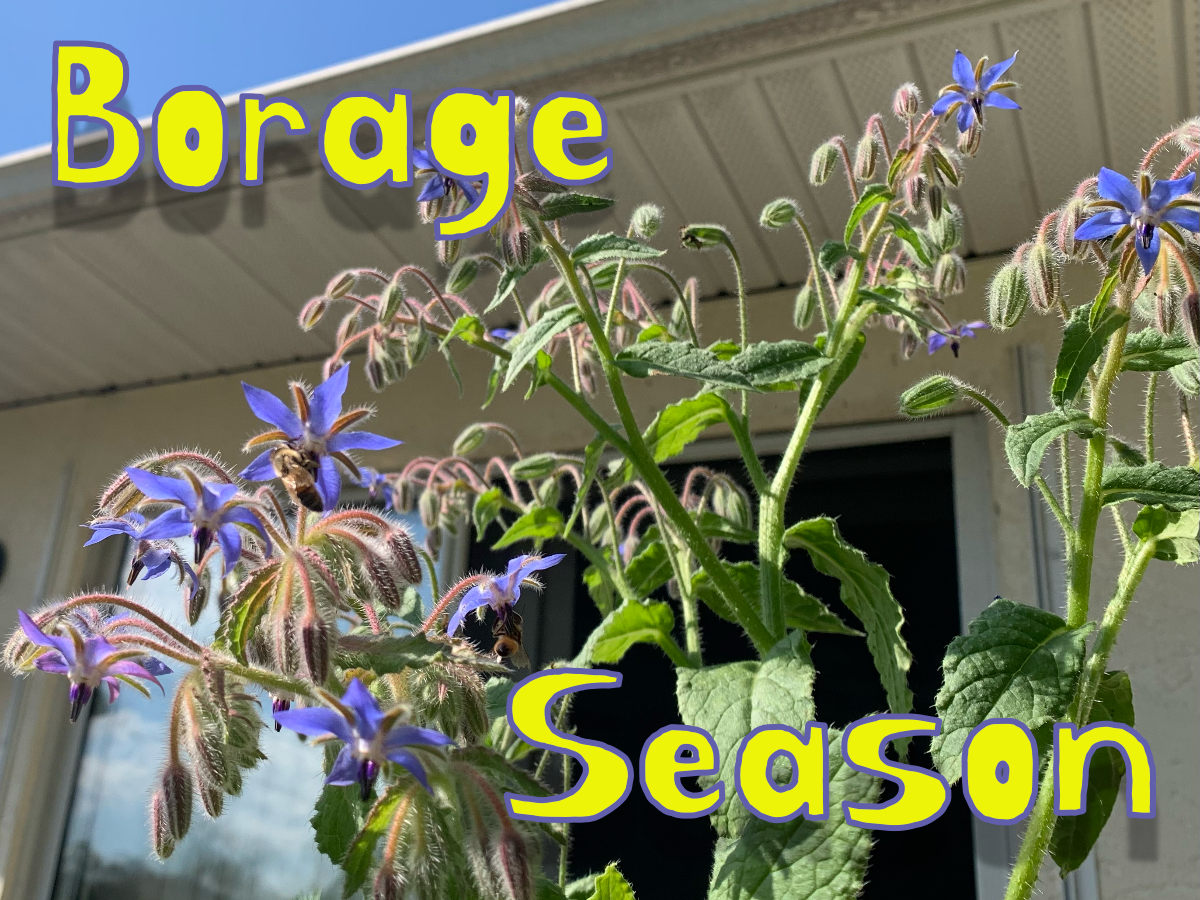
My borage seeds were planted in late October and by the end of November I had one flowering borage plant.

The borage seeds were planted all over my yard. Some were put into grow boxes and some went directly into the ground. I even put a few into a hanging basket.

We’ve had horrible weather, but on nice days you may see bees at the flowers. I’m always happy when anything flowers in my yard.

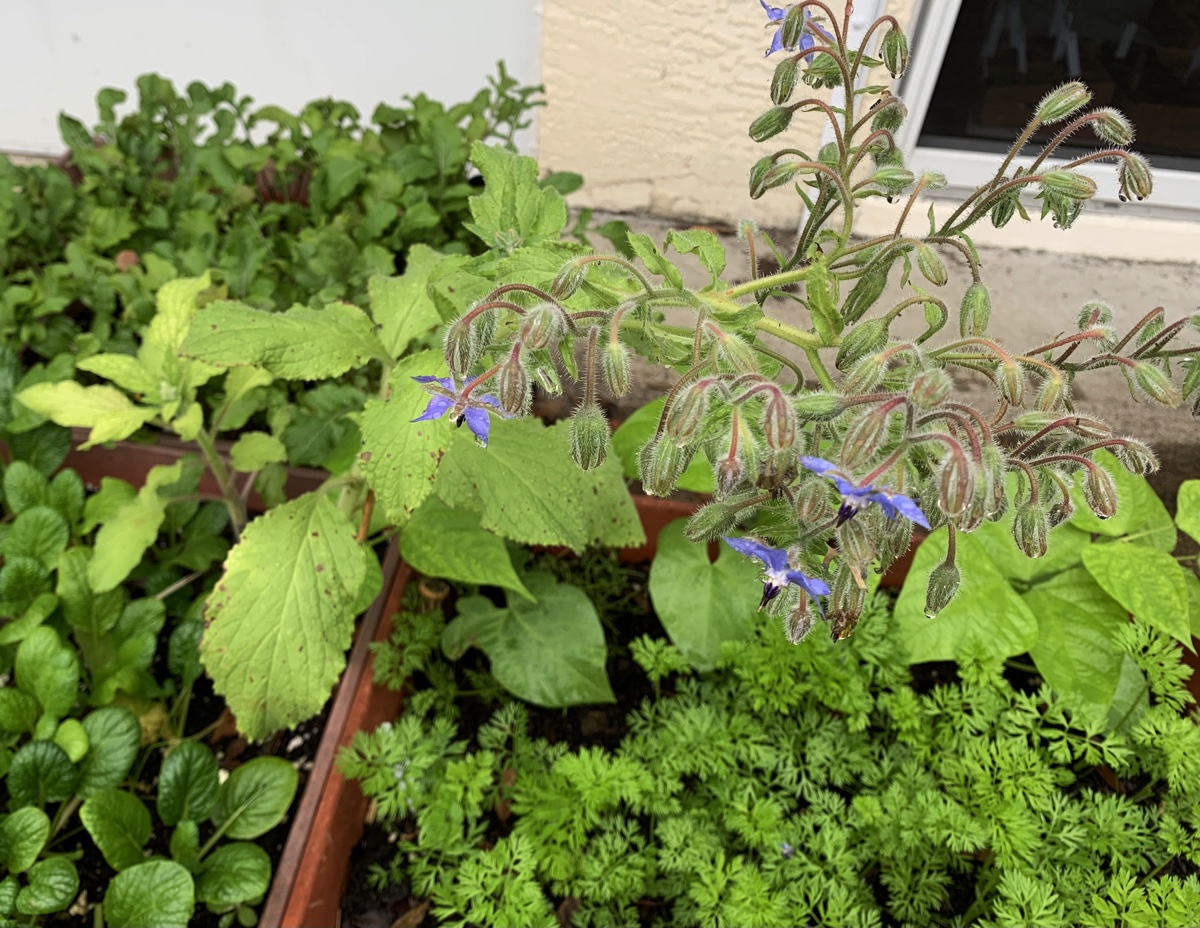
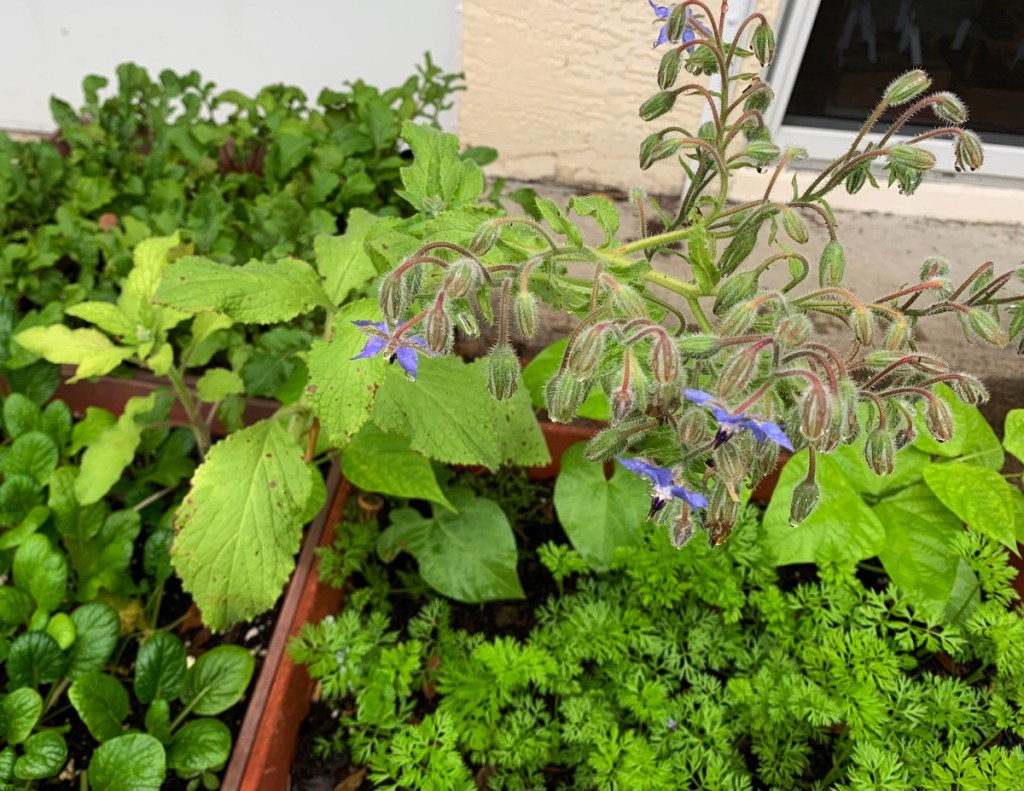
Two borage plants came up side by side in one of the grow boxes. This one has a bunch of flowers. It is growing among the Chijimisai spinach.

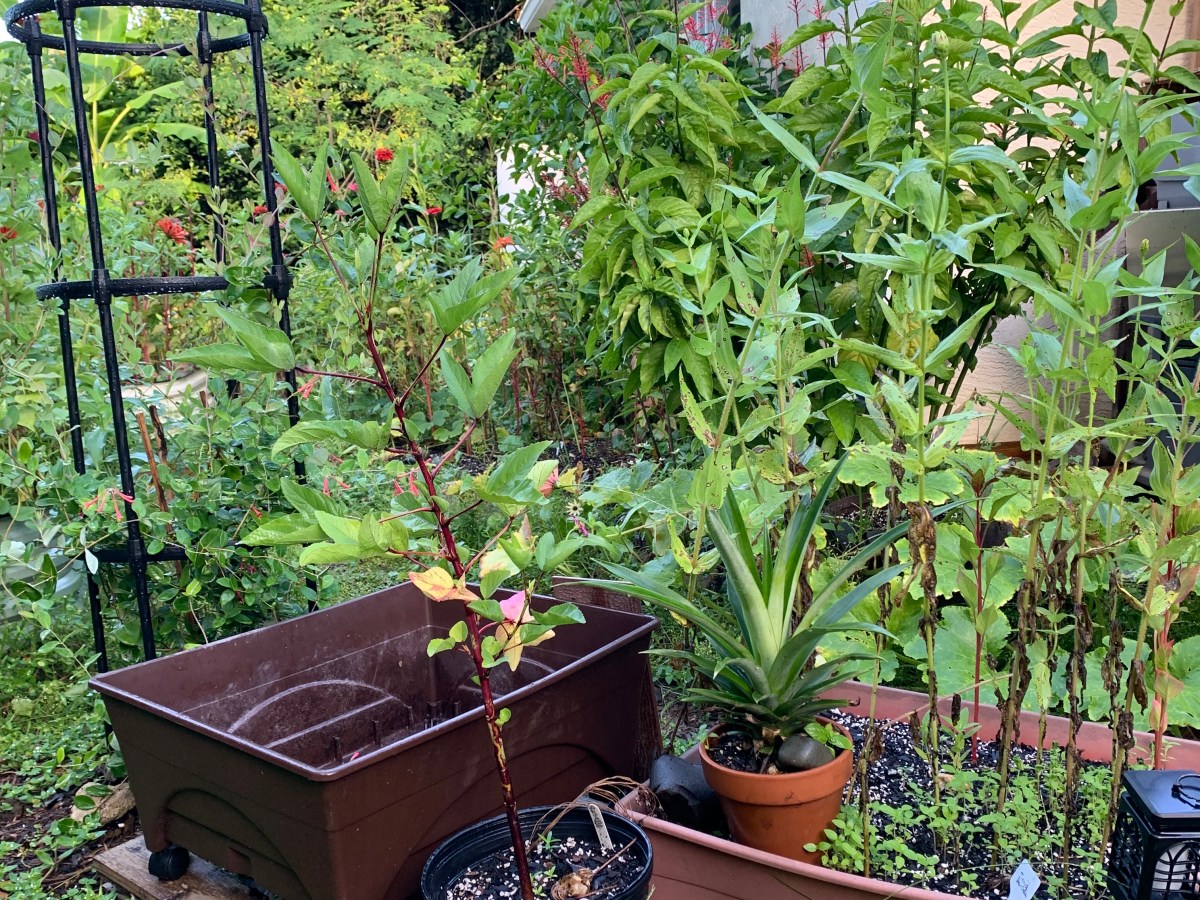
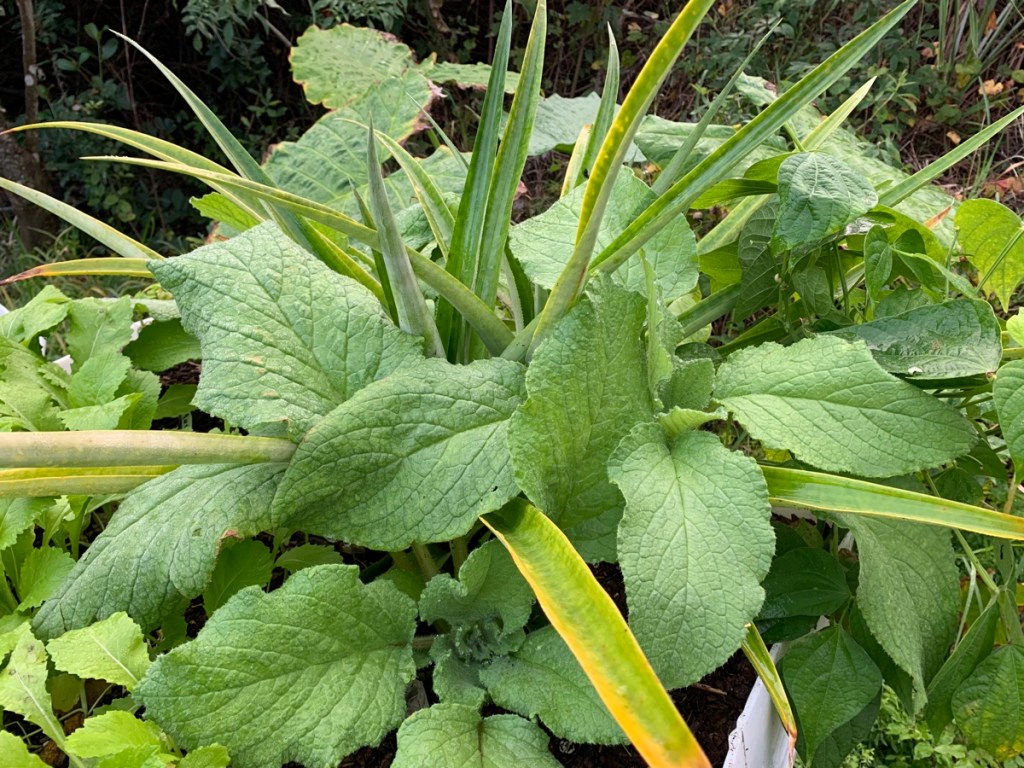
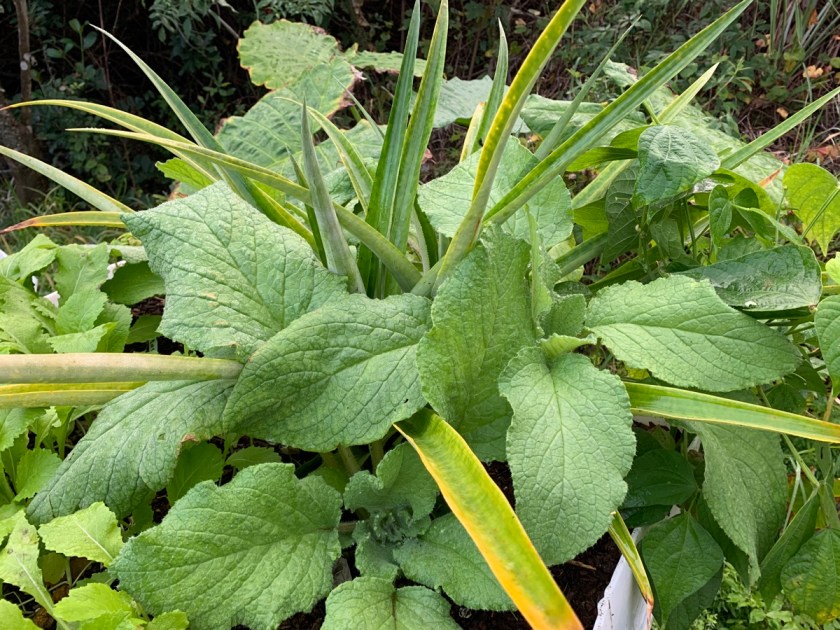
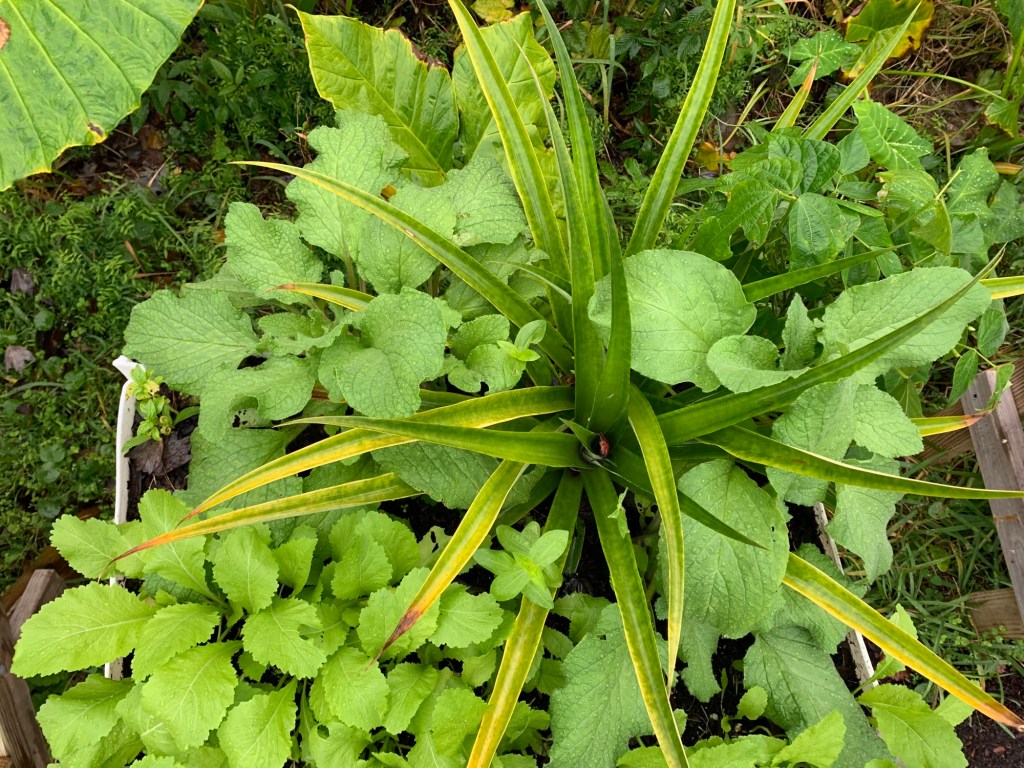
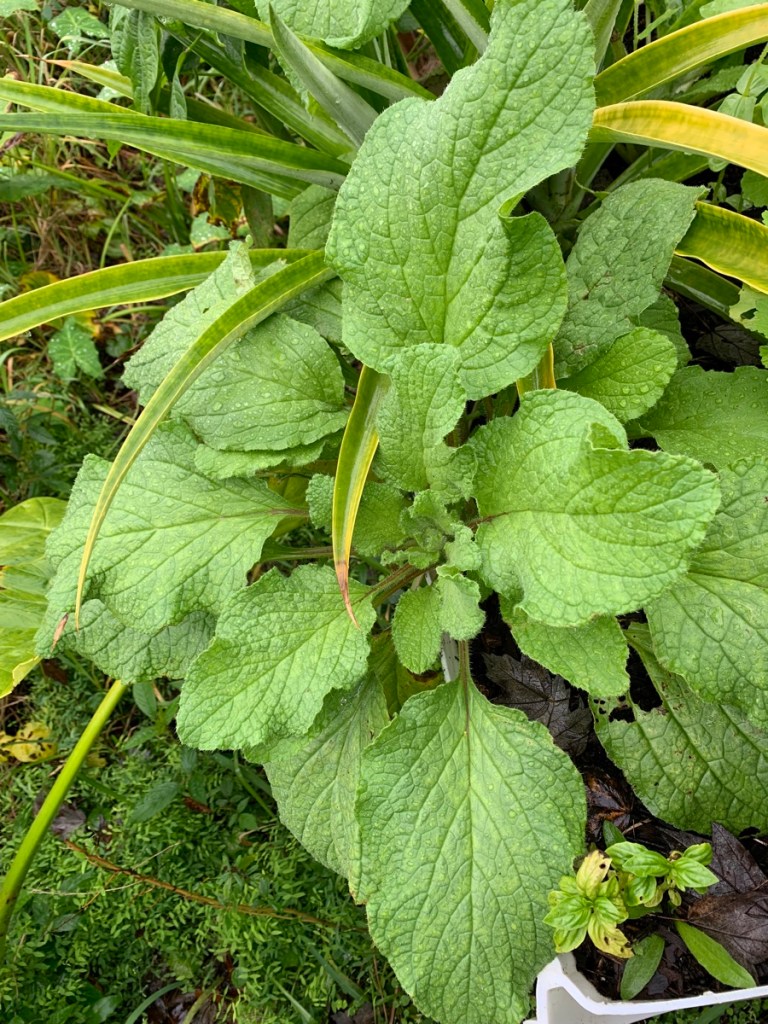
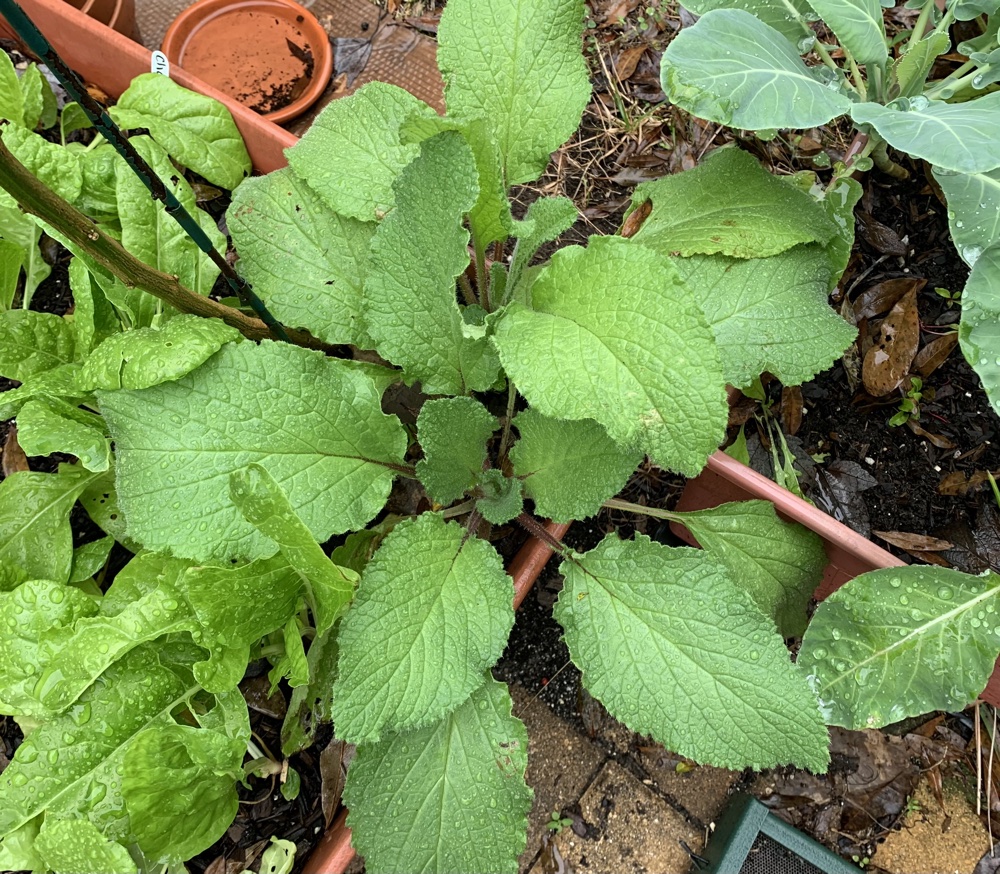
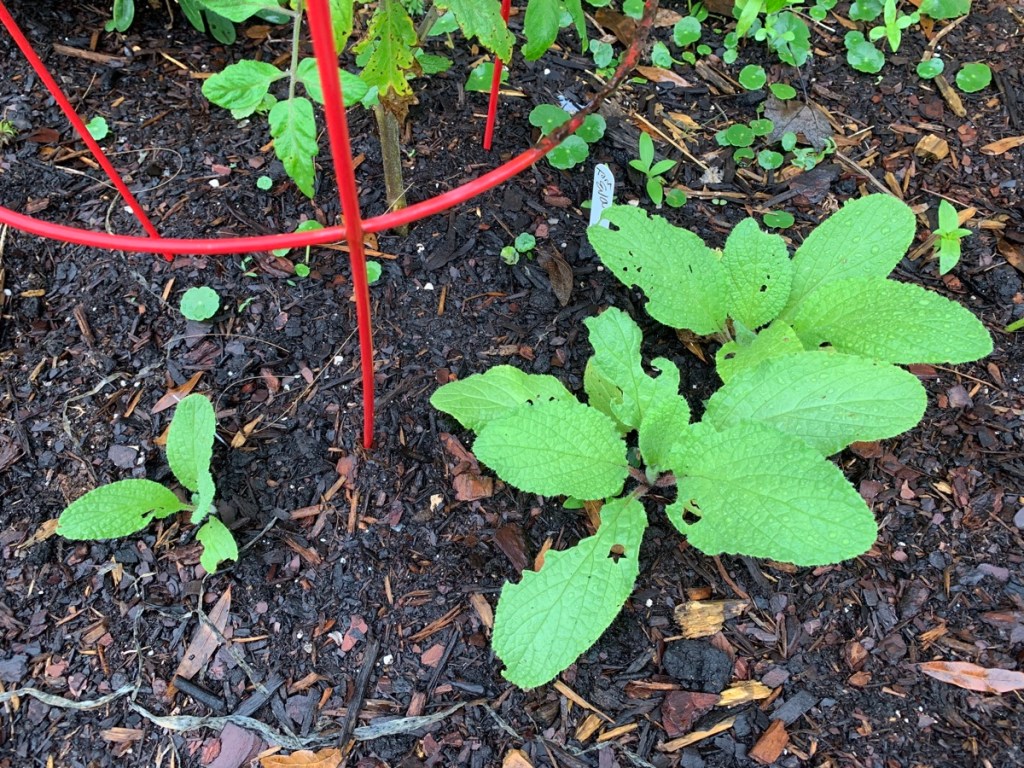
I didn’t have high hopes for the borage to grow, so I scattered some seeds beneath on of my pineapple plants (this pineapple ended up being a double) in a white barrel raised bed. The leaves are now huge, and at least one of the plants has flower buds. So of course, it would grow nicely when you don’t plan on it! Next year I will do better.

borage leaves pineapple
Borage and pineapple

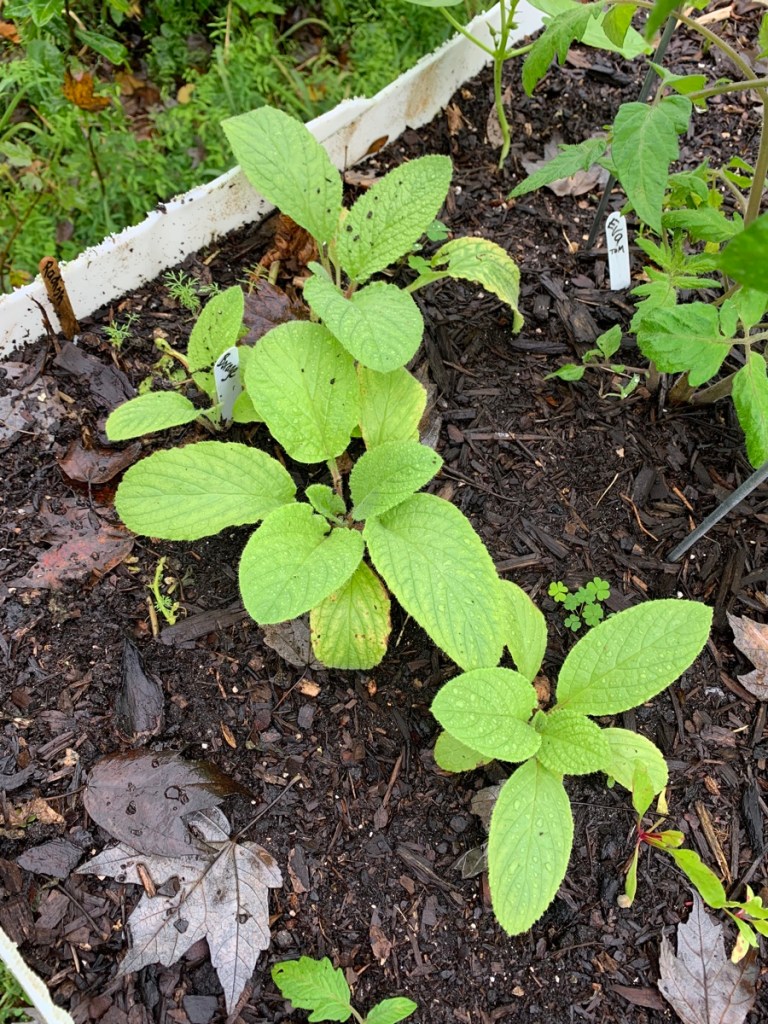
None of the borage seeds I planted into the ground are doing much. They are all still very small. The hanging basket plants are very tiny also.

All plants are getting about the same amount of sun. They are all outdoors and getting the same rainfall and water. All I can figure is that the soil is better in the boxes which is causing the borage to grow larger.

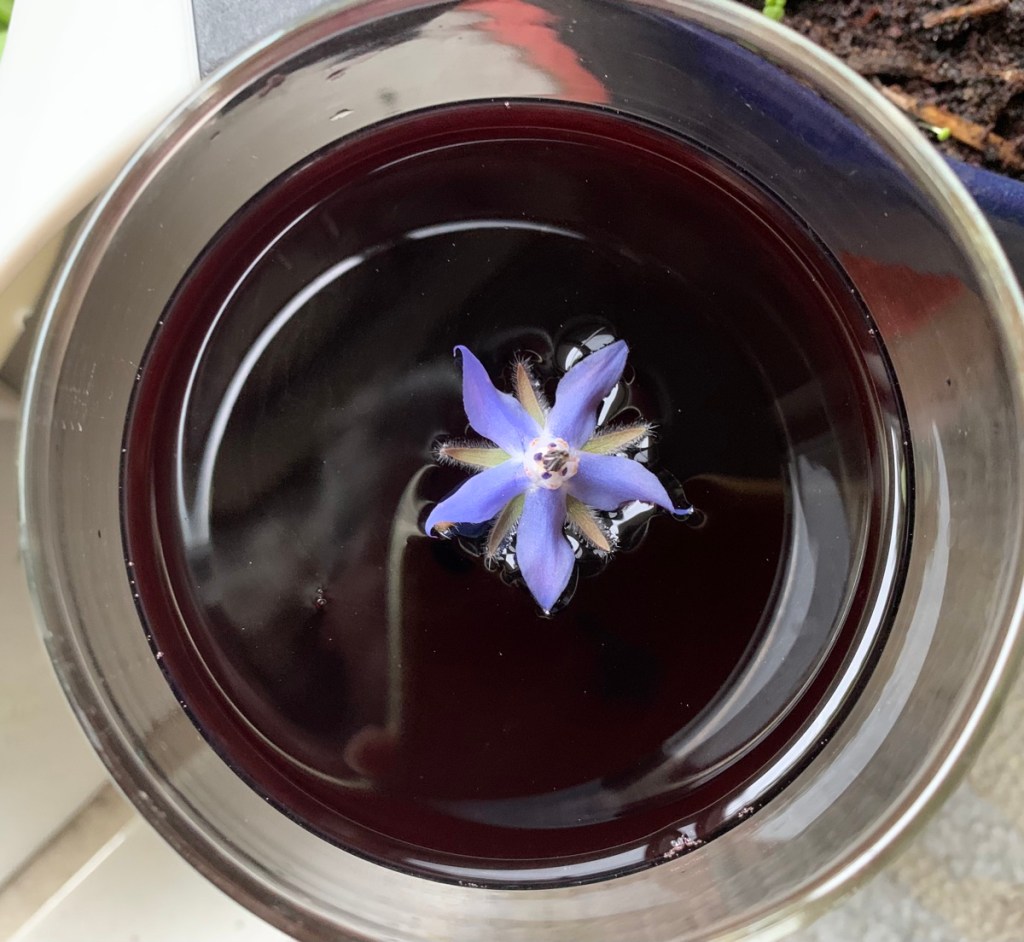
Borage For Tea

Borage in my December Garden

The growth of borage from seeds is random in the yard. The cooler the weather becomes, the better it looks. Don’t waste your time trying to grow this plant in a Florida summer! 

Yes, Borage Grows in Florida

I live in east, Central Florida and yes, I have grown borage. Choose cool months for planting and direct sow the seeds. Be patient because they may not grow quickly.

The seeds form up inside the hanging flower pod. If they ever dry in this weather, I will collect the seeds to plant next Fall.  It will be something to look forward to – enjoying tea and the beautiful, blue flowers once again.

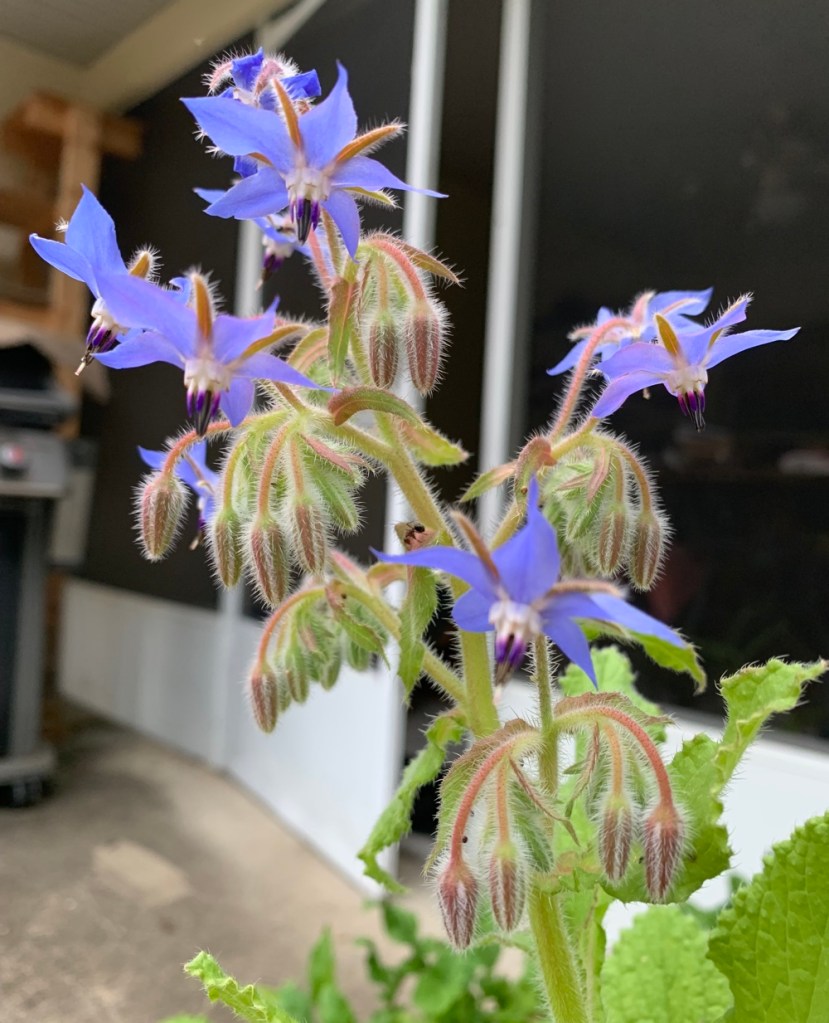
Florida borage flowering
November Borage flowers

Keep reading:

December Yard Work and Garden Photos

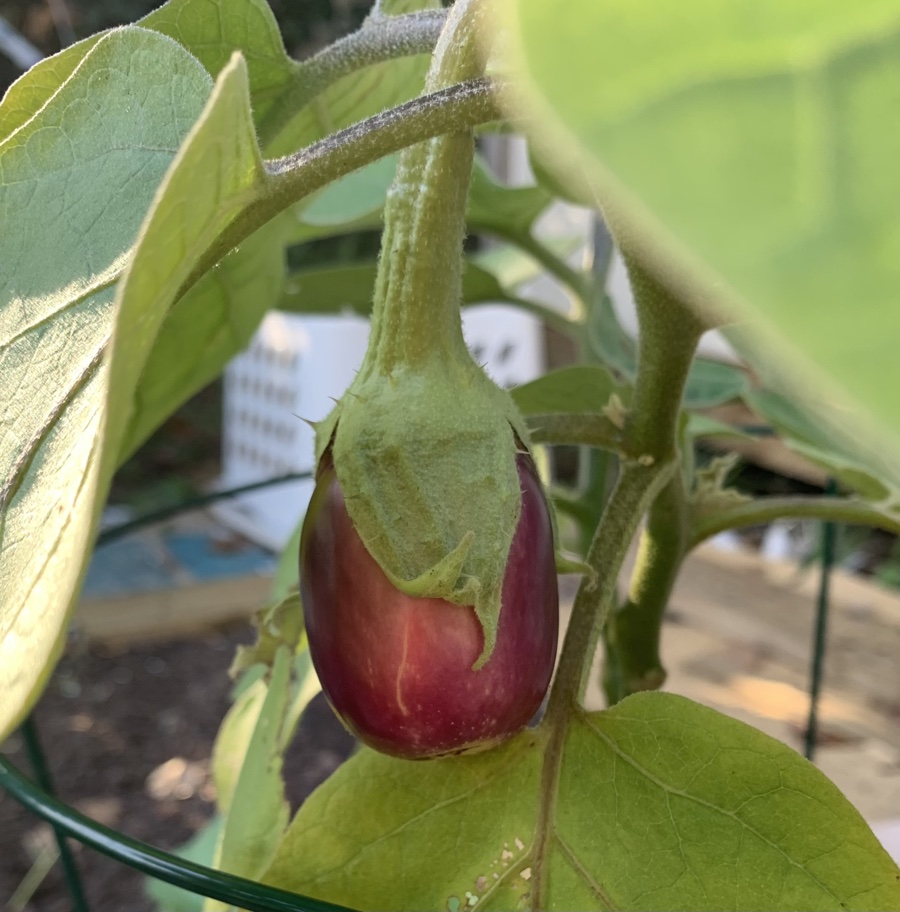
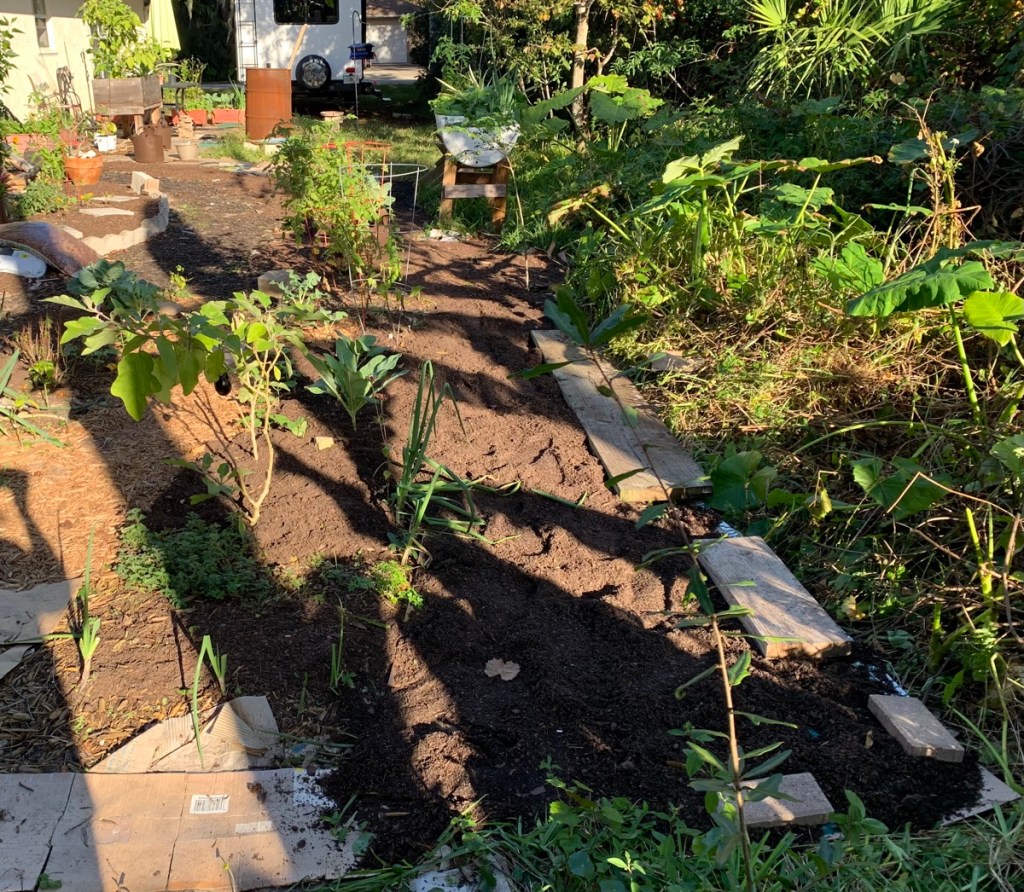
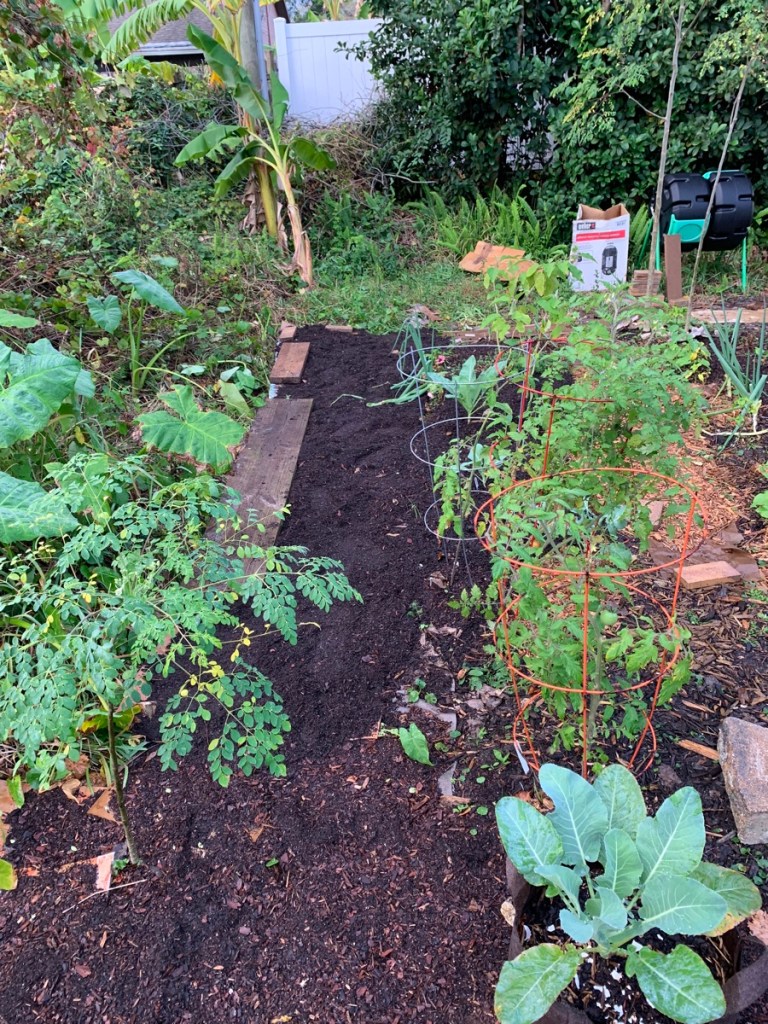
It’s the end of the year but garden work is ongoing if you are a Florida gardener. I’ve expanded my little vegetable growing area and have some eggplants forming.

It is Christmas Eve as I write this and yesterday was a beautiful day! I took advantage of the 72 degree, sunny and breezy weather to do some garden work.

First I cleared out the growth next to my vegetable garden. Then, I put down some big pieces of cardboard and covered that with dirt. My dirt pile is already much smaller, so I’m using the dirt sparingly.

I’ll leave the new space alone and let the cardboard break down over the next couple of months. This may be a good place to grow watermelon or Seminole pumpkins in Spring. The vines could trail down the edge of the yard or off into the empty lot.

The Eggplants Are Coming in December

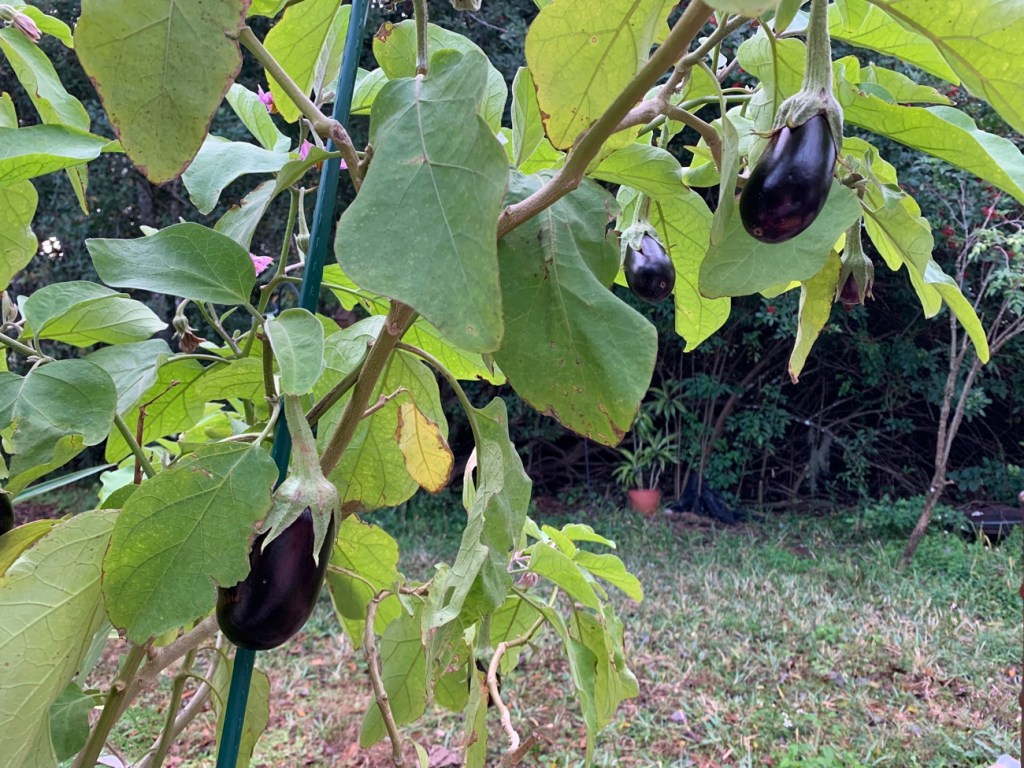
The big eggplant plant in the raised bed has ten small eggplants growing! And out back I found one Rosita eggplant – the first one I’ve grown. The Rosita’s have had lots of bug issues, with the leaves being eaten and constant worms. I’m pretty unhappy and will probably not grow this type again.

The Hon Tsai Flowering Broccoli is growing some beautiful, fragrant yellow flowers. Although I don’t like this plant for eating, it’s worth growing for the lovely flowers.

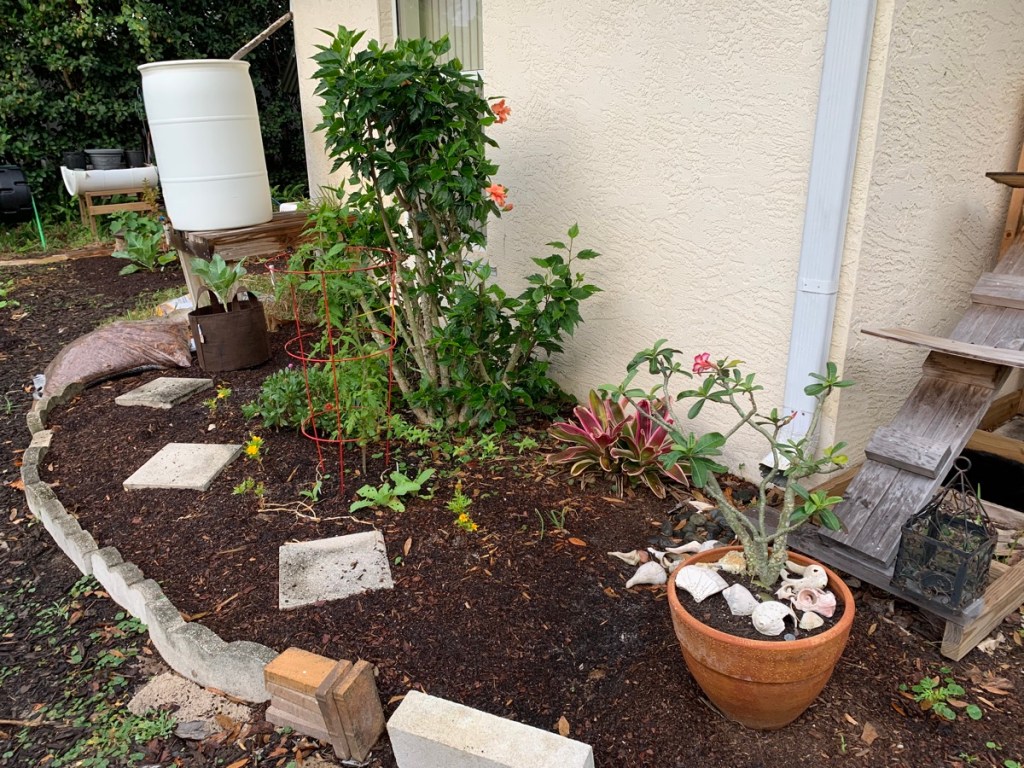
The hibiscus garden has gone through some changes as flowering plants have died off over summer. I’m currently using the space to grow a tomato and some little yellow cosmos plants. 

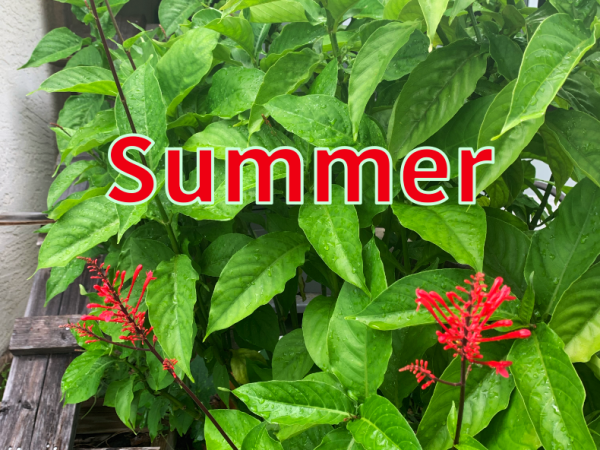
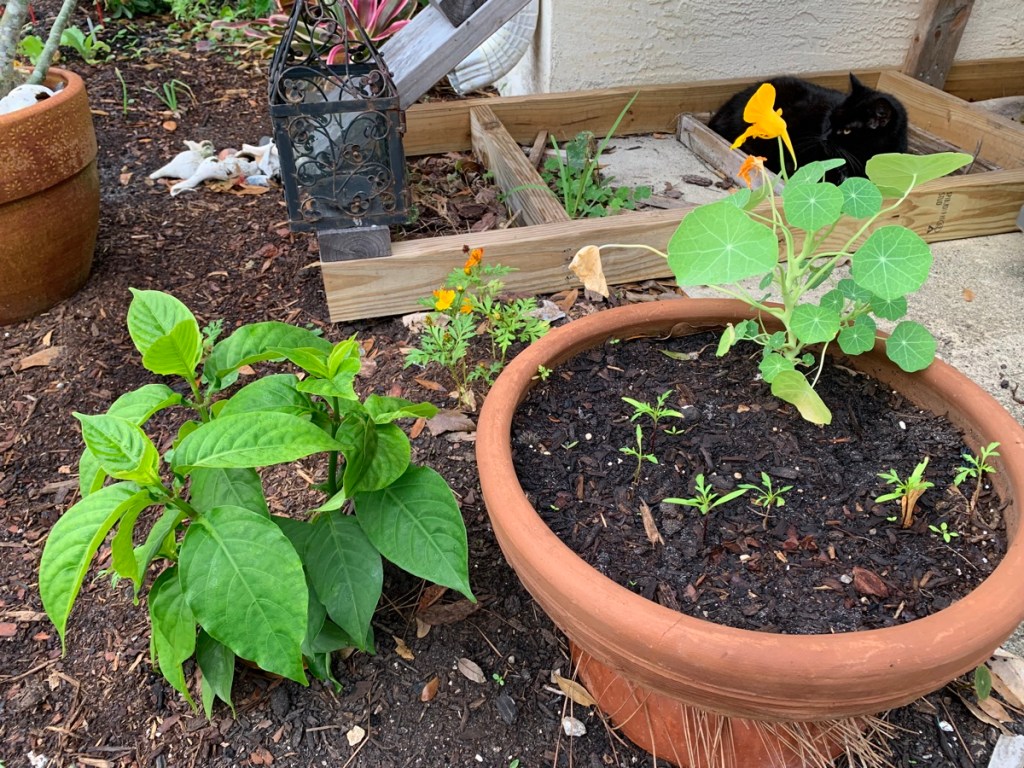
The Firespike, which I began from a cutting, is beginning to get larger. This took quite a while. And of all the nasturtium seeds, only one plant grew.

My first green bean plantings have gone by, but I kept beans on one of the better plants to grow big and dry.

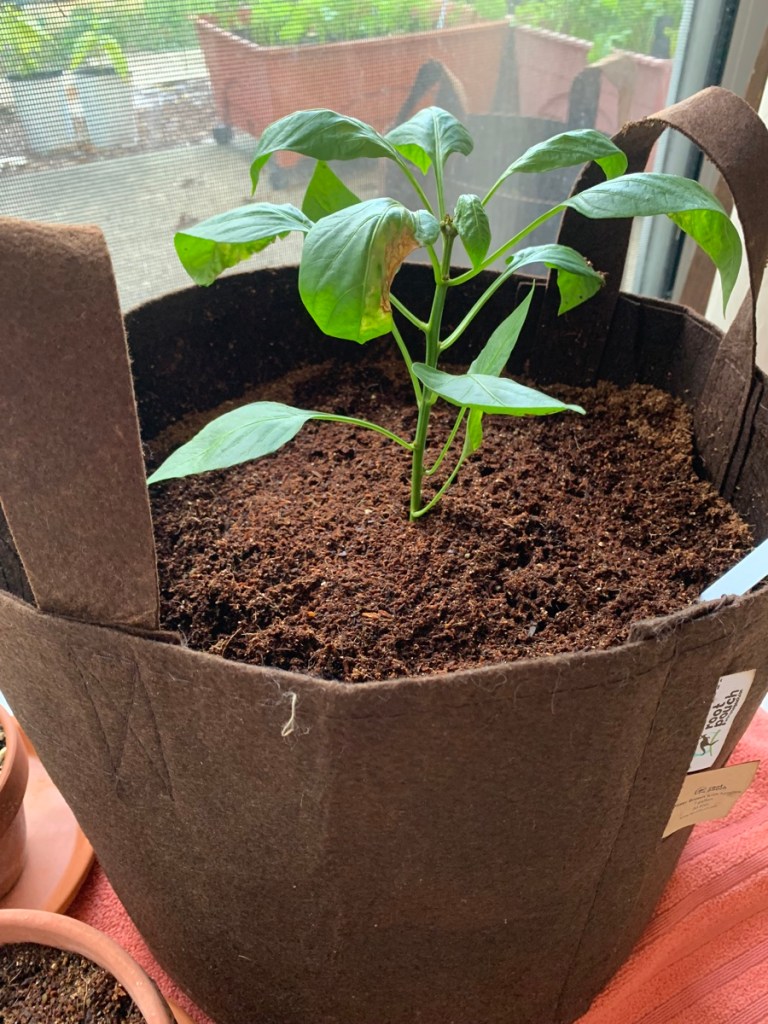
One of the Carolina Wonder pepper plants needed some help. I’m not exactly sure what kind of help, so I transplanted it into a fabric grow pot. I’m hoping it will improve.

The borage has gone crazy, and apparently likes the colder weather. Only one plant is flowering, but I am using the leaves to make a delicious, mild tea!

All my seedlings and small pots have been brought inside. Nights have been much cooler than they prefer. I noticed that growth had stopped, and the peppers looked bad. I think it was the weather.

I probably should have waited to start these seeds. Now, I will have to care for them (put them out in the sun, take outside to water, bring them back in) for months until they can be planted.

I’ve received two gardening magazines through the mail already! Planting plans for spring and summer have already begun. Notes from fall and winter are being organized so I will do better next year.

Merry Christmas to all who celebrate!

Picking Green Beans in December

I planted Contender bush beans back on October 16th. Today is December 1st and I have picked my first batch of little green beans!

One plant is doing especially well in a raised bed. I planted it next to the pineapple.

one green bean plant
One green bean plant is growing next to the double-pineapple plant in a raised bed. This plant is full of beans!
green beans in garden
Beans on one plant

Finding Space For the Bean Plants

Before planting, I soaked the bean seeds overnight, then I read that they don’t really need to soak. I did not have any innoculent so they went straight into the ground. The hardest thing was trying to find space for all the plants in my small yard. Not all garden areas are ready for planting yet.

Besides the two rows of beans, I planted a few beans beside the eggplant, and a few near the hibiscus. A few more seeds were placed randomly into my white barrel raised beds.

The Leafroller Worm

I created two rows of Contender bush beans in the little garden area where my Suyo Long cucumber plants had been growing. I had lots of worms on my cucumbers, but they were pickleworms, and much more of a nuisance.

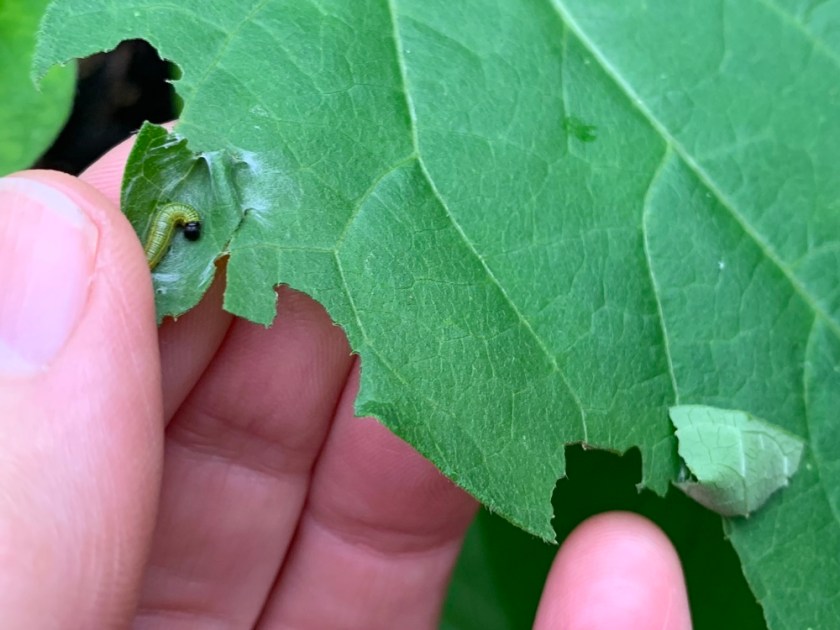
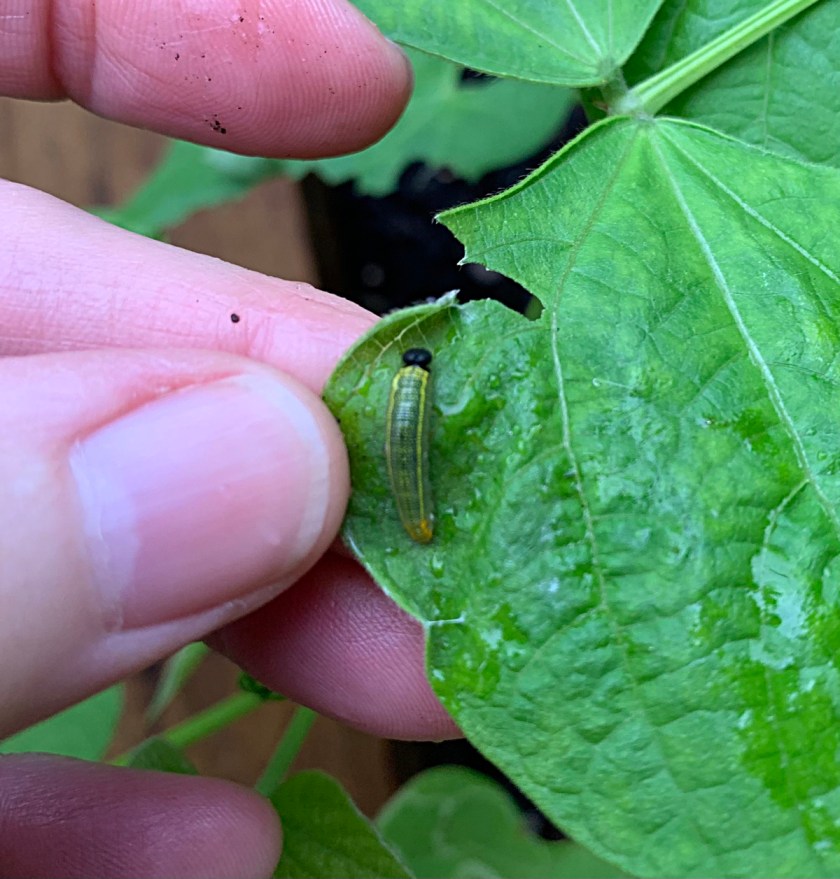
The Leafroller worm is named very well. It cuts a little bit of the leaf and rolls it over itself and hides inside. The worms are green with black heads. It was easy to spot their hiding places because the underside of the bean leaves is light green.

I pulled back the leaf, picked off the worm, and threw it into the grass for the lizards.

rolled leaves and worm
Leafroller Worm on bean leaf
bean leafroller worm
Leafroller worm

Whereas I gave up on picking all the worms off the cucumber plants, the bean plant infestation was not bad at all. As of this time, I don’t even see any more worms on the leaves.

December 1, 2023

Contender bean plants
Bean plants December 1st

The Weather

We’ve had some crazy up and down temperatures this fall, which is pretty typical for Florida. We can have temps in the 40’s and 50’s overnight but it gets into the 80’s during the day. A few days stayed quite chilly all day. We’ve also had a few bouts of rain which lasted for about a week each time.

It is interesting to see that the beans did very well through all these weather changes. For that reason, I have planted my second crop of green beans. The new crop is organic Blue Lake Bush beans. I have one more packet left to plant when my first batch of plants goes by.

More garden stories:

Compare: Soil, Site and Seeds

When something doesn’t grow well from seeds, it’s easy to blame bad seeds. But take into consideration the location of the planting. Does the site have enough sun, or too much? How is the soil? Were amendments added and were they the right ones needed?

I’m not much of a soil tester – okay, I never test my soil. This is probably a mistake, but I’m not ready for that yet. If nothing grew, I would blame the soil completely, but I have had lots of success. I’m not ready to check my soil.

Soil

When the same types of seeds are planted at the same time, but in different locations, comparing growth should tell me something.

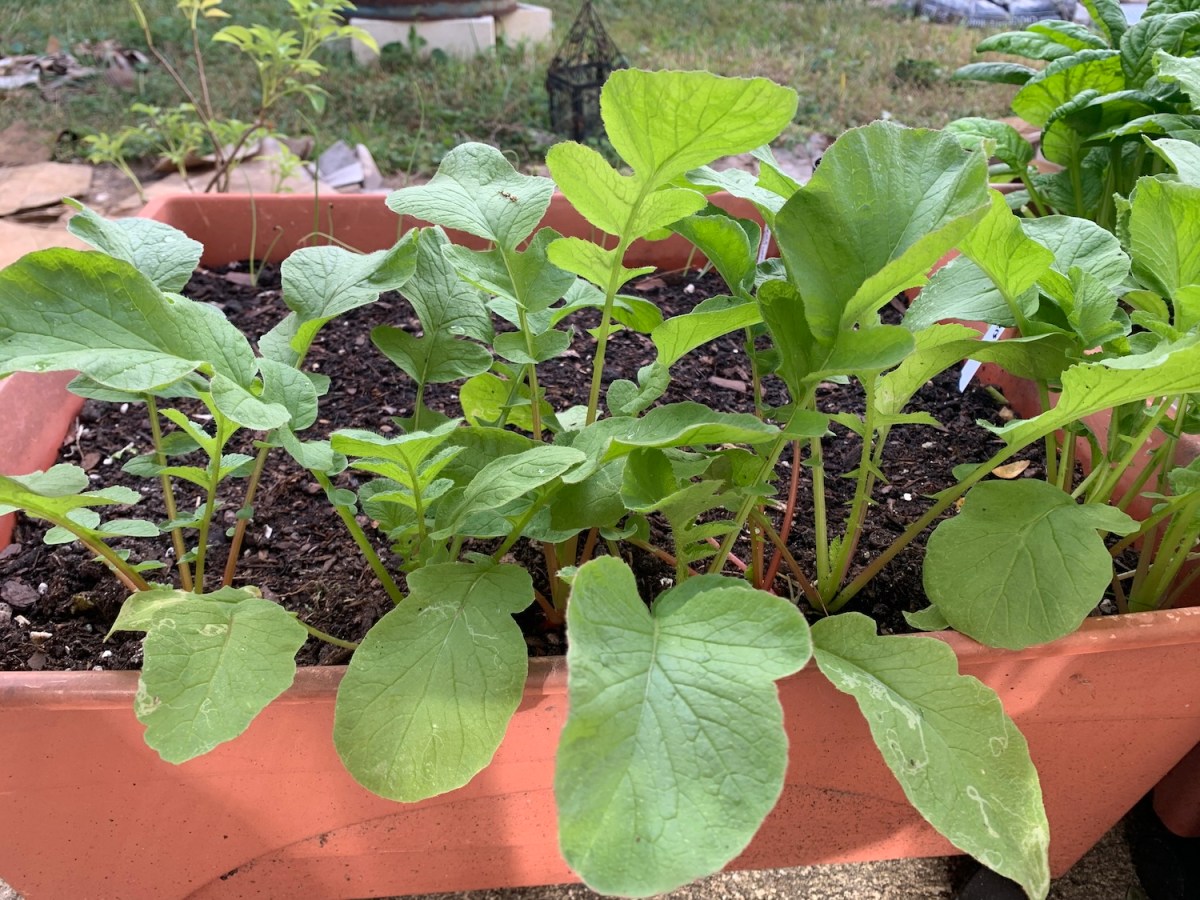
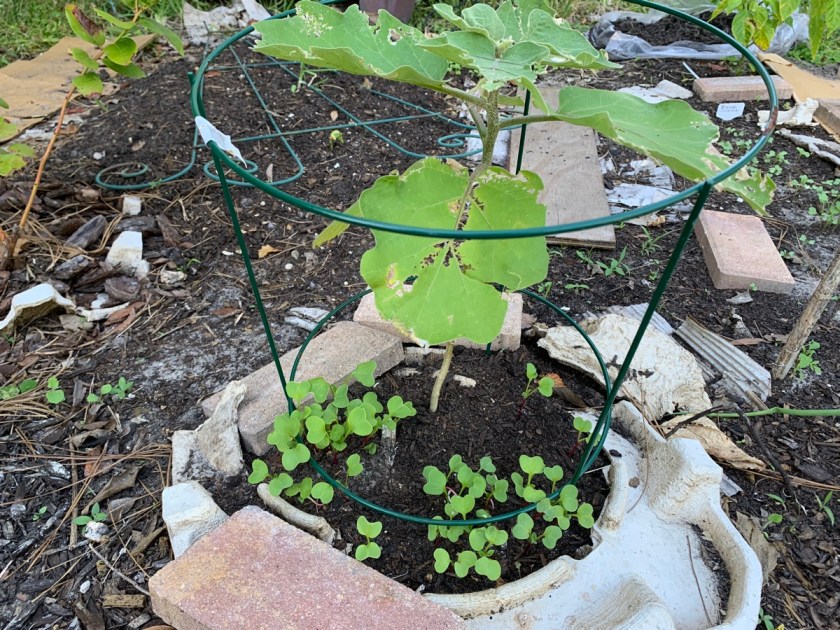
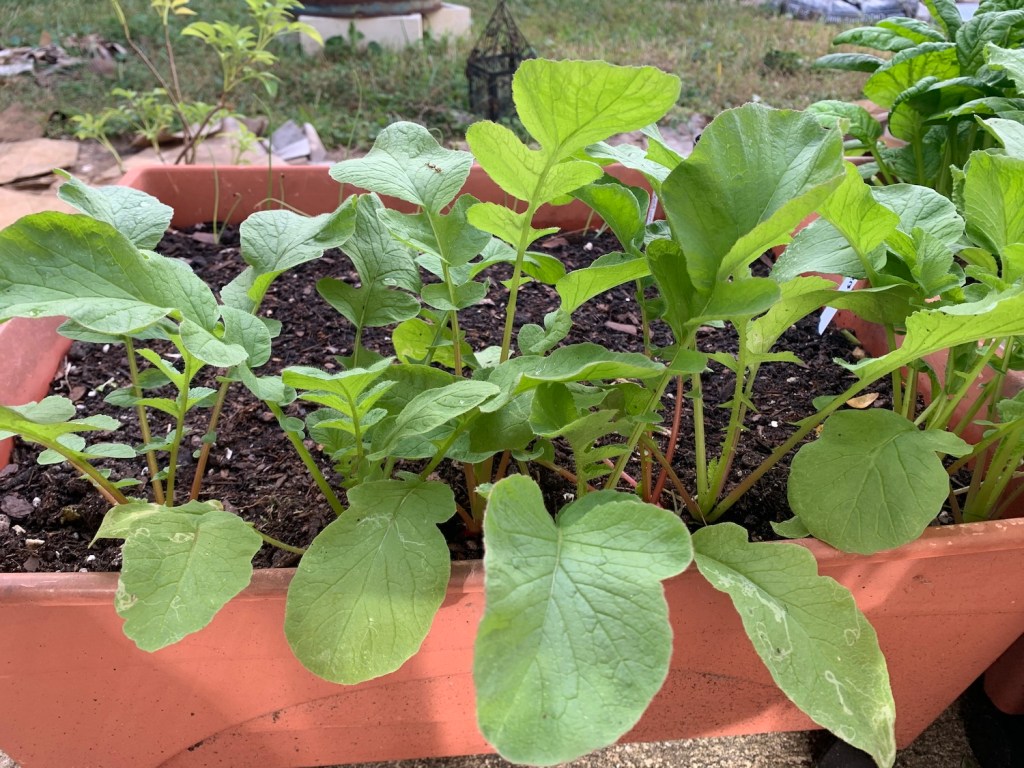
In the case of the radishes, which I planted only because I happened to have a packet of seeds, some did way better than others.

radish growing under an eggplant in the garden
Radish under the eggplant
radishes growing in a box outside
Radish in the grow box

The radishes in one of my grow boxes have become very large. I have already eaten one small radish. None of the other radish plants, which grow everywhere in the garden and other boxes, are nearly as big. Most of them get the same amounts of sunlight, so it figures that this one specific grow box has some very nice dirt.

Lettuce was growing alongside these radishes, but it was from seeds I had saved, and the lettuce was bitter so I pulled it up. Now I have carrot seeds planted.

The Carrot Experiment

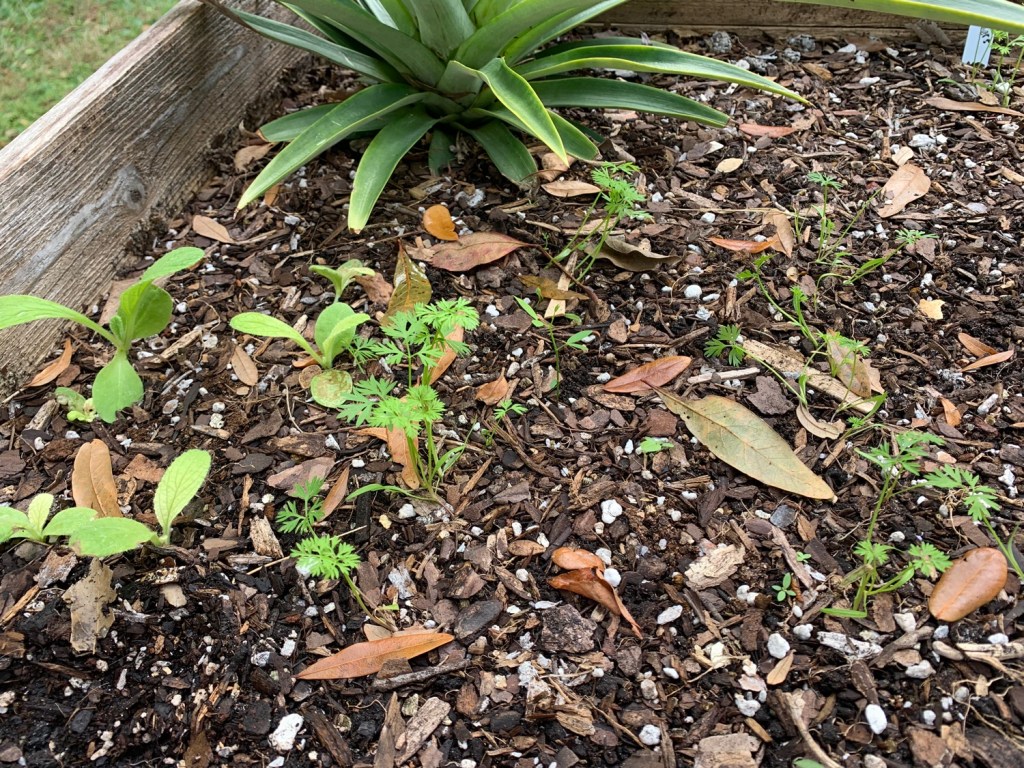
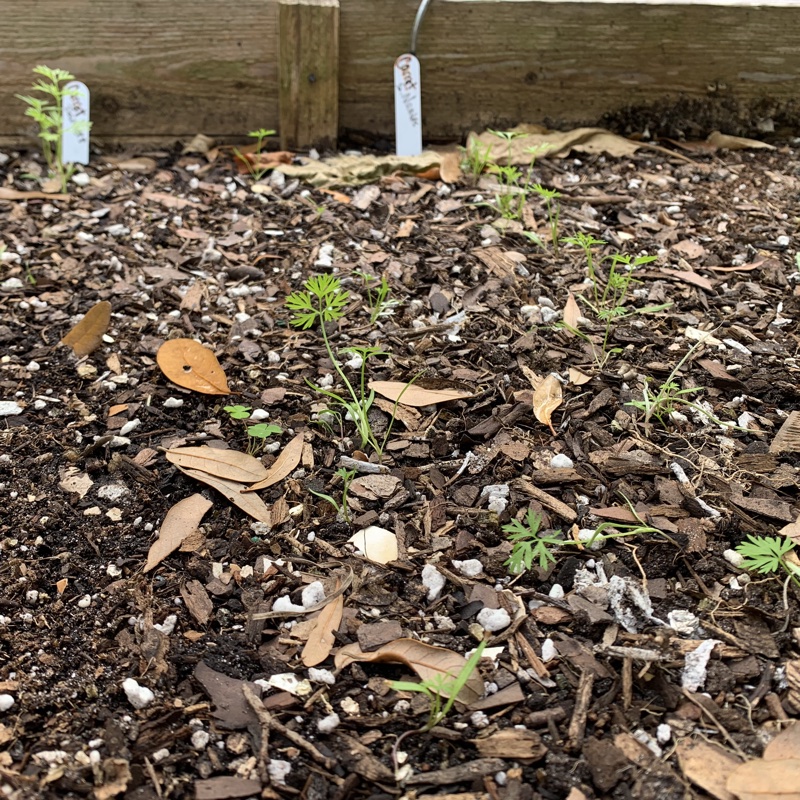
The carrots which were planted in my first choice bed are doing poorly. I choose the tallest grow box so the carrots would have lots of room for rooks. I had loosened the soil, and added some good stuff. I had high hopes, but they are barely growing.

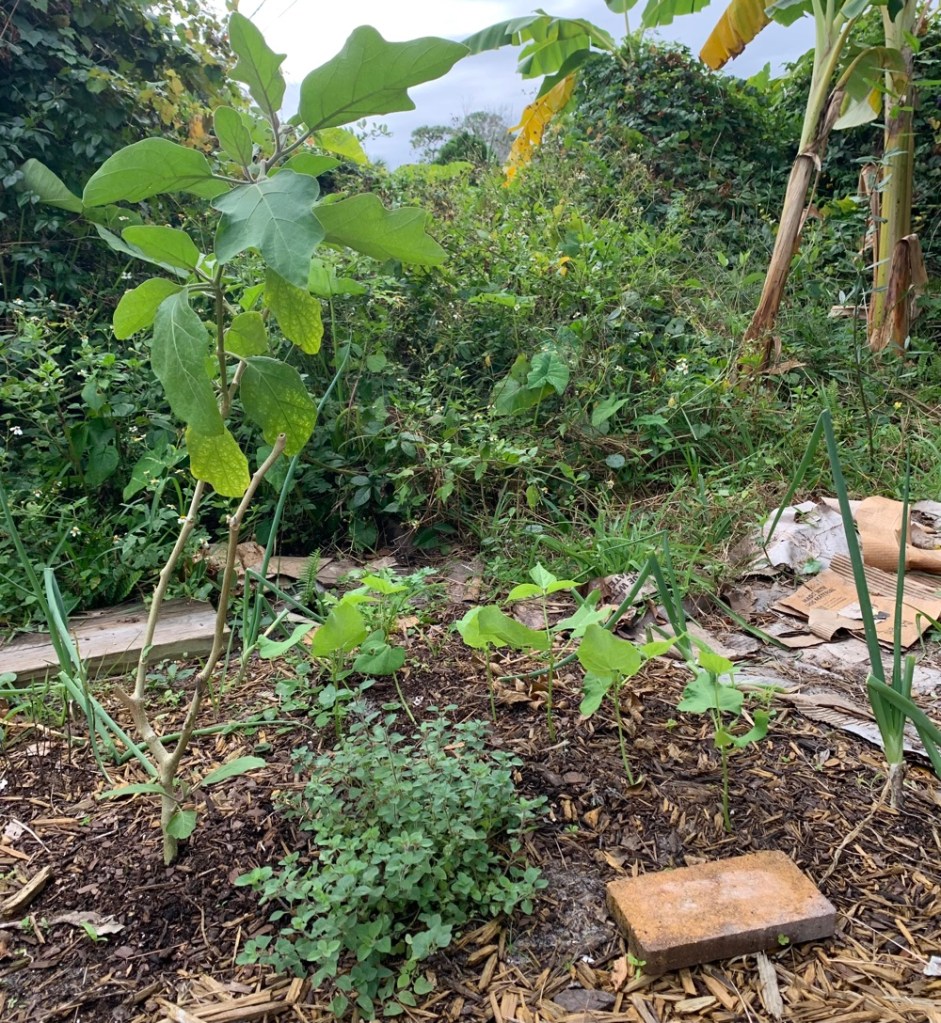
Carrot seedlings after one month, alongside borage and a pineapple. The borage is not doing well either, so soil problems?
carrots growing in the raised bed

The carrot seeds were planted just about a month ago. According to the packet, they will be ready in 65-75 days. It is hard to believe that these tiny things will be ready to eat in just over a month’s time! I seriously doubt it.

My second carrot planting is in that box with the radishes. I am very sure that the soil is good. If the carrots still don’t grow, I will blame the seeds. The weather is cooler now, and both spots get good sun.

Growing Sites – Choose Many

If you are unsure about growing a crop, select more than one place to try to grow seeds. Everyone knows that most things need sun to grow, so definitely choose sunny locations.

I have two ground garden areas and a bunch of grow boxes and “raised beds”. It is easier to manage the boxes, and the dirt has been amended over and over. I can move them to shade, or sun, as needed.

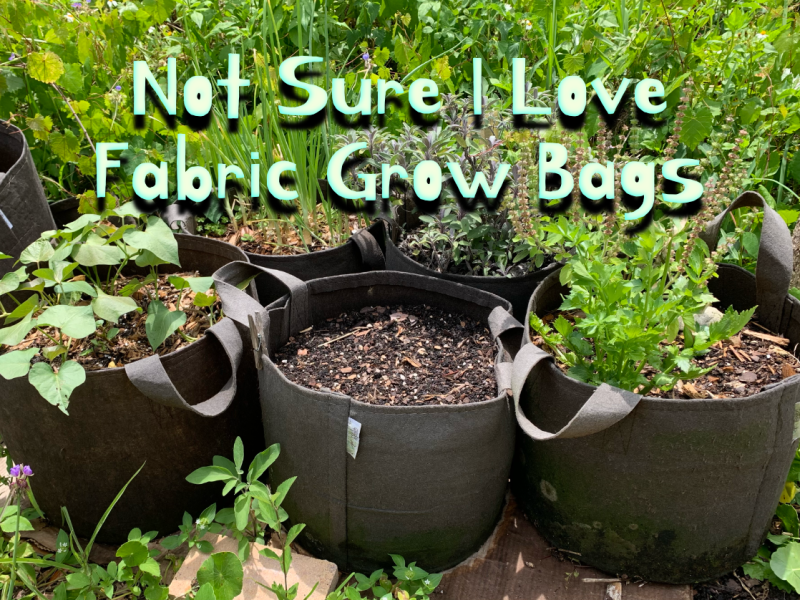
This year I also added some new grow bags as well.

Interplanting of Crops

This fall I am doing a lot of interplanting of crops. For one thing, I am not sure which ones will do best and which won’t grow at all.

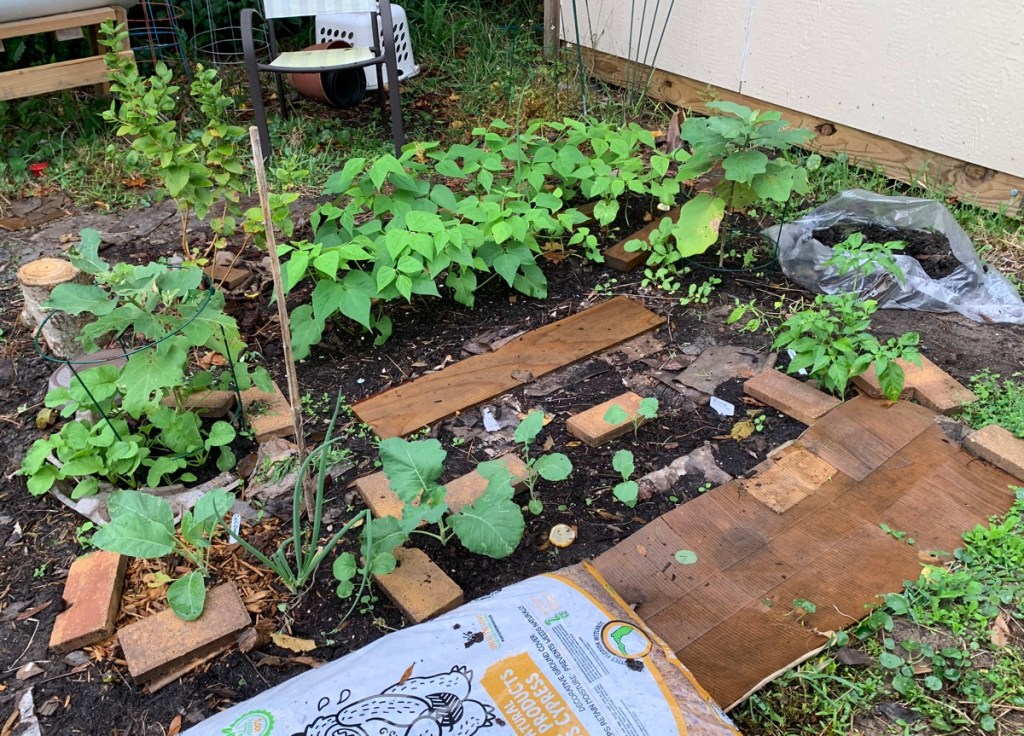
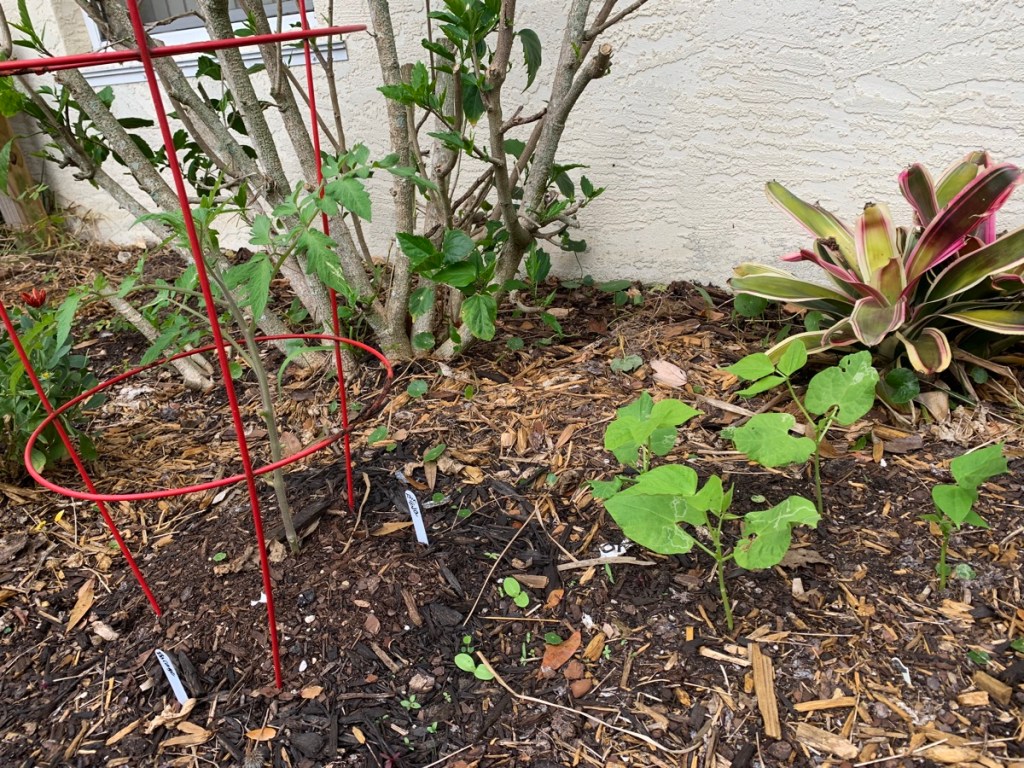
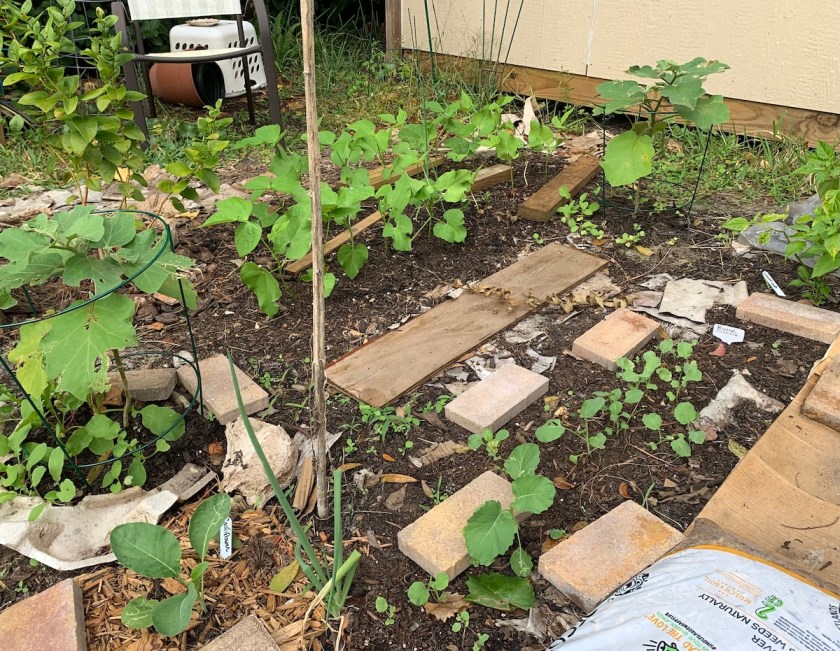
This small garden in my photo contains snap beans, 2 eggplant, radishes, broccoli, 1 cauliflower, 1 pepper, and a blueberry bush! I know it is not optimal, but I am trying to make the best of a small space.

interplanting beans, eggplant, broccoli, cauliflower
Fall 2023 garden in the backyard

As was true for my summer garden, I am experimenting with fall and winter crops. Whichever vegetables do well, will be planted again next year. I’m keeping lots of notes.

Seeds

Sometimes it is best to grow crops from seeds. Big seeds can be planted directly in the ground, and I’ve had great success with watermelon and pumpkin in spring, and snap beans now.

Buy seeds as close to planting time as you can, in the hopes that they will be freshest. Packets should have a date. I try to use my seeds within a year.

But first I needed to figure out when to plant what in my central Florida location. Even the seeds from Southern Exposure can’t be relied on to give Floridians planting advice. SESE sells seeds to the southeastern US, which means many growers don’t live in a Florida climate. The packets mention “last frost” and freezes.
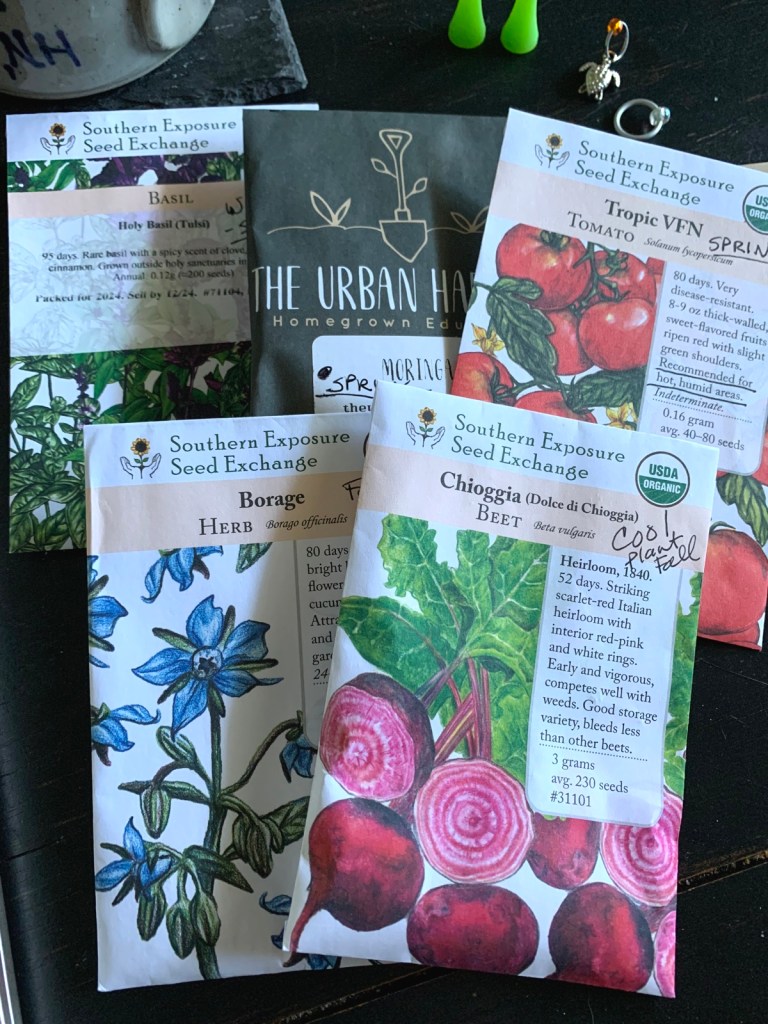
seed packets
Seed order from The Urban Harvest

There are a few things I’ve purchased that just haven’t grown. I’ve tried them at different times, in different locations, and been unsuccessful. It probably means either bad seeds, or the stuff just doesn’t want to grow in my yard. I’m not going to fight with it, I will move on and grow something else.
The South is Nothing Like the North

Although I would love to grow some of the same plants I grew in New Hampshire, the south is nothing like the north.

Borage is one of the failures. It hates the heat, and I do have a few little seedlings coming up, but none of them look great. I’ve read that borage grows great here in Florida, but I don’t believe it.

Nasturtium has also done nothing. Most of the seeds didn’t even sprout. In this case I am blaming the seeds. But I doubt that the plant will like this Florida climate. Sticking with what works well in my area if a good choice and I won’t buy these again.

Experiment and Take Notes

Do your vegetable gardening research for your particular area, and then plant what is expected to grow well. The UF/IFAS gardening site is a good place to start.

Eventually, I plan to have a list of favorites to grow for every season in my area. The mistakes I make now will only enhance my knowledge of gardening.

Redistributing The Cauliflower From the Nursery

It is not often that I buy cauliflower, but I do eat it. When I had the chance to buy seeds, I decided to try my hand at growing my own. One nice head would be just fine, but the packet has 600 seeds!

Often my grow boxes, aka little raised beds, become a nursery for seedlings. Once the babies grow, I can redistribute them to large pots or into the ground. A lot of these plants will be pulled up, or cut off, and added to the compost bin.

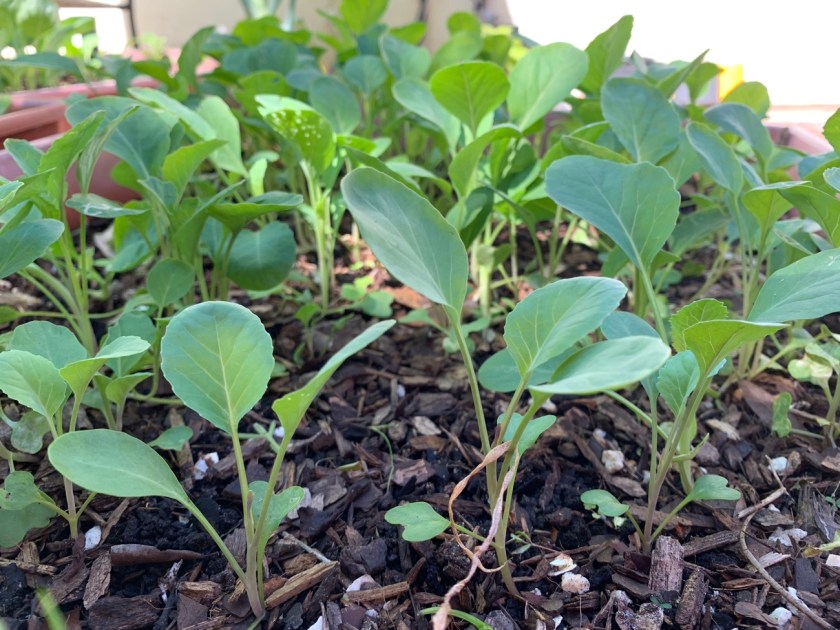
Cauliflower likes cooler weather. Here in Central Florida it can be planted in fall. I put some of my seeds into a grow box on September 12th, and by October 21st they have really sprouted! (photo below)

cauliflower seedlings
Overcrowded cauliflower seedlings – 10/21

Cauliflower plants need a foot or more of space for each plant to grow. That means I will probably grow only one plant in this box! Obviously a lot of these seedlings will have to go. A few can be put into the back garden, and I might use my grow bags for a couple.

According to the UF|IFAS Gardening Solutions “Cauliflower” page, each plant needs to be 12-18 inches apart. All of my gardening areas are small, so I will only be attempting to grow a few cauliflower plants. How much cauliflower do I need anyway?

Self-blanching cauliflower means that when the leaves grow, they will automatically wrap around the head. This is for protection from the sun. Thankfully, I had purchased Snowball Self-blanching, so I shouldn’t have to worry about that – BUT the seed packet says this, “Tie the inner leaves around the crowns as they form to blanch them white.”

Cauliflower Seedlings

After the seeds were planted in this box outside, and just beginning to grow, we had over a week of rain – lots of rain. We had 9 inches in just 2 days and it rained for over a week. I wondered if any of my newly planted seeds would survive, but they did.

Snowball cauliflower seedlings

The seed packet directions also inform me to provide fertile, well-drained soil and even moisture. I guess they can handle the water. This grow box is not getting a lot of sun. The plants will have more sun in the grow bags.

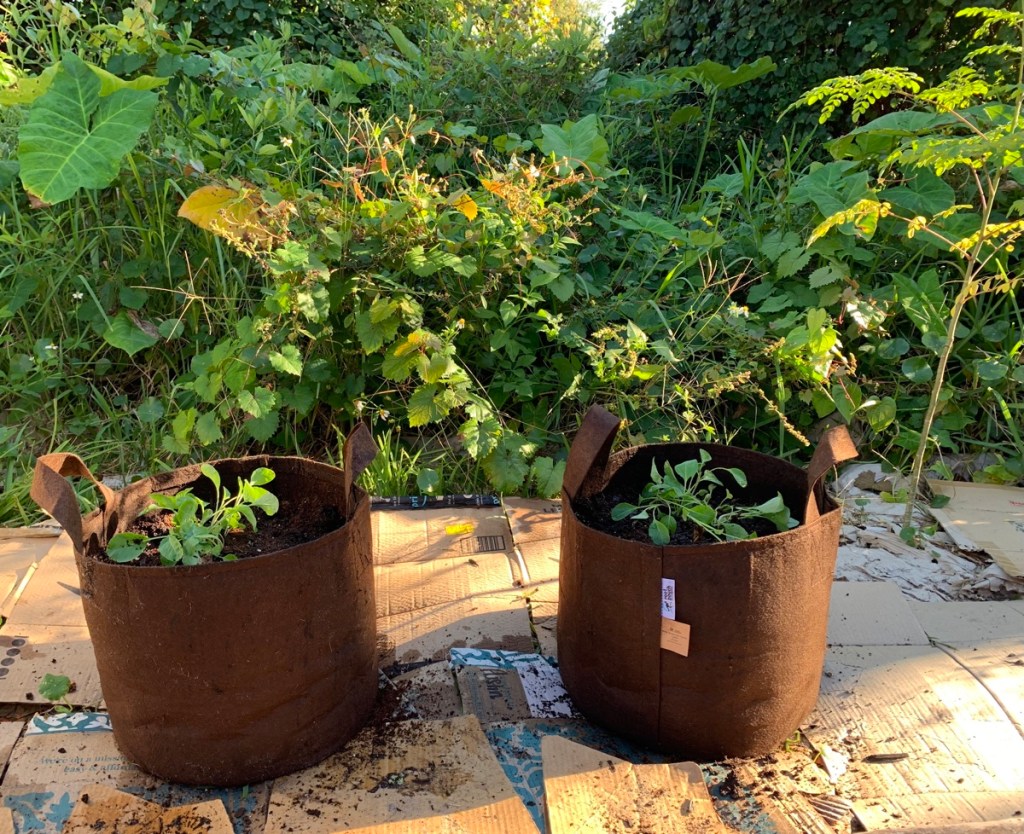
Once the sun was heading down, I dug up groups of the cauliflower seedlings, from the box, and planted the whole clump into each of two bags.

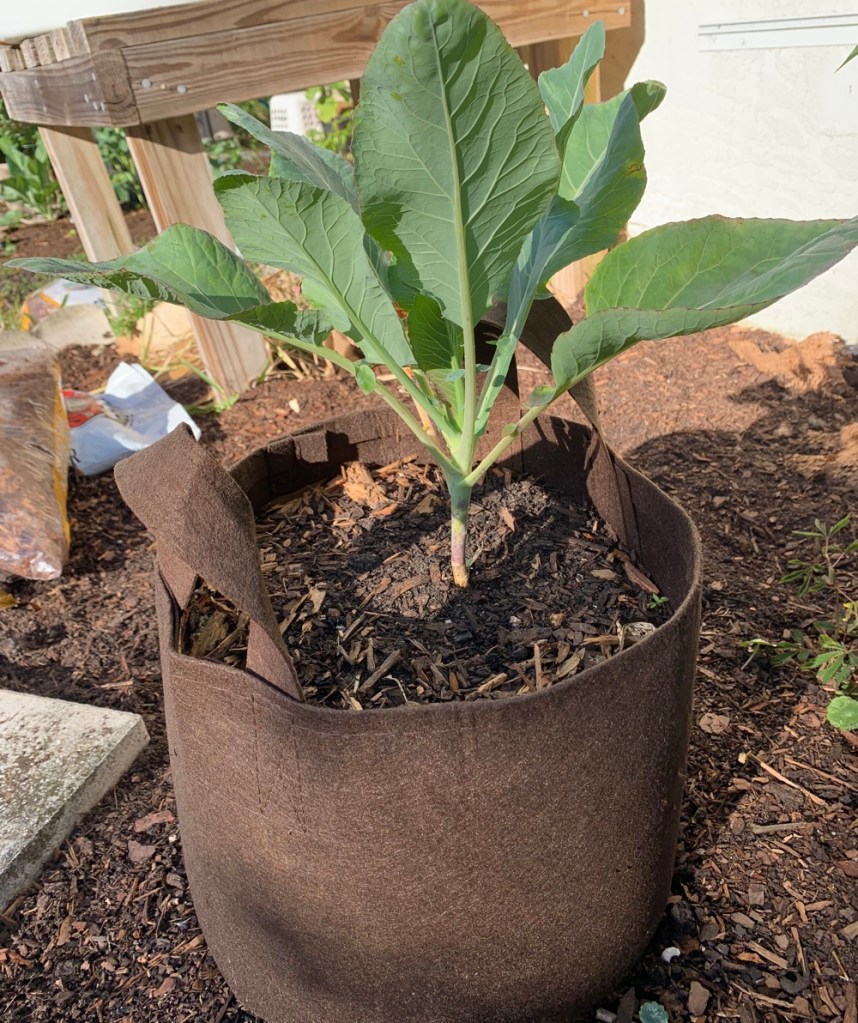
Once they began to grow, I thinned them down to one plant per bag. After months of growing, I never got an actual cauliflower head, so I began to eat the leaves! Many cruciferous vegetable leaves are edible.

Tendency to Overbuy Seeds

Little seed packages are inexpensive. Because of this, we tend to overbuy. Each seed packet usually has more than enough seeds for a small, backyard garden area.

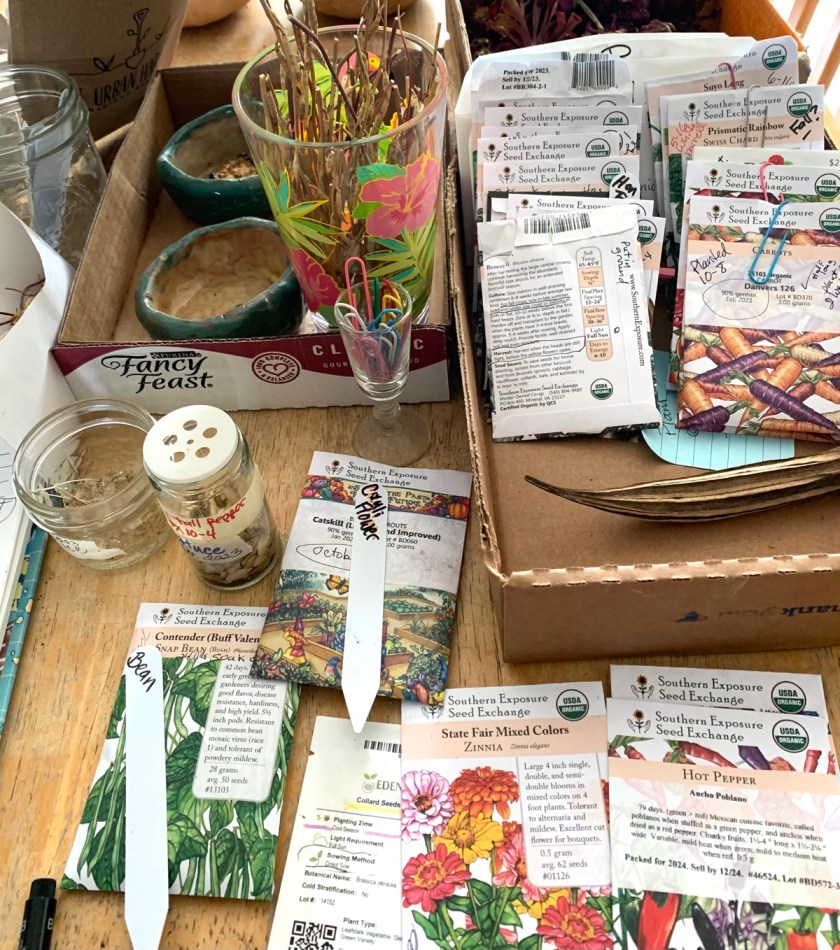
I’ve divided my seed packets into Fall and Spring, with a few Cow Peas / Black Eyed peas to use in summer. I’m not going to try to grow much next summer.

garden seed packets planning
My garden planning area and my used (and unused) seed packets.

The exception to this packaging of seeds, is the Moringa. The seeds are large and I think there were only seven or eight in the packet. Also, other larger seeds like squash, cucumber, beans, and watermelon won’t have a lot of seeds. But, if your garden is small, one package will probably work.

grow boxes with seedlings

I am still learning what to grow in my area, so I have over-bought this past year. Seeds don’t stay viable for more than a year or two – unless the packet says differently. They can’t be kept and stored for long (as far as I know), so there is really no need to stock up without having a plan for sowing.

Saving seeds is fun too, although I am learning that it should not be done if you grow more than one type of that vegetable, or from that family. They can get cross-pollinated and the seeds won’t give you the correct vegetable next time – when you use the saved seeds to grow again. It gets complicated. If you want more info on saving seeds, read this article at Seed Savers Exchange.

I saved lettuce and arugula seeds from Spring and have recently planted those seeds. Both veggies are growing well. I have a lot of seeds left over too.

Stories

Something went wrong. Please refresh the page and/or try again.