Who Spends Spring Cleaning the House?

painting cleaningWhen I lived in Florida I wondered why there was such a thing as spring cleaning. Why wait until spring? Of course I could go outside almost any day of the year in Florida. Dumping the dirty water from cleaning the floors, or rinsing the paint brush was simple. Turn on the hose and your done.

Then I lived in the north. I was born in Massachusetts, so I knew all about winter, but I had never owned my own home while living there. I lived in apartments and had less to do. There was no grass to mow or gardens to tend. My tiny apartment was quick and easy to clean.

Now that I have a home of my own, I know why spring is the season to clean. The garden hoses are stored in the basement for the winter. Everything is cold and frozen and there is no way to go outside and rinse anything. Washing windows is not advisable when they are icy cold. The garage can’t be swept out.

Painting the walls must also wait until the weather allows for opening windows. I started painting a couple of months ago – it’s slow going. But the woman who sold me my paint said that they were running out of paint because so many people were buying it! I wasn’t the only one waiting for spring to begin the chore of painting my walls.clean living room

Once the snow began to melt, it was as if we suddenly came alive. As if we’ve all been living in a cave for five months and were suddenly released into the world. That’s how spring in New Hampshire makes me feel. It’s a time when we can go outdoors and survey the yard and clean up the winter mess.

The warmer weather and sunny skies bring people back to life just as it does the trees, grass and plants. It also brings the bugs out, and that’s another good reason to stay inside to clean. May brings the black flies to my area, and they are the most annoying bugs I’ve ever encountered. And I’m from Florida where the mosquitoes, roaches, fire ants, spiders and such, thrive!

I’ve come to realize why Spring is the time to clean, both inside and outdoors. It’s a big job for me that lasts well into summer. I used to look at winter as a time for rest, but after last year’s snow storms (2014-2015) I know better.

Before I know it the summer will be over, but at least my house will be clean.

What I Learned From Fabric Pot Gardening

growing vegetables in fabric pots
Gardening in Fabric Pots
Last year I used these black fabric pots to plant vegetables in sunny locations in my small backyard. It was an experiment and I had no idea if anything would grow. But I needed a fairly easy alternative to digging up the grass.
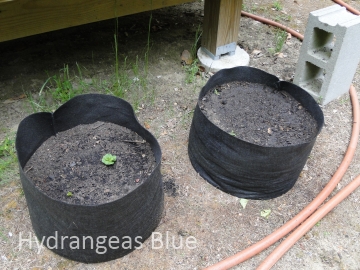
These fabric pots are not very expensive and I would think that they can be reused. I’ll see when I dig them out to use this season. I like the fact that they can be set wherever there is sun, but then they can be taken down. The smaller ones (shown in my pictures) I used to grow potatoes and beans. I ended up with a bowlful of edible, but small, potatoes. The bag is really too small to get much of a potato crop. They would do better in the ground, but I don’t have the space.
I also grew green beans in two of the pots and I had loads of delicious beans! I will definitely try that again.
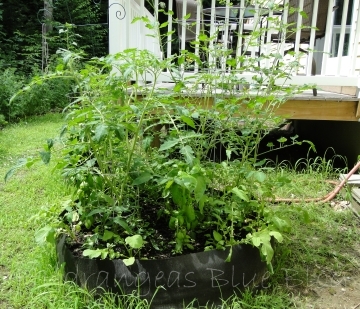
The larger holder is where I planted tomatoes along with basil, some herbs and radishes. (I have a photo of that one on this page.) The tomatoes got too large to stay upright and the “pot” wasn’t deep enough to hold a wire tomato cage. By the end of summer my tomatoes had fallen over from their own weight. I also had planted too many of them. I wouldn’t put tomatoes in the bags again.
I’m thinking a squash or zucchini plant may do well in a smaller pot and then it could drape over the sides and spread out. I always grow zucchini and even one plant takes up a lot of area in my little garden.
The larger bag might hold my cukes, carrots or beets. I guess it depends on what I decide to plant. When summer was over and the harvest was in, I emptied the pots and stuffed them under my deck. I am wondering if I could leave the dirt in the larger one next time. I don’t know how it would do over the winter.
If you want to try an easy way to grow something that can be moved from year to year, without digging up the ground, maybe a fabric pot would be right for you. For more ideas please read Discover the Benefits of Container Gardening by my friend Mike. It’s because of his page that I tried this! Thanks Mike!

Fabric Bag Gardening in a Small Backyard

small backyard
Small backyard space

Having a small backyard means facing some challenges when planning a garden. Throw in tall trees bordering the property taking away sunny patches, and it adds to headache. That is why I tried my hand at fabric bag / pot gardening.
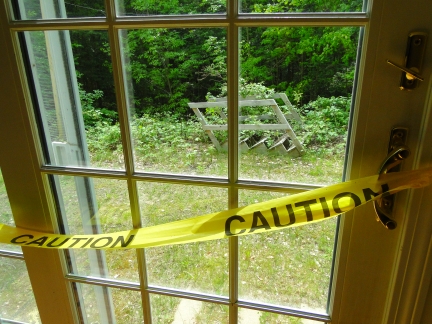
My backyard is small and narrow. The picture I’ve added is one I took before I closed on my house. The slider was taped off so one would try to go out where there were no steps. Who would? Anyway… those are the old, wooden steps sitting out back at the edge of my small backyard. Although I have an acre of land, the usable part of my backyard stops right there. So the space I can use now (with a small deck that I added) is long and narrow with spotty areas of good sun.
Last summer I had planned to dig up a couple of new areas back there that tend to get pretty good sunshine, but that is so much work. I really didn’t want to have to dig and then add amendments and all that. Plus I didn’t have the time. I needed an alternative to the traditional way of gardening. So I decided to try container gardening.  But instead of regular pots I used fabric bags, in various sizes, filled with good dirt.
black fabric raised bed large bag
This large fabric bag held tomatoes, basil, radishes and some herbs. There was no digging involved, but I did buy a truckload of good loam and had to wheelbarrow it over to fill the bag. I planted my small seedlings and they took off.
I also used smaller fabric bags to plant potatoes, green beans, and carrots. I learned a few things from using these bags, and some things I will do differently this season, but all in all I was happy with them.
I wondered if I could save the bags and re-use them, so we’ll see how well they hold up when I try that this spring.

Ugly, But Free, A Raised Bed Garden Made of Cinder (Concrete) Blocks

raised garden bed
Simple Raised Bed of Cinder-Blocks

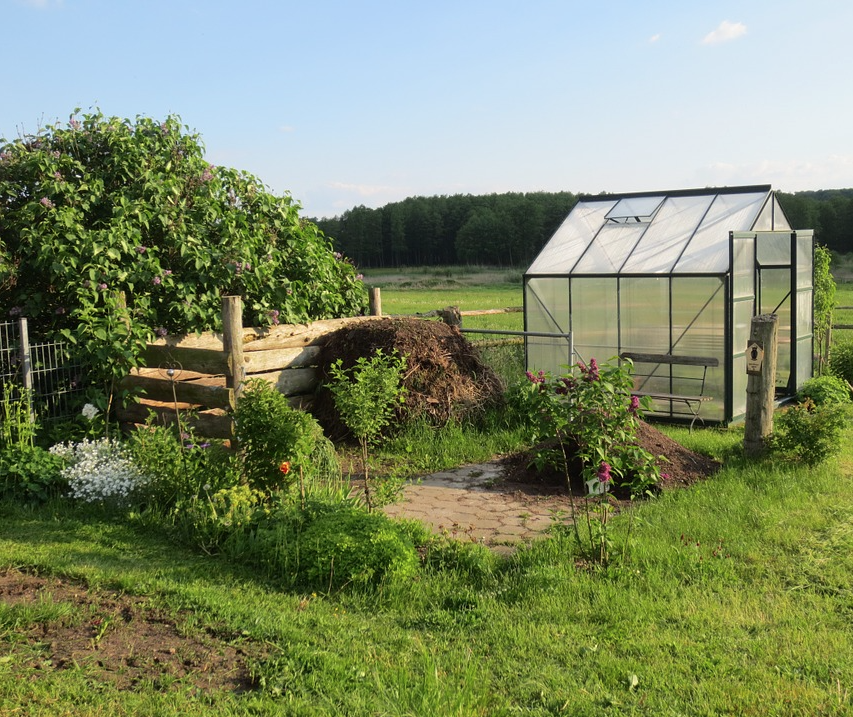
Oh how I’d love to have the land in that picture I used! It’s not my yard. I don’t have a big sunny parcel of land. Because of that, it makes growing vegetables, in our short, New England growing season, tough to do. The sun is scarce in my yard, which is surrounded by tall pines and hardwood trees. My yard is also small. I’m always on the lookout for solutions to these problems so I can grow more crops.

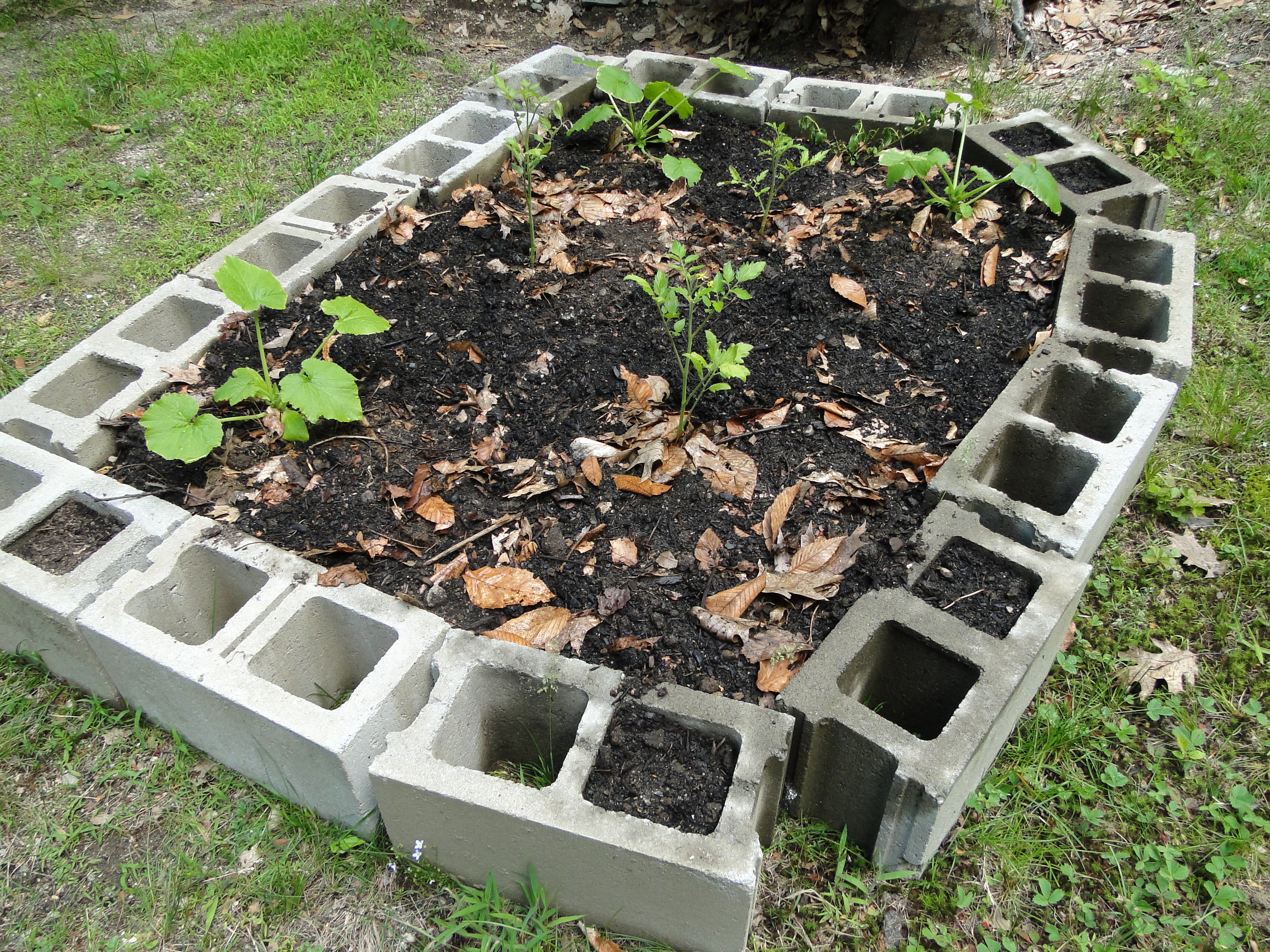
This idea of making a raised bed from cinder-blocks is not mine. I saw it in the “Organic Gardening” book.  It looks ugly, but it was free to build because I already had the blocks.

When I came across an article in the magazine which showed five types of alternative raised beds, the concrete block one jumped out at me.  I could do this!

dsc07551
Shade is a problem when it comes to vegetable gardening in a small yard

The thought of having another sunny spot to grow vegetables stuck in my mind as winter carried on.  I would have to lug the blocks up a hill to my front yard because that was the sunny spot.  While I waited for the mud to dry up in spring, I watched the path of the sun to decide the best location for my new patch of dirt.

Once the garden loam was delivered, I enlisted my teenage son to help me move the blocks – those suckers are heavy! I used the wheelbarrow to fill the space with dirt and some compost, and then planted the rest a tomato and zucchini in there.  It’s not a huge garden, but it did give me some extra growing space.

dsc05427This was an experiment for me, and I’m not raised bed savvy.  It was a quick fix for lack of garden space and I did get vegetables to grow there.  Since then I have learned a bit more about raised bed gardening and am beginning a new raised bed garden (made of wood this time) in my Florida home.

An even easier idea is to buy fabric bags and use them as raised beds.  They work well for many types of vegetables.

A Birdbath For the Robins

Robin in birdbath
An Evening Ritual, Robins Bathing

My car has been on the fritz so I’ve been stuck at home for days. I usually stay home as much as possible and since I work from home, it’s not so difficult. My daily ritual includes getting up early working most of the day until my son gets home from school, then I head outside to dig, plant and shovel dirt into my gardens. After I come inside and shower I sit in my chair and watch Special Report and it’s right around that time of day that the Robins begin their evening ritual of splashing in the birdbath.

It’s a safe time of day for them because my cats have been brought inside for the night. They get busy digging for worms in my lawn (or, non-lawn) and then go get cleaned up in the birdbath. When I am outside watering new plantings I always clean out the birdbath and add new water. They certainly do enjoy it and they are fun to watch. I’m not a very good photographer when it comes to animals, but this shot of the robin has him looking straight at me!