In the Yard End of December 2017

While the rest of the country is dealing with freezing temperatures (sorry), I was taking photos of my yard and garden in the December sunshine.

Yesterday, December 30th I decided to get some photos of happenings in the backyard. Because much of the northern part of the country is suffering with snow, ice and unbelievably cold temperatures (you have my sympathy), I felt lucky to be outside in the warm sunshine and 60 degree temps.

Today I wanted to write this short post to share what it’s like to be able to avoid winter and watch a garden grow literally year round. This is new for me and I am not trying to brag. I miss New England even though you must suffer through the bad winters. It’s beautiful there and quite boring and dull here in Florida – until the monotony is interrupted by a hurricane.
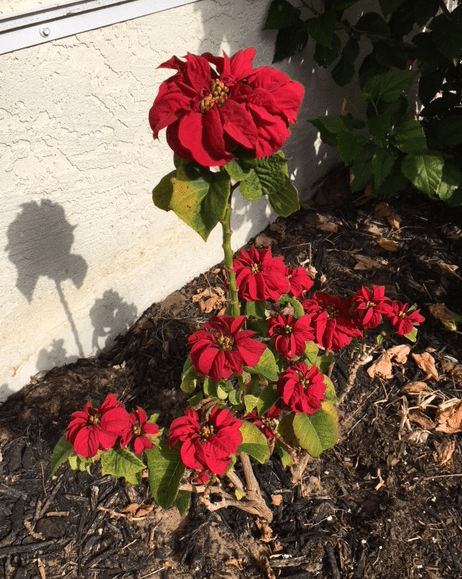
curly poinsettia in the ground
Poinsettia 2017 leftover from 2016

I know that my poinsettia is not looking all that good, but who knew a poinsettia could grow in the ground and live from year to year? I discovered this by walking around my new neighborhood and checking out the plants in yards I passed. People were growing poinsettias. So after last Christmas, when I bought this odd looking one, I put it out back in the pot and continued to water it. Finally, just a few weeks ago, I planted it in the ground next to the hibiscus. I was able to bring it in last year when the coldest weather hit, so we’ll see how it fares in the ground. Because it’s next to the house I think it will do fine.
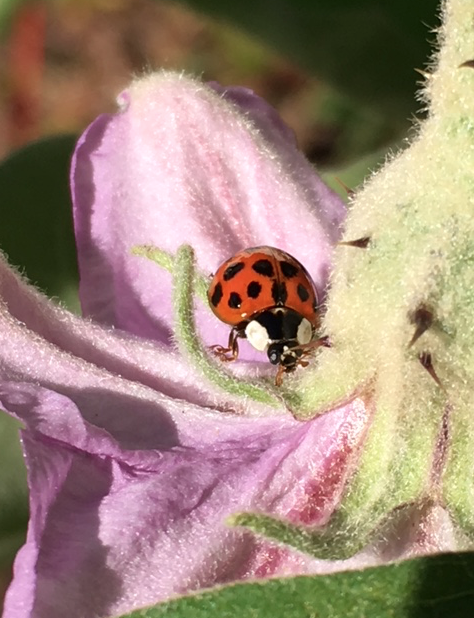
ladybug macro
Ladybug on Eggplant Flower

I caught this pretty little ladybug crawling over an eggplant flower and decided to try to capture it on my iPhone. The blinding sun made it difficult to see as I took pictures, but finally I got into a good position where the shade wasn’t a problem. Then I took a bunch of photos as the sweet little bug crawled around the backside of this purple flower.
Ladybugs are the best. They are a gardener’s friend. But don’t try to eat them, they don’t taste good at all. I accidentally had one in my mouth once – and yuk.

eggplant tall tree
December 30th – My eggplant tree

The Eggplant plant is still going strong. I’ve eaten one eggplant from it. The leaves are truly gorgeous and I photographed them in hopes of doing a drawing one day soon.

December garden pepper plant
Green pepper plant in December

Never in my life have I been able to grow my own green peppers. But this fall I have eaten many from this plant. I also have a smaller plant which currently has white flowers on it (below). And I’ve used some hot jalapeño peppers occasionally too. I’m used to pulling up my vegetable plants by fall, but now I guess I will just let them keep growing and see what happens.
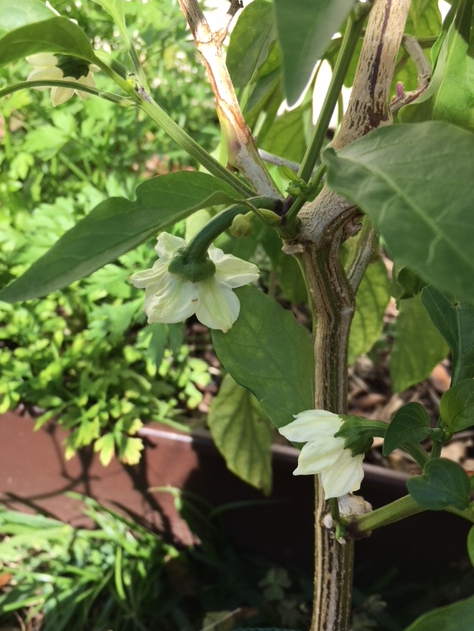
white buds on pepper plant
December – buds on the green pepper plant

Here in central Florida we are expecting some cold weather next week. I know, I know… I’ll get no sympathy for temps in the 30’s when many people don’t see anything above single digits, with wind chills well below zero. BUT… this is Florida and our plants are still growing and not accustomed to freezing.
We will have to bring inside what we can and cover the rest.

Lime tree in December
Lime tree – buds and new growth in December

One tree I will be moving indoors is my Persian Lime. I’ve eaten limes for weeks now – in October and November – and now I see there is new growth and buds on the tree!

Learning to garden and grow fruit in Florida is new to me, but I am open to learning new things. This blog is a journal of sorts to reference because I forget quickly what was blooming and when.

Happy New Year!

So How is The Landscaping Coming Along?

The yard at my new house (been there a year now) has only a few flowering plants. The house we bought was some sort of a rental where people stayed for short amounts of time. Because of this, the landscaping is made up of self-sufficient shrubbery. One azalea bloomed last Spring, but the plant itself doesn’t look all that good.
Screen Shot 2017-11-20 at 9.46.38 AM
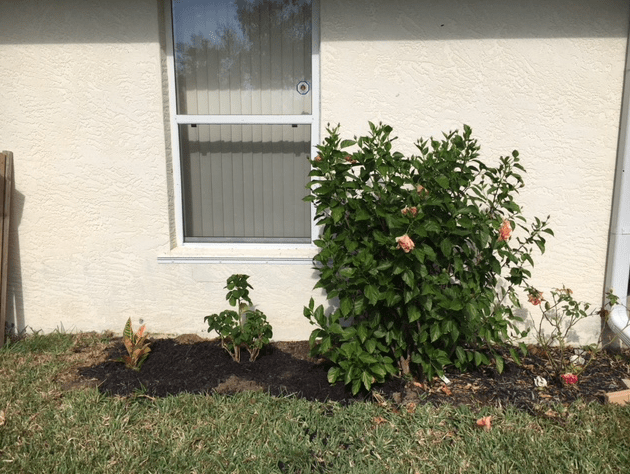
So I planted a hibiscus and a small rose bush. Then I started some crotons from the big croton out front. And recently I planted that next to a poinsettia in the same hibiscus garden. I use the term “garden” but it’s just a few plants stuck in the ground next to the house. Not very impressive.

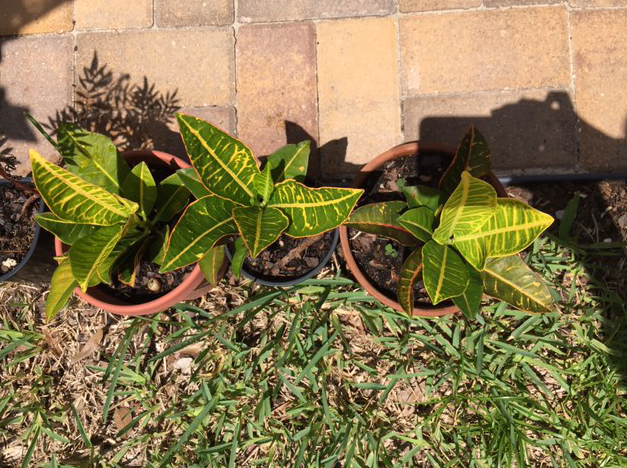
New croton plants in pots
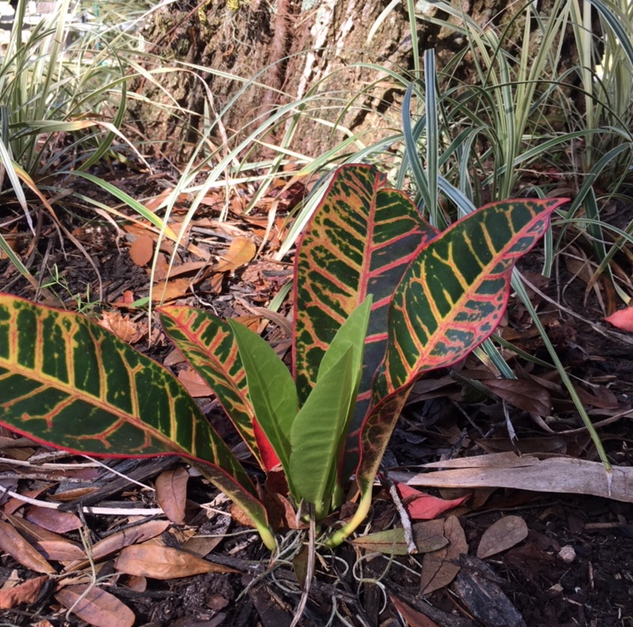
New crotons begun as cuttings

I still have 2 more crotons to put in the ground somewhere, but I honestly don’t have the ambition to do it. And there is no place for them. I will have to either expand this garden or begin a new one to make space. That will be a lot of work and I’m a tired old lady. Tired of starting over and working so hard only to have to pack up and leave my garden work behind for someone else to enjoy.  I shouldn’t have to do that again, but this time if I have to move, I won’t be leaving a beautiful yard.  Guess I’m burnt out.

Gardening in Florida doesn’t appeal to me. I really don’t care how my yard looks. I hate to say it, but this is not where I want to be. My focus is on the vegetable garden, and as soon as I can I will be buying more dirt for that.  But that is small too.  Nothing too interesting there either.

I know my poor health plays a part, since I often don’t feel all that well. This blog may have to go by the wayside like my New England blog did.  It’s tough to write a gardening blog when I do so little gardening.

Then again… depression passes.  After a day or two I know I will feel better and be back at trying to rekindle my interest in gardening.


Must Plant More Fast Growing Tropical Hibiscus Plants

The photo below is of my orange hibiscus and rose bush after planting in my yard. This past April, 2017, I dug up a little patch of grass in the back yard to create a space for a colorful flower garden.

The pretty double-flower orange hibiscus is a typical plant to grow in Florida. I prefer the double type flower, and I thought the color was lovely.  You can see that it was a small plant.

hibiscus and rose bush
New Garden, Hibiscus and Rose Bush – April 2017

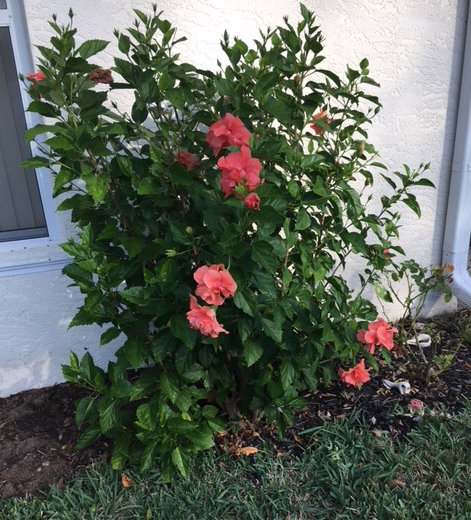
Roses are such a bother, but this one was pretty and I decided to try it. The rose bush looks awful now, but the hibiscus has grown like crazy.  This just goes to show that if you plant what likes to grow in the local climate it will flourish.

Here it is 7 months later.

orange hibiscus plant and rose bush
Hibiscus and Rose Bush in November 2017

The hibiscus plant was watered regularly after it was planted, as was the rose. There were some mites on the buds, so I picked off the buds and threw them away. I’ve noticed that sometimes there are still mites on the plant, but it is not affecting the growth. I never water it now and it is flourishing in the sunny spot by the house.

Screen Shot 2017-11-15 at 9.49.17 AM

Hibiscus are tropical plants and I fully expected it to survive quite well. I didn’t realize it would grow so fast.  It constantly buds and blooms and the leaves are nice and green.

All I do is occasionally pick off the bug infested buds and give it fish fertilizer and sprinkle some bone meal around the base for good root strength.

I have plans to plant more like this in the front yard. The wind blows from the front and it’s also more shady, so I don’t know if that will be a good location.

Something I’ve always enjoyed is watching my plants grow and change.  I once took photos of the Pinky Winky hydrangea in my New Hampshire yard for an entire blooming season to show the changes in the flowers from summer through fall.

Pictures of Croton Leaves

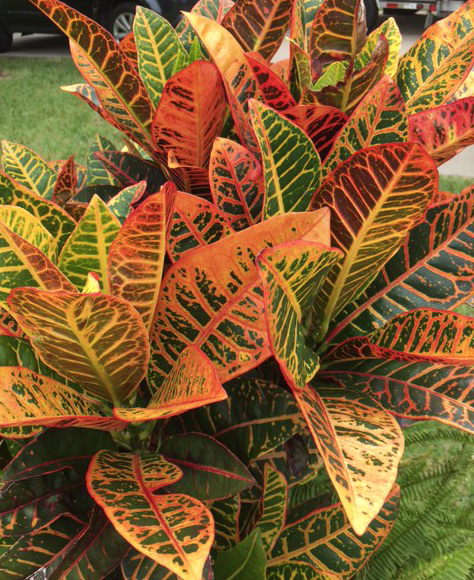
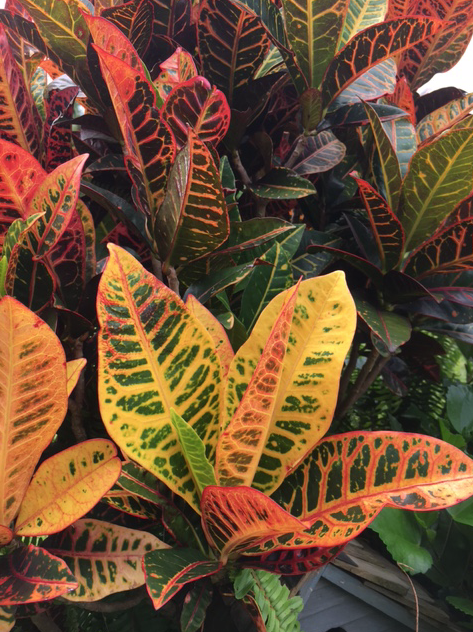
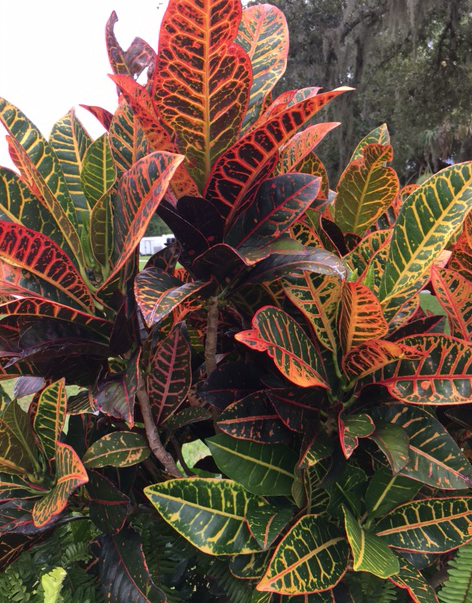
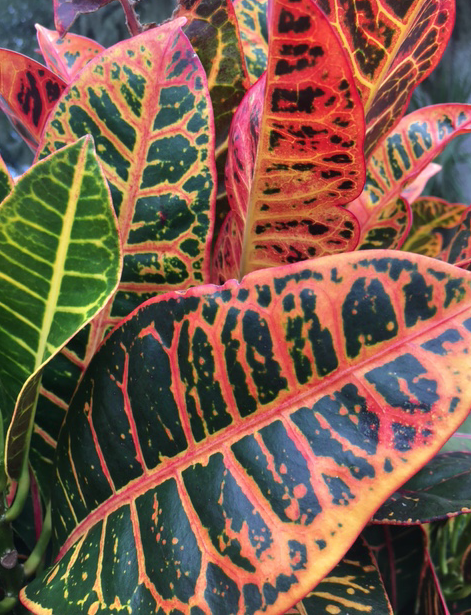
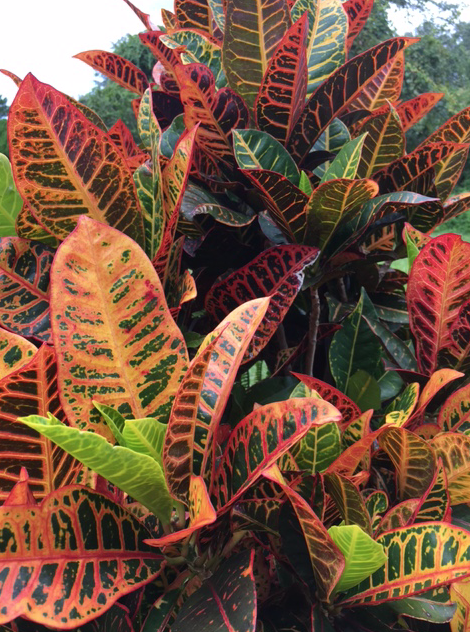
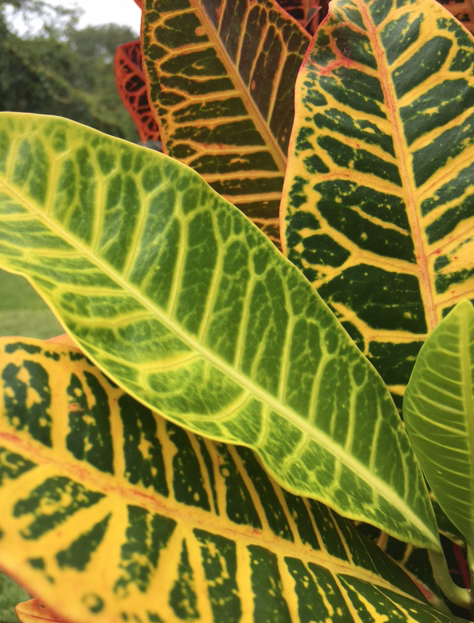
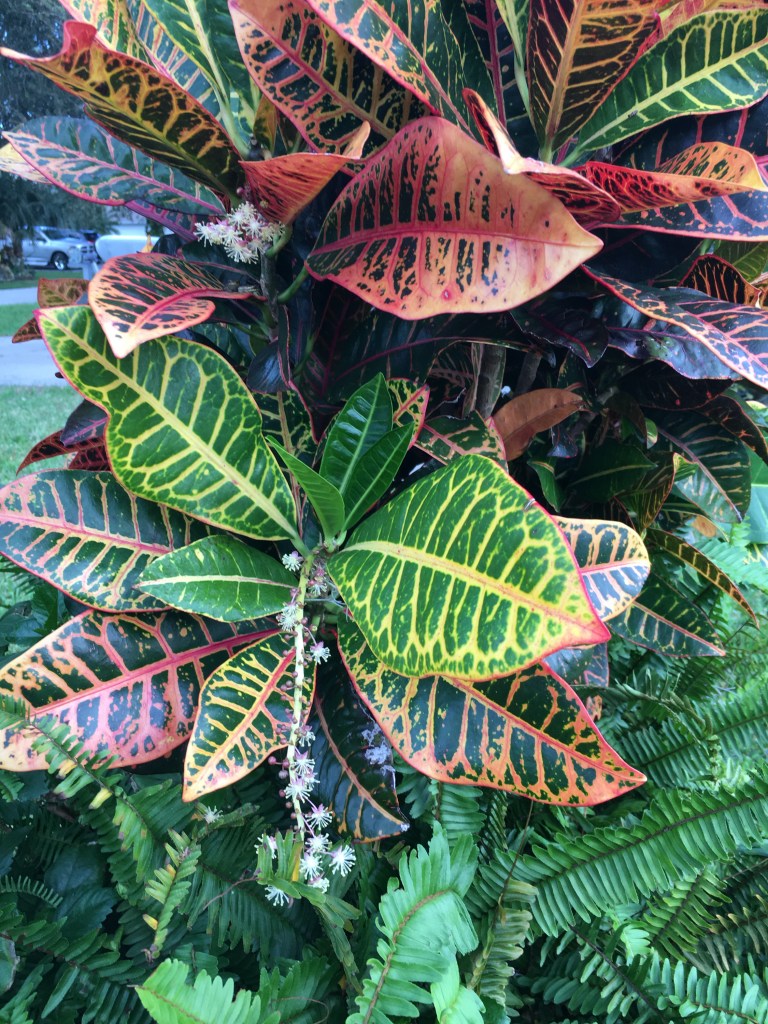
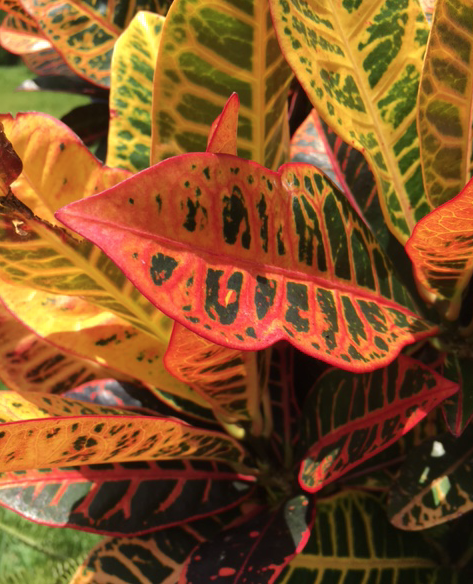
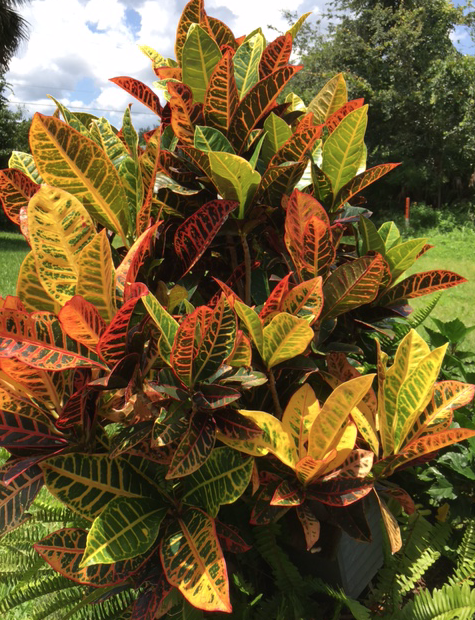
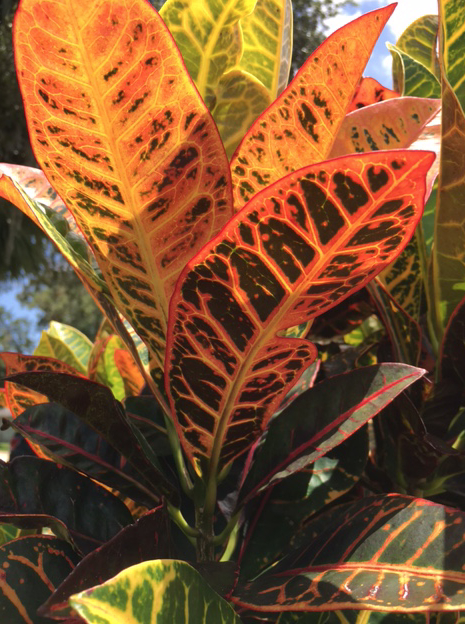
The leaves of the croton are really stunning.  They are as pretty as any flower, and come in such an array of colors, that they can brighten any landscape, as long as it’s subtropical.

Crotons don’t handle cold well, with established, older plants handling it best.  I live in climate zone 9 and have this big croton plant in my yard.  I have no idea how long it’s been there, but I did not cover it at all last winter.

Then again, last winter in Florida was not all that cold.

colorful croton leaves
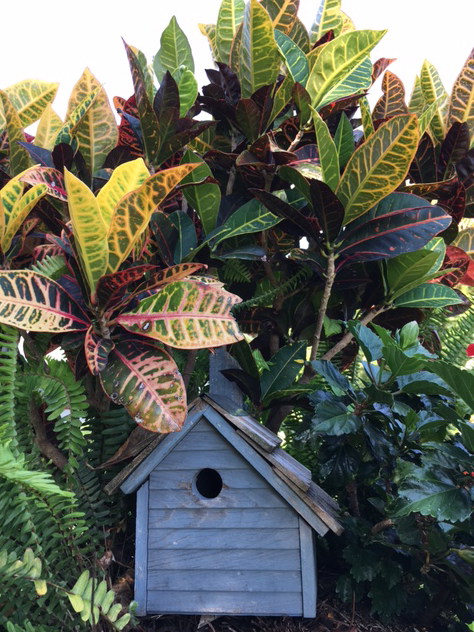
My croton is in a big pot with ferns and a red hibiscus bush… also a birdhouse is stuck within the branches.

Recently I went out in my yard and took some photos of the croton leaves and wanted to share them with you.

The croton is also easy to propagate.

colorful croton leaves
The color combinations are so beautiful
colorful croton leaves
Pink leaves… where else can you see this?

If you are looking for brightly colored plants for your Florida, or tropical, landscape, check out the Cordyline plant and Caladium.

colorful croton leaves
The bright reds can become dark purple as the leaves age
colorful croton leaves
This croton has been growing for years, I imagine
colorful croton leaves
Even the yellow and green leaves are outstanding

For those of you who do not live in a warm climate, the croton can grow indoors. I’ve never done that, but you can search the internet for helpful advice on doing so.

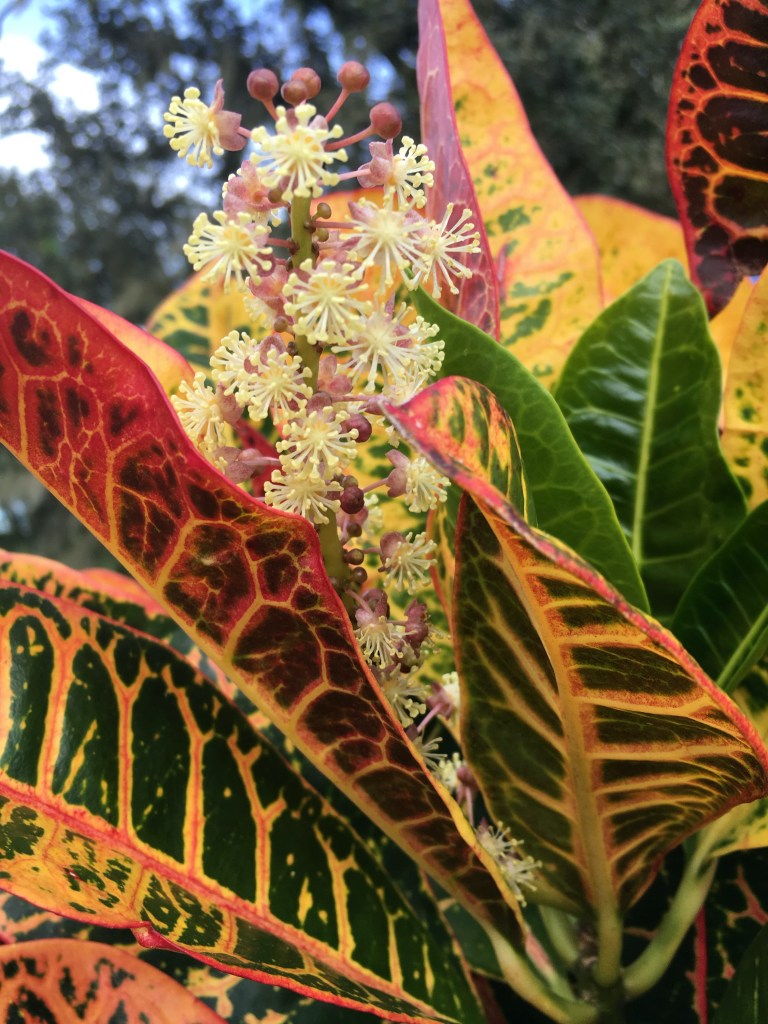
Colorful croton plant with flowers
Croton with stems of flowers
Flowering croton plant

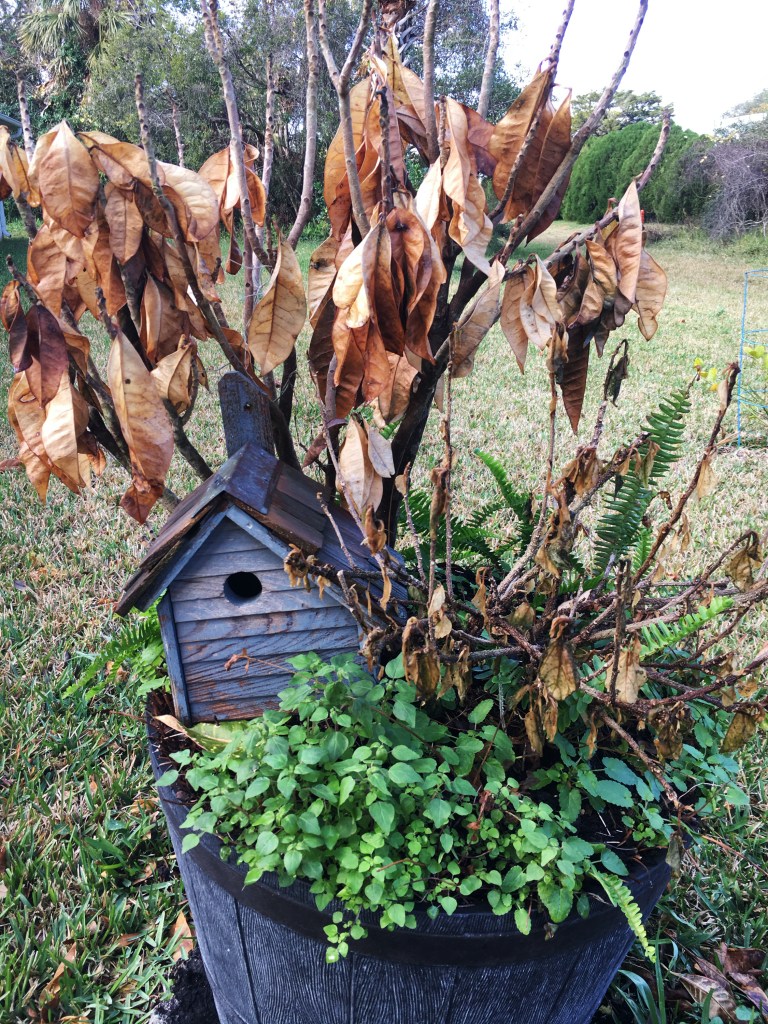
My big beautiful croton died over winter when we had exceptionally cold weather. But… I had taken cuttings and begun new plants so it lives on through it’s “babies”.

dead croton from winter freeze
Croton dead from winter freeze

Peonies in July, But Not in My Yard

When I first moved to Florida back in 1979, one flowering shrub I missed was my favorite – the Peony. My grandmother had them in her Massachusetts garden around her old white farmhouse, and the huge blooms impressed me as a child. The fluffiness of the blooms were like none I’d seen, and the peony instantly became my favorite flower.

This page contains my photos of the peonies I planted and tended for the five years I lived in my New Hampshire house.  They bloomed in July, so I thought I’d treat myself to a trip back in time, when I could walk into my yard and see these beautiful blooms.  I wonder if the new homeowners are enjoying them today.


I live in Florida for 27 years, without growing any peonies in my landscape. I had everything else a southern gardener could grow including a white and yellow jasmine along my fence.

Camellias of all colors grew under the shade of the big live oaks in my 2.5 acre yard. I had a magnolia tree, orange tree, gardenias, hibiscus, crotons, and bougainvillea, lots of crepe myrtle, a stag horn fern, and more that I can’t remember now.  But peonies don’t grow in the deep south.

I really missed seeing peony flowers, and when I moved back to New England in 2005, I couldn’t wait to have some growing in my yard. Unfortunately, I ended up not having a yard of my own to plant them in until years later. But once I had my own home, I went out and bought a peony bush. I believe the Sarah Bernhardt (light pink flowering peony) was the first, and I can’t find a picture of that flower in my photos… but that one is my favorite.  (I’ll keep looking for a picture!)

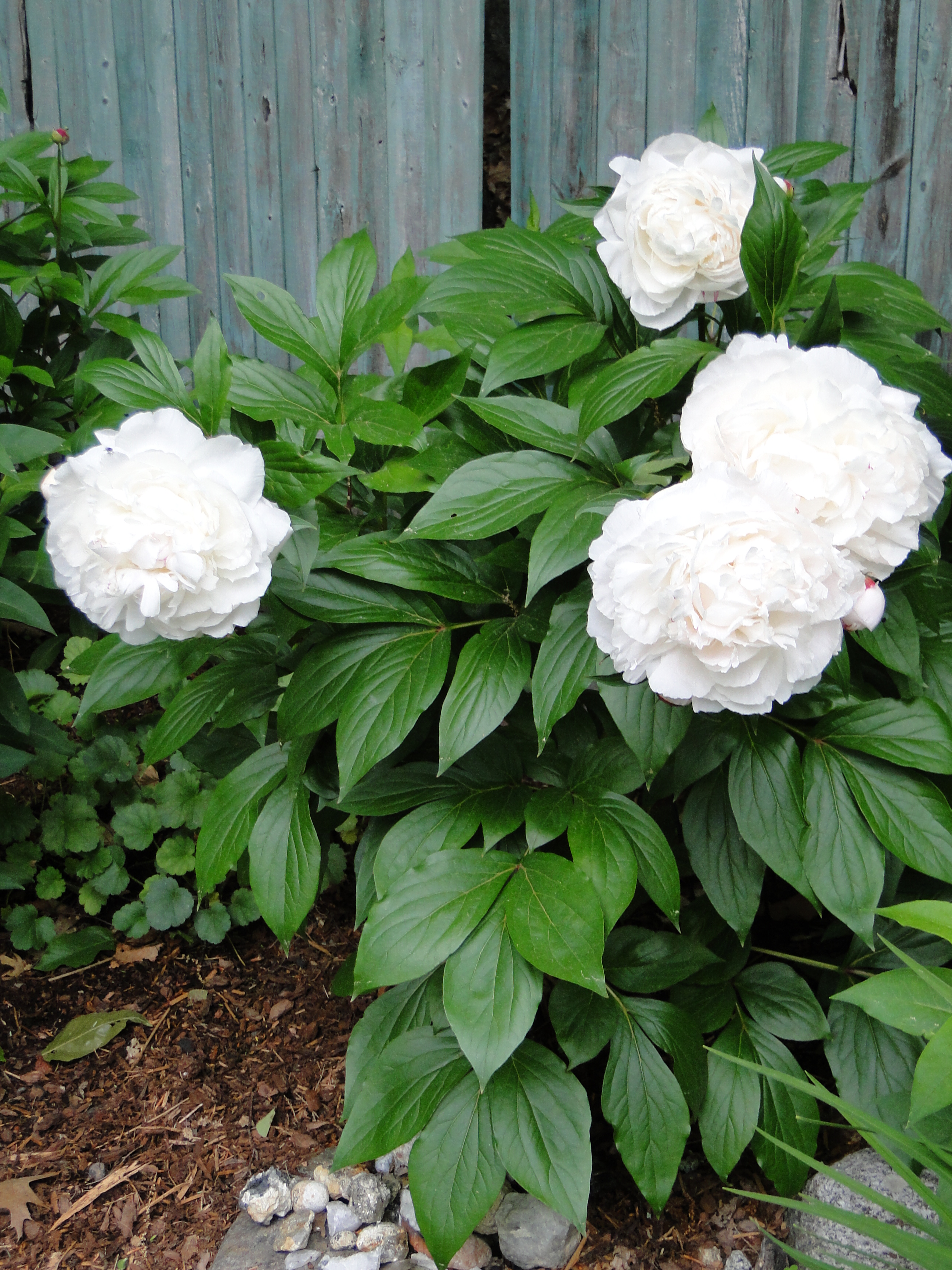
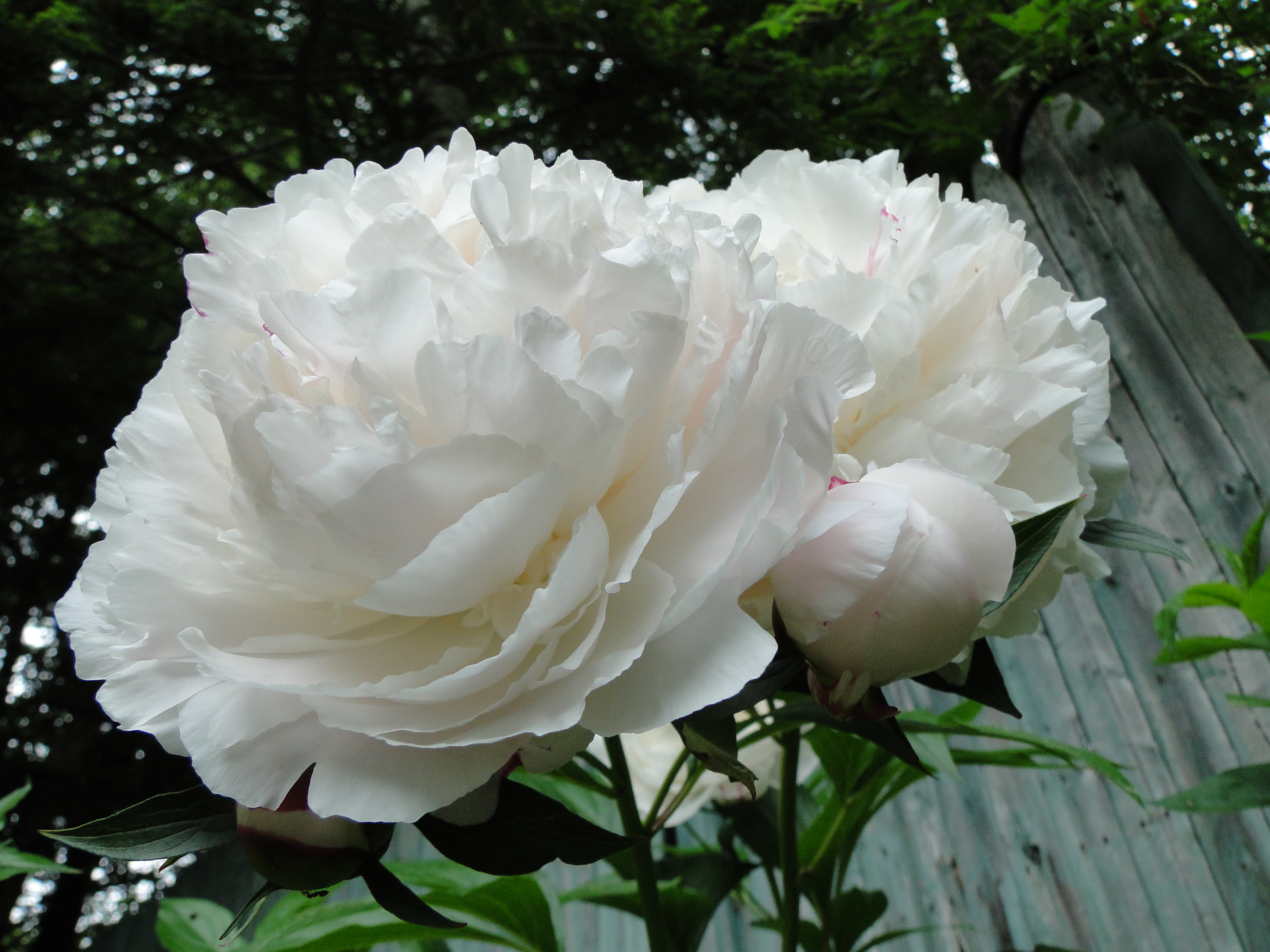
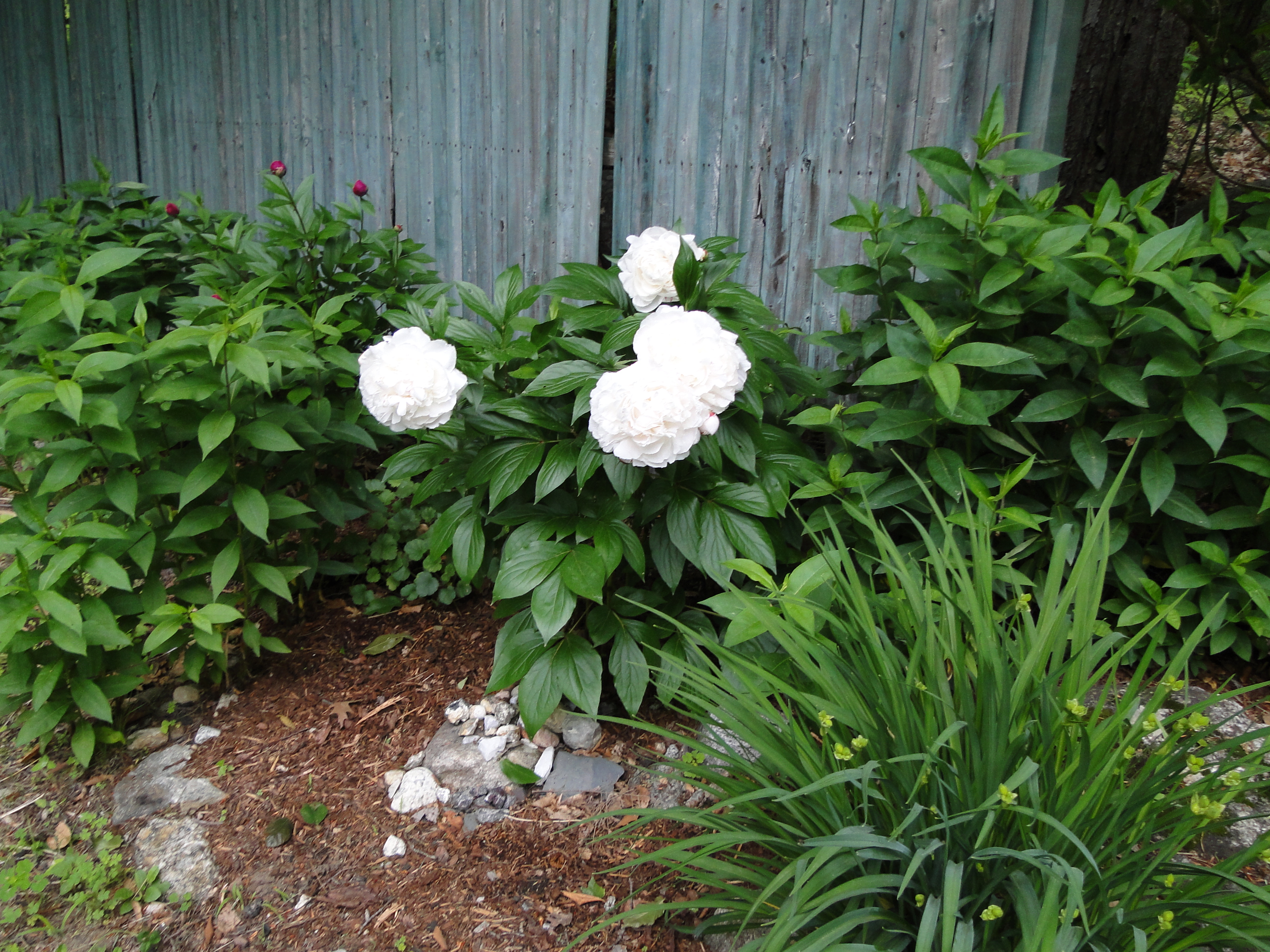
I don’t recall the name of this white flowering Peony. I always kept the name of the plant in the soil beneath the shrub so I could recall the name. I no longer live there, and I’ve forgotten.

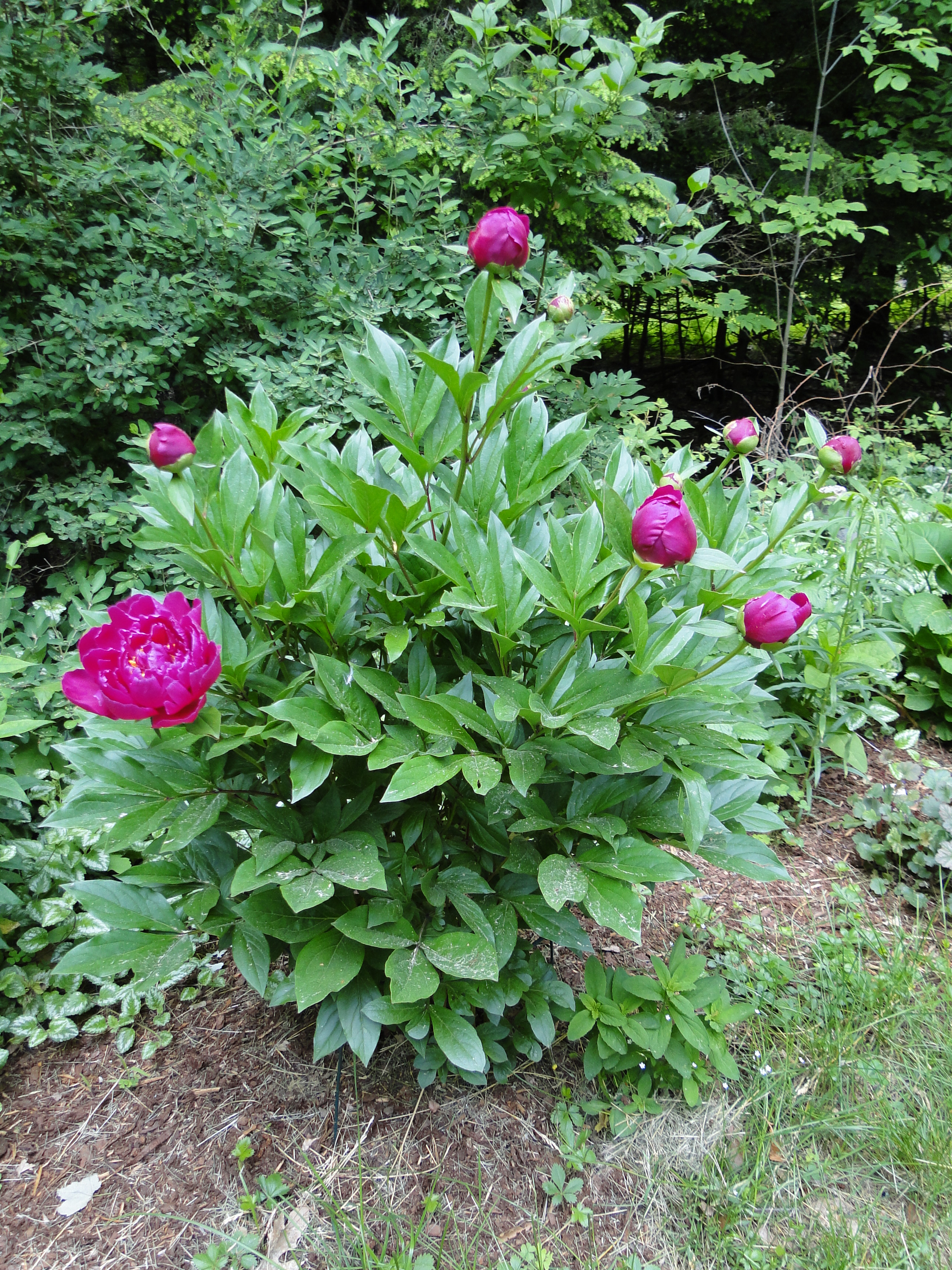
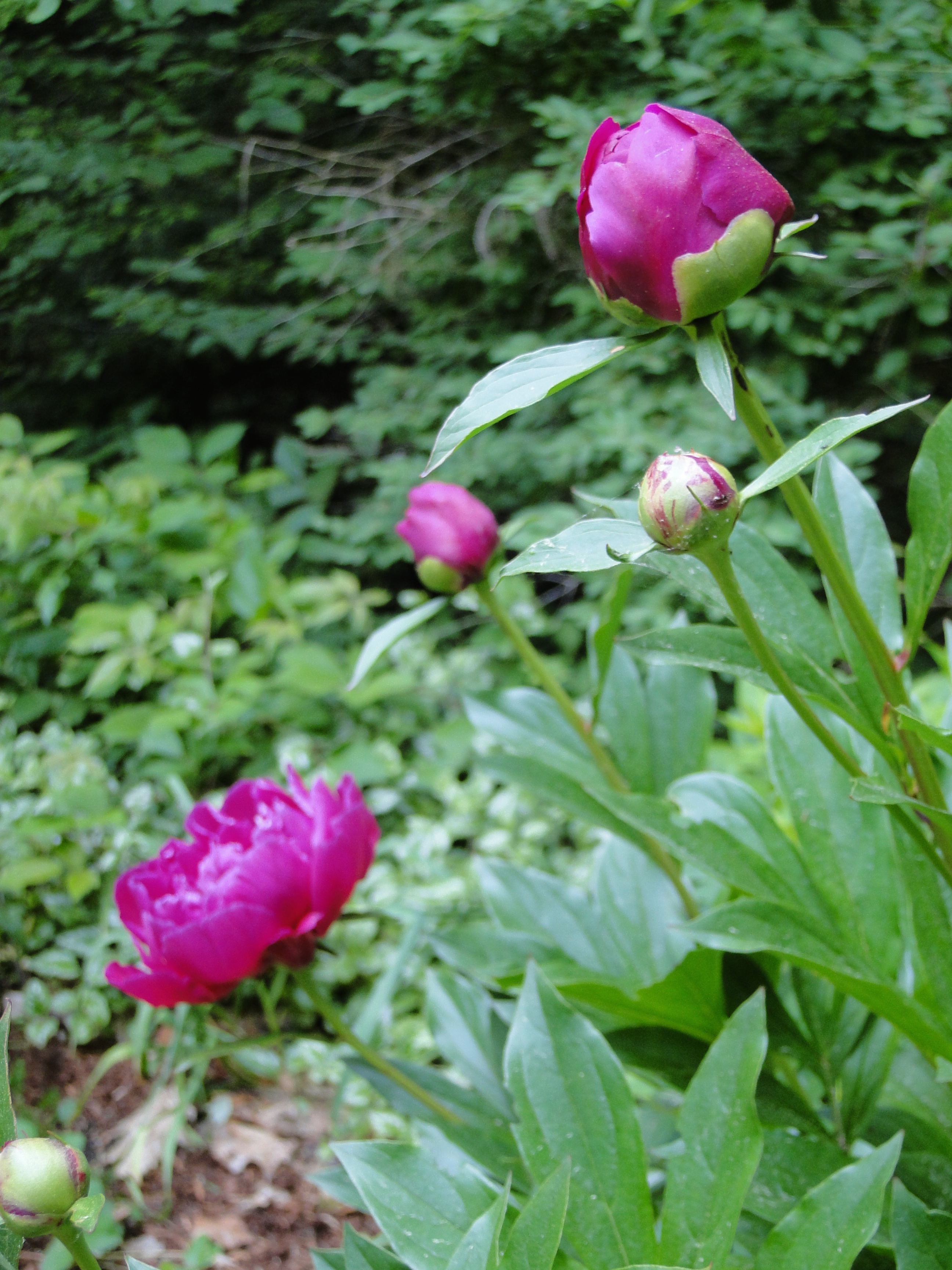
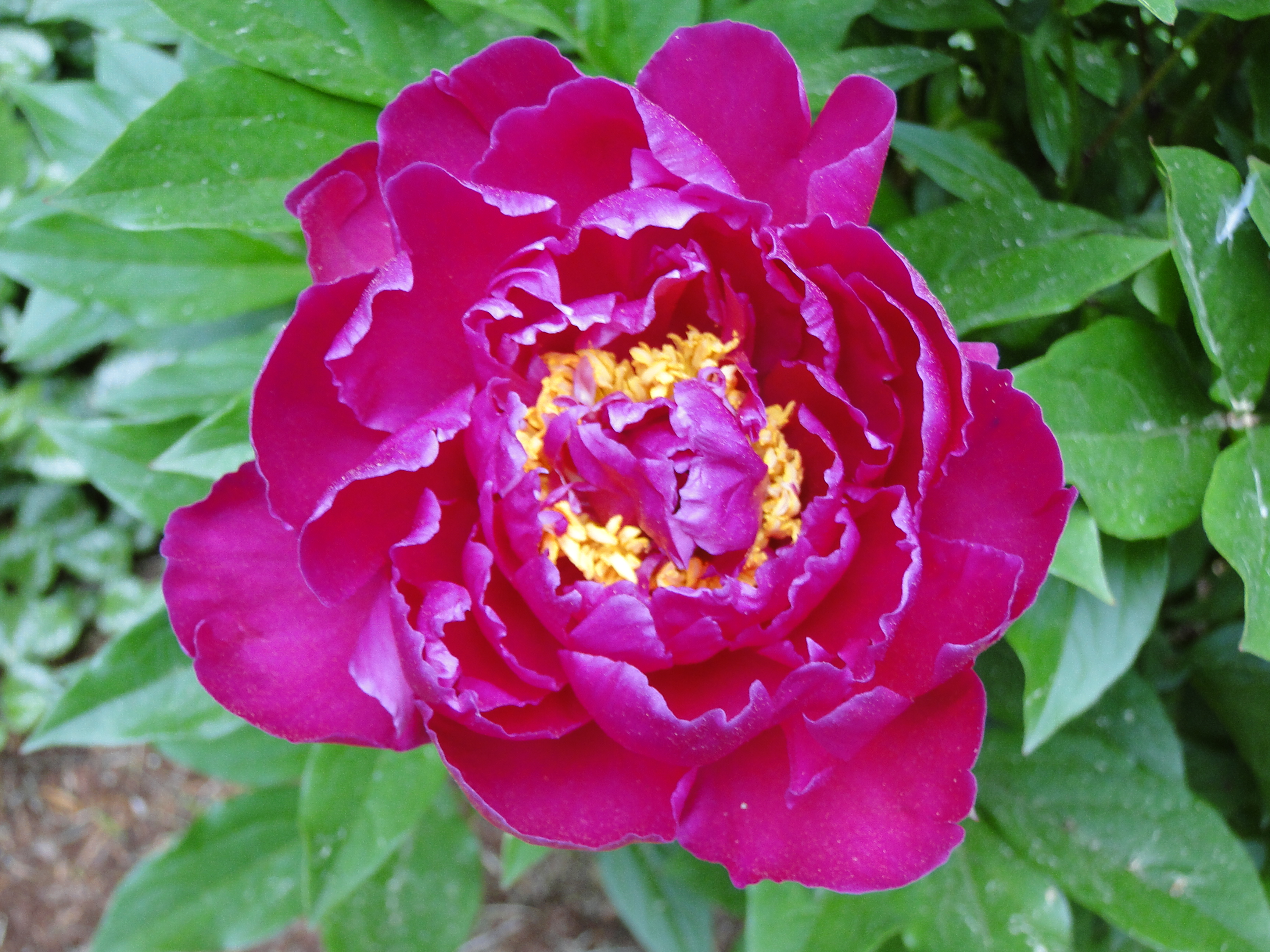
I know that the bright pink flower, with the yellow center is the Karl Rosenfeld. It’s not as fluffy as the other types I grew, but it was unique.

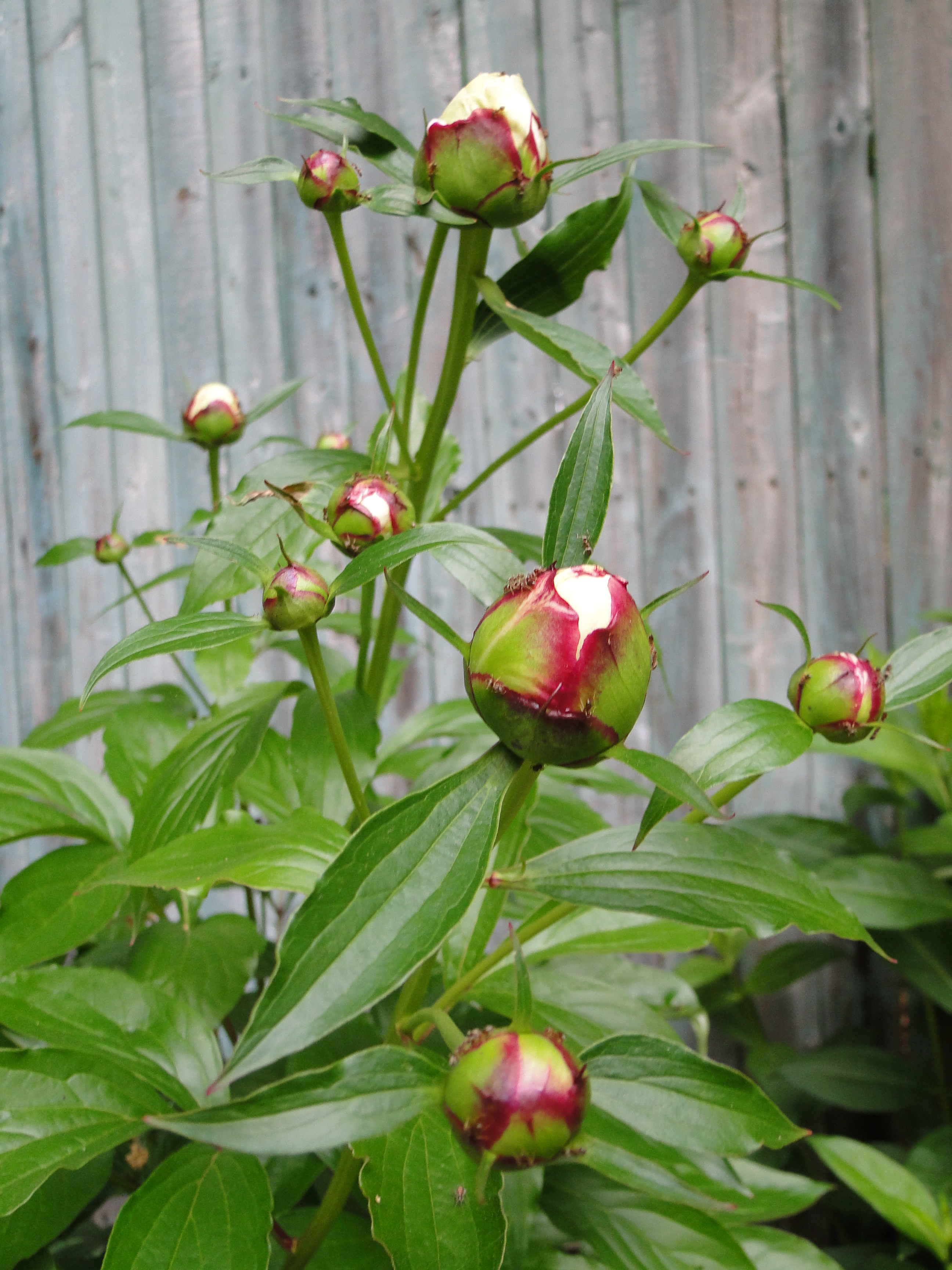
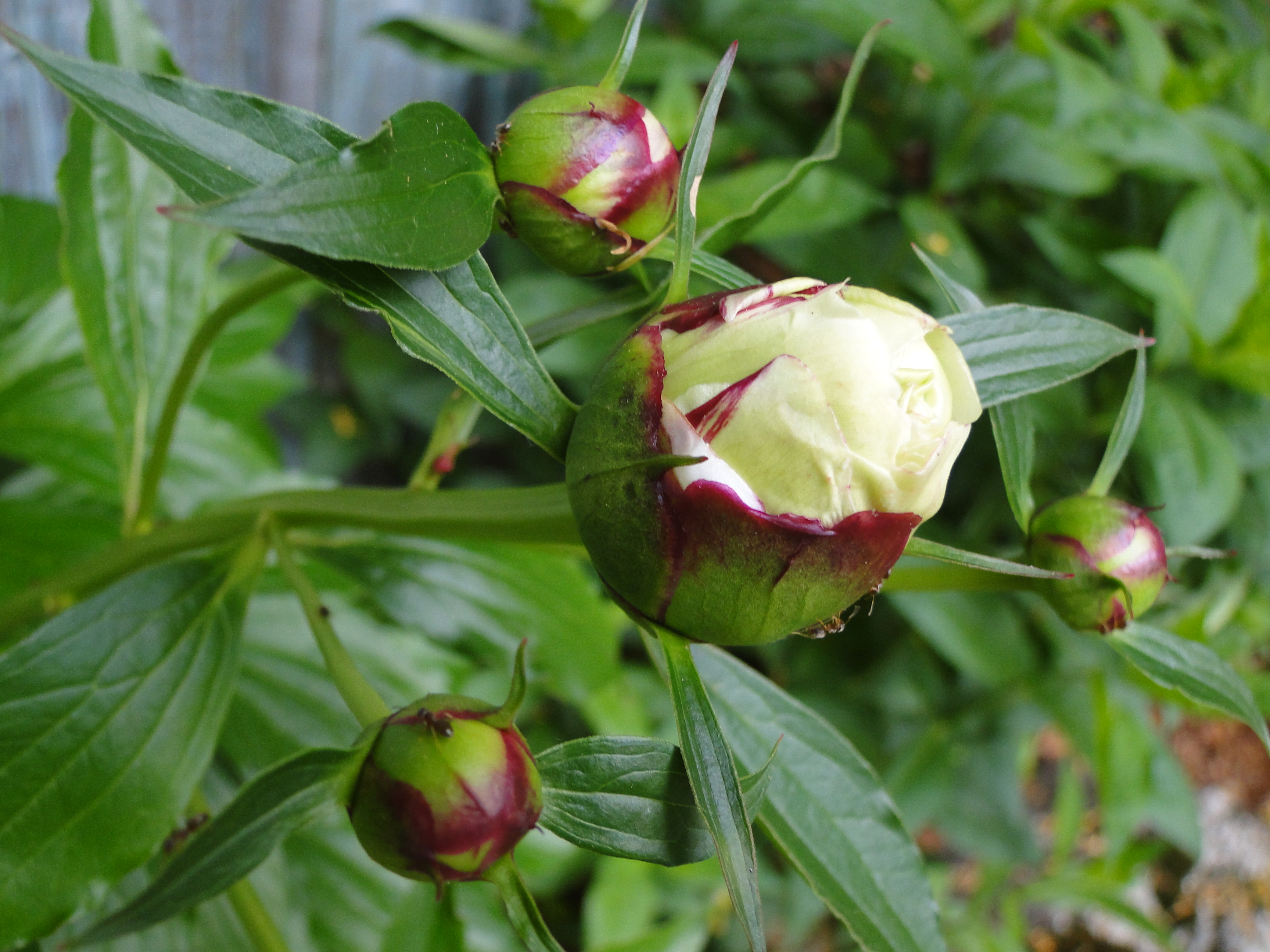
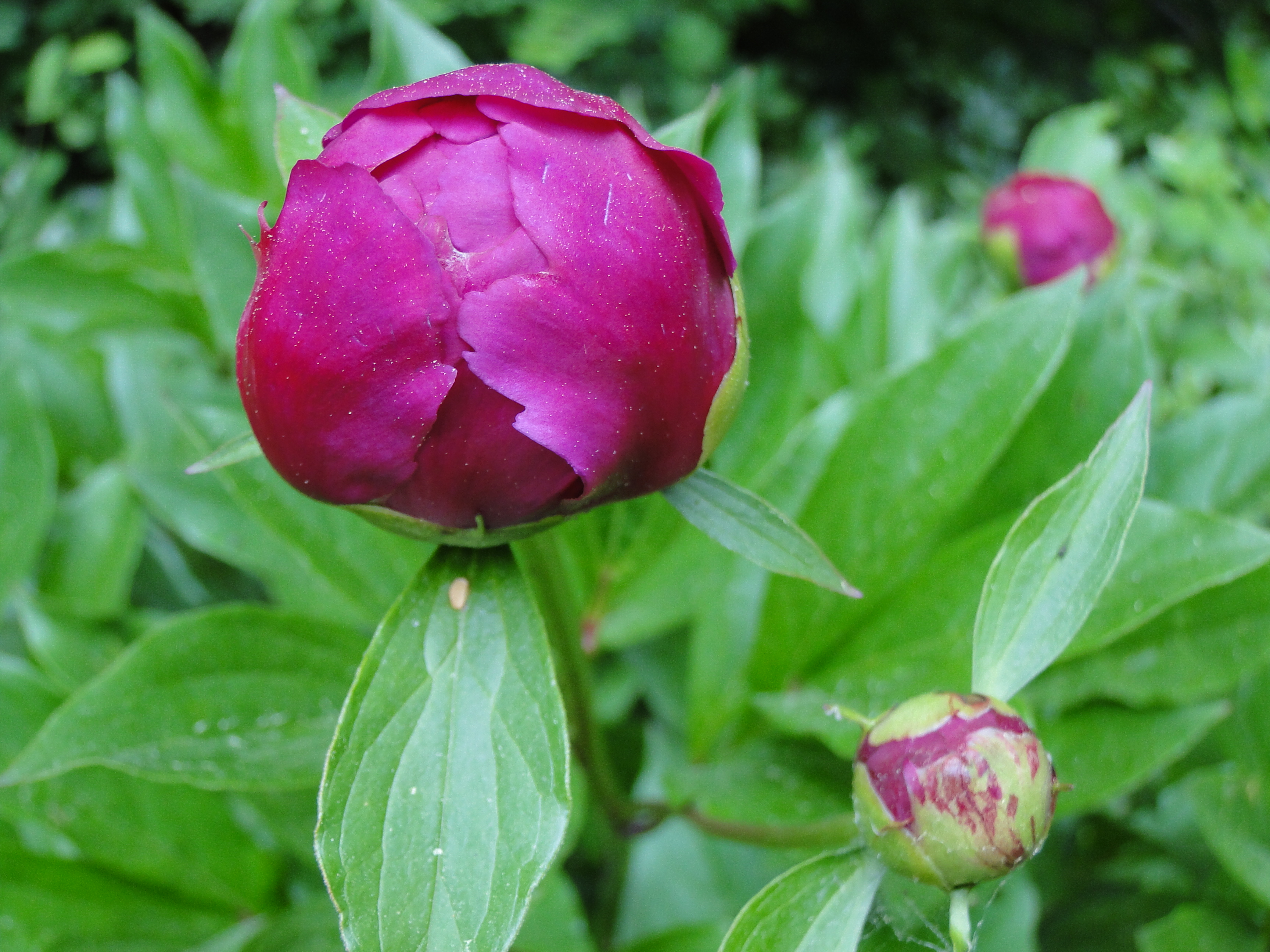
Peony flowers don’t last long.  I loved to photograph the buds too.  If I missed a day or two, and didn’t go outside (due to weather) I could miss the prime blooming time!

Most of my peonies – 3 plants – grew along an old wooden fence near the driveway.  The Karl Rosenfeld was planted out back.  The front gardens, near the house got too much sun for growing peonies, so I reserved that area for sun-loving shrubs.

Peonies are easy to grow, but some years they don’t get many flowers.  When they do bloom, ants can be found crawling all over the flowers.  Usually a cage or holder of some kind is needed to keep the stems upright once they flower.  It’s best to put the cage up and let the stems grow up through.

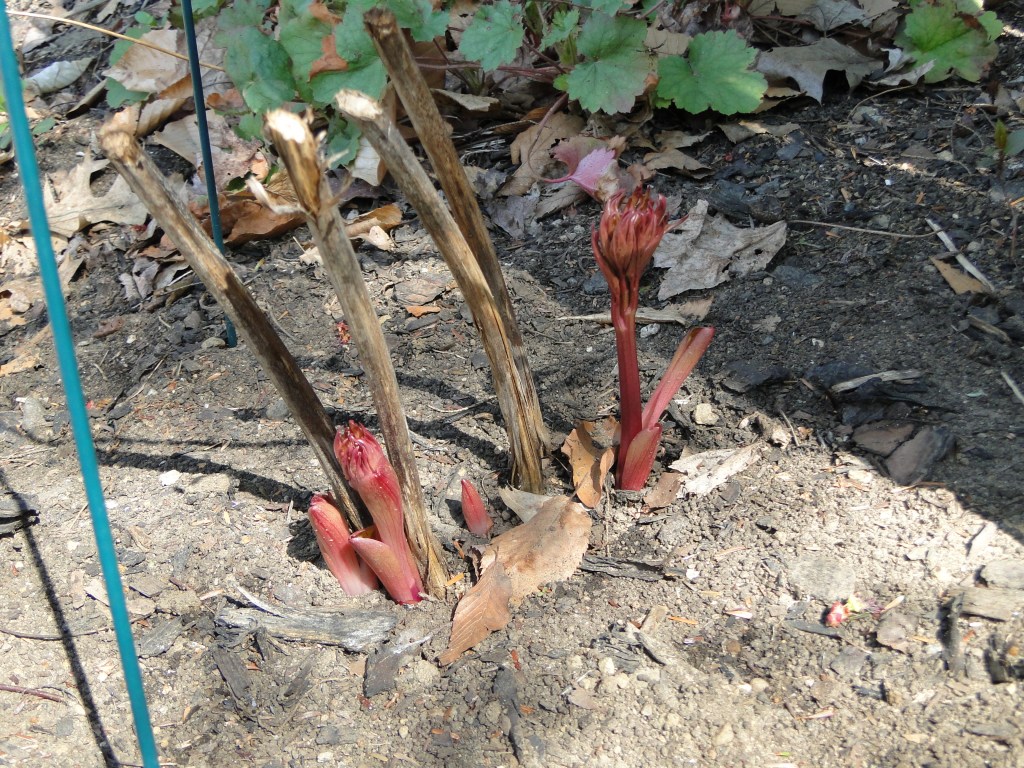
Viewing a sprouting peony in Spring, was just what I needed after a long cold winter!  Here they come….
peony in early spring
The Peony is growing!
Starting New Crotons From Old Plants

It’s easy to start new croton plants from cuttings.

Finding plants that will propagate easily has always been a goal of mine. Starting new crotons from old plants is easy. In fact it’s easier than propagating most things I’ve tried.  Cut the stem, put cuttings in water and wait a few weeks.  More detailed explanation below.

It is possible to propagate hydrangeas, but that takes time. It’s worth it, because in the end you have a new, lovely hydrangea bush. In fact my baby hydrangeas grew quite large before I had to move.

But back to the crotons. These plants love sun and heat and can live through a draught. The wilted leaves come back after getting some water. Crotons like well-drained soil, and the sandy soil of Florida helps this plant to love it outdoors. It can even survive the cold nights we sometimes get here in Central Florida.

This first photo below was taken over the winter months, when the leaves are duller in color with more green and dark purple colors.  Or maybe this one just needed better care.

crotons and birdhouse
Winter Croton

In this second photo, you can see that this plant’s leaves have turned stunning red, orange, yellow and pink from the bright Florida summer sun.  I’ve also given it fertilizer and cleaned out the pot a bit.  It was full of ferns.

croton
Summer Croton

So, to propagate this croton, I waited until Spring when it began to grow some new leaves. Then I cut off the top of a longer stem, also making the stem long enough to drink from a vase of water. Remove the lower leaves of that cutting, and put it in water.

croton
Bright Orange Leaves of the Croton

You will want the stem to not be touching the bottom of the vase, so find one that leaves it hanging. The new roots will grow out of the bottom of the cut stem.
Wait a few weeks and the roots will emerge. Be sure to change the water in the vase daily! Once you see roots, it won’t be long before they are long enough and you can plant the new croton in a pot or the ground.  Don’t plant until the roots are at least an inch long.

propagated croton plants
Three New Croton Plants

These are my three new croton plants. Their leaves are not as bright because I took the cuttings before the mother plant’s leaves turned so pretty. But once these new plants are in the ground, in a sunny location, they will turn just as bright.

As you can see below, the baby croton is turning color.  I need to fertilize these plants for better result, but even without much attention, crotons will grow beautifully.

croton