I Make My Own Tortillas

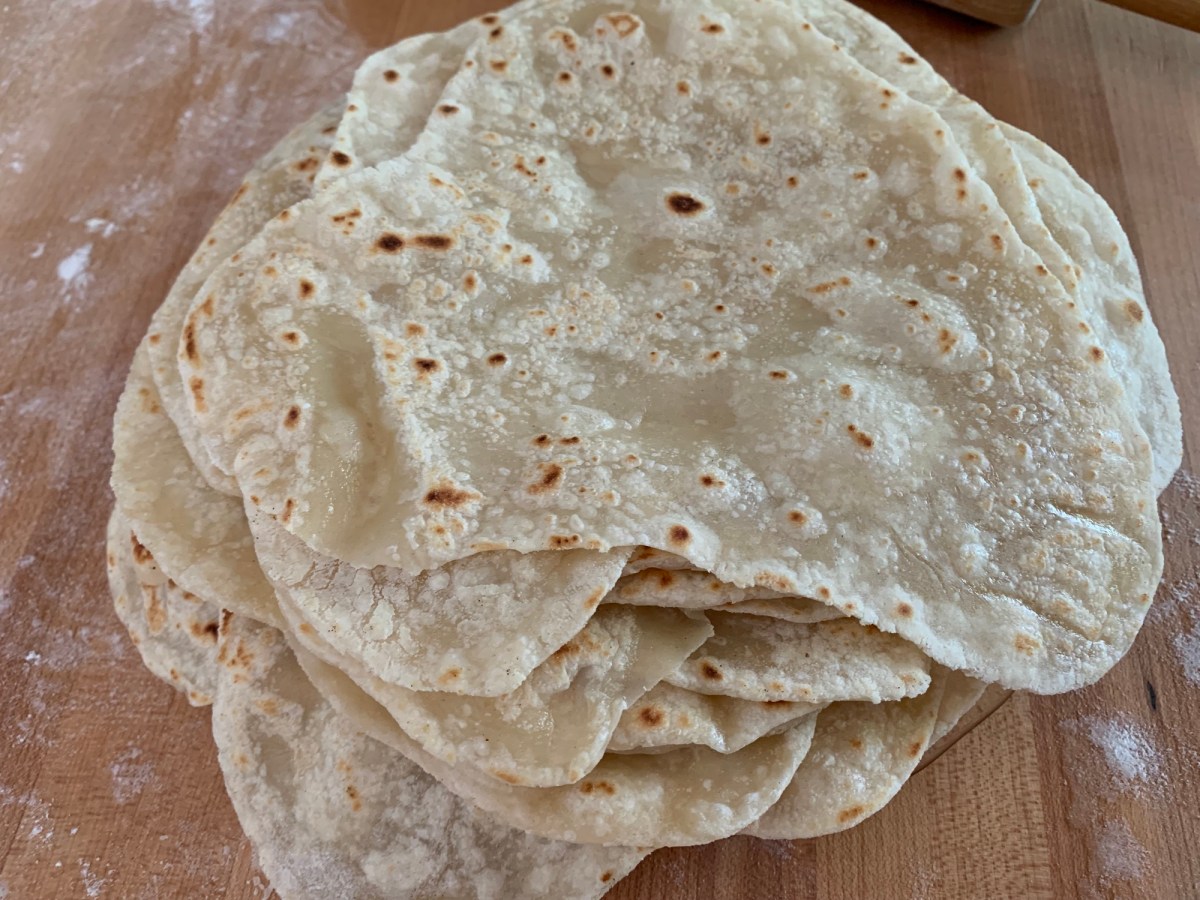
Once you make your own tortillas, you will never eat store bought again. Here’s a rundown on how they are made.

One day I decided to make my own tortillas. I’m not a big bread eater, but I love these tortillas. Store bought anything is usually loaded with extra things I don’t want to eat so I choose to make my own food. Plus, with the garden growing, I like to make quesadillas and use my veggies.

The simple ingredients of flour, salt, baking powder, oil, and water are mixed and then kneaded for a couple of minutes. Find the recipe here that I used, and the list of ingredients. It is loaded with ads, which is typical for recipe pages. I wrote down the ingredients on paper which I refer to each time I make them so I don’t have to go back to that annoying page.

These are easy to make, but they are very time-consuming. Do the first part of mixing and then they get to sit for a while. Rolling and cooking takes the longest. But, they are good. You will never go back to store bought!

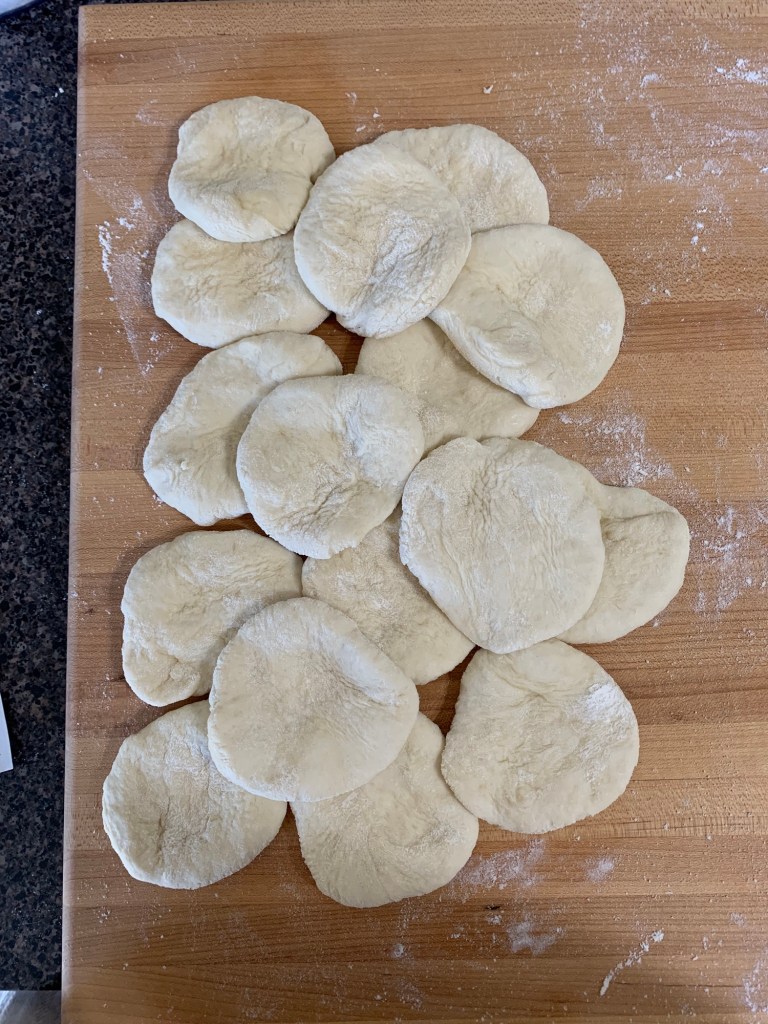
Mix the dough, knead, and divide into 16 pieces.

I have an awesome wooden cutting board which I use for this. And I have a little dough cutter / scraper (Amazon affiliate link) that comes in handy.
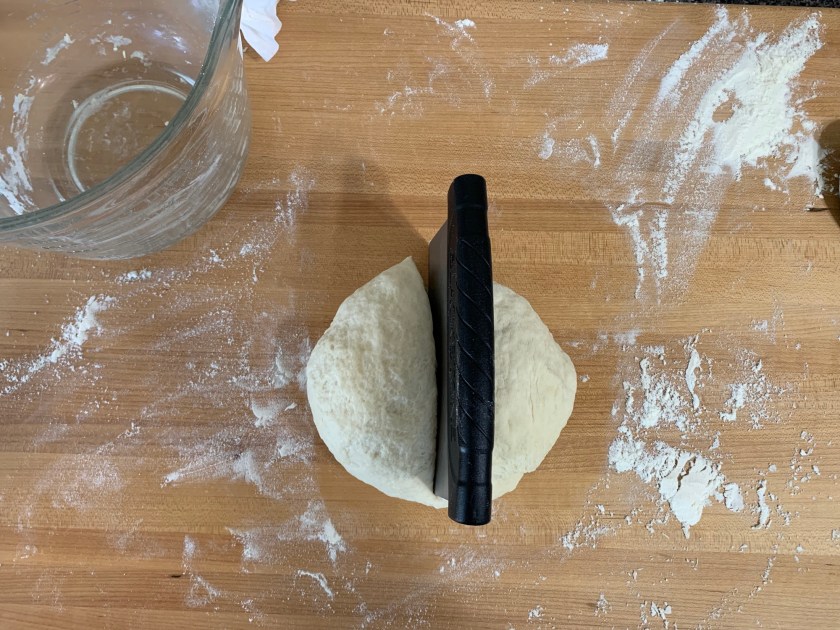
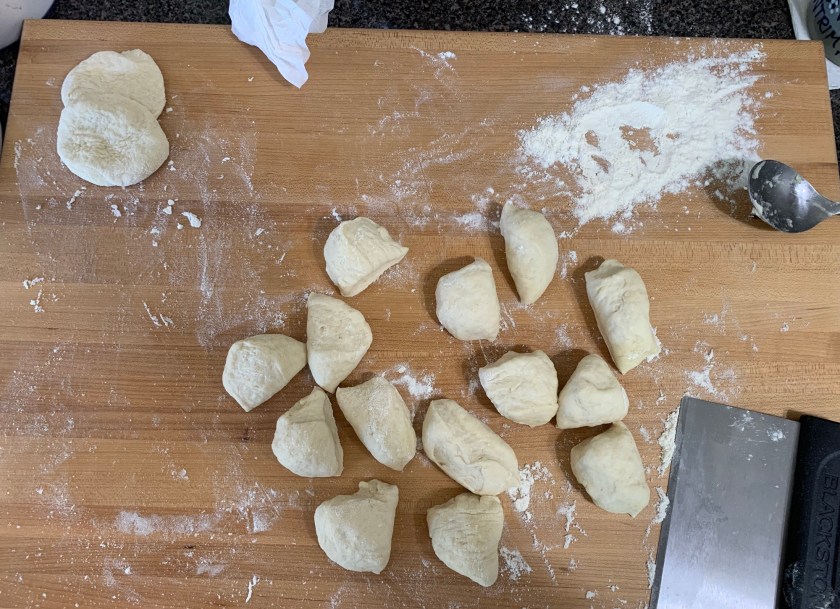
  • divide the dough
  • tortilla dough cut into 16 pieces
  • dough circles resting

Once you have 16 pieces of dough – just keep dividing each section until you have 16 – roll and flatten a bit with your palm. Cover them with a towel and wait a while – up to 2 hours, or as little as 15 minutes.

Roll flat and into a round shape (not easy for me)

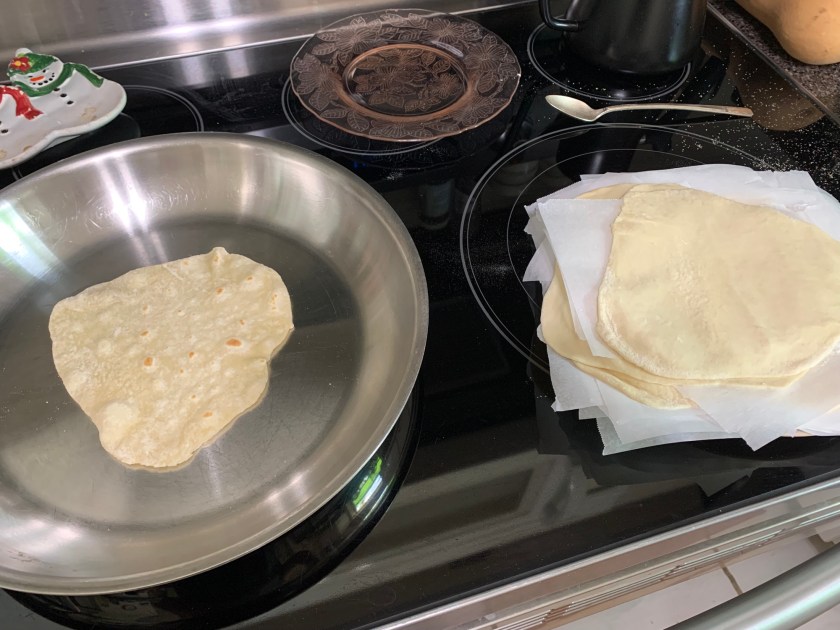
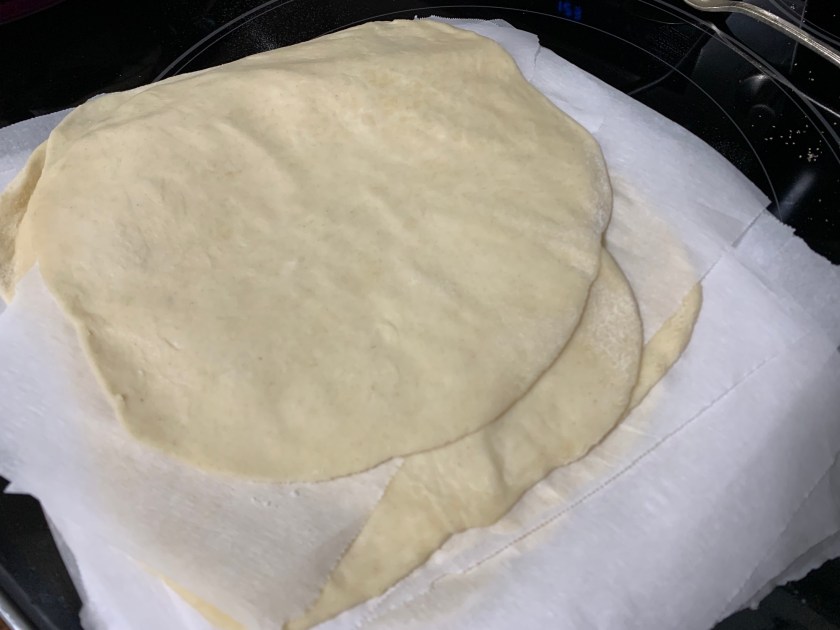
Stack each flattened tortilla with parchment paper between. They will be cooked one at a time so you don’t want them to stick together.

Consider the Pan

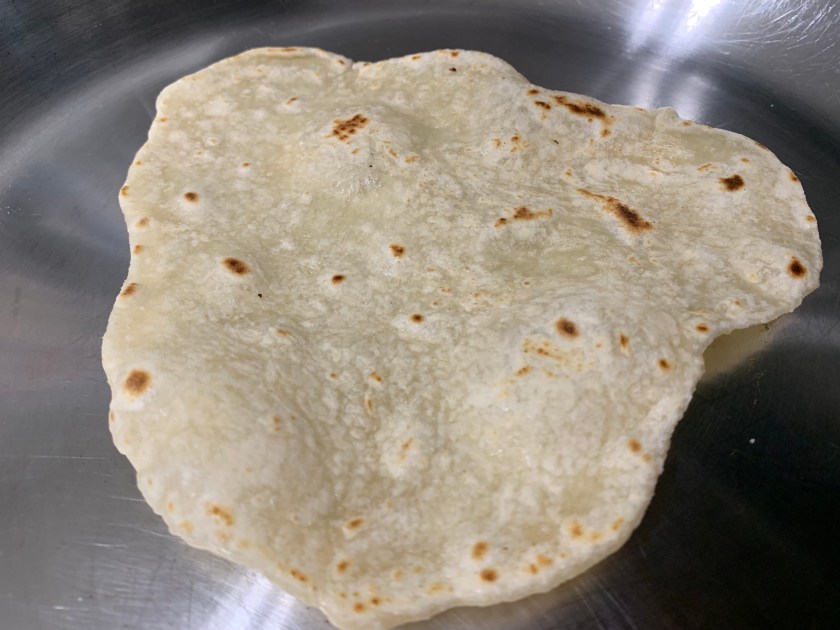
The pan type was tough to figure out. The first time I used a small non-stick fry pan and I ruined it! The tortillas are baked for about a minute total in a dry pan – add nothing… no oil. This can make bits of the tortilla stick to the pan and burn on as you continue to cook all 16 tortillas. I couldn’t clean the black bits off the non-stick pan. It was ruined.

Finally I have decided that a plain stainless steel pan works best. When I have some black, burned parts I can clean it with stainless steel cleaner. So, use a pan that you are able to scrub afterwards.

I do use a low heat, but they have to cook… it’s a fine line between cooking and burning, so pay close attention.
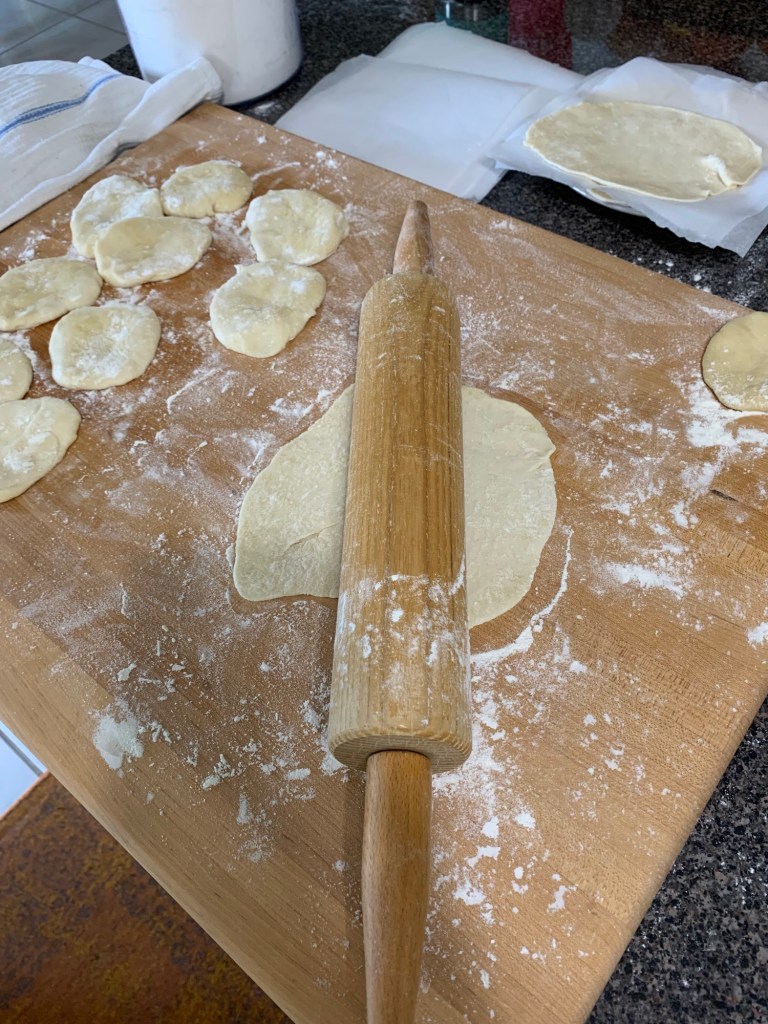
  • rolling pin tortillas on floured board
  • Dough between parchment
  • cooking homemade tortillas
  • frying a homemade tortilla

Using the Cooked Tortillas

Once all 16 tortillas are made, let them cool and store in the fridge. I usually freeze many of mine to use at a later time. They freeze well.
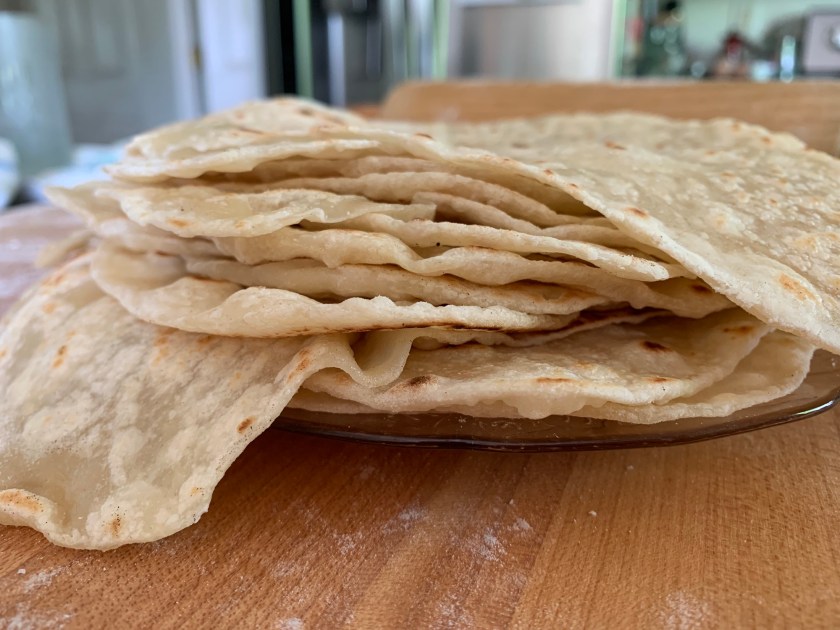
pile of tortillas stacked on a plate
Cooked and stacked

A favorite way to use the tortillas is to make delicious quesadillas. This meal is very simple (once the tortillas are made) and offers many ingredient options.
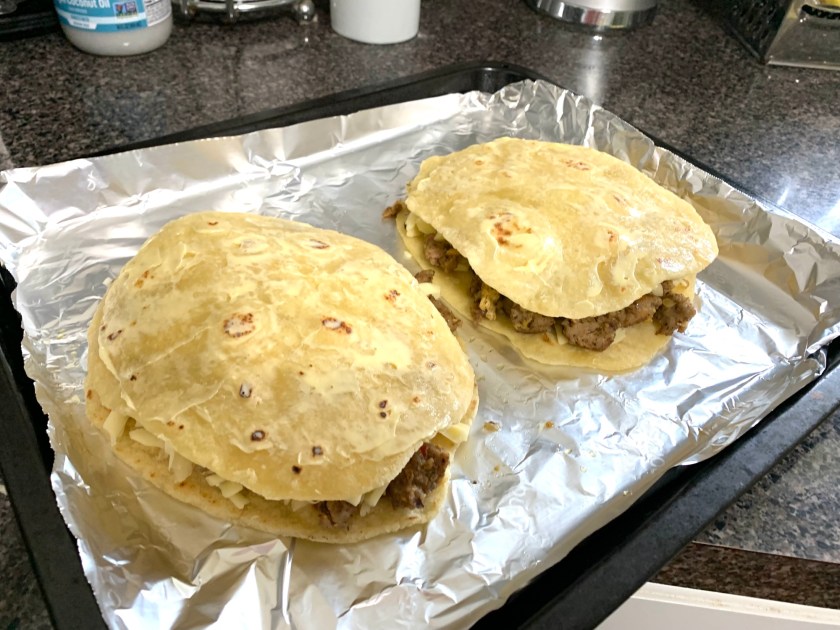
homemade quesadillas
Homemade tortillas to make quesadillas

Simply butter one side of a tortilla and place it – butter side down – on a pan, foil, or parchment paper. Add cooked meat, cheese, vegetables, or whatever you wish. Butter the top of the other tortilla and place butter side up. Bake at 350 for about 15-20 minutes or until brown and crispy.
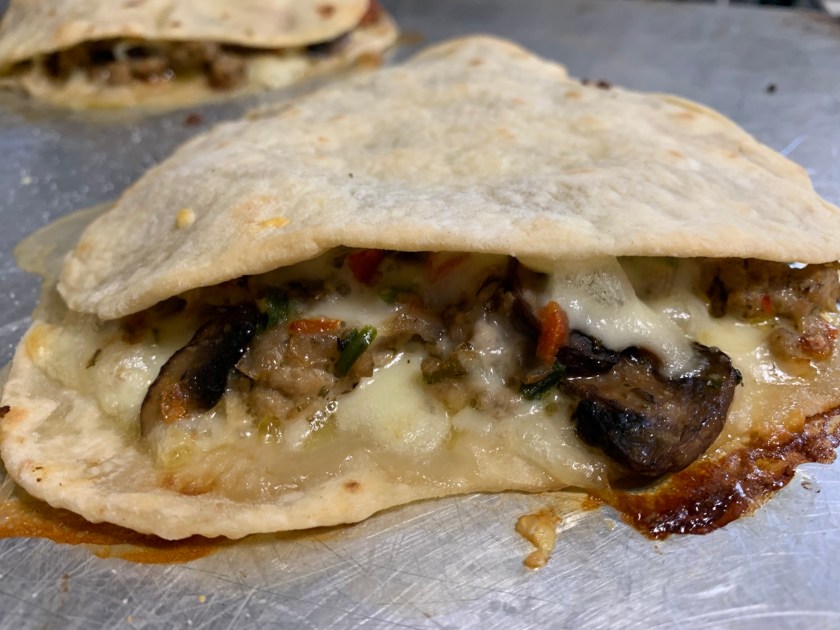
Quesadilla homemade

Keep reading the blog…

Marigolds in the Florida Vegetable Garden

Marigolds are beautiful and easy flowers to grow in a Florida yard and vegetable garden. They may also have some great benefits.

While many flowers I grew in my northern garden can’t be grown here in Florida, the marigold certainly can. The scent of marigolds will repel mosquitoes, which are a bother all the time in my yard. I’m not sure if they work on no-see-ums, but maybe! As my garden space grows, so will my number of marigold plants. They are colorful and so easy to grow.

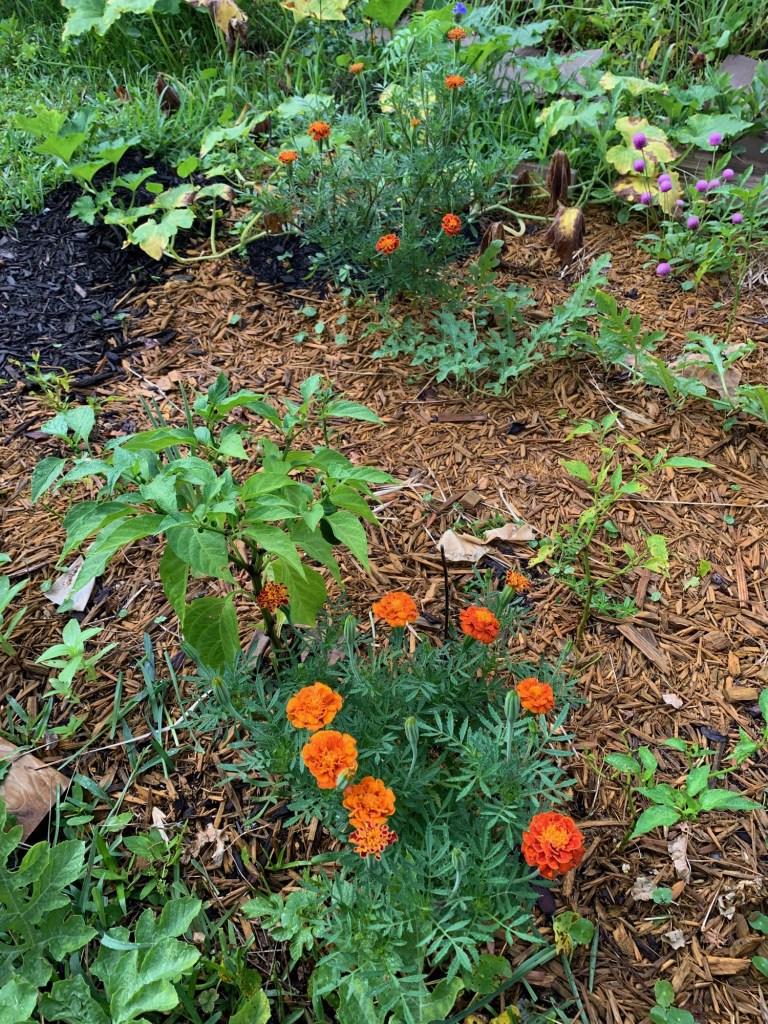
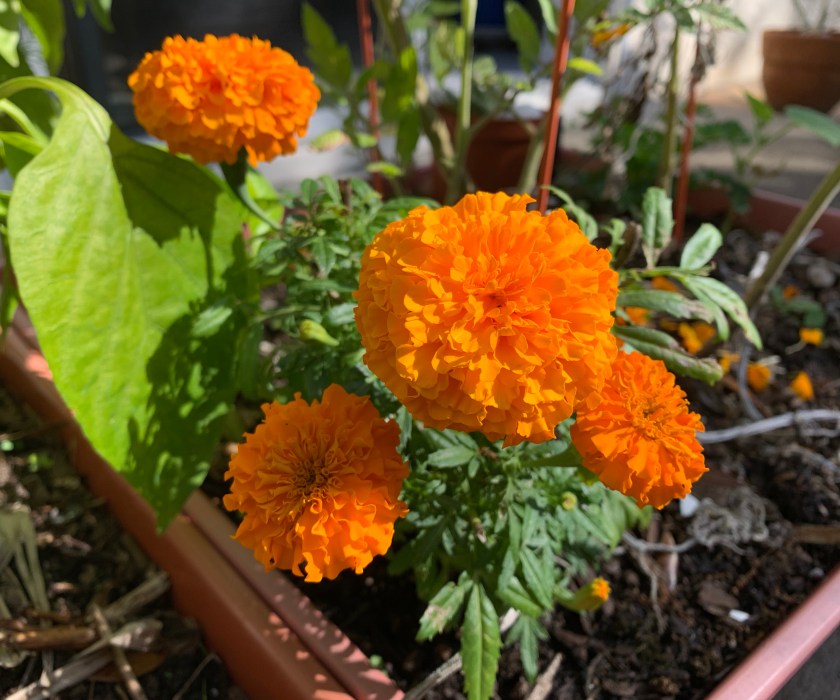
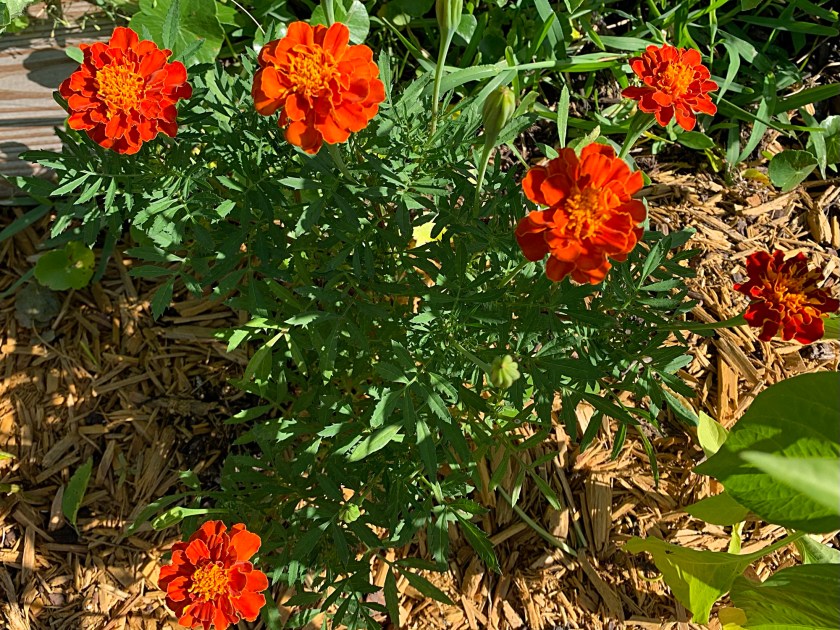
orange marigolds in garden
Marigolds grow among peppers, pumpkin, and watermelon

Marigolds and Nematodes

Marigolds may also help keep nematodes away (maybe not – read on). They do not hinder all types of nematodes, but do help with common root-knot nematodes. My Great Garden Companions book, by Sally Jean Cunningham (Amazon affiliate link), says to turn the entire marigold plant into the earth after the growing season is over.

To Till or Not To Till

My thoughts on cleaning out a garden is to cut off the plant and leave the roots for the earthworms. Disturbing the soil disrupts the ecology of the soil, or so I’ve read. BUT… if you have nematodes, doing this helps them survive! Maybe I just need to find out if I do have nematodes and go from there.

What is a nematode?

Once I began planting my garden I kept hearing about nematodes. I did not know what they were, only that they were damaging to crops. (Apparently there are also good nematodes.)

Nematode damage appears as yellowing and wilting of crops. The little buggers affect the roots in a way that removes the ability of the plant to take up nutrients and water from the soil. When nothing you do helps the plant, maybe it’s some kind of nematode (there are many types).

Don’t look for them with the naked eye because they are microscopic. (Think “monsters inside us”.) This page at the University of Florida gardening site has excellent nematode pictures to show the size of nematodes. It also explains them really well. So well, in fact, that you may be scared off gardening all together!

Reading all this info on nematodes is very disheartening. Florida can have all kinds of nematodes because nematodes love sandy soil.

The UF site says this: French Marigolds – particularly the yellow or gold “Petite French” Tagetes patula variety can help keep certain nematodes (the root-knot) away. (This info was found in Table 2 in the link above.)
And then… I read this, on the same UF site: Garden Myths: Volume 1 which talks about Marigolds and false beliefs that they can deter nematodes..!!

Holy cow. I guess marigolds can’t hurt, but we can’t see them as the one great answer to destroying nematodes either.
Marigolds and Beneficials

Not only do marigolds repel possible pests in the vegetable garden, and help deter nematodes (we hope), they constantly flower throughout summer – and more seasons here in Florida. That means butterflies and other bugs can enjoy the flowers as sources of food. They are not high on the list for nectar, but I’ve had bees and butterflies on my flowers.

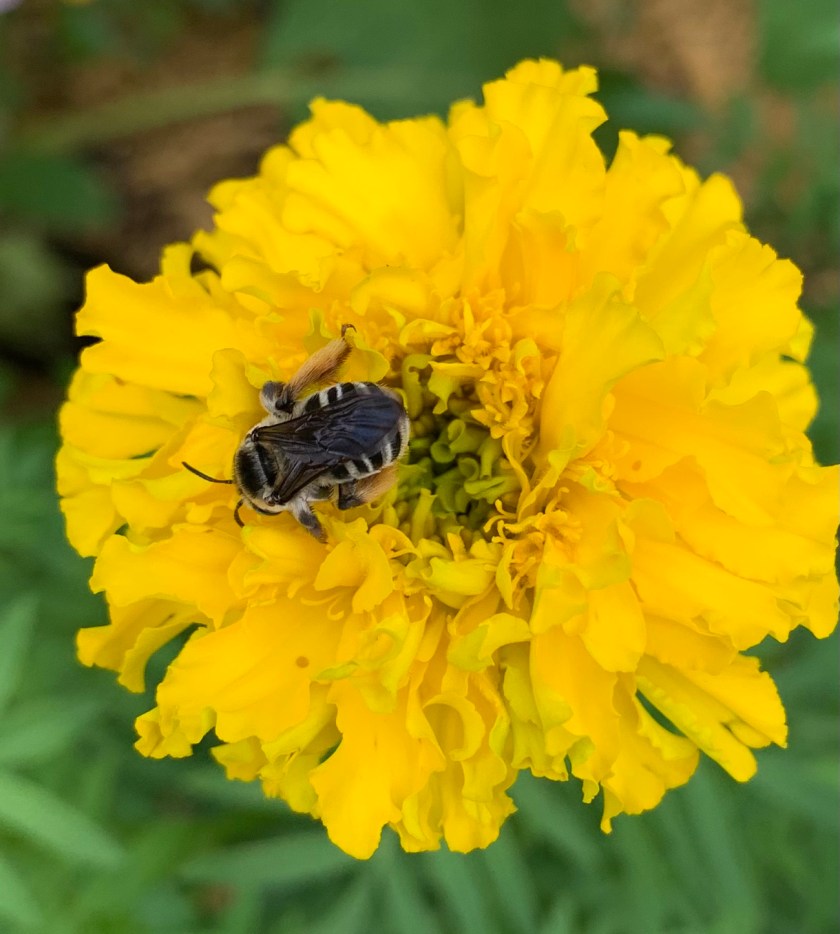
Bee on yellow marigold
Bee climbing through the marigold
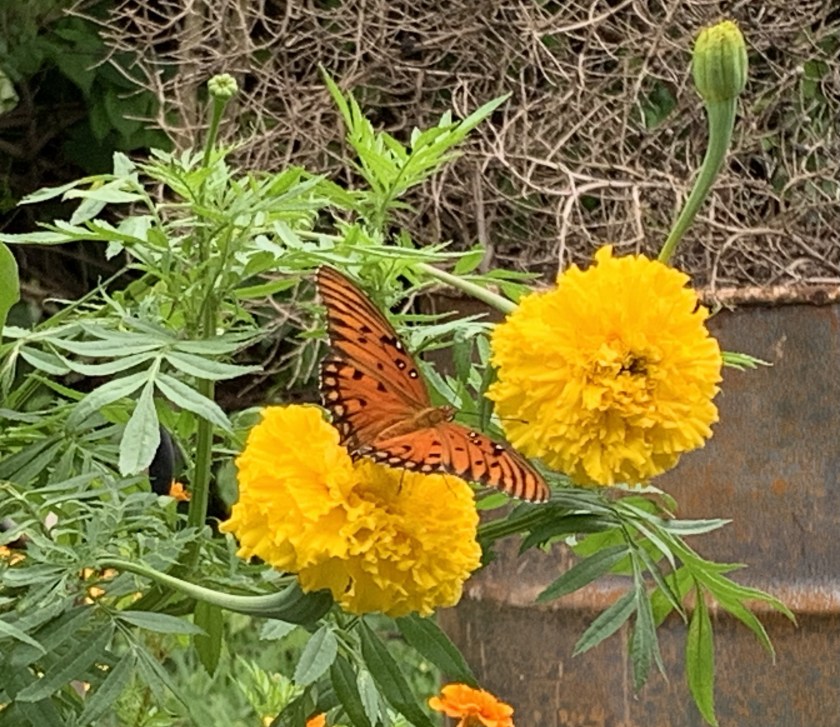
orange Gulf Fritillary butterfly
Gulf Fritillary butterfly

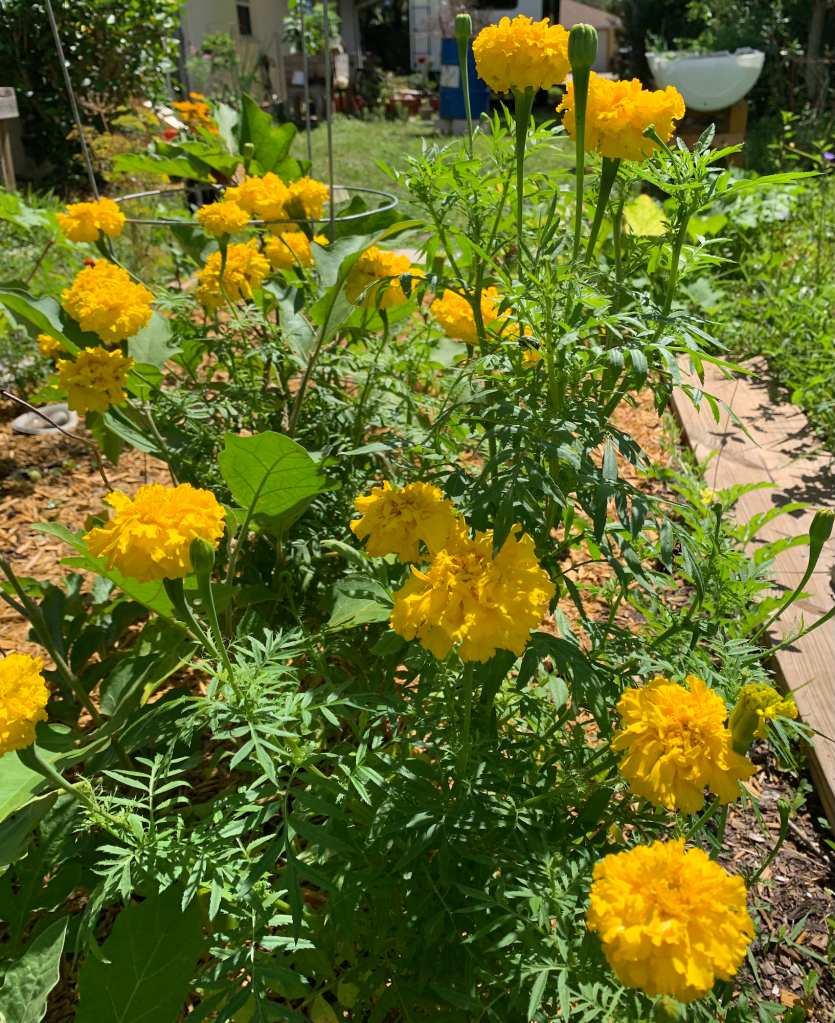
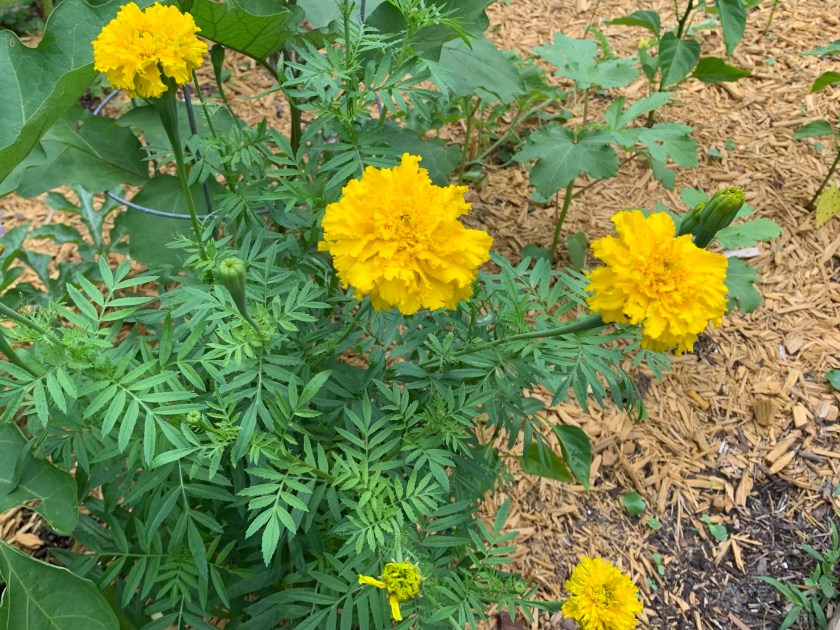
I have marigolds growing in some raised beds and among the ground garden veggies. The tall yellow flowers wind their way up through eggplant and help shade the oregano.

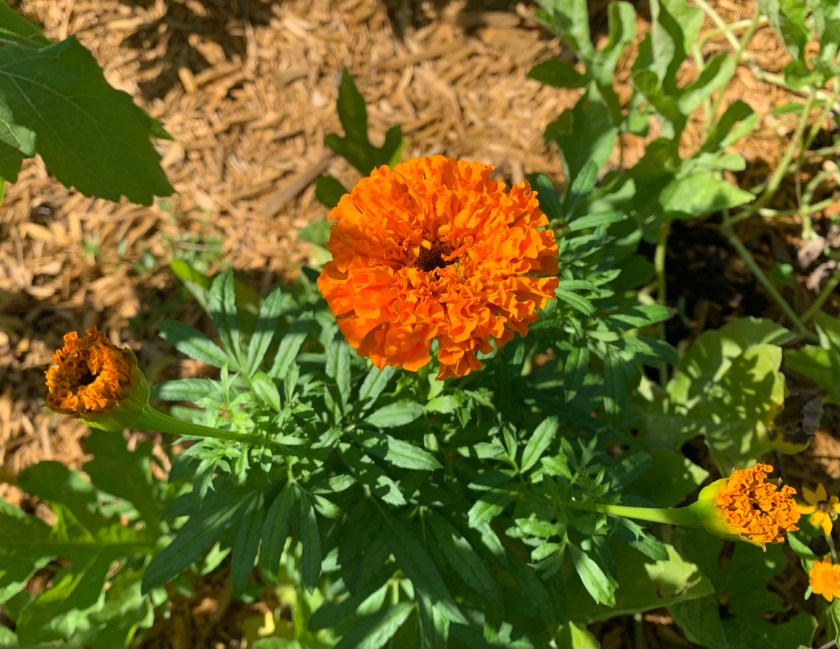
The fluffy orange flowering marigold is so pretty, I will save its seeds and plant many more. Saving marigold seeds is easy. I simply scatter the seeds around the gardens and see what grows. Or, they can be scattered in an empty grow pot and then the seedlings can be transplanted. They do very well when transplanted too.
Marigolds in the garden
My orange and yellow marigolds
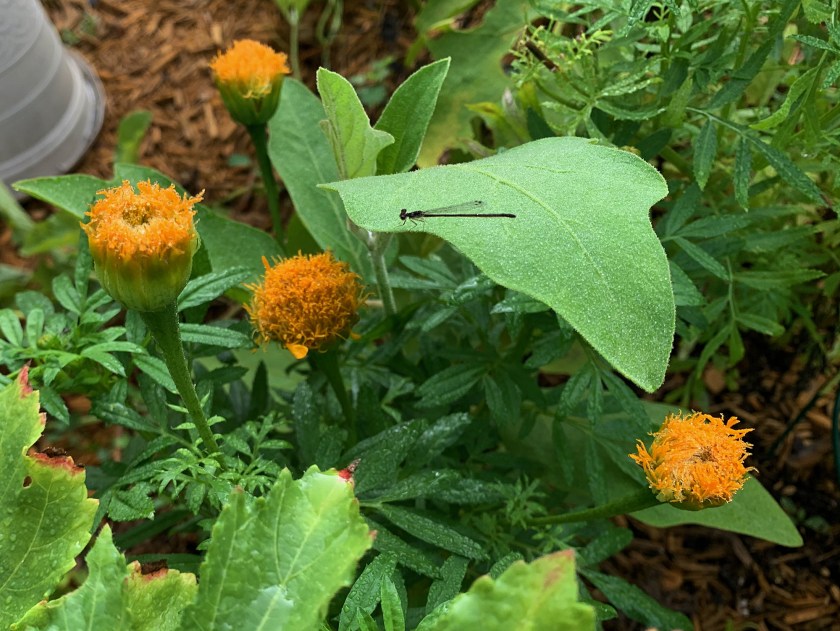
damselfly
Little damselfly

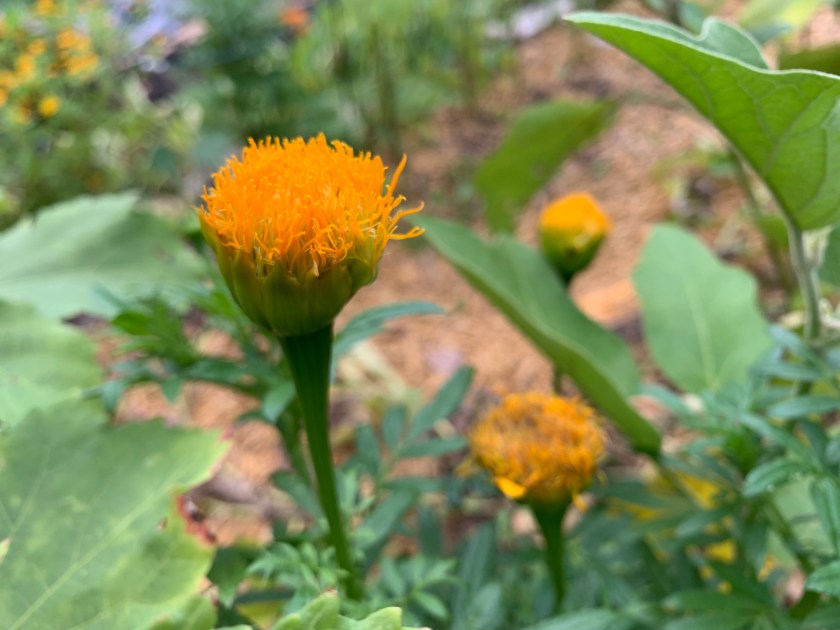
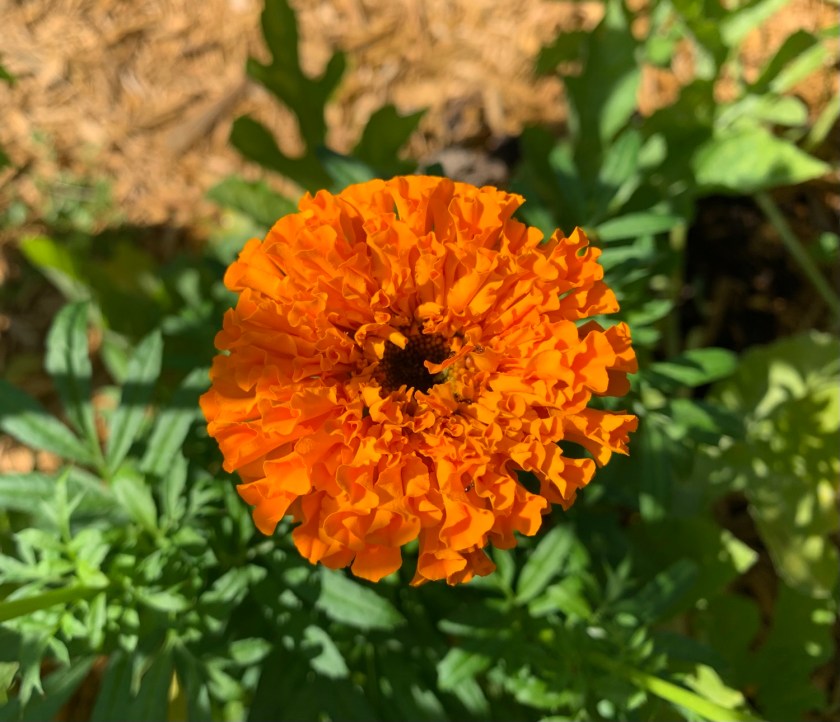
This frilly gold-orange marigold flower is interesting. I keep waiting for it to “open” but this is all it does. The older flower is now looking like it’s gone by. I hoped it would be more than this. It is different, and I’m not sure what type it is.

  • Golden orange marigold flower that is frilly

Marigolds Can Handle the Heat

Marigolds are wonderful choices for this humid and very hot location. I’ve never had them wilt or seem stressed by the baking sun. The big yellow flowers can get ants, but other than that, no pest problems.

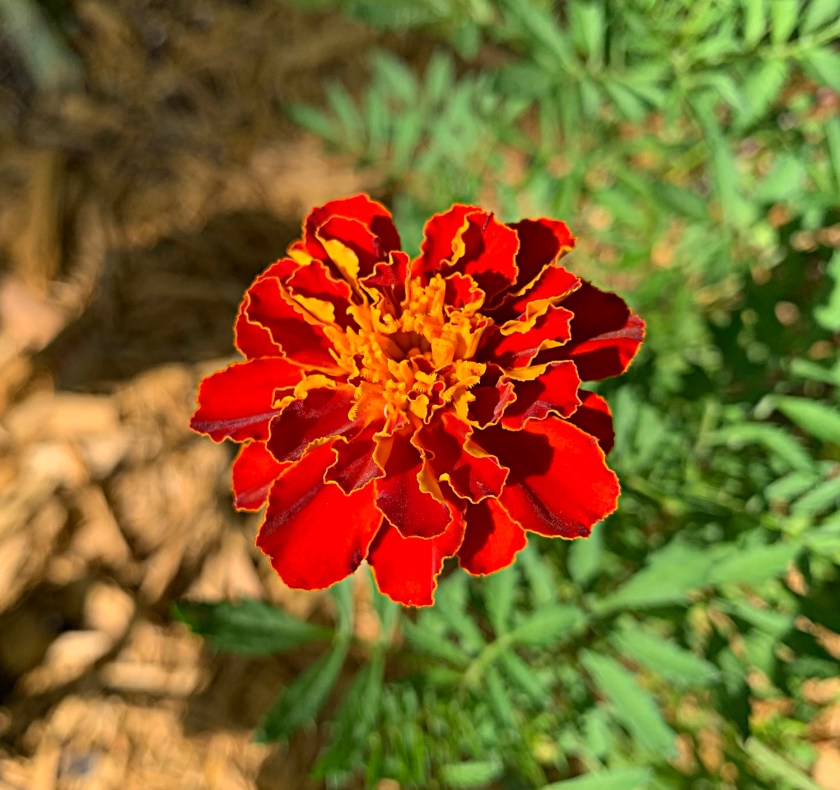
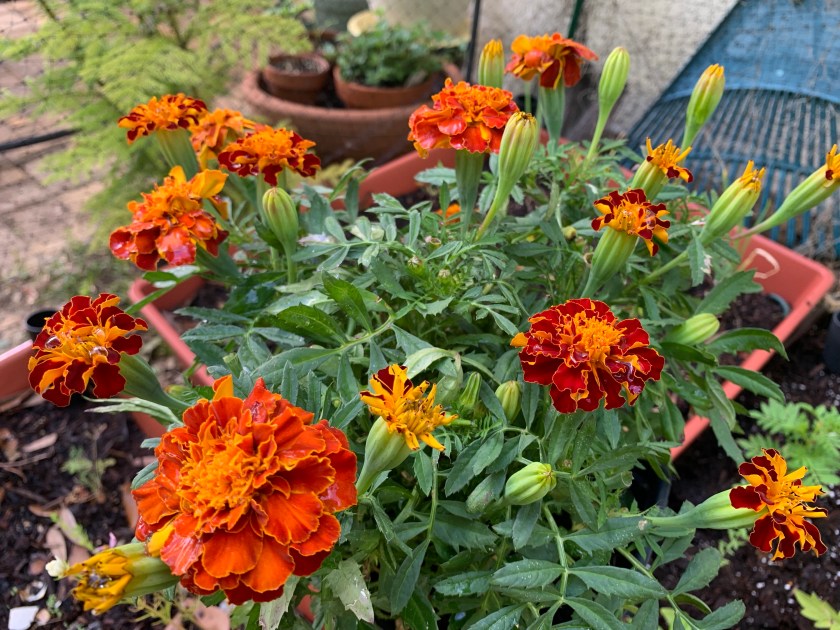
Red-orange marigold flower

Be Careful of the Rains

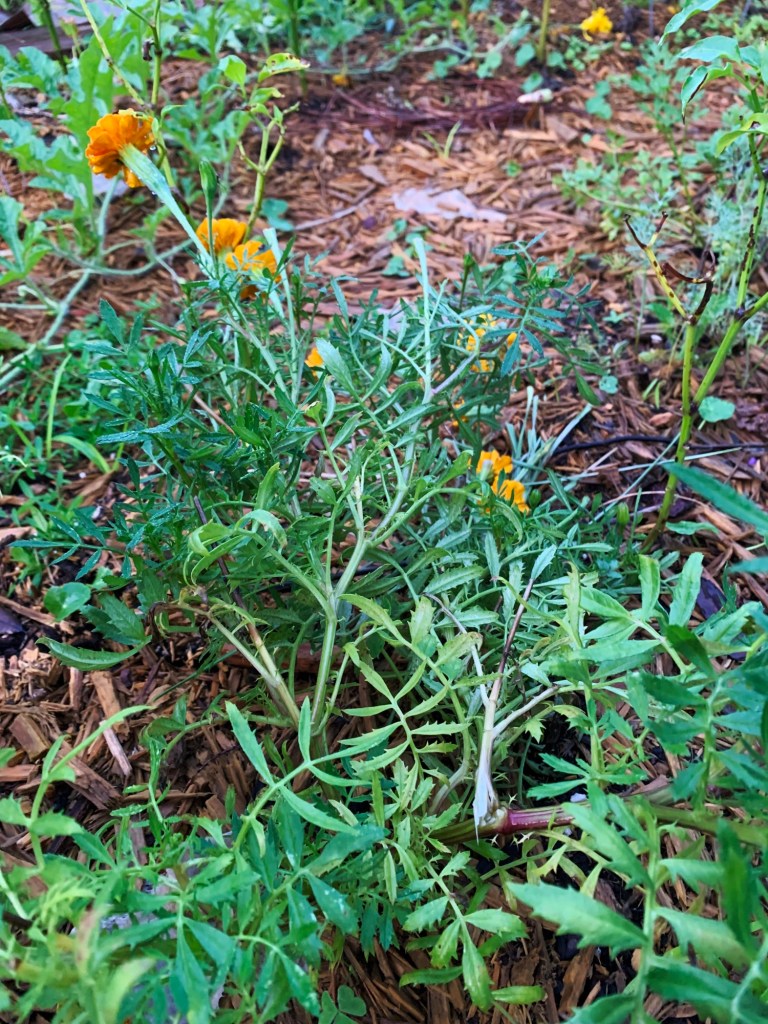
Once we began getting big afternoon storms (July), my marigolds fell over. Big sections of the plants just fell to the ground!

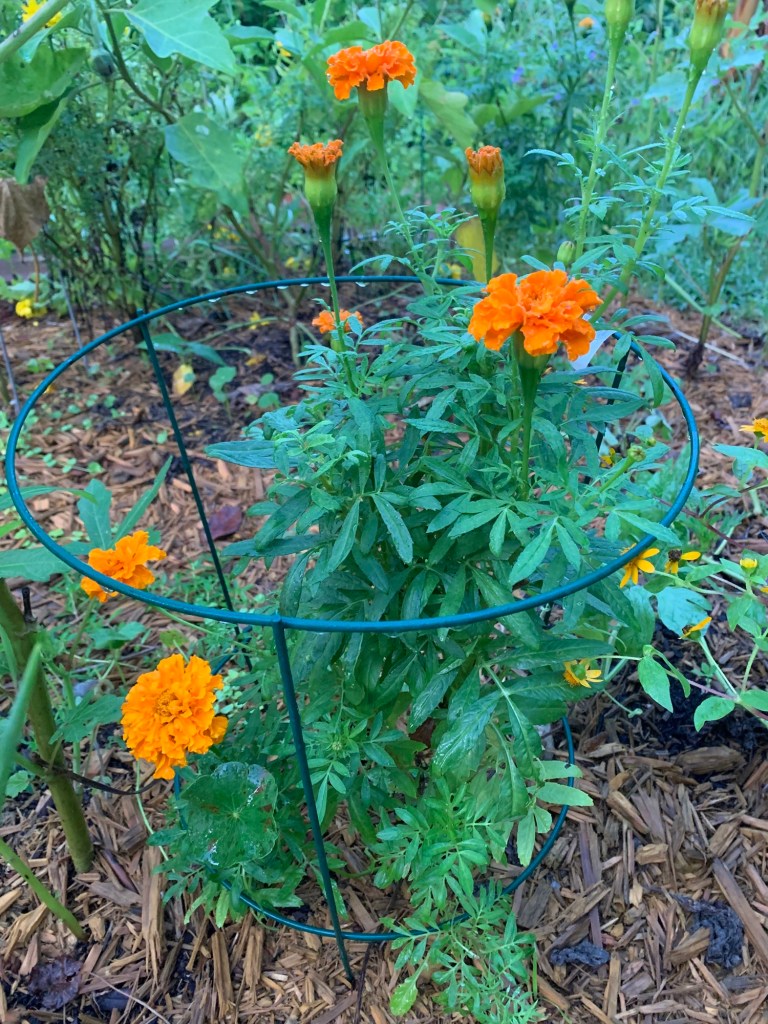
I’d already planned to put cages around the yellow marigolds because of their height, but it seems these orange ones need support as well.

The broken parts are going into the compost. Next year I will buy some short cages, sold near the tall tomato cages at Home Depot, and put them up for all the marigold plants.

  • composting broken marigold
  • Short cage for flowering plants

Read more gardening stories…

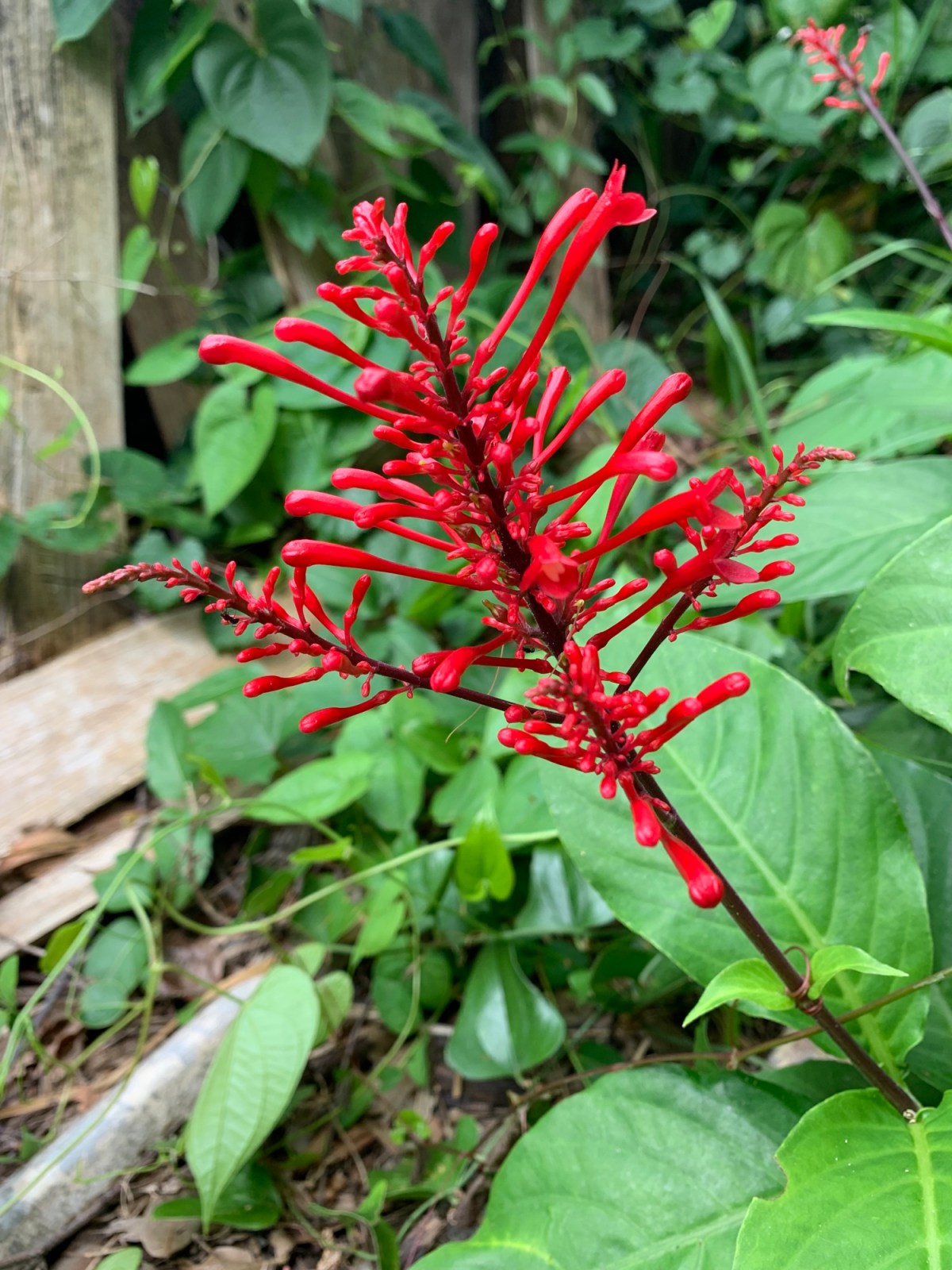
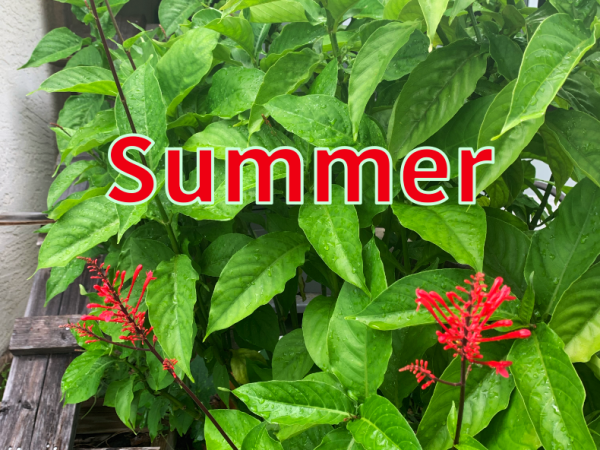
Backyard Surprise, A Hidden Firespike Plant

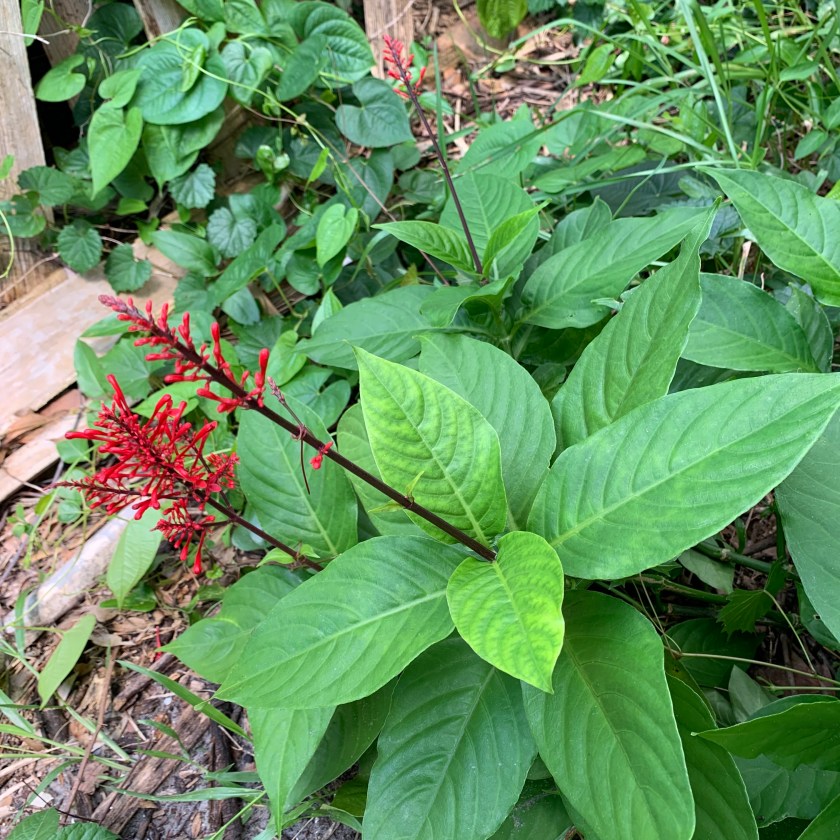
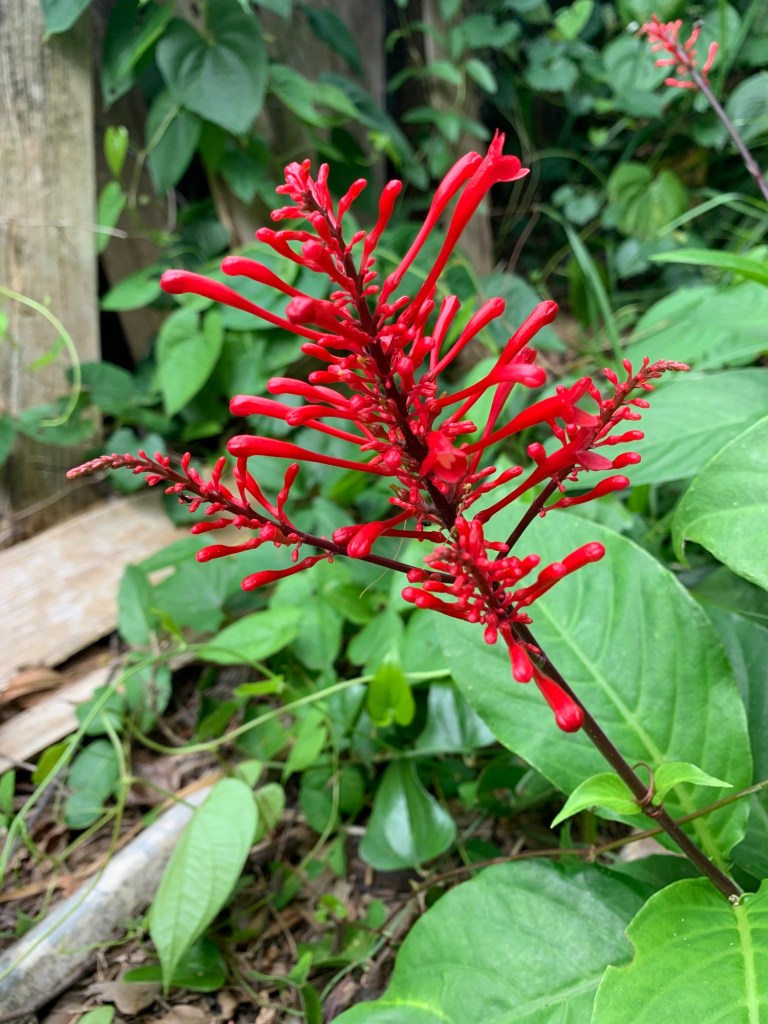
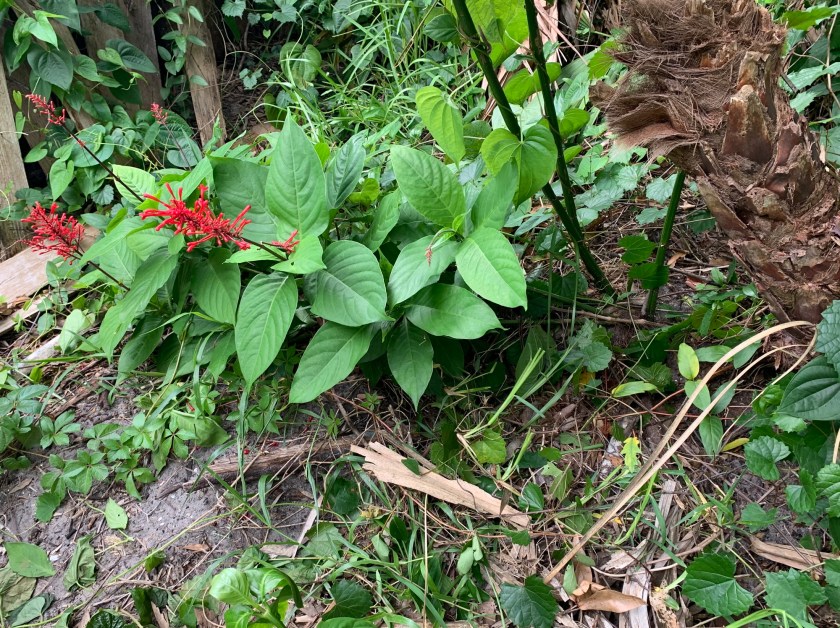
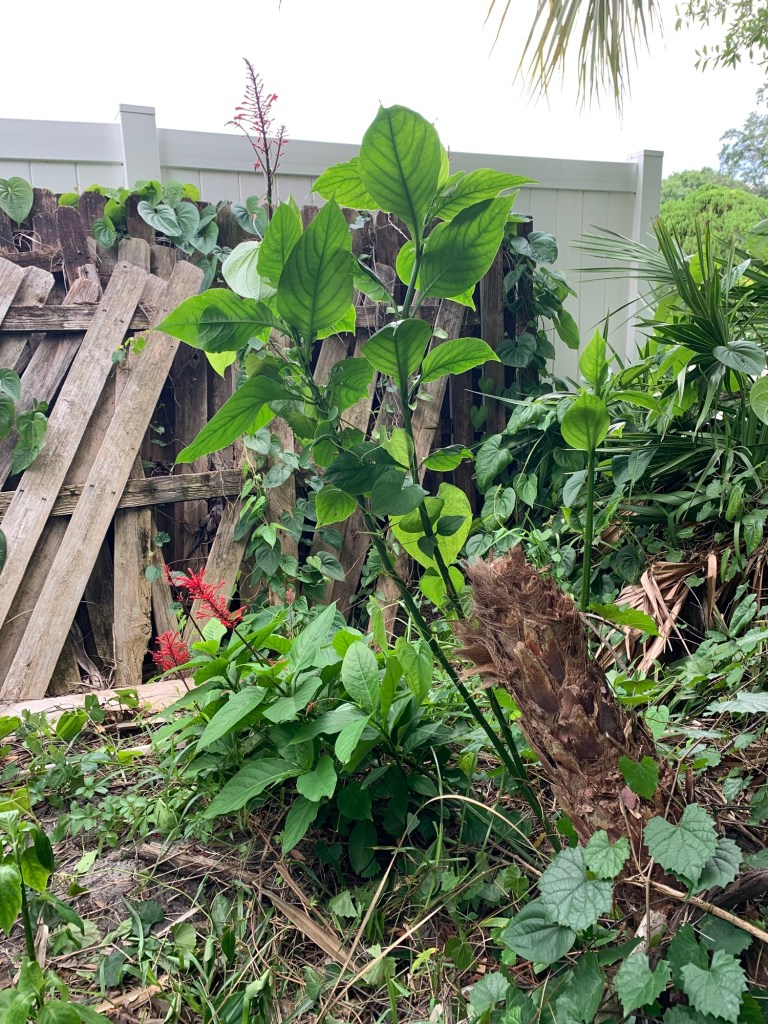
Because of it’s bright red flowers, I noticed a Firespike plant growing at the edge of my yard behind lots of wild growth.

It’s June and I am not spending much time in the yard because of the heat. I check the vegetable gardens and so some watering and weeding as needed, but try to be done by 8:00am.

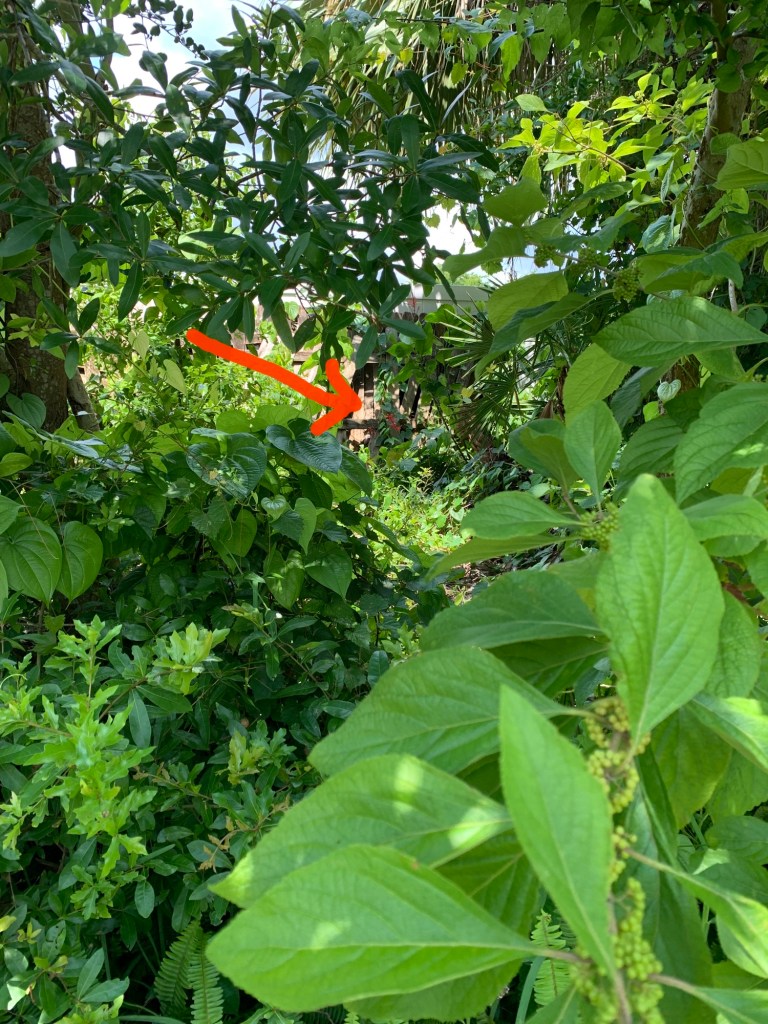
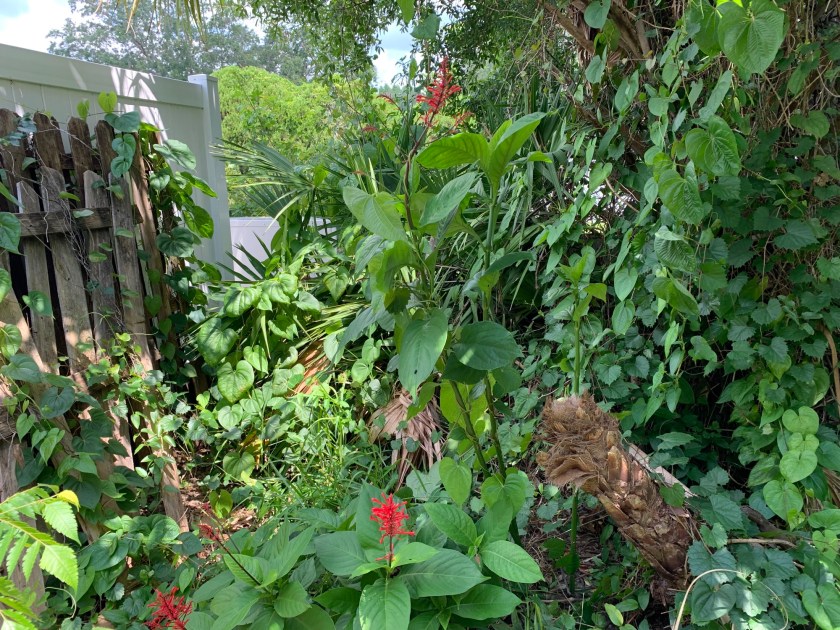
red flower in jungle growth
The red flower caught my eye.
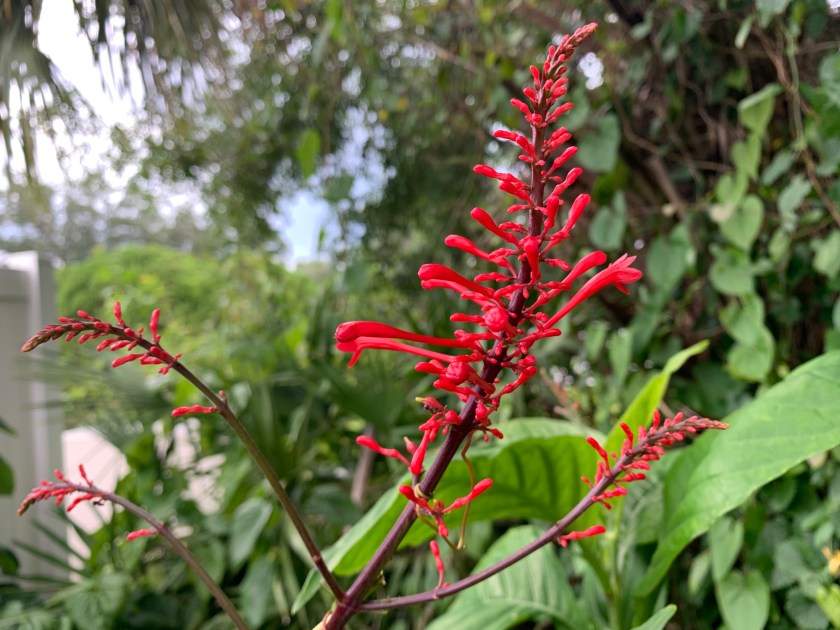
Firespike flower

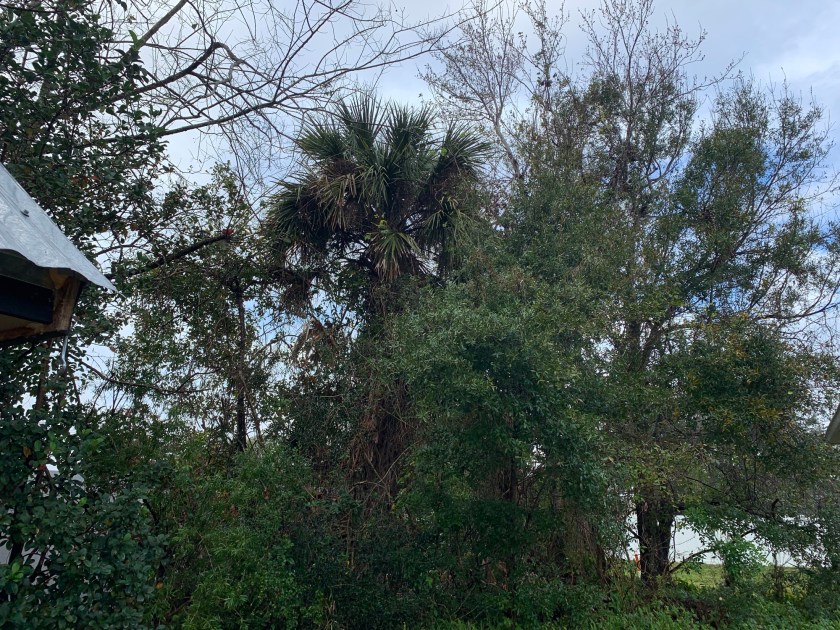
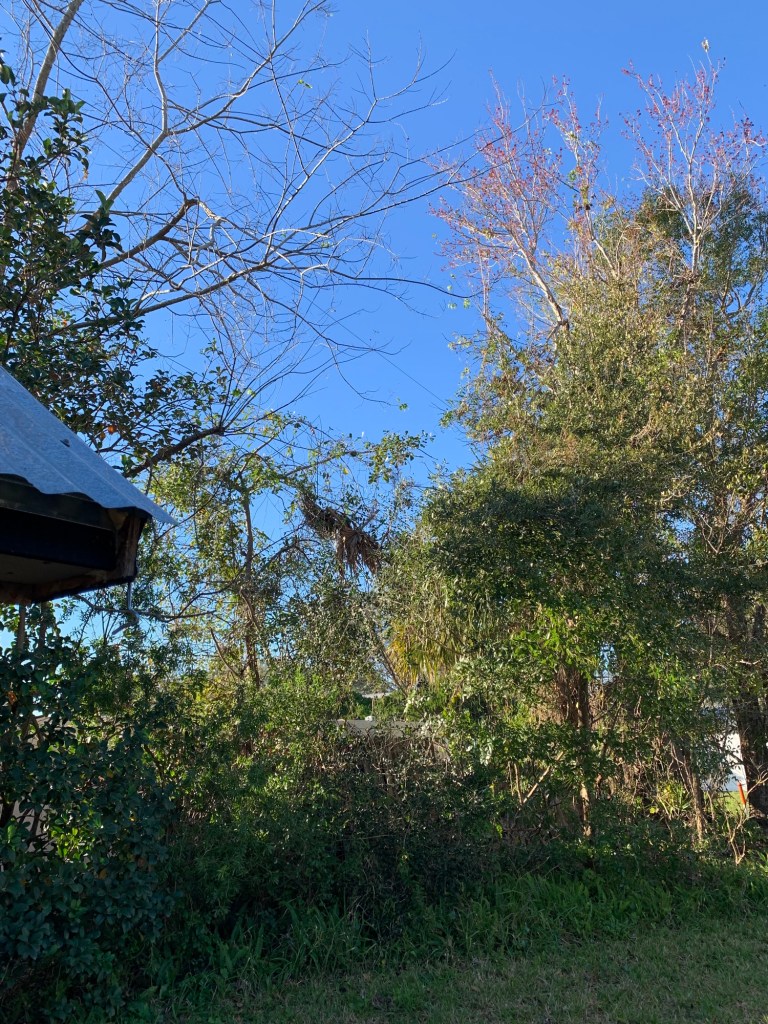
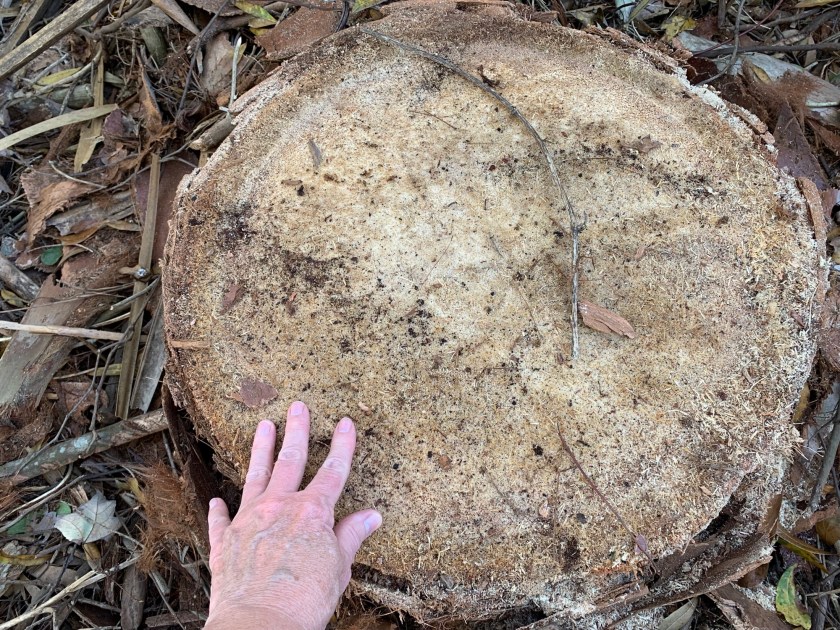
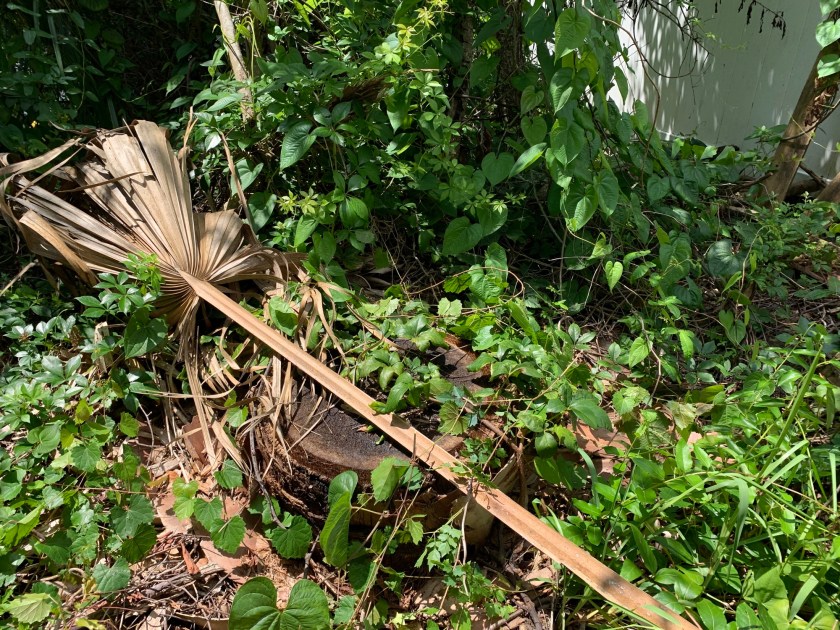
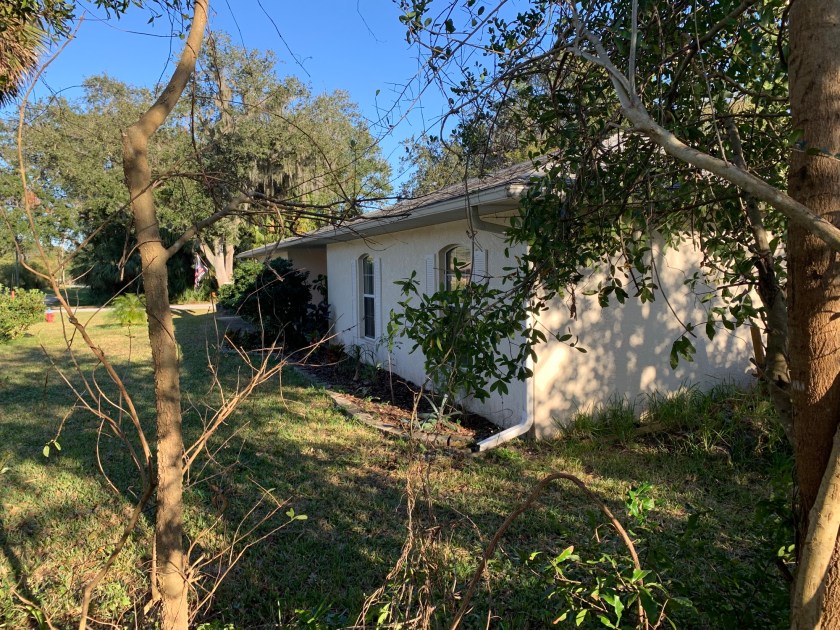
As I was walking past an overgrown area (where the Beautyberry Bush also grows), a bright red flower caught my eye. It was back along the fence line. We’d had a palm tree taken down by the power company because it was growing too close to the power lines – the power company insisted on removing it. The Firespike plant was found just to the right of that palm tree.

  • Palm tree
  • opening where palm tree grew
  • palm tree stump
  • palm tree stump

I knew that with the palm gone, more sunlight would hit a previously shady area. I was hoping some of the small hidden trees would be able to grow better. I never thought I would eventually find a beautiful, red-flowering plant.

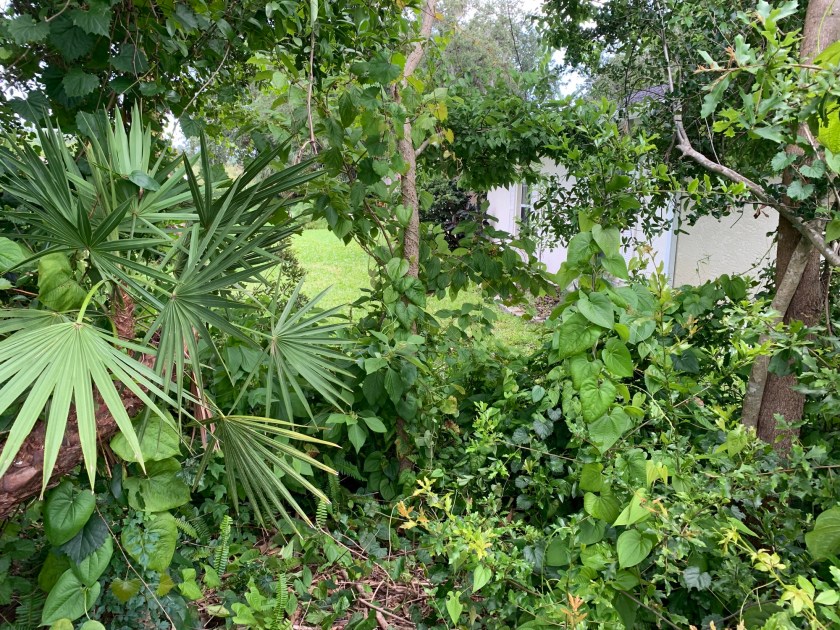
Walking through the growth meant keeping an eye out for bugs, spiders, snakes and fire ants. I had to cut and pull the vines out of the way. This is not the right time of year to be clearing growth, but I had to see what was growing back there.

June vs. January House View From Woods

The neighbors behind us put up a new white fence, but they left the old one there! At least there is a fence, and we didn’t have to buy one.

Firespike plant

When I got to the plant, I had no idea what it was. I had to cut off the vines that were attempting to strangle it. I took a photo and my iPhone plant identifier came up with this, “Odontonema cuspidatum, the mottled toothedthread, the Cardinal’s guard, or the firespike“.

Propagating the Firespike

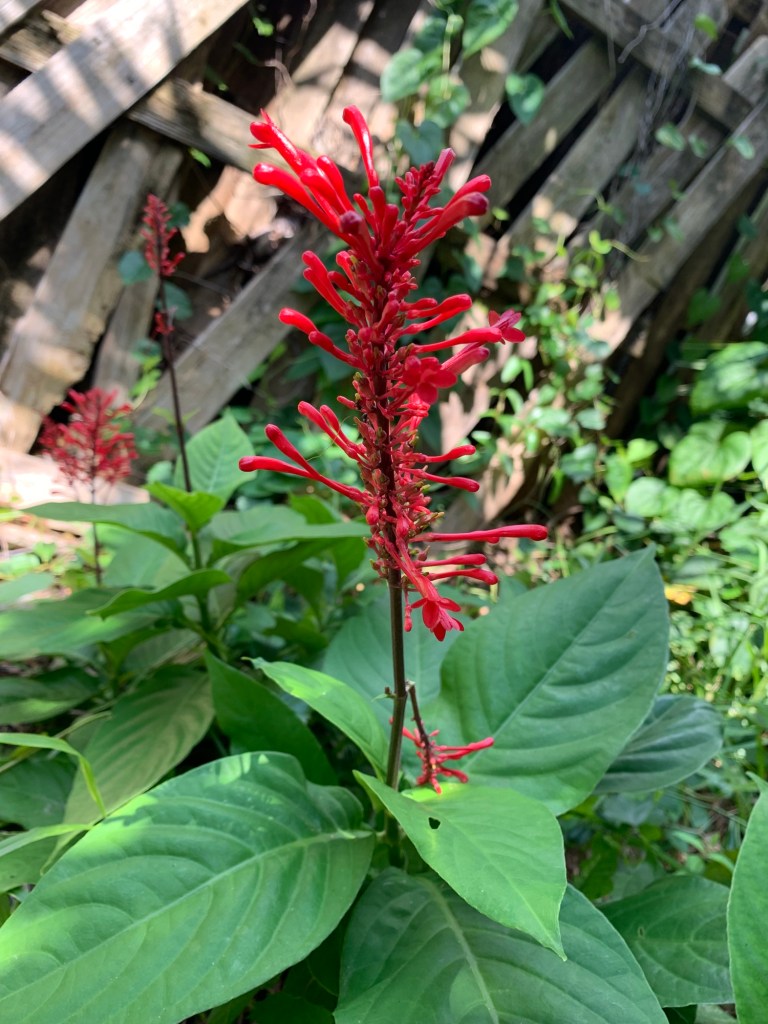
At first, when I saw both tall and short flowering stems, I believed they might be separate plants. I was hoping to dig up a small plant and transplant it to my yard.

But those shorter looking plants were really just long stems laying on their side. This must be a very hardy plant to have thrived so long in tough conditions.

  • Firespike plant
  • Firespike flower
  • Firespike flower
  • Firespike flower
  • Firespike plant flowering

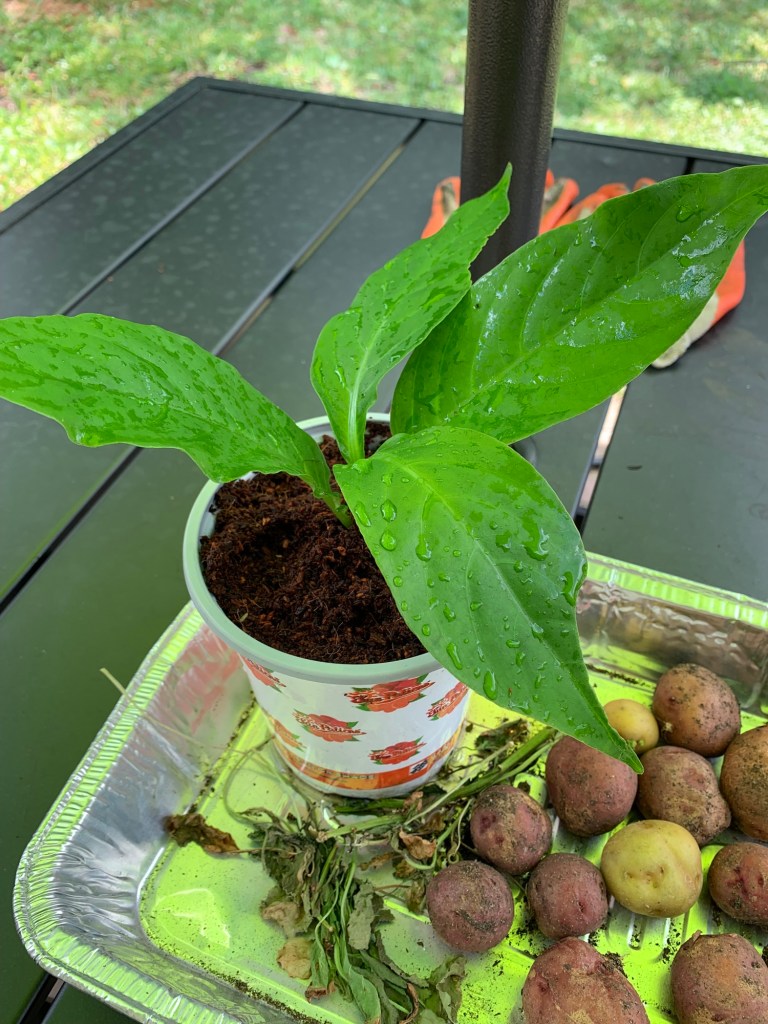
I took one cutting, of some new growth along one of the stems. Hopefully I will be able to propagate this beautiful shrub. If this cutting does well, I will take more. I put the stem into coconut coir. Updates to come.

Cutting Firespike plant
Firespike cutting, hoping to propagate

Signs of Animals

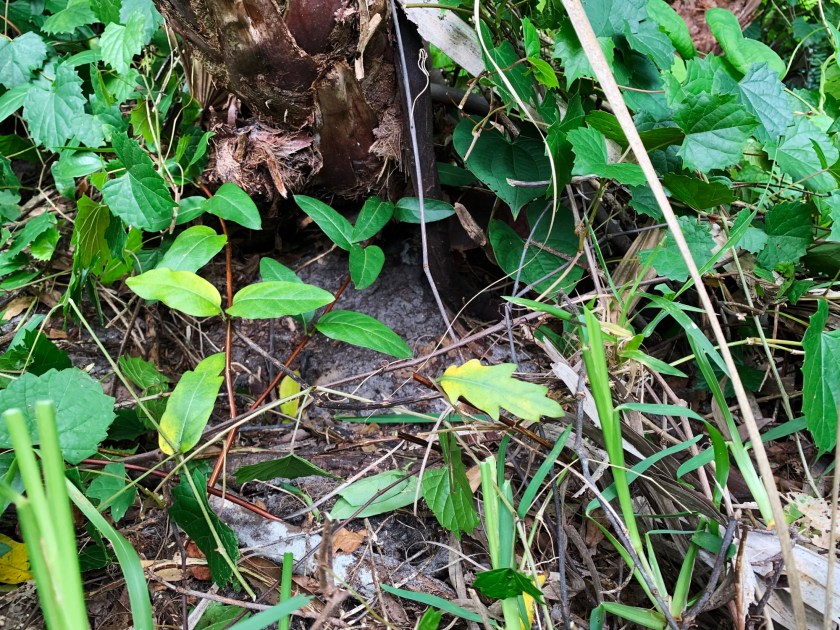
There was a pile of sand next to the Firespike and I thought it might be an ant hill. As I was taking photos of the Firespike I noticed a hole beneath the dead palm tree trunk just next to the plant. At some point an animal had pushed all that sand out to make a burrow for himself.

  • Wildlife burrow

If I had to guess, I would say it was an armadillo’s home. We used to see some little armadillos in the yard when we first moved here. Then, the two lots next door were cleared completely and I’m betting they lost their ability to survive. But, I can’t get started on that….

I didn’t see any signs of something being in that hole. It may have been hiding, or away at the time. Or the hole could be deserted.

The Vines

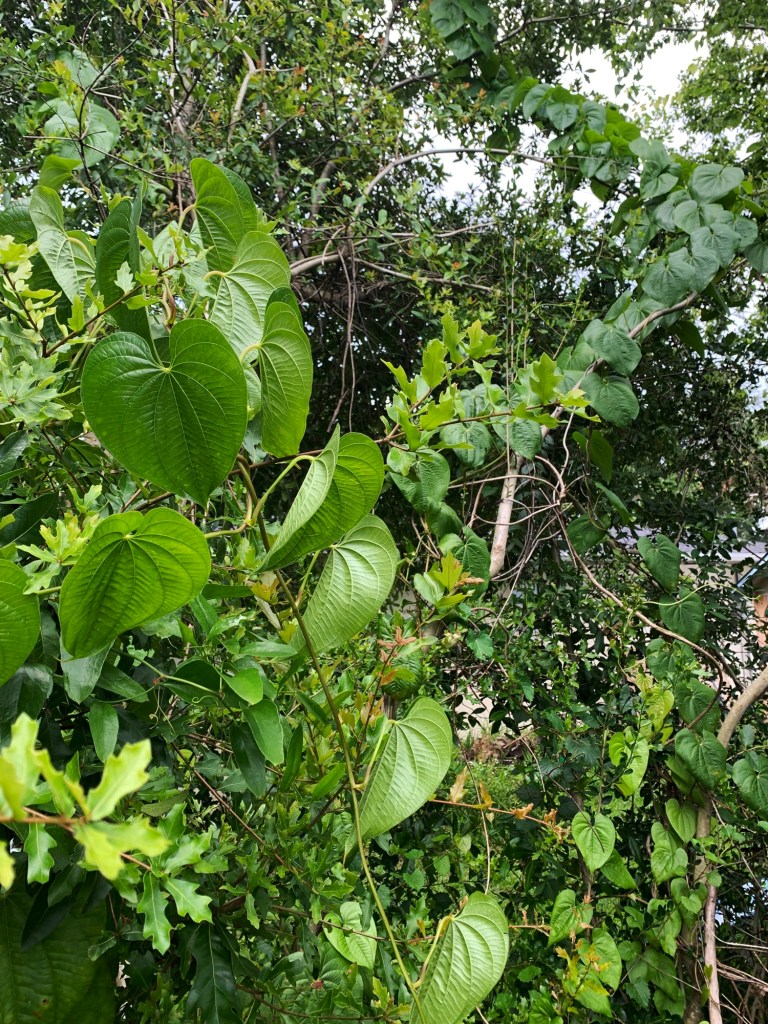
This is an area of my yard where the growth is crazy this time of year. Each winter, when the vines die back, I do some clean up here. Mostly I try to control the vine growth, which can overtake young trees and shrubs and pull them to the ground. Much of the Firespike was also wrapped up in vines.

Florida vines taking over

There is also a shorter plant next to the Firespike and I think it is the same thing. I found this plant in the same area where the Beautyberry bush is growing. Now, I wonder if this part of the yard was once a flower garden.

I’m guessing that the Firespike is a hummingbird attractor!

Firespike flower

UF IFAS Firespike Plant about page

Keep reading…

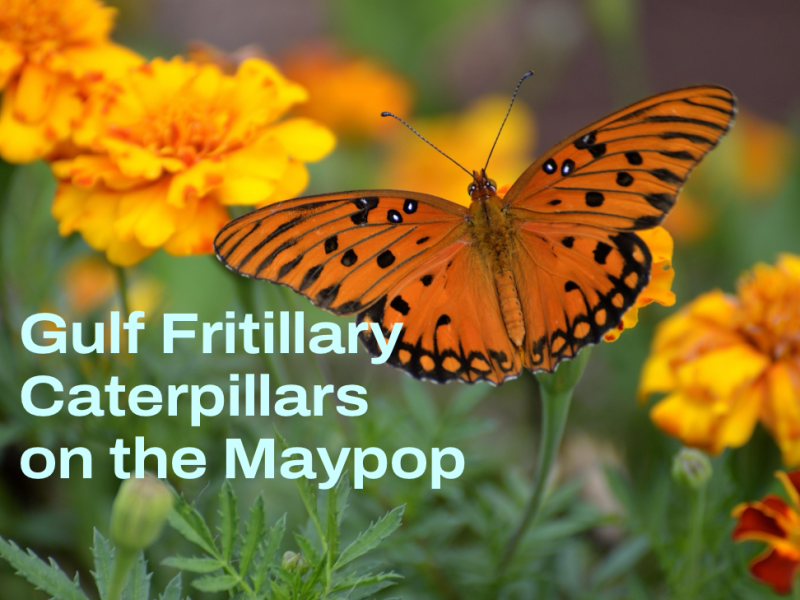
Orange Gulf Fritillary Butterfly

If you live in the southern US, that pretty, mostly orange butterfly in the yard may be the Gulf Fritillary.

I’ve seen pretty orange butterflies in the yard and never knew their names. It is the Gulf Fritillary butterfly and is seen in the southern US. My daughter in New Hampshire is getting into identifying her local butterflies so I took pictures of this one to show her.

orange Gulf Fritillary butterfly
Gulf Fritillary butterfly

Generally, trying to photograph moving creatures is something I don’t even attempt, but this beautiful butterfly was hanging around the flowers for so long that I figured I’d try.

When I sent the photo, my daughter did not recognize it – no surprise since she will probably never see one in New England. I had to search to identify its name. According to this page at the Butterfly Hobbyist they are abundant in Florida and Mexico.

The Gulf Fritillary especially likes Passionflowers, or Passion vines, which is where they prefer to lay eggs. But in the butterfly stage they visit many types of flowers. This one seemed to enjoy the marigolds.

Gulf Fritillary butterfly
Gulf Fritillary butterfly on yellow marigolds

More stories from the garden

Growing Marigolds From Saved Seeds

Easily save marigold flower heads and collect the seeds to sow later.

Growing marigolds from seeds is pretty easy to do here in Florida. With our long stretches of warmth, ruined only by the months that are unbearably hot, seeds readily sprout. The seeds are easy to save in any climate, but they should be stored to use the following year if the growing season is short.

I began growing marigolds from small plants and seed packets that were purchased. Marigolds are easy to grow and don’t need much attention once they are established. Deadhead the dying flowers, which hold those wonderful seeds.

Saving Seeds

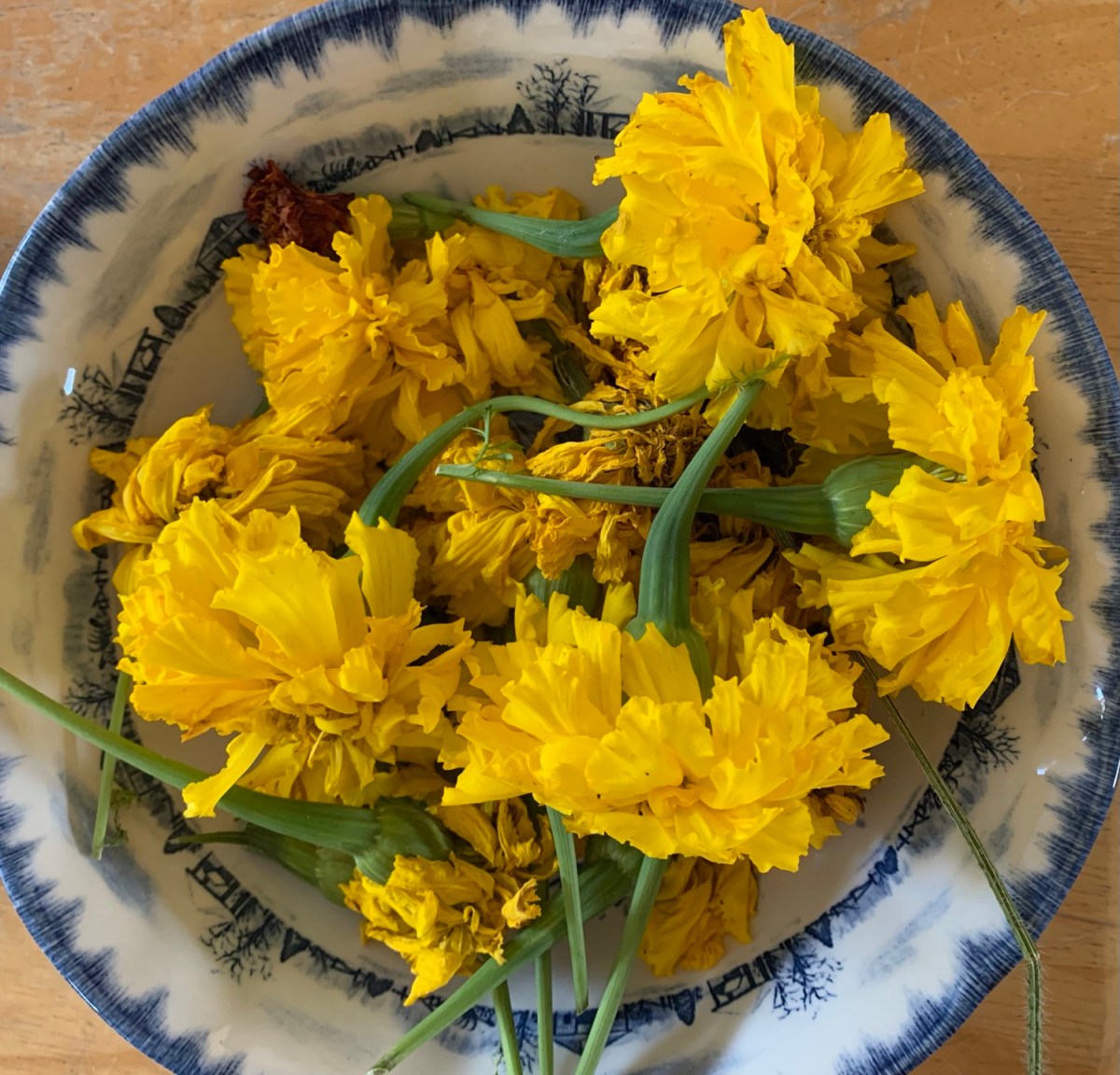
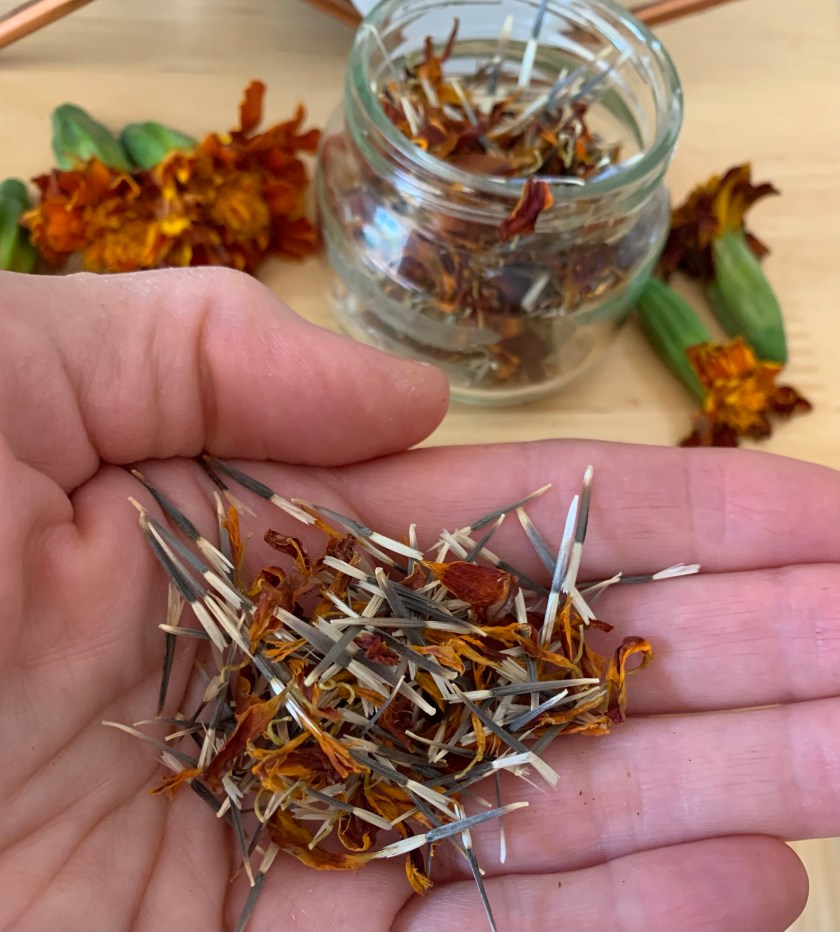
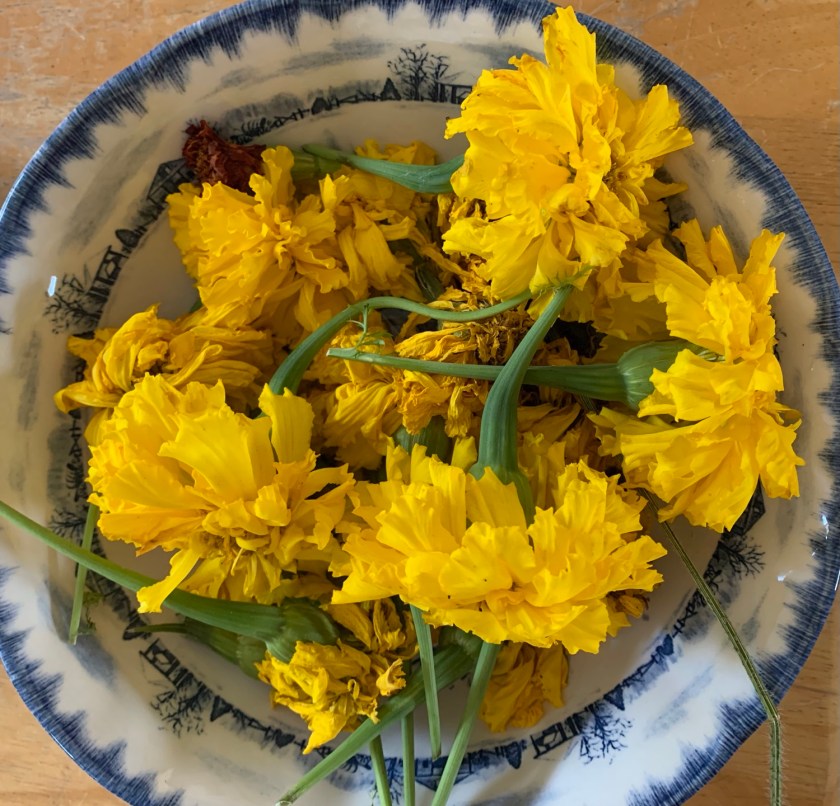
When the flower begins to die on the marigold plant, pop the head off and save it in an open container to dry out. Once the blossom has dried (or when you are ready to plant), peel it open and find the seeds.

You will end up with many seeds, but not all of them will grow. Overdo the sowing or thin the seedlings as needed. Each flower will give you a handful of seeds!

marigold seeds

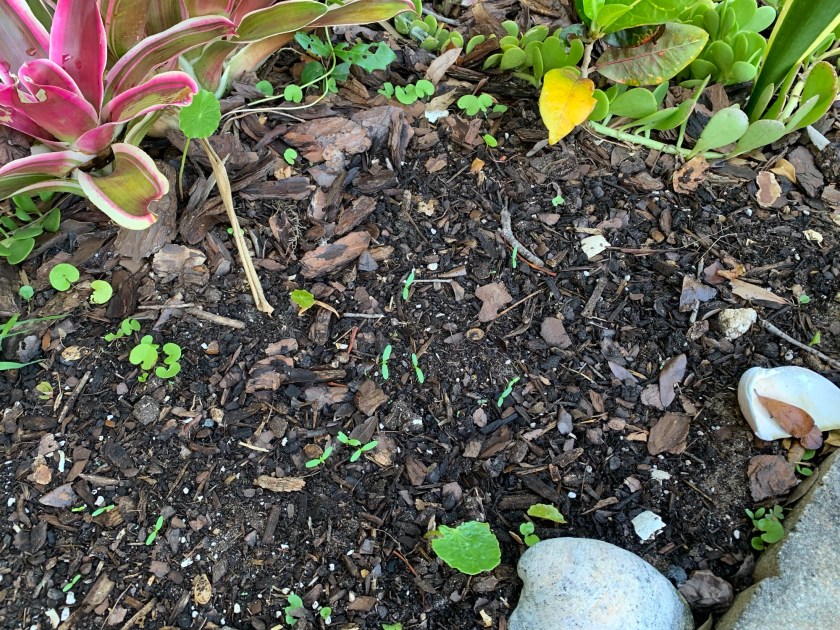
Find some dirt and spread the seeds, then cover with a bit of soil. Be sure to water often to get them started.

marigold seeds just sprouting
Marigold seeds in a little dirt space in the flower garden.

Last year I did not organize the marigold seeds and just planted them all over without really knowing which colors would end up where. The little petals will eventually dry up and fall off so if you want to keep the colors separate, put them in marked envelopes.

All Orange Marigolds

This orange “fluffy” flowering marigold began as a little plant from the store. It’s so pretty, I will definitely save all the seeds from it.

  • orange marigold
  • Fluffy orange marigold
  • orange marigold flowering plant

Red-orange Marigolds

This marigold has dark orange petals that can also look red. The center is more yellow. I have one plant growing in the garden from the seeds I saved.

  • French marigold
  • dark orange marigold plant
  • Red-orange marigold flower

Yellow Marigolds

The yellow marigolds have attracted bees and butterflies. Marigold are good for repelling non-beneficial bugs and I always like to have them in the yard. Plus, they are pretty and quite easy (and cheap if you save the seeds) to grow.

  • Bee on yellow marigold
  • yellow marigolds
  • Saving yellow marigold flowers for seeds

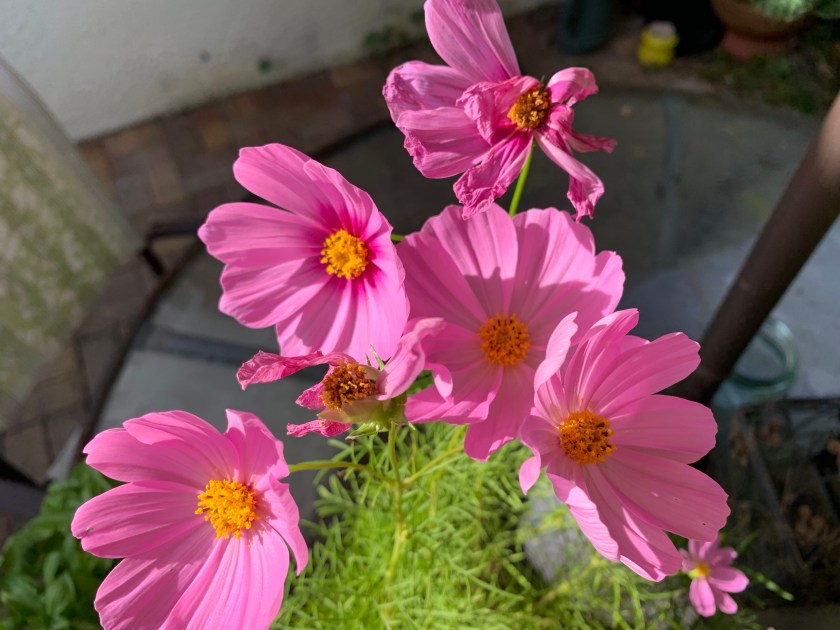
Marigolds are not the only flower seeds I save. This year I am growing Rudbeckia and Gaillardia and am looking into saving seeds from those plants too. Cosmos flowers also have seeds, which I save.

Pink cosmos have seeds in the center

Find more gardening stories here…

Watermelons Are Growing Big in June

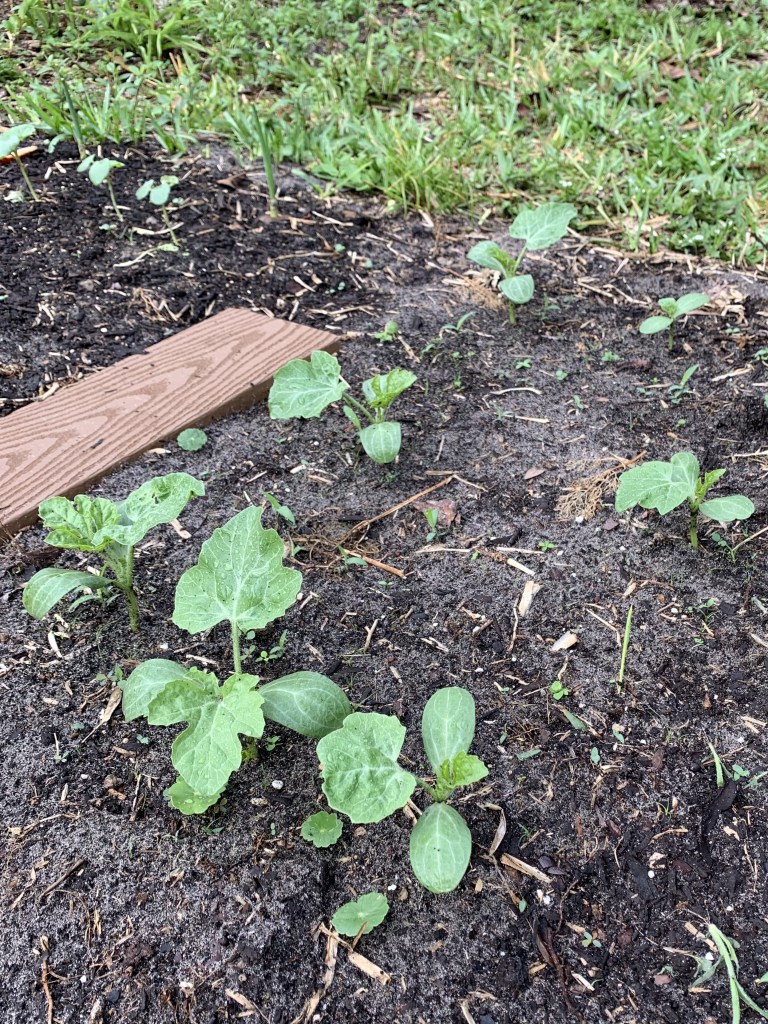
Today I took some photos of the watermelons growing in the backyard garden. I have four, and they are various sizes. These are the seedlings which were thinned once I chose the best to leave.

Watermelon seedlings
Watermelon seedlings – were thinned down to 4 plants
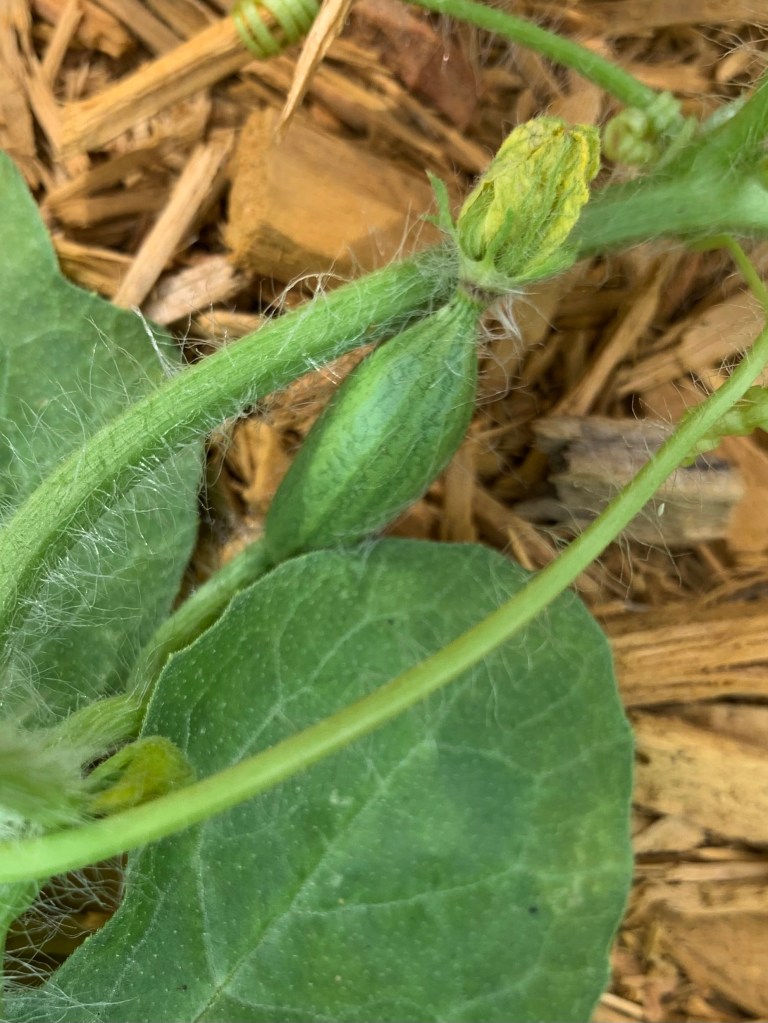
baby watermelon growing on the vine
Baby watermelon

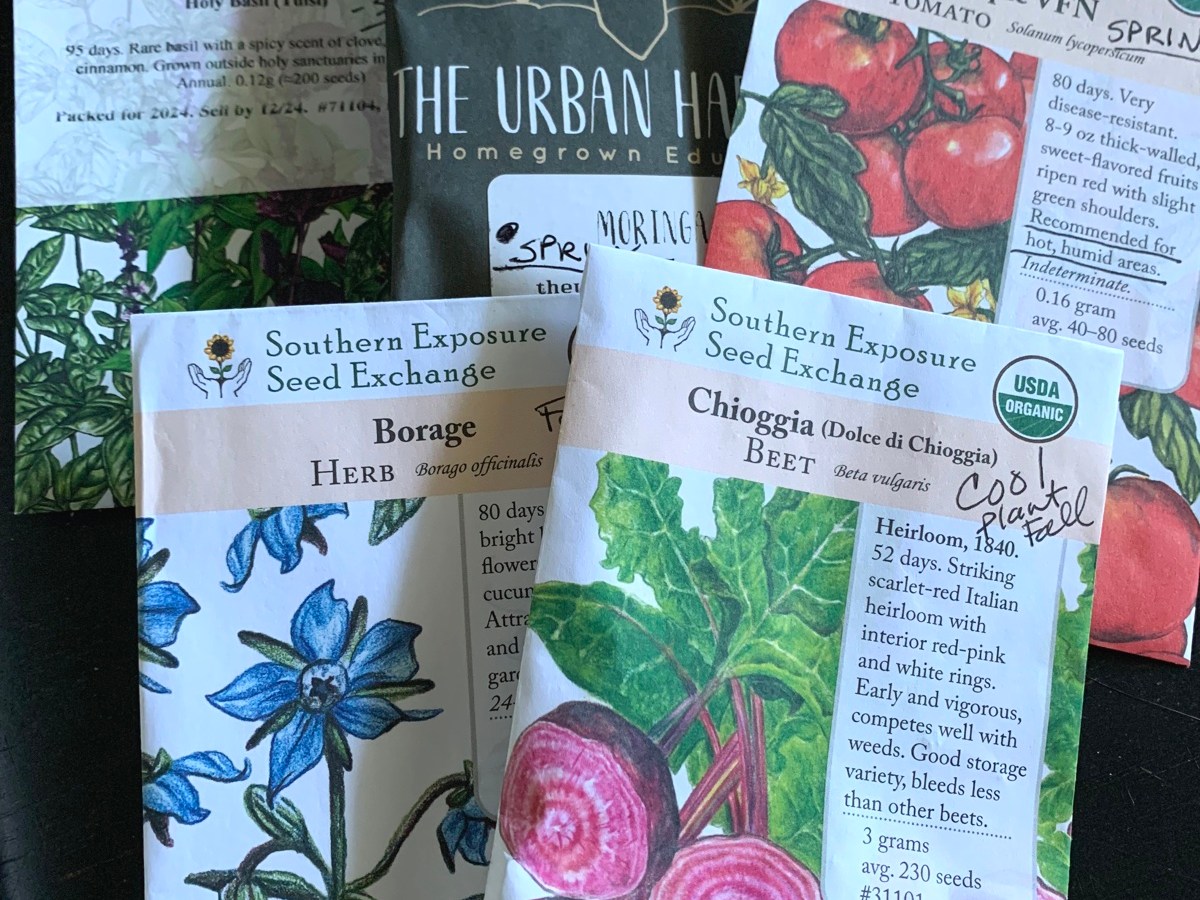
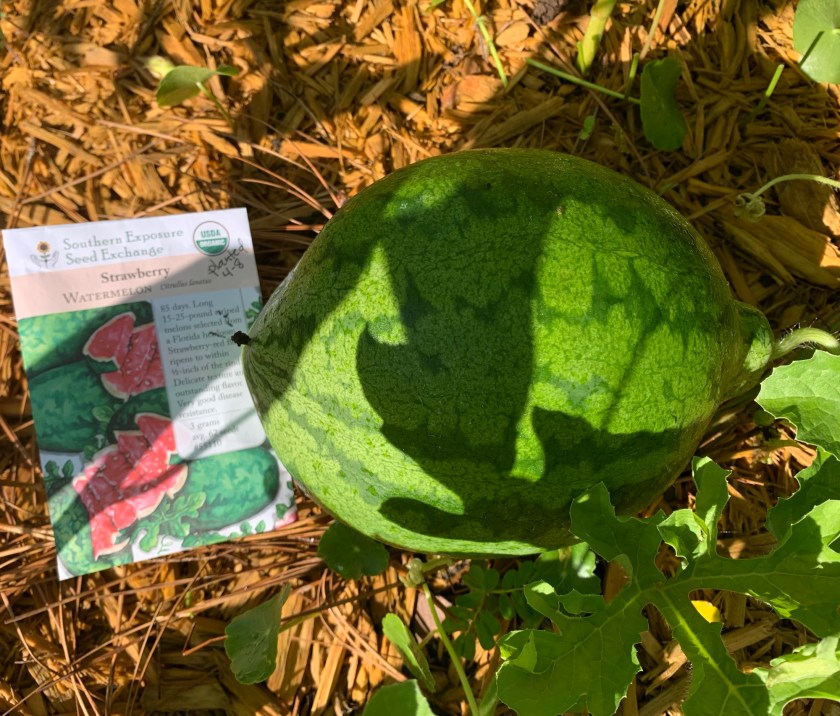
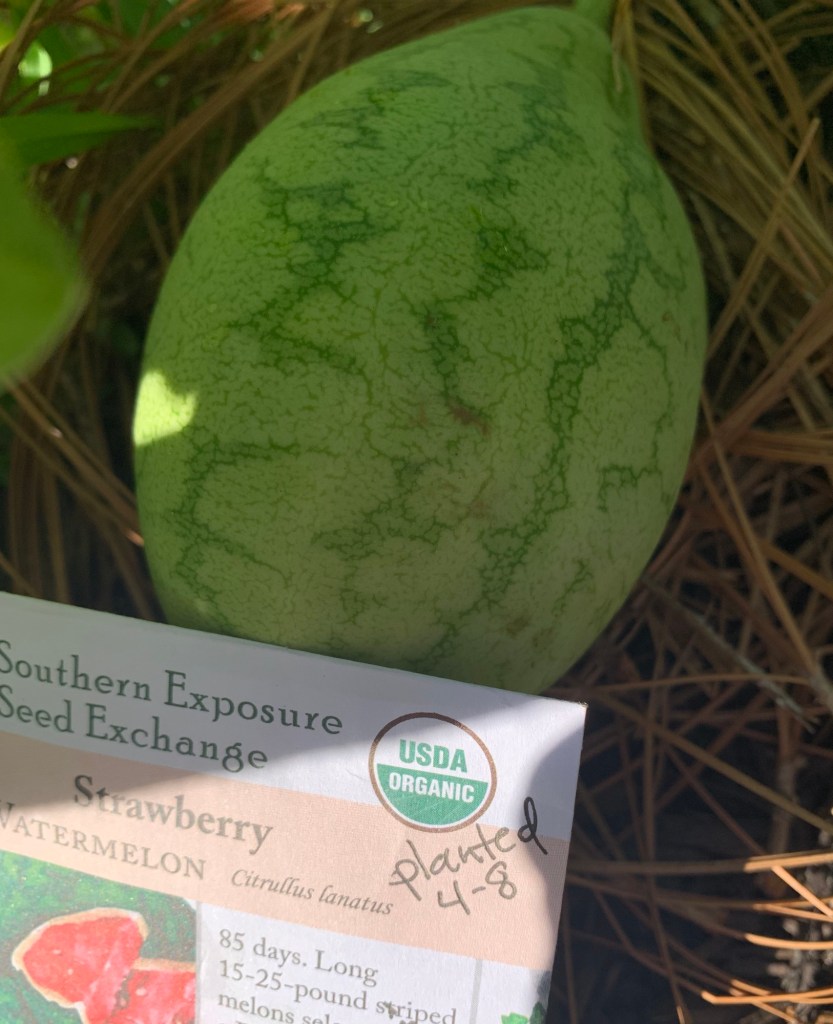
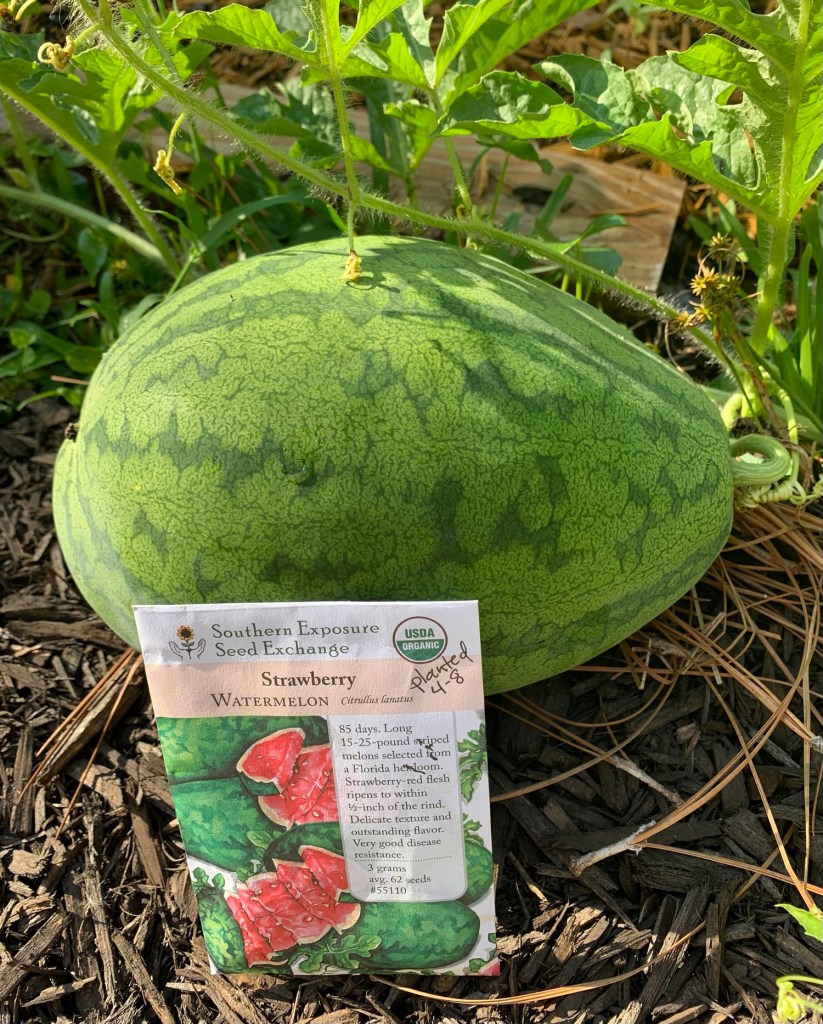
The watermelons grew from seeds I planted April 8th. I wrote the date on the seed packet. When ordering seeds from The Urban Harvest, a Florida based grower, some seeds, like these watermelons, came from Southern Exposure Seed Exchange.

watermelon in Florida garden
The first melon to grow

The seed packet was set next to each watermelon, for the photos, to help show the size. There is lots of good info on the packet too. And, I still have seeds, which I may pop into the ground around the yard. I don’t really have space for long trailing vines. And do start them directly in the ground (as the packet says). I had a couple of seeds in pots and they didn’t do well at all.

A couple of melons are pretty small still, but the other two are bigger, and I saw a baby on the vine today. I’m trying to train the vines to follow the garden edges. One vine was destroyed by the roofers who were all over the place when replacing our roof recently. Grrr…

Small watermelon in Florida garden

These are Strawberry Watermelons and the seeds came from The Urban Harvest / Southern Exposure Seed Exchange

The Southern Exposure Seed Exchange has a great website for anyone growing food in the southern part of the US. I really need to spend some time reading their pages. They have suggestions for growing successful crops in our humid and hot region.

The Urban Harvest will get your seed orders out quickly, and I’ve had great results with their seed packets as well (Moringa and Seminole Pumpkin). They also have wonderful videos and information for those of us beginning the Florida gardening journey. They are based in the Tampa area so the info is specifically for us Floridians.

small watermelon on vine

When is it time to pick my watermelon?

According to the back of the seed packet, the time to pick the watermelon is around day 85. I am at day 66 since planting, so maybe around the end of this month or the beginning of July. The Watermelon Growing Guide, at the Southern Exposure website, has great info.

If I’m lucky they will survive and grow, but I have my doubts. I’ve never grown watermelon before because the vine usually dies very quickly from that white moldy stuff vining vegetables get. The seed packet does say, “Very good disease resistance”. So far I am very impressed with the plants.

watermelon

Many vegetables and flowers I’ve planted are doing really well, but the weather is turning very hot now. This will be the test to see which things can stand the heat.

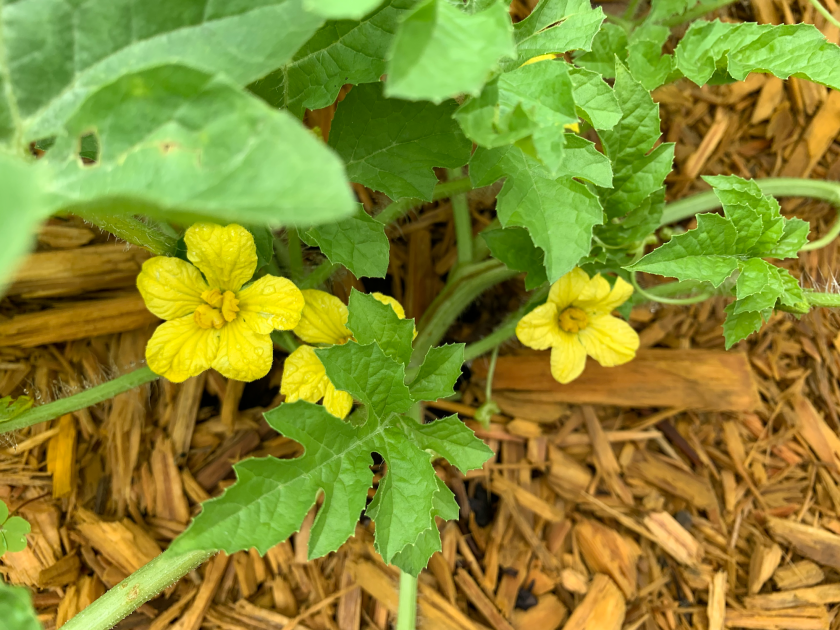
There were loads of little yellow flowers along the vines, but now I am not seeing as many.

My Little Garden

I began the garden this year, and it is an ongoing process. I am one person, in her sixties, so the going is slow. My son tilled the space and I have done everything else.

I love gardening, but never even thought to grow vegetables in this climate. Now, I am enjoying gardening again. Each day there is something new to see. I can put up with the mosquitoes, humidity and blazing sun for a short time, but it’s enough to get something accomplished each day.

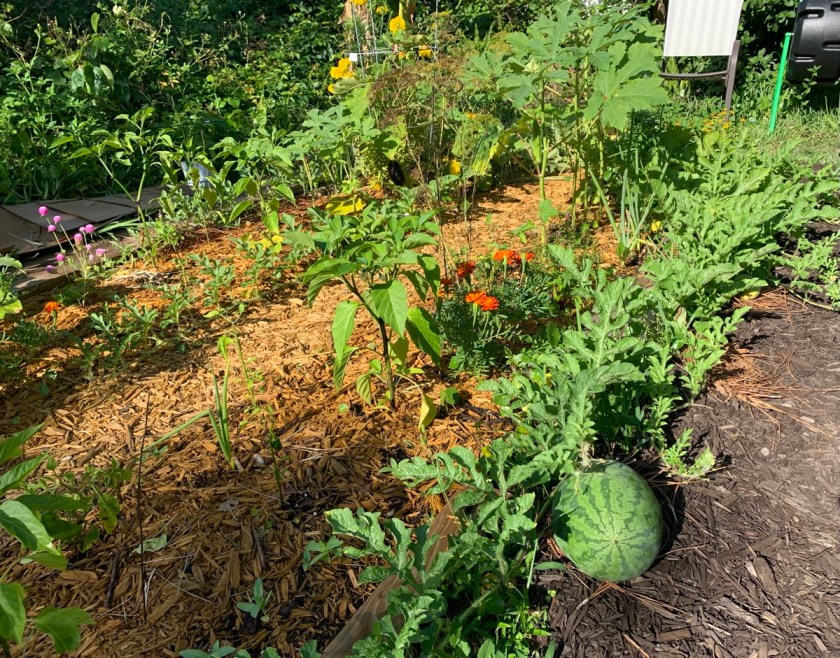
June garden with watermelon
June 14th garden photo – 2023
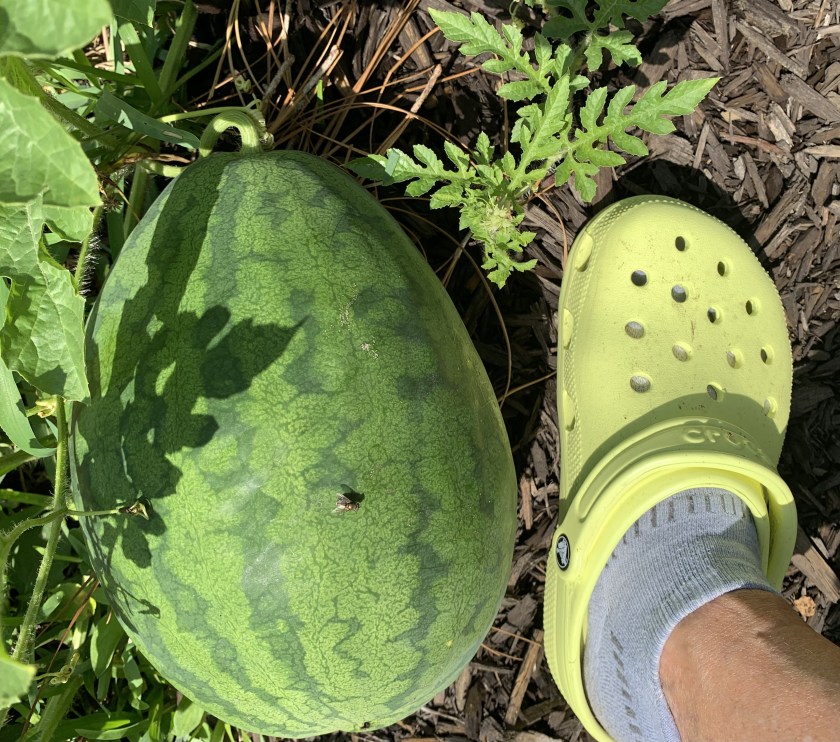
watermelon next to foot
Garden watermelon

The gardening stories continue…

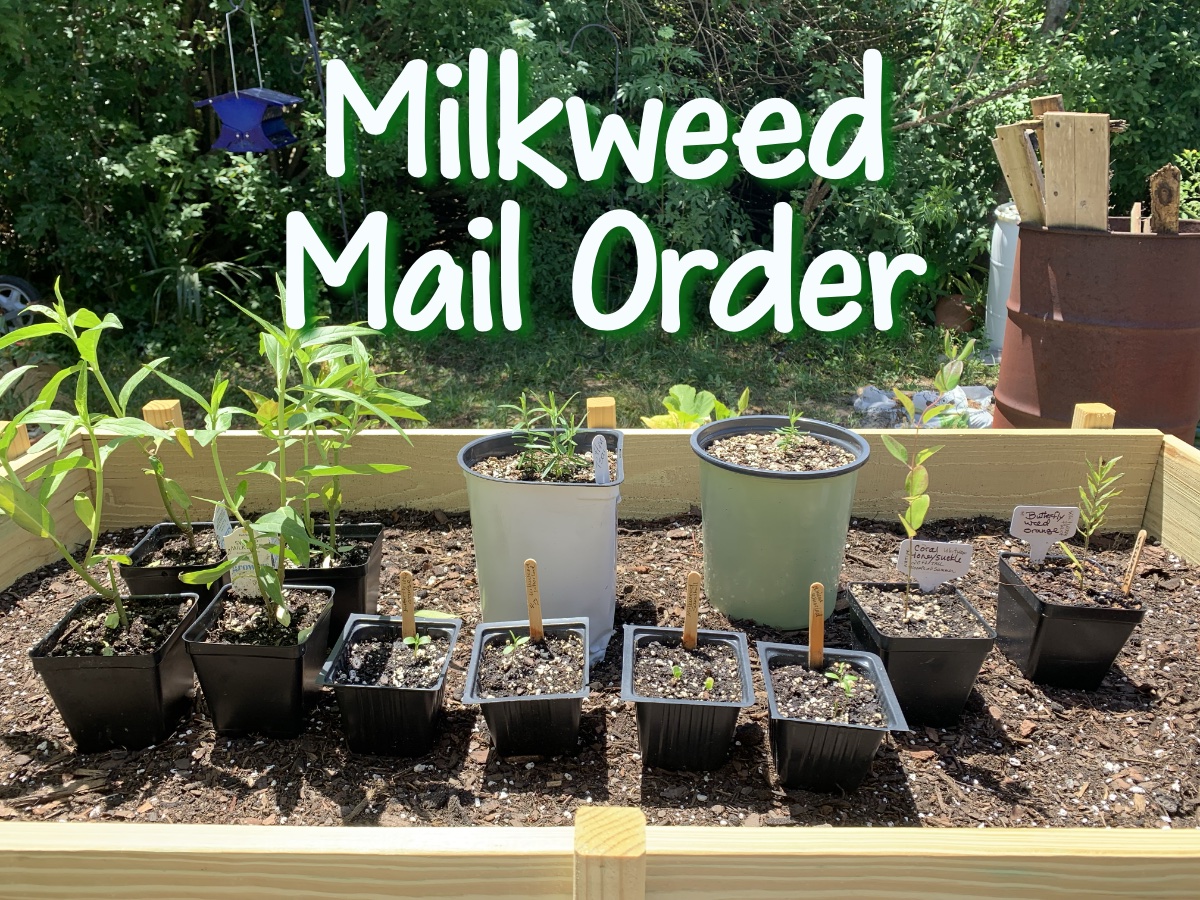
Mail Order Native Florida Milkweed Seedlings Review

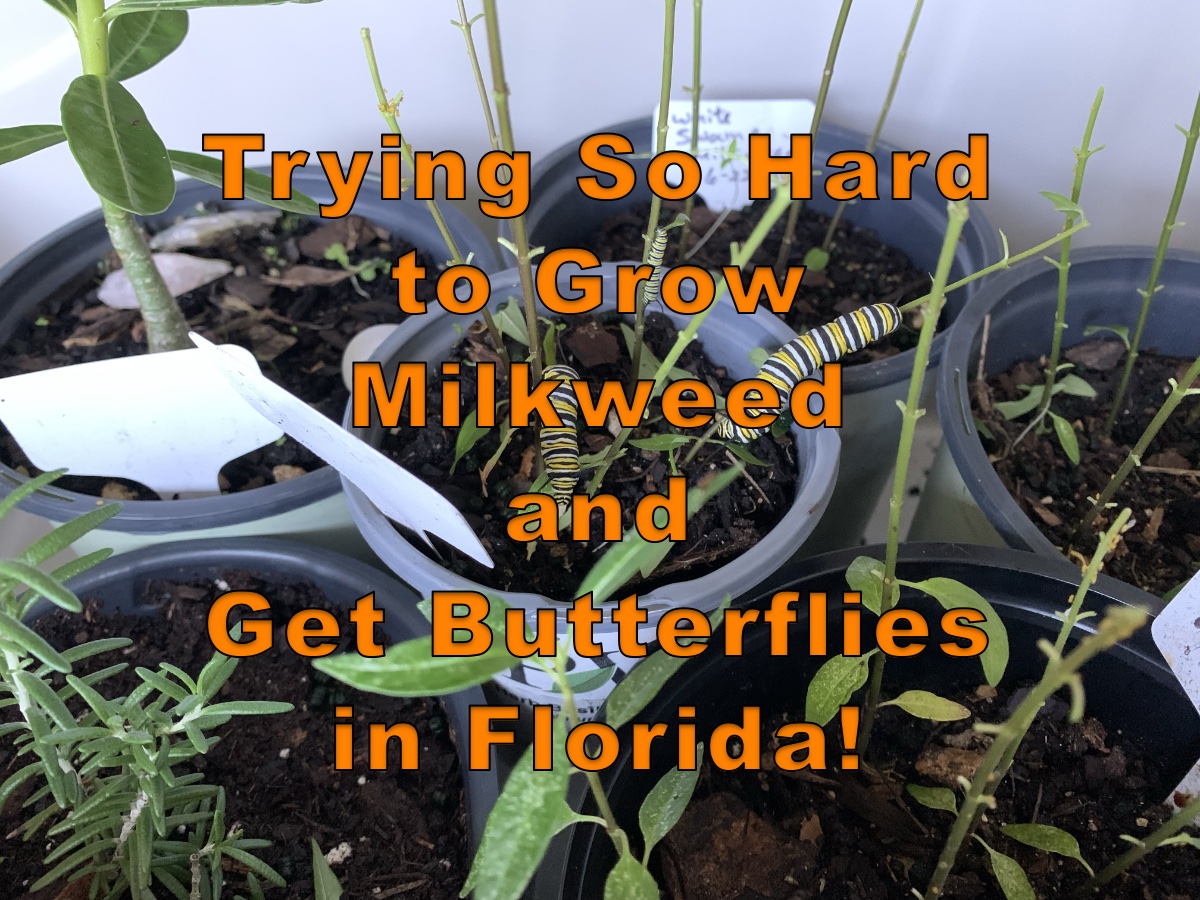
I’ve found a good place to buy milkweed plants online. Ordering plants online can be expensive, so the plants that arrive should be in great shape. Read my review of Whitwam Organics and The Growers Exchange.

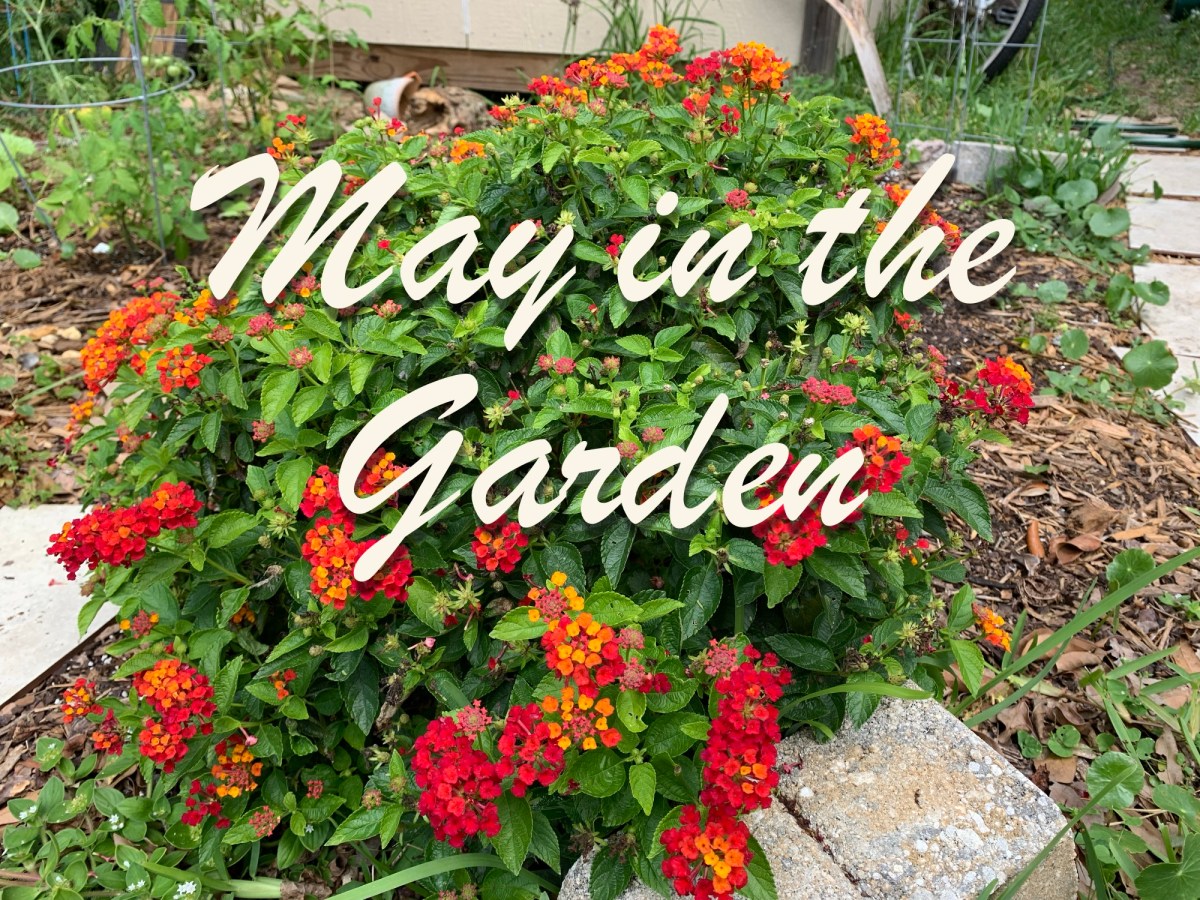
May Garden Photos With Plant Updates

May in the garden is mostly about finalizing the switch from winter crops to summer. This quick post shows photos of some of what I have growing at this time.

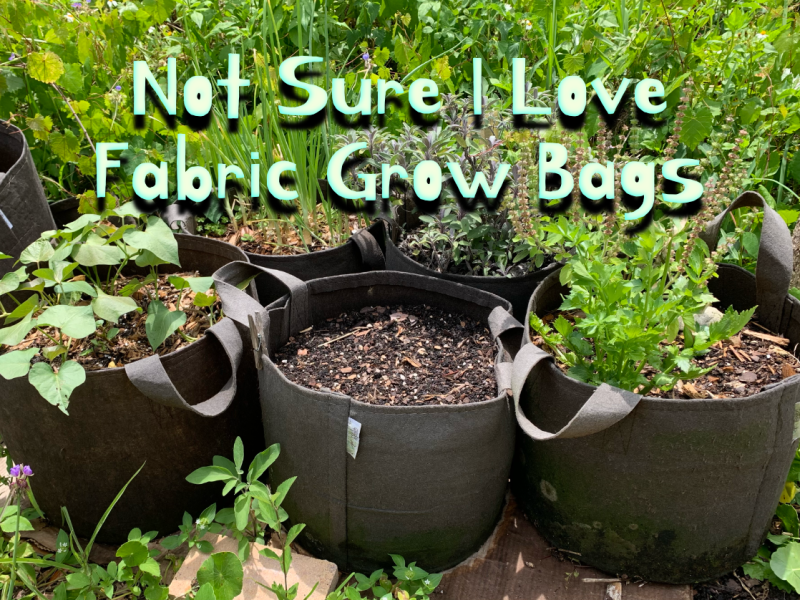
Do I Really Love Fabric Grow Bags?

Rethinking my use of fabric grow bags. The Florida climate dries out the plants too fast. Certain shallow root vegetables, grown during winter, might be the answer.