A simply and healthy way to use beets from the backyard garden. Use the whole beet to get all the nutrition they offer.
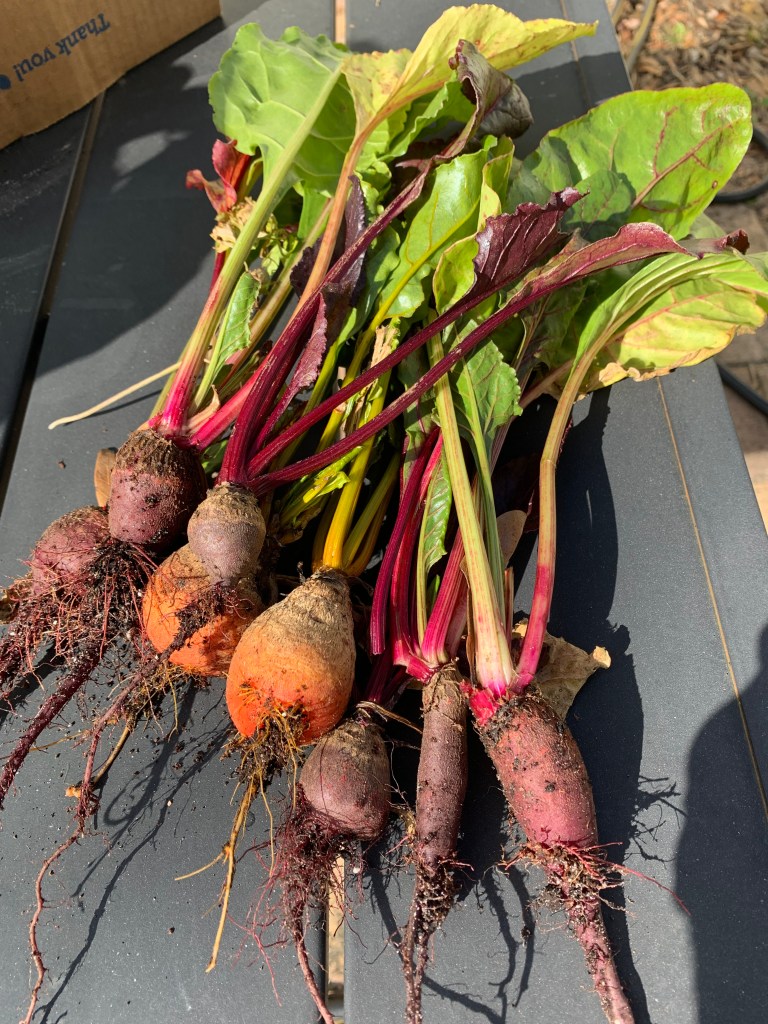
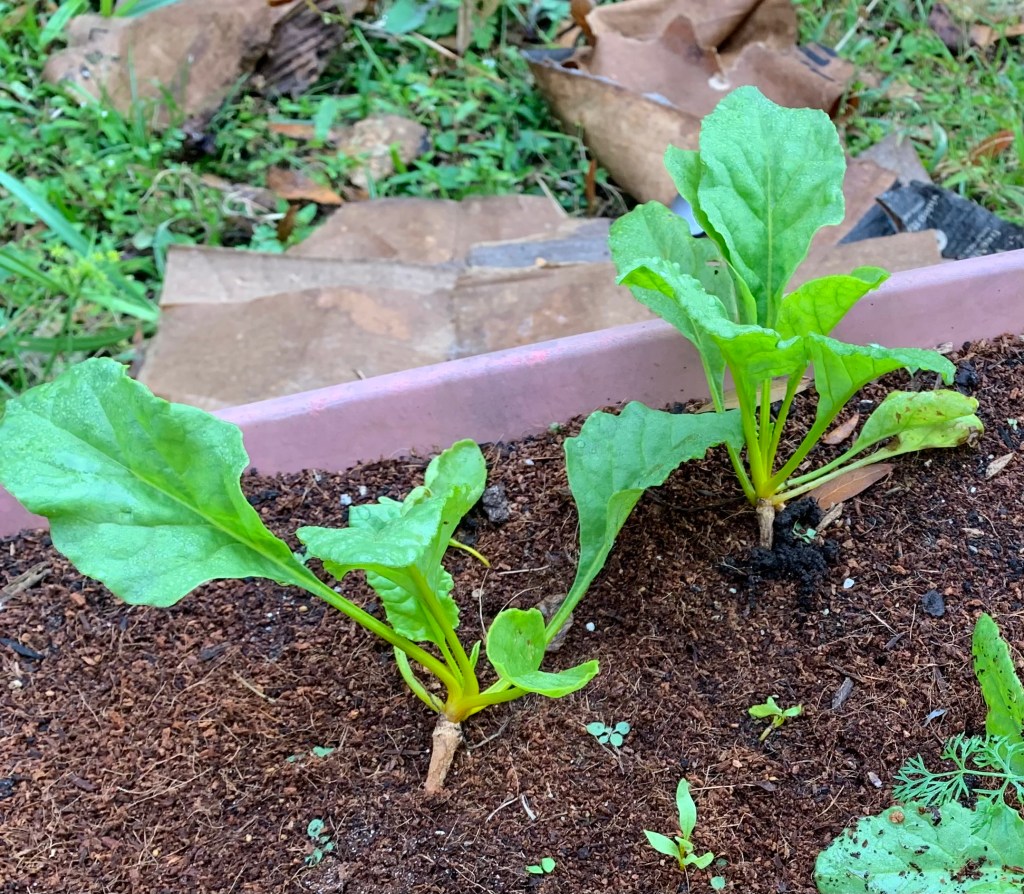
I am becoming very impatient with my beets. They were planted back in September and it is now January. The tops are beginning to break off so I decided to pull some of the bigger ones. Haha… they are not very big.
I love beets, and have had a bit more success growing them this year. Even the small beets can be eaten, along with the green tops.
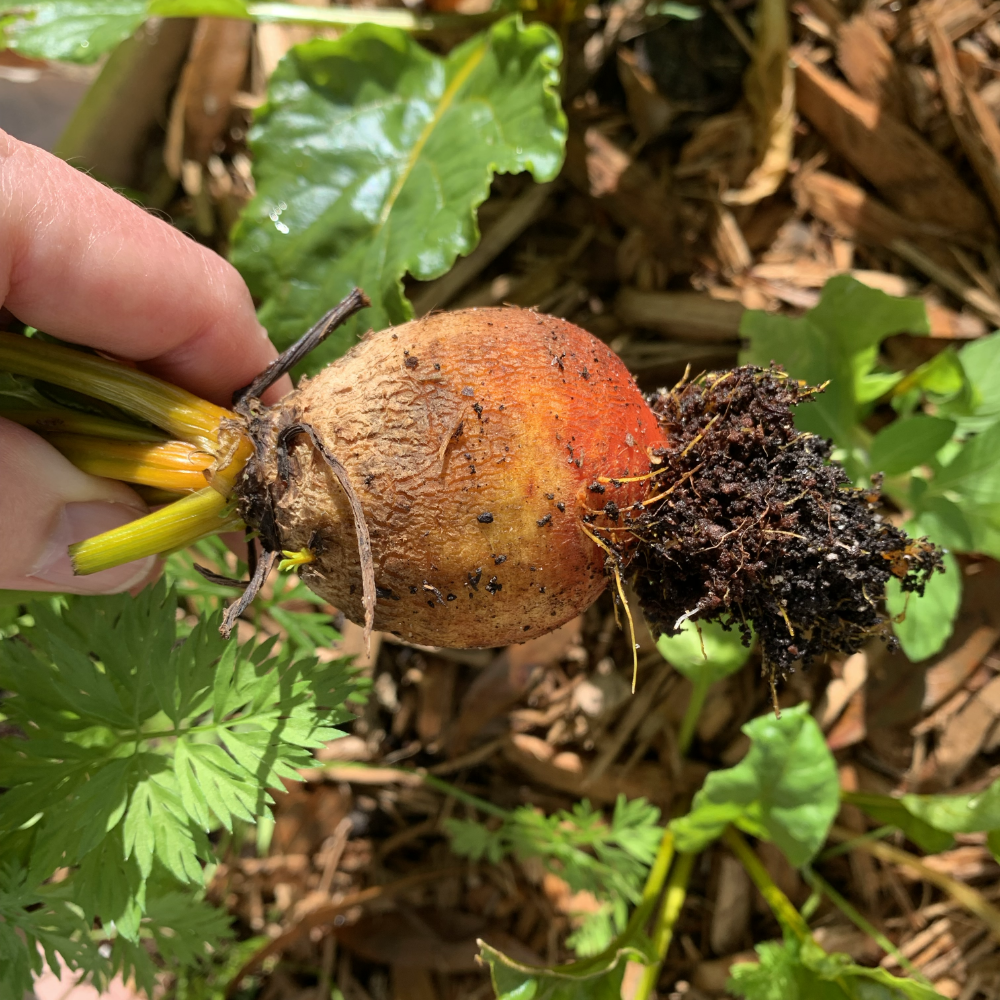
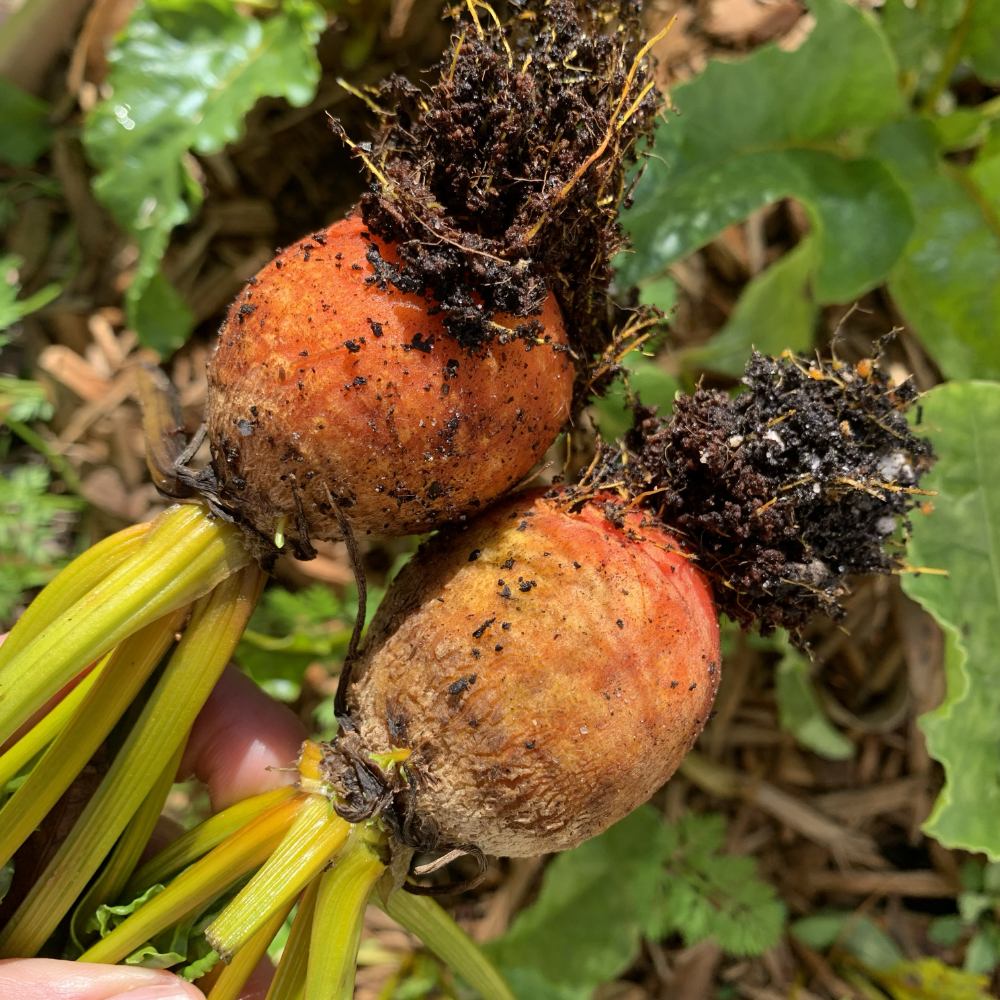
Fresh pulled beets
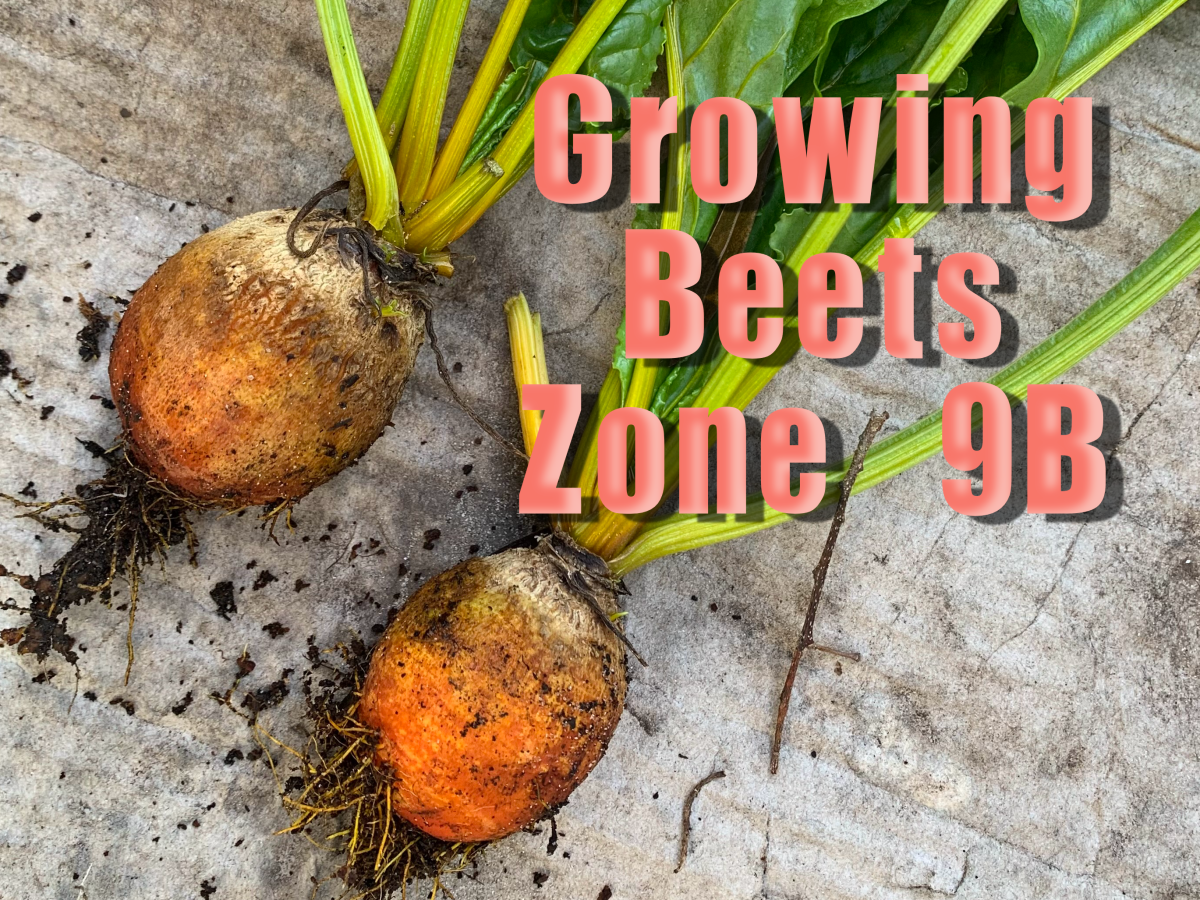
The beets are small. The Golden variety grew larger than the red. I had tags in the beds to differentiate the red varieties (Detroit red and Lutz), but they have disappeared. I blame the raccoons who love to mess with my things. I wanted to know which ones grew best, but I think the Golden are the winner!
If you are curious about the healthy benefits of eating beets (and especially fresh from the yard!), read this page at Heart.org.
Easy Peasy – Simply Boil Them
There are many ways to cook beets. From boiled to roasted, you can find many recipes online. I immensely dislike all the pop up ads on cooking websites, so I cooked my beets the way I always do. Simply boil them in good water. I always save my vegetable cooking water.
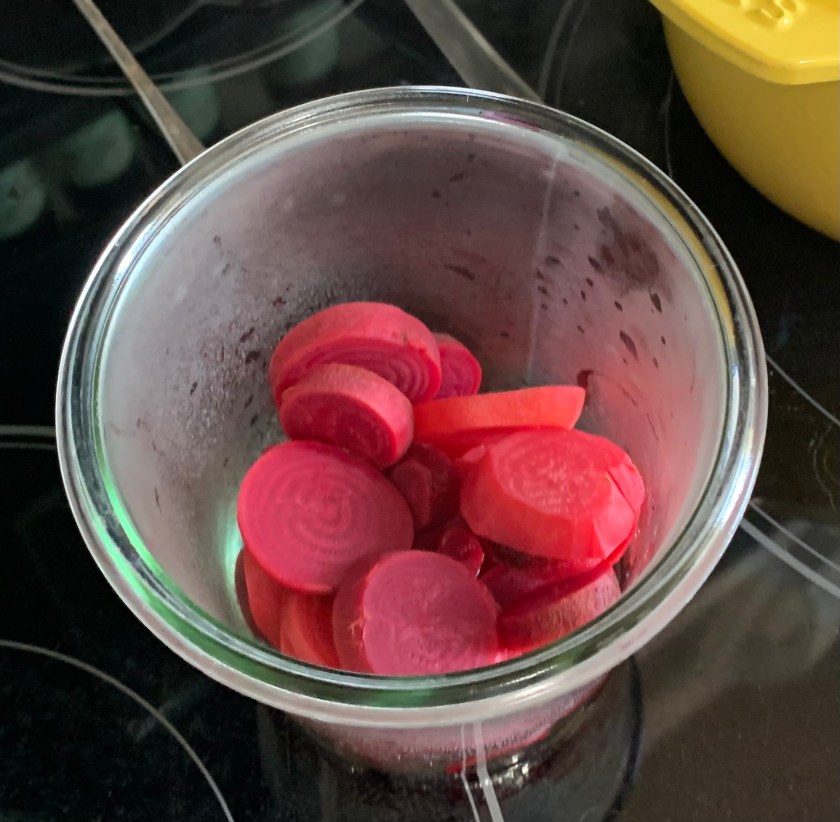
To cook the beets I cut off the tops and roots. Then, I scrubbed them with a brush under water. I did not peel them, except for the really dried up areas around the top. After that, I thinly sliced them. After boiling in water for about 30 minutes they were tender. Freeze or use the water leftover!
I didn’t get many, and the yellow ones turned red, but they are good. There is nothing like fresh picked garden vegetables.
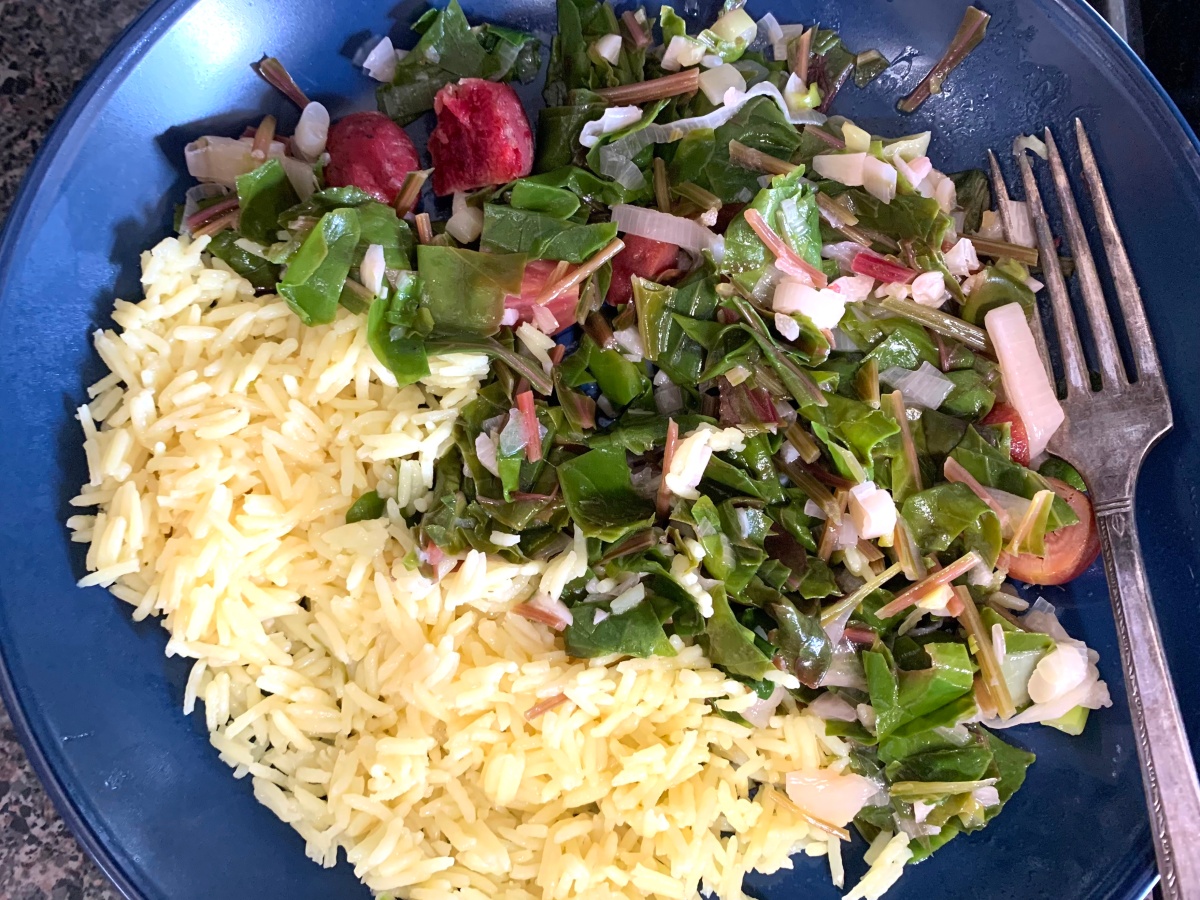
Cooked beets
The beet greens were rinsed and finely chopped. The beets, greens and red water will be part of the slow cooker soup I am making tomorrow.
More beets are still growing in the yard and I’ll leave them to get larger. I don’t need the dirt space this time of year. Our Central Florida January has been pretty cold so far.
Beets are a cool season vegetable that can be grown in central Florida gardens. Last year at this time (November) I tried growing beets. I ended up with a few small ones. They didn’t grow very well, and I ate more of the beet greens than the root.
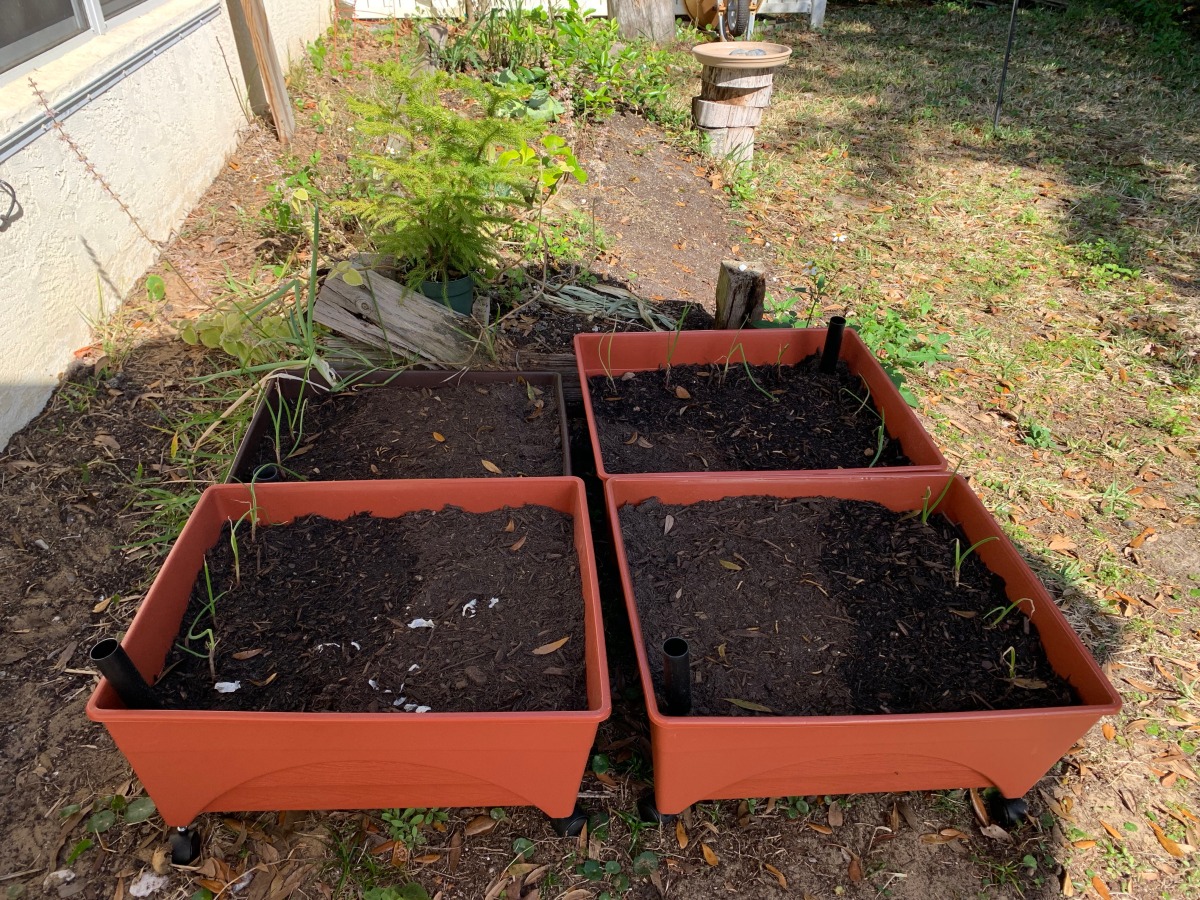
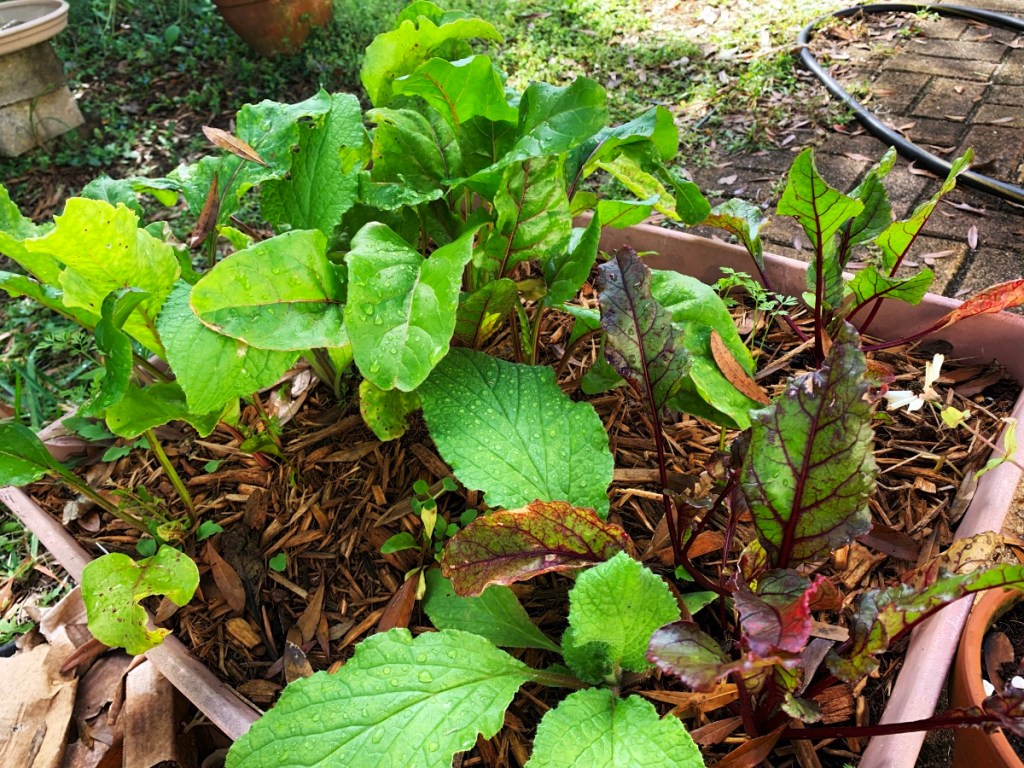
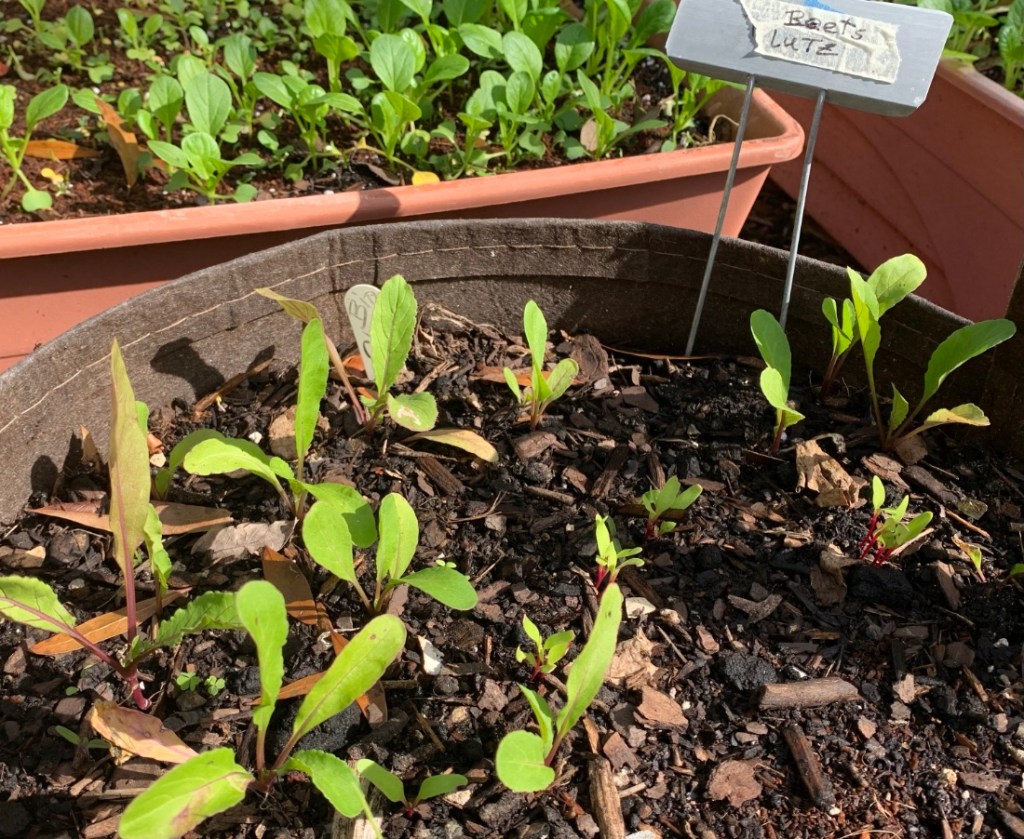
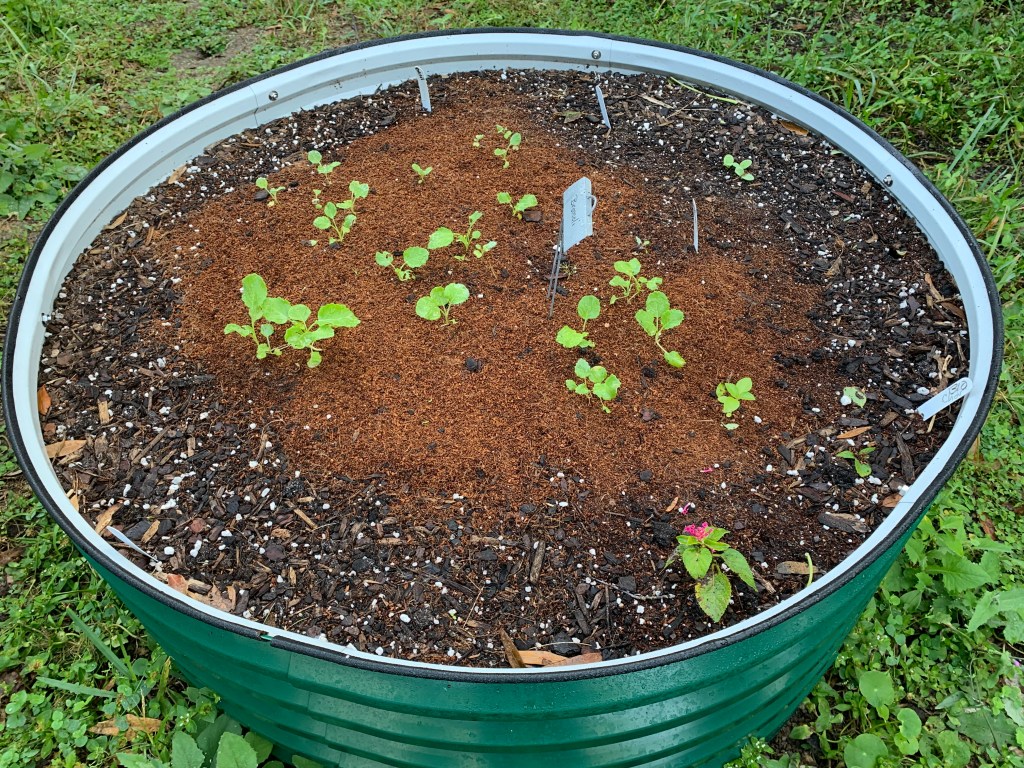
This Fall I planted beets a little early (September) to see what happened. Some of the seeds did grow. I bought a few varieties, including golden, Lutz, and Detroit red. The first planting was done in grow boxes. The boxes were recently overhauled to improve drainage and make space for crops.
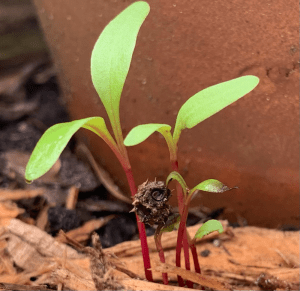
Beets will grow in little clumps of 2 or 3, and need to be thinned. I cut off the extras, leaving the roots undisturbed.
Now, it is December. My beets are looking good. I’ve eaten a few leaves with my salad greens.
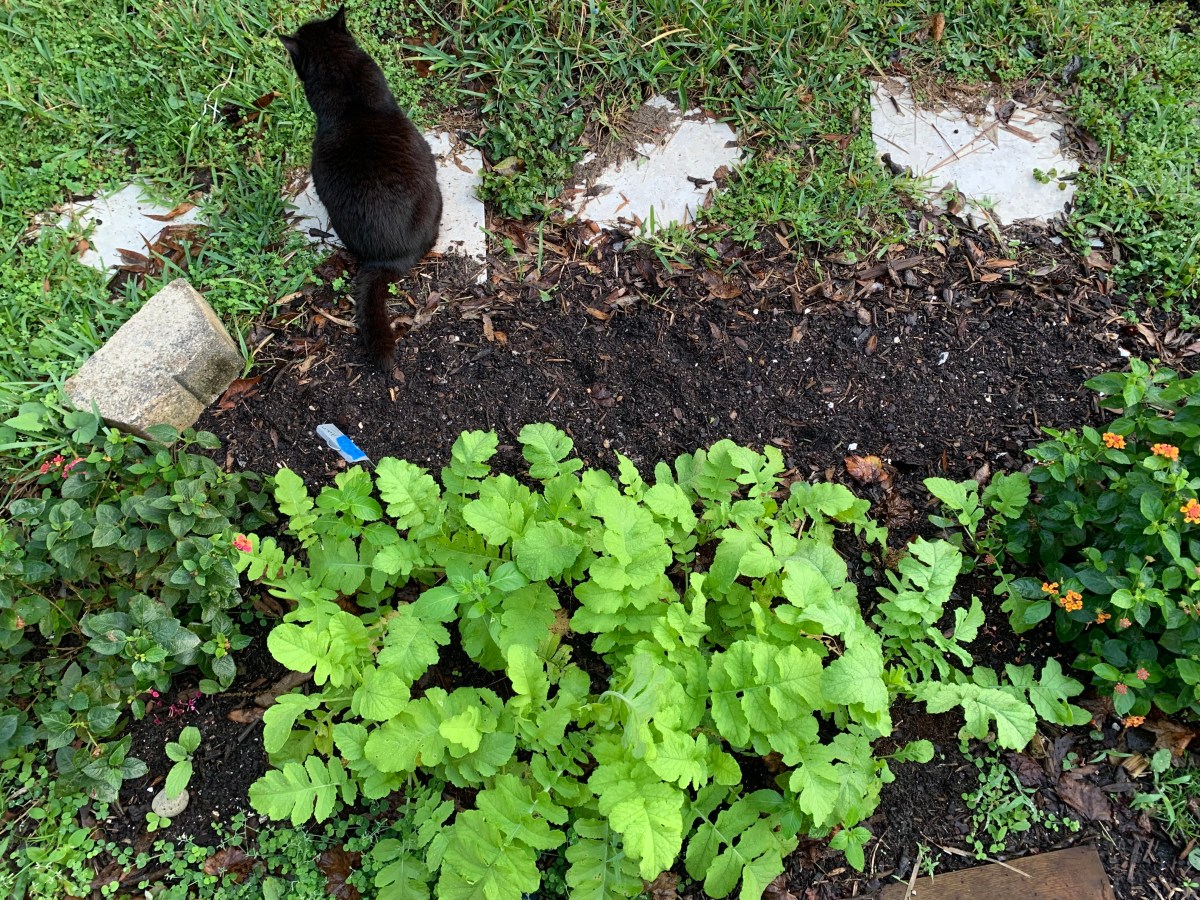
My later planting of beet seeds was done in the ground. Those are still very small.
Cooking My First Beets of the Season
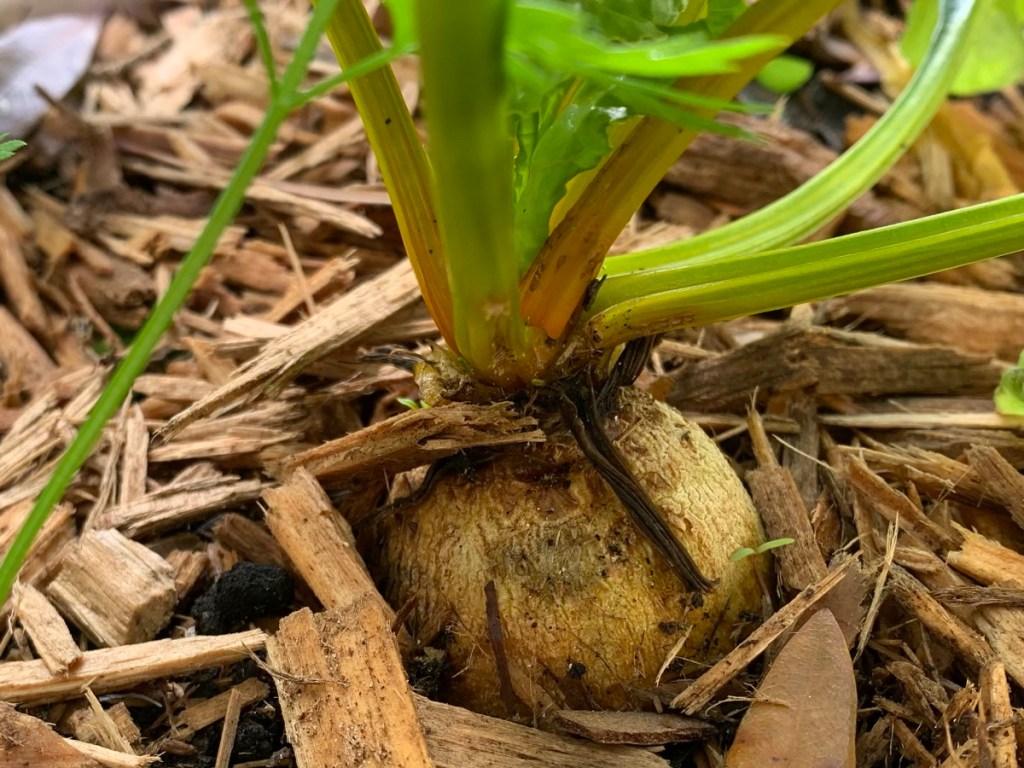
Some beets look ready to be pulled, so I pulled two golden beets. I cooked them, with the greens, for supper. The taste was pretty good, but they were small.
Golden beetSmall beets
Challenges of Fall and Winter Growing
It’s funny trying to grow Fall crops in Florida. The beginning of “fall” is very hot. September and into October can be too hot for winter crops. But if you miss the warmer planting time, then the cold can move in and seeds won’t want to germinate.
Check out this December planting guide (UF IFAS) to winter vegetables and herbs. REMEMBER – they don’t say growing from seed. I believe this guide is referring to transplants.
Early planted seeds don’t do much. They slowly push up and then seem to stop growing. Once the cold hit us in November, most of my Fall crops seemed much happier. My growing plan is to have decent size seedlings already growing when the cold arrives.
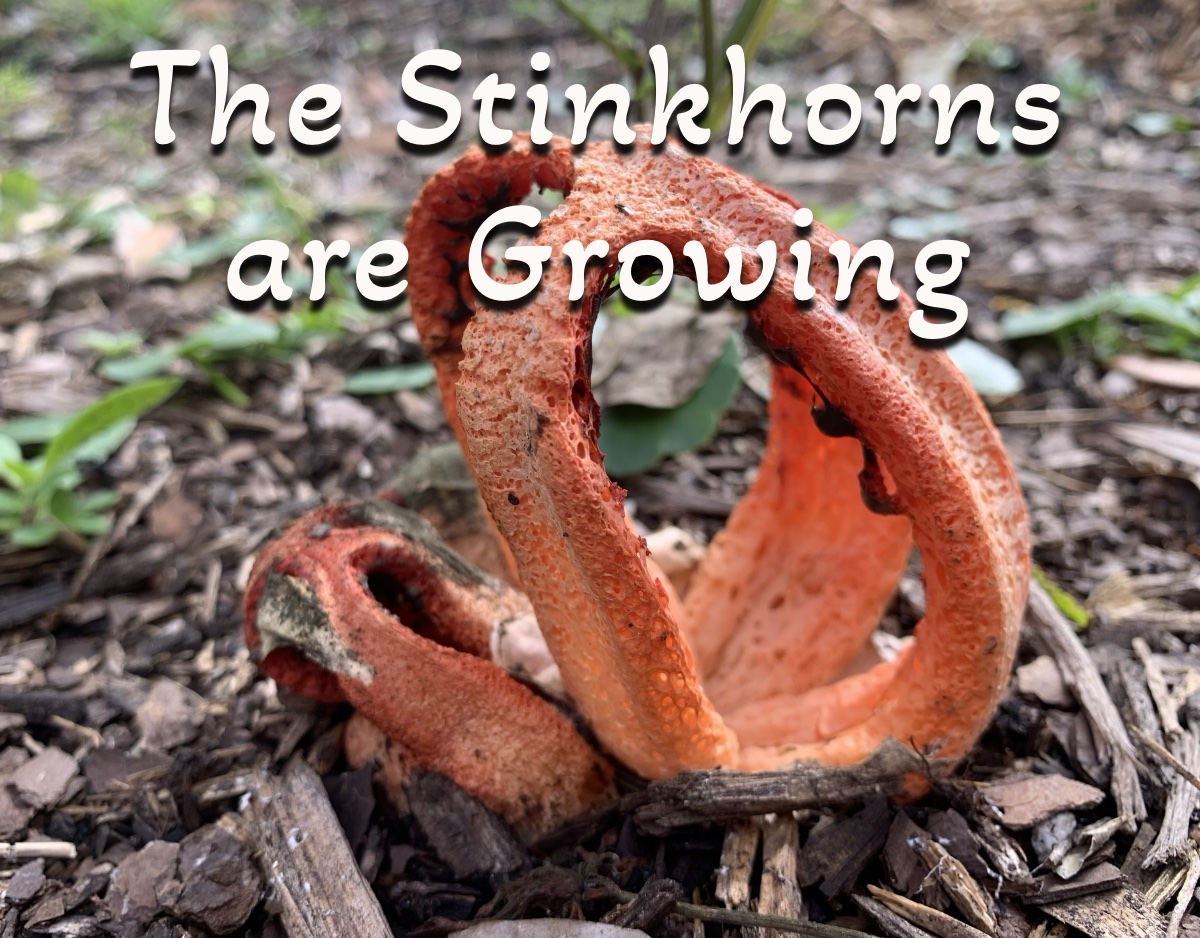
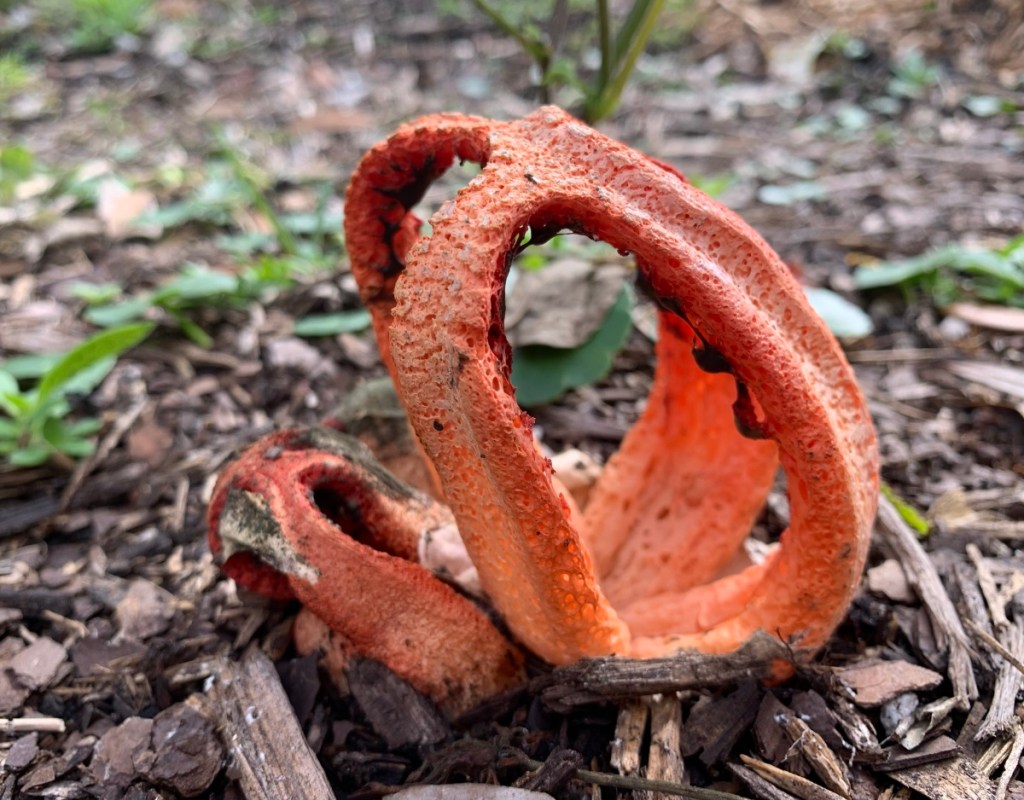
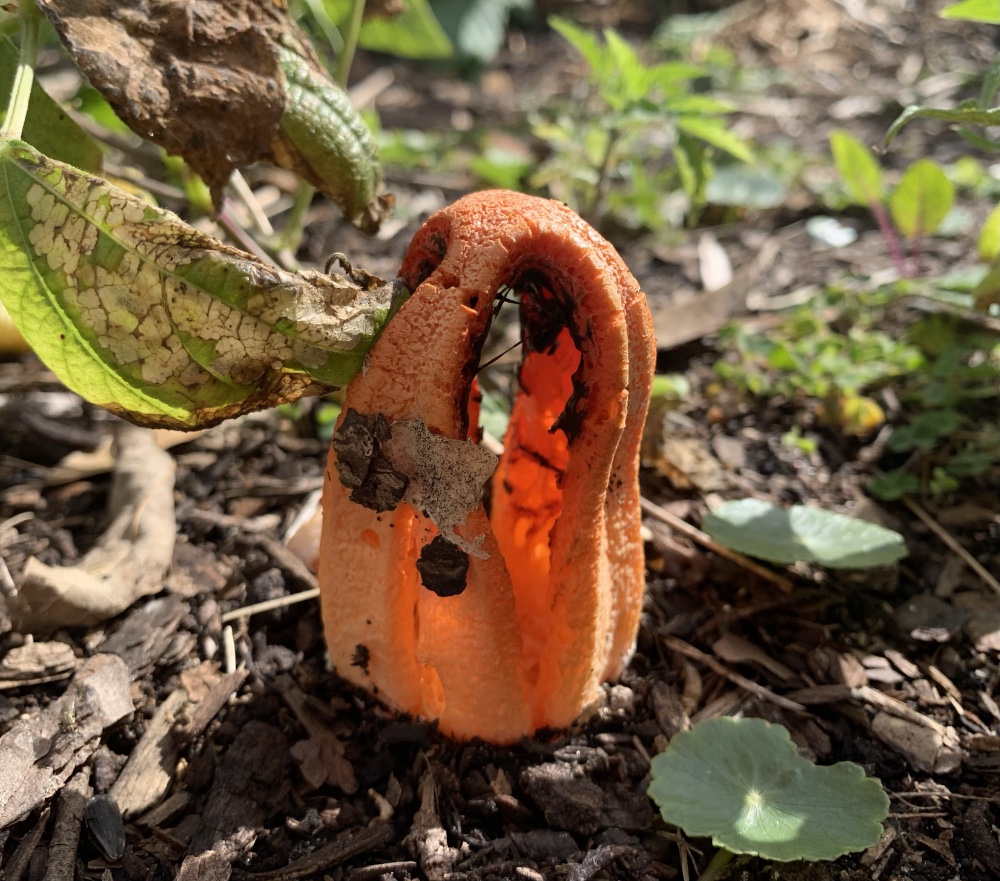
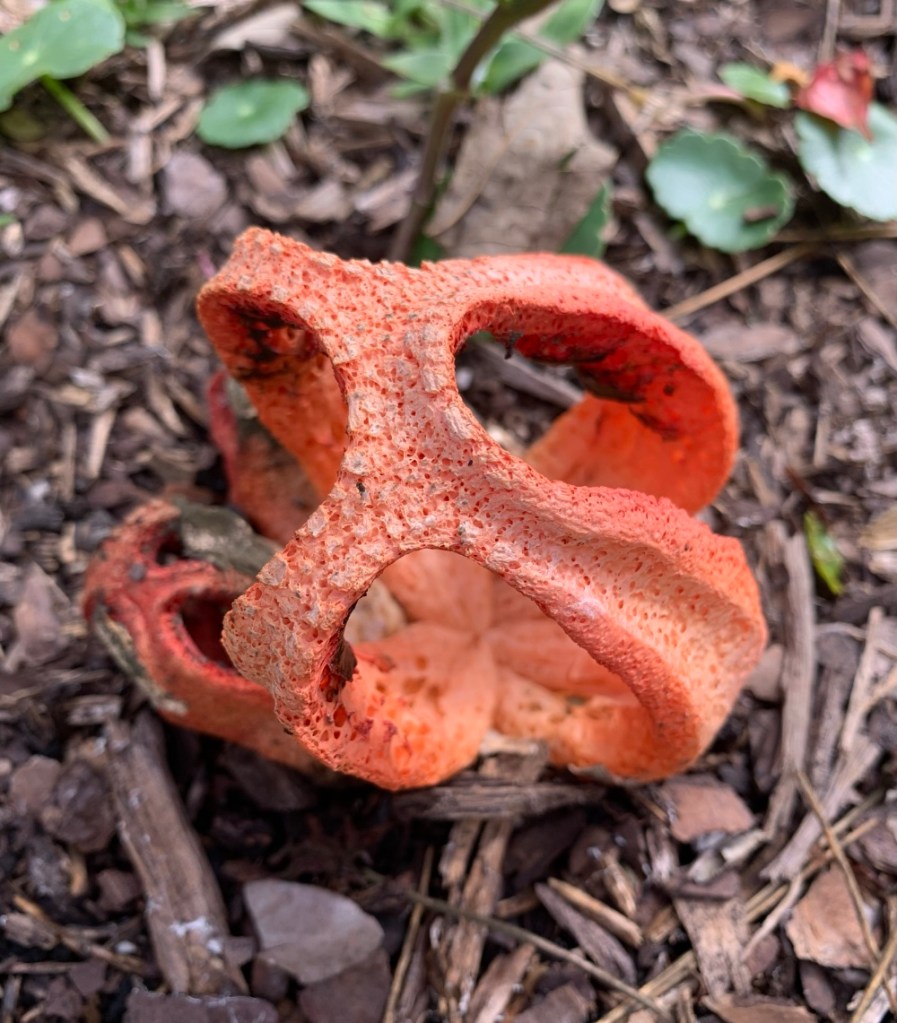
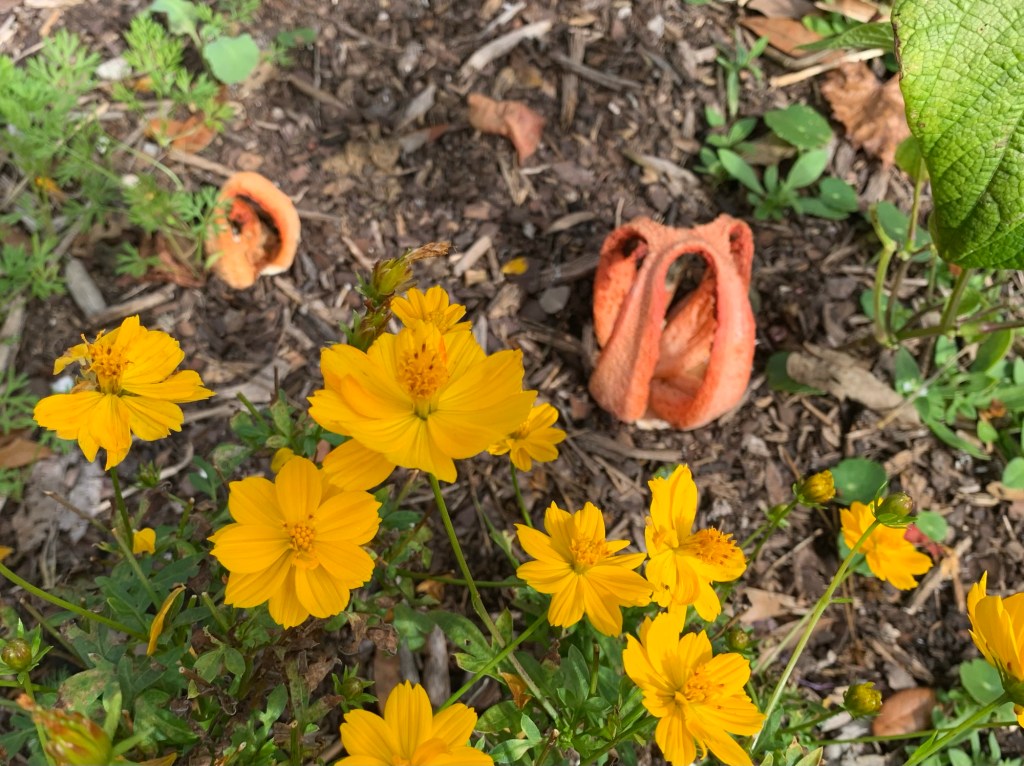
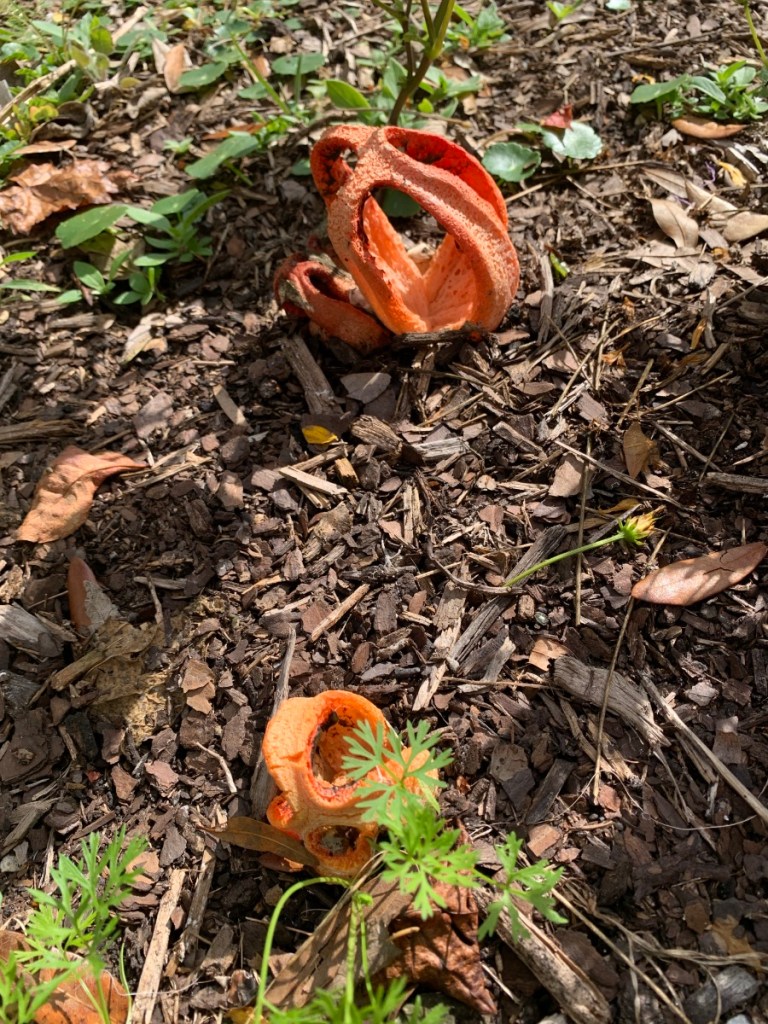
Pictures of the Stinkhorn mushrooms growing in my garden.
I did write about the unusual looking stinkhorn fungi in the past. Suddenly I am seeing lots of them in one particular area of the vegetable garden. You can’t help but be curious about this smelly and weird looking mushroom.
Yes, they smell, but I don’t find them to be overpowering. I began seeing them pop up about a month ago – in November. They seem to be confined to one area.
To begin with, they look like a round white ball that is mostly buried. Then they expand and become a bizarre, open-sided orange thing.
They are growing alongside flowers and bean plants, eggplant, dill, and broccoli. I was hoping they were not “bad”. I couldn’t remember from the last time I investigated.
I have rediscovered that they are not bad to havegrowing in the garden.
According to the IFAS site, they are pink to orange colored here in Florida. Stinkhorns break down material, such as mulch, to make it easier for plants to use. This fungus is helpful, as most are. They are visible for a short time, once or twice a year in Florida.
More About the Stinkhorn Fungi
Don’t worry if you have these orange things in your yard. They won’t last, and they don’t smell that bad – especially from a distance. This fungi is working to help the ecology of the location, so let it do it’s thing!
Growing the white, Daikon radish in my Florida yard. Trying a new slaw recipe to use them up.
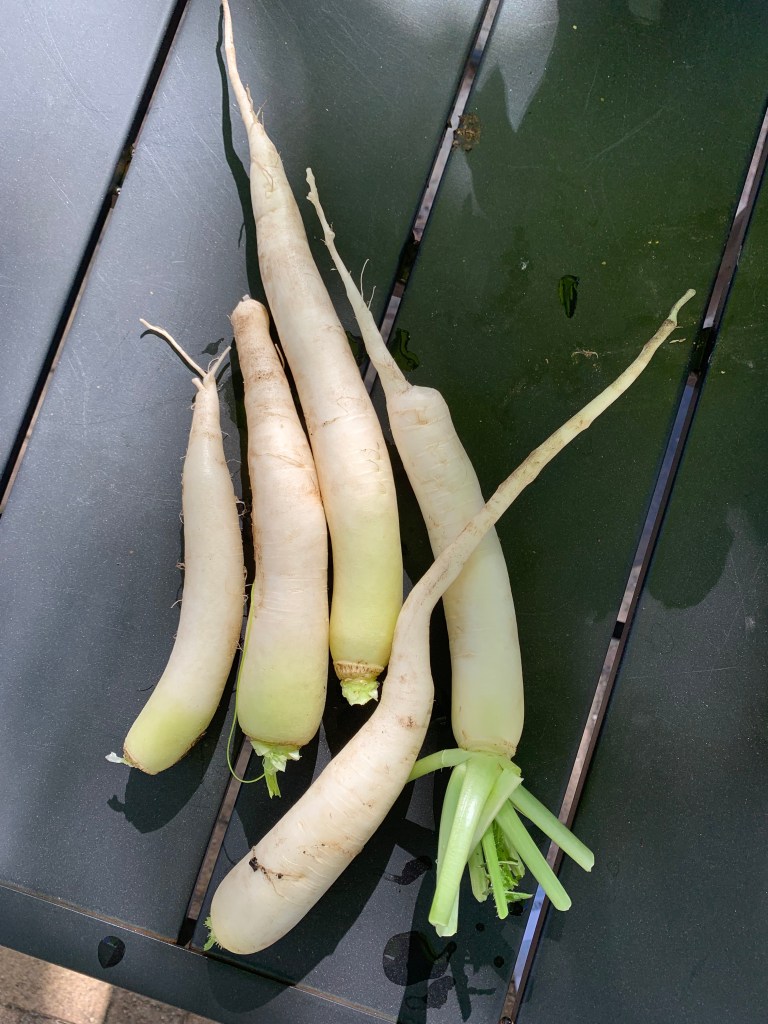
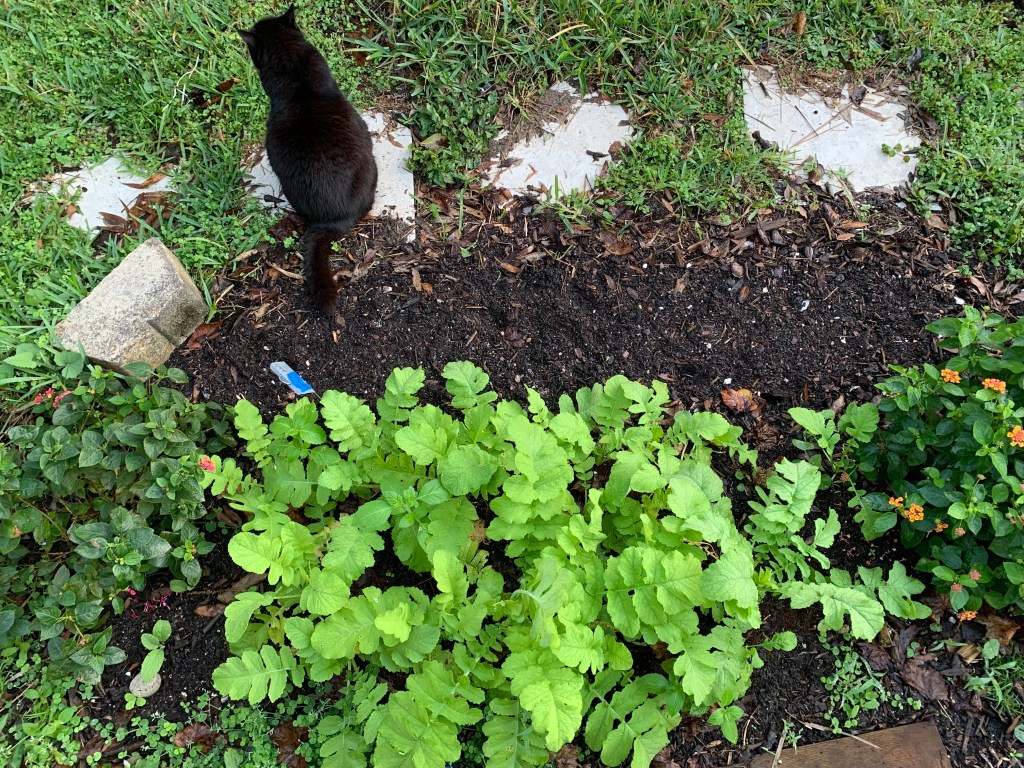
This fall, for the first time, I am growing Daikon radishes in my garden. I direct sowed seeds in a small bed back in September.
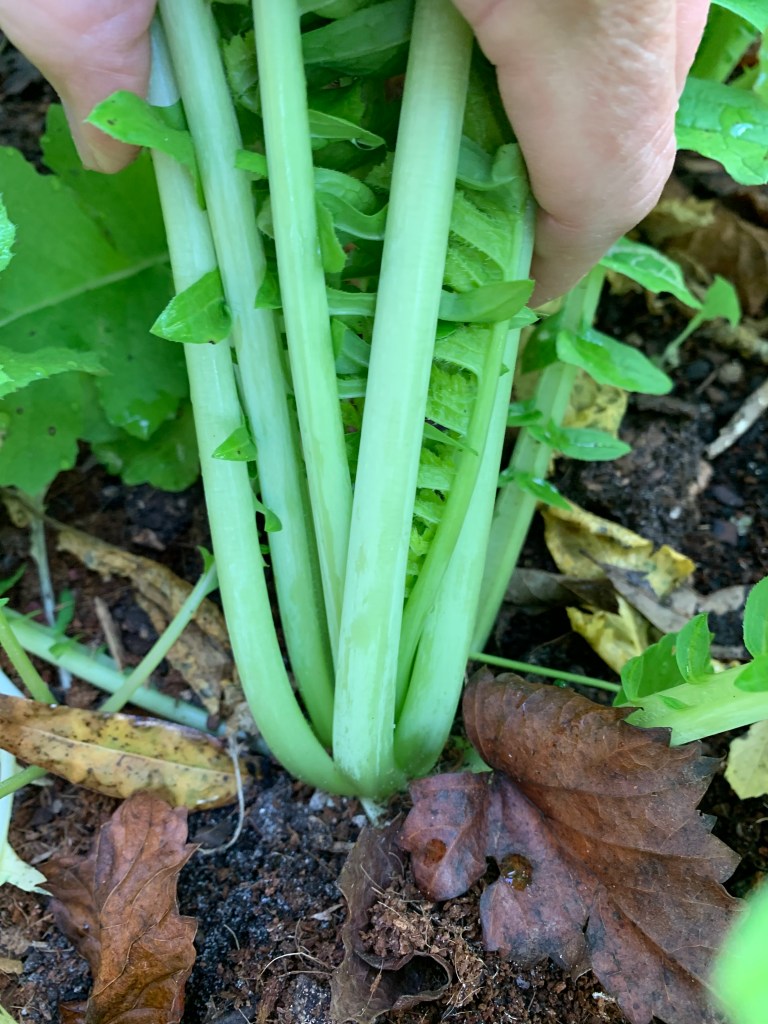
It is now mid-November and I am pulling up my first radish. I’ve never grown, or eaten a Daikon radish before. I had to do some research into ways to use them.
Pulling the Daikons by the end of November
Growing Daikon Radish – An Early Fall Crop
My experience with growing the Daikon radish was a good one. I put seeds into the back garden (early September), watered them occasionally, and watched them grow. Of course the raccoons (or possibly an armadillo) dug around the garden, but most of the radishes survived. I thinned them out a little, but they can grow fairly close together.
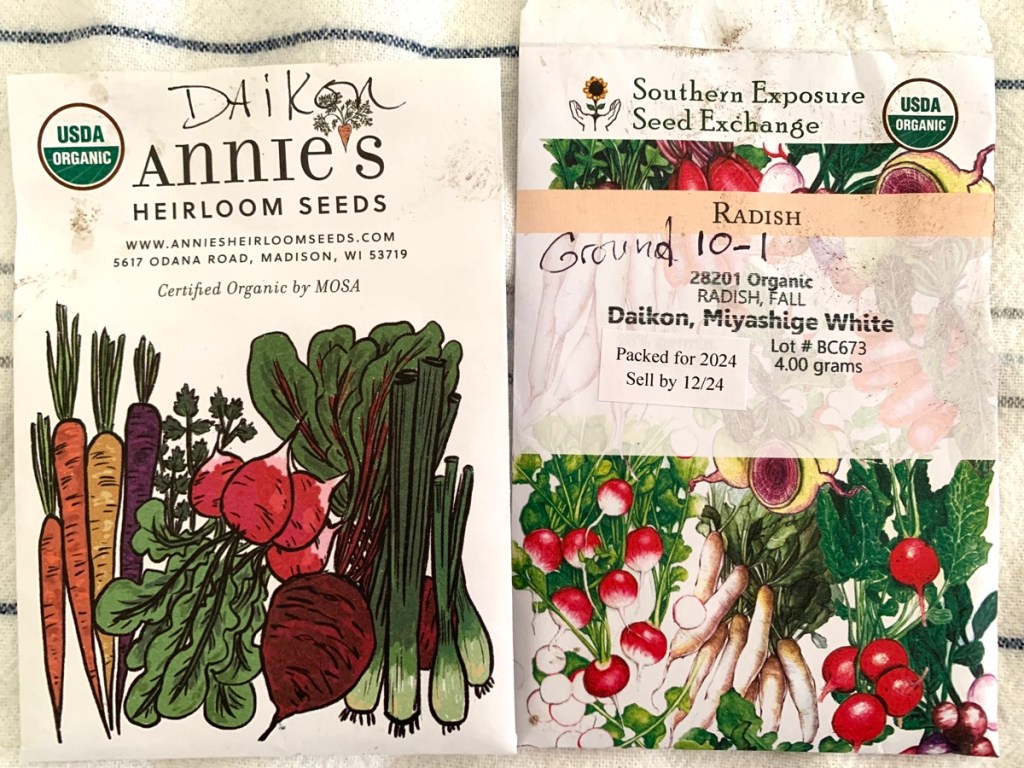
The first planting took place September first. One month later I planted another section with seeds from another company. I was eating the first ones in 3 months.
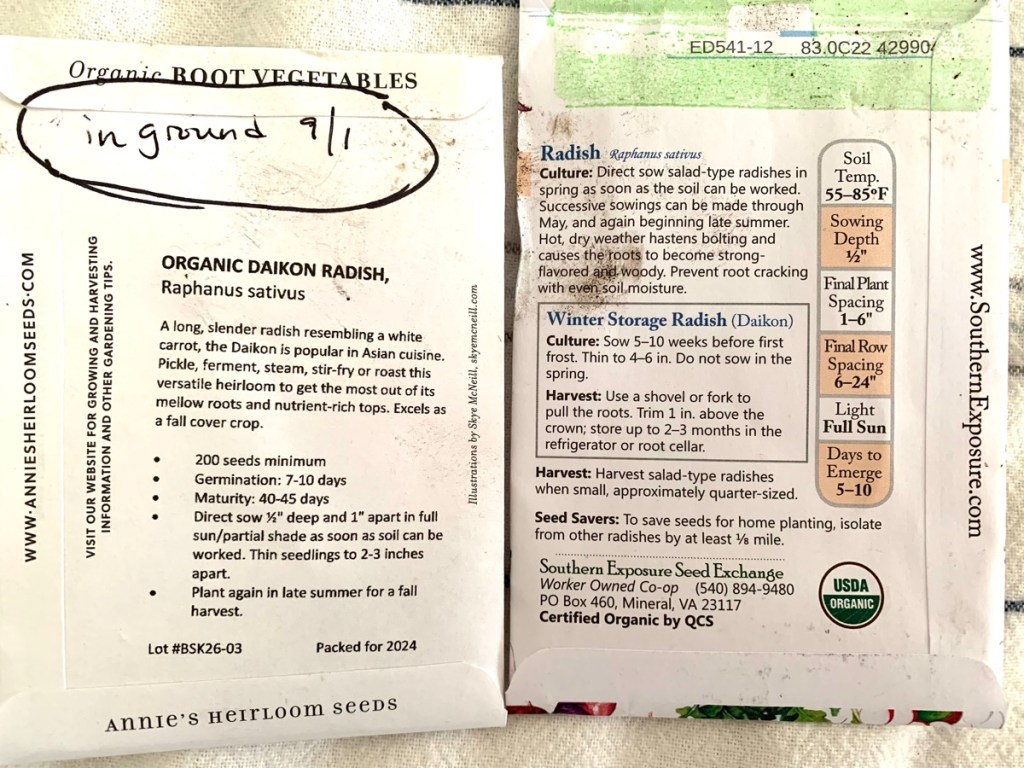
As is always true, the planting instructions are meant for normal (more northern climates). Wording such as; “Direct sow in Spring as soon as the soil can be worked” and “plant in late summer for a Fall harvest” or “harvest before the ground freezes”, don’t apply to my area. I can only grow cold weather crops in Florida’s “winter” months.
The fact that I planted Daikon seeds the first of September, and they grew, is very encouraging. It was still very hot in September. This type was from Annies Heirloom Seeds, and is called Raphanus sativus (organic daikon radish).
Preparing and Eating Daikon Radish
First of all, the leaves can be eaten! I only just discovered this. However, like beets, I wouldn’t want to use too many as it could keep the roots from growing well. Also, the leaves are prickly! Might just add them to the compost.
Pick the white Daikon when the top is around an inch across. A lot can be done with these radishes. Slice or shred into a salad. Stir fry with other vegetables. Make into pickled veggies.
Here is a video I found for Musaengchae. This is a quick, and instant salad made with white radish that incorporates garlic, green onion, and very little sugar. Her radish is huge, but I’m thinking that my smaller ones would work.
My Own Daikon Slaw Experience
So I have pulled a few daikon radishes from my garden. They grew so nicely that I want to keep them in mind for next year. But, I need to find a way to use them. They taste a lot like a normal red radish, to me. And I’m not a big fan.
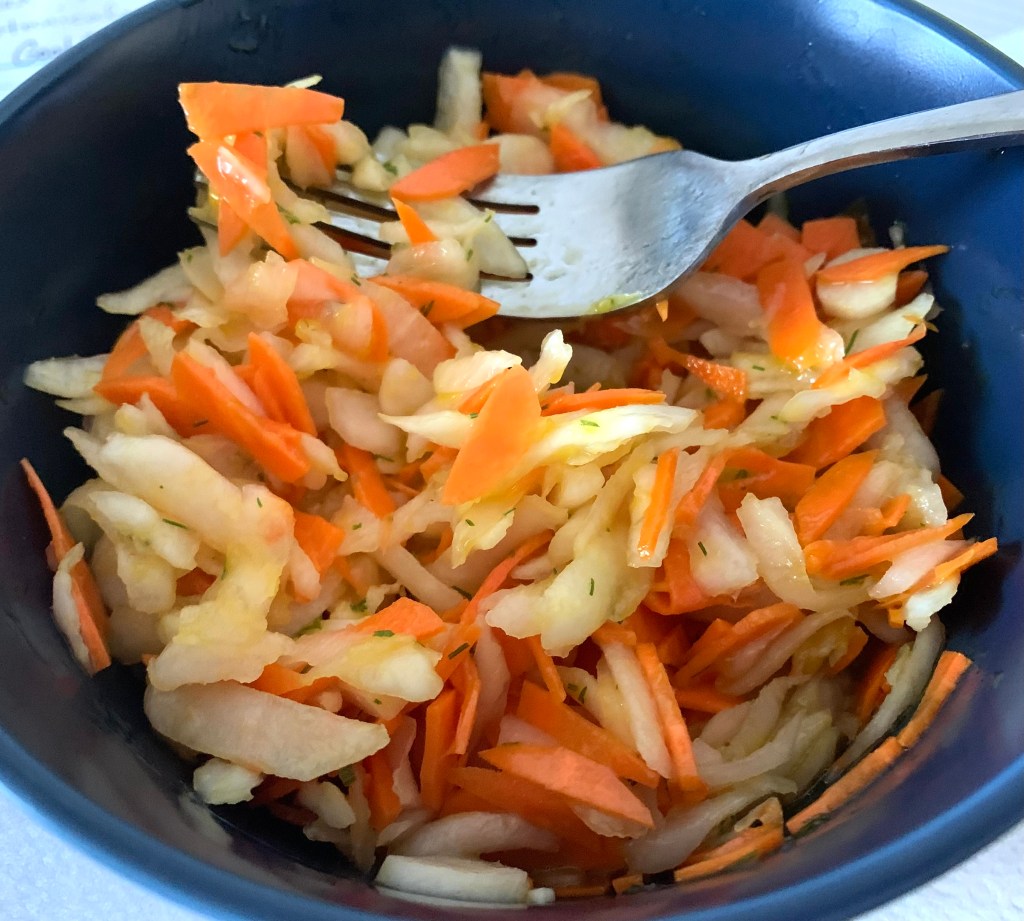
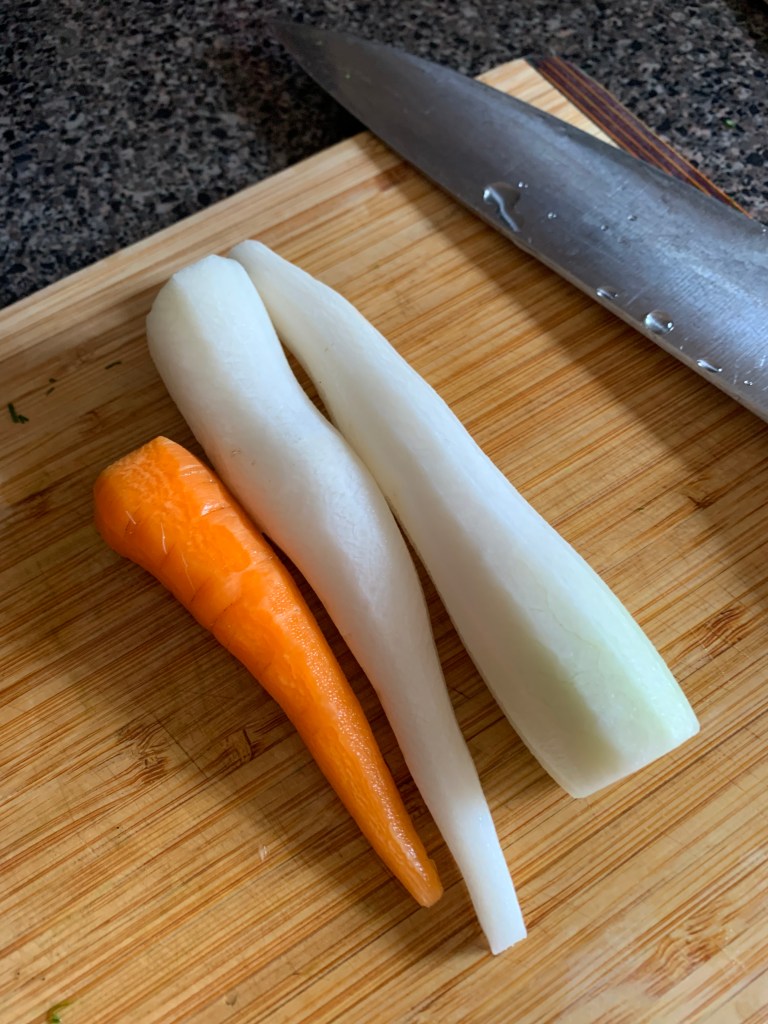
When shredded and added to a mix of sugar (honey / Swerve – Amazon paid link), vinegar and oil, they do taste pretty good. I added carrots. The mix lasts in the fridge for three days.
Daikon & carrots slawFresh pulled DaikonsFirst carrot! and Daikons
Because my Tatsoi greens are also growing well by December, I can mix this Daikon slaw into a normal salad. It’s pretty good. I don’t eat much sugar, so I add as little as possible and use Swerve as much as possible. It doesn’t have a weird aftertaste like other fake sugars.
If you grow this type of radish, I’d love to hear about your favorite ways to use them.
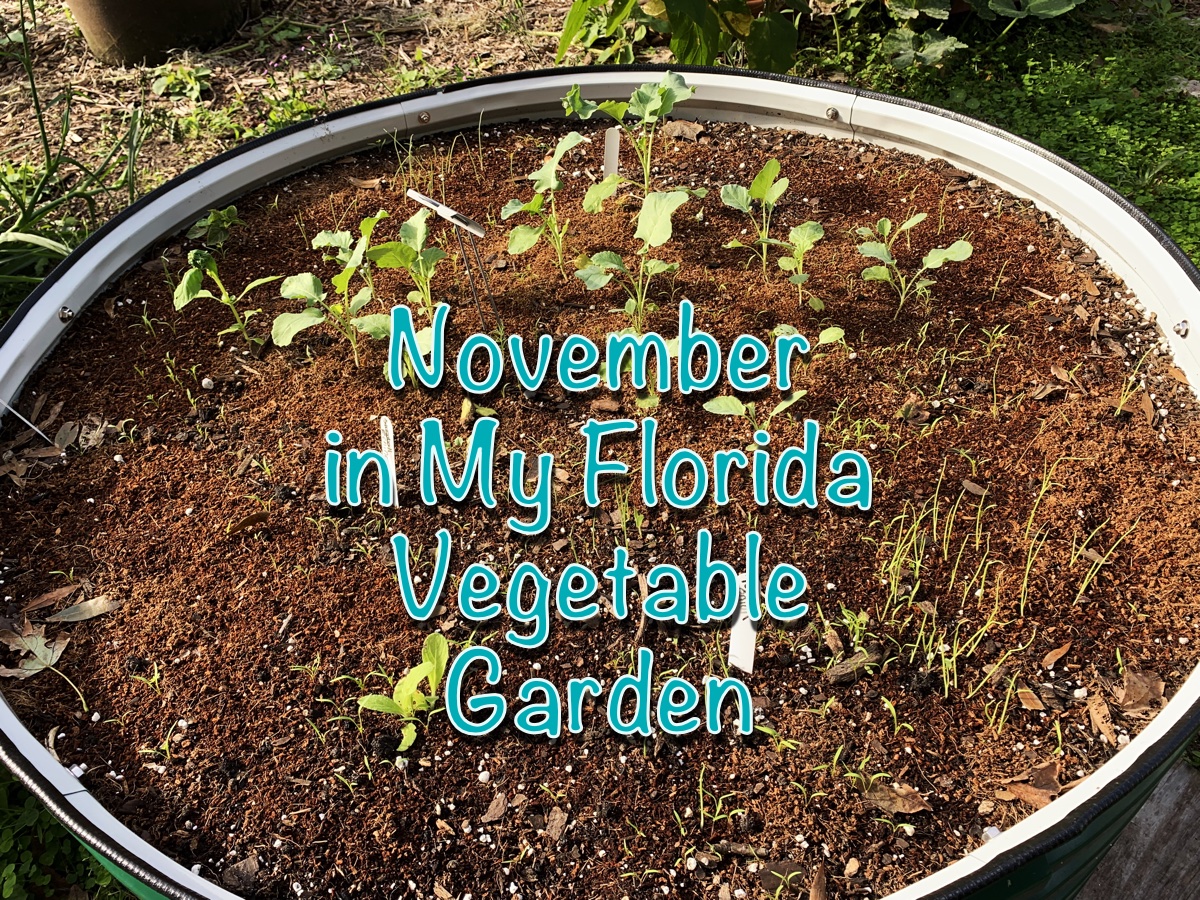
November is the month to see changes for the good in a Florida vegetable garden. It is still hot in central Florida. Our air-conditioner is still running day and night, but the extreme heat is gone. The vegetable seedlings are showing signs of happiness.
Planting Schedule
This is only my second year of vegetable gardening here in zone 9B. I have a lot to learn still, but have also learned a lot already.
September is a hot month. But I planted some carrots and radishes and they grew. Also, I planted beets in September.
This year I discovered that I can plant Daikon radish early. I put the seeds in the ground on September 1st, and they grew. I’ve never eaten one. A second batch was planted in October.
As a plus, I pulled up the old watermelon vine and found another planting space! I put golden beet seeds here on November 11th.
Daikon radish and new dirt section for planting
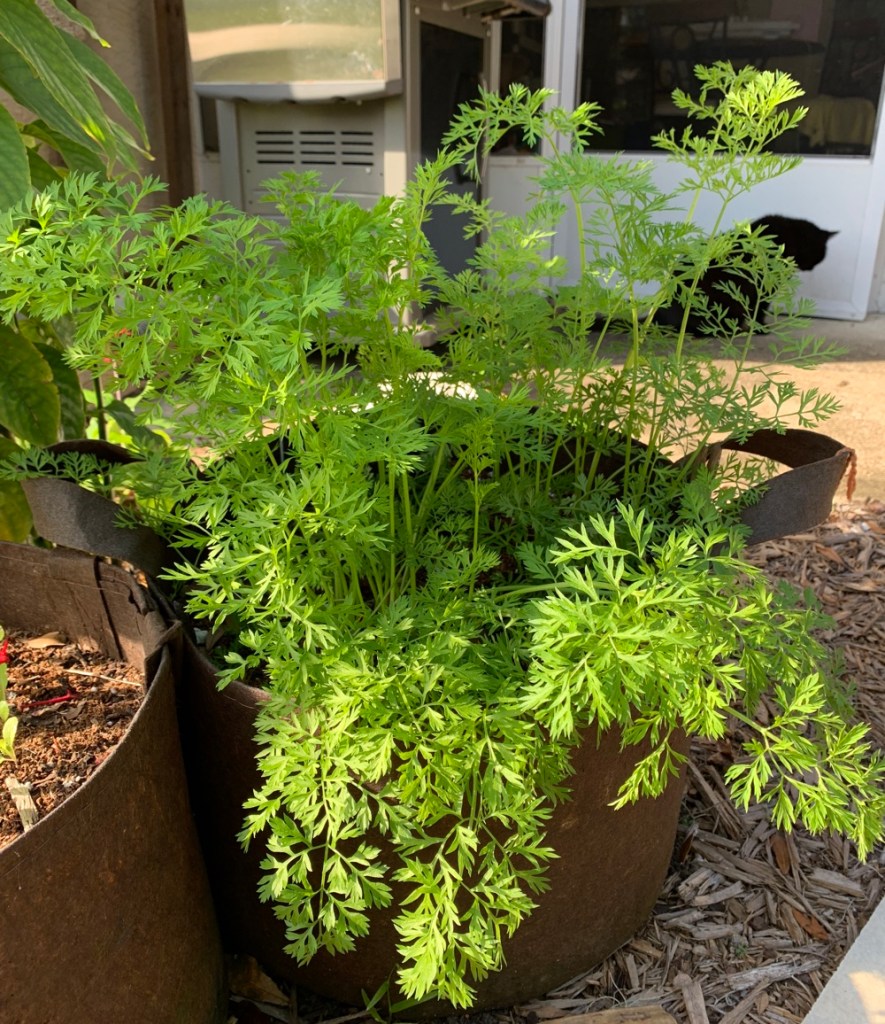
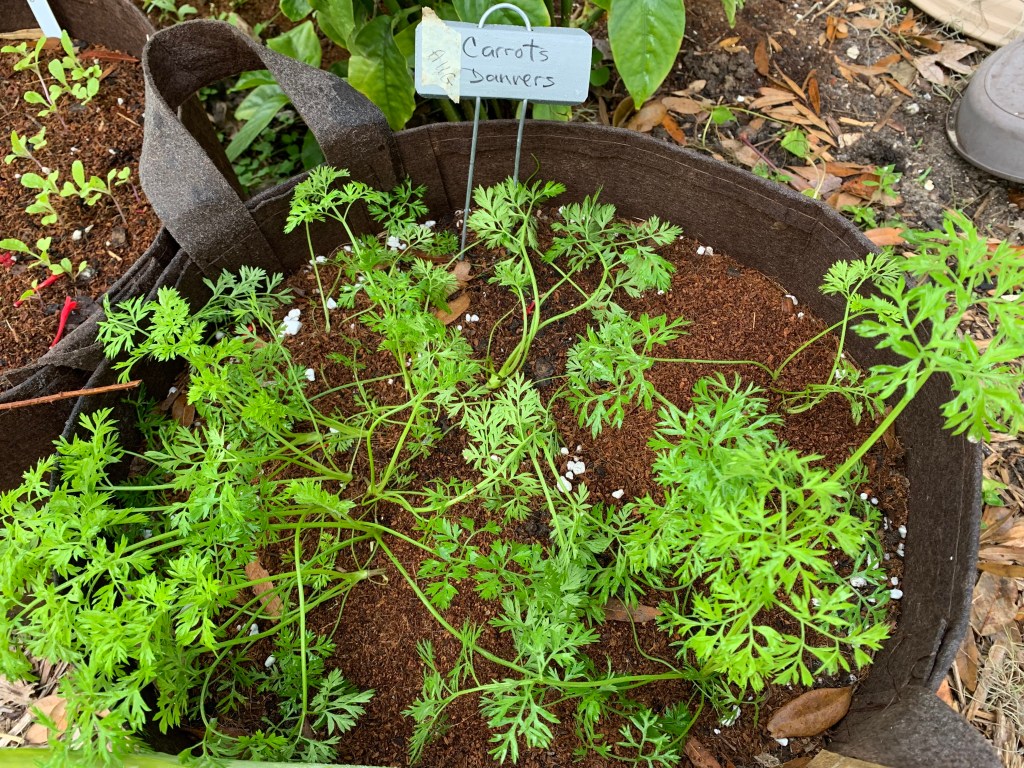
Also, an early crop of carrot seeds has done well. Those seeds were planted in mid-September into a fabric bag. I have since been planting carrots every few weeks wherever I find space.
Carrots planted mid-Sept.
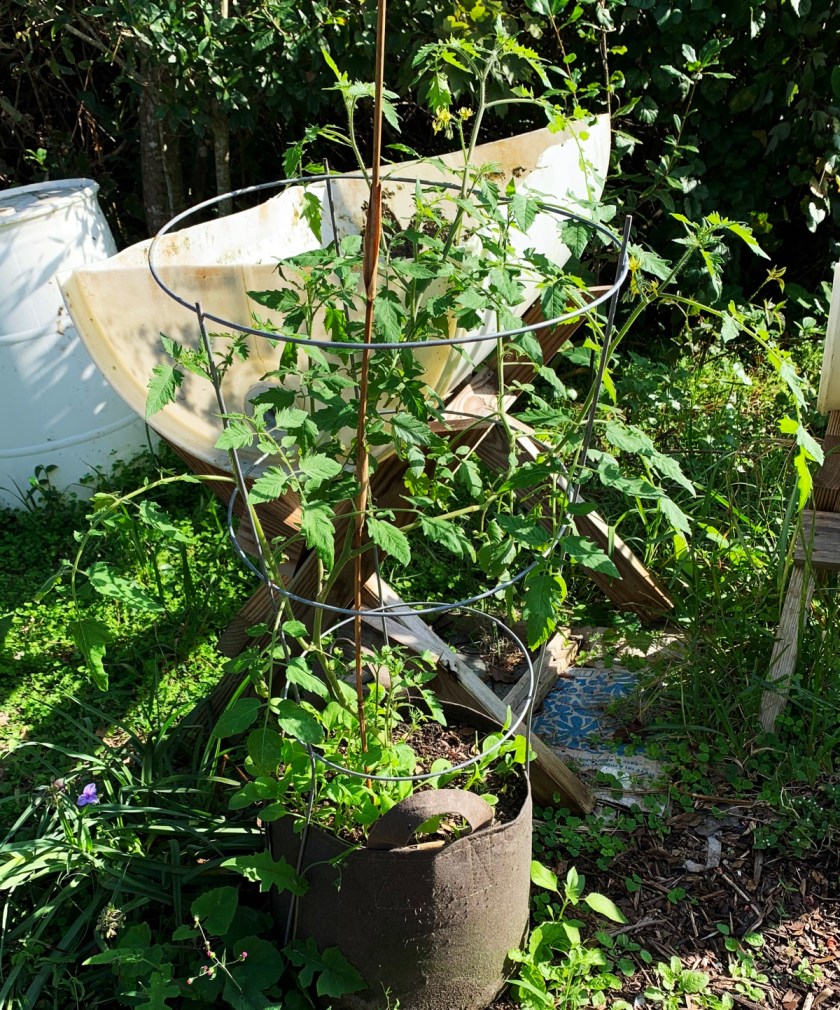
Plagued by two hurricanes back to back this Fall – Hurricane Milton was the biggest problem. We had Category 1 winds with gusts to over 100mph. The cherry tomato looked completely dead. I’m glad I did not give up on it, because it looks wonderful now! The type is Apricot Cherry tomatoes – seeds purchased from Annies Heirloom Seeds. This is where I also bought my golden beet seeds.
I did try to grow some cruciferous veggies early, but that didn’t work. Also early cucumbers got bugs and died. I re-planted broccoli and it is finally beginning to take off. Broccoli seeds are not worth planting early.
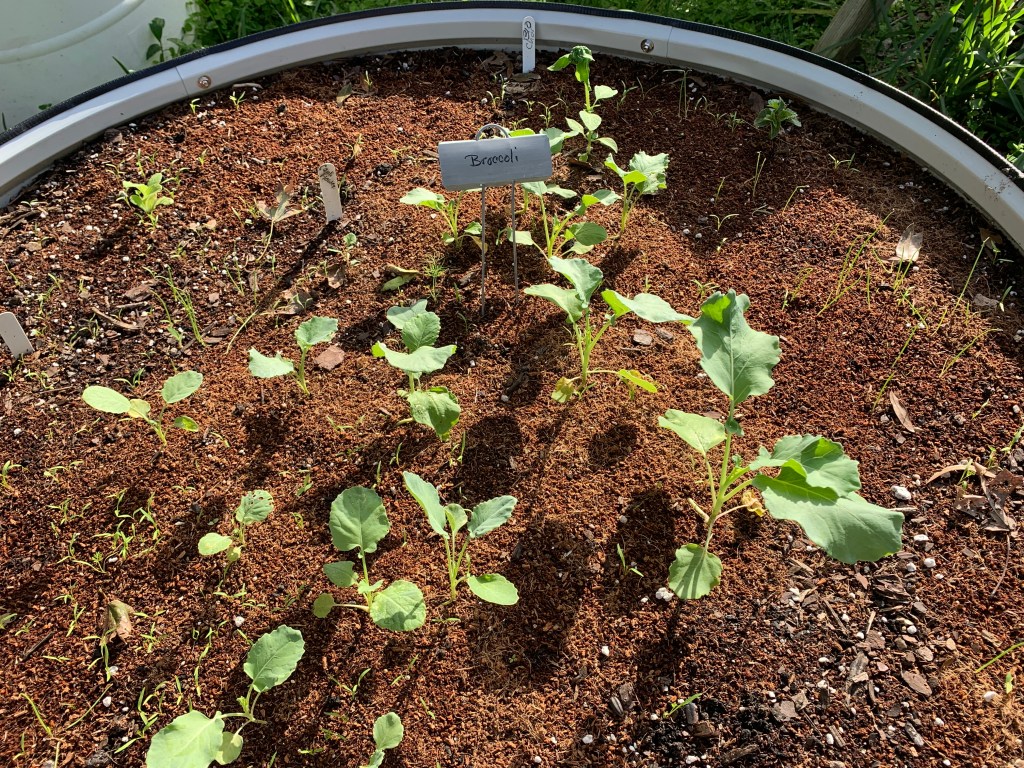
Today, November 12th, the broccoli is finally doing well. Also, I have a few cucumber plants that do not yet have bugs. Could it be that I get to eat a cuke one day?
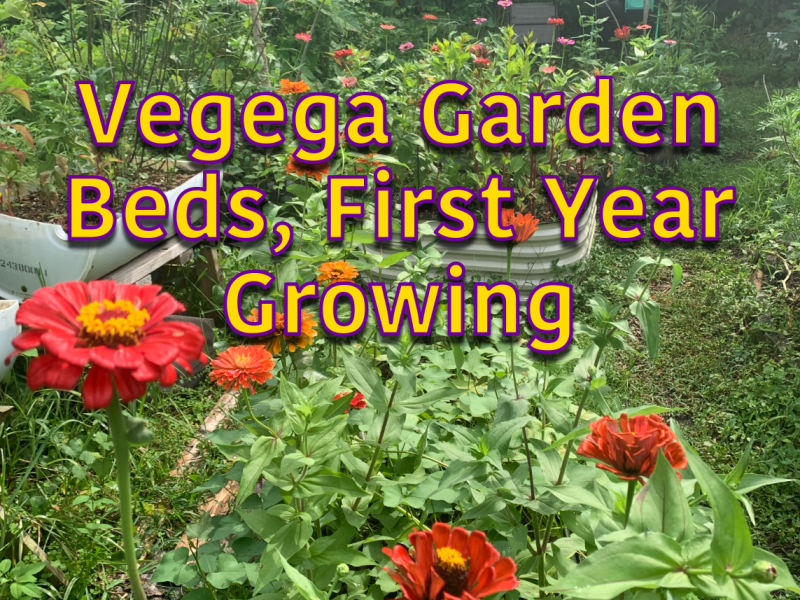
Broccoli in center of Vegega raised bed. I’ve planted bulb onions and carrots around the edge of this bed.
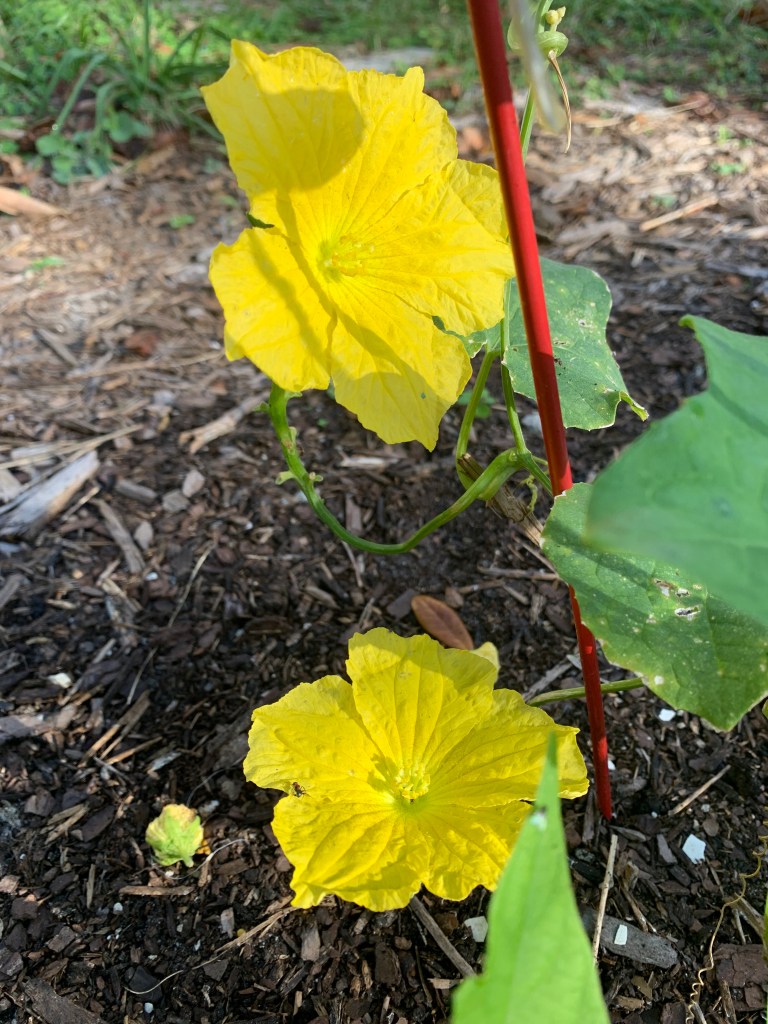
Luffa squash did not grow for me over summer. Now the vine is growing and has beautiful yellow flowers each day. The honey bees come to it each morning. Even if I never get a luffa, the plant is good for beneficial bees.
Luffa flowers
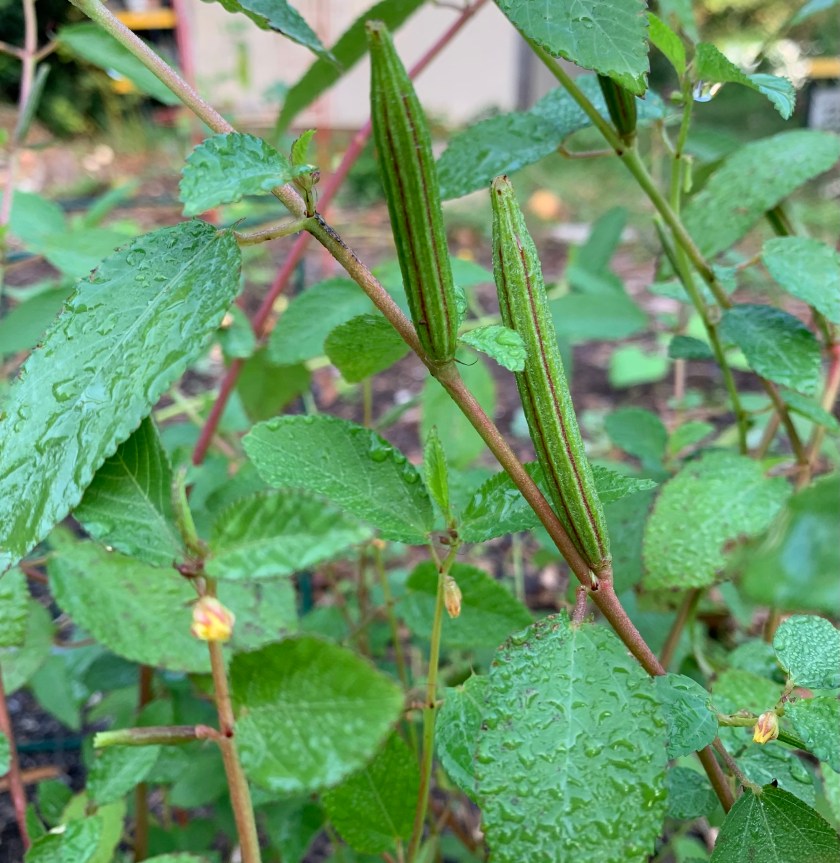
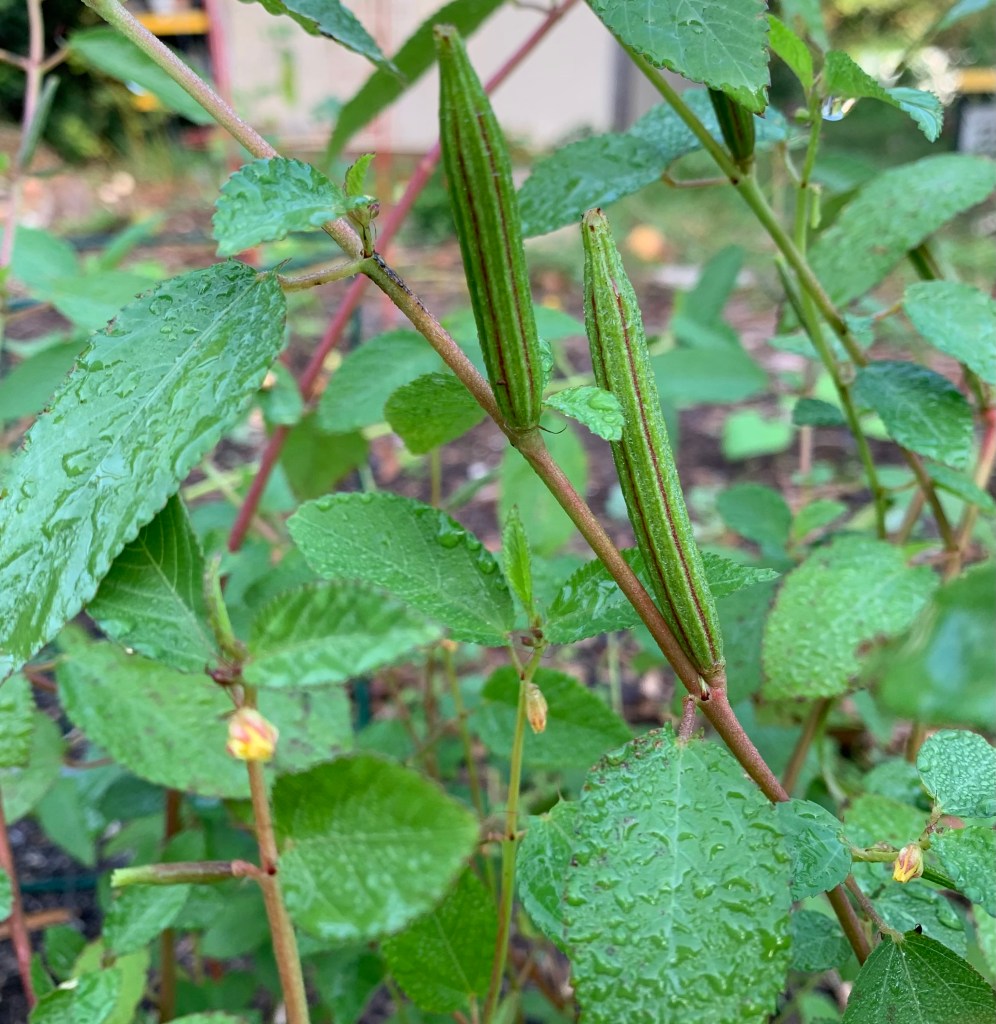
Egyptian spinach was something new to try. I dislike it, but it keeps growing. If you want something easy to grow – get this stuff. It has seed pods and spreads. I have cut it back and it re-grows. The flowers are very tiny and yellow and I have seen some bees go to them. All in all, I won’t plant more. Right now it is taking up garden space and I will eventually rip it out.
Egyptian spinach
Planting Seeds in Pots
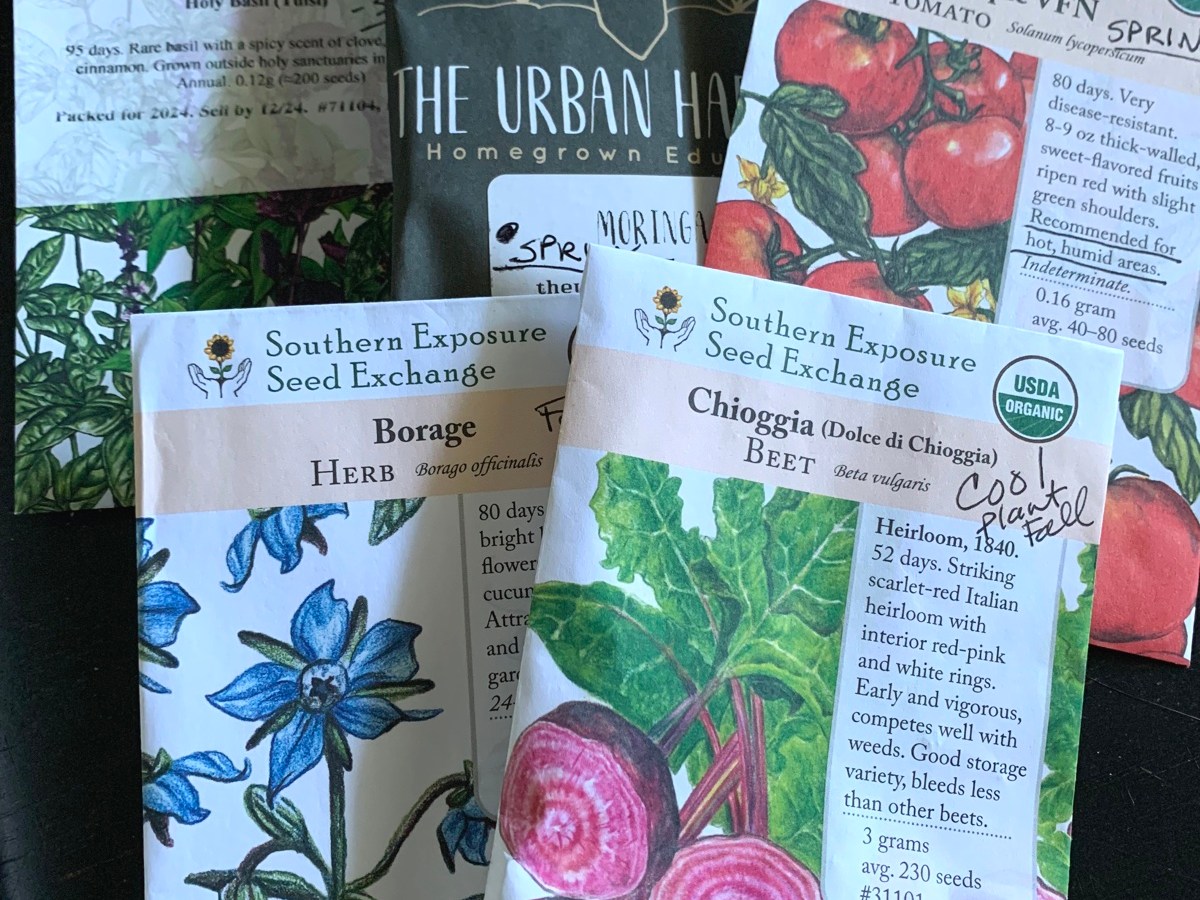
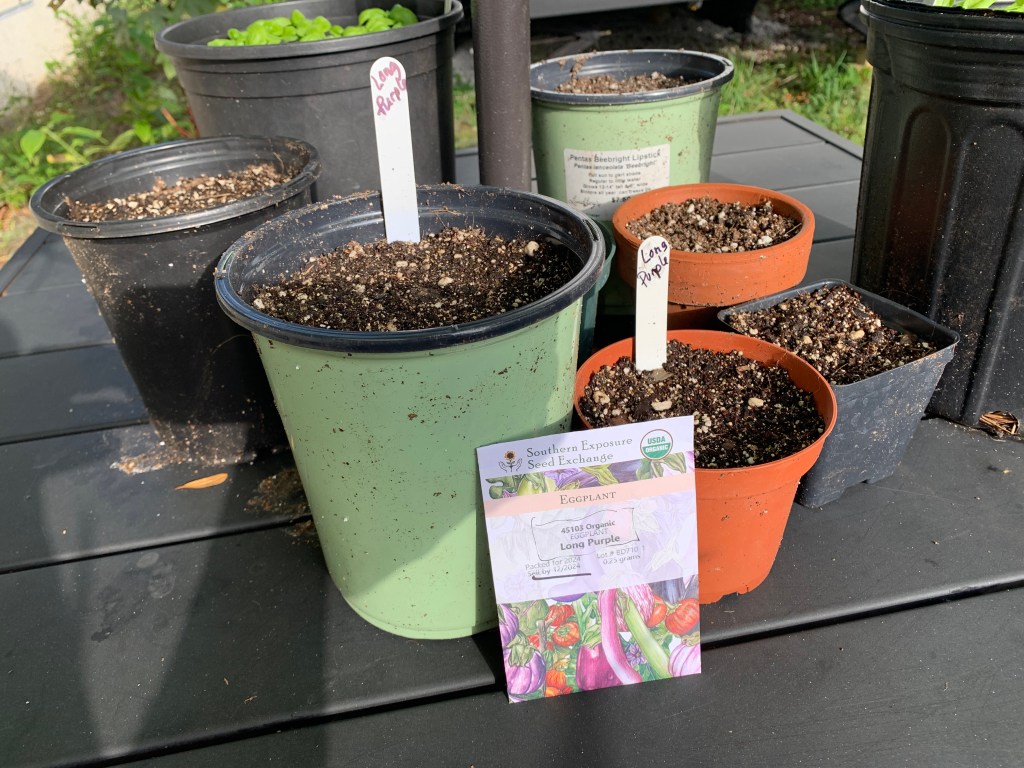
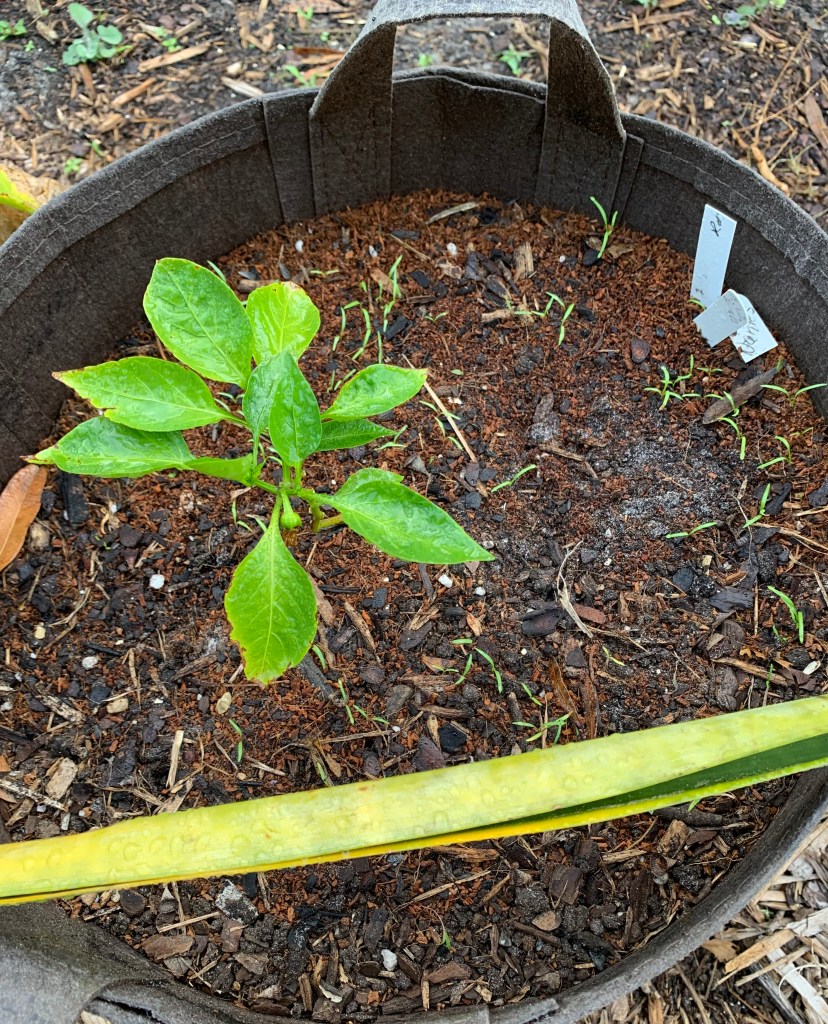
I mixed up some soil and planted some long, purple eggplant seeds. After telling myself to NEVER GROW PEPPERS AGAIN, I ordered pepper seeds (oh boy) and will put some into pots. I’m a little mad at myself. I love peppers and add them to all my food. It would be perfect to get them fresh from the yard. I’m prepared to be disappointed, but am a little hopeful yet.
I’ll grow the seeds on this table outside, but can bring the pots in if we get really cold weather. I’ll put the plants into the ground in early spring.
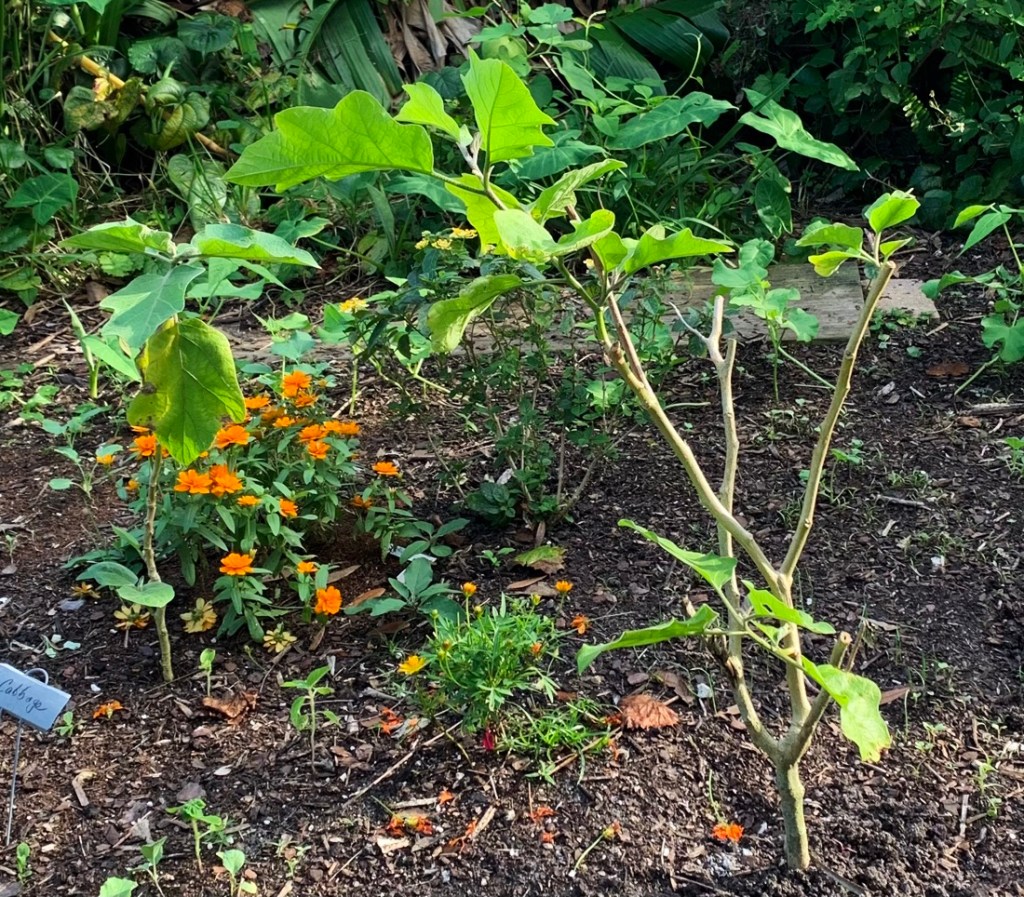
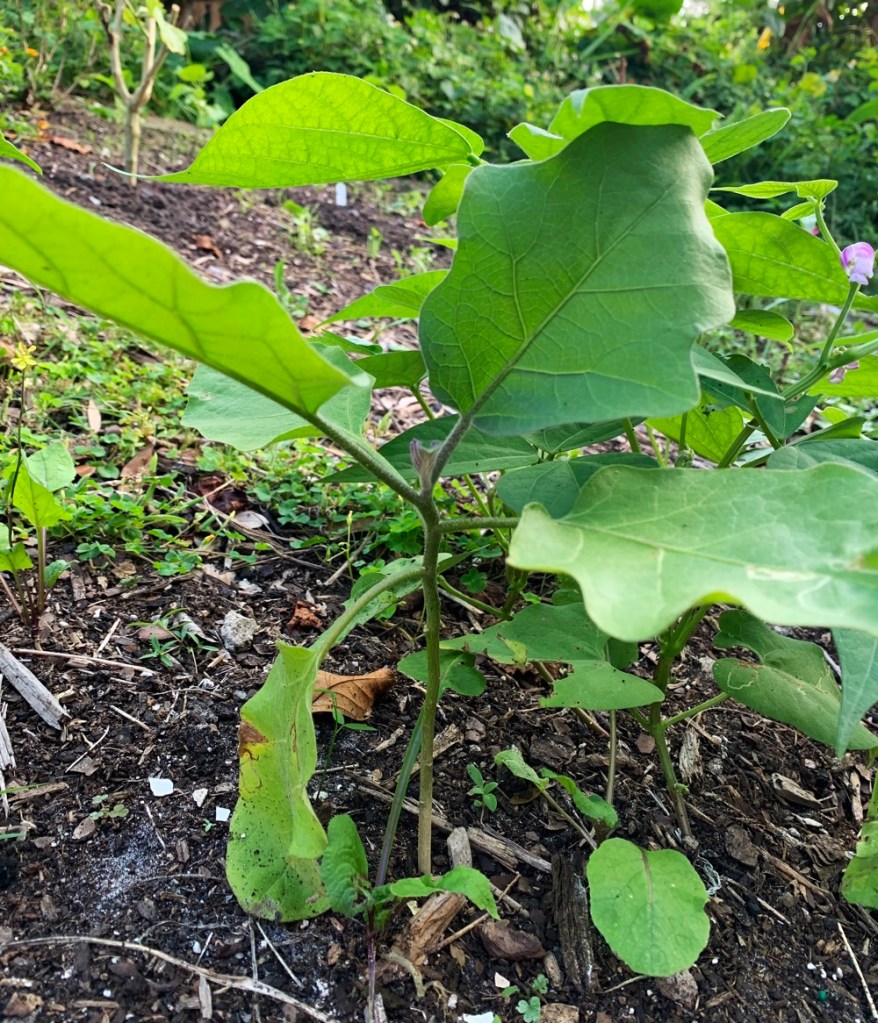
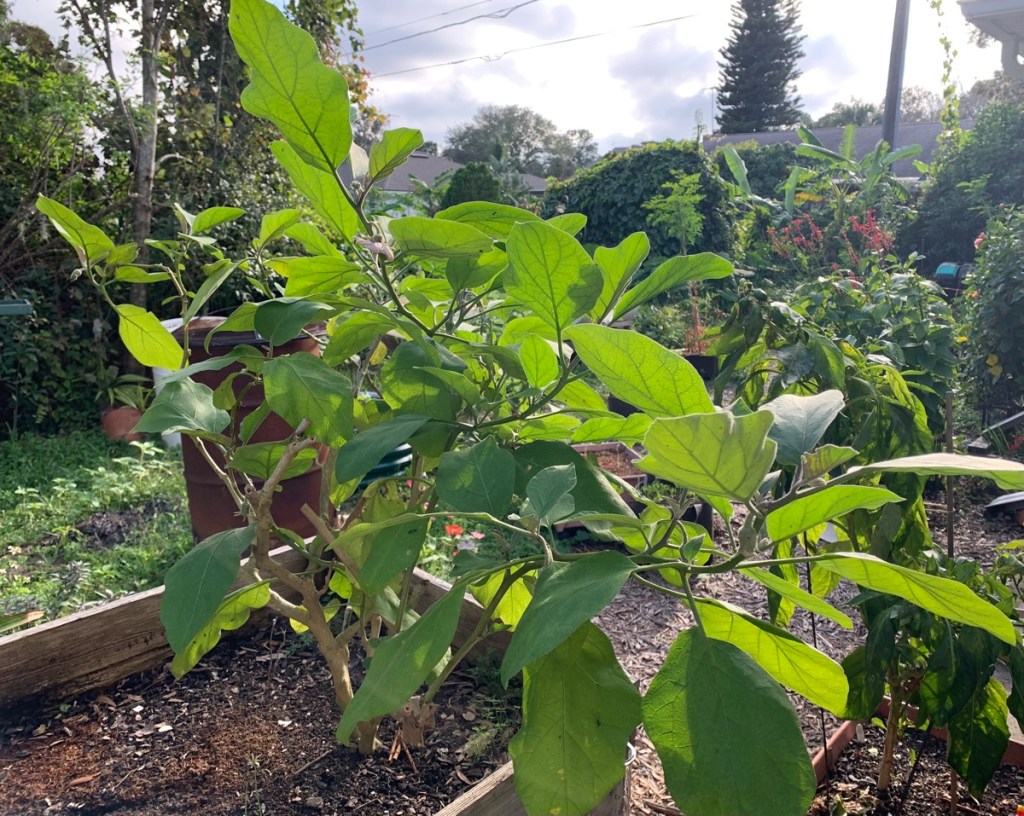
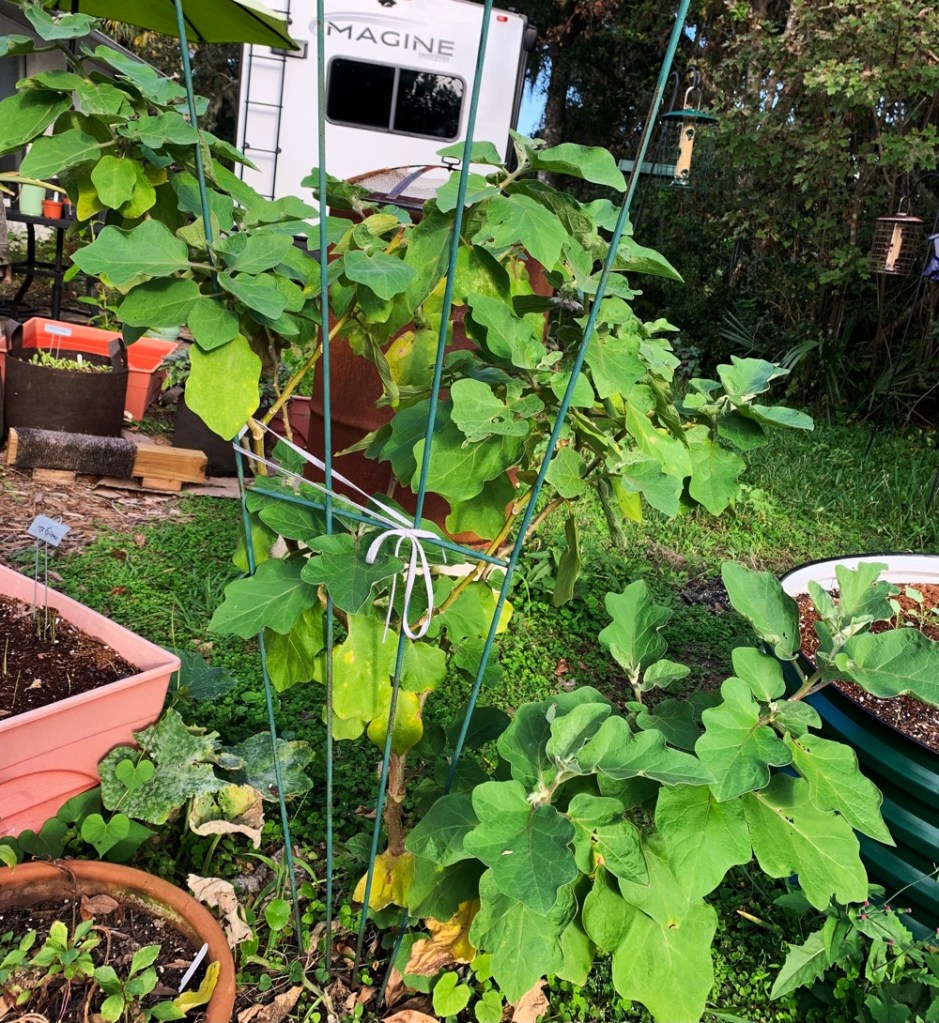
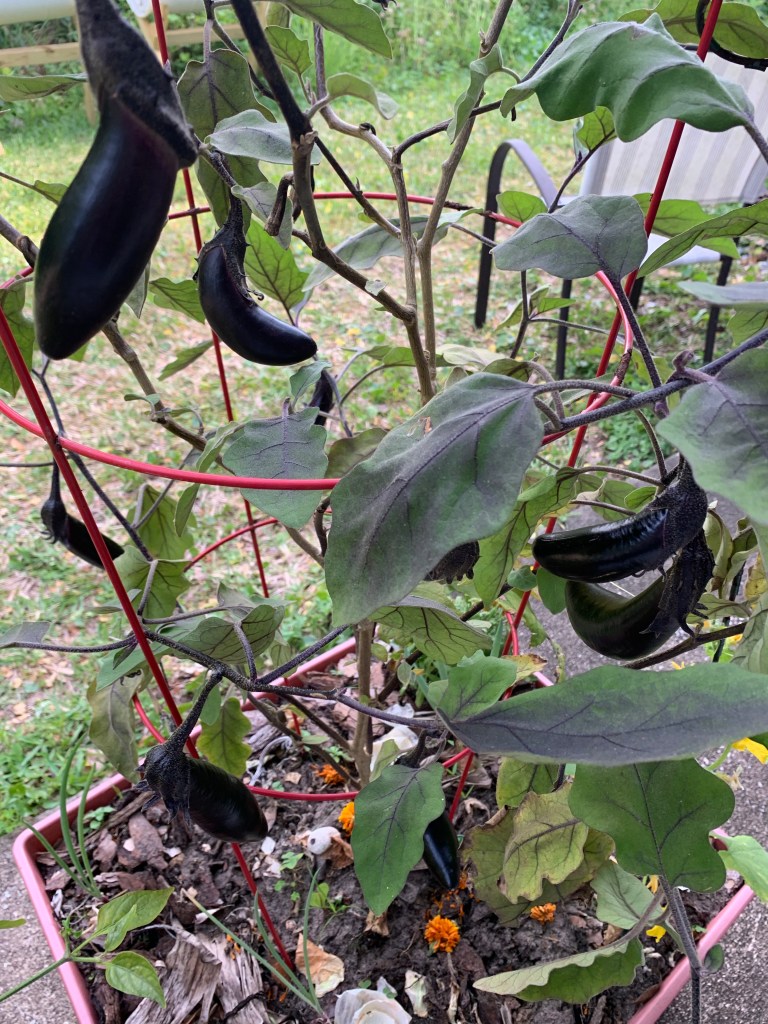
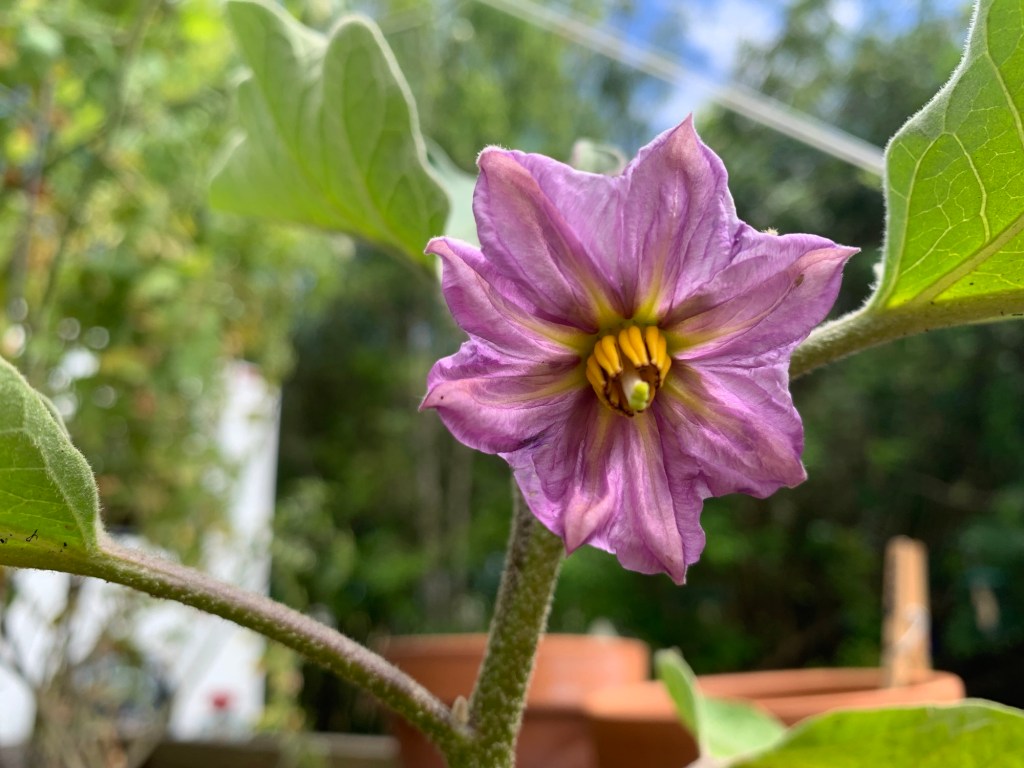
Eggplants grow for a few years in this climate before they begin to look bad and have to be cut down. The ones in my yard are mostly older so I want a few new ones to replace them. I don’t love eating eggplant, but I will use it when it grows. The plants themselves are excellent for attracting lady bugs, are carefree to grow, and have very few pest problems that really bother the plant. Raccoons leave them alone too!! I also like the looks of the plant with its big fuzzy leaves and purple flowers. It’s like having cute little trees in the garden.
In my experience, the long thin purple eggplant grew the best. Other larger purple eggplants were also good, but not as prolific. The Rosita type had a lot of bug problems and I got only one to eat! Not worth the trouble.
2 eggplantNew eggplantOld eggplantBig eggplant, blown over by Hurricane Milton, but looks good! Not sure of the variety.
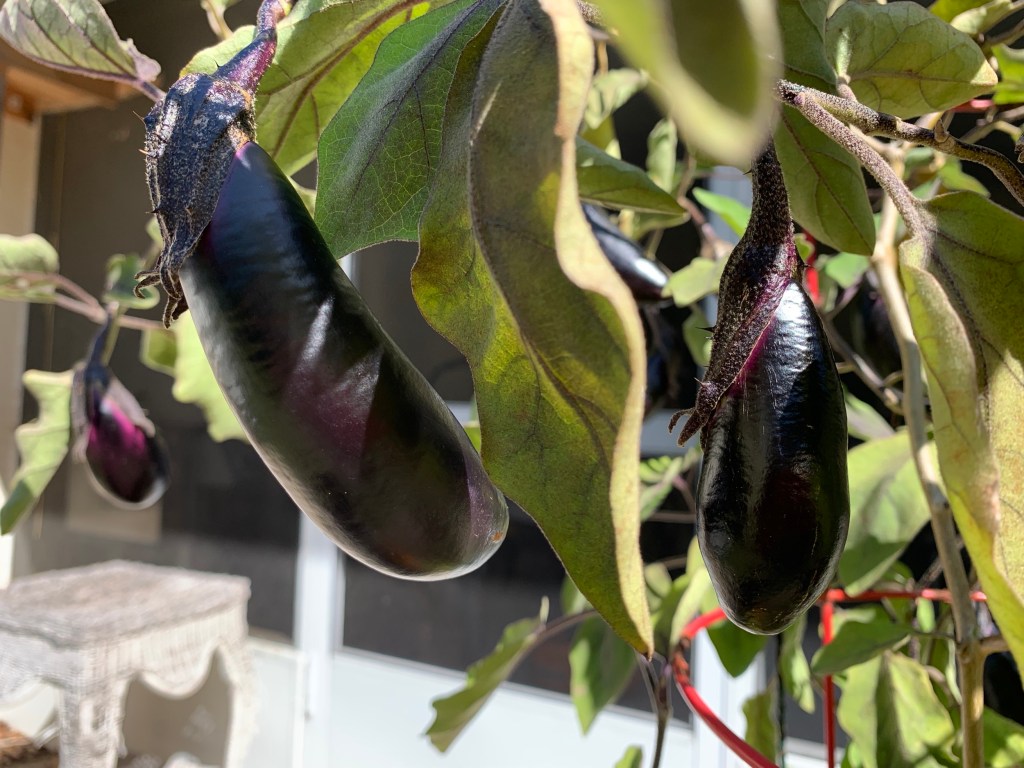
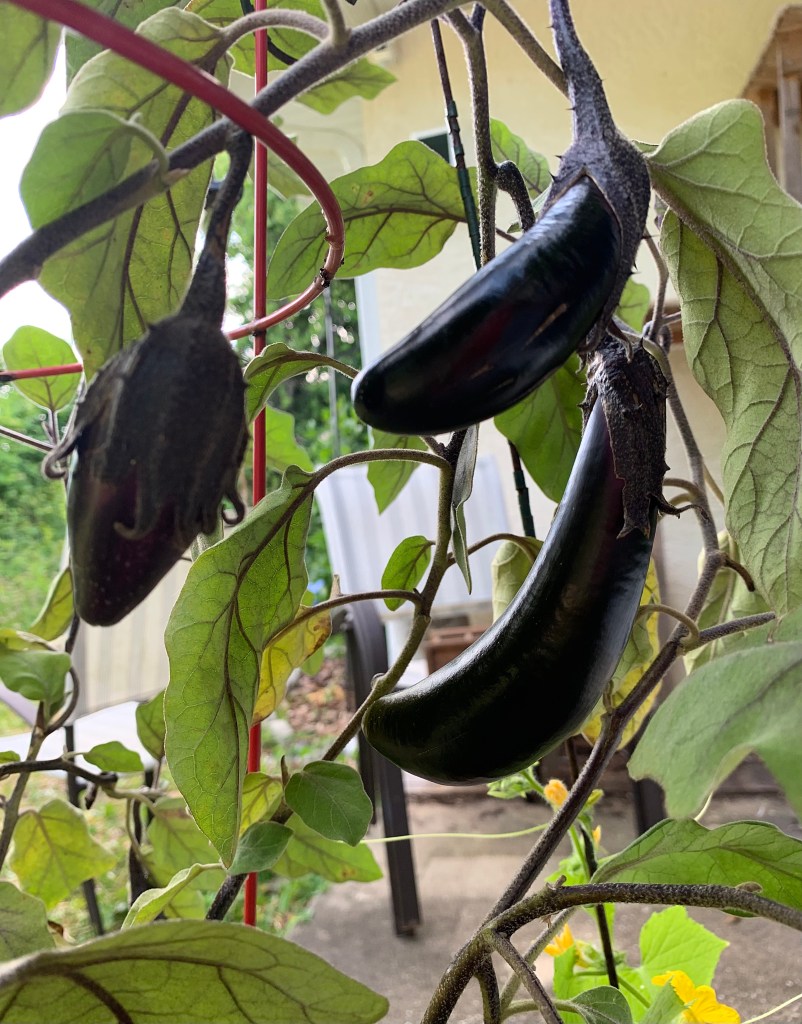
The long purple eggplants are my favorite. They don’t have to be salted to remove the bitterness, and can be chopped and sautéed with other veggies. They grow to about the size of a long hotdog and then can be picked. I will be planting this type from now on.
Photos from a previously grown, long purple eggplant.
Planting and re-planting in Fall for a good vegetable harvest. Bugs, weather, and animals can make things difficult.
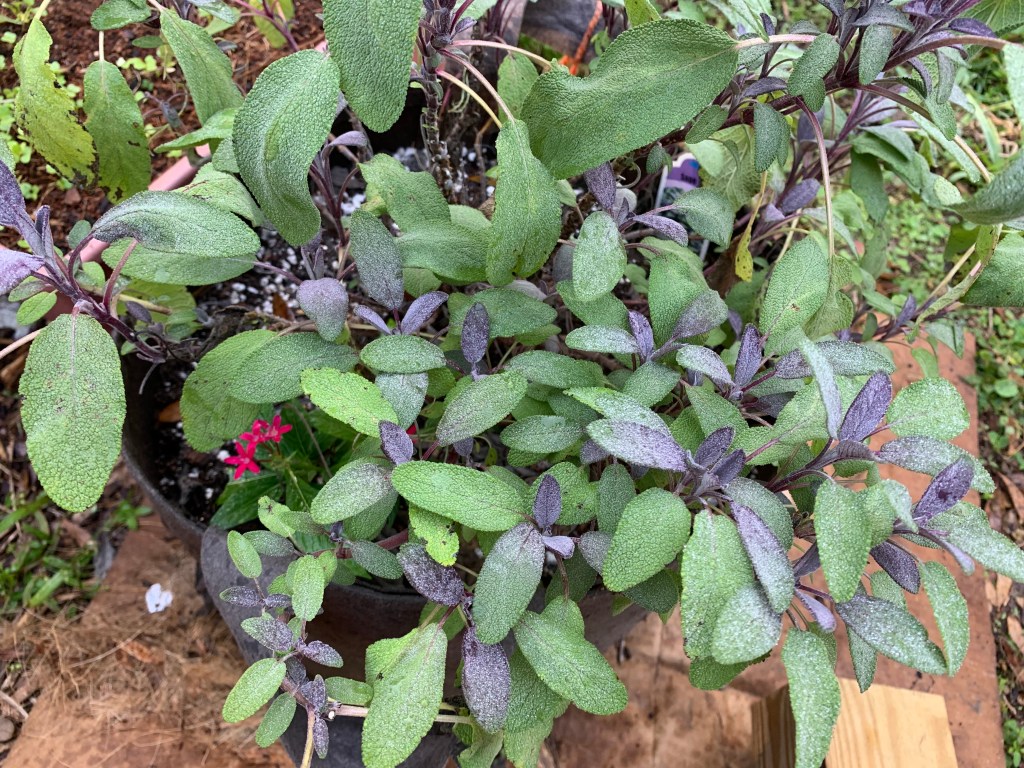
Planting seeds is an ongoing process in my yard. Thanks to raccoons, my cats, and the armadillos, a lot of seed replanting happens. In my photos here, the only thing grown from a purchased plant (and not seeds or a cutting) is the sage.
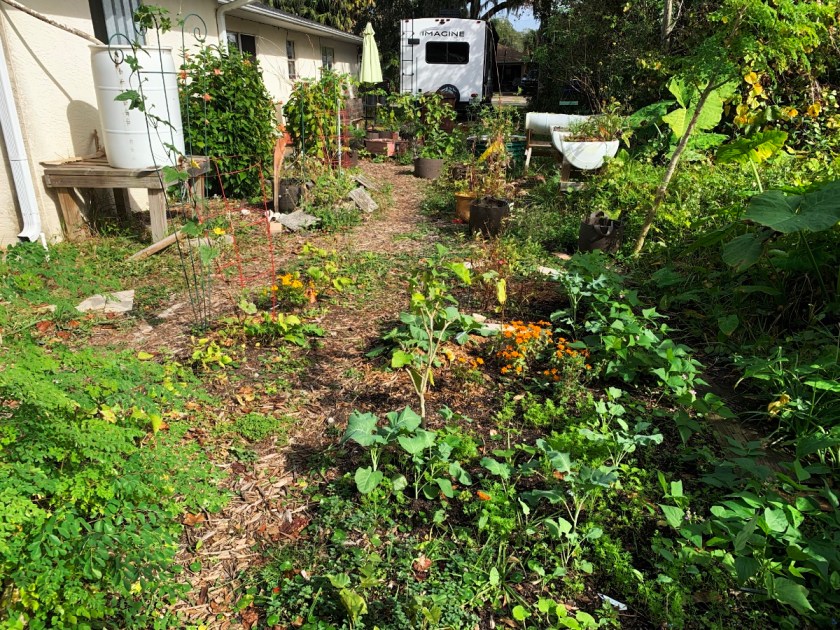
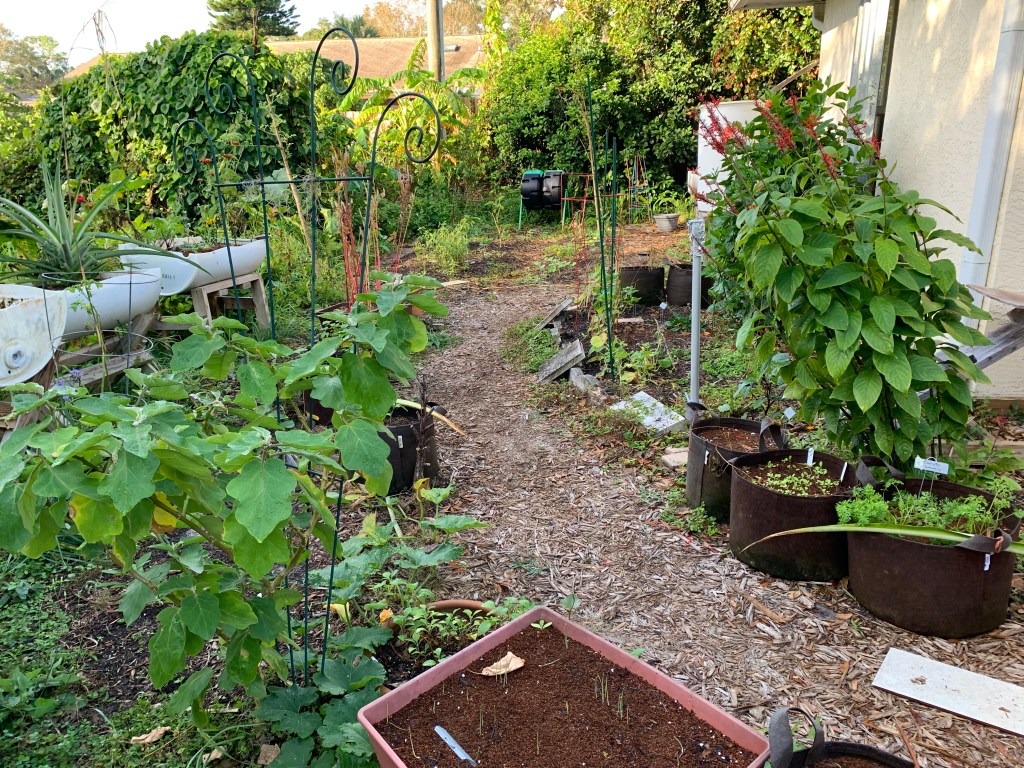
purple sagebell peppereggplantbroccolitomato after Hurricanepepper & carrotsFall garden 2024 – Firespike is permanently angled from Hurricane winds
Where Are The Good Bugs?
I am into year two of vegetable gardening and I’m still wondering where all the good bugs are. Occasionally I see a ladybug. I rarely see much of anything else. It has me wondering if this area simply can’t support good things.
I’m not a fan of Florida. In my opinion the state is a swampland and should have stayed that way. Now, everyone sprays their lawns to kill all the things they never want to see.
All my neighbors spray their yards. I can only imagine how many beneficials are killed along with the unwanted cinch bugs and roaches. Is the ecology in my area so bad that I will never have a self supporting garden full of beneficial insects?
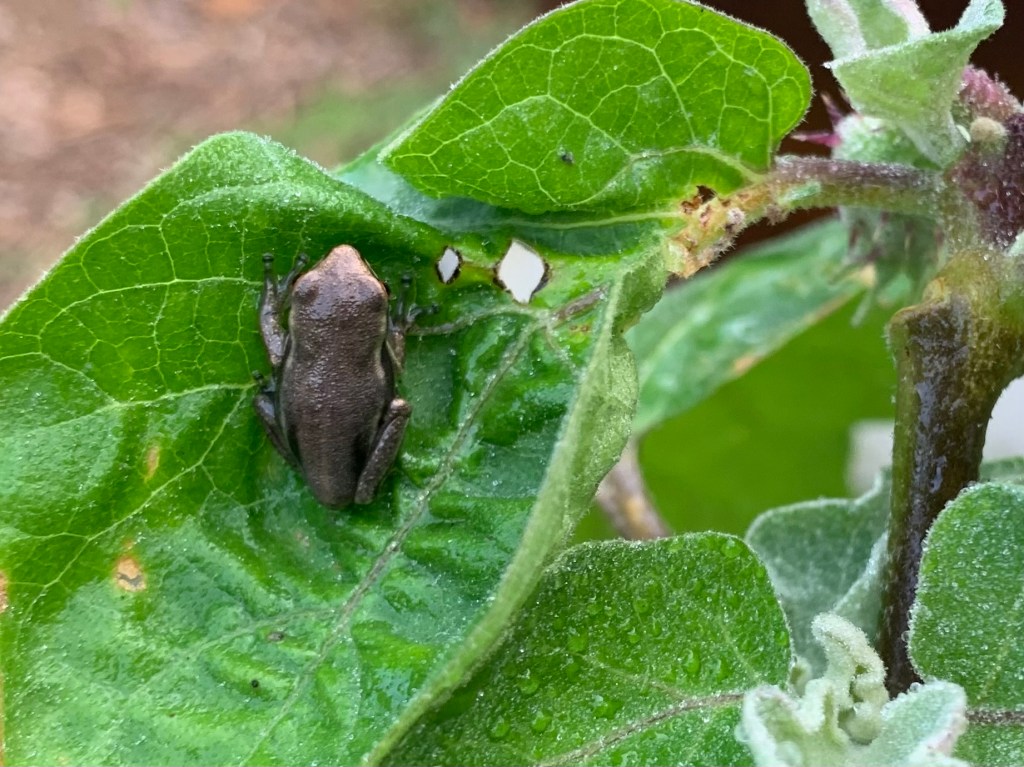
We have invasive frogs and lizards. Are they eating up all the good bugs that may show up? It really seems like everything is working against me here.
I Grow What Will Grow
Ideally, a backyard garden would supply food that is most loved and eaten often. What I would love to grow, and eat often, simply doesn’t grow for me. Onions, peppers, zucchini, tomatoes, lettuce, cucumbers, and carrots would be great. I’ve had no luck with peppers, zucchini (any squash), tomatoes, and cucumbers. Certain types of greens do well – Tatsoi is a favorite. And last year carrots and onions came up.
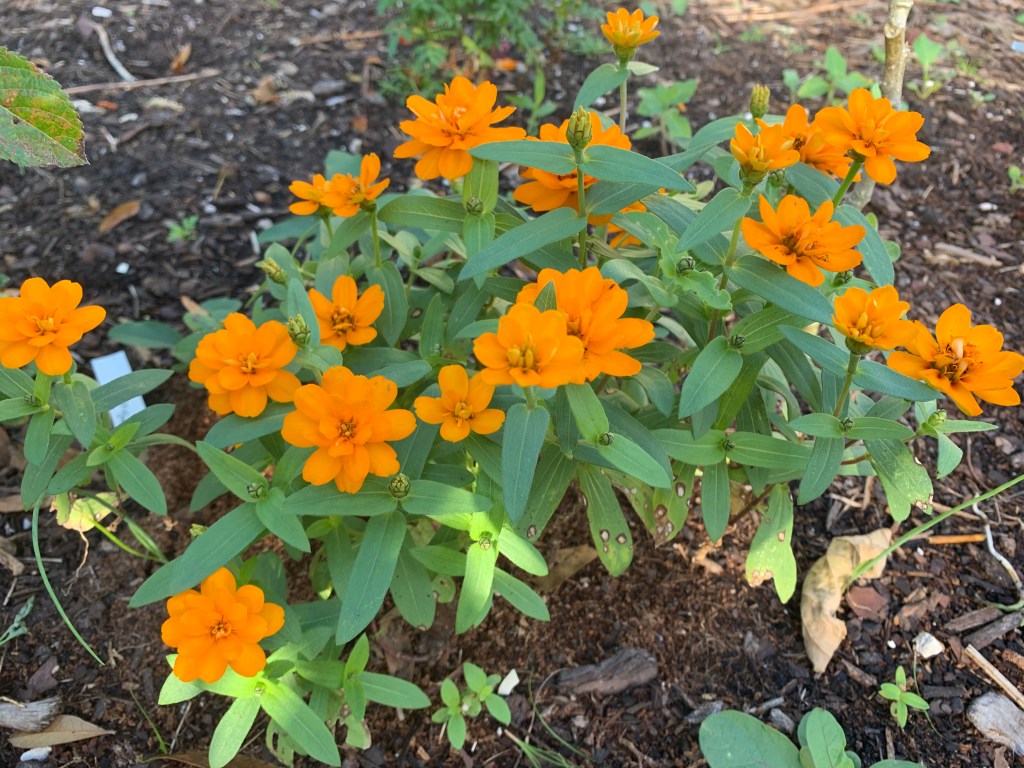
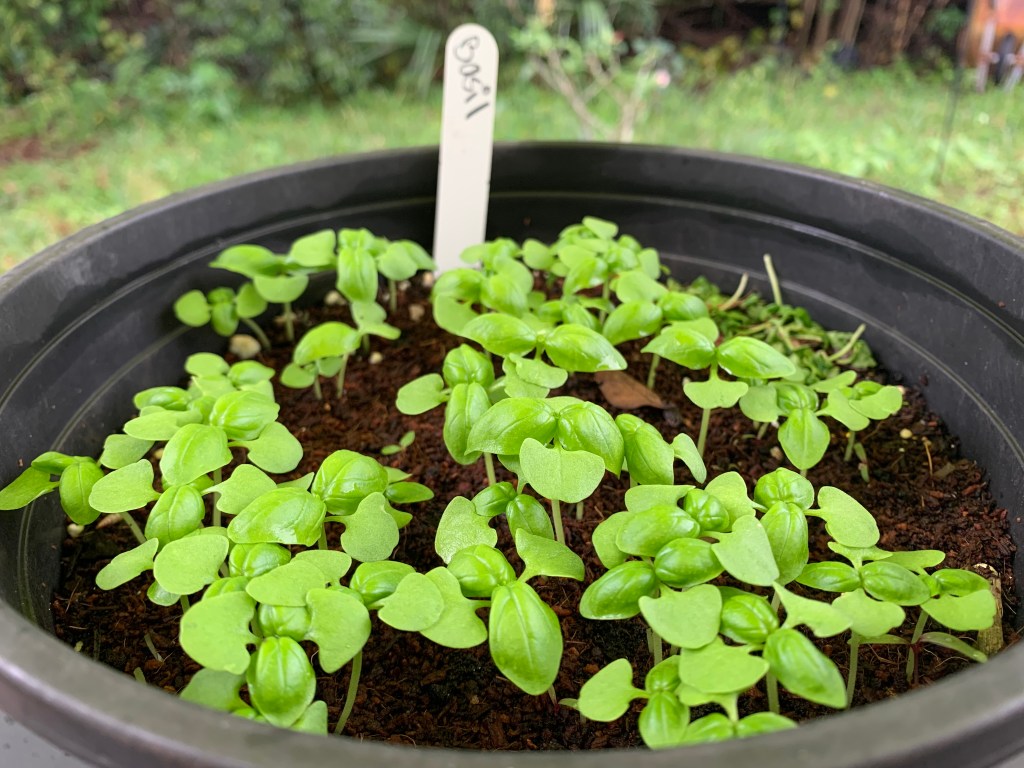
Luffa flowersZinniaBasil Daikon radish and new dirt section for planting
The Daikon radish is looking pretty good, but I’ve never eaten one. Can I make a meal out of a radish? The luffa looks sickly, a few beets look okay, the Egyptian spinach grows great – but I don’t eat it (yuk).
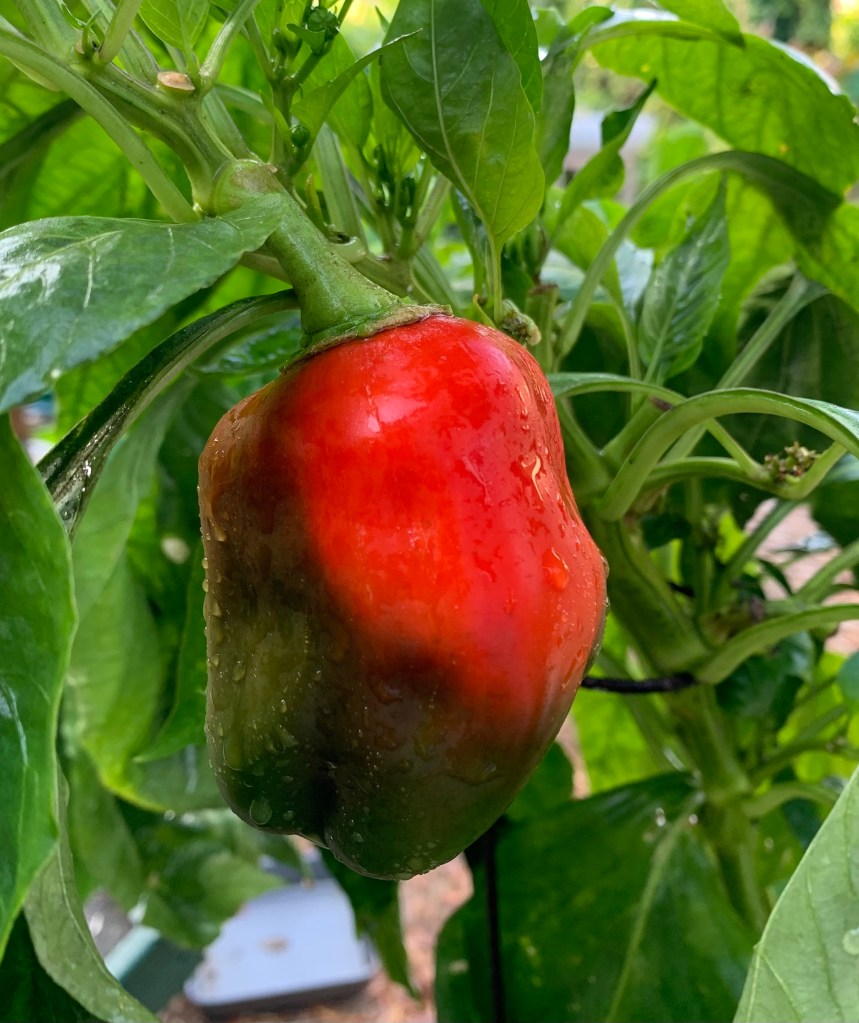
I’ve given up on peppers. The one bell pepper plant is covered in white flies or mites or whatever. I’ve tried to get rid of them, and gave up. I had quite a few nice pepper plants growing that simply died.
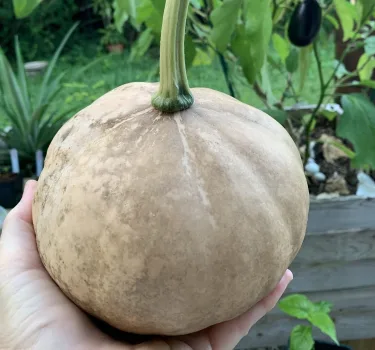
Squash and zucchini don’t grow. Last year I had a couple of Seminole pumpkins, which were delicious, but this year I have one that might be okay.
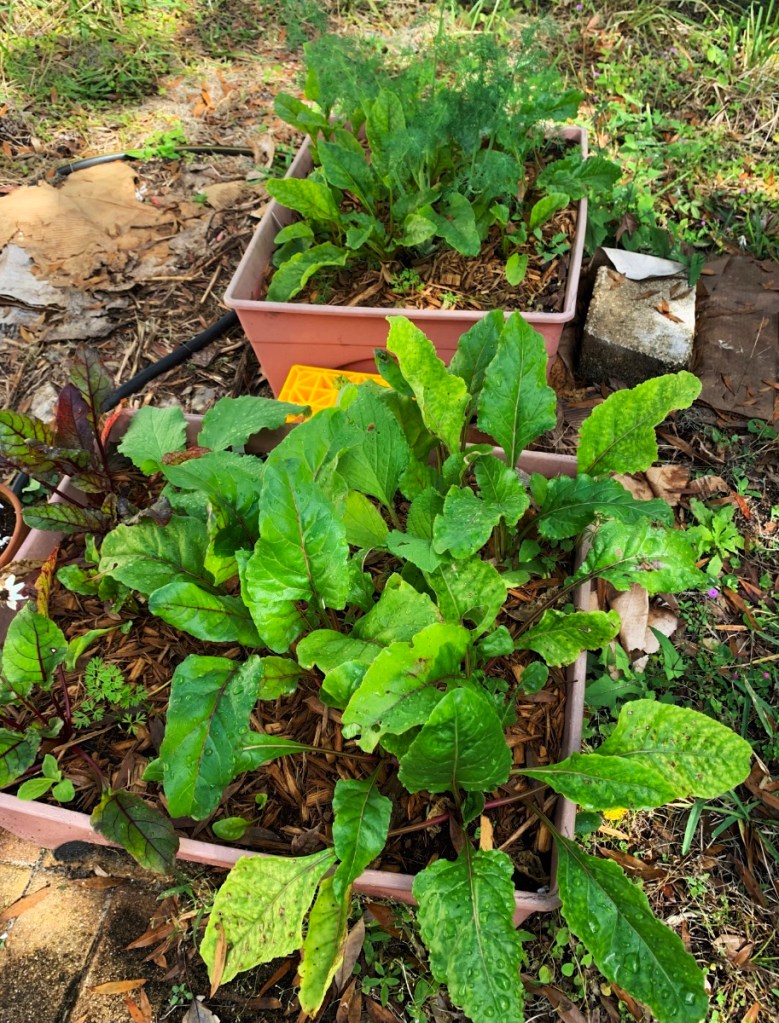
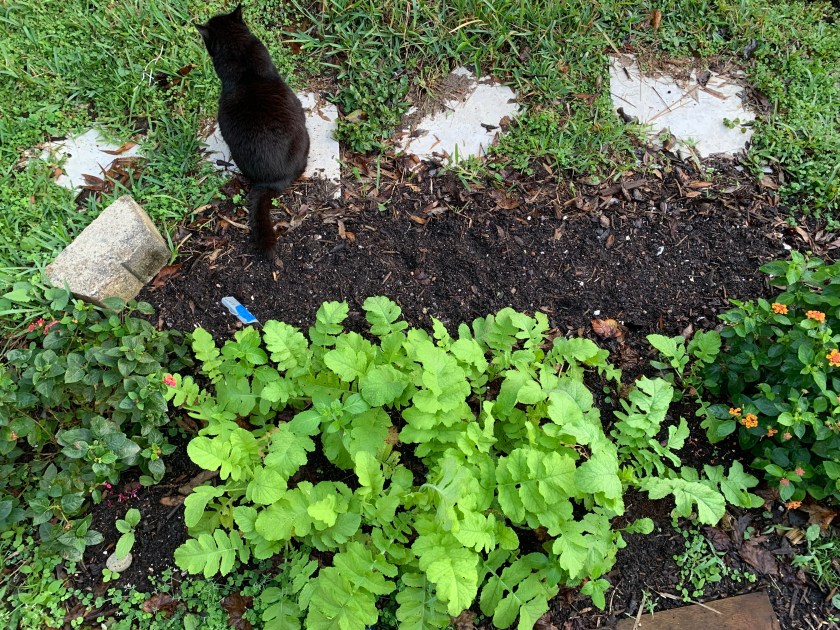
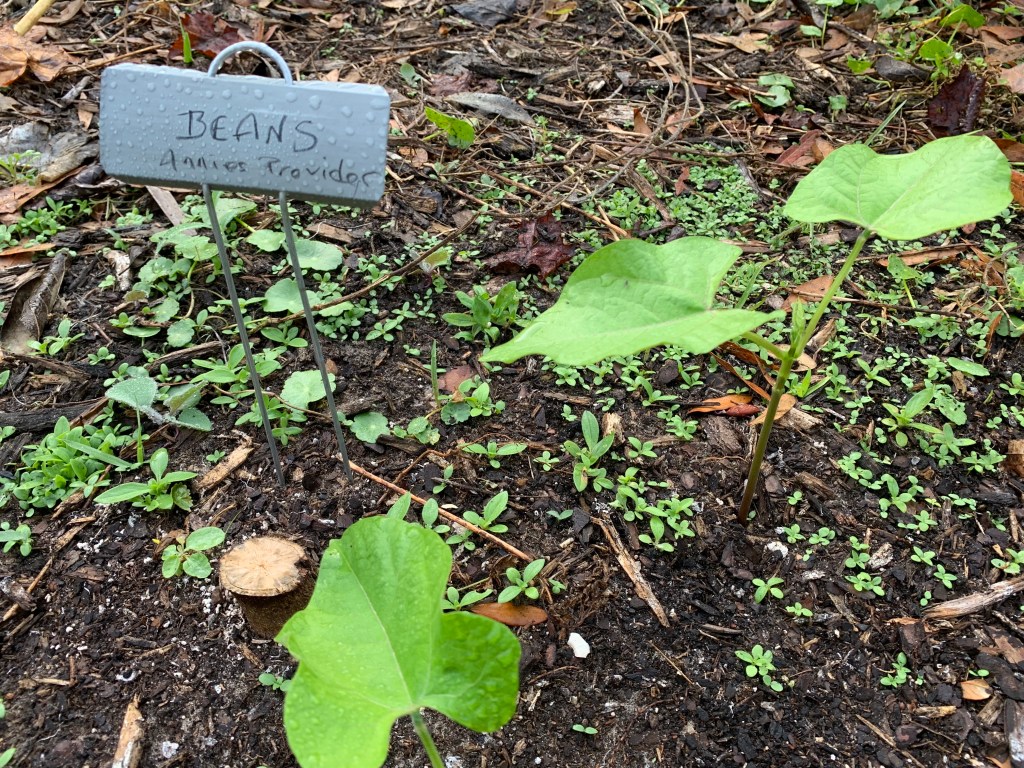
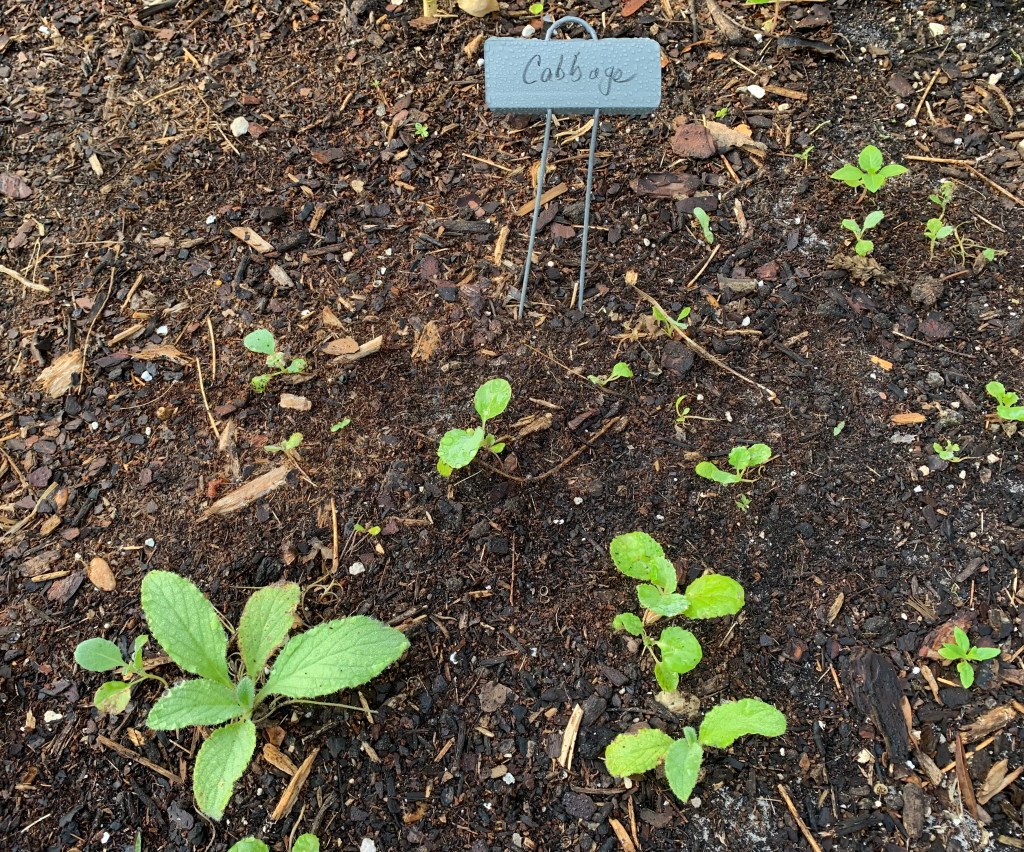
Beansborage & cabbageEgyptian spinachcarrotsbeets
I will have some carrots in a few months, and hopefully onions as well. It hasn’t been easy to grow those either with the raccoons digging up my seeds each night.
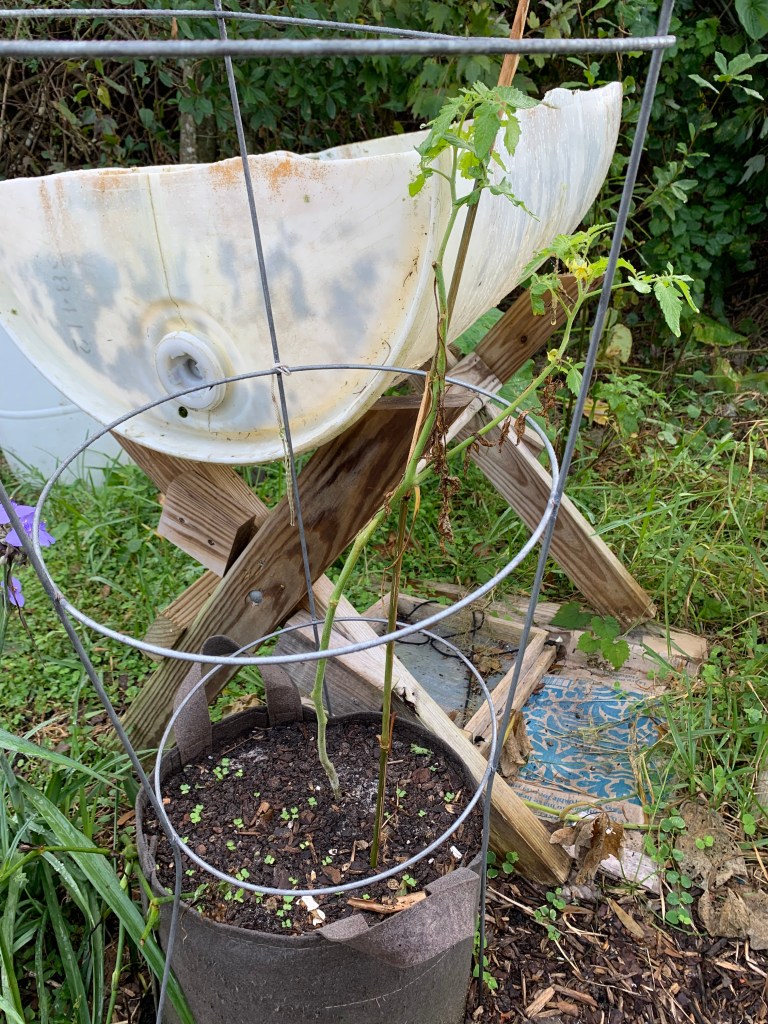
The one cherry tomato looked nice, until Hurricane Milton blew through. I’ve now propped up the eggplant that blew over too. Oh yes, eggplants last for years, but actually grow eggplants only occasionally. And they are not one of my favorite foods.
After success with carrots and onions last year, I was looking forward to Fall planting. I had whittled down my list to the things I had luck with. Broccoli, carrots and bulb onions are tops on my list. They are all growing very slowly.
The last thing I am going to try is to plant in raised beds. I purchased two more Vegega beds but have not put them together.










 Hydrangeas Blue