Ways to Use Garden Greens and Not as Salad

Fresh garden greens can be used in many ways besides making salads. They can also be cooked and added to many dishes for additional flavor and health.

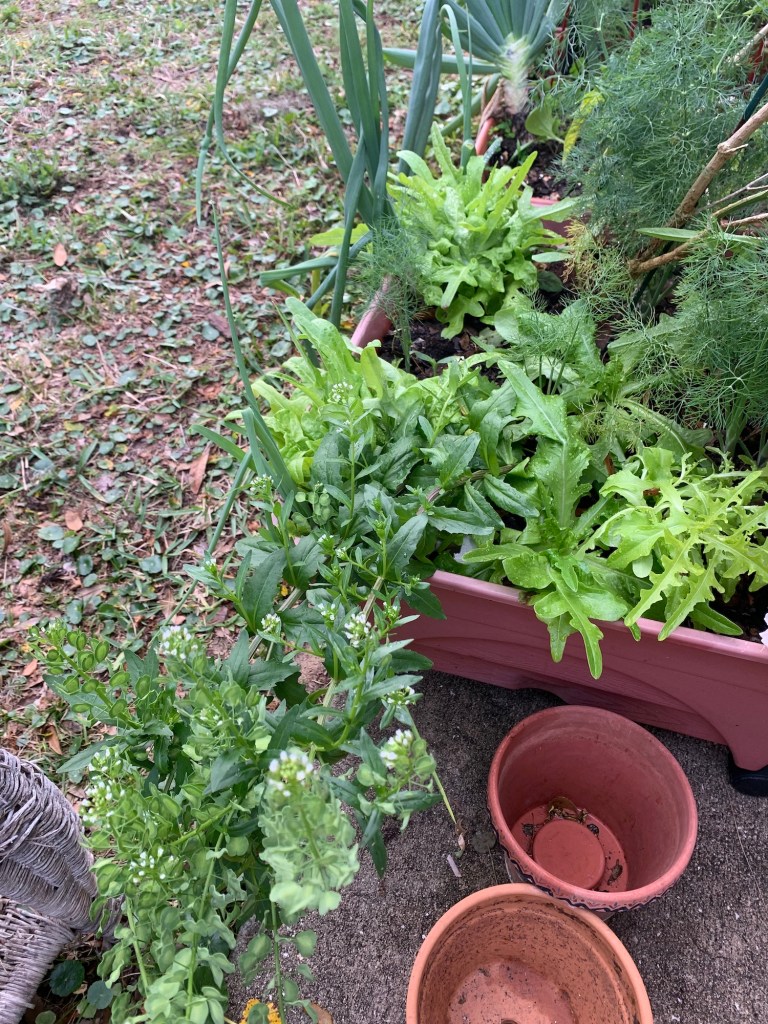
Now that winter has come to Florida, I am growing a variety of greens, and I love it! It’s the best feeling to be able to walk into the backyard and pick my own fresh food.

Let’s first define the “greens”. Obviously, typical salad greens, like arugula, lettuces, and spinach are included. Broccoli and cauliflower leaves, and sweet potato leaves (use in summer) are some others I include.

During winter months I use my Chijimsai spinach and arugula leaves to make salads. Honestly, I do get tired of eating salads.

Fresh green leaves can be added to many dishes and they can even be sautéed. The garden provides greens year round in one form or another. The trick is to have them always available, and not letting them go to waste.

Cook Rice in a Healthy, Green Water

I’ve never been a big rice eater, but lately I’m eating Basmati rice mixed with vegetables. The type of rice does matter, and it has changed my mind. The vegetables may come from the garden, or can be store bought. Either way, a little bit of rice, with loads of vegetables, works well to create a healthy meal.

My Rice With Greens

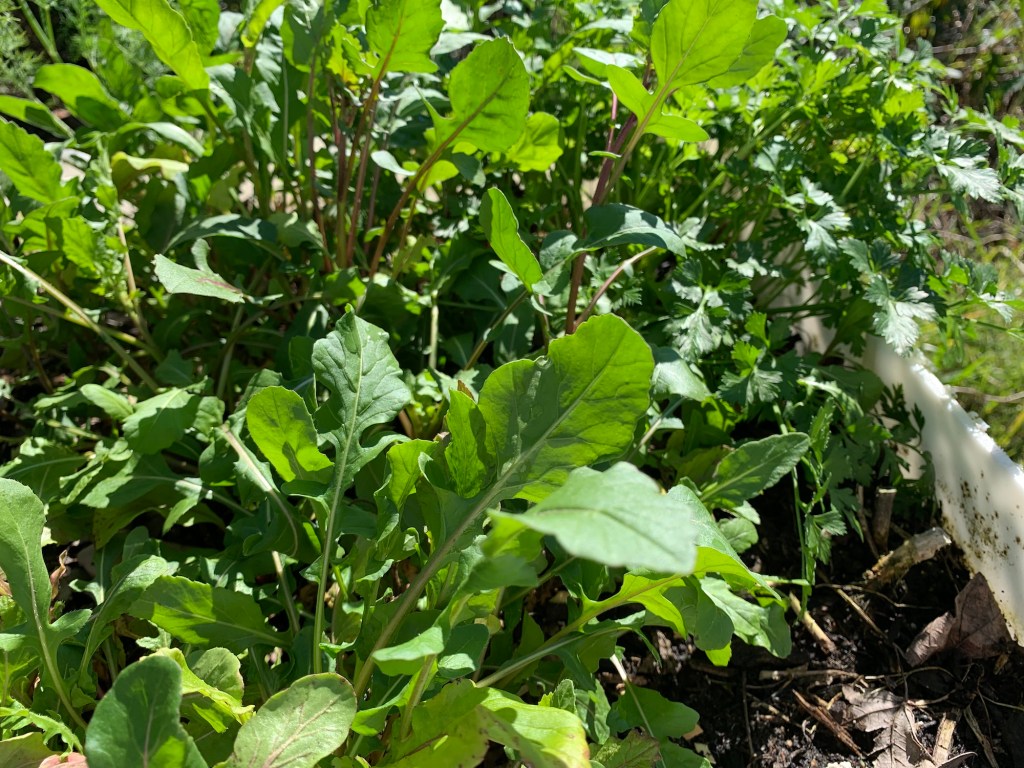
From the garden I have picked one beet leaf, three small parsley sprigs, one piece of oregano, Chijimisai spinach leaves, arugula, and mustard greens. I’m using what is available right now.

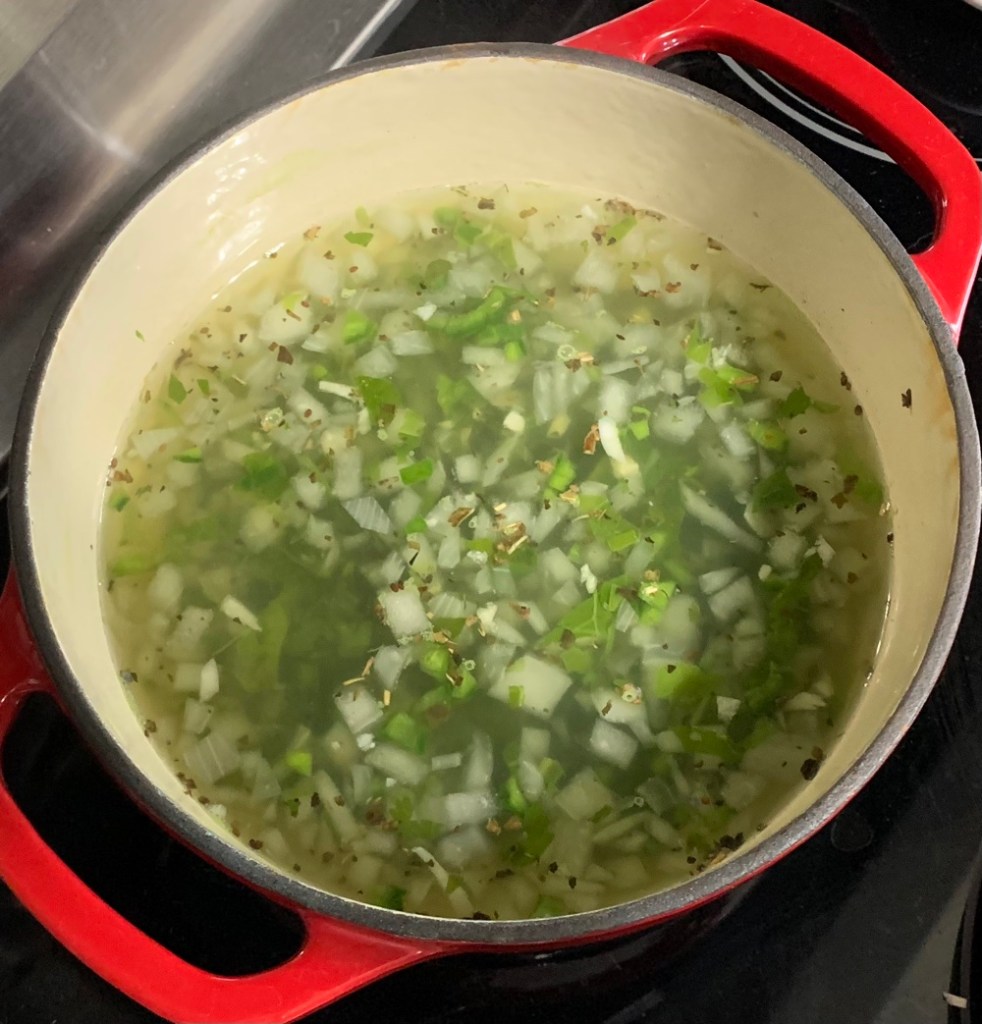
After rinsing everything off, I rolled it up and chopped it finely. The green bits were added to water, along with dried basil, chopped onion and poblano peppers. I let it simmer for 20 minutes and then added the rice.
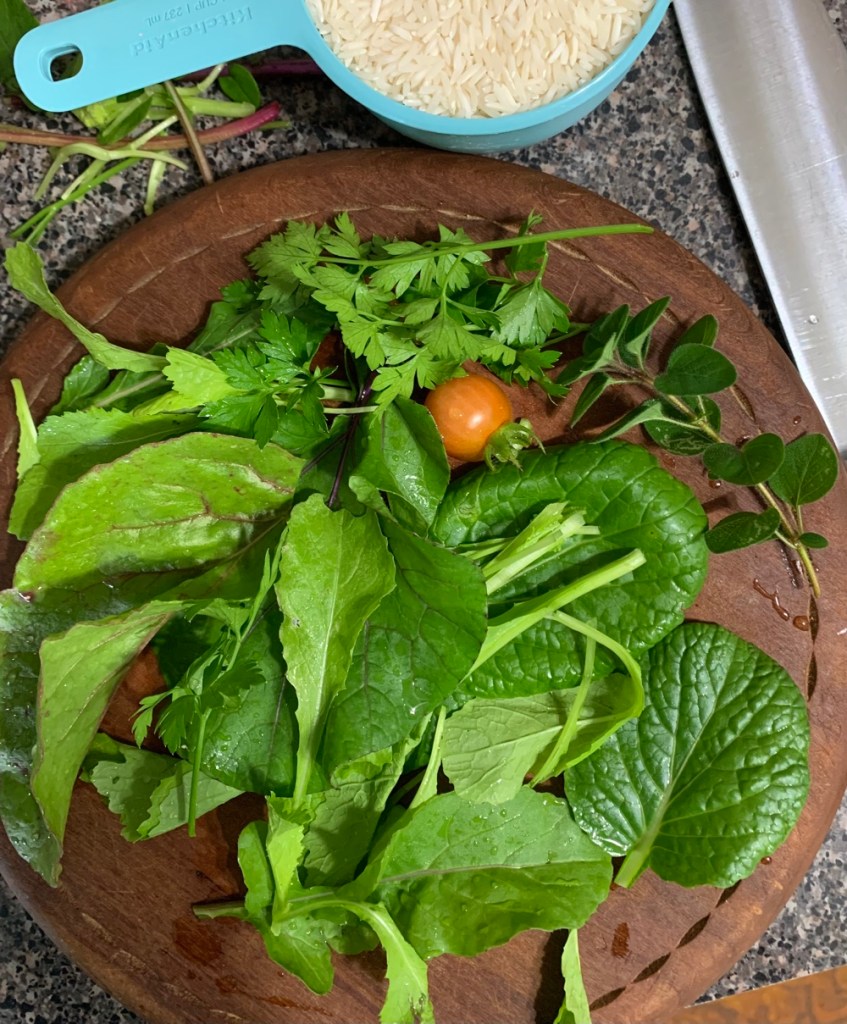
white rice cooked in water with fresh greens added
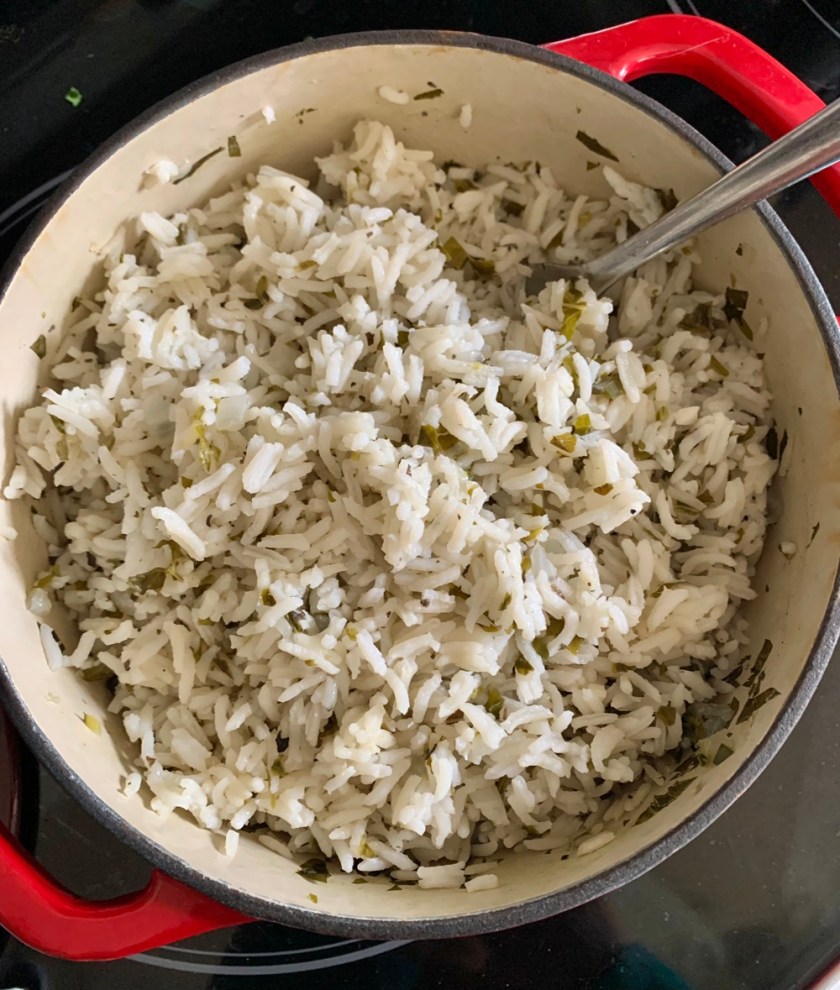
Basmati rice cooked with greens

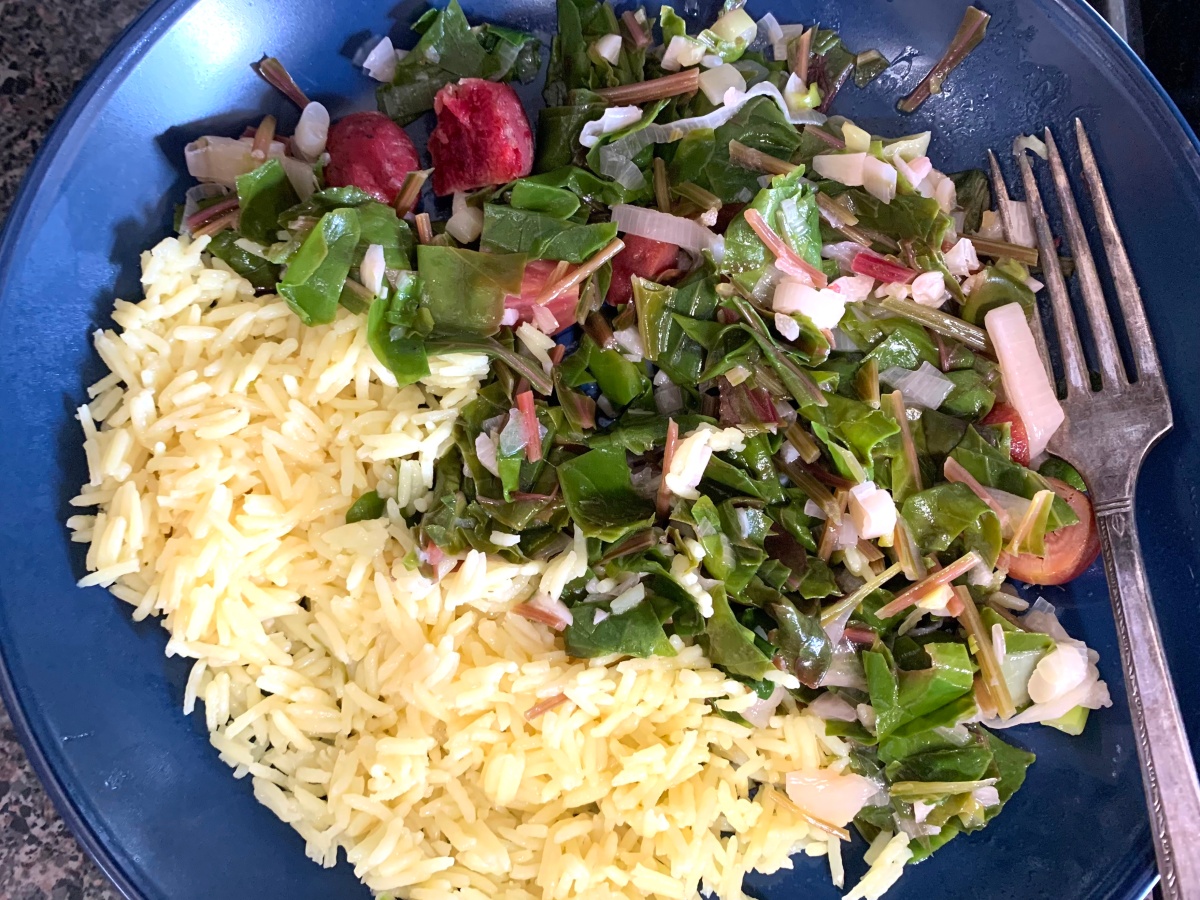
Once the nutritious rise is made, combine it with just about anything!

Fresh Greens For Flavoring Soup

Pick greens fresh, rinse and add whole, or chopped, to any type of soup or stew. Unless the leaves are very large, or a bit tough, like kale and broccoli leaves, throw them into the soup whole.
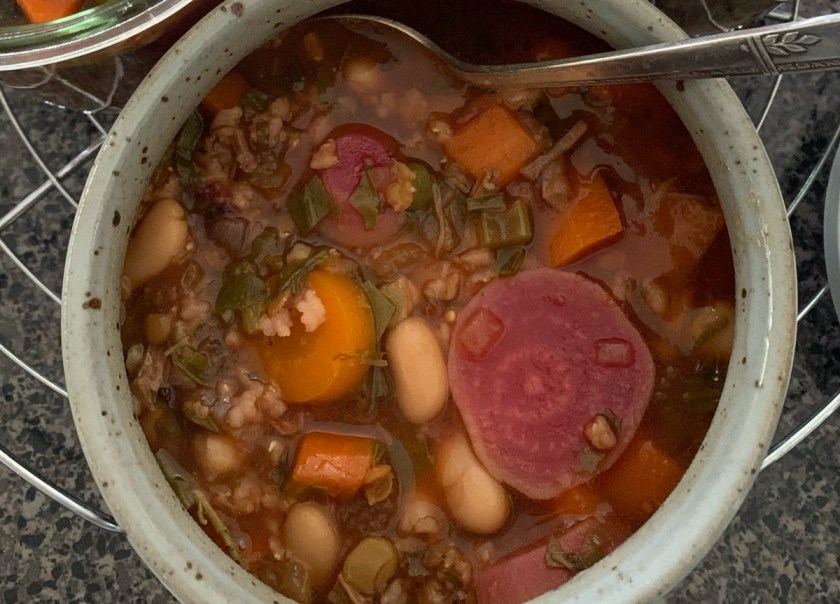
Garden vegetable soup in mug
Garden Soup Recipe

Omelete Filling

Often I will sauté some greens and use them to fill an omelette.
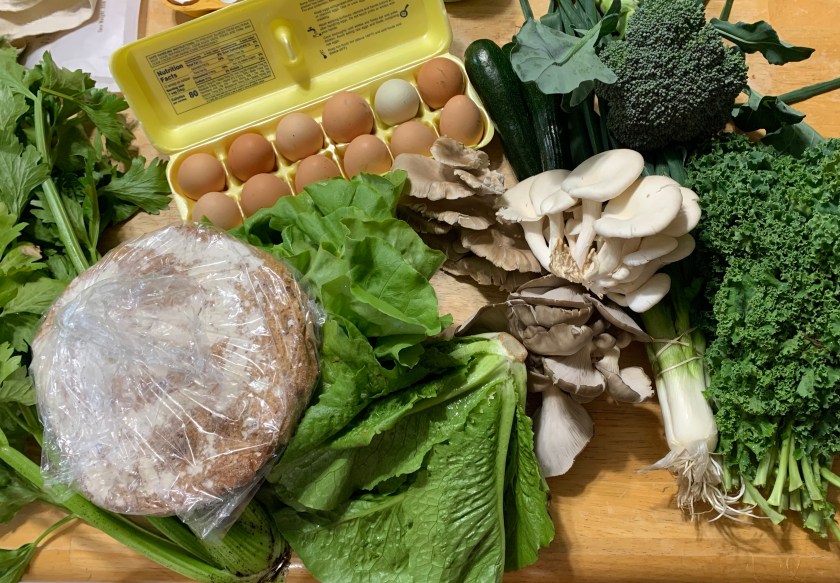
Farmers Market vegetables and eggs

More Ways to Use Fresh Garden Greens

There are many ways to add your garden grown greens to food. Add to sandwiches, tacos, and any place traditional “lettuce” is used. Iceberg and Romaine can add crunch, but arugula and sorrel will add a flavor punch.

This page at Taste of Home has some nice suggestions for recipes that include all kinds of greens.

If you are not afraid of chopping, fresh greens of all types can be part of a Florida gardener’s meals year round.
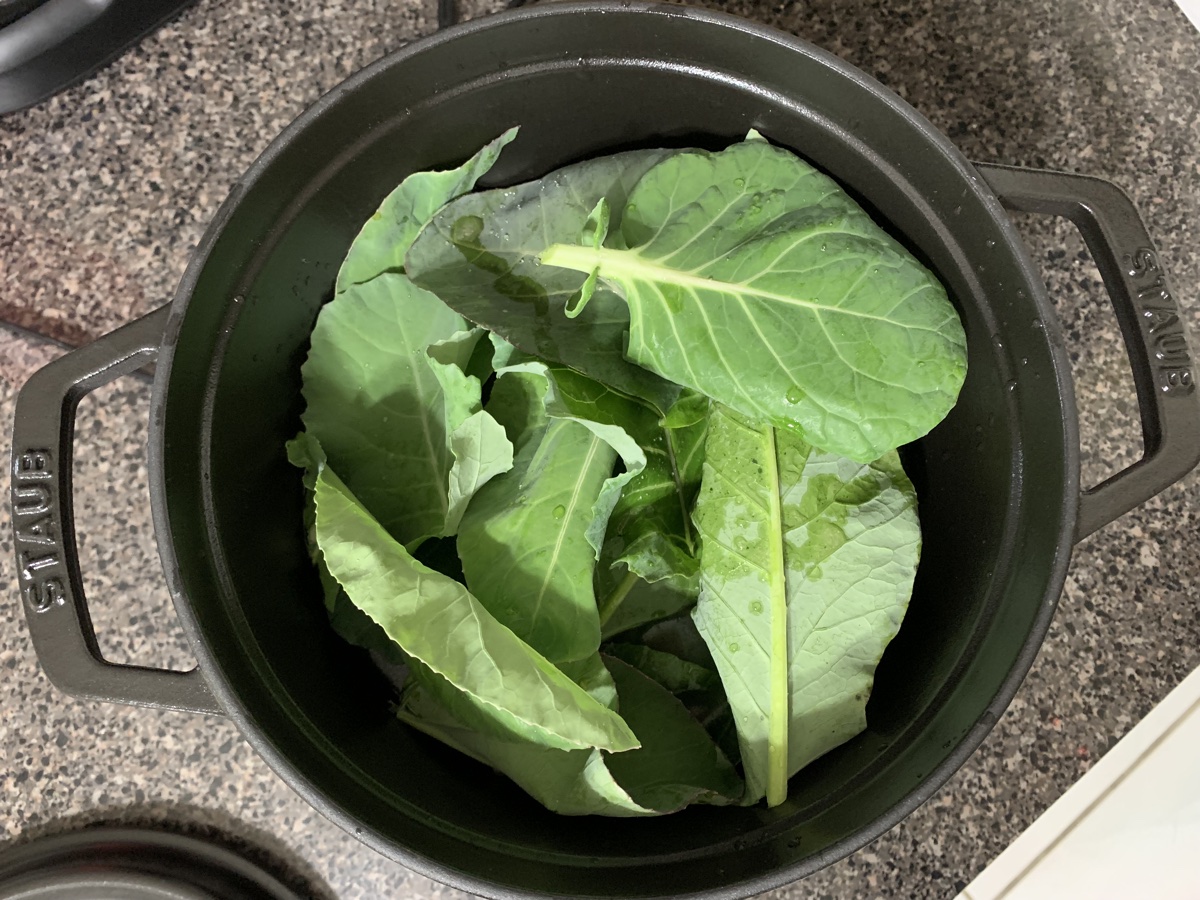
Fall Garden: Growing Hon Tsai Tai Flower Broccoli

Experimenting with growing Hon Tsai Tai Flowering broccoli during fall and winter here in Central Florida.

I’d never heard of Hon Tsai broccoli until I saw it mentioned by Elise Pickett of The Urban Harvest. Now, I can’t find the location of that mention, but here is what I am doing.

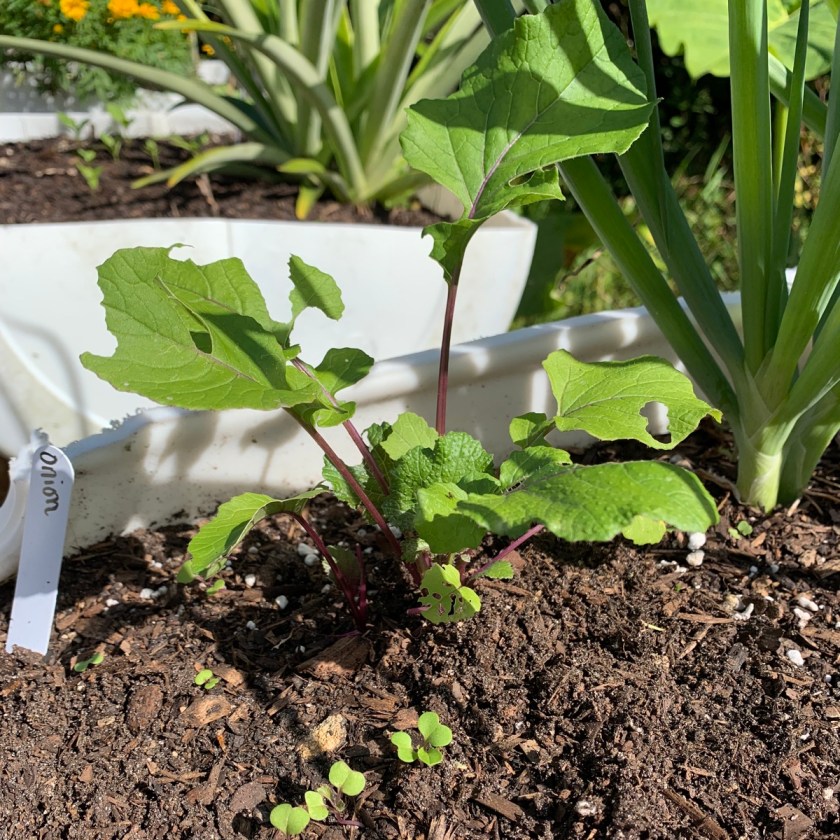
I bought a packet of her seeds and planted a few in pots in September. Just a few weeks ago I transplanted the two seedlings into a raised bed (October 4th). More seeds were added and have now sprouted. The early starts are much bigger. Some of the leaves have been chewed by something that I can’t see.

Hon Tsai Broccoli
Hon Tsai broccoli

Info on Hon Tsai Tai Broccoli

I love broccoli, and I’m not sure if the normal stuff can be grown here (planted in Fall also, but have only leaves to eat), but I’m trying to grow this type from Heirloom seeds. It will not look anything like “normal” broccoli though. I’ll take it for the fresh greens and make a stir fry. 

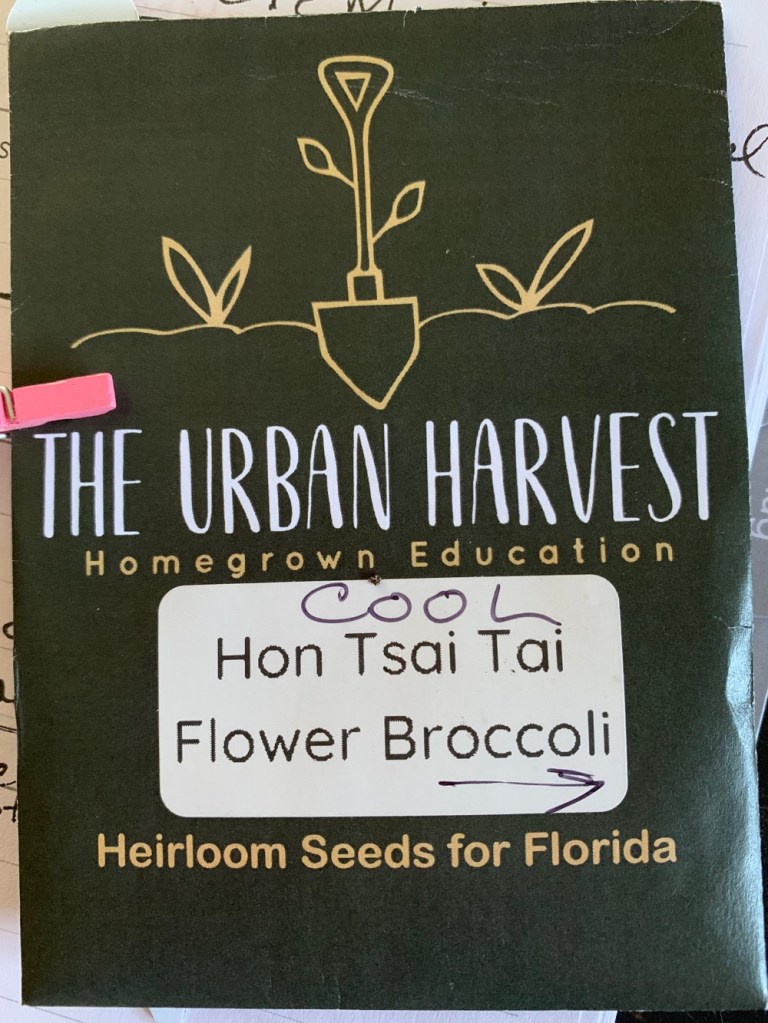
The packet of seeds, which came from The Urban Harvest, doesn’t have any information – the back of this packet is plain white. I have made notes about the Hon Tsai but I have no idea where I got the information! I’ve searched and searched. I think it was an Urban Harvest video, but I can’t find it.

Hon Tsai broccoli seed packet

Here is what I will share from the notes written on the back of my seed packet. This link goes to the page to buy the item at The Urban Harvest. There is some information on that page.

Another site, High Mowing, has information about the Hon Tsai Tai Flowering broccoli they sell. Information on Hon Tsai Flowering Broccoli. The goal is to have leafy shoots with unopened flower buds that can be eaten.

This type of broccoli is a cool weather crop. Articles online mention that temps should be in the 70’s and below. Here’s the thing – seeds need warmth to germinate and in general seedlings like it warmish. A Florida fall season can be very hot at times. It can also be cold overnight as we get into November and December.  Right now, we are still getting hot days (it was 80 today on Oct. 20th).

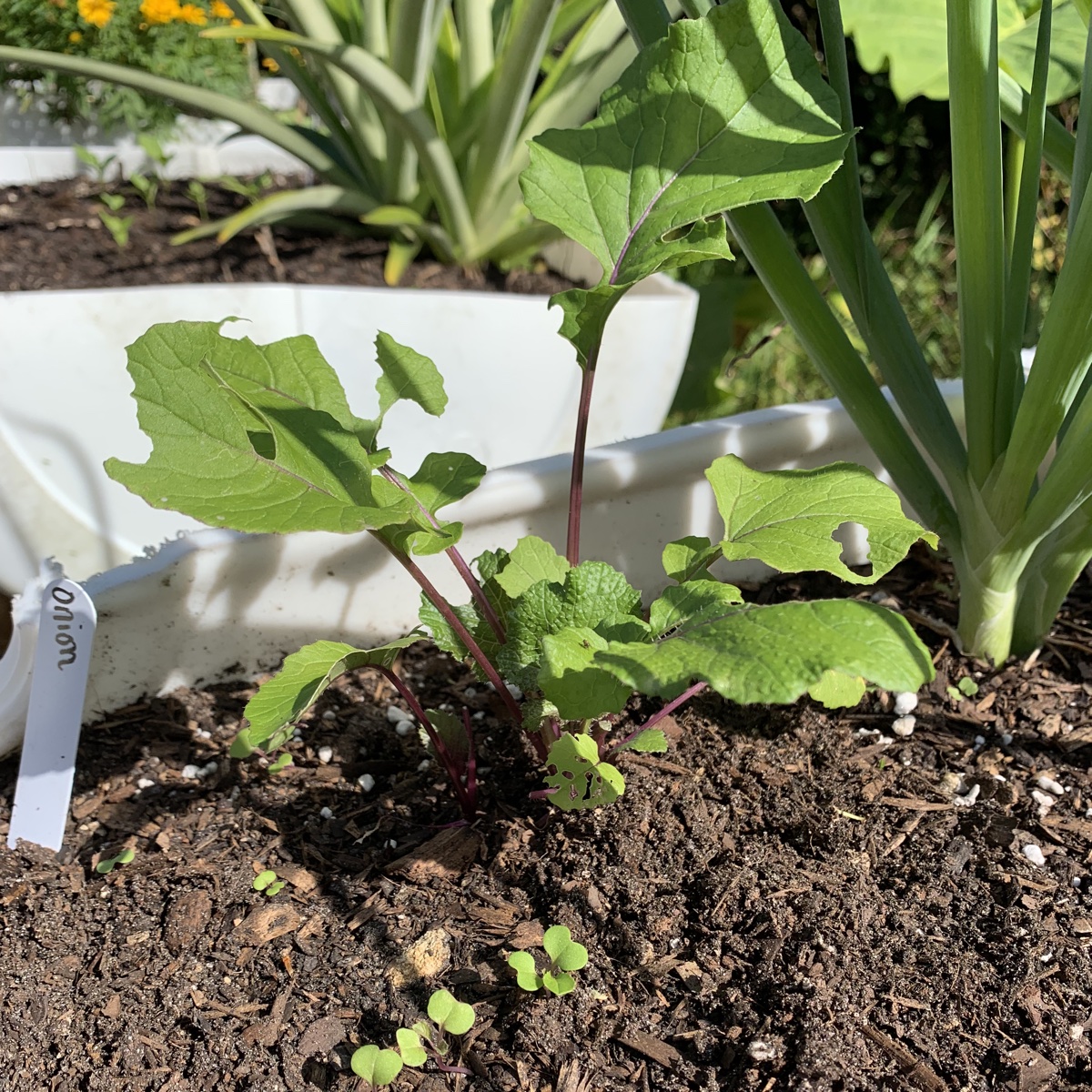
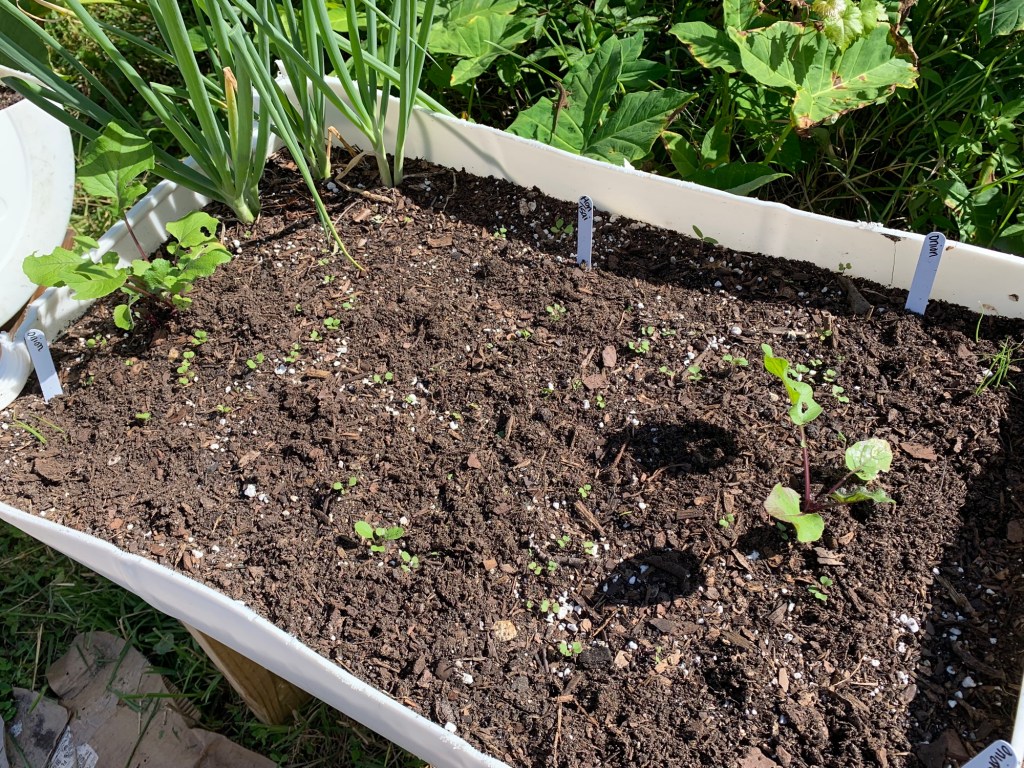
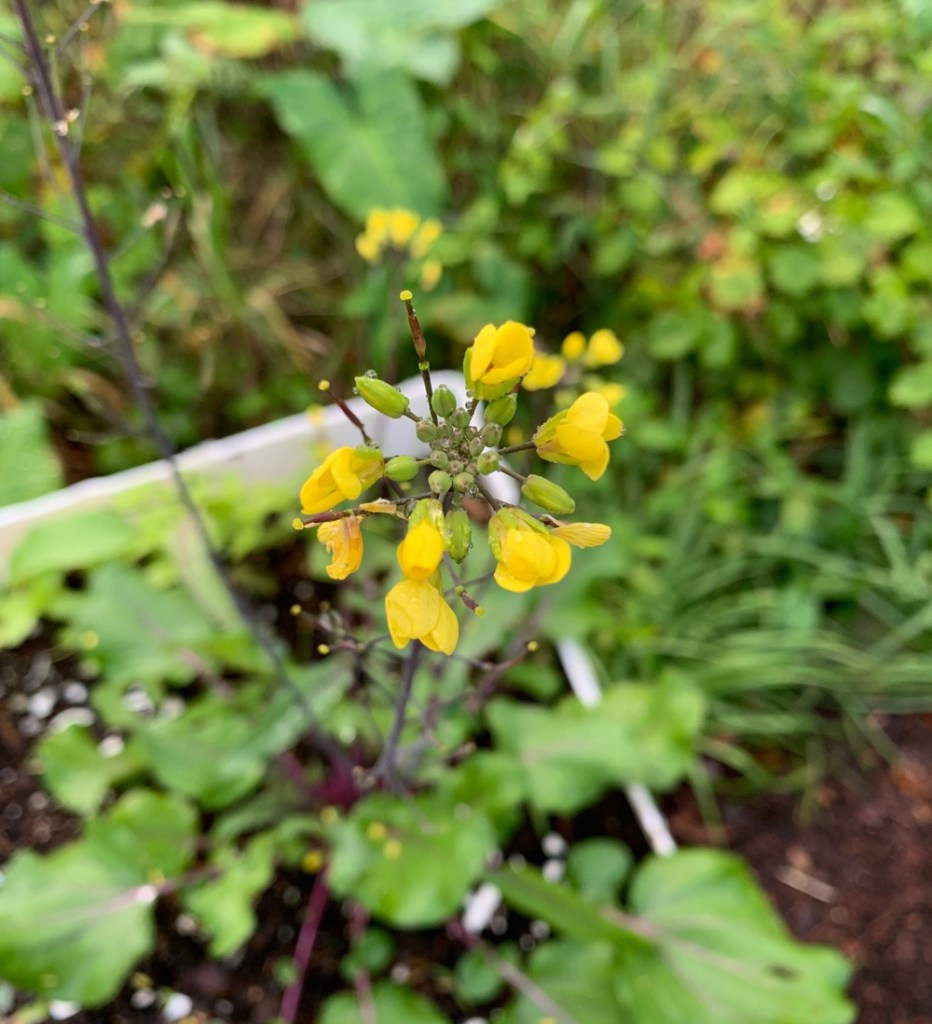
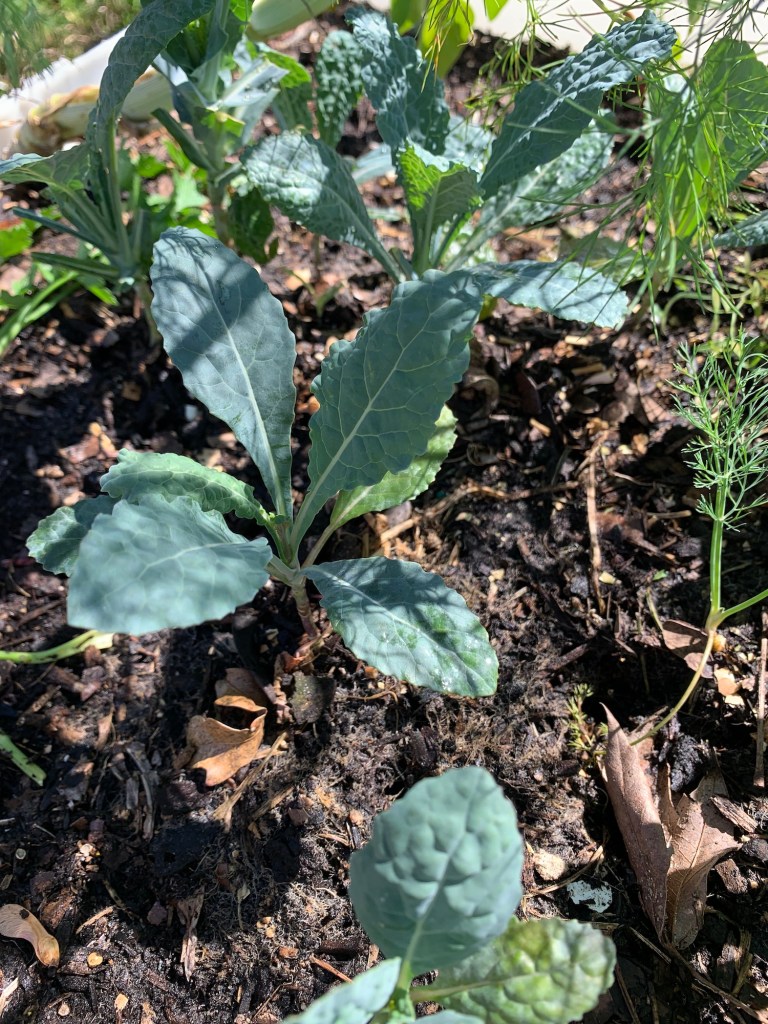
 * I ended up replanting this bed (pictures below) with kale and Texas Early Grano onions. I did keep one Hon Tsai broccoli plant and it turned out to have some beautiful flowers.

In closing, I’ve decided to grow the Hon Tsai broccoli again next Fall, but I will put it into the ground gardens. I’ll start it from seeds in pots, in September – because those plants did the best. Although I have been eating the leaves, they are not a favorite food. The flowers are fragrant and pretty and I wouldn’t mind having those growing all over the ground.

Videos For Growing Greens in Florida

Here is a list of videos that might give Florida gardeners an idea of what to plant during our winter months. It’s a bit tough to decide what to grow and when because our winters can be hot, and very cold. We can get freezes – at least where I am. If things are growing, they might need covering on very cold nights. Save up those old sheets and buy some clothespins!
Growing Bulb Onions

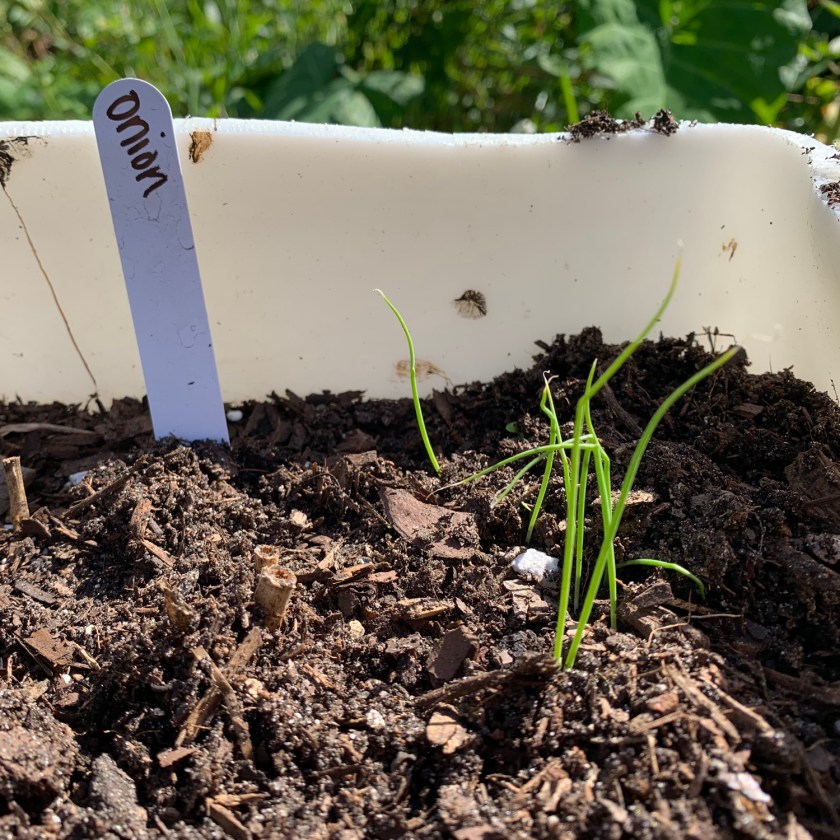
I can easily grow chives / scallions – those thin green stalks, but actual onions were thought to be impossible to grow here.

Then I saw a post on Instagram by a local farmer who successfully grew onions. They were planted in Fall and harvested before summer. The Texas Early Grano (link above) is the type mentioned. So I immediately bought some seeds.

I now have onions coming up all over the place. Onions take up very little space. I don’t have much space, so my onion seeds are tucked in all over the place. I really hope to have some slicing onions by next Spring.

growing onions
Texas Grano onion sprouts

Here’s What Else is Happening in My Yard

Growing Chijimisai Tatsoi Greens

This year I learned about growing greens that will do well here in Central Florida gardens. I have just planted something called Chijimisai. It is supposed to be a lot like spinach.

In general, greens like lettuce and kale, must grow in cooler weather. In order to pick greens for salads, smoothies and for stir-frying we must grow during the correct season for where we live.

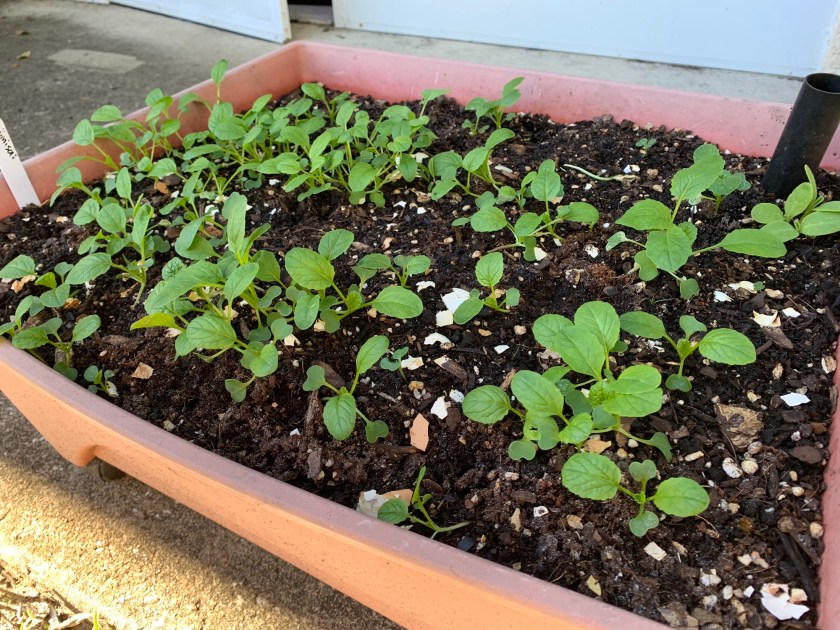
Now, it is mid October and cooler weather is here. I direct seeded the Chijimisai into a grow pot on the 4th of this month. Today, two weeks later, it looks like this:

Chijimisai greens
Chijimisai at two weeks – planted from seed.

After two weeks, I was wondering about thinning the greens. I found a YouTube video of a man (in Texas I think) harvesting / thinning his Chijimisai and it was very crowded. He had let it grow and then thinned it when the plants were pretty large. At that point he could use the bigger leaves to eat.

That is what I plan to do.

Right after I planted the seeds in this pot, the raccoons walked all through my planters and I’m sure stopped the growth of some seeds. Grrrrrr…. I put eggshells all over the dirt to deter their little paws. I don’t know if that works, but I had to try something.

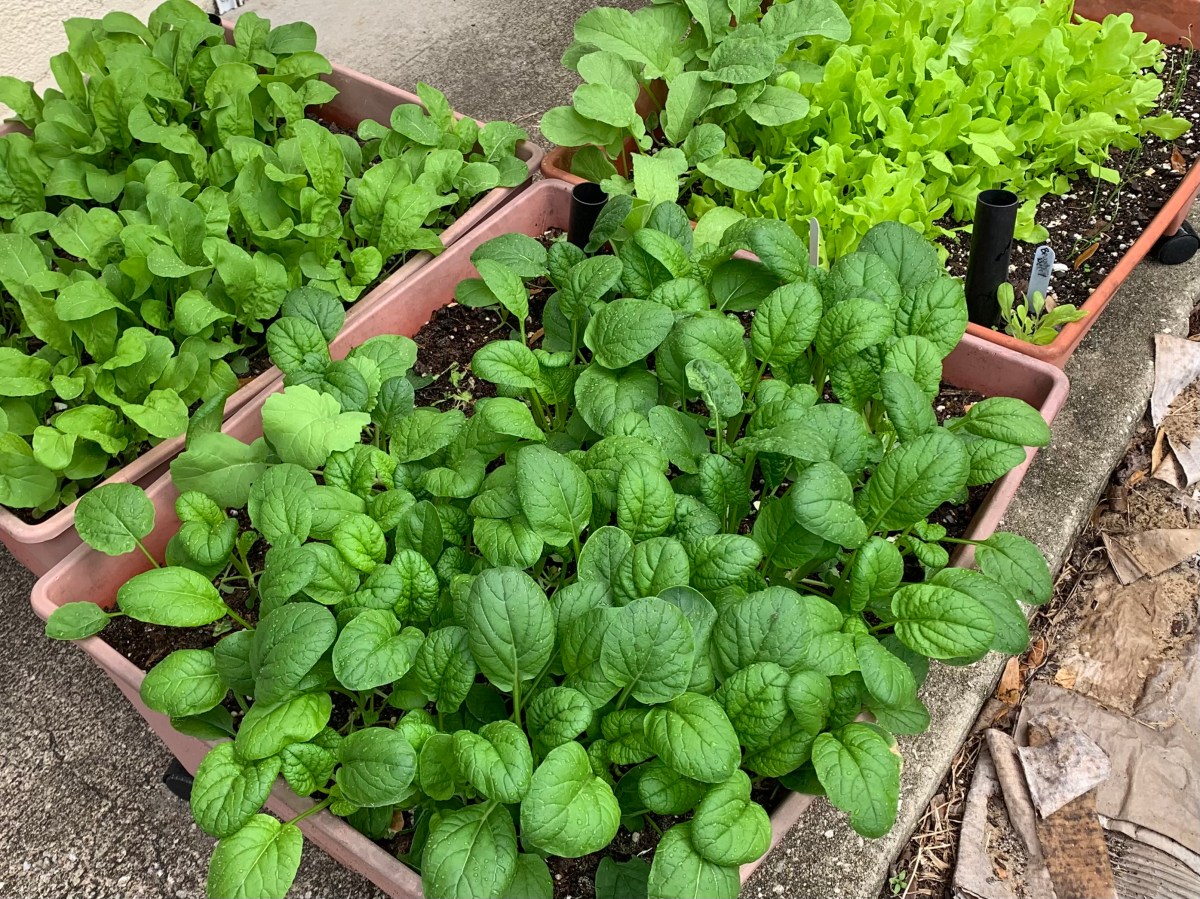
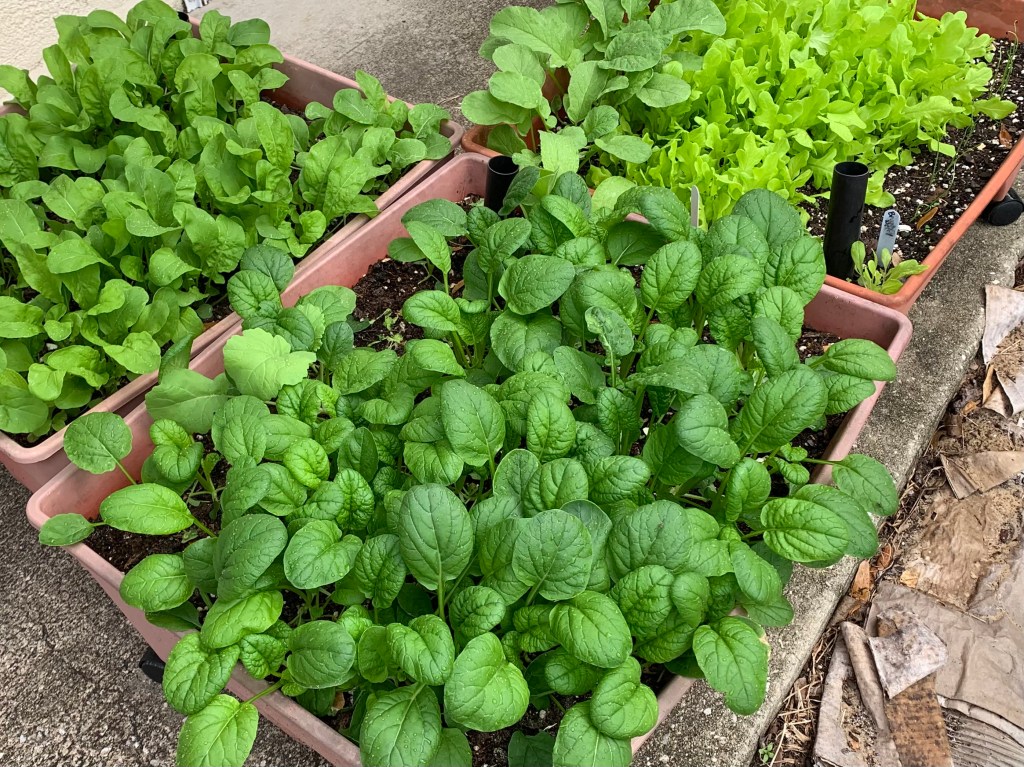
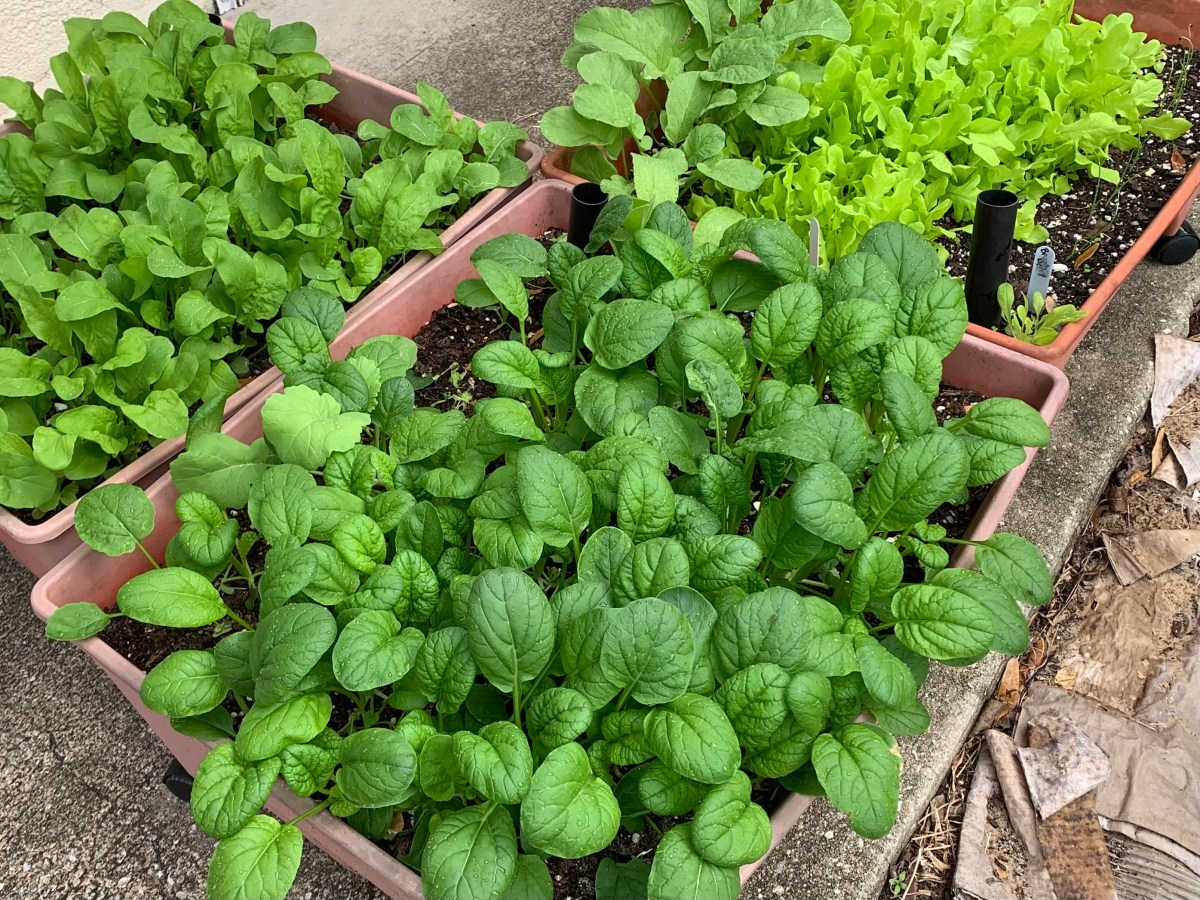
By the first of November my spinach garden is full of wonderful, edible green leaves!

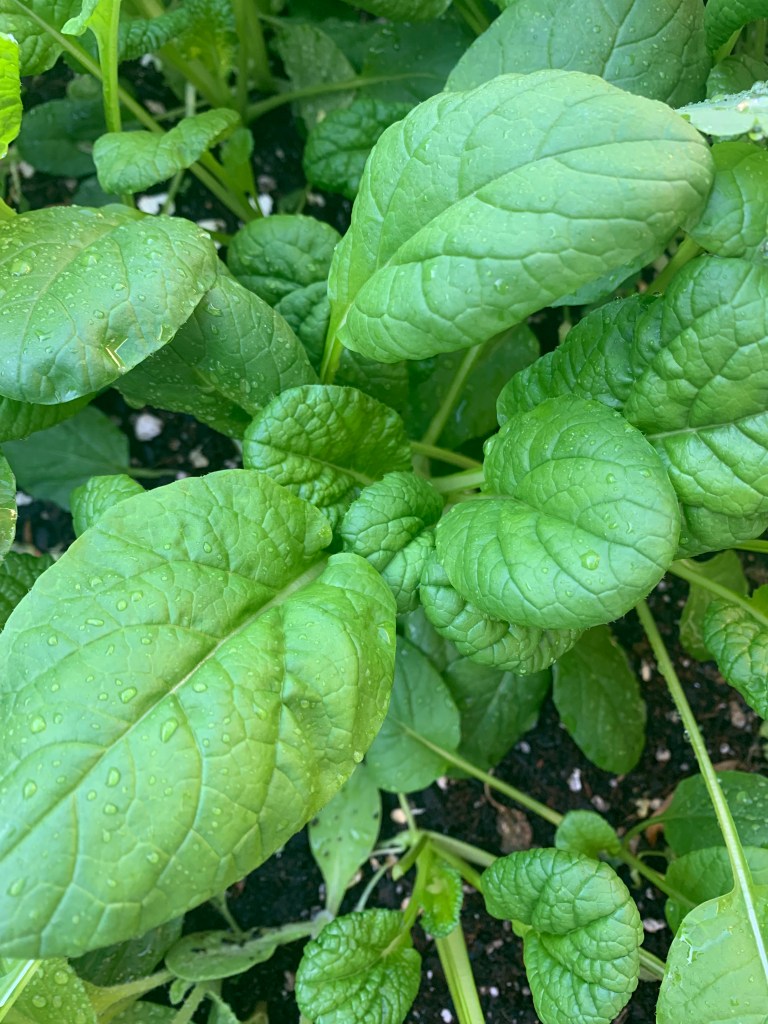
Chijimisai spinach
greens growing raised beds
Arugula, spinach, and lettuce with radishes.

Buying Chijimisai Seeds

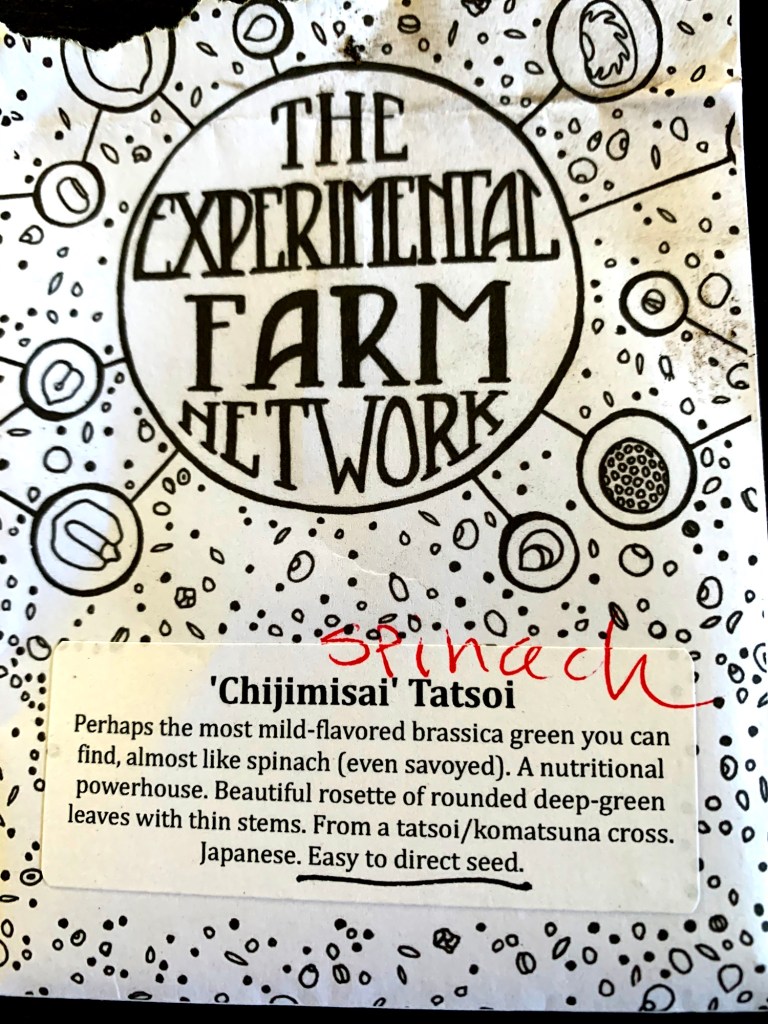
This is the packet of seeds. I still have some left to sow later on. At this point I don’t know what will grow and what won’t. I’ve only planted partial amounts of seeds in my small pots and some areas of the garden.

seed packet Chijimisai

I bought my seeds from The Urban Harvest. They sometimes send seeds that come from other providers. I’ve had luck with most of the seeds they’ve mailed me and I continue to buy from them.

I’ll update the blog as the season progresses. I’m really hoping for some good greens this Fall.

Saving Seeds: Lettuce and Arugula

How to go about saving seeds from lettuce and arugula plants.

Gardening in Florida is still a new thing for me. Even though I have lived here in Florida for many years, I never had a vegetable garden until recently. Typical tropical plants and flowers I understand, but I never had time to try to grow crops like lettuce and arugula.

Finally, I think I am beginning to get the hang of it. I realize I can’t grow what I used to grow in New Hampshire’s short summers. I’ve tried to grow cucumbers and squash without luck. Maybe the seeds were bad, I don’t know. This is such a different climate. Everything is backwards as far as planting seasons.

Lettuce and arugula (and kale) like cooler temps. I planted those seeds in Fall. They have done well over the winter months, even with Christmas temperatures in the 20’s.

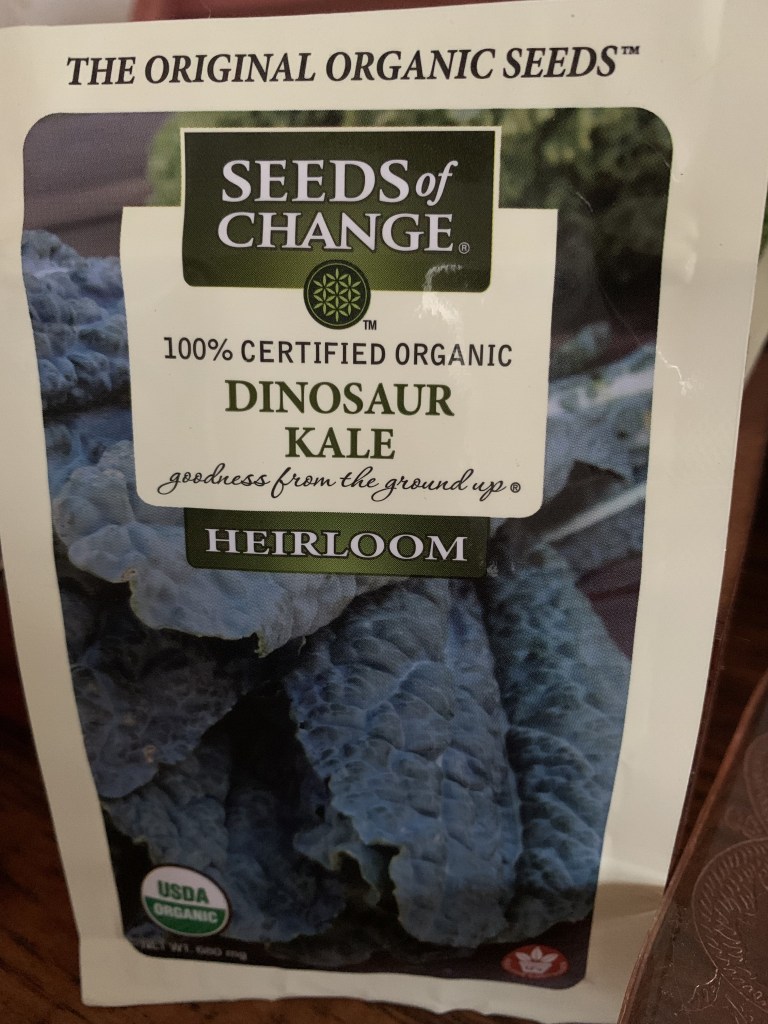
Now it’s time to save the seeds. My plants began from a company called Seeds of Change. I bought the seeds at my local Home Depot. The seeds are certified organic, and nearly everything I planted has done very well. I absolutely recommend this brand of seeds.

kale seeds organic

Collecting Seeds From Lettuce

The lettuce was planted in with some peppers so I didn’t have much space. I wasn’t too hopeful for it to do well. But it did! I never ate any because it was bitter, but I have collected the seeds to try again next season. I’ll have to save space for a lettuce garden.


Now that it is March, the hot weather is on the way, so I want to let my greens go to seed so I can collect those seeds. I’ll save them inside the house to plant in the Fall.

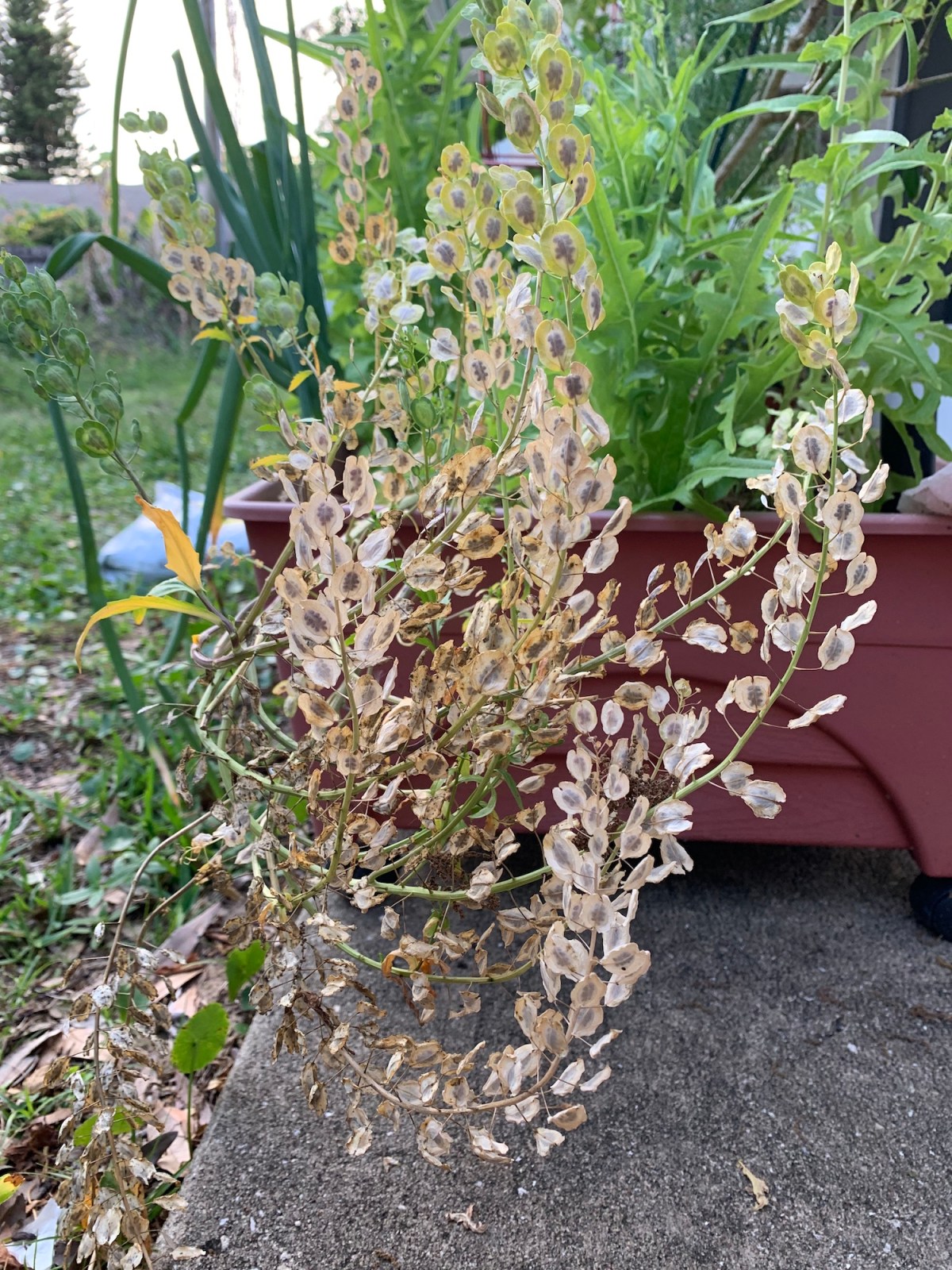
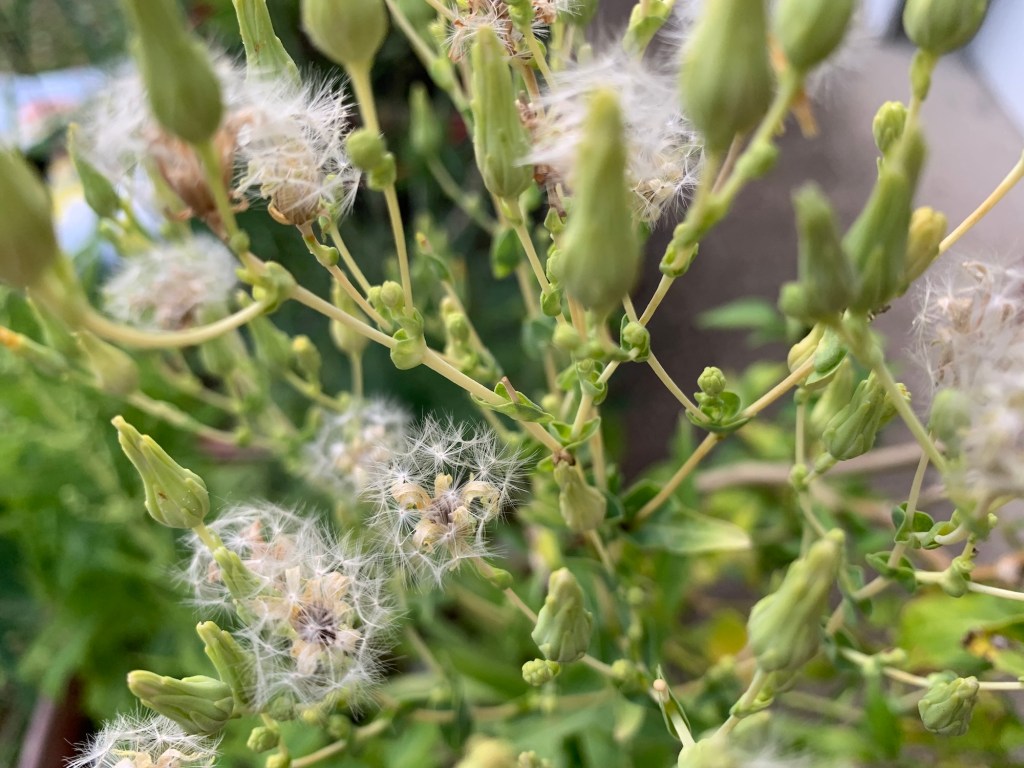
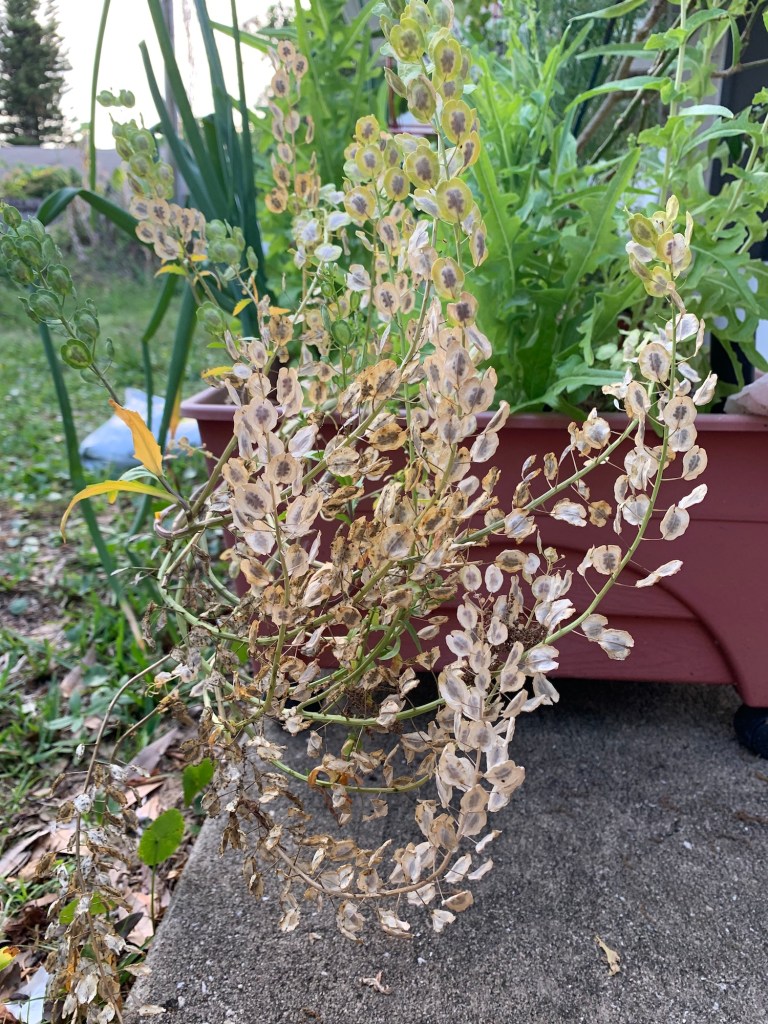
I’ve never had luck growing lettuce so this was a complete surprise. My lettuce was a mix, so I am not sure which types these were. But one of the plants sent off this long shoot which ended up hanging over the side of the garden bed.

The green leaves ended up dying back and the stems became full of seed pods!

The spiky, thin stems each held dried pods holding little black seeds! I have collected a bunch of them.

I’ve also collected seeds from a flowering lettuce stem that produced dandelion type heads. Once the weather gets cool again, I will plant them and see what happens.

Collecting Arugula Seeds

I’m sorry to say that I am unfamiliar with arugula. I tried some of the leaves, which are peppery and really good, but without something to mix them with, I rarely ate them.

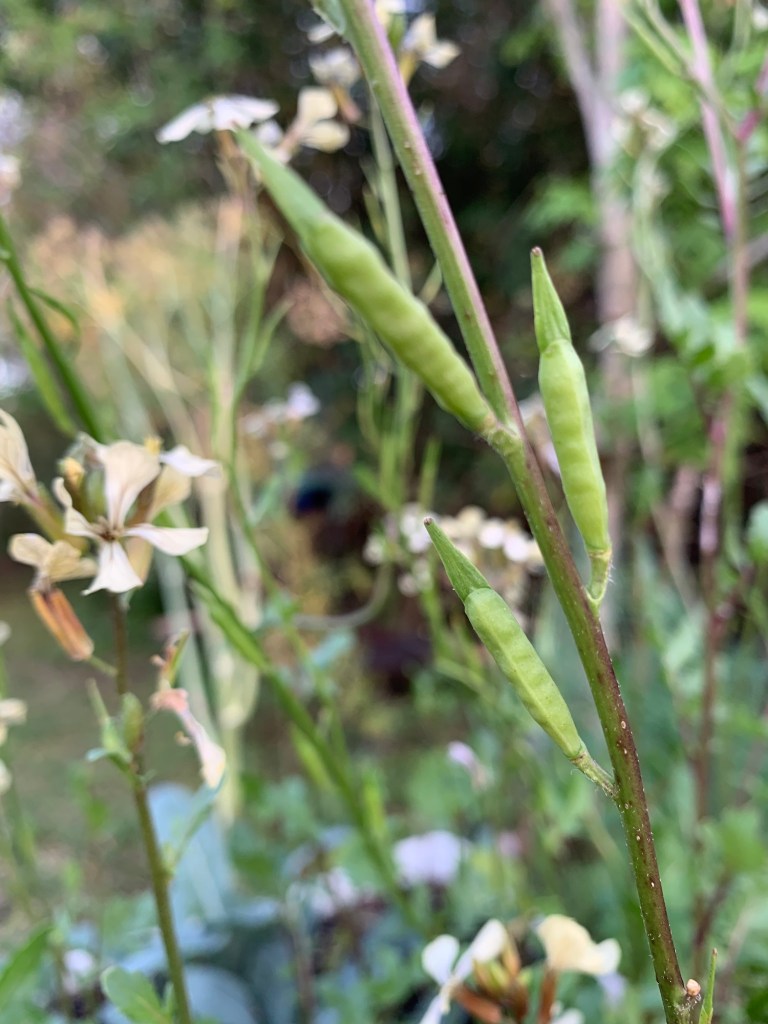
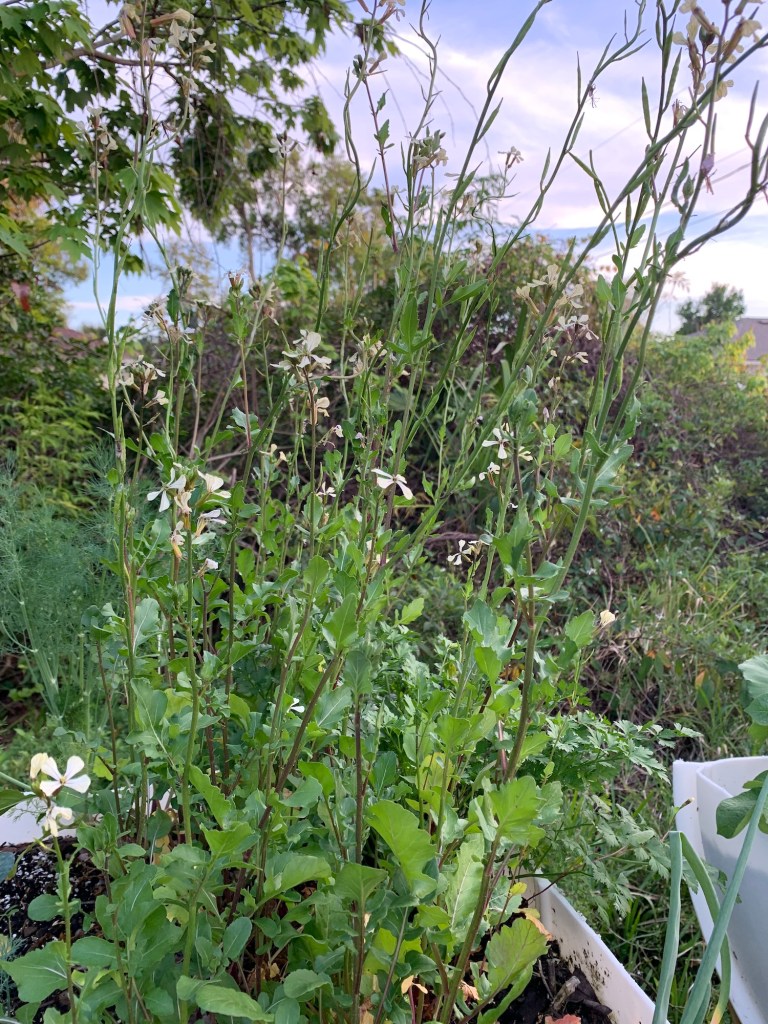
Now I am letting the flowers grow to get the seeds. I didn’t realize that the stems hold the pods that will dry out and give me seeds, until I noticed them!

I’ve seen honey bees and many other insects on the arugula flowers. Even if you don’t use your greens or other herbs and vegetables, let them grow and create flowers to help the insects. Also, the stalks dry out to become useful sticks. I used those to direct my watermelon vines where I wanted them to go!

How to Save Seeds

In general, plants will “go to seed” once the growing season is done. Also called “bolting” it means the energy of the plant goes into making seeds to continue the vegetable / herb. Lots of flowers have seeds in the dead flower head and can be saved that way.

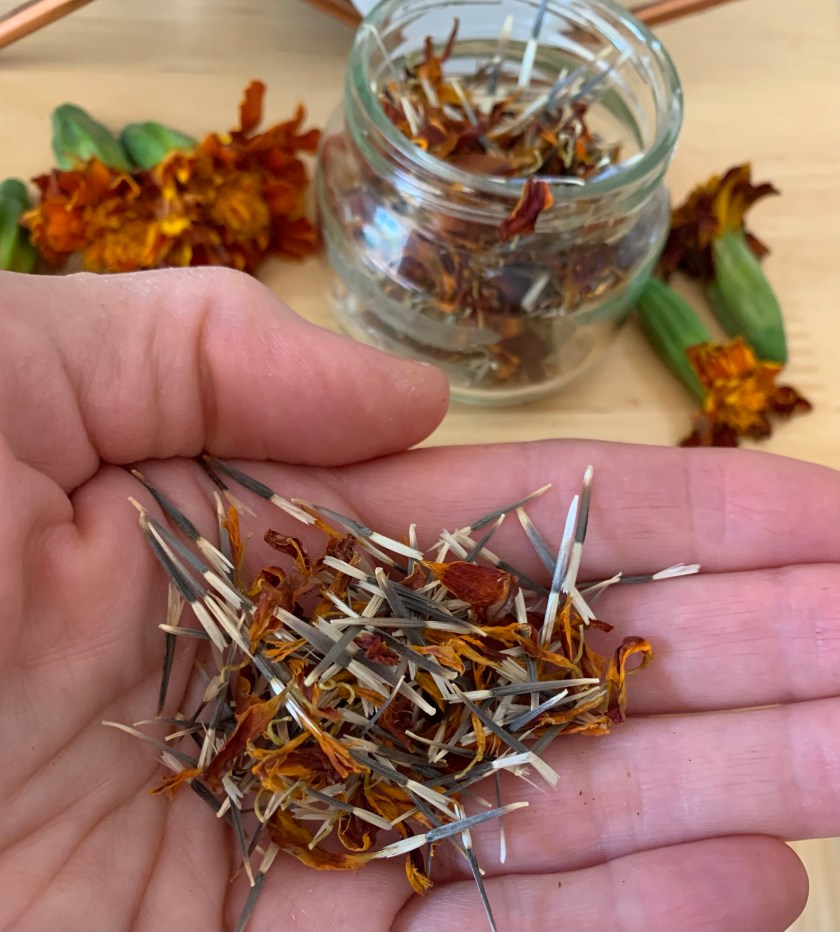
marigold seeds
Marigold seeds

Left alone, the seeds will dry, fall to the ground, and self-seed next time. But we can let the seeds dry and then collect them to plant.

The only trouble is, that plants may create seeds in different ways. Some seeds come from the “fruit”, like tomatoes, cucumbers and squash. Others “go to seed” and create seeds from flowers or pods.

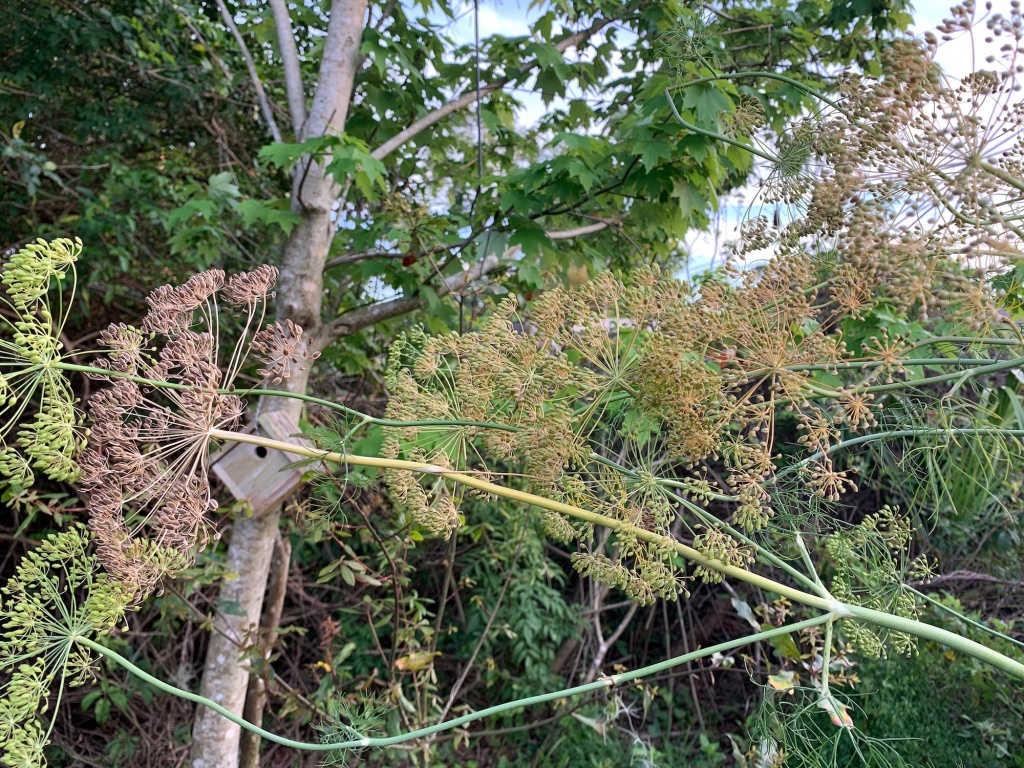
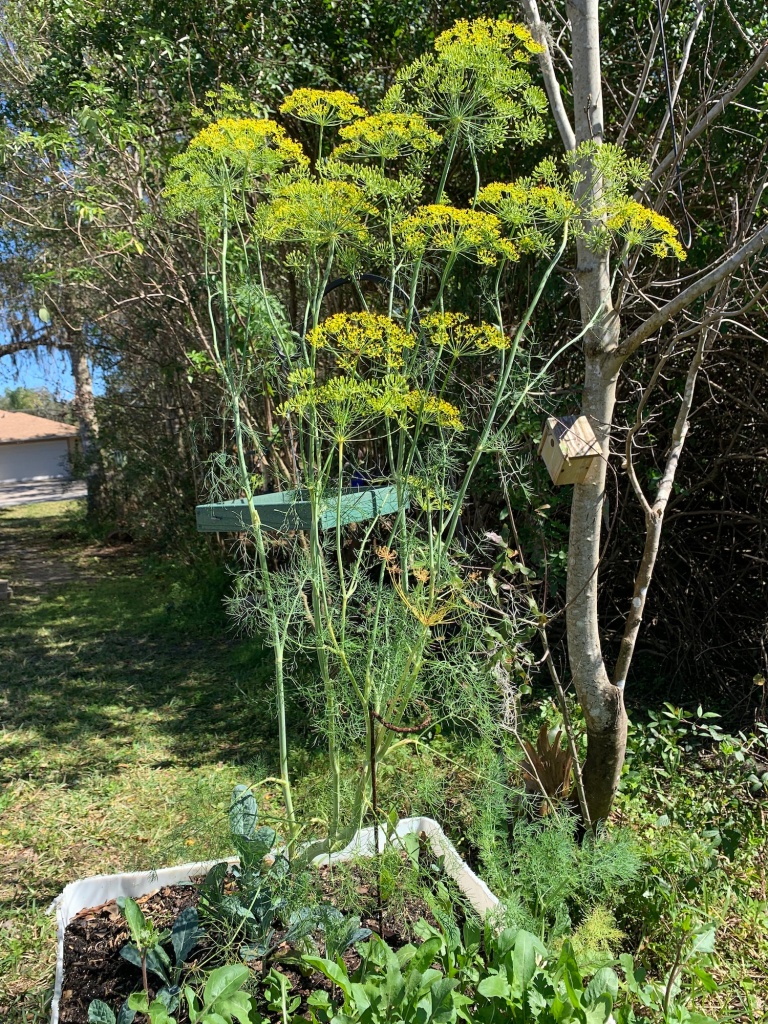
Here is a photo of the dill plant that produced beautiful flowers that turned into hundreds of seeds.

Dill flower heads turned to seeds

I ended up with too many dill plants. I dug them up and put them all around the edge of the yard. They are very hardy and don’t need much attention. I love dill and fennel (they are very similar looking) because their flowers attract beneficial insects. I do collect the leafy parts to chop and use when cooking.

Dill and fennel are also host to swallowtail butterfly larvae. The caterpillars feed on the plant and are then eaten by cardinals – in my yard. If you are lucky, some will create cocoons and a new butterfly. Either way, the caterpillars are useful.

More garden stories for you