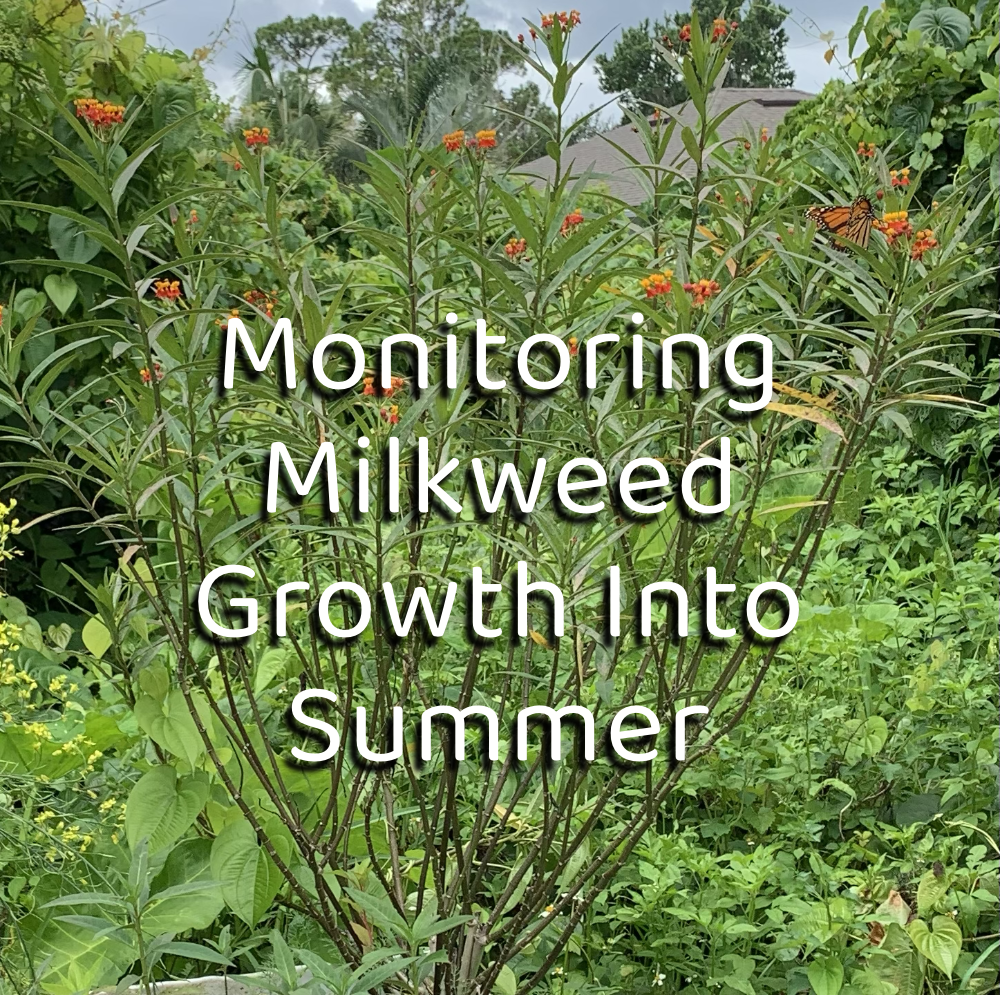
After I watched a new Monarch butterfly adapt to his new wings and fly away, I made the decision to get myself more Milkweed. So, I planted seeds, bought a few plants, and mail-ordered others. Now we are into the hot month of July. I’ve been monitoring the growth of all varieties. Here is my update.
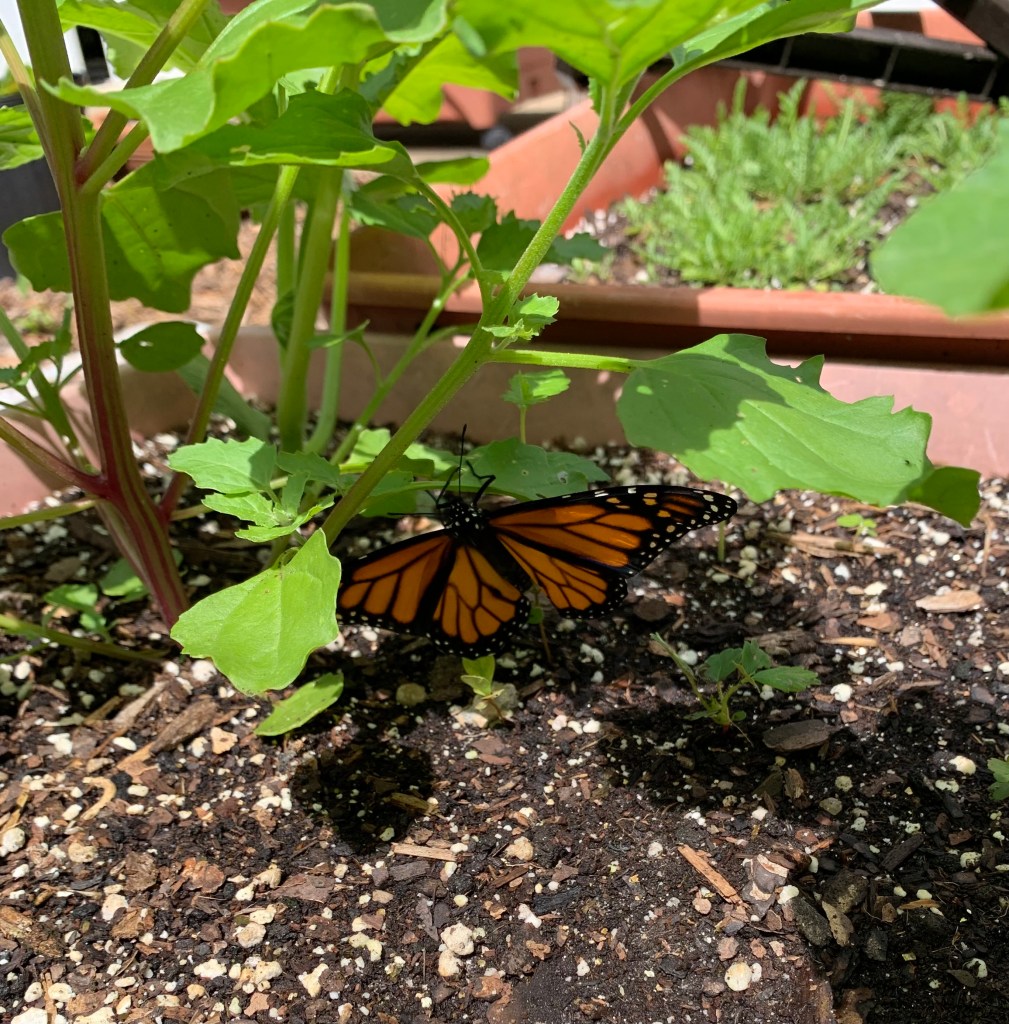
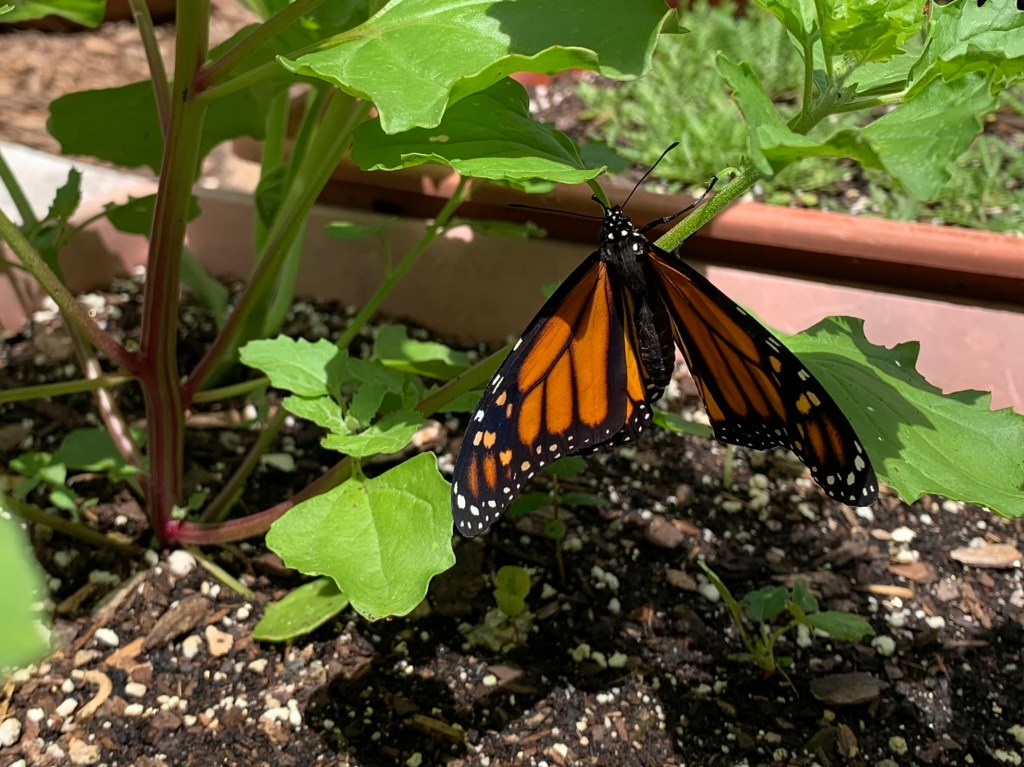
This is the butterfly that emerged from the chrysalis on my Rosemary plant. Most photos were of the closed wings and I only got these two of the bright orange side.
Update: The Milkweed Plants
Milkweed plants can be found locally. At the Farmer’s Market I found lots of the tropical variety. This is not native to Florida, but it grows great here. A few years ago I didn’t know any better and bought two of these plants. They were tall and healthy looking. Then, I read that tropical milkweed is bad for Monarchs!
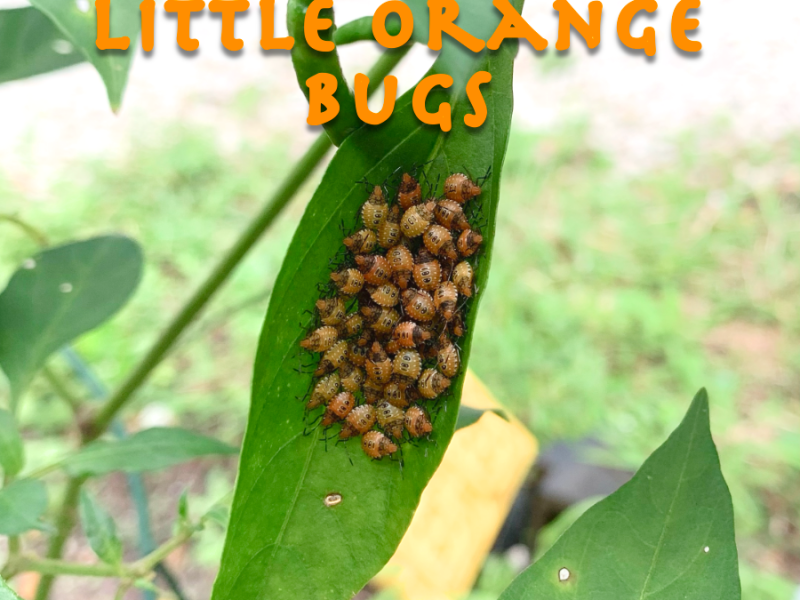
Even though I paid good money for those plants, I never planted them and they went into the compost pile. Somehow some of the seeds took root and I have two tropical milkweed plants in the yard. One is very large. Ever since it began to grow last year, it has been host to butterflies, caterpillars, the milkweed bug, aphids, and ladybugs. I’ve also read that maybe this type of milkweed is not so bad after all. It needs to be cut back in Fall, if you grow it.
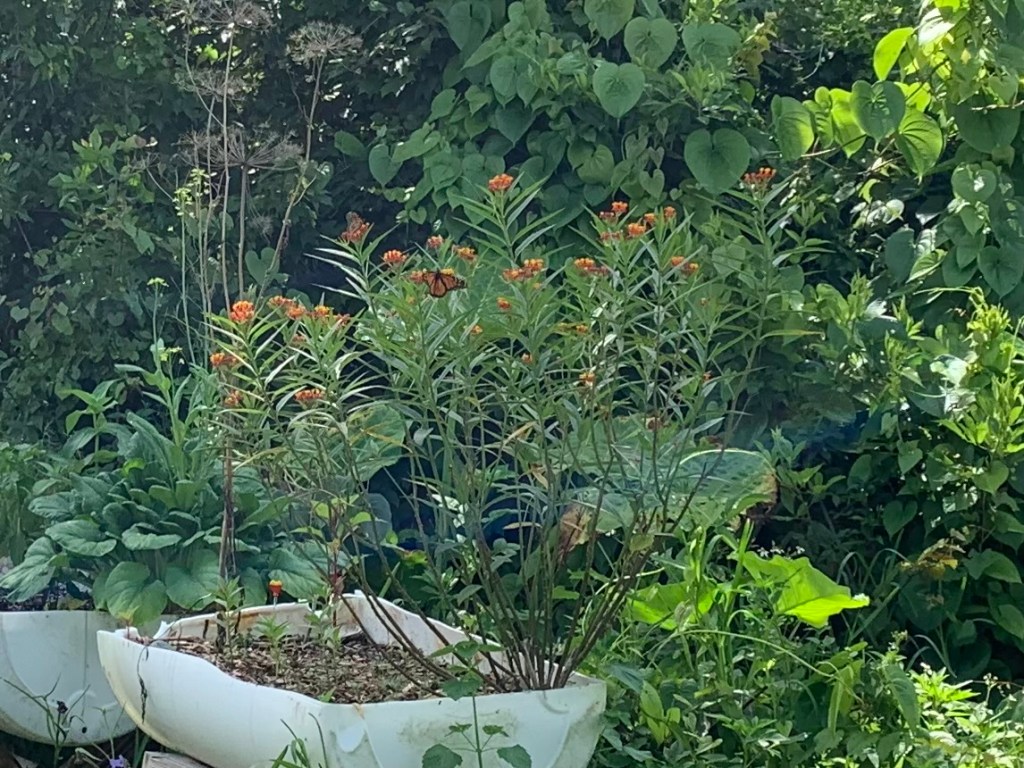
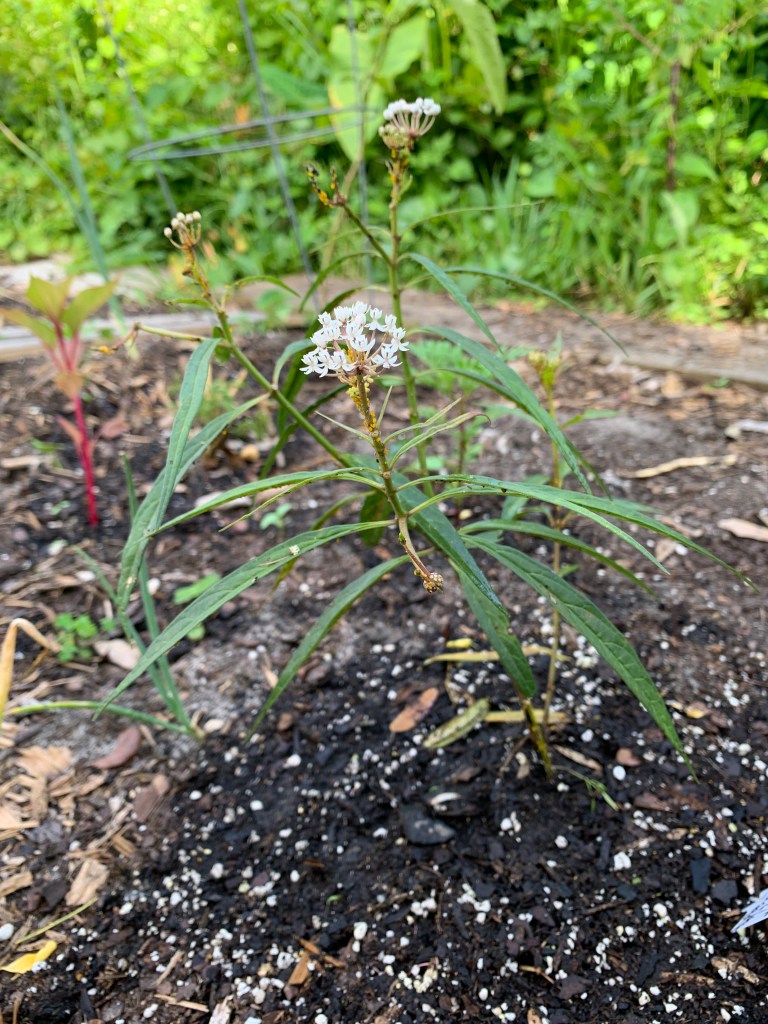
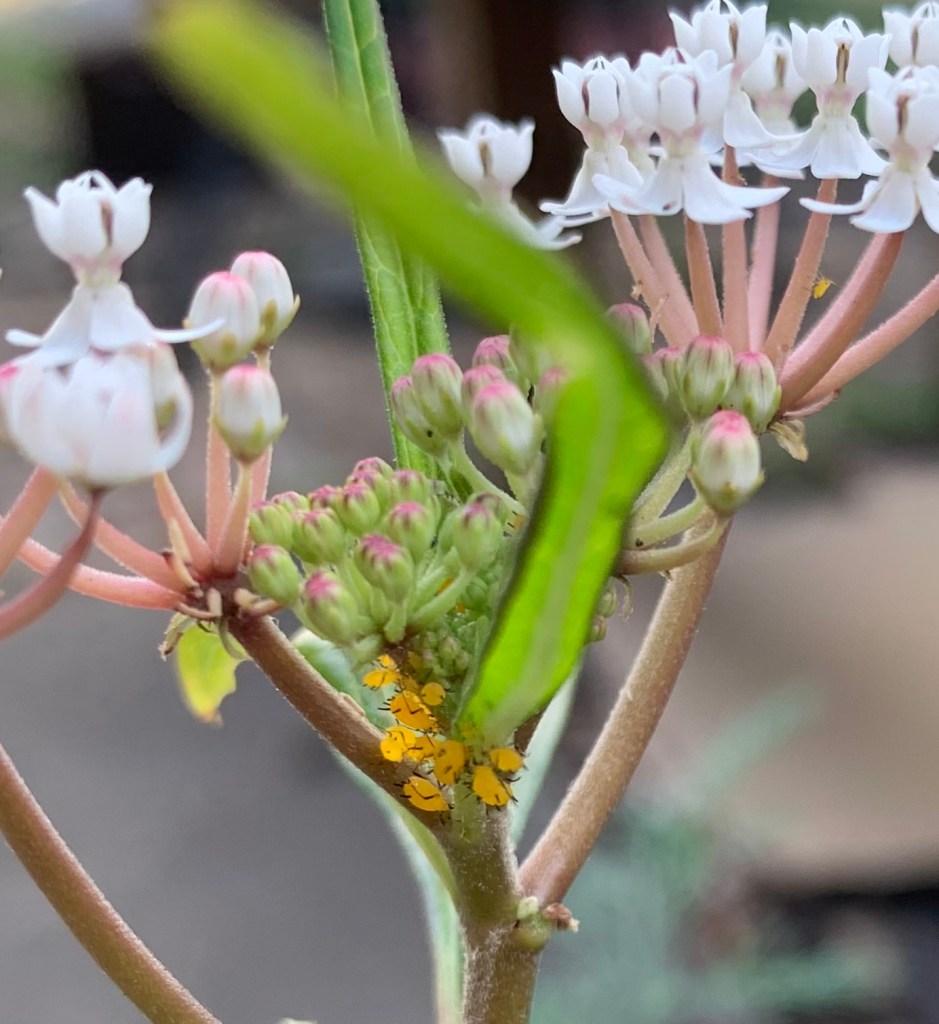
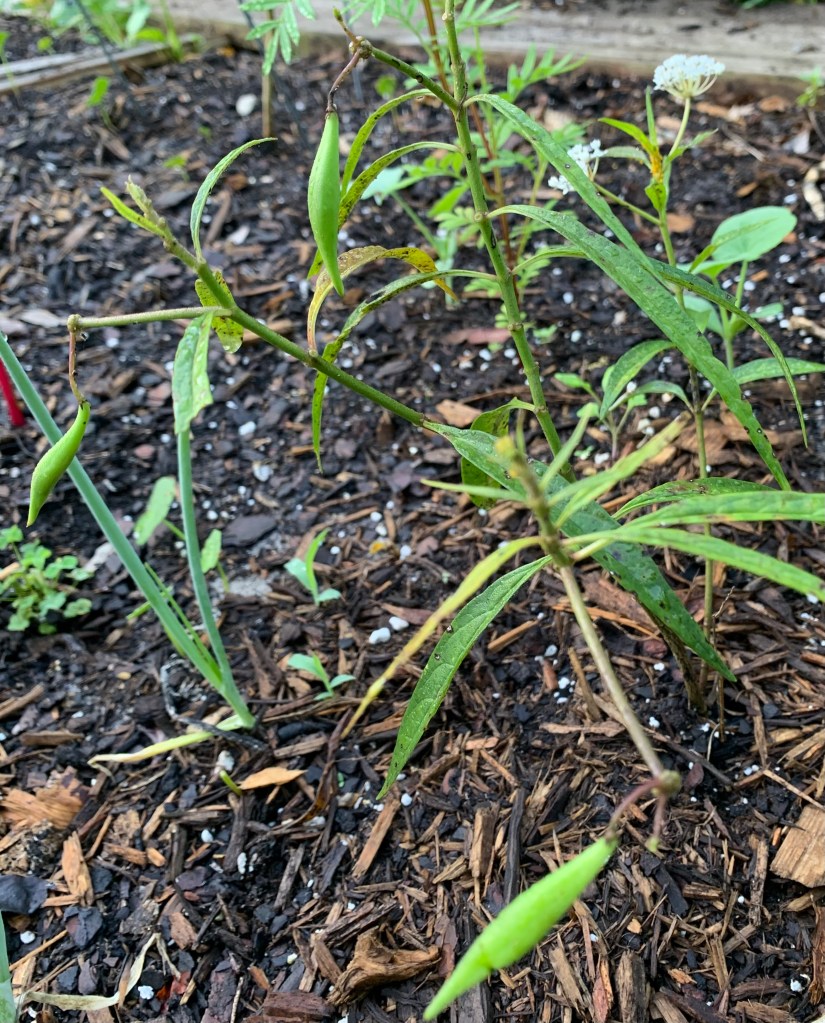
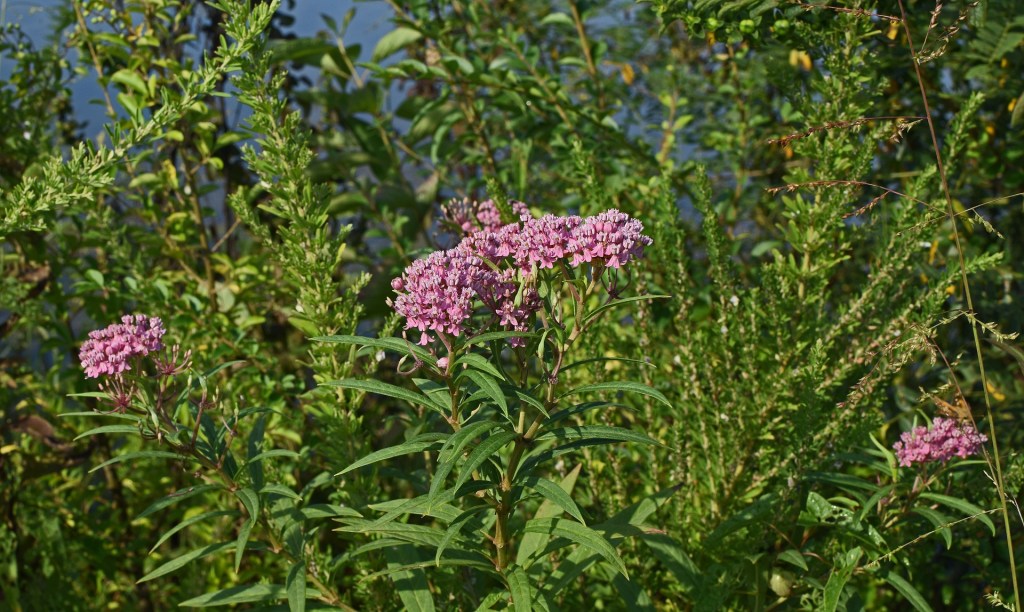
My local plant nursery also carries milkweed. I bought a white swamp variety (see photos below) and it’s now in the ground. At the nursery, many of the plants didn’t look too great. They were covered in aphids, but aphids love milkweed, so I can’t really blame the nursery.
Be sure to buy the milkweed early in the year to establish a good root system before winter when the native types go dormant.
Update: Milkweed Grown From Seed
Most of the milkweed that I grew from seeds this year are still pretty small. I’ve had caterpillars on a few, which ate down the leaves. So, that didn’t help.
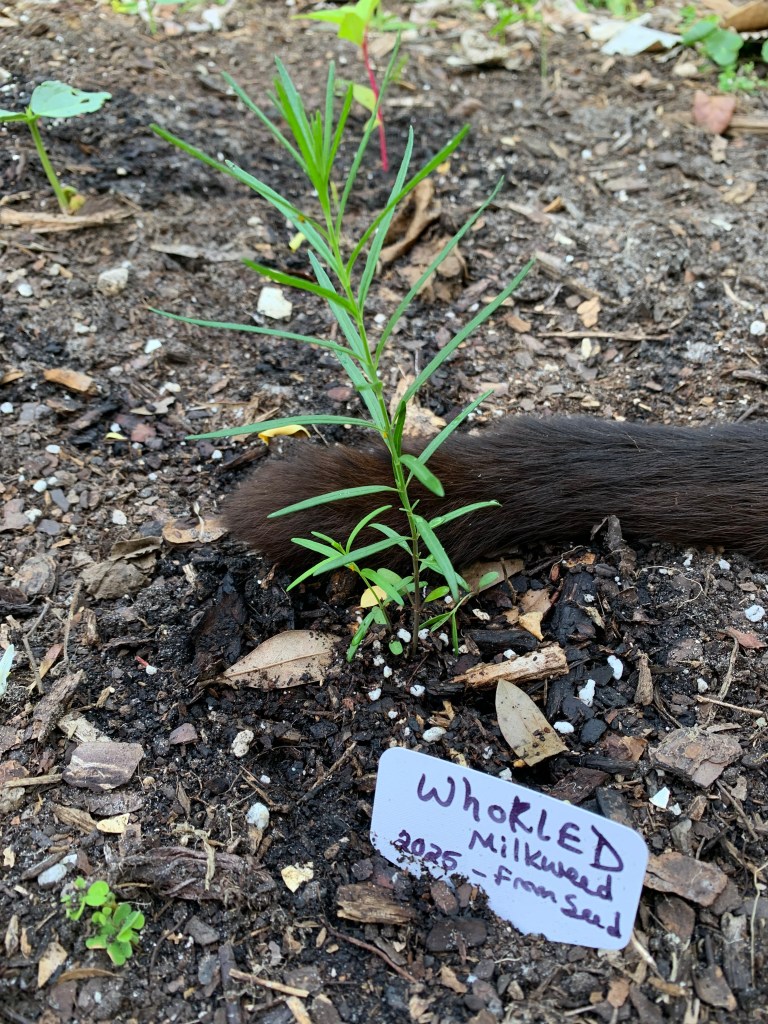
The varieties I grew from seed are; orange tuberosa (orange butterfly weed), sandhill, and whorled. They are all growing well, but slowly. I particularly love the thin leaves of the Whorled variety and look forward to seeing how it turns out.
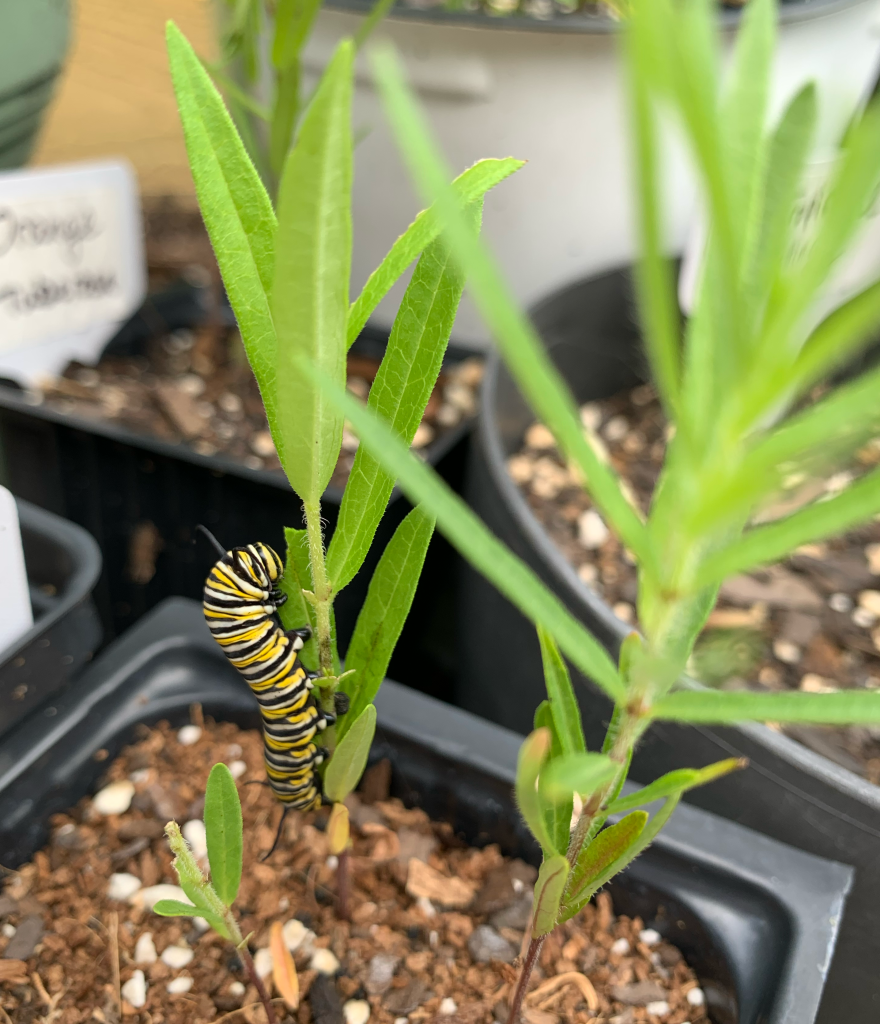
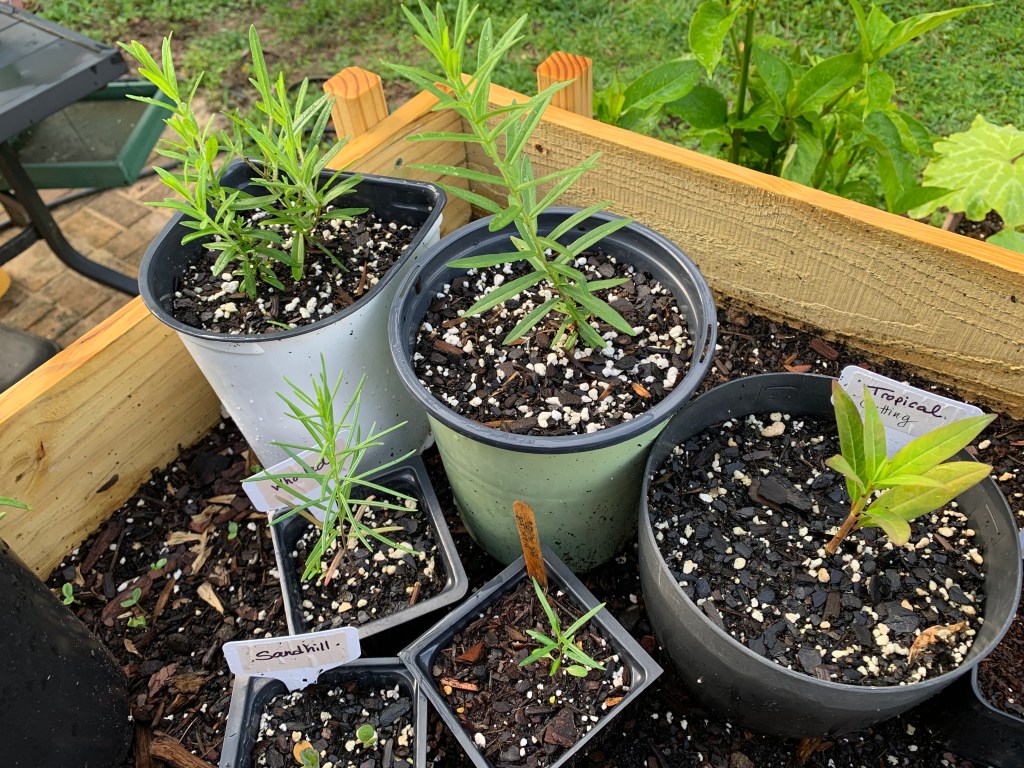
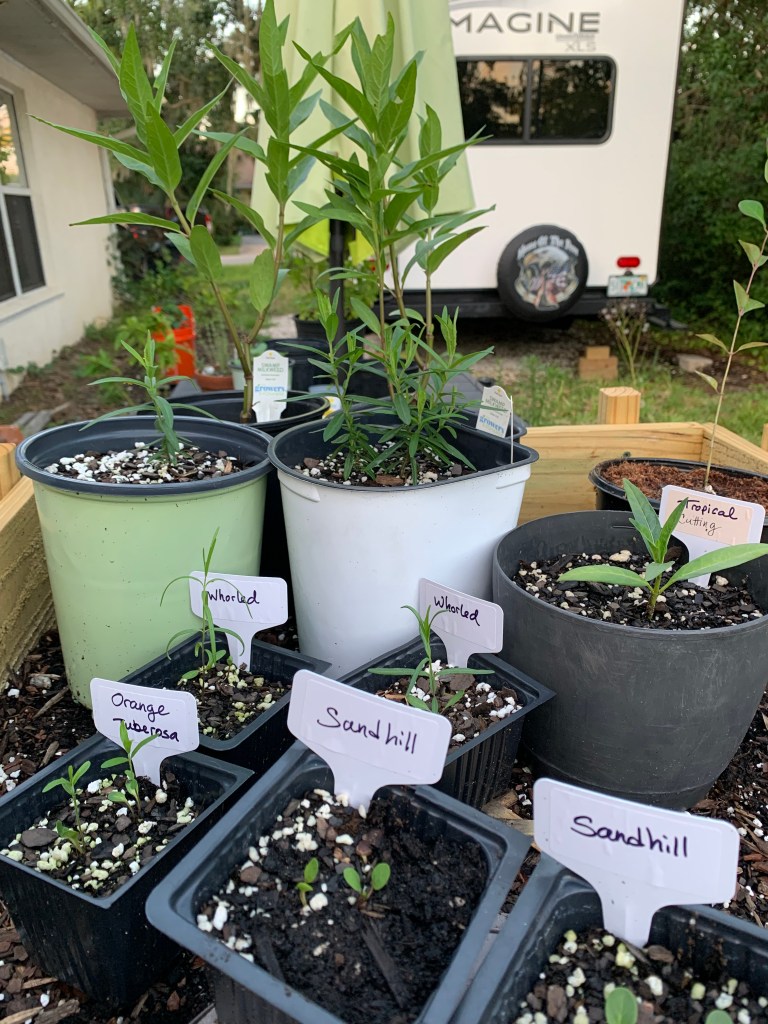
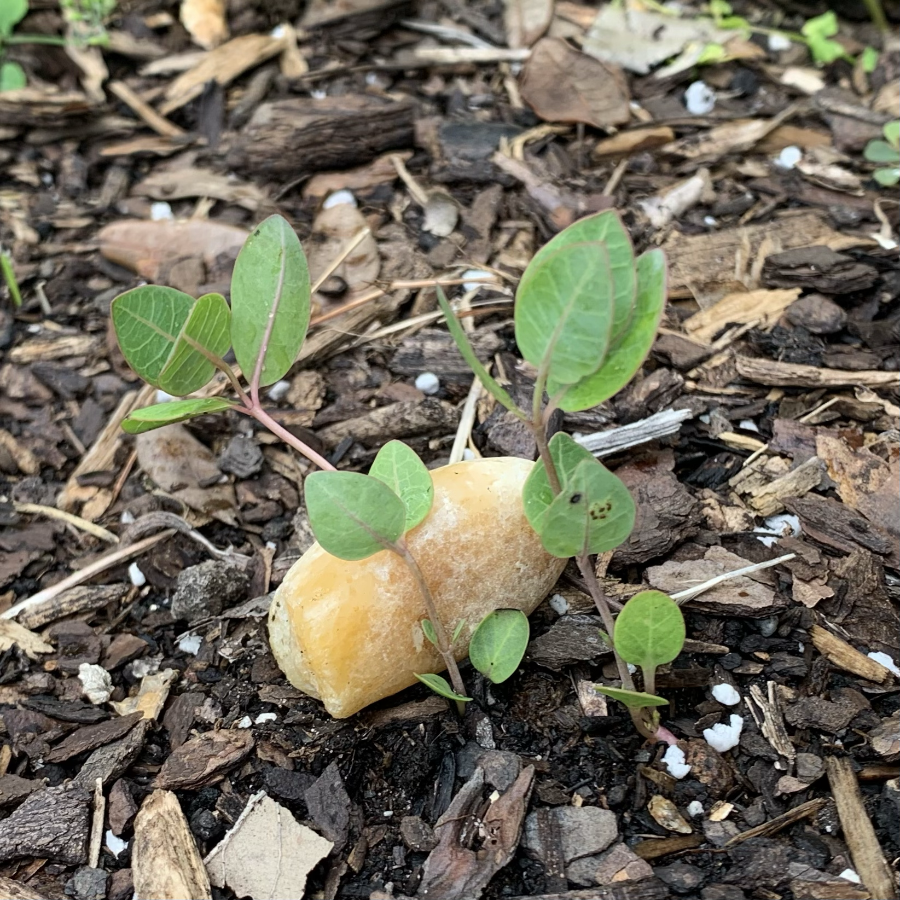
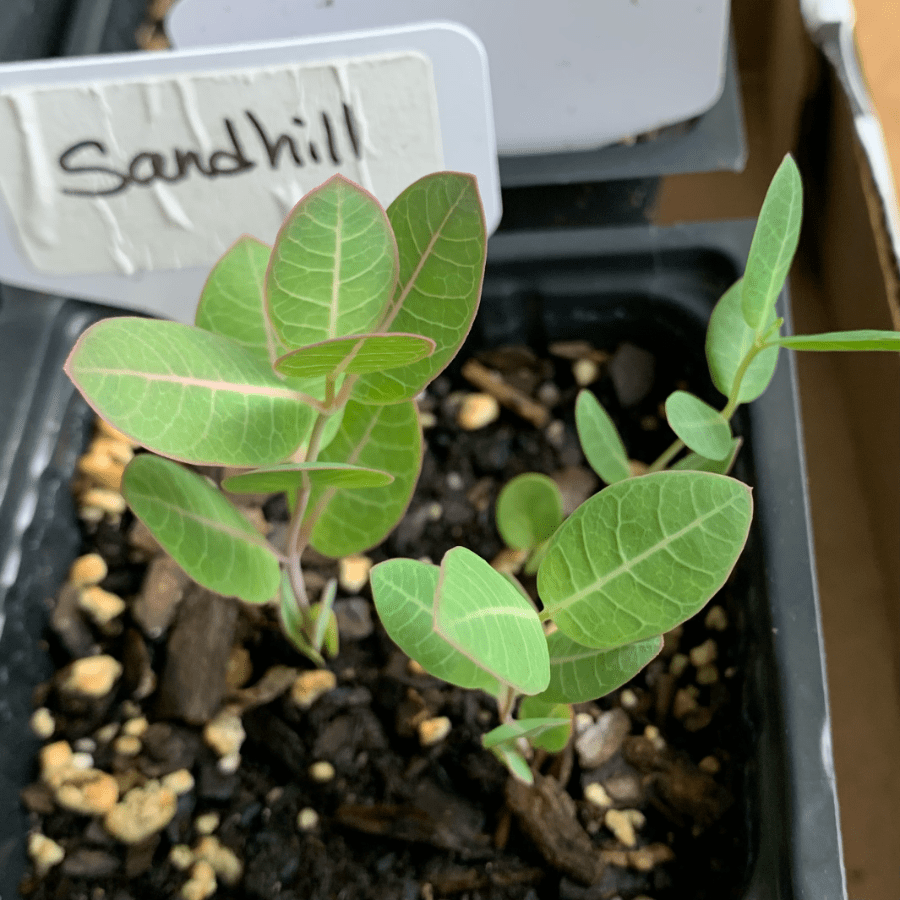
The Sandhill milkweed is growing very slowly. I only have two pots, and decided to put one into the ground.
Update: The Mail Order Milkweed
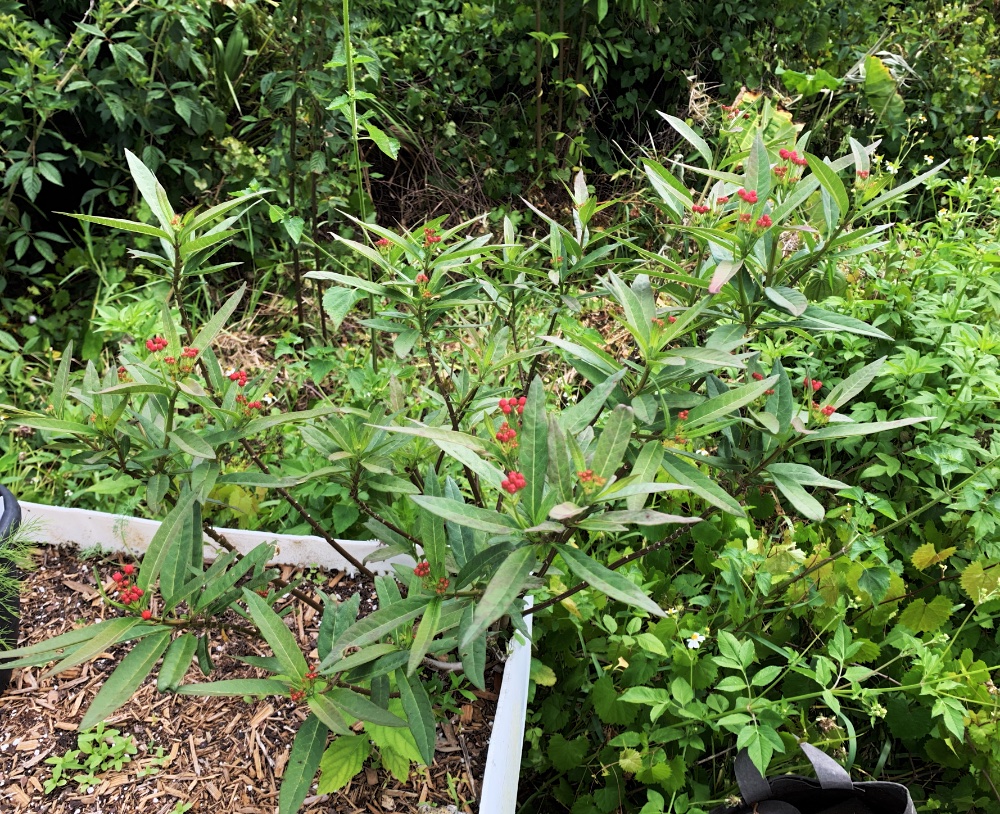
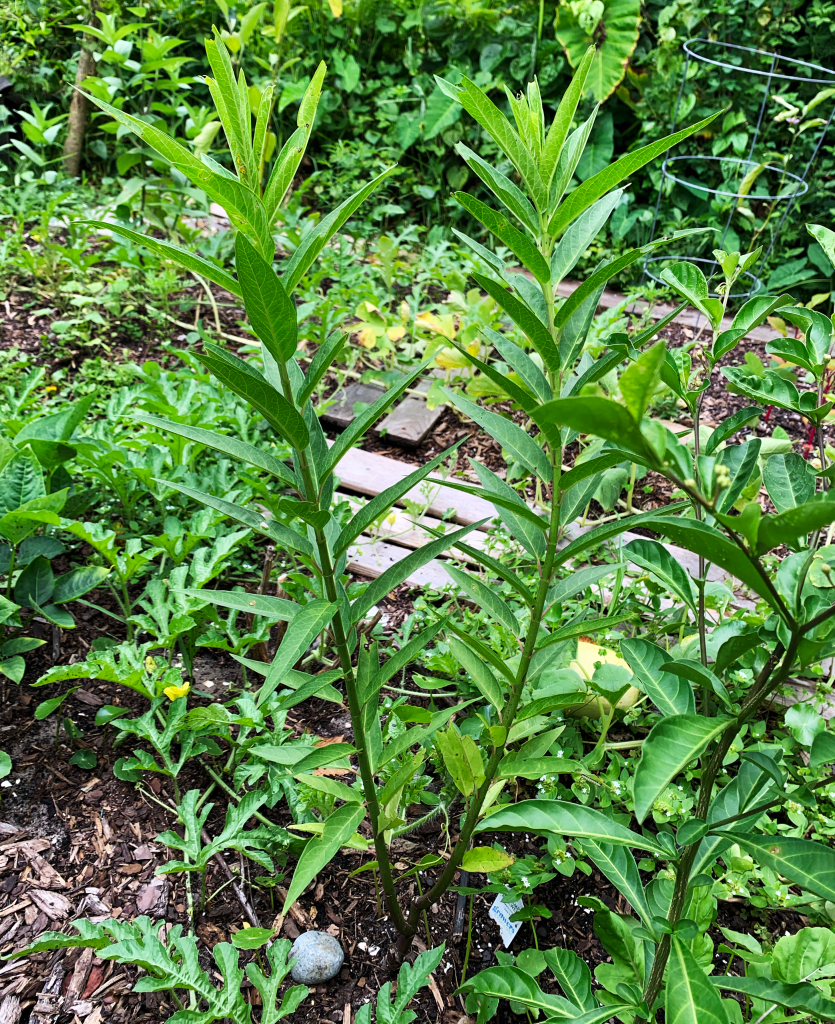
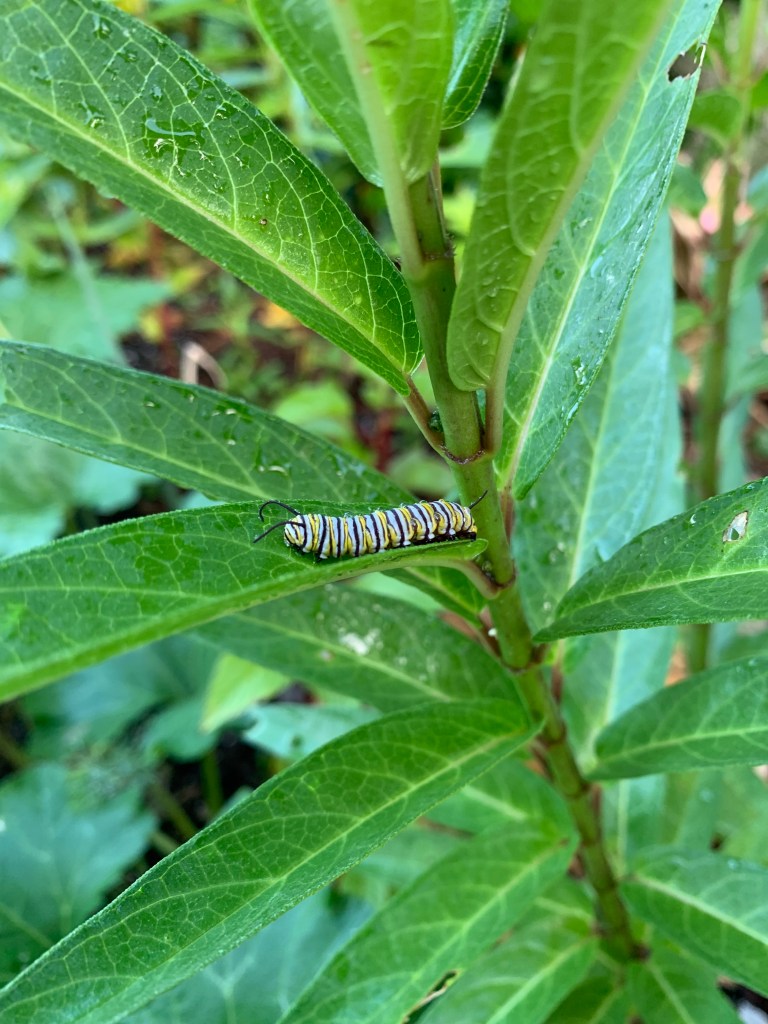
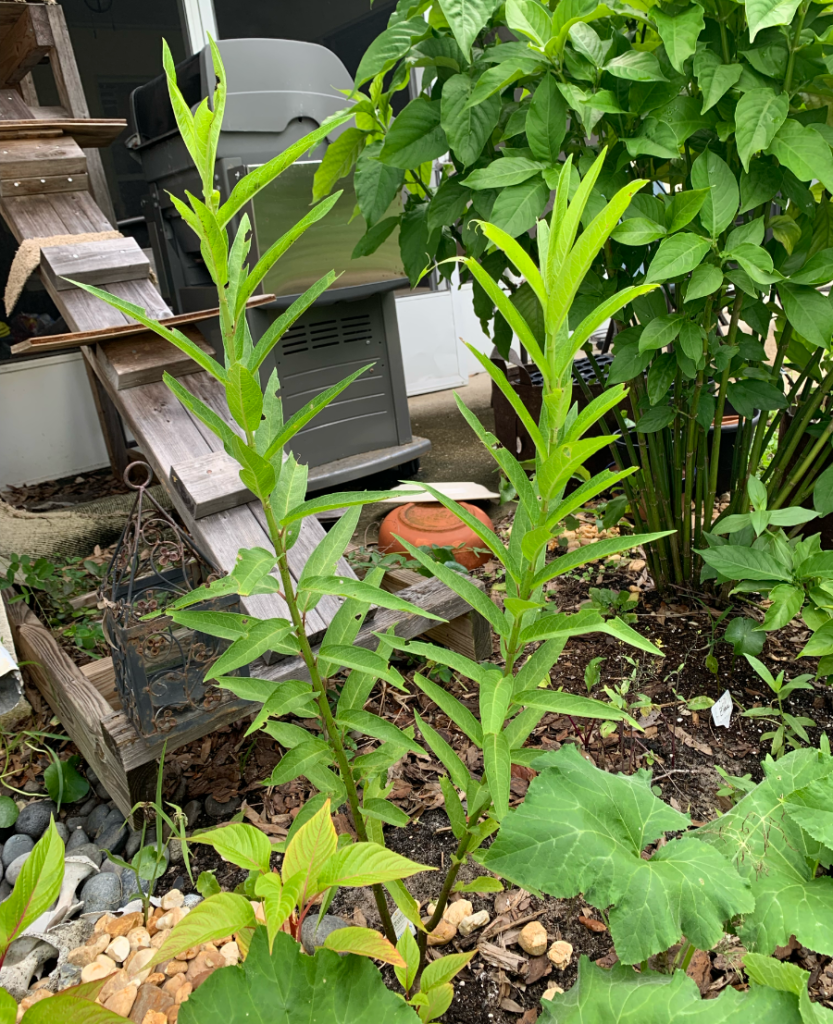
The four mail order swamp milkweed plants are quite large. I planted two in my hibiscus garden, one near the house downspout, and one in the back garden. None have flowers yet. I’ve seen the occasional caterpillar on them. One is now showing signs of blooming!
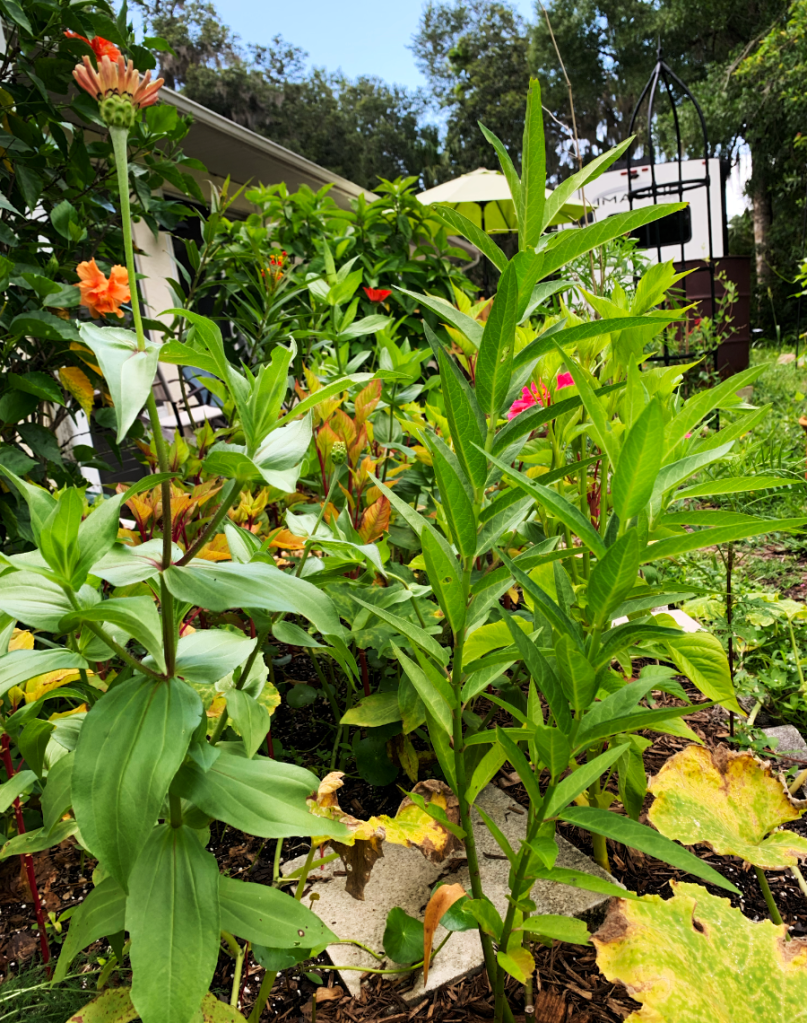
Milkweed Warnings
Milkweed tends to be poisonous. Anyone who has animals that might eat it, should consider this. It is toxic to livestock.
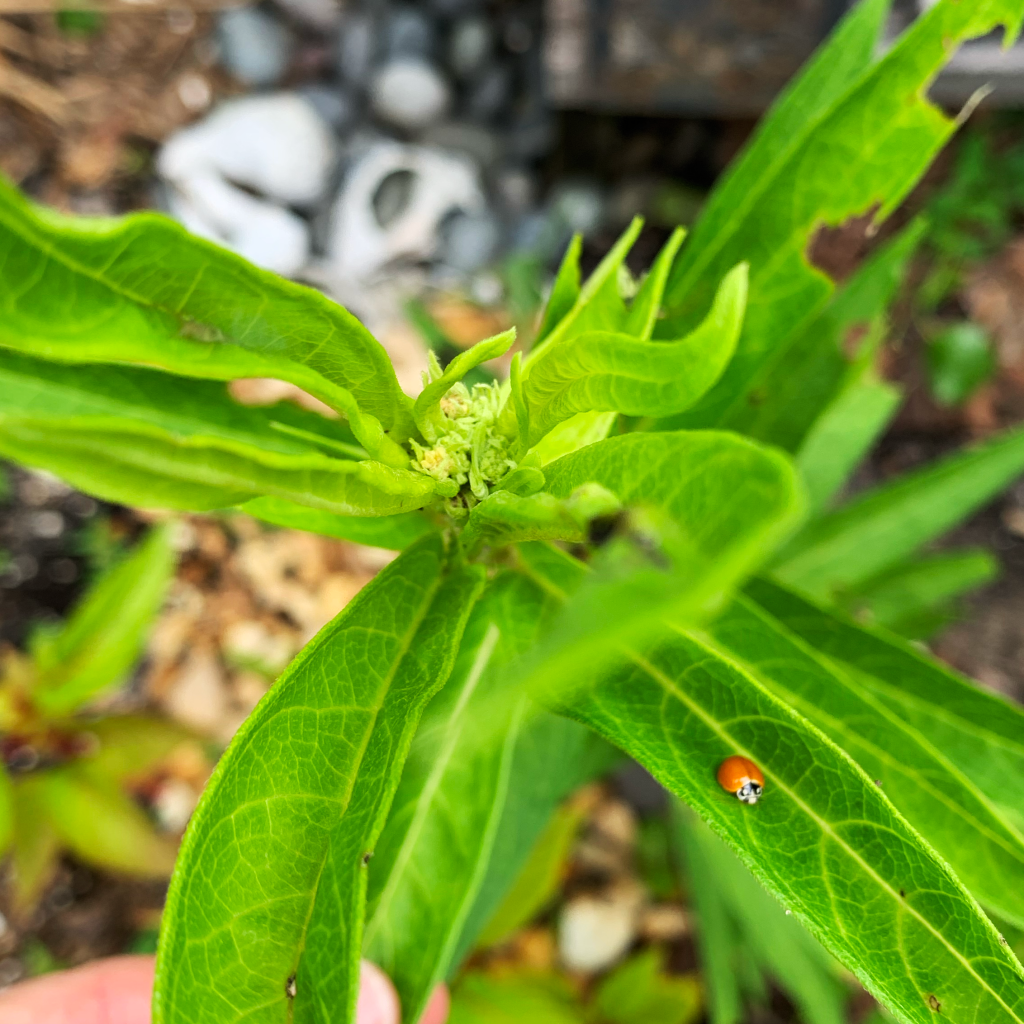
Milkweed is a magnet for aphids. This means that milkweed will also draw in the ladybugs. That’s a good thing! Whenever you see lots of aphids on the plants, don’t get too upset. Wait and see if they are taken care of by nature.
Advice on Buying
Now that I have grown native, Florida milkweed from seeds, mail-order and nursery plants, here are my thoughts on buying. If I had the space and wanted more milkweed, this is what I would do.
- Buy from a local nursery, if they have native plants that look pretty good.
- Order from The Grower’s Exchange. These are by far the best looking plants of all my native milkweed. The tropical milkweed plant is huge, but it is not native.
- Order seeds for new varieties. The Sandhill and Whorled are pretty cool.
- I wouldn’t bother again with the Orange Tuberosa. I’m not thrilled with these plants. They are leggy and saggy. Some have leaves that have turned brown, and that could be due to too much water. They like it dry. They are not fast growers (from seed), and not very good-looking. They might look a lot better by next year, if they survive. Maybe buying plants, and not starting from seed, would be the way to go with this one. I’m going to see what they do.
- Won’s be buying any Tropical milkweed variety. I’ll manage the ones I have by cutting back in Fall. The milkweed bugs have taken care of removing the seed pods! I think they suck the juices out of the pods because every pod is gone.
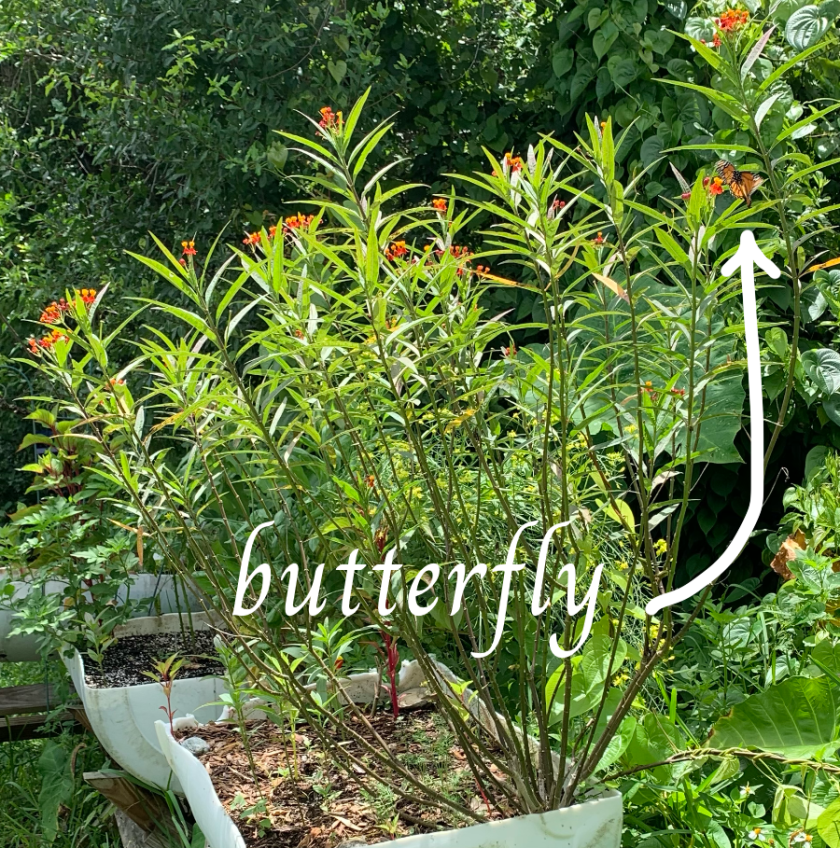
Don’t worry if you have some tropical milkweed in the yard. Recognize it by the two-colored flowers. Right now, it’s the only milkweed flowering in my yard. And the Monarchs are using it for food.



Something went wrong. Please refresh the page and/or try again.




 Hydrangeas Blue