Native Milkweed That Survived the Freeze

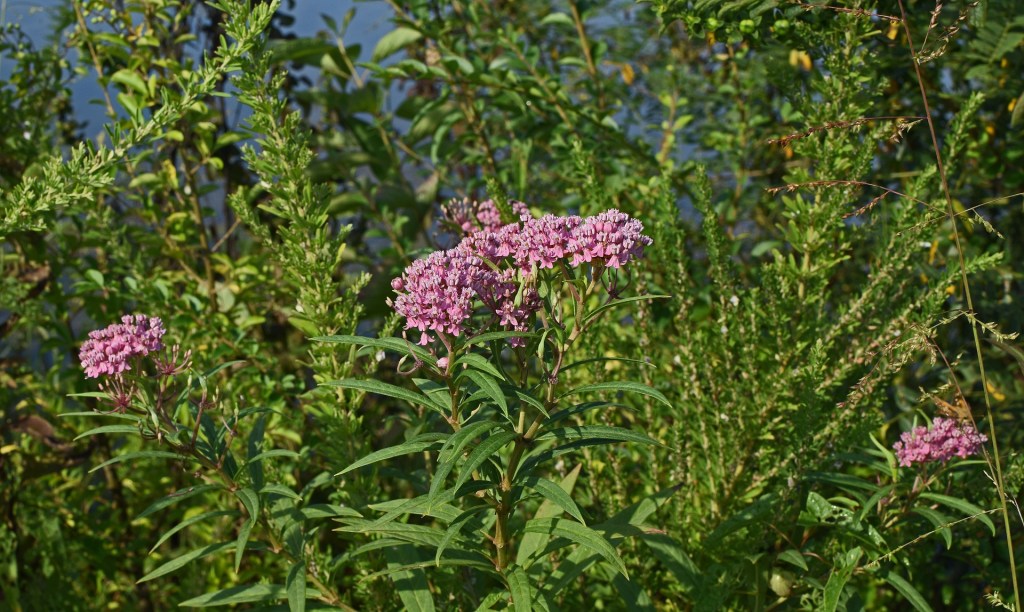
I’m still trying to fill my yard with native milkweed. After the cold spell over winter froze most things back, and killed many things, I have fewer milkweed plants.

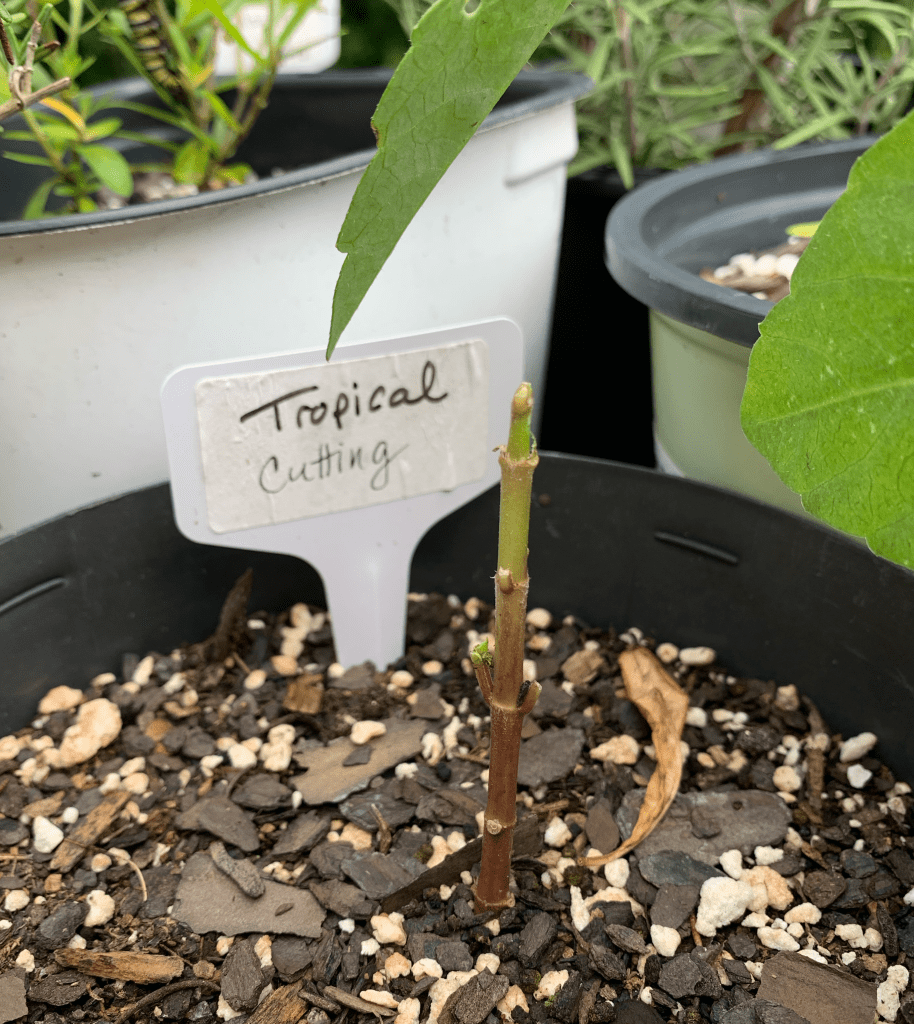
All the tropical milkweed is gone. Tropical milkweed is not native, and therefore not a great loss. Three of the four swamp milkweed seedlings I purchased last year have died, but one is flourishing. This type of milkweed grows at a good pace and it is doing well.

All other native milkweed plants are quite small, and they are growing slowly.

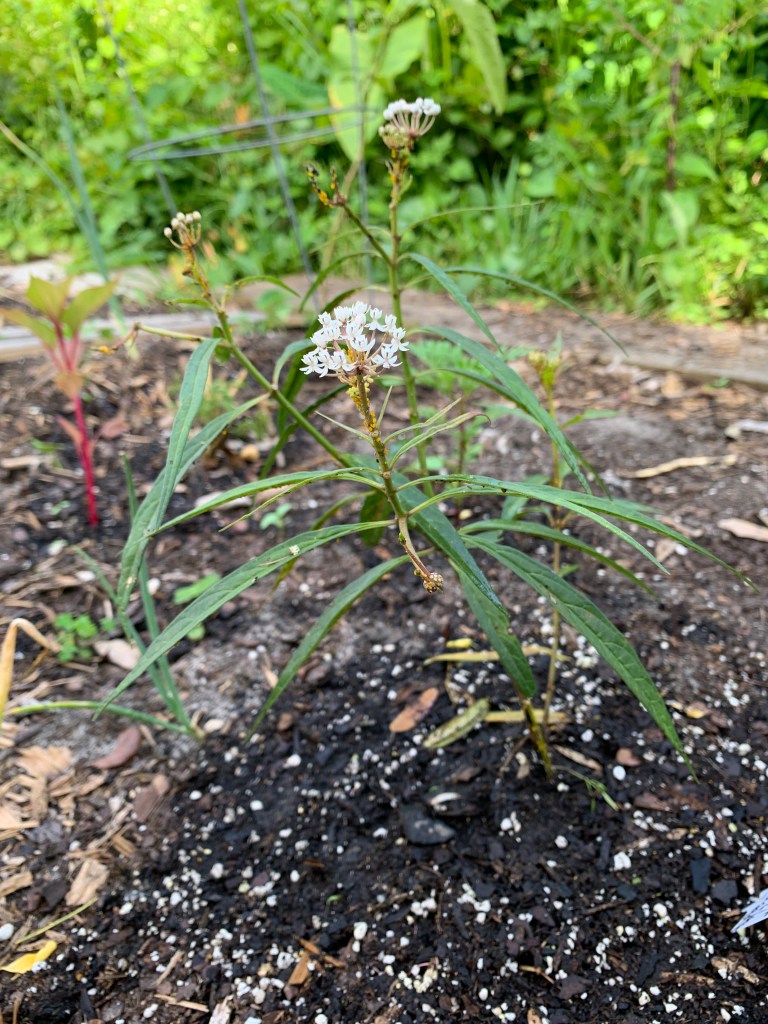
White Swamp Milkweed

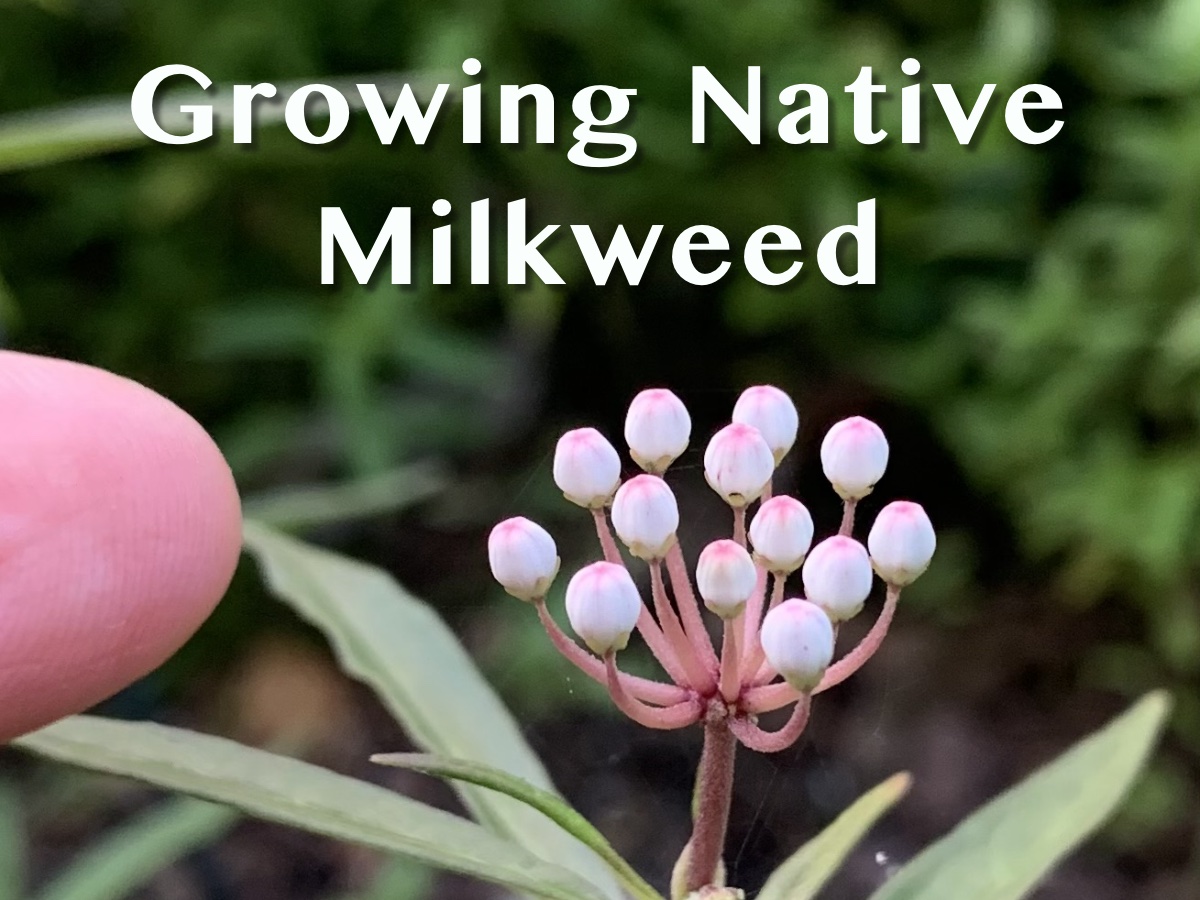
Below is another type of swamp milkweed. It has tiny white flowers with a bit of pink. I believe this is aquatic milkweed aka white swamp milkweed. It is a host for the Monarch, Queen, and Soldier butterflies. It is a shade loving plant and can deal with partial sun.
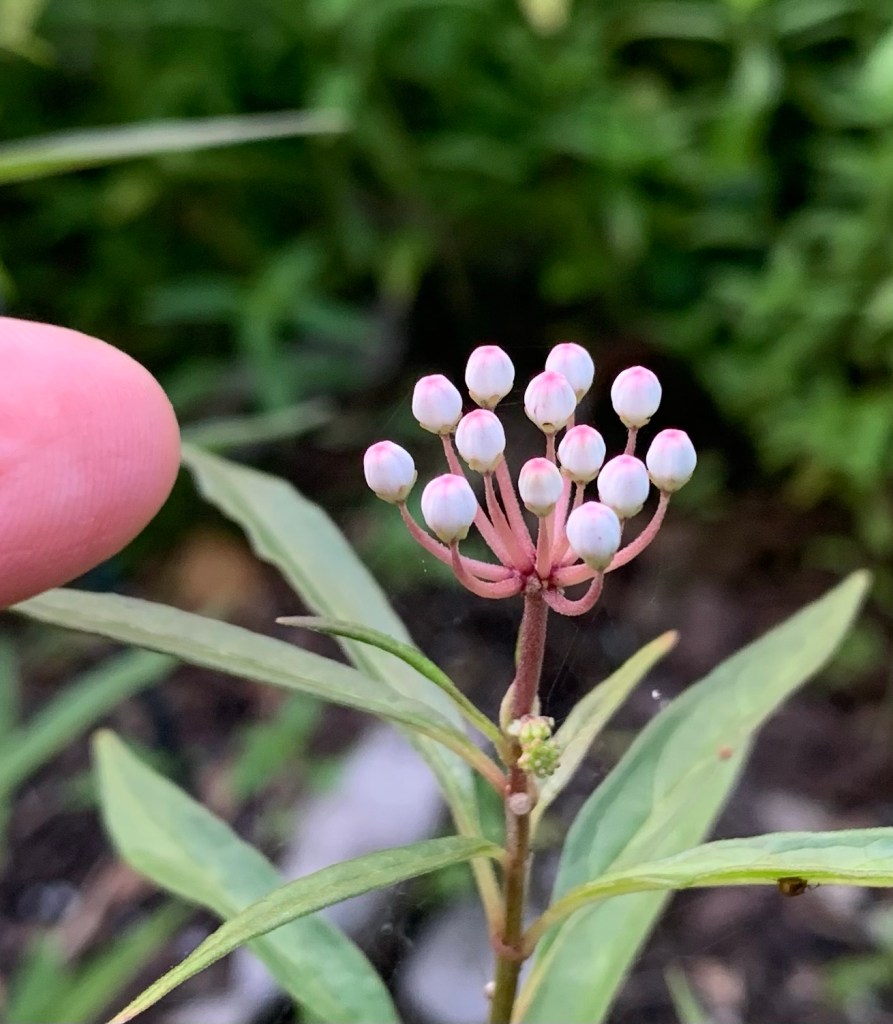
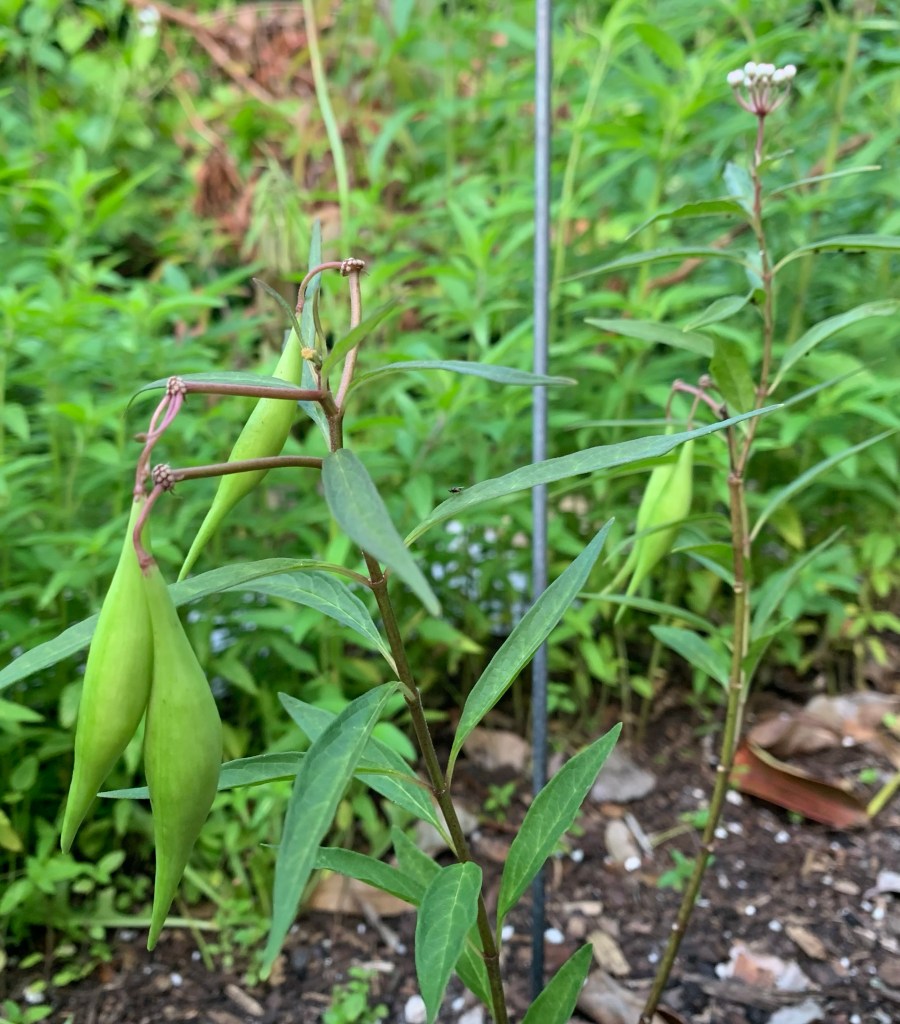
As of this writing, it is June, and this plant has five pods. When they open, I will collect some of the seeds and try to grow more plants.

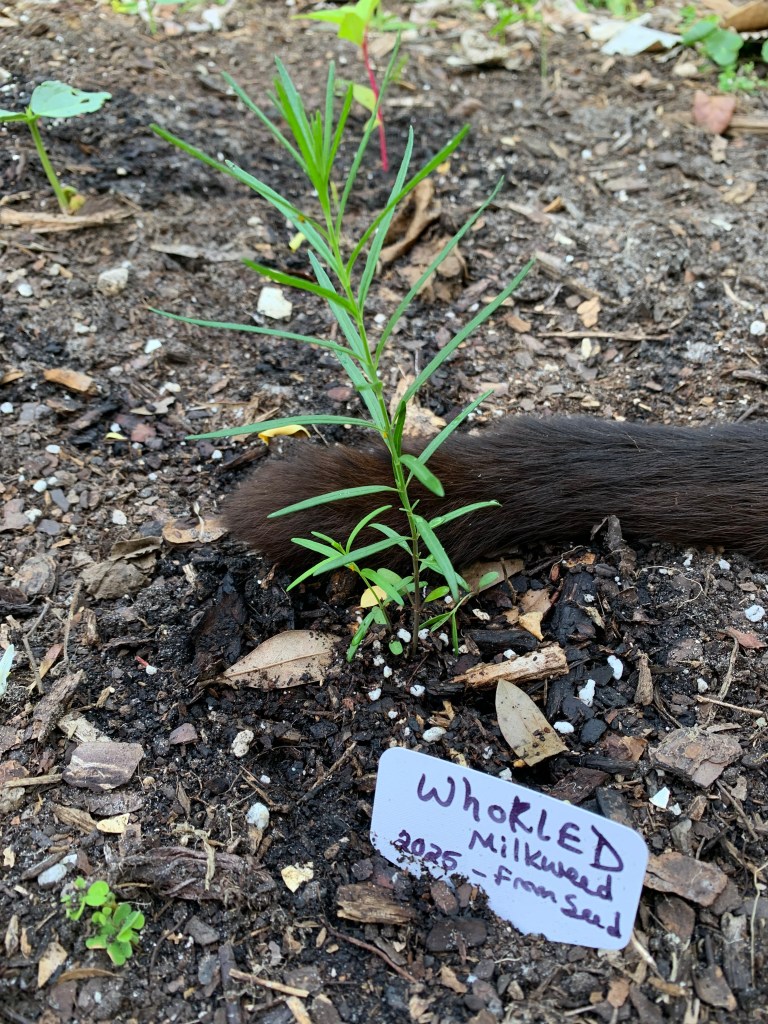
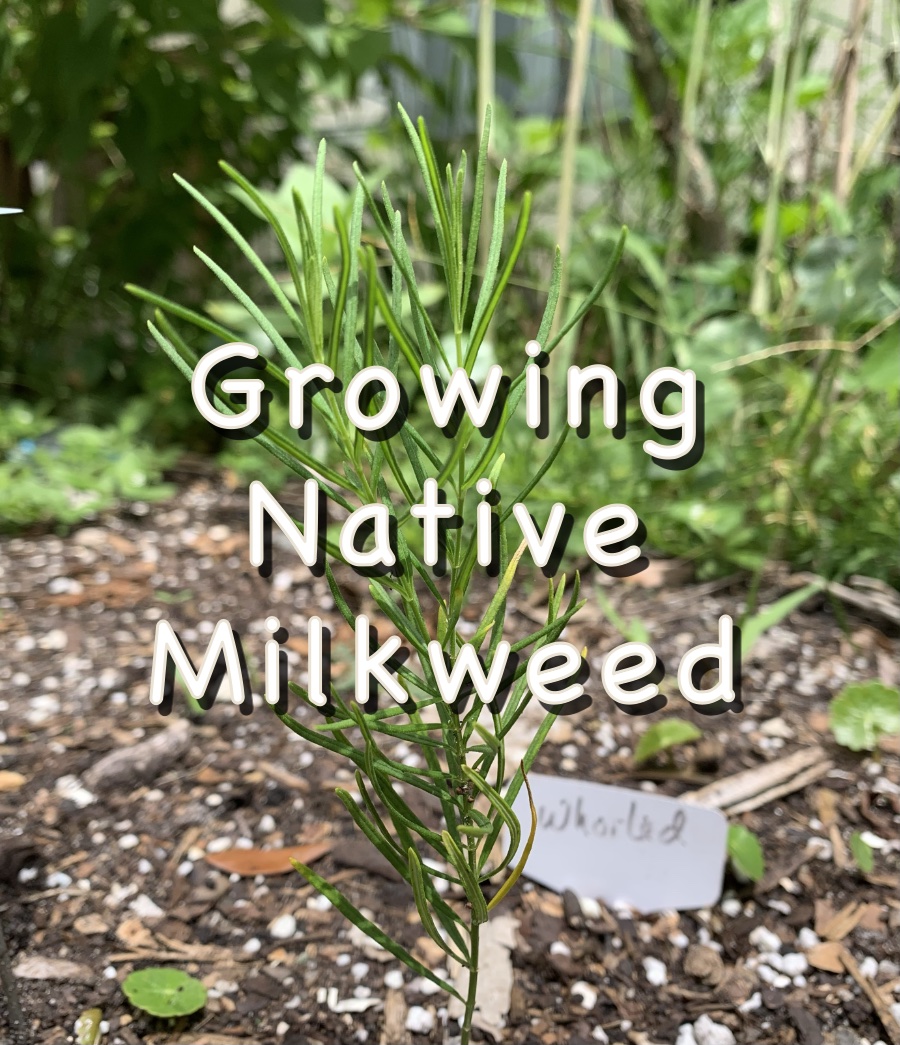
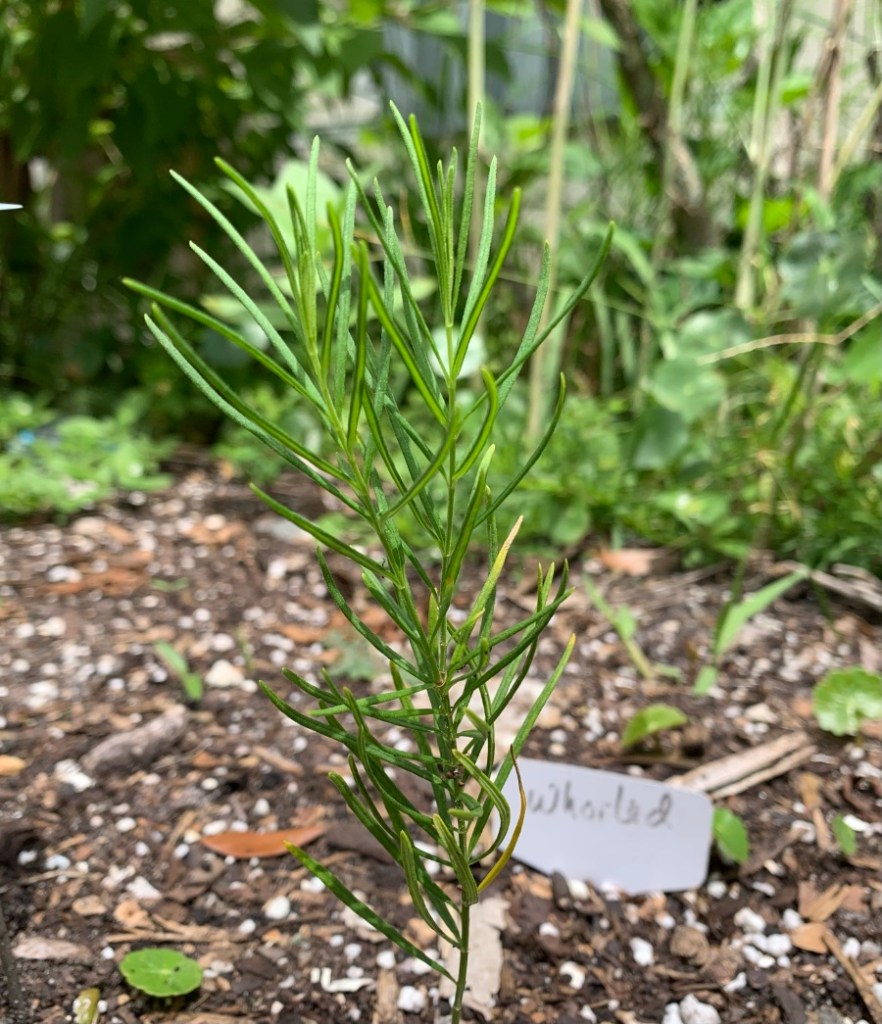
Whorled Milkweed

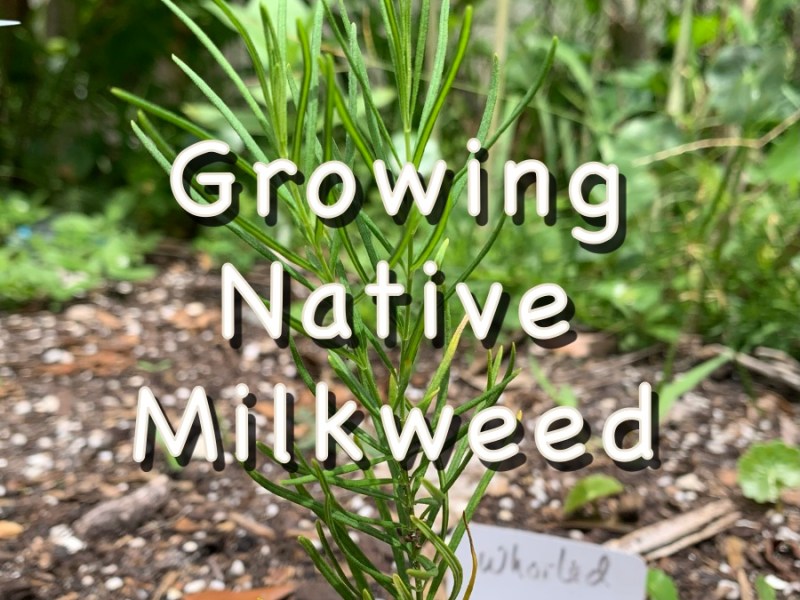
Whorled milkweed has very thin leaves that stick upward. I believe I only have one Whorled milkweed – see below.
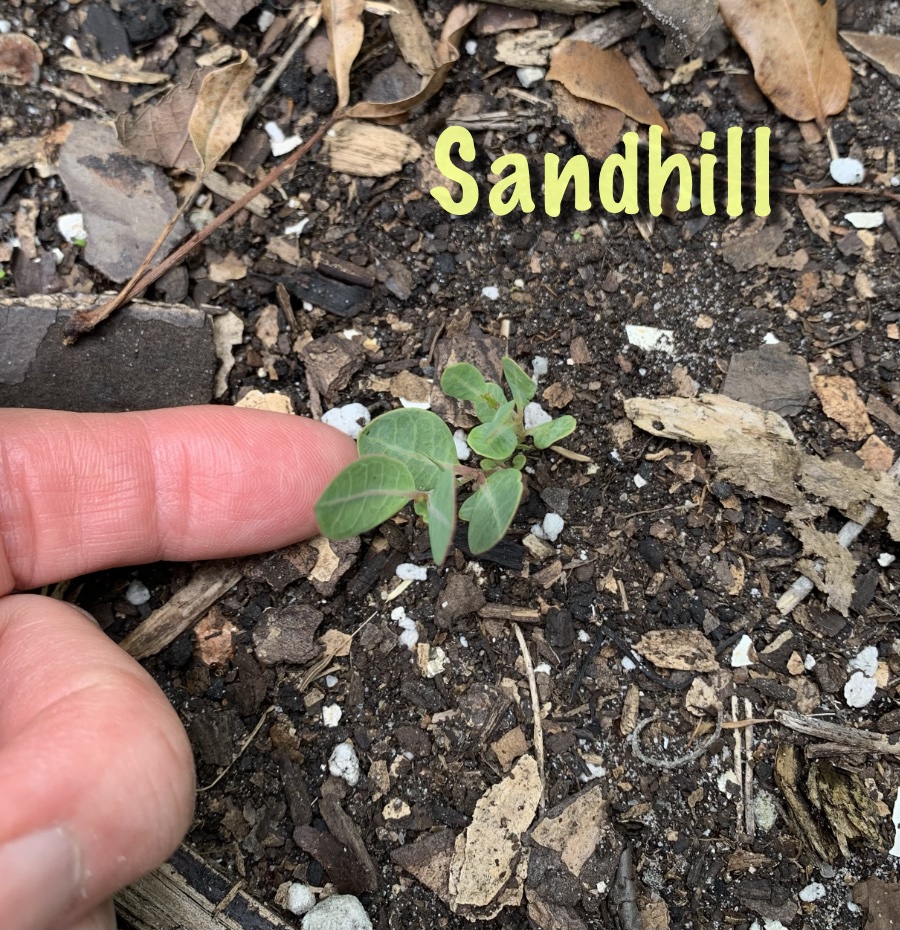
Sandhill Milkweed

Sandhill milkweed looks different. The leaves are more rounded. If you ever see this type as a full grown plant, it is beautiful (View images at IFAS). Sadly, these days, in Florida you will most likely have to visit a nature preserve to find it.

You may wonder why I have such a strange variety of milkweed for my yard. Some of them need dry conditions and some need wet. Last year I ordered some seed varieties, planted them, and kept the ones that grew. All the milkweed in pots were kept indoors over the winter, so they did not freeze.

Unidentified Milkweed

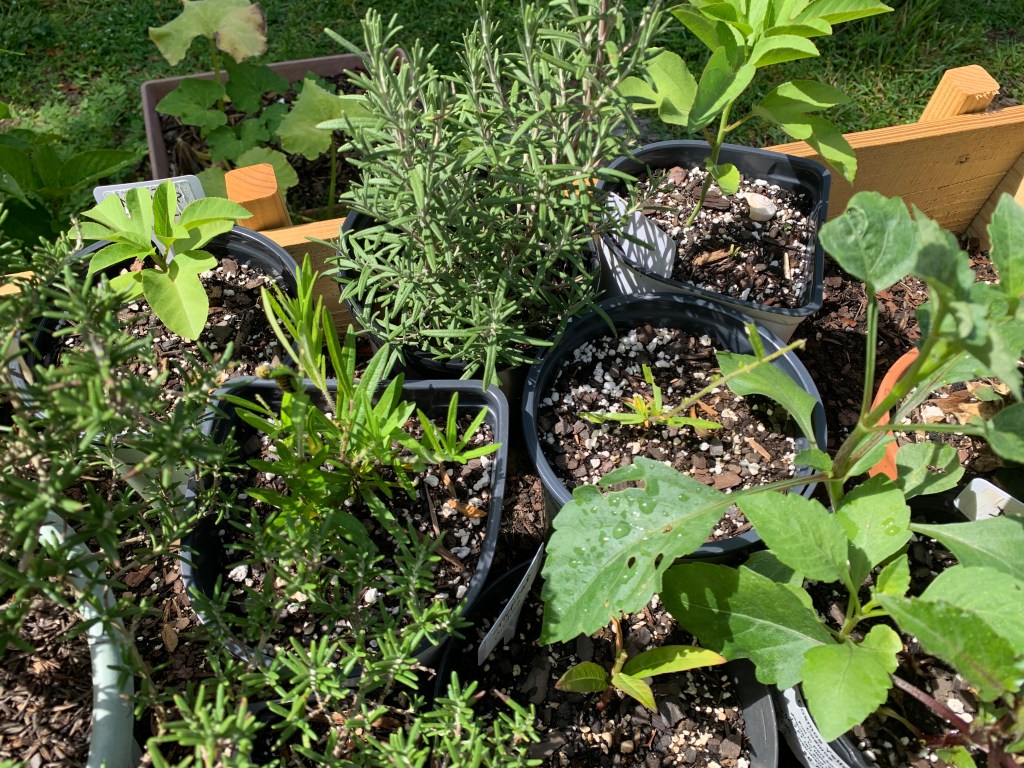
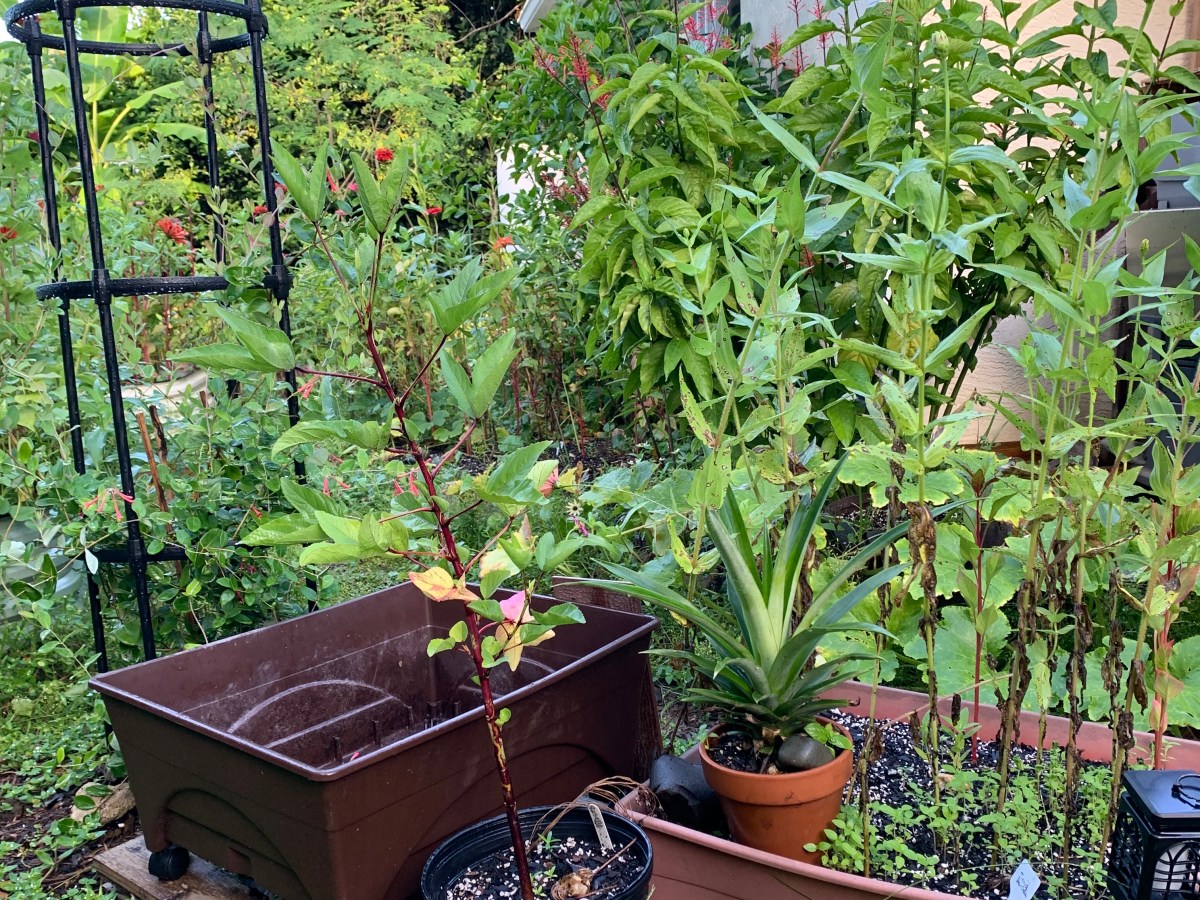
I think these plants are also milkweed, but they don’t have identifying tags. I marked the ground with metal stakes and after the cold had passed, these plants began to grow.
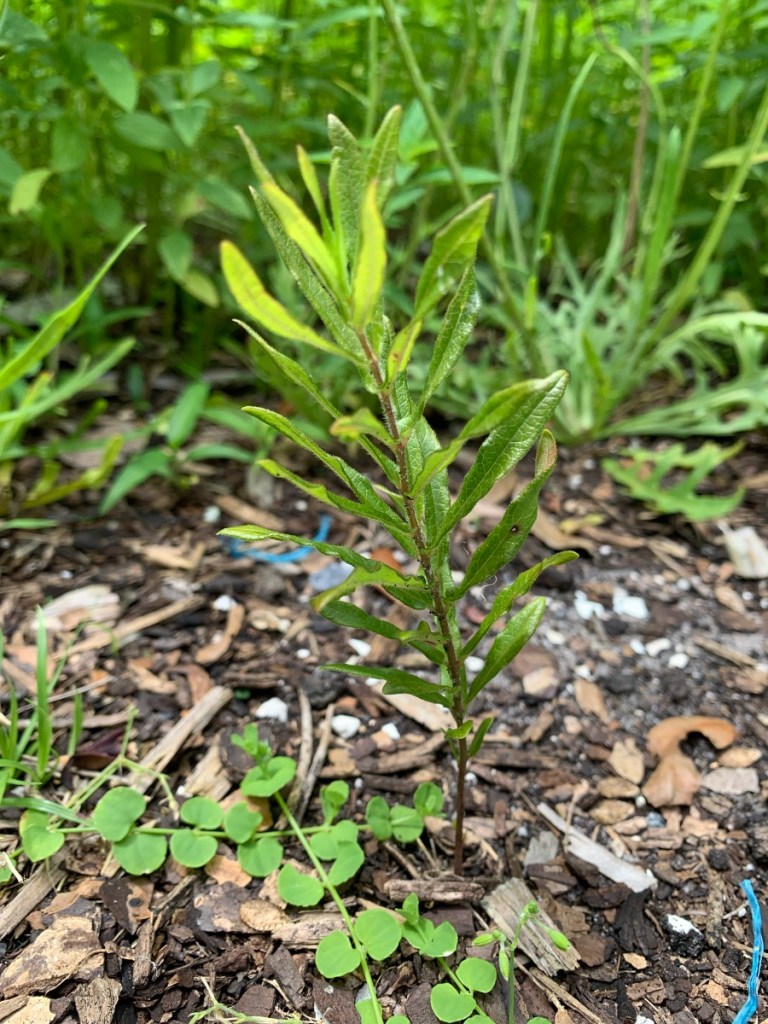
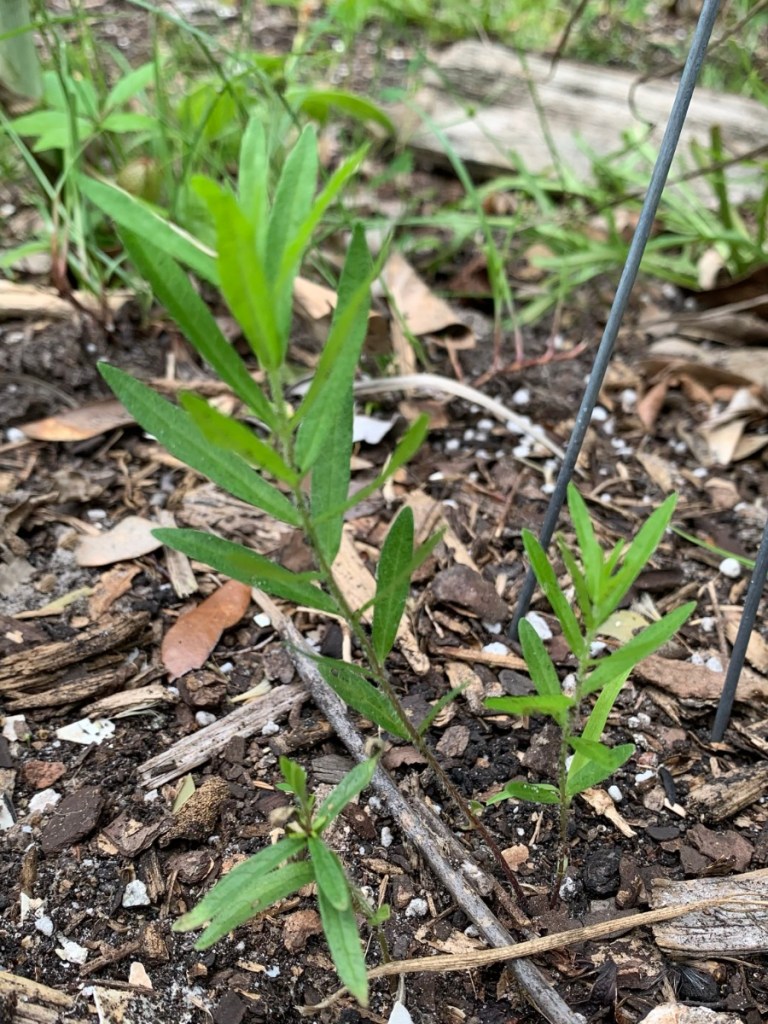
Once again I am reminded of how difficult it is to grow native milkweed. I plan to protect these babies as best I can. If I’m lucky, they will get larger and flower and then I may know which type they are.

I began my quest last year (2025) to fill my yard with milkweed. Thanks in a big part to the 2 days of freezing temperatures we had this year, I lost many plants which I think may have been okay otherwise. It makes me wonder how many milkweed plants, growing out in wilderness areas, also did not make it.
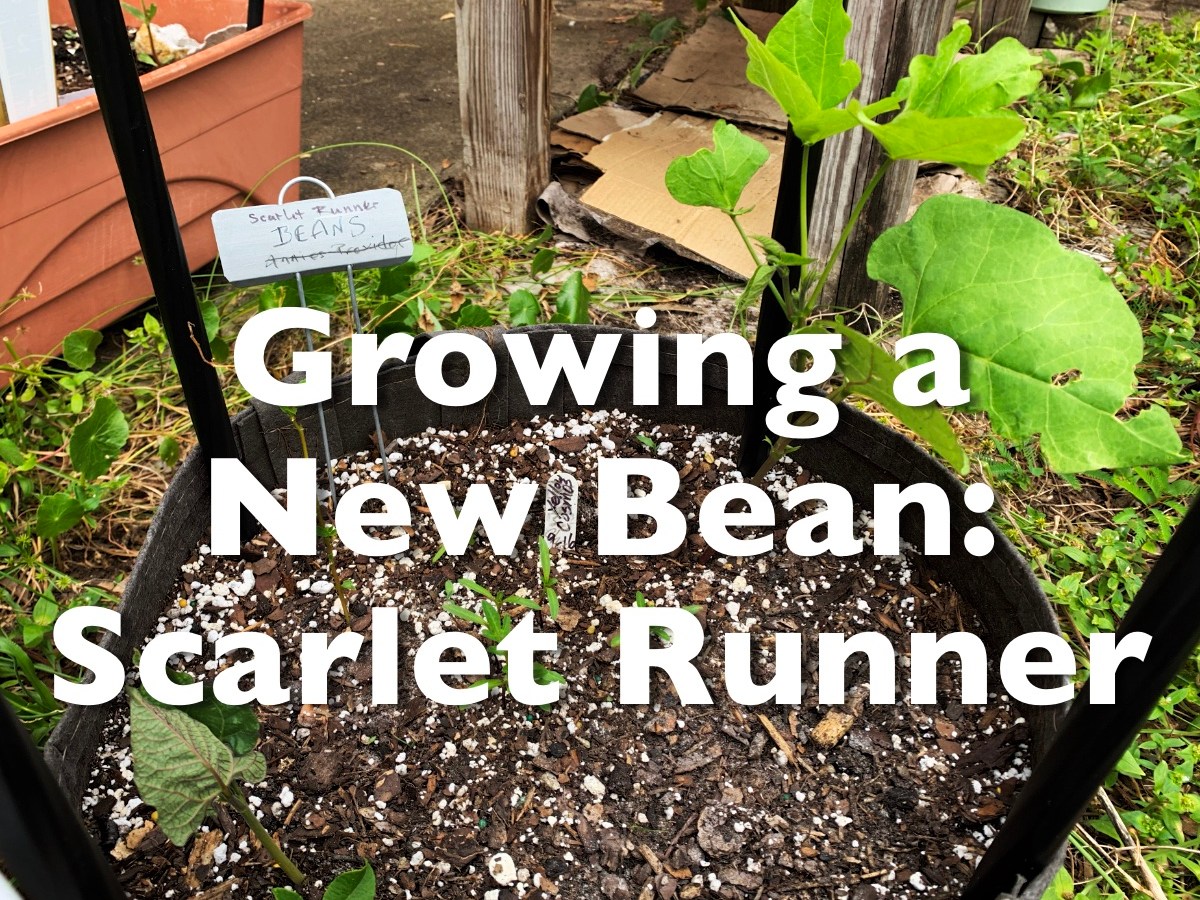
Fun Insect Happenings in the June Garden

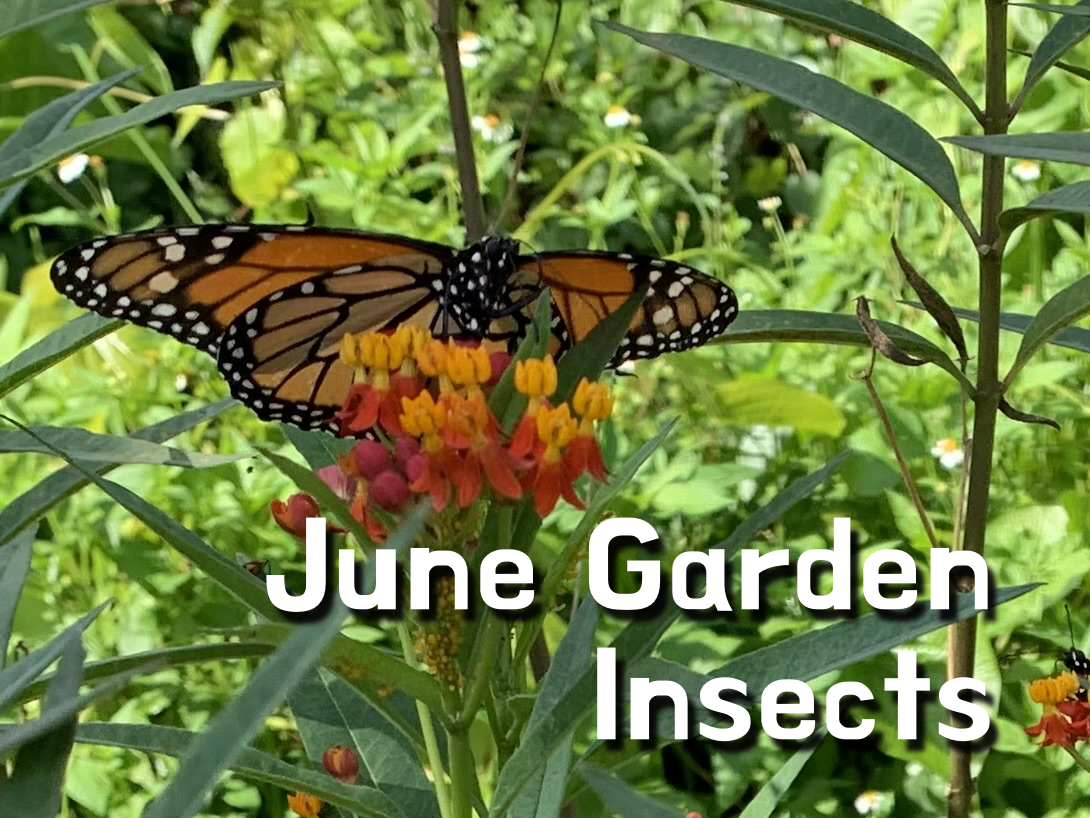
Happy June, and here are some photos of the wonderful insects visiting my small Central Florida garden.

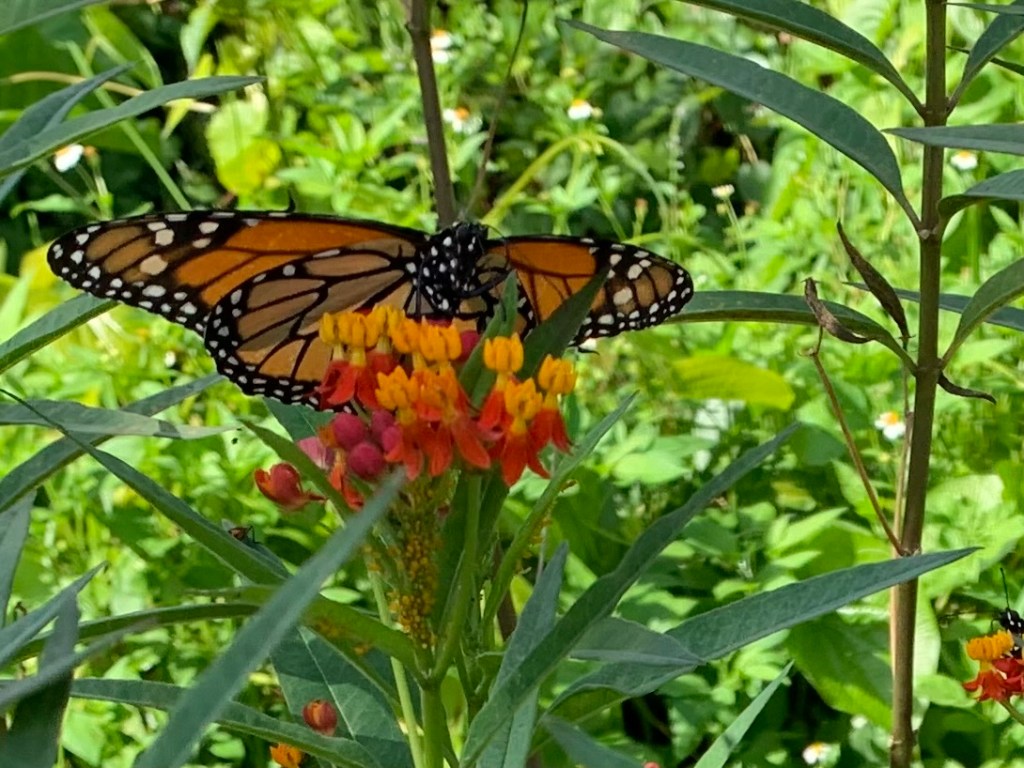
First I want to update readers on my Monarch butterflies. Yes, mine. I watched a couple of them hatch so I feel like their mom. I had three flying around the yard for quite a while, then one was found dead on the ground. After that I had two. After a while another showed up, and now there are four!

Each day, around 9AM they begin to fly. They circle the garden, fly over the lot next door, over the roof, and back. I think they’ve become used to seeing me, and fly right over my head. At least I like to think that. They are certainly enjoying the milkweed.

Monarchs

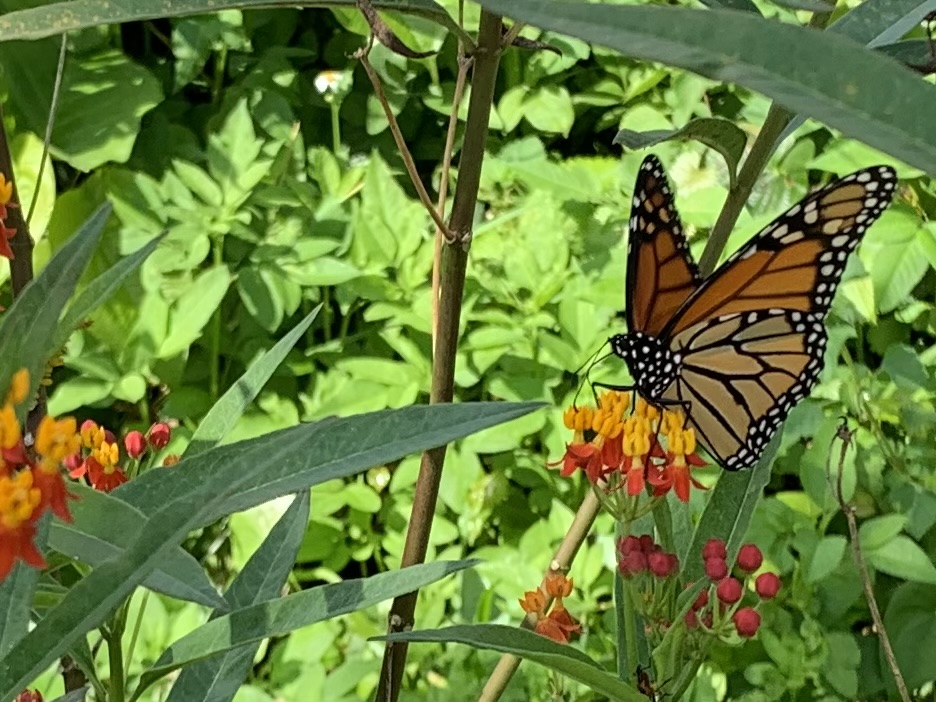
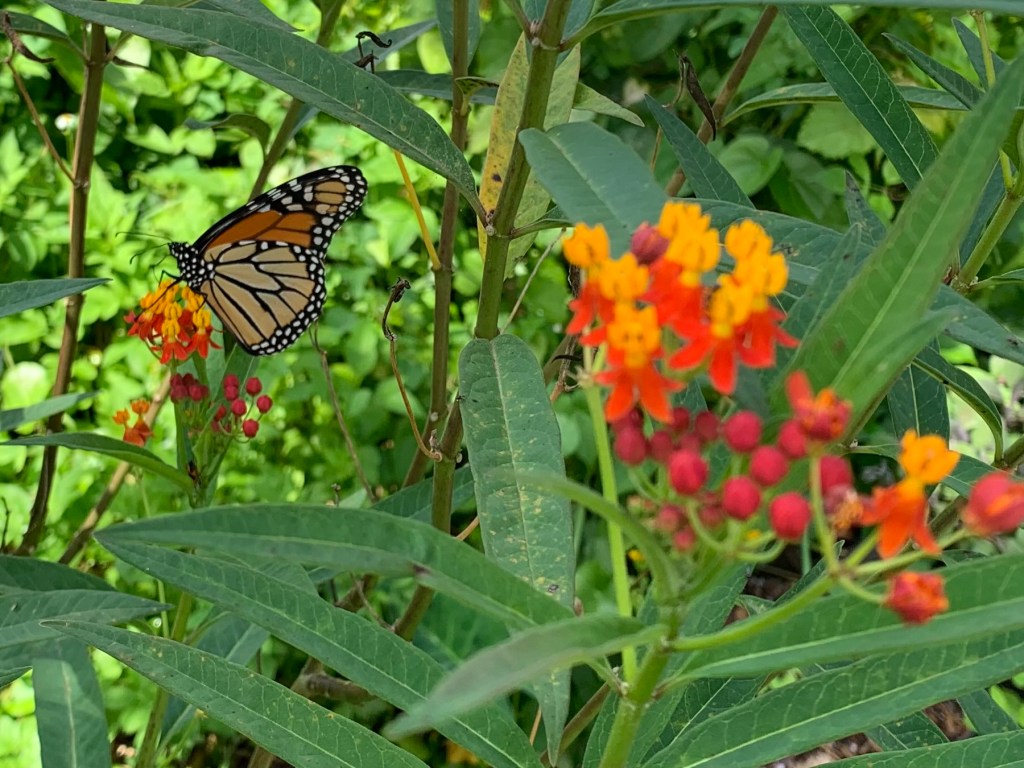
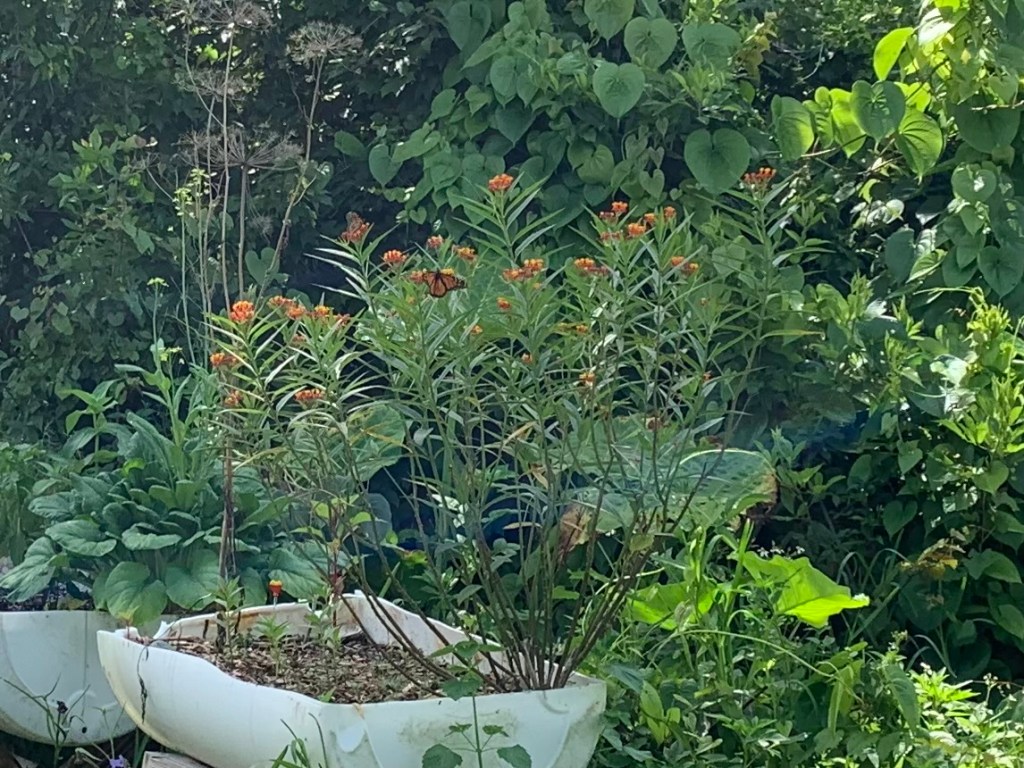
This morning I got a few photos of my monarchs on the tropical milkweed. This plant will not die back in fall, so I will need to cut it. For now, it’s one of the only flowering milkweeds in the yard. I need it for the butterflies because they love it.

Tropical milkweed is not a Florida native. Read more about it on this page. I have also been growing new milkweeds, that are all native to the state. My plan to fill the yard with good types of milkweed (for the Monarchs, who only lay eggs on milkweed) is coming to pass.

I’m slowly getting some of my milkweed seedlings into the ground. The rain has quit here, or goes around us, so I’m constantly watering once again. One of my Whorled milkweed seedings is in the ground along with the White swamp variety.

A Tiny Drawback

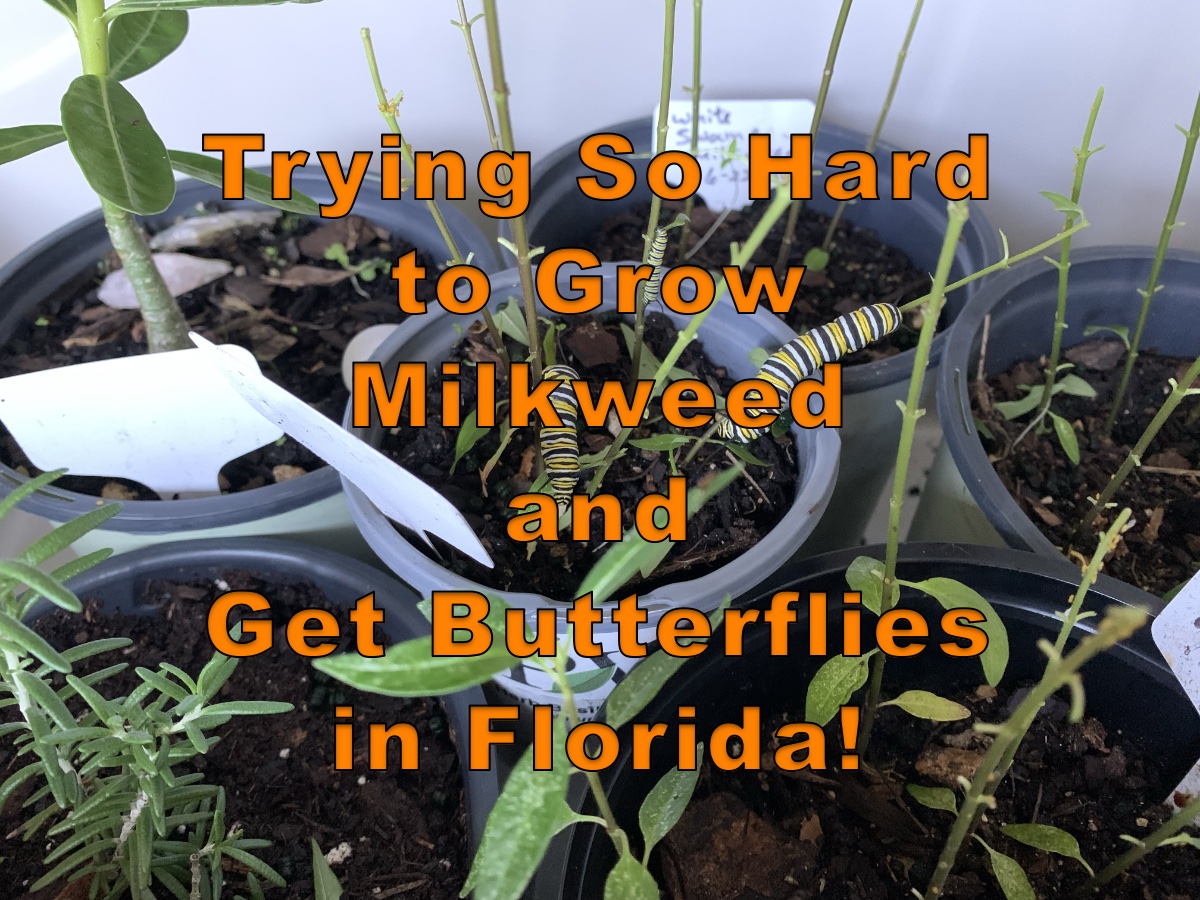
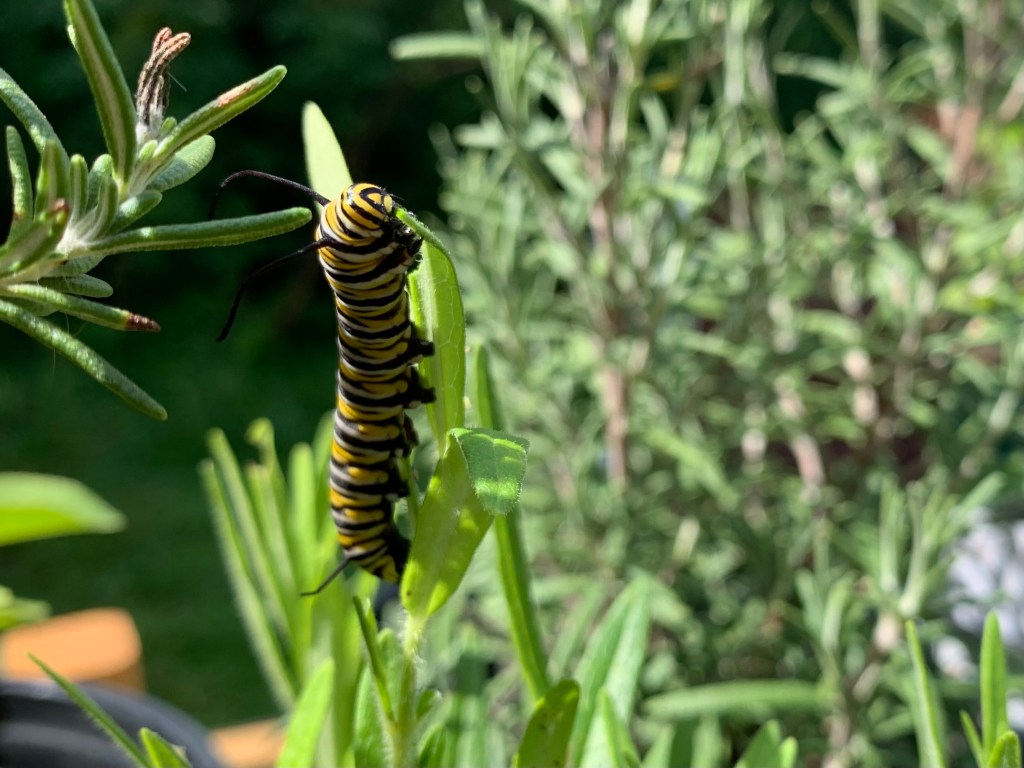
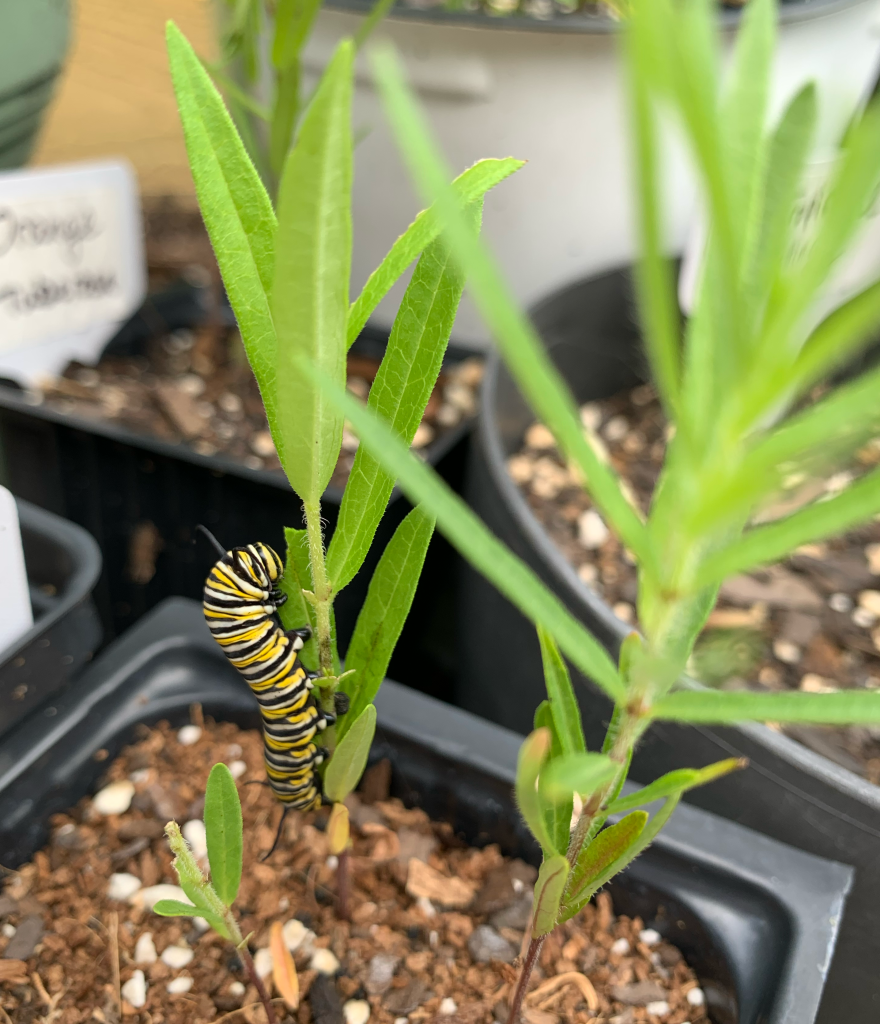
Caterpillars keep showing up on the smallest of milkweed plants. And they move from one to another. Maybe they like munching on those tender little leaves, but the plants are being destroyed! Of course, it’s why I’m growing them in the first place – to feed the Monarch caterpillars.

These caterpillars are sneaky. They show up out of nowhere and then they disappear. I found one on the side of a pot. Then, they come back from wherever and begin eating again.

I have surrounded these little milkweed plants with rosemary, dahlias and other things to hopefully keep things from eating the caterpillars. Between the lizards, wasps and birds, most caterpillars don’t make it. They eat all the leaves off the plants and then become food for something. I guess that’s the way it goes. Everything has to eat.

Desert Rose Bee Diving

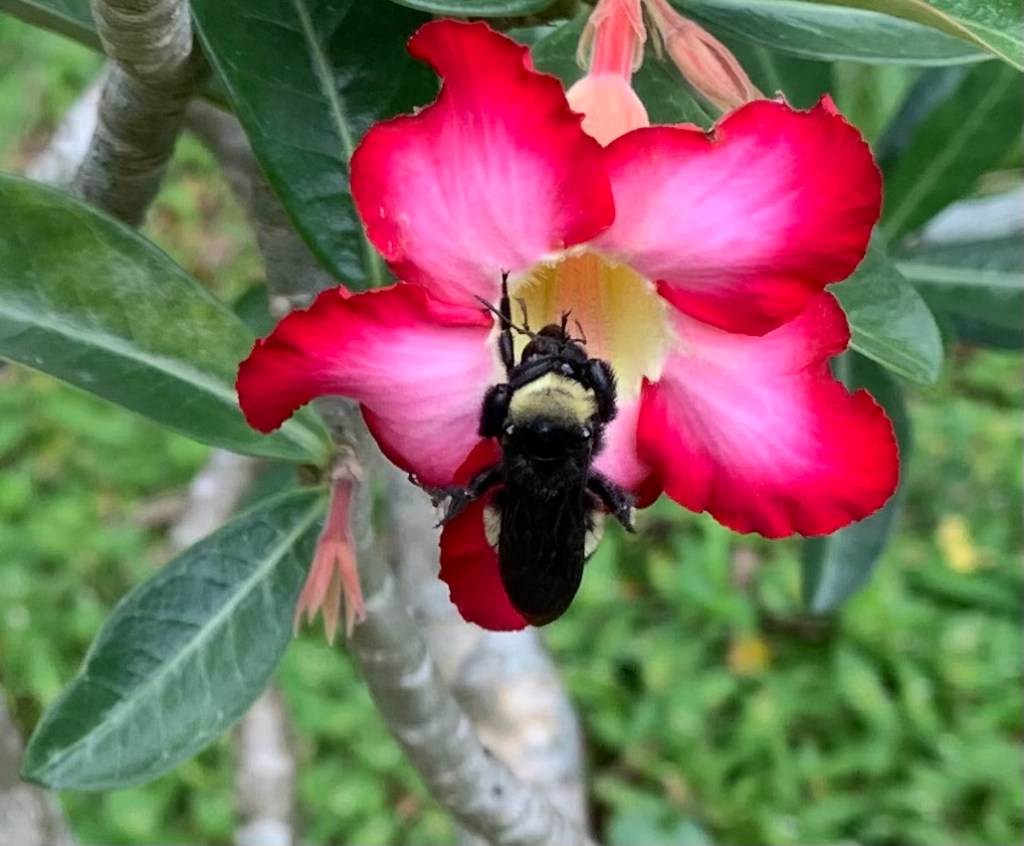
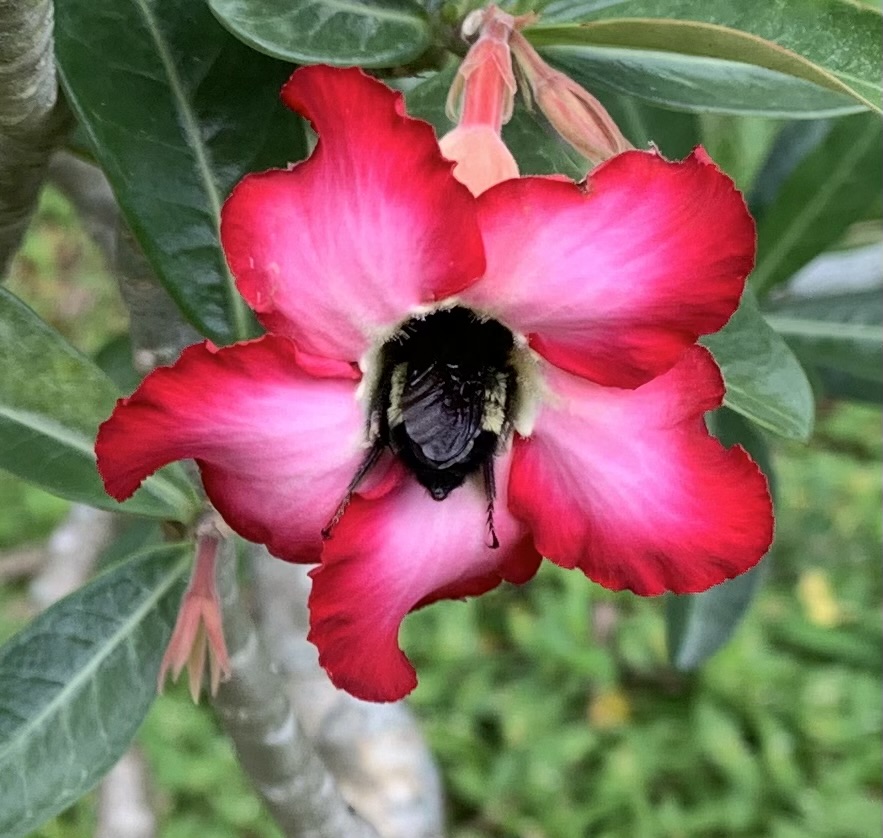
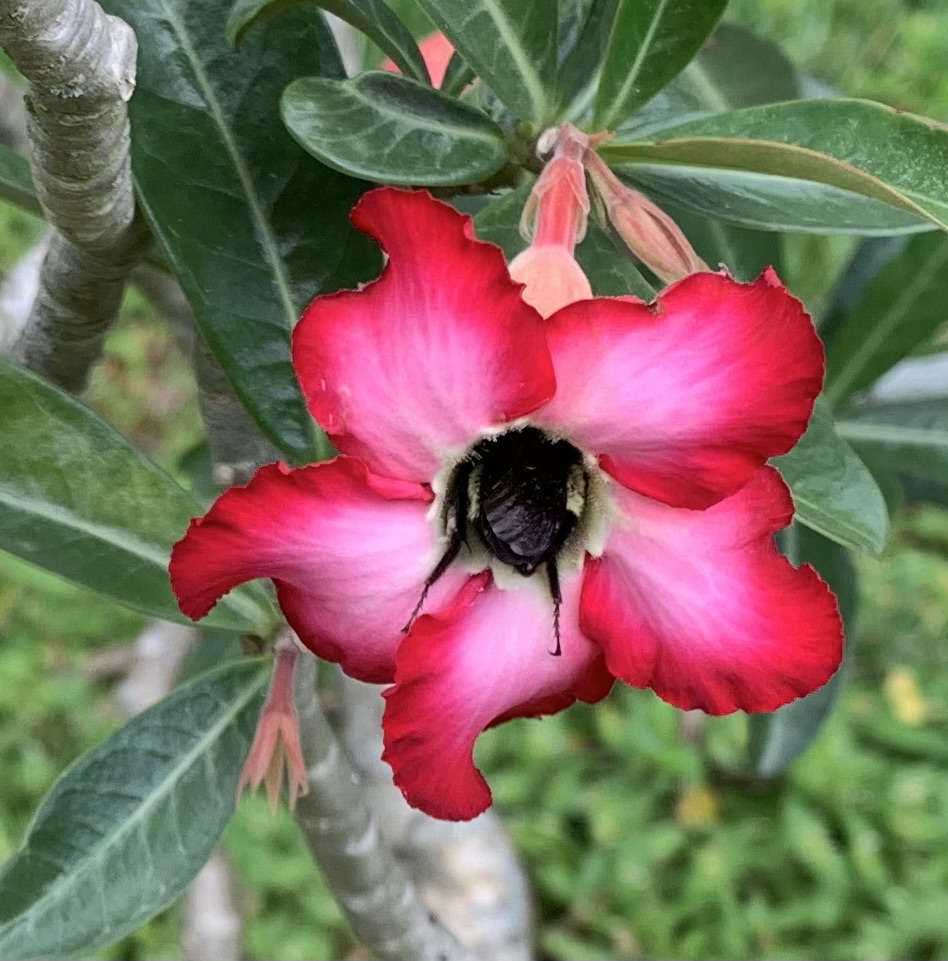
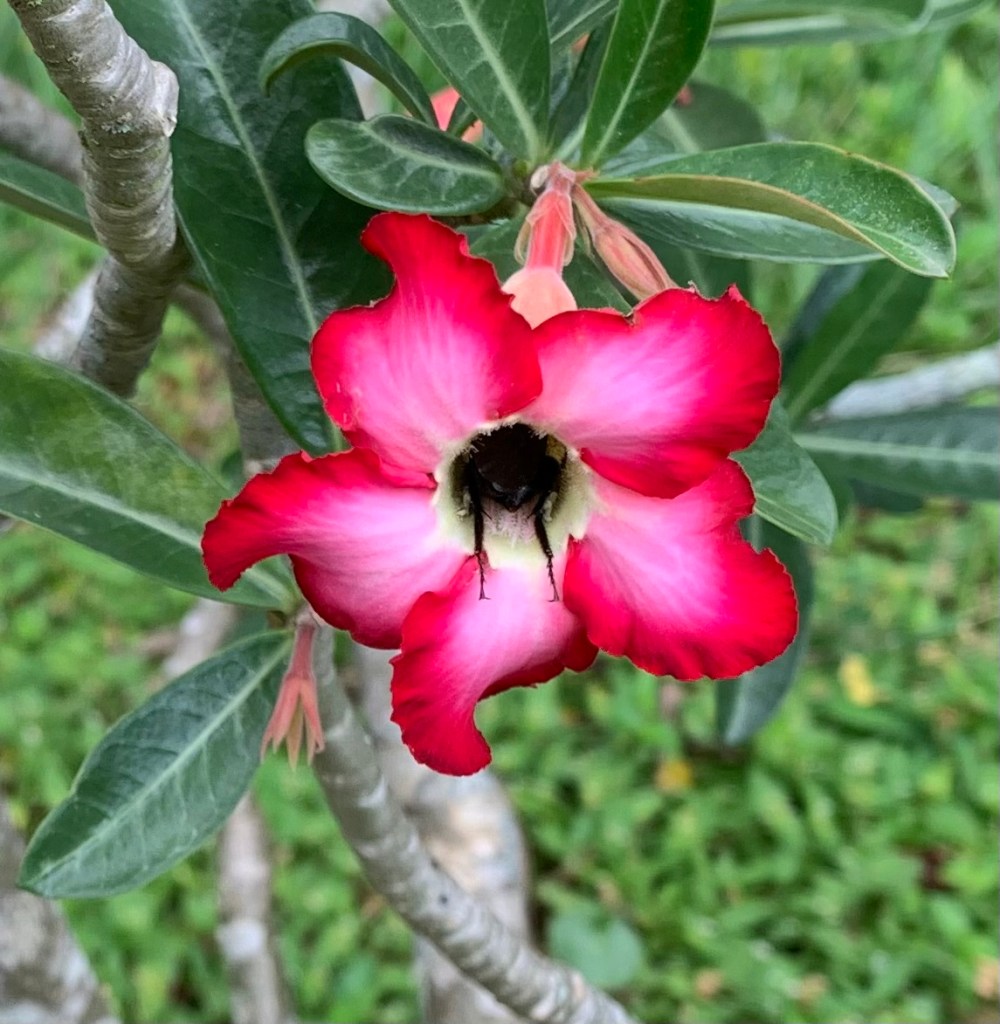
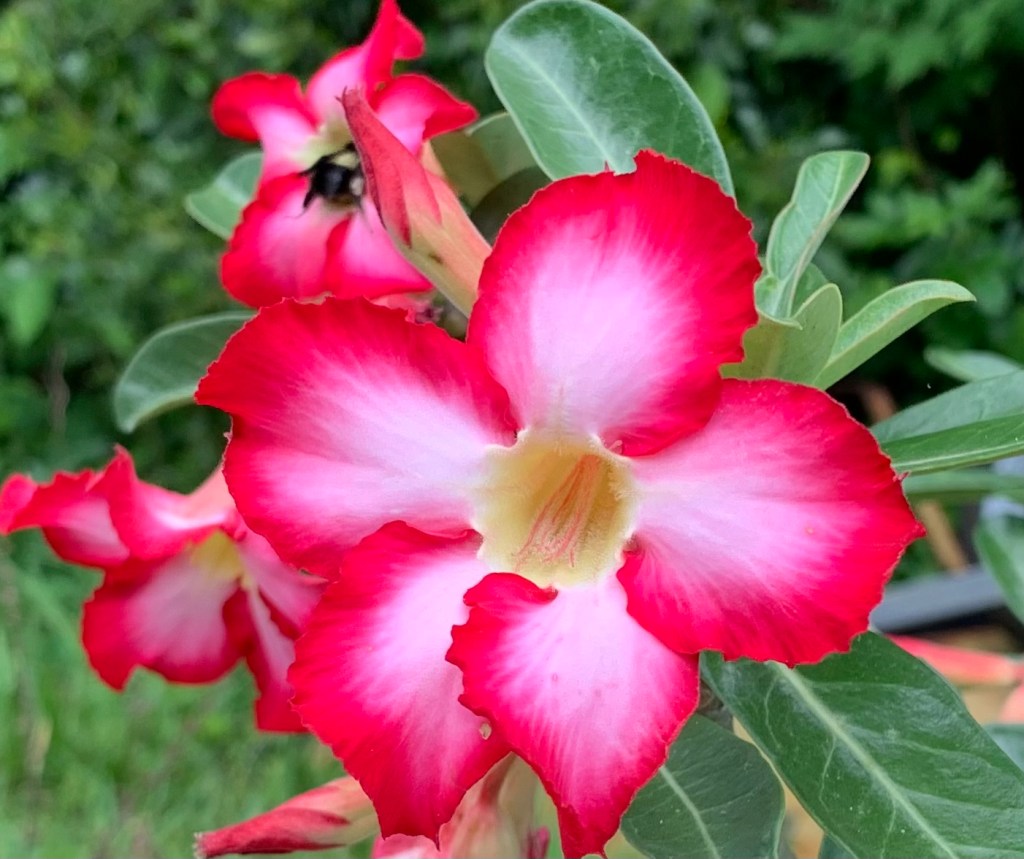
A beautiful bee showed up the other morning. I watched him crawl way down inside each trumpet-shaped, Desert Rose flower. I don’t think he missed a single bloom!

Although this plant has a “desert” name, it grows great here in Central Florida. I’ve had it in this pot for years. It requires very little maintenance and has the brightest pink flowers.

Giant Swallowtails

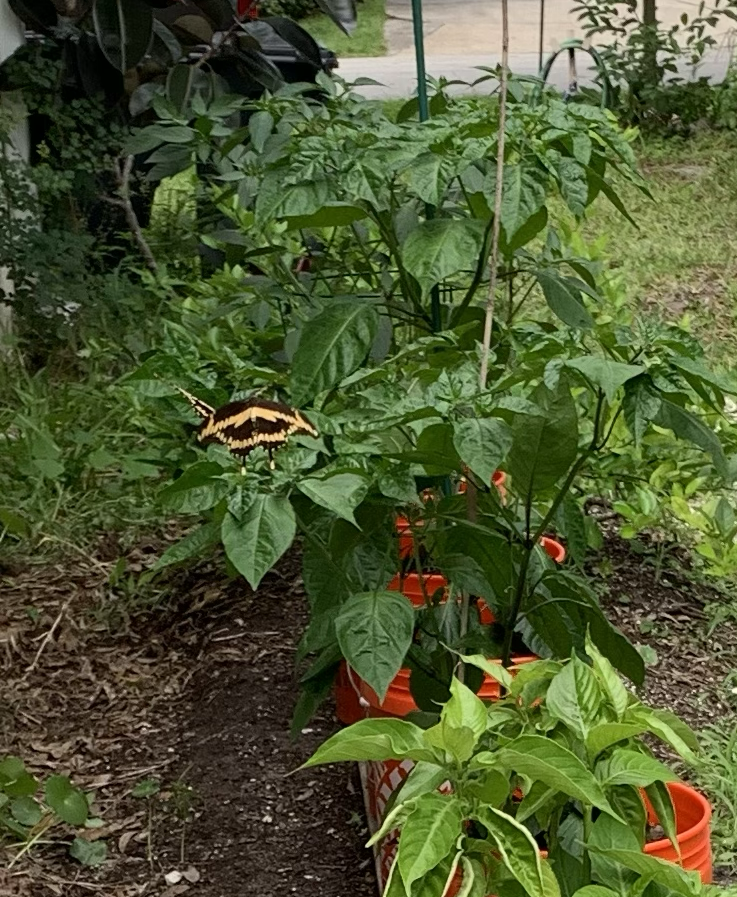
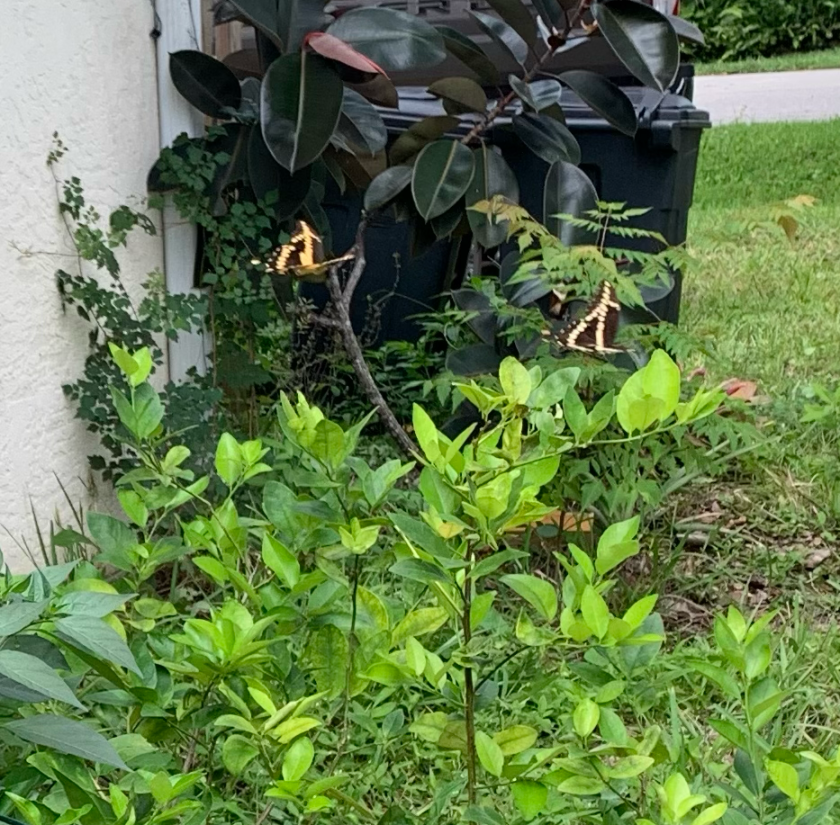
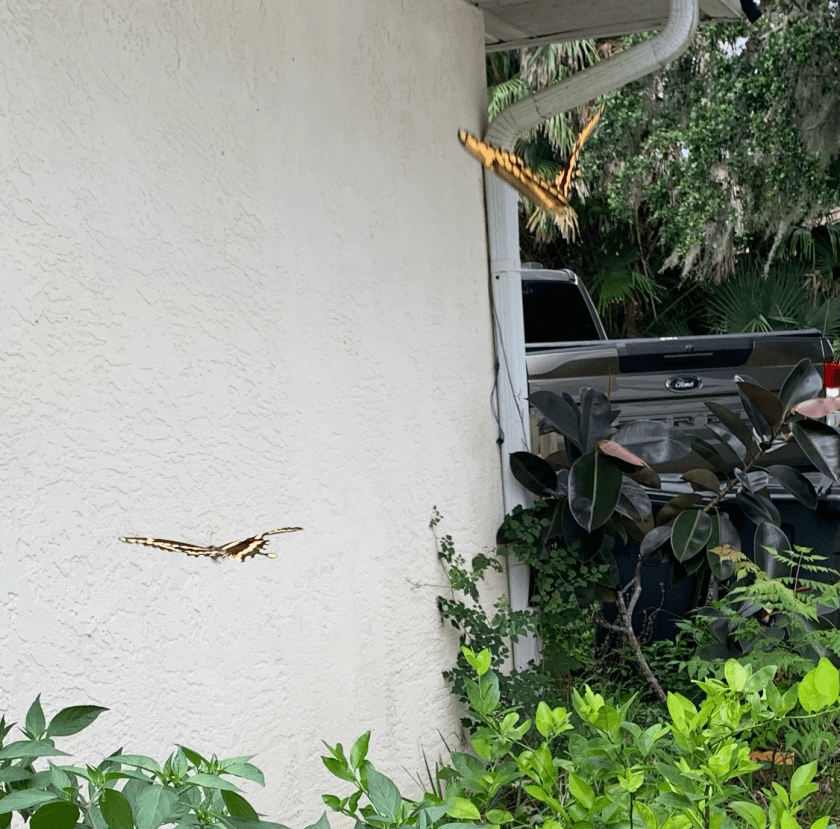
As I was writing this article, I happened to see two Eastern Giant Swallowtail butterflies outside my window! The photos are not good, but I am sharing them to prove they were here – haha. The two of them flew together around the orange tree and then off into the yard. I am not good when it comes to photographing moving targets, but wanted to share these photos anyway. To see this butterfly better view the Wikipedia page and iNaturalist.

That’s it for now. Soon, I’ll be sharing about my success at growing a spaghetti squash. It was so tasty! Also, the Seminole pumpkin vines are getting long, and I’ve found one little pumpkin beginning to grow. That is exciting!

bees

Florida Native Coral Honeysuckle is Planted for Hummingbirds

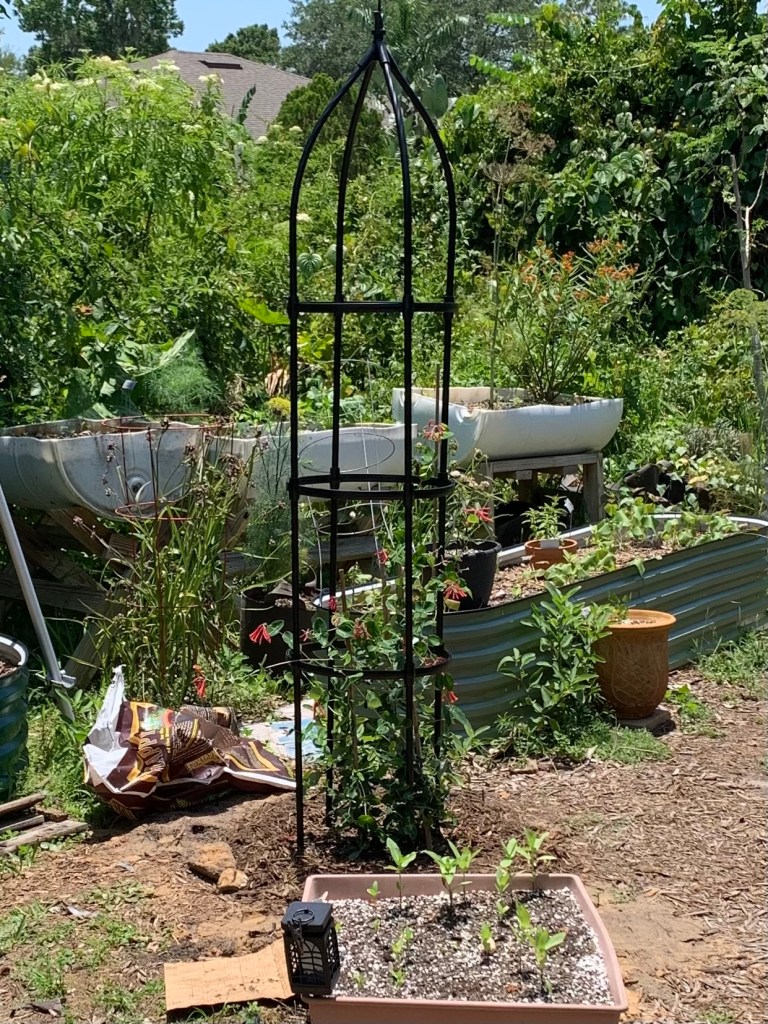
Planting the coral honeysuckle with a new obelisk for support.

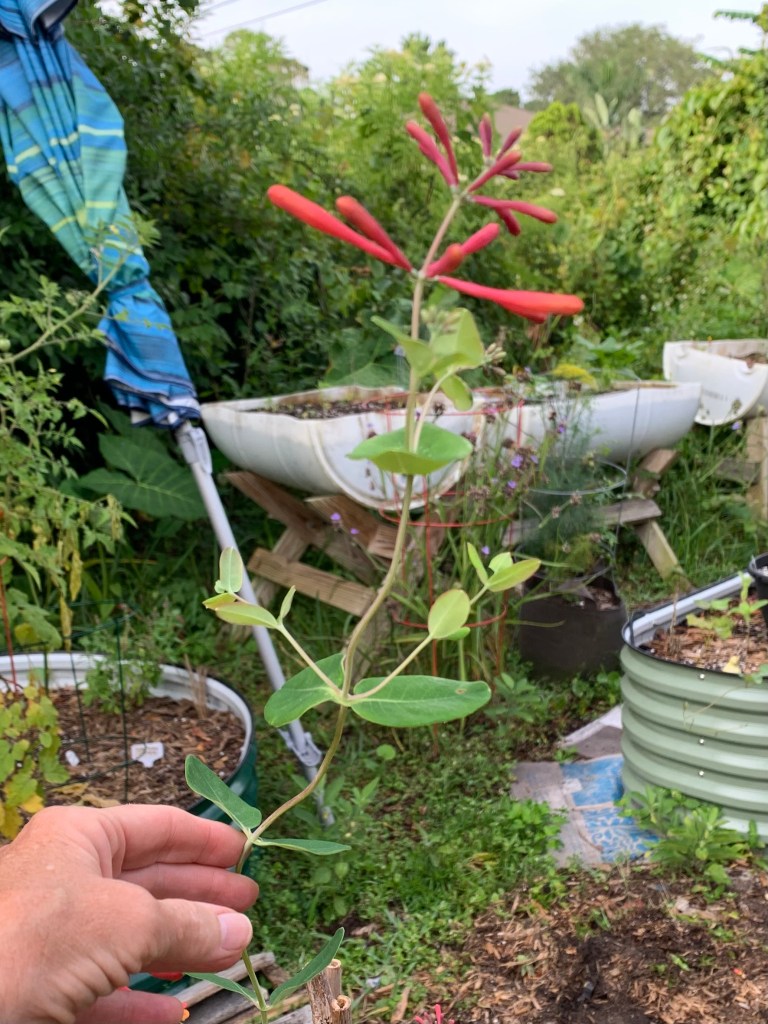
A Florida native plant that I’ve wanted in the yard for some time is the Coral Honeysuckle. A tiny plant was part of my mail order selection, but the plant arrived very tiny. I’m not sure I would live long enough to see it reach a great height!

After putting my Lee Valley Obelisk (large size) together, I needed a plant to go with it. At my local nursery there were many Coral Honeysuckle plants that looked great. I chose one, popped it into my little car, and planted it the following day.

How to Plant a Honeysuckle Vine

I chose a spot that would get lots of sun. This is a Florida native plant and it can take sun and heat. Read more about this vine at the IFAS Gardening Solutions: Coral Honeysuckle page.

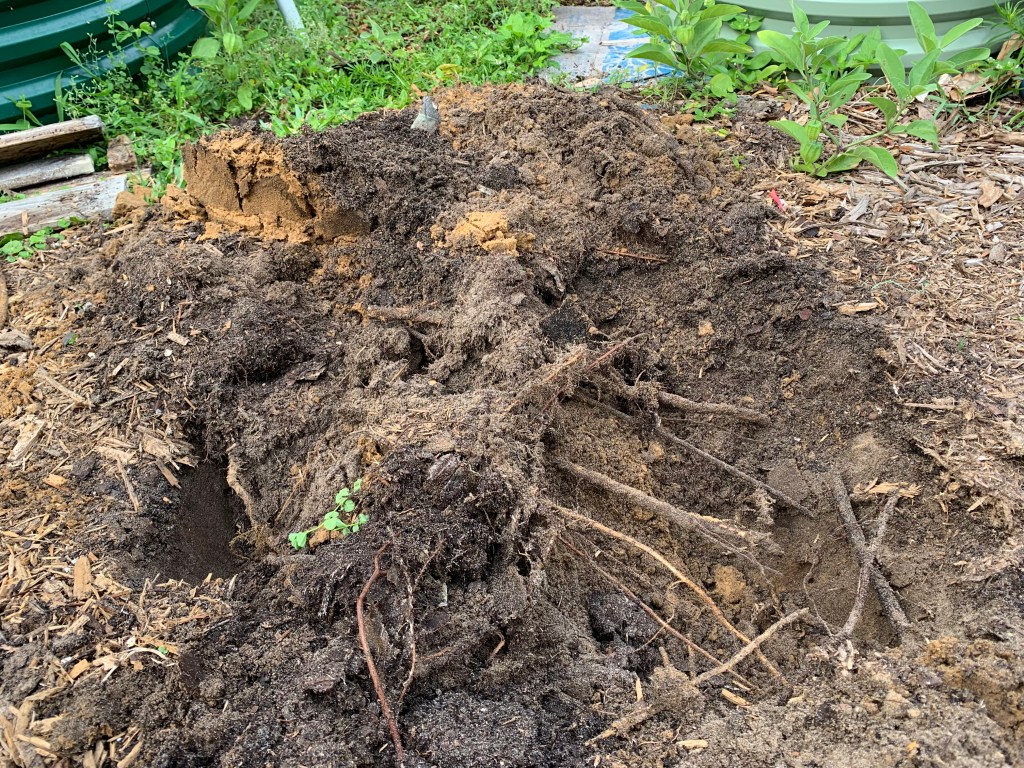
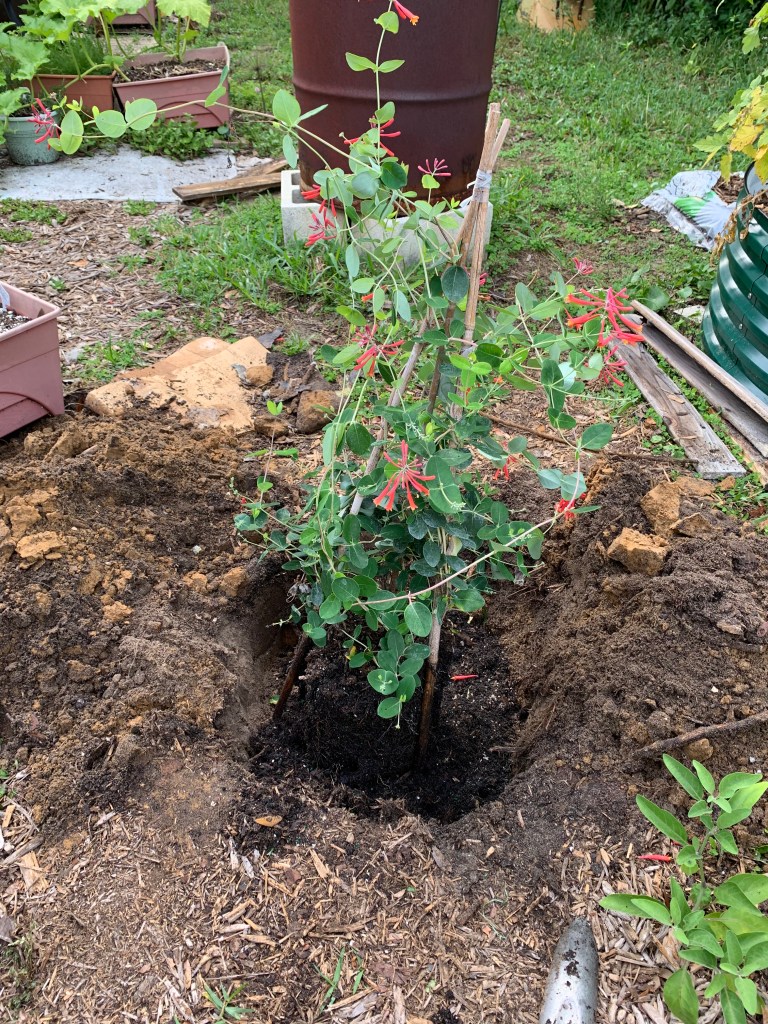
The hole was easy to dig, once I removed all the roots growing under the sand. Here in Florida, rocks are not a problem when digging, but you may come across pieces of concrete that were left behind from the building of the house.

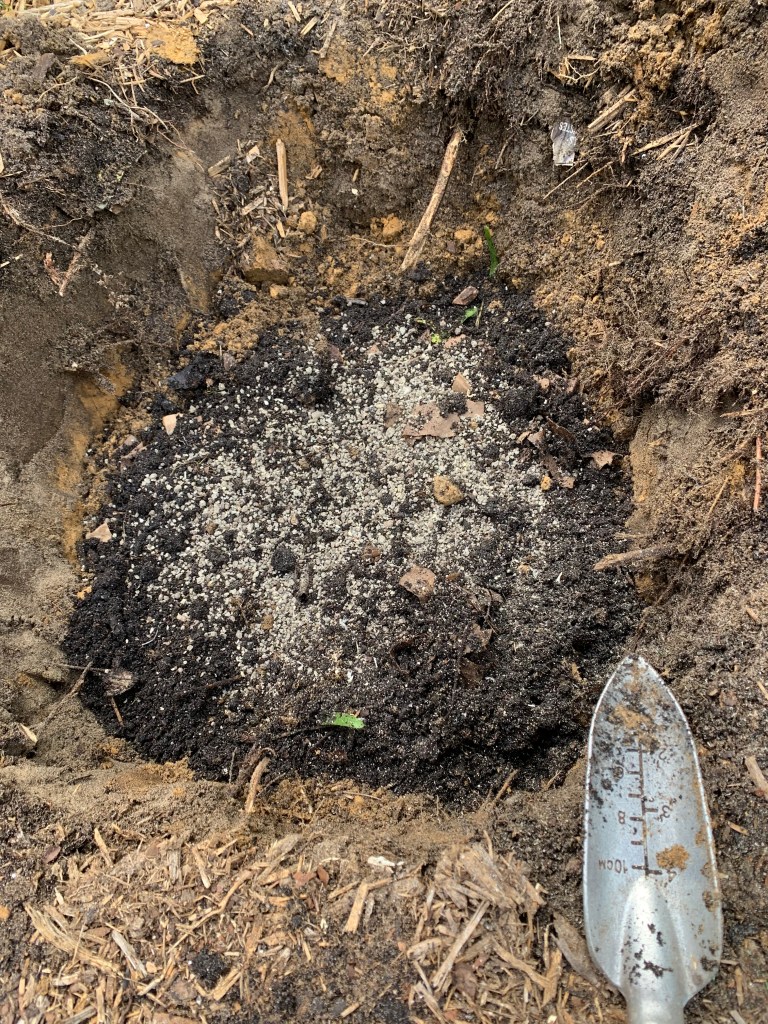
When checking out at the nursery, the woman talked me into getting a little bag of fertilizer to add to the hole. I also mixed in some of my own compost and a bit of Happy Frog, with the sand. BUT…. before I added dirt back into the hole, I placed my obelisk around the plant. That way the poles were down nice and far into the ground.

I also planted the tiny, mail order plant right next to the bigger plant.

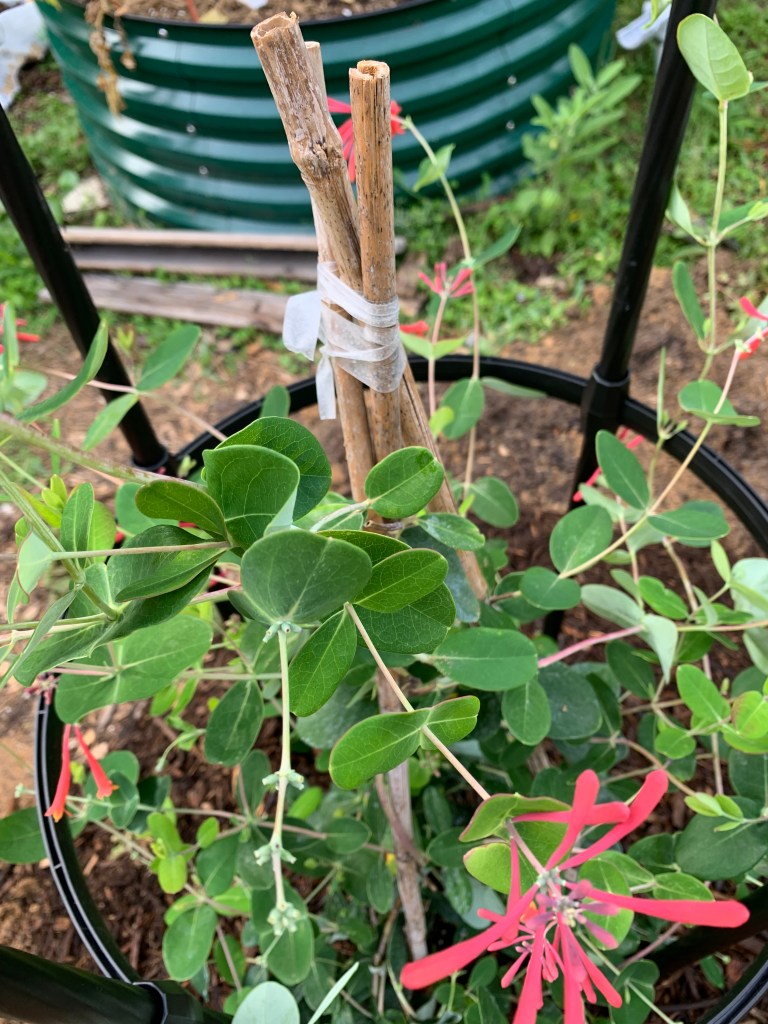
Once the plant was in the ground, I undid the ties holding the old trellis system. Three bamboo stakes were tied for the vine to wrap around. I planned to remove the bamboo completely, but decided to leave it in place. Much of the honeysuckle was already firmly wrapped around them.

I will train the vines to continue up the trellis. Once it gets tall, the hummingbirds should love it. I haven’t had hummingbirds since the Firespike plant lost its red flowers. Honeysuckle can loose its leaves in cold locations, but grows well in the entire state of Florida, Zones 4-10. It will bloom all Spring and Summer!
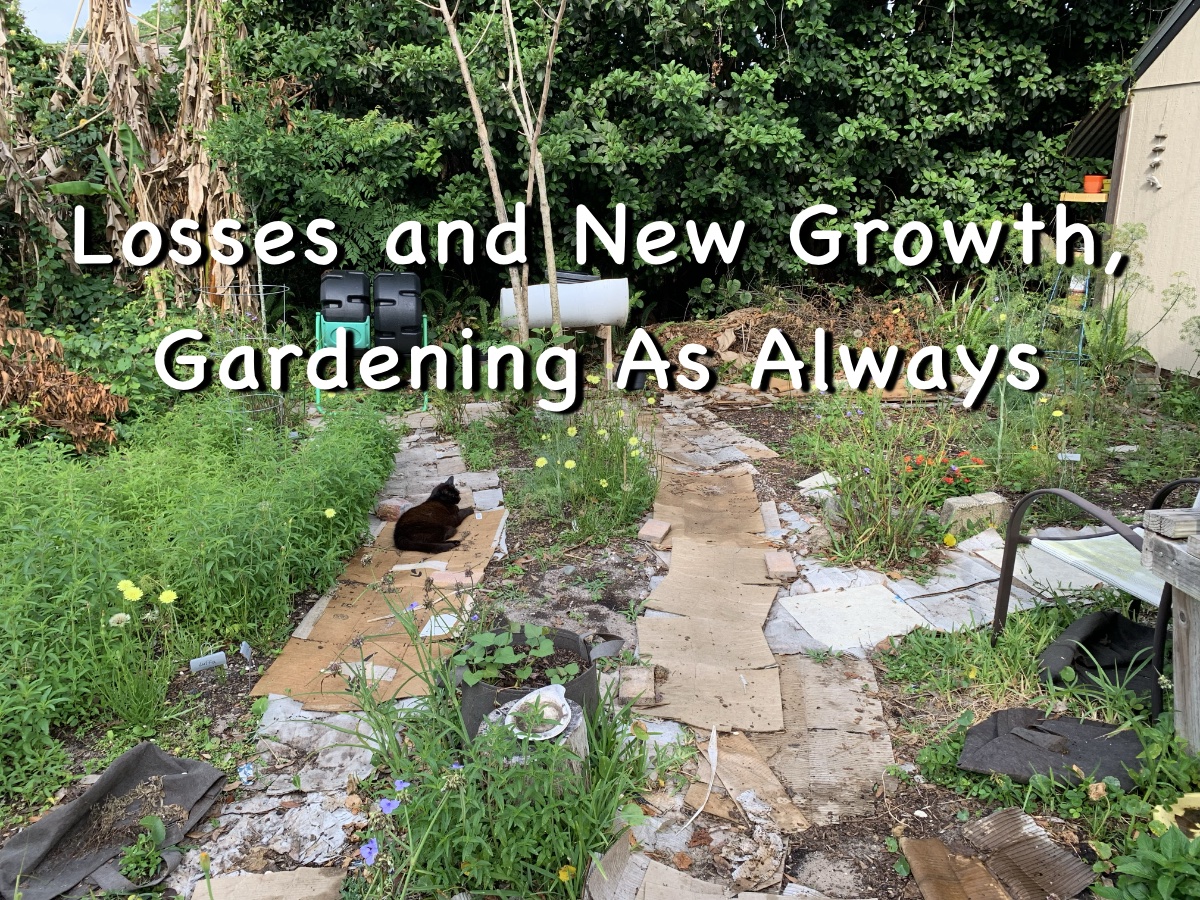
Once the mulch was down, I gave this new plant a good soaking with three fills of my Haws watering can.

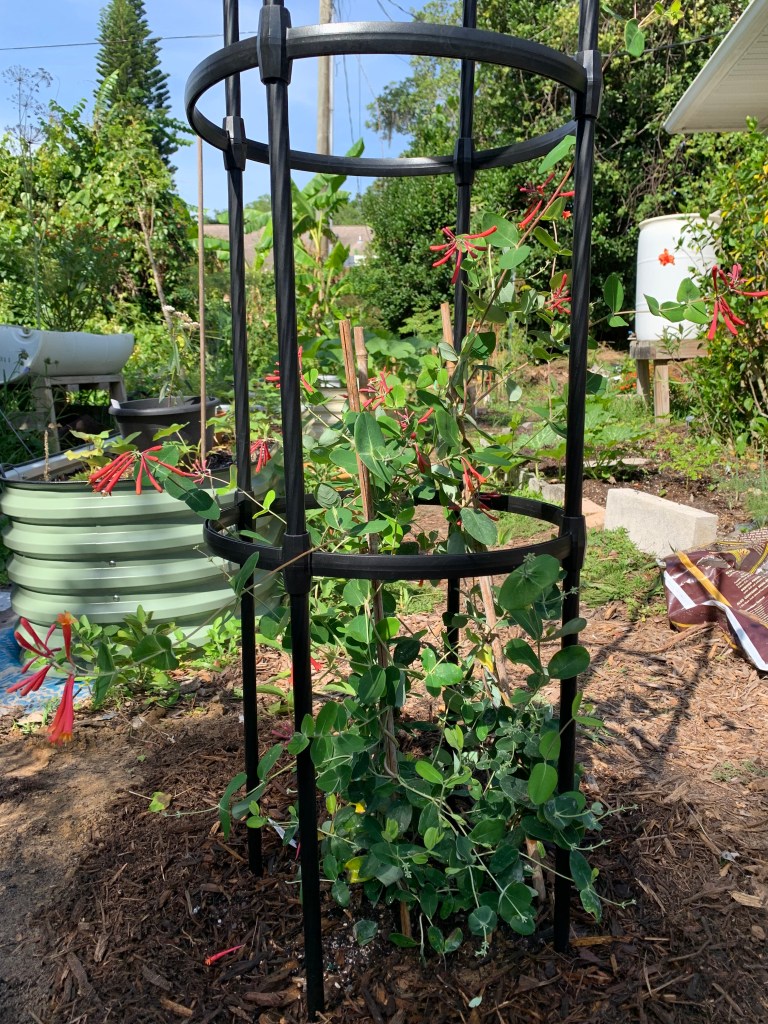
Black obelisk over planted coral honeysuckle

Once the Coral Honeysuckle is established, it shouldn’t need much attention. I’ll keep it pruned to fit the round trellis.

The rainy season is here, and with our regular afternoon storms, this plant should do quite well.

garden divider leaves

Plant Florida Native Milkweed to Save Monarch Butterflies

My Florida yard is small but I am trying to fill it with native plants to attract bees, butterflies and wildlife. After reading another blog about planting milkweed to help monarchs survive and thrive, I began researching the types of milkweed to plant here in central Florida where I live.

Do Your Research and Plant Native

Big box stores sell plants that look nice, and are not necessarily concerned with native species. Customers usually want pretty things to brighten up the home landscape.

Bringing non-native plants into the yard can end up being a problem. Florida contains many invasive species – the air-potato and Brazilian Pepper trees come to mind. They invade and push out more native plants. This is also true for wildlife that has been imported, but that is another blog post.
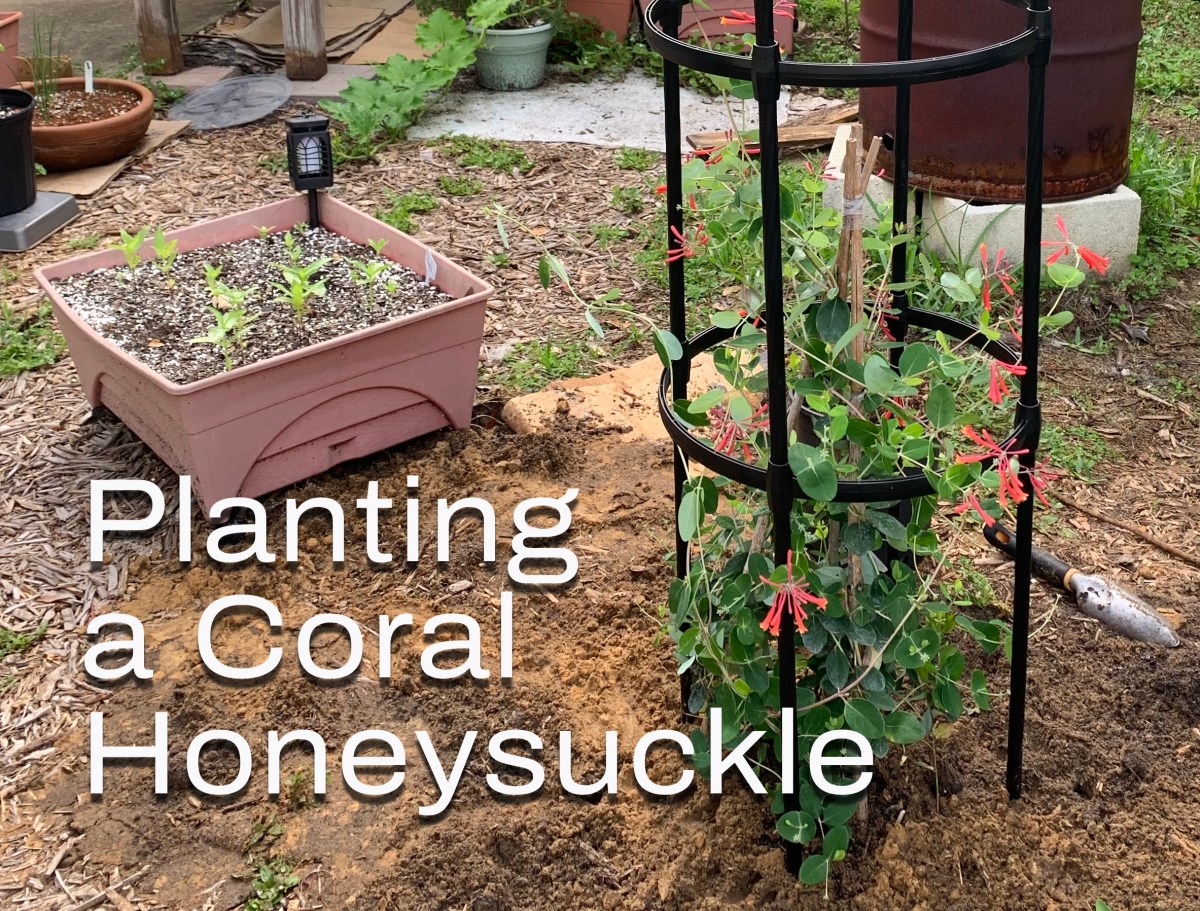
Although this page is about milkweed, researching all types of native plants for the landscape will go a long way in helping the butterflies and birds. Native plants will survive nicely, with little help, when planted where they should be.
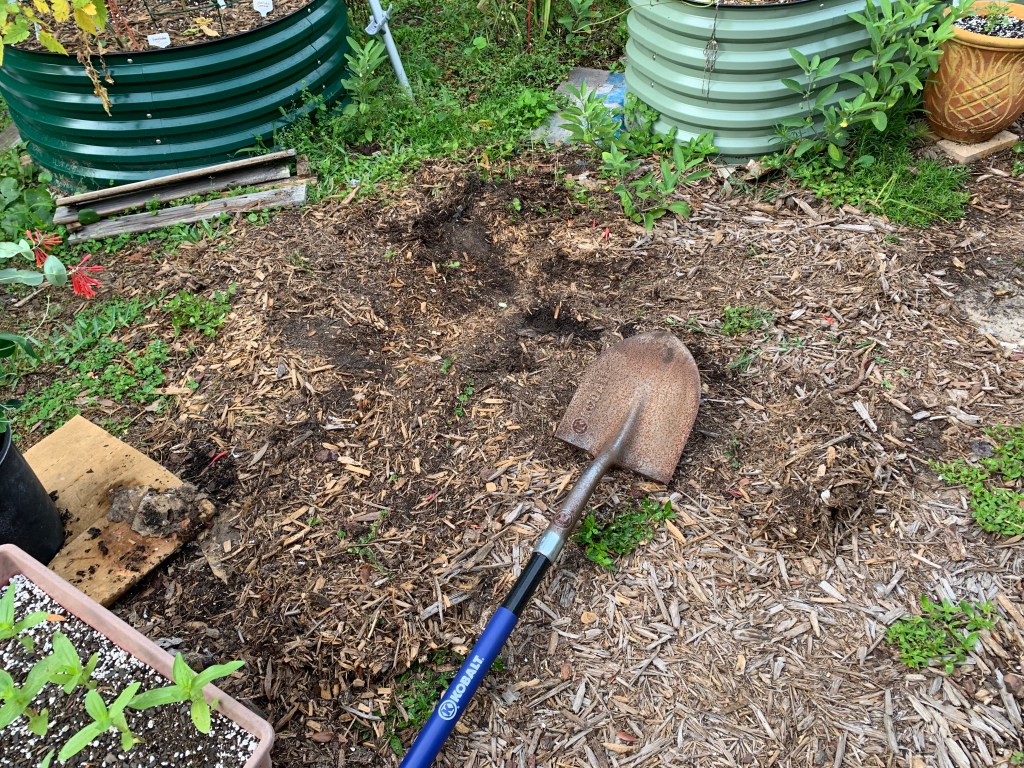
Butterfly weed orange flowers for monarch butterflies
Butterflyweed

Types of Florida Native Milkweed

There may be more types, but this is what I found when writing this page. Visiting a local nursery that sells local plants could be very helpful.

  • Orange Butterfly Weed – reddish orange flowers, blooms late spring through fall – I had a volunteer pop up in my yard!
  • Pink Milkweed – light pink flowers, summer blooming
  • Swamp Milkweed – light pink to white, tolerates some shade
pink milkweed plants to save monarch butterflies
Pink Milkweed

Read more about milkweed and the Monarchs at this page on the Florida Wildflower Foundation site.

Plant Real Florida is a great site for anyone wishing to fill their yard with native vegetation.

Florida Milkweed pdf With Photos and Info

The link above goes to a file found on the Xerces Society site which has many articles about Project Milkweed and has Regional Milkweed Guides in printable pdf. form for many areas of the country.

monarch butterfly milkweed
Monarch butterfly on milkweed