Pros and Cons of Roselle Hibiscus Gardening

After growing Roselle Hibiscus for a year, I have decided that one plant is enough for me.

This was my first year growing Roselle hibiscus. I was very happy to have bushy, big plants that would give me lots of tea to drink. But there are problems with this plant.

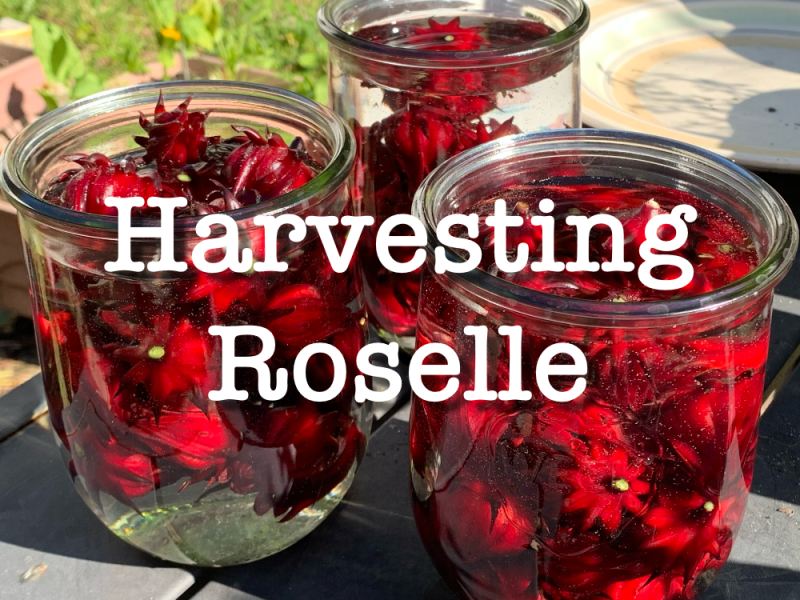
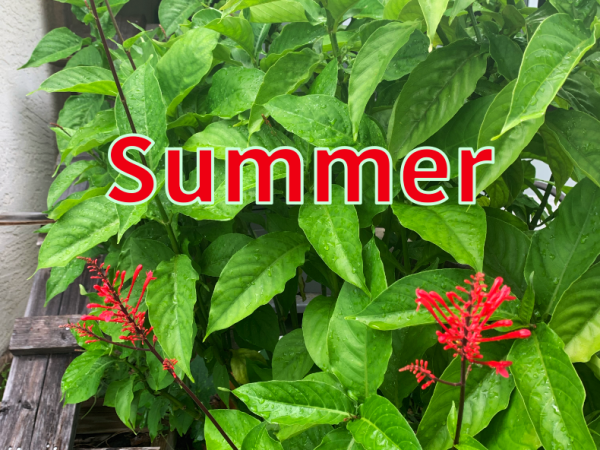
Growing Roselle was an experiment. I didn’t know much about it, but the tea is good for the heart, blood pressure and other things. It is grown for the red pods, called calyces that form after flowering. They are peeled, and the red petals are used for tea. The tea is delicious and healthy. The center of the pod is where the seeds form. Where I live, the bush is very easy to grow. I had no idea how much Roselle would love my yard. It took over.

Pros

Roselle is one of the easiest things I have ever grown. Plant seeds, or simply cut a small branch from an existing plant and stick it into the ground. It will grow! The plants are beautiful, with big dark green leaves. The flowers don’t last long, but new ones bloom every day – in the Fall. Then it’s time for saving the calyces to have tea in the months to come. I simply peel and freeze mine – if I can pick them before the ants come.

Cons

The beautiful bushes are not very strong. Strong wind catches the leaves and the whole bush will split down to the ground. Or, branches will break off. I lost one of my biggest bushes over the summer during a storm. Then Hurricane Helene damaged the others.
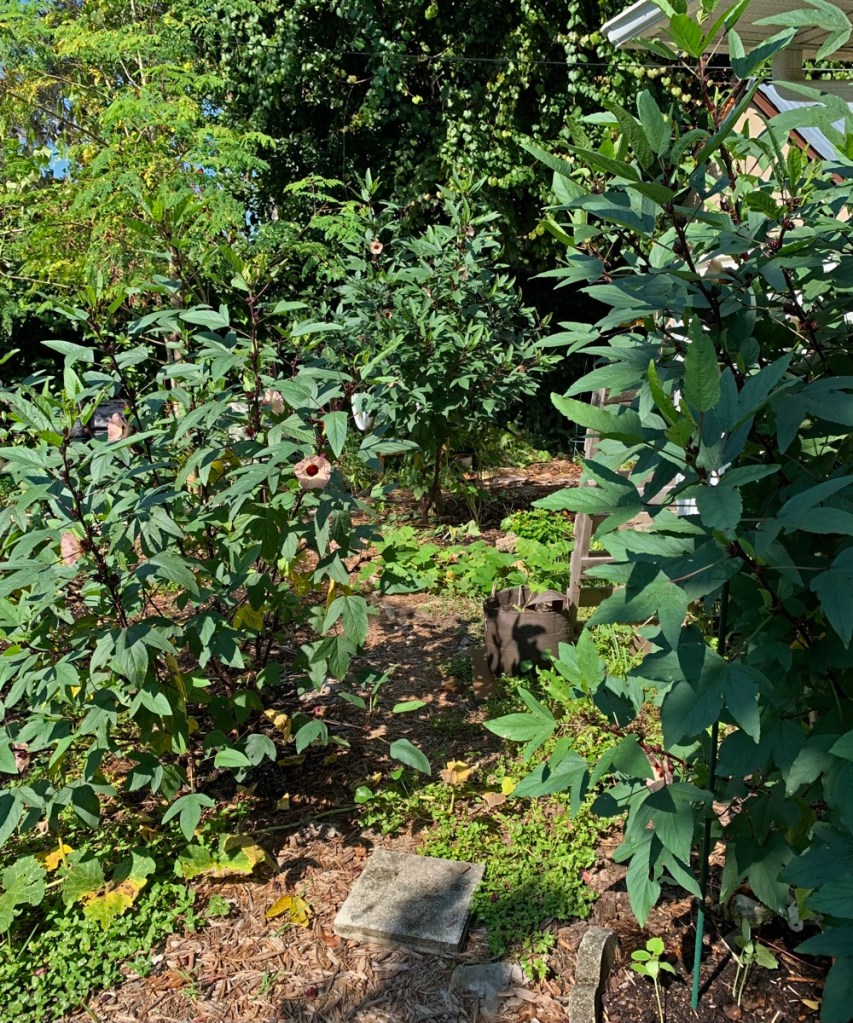
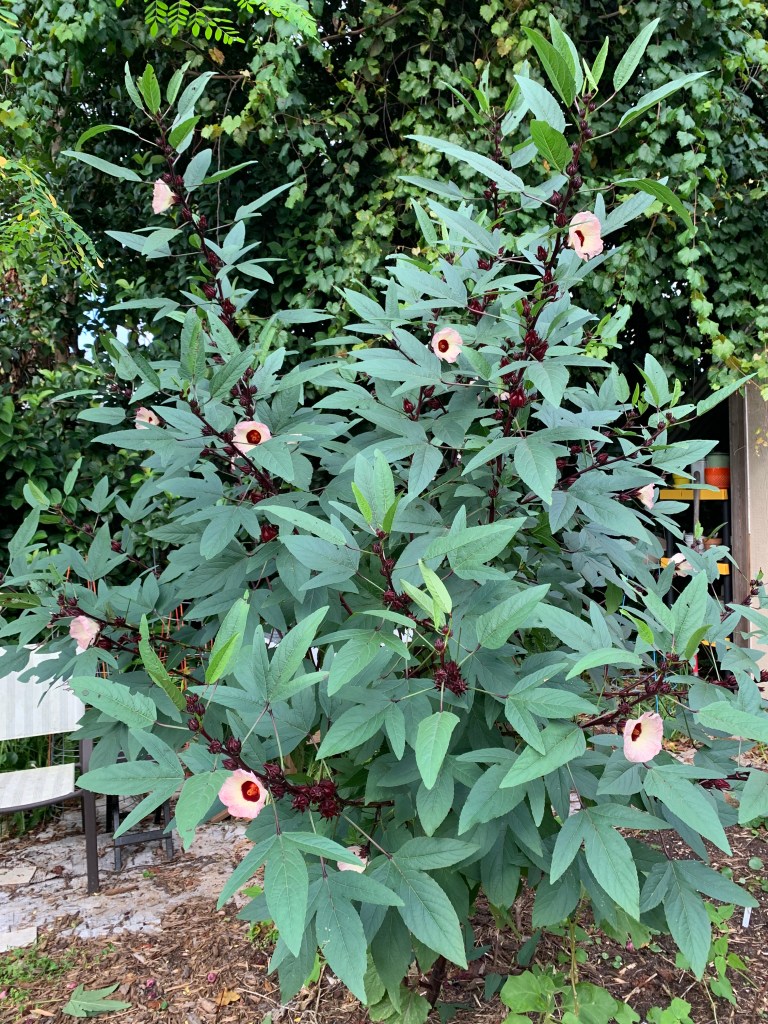
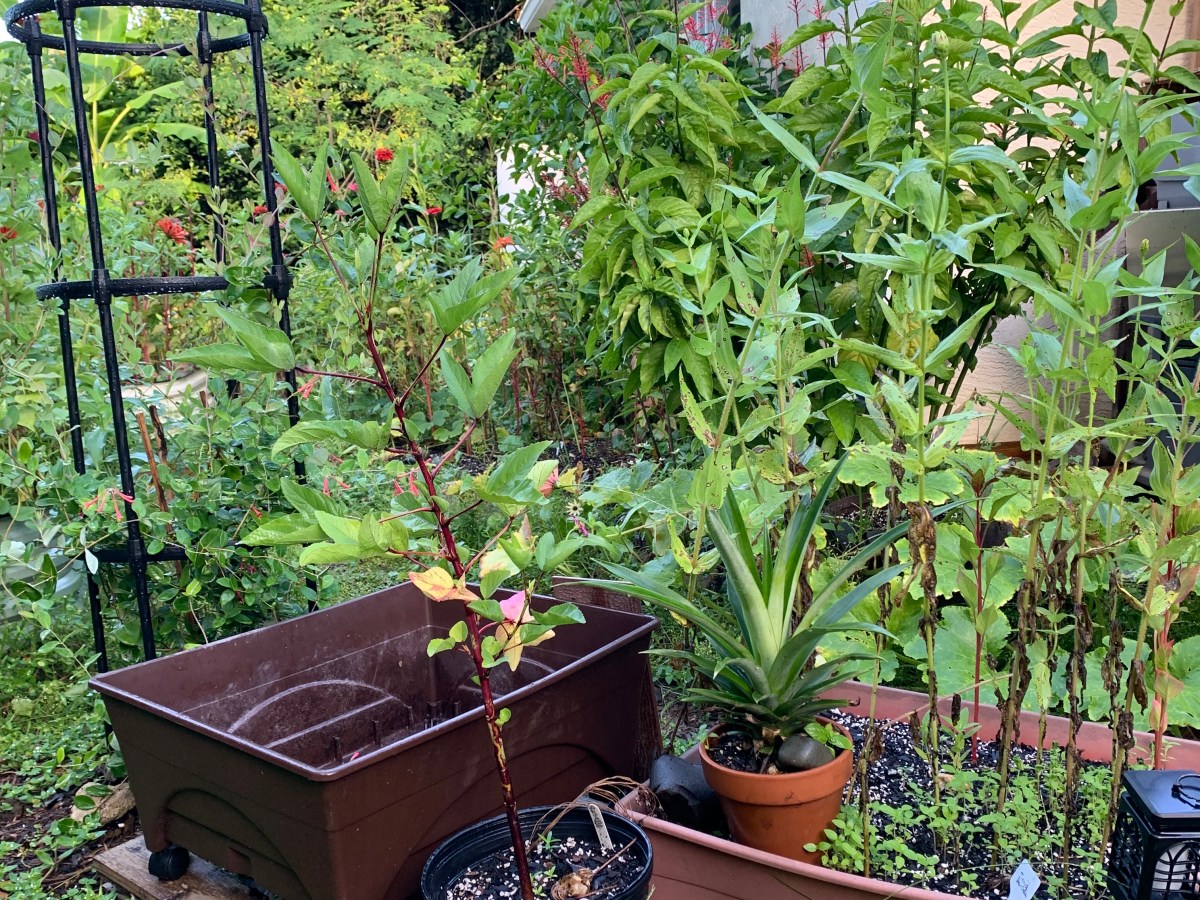
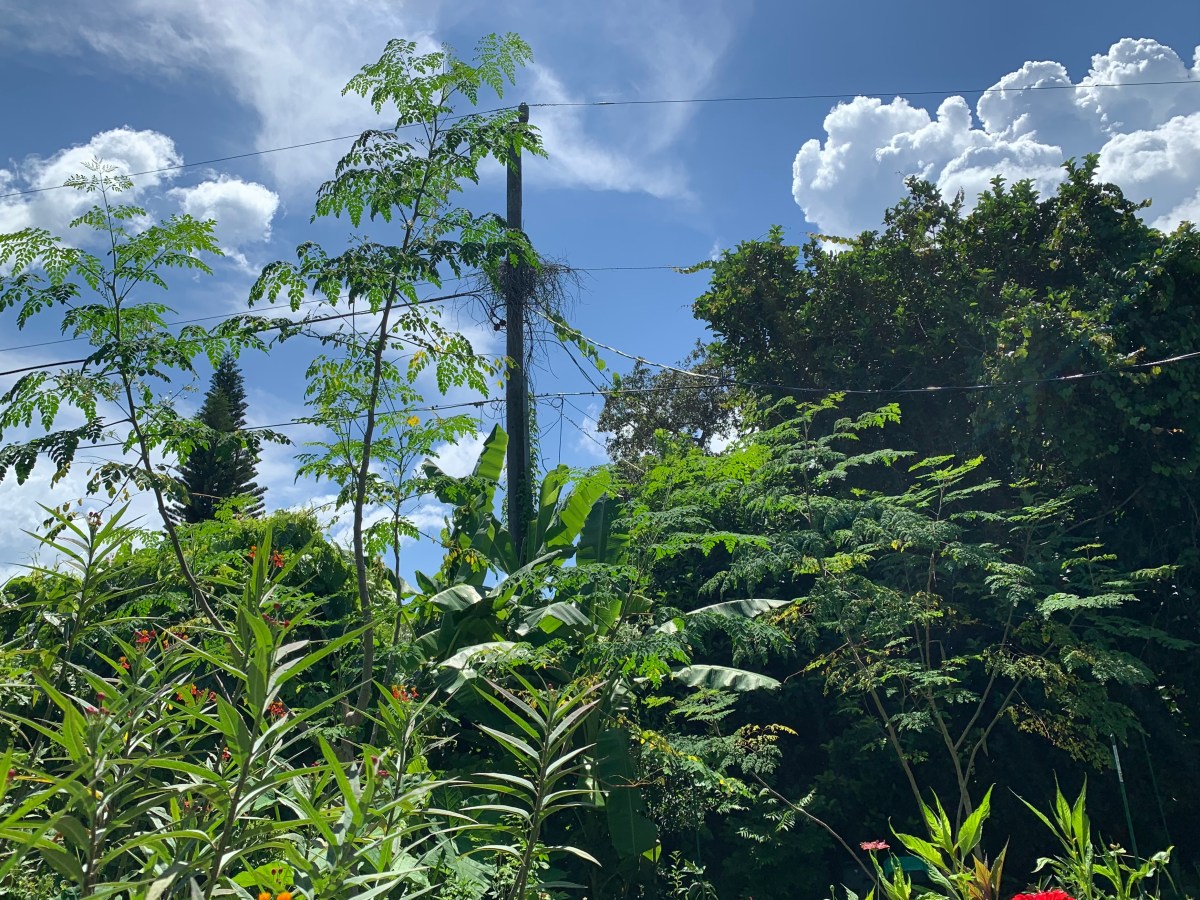
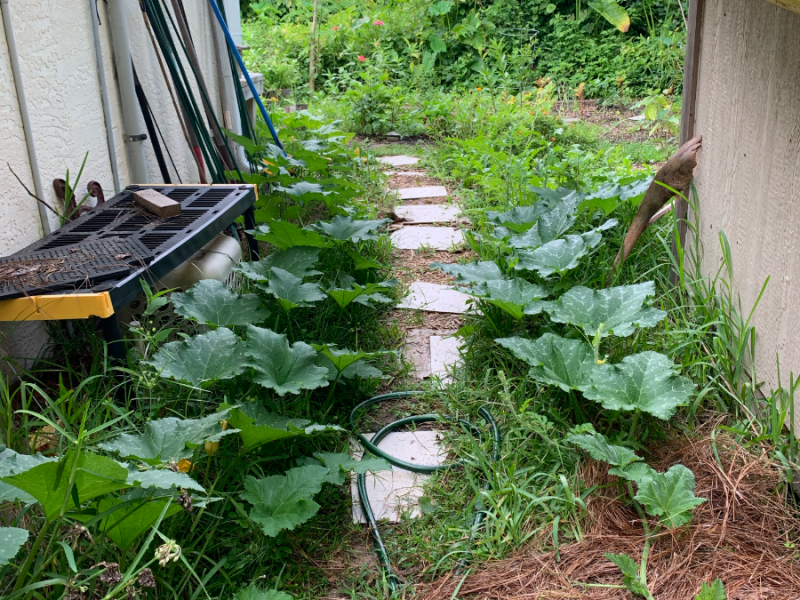
Roselle shrubs are huge. In a year they grew taller than me. They took over, blocked sun to parts of the gardens, and made navigating my yard more difficult. I didn’t know, and now I do.

These problems are manageable, and it’s all part of gardening. What I really don’t like about the Roselle is the ants. Once the red calyces began forming, ants were all over them. Maybe I have an excessive amount of ants in my yard, or maybe this is normal, I don’t know. No one warned me of this.

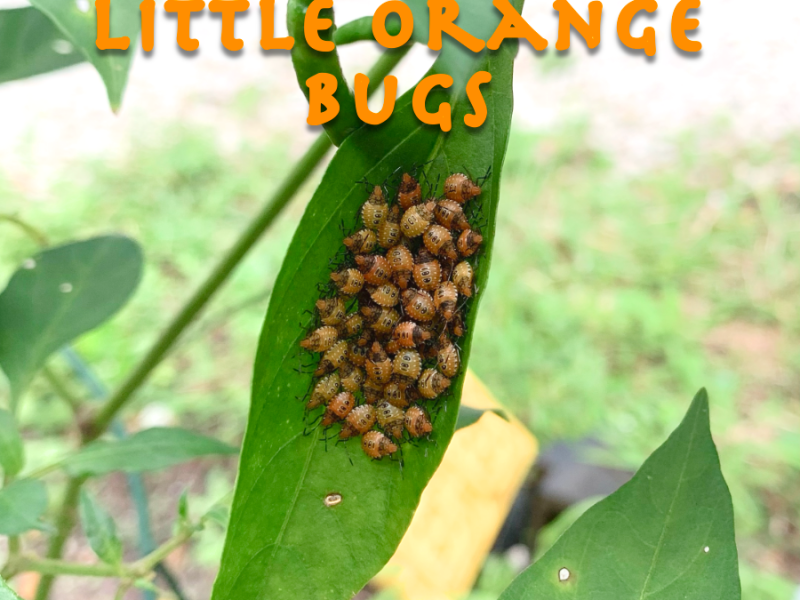
Also, inside each calyx are mealybugs – little white things. It just wasn’t worth the trouble to save these pods.
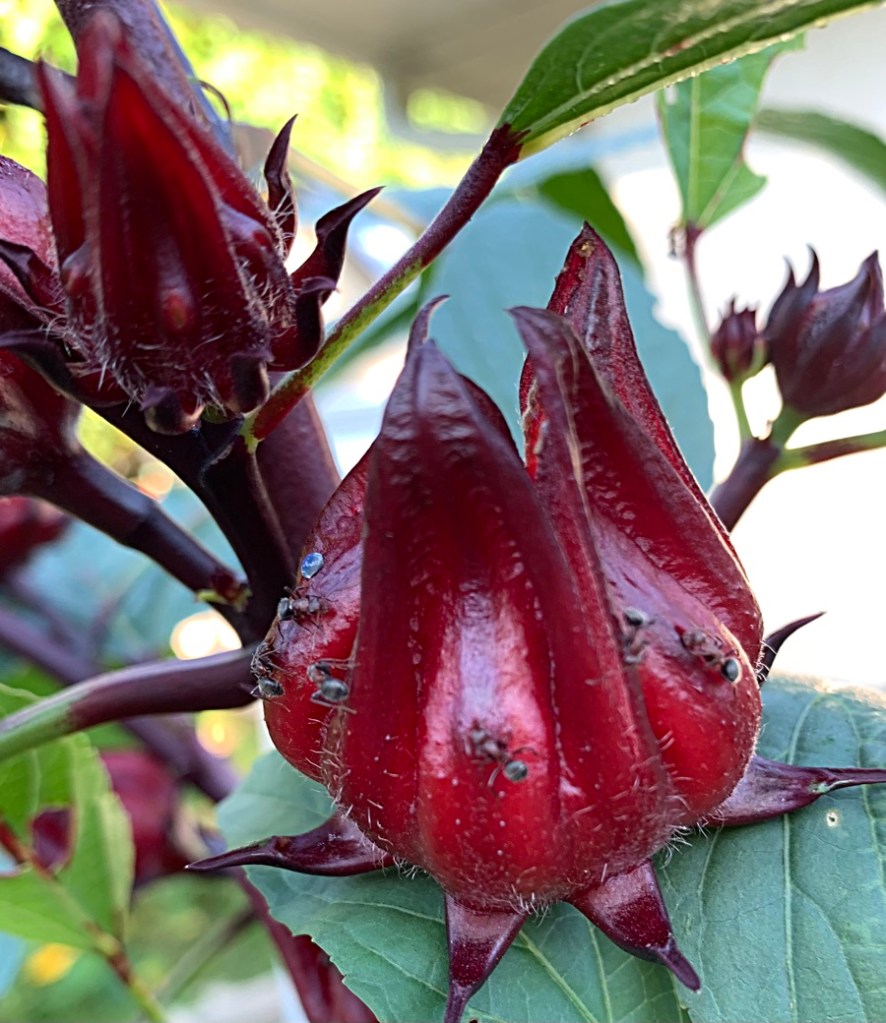
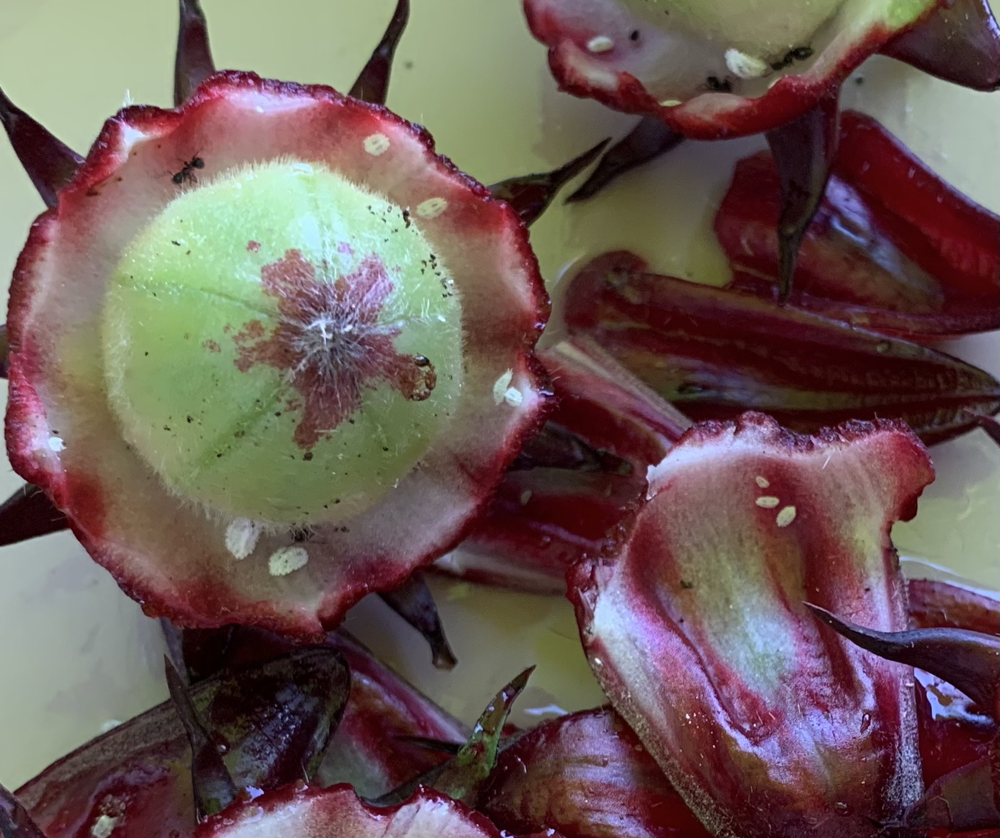
I have rinsed, set outside in the sun, rinsed again. The ants were everywhere. It was so bad, in this last batch of roselle I picked, that I gave up and threw them into the woods. It is possible the mealybugs cause the ants to come. I know ants show up when aphids appear too.

I did get an early set of pods, which had many fewer ants. I managed to clean and freeze those without much problem.

Another thing that is annoying is the flowers that drop become mushy and stick to my shoes. They make a mess. I’m certainly not a neat freak, but it feels like dog poop stuck to my crocs.

If I had lots of land, I would grow Roselle in a big area away from the house. They could expand and do their thing without getting in the way. Dropped flowers would be wiped from my shoes before I got back to the house. But this is not the situation I have.

One Roselle Hibiscus plant is enough for me. I’m going to cut them all down except one. Many broke and fell due to Hurricane Helene, so I’m already in the process of removing them. It is possible they will die over the winter anyway.

Solution

It is possible that my yard is not yet balanced with beneficial bugs to clean up this mess. I rarely see ladybugs. Even though I’ve had aphids on a number of plants, the ladybugs don’t stick around.

I read somewhere that it might take a few years to bring the beneficials to a garden, so I’m hopeful things will improve over time.

Read the blog…

Something went wrong. Please refresh the page and/or try again.

How to Fix Drainage Issues in Garden Grow Boxes

I’ve touched on this topic in my recent posts. My garden grow boxes need re-filling, but first the drainage problem must be solved.

As I tackled the recent box I got some photos to better explain the problem. This is box number four or five in my line up. I have a few boxes left to fix. These are old boxes that I’ve had for a few years. Some are older than others, but they all need drainage issues addressed.

garden grow box
Grow box with watering tube in place

Grow Box System

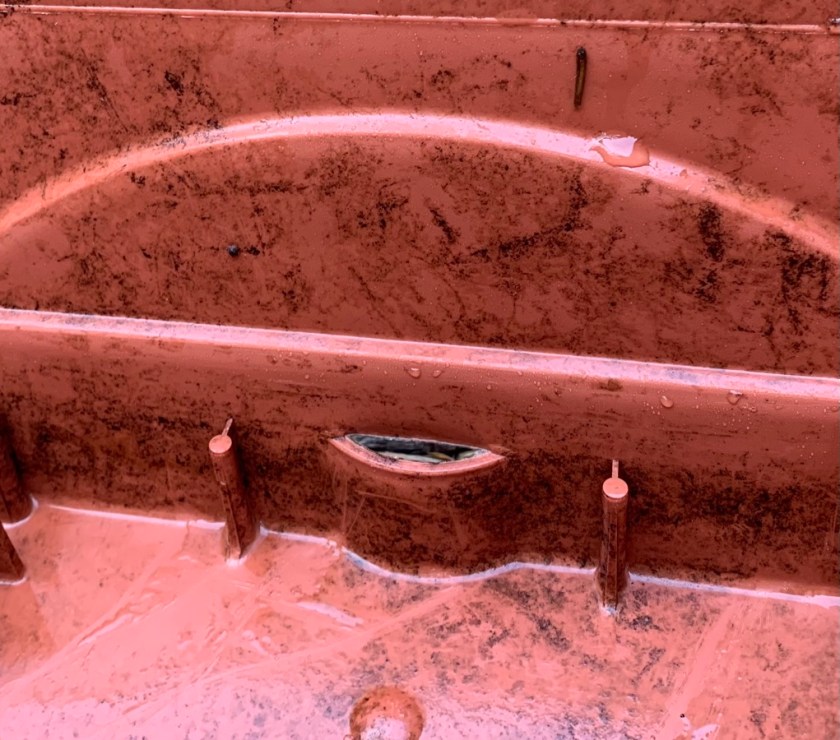
The way this grow box is supposed to work, to my understanding, is that water collects in the bottom, while the dirt stays in the top. A plastic tube sticks up out of the dirt and that is how water is added. The roots of the plants pull water from the bottom, up through the dirt. A wide drain hole is located on each side of the bottom for water overflow. (See the box explanation on Amazon paid link – this is not my box, but very similar.)

This is a self-watering system, where you pour water in through the tube and the plants use it as needed. There will never be too much water because the excess comes out through the side drains. This only works for plants with roots long enough to reach the water reservoir!

garden box drain hole
Drain hole (one on each side)

This box is a nice idea for gardeners who buy potted plants and add them to the box. Seeds and small plants will need to be watered from the top, which is how I have used these boxes. I grow most everything from seed.

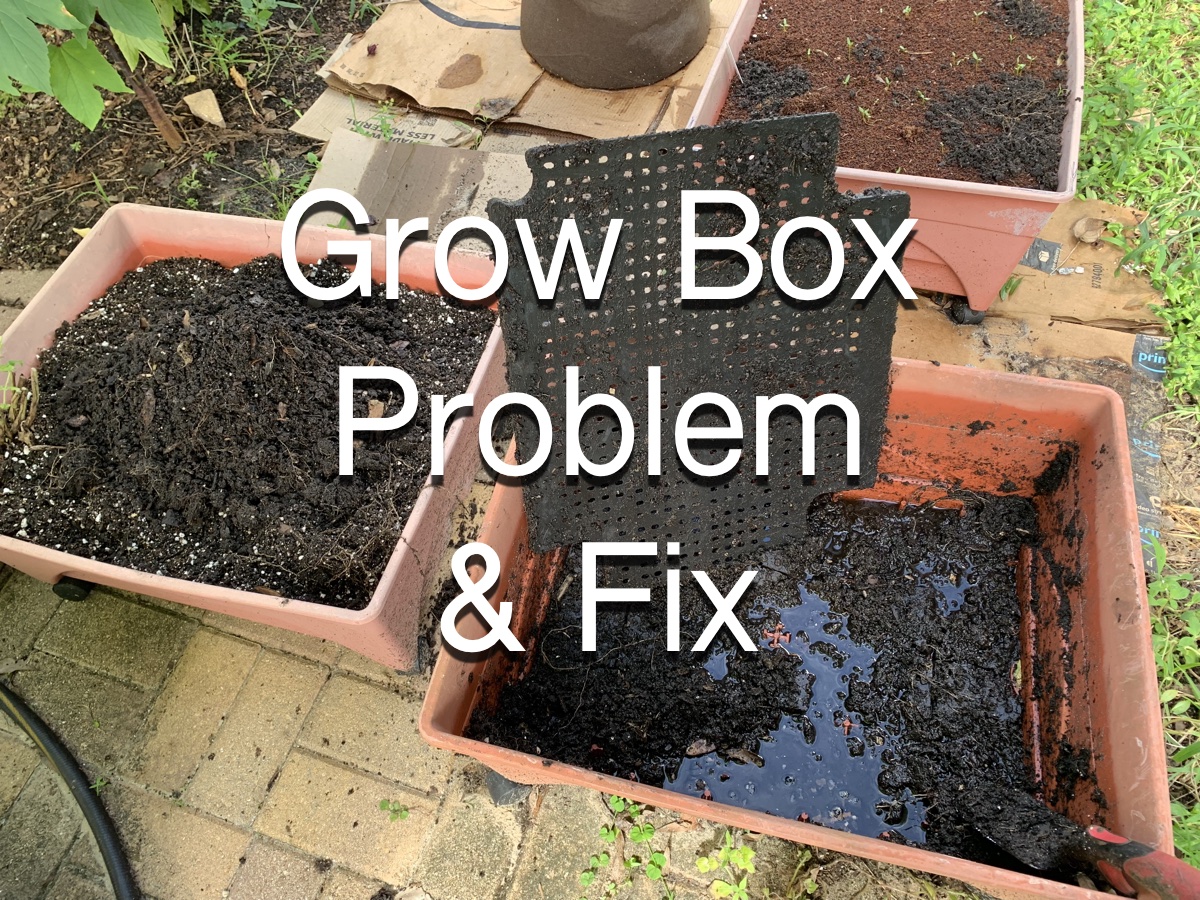
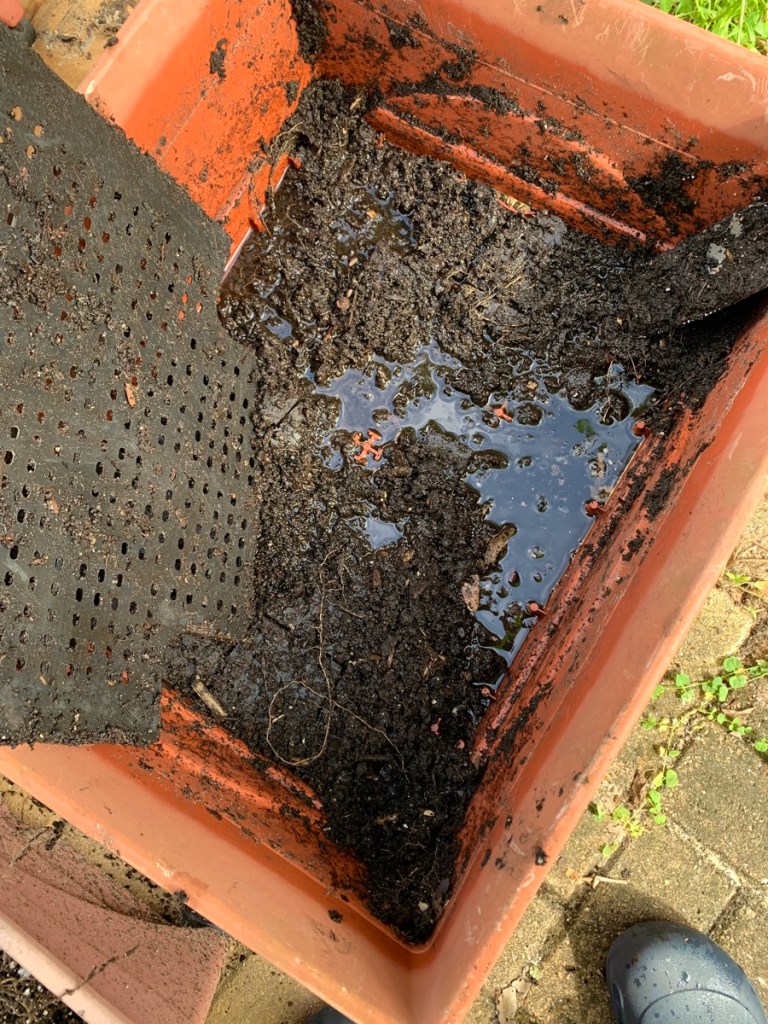
Dirt tends to sift down through the holes over time. Once enough dirt has clogged the water basin, there is no drainage. The plant’s roots are sitting in mud and that means plant death.

Plant Death

The sudden decline and death of a seemingly healthy plant brought this problem to my attention.

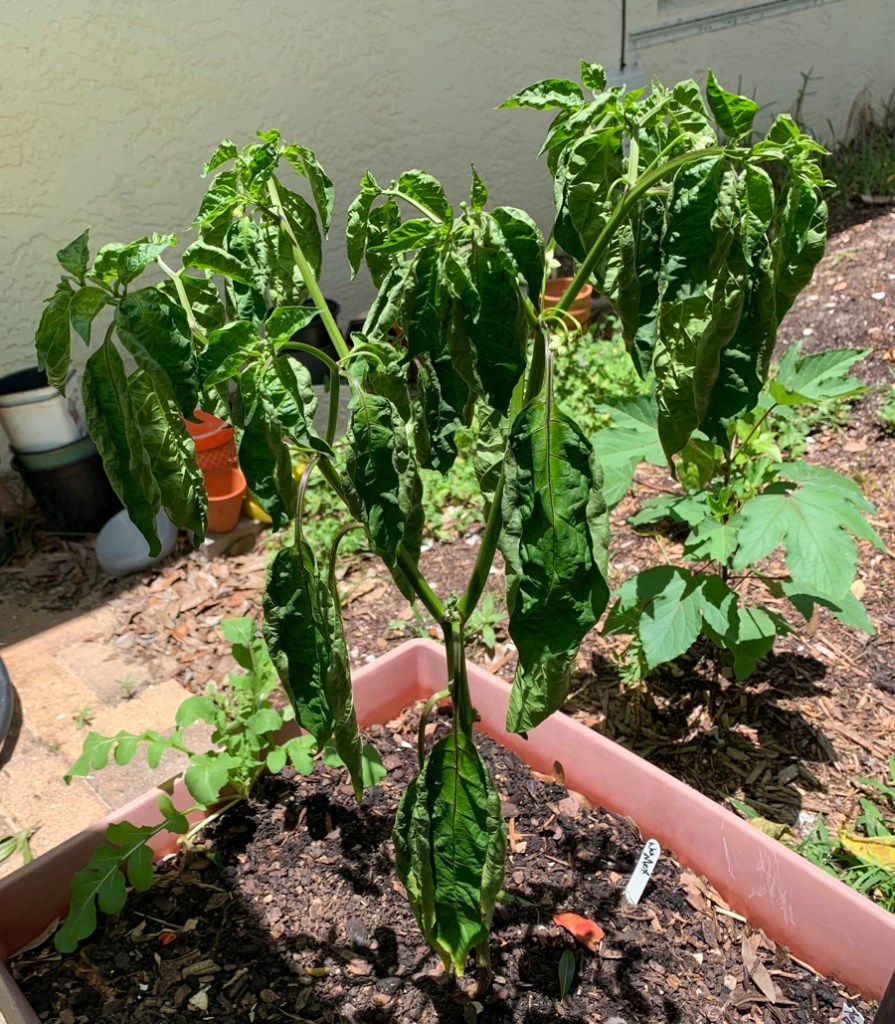
A gorgeous, Nu Mex pepper plant was growing in one of my boxes and it looked great. Suddenly, it began to wilt and ended up dying. As I pulled it out, I realized the dirt was soggy! The water had not been draining. It was the beginning of my grow box overhaul undertaking.

Nu Mex pepper plant in a grow box with bad drainage. It didn’t make it. Very sad.

I’ve been waiting for the plants in these boxes to either die off, or look bad enough to remove. Then, I dig out the old dirt and fix the box problem.

The Fix

Unless I take the time to remove all the dirt each growing season to check for this problem, the set up itself needs to be changed. Only time will tell if my “fix” is working.

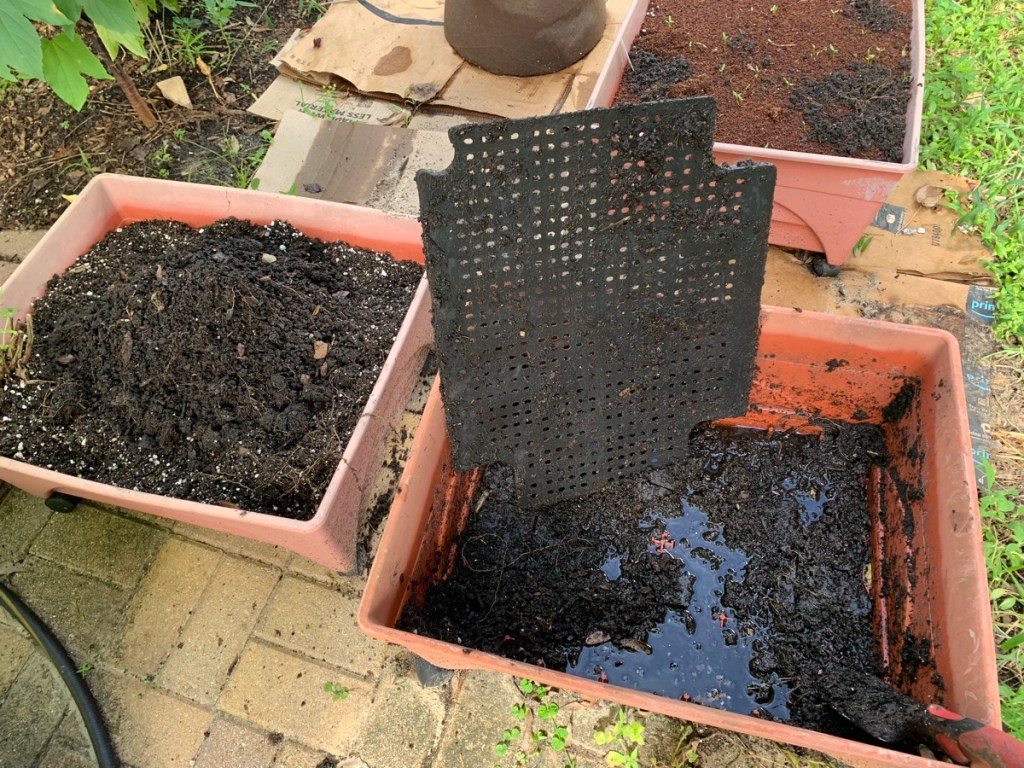
Using a trowel I dig out the dirt from the problem box and add it to a pail or fabric bag. I’ll re-use the dirt, with some amendments added.

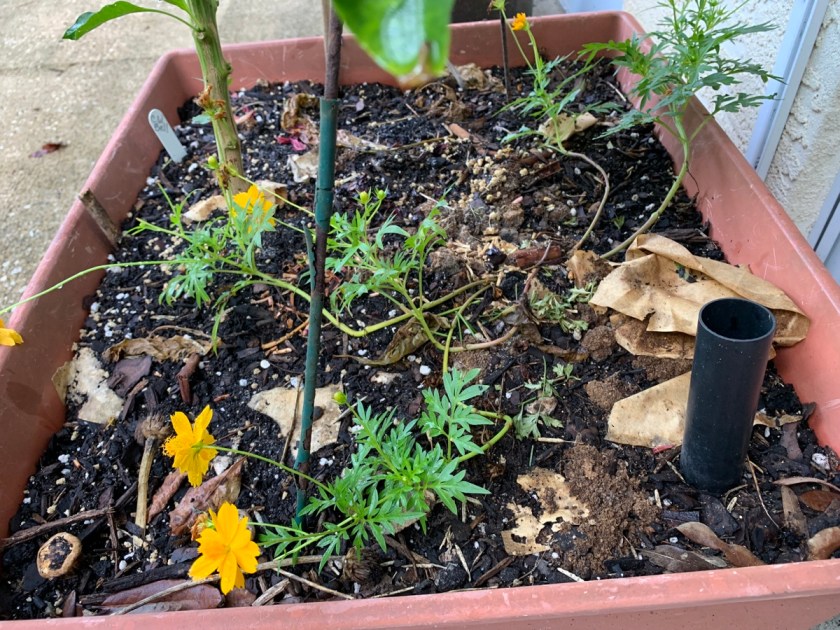
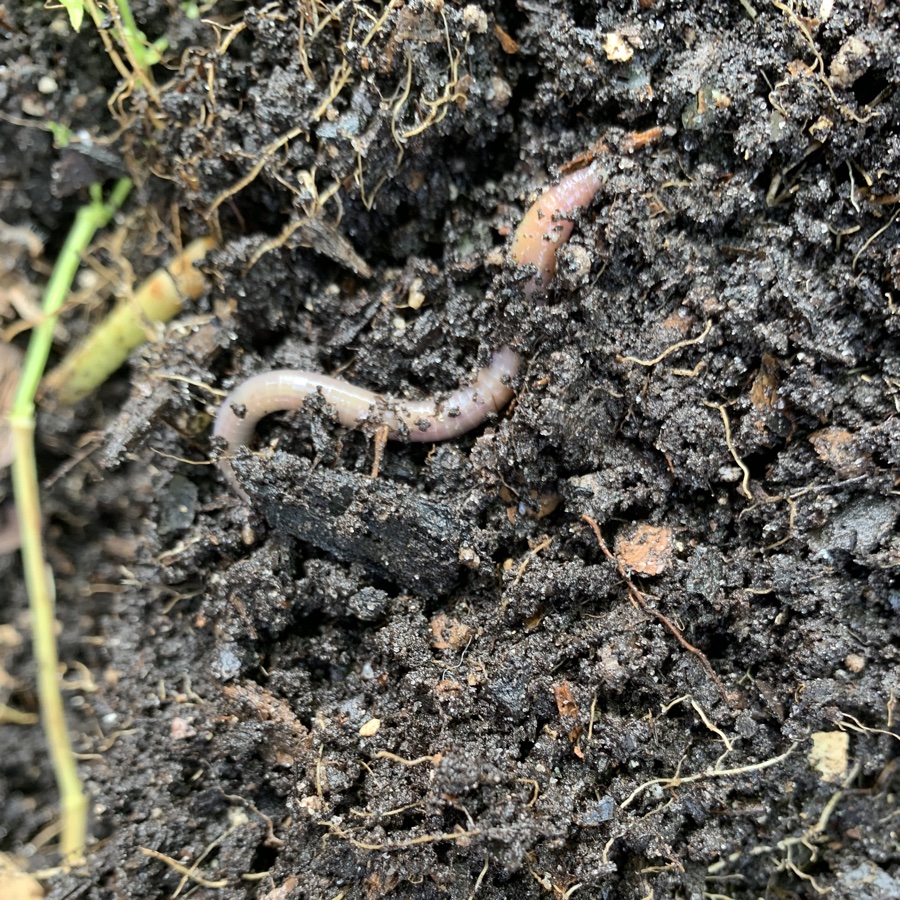
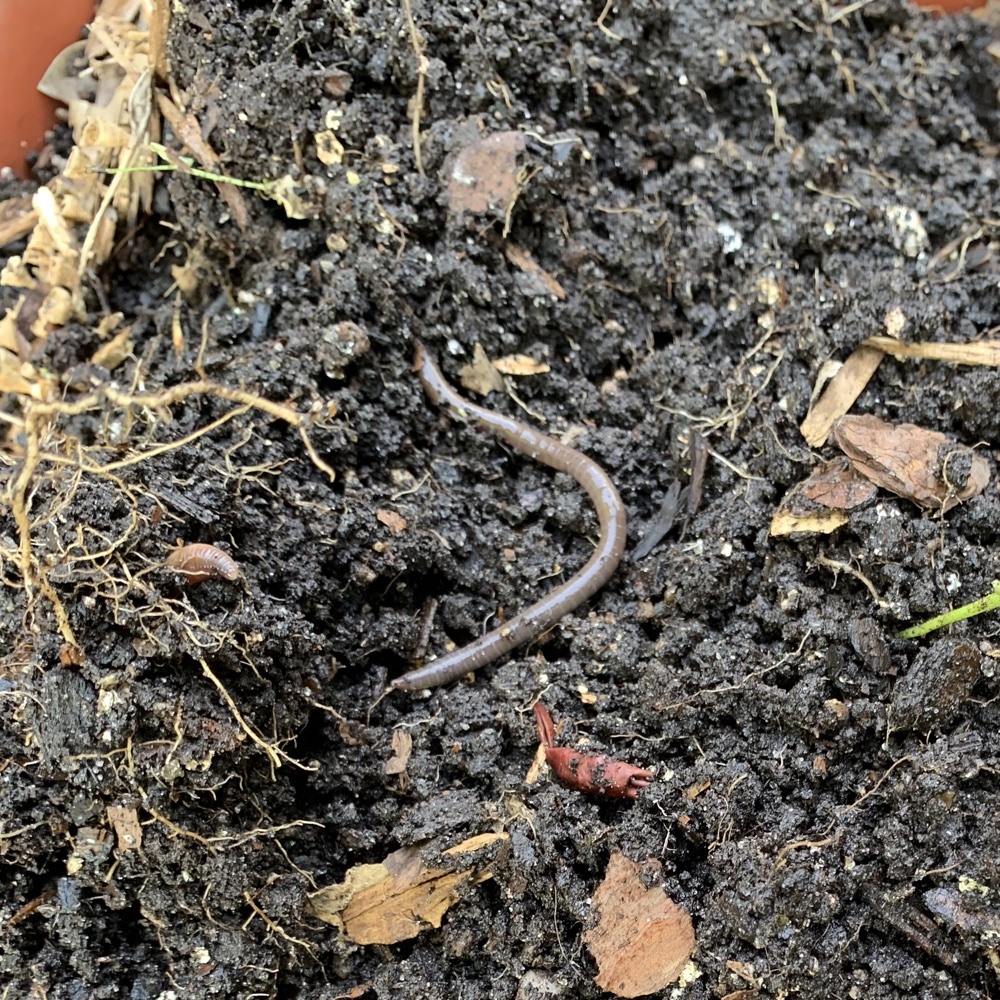
I found some lovely earthworms in this one. The dirt itself was crumbly and nice – thanks to the worm colony. Once I dug down to the panel with the holes, everything beneath it was mud. This was smelly, gross muck. As I dug through it carefully, I pulled out more worms. The worms were saved, and there were so many of them I added some to other pots and compost areas.

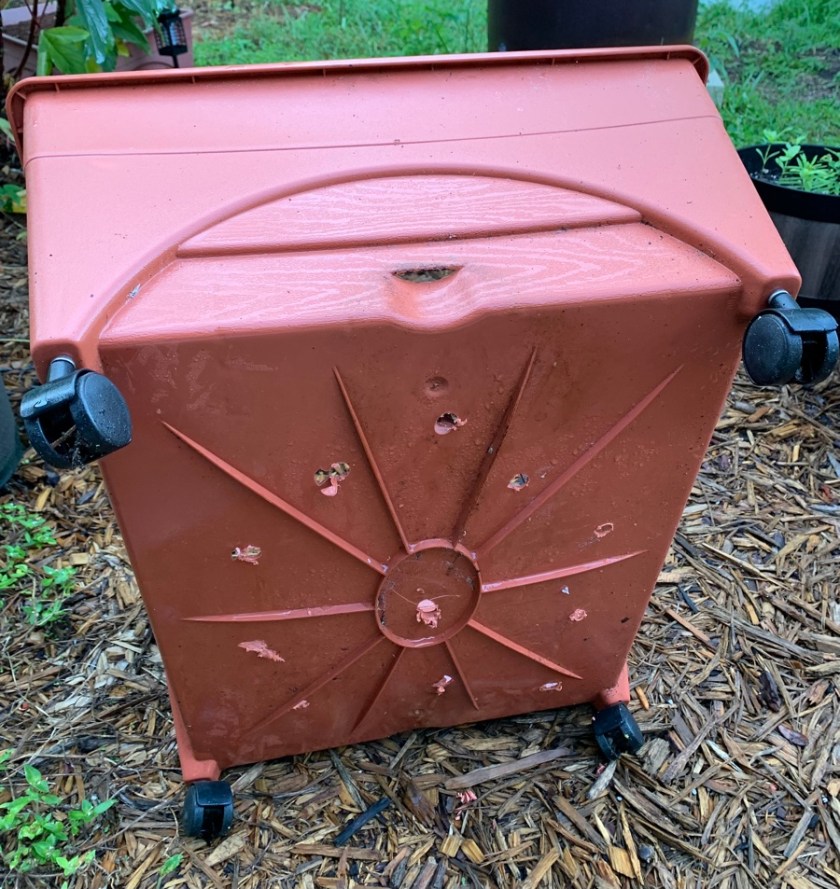
After the digging, the mud gets rinsed out. My son drills holes in the bottom of the box and it’s ready to re-fill.

drilled holes in garden grow box
Drilled holes added to the bottom of the box. This box is old and becoming brittle so we didn’t drill quite so many holes.
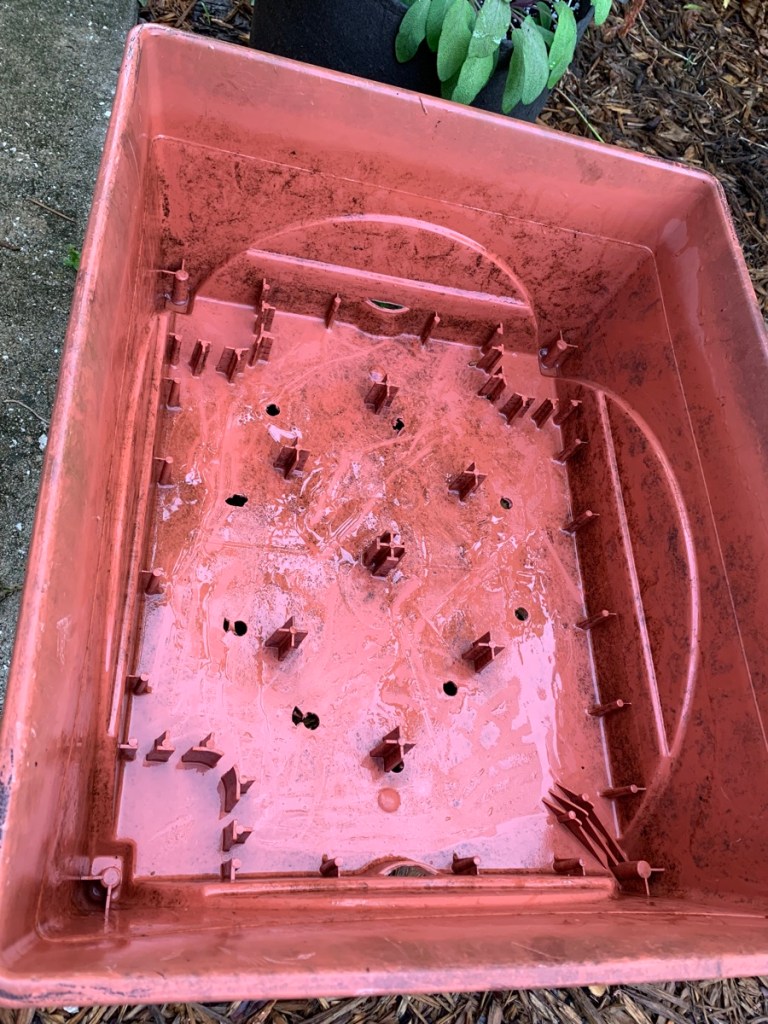
garden grow box empty
Box emptied and rinsed

Before I can re-fill this box, I need to add something to the bottom for drainage. Dirt alone will end up clogging the holes. I don’t want another drainage problem!

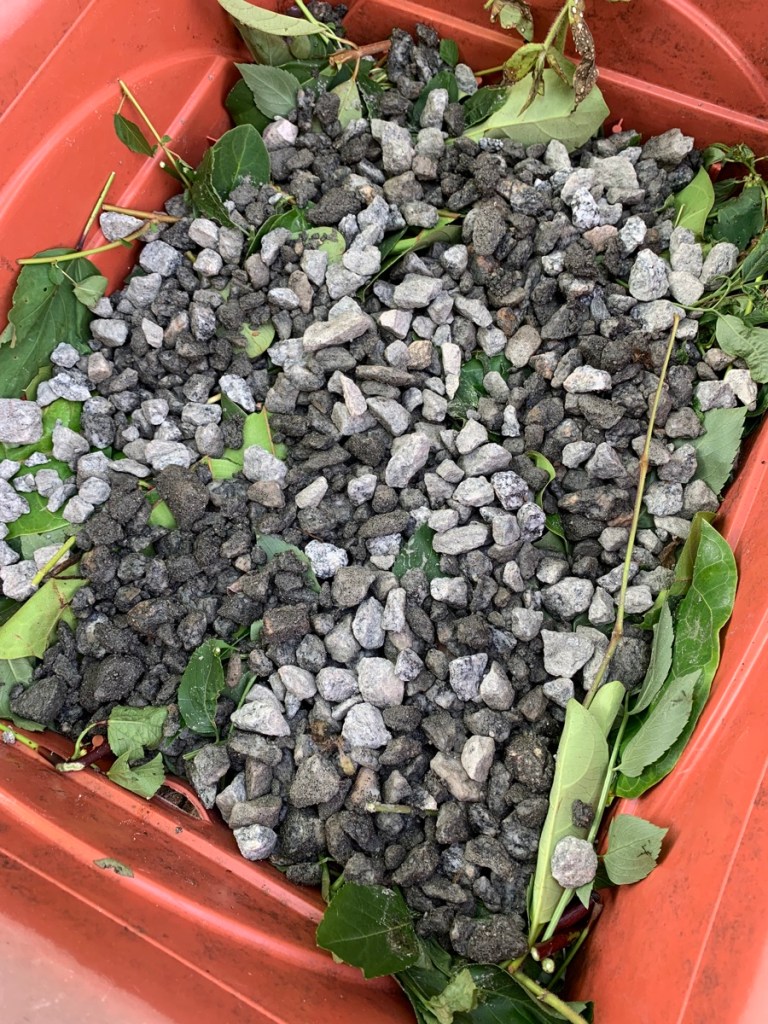
garden grow box drainage idea
Drainage cuttings and stones

Ideally, I would have mulch for the bottom. I don’t have any, so I used cuttings from some of my garden plants. The granite stones were purchased a while ago from the local yard shop.

It’s good to keep stones of some kind around because they make good bottom-of-pot drainage in any situation. Because there are no rocks or stones to dig up here in Florida, I have to buy them.

The original dirt from the box (except for the mud) gets added back in. Perlite (paid link) is added to keep the dirt crumbly and draining well. I like to add Bone Meal (Amazon paid link) too for future root development. Eventually the cuttings in the bottom will decompose.

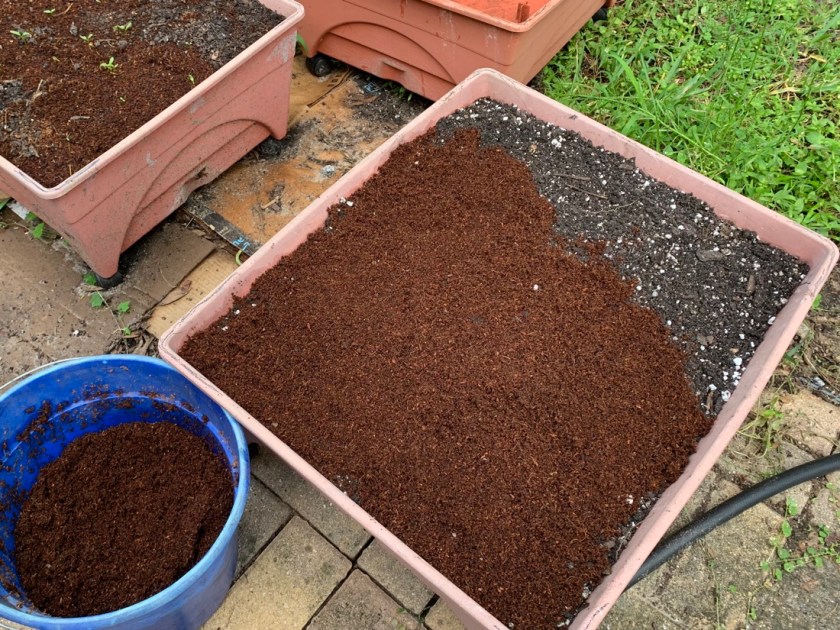
Coco coir is something I use to spread over the top of the planting space for seed development. This is a new experiment of mine. I’m thinking the looseness of the coir will be better seed starting.

coco coir grow box gardening
Coco coir layer over dirt for seed starting

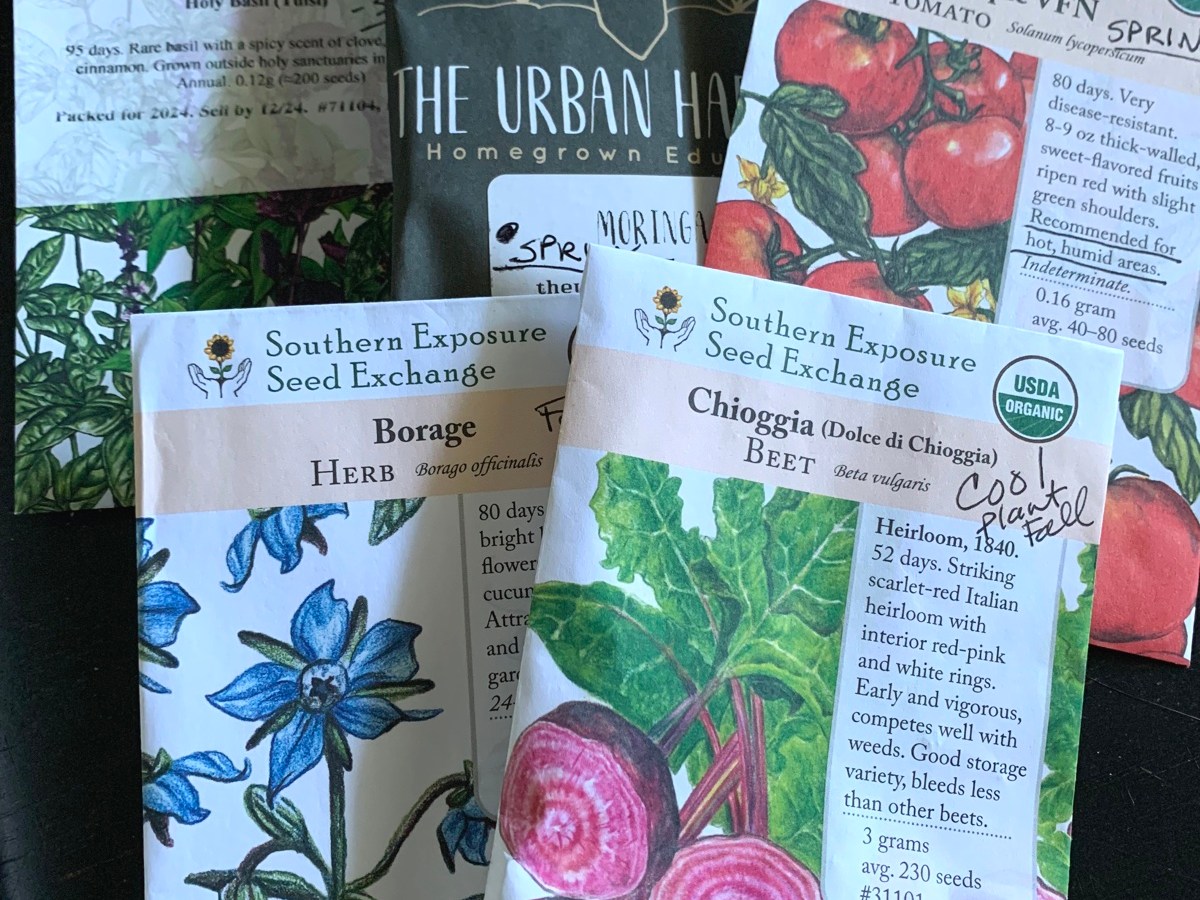
I have planted beet seeds in this box. It might be too early for them (too hot) but the box is ready for growing anything with a shallow root system.

Recent gardening posts…