Mail Order Native Florida Milkweed Seedlings Review

I’ve found a good place to buy milkweed plants online. Ordering plants online can be expensive, so the plants that arrive should be in great shape. Read my review of Whitwam Organics and The Growers Exchange.

I need to get this recorded because I found a mail order company that sends nice plants. Here I am comparing the two companies that mailed me milkweed plants. The Growers Exchange and Whitwam Organics were the two I chose.

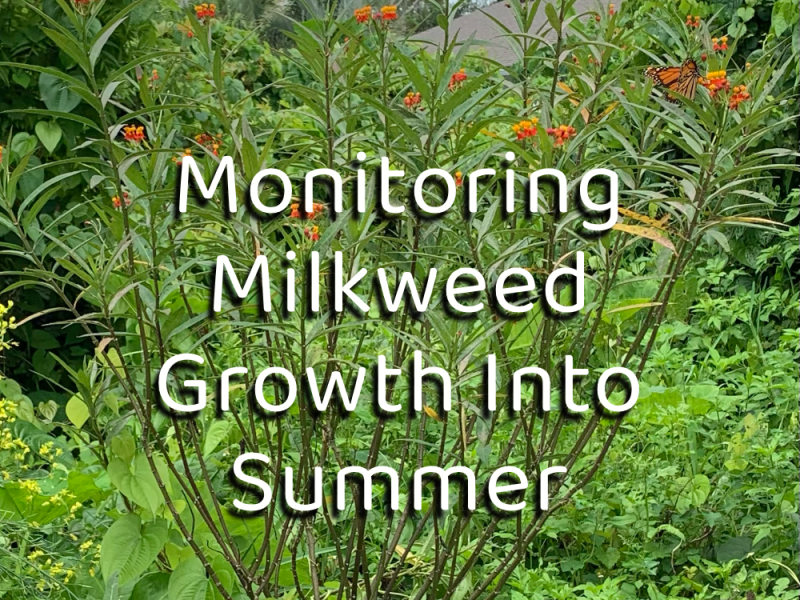
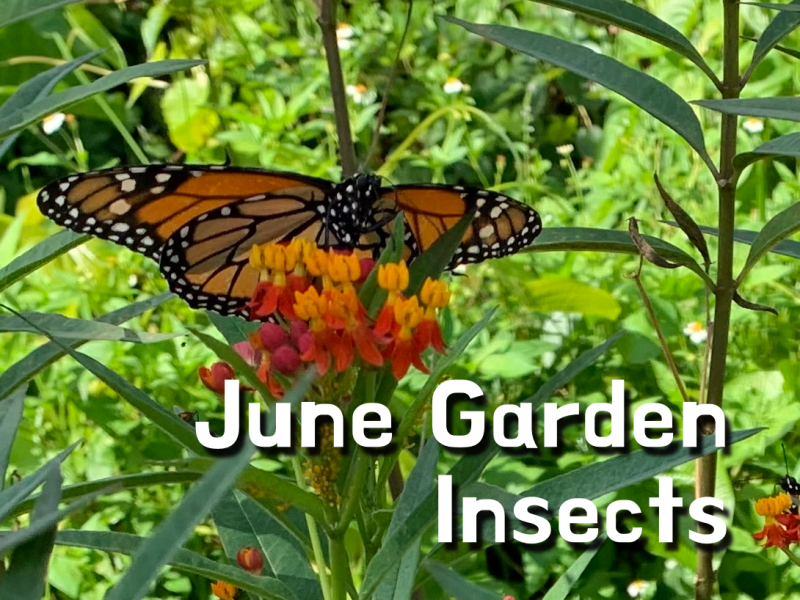
After my butterflies came out, I see all three of the Monarchs flying around the garden every day! The only milkweed currently available for them is the tropical type, and one small, blooming white Swamp Milkweed.
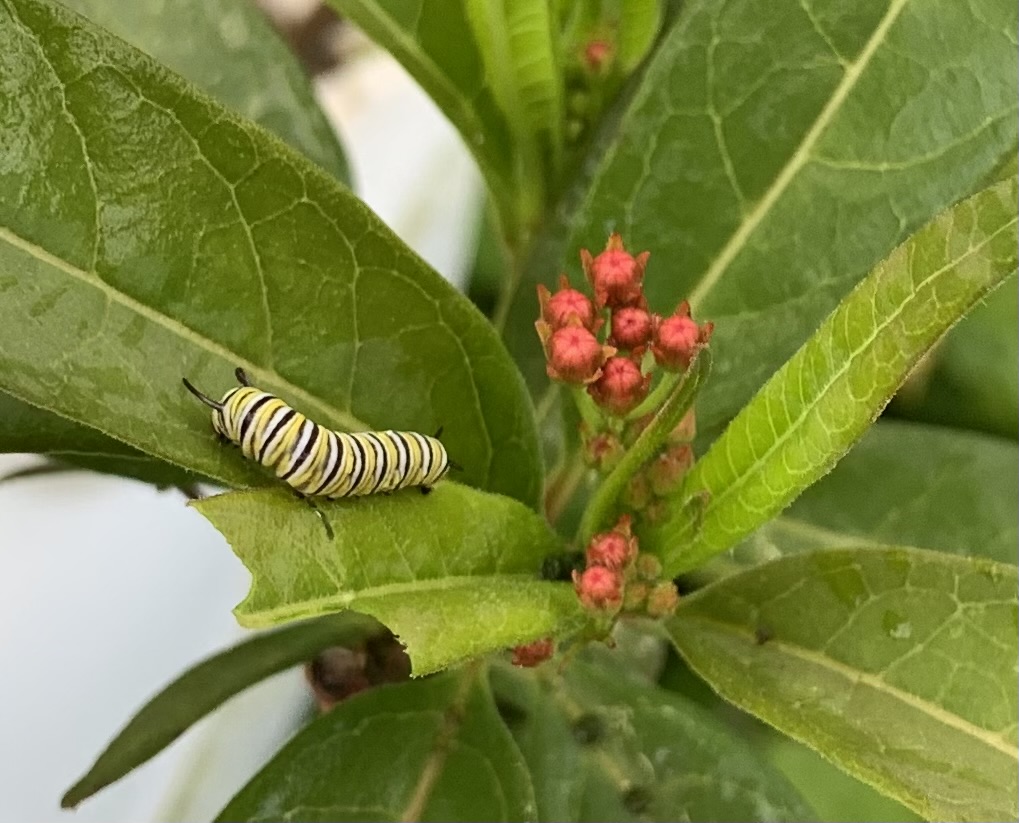
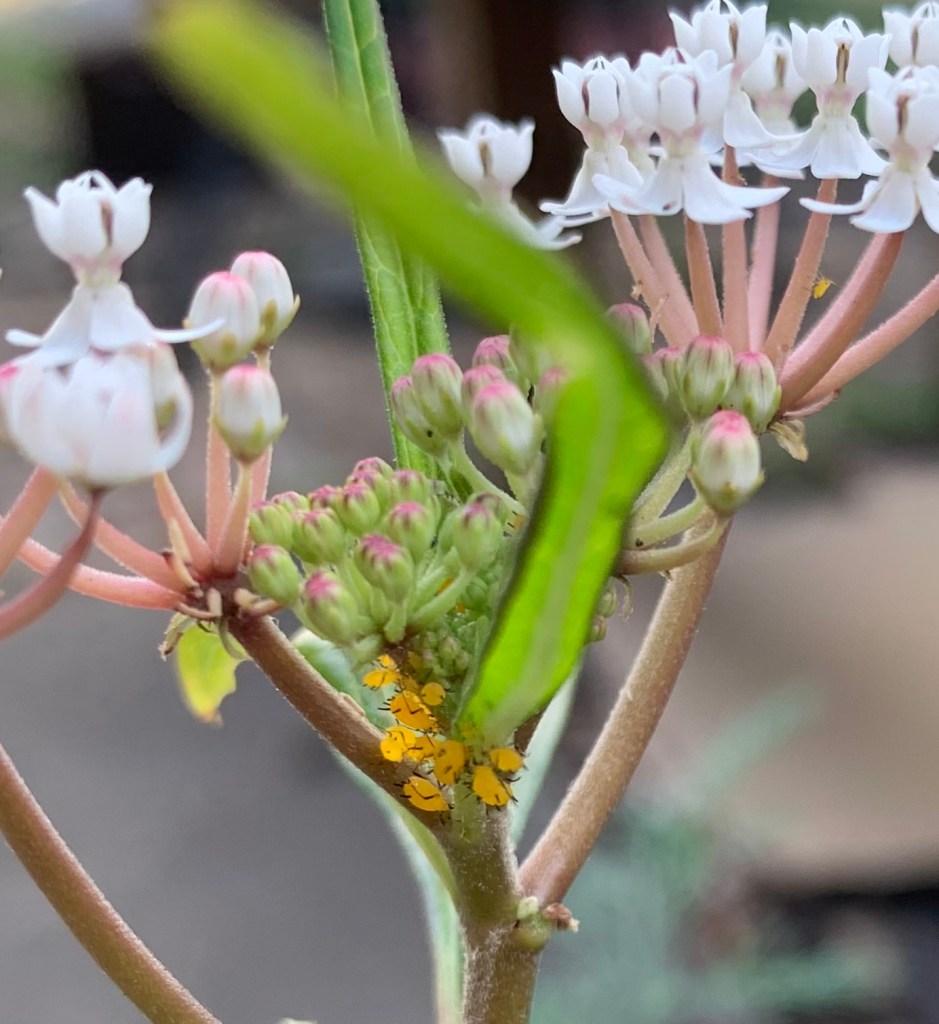
The more milkweed in the yard, the better chance for caterpillars to have enough food. At one time I believed that the Tropical milkweed was bad, but that may not be altogether true. Read more at the link.

The Need for More Milkweed

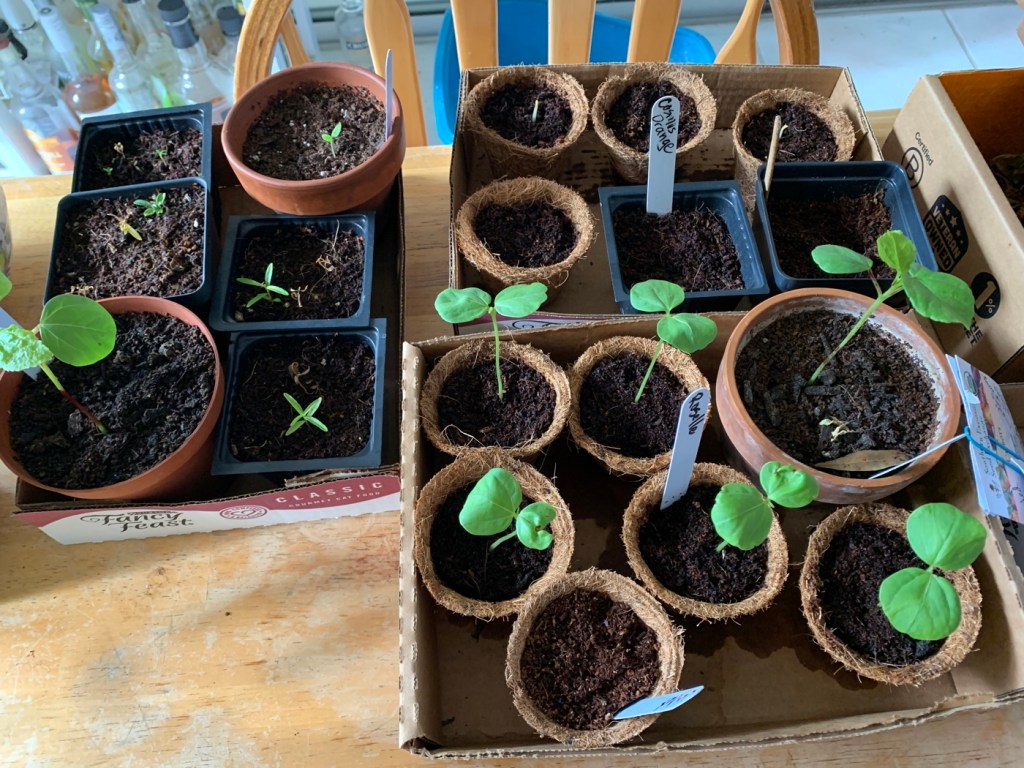
I ordered some seeds from Johnny Butterfly Seed. Those are popping up in small pots and beginning to grow nicely. Growing from seed can take a while. I wanted plants.

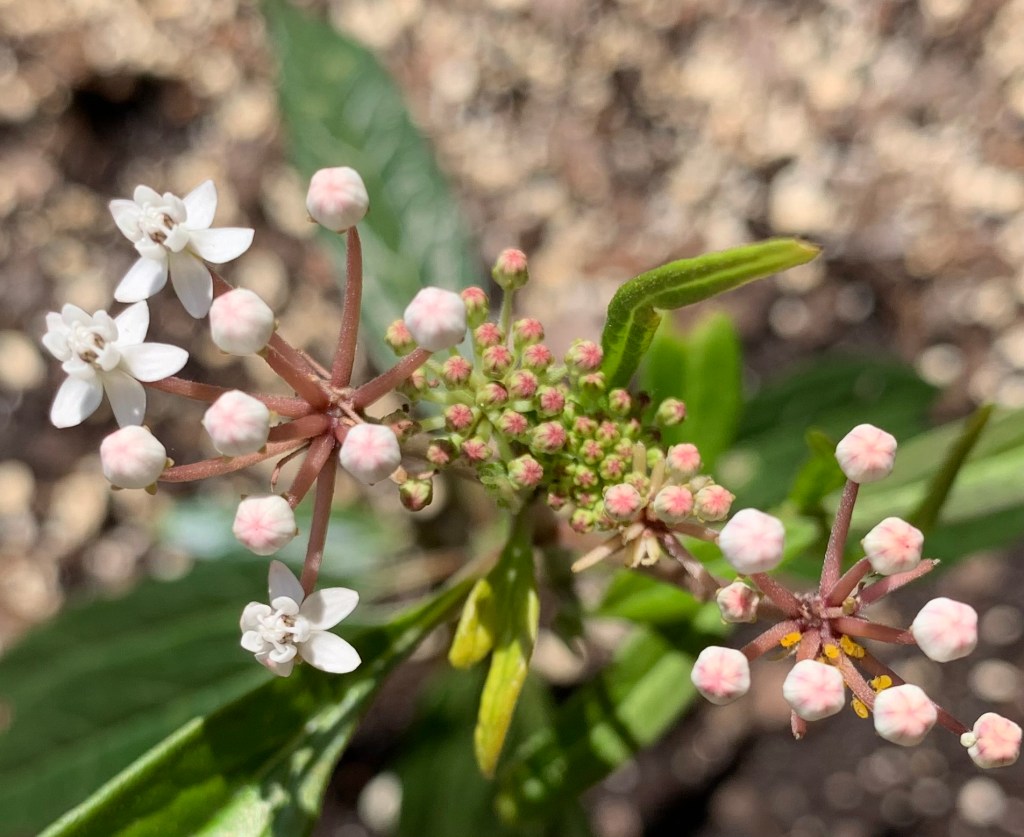
You may be wondering why I don’t buy local milkweed at a nursery. Well, for one it’s hard to find, and when I do see native varieties, the plants are not in good shape. The white flowering milkweed, in my first photos on this page, came from a local nursery. I bought the best looking milkweed plant and it was around $10. It’s looking good, but growing very slowly. I have no idea if it was grown organically, without chemicals. So, I began the online search for pesticide free plants.

Whitwam Organics

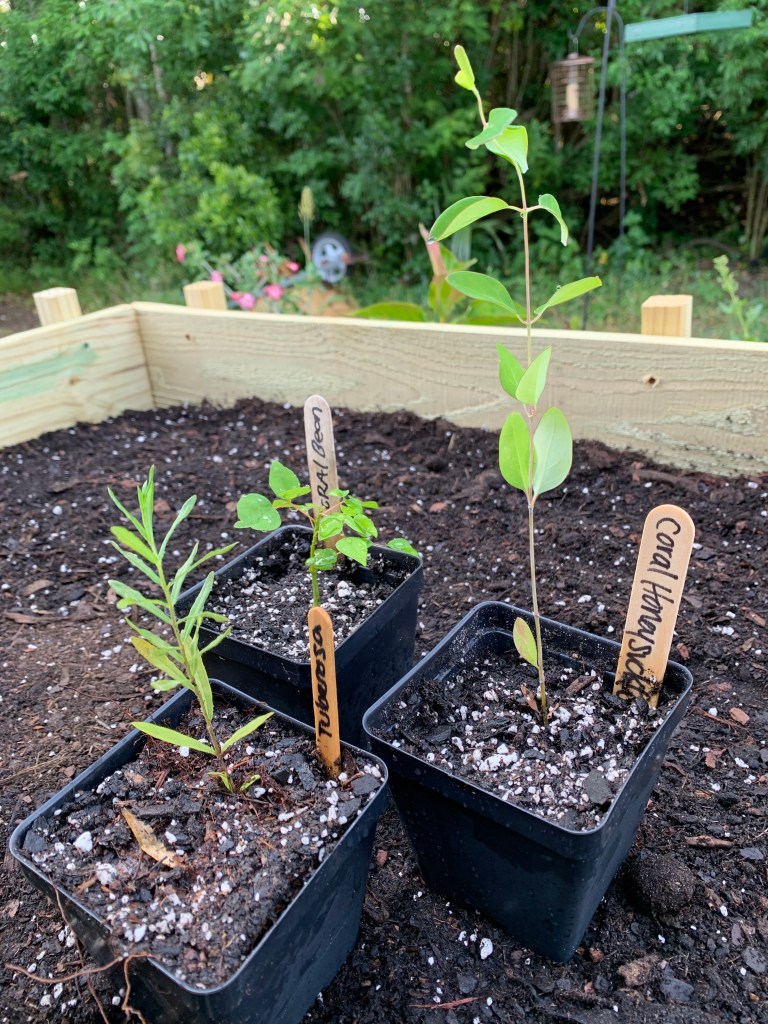
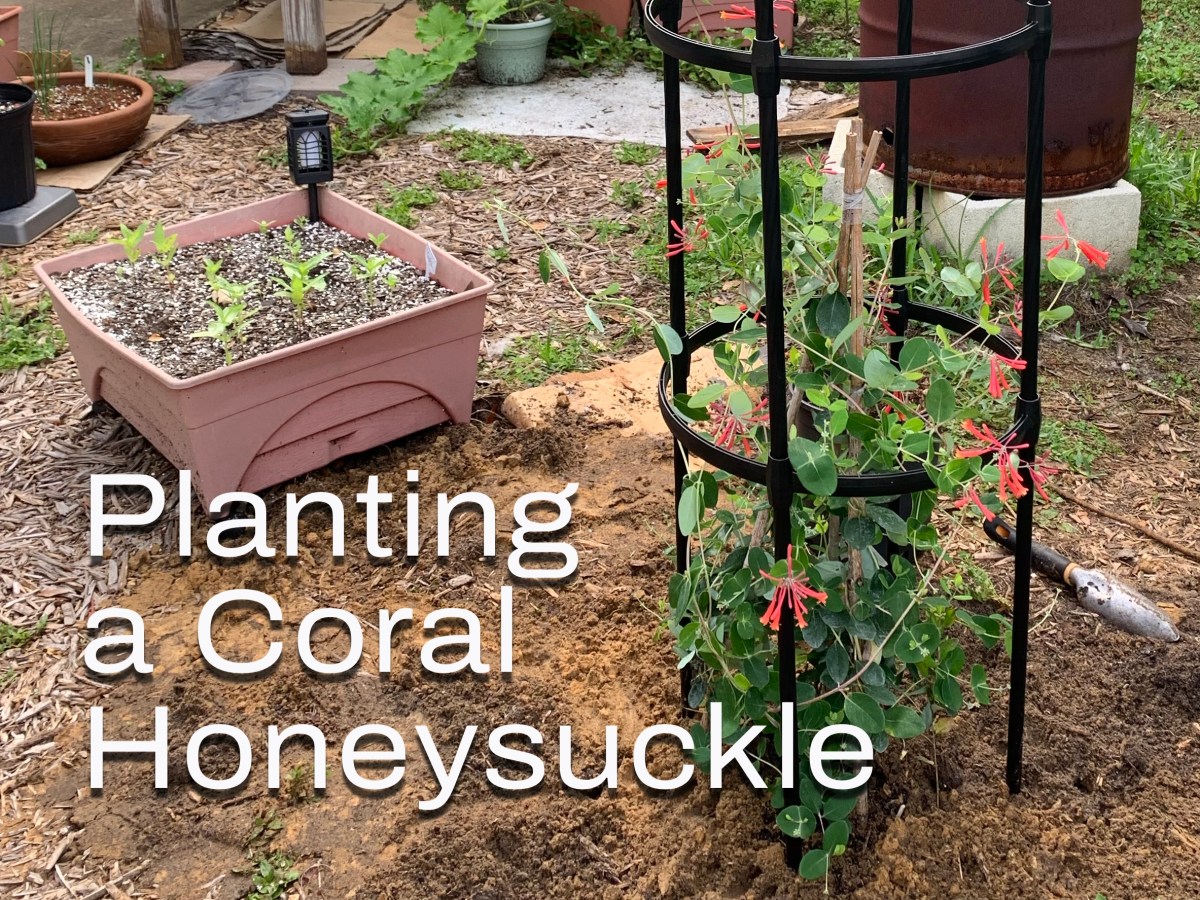
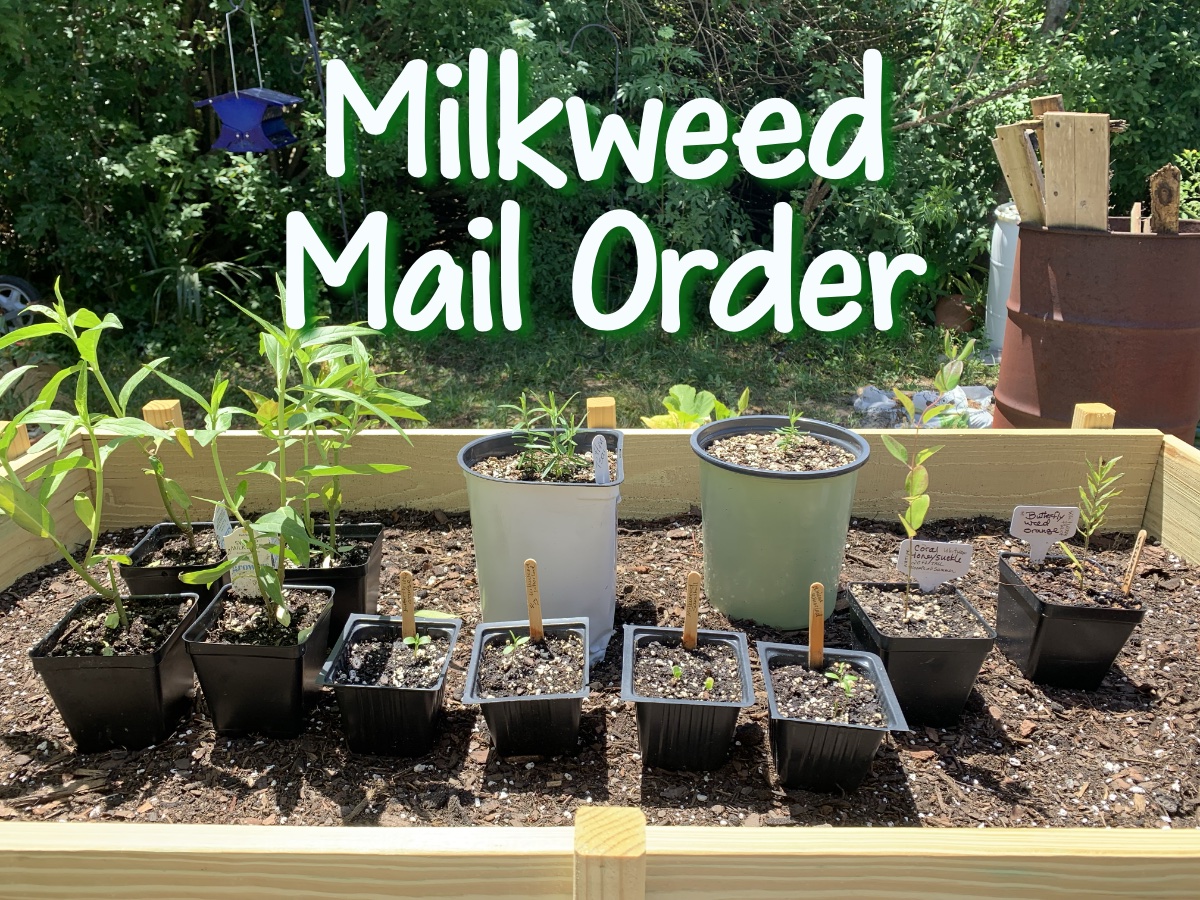
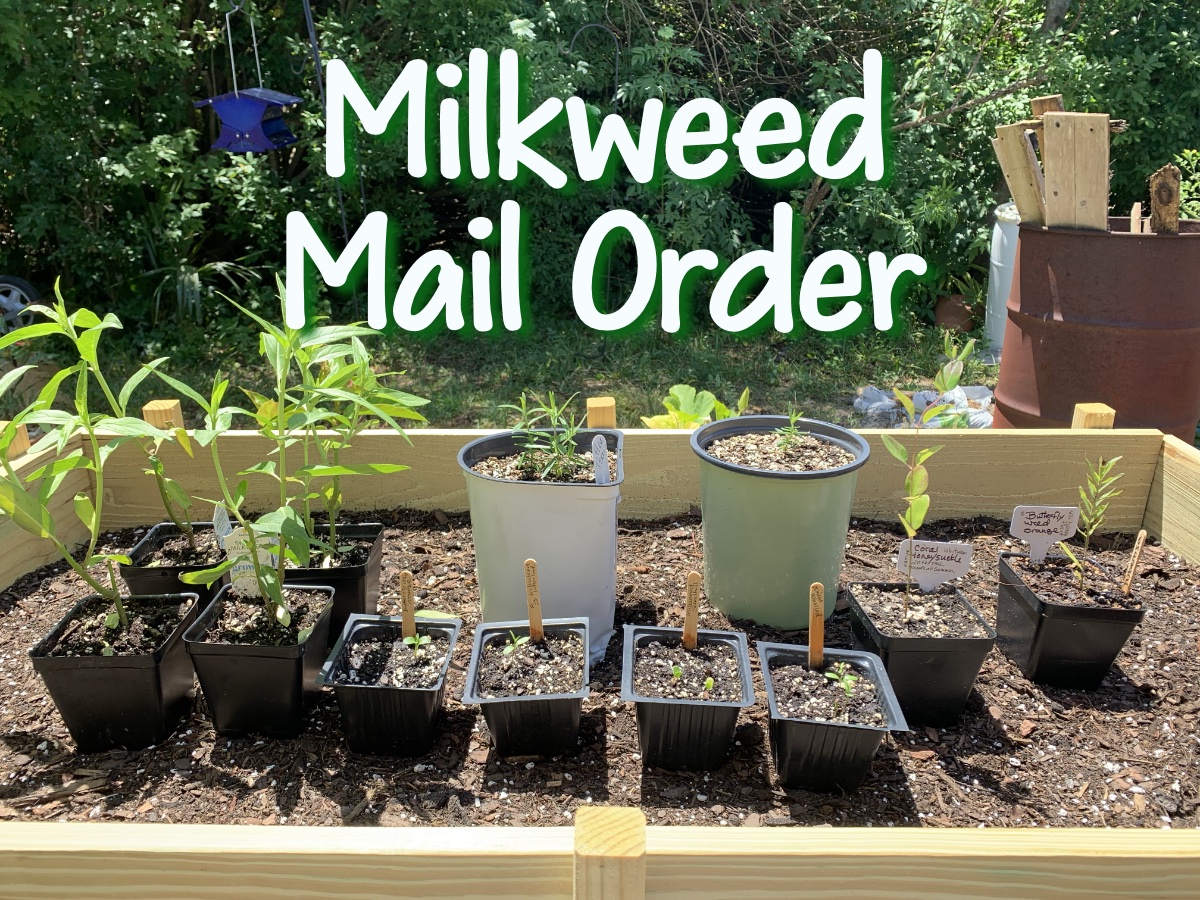
This post is about my order of live plants from two places. The first plants arrived from Whitwam Organics. They e-mailed a notice about delivery, and the plants ended up at my door at 8:00 at night! I suppose I can’t blame the company for the late delivery, but unboxing live plants at that hour really ticked me off. The plants are; a Coral Bean, Coral Honeysuckle, and Orange Butterflyweed (milkweed).
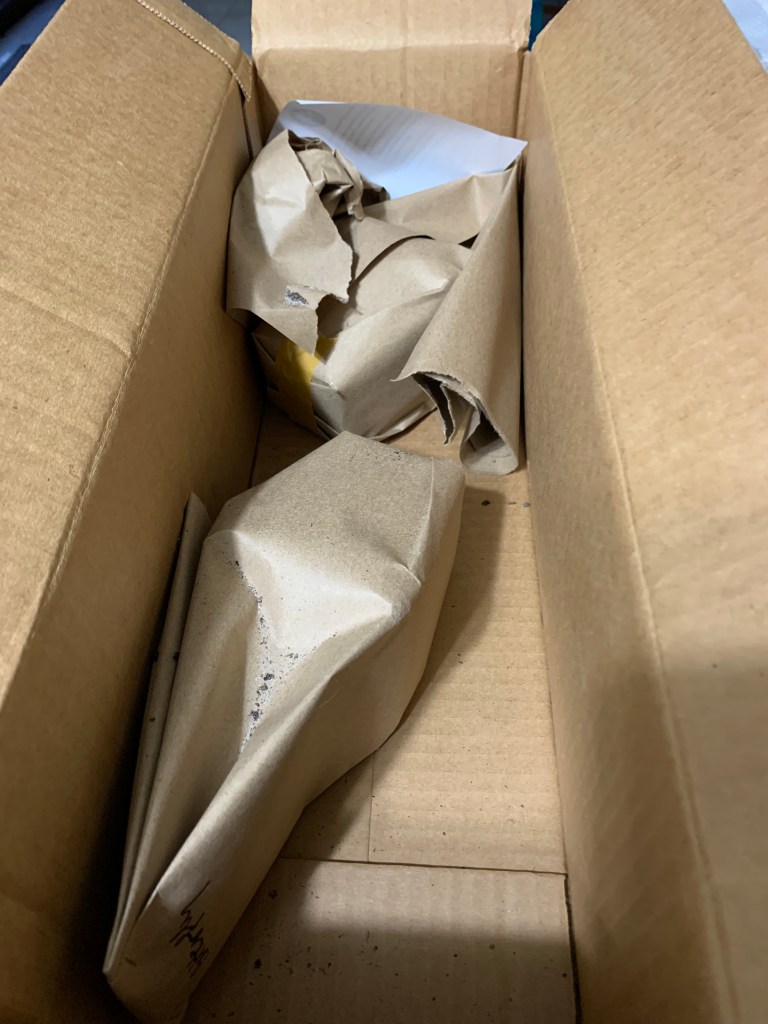
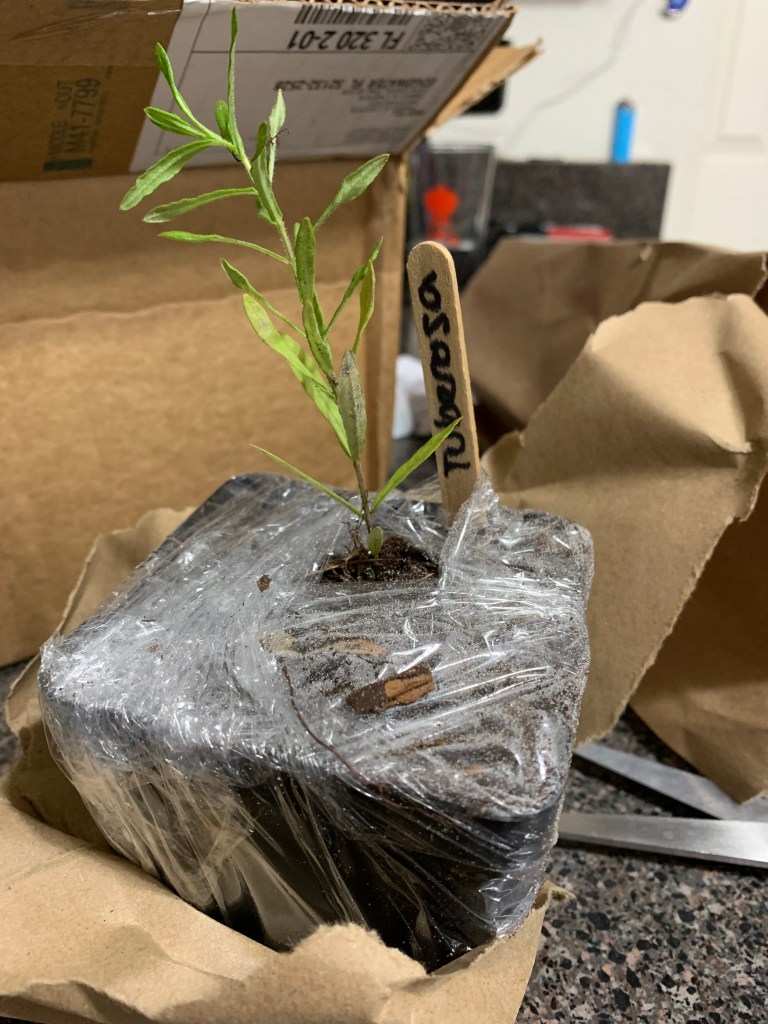
The Whitwam plants were unboxed in the house, until sand began to come out all over. I took them outback to finish and set them inside on the porch for overnight.

The photo above was taken the next day. The packing was sufficient, but nothing special. Plastic wrap mostly kept the soil in the pots and then the entire plant was closed up in a paper bag. The soil is more like Florida sand than potting soil. The dirt you see in the big photo is after I filled in what was lost when the dry sand poured out. All three plants look okay, but they are small. The Milkweed has lost a few leaves.

Cost: $42.57 which includes shipping and tax. Not really worth it IMO as these plants are very small.

green divider leaves long

Growers Exchange Milkweed Seedling Order

I ordered four Pink Swamp Milkweed from The Growers Exchange. These were not labeled organic, but the site says they do not use any chemicals when growing. The site offers lots of herbs and medicinal herbs, but they also have a few varieties of milkweed.

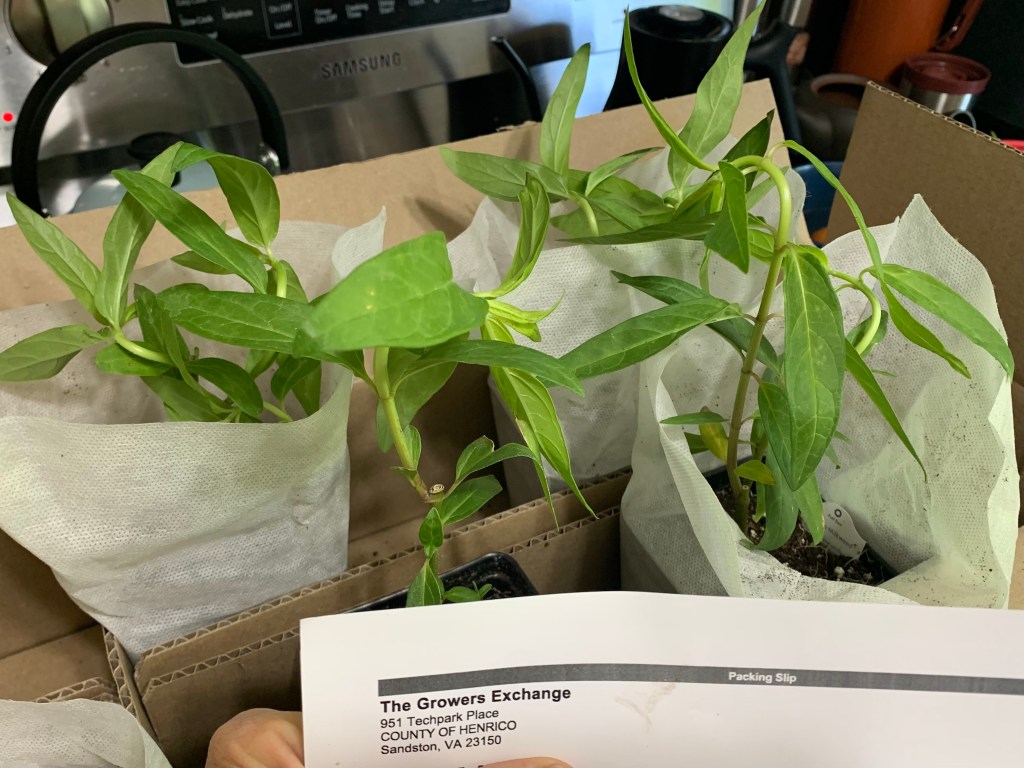
I was very impressed with the boxing and size of these milkweed. (This milkweed is a different variety than the one shown above from the other company.)

All four plants were wrapped around the pot to keep dirt in place. Each pot was tucked inside a cardboard divider which kept the pot in place during travel. The plants were so tall that the tops were bent over to fit. They straightened up completely within two days.
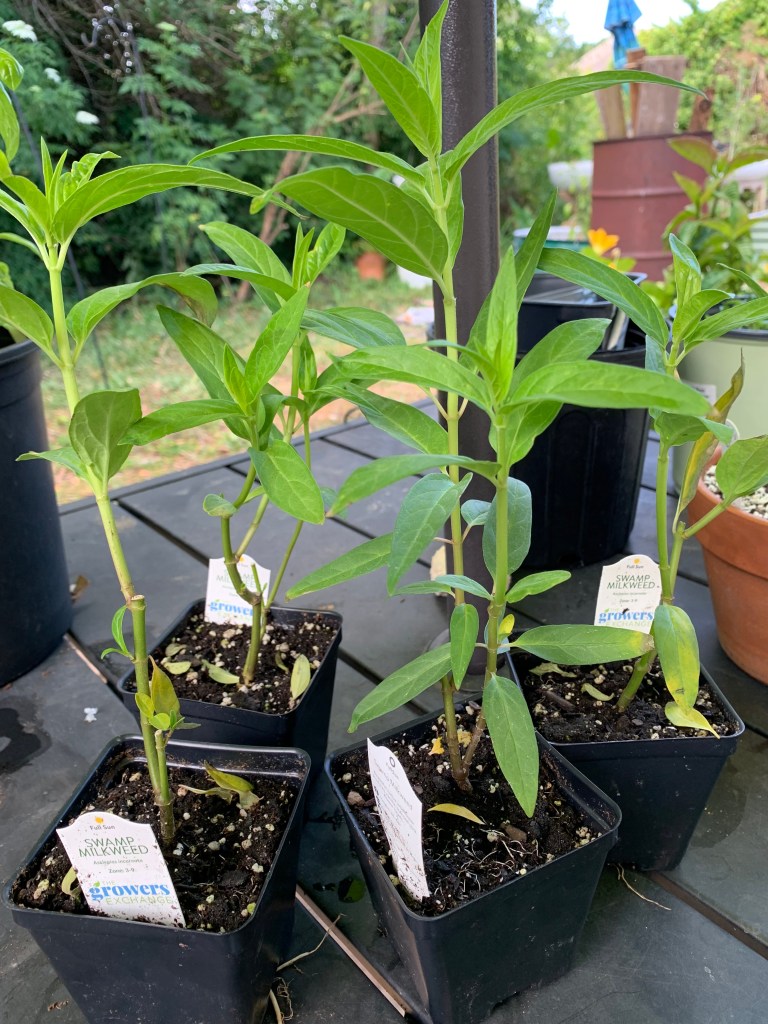
After unwrapping, I watered them, and set them on the porch, out of direct sun, for two days. After that they went outside for a couple of days. Now I have two in the ground, and two in larger pots.

Swamp milkweed likes it wet, which makes sense. Especially while it is setting roots, I want to keep it well watered. Our drought continues, which means I water every day.
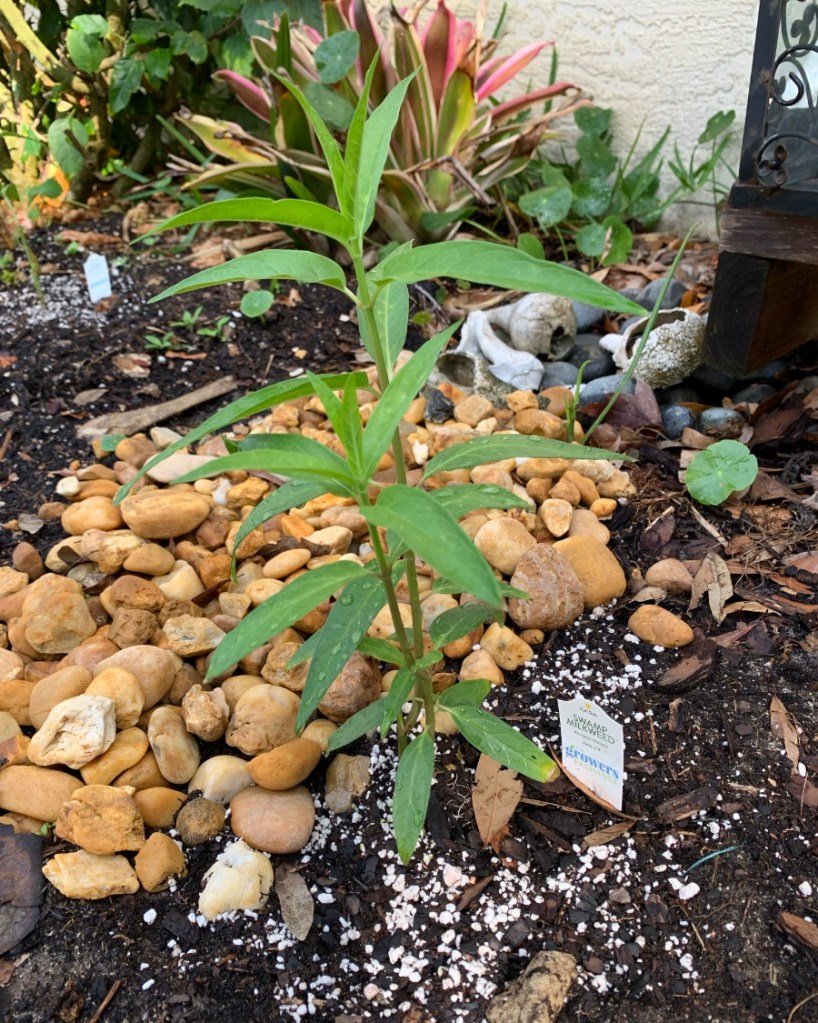
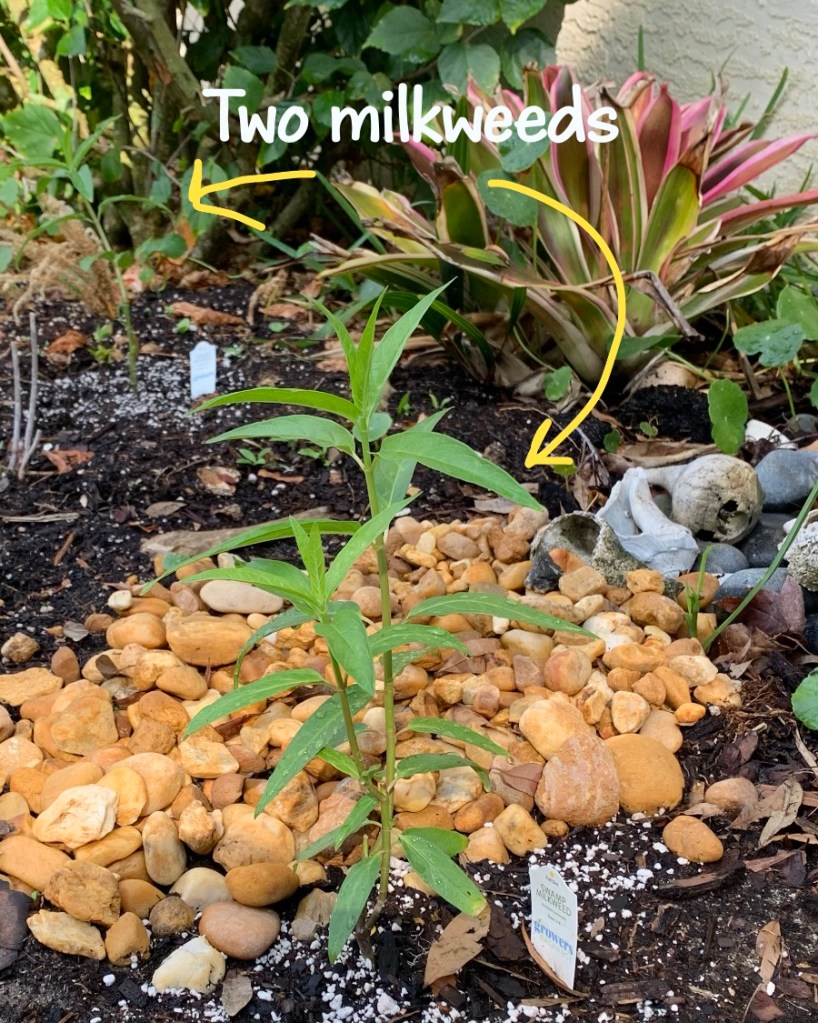
I am absolutely impressed with this milkweed plant order. They offered a discount of 20% (I think it was), and the total for these four plants, with $15 shipping was $50.89. The plants are healthy and large and I am happy. I’ve already seen lady bugs and the Monarch on these!

I’m considering having a herb garden in the future. I need to learn more about when to plant which herbs. The Growers Exchange might be my go-to shop for those.

How to Care for Live Plants

Both companies mentioned here has fairly quick shipping. I’d say the plants arrived in about a week’s time. Shipping also depends on the growing zone, and time of year. Each company has it’s own information.

I’ve pretty much mentioned on this page how I cared for the plants when they arrived, but here’s a recap. Unbox immediately. Check the soil and re-fill if necessary. Water them well! Here in Florida, do not set them out in the sun right away. Due to the stress of being packed and traveling for days, give them an easy life in the beginning. Give them light, but no direct sun. Keep them watered and watch for signs of disease.

Have you purchased native, organic (or chemical free) local milkweed – or other plants – online? Please leave us a comment on how it went.

butterfly divider flowers

Something went wrong. Please refresh the page and/or try again.

December Yard Work and Garden Photos

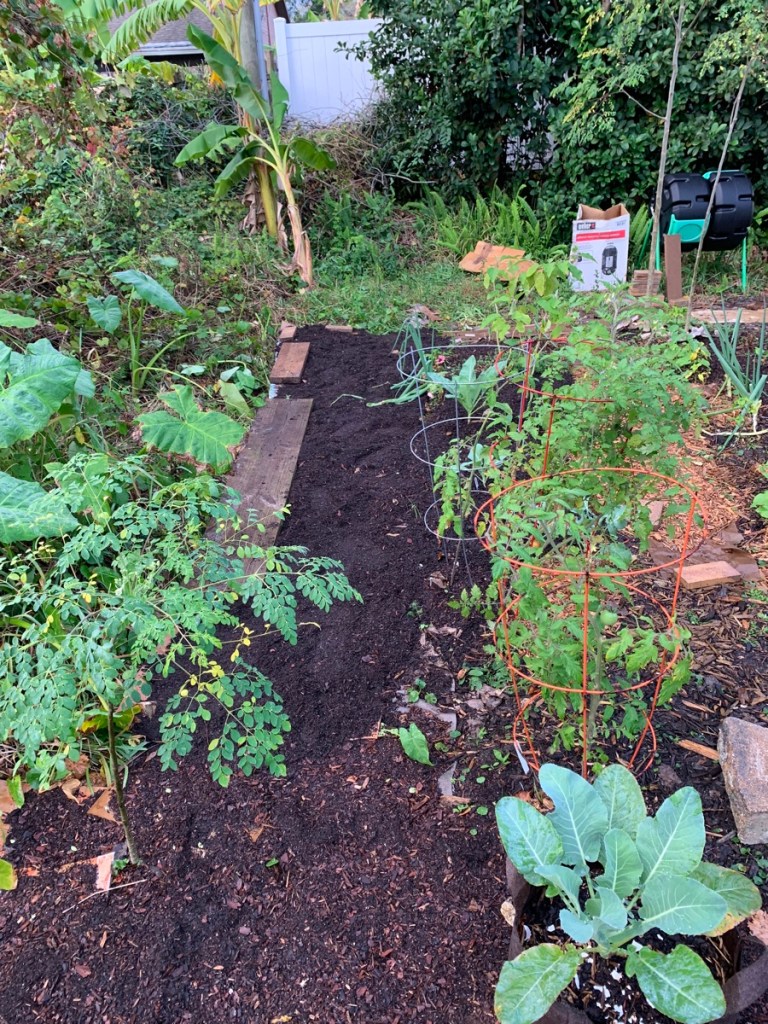
It’s the end of the year but garden work is ongoing if you are a Florida gardener. I’ve expanded my little vegetable growing area and have some eggplants forming.

It is Christmas Eve as I write this and yesterday was a beautiful day! I took advantage of the 72 degree, sunny and breezy weather to do some garden work.

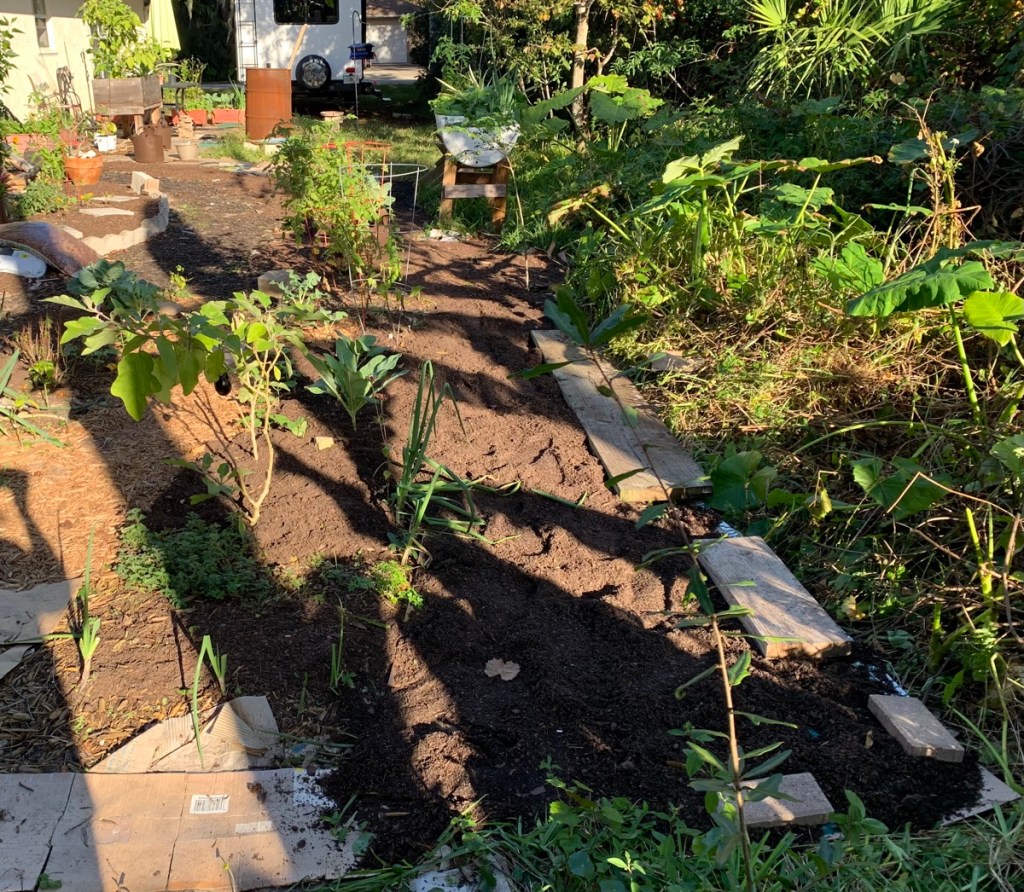
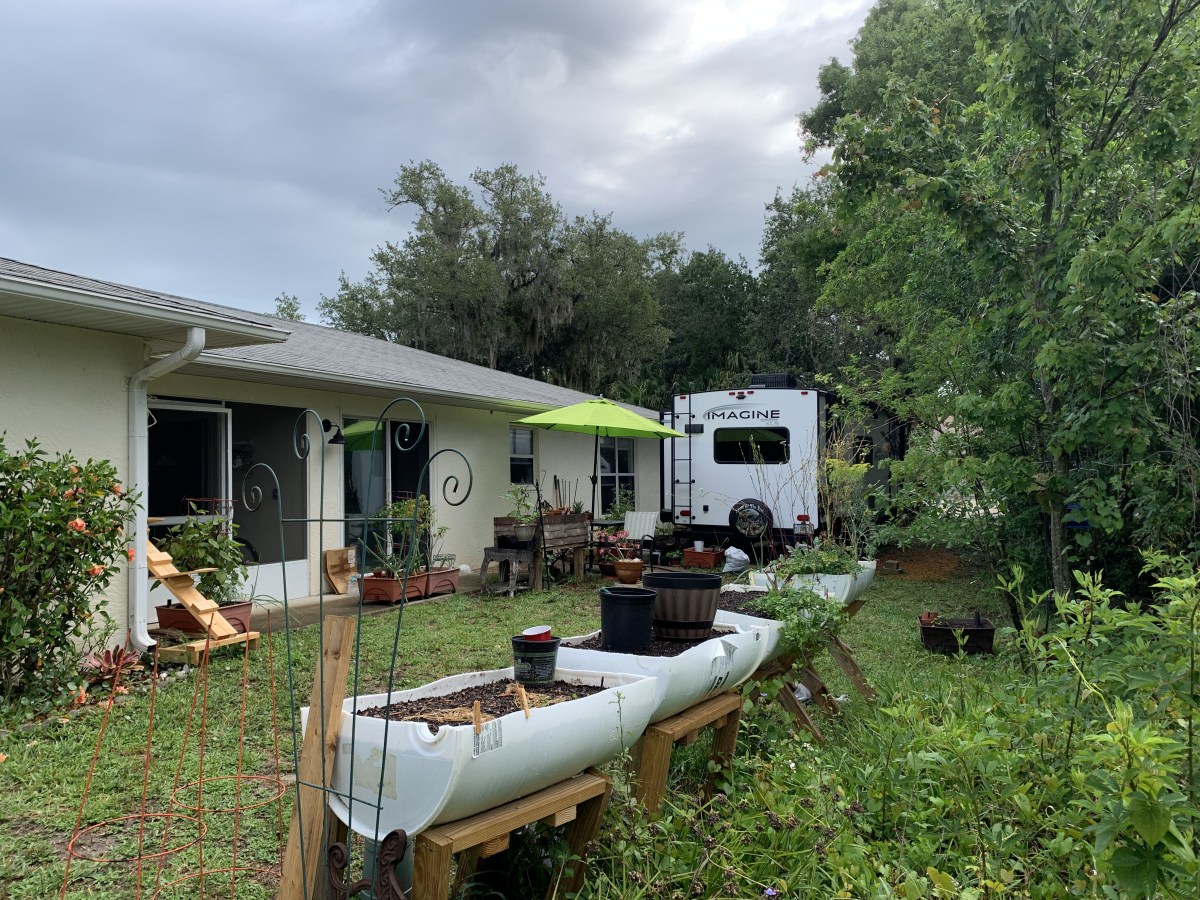
First I cleared out the growth next to my vegetable garden. Then, I put down some big pieces of cardboard and covered that with dirt. My dirt pile is already much smaller, so I’m using the dirt sparingly.

I’ll leave the new space alone and let the cardboard break down over the next couple of months. This may be a good place to grow watermelon or Seminole pumpkins in Spring. The vines could trail down the edge of the yard or off into the empty lot.

The Eggplants Are Coming in December

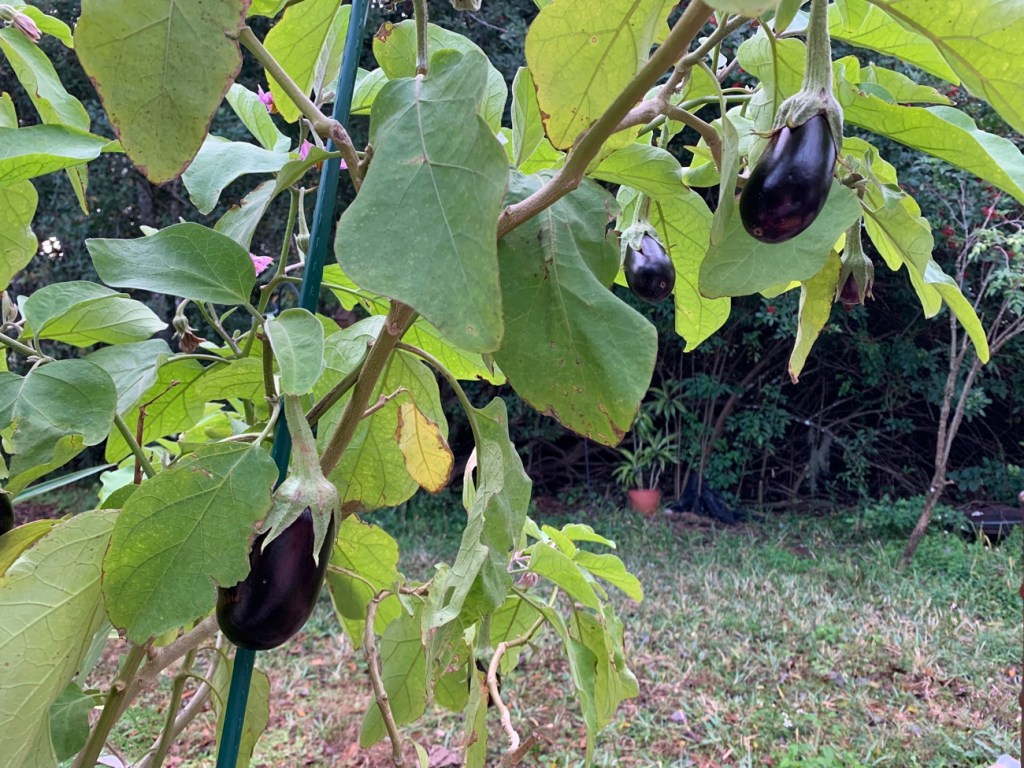
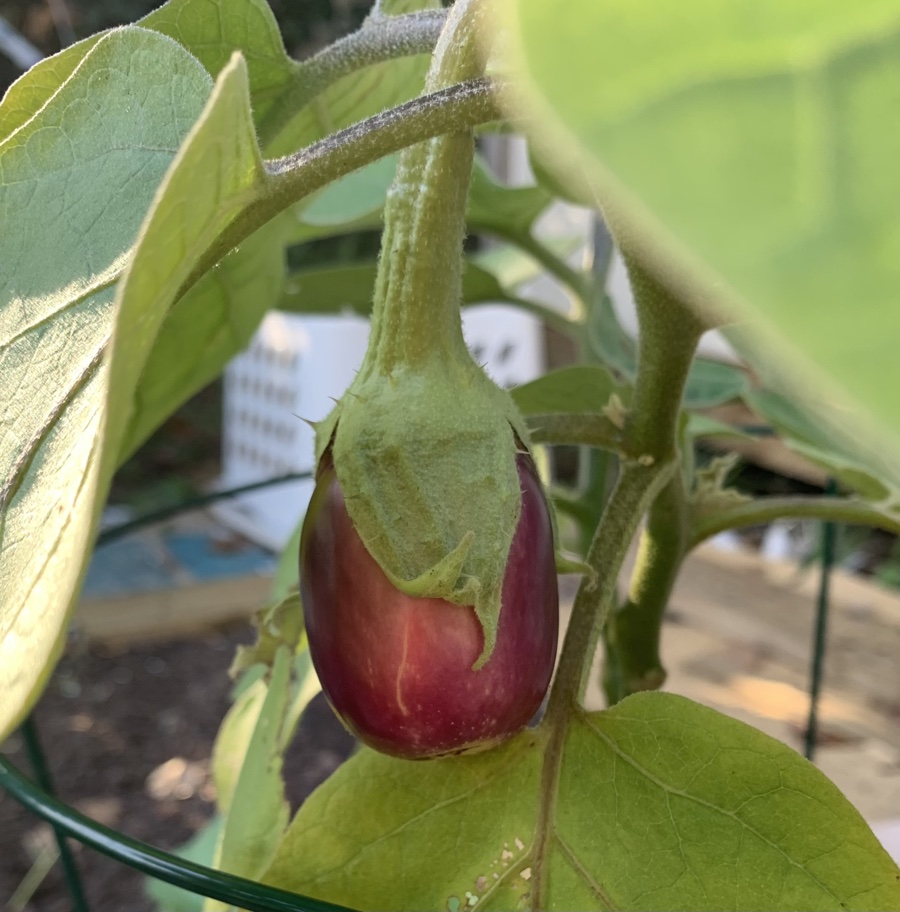
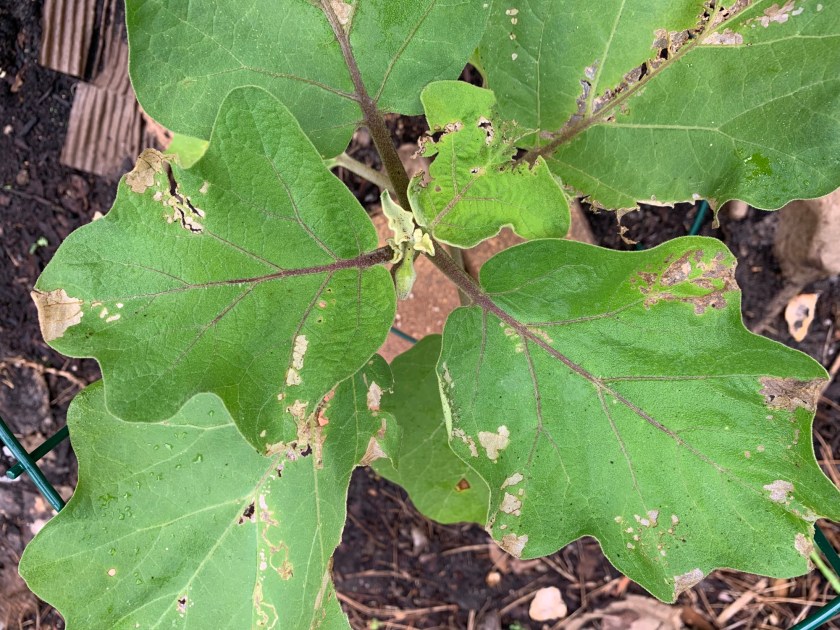
The big eggplant plant in the raised bed has ten small eggplants growing! And out back I found one Rosita eggplant – the first one I’ve grown. The Rosita’s have had lots of bug issues, with the leaves being eaten and constant worms. I’m pretty unhappy and will probably not grow this type again.
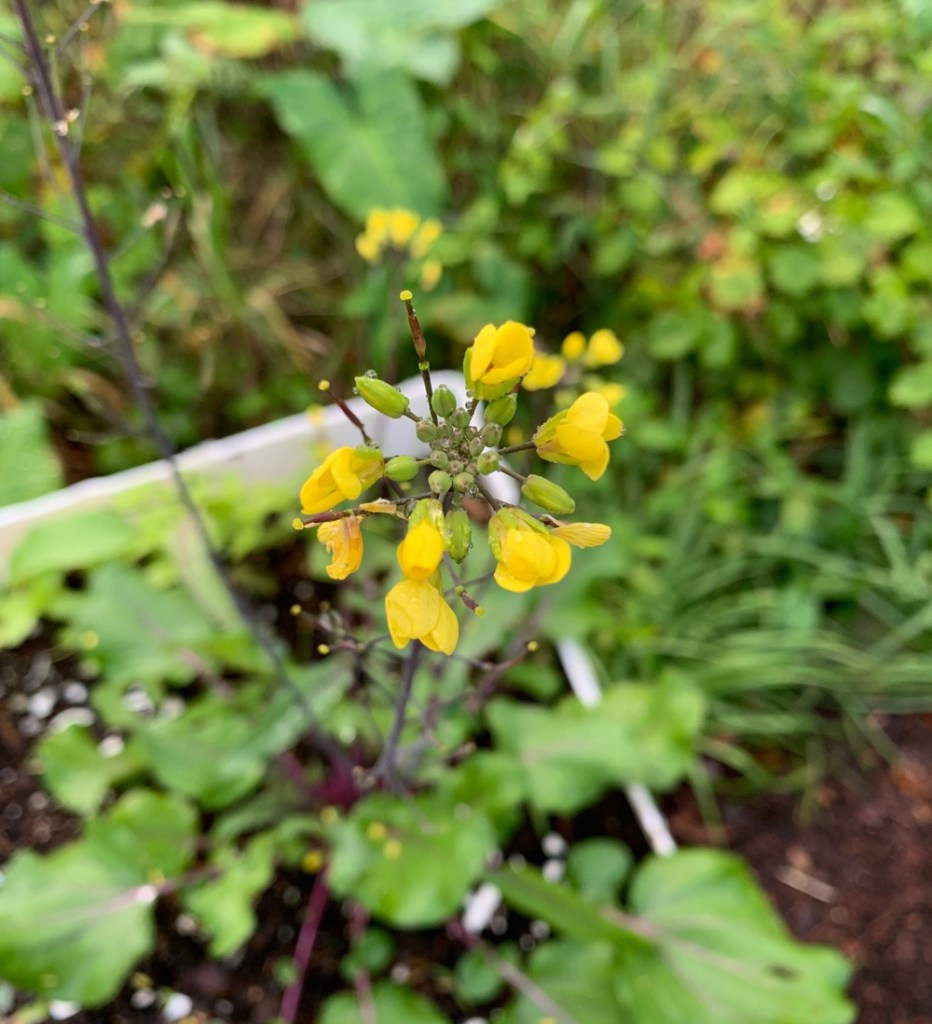
The Hon Tsai Flowering Broccoli is growing some beautiful, fragrant yellow flowers. Although I don’t like this plant for eating, it’s worth growing for the lovely flowers.

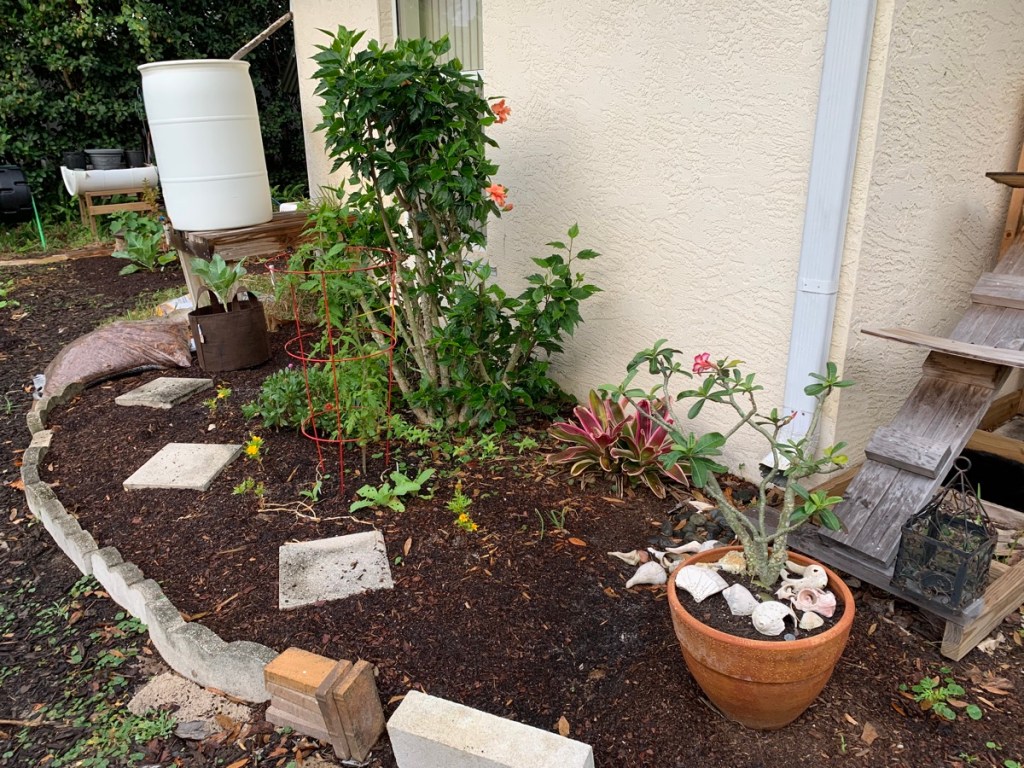
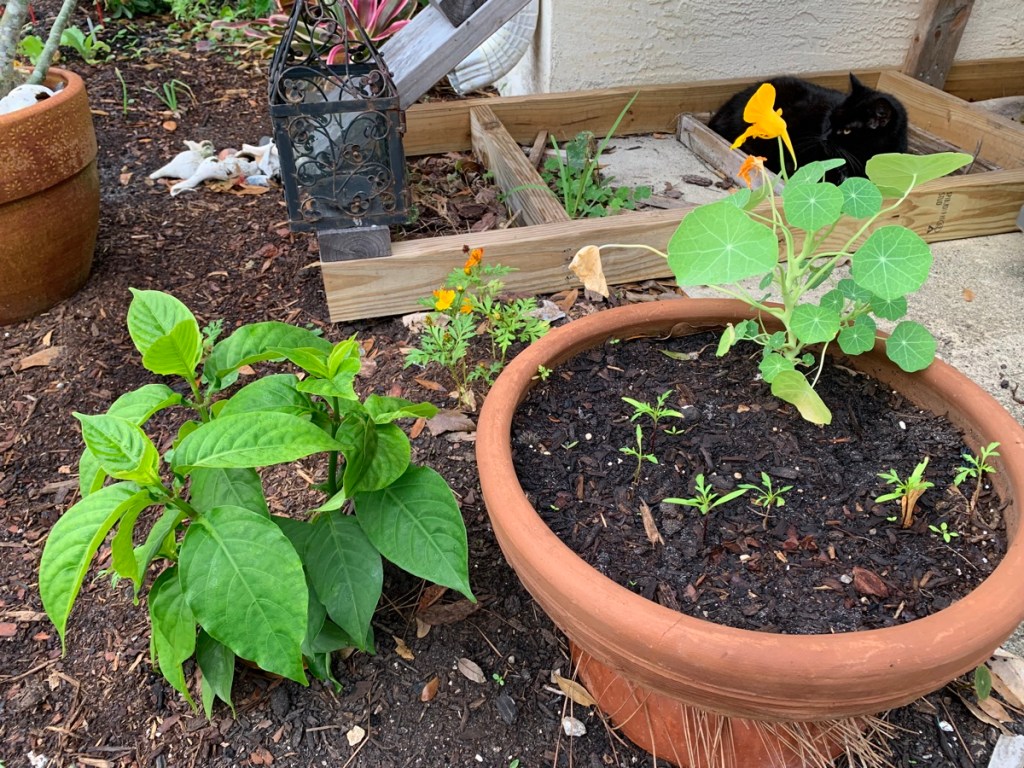
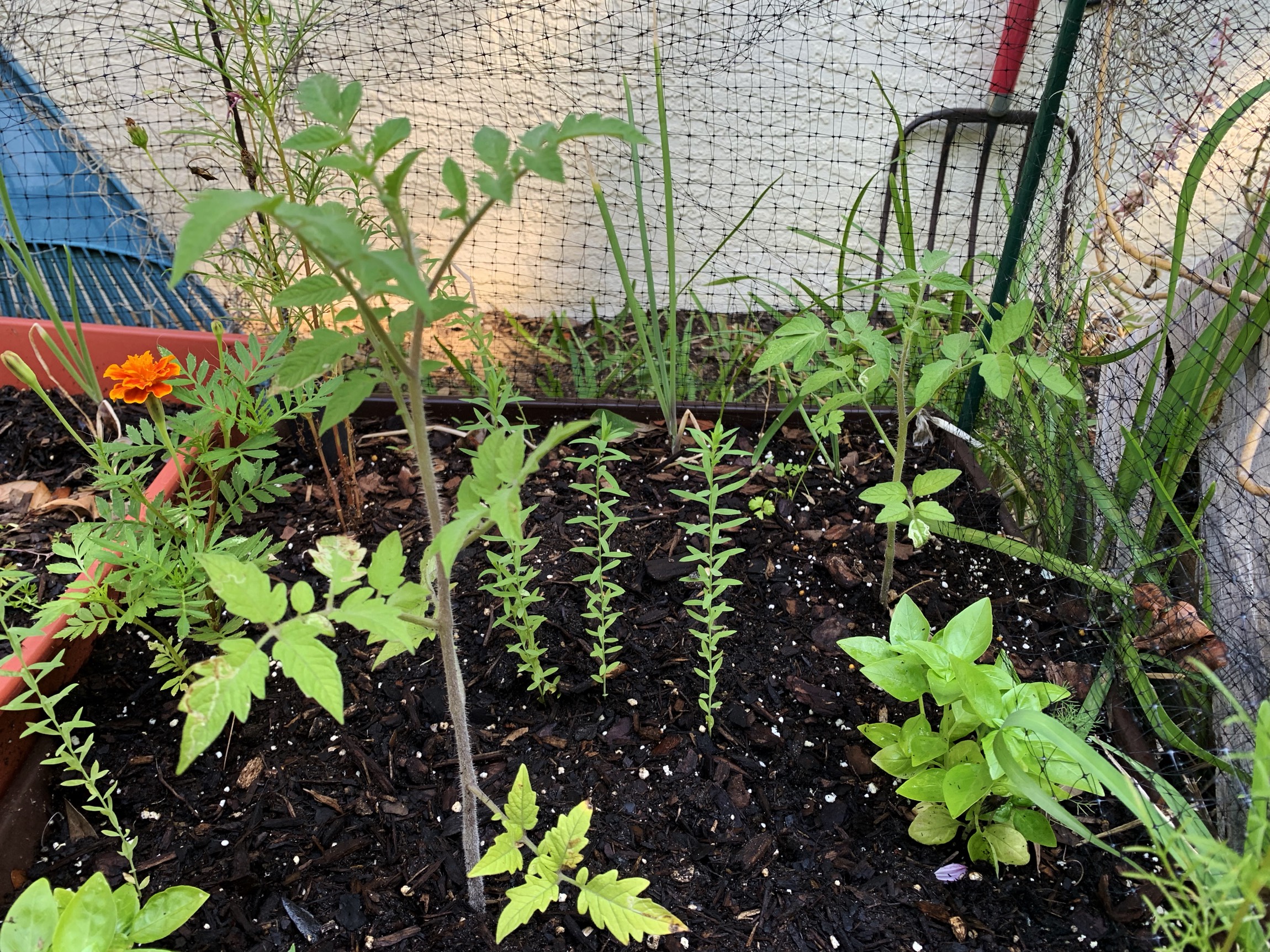
The hibiscus garden has gone through some changes as flowering plants have died off over summer. I’m currently using the space to grow a tomato and some little yellow cosmos plants. 

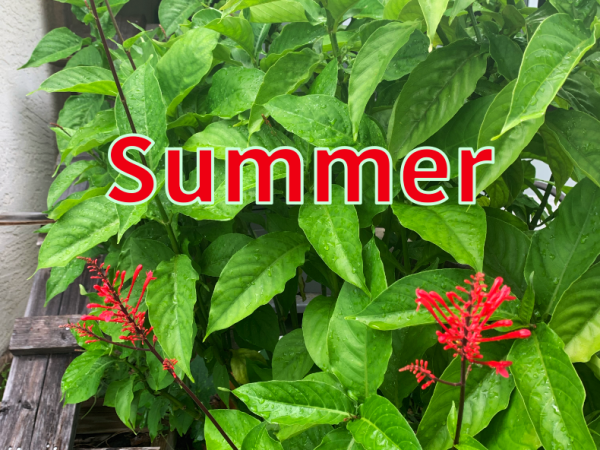
The Firespike, which I began from a cutting, is beginning to get larger. This took quite a while. And of all the nasturtium seeds, only one plant grew.

My first green bean plantings have gone by, but I kept beans on one of the better plants to grow big and dry.

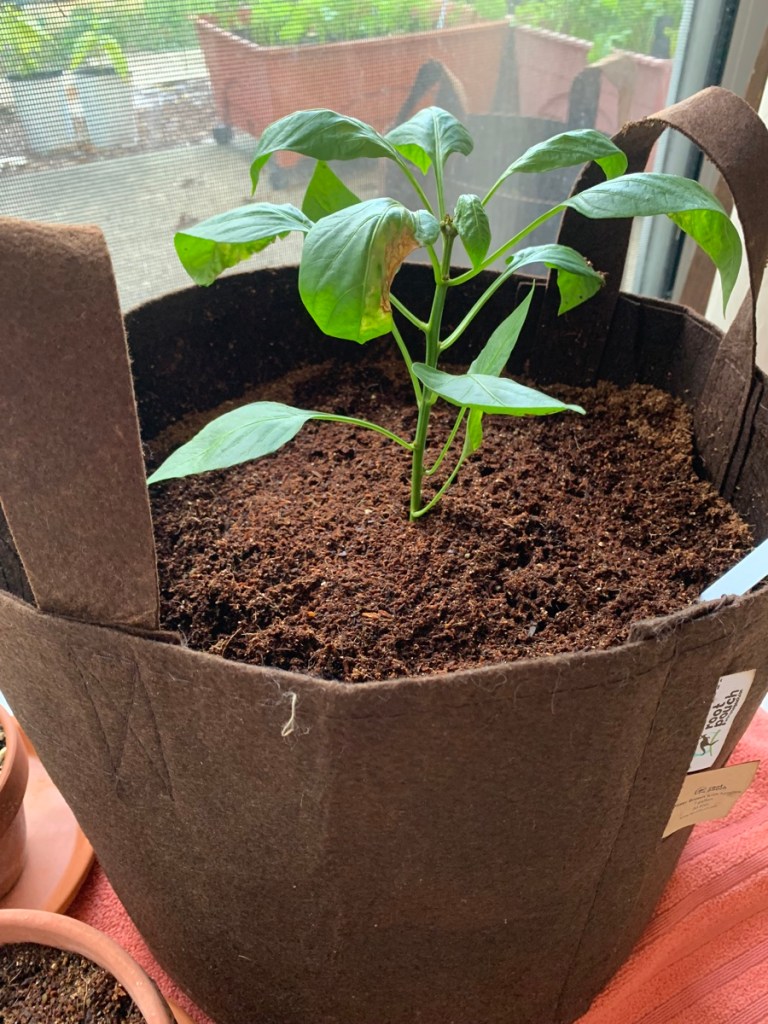
One of the Carolina Wonder pepper plants needed some help. I’m not exactly sure what kind of help, so I transplanted it into a fabric grow pot. I’m hoping it will improve.

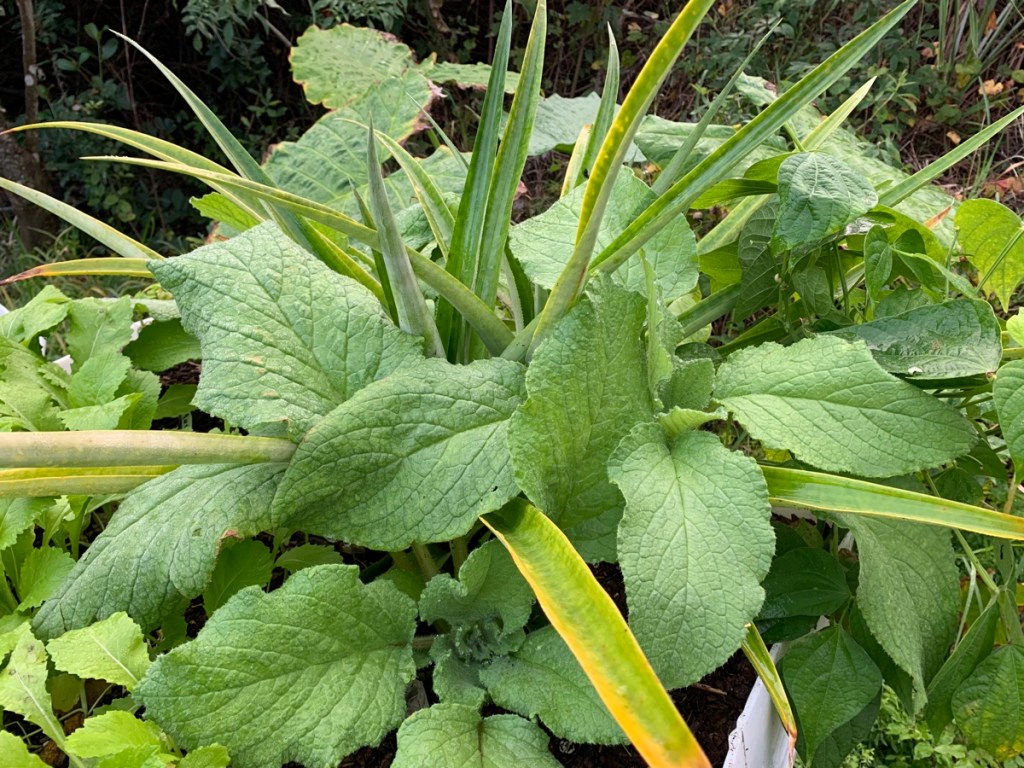
The borage has gone crazy, and apparently likes the colder weather. Only one plant is flowering, but I am using the leaves to make a delicious, mild tea!

All my seedlings and small pots have been brought inside. Nights have been much cooler than they prefer. I noticed that growth had stopped, and the peppers looked bad. I think it was the weather.

I probably should have waited to start these seeds. Now, I will have to care for them (put them out in the sun, take outside to water, bring them back in) for months until they can be planted.

I’ve received two gardening magazines through the mail already! Planting plans for spring and summer have already begun. Notes from fall and winter are being organized so I will do better next year.

Merry Christmas to all who celebrate!

First Time Growing Tomatoes in Fall

The heat of summer here in Central Florida is something tomato plants don’t like. I grew one tomato plant this summer. It grew tall and big, but never had a single tomato. Now that things are cooling off a bit, I am hoping the tomatoes might grow and give me fruit.

But, I’ve had some trouble along the way.

I started the tomatoes from seeds. They grew tall and lanky and I put a few into the ground. They were promptly dug up overnight! I suspect raccoons, but maybe armadillos. We have both.

transplanting tomato plants
These tomato plants need more sun.

My only choice was to get them planted in a planter, off the ground, where they were not as likely to be dug up by the wildlife.

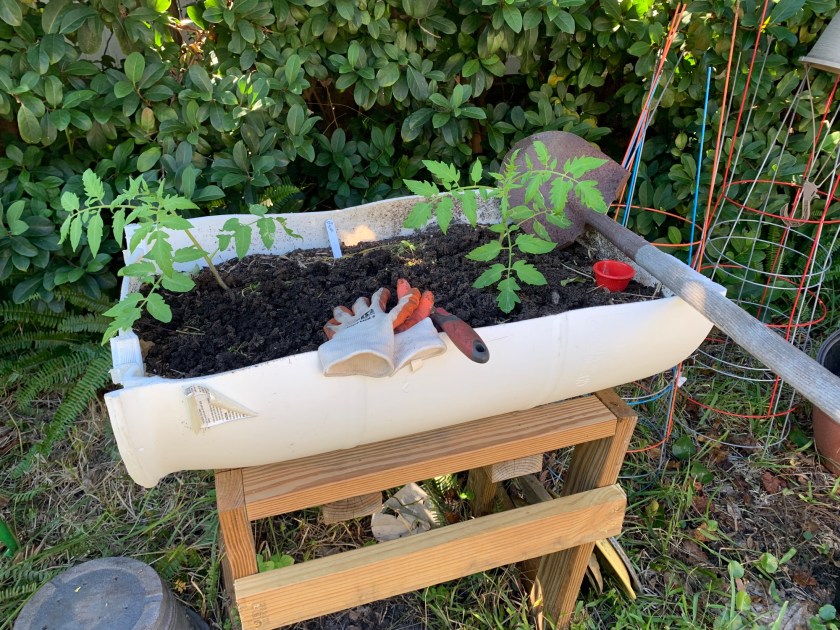
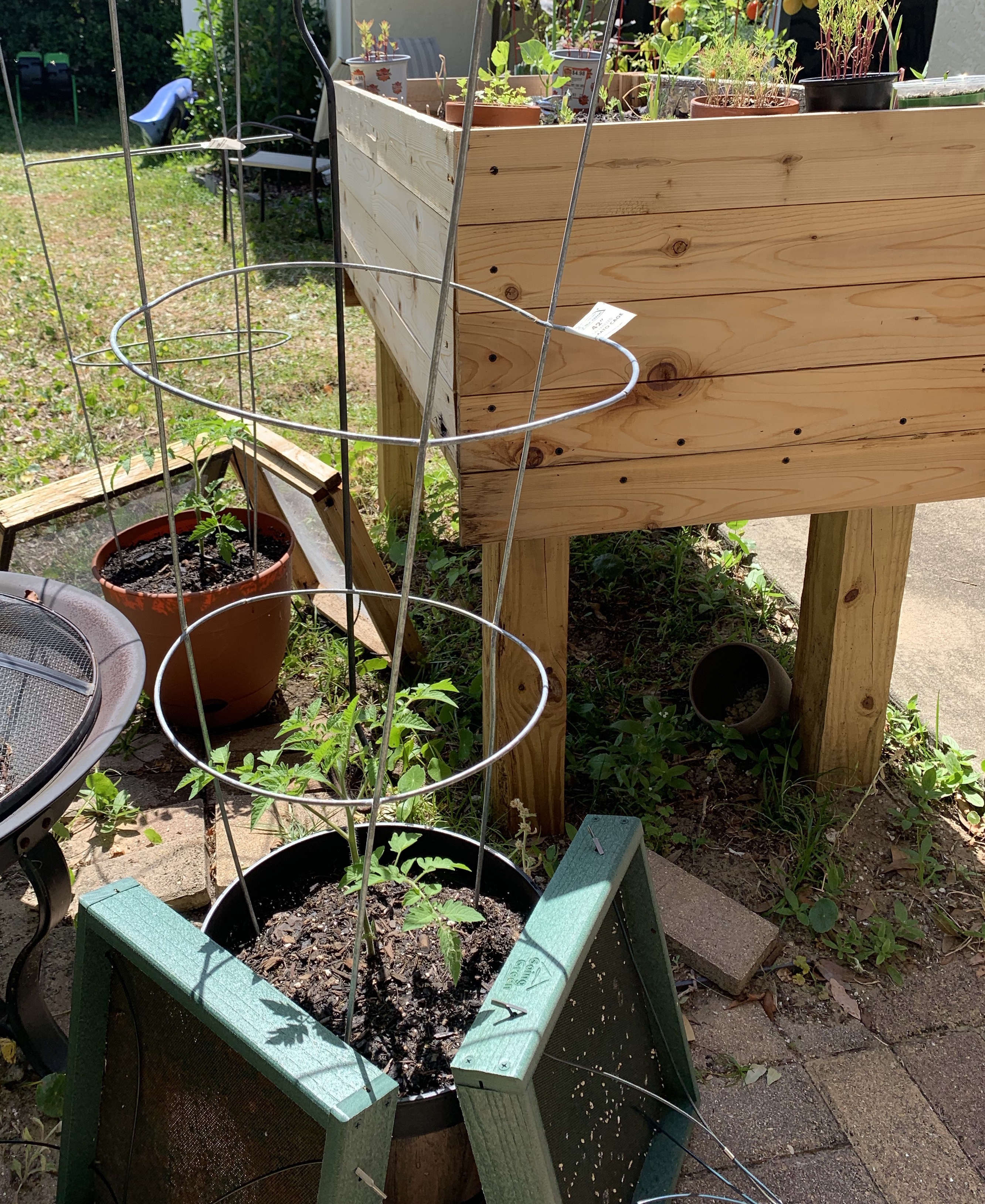
The white barrel planter at the back of my yard was being used as a compost bin. It sits alongside the Hot Frog barrels and I use it to throw larger branches and stems into. This raised bed area was full of good compost dirt. I decided to plant two of my larger tomato seedlings here.

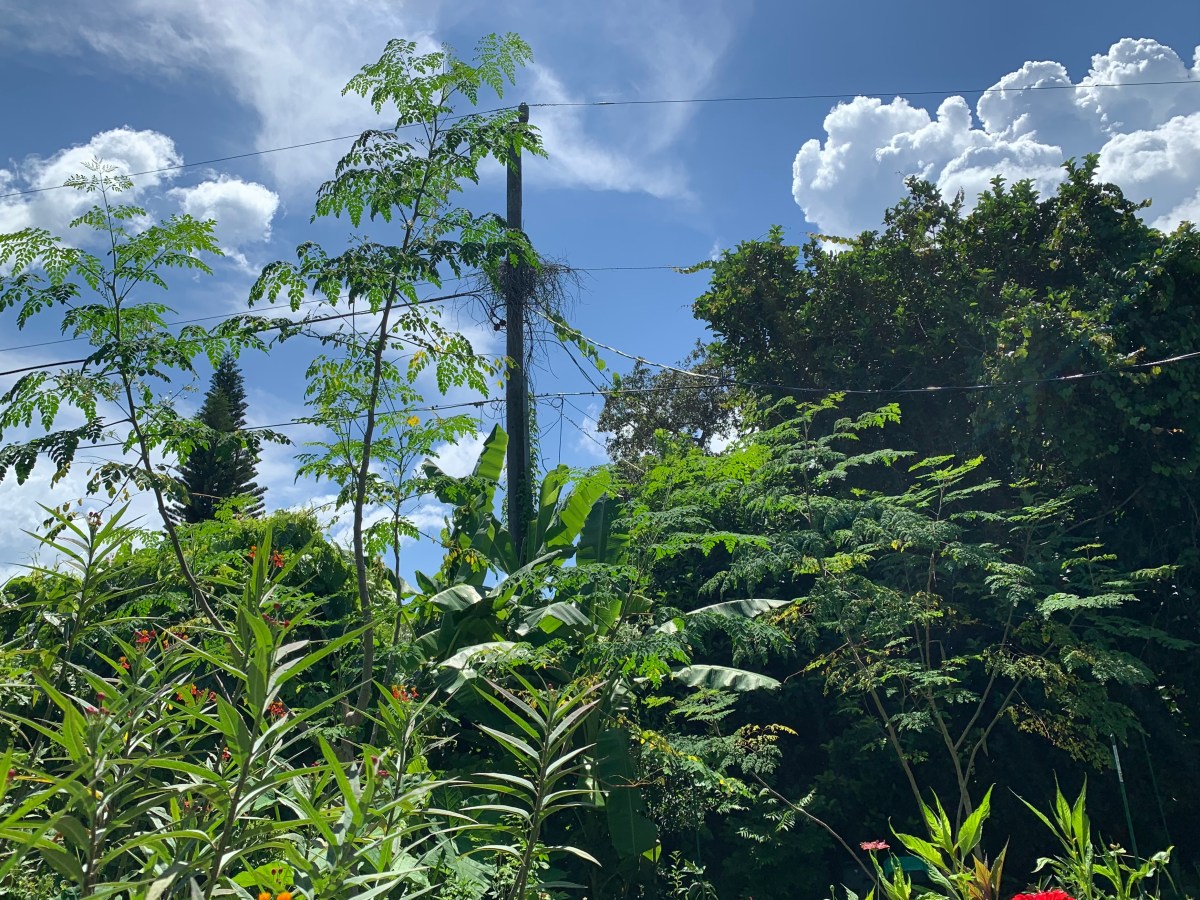
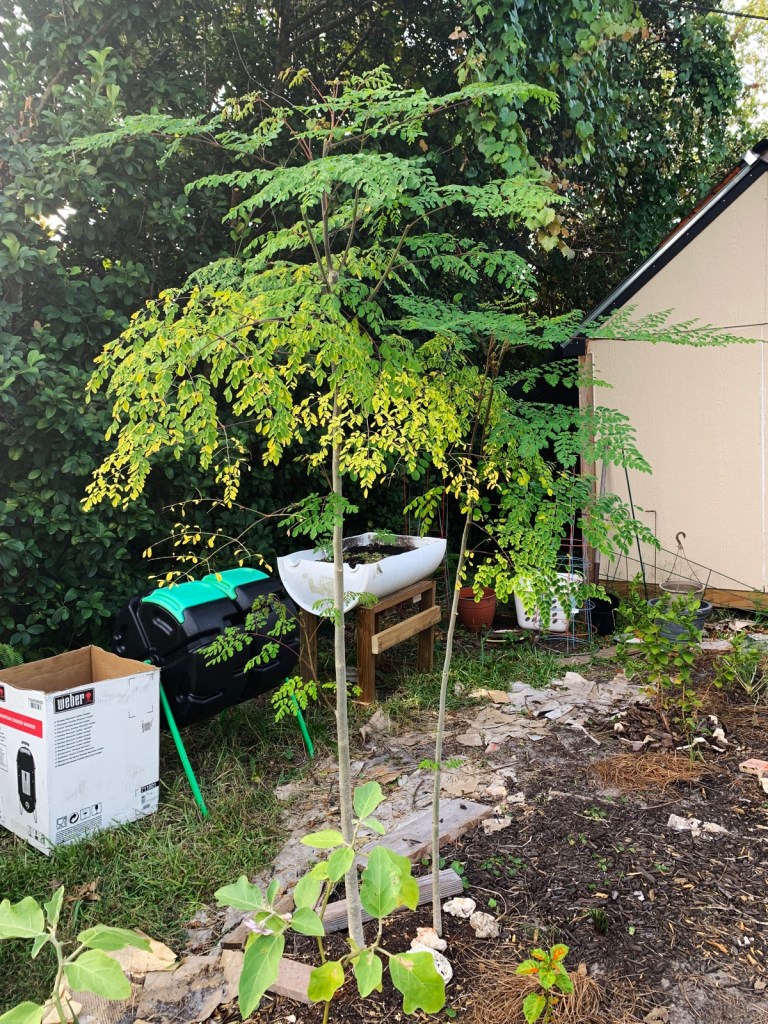
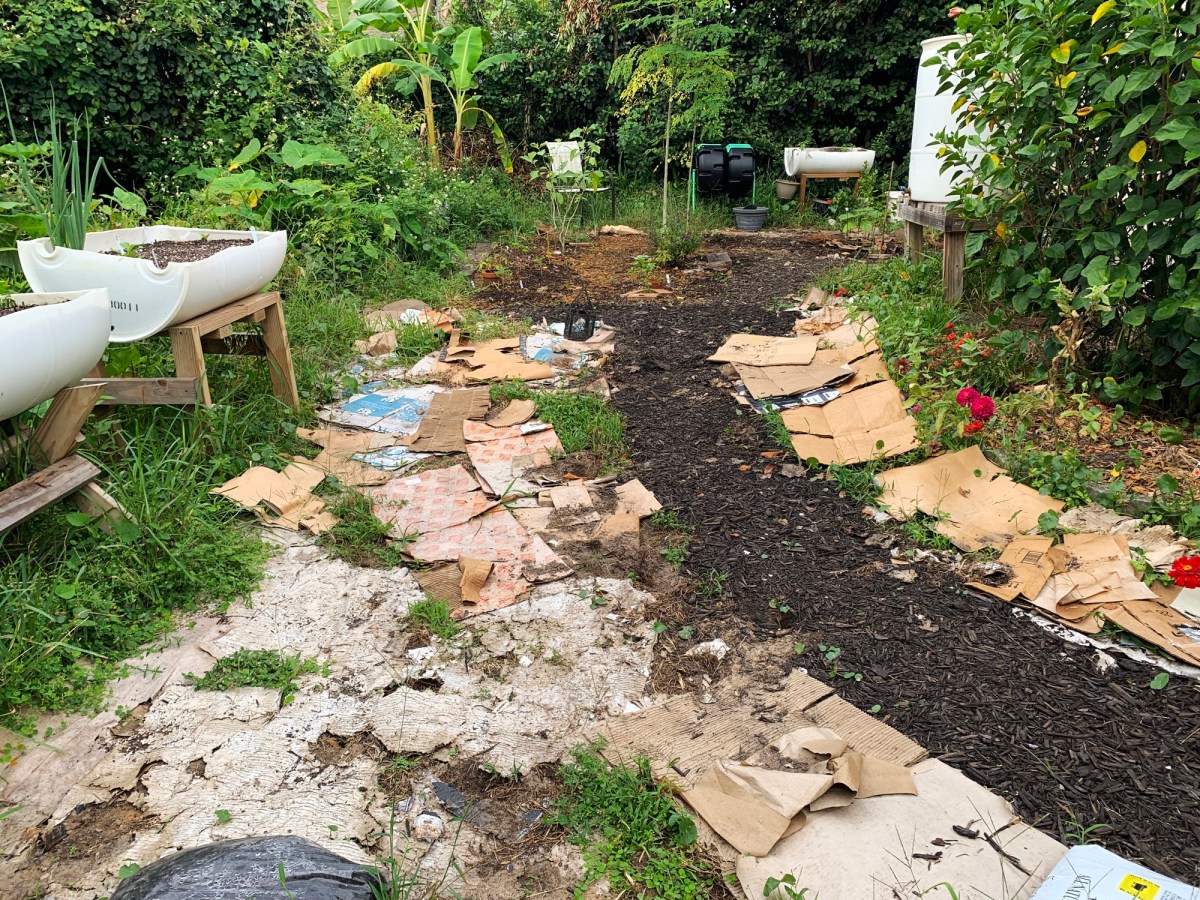
You can see the barrel in my photo below, which I took for the Moringa trees post. Unfortunately it turned out that there is not enough sun back here for the tomatoes. I had to move them.

Moringa
Backyard area

It was time to transplant these tomatoes again to a sunnier area of the yard.

Without all my garden areas ready to be planted (it’s a slow process), I have few choices. Also, they could be dug up again by the critters.

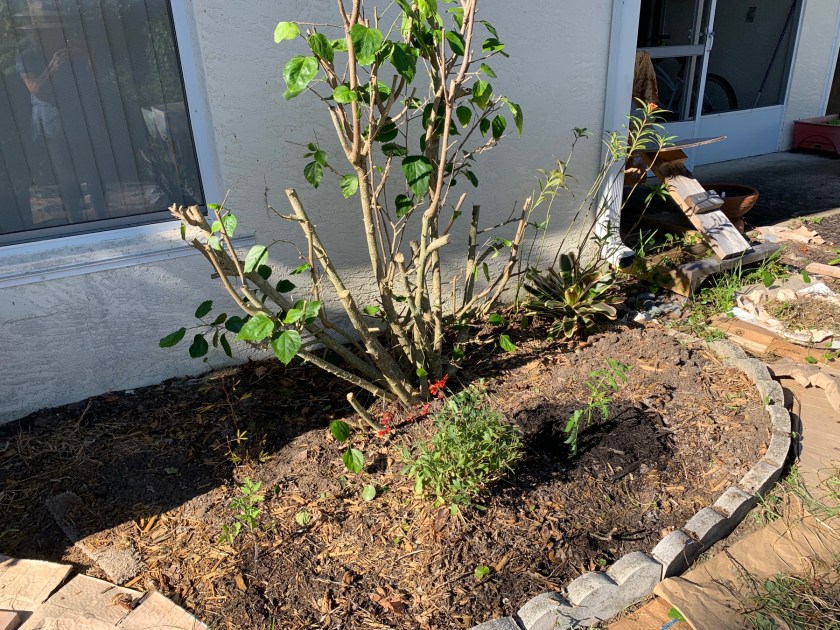
I had cut back the hibiscus and cleaned up the garden area around it. Of the four flowering plants planted here in Spring, only one has survived! My new little flower garden was mostly a fail! Haha… what can you do but move on.

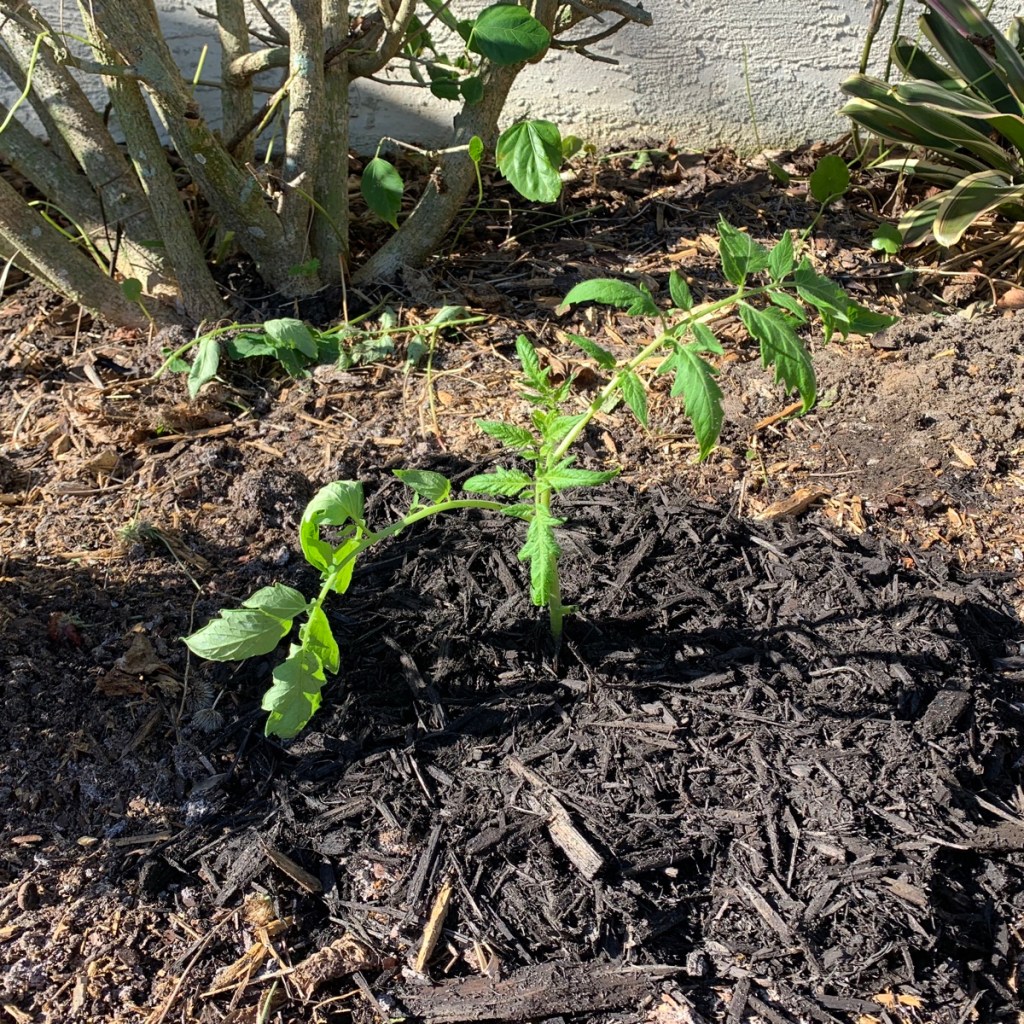
This is where I planted one of the Eva tomato plants. I have some native milkweed seeds coming, and I plan to grow milkweed in this area.

hibiscus trimmed
Changes to the Hibiscus Garden

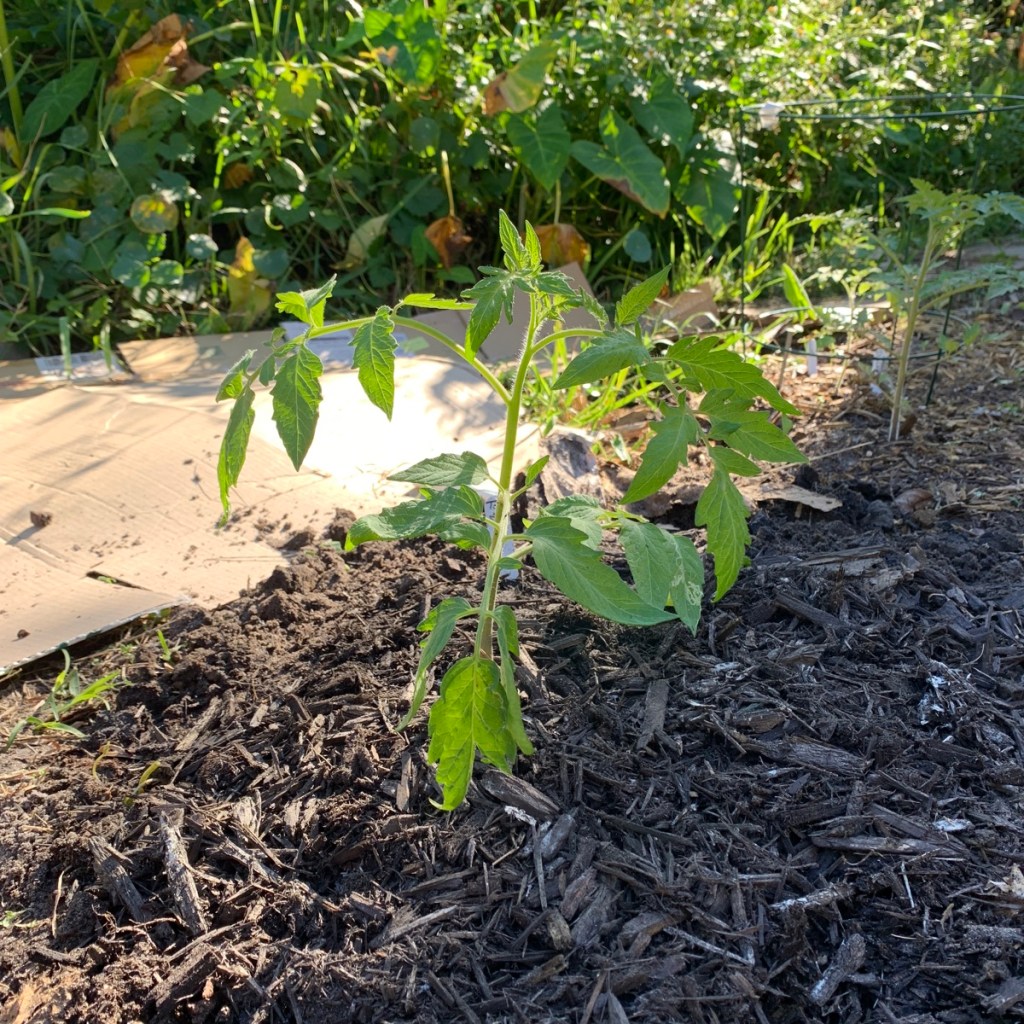
The Eva Purple Ball tomatoes are in new spots, which now will get a bit more sun. Already the sun is lower in the sky and the whole garden area is less sunny. Most of it gets at least six hours of sun a day, so I hope we are good.

I’m hoping these little tomato plants will grow well and give at least a few tomatoes before the weather gets too cold. We have plenty of warm days ahead, but by December we could have a cold night or two.

This Fall weather is much like a northern summer, where I grew tomatoes just fine. It’s all an experiment, so we’ll see.

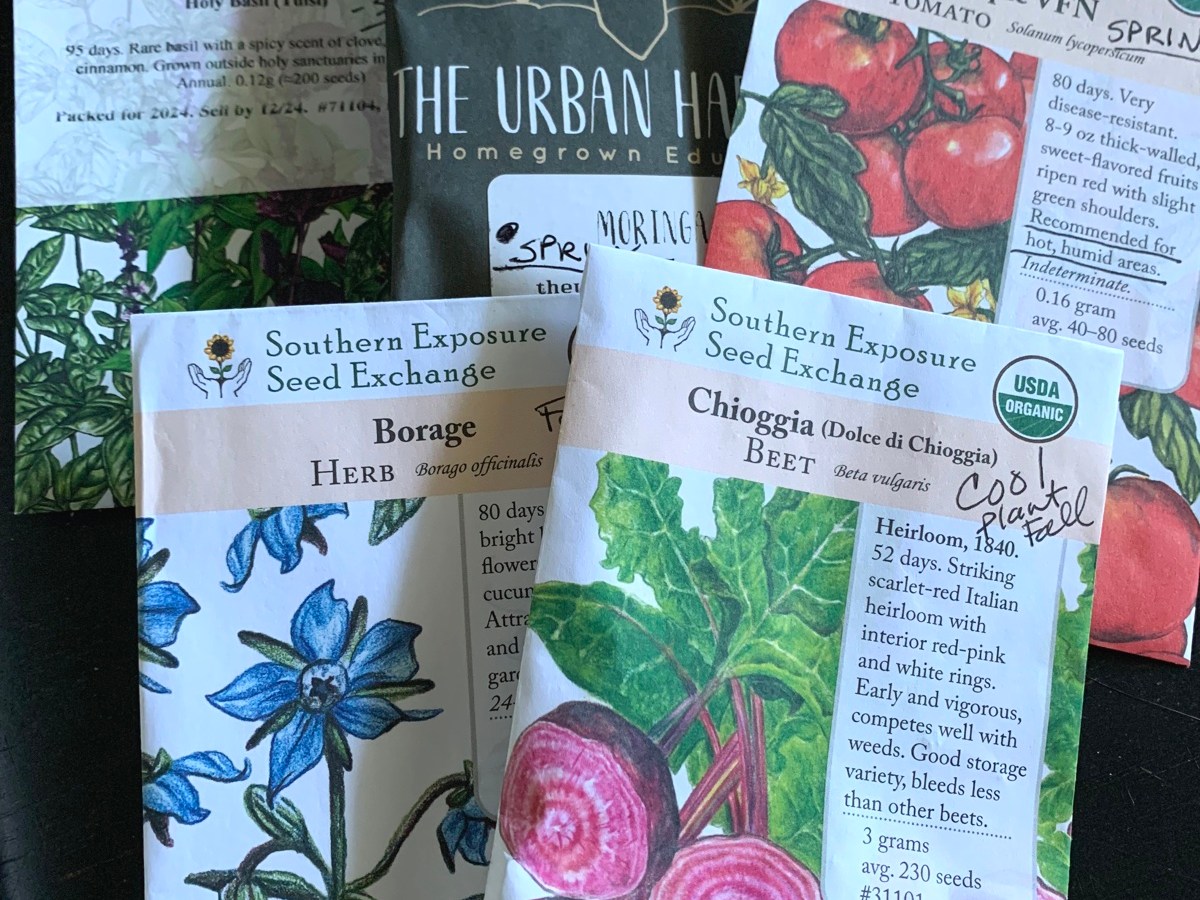
The tomato seeds I purchased were: Amish Paste, Druzba, and Eva Purple Ball. I also have a packet of Tropic VFN. I will plant the rest of these seeds in Spring, Only three Eva and one Druzba are currently growing. A couple of volunteer tomato plants have sprung up and I’m letting them grow to see what happens.

Buy Tomato Seeds For Southern Gardens

I buy seeds for southern gardens from either The Urban Harvest or Southern Exposure Seed Exchange – SESE. The Urban Harvest is located on the west coast of Florida (St. Pete), so the seeds they offer are meant to grow well here in Florida. At SESE, some of the seeds they sell will not work this far south, as they seem to cover a wide area of the southern US.


October is Florida Planting Season

Three cheers – it’s October! I’ve been waiting, and not so patiently. The extreme heat is mostly gone and temperatures have gone down to the 80’s. Then, today it was 67 when I went outside at 7:00am and I put on a flannel shirt! Yes, it is finally time to tackle that long list of outdoor chores that has been building over the long, hot summer.

Planning

Now is the time to get planting for the cooler season. Our Fall is more like a normal, northern summer so the plants will be happy.

I’ve been planning where to plant the seeds and seedlings. We must have a garden plan – and I did.

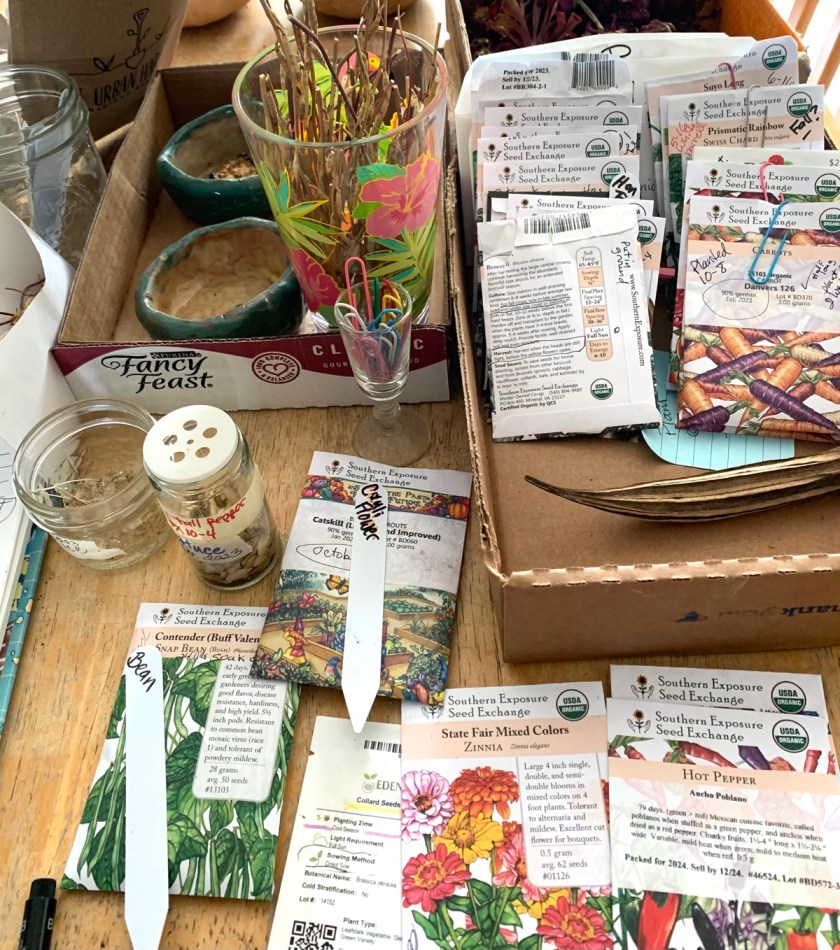
garden seed packets planning
My garden planning area

The grow boxes were dug and amended with some good stuff, like bone meal and compost, in September. Seed packets laid out to take stock, notebook scribbles about what I did, plant names written on markers, and everything ready to go.

Water Problems and Compacted Soil

At the end of September a little pocket of moisture hovered over my area of Florida. We got days and days of rain. I measured 9 inches in two days alone, and it rained for about a week. Florida can handle lots of rain, but my grow boxes were super soggy. They do have drainage, but I realized that I needed to add something to aerate the soil. It had become very compacted.
I bought Vermiculite (link to the organic brand I purchased at Amazon) and Perlite. I liked the Vermiculite better, and bought some more. Once again, I went through the grow boxes and added bunches of vermiculite for drainage.

Animal Pests

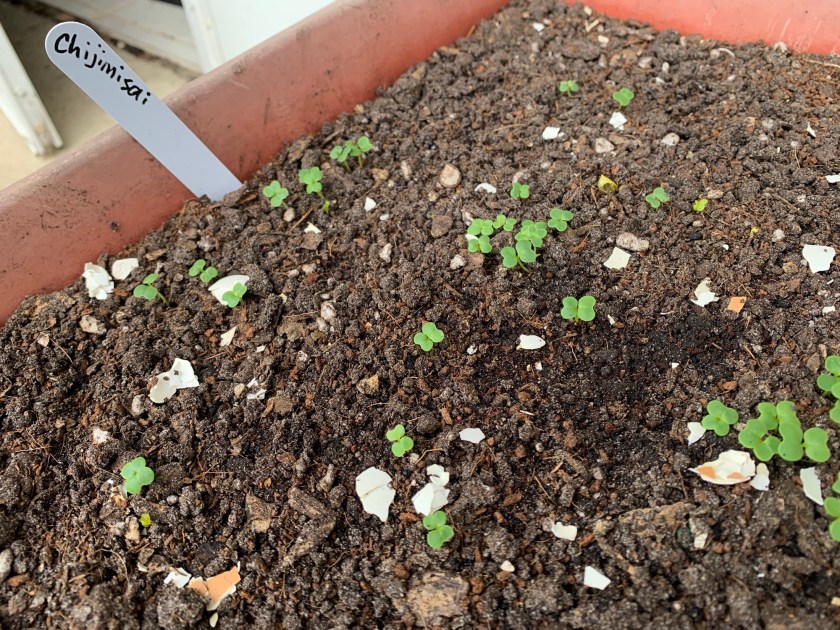
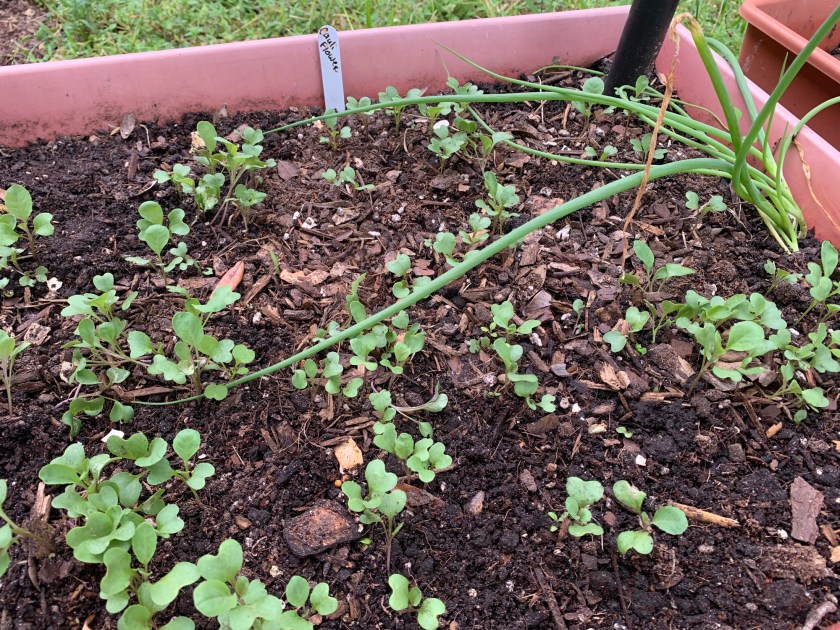
Finally I was able to put seeds into the boxes. Once the lettuce, arugula, chijimisai, Brussel sprouts, and cauliflower were in the boxes I had another problem to deal with. Raccoons are walking through my low grow boxes, and sometimes digging.

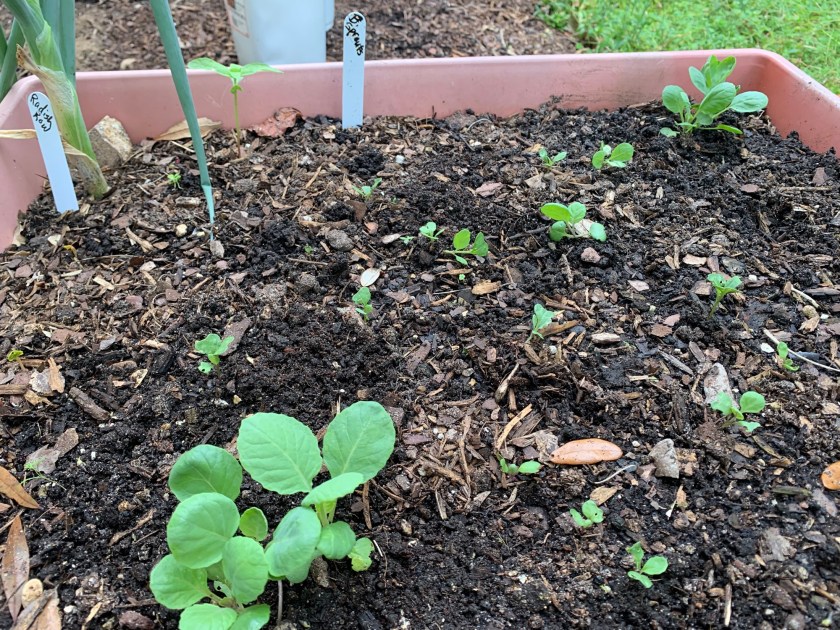
  • Chijimisai seedlings
  • cauliflower seedlings
  • Brussel sprouts seedlings
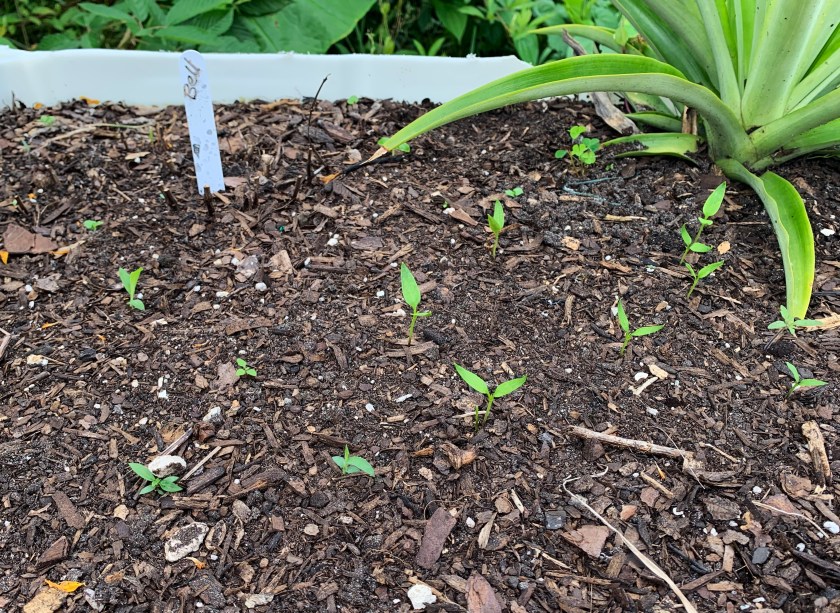
  • Bell pepper seedlings
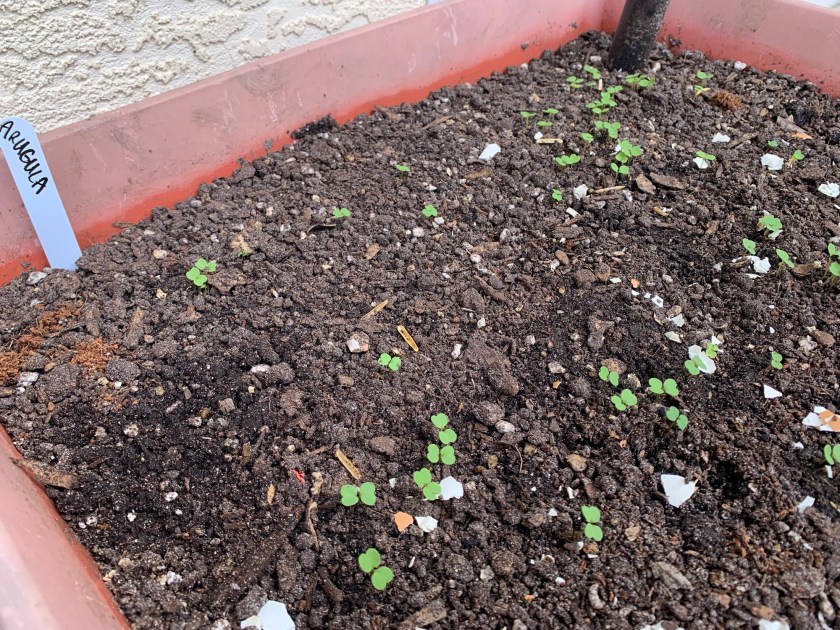
  • arugula seedlings in grow box

Raccoons and armadillos are always around, and especially pesky raccoons. Each morning when I check the (in the ground) garden, there are big holes and some plants pulled up. I’ve lost some pepper and tomato plants, which has made me change my plans a bit.

Instead of having my tomatoes all in the ground, I have to put a few up in the larger, white barrels that are off the ground. This means that I don’t have all the space I had hoped to have for planting.

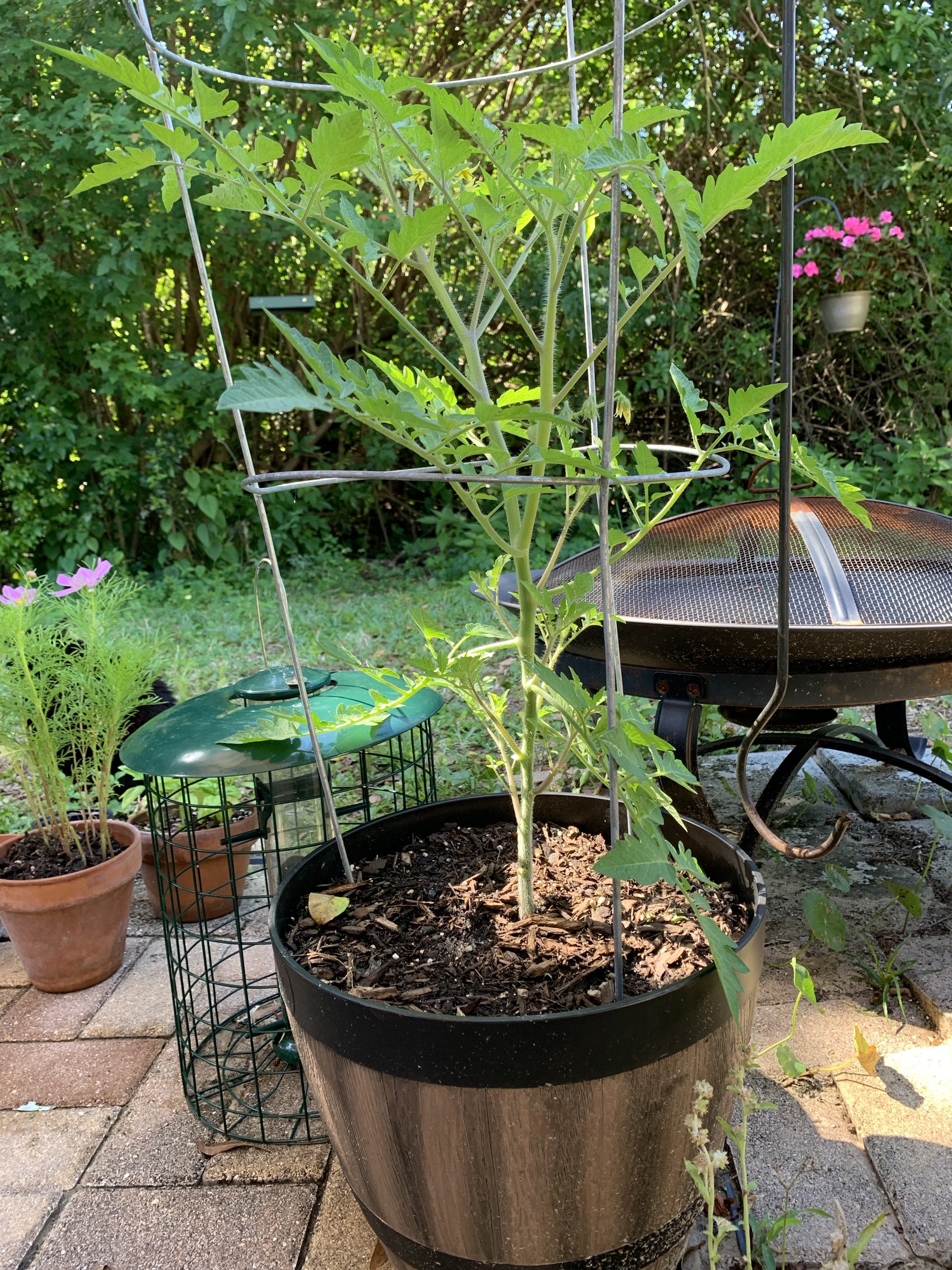
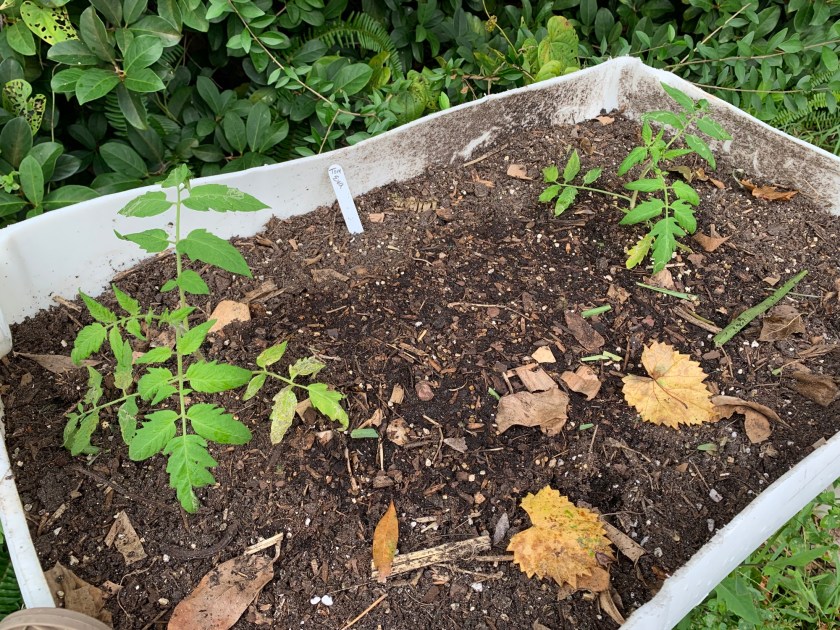
This white barrel, where I planted the Eva tomato seedlings, was being used as a composting area. So I’ve lost the compost space, but the tomatoes should grow great!

tomato plants in raised bed
Eva tomato plants

Worm Problems on Rosita Eggplant

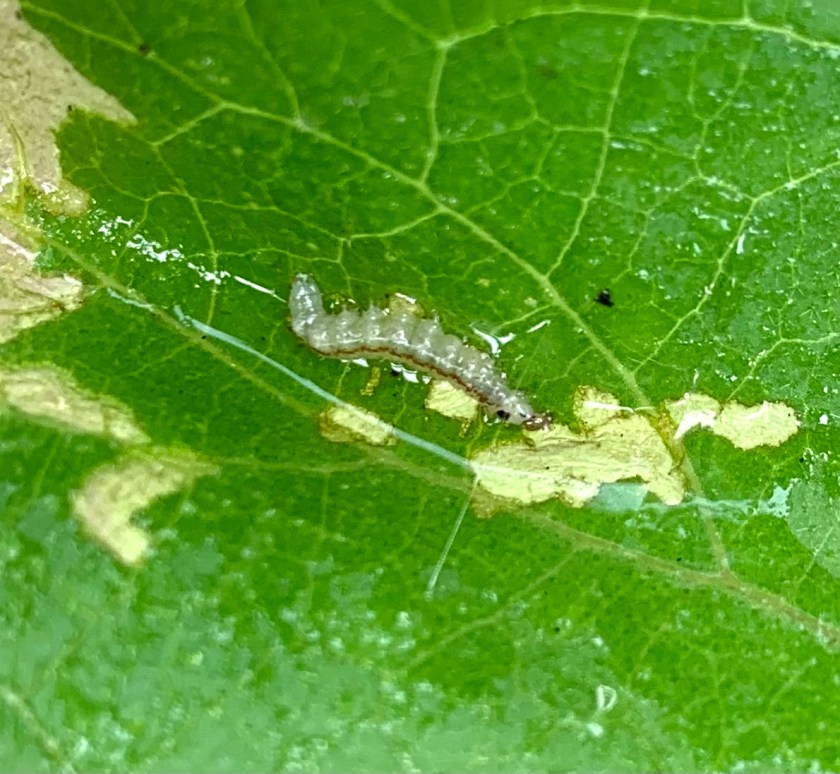
The two Rosita eggplants growing in my backyard were begun from seed. They were planted on August 4th and have had worms on the leaves off and on since they were planted. I have only 2 plants, so it’s easy to pull the worms off and throw them onto the ground for the lizards.

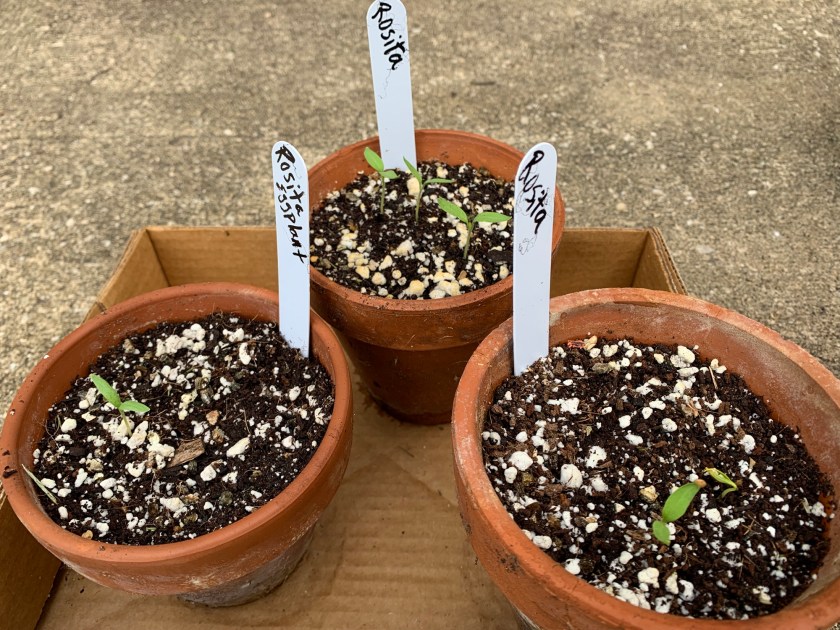
I don’t have this worm problem on my other type of eggplant. I do have some more Rosita seedlings growing in clay pots, but if this type of eggplant is prone to worms, I will not continue to grow them.

  • Rosita eggplant worm problem
  • worm on eggplant leaf
  • Rosita eggplant clay pots

Bell Pepper

Another plant that I had hoped to have in the ground is the Bell Pepper. The seedlings I put into the garden were pulled up by animals. So, I planted more seeds in one of the tall grow beds. This bed will now be the nursery for pepper plants, which means I can’t use it for something else. (I have a pineapple growing in the corner.)

Bell pepper seedlings
Bell pepper seedlings in raised barrel bed

Keep Gardening Notes

I have a small notebook where I write things down. These notes keep track of what I buy and when. I keep dates for when seeds are planted in pots and / or in the garden. I also make entries about the weather, bug infestations, and information about certain types of vegetables. That is very important because I am beginning to grow things I have never grown before. Some of these things – the Chijimisai, for instance – are very new to me.
I also keep all the seed packets, and make notes on them. They have good information about when to harvest (pumpkin and watermelon) and contain the date packaged. Seeds only last about a year, so they need to be used up before they get old. I rarely use all seeds at once because my garden areas are so small.

Hoping to Grow

This fall I am hoping to grow lots of greens. Kale, lettuce, arugula, and parsley, to name a few, like cool weather. All I have had over the summer is some sweet potato leaves.

I am hoping the tomatoes will grow and produce. Peppers like the heat, but they are so slow growing that I don’t expect peppers until Spring. I might have to do something to keep them warm enough through winter.

Carrots have been planted in the deep raised bed, and I have yet to find a place for the kale and snap beans. Today I planted the remaining Borage seeds and will soon find a pot for the Nasturtiums. They did not like the heat, so I’ve been waiting for cooler days.

I’ve never done much vegetable growing in Florida and this is the first time I am planting in Fall. I feel like my research has prepared me, and I could be successful. The gardens are not as big and ready as I’d like, but it’s a process.

Read on for more garden stories

A Vegetable Garden Begun From Seeds

Planting a garden, year two, from saved seeds. Everything growing in my small backyard vegetable garden was begun from my own seeds and seedlings.

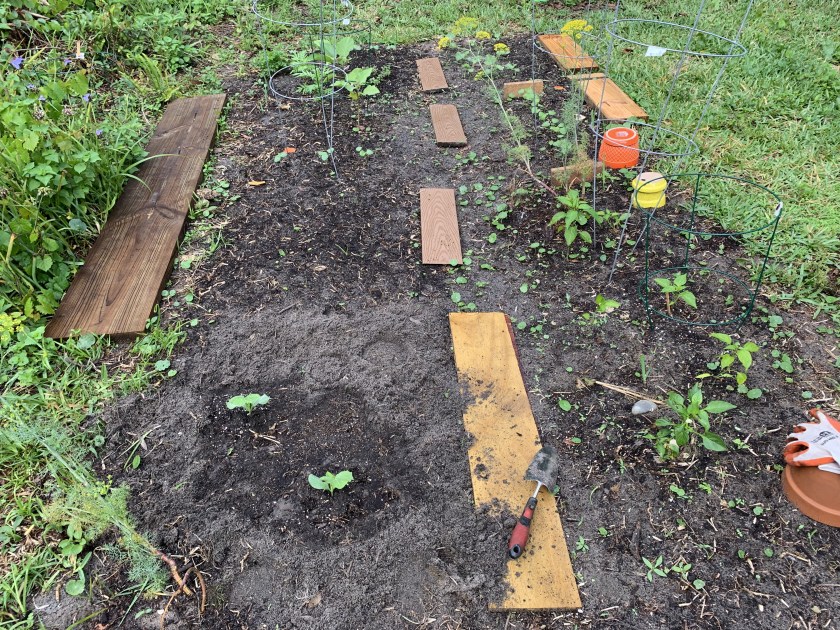
As of the end of April, my backyard garden is nearly full of little vegetable plants. Today I added two pumpkin plants after they grew from seeds in little pots.

The eggplant plants have been growing in garden boxes near the house and were transplanted into this garden. They came from seeds I saved from the eggplants.

vegetable garden spring
April vegetable garden

Vegetables I am Growing This Summer

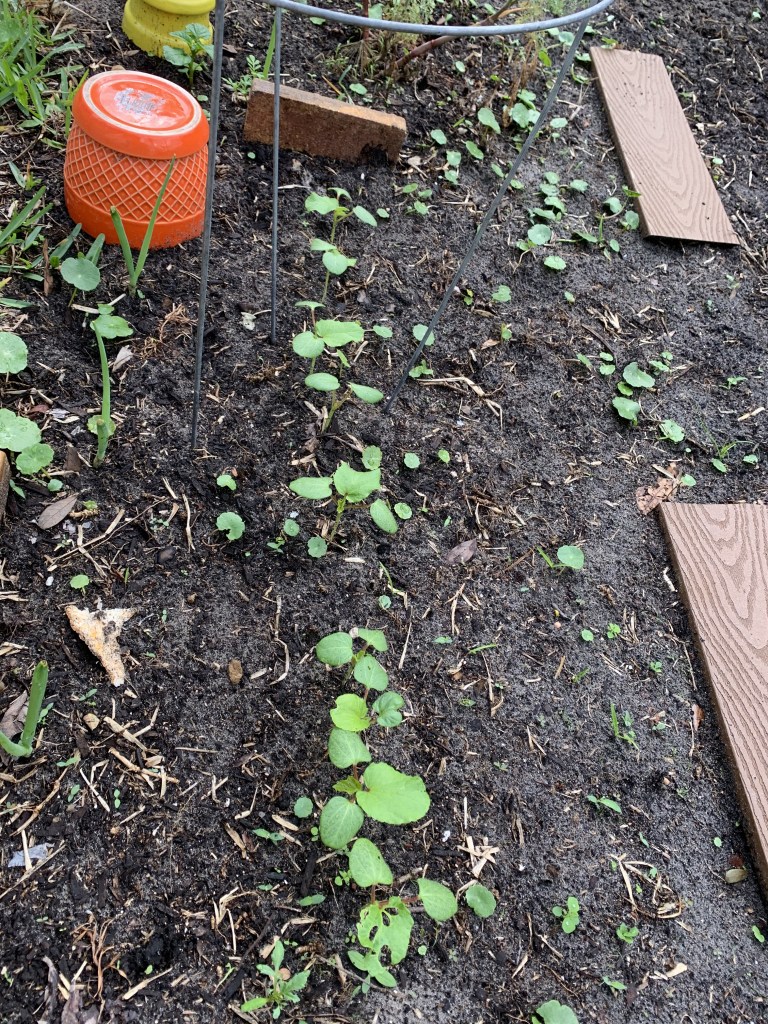
In the garden I have okra (purchased seeds) that was planted as seeds. I’ve never grown (or eaten) okra, so this is new. I’m finding that okra plants are pretty hardy. Some animal dug up some of the seedlings and I replanted them and they are doing fine! Soon I will thin the row by cutting off the okra I want to remove.

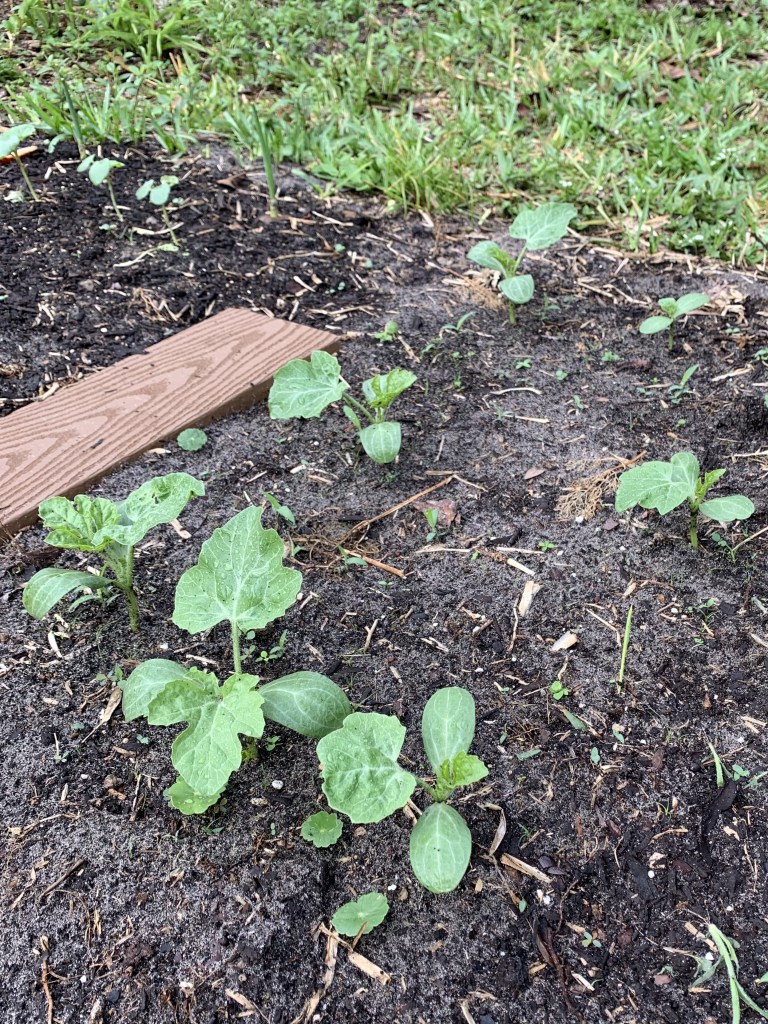
The watermelon (seeds I purchased) is beginning to take off, and I will choose only a few of the best plants to keep.

Also in the garden: Hot peppers (from seeds I saved). I have planted one poblano, a couple jalapeños and one Habanero. We have more seedlings in pots, but I am running out of space.

Also growing are eggplants, watermelon, okra, pumpkin, dill, and marigolds. Everything started from seeds. Most plants grew up in pots and were transplanted, but the okra and watermelon were put directly into the dirt.

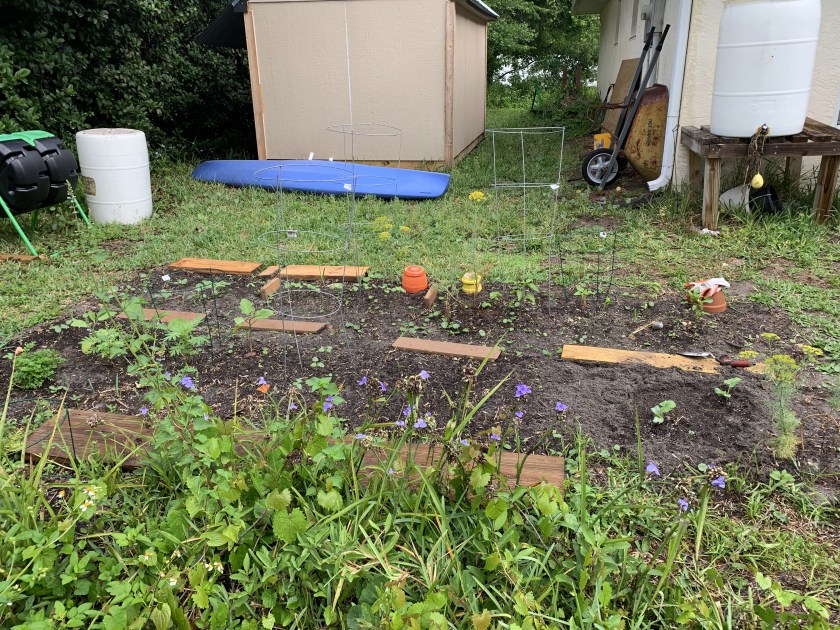
I’m already planning a couple more gardens in the small yard. I’ll be moving the kayaks and white barrels to dig up that area for my “winter” garden. It’s an area that gets a lot of sun.

garden

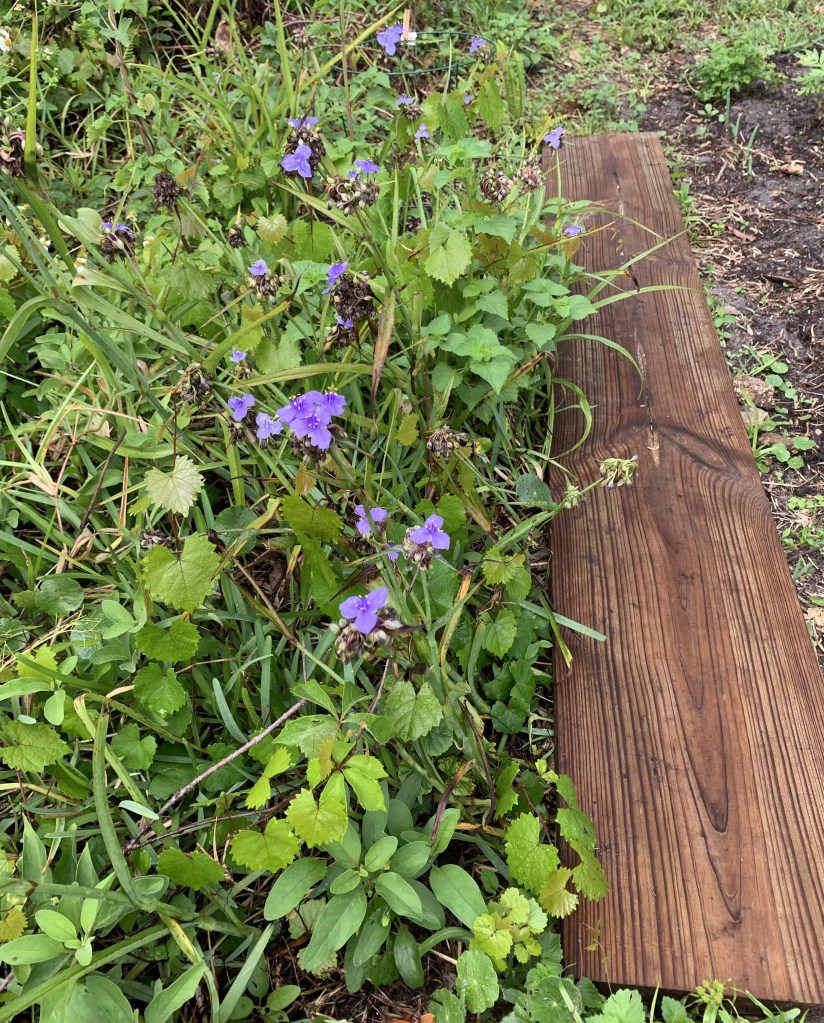
The picture below is of the edge of my garden where I put a board to walk on. I’m hoping it will help keep all those weeds out from the edge of the yard.

board to keep out weeds

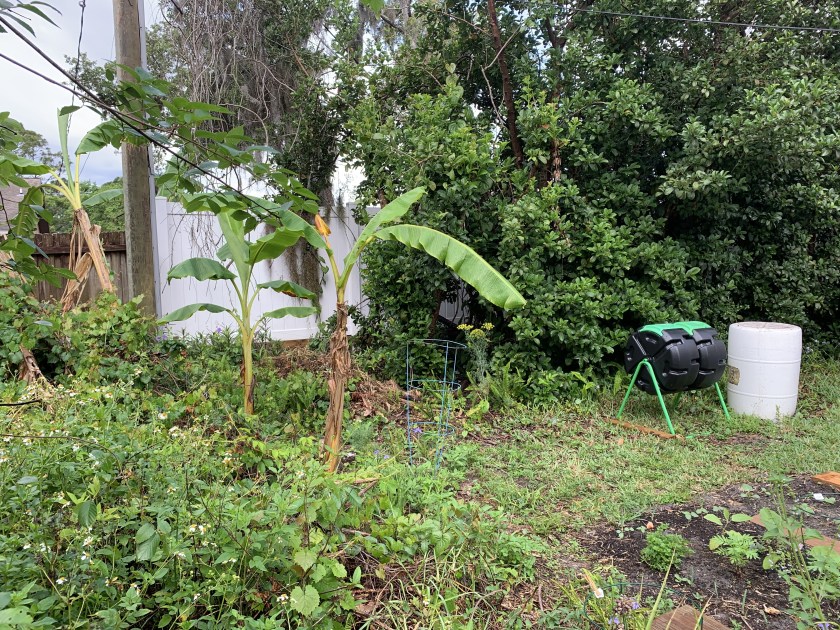
I am standing in the lot next door to take this photo (below). The back corner of my yard contains a few banana trees which I did not plant. They moved in from the back of the empty lot next door. Each year a big banana tree would have a bunch of bananas, grow a couple of new baby trees, and then die. The baby trees kept moving this way and are now in my yard.

banana trees in back of yard
Back corner of the yard

Saving Seeds

By saving seeds from your own (and sometimes store bought) vegetables and flowers (marigolds in my case), you will always be able to re-plant your favorites. And it saves money, obviously.

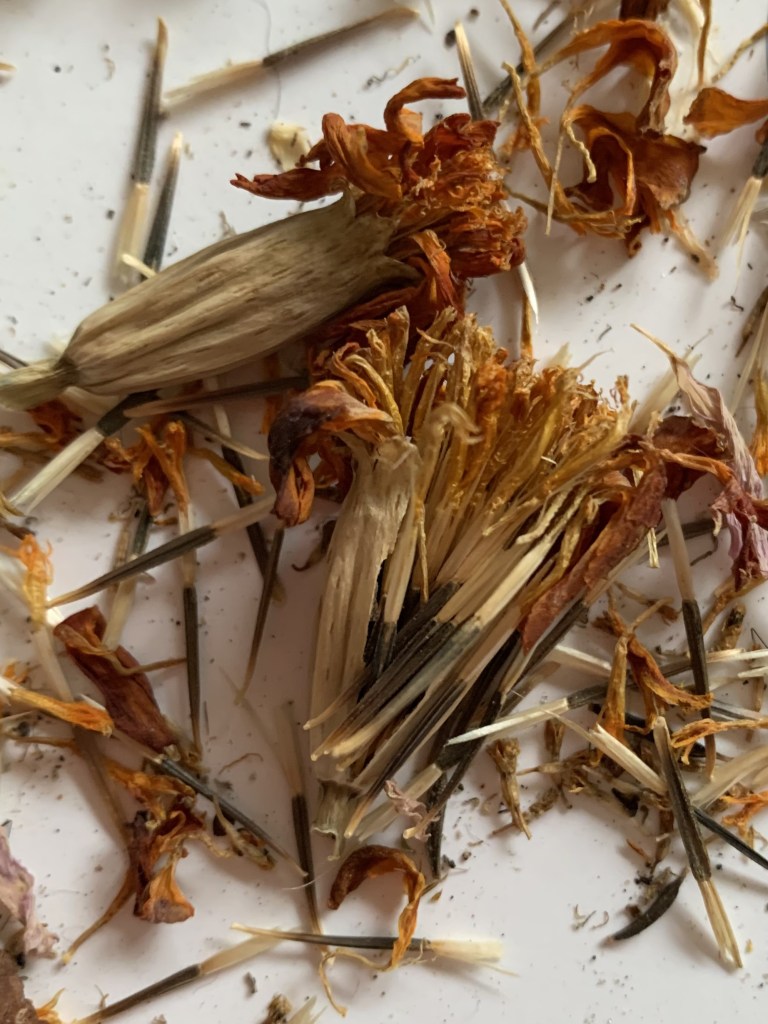
Marigolds are very useful in the garden as bad bug deterrents. To make sure you have plenty for the following year – or all season long here in Florida – snap the old flower heads off and save them.

After a while they will dry out and all the seeds are inside. Every flower contains many seeds, so I sprinkle them generously all around the garden.

Not every seed will root, and they can be thinned.

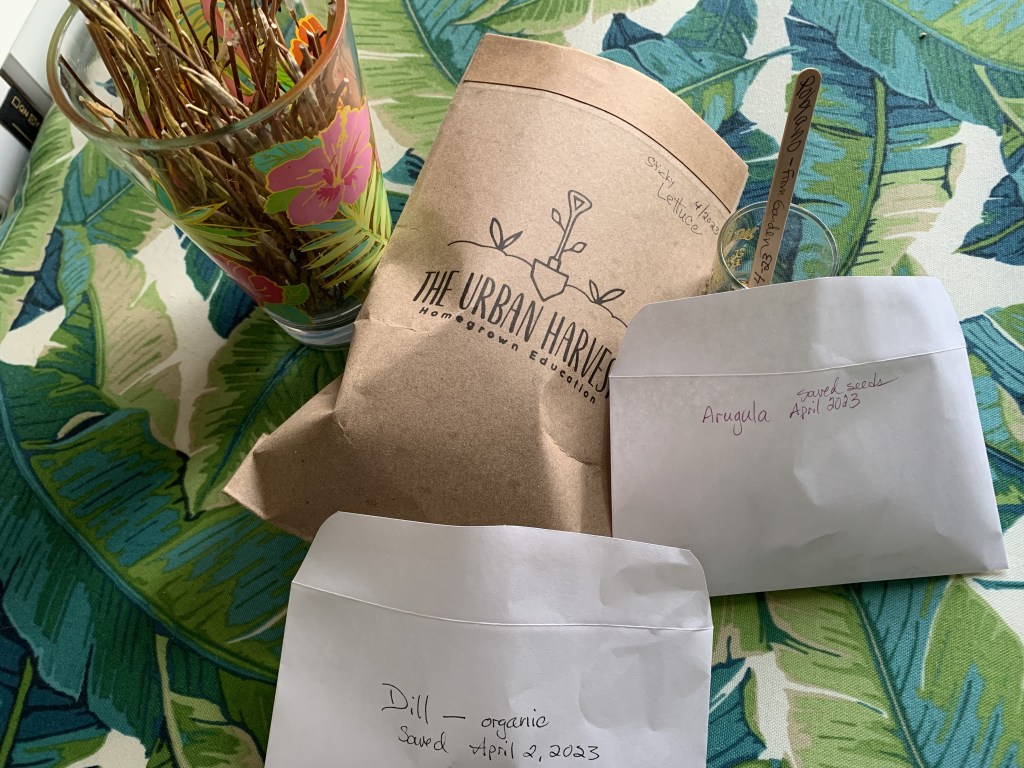
To save vegetable seeds, simply do that. When you cut a pepper, eggplant, tomato, etc., cut out some seeds to dry. I put them on a plate. Seeds must dry out to store. Don’t put them into a closed bag or bottle. An envelope or paper bag works, and don’t forget to label with type of seed and the date.

Because of the humidity here, I store my seeds inside and not on the porch.

Saving seeds
Saving seeds – arugula stems and seeds, dill, lettuce and pepper

The Seed Garden Beginnings

Although every vegetable and flower in the garden began from seeds, I did have to first buy a few packets. Last year I began all my seeds in saved eggshells – and I do not recommend this. I purchased Dill and Marigolds as seeds and started them last year. Both plants are prolific seed providers.

So all my purchased and saved seeds have carried over to this year.

Please keep reading….

May Garden Photos With Plant Updates

May in the garden is mostly about finalizing the switch from winter crops to summer. This quick post shows photos of some of what I have growing at this time.

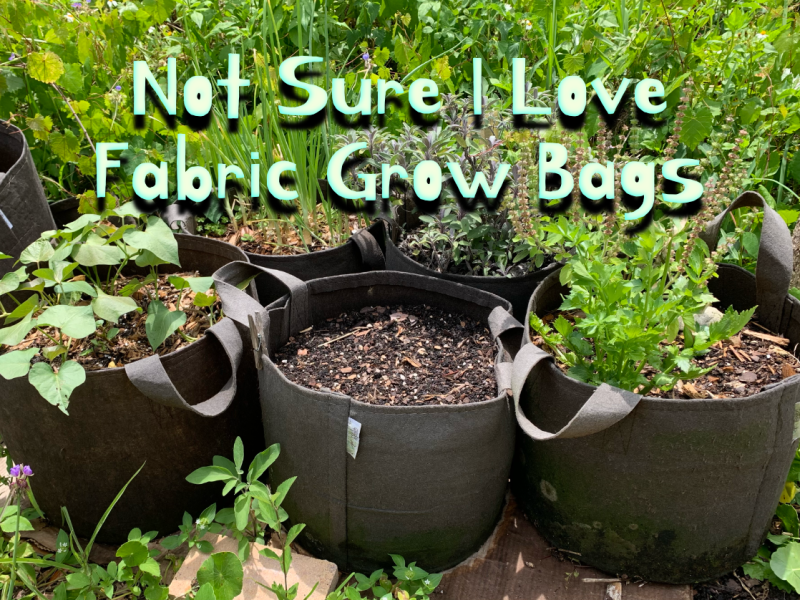
Do I Really Love Fabric Grow Bags?

Rethinking my use of fabric grow bags. The Florida climate dries out the plants too fast. Certain shallow root vegetables, grown during winter, might be the answer.

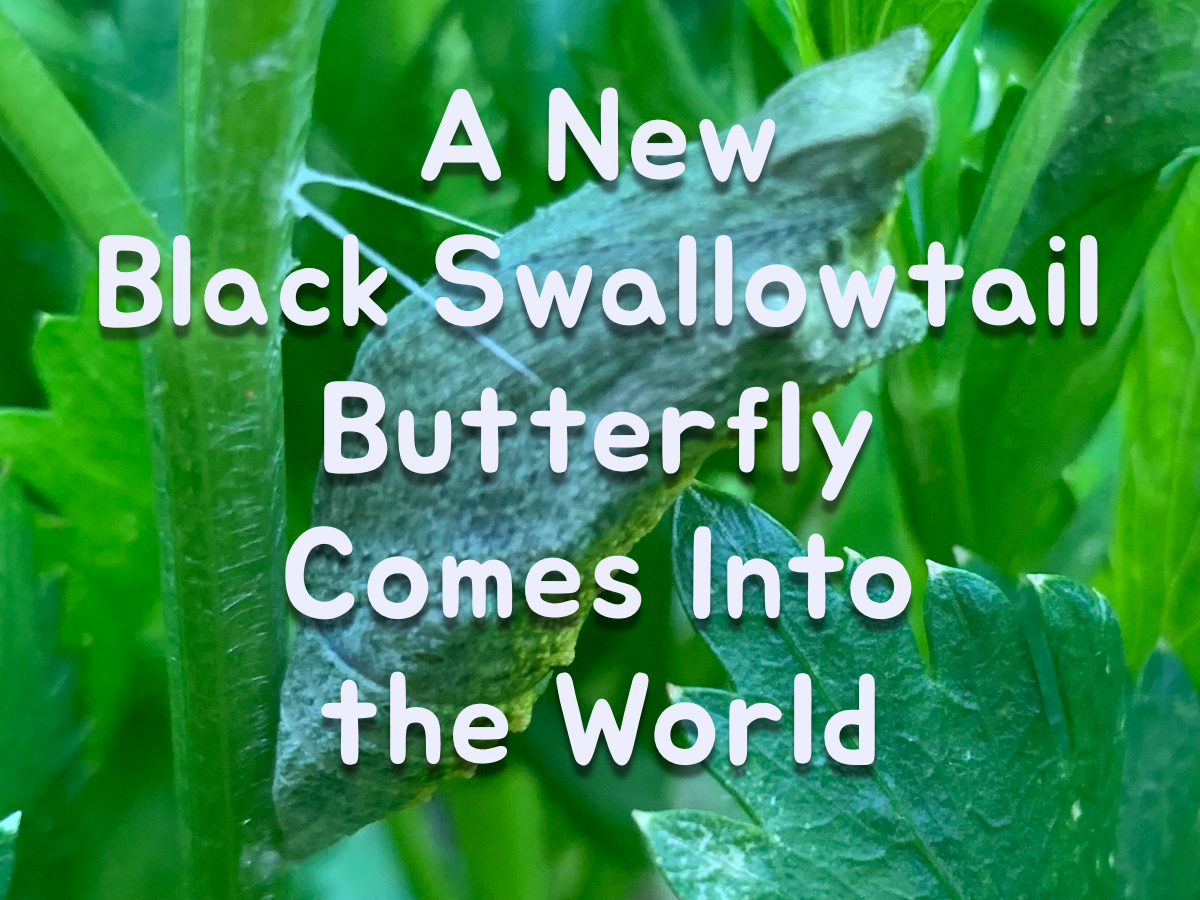
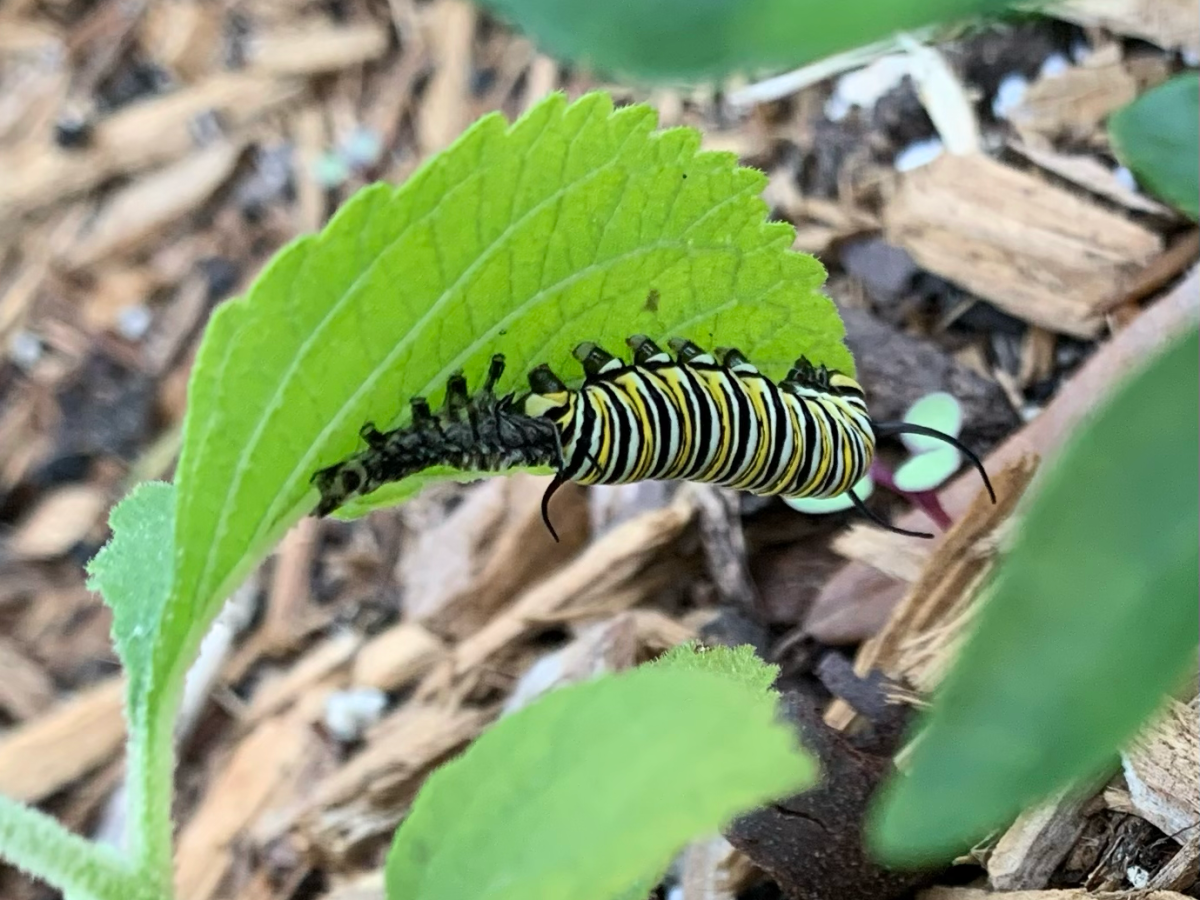
Discovering a Monarch Chrysalis on Rosemary

It is not usual to see a Monarch caterpillar on a Rosemary plant. Monarchs like Milkweed. But this one had a purpose, and had traveled quite a long way to be…

Starting Vegetable and Flower Seeds in Big Pots

With attention and lots of watering, the seeds I started in larger pots are doing well.

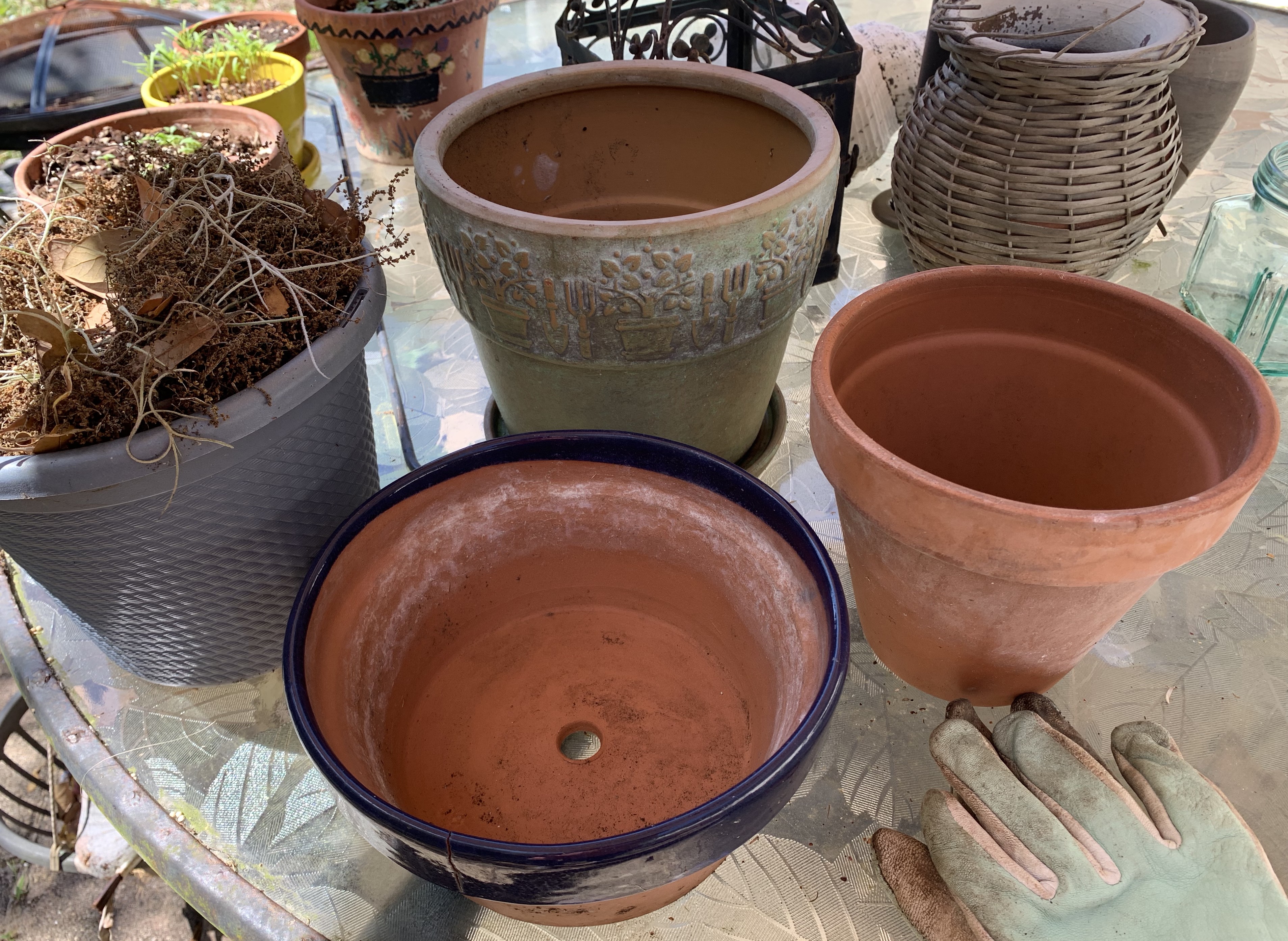
After caring for my seedlings in eggshell pots for weeks, I decided to start some seeds in big pots. They won’t dry out as quickly and are able to stay outside overnight.

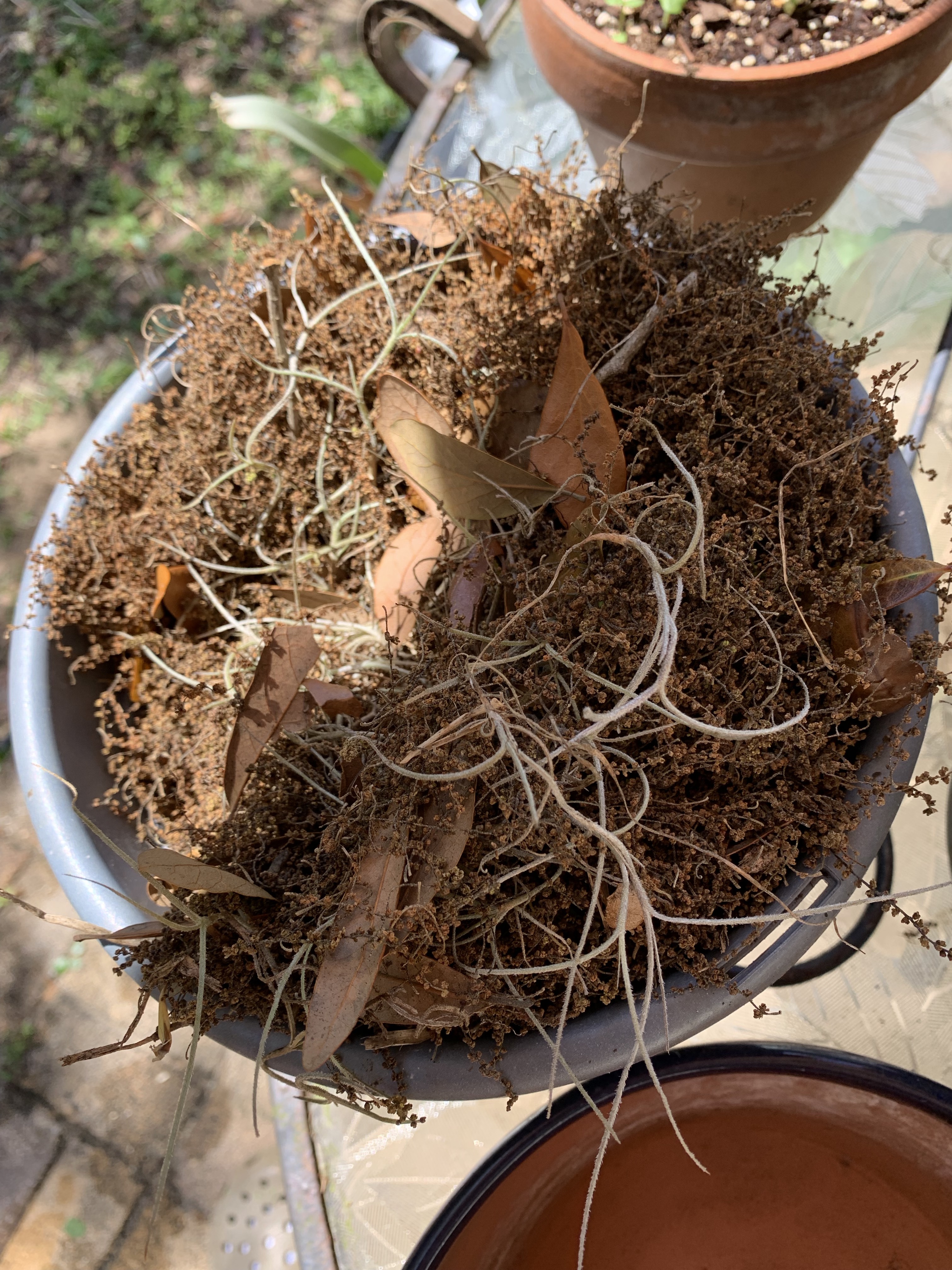
I gathered up pots of all sizes that had been lying around and cleaned them out. for drainage I used yard debris, which was a mix of oak leaves, catkins (those long brown things) and Spanish moss. That mixture was pushed into the bottom of each pot before adding dirt.

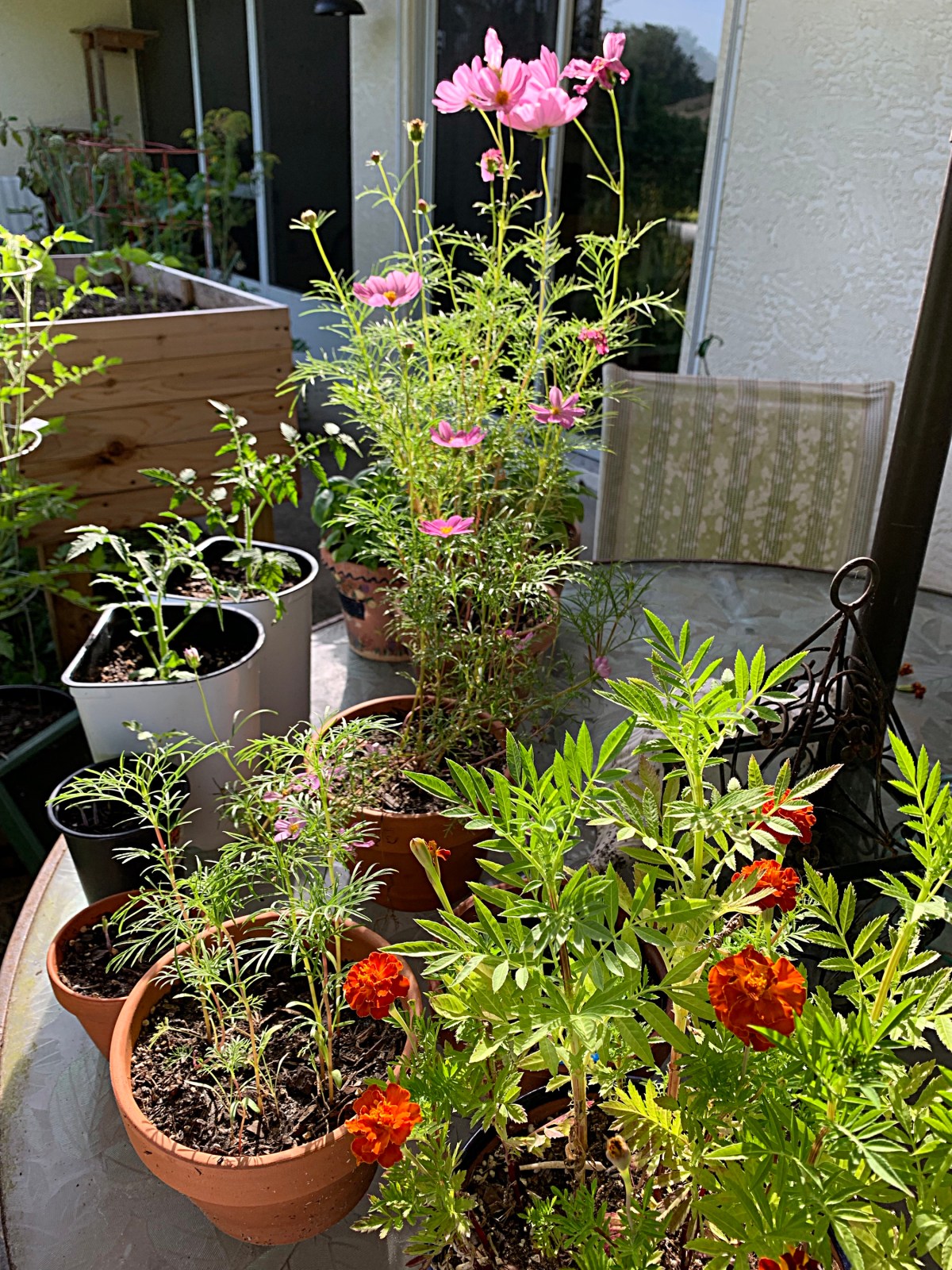
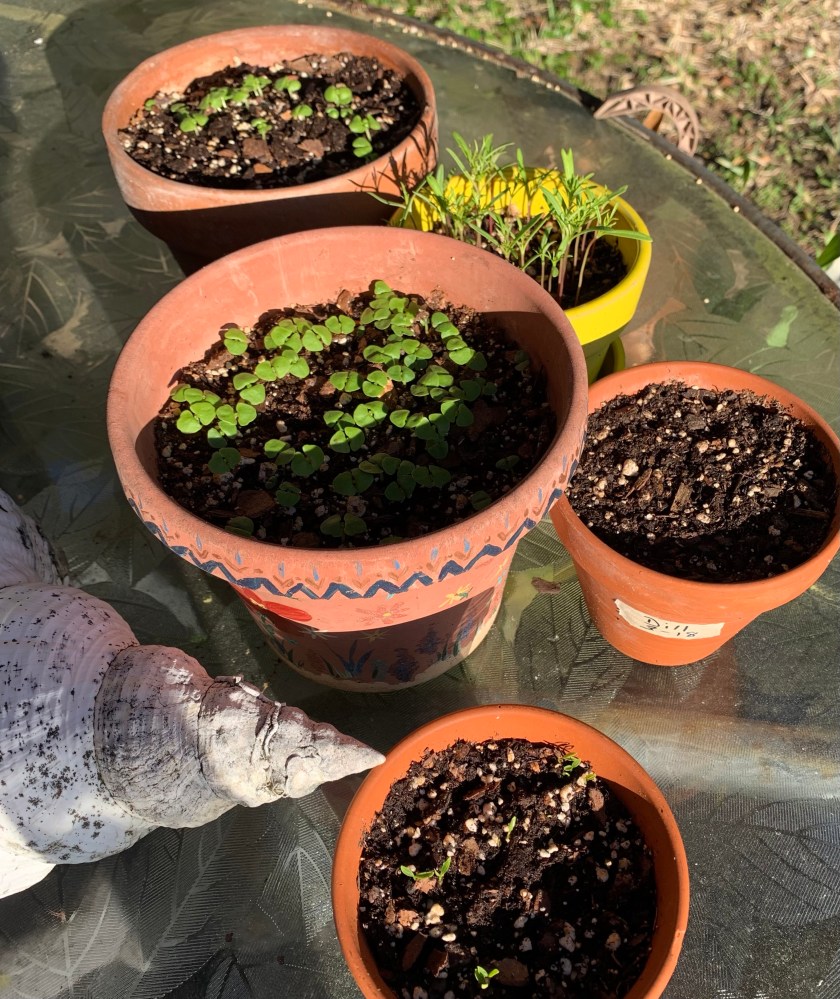
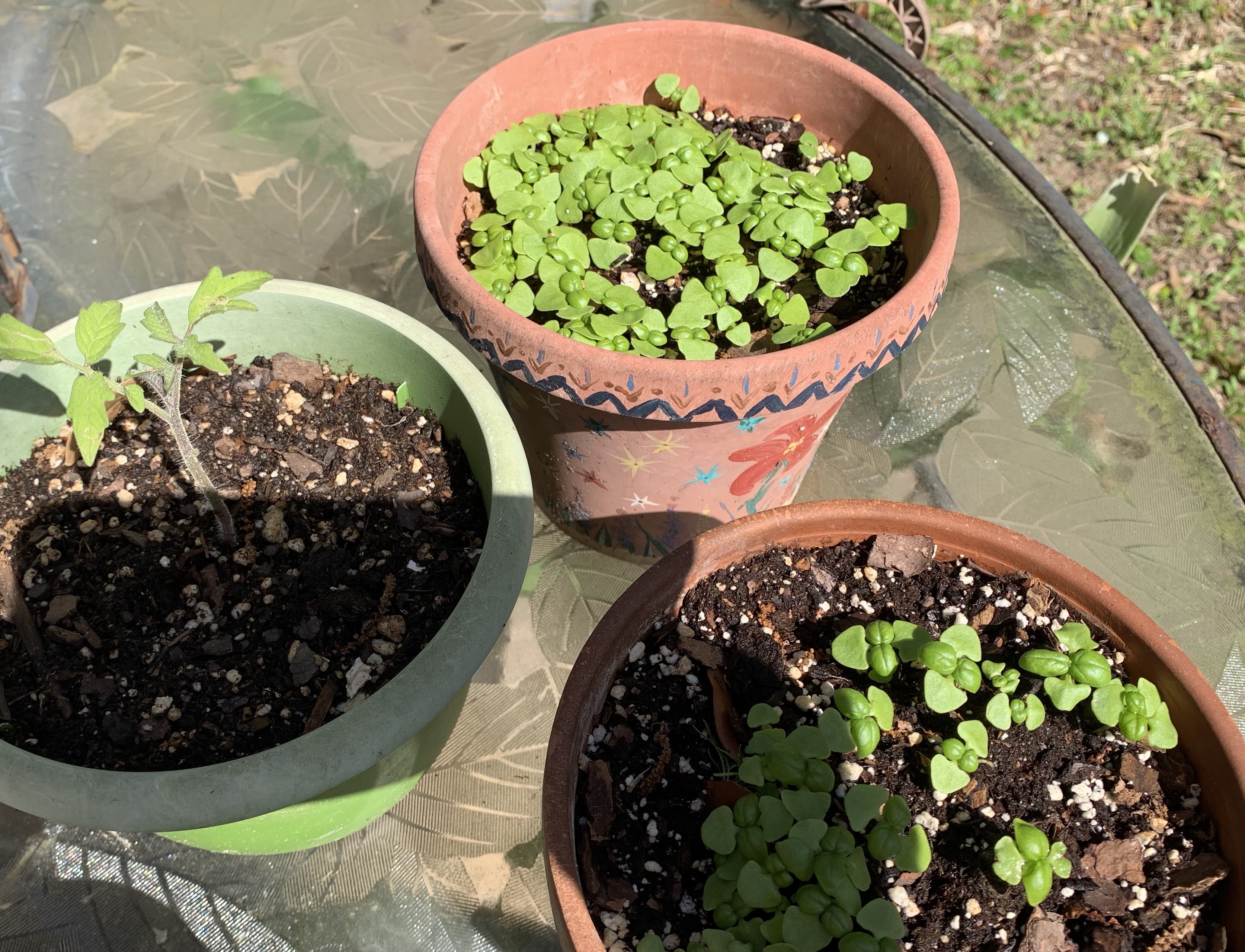
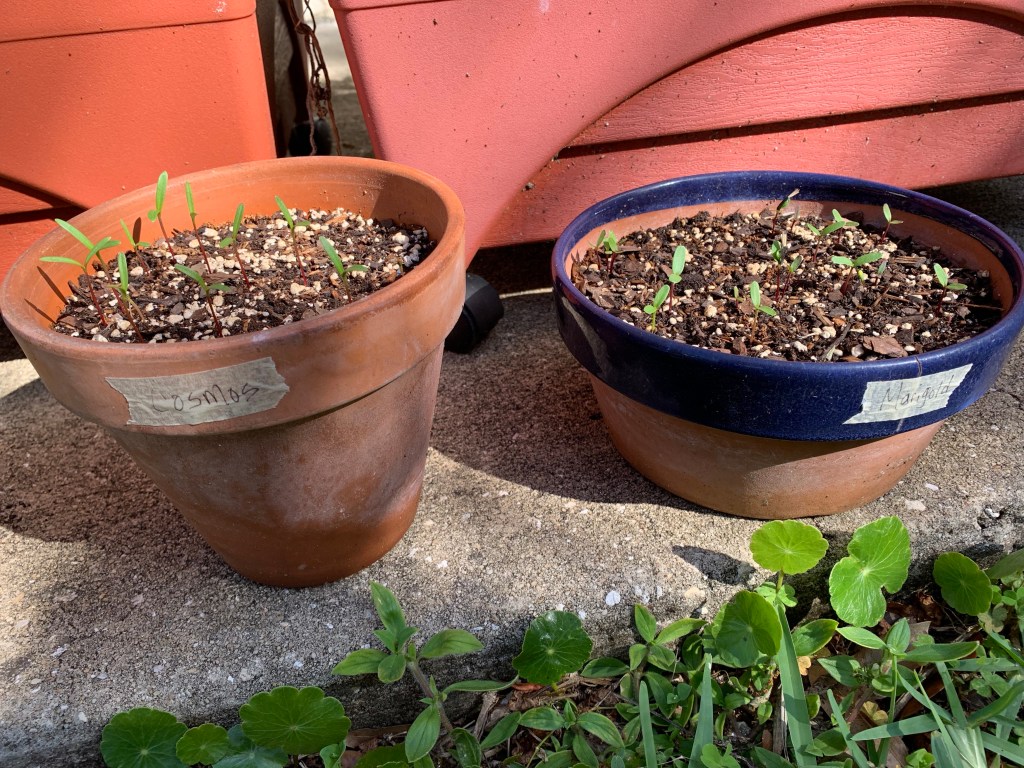
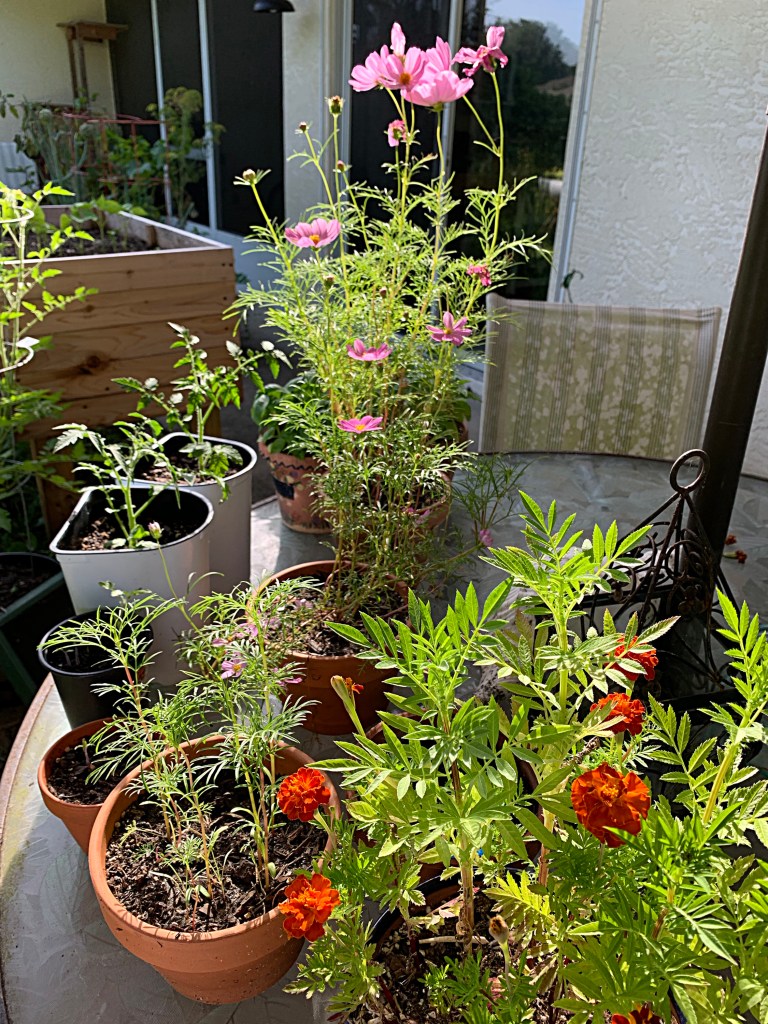
I’ve planted basil, dill, cherry tomatoes, marigolds and cosmos. I used freezer tape to label the pots with the date they were planted.

basil and other seedlings in pots

Growing Basil

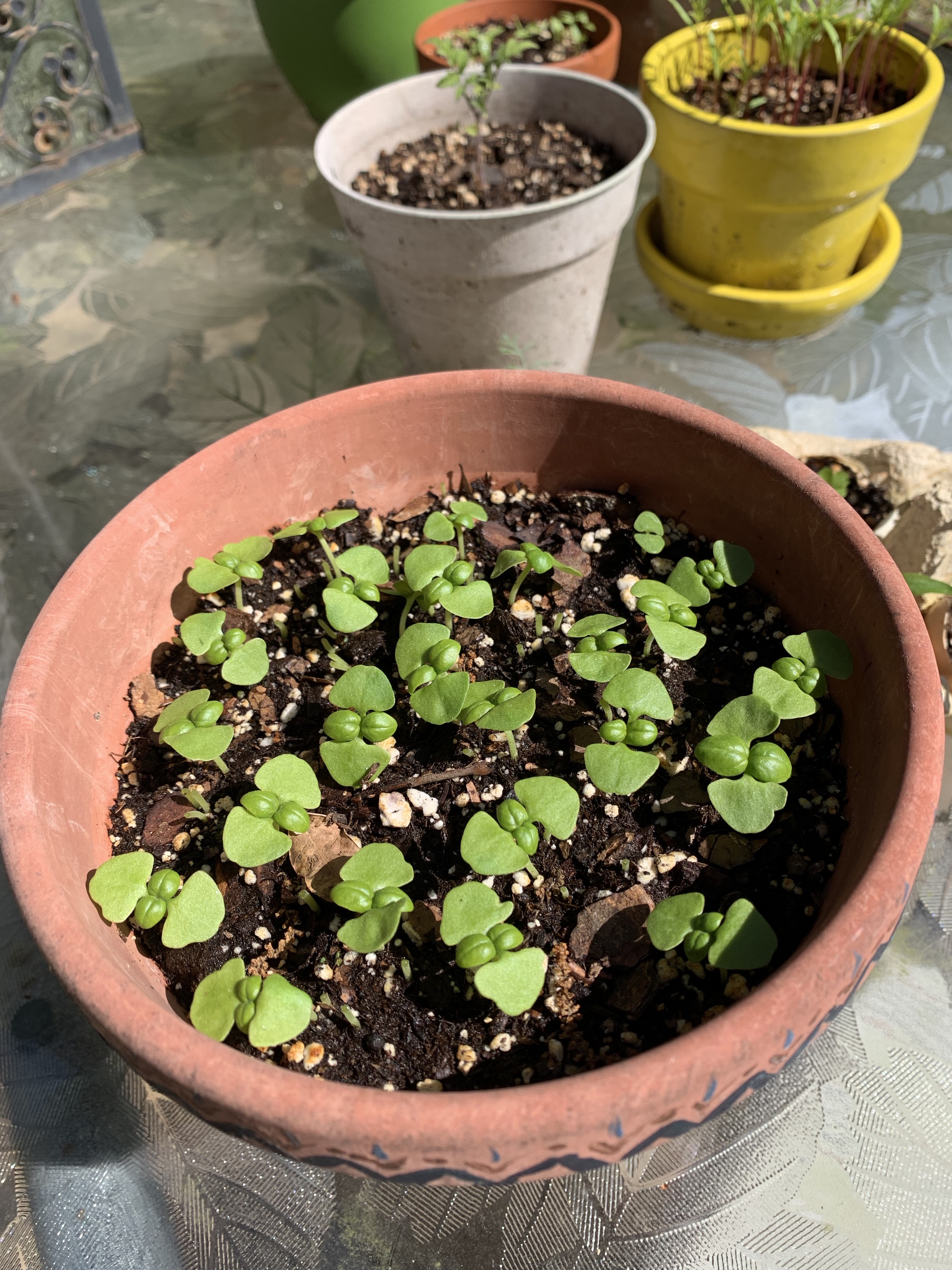
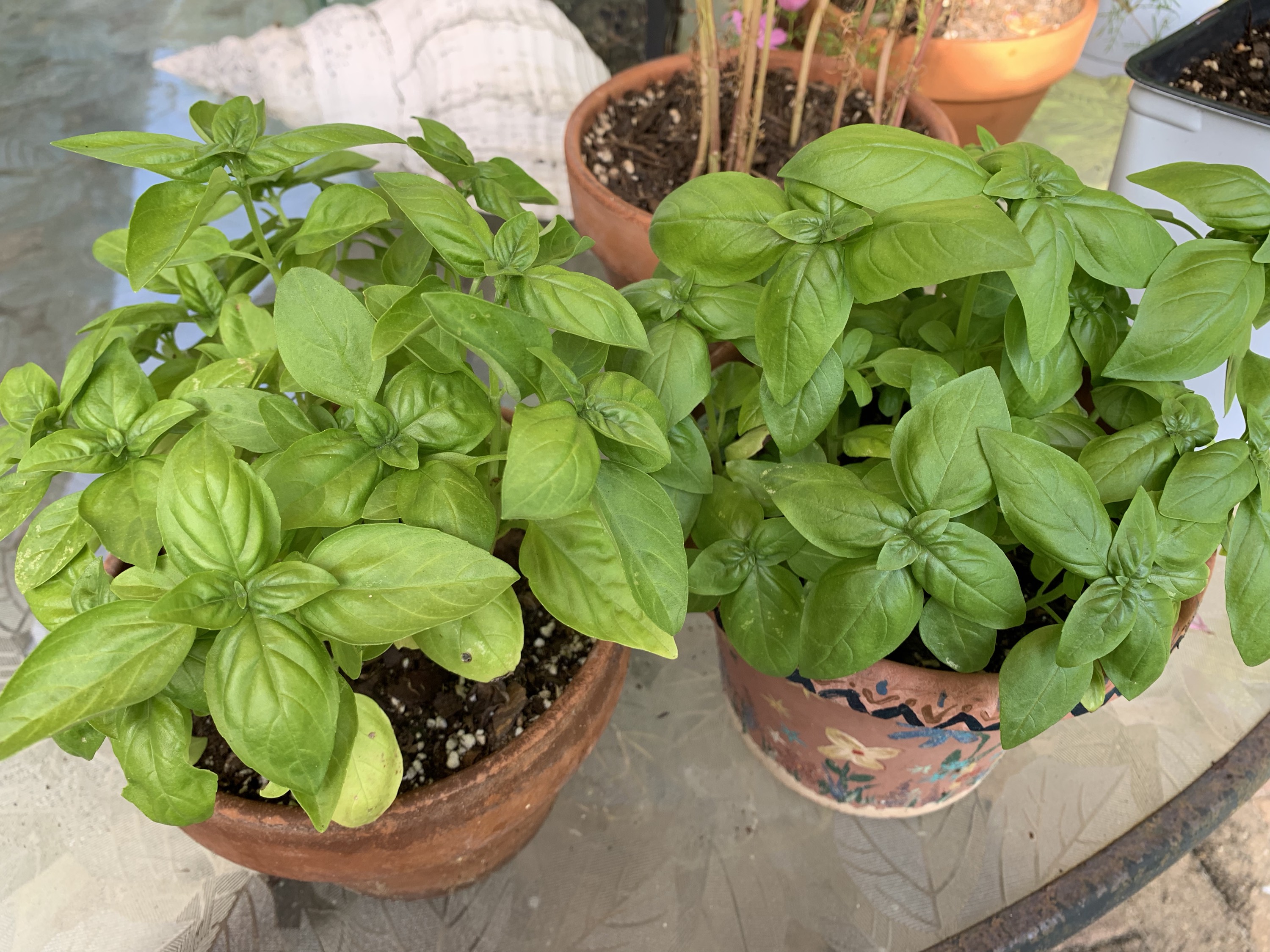
Basil can be difficult to grow in Florida, or so I’ve heard. I had some basil plants in the garden that lasted a couple of years, but then they died. Basil does self-sow if you let seeds form. I now have two pots of basil.

The basil seedlings became so crowded that I removed some of the plants by cutting them off. You should cut and not pull when thinning so as not to disturb the roots.

I kept the cuttings to use when cooking! So far, everything looks good and I hope to have nice big basil plants to pull from year round.

basil grown from seeds
Basil one month later – end of May

Cosmos and Marigolds

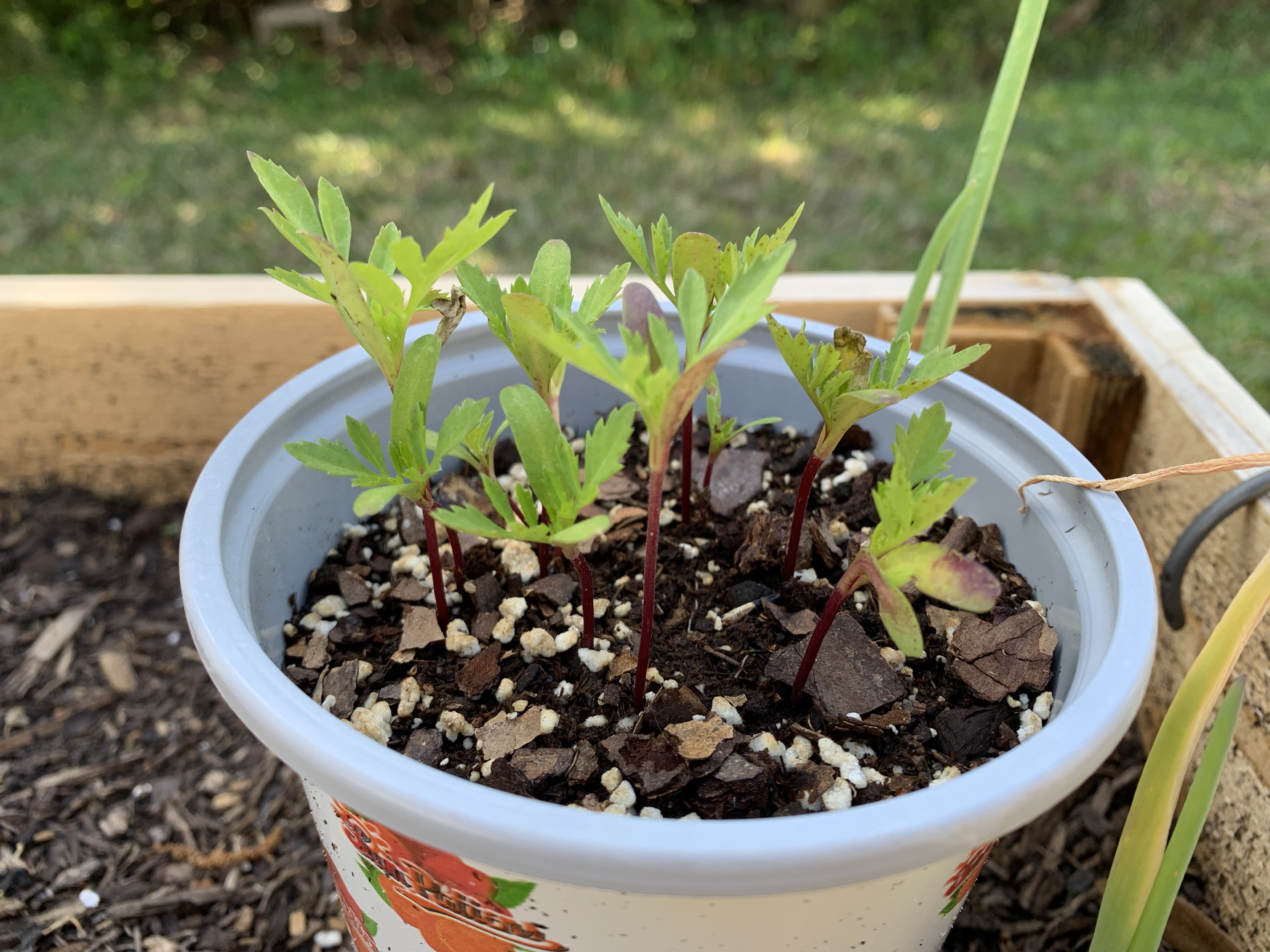
I chose two types of flower packets to grow from seeds. Marigolds are so wonderful for gardens, because they repel certain bugs that could be destructive. They should be dead-headed (pull off the old flowers) and I rip the flower head apart and scatter it among the vegetables. Every gardener probably includes marigolds when planting. I think certain varieties are better than others, but I didn’t have a lot to choose from at the store.

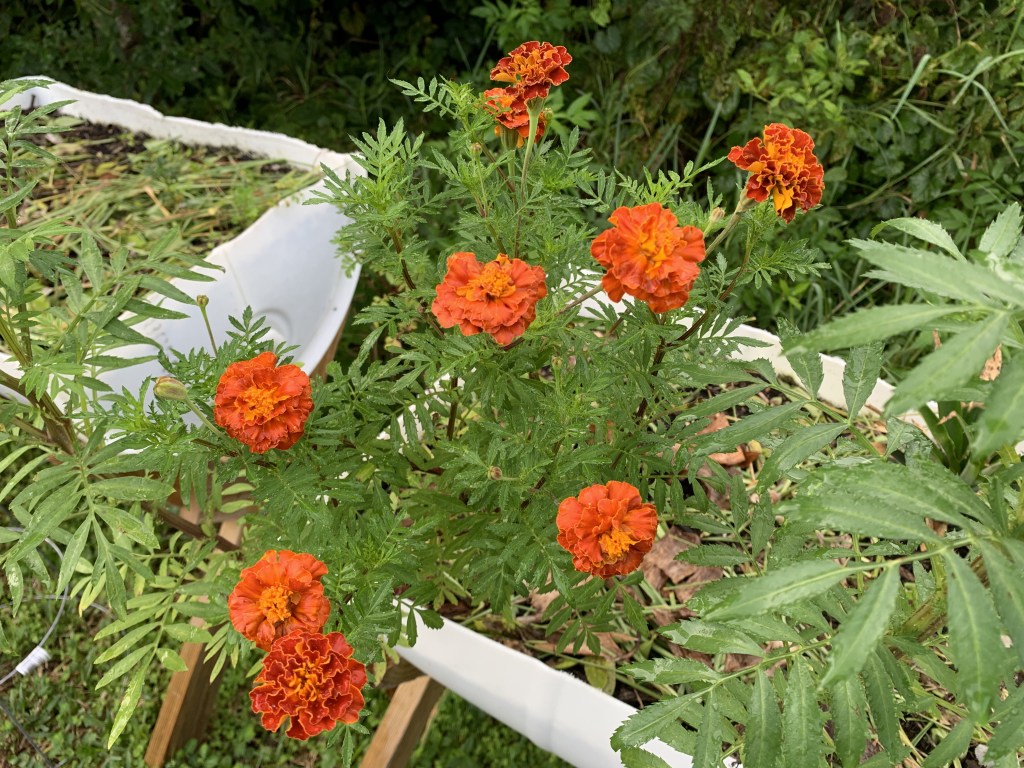
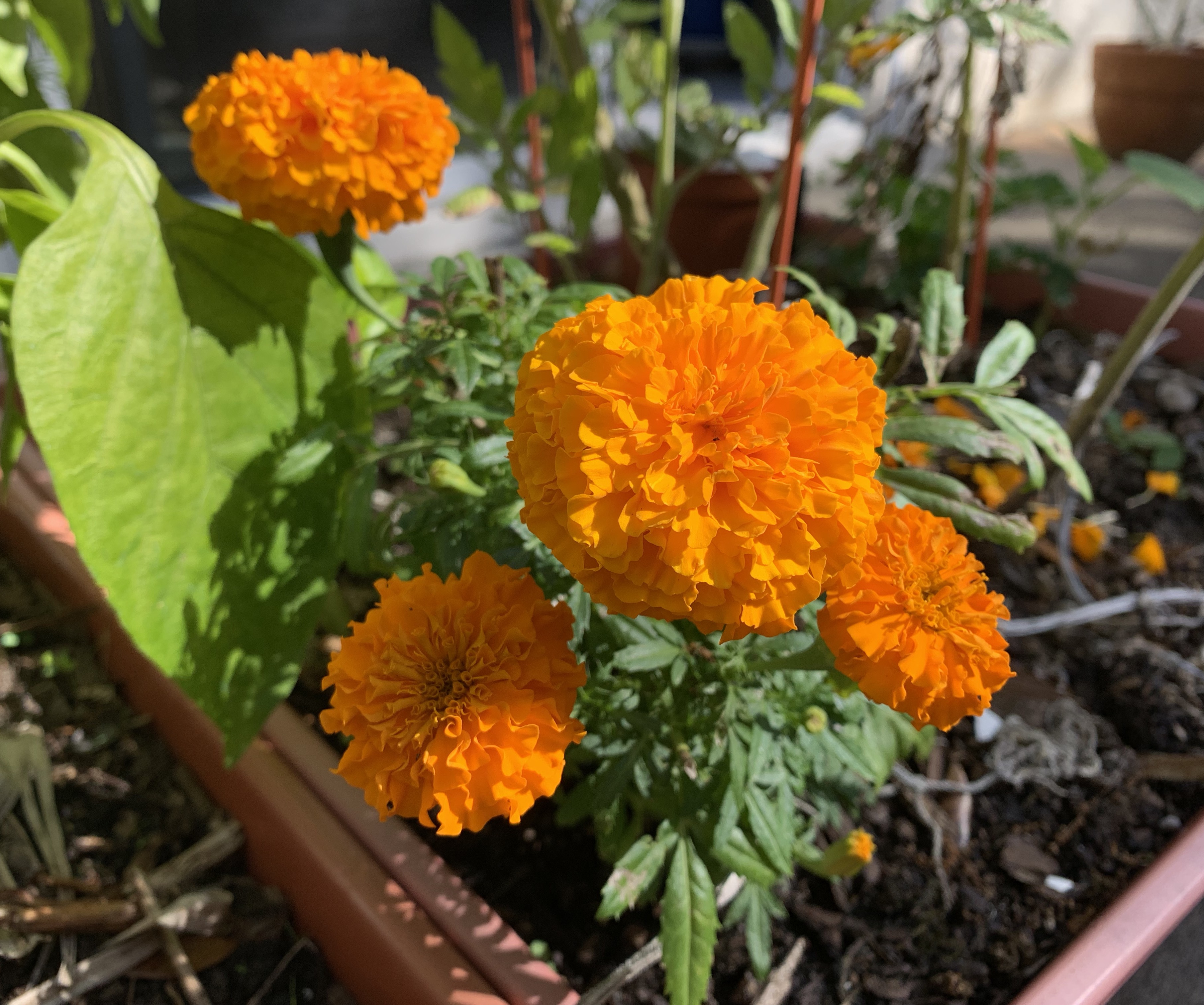
I bought two flowering marigold plants – see the orange one below – and will see what happens with the seeds.

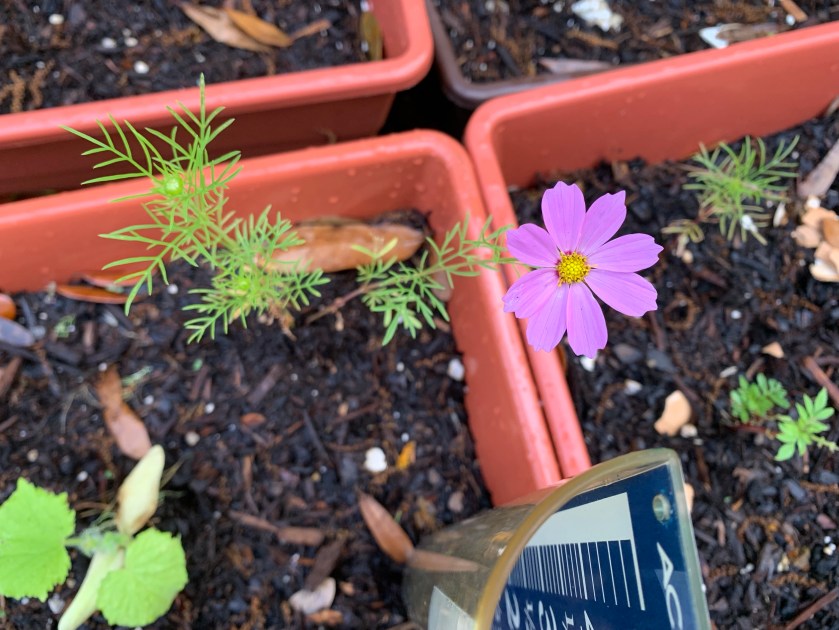
little cosmos flower blooming
Flowering cosmos in a grow box

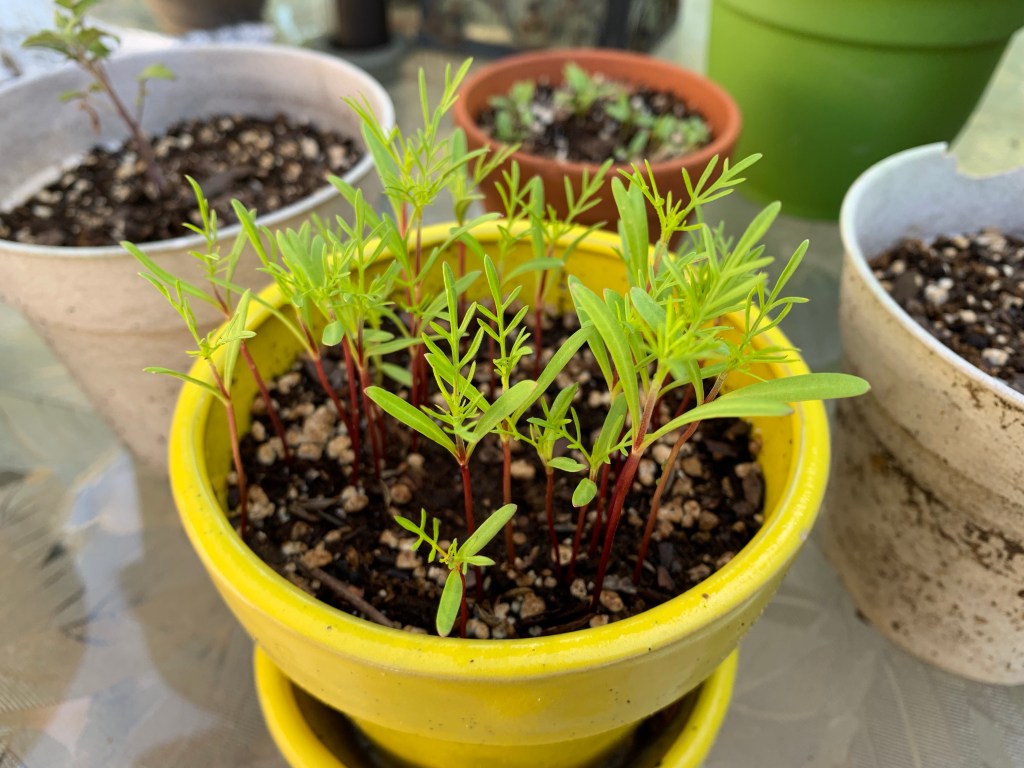
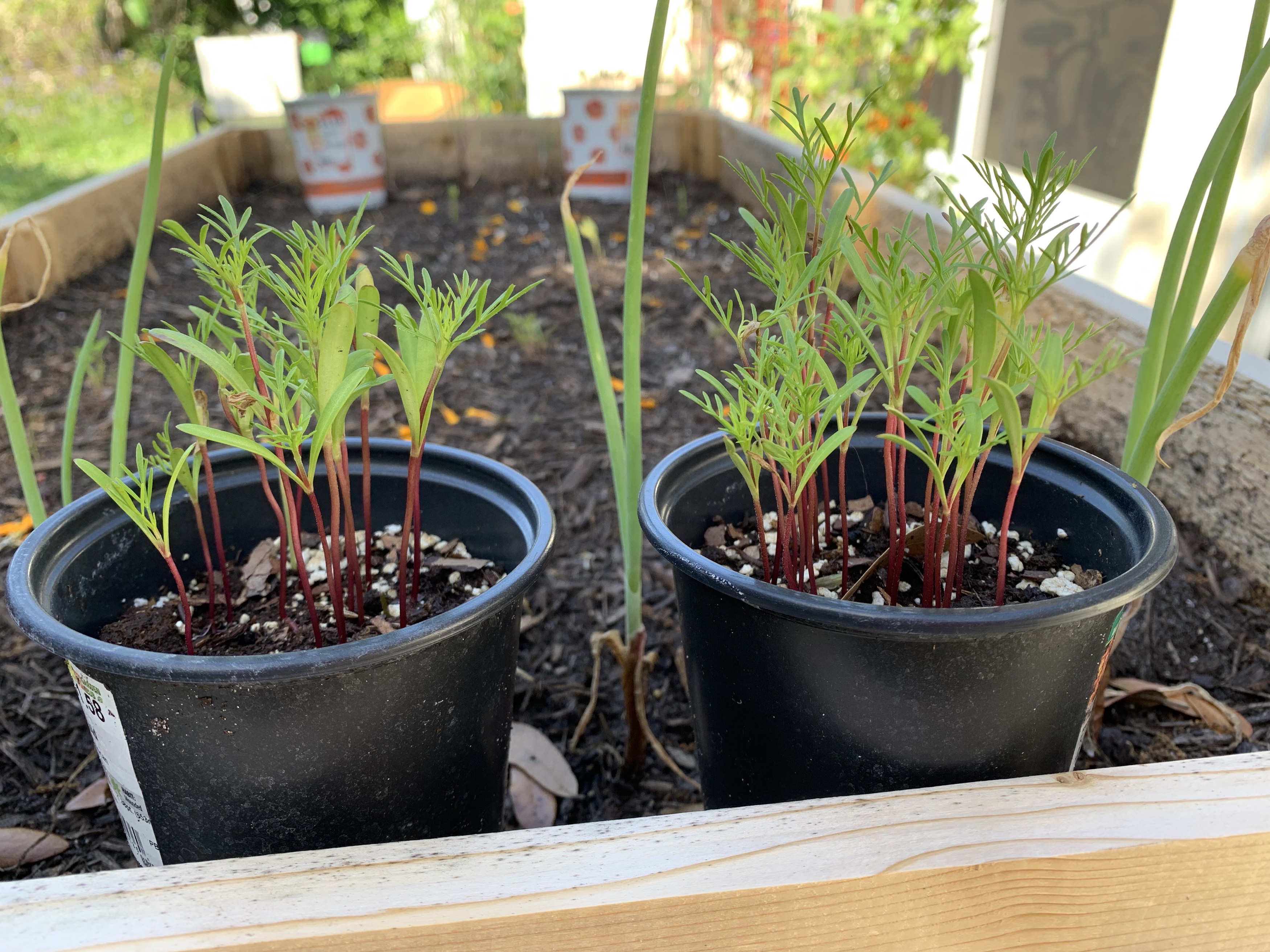
The cosmos seedlings are looking pretty good. A little purple cosmos flower has bloomed in my grow box. That plant was begun in an eggshell pot.

This is certainly a different looking cosmos from what I am used to growing in New Hampshire. Or maybe the plant needs to mature to grow larger.

Actually, the secret is to plant seeds in real good dirt.

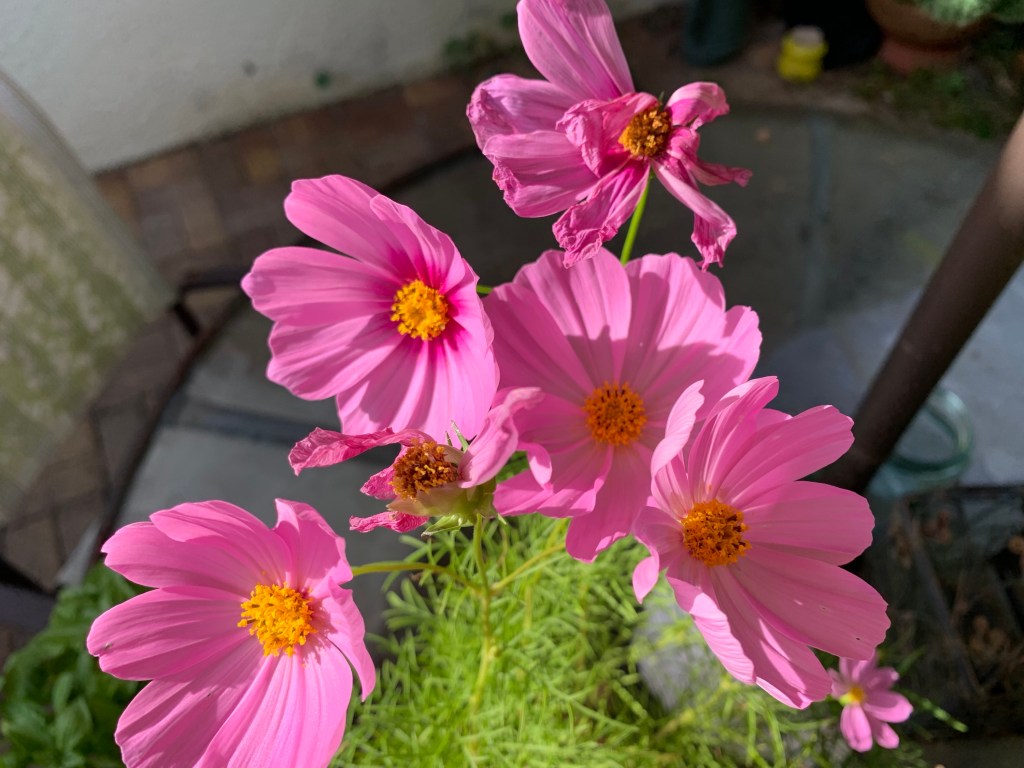
The cosmos in the larger pot is looking nice and blooming regularly

Growing Dill

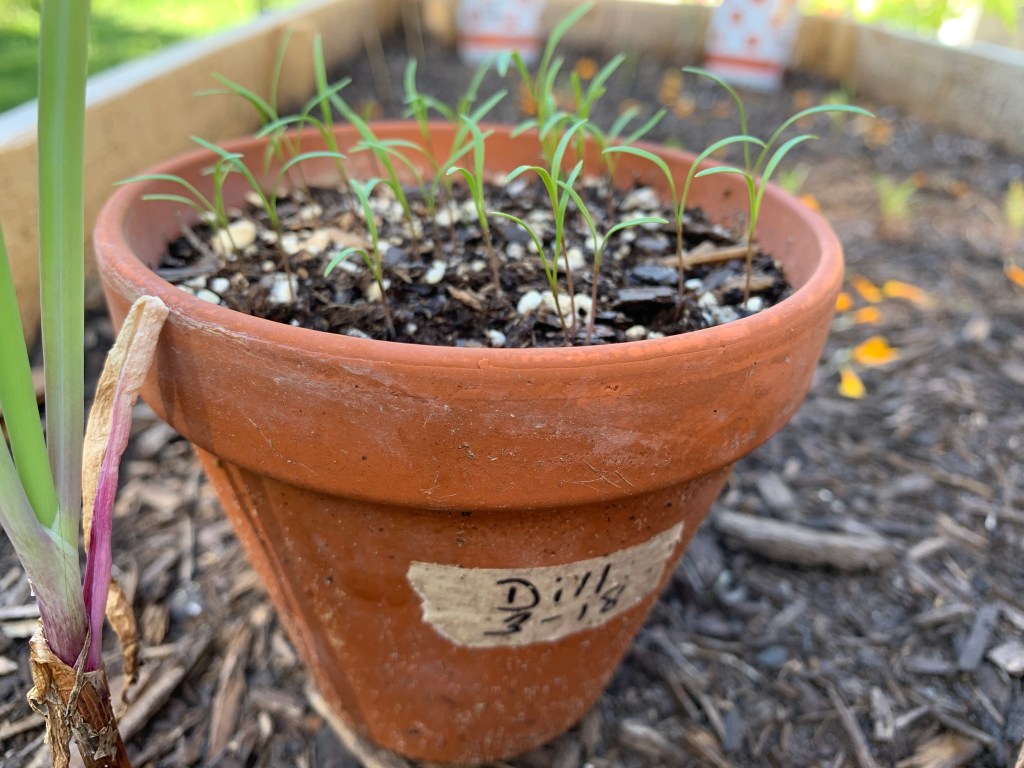
I always grew dill in my northern garden, but have not had luck growing it here in Florida. I do have a few small seedlings in the grow boxes, and now have dill sprouting in this terra cotta pot.

Because I don’t have much luck growing dill, I have chosen to grow fennel. It is similar in that it also grows tall and feathery and has flowers that attract beneficial bugs. Also the Swallowtail butterfly will leave her eggs on fennel, just like parsley and dill.

Dill seeds sprouting in a pot
Dill seedlings

I needed up putting the dill into the potato garden and planted more dill seeds in a large pot.

Dill plant

Cherry Tomatoes

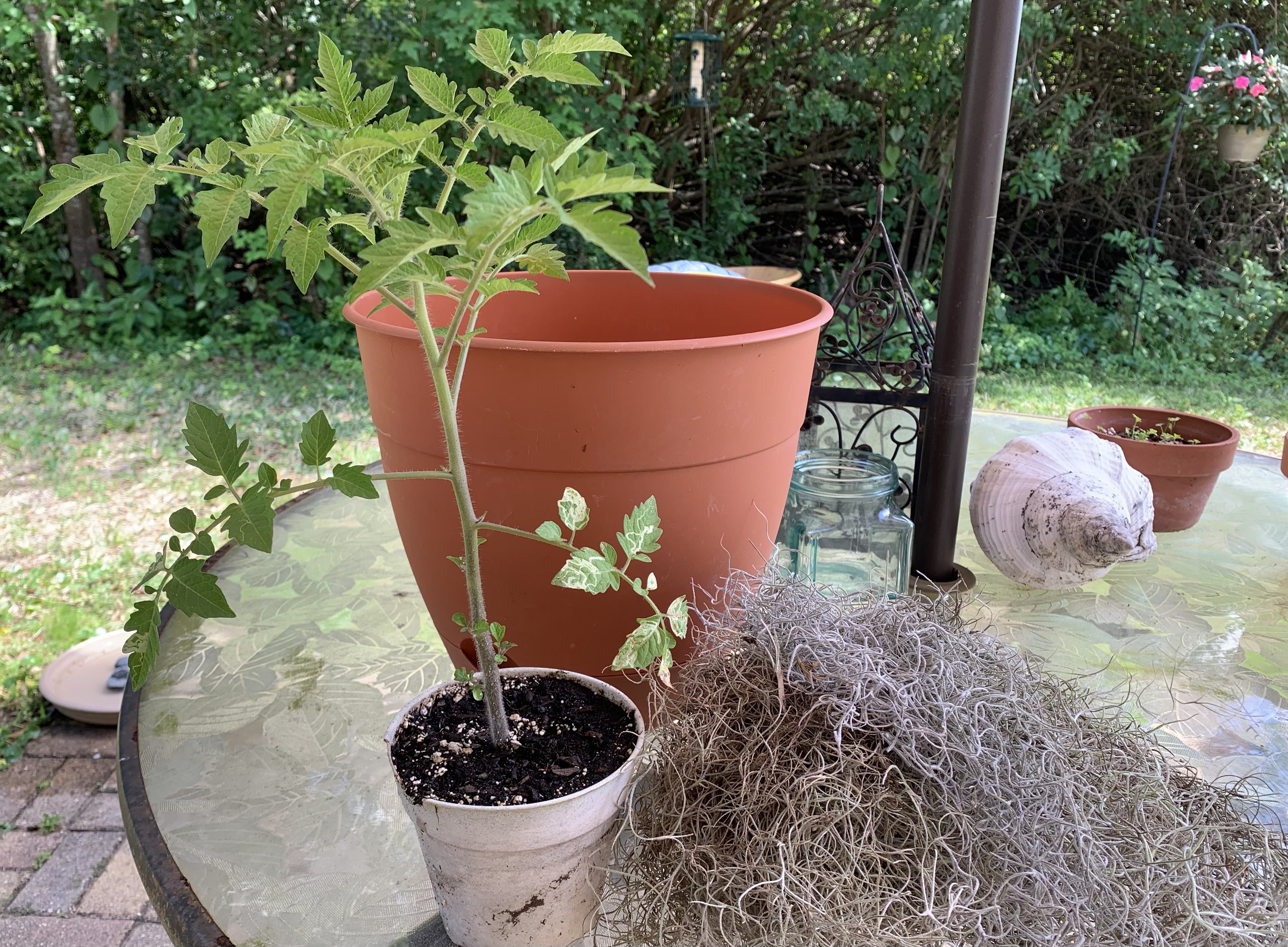
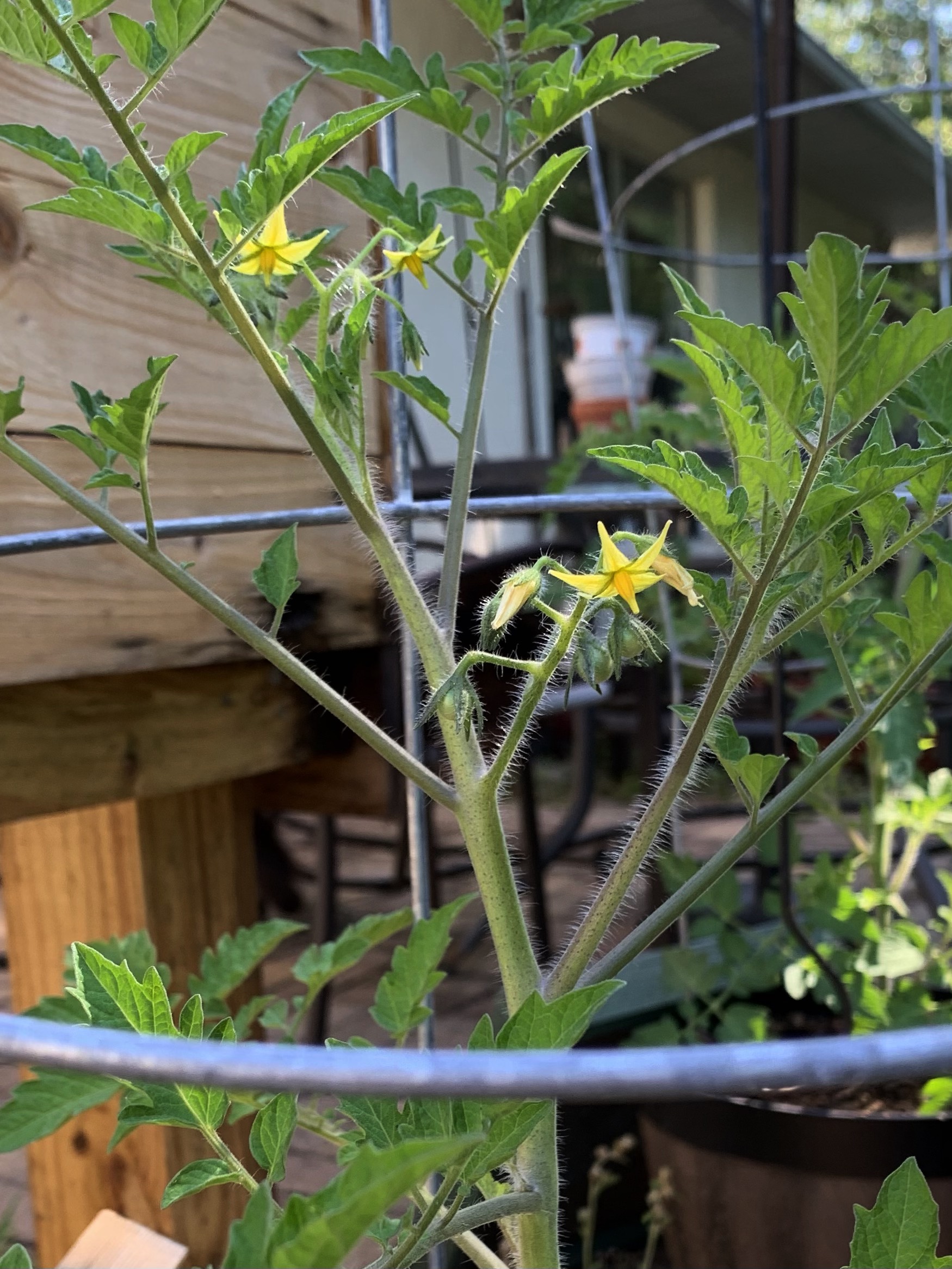
My cherry tomato seedlings were not doing much at first, but now in May they are large plants. I’ve transplanted them a few times and they have little tomatoes on the vine.

Plants by the end of May