I have never grown a helleborus in my yard until this year. I bought two of this type of perennial last fall and put them out front. I was looking for plants that like shade and these were in the shade lovers section at the nursery.
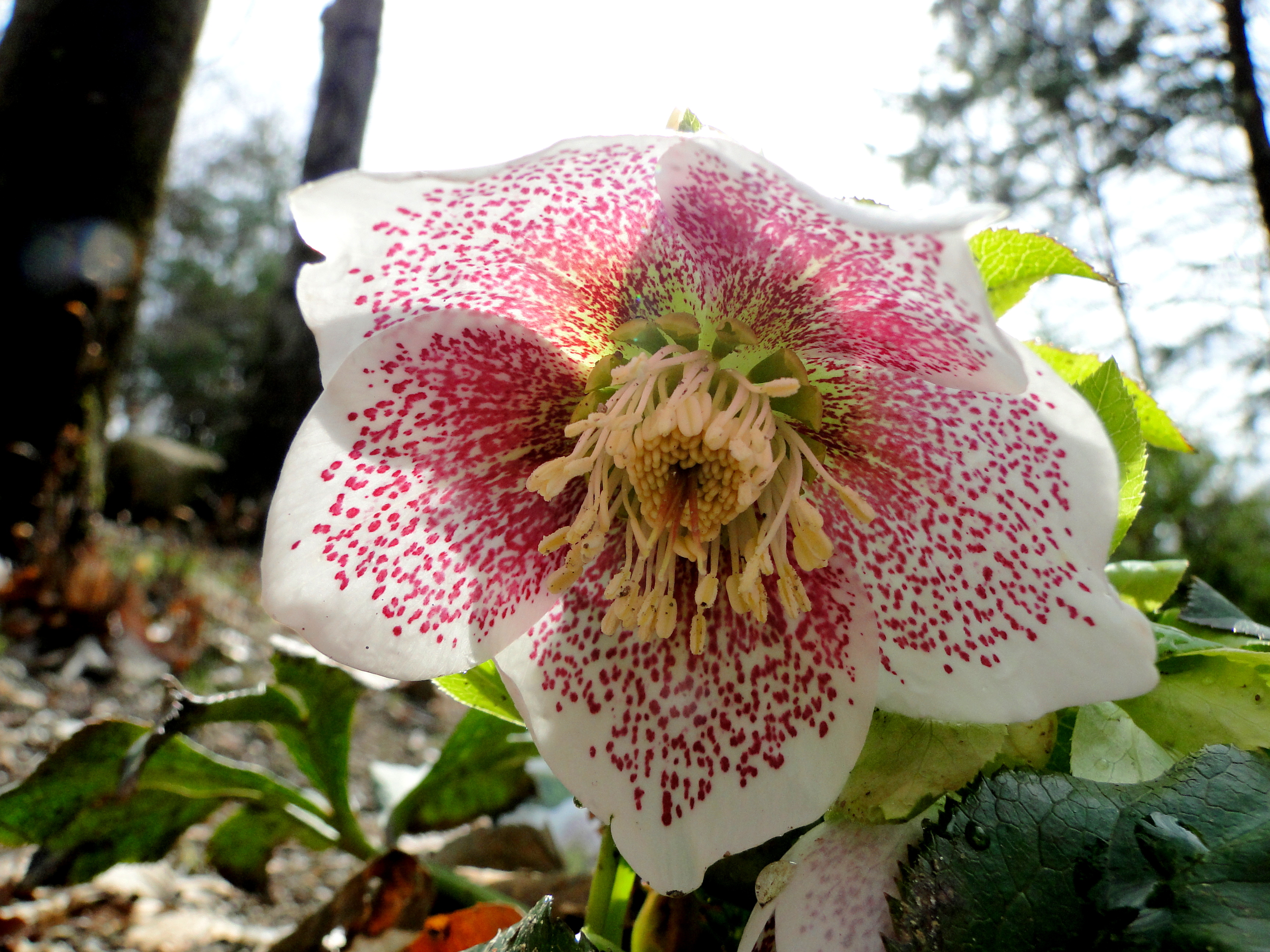
It’s late April as I write this and both the Lenton Rose and Spring Promise (pictured) have numerous flowers. The blooms tend to droop and face downward but the leaves stayed on all winter long! I did have to trim a few of the dead leaves to clean it up, but they do seem to be very hardy.
This one called “Emma” has such pretty flowers and the other one I planted has more greenish blooms. I’m glad I have added these to my landscape. It’s nice to go outside so early in the season up here in New England and see flowers! Not even my tulips have bloomed yet.
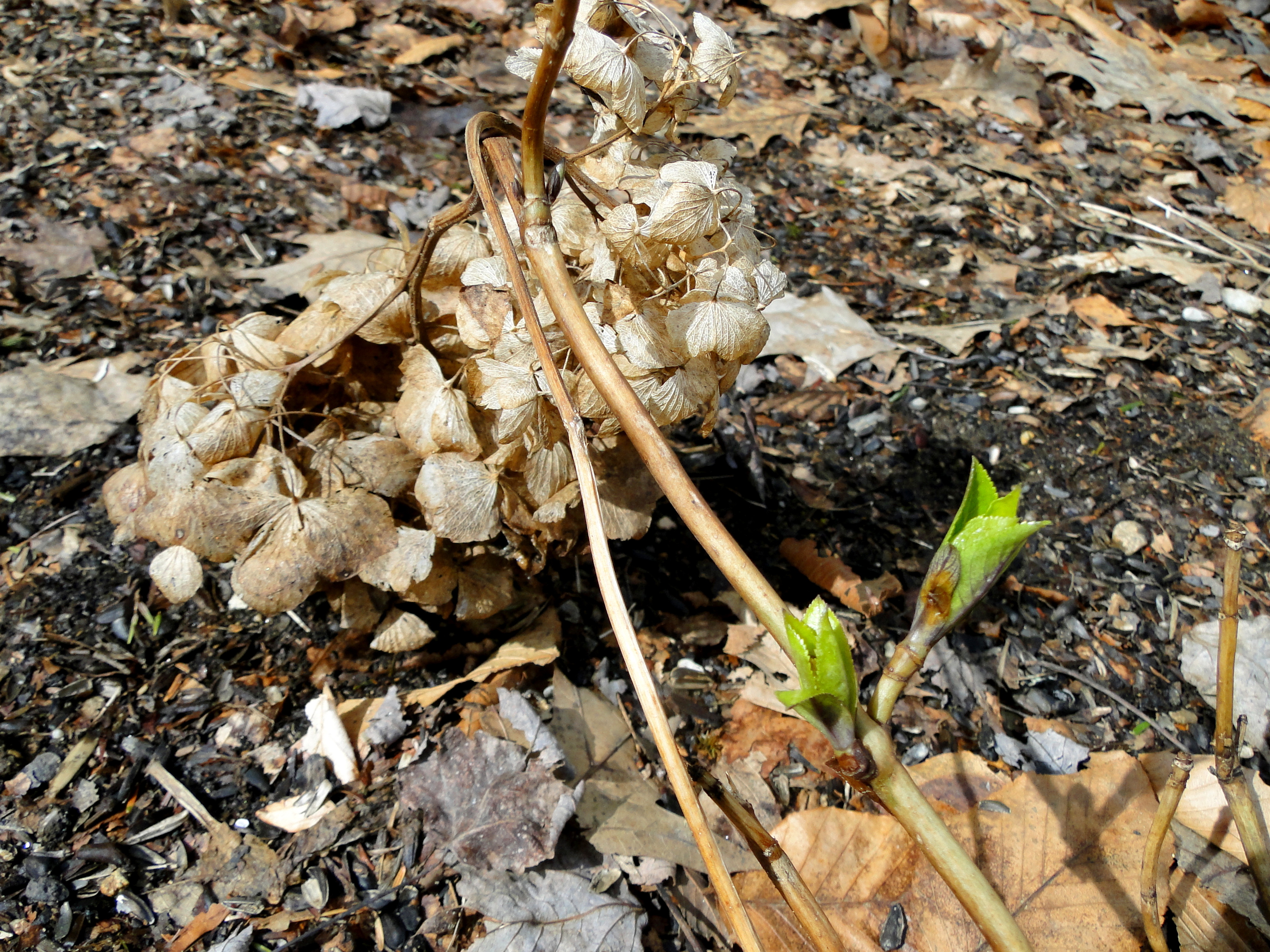
Now that the hydrangeas have sprung back from the weight of the snow, I realize I have some trimming and pruning to do. I leave the dead flowers on the stalks over winter, but now they need to be removed. Some branches are broken, but I know that they will fill in quickly with new growth.
Some hydrangeas bloom on new growth so you don’t want to trim those in Spring, or you may be cutting off the blooms. Some bloom on old wood – the stems that were there last year. And some will bloom on both.
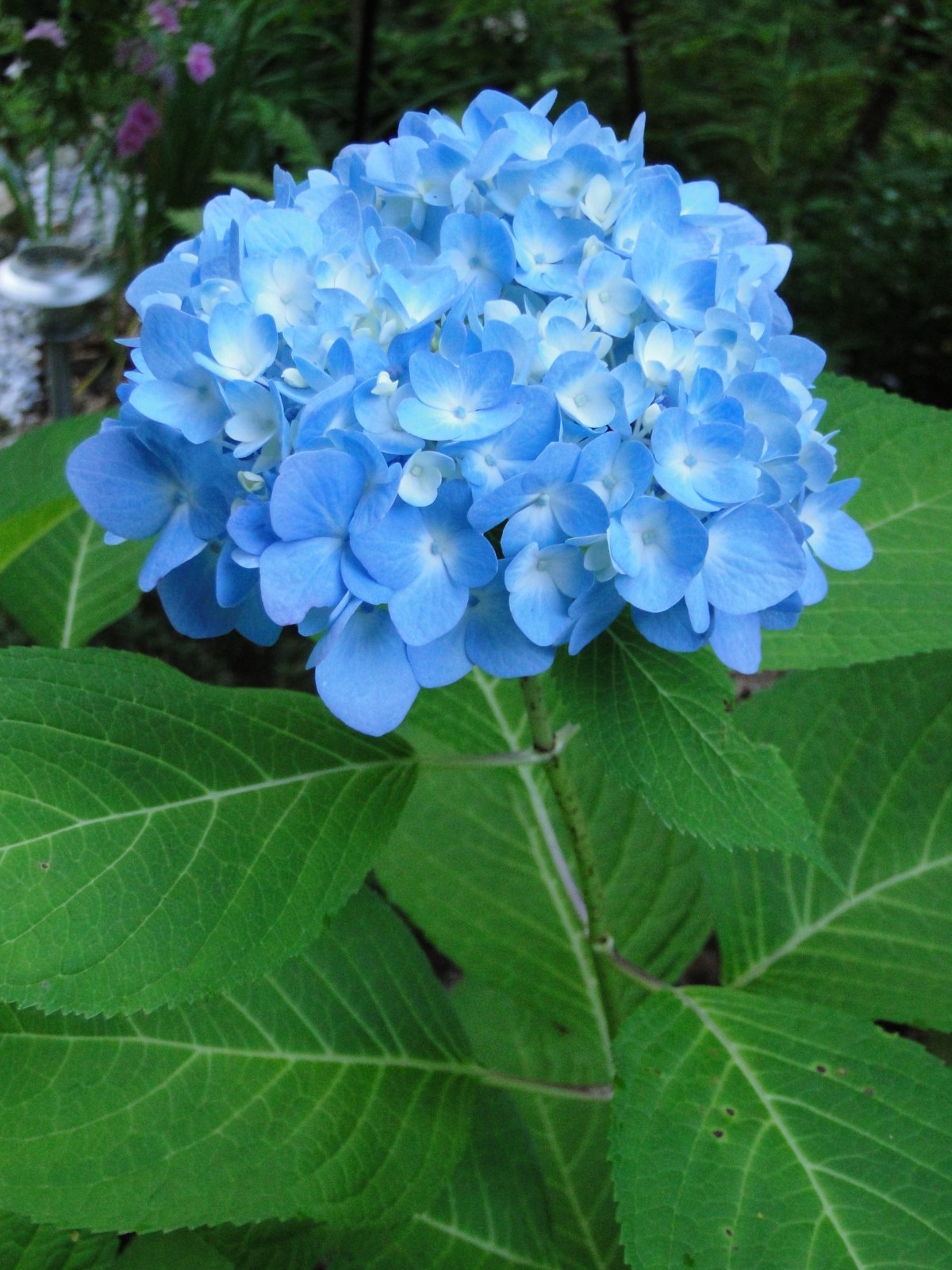
This is my “Endless Summer”, a small shrub that I planted last Spring and it bloomed profusely even though it never grew very large. This year I expect it will grow larger and lots of blue flowers. The dead flowers are still showing at the end of the stalks and I will be cutting them off.
If you love to grow fresh veggies but have little space or time to keep up with a garden, you might want to experiment with vertical bottle gardening. The idea of this type of garden is to grow vegetables in recycled plastic bottles that hang or are propped over each other. This takes minimal expense since pots don’t have to be purchased, and takes up little space since your crops grow over the tops of each other.
The video on this page shows how a man has set up his vertical bottle garden in the window of his high-rise home. The writer of the Experiments With Mini Vertical Container Gardening page has created a stackable garden that sets on the ground. She has so far been successful in growing lettuce and Swiss chard and she promises to keep us up to date with her future bottle growing endeavors. She included lots of her own photos too.
Mini gardens are very popular with busy, working people as well as those of us who simply don’t have the space, or sunny area to make a regular garden. The vertical gardens are watered from the top with water moving downward to keep all the bottom areas moist which saves time. Weeding would be next to nothing and if your garden is inside, like the one in the video, you won’t have a bug problem either.
As for me, my gardening will be done out in the yard. I’ll be working this May to get the soil ready for planting and I also plan to build a raised bed myself using cinderblocks. More on that to come. I still have a yard full of snow!
Finally — it’s hydrangea planting time! I’ve been waiting for the local nurseries to have their hydrangea shrubs out for sale and it seems that they all get them in and ready to go just before Mother’s Day. So this week is an excellent time to shop for hydrangeas.
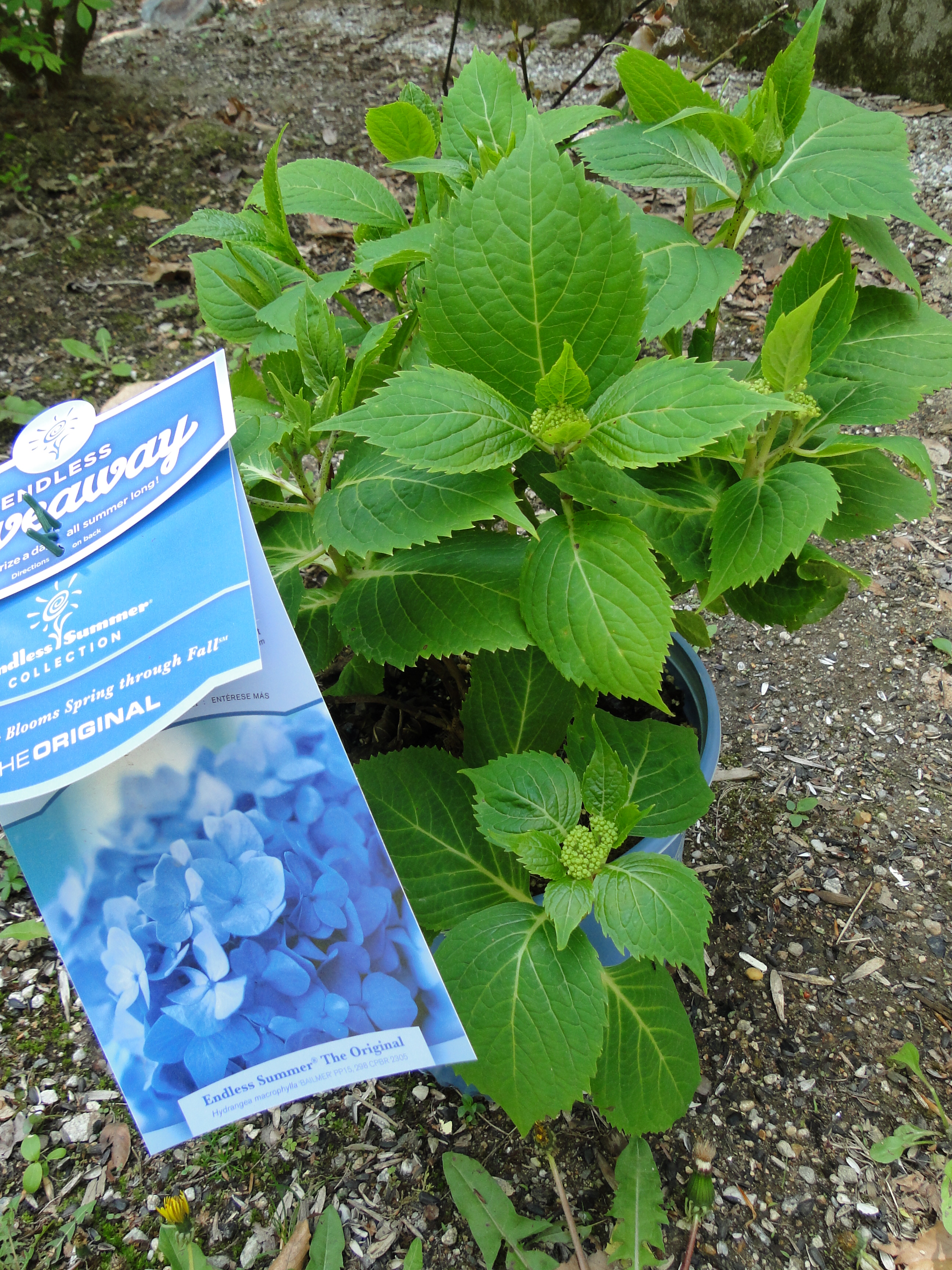
Endless Summer Hydrangea
This is the first time I have bought the plants myself. My yard is in desperate need of landscaping and color is a must so I hoped to find a variety of colors to choose from and I was not disappointed!
I bought six hydrangea plants at The House By The Side of The Road in Wilton, New Hampshire and I only stopped there (at six) because my cart was full!
They offered a wide selection with many plants to choose from in each group and most all of them looked very lush and healthy. I expected to pay a lot since hydrangeas are popular flowers, but the pricing was reasonable I thought and ranged from $29.99 to $36.99 each and they are good size plants.
I have a lot of shade in my yard, but fortunately hydrangeas can take the shade – as long as they do get some sun.
I bought some bone meal and compost soil amendment at Agway and headed home to get planting.
Get the ground ready for planting by adding bone meal to the soil.
It sounds a bit gross to use crushed bones when fertilizing, but the fine, powdery substance works wonders for the plants.
Bone meal is a great source of phosphorus which helps establish good roots, and without good roots, plants don’t grow as well. This is why I add it to the ground when planting and later when plants are growing. They are always making new roots.
Bone meal helps grow strong roots
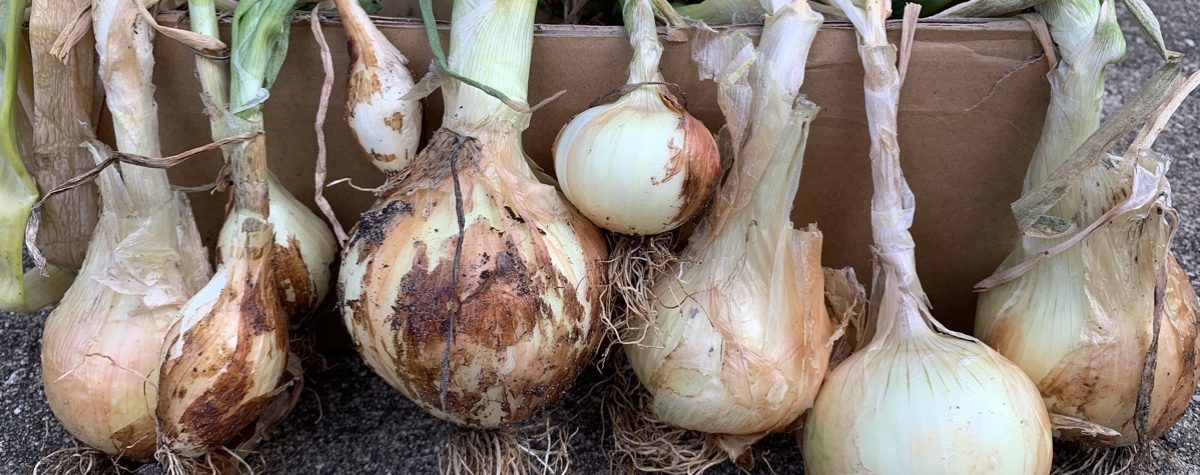
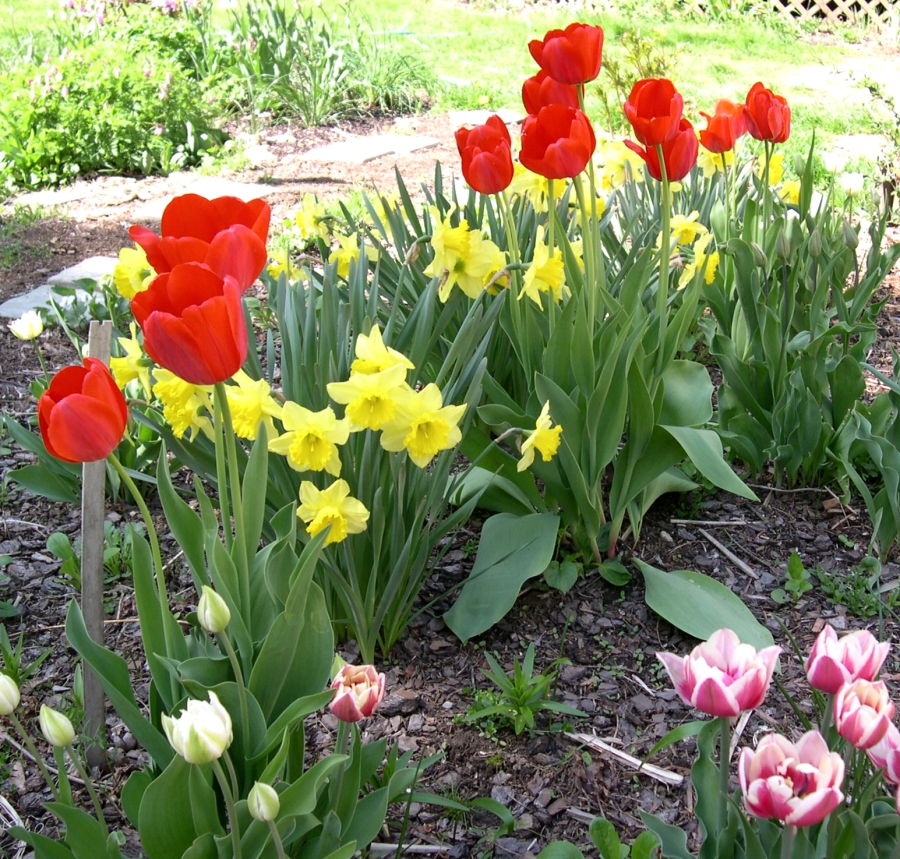
Bulbs, like the ones in my photo here, will appreciate some bone meal mixed into the planting soil. Your tulips and daffodils will produce more blooms, as will any flowers planted in spring.
Organic Bone Meal is the perfect addition to an organic garden. I add it to the bare garden soil in spring before it’s time to plant. It helps make the soil better for everything you plan to grow, as long as you don’t overdo it.
Annuals and Perennials will grow better with bone meal.
Use it as a soil amendment around perennials too. I sprinkle it around the hydrangea shrub and other perennials in the yard once the snow is gone. Rake it into the soil and be careful around the shallow roots. Bone meal replaces depleted phosphorus and will get the plants off to a good start for summer growth.
I buy mine in 4.5 lb. bags and directions say to use 1 teaspoon mixed into the dirt for bulbs. For shrubs, such as the hydrangea, apply 1 to 2 pounds (2.25 cups of bone meal equals 1 pound). Directions are on the bag, or box and it can even be used in pots.
Blood meal is a different product and can be used to supply the nitrogen your garden needs. Nitrogen keeps plants looking green. Use it if the leaves on your plants begin to turn yellow.
Be careful when using fertilizer, even organic fertilizer (and make sure it is truly organic!) like bone meal and blood meal, because it is still possible to use too much and damage the plants.
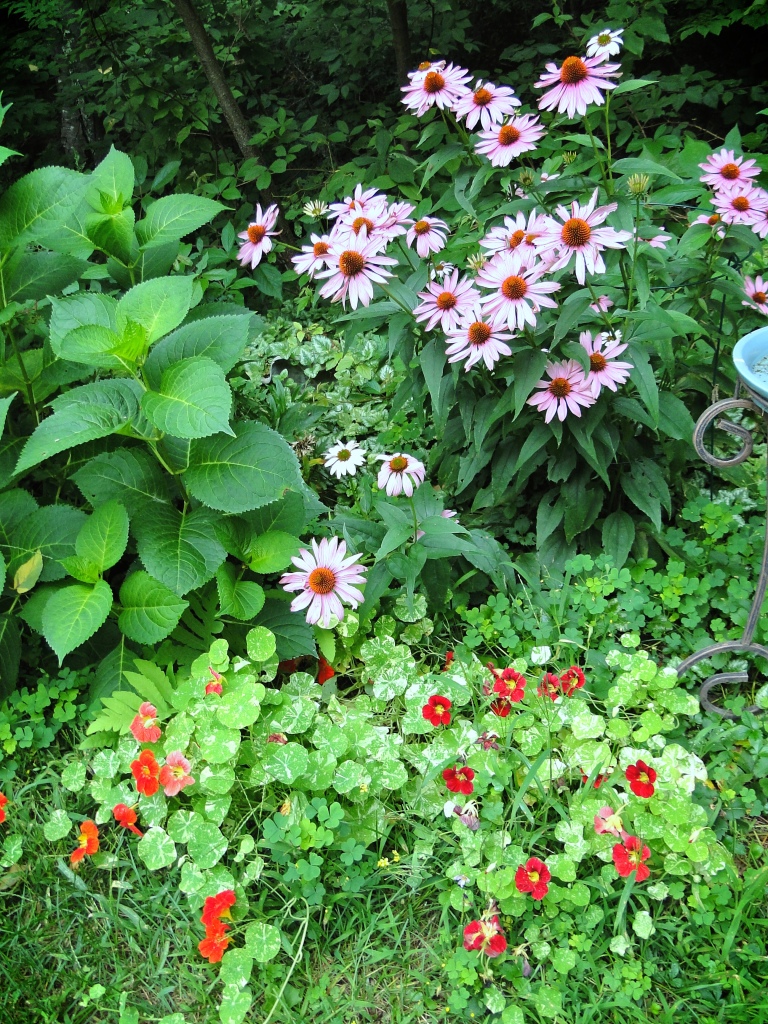
Above you can see the lush growth of my nasturtiums (annuals), and hydrangea (leaves) and coneflower (echinacea) which are perennials.
You don’t need a green thumb to grow hydrangeas, so why not plan to plant a new shrub this Spring. With just a bit of knowledge, you can have a beautiful and long lasting addition to your landscape in the form of big gorgeous blooms.
Once you’ve made the decision to add a hydrangea to your yard, find out which type you’d like to grow and if it is right for your planting / climate zone. There are many varieties and flower types. Most are shrubs but some can be little trees, such as the Pee Gee, so know what you are buying. Decide where you will plant it by searching for a spot in the yard that is free of tree roots and has plenty of sun. Also remember that the plant you buy will grow to be around four Continue reading “Planting a New Hydrangea Shrub This Spring”






 Hydrangeas Blue