New England native, Florida resident. Blogging about boating, beach-combing, gardening, camping, and knitting. Work for Zazzle as a designer since 2008.
This year I learned about growing greens that will do well here in Central Florida gardens. I have just planted something called Chijimisai. It is supposed to be a lot like spinach.
In general, greens like lettuce and kale, must grow in cooler weather. In order to pick greens for salads, smoothies and for stir-frying we must grow during the correct season for where we live.
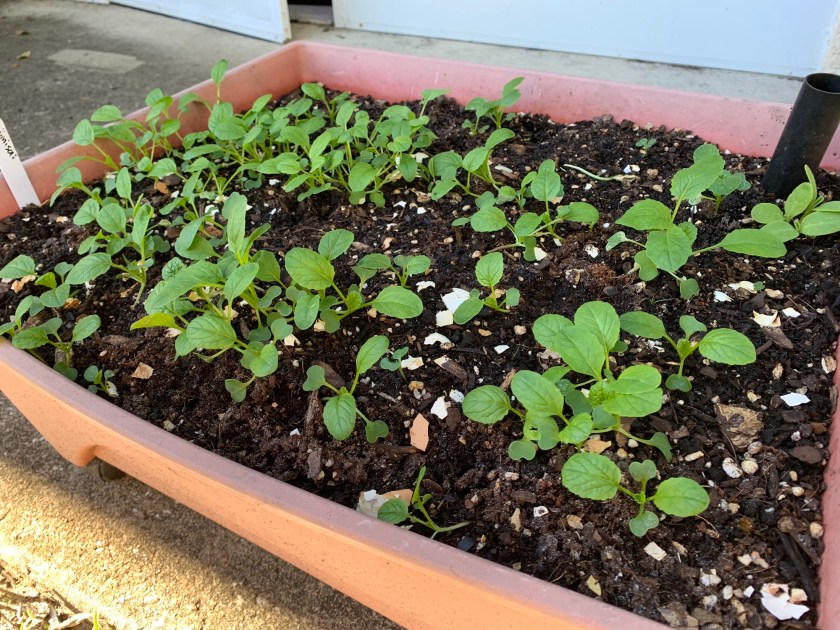
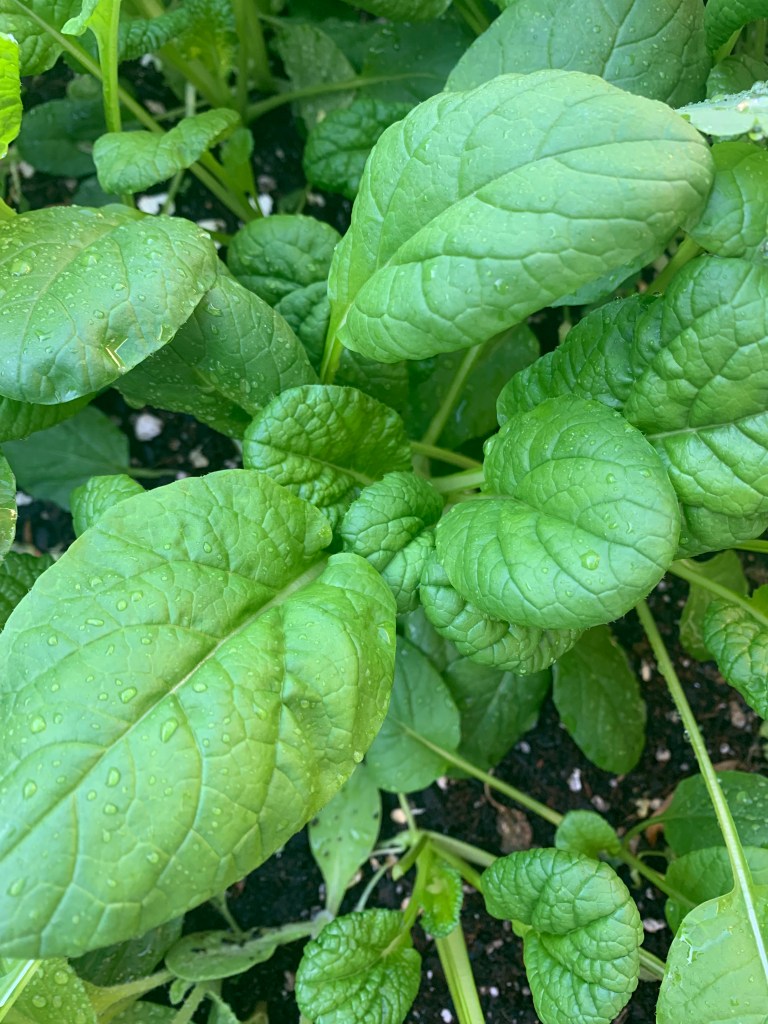
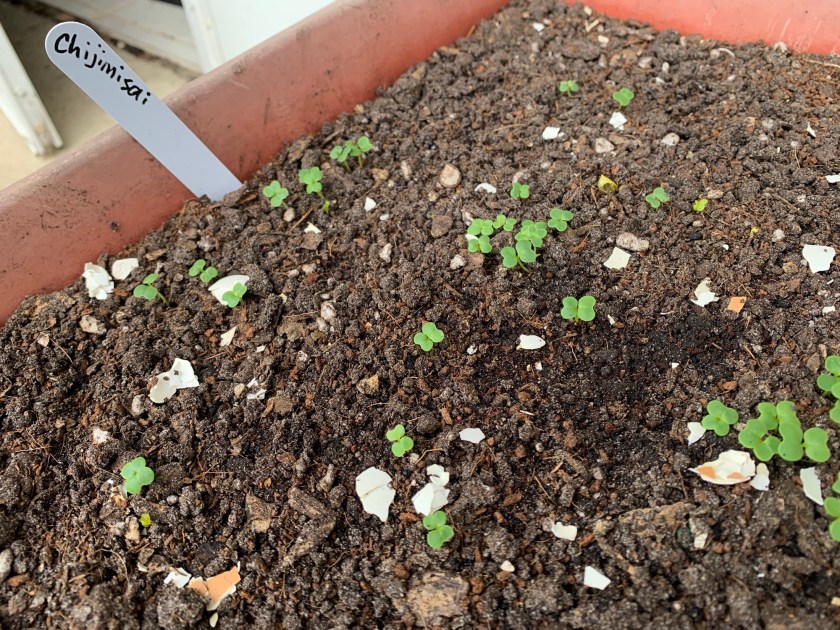
Now, it is mid October and cooler weather is here. I direct seeded the Chijimisai into a grow pot on the 4th of this month. Today, two weeks later, it looks like this:
Chijimisai at two weeks – planted from seed.
After two weeks, I was wondering about thinning the greens. I found a YouTube video of a man (in Texas I think) harvesting / thinning his Chijimisai and it was very crowded. He had let it grow and then thinned it when the plants were pretty large. At that point he could use the bigger leaves to eat.
That is what I plan to do.
Right after I planted the seeds in this pot, the raccoons walked all through my planters and I’m sure stopped the growth of some seeds. Grrrrrr…. I put eggshells all over the dirt to deter their little paws. I don’t know if that works, but I had to try something.
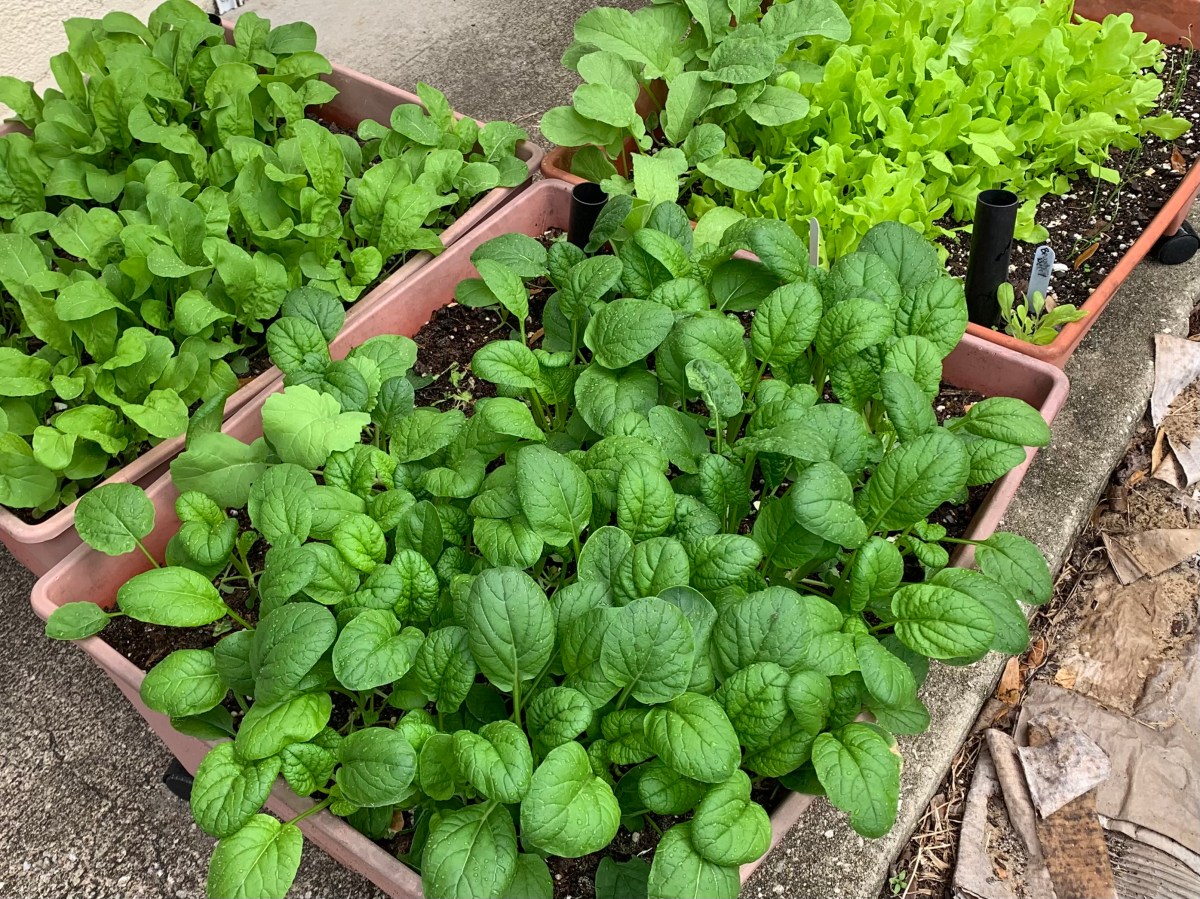
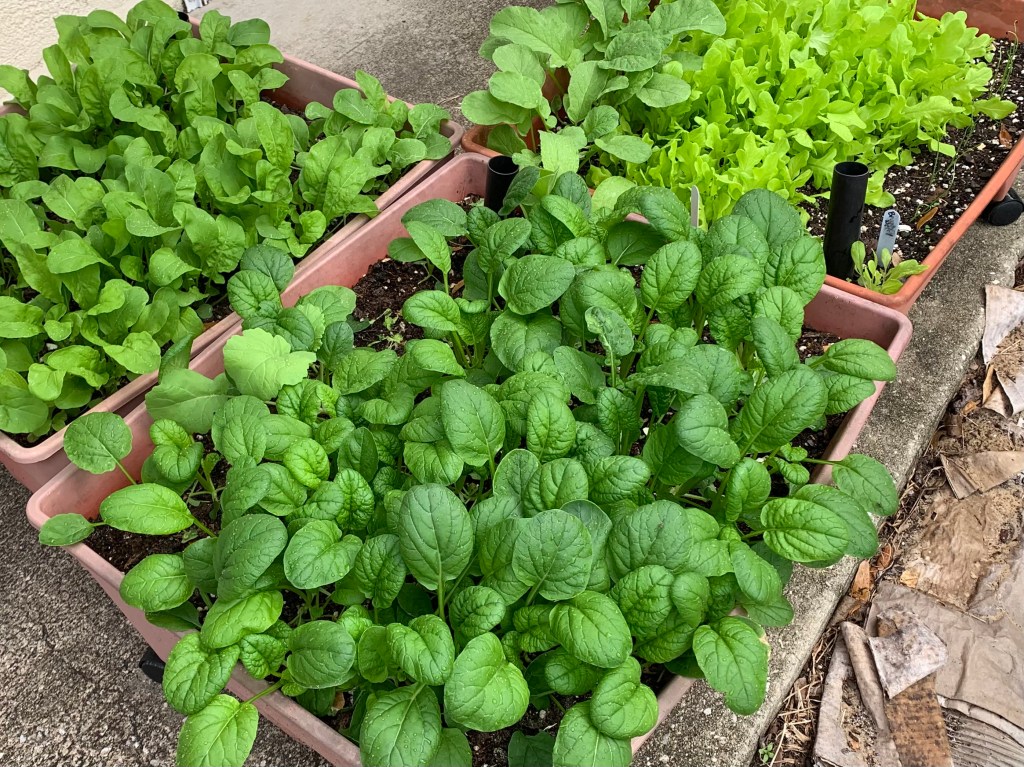
By the first of November my spinach garden is full of wonderful, edible green leaves!
Arugula, spinach, and lettuce with radishes.
Buying Chijimisai Seeds
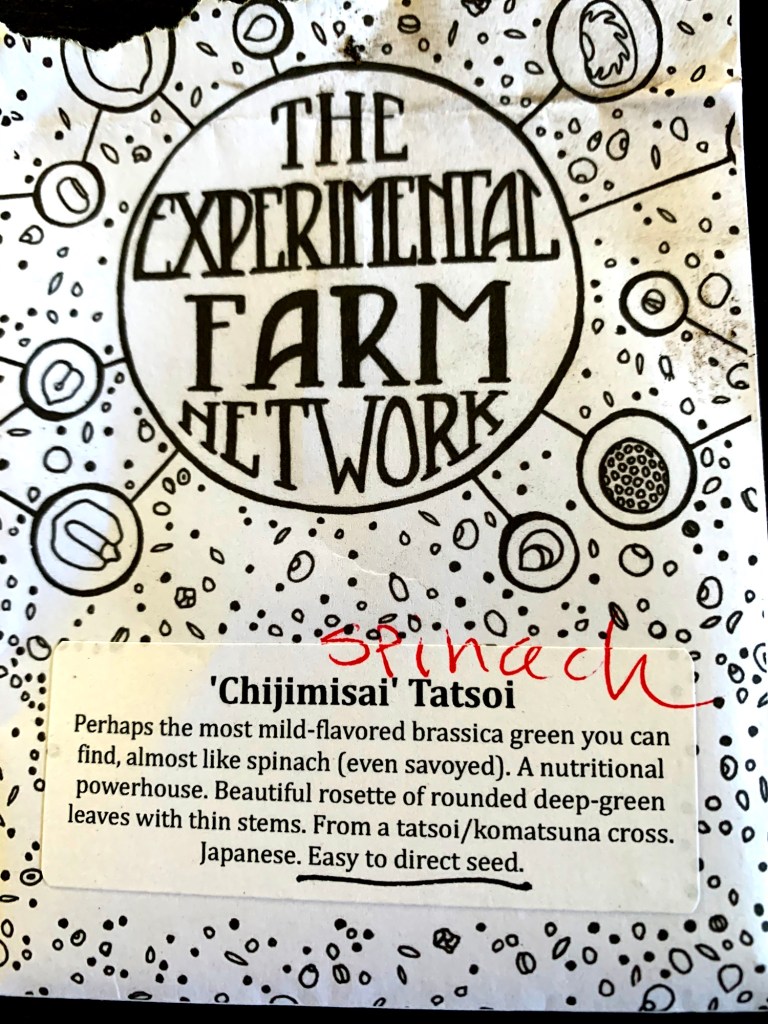
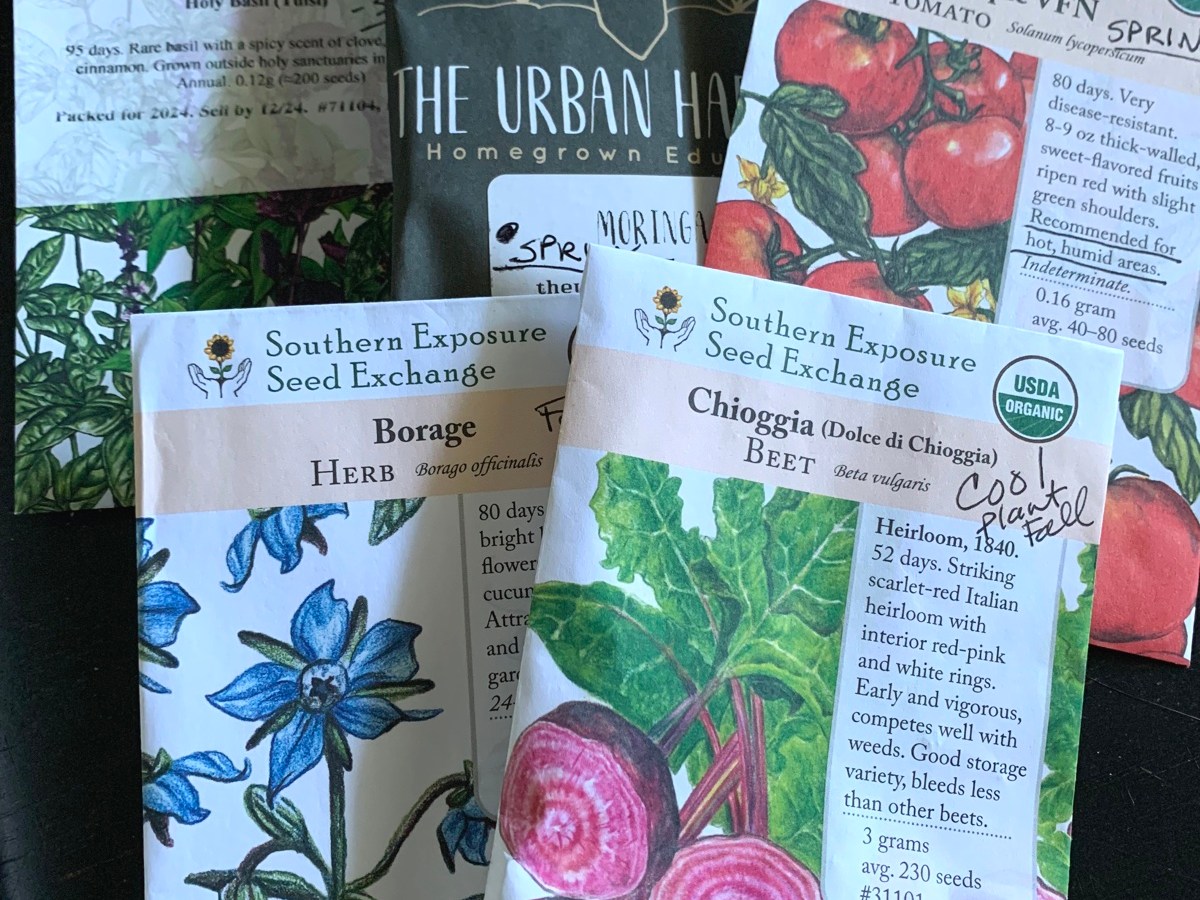
This is the packet of seeds. I still have some left to sow later on. At this point I don’t know what will grow and what won’t. I’ve only planted partial amounts of seeds in my small pots and some areas of the garden.
I bought my seeds from The Urban Harvest. They sometimes send seeds that come from other providers. I’ve had luck with most of the seeds they’ve mailed me and I continue to buy from them.
I’ll update the blog as the season progresses. I’m really hoping for some good greens this Fall.
Wish I’d known more about growing cucumbers in summer here in Florida BEFORE I decided to try to grow them during summer.
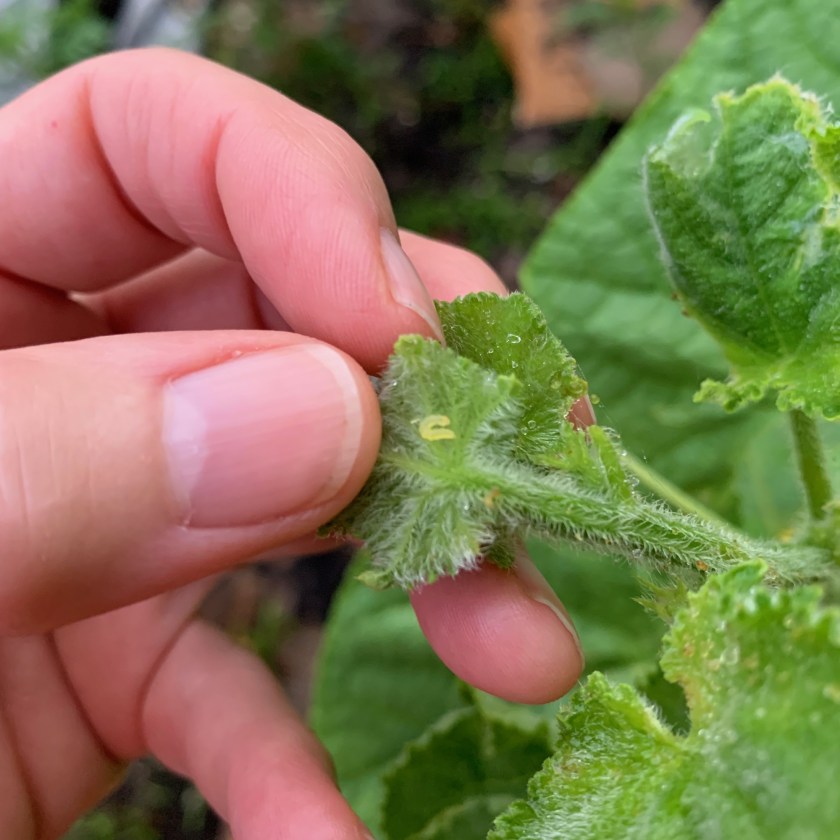
Apparently the pickleworm moth moves northward from South Florida and shows up around June / July – here in Central Florida. The moths lay eggs during the night, and worms hatch that eat the heck out of cucumbers and other veggies. (See this extensive article about the pickleworm.)
Bumblebee Morning Visitor
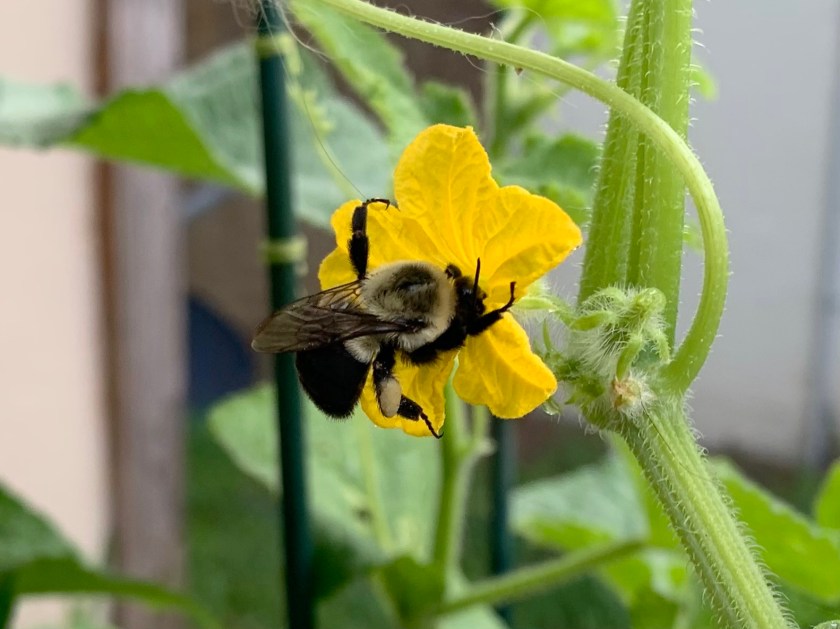
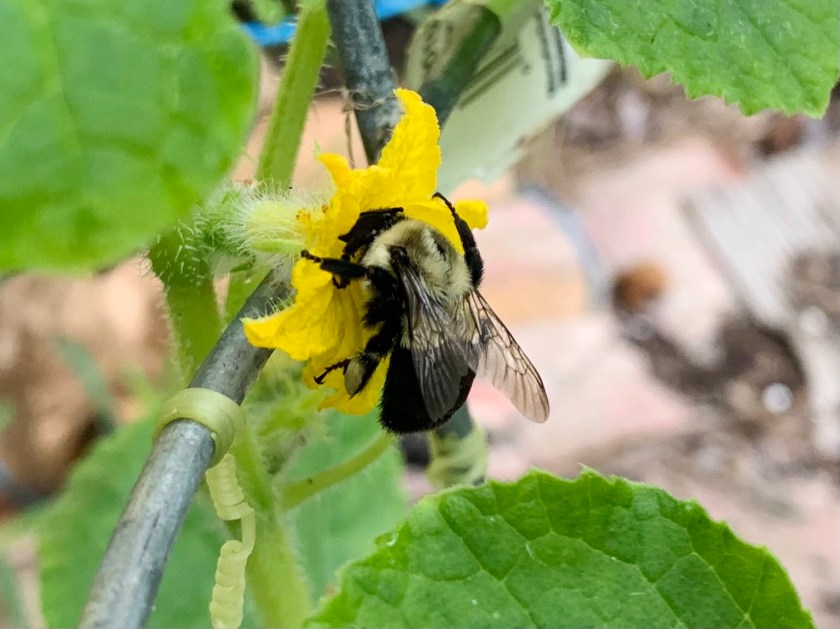
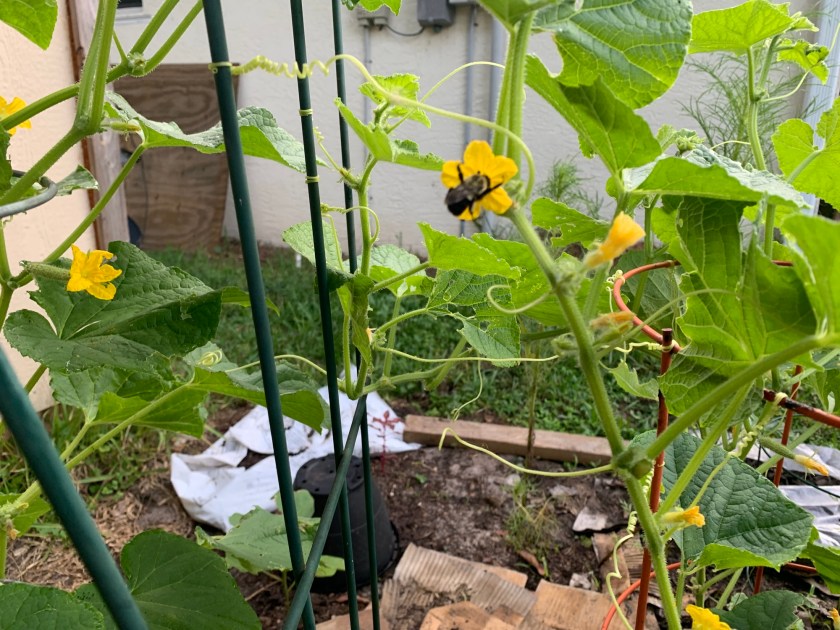
So I’m covering my plants. Each morning I get out to the garden early to uncover the cucumber plants. I know that the bumblebee will be along shortly to visit the flowers. Within a few minutes after the plant is uncovered, this little bee shows up.
Morning bee on cucumber flower
Bee on cuke flower
Now, it’s Fall and I have ripped out my cucumber plants (all three of them) as they only gave me a couple of edible cukes. I was spending too much time, for too little yield, for growing them to be worthwhile.
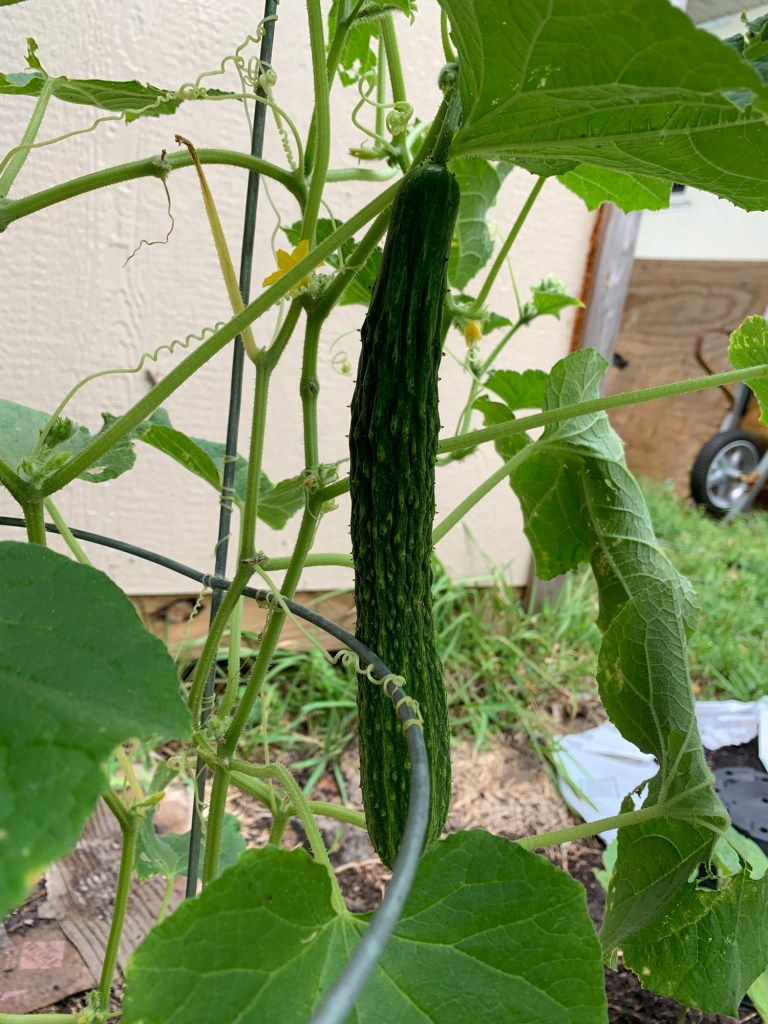
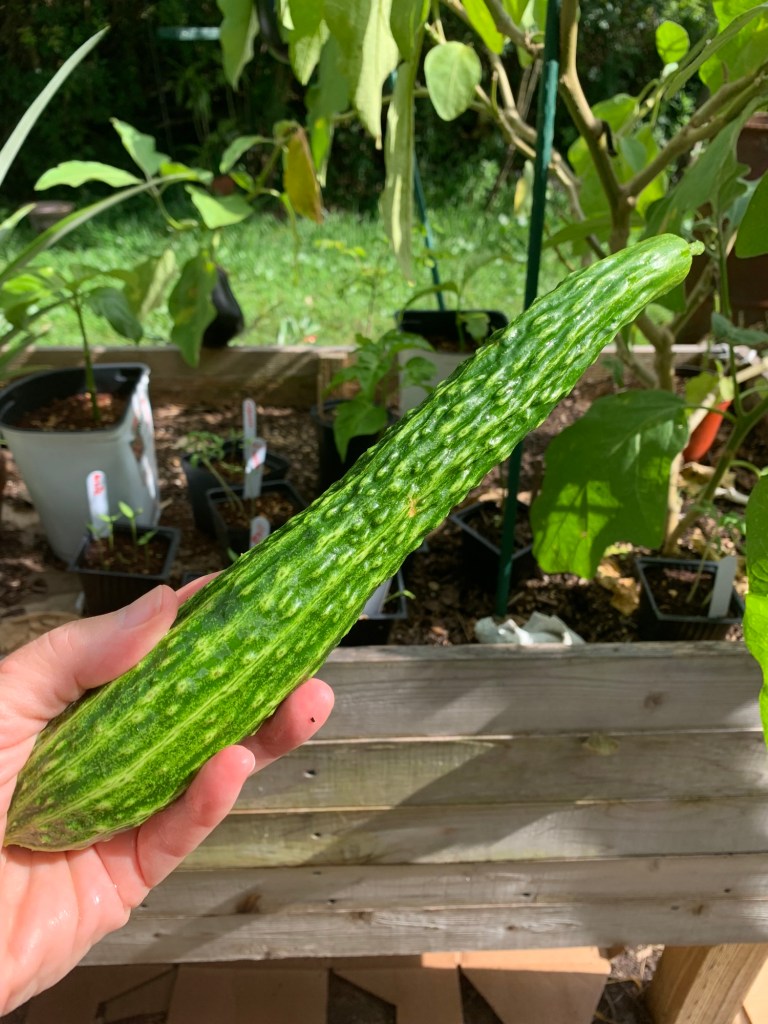
Garden cuke
Suyo Long cucumber
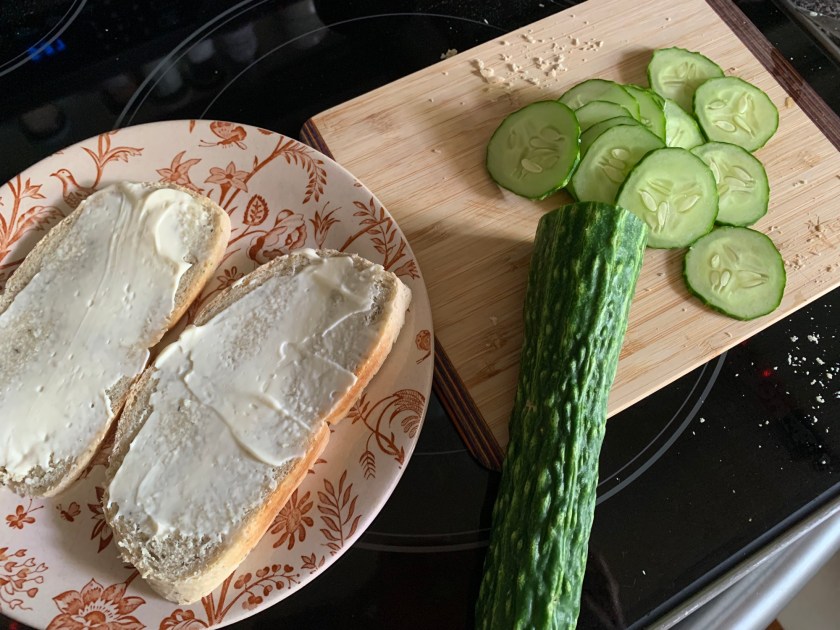
Homemade bread
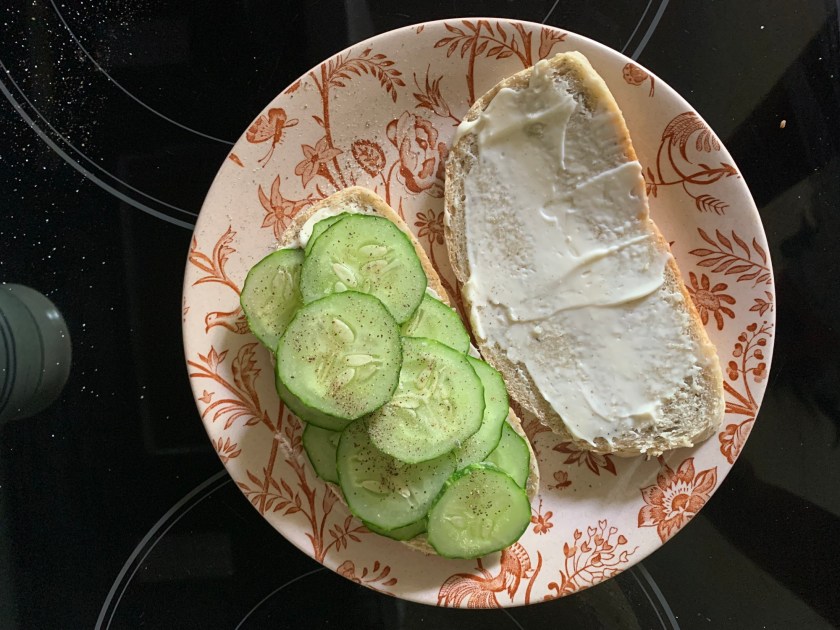
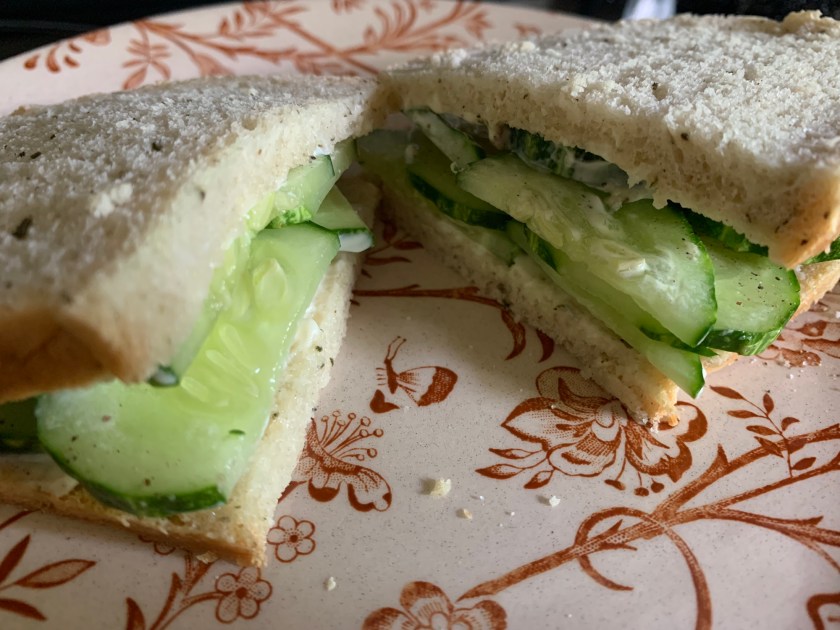
Cucumber sandwich
I hand picked the little worms and threw them onto the mulch walkway for the lizards. The cucumbers didn’t grow very well either so I’ll be planting in early spring next time.
Gathering some information about using the Moringa tree for tea and food.
The day I began this blog post I was sick. Probably that new strain of Covid got me, but here’s what I did. By the afternoon I felt well enough to pick some Moringa leaves and make tea.
When Googling “make tea from fresh Moringa leaves” everyone wants to tell you to dry the leaves and make powder. I picked some leaves, boiled water and let the leaves brew in my little teapot for ten minutes. It made a nice tasting (like boiled grass) hot drink. I hope that the goodness leached out into the water and went into my body!
So what else can I do with this tree?
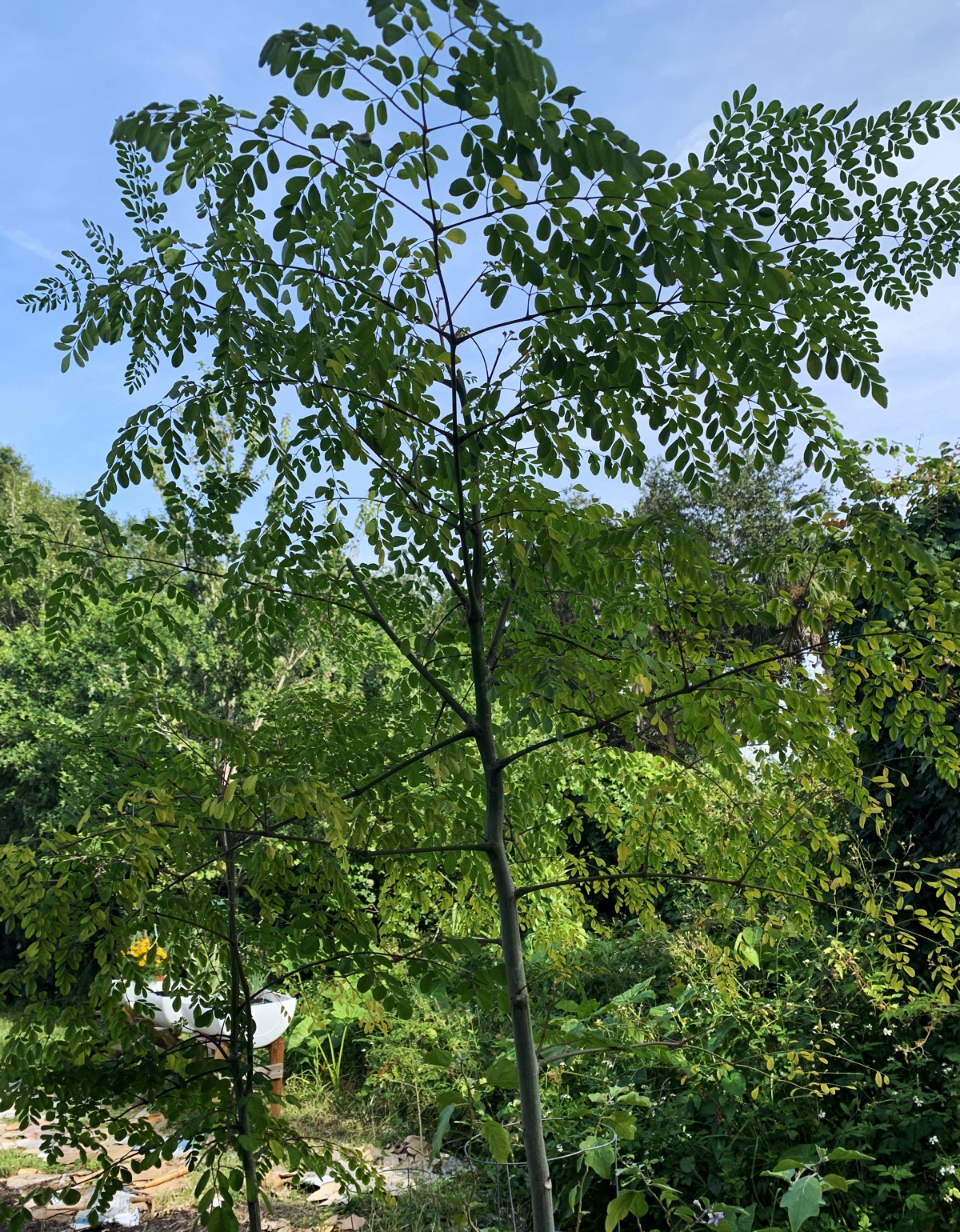
The Moringa is growing well
Using the Moringa Beans, or Drumsticks
My trees are still quite small, but growing fast. One day they will produce long, hanging beans. This video shows how this family picks and processes the beans. I’m not sure that I will ever do this, but it’s nice to know about.
Seedlings and Flowers
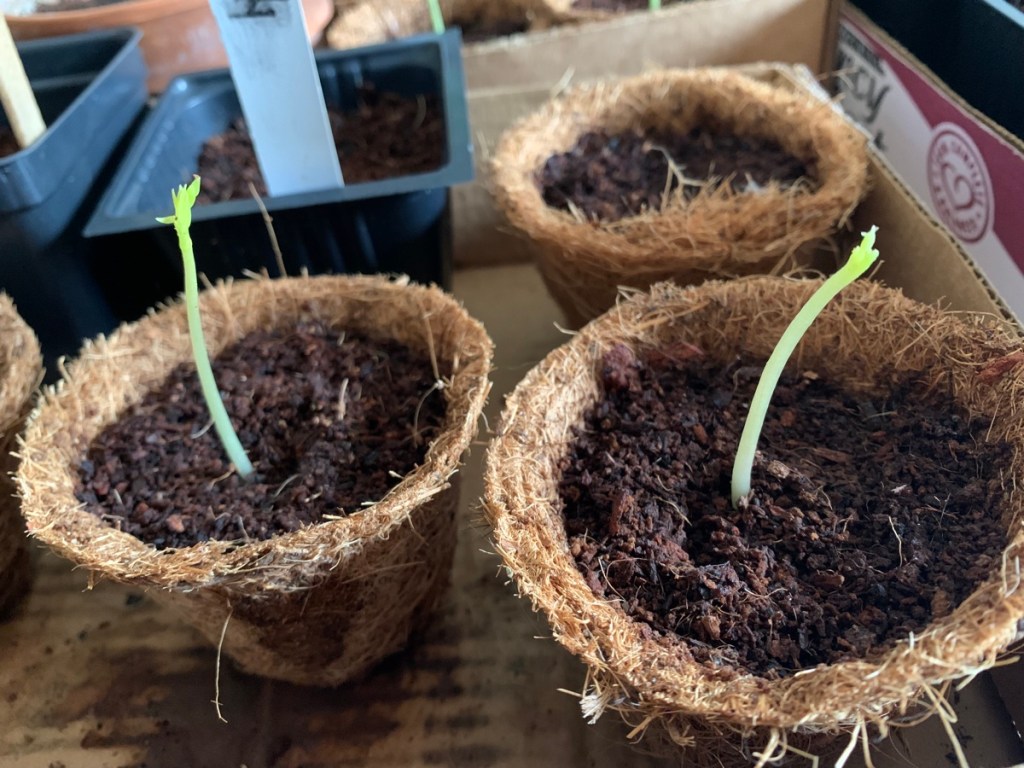
A note about the seedlings: They may look eaten but that is how the plant begins to grow. As this naked stem popped up from the dirt, I thought maybe the leaves had been eaten off, but they actually had not begun to grow.
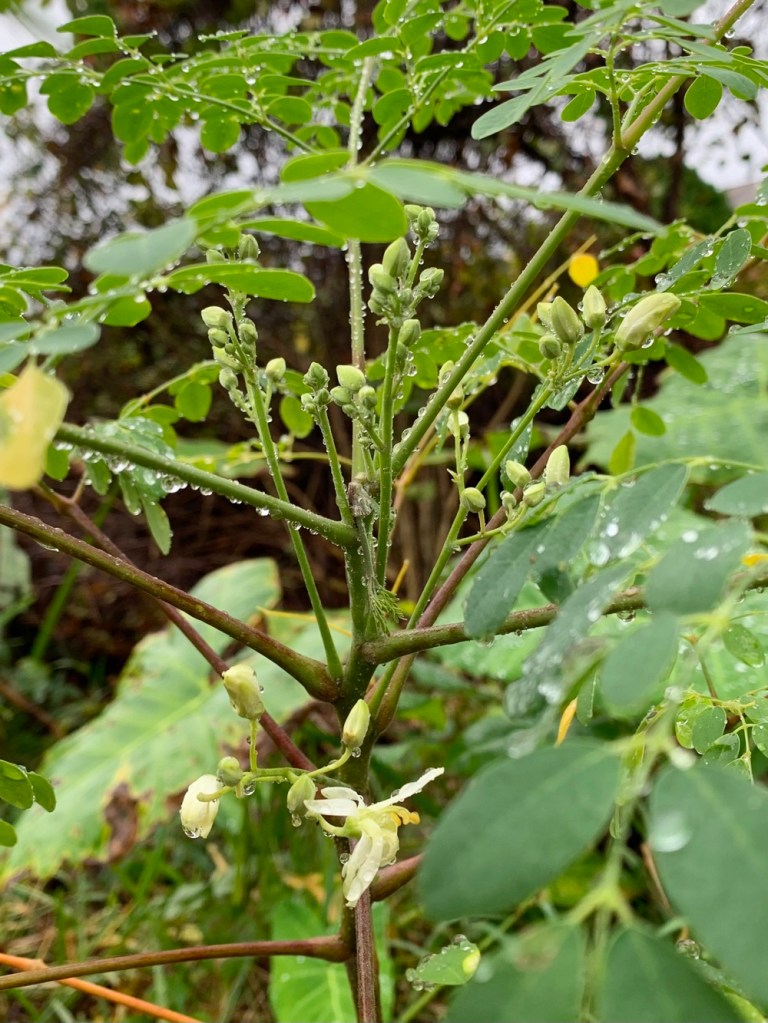
My smallest Moringa tree, which is only about 4 feet tall, has white buds and flowers. The bigger trees have never had flowers.
Moringa seedlingsFlowers and buds on small Moringa tree
Moringa Care
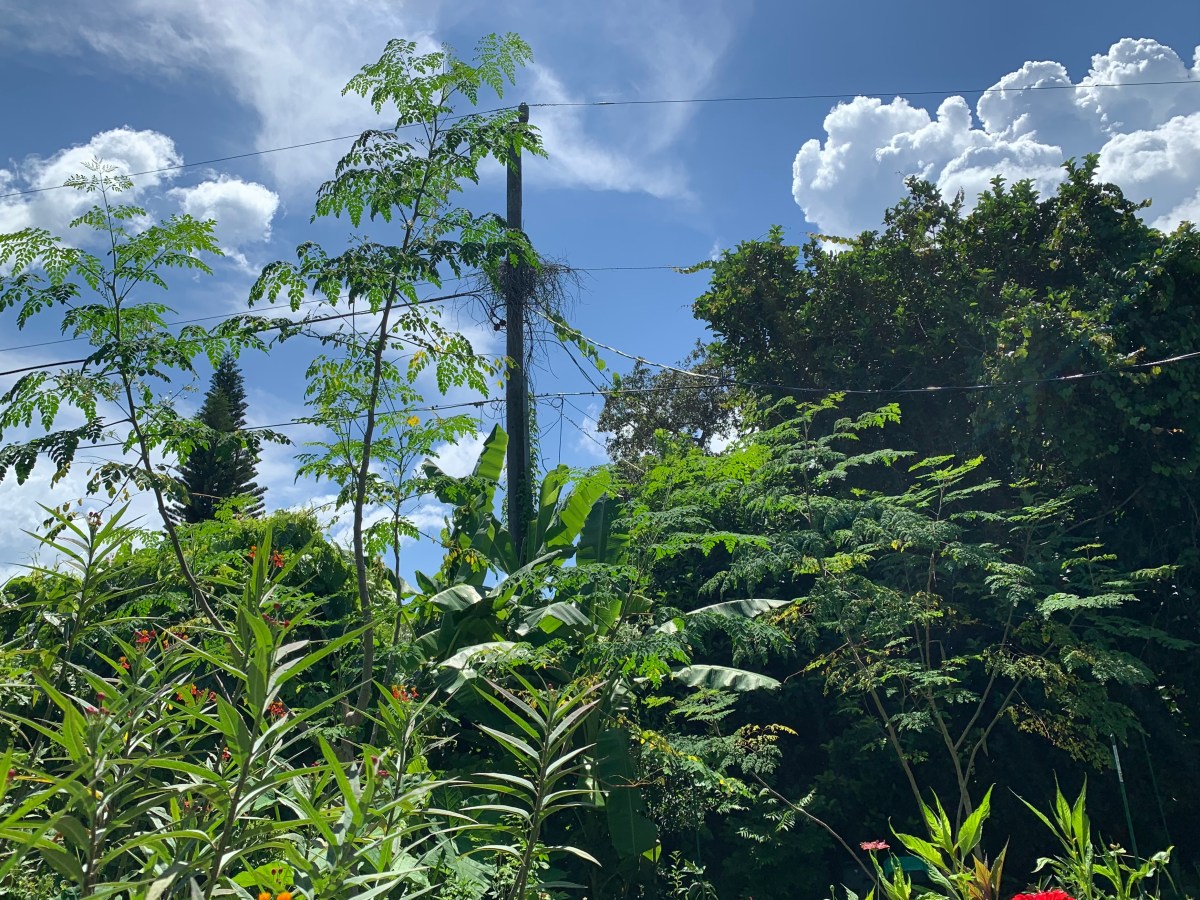
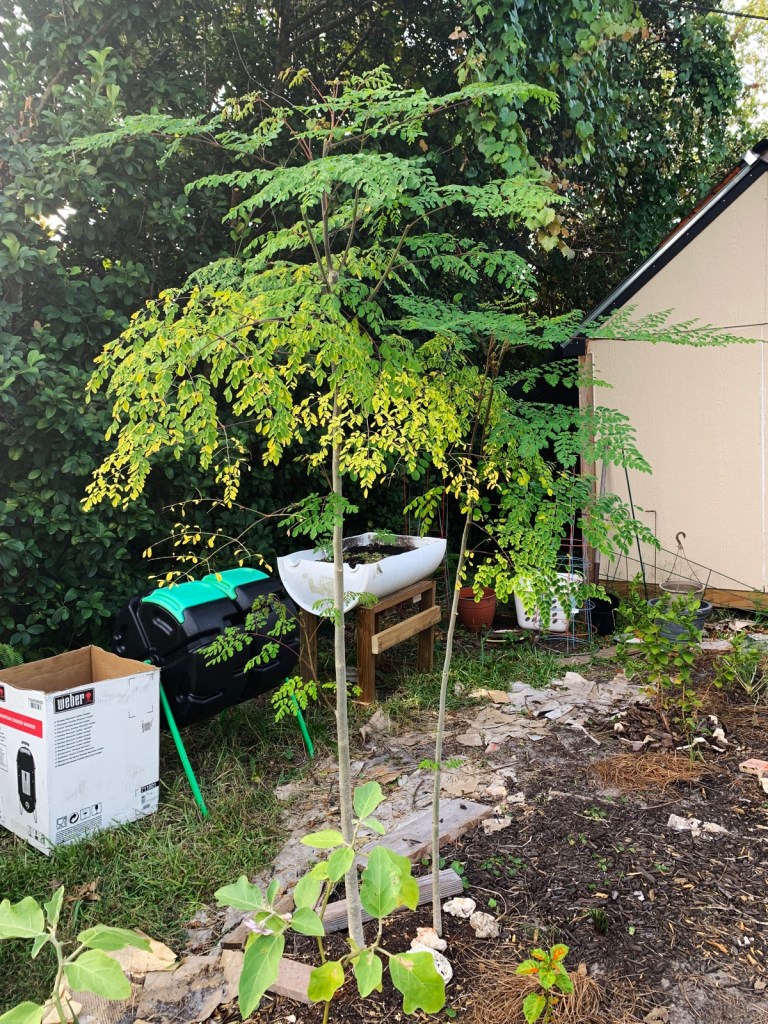
I really know nothing about the Moringa tree except what I’ve learned from watching a few videos. I’m not sure how to grow it. I planted two trees side by side in the back garden corner and completely forgot about the power lines going to my house. The tree, if not trimmed, will eventually hit the lines. So now I am trimming the trees from the top to help them bush out and not get tall. Also, in winter I noticed scratch marks and broken limbs where the raccoons have tried to climb this tree!
The bottom stems are turning yellow which many people mention. It seems to be a normal part of this tree’s growth pattern. Maybe to shed old leaves and make way for new.
Trimming
The new growth at the top is very easy to trim up. I either use the leaves for making tea, or put them into the compost areas.
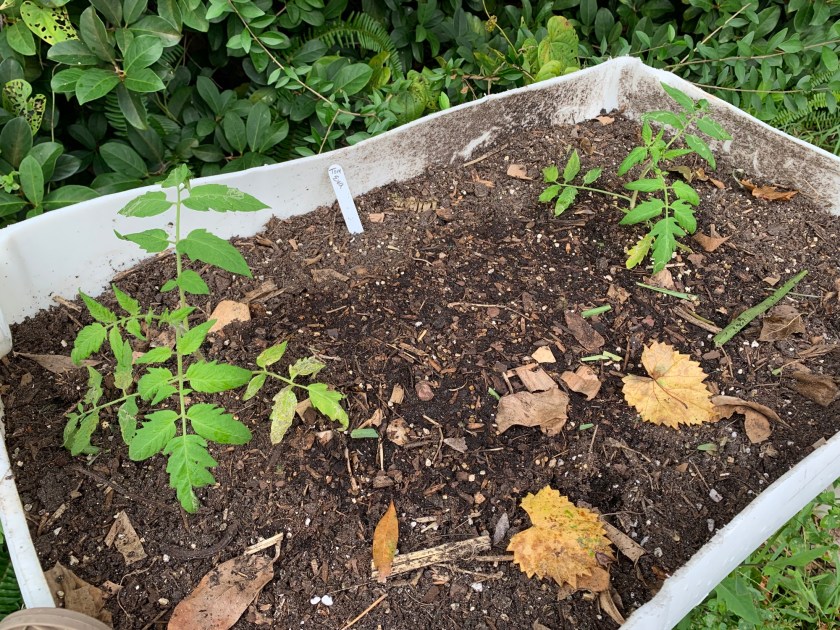
That Weber box is my newest compost bin. It’s a long story but basically every time I transplant something into the ground it gets dug up by raccoons and armadillos. So I had to use my white compost barrel to hold two of my tomato seedlings. It’s not ideal, but I would love to have some tomatoes!
That means I lost the old compost bin and needed a new one. I’m still filling up the Hot Frog, but composting is a very slow process.
I Need Space
One thing I don’t have, and can’t buy, is more space. The yard area where I can plant is pretty small. It is both good and bad. I would love to live among open fields, with views and places to roam. Instead, I live on a claustrophobic piece of land in a big neighborhood. I am probably like many people.
On the other hand, I can’t manage big gardens. I don’t have a man who will do the heavy lifting and work the tractors and machinery. More garden plots are in the works and I will really get going on organizing the yard once the heat subsides. It is mid October now and we still have the AC on in the house.
Dirt and compost are also what I need. Without a vehicle, I can’t get to the yard shop when I’d like. A delivery of dirt would mean using the wheelbarrow to move it all into the back yard. I am considering doing this. My old body may not be happy, but it’s exercise. If I do just a little at a time, it could work.
Three cheers – it’s October! I’ve been waiting, and not so patiently. The extreme heat is mostly gone and temperatures have gone down to the 80’s. Then, today it was 67 when I went outside at 7:00am and I put on a flannel shirt! Yes, it is finally time to tackle that long list of outdoor chores that has been building over the long, hot summer.
Planning
Now is the time to get planting for the cooler season. Our Fall is more like a normal, northern summer so the plants will be happy.
I’ve been planning where to plant the seeds and seedlings. We must have a garden plan – and I did.
My garden planning area
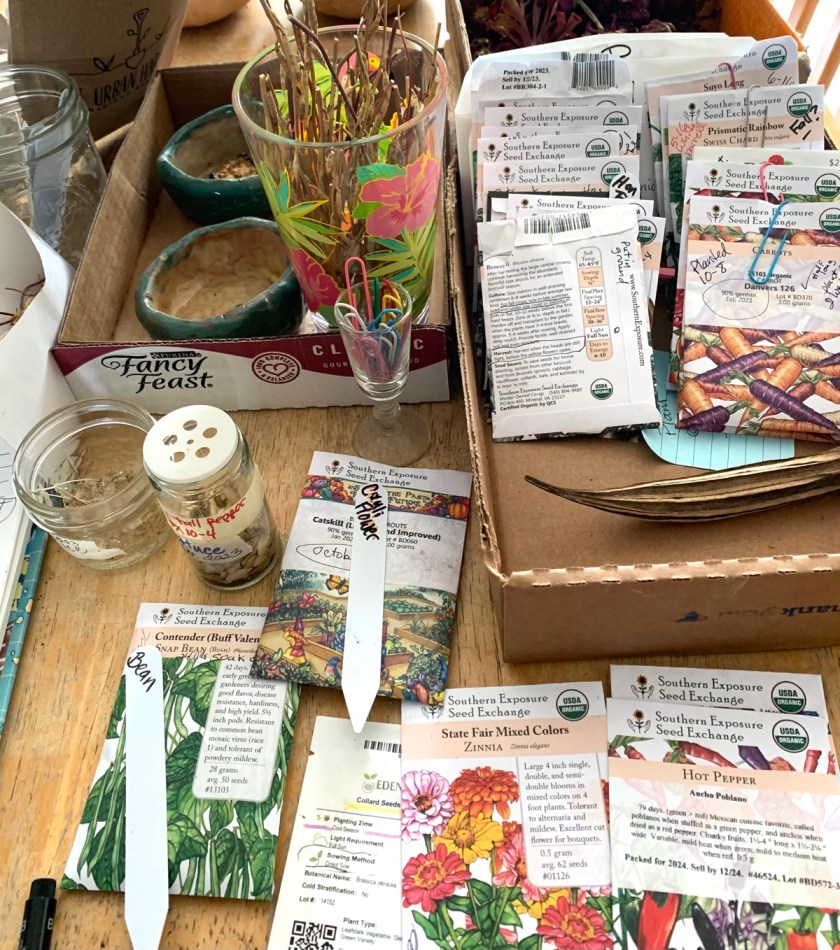
The grow boxes were dug and amended with some good stuff, like bone meal and compost, in September. Seed packets laid out to take stock, notebook scribbles about what I did, plant names written on markers, and everything ready to go.
Water Problems and Compacted Soil
At the end of September a little pocket of moisture hovered over my area of Florida. We got days and days of rain. I measured 9 inches in two days alone, and it rained for about a week. Florida can handle lots of rain, but my grow boxes were super soggy. They do have drainage, but I realized that I needed to add something to aerate the soil. It had become very compacted.
I bought Vermiculite (link to the organic brand I purchased at Amazon) and Perlite. I liked the Vermiculite better, and bought some more. Once again, I went through the grow boxes and added bunches of vermiculite for drainage.
Animal Pests
Finally I was able to put seeds into the boxes. Once the lettuce, arugula, chijimisai, Brussel sprouts, and cauliflower were in the boxes I had another problem to deal with. Raccoons are walking through my low grow boxes, and sometimes digging.
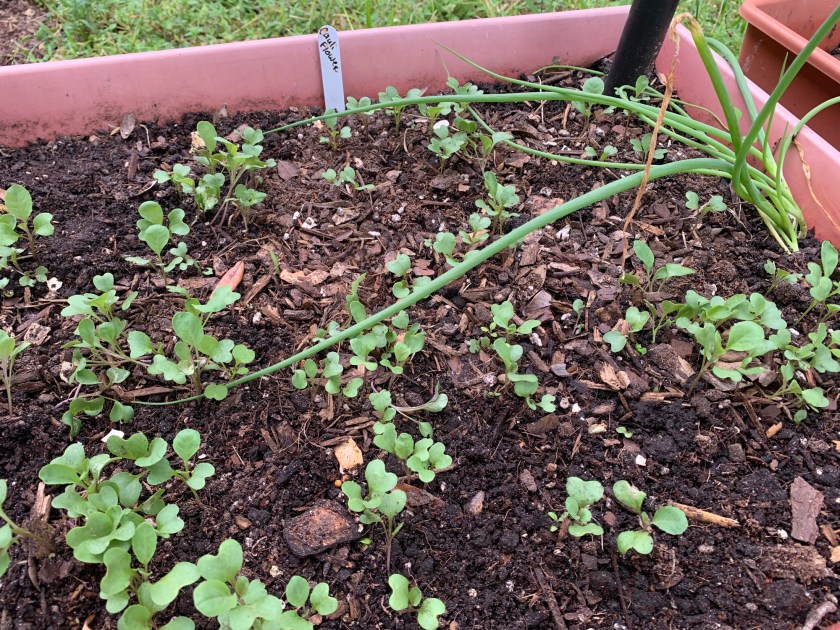
Chijimisai seedlings
Cauliflower and onions
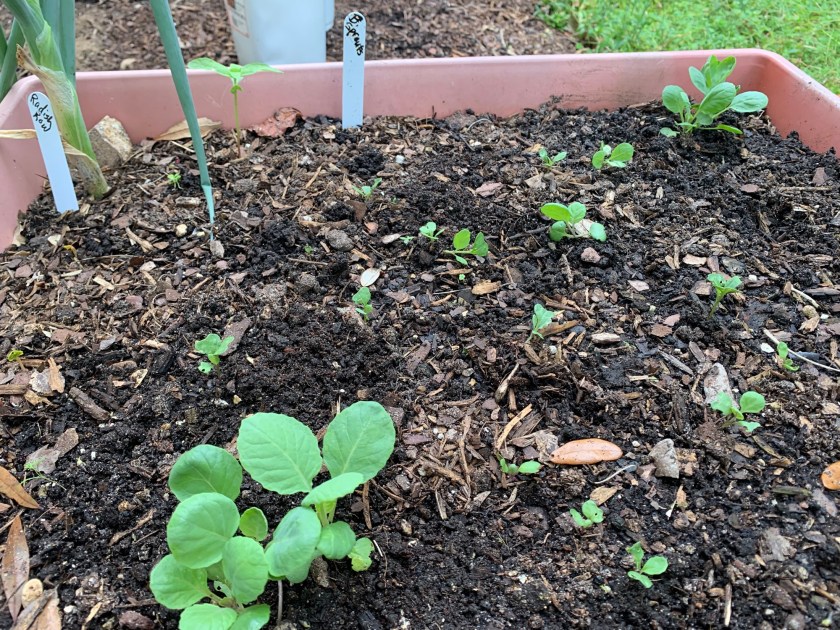
Brussel sprouts
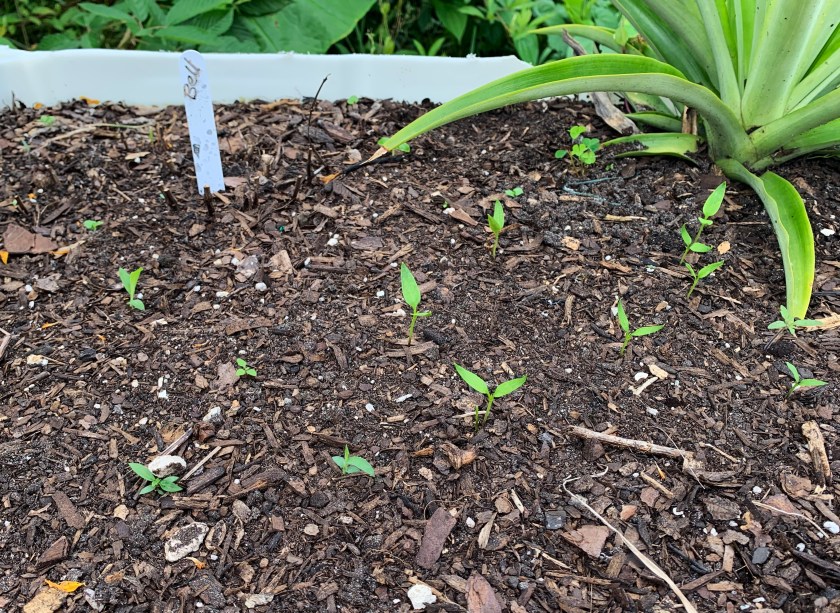
Bell peppers
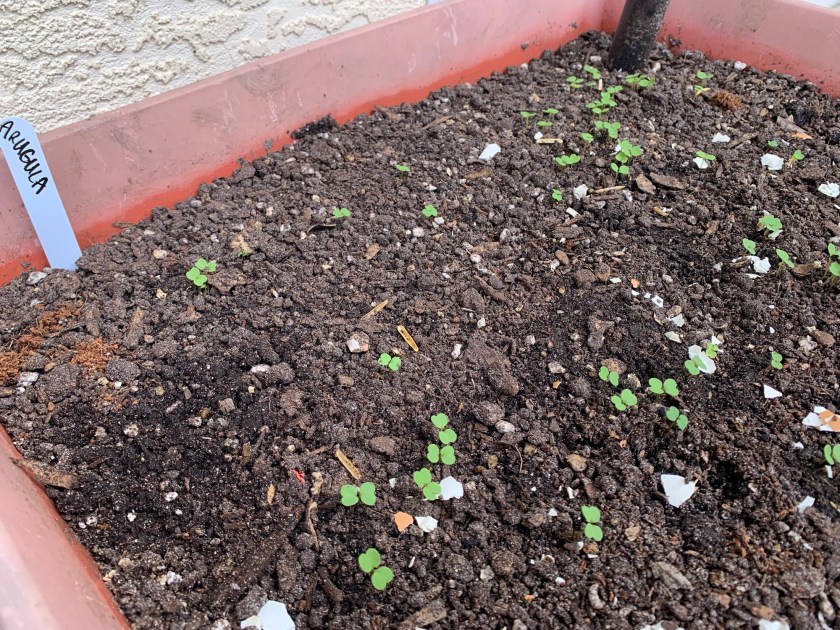
Arugula from saved seeds
Raccoons and armadillos are always around, and especially pesky raccoons. Each morning when I check the (in the ground) garden, there are big holes and some plants pulled up. I’ve lost some pepper and tomato plants, which has made me change my plans a bit.
Instead of having my tomatoes all in the ground, I have to put a few up in the larger, white barrels that are off the ground. This means that I don’t have all the space I had hoped to have for planting.
This white barrel, where I planted the Eva tomato seedlings, was being used as a composting area. So I’ve lost the compost space, but the tomatoes should grow great!
Eva tomato plants
Worm Problems on Rosita Eggplant
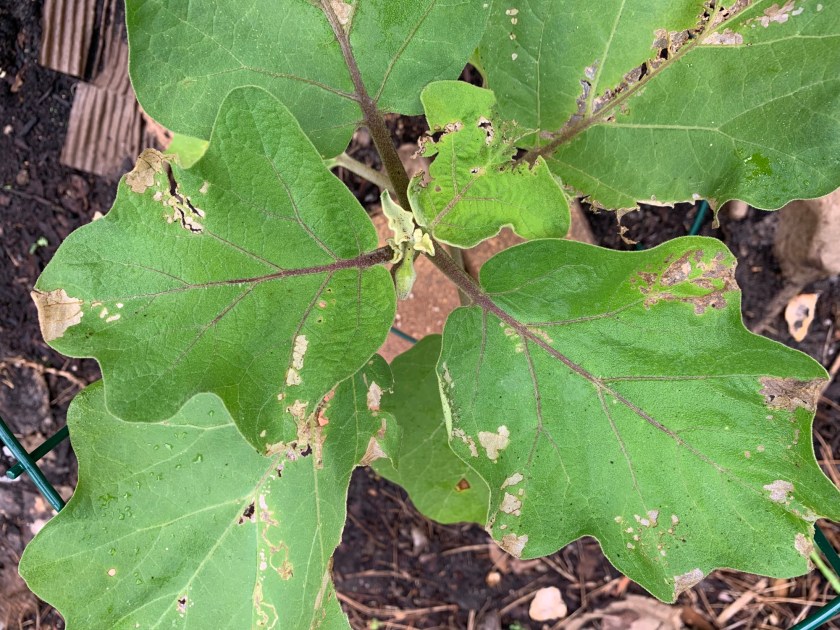
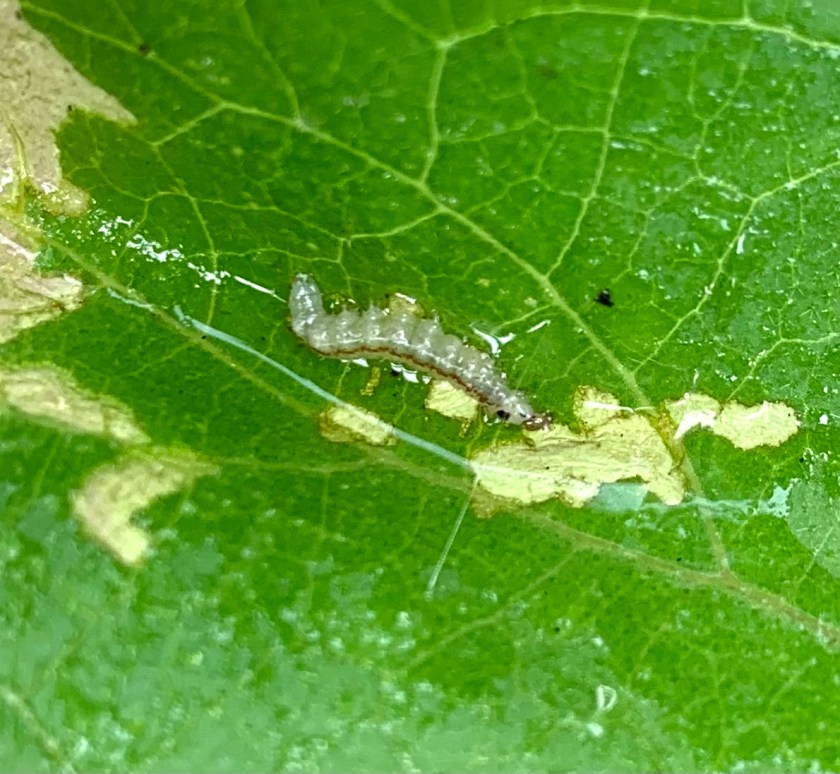
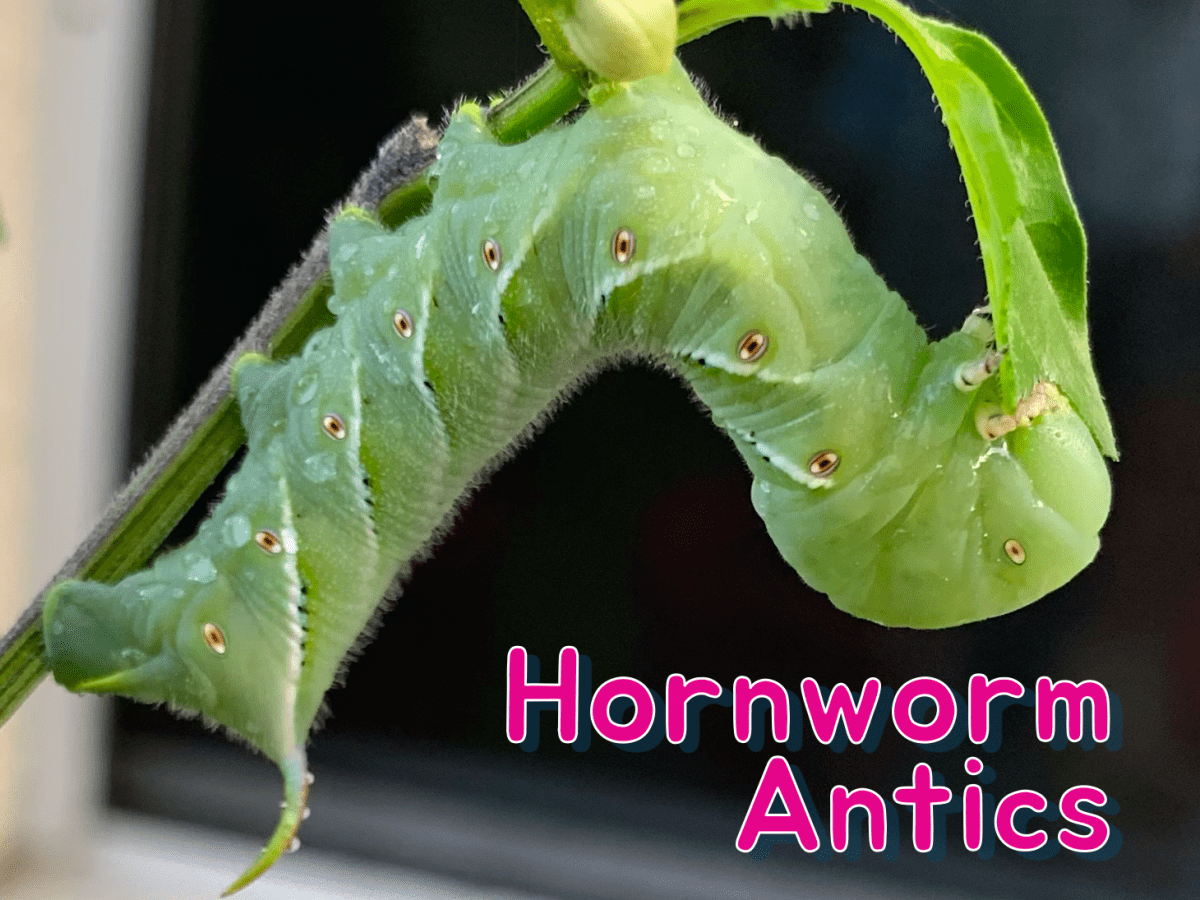
The two Rosita eggplants growing in my backyard were begun from seed. They were planted on August 4th and have had worms on the leaves off and on since they were planted. I have only 2 plants, so it’s easy to pull the worms off and throw them onto the ground for the lizards.
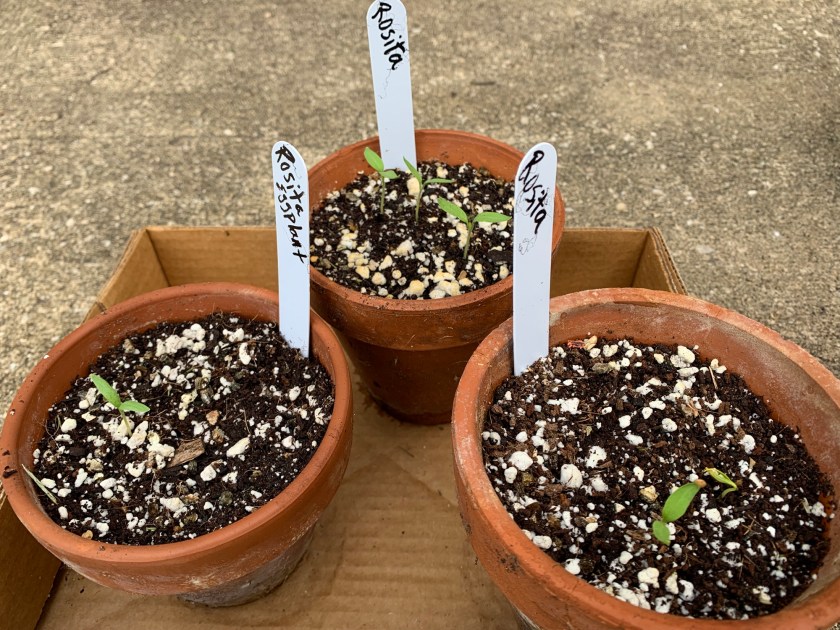
I don’t have this worm problem on my other type of eggplant. I do have some more Rosita seedlings growing in clay pots, but if this type of eggplant is prone to worms, I will not continue to grow them.
Worm problem on the eggplant
Worm on eggplant leaf.
Rosita eggplant seedlings
Bell Pepper
Another plant that I had hoped to have in the ground is the Bell Pepper. The seedlings I put into the garden were pulled up by animals. So, I planted more seeds in one of the tall grow beds. This bed will now be the nursery for pepper plants, which means I can’t use it for something else. (I have a pineapple growing in the corner.)
Bell pepper seedlings in raised barrel bed
Keep Gardening Notes
I have a small notebook where I write things down. These notes keep track of what I buy and when. I keep dates for when seeds are planted in pots and / or in the garden. I also make entries about the weather, bug infestations, and information about certain types of vegetables. That is very important because I am beginning to grow things I have never grown before. Some of these things – the Chijimisai, for instance – are very new to me.
I also keep all the seed packets, and make notes on them. They have good information about when to harvest (pumpkin and watermelon) and contain the date packaged. Seeds only last about a year, so they need to be used up before they get old. I rarely use all seeds at once because my garden areas are so small.
Hoping to Grow
This fall I am hoping to grow lots of greens. Kale, lettuce, arugula, and parsley, to name a few, like cool weather. All I have had over the summer is some sweet potato leaves.
I am hoping the tomatoes will grow and produce. Peppers like the heat, but they are so slow growing that I don’t expect peppers until Spring. I might have to do something to keep them warm enough through winter.
Carrots have been planted in the deep raised bed, and I have yet to find a place for the kale and snap beans. Today I planted the remaining Borage seeds and will soon find a pot for the Nasturtiums. They did not like the heat, so I’ve been waiting for cooler days.
I’ve never done much vegetable growing in Florida and this is the first time I am planting in Fall. I feel like my research has prepared me, and I could be successful. The gardens are not as big and ready as I’d like, but it’s a process.
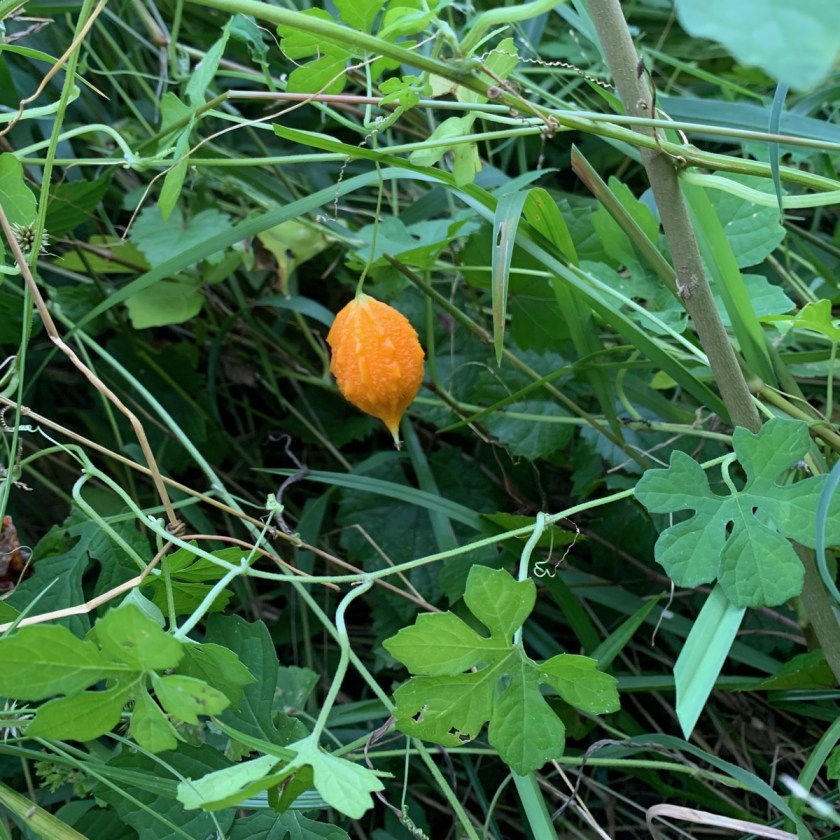
Found a new invasive plant called the Balsam pear.
Florida is full of invasive plant species and I’ve found yet another in my yard.
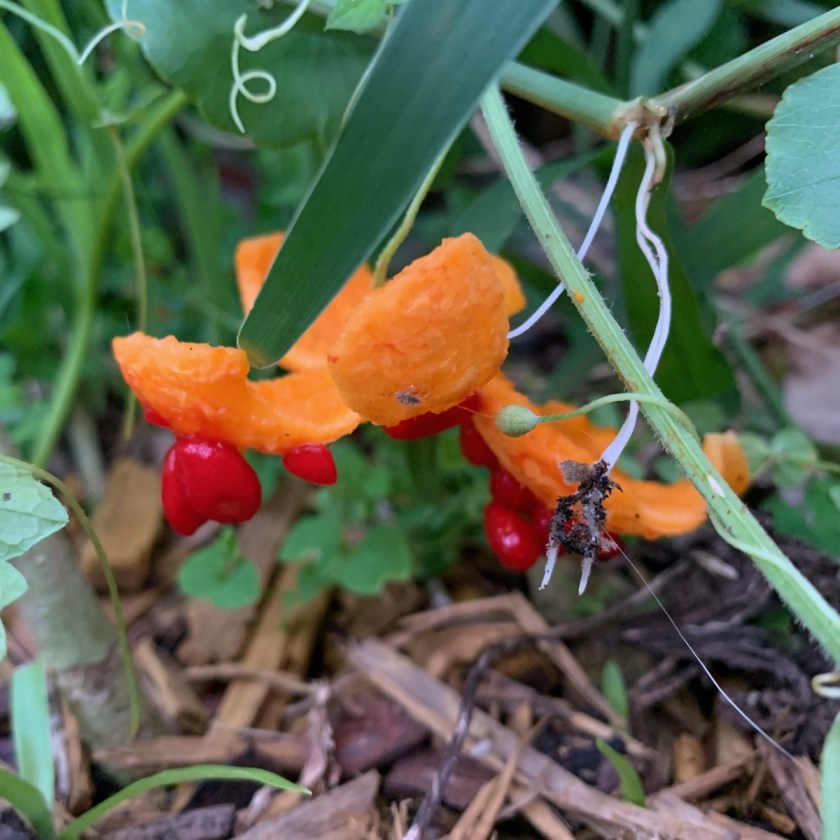
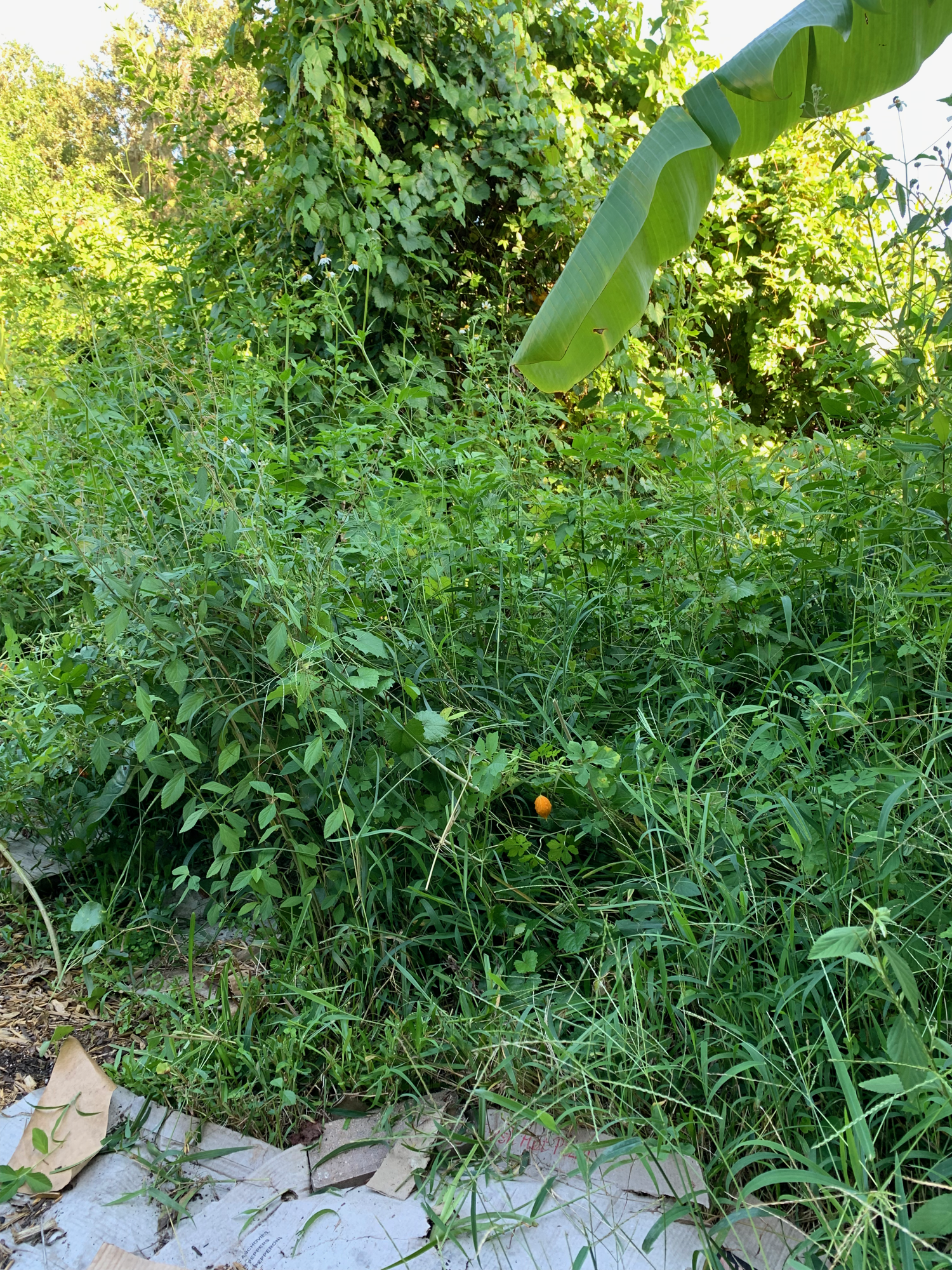
The green, leafy vine has tiny yellow flowers (which the bees love) and produces these globes that turn orange. After a couple of days the fruit opens and reveals big, red seeds.
Open to show red seeds
Balsam pear – invasive vine
After a long, very hot summer, the vines, grasses and and plants in the vacant lot next door, have taken over. I bought a machete to cut the growth back some, but what we need is a good cold spell to kill everything back.
It is September now and still very hot. I don’t do much in the yard, but soon I will have loads to do and that includes ripping up the many vines.
Read more about the Balsam pear at the UF/IFAS site.
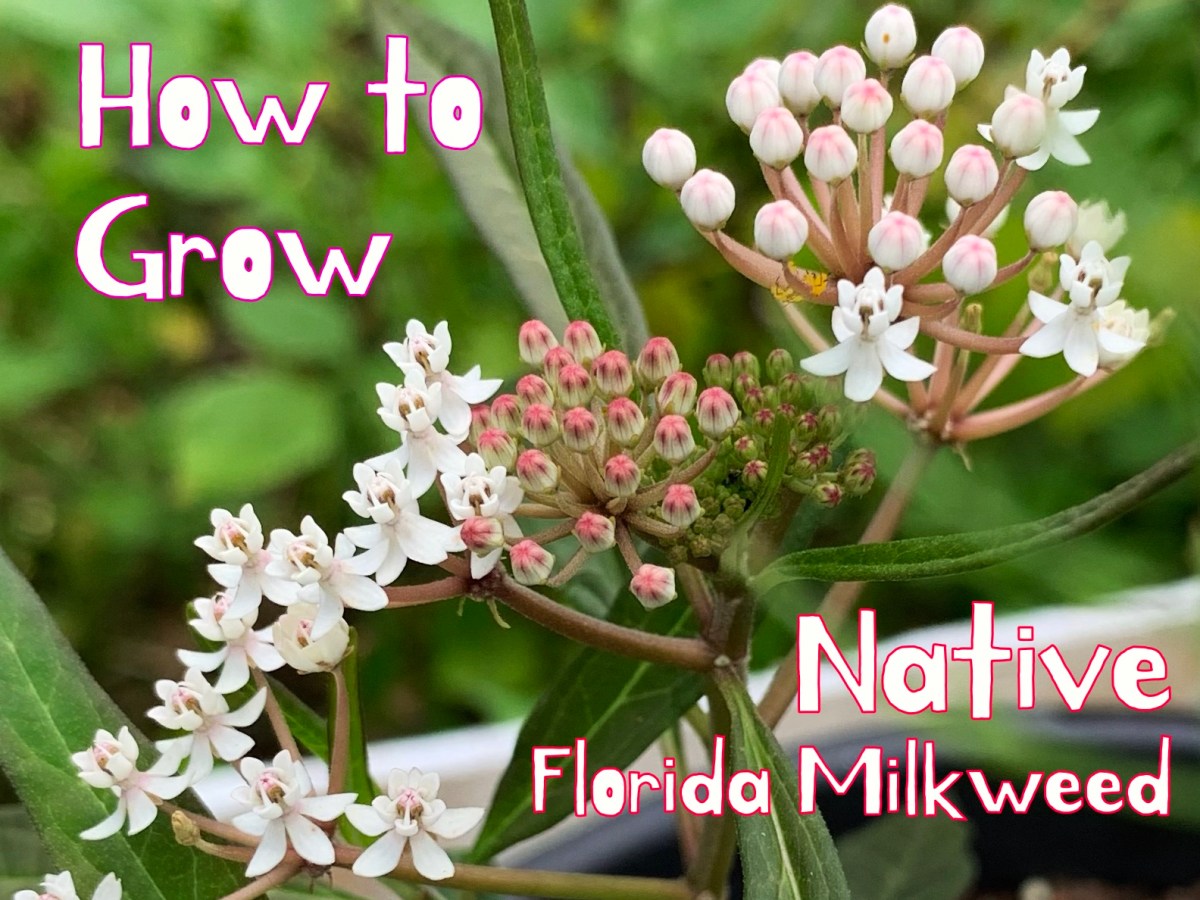
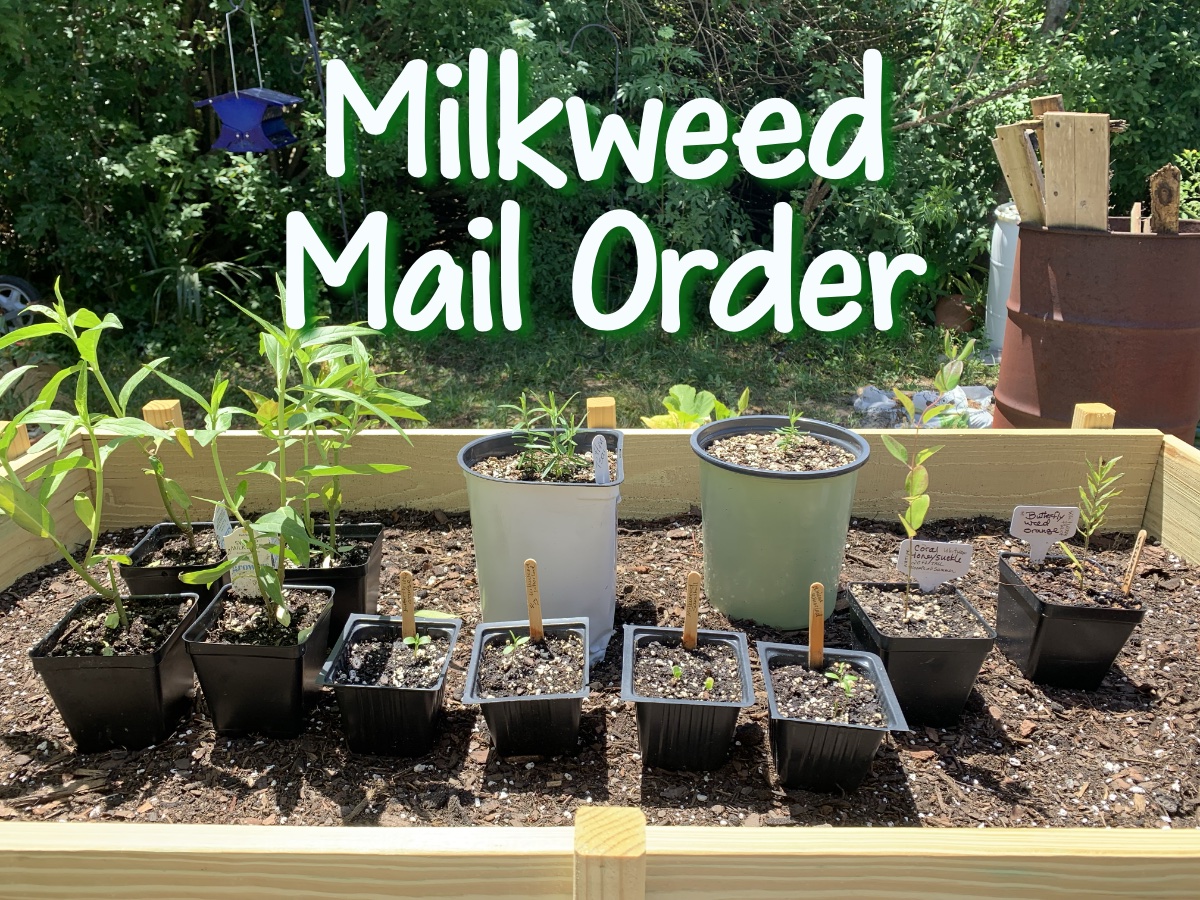
I’ve found a good place to buy milkweed plants online. Ordering plants online can be expensive, so the plants that arrive should be in great shape. Read my review of Whitwam Organics and The Growers Exchange.
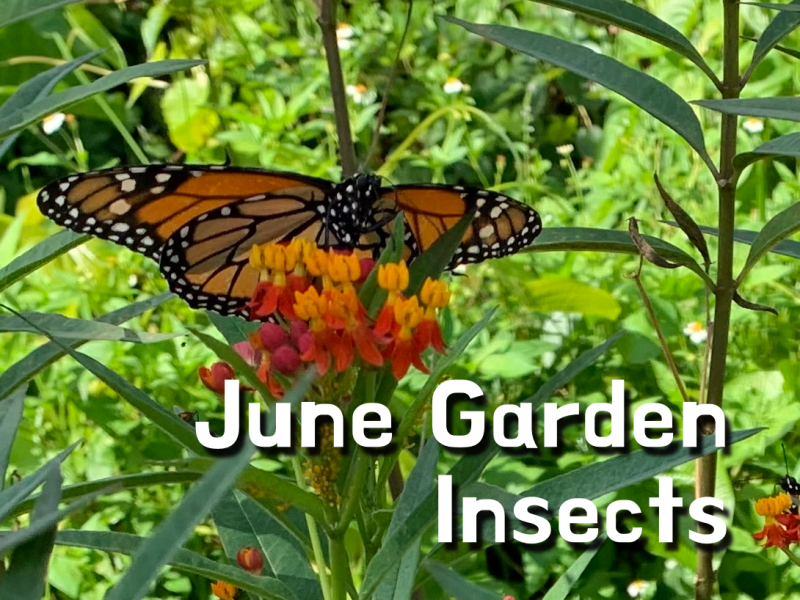
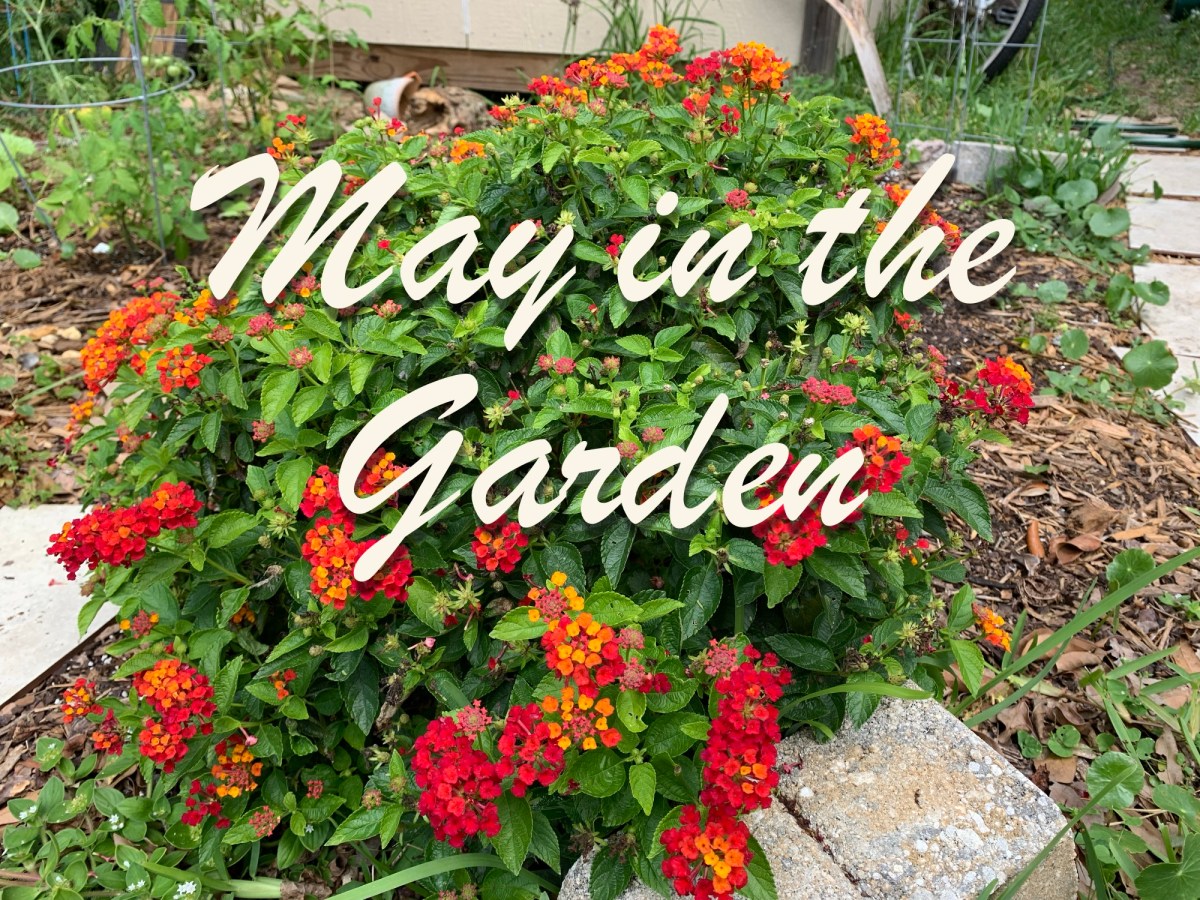
May in the garden is mostly about finalizing the switch from winter crops to summer. This quick post shows photos of some of what I have growing at this time.
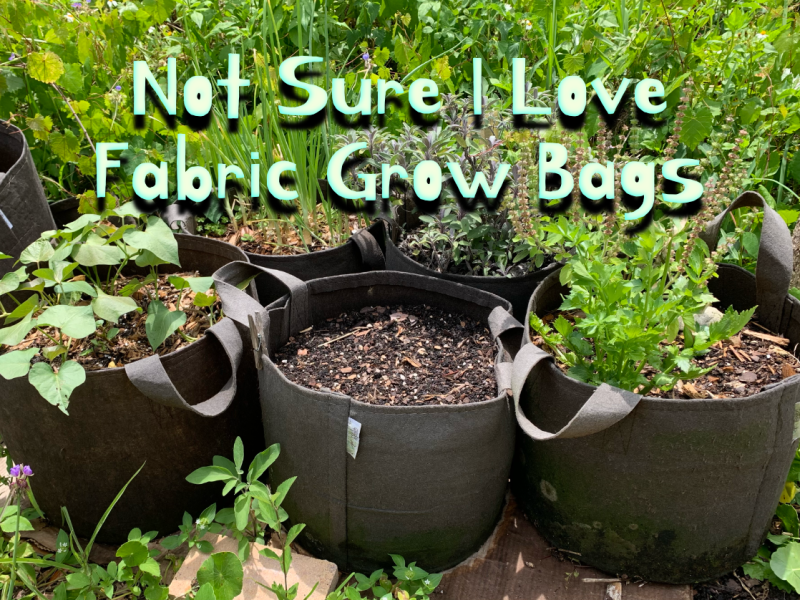
Rethinking my use of fabric grow bags. The Florida climate dries out the plants too fast. Certain shallow root vegetables, grown during winter, might be the answer.
Gardeners need to be ready to see all types of creatures. Here in Florida we have a lot of frogs, snakes, spiders and other things that can be a bit creepy, but necessary. Some of them are invasive species and don’t belong here at all.
Being a gardener means getting used to seeing all types of creatures in the garden. That is fine with me, but Florida tends to grow some big things. Spiders can be huge. Snakes can be poisonous. Frogs can be unwelcome when they are an invasive species.
Frogs
I know that frogs are necessary and very good at keeping the bug population low, but I get creeped out by frogs.
Unwrapping my cucumber plants one morning, this little frog was exposed. He was just sitting happily on a leaf. I hope he was eating the pickleworms. Is he a good frog? I don’t know.
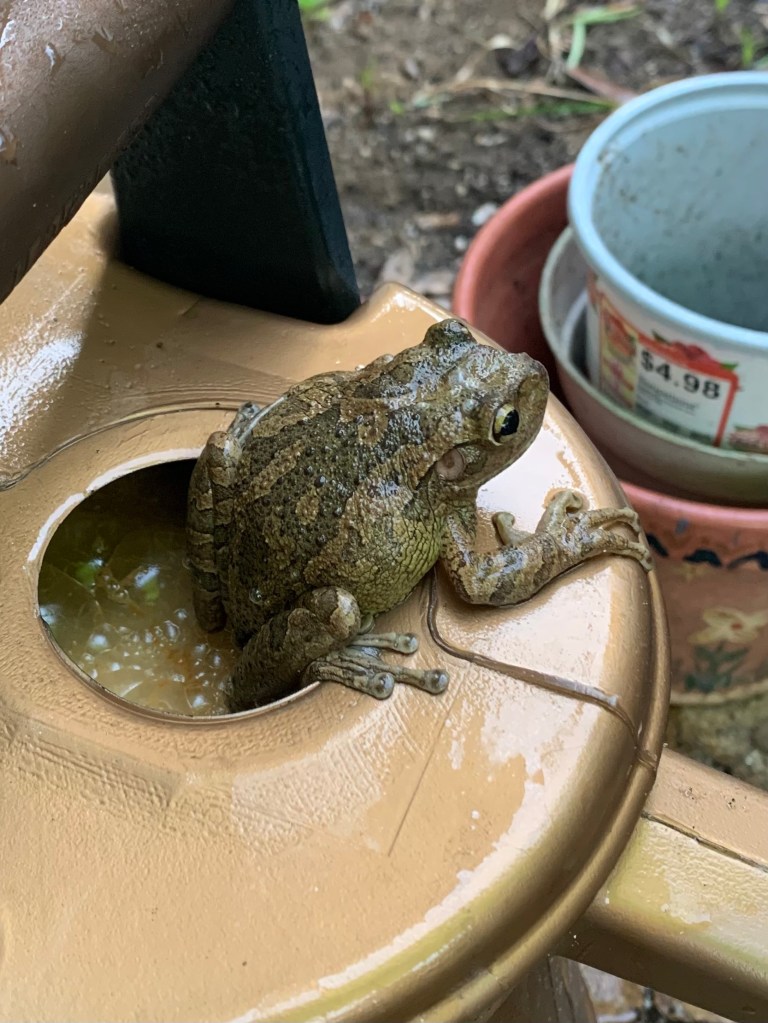
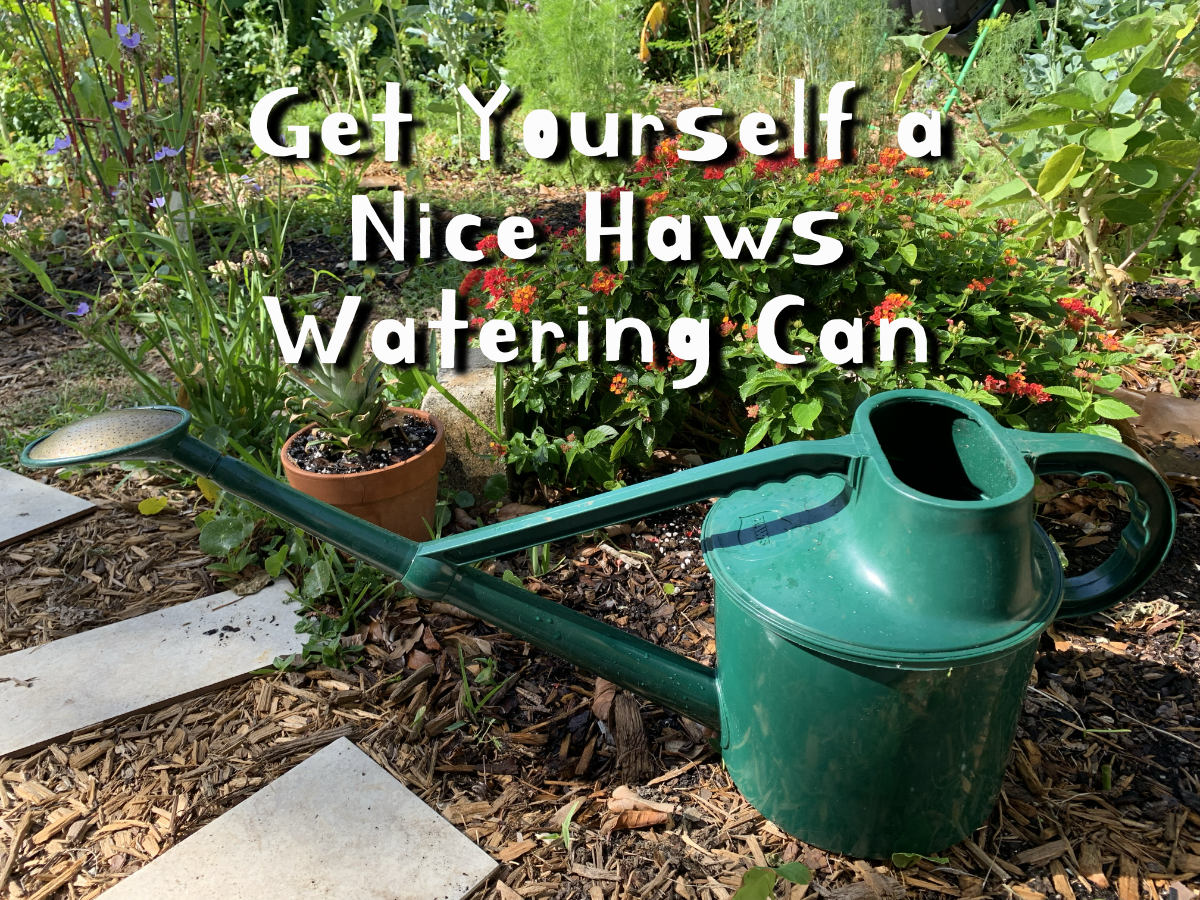
One morning I was fertilizing some of my garden plants. Using the watering can, I filled it with fish fertilizer and water – for the second time – and then, this huge frog popped up from inside! He’d been hiding inside the watering can and somehow lasted through the first watering.
Frogs can be native to the area and good for the environment, or they can be invasive species that disrupts things by killing off the good stuff. I really have a hard time identifying frogs, so I have no idea what types these are.
Bees in the Garden
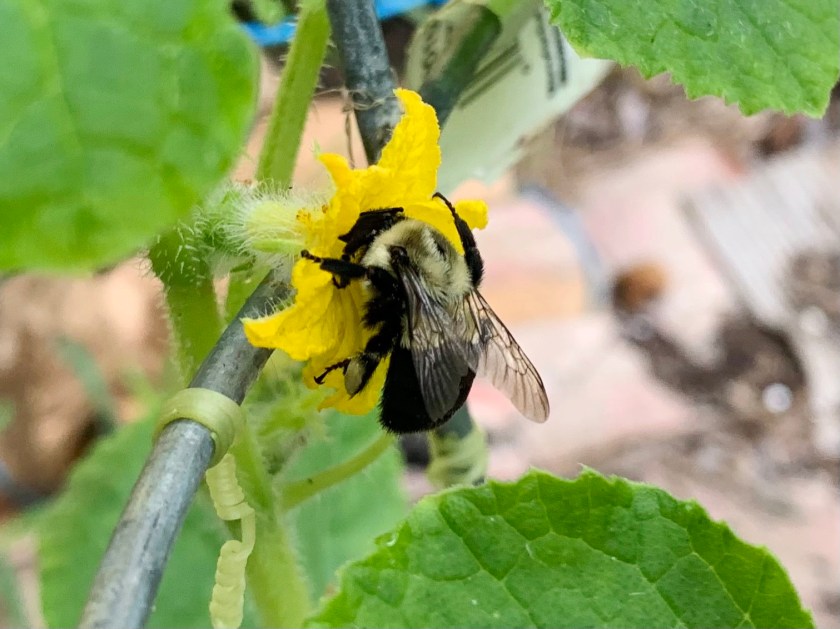
Each morning, shortly after I uncovered the cucumber plants, this bumblebee would show up and visit every flower. It was as if he was someplace close by just waiting for me to show up.
Sometimes little honey bees can be found resting inside the petals of my zinnias. The photo isn’t good, but there were about eight bees in this bright pink flower!
Bees inside the petals
Snakes
I am not afraid of snakes, in fact I like to see them in the yard. Long ago I learned how to identify the poisonous ones that live in Florida. We lived in a very wooded, rural place back then. We saw a lot of big snakes. Because I had kids that played outside, and if they were ever bitten, I wanted to know if they had been poisoned! Fortunately, that never happened.
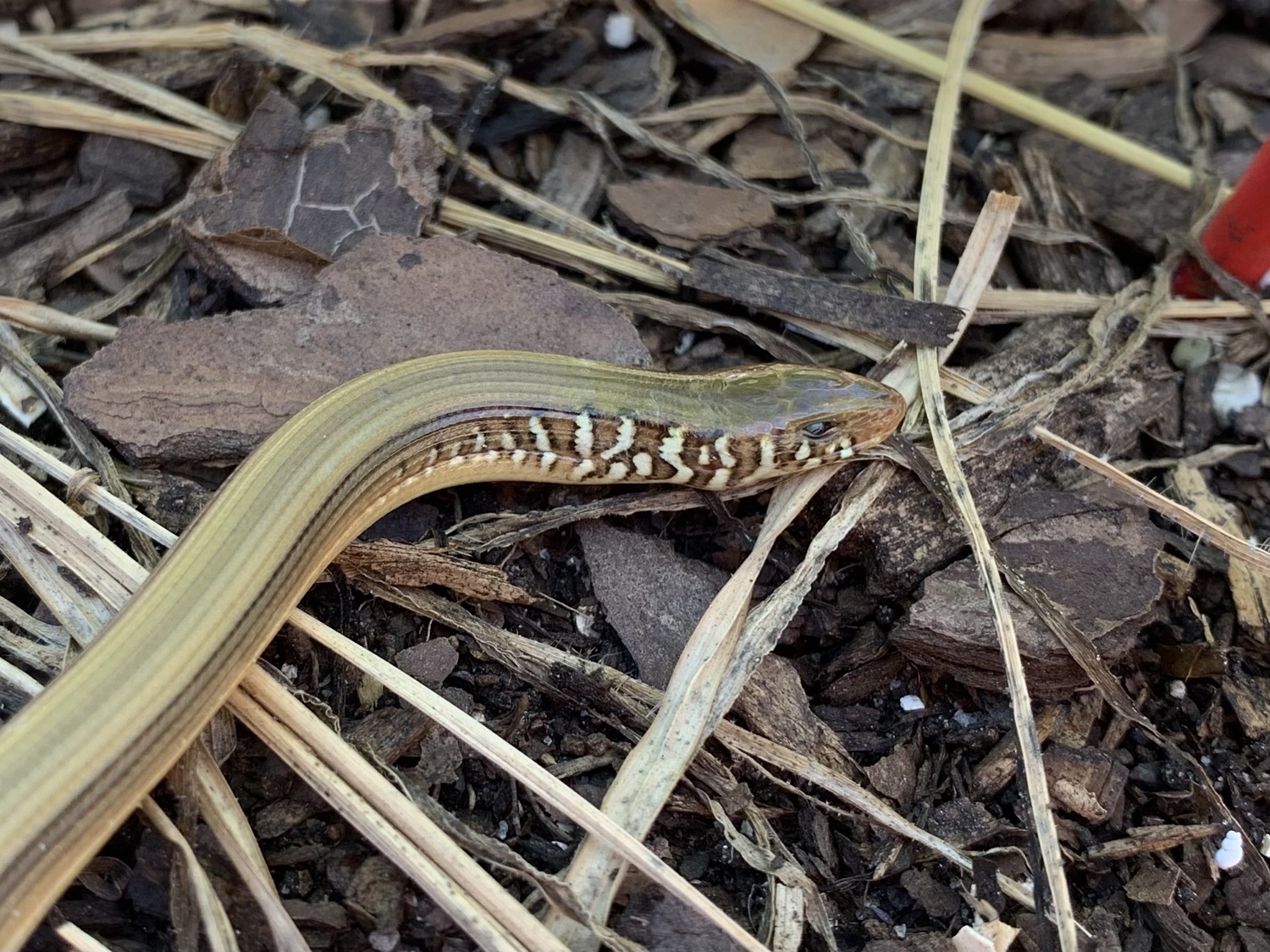
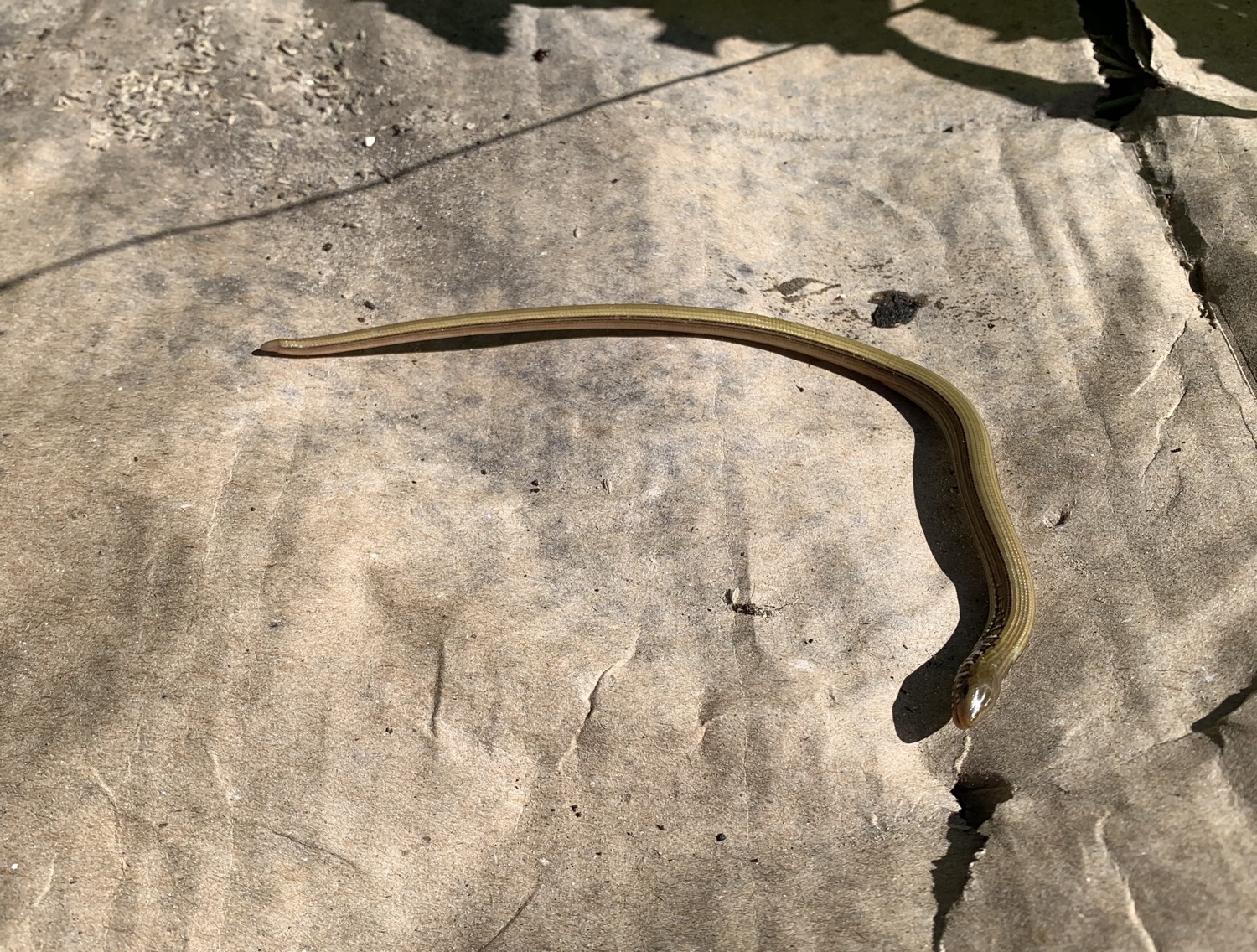
These days, because of all the habitat loss, I seldom see snakes. This little snake is dead. This is how I got the close up photo of its head. My cat found it on the cardboard in the yard, but I don’t know what killed it. It’s a juvenile of some kind and is not poisonous. The poisonous snakes of Florida have triangular heads, except for the Coral snake (red touch yellow kill a fellow), which this is not. My guess would be a juvenile Ribbon snake.
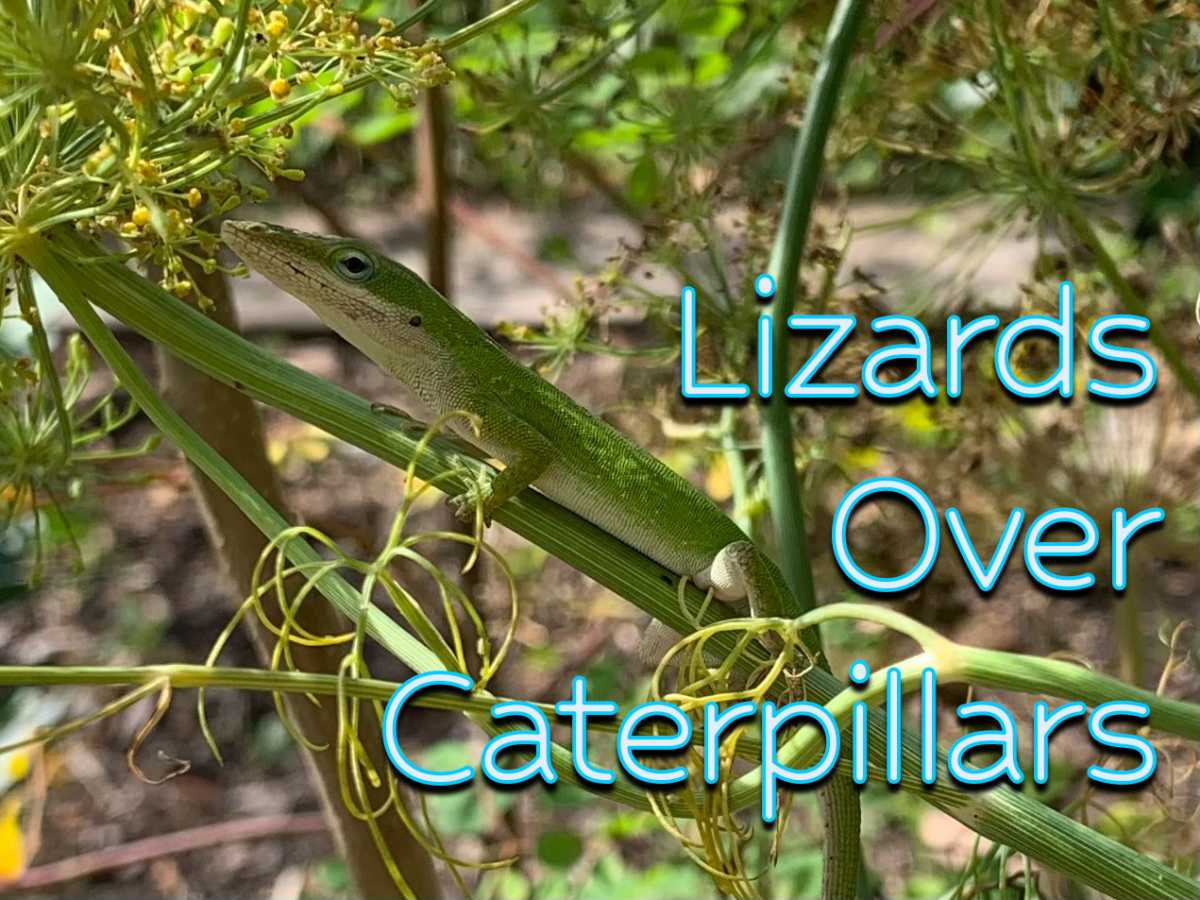
These are just some of the garden creatures that show up around my yard. Lady bugs are usually present on the Eggplant leaves, and I always love to see them. The lizards are also always around (some of those are also an invasive species), but they are all contributing to eating the bugs.
I can only hope that nature is still in sync around here and keeping everything in check as it should be.













 Hydrangeas Blue