Deadheading Old Hydrangea Blooms: What Time of Year is Best?

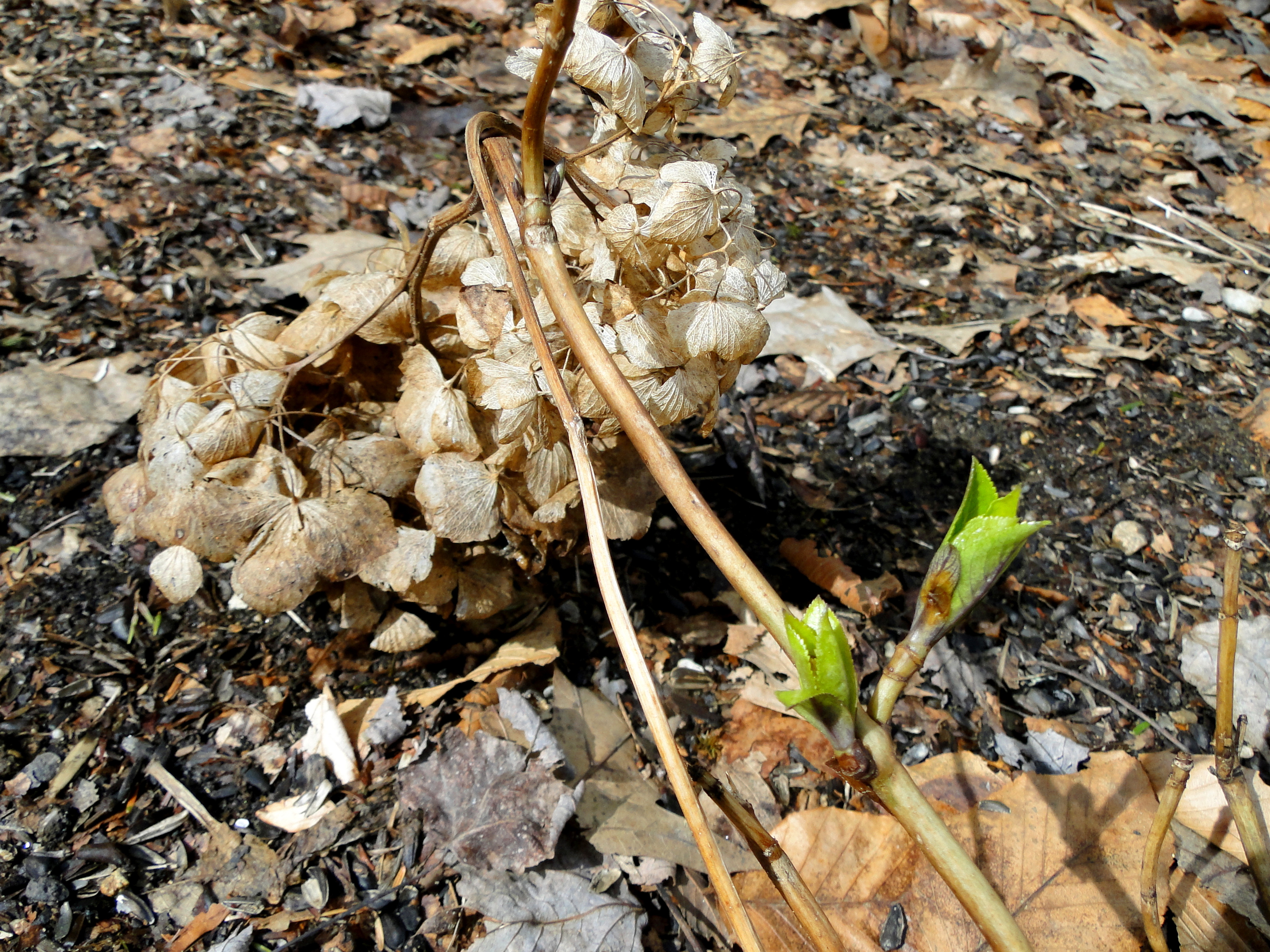
dead spring hydrangea flower
dried hydrangea on stem

Last summer was the first time I planted my own hydrangea shrubs in the yard. I planted six shrubs which were a combination of the macrophylla and paniculata variety and had flowers that were blue, white, pink and somewhat green by summer’s end.
Because hydrangeas last so long on the bush, I just let them continue to change and fade and eventually dry out on their stems. I left them alone over the winter and some of the dried heads fell off, but some stayed attached until this spring.
So when is the best time to remove the flower heads? Unlike some other perennial and annul plants, the hydrangea does not need dead-heading to flourish. The dried flowers look just fine and even add some interest against the winter snow.
But, I have decided to remove the dead flowers next Fall. My shrubs are all quite small and the snow on the flowers tended to pull the stems down and bury the stalks under all that snow. With just the stems left on the shrub, the snow should not be able to do as much damage.
So that is my plan for the end of the growing season this year.

Viewing Winter’s Damage and Marks of The Deer

tree bark
Those Pesky Deer

I have ADD when it comes to Spring clean up.   Yesterday I started raking the yard, then I as I was cleaning the garage, I found the and there was wood to move.  and before I knew it I had seven projects going at once.  There is just so much to do when you first get those sunny, warm days after months of nothing but white out the window.

I only moved into this house less than two years ago, so I’ve only had one full summer here to work on the planting.  As I stroll from each garden area to the next I am reminded of how much I have already accomplished in this short amount of time, but I’m also aware of how much there is still to do. I don’t believe Continue reading “Viewing Winter’s Damage and Marks of The Deer”

Hydrangea Clean Up: Trimming The Dead Ends

hydrangea growth in spring
Growth on Old Wood

Now that the hydrangeas have sprung back from the weight of the snow, I realize I have some trimming and pruning to do. I leave the dead flowers on the stalks over winter, but now they need to be removed. Some branches are broken, but I know that they will fill in quickly with new growth.

Some hydrangeas bloom on new growth so you don’t want to trim those in Spring, or you may be cutting off the blooms. Some bloom on old wood – the stems that were there last year. And some will bloom on both.

This is my “Endless Summer”, a small shrub that I planted last Spring and it bloomed profusely even though it never grew very large.  This year I expect it will grow larger and lots of blue flowers.  The dead flowers are still showing at the end of the stalks and I will be cutting them off.

I’m Not a Big Fan of Springtime

Garden with some tulips and narcissus
Garden with some tulips and narcissus (Photo credit: Wikipedia)

I am not a big fan of Spring. When I lived in Florida our “spring” was one of the best times of year. In Florida, “Spring” is really not much different than any other time of year, it’s just not as hot as summer. We knew that the heat was coming back again shortly, so we relished the last of the nicer weather while we could.
Now that I live in the northeast, I find Springtime to be one of the most dismal times of the year. Continue reading “I’m Not a Big Fan of Springtime”

Hydrangeas That Grow in Zone 5

Cold hardy hydrangeas are not hard to find as most varieties survive very cold winters.

Hydrangea quercifolia - Oakleaf hydrangea
Hydrangea quercifolia – Oakleaf hydrangea (Photo credit: Wikipedia)

I’ve been looking for a new hydrangea to add to my yard and that means it will have to thrive in zone five.  I live in the Monadnock Region of southern New Hampshire and that is Zone 5, or 5a, to be more specific.  These are cold hardy hydrangeas, and luckily most varieties of hydrangea can take the extreme cold.

I can tell you (and show you) what I have presently growing in my yard, and these types are found frequently in my area of the country.

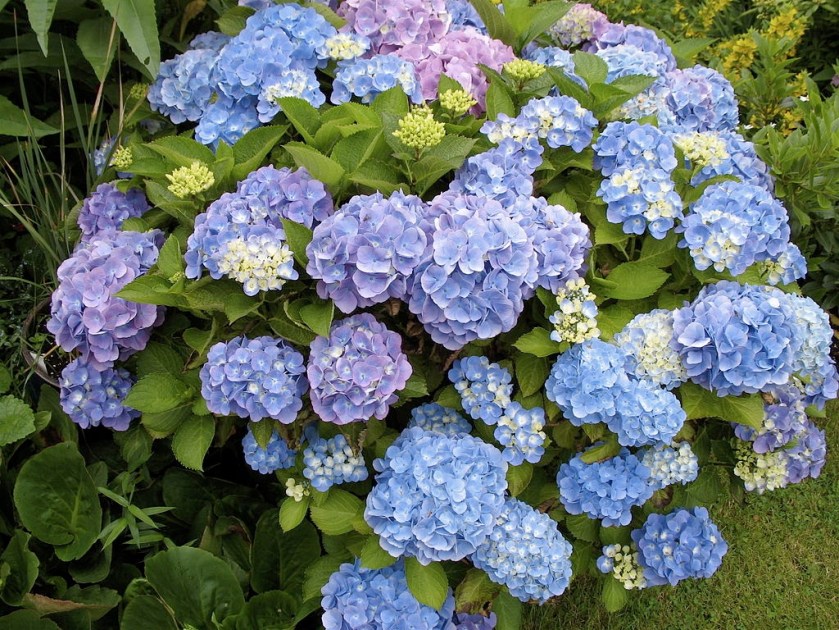
The Endless Summer Blue macrophylla (rounded flowers) variety is popular for it’s beautiful blue flowers.  As you can see in the photo below, this type can grow flowers in shades of pink, purple and blue all on one shrub!  Gorgeous.

See more photos.

blue hydrangea flowers
Endless Summer will be blue if the soil is acidic

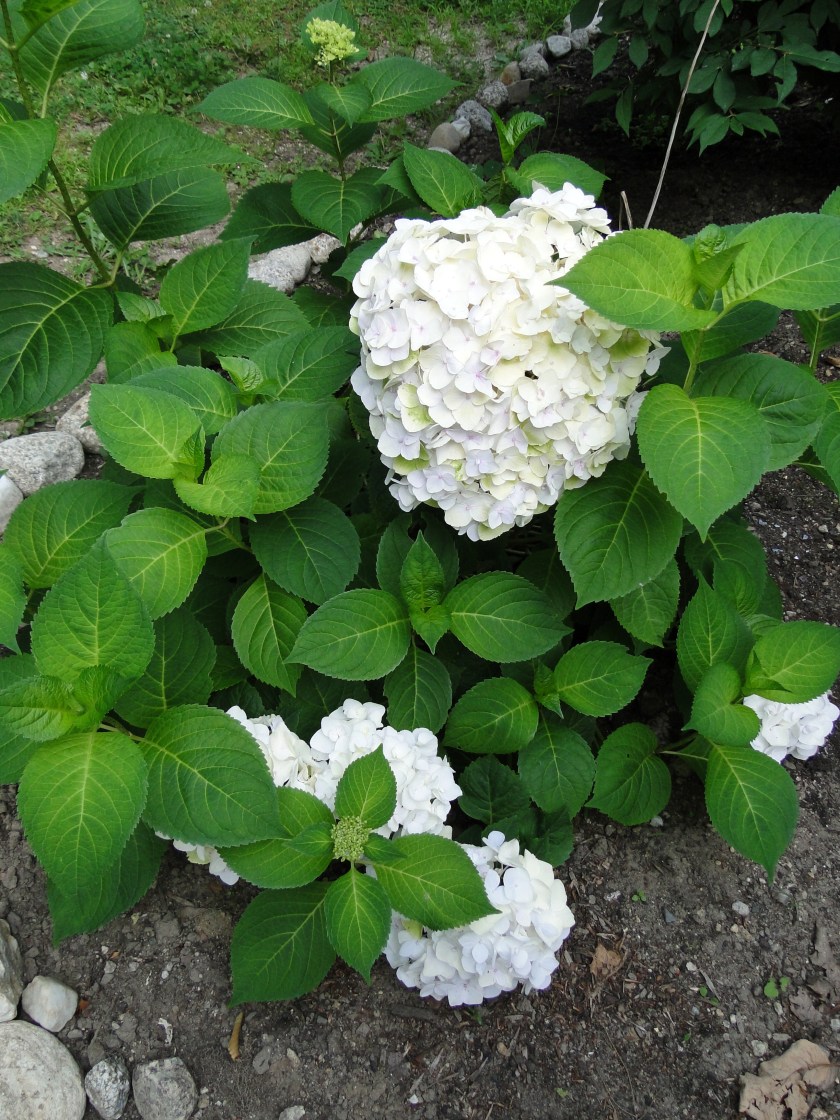
More types of hydrangeas I’ve grown in my New Hampshire yard with much success include the “Blushing Bride” which is also an Endless Summer variety.

white hydrangeas
The Blushing Bride begins white and changes to pink and green

Also, Pinky Winky and  Pee Gee (Paniculata grandiflora), and many others will grown in the north.  In fact hydrangeas seem to enjoy cold more than heat.  The Endless Summer types tend to wilt in the hot sun, even if they have plenty of water.

My best advice is to shop in local stores and nurseries in spring and see what they are selling.  Most likely the types for sale will do well in your climate zone.  Also, you can view a comprehensive list of Hydrangea types and their grow zones on Dave’s Garden site.

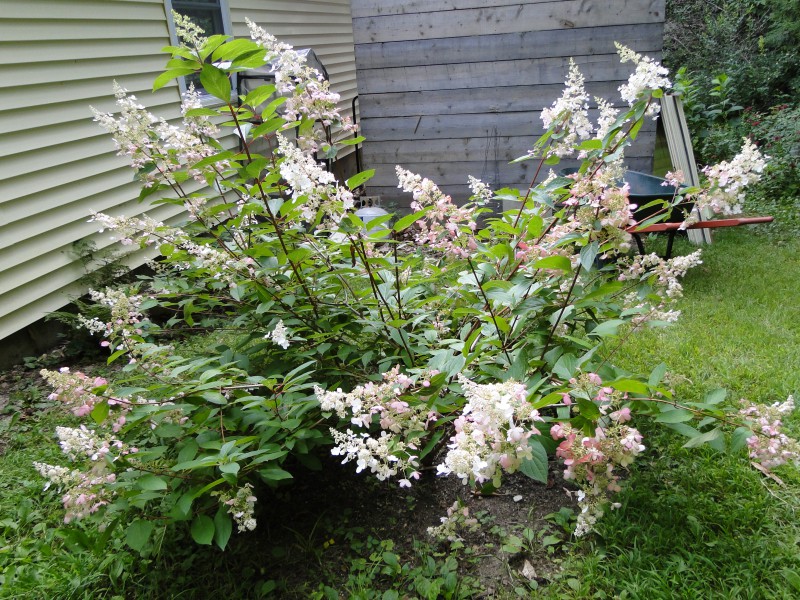
hydrangea paniculata pinky winky
Pinky Winky, paniculata variety (3 year old plant)


One warning about planting the Pinky Winky (which is one of my favorites, and is featured at the top of this page, in pink) is that deer will eat it.  One side of my shrub was always chewed down where the deer passed through my yard!  It also attracts bees, so maybe keep it away from patios and outside sitting areas.  But it is very easy to care for, and it produces gorgeous flowers. So please don’t let that stop you from including one in your landscape.

Finding The Right Climbing Hydrangea For My Yard

broken tree with tall trunk
Eye sore, tree trunk

As I’ve mentioned in a previous post, I have a big, unsightly tree trunk in my yard.  Instead of having it cut down I would like to use it to support a climbing shrub.  And what better climbing shrub to choose than a hydrangea.

Yes, hydrangeas will climb.  But don’t picture a tall vine covered with big blue flowers – that is not what the climbing type will look like.  In fact, I am quite unfamiliar with climbing hydrangeas, so I’ve had to do some research.

I live in planting Zone 5, or 5a, in southern New Hampshire (view the hardiness zone map).  Knowing your zone when searching for a new type of plant to purchase is a good idea.  The nursery I visit will only offer plants that will grow in my zone, but how will I know which one to buy if I don’t research them first.  I like to have an idea of what I am looking for when spending big amounts of money on a shrub that will (hopefully) last for many years.

Who knows, maybe I will only have one type to choose from when I visit the nursery.  The one that I keep seeing is the Petiolaris which has white flowers if grown in sunlight.  It is hardy into Zone 4 so it would obviously do well in my yard.  As with most hydrangeas, it will grow in shade, but may not bloom very profusely without sun.  I also may have a problem with it trying to cling to a relatively smooth tree trunk.  As I have said, it’s an experiment.  In reading about this type of climber, I will have to wait a couple of years for it to really take off and climb.