How To Propagate Hydrangeas

stem cutting
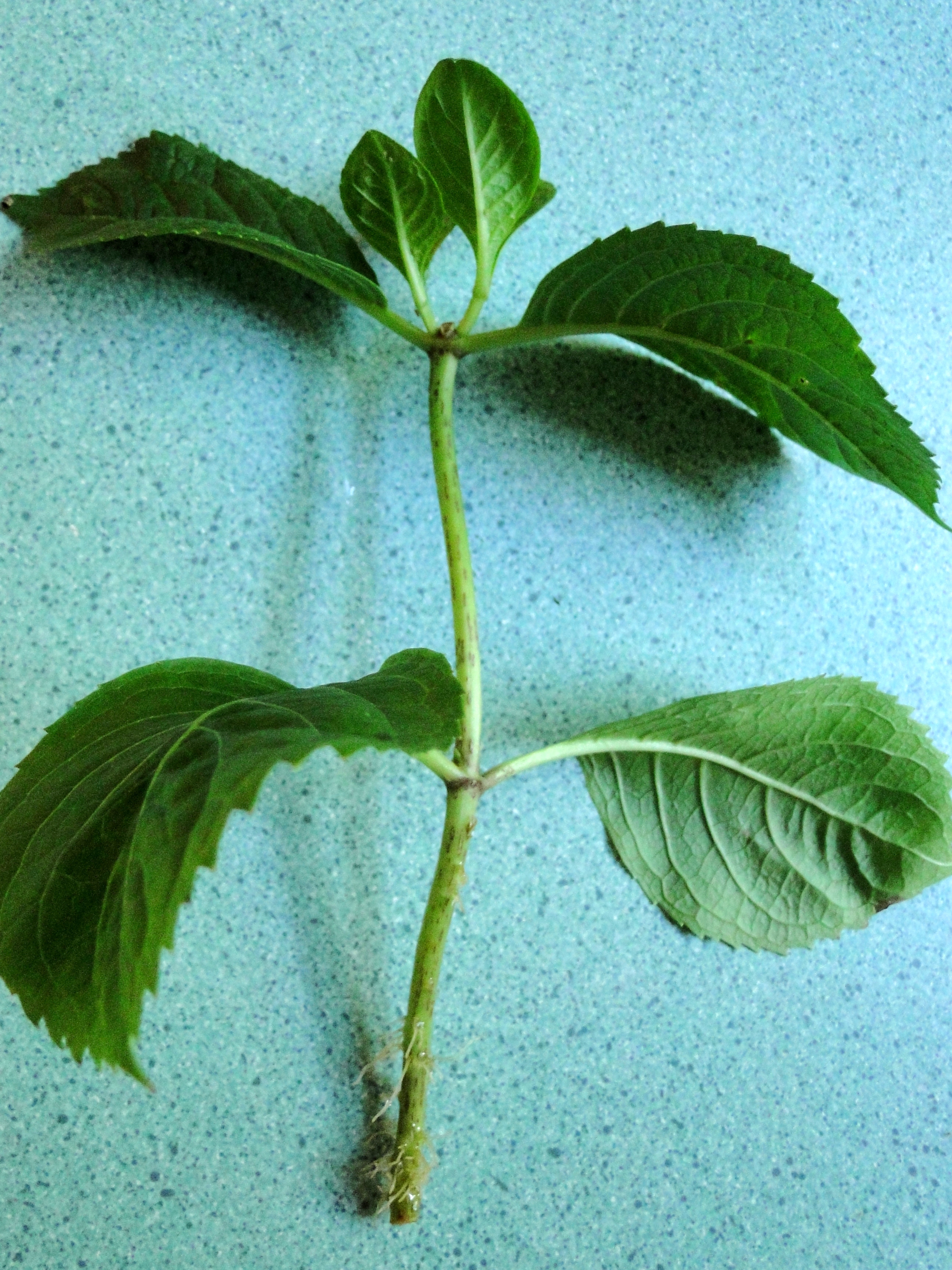
Hydrangea cutting with roots and new leaves.

Propagating means starting a new shrub from an existing one. There are a couple of ways you can do this with hydrangea plants.  Hydrangeas grow quite fast, and within a couple of years you will have a nice size addition to your landscape.

Taking stem cuttings, using new growth, sometimes works.  I have not used this method much yet, but while I was planting my new shrubs, a few of the stems broke so I stuck them into a vase of water to see what would happen.  After a few weeks, one of the cuttings has begun to sprout new little leaves and is growing roots – right in the water.  So I plan to get that into a pot and baby it along until Fall when I’ll add it to the yard. (Pictures to come!)

I’ve had success with root layering, and hydrangeas, with their low hanging branches, are perfect for doing this.  In fact if you check around the base of your plants that droop to the ground, you may find that a branch or two is already rooting itself into the soil.  The mophead variety tends to have the low to the ground stems.

I started a new plant by digging up the rooted stem and planting it in another area of the yard one Spring.  I was renting the house, so I don’t know how it’s doing today, but by the time I moved, a beautiful new hydrangea shrub was gracing the front yard at no cost to the homeowner.

Read how I did it, with pictures along the way, at my Wizzley page about Propagating Hydrangeas.

“Blushing Bride” The White Hydrangea

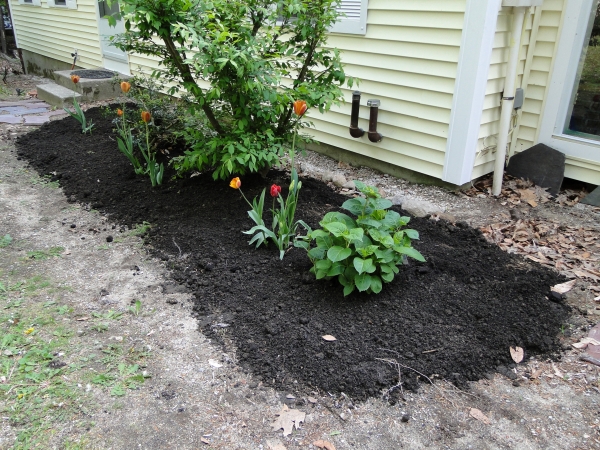
hydrangea plant in garden
Newly planted “Blushing Bride” hydrangea shrub.

In the mix of hydrangea shrubs I recently purchased, the white flowering “Blushing Bride” was new to me. I’ve had the blue endless summer variety, limelight, pee gee and a few other types, but not the one with round, white flowers. I planted it in the front of the house, next to the entryway. It won’t be really large – only 3 to 5 feet across – so won’t block the doorway.

(My yard is a work in progress – soon this front garden will be spectacular! Wait and see.)

The tag says that the flowers will be blue in acidic soil, so this new type of hydrangea is apparently closely related to the Endless Summer. I don’t know if my soil is acidic or not so I guess I’ll just wait and see what the flowers look like on this one.
I’ve read a bit about it and it should be a hardy plant. If you have one, here are some things to remember:
* Don’t cut it back. This one blooms on new and old wood. (Trimming of dead stalks can be done mid-summer.)
* It likes sun with some shade
* White to light pink flowers (in alkaline soil)
* Cutting the flowers in summer will produce more blooms
* Pile mulch around the base for winter
When mine gets flowers, I will be sure to share them here. It already has buds so I’ll expect flowers by July.

See the updated page with flowers here!

New Hydrangeas For The Yard

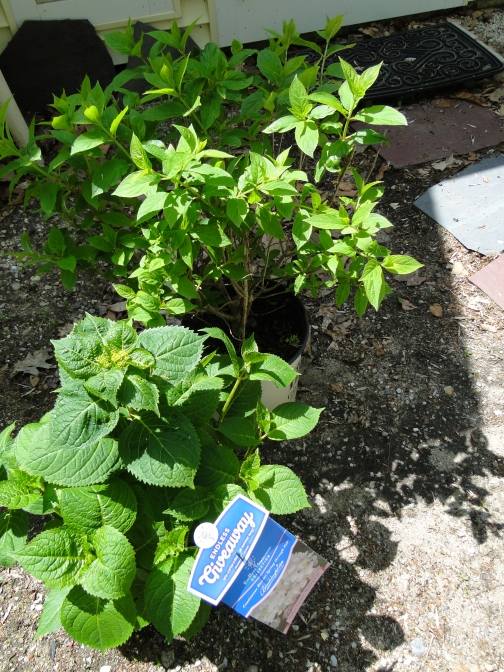
hydrangeas in pots
hydrangeas in pots

I am very excited to now have my own hydrangeas to plant and grow!  It is not only necessary for beautifying my dull and boring landscape, but I need to get photos of the flowers for my business.  I’ve had to work with older photos that were taken when I rented a house with hydrangeas in the yard, but now it will be so nice to walk outdoors and snap as many photos as I need.

One of the best features of hydrangeas is that the flowers last and last.  They also bloom profusely so older flowers and new buds can be on the bush for a long time.  If I can get them planted correctly and make them happy I should see some blue, white, pink and green flowers either later this year or next.

My Endless Summer plant looks like it may bloom this year and so does the white one (have to get the name), but the Limelight and Pinky Winky may not.  Although the Endless Summer tag shows a blue flower, I know that it may not bloom blue unless the soil is right for that.  This year I will wait and see what it does.

Elegant Hydrangea Wedding Invitations

The Nikko Blue Hydrangea

Nikko Blue Hydrangea
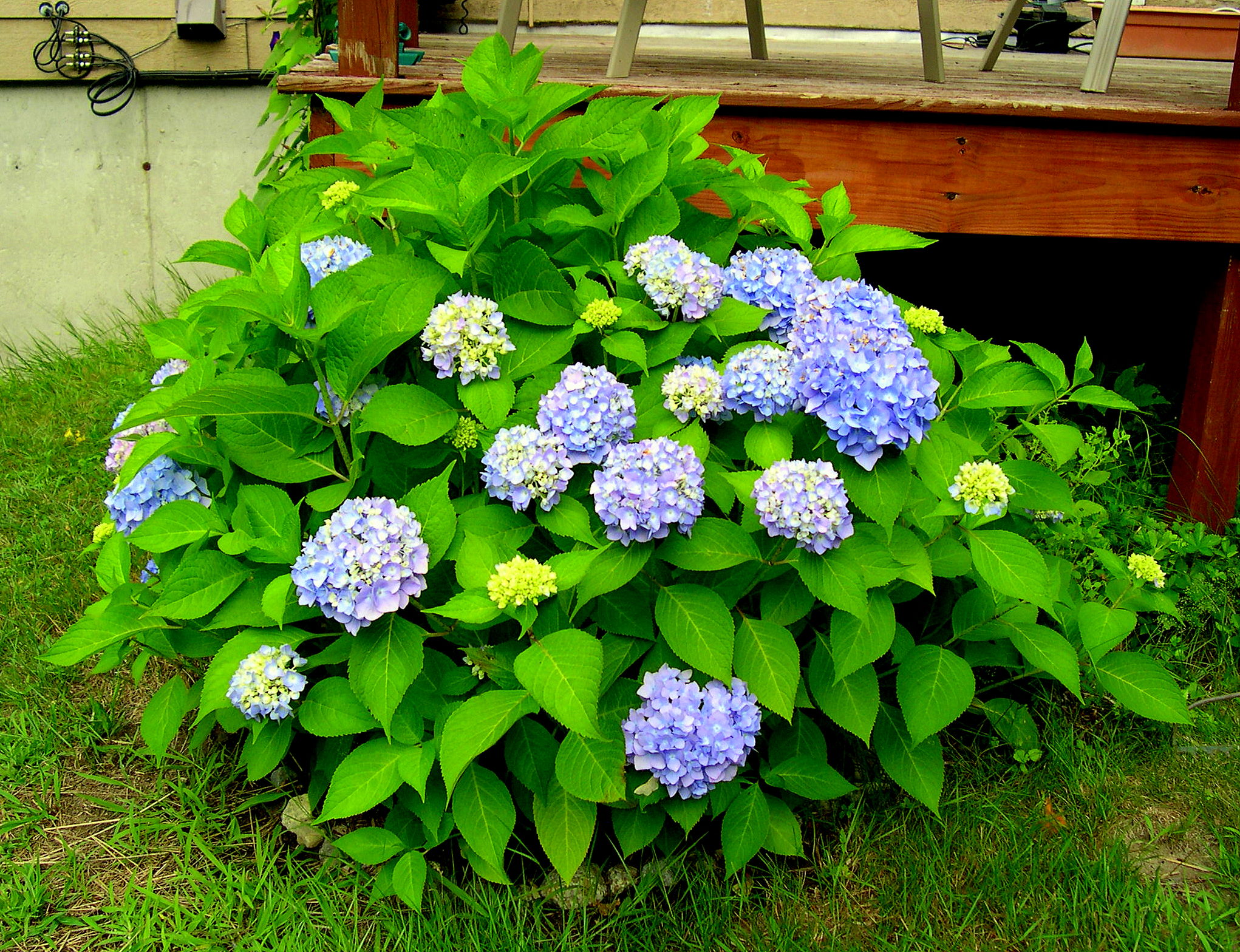
Nikko Blue Hydrangea Shrub

I’ve always heard the Nikko blue hydrangea mentioned when speaking of the blue varieties so I thought I’d look into it. First of all, the Nikko blue will only be blue if the soil is very acidic. If you buy a Nikko blue and plant it in dirt that has a lot of lime or high alkalinity your flowers will most likely be pink. Blooms are rounded and of the mophead variety.

As with many other types of hydrangeas, this one can grow in the shade and should actually be given some shade if you live in a hot climate. I think this is the type that was planted in the front yard of my rental. It would droop on hot days as the afternoon sun beat down on the yard and I’d have to water it often in summer.  They bloom in Spring / Summer and have long lasting bloom.  Be careful about pruning as the new blooms grow on old wood.  Don’t trim them up in Spring and remove all the new buds!

Many mail order nurseries carry this one as it’s one of the best known.  I suggest checking locally for a larger size plant, since the mail order ones are small.

Honestly, this type of hydrangea has tons of info.  Just google it and you’ll see.

Some of My Blue Flower Pictures

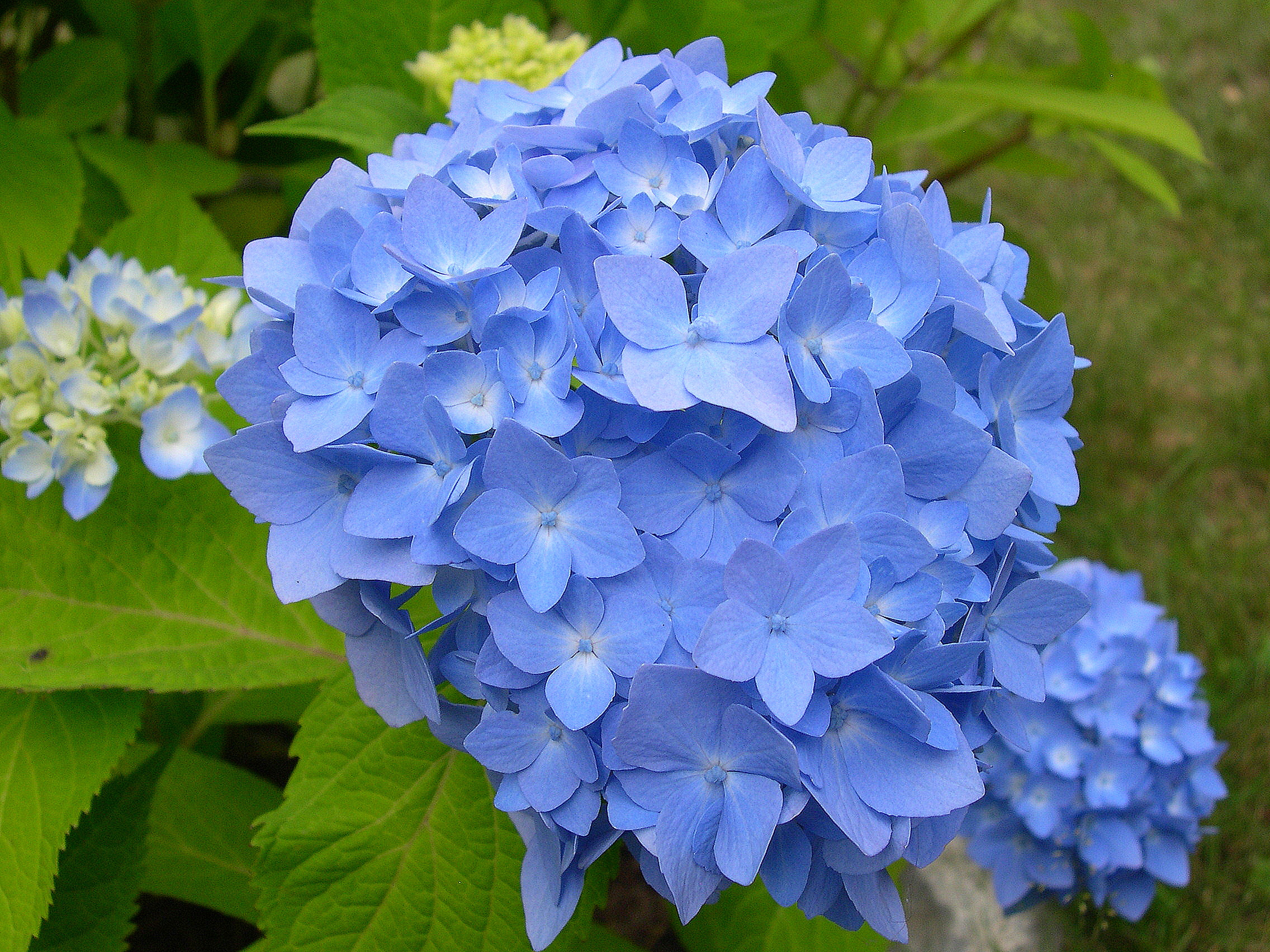
blue hydrangea flower
Blue Hydrangeas

If you are looking for blue flower pictures – I mean REAL blue flowers, today I am showing off some of mine.

How many times have you seen a purple flower listed as being blue. In the flower kingdom, this happens a lot and I think it is because there really aren’t that many true blue flowers.

It’s a popular color, especially for weddings – that “something blue” phrase can be taken care of with a blue bouquet or at least one blue flower in the mix.

Blue flowers are popular in the landscape too. The perennials that come in blue are certain types of hydrangea (pictured), such as the “Endless Summer” variety.  But soil must be acidic for flowers to be nice and blue.

I also love the forget-me-not, which sports tiny bright blue petals with yellow and white centers.

Forget Me Not Floral Photography Postage stampLots of gardeners include the blue delphinium that grows tall, and many like to have a morning glory vine grow along the deck railing or up the fencepost.  I have another page with more ♥ pictures of blue flowers you could grow in your garden.

Another flower I grow that is sometimes blue is the Columbine.  I love the variety of that plant and I’ve had light blue flowers, but the more common color is dark purple, as you can see in my photo below.  My images are not free to use, so please contact me if you want to use one, with a link back to my blog.

Blue Columbine Postcard postcard