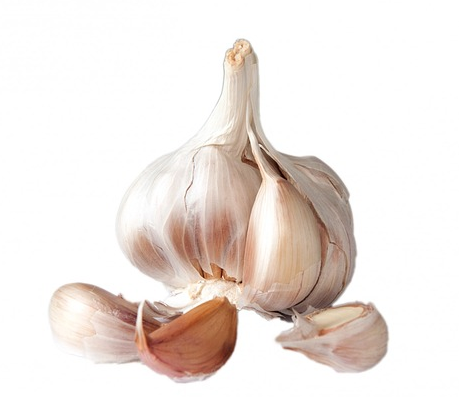
Information on how to plant, harvest, dry and store your own garlic.
Planting, Harvesting and Drying Hardneck Garlic
I live in southwestern New Hampshire and each year I attempt to grow my own garlic. After much trial and error and reading articles and books, this is what I’ve learned about planting, harvesting and drying garlic in my area of the country.
The first couple of years I had little luck, but I didn’t know what I was doing. I wasn’t sure exactly when to plant it, and it never grew very large when I did manage to grow a few bulbs. As time went on, I read more, and realized that it needs to be weeded well. Weeds will compete for nutrients and keep the bulbs small. Also a little fertilizer when the stalks begin to grow can help. Continue reading “What I’ve Learned About Planting, Harvesting and Drying Garlic”
Freeze zucchini to preserve it for later, when there is too much to use fresh.
Growing Zucchini
Anyone who grows their own zucchini knows that once those suckers begin to appear, it’s zucchini picking every day.
When I begin my vegetable garden in June, I include two squash plants, and one is always a zucchini. Usually I have yellow squash too, but this year both plants are zucchini. Within the past few days I’ve picked two zucchini each day. My neighbor gets some, but she lives alone and won’t need all that many.
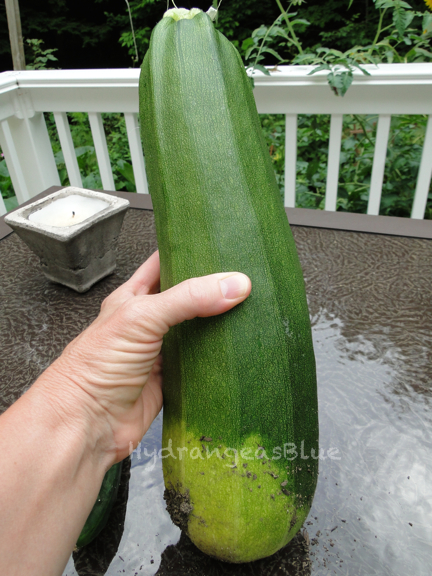
Most people know to pick their squash when it’s medium size. Any zucchini that gets overlooked, and it’s easy to do, may end up the size of a small baseball bat. I found the one pictured below, stuck under the stems of the plant last year. It was a monster!
Usually I just slice and boil the veggies, as it’s the easiest way to eat them. Fried zucchini is really good also. And of course there is everyone’s favorite – zucchini bread. In fact, if you search online, you’ll find a numerous variety of recipes that use the green squash as an ingredient.
Unfortunately the zucchini comes in at the time when summer gets hot. It’s the time of year when I do not want to heat up the kitchen by baking bread.
With all that squash ready to use, the only other way to keep it fresh to use for a later time, is to freeze it. This is the first time I’ve frozen my excess zucchini, but I don’t know why I haven’t done it before.
It’s so wonderful to pick fresh ingredients from the backyard, but if they are picked and then sit around for days, the vitamins deteriorate, and you might as well have bought them from the store. Preserving them fresh is most important, so pick, shred, package and freeze the zucchini as soon as you pick them.
Pick, shred, put in freezer bags (with date and label – it will keep for 8 months from what I’ve read), and store to use at a later time. Bake that bread on a cool day, or add to a batch of homemade soup. How simple is that?
Planting lettuce while I wait for the weather to warm up.
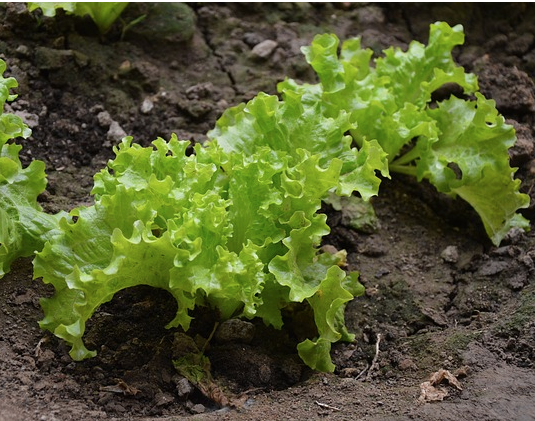
Growing LettuceSome of the best cold weather crops include lettuce. I sprinkle the seeds into my raised bed where I don’t have to worry about disturbing the ground unintentionally. Tomorrow is Saturday and I’ll be outdoors cleaning up the yard a bit. There is a lot to do. I live downhill from the road, and my front yard is right on the road. What this means is that all the sand and salt from the winter plowing and snow-blowing is covering some of my gardens and lawn. There is always a lot of raking to do to remove the old leaves, and the sand along with them. The wheelbarrow has been buried, but I think it’s reachable by now.
I’ll check at Job Lots and see if they have seed packs. Lettuce is easiest to grow from seed. I had good luck with the mixed lettuce seeds last year. I grew some in Spring and Fall, cutting off the small leaves as they grew.
Until last summer I had grown crops of delicious tomatoes without any problem. Then, suddenly my beautiful, tall plants, which were loaded with nearly ripe tomatoes, began to turn brown. I watched in horror as day by day they looked worse, and each tomato became deformed with brown spots.
I knew nothing of blight, or late blight, which is more appropriate I think, but I did do some research to try and discover what was wrong in my garden. I rotate my crops each year and no tomatoes had grown in this spot before. I carefully pour over my gardening books so I know which crops should follow which, and which ones like to be paired in the garden. I thought I had done everything right, and with the crops looking so darn good – it was depressing, to say the least, to lose all those luscious tomatoes. After all, I wait a whole year to be able to pick fresh tomatoes from my backyard each August!
What I have found is that blight affects potatoes and tomatoes. It was the cause of the Irish Potato Famine in 1845. I didn’t grow potatoes last year. But I had six, celebrity tomato plants growing nicely when it hit.
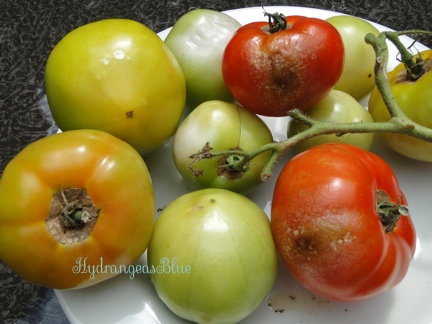
The first signs are brown spots on the leaves and stems. There is no way to stop the progression as the leaves curl and die. Big dark spots form along the stems and also on the tomatoes themselves. I even picked the green tomatoes, hoping they would possibly ripen fine, but that didn’t happen. It was the year of no backyard tomatoes. I swore I’d never garden again! But alas, here it is March and I’m already wondering how to avoid this problem when I plant tomatoes this summer. Even ugly, old, rotten tomato blight can’t stop a gardener. I’ve had all winter to get over it. (Now it’s ice dams I despise.)
A picture of blight on my tomato plants – August 2014
The disease is caused by a pathogen that can migrate to infect other areas easily. It can survive from season to season, but needs a living host. For those of us who live in the northeast, temperatures are so cold over the winter (remember February anyone?) that the disease usually does not hang on from season to season. It tends to bother potatoes more in that way, as it can survive on tubers still underground. This is according to the Cornell University article link below.
So when we start fresh this season, how do we make sure our backyard tomato plants will not fall victim to late blight just as those tomatoes begin to ripen? Buy blight-resistant tomato varieties. According to this article, found on the Cornell University site, ‘Mountian Magic’ and ‘Plum Regal’ are two to look for. The Cornell page also lists more at the bottom. I notice that my favorite ‘Celebrity’ is not there.
Long time farmers and growers will already know that plants should be watered from the bottom to keep water off the leaves. Any leaves that look infected should be removed right away and bagged up to throw away. Be sure you are seeing late blight and not another disease or issue that can look similar. Don’t allow volunteer plants to grow. Start with quality seeds or buy good, healthy plants.
Cool temperatures and wet conditions – or high humidity – is the enemy. All we can do is hope for better summer weather and pray for a good crop. By the time you see the effects of late blight, you can probably kiss those beautiful tomatoes good-bye no matter what you do. At least our lives do not depend on our crops. We can buy from the Farmer’s Market if need be.
Late blight affected the grape tomato plant as well.
I hate to even write about this, but it’s the unfortunate story of tomato death. This depressed me so badly that at one time over the summer I decided I would never grow tomatoes again. But of course I will. I don’t give up that easily!
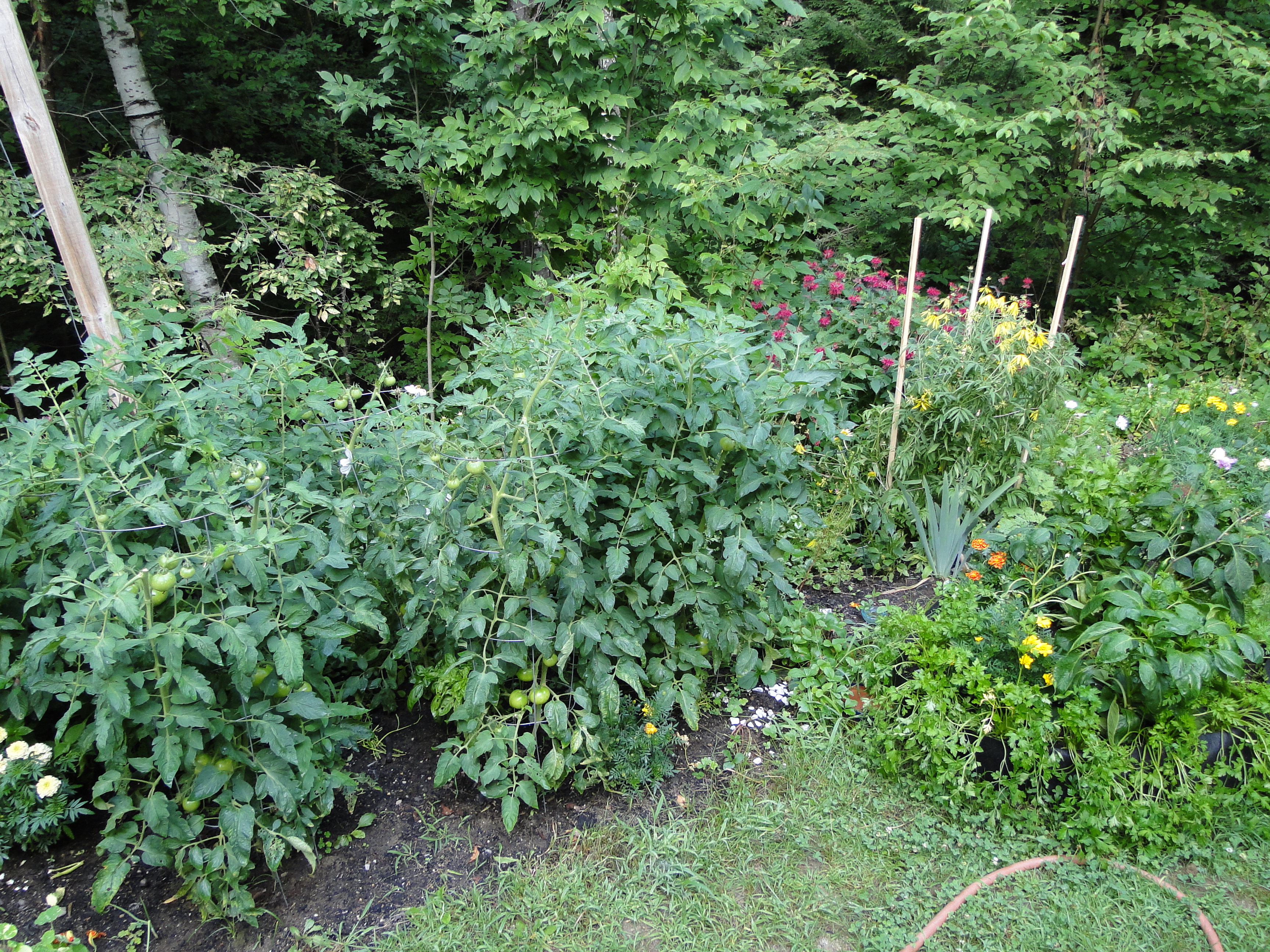
I don’t plant many tomato plants because I don’t have the space. I don’t eat that many tomatoes either, but I do look forward to picking my fresh, garden crop by August. I look forward to it all summer long, from the time the little tomato seedlings are put into the ground. At one time I counted 30 tomatoes on one plant, and I had 6 plants, so I expected a nice crop.
When They Looked Good
It wasn’t meant to be. In the past I’ve never had a problem with my tomatoes growing nice and big and ripe. The “Celebrity” variety is my favorite, so I grow them. I water them when it’s dry and I rotate my planting space. I give them fertilizer and watch for bugs and tomato worms. Everything was fine. Until it wasn’t. Suddenly, it seemed like overnight, I noticed that the leaves were looking funny. They were brown and wilting. They were curling up and dying near the bottom of the plants. I had managed to pick and eat a few of the early ripe fruits, but the others ended up looking like my first picture, above. With brown spots and weird looking markings and colors, they were inedible.
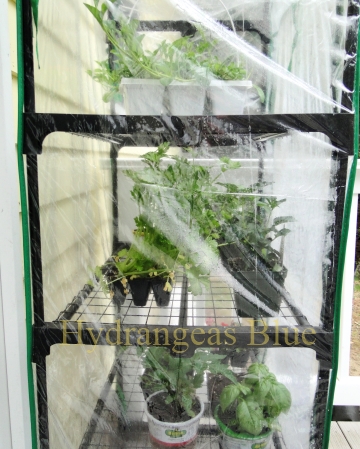
This years greenhouse plantsWith a small yard and a tiny deck, I never dreamed I would have a greenhouse. It’s not exactly what comes to mind when you say “greenhouse” but my mini-greenhouse does the job. It fits nicely in the corner of my deck, up against the house (so it won’t blow over in a strong wind), and it holds plenty of seedlings.
This year it is nearly full, with tomatoes, eggplant, peppers, zucchini (courgettes), parsley (already planted in my raised bed), and flowers. I didn’t start anything from seeds this year, but I’ve purchased a grow light so I can start seeds indoors next April. Then I’ll move them out to the greenhouse in May. That’s my plan anyway.
A few weeks ago I went to House by the Side of the Road in Milford, NH and bought my tomatoes and a few pepper plants. The other veggies and some flowers I bought at Tenney Farms in Antrim.
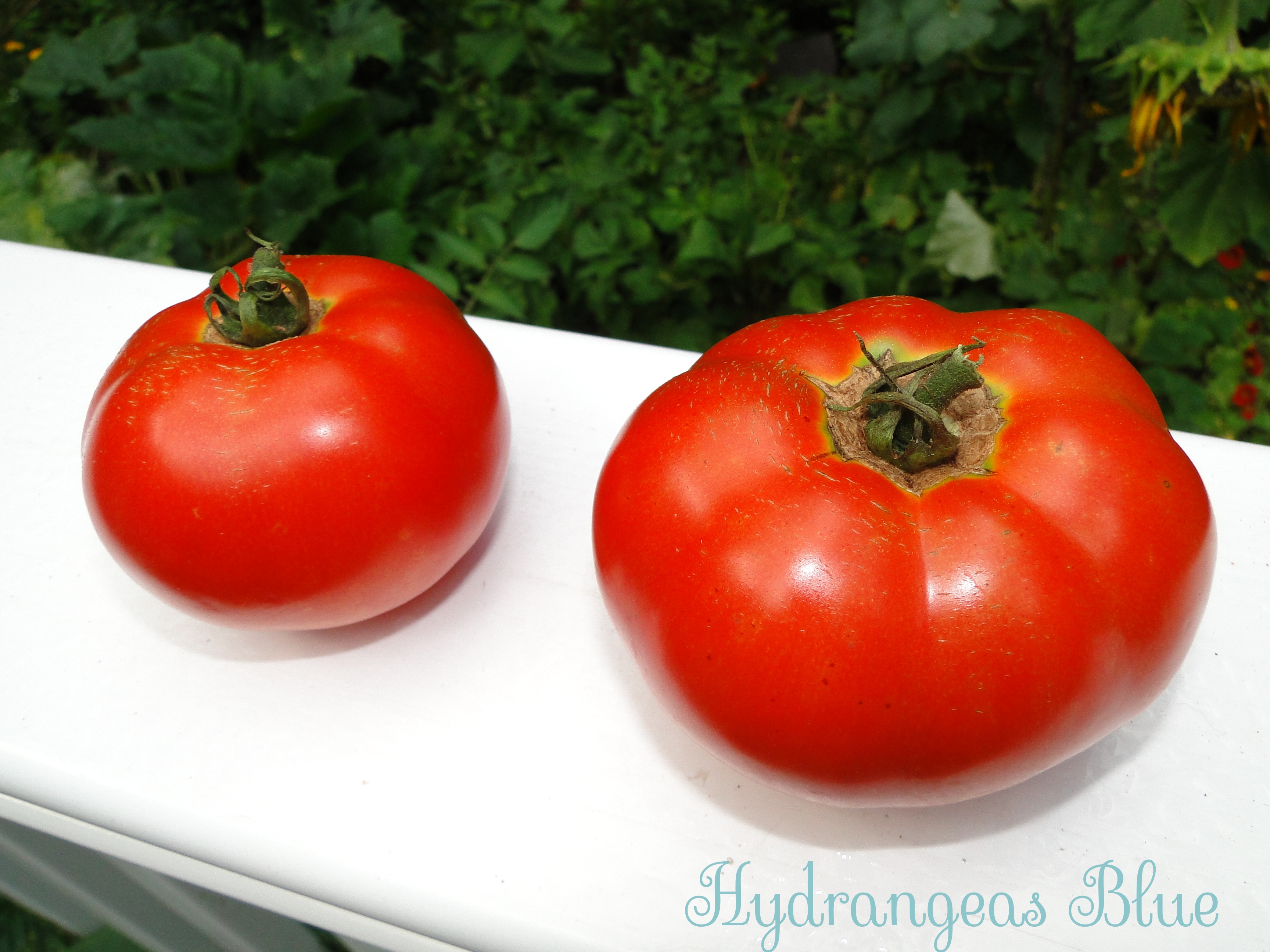
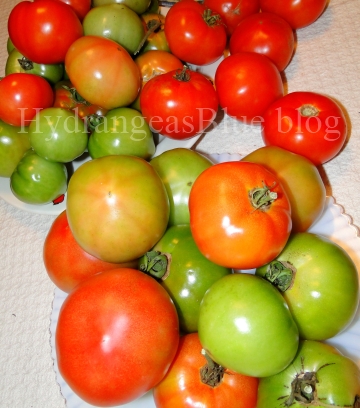
I don’t ever have luck growing peppers, even though I’ve read all kinds of helpful tips. I have fewer tomato plants this year too. The “Celebrity” type seems to give me a nice crop, so I am sticking with that kind. And of course the small, grape tomatoes too. I’m the only one in the household who will eat them, and last year I had too many! Last year’s tomato crop, end of season.





 at Amazon. They are non-GMO and organic.)





 Hydrangeas Blue