Fall Garden: Growing Hon Tsai Tai Flower Broccoli

Experimenting with growing Hon Tsai Tai Flowering broccoli during fall and winter here in Central Florida.

I’d never heard of Hon Tsai broccoli until I saw it mentioned by Elise Pickett of The Urban Harvest. Now, I can’t find the location of that mention, but here is what I am doing.

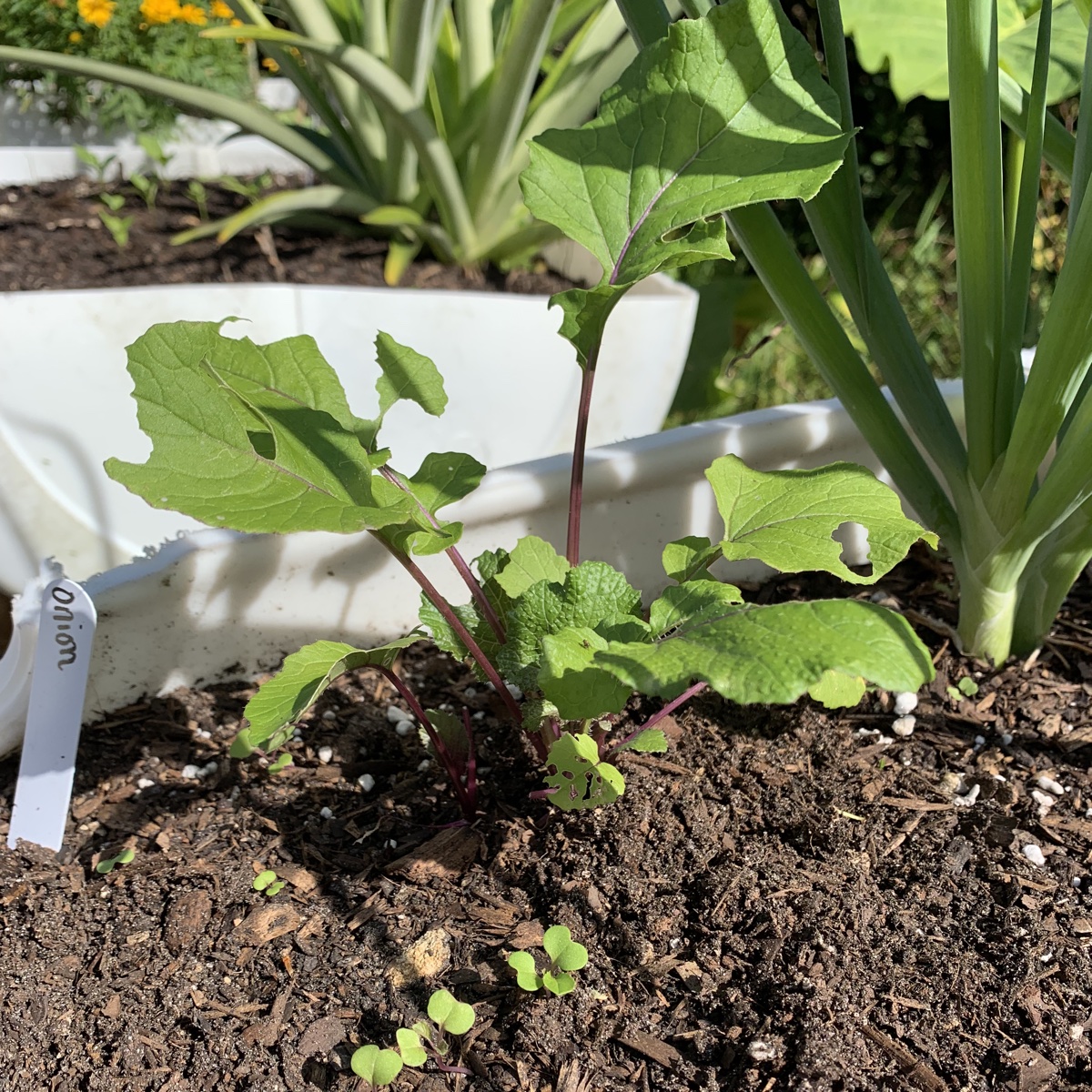
I bought a packet of her seeds and planted a few in pots in September. Just a few weeks ago I transplanted the two seedlings into a raised bed (October 4th). More seeds were added and have now sprouted. The early starts are much bigger. Some of the leaves have been chewed by something that I can’t see.
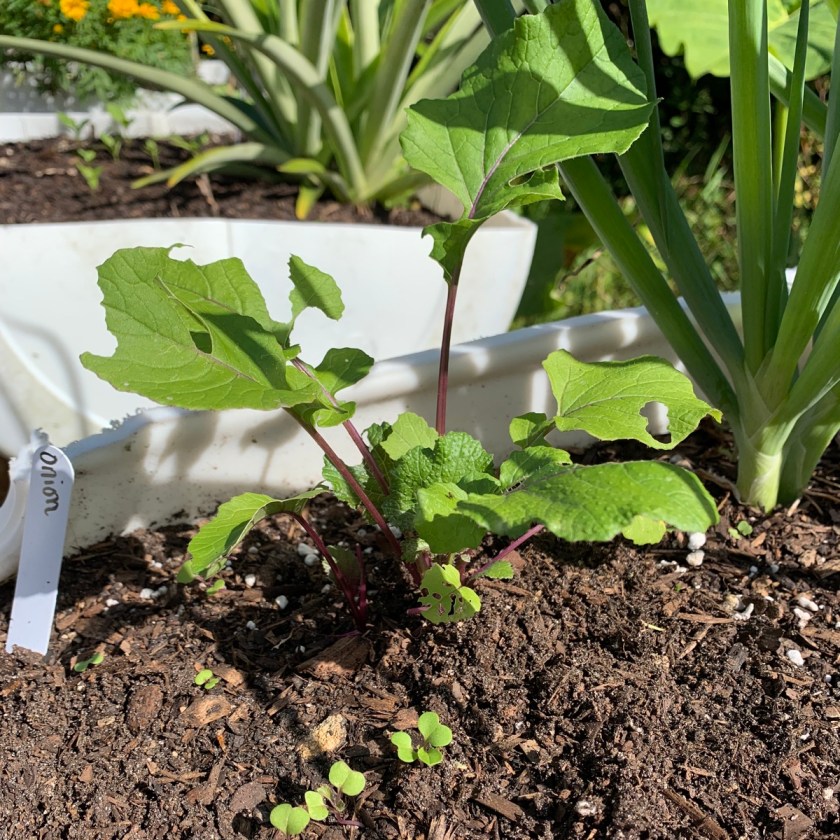
Hon Tsai Broccoli
Hon Tsai broccoli

Info on Hon Tsai Tai Broccoli

I love broccoli, and I’m not sure if the normal stuff can be grown here (planted in Fall also, but have only leaves to eat), but I’m trying to grow this type from Heirloom seeds. It will not look anything like “normal” broccoli though. I’ll take it for the fresh greens and make a stir fry. 

The packet of seeds, which came from The Urban Harvest, doesn’t have any information – the back of this packet is plain white. I have made notes about the Hon Tsai but I have no idea where I got the information! I’ve searched and searched. I think it was an Urban Harvest video, but I can’t find it.
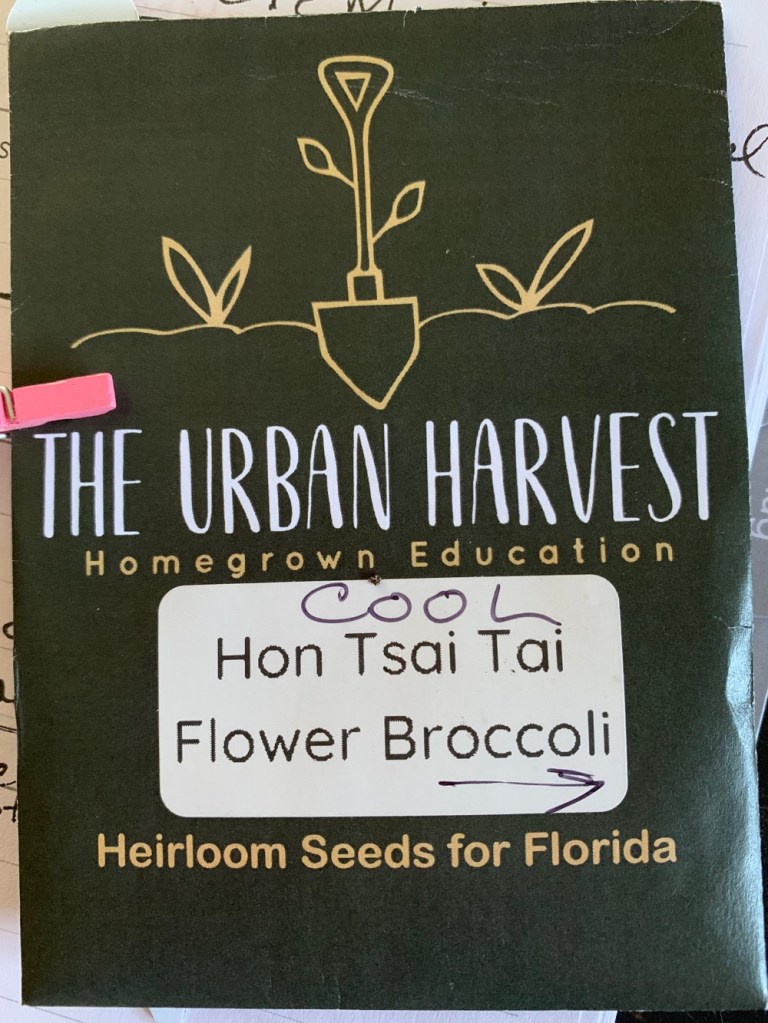
Hon Tsai broccoli seed packet

Here is what I will share from the notes written on the back of my seed packet. This link goes to the page to buy the item at The Urban Harvest. There is some information on that page.

Another site, High Mowing, has information about the Hon Tsai Tai Flowering broccoli they sell. Information on Hon Tsai Flowering Broccoli. The goal is to have leafy shoots with unopened flower buds that can be eaten.

This type of broccoli is a cool weather crop. Articles online mention that temps should be in the 70’s and below. Here’s the thing – seeds need warmth to germinate and in general seedlings like it warmish. A Florida fall season can be very hot at times. It can also be cold overnight as we get into November and December.  Right now, we are still getting hot days (it was 80 today on Oct. 20th).

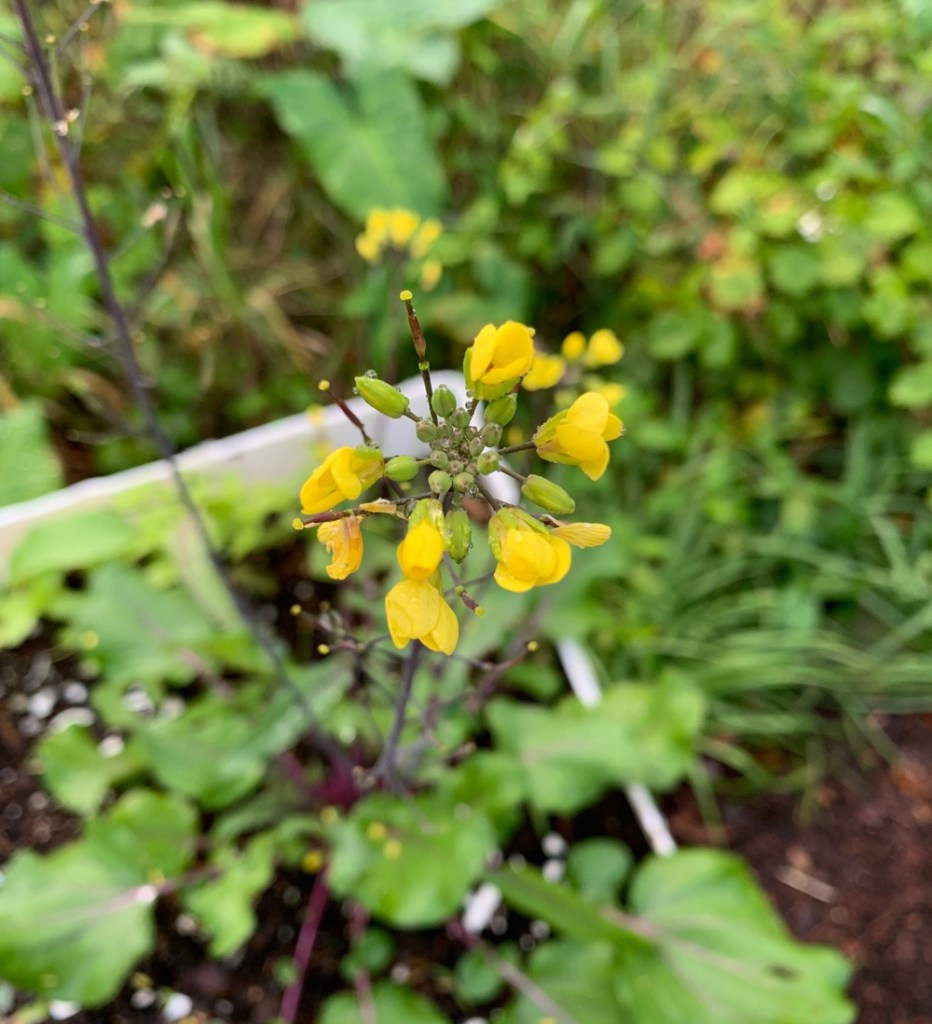
 * I ended up replanting this bed (pictures below) with kale and Texas Early Grano onions. I did keep one Hon Tsai broccoli plant and it turned out to have some beautiful flowers.
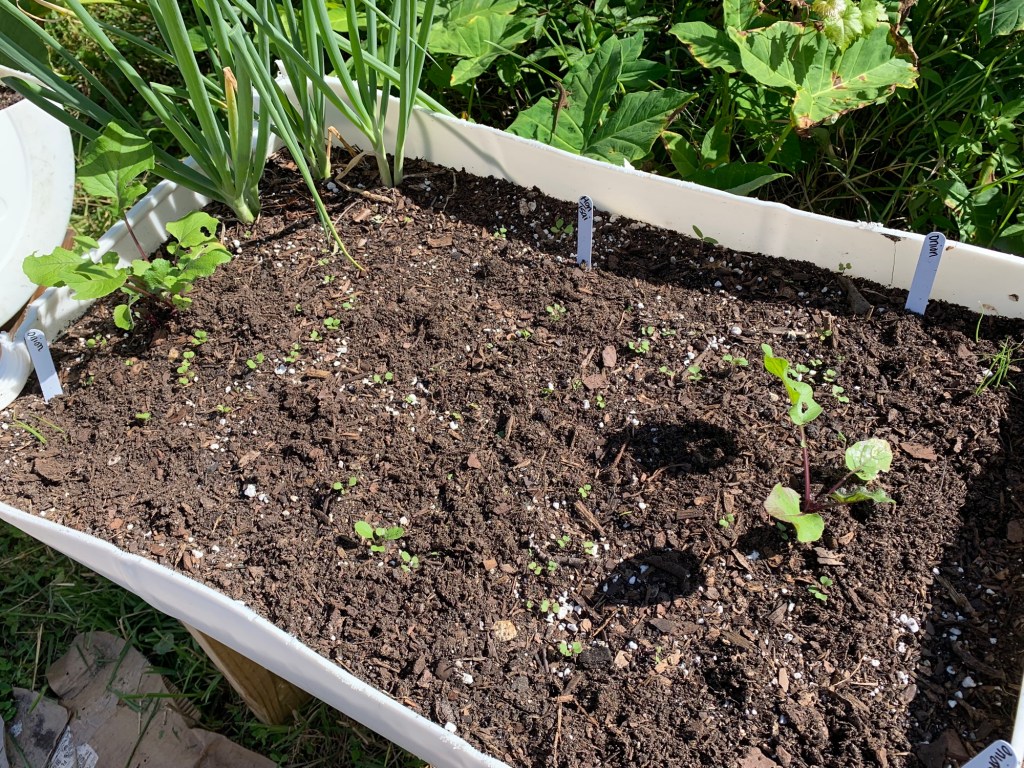
In closing, I’ve decided to grow the Hon Tsai broccoli again next Fall, but I will put it into the ground gardens. I’ll start it from seeds in pots, in September – because those plants did the best. Although I have been eating the leaves, they are not a favorite food. The flowers are fragrant and pretty and I wouldn’t mind having those growing all over the ground.


Videos For Growing Greens in Florida

Here is a list of videos that might give Florida gardeners an idea of what to plant during our winter months. It’s a bit tough to decide what to grow and when because our winters can be hot, and very cold. We can get freezes – at least where I am. If things are growing, they might need covering on very cold nights. Save up those old sheets and buy some clothespins!

Growing Bulb Onions

I can easily grow chives / scallions – those thin green stalks, but actual onions were thought to be impossible to grow here.

Then I saw a post on Instagram by a local farmer who successfully grew onions. They were planted in Fall and harvested before summer. The Texas Early Grano (link above) is the type mentioned. So I immediately bought some seeds.

I now have onions coming up all over the place. Onions take up very little space. I don’t have much space, so my onion seeds are tucked in all over the place. I really hope to have some slicing onions by next Spring.
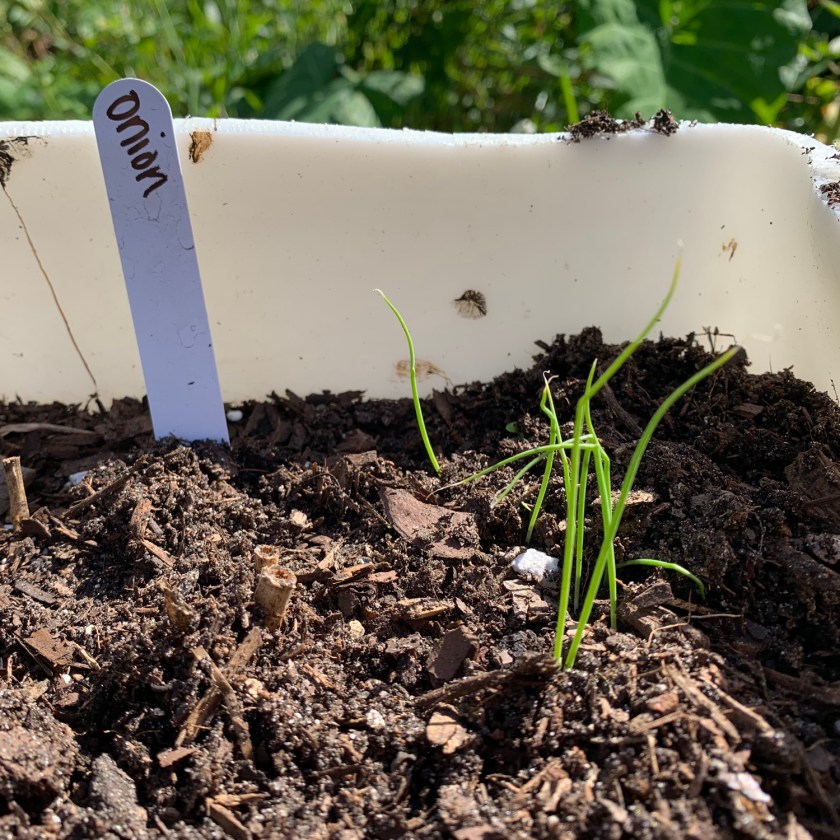
growing onions
Texas Grano onion sprouts

Here’s What Else is Happening in My Yard

Something went wrong. Please refresh the page and/or try again.

First Time Growing Tomatoes in Fall

The heat of summer here in Central Florida is something tomato plants don’t like. I grew one tomato plant this summer. It grew tall and big, but never had a single tomato. Now that things are cooling off a bit, I am hoping the tomatoes might grow and give me fruit.

But, I’ve had some trouble along the way.

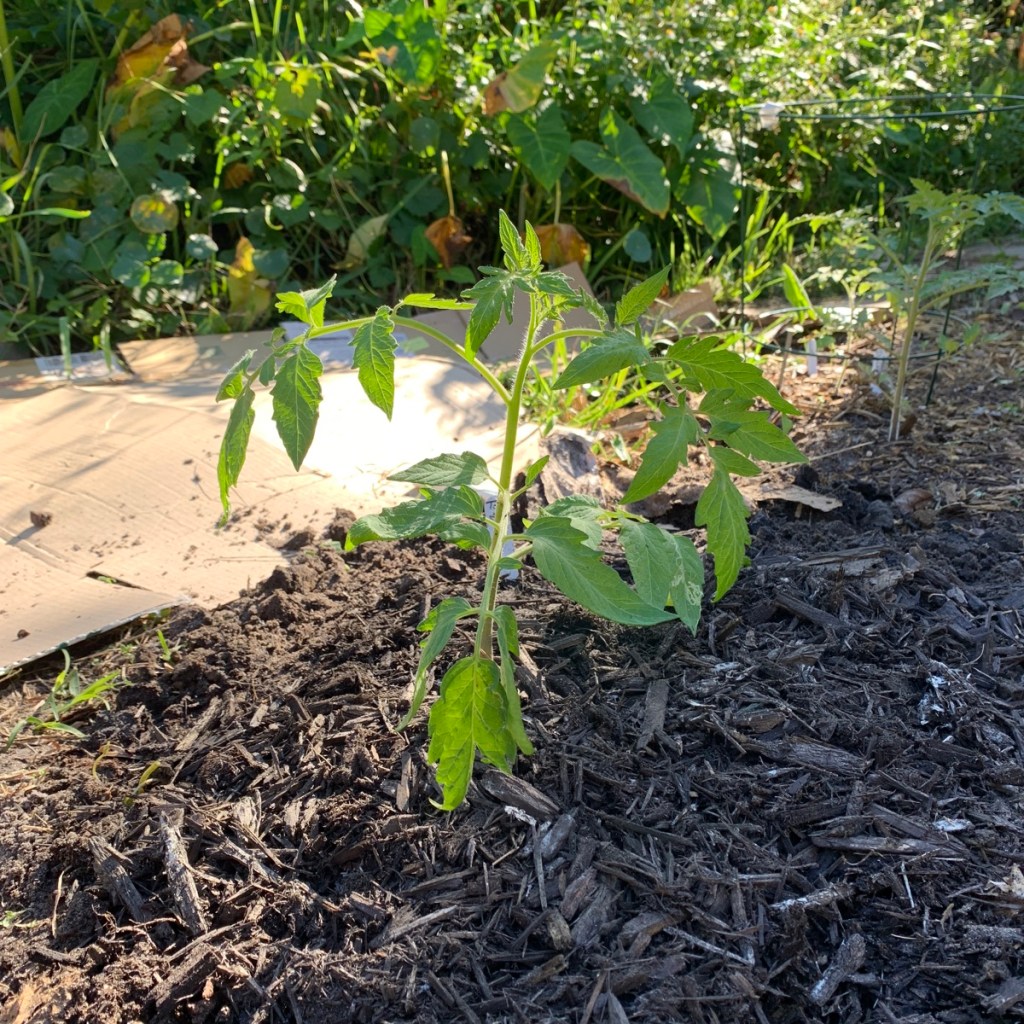
I started the tomatoes from seeds. They grew tall and lanky and I put a few into the ground. They were promptly dug up overnight! I suspect raccoons, but maybe armadillos. We have both.

transplanting tomato plants
These tomato plants need more sun.

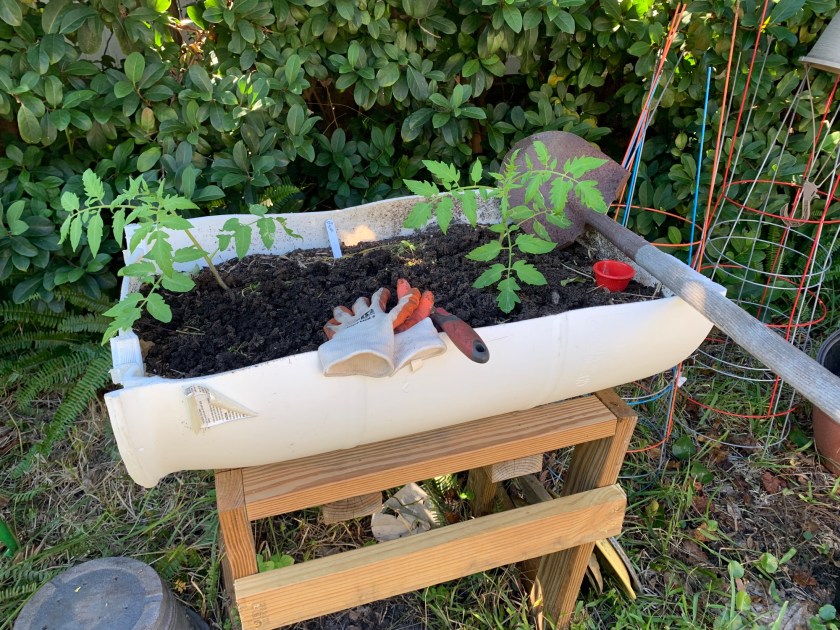
My only choice was to get them planted in a planter, off the ground, where they were not as likely to be dug up by the wildlife.

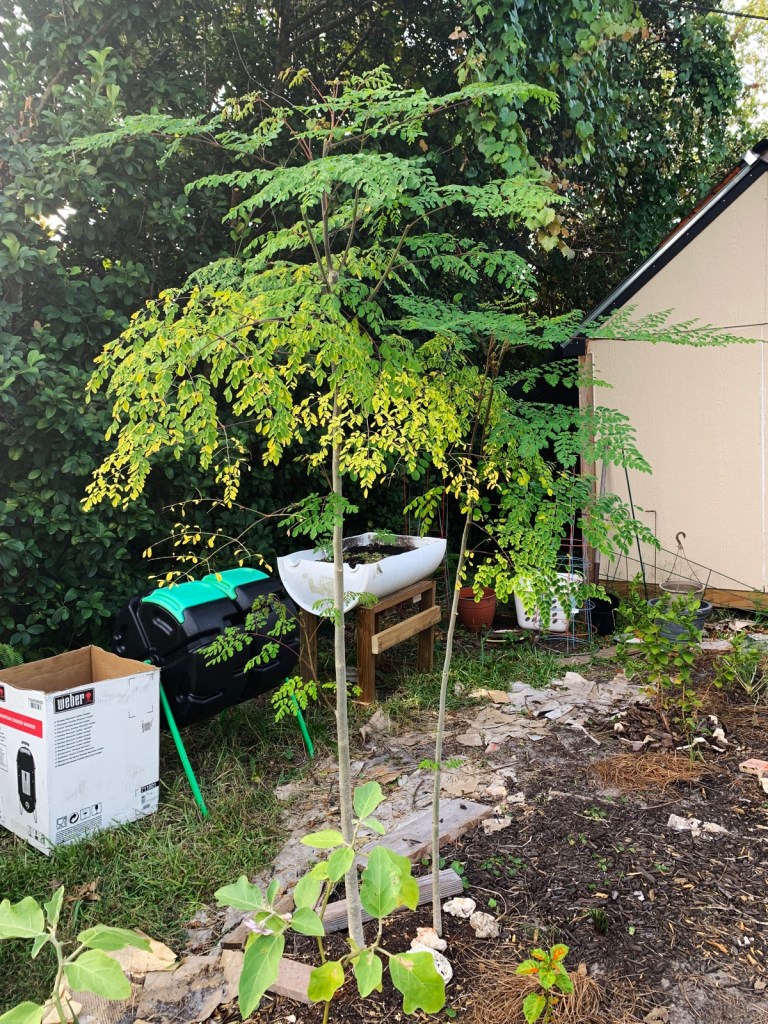
The white barrel planter at the back of my yard was being used as a compost bin. It sits alongside the Hot Frog barrels and I use it to throw larger branches and stems into. This raised bed area was full of good compost dirt. I decided to plant two of my larger tomato seedlings here.

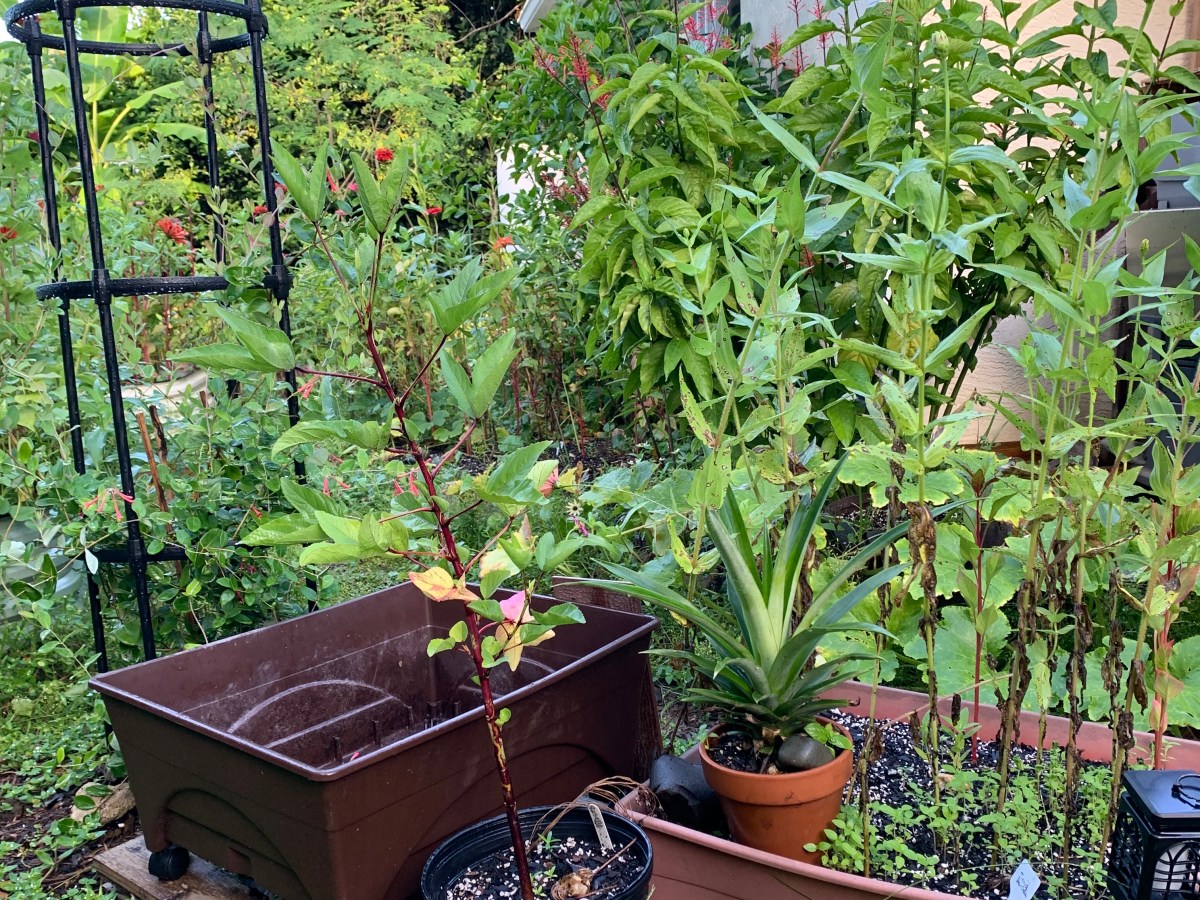
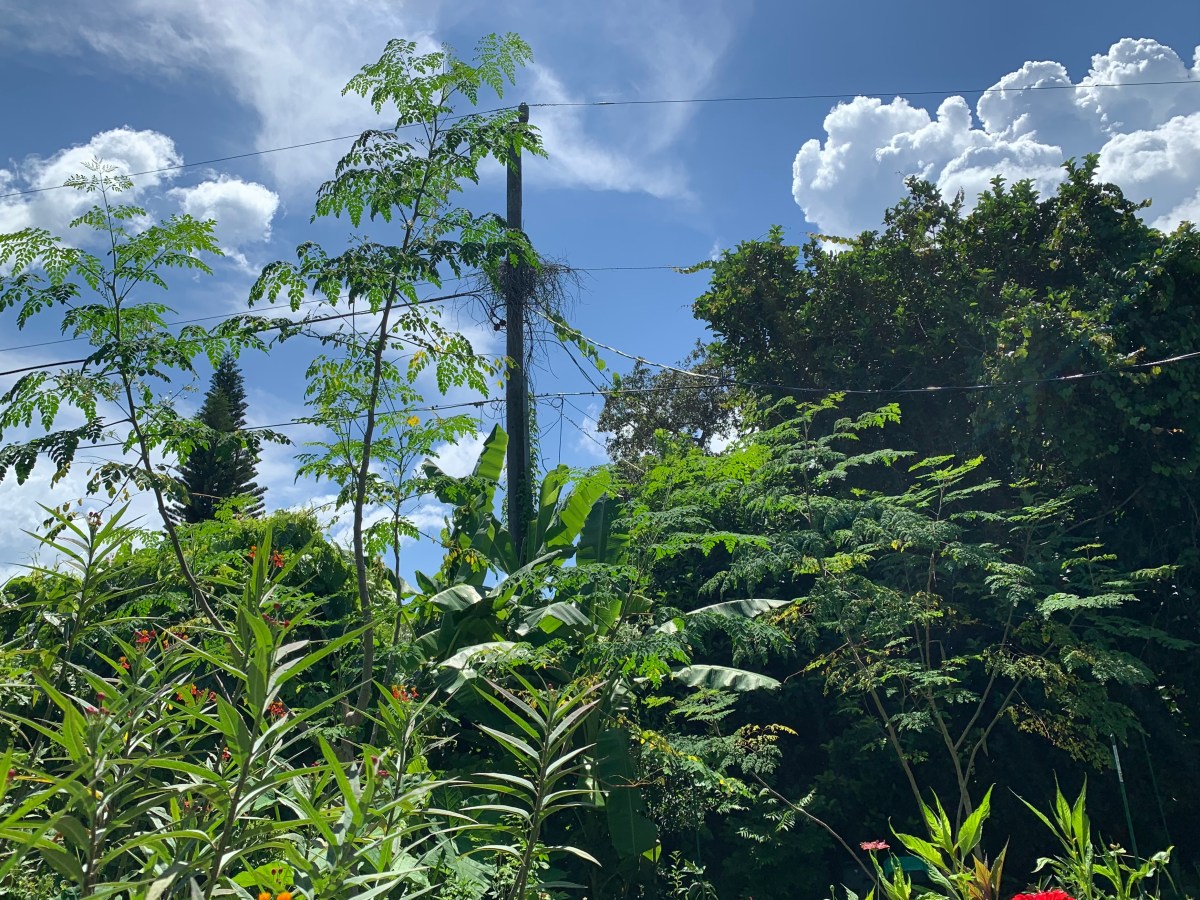
You can see the barrel in my photo below, which I took for the Moringa trees post. Unfortunately it turned out that there is not enough sun back here for the tomatoes. I had to move them.

Moringa
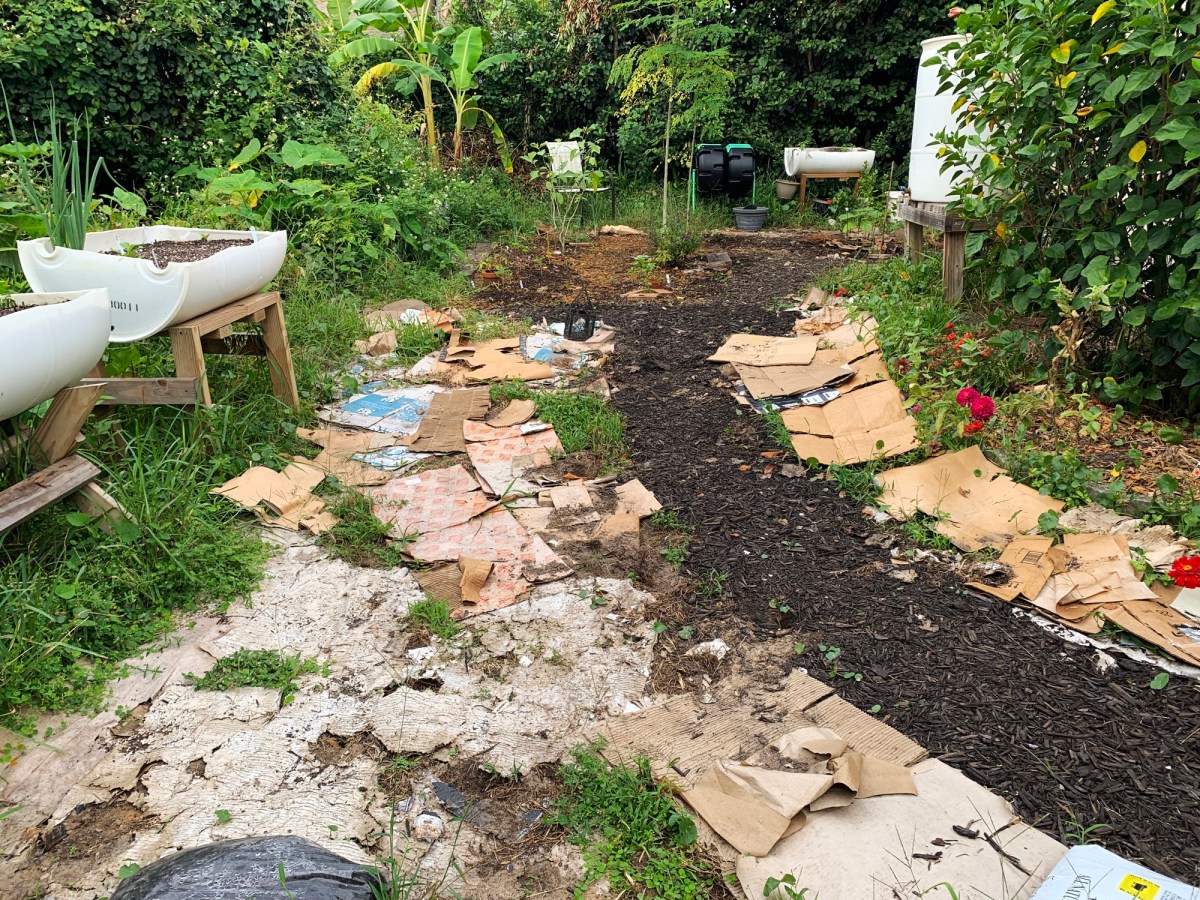
Backyard area

It was time to transplant these tomatoes again to a sunnier area of the yard.

Without all my garden areas ready to be planted (it’s a slow process), I have few choices. Also, they could be dug up again by the critters.

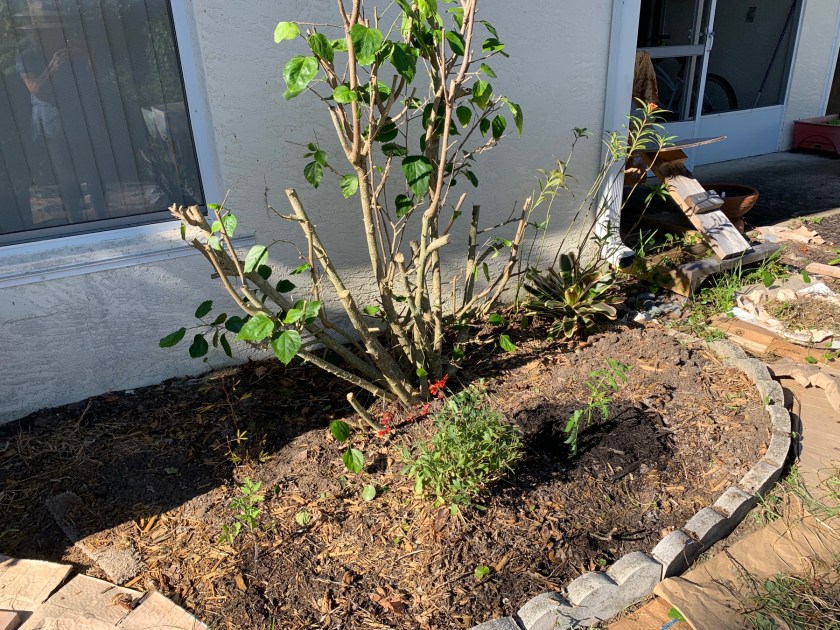
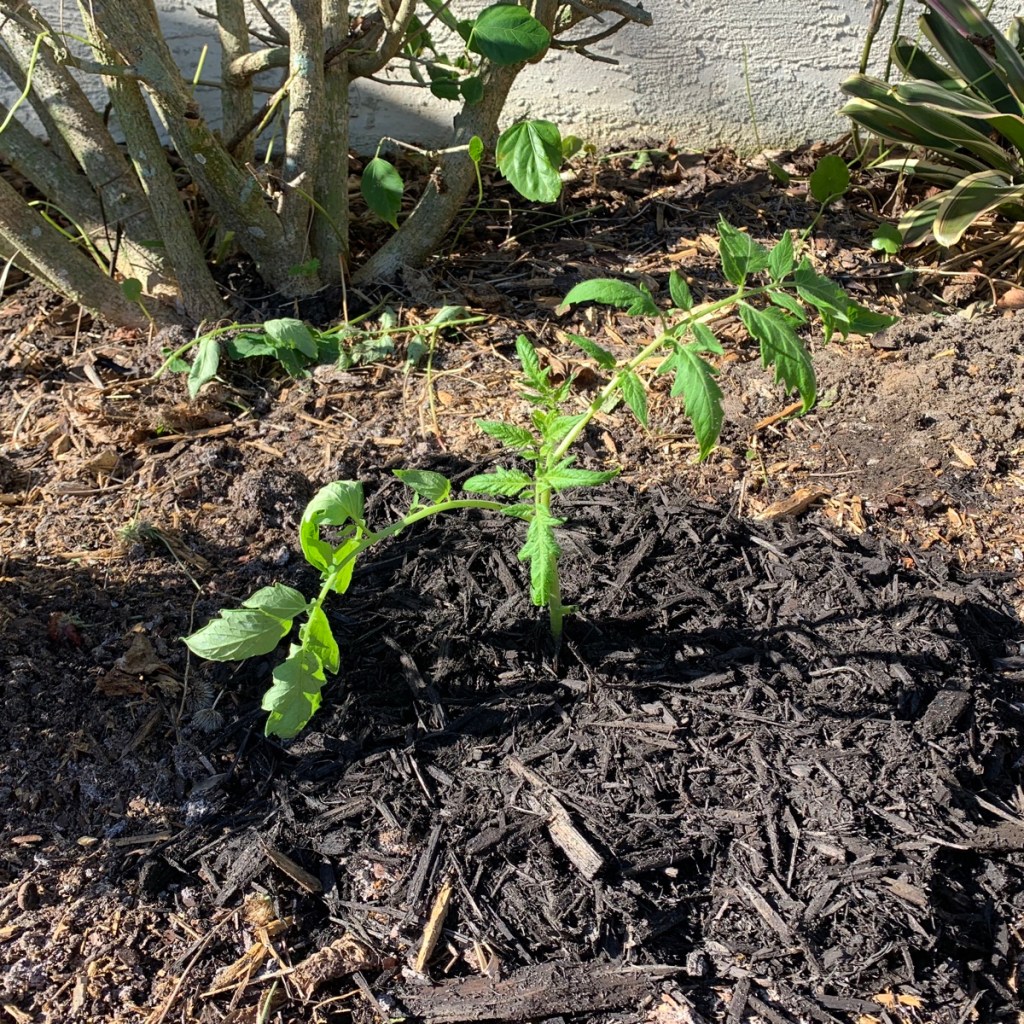
I had cut back the hibiscus and cleaned up the garden area around it. Of the four flowering plants planted here in Spring, only one has survived! My new little flower garden was mostly a fail! Haha… what can you do but move on.

This is where I planted one of the Eva tomato plants. I have some native milkweed seeds coming, and I plan to grow milkweed in this area.

hibiscus trimmed
Changes to the Hibiscus Garden

The Eva Purple Ball tomatoes are in new spots, which now will get a bit more sun. Already the sun is lower in the sky and the whole garden area is less sunny. Most of it gets at least six hours of sun a day, so I hope we are good.

I’m hoping these little tomato plants will grow well and give at least a few tomatoes before the weather gets too cold. We have plenty of warm days ahead, but by December we could have a cold night or two.

This Fall weather is much like a northern summer, where I grew tomatoes just fine. It’s all an experiment, so we’ll see.

The tomato seeds I purchased were: Amish Paste, Druzba, and Eva Purple Ball. I also have a packet of Tropic VFN. I will plant the rest of these seeds in Spring, Only three Eva and one Druzba are currently growing. A couple of volunteer tomato plants have sprung up and I’m letting them grow to see what happens.

Buy Tomato Seeds For Southern Gardens

I buy seeds for southern gardens from either The Urban Harvest or Southern Exposure Seed Exchange – SESE. The Urban Harvest is located on the west coast of Florida (St. Pete), so the seeds they offer are meant to grow well here in Florida. At SESE, some of the seeds they sell will not work this far south, as they seem to cover a wide area of the southern US.


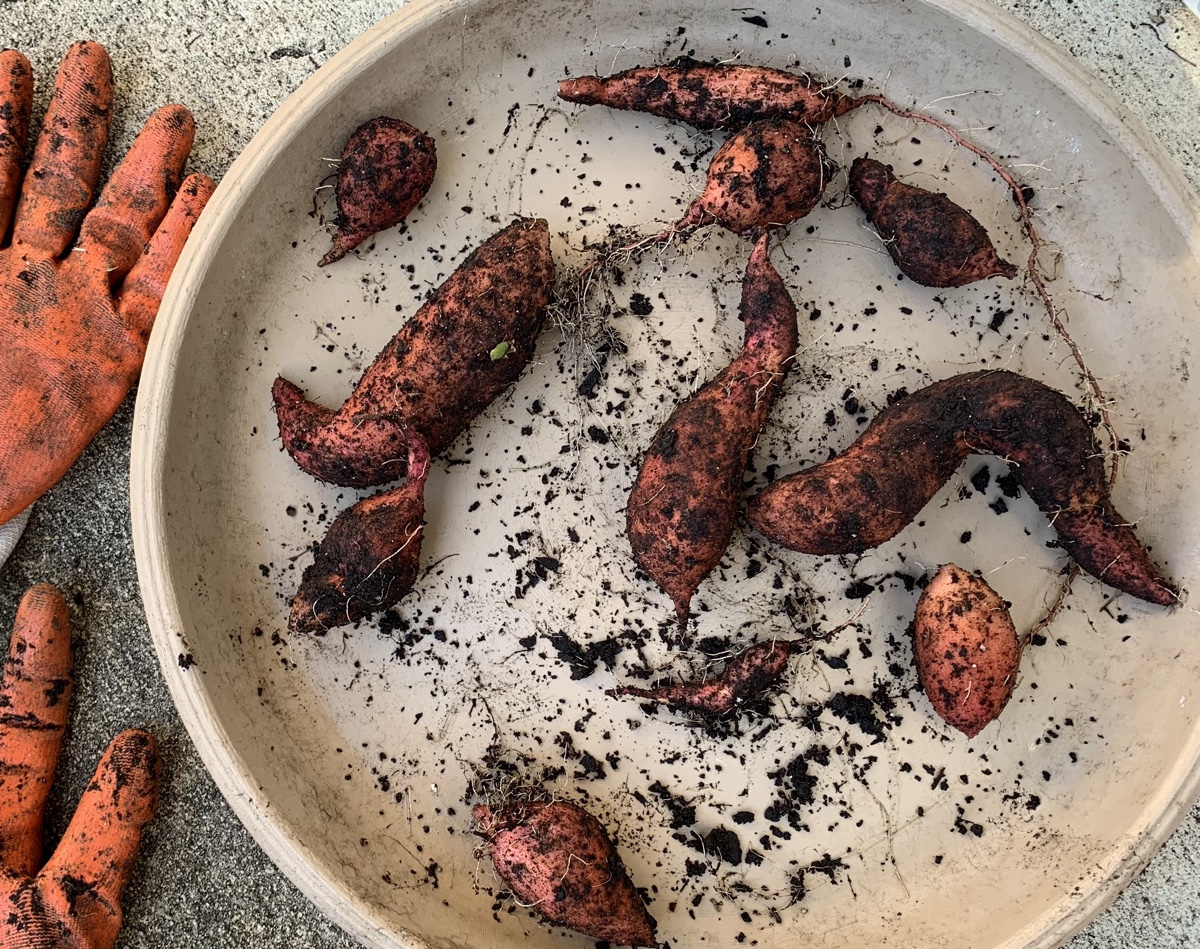
Digging the Sweet Potatoes in October

Sweet potatoes grow really well where I live. They need no attention at all and just vine around the grass while the roots create little potatoes. At least in my case they are little. This is probably because they were crowded into a small box.

harvested sweet potatoes
Sweet potatoes dug!

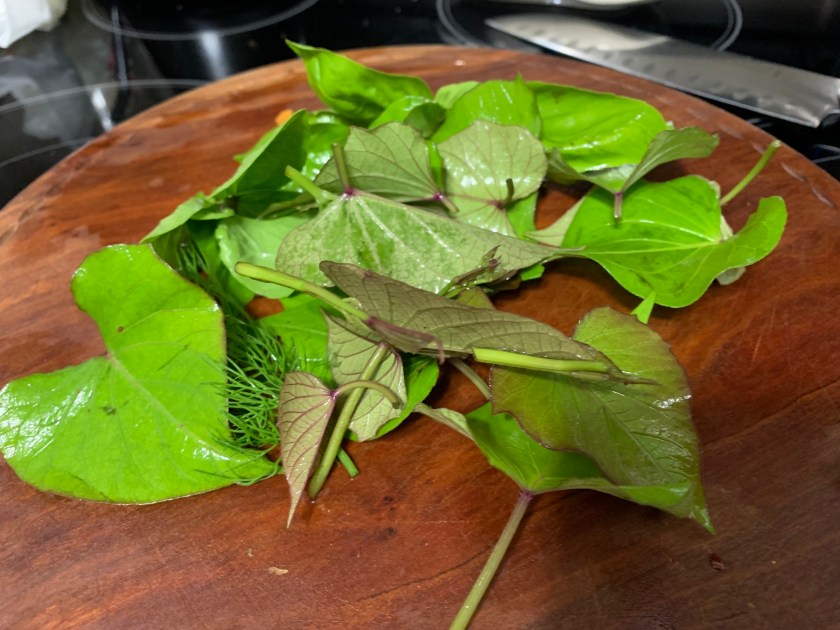
I began growing sweet potatoes this spring for the leaves. It is the one green thing that has done well during the heat. I would pick a few leaves and chop them to cook or add to soup and / or stew.

Then, one day I was making a pot roast and wishing I had a sweet potato to add. Oh wait… I am growing them. Sure enough, I dug down into the grow box and pulled up a little sweet potato! It was added to my stew.

sweet potato leaves
Sweet potato leaves

In order to store sweet potatoes they should be “cured”. Basically it is done to let the skins toughen up for storage, and the potatoes sweeten.

I am leaving my dug potatoes outside to cure, because we have heat and humidity – see my first photo. After two weeks, I’ll brush them off and bring them inside. Here’s a video by Elise of The Urban Harvest to explain harvesting sweet potatoes. (I’m jealous of her big garden spaces.)

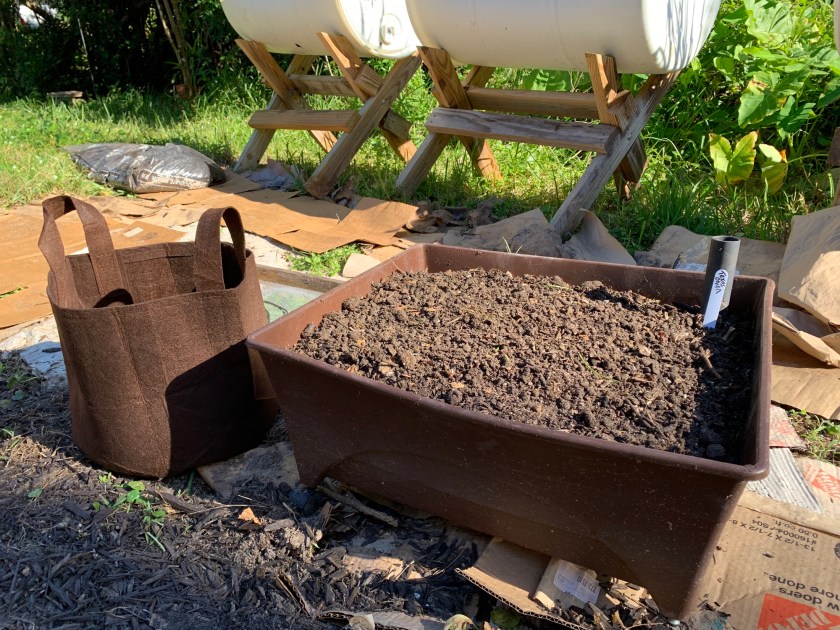
grow pot and bag
Planter and bag ready for seeds or seedlings.

Freeing Up the Box For Planting

Another reason I dug the sweet potatoes is that I can really use another grow box for planting this Fall.

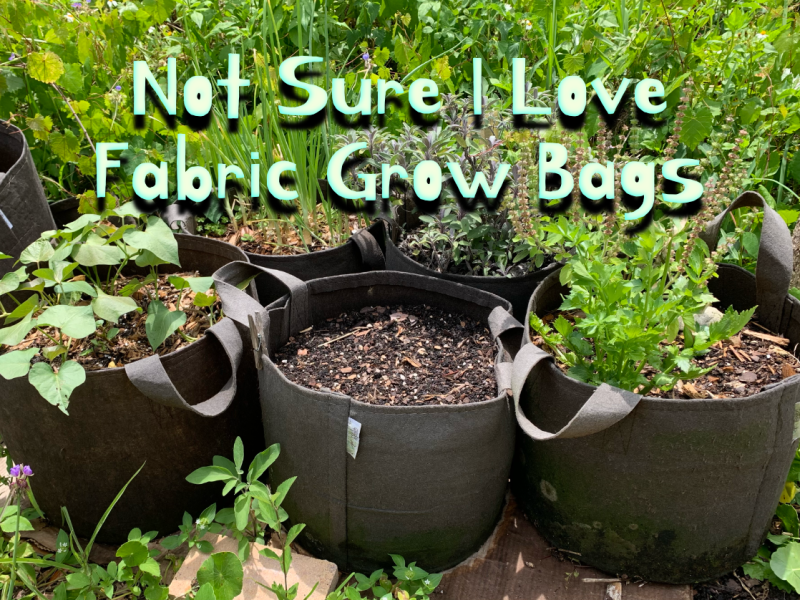
I also invested in two new grow bags with handles. You can see them on this page which I wrote about using grow bags for gardening. I like small, manageable pots that can be moved around if needed.

That box in my photo above has wheels on the bottom and I just drag it around to find the sun. The grow bag pictured is only half full of dirt, which makes it easy to move too. Once I plant, I will fill it where it stands.

By the way, as soon as I had these new places ready to plant, the raccoons dug all through them overnight! (They dug up a potato I missed!) Maybe the trick is to put something new out, let them be nosey, and wait until they are no longer interested, before planting.

Please keep reading…

Growing Chijimisai Tatsoi Greens

This year I learned about growing greens that will do well here in Central Florida gardens. I have just planted something called Chijimisai. It is supposed to be a lot like spinach.

In general, greens like lettuce and kale, must grow in cooler weather. In order to pick greens for salads, smoothies and for stir-frying we must grow during the correct season for where we live.

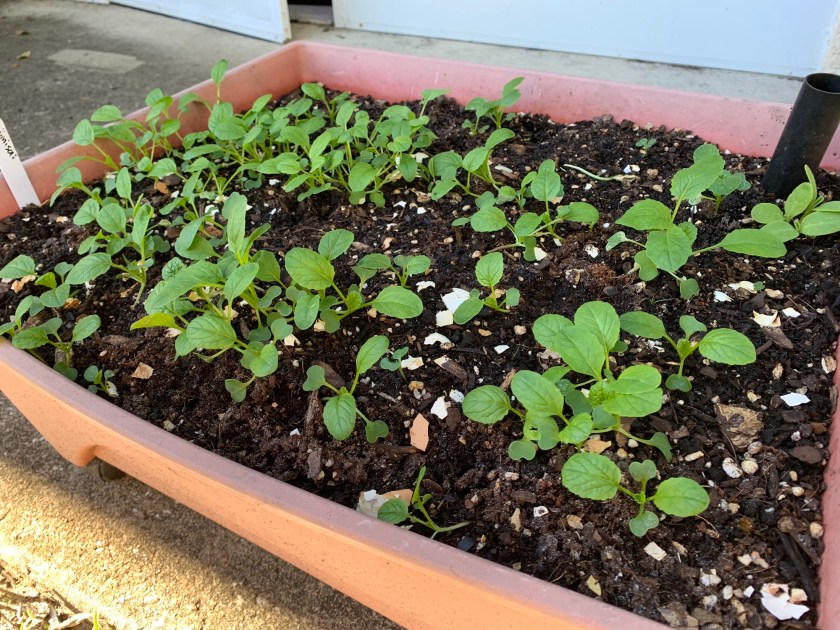
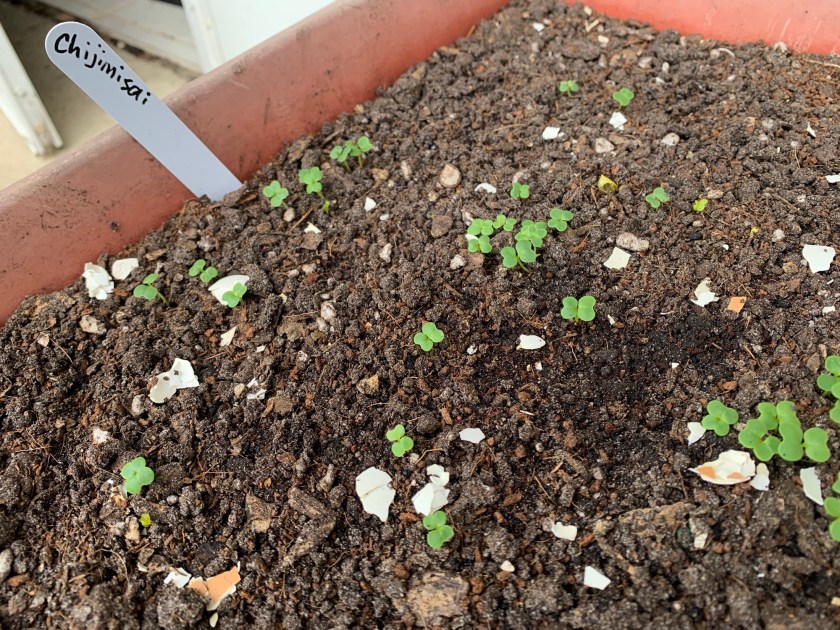
Now, it is mid October and cooler weather is here. I direct seeded the Chijimisai into a grow pot on the 4th of this month. Today, two weeks later, it looks like this:

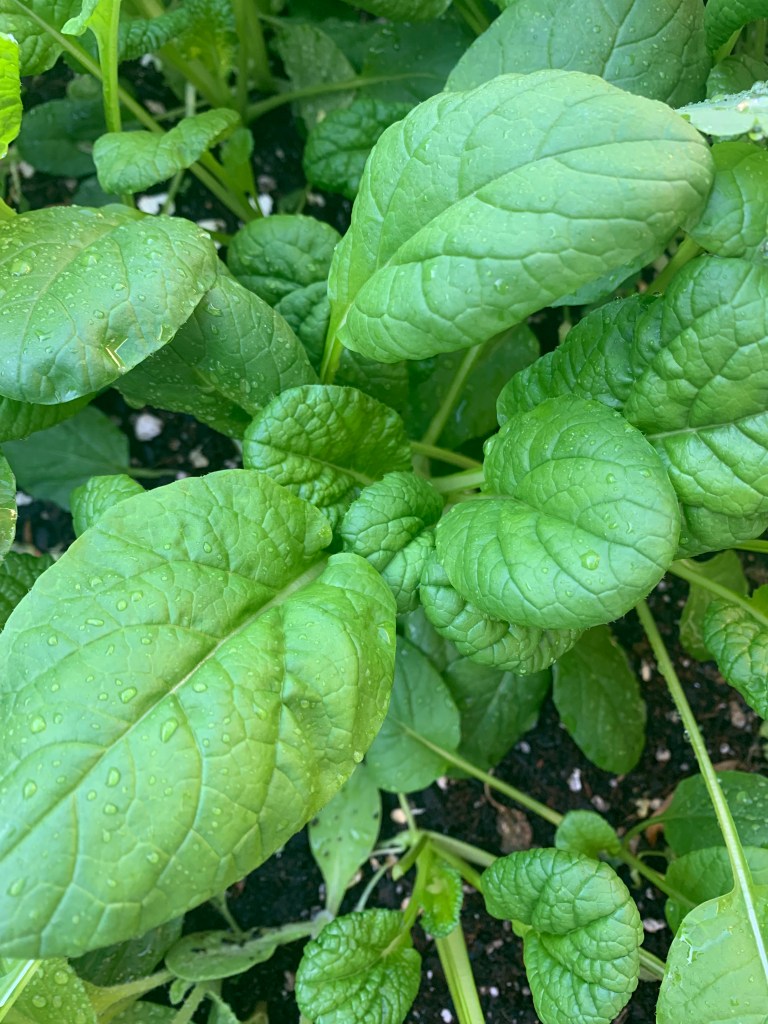
Chijimisai greens
Chijimisai at two weeks – planted from seed.

After two weeks, I was wondering about thinning the greens. I found a YouTube video of a man (in Texas I think) harvesting / thinning his Chijimisai and it was very crowded. He had let it grow and then thinned it when the plants were pretty large. At that point he could use the bigger leaves to eat.

That is what I plan to do.

Right after I planted the seeds in this pot, the raccoons walked all through my planters and I’m sure stopped the growth of some seeds. Grrrrrr…. I put eggshells all over the dirt to deter their little paws. I don’t know if that works, but I had to try something.

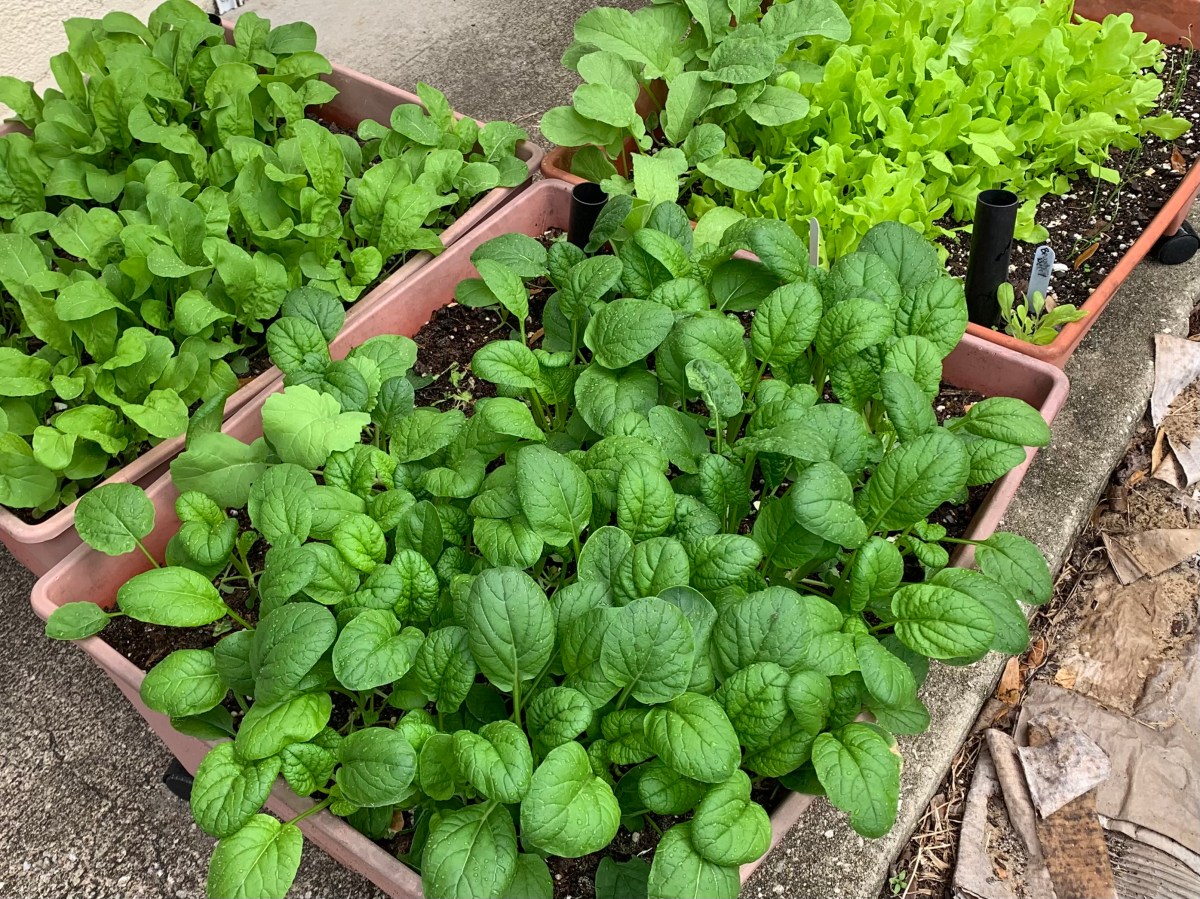
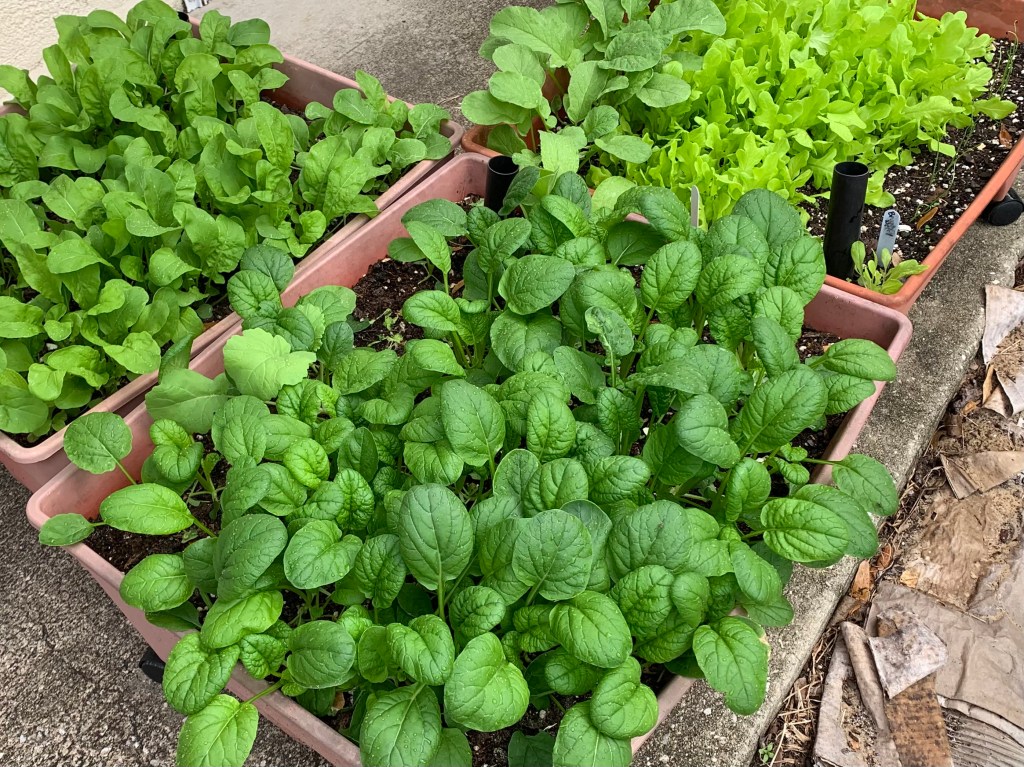
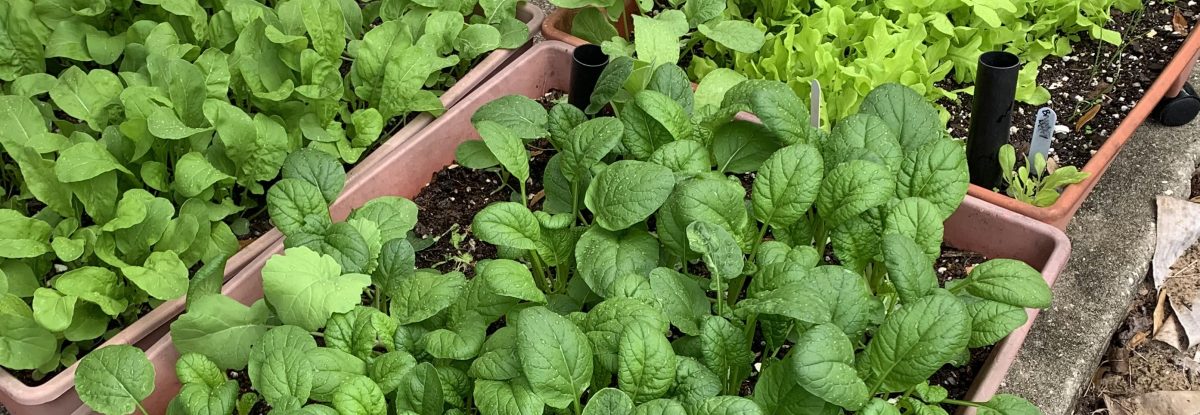
By the first of November my spinach garden is full of wonderful, edible green leaves!

Chijimisai spinach
greens growing raised beds
Arugula, spinach, and lettuce with radishes.

Buying Chijimisai Seeds

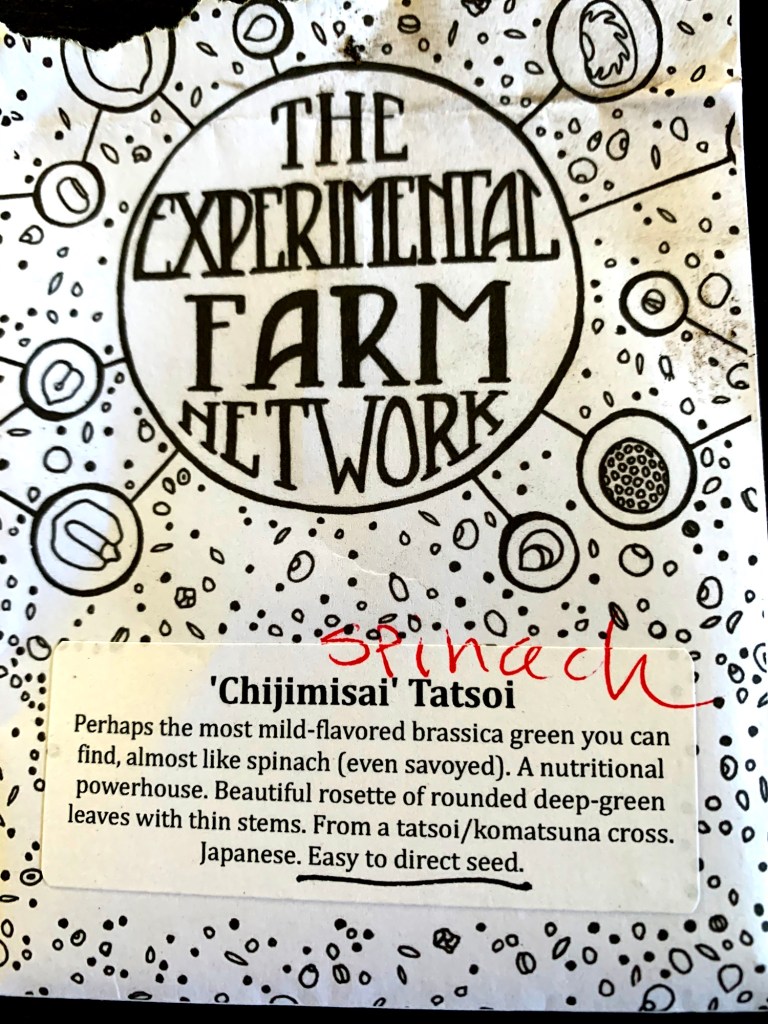
This is the packet of seeds. I still have some left to sow later on. At this point I don’t know what will grow and what won’t. I’ve only planted partial amounts of seeds in my small pots and some areas of the garden.

seed packet Chijimisai

I bought my seeds from The Urban Harvest. They sometimes send seeds that come from other providers. I’ve had luck with most of the seeds they’ve mailed me and I continue to buy from them.

I’ll update the blog as the season progresses. I’m really hoping for some good greens this Fall.

Dealing With Worms on the Cucumbers

Wish I’d known more about growing cucumbers in summer here in Florida BEFORE I decided to try to grow them during summer.

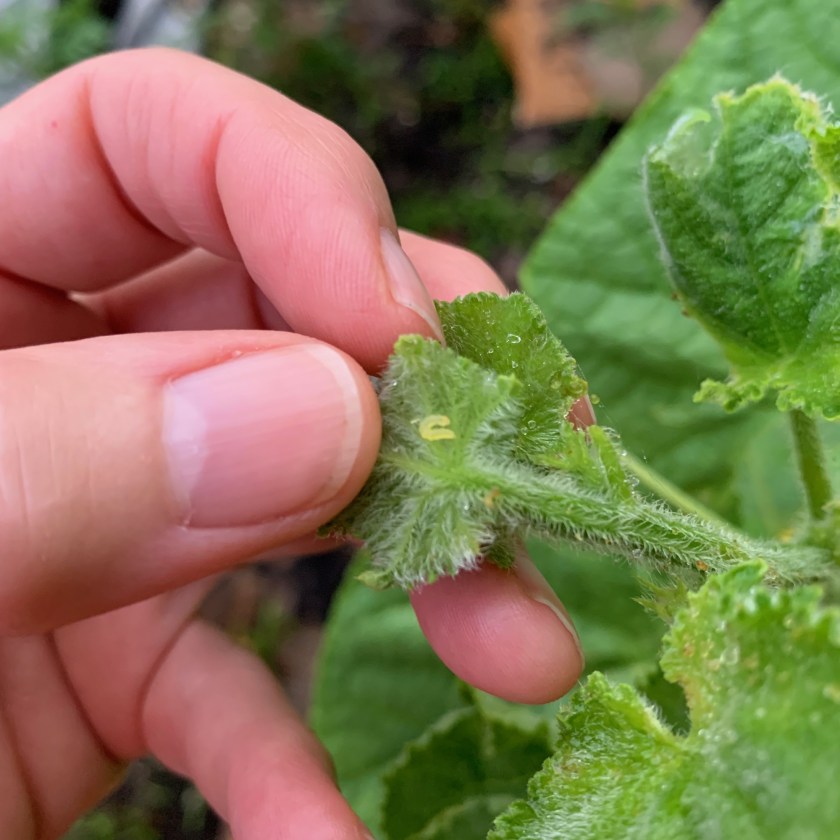
Apparently the pickleworm moth moves northward from South Florida and shows up around June / July – here in Central Florida. The moths lay eggs during the night, and worms hatch that eat the heck out of cucumbers and other veggies. (See this extensive article about the pickleworm.)

green worms on cucumber plant

Bumblebee Morning Visitor

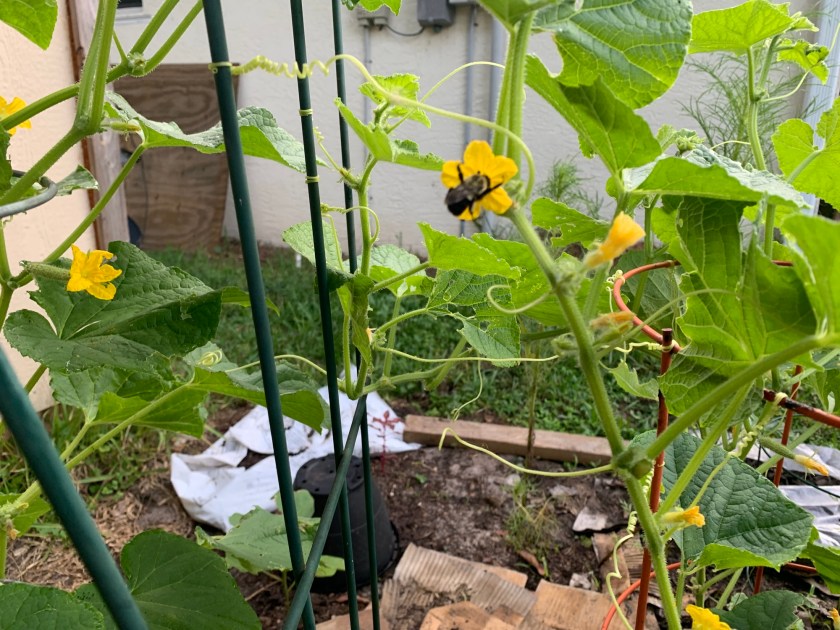
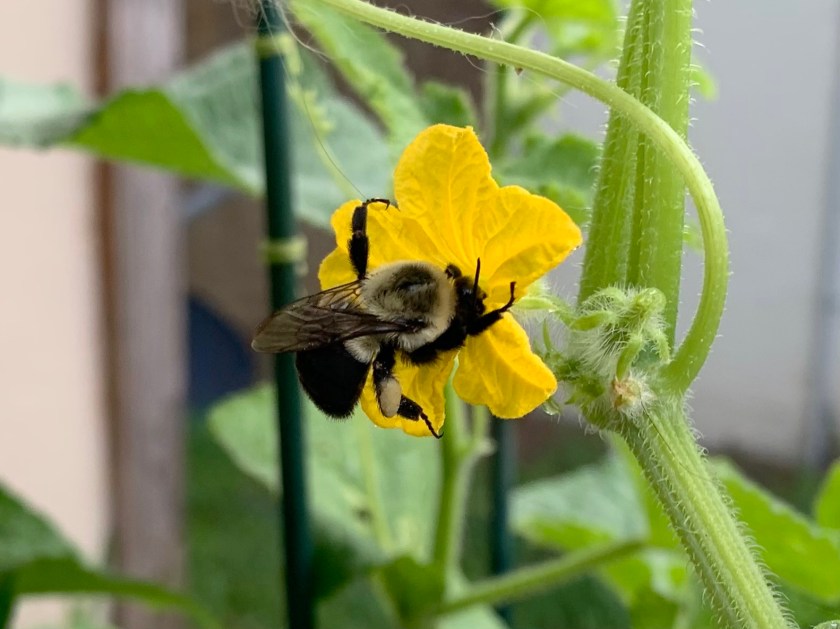
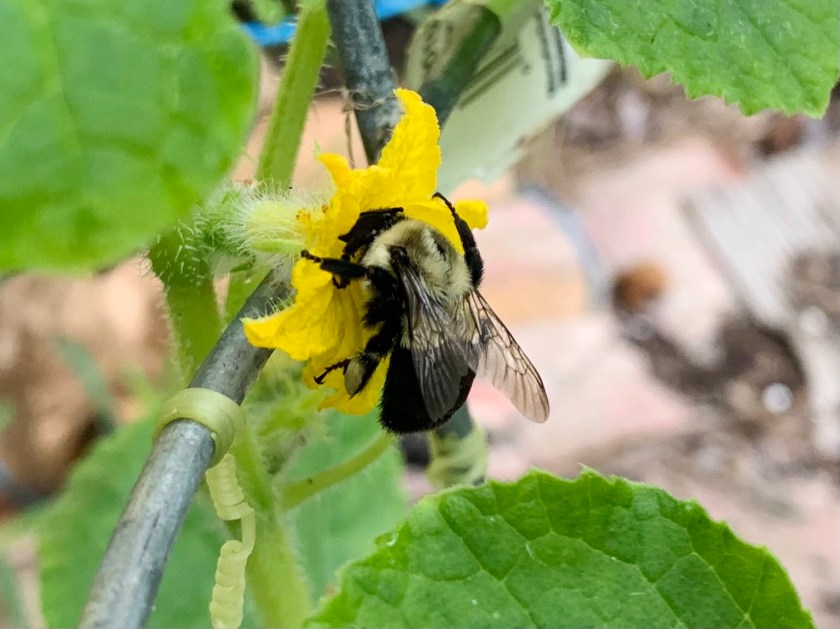
So I’m covering my plants. Each morning I get out to the garden early to uncover the cucumber plants. I know that the bumblebee will be along shortly to visit the flowers. Within a few minutes after the plant is uncovered, this little bee shows up.

  • bumblebee on cucumber flower
  • bumblebee on cucumber flower
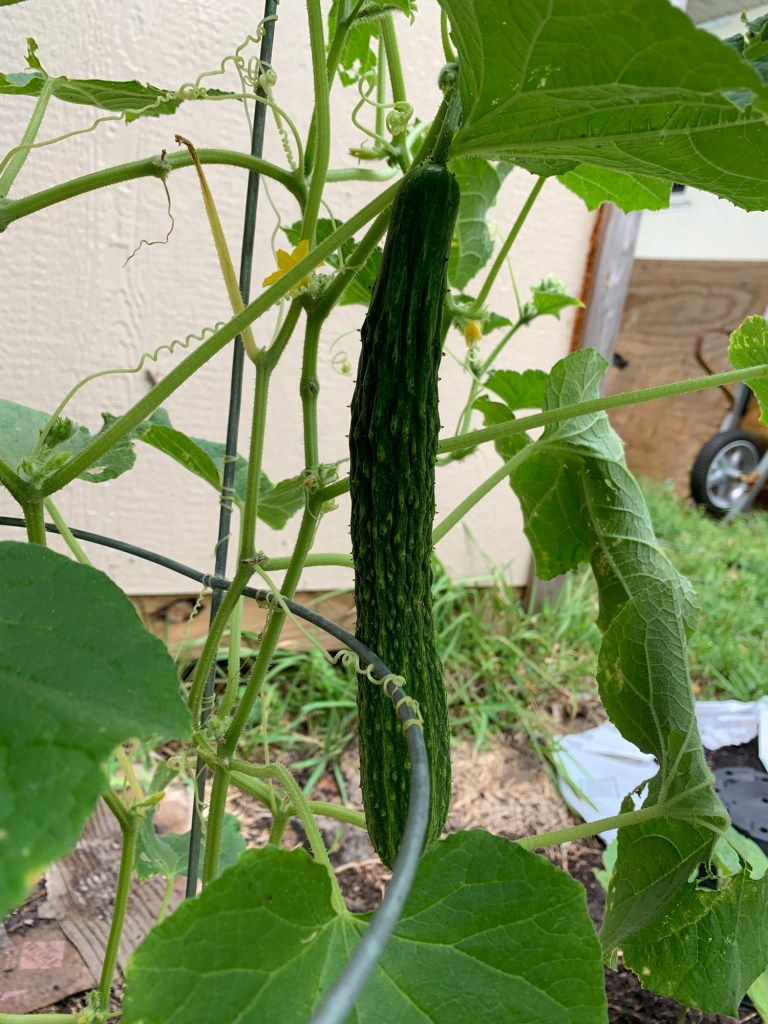
  • suyo long cucumber plants

Now, it’s Fall and I have ripped out my cucumber plants (all three of them) as they only gave me a couple of edible cukes. I was spending too much time, for too little yield, for growing them to be worthwhile.

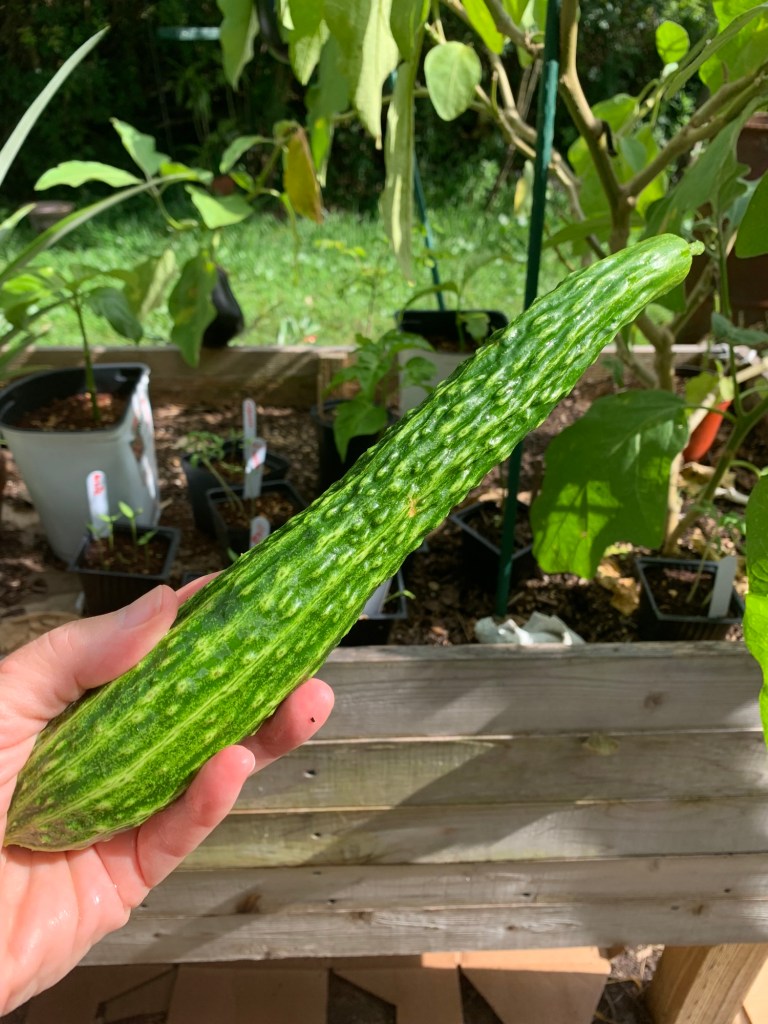
  • Suyo Long cucumber on the vine

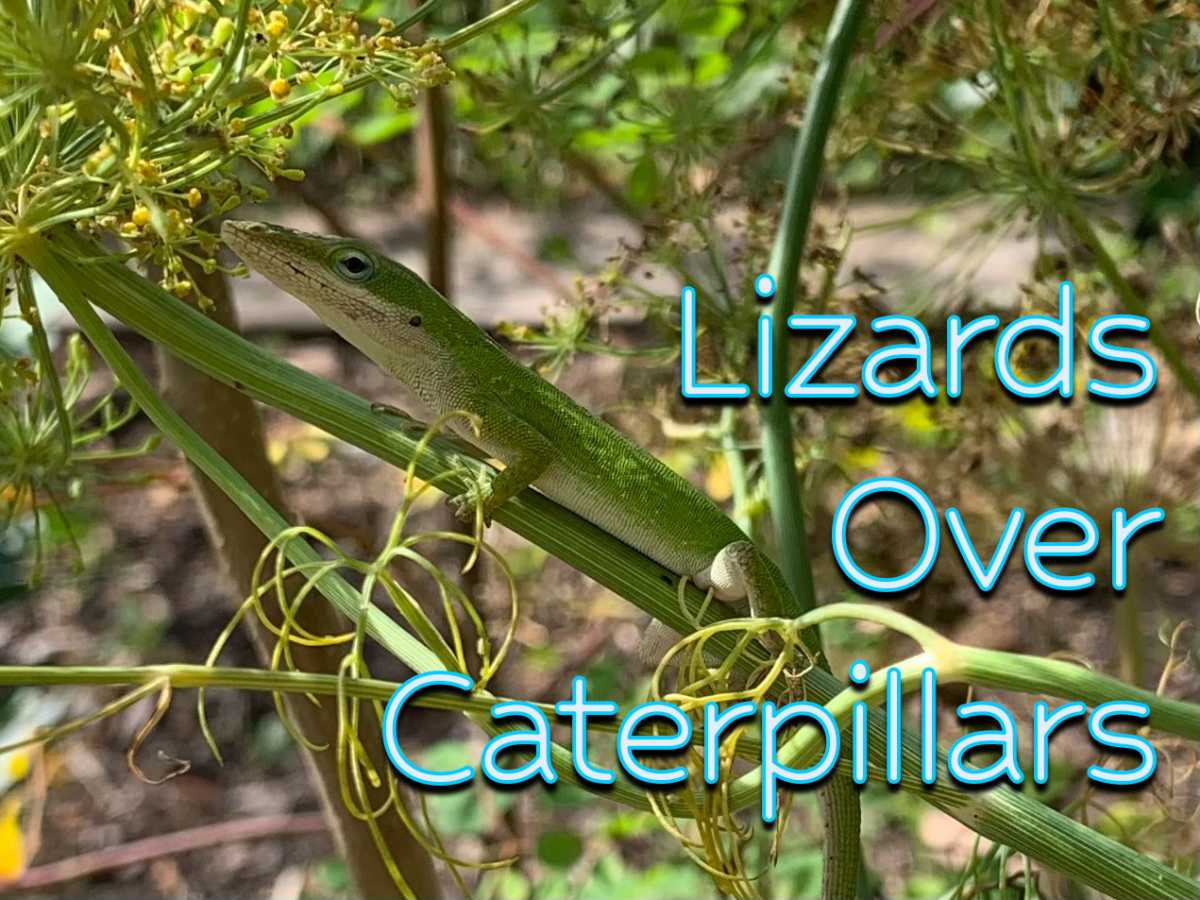
I hand picked the little worms and threw them onto the mulch walkway for the lizards. The cucumbers didn’t grow very well either so I’ll be planting in early spring next time.

Planting and Growing Stories

October is Florida Planting Season

Three cheers – it’s October! I’ve been waiting, and not so patiently. The extreme heat is mostly gone and temperatures have gone down to the 80’s. Then, today it was 67 when I went outside at 7:00am and I put on a flannel shirt! Yes, it is finally time to tackle that long list of outdoor chores that has been building over the long, hot summer.

Planning

Now is the time to get planting for the cooler season. Our Fall is more like a normal, northern summer so the plants will be happy.

I’ve been planning where to plant the seeds and seedlings. We must have a garden plan – and I did.

garden seed packets planning
My garden planning area

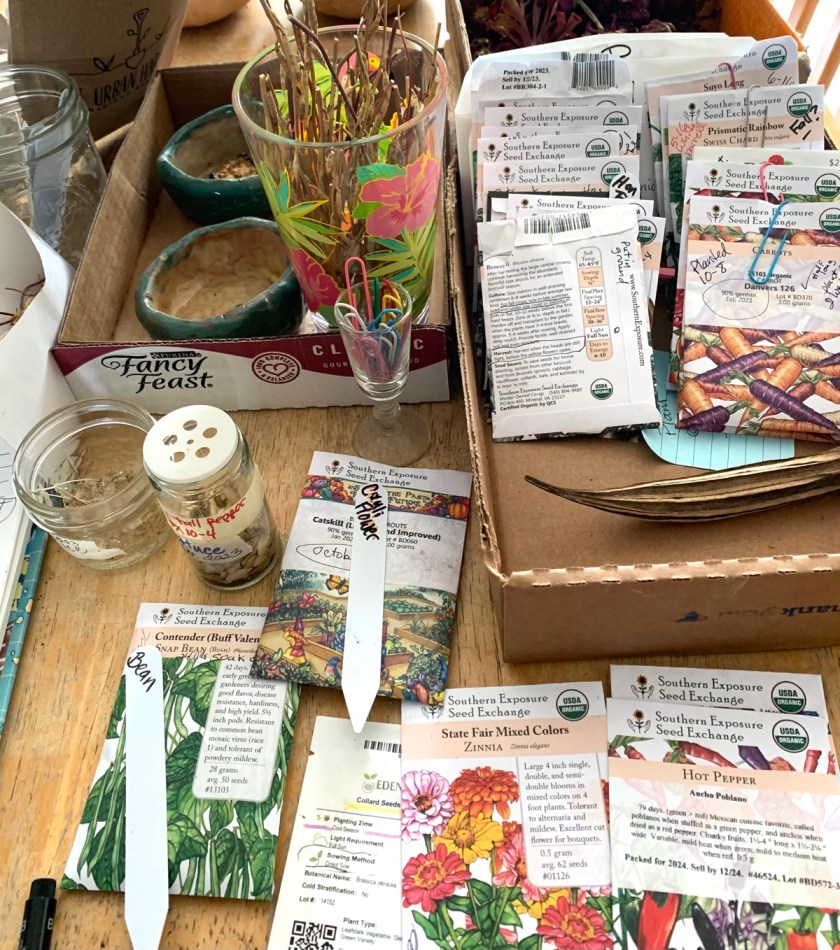
The grow boxes were dug and amended with some good stuff, like bone meal and compost, in September. Seed packets laid out to take stock, notebook scribbles about what I did, plant names written on markers, and everything ready to go.

Water Problems and Compacted Soil

At the end of September a little pocket of moisture hovered over my area of Florida. We got days and days of rain. I measured 9 inches in two days alone, and it rained for about a week. Florida can handle lots of rain, but my grow boxes were super soggy. They do have drainage, but I realized that I needed to add something to aerate the soil. It had become very compacted.
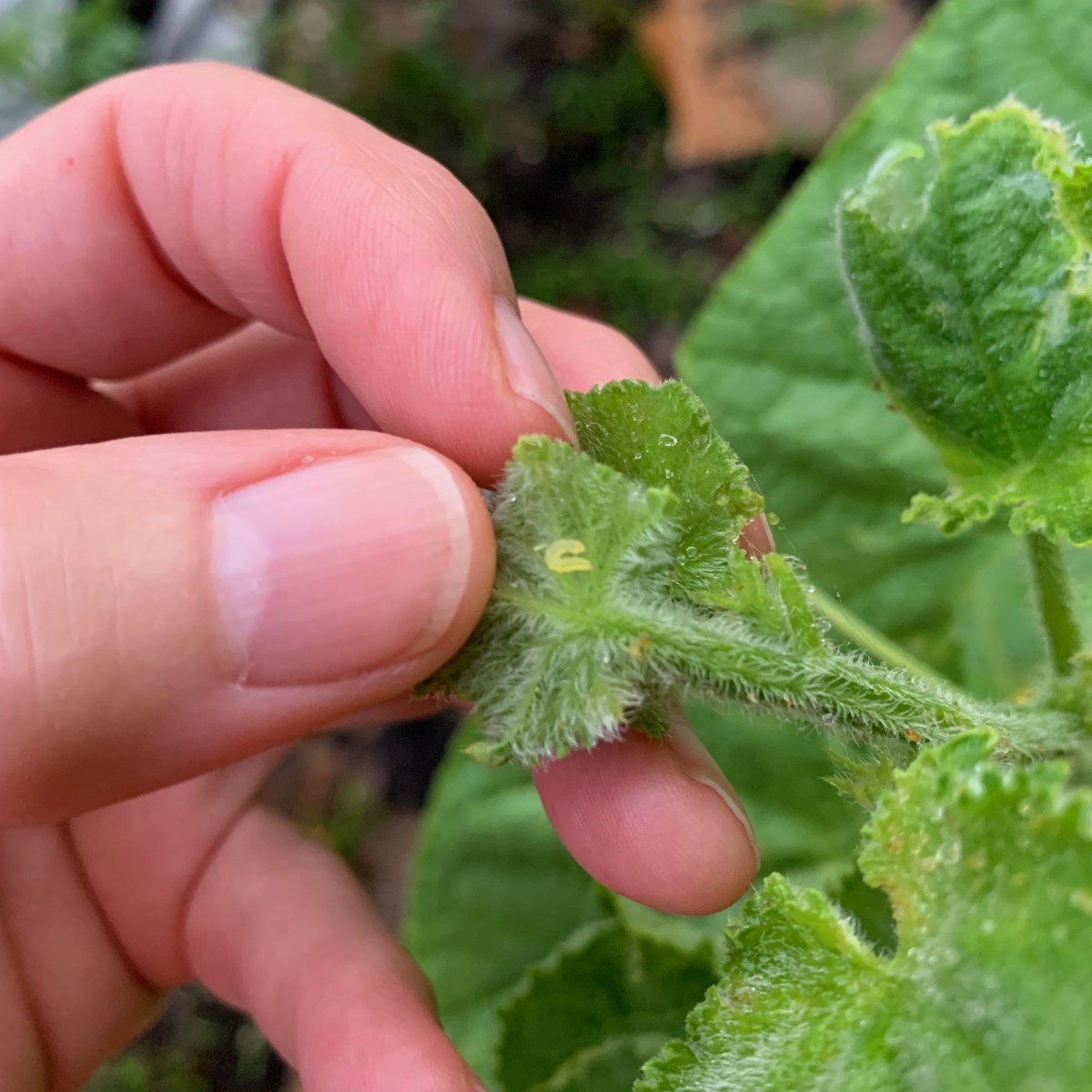
I bought Vermiculite (link to the organic brand I purchased at Amazon) and Perlite. I liked the Vermiculite better, and bought some more. Once again, I went through the grow boxes and added bunches of vermiculite for drainage.

Animal Pests

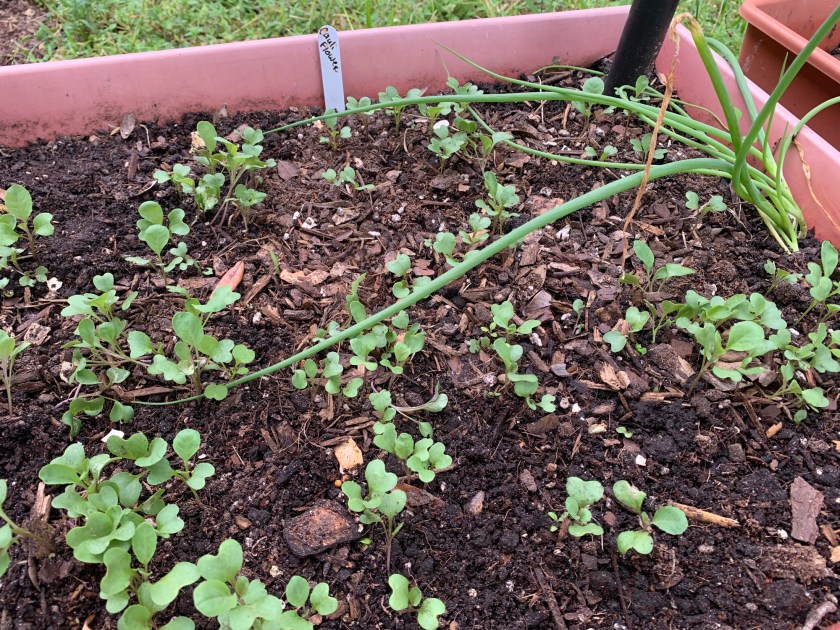
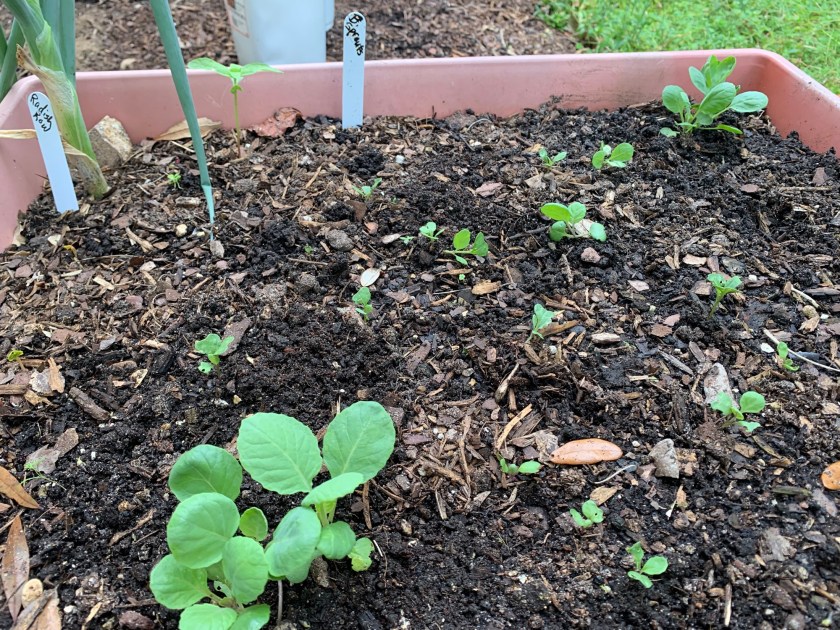
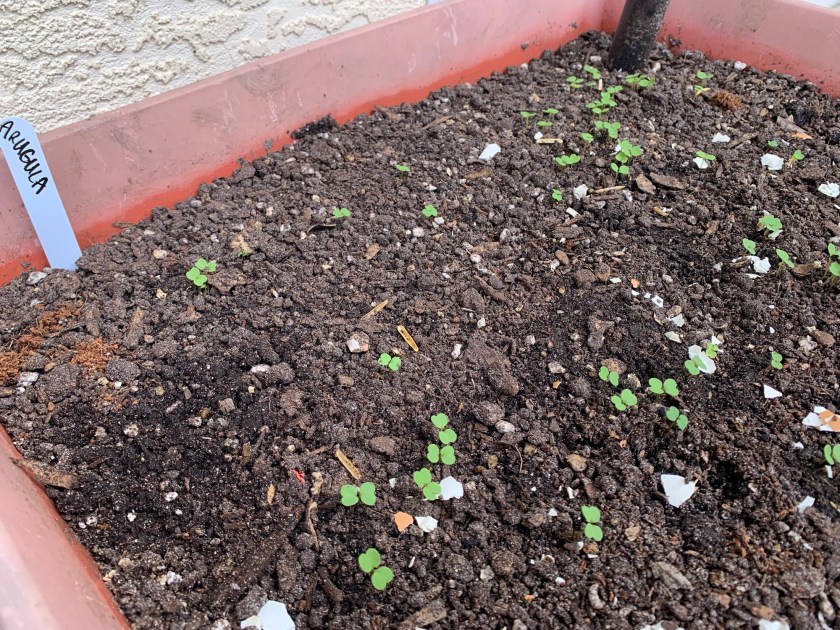
Finally I was able to put seeds into the boxes. Once the lettuce, arugula, chijimisai, Brussel sprouts, and cauliflower were in the boxes I had another problem to deal with. Raccoons are walking through my low grow boxes, and sometimes digging.

  • Chijimisai seedlings
  • cauliflower seedlings
  • Brussel sprouts seedlings
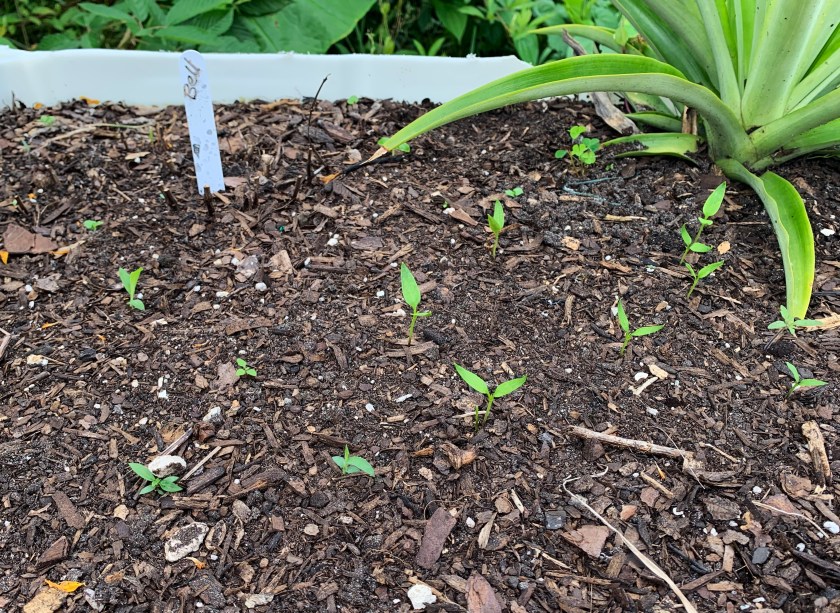
  • Bell pepper seedlings
  • arugula seedlings in grow box

Raccoons and armadillos are always around, and especially pesky raccoons. Each morning when I check the (in the ground) garden, there are big holes and some plants pulled up. I’ve lost some pepper and tomato plants, which has made me change my plans a bit.

Instead of having my tomatoes all in the ground, I have to put a few up in the larger, white barrels that are off the ground. This means that I don’t have all the space I had hoped to have for planting.

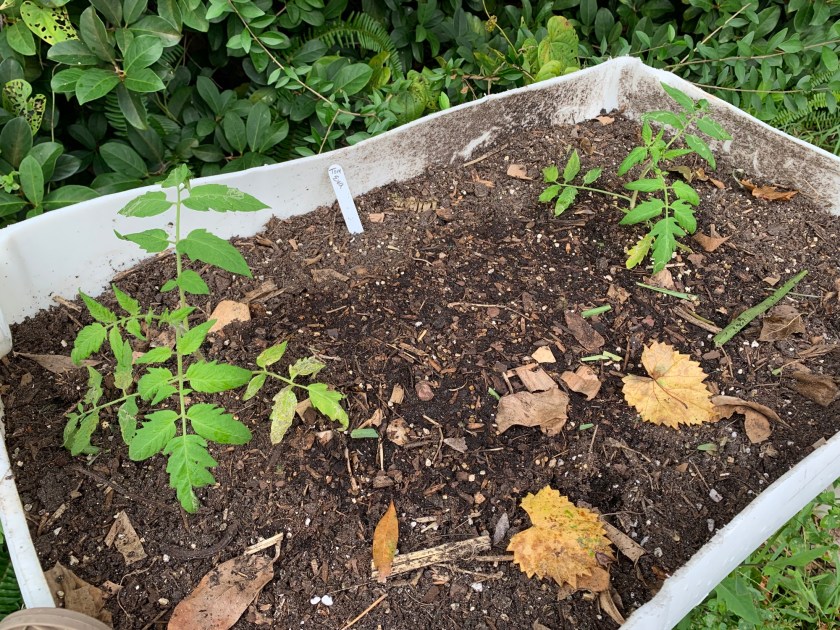
This white barrel, where I planted the Eva tomato seedlings, was being used as a composting area. So I’ve lost the compost space, but the tomatoes should grow great!

tomato plants in raised bed
Eva tomato plants

Worm Problems on Rosita Eggplant

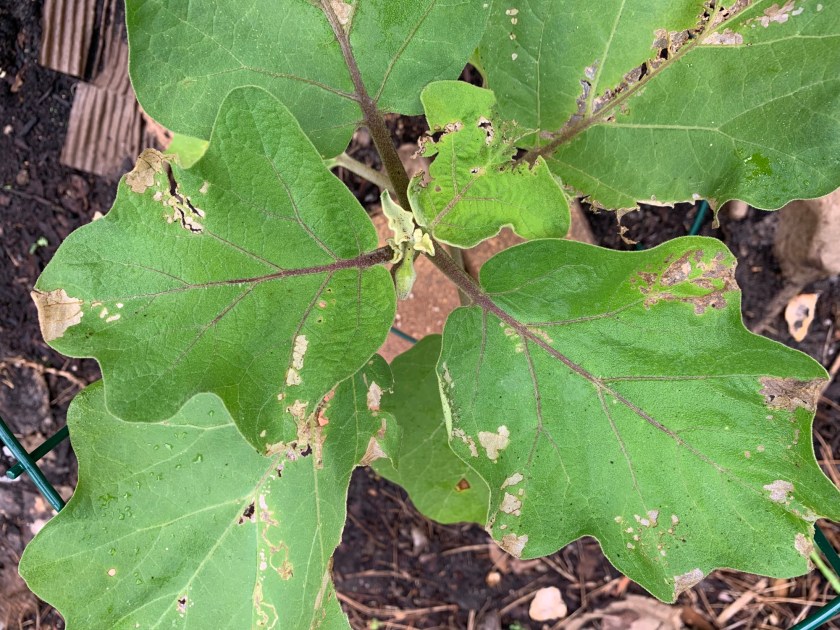
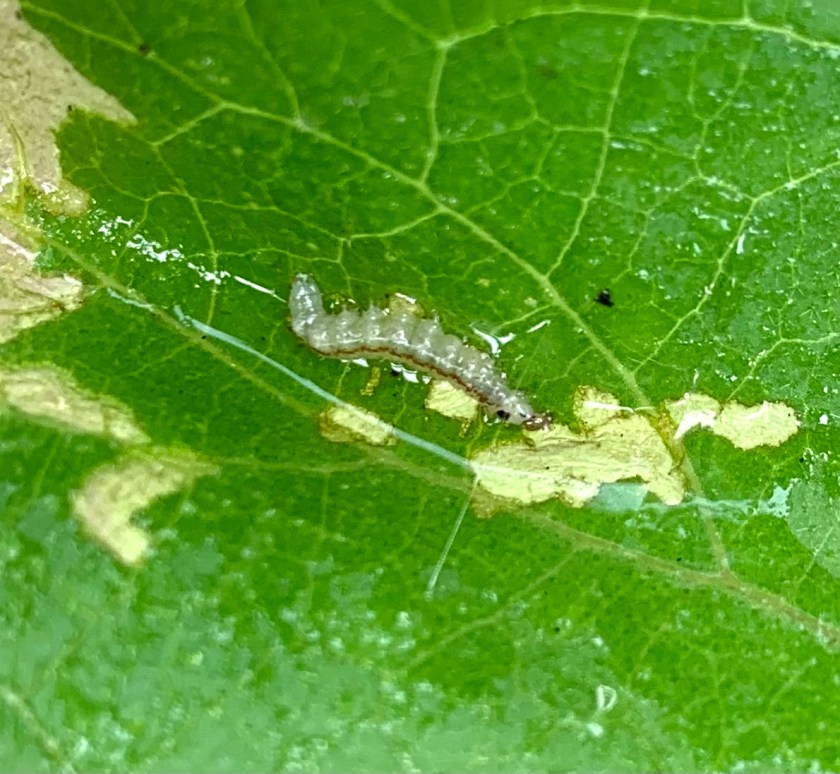
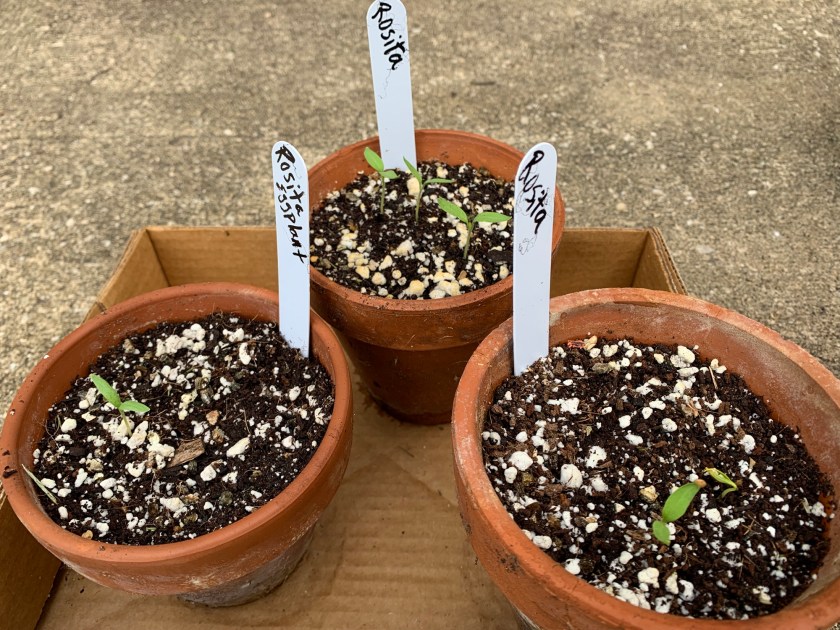
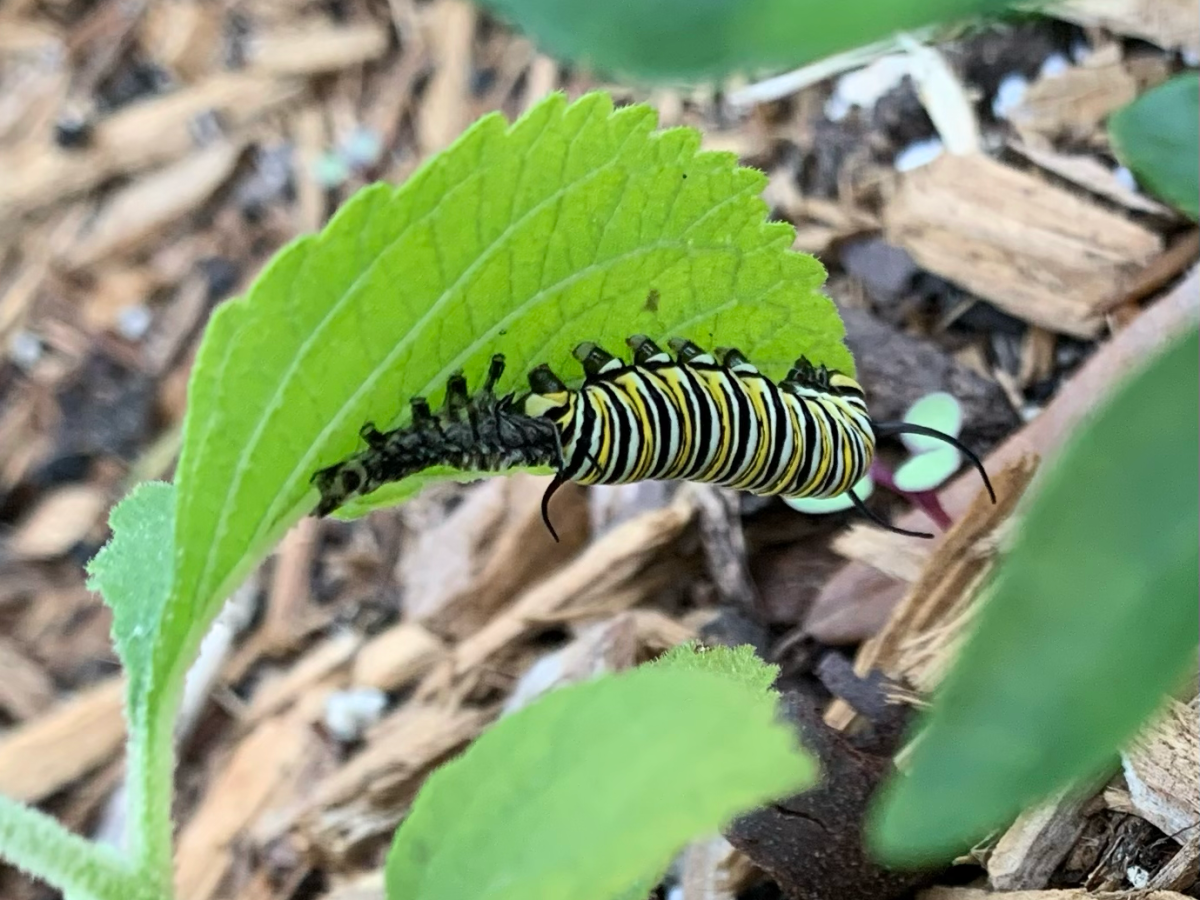
The two Rosita eggplants growing in my backyard were begun from seed. They were planted on August 4th and have had worms on the leaves off and on since they were planted. I have only 2 plants, so it’s easy to pull the worms off and throw them onto the ground for the lizards.

I don’t have this worm problem on my other type of eggplant. I do have some more Rosita seedlings growing in clay pots, but if this type of eggplant is prone to worms, I will not continue to grow them.

  • Rosita eggplant worm problem
  • worm on eggplant leaf
  • Rosita eggplant clay pots

Bell Pepper

Another plant that I had hoped to have in the ground is the Bell Pepper. The seedlings I put into the garden were pulled up by animals. So, I planted more seeds in one of the tall grow beds. This bed will now be the nursery for pepper plants, which means I can’t use it for something else. (I have a pineapple growing in the corner.)

Bell pepper seedlings
Bell pepper seedlings in raised barrel bed

Keep Gardening Notes

I have a small notebook where I write things down. These notes keep track of what I buy and when. I keep dates for when seeds are planted in pots and / or in the garden. I also make entries about the weather, bug infestations, and information about certain types of vegetables. That is very important because I am beginning to grow things I have never grown before. Some of these things – the Chijimisai, for instance – are very new to me.
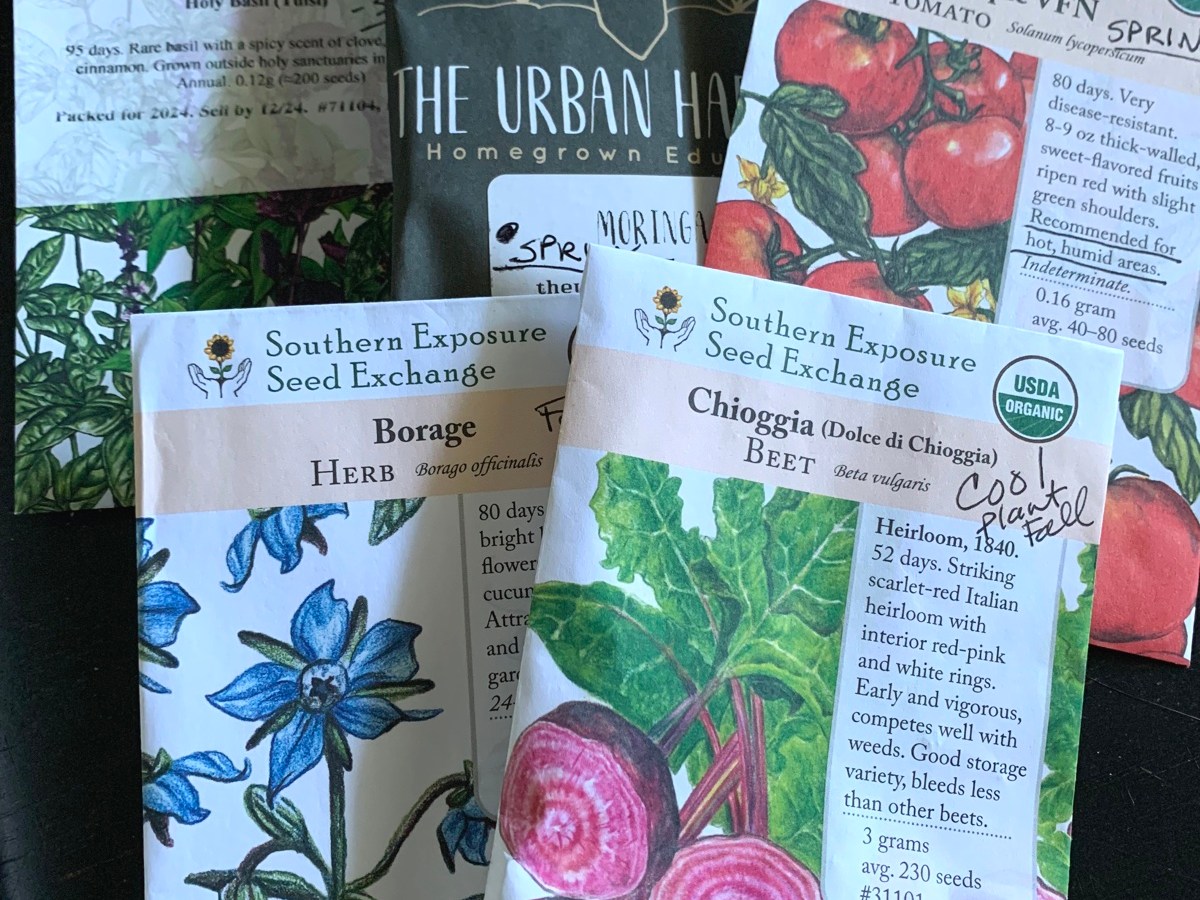
I also keep all the seed packets, and make notes on them. They have good information about when to harvest (pumpkin and watermelon) and contain the date packaged. Seeds only last about a year, so they need to be used up before they get old. I rarely use all seeds at once because my garden areas are so small.

Hoping to Grow

This fall I am hoping to grow lots of greens. Kale, lettuce, arugula, and parsley, to name a few, like cool weather. All I have had over the summer is some sweet potato leaves.

I am hoping the tomatoes will grow and produce. Peppers like the heat, but they are so slow growing that I don’t expect peppers until Spring. I might have to do something to keep them warm enough through winter.

Carrots have been planted in the deep raised bed, and I have yet to find a place for the kale and snap beans. Today I planted the remaining Borage seeds and will soon find a pot for the Nasturtiums. They did not like the heat, so I’ve been waiting for cooler days.

I’ve never done much vegetable growing in Florida and this is the first time I am planting in Fall. I feel like my research has prepared me, and I could be successful. The gardens are not as big and ready as I’d like, but it’s a process.

Read on for more garden stories