Giant Whiteflies Leave Long White Fur on Hibiscus Leaves

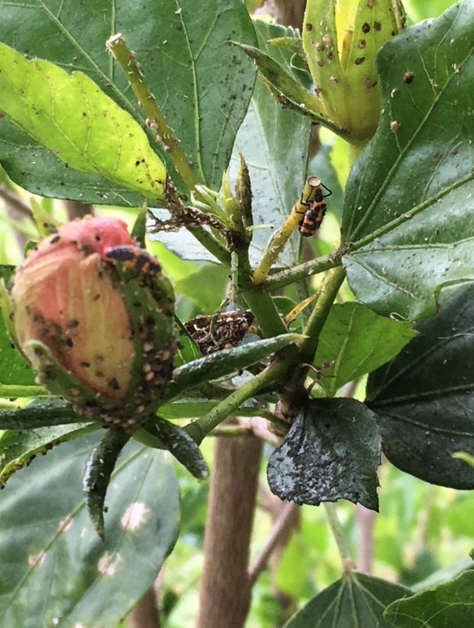
Found fuzzy white infestation of aphids and white flies on my hibiscus plant.

After writing a recent post about finding aphids on my pepper plant, I realized that I need to be vigilant about accidentally removing ladybug larvae and eggs.  One plant that is sure to have aphids in the hibiscus.  It is not unusual to find them all over the buds and new growth.

I haven’t paid much attention to my orange hibiscus plant over the winter, and imagine my surprise (and disgust) to find not only aphids, but long, white fur on the leaves! I don’t know what else to call it, but fur. It’s long enough to blow in the breeze and is attached to the underside of some of the leaves.
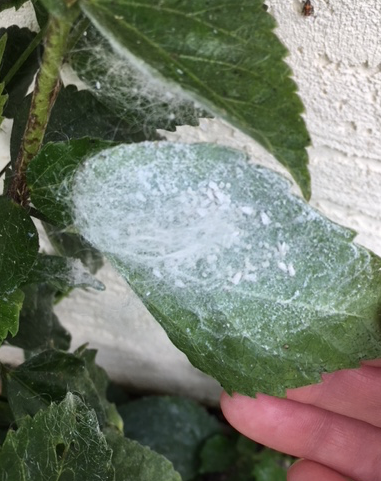
Beneath all that “fur” is a colony whitefly eggs and nymphs. How do I know this? I finally found a super helpful page at Hidden Valley Hibiscus, which talks about this exact type of manifestation, which comes from a southern whitefly called the “Giant Whitefly“. Here is how they describe the fur, “After hatching, the nymphs produce long, hairlike filaments of wax up to 2 inches long that give a bearded appearance to affected leaves.” Exactly, little white beards attached to sticky leaves.

It was not easy to get these photos. Any time I touched a leaf with white, little moths or something flew off. Also the leaves were very sticky. It was pretty gross.

This will never happen to your hibiscus if you are vigilant about checking for unwanted bugs. Whiteflies can be sprayed off with water, just like aphids.

The majority of the white fur was on the stems at the back of the plant.  A secluded, less windy spot seems to be the preference for this type of infestation.

Screen Shot 2018-03-26 at 12.49.25 PM

I plan to cut off the nasty stems from the back of the plant, and maybe spray off the rest. But I will keep an eye on all that ladybug larvae because I don’t want to disturb them.

Ladybugs are wonderful to have, but they need something to feed on. Somehow they know when to show up to kill an invasion of the bad guys.


The underside of the leaves have white spiraling lines, which is from the adult whiteflies.

Screen Shot 2018-03-26 at 12.02.22 PM


I found lady bug larvae on the same leaf as the white fuzz. I had to trim up the hibiscus plant and spray it a few times with the hose to reduce the white fly population. I’m still seeing lots of ladybugs (in many forms) on the plant.

Fuzzy white aphids and lady bug larvae

Hibiscus plants are very hardy. They can be cut way back, trimmed and left without water and still grow fine. I made the mistake of planting this little shrub too close to the house. The stems in back don’t get enough air circulation and hence the problem.

Life Stages of the Ladybug With Photos

Ladybugs will eat aphids, but ladybugs appear in various forms. Know the larvae stage and let it live to eat those aphids.

Not only are ladybugs cute, but they are beneficial to gardeners.   Often gardeners wonder how to bring ladybugs to the yard?  The simple answer is to hope for garden problems in the form of pests that feel ladybugs.

Ladybugs, or lady beetles as they are sometimes called, are helpful in vegetable and flower gardens mainly because they love to eat aphids and other garden pests. Aphids are one of the worst pests gardeners deal with. When aphids begin to show up on leaves, flowers and buds, they ring the dinner bell for ladybugs.

Unfortunately as gardeners, we have to have unwanted bugs in order to get these beneficials to the yard. It makes sense. Ladybugs (and other beneficial insects) go where the food is.

Continue reading “Life Stages of the Ladybug With Photos”

Dealing With Aphids and Hoping for Lady Bugs in the Spring Garden

Aphids in the garden and how to deal with them.

A while ago I had aphids on my lime tree. I simply sprayed them off and they went away.

Now I am dealing with aphids on my pepper plant and eggplant. I’m doing the same thing – spraying them off with water. Also I wipe them off with my fingers.  I never spray insecticides on anything in my yard.

But, the key here is to check for the presence of ladybugs – in all their life stages. I don’t want to get rid of those.  And, in order for ladybugs to choose your garden to lay her eggs, she wants to see some aphids for her children to eat.

So maybe I should be leaving the aphids there and see what happens?  A large aphid infestation can kill plants.  (Update: by May, every aphid was gone!)  Aphids suck the juice from the greenery. They excrete a sugary substance which then attracts ants, but ladybugs eat lots of aphids every day.

getting rid of aphids
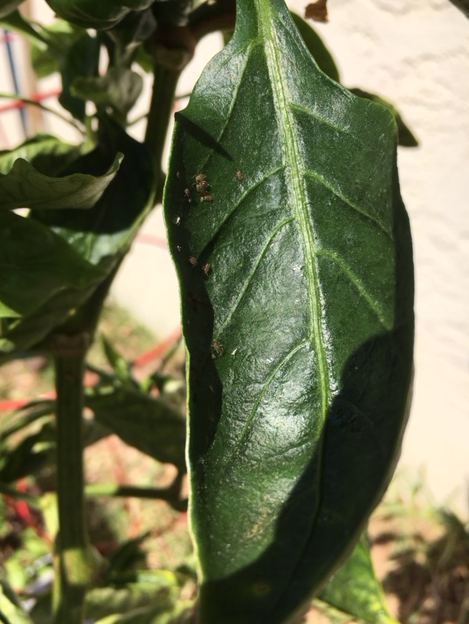
Aphids on my pepper plant

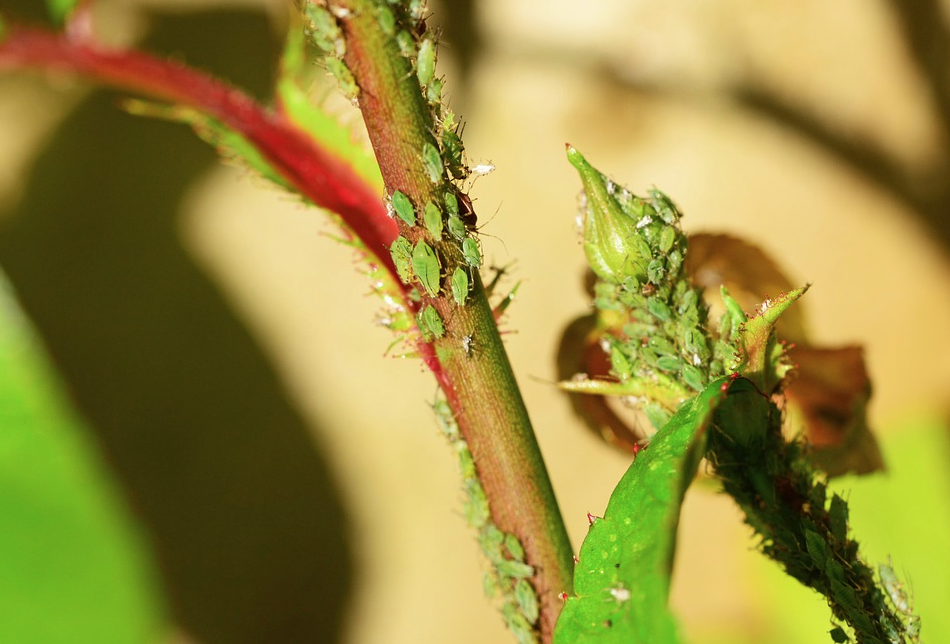
These aphids were brown in color. Aphids can be many colors, such as green, black, brown, pink, yellow, white, and blue (really?) and even furry (wooly aphids).
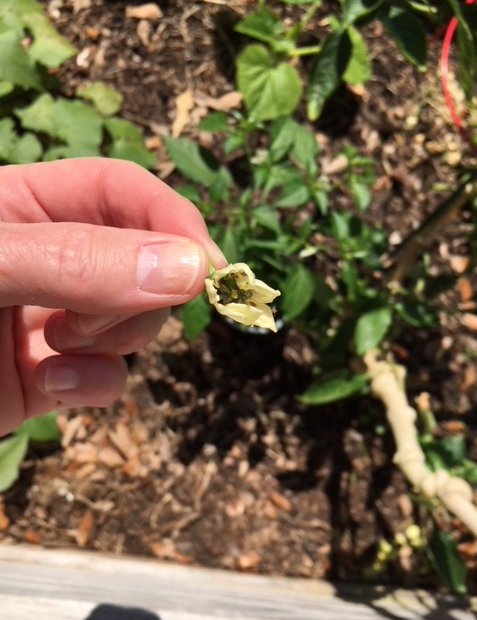
The little buggers are even inside the white flowers on the pepper. And I recently purchased a hot pepper plant and noticed they were also on it.

aphids in pepper flower
Aphids inside pepper flower

Aphids in Their Many Colors

aphid colors
black aphids
green aphids
green aphids
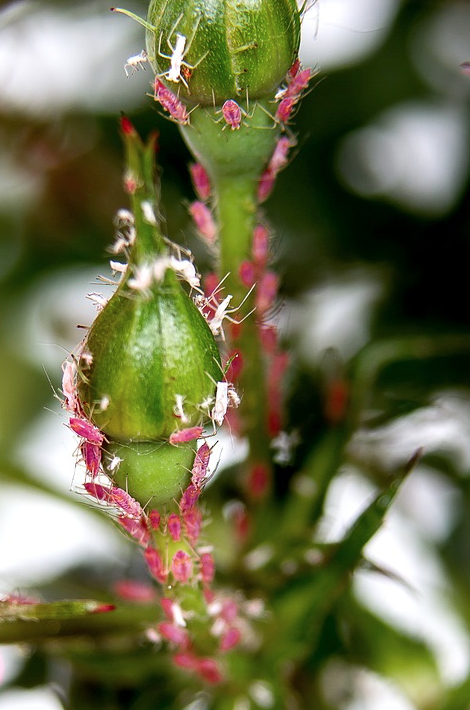
pinkish red aphids
pink / red aphids
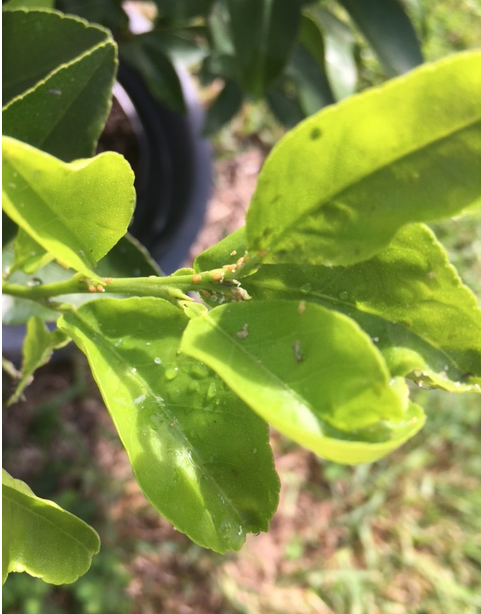
yellow aphids on lime tree
Yellow aphids on my Persian Lime tree
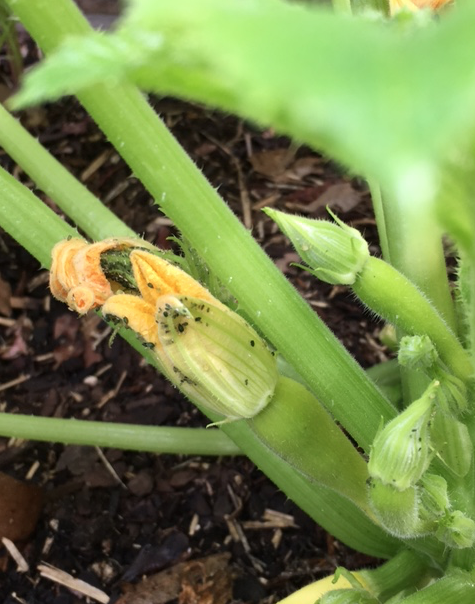
aphids on squash flower
Aphids on squash flower

Because I have a small garden with only one or two plants containing aphids, I can easily control them with a spray of water.  Or wait patiently for lady bugs to show up.

A natural way to destroy aphids is to have ladybugs eat them. Unfortunately the beautiful spotted ladies never seem to show up at the right time, or in large enough numbers.  Or could it be that the garden is not welcoming enough?  Or I am not patient enough!

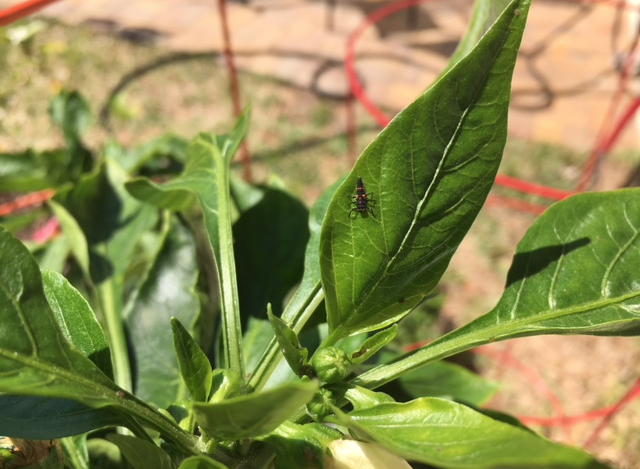
black bug on pepper plant
Black bug on pepper plant could be ladybug larvae?  The clue: black bug with 6 legs and red to yellow markings, so I say “yes”

I will begin paying better attention to the eggs, bugs and pests in my garden.  In fact after writing this post, I went outside to check on my hibiscus.

Hibiscus plants are notorious for attracting aphids.  I figured there may be some and possibly some lady bugs or eggs.  Wow, was I in for a surprise when I saw my hibiscus infestation!

Spring Again, March in the Backyard Garden

Planting some vegetables in the March garden in central Florida.

Here in Central Florida we are still having “cool” weather which I love. The neighbors are wearing winter clothing (seriously?) and complaining. When I say “I love this weather”, they tell me to go back to Vermont (I’m from New Hampshire).

I guess Floridians get grumpy when it’s cold.

The weather is perfect for planting the garden, and truly I should have begun sooner. Unfortunately I still have the lack-of-dirt problem. I’ve continued to add leaves, grass, and kitchen compost to the raised bed, but need to buy bags of dirt.

Now I have the money, but need the help lugging all those bags of soil and fertilizer / compost from the store and to the backyard.

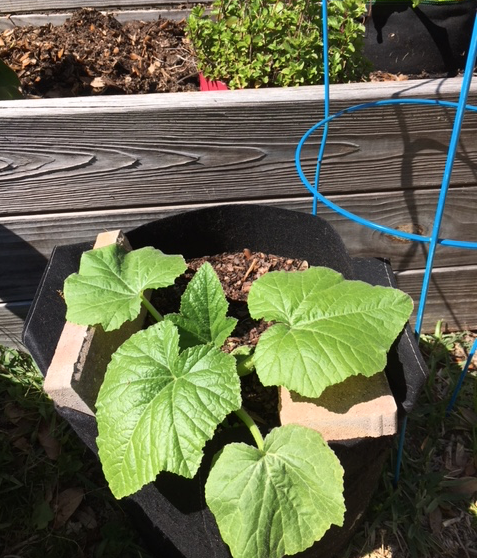
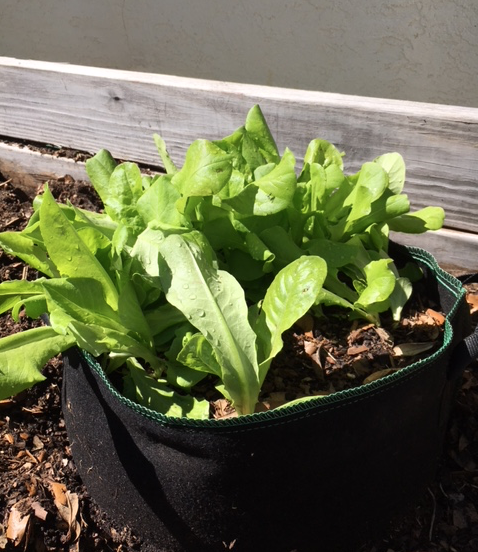
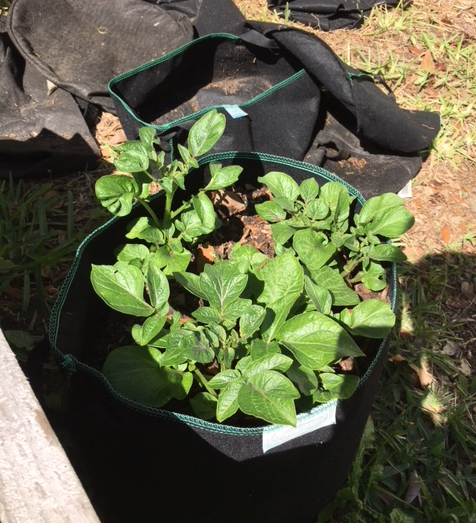
For now I am using a few fabric bags where I have planted zucchini (or summer squash, I can’t remember which), lettuce and potatoes.  All are doing very well and growing fast.

Check out my other posts to see how things are going: May in the Garden.

squash plant
Zucchini or yellow squash (can’t remember which)

Tonight I will snip off the tops of this bib lettuce for supper. It will continue to grow back unless the hot weather moves in. Lettuce likes it cool.

lettuce growing in a fabric pot
The lettuce is loving the cooler weather

Yesterday I searched the Home Depot for some decent vegetable plants. I came away with a Celebrity tomato, and something called a Bonnie Original. One is a determinate and one an indetermanent, and as I stood there in the garden center I couldn’t remember what that meant. I thought one was grown within a cage and the other was sprawling. I think I was sort of right. Read more here about the difference between the two types.

tomato plants
Little tomato plants

I have tomato-stealing raccoons, so I’m not going nuts with the tomato plants. I also have a limited amount of space to grow things. The tomatoes may end up in bags with handles so I can easily move them inside at night away from tiny raccoon paws.

Potatoes growing in fabric pot
Potato vines

I planted some red potatoes, from my kitchen, with big “eyes” and that is what is growing in one of the fabric bags. I have good luck with potatoes. Although they are usually quite small, they are delicious.

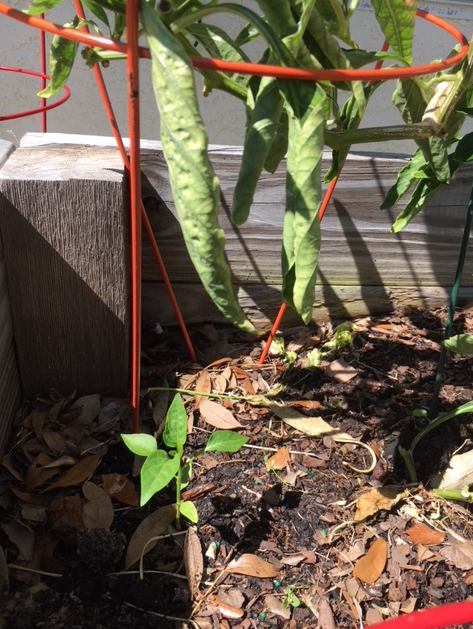
I am so excited to see this little “volunteer” pepper plant! Glad I didn’t weed it out before I recognized it. My original pepper plant is still living and growing from last Spring! Even with all the cold weather over the winter, it survived (although it has a few aphids) and is flowering now. Amazing. I trimmed off the curling leaves and will see what it does. Apparently a seed was dropped, and now a new pepper plant is growing. I’d never heard of a “volunteer” plant until I lived in New Hampshire. My preferred word for them is “free”!

little pepper plant
“Volunteer” pepper plant

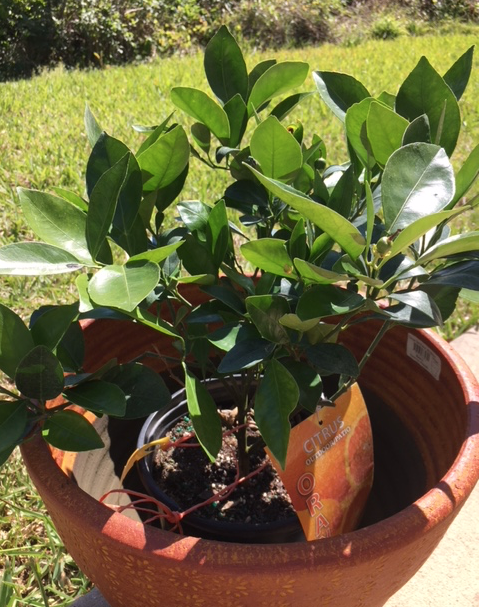
On my latest trip to Pell’s Nursery in Osteen I picked up this little Navel orange tree. I have left it in it’s original pot for now, but bought that ceramic one for later use. It has a few little oranges growing which I hope don’t fall off. Sometime between October and March I should be picking an orange or two from my yard.

little navel orange tree in pot
My new Navel orange tree

I’ve had good luck with growing the Persian Lime, so thought I’d add more citrus to the yard.

Pictures of Bromeliads

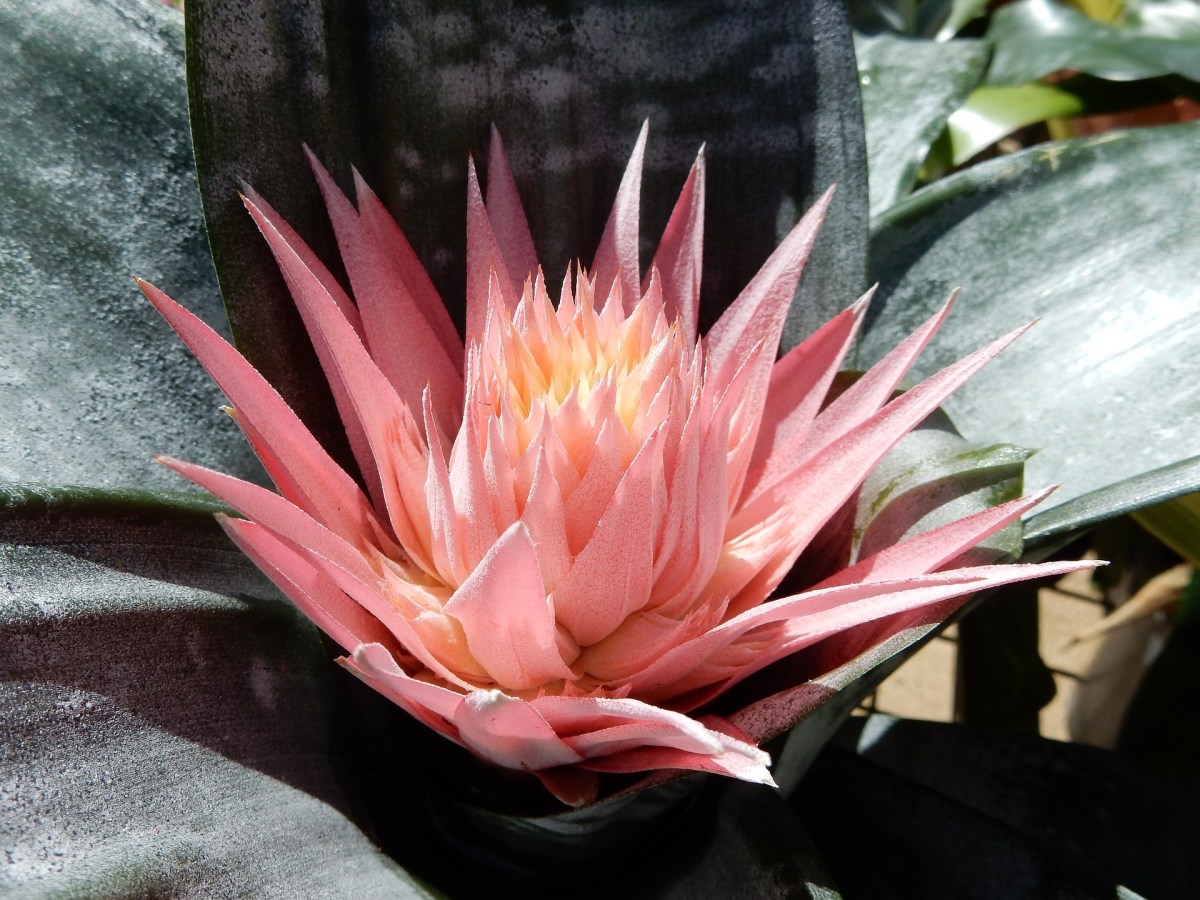
Pictures of bromeliads, which grow in the tropics. All photos are courtesy of the photographers of Pixabay, the home of free, public domain images.

Please scroll down for links to sites with information about growing bromeliads.


Places to find good information about growing bromeliads. Remember they are tropical plants which means they like sunlight (not necessarily sunshine), heat and humidity.

JoyUsGarden – Growing bromeliads indoors.

Home Guides – What to do after the flower has died.

Growing Bromeliads in the Yard – For those who live where temperatures rarely fall below freezing.

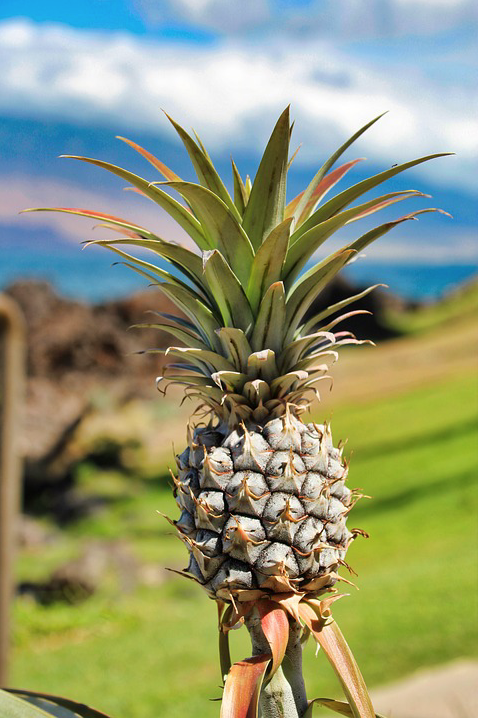
pineapple bromeliad
Pineapples are bromeliads

I’ve grown pineapples in my yard here in Florida, but it was many years ago. I remember that I simply planted the cut tops and after a couple of YEARS I got little pineapples.

Here is more information about Growing Pineapple Plants from The Spruce website.

Air Plants Need Only a Branch to Grow

No dirt needed.  Air plants seem to be just that – plants that grow in air. This is one of the coolest plants that grow in Florida.  It is a type of bromeliad.

You may see air plants in the wild way up on the branches of oak trees. Or sometimes they grow off the side of the tree or closer to the ground.

air plant
Air plant down inside my Schefflera plant

Yesterday I happened to spot a small clump of air plants down inside my Schefflera.  I thought it may have attached itself to the branch and wanted to get a photo.  As I began picking the dead leaves off the plant, I realized it was not attached.  It had fallen out of the nearby oak and lodged itself in the Schefflera.

I’m not sure which type of bromeliad this is.  Could be the leatherleaf or broad needleleaf type.  Below is a picture of the dried flower attached to the plant.

air plant flower
Air plant dried flower

The roots are used to attach itself to the host tree, which in this case would have been one of the tall oaks in my yard. The shape of the leaves funnel water, insects and other things down into a “tank” where minerals are absorbed to feed the plant. There is no need for dirt and this is why they can attach to a limb and exist happily there.

roots of air plant
Roots of air plant

There is still a small oak branch which runs through this air plant. It must have broken off the tree in high winds and sent this air plant to the ground.

air plant
See the little oak branch?

After Hurricane Irma I found a large air plant in the yard. I picked it up and put it in the low branches of a shrub. I hoped it would be okay, but the leaves began to fall off and eventually the whole thing fell apart. It was too damaged to survive, or didn’t have the right stuff to live.  Maybe I should have set it some place else.  It was beautiful.

I believe this one is called the “Giant Air Plant” according to the UF site (link below).  It is now endangered thanks to the infiltration of the Mexican bromeliad weevil (and possibly hurricanes.)

giant air plant
Giant Air Plant blown from a tree during hurricane

Unfortunately people seem to think they should collect them as souvenirs. Also, with all the land clearing and building that goes on here, their natural habitats (trees) are being destroyed. Between that and the Mexican bromeliad weevil, which kills the plants, 10 of Florida’s 16 native bromeliad species is threatened or endangered.  This is according to the University of Florida which has a page about Florida’s Native Bromeliads. Visit the page to see photos of the many different types found in the state.
The photo below shows a unique way to display a bromeliad and tropical plant collection in the yard.

old car used as plant stand
Photo credit: Pixabay