Identifying Perennials in Spring

Pictures of perennials as an identification guide to what’s growing in my yard this spring.

Once the perennials start pushing through the ground in spring, I sometimes can’t recall what is growing where.  I spent nearly 30 years living in Florida where plants don’t have to hibernate over winter.  Now that I live in New Hampshire, I’ve had to adjust to not seeing my yard and gardens for months at a time.

Even though I leave the tags near the plant when they are planted, the tags don’t always last.  Some of the larger perennials, like the hydrangeas and peonies are easy to identify.

Spring Plant Identification, New England

I’ve taken some recent photos of the perennials growing this Spring as a reminder..  It’s a plant identification guide for myself.  Maybe they will help you name some in your yard as well.

I took these photos May 3, 2015.  I lived in southern New Hampshire. The top photo, in each ID section, is mine and is as the plant will look early in Spring. The bottom photo (if I have one) is from the Pixabay site and shows a mature, flowering plant.

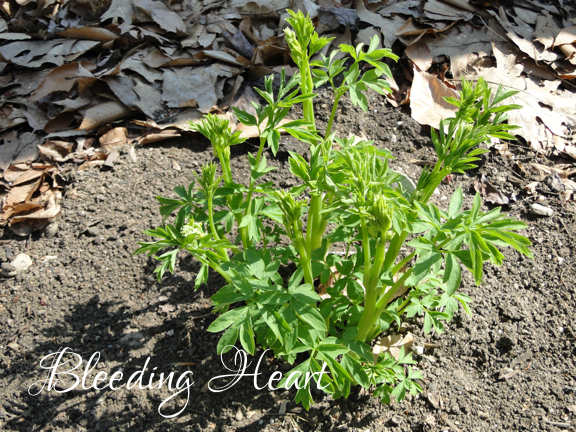
Bleeding Heart

The bleeding heart has little pink or white flowers that hang in rows along the stems. The Bleeding Heart likes a bit of shade.

Columbine

ID Columbine plant in spring

The Columbine is one of my favorite flowering perennials. It comes in such a wide variety of colors, like pink, red, purple, and yellow, usually in a combination of colors with a light center. The flowers can be ruffled in some varieties.

Pink and blue-purple columbine flowers

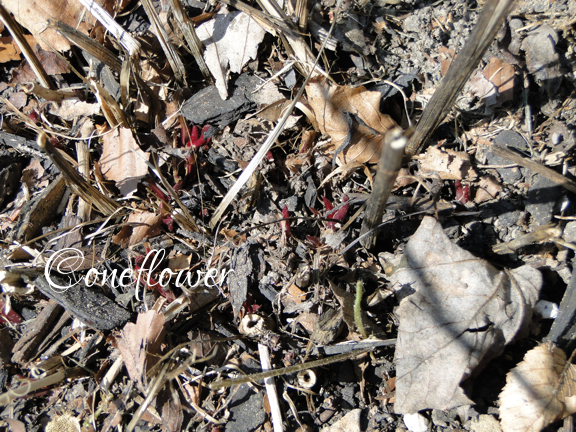
Coneflower

The Coneflower is an awesome perennial and the tough thistle type seeds draw in the finches in Fall.
ID Coneflower

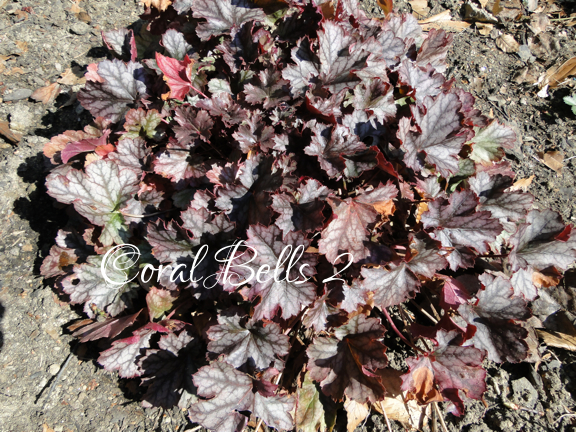
Coral Bells

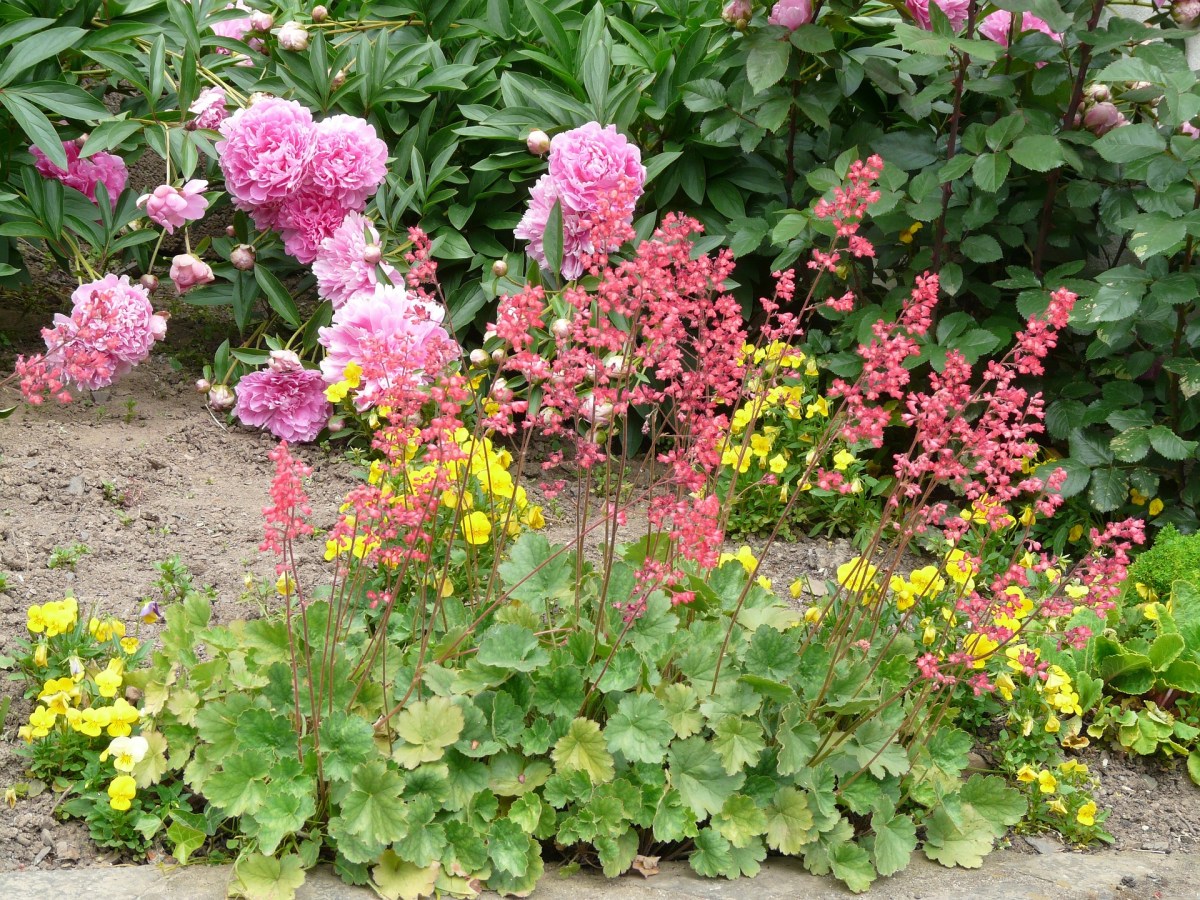
Coral bells are perennials that have stalks of tiny, coral pink colored flowers.

ID Coral Bells
Coral bells growing in front of peonies
Coral Bells with pink peonies behind

I have two types of Coral Bells and one has darker leaves. I can’t remember what the flowers look like.
ID coral bells2

Coreopsis

The Coreopsis is a mounded type plant (or at least mine is) that grows little yellow flowers.

ID Corepsis
Yellow flowering coreopsis
Blooming Coreopsis

Monk’s Hood

Monk’s Hood will have tall stems with blue-purple flowers. I couldn’t find a flowering photo to share.

ID Monk's Hood

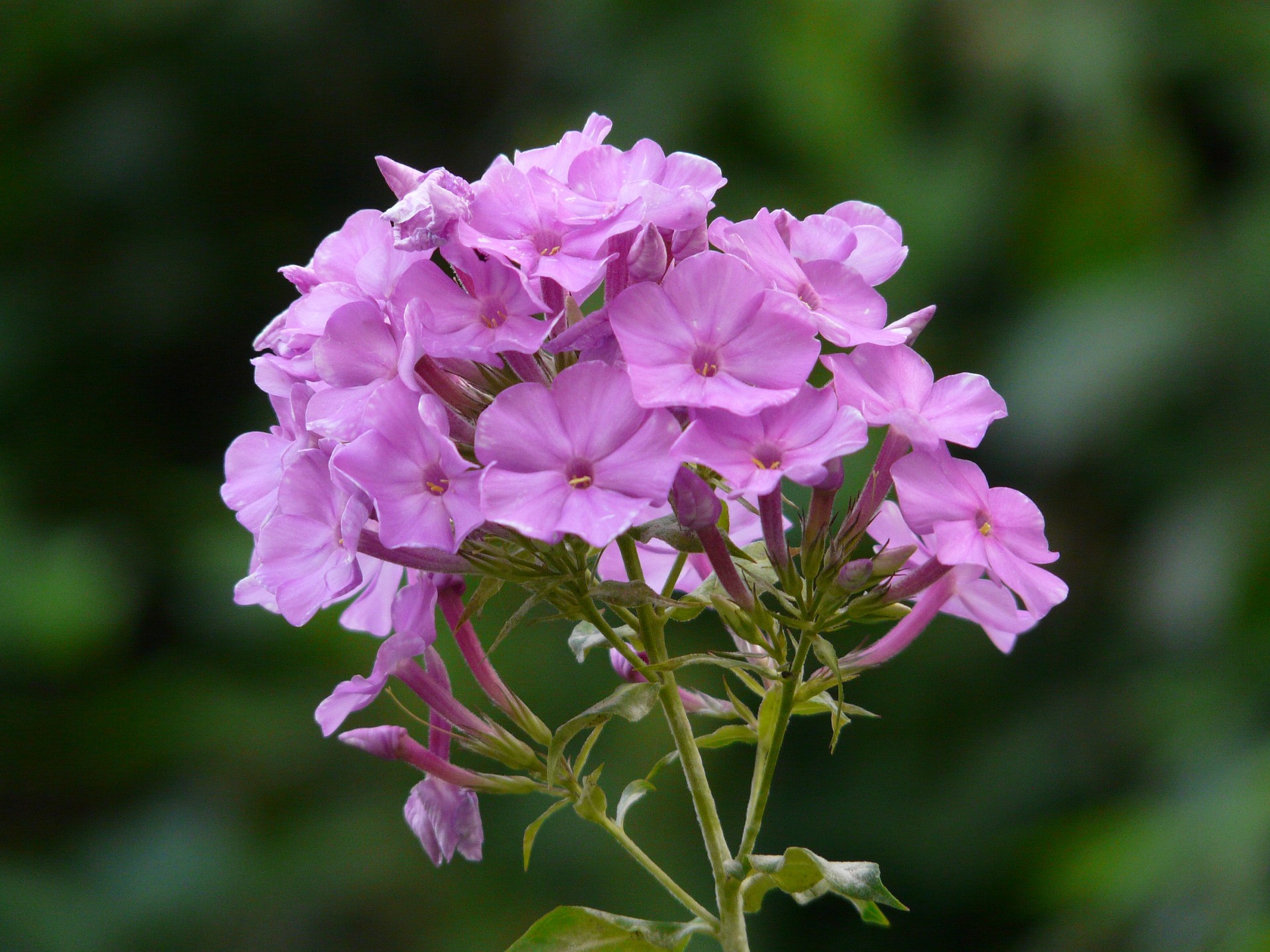
Phlox

Phlox comes as a creeping variety or this tall variety. Flowers are usually shades of pink, purple, or white.

ID tall phlox
Pink purple tall phlox flower

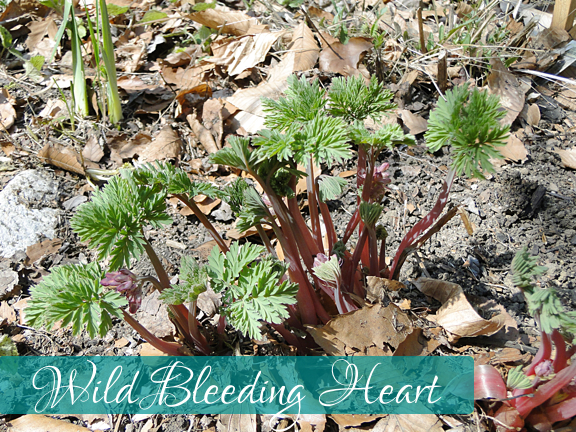
Wild Bleeding Heart

ID wild bleeding heart

A Little About Sunflowers

Types of sunflowers and possible problems when planting and growing.

Soon the sunflowers will be popping through the soil and by mid-summer their happy blooms will decorate the garden landscape.
Sunflower plants can be tall or short. When mixing varieties be sure to leave enough space between them as they all need lots of sunlight. Seed packs will describe which is which.

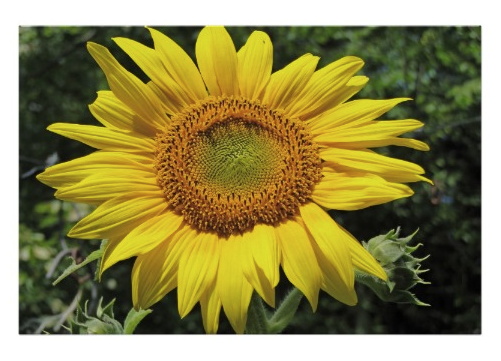
yellow sunflower poster
Sunflower Poster

Besides bright yellow the petals can be rusty redish orange as in the Autumn Beauty
variety.  (I don’t know what variety this red sunflower is, but it’s pretty.)

red sunflower
Photo by eponaspirit @ Pixabay

I used to plant sunflower seeds until I realized that the squirrels were digging them up as fast as I could plant them! My gardening space is very small, so I don’t need many sunflowers, but a few are nice to have. Because I feed sunflower seeds to the birds in winter, I always have a few volunteers that grow on their own. All I have to do is weed out the ones that are too close together and let the others survive. Of course they don’t always sprout where I would prefer they live, but I can’t be picky. It’s that or no sunflowers, and a summer without sunflowers is just not right!
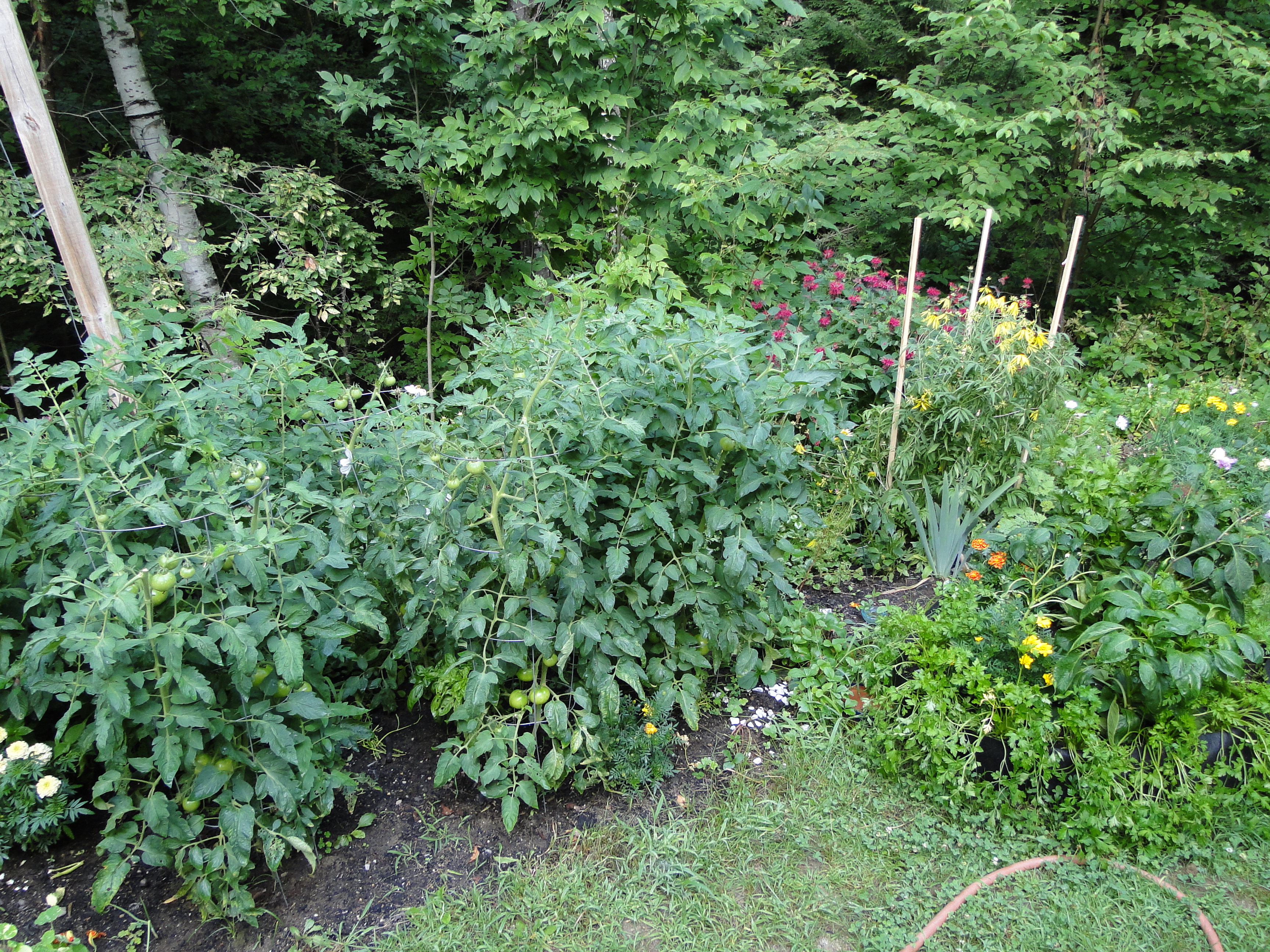
Here is a picture of my garden last year.

backyard garden scene
My Backyard Garden – 2014
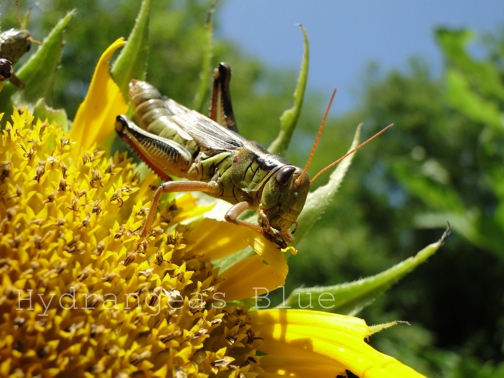
grasshopper eating a sunflower
Grasshopper on sunflower


I like the fact that sunflowers grow beautifully on their own.  Usually they mature and have plenty of seeds to feed the birds.  The goldfinches love them.  Although, I have had squirrels climb the stalk and chew off the stem to steal the entire flower! Those little buggers are a real nuisance.

Now that I have cats prowling the yard, I haven’t had that problem.
I did however have big green grasshoppers chewing on the flowers. It’s always something. But they were so interesting that I let them eat and got some photos.

Pictures of Pansies

pictures of pansies white
White Pansies by kapa65 at Pixabay

One of the favorite cool weather flowers is the little pansy.  The pansy is hardy and easy to care for.  In spring they are in all the local stores and are sold like made.  Everyone is ready to brighten their lives with some color after a cold gray winter.  Pansies come in hanging baskets, urns, peat pots, and arrangements.  They are presented just about every way possible.

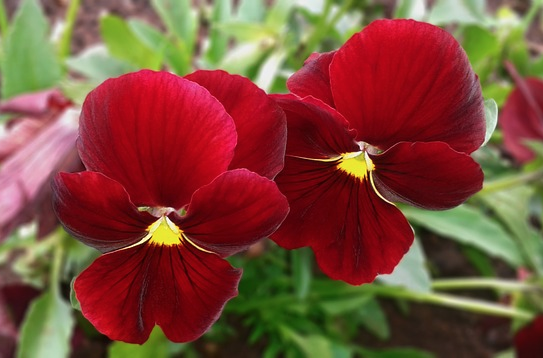
Many pansies are purple.  And many have purple petals mixed with other colors.  But these happy face flowers come in yellow, orange, white, lavender and red, and combinations of all those colors, as you can see by the pictures of pansies below.

yellow and purple pansy
Photo by ckindschuh at Pixabay

purple and orange pansies

pansy red pansies
Photo by bineshab at Pixabay

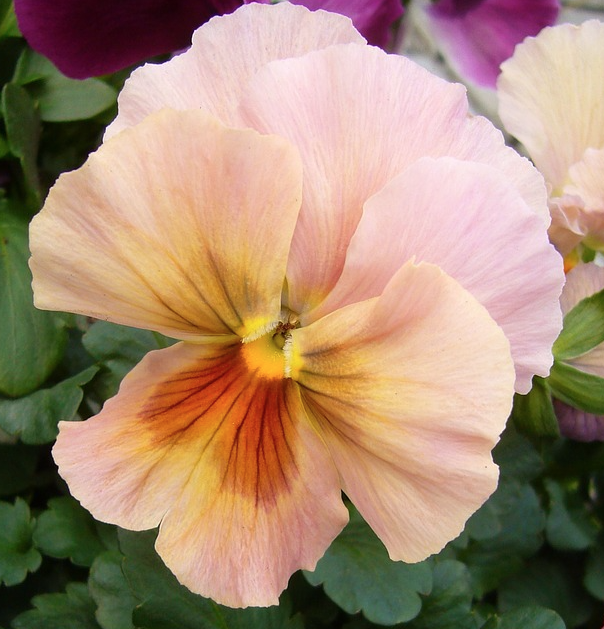
pale pink peach pansy
Pale Pink Pansy by Shirley at Pixabay

lavender blue violet pansy
Potted Purple Pansies by cocoparisienne at Pixabay

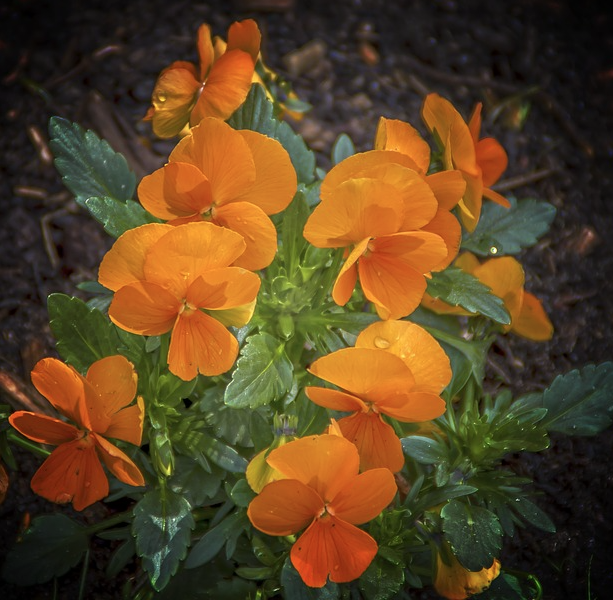
orange pansies pansy
Orange pansies by bykst at Pixabay

white purple pansy flower
White with Purple by wmope at Pixabay

All these pansy photos are free for use and can be found at the Pixabay site. Many thanks to the photographers for capturing the beauty and variety of these little flowers.

Cold Weather Crops: Lettuce

Planting lettuce while I wait for the weather to warm up.

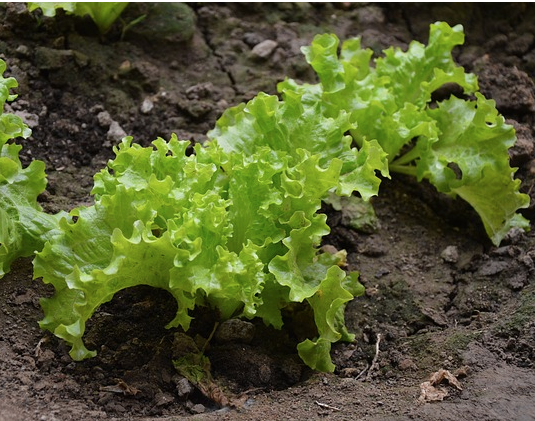
lettuce growing garden
Growing Lettuce
Some of the best cold weather crops include lettuce. I sprinkle the seeds into my raised bed where I don’t have to worry about disturbing the ground unintentionally. Tomorrow is Saturday and I’ll be outdoors cleaning up the yard a bit. There is a lot to do. I live downhill from the road, and my front yard is right on the road. What this means is that all the sand and salt from the winter plowing and snow-blowing is covering some of my gardens and lawn. There is always a lot of raking to do to remove the old leaves, and the sand along with them. The wheelbarrow has been buried, but I think it’s reachable by now.

I’ll check at Job Lots and see if they have seed packs. Lettuce is easiest to grow from seed. I had good luck with the mixed lettuce seeds last year. I grew some in Spring and Fall, cutting off the small leaves as they grew.

5 Free Pictures of Blue Hydrangeas

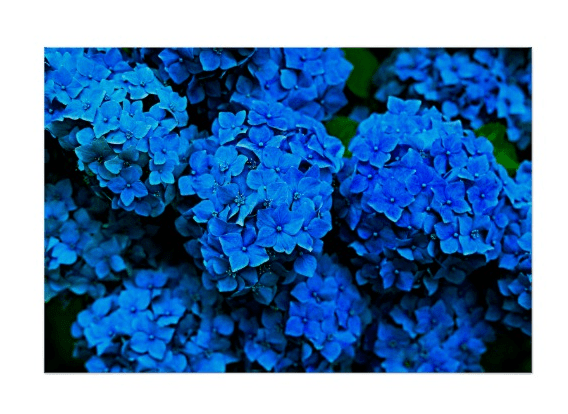
Because my blog is mainly about hydrangea plants and flowers, I thought I’d bring to attention some pictures of blue hydrangea flowers that are free to use as you please. Download any size on the Pixabay site  (click on the image to view the page at their site) and use on your blog, website, stationery, and printables. These pictures can also be used commercially, with no need to give credit to the photographer, or site. Of course they would love it if you do.
I’ll also do other colors like green, pink and white. (Coming soon.)  In a few months I should have some photos of my own to add.
Here you go.   Click the image if you can use it yourself.   Continue reading “5 Free Pictures of Blue Hydrangeas”

Late Blight Tomato Disease With Pictures

DSC05255Until last summer I had grown crops of delicious tomatoes without any problem. Then, suddenly my beautiful, tall plants, which were loaded with nearly ripe tomatoes, began to turn brown.  I watched in horror as day by day they looked worse, and each tomato became deformed with brown spots.

I knew nothing of blight, or late blight, which is more appropriate I think, but I did do some research to try and discover what was wrong in my garden.  I rotate my crops each year and no tomatoes had grown in this spot before.  I carefully pour over my gardening books so I know which crops should follow which, and which ones like to be paired in the garden.  I thought I had done everything right, and with the crops looking so darn good – it was depressing, to say the least, to lose all those luscious tomatoes.  After all, I wait a whole year to be able to pick fresh tomatoes from my backyard each August!

What I have found is that blight affects potatoes and tomatoes.  It was the cause of the Irish Potato Famine in 1845.  I didn’t grow potatoes last year.  But I had six, celebrity tomato plants growing nicely when it hit.

The first signs are brown spots on the leaves and stems.   There is no way to stop the progression as the leaves curl and die.  Big dark spots form along the stems and also on the tomatoes themselves.   I even picked the green tomatoes, hoping they would possibly ripen fine, but that didn’t happen.  It was the year of no backyard tomatoes.  I swore I’d never garden again!  But alas, here it is March and I’m already wondering how to avoid this problem when I plant tomatoes this summer.  Even ugly, old, rotten tomato blight can’t stop a gardener.  I’ve had all winter to get over it.  (Now it’s ice dams I despise.)

tomato blight picture
A picture of blight on my tomato plants – August 2014

The disease is caused by a pathogen that can migrate to infect other areas easily. It can survive from season to season, but needs a living host.  For those of us who live in the northeast, temperatures are so cold over the winter (remember February anyone?) that the disease usually does not hang on from season to season.  It tends to bother potatoes more in that way, as it can survive on tubers still underground.  This is according to the Cornell University article link below.

So when we start fresh this season, how do we make sure our backyard tomato plants will not fall victim to late blight just as those tomatoes begin to ripen? Buy blight-resistant tomato varieties. According to this article, found on the Cornell University site, ‘Mountian Magic’ and ‘Plum Regal’ are two to look for. The Cornell page also lists more at the bottom. I notice that my favorite ‘Celebrity’ is not there.

(Buy Mountain Magic Hybrid Tomato Seeds 10 Seed Pack by OrganicSeedSupply at Amazon.  They are non-GMO and organic.)

Long time farmers and growers will already know that plants should be watered from the bottom to keep water off the leaves.  Any leaves that look infected should be removed right away and bagged up to throw away.   Be sure you are seeing late blight and not another disease or issue that can look similar.  Don’t allow volunteer plants to grow.  Start with quality seeds or buy good, healthy plants.

Cool temperatures and wet conditions – or high humidity – is the enemy.  All we can do is hope for better summer weather and pray for a good crop.  By the time you see the effects of late blight, you can probably kiss those beautiful tomatoes good-bye no matter what you do.  At least our lives do not depend on our crops.  We can buy from the Farmer’s Market if need be.

ripening tomatoes vine blight

grape tomato plant with blight
Late blight affected the grape tomato plant as well.

brown spot on tomato