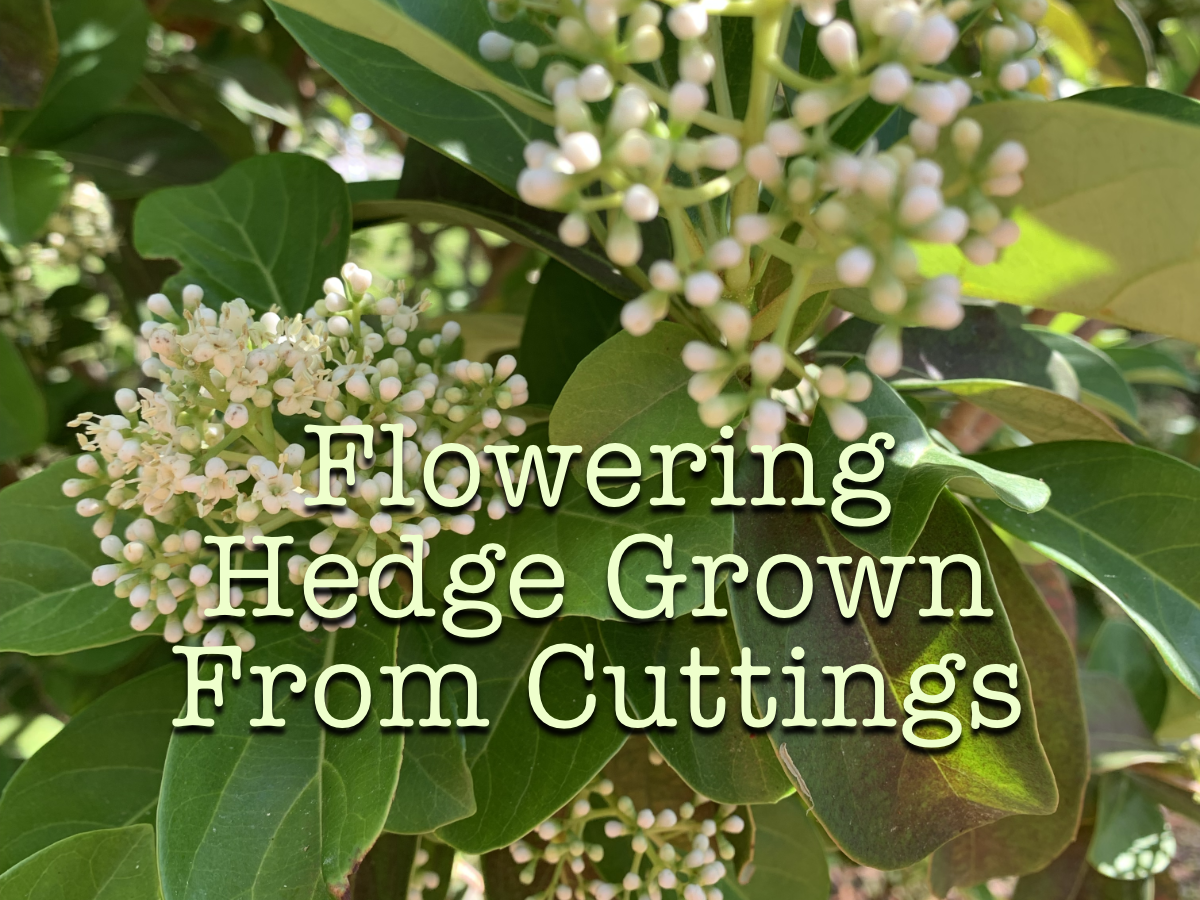
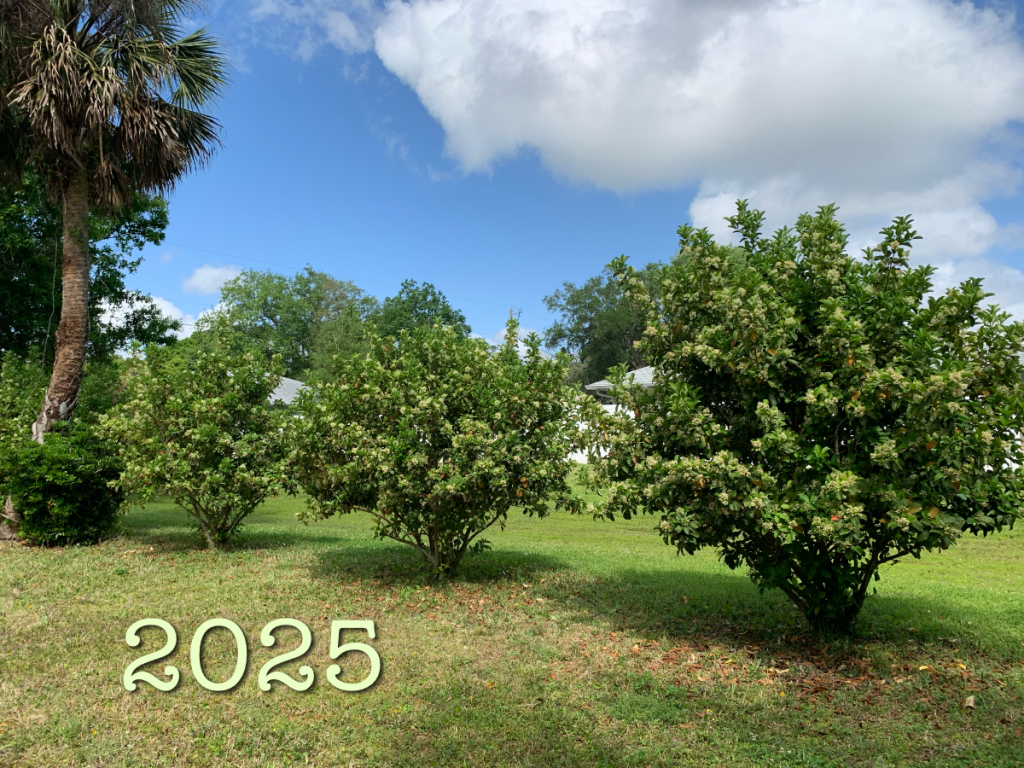
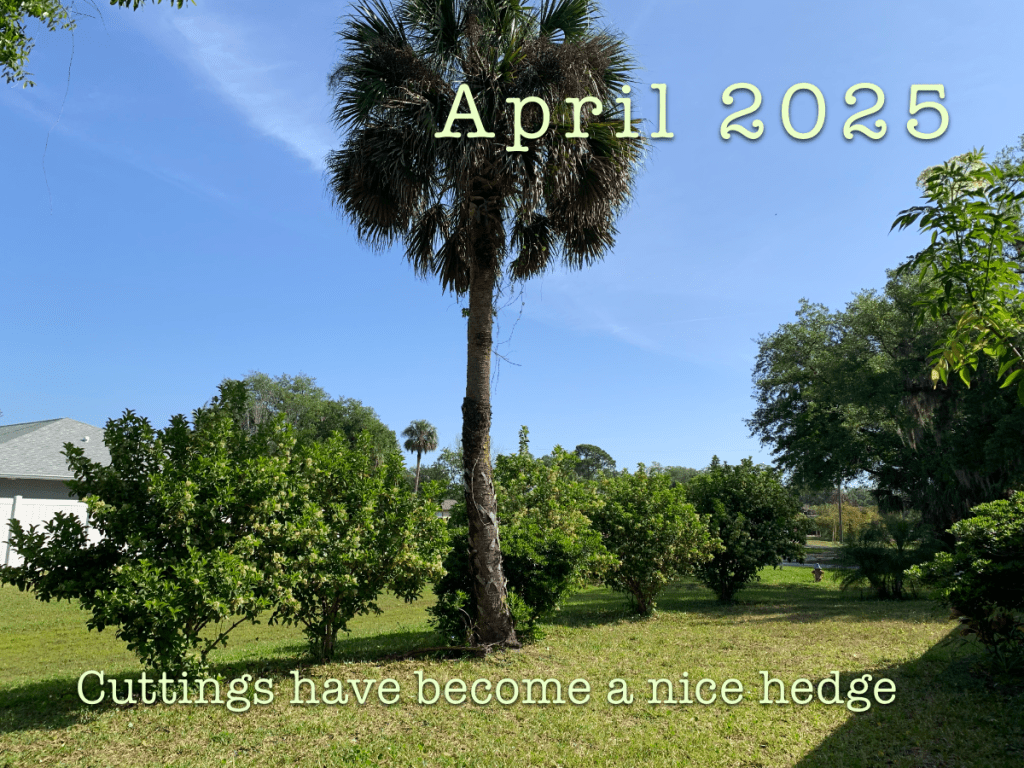
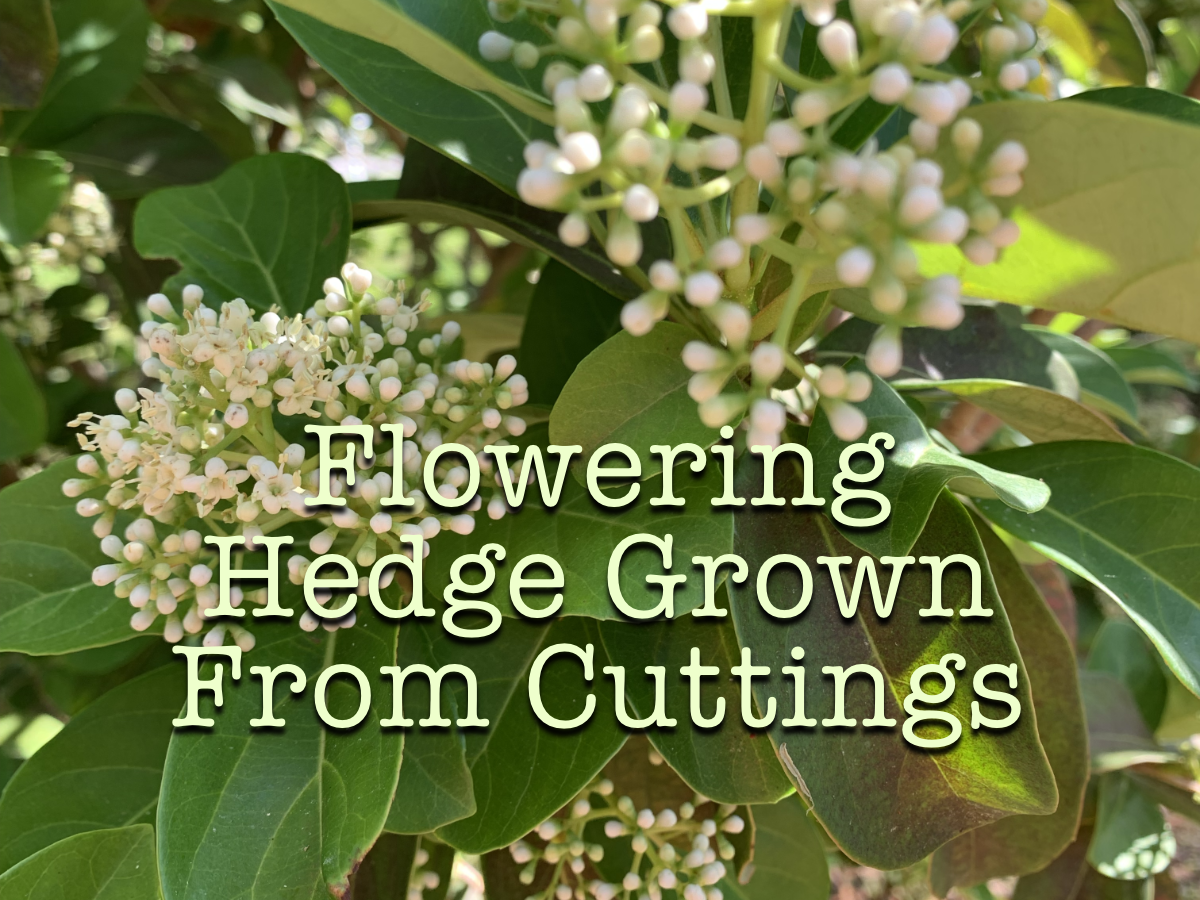
Propagated cuttings created this flowering hedge in my front yard.
Here is the simple way I grew a bushy hedge full of flowers. I did it in five years time.
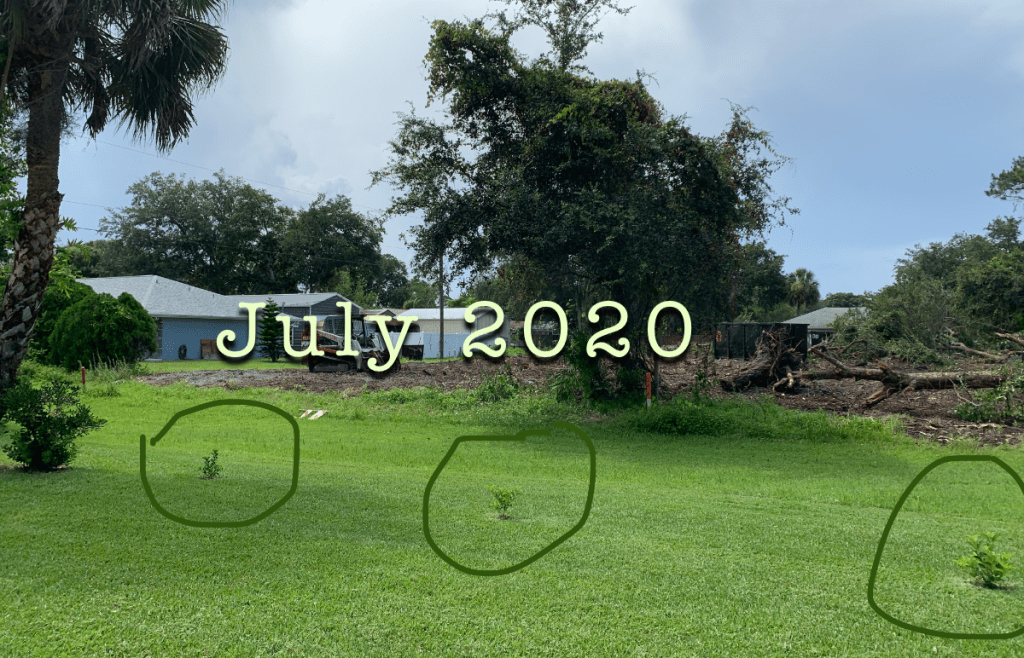
Actually, I did very little. I took cuttings from the tall shrubs in my backyard. When they rooted in water, I put them into pots. They kept growing. Once they were large enough, I planted them in the front lawn. I gave each shrub plenty of space.
I had considered putting a few bottlebrush trees between them, but it never happened.
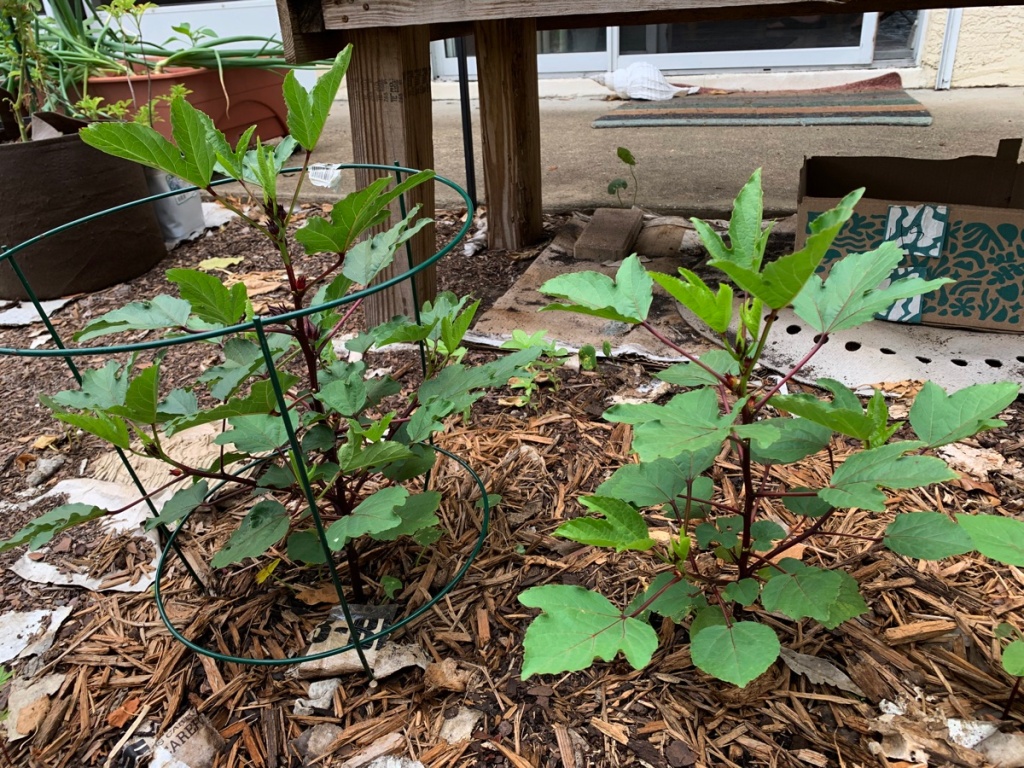
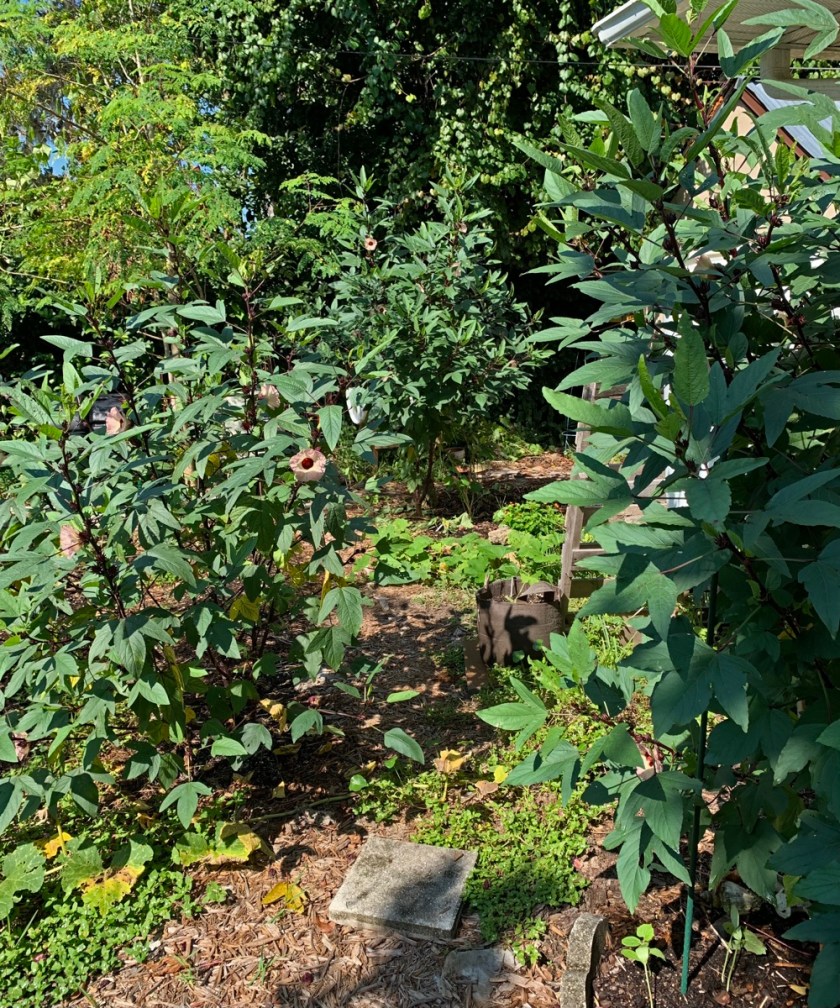
Seedlings plantedAfter five years
The Premna Serratifolia is Quite Awesome
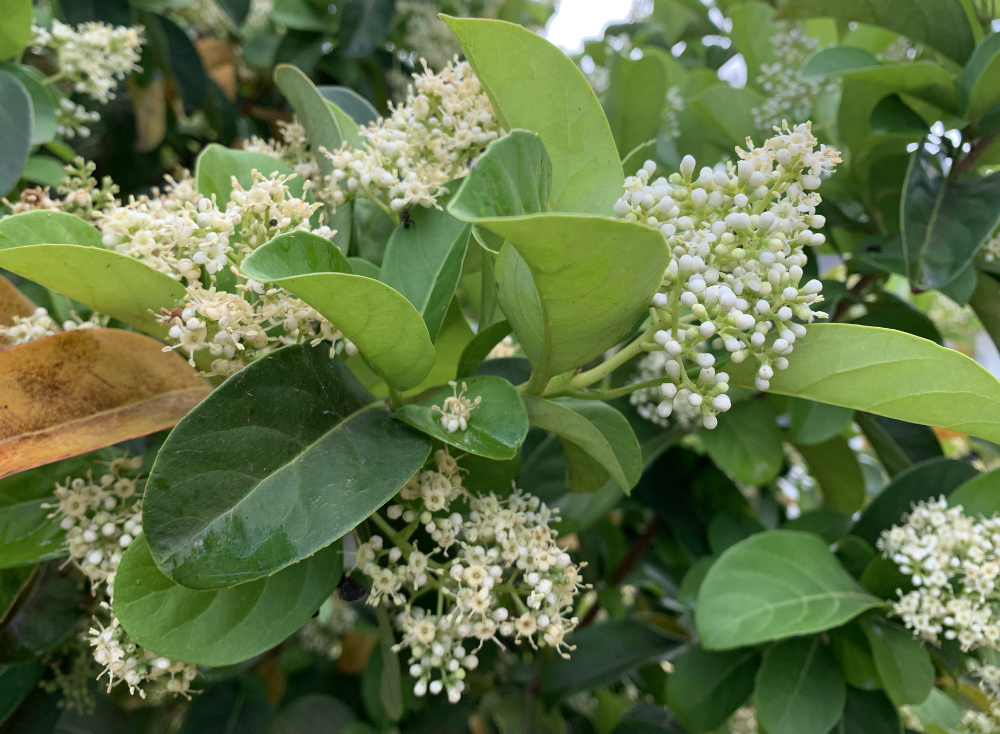
I had no idea what this shrub was until I researched it for this blog post. The Premna Serratifolia is fast growing and blooms profusely in March and April where I live, but only for a short time. The leaves supposedly have health benefits and are edible.
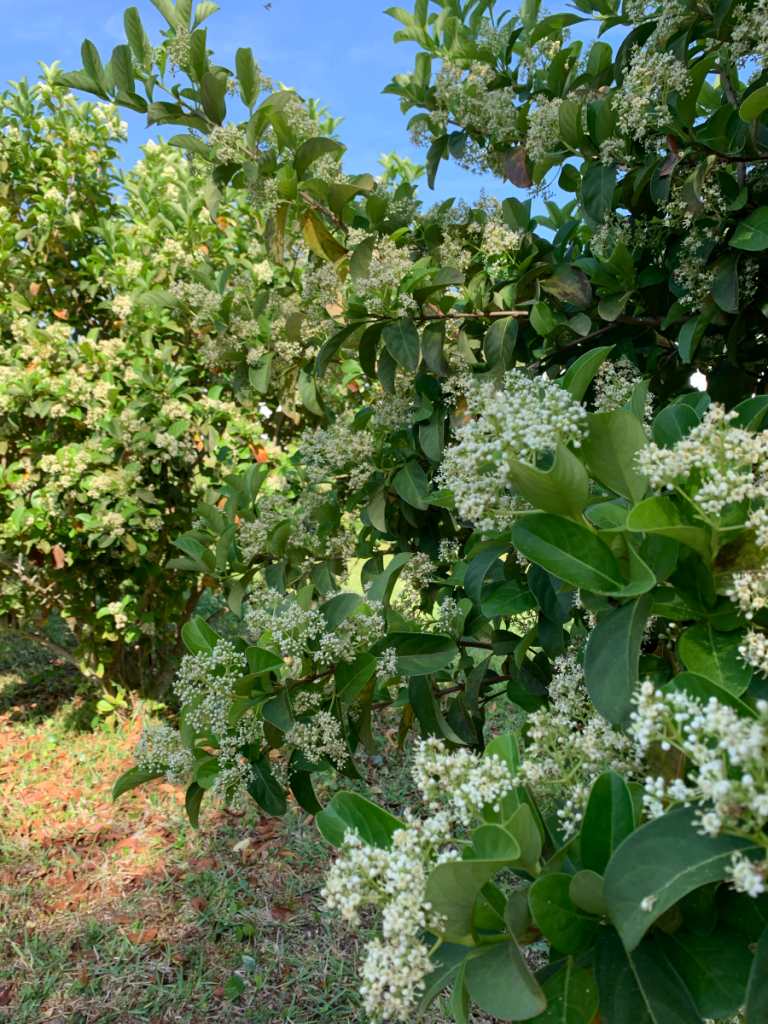
At the time I am writing this page (April 2), The blooms are already going by. The clusters of tiny white flowers smell wonderful, and attract all kinds of beneficials.
Flowers appear end of March
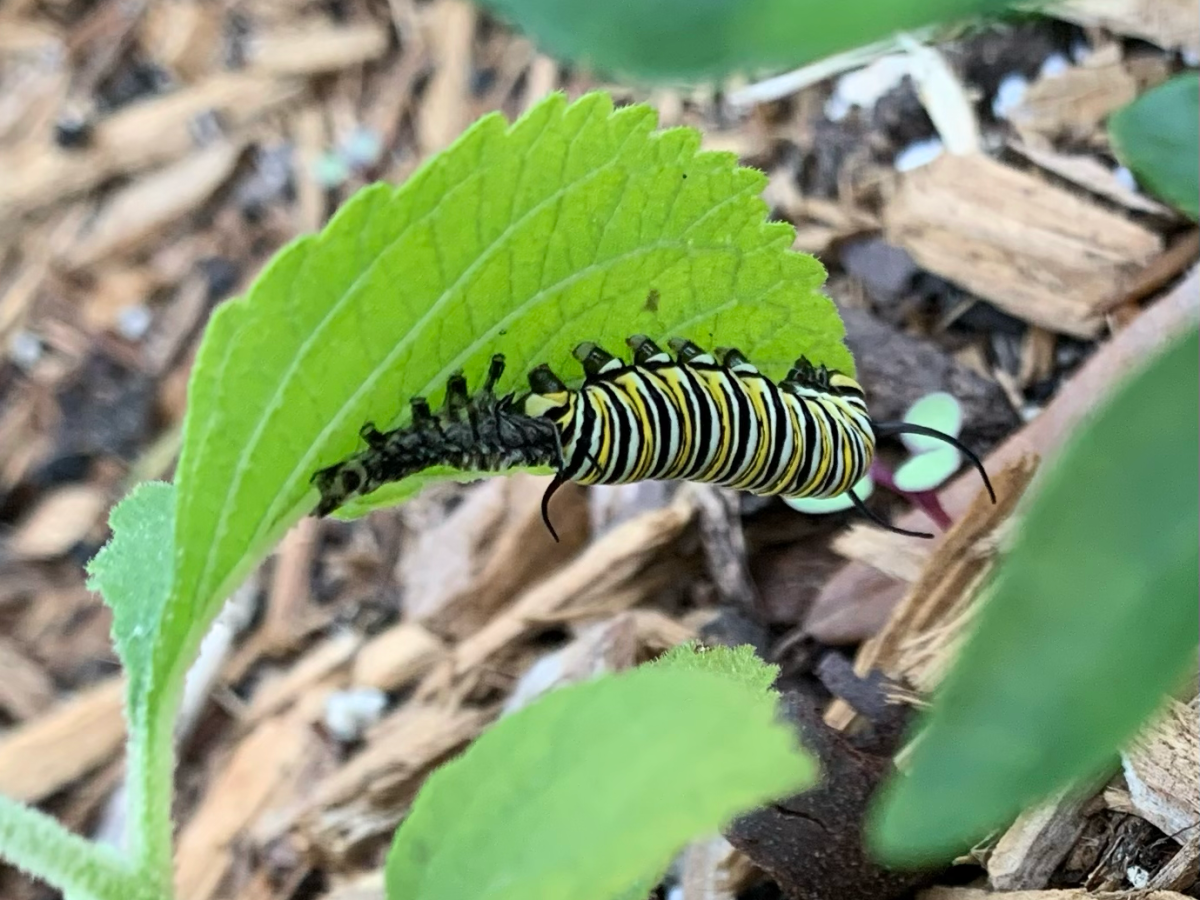
If I were a better photographer, I could show you the bee variety and even a few Monarch butterflies that were all around those flowers. This shrub is loved by the pollinators.
When we bought our house in 2016, the land across from us was wild. Once it went up for sale, I realized that we could have neighbors soon. That’s when I took cuttings from the shrubs in the back. I had no idea if I could root them.
It turned out that this plant is very easy to propagate. Every cutting grew roots in water and then grew nicely in a pot. After a few weeks I ended up with five new plants.
The big mistake many people make when planting crops and new trees and shrubs is that they put them too close together. I gave these little cuttings a lot of room. The roots would not have to compete for water and nutrients.
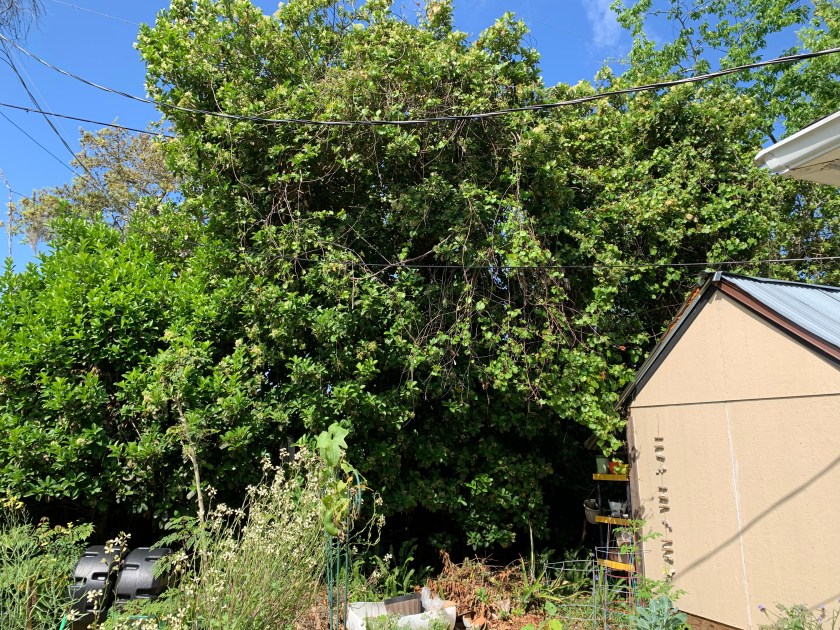
Below is a photo of the old plants behind our house. As you can see they are very tall. A lot of vines have taken over too. Typical of Florida.
The flowers are now falling like snow from the tall shrubs.
The “baby plants” are now taller than I am. I’m guessing they have reached 8-10 feet – in five years time. I think that is pretty fast growth.
The plants outback were probably planted when the house was built.
Growth in 5 years.
So now we have new neighbors where a Florida forest used to be. Three new houses went up, and every bit of vegetation was removed. Perfectly beautiful oak trees, pines and other things were torn up and removed. This is just one reason I dislike living here. Why not leave the trees that are not in the way of where the new house will go? Builders don’t care – just make it easy and remove everything.
My new, and free, hedgerow is growing up nicely and blocking the view. I also love that I’ve provided food and nectar for the insects. A living border also provides places for birds and other wildlife to hide.
I’m not sure if this shrub is available in local nurseries, but I think it makes a very nice addition to the yard. The Premna serratifolia is not a Florida native.
After my first year of growing Roselle hibiscus, I have learned a lot. The shrubs have grown fast and become too large for my small yard.
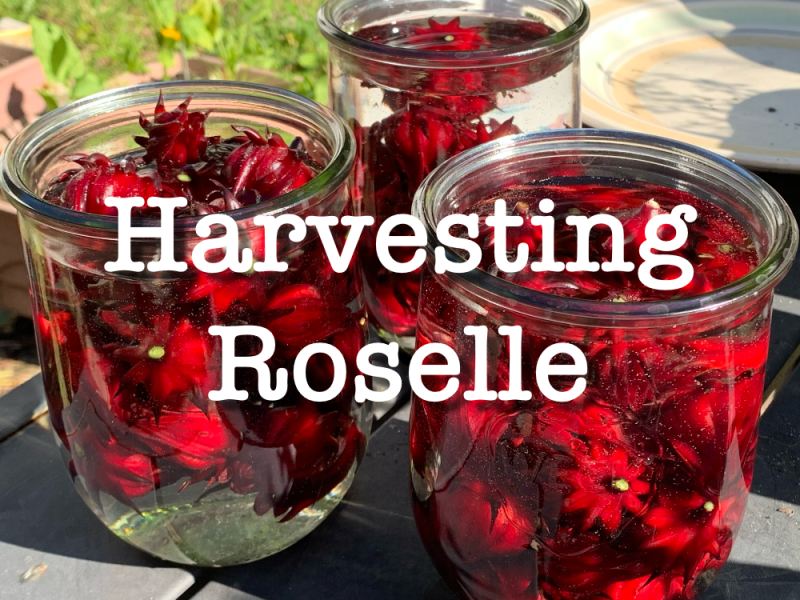
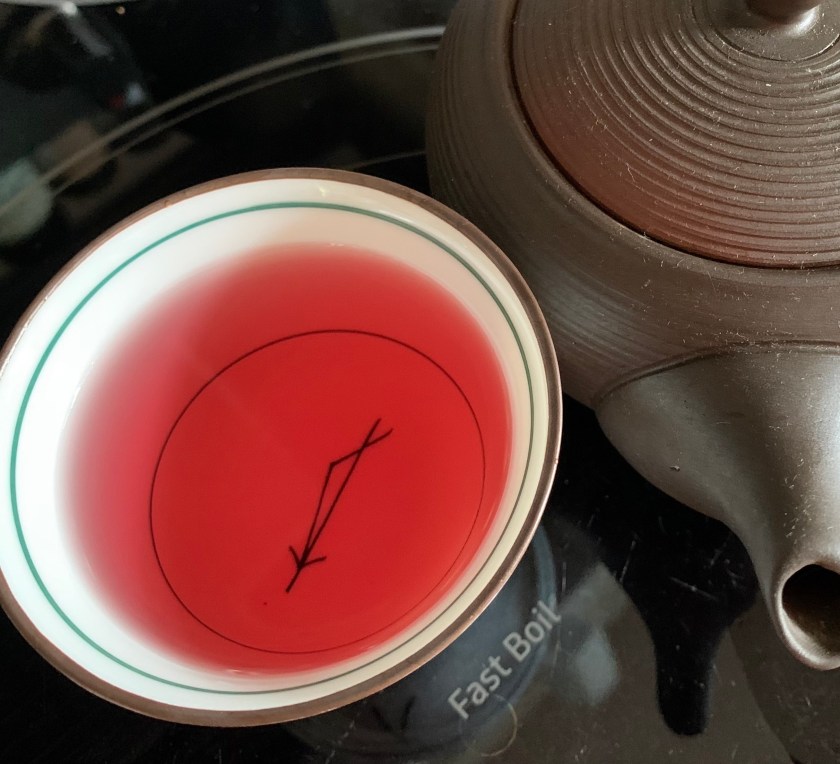
The Roselle hibiscus plant gives us the calyces that make beautiful, red colored tea. I’ve been drinking hibiscus tea for a while now, but never knew exactly what it was made from. Now, I am growing the plant that makes this tea!
Tea is made from the Roselle hibiscus which is NOT the same as the decorative, flowering hibiscus plant.
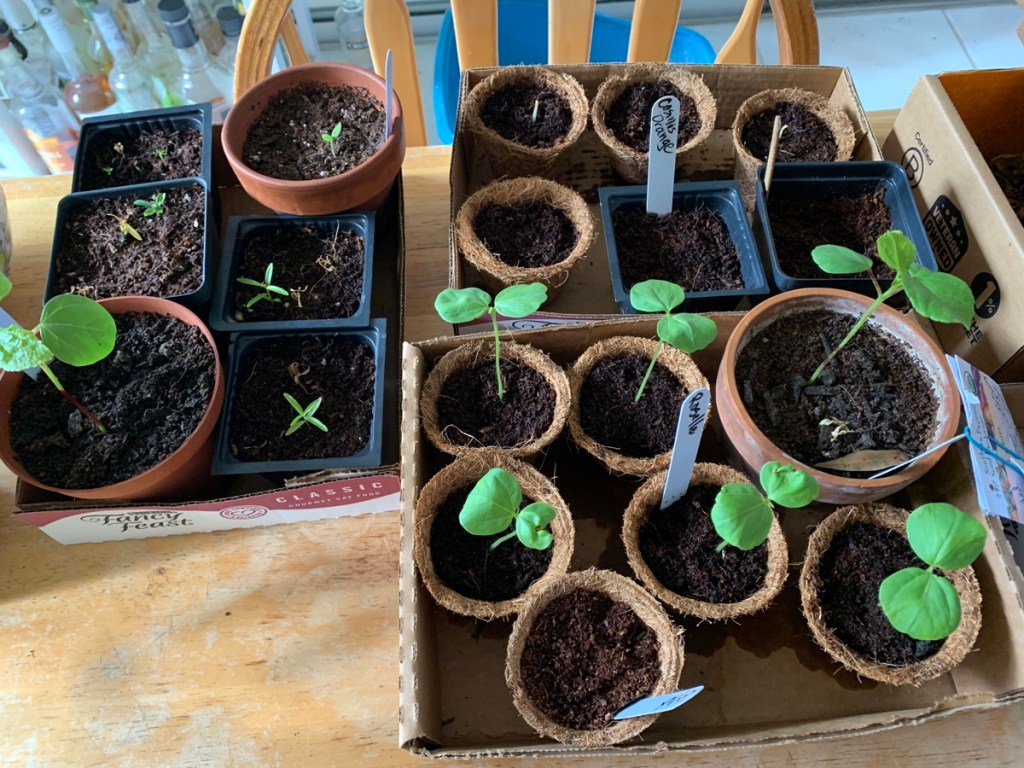
Over the winter months of 2023, I planted Roselle seeds in small pots and kept them indoors. The plants sprouted and some of them grew, but none of them thrived. As soon as the chance of frost overnight was gone, I transplanted the seedlings into the ground.
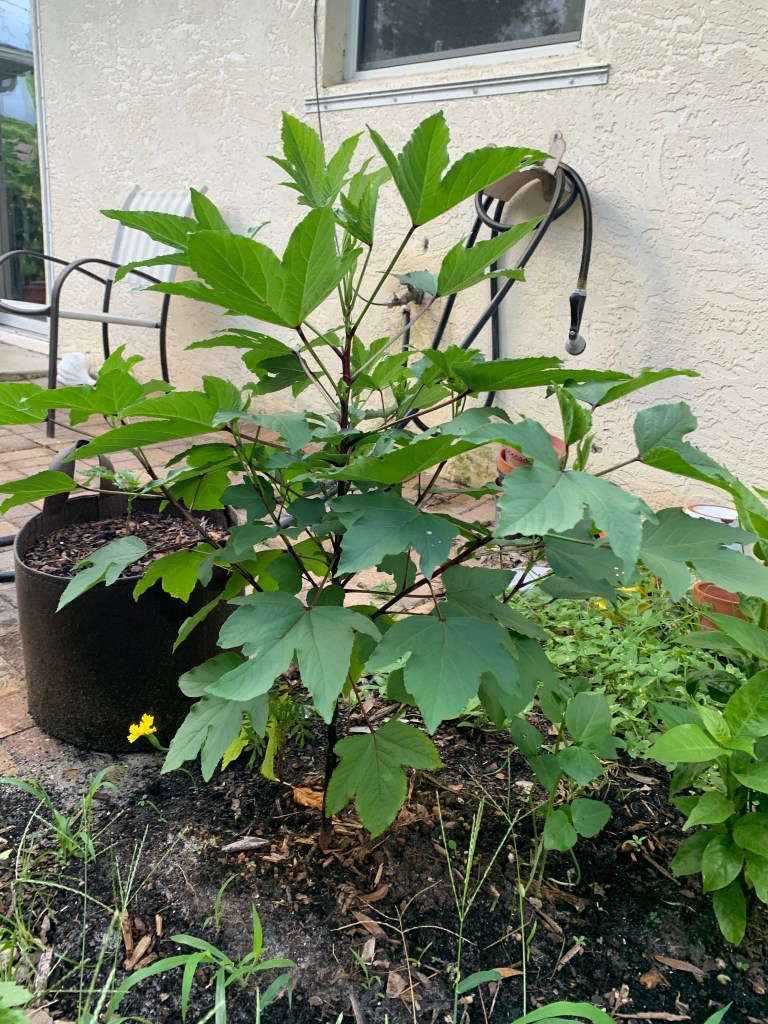
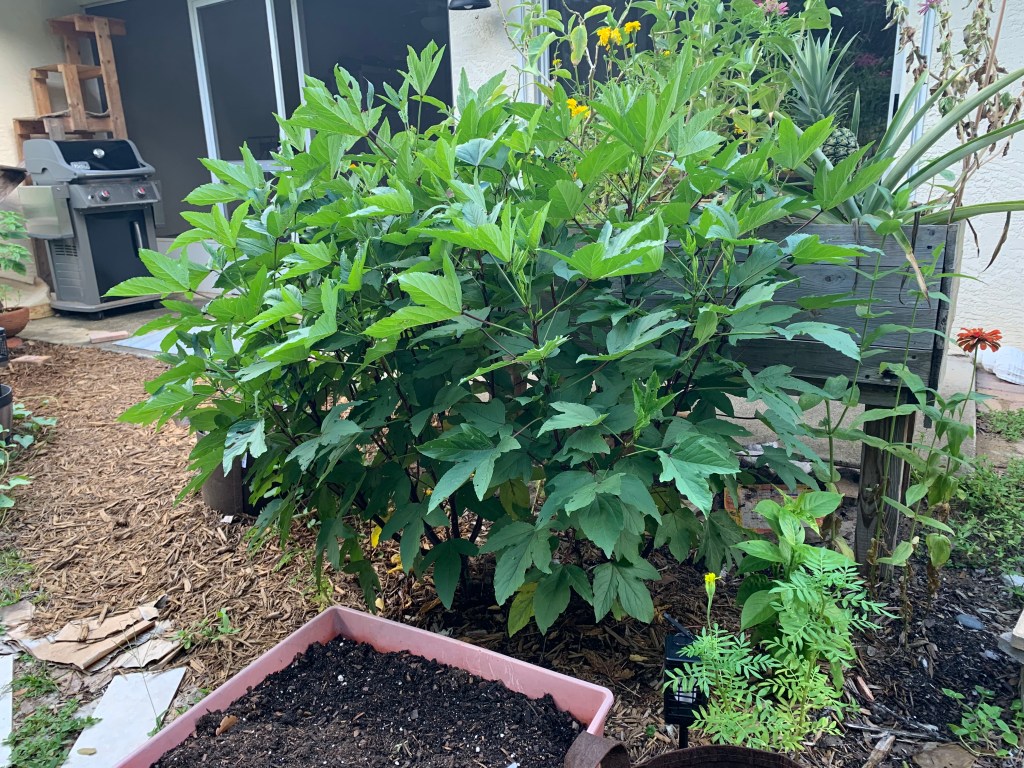
Now, it is summer of 2024, and I have big, bushy Hibiscus plants everywhere! Honestly, I have 9 plants, but the yard is small, and they are taking over.
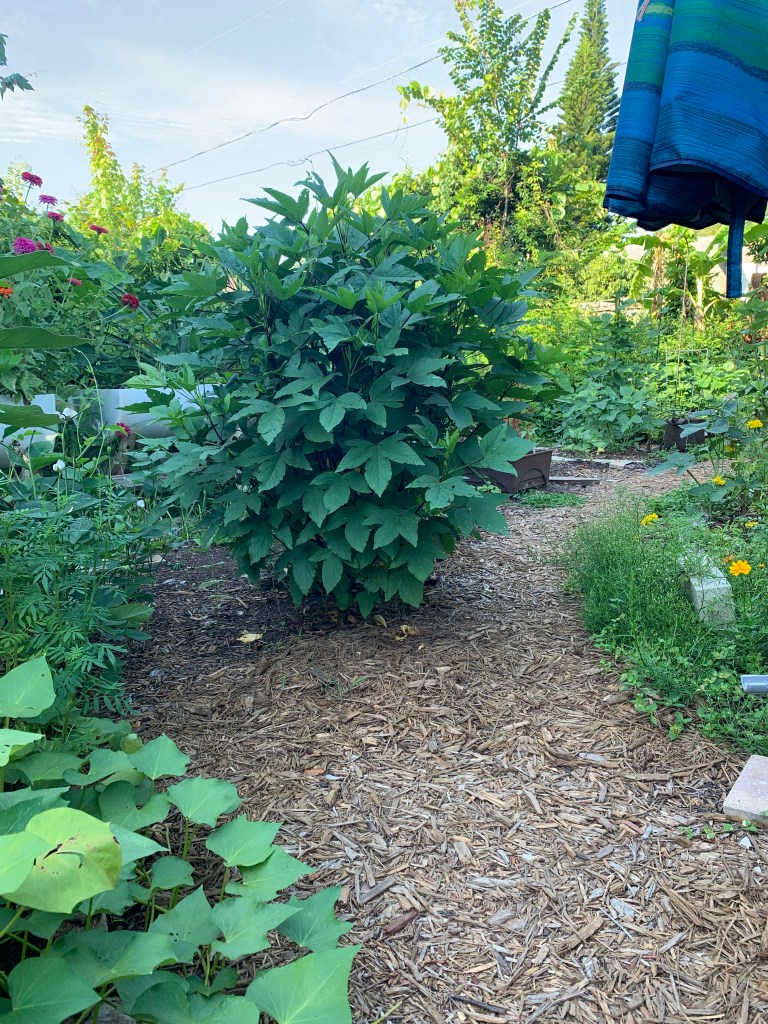
Bushy roselle hibiscus – lost it to the wind in a storm
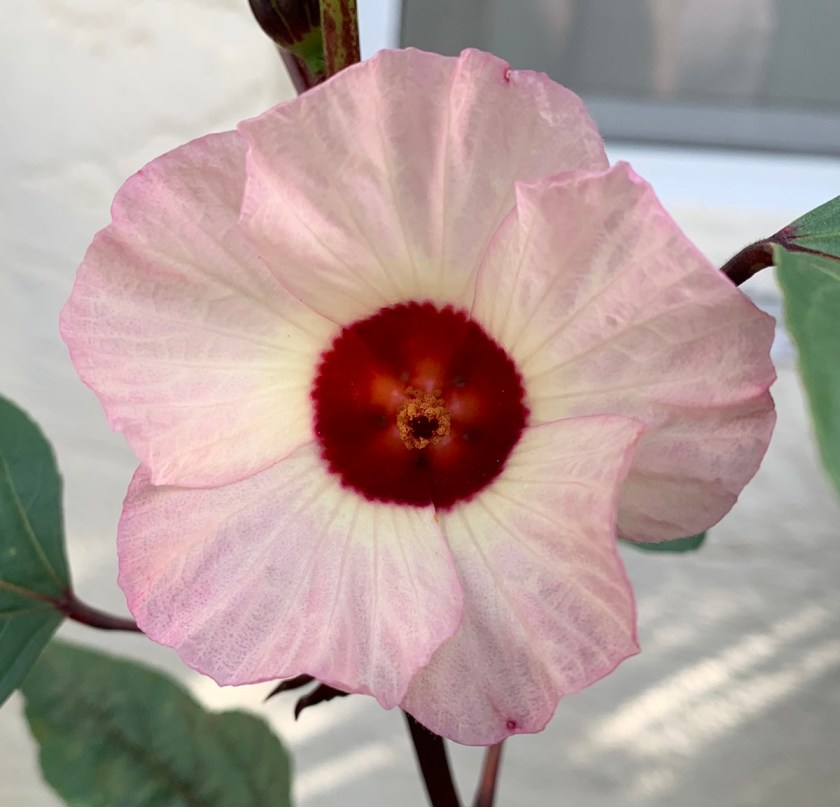
This type of hibiscus has open flowers (see below) that leave behind seed pods wrapped in red leaves, called calyces. The red leaves, when peeled off, can be boiled in water to make tea.
Roselle calycesRoselle hibiscus flower
When my Roselle began to grow, they gave me a few pods. After that, I had to wait until Fall to get more.
Starting Roselle From Seeds
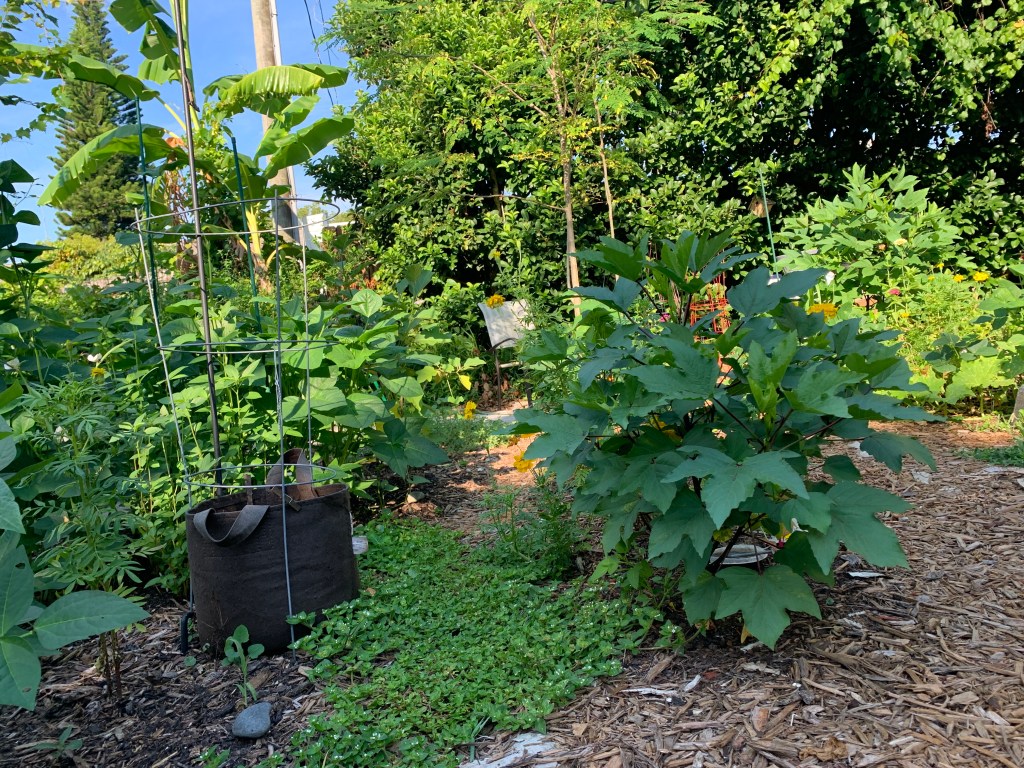
These Roselles began in pots, grown from seeds I bought at SESE (Southern Exposure Seed Exchange). The plants are about nine months old now and they al look very nice. Some are smaller than others but the one that is in the walkway is just beautiful! (That is the one that died from the storm.)
Roselle seedlingsRoselleRoselle growing
Growing Roselle is Easy
The plants will get large, both tall and wide. (I’m in Zone 9B) They are growing with and without lots of sun. The plants in the sun are bushier. They survive drought, are not bothered by the heat, and have no bug problems. After they bloom (September for me), collect the seed pods to make tea, or other things.
A warning: We had a windy storm during the summer and this (my bushiest) Roselle plant split right down to the ground. The tree died. I went ahead and trimmed all the remaining hibiscus to be sure wind could easily get through the stems.
Heading Into Fall
If you are looking for a little shrub that is easy to grow, and grows FAST, get yourself some Roselle seeds.
These shrubs have taken over my yard. I had NO idea what they would do when I planted them back in Spring. Now, many of the plants are taller than me – guessing 7 feet or so in height. It has been about 11 months since I began them from seeds indoors.By the way, don’t bother with that. Put the seeds in the ground. It was tough dealing with them in small pots.
The Roselle have become too large for my small backyard garden.
It is September and the Roselle’s are now blooming. I’ve gone through and trimmed out some of the smaller branches because they are blocking the sun from other plants. Once the flowers stop, and I collect the calyces, I will be cutting some of these plants down. I have a feeling they won’t do well through the winter anyway. I hate to cut down a good plant, but they are seriously in the way.
My yard is too small for these plants. Now, I know how easy it is to grow Roselle, and how big they become. I’ll be smarter about choosing the right spaces for them to grow.
Fall planting time is nearly here in my area and I’ve begun to sow seeds already. Although the weather is hot, I’m hoping the seeds will grow.
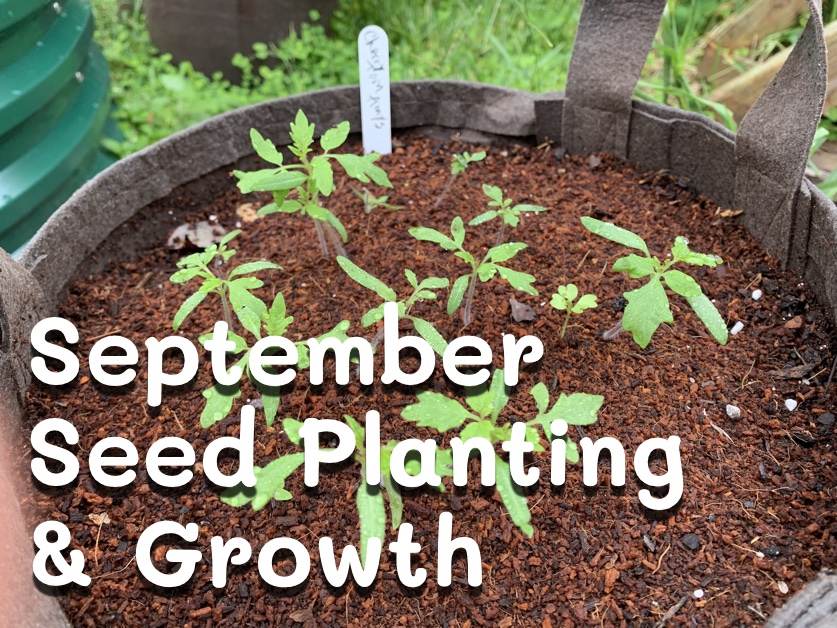
I live in east, Central Florida, which is growing zone 9b. It is September, and I have planted a few different vegetable seeds as a trial. I don’t know if the weather is too hot for them. Last year I waited until October. So far, I have seen some nice sprouting.
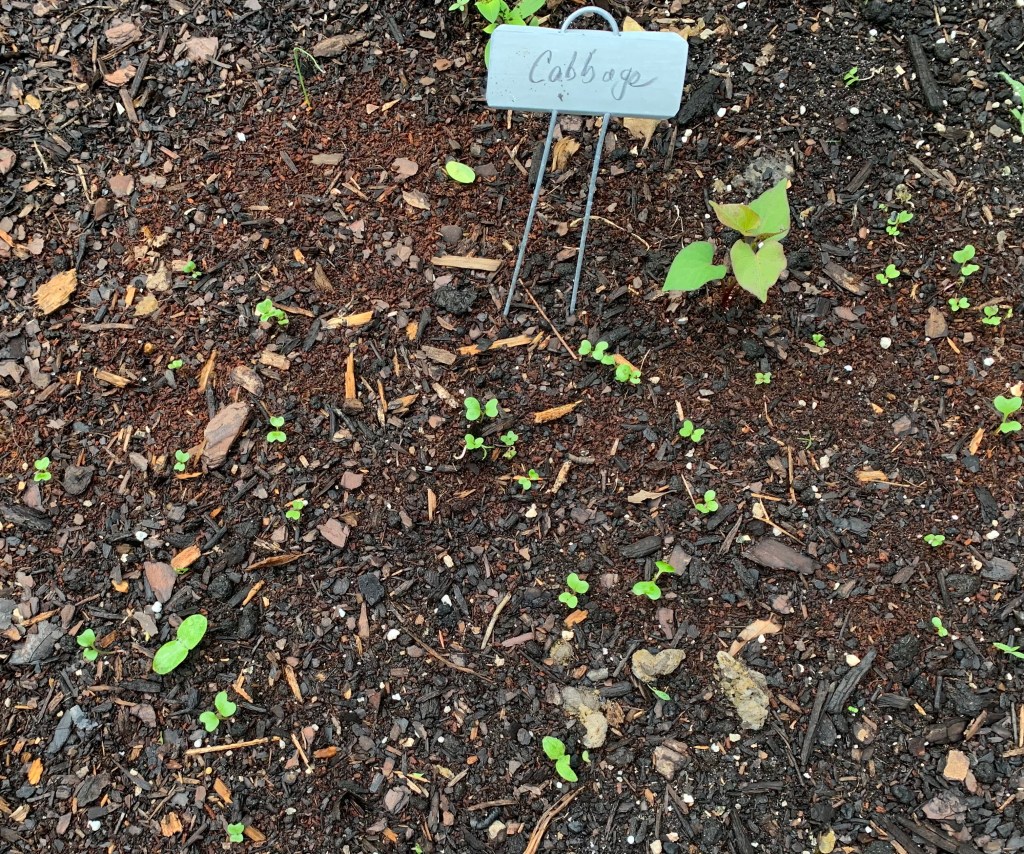
Here’s a list of the seeds I have planted, and where they were planted (in ground or pots). They are all growing, but some look better than others.
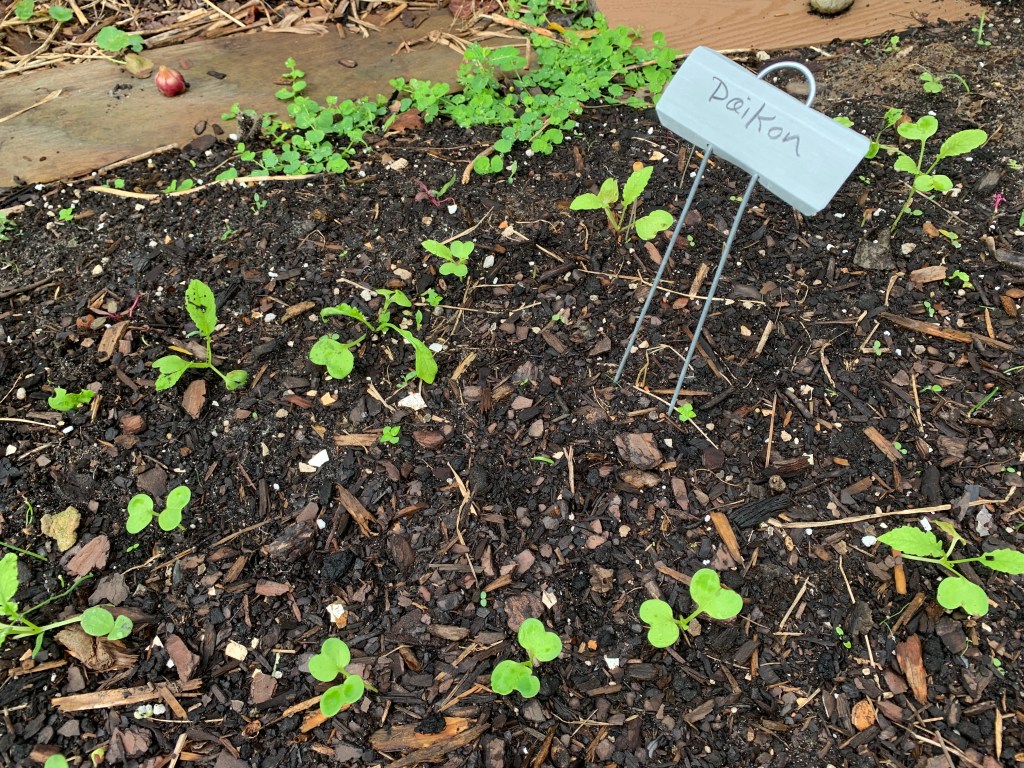
Daikon radish – these seeds were put into the ground.
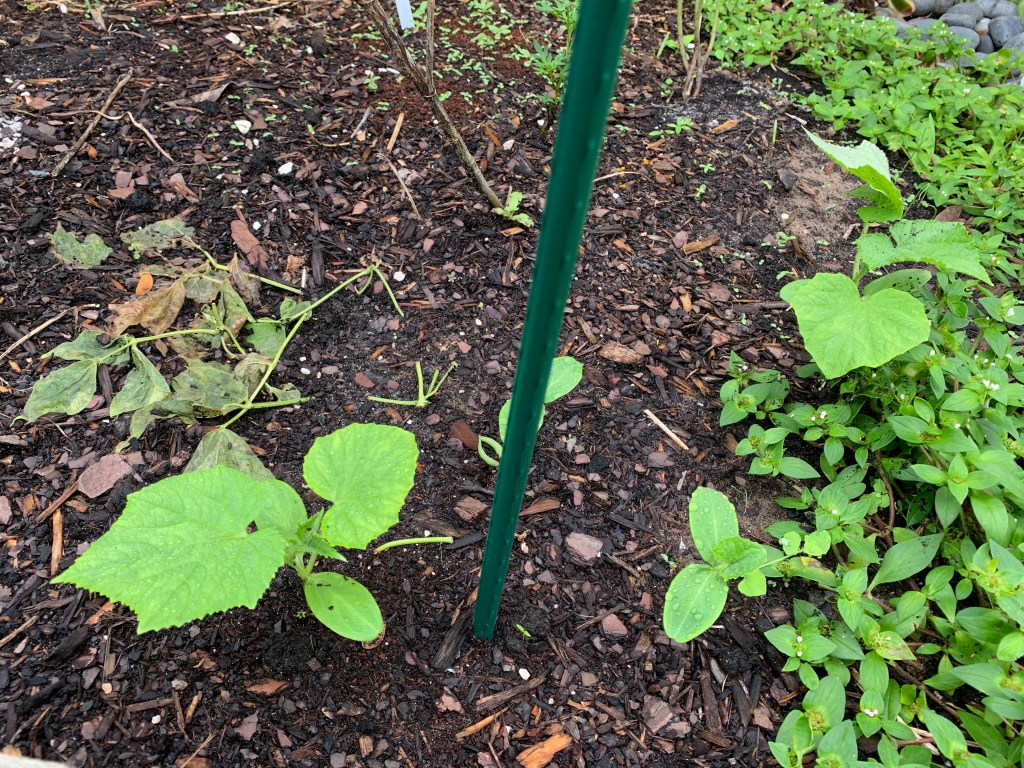
Cucumber – first set of seeds didn’t do much, so I’ve planted more from a newer packet. (in ground)
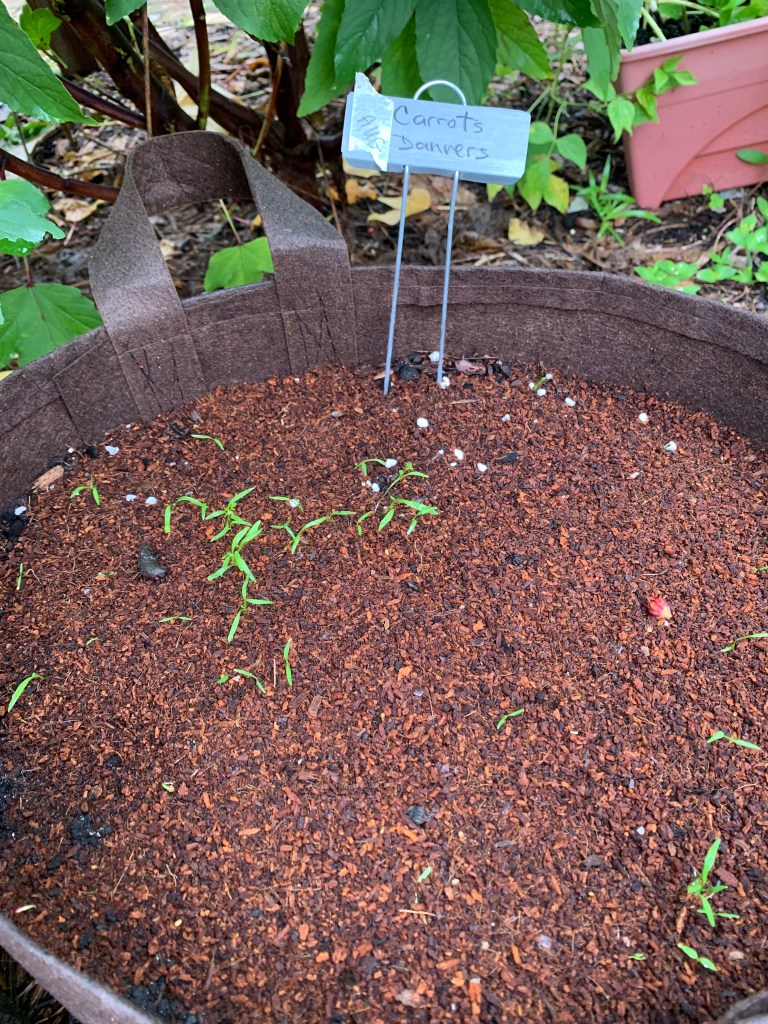
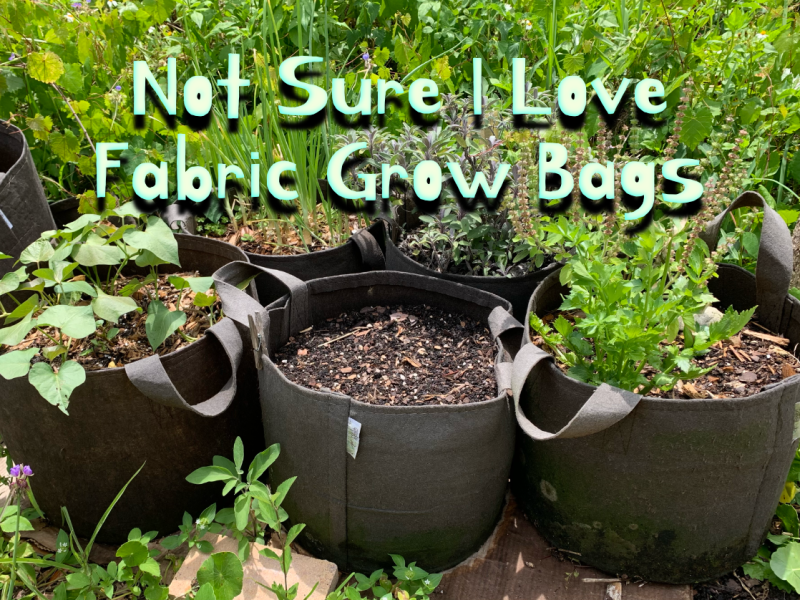
Carrots – in fabric bag
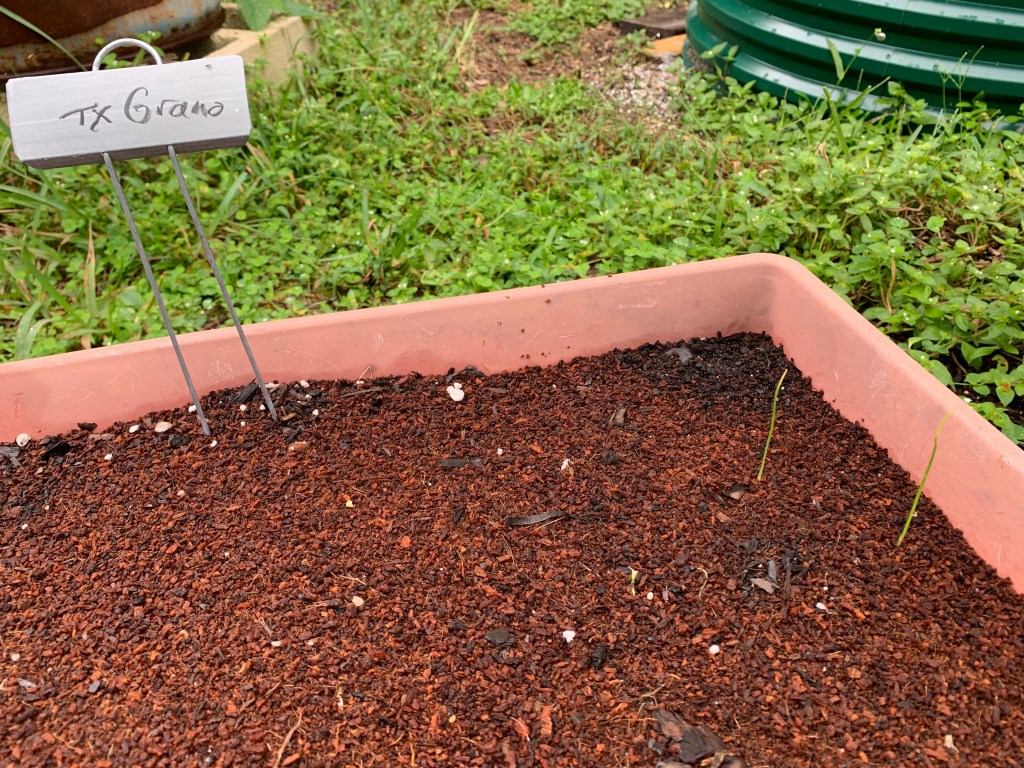
Texas Grano onions – will probably have to re-plant in October (grow box)
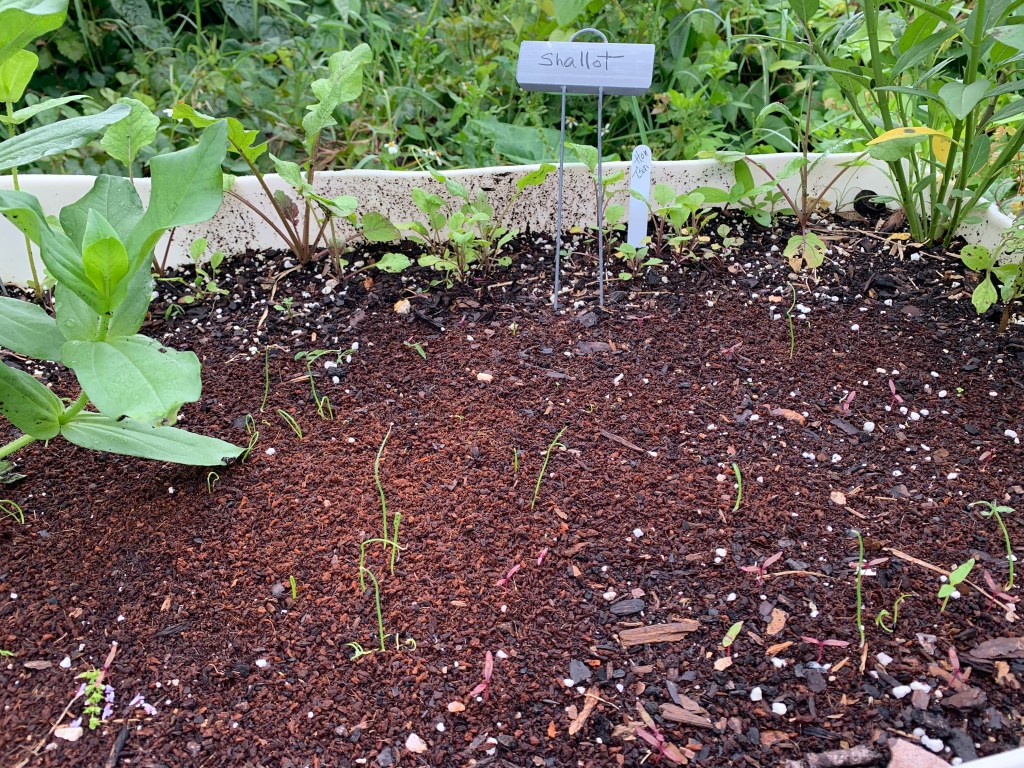
Shallots – barrel raised bed
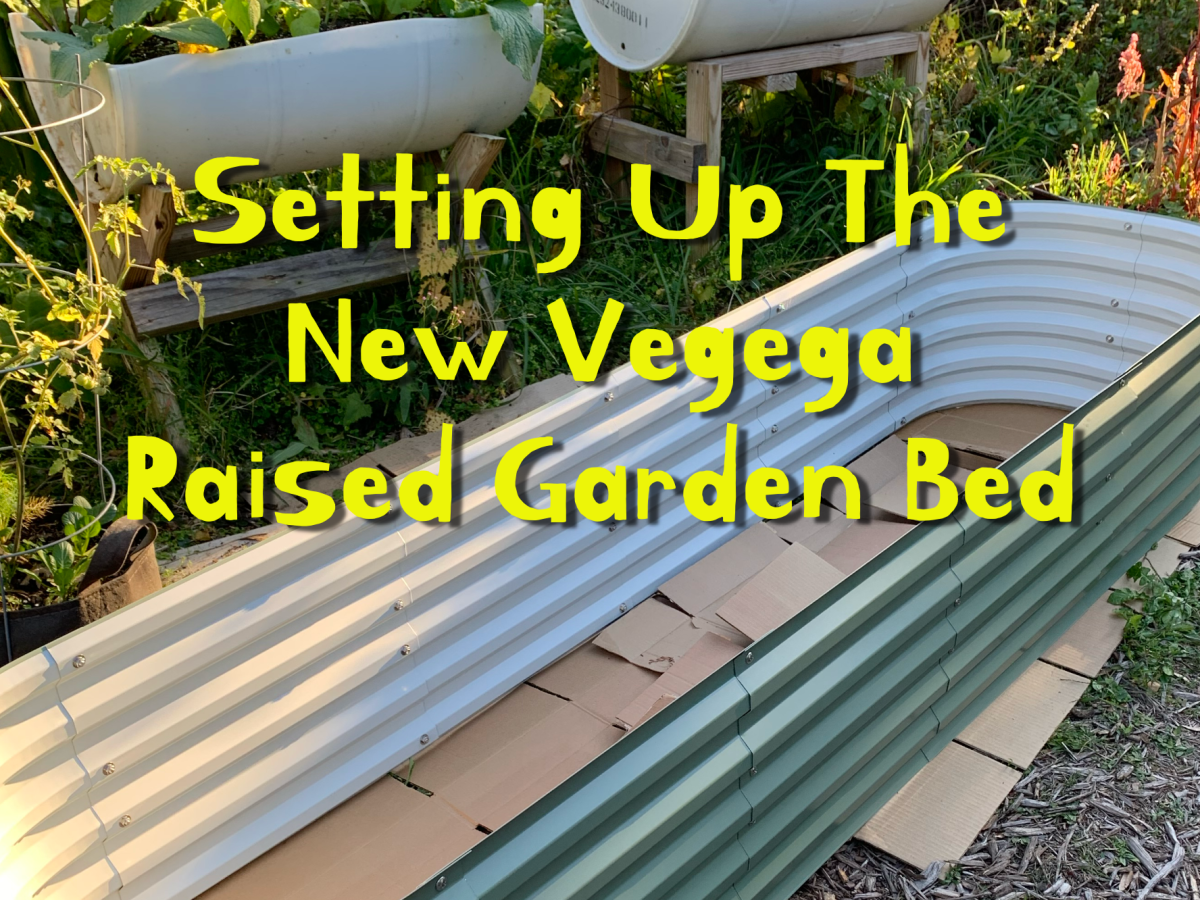
Seminole pumpkin – edge of Vegega to hang over the side.
Golden beets (fingers crossed these do well) – in grow box.
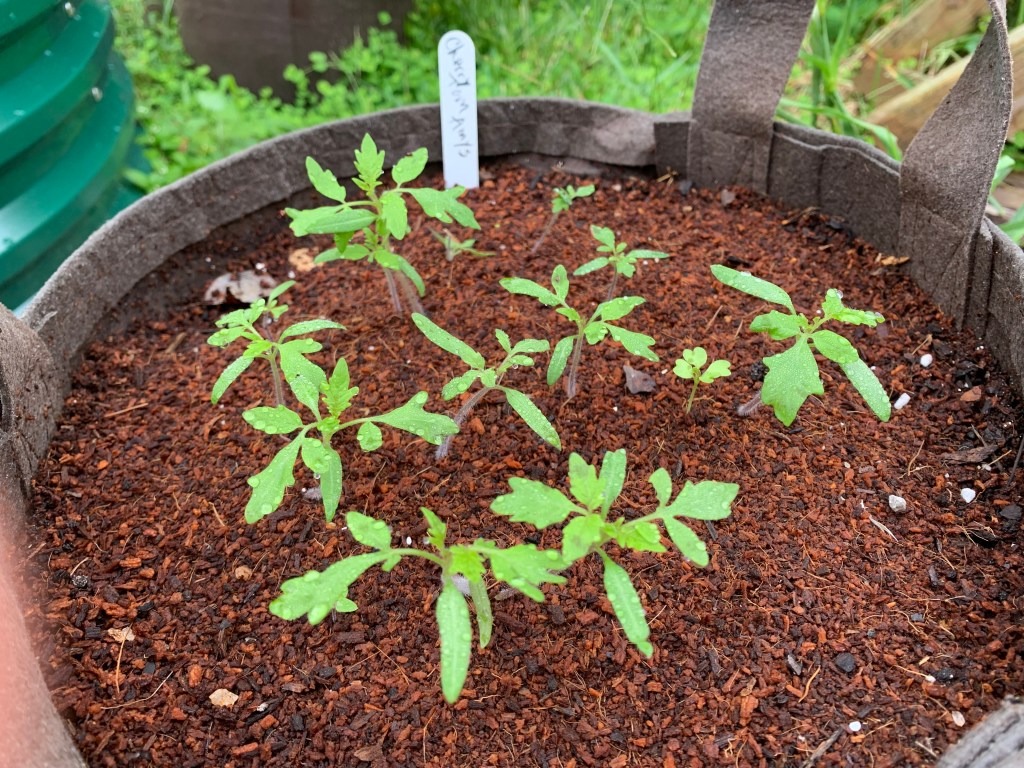
Tomatoes – cherry and Mortgage Lifter (normal size) – both in fabric pots
The summer months have been unusually dry. Now, we are getting lots of rain. I only hope it won’t be too much for my seedlings.
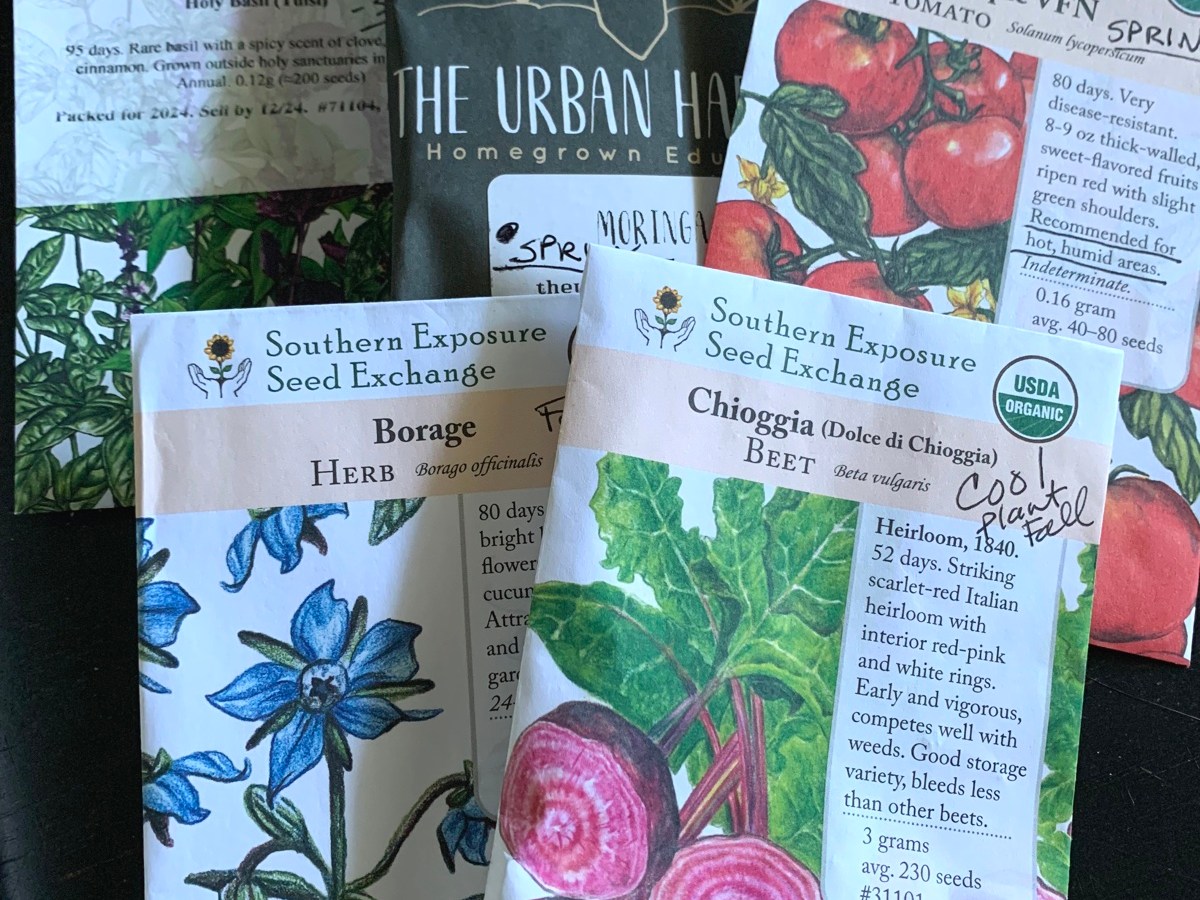
This time, I purchased multiple seed packets from my favorite online places. That way I can experiment and see if things will grow this early without really losing much. I have a lot more seeds, which I will plant in October.
The beds are not completely ready, even though I have tried to be organized. My usual problem is a lack of dirt and compost. I buy and buy, but it gets used up so quickly. I still have time, because some of the seeds I planted did not do well. The Tatsoi, arugula, and broccoli will need to be planted again in October.
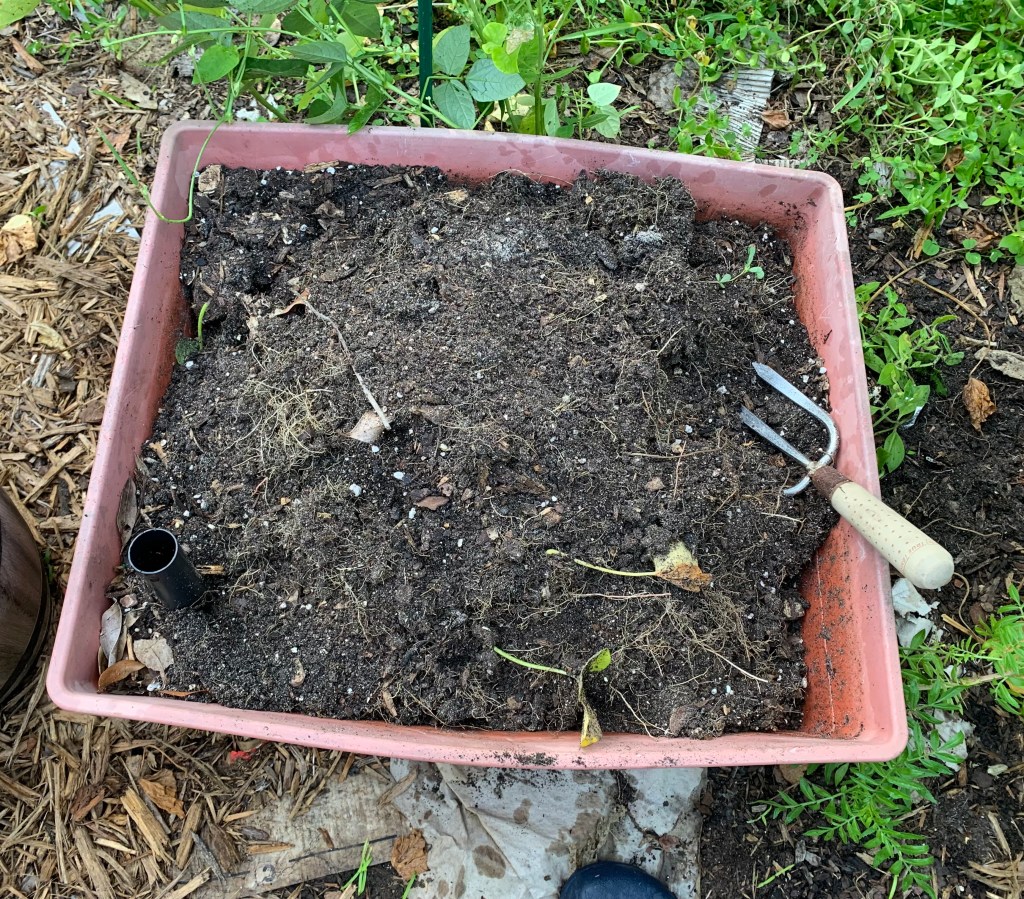
Each of my square grow boxes needs an overhaul. This means digging out all the dirt, drilling holes in the bottom and re-filling. I’ve done about half, but have three, or four boxes left.
Grow Box Refurbishing
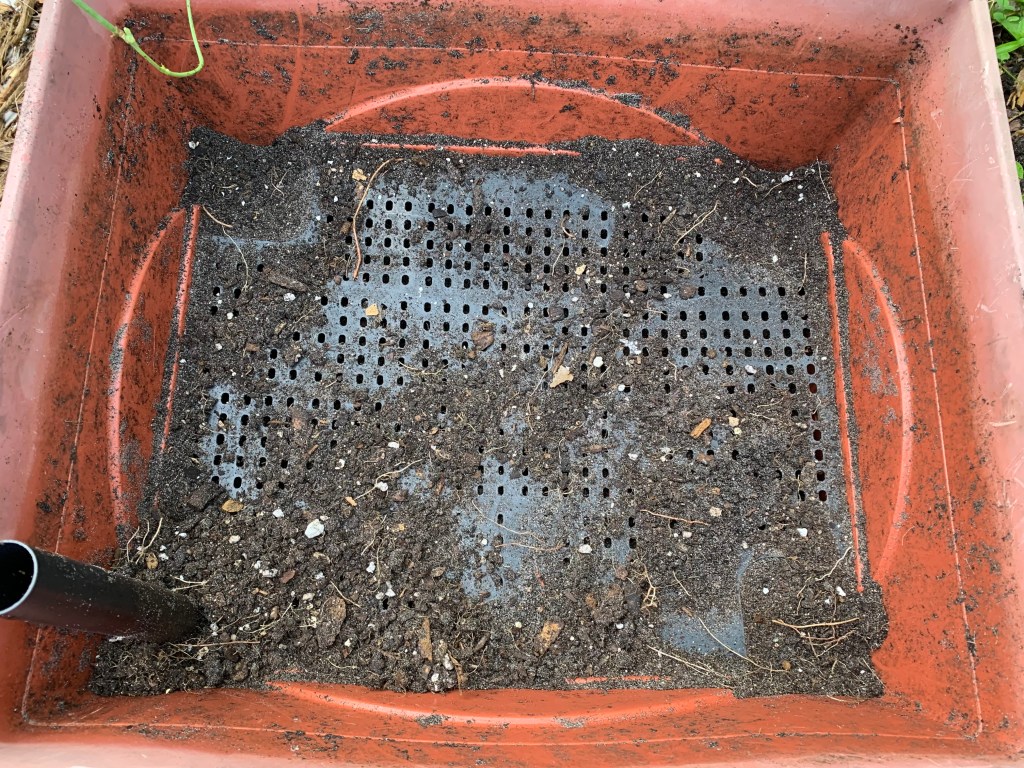
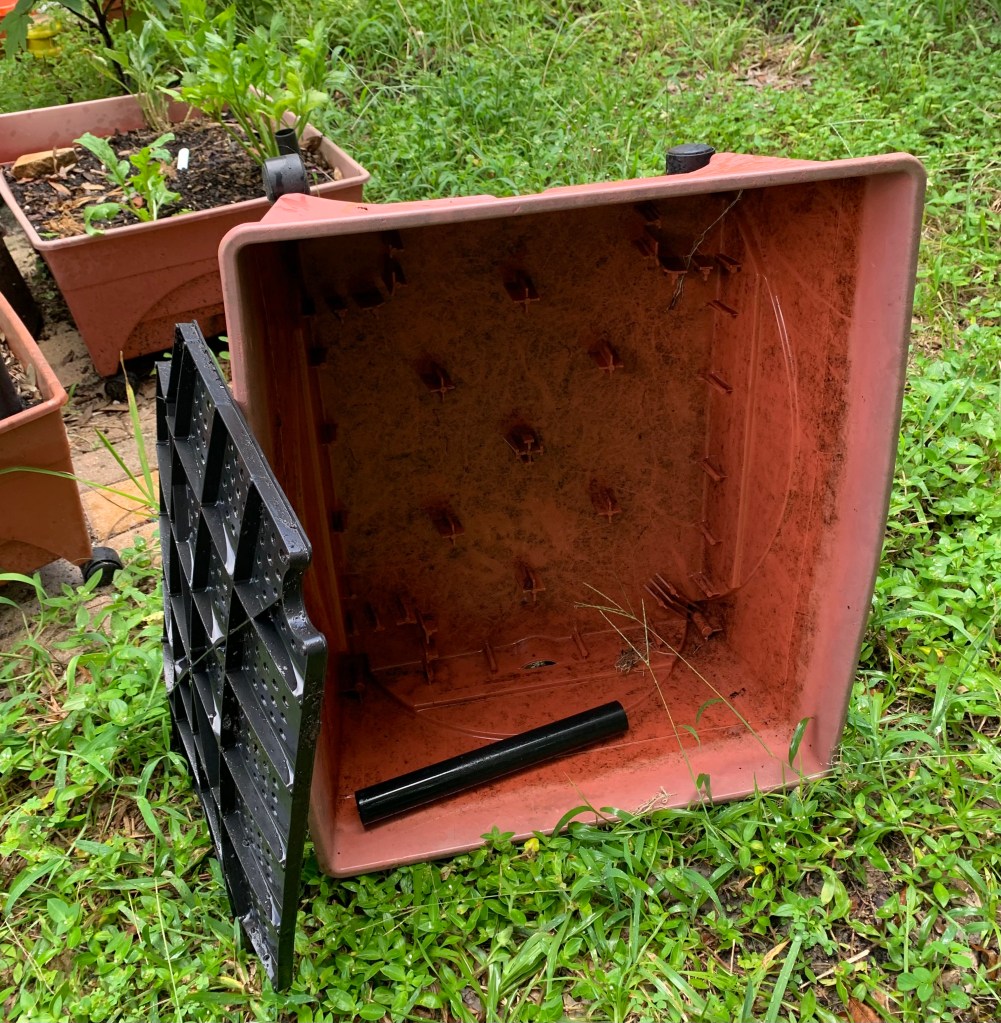
The grow boxes I purchased have a drainage panel near the bottom. They also have a tube that reaches up through the dirt where watering is supposed to happen. The idea is to fill the bottom with water so it can be pulled up by the roots of the growing plant. There are side vents for water overflow. (When you tip the box and no water comes out, it could be because the bottom is full of dirt.)
The idea is good, but flawed. Seeds need moisture and must be watered from the top in this big box. It is unavoidable that dirt will sift through those drain holes. If roots get long, they can clog the base also. Even if you keep the drain system in place, cleaning out the entire box is advised. (Raccoons actually pulled up one of my drain pipes, and it can’t be put back without emptying the box.)
The boxes are still very nice and sturdy. They come with wheels, which is really helpful if the box is on a deck or patio. I will continue to use them, but without the drain panel. Instead, I am drilling holes into the bottom of the box itself.
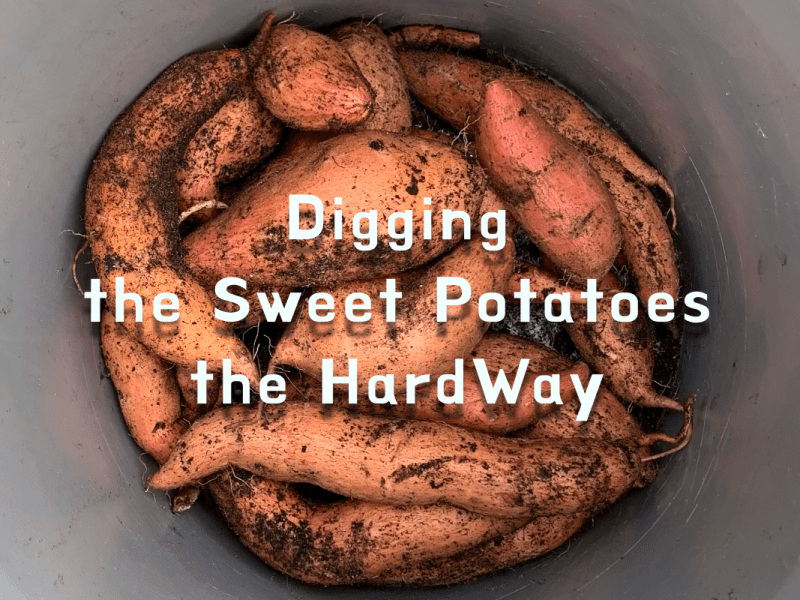
Last April, one sweet potato slip was planted into a grow box. It grew like mad and gave me some funny looking sweet potatoes. There was not enough depth, but I was desperate for space when I planted it. Once I began digging out the sweet potatoes, I realized that dirt had filled up the water reservoir – and I found a few small sweet potatoes down there as well!
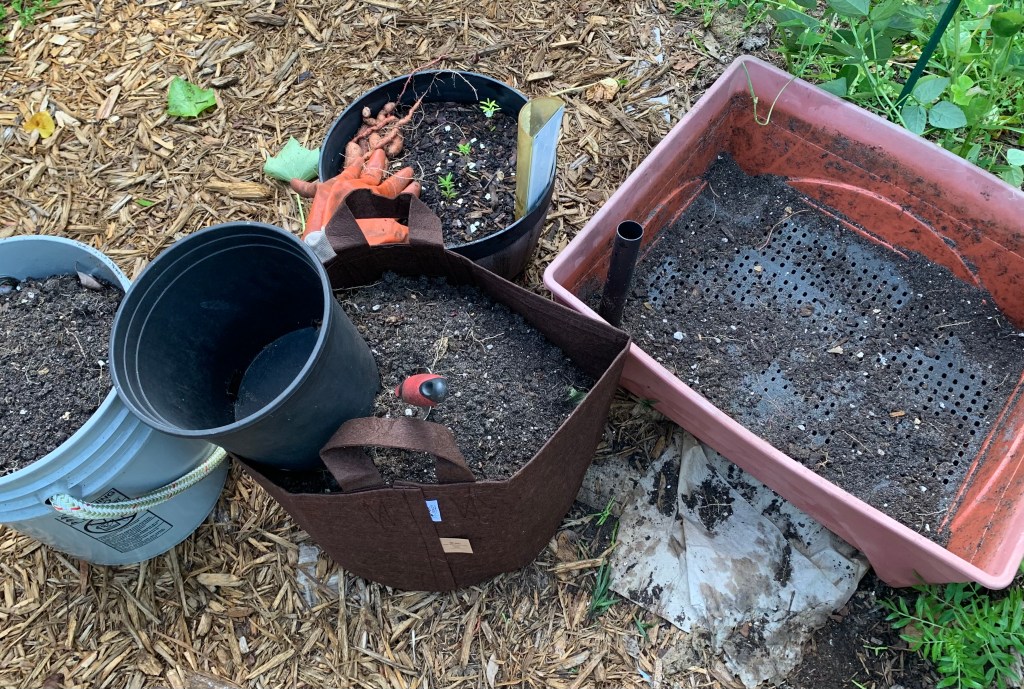
Now I am going through all my grow boxes to empty the dirt, remove that screen, drill holes in the box, and re-filling for planting.
Filling the Grow Box
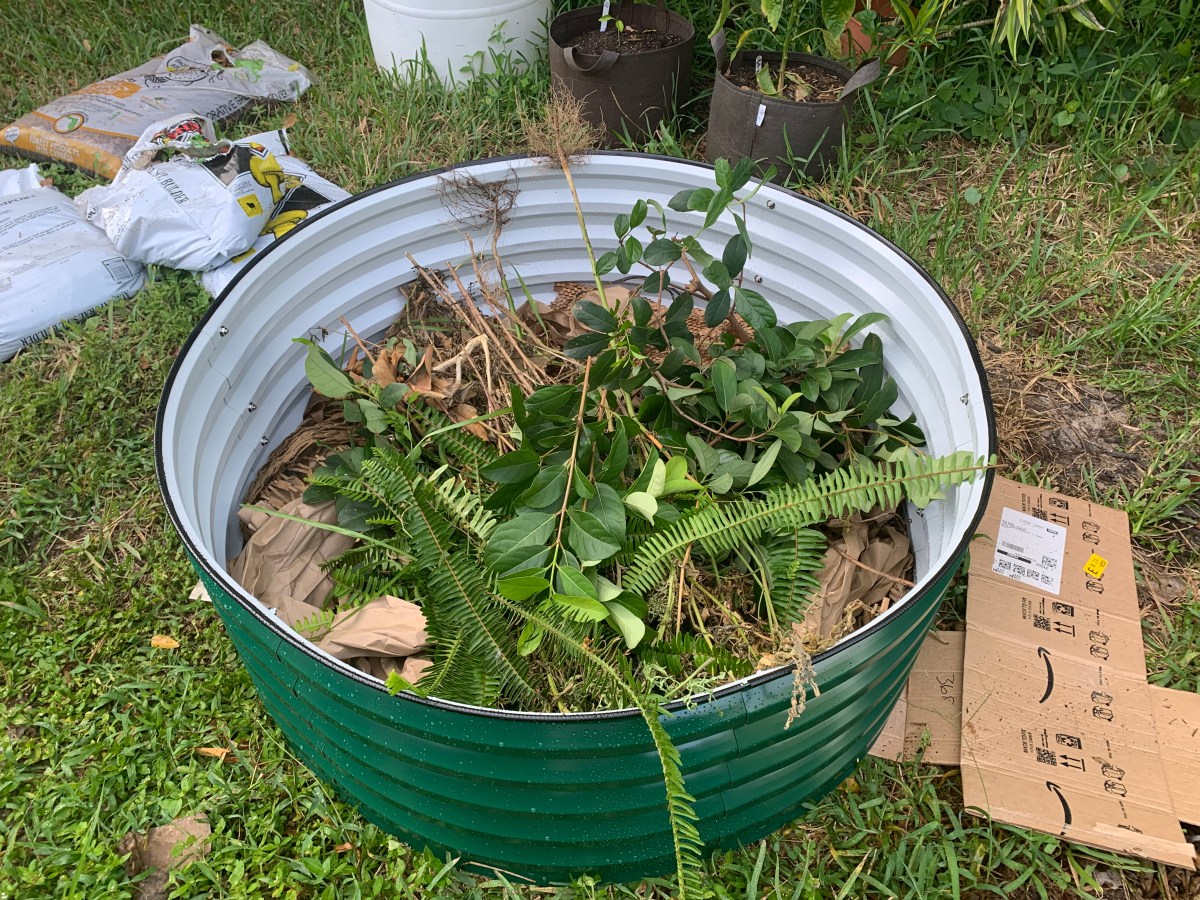
Any time a grow box or fabric pot needs filling, a combination of products is needed. First, drainage should be addressed. For the box, I used a thick layer of pine straw (literally long pine needles) in the bottom. Then, I added some granite stones. After that I mixed potting soil, compost, and perlite, along with some bone meal to create a good growing compound.
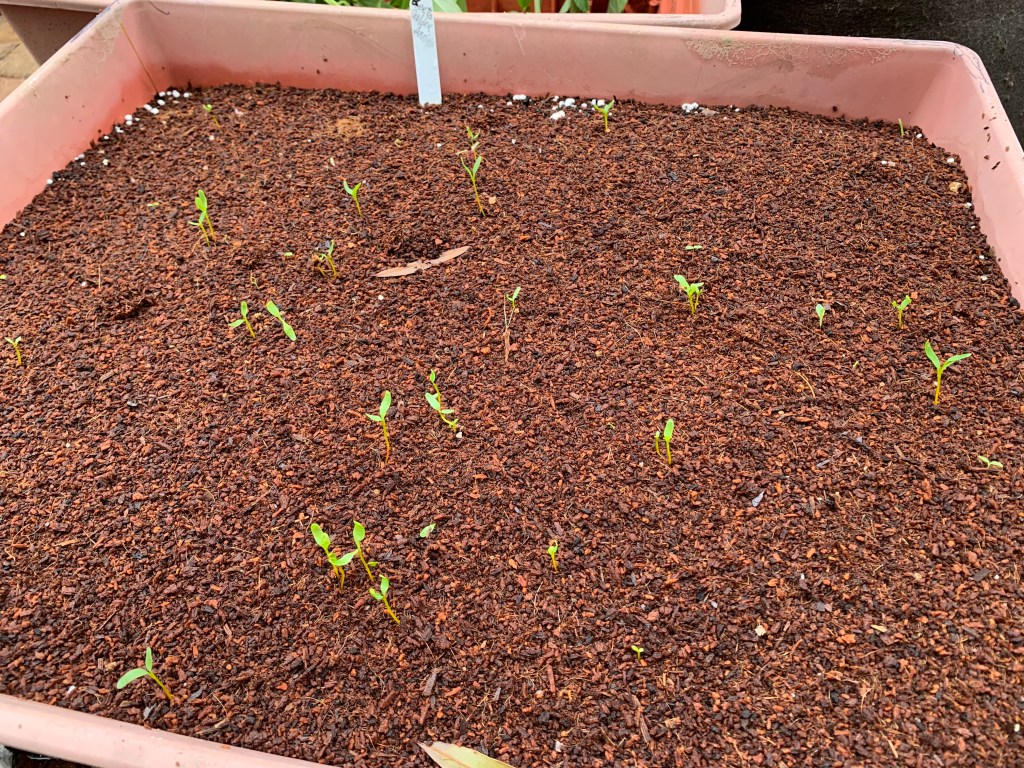
The new idea I had, was to put a layer of coconut coir on top of the dirt before I plant the seeds.
One last suggestion is to add earth worms! I have them in all my boxes, raised beds and fabric bags. I found them in the yard and gave them a new home. They tend to multiply and make the dirt loose and fabulous!
Problems Planting in the Ground
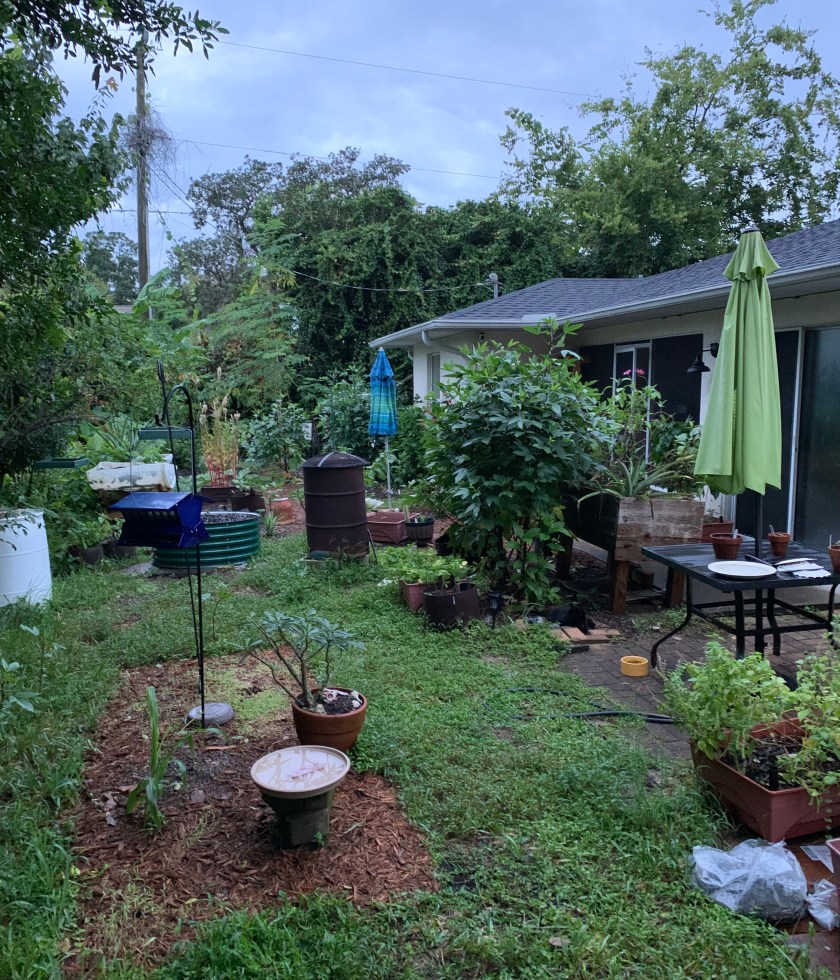
I’d love to have rows and rows of vegetables growing, but I don’t have the space. Also, I have overnight visitors (raccoons and armadillos) who continually dig up the ground. Each morning I check on things, and usually there are numerous holes randomly dug all over the garden.
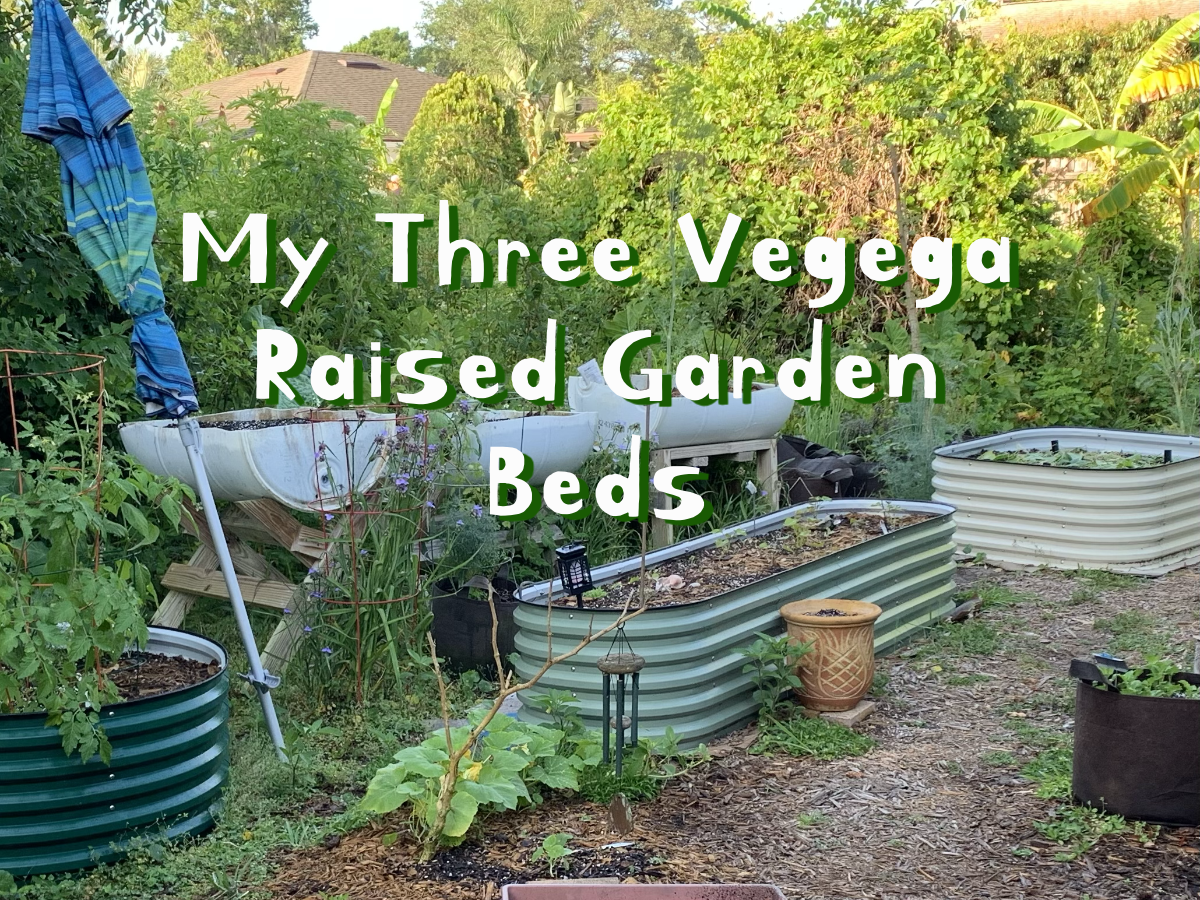
My backyard, September 2024
In order to resolve this problem, I will need to buy more raised beds. I’m hoping for a winter sale because they are expensive. It will be too late to use the beds for this year, but I can work on getting them ready for next fall. Filling those beds takes time.
Amazon Links to Some of the Products I Use
I am an Amazon affiliate, which means these links can provide a small income to me if someone clicks the link and makes a purchase. It does not affect the price of the item.
Grow boxes. If you have read this page you will see that I decided to not use that drain. It works well for a while, but the dirt eventually clogs up that space, and there is no drainage after that. Without proper drainage, plants will die.
Perlite, organic – loosens the soil, and is especially beneficial when beginning with new dirt. Once the dirt becomes really good – from compost, previous roots, and amendments – it should be naturally loose.
Bone meal, organic – helps growing plants create strong roots.
Coconut Coir, organic – good for water retention and starting seeds. It does not clump together, so used by itself, not good for transplanting seedlings. Mix with potting soil, or use on top of dirt to start seeds (see my photos above).
Garden plant tags – I have purchased two packs of these tags and they are great! The raccoons have not pulled them up. The writing stays. Just what I needed for seed planting.
Are you growing anything in September? Have you begun your Fall growing? It is the best time of year to grow in my area, but I may be starting a little too soon. What do you think?
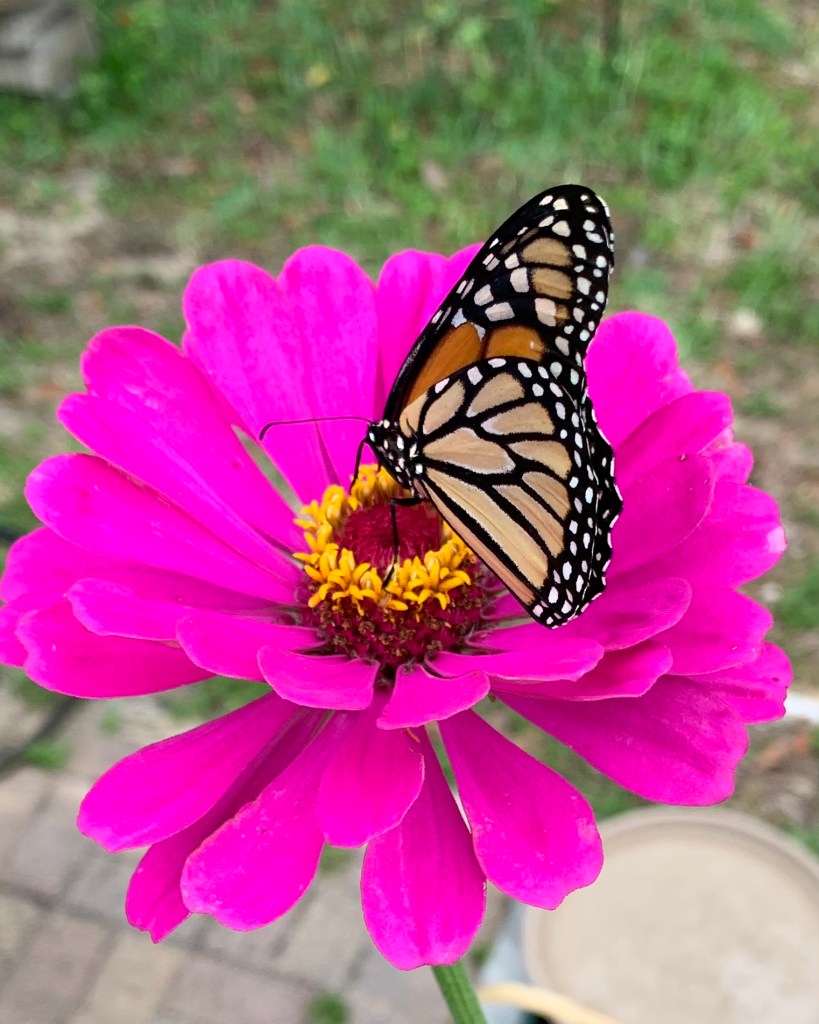
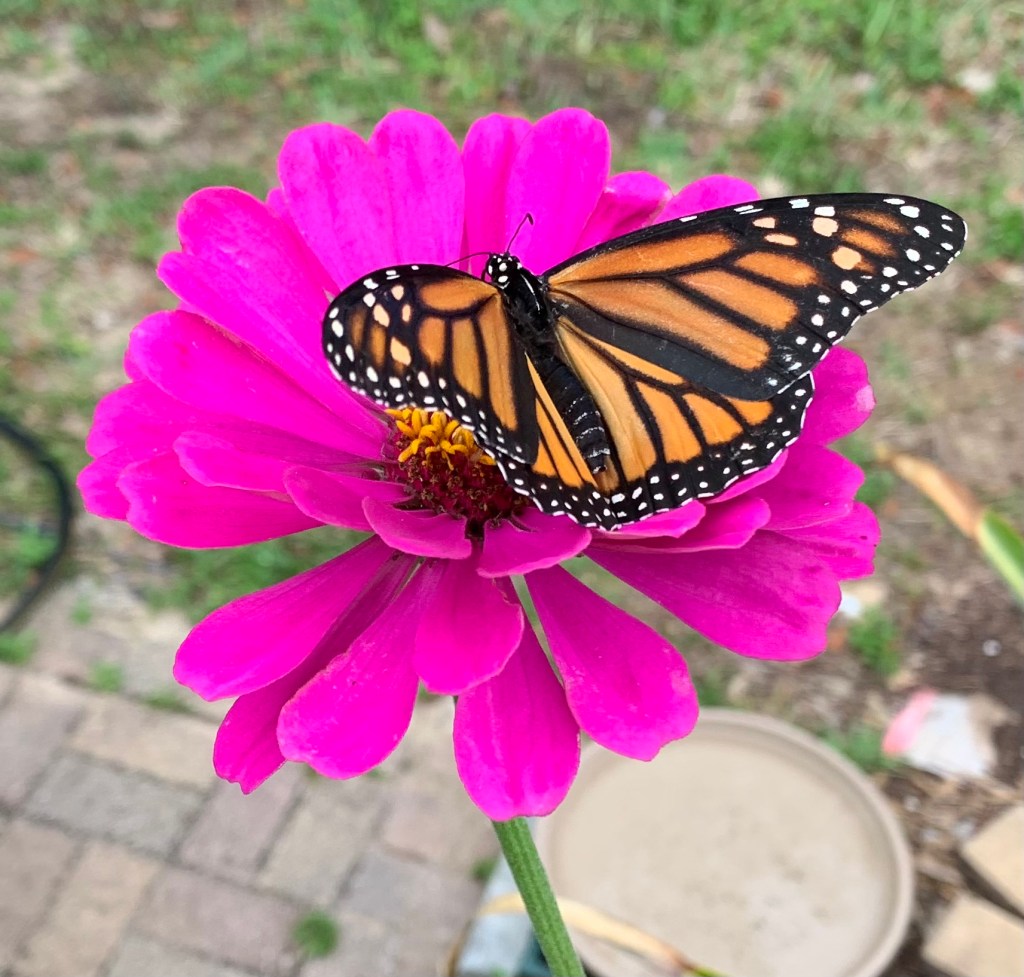
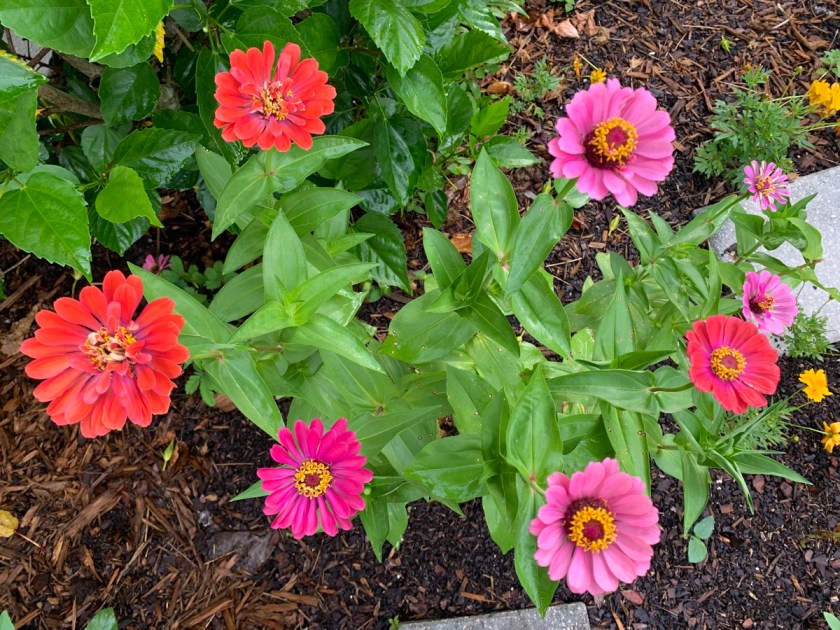
Zinnias are some of the brightest flowers that can be added to the garden. Bees and butterflies use them for food, and even a place to sleep. The flowers are long lasting and the seeds are easy to save.
Last year (2023) I grew zinnias for the first time. I’m not sure why I never grew them before in Florida, but I’ll always grow them from now on.
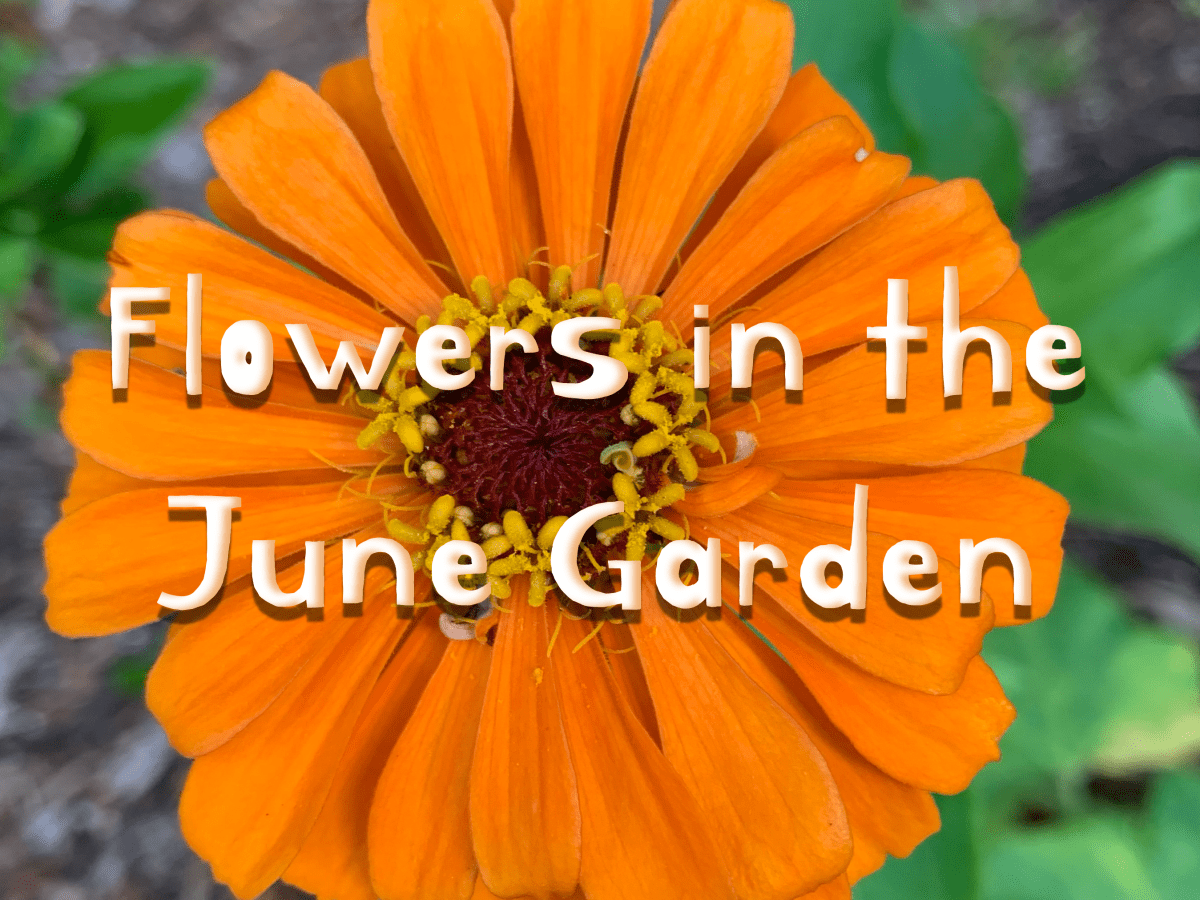
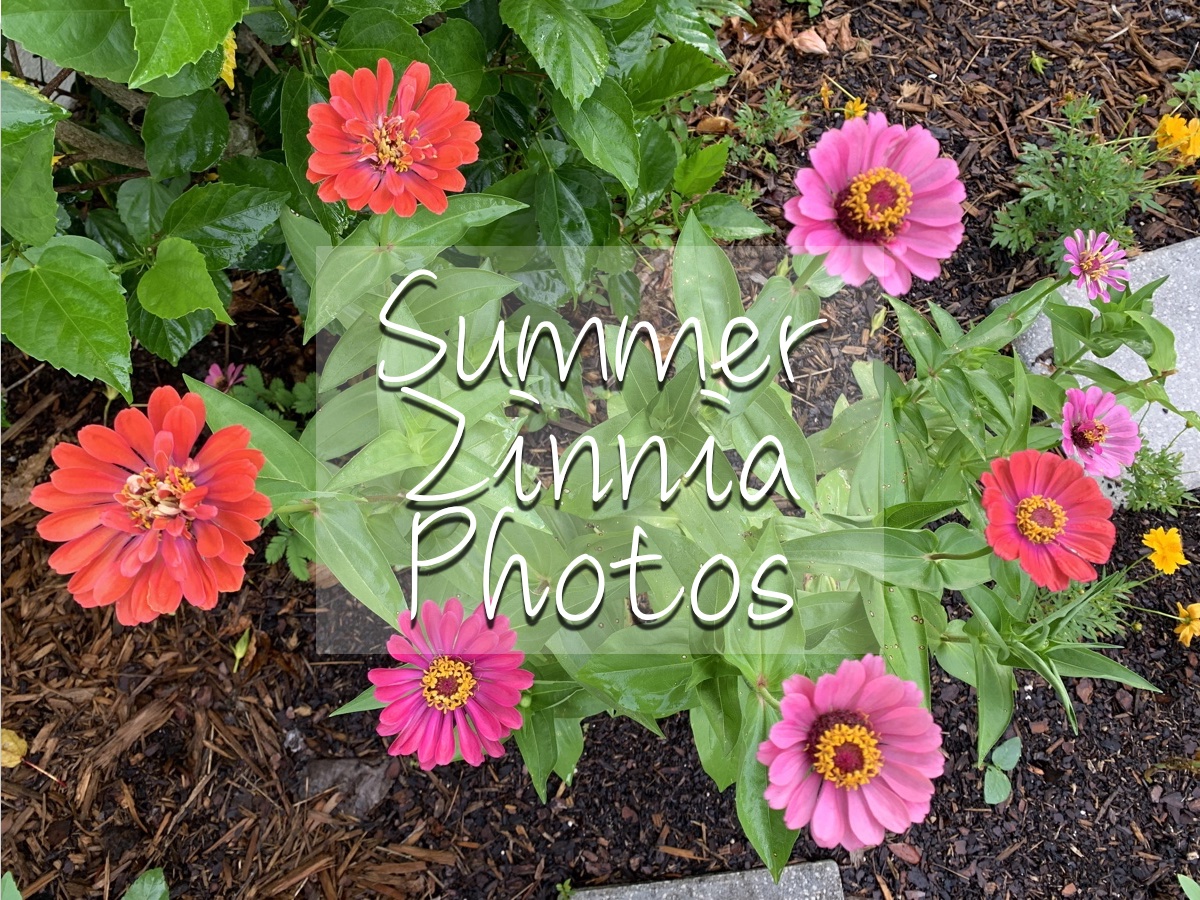
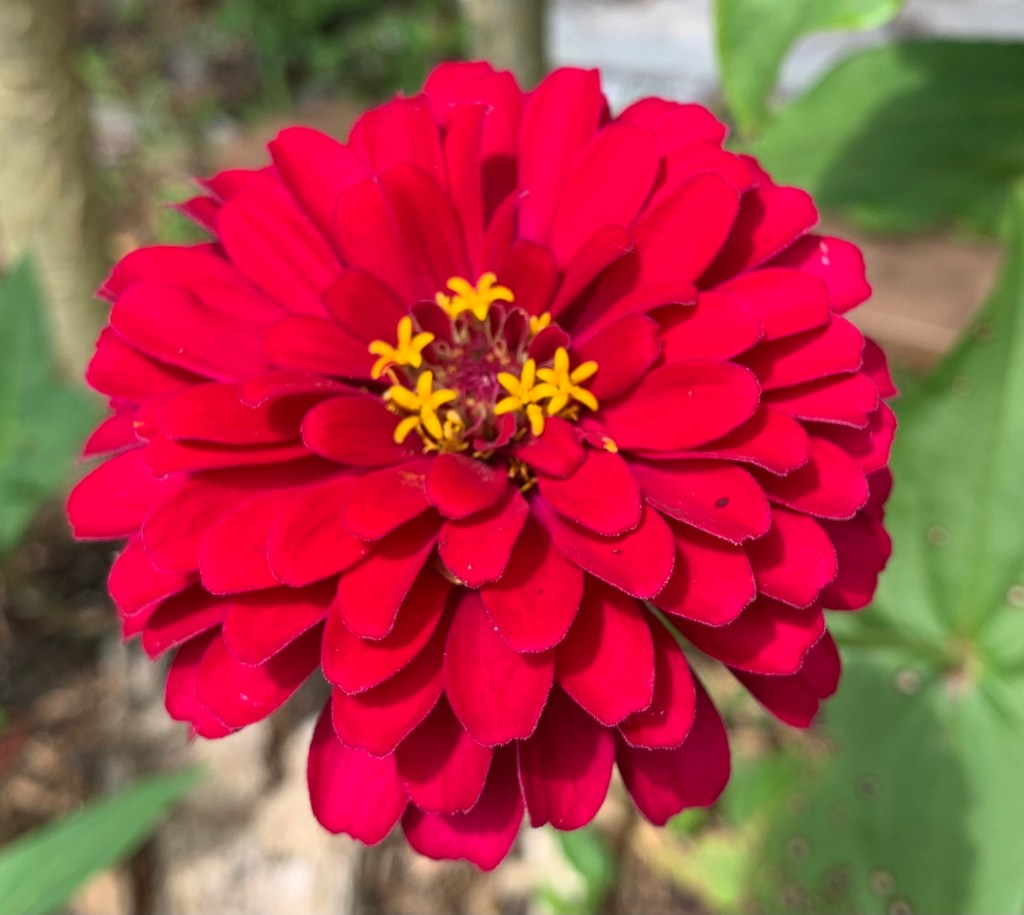
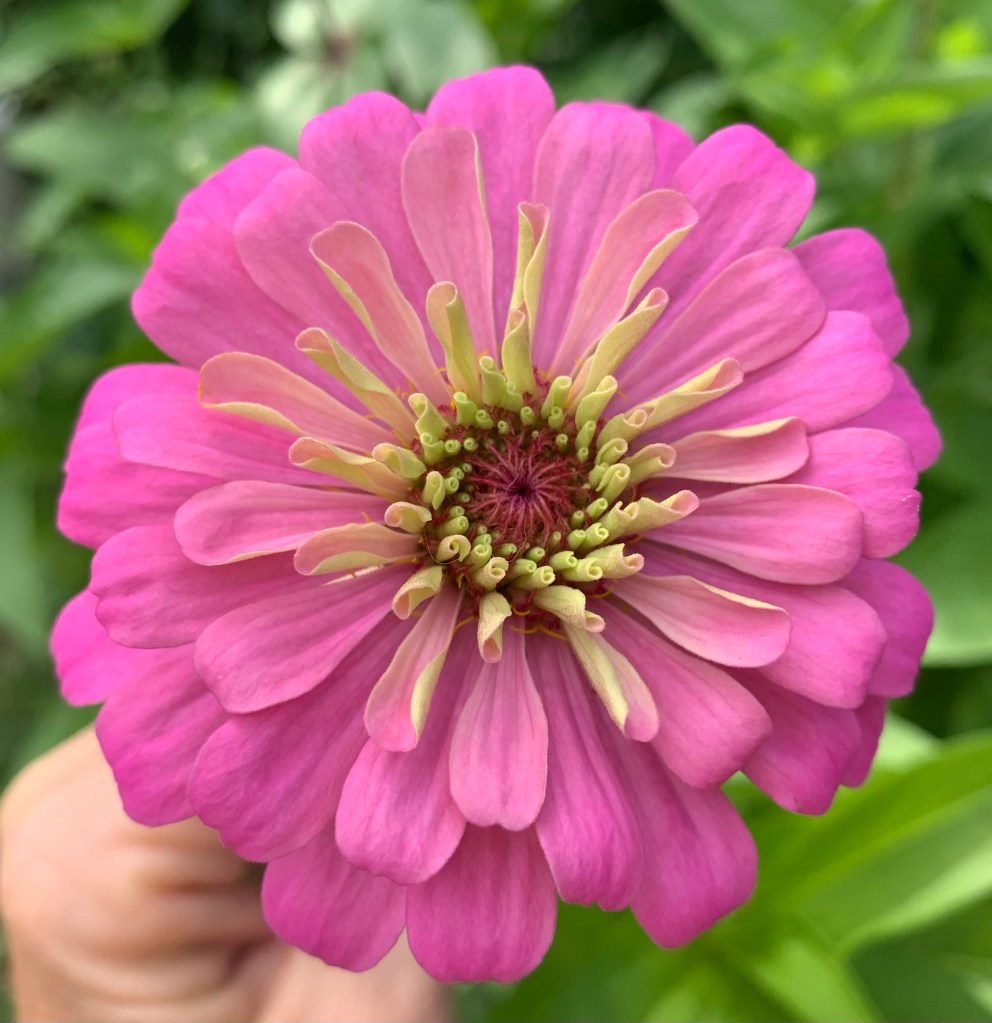
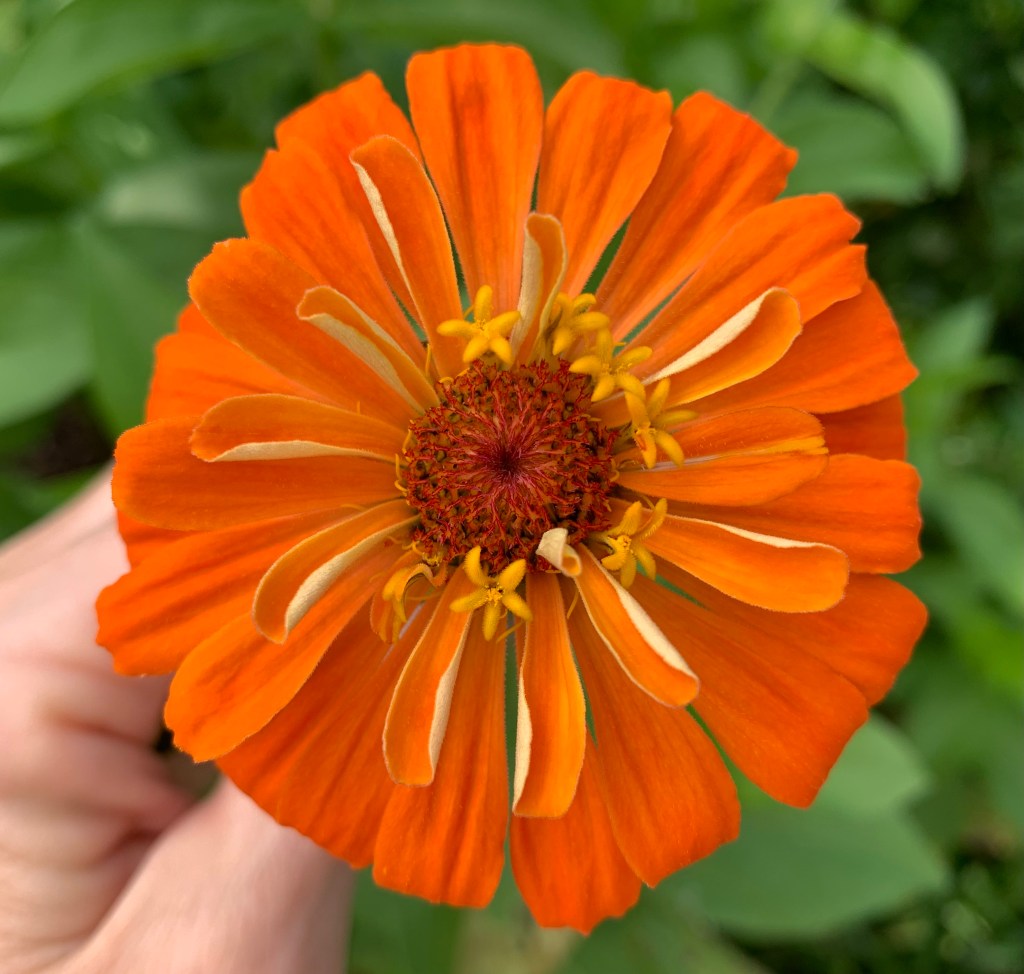
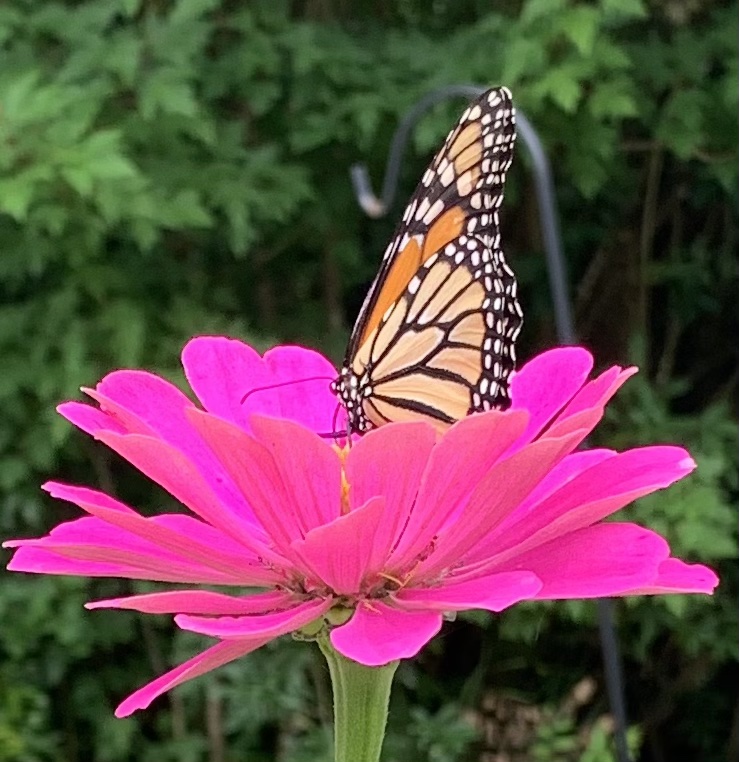
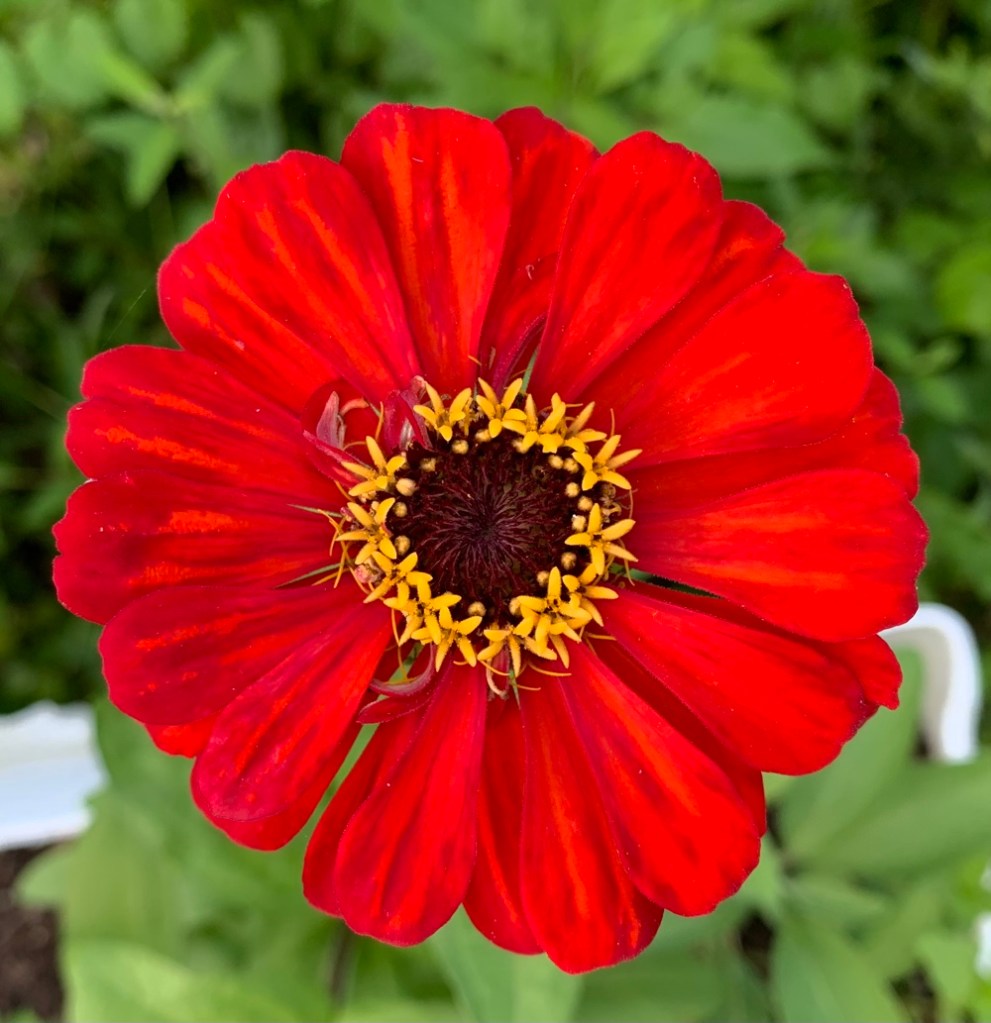
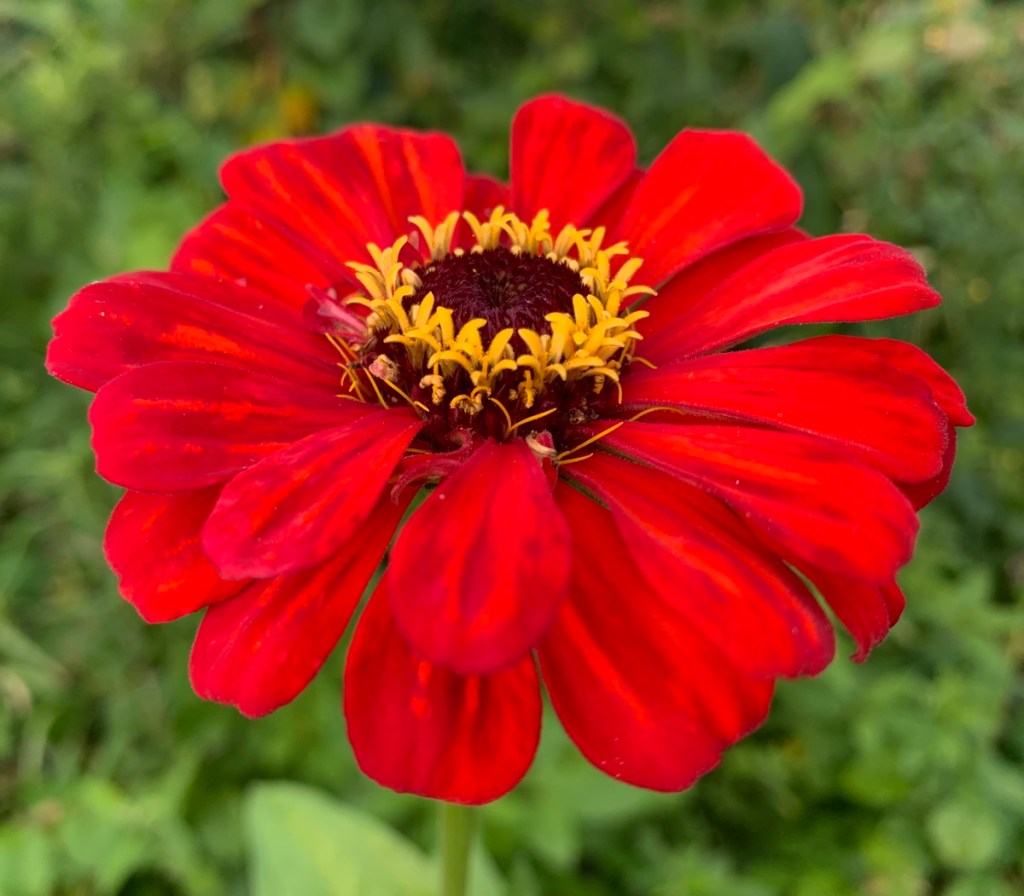
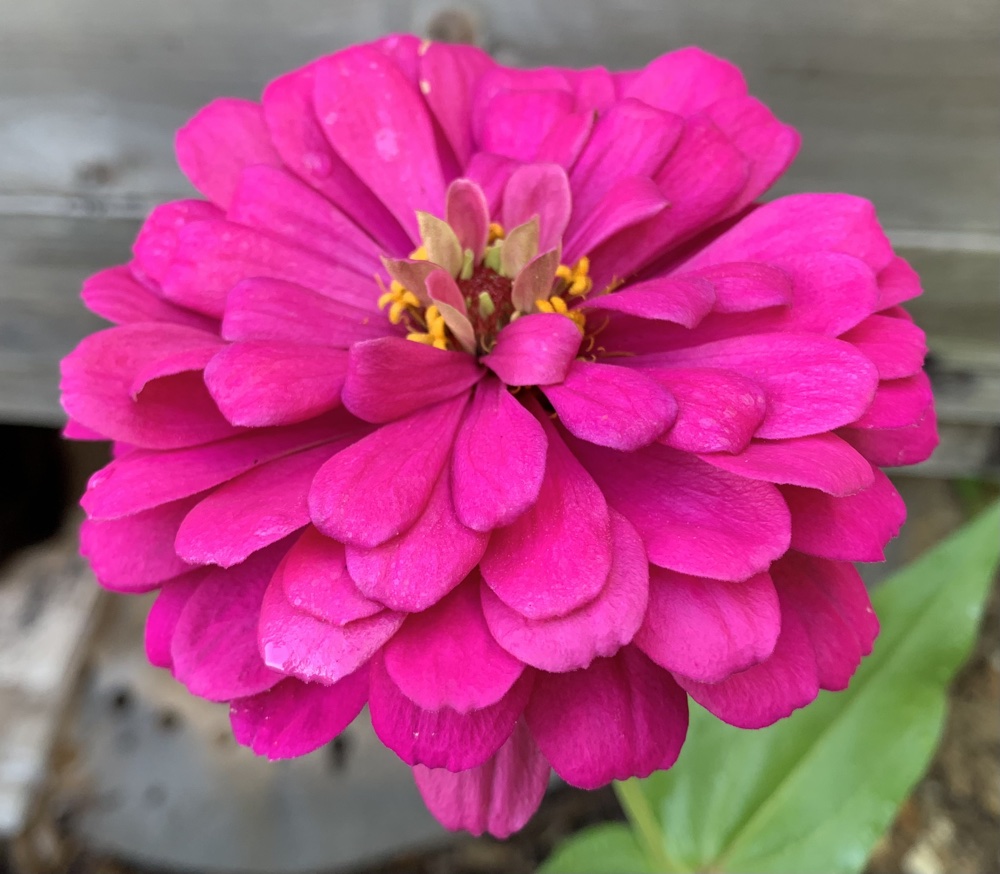
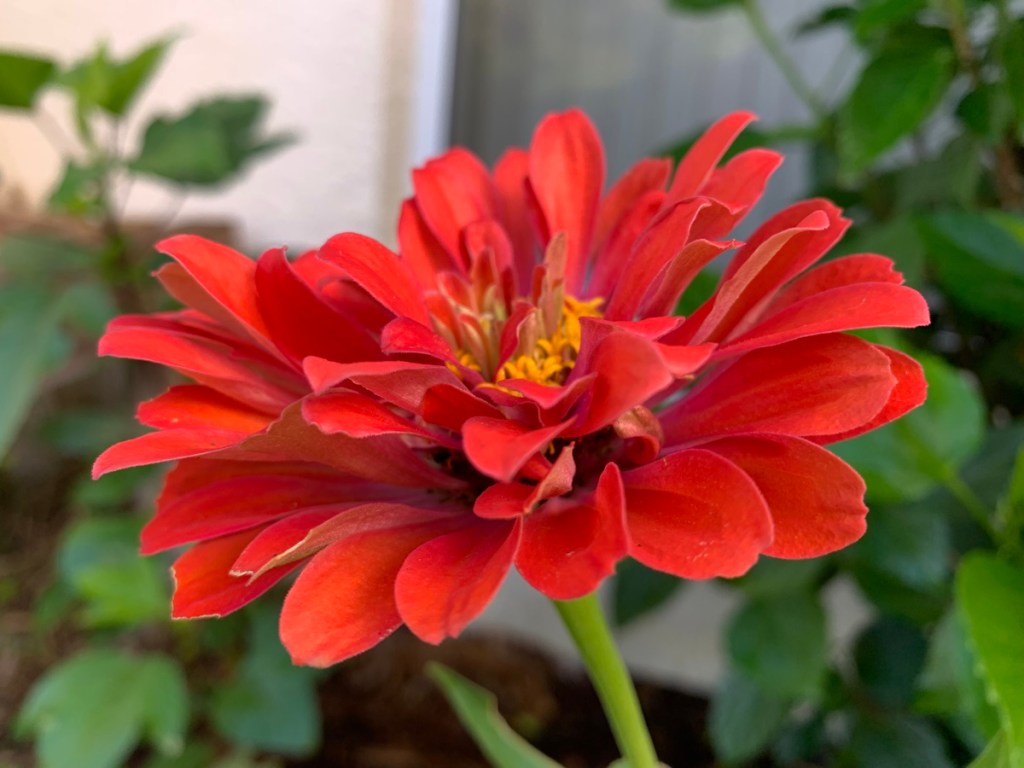
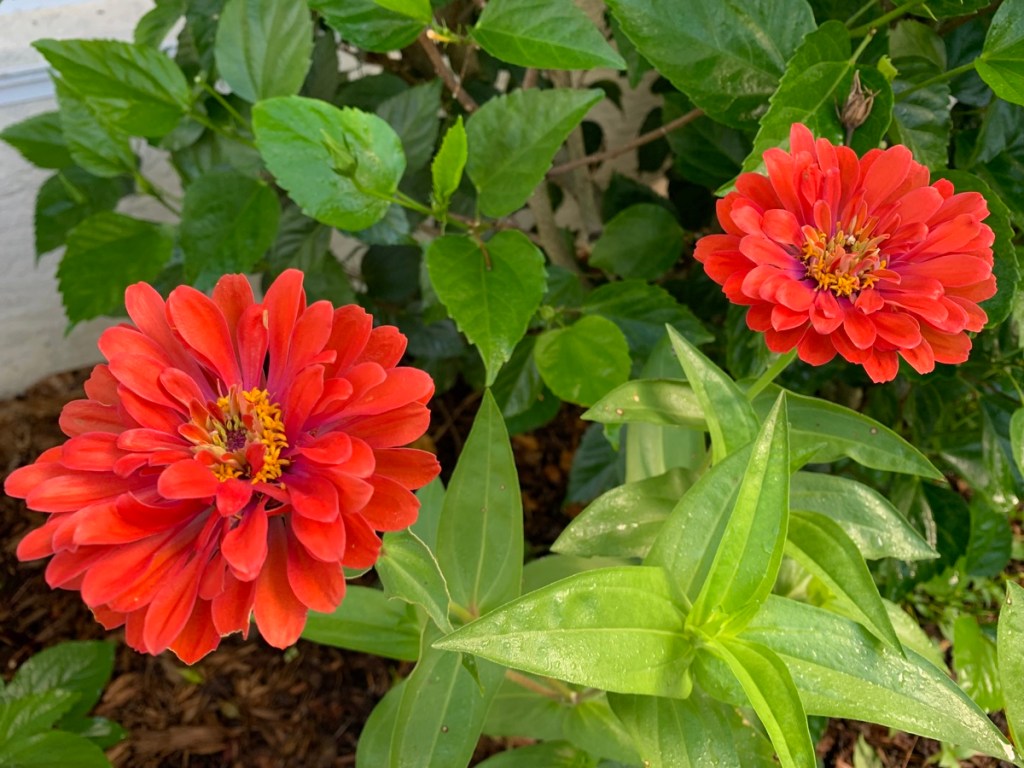
Look at the colors! The reds are so bright, and the orange is so true. The hot pinks are incredible, and the butterfly thinks so too! I think it is a Monarch.
Floret zinnia
The bees and butterflies especially love the Zinnias with those yellow centers. It’s where they eat and gather pollen.
A Zinnia flower will change day by day as the petals open and the center grows. They are quite long lasting also.
Floret ZinniasSo red…Fluffy orange
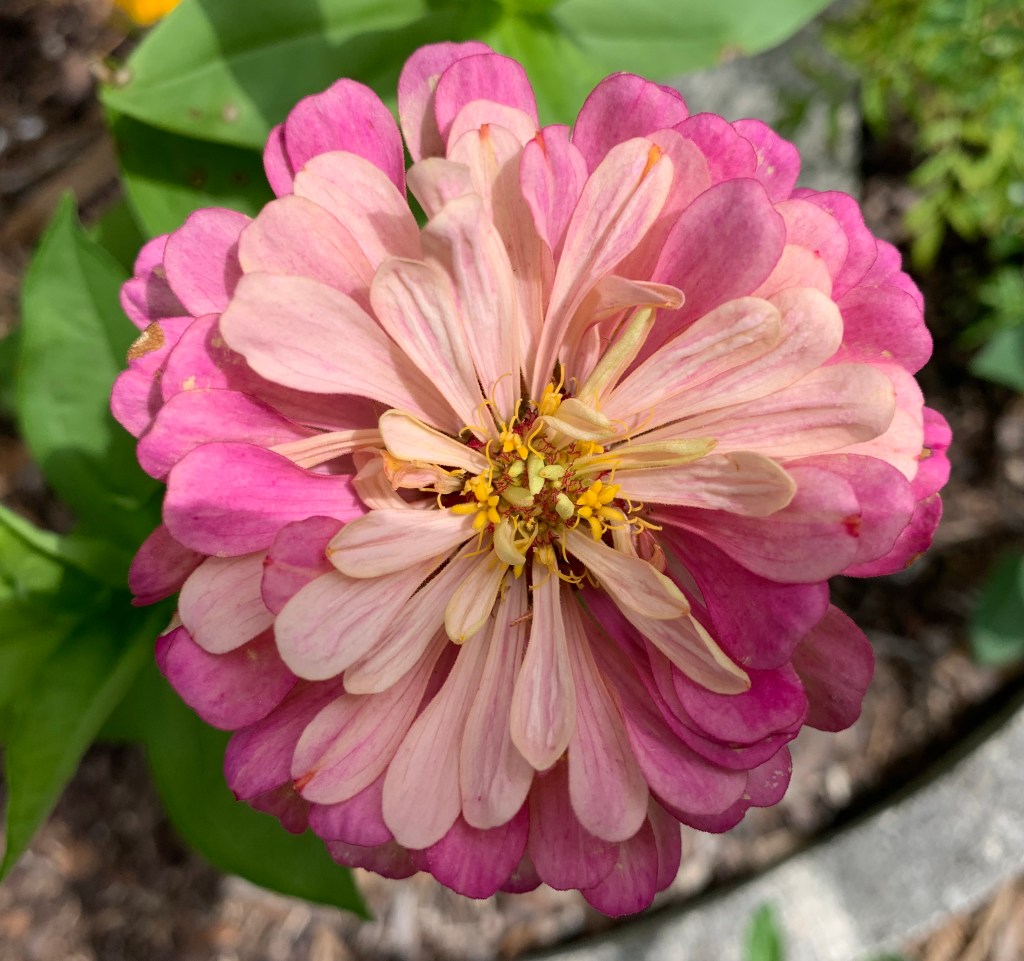
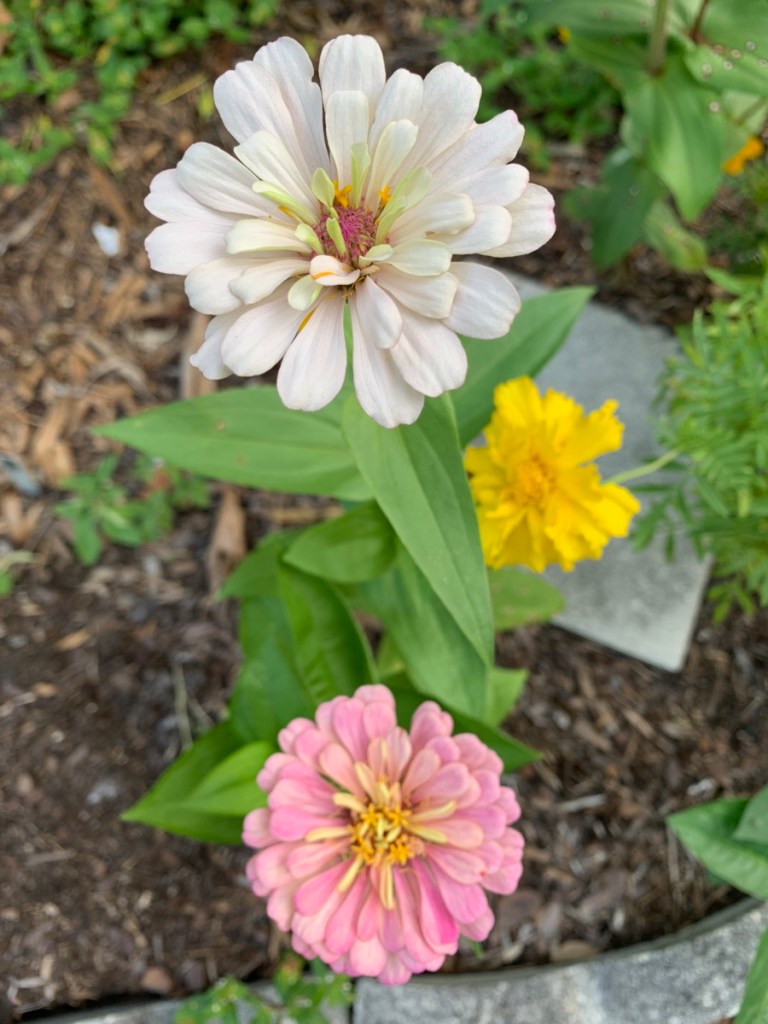
I’m partial to the flowers with lots of petals that create layers. Sometimes I find a bee nestled inside those petals. What a fun place to sleep.
Save the Seeds
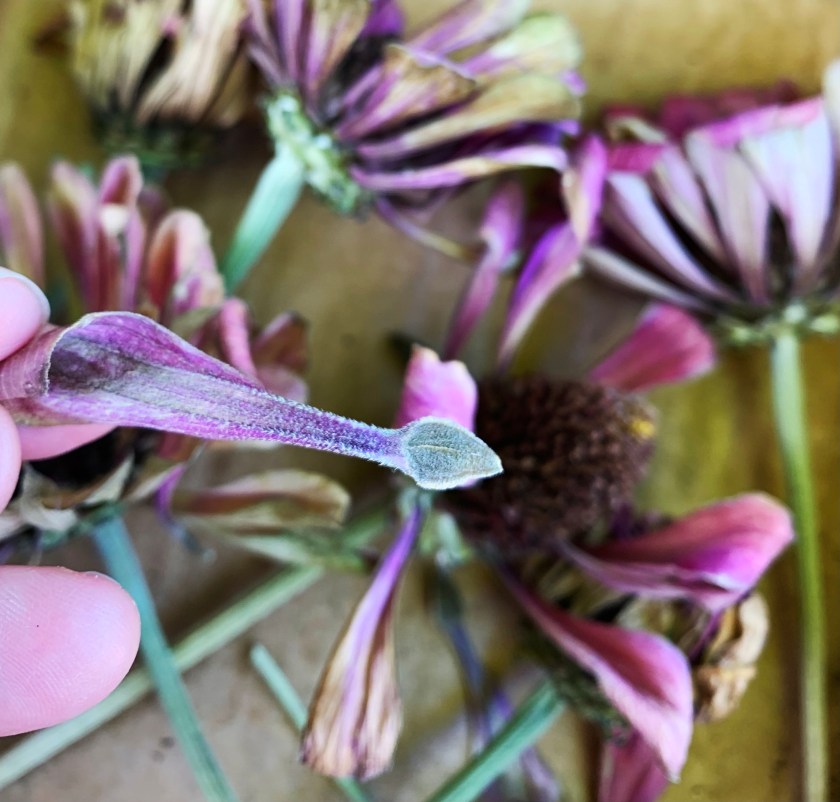
Zinnias are direct sow, so put the big seeds right into the dirt. Saving Zinnia seeds is also easy. Each petal has a seed at the end. I cut off the flower heads when they seem to be gone by and drying out, and place them into a box to dry further. I will be writing a separate post about saving the seeds, but that is pretty much it.
Zinnia seed
I leave the flowers whole, but usually they become so dry that the petals fall out. Sometimes I can still see the color of the original flower. Every photo you see on this page (except the Florets) came from seeds I saved from last year’s flowers.
I also read at the UF/IFAS extension that the flowers with few rows of petals should be tossed! What? Why? I disagree.
I’m wondering if I should take off the petal before planting the seed? Will they grow better and faster? I always leave the petal on.
Zinnia Disease
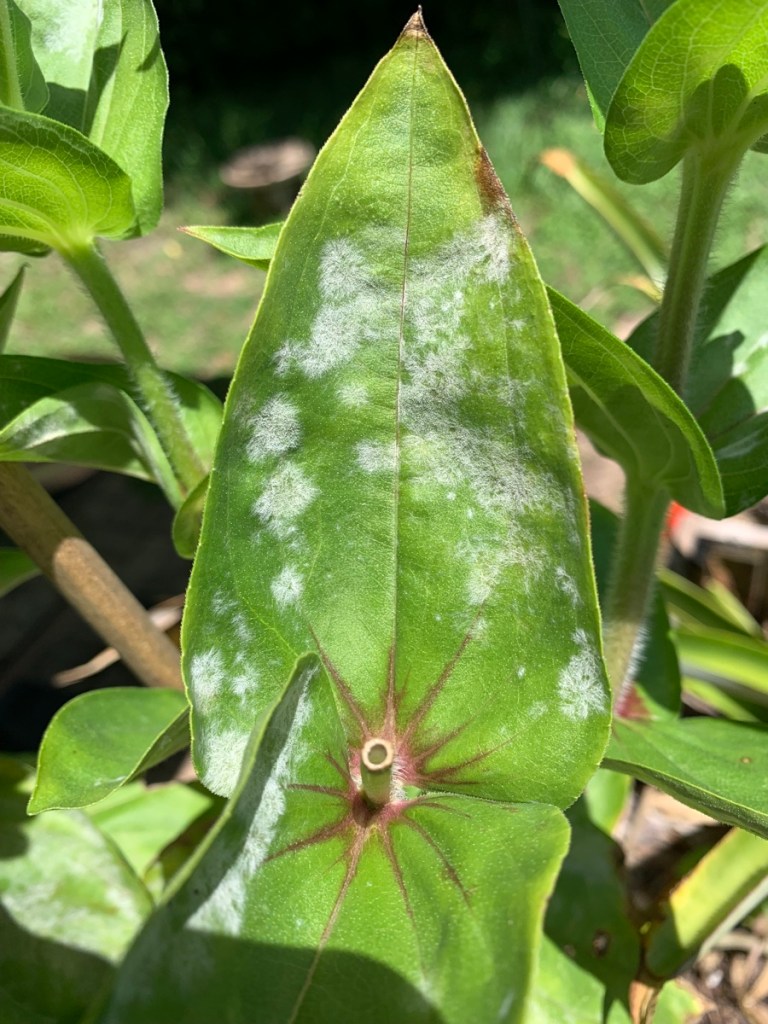
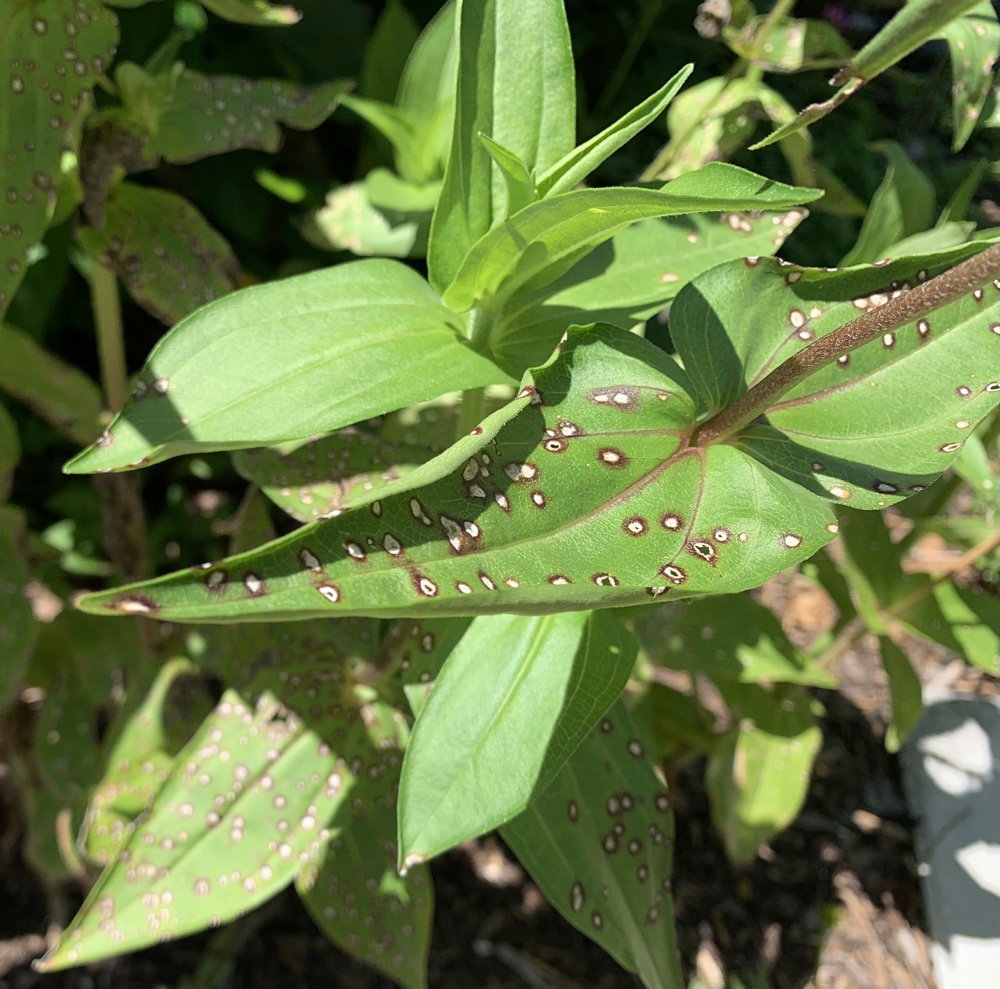
This year I learned that Zinnias can get a spotted leaf disease called bacterial leaf spot. And sure enough, most of mine had it. They can also get powdery mildew on the leaves. (Pegplant’s page lists some varieties that are mildew resistant.)
One way to help prevent both problems, is to give them space to grow. Air flow helps, but I live in a very humid place, so I’m not sure these things can be avoided. Overhead watering is a no-no for these flowers also.
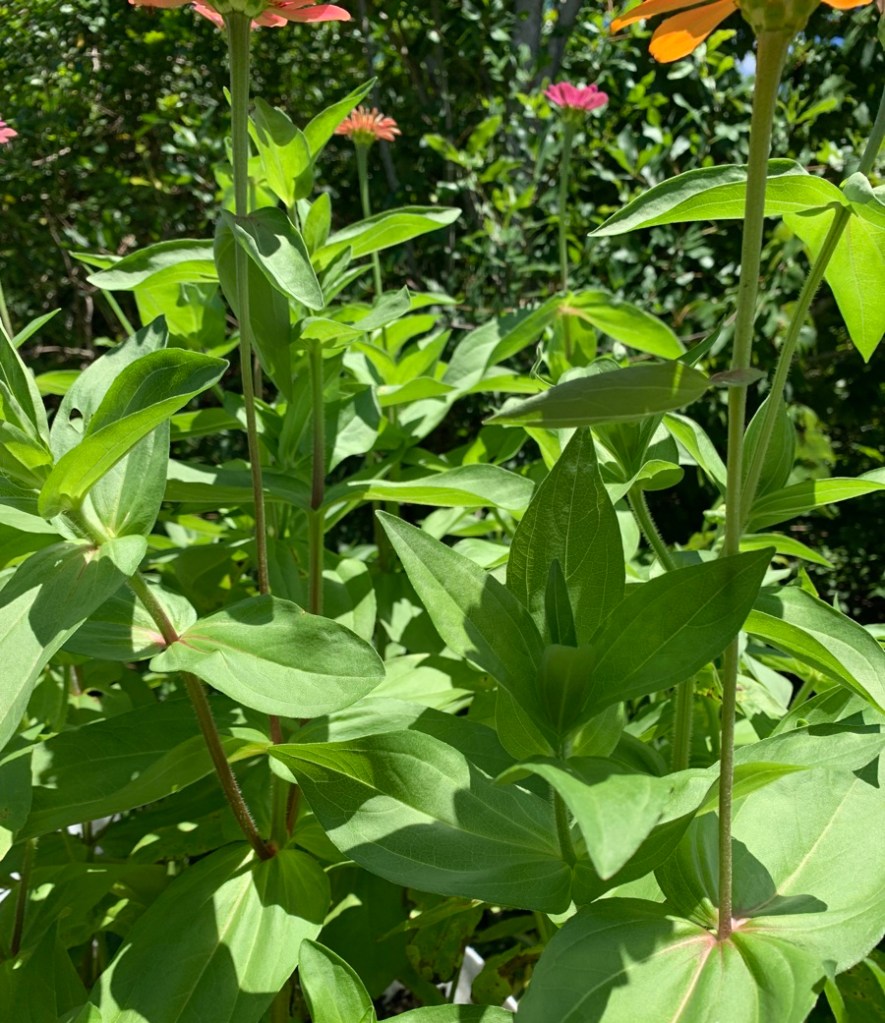
powdery mildewLeaf spotPerfect leaves
Zinnia Varieties Less Susceptible to Disease
I can’t remember where I saw this information, but I wrote it down. This list is the varieties of Zinnia that supposedly are less susceptible to disease. The Southern Exposure Seed Exchange has the Marylandica variety (also called Zahara), but it’s currently out of stock. It has small, white, daisy-like flowers.
angustifolia
marylandica
crystal
star (bright?)
profusion
The varieties to avoid, for disease, are “elegans” and “heageana“, which seem to be the most likely available! I think all of mine are Zinnia elegans.
I found some Zinnia marylandica seeds at a shop on Etsy and will give them a try.
I hope you are having a wonderful summer. If you love to grow Zinnias, I’d love to hear about them.
This year I am growing the Suave Nu Mex peppers, which are not going to be hot peppers. They should be orange in color and not red like the hot ones. After starting from seed, I have two plants growing and doing well.
Peppers, of all kinds, would be fabulous to have growing in my backyard. I use onions daily, and I would use peppers too, if I had them. This year I am growing the orange Suave Nu Mex peppers for the first time. (Not the hot ones.)
Pepper plants are tough to grow. I had trouble growing them when I lived in New Hampshire, because they would just be starting to have nice looking peppers, and the season would be over. They were purchased as seedlings, but the the short summer was a downfall. Now, in Florida, I have a long season, but the peppers were still not easy for me to grow.
DiseaseWinter pepper seedlingsPepper plants with disease
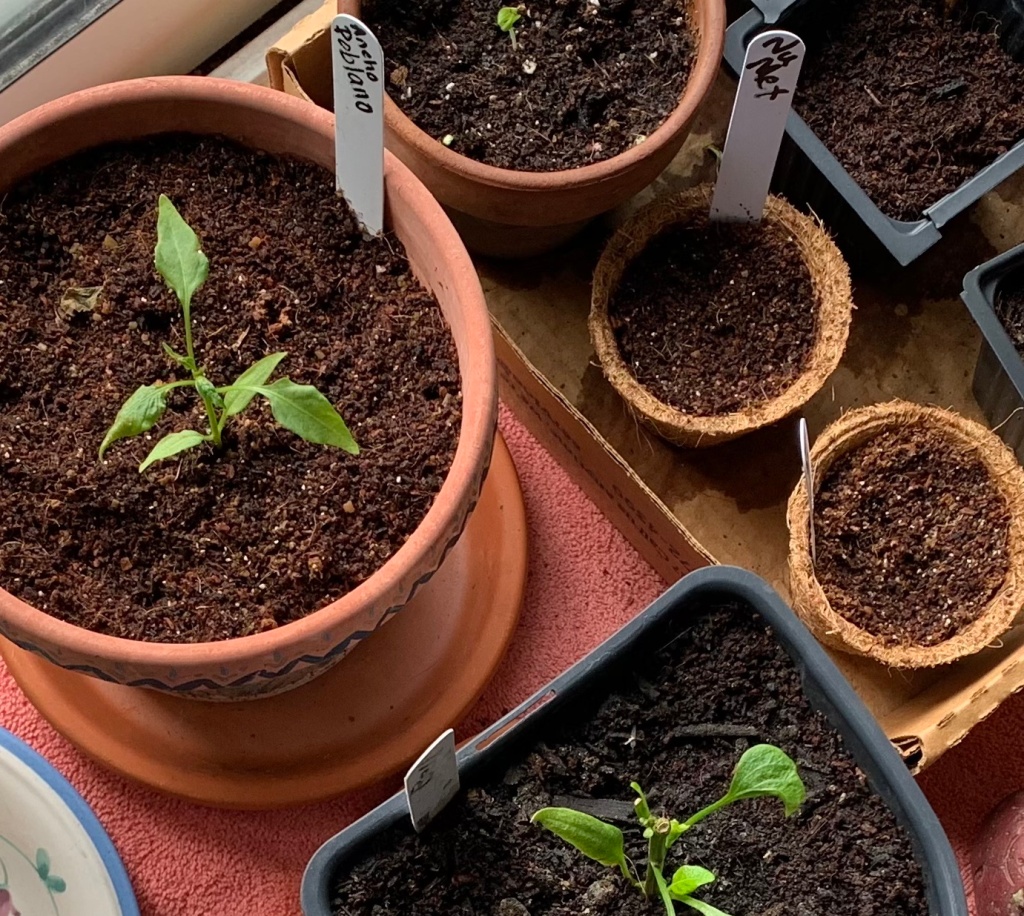
I began my peppers from seeds, in small pots. I tried to keep them going over the winter months, but they didn’t do well. Most of the seedlings ended up dying. Then, the older plants got some sort of disease.
Because my seedlings were have such troubles, I waited for Spring (Feb.) to plant the Nu Mex seeds outside in one of the grow boxes. I waited to see what would grow, and ended up with 2 plants. Yup, only two.
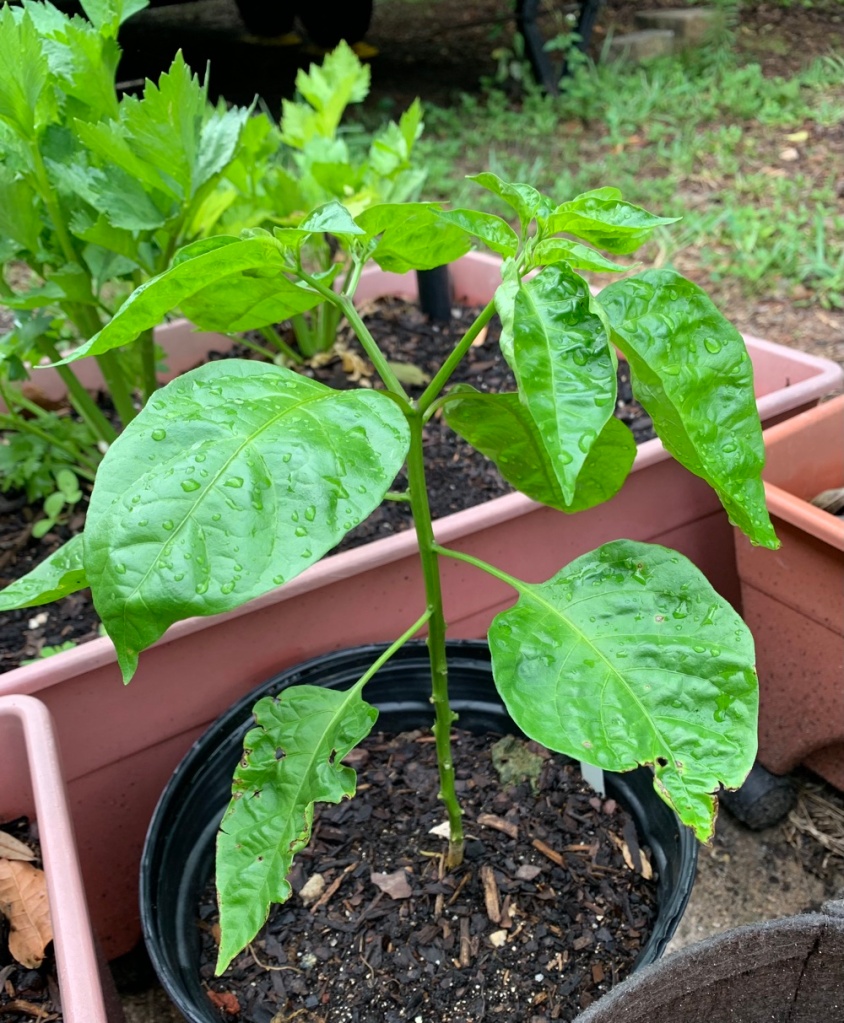
It is now June, and I have one Nu Mex still growing in the box where it began. The other has been transplanted to a plastic pot. Eventually, I will re-plant it somewhere.
Smaller plant
Florida Gardening Conditions
Hot, heat, sun, blazing high temps.
Too much drenching rain, OR not enough rain (we just have over 2 months with NO rain in my area! Temps are reaching over 100.
Gardens need sun, but it’s too much for some plants. Must supply shade.
Humidity… lots of it.
My dilemma is that the boxes are great for starting plants from seed outdoors. But, those boxes are not very deep. They are better for shallow rooted crops. A Nu Mex can be 4 feet tall, and I’m sure it has an extensive root system. It really needs to be in the ground.
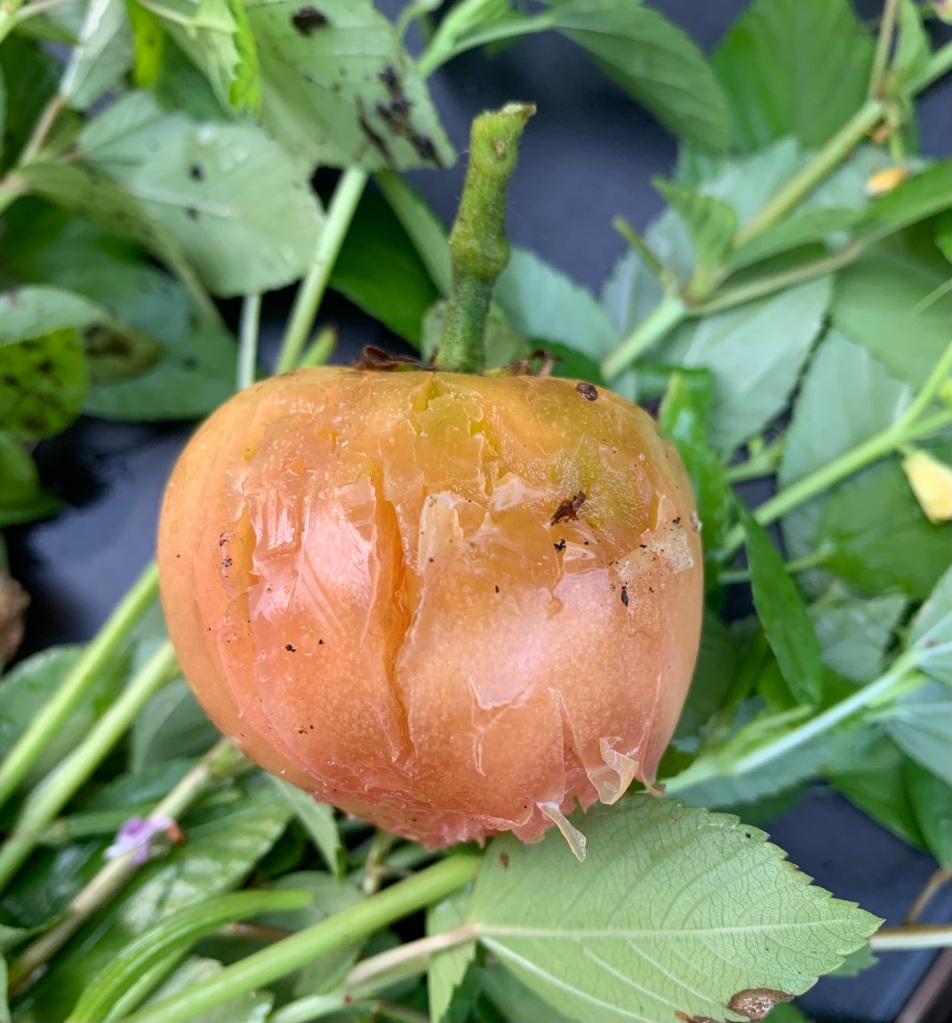
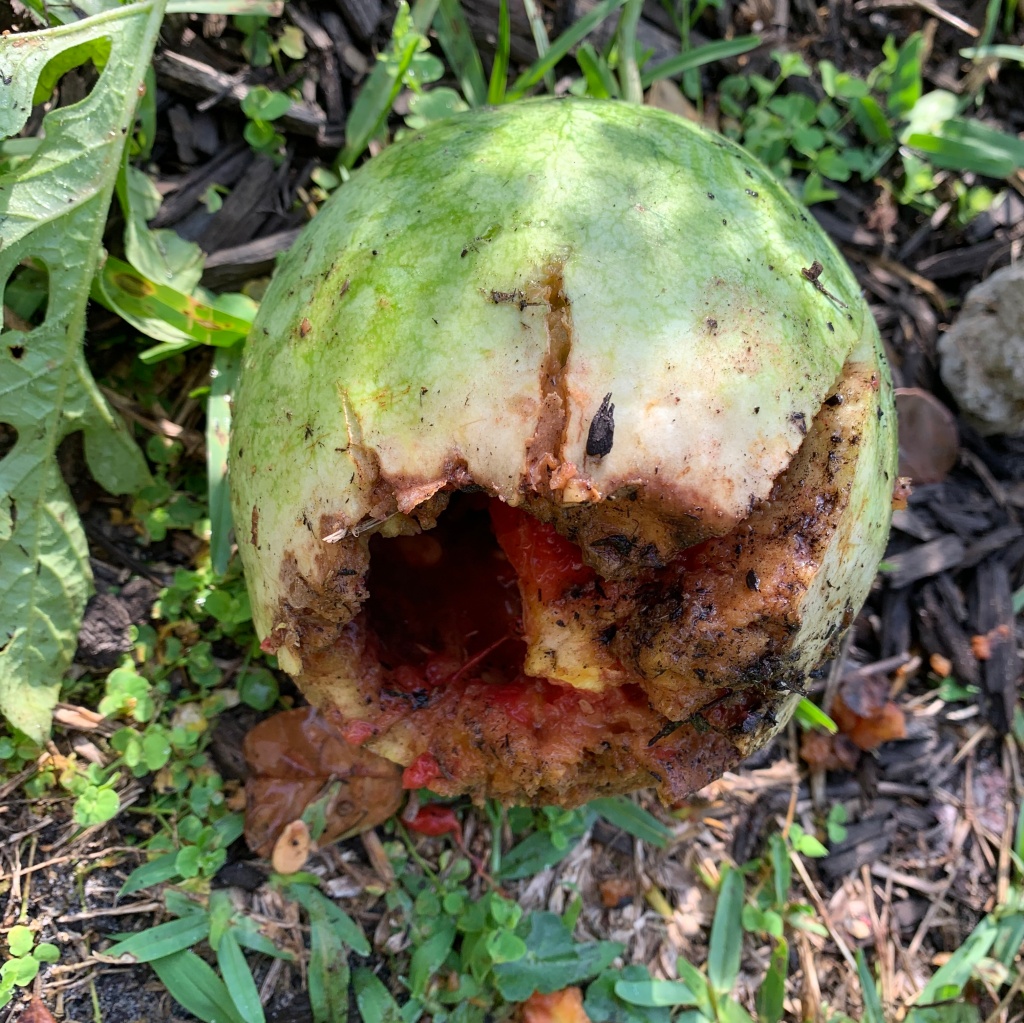
Anything growing in the ground in my yard, is open to raccoons harvesting my produce. They will rip the peppers right off the plant, as they do with tomatoes, eggplant, watermelon, and whatever else is in their line of sight. It’s a conundrum.
Raccoon got the tomatoWatermelon disaster
About the Suave Nu Mex Variety
The Suave Nu Mex (orange) peppers will look like habanero peppers, but won’t be hot like those. It means I can use them in meals without worrying about the heat. At least this is the hope!
Watch this video by Elise Pickett of The Urban Harvest, where she discusses which peppers to grow in Florida and how to care for them.
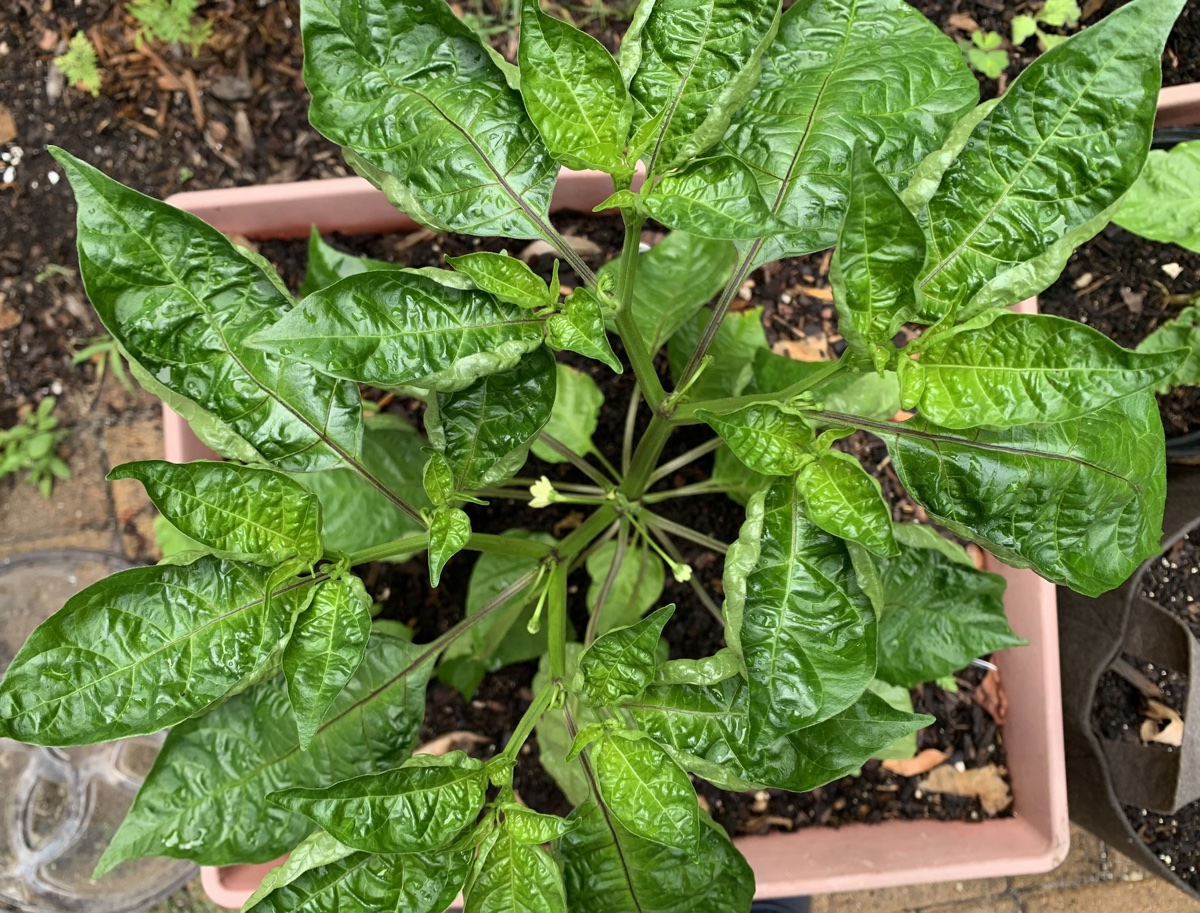
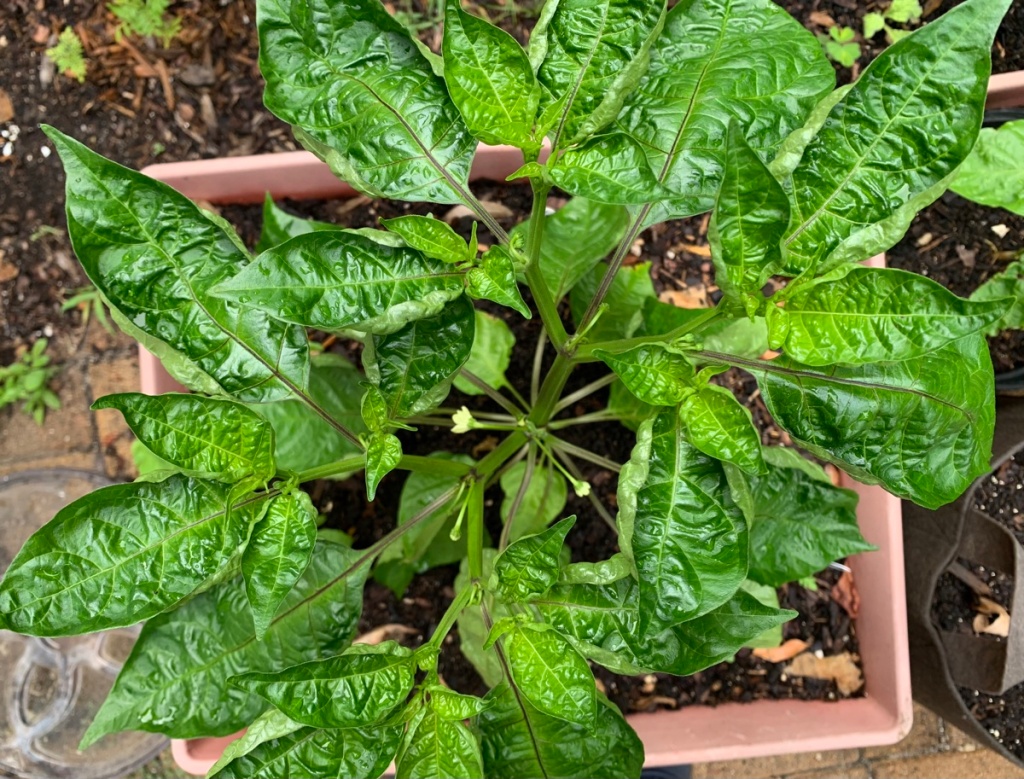
Nu Mex leaves
The leaves on the Nu Mex peppers are curled on the edges. I’m not sure if this is a characteristic of the variety, or if it’s a signal that something is wrong. The plants both look healthy, and the larger one has flowers. These plants are about four months old.
The Secret is to Give the Peppers Some Shade
The peppers that grew well from seed looked nice, but I was worried about how much water to give them. The sun is so hot, and it dries the ground pretty fast. But I don’t want to overwater either.
After a month of growing my pepper seedlings, one thing I discovered is to give them shade early in the day. They were getting a lot of sun until later in the afternoon, but it was too much.
Other Peppers Growing Well
After struggling to get my pepper plants past the seedling stage, I now have these types growing in my little backyard. I wrote a page about them here.
4 Carolina Wonder Bell pepper plants
2 Suave Nu Mex, orange, not hot variety (this page)
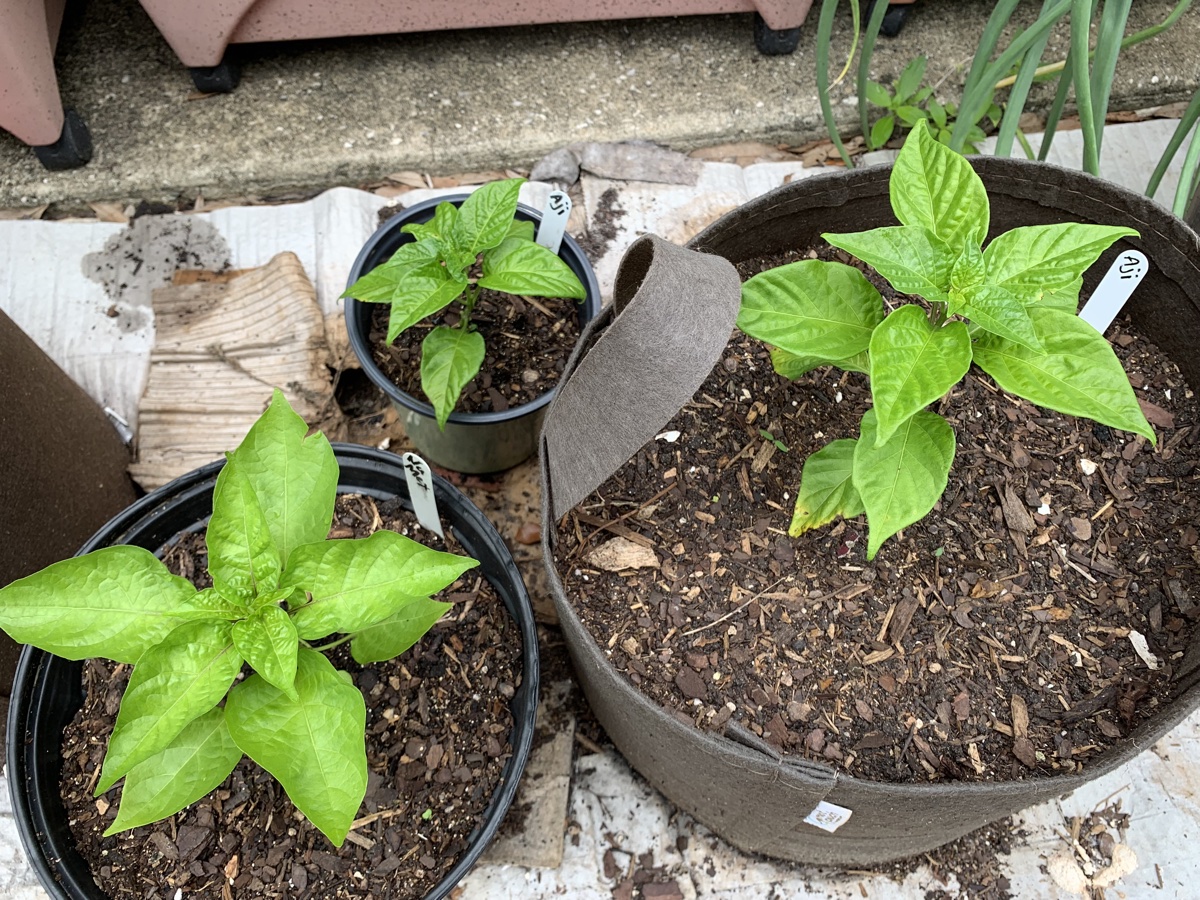
2 Aji Dulce spice pepper / seasoning peppers
1 Ancho poblano (2 have already died, so fingers crossed)
Using Umbrellas For Shade in the Garden
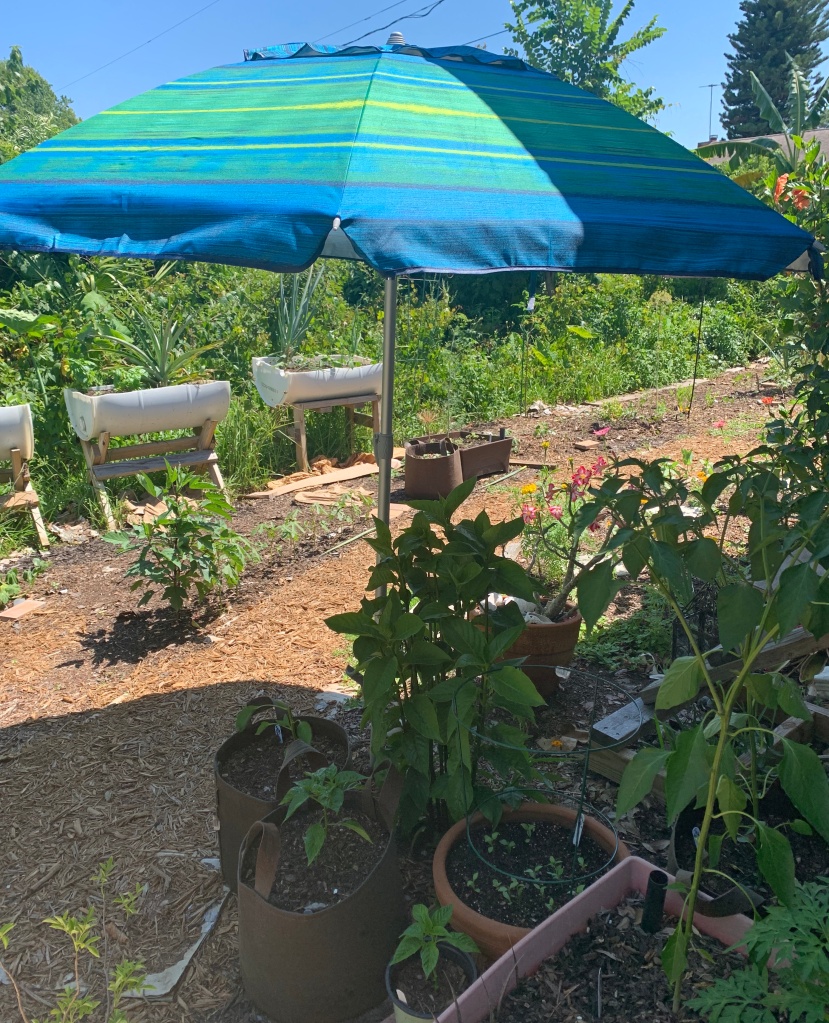
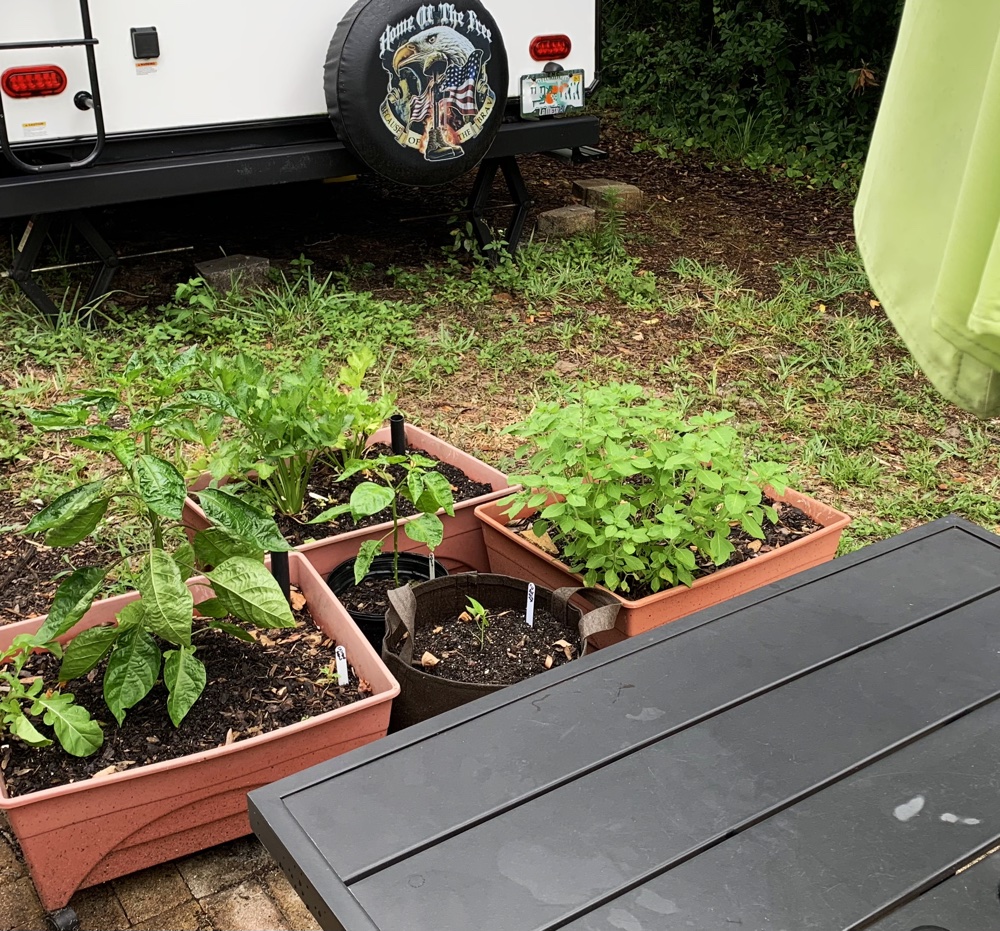
I have set up my beach umbrella next to the fire spike – which droops in the sun every day. I’ve arranged some peppers in bags around the bottom and try to remember to open up the umbrella by noon.
Both Nu Mex plants are near my table umbrella, which I put up to block the afternoon sun. All the pepper plants have begun to do much better now that they have less direct sun.
Beach umbrella is up for shadeNu Mex – will get afternoon shade when I open that umbrella
Epsom Salt and Fertilizer
In Ellise’s video (link provided up this page), she talks about adding Epsom salt (paid link) to her pepper plants. About once a month, sprinkle a little around the plants. I have been doing this with all my peppers.
Don’t fertilize too much either or they will grow like mad, but not produce. Once they begin to grow little peppers, they may need more fertilizer. Some places say to fertilize once a month. I’m still in the learning stages and I’m not good at keeping track of when I fertilize what plants.
Umbrella Suggestions
If you want to use a stand alone (beach umbrella) to shade portions of the yard, be sure to get one that screws into the ground. Mine has the screw part attached at the bottom, with fold out handles to screw it in. The top of the umbrella comes completely out, which is nice if it gets super windy. Also the height is adjustable, and it tilts.
The one I bought (back in 2017) is similar to this one on Amazon (this is a paid link), but I’m not sure the quality is the same. The one I have is currently unavailable.
The plastic screw anchor is easy to put into the sandy ground, or take it out to move. Umbrella anchors can be purchased separately, and then you could find a cheap umbrella to use with it. The problem I see with that set up, is the wind. If the umbrella sets into the anchor, it could come out and blow away.
Another option for shade is to buy a shade cloth. I’ve never used one, but they are big and need to be anchored somehow and tied somewhere. This works best if you have a big area to cover.
I probably shouldn’t say this out loud, but I am very happy with the way my pepper plants are growing! I have yet to pick a pepper, but my fingers are crossed.
Peppers are a vegetable I would LOVE to have growing in my yard. I like them sweet or hot, and preferably would have both types to choose from. I use peppers quite a bit in my cooking, but currently I have to buy them at the store.
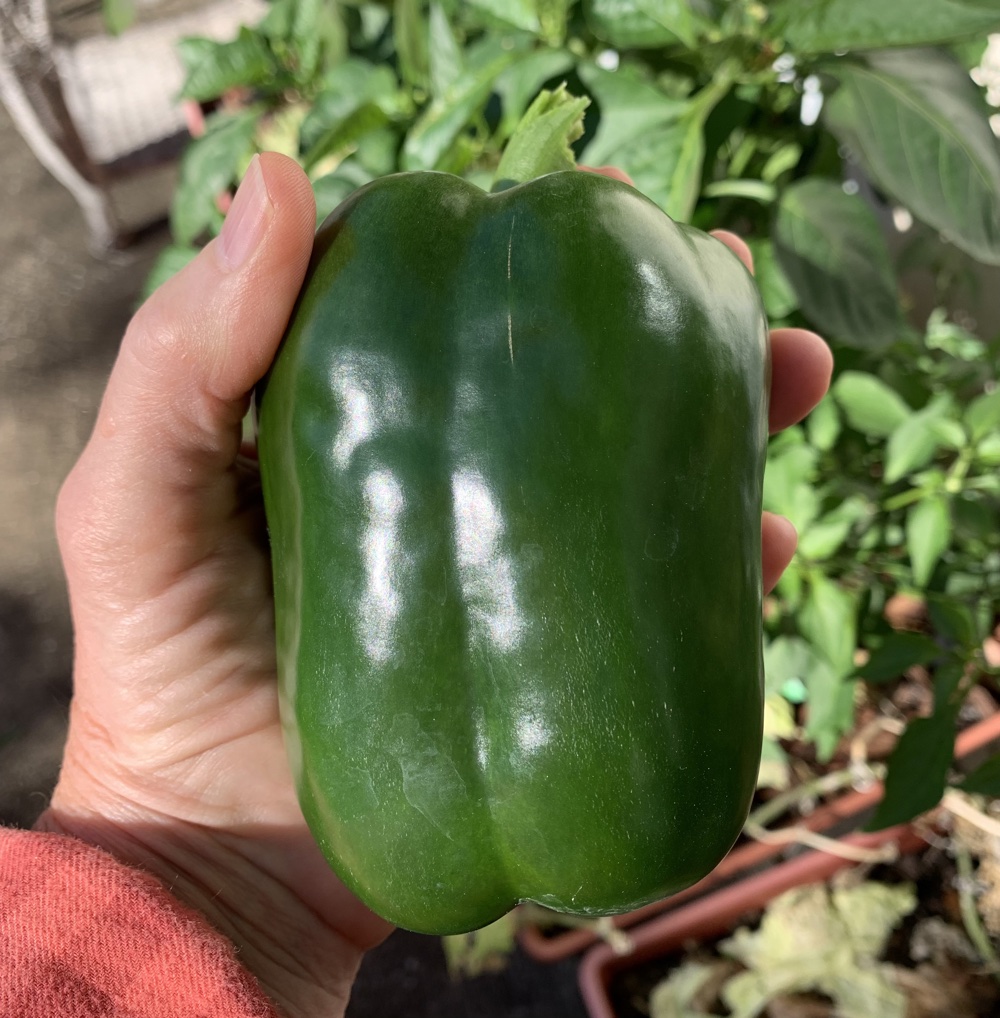
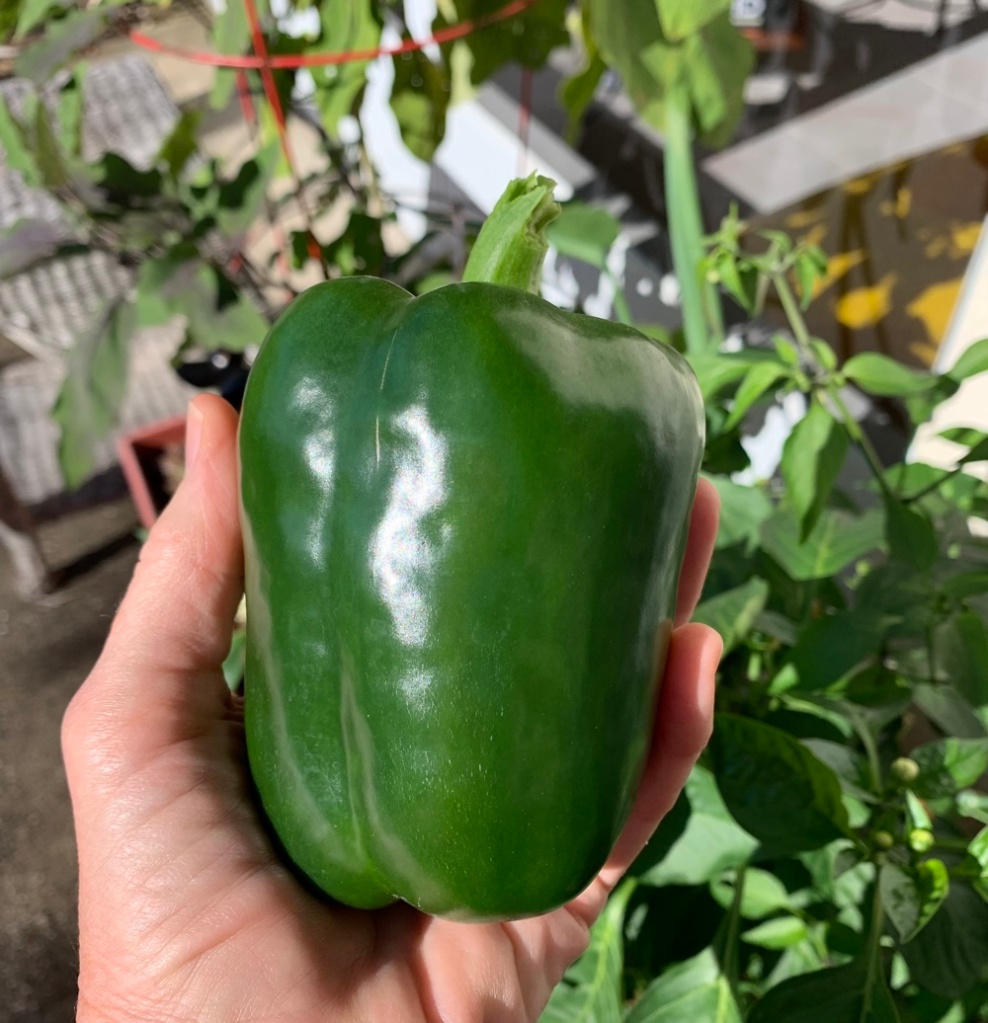
You’d think that in this hot climate peppers would grow like mad. In fact, I’ve had bell pepper plants (photos below) that lasted for a few years. But getting a good plant started, and have it grow lovely peppers, can be a challenge.
Home grownGreen bell pepper
I still don’t have a car, so the best way for me to grow peppers is to order seeds. Also, most stores / nurseries around here don’t offer the types of pepper I want to grow. If you can buy seedlings to grow, of a variety that works for our climate, that is the way to go. Seeds take forever to turn into lovely plants.
How I Grow Peppers From Seed Successfully
The way to be successful growing peppers, is to plant seeds outside in grow boxes. Plant lots of seeds because most of them may not grow.
Once the little pepper plants grow big enough, separate them by transplanting so each plant has space to grow big. Make sure all soil is full of good nutrients.
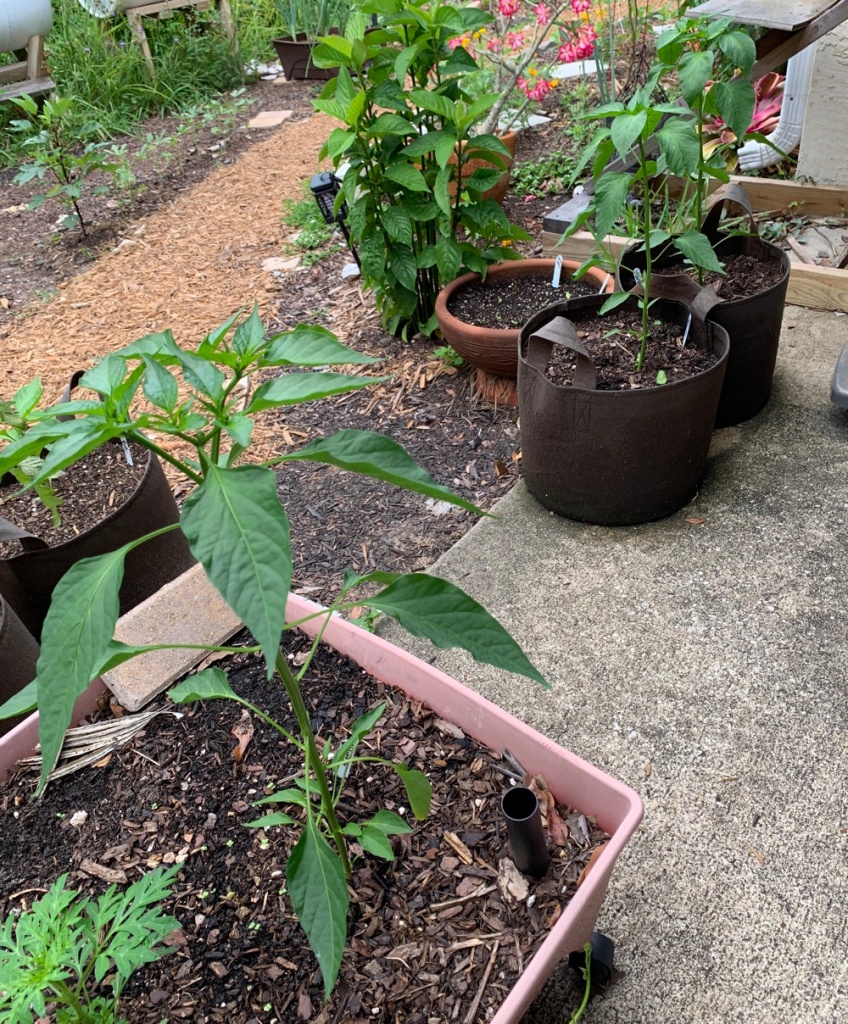
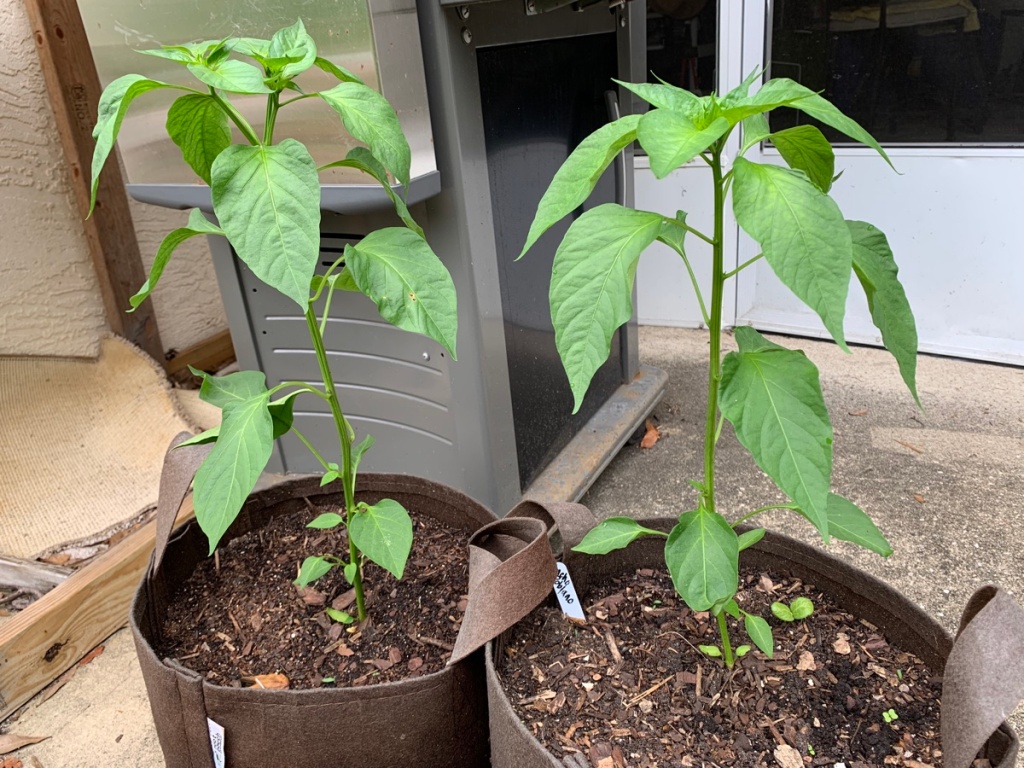
The Ancho poblano pepper plants, shown below, were started from seed in the red (faded to pink) grow box. I left one plant in the box and the other two were each given their own fabric pot. I love the flavor, which is not extremely hot when eaten green. I really hope these pepper plants grow well.
Ancho poblano pepper plantsEach poblano has it’s own pot
These plants were quite tall when I transplanted them because I had been away for two weeks. Usually I would transplant sooner.
*Update on the poblano: Suddenly the two plants in the grow bags drooped horribly. they ended up dying. I still have the one in the square box.
Aji Dulce and Suave NuMex
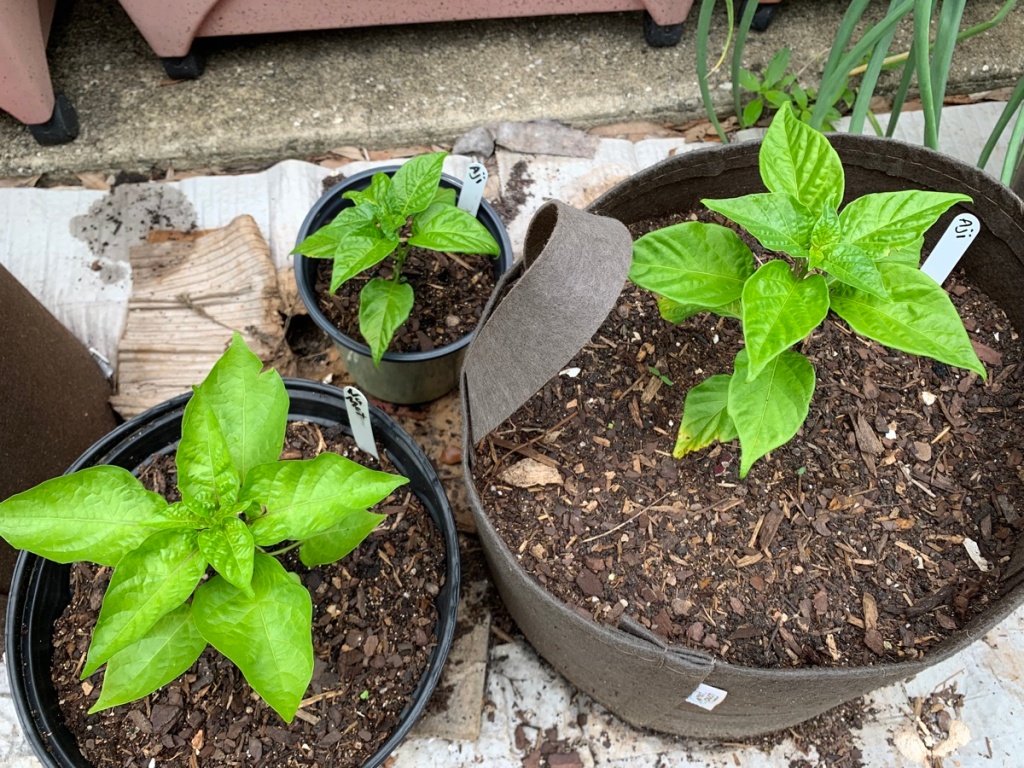
The Aji Dulce plants were growing side by side in a small pot. I didn’t know if they would separate well, but both plants are doing great. I think the trick is to let them get a good root system established before separating.
The Nu Mex variety (below) were also growing in a red box. Once they were big enough, I transplanted one to a plastic pot, leaving the other in the red box.
Suave NuMex Ali and Nu Mex
Be sure to mark the plants in some way because pepper plants can look a lot alike. Both of these varieties will have peppers that resemble a habanero, but they don’t have the heat.
Pepper plants started from seed are slow growing! You must have patience to grow peppers.
Carolina Wonder Bell
As an example of what I do, see the box in the photo below. It contains Carolina Wonder Bell pepper plants. I had two larger plants in this box and transplanted one to a big pot. There are still two tiny seedlings coming along (circled), which I will also transplant when they grow up. The remaining plant will stay in this box to continue to grow.
Carolina Wonder Bell pepper plants
Don’t Bother With Starting Plants in Small Pots
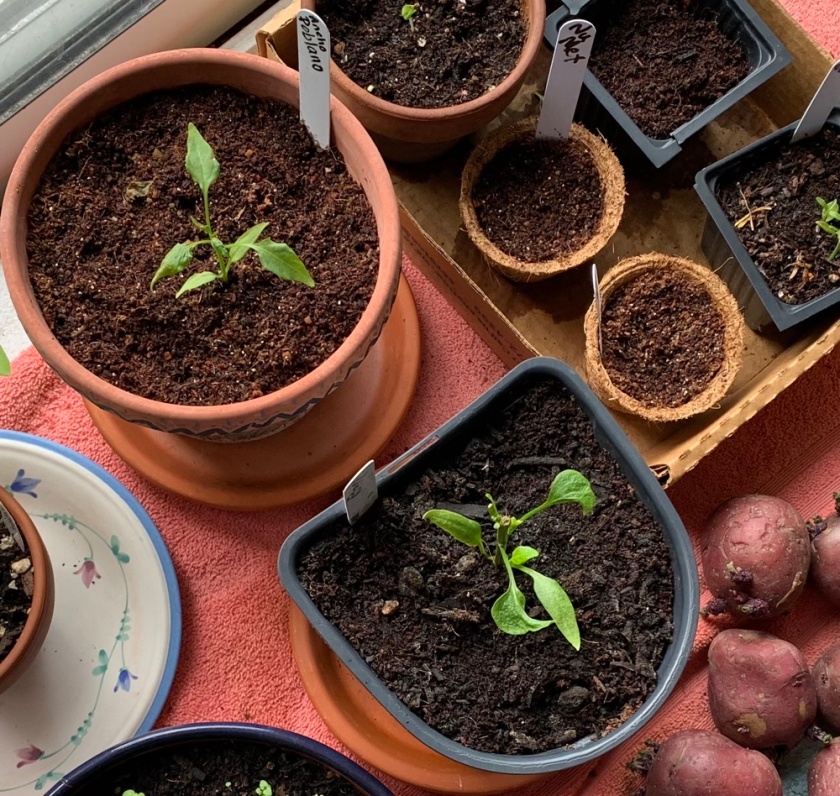
I’ve found that growing peppers from seed can be difficult. The seeds germinate, and the pepper begins to grow and then, just when I think it will be fine, the thing curls up and dies. This was my experience over the “winter” when I planted seeds in little pots.
Plants do best when growing outdoors. Some people may disagree, but I have little luck with starting seeds and caring for seedlings properly. They have proven this to me by getting bugs and dying. Or, they die once they go outside. In fact the only seedlings that are now growing in the yard, and doing very well, are the Roselle hibiscus.
Pepper seedlings are not looking good over winter.
In Florida, we have only a few months (central Florida) where a frost, or freeze, happens. December through February are the usual months to worry about. We can also get very warm days in these months. To be sure the little seedlings won’t freeze, planting outside should take place in March.
Grow Peppers For the South
In our hot and humid Florida climate, certain types of pepper do better than others. This year I have planted all three varieties mentioned on this page and they seem to be doing well, so far.
But take into consideration that I sprinkled seeds all over these boxes and ended up with only a couple of good pepper plants from each variety! But, let’s face it, how many pepper plants does one person need? If these all do well, and give me peppers, I will be more than pleased.
Suave NuMex Carolina Wonder bell Ancho poblano pepper plants
More Tips and Tricks For Pepper Success
Pepper plants can continue to grow for a few years in zone 9b. I had a bell pepper that remained outside all winter and survived! But if the plant is in a movable pot, or fabric bag (paid link to Amazon), it can come inside during cold spells.
Peppers in pots can also be moved into shade if the sun becomes too much in mid-summer. Right now, most of my peppers are in locations that get afternoon shade. (I put up a beach umbrella for them too.)
Pots will hold nutrients and fertilizer better than the ground.
Pots help keep critters (raccoons and armadillos) from digging up plants.
Give them nutrients. Epsom salts (paid link to Amazon) give peppers and tomatoes the magnesium that they need. I also mix bone meal, kelp meal, blood meal, worm castings, vermiculite, compost, and whatever else I have, into the soil.

















 Hydrangeas Blue