My Perennial Shade Garden

Pictures of my shade garden perennials.

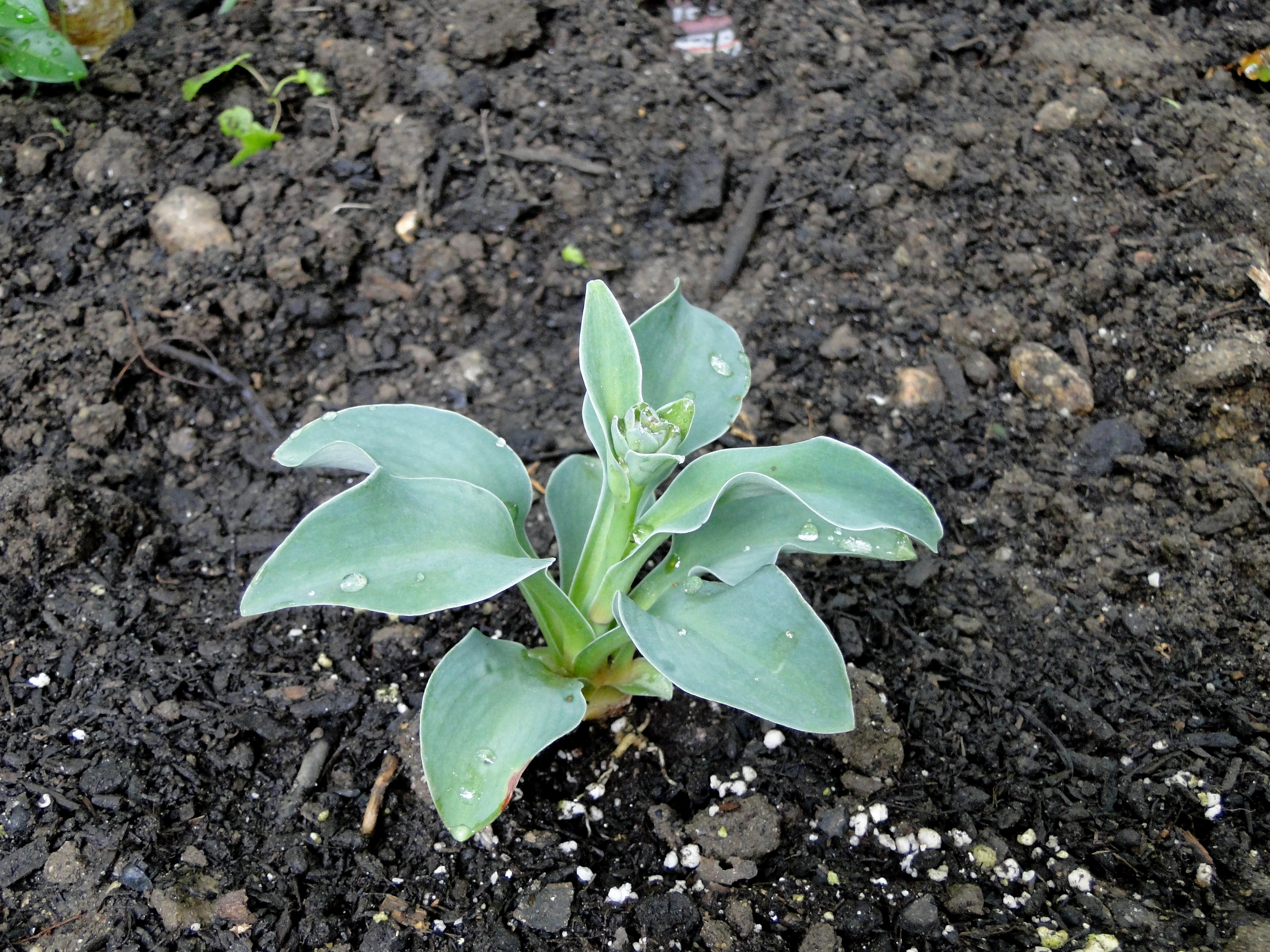
mouse ear hosta
Mouse Ear Hosta

My front yard has an upward sloping hill with tall hardwood trees. Once the leaves pop out in May most of my front yard is in constant shade. I love trees, and they are beautiful, but planting and growing anything beneath them is difficult.

I prefer to invest in perennials, since I am on a tight budget. Impatiens are the only annual I plant and they like the shade. Usually I can find cheap, multiple impatiens seedlings in tiny containers. It takes time to get them all planted, but once they are in the ground they grow nicely. My recent favorite is the variety with red and white striped flowers.

It took me one full summer to clear out beneath the trees. The following year I added astilbe, hosta, and bleeding heart perennials. Digging the ground where there are many tree roots is tough. I added some new loam at the base of the hill which helped with planting.

Honestly, the astilbe is my least favorite. It’s spindly and small, but I’ll see how it does this year. I don’t know much about it, but it’s not full and pretty like in the pictures I’ve seen. My guess is that the dirt is not suitable.

The Hosta plants always come back and fill out a bit more each summer.  I’m happy to find that they are all growing.  This past winter was a very bad one, and a few of my perennials seem to have died.  I had a big Pampas Grass plant that is totally gone.  Glad I got this picture last summer.

pampas grass
Pampas Grass Bloom

My favorite shade garden perennial is probably the bleeding heart. It seems so fragile. The bright green stems are soft and break easily. The little heart-shaped flowers dangle from thin branches and seem so delicate. Yet it survives the winter and is always one of the first plants to push up in spring.

Usually my lenton rose plants bloom first, but this year one of them took a long time to grow.  Like I mentioned, the winter was especially hard.

Identifying Perennials in Spring

Pictures of perennials as an identification guide to what’s growing in my yard this spring.

Once the perennials start pushing through the ground in spring, I sometimes can’t recall what is growing where.  I spent nearly 30 years living in Florida where plants don’t have to hibernate over winter.  Now that I live in New Hampshire, I’ve had to adjust to not seeing my yard and gardens for months at a time.

Even though I leave the tags near the plant when they are planted, the tags don’t always last.  Some of the larger perennials, like the hydrangeas and peonies are easy to identify.

Spring Plant Identification, New England

I’ve taken some recent photos of the perennials growing this Spring as a reminder..  It’s a plant identification guide for myself.  Maybe they will help you name some in your yard as well.

I took these photos May 3, 2015.  I lived in southern New Hampshire. The top photo, in each ID section, is mine and is as the plant will look early in Spring. The bottom photo (if I have one) is from the Pixabay site and shows a mature, flowering plant.

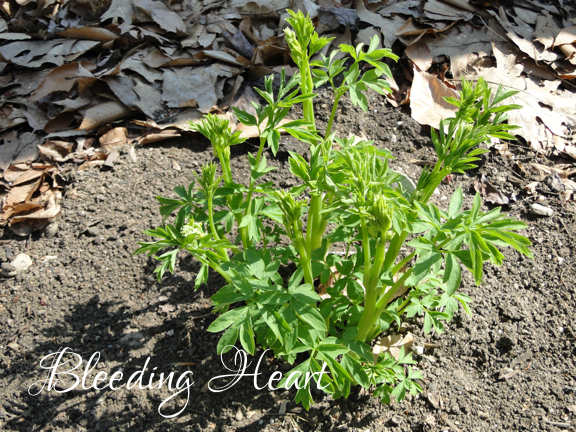
Bleeding Heart

The bleeding heart has little pink or white flowers that hang in rows along the stems. The Bleeding Heart likes a bit of shade.


Columbine

ID Columbine plant in spring

The Columbine is one of my favorite flowering perennials. It comes in such a wide variety of colors, like pink, red, purple, and yellow, usually in a combination of colors with a light center. The flowers can be ruffled in some varieties.

Pink and blue-purple columbine flowers

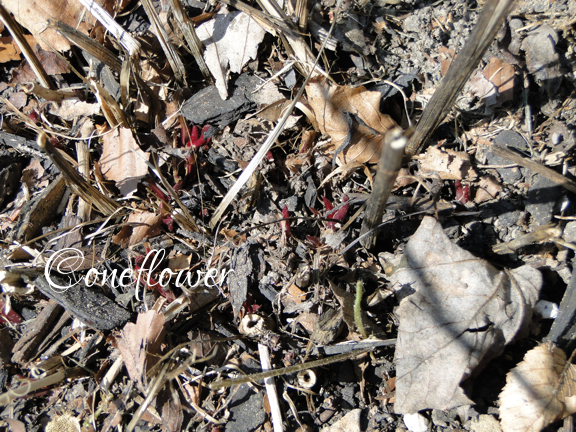
Coneflower

The Coneflower is an awesome perennial and the tough thistle type seeds draw in the finches in Fall.

ID Coneflower

Coral Bells

Coral bells are perennials that have stalks of tiny, coral pink colored flowers.

ID Coral Bells
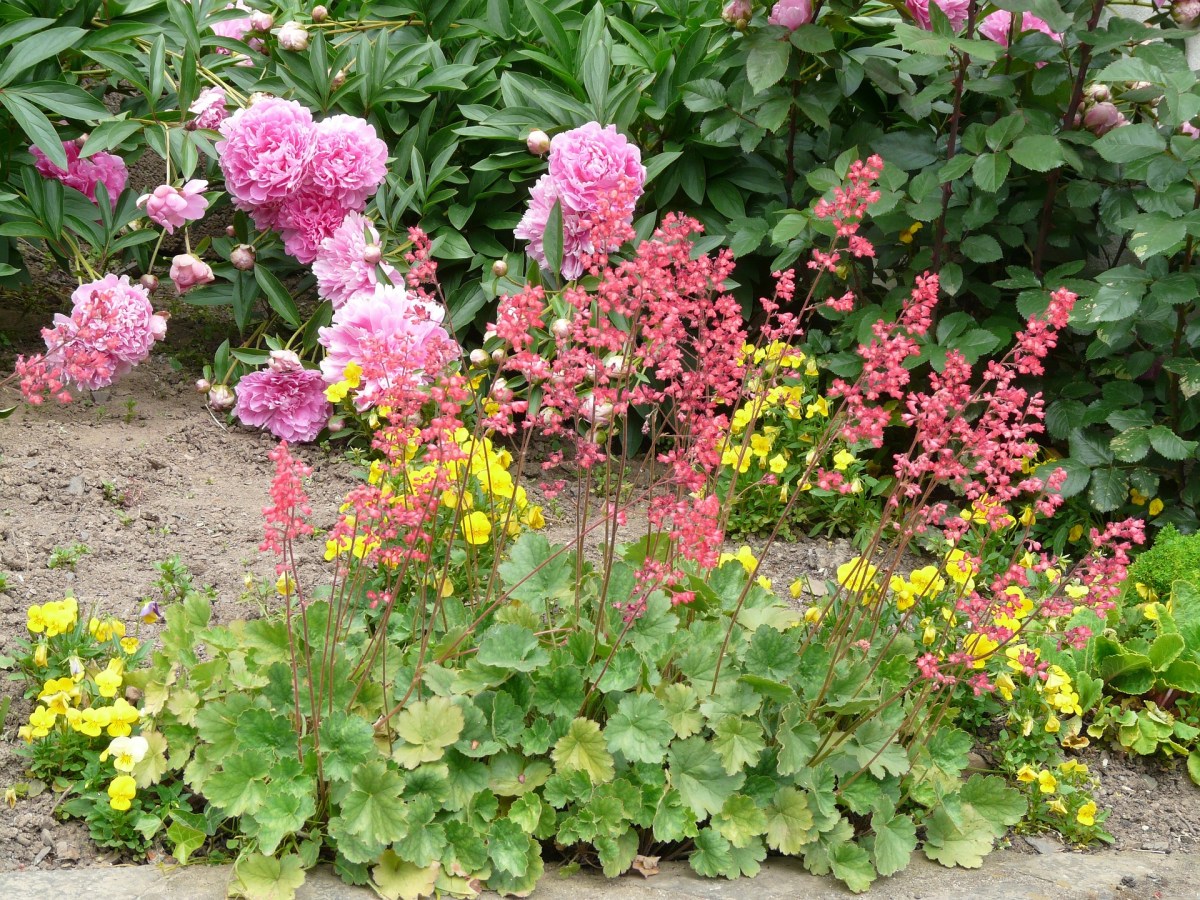
Coral bells growing in front of peonies
Coral Bells with pink peonies behind

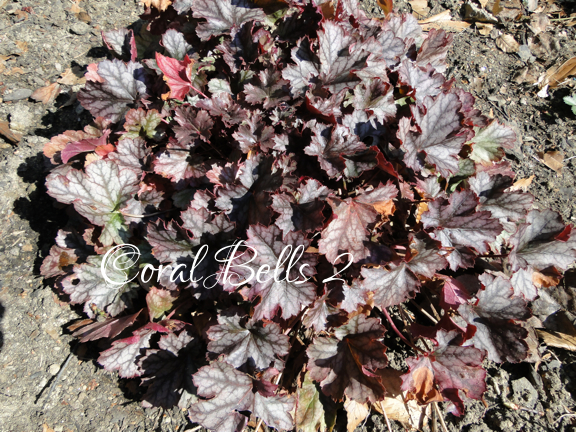
I have two types of Coral Bells and one has darker leaves. I can’t remember what the flowers look like.

ID coral bells2

Coreopsis

The Coreopsis is a mounded type plant (or at least mine is) that grows little yellow flowers.

ID Corepsis
Yellow flowering coreopsis
Blooming Coreopsis

Monk’s Hood

Monk’s Hood will have tall stems with blue-purple flowers. I couldn’t find a flowering photo to share.

ID Monk's Hood

Phlox

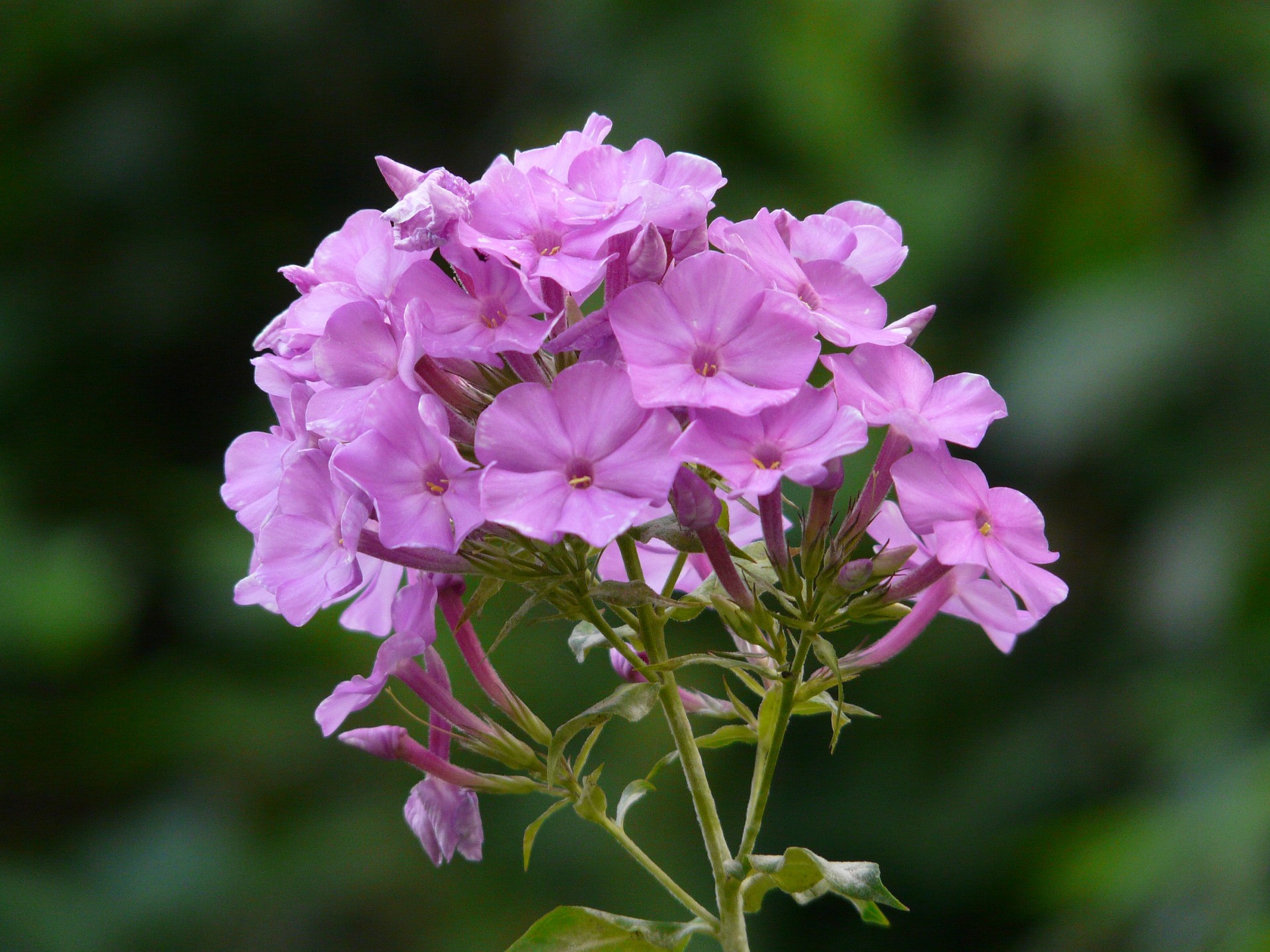
Phlox comes as a creeping variety or this tall variety. Flowers are usually shades of pink, purple, or white.

ID tall phlox
Pink purple tall phlox flower

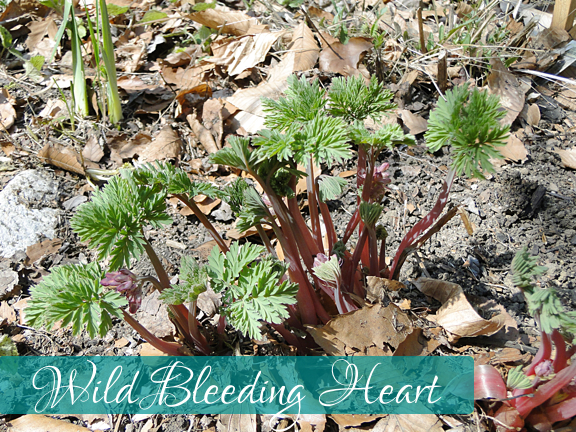
Wild Bleeding Heart

ID wild bleeding heart

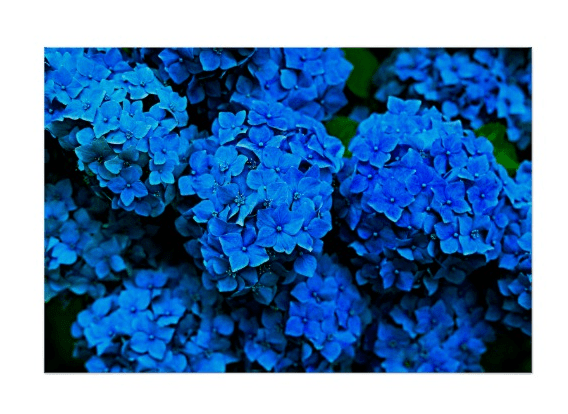
5 Free Pictures of Blue Hydrangeas

Because my blog is mainly about hydrangea plants and flowers, I thought I’d bring to attention some pictures of blue hydrangea flowers that are free to use as you please. Download any size on the Pixabay site  (click on the image to view the page at their site) and use on your blog, website, stationery, and printables. These pictures can also be used commercially, with no need to give credit to the photographer, or site. Of course they would love it if you do.
I’ll also do other colors like green, pink and white. (Coming soon.)  In a few months I should have some photos of my own to add.
Here you go.   Click the image if you can use it yourself.   Continue reading “5 Free Pictures of Blue Hydrangeas”

Shop For Hydrangea Plants Now

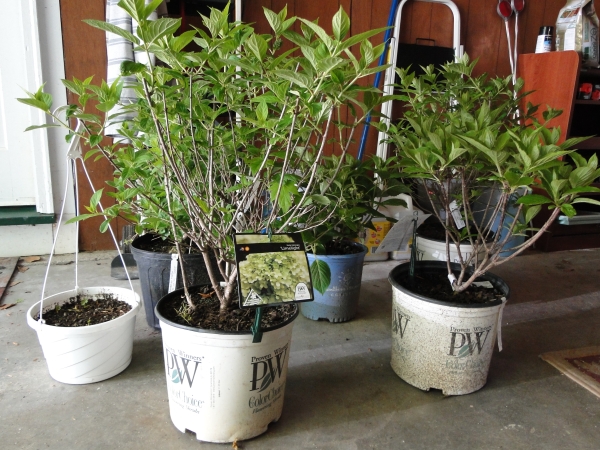
Buy your potted hydrangea plants soon. The nursery will have a large selection of hydrangeas, along with other plants, as Mother’s Day is on the horizon. Many people forego the gift of expensive cut flowers for something that will last much longer. Moms who garden may appreciate a new perennial for the yard. (Offer to plant it for her too!)

hydangeas in pots
Newly purchased hydrangeas in pots

Flower shops will have blooming plants or cut flowers, but nurseries will have shrubs to be planted with flowers appearing later on this summer.  Planting them now will get them ready to bloom soon.  Even small plants usually will have blooms the year they are planted.

We’ve had such a cold April that it’s been a little difficult to believe it really is Spring. Of course it’s still too cold to plant most things outdoors, but I’m almost ready to buy seedlings and set up my little deck green house. I won’t be purchasing anything big to add to the yard this year. The deer have eaten all my rhododendrons, and any new hydrangeas I put it will be propagated from the old ones. I will be concentrating on growing as many vegetables as I can.  I bought a new raised bed made of black fabric and can’t wait to get some dirt to put into it.  Then the soil can warm up and be ready for planting by the end of the month.

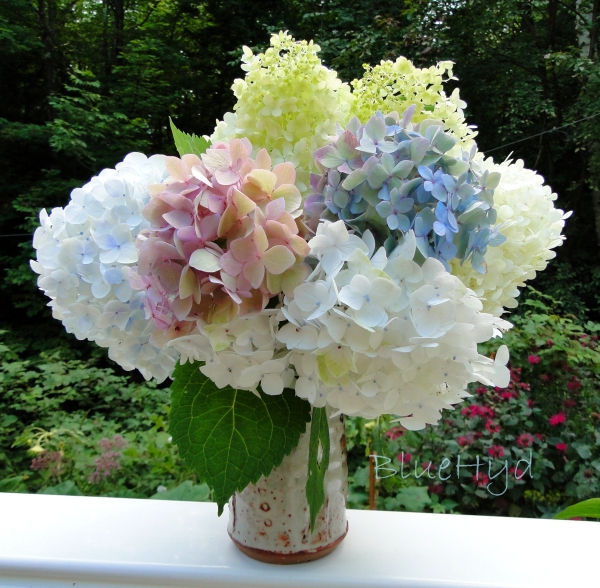
The hydrangeas in the picture above were some I bought in Spring of 2012.  Last year they looked wonderful – the flowers in the bouquet below all came from my yard last year (2013).   And I hope that this year they will be even bigger and better.

white, pink, blue hydrangeas vase
Hydrangea cuttings in a vase

Pictures of the Lenton Rose

The unique lenton rose flower will poke out of the snow in early spring.

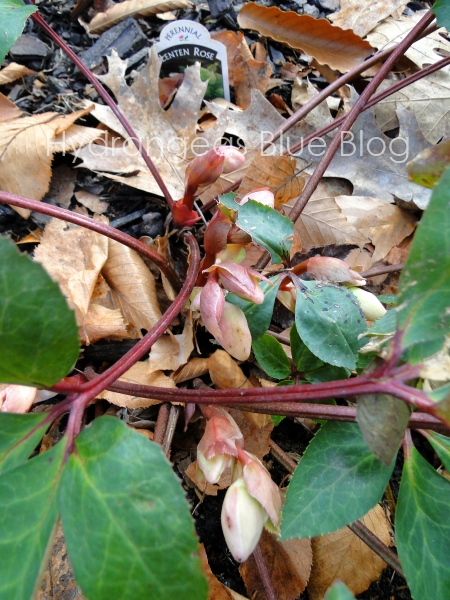
This is a photo blog post showing some images of the two Lenton rose (hellebore) plants growing in my yard. This is a new plant for me to grow, but I love the fact that the buds form and flowers bloom in mid-April. Sometimes there is still snow on the ground!

It’s a pleasant thing to find flowers blooming after a long, cold winter.

Hellebore Flowers are Unique

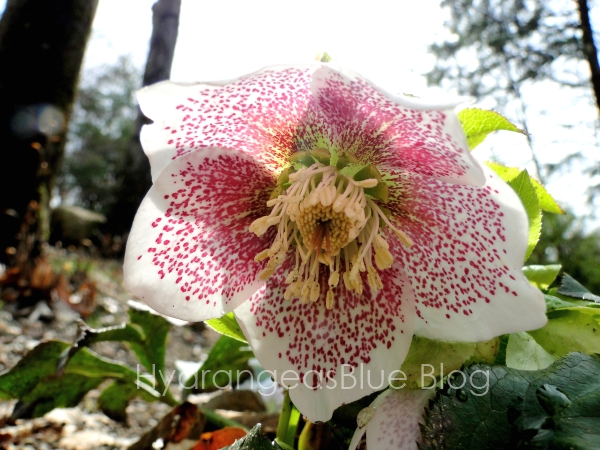
Besides blooming early in Spring before most other perennials, the flowers of the Lentos Rose are unique.

Flower colors can be pink, beige, white, light green or spotted. The flowers will stay on the plant and turn color too.

lenton rose spring buds
blooming lenton rose
lenton rose

Early blooming hellebores can bloom before daffodils and tulips!

single lenton rose flower
lenton rose green flowers

The flower is unique and comes in a variety of colors.  The light green flower is coveted by brides for their wedding bouquets.  Finding green flowers in nature is always a treat, but the light pink and spotted varieties are stunning as well.

This is one plant that I would like to have more of in my garden. This perennial is easy to grow and blooms profusely. As you can see, the leaves are nice and green even after being covered in snow all winter!   After the flowering stops, the green leaves continue to grow all summer and add interest to the landscape.

I’ll keep my eyes open for other varieties when I visit the local nursery this year.

A Blue and A Lavender Flower

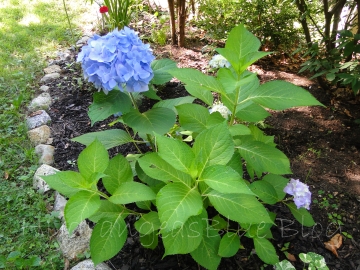
flowering hydrangea shrub
Endless Summer – Year 2

Last summer I planted this Endless Summer hydrangea variety in my front yard. This year it is larger and has bigger flowers. All flowers are blue except one which began as lavender and is now pink. You can see it in my photo here, on the right, lower side of the plant.

I guess my issue with this macrophylla type of plant is that the flowers are often hidden by the big leaves.  It’s also called a “big leaf” hydrangea.

The one with big white flowers is also hiding the beautiful blooms. I hope that in time, as the plants age and get stronger stems, that the flowers will show up better.

The plants are nice and healthy looking so I expect improvement each summer. This type will only be around 4 feet across. They don’t get really huge, to my knowledge.