How to Use Coconut Coir in the Garden

Using coconut coir for the first time to grow seeds.

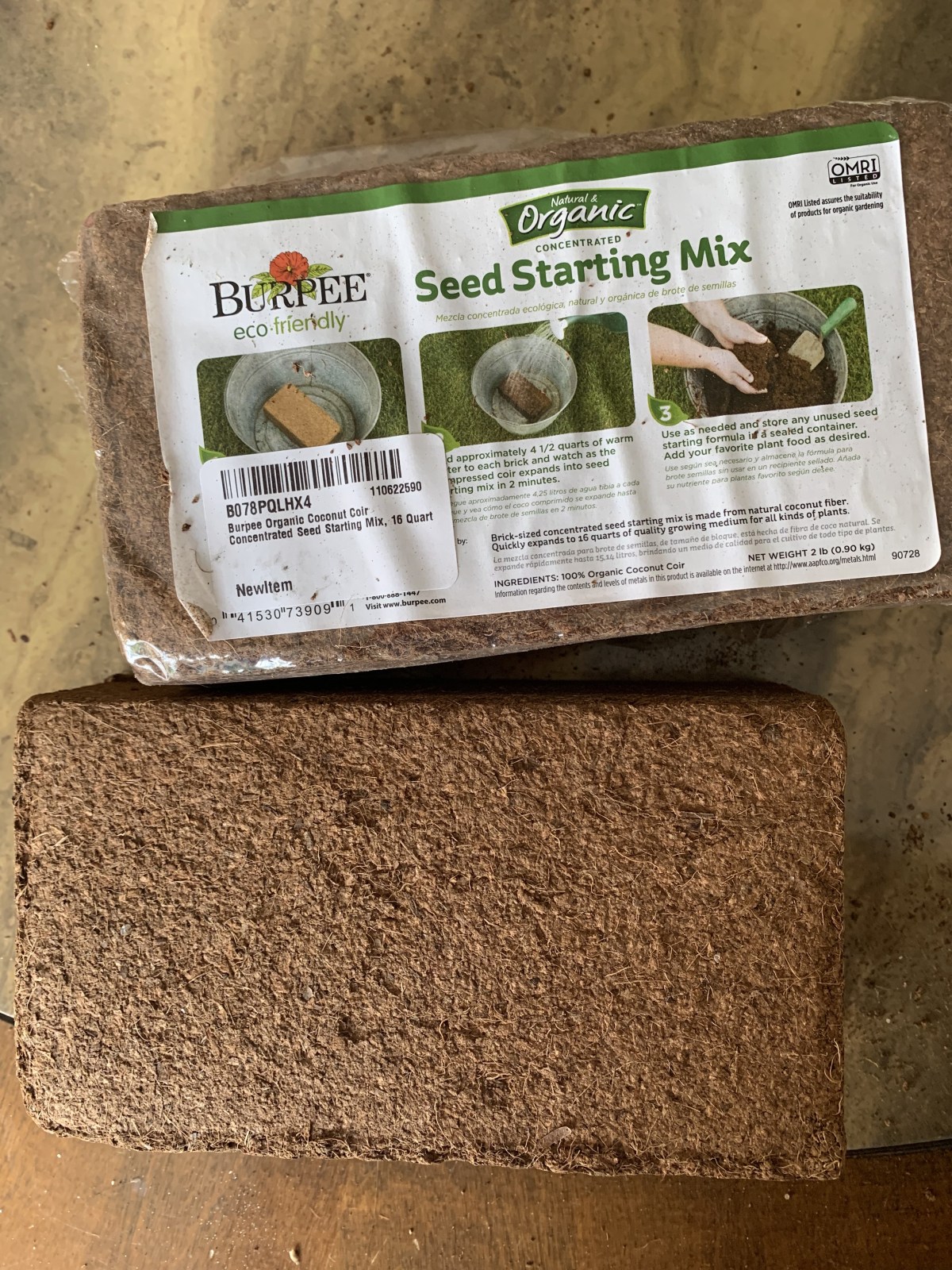
For the first time ever, I purchased a block (well two) of Coconut coir. I’ve heard about this stuff for gardening and for some reason never tried it. What a mistake to overlook this wonderful planting material!

I chose the Burpee brand, which claims to be organic. The package comes with two bricks of coco coir.
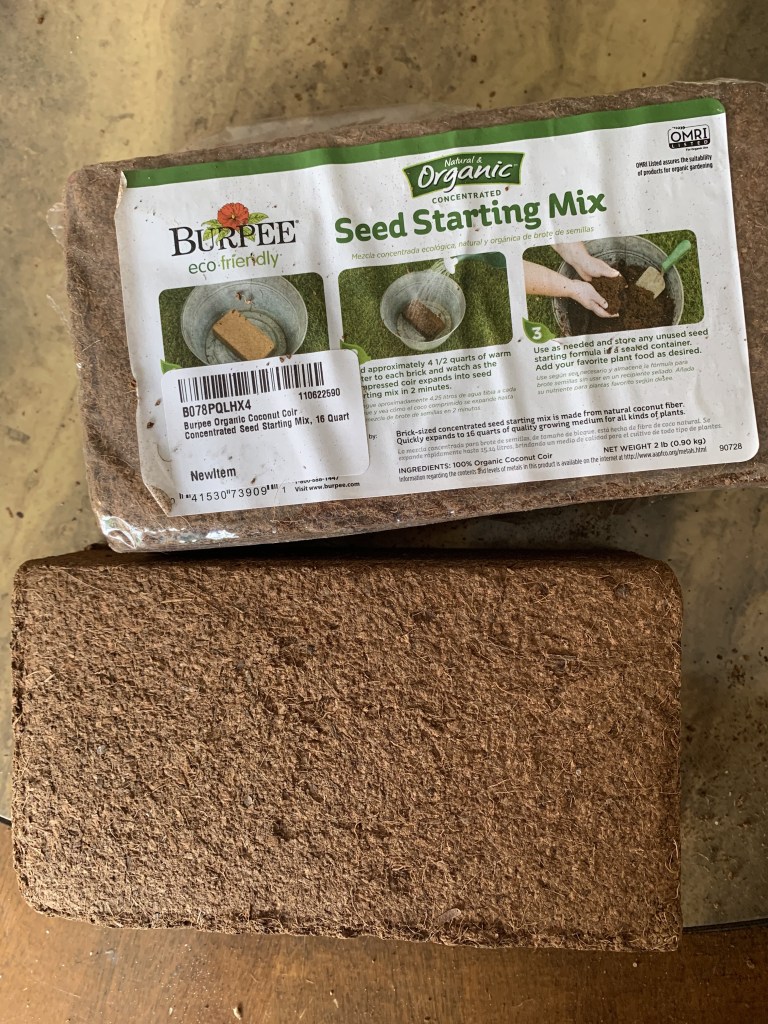
coconut coir
This link goes to Amazon, where I am an affiliate. This is the brand I bought and used.

Is the coir only used for seedlings? Apparently not. It can be used to grow plants, or mixed with soil in a pot to increase aeration. It works like peat moss, if you’ve ever used that, but is more environmentally friendly. The idea is to break up the soil and provide an easier growing environment for roots. The coir also holds water well even though it is quite loose. When watering, the water will pour right out, but the coir retains moisture enough to nourish the roots. This way, the roots will not become waterlogged, but have the moisture needed to thrive.

Coir for Starting Seeds

My basil died over winter and I’ve been trying to grow more from seeds in pots this spring. The new plantings in dirt finally sprouted and are still pretty small. So I used the remaining seeds by putting them into the coir.

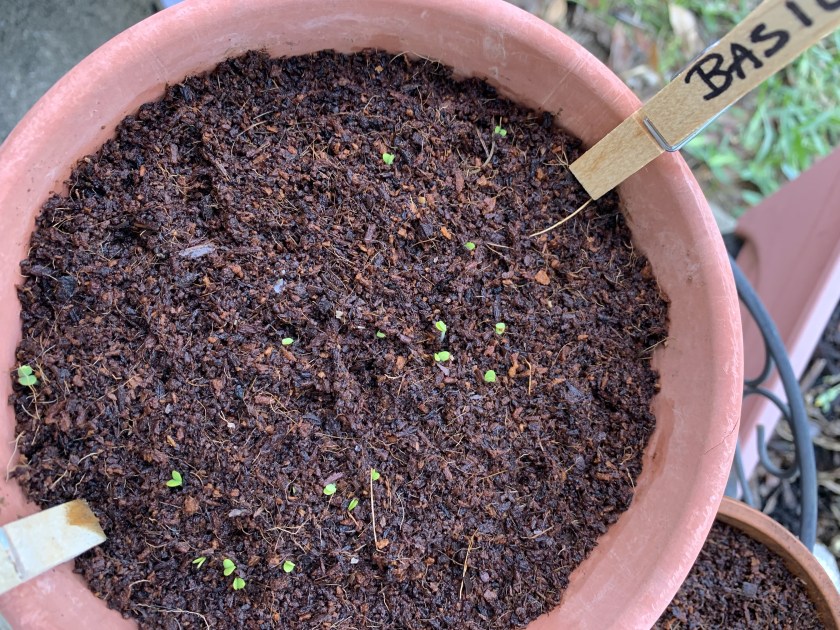
Three days later…. seedlings already showing! I am amazed by this quick sprouting action in the coir.

Basil is sprouting in Coconut Coir – after 3 days
basil seedlings in coconut coir
Basil seeds sprouting after 3 days in the coconut coir

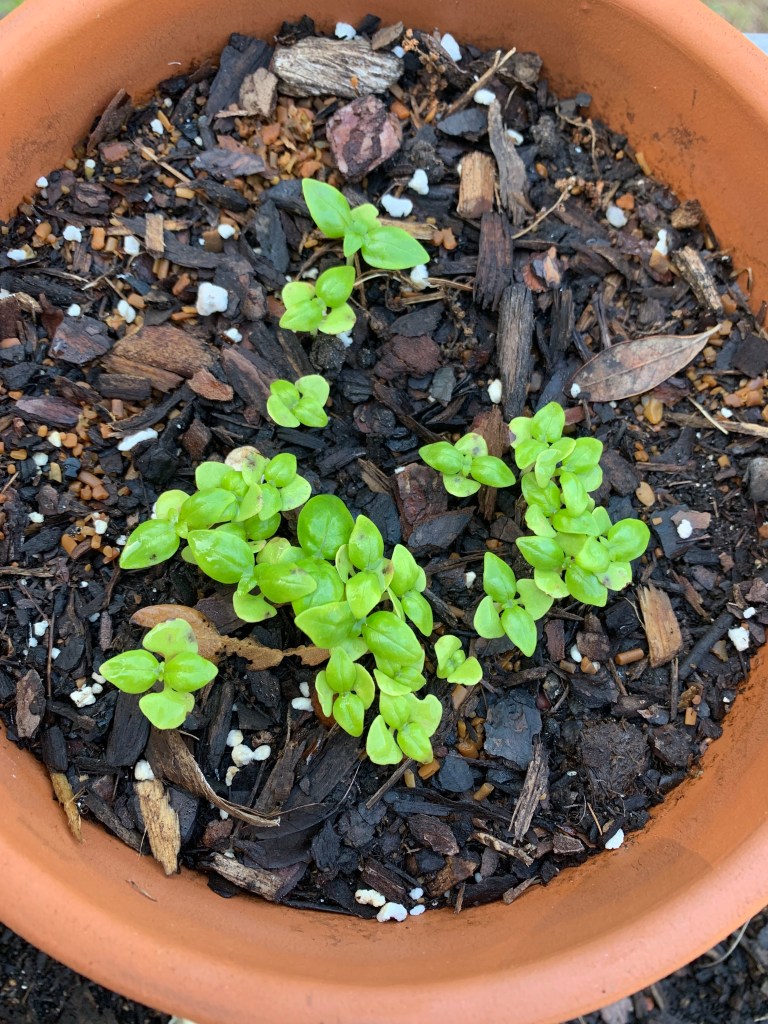
The first seedlings below were planted weeks ago in a dirt, compost mix and are still very small. I’m betting that the basil in the coir will surpass the dirt-growing plants!

Basil seeds planted in soil- weeks ago
Basil seedlings growing in soil.

By May 1, the basil in the coir has nearly caught up with the basil in the dirt.
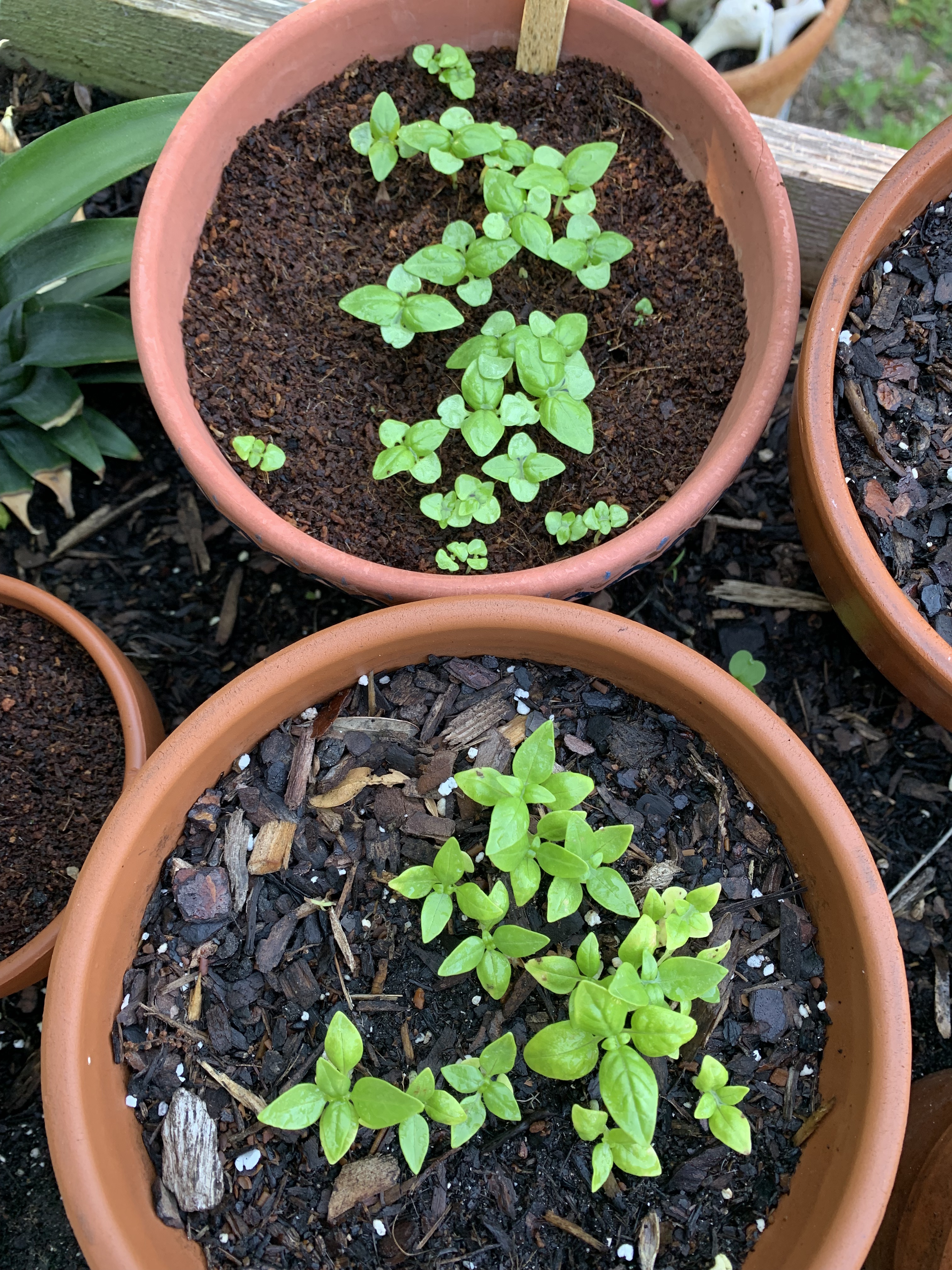
basil growing in pots
May first – a comparison of the basil seeds

The coir does not contain any good nutrients for the little seedlings. Once they begin to grow be sure to give them something… I water with a fish fertilizer. When my seedlings are a little bigger I will put them into a combination of coir, compost and soil….. BUT, better yet, do not start seeds in Coir only.

In fact, the next time I made up pots with “soil” I used the coir in the bottom for good drainage, then a layer of coir mixed with compost, dirt and bone meal.

My basil seeds are Genovese Basil from Seeds of Change. I bought them at the local Home Depot last year and they (Seeds of Change) were not available this year. My local store did not carry any of this brand for some reason. Now I am looking for someplace to buy organic, non GMO seeds. I did buy seeds from the Urban Harvest (which is a local Florida company), but many varieties of veggies were sold out.

From Coconut Blocks to Growing Medium

If you are wondering how the bricks become fluffy medium for planting, it couldn’t be easier. Just add water. It does get a little messy. I added too much water and the stuff became soggy, but it doesn’t really matter. It was easy to pull out the coir and add it to pots and then strain out the excess water. All this was done outdoors.
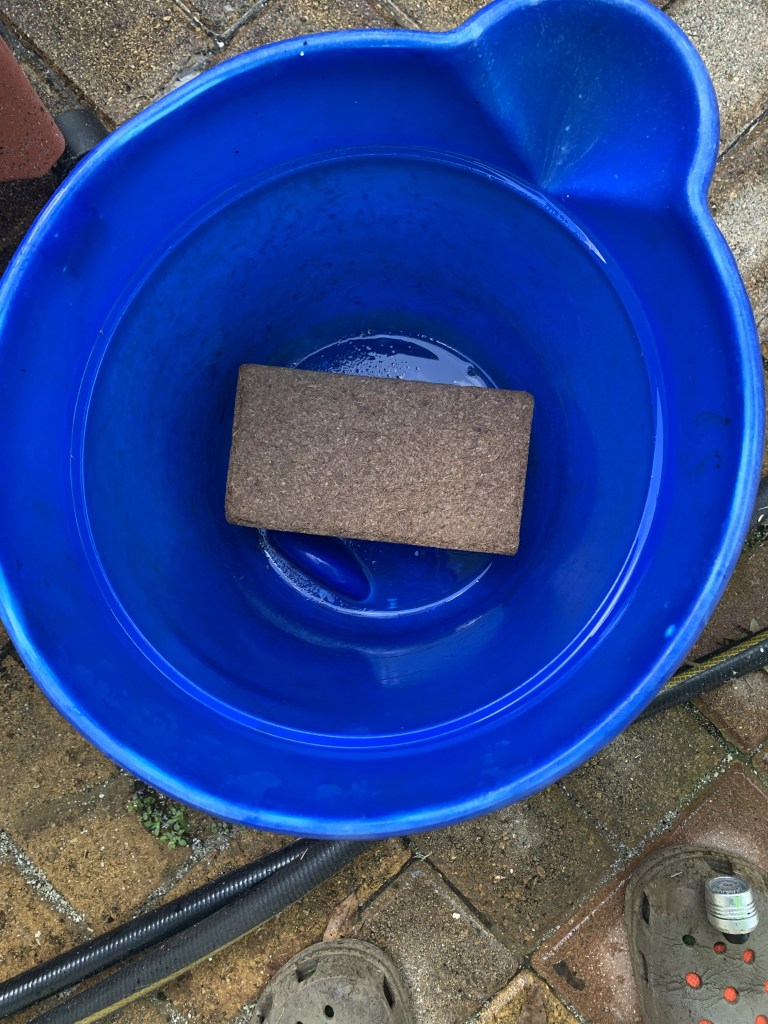
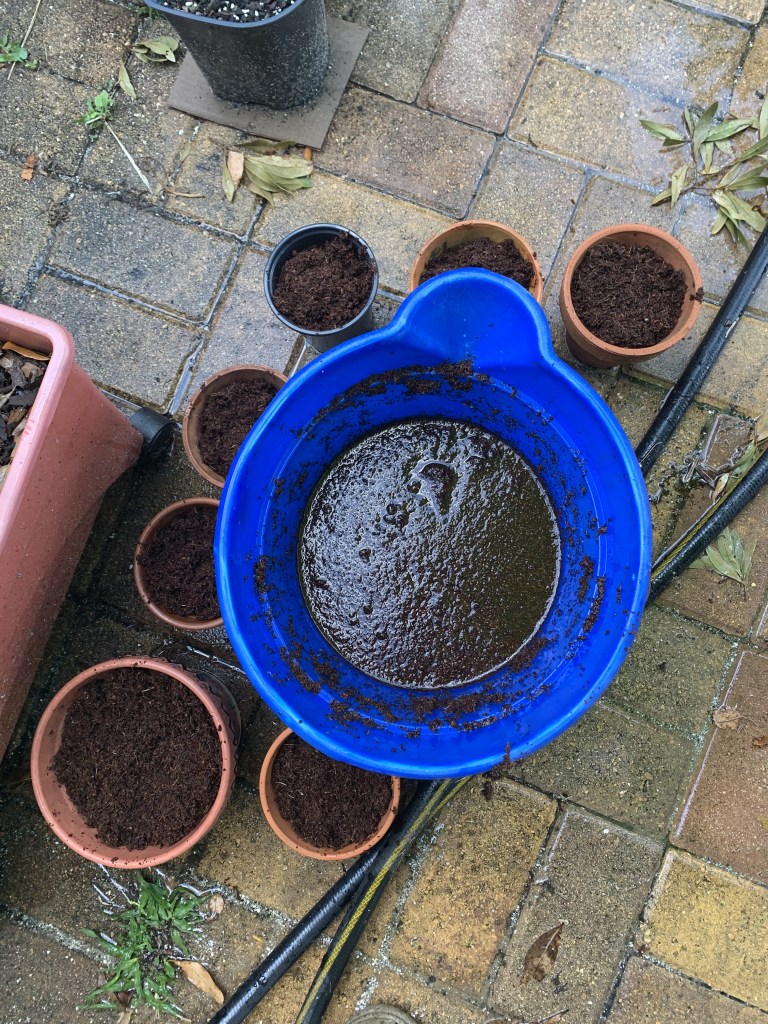
I suggest you don’t add lots of water all at once as the directions say.

Certain flowering plants may do better when planted in the coir. It is also a good idea to mix the coir into a planting bed to loosen the soil. Research according to what you are planting and then decide how much you want to spend to add this fine “soil” to your gardening plans.

Use as a Rooting Medium For Cuttings

I’ve had some cuttings from the Elderberry and Beautyberry trees / shrubs that are growing wild in my yard. The cuttings have been sitting in water for a few days now, but don’t seem to be doing well.

I took more fresh cuttings and stuck them straight into the coir in pots.

Here they are: Beautyberry on the left, and Elderberry on the right. I keep the pots outside tucked up under the cherry tomato for shade.

The Beautyberry is difficult. I’ve tried to root this one before without success.
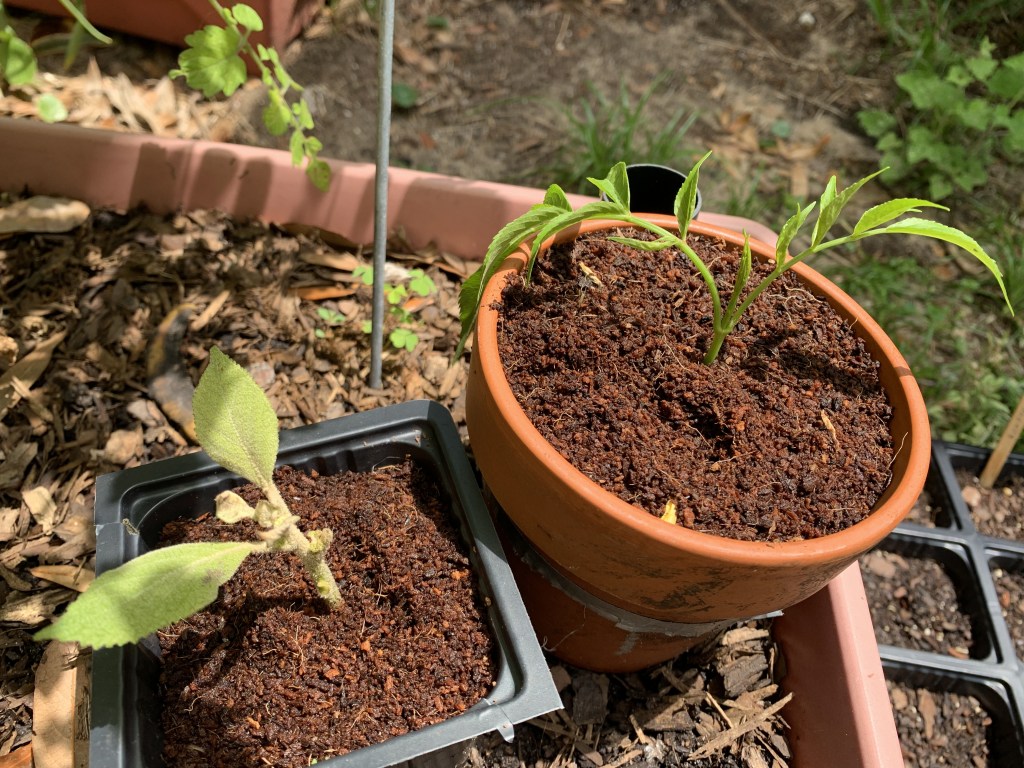
Cuttings of the beauty berry

Helpful articles about coconut coir

Please keep reading more gardening stories…

Digging, Planning and Planting a Backyard Food Garden in Florida

Digging and planting a backyard garden takes muscle and planning, but is worth it to pick homegrown food. Here is my small beginner garden in my little Florida backyard.

I live on the central east coast of Florida. As a gardener, who knows quite a bit about gardening – in New England – this area has been a challenge. In fact, I have given up trying to grow my old favorites. Squash and zucchini turns moldy right away and even tomatoes seem to struggle in the heat. All I have had luck with are peppers and eggplant.

Time to change my outlook and ways, and adhere to a new way of growing things in this subtropical climate.

Over the past couple of years I have invested in a few grow boxes. My son made a few raised beds last year. We’ve been growing (or trying to) in these beds somewhat successfully.

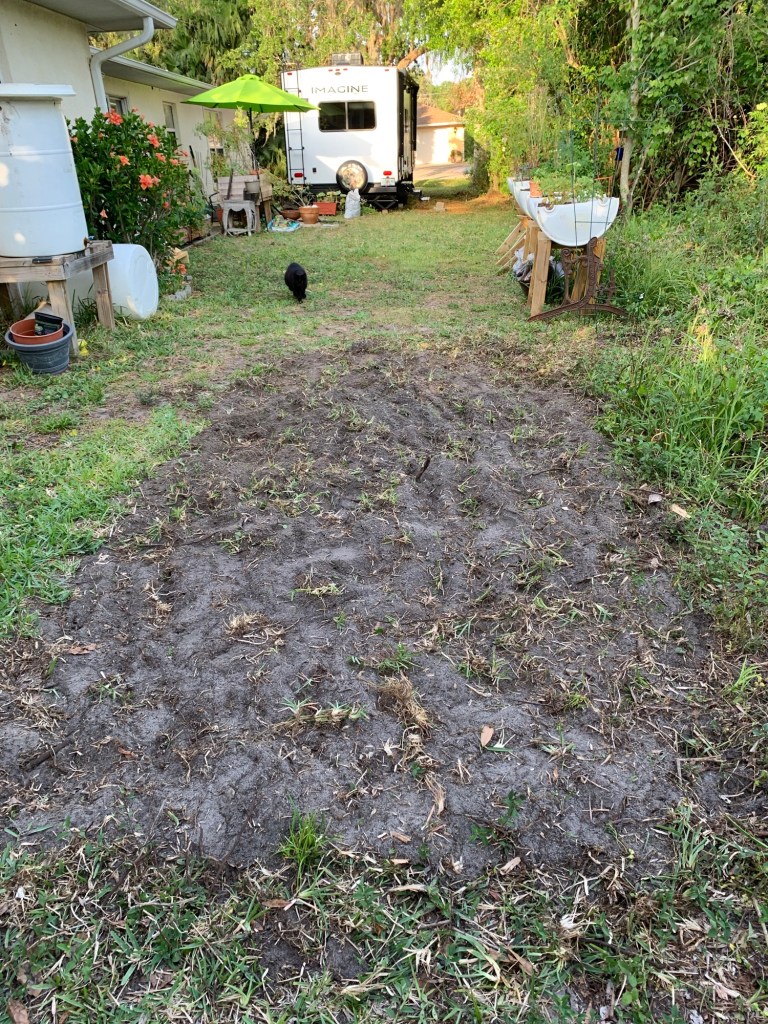
This Spring I purchased a Tiller. It was not cheap but it did the work of creating a fairly small garden out back.

garden area tilled earth

I have removed a lot of the roots, vines and horrible grass that grows in tendrils. Next I mixed in three bags of compost.

The “dirt” in the ground here is sand. I never saw a single worm, which is typical. I think it will take a lot more compost over the months to create a decent place to grow things. For now, this will have to do. I can amend later with compost from the Hot Frog.
Spreading bags of compost into a freshly dug garden

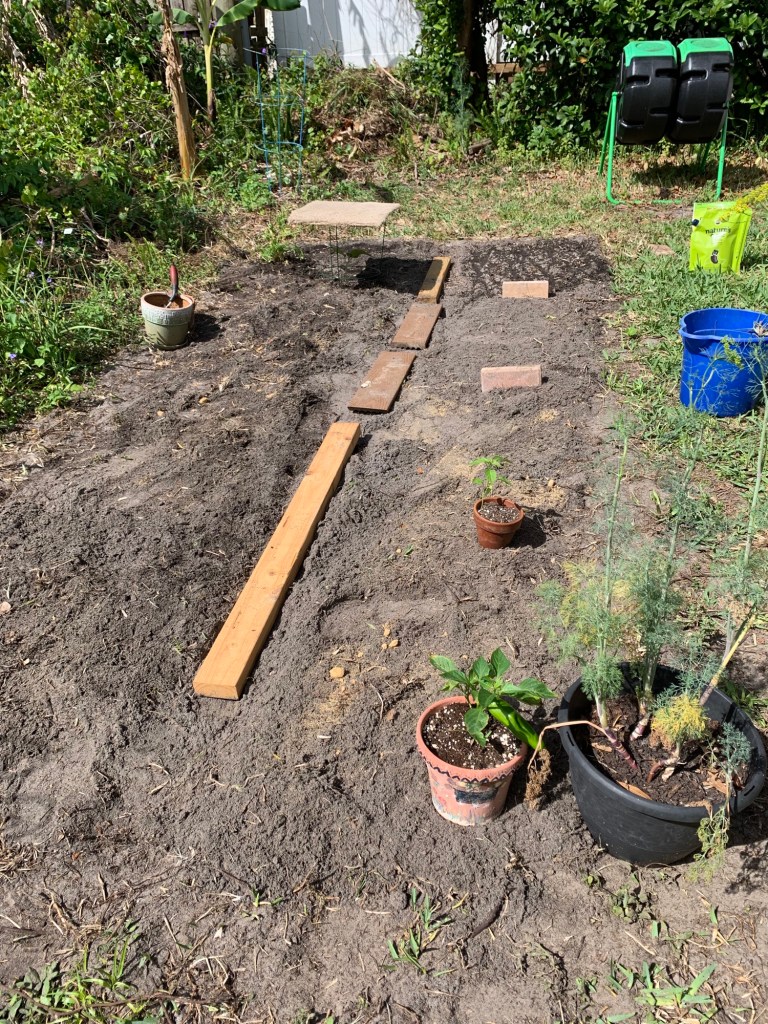
First I found some boards to set down the center. I remember from my northern gardening that mashing down the earth is not a good thing. If I can remember to stay on the boards, the remainder of the dirt should stay loose for growing.
Next it was time to plan the layout for planting. I had to think about which things would be long vines (watermelon and sweet potato) and those would be in a place where the vines could go out into the grass.

Okra gets tall, I guess… have never eaten it or grown it … so I planted those seeds along the edge. I only planted it because it’s a southern thing and should grow well.

I saved a spot for the sweet potatoes yet to come, and will fill in the rest with some pepper plants and more eggplant.

My basic sketch for planting is subject to change.

backyard garden planting

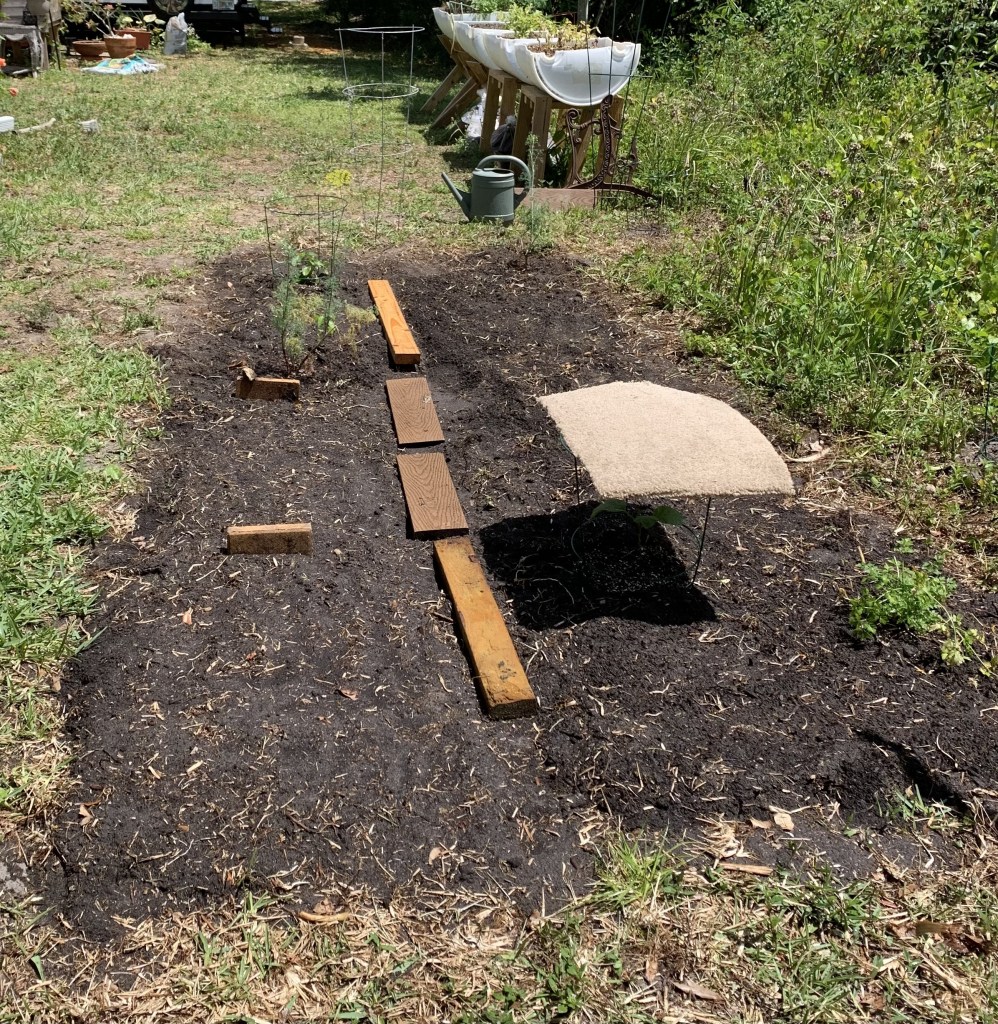
I managed to get some watermelon seeds and okra seeds planted. Then an eggplant, which I covered with a piece of rug to give it shade.

It was so hot by then, that I took a break inside and waited for the clouds. The forecast called for rain later, but all I got was tons of hot sun!

Some dill plants went in the corners, along with a parsley plant. Last of all, I threw in some saved Marigold seeds.

Backyard garden planted with seeds, dill, parsley, peppers and eggplant

As soon as I took the rug covering off the eggplant, it began to wilt. They really cannot take the midday sun. I quickly watered the whole garden (each plant got it’s own soaking as I planted it) and put the rug back.

Already I am thinking of moving the okra to in front of the eggplant to give it some shade. I can’t run outside every day to cover it because of the sun. (Side note here – the okra was popping up out of the dirt on day 4!). The seed packet says this okra will be 4 -5 feet tall!

okra seeds sprouting
Okra – tomato cage animal deterrent

Although my summer garden may not do well due to the heat, this section of yard will remain a garden bed. When winter comes I can plant lettuce and kale. Also, I will continue to look for hardy, Florida crops to plant.

Bought My Seeds From Urban Harvest

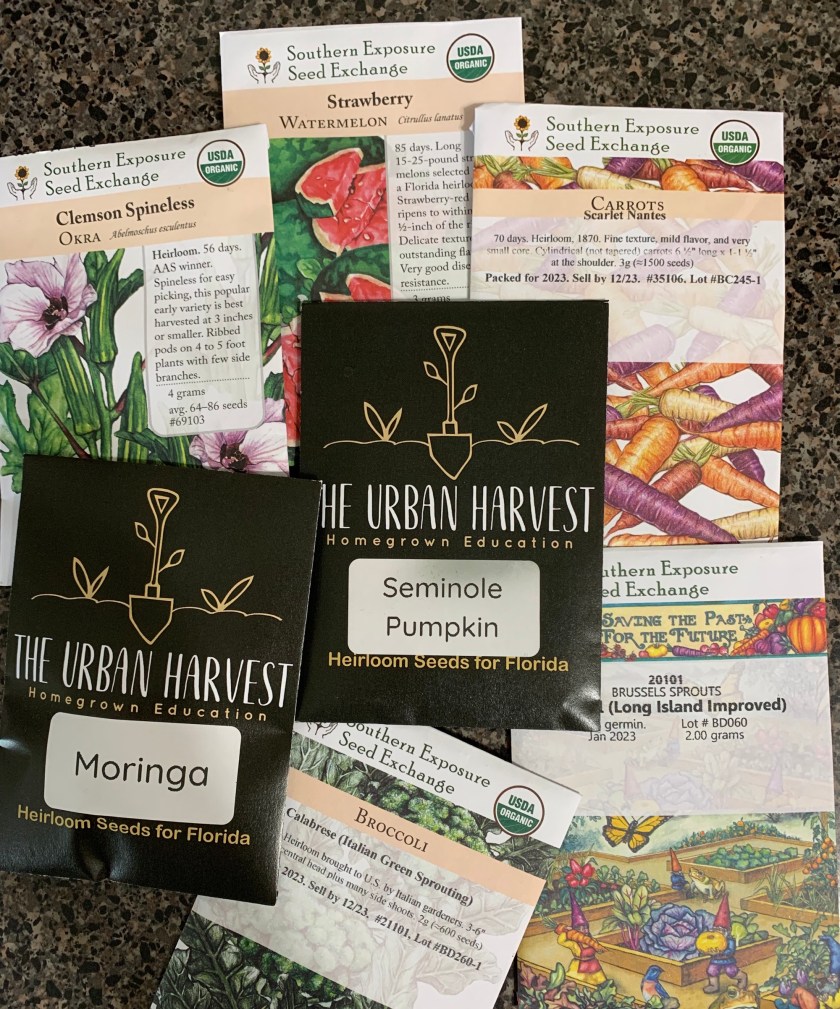
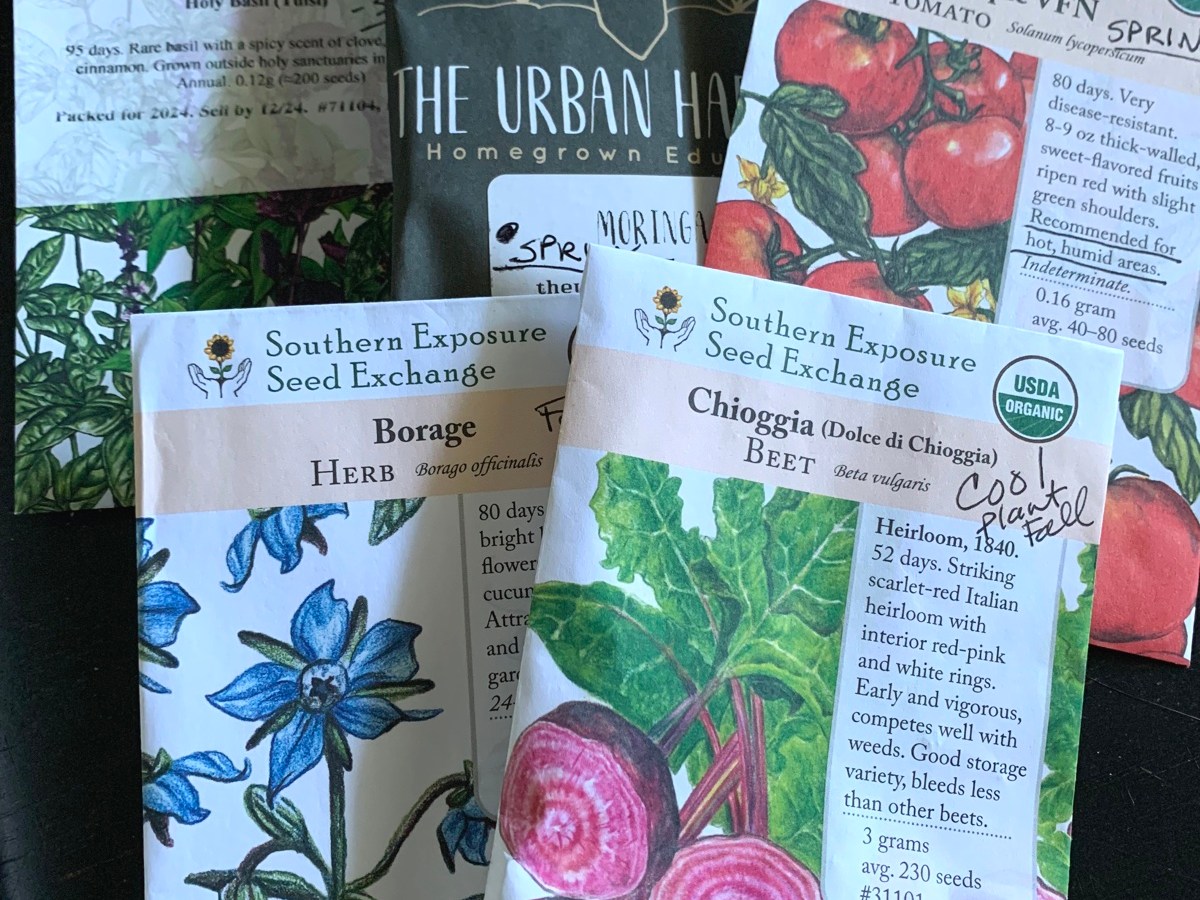
I found this wonderful gardener online who has a YouTube channel called: The Urban Harvest – Homegrown Education. She lives on the west coast of central Florida and has lots of videos about growing things that actually will grow here in Florida! Immediately, I bought some of her seed packets.

The Urban Harvest website

seed packets from Urban Harvest
Seeds from Urban Harvest

I bought some organic Coconut Coir blocks and have added seeds and other things to the pots. I’ve never used the stuff before and I will compare to planting in dirt.

I’m getting ready to post this on April 15th and noticed this AM that one of my pumpkin seeds has sprouted! More about this unusual, southern Seminole pumpkin to come.

More Gardening Stories on the Blog

Planting Moringa Tree Seeds

I’m getting to know about the Moringa tree, which is also known as the miracle tree because of its many health benefits. It should thrive in my yard and I just planted some seeds.

Just a few days ago I knew nothing about the Moringa Tree. After watching some videos about planting for central Florida, I decided the Moringa had to be added to my yard.

I’ve been discouraged by trying to grow vegetables here in Florida, and finally I realized that I need to plant differently. The Moringa contains lots of good healthy stuff and the leaves can be eaten right off the tree. I need it!

During my YouTube search, I came across the Urban Harvest channel. The woman in charge – Elise Pickett – lives on the west coast of Florida and has turned her yard into a beautiful food forest. (See the link to her channel below).

One of the plants she raved about was the Moringa tree. I can’t find that video right now because she has soooo many… and I still need to watch most of them. I’m in zone 9B and my research finds that the Moringa can grow in zones 8-10.

Moringa tree seeds
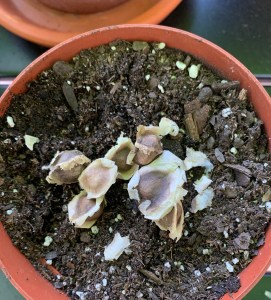
Seven Moringa seeds came in the packet

I planted them as is into three pots – one per pot. I also planted two seeds right in the ground, out in the side of the yard.

Later, when I came in to cool off, I found this video about how to plant the seeds. The gentleman suggests taking the outer layer off… Oh well, I’ll see what happens.

Mooring tree seeds
Planting Moringa seeds

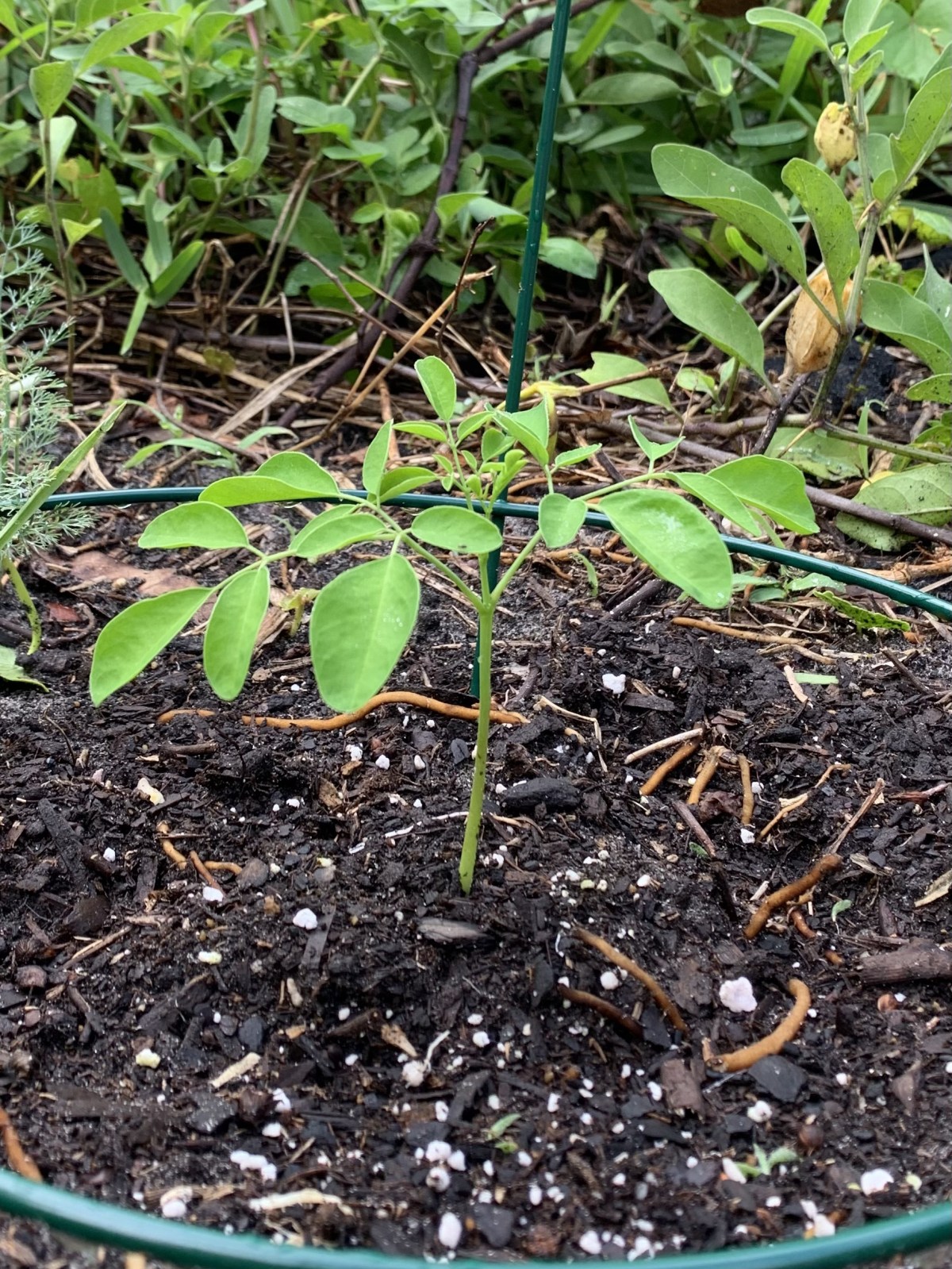
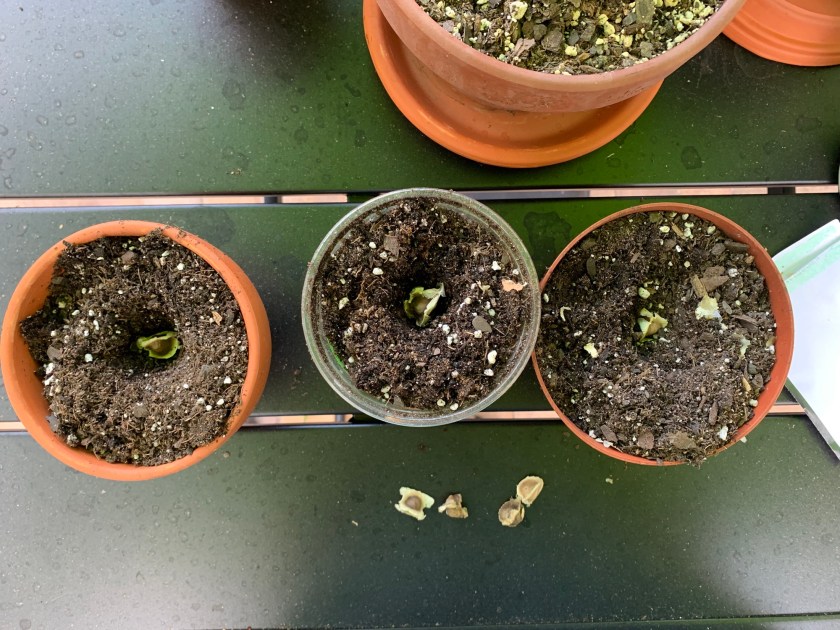
The first Moringa seedling appeared ten days after planting. None of the others have sprouted yet. I also put one seed into the new coconut coir to see if it germinates faster.

Moringa tree seedling
Moringa seedling

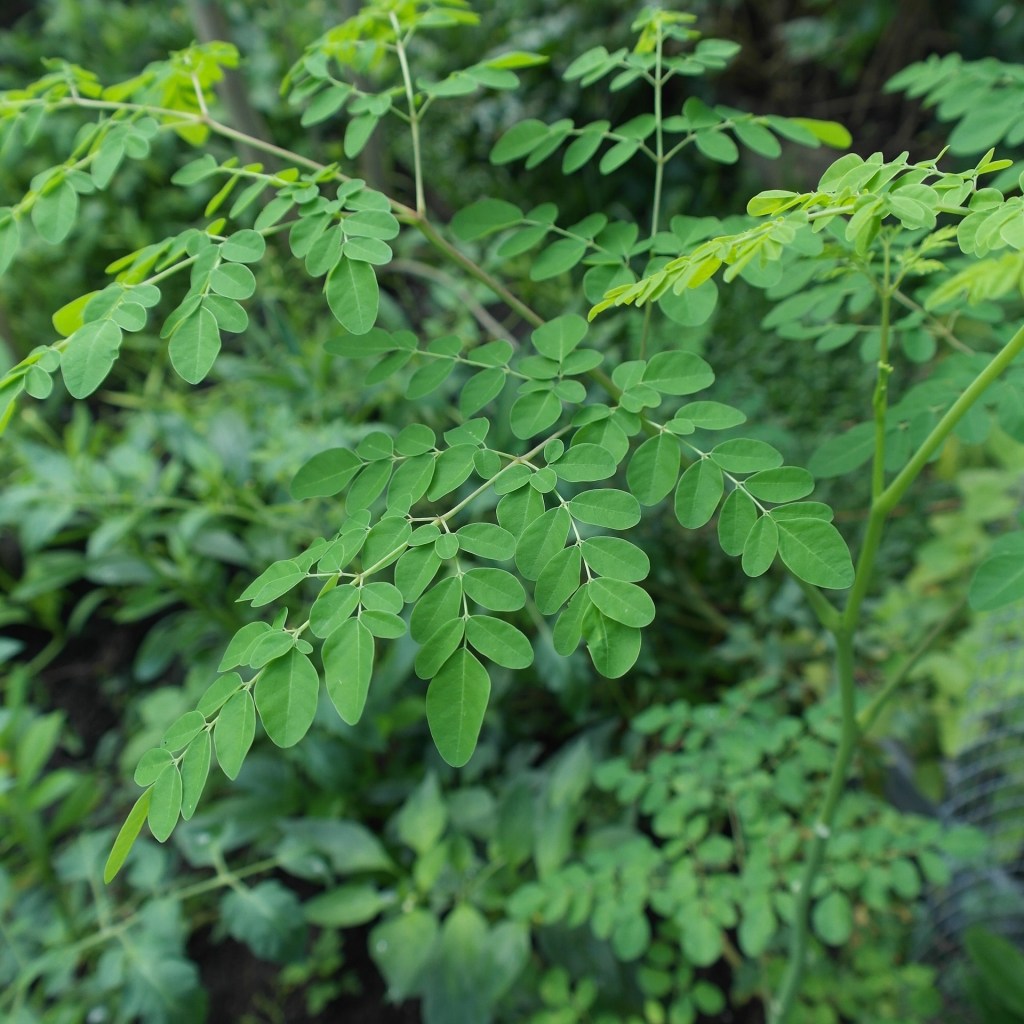
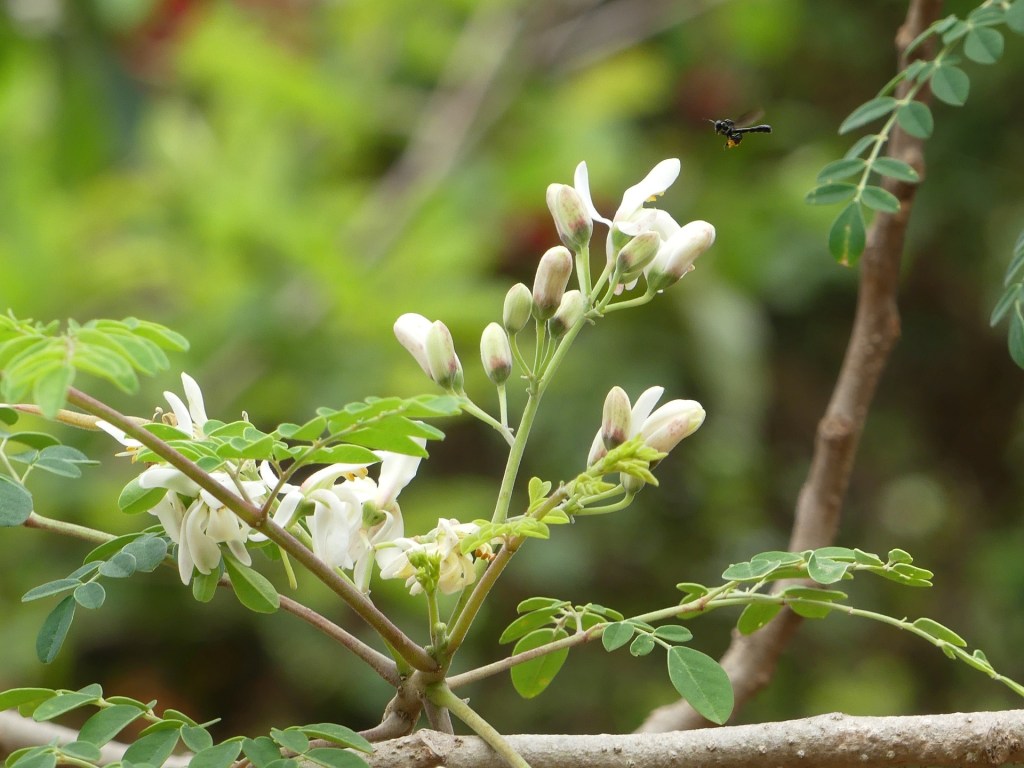
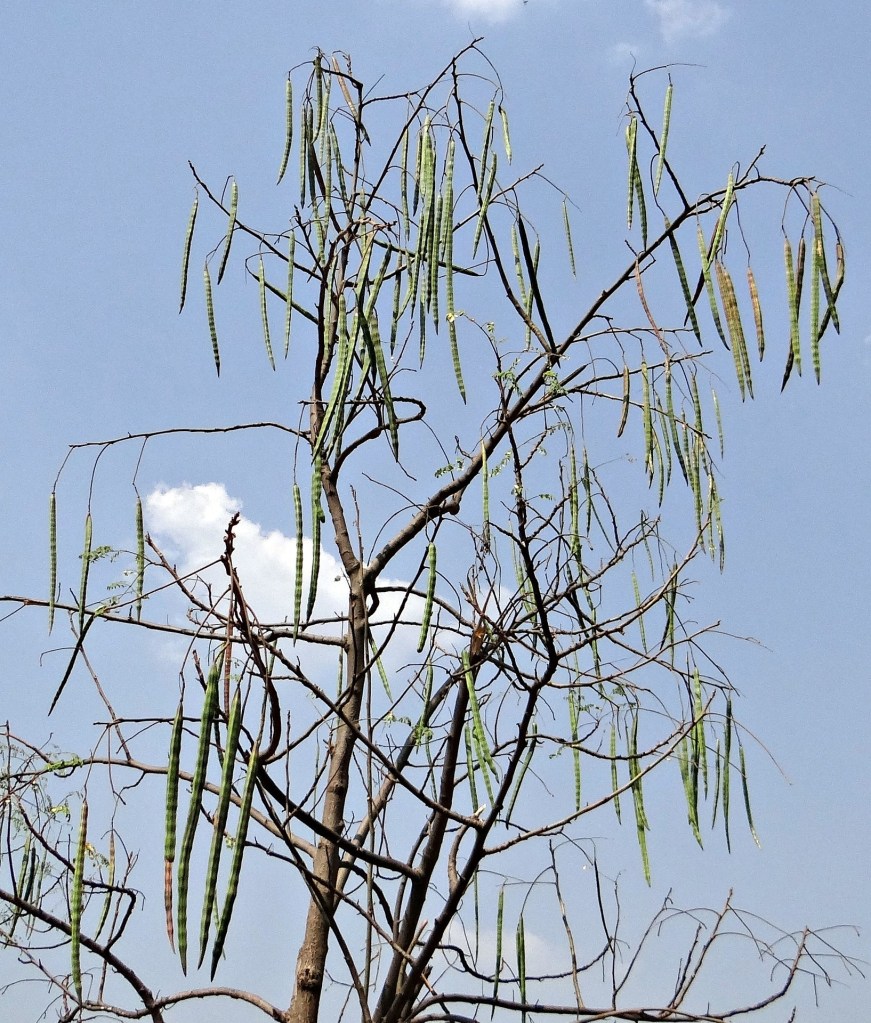
Moringa tree images from Pixabay

It is also called the drumstick tree.

Visit the Urban Harvest YouTube site here, with advice for a Florida gardener.

I ordered some seed packets from the Urban Harvest and got the seeds within a couple of days. It is April, which is leading us into the hotter months here. Not much likes to grow during summer, so I may wait to plant most of my seeds until Fall.

I’m off to plant my garden! Blog post to come.

My April Backyard and New Garden Plans

My April backyard garden and what I’m growing and harvesting.

Don’t get too excited, I don’t actually have a lot of vegetables growing in the backyard. This is what I do have, and am enjoying at the beginning of April, in central east Florida.

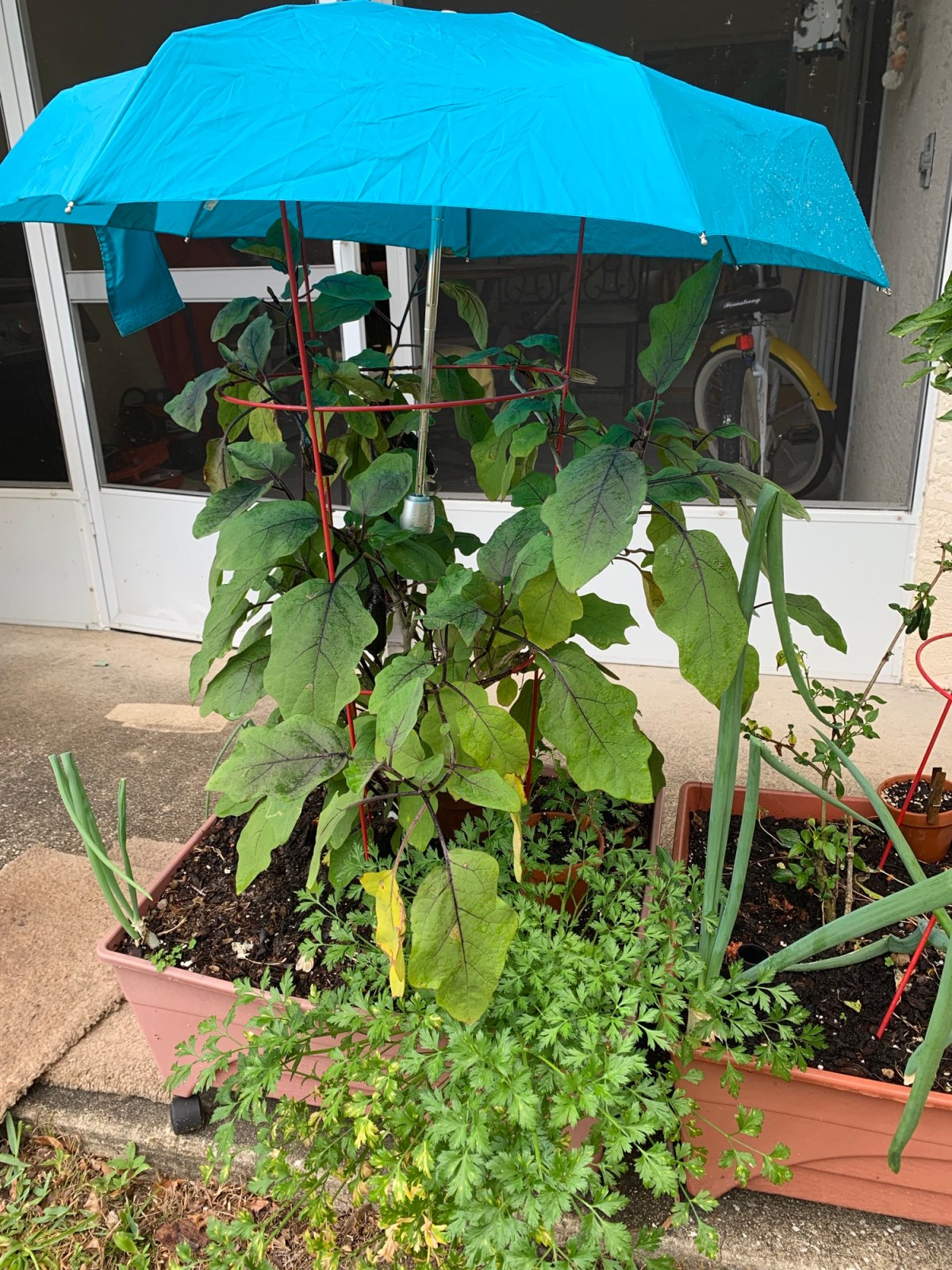
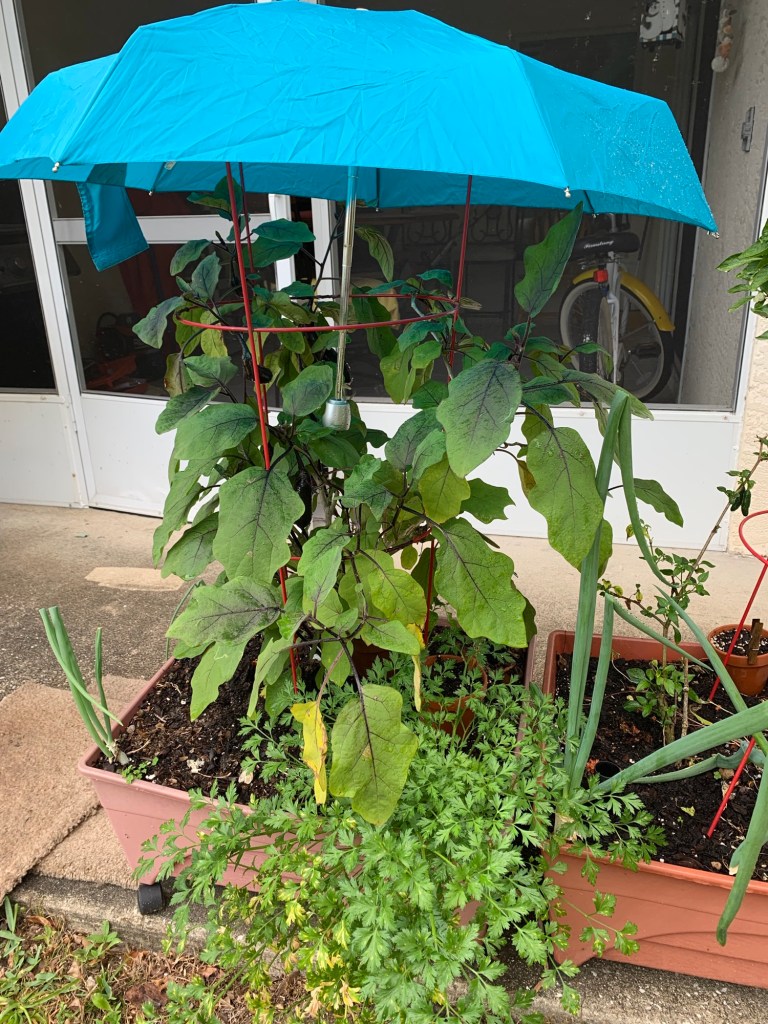
The Japanese eggplant are beginning to grow and I just ate one sliced and fried for lunch. The sun is a bit much for the eggplant. Adding my umbrella during mid-day seems to help with wilting.

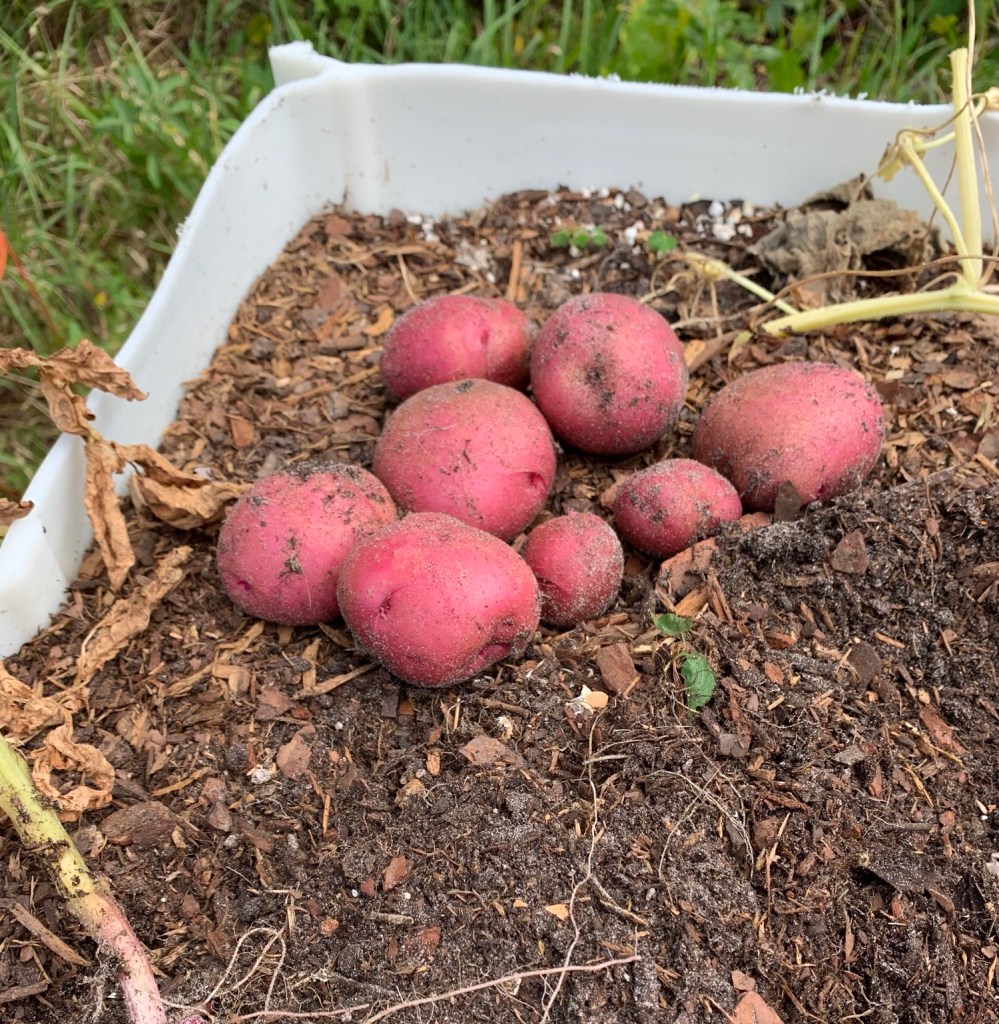
A day or two ago I dug up one raised bed of potatoes. All the stems on the potato plant had turned yellow and died, so I dug to see what they looked like. They look great! Now I am letting them sit and dry out.

As is true whenever I search for vegetable information, I get “northern” growing advice. Store potatoes in a cool dark place – like a cellar! That is not going to happen in Florida. So my potatoes are on the porch sitting in a pan to let them cure – I hope.

I’ve discovered that sweet potatoes are the thing to grow here. More on that later.

Growing Poblano and Squash From Grocery Store Vegetables.

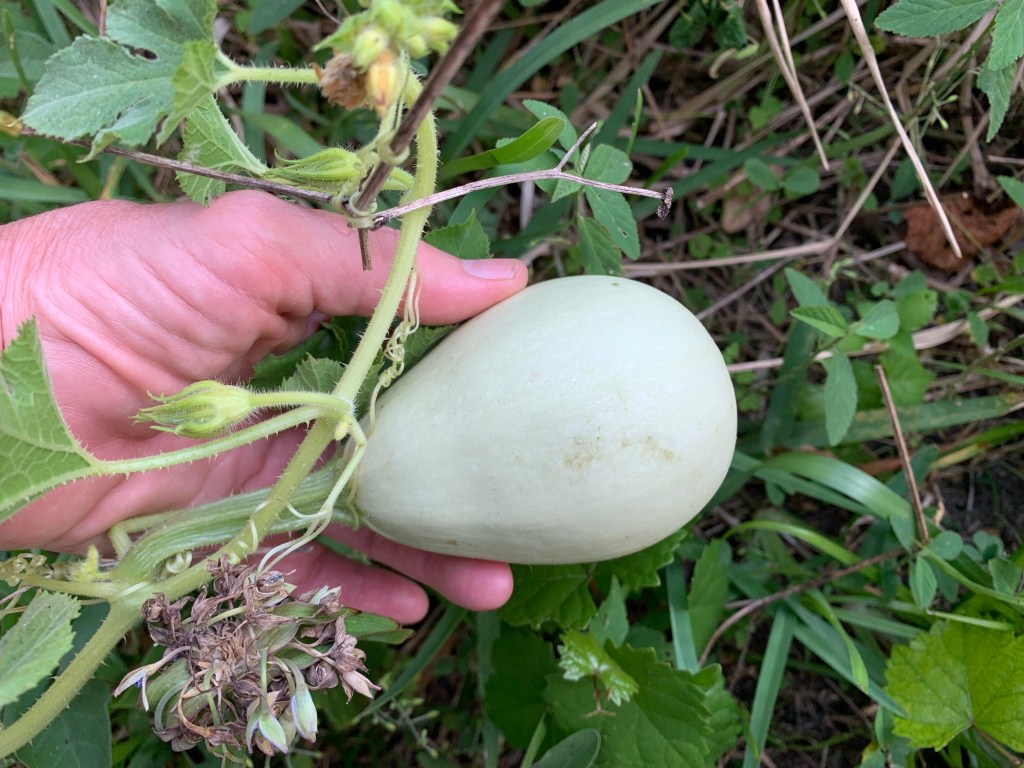
When I cook, I often save the seeds. They usually go into the composter, but one day I tossed the spaghetti squash guts into a raised bed. And squash began to grow. So I let it. And now I have this little squash! I don’t know if it will ever be big enough to eat because the plant looks pretty bad.

Nothing likes the extreme humidity here.

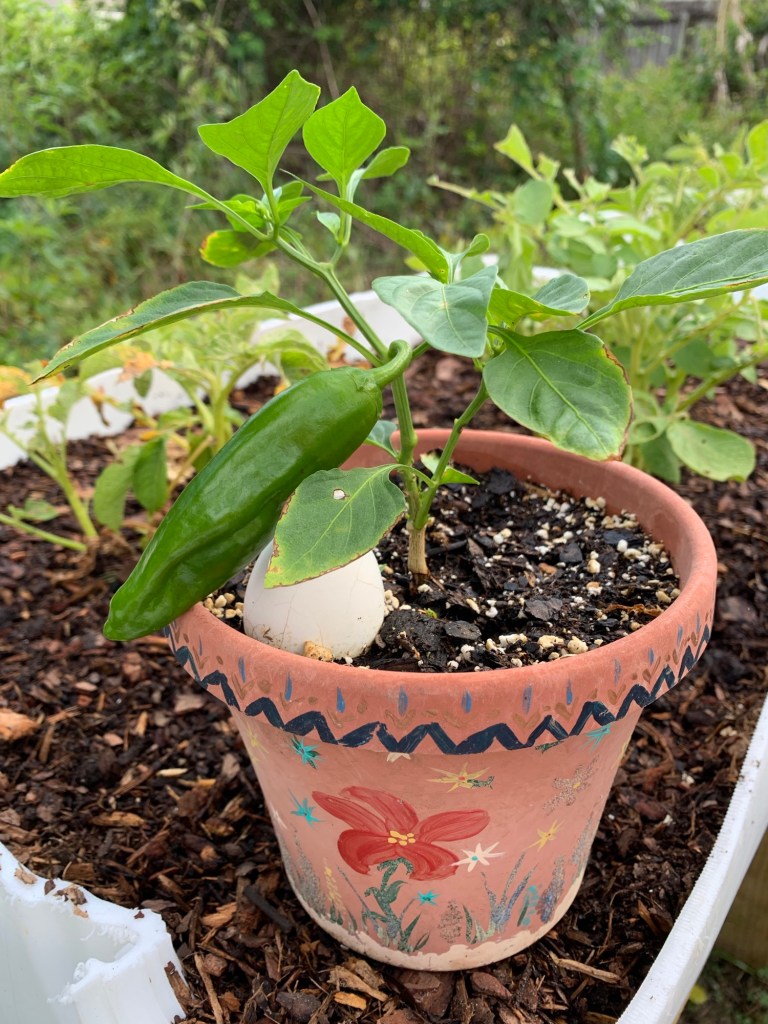
A few weeks after throwing poblano pepper seeds into the garden, the pepper began to grow. At first I didn’t know which kind of pepper it was (because I am growing all kinds), but when I saw the actual pepper, I knew from the shape.

Going to Seed

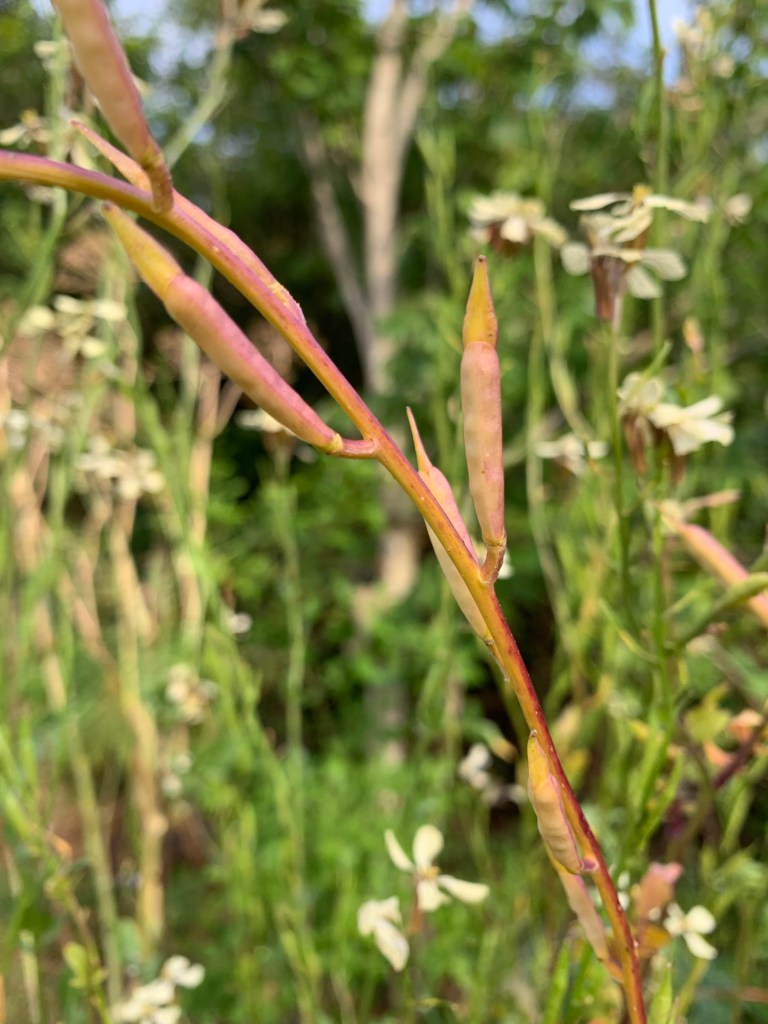
The arugula flower stems have been going to seed. The arugula grew quite well during the winter months, and then tall flowers grew. Now the stems are full of seed pods that I am allowing to dry. Each little pod has a ton of tiny black seeds.

arugula seed pods
Arugula seeds

Digging Into the Earth

I broke down and bought a garden tiller so we could dig ourselves a garden. I can’t even run the thing because the grass and roots pull like crazy, so my son did it for me. I am now removing the chopped up grass clumps and roots.

We’ve only used raised gardens so having a ground garden will be an experiment. We have raccoons and cats constantly in the yard. I don’t know what they will do to the garden. Its been a year since I bought the Hot Frog composter, and some of that dirt will go into the new bed.

More on creating that garden in another post.

More stories on this blog

Quick and Easy Summer Garden Recipes

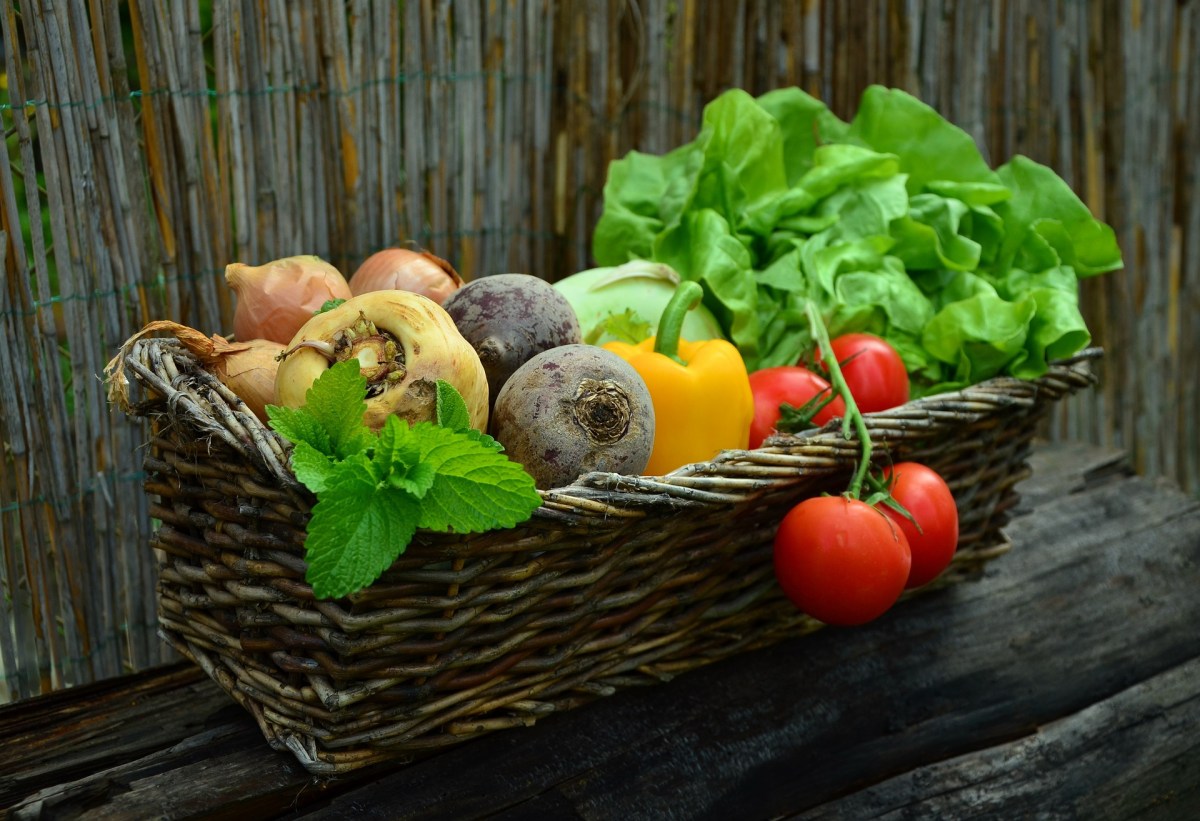
Many of my northern friends are getting ready to plant seeds indoors in time for June gardening. These simple little recipes helped me use up an overload of zucchini, cucumbers, tomatoes, and other lovely home-grown vegetables.

As I was looking through my little notebook about gardening, I came across a page of simple recipes I’d made in the past. Specifically, the food was meant to use vegetables I was growing in my New England garden.

In New Hampshire I tended to have lots of squash, zucchini and cucumbers. Late in the season I’d have wonderful tomatoes, if the blight didn’t get them.

A lot of these veggies I can’t seem to grow here in Florida, but I wanted to write out the recipes to save. You don’t really need a recipe, just the ideas to work from depending on what you are picking in the backyard. It all depends on where you live and what you are growing.

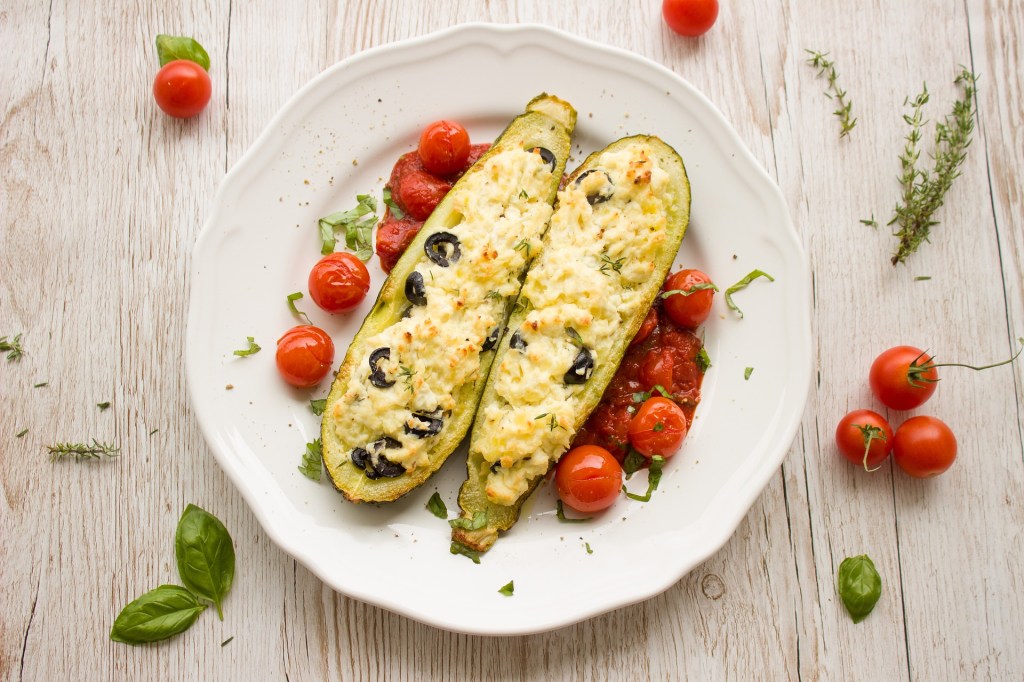
Stuffed Zucchini (Boats)

Slice zucchini lengthwise in half and scoop out the middle. Chop this and fry with onion and garlic – also ground beef / turkey – if you want. Mix in chopped tomatoes, or tomato sauce and parsley. Put mix into hollowed out zucchini, sprinkle with cheese and bake for 40-50 minutes. (350)

Photo credit: Pixabay

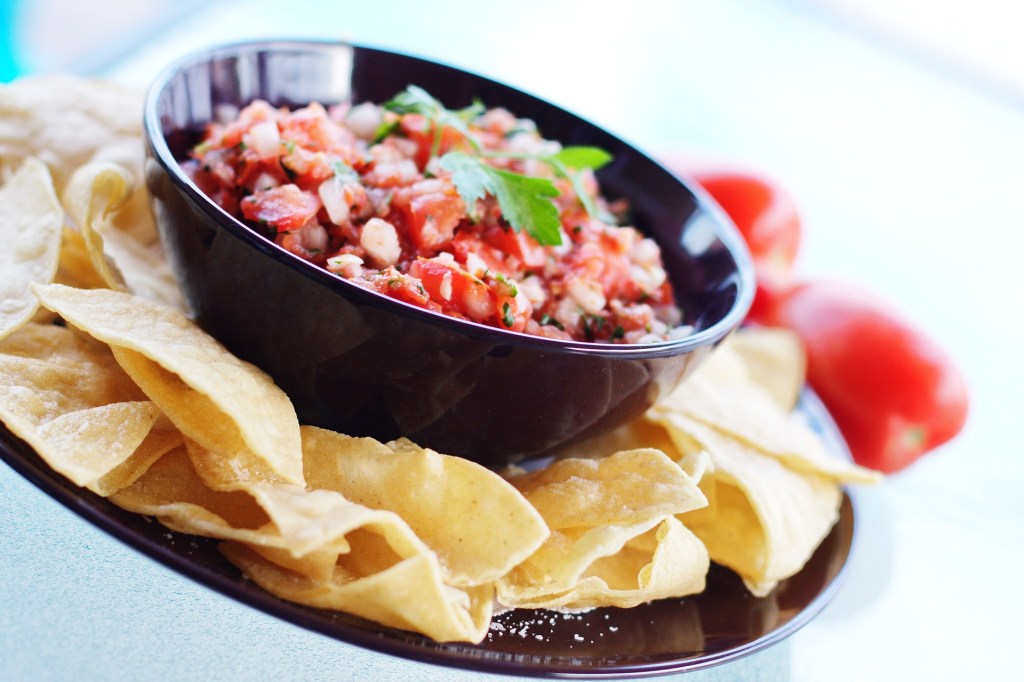
Tomato Salsa

Cherry tomatoes or big tomatoes, chopped. Also chop parsley, chives, onions, garlic. Cucumbers and / or zucchini can be added. (Hot peppers, bell peppers, also work).

I used to eat this along with some plain, whole milk yogurt as a type of dip with chips. I could not grow peppers in the north, as they like warmth, but here in the south, they grow very well. Tomatoes like the heat also and I can easily grow cherry tomatoes.

Photo credit: Pixabay

Cucumber Salad

I wrote this recipe down after going out to eat at the Bantam Grill in Peterborough, NH. I don’t have their recipe, but the basics used were chopped cucumber, with thinly sliced radishes and onion. Mix with some sort of dressing (oil & vinegar) and crumbled goat / feta cheese. It seems that many other good things would go with this, but I was always looking for a way to eat all those radishes I grew. Their version was served with salmon. If you are ever in the area, eat at the Bantam Grill… the food is wonderful and they use local ingredients whenever possible.

Here in Florida, I can’t seem to grow cucumbers.

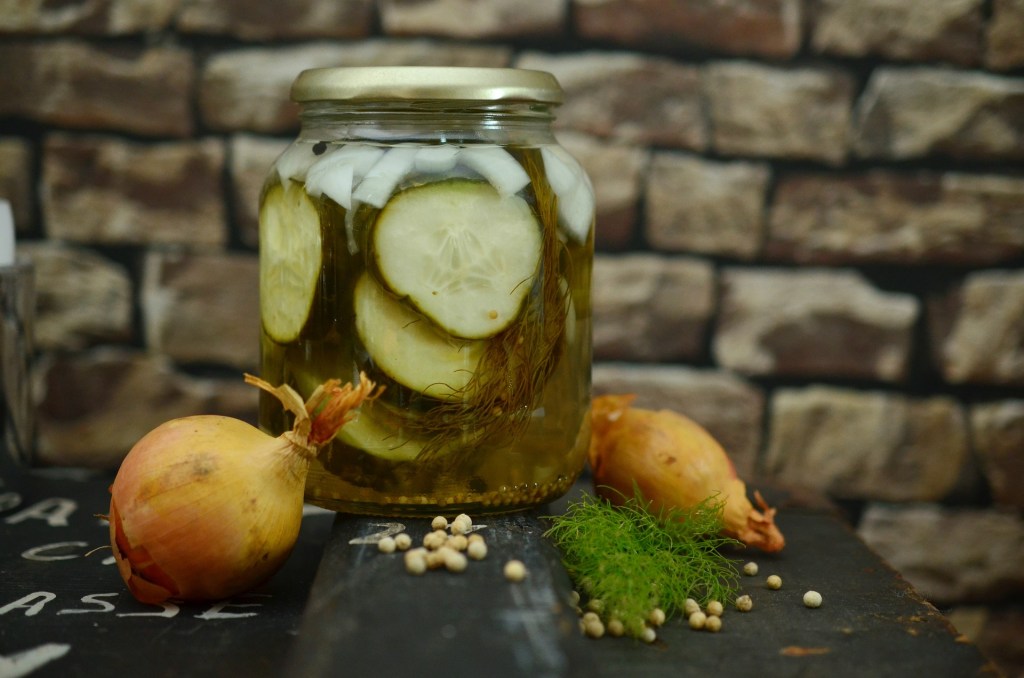
Easy Pickles (Sweet)

If you end up with tons of cucumbers, try this easy pickle recipe that does not require canning.

7 cups of thinly sliced cucumber, 1 cup of onion and 1 cup of bell pepper – also thinly sliced. A mandolin slicer (Borner mandolin is what I have – this is an affiliate link to Amazon.) is the easiest way to get this done. Mix one cup of sugar and 1 cup of cider vinegar together and then mix in the vegetables. Add some celery seed and put into large mason jars. Store in the fridge (and maybe share with the neighbors). These pickles last for a few months, but eating them fresh is best.

More like this:

Photo credit: Pixabay

Thank you for reading

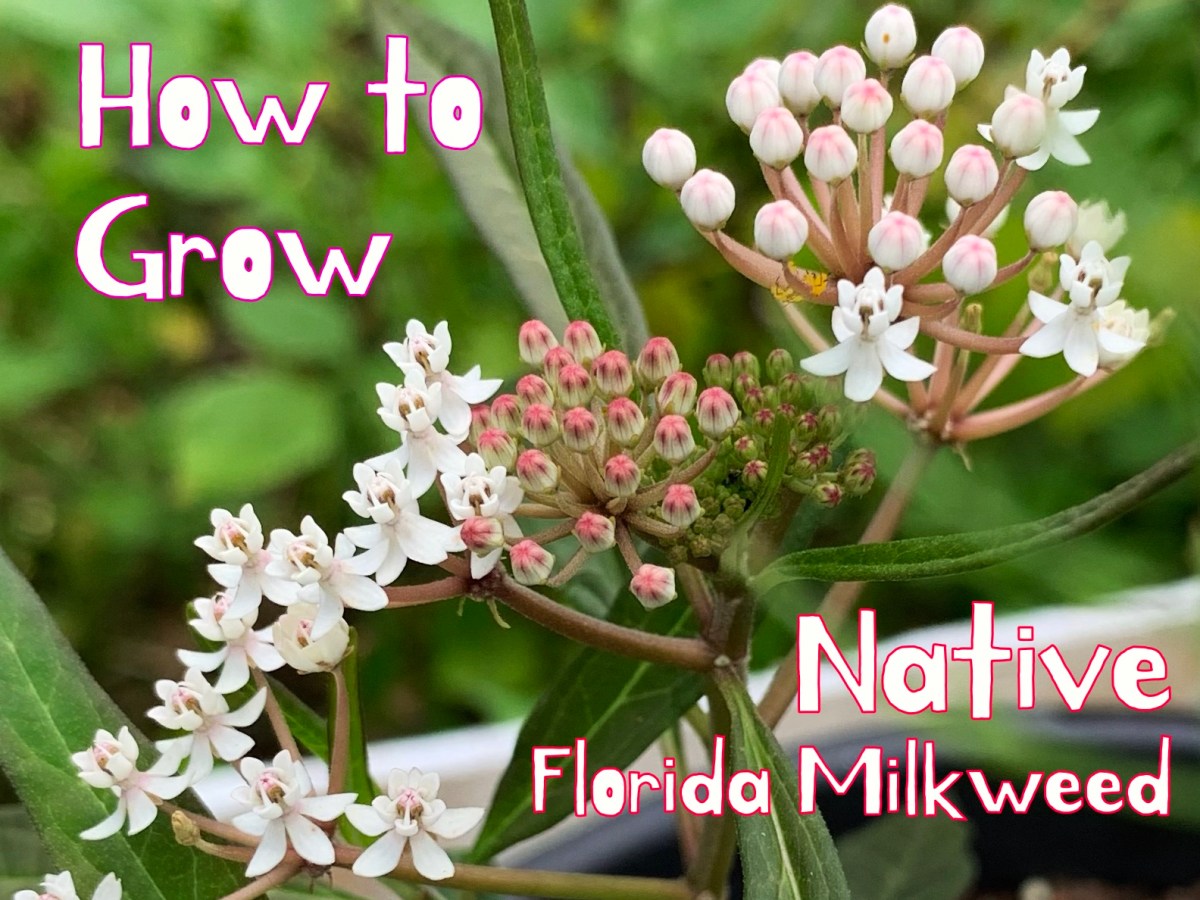
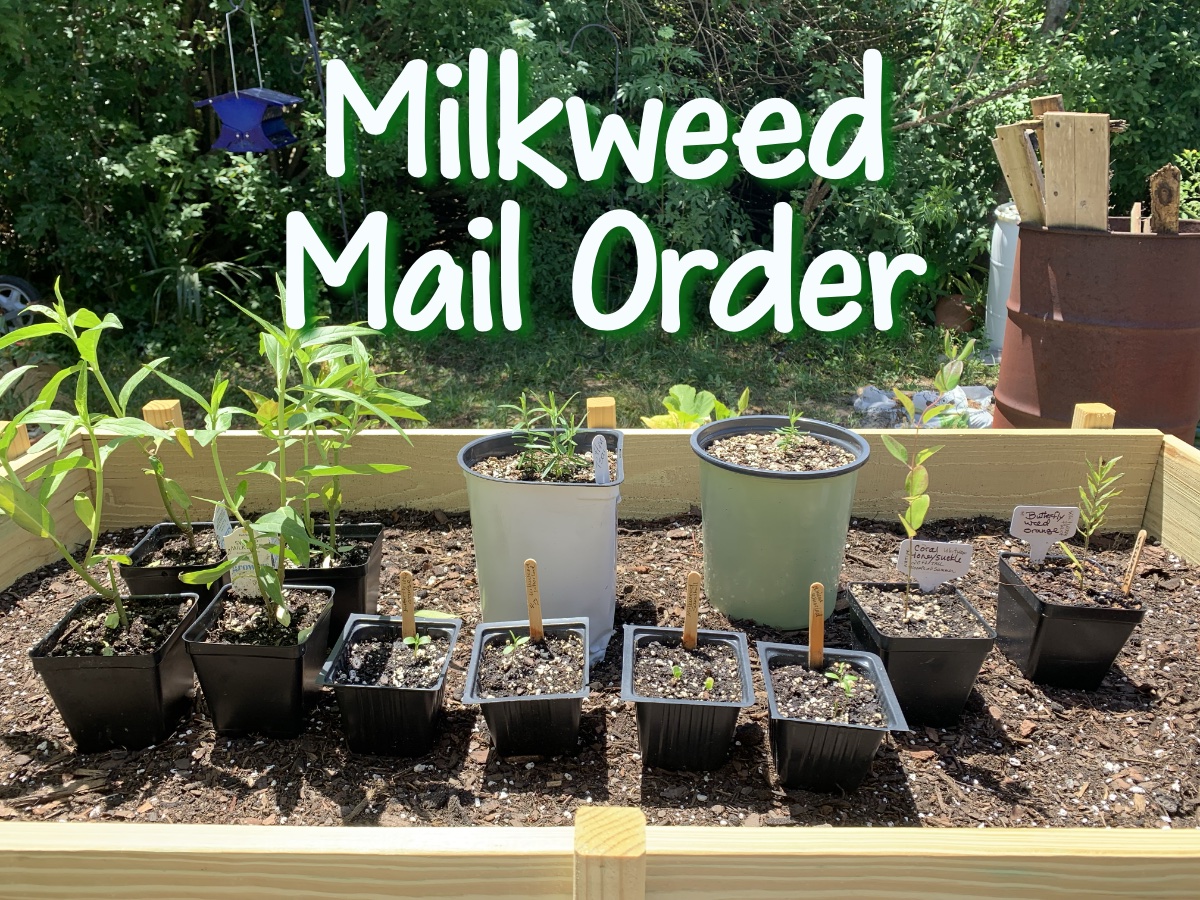
Mail Order Native Florida Milkweed Seedlings Review

I’ve found a good place to buy milkweed plants online. Ordering plants online can be expensive, so the plants that arrive should be in great shape. Read my review of Whitwam Organics and The Growers Exchange.

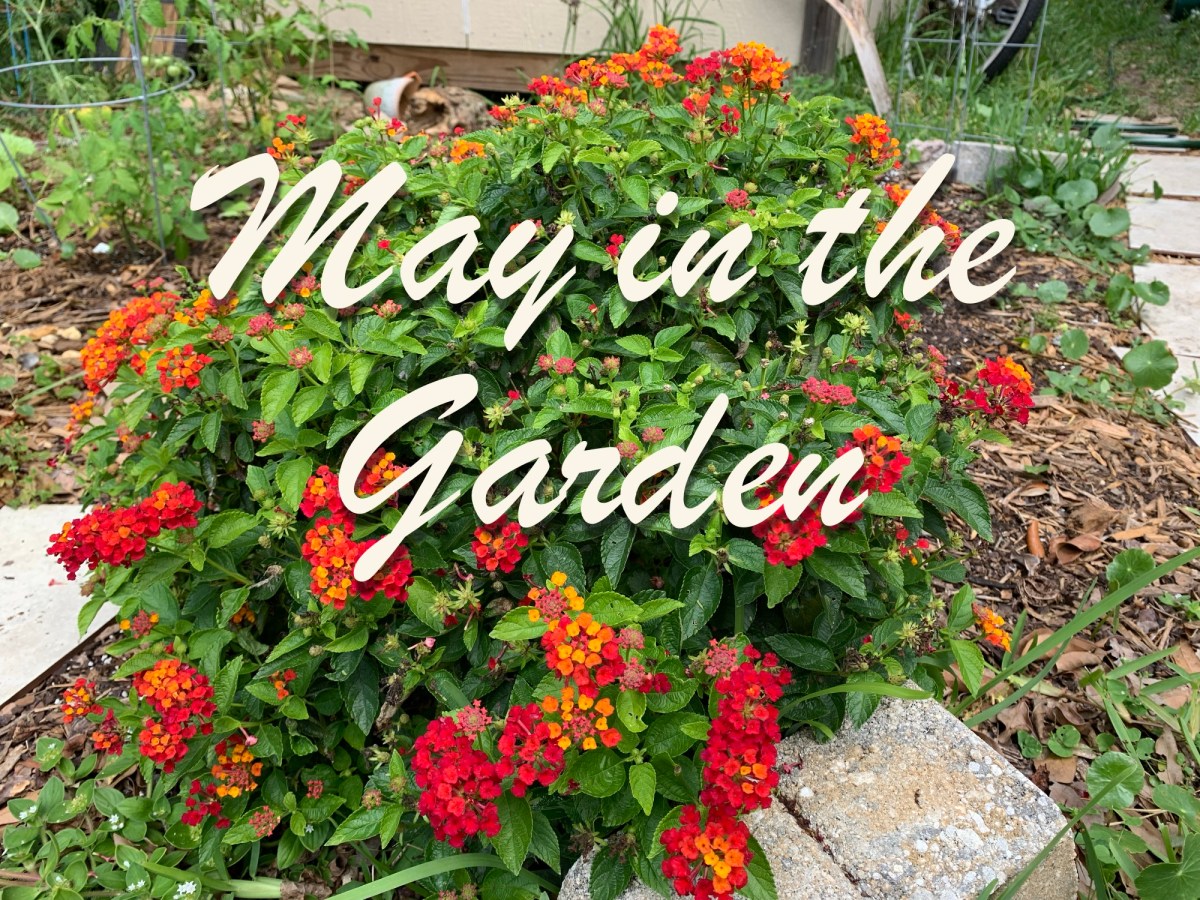
May Garden Photos With Plant Updates

May in the garden is mostly about finalizing the switch from winter crops to summer. This quick post shows photos of some of what I have growing at this time.

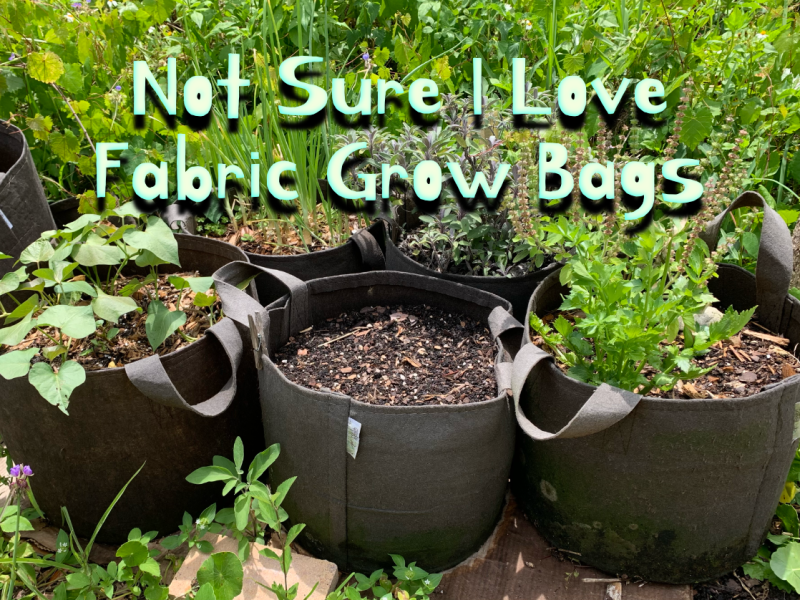
Do I Really Love Fabric Grow Bags?

Rethinking my use of fabric grow bags. The Florida climate dries out the plants too fast. Certain shallow root vegetables, grown during winter, might be the answer.

Art Class: Simple Pencil Drawings

Sharing some photos of my nature pencil drawings done through an online course.

My grown daughter lives in New Hampshire and I live in Florida. She had an idea of how we could share some time together. She signed us up for an online drawing class! The class was offered through a local nature conservancy called The Harris Center. (Link at bottom of page.)

We had four weeks of lessons and drew something different each week. Our homework was to find the item to draw.

Each lesson was an hour long and we did Zoom meetings. This was a bit of a learning curve for me, as I had never done a Zoom meeting! But it was fun.

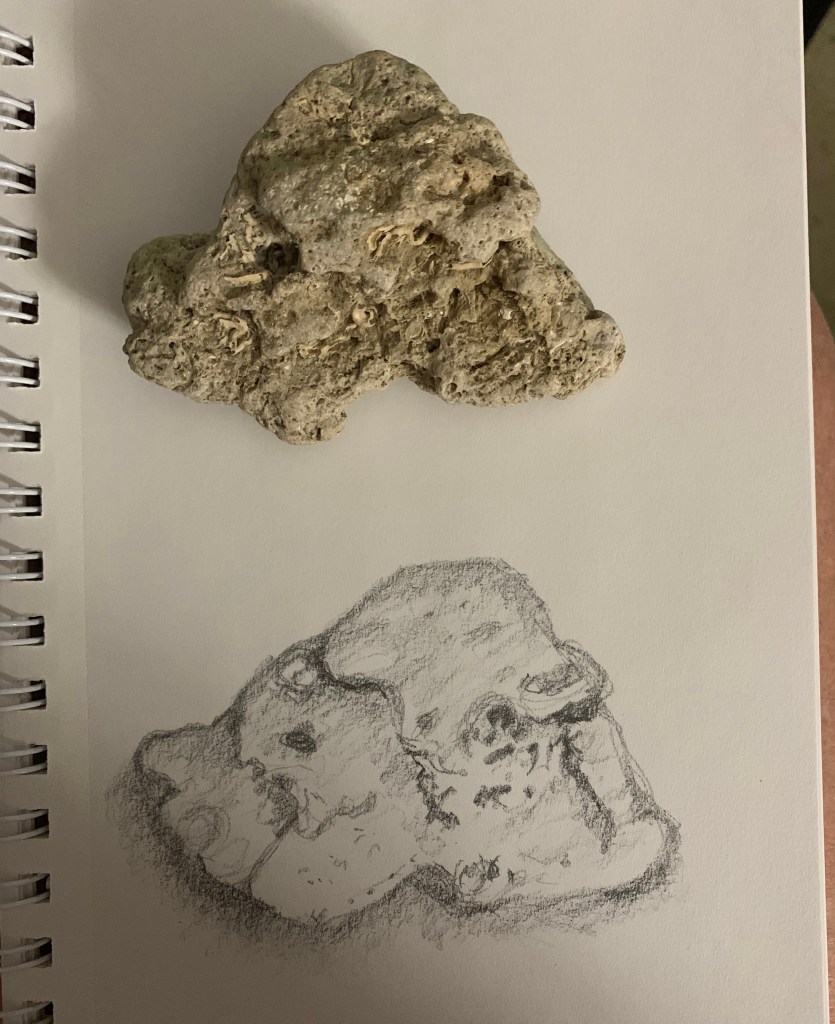
Our first lesson was practicing shadows and gradient color using a pencil. Also, we had to draw a rock.

Florida is not known for having rocks, but I did have a coquina rock, which I chose to draw. Class was at 7:00pm so lighting was not good in my house.

For each lesson we would begin drawing along with the teacher. This took about half the class time. The rock on the left above was done with her, and then I had about 30 minutes to draw my coquina.

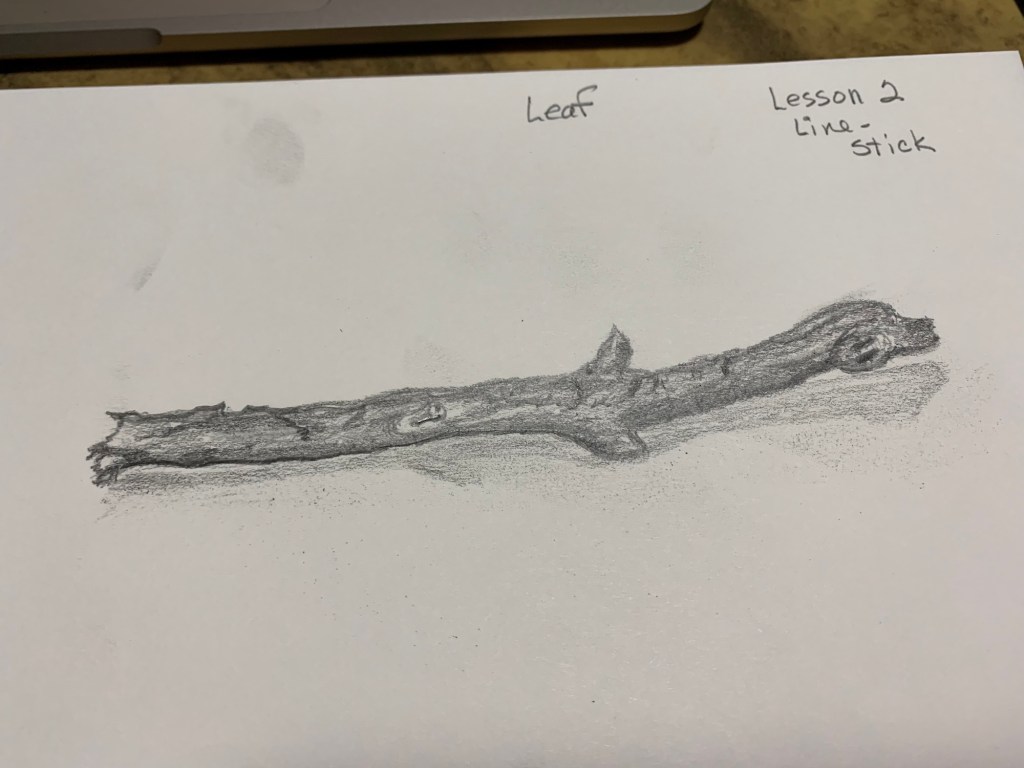
Lesson #2: Drawing a Stick

We were drawing from nature, so our second lesson was about drawing a simple stick and showing the shadow. Both sticks, in image 1 were done with the teacher in the first part of the class. The second photo is my stick drawing which is pretty awful….!!

At the start of the lessons we were told to have a good eraser, and I didn’t have one. She used the eraser to create white spaces on the image. I couldn’t do that, so my stick was just dark. And the end looks like a dog head…. haha…!

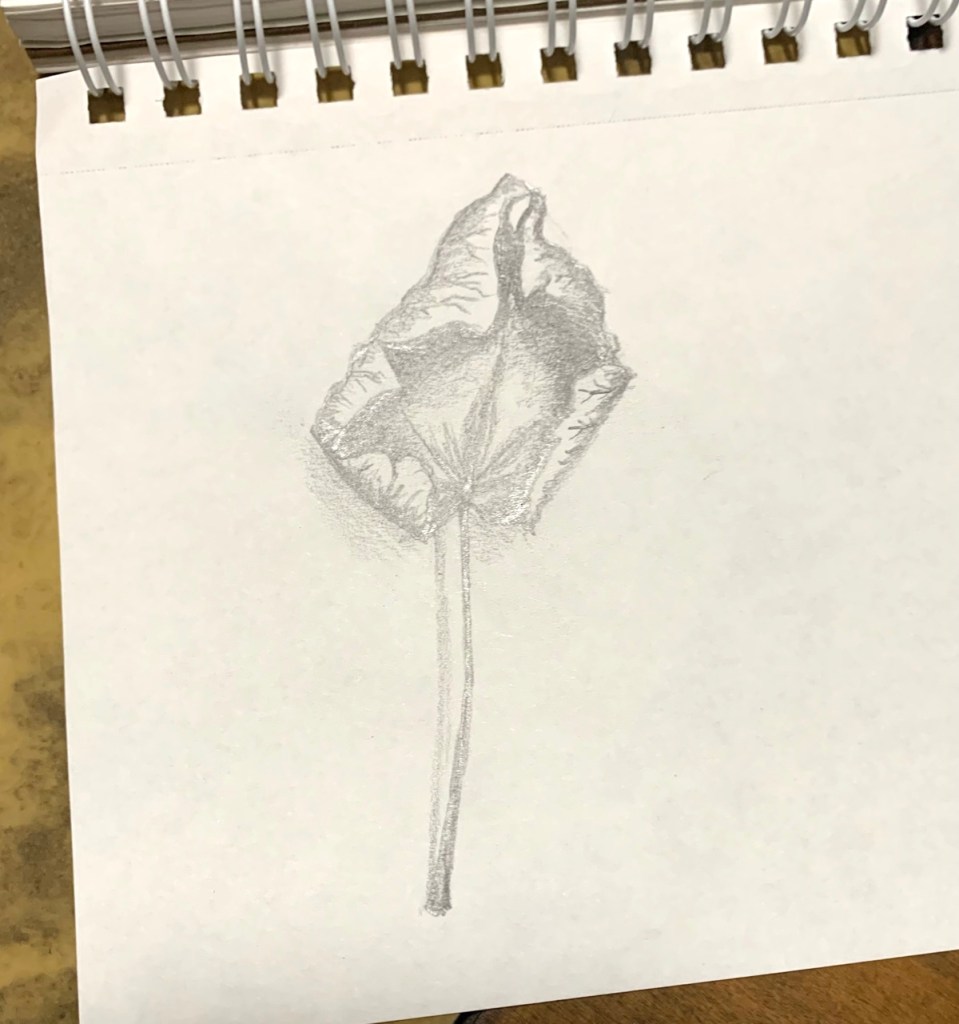
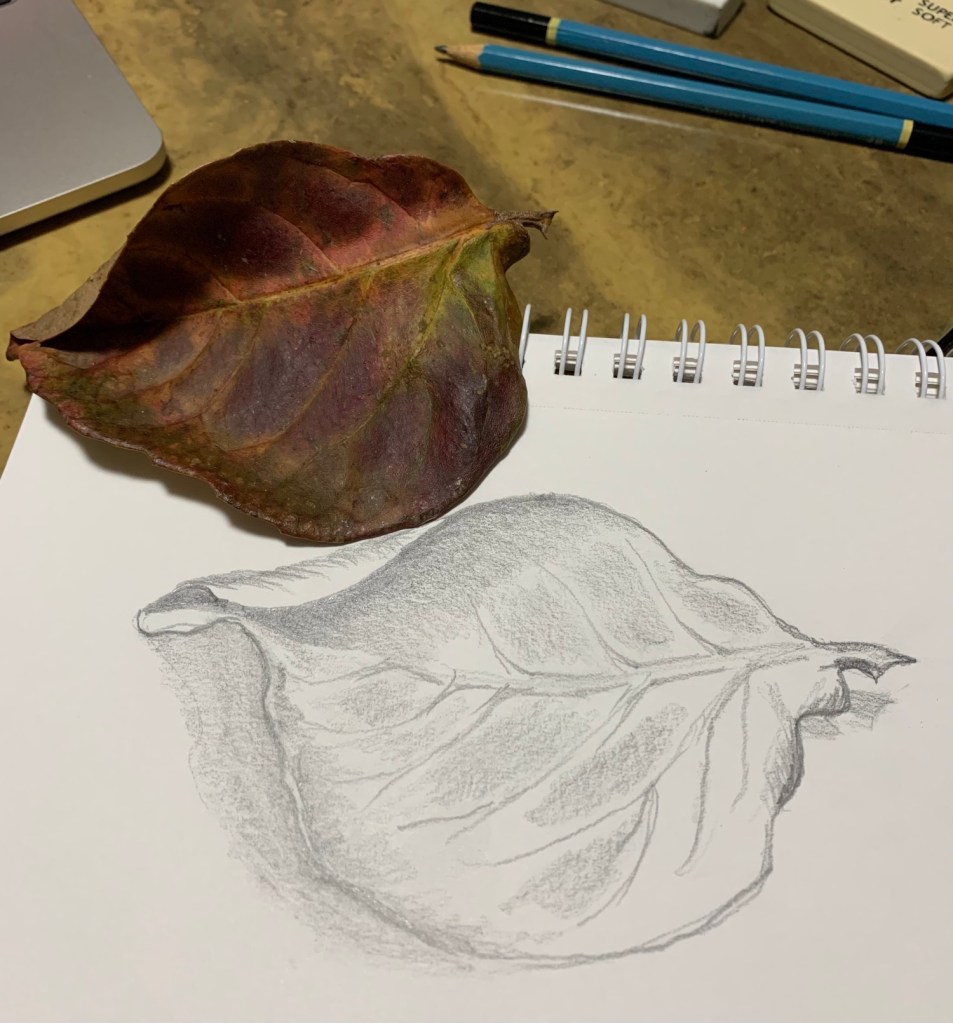
Lesson #3 Draw a Leaf

The class was full of New Hampshire residents. I was the only outsider. While they were bundled up in sweaters, I was sitting on my porch in a sleeveless shirt with the fan blowing.

It also meant that my gathering of subject materials would be different from theirs.

When it came to drawing a leaf, since it was February and the dead of winter in the north, they had to either draw a dead leaf, or a Beech leaf (I think). They tend to hang onto the trees longer.

Being in Florida, I had loads of leaves to choose from, but I figured I’d draw a dried leaf also. I’m not sure what kind of leaf I collected, but it ended up being my favorite finished drawing of the class.

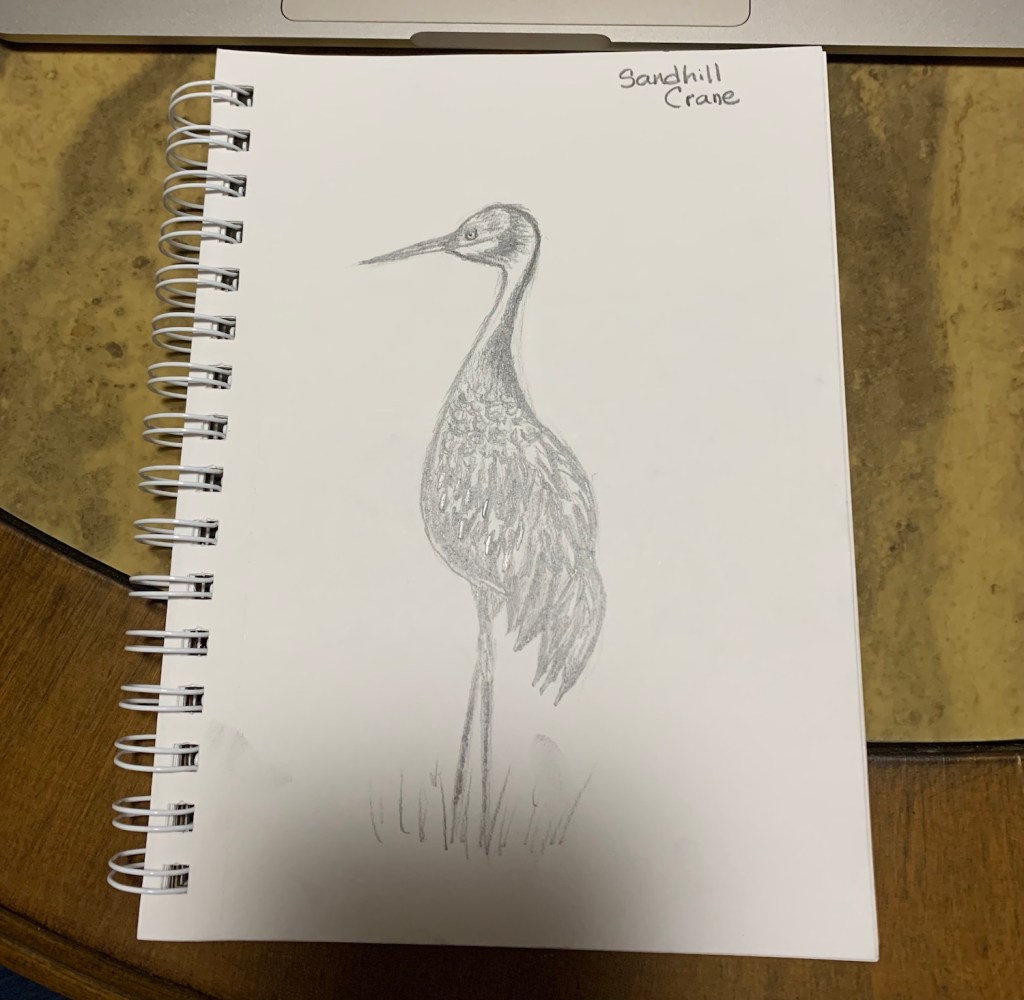
Lesson #4, and Last Lesson: Draw an Animal

When the teacher mentioned that our last lesson would be drawing an animal, I was not too happy. I’ve never been good at drawing wildlife, and I really don’t enjoy it.

But she had us draw a little hummingbird for starters, and I think mine ended up looking okay.

For my own animal I chose the Sandhill Crane because I had a good photo of one that had come into our yard. It really needed a lot of detail, and I ran out of time.

After each lesson we could share our drawing if we chose. I shared the Crane drawing and explained I was not in New Hampshire and this is why I chose this for my animal.

Once the Zoom meeting was over my daughter and I would share our drawings with each other. We had a lot of fun and it was a good way to do something together while living so far apart.

Read more about the Harris Center for Conservation Education based in Hancock, NH.


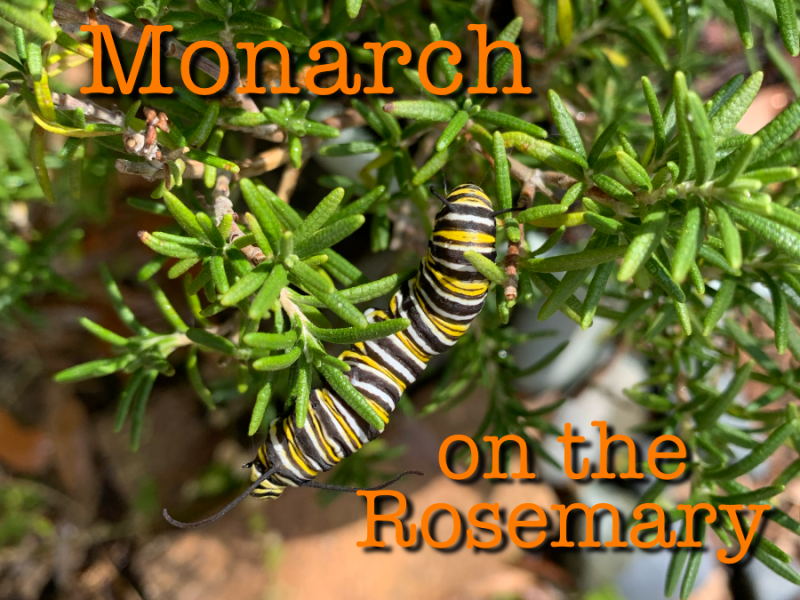
Discovering a Monarch Chrysalis on Rosemary

It is not usual to see a Monarch caterpillar on a Rosemary plant. Monarchs like Milkweed. But this one had a purpose, and had traveled quite a long way to be there.

February Garden Planting

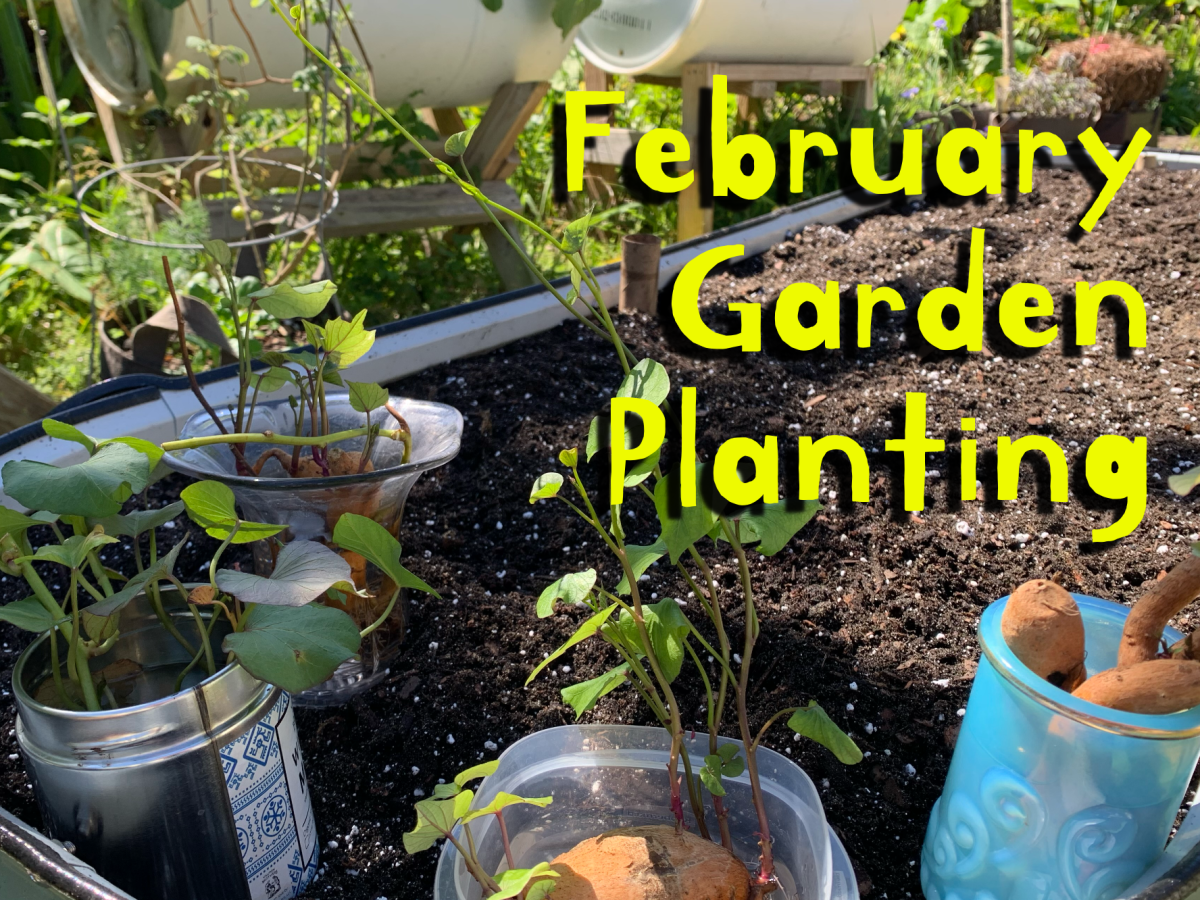
It is the end of February and here in Florida I am getting some seedlings and sweet potato slips into the raised beds.