How to Find and Successfully Grow Your Own Native Florida Milkweed

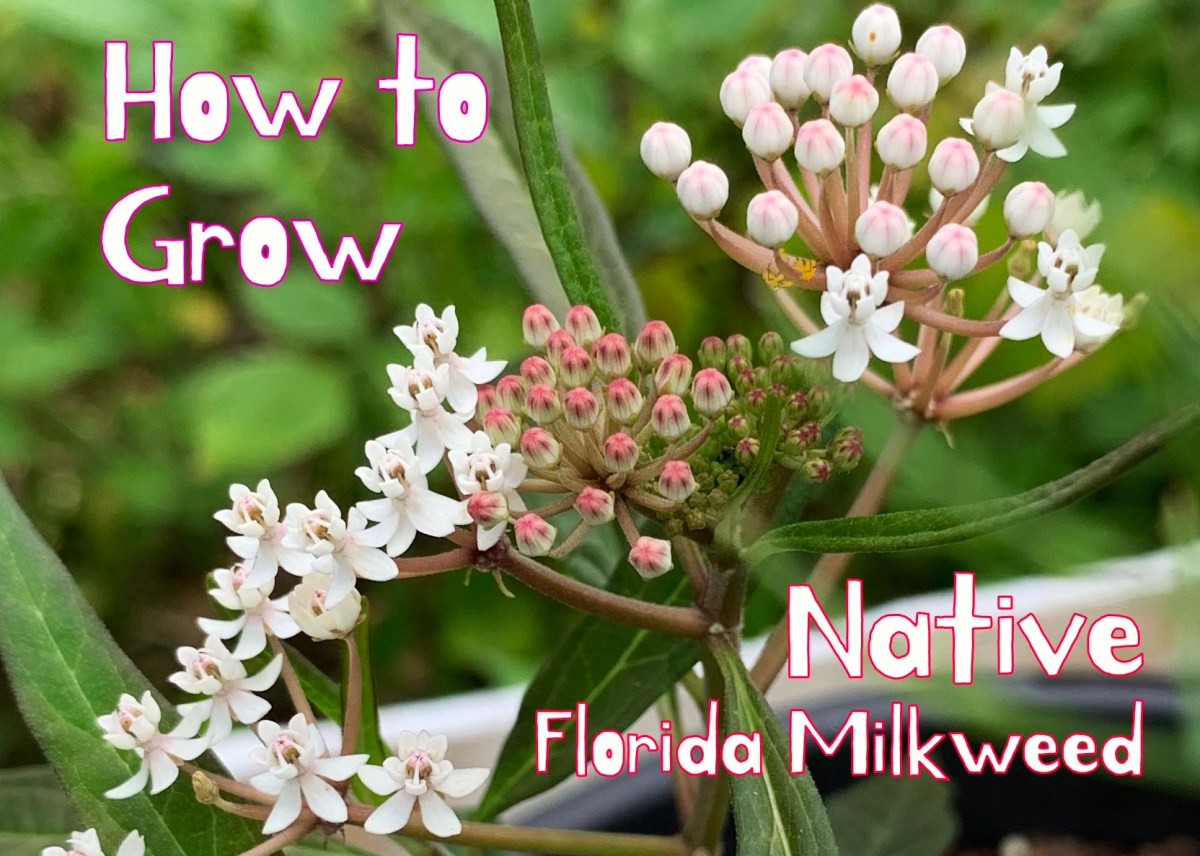
Native Florida milkweed plants can be hard to find. I am trying to grow some from seeds. Know how it grows, and what to do for seeds to flourish.

I’ve been trying to grow my own native Florida milkweed from seed. The trick is to learn as much as possible about milkweed plants. There are quite a few native Florida milkweed varieties. Some prefer dryer conditions, while others need to remain moist. Decide what will work best in the area you plan to put your milkweed plants.

In the wild, they will self seed alongside the parent plants, in a naturally perfect location. In my yard, I will need to mimic that for success.

My Milkweed Plant List – See the full list of Florida natives here.

This list includes milkweed I am attempting to grow from seed, or mail order. Milkweed likes sun, and most like it moist. I ordered these types to see what I could get to grow. I do not have a lot of space.

  • Asclepias tuberosa – orange butterflyweed / milkweed
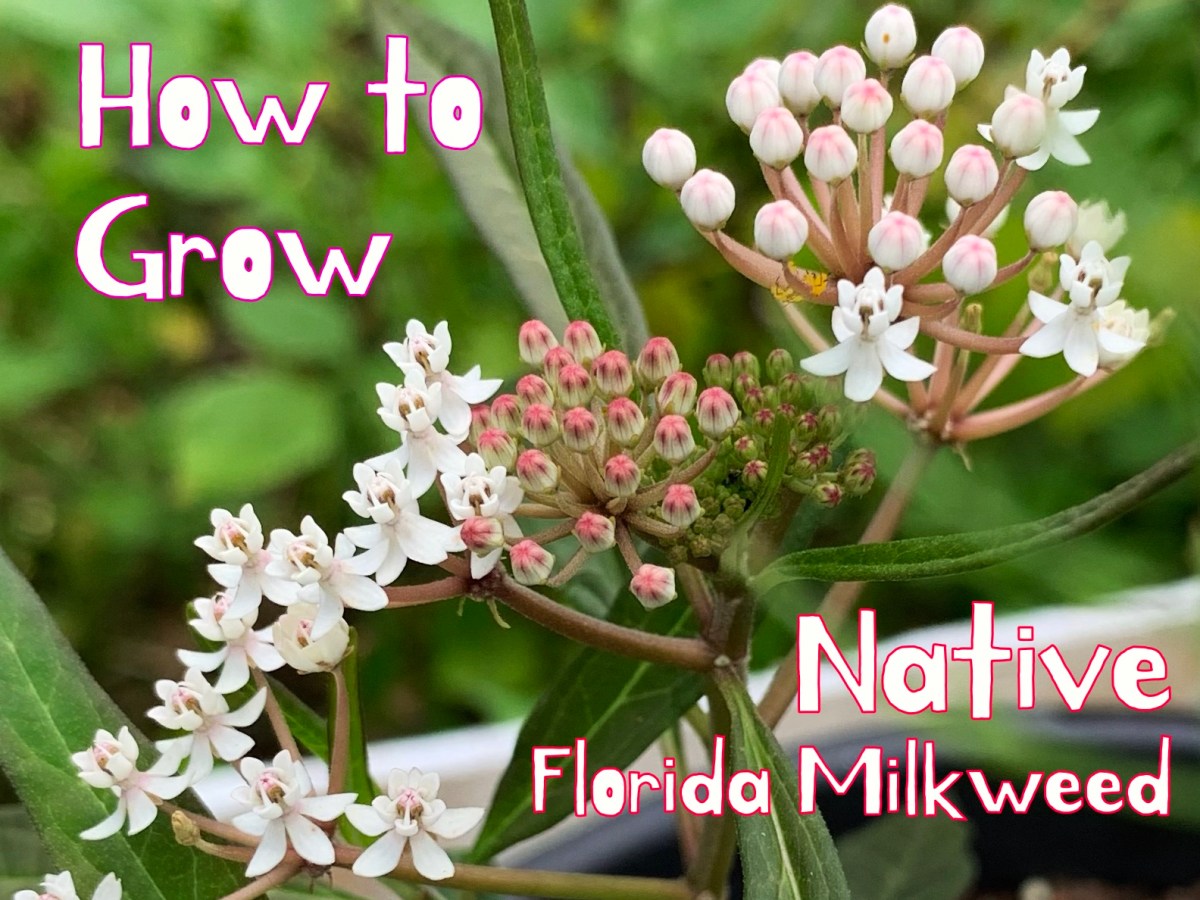
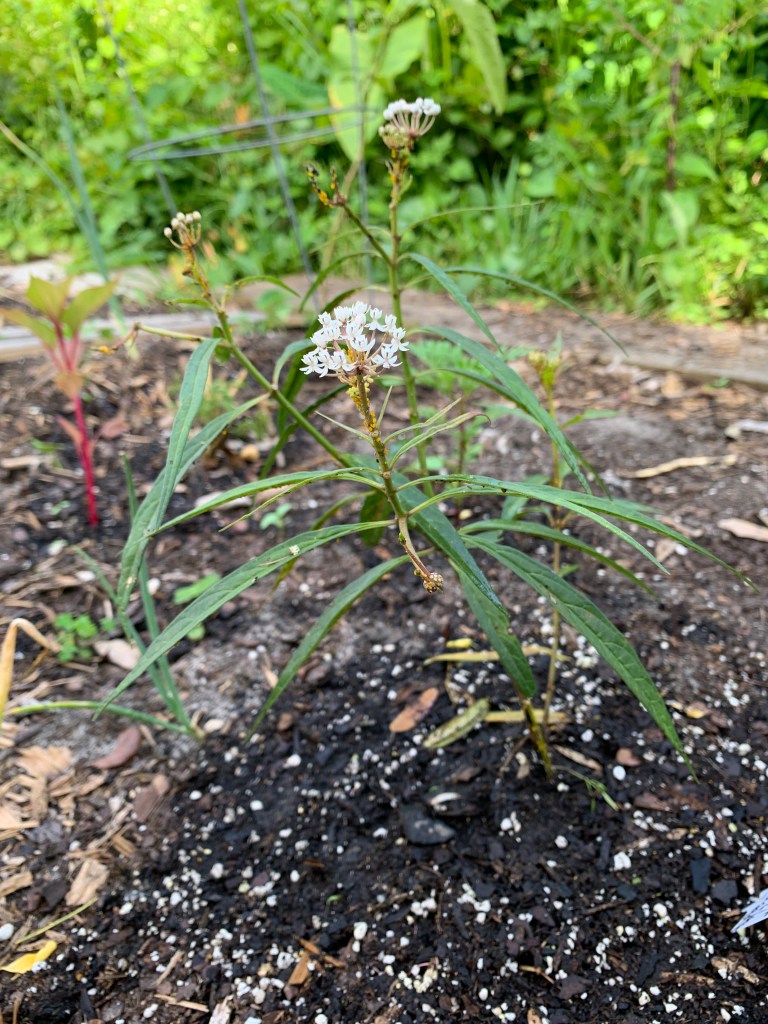
  • Asclepias perennis – swamp milkweed, with white flowers
  • Asclepias incarnata – swamp milkweed, with pink flowers
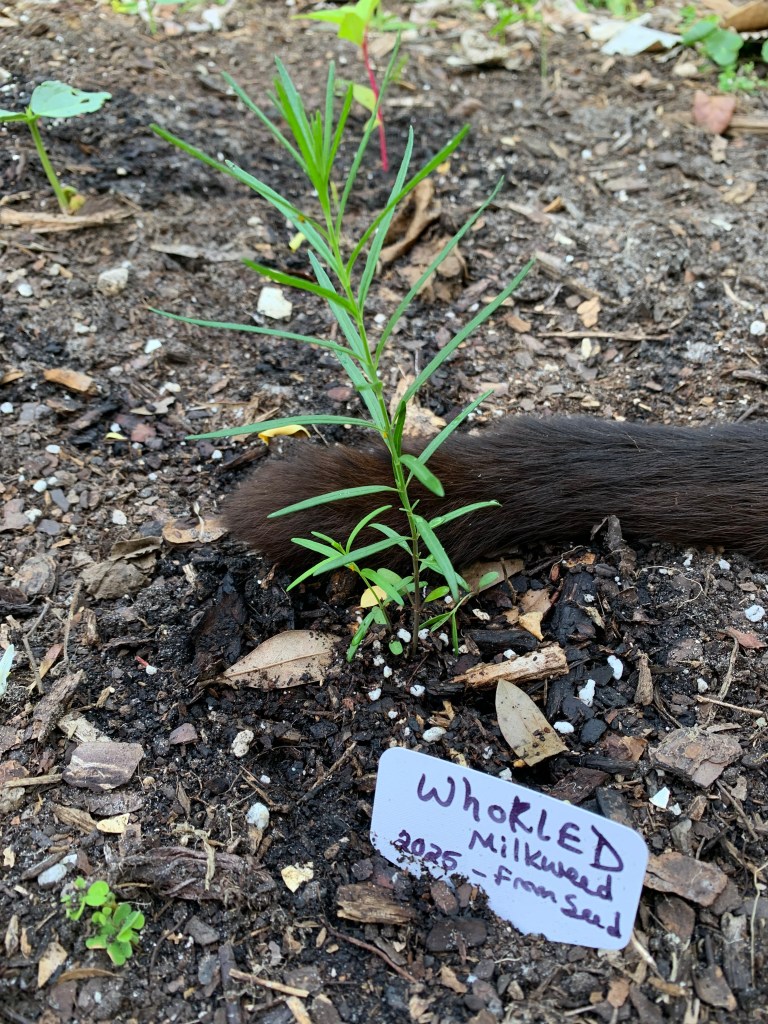
  • Asclepias verticillata – whorled milkweed, blooms later into fall. Needs space for tubers to spread. Not as good for small gardens.
  • Asclepias humistrata – pinewoods, or sandhill – grows in sand, likes it dry. Must be in well-drained sandy ground.
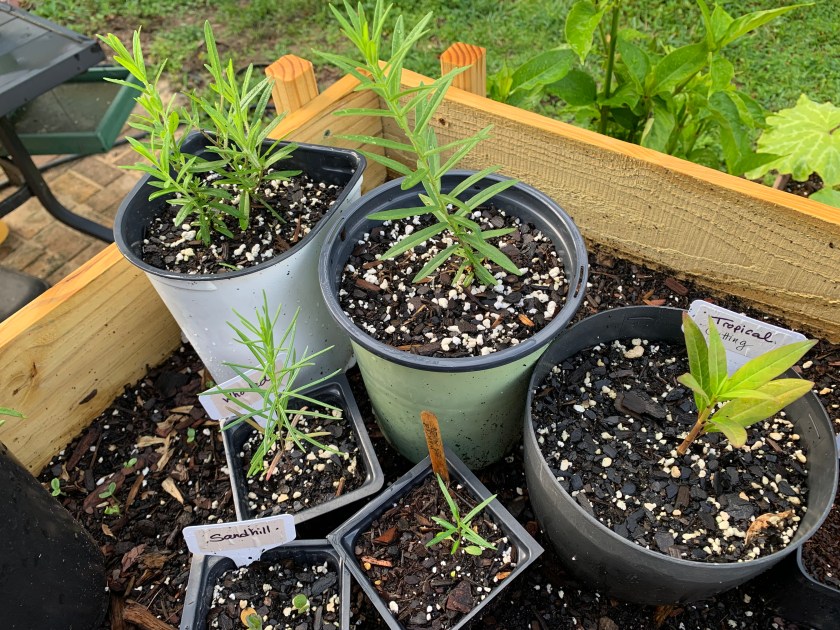
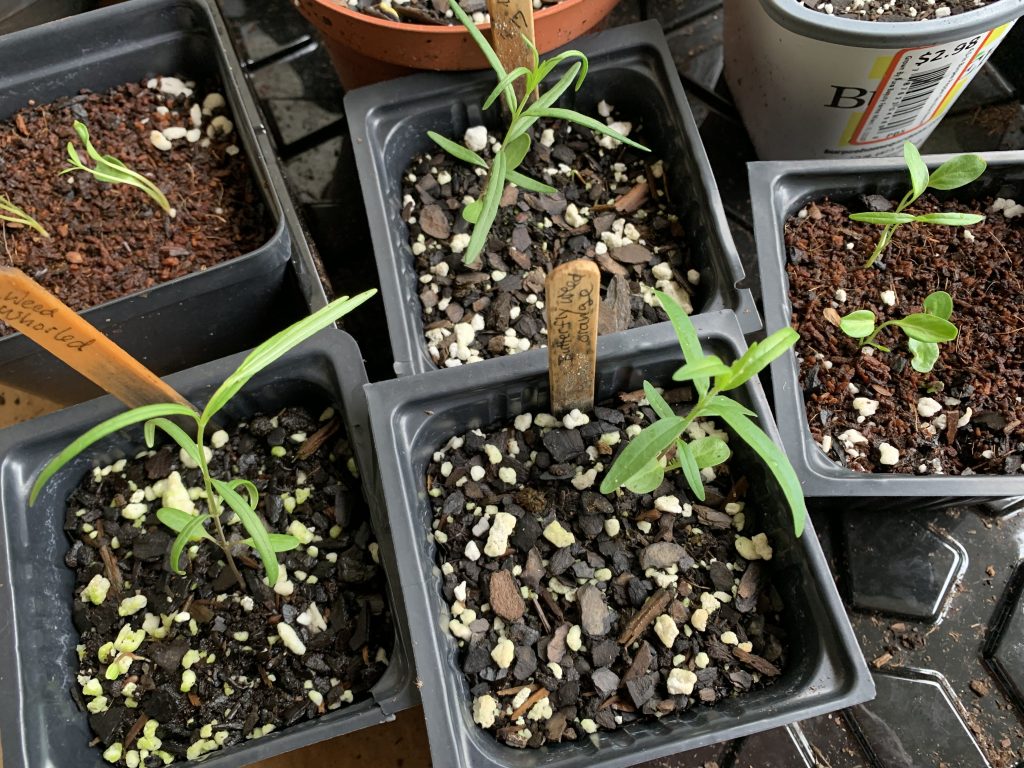
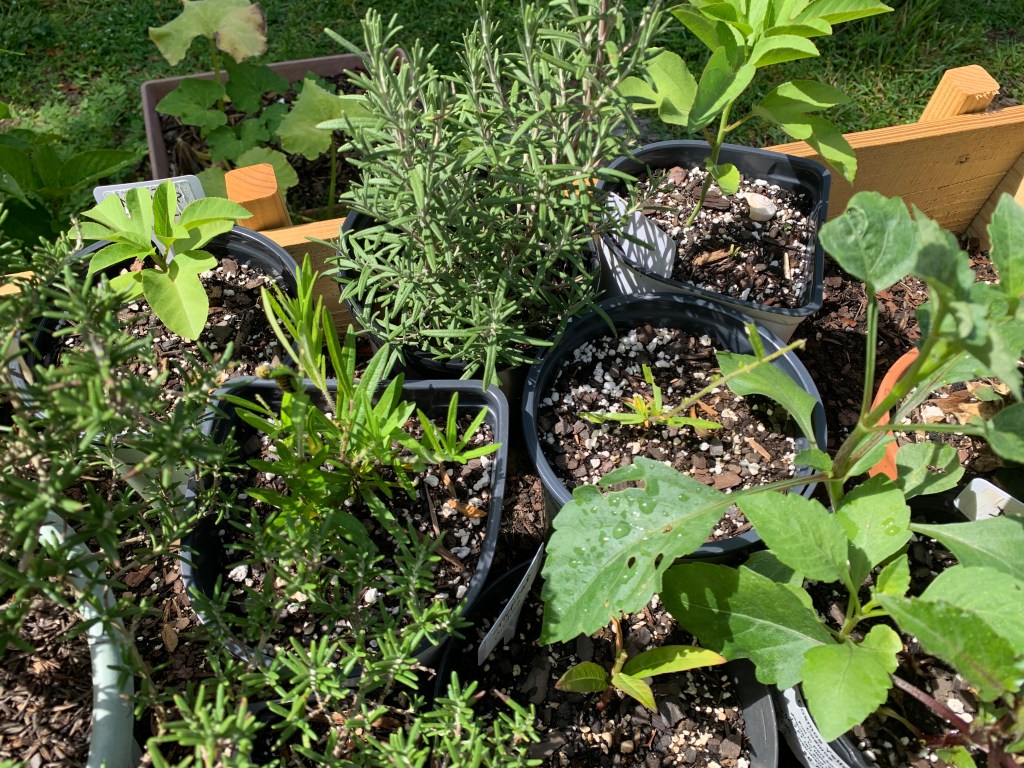
Milkweed varieties in pots
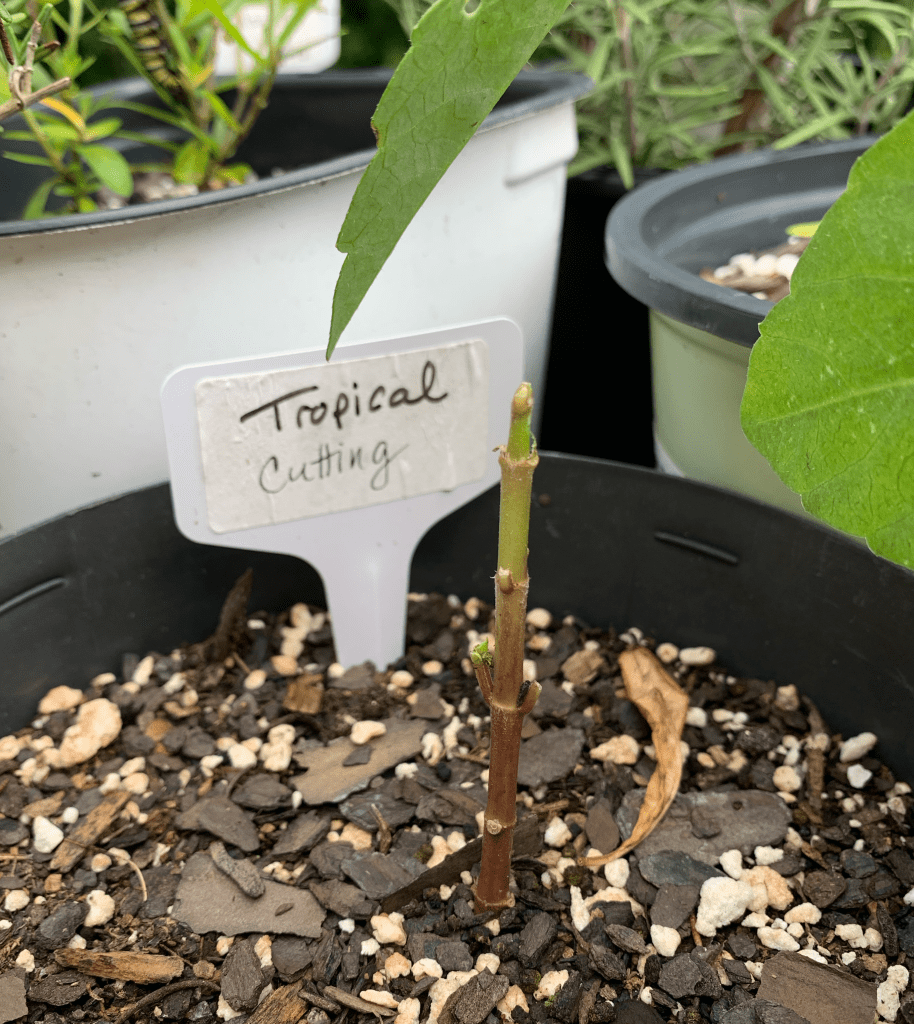
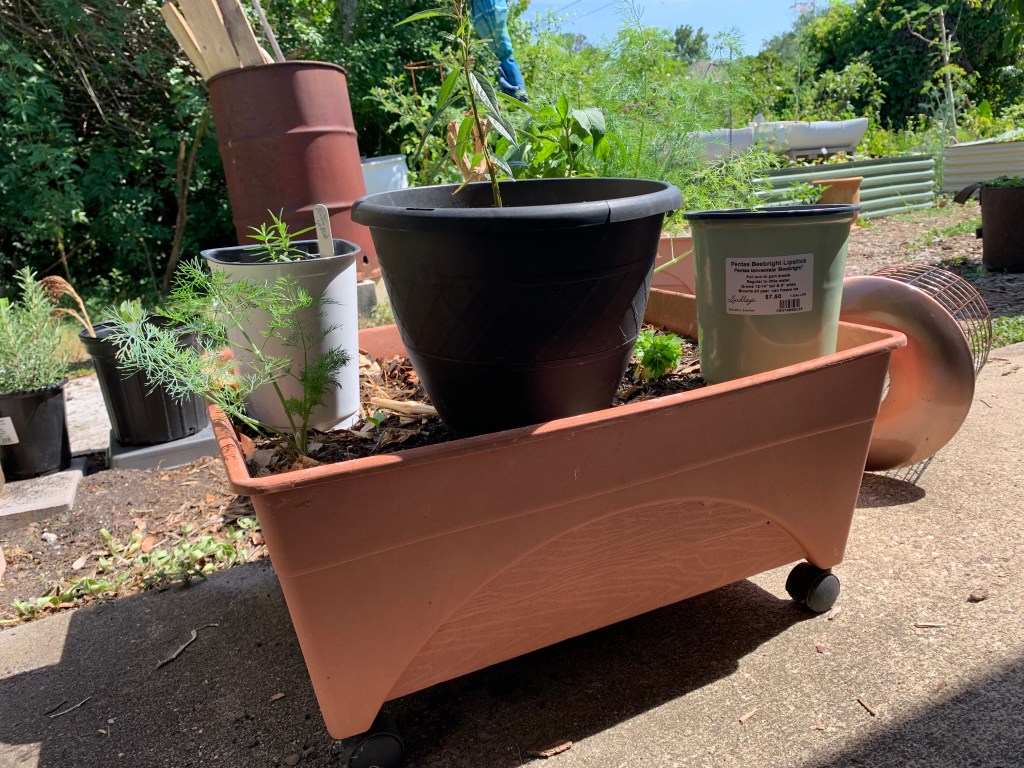
Tuberosa (orange butterfly weed), Whorled milkweed, Tropical and Sandhill.

Finding and Buying Milkweed Seeds and Plants

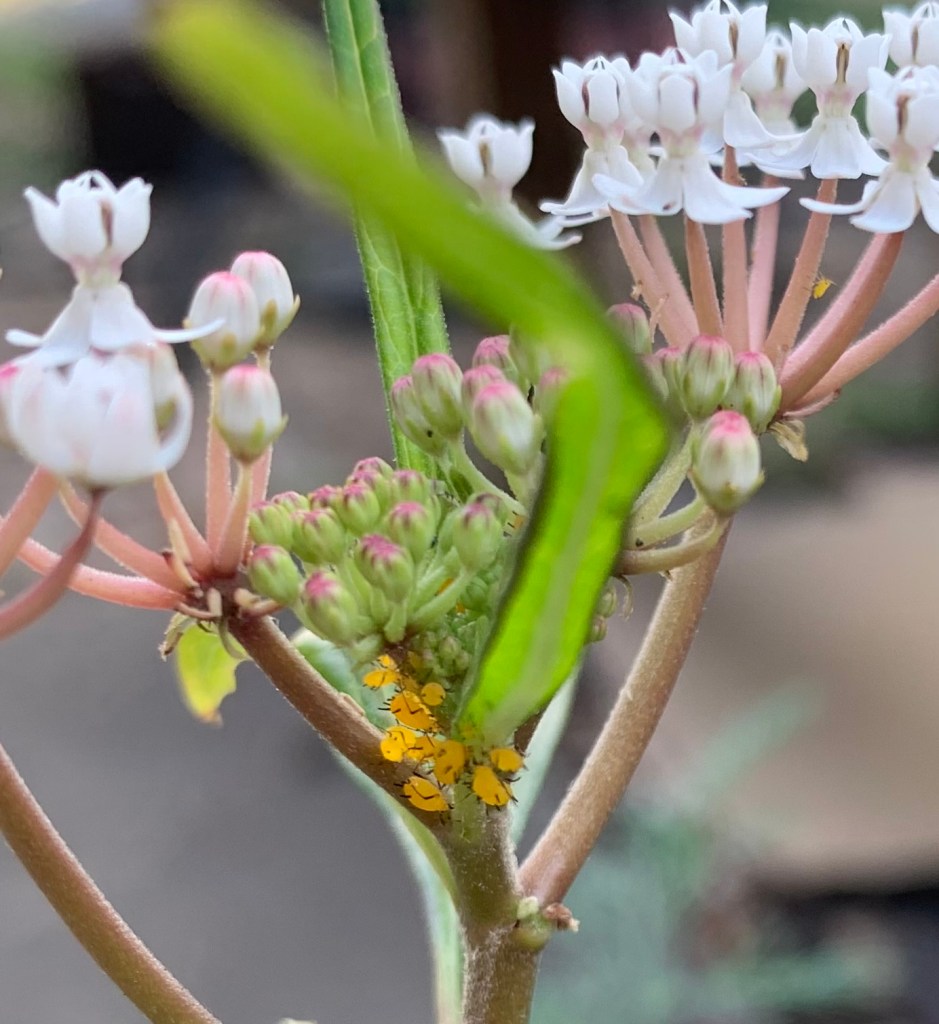
Where I live, it is nearly impossible to find native milkweed plants locally. And when I do find them, they are scraggly and not growing well. Often they are full of aphids.

For that reason I have turned to starting milkweed from seeds. Look for seeds from plants that are grown without the use of chemicals.

The seeds I bought have come from various sellers. When buying online, many reputable places have good information about growing each milkweed variety. Johnny Butterflyseed has a nice variety of seeds that come in little brown packets. I have a few pots of each variety planted.
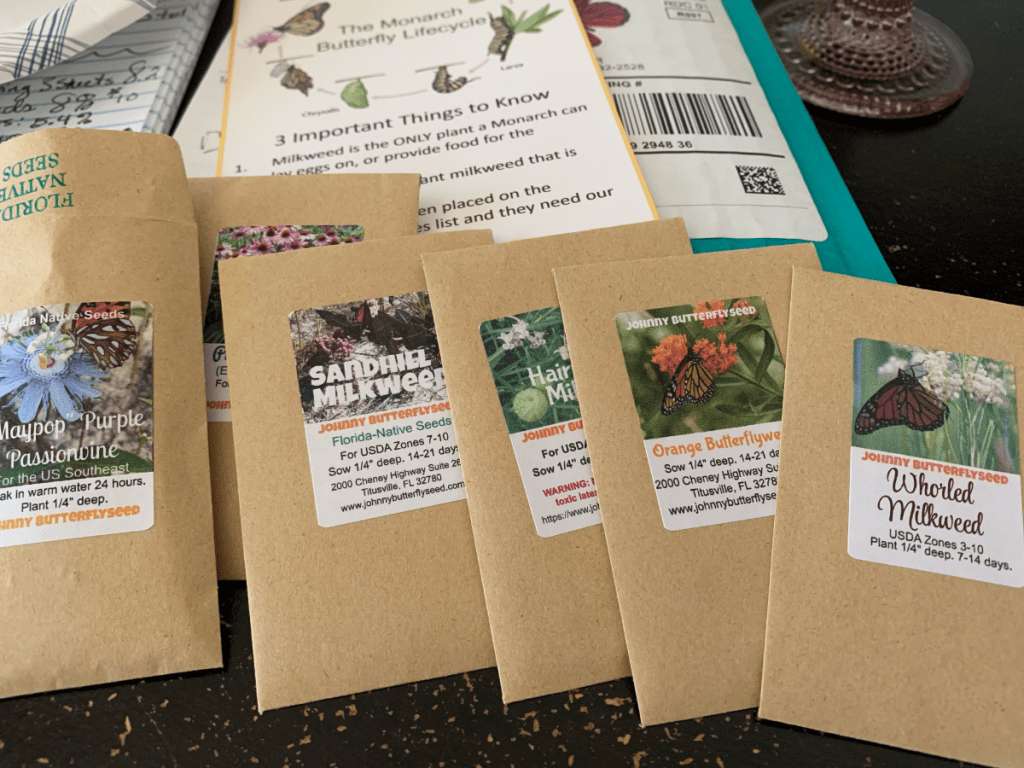
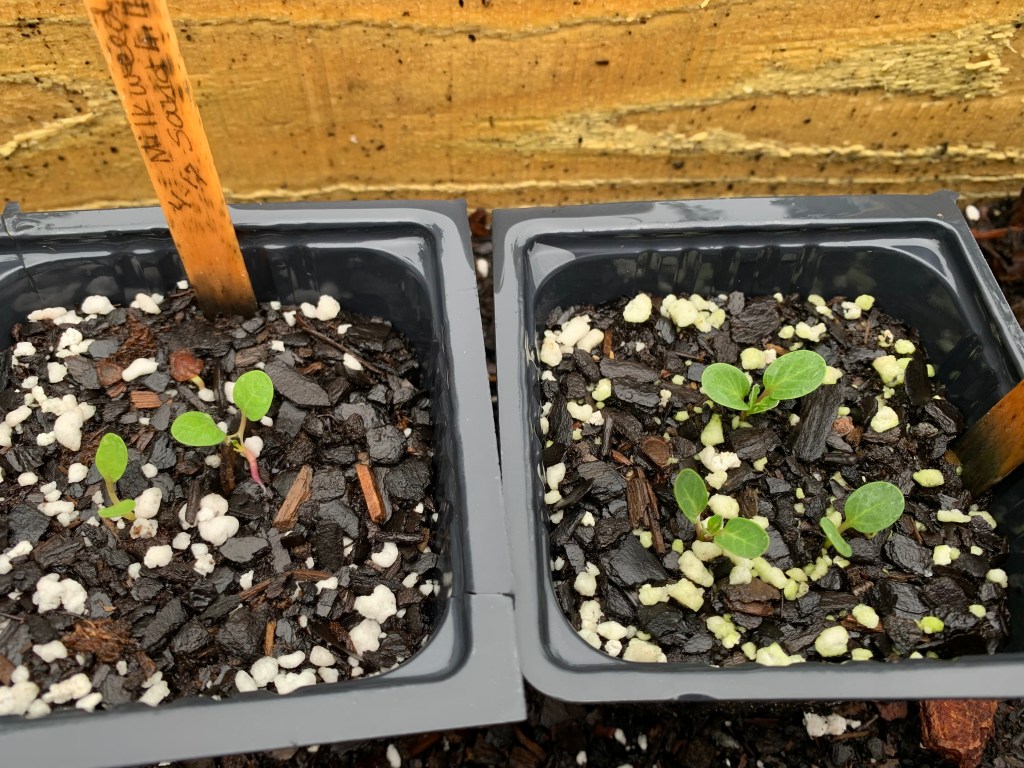
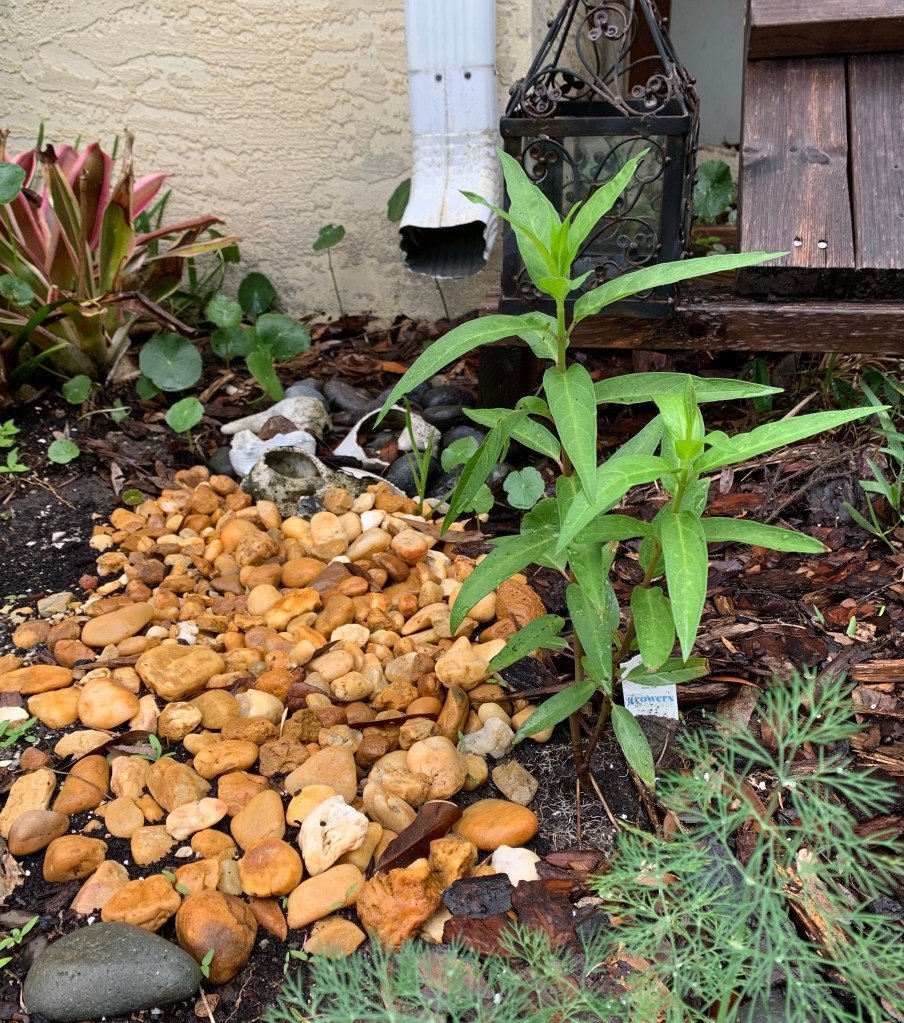
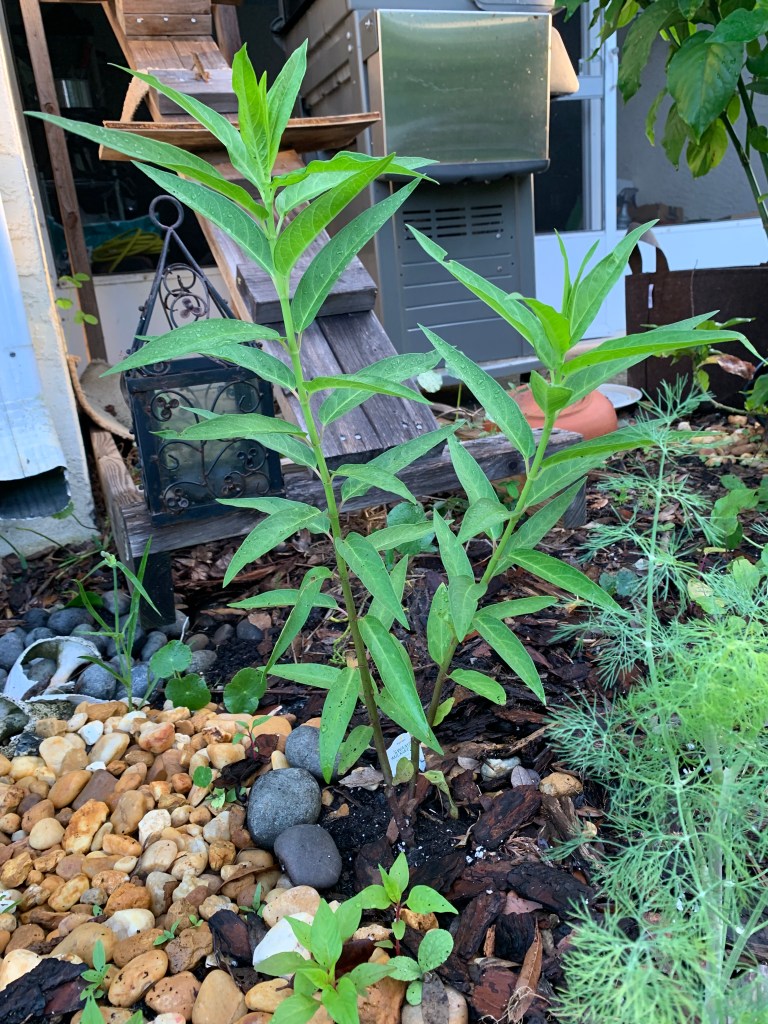
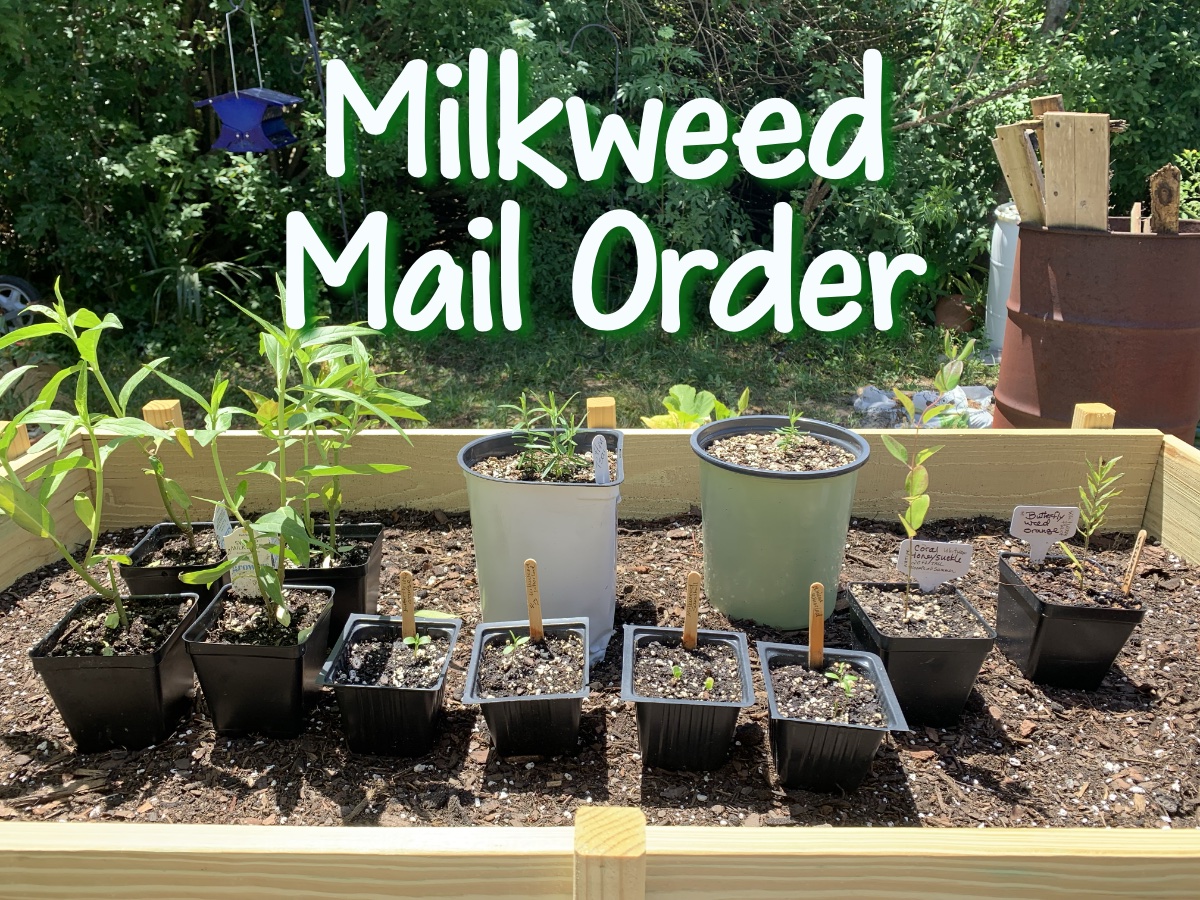
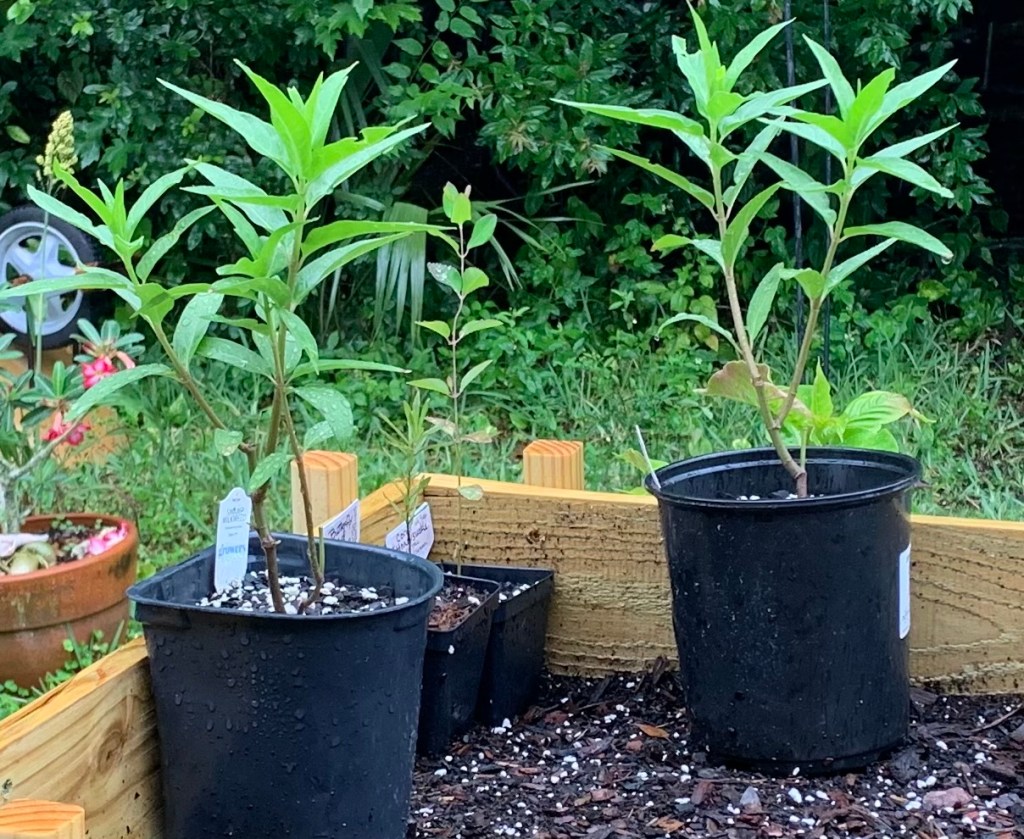
I ordered a few Swamp Milkweed seedlings online. Some of them look really nice, and two are already in the ground. Buying seedlings, or small plants online, can be expensive. There is no way to know what the plants condition will be when they arrive. Usually only a pot size is given, and not a plant size. Read about my experience with ordering live plants online here. I did find a place I would buy from again – The Grower’s Exchange. Look at the beautiful milkweed plants in the photos below that were mail order plants!

*UPdate, these four milkweed plants are now about 3 feet tall and doing very well.
Alternatively, see The Milkweed Man website for a list of Florida native plants, including milkweed. He does not ship, but if you live nearby (Spring Hill – directly west of Orlando near the coast), this looks like a great place to buy native plants.

How Milkweed Plants Grow

First of all, realize that native milkweed goes dormant in Fall / Winter, even in Florida. Tropical milkweed does not go dormant! Native varieties should be started from seed or purchased to plant, in spring and summer.

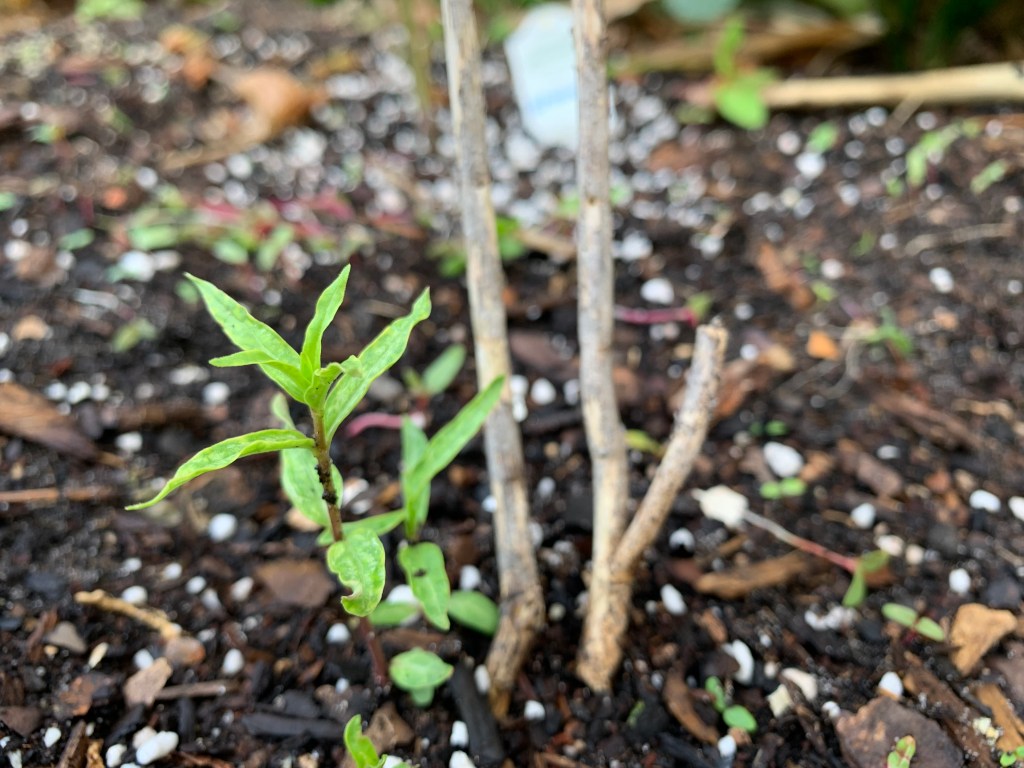
I learned this the hard way when I bought two plants late last year. They were basically sticks, covered in aphids. I thought they would be fine once planted, but they both seemed to die. They were actually going dormant for our Florida winter. Now, many months later, one of them is sprouting new growth! The other one didn’t make it. I should have waited and bought them in spring when they would be growing well.

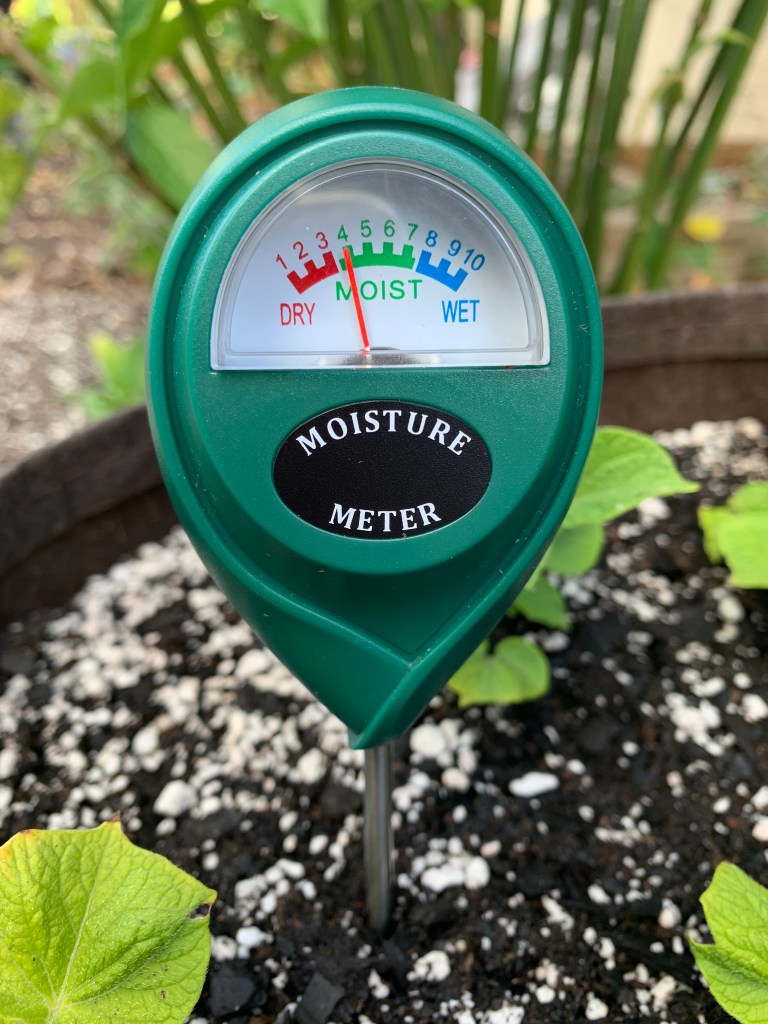
Milkweeds need water when they are young. Seedlings and small plants need lots of water (exception may be the Sandhill variety). Get yourself a simple soil water meter (paid link – see my meter above) and make sure the soil stays moist. As the plant matures, it will grow a long taproot that will help keep it going in times of drought.

Pick up the pots and look for emerging roots at the bottom. If little white roots are coming out, it is time to plant into a bigger pot, or in the ground.

Be aware that milkweed spreads by underground rhizomes as well as by seeds that come out of the pods.

Feeding Hungry Caterpillars

The milkweed you are most likely to come across when shopping for plants is not a Florida native. Once thought to be not good for Monarchs, now “they” are not so sure. Is it better to have the wrong milkweed and grow caterpillars and butterflies? Or have nothing for the butterflies to use.

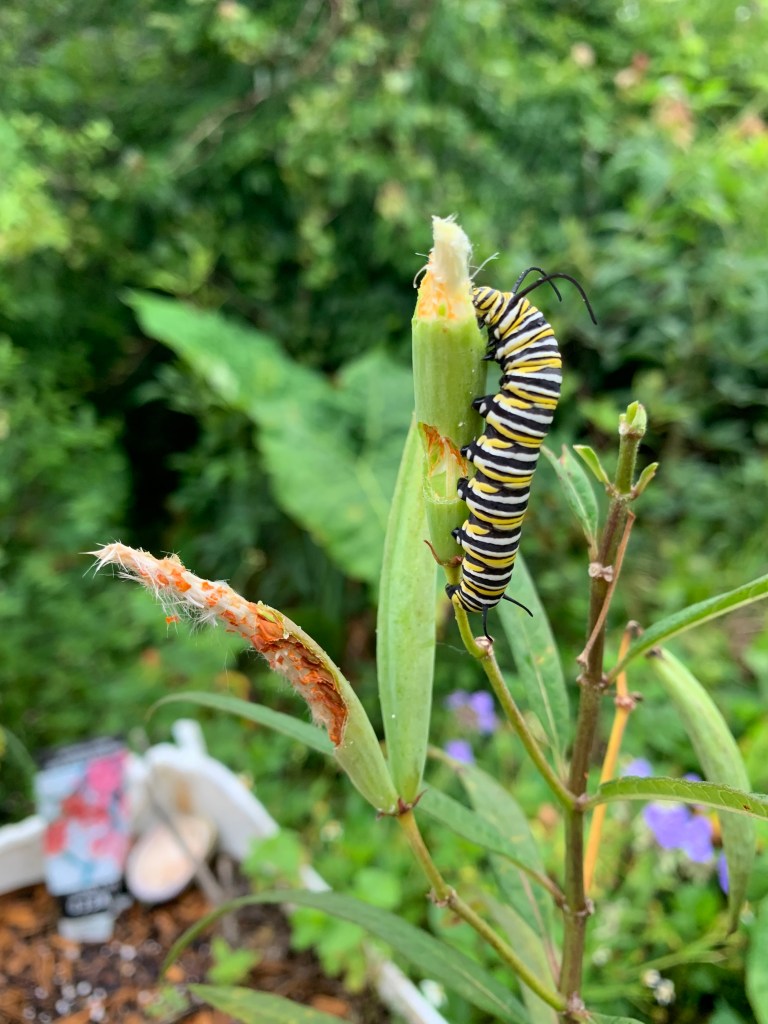
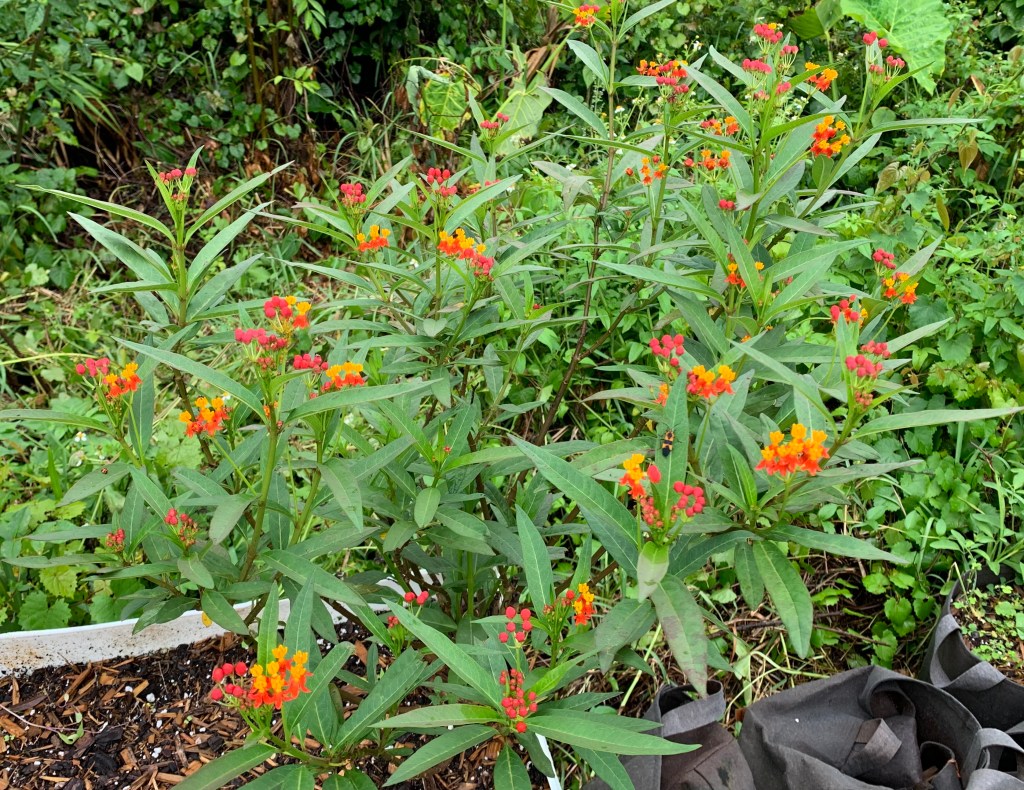
The tropical milkweed grows like mad. Consider growing one or two of this fast growing milkweed alongside the slower varieties. This is helpful when hungry Monarch caterpillars are munching away on the plant.

Monarchs and the Lizards – Just a Thought

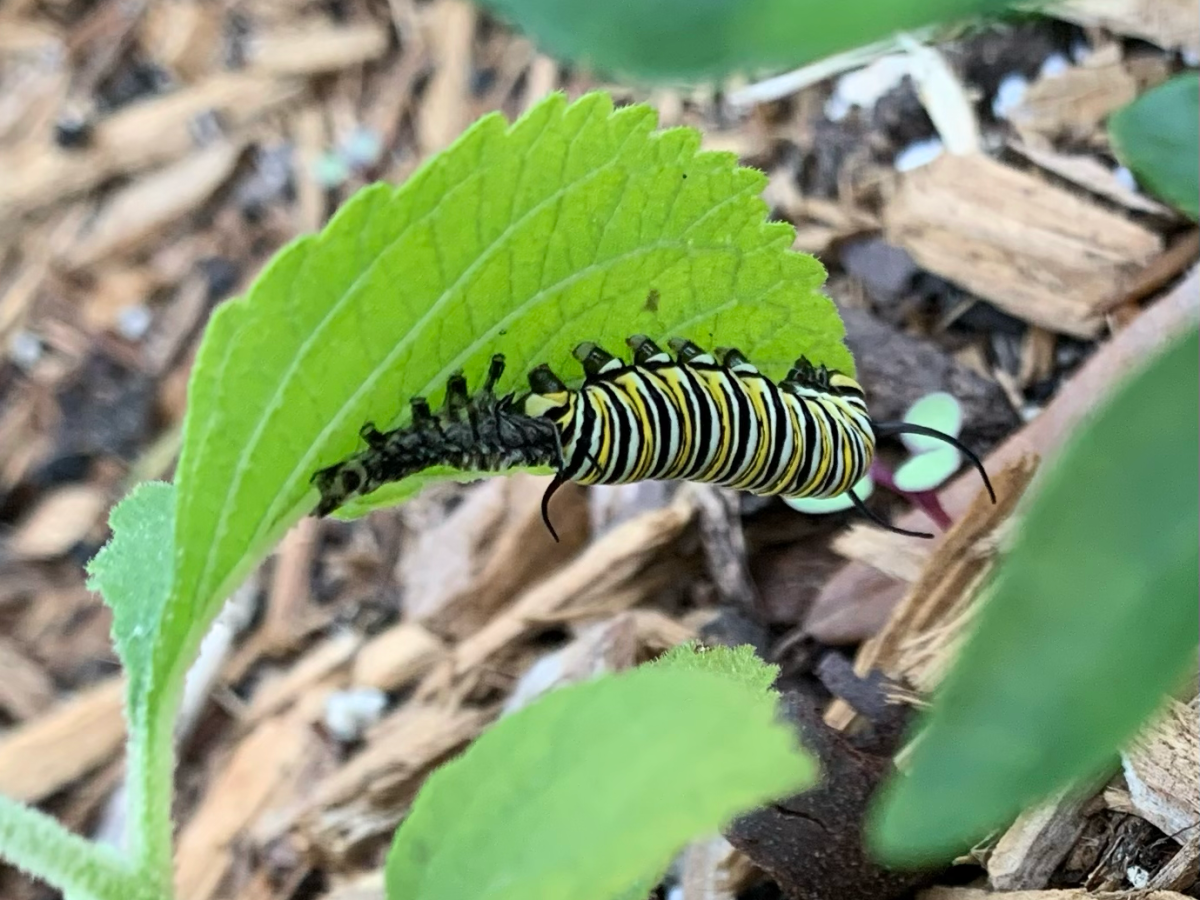
In March and April I had three Monarch butterflies appear in my yard. One I watched form a chrysalis, and saw him the day he hatched. Two more showed up in various locations, looking as if they were new to the world. Every day since then, I’ve had at least two Monarchs flying around every day. The highest number I saw all at once was four.

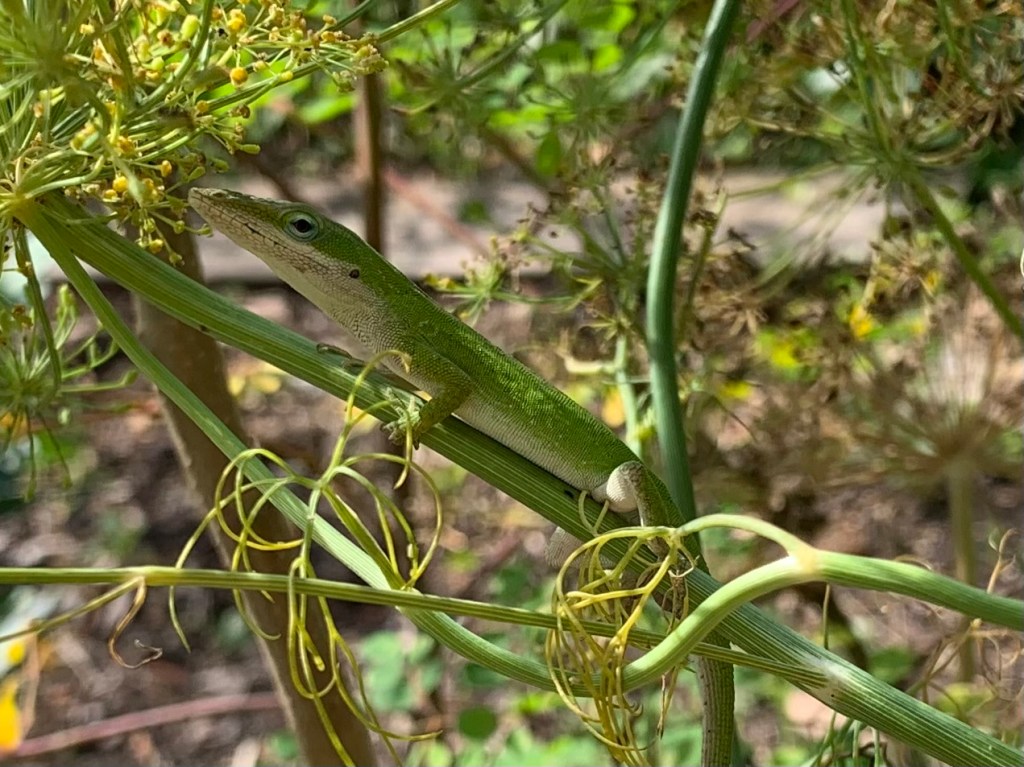
I’ve since had many more caterpillars, which suddenly disappear. Both native anoles and the invasive lizards will eat them! It could be that I saw the three Monarchs arrive only because there were fewer lizards to eat them in the colder months of March and April.

Milkweed is Meant to Grow Wild

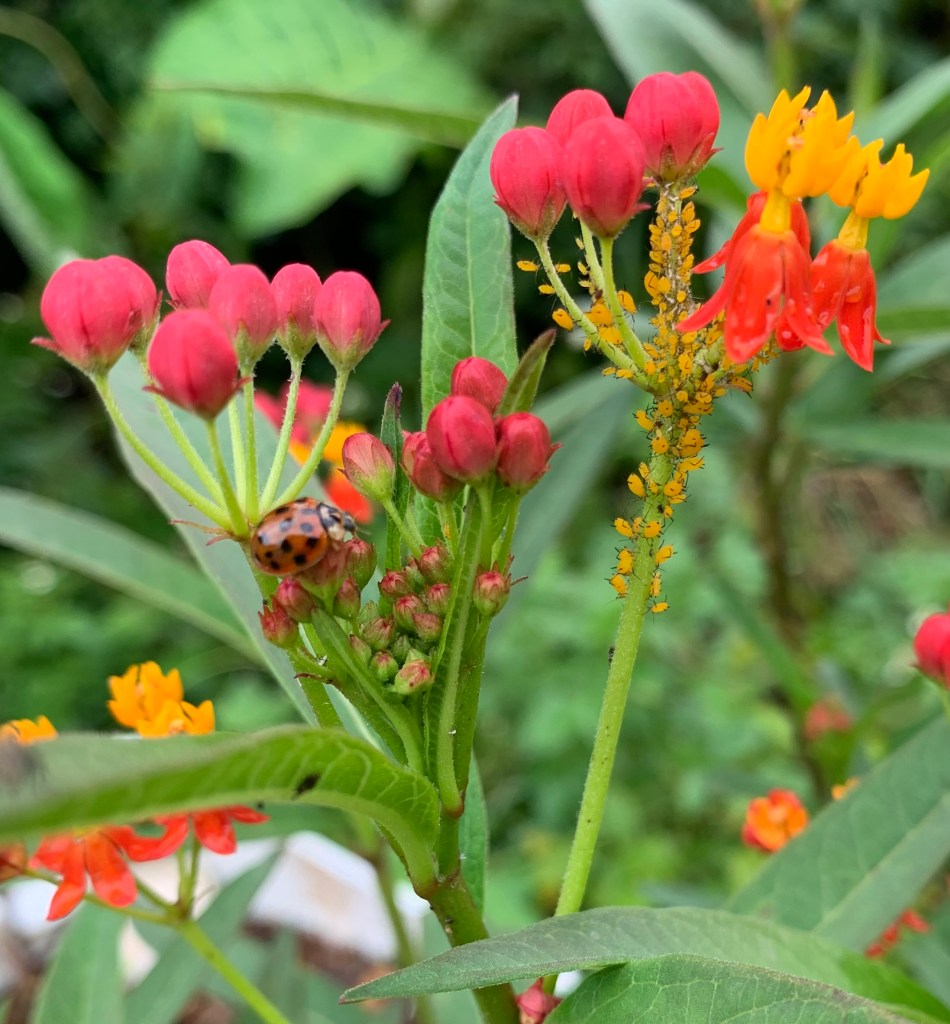
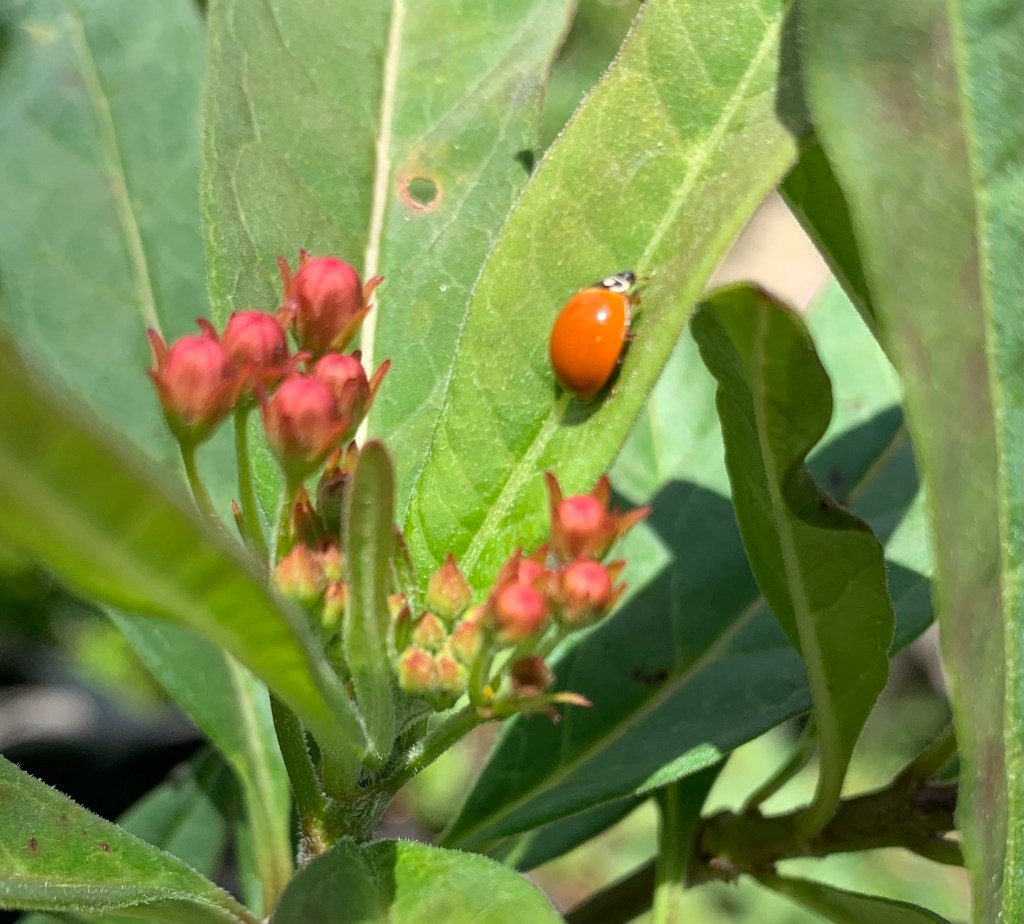
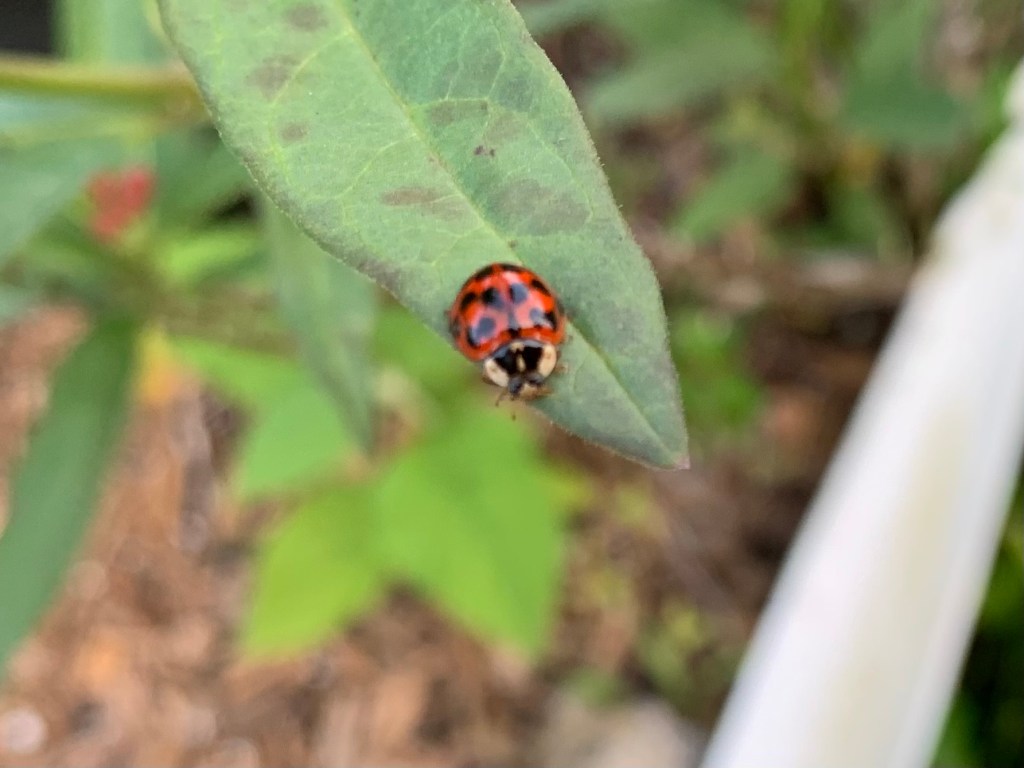
Milkweed attracts aphids, and ladybugs love to eat aphids. This works very well in the wild, I would imagine, where lawns are not sprayed and things work together as they should. Wild areas are disappearing. Now, we have to grow milkweed in our gardens, and that can bring ladybugs.

I’ve been checking all my milkweed plants, large and small, every day. Nearly all of them have aphids. Aphids can be removed by hand – run your fingers down the leaf. Or, use a spray bottle and spray them off. Leave them alone on larger plants and wait for ladybugs to arrive and eat them! I’ve chosen to wait and see what happens. Sure enough, the ladybugs have arrived.

Later in June, I noticed that all aphids were gone from this plant. So were the ladybugs. In my opinion, don’t worry about the aphids.
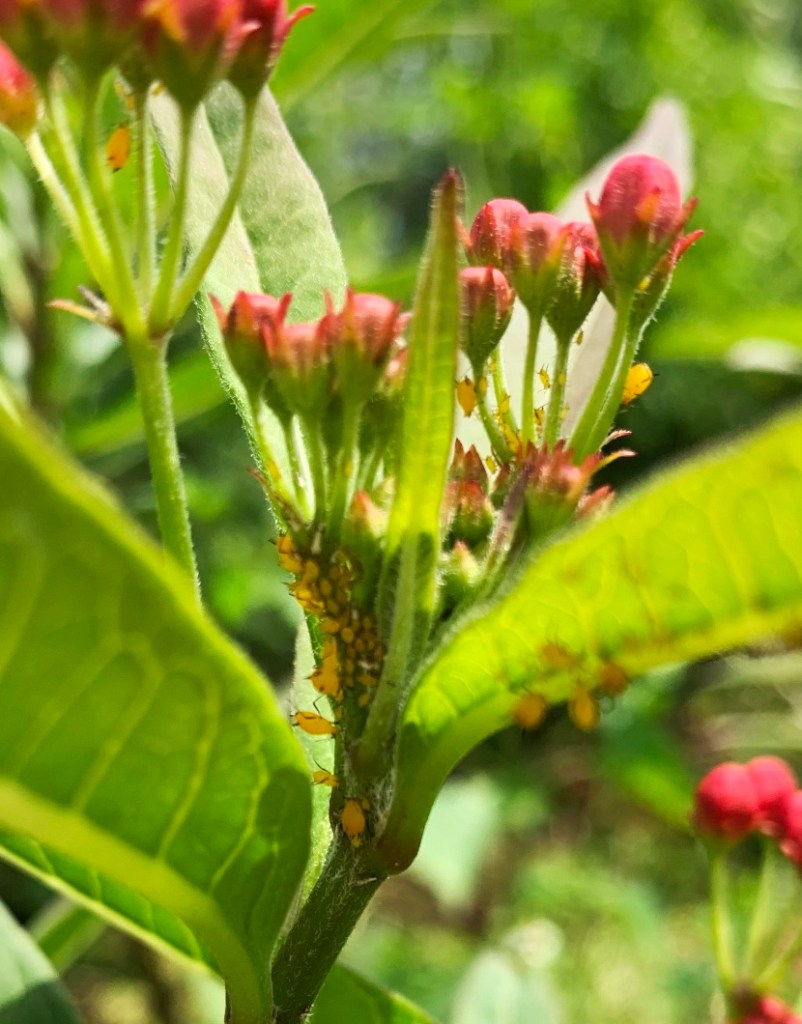
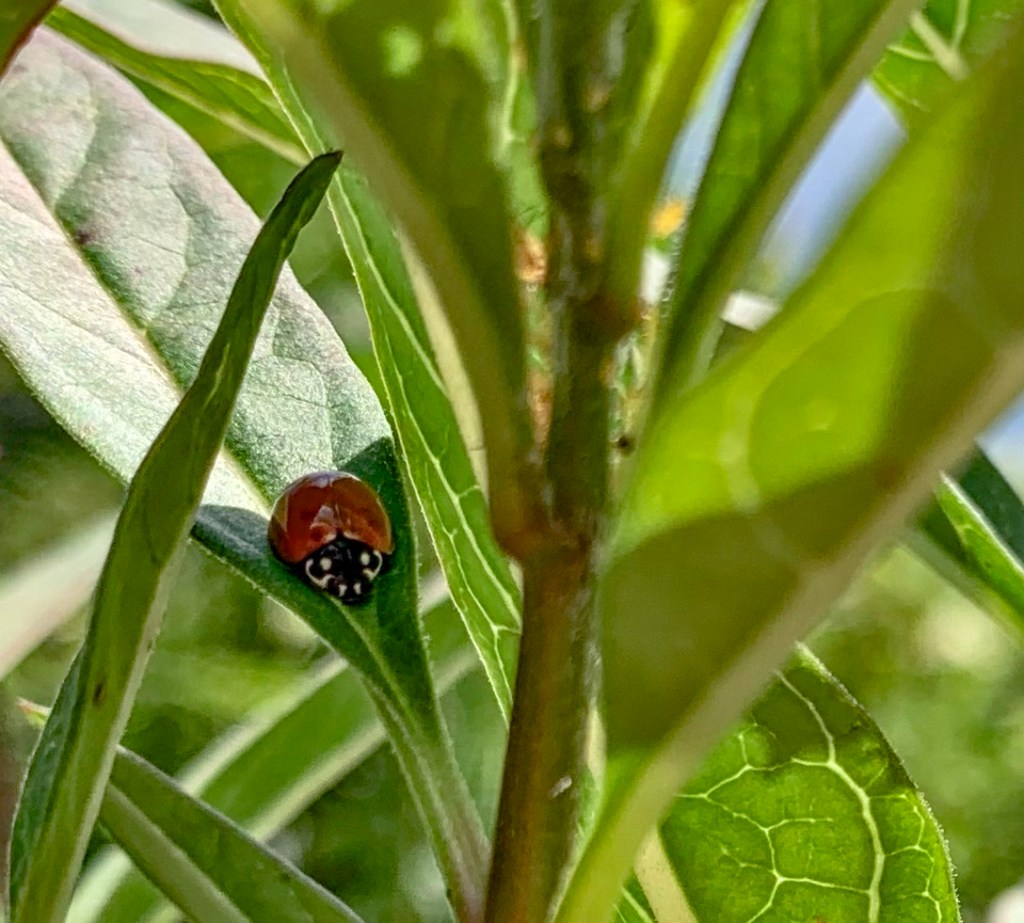
To get milkweed plants started, they might need a lot of attention. Even the types that prefer to grow in dryer locations will need water at first. Growing from seed can be tricky. I’ll let you know how mine do.
blue butterflies divider

More stories from the backyard

Something went wrong. Please refresh the page and/or try again.

Tomato Hornworms Also Like Hot Pepper Plants

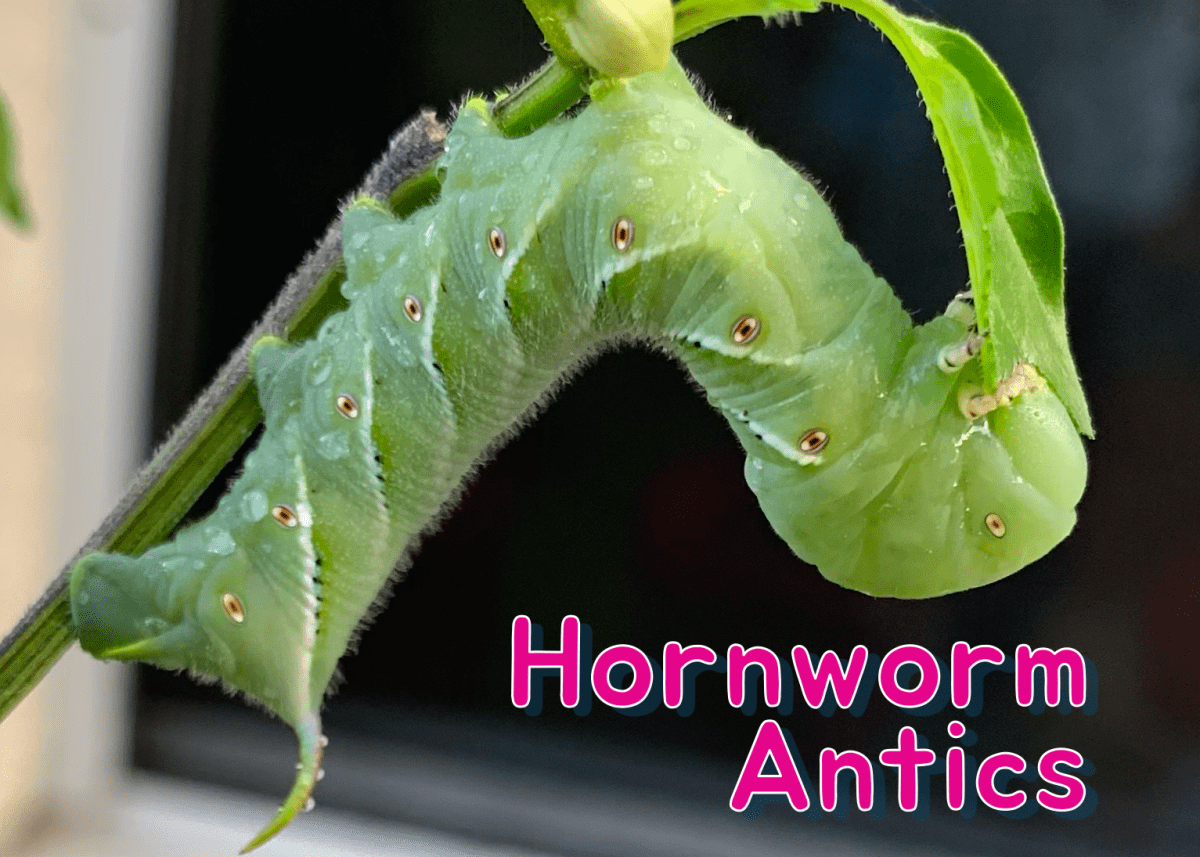
If you are growing peppers, check often for the tomato hornworm. These caterpillars can eat a lot if unchecked.

Because I am not so great at pepper growing, I have never had to worry about the hornworm eating my peppers. I have had them on my tomatoes and eggplant.

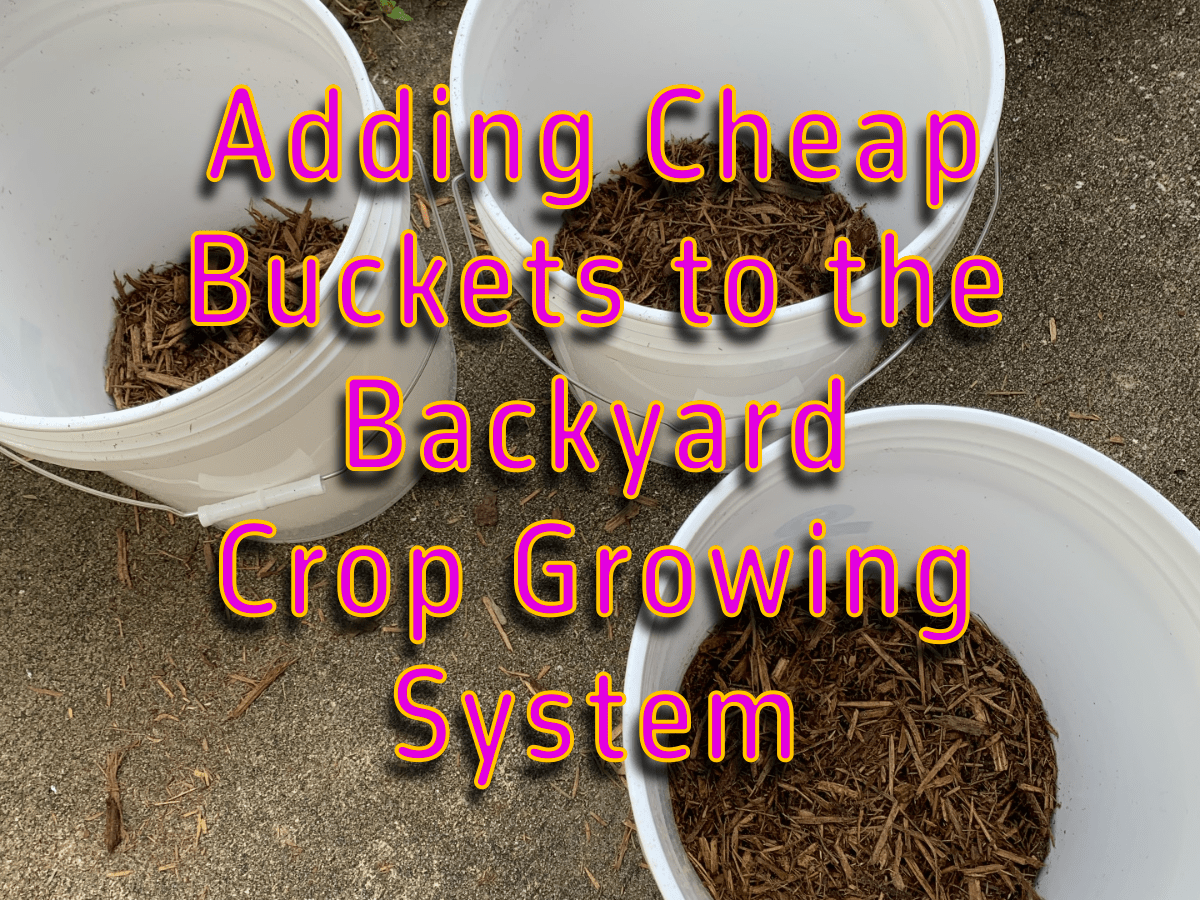
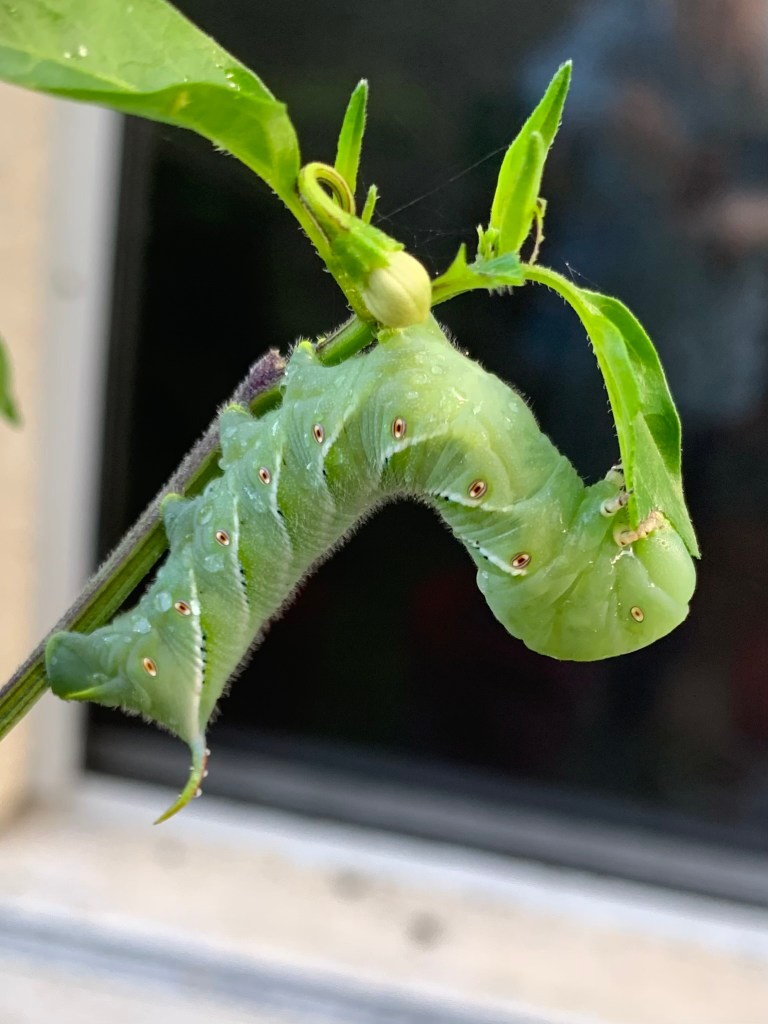
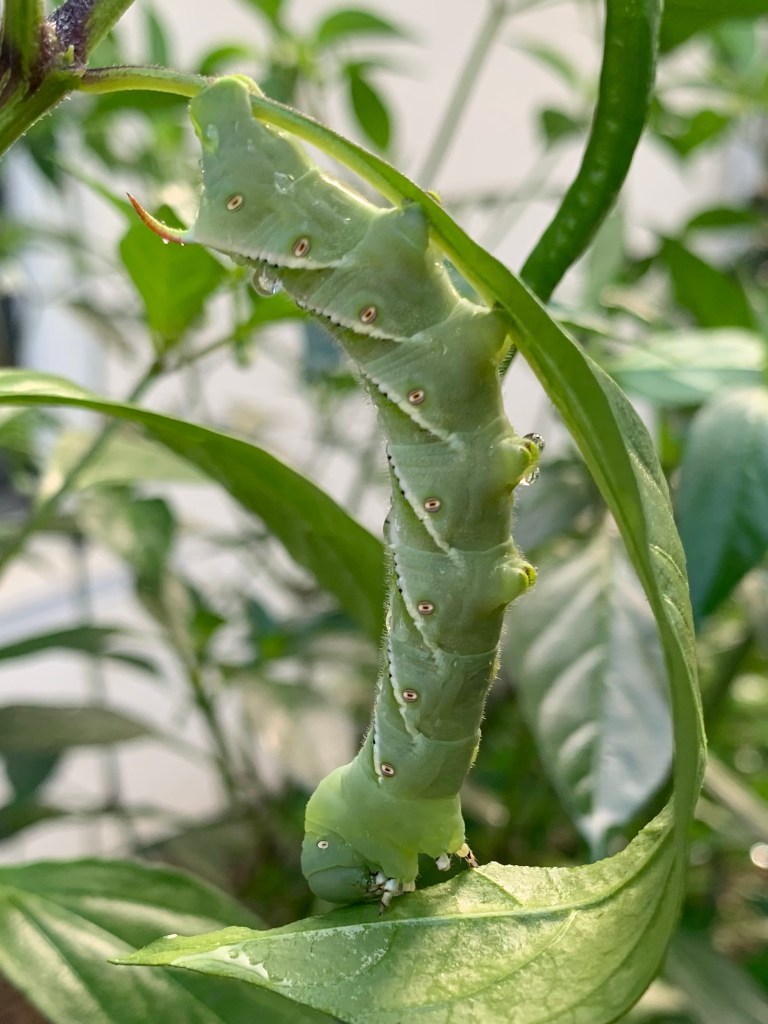
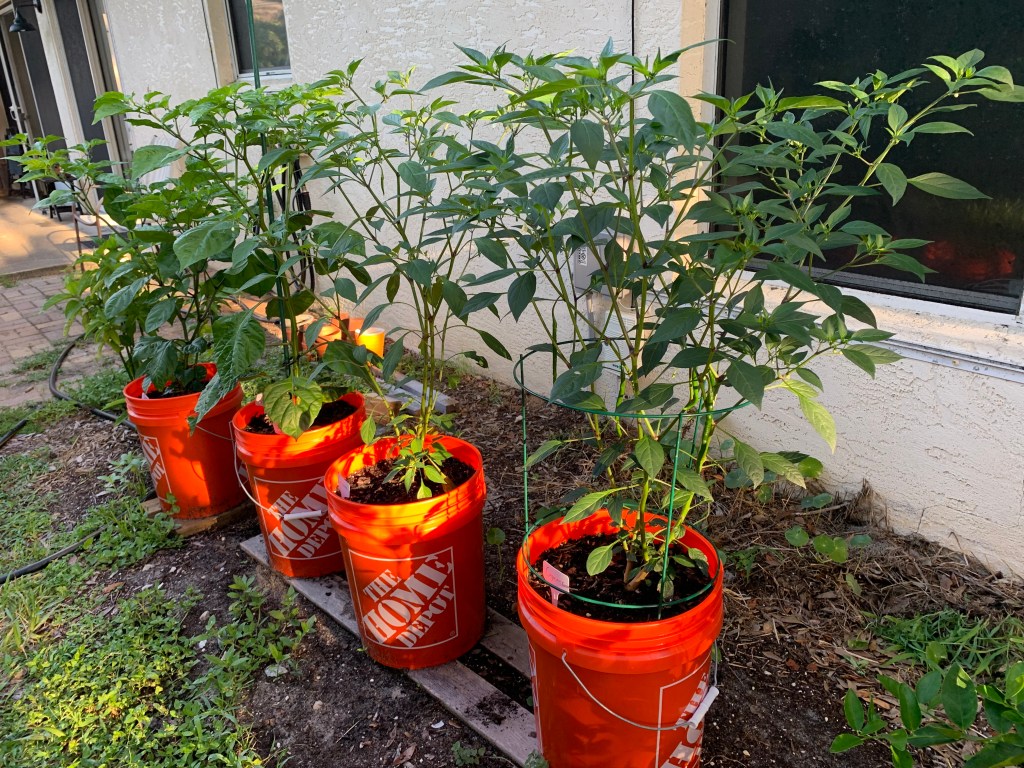
My son is growing some hot peppers in Home Depot buckets. This is where the hornworms are currently congregating. I’ve already picked off five of these squishy, green guys. And they really hang on!

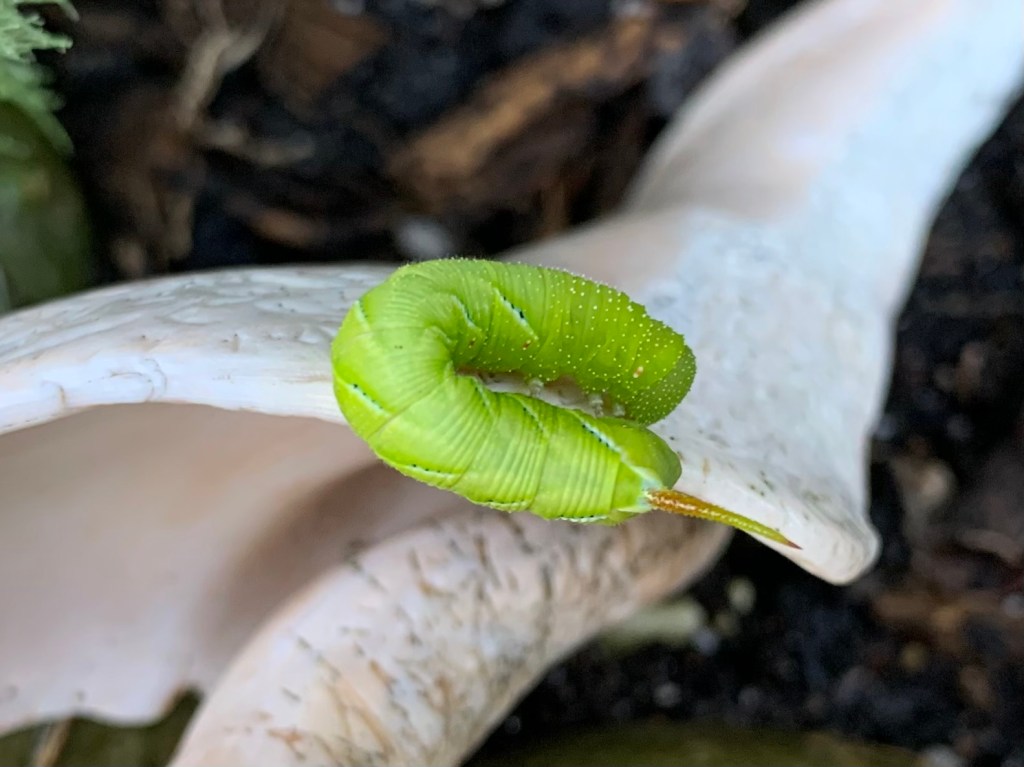
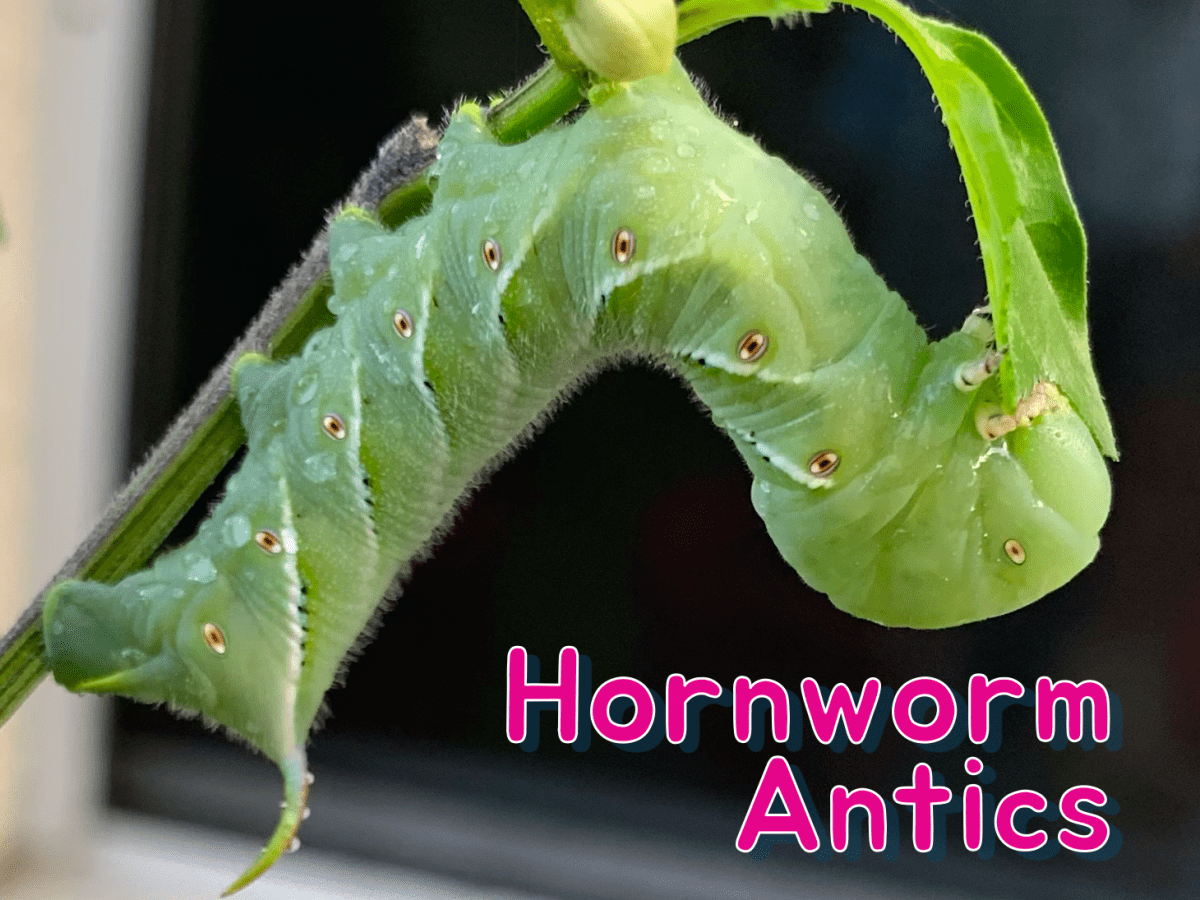
Personally, I think this is one of the coolest looking caterpillars. They can get very big, and they can eat a plant down to almost nothing.

Apparently, hot pepper plants don’t bother these guys. Both caterpillars in my photos are eating Cayenne pepper leaves, but I’ve picked some worms from the super hot Carolina Reaper as well.

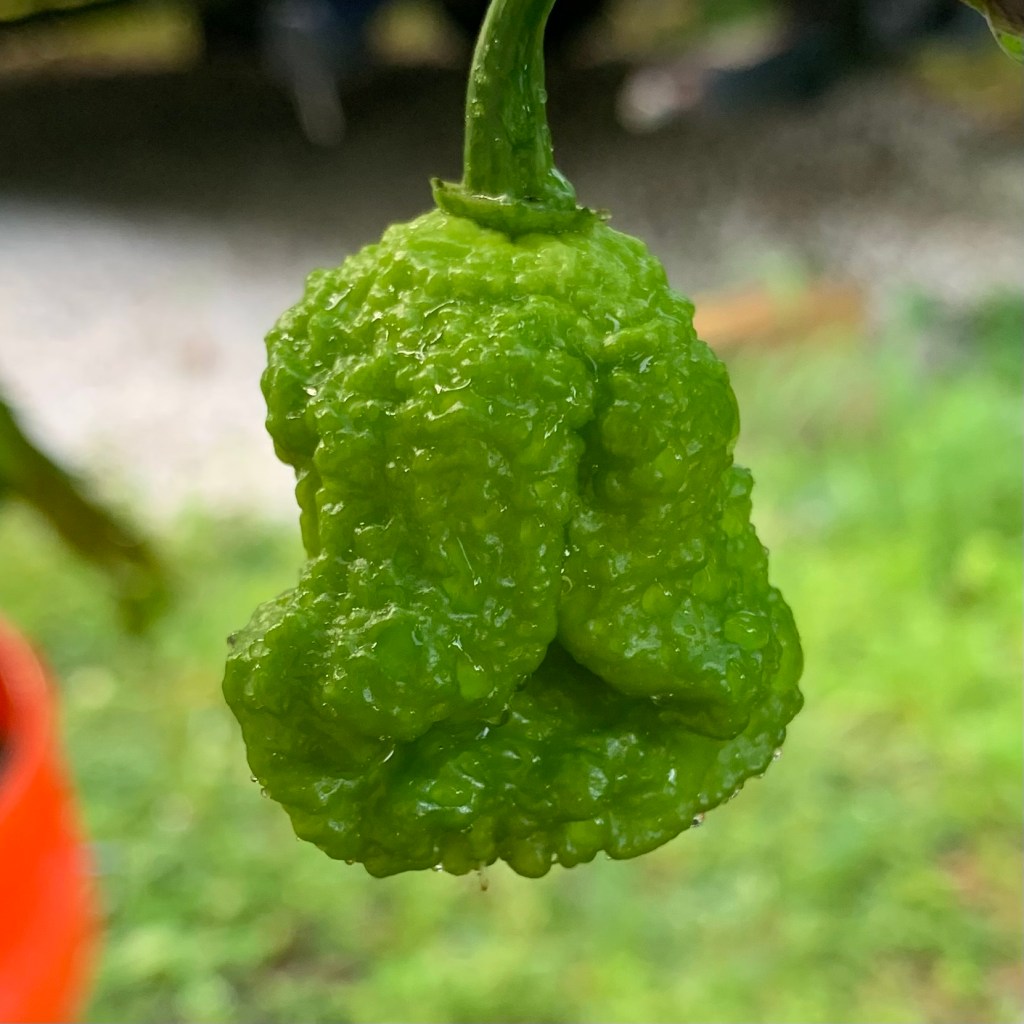
The Carolina Reaper is one of the hottest peppers out there. My son has one green pepper on the plant. It will be turning red before he will carefully pick it to make hot sauce. This pepper is sold by the PuckerButt Pepper Company and was created by Ed Currie. It registers between 1.6 – 2 million on the Scoville pepper heat scale. For example, a jalapeño is between 2,500 – 8,000.

Ed currently has one that is hotter called Pepper X.

We found these hot pepper plants for sale at the local Home Depot. My son is really into hot peppers, and the plants are all doing well. I look forward to using the cayenne peppers. With a Scoville rating of 30K – 50K, it’s about the hottest I can do.

If leaves are disappearing from your tomato, pepper, or eggplant, look for the hornworm. He is sometimes easiest spotted above a little pile of brown poop on a leaf.

Once I pull the hornworm off the host plant, I deposit it into the yard. That way birds can have a treat. He won’t die for nothing.


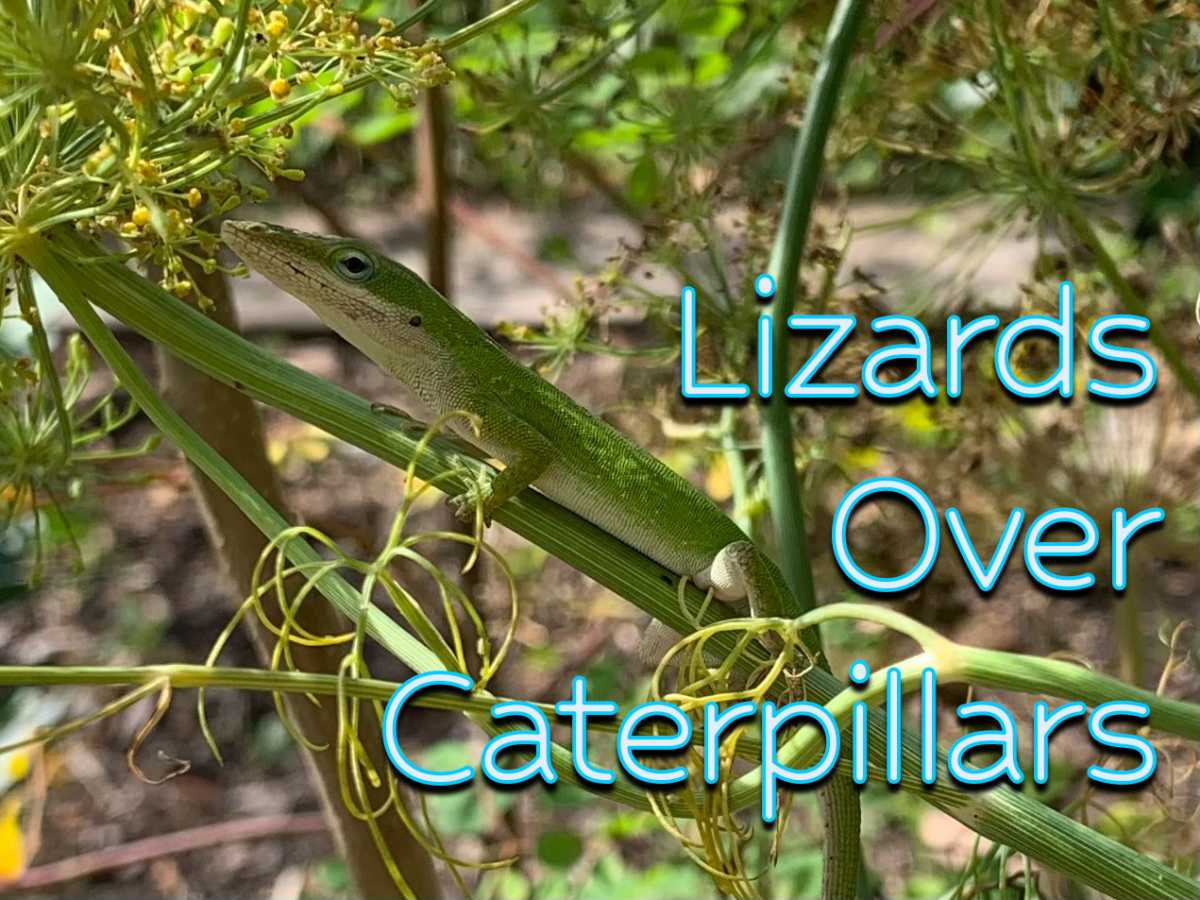
Lizards Over Caterpillars Cause a Lack of Florida Butterflies

With all the various types of lizards here in Florida, do Monarch caterpillars stand a much of a chance of becoming butterflies?

All I know is what I am seeing in my own little yard, but it’s not hopeful. I’ve seen many caterpillars form and munch on milkweed. They are not around for long, and I blame the abundance of lizards in my yard.

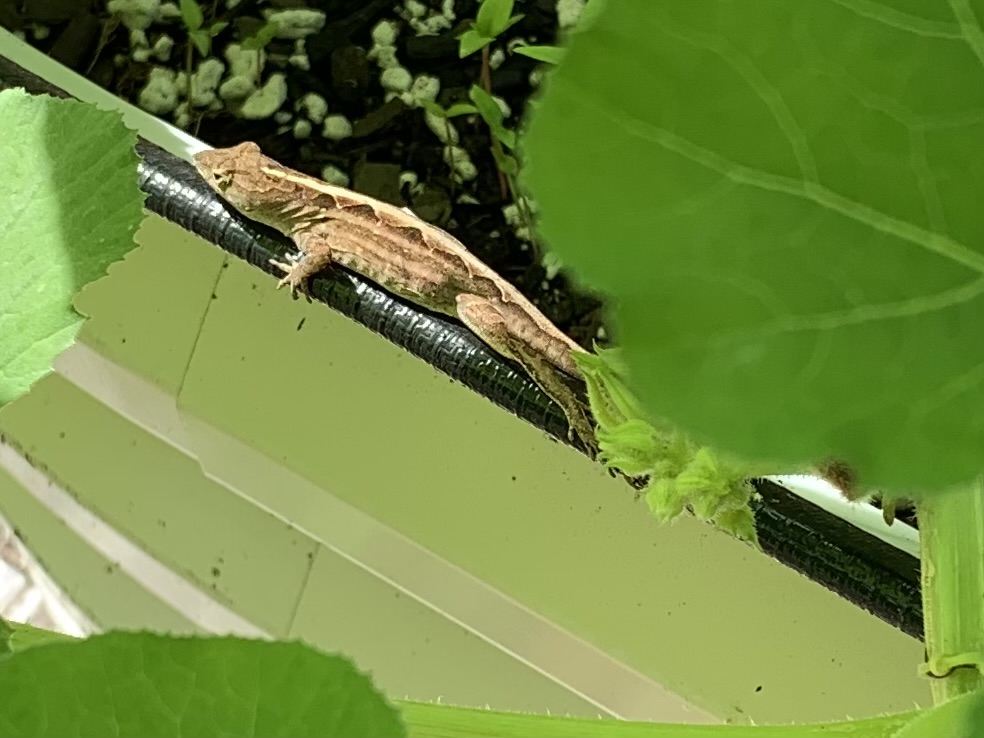
Nature is trying to adjust to all the invasive species, and honestly I think it is losing. Now, there are brown lizards which are invasive. Between those and the normal green anoles, the caterpillars don’t seem to stand a chance.

I’ve been growing and planting milkweed to feed the Monarchs but all I seem to be doing is providing food for lizards.

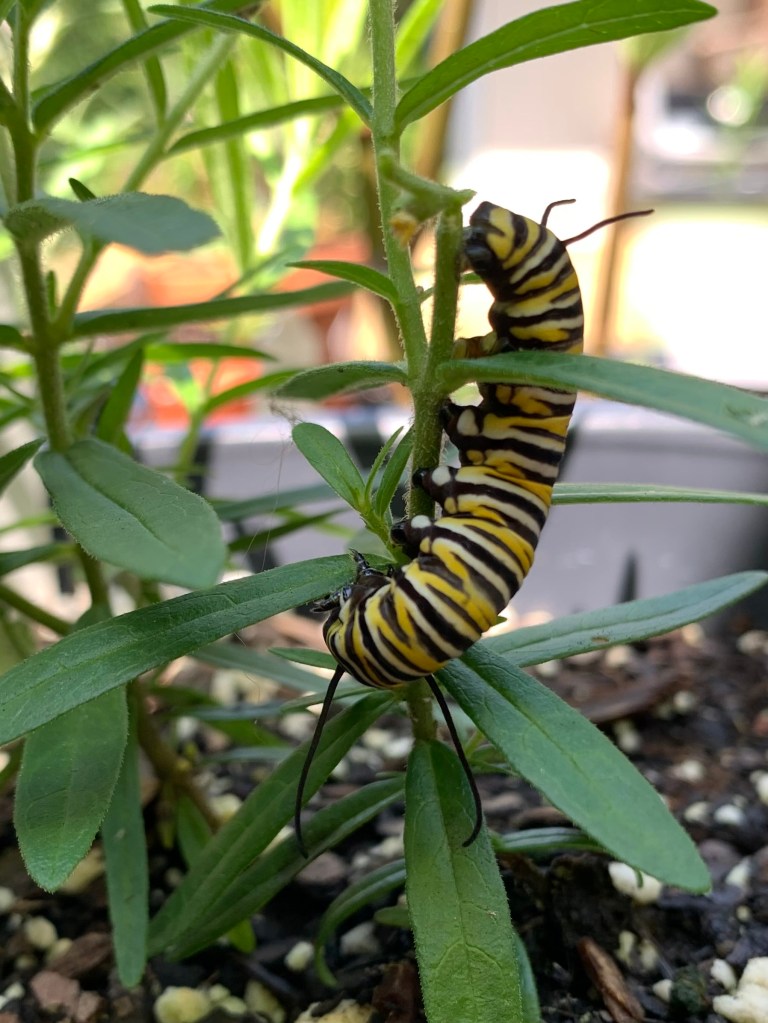
I’ve watched caterpillars crawl on the Milkweed. They get to various sizes and then they are simply gone.

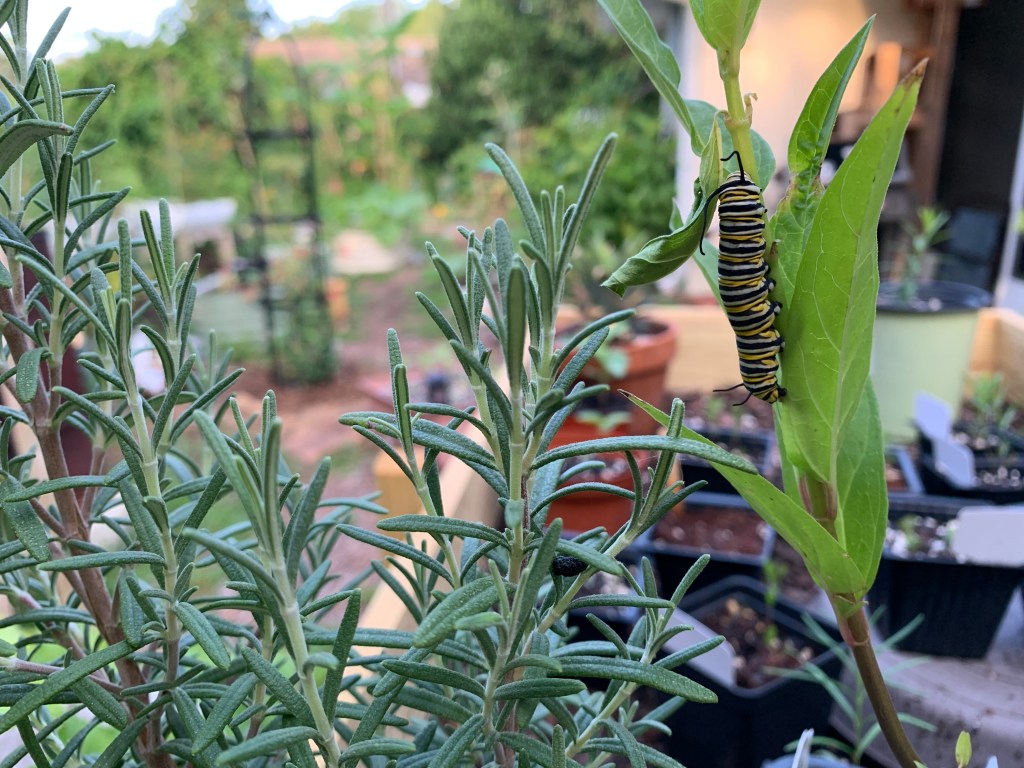
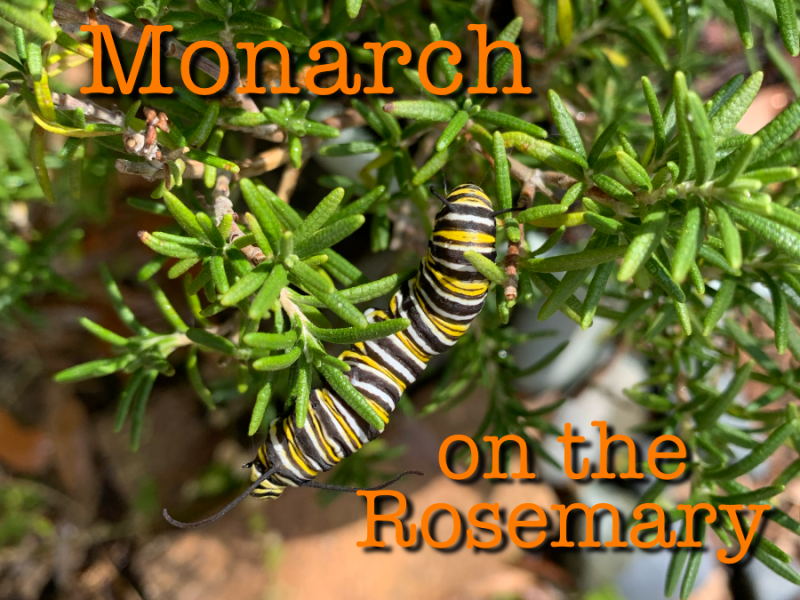
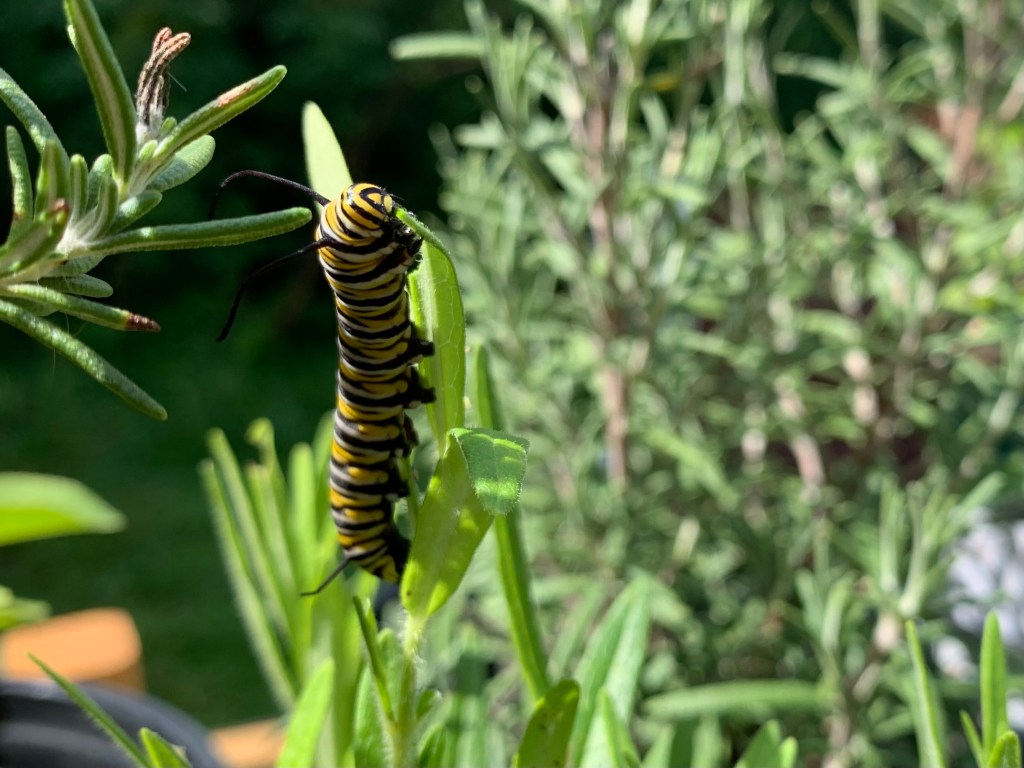
The whole time I watched this caterpillar grow he went from milkweed to the rosemary and back again. They seem to like hiding out in the rosemary. Back in April a caterpillar crossed my yard to build a chrysalis on the rosemary plant.

I was beginning to think that maybe this guy was big enough to survive. Finally, a yellow wasp came down and stung him and knocked him off the milkweed! He was happily chowing down on a leaf and I saw the wasp come in and pop him. He ended up crawling down the side of the pot. He was down there for a while, but the next time I looked, he was nowhere to be found.

Black Swallowtail Caterpillars

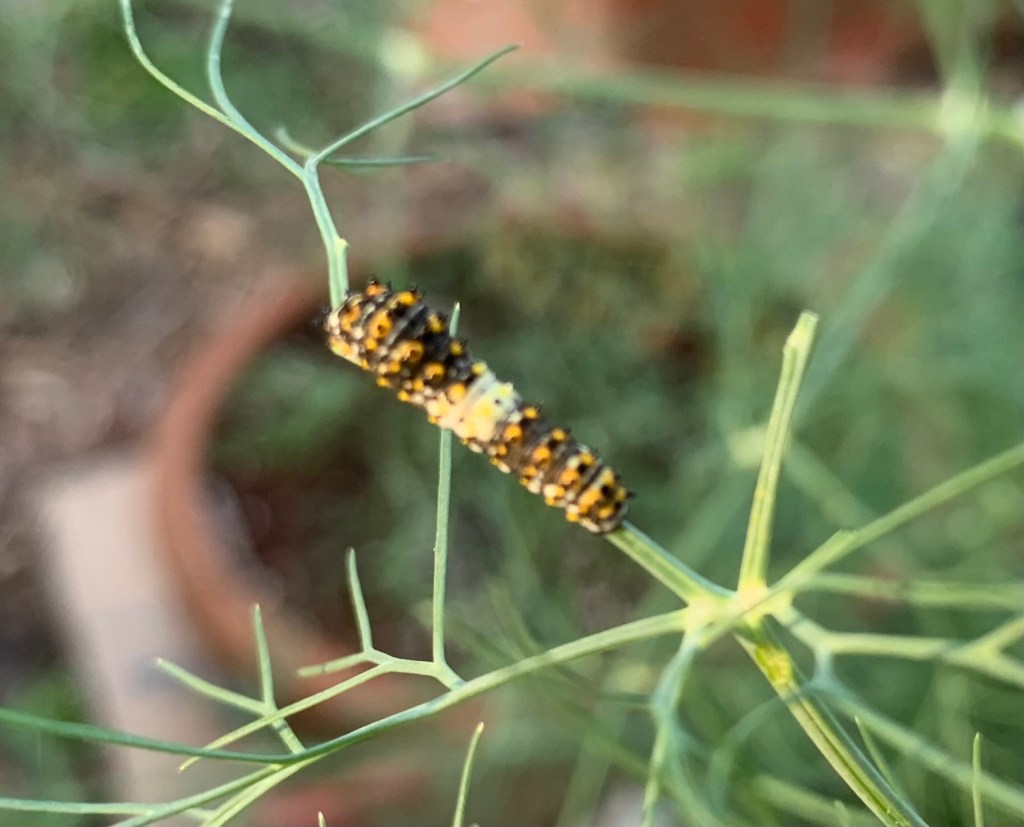
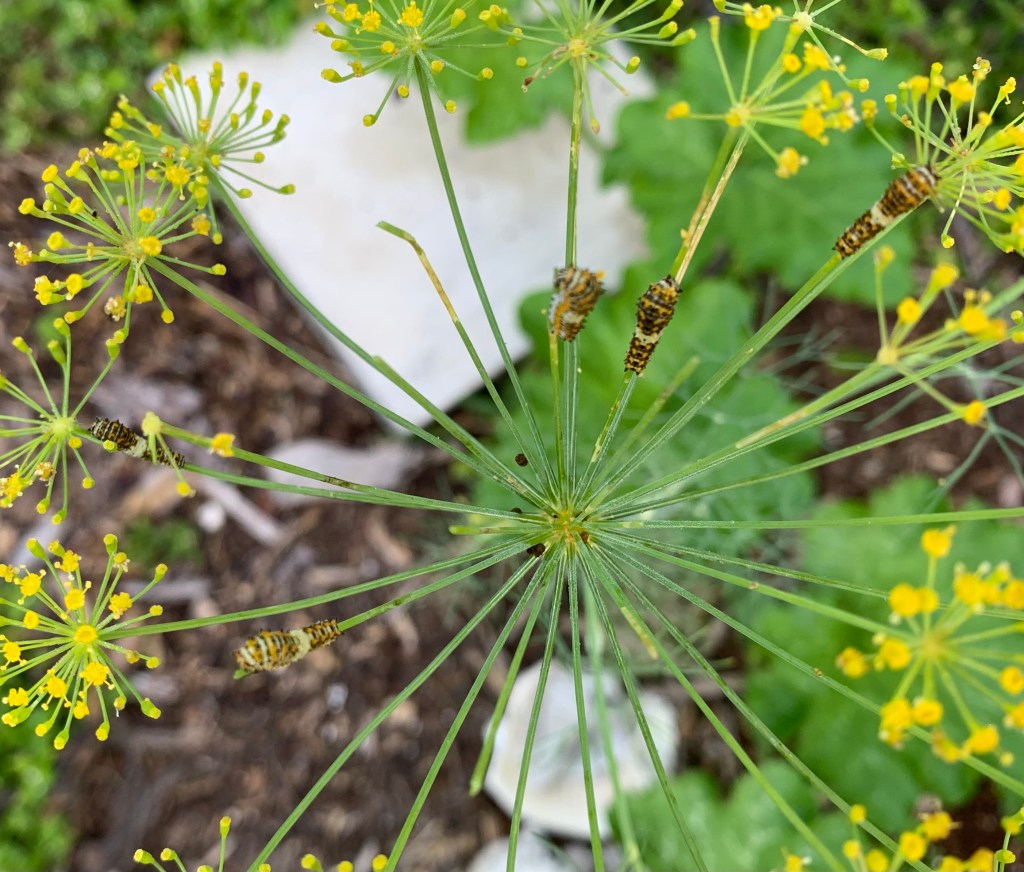
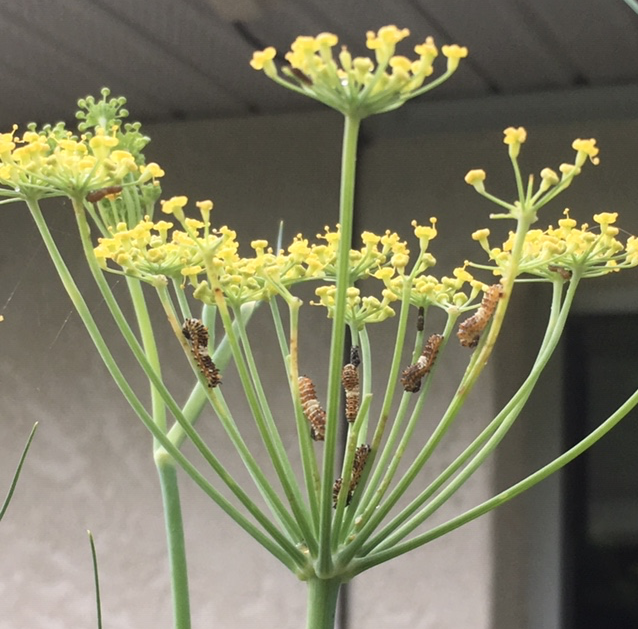
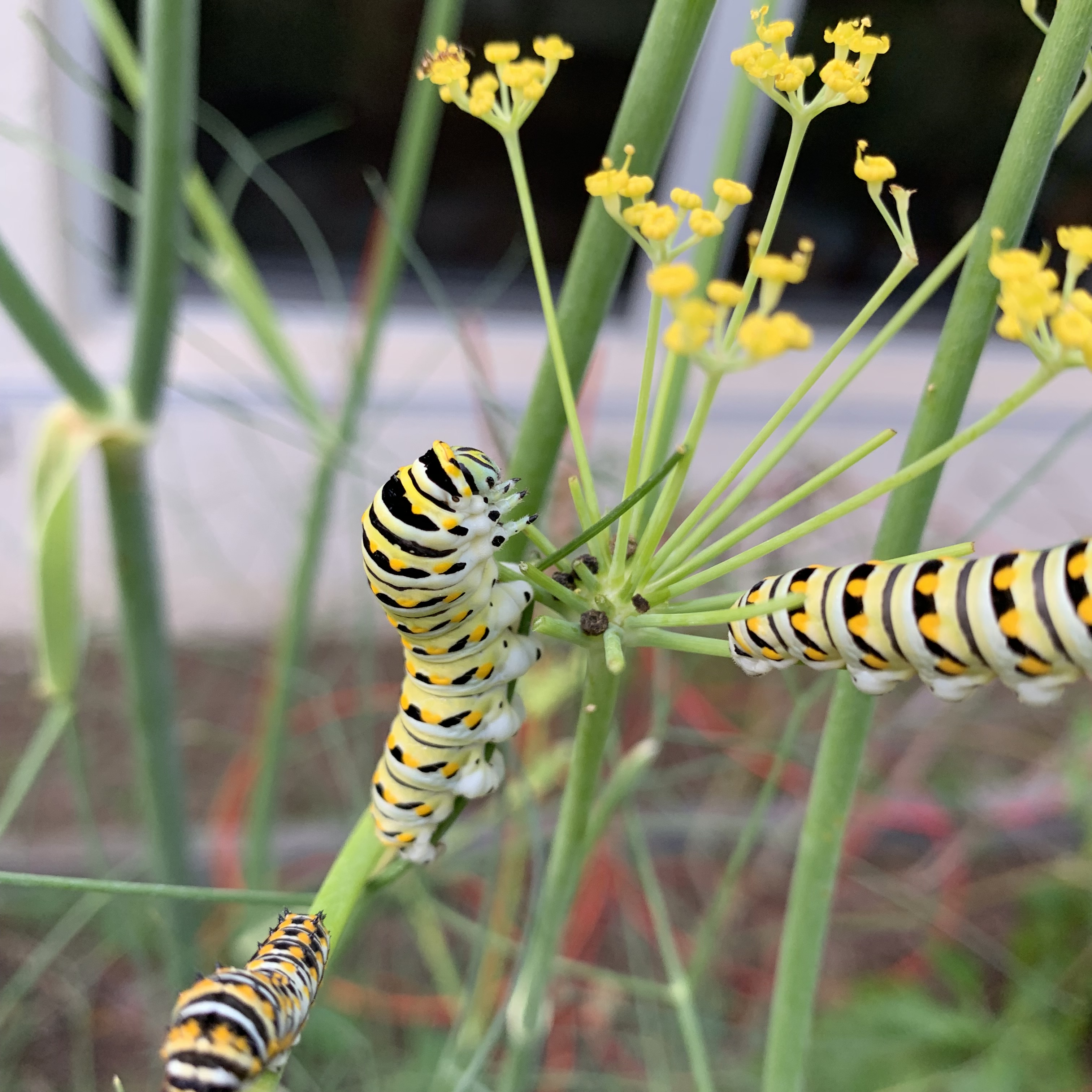
Little black swallowtail caterpillars were all over my dill plants. I snapped these photos one day in May. The next morning when I looked for them, the caterpillars were all gone.

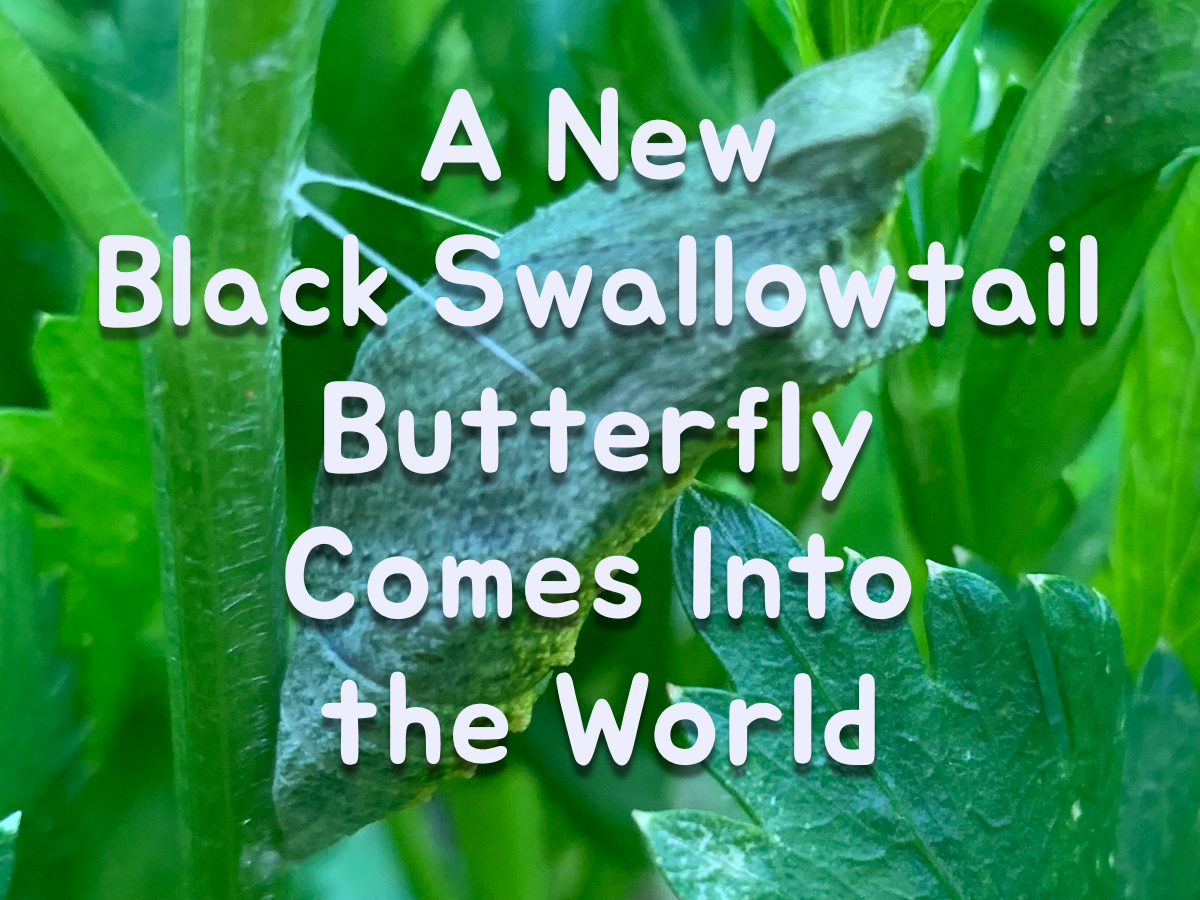
Although I think it’s unfair that no butterflies get a chance to form, it is not something I can change. Some people raise monarchs inside, but I am not about to do that. Many years ago I saw a black swallowtail butterfly emerge from a chrysalis. I had some parsley growing at the time. It is the only swallowtail I’ve seen make a chrysalis.

I can’t see everything, so maybe a lot of them do pupate. The Monarch caterpillars do tend to crawl to other plants and things. I’m only viewing them for a short time each day.

I do want to fill my yard with plants that accommodate butterflies and caterpillars. I can’t help what happens during their transformation. These plants also feed other critters. And the caterpillars are food for lizards and wasp babies I suppose. Who am I to say how it should go?

Thank you for reading.

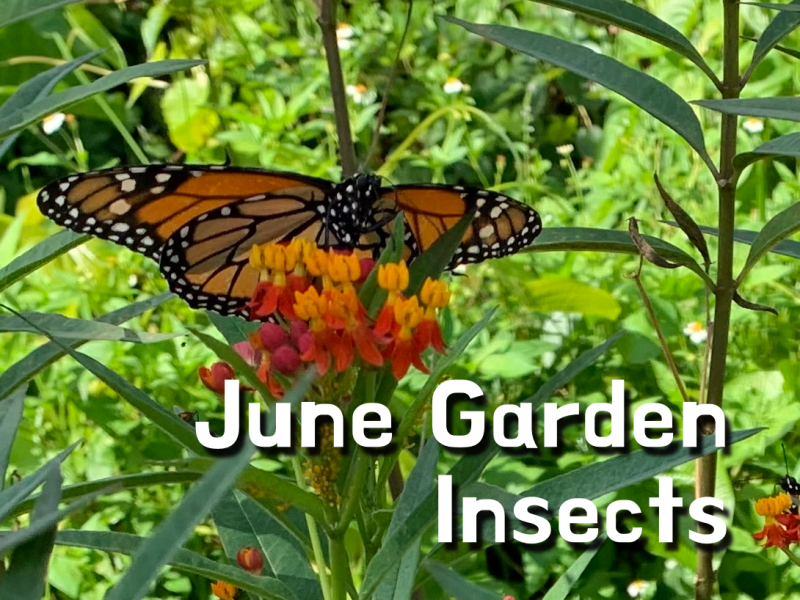
Fun Insect Happenings in the June Garden

Happy June, and here are some photos of the wonderful insects visiting my small Central Florida garden.

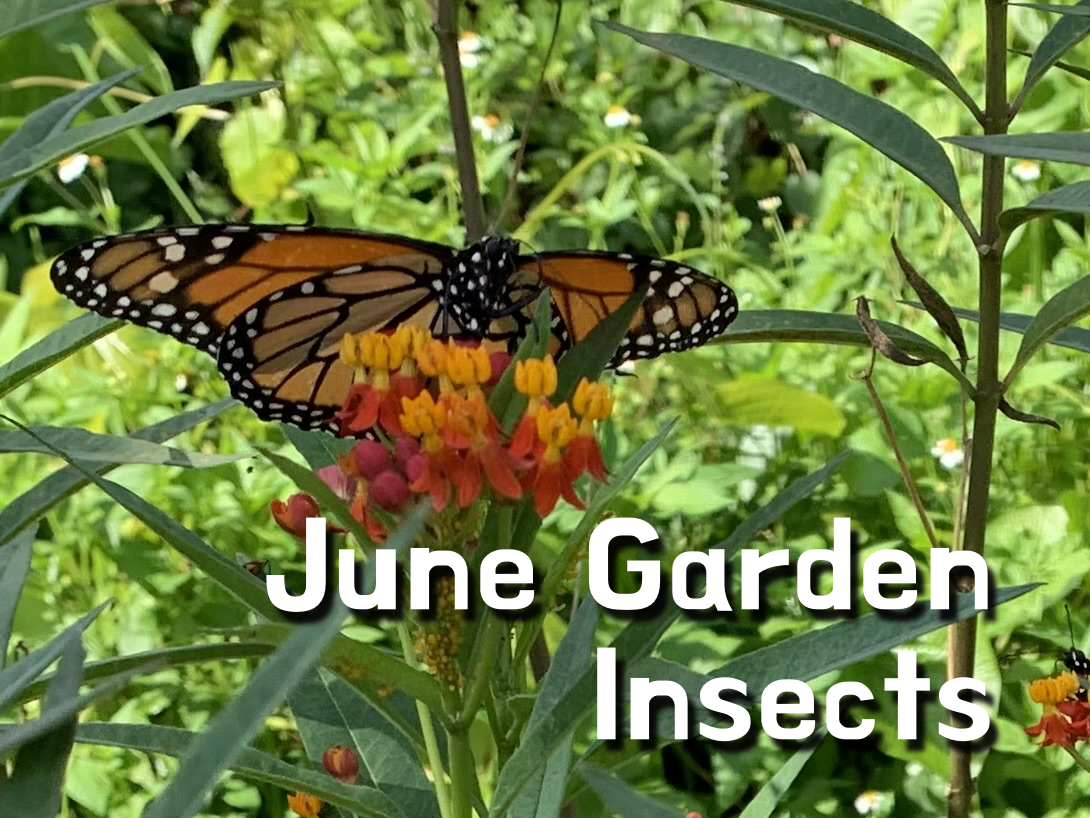
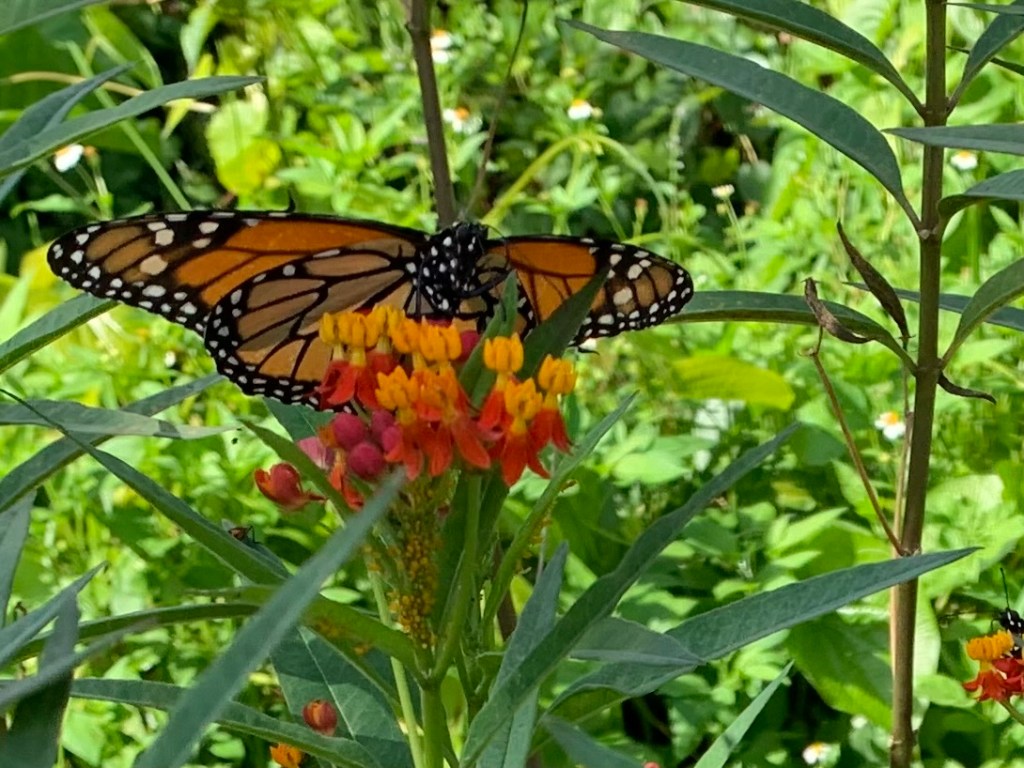
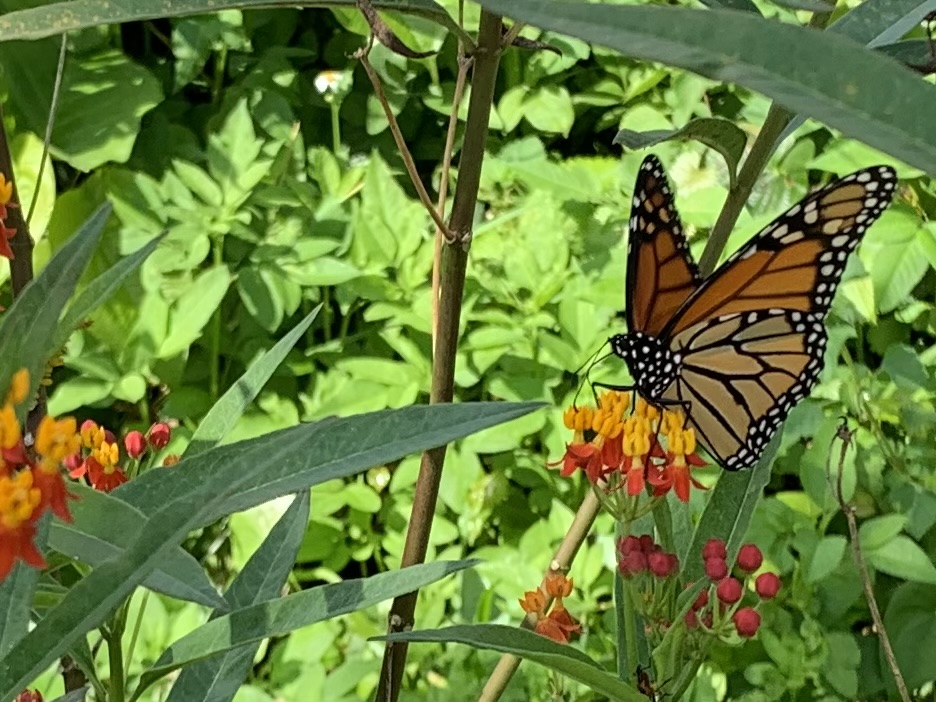
First I want to update readers on my Monarch butterflies. Yes, mine. I watched a couple of them hatch so I feel like their mom. I had three flying around the yard for quite a while, then one was found dead on the ground. After that I had two. After a while another showed up, and now there are four!

Each day, around 9AM they begin to fly. They circle the garden, fly over the lot next door, over the roof, and back. I think they’ve become used to seeing me, and fly right over my head. At least I like to think that. They are certainly enjoying the milkweed.

Monarchs

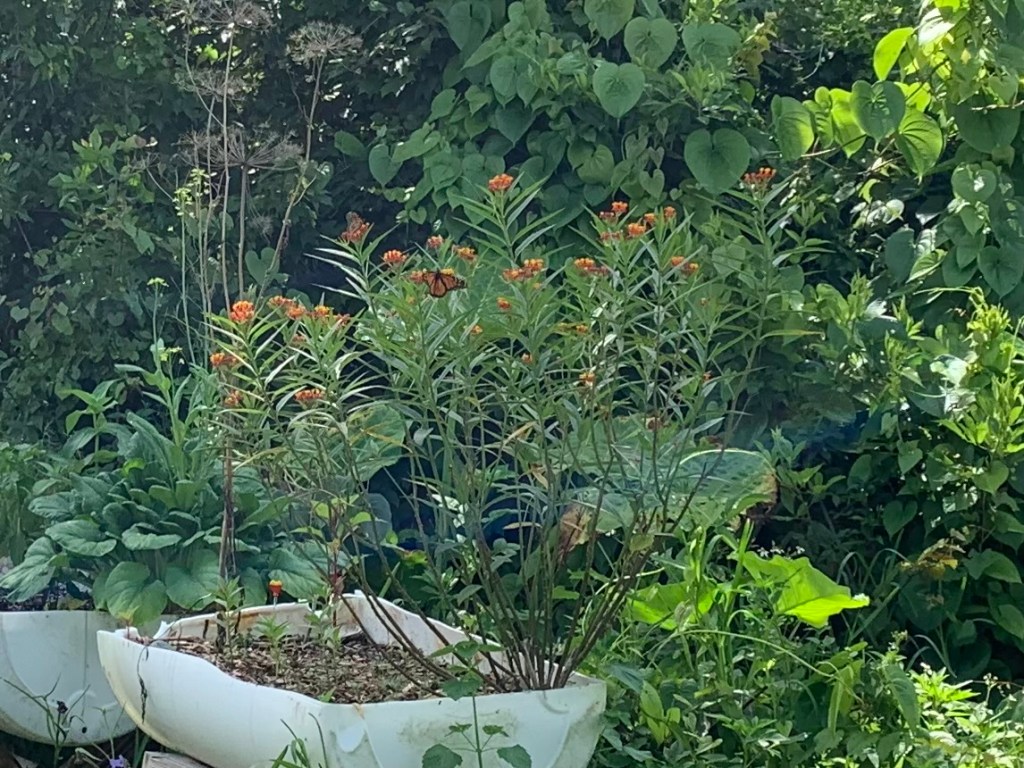
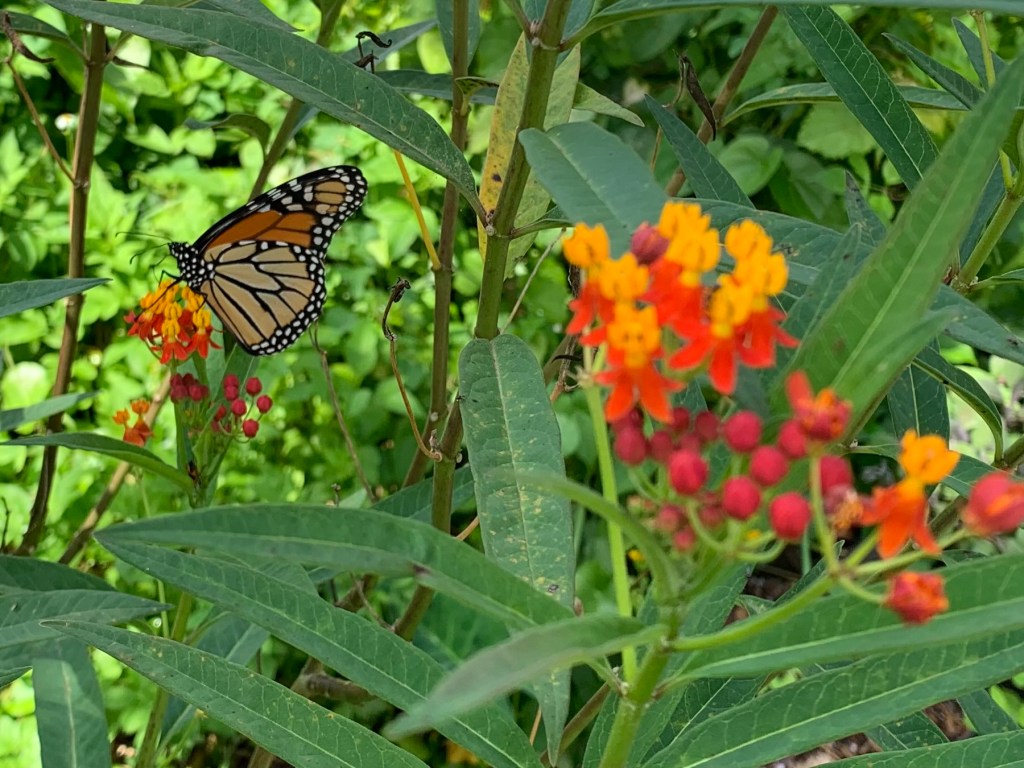
This morning I got a few photos of my monarchs on the tropical milkweed. This plant will not die back in fall, so I will need to cut it. For now, it’s one of the only flowering milkweeds in the yard. I need it for the butterflies because they love it.

Tropical milkweed is not a Florida native. Read more about it on this page. I have also been growing new milkweeds, that are all native to the state. My plan to fill the yard with good types of milkweed (for the Monarchs, who only lay eggs on milkweed) is coming to pass.

I’m slowly getting some of my milkweed seedlings into the ground. The rain has quit here, or goes around us, so I’m constantly watering once again. One of my Whorled milkweed seedings is in the ground along with the White swamp variety.

A Tiny Drawback

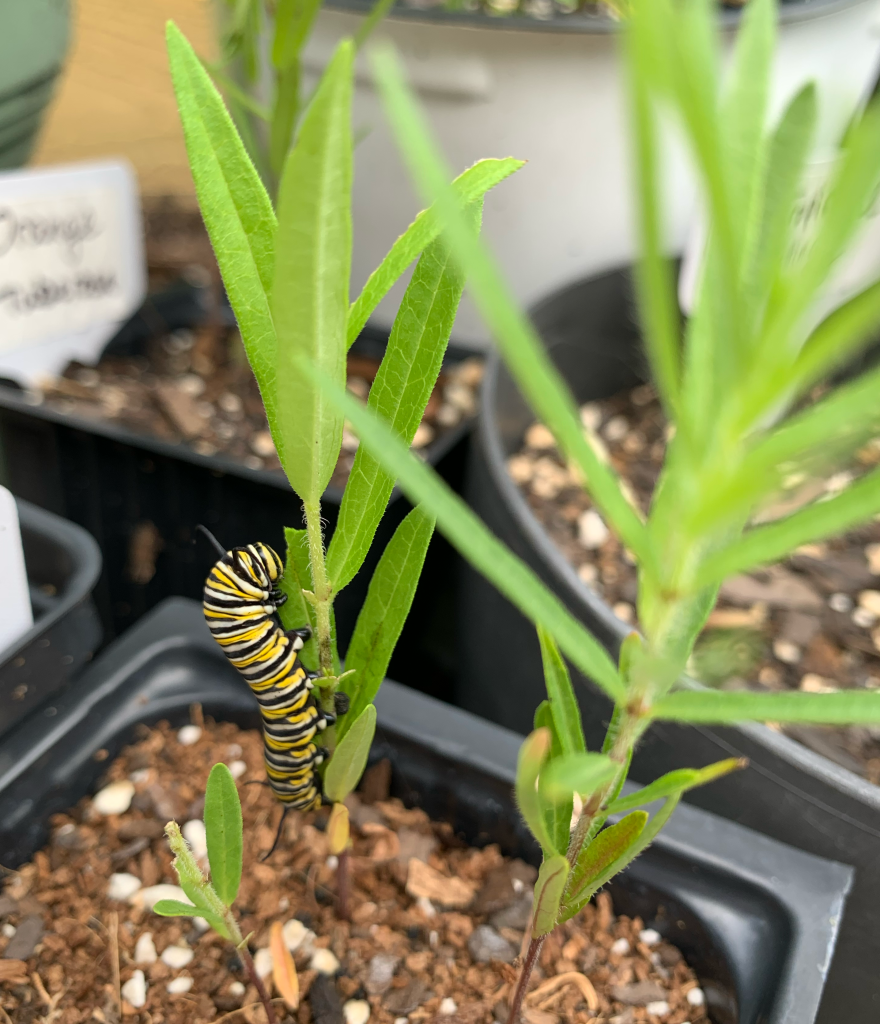
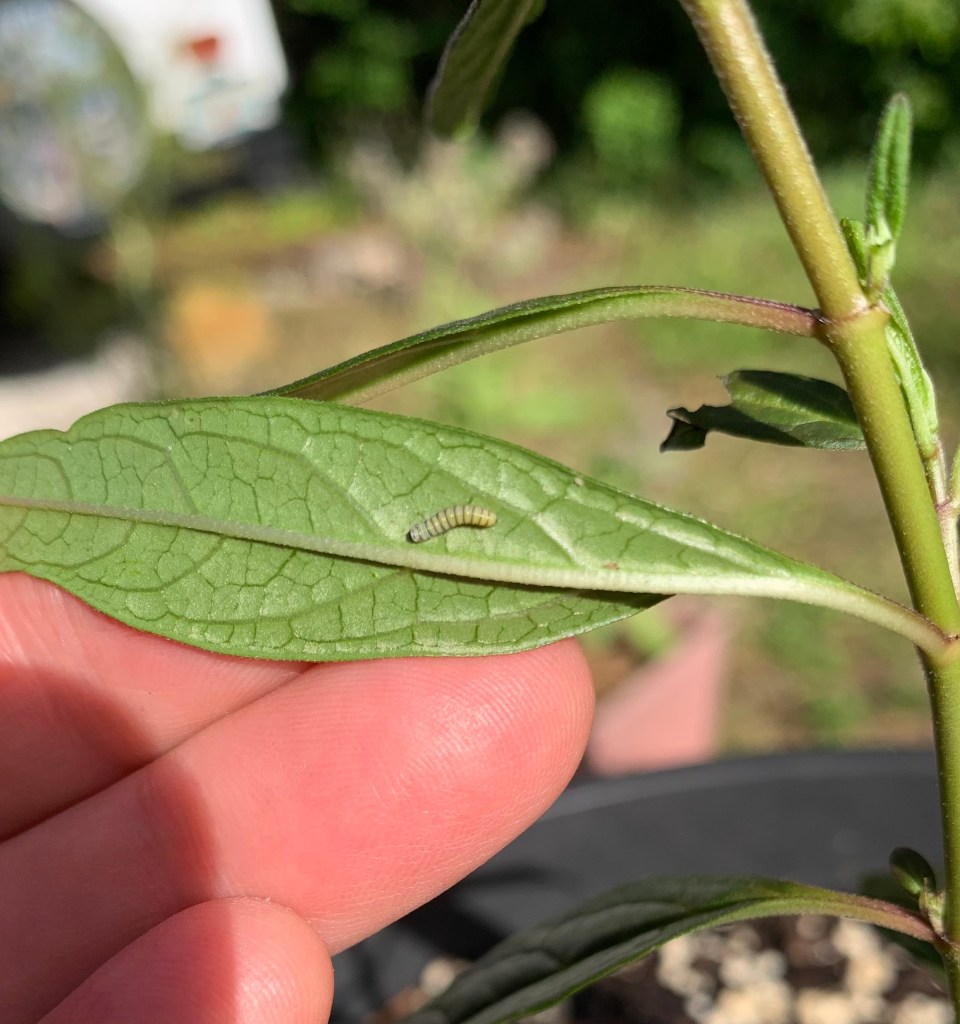
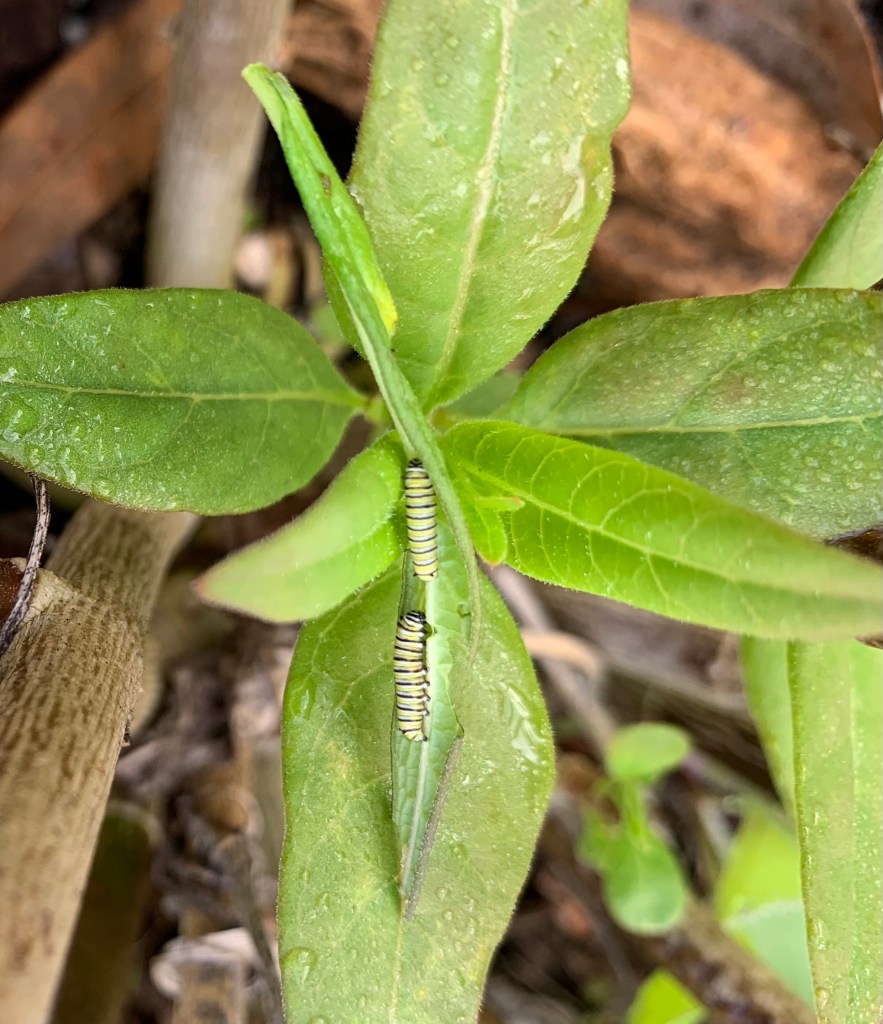
Caterpillars keep showing up on the smallest of milkweed plants. And they move from one to another. Maybe they like munching on those tender little leaves, but the plants are being destroyed! Of course, it’s why I’m growing them in the first place – to feed the Monarch caterpillars.

These caterpillars are sneaky. They show up out of nowhere and then they disappear. I found one on the side of a pot. Then, they come back from wherever and begin eating again.

I have surrounded these little milkweed plants with rosemary, dahlias and other things to hopefully keep things from eating the caterpillars. Between the lizards, wasps and birds, most caterpillars don’t make it. They eat all the leaves off the plants and then become food for something. I guess that’s the way it goes. Everything has to eat.

Desert Rose Bee Diving

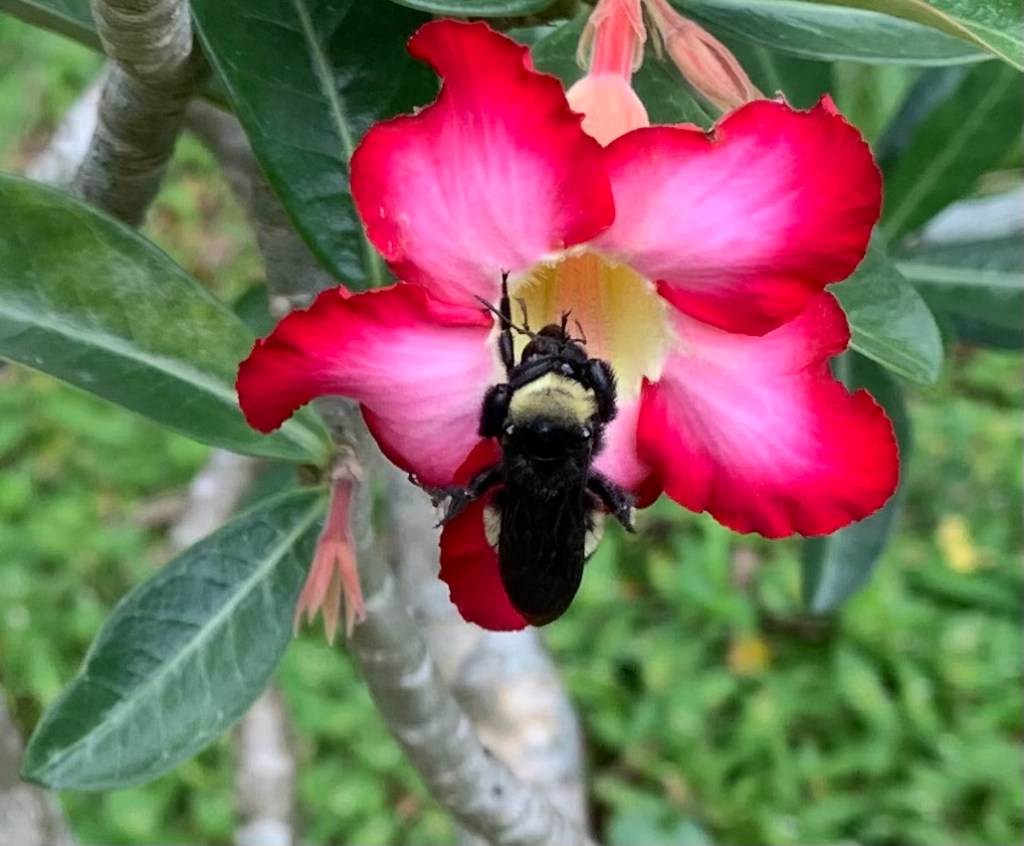
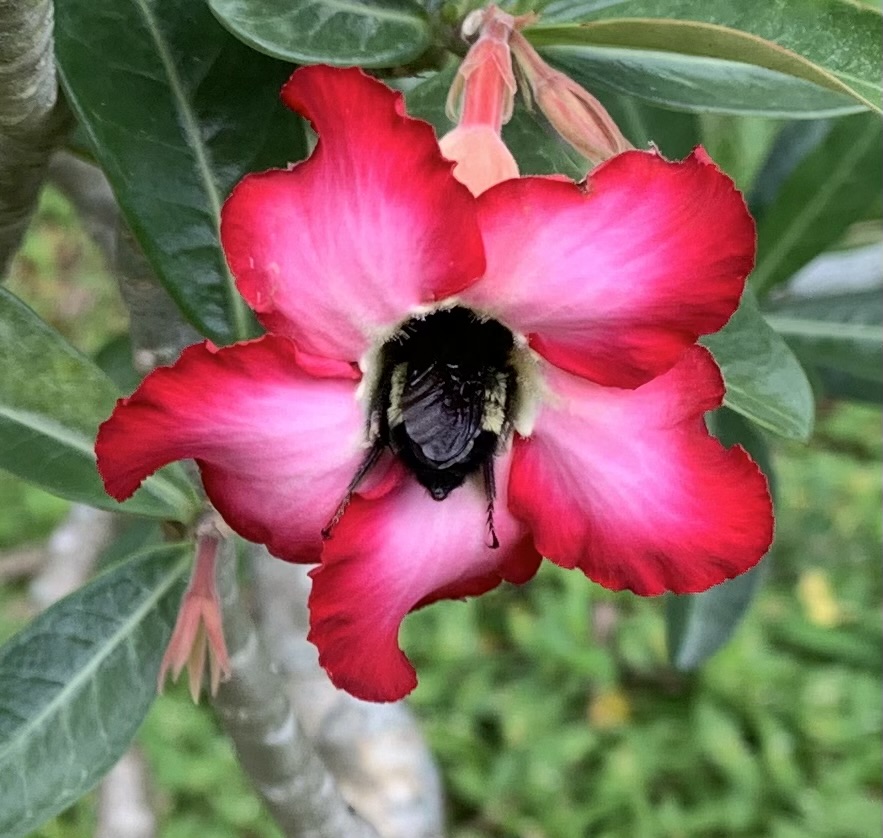
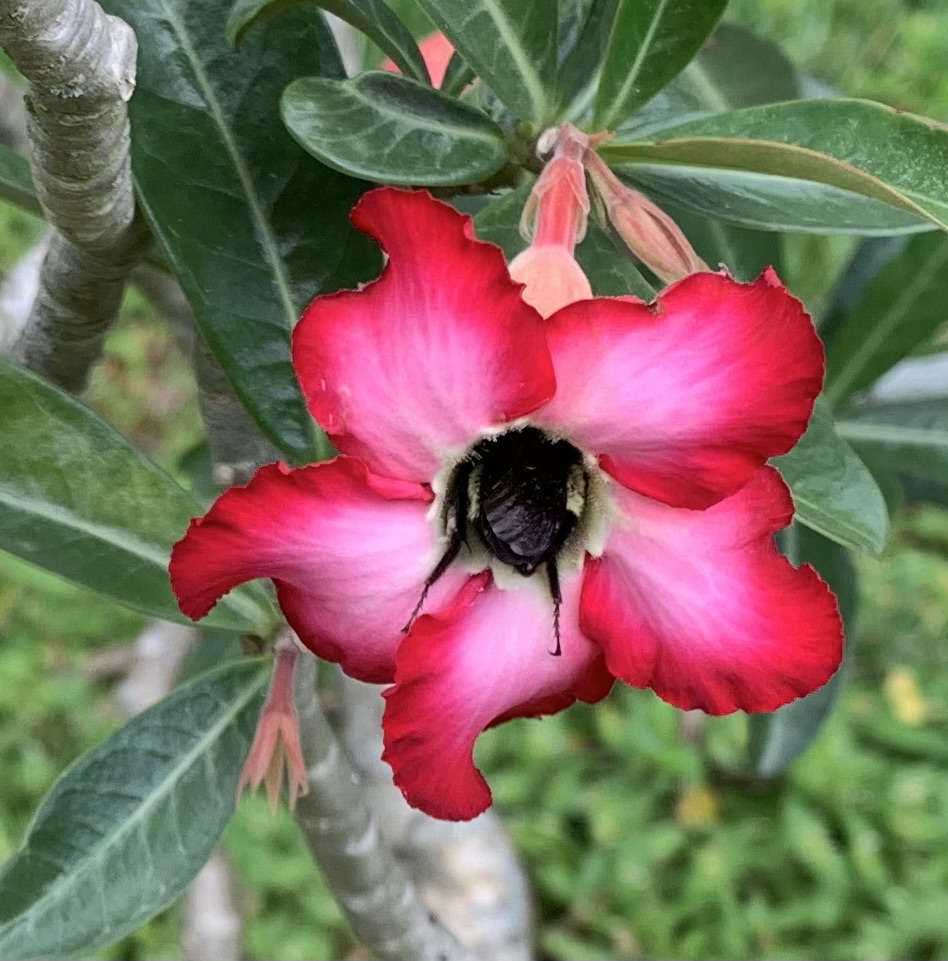
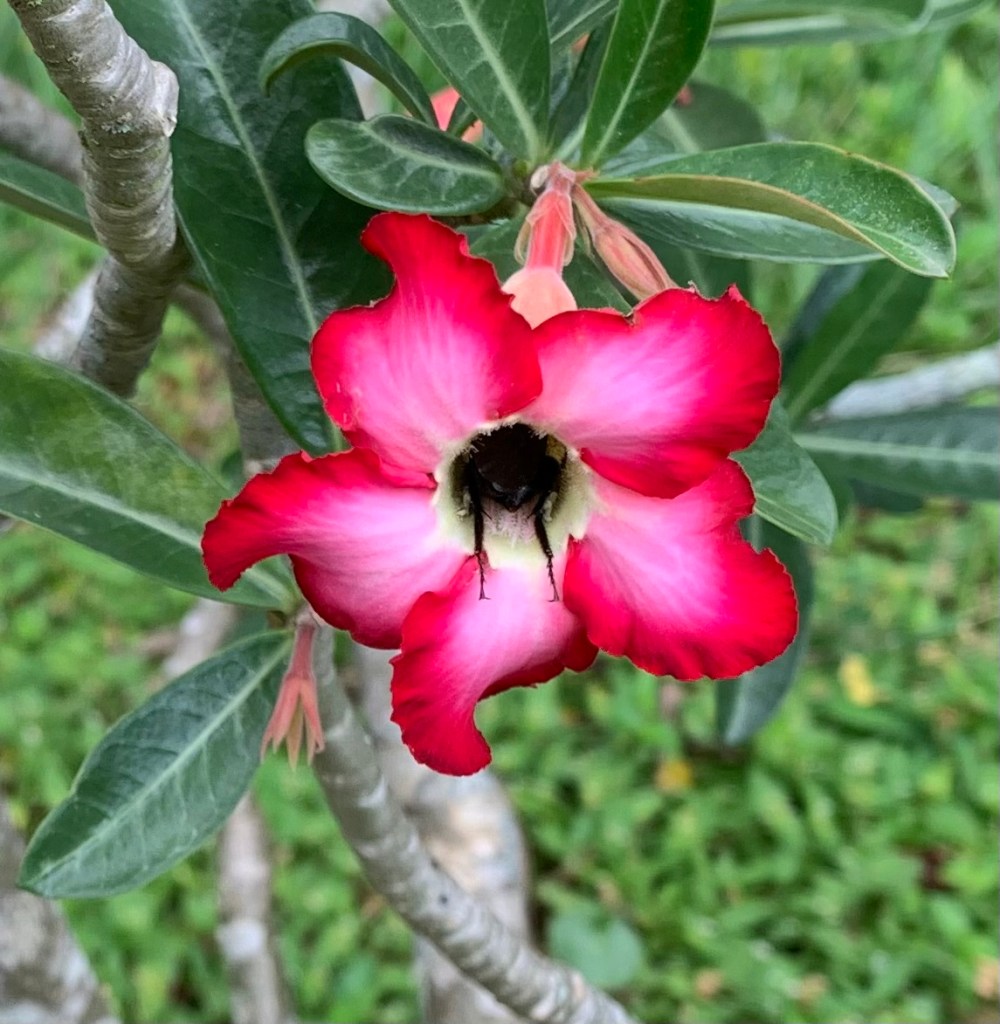
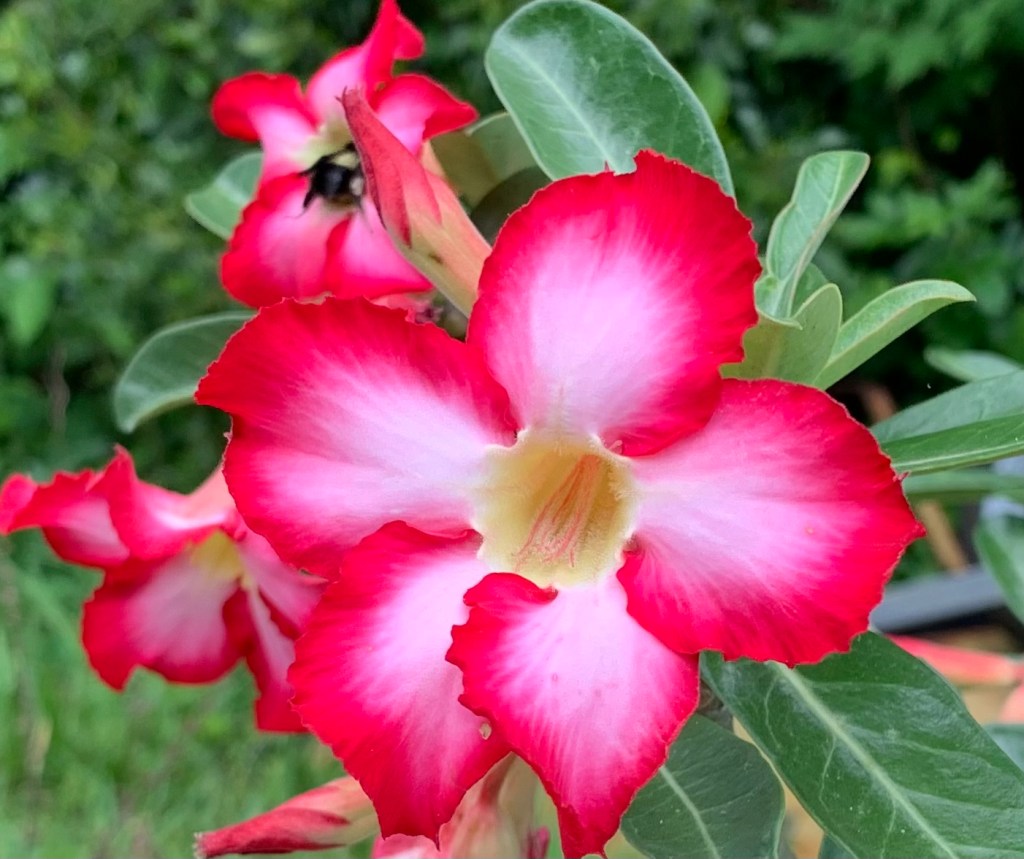
A beautiful bee showed up the other morning. I watched him crawl way down inside each trumpet-shaped, Desert Rose flower. I don’t think he missed a single bloom!

Although this plant has a “desert” name, it grows great here in Central Florida. I’ve had it in this pot for years. It requires very little maintenance and has the brightest pink flowers.

Giant Swallowtails

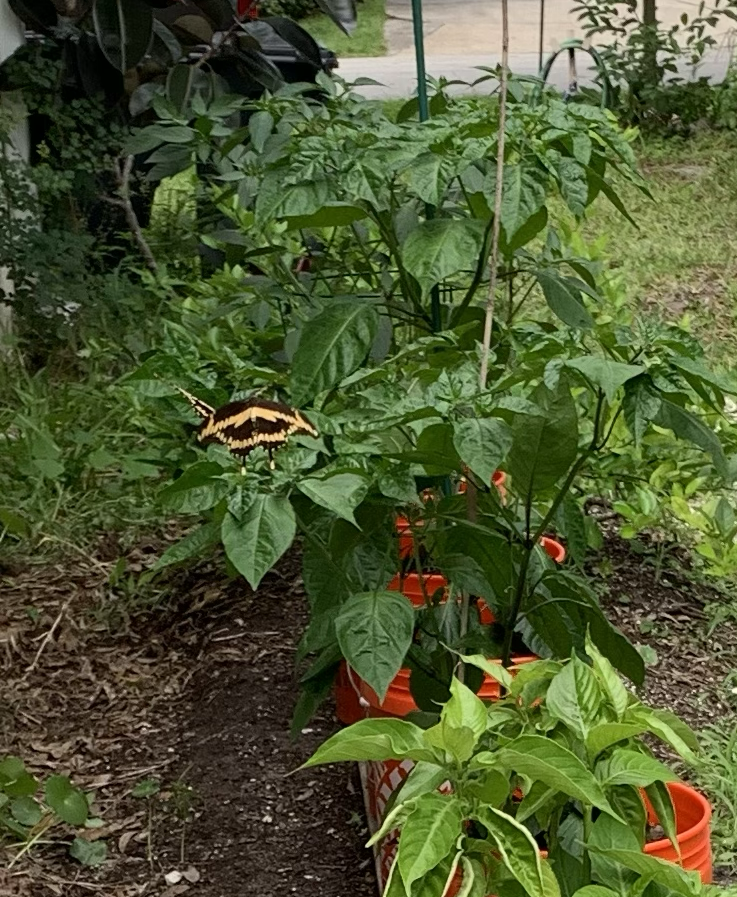
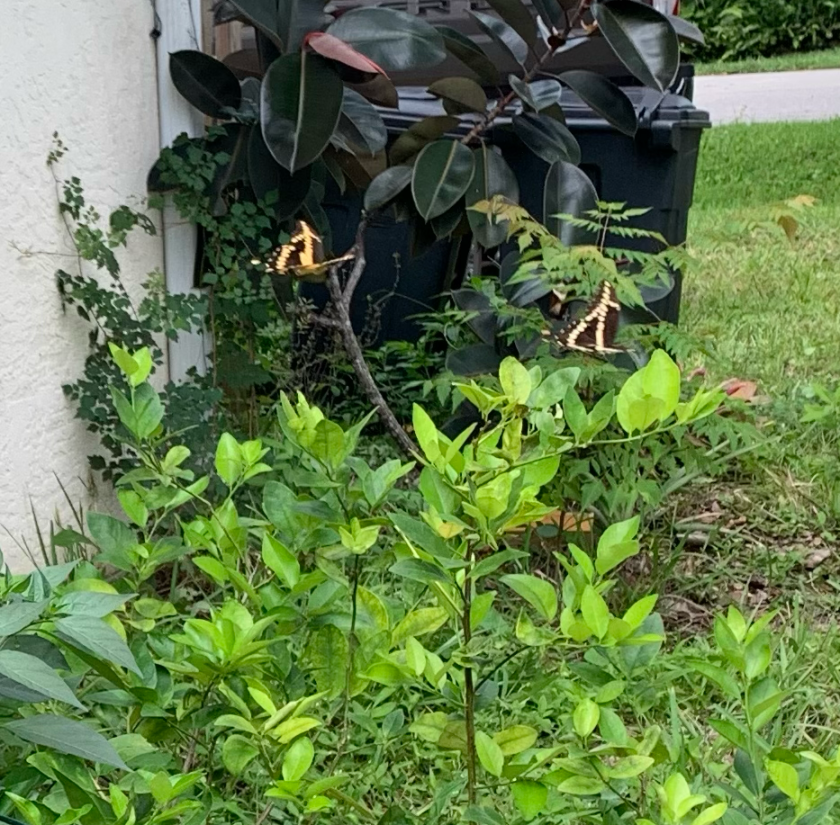
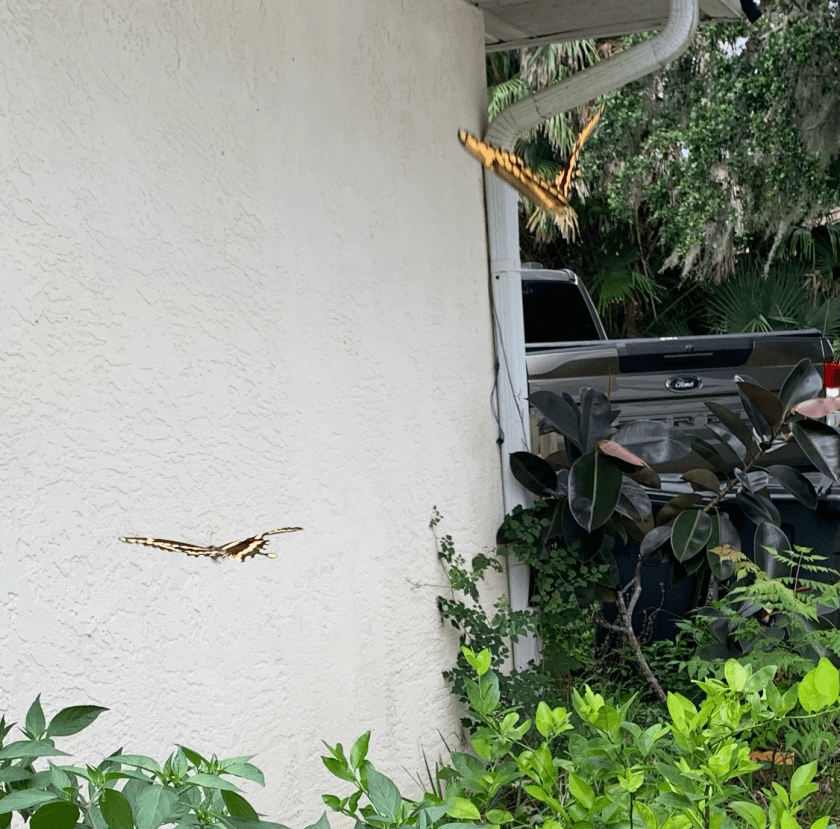
As I was writing this article, I happened to see two Eastern Giant Swallowtail butterflies outside my window! The photos are not good, but I am sharing them to prove they were here – haha. The two of them flew together around the orange tree and then off into the yard. I am not good when it comes to photographing moving targets, but wanted to share these photos anyway. To see this butterfly better view the Wikipedia page and iNaturalist.

That’s it for now. Soon, I’ll be sharing about my success at growing a spaghetti squash. It was so tasty! Also, the Seminole pumpkin vines are getting long, and I’ve found one little pumpkin beginning to grow. That is exciting!

bees

Something went wrong. Please refresh the page and/or try again.
Florida Native Coral Honeysuckle is Planted for Hummingbirds

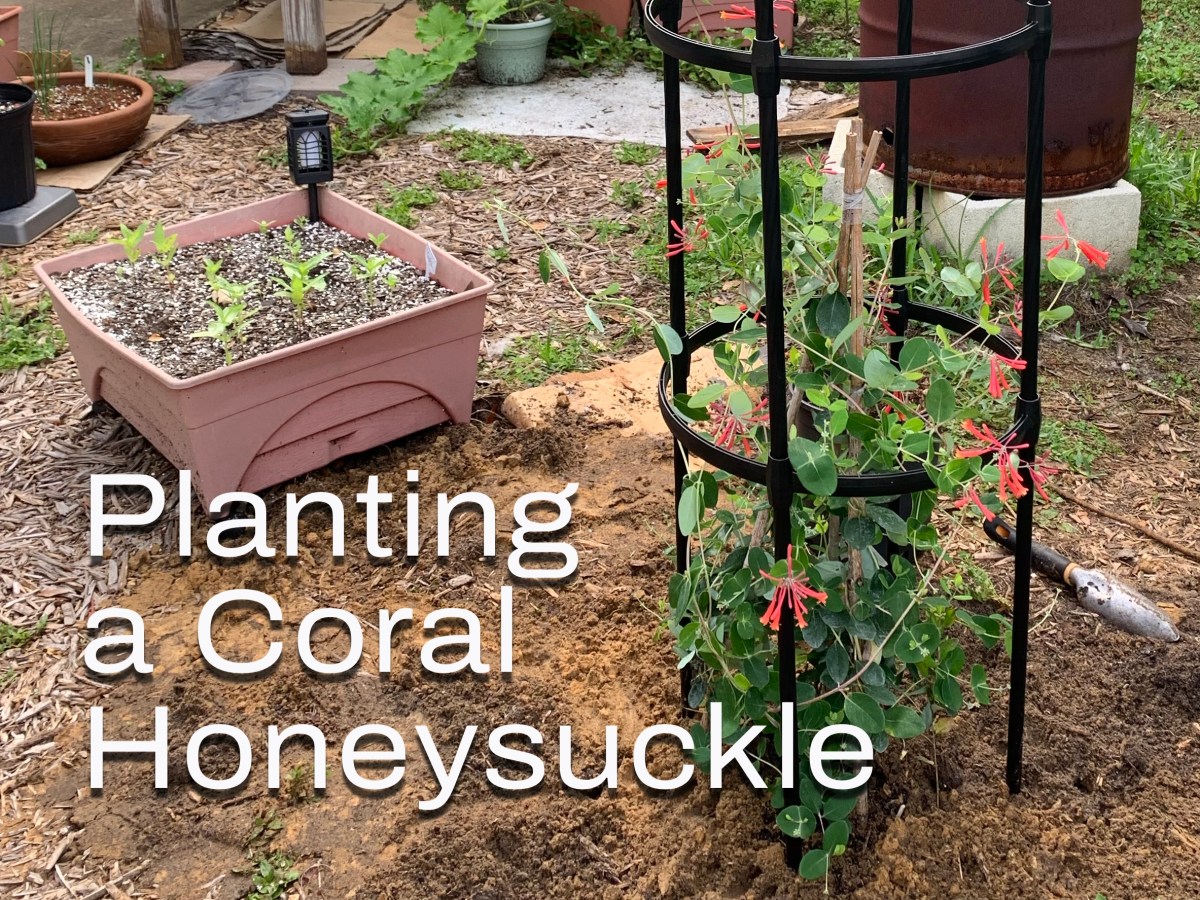
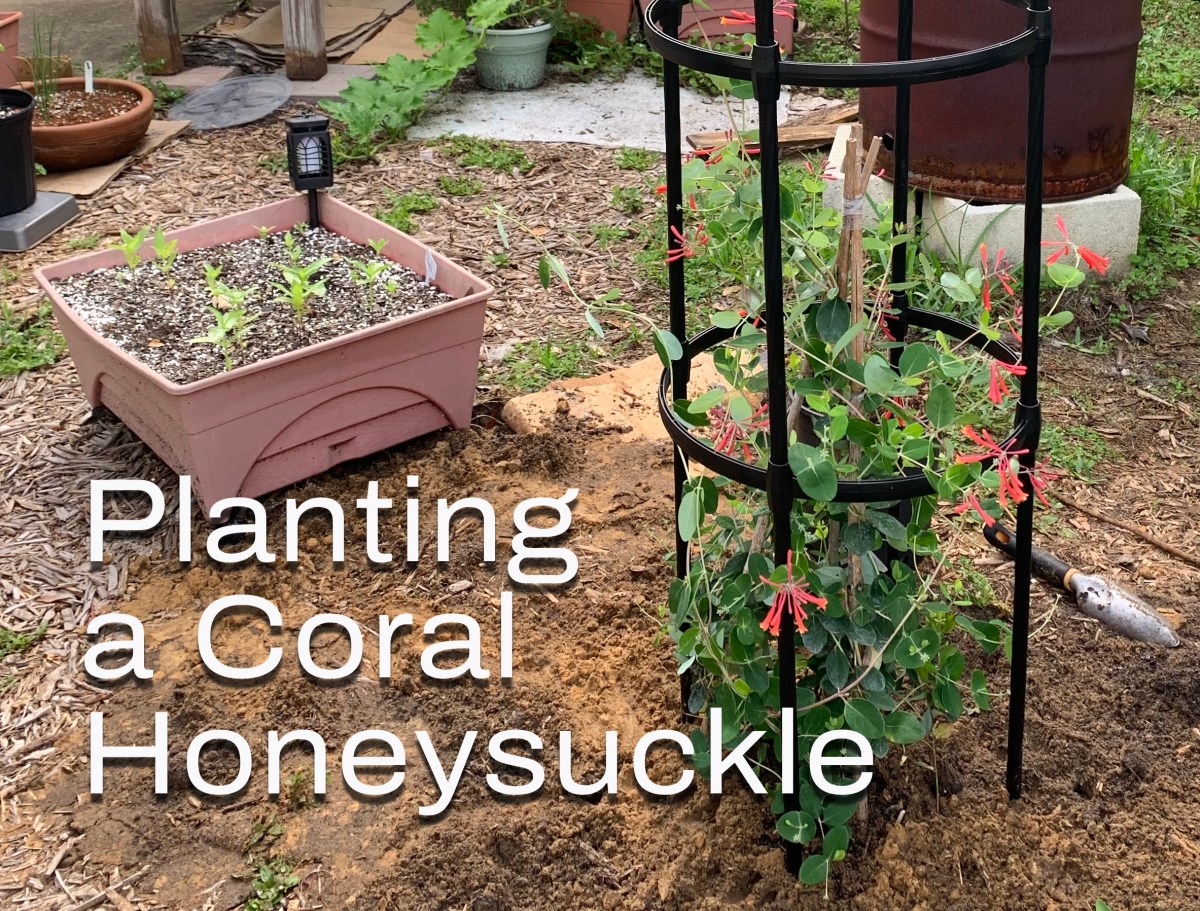
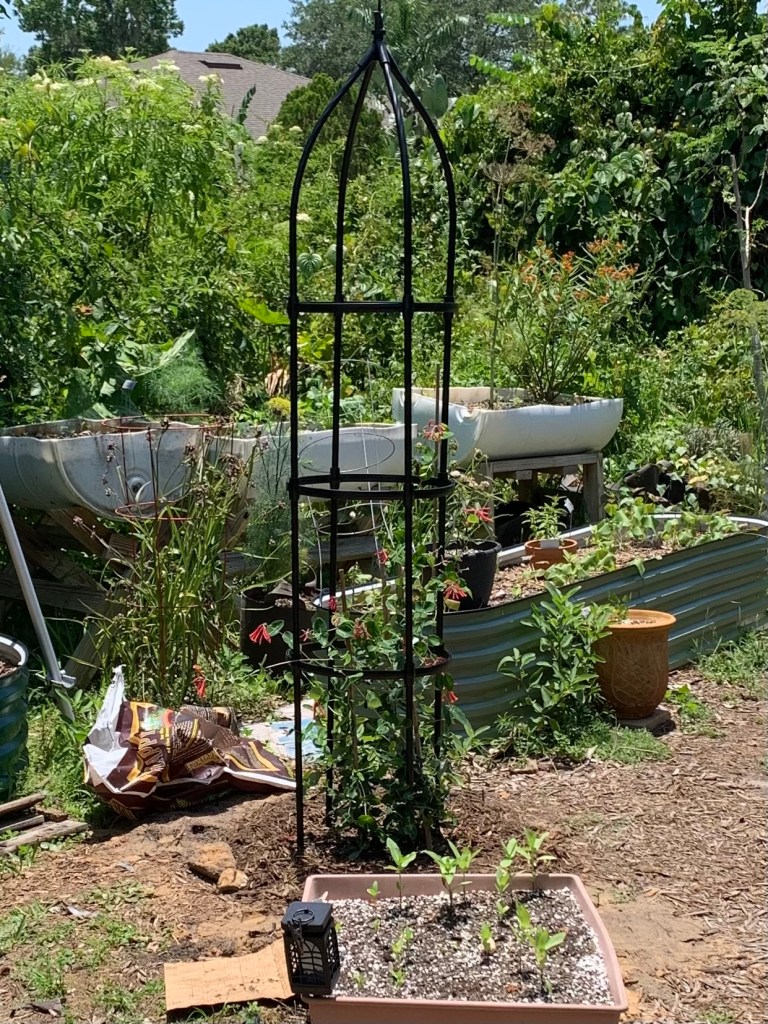
Planting the coral honeysuckle with a new obelisk for support.

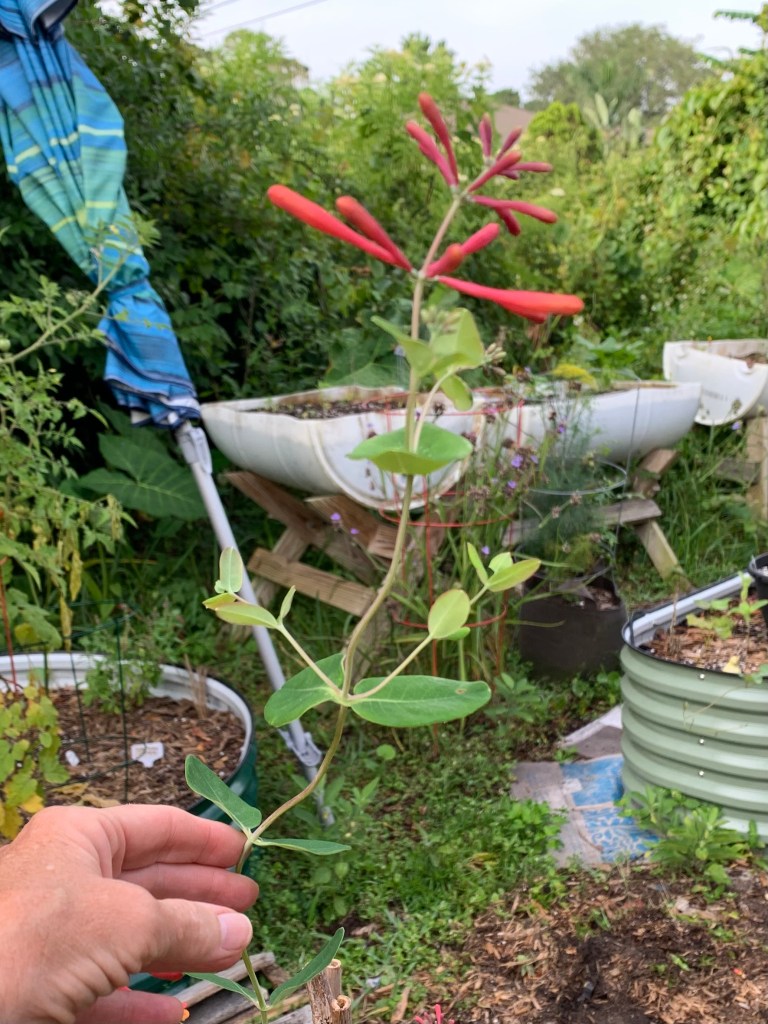
A Florida native plant that I’ve wanted in the yard for some time is the Coral Honeysuckle. A tiny plant was part of my mail order selection, but the plant arrived very tiny. I’m not sure I would live long enough to see it reach a great height!

After putting my Lee Valley Obelisk (large size) together, I needed a plant to go with it. At my local nursery there were many Coral Honeysuckle plants that looked great. I chose one, popped it into my little car, and planted it the following day.

How to Plant a Honeysuckle Vine

I chose a spot that would get lots of sun. This is a Florida native plant and it can take sun and heat. Read more about this vine at the IFAS Gardening Solutions: Coral Honeysuckle page.
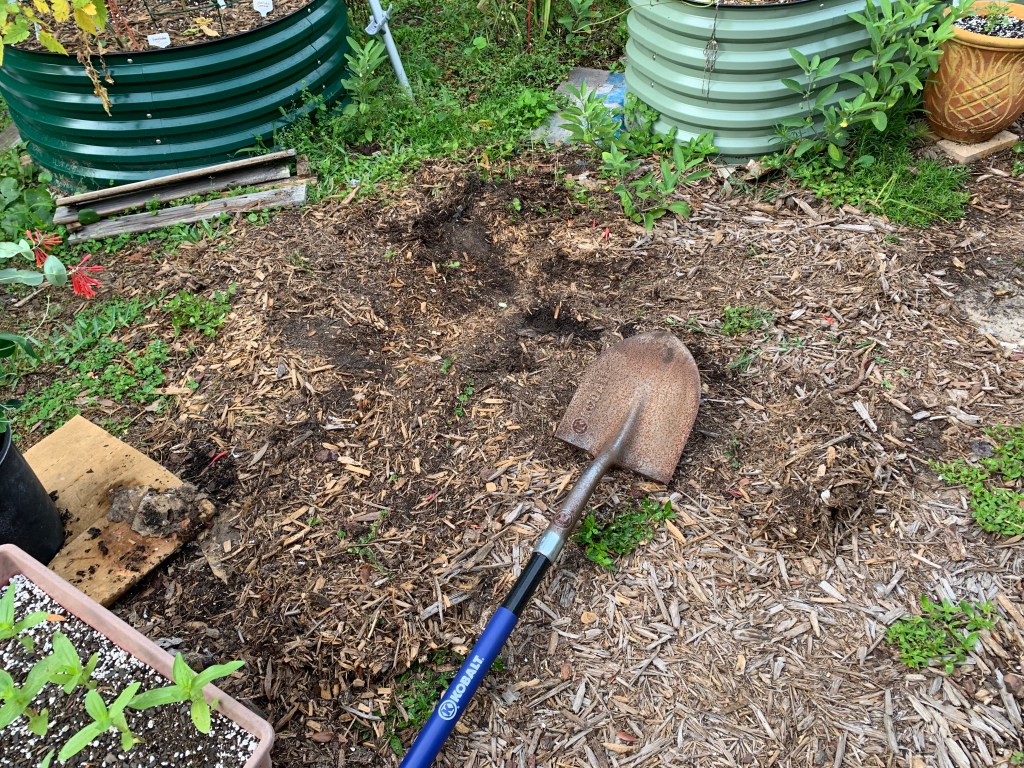
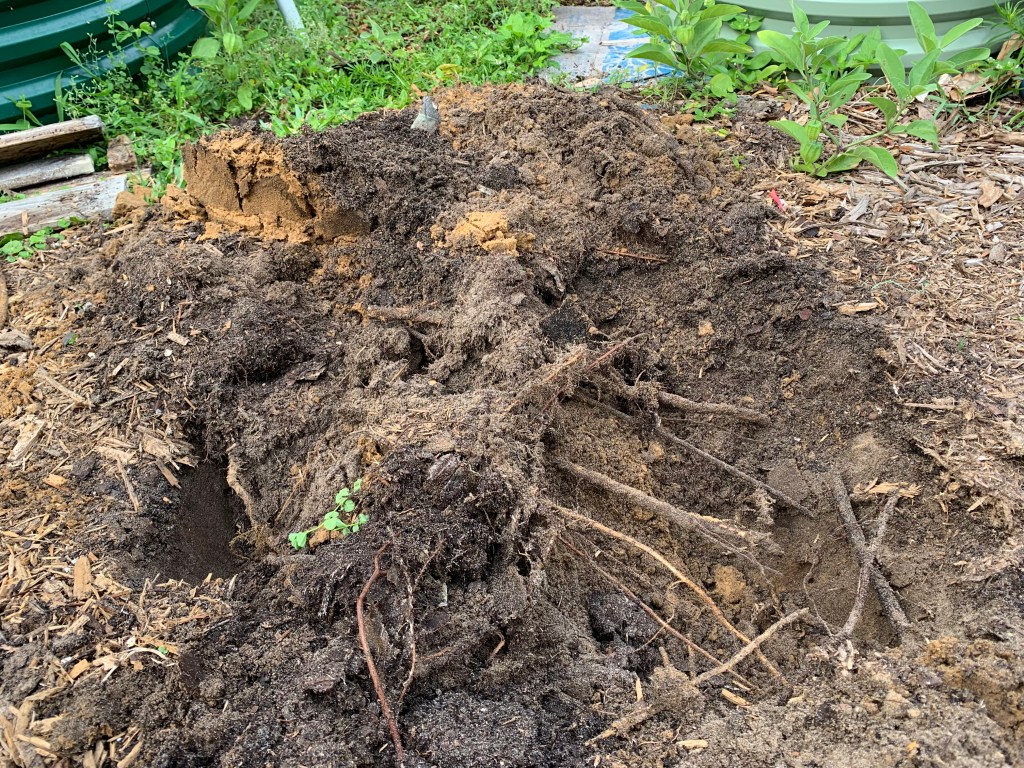
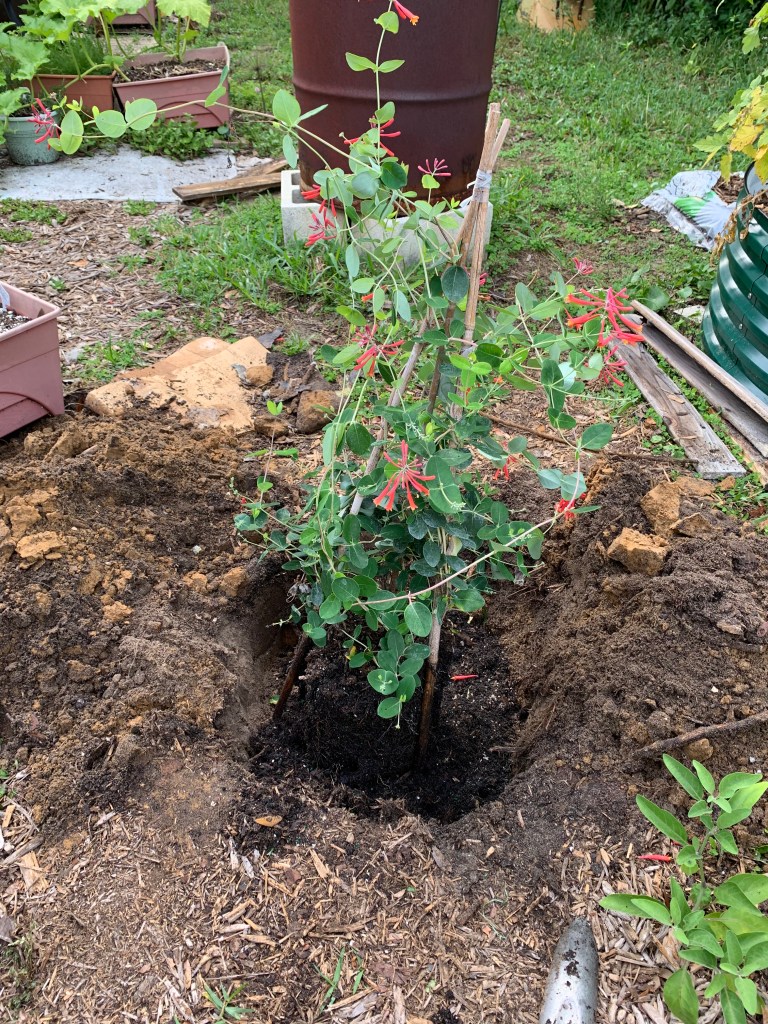
The hole was easy to dig, once I removed all the roots growing under the sand. Here in Florida, rocks are not a problem when digging, but you may come across pieces of concrete that were left behind from the building of the house.

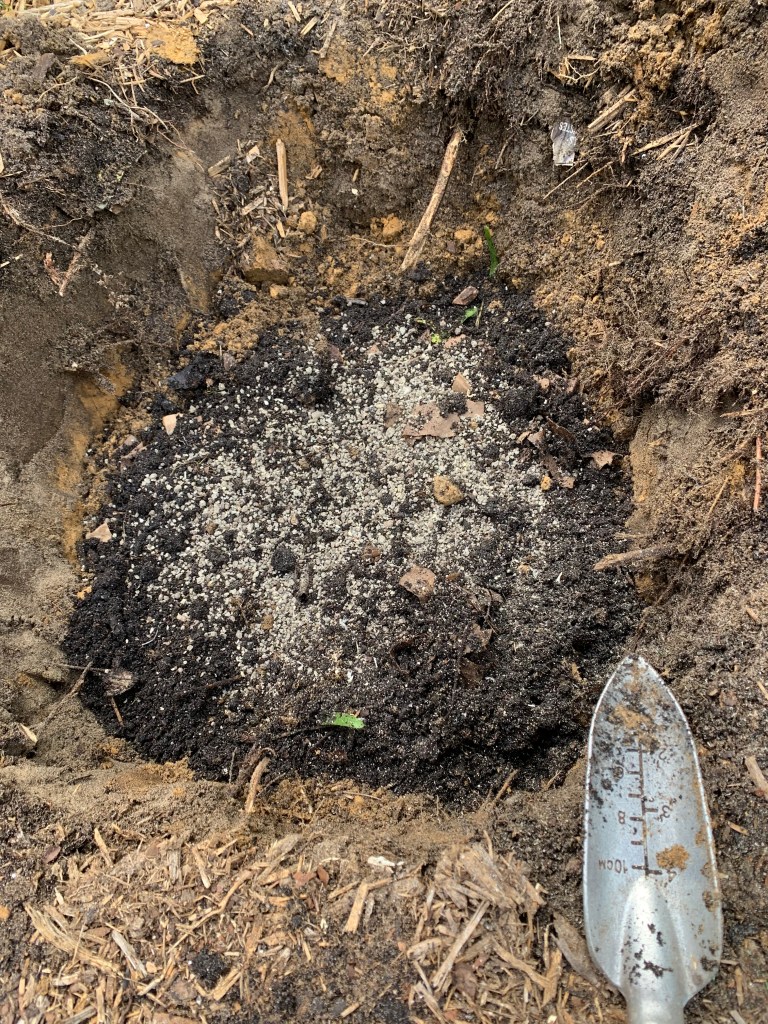
When checking out at the nursery, the woman talked me into getting a little bag of fertilizer to add to the hole. I also mixed in some of my own compost and a bit of Happy Frog, with the sand. BUT…. before I added dirt back into the hole, I placed my obelisk around the plant. That way the poles were down nice and far into the ground.

I also planted the tiny, mail order plant right next to the bigger plant.

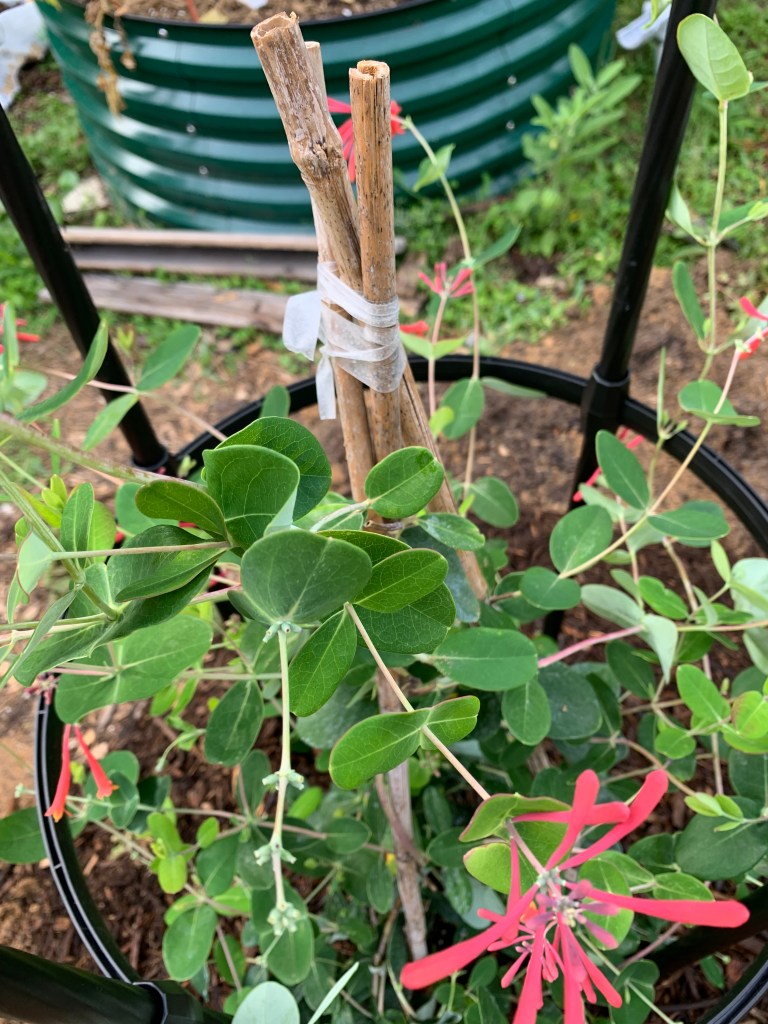
Once the plant was in the ground, I undid the ties holding the old trellis system. Three bamboo stakes were tied for the vine to wrap around. I planned to remove the bamboo completely, but decided to leave it in place. Much of the honeysuckle was already firmly wrapped around them.

I will train the vines to continue up the trellis. Once it gets tall, the hummingbirds should love it. I haven’t had hummingbirds since the Firespike plant lost its red flowers. Honeysuckle can loose its leaves in cold locations, but grows well in the entire state of Florida, Zones 4-10. It will bloom all Spring and Summer!

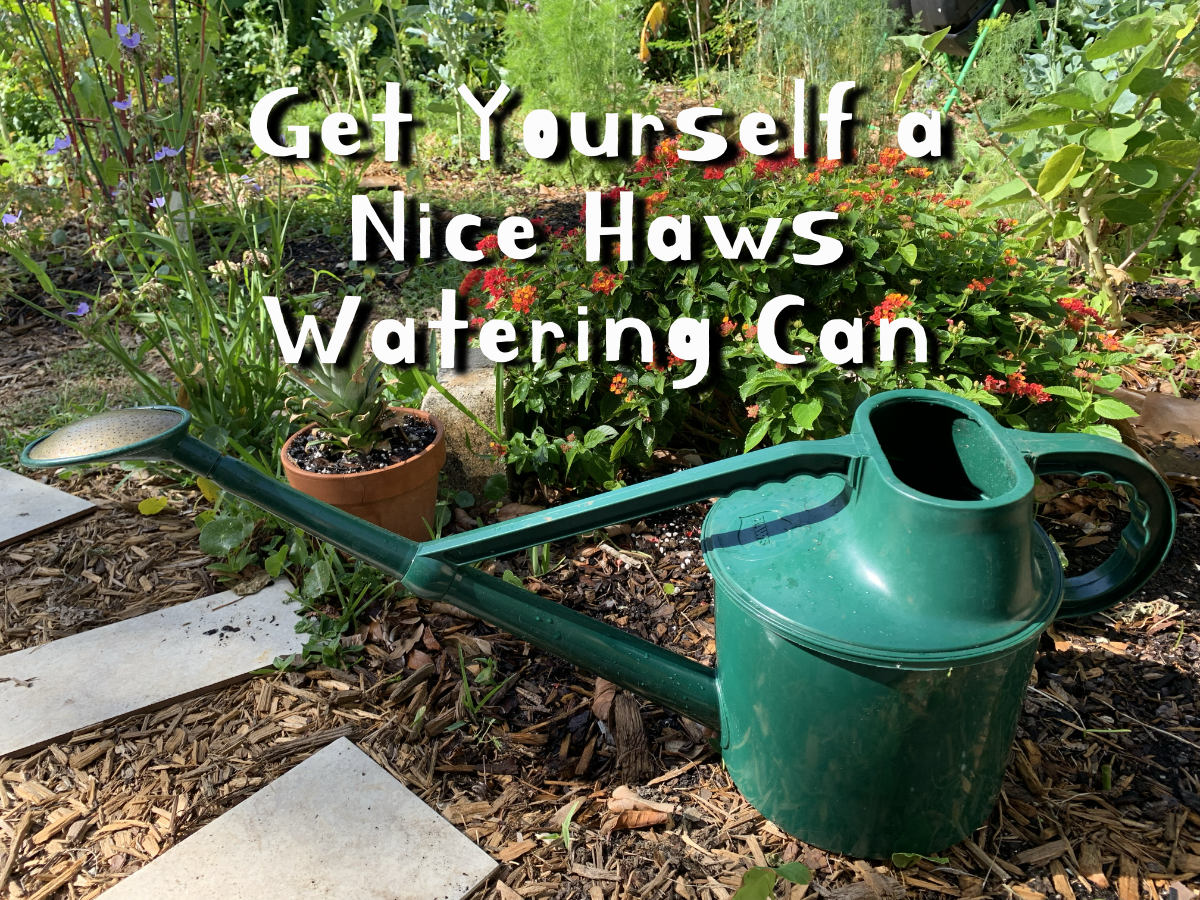
Once the mulch was down, I gave this new plant a good soaking with three fills of my Haws watering can.
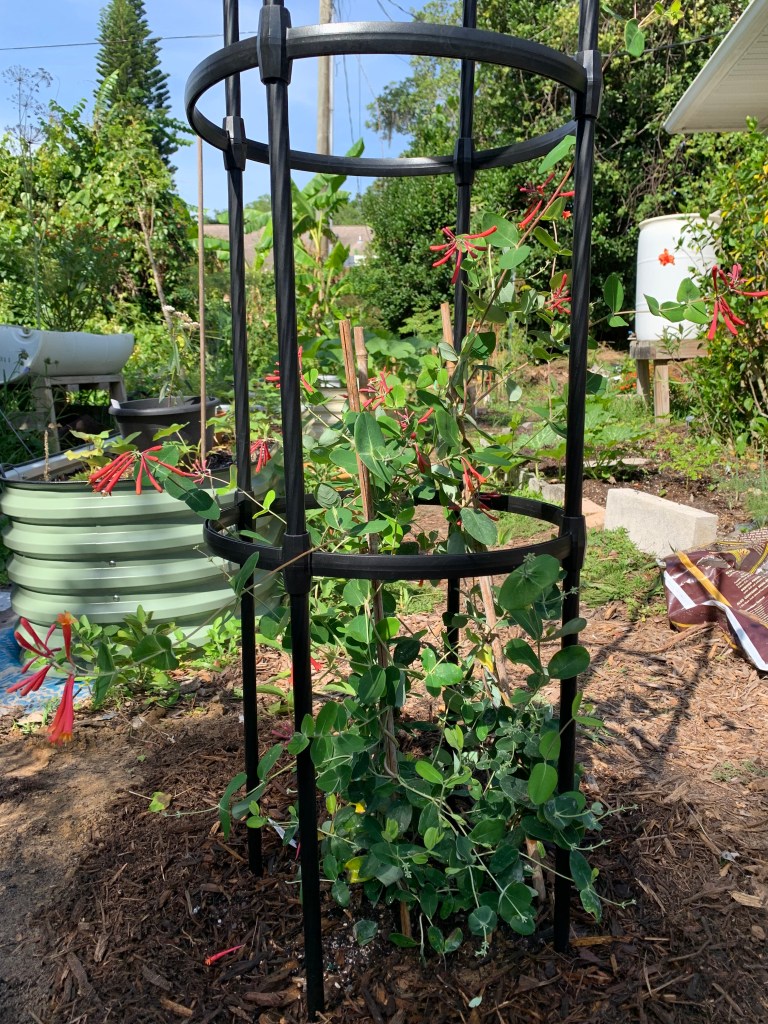
Black obelisk over planted coral honeysuckle

Once the Coral Honeysuckle is established, it shouldn’t need much attention. I’ll keep it pruned to fit the round trellis.
The rainy season is here, and with our regular afternoon storms, this plant should do quite well.

garden divider leaves

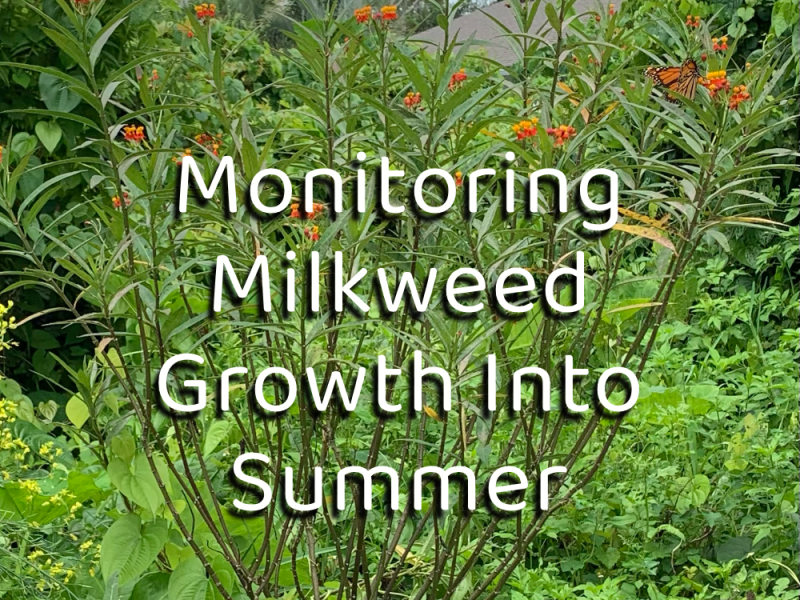
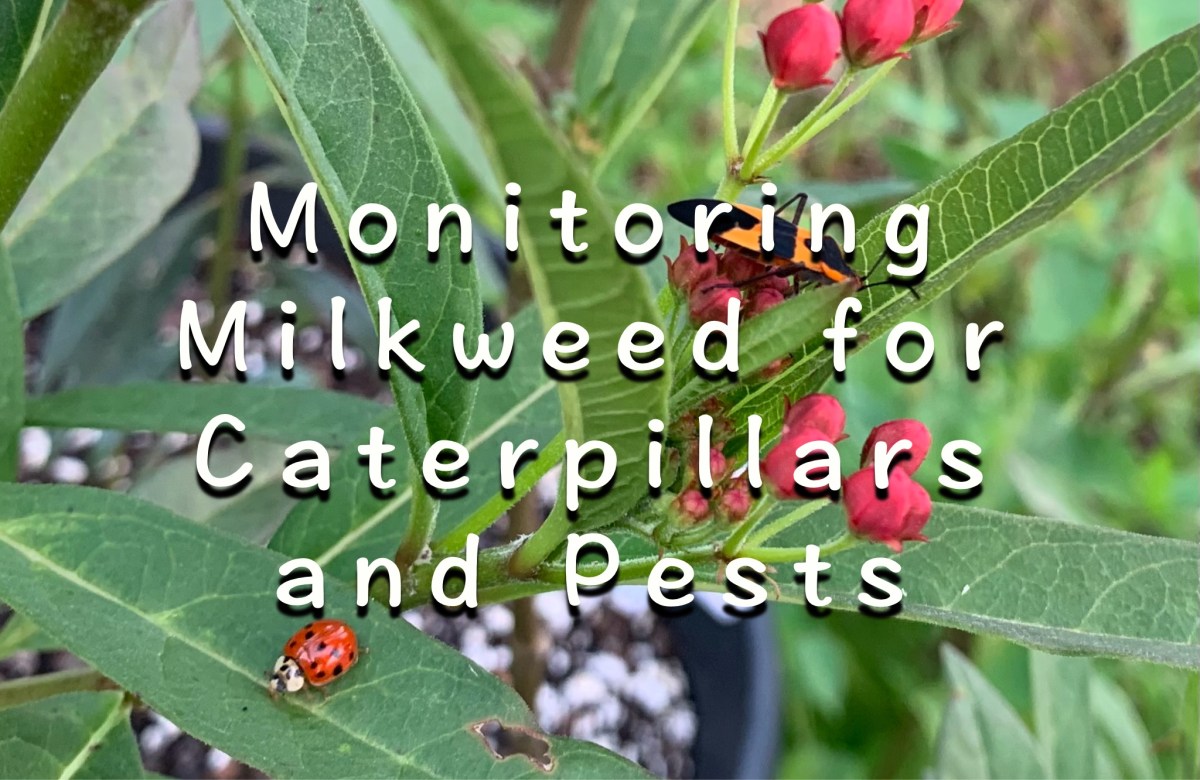
Monitoring Milkweed for Caterpillars and Pest Activity

A daily check on the milkweed revealed interesting bug activity. It appears that the aphids are bringing the ladybugs.

Each day I check the milkweed for caterpillars. Although there have been some spotted, I’m seeing other bug activity.

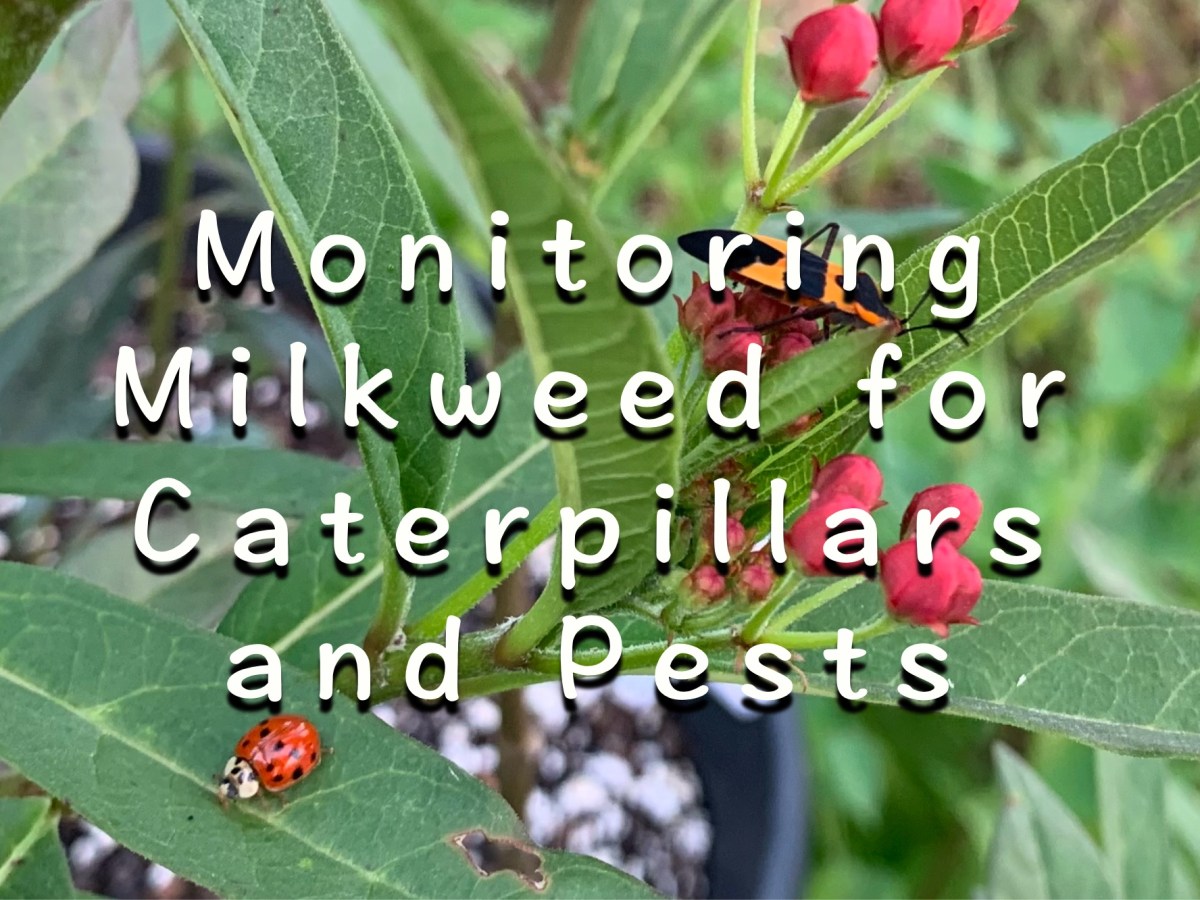
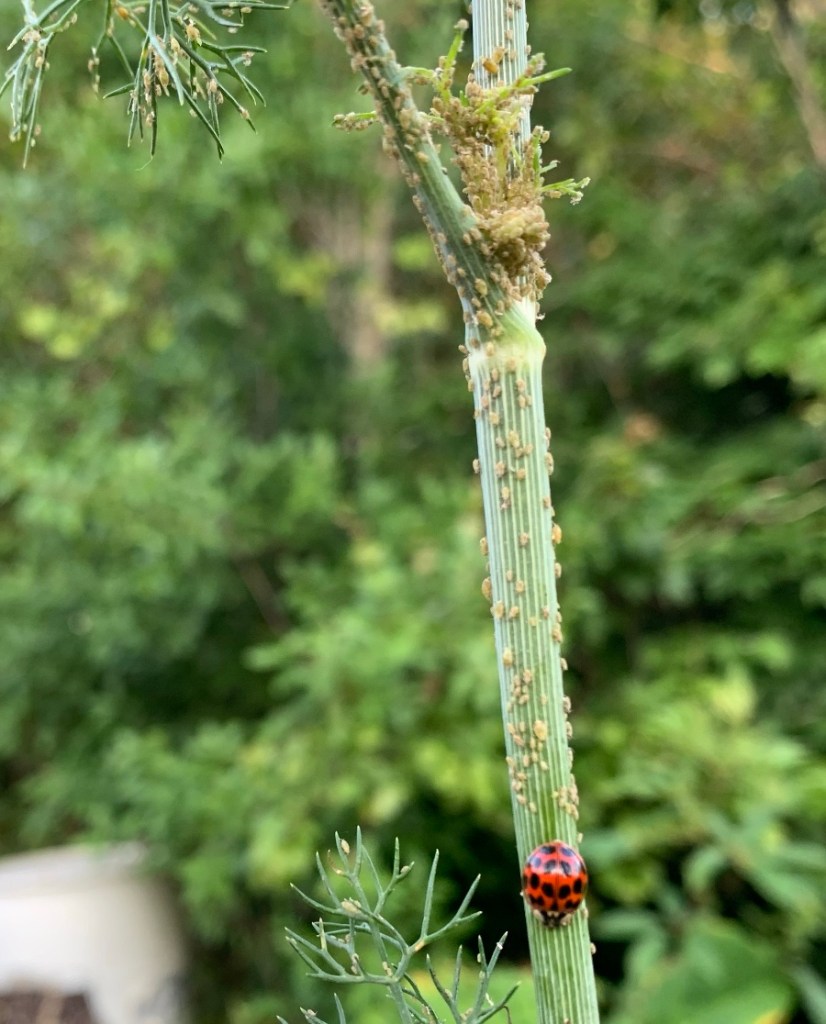
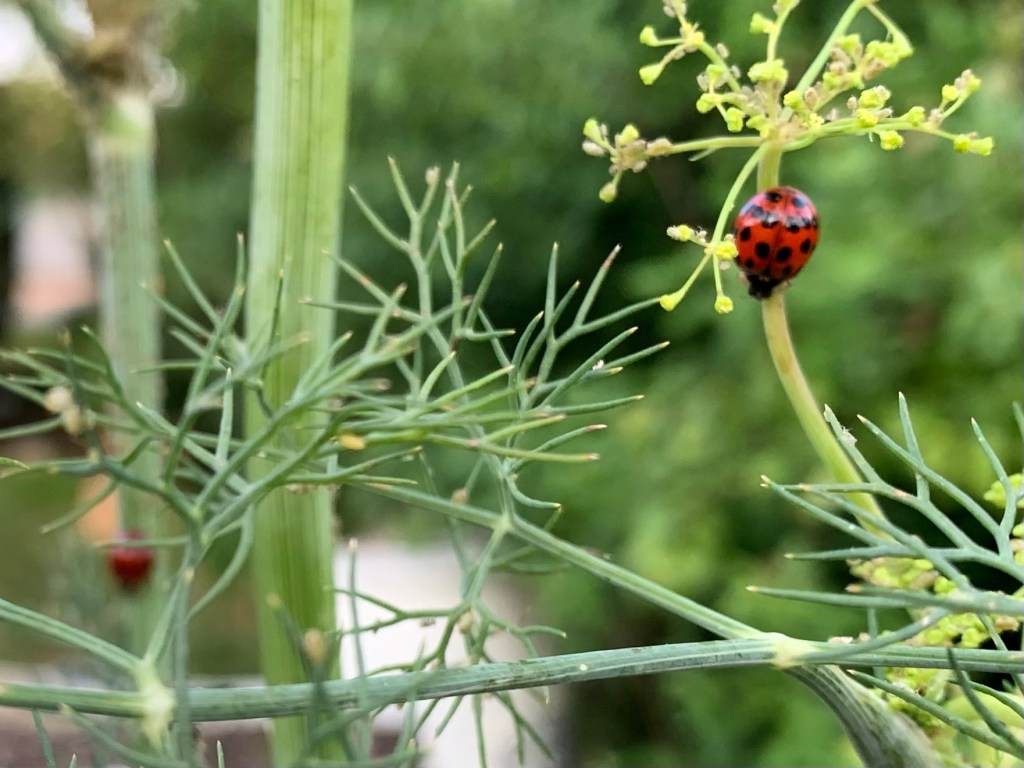
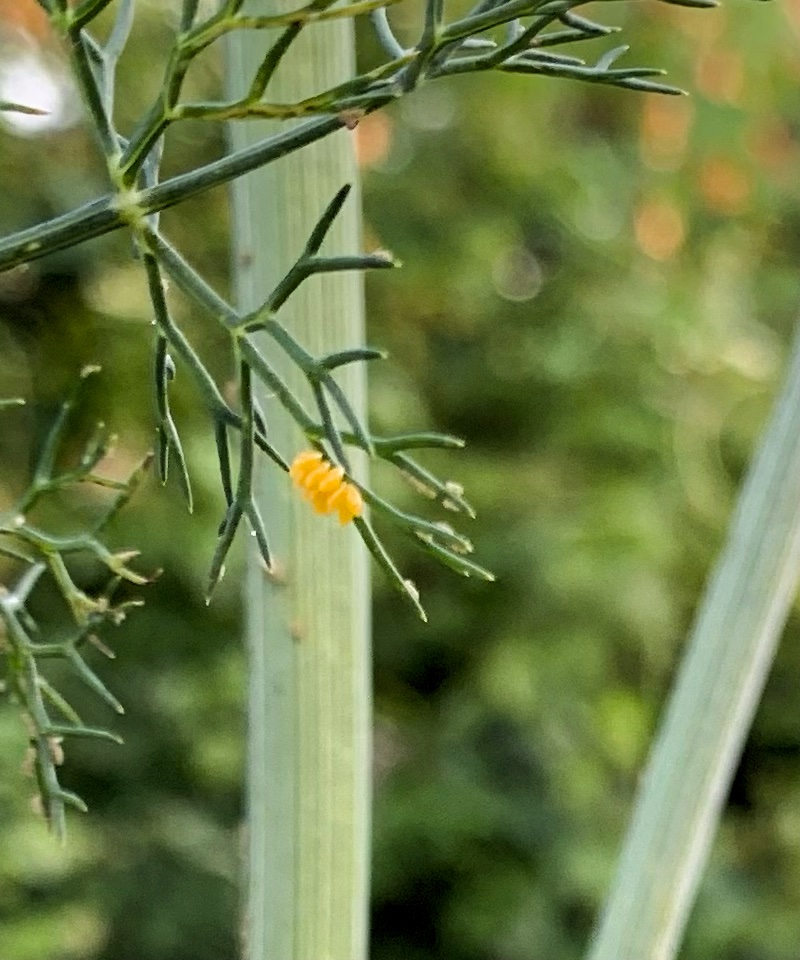
One, tall dill plant is growing next to the milkweed and it is covered in tiny pests. I only just realized how bad it is. These little critters look like aphids. The milkweed has a few yellow aphids also. Last night I counted four ladybugs in the area, with some little yellow ladybug eggs on a dill leaf.

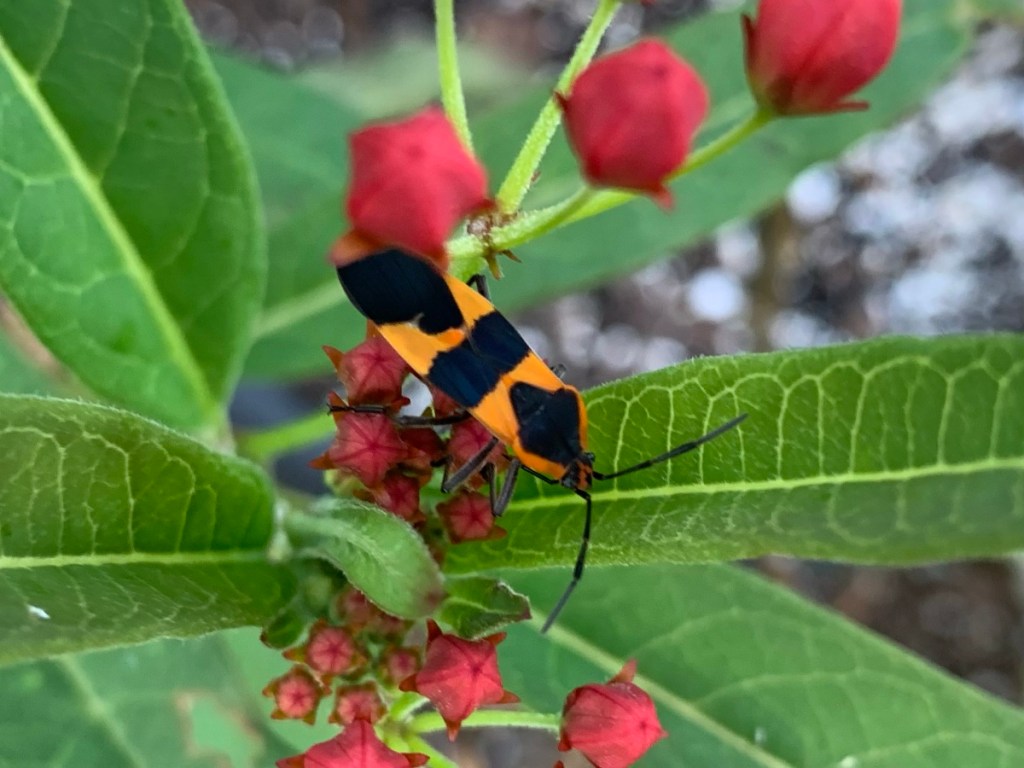
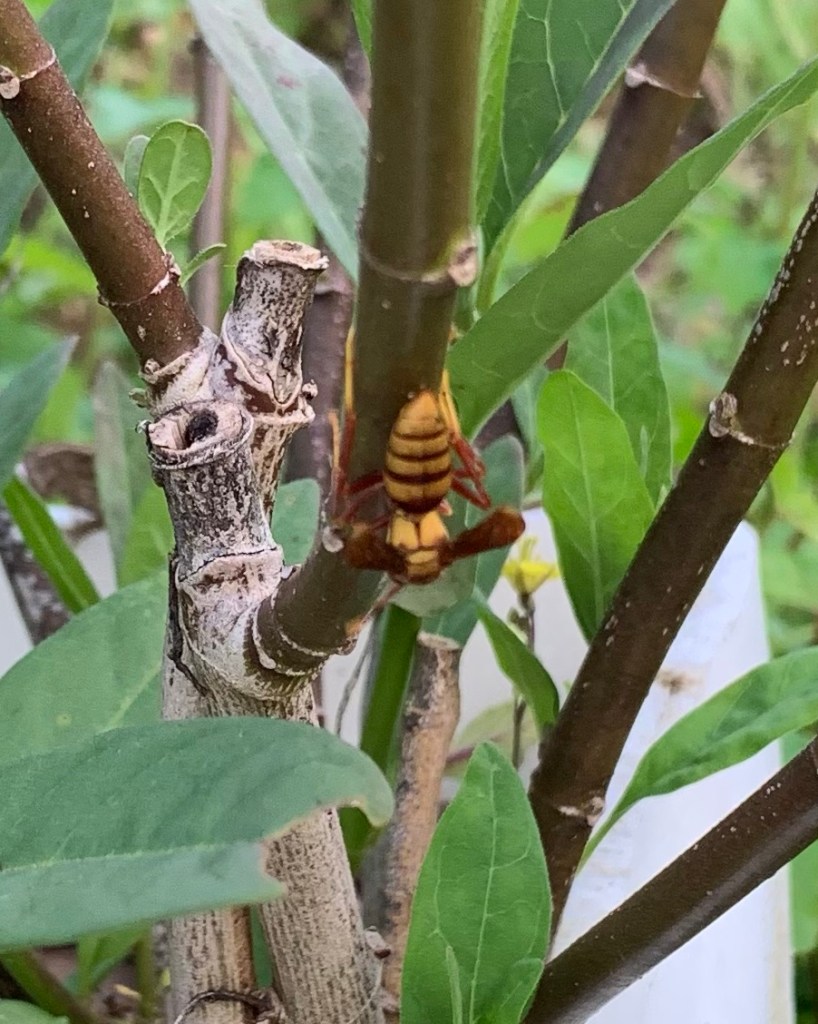
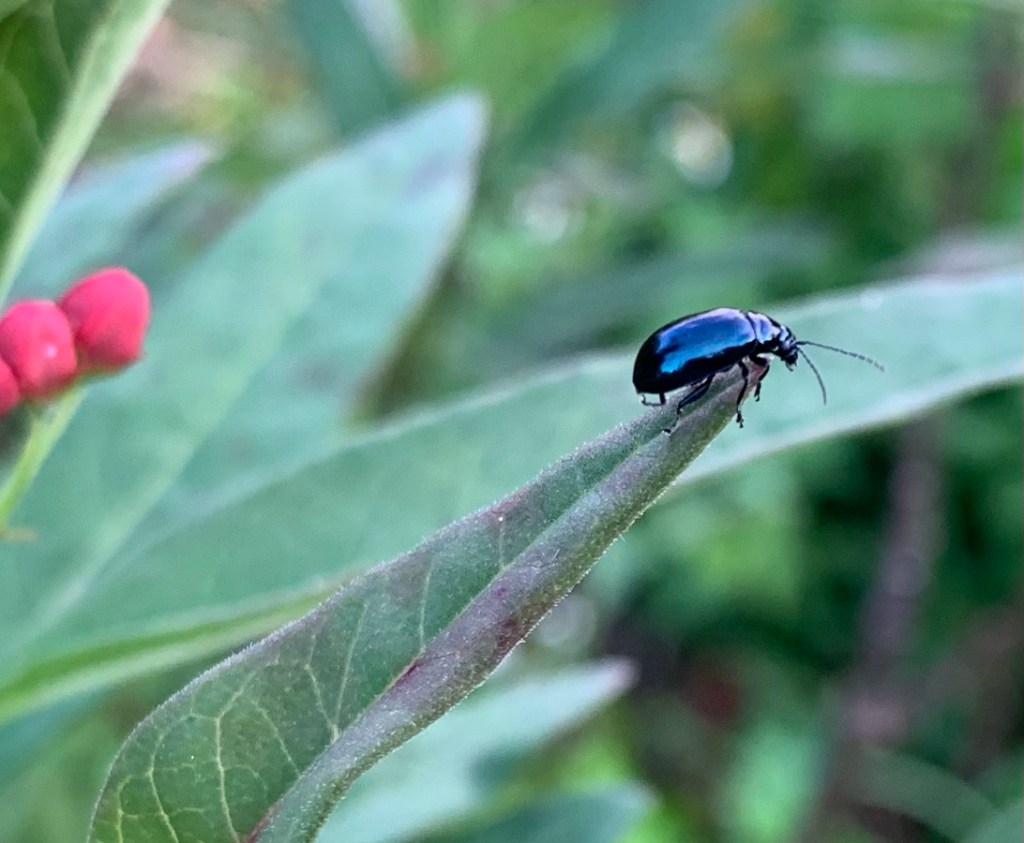
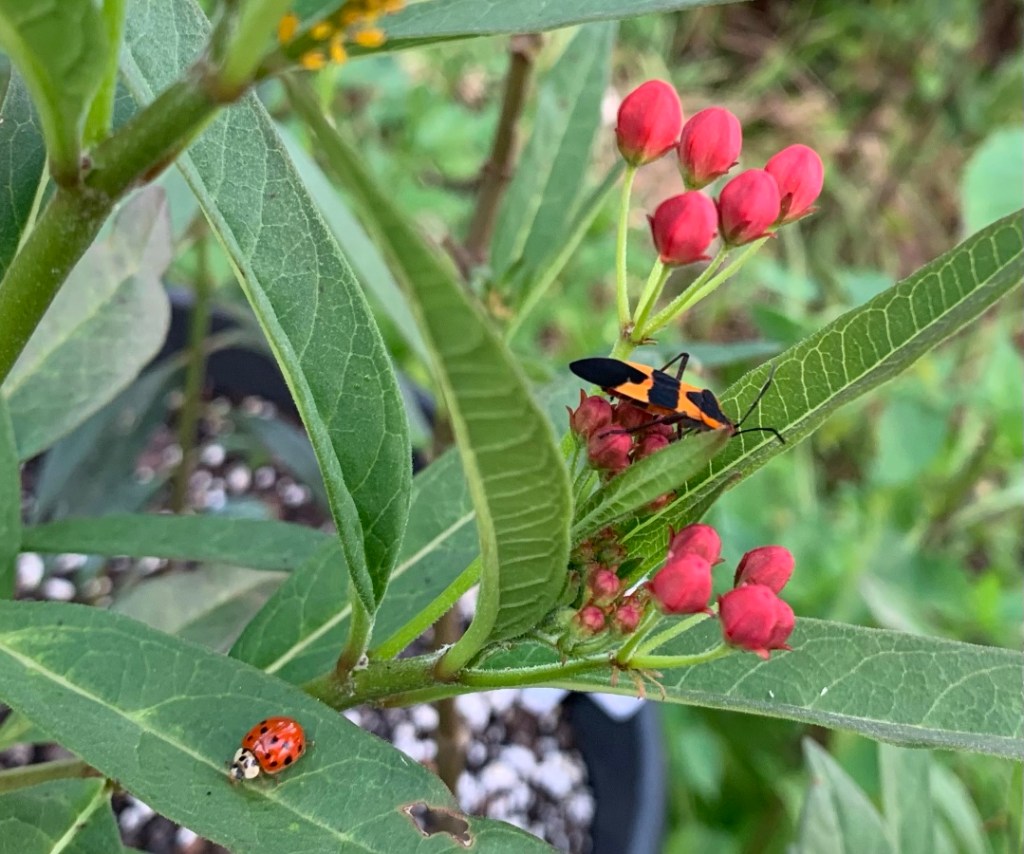
Also, in the same area, I spotted a milkweed bug and shiny blue leaf beetle on the tropical milkweed plant. A yellow paper wasp was also spotted, and I need to check for a nest in the vicinity. With an increase in stinging bugs, I’ll have my Apis Mel (paid link) handy.

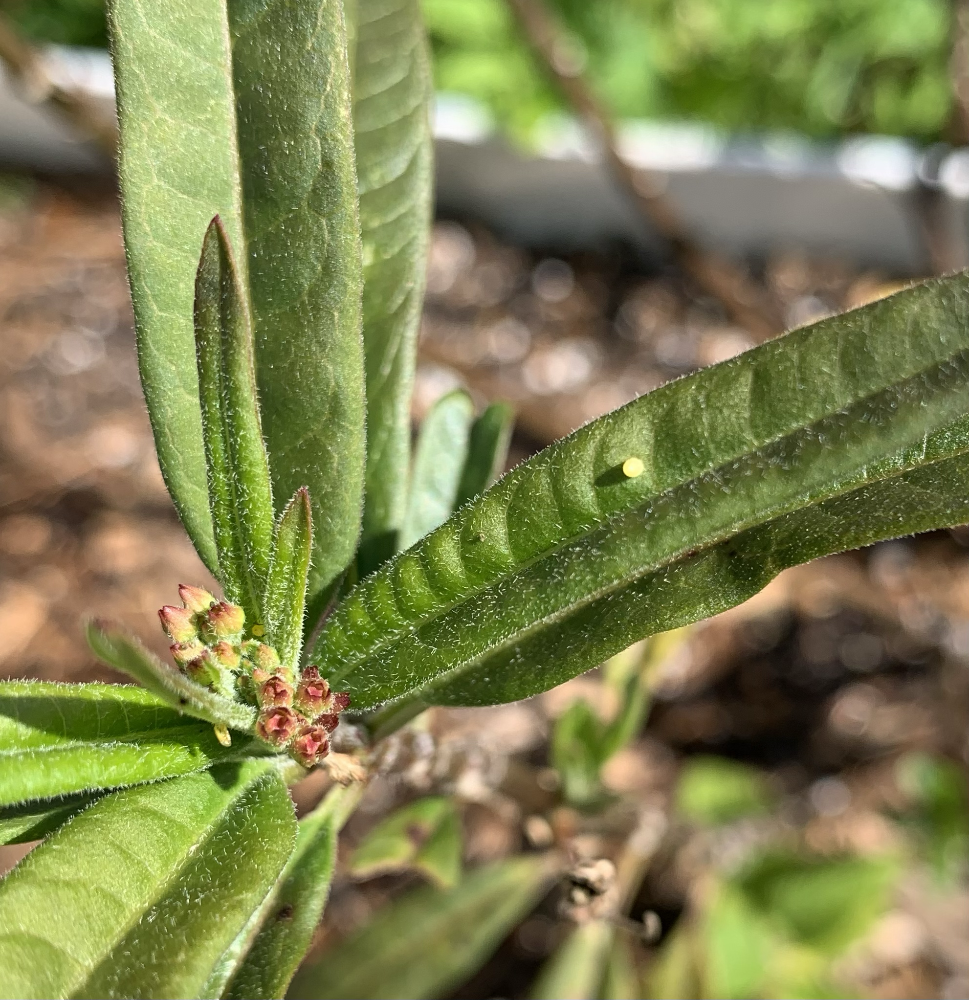
When tiny caterpillars were on my new white Swamp milkweed plant, I transferred them to the tropical milkweed. I don’t like to mess with nature, but the original plant was too small to accommodate any caterpillars. I think the eggs may have been there when I bought the plant.

I ended up putting three tiny caterpillars onto the bigger milkweed plant. I’ve seen only one caterpillar that had grown larger, and now that one seems to have disappeared. I think the lizards are eating them.

Sure enough, I searched for info and found that lizards – both invasive (brown) and the green anoles – will eat the caterpillars and butterflies. So now I have a new problem. I want to feed the Monarchs, but my yard is full of lizards.

Are These Bugs Good or Bad?

I’m no bug expert, but I do know ladybugs are good guys. They eat aphids and when the eggs hatch, the ladybug larvae will also eat the aphids. I’ve seen red ladybugs with lots of black spots and also orange ladybugs with no spots.

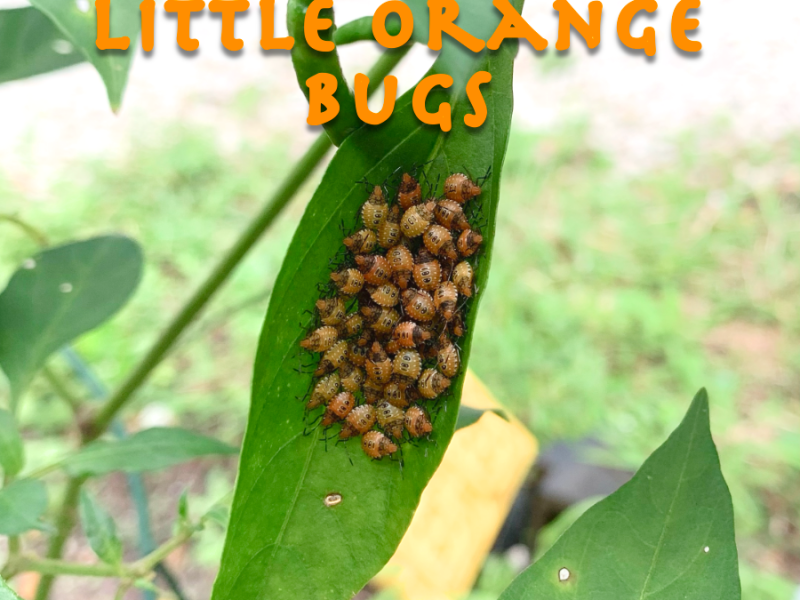
The milkweed bug feeds on flowers and seeds of the milkweed plant. The milkweed assassin bug looks similar, and is a beneficial that will not feed on the plant, but kills unwanted pests. I haven’t seen one of those yet. As far as that pretty blue beetle, I have no information.

The dill plant is one of many that I have all over the garden. Dill is very easy to grow where I live, and I always save seeds each year. As summer closes in, the dill flowers turn to seed and often the plants get infested with aphids. Each year I hope for ladybugs, but never seem to have enough to deal with all the pests.

The dill plants are also good for attracting black swallowtails. Fennel is another plant where I’ve found lots of caterpillars in the past. I rarely get a butterfly as the lizards eat Swallowtail caterpillars too.

For now, I am simply observing the happenings. Without caterpillars, the tropical milkweed is growing like mad. The Monarch butterflies are still around and laying eggs, so we’ll see what happens.

Welcome fellow gardeners…