
Propagating Hydangrangeas Could Be Easier Than You Think

blue flowers
Create another shrub easily.

Most people think of starting a new hydrangea plant from a cutting, but I am talking about propagating by root or ground layering here – and it’s especially easy if it’s been done for you by mother nature.

My new yard has no hydrangeas, except for the tiny ones I planted this fall. But the duplex I rented for three years had a large, beautiful bush right outside my front window.

As I was weeding around it one spring I found a low hanging branch that had rooted itself into the dirt. I dug it up (with permission from the landlady) and replanted it near the front steps.

The following year she had another little hydrangea shrub to decorate her yard – for free! All it took was digging and watering.  It’s an easy, and super cheap, way to increase the beauty of your landscape.  And you’ll know exactly what you are getting!

Read the full story with photos by clicking here.  And check those low lying branches this Spring – it’s coming.

The Green Flowers of the Limelight Hydrangea

Hydrangea paniculata
Image via Wikipedia

The Limelight hydrangea (paniculata) is popular for it’s size and stunning, large white flowers that become light green.  The shrub will grow to be very large (8-9 feet tall and can be pruned into a tree) and the blooms last from mid-summer through Fall when the flowers may change color becoming pinkish.

The best thing about hydrangeas, besides their huge flowers, color variety (as if that wasn’t enough!) is their long lasting blooms.  Does any other flower last as long?  I can’t think of one.  And then in fall, the flowers can be dried to last all winter.  Show me something better!

I don’t know much about the limelight hydrangea, so I am finding out.

  • It is hardy in zones 3-8
  • Very hardy and can withstand drought conditions once established
  • Flower color can’t be changed by soil amendments
  • Flowers are held upright on the end of stems (no dragging on the ground)
  • Flowers bloom on new wood
  • Likes sun or part shade

See some photos and read more at this site.

Perennial Flowers That Like Shade

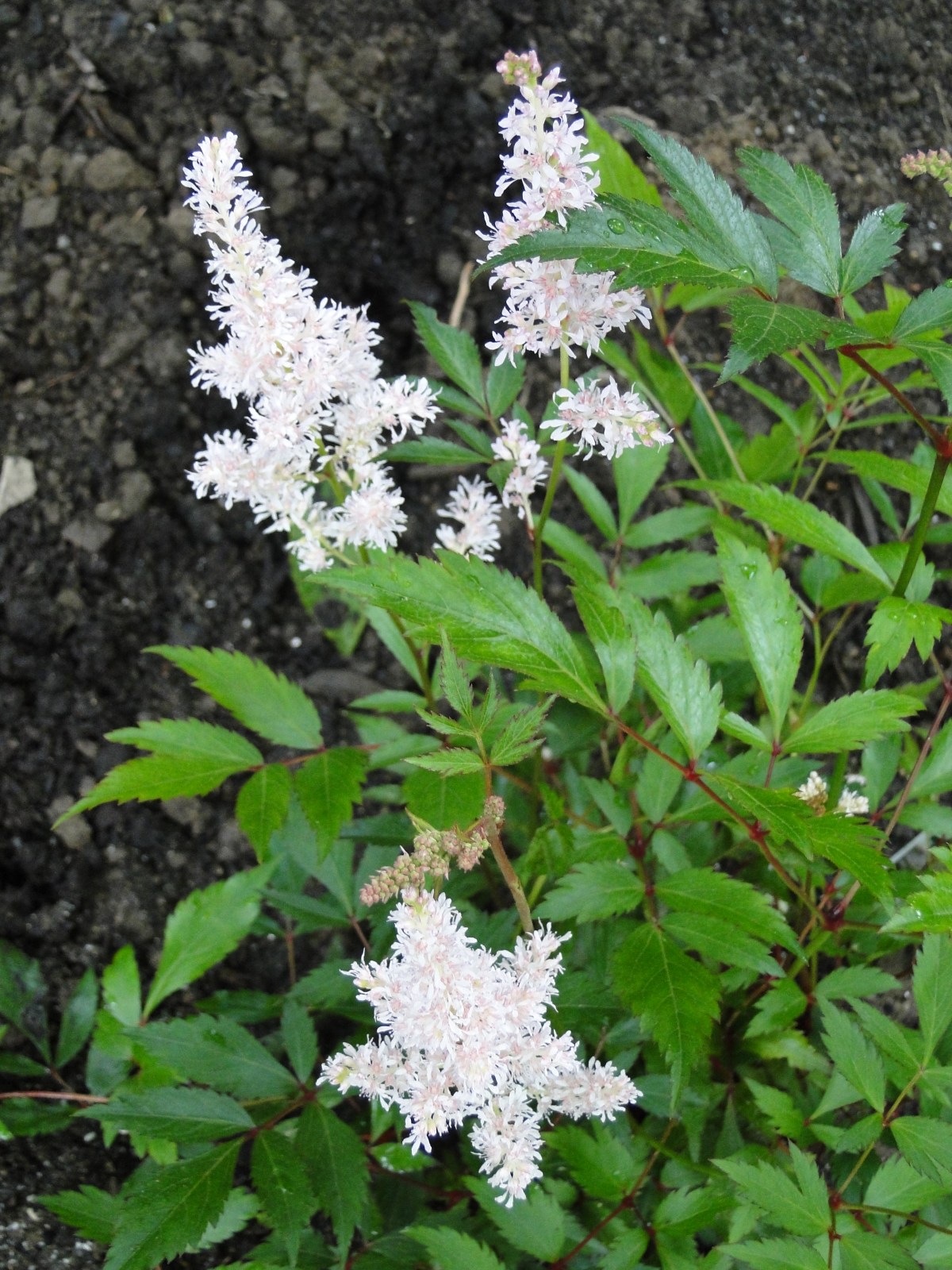
Astilbe koblenz
Image via Wikipedia – Astilbe koblenz

I’d like to write about tall perennials that like shade, but I haven’t come across any. 

The best flower for shade is the astilbe (shown).  It has pretty leaves and shoots up tall, colorful and feathery-looking flowers.  It is available in many colors and I especially love the white.  But the flowers are tall and not necessarily the actual plant.

Other Shade-loving Perennials

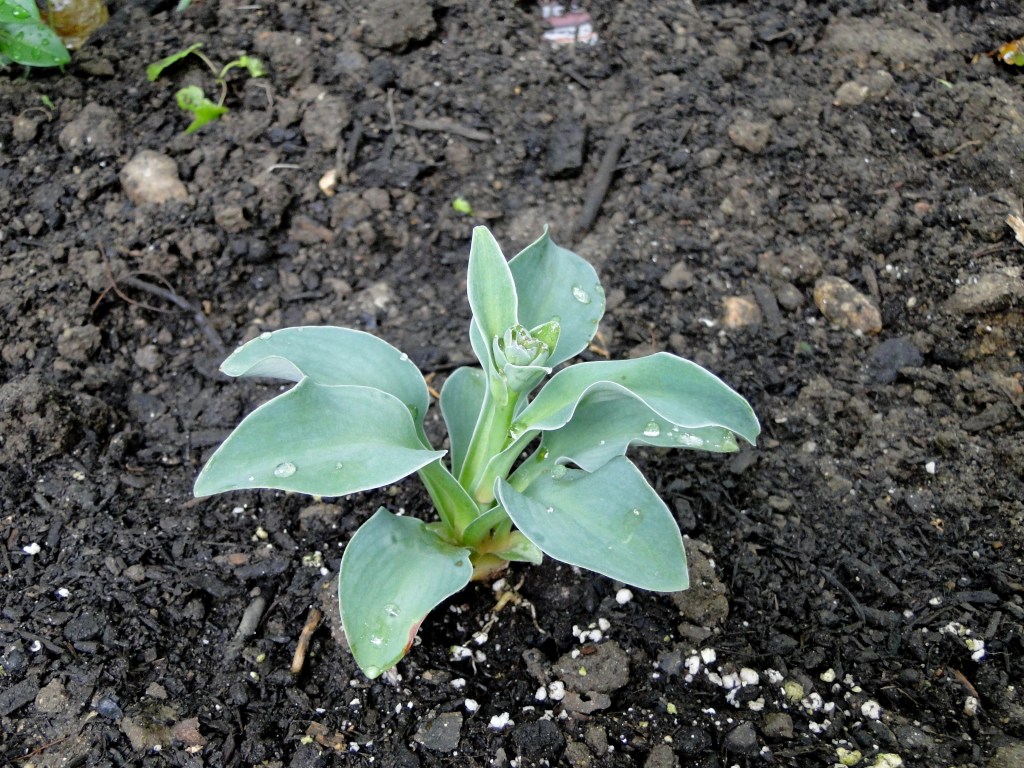
Hostas are also well known as shade loving plants, but they grow close to the ground with tall shoots that hold their tiny flowers. This is a little “mouse ear” Hosta I planted.

mouse ear hosta plant
Mouse Ear Hosta

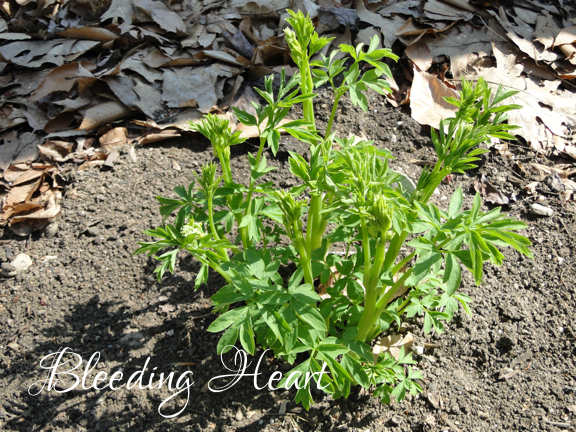
Another favorite for the shade is the bleeding heart.

Bleeding heart plant

Of course many hydrangeas can do well in partly shaded locations and I plan to try some in my front yard (New Hampshire).  The truth is that most flowering plants need a lot of sun to look good, but arranging the plants I have mentioned here in a grouping beneath trees, or in any shaded area, can be beautiful as well.

Planning a Garden Landscape That Includes Hydrangeas

Most people love to see a variety of color in a flower garden.  Along with the mix of sizes and shapes of shrubbery, getting colors to pop and draw the eye to a visual treat is most important.

This is not easy to do and you must know a bit about every type of flower being grown. Flower garden landscape design is very interesting.

(All photos on this page are courtesy of Pixabay.)

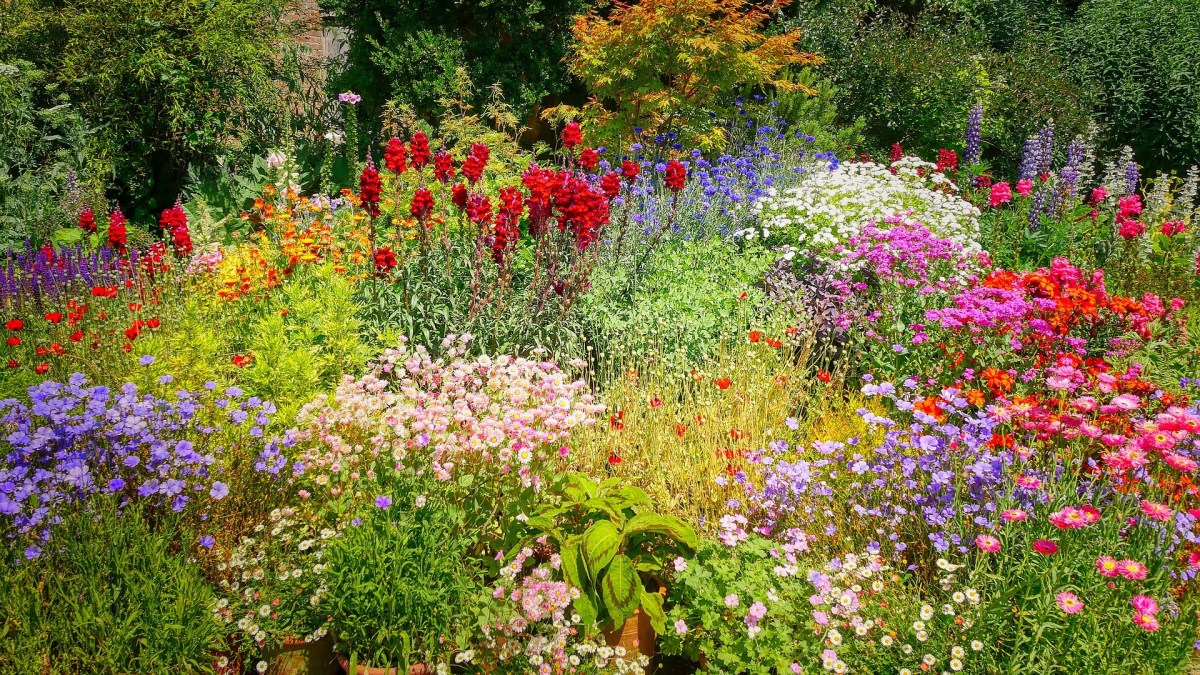
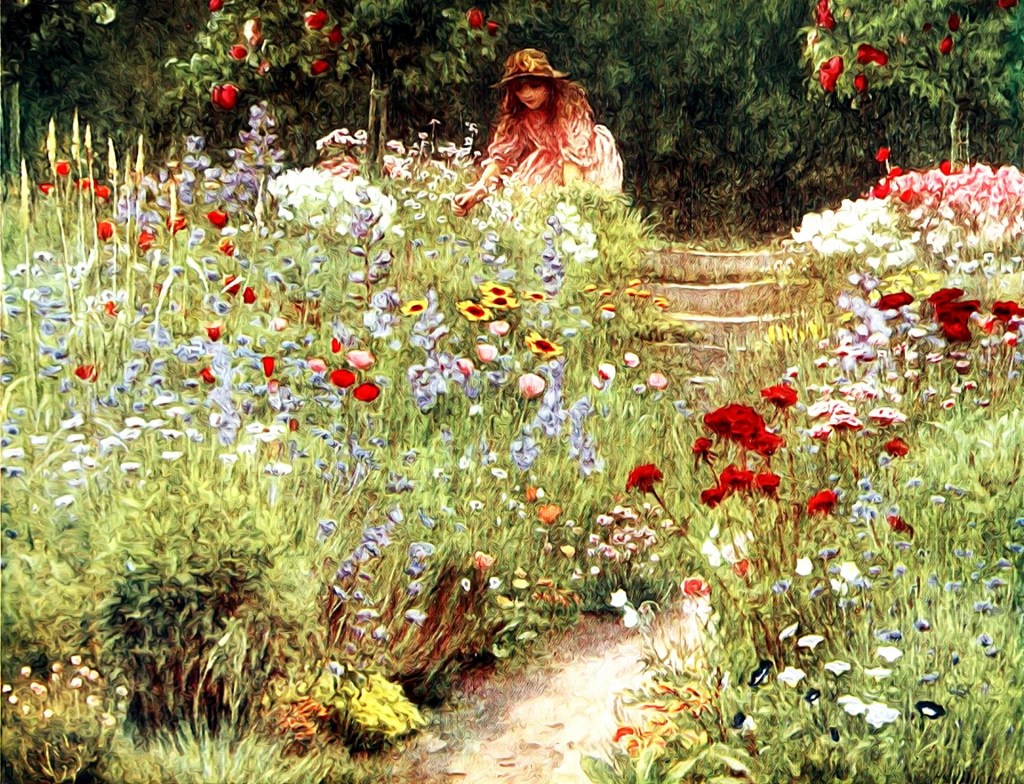
Cottage garden landscape with blooming flowers of all colors and sizes

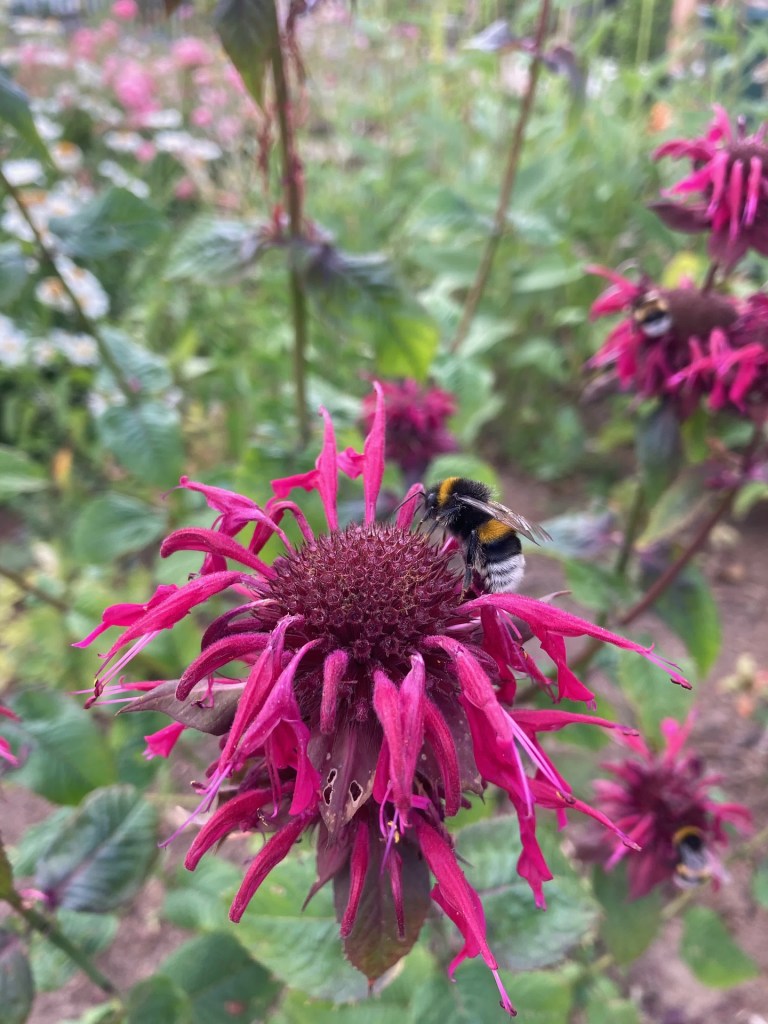
Monarda, or Bee Balm, plants have tall, brightly colored flowers that attract bees.

monarda bee balm flower bright pink red

Hydrangeas can stand alone and be wonderful, but imagine them as the focal point in a diverse garden setting. 

When planting a tiered garden, with taller shrubs in the back, let hydrangeas be the mid-level plant (buy a type that doesn’t get super tall), with short annuals or perennials in front. 

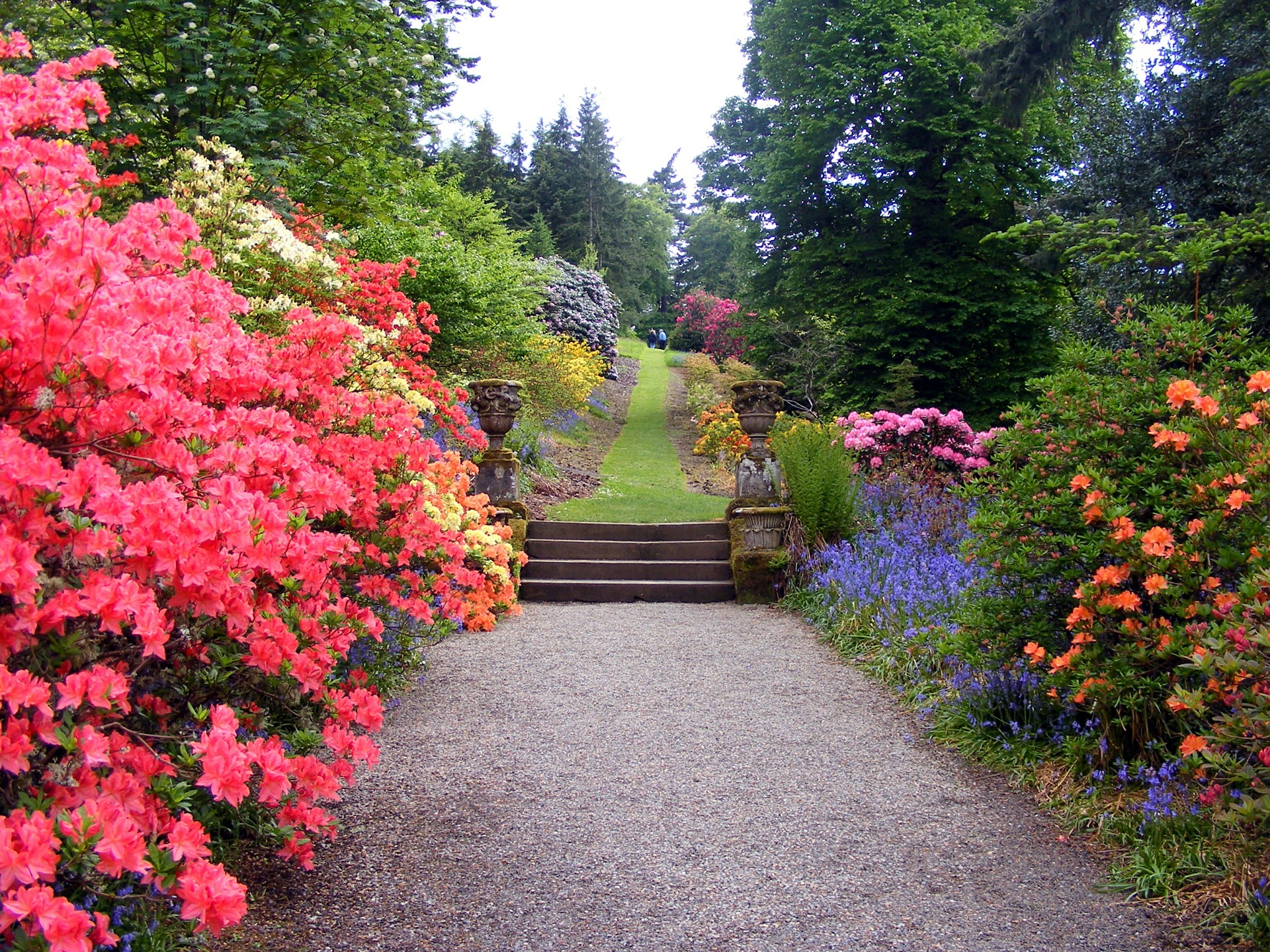
garden path flowering landscape shrubs
Beautiful garden path

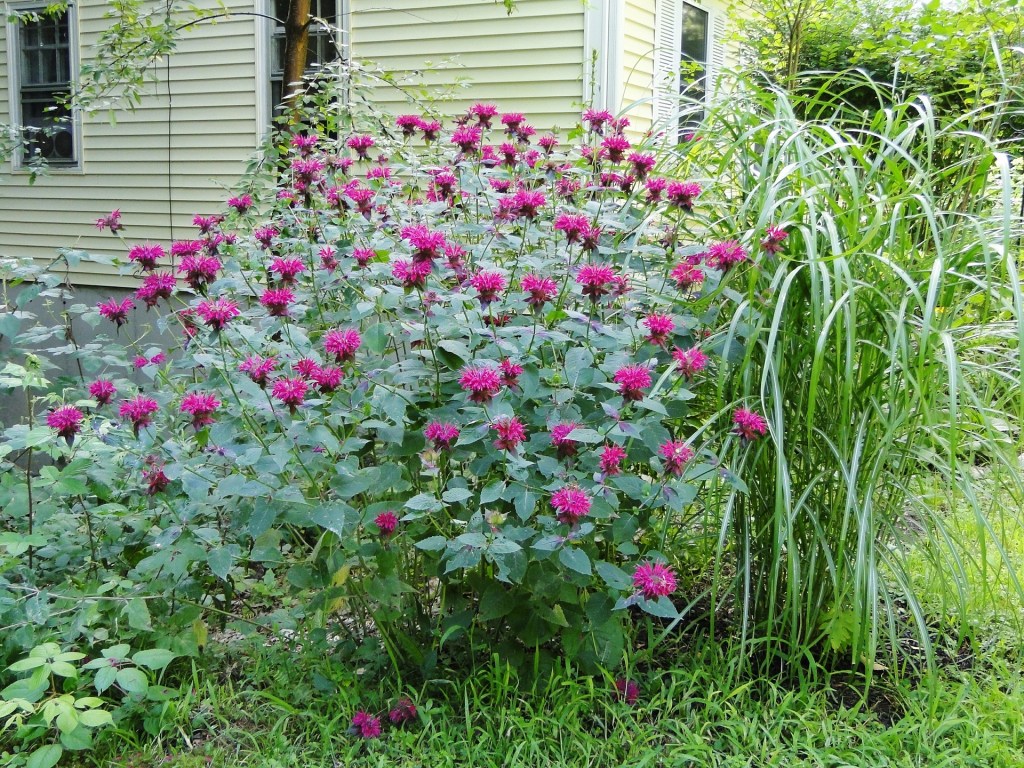
A word of caution about Monarda – it spreads, so if you don’t want it growing all over, plant it in a big pot to keep the roots contained.

tall flowering monarda bush with bright pink flowers
This Monarda was growing in my yard in New England

I also like the idea of adding interesting grasses beneath the hydrangea, but be careful you don’t disturb the roots and remember that the more you plant the more water the plants will drink.

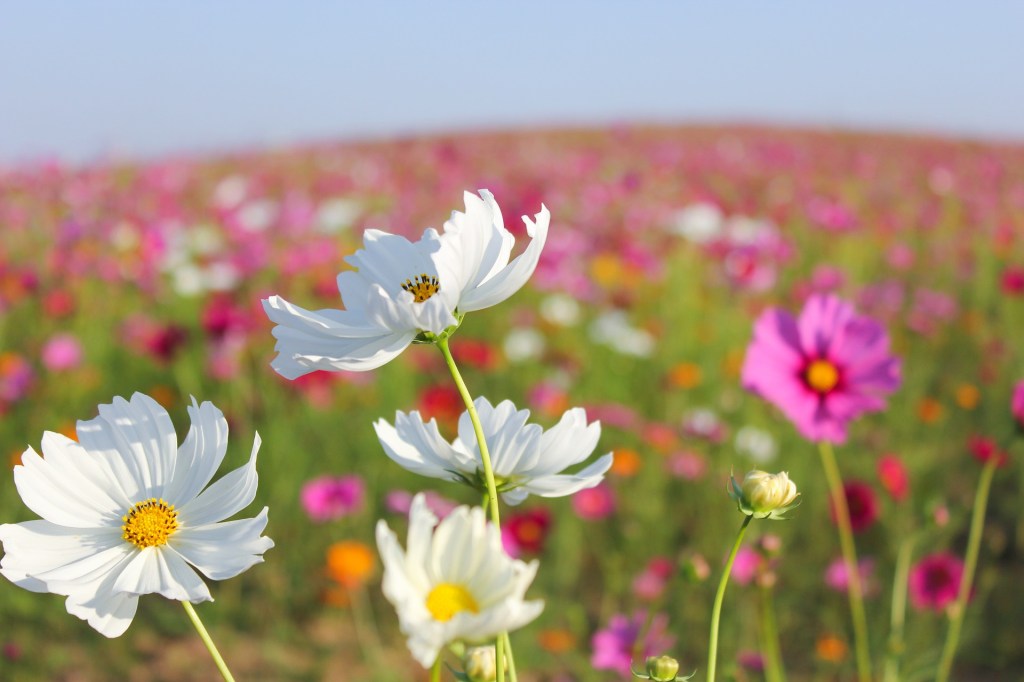
Cosmos

Dainty, waving cosmos flowers are a wonderful addition to any garden. Their pink and white colors would offset a blue hydrangea nicely.

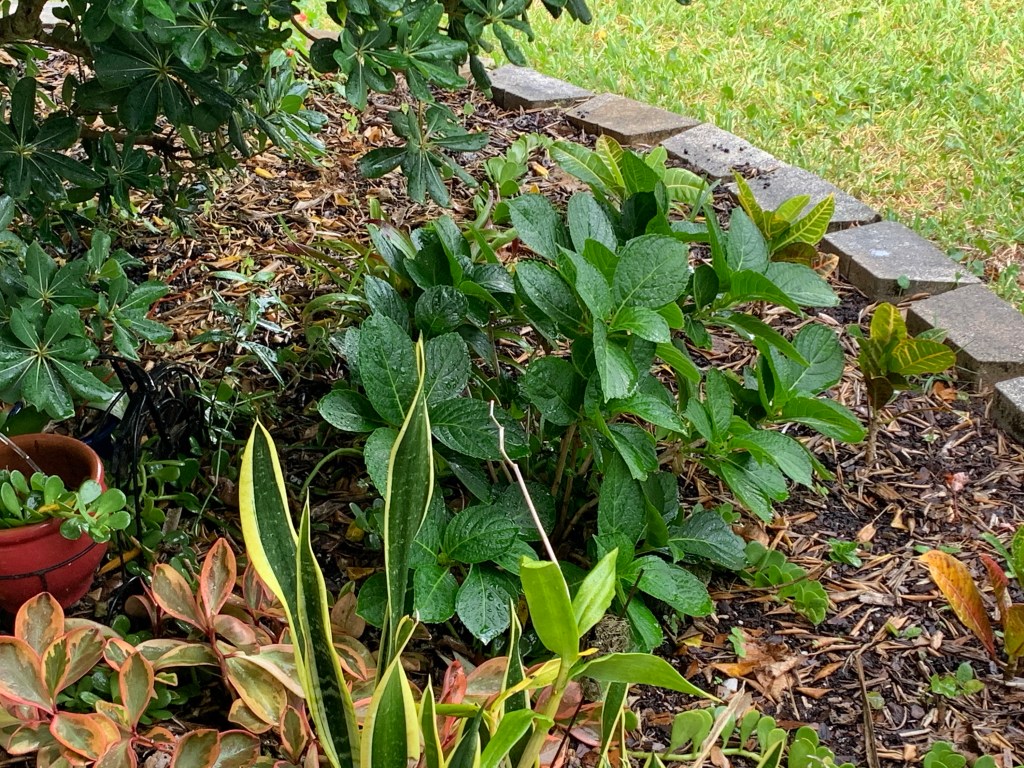
It will depend on where you live as to what you can plant. I now live in Florida so my one hydrangea plant grows beneath a large shrub near other tropical plantings.

Florida hydrangea garden perennial Spring
Hydrangea growing in my Florida yard

Tier Planting, Choosing the Tall Perennials

English: phlox
Image via Wikipedia - white Phlox

Planting against a fence, house, stone wall, around a post, or even a drop off, may require tier planting with larger perennials planted in the back and rows of shorter shrubs in front.  I’ve been thinking about this since I have many areas of my yard that will need sprucing up with colorful, flowering plants and greenery.

So what can we use for our back row, which will have to be filled with the tallest plants?  It’s a tricky question when beginning a garden because most plants will take a few years to reach the desired height.  My favorite choices for the back row of a tiered garden are tall phlox, coneflowers, lilies and monarda (bee balm).

Take into consideration the background – will they be planted against a white fence, or a wood one?  Choose colors accordingly as white phlox will stand out against a darker color, but may not show up well if the fence is white.

Also consider the amount of sun the garden will receive.  If it gets very little to none, choose other flowers that will bloom in the shade.

I want lots of color in my garden and I want it to attract wildlife such as hummingbirds and other birds that will eat the bugs.  Good red choices are Monarda and coneflowers.  Monarda will grow fast, and spread.  Coneflowers will take longer, but can also get quite tall and their seeds are loved by chickadees and gold finches in Fall.

Learn the colors of the different varieties and choose the ones you prefer and that will compliment your garden best.

English: A female ruby-throated hummingbird (A...
Image via Wikipedia - Hummingbird and Monarda

Planting a Garden In Tiers: Flowering Perennials For the Middle Section

I picture a tiered garden in three sections.  The tall, back section which will be the backdrop for the rest of the garden flowers;  the front area which will hold the ground cover plants and low growing annuals and / or perennials;  and the middle section which holds everything else!

It would be a bit more organized that a cottage garden where things of all sizes grow amongst each other.

flower garden landscape design

Filling in the central part of the garden may be the easiest task since finding perennials that are average in height may be the easiest.  Not only that, but mixing in a few taller varieties here is also okay. 

The middle area is a good place to add medium size hydrangeas or some day lilies

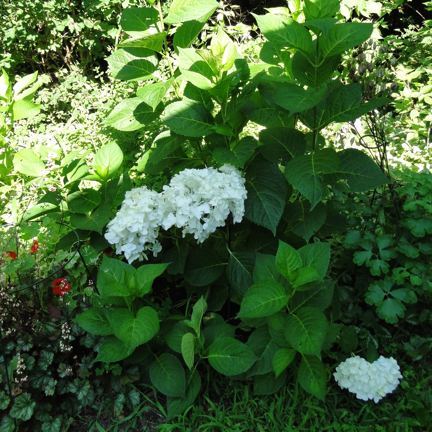
white flowering hydrangea
Blushing Bride white hydrangea (macrophylla)

Depending on how large your garden will be, or is, adding a central focal point such as a compact tree or larger bush would be a good idea.  I’ve never used tall, ornamental grass, but it can add character to the garden too.

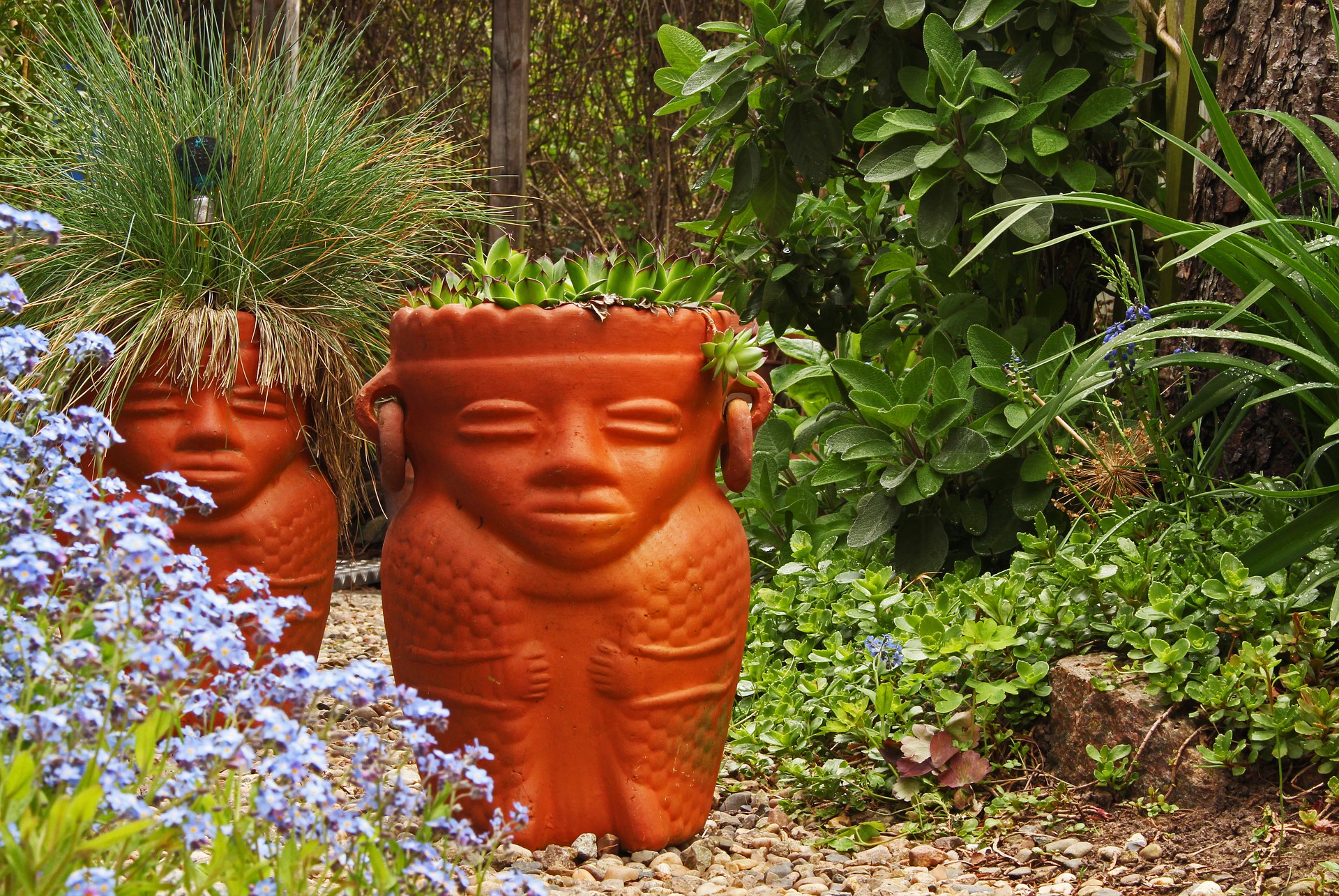
Choose some type of garden ornament or giant pot to be the garden focal point or to add interest.

garden ornaments ornamental design focal point
Ornamental pots can be a garden focal point

The middle section could have some peonies (another favorite of mine) and stand alone asiatic lilies to add varying colors.  If you love roses, they could be planted in the middle section.

Just keep in mind the different needs of plants when you mix together a tiered garden, or any garden.  Roses need loads of sun, and good air circulation around their leaves.  They also need to be fertilized regularly.

When planting your tiered garden be sure to give everything room to grow.  It may look a little sparse the first year or two, but it can be filled in with annuals until the perennials grow up.